மனைவிகளின் பெருமையும், லேக தோஷமும்!

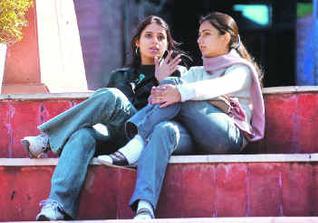
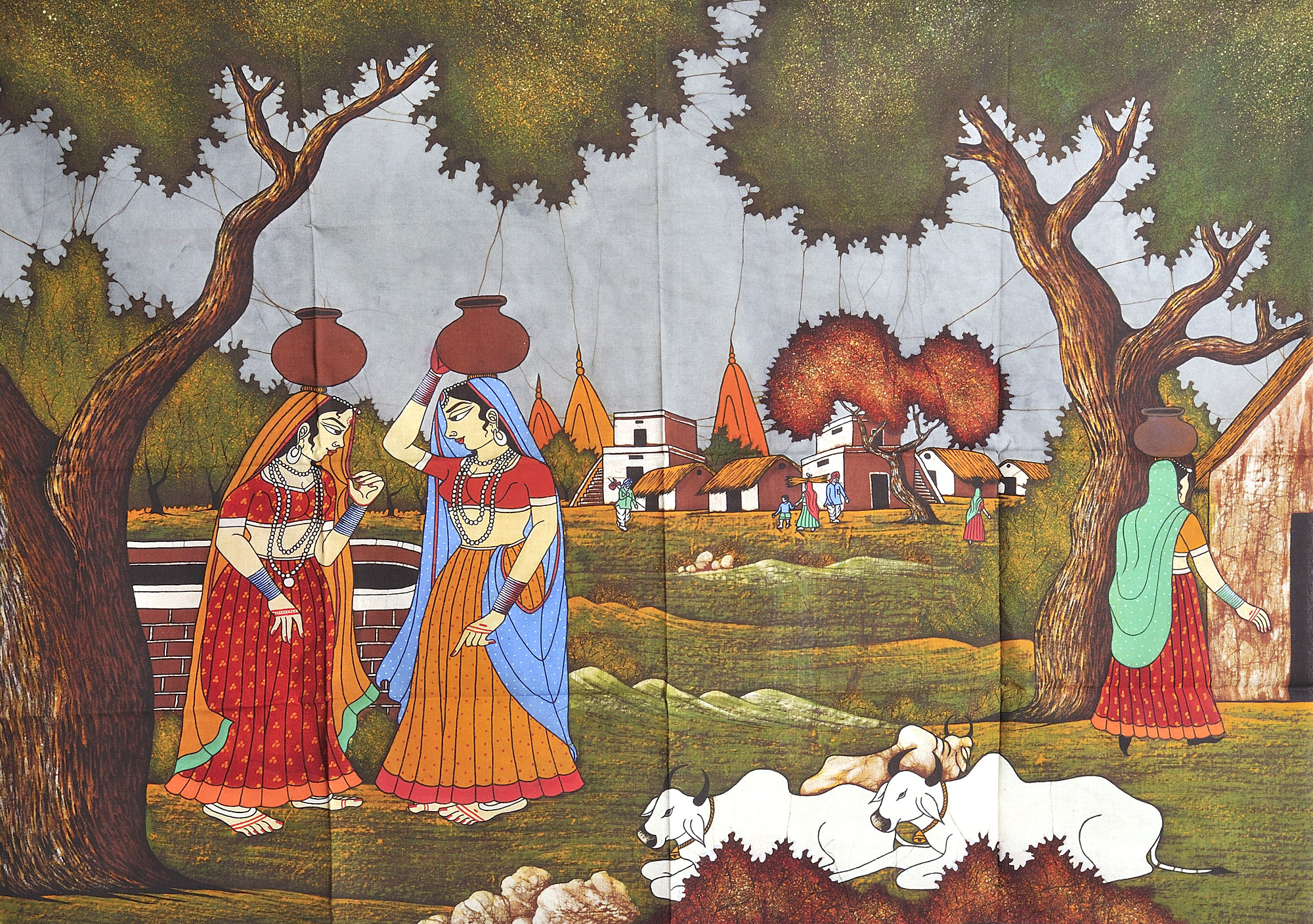
gossip at village well

சம்ஸ்கிருத செல்வம் அத்தியாயம் 29

ச.நாகராஜன்

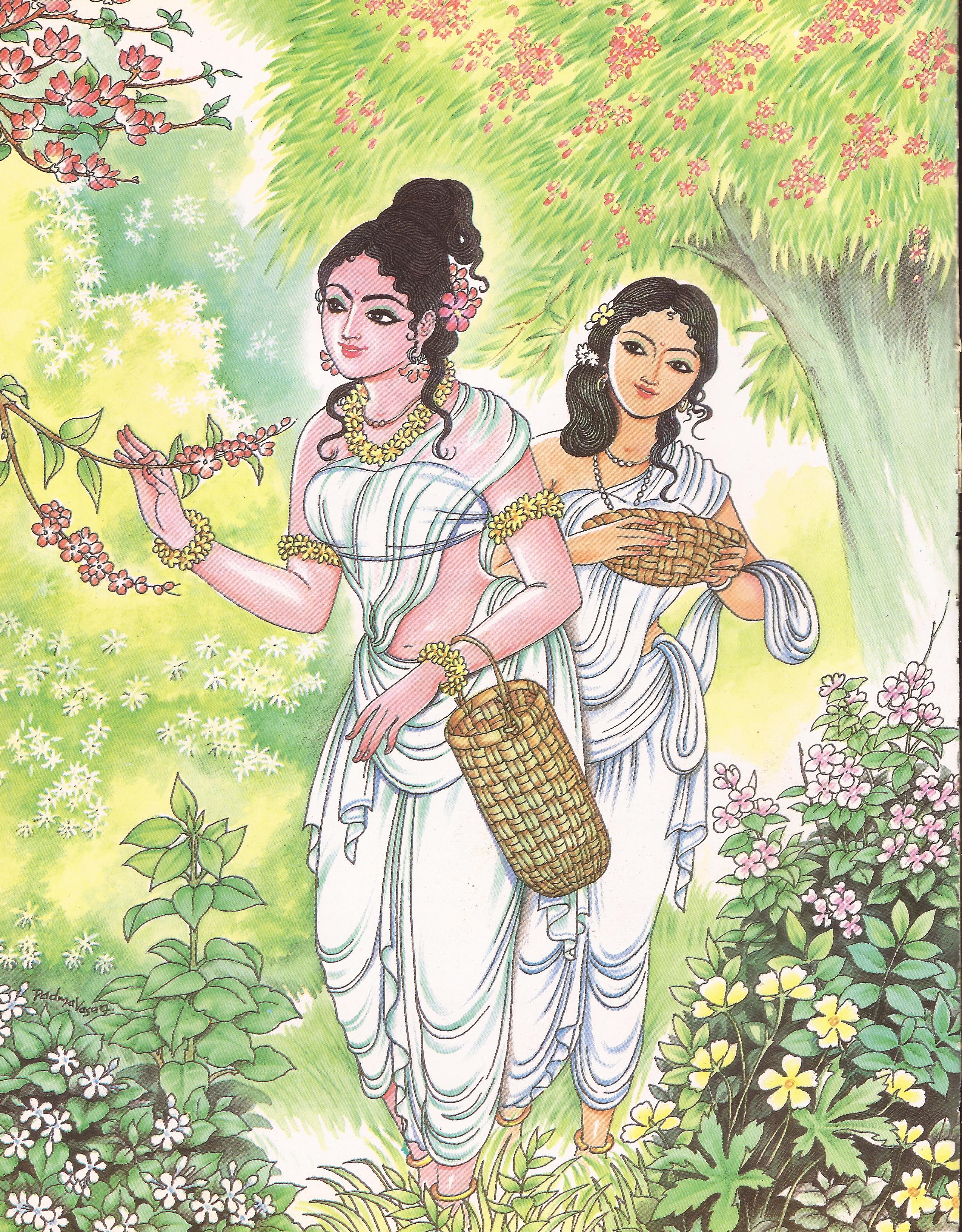
இரண்டு பெண்மணிகள் ஓரிடத்தில் கூடினர். தங்கள் தங்கள் கணவன்மார் ‘பெருமையைப்’ பேசி மகிழ்ந்தனர்.

ஒருத்தி சொன்னாள்: “ எனது அன்பிற்குரிய கணவர் எப்படி எழுதுவார் தெரியுமா? பெரிய புத்திசாலி! அவர் எழுதுவதை அடுத்தவர் யாராலும் புரிந்து கொள்ள முடியாதபடி எழுதுவார்”.

இதற்கு அடுத்தவள் பதில் சொன்னாள்: “ஹூம்! இவ்வளவு தானா! என் புருஷர் இன்னும் அதிக புத்திசாலி. அவர் எழுதுவதை அவராலேயே புரிந்து கொள்ள முடியாது.

இந்தக் காட்சியைக் கண்ட கவிஞர் அப்படியே நையாண்டிப் பாடலாக எழுதி விட்டார். பாடலைப் பார்ப்போம்:-

சதுர: சகி மே பர்த்த யத் லிகதி

தத் பரோ ந வாசயதி I

தஸ்மாத் அபி அதிக: மே ஸ்வயம் அபி

லிகிதம் ஸ்வயம் ந வாசயதி II

gossiping

சகி – ஹே! சகியே
மே பர்த்த சதுர: – எனது கணவர் மிகவும் திறமைசாலி
யத் லிகதி தத் பரோ ந வாசயதி – அவர் எதை எழுதுகிறாரோ அதை வேறு யாராலும் படிக்க முடியாது

மே தஸ்மாத் அபி அதிக: – அதைக்காட்டிலும் என் கணவர் இன்னும் அதிக புத்திசாலி.

ஸ்வயம் அபி லிகிதம் ஸ்வயம் ந வாசயதி – தான் எழுதியதை அவரால் தன்னாலேயே படிக்க முடியாது!

சரி, எழுதுவதை எப்படி எழுத வேண்டும்?

இதைச் சொல்வதற்கு சாணக்கியரை விடத் தகுதி வாய்ந்தவர் யார்? அவர் ‘லேக தோஷ:’ என்று எழுதுவதில் உள்ள ஐந்து தோஷங்களைக் கூறுகிறார்.

1) அகாந்தி – எளிதில் புரியாதபடி எழுதுதல்
2) வ்யாகத – முரண்பட்டு எழுதுதல் (முன்னுக்குப் பின் முரணாக எழுதல்)
3) புனருக்த – சொன்னதைத் திருப்பிச் சொல்வது போல எழுதியதையே திருப்பி எழுதுதல்
4) அப சப்த – இலக்கணமின்றி வார்த்தைகளை கண்டபடி எழுதுதல்
5) சம்ப்லவ – ஒழுங்கான வரிசையின்றி மாற்றி மாற்றித் தொடர்பில்லாது எழுதுதல்

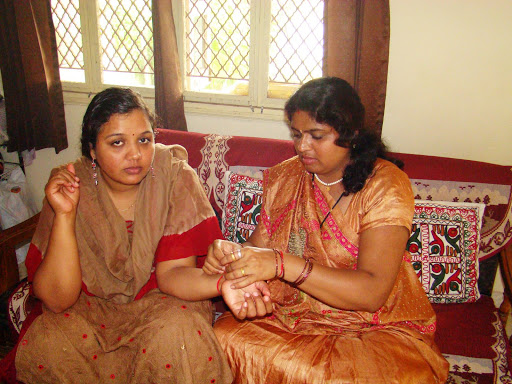
two women tying

அகாந்திர்வ்யாகாத: புனருக்தமபசப்த:
சம்ப்லவ இதி லேக தோஷா: I
அர்த்த சாஸ்திரம் II – 10 – 57
இந்த ஐந்து எழுத்து தோஷங்களையும் நீக்கி எழுதினால் வெற்றி தான்!

**********

Pictures are used from different sources.Thanks.
swami_48@yahoo.com

Mind is a Tiger: Adi Shankara

Hindu Encyclopaedia of the Mind – Part 1

Compiled by London Swaminathan.

Post No. 846 Date: 17 February 2014

It is a shame that neither Sigmund Freud (1856-1939), father of psycho analysis or Carl Gustav Jung (1875—1961), founder of analytical psychology, are here today to study the Hindu Yogis. Hindu saints have tremendous knowledge of the function of mind and thought power. They understood the power of mind and demonstrated it publicly. I don’t know how people like Freud and Jung missed those saints and their views and coined new terms and misinterpreted dreams etc. Hindus are well ahead of western researchers on mind. Sri Ramakrishna Paramahamsa is one of the saints who explained it in crystal clear terms. So let me start with Sri RKP.

Following are some of the quotations of Sri Ramakrishna Paramahamsa and Swami Vivekananda:
The mind is everything. If the mind loses its liberty, you lose yours. If the mind is free, you too are free. The mind may get dyed in any colour. Like a white cloth fresh from the laundry. Study English and you will mix English words in your talk in spite of yourself. The pundit who studies Sanskrit must quote verses. If the mind is kept in bad company, the evil influence of it will colour one’s conversation and thought. Placed in the midst of devotees, the mind is sure to meditate on god and god alone. It changes its nature according to the things amongst which it lives and acts.

The mind is everything. The attraction for the wife is of one kind, and the affection for the child is of quite a different nature. On one side is one’s wife, on another side is the child, one caresses both , but moved by quite different impulses.

Bondage is of the mind; freedom too is of the mind. If you say, “ I am a free soul. I am a son of god! Who can bind me?” free you shall be. If one is bitten by a snake and can say with all the force of will and faith, “ There is no venom, there is no venom”, one will surely get rid of the venom.

Mind and machines (Swami Vivekananda)

Machines never made mankind happy and never will make. He who is trying to make us believe this will claim happiness is in the machine; but it is always in the mind. That man alone who is the lord of his mind can become happy, and none else.

Kill the Mind: The direction of the mind which always runs after the senses has to be turned within. The mind has to be killed. The body dies and dissolves in the five elements. But the bundle of mental impressions which is the mind does not die soon. It remains for sometime in seed form and then sprouts and grows in the form of a tree – it takes on another physical body and goes the round of birth and death, until self knowledge arises. Therefore I say, by meditation and concentration and by power philosophical discrimination plunge this mind in the ocean of Existence-Knowledge- Bliss Absolute. When the mind dies, all limiting adjuncts vanish and you are established in the Brahman.
Source: Sayings of Sri Ramakrishna , Sri Ramakrishna Math, Mylapore, Chennai 600 004 and Selections from The Complete Works of Swami Vivekananda, Advaita Ashrama, Calcutta 700 014

Lord Krishna in Bhagavad Gita

Without doubt, O Might armed (Arjuna), the mind is difficult to control and restless but it can be controlled. O,Son of Kunti, , by constant practice and non attachment (6-35).
Even here on earth the world is overcome by those whose mind is established in equality (5—19)
Purushasuktam of Rik Veda also confirms one can attain mukti/liberation even on earth (tam evam vidvan amruta iha bhavati).

TIGER: Adi Shankara in Viveka Chudamani

“In the forest tract of sense pleasures there prowls a huge tiger called the mind. Let good people who have a longing for liberation never go there “
( Viveka Chudamani–176)
Source : Viveka Chudamani, Advaita Ashrama, Calcutta 700 014

In Shankara’s Question and Answer hymn (Prasnottara Ratna Malika ) there are a few questions on the mind:
Q: What spoils the mind (madhi) and brings down its efficiency like an
alcoholic drink?
A: Love (or) Friendship (snehah) of the abnormal or extreme kind.

Q: Where is the receptacle of poison (Visham)?
A: In the mind of evil men (dushta-jane)

Q: Whose mind is always on the right track?
A: Of one who honours holymen.

Q: What is difficult for human beings (Kim Dushkaram Naraanaam)?
A: The constant control of Mind (Yan Manaso Nigraha: Satatam).

Monkey-mind

Buddha on Mind (from The Dhammapada)

The mind is wavering and restless, difficult to guard and restrain: let the wise man straighten his mind as a maker of arrows makes his arrows straight (33)
Like a fish which is thrown on dry land, taken from his home in the waters, the mind strives and struggles to get free from the power of death (34)

It is good to control the mind; a mind self controlled is a source of great joy (35)

Considering that this body is frail like a jar, make your mind strong like a fortress and fight the great fight against MARA, all evil temptations. After victory guard well your conquests, and ever forever watch (40)

An enemy can hurt an enemy, and a man who hates can harm another man; but a man’s own mind, if wrongly directed, can do him a far greater harm (42).
Source: Penguin 60s Classics Buddha’s Teachings

Contact swami_48@yahoo.com

Mind is a Woman: Tamil Poet Bharati

Hindu Encyclopaedia of the Mind – Part 2
Compiled by London Swaminathan
Post No.847 Date: 17 February 2014

Please read the first part of Hindu Encyclopedia of the Mind under the title Mind is a Tiger: Adi Shankara.

Tamil Saint THAYUMANAVAR ON MIND

Tamil saint Thayumanavar echoes it in the following poem:
You may control a mad elephant;
You may shut the mouth of the bear and tiger;
Ride the lion and play with cobra;
By alchemy you may earn your livelihood;
You may wander through the universe incognito;
Make vassals of the gods; be ever youthful;
You may walk on water and live in fire;
But control of the mind is better and more difficult. – Thayumanavar.

Mind is a Monkey is an expression used by the Buddhists in China and Japan. Neither Buddha nor Hindu saints used it. But they indirectly referred to it.

VALLUVAR ON MIND
In Indian context zeal, will power, thoughts, good heart and mind are all linked to one another. They are interchangeable words. English translations of great Tamil and Sanskrit works often mix up these words.
Tamil poet Tiruvalluvar links a healthy mind with good companions. Valluvar’s thoughts on zeal and mind are as follows:

“The lotus stem is high according to water depth
A man’s merit is the measure of his mental strength” – 595
Another translation for the same couplet runs like this
With the rising flood, the lotus stalk extends
On mind, the dignity of man depends.

“Think lofty thoughts always; in such a context even if you fail
Your aspirations keep you on a higher plane” – 596

Another translation for the same couplet runs like this
Think ever of rising higher. Let it be your only thought. Even if your object be not attained, the thought itself will have raised you.

“The quality of water changes with the soil
The mind changes with association” – 452

“Men ‘s perceptions are of their own mind
But their nature is known by their kind” –453

“Intelligence depends upon the mind
Character of a man upon companions “–454

“Purity of action and purity of mind both come from purity of good company” – 455
The pure of heart leave behind a virtuous line; on the other hand
The efforts of those with clean associations will never fail –456–

“Purity of mind ushers in spiritual growth and personal prosperity
While good associations lead to glory” –457–

“Even wise and virtuous gentlemen of pure mind
Need good friends for effective strength”–458

“Admittedly purity of mind would lead to heaven. This is strengthened by good company” – 459.

Tamil Poet Subramanya Bharati on Mind

The Damozel Mind

1.Maiden Mind! Listen.
Clinging to one thing
You swing to another;
As I ask you to hold on to the good,
You sink away disgusted;
When I order you to skip an idea,
You grasp it more tightly;
And you cling to the past
With dogged persistence

2.Novelty makes you afraid
You love new things and newer,
Yet you shrink behind.
As the bee to the honey,
You return to ancient things—
Then grumble again;
“Where is the new creation?
Everywhere the old rules”.
As the crow to the corpse,
You are drawn to the garbage
That rots and dies.

3.Likewise
Loving me ever, and guarding my soul;
My sensitive organs
My seeing eye, you are
That make me share
The earth’s movement;
Giving joy, and swooning in it,
And committing blunders
In search of happiness;
Guarding and cherishing it, and destroying sorrow;
Running after pleasure,
Sinking in gloom;
Yourself unknowing
But souring the universe,
Hungering to see
The Supreme one who is
Within you all the time.

4.Ah, when asked to look somewhere,
Your eyes roam elsewhere;
Knowing all partial laws
You know not the law of laws
Nor the meaning
Behind the laws.

5.Maiden Mind ! Listen
I do not know
How to live with you.
And yet I want always
Your company.
I shall try to make you grow
And strive for realisation.
The Supreme whom I have seen –
But you have not –
Claims my daily homage,
And through That
You too may be redeemed.
Translation from Bharatiar Patalkal by Tamil University, Thanjavur,pages 396-397

Contact swami_48@yahoo.com

‘மனம் ஒரு பெண்’, ‘மனம் ஒரு புலி’

manm oru kurangu

Compiled by London Swaminathan.
Post No. 845 Date: February 2014
(This article is available in English in two parts: Hindu Encyclopaedia of the Mind)

‘மனப் பெண்’ என்ற தலைப்பில் பாரதியார் ஒரு அருமையான கவிதை யாத்துள்ளார். மனம் எனும் குரங்கு பற்றி “பாயிண்ட் பாயிண்டாக” அடுக்குகிறார். இதை படிக்கும்போது நமக்கு திருப்தி ஏற்படுகிறது. அட! நம்மைப் போன்ற சாதாப் பேர்வழிகளுக்கு………………. சோதாப் பேர்வழிகளுக்கு …………………மட்டுமே இப்படி எண்ணங்கள் வருகிறதோ என்று பயப்பட்டுக் கொண்டிருந்தவர்களுக்கு பாரதி பாட்டு தைரியம் கொடுக்கும். நம் எல்லோருக்கும் மனம் என்பது ஒரு புரியாப் புதிர். அதைக் கட்டுபடுத்துவது எளிதல்ல.

சீனாவிலும் ஜப்பானிலும் மனதைக் குரங்காக வருணிக்கும் வசன மொழிகள் வழக்கத்தில் உள்ளன. பாரதியோ மனதைப் பெண்ணாக உருவகித்து அதன் சலன புத்தியைப் பாடுகிறார், சாடுகிறார். பின்னர் மது உண்ணும் வண்டு என்றும் பேசுகிறார், ஏசுகிறார்.

பாட்டு இப்படித் துவங்குகிறது:

“மனமெனும் பெண்ணே! வாழி நீ கேளாய்!
ஒன்றையே பற்றி ஊசல் ஆடுவாய்
அடுத்ததை நோக்கி அடுதடுத்து உலாவுவாய்
.நன்றையே கொள் எனில் சோர்ந்து கை நழுவுவாய்
விட்டுவிடு என்றதை விடாது போய் விழுவாய்
தொட்டதை மீள மீளவும் தொடுவாய்
புதியது காணில் புலன் அழிந்திடுவாய்
புதியது விரும்புவாய், புதியதை அஞ்சுவாய்
அடிக்கடி மதுவினை அணுகிடும் வண்டு போல
பழமையாம் பொருளினில் பரிந்துபோய் வீழ்வாய்
பழமையேயன்றிப் பார்மிசை ஏதும்
புதுமை காணோம் எனப் பொருமுவாய், சீச்சீ!
.பிணத்தினை விரும்பும் காக்கையே போல
அழுகுதல், சாதல், அஞ்சுதல் முதலிய
இழி பொருள் காணில் விரைந்து அதில் இசைவாய்
அங்ஙனே

swinging2
என்னிடத்து என்றும் மாறுதலில்லா
அன்பு கொண்டிருப்பாய், ஆவி காத்திடுவாய்
கண்ணிணோர் கண்ணாய், காதின் காதாய்ப்
புலன் புலப்படுத்தும் புலனாய் என்னை
உலக உருளையில் ஒட்டுற வகுப்பாய்’
இன்பம் எல்லாம் தருவாய், இன்பத்து மயங்குவாய்,
இன்பமே நாடி எண்ணிலாப் பிழை செய்வாய்
இன்பம் காத்துத் துன்பமே அழிப்பாய்
இன்பம் என்று எண்ணித் துன்பத்து வீழ்வாய்
தன்னை அறியாய் சகத்தெலாந் தொளைப்பாய்,
தன் பின்னிற்கும் தனிப் பரம்பொருளைக்
காணவே வருந்துவாய், காண் எனில் காணாய்,

சகத்தின் விதிகளைத் தனித் தனி அறிவாய்,
பொது நிலை அறியாய், பொருளையுங் காணாய்,
மனமெனும் பெண்ணே! வாழி நீ கேளாய்!
நின்னொடு வாழும் நெறியும் நன்கு அறிந்திடேன்;
இத்தனை நாட்போல இனியும் நின்னின்பமே
விரும்புவன்; நின்னை மேம்படுத்திடவே
முயற்சிகள் புரிவேன்; முத்தியும் தேடுவேன்;
உன் விழிப்படாமல் என் விழிப்பட்ட
சிவம் எனும் பொருளைத் தினமும் போற்றி
உன்றனக்கு இன்பம் ஓங்கிடச் செய்வேன்.

மனம் பற்றி பகவத் கீதை

“அஸம்சயம் மஹாபாஹோ மனோ துர்நிர்க்ரஹம் சலம்
அப்யாஸேன து கௌந்தேய வைராக்யேன் ச க்ருஹ்யதே” (6—35)

“தோள்வலி படைத்த அர்ஜுனா! மனம் அடக்குதற்கரியது; இதில் சந்தேகம் இல்லை. பயிற்சியாலும் வைராக்யத்தாலு (திட உறுதி) அடக்கமுடியும்”.

தம்மபதத்தில் புத்தர் சொல்கிறார்:

மனம் ஊசலாடிகொண்டுமோய்வற்றும் இருக்கும் அதைக் காப்பதும் கட்டுப்படுத்துவதும் கடினம். அம்பு செய்பவர்கள் அதை எப்படிக் கூராகச் செய்வார்களோ அதே போல அறிவாளிகளும் அதை நேராகவும் கூராகவும் வைப்பர் (33)

தண்ணீரில் இருந்து வெளியே தூக்கிப்போட்ட மீன் எப்படி மரணத்தில் இருந்து தப்பிக்கப் போராடுமோ அதே போல மனமு மரணத்தில் இருந்து விடுதலைப் பெற் போராடும். (34)

மனம் அலை பாயக்கூடியது; நிலையற்றது. அது இஷ்டப் பட்ட இடத்திற்குச் சிறகடித்துப் பறக்கும். மனதைக் கட்டுப்படுத்துவது கடினம். ஆனால் அப்படிக் கட்டுப்படுத்துவது மிகவும் நல்லது. கட்டுப்படுத்தப்பட்ட மனதானது, இன்பத்தில் உறைவிடம் ஆகும்.(35)

நம்முடைய உடலானது, உடையக்கூடிய மண்பானை போன்றது.அதை கோட்டை போலப் பலப்படுத்தி மாரனை (தீய சக்திகளை) எதிர்த்துப் போராடவேண்டும். வெற்றி பெற்றவுடன், விழிப்புடன் இருந்து , கிடைத்த வெற்றியைப் பாதுகாக்க வேண்டும்(40)

ஒரு எதிரி மற்றொரு எதிரியைத் தாக்கி காயப்படுத்தலாம்.ஒரு வெறி பிடித்தவ மற்றொரு வெறியனைத் தாக்கி காயப்படுத்தலாம்.ஆனால் ஒருவனுடைய மனமானது தவறான வழியில் செல்லுமானால் அது இதை விடப் பெரிய தீங்கு செய்யமுடியும்.(42)

மனம் ஒரு புலி

ஆதிசங்கரர் மனதையும் எண்ணத்தையும் புலிக்கு ஒப்பிடுகிறார். ஐம்புலன்கள் செயல்படும் அடர்ந்த காட்டில் மனது என்னும் கொடும் புலி வசிப்பதால், முக்தியை நாடுவோர் அந்தக் கட்டுக்குள் அகப்படாமல் இருக்க வேண்டும் (விவேக சூடாமணி 176)
ஆதிசங்கரரின் வினா – விடை துதியிலும் (பிரஸ்னோத்தர ரத்ன மாலிகா) மனதைப் பற்றி பல குறிப்புகள் வருகின்றன.

மனிதர்களுக்கு மிகவும் கஷ்டமான செயல் எது என்ற கேள்விக்கு அவர் தரும் பதில் “ எப்போதும் மனதைக் கட்டுப் பாட்டில் வைத்திருப்பதே” என்பார்.
விஷம் எங்கே இருக்கிறது? என்பதற்கு தீயோர் மனம் என்றும் மதுவைப் போல மனதை மயக்குவது? எது என்பதற்கு விரும்பத்தகாதோரின் ஸ்நேஹம் (தொடர்பு) என்றும் பதில் தருகிறார்.

மனது பற்றி தாயுமானவர் பாடல்

கந்துக மதக் கரியை வசமா நடத்தலாம்
கரடி வெம் புலி வாயையும்
கட்டலாம் ஒரு சிங்கம் முதுகின் மேல் கொள்ளலாம்
கண் செவி எடுத்தாட்டலாம்
வெந்தழலின் இரதம் வைத்து ஐந்து உலோகத்தையும்
வேதித்து விற்று உண்ணலாம்
வேறு ஒருவர் காணாமல் உலகத்து உலா வரலாம்
விண்ணவரை ஏவல் கொள்ளலாம்
சந்ததமும் இளமையொடு இருக்கலாம் மற்றும் ஒரு
சரீரத்தினும் புகுதலாம்
சலமேல் நடக்கலாம் கனல் மேல் இருக்கலாம்
தன் நிகரில் சித்தி பெறாலாம்
சிந்தையை அடக்கியே சும்மா இருக்கின்ற
திறம் அரிது சத்தாகி என்
சித்தமிசை குடி கொண்ட
தேசோ மயானந்தமே. — தாயுமானவர்.

வள்ளுவர் வாய்மொழி

வள்ளுவர் ‘ஊக்கமுடைமை’ என்ற அதிகாரத்தில் வரும் 2 குறள்களில் மன உற்சாகத்தினால் அடையக்கூடிய சாதனைகளை விளக்குகிறார். ‘உள்ளுவது எல்லாம் உயர்வுள்ளல்’ என்றும் ‘வெள்ளத்தனையது மலர் நீட்டம், மாந்தர்தம் உள்ளத்து அனையது உயர்வு’ என்றும் தேனாகப் பொழிகிறார்.

‘சிற்றினம் சேராமை’ என்னும் அதிகாரத்தில் பத்து குறள்களிலும் மன நலம் பற்றிப் பேசுகிறார். பெரும்பாலான குறள்களில் மனம் என்ற தூய சம்ஸ்கிருதச் சொல்லை அப்படியே பயன்படுத்துகிறார். ஆனால் மன நலம் என்பது ‘சேருவார் சேர்க்கையைப் பொறுத்ததே’ என்பது அவரது துணிபு. சத்சங்கத் தொடர்பு — நல்லோர் சேர்க்கை – இருந்தால் மனம் தூய்மையாக இருக்கும் என்கிறார். அதிகாரத்தின் தலைப்புக்கு ஏற்ப பொருத்தமாக அமைந்துள்ளன இந்தப் பாக்கள்.
வீட்டுக்கு வீடு வள்ளுவர் குறள் இருப்பதால் 12 குறட்பாக்களின் பொழிப்புரையைத் தரவில்லை.

Contact swami_48@yahoo.com

Sin Committed in Secrecy: Adi Shankara

behind-curtain

Sin Committed in Secrecy: Adi Shankara

By London Swaminathan
Post No. 844 Date 16th February 2014.

Adi Shankara, the greatest philosopher India has ever produced, has composed a lot of hymns. His Prasna Uttara (Prasnottara) Ratna Malika hymn is extraordinary because he deals with lot of subjects including wife, government, cabinet in 67 verses totalling approximately 200 questions and answers. All the questions were framed by him. He has followed the style in Yaksha Prasna in Mahabharata in doing this. ‘Prasna’ means question and ‘Uttara’ means answer.

(Please read my three part series on Analysis of Yaksha Prasna)

.
One of Shankara’s interesting questions and answers is
“What pains like a shaft till death?
The sin committed in secrecy”.

It is more interesting to see Tamil poet Tiruvalluvar also deals with a topic similar to it. Both Shankara and Valluvar are experts in human psychology.

“Do not utter falsehood about what your conscience knows to be true;
For later, your own conscience will continue to hurt you “(Tirukkural 293)

Mahatma Gandhi says

“There is a higher court than courts of justice and that is the court of conscience. It supersedes all other courts”.
“The human voice can never reach the distance that is covered by the still small voice of conscience”.
Actually it was Gandhi who went to his dad and apologised to him for the bad things he did as a boy. He acted according to his conscience. He was inspired by stories from Mythological characters like Harichandra who refused to tell a single lie and underwent a hell of a lot of troubles.
Ramalinga Swamikal, a Tamil saint, prayed to God not to associate him withany friends who act against their conscience.

tent large

Sangam Tamil Literature

In the two thousand year old Sangam Tamil literature we come across heroes and heroines who talk about conscience. A heroine chastises the moon for not telling her where her lover was even though it ‘knows’ (Natrinai poem 196 of Vellaikudi Naganar)

Another poet Aryan King Yaz Brahmadutt, who learnt Tamil from Kapilar, had composed a verse (184 in Kuruntokai) says,

“Look! Scholars don’t tell lies against their conscience. I saw a girl on the sea shore whose hair was like the feathers of a peacock. Whoever sees her will definitely get trapped by her look. I was also trapped by her beautiful eyes.”
Tamils were very conscious of the role of conscience.

Dr SM Diaz in his commentary on Tirukkural adds one more point:

Uttering a lie about matters which one knows in one’s heart to be true, would lead to one’s own conscience becoming an accusing witness. The idea of one’s own heart or the conscience, becoming the accusing witness has been quoted by Parimelalagar from Kalitokai (125-1) to endorse his interpretation.
Every soul, says Plato, parts unwillingly with truth, therefore it speaks with a thousand tongues, as Shakespeare would say, condemning one for a villain.

secrecy

In fact modern scientific criminal interrogation by the police is based on the psychological principle that there is an inner urge, arising from the pricking of his own conscience, in every man, who has committed a crime or uttered a lie, to come out with the truth and the purpose of interrogation, according to Hans Gross, Father of Criminal Investigation, should be to create the circumstances which will facilitate the process.

Contact swami_48@yahoo.com
Pictures are taken from various websites.Thanks.

ரகசியத்தில் செய்த பாவம்: ஆதிசங்கரர்

secrecy

ரகசியத்தில் செய்த பாவம்: ஆதிசங்கரர்
By London swaminathan
Post No.843 Date 16th February 2014.

ஆதிசங்கரர் எழுதிய ஒவ்வொரு துதியும் அற்புதமானது. அவைகளில் மிகவும் வியப்பான விஷயங்களைச் சொல்லும் ஒரு ஸ்தோத்திரம் பிரஸ்ன உத்தர (பிரஸ்னோத்தர) ரத்ன மாலிகா. இது ஒரு கேள்வி பதில் துதி. மஹா பாரதத்தில் வரும் யக்ஷப் ப்ரஸ்னம் போல வினா–விடை பாணியில் அமைந்தது. மொத்தம் 67 ஸ்லோகங்கள் உள்ளன. ஒவ்வொரு பாடலிலும் 3, 4 கேள்விகளும் பதில்களும் இருக்கும். சுமார் 200 கேள்விகளை அவரே எழுப்பி அழகான பதில்களைக் கூறுகிறார். இதில் ஒரு கேள்வி—
ஒருவனை சாகும் வரை வாட்டிவதைப்பது எது? அம்பு போலப் பாய்ந்து நெஞ்சில் உறுத்துவது எது?
அதற்கு அவரே சொல்லும் பதில்: ஒருவன் ரகசியத்தில் செய்த பாவம்.

இது அருமையான கேள்வி, அருமையான பதில்! நல்ல உளவியல் (சைகாலஜி) தெரிந்த ஒருவர் எழுப்பி விடை கூறிய கேள்வி. இதையே தமிழ்ப் புலவன் திருவள்ளுவனும் கூறுவது இன்னும் வியப்புக்குரியது.

தன் நெஞ்சறிவது பொய்யற்க பொய்த்தபின்
தன் நெஞ்சே தன்னைச் சுடும் (293)

பொருள்:– தன் மனதுக்கு பொய் என்று தெரிந்த பின்னரும், மற்றவருக்குத்தான் தெரியாதே என்று பொய் சொல்லக் கூடாது. அப்படிச் செய்தால் மனச் சாட்சியே ஒருவரை சுட்டுப் பொசுக்கும்.

அதாவது அது அவன் மனதை எப்போதும் உறுத்திக் கொண்டே இருக்கும். இதைத்தான் மனச் சாட்சி உறுத்துகிறது என்பர்.

tent large

சிறுவயதிலேயே பள்ளிக்கூடத்திலும் “நெஞ்சாரப் பொய்தன்னைச் சொல்ல வேண்டாம்” என்று கற்பிக்கின்றனர்.

மனத்திலும் (உள்ளம்=உண்மை), வாயிலும் (வாய்=வாய்மை) ஒரே எண்ணம் இருக்குமானால் தானம் தவம் செய்வாரைவிட உயர்ந்தவர் ஆவர் என்று வள்ளுவன் கூறுவான் (295)

மனத்தொடு வாய்மை மொழியின் தவத்தொடு
தானம் செய்வாரின் தலை (295)

அரிச்சந்திரன், ராமன், சத்ய காமன் ஜாபாலா, தர்மன் ஆகியோரின் கதைகள் இதற்கு உதாரணம்.

திருவள்ளுவர் அதிகாரம்தோறும் சம்ஸ்கிருத சொற்களை கூசாமல் பயன்படுத்துவார். இங்கே தானம், தவம் என்ற சொற்களை பயன்படுத்துதுகிறார். குறள் 19 லும் இதைக் காணலாம். ராமாயணத்திலும், மஹா பாரதத்திலும் நூற்றுக்கணக்கான இடங்களில் வரும் தானம், தவம் என்ற சொற்களை அவர் பயன்படுத்துவது வள்ளுவரும், சங்கரரும் ஒரே சிந்தனை உடைய இரண்டு ரிஷிகள் என்பதைக் காட்டும்.

குறுந்தொகையில் மனச் சாட்சி

சங்க இலக்கிய நூல்களில் ஒன்றான குறுந்தொகையில் (184) ஆரிய அரசன் யாழ் பிரமதத்தன் பாடிய பாடல் ஒன்று வருகிறது. அவன் ‘புலன் அழுக்கற்ற அந்தணாளன்’ என்றும் ‘பொய்யா நாவில் கபிலன்” என்றும் பலராலும் போற்றப்பட்ட கபிலரிடம் தமிழ் கற்றவன். அவனும் இதே கருத்தைக் கூறுகிறான்:
“ கடற்கரைச் சோலையில் வாழும் பரதவர் மகள் பேரழகி. மயில் போல் கூந்தல் உடையாள். மடப்பம் பொருந்திய மகள். அவளுடைய கண் வலையில் விழுந்தவர்கள் தப்ப முடியாது. நானும் அவள் கண் வலையில் சிக்கினேன் (மயங்கிவிட்டேன்). சான்றோரிடம் உள்ளொன்று வைத்துப் புறம்பொன்று பேசும் வழக்கம் இருக்காது. ஆகையால் நான் உள்ளதைச் சொல்லிவிட்டேன்:
‘அறிகரி பொய்த்தல் ஆன்றோர்க்கு இல்லை’ —என்பான்.

behind-curtain

நற்றிணையில் வெள்ளைக்குடி நாகனாரும் (196)

‘அறிகரி பொய்த்தலின், ஆகுமோ அதுவே’ என்று நிலவைப் பார்த்து தலைவி பாடுகிறாள். “என் தலைவன் பற்றி அறிந்தும் சொல்லாமல் இருந்தால் நீ தேய்ந்து போவாய்” என்று சந்திரனைச் சபிக்கிறாள்.
கலித்தொகை, அறநெறிச்சாரம் ஆகிய நூல்களிலும் இதே போன்ற வரிகளைக் காணலாம்.
ராமலிங்க சுவாமிகளும் உள்ளொன்று வைத்துப் புறம்பொன்று பேசுவார் உறவு கலவாமை வேண்டும் என்பது இதைத்தான்.

ஆதி சங்கரரின் வினா—விடை துதியில் இன்னும் இது போல நிறைய ரத்தினங்கள் உள்ளன. தனித்தனியே காண்போம்.

contact swami_48@yahoo.com
Photos are taken from different sites.Thanks.

ல, ல, ல, ல, ல = ஐந்து ‘ல’ கார மனைவி!

women are illusions

Post No.842 Dated 15th February 2014

சம்ஸ்கிருத செல்வம் — அத்தியாயம் 27
Compiled by S Nagarajan

சம்ஸ்கிருத செல்வம் — அத்தியாயம் 28

ஐந்து ‘ல’ கார மனைவியும் பெண்ணைப் பாதுகாக்கும் பொறுப்பும்!

மனைவி அமைவதெல்லாம் இறைவன் கொடுத்த வரம் என்று சொல்வார்கள். Marriages are made in heaven என்ற ஆங்கிலப் பழமொழியும் உண்டு. மனைவி அமையும்போது குணவதியாகவும் அழகியாகவும் அமைந்து விட்டால் அந்த அதிர்ஷ்டத்தைப் பற்றிச் சொல்லவும் வேண்டுமா?

ஐந்து ‘ல’ கார பார்யாவைப் (மனைவி) பற்றி கவிஞர் அழகுறத் தொகுத்துக் கூறி அவளை அடைபவன் புண்யவசத்தினாலேயே அடைகிறான் என்கிறார்.

01) அநுகூலம் – புருஷனுக்கு அநுகூலமாக இருப்பவள் (காதல் ஒருவனைக் கைப்பிடித்து, அவன் காரியம் யாவினும் கை கொடுத்து என்றார் புதுமைப் பெண்ணைப் பற்றி பாரதியார்)

02) விமலாங்கி – கறை படாதவள் அல்லது குற்றம் இல்லாதவள்

03) குலஜா – நல்ல குடியில் பிறந்தவள்

04) குசலா – திறமை வாய்ந்தவள்

05) சுசீலா – நல்ல ஒழுக்கம் உடையவள்

இந்த ஐந்து லகாரம் அமையப் பெற்றவள் மனைவியாக வாய்த்தால் நிச்சயமாக அது இறைவன் கொடுத்த நல்ல வரம் தானே!

facebook karthgai

பாடலைப் பார்ப்போம்:-

அநுகூலாம் விமலாங்கீம் குலஜாம் குஷலாம் சுசீலசம்பன்னாம் I
பஞ்சலகாராம் பார்யா: புருஷ புண்யோதயால்லபதே II

அநுகூலாம் – அநுகூலமுடையவளாயும்
விமலாங்கீம் – கறைபடாதவளாயும்
குலஜாம் – நல்ல குலத்தில் பிறந்தவளாயும்
குஷலாம் – திறமை வாய்ந்தவளாயும்
சுசீலசம்பன்னாம் – சீலம் உடையவளாயும்
பஞ்சலகாராம் – ஆக இந்த ஐந்து ‘ல’காரம் உடைய
பார்யா: -மனைவி
புருஷ புண்யோதயால்லபதே – புருஷனின் புண்யத்தால் கிடைக்கப் பெறுகிறாள்.

பாரத நாட்டில் பெண்ணுக்குரிய மதிப்பே தனி. அவள் விலை மதிக்க முடியாத ரத்தினம் என்பதால் அவளுக்கு எப்போதுமே பாதுகாப்பு வேண்டும் என்பதை நமது அற நூல்கள் வலியுறுத்துகின்றன.

பிதா ரக்ஷதி கௌமாரே பர்தா ரக்ஷதி யௌவனே I
புத்ரஸ்து ஸ்தாவிரே பாவே ந ஸ்த்ரீ ஸ்வாதந்தர்யமார்ஹதி II

பிதா ரக்ஷதி கௌமாரே – இளமையில் தந்தை பாதுகாக்கிறார்
பர்தா ரக்ஷதி யௌவனே –யௌவனத்தில் (வாலிப பருவத்தில்) கணவன் பாதுகாக்கிறான்

புத்ரஸ்து ஸ்தாவிரே பாவே –வயதான காலத்தில் புத்திரர்கள் பாதுகாக்கின்றனர் (பாதுகாக்க வேண்டும்)
ந ஸ்த்ரீ ஸ்வாதந்தர்யமார்ஹதி – பெண் ஒரு போதும் அவள் வாழ்க்கையில் பாதுகாப்பற்று (சுதந்திரமாக) இருக்கக் கூடாது.

சுதந்திரமாக இருக்கக் கூடாது என்ற வார்த்தைக்கு அவள் விலை மதிப்பில்லா மாணிக்கம் என்பதால் எப்போதும் பாதுகாப்புடன் இருக்க வேண்டும் என்பதே உண்மைப் பொருள்.

பெண்ணைப் போற்றி வணங்கும் நாடு நமது நாடு என்பதை உணர்ந்து மகிழ்வோம்!

Contact : swami _ 48@ yahoo. com

*********************

Pictures are used from different websites:thanks.

ஐந்து ‘ஜ’ காரமும் ஐந்து ‘வ’ காரமும்!!

bharat matha

Picture of Janma Bhumi (Motherland)

Post No. 841 Dated15-02-14

சம்ஸ்கிருத செல்வம் — அத்தியாயம் 27
Compiled by S Nagarajan

சில விஷயங்களை எளிதில் நினைவு கொள்ள கவிஞர்கள் கையாளும் உத்தியே தனி! எண்ணிக்கையால் சிலவற்றைச் சேர்த்துத் தருவார்கள். சந்தத்தால் அதாவது ஒலியால் சிலவற்றைச் சேர்த்துத் தருவார்கள். சில சமயம் ஒரு எழுத்தைத் தேர்ந்தெடுத்து அதில் ஆரம்பிக்கும் வார்த்தைகளைச் சேர்த்துத் தருவார்கள்.

படிக்கவும் இனிமை; நினைவில் வைத்துக் கொள்வதற்கும் சுலபம். பிறரிடம் எடுத்துக் கூறவோ அதி சுலபம். பாராட்டையும் பெறலாம். கல்வி கேள்விகளில் இதனால் மேன்மையும் பெறலாம்.

இந்த வகையில் கிடைப்பதற்கு அருமையான ஐந்தைச் சேர்த்துத் தர விரும்பிய கவிஞர் அவை அனைத்துமே ‘ஜ’வில் ஆரம்பிப்பதைத் தனக்குச் சாதகமாக்கிக் கொண்டு அற்புதமான கவிதை ஒன்றைத் தருகிறார்.

1) ஜனனி – ஒருவனைப் பெற்றெடுத்த தாய்
2) ஜன்ம பூமி – ஒருவன் பிறந்த தாய் நாடு
3) ஜாஹ்னவி – கங்கையின் மறுபெயர் ஜாஹ்னவி
4) ஜனார்தனன் – ஜனார்தனன் அதாவது விஷ்ணு
5) ஜனகன் – ஒருவனது தந்தை

இந்த ஐந்துமே கிடைப்பதற்கு அரிய விஷயங்கள் என்கிறார் கவிஞர்.
தாயும், தந்தையும், விஷ்ணு பக்தியும், கங்கையில் ஸ்நானம் செய்யும் பாக்கியமும், பாரத தேசத்தில் பிறக்கும் பாக்கியமும் கிடைப்பது அரிதிலும் அரிது!

பாடலைப் பார்ப்போம்:-

ஜனனீ ஜன்மபூமிஸ்ச ஜாஹ்னவி ச ஜனார்தன: I
ஜனக: பஞ்சமஸ்சைவ ஜகாரா: பஞ்ச துர்லபா: II

ஜனனீ – பெற்றெடுத்த தாய்
ஜன்மபூமி – தாய் நாடு
ஜாஹ்னவி – கங்கை
ஜனார்தன: -ஜனார்தனன் (மீது பக்தியும் அவன் அருளும்)
ஜனக: – தந்தையும்
பஞ்சமஸ்சைவ – ஆகிய ஐந்து
ஜகாரா: – ‘ஜ-காரங்களும்
பஞ்ச துர்லபா: – துர்லபமாக அமையும் ஐந்து (விஷயங்கள்) ஆகும்.I

இது சுபாஷித ரத்னாகர பாண்டாகாரம் என்னும் சுபாஷித நூலில் தொகுக்கப் பெற்ற அருமையான கவிதையாகும்.

mummy at work
Picture of Janani (Mother)

இதே போல ‘வ’ காரத்தில் ஆரம்பிக்கும் ஐந்து வார்த்தைகள் மனிதனுக்கு மதிப்பைத் தருவதாக அமைவதைப் பார்த்த கவிஞர் அதை அப்படியே அழகுறத் தொகுத்து அளிக்கிறார்:-

1) வஸ்த்ரம் – ஆடை (ஆள் பாதி,ஆடை பாதி அல்லவா!)
2) வபு: – வபு என்றால் வடிவம்
3) வாக் – பேச்சு
4) வித்யா – கல்வி அறிவு
5) வினயா – வினயம் அல்லது எளிமை அல்லது பணிவு
இந்த ஐந்தும் ஒருவனின் மதிப்பைக் கூட்டுகின்றன. கௌரவம் அடையக் காரணமாக அமைகின்றன.

வஸ்த்ரேண வபுஷா வாசா வித்யா வினயேன ச I
வகாரை: பஞ்சாபி: ஹீன: நரோ நாயாதி கௌரவம் II

வஸ்த்ரேண – ஆடையும்
வபுஷா – வடிவமும்
வாசா – வாக்கும்
வித்யா – அறிவும்
வினயேன ச- பணிவும் ஆகிய
வகாரை: பஞ்சாபி: – வ’-காரத்தில் ஆரம்பிக்கும் இந்த ஐந்தும்
ஹீன: நரோ -இல்லாத மனிதன்
நாயாதி கௌரவம் –கௌரவம் பெற மாட்டான்

எளிதில் நினைவு கொள்வதோடு இவற்றை முயன்று அடையப் பார்ப்பதே நமது முதல் வேலையாக அமைய வேண்டும் இல்லையா!

Contact swami_48@yahoo.com

***************

Valentine Day and Hinduism

nargis-fakhri3

By London Swaminathan
Post No.840 Date.14th February 2014 (valentine day)

“ And of feminine beings I am fame (Kirti), prosperity (Sri), speech (Vak), memory (Smrti), intelligence (Medha), firmness (Dhrti) and patience (Kshama) – Bhagavad Gita 10—34

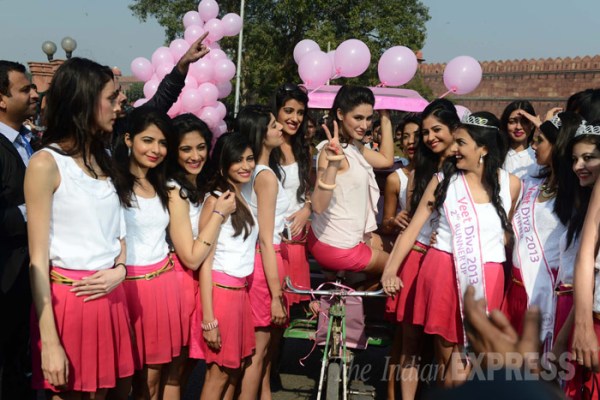
47 years ago, I and my brothers attended a meeting organised at Madurai Victoria Edward Hall (also known as Regal Talkies). Dr Ushar Budh of Sanskrit Department of Minnesota University addressed the gathering (Later he has become a Sanyai). He gave us an inspiring talk. He quoted some hymns from the Vedas and challenged the crowd to show a more beautiful love duet from any Indian film. Hindus never saw sex as a taboo, unlike other religions. But they were against any public display of it, which we see in today’s Western Valentine Day parties.

Marriage Hymns

The Vedic hymns used in the Hindu weddings are beautiful ones. They praise the bride as a Maha Rani (Great queen/Empress.

A few Vedic Wedding Mantras
सखा सप्तपदा भव ।
सखायौ सप्तपदा बभूव ।
सख्यं ते गमेयम् ।
सख्यात् ते मायोषम् ।
सख्यान्मे मयोष्ठाः ।

You have walked seven steps with me; be my friend. We have walked seven steps together; let us be friends. Let me get your friendship. Let me not part from your friendship. May you not part from my friendship. [ Note: This is recited by the groom after taking the seven steps around the altar. (विवाह कर्मकाण्ड – vivaaha karmakaaNDa) ]

— ॐ —
धैरहं पृथिवीत्वम् ।
रेतोऽहं रेतोभृत्त्वम् ।
मनोऽहमस्मि वाक्त्वम् ।
सामाहमस्मि ऋकृत्वम् ।
सा मां अनुव्रता भव ।

I am the sky and you are the earth. I am the giver of energy and you are the receiver. I am the mind and you are the word. I am (saama) music and you are the song (RRik). You and I follow each other. [ Note: This is recited by the groom after taking the seven steps around the altar. (विवाह कर्मकाण्ड – vivaaha karmakaaNDa) ]

— ॐ —
चित्तिरा उपबर्हणं चक्षुरा अभ्यञ्जनम् ।
ध्यौर्भूमिः कोश आसीद्यदयात्सूर्या पतिम् ॥

Thought was pillow; and the sight the collyrium of the eyes; heaven and earth were her treasure box, when Surya went to her spouse.
(Matras are taken from samskrutam.com;thanks).

Sex is sanctified in Hinduism. We can sing sexy songs like Gita Govindam in public. We can enact sexy acts in street corner dances known as Kama Dahanam, one day before Holi.
nargis1

Lover/Beloved simile in Bhagavad Gita

Even in a religious book like the Bhagavad Gita we read a simile about lover and beloved! Arjuna says (11-44):
Therefore bowing down and prostrating my body before you, Adorable Lord, I seek thy grace. Thou ,O God shouldst bear with me as a father to his son, as a friend to his friend, as a lover to his beloved.
These human relations find in God their fullest realization and later Vaishnava literature utilizes these ideas more fully, says Dr Radhakrishnan in hiss Gita commentary.

Rishi Status to sex writer
Vatsyayana , author of the Kamasutra and grammarian Panini were given the status of divine poets. No other religion gives so much importance to sex. But they always keep it within a limit. Family life is one of the four stages of a human being’s life. Brahmacharya, Grihastha (Married life), Vanaprastha (retired or forest life) and Sanyasa ( renunciation) are the four stages prescribed in Hindu scriptures.

nargis-fakhri2

Dharma Artha Kama & Moksha
Hindu’s four goals in life are Dharma (religious law) Artha (wealth) Kama (Pleasure) & Moksha (liberation). The great Tamil poet Tiruvalluvar also divided his book Tirukkural into three parts Dharma, Artha and Kama in the same order. Oldest Tamil book Tolkappiam also refers to it. They never excluded Kama/ pleasure through married life.

Sex in Tamil Veda Tirukkural

Tiru Valluvar, author of Tirukkural, used the Sanskrit word Kama though out his book (Kama gave the English word Amorous). Early Christian missionaries refused to translate the third chapter of the Tamil Veda Tirukkural, written around 5th century AD (31 BC is a fake date given by the Tamil enthusiasts. See my earlier posts).

The last couplet in the book runs like this,
Sweet are quarrels in love when the quarrels end in the bliss of a close embrace — Kural 1330
Is there a heaven happier than the sulking here of hearts that unite in love like water and earth — Kural 1323.

Roman poet Publius terentius afer (190-159 BC) sais in Latin
‘Amarantium irae amoris integrationist’

“The quarrels of lovers are the renewal of love.” Andria. Act iii. Sc. 3, 23. (555.)
Another quote giving the same view

The quarrels of lovers are like summer showers, that leave the country more verdant and beautiful.
—Madame Necker

Gita Govindam of Jayadeva
Jeyadeva’s Gita Govindam is sung in all the traditional Bhajans in South India. Some of them are considered very sexy. But that was divine love, far above the carnal love. Swami Vivekananda, in his lecture on Gopi’s , says that their love towards Krishna was divine. Even to understand this love one’s heart must be as pure as Sukha’s, Vyasa’s son. Incidentally the earliest reference to Gopis is in the 2000 year old Sangam Tamil literature!
tamil puu parithal

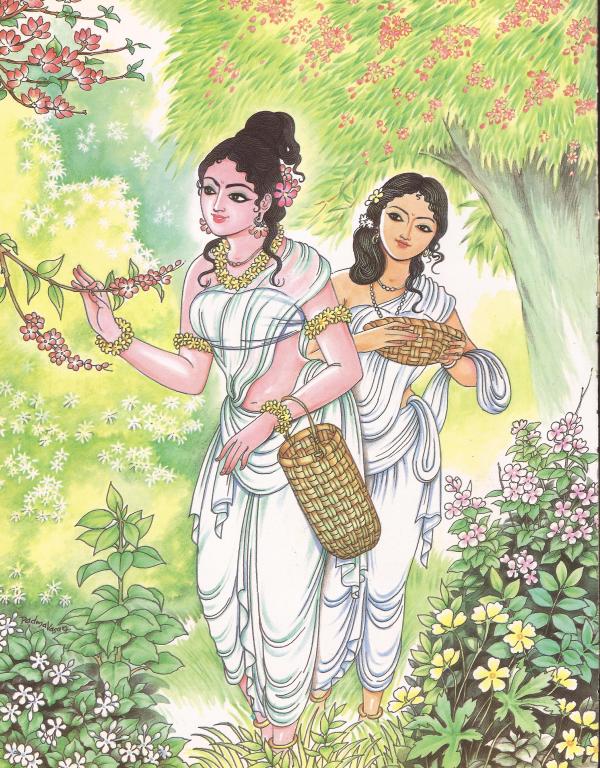
The devotional movement laid several paths to reach God. One can see God as his master or a lover or a friend. In the Nayaka- Nayaki (hero/heroine) Bhava one can see God as a lover. In Tamil Nadu Saivite and Vaishnavite girls fast during a particular month (December/January) singing the glory of Shiva and Vishnu as lovers. Manikka Vasagar’s Tiruvembavai and Andal’s Tiruppavai have such songs.

Though we have some sex manual in Greek and songs similar to Nayaka/Nayaki in the Bible, they were no comparison to what we have here in Sanskrit and Tamil literature.

Love marriage is one of the eight types marriage approved by the Hindu scriptures. Swayamvaram, which is not found anywhere in the world, is a unique Hindu way of a woman choosing her would be husband from among her suitors. This was mainly done by the royal families.

Except the public display of sex, all the modern methods were tried and tested in India.

Contact swami_48@yahoo.com

Pictures are taken from the news papers and Souvenirs.
காதலர் தினமும் இந்துமதமும்

nargis-fakhri3

By London Swaminathan
Post No.839 Date 14-02-14 (valentine day)

பிப்ரவரி 14 காதலர் தினம் (வாலன்டைன் டே)
உலகிலேயே காதல், குடும்ப வாழ்வு, செக்ஸ் ஆகிய எல்லாவற்றையும் மத நூல்களின் ஒரு பகுதியாக்கிய ஒரே மதம் இந்துமதம் தான். வேத மந்திரத்தில் ‘செக்ஸ்’ இருக்கிறது. கல்யாண மந்திரங்களில் அழகான காதல் கீதங்கள் இருக்கின்றன. வியாசர், பகவத் கீதையில், காதலன் காதலி உவமையைப் பயன்படுத்துகிறார். காம சூத்ரம் நூல் எழுதிய வாத்ஸ்யாயனரை ஒரு மகரிஷியாகக் கருதுகிறது இந்து மதம்.

தமிழ் வேதமான திருக்குறளில் காமத்துப் பால் ஒரு தனிப் பெரும் பகுதியாக விளங்குகிறது. ஆயினும் மேலை நாட்டு வாலன்டைன் தினம் (காதலர் தினம்) போன்ற பகிரங்கமான காதல் சேட்டைகளை இந்து மதம் அங்கீகரிக்கவில்லை. அது நாய், புறா போன்று பகிரங்கமாகச் செய்யும் மிருகங்களுக்கு மட்டுமே ஒதுக்கப்பட்டுவிட்டது.

காதலைக் குறிப்பதற்கான இருதய (ஹார்ட்டின்) அடையாளத்தை உலகிற்கு ஈந்தது அதர்வண வேதம். இது பற்றி எனது ஆங்கிலக் கட்டுரையில் ஏற்கனவே விரிவாக எழுதிவிட்டேன். காண்க: Sex Mantras and Talismans in Atharva Veda (posted on 26 September 2012)

47 ஆண்டுகளுக்கு முன்னால், மதுரை விக்டோரியா எட்வர்ட் ஹாலில் (ரீகல் டாக்கீஸ்) ஒரு கூட்டம் ஏற்பாடு செய்யப்பட்டது. அதில் அமெரிக்காவின் மின்னசோட்டா பல்கலைக்கழக சம்ஸ்கிருதத் துறை பேராசிரியர் டாக்டர் உஷர்புத் (இப்பொழுது அவர் ஒரு சந்யாசி) உரை ஆற்றினார். வேதத்தில் உள்ள காதல் மொழிகளை வரிசையாகக் கூறி எந்த திரைப் பாடப் பாடல்களிலாவது இவ்வளவு அழகான கீதங்கள் இருந்தால் சொல்லுங்கள் என்று சவால் விட்டார். கூட்டத்தில் ஒரே கரகோஷம்!

கல்யாண மந்திரங்களில் ஒன்றிரண்டு மட்டும் இதோ:
“நீ என்னுடன் 7 அடிகள் நடந்துவிட்டாய். என் நண்பனாக (நண்பி) இரு. நானும் நீயும் ஏழு அடிகள் நடந்துவிட்டோம். நாம் நண்பர்களாக இருப்போம். நீ என்னைவிட்டுப் பிரியாதே. நான் உன்னைவிட்டுப் பிரிய மாட்டேன்.”
(ஏழு அடி நடப்பது ஏன்? என்றும் கரிகால் சோழன் ஏன் ஏழு அடி நடந்து பாணனை வழி அனுப்பினான் என்றும் முன்னரே “கரிகால் சோழனின் பருந்து வடிவ யாகக் குண்டம்” என்ற கட்டுரையில் எழுதிவிட்டேன்).

இன்னொரு மந்திரம்:
நான் வானம்—நீ பூமி
நான் சக்தி கொடுப்பவன் – நீ சக்தி பெறுபவள்
நான் சிந்தனை- நீ சொல்
நான் இசை – நீ பாட்டு
நானும் நீயும் ஒருவரை ஒருவர் பின் தொடர்வோம்.
இப்படி எவ்வளவோ மந்திரங்கள்.

பாரதியின் காதல் கீதம்

இதைப் பின்பற்றி பாரதியும் பாடி இருக்கிறார்:
“பாயும் ஒளி நீ எனக்கு, பார்க்கும் விழி நான் உனக்கு
தோயும் மது நீ எனக்கு, தும்பியடி நான் உனக்கு
வீணையடி நீ எனக்கு, மேவும் விரல் நான் உனக்கு
பூணும் வடம் நீ எனக்கு, புது வயிரம் நான் உனக்கு
வான மழை நீ எனக்கு, வண்ண மயில் நான் உனக்கு
…………………………………………………………..
……………………………………………………….. (கண்ணம்மா என் காதலி)

இது ஒரு நீண்ட பாட்டு. வேதம் படித்த பாரதி தனது பாடல்களில் ஏராளமான இடங்களில் வேதத்தை (குறிப்பாக அதர்வண வேதத்தை) மொழிபெயர்த்தும் தழுவியும் பாடி இருக்கிறார்.

nargis-fakhri2
திருக்குறளில் காமத்துப் பால்
200 ஆண்டுகளுக்கு முன் கிறிஸ்தவ மதத்தைப் பரப்புவதற்காக தமிழின் மீது அன்பு பாராட்டிய பெஸ்கி பாதிரியார் முதலியோர் திருக்குறளின் காமத்துப் பாலைக் கண்டு அசந்தே போய்விட்டனர். “அபசாரம், அபசாரம்”, இதை ஐரோப்பிய மொழிகளில் மொழிபெயர்த்தால் தமிழர்களுக்குக் கெட்ட பெயர் ஏற்பட்டுவிடும் என்று அந்தப் பகுதியை தீண்டத் தகாத பகுதியாக ஒதுக்கி விட்டனர்.

திருவள்ளுவர் ஒரு மாபெரும் ஹிந்து. ஹிந்து ஒருவன் மட்டுமே ‘செக்ஸை’யும் கூட அறநூலில் சேர்க்கும் துணிச்சல் பெற்றவன். அவர் மஹாபாரதத்தில் பல இடங்களில் காணப்படும் தர்ம (அறம்), அர்த்த (பொருள்), காம (காமம்) என்ற அதே வரிசையில் தனது திருக்குறளை அமைத்தார். துணிச்சலாக ‘காம’ என்ற சம்ஸ்கிருதச் சொல்லை குறள் முழுவதும் பயன்படுத்தினார். இதே போல சங்க காலப் புலவர்களும் பரத்தை (பர ஸ்த்ரீ= ப்ராஸ்டிட்யூட்) என்ற சம்ஸ்கிருத சொல்லை நூற்றுக் கணக்கான பாடல்களில் பயன்படுத்தினர். பௌத்தர்களும் சமணர்களும் தொடுவதற்குத் தயங்கிய, பயந்த ஒரு “சப்ஜெக்ட்டை” தீவிர இந்துவாகிய திருவள்ளுவன் மட்டுமே தொட முடிந்தது.

நாயகன் நாயகி பாவம்

திருப்பாவை, திருவெம்பாவையில் நல்ல கணவன் அமைய நோன்பு நூற்கும் பெண்கள் அந்தப் பாடல்களில் காதல் மொழிகளையும் பயன்படுதுகின்றனர். ஜெய கோவிந்தரின் கீத கோவிந்தத்தில் உள்ள அஷ்ட பதிகளில் மிகவும் ‘விரசமான’ பகுதிகள் என்று கருதப்படும் வசனங்களும் உண்டு. அதாவது கடவுளை நாயக நாயகி பாவத்தில் வழிபடும் ஒரு சிறந்த அணுகுமுறை. உலகில் வேறு எந்த மதத்திலும் இந்த சுதந்திரத்தைக் காணமுடியாது.

ஆனால் கோபியரின் காதல் பற்றி சுவாமி விவேகானந்தர் அற்புதமான சொற்பொழிவாற்றி இருக்கிறார். “முட்டாள்களே (Fபூல்ஸ்) இதை சரியாகப் புரிந்து கொள்ளுங்கள். அவர்களுடைய தெய்வீக அன்புக்கு ஈடு இணையானது எதுவும் உலகில் நிகரில்லை” என்று இடி முழக்கம் செய்கிறார். அது உடல் ரீதியான சிற்றின்ப அன்பு இல்லை. உள்ளம் ரீதியான பேரின்ப அனுபவம். அதைப் புரிந்து கொள்ள வியாசருடைய சுகர் போல உள்ளத் தூய்மை இருக்கவேண்டும்”.

nargis-fakhri1

ஞான முதிர்ச்சி வேண்டும்.”வெள்ளத்தனையது மலர் நீட்டம் மாந்தர் தம் உள்ளத்தனையது உயர்வு”– என்று சும்மாவா சொல்லி வைத்தான் வள்ளுவன்.

( இந்திய இலக்கிய வரலாற்றில் மிக அதிசயமான விஷயம்—கோபியர்களை முதல் முதலில் குறிப்பிடுவது சங்க கால இலக்கியம்தான்!! இதற்குப் பல நூற்றாண்டுகளுக்குப் பின்னர்தான் சம்ஸ்கிருதத்தில் கோபியர்கள், ராதா எல்லோரும் வருகின்றனர்! ).

காமசூத்ரம்

உலகின் முதல் இலக்கணப் புத்தகம் எழுதிய பாணிணியை அவருக்குப்பின் உரை எழுதிய பதஞ்சலி மகரிஷி, ’பகவான் பாணிணி’ என்று போற்றுகிறார். அதே போல உலகின் முதல் செக்ஸ் (காமசூத்ரம்) புத்தகம் எழுதிய வாத்ஸ்யாயனரையும் மகரிஷி வரிசையில் வைக்கிறது இந்துமதம். காமத்துப் பால் எழுதிய வள்ளுவனையும் தெய்வப் புலவன் என்று போற்றுகிறது இந்து மதம்.

(புலவர்களை முதலில் தெய்வ நிலைக்கு உயர்த்திவதும் இந்துக்கள் மட்டுமே. கிரேக்க நாட்டில் ஹோமருக்கும் தெய்வீக அந்தஸ்து இருந்தாலும், அவரெல்லாம் வேத உபநிஷதத்துகளுக்குப் பின்னால் வந்தவர்களே. வியாசர் இமய மலை என்றால் ஹோமரை திருப்பரங்குன்றம் குன்று அல்லது சுவாமி மலை என்று சொல்லலாம்.)

கிரேக்க மொழியில் ஒரு காமப் புத்தகம் உண்டு. பைபிளில் சில காதல் வசனங்கள் உண்டு. எல்லாவற்றையும் படித்திருக்கிறேன். அவை நம்மிடம் உள்ள சர்க்குக்கு உறைபோடக் காணாது!!!

tamil pennum kiliyum

கீதையில் காதலன், காதலி

கீதையில் (11-44) கூட காதலன் காதலி உவமை வருகிறது. அர்ஜுனன், கிருஷ்ணனிடம் மன்னிப்பு கேட்கிறான். உன்னை சாதரண நண்பனாக நினைத்து பல நேரங்களில் வாடா, போடா என்று பேசி அவமதித்து இருக்கிறேன்: “மகன் பிழையைத் தந்தை போலும், நண்பன் பிழையை சக நண்பன் போலும், காதலியின் பிழையை காதலன் போலும் பொருத்தருளல் வேண்டும்”– (ப்ரியாயா: ப்ரிய இவ ஸோடும் அர்ஹஸி— கீதை 11-44).

எட்டுவகைத் திருமணங்கள்

காதல் திருமணம், கடத்தல் திருமணம், ஸ்வயம்வரம் உள்பட எட்டு வகை திருமணங்களுக்கு ‘அப்ரூவல்’ கொடுத்த ஒரே மதம் உலகில் இந்துமதம்தான். அத்தனை வகைகளையும் உலகின் மிக நீண்ட நூலான மஹாபாரத்தில் படித்து வியப்புறலாம்.

வீட்டுக்கு வரப் போகும் மணப் பெண்ணை நீயே என் வீட்டு மஹாராணி என்று போற்றுகிறது வேத மந்திரம். அவளை ஒரு கல்லின் மீது காலைப் பதிய வைத்து அதை வருங்காலக் கணவன் பிடிக்கிறான். இதைப் போல (கற்பில்) உறுதியாக இரு என்கிறான்.

ஆக, செக்ஸ் என்பது இந்து மதத்தில் ஒரு ‘டாபூ’ இல்லை (தொடாதே, காணாதே, பேசாதே என்பது taboo டாபூ). ஆனால் அது புனிதமானது, போற்றத்தக்கது, மதிக்கப் பட வேண்டியது. மிருக அணுகுமுறை இன்றி மனித அணுகுமுறை கொடுக்கப்படவேண்டியது என்று பறை சாற்றுகின்றன வேத, இதிஹாச, ஸ்மிருதி, புராணங்கள்.

(ஸ்மிருதிகள்= இந்து மத சட்டப் புத்தகங்கள்).

Contact swami_48@yahoo.com

பத்திரிக்கை மற்றும் மலர்களில் இருந்து படங்கள் எடுக்கப்பட்டன; நன்றி.