SRI TYAGARAJA-29, Tyagaraja & Philosophy (Post No.8131)

WRITTEN BY R. NANJAPPA                        

Post No. 8131

Date uploaded in London – – – 8 June 2020   

Contact – swami_48@yahoo.com

Pictures are taken from various sources for spreading knowledge; this is a non- commercial blog. Thanks for your great pictures.

SRI TYAGARAJA-29,  Tyagaraja & Philosophy

Tyagaraja was not a philosopher. He was a mystic who practiced his devotion to his chosen deity in the light of the highest Hindu traditions as laid down in the Scriptures and as shown by ancient authorities like Narada, Vyasa and other Sages and Saints. He was not interested in questions of philosophy as such. However, Hindu religion in practice involves both theology and philosophy, even if  not explicitly stated. As such Tyagaraja too had to deal with some aspects of the question.


Hinduism is  marred by two  controversies. One  is the sectarian theological controversies;  the other is about the philosophical systems.

 Six systems of philosophy , called Astika Darshanas,  accept the authority of the Veda.. Vedanta is at the head: as the name implies, it is the logical end or conclusion (anta) of the Veda. The other systems complement it along the way- each one is helpful and necessary at some stage. All systems agree that Brahman is the Ultimate Reality. 

Vedanta

Vedanta  has three main divisions: Dwaita, Visishtadvaita and Advaita, though there are others, like Achintya Bhedabheda . Each one of them is further subdivided into many schools as philosophy gets mixed up with theology. This cannot be avoided in practical and living religion which keeps evolving; such divisions and subdivisions are natural and make the whole rich, provided the adherents do not turn fanatics. And provided they do not subject personal experience of the Ultimate to the vagaries of the mind.

When the source is one viz the Veda, why should there be so many ‘philosophies’ and theologies? There are only four reasons:

  • difference in the depth of understanding, perception/experience
  • difference in interpretation
  • difference in temperament and nature of the followers
  • human ego and personal prejudices or preferences.

The Truth is One. But it is experienced, interpreted, and expressed by less than perfect minds differently. Hence different systems arise. In course of time, each one gains its adherents and considers itself not only different from but even superior to others. This is the case in all religions: Christianity has more than 100 divisions, Islam about 70. Buddhism and Jainism, too. Why, even the modern Brahmo Samaj got split due to various reasons! Even political parties have factions. Learned Judges differ in their interpretation of even mundane law!

Prastanatraya

The Upanishads, Bhagavad Gita and Brahma Sutras are the foundation of our philosophy. All theories have grown out of their interpretations.

But these are not dogmatic or sectarian “books”. The religious culture of the Hindus:

“set itself no sectarian limits; it claimed no universal adhesion, asserted no sole infallible dogma, set up no single narrow path or gate of salvation; it was less a creed or cult than a continuously enlarging tradition of the Godward endeavour of the human spirit.”
“The Indian religious thinker knows that all the highest eternal verities are truths of the spirit.The Supreme truths are neither the rigid conclusions of  logical reasoning, nor the affirmations of credal statement, but  fruits of the soul’s inner experience.”
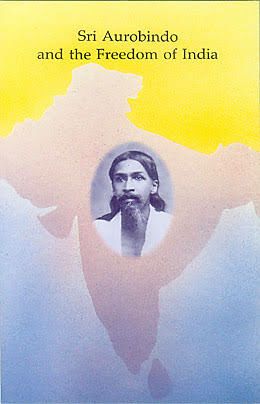
Sri Aurobindo:The Renaissance in India, 1997, p.179, 181

  But in course of time. the intellect triumphed over spiritual experience, and built systems of thought and belief. Conflicts followed. Those who experience do not indulge in argument: they KNOW. In the modern age, Sri Ramakrishna and Ramana Maharshi are the outstanding examples of such Unity. Sadly, their followers have made ‘systems’ or ‘cults’ out of them,too.

Philosophical dispute

The arguments surround the ideas: Jiva, Jagat, Ishwara and the relationship among them. The bitterest arguments are between the Dwaitins and Advaitins. The dwaitins consider the world “real”, the Advaitins, “Unreal”, though in a purely technical sense. The dwaitins consider the world to be Bhagavan’s ‘Leela’ or play. The Advaitins- at least the school of Sankara- consider it as ‘Maya’. These are purely technical terms and one may spend a lifetime arguing about them  and arriving nowhere.  In this respect, the followers of Chaitanya Mahaprabhu are practical: they say it is all a mystery, beyond our intellectual capacity to understand- hence ‘Achintya bhedabhedam’.


Without getting into intricate ( and fruitless) arguments, one may attempt a brief sketch: There is One Reality (SAT) IN EXISTENCE. IT IS EXISTENCE.  This is called Brahman.The world is an expression of it. But the world is manifold, contains multiplicity. Often things seem contradictory or conflicting- the so called dualities. How has the One become the Many? This is the crux of the philosophical problem. Every argument makes it worse. The real Jnanis say: Has It indeed become many? Find out by personal experience!

Philosophy and modern science

We can find a parallel in modern science. It started with the idea of separation of mind and matter. Matter was taken as the fundamental unit of existence. Newtonian science is based on it.  In the 20th century, Science found out that there is ultimately no matter, but only energy, that too in a state of constant flux. Further, the whole thing is not out there as some objective reality, but is there in our consciousness. Somehow, what we perceive depends upon our consciousness! Now, while this is the ultimate scientific truth, we have to deal with matter for practical purposes. When you build a house, you resort to Newtonian science, not quantum physics, though  it is quantum physics which is the  ultimate truth. This is the practical situation. So, the controversy among the systems of philosophy is totally absurd. 

 For practical religion this means that while God alone is the Absolute Truth, we still have to live in this world and deal with it. So long as we have this body consciousness- ie feel hunger, thirst etc and need food, clothing and shelter for which we depend on the world, it is not proper to say the world is ‘maya’ or unreal.  Practical spirituality is how to live in the world in the consciousness of God as the sole and ultimate reality.  God is not denied, because He is not seen; the world is not taken as the absolute reality because it is perceived by our senses!

Such philosophical issues were there in his times and Sri Tyagaraja deals with them  in his kritis. They merit careful study.

Dwaita V. Advaita?

Dwaitamu sukhama 

Advaitamu sukhama

Chaitanyamavinu sarvasakshi

Vistaramugaanu delpumunato

Is Dwaita siddhanta ( which holds Jivatma and Paramatma to be separate) superior? Or is Advaita (which holds that there is only one Atma) better? O of the nature of Chaitanya ( ie Chit or Consciousness), please explain this to me in detail.

Gagana pavana bhuvanaad avanilo

Nagadharaja Sivendraadi suralalo

Bhagavad bhakta varaagresarulalo

Baga raminche Tyagarajanuta

O the one worshipped by Tyagaraja, the One sporting in Akasha, air,Sun, the various worlds,etc, and also in  Vishnu, Brahma, Siva, Indra and other Devas, and also with the best of the devotees, please tell me which of the systems is superior!

This kriti has to be interpreted carefully. Tyagaraja is very subtle here. We have seen earlier how in the Gita (7.4-5) Bhagavan talks about his apara (lower) prakriti consisting of bhumi, apo, analo,etc and also of his para  (higher ) prakriti- by which this creation is sustained. Bhagavan does not there spell out what this higher prakriti is- but authorities take it as Chit, or Consciousness. Here Tyagaraja calls Rama ‘Chaitanyamavinu’- of the form of Consciousness! So it is clear that for Tyagaraja this question cannot be resolved unless one realises God- who is Sat-Chit-Ananda!

Without consciousness, the world cannot be sustained or perceived. This is the conclusion of both our philosophy and modern Science! At that level, this dispute about dwaita-advaita is silly.

Which way to go?

Ae daari sancharintura ikabalkara

Anni taananu margamunanu janitae

nannu veedenu bharamani yanevu

Tannu brovara sada yante 

Dwaituda nevu

What path should I follow? Please explain this.

If I try to follow the idea “I am everything” ( ie, the idea Aham Brahmasmi or Sarvam Khalvidam Brahma or So’ham, etc ie the Self is everything), you will say ‘it is hard to leave you’. If I plead with you to save me, you will say ” why, you follow the dwaita way”. So, which path I should take? Please explain.

Sri Tyagaraja is again at his subtle best. What is his relationship with God? If he thinks everything is the Self, he will miss his personal intimacy with Rama. On the contrary, as a real devotee, can he afford to think he is separate from his Deity? He can seek protection only if he is separate, but is he? So, Rama will then say: Are you separate ( ie a dvaitin) that you ask for protection? ie Are you not already part of Me? Why do you then seek protection?

This is a splendid attitude. The relationship of the bhakta to Bhagavan is beyond all categories like dwaita, advaita, etc!


Bheda rahita vedantamulu delsi    (Enduku peddala)

Understanding the Vedanta which is beyond the differences.

(Tyagaraja is describing here the greatness of jnanis- the great  men. They have transcended differences as a result of their knowledge of true Vedanta by personal experience. )

Baguga maanasa bhavasagaramunu

                                (Bhajanaseyarada)

This ocean of Samsara, which has originated in the imagination of one’s mind.]

Here Tyagaraja is touching upon one of the fundamental tenets of Advaita, in its extreme form. There is a debate among the Vedantins about the reality of the world. Some hold that the world is seen because it is real – srishti drishti vaada. Others adopt the opposite: that it is taken as real only because it is perceived- drishti srishti vaada. There is also the third view, called Ajata Vaada- that is, the world has not really been created (ajata), it is only an appearance in our mind. Here, Tyagaraja is indicating this position.

All this only shows how we view the world depends upon the state of our consciousness. As has been stated, drishtim jnanamayim kritva, pasyet Brahmamayam jagat.]

Advaita is not a dry doctrine. It is a state of realisation. Whatever the path followed, at the end of a sincere quest is the bliss where one feels the sense of absolute Unity, transcending all differences!

Sri Hari kirtanache dehadri indriya 

samuhamula marachi

So’hamainate chalu       (Inta kannananda)

Due to Sri Harinama Sankirtana, one forgets the body and all senses. One gets the feeling Sa Aham (So’ham – HE I AM). This is sufficient.

Here, Tyagaraja is reaching the zenith of Advaita. The ultimate realisation is total absence of any sense of differentiation. Tyagaraja indicates here that this is achieved through bhakti also, through Harinama Sankirtan!

This he reiterates in another kriti too.

Unity Consciousness

Aakasa Brahmamane

Atmaramuni ta sarijuchuchu

Lokadulu chinmaya mane …..

Jivan muktudau          (Sitavara Sangita jnanamu)

To realise that the Akasa constitutes the body of Brahman, that the worlds occupying that Akasa are of the form of Consciousness (Chinmaya) and then to perceive them as the Atmarama that is one’s own Self- this is the state of Jivanmukta (attained  through Sangita jnana)

Here again Tyagaraja is pointing out the state of realisation as seen by the Advaitin. Jivanmukti is the ultimate state of the Advaitin. There he realises Unity with the whole cosmos, but that is a state of consciousness experienced in and as the Self. There Rama too becomes Atmarama!

Paramatmudu Jivatmudu yokadai

Baragu chundu bhakta paradeenuni

Kalyanasundara Rama               (Karuna yela gante)

Rama is inclined to those devotees who function with the firm conviction that Jivatma and Paramatma are one!

Paramatmudu jivatmudu padunaalugu lokamulu

Nara kinnara kimpurushulu naradadi munulu

paripurna nishkalanka niravati sukha dayaka….

jnanamosagarada                       (Jnanamosagarada)

Can you not grant me the jnana that Paramatma,  Jivatma, the fourteen worlds, human beings, kinnaras, kimpurushas, Sages like Narada, and everything else is the Self?

Tyagaraja is making here the classic formulation of Advaita jnana- to realise that everything is the One Self: Sarvam Khalu Idam Brahma! There everything animate, inanimate , men, gods and other forms of life are the varied expression of that single Reality!

Clean mind

But Tyagaraja is careful to add a classic qualification, too. The vedantins hold that we must first purify the mind (Chitta suddhi) to perceive the Truth. Tyagaraja says here that he has already purified his mind through devotional singing:

Nee namamuche namati nirmalamainati

By repeating your Names, my mind has been purified.

So, Tyagaraja is seeking sujnana through anuraga!

Even much religious learning  will not lead to clarity’

Veda sastra purana vidyalache 
Bheda vaadamulu teeraga bhramase vaarala
                                         (Ninne nera)

(
I have seen that) Inspite of much learning  in Veda, sastra and puranas, people are perplexed by conflicting arguments


Rama alone can confer clarity.

Vivaadi mada harana       (Nee daya rava)


You destroy the ego of those who indulge in vain disputes.

 Thus, Sri Tyagaraja is showing us a practical way out of the philosophical disputations. First let us get divine grace through devotion and then we will see which system is superior! 

 Above all, let us not forget that all philosophies are human constructs, and are not divinely ordained. What matters is genuine personal experience of Truth which is One. [Ekam Sat]

Note: In modern times, Sri Ramakrishna and Sri Ramana Mahashi dealt with such questions in reply to earnest seekers. The Gospel of Sri Ramakrishna and Talks of Ramana Maharshi should be studied in this context. Neither of them said the world is “unreal” in the common use of the term. Ramana Maharshi , considered to be an Absolute Advaitin, clearly said:

அத்துவிதம் என்றும் அகத்துறுக ஓர்போதும்

அத்துவிதம் செய்கையில் ஆற்றற்க – புத்திரனே

அத்துவிதம் மூவுலகத்தாகும் குருவினோடு

அத்துவிதம் ஆகா தறி.

உள்ளது நாற்பது-அனுபந்தம்-39

Supplement to Reality in Forty Verses

Retain at heart always the sense of non-duality, but never express it in action. My son, the sense of non-duality may apply to the three worlds, but it is not to be used towards the Guru.

Translation by Arthur Osborne.

 (This verse is a Tamil rendering of verse 87 of Tattvopadesa of Sankaracharya]

2.As for the state of Newtonian and Quantum physics, the nature of mind and matter, the following books may be read:

– Fritjof Capra: Tao of Physics

– Gary Zukov: The Dancing Wu Li Masters

-Gregory Bateson: Mind and Nature

3. Genuine sages who experience spiritual Truth first hand in all places and at all times attest to the common element in the spiritual quest, cutting across all sectarian theological divisions. This has been termed ‘The Perennial Philosophy” by Aldous Huxley in the book with that title. It deserves serious study.

4. Lot of muck is written in the name of Indian philosophy by persons-so called “scholars” even-  who have not studied the original sources, but simply rely on doubtful translations. For a critical and brilliant account of all branches of Indian philosophy based on the original sources,, see: Chandradhar Sharma: A Critical Survey of Indian Philosophy; Motilal Banarsidass, 1960.
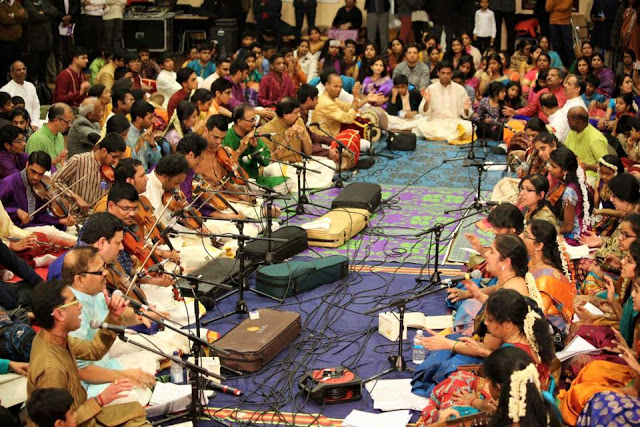
LONDON THYAGARAJA ARADHANA PICTURE

To be continued———————
  

SWAMI CROSSWORD 862020 (Post No.8130)

WRITTEN BY LONDON SWAMINATHAN

Post No. 8130

Date uploaded in London – 8 June 2020       

Contact – swami_48@yahoo.com

Pictures are taken from various sources for spreading knowledge; this is a non- commercial blog. Thanks for your great pictures.

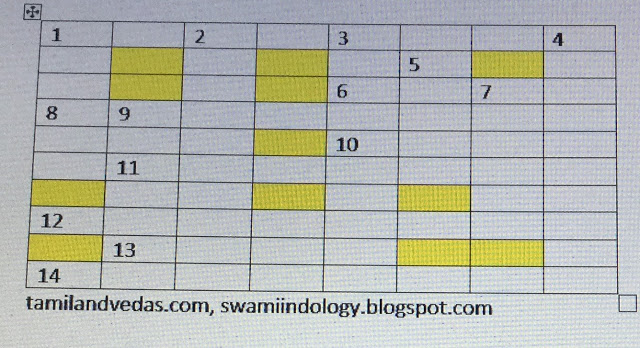
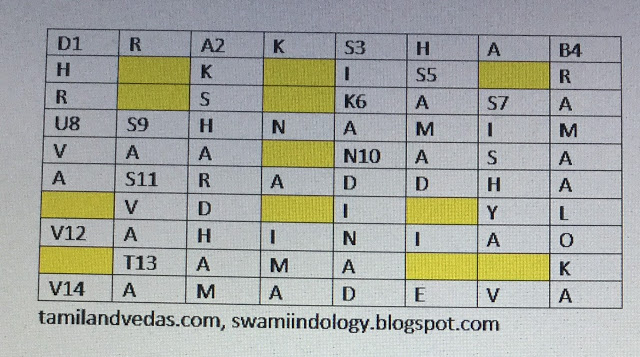
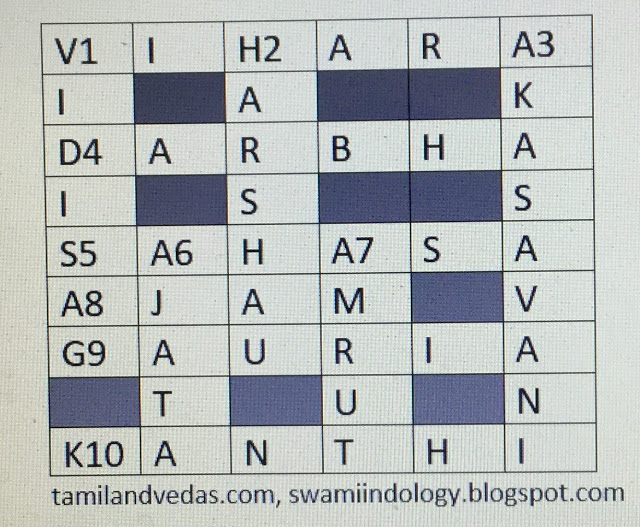
ACROSS

1—(7 letters)- sweet squeezy fruit in the vine that becomes wine

3—(7) one who caused the death of Bhishma in Mahabharata

6—(4)  Cough disease, Grass, Whip in Sanskrit

8—(7) Hot

10—(4) Nose; Destruction, Ruin; elision/lopa in grammar

11—(7) faith; ceremony for the departed

12—(6) battalion; channel; body of forces; river

13—(4) – darkness, night, much

14—(8) a Rishi/seer credited with Fourth Mandala of Rig Veda; also one of the faces of Lord Shiva

 DOWN

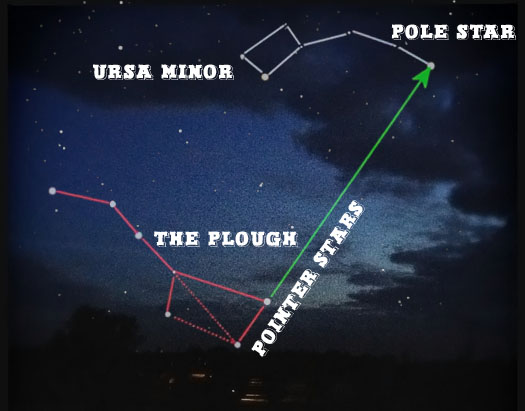
1–  (6 letters) – pole star is named after this Hindu boy

2— (10) famous temple of Swaminarayan
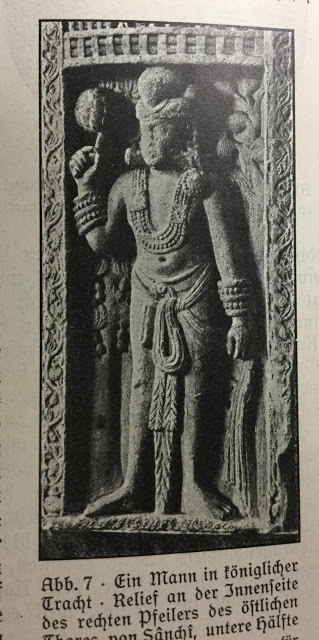
4.—(10) abode of God with Four Heads/ creator

5—(4)  Third Veda with  Music

7–  (6) Disciple of a Guru/Teacher

10—((7)—Permanent

–subham–

அதிசய அரிசி மருத்துவம்! (Post No.8129)

WRITTEN BY LONDON SWAMINATHAN

Post No. 8129

Date uploaded in London – 8 June 2020       

Contact – swami_48@yahoo.com

Pictures are taken from various sources for spreading knowledge; this is a non- commercial blog. Thanks for your great pictures.

tamilandvedas.com, swamiindology.blogspot.com

அரிசிச் சோற்றையே மருந்தாகக் கொடுக்கும் அபூர்வ மருத்துவ முறை கேரளத்தில் உள்ளது. ஆயுர்வேத மருத்துவசாலைகள் இதைப் பயன்படுத்துகின்றன. இது பற்றிய ஒரு சுவையான சம்பவத்தைக் கேளுங்கள்.

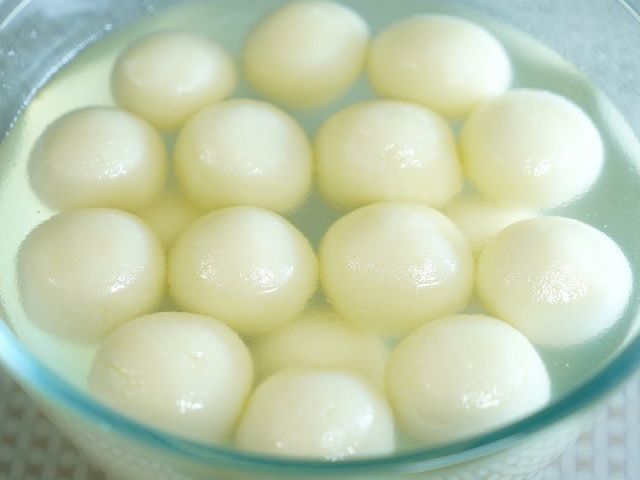
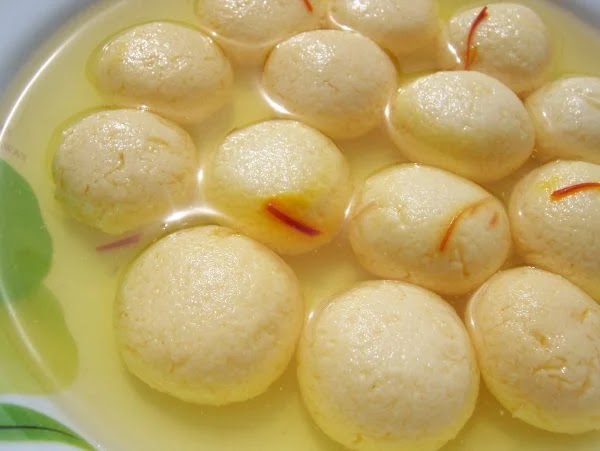
இந்தியாவின் மேற்கு வங்காள மாநிலத்தின் இரண்டாவது முதல் அமைச்சராக பதவி வகித்தவர் டாக்டர் பி.சி.ராய் (Dr P C Roy); அவர் முதலமைச்சராக இருந்தபோதும் கல்கத்தாவில் தனது வீட்டில் நோயாளிகளைப் பார்த்து மருந்து கொடுத்து வந்தார். ஒருவருடைய மகன் நோஞ்சானாகவும் வியாதிக்காரனாகவும் இருந்தான். அவருக்கும் ஒரு நாள் டாக்டர் ராய் அவர்களைப் பார்க்க வாய்ப்பு கிட்டியது. பையனை ஒரு பார்வை பார்த்தார் ராய். கவலையே படாதீர்கள் தினமும் காலையில் 2 ரசகுல்லாக்கள் கொடுங்கள் அதுதான் இந்த நோய்க்கு நல்ல மருந்து என்று சொல்லி அனுப்பினார் ( ரசகுல்லா என்பது கிட்டத்தட்ட குளோப் ஜாமுனைப் போன்றது. பால் பொருட்களால் ஆன இனிப்பு) .

ஆயினும் நோயாளியின் அப்பா விளக்கம் கேட்க முற்பட்டபோது டாக்டர் டாக்டர் ராய் சொன்னார்- உங்கள் மகனுக்குத் தேவையான அளவு புரதச் சத்து (Protein)  உடலில் இல்லை. பாலிலும் சீஸ் (Cheese) போன்ற பாலாடைக் கட்டியிலும் கேசின் (casein) என்னும் புரதச் சத்து உள்ளது; அது உங்கள் புதல்வனுக்குத் தேவை என்று விளக்கினார்.

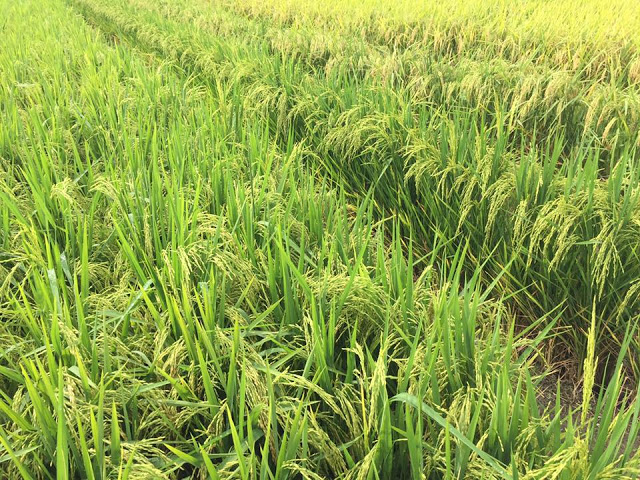
அரிசிச் சோற்றையே முக்கிய உணவாகக் கொண்ட மேற்கு வங்கத்தில் புரதச் சத்து குறைவு என்பதால் இந்த வைத்தியம் பொருத்தமானதே. ஆயினும் அரிசிச் சோற்றையே முக்கிய உணவாகக் கொண்ட கேரளத்தில் அந்த சோற்றையே மருந்தாகப் பயன்படுத்துவது விநோதமாகத் தோன்றும்.. ஆனால் அவர்கள் இப்படிப் பயன்படுத்தும் அரிசி விசேஷ வகை அரிசி ஆகும். நீவார என்னும் நெல் ‘வன நெல், குள நெல் அல்லது நீர் வாரம்’ என்று அழைக்கப்படும். இது பயிரிடாமலே காடுகளில் தானாக வளர்வதால் இதை பழங்காலத்தில் ரிஷி முனிவர்கள் பயன்படுத்தி வந்தனர்.

இதே போல ஷஷ்டிகா என்னும் அரிசி வகை 60 நாட்களில் பலன்தரும் நெல் வகையாகும் . இதையும் பயன்படுத்துவர் .

நீவார என்னும் அரிசியை யஜுர் வேதமும், பாணினியின் அஷ்டாத்யாயீயும் குறிப்பிடுகின்றன. ஆகையால் இவை 3000 ஆண்டுகளாக பயன்படுத்தப்படுகின்றன. ஷஷ்டிகா என்னும் 60 நாளில் வளரும் நெல் வகையையும் பாணினி குறிப்பிடுகிறார். ஆகையால் இவை அனைத்தும் குறைந்தது 2700 ஆண்டுகளாகத் தெரிந்தவையே.

ஷஷ்டிகா வகை அரிசியைக் கொண்டு ஆக்கப்படும் சோற்றை ஞவரகிழி என்ற பெயரில் மருந்தாக பயன்படுத்துவர் . இந்த வகை மருத்துவத்தை சரகர் , சுஸ்ருதர் போன்ற மருத்துவர்களும் 2500 ஆண்டுகளுக்கு முன்னரே சம்ஸ்கிருத மருத்துவ நூல்களில் எழுதி வைத்துள்ளனர்.

இந்த நெல்லுக்கு காரரிசி, செந்தினை என்னும் பெயர்களும் உண்டு என்பதை அகராதி மூலம் அறியமுடிகிறது

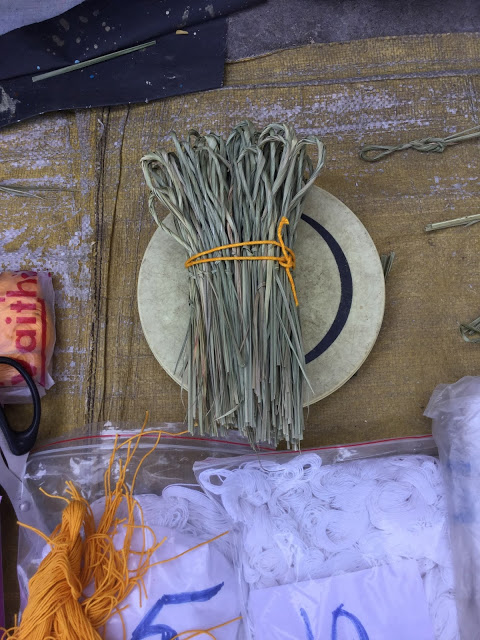
குறிப்பிட்ட வகை அரிசியினால் ஆன சோற்றை கிழியாகக் கட்டி — மூட்டை முடிச்சு- போல கட்டி உடம்பு முழுதும் மசாஜ் செய்வார்கள்; சோற்றை வடிப்பதற்கு முன் அதில் வேறு சில மூலிகைகளையும் சேர்ப்பார்கள். அதே போல உடலில் மஸாஜ் செய்யும்போது மூலிகைத் தைலங்களையும் தடவுகின்றனர். இதை ‘ஷஷ்டிகா அன்ன லேப’ என்றும் அழைப்பர் . இது முக்கியமாக மூட்டு வலி, வாத நோய்களுக்கு நல்ல பலன் தருகிறது

கிழி என்றால் முடிச்சாகக் கட்டுதல் என்று பொருள்; பொற்கிழி என்று நாம் கேள்விப்படுகிறோம். அது போல சாதத்தை துணியில் முடிச்சாகக் கட்டி அதைக் கொண்டு  உடலில் ஒத்தடம் கொடுப்பர்.

நீவார கஞ்சியை உள்ளுக்கு சாப்பிடுவதும் ஒரு சிகிச்சை ஆகும்.  இது உடல் நோஞ்சாசனாக , எதைச் சாப்பிட்டாலும் உடல் தேராத ஆட்களுக்குத் தருவார்கள். பொதுவாகவே இதை கற்கட மாதத்தில் (ஆடி ) சாப்பிடுவதால் கார்கிட கஞ்சி, மருந்துக் கஞ்சி என்றும் குறிப்பிடுவர்

இந்தியாவின் சட்டிஸ்கர் மாநிலத்தில் மருத்துவ குணமுள்ள சுமார் 50 வகை நெல் வகைகள் கண்டறியப்பட்டுள்ளன.. அவைகளையும் நாட்டு வைத்தியர்களும் பழங்குடி மக்களும் பயன்படுத்துகின்றனர். ஒரிசா, உத்தர கன்னட பகுதிகளில் கூட மக்கள் பல வகை நெற்பயிர்களை தோல்  வியாதி சிகிச்சையில் உபயோகிக்கின்றனர்.

செலவே இல்லாமல் பயிரிட்டு, எதிர் விளைவு (side effects) எதுவும் இல்லாமல் சாப்பிட்டு குணம் அடையும் இந்த அரிய  வகைச் சிகிசசை முறை பரவ வேண்டும் ; மருத்துவ குணம் உள்ள நெல் வகைகள் பாதுகாக்கப்படவேண்டும்.

பல பெயர்கள் அந்தந்த மொழி பேசுவோர் வாய் வழி வந்தமையால் அவற்றின் ஆங்கில வடிவத்தைப் பட்டியல் இடுகிறேன்.

Shastika , Nivara or Njavara (in Malayalam) nirvara or Senthinai (In Tamil)—used for Rheumatism and Neural disorders

Aalcha in Chattisgarh area used for curing Pimples

Baissor – treatment for chronic Head ache and Epilepsy

Gathuhan, Karhani, Kalimooch varieties used respectively for treating Rheumatism, Paralysis and Skin Disorders

In Jeypore area of Orissa, tribal people use Mehar, Sariphul  in treatment for various ailments

In Uttara Kannada district of Karnataka, Atikaya variety as health tonic and Kari Bhatta to treat skin infections.

இவை அனைத்தும் 15 ஆண்டுகளுக்கு முன்னர் புது டில்லியில்  நடந்த சர்வதேச அரிசி மகாநாட்டில் (International Rice Congress) சமர்ப்பிக்கப்பட்ட கட்டுரைகளின் சாராம்சம் ஆகும். ஆர்கனைசர் (Organiser,5-11-2006) பத்திரிகையில் இதன் சுருக்கம் வெளியானது .

தொல்பொருட் துறை நிபுணர்களும் இது பற்றி சுவையான தகவல்களைத் தருகின்றனர். இயற்கையாக காட்டிலும், மேட்டிலும் வளரும் இந்த பல வகையான தானியங்களின் மாதிரிகள் 8000 ஆண்டுகளுக்கு முந்தைய வசிப்பிடங்களில் (Advanced Mesolithic  or Pre Neolithic Periods) ) இருந்து கிடைக்கின்றன என்பர் .

Tags — அரிசி மருத்துவம், ஷஷ்டிகா,  நீவார, ஞவரகிழி .

–subham–

ஹிந்தி படப் பாடல்கள் – 61 – இரு மணிகள்(Post No.8128)

WRITTEN BY R. NANJAPPA                        

Post No. 8128

Date uploaded in London – – – 8 June 2020   

Contact – swami_48@yahoo.com

Pictures are taken from various sources for spreading knowledge; this is a non- commercial blog. Thanks for your great pictures.

ஹிந்தி படப் பாடல்கள் – 61 – இரு மணிகள் – ஹேமந்த் குமார், லதா மங்கேஷ்கர்!

R. Nanjappa

ஹேமந்த் குமார், லதா மங்கேஷ்கர்!

ஹேமந்த் குமார், இசைஞர், பாடகர். தன் இசையிலேயே பாடியதுடன் பிறருக்காகவும் பாடினார். 50களில் இவர் குரலில் ஒரு தனிக் கவர்ச்சி, கம்பீரம் இருந்தது. 50களில் இவர் பிற இசைஞர்களுக்காகப் பாடிய இரு பாட்டுக்களைப் பார்க்கலாம். இவற்றில் ஒரு விசேஷம். அதையும் கவனிக்கலாம். ஒரு தனிப்பாடல் :   பஹாரோ(ன்) கா ஸமா.   ye bahaaron kaa samaa, chaand taaron kaa samaa kho na jaaye aa bhi jaa ye bahaaron kaa samaa   இந்த இனிய வசந்த காலத்தின் சூழல், இனிய நிலவு, தாரகைகள் மலர்ந்த சூழல் இவை மறைந்து போவதற்குள் நீ வந்துவிடு!   zindagaani dard ban jaaye kahin aisaa na ho saans aahen sard ban jaaye kahin aisaa na ho dil tadap kar na jahaan so na jaaye aa bhi jaa ye bahaaron kaa samaa,   வாழ்க்கையில் துன்பம் வந்துவிடப் போகிறது அப்படி நேராமல் இருக்கட்டும் விடும் மூச்சும் பெருமூச்சாக மாறி துன்பம் தராமல் இருக்கட்டும் துடிக்கும் மனதுடன் உறக்கம் கொள்ளாது இந்த நல்ல சூழல் மறைவதற்குள் நீ இங்கு வா   kyaa huaa kyun is tarah toone nigaahein pher li meri raahon ki taraf se apni raahein pher li zindagi ka kaaravaan kho na jaaye aa bhi jaa   உனக்கு என்ன நேர்ந்தது? ஏன் இப்படி என்னிடமிருந்து முகத்தைத் திருப்பிக்கொண்டாய்? என் பாதையிலிருந்து உன் பாதையைத் திருப்பிக்கொண்டாய்? வாழ்க்கையின் நல்ல போக்கு மாறுவதற்குள் நீ இங்கு வா! இந்த அழகிய சூழல் மாறிவிடப் போகிறது!

Song: Ye Baharo(n) ka sama film: Milap 1955 Lyrics: Sahir Ludhianvi Music: N.Dutta Singers: Hemant Kumar. Lata separately, in tandem Here lyrics are given for Hemant Kumar version. YouTube link: https://www.youtube.com/watch?v=3TUtFWwlklw Hear Lata Mangeshkar’s version also here:  https://www.youtube.com/watch?v=-sGOg_MiSl8   எஸ்.டி.பர்மனுக்கு உதவியாளராக இருந்த தத்தா, முதலில் இசையமைத்த படம்மிலாப்‘. இவருக்கு ஸாஹிர் லுதியான்வியின் கவிதை மீது ஒரு மோகம்! பல முன்னணி இசைஞர்களுக்கு ஸாஹிரின் போக்கு பிடிக்கவில்லை. தத்தா பல படங்களில் ஸாஹிர் பாட்டுக்கு இசையமைத்தார்.. ஒரு டூயட் :   பீமார் மொஹப்பத் கா   बीमार मोहब्बत का इतना सा फ़साना है
मरता है कोई तुम पर जीने का बहाना है
साँसें तो हैं उलझी सी दिल है तो दीवाना है
मरता है कोई तुम पर  जीने का बहाना है बीमार मोहब्बत का 
सीखे हैं मेरे दिल ने अंदाज़ तेरे दिल के कुछ और भी दीवाने बेचैन हुए मिल के
पहलु में कसक सी है होंठों पे तराना है
मरता है कोई तुम पर जीने का बहाना है  बीमार मोहब्बत का     दिल मे तेरी सूरत ने एक शम्मा जलायी है ये रात मोहब्बत की तक़दीर से आई है
धड़कन की सदा सुन लो खामोश ज़माना है
मरता है कोई तुम पर जीने का बहाना है
बीमार मोहब्बत का   பீமார் மொஹப்பத் கா இத்னா ஸா ஃபஸானா ஹை மர்தா ஹை கோயீ தும் பர், ஜீனேகா பஹானா ஹை   காதல் என்னும் நோய்இதில் என்ன சிக்கல்? இவ்வளவுதான்வாழ்கிறேன் என்ற பெயரில் உனக்காக உயிரைவிடவும் யாரோ துணிந்து விட்டார்!   ஸான்ஸே தோ ஹை உல்ஜீ ஸீ தில் ஹை தோ தீவானா ஹை மர்தா ஹை கோயீ தும் பர், ஜீனே கா பஹானா ஹை பீமார் மொஹப்பத் கா   மனது பைத்தியமாகி விட்டது, மூச்சு முட்டுகிறது! வாழ்கிறேன் என்ற சாக்கில் யாரோ உன்மீது உயிர்விடவும் துணிந்தார்! இந்தக் காதல் என்னும் நோய்….   ஸீகே ஹை மேரே தில் நே அந்தாஃஜ் தேரே தில் கே குச் ஔர் பீ தீவானே பேசைன் ஹுயே மில் கே பஹலூ மே கஸக் ஸீ ஹை, ஹோடோ(ன்) பே தரானா ஹை மர்தா ஹை கோயீ தும் பர், ஜீனே கா பஹானா ஹை பீமார் முஹப்பத் கா   என் மனது உன் மனதின் போக்கை அறிய முற்படுகிறது பைத்தியம்! உன்னுடன் சேர்ந்ததில் நிம்மதியை இழந்து விட்டது! நடையில் ஒரு மிடுக்கு, உதட்டில் ஒரு பாட்டு வந்து விட்டது! வாழ்கிறேன் என்ற பெயரில் உன் மீது உயிரை விடவும் யாரோ துணிந்தார்!   தில் மே தேரீ ஸூரத் நே ஏக் ஷம்மா ஜலாயீ ஹை ராத் முஹப்பத் கீ தக்தீர் ஸே ஆயீ ஹை தட்கன் கீ ஸதா ஸுன்லோ காமோஷ் ஃஜ்மானா ஹை மர்தாஹை கோயீ தும் பர், ஜீனே கா பஹானா ஹை   என் மனதில் உன் முகம் ஒரு விளக்கை ஏற்றிவைத்து விட்டது இந்த அன்பான இரவு விதி வசத்தால் வந்ததாகும்! உலகமே நிசப்தமாக இருக்கிறதுஎன் இதயத்துடிப்பைக் கேள்! வாழ்கிறேன் என்ற பெயரில் யாரோ உன்மேல் மடியவும் துணிந்தார்!   Song: Beemar e mohabbat ka Film: Teesri Gali 1958 Lyrics: Majrooh Sultanpuri Music: Chitragupta Singers: Hemant Kumar & Lata Mangeshkar YouTube link: https://www.youtube.com/watch?v=E9-leS1krss https://www.youtube.com/watch?v=DqD2zrb806A     மஜ்ரூஹ் ஸுல்தான்புரியின் அருமையான காதல் கவிதை! சித்ரகுப்தாவின் அருமையான இசை! து ‘B grade’ படத்தில் மாட்டிக்கொண்டது! இந்தப் படத்தை எடுத்தவர் கோப் (Gope) என்ற பழைய காமெடி நடிகர். இந்தப் படத்தில் அவர் பேசுவதாக ஒரு வசனம் வரும்: “மை ஊபர் ஆதா ஹூ(ன்)” – இதோ, நான் மேலே வருகிறேன் என்று வரும். படப்பிடிப்பின்போது இந்த வசனத்தை அவர் பேசும்போதே இதயத் துடிப்பால் உயிர் நீத்தார்! பிறகு எப்படியோ படம் வெளிவந்தது. பிரபலமாகவில்லை. இந்த அருமையான பாடல் அதில் புதைந்துவிட்டது. இங்கே முதல் பாட்டு ஒரே மெட்டில் ஹேமந்த் குமார், லதா மங்கேஷ்கர் இருவரும் தனித்தனியாகப் பாடியது. இத்தகைய பாடல்களை Tandem Songs என்பர். இப்படிப் பல பாட்டுக்கள் இருக்கின்றன். ஆனால் ஆண் பாடகர் பாடிய எந்தப் பாட்டும் எந்தப் பெண் பாடகர் குரலிலும் எடுபடவில்லை! இங்கும் ஹேமந்த் குமார் குரலுக்கு லதா மங்கேஷ்கர் ஈடுகொடுக்க முடியவில்லை! ஆனால் அடுத்த டூயட்டில் இருவரும் இணைந்து பாடி பாட்டு பிரமாதமாக அமைந்து விட்டது! இத்தகைய டூயட் பாடல்கள் நம் திரை இசைக்கே உரித்தானவை! வேறு எங்கும் காணமுடியாது! ஹிந்தித் திரையிசையில் குறிப்பாக தலத்லதா, ஹேமந்த் குமார்லதா, ரஃபிகீதா தத், ஹேமந்த் குமார்கீதா தத் பாடிய டூயட் பாடல்கள் அனைத்தும் சிறந்தவை. இந்தக் குரல்களுக்கிடையே ஒரு தனிக் கவர்ச்சி இருக்கிறது! தமிழிலும் அருமையான டூயட் பாடல்கள் இருக்கின்றன. ஆனால் குரல்கள் இப்படிக் குழைந்து வருவது அபூர்வம் தான் என்று தோன்றுகிறது! வணங்காமுடியில் இரு டூயட்கள் பிரமாதமானவை: இசை ஜி.ராமனாதன் மோகனப் புன்னகை செய்திடும் நிலவேடி.எம்.எஸ்சுசீலா வாழ்வினிலே இந்தாள் இனி வருமா.எம்.ராஜாசுசீலா நாடோடி மன்னனில்கண்ணில் வந்து மின்னல் போல் காணுதே‘- டி.எம்.எஸ்ஜிக்கி. இசை எஸ்.எம். சுப்பையா நாயுடு. தமிழ்த்திரையில் இத்தகைய இனிய பாடல்கள் வித்தியாசமானவை! [நடிகர்களைப் பிடிக்காதவர்கள் கண்களை மூடி பாட்டை மட்டும் கேட்கவும்!] Attachments area Preview YouTube video YE BAHARON KA SAMA MILAP HEMANT https://i.ytimg.com/vi/3TUtFWwlklw/hqdefault.jpg https://ssl.gstatic.com/docs/doclist/images/mediatype/icon_2_youtube_x16.png YE BAHARON KA SAMA MILAP HEMANT Preview YouTube video ye baharon ka sama..lata-hemant kumar- sahir ludhianvi- n datta..a tribute https://i.ytimg.com/vi/-sGOg_MiSl8/hqdefault.jpg https://ssl.gstatic.com/docs/doclist/images/mediatype/icon_2_youtube_x16.png ye baharon ka sama..lata-hemant kumar- sahir ludhianvi- n datta..a tribute Preview YouTube video beemar e mohabbat ka..Hemant Kumar_Lata_Majrooh_Chitragupt..a tribute https://i.ytimg.com/vi/E9-leS1krss/hqdefault.jpg https://ssl.gstatic.com/docs/doclist/images/mediatype/icon_2_youtube_x16.png beemar e mohabbat ka..Hemant Kumar_Lata_Majrooh_Chitragupt..a tribute Preview YouTube video Beemar-e-Mohabbat Ka Itna Sa – Hemant Kumar & Lata Mangeshkar https://i.ytimg.com/vi/DqD2zrb806A/hqdefault.jpg https://ssl.gstatic.com/docs/doclist/images/mediatype/icon_2_youtube_x16.png Beemar-e-Mohabbat Ka Itna Sa – Hemant Kumar & Lata Mangeshkar                                                          *** Sat, May 16, 8:43 PM

கயிறு சார்த்திப் பார்த்தல் மற்றும் Bibliomancy Oracle! -1(Post No.8127)

WRITTEN BY S NAGARAJAN                     

Post No. 8127

Date uploaded in London – – – 8 June 2020   

Contact – swami_48@yahoo.com

Pictures are taken from various sources for spreading knowledge; this is a non- commercial blog. Thanks for your great pictures.

கயிறு சார்த்திப் பார்த்தல் மற்றும் Bibliomancy Oracle! -1

ச.நாகராஜன்

குழப்பத்திலிருந்து மீண்டு முடிவெடுக்க வழிகள்!

பழைய காலம் தொட்டு இருந்து வரும் ஒரு பழக்கம் ஒரு விஷயம் நடக்குமா நடக்காதா அல்லது ஒரு விஷயத்தில் இப்படிப் போவதா அப்படிப் போவதா என்பது பற்றிய குழப்பமான மனநிலை இருக்கும் போது பூ போட்டுப் பார்த்தல் அல்லது கயிறு சார்த்திப் பார்த்தல் அல்லது திருவுளச் சீட்டுப் போட்டுப் பார்த்தல் என்ற ஒரு நடைமுறை இருந்தது. இன்றும் பல குடும்பங்களில் இது தொடர்கிறது.

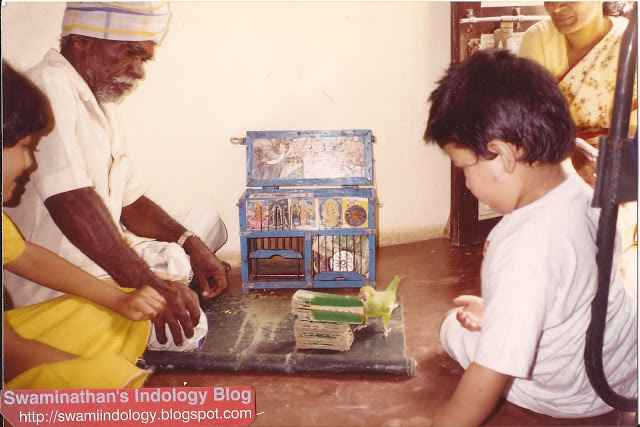
அதாவது இதில் தெய்வம் தரும் வழி அல்லது முடிவு என்ன என்பதைப் பார்ப்பதற்காக ஒரு தெய்வீக நூலில் – தேவாரம் அல்லது திருவிளையாடல் புராணம் போன்ற நூலில் யதேச்சையாக ஒரு இடத்தில் கயிறைச் சார்த்தி அந்தப் பக்கத்தைத் திறந்து அங்கு என்ன செய்தி வந்திருக்கிறது என்பதைப் பார்த்து இறைவனின் திருவுள்ளத்தை அறிவது வழக்கம்.

அதே போல பூக்களை சுவாமி சந்நிதியில் குருக்கள் அல்லது பூசாரி அல்லது ஒரு சிறு குழந்தையை விட்டு எடுக்கச் சொல்லி நினைத்த பூ எடுக்கப்படுகிறதா என்பது பார்ப்பதும் ஒரு வழக்கம். இரு துண்டுச் சீட்டுகளில் ஒன்றை தேர்ந்தெடுக்கச் செய்வதும் ஒரு நடைமுறை – பூவிற்குப் பதில் திருவுளச் சீட்டு.

சிலர் நாணயத்தைச் சுண்டி விட்டு தலையா அல்லது பூவா என்று பார்த்து தங்கள் நிலையை முடிவு செய்வர்.

கயிறு சார்த்திப் பார்த்தல்!

இது பற்றிய சுவையான சம்பவங்கள் நமது நாட்டில் ஏராளம் உள்ளன.

உதாரணத்திற்கு ஒன்றை மட்டும் இங்கு பார்ப்போம்:-

உ.வே.சாமிநாதையரின் என் சரிதை நூலில் 23ஆம் அத்தியாயத்தின் இறுதிப் பகுதி இது:-

ஒருநாள் காலையில் திருவிளையாடற் புராணத்தைப் படிக்கலாமென்று எடுத்தேன். அப்போது மிகவும் நைந்து, அயர்ந்துபோன என் உள்ளத்தில் ஓர் எண்ணம் தோற்றியது. “இந்தப் புஸ்தகத்தில் கயிறுசார்த்திப் பார்ப்போம்” என்று நினைந்து அவ்வாறே செய்யலானேன். இராமாயணம், திருவிளையாடல் முதலிய நூல்களில் வேறு ஒருவரைக்கொண்டு கயிறுசார்த்திப் பிரித்து அப்பக்கத்தின் அடியிலுள்ள பாடலைப் பார்த்து அச்செய்யுட் பொருளின் போக்கைக்கொண்டு அது நல்ல பொருளுடையதாயின் தம் கருத்து நிறைவேறுமென்றும், அன்றாயின் நிறைவேறாதென்றும் கொள்ளுதல் ஒரு சம்பிரதாயம்.


நான் ஒரு சிறுவனைக்கொண்டு கயிறுசார்த்தச் செய்து, புஸ்தகத்தைப் பிரித்தேன். சென்ற துர்மதி வருடம் பங்குனி மாதம் பதிப்பிக்கப்பெற்ற அப்பழம்புஸ்தகத்தில் 160-ஆம் பக்கம் கிடைத்தது. ‘வேதத்துக்குப் பொருள் அருளிச்செய்த படல’மாக இருந்தது அப்பகுதி. சில முனிவர்கள் வேதத்தின் பொருள் தெரியாது மயங்கி மதுரைக்கு வந்து அங்கே எழுந்தருளியுள்ள தக்ஷிணாமூர்த்தியைப் பணிந்து தவம்புரிய, அவர் எழுந்தருளி வந்து வேதப்பொருளை விளக்கி அருளினாரென்பது அப்படல வரலாறு. நான் பிரித்துப் பார்த்த பக்கத்தில், தக்ஷிணாமூர்த்தி ஓர் அழகிய திருவுருவமெடுத்து வருவதை வருணிக்கும் பாடல்கள் இருந்தன. அந்தப் பக்கத்தின் அடியில் 23 என்னும் எண்ணுடைய செய்யுளை நான் பார்த்தேன். “என் உள்ளக் கருத்து நிறைவேறுமா, நிறைவேறாதோ” என்ற பயத்தோடு நான் மெல்லப் புஸ்தகத்தைப் பிரித்தேன். பிரிக்கும் போதே என் மனம் திக்குத்திக்கென்று அடித்துக்கொண்டது. நல்ல பாடலாக வரவேண்டுமே!’ என்ற கவலையோடு அப்பக்கத்தைப் பார்த்தேன்.


“சீதமணி மூரல்திரு வாய்சிறி தரும்ப
மாதவர்கள் காணவெளி வந்துவெளி நின்றான்
நாதமுடி வாயளவி னான்மறையி னந்தப்
போதவடி வாகிநிறை பூரணபு ராணன்”

என்ற பாட்டைக் கண்டேனோ இல்லையோ எனக்கு மயிர்க்கூச்செறிந்தது. என் கண்களில் நீர் துளித்தது. மிகவும் நல்ல நிமித்தம் உண்டாகிவிட்டது. ஒரு குருவை வேண்டி நின்ற எனக்கு, தக்ஷிணாமூர்த்தியாகிய குருமூர்த்தி வெளிப்பட்டதைத் தெரிவிக்கும் செய்யுள் கிடைத்ததென்றால், என்பால் பொங்கிவந்த உணர்ச்சிக்கு வரம்பு ஏது? “கடவுள் எப்படியும் கைவிடார்” என்ற நம்பிக்கை உதயமாயிற்று. “மதுரை மீனாட்சிசுந்தரக் கடவுள் முனிவர்களுக்கு அருள் செய்தார். எனக்கும் அந்தப் பெருமான் திருநாமத்தையுடைய தமிழாசிரியர் கிடைப்பார்” என்ற உறுதி உண்டாயிற்று.


என் தந்தையார் பூஜையிலுள்ள மூர்த்தியும் ஸ்ரீ மீனாட்சிசுந்தரக் கடவுளே என்ற நினைவும் வந்து இன்புறுத்தியது. உவகையும் புதிய ஊக்கமும் பெற்றேன். இந்நிகழ்ச்சியை என் தந்தையாரிடம் கூறினேன். அவரும் பெருமகிழ்ச்சி அடைந்தார்.

கயிறு சார்த்திப் பார்த்ததில் மீனாட்சி சுந்தரக் கடவுள் பெயருடைய ஒருவர் ஆசிரியராகக் கிடைப்பார் என்று உ.வே.சாமிநாதையருக்குச் செய்தி வந்தது.

அதன்படியே நடந்தது.

மகாவித்துவான் திரிசிரபுரம் மீனாட்சிசுந்தரம் பிள்ளையா ஆசானாகக் கொள்ளும் பெரும் பாக்கியம் அவருக்குக் கிடைத்தது.

குருவை ஒருநாளும் அவர் மறந்தாரில்லை.

அவரது சரித்திரத்தையே அழியாத இலக்கியமாக அவர் இயற்றி விட்டார்.

இதே போல மேலை நாட்டிலும் ஏன் உலகெங்குமே கிறிஸ்தவர்கள் சிலரிடமும் ஒரு பழக்கமுண்டு. அவர்கள் தெய்வீக நூலாகக் கருதும் பைபிளில் கயிறு சார்த்திப் பார்ப்பது அவர்களின் வழி.

இது Bibliomancy Oracle என்று கூறப்படுகிறது.

இதைப் பற்றி அடுத்துப் பார்ப்போம்.

Old Articles from our blog


ஆடி கழிஞ்ச அஞ்சாம் நாள் கோழி …

tamilandvedas.com › 2020/04/22

  1.  

Translate this page

22 Apr 2020 – … ஒரு திருடன் என்று அர்த்தம்; சம்ஸ்க்ருதத்தில் ‘கயிறு நீளம்’ என்றால் ஆள் படு சோம்பேறி என்று அர்த்தம். … tamilandvedas.com › tag › கோழ…

மணல் ஜோதிடம் | Tamil and Vedas

tamilandvedas.com › tag › மணல…

  1.  

Translate this page

7 Oct 2017 – திருக்கோவையார். More ASTROLOGY Articles in my blog. ஜோதிடம்| Tamil and Vedas. tamilandvedas.com/tag/ஜோதிடம். Posts about ஜோதிடம் written … ஒரு கயிறு அல்லது …

Astrology | Tamil and Vedas | Page 9

tamilandvedas.com › astrology-2 › p…

  1.  

Translate this page

7 Oct 2017 – tamilandvedas.com/tag/ஜோதிடம். Posts about ஜோதிடம் written … ஒரு கயிறு அல்லது நூலை … go to tamilandvedas.com OR … வேதத்தில்ஜோதிடம் | Tamil and Vedas.


Tamil Astrology: Rope Trick for Predictions! | Tamil and Vedas

tamilandvedas.com › 2013/02/27 › t…

  1.  
  2.  

Translate this page

27 Feb 2013 – Tamil AstrologyRope Trick for Predictions! Tamils have novel ways of predicting your future. They listen to lizards and predict what is going to …

ROLE OF PADDY PLANTS IN TAMIL ASTROLOGY (Post No …

tamilandvedas.com › 2018/04/05 › role-of-paddy-plant…

  1.  

5 Apr 2018 – tamilandvedas.com/tag/நாடி… Posts about நாடி ஜோதிடம் written byTamil and Vedas. Tamil AstrologyRope Trick for …


Tamil astrology | Tamil and Vedas

tamilandvedas.com › tag › tamil-astrology

  1.  

Posts about Tamil astrology written by Tamil and Vedas. … Some time ago I wrote about Tamil’s Rope Trick astrology. Like orthodox Hindus find some answer by …


Astrology: Tamil’s Strange Prediction … – Swami’s Indology Blog

swamiindology.blogspot.com › 2017/10 › astrology-ta…

  1.  

7 Oct 2017 – Some time ago I wrote about Tamil’s Rope Trick astrology. Like orthodox Hindus find some … https://tamilandvedas.com/tag/bird-predictions/. 1.

tag- கயிறு சார்த்திப் பார்த்தல்

SWAMI CROSSWORD 762020 (Post No.8126)

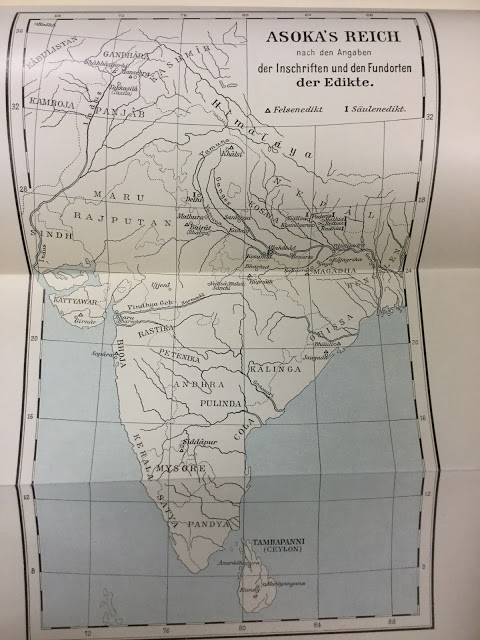
EMPEROR ASOKA
ASOKA’S INDIA

SWAMI CROSSWORD 762020 (Post No.8126)

WRITTEN BY LONDON SWAMINATHAN

Post No. 8126

Date uploaded in London – 7 June 2020       

Contact – swami_48@yahoo.com

Pictures are taken from various sources for spreading knowledge; this is a non- commercial blog. Thanks for your great pictures.

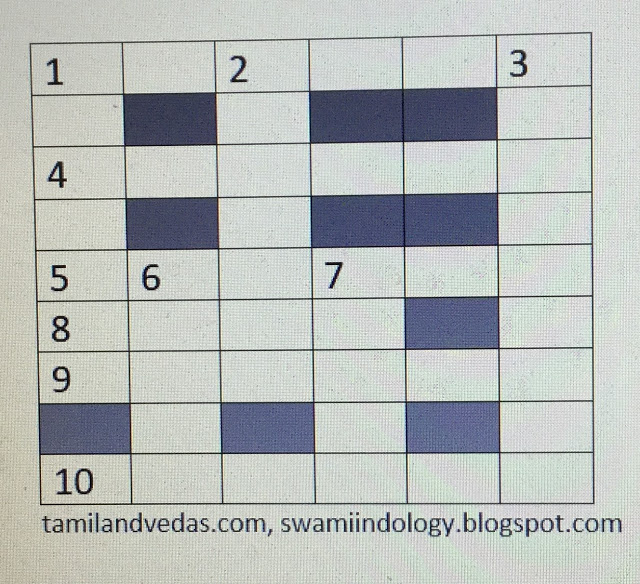
ACROSS

  1. – (6 letters) Busddhist temple  or monastery; state name Bihar is derived from this word.

4.—(6) – Sacred grass used in Vedic rituals

5. – (6) –violent, suddenly, rashness in Sanskrit

8—(4) –Unborn, Brahma

9—(5)—Wife of Lord Shiva; means White

10.—(6) – Necklace, neck.

DOWN

  1. – (6 letters) – town in Madhya Pradesh where from Emperor Asoka’s Chief queen came; se was the beautiful daughter of a banker.
  2. – (6)—author of Ratnavali drama; great emperor.
  3. — (9)- All India Radio’s name that comes in news bulletins

6. – (5) – unborn

7.—(5) – elixir, that came from the ocean according to Hindu scriptures

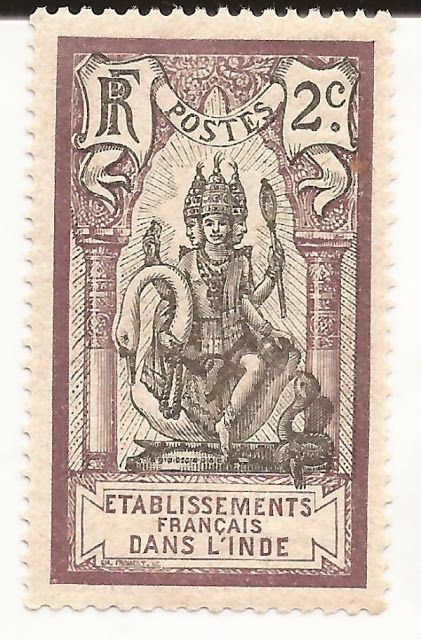
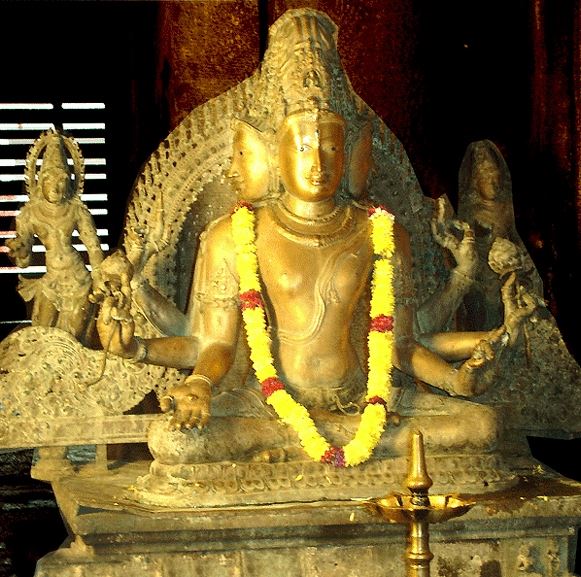
BRAHMA SENT BY LALGUDI VEDA

—SUBHAM–

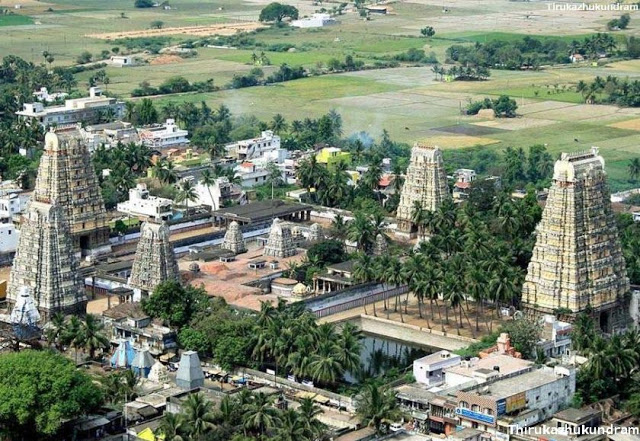
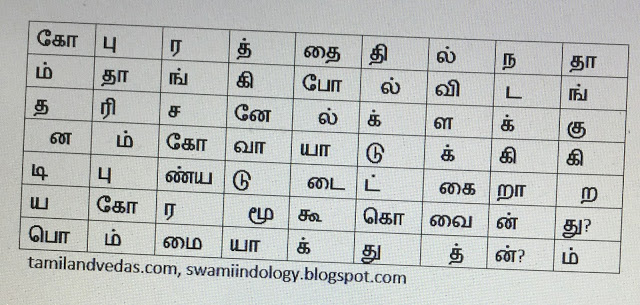
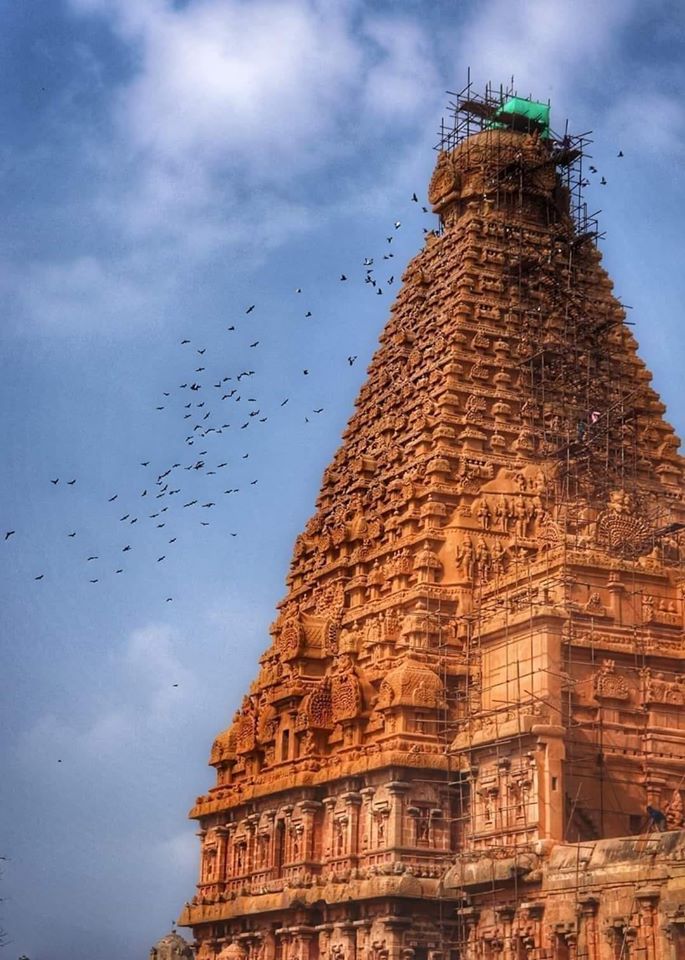
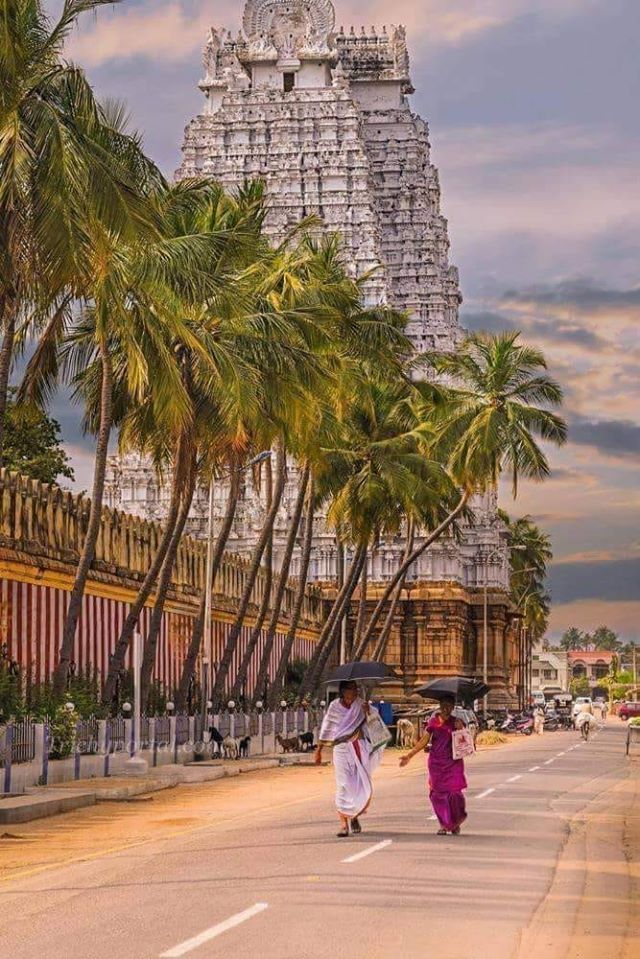
கோபுரம் பற்றிய 4 பழமொழிகளைக் கண்டுபிடியுங்கள் (Post No.8125)

WRITTEN BY LONDON SWAMINATHAN

Post No. 8125

Date uploaded in London – 7 June 2020       

Contact – swami_48@yahoo.com

Pictures are taken from various sources for spreading knowledge; this is a non- commercial blog. Thanks for your great pictures.

ஒரே சொல் மீண்டும் மீண்டும் வந்தால் ஓரிரு இடங்களில் மட்டுமே கட்டத்தில் இருக்கும். கொண்டு கூட்டி பொருள் கொள்க . விடை கீழே உள்ளது . சில நேரங்களில் படங்களைப் பார்த்தாலும் விடை காண உதவலாம்.

picture sent by lalgudi veda

விடை

1.கோபுரத்தை பொம்மையா தாங்குகிறது?

2.கோபுரம் தாங்கி போல் நடக்கிறான்

3.கோபுரத்தில் விளக்கை வைத்துக் கொ ட்டுக் கூடையால் மூடுவானேன்?

4.கோபுர தரிசனம்  கோடி புண்யம்


Source book :–

பயன்படுத்திய நூல்- கழகப் பழமொழி அகர  வரிசை, கழக வெளியீடு

tags– கோபுரம் , பழமொழிகள்,

–subham–

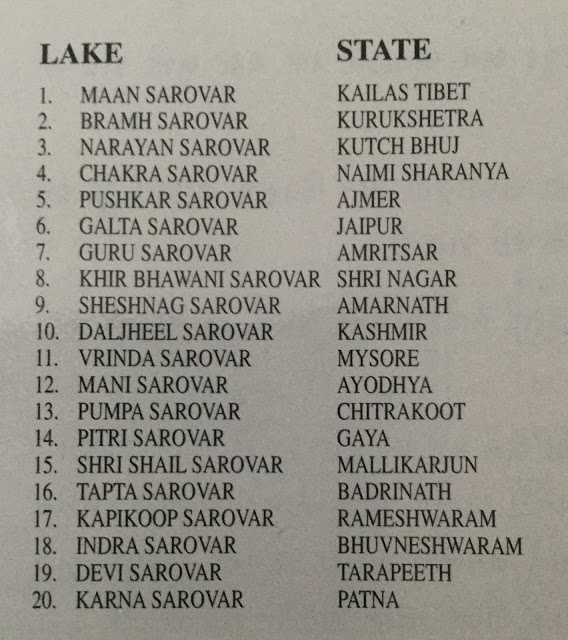
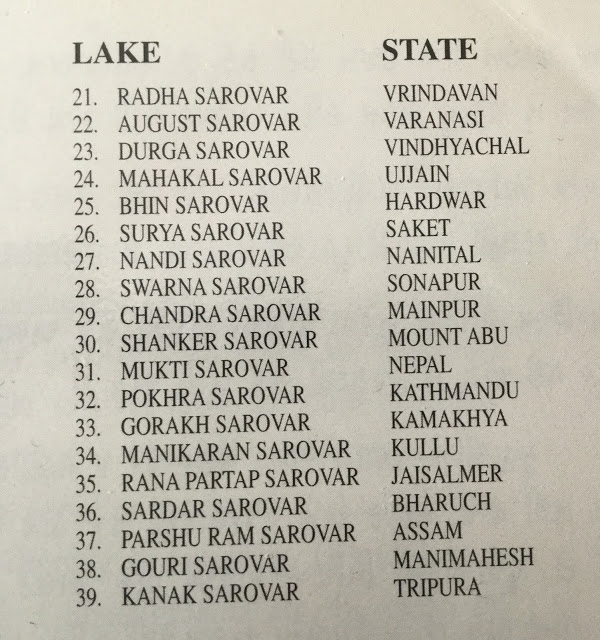
139 HOLY RIVERS AND 39 HOLY LAKES OF INDIA (Post No.8124)

WRITTEN BY LONDON SWAMINATHAN

Post No. 8124

Date uploaded in London – 7 June 2020       

Contact – swami_48@yahoo.com

Pictures are taken from various sources for spreading knowledge; this is a non- commercial blog. Thanks for your great pictures.

tamilandvedas.com, swamiindology.blogspot.com

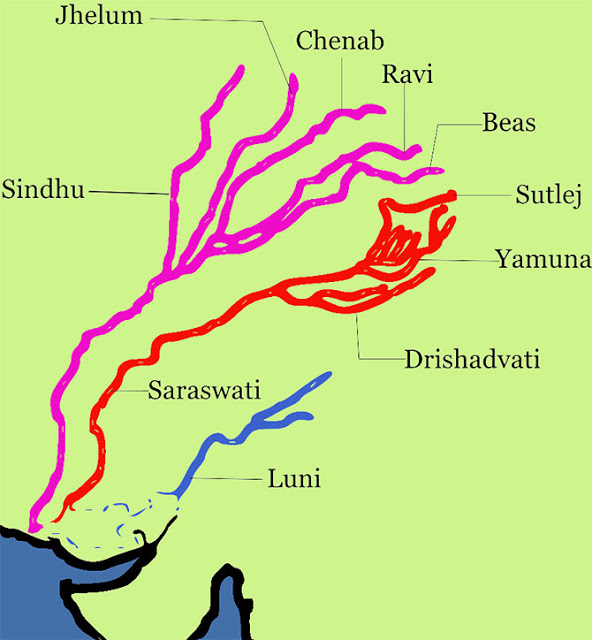
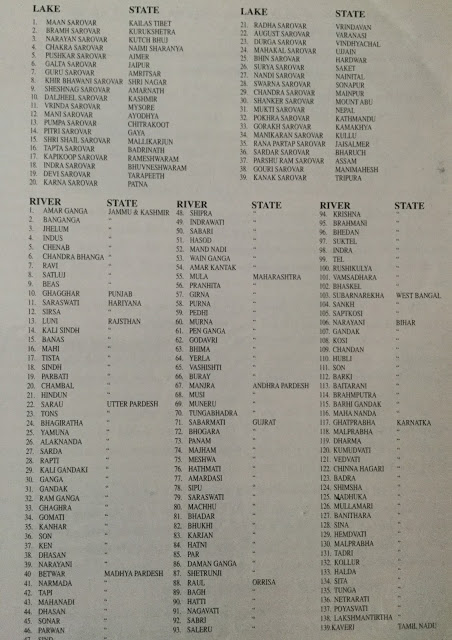
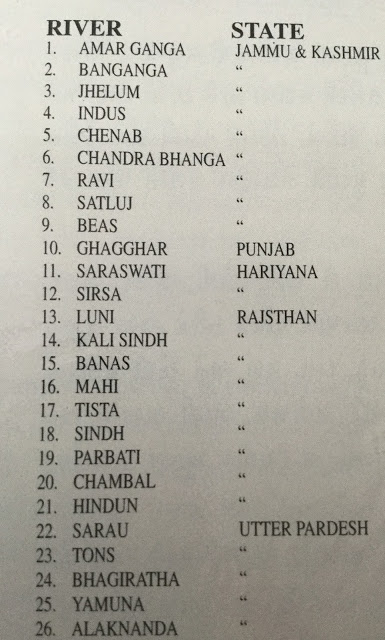
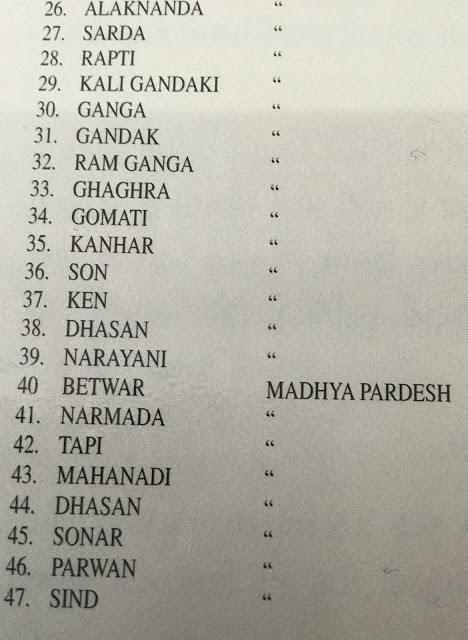
Hindus use holy water taken from sea, lakes and rivers for bathing kings, gods, and on special occasions, ordinary people.  During big Yagnas (Fire Sacrifices) and temple consecration (Kumbha Abishekam)  ceremonies water is brought from different holy places. Tamil and Sanskrit inscriptions praise certain kings bathing everyday in water brought from four different seas. This is to show that they control all the four directions, i.e. the countries in all four directions.

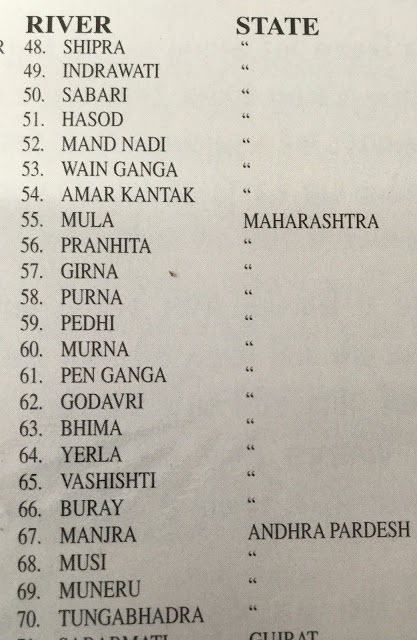
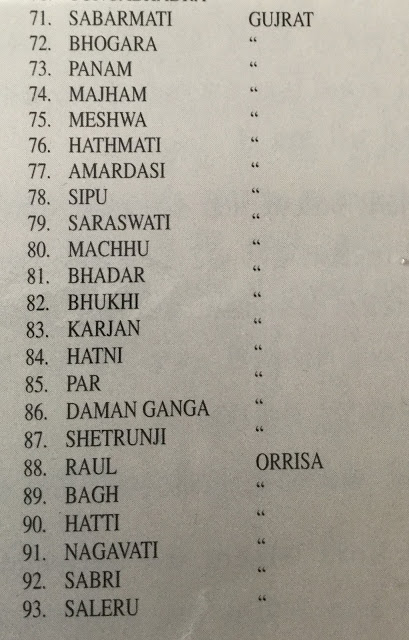
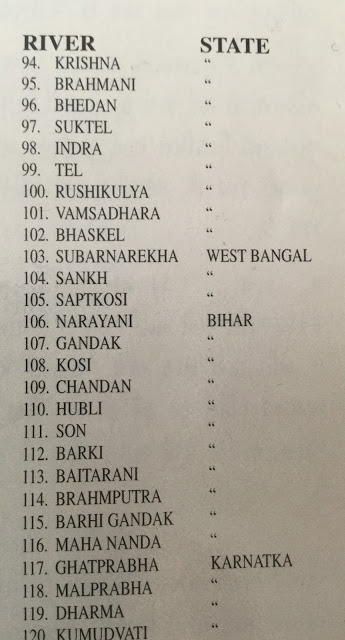
Someone has done a painstaking work by compiling names of the holy rivers and holy sarovars/lakes in different parts of India . This was published in a souvenir on the occasion of a Shivratri Yagna performed in London several years ago.

Please see the attached list

tags — Holy Rivers, Holy Lakes, Sarovar,, Punya Nadhi, Punya Tirtha, India


SRI TYAGARAJA-28, Tyagaraja’s Rama (Post No.8123)

WRITTEN BY R. NANJAPPA                        

Post No. 8123

Date uploaded in London – – – 7 June 2020   

Contact – swami_48@yahoo.com

Pictures are taken from various sources for spreading knowledge; this is a non- commercial blog. Thanks for your great pictures.

SRI TYAGARAJA-28,  Tyagaraja’s Rama

Brahman and Avatara

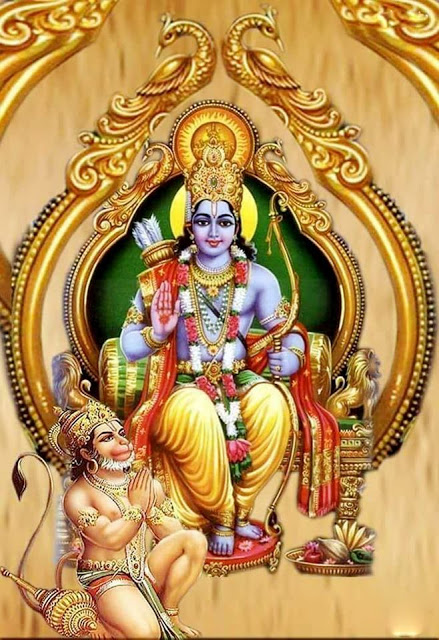
 Rama was the Ishtadevata, Upasana Murti of Sri Tyagaraja. How exactly did Tyagaraja regard Rama? Of course, He is the Avatara, born as the son of Dasaratha, ruled over ayodhya, etc. But the matter is not so simple-it is mysterious.

The English word God has  no clear  meaning. We have different words to indicate different concepts. The Absolute, Ultimate, Alpha and Omega, is beyond our mind, thought and speech. It (or He, or She) is designated Brahman. But the human mind is incapable of conceiving something like that. So for our sake, that Absolute, Unnamable, Formless Truth comes down , bearing a Form and Name. (There is the concept of Iswara also, which is not relevant here). Those who murmur should ponder: can they understand even a human concept like love in an absolute vacuum? Can they think of love in the absence of any person or object or relation? It is seen that those unfortunate persons not having any one to love or be loved by, at least attach themselves to a pet, an ideal or even a petty thing like a pen or a bike!

Our highest love is reserved for the Most High. And to honour our love, That comes down, descends to our level, to our midst, bearing a name and form. This we call the Avatara.

Avatara in the Gita

 Lord Krishna  explained this idea in the Gita.

Ajoapi sannavyayaatma

Bhutanaam Ishvaroapisan

Prakrutim swaam adhishtaaya

Sambhavaami aatma mayayaa.        4.6

Though I am unborn, of changeless nature and Lord of beings, yet subjugating My Prakriti, I come into being by MY own Maya.

(The words sambhavami and maya are untranslatable. The translation here is  approximate.)

Then does He become a mere human being?

Avyaktam vyaktimapannam

Manyante Mam abhuddhaya:

Param bhavam ajananto

Mam avyayam anuttamam.             7.24

The foolish regard Me, the Unmanifested, as come into manifestation, not knowing my Supreme State- immutable and transcendental.

Naaham prakaasa: sarvasya

Yoga maya samavruta:

Moodhoayam naabhi janati

Loko Mam ajam avyayam                7.25

I am veiled by My Yogamaya. So I am not perceived by every one. This humanity lacking intelligence does not understand Me as the Unborn and the Ultimate Immutable 

This maya belongs to Bhagavan. That is why we need His grace to go beyond it and understand and love Him. This is clarified by Bhagavan Himself.

Daivee hyesha gunamayi

Mama maya duratyayaa

Maameva ye prabatyante

Maya metaam taranti te              7.14

This maya of Mine, constituted of the three gunas is difficult to cross over. Only those who are devoted to Me cross over this maya.

Avajaananti Mam moodha

Maanusheem tanum aasritam

Param bhavamajaananto

Mama bhuta maheshvaram.               9.11

Unaware of My higher state, as the great Lord of beings , fools disregard Me, donning the human form.

Those who are able to transcend the maya are fortunate. They perceive Bhagavan in the Avatara.

Yo Mam ajam anaadim cha

Vetti loka Mahesvaram 

Asammoodha: sa martyeshu

Sarva papai: pramuchyate.             10.3

He who knows Me (as I am), birthless and beginningless (and therefore deathless and endless),the great Lord of the worlds – he among mortals is undeluded ; he is freed from all sins.

Avatara in Bhagavtam: Act of Compassion

 It is to bless  people that the Unmanifest Bhagavan comes down with a name and form, as clarified in the Bhagavatam.

Anugrahaya bhutaanaam

Maanusham deham aasthita:

Bhajate daatrusee: kreeda

Ya srutvaa tatparo bhavet.          

It is for the sake of conferring blessings on the Jivas that Bhagavan manifests Himself in the human form .

He then indulges in a variety of divine play(leela). At least by listening to them , their minds may turn towards Bhagavan- that is why.

So, the Avatara is a great act of compassion on the part of the Absolute for the benefit of humanity. But the devotee never forgets that the Avatara is also the Absolute.

AvataraV.Trimurti

A problem is faced by Hindus here. We also have the concept of Trimurti- the absolute Brahman being regarded as Brahma, Vishnu, Siva. So, how do we regard the Avatara vis a vis the Trimurtis?

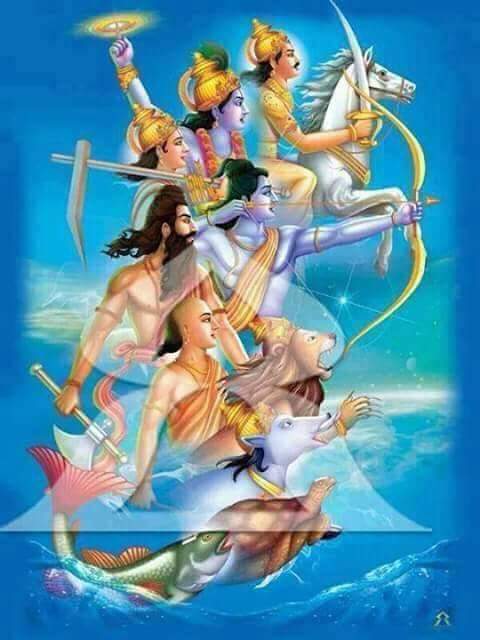
It is generally held that all the Avataras are of Vishnu. Brahma is never known to have incarnated. Siva has manifested and performed leelas, but these are not regarded as Avatars.Only Vishnu has taken Avatar.

But in reality there is nothing like this. The Trimurti is a human concept, but the Avatara is a divine fact! The Bhagavan who gives us the Gita is not just one of the Trimurtis! If we study the Gita closely and carefully,we will see that Krishna, sitting in the chariot and speaking to Arjuna, easily transcends His human form and reveals Himself as the Absolute- beyond the Trinity.Arjuna becomes so frightened that he requests this Absolute to assume his normal human form! It is therefore my view that Avatara is superior to the Trinity.

Avatara: Preservation and Destruction

I will just point out one  incongruity in the popular idea that Vishnu has taken all the Avatars. Vishnu is supposed to be the Deity of preservation. But in all the Avatars, he has only destroyed something or somebody! In fact this destruction is part of preservation- it is indeed not destruction but transformation or fulfilment! So our idea of one murti for creation, one for preservation, one for samhara is itself imperfect. Sri Bhagavan makes it clear in the Gita:

Yada yada hi dharmasya 

glanir bhavati Bharata

Abhyutthanam adharmasya 

tadaatmanam srujamyaham             4.7

O descendant of Bharata! Whenever there is decline of Dharma, and rise of Adharma,  then I come forth in a body.

Paritranaya Sadhunam 

Vinasaya cha dushkrutaam

Dharma samstaapanaartaya 

Sambhavaami yuge yuge.                 4.8

For the protection of the good, for the destruction of the wicked, for the establishment of Dharma, I come into being in every age.

It is therefore clear that the  establishing dharma involves both protection (preservation) and destruction! It cannot be the role of just Vishnu, as popularly conceived! Often, adharma will not go unless those who indulge in it are got rid of!

For instance Duryodhana says:

Jaanaami dharmam na cha me pravritti:

Jaanaami adharmam na cha me nivritti:

Kenaapi devena hrudi stithi tena

Yatha niyuktoasmi tatha karomi      (Pandava Gita)

I know what is dharma; but I am not able to observe it. I know what is adharma but I am not able to refrain from it. There is some deva in my heart; as it prompts me, I act.

This is a very clear example of how adharma cannot be removed unless those responsible for it are also removed! Duryodhana is a prime example of one born with demonic tendencies, as explained in the Gita! Such figures are typal ie they cannot be reformed. Thus maintenance of dharma involves destruction too, conceived as the job of Rudra! Besides, we should also remember that the names Brahma, Vishnu and Siva are Vedic and in the Veda they have a significance far different from those given in a puranic context.  

It is therefore clear that Avatara is above the Trimurtis! 

Rama is more than Trimurtis

Tyagaraja  subscribes to this fully. His Rama is not just the son of Dasaratha. The name Rama, the Taraka Nama, existed prior to Ramavatara! Let us see how Tyagaraja regards Rama.

Adi madhya rahita           (Nee daya- Todi)

Adi madhyanta rahita       (Edari sancharintura)

Adi anta rahita                (Aela needaya radu)

Rama is one without beginning, middle and end. He is Brahman.

Oka rupamuna barosi oka rupamuna echi

oka rupamu joochuchuntivi             (Innallu- Ghata)

You create the universe assuming one form; assuming another, you preserve it; and in another form, you destroy it!

Vinu Saketaraju visvamaneratha munekki

Tana samarthyamuche daane nadiyinchenae

                                                                                (Manasa-vardhani)

Bhagavan as Ayodhyapati moves on the Earth as his chariot, and gets everything done by his own skill (or power)

Okatesinapadi noorai veiyai

Chakapakalaadi satuvula nanache nata 

Vikaluni kakini brova trimurtulu

venula teesi naarada 

Sakala nadipatikai  drumakulyula

samharinche nataa               (Evarichchirira)

 It seems when you sent an arrow, it multiplied into ten, hundred and thousand and controlled the enemies. Even the Trimurtis refrained from saving Kakasura (  when he was pursued by your weapon).For the sake of the king of the Seas, your arrow destroyed the place of residence of the Rakshasas called Drumakulya.

(Who gave you such bow and arrows?)

The Trimurtis represent the three gunas. But Rama is beyond the three gunas.

 Mooti kekkuvaina needu gunammulu

                                    (Talachi nantate)

Your characteristics which transcend the three gunas.

Tri saktiyu galigina devudu neevai   (Yuktamu gaadu)

You are the Divine who has all the three powers (of creation, preservation and destruction)

Tamasadi guna rahitudu        (Undaedi)

One who has transcended the gunas beginning with Tamas.

Besides transcending the three gunas, Bhagavan is also beyond the dualities. He does not have feelings of friend ,enemy, etc. He saves even the Rakshasas and Asuras.

Satrula mitrula samamuga jooche nee

                                        (Enduku nirdaya)

You regard enemies and friends alike. 

Here we remember the words of Gita:

Samoaham sarva bhuteshu

Na Mae dweshyoasti na priya:

Ye bhajanti tu Mam  Bhaktya

Mayi te teshu chapyaham                9.29

I am the same to all beings; to Me there is none hateful or dear. But those who worship Me are in Me and I too am in them.

Nirvikara guna nirmala         (Dinamani vamsa)

One with charactersistics which do not undergo change. The pure.

(Gunas are modifications of mind. Rama is beyond such modifications.)

Vaemako lokaabhi

Cheemalo Brahmalo Siva kesavaadulalo

prema meera melagu chunde birudu vahinchina

                                         (Rama nannu brova)

You are pervading all jivas- from the ant to Brahma, and also Siva and Vishnu with great love.

Srushti pushti nashti seyu panuluni

Nikrushta manuchutu Trimurtula koasagi

                                     (Manasa SriRamachandra)

Rama has felt the three activities of creation, preservation and destruction as of low order and so has left them to the Trimurtis.

Ajagaja rakshaka gajasarmaamba-

raadi daivabhedamulanu leela 

kalga jesina                 (Nijamarmamulanu)

Sri Rama established the differentiation  among Brahma, Vishnu and Siva as if in play.

(The kriti goes on to say that those who know this secret cannot be subject to any difficulties.)

Muggurilo maelaina Rama      (Siggumali)

Rama, who is above  the Trimurtis!

Parvati ramanaarchita pada

Ramaapati vandya paratpara       (Sarva bhauma)

Your Feet are worshipped by Siva

You are worshipped by Vishnu.

You are the Paratpara.

Paripurnaavatara                     (Raghupate Rama)

You have assumed the perfect, most complete Avatara.

Paraesa 

 (Para Isha)  Paramatma

Eeraedu lokamula

Kaadharudagu                           (Vaerevvarae)

You are the foundation for the fourteen worlds.

Saatvika bhakti bichcha meeyavae….

Trimurtula gati melmi Rama         (Bhakti bichcha)

Rama! Please give me as alms bhakti for you which is of an auspicious nature. That alone is superior to even the Trimurtis.

Mummurtulu gumigoodi pogade

muchchata vinukorae 

Just listen to this- how the Trimurtis have come together to praise Rama!

Geetad yakhilo upanishad sara  Sitavara    (Sitavara)

Rama! You shine as the essence of Gita and other Upanishads.

Srushti sthityantakara…..

Onkara panjara keera 

purahara sarojabhava kesavaadi

rupa…………………………(Jagadanandakaraka)

One performing the three functions of creation, preservation and destruction.

Has taken the form of Siva (who destroyed the three puras) , Brahma of the lotus, and Vishnu.

Nara kinnara kimpurusha sura 

nirjara raja sivaadi ramaapatula

taru bhudharaa naekanda mula….

Leelaganu jooche                       (Leelaganu)

Humans kinnaras kimpurushas, asuras Devendra,Siva, Vishnu, the lord of Lakshmi, trees, the different worlds – all these should be seen as your play. (Please grant me the association of such holy men who have this vision.)

Sivuniki tamasa gunamichchi kamala-
Bhavuniki rajasa guna mosagi sachi-
dhavuniki garva hrudayuniga jesina
Emani pogadudura                    (Emani pogadudura)

You gave tamasa guna to Siva, rajasa guna to Brahma, indordinate pride to Indra.

There are at least three kritis where Tyagaraja deals with this subject extensively.

  • Evarani nirnayinchirira
  • Etavunara
  • Endundi vedalitivo.

We have seen the first two in previous postings. So now, we will look at the other one.

Where does Rama hail from?

Sri Rama nee 

Endundi vedalitivo Aeyooro ne deliyya

ipudaina delupavayya                  (Endundi)

Sri Rama!Where do you hail from? Which is your place? I do not know.Lord, at least now reveal them to me.

Anda chandamu verai  nadatalella 

trigunaateetamai yunnade gaani 

Your appearance ( of a prince) is something; but your conduct is different- beyond the three gunas! 

Chitukante naparadha chayamula dagilinche

Sivalokamu gadu

Vaturupudai balini vanchinchi yanchuvani

Vaikunthamu gadu

Vitavachamulaadi chiramu drumpabadda

Vidhilokamu gadu

Your place cannot be Sivaloka- where even a small lapse constitutes a big offence.

It cannot be Vaikunta, the place of Vishnu, who after all tricked Mahabali and subjugated him. 

It cannot be the world of Brahma who lost one of his five heads for resorting to lustful words.

Didavu dharmamu satyamu mrudubhashalu kalgu

divyarupa Tyagaraja vinuta

Your divine form is full of firmness, dharma, satya, pleasing speech, etc. So where exactly do you come from? (Who indeed are you, because you are so different from the Trimurtis!)

What a splendid way Tyagaraja portrays the nature of Rama, as beyond the Trimurtis! Our Puranas are full of incidents revealing the ‘other side’ of the Trimurtis! (It is almost like the gods in Greek mythology!) Compared to them, Rama is ideal and perfect in all respects! No wonder Tyagaraja has seen the secret behind Him ( nija marmamu telisina vaani) and realised Him as the Brahman, beyond the Trinity!

That is why, we can never get good buddhi without instructions from Satguru : buddhi radu, buddi radu, peddala suddulu vinaka)

 
Bhagavan Himself declares in the Gita:

Brahmano hi pratistaaham
Amrutasya avyayasya cha
Sasvatasya cha dharmasya
Sukhasya aikaantikasya cha                 14.27


For I am the abode of Brahman- the Immortal and Immutable, of everlasting Dharma and the Absolute, Unchanging Bliss.
Can we now dare to say that the Avatara is just an aspect of any Deity?

As the Sadguru, Tyagaraja has revealed the Truth of Avatara.

    Note:

That a true devotee should not differentiate among Upasana Murtis ( that is, whatever may be one’s own Upasana Murti, he should not denigrate or decry others, and advocate the idea that one is superior to another) is emphasised in the Bhagavata.
After Daksha’s Yajna was destroyed by Rudra, the Devas request Rudra to give up his anger and help in the proper completion of the Yajna. Rudra too shows compassion and  visits the Yajnashala. Then Lord Narayana also appears there and instructs them about the non-difference among the Murtis (Murti-Samasrayam). Bhagavatam, Skanda 4, Chapter 7.

Bhagavan says:


Aham Brahma cha sarvascha 
jagata: karanam param
Atmeswara upadrishta
 swayam druga viseshana:

I am Brahma, responsible for creation of the World. I am Siva too. I am the Atma of every one, their master and also the witness for their acts. I am self-effulgent and unconnected with anything.
Atma mayam samavisya

 soaham gunamayeem dwija
Srujan rakshan haran visvam 
 dadhrae samjnam kriyochitaam.
O Brahmins! Though I am such, I assume the Maya consisting of the three gunas and engage in projection,maintenance and  laya of the world. Accordingly, I assume the names of Brahma, Vishnu and Siva.
Tasmin brahmanyadvideeye

 kevalae paramatmani
Brahmarudrau cha bhutani 
bhedenaajnonupasyati. 

It is the one lacking intelligence who perceives differences in this One without a second, such as Brahma, Siva and others.


Yatha pumaanna swaangeshu 

sira:paanyadishu kwachit
Paarakya buddhim kurutae 
aevam bhuteshu matpara.


Will any man think of the various parts of his body that some are his, while some belong to others? Likewise my true devotee does not distinguish between Me and other forms of life.


Tryaanaam eka bhaavaanaam

Yo na pasyati vai bhidaam.
Sarva bhutatmanaam Brahman 

Sa santim adhigachchati.

O brahmajnanis!

We three are One. We also appear as all forms of life. One who does not perceive any differences among us attains Peace.
                               -Slokas 50-54.
Devotees should ponder how this matches what is said in the Gita!

To be continued…………………..

சிலந்தியின் ஆயுள் எத்தனை ஆண்டுகள் ? (Post No.8122)

WRITTEN BY LONDON SWAMINATHAN

Post No. 8122

Date uploaded in London – 7 June 2020       

Contact – swami_48@yahoo.com

Pictures are taken from various sources for spreading knowledge; this is a non- commercial blog. Thanks for your great pictures.

tamilandvedas.com, swamiindology.blogspot.com

சிலந்தியின் ஆயுள் எத்தனை ஆண்டுகள் ?

2006ம் ஆண்டில் லண்டன் டெய்லி மெயில் பத்திரிகையில் சிலந்திப் பூச்சி பற்றிய ஒரு கேள்வி பதில் வெளியானது. இதோ அதன் மொழி பெயர்ப்பு.

பொதுவாக சிலந்திகள் ஒன்று அல்லது இரண்டு ஆண்டுகள்  வரை வாழ்கின் றன

சிலந்திகளில் 80, 000வகை இருக்கி ன்றன

ஆண் சிலந்திகள் பெண் சிலந்தியுடன்  கூடிய வுடன் இறந்து விடும். பெண் சிலந்திகள் முட்டையிட்டவுடன் இறந்து விடும்.

வீட்டி ல்  காணப்படும் சிலந்திப் பூச்சிகள் ஓராண்டு முதல் 18 மாதங்கள் வரை உயிர் வாழும்.

தோட்டத்தில் வாழும் ,,,,,,, ஒன்றரை  ஆண்டுமுதல் இரண்டு ஆண்டுகள் வரை வாழும்.

பபூன் சிலந்திகள் பிடித்து வைக்கப்பட்ட கூண்டுகளில் 20 ஆண்டுகள் வரை வாழ்ந்ததும் உண் டு .

சிலந்தியின் அளவுக்கும் வாழ்நாளுக்கும் எந்தத் தொடர்பும் இல்லை. பெரிய போன் வலைச் சிலந்தி ஓராண்டு மட்டுமே வாழ்கிறது  சிறிய வயலின் சிலந்தியோ மூன்று ஆண்டுகள் வரை உயிருடன் இருக்கின்றன.

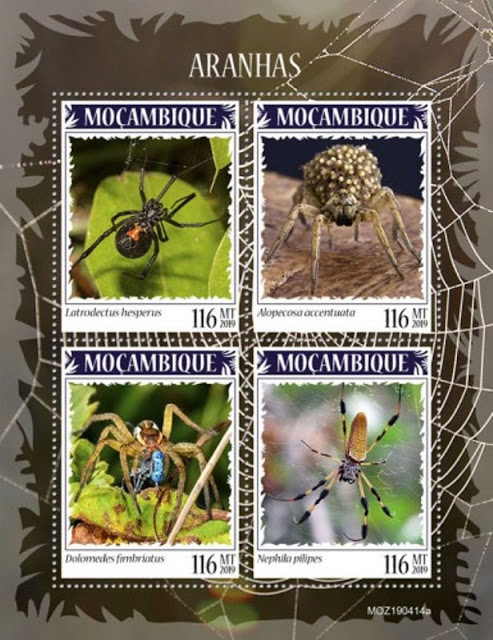
Common house spiders –

Tegenaria gigantea

Tegenaria domestica

Tegenaria atricia

Tegenaria  parietina

(in Britain)

Garden spider

Araneus  diademalus

Other spider species mentioned in the answer—

Violin spider, baboon spider,

Golden orb web


tags- சிலந்தி, ஆயுள் ,

–subham–