280 SANSKRIT WORDS FOR WATER!

By S Swaminathan

The Sanskrit language is the oldest, most systematic language that has survived the longest period through history. It is called Deva Bhasa-Language of the Gods. It is full of wonders, puzzles, riddles and miracles. It has got an ocean of treasures for anyone interested in any subject under the sun. No one has listed all the books in this language, because it is impossible to do so. This was the richest language in the ancient world. Even before Homer started writing his Iliad and Odyssey in 800 BC, Sanskrit had copious literature in the form of Vedic Samhitas, Brahmanas, Aranyakas and Upanishads.


Brihadaranyaka Upanishad written at the time of Homer, lists more than 60 generations of teachers! It means Hindus had proper schools for thousands of years even before others thought of writing books! No wonder still Mahabharata is the largest epic in the world with 100,000 couplets.


It has scored several firsts. First grammar book in the world: Ashtadyaye of Panini, First sex manual in the world: Kamasutra of Vatsyayana, First philosophical work: Brihadaranyaka Upanishad, First Story Collection in the world: Somadeva’s Katha Sarit Sagara, First religious book in the world Rig Veda and First Dance manual in the world Bharata’s Natya Sastra and First Dictionary of Synonyms Amarkosa. We can go on adding medical, aeroplane manuals etc. No Gilgamesh can even come nearer to Sanskrit literature. When other parts of the world dealt only with religion we started writing secular books.


Sanskrit has the power of expressing all types of thoughts in their appropriate terminology- from mythology to literature, science to philosophy, poetry to prosody, astronomy to anatomy, as well as genetics, mathematics and cosmology.


An amazing wealth of words and synonyms gives a great versatility to expression of power. With 65 words for earth, 70 words for water,15 words for gold,122 words for the verb “to go”, imagine its vastness!!

The seventy words for water multiply into 280 words with prefixes for specific descriptions of rainfall (dharma, karakam, thousaram, haimam) etc.

The Sanskrit speakers belong to India. Their civilization originated on the banks of Ganga, Sindhu, Saraswati (which disappeared 3000 years ago) and Yamuna. All these rivers were mentioned in Rig Veda, the oldest book in the world. They were so obsessed with water, they used it in all their ceremonies from birth to death. They used it to donate money or lands.They used it to give boons or curses. They used it in their weddings (Kanya Dhanam). This shows very clearly that they did not come from arid deserts or snowy regions. Without water a Hindu can’t do any ceremony.


Look at the  synonyms of water given below:

Amrutam ,Ambhaha, Arnaha,Apaha, Bhuvanam,Vanam,Kabandham, Kapandham,Udakam,Paathaha,Pushkaram,Savaram,Toyam, Dakam, Kambalam,Syandanam,Sadanam,Ira,Ambu,Kam,Jadaha,Somam,Vyoma,Naram,Kaharam,Saraha,Neeram,Udam,Saram,Rutam,Vaaha,Vaari,Salilam, Kamalam,Payaha,Keelaalam,Salam,Uurjam,Ghrutam,Vaajam,Sarilam, Jadam,Sambhaha,Andham,Kusham,Karburam,Ksheeram,Taamaram,Hriveram,

Sanchalam,Sambaram,Shambaram,Sambalam,Ghanarasaha,Jalapeetham,Jalam,Chandrorasam,Gokolanam,Sarvatomukham,Meghapushpam,Abhrapushpam,

Peeppalam,Kaandam,Krupeetam, Jeevanam, Komalam, Ghanisaasam, Krupperam, Repaalam, Akkam (colloquial in Brahmin families, might have given the word Aqua)


I have explained in another article that the word Neer/ water is not of Tamil origin ,because it is found in Greek as Nereids (water nymphs=Narayana of Hindu literature).

Compiled by S Swaminathan from various sources. For more Sanskrit Wonders read my blogs or contact swami_48@yahoo.com or Swaminathan.santanam@gmail.com


நிலவைக் கவர்ந்த ரோஹிணி! நட்சத்திர அதிசயங்கள்

Aldebaran= star Rohini

நட்சத்திர அதிசயங்கள்

வானில் உள்ள மர்மங்களைப் புரிந்து கொள்ள சிவ புராணத்தைப் படிக்க வேண்டும். நட்சத்திரத் தோற்றம், அவற்றின் இயல்புகள் மற்றும் மர்மங்களை அற்புதமாக விளக்குகிறது சிவ புராணம். நிலவைக் கவர்ந்த நிலவின் காதலி ரோஹிணியைப் பற்றிப் பார்ப்போம்

நிலவைக் கவர்ந்த ரோஹிணி! – Part 1

By ச.நாகராஜன் Santanam Nagarajan


சிவ புராணம் கூறும் ரோஹிணியின் கதை

வானில் உள்ள மர்மங்களைப் புரிந்து கொள்ள சிவ புராணத்தைப் படிக்க வேண்டும். நட்சத்திரத் தோற்றம், அவற்றின் இயல்புகள் மற்றும் படைப்பு மர்மங்களை அற்புதமாக விளக்குகிறது சிவ புராணம்.

தட்சன் தனது புத்திரிகள் 27 பேரை சந்திரனுக்கு மணம் செய்து வைத்தான். சந்திரன் ரோஹிணியின் பால் தீராத காதல் கொண்டான்.மற்ற இருபத்தி ஆறுபேரையும் புறக்கணித்து ரோஹிணியை மட்டும் பிரியாமல் எப்போதும் அவள் கூடவே இருந்தான்.இதனால் மனம் வருந்திய இருபத்தி ஆறு பேரும் தங்கள் தந்தையான தட்ச ப்ராஜாபதியிடம் சென்று முறையிட்டனர்.தட்சனுக்கு எல்லையற்ற கோபம் உண்டானது. அவன் சந்திரனை அழைத்துக் கடுமையாக எச்சரித்தான். ஆனால் சந்திரனோ அந்த எச்சரிக்கையை சட்டை செய்யவில்லை. தீராத மையலில் ரோஹிணியுடன் கூடவே இருந்தான்.இரண்டு முறை எச்சரித்தும் பயனில்லை.

தனது புத்திரிகளின் புலம்பலை மூன்றாவது முறை கேட்ட தட்சன் பெரிதும் வெகுண்டான்.சந்திரனை க்ஷயரோகம் பிடிக்கக் கடவது என்று சாபம் இட்டான். சாபத்தினால் சந்திரன் நாளுக்கு நாள் இளைத்துப் பொலிவை இழக்க ஆரம்பித்தான். சந்திரனே மூலிகைகளின் அதிபதி. அவன் இளைத்ததால் மூலிகைகள் வாடி வதங்க ஆரம்பித்தன.அவைகள் தொடர்ந்து வீரியத்தை இழக்கவே தேவர்கள் பெரிதும் கவலை அடைந்தனர்.சந்திரனை அடைந்து காரணத்தைக் கேட்டனர். சந்திரனும் தட்சனின் சாபம் பற்றிக் கூறினான். தேவர்கள் தட்சனை அடைந்து சந்திரனை மன்னிக்குமாறு வேண்டினர். சிவனின் அருளால் சரஸ்வதி தீர்த்தத்தில் சந்திரன் மூழ்கி எழுந்தால் அவன் க்ஷய ரோகத்திலிருந்து விடுபடுவான் என்று சாப நிவிர்த்திக்கான வழி பிறந்தது. மனம் மகிழ்ந்த சந்திரன் சரஸ்வதி தீர்த்தத்தில் குளித்து வளர ஆரம்பித்தான். மாதத்தில் பாதி நாட்கள் தேய்ந்து        மீதிப் பாதி நாட்கள் வளர்வதுமாக இருக்க ஆரம்பித்தான். அமாவாசையும் பௌர்ணமியும் தோன்றக் காரணமான இந்தக் கதையை விளக்கமாகச் சிவ புராணம் விளக்குகிறது!


புராதன நாகரிகங்கள் புகழும் ரோஹிணி

ரோஹிணி என்றால் சிவந்தவள் என்று பொருள். ஆறு நட்சத்திரங்களைக் கொண்ட தொகுதி ரோஹிணி மண்டலம்! அருகே இருக்கும் ஐந்து நட்சத்திரங்களையும் சேர்த்து இதைச் சகடம் எனக் குறிப்பிடுகின்றனர். சிவந்த குதிரை என்று பொருள் படும் லோஹிதாச்வ என்ற பெயராலும் இதைக் குறிப்பிடுவர். அராபிய மொழியில் அல்டிபெரான் என்று இந்த நட்சத்திரத்தை அழைக்கின்றனர். இதற்கு வரிக்குதிரை அல்லது குதிரை என்று பொருள். சந்திரனின் பிறை தரிசனத்தை எப்படி இந்து மதம் வலியுறுத்துகிறதோ அதே போல பிறை தரிசனத்தை இஸ்லாமும் வலியுறுத்துகிறது!

ரோஹிணி நட்சத்திரம் புராதனமான எல்லா நாகரிகங்களாலும் பெரிதும் போற்றப்பட்ட ஒரு நட்சத்திரம். சீனர், பாபிலோனியர், எகிப்தியர்,அராபியர், இந்தியர், கிரேக்கர் என அனைவரும் போற்றிய நட்சத்திரம் இது என்பதோடு அனைத்து நாகரிகங்களிலும் இதைப் பற்றிய ஏராளமான கதைகளும் உண்டு என்பது குறிப்பிடத் தகுந்தது. சந்திரன் – ரோஹிணி பற்றி அகநானூறு, மலைபடுகடாம்,நெடுநல்வாடை உள்ளிட்ட ஏராளமான சங்க நூல்கள் புகழ்ந்து பாடுகின்றன!

எடுத்துக் காட்டாக ‘அறுமீன் பயந்த அறம் செய் திங்கள் செல் சுடர் நெடுங்கொடி போல’ என இணை பிரியாத காதலர்கள் சந்திரனும் ரோஹிணியும் என்று புகழும் சங்கப் பாடல் வரிகளைச் சுட்டிக் காட்டலாம்! தமிழ் ஆர்வலர்கள் நெடுநல்வாடையில் வரும் 159 முதல் 163 வரிகள் சுட்டிக்காட்டும் ‘உரோகிணி நினைவனள் நோக்கி நெடிதுயிரா’ உள்ளிட்ட பல பாடல் வரிகளைப் படித்து மகிழலாம்.

மஹாபாரதக் கதை

இந்த நட்சத்திரத்தின் அதி தேவதை பிரஜாபதி, மஹாபாரதத்தில் வன பர்வத்தில் வரும் ஒரு முக்கியக் கதை ரோஹிணியைப் பற்றி விளக்குகிறது.

அனைவரது பார்வையிலிருந்து  சில காலம் ரோஹிணி மறைந்து விட்டாள் என்றும் ரோஹிணி மேலிருந்து கீழே விழுந்து விட்டாள் என்றும் பிறகு சிறிது காலம் கழித்து ரோஹிணி தன் இடத்தை மீண்டும் பிடித்தாள் என்றும் கதை கூறுகிறது.  இந்தக் கதை கூறும் மர்மத்தைச் சற்று விளக்கமாகப் பார்ப்போம்

-தொடரும்

இந்தக் கட்டுரை ஸ்ரீஜோஸியம் வாரப் பத்திரிக்கையில் வெளியானது. இதை விரும்புவோர் இந்தக் கட்டுரை ஆசிரியர் S. Nagarajan எழுதிய அஸ்வினி, கார்த்திகை, திருவாதிரை உள்ளிட்ட அனைத்து நட்சத்திர அதிசயங்களையும் படித்து மகிழலாம்.


Hindu Quiz- 3

(Please note that Hindu Tamil Quiz is not a translation of English quiz or vice verse. So if you know Tamil, please try Hindu Tamil Quiz as well. Both are entirely different: S.Swaminathan)


Test your knowledge in Hinduism. Answers are given at the bottom.

If you score between 15 and 20 you are very good

Between 10 and 15, you are good

Between 5 and 10 refresh you your knowledge in Hinduism

Below five, sorry, are you a Hindu?


1)Who was the author of Sivananda Lahari?

2)Where is Vaidhyanath (one of Jyothirlinga Shrines) temple located?

3)What is the meaning of Tat Tvam Asi?

4)Name all the 12 Alvars of Tamil Nadu.

5)What are the four stages of life?

6)What are the four Purusharthas?

7)Where is Meenakshi temple located?

8)Which is the tree under which Shiva sits silent?

9)What is the Vahana of Durga?

10)Who is the proponent of Vishistadwaita?

11)What is Mantralayam shrine famous for?

12)Where are the four Mutts established by Adi Sankara?

13)What are the Navagrahas?

14)Lakshmi is the Goddess of what?

15)What did Jnaneswar write?

16)What is the name of Ramayana written by Tulsidas?

17)What are the names of two great Hindu epics?

18)Who are the two sons of Shiva?

19)Where is Kailash, abode of Shiva?

20)How many verses are there in Valmiki Ramayana?


Answers: 1.Adi Sankara 2. Deogarh in Jharkand 3.You are That 4.Poikai, Butham,Pey, Tirumazisai,Madhurakavi,Kulasekara,Tiruppan, Periyalvar,Andal,Nammalvar, Thondaradippodi and Tirumangai 5.Brahmacharya,Grahasthasrama,Vanaprastha and Sanyasa (student,householder,recluse and ascetic) 6. Dharma, Artha,Kama,Moksha 7.Madurai, Tamil Nadu 8.Banyan/vata vriksha 9.Lion or tiger 10.Ramanuja  11.Mantralayam in Kurnool district, Andhra Pradesh has the Samadhi of Sri Raghavendra Swami 12.Sringeri,Dwaraka,Badrinath and Puri (Kancheepuram is the place where he attained Mukti) 13.Sun,Moon,Mars,Mercury,Jupiter,Venus, Saturn, Rahu and Ketu 14. Lakshmi is the Goddess of wealth 15.Jnaneswari, also known as Bhavartha Deepika is a commentary on Bhagavad Gita in Marathi language 16. Ram Charitha Manas 17. Ramayana and Mahabharata 18. Ganesh and Karthikeya 19). In the Himalayas, inside Chinese territory 20). 24,000 verses.

For more details, contact swami_48@yahoo.com or swaminathan.santanam@gmail.com or facebook.

Hindu Tamil Quiz -3


15 முதல் 20 மதிப்பெண்கள் பெற்றால் சிறப்புத் தேர்வு

10 முதல் 15 வரை- நல்ல மதிப்பெண்கள்

5 முதல் 10 வரை- பரவாயில்லை

ஐந்துக்கும் கீழே– நிறைய புத்தகம் படித்துவிட்டு வாருங்கள்.


1.கணபதியின் பெயருடைய ஊர், பெரிய குடைவரை கணபதி உருவம் வழிபடப்படும் ஊர். அது எந்த ஊர்?

2.முருகனின் அறுபடை வீடுகள் எங்கே இருக்கின்றன?

3.மதுரை மீனாட்சி, காஞ்சி காமாட்சி, காசி———- என்ன?

4.மதுரை கோவிலில் தல விருட்சம் என்ன?

5.யானை சுற்றிவந்த நிகழ்ச்சியை பெயரிலேயெ உடைய ஊர் எது?

6.வேதத்தின் பெயரையுடைய ஊர்?

7.யானையும் சிலந்தியும் வழிபட்ட ஊர் எது?

8.ரமண மகரிஷி, அருணகிரிநாதர் ஆகியோருடன் தொடர்புடைய தலம் எது?

9.கோணியம்மன் பெயரில் உடைய ஊர்?

10.சனீஸ்வரனுக்கு பெரிய வழிபாடு நடக்கும் ஊர் எது?

11.தோணிபுரத்தின் தற்போதைய பெயர் என்ன?

12.குமரியில் கூடும் முக்கடல்கள் யாவை?

13.தமிழ்நாட்டில் பெரிய அனுமன் சிலைகள் உடைய 3 ஊர்களின் பெயர்கள் தெரியுமா?

14.துர்க்கைக்கு மிகவும் உகந்த பூ என்ன?

15.சிவனுக்கும் பெருமாளுக்கும் பிடித்த இலைகள் எவை?

16.பெரிய தங்கக் கோவில் உடைய தமிழ்நாட்டு நகரம் எது?

17.கும்பகோணத்தில் உள்ள குளத்தின் பெயரையும் திருவாரூரில் உள்ள குளத்தின் பெயரையும் சொல்லுங்கள்

18.பழனியிலுள்ள முருகனுக்கு என்ன பெயர்?

19.கபாலீஸ்வரர் கோவில் எங்கே இருக்கிறது?

20.தமிழ்நாட்டில் வைஷ்ணவர்களும் சைவர்களும் கோவில் என்று அழைக்கும் சிறப்புடைய இரண்டு ஊர்கள் எவை?


Answers: விடைகள்: 1. பிள்ளையார்பட்டி 2. பழனி, பழமுதிர்ச்சோலை, திருப்பரங்குன்றம், திருச்சந்தூர், திருத்தணி, சுவாமிமலை 3. காசி விசாலாட்சி 4.கடம்ப மரம் 5.கரி வலம் வந்த நல்லூர் 6.வேதாரண்யம் 7. திருவானைக்கா 8. திருவண்ணாமலை 9. கோயமுத்தூர் 10. திருநள்ளாறு 11.சீர்காழி 12. இந்து மகா சமுத்திரம், வங்காள விரிகுடா, அரபிக் கடல் 13. சுசீந்திரம், நாமக்கல், நங்கநல்லூர்(சென்னை) 14. அரளிப் பூ 15. சிவனுக்கு வில்வ இலை, விஷ்ணுவுக்கு துளசி இலை 16. வேலுர் அருகில் ஸ்ரீபுரம் 17.கும்பகோணம்-மகாமகம், திருவாரூர்-கமலாலயம் 18.தண்டாயுதபாணி 19. மயிலாப்பூர், சென்னை 20.வைஷ்ணவர்களுக்கு ஸ்ரீரங்கம், சைவர்களுக்கு சிதம்பரம்

சம்ஸ்கிருதத்துக்கு உயிர் இருக்கிறதா?

Is Sanskrit dead or alive ? by S Swaminathan

சம்ஸ்கிருதம் இறந்த மொழியா? இந்தக் கேள்விக்கு காஞ்சி மஹா சுவாமிகள் இரண்டு பதில்கள் தந்தார். ஒன்று சொற்பொழிவில் தந்தார். இன்னொன்று செயலில் தந்தார்.

சொற்பொழிவு (12-10-1932-ல் சென்னையில் ஆற்றிய சொற்பொழிவு)

நம்முடைய மதம் எப்படிப் பொது மதமோ அது போல ஸம்ஸ்க்ருதம் பொதுப்பாஷை. அதற்கும் ஊர் இல்லை.தெலுங்கு, தமிழ், இந்துஸ்தானி முதலியவற்றிற்குத் தேசம் உண்டு. ஸம்ஸ்க்ருதத்துக்குத் தேசமே இல்லை. இந்த ஸம்ஸ்க்ருதத்தைச் செத்துப்போன பாஷை என்று சிலர் சொல்லுகிறார்கள்.

எங்கள் அம்மாவுக்கு எனக்கு முன் ஒரு குழந்தை இருந்தது. அவள் ஒரு ஞானி. அந்தக் குழந்தை செத்துப் போய்விட்டது. அதற்காக அவள் அழவில்லை. அம்மாவுக்கு என்னிடம் நிரம்பப் பிரியம். ஒரு நாள் நான் அவளைப் பார்த்து, “ அம்மா பெரியவன் செத்துப் போனதற்கு நீ அழவில்லை; நான் செத்துப் போனால் அழுவாயோ மாட்டாயோ?” என்று கேட்டேன் “நீயும் அவனைப் போல பிள்ளைதானே; அவன் உடம்பில் செத்துப் போனான், நீ மனசில் செத்துப் போ” என்றாள். செத்துப்போன மனசை உடையவனாக வேண்டும் என்பது அவள் எண்ணம். அந்த மாதிரிதான் ஸம்ஸ்க்ருதம் செத்துப் போயிற்று.

தனக்கு என்று ஒரு இடம் இருந்தால் பயம் இருக்கும். எல்லாம் தன்னுடைய இடமாக இருப்பது ஸம்ஸ்க்ருதம் . இப்பொழுது லோகத்திலுள்ள பாஷைகள் எல்லாவற்றிலும் ஸம்ஸ்க்ருதம் கலந்திருக்கிறது. அவற்றில் பெரும்பலானவை ஸம்ஸ்க்ருதத்திலிருந்து உண்டானவை. நாம் பேசும் தமிழில் எவ்வளவோ ஸம்ஸ்க்ருத வார்த்தைகள் கலந்திருக்கின்றன. தமிழ் செய்யுளாக இருந்தால் அதற்கு உரை ஸம்ஸ்க்ருதம் ஸம்பந்தம் உடையதாக இருக்கிறது. குற்றம் என்ற தமிழ் வார்த்தைக்கு, தோஷம் என்று ஸம்ஸ்க்ருதத்தில் அர்த்தம் சொல்லுகிறோம். தேச பாஷையிலுள்ள கடினமான சொற்களுக்கு ஸம்ஸ்க்ருத வார்த்தைகளால் அர்த்தம் சொல்லி விளங்க வைக்கிறோம்.

சாவு என்பது என்ன? எதற்குச் சாவு உண்டு? உடம்புதானே சாகிறது. அது உயிரோடு இருக்கிறது. பின்பு சாகிறது. உயிர் இல்லாதபோது அது செத்துப் போகிறது. உயிருக்கு மற்றோர் உயிர் ஏது? அது எப்பொழுதும் செத்ததுதான். ஸம்ஸ்க்ருதம் எல்லா பாஷைக்கும் உயிராக இருக்கிறது.

இத்தகைய நமது மதமும் பாஷையும் லோகம் முழுவதும் பரவியிருந்தன. நமது மதத்துக்கு வேதம் பிரமாணம். எல்லா மதமும் நம்முடைய மதங்களே. எல்லாம் சேர்ந்து மறுபடியும் ஒன்றாகிவிடலாம். அஹம்பாவம் இல்லாமல் அன்பொடே சொன்னால் எல்லோரும் நமது வார்த்தையை ப்ரியமாகக் கேட்பார்கள். மனஸும் ஒன்றாகும். அப்பொழுது இந்த மதம் பழையபடி அகண்டமான மதமாக ஆகும்”— சுவாமிகள் உரை


செயல் வீரர்

அன்போடெ சொன்னால் எல்லோரும் நமது வார்த்தையை ப்ரியாமாகக் கேட்பார்கள்- என்று சொன்ன சுவாமிகள் அன்போடு சொல்லி உலகம் முழுவதையும் சம்ஸ்கிருதத்தைக் கேட்கச் செய்தார்.1966 ஆம் ஆண்டில் ஐ.நா.சபையில் அவருடைய ஸம்ஸ்க்ருதப் பாடலை திருமதி எம்.எஸ் சுப்புலெட்சுமி பாடியபோது உலகம் முழுதும் ஸம்ஸ்க்ருதம் ஒலித்தது. இன்று மீண்டும் மீண்டும் அந்தப் பாடல் உலகம் முழுதும் ஒலித்துக் கொண்டிருக்கிறது. ஸம்ஸ்க்ருதத்துக்கு அழிவே கிடையாது என்று சுவாமிகள் சொன்னது சத்தியமான வாக்கு. அரசியல்வாதிகள், வரலாற்று அறிஞர்கள் போல வாய்ப் பந்தல் போடாமல் தூய உள்ளத்தால் உலகத்தையே வெற்றிகொண்டார். போரை ஒழித்து உலகம் முழுதும் அன்பு வெள்ளத்தைப் பெருக வைப்போம் என்ற கருத்துடைய அவரது மைத்ரீம் பஜத பாடல் பாரதப் பண்பாட்டின் சாரம் ஆகும்.


காஞ்சி பரமாசார்ய சுவாமிகள் எழுதிய பாடல் இதோ:


 மைத்ரீம் பஜத !

மைத்ரீம்  பஜத ,அகில ஹ்ருஜ்ஜேத்ரீம்!

அனைத்துளம் வெல்லும் நேயம் வளர்ப்பீர்!

ஆத்மவதேவ  பராநபி  பச்யத !

தமைப்போல் மாற்றார் தமையும் காண்பீர்!

யுத்தம் த்யஜத! ஸ்பர்தாம் த்யஜத!

விடுவீர் போரை,ஆதிக்க வெறியை!

த்யஜத  பரேஷ்வக்ரமம்ஆக்ரமணம்!

துறப்பீர் பிறரதைப்  பறிக்குந்தீநெறியை!

ஜநநீ  ப்ருதிவீ   காமதுகாஸ்தே ,

விரும்புவதெல்லாம் தருபவள் புவித்தாய்;

ஜனகோதேவ :  ஸகல தயாளு :!

கருணையில் கங்கையாம் எந்தை ஈசன் !

தாம்யத!தத்த !தயத்வம்  ஜனதா:!

மாந்தரேபொறை,கொடை,பரிவு பயில்வீர்!

ச்ரேயோ  பூயாத்  ஸகல  ஜநாநாம் !

பாரினில் யாவரும் மேநிலையுறுவீர்!   

(பாடல் லலிதா மித்தல் பிளாக்கில் இருந்து எடுக்கப்பட்டது, நன்றி)


இந்தப் பாடல் வெளியானபோது ஒலிப் பதிவோடு, எம்.எஸ். அவர்கள் காஞ்சி சுவாமிகளைச் சந்தித்து ஆசிபெறச் சென்றார். உனது கியாதி (புகழ்) சூரிய சந்திரர் உள்ள வரை இருக்கும் என்று எம்.எஸ்.ஸை ஆசிர்வதித்தார். அர்த்தம் புரிகிறதா? சம்ஸ்கிருதமும் காஞ்சி சுவாமிகளின் பெருமையும் எக்காலத்தும் அழியாது.

சூரிய சந்திரர் உள்ள வரை இருக்கும்!

Please read my other articles on Sanskrit: Contact swami_48@yahoo.com or Swaminathan.santanam@gmail.com

Sanskrit in Bible

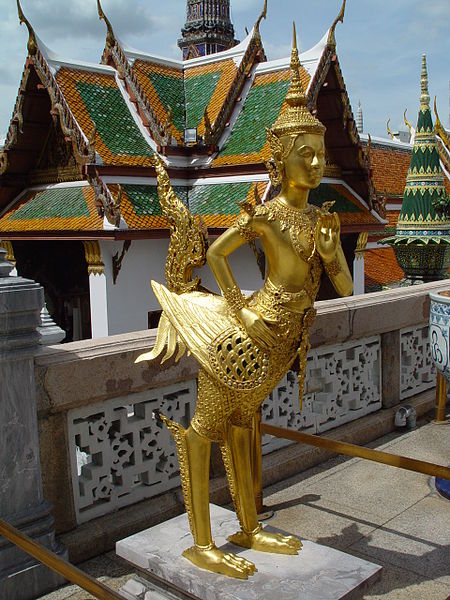
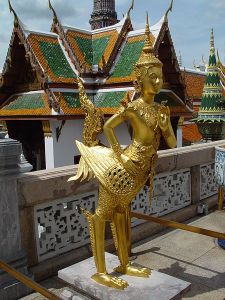
Picture shows Kinnara (celestial musician) in Bangkok, Thailand

By S Swaminathan

Annam (Manna=food) ,Kinnara (Kinnor=musical instrument/celestial musician), Mandrake( Mantra Korai), Om (Amen), Mass (namaz=namaskaram),Adam and Eve (Atma and Jeevatma), Tukum (Sukam=parrot),Kapi (ape=monkey), Ibha (elephant), Abraham (Ibrahim=Abi Raman) , Nava (Nova=new) are some of the Sanskrit words in The Bible, the holy book of Christians.

There are lot of striking similarities between Hindu and Christian scriptures. They cannot be discounted as coincidences because such similarities are too many. There is good evidence to show that they are borrowed from other sources.

1.The Bible begins with a story from the Upanishads. It is the story of two birds eating the fruits, but instead of two birds the Bible says Adam and Eve.

The very name betrays its Hindu origin of the story.  In the Upanishads the two birds are the symbolic representation of Athma (athma=Adam) and the Jeevatma (Jeev-Eve). Any Student of linguistics can easily recognise the transformation of Athma into Adam and Jeeva into Eve. This Parallel has been pointed out by Sri Chandrasekarendra Saraswathy, Sankaracharya of Kanchi Kamakoti Peetam 60 years ago (I have already written it in my post “Three Apples That Changed the World”)

2)The Bible says Eve was created from Adam’s left rib. This is once again the Hindu story of Uma/ Parvathy forming the left part of Shiva. Nowadays we call our wife as the other half. It is very interesting to note that this expression has come from the Vedas. Kalidas and other Sanskrit poets also use this expression freely. Hindus still worship as Ardha Nareeswara (Half Woman +Eswara).

3.The expressions found in the Bible such as ‘Honey and Milk’ are used by the Sanskrit and Tamil poets hundreds of times in their 2000 years old Sangam literature and Sanskrit literature.

The Upanishadic phrases ‘the blind leading the blind’,‘  He or She lived as many days as the number of sands on the river/sea bank’ etc, are found in the Bible. The Saiva Siddhanta principle of Pasu, Pati, Pasam (Father, Son and Holy Spirit) and the Adwaita principle are also found in the Bible. Jesus Teaches ‘DWAITA’ first. Then he teaches Adwaita by saying I and Lord are one. Swami Vivekananda has also pointed out this in his talks.

4.Kinnar: Kinnaras are celestial musicians according to Sanskrit literature. The Bible mentions Kinnor 47 times to mention a stringed musical instrument. Even today the Malayalees in south India use this word for musical instruments which is a pure Sanskrit word. It is similar to Greek lyre. Sometimes called David’s Harp, the Kinnor is not a true harp. The word David’s harp sounds like Dravidian Harp. Sangam Tamil literature is of full of praise for the Yaz (lyre or harp). Dravida meant South India in those days.


5.Ramayana in the Bible: Lord Rama’s name is mentioned in the Bible a number of times and the most important of these is the core story of Ramayana found in Genesis. Only a few lines are given to this story. (Genesis 18- The Story of Abraham and Sarah).

A Tamil leaflet detailing the facts in a lengthy article was published in Sankara Krupa, a magazine brought out by Sringeri Shnkaracharya Mutt.

Ram, Ramah, Ramiah, Rameses, Abraham, Abiram, Ahiram, Amram, Adoram, Adoniram, Hiram, Horam, Huram, Hadoram, Jehoram, Joram, Malchiram- are used in at least 21 places.

Beside this there are many towns with the name of Ram in Madagascar Island and in and around Middle East. (Please see my article Madagascar-India link via Indonesia).

Abraham and Ibrahim are one and the same name. Abba in Hebrew means father. Even today we name our sons Rama-Iyah or Rama-Appa (father). But in Hebrew language the suffix Appa-father- will come only as a prefix. That is how they get the names Abba+ram=Abraham. (PLEASE SEE NO 10 FOR OTHER INTERPRETATION OF ‘ABRAHAM’)

Cuneiform inscriptions giving the names of Tushrata/Dasaratha and Pratardhana were found in Syria and they are dated as 1500 BC. No part of Bible was written before this date. The oldest part of the Bible was written in 900 BC according to Hutchinson Encyclopedia.

Egyptian Kings with Ram’s name

Egyptian Kings also bear the name of Rama and we find at least 17 kings with Rameses as their names. It can be interpreted as Rama Seshan (Vishnu) or Ramesan (Shiva). All those kings have snakes on their heads like Lord Shiva. Rama’s story was so popular that even Buddhists used Dasaratha Jataka as one of their stories. To reciprocate their good gestures, Hindus gave avatar status to the Buddha. THUS BUDDHA WAS ONE OF THE TEN AVATARS OF VISHNU ACCORDING TO GITA GOWINDA OF JAYADEVA.

6.Teak wood, ivory and birds are mentioned in the Bible with Sanskrit and Tamil words. The names of all the articles brought back by Solomon’s fleet are pure Sanskrit words. The names are Sen-habim or teeth of elephant, Kophim or apes and Tukum or parrots. The equivalent Sanskrit words are Ibha (elephant), Kapi (Ape/monkey) and Sukam (parrot) with the mere addition of Hebrew plural termination.

7.The oral tradition in Kashmir says that the Biblical king Solomon visited Kashmir. Jesus Christ was said to have spent his last days in Kashmir after resurrection. Some scholars have even pointed out that Jesus spent 20 years in the Himalayas. The Bible did not say where he was between age 13 and 33. The present Bible was redacted in 3rd century AD in Constantinople and lot of different versions were burnt at that time. Like Hindu Puranas they had various versions of the Bible. To avoid confusion they were burnt by the king Constantine.

There is a grave in Kashmir, which is considered Jesus’ grave. The epitaph on the grave says, “The messenger of peace rests here”. Several scholars have pointed out the similarity between the parables of the Upanishads and Christ.

8.Vibhuthi (Holy Ash) which is used by the Saivaite Hindus everyday was used by the Christ. Ash Wednesday is the celebration of the holy ash. Ash is mentioned in the Old Testament as well.

9.Jesus fasted for 40 days in the desert at the beginning of his ministry.

Even today 40 day fasting period leading up to Easter was followed by orthodox Christians. This 40 day period is called a Mandalam in Hindu scriptures. Even today millions of Hindus visiting Sabarimalai in Kerala and Murugan temples in Tamilnadu (Skantha Shasti) follow this custom.

10.       Following words are used by Hindus, Christians and Moslems which have nearly the same meaning:

Hindus     : Namaskar-            Om-     Brahma

Christians : Mass-       Amen- A braham

Moslems   : Namaz-    Amin-  I brahim

All the first three words mean “worship”. All the important Veda Mantras like Gayathri pray for many instead of a single man. This shows that group prayer evolved in India, which is followed by others.

The Christian interjection Amen and The Hindu interjection Om mean the same thing viz. ‘It is so’ or ‘So be it’ or Yea’ or Verily’ or ‘Truly’. The only difference between the two is whereas the Christian Amen is pronounced at the end of the prayer, the Hindu Om is usually pronounced at the beginning of a prayer.

11.We come across Image worship in the Old Testament which is very common among Hindus. Only Moses put an end to this practice.

12. ‘NAVA’ IN SANSKRIT MEANS ‘NEW’

The story of the Great Floods (deluge) is found in all the ancient cultures and the very word ‘NOVA’ is itself a Sanskrit name meaning ‘New’. The flood story is the first of the 10 avatars of Vishnu. According to Hindu mythology a NEW (nova) Manu comes to power after every deluge.

13.The word rutham (Rig veda) meaning Truth, Right, Order and law gave the Biblical name RUTH and the English words Right, Rhythm and Truth. Moses, Abel and several other Biblical names can be traced to their Sanskrit roots:

Yadu-Yada, Jew-Juda. (YADAVAS=YUDA= JEWS). Yayathi-jayathi (Jewish Rabbi’s name).

14.Swami Vivekananda in his conversations with the disciples told them about his strange dream about the Chirst. One day when Swamiji’s ship was nearing the Crete Island he dreamt of a saint who came in the guise of a Buddhist monk. He called himself Thera Buddha and told Swamiji that there was no Chirst but people called himself the Christ. Swamiji did not pursue this matter for obvious reasons. (For more details see Vivekanandar Sambashanikal (Tamil) published by Ramakrishna Mutt, Madras.)

15.Like Sermon on the Mount and the Buddhist Dhammapada, the Hindu scriptures also teach men to return good for evil. This is what said to have uttered by Vidura, the wise man of Mahabharata in the Vidura Neethi.

Thiruvalluvar, the great Tamil saint in his Thirukkural says:

‘The best way to punish those who harm you is to make them feel ashamed by doing them good and thinking no more of it’ (couplet 314).

16.Washing the feet: When Dharma alias Yudhistra performed the Rajasuya Yagna he allocated the tasks to different people. Krishna chose the work of washing the feet of the worthy Brahmins. One but cannot recall to mind an identical incident in the Life of Jesus, who when he ate the Passover meal with his 12 disciples went round washing their feet. This custom of washing the feet existed in Ancient India even today when great men like Sankaracharyas visit any one, it is done.

(in the next part we will see manna (annam) that fell from the heaven, Mandrake (Mantra Korai, a root with magical properties like Ginseng).

To be Continued………..  
 

Hindu Tamil Quiz -2


Compiled by S Swaminathan

12 முதல் 17 மதிப்பெண்கள் பெற்றால் சிறப்புத் தேர்வு

7 முதல் 12 வரை- நல்ல மதிப்பெண்கள்

4 முதல் 7 வரை- பரவாயில்லை

நாலுக்கும் கீழே- நிறைய புத்தகம் படித்துவிட்டு வாருங்கள்.


1) திவ்யப் பிரபந்த வரிகளைக் கொண்டே ராமாயணம் இயற்றியவர் யார்?

2) அவ்வைப் பாட்டி விநாயகருக்கு நாலு விஷயங்களைத் தந்து மூன்றைப் பெற்றாள்? அவை யாவை?

3) உலகெலாம் உணர்ந்து ஓதற்கரியவன்……. என்று பாடத் துவங்கியவர் யார்?

4) பெருமாளுடன் ஜோதி வடிவத்தில் இரண்டறக்கலந்த ஆழ்வார் யார்?

5) திருநாளைப்போவார் என்ற பட்டப் பெயருடைய நாயன்மாரின் பெயர் என்ன?

6) கண்ணப்ப நாயனாரின் இயற்பெயர் என்ன?

7) குமுதவல்லி என்பவர் எந்த ஆழ்வாரின் மனைவி?

8) திவ்ய சேத்திரங்களாகக் கருதப்படும் வைஷ்ணவத் தலங்களின் எண்ணிக்கை என்ன?

9) ஐந்து வகையான ப்ரதோஷங்கள் எவை?

10) ஆரிய சமாஜத்தை நிறுவியவர் யார்?

11) நால்வர் யார்?

12) மாணிக்கவாசகர் இயற்றிய இரண்டு நூல்கள் எவை?

13) திருமுருகாற்றுப்படை என்பது என்ன?

14) பெருவுடையார் கோவில் எங்கே இருக்கிறது? யார் கட்டியது?

15) சப்தவிடங்கத் தலங்கள் என்று அழைக்கப்படும் சிவனின் ஏழு தலங்கள் எங்கே இருக்கின்றன?

16) பராபர குரு என்பவர் யார்?

17) உலகம் யாவையும் தாமுளவாக்கலும்… என்று பாடத் துவங்கியவர் யார்?


விடைகள் 1) பெரியவாச்சான் பிள்ளை 2) பால், தேன்,பாகு,பருப்பு.

பெற்றது சங்கத்தமிழ்மூன்று-இயல்,இசை,நாடகம் 3) சேக்கிழார் 4)திருப்பாணாழ்வார் 5)நந்தனார் 6) திண்ணன் 7) திருமங்கை ஆழ்வார் 8) 108 தலங்கள் 9) நித்திய, பட்ச, மாத, மஹா, ப்ரளயப் பிரதோஷங்கள் 10) தயானந்த சரஸ்வதி 11) அப்பர்/திரருநாவுக்கரசர், திரு ஞான சம்பந்தர், சுந்தரர், மாணிக்கவாசகர் 12. திருவாசகம், திருக்கோவையார் 13. முருகனின் பெருமையைக் கூறும் நக்கீரரின் நூல் 14.தஞ்சாவூர், ராஜராஜ சோழன் 15) திருவாரூர், திருநள்ளாறு, திரு நாகைக் காரோணம், திருக் காறாயில்,திருக் கோளிலி, திருவாய்மூர், திருமறைக்காடு 16) ஒருவருக்கு சந்யாசம் கொடுத்தவர் அவருடைய குரு. அவருக்கு குரு பரம குரு. அவருடைய குரு பரமேஷ்டி குரு, அவருடைய குரு சந்யாசம் வாங்கியவரின் பராபர குரு. ஆக, நாலு தலை முறையை நினைவு வைத்துக் கொண்டு ஆராதனைகள் செய்வர்.17) கம்பர்


Hindu Quiz 1 and Hindu Quiz 2 are available in English. Hindu Tamil Quiz 1 is already posted. If you send it to others, please give credit to the blog and the author.


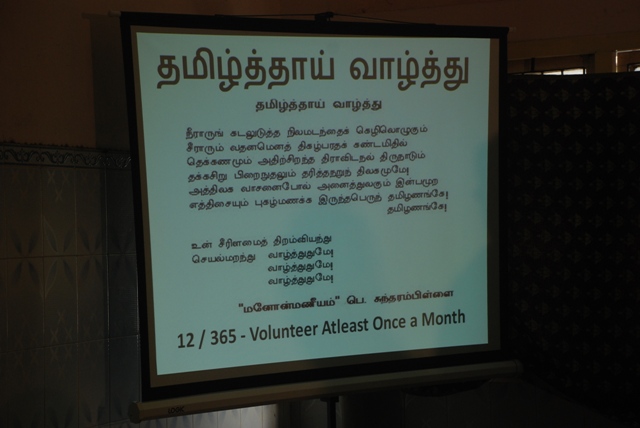
தமிழ்த் தாய் வாழ்த்தை மாற்றுக!

by S Swaminathan

தமிழ் நாட்டில் இப்பொழுது பயன்படுத்தப்படும் தமிழ்த் தாய் வாழ்த்து உலகம் முழுதும் வாழும் தமிழர்களுக்குப் பொருத்தமானதல்ல. ஏற்கனவே இலங்கை, மலேசியா போன்ற நாடுகளில் இதைப் பயபடுத்தாமல் வேறு பாடல்களைப் பயன்படுத்தி வருகின்றனர். இது காலப் போக்கில் தமிழர்களிடையே ஒற்றுமைக் குறைவை ஏற்படுத்தும். ஆகவே தமிழ் நாடு அரசு உடனடியாகத் தமிழ்த்தாய் வாழ்த்தை மாற்றவேண்டும். இந்தப் பாடல் பரதக் கண்டம் பற்றிப் பாடுகிறது. ஆனால் இன்றோ தமிழர்கள் உலகம் முழுதும் வாழ்கிறார்கள்.


“நீராரும் கடலுடுத்த நிலமடந்தைக் கெழில் ஒழுகும்” என்று துவங்கும் மனோன்மணீயம் சுந்தரம் பிள்ளை அவர்களின் பாடல் பல வகைகளிலும் குறையுடையது. முதலாவது அது உருக்குலைந்த பாடல். பாரத நாட்டின் மாபெரும் செல்வமான சம்ஸ்கிருதத்தைப் பழித்துக் கூறிய வரியை வெட்டிவிட்டுப் பாடுகிறோம். இது எப்படி இருக்கிறதென்றால் கோவிலில் வைக்க அழகான சிலையைச் செய்துவிட்டு அதன் மூக்கை மட்டும் உடைத்துவிட்டுப் பூஜைக்கு வைத்தது போல இருக்கிறது. மேலும் சம்ஸ்கிருத வெறுப்பில் பிறந்த பாடல்.

சுந்தரனார் சம்ஸ்கிருதம் பற்றிக் கூறிய வரியை அறிஞர் உலகம் ஏற்காததால்தான் அந்த வரியை வெட்டிவிட்டு சிதைந்த பாடலை தமிழ் வாழ்த்தாக்கி இருக்கிறார்கள். சுந்தரம் பிள்ளையோவெனில் அந்த வாழ்த்திலும் சரி, அவரது மனோன்மணீய நாடகத்திலும் சரி பக்கத்துக்கு பக்கம், வரிக்கு வரி சம்ஸ்கிருதச் சொற்களைக் கையாண்டிருக்கிறார். சுருங்கச் சொன்னால் சொன்னது ஒன்று, செய்தது வேறு.


பாரதியார் எழுதிய “வாழ்க நிரந்தரம் வாழ்க தமிழ் மொழி” பாடல் அற்புதமான பாடல். அந்தக் கவிஞனுக்கு உள்ளத்தில் உண்மை ஒளி உண்டாகி வாக்கினிலும் ஒளி உண்டானதால் அவன் வேண்டியபடியே பராசக்தி அவனுக்கு மந்திரம் போல் சொல்லின்பம் கொடுத்துவிட்டாள்.


பாரதி பெரிய கவியானாலும் தமிழ் வாழ்த்து என்று பார்க்கையில் கவியோகி சுத்தானந்த பாரதியின் பாடல் இன்னும் அற்புதமாக அமைந்துவிட்டது. அதில் தமிழ் அன்னையை அலங்கரிக்கும் ஐம்பெரும் காப்பியங்கள், மற்றும் திருக்குறள், நால்வர், சேக்கிழார், ஆழ்வார் பாடல்கள் ஆகிய அனைத்தும் போற்றப்படுகின்றன. இதோ பாடலை நீங்களே படித்துப் பாருங்கள். எவ்வளவு பொருள் பொதிந்த பாடல். யாராவது ஒருவர் இதற்கு கவர்ச்சிகரமான இசை அமைத்துவிட்டால் மற்ற பாடல்களைப் பின்னுக்குத் தள்ளிவிட்டு இது மேடை ஏறும். முதல் அமைச்சர் ஜெயலலிதா அவர்கள் துணிகர உத்தரவுகளுக்குப் பெயர்போனவர். அவர் நினைத்தால் இதை ஓரிரவில் செய்யலாம். அதுவே நமது வேண்டுகோளும் கூட.


காதொளிரும் குண்டலமும்,கைக்குவளை

-யாபதியும்,கருணை மார்பின்

மீதொளிர்சிந் தாமணியும், மெல்லிடையில்

மேகலையும், சிலம்பார் இன்பப்

போதொளிர்பூந் தாமரையும், பொன்முடிசூ

ளாமணியும் பொலியச் சூடி,

நீதியொளிர் செங்கோலாய்த் திருக்குறளைத்

தாங்கு தமிழ் நீடு வாழ்க !


நால்வரிசை அமுதிருக்க,
 நம்மாழ்வார்

மொழியிருக்கச் சேக்கி ழாரின்

பால்வடிசெந் தமிழிருக்கக் கம்பச்சித்

திரமிருக்கப் பகலே போன்று

ஞாலத்தி லறம்விளங்கும் நாயனார்

குறளிருக்க, நமது நற்றாய்,

காலத்தை வென்றோங்கும் கற்பகம்போற்

கனிபெருகக் கண்டி லோமோ !

      –சுத்தானந்த பாரதியார்


இந்தப் பாடலுக்கு நல்ல இசை அமைப்பவர்கள் தொடர்பு கொள்ளுங்கள். பரிசு காத்திருக்கிறது !

swami_48@yahoo.com or swaminathan.santanam@gmail.com

Secrets of Vishnu Sahasranama

By S Swaminathan

Vishnu Sahasranama is the most popular sahasranama (sahasranama means 1000 names of the Lord) in India. South Indians don’t know much about Sri Ramcharithamanas  or Hanuman Chalisa of Tulsidas. North Indians don’t know much about the great Thevaram (saivaite) and Divya Prabhandham (Vaishnavaite) hymns of Tamil saints. But like Bhagavad Gita, Vishnu Sahasramnamam became popular due to the great works of Swami Chinmayananda, Acharya Vinobha Bhave,  Anandamayi and other religious leaders.

Adi Sankara was a passionate commentator. He wrote commentaries on many Hindu scriptures. When he was in Kashmir, he asked his disciple to bring one book from the book shelf to start some new work. He brought Vishnu Sahasranama. But Sankara was not happy. He sent another disciple to get a book. He also brought the same Sahasranama. When he was thinking about it, Goddess Saraswati appeared before him and asked him to go ahead with the commentary (Source for this anecdote: Anna’s commentary on Sahasranama in Tamil by Ramakrishna Mutt).

Second Anecdote

Kuthanur in Tamilnadu is famous for its ancient Saraswati temple. This is one of the rare temples for Goddess Saraswati. A boy by name Purushothaman went to Kuthanur for Vedic studies. But he was the dullest boy in the class. His father Sarangapani Dikshithar of Kumbakonam was a great scholar. This hurt him more. Being the son of a big pundit he wanted to learn at least the basics. One day a Vaishnavite saint noticed that he was very sad advised him to recite Vishnu sahasranama. Suddenly he got a big boost in his studies and went to the temple for more prayers. There Goddess Saraswati appeared as a woman and asked him to stick out his tongue to give her betel leave and supari. When he was hesitant to accept the spit from a woman’s mouth, a poet came that way and realised she was goddess Saraswati herself. He accepted her Prasad and became a great Tamil poet by name Ottakkuthan. He gave the town the name Kuthanur. Though Purushothaman did not become that famous he also studied well and became a scholar. That is why we remember him after one thousand years today.

Three Commentaries

Adi Sankara, Parasara Bhatta and Sri Madhwa wrote commentaries on it. When Bhisma was lying on the bed of arrows after the great war, Krishna asked Yudhistra to get Sahasranama from the mouth of Bhisma. It Is in the Anusasana Parva of Mahabharata. Scholars of ancient India used to recite Upanishad, Gita ,Rudram, Purushasuktam and Vishnu Sahsranama every day.

This stotra is like a cure for all sorts of problems. Anyone under the evil influence of 27 stars, 9 Grahas or 12 zodiac signs will get rid of the evil influence once one reads it.

The stotra was originally done by Sanakathi Rishis. Bhisma got it from them. It has got ancient names of gods. Some of the names like Vrsakapi, Suparna etc are from ancient Vedas. One who reads it will find lots of similarities with Bhagavad Gita. Names of all Hindu Gods are there in it. Some names have links with Indus Gods (Please read my article Vishnu seal in Indus Valley civilization).

Ayurveda books prescribed it as a medicine for diseases. Astrology books have prescribed it for Graha peetas. Dharma Sastra scriptures have prescribed it to get rid of nightmares and inauspicious signs or bad omens.

It is believed particular slokas are effective for solving particular problems. Astrologers and priests are experts in this field

(Contact for more details: swami_48@yahoo.com or Swaminathan.santanam@gmail.com ).


Hindu Quiz- 2

Test your knowledge in Hinduism. Answers are given at the bottom.

If you score between 16 and 12 you are very good

Between 12 and 10, you are good

Between 5 and 10 refresh you your knowledge in Hinduism

Below five, sorry, are you a Hindu?

Compiled by S Swaminathan


1)What is the Vahana of Saraswati Devi?

2)How many chapters are there in the Bhagawad Gita?

3)Who is the author of Brahmasutras?

4)What are the four Vedas?

5)What are the six systems of Hindu Philosophy?

6)Who is the Guru in Kathopanishad?

7)Who is the disciple in Kathopanishad?

8)Where is the Brihadeeswara temple located?

9)Who composed Thiruppavai in Tamil?

10)In which Veda does Sri Rudram occur?

11)What is the Vahana of Shiva?

12)To which Veda does Prasnopanishad belong?

13)Who is the author of the Yoga system of philosophy?

14)What is the birth place of Adi Sankara?

15)Where is the Mahakaleswar Temple located?

16)How many times did Thyagaraja recite Rama’s name and how long did it take?


Answers: 1.Swan (annam)2.Eighteen 3. Vyasa  4. Rig,Yajur, Sama, Atharvana 5.Sankya,Nyaya,Yoga, Vaisheshika, Purva Mimamsa and Uttara Mimamsa 6.Yama 7.Nachiketas 8.Thanjavur,Tamil Nadu 9.Andal 10.Yajur Veda 11. Bull (Nandi) 12.Atharva Veda 13.Patanjali 14.Kaladi in Kerala 15.Ujjain in Madhya Pradesh16) 960 million (96 crores) times, it took him 21 years 15 days. (For more quiz, contact swami_48@yahoo.com or swaminathan.santanam@gmail.com )