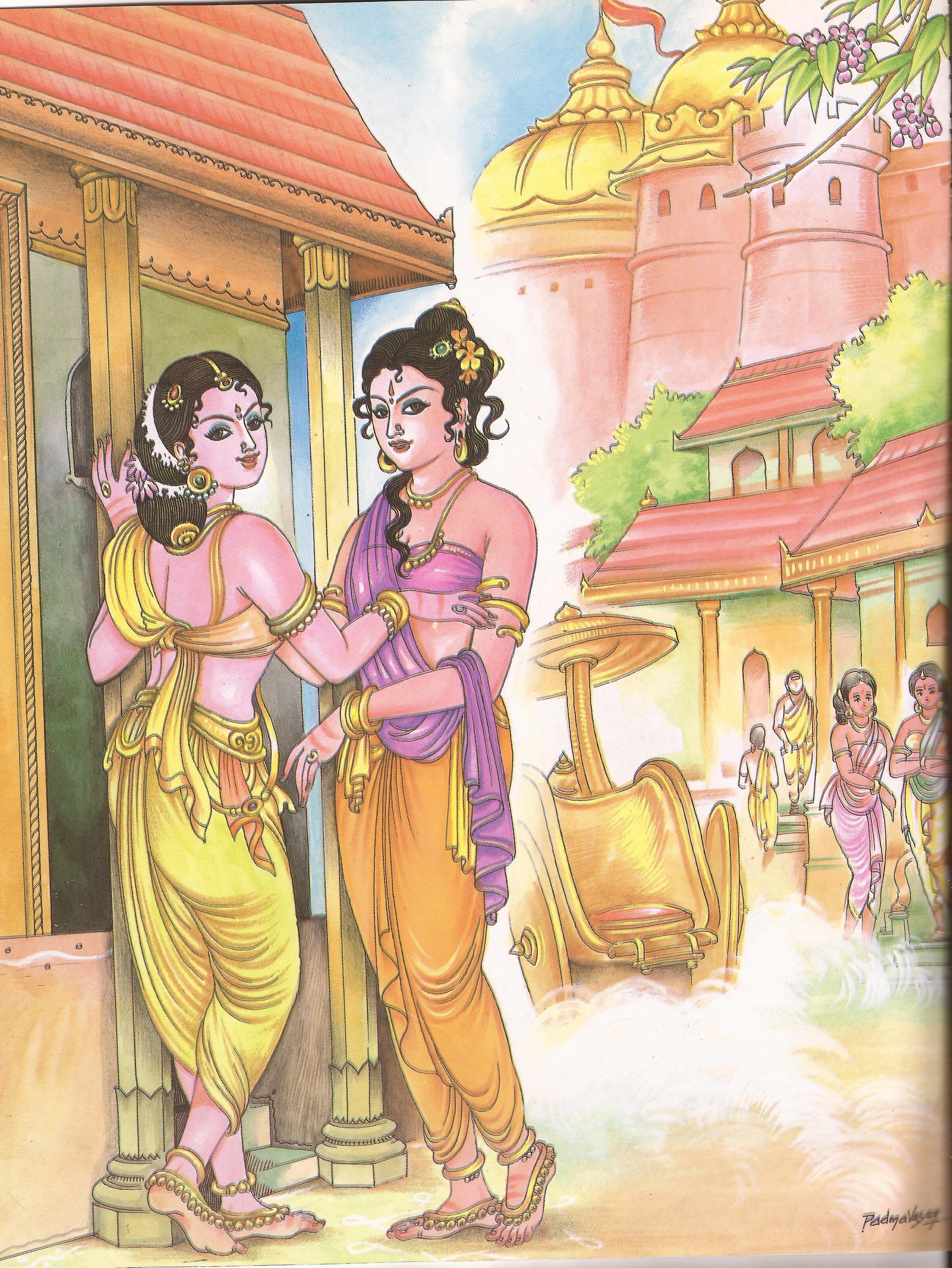
Most Intelligent Woman in the Ancient World

tamil penkal

A community’s development can be easily measured by the level of women’s education or status. If we take all the ancient cultures into account, India has a unique place in the world. Lot of countries gave women– education, freedom, right to inherit property, right to attend religious ceremonies and a status —several centuries after ‘India that is Bharat’ gave them.


Vedas and Sangam Tamil literature have the highest number of women poets (poetesses) in the world. It is amazing to see they were able to compose poems and attend assemblies. Gargi Vachaknavi was the only example one can quote for women’s education and freedom from the most ancient days. She was invited to attend an assembly of scholars to discuss philosophical matters. King Janaka of Videha convened the conference. It happened at least 3000 years ago. Even the foreign scholars, who always underestimate and underrate anything Indian, gave the date 800 BC for the Brihad Aranyaka Upanishad, where Gargi appears for the first time. Gargi, a great philosopher, not only attended the conference, but also challenged the most revered philosopher of the day, Yajnavalkya.


Thousand years later, the grand old dame of Sangam Tamil literature Avvaiyar appeared on the scene. She was able to attend the great assembly of the three most powerful kings of the Tamil speaking world– Chera, Choza and Pandya. The occasion was the great Rajasuya Yajnam done by Choza king Peru Nar Killi. She praised them for their unity and wished them long life. She was able to enter any palace without a permit or visit any country without a visa. Poets and ascetics had more rights than the diplomats of the modern world. They can challenge the kings in the assemblies and question their misbehaviour.


We have over 25 Vedic poetesses and over 25 Tamil Sangam poetesses. No culture in the world had so many poetesses 2000 years ago. It was a world dominated by men. Law giver Manu said that a community will be destroyed if women are not respected.
tamil kili

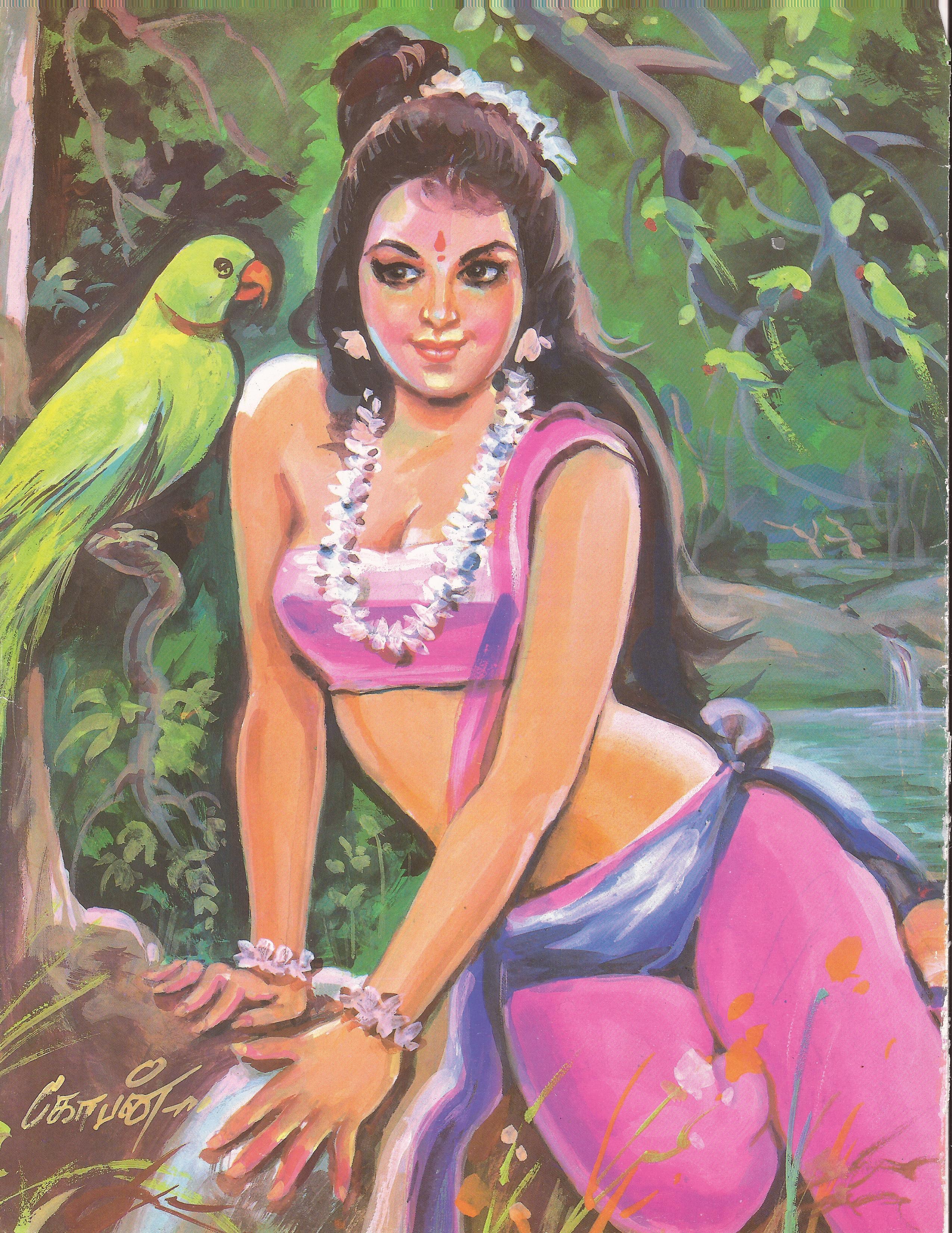
Indian women were so intelligent that they can easily solve knotty problems. A boy wanted to study Vedas. But he knew only his mother Jabala. When he went to the teacher he asked what was his Kulam, Gotra (clan and sub sects), names of parents etc. He replied truthfully that his mum asked him to give the mother’s name only as Jabala. The teacher was so impressed by his honesty, he took him immediately as his student. He gave the boy a new  name– Satyakama (one who seeks truth) Jabala.

Vedic and Sangam Tamil period women did not sing only about Gods and Kings. They sang about everything in the world. Women like Draupadi and Kannaki challenged the most powerful kings of the day. They vowed to destroy injustice and they did it. Women like Damayanti and Savitri fought for their husbands and won the cases. Sita and Mandodari, wives of rivals, were praised for their chastity. They will inspire women for generations to come.


In Vedic days, women were teachers as well. Panini, the first and foremost grammarian in the world, explains the distinction between acaryaa and acaryani, upadhyayaa and updhyayini.


Manu, author of the great law book Manava Dharma Shastra, says,

‘’women must be honoured and adorned by their fathers, brothers, husbands and bothers-in-law, who desire their own welfare. Manu 3-55

‘’Where women are honoured, there the gods are pleased; but where they are not honoured, no sacred rite yields rewards. Manu 3-56

Where the female relations live in grief, the family soon wholly perishes; but that family where they are not unhappy ever prospers. 3—57

The houses,  on which the female relations, not being duly honoured, pronounce a curse, perish completely, as if destroyed by magic’’ Manu 3-58

Hence men, who seek their own welfare, should always honour women on holidays and festivals with gifts of ornaments, clothes and dainty food. 3-59


Sanskrit and Tamil literature even entered the magic or the superstitious world to show that chaste women can do miracles. They can bring fire and rain by their power. But women never abused their powers. Sita says to Hanuman, the first International ambassador, that she can burn the 14 worlds with her power, but she wanted her husband to take the credit of finishing the demon king Ravana of Sri Lanka.


Great poet Valluvar went one step further and says that any chaste woman has the power to make rain at her bidding (Kural 55)


Seeing Arundhati Star

Arundhati: Wife of great ascetic Vashista. Symbol of faithfulness, symbol of Indian womanhood and astral goddess in the Saptarishi Mandalam (Great Bear Constellation in the Northern Sky). Every Hindu must see the star on the First Night in the sky. She was the most praised woman on earth. 5000 year old Vedas and 2000 year old Sangam Tamil literature praised her sky high.

tamil aru

Manu says

‘’Akshamala, a woman of the lowest birth, being united to Vashista and Sarangi (being united) to Mandapala became worthy of honour’’(4-23).Akshamala=Arundhati.


Sangam Tamil literature refers to Arundhati in several places: Ainkuru.442; Puram.122; Kali.2-21;pari 5-44, madu.610.

In the later days we have great women poetesses like Karaikal Ammaiyar,

Andal, Gangadevi , Mirabhai and Lalleswari.


Two thousand years ago Hindus believed in the same values from Kashmir to Kandy in Sri Lanka. This is another blow to the racists who advocated Aryan Dravidian Race Theory.


Here are the Lists of Vedic and Sangam Tamil Poetesses:

Aditi,  Apala, Dakshina, Gosha, Indrani ,Juhu, Kadru, Lopamudra, Ratri, Romasa,  Sasi, Sashvati, Sikandini kashyapi, Sraddha, Sarama, Sikta, Sudevi, Surya, Sarasvati, Ushas, Urvasi,Visvara, Visvruha, Vispala, Vakambhirini, Vachukra’s wife, Vac, Yami


From Sama Veda – Nodha, Agnishta basha, Sikatani vavari, Ganpayana,

Later day great women—

Gargi vachaknavi, Maitreyi, Nalayini, Savitri, Kaikeyi, Sita, Mandodari, Ahalya, Arundhati, Kunti, Draupadi. (Kaikeyi was a great driver. She rode the chariot when Dasaratha went to war with the demons and defeated them)


Tamil Poetesses

(Like Rig Vedic compiler Vyasa, Tamils also followed Vyasa’s technique of naming anonymous poets with abstract expressions. So we don’t know for sure how many poetesses were there in Vedic period or later. But poetesses were there, which is confirmed by later day mythologies. Slight change of spellings or some suffixes to names made enthusiasts to count more number of poetesses!! One surprising thing about Sangam Tamil names is most of them have prefixes like Sanskrit names Su=Nal. Lot of poetess’s names have this Nap or Nal prefix.


This shows ancient Indians followed the same method in naming. I have already written about the Sanskrit names among Sangam Tamil poets such as Valmiki, Damodaran, Markandeyan, Kamakshi, Kesavan, Mahadevan, Nagarajan,Paliyathan,Vishnu dasan, Kannadasan etc.


1.Avvaiyaar  2.Aadimanthiyaar 3.Anjil anjiyaar 4.Uunpiththai

5.Kaamakkanipsalaiyaar 6.Kaavarpendu 7.Kuramakal kuriyeyini

8.Maarpiththiyaar 9.Maasaaththiyaar 10.Nachchellaiyaar  11.Nakkannaiyaar

12.Nedumpalliyathai 13.Nalvellaiyaar 14.Nalveliyaar 15.Nanmullaiyaar  16.Nappasalaiyaar  17.Naagaiyaar 18.Paari makalir 19.Perungkoppendu

20.Peymakal ilaveyini 21.Ponmaniyaar 22.Ponmudiyaar  23.Puunkan uththiraiyaar 24.Pullaankanniyaar 25.Vennik kuyaththiyaar 26.Velli viithiyaar

27.Venpuuthiyaar 28.Kakkaipaadiniyaar.


Pictures are taken from World Tamil Souvenire;thanks.

Contact swami_48@yahoo.com for the list of 615 research articles.
 

இந்தியப் பெண்கள் உலக மஹா அறிவாளிகள்! – பகுதி-1

tamil kili

எழுதியவர் சந்தானம்/லண்டன் சுவாமிநாதன்

ஒரு நாட்டின் நாகரீக வளர்ச்சியையும், அறிவு முதிர்ச்சியையும் அந்த நாட்டின் பெண்களை வைத்து எளிதில் கண்டு பிடித்து விடலாம். பழங்கால இந்தியாவின் பெண்கள் உலகிலேயே மிகப்பெரிய அறிவாளிகள். வேத காலத்தில் மட்டும் 27 பெண் கவிஞர்களும் அதற்கு 1500 ஆண்டுகளுக்குப் பின்னால் சங்கத் தமிழில் 27 க்கும் மேலான பெண் கவிஞர்களும் இருந்தனர். இதை எண்ணிப் பார்க்கும்போது மிகவும் வியப்பாக இருக்கிறது. கிரேக்கம், சீனம், ஹீப்ரூ, லத்தீன் மொழிகளில் இப்படிப்பட்ட பெண் கவிஞர்கள் இல்லை. ஒன்றிரண்டு பெயருக்கு இருக்கிறார்கள். அவர்களும்  காலத்தால் பிற்பட்டவர்கள்.


1.கிரேக்க நாட்டில் ஹோமர் என்ற கவிஞர் எழுதிய ‘இலியட்’டும் ‘ஆடிசி’யும்தான் முதல் நூல்கள். இதே காலத்தியது பிருஹத் ஆரண்யக உபநிஷத் (கி.மு.எட்டாம் நூற்றாண்டு). இதில் வரும் கார்க்கி வாசக்னவி என்ற பெண்தான் உலகின் முதல் தத்துவ ஞானி.. ஜனகன் என்ற மன்னன் உலக தத்துவ அறிஞர் மகாநாட்டைக் கூட்டினான். அதற்கு ஏராளமான தத்துவ வித்தகர்கள் நாடு முழுவதில் இருந்தும் வந்திருந்தார்கள். ஜனகன் ஒரு சில கேள்விகளை எழுப்பி அவைகளுக்கு விடை கூறுவோர்,  மாட்டின் கொம்பின் கட்டப்பட்டுள்ள ஆயிரம் பொற்காசுகளை எடுத்துக் கொள்ளலாம் என்று அறிவித்தான். எல்லோருக்கும் பயங்கர ஆசை. ஆனால் மிகப்பெரிய அறிவாளி யாக்ஞவல்கியர் தானே அறிவாளி என்று சொல்லி சிஷ்யர்களைப் பர்த்து பொற்காசுகளுடம் மாடுகளை ஓட்டிச் சொல்ல உத்தரவிட்டார்.


சபையில் ஒரே மௌனம். திடீரென்று ஒரு பெண் குரல், ‘’நிறுத்துங்கள். நான் கேட்கும் கேள்விகளுக்கு பதில் சொல்லுங்கள்’’ என்று தடுத்தாள், கேள்விக் கணைகளைத் தொடுத்தாள். யாக்ஞவல்கியரின் ஆசையைக் கெடுத்தாள். இதில் வியப்பான விஷயம் என்னவென்றால் அப்போதே ஒரு பெண் ‘அசெம்பிளி’க்கு (அறிஞர் குழாம்) வர முடிந்தது. கண்ணகி, திரவுபதி போல சபையில் கேள்வி கேட்கவும் முடிந்தது. உலகில் இந்தப் பெண்மணிக்கு ஈடு இணையானவர் இன்றுவரை இல்லை.


2.இதற்கு சுமார் ஆயிரம் ஆண்டுகளுக்குப் பின்னால் தமிழ் நாட்டில் வாழ்ந்த அவ்வையாரும் இது போல மன்னர்களைக் கேள்வி கேட்கவும், தட்டிக்கழிக்கவும் வல்லவராகத் திகழ்ந்தார்.. மாபெரும் சக்திவாய்ந்த சோழ, சேர ,பாண்டிய மன்னர்கள் மூவரும் அதிசயமாக, ஒற்றுமையாக, ஒரு சேர இருந்ததைக் கண்டவுடன் அவருக்கு பெரு மகிழ்ச்சி. ராஜசூய யக்ஞம் செய்த பெருநற்கிள்ளியின் அவையில் இந்தக் காட்சியைக் கண்டார். பேரானந்ததம் கொண்டார். அதே அவ்வையார் இன்னொரு மன்னரின் அவைக்குப் போனபோது, ‘’அடே மன்னா! உன்னுடைய ஆயுதங்கள் அனைத்தும் பளபள என்று இருக்கின்றன. நீ சண்டை போடப் போகிறாயே அந்த மன்னனுடைய வாள், ஈட்டி முதலியன பழையதாக கூர் மழுங்கி இருக்கின்றன’’ என்றார். வாழைப்பழத்தில் ஊசி ஏற்றுவது போல அவனுக்கு அறிவுரை வழங்கினார். உனக்கோ போர் என்றால் என்ன என்றே தெரியாது, அனுபவம் இல்லாத பேர்வழி. அவனோ பல போர்க்களங்களைக் கண்டவன், ஜாக்கிரதை!!! என்று சொல்லாமல் சொன்னார்.

tamil aru

3.ஆதிகாலத்தில் வேதம் படிக்க பிராமணச் சிறுவர்கள் போனவுடன், குரு முதலில் கேட்கும் கேள்வி, உன் குலம் என்ன, கோத்திரம் என்ன? என்பதாகும். இப்போதும் கேட்கிறோம். வேறுவிதத்தில்; நர்சரி பள்ளிக்குப் போனவுடன், மனுவை நிரப்புவதும், நன்கொடை, கல்விக் கட்டணம் கட்டுவதும்தான் முதல் வேலை. பல பள்ளிக்கூடங்களில் தந்தை தாயாருக்கும் இன் டர்வியூ—எங்கள் லண்டனைப் போல!! வேத காலத்தில் ஒரு பையனுக்கு அப்பா யார் என்று தெரியாது. அவன் அம்மா அஞ்சவில்லை. பிள்ளைக்குப் படிக்க ஆசை இருக்கிறது. போனால் என்ன என்று அனுப்பிவிட்டாள்.


ஆசார்யர் ( ஆசிரியர்) கேட்ட முதல் கேள்வி, ‘’டேய், பையா, உன் குலம் என்ன கோத்திரம் என்ன, சொல்லு?

பையன் கொஞ்சமும் தயக்கம் இல்லாமல் ‘’சார், அப்பா பெயர் எல்லாம் தெரியாது. அம்மா பெயர் ஜாபாலா. அதை மட்டும்தான் அம்மா சொல்லச் சொன்னாள்.’’

‘’அடடா! என்ன தைரியமாக உண்மை பேசுகிறாய். வேதம் படிப்பவனுக்கு சத்தியமே அடைக்கலம். இன்று முதல் நீ என் மாணவன். உன் பெயர் சத்யகாம ஜாபாலா’’ (உண்மை விரும்பி=சத்யகாமன்) என்றார் குரு. இதுவும் உபநிஷத்தில் உள்ள கதை. ஜாபாலாவின் அறிவுக்கும் துணிவுக்கும் நிகரான ஒரு பெண் எந்த நாட்டு இலக்கியத்திலும் இல்லை.

3.திரவுபதியின் புடவையை உருவி அவளை அவமானப்படுத்த துரியோதனன் தம்பி துச்சாதனன் இழுத்து வந்தபோது அந்த சபையில் அவள் எழுப்பிய கேள்விகளும் சட்டப் பிரச்சினைகளும் உலகில் எந்த நாட்டுப் பார்லிமெண்டிலும் நடந்தது இல்லை. அப்படிப்பட்ட மஹா அறிவு, மஹா துணிச்சல்.


கண்ணகியும் மிக சக்தி வாய்ந்த பாண்டிய மன்னனைப் பார்த்து, ‘’தேரா மன்னா, செப்புவதுடையேல்’’ என்று விளிக்கிறாள். ‘’டேய், முட்டாள்’’ என்று சொல்லுவதற்குச் சமம் இது. பின்னர் தனது குலம் கோத்திரம் முதலியவற்றை உத்தரகுருவை ஆண்ட சிபியின் காலத்தில் இருந்து அக்கு வேறு ஆணி வேராகப் பிட்டுப் பிட்டு வைத்துவிட்டு, பிள்ளையார் கோவிலில் சதிர்த் தேங்காய் உடைப்பதைப் போல சிலம்பை மன்னன் முன்னால் போட்டு உடைக்கிறாள். உண்மை ‘’முத்து முத்தாக’’ வந்தது! இப்படி இந்தக் காலத்தில் செய்தால், முதல்வரோ, பிரதமரோ அவருடைய குண்டர்களோ (*ஸாரி, தொண்டர்கள்) என்ன செய்வார்கள் என்று சொல்லத் தேவை இல்லை.


4.உலகின் முதல் இலக்கண ஆசிரியன் பாணினி. அவன் சம்ஸ்கிருதத்துக்கு எழுதிய பாணீணீயத்தைக் கண்டு கம்ப்யூட்டர் உலகமே வியக்கிறது. அப்படிப்பட்ட பாணிணி 2700 ஆண்டுகளுக்கு முன் பெண் ஆசிரியைகள் இருந்ததை நமக்குத் தெரிவிக்கிறான்.


5.வேதகால, சங்க கால பெண் புலவர்கள் சாமி, மன்னன் என்று மட்டும் அலையவில்லை. எல்லாப் பொருள் குறித்தும் பாடினர். சீதை, தமயந்தி, நளாயினி, அகல்யை, மண்டோதரி, திரவுபதி ஆகியோரின் வாழ்க்கைச் சரிதம் படிப்பவர்களுக்கு அவர்களின் அறிவின் வீச்சு தெரியும்.

tamil penkal

இரண்டாம் பகுதியில் வேத கால ,சங்க கால பெண் புலவர் பட்டியலுடன் பெண்கள் குறித்து மனு கொடுக்கும் எச்சரிக்கையும் வரும். படிக்கத் தவறாதீர்கள்—- தொடரும்…….

(இலக்கியத் திருடர்களுக்கு அன்பான வேண்டுகோள். இந்தக் கட்டுரையை வேறு எங்காவது வெளியிடுகையில் லண்டன் சுவாமிநாதன் எழுதியது என்றோ அல்லது பிளாக் பெயரையோ வெளியிட்டு தமிழ் எழுத்தாளர்களை ஊக்குவிக்க வேண்டுகிறேன். தமிழுக்குத் துரோகம் செய்யாதீர்கள். தமிழ்த் தாய் பொறுக்கமாட்டாள்.)

Pictures are taken from World Tamil Conference Souvenir,thanks.Contact swami_48@yahoo.com


Creation: Vedic Hymn and Babylonian Hymn

big bang8

Great men think alike? Or Did the Babylonians copy It from us? Look at the striking similarity. The similarity did not stop there. If you read about gods’ king Marduk, you will be reminded of Indra. There also we read about discord among gods, although they were brothers like our Hindu Devas and Asuras. Thank God, the plotting, scheming, conspiring, cunning Western scholars did not pollute it with racist theories like Aryan-Dravidian theory. One can understand their inertia in it; because they were all dead religions, dead cultures in museums. There was no need to harm it like they harmed India and Hinduism.

Scholars have already identified similarities between Atharva Veda and Babylonian myths. Babylonian Tiamat, Aligi, Viligi are in Atharva Veda. Atharva Veda called Sumerian and Babylonian gods ‘’snakes’’. Probably they belonged to Naga race. I have identified some more Sanskrit names like Sumuka, Urdhvaretas etc in Sumerian cultures.

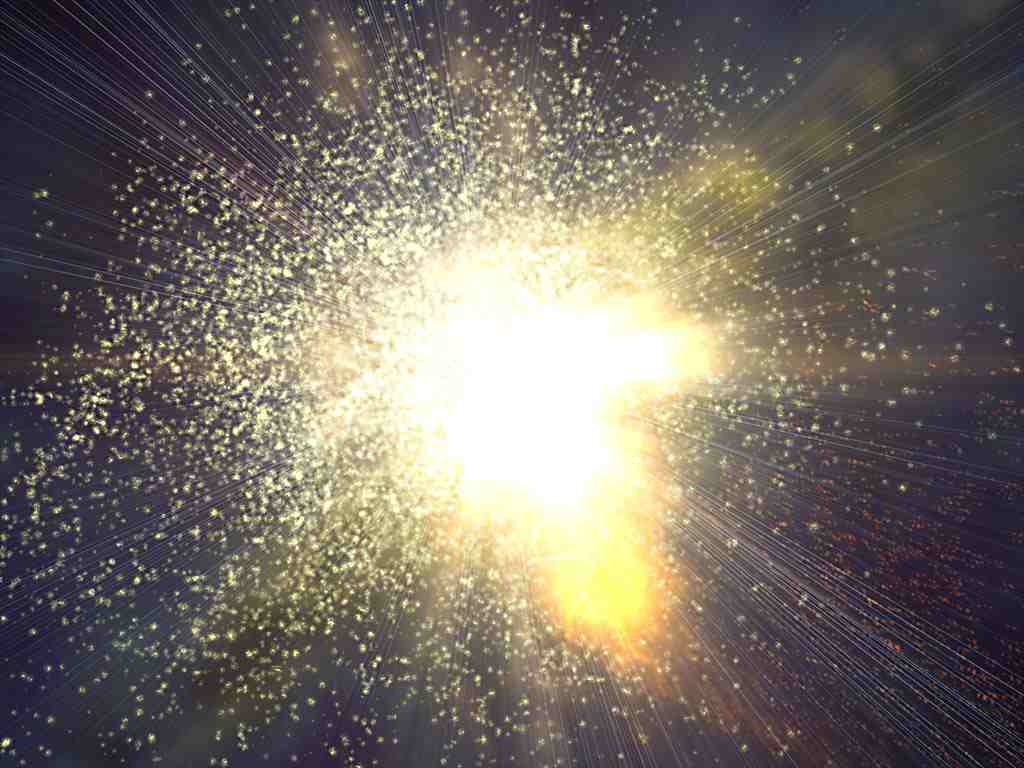
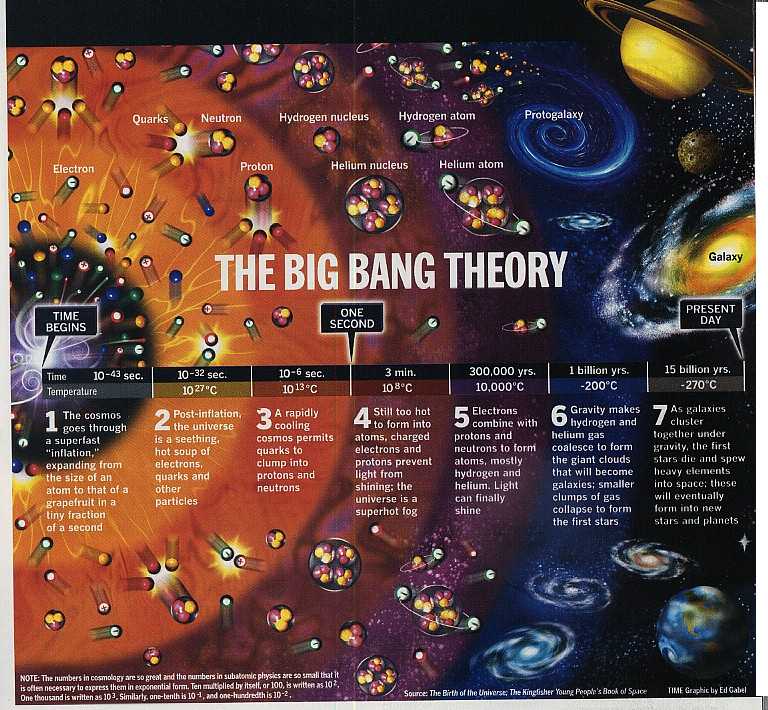
Whatever the similarities or dissimilarities, both the poems on creation are a feast to poetry lovers. We are reminded of Big Bang and Big Crunch theories. There are more hymns following this hymn in Rig Veda and Babylonia.

The big difference is Babylonian poems are in clay tablets in museums around the world. But the Vedas are living traditions in the lips of priests in India. They have been passed by word of mouth from generation to generation. What reverberated on the banks of Mighty Sarasvati and Indus rivers 5000 years ago are still reverberating in the corridors of Hindu temples and orthodox homes.

Nasadiya Hymn -Creation (Rig Veda X-129)

‘’ There was neither non-existence nor existence then.

There was neither the realm of space nor the sky which is beyond.

What stirred?  Where?  In whose protection?

Was there water, bottlemlessly deep?

There was neither death nor immortality then.
There was no distinguishing sign of night nor of day.
That One breathed, windless, by its own impulse.
Other than that there was nothing beyond.

Darkness was hidden by darkness in the beginning,
with no distinguishing sign, all this was water.
The life force that was covered with emptiness,
that One arose through the power of heat.

Desire came upon that One in the beginning,
that was the first seed of mind.
Poets seeking in their heart with wisdom
found the bond of existence and non-existence.

Their cord was extended across.
Was there below?
Was there above?
There were seed-placers, there were powers.
There was impulse beneath, there was giving forth above.
Who really knows?
Who will here proclaim it?
Whence was it produced?
Whence is this creation?
The gods came afterwards, with the creation of this universe.
Who then knows whence it has arisen?

Whence this creation has arisen
– perhaps it formed itself, or perhaps it did not –
the One who looks down on it,
in the highest heaven, only He knows
or perhaps even He does not know.

(Translation by Wendy Doniger O’Flaherty. From the Book “The Rig Veda – Anthology” ). Hundreds of people have translated this hymn and commented on it.

bigbang4


The Babylonian creation poem

1.When there was no heaven,

No earth, no height, no depth, no name,

When Apsu was alone,

The sweet water, the first begetter; and Tiamat

The bitter water, and that

Return to the womb, her Mummu,

Where there were no gods—

2.When sweet and bitter

Mingled together no reed was plaited, no rushes

Muddied the water,

The gods were nameless, natureless, futureless, then

From Apsu and Tiamat

In the waters gods were created, I the waters

Silt precipitated,

3.Lahmu and Lahamu,

Were named; they were not yet old,

Not yet grown tall

When Anshar and Kishar overtook them both,

The lines of sky and earth

Stretched where horizons meet to separate

Cloud from silt

4.Days on days, years

On years passed till Anu, the empty heaven,

Heir and supplanter

First born of his father, in his own nature

Begot Nudimmud-Ea,

Intellect, wisdom, wider than heaven’s horizon,

The stronger of all the kindred.

If we drop the names like Tiamat, Apsu, Anu from the Babylonian poems, they may be mistaken for Vedic hymns!

bluemarble1

Manu on Creation

In the beginning, it was water –apah—which was created and it is in this, that the seed or the nucleus of the cosmos was laid. (Manu 1-8)

Big Bang and Big Crunch ( Rig Veda 10-121)

‘’In the beginning the Golden Embryo arose. Once he was born, he was the one lord of creation.  He held in place the earth and this sky. Who is the god whom we should worship with the oblation.’’

(KA is Prajapati. Ka is ‘who’ in Sanskrit. In this hymn ‘ka’ is used as a pun. I have only given the first stanza. I have already written in my post ‘Ka is the word for god in Egyptian hieroglyphs. The picture is ‘two raised hands’. The Brahmi ‘Ka’ came from this picture or vice verse.)

In another creation hymn of Rig Veda (10-130) first two stanzas remind us of spider making a web, extruding and intruding silk thread –big bang and big crunch—

The sacrifice drawn out with threads on every side, stretched by a hundred sacred ministers and one,–

This do these Fathers weave who hitherward are come: they sit beside the warp and cry, Weave forth, weave back.

The Man extends it and the Man unbinds it; even to this vault of heaven hath he outspun it.

big bang new

Scholars who translated these hymns found it difficult to understand them. But yet we get a clear picture ofcreation.

Pictures are taken from various websites; thanks. Contact swami_48@yahoo.com. There are 300 English and 300 Tamil articles in this blog, written by London Swaminathan.

தமிழில் யமன்!!

??????????????????????????

எழுதியவர் சந்தானம்/லண்டன் சுவாமிநாதன்

English version of this article is posted already.

இந்துக்கள், குறிப்பாக பிராமணர்கள், தினமும் யமனை வழிபடுகின்றனர். மரண தேவனை பயமில்லாமல் கும்பிடும் ஒரே இனம் இந்துக்களாகத் தான் இருப்பார்கள். பிராமணர்கள் தினமும் காலை, மதியம், மாலையில் சூரியனை நோக்கி சந்தியாவந்தனம் செய்வர். இதில் தெற்கு திசையை நோக்கி யமனைப் பார்த்து சொல்லும் மந்திரமும் வருகிறது. இதில் யமனைக் கருப்பன் என்று கூறுகிறது. காளி, கலி, சனிக் கிரஹம், கிருஷ்ணன், விஷ்ணு, ராமன் போல யமனும் ஒரு கருப்பன். வெள்ளைத் தோல் தெய்வங்கள் ஆரிய தெய்வங்கள் என்றும் கருப்புத்தோல் தெய்வங்கள் திராவிட தெய்வங்கள் என்றும் எழுதி இந்துக்களை பிளவுபடுத்தி இந்தியாவை சீர்குலைக்க எழுதிய வெள்ளைத்தோல் அறிஞர்களுக்கு யமன் சரியான அடி கொடுக்கிறான்.

யமனைப் பற்றி சங்கத் தமிழ் இலக்கியங்களிலும் பல குறிப்புகள் வருகின்றன. ஏற்கனவே இந்திரனையும் வருணனையும் தமிழர் தெய்வங்கள் என்று தொல்காப்பியம் கூறியதைக் கொடுத்தேன். இப்போது சங்கத் தமிழ் இலக்கியம் யமதர்மன் பற்றிக் கூறுவதையும் காண்போம். அதில் ஞமன் என்றும் கூறுவர்.

சங்கத் தமிழில் புறநானூறு மிகவும் பழமையான பகுதி. அதில் பாடல் 4,13,19,22,56,195, 226,294 ஆகியவற்றிலும் பதிற்றுப்பத்தில் பாடல் 13, 14 கலித்தொகையில் பாடல் 105, 120 ஆகியவற்றிலும் காலன் என்ற பெயரில் புறநானூறு பாடல் 23, 41, 240, பதிற்றுப்பத்தில் பாடல் 39 ,கலித்தொகையில் பாடல் 105, 143 ஆகியவற்றிலும் யமதர்மராஜா பவனி வருகிறார்.

ஞமன் என்ற பெயரும் எருமை வாஹனமும் பரிபாடலில் வருகிறது (3, 5, 8 ஆம் பாடல்கள்) மீளி, மறலி, கணிச்சிப்படையோன், மடங்கல், கூற்றம் என்ற பெயரிலும் யமன் பற்றி நிறைய குறிப்புகள் இருக்கின்றன.

ஆரிய திராவிட வாதத்தை நகைப்புள்ளாக்கும் யமனைப் பற்றிய குறிப்புகளை மட்டும் பார்ப்போம்:

கணிச்சிக் கூர்ம்படைக் கடுந்திறல் ஒருவன்

பிணிக்கும் காலை, இரங்குவீர் மாதோ (புறம் 195)

பொருள்: கடுந்திறலோடு மழுப்படையுடன் கூற்றுவன் பாசத்தால் கட்டி இழுத்துச் செல்லும்போது வருத்தப்படுவீர்கள்.

இந்துமதத்தில் இன்றுள்ள நம்பிக்கையை 2000 ஆண்டுகளுக்கு முன் நரிவெரூவுத்தலையாரும் பாடிவிட்டார். எருமை வாஹனம் உடையவன் என்பதும் புராணக் கருத்தாகும்.

சோழன் குளமுற்றத்துத் துஞ்சிய கிள்ளிவளவனை இடைக்காடனார் பாடிய பாடலிலும் (புறம் 42) ‘’கணிச்சி என்னும் படைக் கலத்தை உயிரை வருந்தச் சுழற்றி வரும் கூற்றம்’’ என்று யமன் வருணிக்கப்படுகிறான்.

TIBET15_Yama, 16c

ஒரு மன்னரின் சீற்றத்தை விவரிக்கும் போது, தமிழ், வடமொழி இலக்கியங்கள் மன்னனை யமனுக்கு ஒப்பிடுவது வழக்கம்.

திருக்குறளில் கூற்று/யமன் என்ற சொல் 326, 765, 1050, 1083ல் வரும். கலித்தொகை, பரிபாடல் ஆகிய இரண்டும் யமன் பற்றி மட்டுமின்றி ஏராளமான புராணக் கதைகளையும் உவமைகளையும் கையாளுகின்றன.

பிராமணர்கள் தினமும் மும்முறை சொல்லும் யம வந்தனத்தில் யமன் பற்றி 13 பெயர்கள் வரும். இதை தெற்கு திசை நோக்கி நின்றுகொண்டு சொல்லுவர். இறந்த மனிதர்கள் தென் திசைக்குச் செல்லுவர் என்னும் இந்து மதக் கருத்தை ஆணித் தரமாக, அழுத்தம் திருத்தமாகச் சொல்லி, ஆரிய திராவிட வாதத்துக்கு ஆப்பு வைக்கிறான் வள்ளுவன்:

‘’தென்புலத்தார் தெய்வம் விருந்து ஒக்கல் தான் என்று ஆங்கு

ஐம்புலத்தாறு ஓம்பல் தலை’’ ( குறள் 43)

இந்துக்கள் தினமும் பஞ்ச யக்ஞம் செய்யவேண்டும் என்பதை வள்ளுவன் இரண்டே வரிகளில் சொல்லும் குறள் இது. ஆறாவது பகுதி தானியத்தை மன்னனுக்கு வரியாகச் செலுத்தவேண்டும்.

தென்புலம் வாழ்நர்க்கு அருங்கடன் இறுக்கும்

பொன்போல் புதல்வர் பெறா அதீரும் (புறம்-9)

என்று சொல்லி நெட்டிமையார் என்னும் புலவரும் ஆரிய திராவிட வாதத்துக்கு செமை அடி கொடுப்பார். இறந்தோருக்கு திதி, தர்ப்பணம் செய்வதை அழகாக எடுத்துரைக்கிறார் புறநானூற்றுப் புலவர்.

சித்திரகுப்தன் யார்: யமனுடைய காரியதரிசி ஒரு தனி ஆள் அல்ல. சித்திரகுப்தன் என்றால் ‘’ரகசிய வரைபடம்’’ என்று தமிழில் பொருள். நாம் எண்ணும் ஒவ்வொரு எண்ணமும் செயல் வடிவம் பெரும் முன் சித்திரமாகப் படியும். அப்பொழுதே யமன் நமக்கு மதிப்பெண் போட்டு விடுகிறான். அதன் படியே, புண்ணிய பாபங்கள் ஏற்படும். அதன் அடிப்படையில் நாம் நரகத்துக்கோ, சுவர்க்கத்துக்கோ செல்கிறோம். இதையே சித்திர குப்தன் (ரகசிய=குப்த, வரைபடம்=சித்திர) என்போம். ஒரு கம்ப்யூட்டரும் மூளையும் கோடிக் கோடி கணக்குகளைப் போடும். சித்திரகுப்தன் கணக்கு சூப்பர், சூப்பர் கம்ப்யூட்டருக்கும் மேல்!

yama

இந்துக்கள் ஏன் மரணதேவதையை வழிபடுகிறார்கள்?

மஹாபாரதத்தில் மிகவும் சுவையான கதை ‘’ஒரு பேயின் கேள்விகள்’’ ( யக்ஷப் ப்ரஸ்னம்) என்ற பகுதியாகும். இதில், ‘’உலகிலேயே அதிசயமான விஷயம் என்ன?’’ என்ற கடைசி கேள்விக்குப் பதில் கொடுத்த தருமன் ‘’ உலகில் தினமும் எவ்வளவோ பேர் இறந்து போகிறார்கள். அதைப் பார்த்த பின்னரும் எல்லோரும் தினமும் வாழப் போகிறோம் என்ற எண்ணத்துடன் செயல்படுகிறார்களே’’ என்பதாகும். ஆக நாம் எல்லோரும் எந்தக் கணத்திலும் இறக்கலாம் என்பதை நினைவு படுத்தவே இப்படி தினசரி ய்ம தர்மன் வழிபாடு போலும்.

திருவள்ளுவரும் மஹாபாரத ஸ்லோகத்தை ‘’நெருநல் உளன் ஒருவன் இன்று இல்லை என்னும் பெருமை உடைத்து இவ்வுலகு’’ (குறள் 336) என்ற குறளில் தந்துள்ளார்.

மற்றொரு காரணமும் உண்டு. இது கார்களில், வண்டிகளில் உள்ள ‘’ஷாக் அப்சார்பர்’’ போன்றது. குழந்தைகள் பிறக்கும் போது மகிழும் மனிதன், ஒரு உறவினர் இறக்கும்போது,உலகமே பறிபோய்விட்டது போல மயங்கி பறிதவிக்கிறான். இறப்பும் ஒரு இயற்கை நிகழ்வே என்பதை மறந்து விடுகிறான்.  தினமும் மரண தேவனை நினைத்து வழிபட்டால் அதுவே  ‘’குஷன் மெத்தை’’ போல செயல்படும். மரண பயம் நீங்கும். நமது ஆயுளும் நூறு ஆண்டு நீடிக்கும். ஏனெனில் பிராமணர்களின் மதிய வேளை சந்தியாவந்தனத்தில் ‘’நூறாண்டுக்காலம் வாழ்க, நோய் நொடியில்லாமல் வாழ்க’’ (பஸ்யேமஸ் சரதஸ் சதம், ஜீவேம சரதஸ் சதம், நந்தாம சரதஸ் சதம்  என்ற மந்திரமும் வருகிறது. இதையே கண்ணதாசன் திரைப்படத்தில் பாடி இருக்கிறார்.


யமனைப் பற்றிய சில சுவையான குறிப்புகளையும் காண்போம்:

1.யமன் தென் திசைக்கு அதிபன். யமன் பற்றி உலகிலேயே பழமையான மத நூலான ரிக் வேதத்திலும் வருகிறது. யம என்ற வார்த்தைக்கு இரட்டையர் என்ற பொருளும் உண்டு. அவனுடன் பிறந்தவள் யமி.

2.யமன் தான் உலகில் இறந்த முதல் மனிதன் என இந்துமத நூல்கள் பேசும். யமனுக்கு உதவி செய்ய ஒரு கணக்குப் பிள்ளை உண்டு. அவன் பெயர் சித்திர குப்தன்.

3.யமனிடம் இரண்டு நாய்கள் உண்டு அதன் பெயர் சரமா. அதற்கு ஒவ்வொன்றுக்கும் நான்கு கண்கள்.

4.யமனுடைய மனைவியர்  பெயர்கள் ஹேமமாலா, சுசீலா, விஜயா.

5. யமனுக்குப் பல கோவில்களும் தனி சந்நிதிகளும் இருக்கின்றன.

6.யமன் மிகவும் நியாயமானவன். அவரவர் புண்ணிய பாபத்தால் கிடைப்பதைப் பாரபட்சமின்றி கொடுப்பதால் அவனுக்கு தர்மராஜன் என்று பெயர்.

7.யமனுடைய அப்பா பெயர் விஸ்வவத். இதனால் யமனை வைவஸ்வதன் என்றும் அழைப்பர். அம்மா பெயர் சரண்யு.

8. இவன் கருப்பன் என்பதால் ‘’நீலாய’’ என்றும் அழைப்பர்.

யமனுடைய வாஹனமும் கருப்பு— எருமை!

9.யமன் கையில் உள்ள ஆயுதத்தை கணிச்சி என்று சங்கத் தமிழ் இலக்கியங்கள் பகரும். அவனுடைய கையில் பாசக் கயிறும் இருக்கும்.

10. யமனுடைய ‘பெர்சொனல் அஸ்ஸிஸ்டன்ட்’ சித்திர குப்தனின் கையில் இருக்கும் ரெஜிஸ்டருக்குப் பெயர் ‘’அக்ர சந்தனி’’.

ஆக, ஆரிய யமனும் இல்லை, திராவிட யமனும் இல்லை; ஒரே ஒரு யமன் தான்! அவன் இந்தியாவையும் இந்துமதத்தையும் சீர்குலைக்க எண்ணுவோரின் உயிர்குடிக்கும் இந்திய யமன்!!

(இலக்கியத் திருடர்களுக்கு அன்பான வேண்டுகோள். இந்தக் கட்டுரையை வேறு எங்காவது வெளியிடுகையில் லண்டன் சுவாமிநாதன் எழுதியது என்றோ அல்லது பிளாக் பெயரையோ வெளியிட்டு தமிழ் எழுத்தாளர்களை ஊக்குவிக்க வேண்டுகிறேன். தமிழுக்குத் துரோகம் செய்யாதீர்கள். தமிழ்த் தாய் பொறுக்கமாட்டாள்.)

Pictures are taken from various websites;thanks. contact swami_48@yahoo.com

Is God Omnipresent?

Signpost

Once a saint, to test his disciples to find out if they are conscious of God’s presence everywhere, called a few of them, gave them a mango each and asked them to eat it in a place where nobody could see them. They all went with their mangoes and, except one, returned and reported that none saw them eating the mangoes. But the disciple who was an exception came back with the mango and told the Guru that he could not find a place where he was not watched by God, who is an eternal and all pervading witness. God is omnipresent.

—From Stories as told by Swami Ramdas


Avvaiyar’s Wisdom

Ancient Tamil poetess Avvaiyar dedicated her life to educate the people. She was a preacher of simple yet profound truths. Her teachings have the validity for the whole world for all time. She has a permanent place in Tamil literature and her name is a household name in Tamil speaking parts of the world. Several poetesses had this name Avvaiyar. The most famous one was the Sangam poetess. This Avvaiyar  was said to be the sister Tiruvalluvar, author of Tirukkural, according to an old legend.

Gods-Direction

‘’An interesting story offers an insight into Avvaiyar’s mind. After long wanderings the poetess arrived at a temple and, sitting down to rest, stretched her legs in the direction of the sanctum (Garba Gruham). The temple priest came to her shouting, ‘’how dare you stretch your feet towards god. Get up and get out’’.


Avvaiyar pointedly replied, ‘’Sir I am dead tired and I am urging the ache in my legs to seek relief from god. If you think this is blasphemy, please put my legs in the direction where there is no God. Please, learned priest show me a direction where God is not found ’’.

The priest was nonplussed; soon he acknowledged her wisdom and admitted his ignorance.


Story as told by Sri Suddhananda Bharati from London Sri Murugan Temple Consecration Souvenir, year1984.

compass (2)

Compiled by London Swaminathan ;contact swami_48@yahoo.com


இசை தரும் நோயற்ற வாழ்வு! -3

indian-figurines-banjara-musician-statues

ச.நாகராஜன்

பண்டைய தமிழ் இலக்கியங்களான புறநானூறு, பரிபாடல் சிலப்பதிகாரம் உள்ளிட்ட பல நூல்களில் இசையின் நுணுக்க ங்களையும் இசையின் வலிமையையும் அதனால் நிகழ்ந்த அபாரமான சம்பவங்களையும், ஏராளமாகக் காண முடியும்.புறநானூற்றின் “தீங்கனி இரவமொடு” என்று ஆரம்பிக்கும் பாடல் இசை  மருத்துவமாகப் பயன்படுத்தப்பட்டு புண்பட்ட வீரனுக்கு இதமளித்ததைக் கூறுகிறது.


பெருங்கதை என்னும் காப்பியம் உதயணன் என்ற அரசன் யாழ் வாசிப்பதில் விற்பன்னன் என்பதைக் கூறி இசை பற்றிய பல செய்திகளைத் தெரிவிக்கிறது.உஜ்ஜயினி நகரத்தில் பட்டத்து யானை மதம் பிடித்து ஓட, தன் யாழை வாசித்து யானையின் மதத்தை அடக்கினான் உதயணன்.

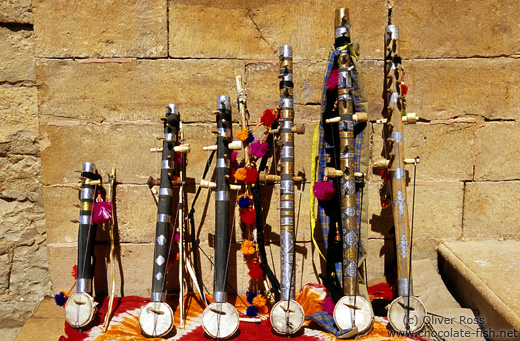
Jaisalmer-instruments

அக்பர் சபையில் இருந்த பிரபல இசை விற்பன்னர் தான்ஸேன் தீபக் ராகம் பாடுவதில் வல்லவர். அவர் அதைப் பாடினால் இருக்கும் இடமெல்லாம் ஒளிரும். இதை நேரில் பார்க்க விரும்பிய அக்பர் தான்ஸேனை அதன் வலிமையைக் காண்பிக்குமாறு  வற்புறுத்தினார். எவ்வளவோ மறுத்தும் அக்பர் மசியவில்லை. இறுதியில் ஒரு பெரிய ஏரிக்கரையின் முன் மேடையை அமைக்கச் சொன்னார் தான்ஸேன். விவரம் என்னவென்று தெரியாத அக்பரும் அப்படியே மேடையை அமைக்க ஆணையிட்டார். தீபக் ராகத்தை பல்லாயிரக்கணக்கானோர் குழுமி இருக்க அக்பர் முன்னால் உளமுருகப் பாடலானார் தான்ஸேன். என்ன ஆச்சரியம், திடீரென்று ராகத்தின் உச்ச கட்டத்தின் போது அவர் உடல் தீப்பிடித்து எரிய ஆரம்பித்தது. உடனே முன்னால்  இருந்த ஏரியில் குதித்துத் தன்னைக் காப்பாற்றிக் கொண்டார்  தான்ஸேன்.  மிகவும் வியப்படைந்த அக்பர் வருத்தமும் அடைந்தார். நிகழ்ந்த செயலுக்கு மன்னிப்பு கேட்டுக் கொண்டதோடு தான்ஸேனை தன் உச்சி மேல் வைத்துப் புகழ்ந்து மிகுந்த  மரியாதை செலுத்தி வரலானார். இந்த சம்பவத்தை விரிவாக அக்பர் கால நூல்கள் எடுத்துரைக்கின்றன. இந்தச் சம்பவம் சைக்கிக் என்சைக்ளோபீடியாவிலும் இடம் பெற்றுள்ளது. ஆகவே இது உண்மையே என்பதை வரலாற்று ஆவணங்கள் சுட்டிக் காட்டுகின்றன!


தான்ஸேனின் ஒவ்வொரு நரம்பும் நாடியும் இசை மயம். அவர் இறந்தவுடன் நடந்த நிகழ்ச்சி இதை நிரூபிக்கிறது. கர்நாடக இசையில் உள்ள தோடியைப் போல இந்துஸ்தானி இசையிலும் ஒரு ராகம் உண்டு. அதை இசைப்பதில் தான்ஸேனின் புதல்வர்களுள் ஒருவரான பிலாஸ்கான் வல்லவர். தான்ஸேன் இறந்தவுடன் துக்கம் தாளாமல் அவரைச் சுற்றி இருந்தோர் வருந்தி அழ பிலாஸ்கான் புதுவிதமான தோடி ராகம் ஒன்றைப் பாடலானார். இசைக்காகவே வாழ்ந்து இசையே ஓர் உருவமாக வடிவெடுத்திருந்த தான்ஸேன் சடலமாக இருந்த போதும் அந்த ராகம் இசைக்கப்பட்டவுடன் அவரது தலை மட்டும் அந்த இசையைப் பாராட்டும் வண்ணம் ஆடியது. இதைப் பார்த்தோர் அனைவரும் வியந்தனர்; பிரமித்தனர். ஆகவே அந்த ராகத்திற்கு பிலாஸ்கான் தோடி என்று பெயரிடப்பட்டது. இன்றும் பிலாஸ்கானியா தோடி.யைக் கேட்போர் இந்தச் சம்பவத்தை நினைவு கூர்வர்.

சாம வேதமே இசையின் அடிப்படை என்று வேத விற்பன்னர்கள் கூறுவர். ஸ,ரிக,ம,ப, த,நி ஆகிய ஏழு ஸ்வரங்களும் ஆகாயத்திலிருந்து ஒலிக்கக் கேட்டு பூமியில் இசையின் ஆதாரமாக வடிவெடுத்தது என்று  மஹாபாரதம் கூறும்.ஒவ்வொரு ராகத்திற்கும் ஒரு தேவதை இருப்பதாக நமது பண்டைய இசை நூல்கள் கூறுகின்றன.


இசை ஒலியைக் கூர்ந்து நுட்பமாகக் கேட்டு அனுபவித்தவர்கள் தமிழர்கள். சட்ஜம் மயில் அகவுதலையும் ரிஷபம் மாடு கத்துதலையும் காந்தாரம் ஆடு கத்துவதையும் மத்யமம் அன்றில் பறவை கூவுதலையும் பஞ்சமம் குயில் கூவுதலையும் தைவதம் குதிரை கனைப்பதையும் நிஷாதம் யானை பிளிறுவதையும் ஒத்து இருக்கிறது என்று தமிழர்கள் இனம் கண்டனர்.

திருஞானசம்பந்தரின் தேவாரமோ ஏராளமான அபூர்வமான பண்களைக் கொண்டதாக உள்ளது. யாழையும் முரிக்க வல்ல யாழ்மூரிப் பண்ணையும் அவர் இசைத்ததை அவர் வரலாற்றில் விளக்கமாகப் படித்து மகிழலாம். தேவாரச் சுவடிகளில் உள்ள தேவாரம் பண் முறை வைப்புடன் இருப்பதால் தேவாரம் இன்றும் பாரம்பரிய வழியிலேயே இசைக்கப் படுகிறது.


பாரதமெங்கும் உள்ள பல்வேறு கோவில்களில் உள்ள இசைத் தூண்கள் ஹிந்து நாகரிகத்திற்கே உள்ள தனித்தன்மையுடைய இசைச் சின்னங்களாகத் திகழ்கின்றன!.மதுரை மீனாட்சி அம்மன் கோவில்,(வடக்கு கோபுர வாயில் வழியே நுழைந்தவுடன் இடப்புறம் திரும்பியவுடன் கம்பி போட்டுக் கட்டப்பட்டுள்ள இவற்றை இன்றும் காணலாம்)தாடிக் கொம்பு, ஆழ்வார்திருநகரி உள்ளிட்ட பல இடங்களில் இந்த இசைத் தூண்கள் உள்ளன. கும்பகோணம் கும்பேஸ்வரர் கோவிலில் உள்ள கல் நாதஸ்வரம் இசைக்கப்பட்டவுடன் அற்புத ஒலியை எழுப்பும். இந்த அதிசய நாதஸ்வரம் இசையையும் சிற்பத்தையும் இணைத்து வடிவமைக்கப்பட்டிருக்கும் மாபெரும் “இசை-சிற்ப” அதிசயமாகும்.

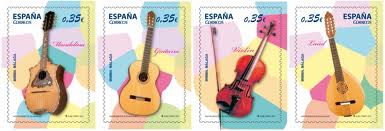
music spain

தாளவகைகள் எண்ணில் அடங்காதவை. இருந்தாலும் உச்சபட்சமாக 175 தாளங்களை நம் முன்னோர் இனம் கண்டனர். ஆனால் திருப்புகழ் பாடிய அருணகிரிநாதரோ இந்த 175 தாளங்களையும் கையாண்டதோடு அதையும் மீறிப் பல புதிய தாளங்களைத் திருப்புகழில் அமைத்துள்ளது இசையின் ஆழமும் அகலமும் எல்லையற்றது என்பதை விளக்கும் ஒரு செய்தியாக அமைகிறது.


சோழ மன்னனின் வாழ்வில் நிகழ்ந்த ஒரு மாபெரும் அதிசய சம்பவத்தை நாதமுனிகள் வாழ்க்கை வரலாறு விளக்குகிறது.அதைப் பார்ப்போம்.

This is the third part on Music written by Santanam Nagarajan of Bangalore.;already published in Bagya magazine.                                  தொடரும்

********************

contact swami_48@yahoo.com

Why do I Worship Planets Every day?

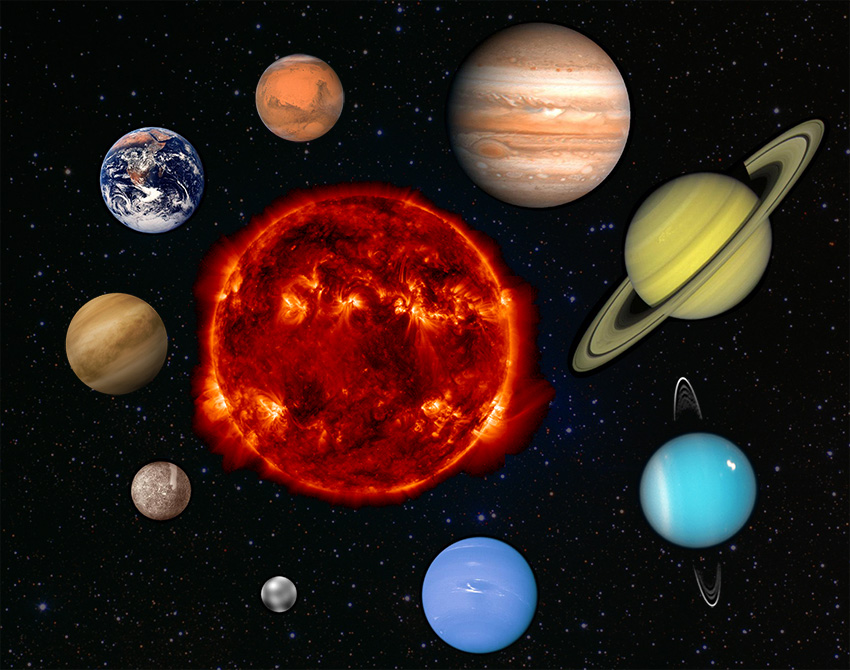
planets

Hindus are unique in worshipping everything in the sky including ‘’Father in the Heaven’’. I have already written about their worship of trees, cows and elephants, fish, eagle/Garuda, rivers/Ganga Yamuna Saraswati, Shoes (sandals), snakes, earth, bells etc. They see God in everything. Most of their customs are based on hygiene or science. But some are inexplicable; one of them is the worship of Nine Heavenly Bodies known to Hindus as Navagrahas.


Believing astrology is different from worshiping them. Billions of people read weekly predictions for their zodiacal signs in India and Western Countries. For many of us it is fun, for some of us it is accurate prediction!! But I am talking about actual worship of Nine Heavenly bodies (planets): Sun, Moon, Mars, Mercury, Jupiter, Venus and Saturn. In Sanskrit we call them Surya, Chandra, Angaraka, Bhudha, Guru/Bruhaspati, Sukra and Sani.


As a Brahmin I do Sandhayvandhanam every day at least once on the banks of river Thames in London. I am supposed to do three times– morning, afternoon and evening. It is like a person taking medicine three times a day or vitamin tablets. It is a lifelong tonic for three castes Brahmana (Priestly caste), Kshatriyas (Security forces) and Vaisya (Business men). But now it is the Brahmins who do it on regular basis.


The first part of the Sandhayavandhanam or Sun Worship finishes with Deva Tarpanam. This is where I do the worship of Sun, Moon etc in the same order like in English calendar-Sunday to Saturday (The mantra begins with Adityam Tarpayami, Somam tarpayami…..). Foreign scholars wrote that Egyptians and Greeks taught the days of the week to Indians. I doubt it. If it is ‘’Imported’’ from foreign countries my forefathers would not have included it in orthodox Hindu worship. This was started by my forefathers 5000 or 6000 years ago on the banks of mighty Saraswati River. I have got more proofs to justify my statement.

BigDipper

Saptarishi constellation (other names: Big Dipper, Ursa Major, Great Bear constellation)

All South Indian Temples have special places for the Navagrahas. Sun and Moon have been allocated special places in the corridor. There are special Gayatri Mantras for all the Nine ‘Planets’ (strictly speaking Sun is a star; Moon is a satellite of earth; Rahu and Ketu are shadows). There are special shrines for all the nine planets in Tamil Nadu. Millions of people throng the places every day. There nine more Navagraha  shrines around Chennai. There are special Homas (Fire ceremonies) for all the nine planets and 27 Stars (Nakshatras) from Vedic Days. They are not imported. We have nine different special woods, nine different special grains, nine different special colour clothes for this Homa. The mantras are very old.


People all over India wear Navagraha rings, set up with nine different gem stones.


Proof from 2000 year old Sangam Tamil Literature

Foreigners spread a blatant lie to destabilise India and destroy Hinduism in the name of Aryan-Dravidian Race theory. Those who read Sanskrit and Tamil literature will have a good laugh about this absurd race theory. I can quote over 1000 common customs from old Tamil literature. They are practised by Hindus from Kashmir to Kandy in Sri Lanka and beyond.


The Wonder Boy, Child Prodigy, Youngest Poet in History, Tamil saint Thiru Jnana Sambandhar who lived 1300 years ago sang about these nine planets in the same order in his Kolaru Thiru Pathikam. Elderly saint Appar warned the boy about travelling to Madurai. But he said that these nine planets will have no evil influence on the devotees of Shiva. The miracle boy was right. He did miracles in Madurai and re established Hinduism in Tamil Nadu.

planets (1)

I have quoted two wedding songs (Akam 86, 136) in my post Why Do Hindus Worship Moon? There also the poets talk about the evil influence of the planets when they said why the Tamil weddings are done on the day star Rohini  aligned with the moon. There are over six references about Arundhati star ( Vasista’s wife and one of the stars in Ursa Major known as Sapta Rishi Mandalam). All these are slaps on the face o supporters of Racist theories. I have already written about Indra and Varuna worship from the oldest Tamil book Tolkappiam which shows Aryans did not bring them to the south. There was only one culture from the oldest time the Tamils knew.


Tamil literature sings about zodiacal signs and planets like Mars ,Venus and Saturn. The most interesting reference about Jupiter and Venus (Brihaspati, Venus) is they are called Two Brahmins (Anthanar Iruvar). According to mythology Guru/Brihaspati (Jupiter) is the teacher for Devas (angels) and Sukra (venus) is the teacher for Asuras (demons). Devas and Demons had Brahmin Gurus!! This also tears the Aryan Dravidian racist cloth in to pieces. Hundreds and Hundreds of mythological stories have direct reference in Kalitokai and Paripatal. Purananuru, an anthology of 400 verses, is the encyclopaedia of Tamil Life. It has innumerable references to Vedic customs. I don’t want to repeat what I have already given in my posts NO BRAHMINS, NO TAMIL and other 600 posts in this blog.


Venus link to rains

Ancient Egyptians linked Sirius (the brightest star) to floods in the River Nile. Tamil and Sanskrit literature links Venus with rains. Purananuru have got lots of references to Venus and rains. Tamils had very good knowledge of astronomy. Science has yet to come with a theory for this link. The belief about comets (Dhumaketu) is also same in both the literature.


More Proof

There is lots of proof to show that these beliefs are not imported or brought by migrants. The number of words for Nine heavenly bodies (grahas) and 27 stars (Nakshatras) is amazing in Sanskrit and Tamil thesaurus called ‘Nigantu’. No language in the world has some many words for planets and stars!!!! This is the best proof to show India exported this to the world!


Silappadikaram is the best known Tamil epic. It is post Sangam period Encyclopedia of tamil culture. Name anything , you will find it like you find in Mahabharat. This has got reference to all the nine planets and tamil’s belief about them.

outside_solar_system

For want of space I will give some of the references from Tamil literature:

Worship of crescent moon: Kuruntokai vers 178;307; Akam. 239; Maduraikanchi- line 193; Puram.60 and Prayer 1;silambu-2—38;

Planet Rahu devouring Moon (Lunar Eclipse): Kural 1146; Kurun.395;Natr 128;Akam 114, 313; Kalitokai has five references

Sun’s one wheel chariot- Akam 360

Suns horses: Akam 363; Pattina. Line 122-124


Vasishta’s wife Arundhati: Pari 5-44;Pathitru 31-27;89-17;Perum.line 302

About Krithika (Pleiades) numerous references are there.

Two Brahmins (Jupiter and Venus): Kali-99


Venus-Rain link: Puram 35;117;383;384;386;388Pathitru. 24-24; 69-13;

Oldest Tamil book Tolkappiam has a lot of references to planets and Tamils’  beliefs.


For more about Brahmin’s Sandhya Vandanam, please read:

Why Brahmins Deserve an entry in to Guinness Book of Records

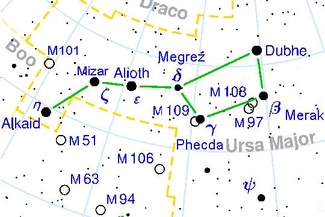
325px-Ursa_Major_constellation_detail_map


Last but one in the tail area of Sapatarishi mandalam is Mizar (Vashista); it is a double star with aAcor (Arundhati)

Pictures are taken from various websites; thanks

Contact swami_48@yahoo.com  for details about 600+ posts

நிலவு பற்றிய புதிய விஞ்ஞான உண்மைகள்- Part 2

el_010_moon_hare


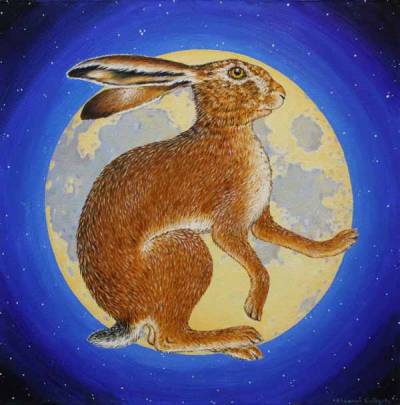
(Hare on moon is in Sanskrit and Sangam Tamil literature; it is in Buddhist Jataka stories and Mayan culture.

(நிலவு பற்றிய தமிழனின் அபார அறிவு Part -1 என்ற எனது முந்திய கட்டுரையைப் படித்துவிட்டு இதனைப் படிக்கவும்:லண்டன் சுவாமிநாதன்)


பிரிட்டிஷ் மஹாராணியின் பேரன் வில்லியத்துக்கு ஆண் குழந்தை பிறந்த (July, 2013) நாளன்று பிரிட்டிஷ் பத்திரிகைகள் ஒரு செய்தி வெளியிட்டன. அது மேலை நாடுகளில் சந்திரன் பற்றிய நம்பிக்கை என்ன என்பதைக் காட்டுகிறது. பௌர்ணமியை ஒட்டி புதிய ராஜா பிறப்பார் என்பது எங்களுக்குத் தெரியும் என்று மகப்பேறு தாதிமார்கள் கூறினர்.


பிரிட்டனில் பிரசவ ஆஸ்பத்திரிகளில் வேலை பார்க்கும் தாதியர் இப்படி அலுத்துக் கொள்வார்களாம்: ‘’அடடா! இன்று பௌர்ணமி தினம்! நான் இன்று சீக்கிரம் வேலைக்குப் போக வேண்டும். இன்று மிகவும் வேலை வரும்”. அதாவது பௌர்ணமி என்றால் அதிகம் குழந்தைகள் பிறக்கும் என்பது மேலை நாட்டார் நம்பிக்கை. கடல் அலைகள் பௌர்ணமி அன்று பொங்கும், அது போல தாய்மார்களின் கருப்பையில் குழந்தையைச் சுற்றி இருக்கும் நீரும் (பனிக்குடம்) பொங்கி குழந்தையை விரைவில் வெளியே தள்ளும் எனபது இதன் பொருள். ஆயினுமிது விஞ்ஞான உண்மையா எனபதை நிரூபிக்க போதுமான புள்ளி விவரம் கிடைக்கவில்லை.


பிராமணர்களும் பௌத்தர்களும் அமாவாசை, பௌர்ணமி தினங்களில் படிப்பதை விட்டு உபவாசம் இருப்பதில் பொருள் இருப்பதை சமீபத்திய பத்திரிக்கை செய்திகள் உறுதிப்படுத்துகின்றன. பௌர்ணமி, அமாவாசை, பிரதமை, அஷ்டமி, சதுர்தசி நாட்களில் பிராமண வேத அத்தியயனம் இருக்காது. இதே போல பவுத்தர்கள் பௌர்ணமி, அமாவாசை, அஷ்டமி தினங்களில் உபோசத் (உபவாசம்) இருப்பார்கள். இந்த நாட்களில் கடல் அலைகளின் சீற்ற்ம அதிகரிப்பதால் மீனவர்கள் கூட மீன் பிடிக்கச் செல்வதில்லை. ஆக கடலில் ஏற்படும் மாற்றம் உடலிலும் உண்டு என்பதை இந்துக்கள் அறிந்திருந்தார்கள். ‘’அண்டத்தில் உள்ளது பிண்டத்திலும் உண்டு’’ என்பது இந்துக்களின் கொள்கை.

pirai sudi

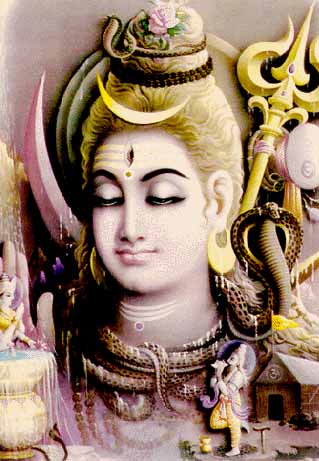
Hindu God Shiva with crescent moon ( in Tamil Pirai Soodi)


கடல் அலைகளில் உள்ள பாக்டீரியாக்களின் எண்ணிக்கையை அளந்து பார்த்ததில் பௌர்ணமி நாட்களில் இரு மடங்கு இருப்பது விஞ்ஞானிகளுக்கு வியப்பைத் தந்துள்ளது.( The level of bacteria in water varies with the lunar cycle and highest during a full and new moon, a study of California beaches found). கடலில் வளரும் பவளம் என்னும் பிரணிகளில் இருந்தே நமக்கு நவரத்தினக்களில் ஒன்றான பவளம் கிடைக்கிறது. இந்தப் பவளப்பூச்சிகள் பௌர்ணமி அன்று கோடிக்கணக்கில் முட்டைகளை வெளியிடுகின்றன.

பசிபிக் தீவுகளில் வாழும் நண்டுகள் பௌர்ணமி அன்று கோடிக்கணக்கில் குடியேற்றம் செய்கின்றன. ஆக முழு நிலவு எனபது பெரிய மாற்றங்களை உண்டாக்கும் என்பது உயிரியல் விஞ்ஞானிகள் அறிந்ததே.


(இலக்கியத் திருடர்களுக்கு அன்பான வேண்டுகோள். இந்தக் கட்டுரையை வேறு எங்காவது வெளியிடுகையில் லண்டன் சுவாமிநாதன் எழுதியது என்றோ அல்லது பிளாக் பெயரையோ வெளியிட்டு தமிழ் எழுத்தாளர்களை ஊக்குவிக்க வேண்டுகிறேன். தமிழுக்குத் துரோகம் செய்யாதீர்கள். தமிழ்த் தாய் பொறுக்கமாட்டாள்.)


சுவிட்சர்லாந்து விஞ்ஞானிகள் புதிய கண்டுபிடிப்பை வெளியிட்டிருக்கிறார்கள் முழு நிலவு (பௌர்ணமி) நாட்களில் நித்திரை/தூகம் கெடுவது உண்மையே. மக்களின் ஹார்மோன் அளவை அளந்து பார்த்ததில் ஹார்மோன் அளவு குறைவதும் இதனால் 20 நிமிடம் தூக்கம் குறைவதும் தெரியவந்துள்ளது. (Despite modern comforts, lunar cycles still alter our brain activity. Swiss researchers found hormones which regulate our sleep drop during a full moon, giving us 20 minutes less in the land of nod).

sikh with crescent moon

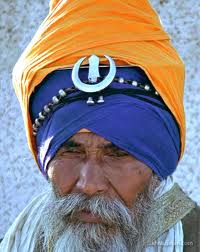
A Sikh with crescent moon

சிலருக்கு நிமிடக் கணக்கில் இல்லாமல் மணிக் கணக்கிலும் போகலாம். மொட்டை மாடியில் சந்திரனுக்கு நேரே தூங்கக்கூடாது என்று பாட்டிமார்கள் சொல்லுவதிலும் உண்மை இருக்கிறது.

இந்த ஆராய்ச்சிச் செய்திகள் அனைத்தும் விஞ்ஞான பத்திரிக்கைகளில் வந்தவற்றின் சுருக்கம். மேலும் விவரம் வேண்டுவோர் New Scientist, Nature பத்திரிக்கைகளில் பெறலாம்.

தமிழில் பிறை வழிபாடு பற்றிய பாடல்கள்: குறு.178, நெடும் பல்லியத்தனார்; குறு. 307-கடம்பனூர் சாண்டில்யன்; அகம் 239,எயினந்தை மகன் இளங்கீரனார்; மதுரைக்கஞ்சி.வரி193,மாங்குடி மருதன்; சிலம்பு 2-38; புறம் 1, பாரதம் பாடிய பெருந்தேவனார்; முழு நிலவு-புறம் 60.

ஏற்கனவே ஆங்கிலத்தில் இக்கட்டுரையை எழுதியுள்ளேன்.


CylinderSealMoonGod


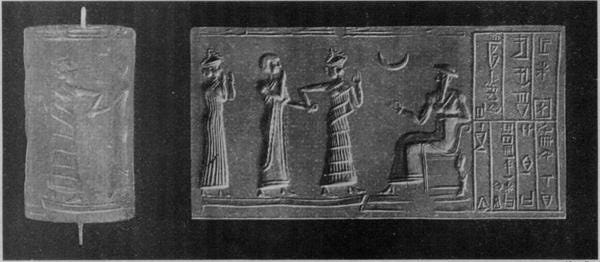
Moon was worshiped as Nanna in Mesopotamia. Pictures are taken from different websites; thanks.

contact swami_48@yahoo.com

நிலவு பற்றிய தமிழனின் அபார அறிவு

supermoon-may-2012-tim-mccord


ச. சுவாமிநாதன்

This article is already posted in English: swami

நிலவு பற்றி ஒவ்வொரு நாட்டிலும் பல நம்பிக்கைகள் உள்ளன. ஆனால் பாரத நாட்டில் இமயம் முதல் குமரி வரை ஒரே நம்பிக்கைகள் இருப்பது குறிப்பிடத் தக்கது. ஆரிய திராவிட வாதத்தில் அமுங்கித் திணறும் ‘’அறிஞர்களுக்கு’’ இந்த நம்பிக்கைகள் அடி மேல் அடி கொடுக்கும்.

1.கிரகணம் பற்றிய நம்பிக்கை நாடு முழுதும் ஒன்றே. வட மொழி, தமிழ் மொழி இலக்கியங்கள் ஒன்றே கூறும். பூமியின் நிழல்தான் கிரகணத்துக்குக் காரணம் என்பதை அவர்கள் நன்கு அறிந்ததால்தான் சரியாக பஞ்சாங்கம் கணக்கிட முடிந்தது. இருந்தபோதிலும் பாமர மக்களுக்காக சுவையாக ராகு என்னும் ராக்ஷசன் முழுங்கியதாவும் அவன் தலை பாம்பு வடிவினது என்றும் கூறுவர். இதையே பாம்பு சந்திரனை விழுங்கியதாகவும் கூறுவர்.


2.கிரீஸ் அல்லது பாபிலோனியா போன்ற வேறு எந்த நட்டையும் ‘காப்பி’ அடித்து இவர்கள் சோதிடம் பயிலவில்லை என்பதற்கு நிலவு பற்றிய நம்பிக்கைகளே சான்று பகரும். நமது கலாசாரத்தில் நிலவு என்பது ஆண், நட்சத்திரங்கள் என்பவை பெண்கள். இது வேறு எந்த கலாசாரத்திலும் இல்லை. 27 விண்மீன்களையும் தட்சனின் 27 பெண்களாக புராணங்கள் வருணிக்கின்றன. இந்த நம்பிக்கை வேதம், பிராமணங்கள் ஆகியவற்றிலும் உண்டு.


3.வேதத்தில் புருஷசூக்த மந்திரத்தில் சூரியனைக் கண்களுடனும் சந்திரனை மனதுடனும் தொடர்புபடுத்தும் மந்திரம் உள்ளது: சந்திரமா மனசோ ஜாத:, சக்ஷோர் சூர்யோ அஜாயத. மேலை நாட்டிலும் முழு நிலவு அன்று பைத்தியங்கள் அதிகரிக்கும், அந்த நாளன்று சிலர் ஒநாய்களாக மாறுவர் என்ற நம்பிக்கைகள் உண்டு. பைத்தியத்தையே ஆங்கிலத்தில் லுனாடிக் என்பர். லூனா என்றால் சந்திரன் என்று பொருள். கண்கள் ஒளிபெற சூரிய நமஸ்காரம் செய்வதும் இந்த மந்திரத்தின் அடிப்படையில்தான்.


4.‘’நிலவு’’ என்று சந்திரனுக்கு தமிழன் பெயர் வைத்தது தன்னிச்சையாக நிகழ்ந்ததா அல்லது அறிவியல் அடிப்படையில் நடந்ததா என்பதே வியப்பான விஷயம். ஏனெனில் நிலவு எப்படி தோன்றியது என்ற பலவிதமான கொள்கைகளில் ஒன்று: ஒரு காலத்தில் பூமியிலிருந்து பிய்த்துக் கொண்டு போன துண்டுதான் நிலவு என்று ஒரு கொள்கை உண்டு. பசிபிக் சமுத்திரத்தில் நிலவை அடக்கிவிடலாம் என்பர். இதை அறிந்து தான் தமிழன் நில உலகிலிருந்த பிரிவு= நிலவு என்று வைத்தானோ என்று நான் வியப்பதுண்டு.


5.தமிழர்களுக்கு ஜாதகத்திலும் சோதிடத்திலும் அபார நம்பிக்கை இருந்ததை அக நானூற்றின் பாடல்கள் 86, 136 ஆகியவற்றில் காணலாம். தீய கோள்கள் (பார்வை) இல்லாத நாளில் பவுர்ணமி- ரோகிணி நட்சத்திரம் கூடிய நாளில் தமிழர்கள் விளக்கு ஏற்றி ‘’வெஜிட்டேரியன்’’ சாப்பாட்டோடு மணல் தரையில் திருமணம் செய்ததை அப்பாடல்கள் விளக்குகின்றன. அப்போது சுமங்கலிகள் (திருமணமாகி கணவனுடன் வாழும் பெண்கள்) புது மணத் தம்பதிகளை ‘’தீர்க்க சுமங்கலி பவ:’’ என்று வாழ்த்தியதையும் அவை காட்டுகின்றன.

இந்து மத புராணங்கள் முழுதும் சந்திரன் -ரோஹிணீ காதல் கதை விளக்கமாகக் கூறப்பட்டுள்ளது. இதைப் பின்பற்றியே ரோகிணி நட்சத்திரத்தில் முகூர்த்தம் வைத்தனர் சங்க காலத் தமிழர்கள். ரோகிணி நட்சத்திரதன்று விதை விதைக்க நன்மை என்று பஞ்சாங்கம் சொல்லுவதும் குறிப்பிடத்தக்கது.


6.சந்திரனைப் பற்றிய பல நம்பிக்கைகளில் ஒன்று சந்திரனை தெய்வமாக வழிபடுவதாகும். பெரிய கோவில்களில் சுற்றுப் பிரகாரத்தில் சந்திரன் சூரியனுக்கு சந்நிதிகள் இருப்பதைக் காணலாம். உலகில் இப்படி இன்றுவரை சந்திர வழிபாடு எங்கும் இல்லை. குறுந்தொகையில் மூன்றாம் நாள் பிறை வழிபாடு (பாடல் 170) போற்றப்படுகிறது


முஸ்லீம்கள் கூட சந்திரனை நாளும் நேரமும் அறியவே பயன்படுத்துவர், வழிபட அல்ல. அவர்கள் அல்லாவைத் தவிர வழிபட அனுமதிக்கப்பட்ட ஒரே உருவம் காபாவில் உள்ள கல் மட்டுமே.

stars and moon

7.நிலவு பற்றி இந்துக்கள் நம்பும் ஒரு முக்கிய விஷயத்தை இதுவரை விஞ்ஞானம் நிரூபிக்கவில்லை. தாவரங்களுக்கு சக்தி கொடுப்பது சந்திரனே என்று வட மொழி நூல்கள் பகரும். சோம ரசம் என்பது சந்திர ஒளியையும் குறிக்கும், சோமலதையில் இருந்து கிடைக்கும் சோம ரசத்தையும் குறிக்கும் . நவக் கிரஹங்களில் சந்திரனுக்கு சோம என்றே பெயர். திங்கட்கிழமையை சோம வாரம் என்றே குறிப்பிடுவர்.


8.பன்னிரெண்டு ராசிகளின் படங்கள் ,ஓவியங்கள் தமிழ் அரண்மனைகளில் இருந்ததை முல்லைப்பாட்டில் காணலாம்.


9.இந்துக்களின் ஜாதகத்தில்  சந்திரனுக்கு எவ்வளவு முக்கியத்துவம் கொடுக்கின்றனர் என்பது ஜோதிடத்தில் நம்பிக்கை கொண்டோருக்கு விளங்கும்.


10.சங்க இலக்கியத்திலும் பிற்கால இலக்கியத்திலும் பல உவமைகள் வருகின்றன. இவைகளும் சம்ஸ்கிருத தமிழ் ஒற்றுமைக்குச் சான்று பகரும் ஏன் எனில் இந்திய இலக்கியங்கள் முழுதும் இவற்றைக் காணலாம். நிலவு என்னும் காதலன் 27 காதலிகளுடன் (நட்சத்திரங்கள்) இருப்பது போல என்ற உவமை, நிலவைப் பார்த்த கடல் பொங்கியது போல என்ற உவமை, நிலவு போன்ற குளிர்ச்சி தருபவன் என்ற உவமை எனப் பல உண்டு.


11. சிலப்பதிகாரம் போன்ற காவியங்கள் ‘’திங்களைப் போற்றுதும் திங்களைப் போற்றுதும்’’ என்று கடவுள் வாழ்த்தாகவே சூரியன் சந்திரனைச் சேர்த்திருப்பதும் நோக்கத்தக்கது.


12.பிராமணர்கள் சில நாட்களில் வேத வகுப்புக்குப் போக மாட்டார்கள். அன்று விடுமுறை. அமாவாசை, பவுர்ணமி, அதற்கு முந்திய, பிந்திய நாட்கள் (சதுர்தசி, பிரதமை) மற்றும அஷ்டமி ஆகிய ஆறு நாட்கள் உதவா. இந்த நாட்களில் கடல் அலைகளின் மாற்றமும் சீற்றமும் உலகறிந்த உண்மைகள்.


13. இதேபோல இலங்கையில் பவுத்தர்களும் அமாவாசை, பவுர்ணமி, அஷ்டமி நாட்களில் உபவாசம் இருப்பர் (உபோசத் தினங்கள்)


14. இந்துக்களின் மிகப் பெரிய பண்டிகைகள் ஒவ்வொரு மாத பவுர்ணமியிலேயே வரும். இதற்கு வேண்டுமானால் ‘பிராக்டிகல்’ காரணங்களைச் சொல்ல முடியும். மின்சார விளக்கு இல்லாத காலங்களில் லட்சக் கணக்கான மக்கள் இடம் பெயர்ந்து திருவிழவுக்கு வர இவை உதவின எனலாம்.

NY moon

15. நிலவில் முயல் (நற்றிணை 375) இருப்பதாகக் கூறுவதிலும் சம்ஸ்கிருத தமிழ் மொழி நூல்களில் ஒற்றுமையைக் காணலாம். சில கலாசாரங்களில் இதை மான் என்றும் கிழவி என்றும் சொல்லுவர்.


16. சங்கட ஹர சதுர்த்தி: சதுர்த்தி (நாலாம் நாள்) க்கும் பிள்ளையாருக்கும் நெருக்கம் மிகவும் அதிகம். கஷ்டங்களைப் போக்கும் சங்கட ஹர விரதம் (உண்ணாநோன்பு) பவுர்ணமிக்கு நாலாம் நாள் அனுஷ்டிக்கப்படும். அன்று மாலை பிறையைப் பார்த்த பின்னரே விரதிகள் சாப்பிடுவர். முஸ்லீம்களும் பிறை பார்த்துச் சாப்பிடும் வழக்கத்தை நம்மிடம்தான் கற்றனரோ!!


அமாவாசைக்கு நாலாம் நாள் வரும் சதுர்த்தியன்று பிறை பளிச்செனக் கண்ணில் தெரியும் ஆனால் இதைப் பார்க்ககூடாது என்று ஒரு நம்பிக்கை உண்டு. நாலாம் பிறை பார்த்தவர் நாயாய் பிறப்பார்கள் என்று ஒரு தமிழ்ப் பழமொழி இருக்கிறது ஆயினும் பெரிய பிள்ளையார் சதுர்த்தி அமாவாசைக்கு அடுத்த நாலாம் நாளே வரும். இந்த கணேஷ் சதுர்த்தியை நாடே கொண்டாடும்.

17.இந்து மதத்தில் பிறைச் சந்திரனுக்கு முக்கியத்துவம் அதிகம். பெரிய கடவுளர்களின் தலையில் பிறைச் சந்திரன் இருப்பதை காணலாம். ‘’பித்தா பிறை சூடி’’ என்று அடியார்கள் சிவ பெருமானை போற்றி வழிபடுவர்.


(இலக்கியத் திருடர்களுக்கு அன்பான வேண்டுகோள். இந்தக் கட்டுரையை வேறு எங்காவது வெளியிடுகையில் லண்டன் சுவாமிநாதன் எழுதியது என்றோ அல்லது பிளாக் பெயரையோ வெளியிட்டு தமிழ் எழுத்தாளர்களை ஊக்குவிக்க வேண்டுகிறேன். தமிழுக்குத் துரோகம் செய்யாதீர்கள். தமிழ்த் தாய் பொறுக்கமாட்டாள்.)


அடுத்த கட்டுரை— சந்திரன் பற்றிய வியப்பான விஞ்ஞானக் கண்டுபிடிப்புகள்— நம்முடைய மதக் கொள்கைகளை அனுசரித்துப் போவதைக் காட்டும். இவை அனைத்தும் ‘’லேடெஸ்ட்’’ கண்டுபிடிப்புகள். இரண்டாவது பகுதியைப் படிக்கத் தவறாதீர்கள்.


தொடர்பு கொள்ள —  swami_48@yahoo.com

படங்கள் பல்வேறு வெப்சைட்டில் இருந்து எடுக்கப்பட்டன; நன்றி.

Why do Hindus worship Moon?

NY moon

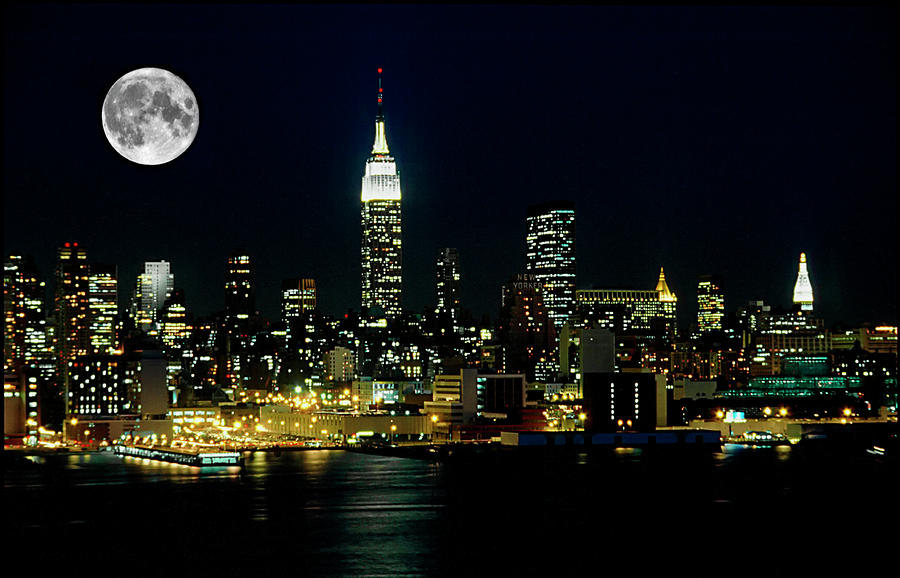
Picture shows Full Moon over New York City.

Ancient Indian beliefs and Latest Science News about Moon

Hindus are very keen observers of nature. Ancient Sanskrit and Tamil literature is full of similes about moon.  They know the effect of moon on the sea water. The poets seem to have more attracted to the moon than the sun.


1. Ancient Tamils worshipped the crescent moon on the third day (Kuruntokai verse 170). Tamil epic Silappadikaram has a prayer for sun and moon. The moon on the eighth day is compared to forehead of the heroine. The lunar eclipse is employed in similes similar to Sanskrit literature. The spots on the moon resemble a Hare in Tamil and Sanskrit literature. They have seen the rising waves on full moon days (Natrinai 375).


2.Brahmins don’t go to Veda class on Full Moon, New Moon days. The next day Prathamai, previous day chathurdasi and Ashtami days are also a holiday for them.

3.Buddhists observe ‘’uposad’’ (Upavasa=fasting) days on  Full moon, New Moon and following eighth day ‘Ashtami’ like Brahmins (Maha Vamsam 1-47).


4.There is a belief among Hindus that the fourth day ( Chathurthy after New moon ) crescent moon should not be seen. But one particular Fourth Day/Chathurthy after new moon is celebrated on a very big scale throughout the country as GANESH CHATHURTHY day.

The Chathurthy/ fourth day after full moon is observed as Sankata hara chathurthy. Sankata hara means destroying difficulties. This means Lord Ganesh is in charge of giving or eliminating difficulties. On Sankata hara Chathurthy day, Hindus break their day long fast after seeing the crescent moon in the evening. Sankata Hara Chathurthy falls on the fourth day after every Full Moon day.

CrescentMoon

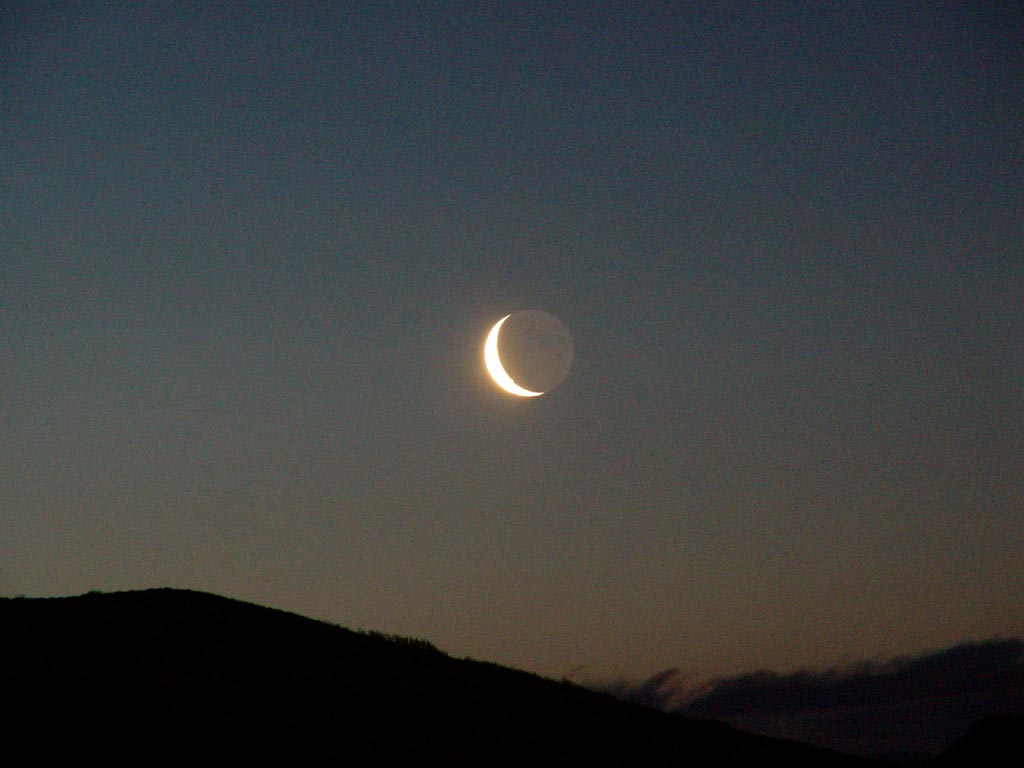
Ancient Tamil Hindus worshiped crescent moon; modern Hindus worship it on Sankata Hara Chathurthy  day every month

5.Soma rasam

In the Vedas, Garuda is generally associated with god Savitar on whose command he brought soma from the moon (Rg Veda III.43.7, VII.26.6 etc.; also pracina sarita kosa pp182-183).The oft repeated story that Garuda stole the nectar from the gods with a view to seek the release of his mother Vinata from the slavehood of Kadru, as met in the epics and Puranas seems to be an amplification of this legend.

Modern science says that sun light is very important for plants. All plants need sun light for photosynthesis. But for some reason Hindus linked plant growth with moon light. Science has not acknowledged it yet. Soma rasam means two things: Juice of Soma plant and Moon Light. This is important for plant growth according to Hindu scriptures. Adi Sankara’s ‘Viveka  Chudamani’ also says that moon supports the plants on earth. How? We don’t know yet.


Tamil Weddings on Full Moon Days with Rohini Star

6.Moon’s association with a particular star Rohini (aldebaran) is the basis of a mythological story. This says moon favoured one star among his 27 wives. In Hindu scriptures Moon is masculine and stars are feminine. Ancient Tamils celebrated their weddings on full moon day when it is with Rohini star (sakatam in Tamil- Akam verses 86 and 136). Hindu calendar (panchang) says it is good to sow the seeds on Rohini star day. Science may one day prove the connection between Rohini day and plants growth.

7.Moon’s effect on body and mind is known to ancient people. We got the English word lunatic from moon for Luna. This is in Yajur Veda as well. Purusha sukta mantram links eye with sun and mind with moon. (Chandra ma manaso Jataka, chakshor suryo ajayatha).

8. All the major Hindu festivals are held on Full Moon days. One of the reasons may be that there was no electric lights in those days and so it was convenient to hold them on Full Moon days with natural light during the night.

stars and moon

9. Indian horoscopes pay much importance to moon. The beliefs about moon are common from southernmost tip to the northern most part of India with minor variations. The common belief of Hindus about moon is one more nail in the coffin of Aryan Dravidian absurdity. Western ‘’scholars’’ may try to escape by saying that they are derived from a common source. We know their double standards .


10.Belief about lunar eclipse is also same throughout the country. Snake headed planet Rahu devours the moon and releases it is the story in Tamil and Sanskrit. Though they knew it was the shadow of earth that causes the eclipse, they created the story for laymen.


11. Tamils used the word ‘Nilam’ for earth and ‘Nilavu’ for moon meaning that moon came from earth. Origin of moon is shrouded in mystery. One of the theories is that it may have thrown out from Pacific area when a comet or asteroid approached earth. If it is true Tamils naming becomes more meaningful. It may not be a coincidence. You can fit moon into Pacific Ocean.

12. Crescent moon is important for Hindus. All major Hindu Gods and Goddesses have crescent moon on their heads.

Every month we read some science news items about moon which prove ancient’ beliefs are right.


Moon and Latest Science Reports from News papers

Bad Moon Rising (Metro News paper, London, July 26, 2013)

People often complain a full moon disrupts their sleep—and it could be true. Despite modern comforts, lunar cycles still alter our brain activity. Swiss researchers found hormones which regulate our sleep drop during a full moon, giving us 20 minutes less in the land of nod.

(My comment: So Hindus belief about moon has some science basis. We are not allowed to sleep on terrace under full moon.)


Labour coincided with big full moon ( Metro News Paper, July 23, 2013)

A bright big moon shone over London the night before Princess Kate went into labour and it was in full glory as she cradles the newest royal in her arms last night. As many mid wives will attest, the full moon does seem to get nature working overtime. Many mothers- to- be will have seen posters showing the lunar calendar at their birthing centres. The suggestion is that the moon’s gravitational pull affects the amniotic fluid in the same way it affects the water in the sea.

Mervie Jokinen, of the Royal College of Mid Wives, said: It’s always sort of been an old wives’ tale saying that the full moon brings women into labour. But midwives usually do say, I am on call, it is full moon. I will be busy tonight’’. But there is not enough scientific evidence to show it is proven’. May be, it was just a case of Baby Mean Time.


(My comment: If it can affect the amniotic fluid in a woman’s body and sea water, it can have some effect on pants as well. On Full Moon days millions of Crabs migrate in Pacific islands. Millions of corals release their eggs as well.)


Moon effect (Metro News paper, London, Aug. 3, 2005)

Never mind flesh munching werewolves, what full moons really bring out are bugs on beaches. So do new moons for that matter. The level of bacteria in water varies with the lunar cycle and highest during a full and new moon, a study of California beaches found. Spring tides which occur during full or new moon, are twice as likely to contain unacceptable levels of bacteria. It is hoped the findings will help bathers chose the safest times to swim.


( My comment: Moon’s position  causes lot of changes in nature. Ancient beliefs about moon effect must be studied more in depth.)

Metro News paper items are from science magazines. It summarises the news items so that lay men can easily understand them.

supermoon-may-2012-tim-mccord

Contact: swami_48@yahoo.com

Please read earlier posts by London swaminathan  1.‘’ Why Do Brahmins Deserve an Entry in to Guinness Book of Records?’’ 2. ‘’Why Do Hindus worship Bells?’’ 3.‘’Why do Hindus worship Shoes?’’ 4. ‘’Why do Hindus practise Homeopathy’’? 5. Why do Hindus worship God of Death Every day? 6.HEAD TOWARDS NORTH IS WRONG  + 600 articles in English and Tamil.

Pictures  are taken from other sites; thanks.