Tree Miracle and Statue Miracle of a Saivaite Saint

Tree Miracle and Statue Miracle of a Saivaite Saint

Thirugnana Sambandhar was a child prodigy. He started composing poems when he was three years old. We know many other child prodigies from different parts of the world who composed poems. But there is a big difference between Sambandhar and those poets. He composed devotional poems in different metres and genres. Though he did compose them 1300 years ago still they are used by millions of Tamil Hindus. His words had miraculous powers. Whatever he wanted to achieve, he achieved them through his verses. His poems led to a big moral and religious reformation. Above all, though we lost several thousands of his verses, we have more than 4000 of them today.

Hundreds of miracles happened during Sambandhar’s life. He travelled to nook and corner of Tamil Nadu and sang about the temples. We come to know a great deal of Tamil history through his poems. Periapuranam of Sekkizar commented on everything he did and added further details. This hagiology of Tamil saints in Tamil poetry form was composed by Sekkizar in 12th century, approximately 500 years after Sambandhar.

Sambandhar’s big achievement came in Madurai ,the capital of seventh century Pandya kings. He reconverted Pandya king Nedumaran to Hinduism and defeated the Jains in several contests. Jains are a peace loving community and they believe in absolute non violence. The 24th Jain saint (Thirthankara) Mahavir was the contemporary of the Buddha. He and his followers commanded great respect. But the Jains who occupied Madurai involved them in politics and violence. When Sambandhar visited Madurai at the request of Pandya Queen and the Chief Minister, the Jains set fire to the building where the boy wonder Sambandhar was staying. This increased the tension between the Saivaites and the Jains.
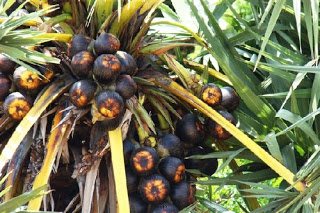
Palmyra Tree Miracle

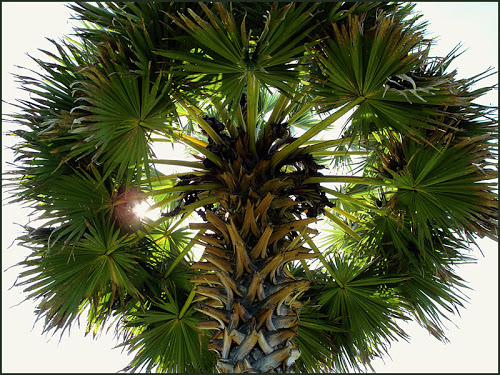
When Sambandhar visited Tiruvothur he saw a devotee crying. The devotee raised some Palmyra trees so that he can use the income for his community service in the Shiva temple. By rare coincidence all the trees were male trees and did not yield fruits. Atheists were mocking at him and teased him asking when his god would yield him fruits. When Sambandhar asked him the reason for his sad face, he told him about the male only Palmyra trees. Later Sambandhar visited the Shiva temple and looked at the Palmyra trees and he sang ten verses in praise of the Lord and said the male trees will yield (Kurumpai Aan Panai Eenum in Tamil). Next minute all the trees bloomed and bore plenty of Palmyra fruits! Dr R Nagasamy, renowned historian and archaeologist, has quoted the Sanskrit lines from the Upamanyu Bhakta Vilasam giving the same meaning: Tala: pumamsa: sruthvai they bhavanthu paritha: palai:

Temple Statue Miracle

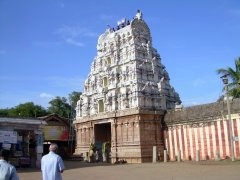
Sambandhar visited Tirukkovilur. It is the custom of the Hindus to worship the temple tower as soon as they see it for the first time. When Sambandhar saw a temple building from a distance, he immediately paid due respects to the temple. The devotees who were following the Boy Wonder were embarrassed because it was not a Hindu temple. With very great hesitation a few of them went to him and informed him it was a Jain temple. But yet Sambandhar went in to the building and to the surprise of everyone, it was a Siva statue in the sanctum sanctorum. He converted the statue by his miraculous powers. Periapuranam was translated in to several languages including Sanskrit. Srinivasa Kavi of 16th century translated it verbatim. Dr R. Nagasamy has found out several missing pieces of Periapuranam, through his meticulous research. This episode of statue miracle is found in the Sanskrit version of Periapuranam, Upamanyu Bhakta Vilasam, according to Dr R Nagasamy. He believes that the Periapuranam Tamil verses regarding this miracle might have been lost.
Contact: swami_48@yahoo.com
கவிஞருக்குத் துன்பம் தரும் ஏழு விஷயங்கள் !

9.சம்ஸ்கிருதச் செல்வம் 

9. கவிஞருக்குத் துன்பம் தரும் ஏழு விஷயங்கள் ! 

By ச.நாகராஜன்


   சம்ஸ்கிருத இலக்கியத்தில் தனக்கென அழியாத இடத்தைப் பெற்றவர் பர்த்ருஹரி. இவரது கவிதைகளை மேற்கோள் காட்டாதவர்களே கிடையாது.ஸ்வாமி விவேகானந்தர் முதல் மஹாத்மா காந்திஜி வரை எல்லாப் பெரியோரும் கவிஞர்களும் அறிஞர்களும் இவரது கவிதைகளைச் சுட்டிக் காட்டி தாம் சொல்ல வந்ததை விளக்கும் அளவு ஆழமான கருத்துடைய கவிதைகளைப் படைத்தவர் பர்த்ருஹரி.


நீதி சதகம், ச்ருங்கார சதகம், வைராக்ய சதகம் என மூன்று சதகங்களை அவர்  படைத்துள்ளார். சதகம் என்பது நூறு பாடல்களைக் கொண்டது.


அதிர்ஷ்டவசமாக இவரது மூன்று நூல்களும் இன்று நம்மிடையே உள்ளன. எளிய பதங்கள், இனிய நடை, ஆழ்ந்த கருத்து, வார்த்தை ஜாலங்களும் கருத்து ஜாலங்களும் மிக்க கவிதைகள் என இவரது அரிய படைப்புகளைப் பற்றி இப்படி சொல்லிக் கொண்டே போகலாம்.


சற்று மிகைப்பாடல்களுடன் கூட நீதி சதகத்தில் 111 பாடல்களும்,ச்ருங்கார சதகத்தில் 104 பாடல்களும் வைராக்ய சதகத்தில் 111 பாடல்களும் நம்மிடையே இன்று உள்ளன.

அனைத்துப் பாடல்களும் பொக்கிஷம். ஒவ்வொருவரும் வாழ்க்கையில் ஒரே ஒரு தரமாவது படிக்க வேண்டிய கவிதைகள் இவை.


முதலில் மாதிரிக்கு ஒன்று!


பழுத்த அனுபவஸ்தரான பர்த்ருஹரி தேசம் முழுவதும் சுற்றியவர் போலும். பல நிகழ்வுகளைப் பார்க்கிறார். பலதரப்பட்ட மனிதர்களைப் பார்க்கிறார். அவருக்குத் துன்பம் தரும் ஏழு விஷயங்களைப் பட்டியலிடுகிறார்.


நீதி சதகத்தில் 45வது பாடலாக இது மலர்கிறது:


சசீ திவஸ தூஸர: கலித யௌவனா காமினி

   சரோ விகத வாரிஜம்  முகமநக்ஷரம் ஸ்வாக்ருதே:I

    ப்ரபுர்தனபராயண: ஸதத துர்கதி ஸஜ்ஜன:

       ந்ருபாங்கண கத: கல: மனஸி சப்த சல்யா இமே II


திவஸ தூஸர: – பகலால் ஒளியிழந்த

சசீ – சந்திரனும்

கலித யௌவனா – யௌவனமிழந்த

காமினி – மனைவியையும்

விகத வாரிஜம் – தாமரைப் பூவற்ற

சர: – தடாகமும்

ஸ்வாக்ருதே: – நல்ல அழகுள்ளவனுடைய

முகம் – வாயானது

அநக்ஷரம் – எழுத்து வாசனையே இல்லாமல் இருப்பதும்

ப்ரபு: – பணக்காரன்

தன பராயண: – பணம் சேமிப்பதிலேயே கருத்தாக   இருப்பதும்

ஸஜ்ஜன: -நல்ல மனிதன்

ஸதத துர்கதி – எப்போதும் கஷ்ட தசையில் வாழ்வதும்

கல: -அயோக்கியன்

ந்ருபாங்கண கத: – அரசனுடன் நெருங்கிப் பழகுவதும்

ஸப்த – ஆகிய மேற்கண்ட ஏழு விஷயங்களும்

மே – எனக்கு

சல்யானி – துன்பமளிக்கின்றன


1.பகல் வேளையில் சந்திரன் ஒளி இழந்து இருப்பதைப் பார்த்தால் மனதிற்குத் துக்கம் ஏற்படுகிறது.2.இதே போல இளமை அழகு இழந்த மனைவியும், 3.தாமரைப் பூக்கள் இல்லாத தடாகமும் 4.அழகிய ரூபமுள்ளவன் படிப்பறிவே இல்லாமல் இருப்பதும் 5.பணக்காரனாக இருந்த போதிலும் மேலும் பணம் சம்பாதிப்பதிலேயே குறியாக இருப்பதும் 6.நல்ல மனிதர்கள் எப்போதும் கஷ்டமான வாழ்க்கையையே நடத்த நேரிடுவதும் 7.அயோக்கியர்களோ அரசன் வீட்டில் செல்வாக்குப் பெற்று நல்ல காரியங்களைக் கெடுப்பதும் ஆகிய இந்த ஏழும் என் மனதிற்குத் துன்பத்தைத் தருகிறது என்கிறார் கவிஞர்.


என்ன அற்புதமான கருத்து! உலகியல் வாழ்வில் அன்றும் இது உண்மை! இன்றும் இது உண்மை! என்றும் பொருந்துவதைச் சொல்வதனால் தான் கவி என்று அழைக்கிறோம் என்பதைப் புரிய வைக்கும் அற்புதப் பாடல் இது!


****************


Medical Evidence for Kumbhakarna’s Long Sleep

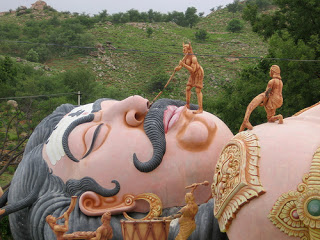
Picture: Kumbhakarna in Kumbhakarna Gardens in Penukonda.


Ramayana Wonders 7:

Medical Evidence for Kumbhakarna’s Long Sleep

Did Kumbha karna suffer from Sleeping Beauty Syndrome, a rare medical condition? Was it a rare sleeping disease? Is there any parallel in medical history?

Yes, there is medical evidence. Read further……

Kumbhakarna, brother of Ravana and son of Visravas and Kaikasi, is a very interesting character in the great Hindu epic Ramayana. He is a 50-50 character. Good and bad qualities mixed together. He slept for six months and was wide awake for another six months. He gave proper advice to Ravana and Vibheeshana. His character was the model for Gulliver’s Travels of Jonathan Swift. If a Hindu child reads Gulliver’s Travels today it will feel it is copied from Kumbhakarna character( I have already written in another post that even the smallest shape of Gulliver is taken from an Indian folk tale).

The interesting aspect of Kumbhakarna’s life is his sleeping pattern. There is a story behind it. He prayed to Brahma for Indra Asana (seat of Indra) but when Brahma actually appeared before him his tongue twisted and asked for Nidra Asana (ever sleeping place/seat).Brahma granted it. There is another version  as well. Kumbhakarna wanted  Nirdevatvam (annihilation of Devas), but ended with Nidratvam (permanent sleep). Whatever the boon may be, we know for sure he slept for a longer period.

Hinduism is based on Truth. Even Gods obey the rutham/truth (Rhythm, Truth etc came from Sanskrit rutham). Once a boon is given it cannot be taken back. There is an in built exit strategy. When Kumbhakarna prayed to Brahma to change it he changed it to six month sleep, six month no -sleep period.

Rip Van Winkle of Washington Irving’s story slept for 20 years and woke up. He missed the American Revolution, the death of his wife, marriage of his daughter and the birth of his grandson. Rabbi Honi slept for 100 years according to Jewish scriptures. Kumbhakarna was very different from these characters. His sleep fell in to a pattern. He became violent if his sleep was disturbed. Enormous efforts were needed to wake him up. They need to bring army of musicians, battalions of elephants, truck loads of food and weapons to get him out of the slumber.

Ravana wanted his help because all his lieutenants were routed. First he chided Ravana for keeping Rama’s wife Sita in custody, but later promised to fight on his side. He killed many on Rama’s side but ultimately got killed by Rama’s arrow. He died as a hero.

Picture of Kumbhakarna statue in Indonesia.

Sleeping Beauty Syndrome

What was his medical condition? It is not coma, because there was a pattern in his sleep. Was it a syndrome? May be something like the Sleeping Beauty Syndrome reported in London News papers:

A rare sleep disorder made Lois Wood sleep for 44 days at a time. 14 year old Lois of Stevenage near London suffers from Sleeping Beauty Syndrome and Kleine- Levin Syndrome, which affects just 65 people in Britain. Lois can fall  asleep anytime. Such sleeping episodes make her violent. She suffers also from zombie like trances where she bangs her head on walls and attacks her family. Once a promising basket ball player, Lois, now needs constant care as she can sleep at any time—but no memory of  her attacks.

Picture of 14 year old Lois Wood who slept for 44 days.

Anyone who reads this will sympathise with Lois and Kumbhakarna. Who knows? Kumbhakarna might have suffered from similar syndrome. Had the western medical men knew Kumbhakarna’s condition, they would have named this condition ‘Kumhakarna Syndrome’.

Read my earlier posts:

(1). Ramayana Wonders Part-1 (2). Ramayana Wonders Part 2 :How many miles did Rama walk? (3) Ramayana Wonders Part 3: Rama and Sanskrit G’ramma’r  (4) Part 4: Who can read all 300 Ramayanas? (5) Ramayana Wonders part 5: Indus Valley Cities in Ramayana (6) Ramayana Wonders 6: Aladdin’s magic in Valmiki Ramayana (7) Largest Story Collection in the World.

She can fall at sleep anytime anywhere.

Contact London Swaminathan at: swami_48@yahoo.com


ராமாயணத்தில் வரும் ஆறு பிரமாணங்கள்!

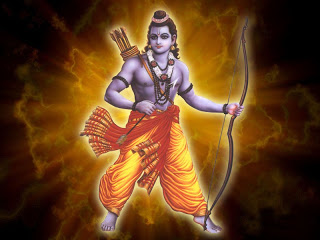
Picture: Rama is banished for 14 years.

ராமாயண வழிகாட்டி

அத்தியாயம் – 7  by  ச.நாகராஜன்


ஒன்றை அறியும் விஷயத்தில் ஆறு பிரமாணங்கள்!


வால்மீகி மஹரிஷி இயற்றிய ராமாயணத்தில் நுணுக்கமான விஷயங்கள் ஏராளம் உண்டு. உலகியல் வாழ்க்கையில் தர்ம அர்த்த காமத்தை நன்கு அடைந்து மோக்ஷத்தையும் அடையும் உபாயத்தை ராமாயணம் தருகிறது.


ஒன்றை அறியும் விஷயத்தில் ஆறு பிரமாணங்கள் உண்டு என்று கபந்தன் ராமரிடம் கூறும் இடம் சுவாரசியமானது; வாழ்க்கையில் வெற்றி பெற உதவுவது.


ராம ஷட்யுக்தயோ லோகே யாமி: சர்வம் விம்ருஷ்யதேI


ராம! லோகே – ஸ்ரீராம! உலகில்

ஷட்யுக்தய:  – ஒன்றை அறியும் விஷயத்தில் ஆறு பிரமாணங்கள் உண்டு

யாமி: – அவைகளால்

சர்வம் – எல்லாமும்

விம்ருஷ்யதே – அறியப்படுகிறது.

   (ஆரண்ய காண்டம், 72வது ஸர்க்கம்,12ஆம் ஸ்லோகம்


கபந்தன் ஸ்ரீ ராமரிடம் கூறும் முக்கிய சொற்கள் இவை.

ஒன்றை அறியும் விஷயத்தில் ஆறு பிரமாணங்கள் எவை எவை?


  1. பிரத்யக்ஷம் – நாமே நேரில் காண்பது
  2. அனுமானம் – தெரிந்த விஷயங்களைக் கொண்டு இதர தீர்மானங்களை அல்லது முடிவை அடைதல்
  3. உபமானம் – ஒன்றை உபமானமாகக் கொண்டு அதன் மூலம் தெளிதல்
  4. சப்தம் – வேதம் முதலிய சப்தங்களைக் கொண்டு அறிதல்
  5. அனுபலப்தி – காணாமையால் இல்லை என்று அறிதல்
  6. அர்த்தாபத்தி – பார்த்தவைகள், கேட்டவைகளைக் கொண்டு மற்றவைகளை ஊகித்தல்


இவற்றைக் குறிப்பிட்ட கபந்தன், “நீங்கள் தேவியைப் பிரிந்து கஷ்ட தசையில் இருக்கிறீர்கள். சுக்ரீவனை அடையுங்கள். அவன் உங்களுக்கு உதவி புரிவான்” என்று உரைக்கிறான்.

சுக்ரீவனுடன் நட்பைக் கொள்ளுங்கள் என்று கபந்தன் உரைப்பதால், ஷட்யுக்தய: என்ற வார்த்தைக்கு ஆறு யுக்திகள் என்று பொருள் கொண்டு அந்த ஆறு உக்திகளை வியாக்கியானகாரர்கள் சொல்வதும் உண்டு.


ஆறு உக்திகளாவன:-


1)   ஸந்தி – நட்பைக் கொள்வது

2)   விக்ரஹம் – பகையைக் கொள்வது

3)   யானம் – எதிரியின் மீது படையெடுத்துச் செல்வது

4)   ஆஸனம் – எதிரியை எதிர்பார்த்துக் காத்திருத்தல்

5)   துவைதீபாவம் – பிரித்து வைத்தல்

6)   ஸமாஸ்ரயம் – பணிந்து போதல்


இந்த ஆறு யுக்திகளையும் ஒவ்வொரு விஷயத்திலும் நன்கு ஆய்ந்து முடிவு எடுக்க வேண்டும் என்று கபந்தன் கூறுவதாகப் பொருள் கொண்டு வியாக்கியானம் செய்பவர்கள் பலர்.

கபந்தனின் வரலாறு ஆரண்ய காண்ட்த்தில் 71வது ஸர்க்கமாக அமைகிறது. அற்புதமான அந்த வரலாற்றில் பல உண்மைகளை நாம் அறிய முடியும்.


வெற்றி பெற நாம் கடைப்பிடிக்க வேண்டிய உத்திகளை விளக்குவதால் ராமாயணம் ஒரு வாழ்க்கை நூல் என்ற பெயரைப் பெறுகிறது.


Hindus invented Calling Bell !


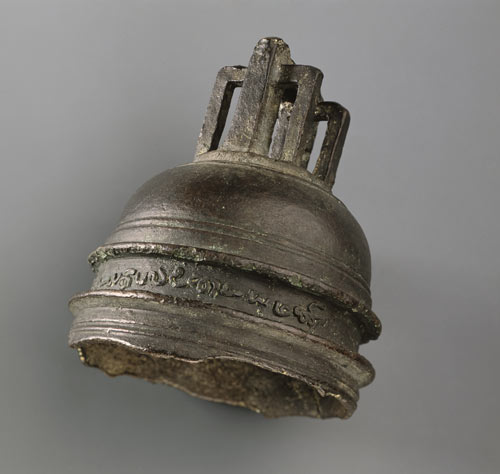
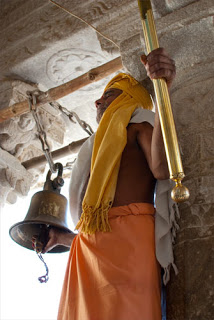
Picture:  500 year old Tamil Bell at Te Papa Museum, New Zealand


Hindus invented the Calling Bell !

Who invented the Calling Bell? My research shows that Tamil Hindus have invented it 2000 years ago. We have two stories to confirm my finding. Though encyclopaedias give names of different inventors for mechanical and electrical bells at door steps, the idea came from Tamil Hindus according to the available literary evidence.

Many of us know that a 500 year old Tamil bell was discovered in New Zealand. It is now in Te Papa Museum in Wellington, New Zealand. William Colenso, A missionary, had found this bell used by Maori tribes as a cooking vessel. When the inscription was read by Tamils, it said Mohideen Buk ship’s bell. A Tamil Muslim trader had used it in his ship. From the orthography of the inscription we came to know it must be 500 year old.


Palace Bell Miracle

Manu Neethi Cholan was a famous Choza king who ruled from Tiruvarur in Tamil Nadu. Manu Neethi Cholan means a Chola who followed Manu Smriti, the Hindu law maker. Lot of Tamil epigraphs and copper plate inscriptions also praised Tamil kings as strict followers of Manu Smriti. This Chola was so just he even killed his own son on the basis of a  complaint from a COW!

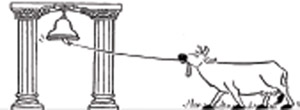
Manu Neethi Chola hung a Calling Bell at the entrance of his palace. Anyone who had a grievance can go to the palace and ring the calling bell. But nobody used the bell for long, because the king was so just and there were no grievance at all. One day the prince went through the streets in his chariot. He was careless in his driving and he ran over a calf and killed it. The mother of the calf ran to the palace and rang the bell! Immediately the king and ministers came out and found out what happened. The king killed his son under the chariot to punish his son and himself by Putra soham (bereavement through the loss of a son). This was the first use of calling bell in history.

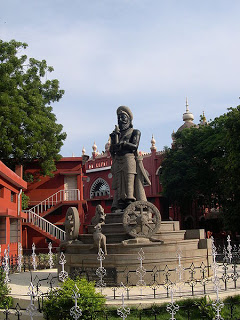
Picture: Manu Neethi Cholan statue at Madras High Court.

This story has been repeated in Tamil literature in several books from the days of Silappadikaram. We hear this incident for the first time from the mouth of Kannaki in Silappadikaram, then in Mahavamsam, Pazamozi 400, Periapuranam and later day Sthala Puranas. Tamil epic Silappadikaram is variously dated but all agree the epic story happened in the Second Century AD. This shows that Manu Neethi Cholan lived before this period. A similar story is narrated in Mahavamsam, A Sri Lankan chronicle, attributing the incident to Elara, a just Tamil king who may have ruled in the 2nd century BC.


Divine Calling Bell in the Heaven

The reason I am attributing the invention of calling bell to Tamil Hindus is another story found in Thevaram hymns which is at least 1300 years old. Dr R Nagasamy, famous archaeologist and historian of Tamil Nadu, has written about Manu Neethi Cholan and heavenly divine bell in his book Poyyili Malai (Page 107, titled Kadai Thoongu Mani):

“ In the Shivaloka, Lord Shiva hung a bell so that the Devas who have grievances can easily approach him. The idea is that Shiva will hear the bell and respond immediately. But this bell was not used for long and got the name Sleeping Bell (Thoongu Mani). But Dr Nagasamy also explained Thoongu may mean hanging as well. One day the Devas rang the bell and surprised Lord Shiva. They complained about the demons that have flying metal forts. (I have already described them as space ships made up of copper, gold and silver which were burnt down with a laser weapon in my earlier post GOD WITH A LASER WEAPON: swami). The Thevaram hymn says that even before the bell sound subsided Shiva burnt down the three metal forts by his Third Eye. This was sung by Appar alias Thirunavulkkarasu. He was the contemporary of Pallava king Mahendra Varman.

Appar praised Shiva as an embodiment of mercy. Even before the grievances were said, he helped his devotees, Appar says in his verse. The Tamil reference is given for the Tamil readers at the end.

My interpretation: I consider these two anecdotes are evidence of Calling Bell in India. Later this idea was adapted to smaller homes. Discovery of electricity helped to devise the modern calling bells. But the concept is Hindus’. Since there was no reference in Sanskrit scriptures I think the credits go to Tamil Hindus.


Appar Thevaram

மூவா உருவத்து முக்கண் முதல்வ மிக்கூர் இடும்பை

காவாய் எனக் கடைத் தூங்கு மணியைக் கையால் அமரர்

நாவாய் அசைத்த ஒலி ஒலிமாறியதில்லை அப்பால்

தீயாய் எரிந்து பொடியாய் கழிந்த திரிபுரமே.

Contact: Swami_48@yahoo.com

“கறுப்புதான் எனக்கு பிடிச்ச கலரு”


என் பெயர் புலவர் நக்கீரன். “கறுப்புதான் எனக்கு பிடிச்ச கலரு” என்ற தலைப்பில் பேச வந்திருக்கும் உங்கள் அனைவர்க்கும் முதல் கண் நன்றி கலந்த வணக்கங்கள். சென்ற இரண்டு வாரங்களில் ‘மன்னிக்க வேண்டுகிறேன்”, என்ற தலைப்பிலும் “ரொம்ப நாளாக எனக்கு ஒரு ஆசை” என்ற தலைப்பிலும் பேசினீர்கள். கன கச்சிதமாக இருந்தது. அதே போல இன்றும் தலைப்பை ஒட்டி மட்டுமே பேசவேண்டும்.


கண்ணபிரான்: என் பெயர் கண்ணன். வடக்கில் கிருஷ்ணன் என்பார்கள். இப்படி ஒரு தலைப்பில் யாராவது பேச அழைக்க மாட்டார்களா என்று காத்திருந்தேன். காரணம் என்னவென்றால் என் கலரை மனதில் வைத்துக் கொண்டு வெளிநாட்டு ஆராய்ச்சியாளர்கள் கன்னா பின்னா என்று எழுதுகிறார்கள். கிருஷ்ணனென்ற பெயரை ஆங்கிலத்தில் சொல்லப்போனால் மிஸ்டர் பிளாக் Mr Black. உண்மையில் நான் சொல்வதுதான் வேதங்களிலும் உபநிஷதங்களிலும் உள்ளது. அவைகளை ஆரியக் கொள்கை என்றும் நான் சொன்னது த்ராவிடன் சொன்னது என்றும் பிதற்றுகிறார்கள். உண்மையில் ஆரியமே திராவிடமோ இல்லை. எல்லா காதல் பாட்டுகளிலும் கண்ணனென்று ஒப்பிட்டு காதலனை அழைப்பார்கள். இதிருந்தே உங்களுக்கு தெரியும் கறுப்புதான் எல்லோருக்கும் பிடிச்ச கலரு என்று.


வியாசர்: இடை மறித்துப் பேசுவதற்கு மன்னிக்கவும். யாராவது இந்ததலைப்பில் பட்டிமன்றம் நடத்தமாட்டார்களா என்று நானும் காத்திருந்தேன். என் பெயர் வியாசர். வேதங்களை அழகாகத் தொகுத்து நாலாகப் பிரித்து நான்கு சீடர்கள் மூலம் பரப்பியவன் நான். மஹா பாரத்தை எழுதியவன் நான். என் மகன் புராணங்களை எல்லாம் தொகுத்துச் சொன்னவன். என்னுடைய உண்மையான பெயர் கிருஷ்ண த்வைபாயனன். ஆங்கிலத்தில் சொன்னால் மிஸ்டர் ப்ளாக் ஐலண்டர் Mr Black Islander. நானும் கறுப்பன் (Black) தான். இந்த ஆரிய திராவிட வாதம் எல்லாம் பொய். ஆரியக் கலர் வெள்ளை என்றும் திராவிடக் கலர் கறுப்பு என்றும் மஹா பேத்தல்களால் மனம் நொந்தே போனேன்.


தீர்க்கதமஸ்: வியாசர் ஐயா அழகாச் சொன்னாரு. என்பெயர் தீர்க்க தமஸ். ஆங்கிலத்தில் சொன்னால் லாங் டார்க்நெஸ் LongDarkness. நான் ரிக்வேத ரிஷி. நான் ஒரு கறுப்பன். இதை வைத்தே நிறவாத ஆரிய திராவிடக் கொள்கை பொய் என்று சொல்லாமலே விளங்குமே. வேத காலத்தில் இப்படி நிறபேதம் இல்லை என்பது வியாசர் ஐயாவையும் என்னையும் கறுப்பனான ராம பிரானையும் பார்த்தாலேயே தெரியும்.


ராம பிரான்: அட, நான் பேச நினைத்தஎல்லாம் நீ பேச வேண்டும் என்று நினைத்தேன். என்னையும் ஒரு கறுப்பன் என்று இனம் காட்டினீர்கள். நன்றி, தீர்க்கதமஸ் ஐயா.


என் பெயர் திரவுபதி. அர்ஜுனன் மற்றும் நான்கு பாண்டவர்களின் மனைவி. என் பெயர் கிருஷ்ணா (krishnaaa. நானும் கறுப்புதான். மக்கள் என்னை எந்த அளவுக்கு கொண்டாடினார்கள் தெரியுமா? ( வடமொழியில் கிருஷ்ண என்பது கண்ணன், கிருஷ்ணா என்பது திரவுபதி)

அட நீ ஒன்று. என் பெயர் காளி. கலி, காளி, காலன் என்றாலே கறுப்பு என்றுதான் அர்த்தம். நானும் விஷ்ணுவும் கறுப்புதான். நாங்கள் என்ன ஆரியர்களா, திராவிடர்களா?


என் பெயர் காலன். என்னை எமன் என்று சொன்னால் எல்லாருக்கும் எளிதில் புரியும். இந்த வெளி நாட்டு ஆராய்ச்சியாளரும், பி.எச்டி. பைத்தியங்களும் என்னை ஆரிய தெய்வங்களில் ஒன்று என்று எழுதி வைத்துவிட்டார்கள். மஹா உளறல். என்னை அனுதினமும் பிராமணர்கள் மூன்று முறை சந்தியா வந்தனத்தில் வணங்குகிறார்கள். அதில் கூட என்னை நீலாய (Yamaaya Dharmarajaaya……..Neelaaya parameshtine) என்ற மந்திரத்தால்தான் துகிக்கிறார்கள். நீலம் என்றாலும் கறுப்பு என்றாலும் ஒன்றுதான். நீலக் குயில் ,கருங்குயில் என்று சொல்வதிருந்து இது எளிதில் புரியு.ம்.


முக்கண்ணன்: ஐயாமார்கள் சொன்னதெல்லாம் ரொம்ப ரொம்ப சரி. வேதத்தைப் படித்தவர்களும் சிந்து சமவெளி நாகரிகத்தைப் பற்றி முதலில் எழுதியவர்களும் நகைப்புக்குரிய ஒரு கொள்கையை வெளியிட்டு என் பெயரை எல்லாம் ரிப்பேர் ஆக்கிவிட்டர்கள். ஆரிய ருத்திரன் சிவப்பு என்றும் திராவிட சிவன் கறுப்பு என்றும் காலப்போக்கில் இது ஒன்றாகக் கலந்துவிட்டது என்றும் நல்ல கதை கட்டிவிட்டு ஏராளமான புத்தகங்களும் எழுதிவிட்டார்கள். உண்மையில் அப்பர் பெருமான் பாடிய பாடலில் சிவனும் ருத்திரனும் ஒன்றே என்று அழகாகப் பாடியிருக்கிறார். எனக்கு ஐந்து நிறம் உண்டென்பதை இன்னொரு பாடலில் சொல்லிவிட்டார். ருத்ரம் என்னும் வேதப் பகுதியில்தான் நமசிவாய என்ற மந்திரமே வருகிறது. தமிழில் சிவன் என்ற சொல்லே ஐந்தாம் நூற்றாண்டில்தான் முதலில் வருகிறது. சங்க இலக்கியத்தில் என் பெயரே சிவனென்று சொல்லப்படவில்லை. சிவன் என்னும் செம்மேனி அம்மான் என்பதே சரி. நிறத்தின் அடிப்படையில் ஆரிய திராவிட பாகுபாடு செய்ததெல்லாம் மஹா அபத்தம் என்பது இப்போதாவது புரிகிறதா?

நீங்கள் கறுப்புதான் எனக்கு பிடிச்ச கலரு என்று சொன்னாலும் சரி, சிவப்புதான் எனக்கு பிடிச்ச கலரு என்று சொன்னாலும் சரி, எனக்கு மகிழ்ச்சியே.


அப்பர் பெருமான்:

நீலவுரு வயிரநிறை பச்சை செம்பொன்

நெடும்பளிங்கு என்ற அறிவரிய நிறத்தர்போலும்

கோலமணி கொழித்தெழியும் பொன்னி நன்னீர்

குடந்தை கீழ்கொட்டத்து என் கூத்தனாரே.


(இப் பாட்டில் சிவனுக்கு நீலம், வயிரம், பச்சை, பொன், பளிங்கு என ஐந்து நிறங்கள் உள்ளதாக அப்பர் பாடி இருக்கிறார். வேறு பாடல்களில் சிவணை செம்மேனி அம்மான் என்பார்)

வளர் ஒளியை மரகதத்தின் உருவினானை

செம்பொன்னே மரகதமே மணியே போற்றி.


நக்கீரர் முடிவுரை:

மிக அழகாக இனவாத, நிற வாத ஆரிய-திராவிட வாதத்தை தகர்த்துவிட்டீர்கள்.

மந்தி போல் திரிந்து ஆரியத்தொடு செந்தமிழ் பயன் அறிகிலா

அந்தகர்க்கு எளியேன் அலேன்” – என்று திரு ஞானசம்பந்தர் பாடியிருக்கிறார்.. இது பெரிய ஒரு தலைப்பு. ஆகையால் அடுத்த கூட்டத்தில் “ சொல்லத்தான் நினைக்கிறேன் முடியவில்லை, அதை சொன்னாலும் கேட்பவருக்கு புரியவில்லை” என்ற தலைப்பில் பேச உங்களை அழைக்கிறேன். மீண்டும் சந்திக்கும் வரை வணக்கம் கூறி விடை பெறுவது திருமுருகாற்றுபடை புகழ் நக்கீரன்.

வாழ்க தமிழ், வளர்க பாரத ஒற்றுமை.

contact: swami_48@yahoo.com
Tamil Astrology: Rope Trick for Predictions!

book 1

Tamil Astrology: Rope Trick for Predictions!

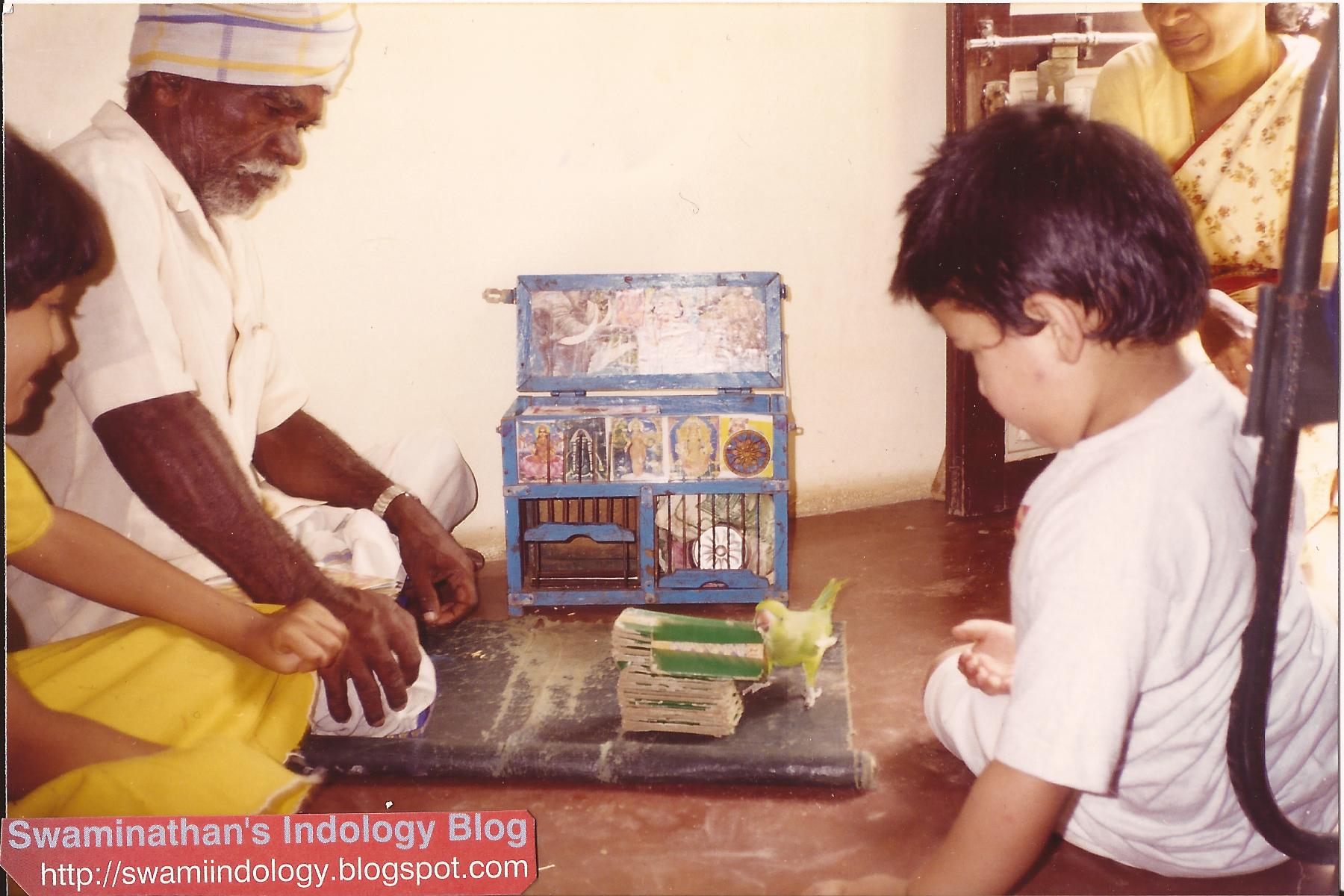
Tamils have novel ways of predicting your future. They listen to lizards and predict what is going to happen. They watch the flight of birds and tell your future. They bring parrots to your door step and the parrot picks up a card to tell what is going to happen at your home, office or school next day! They look at the daily Panchang (almanac) and tell you whether you can travel towards north or south! I have already explained these things in my posts in CAN BIRDS PREDICT YOUR FUTURE? Etc.

Today’s article is about a Rope Trick. It is not a magic like the famous Indian Rope Trick by the magicians. Actually it is a thread trick. What they do is they use a thread to tell you what is going to happen. In Tamil they call it Kayiru Sarrip Parththal meaning using a thread to see (the future).

When you have an unsolvable problem you resort to this technique. I have heard from my friends from other faiths who do the same. When you have a problem and you want a decision from the god then they use this rope or thread prediction.

You hold a holy book in your hand and after deep prayer, you open any page and read what is in it. If there is a positive message then you take it as a YES to your question. If you read anything negative then it says a NO.


Achutha Kalappalar’s Strange Experience

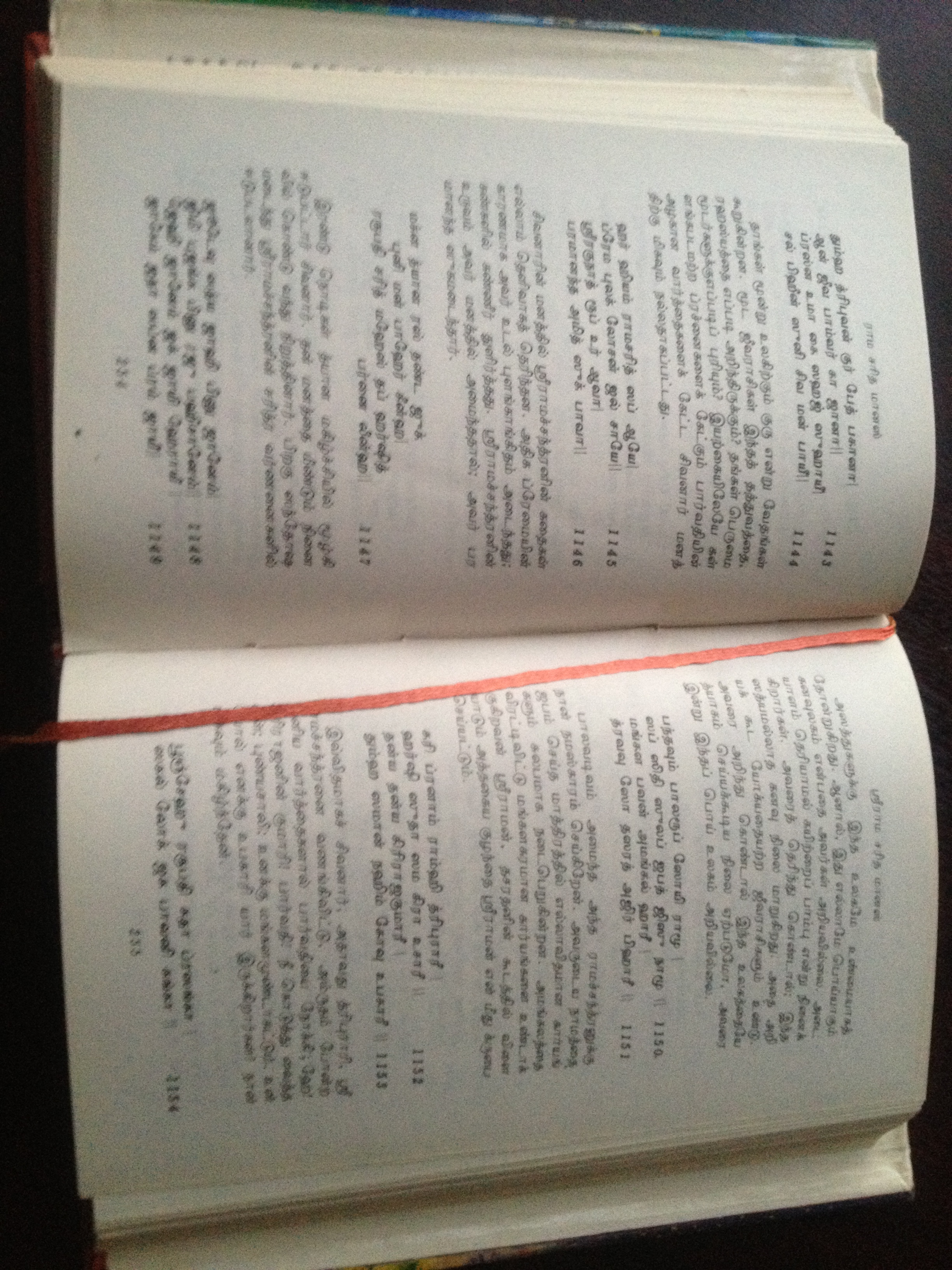
Achutha Kalappalar was born in a Saiva Vellalar family in Thiru Pennadagam in Tamil Nadu,India. He had no issue. He was worried about the future because Hindu scriptures insist that you should have a son to avoid the hell called ‘Puth’. So he went to his Guru (Sanskrit word for teacher) Arul Nandhi Sivachariyar to seek his advice. He asked him to sit in his Puja room and took a thread and inserted in to the book of Thevara Hymns. Thevara hymns were sung by three great Tamil Saivaite saints between 7th and 9th centuries.

book 3

Sivachariyar got  a verse when he opened the page where the thread (rope) was lying. That verse was about the god residing in Thiruven Kadu. It said clearly that those who bathe in the tank will get all including sons. Immediately Sivachariyar told Achutha Kalappalar that he would definitely have a child soon. When he went to Thiru Vena du as directed by his Guru he had a strange dream that he could not get a child in this birth. But he prayed intensely for a child and his prayers were answered in ten months.

Achutha Kalappalar named his new born child Suvethana Perumal.  Paranjothi Munivar who saw the child understtod that the chld was not a normal child and gave a new name Mey Kandar (truth Finder). He wrote the Sutras for the Saiva Siddhantam known as Sivangnana Bodham. Those 12 Sutras (short aphorisms) running to 40 lines are considered the authority for Saiva Siddhanta philosophy.

Tamil Reference: Thirugnana Sambandhar’s Thevaram Hymn referred above:

பேயடையா பிரிவெய்தும் பிள்ளையினோடுள்ள நினை

வாயினவே வரம் பெறுவ ரையுற வேண்டாவொன்றும்

வேயனதோ ளுமைபங்கன் வெண்காட்டு முக்குளநீர்

தோய்வினையா ரவர்தம்மைத் தோயாவாந் தீவினையே


Contact swami_48@yahoo.com

kili-2

Read my earlier posts:

Amazing Powers of the Human Mind

Can Birds Predict your future?

Birds and Gods

ராமர் போற்றிய மஹாத்மா!

6.ராமாயண வழிகாட்டி

அத்தியாயம் – 6     By ச.நாகராஜன்


ராமர் போற்றிய மஹாத்மா!


கார்யே கர்மணி நிர்திஷ்டே யோ பஹூன் யபி ஸாதயேத் I

பூர்வகார்யாவிரோதேன ஸ கார்யம் கர்து மர்ஹதி II


கார்யே –  செய்து முடிக்க வேண்டிய

கர்மணி – ஒரு காரியத்தில்

நிர்திஷ்டே  ஏவப்பட்டபோது

ய: – எவனொருவன்

பூர்வகார்யாவிரோதேன – முதல் காரியத்திற்கு ஒரு கேடுமின்றி

பஹூனி அபி – அனேகங்களையும்

ஸாதயேத் – சாதிக்கின்றானோ

ஸ – அவன்

கார்யம் – காரியத்தை

கர்தும் – செய்து முடிக்க

அர்ஹதி –  திறமை உடையவனாகிறான்


-சுந்தரகாண்டம் 41வது ஸர்க்கம் 5ஆம் ஸ்லோகம்


அனுமான் சீதையை அசோகவனத்தில் கண்டதில் மகிழ்ச்சி அடைகிறார். பின்னர்  மனதில் சிறிது ஆராய்ச்சி செய்கிறார். ‘அஸி தேஷணா இயம் த்ருஷ்டா’ – ‘கருங்கண்ணாளான இந்த சீதை என்னால் கண்டுகொள்ளப்பட்டாள்’ என்று  மகிழ்ந்த அவர், “அரக்கர்களிடம் தண்டம் என்ற நான்காவது உபாயமே செல்லுபடியாகும். ஒரு காரியத்தை முடிக்கின்ற போது அத்துடன் பல காரியங்களையும் சேர்ந்து முடிப்பதே சாலச் சிறந்தது” என்று எண்ணுகிறார்.


சிறந்த வேலைக்காரனின் வழி அல்லது எக்ஸலண்ட் பெர்பார்மன்ஸ் (excellent performance) என்பதை அவர் விவரிக்கும் இந்த ஸ்லோகம் ஒருவர் வாழ்க்கையில் வெற்றி கொள்வதற்கான வழியைச் சுட்டிக் காட்டுகிறது.


சீதை இருக்கும் இடத்தைக் கண்டுபிடிப்பதே அவருக்கு இட்ட பணி.

ஆனால் அவரோ ராக்ஷஸ கிங்கரர்களை வதைத்தார். சுக்ரீவனது ஜெயத்தை கோஷித்தார். பிரஹஸ்தனுடைய மகனான ஜம்புமாலியை வதம் செய்தார். அக்னி ஒளியை உடைய ஏழு மந்திரிகுமாரர்களை வதம் செய்தார். ஐந்து சேனைத் தலைவர்களையும் அக்ஷ குமாரனையும் வதம் செய்தார்.ராவணனை நேருக்கு நேர் சந்தித்து எச்சரிக்கை செய்தார். விபீஷணனையும் இதர மந்திரிமார்களையும் நேரில் கண்டு ராவணனின் பலத்தை நிர்ணயித்தார்.  இலங்கையை எரியூட்டினார். போதாதா, என்ன?


அனுமனை ராமர் போற்றிக் கூறும் இடம் ராமாயணத்தில் யுத்த காண்டத்தில் முதல் ஸர்க்கத்தில் அமைகிறது. 7,8,9 ஆகிய மூன்று ஸ்லோகங்களில் ராமர் கூறுவதைப் பார்ப்போம்:


யோ ஹி  ப்ருத்யோ  நியுக்த: 

ஸன்பர்த்ரா கர்மணி துஷ்கரே I

குர்யாத் த்தனுராகேன

தமாஹு: புருஷோத்தமம் II

(ப்ருத்ய: – வேலைக்காரன்; பர்த்ரா –  தலைவன்/ எஜமானன்)


எந்த ஒரு வேலைக்காரன் தலைவனால் கஷ்டமான ஒரு காரியத்தில் ஏவப்பட்டு அதைக் குறையின்றி செய்வதோடு அநுகூலமான வேறு பல காரியங்களையும் செய்து முடிக்கிறானோ அவனை உத்தம வேலைக்காரனாகச் சொல்வர்.

நியுக்தோ ய:  பரம் கார்யம்

ந குர்யான்ந்ருபதே: ப்ரியம் I

ப்ருக்தோ யுக்த: சமர்த்தஸ்ச

தமாஹுர்மத்யமம் நரம் II


(யுக்த – அனுபவசாலி; சமர்த்த- சாமர்த்தியசாலி;ப்ரியம் –நன்மை விளைவிக்கத் தக்கது) 


எந்த ஒரு அனுபவசாலியும், திறமைசாலியுமான வேலைக்காரன் தலைவனால்  ஒரு காரியத்தில் ஏவப்பட்டு தலைவனுக்கு மேலான மேலும் பல காரியங்களைச் செய்யவில்லையோ அவனை நடுத்தரமான வேலைக்காரன் என்று சொல்வார்கள்.


நியுக்தோ ந்ருபதே: கார்யம் ந குர்யாத்ய: ஸமாஹித:

ப்ருத்யோ யுக்த:  சமர்தஸ்ச  தமாஹு: புருஷாதமம்


எந்த ஒரு அனுபவசாலியும், திறமைசாலியுமான வேலைக்காரன் தலைவனால்  ஒரு காரியத்தில் ஏவப்பட்டு தலைவனுக்குக் குறைந்தபட்ச காரியத்தைக் கூடச் சரியாகச் செய்யவில்லையோ அவனை அதம வேலைக்காரனாகச் சொல்வார்கள்

இப்படி வேலை செய்பவர்களை மூன்று விதமாகப் பிரித்துச் சுட்டிக் காட்டும் ராமர் அனுமனால் ‘பரி ரக்ஷிதா:’ (பேருதவிசெய்யப்பெற்றோம்)

என்று மனம் குளிரக் கூறுகிறார்.


இந்த பேருதவியைச் செய்த அனுமானை மஹாத்மன: (மஹாத்மா)

என்று அவர் புகழ்கிறார். ராமராலேயே மஹாத்மா என்று புகழப்பட்டார்  என்றால் அனுமனின் பெருமையைக் கூறவும் வேண்டுமோ!


அனுமனின் செயற்கரிய செயலுக்கு என்ன கைம்மாறு செய்ய முடியும்? ராமரே,”ஹனூமத: சர்வஸ்வபூதஸ்து ஏஷ பரிஷ்வங்க: து தத்த:”  (ஹனுமானுக்கு எல்லாவற்றிலும் மேம்பட்டதான இந்த ஆலிங்கனம் செய்யப்படுகிறது) என்று கூறி அனுமனை மார்போடு அணைக்கிறார்.


இதை எண்ணும் போது நம் மெய் சிலிர்க்கிறது. இப்படிப்பட்ட ஆச்சரிய புருஷரான  அனுமனை உலக மஹாகவி கம்பன் நன்கு தேர்ந்தெடுத்த சொற்களால் இப்படித்  துதிக்கிறார் :-


அஞ்சிலே ஒன்று பெற்றான் அஞ்சிலே ஒன்றைத் தாவி

அஞ்சிலே ஒன்று ஆறு ஆக ஆரியர்க்காக ஏகி

அஞ்சிலே ஒன்று பெற்ற அணங்கைக் கண்டு அயலாரூரில்

அஞ்சிலே ஒன்றை வைத்தான் அவன்  எம்மை அளித்துக் காப்பான்


ஐந்து பூதங்களில் ஒன்றான வாயு பகவான் பெற்ற மைந்தனான அனுமன் ஐந்து பூதங்களில் ஒன்றான கடல் நீரைத் தாண்டி, ஐந்து பூதங்களில் ஒன்றான ஆகாயத்தை வழியாகக் கொண்டு ஸ்ரீ ராமனுக்காக ஐந்து பூதங்களில் ஒன்றான பூமி பெற்றெடுத்த புதல்வியான சீதையைக் கண்டு ஐந்து பூதங்களில் ஒன்றான தீயை அயல் தேசமான லங்கையில் வைத்தான். அவன் எம்மை அனைத்தும் அளித்துக் காப்பான்  என்பது இதன் பொருள்.


ஐந்து பூதங்களையும் அஞ்சிலே என்ற சொல் சுட்டும் பாங்கு நினைத்து இன்புறுதற்கு உரியது. அனுமனின் சேவையை இதைவிடச் சிறப்பாக  எப்படிச் சொல்ல முடியும்! கம்பனால் மட்டுமே இப்படி முடியும்!


இந்த ஸ்லோகங்கள் சுட்டிக் காட்டும் “பணி செய்வதில் சிறப்பு” என்பதை “யோக: கர்மஸு கௌசலம்” என்று பகவத் கீதையில் (இரண்டாம் அத்தியாயம் 50ஆம் ஸ்லோகம்) கண்ணபிரான் சுருக்கமாகக் கூறி விளங்க வைப்பதையும் எண்ணி மகிழலாம்!

கர்ம யோகி அனுமனிடமிருந்து கர்ம யோகத்தையும் கற்கலாம்!!

*************


Miracles by the Blind & Oldest Organ Donation

Post No. 470

Lord Krishna listening to blind poet Surdas.


Miracles by the Blind & Oldest Organ Donation

God is great. When he shuts one organ he gives more powers to other organs. Hindu scriptures are full of miracle stories by the blind. It gives details about the earliest organ donations as well. The most popular story of eye donation is of a hunter belonging to the scheduled tribe.

Dhinnan was a hunter in Tamil Nadu. One day he went to hunt wild boars. One of the boars was a dodgy animal. It took all his time and energy. When he finished the hunt it was already dark. Next day he was attracted towards a holy place like a magnet attracts iron. It was a Shiva temple. When he went there  he wanted to do the ritual bathing of the Lord. But he was an illiterate and knew nothing about scriptures. So he did the worship in his own way in the temple where a  proper priest was also doing Puja (worship) every day. Dhinnan offered meat pieces to the Lord. When the trained priest saw this next morning he was angry. But he had a dream in the night that he should watch a great devotee next day morning from a hidden place. He did that and saw Dhinnan spitting a mouth full of water on the statue to do Abhishek (ritual bathing) and offered flowers plucked out from his hair. He threw some meat pieces to the Lord.

Lord Shiva wanted to test Dhinnan’s devotion so that the properly trained priest also can see it from his hiding place. Suddenly blood started bleeding from one of the eyes of the Lord. Worried Dhinnan plucked out his eye and applied it to the Lord. When the second eye also started bleeding heavily, Dhinnan plucked out his second eye and applied it to Lord Shiva. Immediately God appeared before him and gave him the name Kan Appan (meaning one who applied eye). He regained his vision in both the eyes by the grace of Lord Shiva. Kannappan (Dhinnan) lived in the fifth century.

Picture shows Kannappa Nayanar placing his foot on Shiva to mark the place for placing the second eye.

Jeevaka’s Eye Operation

There is a similar story that happened in Northern India one thousand years before Kannappan. Jeevakan was a great physician cum surgeon in the days of Buddha. He lived in the Maghada (Bihar) empire during Bimbisaran’s rule(603-551 BC). One of the kings who ruled the north western part of India was Sibi. A blind Brahmin approached him asked for eye donation. The Brahmin asked him because the king had already earned the reputation of a big philanthropist donating any thing you ask for. The king sent a word for Jeevaka and he came and removed both the eyes of the king and fixed them to the Brahmin. This is recorded in the Buddhist chronicles. Both these stories show that the organ donation was in vogue in those days. Big surgeons did eye operations and other surgeries easily.

( I have already explained in my post. Look at the bottom for link)

Story of Upamanyu

Upamanyu was a young student of Vyagrapatha. In those days, students have to live with the teacher (Guru in Sanskrit) for at least 12 years to learn the Hindu scriptures. It is like a residential school. One day Guru asked Upamanyu to take 50 cows for grazing. When he went back to Guru’s house in the night with the cows he was refused dinner for no reason. The kitchen staff told him, ‘It is Guru’s order’. Even after a week, he was hale and healthy doing the same task of cow herding. When the Guru asked him the secret of his good health, he told him he got the food by begging. Guru ordered him to bring all the food to his house. A week passed. Still he was energetic. When the Guru asked the secret of his good health, he told him the cows give him the milk after they fed their young calves. Guru ordered him not to drink the milk any more. He did it as per Guru’s order but drank the milk from the plants. He became blind because it contained poison. He fell in to a disused well on his way home. Guru’s party searched him and ultimately found him in the well. When he was asked to recite the Vedic Mantra on Aswini Dewas, they gave him the eye sight. But he refused to accept it without Guru’s permission. Guru felt very happy about his devotion and loyalty and brought water from the heavenly Soma River and poured it on his eyes. His vision was restored. Thus goes the story in Hindu Mythology. In the ancient India, Gurus gave practical lessons according to the Upanishads. It was more than what a chemistry or physics student can learn in the labs of modern day universities.

Lord Vishnu’s Eye Donation

Thiruvvizimizalai is a small town in Tamil Nadu with a Shiva temple. The resident god is called Nethra Arpaneswarar meaning Eye Donation God. Lord Vishnu was praying here to Shiva to obtain the Sudarsana wheel. It is like Boomerang and will come back to Vishnu after every attack. Vishnu did offer worship with 1000 lotus flowers every day. One day he fell short of one flower. Without any hesitation, he gave his one eye to Lord Shiva. Eye is a synonymous word with lotus in Indian literature. All these stories prove organ donation, Organ transplant and advanced surgery existed in those days. This temple is pretty old and existed at least 1300 years ago.

Miracle by Two Handicapped Tamil Poets

There were two Tamil poets by name Ilam surya and Mudu surya (meaning Junior Sun, Senior Sun). One of them was blind and the other was lame. The lame carried the blind on his shoulder and travelled from one town to another singing the glory of the Lord. When they went to Thiru Amathur in Tamil Nadu they composed some verses and arranged to launch the book at the temple. There was a mistake in the verses rightly pointed out by a scholar in the crowd. The poets sung that the temple is on the western side of the river Pampa. Actually it was on the eastern bank of the river. The crowd teased them saying both of them were not blind! At that time the rain started heavily and the crowd dispersed. In the night the river changed its course due to heavy rain in the hills. When they assembled next day to continue the launching event, they need not correct the verses. The river was running like they sang the previous day!!

Sundarar regained vision

One of the great Four Saivaite saints,Sundarar,  lost vision in one eye and went to Tiruvarur. He begged to Shiva to give him the vision back. He sang a decad there. Immediately he regained his vision in the right eye.

Tamil Reference:

மீளா அடிமை உமக்கே ஆளாய்ப் பிறரை வேண்டாதே

மூளாத் தீப்போலுள்ளெ கனன்று முகத்தால் மிக வாடி…………

Nayana Deeksha (Passing power through eyes)

Hindu goddesses have names with eye: Meenakshi, Kamakshi, Visalakshi, Neelayathakshi, Rudrakshi, Indrakshi etc. It shows that the goddesses always favoured them through their eyes. It is called Nayana Deeksha. A Guru or a god can pass miraculous powers to a devotee just by looking at him or her. Nayana, Akshi are Sanskrit words for eye.

We have got a number of stories about miracles of blind poets like Surdas. We will look at them separately.

Read my previous posts:

1.How did a Pandya King get a Golden Hand?

2.Miracles by the Deaf and Dumb

3.Time Travel by Two Tamil Saints

4.Did Agastya drink the ocean?

5. Great Engineers of Ancient India

6.Amazing Powers of the Human Mind

There are 15 more posts on Miracles by men and animals.

contact london swaminathan: swami_48@yahoo.com

என் சரித்திரம் – 3

பார்த்ததில் ரசித்தது! படித்ததில் பிடித்தது!! – 16

உ.வே.சாமிநாதையரின் என் சரித்திரம் – 3

ச.நாகராஜன்


தமிழர்களின் பெரும் புகழ் கூறும் சிலப்பதிகாரத்தைப் பதிப்பித்த பின்னர் புறநானூறு நூலைத் திருத்தமுறப் பதிப்பிக்கும் முயற்சியில் ஐயர் அவர்கள் ஈடுபட்டார். அதைத் திருத்தமுறை முடித்த அவர் இப்படிப் பெருமிதப்பட்டார்:-


“புத்தகம் முடிந்து பார்க்கும்பொழுது, ‘நானா இவ்வளவும் செய்தேன்!’
என்று எனக்கே பிரமிப்பாக இருந்தது. இறைவன் திருவருளை வழுத்தினேன்.புத்தகத்தின் அமைப்பைப் பார்த்து நண்பர்களெல்லாம் பாராட்டி எழுதினர்.”


புற நானூறைப் பார்த்து மிகவும் மகிழ்ந்த பாண்டித்துரை தேவர் ஐயரை வெகுவாகப் பாராட்டி அடுத்த நூலுக்கென ஐநூறு ரூபாய் வழங்கினார்.

அடுத்து மணிமேகலை ஆராய்ச்சியில் அவர் தீவிரமாக இறங்கினார். புத்த சமயம் பற்றிய கருத்துக்களையும் புத்தரின் வாழ்க்கை வரலாற்றையும் நன்கு ஓர்ந்து பயின்றார். மணிமேகலையில் வரும் நல்ல கருத்துக்கள் அவரை வெகுவாகக் கவர்ந்தன.


அவரே கூறி வியக்கும் சில பகுதிகளைக் காண்போம்:-

“பௌத்த சமயத்தினர் கூறும் நான்கு சத்தியங்களாகிய துக்கம்,
துக்கோற்பத்தி, துக்க நிவாரணம், துக்க நிவாரண மார்க்கம் என்னும்
நான்கையும்,

பிறந்தோ ருறுவது பெருகிய துன்பம்;
பிறவா ருறுவது பெரும்பே ரின்பம்;
பற்றின் வருவது முன்னது; பின்ன
தற்றோ ருறுவ தறிக

என்று மணிமேகலை சுருக்கமாகக் கூறுகிறது. புத்த பிரானைப் புகழும்
பகுதிகள் பல. தயாமூல தர்மத்தைக் கடைப்பிடித்து வாழ்ந்த அவர் திறத்தை நன்கு வெளிப்படுத்தும் அடிகளை நான் படிக்கும்போதெல்லாம் என் உடல் சிலிர்க்கும்.

(புத்தரைத்) ‘தனக்கென வாழாப் பிறர்க்குரியாளன், மாரனை வெல்லும் வீரன்,  தீநெறிக் கடும்பகை கடிந்தோன், பிறர்க்கற முயலும் பெரியோன், துறக்கம் வேண்டாத் தொல்லோன்’ என்பன முதலிய தொடர்களால் பாராட்டி இருக்கிறார் மணிமேகலை ஆசிரியர்.

அன்ன தானத்தைச் சிறப்பிக்கும்,

மண்டிணி ஞாலத்து வாழ்வோர்க் கெல்லாம்
உண்டி கொடுத்தோருயிர்  கொடுத்தோரே

என்ற அடிகள் என் உள்ளத்தைக் கவர்ந்தன.”

பல்வேறு அறிஞர்களை நாடி தகுந்த விளக்கங்களை எல்லாம் பெற்று மணிமேகலை நூல் வெளியிடப்பட்டவுடன் தமிழ் உலகம் வியந்தது,

1897-ஆம் வருஷம் பிப்ரவரி மாதம் மகாமகம் நடந்தது. அப்போது

கும்பகோணத்திற் கூடிய கூட்டம் கணக்கில் அடங்காது. திருவாவடுதுறை  ஆதீனகர்த்தராக விளங்கிய அம்பலவாண தேசிகர் தம்முடைய பரிவாரங்களுடன் கும்பகோணம் பேட்டைத் தெருவிலுள்ள மடத்தில் விஜயம் செய்திருந்தார். பல தேசங்களிலிருந்தும் பிரபுக்களும் வித்துவான்களும் வந்து  கூடினர்.

அப்போது தினந்தோறும் அம்பலவாண தேசிகருடைய முன்னிலையில்வித்துவான்களுடைய உபந்நியாசங்களும் சல்லாபங்களும் நடைபெற்றன. ஒரு நாள் மிகச்சிறந்த வித்துவான்களைப் பூசித்து உத்தம சம்பாவனை செய்வதாக ஏற்பாடாகியிருந்தது. அம்பலவாண தேசிகர் ஆறு ஆசனங்களைப் போடச் சொல்லிப் பிரசித்தமான ஸம்ஸ்கிருத வித்துவான்கள் ஐவரை ஐந்து ஆசனங்களில் அமரச் செய்தார். அவர்கள் அமர்ந்த பிறகு என்னை நோக்கி “அந்த ஆசனத்தில் இருக்க வேண்டும்” என்று ஆறாவது ஆசனத்தைக் காட்டினார். எனக்குத் துணுக்கென்றது. வாழ்நாள் முழுவதும் சாஸ்திரப் பயிற்சியிலே ஈடுபட்டு எழுத்தெண்ணிப் படித்துத் தாம் கற்ற வித்தைக்கே ஒளியை உண்டாக்கிய அந்தப் பெரியவர்கள் எங்கே! நான் எங்கே? நான் யோசனைசெய்து நிற்பதை அறிந்த தேசிகர், “என்ன யோசிக்கிறீர்கள்? அப்படியே இருக்க வேண்டும்” என்றார். “இவர்களுக்குச் சமானமாக இருக்க எனக்குத் தகுதி இல்லையே” என்றேன். தேசிகர், “தகுதி உண்டென்பதை இந்த உலகம் அறியும். இவர்களைப் போன்ற மகா வித்துவான்கள் இந்த நாட்டில் தேடிப்பார்த்தால் ஒருவேளை கிடைத்தாலும் கிடைப்பார்கள். தங்களைப் போல ஒருவர் அகப்படுவது அரிது” என்று அன்பொழுகக் கூறி வற்புறுத்தவே அந்த மகா மேதாவிகளுடைய வரிசையிலே பணிவோடு அமர்ந்தேன். இரட்டைச் சால்வையும் சம்மானமும் பெற்றேன். மணிமேகலையில் மேற்கொண்ட உழைப்பே அந்தப் பெருமைக்குக் காரணமென்று நான் எண்ணி இறைவன் திருவருளை வாழ்த்தினேன்.”


இப்படி உத்தம சம்பாவனையை திருவாவடுதுறை ஆதீனகர்த்தரிடம் பெற்று மகிழ்ச்சி அடைந்தார் ஐயர் அவர்கள்.

வாழ் நாள் முழுவதும் தமிழ்ப் பணியே தன் பணி என்ற சீரிய கொள்கையை மேற்கொண்டு அதற்காகவே வாழ்ந்தார் அவர்.

அவரது வாழ்க்கையை ஊன்றிக் கவனித்தால் உழைப்புக்கும் தியாகத்திற்கும் தகுந்த மதிப்பை அவர் பெறவில்லை என்பதை நாம் நன்கு அறிய முடிகிறது.

மஹாகவி பாரதியாரே தம் கவிதையில் இதை எண்ணி வருந்தி அவருக்கு ஆறுதல் கூறி இருக்கிறார்,

மஹாமஹோபாத்தியாய என்ற விருதை பிரிட்டிஷ் அரசு வழங்கி கௌரவித்ததை ஒட்டி பிரஸிடென்ஸி காலேஜ் மாணவர்கள் ஒரு விழாவிற்கு ஏற்பாடு செய்து அதற்கு மஹாகவி பாரதியாரையும் அழைத்தனர். விழாவிற்கு வந்த பாரதியார் ஐயர் அவர்க்ளைப் போற்றிப் பாடிய பாடலில்,


நிதியறியோம், இவ்வுலகத்தொரு கோடி

இன்பவகை நித்தம் துய்க்கும்

கதியறியோம் என்று மனம் வருந்தற்க

குடந்தை நகர்க் கலைஞர் கோவே!

பொதியமலைப் பிறந்த மொழி வாழ்வறியும்

காலமெலாம் புலவோர் வாயிற்

துதியறிவாய் அவர் நெஞ்சின் வாழ்த்தறிவாய்

இறப்பின்றித் துலங்குவாயே


என்று அற்புதமாகக் குறிப்பிட்டு அவர் நிதியின்றியும் உலகத்தின் கோடி இன்பம் துய்த்தலின்றியும் வாழ்ந்ததை வருத்தத்துடன் நினைவு கூர்கிறார். அதனால் என்ன, பொதியமலை பிறந்த தமிழ் உள்ளளவும் அதைப் பாடும் புலவர் உள்ளளவும் அவர் நா உன் துதி செய்யும் என்று அற்புதமாக வாழ்த்துகிறார்.


அன்னியரே மஹாமஹோபாத்தியாய பட்டம் தருகின்றனர் எனில் முன்னால் இருந்த “அப்பாண்டியர் நாள் இருந்திருப்பின் இவன் பெருமை மொழியாலாமோ” என்று வியக்கிறார்.


தமிழ்த் தாத்தா உ.வே.சாமிநாதையரின் சரித்திரம் மகத்தானது. தமிழர்களுக்கு உத்வேகம் ஊட்டுவது.அனைவரும் படிக்க வேண்டியது!

அன்னாரை நெஞ்சின் ஆழத்திலிருந்து துதி செய்து போற்றுவோம்; அவர் புகழ் பரப்புவோம்!


அற்புதமான ‘என் சரித்திரம்’ நூலை முழுவதுமாக (122 அத்தியாயங்கள் சுமார் 772 பக்கங்கள் அடங்கியது)  ஒரு முறையேனும் தமிழர் என நாமம் கொண்டோர் படிக்க வேண்டும். இணையதளத்தில் அதைக் கட்டணமின்றிப் படிக்கலாம்; இலவசமாக தரவிறக்கம் செய்து கொள்ளலாம்; பிறருக்கும் அனுப்பலாம்.

அதற்கான இணையதளத் தொடர்பு இதோ:-

http://www.tamilvu.org/library/lA471/html/lA471ind.htm

**********************