மனிதர்களே, உங்கள் ஆயுளை நீட்டிக் கொள்ளுங்கள்!

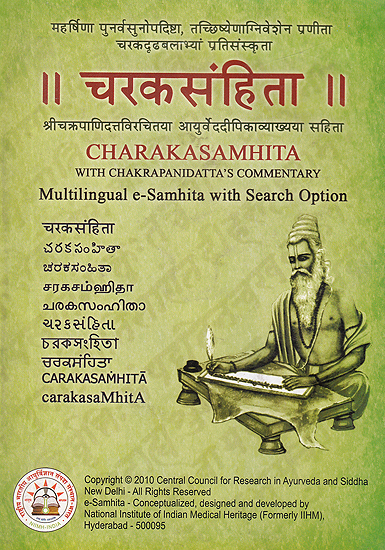
Caraka samhita

ஆயுர்வேத ஆசார்யர் சரகர் – 2
ச.நாகராஜன்

மூன்று மூன்றாகக் கூறப்படும் ஏழு முக்கிய விஷயங்கள்
“ப்ராணைஷணா,தனைஷணா,பரலோகைஷணேதி” என்று மனிதர்களின் மூன்று ஆசைகளை நிர்ணயிக்கும் சரகர் ஏழு விஷயங்களை மூன்று மூன்றாக அழகாகத் தொகுத்துக் கூறுகிறார்.

வாழ்வின் மூன்று ஆதாரங்கள்:- உணவை உட்கொள்ளல், தூக்கம், பிரம்மசர்யத்தை அனுஷ்டித்தல்

மூன்று பலங்கள் :- உடலமைப்பு ரீதியிலான பலம், (பிறப்பிலிருந்தே இருக்கும் உடல் அமைப்பு மன அமைப்பு) தற்காலிகமான பலம். (ஆறு பருவங்களை ஒட்டியும் வயதுக்கேற்பவும் அமைவது), முயன்று ஏற்படுத்திக் கொள்ளும் பலம் (உணவு மற்றும் இதர அம்சங்களான ஓய்வு,உடல் பயிற்சி ஆகியவற்றால் பெறப்படுவது)

வியாதிக்கான மூன்று காரணங்கள்:- இந்திரியங்களை அதிகமாகப் பயன்படுத்தல் (உதாரணமாக கண் என்ற் இந்திரியத்தை மட்டும் எடுத்துக் கொண்டு பார்ப்போம் – ஒளியை அதிக நேரம் உற்றுப் பார்த்தல் போன்றவை), பயன்படுத்தாமலேயே இருத்தல் (எதையும் பார்க்காமலேயே இருந்தால் கண் படைத்த பயனை அடையாமல் இருத்தல் போன்றவை), தவறாகப் பயன்படுத்தல் (பயமுறுத்தும், ஆச்சரியமூட்டும், வெறுப்பைத் தரும், உருக்குலைக்கப்பட்டிருக்கும், எச்சரிக்கையைத் தரும் ஒன்றை மிக அருகிலோ அல்லது தூரத்திலிருந்தோ பார்த்தல் போன்றவை)

வியாதி வரும் மூன்று பாதைகள் :- ஷாகா ( வெளி அமைப்பினால் வருவது – தோல், இரத்தம் போன்றவற்றின் மூலம் வருவது) மர்மஸ்திசந்தயஹ ( பிரதான உறுப்புகள், மூட்டுகள், எலும்புகள் மூலம் வருவது – சிறு நீரகம், இதயம், தலை போன்றவை பிரதான உறுப்புகள்), கோஷ்தா (மைய மண்டலம் மூலம் வருவது – மஹாஸ்ரோதா எனப்படும் பெரும் வழி, சரீர மத்யா எனப்படும் உடலின் மையப் பகுதி, ஆமபக்வாஸய எனப்படும் வயிறு மற்றும் குடல் பகுதி)

மூன்று விதமான வைத்தியர்கள் : – போலி வைத்தியர்கள் (வைத்திய பெட்டி, மருந்துகள் ஆகியவற்றைக் கொண்டிருந்தாலும் வைத்தியம் பற்றிய அறிவே இல்லாதவர்கள்), வைத்தியர் அல்லாதவர்கள் ((செல்வந்தர்கள், புகழ் பெற்றவர்களின் தோழமையைக் கொண்டு வைத்தியர் போல நடிப்பவர்கள்), உண்மையான வைத்தியர்கள் ( நல்ல ஆழ்ந்த வைத்திய ஞானம் பெற்றவர்கள்)

மூன்று விதமான நிர்வாகங்கள் :- ஆன்மீக ரீதியிலான சிகிச்சை, (மந்திரங்களை ஜபிப்பது, ரத்தினக் கற்களை அணிவது, யந்திரங்கள் தாயத்துக்களைப் பயன்படுத்துவது, விரதங்களை அனுஷ்டிப்பது, தானம் செய்வது, உபவாசம், சாஸ்திரங்கள் கூறியவற்றின் படி நடப்பது போன்றவை ) உடலியலை ஆராய்ந்து தர்க்க ரீதியிலான சிகிச்சை (மருந்துகளை உட்கொள்வது போன்றவை), உளவியல் ரீதியிலான சிகிச்சை(மனதை பாதிக்கும் எதிலிருந்தும் மனதை விலக்கி ஆரோக்கியமாக இருப்பது)

மூன்று விதமான சிகிச்சை முறைகள் :- உடல் ரீதியிலான தோஷங்களுக்கு உள்ளுக்குள் மருந்து சாப்பிடுவது, உடலின் வெளிப் பாகங்களில் மருந்தைப் பயன்படுத்துவது, அறுவை சிகிச்சை
ஆக இப்படி சரகரின் விளக்கத்தைப் பார்த்தால் அவர் தொடாத துறைகளே ஆரோக்கியத்தைப் பொறுத்த வரையில் இல்லை என்று ஆகிறது!

எட்டுப் பகுதிகளைக் கொண்ட சரக சம்ஹிதா
சரகரின் ‘சரக சம்ஹிதா’ எட்டு பகுதிகளாகப் பிரிக்கப்பட்டுள்ளது.
1) சூத்ர ஸ்தானம்: ஆரோக்கியத்தைச் சீராகப் பராமரிப்பதோடு வியாதிகள் வராமல் தடுக்கும் வழிமுறைகளும் இந்தப் பகுதியில் 30 அத்தியாயங்களில் விளக்கப்படுகிறது/
2) நிதான ஸ்தானம் : வியாதிகளைக் கண்டறியும் விதத்தை விளக்கும் இது எட்டுப் பகுதிகளைக் கொண்டுள்ளது.
3) விமான ஸ்தானம் : வியாதிகளை ஏற்படுத்தும் உடல் ரீதியிலான காரணங்களை விளக்கும் இது எட்டு அத்தியாயங்களைக் கொண்டுள்ளது.
4) சரீர ஸ்தானம் : உயிர் வாழும் அனைத்தின் பிறப்பு மற்றும் இறப்பு ஆகியவற்றை விளக்கும் இது எட்டு அத்தியாயங்களைக் கொண்டுள்ளது.
5) இந்த்ரிய ஸ்தானம் : நோய் தீர்வதற்கான முன்கணிப்பை விளக்கும் இது 12 அத்தியாயங்களைக் கொண்டுள்ளது.
6) சிகித்ஸா ஸ்தானம் : நோய்களுக்கான சிகிச்சைகளை விளக்கும் இது முப்பது அத்தியாயங்களைக் கொண்டுள்ளது.
7) கல்ப ஸ்தானம் : வாந்தி, பேதி, உள்ளிழுத்தல் சிகிச்சை ஆகியவற்றை விளக்கும் இது 12 அத்தியாயங்களைக் கொண்டுள்ளது.
8) சித்தி ஸ்தானம் : ஒவ்வாமை சிகிச்சைகளை விளக்கும் இது 12 அத்தியாயங்களைக் கொண்டுள்ளது.
இந்த எட்டுப் பகுதிகளும் ஆயுர் வேதம் கூறும் எட்டு கிளைகளை நன்கு விளக்குகின்றன.
சரக சம்ஹிதாவில் சுமார் 8419 செய்யுள்களும் 1111 உரைநடைப் பகுதிகளும் அமைந்துள்ளன.
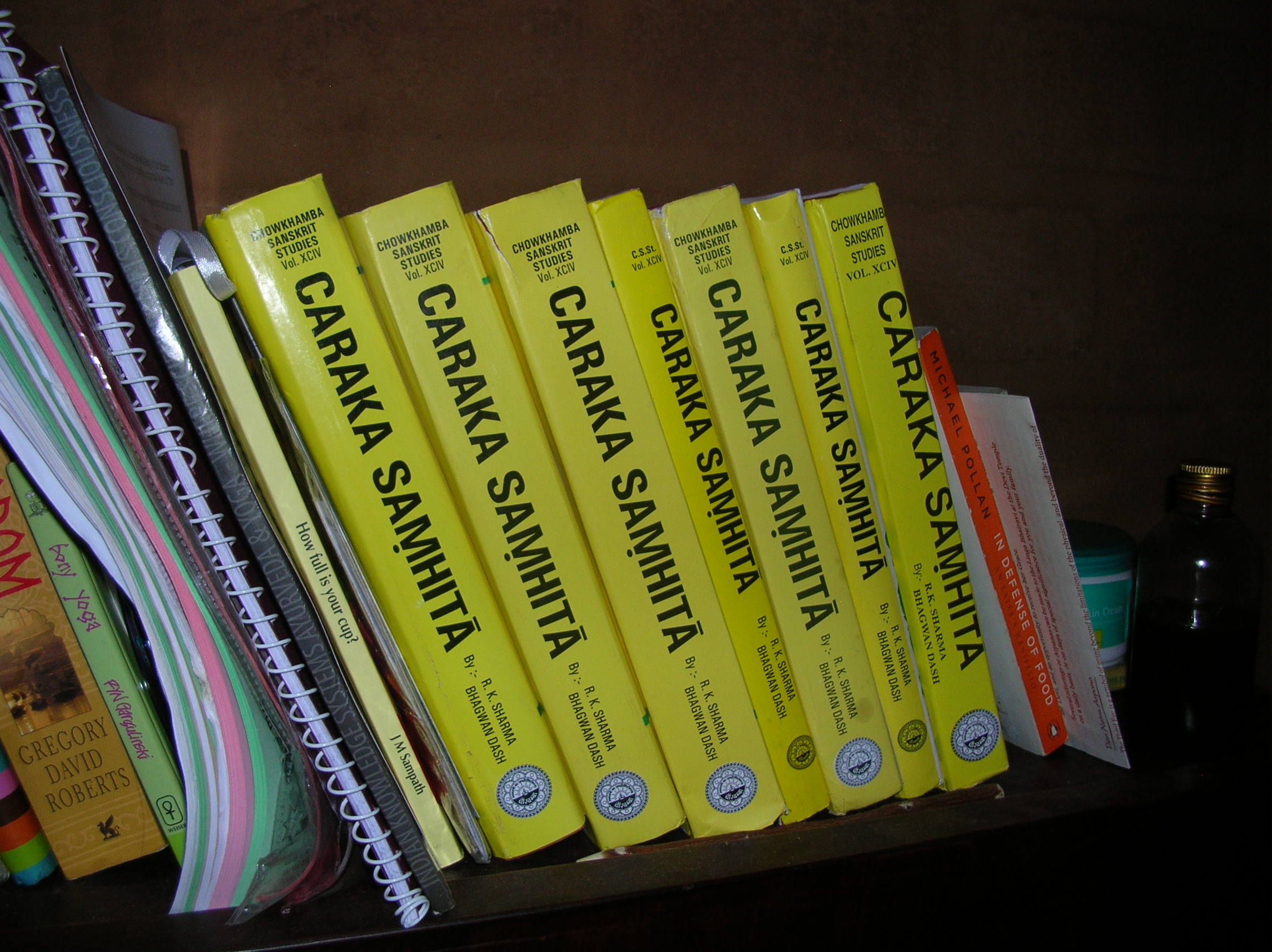
caraka books-003

மணி,மந்திர ஔஷதம்!
மருந்துகள் மூலிகைகள் ஆகியவற்றுடன் சிகிச்சைக்காக மந்திரங்களும் கூட கூறப்படுகின்றன. ஓம் என்ற பிரணவ மந்திரம், விஷ்ணு சஹஸ்ர நாமம் ஆகியவற்றோடு நல்ல பிள்ளைகளைப் பெற்றெடுக்க மந்திரம் சுகமான பிரசவத்திற்கு மந்திரம் என மந்திரங்களும் கூட நூலில் இடம் பெறுகின்றன.

சரகர் ஆங்காங்கு பயணப்பட்டுக் கொண்டே இருந்தவர் என்பதை விளக்கும் விதமாக நூலில் யவனம், சாகம், பாஞ்சாலம், அவந்தி,மலாயா ஆகிய நாடுகள் குறிப்பிடப்படுகின்றன.
ஆரோக்கியம் மேம்படுவதற்கான அனைத்தையும் அதன் காரணங்களுடன் மிக விளக்கமாக எடுத்துக்கூறுவது சரகரின் தனிச் சிறப்பு.

உதாரணமாக பசும்பாலைப் பற்றி அவர் விவரிக்கையில் மன வளத்திற்கும் ஆற்றலுக்கும் பசும்பால் அதன் ஓஜஸ் சக்தியினால் மிகவும் பயனைத் தருகிறது என்று கூறுகிறார்.
பழங்கள், வேர்கள், மூலிகைகள் என அவர் தரும் பட்டியலும் காரணங்களோடு கூடிய விளக்கங்களும் அனைவரையும் பிரமிக்க வைப்பவை.
.
சின்ன உண்மை
உலகம் தற்செயலாகத் தோன்றவில்லை என்று அறுதி படக் கூறும் சரகர் மனிதர்களின் மூன்று ஆசைகளில் முக்கியமான ஆசையாக அவன் நீடித்த ஆயுளை அடைய வேண்டியது முக்கியம் (ப்ராணைஷனா) என வலியுறுத்துகிறார். கஸ்மாத்? ஏன் என அவரே கேள்வியை எழுப்பி “உயிர் முடிந்து விட்டால் அனைத்துமே முடிந்து விடுகிறதே, அதனால்!” என்று பதிலும் அளிக்கிறார்!

Contact:- swami_48@yahoo.com -தொடரும்

Part Two of Charaka Article.
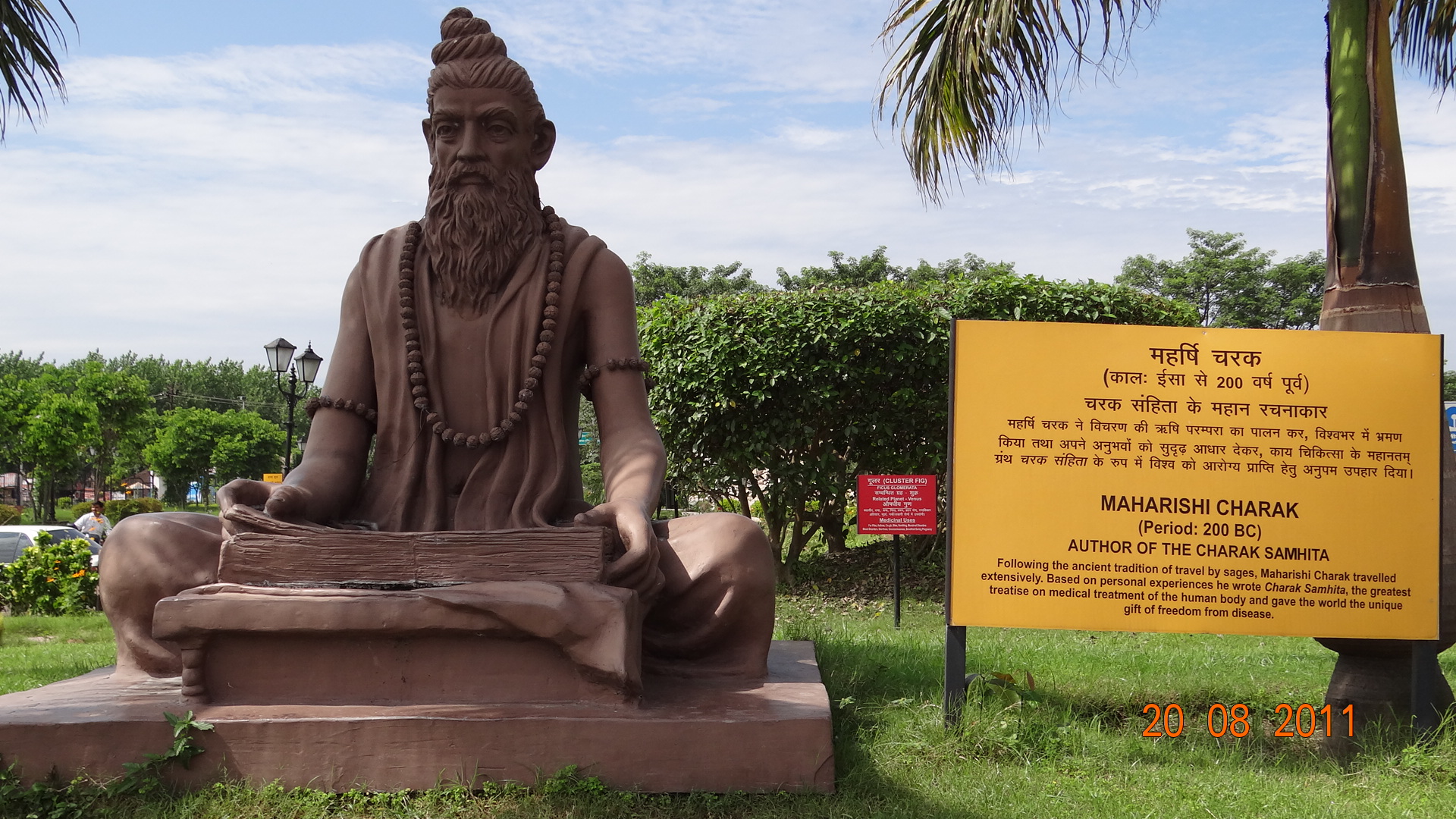
சரக சம்ஹிதை சொல்லும் ரகசியங்கள்

Charak

ஆயுர்வேத ஆசார்யர் சரகர் – 1

By ச.நாகராஜன்

ஆத்ரேயரின் சிஷ்யர் ஆசார்ய சரகர்

பாரத வரலாற்றில் பொன் எழுத்துக்களால் பொறிக்கப்படும் வரலாற்றைக் கொண்டவர் ஆயுர்வேத ஆசார்யர் சரகர். இவரது சரக சம்ஹிதை 120 அத்தியாயங்களைக் கொண்டது. ஏன், 120 அத்தியாயங்கள் என்ற எண்ணிக்கை? ஒரு மனிதனின் பூரண ஆயுள் 120 என்பது சரகரின் தீர்மானமான எண்ணம். ஆகவே தான் 120 அத்தியாயங்களில் 120 வயது வரை எப்படி வாழலாம் என்பதைத் தெளிவாகக் குறிப்பிட்டுள்ளார். இதே போல பேலர், கஸ்யபர் சுஸ்ருதர் ஆகிய ஆயுர்வேத ஆசார்யர்களும் தங்கள் நூல்களை 120 அத்தியாயங்களாகப் பகுத்துள்ளதும் பாரதத்தின் புராதன மஹரிஷிகள் மனிதனுக்கு பூரண ஆயுர்தயா (பூரண ஆயுள்) 120 வருடங்கள் என நிர்ணயித்துள்ளதைச் சுட்டிக் காட்டுகிறது.

சரகரின் ‘சரக சம்ஹிதா’ முழு நூலாக இன்று நம்மிடையே கிடைத்துள்ளது. சரகர் ஆயுர்வேதத்தைப் பரப்பியவர்களுள் முக்கியமான ஒருவர். அத்ரி மஹரிஷியின் மகனான புனர்வசு ஆத்ரேயரின் சிஷ்யராக சரகர் இருந்தார் என்பதும் ஆத்ரேயர் தனது சிஷ்யர்களான பேலர் அக்னிவேசர் ஜாதுகர்ணர் பராசர்ர், ஹரிதர் காஷிரபாணி ஆகியோருக்கு ஆயுர்வேதத்தைப் பயில்வித்தார் என்பதும் செவி வழிச் செய்திகள். இந்த சிஷ்யர்கள் ஒவ்வொருவரும் ஒரு நூலைப் படைத்தனர். அவற்றுள் அக்னி வேசர் எழுதிய நூலே சிறந்தது என்று ரிஷிகள் சொல்லவே அதுவே பிரசித்தி பெற்ற நூலானது. இதை சரகர் செம்மைப் படுத்தினார். ஆகவே சரக சம்ஹிதை என்ற பெயரைப் பெற்றது.

சரகர் கனிஷ்கர் காலத்தவரா?

சரகரின் காலம் சரியாக நிர்ணயிக்கப்பட முடியவில்லை. ஆனால் புராதன சீன ஏடுகளின் மூலம் சரகர் கி.பி ஐந்தாம் நூற்றாண்டைச் சேர்ந்தவராகக் கருதப்படுகிறார்.

கி கா யீ மற்றும் டான் ஐயவோ ஆகிய இரு புத்த துறவிகள் கி.பி. 472இல் ஒரு சம்ஸ்கிருத நூலை மொழிபெயர்த்தனர்.அதன் பெயர் சம்யுக்த ரத்ன பீடக சூத்ரா. சம்ஸ்கிருத மூலச் சுவடிகள் தொலைந்து போயின. ஆனால் மொழிபெயர்ப்பு நூல் மட்டும் கிடைத்துள்ளது. புத்தமத சரித்திரத்தைச் சொல்லும் இந்த நூலில் உள்ள கதைகளில் 16வது கதையில் ஏழாவது அத்தியாயத்தில் பிரசித்தி பெற்ற அரசனான தேவபுத்ர கனிஷ்கரின் பெயர் இடம் பெறுகிறது.கனிஷ்கரின் மிக நெருங்கிய நண்பர்கள் மூவர். அஸ்வகோஷர் போதிசத்வர்,பிரதம மந்திரி மாதரர் மற்றும் சரகர். இவர்கள் மூவரும் இணைபிரியாமல் மன்னருடனேயே இருப்பார்கள். ஆக கனிஷ்கர் காலத்தில் சரகர் வாழ்ந்தார் என்று அறிஞர்கள் கூறுகின்றனர்.

ஆனால் இந்த வாதத்தை மறுக்கும் அறிஞர்கள் சரகர் கிறிஸ்து பிறப்பதற்கு முன் பல நூற்றாண்டு காலம் முன்னதாக வாழ்ந்தவர் என்று உறுதி படக் கூறுகிறார்கள். ஆத்ரேய மஹரிஷியின் காலத்தை பல நூற்றாண்டுகாலத்திற்கு முன்பேயே நிர்ணயிக்க வேண்டியிருப்பதால் சரகரின் காலமும் மிக மிக முற்பட்டதாக இருக்க வேண்டும் என்பது இவர்களின் வாதம்.

சரகர் என்றால் சுற்றுபவர் என்று பொருள்

சரகர் என்றால் சுற்றிக் கொண்டிருப்பவர் என்று பொருள். ஆகவே இவர் இடம் விட்டு இடம் பயணப்பட்டுக் கொண்டே இருந்து பரந்த அனுபவத்தைப் பெற்றவர் என்றாகிறது.

சரக சம்ஹிதை சொல்லும் ரகசியங்கள்

ஆயுர்வேதம் என்றால் என்ன, ஒரு மருத்துவரின் குணாதிசயங்கள் எப்படி இருக்க வேண்டும், வாழ்க்கை முறை எப்படி இருக்க வேண்டும், நீடித்த பூரண ஆயுளுக்கு ஒரு மனிதன் என்ன செய்ய வேண்டும், எது பூரண உணவு, பஞ்ச மஹா பூதங்களும் அதனால் நமக்கு ஏற்படும் பலாபலன்களும் என்னென்ன,மூன்று தோஷங்களான வாத, கப, பித்தம் என்றால் என்ன, மூலிகைகள் யாவை அதனால் ஏற்படும் பயன்கள் யாவை, மருந்தை எப்படி உட்கொள்ள வேண்டும், ஒரு வியாதியை எப்படி குணமாக்க வேண்டும் என்பது உள்ளிட்ட ஏராளமான விஷயங்களையும் மனித உடல் பற்றிய அரிய ரகசியங்களையும் சரக சம்ஹிதை நன்கு விளக்குகிறது.

சரகரின் மூன்று ஆசைகள்

சரகர் மூன்று ஆசைகளை வெளியிடுகிறார் : 1) வாழ்வதற்கான உறுதி, 2) வளம் பெறுவதற்கான ஊக்கம், 3) இந்த உலகை விட மேம்பட்ட ஒன்று ஆகியவற்றை ஒவ்வொருவரும் அடைய வேண்டும் என்பதே அவரது ஆசை.

எதையும் மூன்று மூன்றாகச் சொல்வது அவர் பாணி. நன்கு எளிதாக நினைவில் இருத்திக் கொள்வதற்காக இந்த மூன்று மூன்றாகச் சொல்லும் சூத்திர பாணியை அவர் கையாண்டாரோ என்று எண்ணம் சரக சம்ஹிதையைப் படிக்கும் அனைவருக்கும் தோன்றும்.

சின்ன உண்மை
கருவிலிருக்கும் ஒரு குழந்தை ஆணா அல்லது பெண்ணா என்பதைத் துல்லியமாக நிர்ணயிக்கும் விதத்தை சரகர் தெளிவாக விளக்கியுள்ளார்!
-தொடரும்
Published in September 2013 issue of Healthcare monthly (Tamil magazine).

CONTACT:- swami_48@yahoo.com

Most Amazing thing in the World!!

word_amazing

What is the most amazing in the world? Great men of India think alike!

Vyasa has answered this question through Dharma/Yudhistra in Mahabharata. This is one of the last four questions asked by the Yaksha (Spirit in the trees) in the Yaksha Prasna. Yudhistra answered:
Yudhisthira: The most amazing thing is that even though every day one sees countless living entities dying, he still acts and thinks as if he will live forever.

Great Tamil saint Tiruvalluvar also dealt with this subject (couplet 336):

The one, who was here yesterday, is no more today and
That is a matter of great wonderment, in this world

A man is here one day and is not here next day; that is the special significance of life on earth.

amazing 2
Lord Krishna talks about the wonderful thing in the spiritual world:

One looks upon Him as a marvel, another likewise speaks of Him as a marvel; another hears of Him as a marvel; and even after hearing no one whatsoever has known Him! (Bhagavad Gita 2-29)
Among thousands of men scarcely one strives for perfection and of those who strive and succeed, scarcely one knows Me in truth (Bhagavad Gita 7-3)

Kalidasa in Raghuvamsa (8-87)

Kalidas in Raghuvamsam says: For to the one that is born death is certain. Living is the unexpected one. If a living being lives for even a single second, that is a bonus!

Kanchi Paramacharya (Sri Chandrasekarendra Saraswati)

Kanchi Shankaracharya in his Madras talk on 15-10-1932 says: A great man has spoken about the wonder in the world. He says the most amazing in the world is the life breath inside one body. Even though there are nine holes to escape still the life is inside the body! Is there a more wonderful thing in the world?

Navadware sarire asmin ayu: vasathi santhatham
Jeevath adhiadbutham thathra gachathithi kimadbhutham

Amazing_Words

Please read my earlier posts:
1.மாநுடப் பிறவி அரிது! அரிது!!
2.‘Jantunam Narajanma Durlabatha:’ -Human Birth is difficult to obtain

Contact for the list of 700+ articles swami_48@yahoo.com

உலகிலேயே எது பெரிய அதிசயம்? எது ஆச்சர்யம்?

word_amazing

கிருஷ்ணா உலகிலேயே ஆச்சர்யமான விஷயம் எது?

“ஆச்சர்யவத் பச்யதி கச்சிதேனம் ஆச்சர்யவத் வததி ததைவ சான்ய:
ஆச்சர்யவச்சைன-மன்ய: ச்ருணோதி ச் ருத்வாப்யேனம் வேத ந சைவ கச்சித்
(பகவத் கீதை 2-29)

மநுஷ்யாணாம் ஸஹஸ்ரேஷு கச்சித்- யததி சித்தயே
யததாமபி சித்தானாம் கச்சின் -மாம் வேத்தி தத்வத:
(பகவத் கீதை 7-3)

பொருள்: எவனோ ஒருவன் இதை ஆச்சரியம் போல் காண்கிறான். அவ்வாறே மேலும் ஒருவன் ஆச்சரியம் போல் பேசுகிறான். மற்றும் ஒருவன் ஆச்சரியம் போல் கேட்கிறான். எவனும் கேட்டும் இதை அறியவே இல்லை (2-29). மனிதர்களில் ஆயிரத்தில் ஒருவன் சித்தி பெற முயற்சிக்கிறான். அப்படி முயற்சி செய்யும் சித்தர்களில் யாரோ ஒருவன் என்னை உண்மையில் உணர்கிறான் (7-3)

வள்ளுவரே உலகிலேயே ஆச்சர்யமான விஷயம் எது?

நெருநல் உளனொருவன் இன்றில்லை என்னும்
பெருமை உடைத்து இவ்வுலகு
(திருக்குறள் 336)

பொருள்: நேற்று இருந்தவன் இன்று உயிருடன் இல்லை என்று கூறப்படும் பெருமை கொண்டு விளங்குகின்றது இந்த உலகம்.

amazing 2

காளிதாசரே உலகிலேயே ஆச்சர்யமான விஷயம் எது?

மரணம் ப்ரக்ருதி சரீரிணாம் விக்ருதி ஜீவிதம் உச்யதே புதை:
க்ஷணமப்யவதிஷ்டதே ஸ்வசன்யதி ஜந்துர்நனு லாபவானசௌ
(ரகுவம்சம் 8-87)

பொருள்: உடல் எடுத்த பிராணிகளுக்கு மரணமானது இயற்கையானது; பிழைத்திருப்பதுதான் எதிர்பாராதது என்று அறிஞர்கள் சொல்லுகிறார்கள். பிராணியானது ஒரு கணமேனும் ஜீவித்திருக்குமாயின் இப் பிராணிக்கு பெரிய லாபம்தான்!!

வியாசரே உலகிலேயே ஆச்சர்யமான விஷயம் எது?

மஹாபாரதத்தில் யக்ஷப்ரஸ்னத்தில் பேய் கேட்ட கடைசி நான்கு கேள்விகளுள் ஒன்று: உலகிலேயே அதிசயமான விஷயம் எது?

தர்மர் சொன்ன பதில் (வியாசரின் சொற்களில்):

எவ்வளவோ உயிர்கள் தினமும் இறக்கின்றன. இதைப் பார்த்த பின்னரும் ஒவ்வொருவனும் என்றும் வாழப் போகிறோம் என்று நினைத்து செயல்படுவதுதான் உலகிலேயே மிக ஆச்சரியமான விஷயம்.

Amazing_Words

காஞ்சி பரமாச்சார்யார் சொன்ன அதிசயம்
15-10-1932 சென்னை உபந்யாசம்:

ஒரு பெரியவர் ஒரு பெரிய ஆச்சரியத்தைச் சொல்லுகிறார். நாம் எல்லாம் மரணம் அடைவது ஆச்சரியம் அல்ல. இந்த உடம்பிலுள்ள ஒன்பது ஓட்டைகளுக்குள்ளே உயிரானது போகாமல் நிற்கிறதே அதுதான் பெரிய ஆச்சரியம் என்று அவர் சொல்லி இருக்கிறார்:

நவத்வாரே ஸரீரே அஸ்மினாயு:வசதி சந்ததம்
ஜீவதியத்புதம் தத்ர கச்சதீதி கிமத்புதம்

Please read my earlier posts:

1.மாநுடப் பிறவி அரிது! அரிது!!
2.‘Jantunam Narajanma Durlabatha:’ -Human Birth is difficult to obtain

700 கட்டுரைகளின் பட்டியலுக்கு தொடர்புகொள்ள
Swami_48@yahoo.com

Aryan, Non Aryan Issue in Murder Attack in Britain!

John-Miller-partner-Sarah
Picture of Sarah Laycock

The Aryan Race theory killed over twenty million people in the Second World War because Hitler wrote that only pure Aryans were fit to live. He used Hindu Swastika in his postage stamps and his flags. I have already written about it with pictures in a few posts recently (Please see the titles at the bottom of this post).

White Christian scholars and the Tamil Dravidian political parties and fake Tamil scholars misused this theory to improve their power and wealth, divide India and destroy Hinduism. Now the London news papers published a news story yesterday with the heading: Racist Killed family but spared ‘Aryan’ daughter. The phantom created by the white men is still chasing them! Here is the story from London Metro News paper:
Leeds,UK:- A RACIST father killed his partner and daughter in an axe and knife attack—but spared his youngest child because she was ‘a pure Aryan’.

John Miller, 38, stabbed partner Sarah Laycock 19 times then hit her in the face four times with an axe.
He then turned his attention to eight year old daughter Abigail, who put up a brave fight but was killed with a wound to the neck.

After carrying out the savage attack, the jealous and controlling father left daughter Amelia, four for at least 12 hours in a house with the bodies of her mother and sister.
A court heard the youngest is so terrified of her father she now asks her relatives, “What is the size of the padlock on daddy’s door?”

Miller, a cannabis user, carried out the killings during a psychotic episode, a court heard.
He denied murder but admitted manslaughter on the grounds of diminished responsibility and was jailed for life at Leeds crown court yesterday. Mr Justice Coulson ordered Miller, a member of the British National Party, to serve a minimum of fifteen years in prison.

In his interview Miller said he had thrown Sarah down the stairs before attacking her. After being arrested he made ‘overtly racist’ remarks, claiming that all people with brown eyes had ‘muddied the gene pool’
(Full report is in British News papers)

My comments: Even the British news papers call the people RACIST if they use the word ‘Aryan’ in an attack. But Indian “scholars” still use the term in research papers!!! Hitler’s Nazi party also published leaflets saying that Pure Aryans will have blue eyes!!

Please read my earlier posts on this issue:
1.Aryan Hitler and Hindu Swastika
2.Are these customs Aryan or Dravidian?
3.Were Moses and Jesus ‘Aryans’? (Part 2)
4.Were Moses and Jesus ‘Aryans’?
5.Who are Dravidians?

6.ஆரிய சப்பாத்தியும் திராவிட தோசையும்
7.ஆரிய ஹிட்லரும் ஹிந்து ஸ்வஸ்திகாவும்
8.ஆரியமா? திராவிடமா? நீங்களே சொல்லுங்கள்!
9.திராவிடக் காகமும் ஆரியக் கொக்கும் !
10.திராவிடர்கள் யார்?
11.தொல்காப்பியத்தில் வருணன்
12.தொல்காப்பியத்தில் இந்திரன்

இயற்கை போதிக்கும் 13 பாடங்கள்

Mute_swan_Vrhnika

இயற்கையில் 13 ‘குரு’க்கள்

இந்து சந்யாசிகள் வாழ்நாள் முழுதும் பாடம் கற்கும் மாணவர்கள். அவர்கள் எதிலிருந்தும் பாடம் கற்பார்கள், எப்போழுதும் பாடம் கற்பார்கள். உயர்திணை, அஃறிணை என்று வேறுபாடு பார்க்காமல் மிருகங்கள், பறவைகள், ஜடப் பொருட்கள் ஆகிய எல்லாவற் றிலிருந்தும் போதனை பெறுவார்கள். எதையும் ஆக்கபூர்வமாகவே அணுகுவார்கள். இது இன்று நேற்று தோன்றியதல்ல. வேத காலத்திலேயே துவங்கிய வழக்கம் இது. உபநிஷத்தில் ஒரு அருமையான கதை உள்ளது.

தேவர்கள், அசுரர்கள், மனிதர்கள் மூவரும் உபதேசம் பெறச் சென்றார்கள். வானத்தில் இடி முழக்கம் கேட்டது. த…த….த… என்ற சப்தத்தோடு இடி உறுமியது. உடனே பிரஜாபதி, “என்ன? புரிந்து கொண்டீர்களா?” என்று தேவர்கள், அசுரர்கள், மனிதர்கள் ஆகிய மூன்று குழுக்களையும் கேட்டார். அவர்கள் “ஆமாம், ஆமாம் நன்றாகப் புரிகிறது” என்றனர். “த என்றால் தம்யத” என்றனர் தேவர்கள். எப்போதும் இன்பம் அனுபவிக்கும் அவர்களுக்குத் தேவையானது தன்னடக்கம் (தம்யத). “த என்றால் தானம்” என்றனர் மனிதர்கள். சுயநலமிக்க மனிதர்களுக்குத் தேவையானது கொடுக்கும் குணம். “த என்றால் தயை” என்றனர் அசுரர்கள். ஈவு இரக்கம் இல்லாத அசுரர்களுக்குத் தேவையானது தயை (கருணை). இந்தக் கதை 3000 ஆண்டுகளுக்கு முன் எழுந்த பிருஹத் ஆரண்யக உபநிஷத்தில் இருக்கிறது.

இதற்குப் பின்வந்த பாகவத புராணத்தில் தத்தாத்ரேய மஹரிஷி, இயற்கையில் காணும் பறவை, மிருகங்கள் ஆகியவற்றிலிருந்து தான் அறிந்த விஷயங்களை எழுதினார். இந்த இரண்டு கதைகளையும் ஆங்கிலத்தில் ஏற்கனவே எழுதியுள்ளேன். இதே போல, தமிழில் உள்ள விவேக சிந்தாமணி என்ற நூலில் பல பாடல்கள் உள்ளன. பர்த்ருஹரியின் நீதி சதகம் பாணியில் அமைந்த இந்த நூலை எழுதியது யார் என்று தெரியவில்லை. இந்த நூலில் உள்ள பெண்கள் எதிர்ப்புப் பாடல்கள் பலருக்கும் தெரிந்திருக்கும். தமிழ்த் திரைப்படம் ஒன்றில் “கோல மாமத யானையை நம்பலாம், சேலை கட்டிய மாதரை நம்பாதே” என்ற சினிமாப் பாடல் இந்த நூலில் உள்ளதுதான்.

மற்றொரு பாடலில் கீழ்கண்ட 13ம் புவியோர் போற்றும் ஈசனுக்கு இணையானது என்று பாடுகிறார். இதற்கு விளக்கம் என்ன என்று ஆசிரியர் கூறாவிட்டாலும், இலக்கிய விமர்சகர்கள் எழுதி வைத்துள்ளனர். இதோ அந்தப் பாடல்:

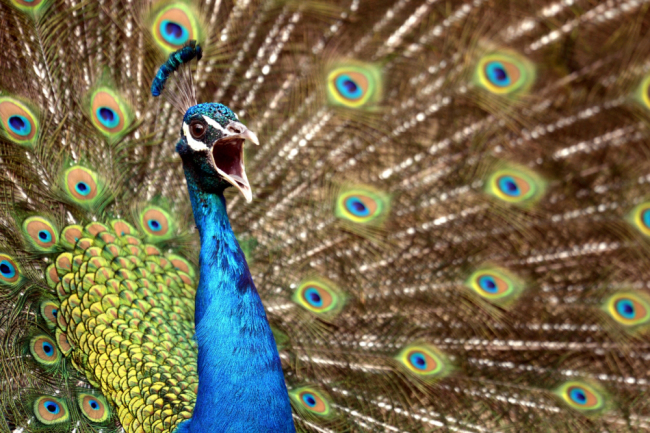
angry peacock,Duisberg, Germany

“மயில் குயில் செங்கால் அன்னம்
வண்டு கண்ணாடி பன்றி
அயில் எயிற்று அரவு திங்கள்
ஆதவன் ஆழி கொக்கோடு
உயரும் விண்கமலம் பன்மூன்று
உறுகுணம் உடையோர் தம்மை
இயலுறு புவியோர் போற்றும்
ஈசன் என்று எண்ணலாமே!

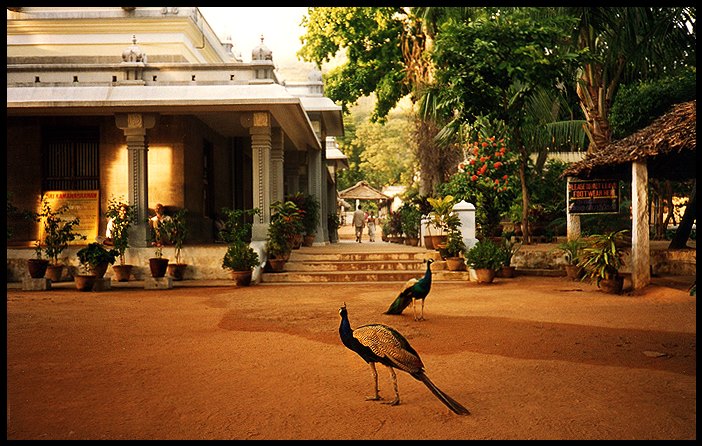
மயில்: நல்லவரை ஏற்று பொல்லாதவர்களை ஒதுக்கும் குணம்
குயில்: எப்போதும் இனிமையாகப் பேசல்
அன்னம்: பாலையும் தண்ணீரையும் வைத்தால் பாலை மட்டும் பிரித்தெடுப்பதுபோல நல்லவற்றைப் பகுத்து ஏற்றல் (தமிழ், வடமொழி இலக்கியங்களில் அன்னப் பட்சிக்கு இப்படி ஒரு அபூர்வ குணம் இருப்பதாக எழுதி வைத்துள்ளனர்)
வண்டு (தேனீ): மற்றவர்களுக்காக இடையறாது உழைக்கும் பண்பு
கண்ணாடி: முன்னால் உள்ள அனைத்தையும் கிரகிக்கும் தன்மை
பன்றி: சாக பட்சிணி (வெஜிட்டேரியன்)
B_Id_411194_manasa-goddess-1

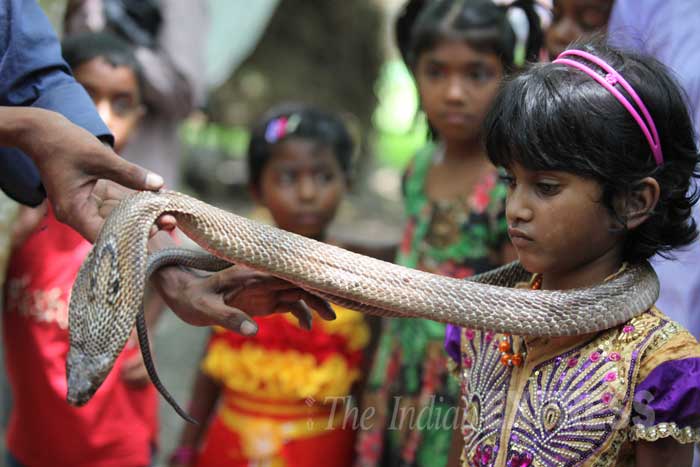
பாம்பு: மகுடத்தில் ரத்தினம் உடைய பெருமை உடைத்து
சந்திரன்: எல்லோருக்கும், பலனை எதிர்பார்க்காமல், குளிர்ச்சியான கிரணங்களை வீசும் குணம்
சூரியன்: எல்லோருக்கும் சக்தியும் பாதுகாப்பும் கொடுக்கும் குணம்
கடல்: எங்கும் பரந்து விரிந்தது, பிரம்மாண்டமான தோற்றம்
கொக்கு: காரியத்தை அடையும் வரை பொறுமையுடன் காத்திருத்தல்
ஆகாயம்: எல்லாவற்றையும் தன்கீழ் வத்திருக்கும் பெருமை
தாமரை: பார்க்கத் தெவீட்டாத அழகு

?????????????????????????????

இப்பேற்பட்ட குணங்களை உடையவை என்பதால் இந்த 13-ஐயும் மக்கள் போற்றும் இறைவனுக்கு சமமானவை என்று அழைக்கலாம் என்கிறது விவேக சிந்தாமணி.

எதிலும் நல்லதையே காணும் ‘பாஸிட்டிவ்’ அணுகுமுறையை இப் பாட்டில் காணலாம்.
உபநிஷத்தும், பாகவதமும், விவேக சிந்தாமணியும் கூறும் கருத்தை 100 ஆண்டுகளுக்கு முன் வாழ்ந்த வோர்ட்ஸ்வொர்த் என்ற ஆங்கிலக் கவிஞனும் பாடியிருக்கிறான். “புத்தகங்களைத் தூக்கி எறிந்துவிட்டு வெளியே வந்து இயற்கை இன்பத்தை அனுபவியுங்கள். வானம் பாடியின் பாட்டைக் கேளுங்கள். எல்லா முனிவர்களும் போதிக்கும் விஷயங்களைவிட கூடுதலாக ஞானம் பெறுவீர்கள் என்பது அவர் தரும் செய்தியாகும்.

archduke joseph diamond

William Wordsworth echoes this in these lines:

“And hark! how blithe the throstle sings!
He, too, is no mean preacher:
Come forth into the light of things,
Let Nature be your teacher”
“One impulse from a vernal wood
May teach you more of man,
Of moral evil and of good,
Than all the sages can”.

சிட்டுக் குருவியிடம் பாரதி கற்ற பாடத்தையும் ஏற்கனவே ஒரு கட்டுரையில் எழுதியிருக்கிறேன்.
Read my earlier posts :

1.The connection between William Wordsworth and Dattatreya (posted on 10 November 2011).

2.G for Ganga…..Gayatri….Gita….. Govinda…….. (For Upanishad parable about Da..Da…da)

3.சிட்டுக்குருவி,சிட்டுக்குருவி சேதி தெரியுமா? (in Tamil)

700 கட்டுரைகள் பட்டியலுக்குத் தொடர்பு கொள்க: swami_48@yahoo.com

bees

13 Saints in Nature!

malar thamarai

By London Swaminathan

Hindu saints learn from everything. They learn good lessons from abstract and concrete things. They learn from birds and animals, from hills and rivers and insects and worms. This type of learning started in the Vedic days. I have already written about what the Devas, Demons and Humans learnt from the Da,Da,Da sound from the Thunder. It is a parable in the Upanishad. I have also written about the connection between Dattareya and William Wordsworth two years ago (Dattatreya episode is in Bhagavatham).

The motto is LET NATURE BE YOUR TEACHER.

Now I give below an interesting poem by an anonymous author. Sri Adi Shankara is the author of Viveka Chudamani in Sanskrit. He also gives lot of similes from Nature to elucidate Advaita. There is another book in Tamil titled ‘Viveka Chintamani’. We don’t know the author of Viveka Chintamani in Tamil. It is not a religious scripture; it is secular. It is modelled on the Bhartruhari Neeti Satakam. We read a lot of Anti Women verses in it. One song has become a famous Tamil film song: Selai kattiya maatharai nambaathe!= Don’t trust saree clad women!

Apart from the three or four anti women verses there are lots of words of wisdom in these verses. One such verse is about 13 Saints in Nature. The anonymous author had followed Bhagavatham (in Sanskrit) in it. Like Dattareya, he sees divinity in Nature. Immediately we are reminded of William Wordsworth’s poem “Up Up My Friend and quit your Books” where we come across his famous line “Let Nature Be Your Teacher”.
Now I quote the Tamil verse from Viveka Chintamani:

bees

“Those who have the virtues of the following thirteen can be regarded as the deities worshipped by the people”: (The author did not give any reason, but the commentators have given the virtues found in them:

1.Peacock:- Avoid those who give you trouble and accept only good.
2.Cuckoo:- Be always sweet
3.Swan:- Take that is useful and leave out the useless (swans are said to have the power of separating milk from water).
4.Bee:- work for others without stopping.
5.Mirror: -Whatever you see, grasp them in full.
6.Pig:-Be a vegetarian
7.Snake:-Keeping a crown jewel (Nagaratnam); keep valuable and feel proud
8.Moon:- Giving cool light to everyone without expecting nothing; selfless service
9.Sun:- Giving energy to the people of the world to protect them
10.Ocean:- Boundless glory
11.Heron:- Be patient and achieve your goal
12.Sky:- Omnipresent; keeping all under it
13Lotus:-A Thing of beauty is joy for ever.

kokku
William Wordsworth echoes this in these lines:

“And hark! how blithe the throstle sings!
He, too, is no mean preacher:
Come forth into the light of things,
Let Nature be your teacher”

“One impulse from a vernal wood
May teach you more of man,
Of moral evil and of good,
Than all the sages can”.

Read my earlier posts :
1.The connection between William Wordsworth and Dattatreya (posted on 10 November 2011).
2.G for Ganga…..Gayatri….Gita….. Govinda…….. (For Upanishad parable about Da..Da…da)

tiruvannamalai

The Viveka Chintamani verse In Tamil:

மயில் குயில் செங்கால் அன்னம்
வண்டு கண்ணாடி பன்றி
அயில் எயிற்று அரவு திங்கள்
ஆதவன் ஆழி கொக்கோடு
உயரும் விண்கமலம் பன்மூன்று
உறுகுணம் உடையோர் தம்மை
இயலுறு புவியோர் போற்றும்
ஈசன் என்று எண்ணலாமே!

Contact swami_48@yahoo.com

தீரர்கள் நியாயமான வழியை விட்டு பிறழ மாட்டார்கள்!

vivekananda

சம்ஸ்கிருத செல்வம் by ச.நாகராஜன்–அத்தியாயம் 18

தீரர்கள் நியாயமான வழியை விட்டு பிறழ மாட்டார்கள்!
ஸ்வாமி விவேகானந்தரை அவரது சிஷ்யர் ஒருவர் சந்தித்து 1898ஆம் ஆண்டு பிப்ரவரி மாதம் உரையாடிக் கொண்டிருந்தார். அப்போது ஸ்வாமிஜியின் அமெரிக்க அனுபவங்களைப் பற்றி விரிவாகக் கேட்டுக் கொண்டிருந்தார். வெறி பிடித்த கிறிஸ்தவர்கள் உங்களை எதிர்க்கவில்லையா என்று அவர் ஸ்வாமிஜியைக் கேட்க ஸ்வாமி விவேகானந்தர் பதில் கூறினார் இப்படி:

“என்னைப் பற்றிய அவதூறுகளை பாதிரிகள் பரப்பினார்கள்.ஆனால் அதைப் பற்றி நான் சிறிதும் கவலைப்படவில்லை.வஞ்சகத்தினால் உலகில் எந்தப் பெரிய காரியமும் நடைபெறாது.ஒரு வீட்டில் என்னை அழைப்பார்கள்.அங்கே நான் செல்வதற்கு முன்னமேயே என்னைப் பற்றிய அவதூறுகள் பரப்பப்பட்டிருக்கும்.அந்த வீட்டிற்குச் சென்றால் அது பூட்டப் பட்டிருக்கும். சில நாள் கழித்து உண்மையை அறிந்து அவர்களே மீண்டும் வந்து மன்னிப்புக் கேட்பார்கள். சிஷ்யர்களாக ஆவர்.”

இதைக் கூறிவிட்டு ஸ்வாமிஜி பர்த்ருஹரியின் ஸ்லோகம் ஒன்றை எடுத்துக் கூறினார். அது இது தான்:-

நிந்தந்து நீதி நிபுணா: யதிவாஸ்து வந்து
லக்ஷ்மீ: ஸமாவிசது கச்சதுவா யதேஷ்டம் I
அத்யைவ வா மரணமஸ்து யுகாந்தரேவா
ந்யாய்யாத் பத: ப்ரவிசலந்தி பதம் நதீரா: II

பர்த்ருஹரியின் நீதி சதகத்தில் 74வது ஸ்லோகம் இது!

நீதி நிபுணா – நீதியில் நிபுணர்களாக விளங்குவோர்
நிந்தந்து – நிந்தித்தாலும் நிந்திக்கட்டும்
யதிவாஸ்து வந்து- அல்லது ஸ்தோத்திரம் செய்தாலும் செய்யட்டும்
லக்ஷ்மீ: – சம்பத்தானாது
ஸமாவிசது – வந்தாலும் சரி
யதேஷ்டம் கச்சதுவா – தன்னிஷ்டப்படி போனாலும் சரி
அத்யைவ வா – இப்போதே
மரணமஸ்து – மரணம் நேர்ந்தாலும் நேரட்டும்
யுகாந்தரேவா –யுக முடிவில் வந்தாலும் வரட்டும்
தீரா: – தீரர்கள்
ந்யாய்யாத் பத: – நியாய,மான வழியிலிருந்து
பத: – ஒரு அடி கூட
ந விசலந்தி – பிறழ மாட்டார்கள்.

தீர்ர்கள் நியாயமான வழியிலிருந்து ஒரு அடி கூடப் பிறழ மாட்டார்கள். நீதி நிபுணர்கள் நிந்தித்தாலும் போற்றினாலும், செல்வம் வந்தாலும் போனாலும் மரணம் இப்போதோ எப்போதோ வந்தாலும் அவற்றை லக்ஷியம் செய்யாமல் நியாயமான வழியையே பின்பற்றுவார்கள்

ஸ்வாமி விவேகானந்தரின் மனம் கவர்ந்த கவிஞர்களுள் ஒருவர் பர்த்ருஹரி.பின் வரும் அத்தியாயங்களில் ஸ்வாமிஜி மொழிபெயர்த்த பர்த்ருஹரி ஸ்லோகங்களையும் பார்க்கலாம்.
ஸ்வாமிஜியின் உரையாடலை அப்படியே படிக்க விரும்புவோர் கீழ்க்கண்ட ஆங்கில மூலத்தைப் படிக்கலாம்:

(Complete Works of Swami Vivekananda Volume 7 – From the Diary of a Disciple)

Disciple: Well, sir, did not the bigoted Christians oppose you?
Swamiji: Yes, they did. When people began to honour me, then the Padris were after me. They spread many slanders about me by publishing them in the newspapers. Many asked me to contradict these slanders. But I never took the slightest notice of them. It is my firm conviction that no great work is accomplished in this world by low cunning; so without paying any heed to these vile slanders, I used to work steadily at my mission. The upshot I used to find was that often my slanderers, feeling repentant afterwards, would surrender to me and offer apologies, by themselves contradicting the slanders in the papers. Sometimes it so happened that learning that I had been invited to a certain house, somebody would communicate those slanders to my host, who hearing them, would leave home, locking his door. When I went there to attend the invitation, I found it was deserted and nobody was there. Again a few days afterwards, they themselves, learning the truth, would feel sorry for their previous conduct and come to offer themselves as disciples. The fact is, my son, this whole world is full of mean ways of worldliness. But men of real moral courage and discrimination are never deceived by these. Let the world say what it chooses, I shall tread the path of duty — know this to be the line of action for a hero. Otherwise, if one has to attend day and night to what this man says or that man writes, no great work is achieved in this world. Do you know this Sanskrit Shloka: “Let those who are versed in the ethical codes praise or blame, let Lakshmi, the goddess of Fortune, come or go wherever she wisheth, let death overtake him today or after a century, the wise man never swerves from the path of rectitude.”

Let people praise you or blame you, let fortune smile or frown upon you, let your body fall today or after a Yuga, see that you do not deviate from the path of Truth. How much of tempest and waves one has to weather, before one reaches the haven of Peace! The greater a man has become, the fiercer ordeal he has had to pass through. Their lives have been tested true by the touchstone of practical life, and only then have they been acknowledged great by the world. Those who are faint – hearted and cowardly sink their barks near the shore, frightened by the raging of waves on the sea. He who is a hero never casts a glance at these. Come what may, I must attain my ideal first — this is Purushakara, manly endeavour; without such manly endeavor no amount of Divine help will be of any avail to banish your inertia.

Contact swami_48@yahoo.com

மந்திரங்களை யாரும் கற்கலாமா?

sri_sacchidananda_shivabhinava_nrisimha_bharati_mahaswamigal

மந்திரங்களை புத்தகத்திலிருந்து படிக்கலாமா?

–லண்டன் சுவாமிநாதன் தொகுப்பு

நம்முடைய பலருடைய மனதில் எழும் கேள்விகள்: மந்திரங்களை யாரும் கற்கலாமா? மந்திரங்களை புத்தகத்திலிருந்து படிக்கலாமா?—இந்தக் கேள்விகளுக்கு இப்போதைய சிருங்கேரி ஜகத்குருவுக்கு இரண்டு தலைமுறை முன்னால் இருந்த 33ஆவது சங்கராசார்யார் ஜகத்குரு ஸ்ரீ சச்சிதானதா சிவ அபிநவ நரசிம்ம பாரதி சுவாமிகள் ஒரு சுவையான கதை மூலம் பதில் தந்துள்ளார்.
(இதை நான் ஆங்கிலத்தில் இருந்து மொழிபெயர்த்துள்ளதால் தமிழ் சொற்கள் என்னுடையவை. பிழை இருந்தால் பொருத்தருள்க-லண்டன் சுவாமிநாதன்)

ஒரு பக்தர் இந்தக் கேள்வியைக் கேட்டார்.

பக்தர்: சுவாமிகளே! ஏன் சில மந்திரங்களை ஒரு சில வகுப்பினர் மட்டுமே கற்கலாம் என்று சொல்லுகிறீர்கள்? ஏன் ஒரு சில தகுதி அல்லது நிலையிலுள்ளவர்கள் மட்டுமே படிக்கலாம் என்று விதிமுறைகள் விதித்துள்ளனர்?

சுவாமிகள் பதில்: யாருக்காக ஒரு மந்திரம் உருவாக்கப்பட்டுள்ளதோ அவர் சொல்லும்போதுதான் அது மந்திரம். மற்றவர் சொன்னால் அது வெறும் சப்தங்களின் தொகுப்புதான்.
பக்தர்: அது எப்படி? மந்திரங்களும் சப்தங்களின் தொகுப்புதானே?

சுவாமிகள் பதில்: சப்தங்களின் தொகுப்பு எல்லாம் மந்திரம் ஆகிவிடாது. தகுதிபெற்றவர் ஒருவர் உச்சரிக்கும்போதுதான் அவை மந்திரம் ஆகும்.

பக்தர்: எனக்குப் புரியவில்லையே?

சுவாமிகள் பதில்: உங்கள் கேள்விக்கு ஒரு சம்பவம் மூலம் பதில் சொல்லுகிறேன். நாயக்க வம்சத்தைச் சேர்ந்த ஒரு குறுநில மன்னரிடம் ஒரு பிராமண மந்திரி வேலை பார்த்தார். அவர் மிகவும் புத்திசாலி. அவரது மேதாவிலாசத்துக்கு அவர் தினமும் சொல்லும் காயத்ரீ மந்திரமே காரணம் என்பதை மன்னர் அறிந்தார்.

தனக்கும் காயத்ரீ மந்திரத்தை உபதேசம் செய்யவேண்டும் என்று மந்திரியை மன்னர் நச்சரிக்கத் துவங்கினார். ஆனால் மந்திரி மறுத்துவிட்டார். அந்த மன்னரிடம் வேறு ஒரு பிராமணர் சமையல்காரராக வேலை பார்த்துவந்தார். அவரை மன்னர் அழைத்தபோது அவருக்கும் காயத்ரீ மந்திரம் தெரியும் என்பதை மன்னர் அறிந்தார். மிரட்டியோ லஞ்சம் கொடுத்தோ காயத்ரீ மந்திரத்தை அவரிடம் கற்றுத்தேர்ந்தார்.

ஒருநாள் அரசவையில் எல்லோருக்கும் முன்பாக மன்னர் தனக்கும் காயத்ரீ மந்திரம் தெரியும் என்று சொல்லவே மந்திரி வியப்புடன் அதைச் சொல்லும்படி மன்னரிடம் வேண்டினார். மன்னர் கம்பீரமாக மந்திர உச்சாடனம் செய்தார். மந்திரியோவெனில் அது காயத்ரீ மந்திரம் இல்லை என்று சொல்லிவிட்டார். மன்னர் உடனே சமையல்காரனை அழைத்து காயத்ரீயைச் சொல்லச் சொன்னார். இதுதான் காயத்ரீ என்று மந்திரி சொன்னார். அதைத் தானே நானும் சொன்னேன் என்று மன்னர் சொல்ல , அது காயத்ரீ மந்திரம் இல்லை என்று மந்திரி மீண்டும் கூறினார்.

மன்னருக்கு ஒரே ஆத்திரம். ஒரு வேளை மந்திரிக்கு மனக் கோளாறுபோல என்று எண்ணினார். மன்னரின் மனதில் என்ன எண்ணம் ஓடுகிறது என்பது மந்திரிக்குப் புரிந்தது. திடீரென்று மந்திரி சேவகனைப் பார்த்து, “ஏ! சேவகா மன்னர் கன்னத்தில் பளார் என்று இரண்டு அரை கொடு” என்றார். எல்லோரும் திகைத்து நின்றனர். மீண்டும் மந்திரி அதே குரலில் அதே உத்திரவைச் சொன்னார். சேவகன் ஒன்றும் செய்யவில்லை.

மந்திரிக்குப் பைத்தியம் பிடித்துவிட்டதென்று எண்ணியிருந்த மன்னர், கோபத்தில் “ஏ! சேவகா மந்திரி கன்னத்தில் பளார் என்று இரண்டு அரை கொடு” என்றார். சேவகன் ஒரு நொடி கூட தாமதிக்காமல், மந்திரியின் கன்னத்தில் இரண்டு அரை விட்டான்.

மன்னரே! இதுதான் வித்தியாசம்! நானும் ஒரே கட்டளையைத் தான் இட்டேன். நீரும் அதே கட்டளையைத் தான் இட்டீர். நீர் சொன்னவுடன் என் கன்னத்தில் இரண்டு அரை கிடைத்தது. நான் சொன்னபோது ஒன்றும் நடக்கவில்லை. சொல்லக் கூடாதவர் சொன்னதால் எனக்கு தண்டனை கிடைத்தது. இதுபோலத்தான் சில மந்திரங்களும் சொல்லக்கூடாதவர், சொல்லத் தகுதி இல்லாதவர் சொன்னால் எதிரிடை விளைவுகளை உண்டாக்கும்.

rigveda2
Picture of Rig Veda in printed form.

ஒரு மந்திரம் என்பது சப்தங்களின் தொகுப்புதான் என்றாலும் தகுதி உடைய ஒருவருக்கு, சாஸ்திர விதிகளின் படி, ஒரு குரு சொல்லும்போதுதான் அது மந்திர ரூபம் பெறுகிறது. இதனால்தான் புத்தகத்தில் இருந்து கற்கும் மந்திரங்கள் பலன் தருவதில்லை. இதை அறியாததால் மந்திரங்களைக் குறைத்து மதிப்பிடுகின்றனர்.

தகுதி உடைய ஒருவர்கூட சாஸ்திர விதிகளின்படி மந்திரங்களைச் சொன்னால்தான் பலன் கிடைக்கும்.அப்படி இருக்கையில் தகுதி இல்லாதோர் விதிமுறைகளைப் பின்பற்றாதவாறு மந்திரங்களைச் சொன்னால் நல்ல விளைவுகளைவிட எதிரிடை விளைவுகளைத்தான் எதிர்பார்க்கலாம். மந்திர விஷயங்களில் சாஸ்திரங்கள் சொல்லுவதைத்தான் நாம் பின்பற்றவேண்டும்.

(1969 ஆம் ஆண்டில் மதுரை ஜில்லா தென்கரையில் உள்ள ஸ்ரீ ஞானானந்த க்ரந்தப் ப்ரகாசன சமிதி வெளியிட்ட பொன்மொழிகள் என்ற ஆங்கிலப் என்ற புத்தகத்தில் இருந்து மொழி பெயர்க்கப்பட்டது)

contact swami_48@yahoo.com

Can We Learn Mantras from Printed Books?

sri_sacchidananda_shivabhinava_nrisimha_bharati_mahaswamigal
Picture of 33rd Jagadguru of Sringeri Mutt

Are the Mantras only for particular Castes?

A gentleman who accepted the efficacy of mantras in helping concentration of the mind had other doubts in the matter.

His Holiness Sachidananda Siva Abhinava Narasimha Bharati Svaminah(33rd Jagadguru) of Sringeri Mutt (from ‘Goden Sayings’) answered his questions:-

Gentleman: I do not understand why certain Mantras are allowed only for members of particular castes or persons in particular stages of life and are prohibited for others.

His Holiness: Only if a person for whom a particular Mantra is prescribed pronounces it, it is a Mantra; otherwise it is mere a sound.

Gent: How can that be? Is not a Mantra only a collection of sounds?

HH: A mere collection of sounds will not be a Mantra. It will be a Mantra only if pronounced by a person qualified to pronounce it.

G: How so?

HH: In answer to your question, I shall relate a story. In the days of old, a Naik Chief had a petty kingdom of his own and was guided by a Brahmana minister. He learnt that the high intelligence and capacity of the minister was due to his devoted repetition of the sacred Gayatri Mantra and felt impelled to ask him to initiate himself also in that Mantra. The minister however declined to do so. But there happened to be a poor Brahmana cook in the Royal establishment for the benefit of Brahmana guests and the King managed, by threats or bribing, to persuade him to impart to himself the Gayatri.

In a mood of exultation at his success, he proclaimed to the minister in the open court that he had learnt the Mantra. When the minister said that it was not possible, he repeated the words of the Mantra. The minister immediately denied it was the Gayatri. The King grew suspicious of the cook and sent for him and asked him to repeat it. He did so and the King at once pointed out that that was just what he himself pronounced. The minister however persisted in saying that it was not the same thing. The King naturally concluded that the minister was under some temporary mental aberration when he chose to deny a patent fact and attended to his other business.

After some time, the minister suddenly and in loud tones shouted to the bodyguard pointing to the King, “ Give him two slaps on his cheek”. This confirmed the king in his opinion about the mental condition of the minister, but when the latter repeated the same command more than once , the king became angry and said to the bodyguard, “ Give him two slaps on his cheek”.

The guard immediately gave a strong slap on the minister’s cheek. Then the minister said to the King, “This is the difference. I pronounced the same words as you did but they bore no effect but the same words from your lips had immediate effect and resulted in an injury to me. If a person like myself pronounces the same words, they not only do not amount to a command but have the contrary effect of bringing punishment on myself”.

rigveda2
Picture of Rig Vedic Mantras in printed format.

In the same way, a combination of sounds becomes a Mantra only when it is communicated by an authorised person to another qualified under the Shastras to get it. This explains incidentally why people who claim to have learnt Mantras from printed books are never benefited by them. On the other hand, such procedure has the decided effect of reducing the faith of ordinary people in the efficacy of Mantras. When even qualified recipients have to submit to various restrictions in the repetition of a Mantra, how can we expect any result, other than any undesirable, if it is resorted to by incompetent people in quite a light manner? The Shastras alone are our guide in such matters and must be strictly adhered to.

From ‘Golden Sayings’,1969 publication by Sri Jnanantha Grantha Prakasana Samiti, Thenkarai, Madurai District.

contact swami_48@yahoo.com