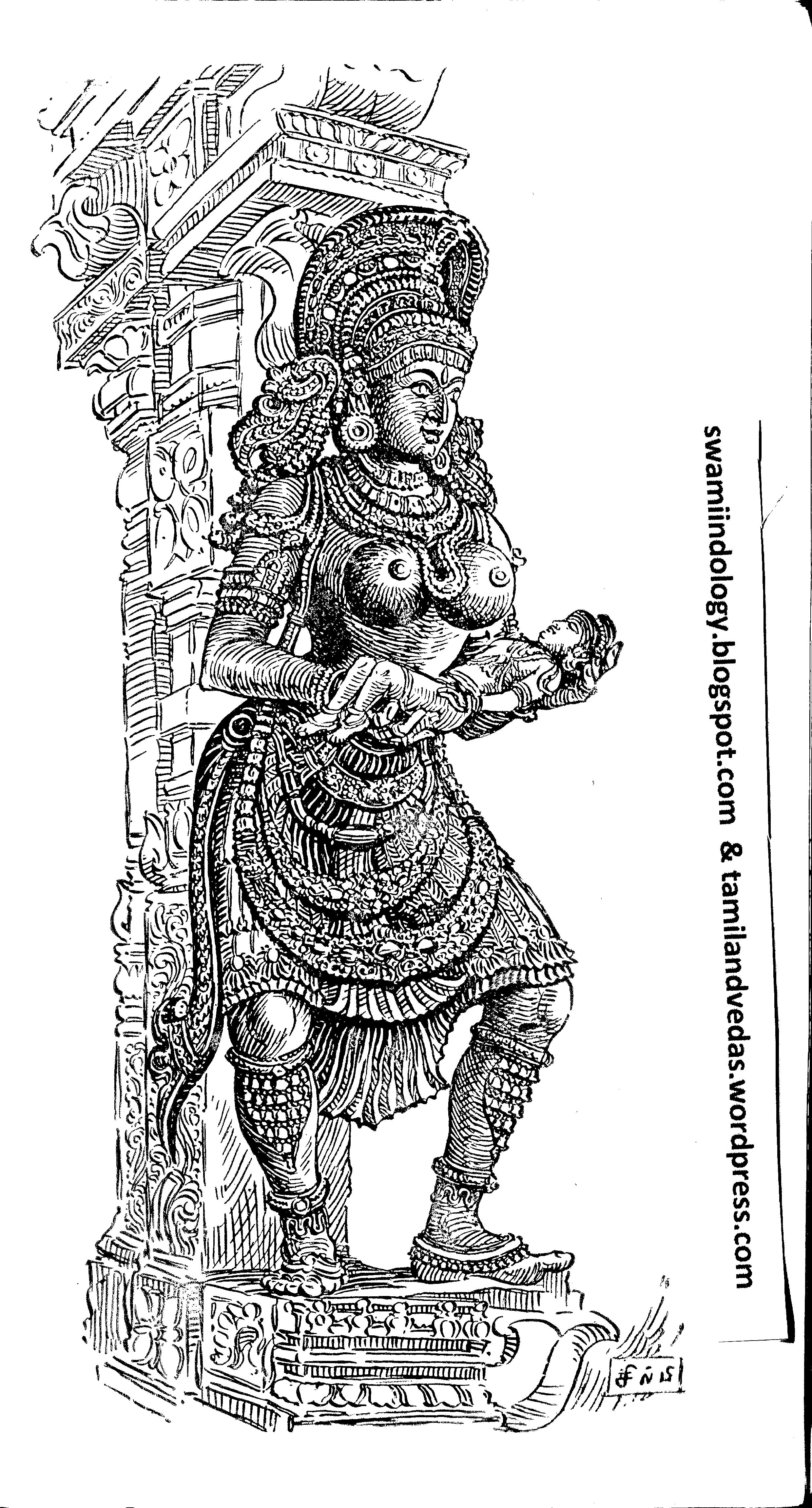
கேட்பது பெண்கள் குணம்; வாங்கிக் கொடுப்பது ஆண்கள் கடமை!!!

queen

ஆராய்ச்சிக் கட்டுரை எழுதியவர்:–லண்டன் சுவாமிநாதன்
கட்டுரை எண்:1245; தேதி 23 ஆகஸ்ட் 2014

மனு ஸ்மிருதி எழுதிய மனு கொஞ்சம் ஓரச் சார்புடையவர் போலத் தோன்றுகிறது!! பெண்கள் கேட்பதை எல்லாம் வாங்கிக் கொடுக்க வேண்டுமாம்!! அவை என்ன என்ன என்பதில் நகைகளையும், துணிமணிகளையும் சேர்த்துவிட்டார் மனு! இந்த சுவையான விஷயத்தை சிறிது ஆராய்ச்சி செய்து பார்ப்போம்.

ஓதாமல் ஒரு நாளும் இருக்க வேண்டாம்
ஒருவரையும் பொல்லாங்கு சொல்ல வேண்டாம்
மாதாவை ஒரு நாளும் மறக்கவேண்டாம்

என்று உலகநாதர் உலகநீதியில் சொன்னால் அது சரி என்று படுகிறது. ஏனெனில் மாதா, பிதா, குரு, தெய்வம் என்று வேதமே போற்றுகிறது. ஆனால் சகோதரியும், மனைவியும் கேட்பதை எல்லாம் வாங்கிக் கொடுக்கவேண்டும் என்று மனு தர்மம் கூறுகிறது. இது எந்த வகையில் நியாயம்?

ஒரு நாள் வைர நெக்லஸ், மறு நாள் டிசைனர் ஷூ, டிரஸ், குக்ஸி பை என்று விலை மதிப்பு மிக்க பொருட்களைக் கேட்டால்……………………………………………

இதோ மனு தர்ம சாஸ்திரம் எழுதிய மனு சொல்கிறார்:
யத்ர நார்யாத் பூஜ்யந்தே தத்ர ரமதே தேவதா
யத்ரைதஸ்து ந பூஜ்யந்தே சர்வதத்ரத் அபலா க்ரியா (மனு 3—56)

இதே ஸ்லோகம் மஹாபாரதத்திலும் உளது!

பொருள்: எங்கே பெண்கள் துதிக்கப் படுகிறார்களோ (வாழ்த்தப் படுகிறார்களோ) அங்கே இறைவன் மகிழ்கிறான். எங்கே பெண்கள் போற்றப் படவில்லையோ அங்கே புண்ய காரியங்கள் பலனளிக்காமல் போய்விடும்.

இத்தோடு நிறுத்திக்கொள்ளாமல் மனு மேலும் சொல்கிறார்:

எங்கே பெண்கள் துன்பப் படுகிறார்களோ அந்தக் குடும்பம் நாசமடையும்–(மனு 3—56)

அப்பாமார்கள், அண்ணன்மார்கள், கணவன்மார்கள், மைத்துனர்கள் ஆகியோருக்கு ஏதேனும் அதிர்ஷ்டம் அடிக்க வேண்டுமானால் அவர்கள் வீட்டுப் பெண்களை மதிக்க வேண்டும், போற்றவேண்டும்—-(மனு 3—55)

பெண்கள் சாபம் விழுந்த வீடுகள் அடியோடு அழியும் —-(மனு 3—58)

ஆகையால் ஆண்கள் நல்லபடி வாழ வேண்டுமானால் விழாக்காலத்திலும் வீட்டு விஷேச காலங்களிலும் எப்போதும் பெண்களை நகைகள், துணிமணிகள், உணவு வகைகள் மூலம் மகிழ்விக்கவேண்டும்—-(மனு 3—59)

ஒரு ஆசார்யார் (குரு), பத்து உபாத்யர்களுக்கு மேல்;
ஒரு தந்தை 100 ஆசார்யார்களுக்கு மேல் பெருமை உடையவர்;
ஒரு தாயோ ஆயிரம் தந்தைகளை விடப் பெருமை வாய்ந்தவள் —–மனு 2-145
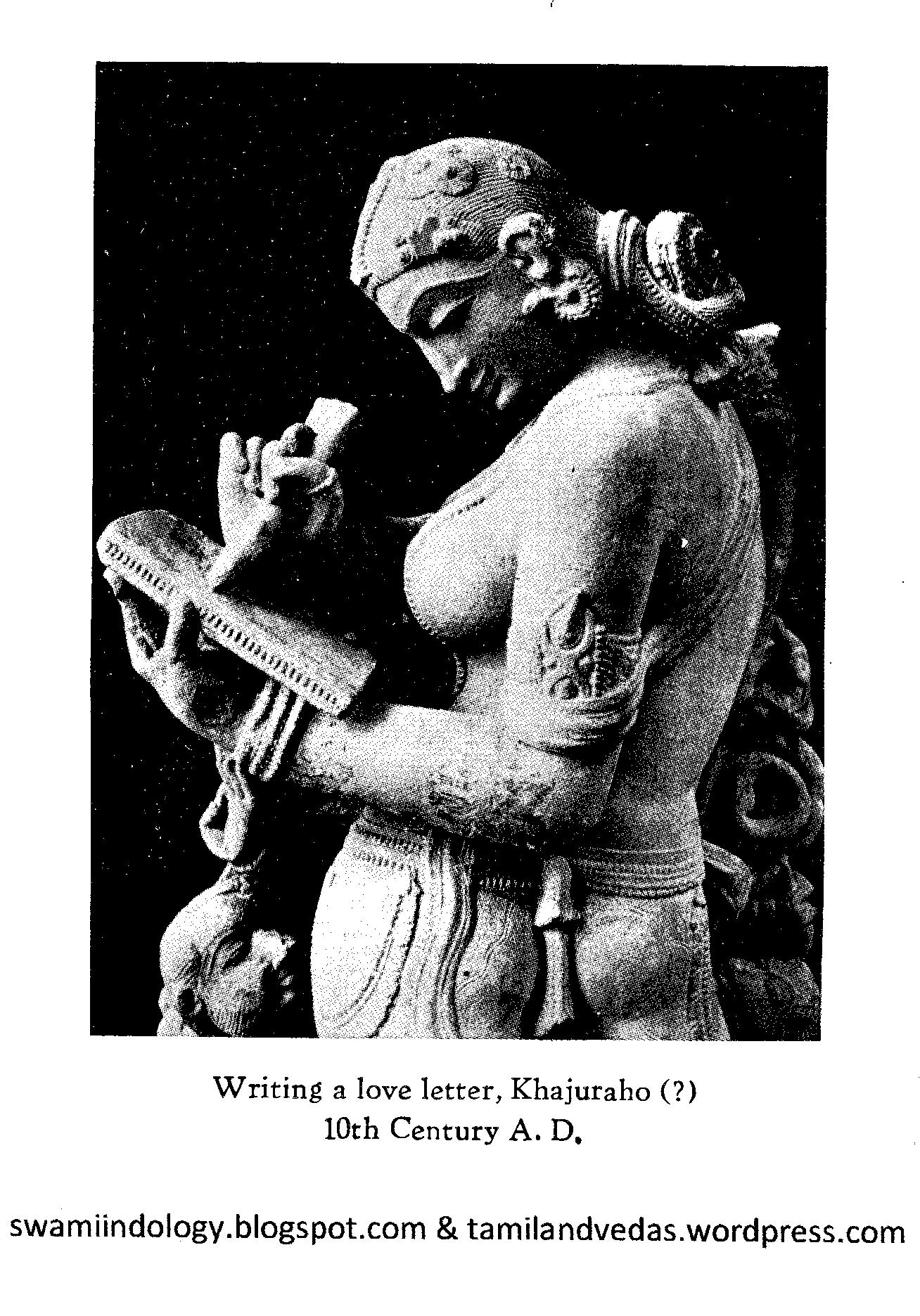
love letter

பேரழகி ராஜகுமாரி லோபாமுத்திரை

இதற்கெல்லாம் மூல காரணம் உலகின் மிகப் பழமையான நூலான ரிக்வேதத்தில் உளது. அகஸ்தியர் என்பவர் மிகவும் குள்ளம். அவருக்கு விதர்ப்ப நாட்டு பேரழகி, இளவரசி லோபா முத்ராவின் மீது கொள்ளை ஆசை! கல்யாணத்துக்கு மனுப் போட்டார். அவளோ ராஜகுமாரி. ஐயன்மீர்! ராஜா போல உடை உடுத்திக் கொண்டு வாரும், அத்தோடு ஒரு ராஜகுமாரியை மகிழ்விக்கும் அளவுக்கு நகை நட்டுக்களையும் கொண்டுவாரும் என்று சொல்லிவிட்டாள். அகஸ்தியர் அரண்மனை தோறும் ஏறிஏறிப் பார்த்தார்; பலன் இல்லை. இல்வலன் என்ற அசுரனிடம் கேட்டார். அவன் தம்பி வாதாபியை “வாதாபி ஜீர்ணோ பவ” என்று சாப்பிட்டு ஏப்பம் விட்டதால் அவன் பயந்து கொண்டே பணத்தைக் கொடுத்து, ஐயா, இங்கே இருந்து போய் விடுங்கள் என்று அனுப்பிவைத்தான். அகஸ்தியர் ராஜா போல படுக்கை அறையுள் நுழைந்தார். லோபாமுத்திரை, அகஸ்தியர் மூலம் ததாஸ்யு என்ற பெறும் கவிஞரைப் பெற்றுக் கொடுத்தாள். இது மஹாபாரத வனபர்வத்தில் உள்ள கதை.

லோபாமுத்ராவின் மீது அகஸ்தியர் கண் ஏன் விழுந்தது? அது ஒரு தனிக் கதை. அகஸ்தியரின் முன்னோரின் ஆவிகள் ஒரு பாழுங் கிணற்றில் தலை கீழாகத் தொங்கிக் கொண்டிருந்தன. ஒரு புத்திரனைப் பெற்றால்தான் அவர்கள் கடைத்தேறுவார்கள் என்பதை அறிந்த அகஸ்தியர் உலகிலுள்ள எல்லா அழகிகளின் அம்சங்களை ஒன்று சேர்த்து விதர்ப்ப நாட்டு மஹாராணியின் குழந்தையாக ((லோபாமுத்ரா))) கருவுற, தனது தவ வலிமையால் வழிவகுத்தார்.

ஆண் குழந்தையைப் பெற்று அவர்கள் மூலம் பிதிர் காரியங்களைச் செய்யவேண்டும் என்பது (பிதிர் கார்யம்= நீத்தாருக்கு செலுத்தப்படும் நீர்க்கடன்) தொன்று தொட்டு நிலவும் நம்பிக்கை. ஐயன் வள்ளுவனும் இதற்குச் சான்று பகர்வான். சங்கதமிழ் புலவர்களும் இதை ஆதரித்துப் பாடி இருக்கிறார்கள் (காண்க புறம் 222, புறம் 9 பாடல்கள்).
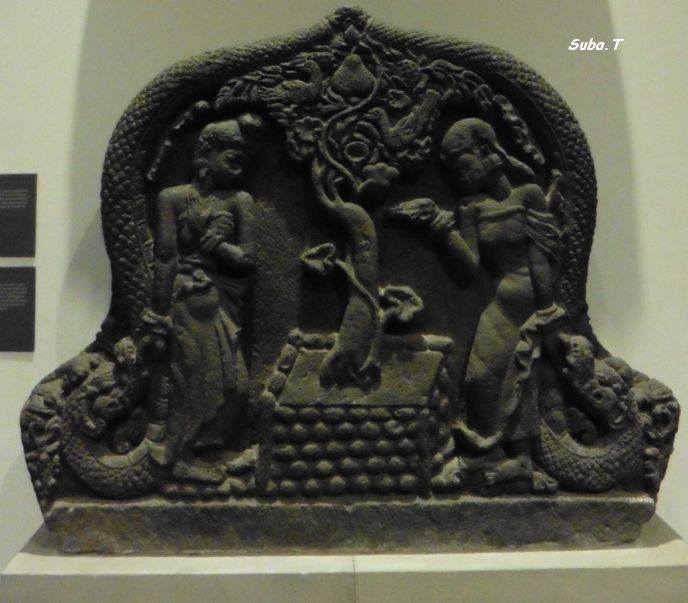
parijatha,V&A,By T Suba
Krishna bringing Parijatha, Statue from Indonesia at V & A MUseum, London;photo by T Subashini

சத்யபாமா, கைகேயி, சீதை

பாரிஜாத மலர் வேண்டும் என்று கேட்ட உடனே கிருஷ்ணர், சுவர்க்கலோகம் சென்று இந்திரனுடன் சண்டை போட்டு பாரிஜாத மலரைக் கொண்டு வந்ததும் பெண்களை மகிழ்விக்கவே!!
இதன் மூலம் மனிதகுலத்துக்குக் கிடைத்த நன்மை:– பாரிஜாத மரம்!!

கைகேயி சொன்னவுடன், ராம பிரான் காடேகியதும் பெண்ணின் வேண்டுகோள் அன்றோ! பொன் மானைப் பிடித்துக் கொண்டு வா என்று ராமனிடம் அடம்பிடித்த சீதையை மகிழ்விக்க ராமனும் ஓடவில்லையா?
இதன் மூலம் மனிதகுலத்துக்குக் கிடைத்த நன்மை:– சிவனுறை கயிலாயத்தையே பெயர்க்க முயன்ற அசுரன் ராவணன் வீழ்ந்துபட்டான்.
SOCIAL Chinese 165281A Chinese New Year

திரௌபதி கோரிக்கை

சௌகந்திக மலர் எனக்கு உடனே வேண்டும் என்று திரவுபதி ஒரு அன்புக் கட்டளை இட்டாள். ஓடினான், ஓடினான், பீமன்- காட்டின் ஓரத்திற்கே ஓடினான். வழியில் அவனுடைய அண்ணன் அனுமன் சண்டைக்கு அழைக்கவே அனுமன் பெருமை தெரிந்தது. மாபாரதப் போரில் கொடியில் உட்கார்ந்து கொண்டு உனக்கு வெற்றி தேடித் தருவேன் என்று அனுமன் வாக்குறுதி கொடுத்தான்.

சௌகந்திக மலர்ப்பொய்கையில், அதைக் காத்து நிற்கும் யக்ஷர்களைக் கொன்று குவித்து மலர் பறித்தான் பீமன். குபேரனுக்கு கொள்ளை மகிழ்ச்சி! ஏன்? யக்ஷர்கள் மீது அகஸ்தியர் இட்ட சாபம் அன்றோடு முடிந்தது

இதன் மூலம் மனிதகுலத்துக்குக் கிடைத்த நன்மை:– மாபாரதப் போரில் தர்மம் வென்றது. யக்ஷர்கள் மீதான சாபம் நீங்கியது.

மற்றொரு சமயம் தண்ணீர் வேண்டும் என்று திரவுபதி கேட்கவே, காட்டுக்குள் போன நான்கு சகோதர்களையும் ஏரிக்கரை பூதம் (யக்ஷன்) நாலு பேரையும் விழுத்தாட்டியது. இறுதியில் தர்மன் சென்று ஏரிக்கரைப் பேயின் கேள்விகளுக்குப் பதில் சொல்லி நான்கு சகோதர்களையும் உயிர்ப்பித்து மீட்டு வந்தான்.

இதன் மூலம் மனிதகுலத்துக்குக் கிடைத்த நன்மை: யக்ஷப் பிரஸ்னம் என்னும் பேயின் கேள்வி—பதில் தொகுப்பு. (இதுபற்றி ஏற்கனவே விரிவான கட்டுரைகளை எழுதி இருக்கிறேன். படித்து மகிழ்க)
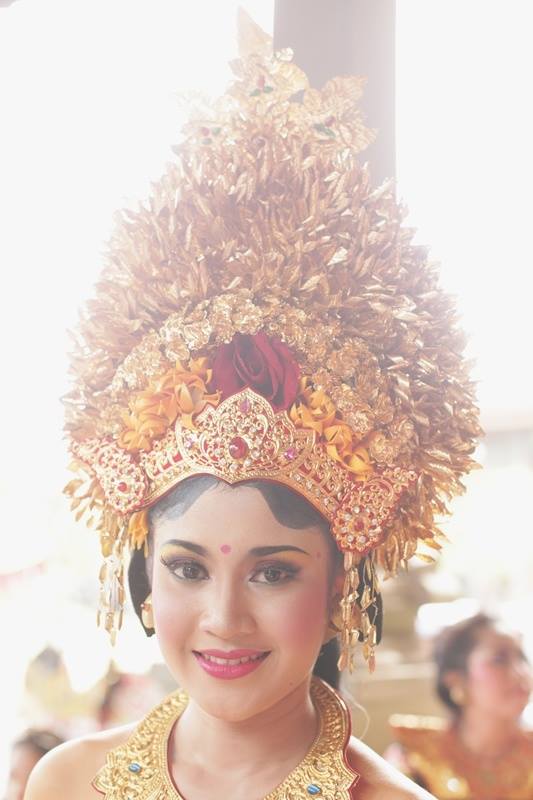
hindu girl, bali
Picture of Hindu Girl in Bali, Indonesia

மைத்ரேயி- காத்யாயனி கோரிக்கை
இரண்டு பெண்டாட்டிக்கார ரிஷி யாக்ஞவல்கியர், “பெண்களே, சொத்து சுகங்களைப் பிரித்துக் கொடுத்துவிட்டு காடேகப் போகிறேன். உங்களுக்கு யாது வேண்டும்?” — என்று கேட்க, மைத்ரேயி தத்துவ உபதேச விஷயங்களே தேவை என கோரிக்கை விடுத்தாள். காத்யாயனி செல்வம் முழுதும் பெற்றாள்.
இதன் மூலம் மனிதகுலத்துக்குக் கிடைத்த நன்மை: தத்துவ உபதேசம் (காண்க: பிருஹத் ஆரண்யக உபநிஷதம்)

பெண்கள் கோரிக்கை இத்தோடு நிற்கவில்லை: க்ஷத்ரிய குலப் பெண்களைத் திருமணம் செய்துகொள்வதற்காக, வில்லை முறித்தான் ராமன். வில்வித்தையில் வென்றான் அர்ஜுனன். ஆக பெண்கள் என்றால்= கோரிக்கைகள்!!!!
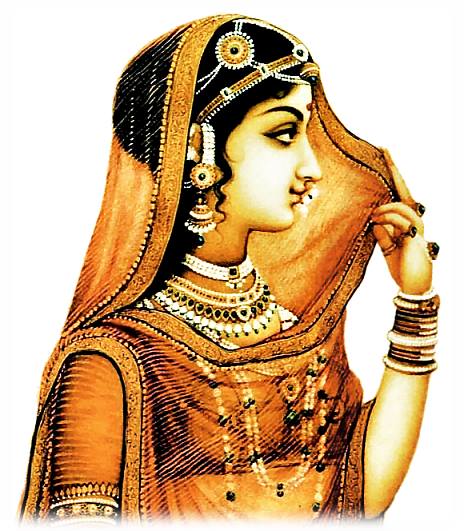
radha or queen

ஆனால் பெண்கள் போட்ட அததனை கோரிக்கை மனுக்களும் மனித குலத்துக்கு நன்மையே செய்ததால், மனு சொல்கிறான். அவர்கள் எதைக் கேட்டாலும் வாங்கிக் கொடுங்கள் என்று!!

மனு வாழ்க!! மனுதர்மம் போற்றும் பெண்கள் வாழ்க, வாழ்க!!!
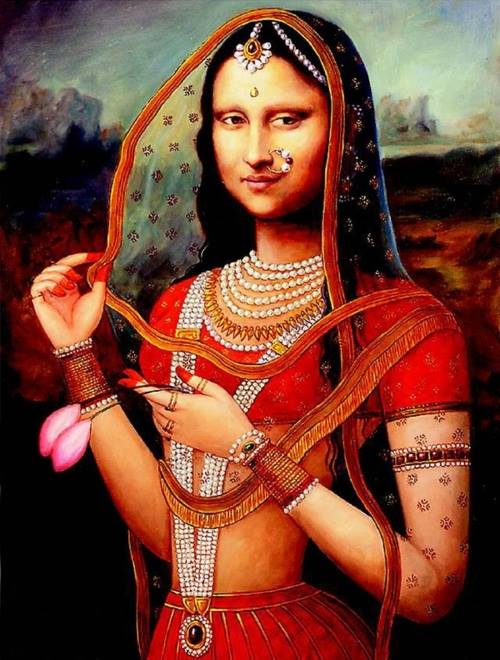
woman

Pictures are taken from various websites;thanks.
this article has been published in English by me.
contact swami_48@yahoo.com
Are Women always demanding?

queen

Research paper Written by London Swaminathan
Post No.1244; Dated: 22nd August 2014.

Women are always demanding. They ask for many things from their husbands or brothers, but all for good!! Whenever they ask for something and their demands or requests are fulfilled, there come some benefits to mankind!

That is why Manu said
“ Yatra naryast pujyante ramante tatra devatah
Yatraitastu na pujyante sarvastatraphalah kriyah”

——Manu smriti 3-56 and Mahabharata 13-45-5

‘Where women are worshipped, there the gods are delighted; but where they are not worshipped, all religious ceremonies become futile’—Manu 3-56

Where women of the family are miserable the family is soon destroyed (Manu 3-57)

Homes that are cursed by women are completely destroyed (Manu 3-58)

Therefore men who wish to prosper should always respect these women with ORNAMENTS, CLOTHES AND FOOD AT CELEBRATIONS AND FESTIVALS (Manu Smriti 3—59)

One Guru/Acharya excels ten teachers in glory;
A father excels 100 acharyas in glory;
But a MOTHER excels even a thousand fathers in glory (Manu 2-145)

love letter

Rig Vedic seer (Rishi) Agastya wanted to marry Lopamudra, Princess of Vidharba. She asked Agastya to get her lot of jewellery! Agastya was short and not good looking. He married her but she put NO ENTRY board in her bed room. He was told to come with lot of jewellery and dressed in royal costume. She was a princess and expected him to treat her like a princess!

Agastya did not want to marry her for sexual pleasures, but for getting a son who will help him to lay his ancestors’ souls to rest. When he saw them hanging upside down in a well he came to know that he had to produce a son to help the souls.

This is an ancient belief that existed from Kanyakumari to Kashmir. It is in 2000 year old Tamil Sangam literature (Purananuru 9, and 222). Unless a person has a male child to do funeral rites, the person could not go to heaven.

So Agastya went to different kings but could not get any money. At last the wealthy demon Ilvalan gave him some money to buy jewellery and Lopamudra allowed Agastya in to her bed room. She got a child through him who later became a poet with the name Dadhasyu (See Vanaparva,Mahabharata).
All’s well that ends well!

hindu girl, bali
Picture of a Hindu girl in Bali, Indonesia.

Draupadi’s Demands
Draupadi asked Bhima to fetch Saugnandhika flower from thick Himalayan forest! He had to fight with Hanuman on his way. Hanuman revealed himself as Bhima’s elder brother and promised him that he would sit in the flag during the Mahabharata War to secure him victory.
All’s well that ends well!

Then Bhima had to fight the Yakshas guarding the Lotus Lake where the Divine Saugandhika lotus grows. When he killed all the Yakshas their chief Kubera thanked him for releasing them from the curse of Agastya.
All’s well that ends well!

When Draupadi asked for water for drinking, her four husbands had to die at the hand of a Yaksha on the banks of a lake, where they had gone to fetch water. At last Yudhistra (Dharma) went and answered all the questions of the Yaksha and got his four brothers’ lives back! As a result of which we got the most famous Yaksha Prasna (see my earlier articles on Yaksha Prasna)
All’s well that ends well!

radha or queen

Sathyabhama asked for Parijatha flower from the heaven and Krishna had to fight with Indra to get it. As a result of which we got fragrant Paraijatha trees on earth!
All’s well that ends well!

Kaikeyi asked Rama to go to forest for 14 years in ascetic attire and hand over the kingdom to Bharata! As a result of which the troubling Ravana was killed. He was troubling the whole world from Kandy to Kailash!
All’s well that ends well!

Sita asked for golden deer as a result of which she was abducted by Ravana and then Ravana got killed. Both Kaikeyi and Sita worked towards the death of Ravana, but Sita was the primary cause and Kaikeyi was the secondary cause.
All’s well that ends well!

SOCIAL Chinese 165281A Chinese New Year

Ayyappa came with Tiger Milk
Step mother Queen asked Ayyappa to fetch tiger’s milk from the jungle! She wanted him to die in the forest so that her son can become king. As a result of which we came to know the divine nature of Lord Ayyapa. Every year millions of people worship him during a 40 day fasting! Hindus beat everyone in the category f fasting in this way! Sabarimalai Temple is frequented by crores of people every year!
All’s well that ends well!

Kalidasa’s wife asked him to acquire qualification in languages! She put a NO ENTRY board in her bed room. She told him that he should come on to her bed only when he can converse with her at her intellectual level/wave length! As a result of which he prayed to Kali and got us the most valuable classical Sanskrit literature! Seven beautiful works that the no one can ever excel!
All’s well that ends well!

Katyayani asked for share of Yajnavalkya’s property while Maiteyi was satisfied with spiritual wealth. As a result of which we had the most beautiful philosophical discussion between a husband and a wife. Probably they are the only couple in the category of philosophical couple!
All’s well that ends well!

woman

In the Swayamvarams of Kshatria princesses, the suitors were asked to show their talent in competitions. Rama has to lift the Shiva Danus to shoot an arrow and Arjuna had to prove his skill in archery.
All’s well that ends well!
Omnia in bonum!

Books used:
Who is Who in the Mahabharata by Subash Mazumdar, B V Bhavan, 1988
Bhagavatham, Upanishads and Stories of Kalidasa and Ayyappan

சதுரங்க பந்தம் -4

தமிழ் என்னும் விந்தை!
சதுரங்க பந்தம் -4
By ச.நாகராஜன்

Post No.1243; Dated 22nd August 2014.

மாம்பழக் கவிச்சிங்க நாவலர் என்ற தலைப்பின் கீழ் பின்வரும் பாடல் இருந்தது.

நேம னதிவித காம னனைவர்க்கு நேயகம சேம சகாயன் சிதபுஞ்சன் சீர் சின வாவிசய தாமன் மனதிற் சலிக்கா னருட்கல்வி சால்பினொடு மாமணி நேர வளர்மானு வேல்கன வாசகனே

அத்துடன் “சில அரிய பெரிய சித்திர கவிகளுக்கு இலக்கணம் – சதுரங்க பந்தம்” என்ற தலைப்பில் கீழ்க்கண்ட செய்யுள் தரப்பட்டிருந்தது:

அறுபத்து நாலறுபத் திரண்டைம்பா னாற்பானான்
எடுத்த முப்பத் தாறிருபத் தாறிருபத் திரண்டு
பெறுமக்க ரங்களொன்று முதலேழு வரைநிகர்ப்ப
பின்னுமைம்பத் தேழைம்பான் மூன்றொடுநாற் பான்முன்
றுறுமுப்பத் தைந்திருபத் தொன்பதுபன் னேழ்பதினைந்
துளவெழுபத் திரண்டுமுத லெழுபத்தெட் டீறா
மறுவற்று வரப்பாடுங் கவிதைசது ரங்கபந்தம்
வழுத்தியவஃ தெழுபத்தெட் டெழுத்தின்முடி குவதே
துருவக் குறிப்பு

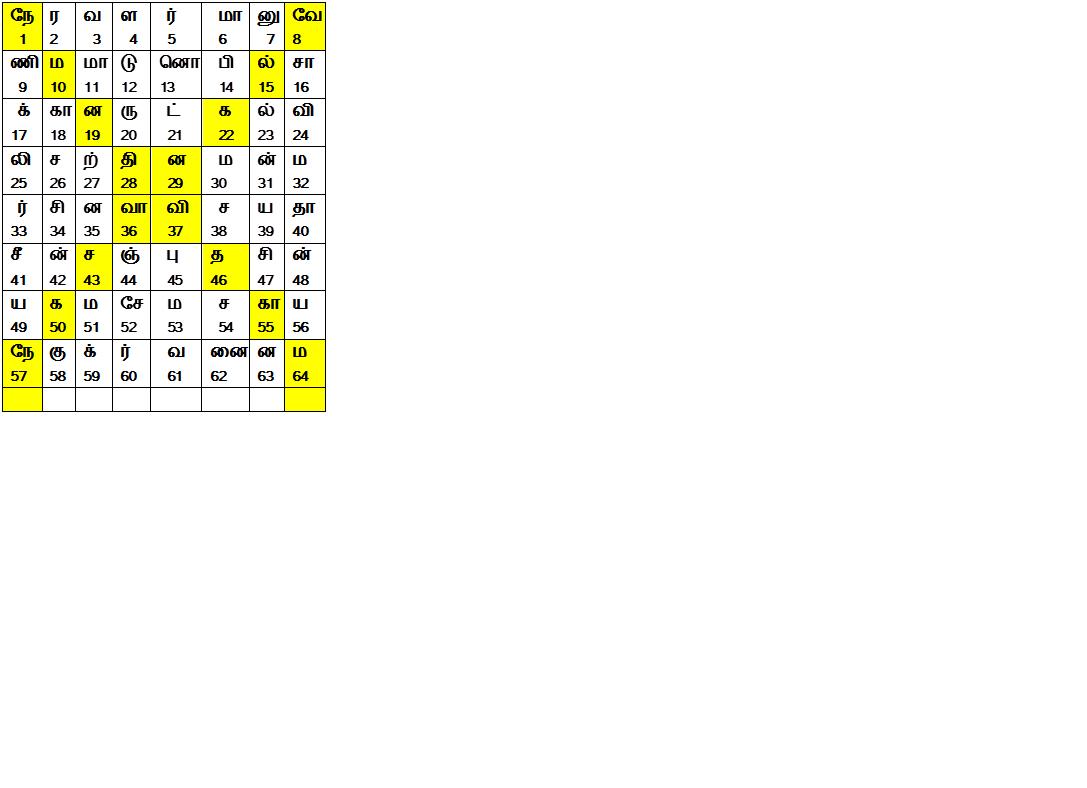
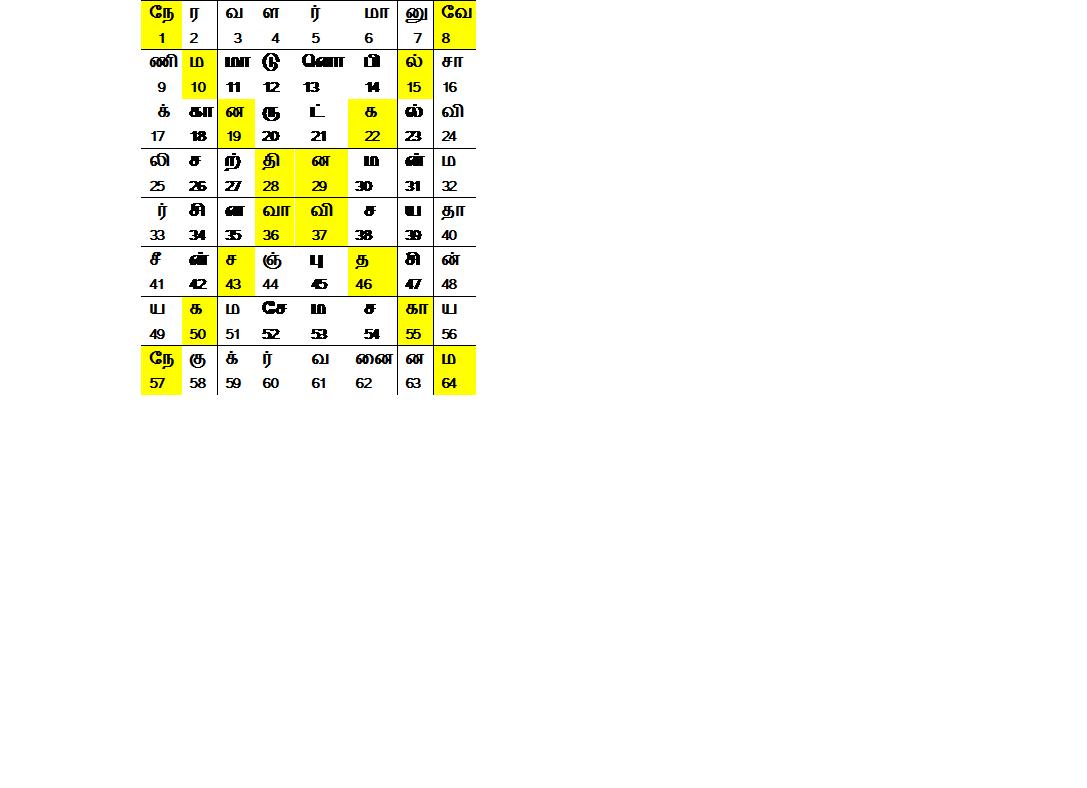
{ 1-64 – 2+62 — 3+50 – 4+44 – 5+36 -– 6+26 .— 7+22 –
15+78 – 17+77 – 29+76 – 35+75 – 43+74 — 53×73 – 57+72}

மொத்த எழுத்துக்கள் 78.
இந்தப் பாடலையும் துருவக் குறிப்பையும் வைத்து சதுரங்க பந்தப் பாடலை ஆராய்ந்ததில் திடீரென்று கீழ்க்கண்ட உண்மை பளிச்சென விளங்கியது:

பாடலில் ஒன்றாம் எழுத்தும் 64ஆம் எழுத்தும் நே
இரண்டாம் எழுத்தும் 62ஆம் எழுத்தும் ம
மூன்றாம் எழுத்தும் 50ஆம் எழுத்தும் ன
நான்காம் எழுத்தும் 44ஆம் எழுத்தும் தி
ஐந்தாம் எழுத்தும் 36ஆம் எழுத்தும் வி
ஆறாம் எழுத்தும் 26ஆம் எழுத்தும் த
ஏழாம் எழுத்தும் 22ஆம் எழுத்தும் கா
பதினைந்தாம் எழுத்தும் 78ஆம் எழுத்தும் நே
பதினேழாம் எழுத்தும் 77ஆம் எழுத்தும் க
இருபத்திஒன்பதாம் எழுத்தும் 76ஆம் எழுத்தும் ச
முப்பத்தி ஐந்தாம் எழுத்தும் 75ஆம் எழுத்தும் வா
நாற்பத்தி மூன்றாம் எழுத்தும் 74ஆம் எழுத்தும் ன
ஐம்பத்தி மூன்றாம் எழுத்தும் 73ஆம் எழுத்தும் க
ஐம்பத்தி ஏழாம் எழுத்தும் 72ஆம் எழுத்தும் ல்

bandham 4

ஆக சதுரங்க பந்தம் அமைக்கும் விதிகளாக
1) 78 எழுத்துக்கள் உள்ள பாடல் சொற்சுவை, பொருட்சுவையுடன் இலக்கண விதிகளுடன் இயற்றப்படல் வேண்டும்,
2) அதில் மேலே உள்ள படி ஒரே எழுத்துக்கள் குறிப்பிட்ட இடத்தில் வருமாறு அமைக்கப்படல் வேண்டும்..(துருவக் குறிப்பு என இந்த அமைப்பு தரப்பட்டிருக்கிறது.)

இந்த முறையில் இனி சதுரங்க பந்த பாடல்களைச் சரி பார்த்தால் கவிதையை ரசிப்பதோடு இந்த அமைப்பு முறையையும் ரசித்து வியக்கலாம்!

contact swami_48@yahoo.com
**************************

நாம் எல்லோரும் நட்சத்திரங்கள் !!

ஆராய்ச்சிக் கட்டுரை:– லண்டன் சுவாமிநாதன்
கட்டுரை எண்:– 1242: தேதி 19 ஆகஸ்ட் 2014.

நாம் அனைவரும் ஒரு காலத்தில் நட்சத்திரங்களின் துகள்களாக இருந்தோம். இது ஒரு விஞ்ஞானச் செய்தி. ஆனால் புண்யம் செய்தவர்கள் எல்லோரும் நட்சத்திரங்கள் ஆவார்கள் என்பது மஹபாரதம் தரும் அதிசயச் செய்தி. நட்சத்திரங்கள் எல்லாம் கடவுள் என்பது எகிப்திய, மாயா நாகரீக வரலாறு தரும் செய்தி; அனைத்தையும் சுருக்கமாக்ச் சொல்வதே இந்த ஆய்வுக் கட்டுரையின் நோக்கம்.

Life-on-Other-Planets-Orion

பள்ளிக்கூடத்தில் படிக்கும்போது மஹாபாரத வனபர்வத்தில் வரும் அர்ஜுனனின் விண்வெளிப் பயணத்தைப் படித்து அதிசயித்துப் போனேன். ஆனால் அது ‘’சிம்பாலிக்’’க்காக (அடையாளபூர்வமாக) சொன்ன செய்தி என்று விட்டு விட்டேன். லண்டனுக்கு வந்த பின்னர் ராஜாங்க ஆஸ்தான விண்வெளி விஞ்ஞானி பாட்ரிக் மூர் நடத்தும் “இரவு நேரத்தில் வானக் காட்சி” என்ற கிரகங்கள்—நட்சத்திரங்கள் நிகழ்ச்சியைப் பார்த்து வந்தேன். ஒரு நாள் அவர் சொன்னார், “ நாம் எல்லோரும் ஒரு காலத்தில் நட்சத்திரங்களின் துகள்களாக இருந்தோ என்று! மஹாபாரத வன பர்வ செய்தியை ஒப்பிட்டுப் பார்த்தபோது புல்லரித்தது.

அர்ஜுனனின் விண்வெளிப் பயணம்
அதாவது அர்ஜுனனை மாதலி என்ற சாரதி விண்வெளி ரதத்தில் ஐந்தாண்டுகளுக்கு சொர்க்கத்துக்கு அழைத்துச் செல்லும் வர்ணனை மஹா பாரத வன பர்வத்தில் உள்ளது. அர்ஜுனன் ஒளிமிகுந்த ஆயிரக் கணக்கான ரதங்களைப் பார்த்து இவர்கள் என்று கேட்கிறான். இந்த ஒளிமிகுந்த மக்கள் எல்லாம் புண்யம் செய்தவர்கள், இவர்களைத்தான் நீங்கள் நட்சத்திரங் களாக பூமியில் பார்க்கிறீர்கள் என்று மாதலி விளக்கம் தருகிறான். இதை பாட்ரிக் மூர் என்ற வானியல் அறிஞ்ர் சொன்னதோடு ஒப்பிடுகிறேன்:

கோடி கோடி வருடங்களுக்கு முன் மாபெரும் வெடிப்பு (பிக் பேங்) ஏற்பட்டது. அப்போது விரிவடையத் துவங்கிய பிரபஞ்சம் இன்னும் பலூன் போல விரிவடைந்து கொண்டே இருக்கிறது. இதில் தோன்றிய ஒரு சின்னத் துகள் சூரிய மண்டலம். அதிலுள்ள ஒரு இம்மி அளவான பூமியில் அந்த நட்சத்திரத் துகள்கள் இறுகி மனித இனம் தோன்றியது என்பர் விஞ்ஞானிகள்.

stars

அவர்கள் கணக்குப் படி நட்சத்திரங்கள் என்பது கோள உருவத்தில் சுற்றும் வாயுக் கோளங்கள். அதில் ஹைட்ரஜனும் ஹீலியமும் பிரதானமாக இருக்கின்றன. ஒவ்வொரு வினாடியிலும் கோடிக் கணக்கான ஹைட்ரஜன் குண்டுகள் வெடிப்பதால் அவை வெப்பத்தையும் ஒளியையும் உமிழ்கின்றன. சூரியனும் ஒரு சின்ன வகை நட்சத்திரம்தான்.

இதை எல்லாம் விஞ்ஞானம் சொன்னாலும் மாபெரும் வெடிப்பு ஏன் நிகழ்ந்தது? அதன் முடிவு என்ன? என்பதை விஞ்ஞானத்தால் விளக்க முடியவில்லை. பாட்ரிக் மூர் சொன்னது போல நாம் எல்லோரும் நட்சத்திரத் தூசியாக இருந்ததை ஒப்புக் கொண்டாலும் அதற்குள் ஆத்மா ஒன்று இருப்பதை விஞ்ஞானம் ஒத்துக் கொள்வதில்லை. அங்குதான் மதம் வந்து கை கொடுக்கிறது!

வியாசர் எழுதிய மஹாபாரத வனபர்வத்தைப் படிப்பவர்கள் இன்றும் வியப்படைவார்கள். அவர் சொன்ன பல விஷயங்களுக்கு இப்போது விஞ்ஞான விளக்கம் கிடைக்கிறது. அவரை ஒரு விஞ்ஞானி என்று அறிஞர்கள் ஒப்புக் கொள்ள மறுத்தாலும், 5000 ஆண்டுகளுக்கு முன்னரே விஞ்ஞான புனைக் கதை எழுதிய முதல் மனிதன் என்ற பட்டத்தையாவது கொடுக்க வேண்டும். நீண்ட விண்வெளிப் பயண வர்னணையை வன பர்வத்தில் படிக்கலாம். அது பற்றி தனியாக எழுதுவேன்.
pyramids stars

இந்துக்களின் நட்சத்திர வழிபாடு
நாமும் அருந்ததி அதை ஒட்டியுள்ள சப்தரிஷி மண்டலம், அகத்திய நட்சத்திரம், துருவ நட்சத்திரம், திரிசங்கு நட்சத்திரம் ஆகியவற்றை புனிதர்களாகவே வழிபடுகிறாம். வானில் தெரியும் ஏழு நட்சத்திரங்களான சப்த ரிஷி மண்டலத்தை “கை தொழு எழுவர்” என்று சங்கப் புலவர் புகழ்கிறார். கார்த்திகை நட்சத்திரம், ரோகிணி நட்சத்திரம் ஆகியனவும் நம்மால் வழிபடப் படுகின்றன. சங்க காலத் தமிழர்கள் ரோகிணி நட்சத்திரத்தில் மட்டும் கல்யாணம் செய்ததை சிலப்பதிகரமும் அகநானூறும் பாடுகின்றன.

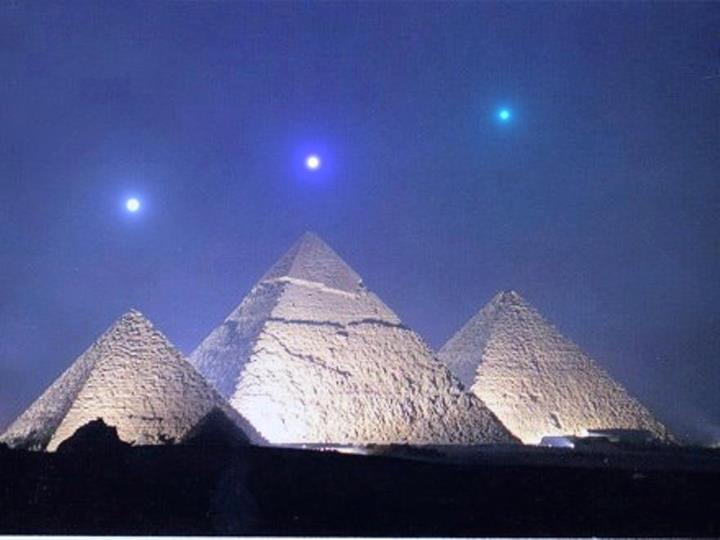
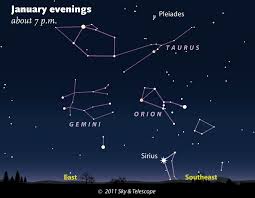
இதே போல எகிப்தியர்களும் மாயா நாகரீக மக்களும், மன்னர்கள் இறந்த பின்னர் நட்சத்திரங்களாக மாறுகின்றனர் என்று எழுதிவைத்துள்ளனர். அண்மைக்கால ஆரய்ச்சியில் கியாப்ஸ்-குபு பிரமிட்டில் நட்சத்திரப் படங்கள் இருப்பது தெரியவந்துள்ளது. மேலும் 90 பிரமிடுகளில் மூன்று பெரிய, பழைய பிரமிடுகள் ‘’ஓரியன்’’ நட்சத்திர மண்டலத்திலுள்ள மூன்று நட்சத்திரங்களை நோக்கி அமைந்துள்ளதும் தெரியவந்துள்ளது. அதாவது காற்றுப் போவதற்கான மூன்று ஓட்டைகள், அந்த மூன்று நட்சத்திரங்களை நோக்கி அமைந்துள்ளன. 1994 பிப்ரவரியில் பி.பி.சி. ஒளிபரப்பிய ஓரியன் மிஸ்ட்ரி என்ற டாகுமெண்டரியில் இது பற்றி விரிவாகக் காட்டினார்கள். அப்போது நான் எழுதி வைத்த ஆராய்ச்சிக் குறிப்புகளை இப்பொழுது சொல்வதற்குக் காரணம் உண்டு.

orion hunter

சிவன் என்னும் வேடன்

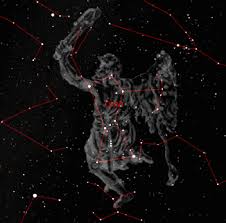
ஓரியன் நட்சத்திரக் கூட்டத்தில் உள்ள ஆருத்ரா நட்சத்திரம் சிவனுக்கு உரிய நட்சத்திரம். சிவ பெருமானை வேடனாக நாம் உடைகள் போட்டுக் காட்டுவதோடு அல்லாமல் ருத்ரம் என்னும் யஜூர்வேத மந்திரம் அவரை வேடனாகவே வருணிக்கிறது. இதே கதை சிறிது மாற்றத்தோடு கிரேக்க புராணத்திலும் இருக்கிறது. கிரேக்கர்களின் புராணக் கதைகள் சிதைந்து போன வடிவத்தில் இயற்றப்பட்ட இந்து புராணக் கதைகள் என்று மாக்ஸ்முல்லர் கூறுவார். ஆக்வே நம்மிடம் காப்பி அடித்த கதைதான் ஓரியன் வேடன் கதை என்பதாகும்.

ஐதரேய பிராமணம் என்னும் வேதப் பகுதியில் ம்ருக வ்யாத (வேடன்) என்ற பெயரில் ஓரியன் நட்சத்திரம் வருணிக்கப்படுகிறது. அவர் பிரஜாபதி என்றும் அவர் மகள் ரோகிணியை துரத்திச் செல்கிறார் என்றும் பிராமணங்களில் எழுதப்பட்டுள்ளது. அப்போது சிரியஸ் வேடன் வடிவத்தில் அம்பு எய்ததாகவும் உள்ளது. அதர்வ வேதம் 27 நட்சத்திரங்களையும் பட்டியல் இடுகிறது. கிரேக்கர்கள் நூல்களை எழுதுவதற்கு ஆயிரம் வருடங்களுக்கு முன்னரே வேதகால கீதங்கள் சரஸ்வதி நதிதீரத்தில் ஒலிக்கத் துவங்கி விட்டன. ஆக வேடன் கதை இந்தியாவில் இருந்தே ஏற்றுமதி செய்யப்பட்டிருக்க வேண்டும்.
orion january

உதவிய நூல்கள்:
Page 308, Mahabharata, The Book of the Forest (Vana Parva), Translated by A B Van Buitenen
Page 141 of Fingerprints of the Gods by Graham Hancock
Page 174, Volume 2 of Vedic Index by A A MacDonnell and A B Keith.
Page 160, An Illustrated Dictionary of Classical Mythology by Gilbert Meadows.

Stars are Gods! We are Stars!!

Life-on-Other-Planets-Orion

Research paper written by London Swaminathan
Post No 1241; Dated 18th August 2014.

Hindus worship Seven Stars in the Ursa Major constellation every day. They are considered Sapta Rsis (seven sages). Brahmins worship them every day in their Sandhya ritual three times a day. Of the seven stars, the Vasishtha and his wife Arundhati are worshipped by everyone. Arundhati ( Star Alcor) is seen by all the newly married couple just before entering the first night room. Tamil Sangam literature also praised the seven stars as ‘Kai thozu Ezuvar’. Agastya star on the southern sky (Canopus), Tri Shanku (Southern Star constellation) and Druva (Pole Star) on the northern sky are all worshipped by the Hindus. Arudra (in Orion) and Onam are identified with Lord Shiva and Vishnu.

When I was a school student, I read Vanaparva in Mahabaharata where Matali told Arjuna that the stars, he saw during his space travel, were holy souls. As a science student I was trying to find some symbolic meaning instead of literal meaning. But when I started watching Night at Sky in the BBC, the Royal astronomer of Britain Patrick Moor told one day that we were all star dust billions of years ago. After the Big Bang, the universe came into being including the Solar System where the life emerged during billions of years. I became more curious. Later I watched a documentary “The Orion Mystery” on the BBC on 6th of February 1994, and I collected some notes. I wanted to share those notes with you to pave way for further research.

orion hunter

Hindus, Egyptians and Mayas believed that the stars in the heavens are gods. Science does not support this. According to science “stars are luminous globe of gas, mainly hydrogen and helium, which produces its own heat and light by nuclear reactions. Although stars shine for very long time – billions of years — they are not eternal.” But science was not able to explain why did Big Bang happen and why the universe is still expanding and why billions of hydrogen bombs explode every second inside sun etc. Religion says that there is one all powerful force behind everything in the universe and that is God.
We may be made up of star dust, that is only our body, but not the soul. Science does not believe in souls, only religion believes in it.

Space Travel in Mahabharata
There is a fascinating account of Arjuna’s Space Travel in the Vanaparva of Mahabharata. Without going much into it, I will quote only the relevant portion today:

“Arjuna ascended the divine chariot, brilliant like the sun. And on this sun like, divine, wonder working chariot the wise scion of Kuru flew joyously upward. While becoming invisible to the mortals who walk on earth, he saw wondrous air borne chariots by thousands. No sun shone there or moon or fire, but they shone with a light of their own acquired by merits. Those lights that are seen as the stars look tiny like oil flames because of the distance, but they are very large.”
Page 308, Mahabharata, The Book of the Forest (Vana Parva), Translated by A B Van Buitenen

orion january

The amazing thing about this space travel of Arjuna in Mahabaharata is that it coincides with the latest discovery of science. Vyasa wrote it 5000 years ago! If any scientist does not want to give credit to Vyasa, at least they must accept he was the first science fiction writer in the World!! ( I will reproduce the entire chapter one day with my comments). Arjuna spent five years in space, says Mahabharata.

Egyptian Belief

In Egypt, the state religion revolved around the belief that the deceased pharaoh was reborn as a star. Ritual incantations (mantras) were chanted, the purpose of which was to facilitate the dead monarch’s rapid rebirth in the heavens:

“Oh king, you are this great star, the companion of Orion, who traverses the sky with Orion…. You ascend from the east of the sky, being renewed in your due season and rejuvenated in your due time”.

(My comments: This is similar to Vedic Mantra. Vedas also talk about Orion constellation as a hunter. Greeks copied it from Hindus and said a similar story about Orion stars).

pyramids stars

Mayan Belief
The Popol Vuh, the sacred book of the Quiche Maya of Mexico and Guatemala, contains several passages which clearly indicate a belief in stellar rebirth – the reincarnation of the dead as stars.
Page 141 of Fingerprints of the Gods by Graham Hancock

Researchers have found out some connection with the pyramids and Orion constellation. The three pyramids of Giza plotted against the three belt stars of the Orion constellation. Of the 90 pyramids Cheops – Kufu pyramid is one of the big pyramids. It has lot of drawings on stars. The holes (for air circulation) in the pyramids align with the three stars.

The Orion Constellation and the Hindus
“Mrga Vyadha, the hunter, is the name of Sirius in the legend of Pajapati’s daughter in the Aitareya Brahmana. Prajapati (Orion) pursues his daughter(Rohini) and is shot by the archer Sirius. The transference of the legend to the sky is no doubt secondary, caused by the obvious similarity of the constellation in question to the idea of an archer.”
Page 174, Volume 2 of Vedic Index by A A MacDonnell and A B Keith.

stars

My comments: The Vedic Index authors quoted the above reference from Hildebrandt. I think the hunter idea is copied by the Greeks from the Hindus. Vedic literature is older than Greek literature is an accepted fact. Shiva who is identified with Arudra (Betelgeuse) in the Orion constellation is praised as a hunter in all the Vedic literature (Rudra Mantra and later mythologies). Mrga Shirsa Nakshatra in the constellation is seen as a deer head. Atharva Veda gives all the 27 star names.

Orion is described as a giant hunter by the Greeks. Greeks say that the hunter was blinded but recovered his eye sight by exposing his eye balls to the rising sun (My comments: This is Surya Namaskara). Eos the conceived a passion for him and carried him off, but Artemis shot him with her arrow. He was placed among the stars.
Page 160, An Illustrated Dictionary of Classical Mythology by Gilbert Meadows

When we look at all the stories here, we see a common thread connecting them. The story went to all the civilizations from Ancient India.

Contact swami_48@yahoo.com

தமிழ் நாட்டில் கேட்ட ஒலிகள்! இளங்கோ ‘’சர்வே’’!!

veena
Mr Abdul Kalam on Veena, Former President of India

ஆராய்ச்சிக் கட்டுரையாளர்: லண்டன் சுவாமிநாதன்
கட்டுரை எண்:1240; தேதி:-18 August 2014

தமிழ் கூறு நல்லுலகை நன்கு சுற்றிப் பார்த்த சுற்றுலாப் பயணிகள் இளங்கோ அடிகளும் கவிச் சக்கரவர்த்தி கம்பனும் அங்கே கண்ட காட்சிகளை அற்புதமாக வருணித்துப் பாடியுள்ளனர். அவர்கள் கண்களை ஈர்த்த கவின்மிகு காட்சிகளை விட, காதுகளை ஈர்த்த இசைமிகு ஒலிகள் சிறப்புடைத்தாம். ஒன்று, இரண்டு கவிதைகளோடு நில்லாமல் பத்துப் பதினைந்து என்று பாட்டியற்றி மகிழ்ந்தனர் இருவரும் —- கம்பரைப் பொறுத்த மட்டில் கோசல நாடு பற்றி அவர் பாடியது, தமிழ் நாட்டுக்கும் பொருந்தும். இளங்கோ அடிகள் தமிழ் நாடு பற்றியே இதைக் கூறியுள்ளார்.

“ஒரு பானைச் சோற்றுக்கு ஒரு சோறு பதம்” — என்பர் ஆன்றோர். இதோ அவ்வழியில் சில கவிதைகளை மட்டும் கேட்டு ரசிப்போம்! சுவைப்போம்!!

இளங்கோவின் சிலப்பதிக்காரக் காட்சிகள்
குன்றக் குரவையொடு கொடிச்சியர் பாடலும்
வென்றிச் செவ்வேள் வேலன் பாணியும்
தினைக் குறு வள்ளையும் புனத்தெழு விளியும்
நறவுக் கண் உடைத்த குறவர் ஓதையும்
பறையிசை அருவிப் பயங்கெழும் ஓதையும்
பலியொடு பொரூஉம் புகர்முக ஓதையும்
கலிகெழு மீமிசைச் சேணோன் ஓதையும்
பயம்பிழ் வீழ் யானைப் பாகர் ஓதையும்
இயங்குபடை அரவமொடு, யாங்கணும் ஒலிப்ப
— காட்சிக் காதை, சிலப்பதிகாரம்

sikkil mala chandrasekar
Sikkil Mala Chandrasekar on Flute

பொருள்:
குன்றுகளில் குறிஞ்சி நிலத்தில் வாழும் குறவர்கள் பாடிய குரவைப் பாட்டு
கொடிச்சியர் பாட்டு
வேலன் வெறியாடும் பாட்டு
உரலில் தினை மாவு இடிப்போர் பாடும் வள்ளைப் பாட்டு
வயல்களில் சாப்பிட வரும் பறவைகளை விரட்டும் பாட்டு
தேன் கூட்டினை உடைத்தவுடன் குறவர் எழுப்பும் ஆராவார ஒலியும்
பறை முழக்குவதுபோல அருவிகள் எழுப்பும் ஓசையும்
புலியுடன் பொருதும் ஆண் யானையின் பிளிற்று ஒலியும்
பரண் உச்சியில் இருப்போர் விலங்குகளை விரட்டும் ஒலியும்
குழியில் விழுந்த யானைகளை பிடிப்போர் ஆரவாரமும்
சேர மன்னனின் படைகள் எழுப்பும் ஓசையும்
எனப் பல்வேறு ஒலிகள் ஒலித்தன என்பார் இளங்கோ.

வேறு ஒரு இடத்தில் பாண்டிய மன்னன் காதில் பார்ப்பனர் ஓதும் வேதமுழக்கமே கேட்கும், புகார் செய்வதற்கான ஆராய்ச்சி மணி ஒலி கேட்டதே இலை என்கிறார் இளங்கோ:

மறை நா ஓசை அல்லது; யாவதும்
மணி நா ஓசை கேட்டதும் இலனே
–கட்டுரைக் காதை

யானை பிடிக்கும் போது வேடுவர் எழுப்பும் ஆரவாரத்தை கம்பரும் இளங்கோவும் குறிப்பிடத் தவறவில்லை.

பாட்டு என்பதற்கு ஓதை (ஓசை), பாணி, பாடல் என்பனவற்றையும், சப்தம் என்பதற்கு ஒலி, விளி என்பனவற்றையும் இளங்கோ பயன்படுத்துகிறார்.

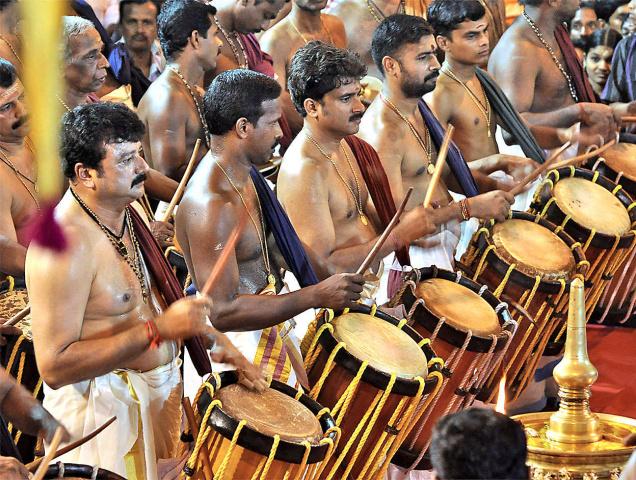
chenda mela,thrissur
Chenda Mela in Thrissur

கம்ப ராமாயணக் கவிதைகள்

வளை ஒலி வயிர் ஒலி மகர வீணையின்
கிளை ஒலி முழவு ஒலி கின்னரத்து ஒலி
துளை ஒலி பல் இயம் துவைக்கும் கம்மையின்
விளை ஒலி கடல் ஒலி மெலிய விம்முமே (பால காண்டம் 154)

பொருள்:– கடல் ஒலியைத் தோற்கடிக்கும் அளவுக்கு அயோத்தியில் கேட்ட ஒலிகள்: சங்கு, ஊது கொம்பு, மகர வீணை, மத்தளம் கின்னரம் என்னும் இசைக் கருவி, புல்லாங்குழல் ஆகியவற்றின் ஒலிகளாம்.

மண்ணும் முழவின் ஒலி, மங்கையர் பாடல் ஓதை,
பண்ணும் நரம்பின் பகையா இயல் பாணி ஓதை,
கண்ணும் முடை வேய் இசை, – கண்ணுளர் ஆடல்தோறும் –
விண்ணும் மருளும்படி விம்மி எழுந்த அன்றே.

(வரைக் காட்சிப் படலம் 44)

dusserah festival in Gulbarga
Dusserah Festival in Gulbarga

புதுக் கொண்ட வேழம் பிணிப்போர் புனை பாடல் ஓதை,
மதுக் கொண்ட மாந்தர் மடவாரின் மிழற்றும் ஓதை,
பொதுப் பெண்டிர் அல்குல் புனை மேகலைப் பூசல் ஓதை,
கதக் கொண்ட யானை களியால் களிக்கின்ற ஓதை.

(வரைக் காட்சிப் படலம் 46)

((ஓதை= பாட்டு, ஒலி, முழவு= தோல்கருவி, நரம்பு= யாழ், வீணை, வேய்= புல்லாங்குழல், வேழம்=யானை, மது=கள், மேகலை=ஒட்டியாணம்))

இது தவிர பல இடங்களில் உழவர்கள் மாடுகளை அதட்டி ஓட்டும் ஒலி, வீரர் கால்களில் இருந்து ஒலிக்கும் கழல் ஒலி, மகளிர் கால்களில் இருந்து ஒலிக்கும் சிலம்பு ஒலி, குயில் ஒலி, கிளி மொழி என்று ஏராளமான இடங்களில் ஒலிகளை வருணிக்கிறான் கம்பன்.
gopalakrishna bagavathar
Sri Gopalakrishna Bagavathar on tambura

contact swami_48@yahoo.com
Tamil Merchant who dumped Gold into Sea

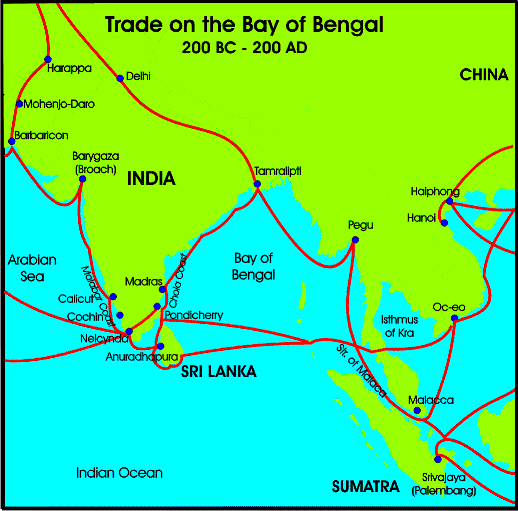
maritime trade

Written by London Swaminathan
Post No. 1239; Dated 17th August 2014.

Tiruvalluvar was the author of the Tamil ethical book Tirukkural which is praised as Tamil Veda. He had a friend by name Elela Singan who was a rich merchant. He had several ships and exported lots of goods. He earned a lot of money and spent it on charities. He was the patron of the great poet Tiruvalluvar. He considered Tiruvalluvar as his Guru. Though we did not have ancient records to support Tiruvalluvar- Elela singan friendship, we have lot of stories passed by word of mouth. They were put to writing in the last two hundred years. Tamil encyclopaedia ‘Abidana Chintamani’ gives a short sketch about the merchant.

A Tamil king who ruled Sri Lanka for over 40 years was called Elara. People think that his name was also Elela Singan. But it is possible that there may be more than one person with the same name.

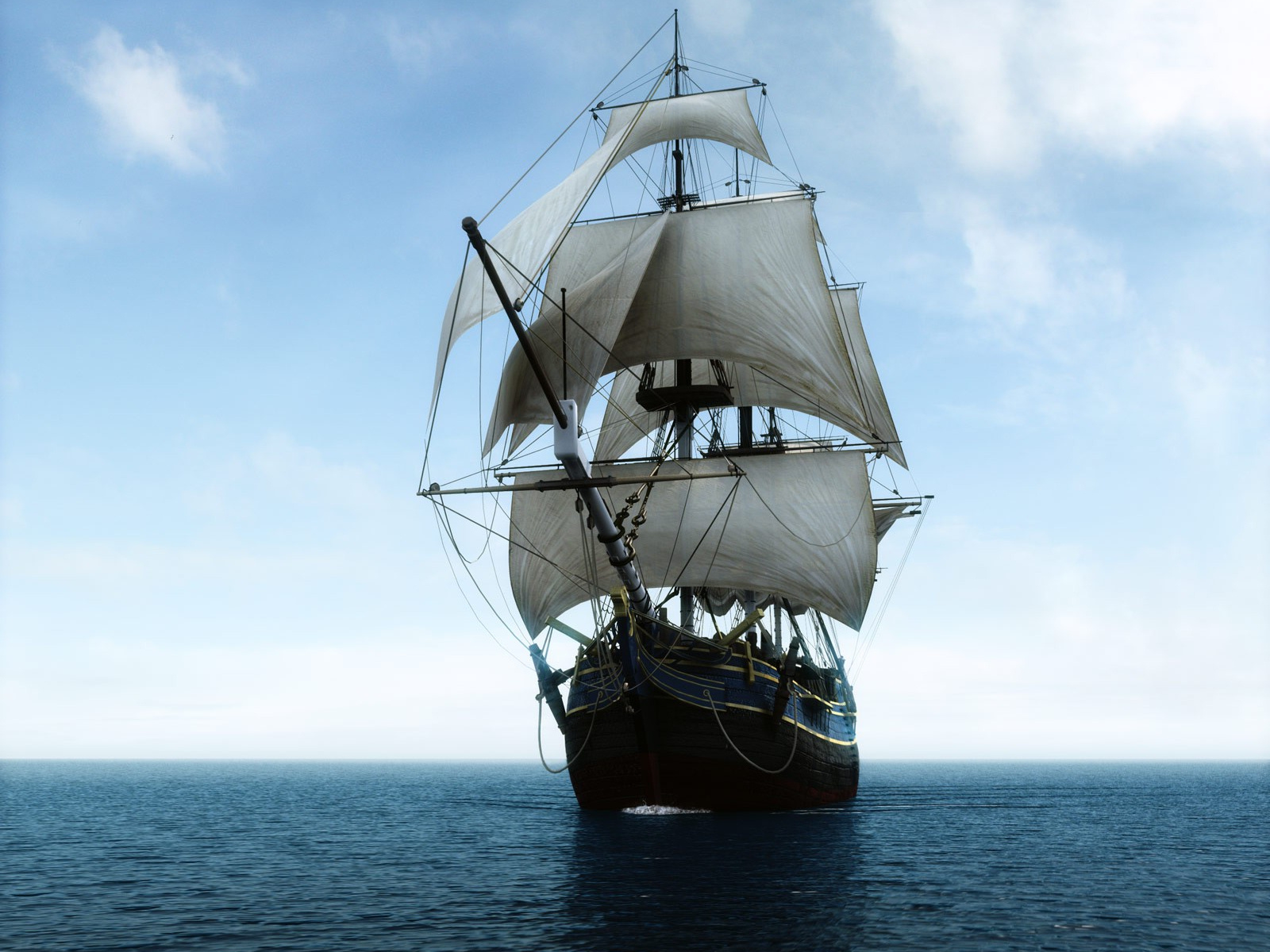
sailing ship pics 1600X1200

Episode 1
One day Tiruvalluvar went to the house of Elelasingan. Since Valluvar was doing weaving, he used to buy the yarn from him. He was stopped at the door and was told that Elela was doing puja to Lord Shiva (Hindu Prayer). Tiruvalluvar smiled and asked whether Elela was doing it in his prayer room or on the sea shore. Elela overheard this conversation and came running and fell at his feet. Actually Elela was thinking about the ships arriving on the day instead of Lord’s name. Tiruvalluvar was a mystic who could read his thoughts. From that day Elela took Valluvar as his Guru (spiritual teacher).

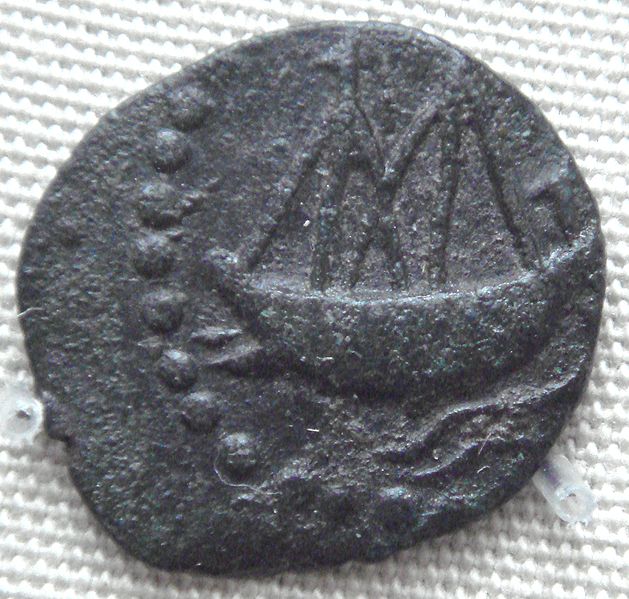
Vashishtiputra_Shri_Pulumavi
Satavahana coin with Indian ship

Episode 2
Once the ship loaded with lots of Elala’s goods ran aground. He sought the advice of Valluvar to rescue the stranded ship. Valluvar advised him to repeat the slogan Elela Ailesar, Elela Alisar and the ship was afloat again. From that time fishermen started repeating this slogan Elela Ailesar to travel safely. Since he was a philanthropist, his name did a miracle.

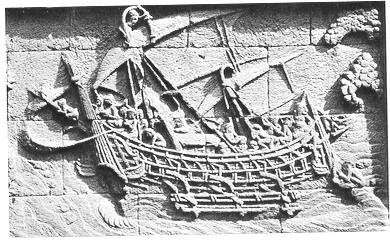
indian ship

Elela accumulated so much gold that even after doing lot of charity he had bars of gold. Again he went to his spiritual guru for advice. Valluvar asked him to dump them into sea. Probably Valluvar thought that this would make him an ascetic. One day the local fishermen came back to him with the same gold bars which he threw into the sea. Since his name was inscribed on them, fishermen could identify the owner. The gold bars were devoured by sharks and when the fishermen cut them open for selling they found the gold with his name! Valluvar told him that good people’s wealth will come back multi fold. The more they give the more they will get back. He composed a couplet on this incident (See Kural 659)

All profits, that make others weep, depart with tears
Even if lost, blessings flow from good deeds (couplet 659)

Hearsay stories tell us that he was the one who did funeral rites to Valluvar and built a temple for Valluvar in Mylapore, Chennai.

Elela’s name became proverbial. Even today Tamil proverbs like ‘Elela’s gold will come back even if it goes beyond seven seas’ spread his name and fame far and wide!

Souce: Abidana Chintamani (Tamil Encyclopaedia)

ஏலேல சிங்கன் கதை!

maritime trade

எழுதியவர்—லண்டன் சுவாமிநாதன்
கட்டுரை எண்:– 1238; தேதி 17 ஆகஸ்ட் 2014.

“ஏலேலசிங்கனின் பொருள் ஏழுகடல் போனாலும் திரும்பும்” – என்று தமிழில் ஒரு பழமொழி உண்டு. இந்தப் பழமொழிக்குப் பின்னால் சுவையான ஒரு கதை உண்டு.

தமிழ் வேதமாகிய திருக்குறளை நமக்குத் தந்த திருவள்ளுவரின் புரவலர் ஏலேல சிங்கன். அவர் பெரும் கடல் வணிகர். ஏராளமான செல்வத்தைக் குவித்தவர். ஆயினும் அந்தச் செல்வத்தை அறவழிகளில் செலவிட்டார். திருவள்ளுவரையும் ஆதரித்தார். இவரைப் பற்றி செவிவழியாக வந்த பல செய்திகளைச் சுருக்கமாக தமிழ் என்சைக்ளோபீடியா ‘அபிதான சிந்தாமணி’ தருகிறது.

திருவள்ளுவர் நெசவுத் தொழில் செய்து வந்தார். இவரிடம் நூல் வாங்கப்போவது வழக்கம். ஒருநாள் ஏலேலசிங்கன் வீட்டுக்குப் போனார். அவர் சிவபூஜையில் இருப்பதாச் சொல்லி வள்ளுவரை வீட்டு வாசலிலேயே தடுத்து நிறுத்திவிட்டனர். வள்ளுவர் உடனே புன்சிரிப்புடன், அவர் குப்பத்தில் பூஜை செய்கிறாரா அல்லது வீட்டு அறையில் பூஜை செய்கிறாரா? என்று கேட்டார். இதைக் கேட்ட ஏலேலசிங்கன் அவரிடம் ஓடி வந்து வெட்கத்துடன் நின்றார். அதாவது த்ரிகால முனிவரான வள்ளுவருக்கு ஏலேலசிங்கன் மனம் அலைபாய்வதும், அலைகடலில் வரும் கப்பல் பற்றி எண்ணிக் கொண்டிருப்பதும் தெரிந்துவிட்டது. உடல் பூஜை அறையில் இருந்தாலும் உள்ளம் கப்பல் வணிகத்தில் உலா வந்தது. அன்று முதல் வள்ளுவரை அவர் ஆன்மீக குருவாக ஏற்றார்.

indian ship

ஒரு முறை ஏலேலசிங்கனின் பொருட்களை ஏற்றி வந்த கப்பல் தரை தட்டியது. வள்ளுவரிடம் ஓடோடி வந்து வழி ஏதும் உண்டா என்று கேட்டு விழி பிதுங்க நின்றார். அறவழியில் சேர்த்த பொருள் ‘போ’ என்றாலும் போகாது என்பது வள்ளுவருக்குத் தெரியும். ஆகவே ஏலேலசிங்கன் பெயரைச் சொல்லி கப்பலை கயிறு கட்டி இழுக்கச் சொன்னார். கப்பல் கரை சேர்ந்தது. அதிலிருந்துதான் கடலில் செல்லுவோர் பாதுகாப்பாகச் சென்று திரும்ப ‘’ஏலேல ஐலசார்’’ என்று கோஷம் இடும் வழக்கம் வந்ததோ என்று எண்ண வேண்டி இருக்கிறது!!

திரும்பி வந்த தங்கம்

ஏலேல சிங்கனிடம் ஏராளமான பொருட் செல்வம் குவியவே அதைத் தங்க கட்டிகளாக மாற்றி வைத்திருந்தார். அற வழிகளில் செலவிட்டது போக எஞ்சியதைக் கடலில் கொண்டு போட்டு விட்டார். சில காலம் கழித்து மீனவர்கள் பலர் அவர் வீட்டை நோக்கி ஓடி வந்தனர். அவர்கள் பிடித்த சுறாமீனின் வயிற்றில் தங்கக் கட்டிகள் இருந்ததாகவும் அதில் ஏலேல சிங்கனின் பெயர் பொறிக்கப் பட்டிருப்பதால் திருப்பிக் கொடுக்க ஓடிவந்த தாகவும் சொன்னார்கள். வள்ளுவர் வாய்மொழிப்படி வாழ்க்கை நடத்தினால் செல்வத்தை ‘’போ, போ’’ என்று விரட்டினாலும் போகாது!!
இதை ஒட்டித்தான் வள்ளுவனும் பாடினான்:

Vashishtiputra_Shri_Pulumavi
Satavahana coin with Indian ship

அழக்கொண்ட எல்லாம் அழப் போம், இழப்பினும்
பிற்பயக்கும் நற்பாலவை (குறள் 659)

பிறர் கண்ணீர் சிந்துமாறு அழ, அழ பொருட்களைச் சேர்த்தால் அவர்களுடைய பொருட்கள் எல்லாம் அவர்களை அழ, அழ வைத்துவிட்டு ஓடிப் போகும். ஆனால் தூய்மையான வழியில் வந்த பொருட்களை, ஒருவர் இழந்தாலும், பின்னர் நல்லபடியாகவே முடியும் (குறள் 659)

இலங்கையில் ஏலேரா என்றொரு தமிழ் மன்னன் நீதியும் நேர்மையுமிக்க சீர் மிகு ஆட்சி நடாத்தினான். அவனை மனுநீதிச் சோழன் என்பாரும், ஏலேலா (காண்க: கல்கியின் பொன்னியின் செல்வன்) என்பாரும் உளர். ஆயினும் ஒரே பெயரில் பலர் இருந்ததால் இந்திய சரித்திரத்தில் இன்று வரை குழப்பம் நீடித்து வருவதை நாம் அறிவோம்.

sailing ship pics 1600X1200

வள்ளுவர் இறந்த பின்னர் அவருக்கு இறுதிச் சடங்குகள் செய்தது ஏலேலன் என்றும் அவருக்கு மயிலையில் கோயில் எழுப்பித்தவன் ஏலேலன் என்றும் செவிவழிச் செய்திகள் கூறும்.

–சுபம்–

On Sugarcane Morals

Sugarcane-

Compiled by London Swaminathan
Post No. 1237; Dated:16th August 2014.

“On umbrella morals” was an English essay written by A G Gardiner. The contents and the style were very good. It was part of my graduate studies thirty years back. When I remembered it, I thought of writing (actually compiling) “On Sugarcane Morals” from Indian literature.

Sugarcane is used by Indian poets to teach several morals. Naaladiyar and Tirukkural are Tamil books of ethical teaching. In the Naladiyar we have 400 verses composed by various poets.

One poet used the sugarcane as a simile to stress the importance of virtues. He says, “having obtained a human body so difficult to attain, act so as to procure great merit by it; for in the next birth, charity will greatly help you just as the juice of sugarcane, while your body will decay like the refuse of that cane.”

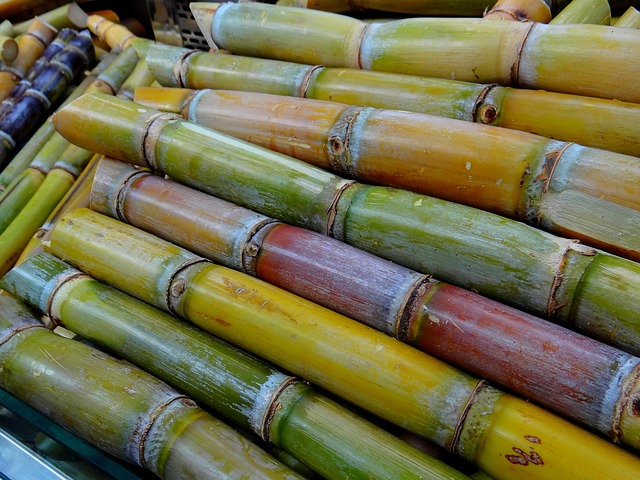
sugar-cane-plantation
Picture of sugar cane plantation

When another poet heard it, he immediately composed another verse using the same sugarcane analogy, “those who have pressed the sugarcane and extracted the jiggery (coarse brown sugar) from it in time will not repent when the refuse rises in burning flames; so will those, who have with much exertion secured the benefits of the body not grieve at the approach of death”.

Under the chapter on Education, another poet used sugarcane to illustrate the benefit of having educated friends: “ The friendship of the learned is like eating the sugarcane from the top (downwards) and the attachment of those who are devoid of any good qualities is like eating it from the root (upwards)”.

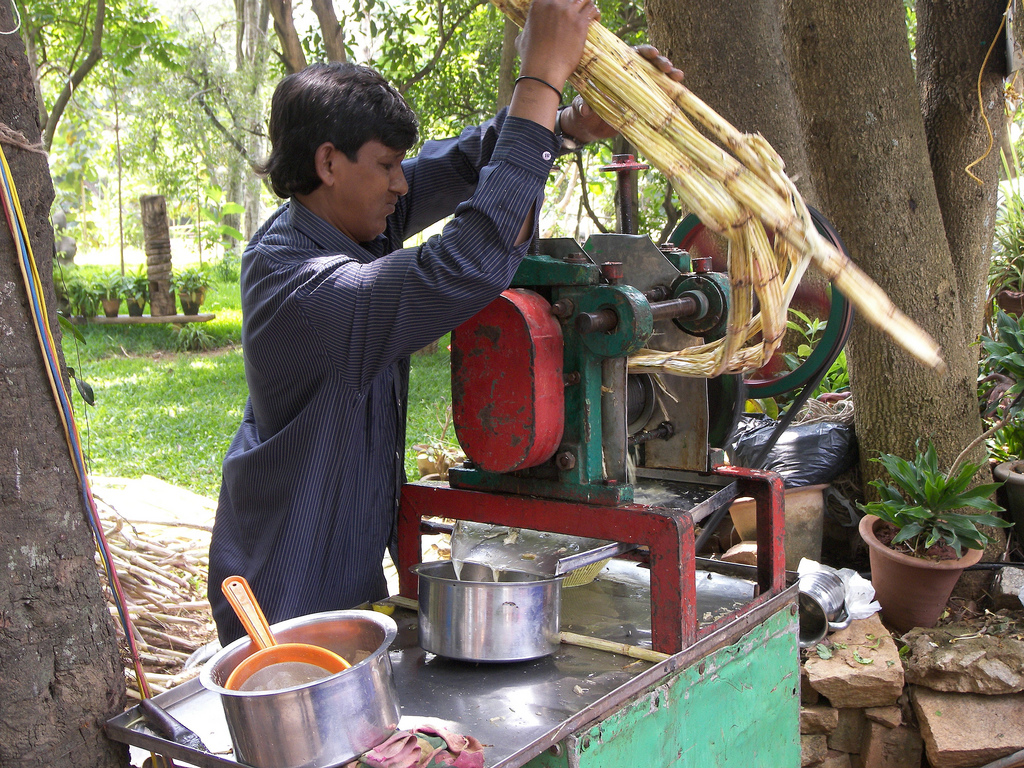
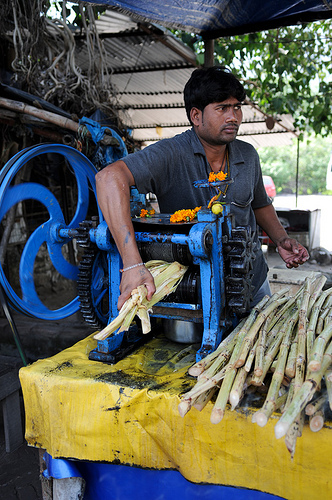
sugarcane machine1
Picture of Sugar cane Juice Machine

Sugarcane is compared with the good people undergoing great difficulties. When one bites a sugar cane or otherwise extracts its juice by pressing or beating it so as to break its joints, it will be still sweet to the taste. In like manner though people should abuse harmfully, the high born will never speak anything that will affect the guilty person.

To illustrate perseverance is good, one of the poets of Naladiyar says, “the hair like flower of the sugarcane is devoid of any fragrance; even so, what will be the good of being born in a highly and lofty family, if there be not that perseverance which can carve out a name for its possessor.

In the chapter on Choice of Friendship
A poet says, “Friendship with the wise whose intelligence divines our thoughts, is like eating the sugarcane from the top; but connection with people devoid of good disposition is like eating it from the opposite end, the root.

A Chinese proverb says, “You can’t expect both ends of a sugarcane are as sweet”.

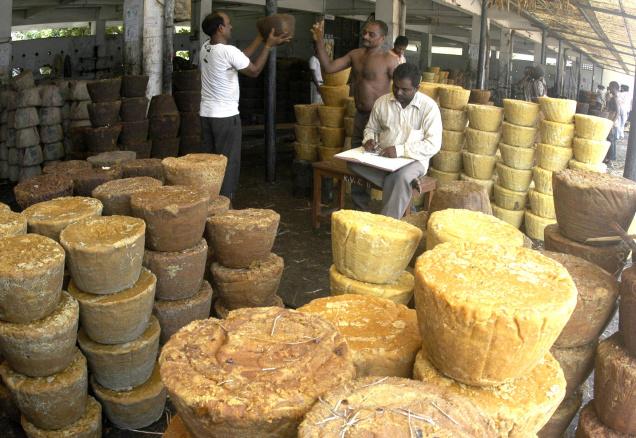
vellam
Jaggery (coarse sugar) shop

Tiruvalluvar’s use of sugarcane simile

Unlike the poets of Naladiyar, Valluvar used the sugarcane with a negative connotation. He says, “At a mere word the good will melt; but the mean, like the sugarcane, yield only under pressure (Kural 1078)

Iksu, the generic name for sugarcane, is first found in the Atharvaveda 1-34-5 and the later Samhitas. Ikshvaku occurs in the Rig Veda 10-60-4

sugarcane-juice1
Extracting sugar cane juice

((I have already written a research paper on Sugarcane Dynasty (Ikshvaku Vamsa) of ancient India. I have mentioned there that Indians invented the method of making sugar. Sugar was also found in Indus valley civilization. A Tamil poetess praised a Tamil king for introducing sugarcane. Probably he also belonged to the Ikshvaku vamsa or he introduced it to Tamils. Please read the full details in my article)).

Contact swami_48@yahoo.com
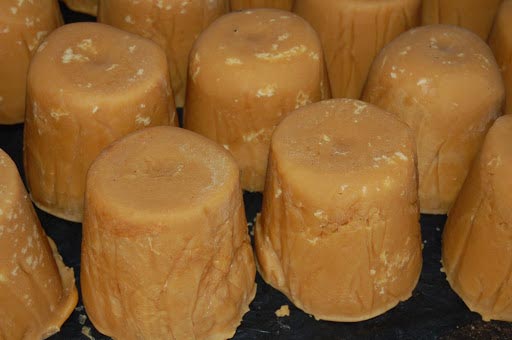
jaggery
Jaggery blocks

மாம்பழக்கவிச்சிங்க நாவலர்: சதுரங்க பந்தம்-3

தமிழ் என்னும் விந்தை! சதுரங்க பந்தம் -3
By ச.நாகராஜன்
Post No.1236; Dated 16th August 2014.

மிகக் கடினமான சதுரங்க பந்தத்தை நன்கு பாடியவர்களுள் ஒருவர் மாம்பழக் கவிச்சிங்க நாவலர். இவர் மதுரை ஜில்லாவில் பழநி நகரத்தில் கி.பி. 1836ஆம் ஆண்டு முத்தையாசாரியாருக்குப் பிறந்த நற்புதல்வர். மூன்றாம் வயதில் வைசூரி நோயினால் கண்களை இழக்க நேரிட்டது. முருகனது அருளால் அகக் கண் திறந்தது.

எத்தைகைய பெரிய நூலானாலும் ஒரு முறை பாடக் கேட்டால் அப்படியே நினைவில் கொள்ளும் திறன் இவருக்கு வந்தது. அதனால் இவரை ஏகச்சந்தகிராகி என்பார்கள். பல நூல்களைக் கற்றார்.கடல் மடை திறந்த வெள்ளம் போலக் கவி மழை பொழியலானார். சேது சமஸ்தான மன்னராக இலங்கிய முத்துராமலிங்க சேதுபதி அவர்கள் மற்றும் பொன்னுசாமித் தேவர் ஆகியோரது சமூகத்திலும் தமது கவித்திறத்தைக் காட்டி அவர்களால் கவிச்சிங்க நாவலர் என்ற பட்டமும் பெற்றார். சென்னை முதலிய பல இடங்களுக்கும் சென்று அனைவராலும் பாராட்டப் பெற்றார்.

பல்லக்கு முதலிய விமரிசைகளுடன் யாத்திரைகள் செய்து பிரபுக்கள் எதிர்கொண்டழைக்க வாழ்ந்தார்.இது போல சிவிகை மீதூர்ந்து வாழ்ந்த தமிழ்ப் புலவர் இவருக்குப் பின் வேறொருவரும் இல்லை என்றே சொல்லலாம். நாற்பத்தியெட்டே வயது வாழ்ந்த இவர் 1884ஆம் ஆண்டு மறைந்தார். இவர் செய்த நூல்கள் பல. தனிப் பாடல்களோ கணக்கிலடங்கா. இவற்றை எல்லாம் ஒருங்கு சேர்த்து மாம்பழக்கவிச்சிங்க நாவலர் திரட்டு என்ற பெயரில் ஒரு நூலை மார்க்கயன் கோட்டை வித்துவான் எம்.பி. பழநிச்சாமியாசாரியார் அவர்கள் அச்சிட்டார்.

இவர் பாடிய சித்ர கவிகள் பல உண்டு, இவர் இயற்றிய சதுரங்க பந்தம் இது:-

நேம னதிவித காம னனைவர்க்கு நேயகம

சேம சகாயன் சிதபுஞ்சன் சீர் சின வாவிசய

தாமன் மனதிற் சலிக்கா னருட்கல்வி சால்பினொடு

மாமணி நேர வளர்மானு வேல்கன வாசகனே

இந்தச் செய்யுளில் முதல் வரியில் 18 எழுத்துக்களும் இரண்டாம் வரியில் 20 எழுத்துக்களும் மூன்றாம் வரியில் 22 எழுத்துக்களும் கடைசி வரியில் 18 எழுத்துக்களும் வருவதைக் காணலாம். மொத்த எழுத்துக்கள் 78.

இதை சதுரங்க பந்தமாக கீழ்க்கண்ட முறையில் அமைக்கலாம்:-

bandham3

பாடலை எப்படி சதுரங்க பந்தத்தில் படிப்பது? 1, 10, 19, 28, 37, 46, 55, 64, 63, 62, 61, 59, 58, 57, 49, 50, 51, 52, 53, 54, 55, 56, 48, 47, 46, 45, 44, 43, 42, 41, 3, 34, 35, 36, 37. 38. 39, 40, 32, 31, 30, 29, 28, 27, 26, 25, 17, 18, 19, 20, 21, 22, 23, 24, 16, 15, 14, 13, 12, 11, 10, 9, 1, 2, 3, 4, 5, 6, 7, 8, 15, 22,29, 36, 43, 50, 57 என்ற கட்டங்கள் (சதுரங்க அறைகள்) வழியே சென்றால் பாடலைப் படிக்கலாம்.
இப்படி சதுரங்க பந்தம் எப்படி அமைப்பது? அதற்கு ஏதேனும் ரகசிய வழி உண்டா? உண்டு.

என்னிடம் கிட்டத்தட்ட சுமார் நூறு ஆண்டுகள் பழமையான ‘தனிப்பாடல் திரட்டு’ என்ற ஒரு நூல் இருக்கிறது. புத்தகத்தின் முதல் பக்கமும் இல்லை. கடைசிப் பக்கமும் இல்லை. அதை அடிக்கடிப் பிரித்துப் படிப்பேன். சதுரங்க பந்தம் பற்றிய அருமையான ஒரு பாடல் அதில் இருந்தது. மாம்பழக்கவிச் சிங்க நாவலரின் எழுபத்தெட்டு எழுத்துக்கள் கொண்ட சதுரங்க பந்தம் பற்றியும் அதில் ஒரு குறிப்பு இருந்தது. ஆனால் அது என்னெவென்றே விளங்கவில்லை. பல காலம் பிரிப்பதும், படிப்பதும் மூடுவதுமாகக் கழிந்தது. ஆனால் இந்தத் தொடரை எழுதும் போது ஒரு நாள் மாலை திடீரென உள்ளொளி (insight) மின்னியது.

மேலே உள்ள பாடலை சதுரங்க பந்தத்தில் அமைத்து அந்த திறவுகோல் பாட்டையும் அதில் உள்ள “துருவக்குறிப்பையும்” ஒப்பிட்டுப் பார்த்தேன். பளிச்சென அனைத்தும் விளங்கியது.
அதை அடுத்த வாரம் பார்ப்போம்