தூக்கம் வராத நான்கு பேர் யார்?

sleepless

Wriiten by S Nagarajan
Post No.1165; Dated 11th July 2014

This is the eighth part of S Nagarajan’ article from his Tamil book “Honey Drops from the Puranas”. First seven parts were published in this blog.

சுகருக்கு ஜனக ராஜன் கூறிய ரகசியம்!

ஜனக மஹராஜனை சுகர் அவனது அரண்மனைக்கு வந்து சந்திக்கிறார். அப்போது அவரிடம் ஜனக ராஜன் கூறியது:-

சுகரே! இந்திரியங்கள் வலுப் பெற்றிருக்கும் காலத்தில், அதை அடக்குவது ஒருவராலும் முடியாது.அது அசாத்தியம். இந்திரியங்கள் பரிபாகம் இல்லாதவனைத் தாம் செல்லும் வழியில் எல்லாம் ஈர்த்து ஆசையை எழுப்பி, அறிவை ஆகர்ஷித்துக் கொண்டு பல விதமாகக் கெடுத்து விடுகின்றன. எப்படி என்றால், ஆகாரத்தின் மீதுள்ள ஆசையினாலும் சுகத்தின் மீதுள்ள இச்சையினாலும், சயனத்தின் மீதுள்ள ஆசையினாலும் எண்ணம் உண்டாக்கிக் கெடுக்கின்றன. ஆகையால் இந்திரியங்களை வைத்துக் கொண்டு சந்யாசியாக சென்றால் பயன் என்ன?

பிராரப்த வாசனா பலத்தை ஜெயிப்பது என்பது பெரும் கஷ்டம். அது ஒருபொழுதும் சமனம் அடைகிறதில்லை.ஆதலால் வரிசையாக ஒவ்வொரு ஆசிரமத்திலும் ஈடுபட்டு அவைகளைப் பற்று அறத் துறக்க வேண்டும்.

சுகரே! உன்னதமான பிரதேசத்தில் தூங்குபவன் கொஞ்சம் சலிப்பை அடைவானாயின் கீழே வீழ்ந்தே தீருவன். கீழே தூங்குபவன் எவ்வளவு சலித்தாலும் விழ மாட்டான். அது போல சந்நியாச ஆசிரமத்தை அடைந்த பின் சபல புத்தி உண்டாகுமானால் அதிலிருந்து நழுவி விடுவான். மீண்டும் அவன் ஈடேற வழியில்லை.

சுகரே! எறும்புகள், பழமுள்ள ஒரு மரத்தில் அண்டி மெல்ல ஊர்ந்து உச்சியில் ஏறி சுவையுள்ள கனிகளைச் சிறிது சிறிதாகச் சாப்பிடுகின்றன. பறவைகளோ அக்கனிகளைச் சாப்பிடுவதற்கு வேகமாய் ஒரே பாய்ச்சலில் கனிக்குச் சமீபத்தில் சென்றும் கூட அங்கு நேரிடும் சில இடையூறுகளினால் மொத்துண்டு சிரமப்பட்டும் பயனற்றுப் போகின்றன. எறும்புகளோ அப்படியன்று. அங்கங்கு சிரமத்தைப் பரிகாரம் செய்து கொண்டும் யாதொரு இடையூறில்லாமலும் அந்தப் பழங்களை அனுபவிக்கின்றன.

ஆதலால் எவருக்கும் மனத்தை வெல்ல முடியாது. ஏனென்றால் மனத்தைக் காலம் விடாது. ஆதலால் அந்த மனத்தை ஆசிரமம் தோறும் சிறிது சிறிதாக அடக்கி வர வேண்டும். சாந்தனாயும், ஞானவானாயும், ஆத்ம விசாரமுடையவனாய் உள்ள புருஷன் கிருஹஸ்த ஆசிரமத்தில் இருப்பவனாயிருந்தபோதிலும் இலாபத்தில் சந்தோஷமும் நஷ்டத்தில் துக்கமும் அடைய மாட்டான்.இவ்விரண்டிலும் சமபுத்தியை உடையவனாக இருப்பான்.

ஆதலால் எவனாயினும் வேதத்தில் விதித்த கர்மங்களைச் செய்து அதன் பலனை விரும்பாமல் ஈசுவர அர்ப்பணம் செய்கின்றானோ அவன் ஆத்மானுபவத்தை அடைந்து ஆனந்தமூர்த்தியாய் சம்சார பந்தத்த்திலிருந்து விடுபடுவான். இதில் சந்தேகமில்லை.

என்னைப் பாரும், யான் ராஜ்ய பரிபாலனம் செய்துகொண்டு, யதேச்சையாக சஞ்சரித்துக் கொண்டிருக்கிறேன். எனக்கு ஒன்றிலும் சுகம் துக்கம் என்பது சிறிதுமில்லை. அப்படி பற்றற்று இருக்கின்றமையால் ஜீவன் முக்தனாய் இருக்கிறேன்.

– தேவி பாகவதம் முதலாம் ஸ்கந்தத்தில் 18ஆம் அத்தியாயம் – சுக ஜனக சம்வாதம்
பல ரகசியங்களை விளக்கும் அற்புதமான இந்த உரையாடல் தொடர்கிறது.
Exif_JPEG_PICTURE
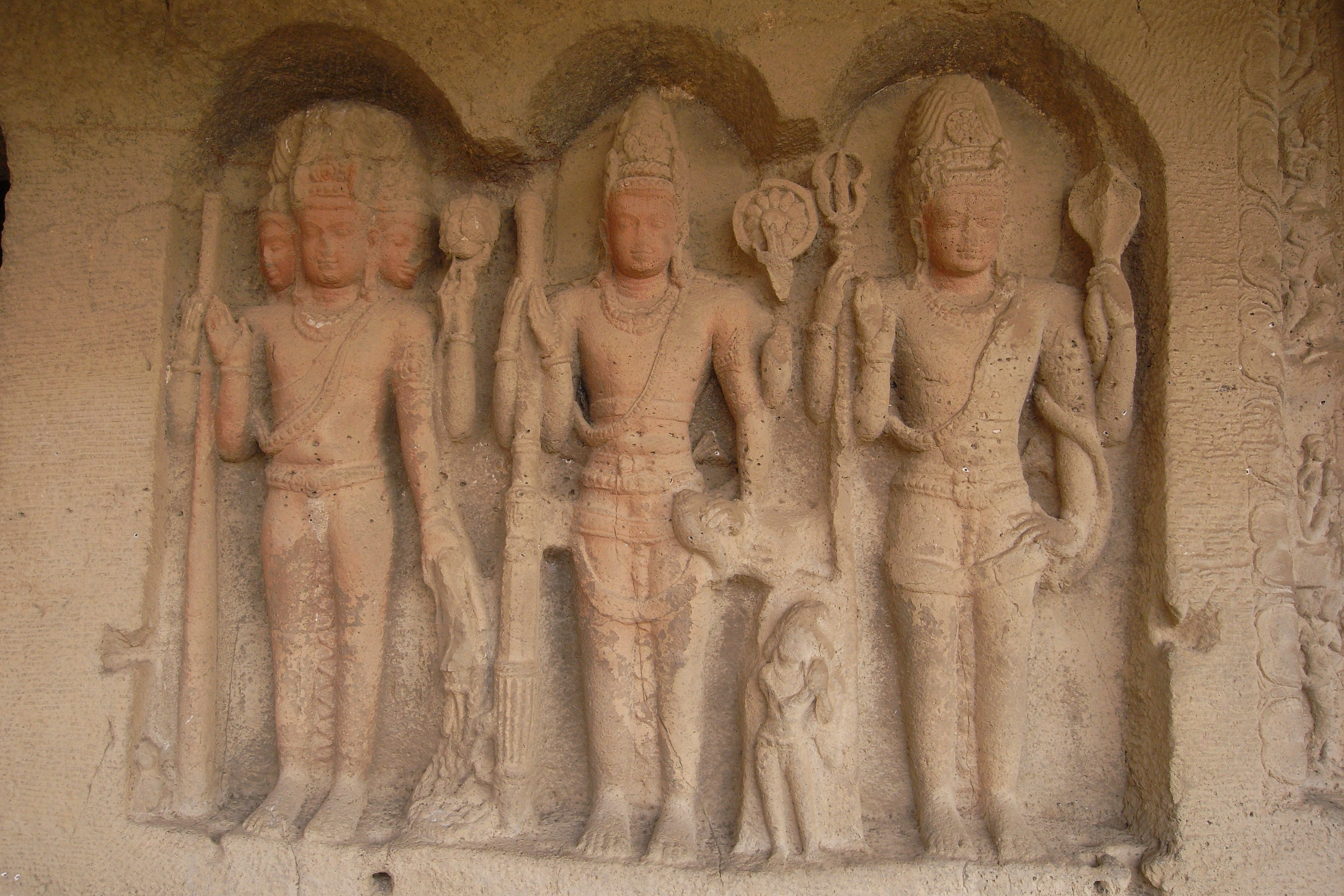
Trimurti at Ellora Caves

மும்மூர்த்திகளும் ஒருவரே!

ஏக மூர்த்திஸ்த்ரயோ தேவா: ப்ரஹ்மா விஷ்ணு மஹேஸ்வர: I
த்ரயாணாமந்தரம் நாஸ்தி, குணாபேத:ப்ரகீர்தித: II

ப்ரம்மா, விஷ்ணு,,சிவன் – ஆகிய இந்த மூன்று தேவர்களும் ஒருவரே. இந்த மும்மூர்த்திகளின் ஸ்வரூபத்தில் ஒரு விதமான பேதமும் இல்லை. குணங்களில் மட்டுமே பேதம் இருப்பதாகச் சொல்லப்படுகிறது.
-பத்ம புராணம், பூமி கண்டம், அத்யாயம் 71

மெதுவாகச் செய்ய வேண்டிய 5 விஷயங்கள்!

சில விஷயங்களில் நிதானம் தேவை. மெதுவாகச் செய்ய வேண்டிய காரியங்களை ‘சனை: கர்தவ்யானி’ (மெதுவாகச் செய்யவேண்டியவை) என்று குறிப்பிடுவர். கருட புராணம் தரும் அறிவுரை இது:

வித்யா – கல்வி கற்பது
அர்த்தா – செல்வம் சேகரிப்பது
பர்வதாரோஹணா – பர்வதம் அதாவது மலையில் ஏறுவது
தர்மா – தர்மம்
காமம் – காமம்
ஆக இந்து ஐந்து விஷயங்களிலும் அவசரம் கூடாது
இதைக் கூறும் கருட புராண ஸ்லோகம் இது:

சனைர்வித்யா சனைர் அர்த்தா சனை: பர்வதமாருஹேத் I
சனை: காமம் ச தர்மம் ச பஞ்சதானி சனை: சனை: II

கல்வியில் மெதுவாக முன்னேறு. பொருள் சேகரிப்பதில் மெதுவாக முன்னேறு. மலை மீது ஏறுவதை மெதுவாகச் செய். காமத்திலும், அதே போல தர்மம் செய்வதிலும் மெதுவாகச் செய்! இந்த ஐந்து விஷயங்களையும் மெதுவாகவே செய்ய வேண்டும்.
-கருட புராணம் 109ஆம் அத்தியாயம் 46ஆம் ஸ்லோகம்
goddess-bhuvaneswari

மாயைக்கு மருந்து

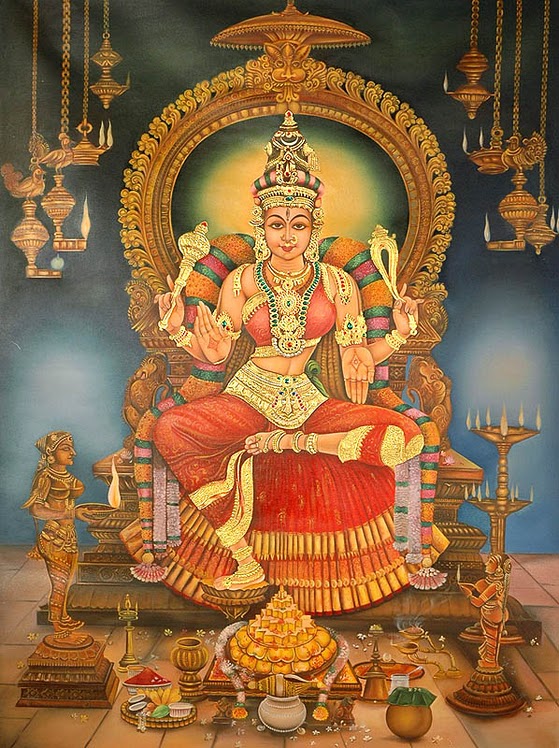
உலகமெல்லாம் மாயா சொரூபமாய் இருக்கிறது. பரமேஸ்வரி அம்மாயா சொரூபமான உலகத்திற்கு எஜமானியாக இருக்கிறாள். ஆதலால் மூன்று லோகத்தாராலும் சுந்தரமான தேவியே புவனேஸ்வரி என்று சொல்லப்படுகிறாள்.

ஓ! அரசனே! மனம் புவனேஸ்வரி ரூபத்தில் சம்பந்தித்து இருக்குமாயின் இந்த சம்சாரத்தில் சதசத்ரூபமான மாயை என்ன செய்யும்? ஆதலால் மாயையை ஒழிப்பதற்குச் சதானந்தரூபியான தேவியைத் தவிர வேறொரு தேவதாந்தரங்கள் சக்தி உள்ளனவல்ல. தமோராசியை நாசம் செய்வதற்கு தமசே காரணமாக மாட்டாது. சூரியன், சந்திரன், அக்னி, மின்னல் இவைகளுடைய காந்தியல்லவோ இருளைப் போக்கடிக்க வல்லமை உள்ளவை. ஆதலால் சம்வித்ரூபமாய்த் தானே பிரகாசித்துக் கொண்டிருக்கிற மாயேஸ்வரியான அம்பிகாதேவியை மாயையைக் கழிப்பதற்காக மிகப் பக்தியோடு பூஜிக்க வேண்டும்.

-வியாஸ முனிவர் ஜனமேஜய மஹராஜனிடம் கூறியது
– தேவி பாகவதம், ஆறாம் ஸ்கந்தம், 36ஆம் அத்தியாயம்.

Awaken man

தூக்கம் வராத நான்கு பேர்!

நான்கு பேர்களுக்குத் தூக்கம் வராது என்று கூறுகிறது கருட புராணம்.
1) தரித்ரன் – ஏழ்மையில் வாடுபவனுக்குத் தூக்கம் வராது.
2) பரப்ரேஷ்ய சர – (சர என்றால் ஒற்றன் என்று பொருள்) அயல் தேசத்தில் உளவு பார்க்கச் சென்ற ஒற்றன்
3) பர நாரி ப்ரசக்த – அடுத்தவன் மனைவி மீது காதல் கொள்பவன்
4) பர த்ரவ்ய ஹர: – அடுத்தவன் பொருளை அபகரிக்கும் திருடன் ஆகிய இவர்களுக்கு நித்திரை வராது.

குதோ நித்ரா தரித்ரஸ்ய பரப்ரேஷ்யசரஸ்ய ச I
பரநாரிப்ரசக்தஸ்ய பரத்ரவ்யஹரஸ்ய ச II

– கருட புராணம் 115ஆம் அத்தியாயம் ஸ்லோகம் 68

To be continued………………………..

Doubting Thomas Perishes: ‘Samsayatma Vinasyati’

blue-head-man-question-mark

Written by London Swaminathan
Post No. 1164; Dated 10th July 2014.

A man suspects his wife if she speaks to another man; a wife suspects her husband if he comes late in the night most of the days in a week. If something is not found in a room, immediately we suspect even our closest friend. Then we feel ashamed to allow such a thought into our mind. If some asks for some help or someone does some favour to us we suspect that person. The world is full of doubting Thomasses. Arjuna had lot of doubts. Krishna patiently answered every one of his questions and cleared all his doubts. Faith is Life, Doubt is Death, says Sri Ramakrishna.

Sri Ramakrishna Pramahamsa says a story about the dangers of doubtfulness:
A man wanted to cross a river. A sage gave him an amulet and said, “This will carry you across”. The man taking it in his hand, began to walk over the water. Before he had gone half the way, he was seized with curiosity and opened the amulet to see what was in it. Therein he found, written on a piece of paper, the sacred name of Rama, the Lord. At this the man said depreciatingly, “Is this the whole secret?”. No sooner this scepticism entered his mind than he sank down. It is faith in the ‘name’ of the Lord that works wonders; for faith is life and want of faith is death.

–Sayings of Sri Ramakrishna, Sri Ramakrishna Math, Mylapore, Chennai, 600 004.
Ramakrishna Paramahamsa says elsewhere a person who went to dig a well for water first dug out for ten feet. When he could not find water he went to another place and dug out for 20 feet. He could not get water. Then he moved further away and dug out for 30 feet. There was no water. People who doubt are like him. They don’t have firm conviction in anything.

He that is ignorant, unbelieving, agnostic, perishes; for doubting Thomasses, there is neither this world nor the word beyond, nor happiness: Bhagavad Gita 2-40

The old religions said that he was an atheist who did not believe in God. The new religion says that he is an atheist who does not believe in himself — Swami Vivekananda.

To those who have conquered doubts and reached the truth
The heavens are nearer than this earth itself: Tiruvalluvar, Kural 353 (Tamil)

doubting-Thomas

A Story from the Bible
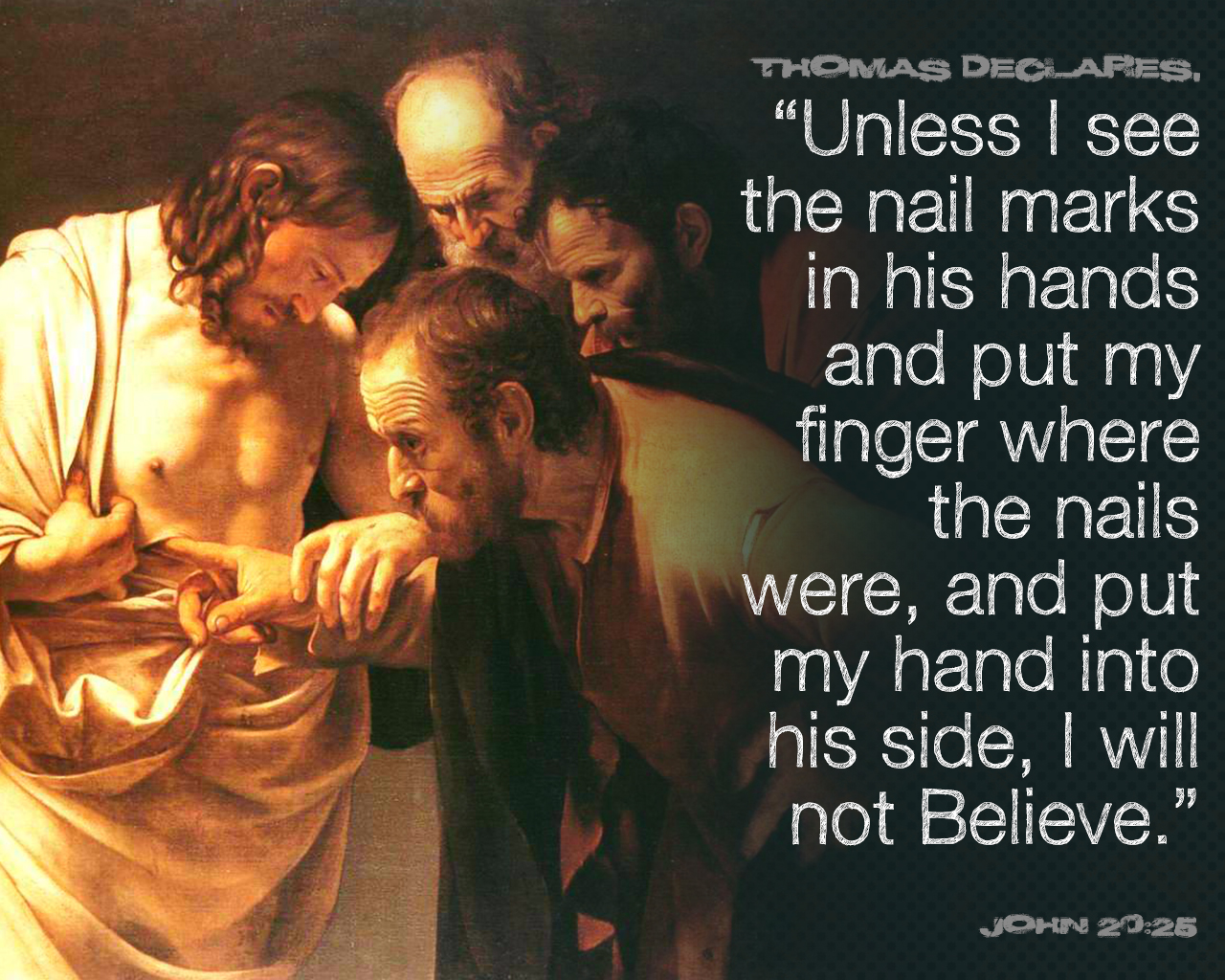
The doubting Thomas story is in the Bible. When followers of Jesus were hiding in a house, Jesus who was crucified suddenly appeared before them. They thought that it was a ghost. Jesus told them that they should not have doubted what Mary Magdalene told them already. When he ate with them they all believed him. Afterwards Thomas, another disciple entered the house. When they told him about Jesus’ visit, he did not believe them. He told them that he would not believe it unless he himself sees Jesus with his nail wounds in the fingers. Eight days after this, Jesus came again and showed his wounds to him. Then he believed him. So anyone who does not believe in anything unless one gets a personal experience is called a doubting Thomas.

Betrand Russel rightly said:
The whole problem with the world is that fools and fanatics are always so certain of themselves, and wiser people so full of doubts: Bertrand Russel

The moment there is suspicion about a person’s motives, everything he does becomes tainted: Mahatma Gandhi

Suspicion always haunts guilty mind: Shakespeare

Suspicion is the cancer of friendship: Petrarch

krishna-arjuna
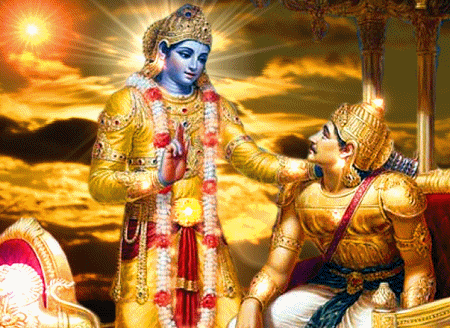
Krishna clarifies Arjuna’s Doubts.

There are some sayings, proverbs about doubt, uncertainty and irresolution in Sanskrit books:

Following quotes are taken from the book, “Suktisudha”, by Chinmaya International Foundation, Ernakulam, India, 2010.

Nothing will be fruitful for the doubtful – Brhatkathakosa 4-42

Doom is definite for the doubtful – samsayatma vinasyati- Baghavad Gita 4-40

That alone deserves enquiry which is riddled with doubt and promises a result.

Being ever sceptical I know no solace in this world or the next.

When the mind is in a dilemma the enterprise is sure to be a fiasco –
Kahavatratnakar

A genuine iron coin is better than a fake gold coin.

Contact swami_48@yahoo.com

நாஸ்தீகர் இல்லாத நகரம்: அயோத்தி !!

rama10

Written by London Swaminathan
Post No. 1163; Dated 10th July 2014.

வடநாட்டில் இருந்த கோசல நாட்டின் தலை நகரம் அயோத்தி. இங்கே பல ஆயிரம் ஆண்டுகளுக்கு முன் அரசாட்சி செய்தவன் தசரத மாமன்னன். அவனுடைய மகன் ராமனின் புகழை வால்மீகி, கம்பன், துளசிதாஸ், எழுத்தச்சன் உள்பட பல நூறு புலவர்கள் பாடி இருக்கின்றனர். 300 வகையான ராமாயணங்கள் இருப்பதை நாம் அறிவோம். அவைகளுடன் புறநானூற்றுப் புலவர்கள், சிலப்பதிகார இளங்கோ, பன்னிரு ஆழ்வார்கள், திருப்புகழ் பாடிய அருணகிரி, தேவாரம் பாடிய மூவர் ஆகியோரும் அவரவர் பக்திப் பாடல்கள் இடையே ராமன் புகழ் பாடி இருப்பதை சிலரே அறிவர்.

ராமன் புகழ் இப்படிப் பரவக் காரணம் ரகு குல மன்னர்களின் நல்லாட்சி. அதைக் கேட்டுவிட்டுத்தான் ‘’ராமராஜ்யம்’’ அமைய வேண்டும் என்று காந்திஜி போன்ற தலைவர்கள் பரப்புரை செய்தனர்.

கட்டிட, பொதுப்பணித் துறை, விவசாயத் துறை, இசை நடனத் துறை, போக்குவரத்துத் துறை, நிர்வாகத் துறை, கல்வித் துறை, பாதுகாப்புத் துறை, சமயத்துறை, சமூக நலத் துறை, வணிகத் துறை, அறநிலையத் துறை, மகளிர் நலத் துறை ஆகிய அத்தனை விஷயங்களையும் வால்மீகி சிந்தித்துக் கவி புனைந்திருப்பதைப் படிக்கும் போது பல்லாயிரம் ஆண்டுகளுக்கு முன் இந்தியா நன்றாக முன்னேறி இருந்ததை அறிய முடிகிறது. எந்த ஒரு நாட்டு இலக்கியத்திலாவது இப்படி ஒரு முன்னேறிய சிந்தனை இருக்குமா என்பது ஐயப்பாடே.

இதைப் பார்த்துதான் கம்பன்
வண்மை இல்லை, ஓர் வறுமை இன்மையால்;
திண்மை இல்லை, நேர் செறுநர் இன்மையால்;
உண்மை இல்லை, பொய் உரை இலாமையால்;
ஒண்மை இல்லை,பல் கேள்வி ஒங்கலால். –(பால. 85)
என்று வால்மீகிக்கும் மேலாக ஒரு படி முன்னே சென்று பாடினான்.

இதோ அந்த நல்லாட்சியின் சில அம்சங்கள்:

1.மநுநா மாநவேந்த்ரேண யா புரீ நிர்மிதா ஸ்வயம்:—-
மனிதர்களில் தலைவனான ( மானவ இந்திரன் ) மநு, தான் நினைத்த மாத்திரத்தில் நிறுவிய நகரம் அயோத்தி!

2.ஆயதா தஸ ச த்வே ச யோஜனானி மஹா புரீ:—
12 காத நீளம் (அறுபது மைல்) 3 காத அகலம் உடையது. இரு புறமும் மரங்கள் நிறைந்த நகரம்.

3.ராஜ மார்கேன மஹதா—
பல நகரங்களுக்குச் செல்ல பெரிய ராஜ பாட்டைகள் (பெரிய ரோடுகள்) இருந்தன. பூச்செடிகளுக்கு எப்போதும் தண்ணிர் கிடைத்தது. அரணமனையில் இருந்து ராஜ வீதிகள் சென்றன.

4.கவாட தோரணவதீம்:–
சிறந்த அலன்கரிக்கப்பட்ட வாயிற் கதவுகள் இருந்தன. பல கடைத் தெருக்கள் இருந்தன. சகல விதமான இயந்திரங்களும் ஆயுதங்களும் இருந்தன

5.சூத மாகத சம்பாதாம் ஸ்ரீமதீ மதுல ப்ரபாம்:–
அரசனின் குலம், வீரதீரச் செயல்களைப் பாடும் சூதர்கள், மாகதர்கள் — (யாழ்ப் பாணர்கள்), தன தான்யம்— கொடிகள் பறக்கும் உயர்ந்த மாளிகைகள் — பலரைக் கொல்லும் மதில் சுவர் ஆயதங்கள் ஆகியனவும் அங்கே உண்டு.

6. வதூ நாடக சங்கை ஸ்ச சம்யுக்தாம் சர்வதாம் புரீம்:–
நகரத்தின் நான்கு புறங்களிலும் நடன மாதர்களும் நட்டுவாங்கர் கூட்டமும் காணப்பட்டனர். தோட்டங்களும், மாந்தோப்புகளும் உள்ளன. பெரிய கோட்டை வாயில்கள் பெண்களின் இடுப்பை அலங்கரிக்கும் ஒட்டியாணமாக அலங்கரித்தன.

7.துர்க கம்பீர பரிகாம் துர்கா ம் அந்யைர்து ராஸதாம்:—
எதிரிகள் நுழைய முடியாத ஆழமான அகழிகள் உடைய துர்கங்கள் (கோட்டைகள்), குதிரைகள், யானைகள், பசுக்கள், ஒட்டகங்கள் நிறைந்திருந்தன.

8. ஸாமந்த ராஜ சங்கைஸ்ச பலை கர்மபி ராவ்ருதாம்:–
கப்பம் கட்டவந்த அரசர்கள் கூட்டமாக நின்ற (வரி செலுத்த ‘க்யூ’!!) கூட்டம் ஒரு புறம் — பல தேச வைஸ்யர்கள் (வெளி நாட்டு வணிகர்கள்) மற்றொரு புறம்.

9.ப்ராஸாதை ரத்ன விக்ருதை: பர்வதை ரூப ஸோபிதாம்:–
நவரத்னக் கற்களால் அலங்கரிக்கப்பட்ட அரண்மனைகள், —விளையாடுவதற்கான பர்வதங்கள்— அதாவது—- விளையாட்டு மலைகள், மேல் மாடிக் காட்டிடங்கள் இருந்ததால் இந்திரனின் அமராவதிக்கு நிகராக விள்ங்கியது.

ram profile

10.சித்ராம் அஷ்டபதாகாராம் வர நாரீகணைர்யுதாம்:–
நடுவில் அரண்மனை, நாற்புறமும் ராஜவீதிகள் ( சொக்கட்டான, பல்லாங்குழி போல நடுவில் தோற்றம்), பெண் ‘மணி’ கள், நவமணிகள், விமாநம் உடைய வீடுகள் (விமாந குஹ சோபிதாம்) இருந்தன.

11.குருஹாடாமவிச்சித்ராம் சம பூமௌ நிவேசிதாம்:–
வீடுகள் நெருக்கமாக இருந்தன. குற்றமில்லாத சம தளத்தில் கட்டப்பட்ட கட்டிடங்கள் அவைகள் — மற்றும் சம்பா, சிறுமணி நெல் அரிசி (ஸாலி தண்டுல ஸம்பூர்ணாம்) குறைவில்லாமல் இருந்தன.

12.துந்துபீர் முதங்கை ஸ்ச வீணாபி பணவைஸ் ததா:–
பேரிகை, மிருதங்கம், வீணைகள், உடுக்கைகள் ஆகிய முழக்கம் கேட்டவண்ணம் இருந்தன. பூவுலகில் இதைவிடச் சிறந்த நகரம் இல்லை என்று விளங்கியது.

13.விமாநமிவ சித்தானாம் தஸாதி கதம் திவி:–
சித்தர்களும் தவ வலிமை மிக்கோரும், சுவர்க்கவாசிகள் போல காணப்பட்டனர். அவர்கள் எங்கும் செல்லத்தக்க விமானங்கள் உடையவர்கள்
14.சிம்ம, வ்யாக்ர, வராஹானாம் மத்தானாம் நர்ததாம் வநே:–
சுறு சுறுப்பனவர்கள்; கைத்தொழில் வல்லவர்கள்; தந்தையின் பாதுகாப்போடு சேர்ந்தே புதல்விகள் வசித்தனர்; பயந்து ஓடுபவர்கள் யாரும் இல்லை; சிங்கம் புலி, காட்டுப் பன்றிகளை கூரான அம்புகளாலும், வெறும் கைகளாலும் கொல்லக் கூடிய வீரர்கள் வசித்தனர்.

15.ஸஹஸ்ரதை: ஸத்யபரதைர் மஹாத்மபிர் மஹர்ஷி கல்பைர் ருஷிபிஸ்ச கேவலை: :—–
வேதங்கள், அதன் ஆறு அங்கங்கள் ஆகியவற்றில் தேர்ச்சி பெற்றவர்கள்—ஆயிரம் ஆயிரமாகத் தானம் செய்பவர்கள், ஸத்தியத்தில் நாட்டம் உடையவர்கள் – சிறந்த புத்தி உள்ளவர்கள்—ஸாதாரண ரிஷிகள், மஹரிஷிகள் ஆகியோருக்குச் சமமானவர்கள், இது போன்ற பிராமணர்கள் ஆகியோர் அயோத்தியில் இருந்தனர்.

((ஆதாரம்:—வால்மீகி ராமாயணம், பாலகாண்டம், ஐந்தாம் சர்கம்))

16.தஸ்மின் புரவரே ஹ்ருஷ்டா தர்மாத்மாநோ பஹுஸ்ருதா: :—-
மனிதர்கள் மகிழ்ச்சியாக வாழ்ந்தனர். அறச் சிந்தனை மிளிர்ந்தது; சாத்திரங்களில் தேர்ச்சி பெற்று இருந்தனர்; பேராசை இல்லை; அயோத்தி மக்கள் போதும் என்ற பொன் மனம் படைத்தவர்கள்,; உண்மை விளம்பிகள் (ஸத்யவாதீ)

17. ந அல்பஸம்நிசய: கஸ்சித் ஆஸீத்தஸ்மின் புரோத்தமே:–
அல்ப (கொஞ்சம்) செல்வம் படைத்தவர் என்று யாரும் இல்லை; குதிரை பசுக்கள் இல்லாதவர் கிடையாது. பணம் இல்லாத காரணத்தால் கண்டதை வேண்டும் குடும்பத் தலைவன் இல்லை.
ram gem

18.காமி வா ந கதர்யோ வா ந்ருஸம்ஸ: புருஷக் வசித்
த்ரஷ்டும் ஸக்யமயோத்யாயாம் நாவித்வாந்ந ச நாஸ்திக:
பேராசை, கருமித்தனம் ஆகியவற்றால் பிறரைக் கொடுமைப் படுத்துவோர் அயோத்தியில் இல்லை, சாஸ்திர நம்பிக்கையற்ற நாத்திகர் இல்லை. ஏனெனில் எல்லோரும் சாஸ்திரம் அறிந்தவர்.

19.ஸர்வே நராஸ்ச நார்யஸ்ச தர்மஸீலா: ஸுஸம்யதா: :–
ஆண்களும் பெண்களும் ஒழுக்கசீலர்கள்; புலனடக்கம் உடையவர்கள் பிறந்தது முதல் இறுதிவரை பண்பாடு உடையவர்கள் மஹரிஷிகள் போல வாழ்க்கை நடாத்தினர்.

20. நாகுண்டலீ நாமகுடீ நாஸ்ரக்வீ ந அல்ப போகவான் :—
காதில் குண்டலம் அணியாதோர் கிடையாது; தலையில் மகுடம் (கிரீடம்) இல்லாதவர் இல்லை (எல்லோரும் இந்நாட்டு மன்னர்)— மாலை தரிக்காதவன் இல்லை; எண்ணை தேய்த்து குளிக்காதவனோ, உடலுக்கு வாசனைத் தைலங்கள், பூச்சுகள் (அத்தர், புனுகு) உபயோகிக்காதவர்களோ ஒருவரும் இல்லை — எல்லோரும் சுகபோகத்தில் மிதந்தனர்.

atheism-poster-rsr-org

21.நாம்ருஷ்டபோஜீ நாதாதாநாப்யநங்கத நிஷ்கத்ருக்:–
சிறந்த உணவை வயிறு புடைக்கத் தின்னாதவர் இல்லை; பிறருக்குத் தானம் செய்யாவனும் (அயோத்தியில்) இல்லை. தோள் வளையமோ மார்பில் பதக்கமோ அணியாதனோ இல்லை கையில் காப்பு அணியாதவனோ, புலன் டக்கம் இல்லதவனையோ பார்க்கமுடியாது.

22.ந தஸ்கர:—
அயோத்தியில் திருடர்கள் கிடையாது. கொஞ்சம் படித்தவன் (அரை வேக்காடுகள்), கொஞ்சம் செல்ம் உடையவன், யாக, யக்ஞங்கள் செய்யாதோர், ஜாதிக் கலப்புடையோர் இல்லை.

23.ஸர்வ கர்ம நிரதா நித்யம் ப்ராஹ்மணா விஜிதேந்த்ரியா: :—
அந்தணர்கள் ஜிதேந்த்ரியர்கள் — (புலனழுக்கற்ற அந்தணாளர்: புறநானூறு); —-கர்மங்களில் கண்ணுடையோர் (அந்தணர் என்போர் அறவோர்: திருக்குறள்)— விருந்தினருக்கு வேண்டியதைக் கொடுத்து மகிழ்வித்தனர்- வேதம் ஓதிக் காலத்தைக் கழித்தனர். பேராசை இன்றி தட்சிணை வாங்கினர்- பிறன் மனை நோக்காத பேராண்மையோடு வாழ்ந்தனர்.

24.ந நாஸ்திகோ நாந்ருதகோ ந கஸ்சித பஹுஸ்ருத:
நாஸ்தீகன் இல்லை—கொஞ்சமாவது பொய் பேசும் வகை கூட இல்லை- படிக்காதவன் இல்லை- பொறாமை உள்ளவன், முட்டாள்கள் கிடையாது

25.நா ஷட் அங்கவ்தத்ராஸ்தி நாவ்ரதோ நாசஹஸ்ரத: :—
ஆறு அங்கங்களை (சடங்கு) கற்காதவ்ன் இல்லை; பட்டினி கிடந்து விரதம் அனுஷ்டிக்காதவன் கிடையாது. ஆயிரம் பேருக்கு உணவு கொடுக்காத சத்திரங்களே இல்லை. தானியம் குறைந்து போயிற்றே என்று கவலைப் பட்டோர் இல்லை. நல்ல பிள்ளைகளைப் பெறாதோரும் இல்லை; நோயாளிகளும் கிடையாது

26. குஹா கேஸரிணாம் இவ: —
குஹைகளில் ஆண் சிங்கம் இருந்தால் எப்படி நெருங்க முடியாதோ அது போன்றவீரகள் உடைய அயோத்தியை யாரும் நெருங்கமுடியாது, வீர வித்தைகளைக் கற்று இருந்தனர். அவமதிப்பைப் பொறுக்கமாட்டார்கள்; கோணல் புத்தி கிடையாது.
ram green

27. காம்போஜ விஷயே தாஜைர் பாஹ்லீக ஸ்ச ஹயோத்தமை: :–
காம்போஜம், பாலீகம், வநாயு, சிந்து தேசம் ஆகியவற்றில் பிறந்த சிறந்த குதிரைகள், மலை போன்ற விந்திய மலை, இமய மலையில் பிறந்த யானைகளும் அயோத்தியில் பவனி வந்தன.
((ஆதாரம்:—வால்மீகி ராமாயணம், பாலகாண்டம், ஆறாம் சர்கம்))

-subham–
contact swami_48@yahoo.com

வைரம், தர்ப்பை பற்றி புராணம் என்ன சொல்கிறது?

dharba

Written by S Nagarajan
Post No. 1162; Dated:- 10th July 2014.

This is the seventh part of S Nagarajan’ article on the Puranas. First five parts were published in the past few days.

தர்ப்பம் ஏன் புனிதமானது?

தர்ப்பத்தை மிகவும் புனிதமாகக் கருதுகிறோம். தர்ப்பம் ஏன் புனிதமானது என்பதை ஸ்ரீமத் பாகவதம் விளக்குகிறது.

மன்னனாகிய மனுவின் பட்டணம் பர்ஹிஷ்மதி என்ற பெயர் பூண்டு புகழ் பெற்றது. அந்நகரம் அனைத்து ஸம்பத்துகளினாலும் நிறைந்திருக்கும். யஜ்ஞ ஸ்வரூபியாகிய ஆதி வராஹ பகவான் தன் சரீரத்தை உதறும் காலத்தில் அந்தச் சரீரத்திலுள்ள ரோமங்கள் எந்த இடத்தில் உதிர்ந்தனவோ அந்த இடத்தில் இந்த பர்ஹிஷ்மதி நகரம் உருவானது. அங்ஙனம் உதிர்ந்த ரோமங்களே பச்சை நிறமுடைய தர்ப்பங்களாகவும் நாணல்களாகவும் விளைந்தன. அந்த தர்ப்பங்களாலும் நாணல்களாலும் யஜ்ஞங்களுக்கு விரோதிகளான ராக்ஷஸர்களை அழித்து ரிஷிகள் யஜ்ஞங்களால் பகவானை ஆராதித்தார்கள். ஆகவே தான் அவைகள் பகவானுடைய ஆராதனத்திற்கு உபயோகப்படுகின்றன.

மஹானுபாவனாகிய அந்த மனு சக்கரவர்த்தி பாதாளத்தில் மூழ்கிக் கிடந்த பூமியை இந்த ஆதி வராஹன் மேலே எடுத்து அதைத் தன் சக்தியால் ஜலத்தின் மீது நிலை நிற்கச் செய்த காரணத்தினால் அந்த உதவியை நினைத்து பர்ஹிஸ் என்று கூறப்படுகின்ற தர்ப்பங்களையும் நாணல்களையும் பரப்பி அந்த யஜ்ஞ புருஷனை யாகங்களால் ஆராதித்தான். ஆகவே அந்த நகரம் பர்ஹிஷ்மதி என்று பெயர் பெற்றது.
ஸ்ரீ மைத்ரேயர் விதுரனிடம் கூறியது,
– ஸ்ரீமத் பாகவதம் மூன்றாம் ஸ்கந்தம் 22ஆம் அத்தியாயம்

diamonds

வைரத்தைப் பரிசோதித்த பின்னரே அணிய வேண்டும்?

வைரத்தைச் சேகரிப்பதோ அல்லது அணிவதோ நன்கு பரிசோதித்த பின்னரே வளத்தை விரும்பும் ஒரு மன்னனால் செய்யப்பட வேண்டும்.

அதைப் பற்றிய தொழில்நுட்ப அறிவு உள்ளவரும் அதில் நன்கு பரிச்சயம் உள்ளவரும் ஆகிய ஒருவரே அதன் விலை மற்றும் தரம் பற்றி அறிந்தவராக இருக்கும் தகுதி வாய்ந்தவர் ஆவர்.
நிபுணர்கள் வைரத்தை மிகவும் செல்வாக்கு படைத்தது என்று கூறுகின்றனர். ஆகவே நமது விவரங்களும் வைரம் பற்றிய விவரமான விவரணத்துடன் ஆரம்பிக்கப்படுகிறது.

-கருட புராணம் 68ஆம் அத்தியாயம்

வைரத்தை எப்படி தேர்ந்தெடுக்க வேண்டும் என்பதை உரைக்கும் அத்தியாயத்தில் வருவது. இதைத் தொடர்ந்து வைரம் கிடைக்கும் இடங்கள், அதன் குணாதிசயங்கள், தரத்தைச் சோதிக்கும் முறைகள் விளக்கப்படுகின்றன.

yanai4

வாஹனம் – 2

ஒவ்வொரு தெய்வத்திற்கும் உள்ள வாஹனம் பற்றிய தொடர்ச்சி:-

ஷீதளா தேவியின் வாஹனம் கழுதை – ஸ்கந்த புராணம் ,ருத்ர
யாமளம்
(ஷீதளா தேவி வட இந்தியா முழுவதும் கொண்டாடப்படும் சக்தியின் அம்சம்)
கேதுவின் வாஹனம் புறா (மத்ஸ்ய புராணம் கேதுவின் வாஹனம் ராஜாளி என்று குறிப்பிடுகிறது)
ப்ரம்மாவின் வாஹனம் ஹம்ஸம் – நாரதீய புராணம், ஸ்ரீமத் பாகவதம்
ராகுவின் வாஹனம் புலி
செவ்வாயின் வாஹனம் குதிரை
அக்னியின் வாஹனம் ஆடு – நாரதீய புராணம்
குபேரனின் வாஹனம் நரன் – நாரதீய புராணம் (மனிதனே குபேரனுக்கு வாஹனம். சில நூல்கள் மனிதனின் ஆவி அல்லது ப்ரேதம் என்றும் குறிப்பிடுகின்றன. ஆனால் பொதுவாக அவன் நர வாஹனன் என்றே குறிப்பிடப்படுகிறான்)
சந்திரனின் வாஹனம் மான் – நாரதீய புராணம் (மத்ஸ்ய புராணத்தில் சந்திரனின் வாஹனமாக வெண்குதிரை குறிப்பிடப்படுகிறது)
வருணனின் வாஹனம் மகரம் – விதி மார்க்க ப்ரபா

MERCURY_1991356g

நவ கிரகங்கள்

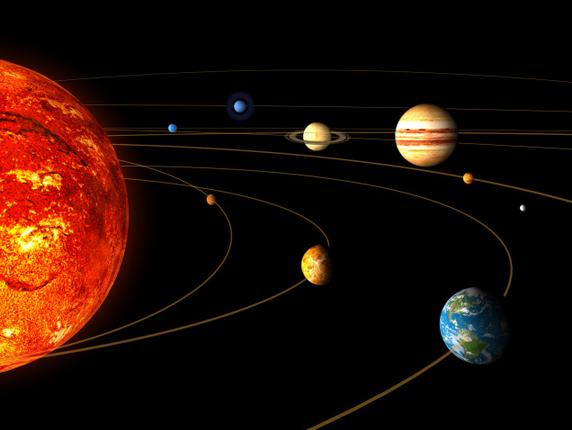
சூரியன், சந்திரன், செவ்வாய், புதன், ப்ருஹஸ்பதி, சுக்ரன், சனி, ராகு,கேது ஆகிய இவைகள் உலகத்தினருக்கு இதம் செய்யும் நவ கிரகங்கள்.
-வாமன புராணம்,மார்க்கண்டேய புராணம், நாரத புராணம்,மத்ஸ்ய புராணம்,அக்னி புராணம், விஷ்ணு தர்மோத்தர புராணம், மஹாபாரதம், யாக்ஞவல்ய ஸ்மிருதி,வைகானஸ ஸ்மிருதி சூத்ரம்

சூரியனின் அதி தேவதை – சிவன்
சந்திரனின் அதி தேவதை – பார்வதி
செவ்வாயின் அதி தேவதை – ஸ்கந்தன்
புதனின் அதி தேவதை – விஷ்ணு
குருவின் அதி தேவதை – ப்ரஹ்மா
சுக்ரனின் அதி தேவதை – இந்திரன்
சனியின் அதி தேவதை – யமன்
ராகுவின் அதி தேவதை – பசு அல்லது காலம்
கேதுவின் அதி தேவதை – சித்ரகுப்தன்
-மத்ஸ்ய புராணம்

அழகாபுரியின் வர்ணனை!

குபேரனுடைய பட்டணமான அழகாபுரியைப் பற்றிய ஒரு சிறிய வர்ணனை இது:

ஸ்ரீ மைத்ரேயர் விதுரனிடம் கூறியது:-

அந்த அழகாபுரிக்கு வெளியில், தீர்த்தபாதனான ஸ்ரீ மஹாவிஷ்ணு வின் பாதாரவிந்தங்களில் படிந்ததனால் மிகவும் பரிசுத்தமான நந்தை என்றும் அலக்நந்தை என்றும் இரண்டு நதிகள் பெருகிக் கொண்டிருக்கின்றன.

வாராய்! விதுரனே! தேவஸ்தீரிகள் தமது விமானங்களிலிருந்து இறங்கி மன்மத க்ரீடைகளால் இளைப்புற்றவராகி இந்நதிகளுக்கு வந்து தமது காதலர்களை ஜலங்களால் நனைத்துக் கொண்டு ஜலக்ரீடை செய்வார்கள். அந்த தேவ ஸ்த்ரீகள் ஸ்நானம் செய்யும் போது அவர்களது தேகங்களிலிருந்து நழுவிய புதிய குங்குமங்கள் பட்டு, பொன்னிறம் உடையதான இந்நதிகளின் ஜலத்தைக் கண்ட யானைகள் தண்ணீர் குடிக்க வேண்டுமென்னும் விருப்பம் இல்லாதிருப்பினும் அந்த ஜலத்தைத் தாமும் குடித்துத் தமது பெண் யானைகளையும் குடிக்கச் செய்கின்றன. அந்த அழகாபுரியில் வெள்ளியாலும் பொன்னாலும் விலையுயர்ந்த ரத்தினங்களாலும் செய்த பற்பல விமானங்கள் ஆங்காங்கு நிறைந்திருக்கும். புண்ய ஜனங்களும் அவர்களது பெண்மணிகளும் அந்நகரில் உலவிக் கொண்டிருப்பார்கள். அத்தைகையதான அந்த நகரம் மின்னல்களும் மேகங்களும் சூழப்பெற்ற ஆகாயம் போல விளங்கும்.

-ஸ்ரீமத் பாகவதம் நான்காம் ஸ்கந்தம் ஏழாம் அத்தியாயம்

தொடரும்…………………………………………………

pictures are taken from face book and other websites for non commercial use;thanks.

contact swami_48@yahoo.com

No Atheists in Ayodhya!!

atheism-poster-rsr-org

Written by London Swaminathan
Post No. 1161; Dated 9th July 2014.

Valmiki Ramayana gives very interesting details about the kingdom of Koshala and its capital Ayodhya. It gives us an idea of values they upheld and of an ideal kingdom, what was popularised later as Ram Rajya by leaders like Mahatma Gandhi.

ARCHITECTURE
“Ayodhya was founded by Manu, a lord among men.
The city’s thoroughfares extended for sixty miles. It had massive gates and numerous markets.
It’s fortifications were planned by skilful engineers and artificers.
Its inhabitants were rich and had spacious houses with high arched porticos decorated with flags and banners.
The capital was filled with extensive buildings and beautiful gardens and surrounded by mango groves, tall trees enhancing the outskirts, giving it the appearance of a lovely girl wearing a girdle of greenery.
It was enclosed by strong fortifications and a deep moat which no enemy, by any expedient whatsoever, could penetrate.
Countless elephants, horses, cattle, camels and mules were to be seen in the city.

COMMERCE
Innumerable ambassadors dwelt there and people from many lands traded peacefully within its walls.
Ayodhya, like Indra’s city Amaravati, was resplendent with gilded palaces, the walls of which were set with precious stones, the domes resembling mountain peaks.
The dwellings of the artisans were so constructed that no space was left between them, and the ground on which they stood was perfectly levelled.

ram green

FOOD & HOSPITALITY

All were abundantly stocked with rice and the juice of the sugarcane was employed instead of water.
The inhabitants were said only to eat Shali Rice (that is rice produced in the cold season which is accounted the best).
None ate impure food; none allowed his neighbour to suffer from hunger.
Those who dwelt there worshipped Gods and the uninvited guest; they were both magnanimous and charitable.

MUSIC
On every side, the sound of trumpets, bugles, lutes and gongs was constantly heard.
The city had no rival on earth but resembled the abode of the gods attained through austerities.

HONESTY
The city was inhabited by the noblest of men, those who did not slay a fleeing foe or one without defence, warriors who were skilled archers, able to pierce opponent by sound alone, who with sharp arrows loosed by their strong arms had singlehandedly slain lions, tigers and infuriated boars in the forest.
Hosts of illustrious Brahmins performing the fire ceremony were also to be seen there, who were endowed with the virtues of their caste, versed in the Vedas and the six branches of learning, who increased the offerings immeasurably, magnanimous sages, who sought their pleasure in the welfare of others and resembled Divine Rishis.
——Balakandam Chapter 5

rama10

GOD FEARING
The people were happy, virtuous, learned, experienced, each satisfied with his state, practising his own calling, without avarice and of truthful speech.
None was indigent or dwelt in a mean habitation, all lived happily with their families, possessing wealth, grain, cattle and horses.
None was a miser or a swindler, none was mean spirited, proud, rash, worthless or an atheist.
None denied the existence of God, none uttered falsehood or were enamoured of worldly pleasure and none were guilty of slander.

JEWELS
None lacked earrings, coronets or necklaces.
They bathed daily and rubbed their bodies with oil, using attar of roses and sandal paste.
All possessed ornaments and gold, and there was none who not learnt to subdue his mind.
The marvellous city where gold abounded and beautiful women wandered about in groups, rich in jewels of every kind, was adorned with luxurious palaces and mansions.

ram profile

FASTING
No one was mean, impious or failed to discharge his duties.
The Brahmins were devoted to their respective duties, firm in self control and authorized to accept gifts.
No Brahmin was unversed in the six systems of philosophy nor did neglect to fast at the full moon at the appointed days.

CRIME FREE STATE
There were no thieves and none were born of mixed castes.
There were none who suffered from mental or physical infirmities and none were unhappy in that city.
Men and women were of righteous conduct, fully self controlled, and in their pure and chaste behaviour, they equalled the great sages.

PRO GOVERNMENT
Among the inhabitants of Ayodhya, there was no man or woman who was not endowed with beauty and wealth and non who were not devoted to the king and the state.

All attained to a ripe age as virtuous and truth-loving people, their homes were filled with children, grand children and virtuous women.
The warriors were subject to the learned Brahmins and the merchants to the warrior castes; in accordance with their caste the people served the Brahmins, the warriors and the merchants.

ram gem

HEROISM
Ayodhya abounded in warriors undefeated in battle, fearless and skilled in the use of arms, resembling lions guarding their mountain caves.
The city was full of excellent horses and mighty elephants.

In the next chapter Valmiki described the virtues of Dasaratha, the emperor and his ministers.

THE RAMAYANA OF VALMIKI, Volume 1, Translated by Hari Prasad Shastri.

(I have slightly jumbled the paragraphs to put them under respective group headings:swami)

swami_48@yahoo.com

சரஸ்வதி ஸ்தோத்ரம் / ஸ்துதி பற்றிய ஒரு தொகுப்பு

beautiful saraswati

Written by S Nagarajan
Post No.1160 ; Dated:- 9th July 2014.

This is the sixth part of S Nagarajan’ article on the Puranas. First five parts were published in the past few days.

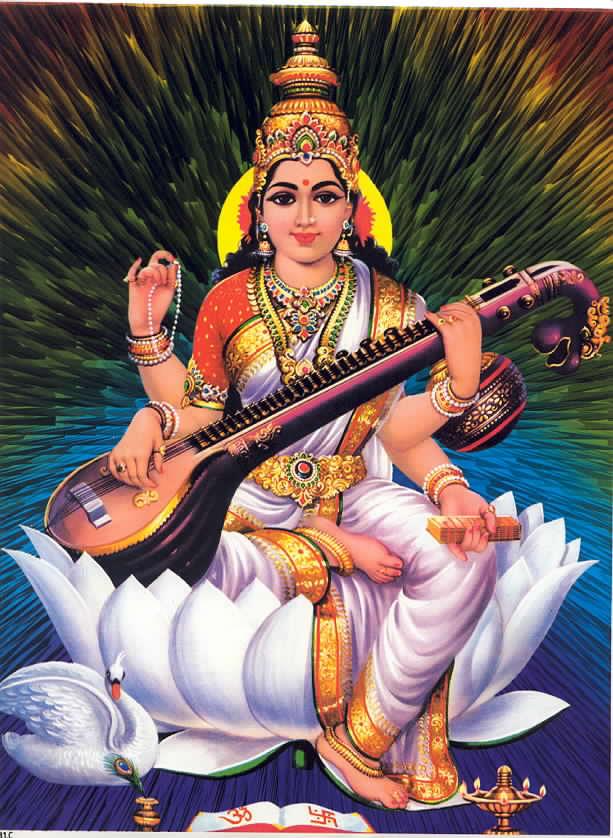
சரஸ்வதியைத் துதிக்கும் ஸ்தோத்ரங்கள் / ஸ்துதிகள் ஏராளமாகப் புராணங்களிலும் இதர நூல்களிலும் உள்ளன. அவை எங்கே உள்ளன என்பதைக் கீழே காணலாம்

அஷ்வதரக்ருத ஸ்துதி – மார்கண்டேய புராணம் (க்ருத என்றால் இயற்றிய என்று பொருள்)

மார்கண்டேயக்ருத ஸ்துதி – வாமன புராணம் (மார்கண்டேய க்ருத என்றால் மார்கண்டேயரால் இயற்றப்பட்ட- அல்லது துதிக்கப்பட்ட -ஸ்துதி என்று பொருள்)

நவரதக்ருத ஸ்துதி – கூர்ம புராணம்
வசிஷ்டக்ருத ஸ்துதி – வாமன புராணம்
யாக்ஞவல்க்யக்ருத ஸ்துதி – ப்ரம்ம வைவர்த புராணம்
விஷ்வவிஜய கவசம் – ப்ரம்ம வைவர்த புராணம்
சரஸ்வதி அஷ்டகம் – பத்ம புராணம்
இது தவிர கீழே தரப்பட்டுள்ளவையும் சரஸ்வதி ஸ்துதிகளாக அமைந்துள்ளன.
ப்ருஹஸ்பதிக்ருத சரஸ்வதி ஸ்தோத்ரம்
சரஸ்வதி ரஹஸ்யோபனிஷத்
சரஸ்வதி ஸ்தோத்ரம் – சாரதா திலகம்
வாகாம்ருணீ சூக்தம் – ரிக் வேதம்
மங்கணத்ரருஷிக்ருத ஸ்துதி – மஹாபாரதம்
வசிஷ்டக்ருத ஸ்துதி – மஹாபாரதம்

வாஹனம்!
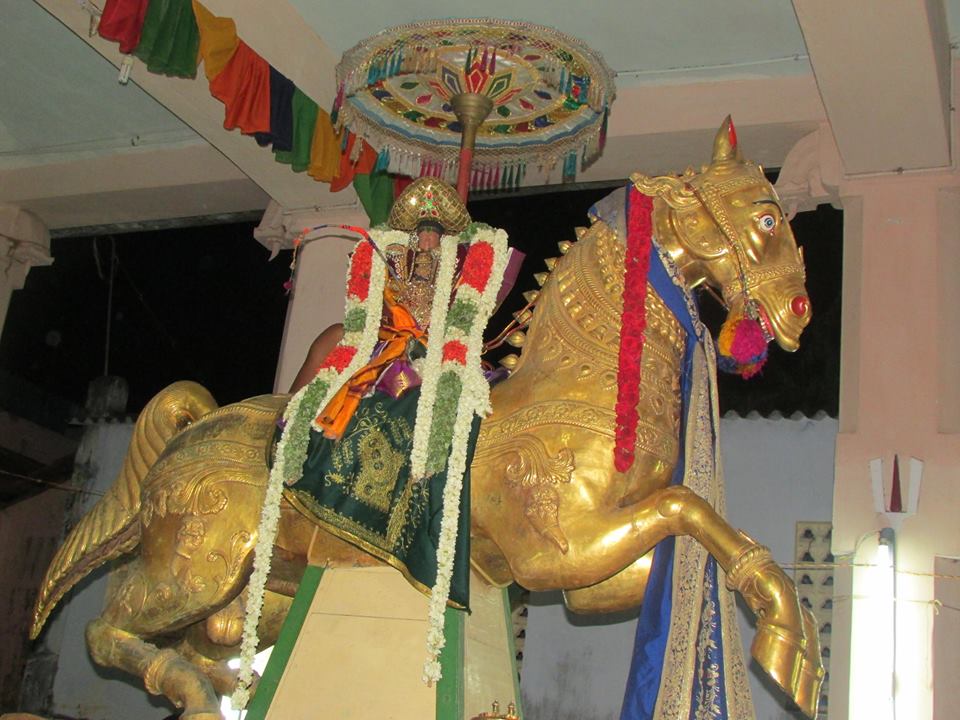
ஒவ்வொரு தெய்வத்திற்கும் ஒரு வாஹனம் உண்டு.யார் யாருக்கு எது வாஹனம் என்பதைப் பல புராணங்கள் தெரிவிக்கின்றன,
விஷ்ணு பகவானின் வாஹனம் கருடன் – மத்ஸ்ய புராணம்
சிவனின் வாஹனம் நந்தி – சிவ புராணம்
இந்திரனின் வாஹனம் ஐராவதம் யானை – நாரதீய புராணம், வாயு
புராணம்
சூரியனின் வாஹனம் ஏழு குதிரைகள் பூட்டிய ரதம் – மத்ஸ்ய புராணம்
துர்க்கையின் வாஹனம் சிம்மம் – சிவ புராணம் யமராஜனின் வாஹனம் எருமை – நாரதீய புராணம், பால ராமாயணம்
சரஸ்வதியின் வாஹனம் ஹம்ஸம் – மார்க்கண்டேய புராணம்

லக்ஷ்மியின் வாஹனம் அன்ன பட்சி – உலூக தந்த்ரம்
முருகனின் வாஹனம் மயில்
கணேசனின் வாஹனம் மூஞ்சூரு
கங்கையின் வாஹனம் மகரமீன்
kuthirai vahan,tkoshtiyur

தேவியின் கண்கள்

தராந்தோளித தீர்காக்ஷீ
லலிதா சஹஸ்ரநாமத்தில் 601வது நாமமாக வருவது இது.
இதன் பொருள் : கொஞ்சம் சஞ்சலமானதும் (காது வரையில்) நீண்டதுமான கண்களை உடையவள்

ப்ரம்மாண்ட புராணத்தில் இடம் பெறும் லலிதா சஹஸ்ர நாமம் –
601வது நாமம்
இதன் பொருளை விவரிக்கையில் விரிவுரை கூறுவது:

தரமென்றால் பயம் என்று பொருள். பயத்தைச் சஞ்சலம் அடையச் செய்யும் அதாவது பயத்தைப் போக்கும் நீண்ட கண்கள் என்று இதற்கு அர்த்தம் சொல்லலாம். அதாவது தேவியின் திரு கடாட்சம் பட்டாலேயே போதும் பயமானது நாசமடையும் என்பது தாத்பரியம்.
அம்பாளுடைய நேத்ரங்களின் அழகைப் பற்றி ’சௌந்தர்ய லஹரி’யில் பதினோரு ஸ்லோகங்களில் ஆதி சங்கரர், அழகாக வர்ணித்திருக்கிறார்.

பாரத தேசத்தின் பெருமை

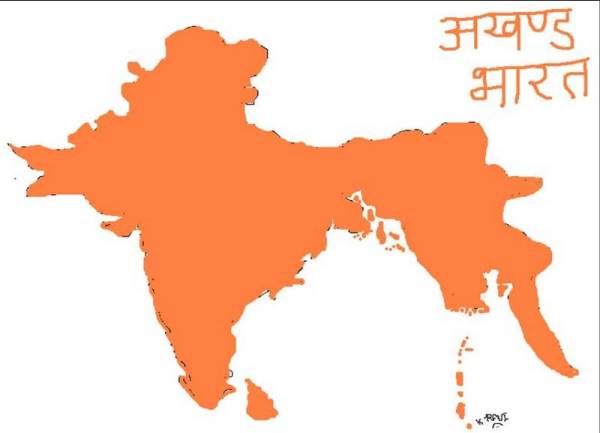
பாரத தேசத்தின் பெருமையை நாராயணர் கூறுவதாக தேவி பாகவதம் எட்டாம் ஸ்கந்தம் 11வது அத்தியாயத்தில் வருவது இப்பகுதி.

“இந்த பாரதவர்ஷத்திலிருக்கும் மனிதர்கள் என்ன புண்ணியம் செய்ததனாலோ விஷ்ணு பகவான் தானே அவர்களுக்குப் பிரசன்னராய் தரிசனம் கொடுக்கின்றார். இப்புண்ணிய சீலர்களைப் போல் விஷ்ணு பகவானுடைய சேவைக்கு உபயோகமான மானிட சரீரத்தையாவது அந்த பாரத வர்ஷத்தில் எடுப்பதற்கு ஆசைப்படுகிறேன். எது யாகம் முதலியவற்றால் சாதிப்பதற்கு அருமையாக இருக்கின்றதோ அது அந்த பகவானை உச்சரிப்பதனாலேயே உண்டாகின்றது. அவரது பாதங்களை உச்சரித்தால் யாருக்குத் தான் பாவ நாசம் உண்டாவதில்லை!

akand bharat 1

ஏனைய தேசங்களில் கற்பகால பரியந்தம் ஆயுள் அடைந்திருப்பதைக் காட்டிலும் இந்த பாரத வருஷத்தில் க்ஷண காலம் ஜீவதசையோடு இருப்பது மிக உயர்ந்தது.”

– நாராயணர் நாரத முனிவருக்கு உரைத்தது – தேவி பாகவதம் எட்டாம் ஸ்கந்தம் 11வது அத்தியாயம்.

To be continued

Swami_48@yahoo.com

Picture are taken from face book;thanks.

Miracles of Asvins in the Vedas

ashwini_kumars_tales_f

Written by London Swaminathan
Post No. 1159;Dated 8th July 2014.

Miracles are part of mythology. But in Hinduism we come across miracles even in the Vedas. Western scholars take the Vedic statements as true historical records and use them to support their fanciful Aryan-Dravidian Race Theory. The Vedic twins Asvini Devas are attributed with lot of miracles. The “scholars” expounded (in fact bluffed) lot of theories. If one puts them together and read them, they will be utterly confused. But orthodox Hindus believed them with all the traditional faith in the Vedas.

Asvins are called Dasras (enlightened giving) and Nasatyas (kind & helpful); also known as horsemen, Asvinau, Aswinikumaras.

They are the sons of Vivaswan and Saranyu. They are the doctors of the gods (Svar Vaidhyau).
They healed the blind and the lame. They are invoked in various Hindu ceremonies. They ride in three wheeled chariots drawn by horses or birds.

They are the harbingers of dawn – Ushas. Their other appellations are ‘ocean born’(Abdhijau), ‘wreathed with lotuses’(Pushkara srajau), sons of the submarine fire (Badaveyau) and Gadagadau.
Western scholars compared Asvins with the Dioscuri of Greece. But not many similarities exist between them.
In the Nirukta, they are interpreted as heaven and earth, day and night, two kings, performers of holy acts. They represent light or luminous objects.

asvins book

The number of hymns (57 specific hymns and mentioned 376 times in the Rig Veda) addressed to them testifies to the enthusiastic worship they received.
In the Mahabharata they are the parents of Nakula and Sahadeva. Like Asvins, they are also twins.
The Vedic poets use beautiful similes in their hymns. They praise Asvin twins
Like two hymn singing Brahmanas
Like two charioted heroes
Like two beautiful damsels beautifying themselves
Like a wise married couple
Like two Chakravaka birds/ swans
Like two lips that speak sweetly with the mouth
Like two breasts that give nurture to life

sukanya

Miracle 1
The twins Asvins restored youth to old Chyavana. He had a beautiful young wife named Sukanya. When Asvins wanted to marry her, she hesitated. Asvins told her that they would make her husband young and then she can choose one among them i.e. two Asvins and Chyavana. When all the three came before her, she rightly chose her husband Chyavana.

Miracle 2
Bhujyu episode is mentioned at least in eight hymns in the Rig Veda. Bhujyu was the son of king Tugra. When enemies from an island gave him trouble, Tugra sent Bhujyu by boats to attack them. His boat was broke in the mid sea. Then Asvins saved him, according to Sayana (RV1.117-14). Bhujyu’s ship had 100 oars. This serves as an evidence for naval forces during the Vedic period.

Miracle 3
In Khela’s battle a leg was severed like a wild bird’s pinion. Immediately Asvins gave Vispala an artificial iron leg. This shows that artificial limbs were fixed in those days (1-116-15).
Poetess Gosha has a hymn on Asvins. (RV 10-40).This serves as an evidence for literate women in Vedic society. Gritsamada’s hymn (RV 2-39) to Asvins is a beautiful poem:–

dioscouri
Dioscouri of Greece and Rome

Come near like two press stones, with a common aim
Like two zealous men moving to a tree of treasure
Like two hymn singing Brahmanas to the assembly
Like two people’s envoys called at many places.

Like two charioted heroes going in the morning
Like two leaders, come together to your choice,
Like two beautiful damsels beautifying themselves
Like a wise married couple among the people.

Like two horns come earliest to us hither
Like two hoofs, travelling with rapid motion
Like two Chakravaka birds/ swans at the day’s dawning
Come towards us, mighty, like charioted heroes.

Like two boats take us across; like two poles
Like axles, like spokes, like fellies carry us.
Like two dogs ward off all harm to our bodies
Like two crutches protect us against falling.

Like two raging winds, two confluent rivers.
Like two quick seeing eyes, come towards us
The two hands most useful to the body
Like two feet take us towards our welfare – RV 2-39

This shows Rig Vedic people are highly literate and cultured. We also hear about the ship attacks, maritime warfare etc. Medical science has advanced to transplanting an iron leg. Women poets (poetess) sang hymns and were part of the Vedic society.

Contact swami_48@yahoo.com

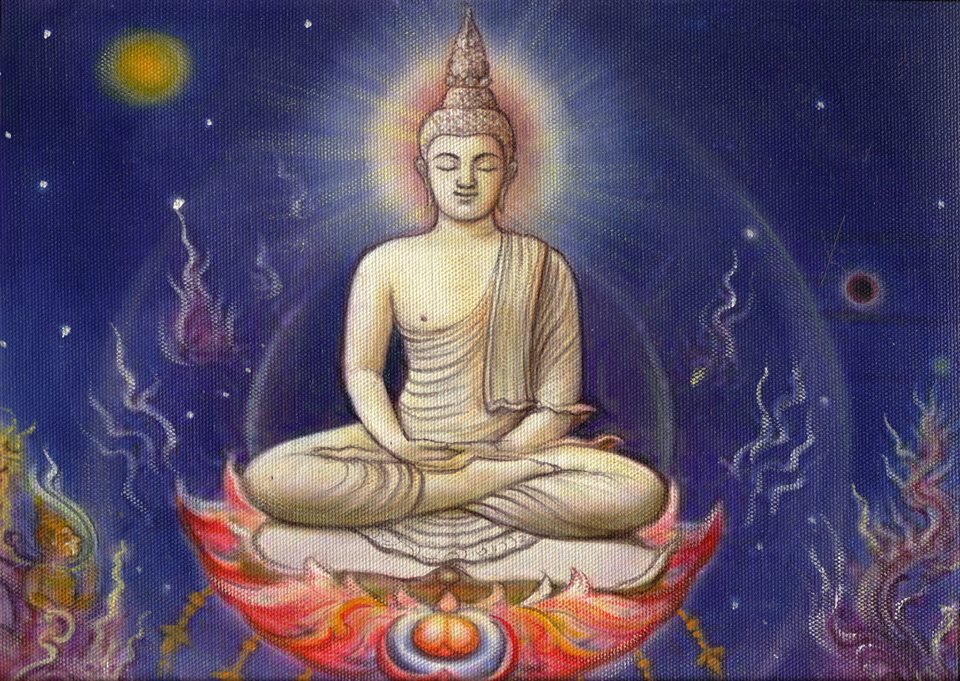
புத்தர் எப்படி, எப்போது இந்துவானார்?

buddhacelestial

ஆராய்ச்சிக் கட்டுரையாளர்:- லண்டன் சுவாமிநாதன்
கட்டுரை எண்:- 1158; தேதி:- 8 ஜூலை 2014.

இந்துமதம் ஒரு சமுத்திரம். அதில் கலக்கும் நதிகள் நாம, ரூப, தேயங்ளை இழந்து ஒன்றாகி அதில் கலந்து விடும். புத்த மதம், சமண, சீக்கிய மதங்கள் ஆகியன இந்து மதத்தின் கிளைகள். அதாவது மறு பிறப்பு, பாவம், புண்ணியம், கர்மவினை முதலிய பல கொள்கைகளில் ஒன்றுபட்டு நிற்பவை. ஆகையால் முதலில் இருந்த நிலை மாறி மீண்டும் இந்துக்களின் எல்லா சடங்குகளையும் செய்துவருவதை இன்றும் காணலாம். இந்துமதத்தில் பெரிதும் போற்றப்படும் விஷ்ணுவின் பத்து அவதாரங்களில் புத்தரும் ஒருவர். அதாவது இந்துவாகப் பிறந்து, புத்த மதத்தை ஸ்தாபித்துவிட்டு மீண்டும் இந்துமதத்தில் ஒடுங்கிவிட்டவர். இது எப்படி, எப்போது, ஏன் நிகழ்ந்தது? என்பதே என் ஆவுக் கட்டுரையின் நோக்கம்.

புத்தர், இந்துமதத்தில் உள்ள எல்லாக் கொள்கைகளயும் ஏற்றுக் கொண்டவர். ஆனால் யாக யக்ஞங்களில் உயிர்ப்பலி கொடுப்பதை எதிர்த்தவர். அர்த்தமே இல்லாமல் வெறும் சடங்கு போல உயிர்வதை நிகழ்ந்தபோது எதிர்த்துக் குரல் கொடுத்தவர். ஆனால் அந்த மதம் பிறந்த இந்தியத் திருநாட்டிலும், பரவிய நாடுகளிலும் அவர் கொள்கை தோற்றுப்போனது. எல்லோரும் பாம்பு, மான் மாமிசம், தேள் எல்லாவற்றையும் விரும்பிச் சாப்பிடுவதை டெலிவிஷனில் பார்க்கிறோம்; பத்திரிக்கைகளில் படிக்கிறோம். புத்த பிட்சுக்கள், அரசியலில் கொடி பிடித்து ஆட்டம் போடுவதையும் படிக்கிறோம்.

bommai krishnan, fb

விஷ்ணுவின் 24 அவதாரங்கள்
எவ்வெப்பொழுது எல்லாம் விஷ்ணு தனது பக்தரின் குறை தீர்க்க பூமிக்கு இறங்கி வந்தாரோ அவ்வப்பொழுது எல்லாம் அவதாரம் என்று கணக்கு– அவதாரம் என்றால் — “இறங்கி வருதல்”— என்று பொருள்.

பாகவதத்தில் 22 அவதாரங்களைச் சொல்லிவிட்டு ஆங்காங்கே வேறு பல அவதாரங்களும் காட்டப் படுகின்றன. சீக்கிய மதத்தின் குரு கோவிந்த சிங் எழுதிய தசம கிரந்தத்தில் 24 அவதாரங்கள் கூறப்படுகின்றன. ஆனால் இந்தப் பட்டியலுக்கும் பாகவதப் புராணப் பட்டியலுக்கும் சில வேறு பாடுகள் உண்டு. பாகவதப் பட்டியலில் புத்தரும் விஷ்ணுவின் ஒரு அவதாரமாகச் சேர்க்கப்பட்டதற்கு யாரும் எதிர்ப்பு தெரிவிக்கவில்லை. ஏனெனில் டாக்டர் ராதாகிருஷ்ணன் சொல்வது போல “ இந்துமதத்தில் உள்ள சில கருத்துக்களை சரியான கண்ணோட்டத்தில் காட்ட வந்தவர் புத்தர். அவர் எதையும் அழிக்க வரவில்லை. பூரண நிலையை தோற்றுவிக்க வந்தவர்” என்பது மிகவும் சரி. புத்தருக்கு முன்னால், மஹாவீரர், அவருக்கு முந்திய தீர்த்தங்கரர்கள் ஆகியோரும் புரட்சிகர கருத்துக்களைத் தெரிவித்தனர்.

may sri ram bless you

வேதத்தில் அவதாரங்கள்
அவதாரக் கொள்கை உலகின் மிகப் பழைய நூலான ரிக் வேதத்திலேயே உள்ளது. ‘’ஓங்கி உலகளந்த உத்தமன்’’ வாமனன் பற்றிய குறிப்பு ரிக் வேதத்தில் இருக்கிறது. மூவடிகளால் தாவிய துதியை சாயனர் என்னும் உரைச் சக்ரவர்த்தி ‘வாமன அவதாரம்’ என்றே சொல்கிறார். வராக, மச்ச, கூர்மம் போன்ற வேறு அவதாரங்கள் சதபத பிராமணத்திலும் தைத்திரீய சம்ஹிதையிலும் வந்துவிடுகின்றன.
உலகில் எல்லாப் பழைய கலாசாரங்களிலும் காணப்படும் பிரளயம் பற்றிய கதை இந்தியாவில் இருந்தே உலகம் முழுதும் சென்றது. ஏனெனில் இந்தியக் கதைகளில் மட்டுமே முழு விவரங்களும் உள்ளன. மேலும் இந்திய புராணங்கள் அந்தக் கதை இந்திய மண்ணிலேயே நிகழ்ந்ததாகத் தெளிவாகக் குறிப்பிடும். ஏனையவை ஈரெட்டாகப் பேசுகின்றன. ரிக் வேதத்தில் குறிப்பிடப் படும் மனு, மத்ஸ்ய சம்மட ஆகியன மறைமுகமாக மத்ஸ்யாவதார கதையைச் சொல்வதாக நான் கருதுகிறேன்.

1200 ஆம் ஆண்டு வாக்கில் வாழ்ந்த ஜெயதேவர் எழுதிய அஷ்டபதி எல்லா சம்ப்ரதாய பஜனைகளிலும் பாடப்படும் பாடல்கள் ஆகும் — (நாங்கள் லண்டனில் மாதம்தோறும் நடத்தும் சம்பிரதாய பஜனையில் அஷ்டபதி பாடுகிறோம்) — அதில் பத்து அவதாரங்களையும் பட்டியலிடும் பாடலும் புத்தரைக் குறிப்பிடும் பாடலும் உண்டு. அவர் பாடல் எழுதிய காலத்தில் புத்தமதம் உயிருக்கு ஊசல் ஆடிக் கொண்டிருந்தது. அவருடைய அஷ்டபதி பாடல், புத்தமதத்துக்கு இந்தியாவில் இறுதி மணி அடித்தது. அத்தோடு புத்தர் இந்துமதத்தில் கலந்து ஜீரணிக்கப்பட்டார்.

avatars6only

புத்தமதம் ‘திருடிய’ கொள்கை
அவதாரக் கொள்கை வேத, இதிஹாச, புராணத்தில் இருந்தது. அதை புத்த மதத்தினர் பயன்படுத்தினர். இந்துமத, பஞ்சதந்திரக் கதைகளை எல்லாம் எடுத்து அவை அனைத்தும் போதிசத்வரின் (புத்தரின்) பூர்வஜன்மம் என்று சொல்லி கி.மு.மூன்றாம் நூற்றாண்டில் கதைகள் எட்டுக் கட்டினர். சுமார் 600 கதைகள் ‘’ஜாதகக் கதைகள்’’ என்ற தொகுப்பாக வெளிவந்தது. அவர்கள் என்ன செய்தார்களோ அதையே இந்துக்கள் பாகவத புராணத்தில் திருப்பிச் செய்தனர்!!! புத்தரே எங்கள் அவதாரம்தான் என்று ஒரு போடு போட்டனர். பௌத்த மதத்தின் கதை முடிந்து போனது!!

24 அவதாரங்கள்
பாகவத புராணம் என்பது குப்தர் காலத்தில் –(3,4 ஆம் நூற்றாண்டு) –இப்போதைய வடிவை எட்டியது. அதில் உள்ள அவதாரப் பட்டியல்:

1.பிரம்மாவின் மானஸ புத்திரர் நால்வர் 2.வராக 3.நாரத 4.நர நாராயன 5.கபில 6.தத்தாத்ரேய 7. யக்ஞா 8.ரிஷப (இவர் 24 சமண தீர்த்தங்கரர்களில் ஒருவராக இருக்கக்கூடும்) 9.ப்ருது 10.மத்ஸ்ய 11.கூர்ம 12.தன்வந்திரி, 13.மோஹினி, 14.நரசிம்ம 15.வாமன 16.பரசுராம 17.ராம 18.வேதவியாச 19.கிருஷ்ண 20.பலராம 21.புத்த 22.கல்கி (இனிமேல் வரப் போகும் அவதாரம் கல்கி).
இதுதவிர ஹம்ச (அன்னம்) ஹயக்ரீவ (குதிரை முக) முதலிய அவதாரங்களும் காணப்படும்.
தசம கிரந்த (குருகோவிந்தர்) பட்டியலில், பிரம்மா, ருத்ரர், சூரியர், சந்திரர், மனு, சேஷசாயி, ஜலந்தர முதலிய புதுமுகங்கள் காணப்படுவர். வேறு சில பழைய அவதாரங்கள் விடுபட்டு இருக்கும்.

avatars10

புத்தர் மதித்த ஹிந்துமதம்
தனது மதம் ஆயிரம் ஆண்டுகள் வரை இருக்கும் என்று புத்தர் முதலில் நினைத்தார். ஆனால் அவரது பிரதம சீடன் ஆனந்தன், புத்த பிட்சுணிகளாக பெண்களையும் சேர்க்க வேண்டும் என்று அடம்பிடித்தவுடன், “ஐயய்யோ என் மதம் 500 ஆண்டு மட்டுமே இருக்கும்” என்று வருத்தப்பட்டார் (காண்க தத்துவப் பேராசிரியர், இந்திய ஜனாதிபதி டாக்டர் ராதாகிருஷ்ணன் எழுதிய தம்மபத முன்னுரை ). ஏழாம் நூற்றாண்டில் இந்தியாவுக்கு விஜயம் செய்த சீன யாத்ரீகர் யுவாங் சுவாங் எழுதிய யாத்திரைக் குறிப்புகள், தமிழ்நாட்டை ஆண்ட மாபெரும் பல்லவ மன்னன் மஹேந்திர பல்லவன் எழுதிய மத்தவிலாசப் பிரஹசன நாடகம் ஆகியவற்றில் புத்தமதம் சீரழிந்த காட்சிகளைக் காணலாம். நிற்க.

புத்தரும் அவர் வழி வந்த அசோகனும் பிராமணர்களைக்கு அடுத்தபடியகவே எப்போதும் சிரமணர்களைக் குறிப்பிட்டனர். புத்தர் இந்திரனையும் பிராமணர்களையும் புகழ்கிறார் (காண்க எனது முந்தைய கட்டுரை: பரிமேலழகர் உரையில் தவறு). தம்மபதத்தில் ஒரு அத்தியாயமே பிராமணர்களுக்கு ஒதுக்கி இருக்கிறார். ஆக, புத்தர் இந்துமதத்தை ‘’மிதிக்க’’ வந்தவர் என்று வெள்ளைக்காரன் எழுதியது எல்லாம் தவறு. அவர் இந்துமதத்தை ‘’மதிக்க’’ எழுந்தவர். அவரது போதனைகள் அனைத்தும் அற்புதமானவை. பின்னால் வந்த ஒழுக்கமற்ற சீடர்கள் அம்மதம் வீழ்ச்சியுறக் காரணம் ஆயினர். அவர் சம்ஸ்கிருதத்தைக் கைவிட்டு பாலி மொழியில் பேசியது பெரிய தவறு என்று சுவாமி விவேகாநந்தர் கூறியிருப்பதை முன் ஒரு கட்டுரையில் தந்துவிட்டேன். (சுருக்கமாகச் சொன்னால் வருடம்தோறும் ஆயிரக் கணக்கான ‘’திருடர்கள்’’ கருப்பு வேட்டி கட்டி ஐயப்பன் வேஷம் போடும் நிலையை, பழங்கால புத்தமத சீடர்களுக்கு ஒப்பிடலாம். இது எல்லா ஐயப்ப பக்தர்களையும் குறிப்பது ஆகாது!!!)

–சுபம்–

காயத்ரி ஸ்தோத்ரம் கூறுவதால் ஏற்படும் பயன்

gayatri matha

Written by S Nagarajan
Post No.1157; Dated:- 8h July 2014.

This is the fifth part of S Nagarajan’ article on the Puranas. First four parts were published in the past few days:swami.

தேவி பாகவதம் 12ஆம் ஸ்கந்தத்தில் காயத்திரி ஸ்தோத்ரம் வருகிறது. அதைச் சொல்வதால் ஏற்படும் பயனை நாராயணர் நாரதருக்கு ஸ்தோத்திரத்தின் முடிவில் இப்படிக்
கூறுகிறார்.

“ ஓ, மஹாதேவீ! ஓ ஈஸ்வரியே! ஓ, சந்தி ஸ்வரூபிணீ! உன்னை நமஸ்கரிக்கிறேன்” என்று எவன் சந்தியாகாலத்தில் பக்தி சிரத்தையோடு பாராயணம் செய்கின்றானோ அவனுக்கு
அளவில்லாத புண்ணியம் கிடைக்கும்.

மஹா பாபத்தைப் போக்கும்.

மஹா சித்தியைக் கொடுக்கும்.

புத்திரன் இல்லாதவனுக்கு புத்திரனையும், செல்வம் இல்லாதவனுக்கு செல்வத்தையும், சகல தீர்த்த ஸ்நான பலத்தையும், தவம், யக்ஞம், யாகம் ஆகியவற்றின் பலனையும் வேண்டியவர்க்கு வேண்டிய பலனையும் கொடுக்கும்.

போக மோக்ஷங்களை வேண்டியவர்க்கு இம்மையில் போகத்தையும், அந்திய காலத்தில் மோக்ஷத்தையும் அடையும்படி செய்யும்.

இத்துதியை எந்தெந்த ஸ்நான காலங்களில் எவன் படித்து எந்த ஜலத்தில் ஸ்நானம் செய்த போதிலும் சந்தியா காலத்தில் ஸ்நானம் செய்த பலனை அடைவான்.

இதில் சந்தேகம் கிடையாது. ஓ! நாரதரே! இது அமிர்த வாக்கியமாகும்.
இது சத்தியம்! சத்தியம்!!

– 12ஆம் ஸ்கந்தம், ஐந்தாம் அத்தியாயம்

periyava-rudraksha
Kanchi Shankaracharya with Rudrakshas.

ருத்ராக்ஷம் அணிவதன் மஹிமை

நாயாய் இருந்தாலும் கழுத்தில் ருத்ராக்ஷம் தரிக்கப் பெறுமானால் அதுவும் முக்தி அடையும் என்று சொல்லப்பட்டிருக்கிறபோது, மானிடனுக்கு என்ன சொல்ல வேண்டும்? ஒருவன் ஜபம் மற்றும் தியானம் இல்லாதவனாய் ருத்ராக்ஷம் மட்டுமே தரிப்பவனாகி இருப்பின் அவன் கூட சர்வ பாவங்களிலிலிருந்தும் விடுபட்டவனாகி மேலான கதியை அடைகிறான். ஆதலால் ஒருவன் முயற்சி மேற்கொண்டு ஒரு ருத்ராக்ஷத்தையாவது தரிக்க வேண்டும். அப்படித் தரிக்கிறவன் 21 தலைமுறைகளை உய்வித்து சிவலோகத்தில் பூஜிக்கப்பட்டவனாக இருப்பான்.

ஈஸ்வரர் ஷண்முகனுக்கு உரைப்பது – தேவி பாகவதம் 11ஆம் ஸ்கந்தத்தில் ஆறாம் அத்தியாயம்

goddess-madurai-meenakshi-picture

மீன் போல பார்வையாலேயே ரக்ஷிக்கும் தேவி

தன் முகத்தினுடைய சௌந்தர்ய ப்ரவாஹத்தில் ஓடும் மீன்களைப் போல இருக்கும் கண்களை உடையவள்

வக்த்ர லக்ஷ்மி பரிவாஹ சலன் மீனாபலோசனா

இப்படி லலிதா சஹஸ்ரநாமத்தில் 18வது நாமத்தில் தேவி வர்ணிக்கப்படுகிறாள்.

மீனானது தன் குஞ்சுகளைப் பால் கொடுத்து வளர்ப்பதில்லை என்றும். அவைகளைத் தன் கண்களால் பார்ப்பதனாலேயே வளர்க்கின்றது என்று சொல்வதுண்டு.அதே போல தேவியானவள் அனைத்து லோகங்களையும் தன் பார்வையினாலேயே ரட்சித்து வருவதால் அவளை மீனாக்ஷி என்று சொல்வது வழக்கம். அதே அர்த்தத்தைத் தரும் மீனாபலோசனா என்ற பெயர் இங்கு குறிப்பிடப்படுகிறது,

ப்ரம்மாண்ட புராணத்தில் இடம் பெறும் லலிதா சஹஸ்ர நாமம் – 18வது நாமம்

To be continued………………………

When did Buddha become an Avatar of Vishnu? How& Why?

avatars10

Research paper written by London Swaminathan
Post No.1156; Dated 7th July 2014.

How many Avatars of Vishnu are narrated so far?
There are twenty two + Avatars (incarnations) of Vishnu in the Bhagavatha Purana. Sikh’s Dasam Granth written by Guru Gobind Singh has listed 24 Avatars of Lord Vishnu.

But Bhagavatha Purana says his incarnations are innumerable. Whenever Vishnu comes down in some form to help a devotee, it is considered an Avatar. But later Puranas made Ten Avatars more popular and grouped them under Dasavatar. The strange thing about this list is suddenly Buddha’s name was inserted as an avatar of Vishnu!! In short Buddha was Hinduized or reconverted to Hinduism!!

Who did this? Why?
First of all Buddha was born as a Hindu and never said anything against Hinduism. He never contradicted anything, but complemented to Hindu philosophy. He devoted one full chapter for Brahmins in his Dhammapada. Wherever possible he praised them (E.g.Indra). From Buddha to Asoka all the scriptures ranked Brahmana first and Sramana second. But Buddha was against sacrificing animals in the Yagas. That was where he differed from orthodox Hinduism. But he was not the only one. Even before the Buddha, Mahavira and his predecessors were preaching different ideologies.

buddhacelestial

After Buddha’s death some fanatics started “Buddhasizing” everything. The entire ancient Hindu stories from proto Panchatantra folklore, Ramayana and Mahabharata to Puranas were converted as stories of Buddha’s previous Avatar. Six hundred such stories were collected as Jataka Tales. In short they “stole the Avatar concept” from the Hindus and converted all the characters as Bodhisatvas. Bhagavatha Purana of the Gupta period included the Buddha in the Avatar list. Then came a clever man among the Hindus by name Jayadeva (1200 CE), the author of Gita Govindam, who gave a final blow to the already dying Buddhism, by including Buddha as an avatar of Lord Vishnu in his Gita Govindam. Nobody bothered or objected to it. Hindus can digest anything that comes their way. They digested all the invading western tribes. In the same way Buddhism was also absorbed by including the Buddha in the list of Ten Greta Avatars.

Jayadeva’s hymns known as astapathis included Buddha in the following sloka:
“O you merciful heart denounced the Veda where the slaughter of cattle was taught. O Kesava, you in the form of the Buddha, victory to you, Hari, the lord of the world”.
The commentator also said the Buddha did not condemn the whole Veda but only the part of it which supported sacrifices.
bommai krishnan, fb

In the next verse Jayadeva listed all the ten incarnations of Vishnu :-
“Who upheld the Vedas , supported the universe,
Bore up the world, destroyed the demons, deceived Bali,
Broke the force of the Kshatriyas, conquered Ravana , made the plough, spread mercy, who took the ten forms. Prevailed over aliens, Homage. O Krishna”.

Philosopher Dr S Radhakrishnan said, “ Buddha utilized the Hindu inheritance to correct some of its expressions. He came to fulfil, not to destroy.”
Buddhism took different forms in different countries. Some of them went against the main teachings of Buddhism such as non violence, vegetarianism, ascetic life etc. but in India it has entered in to and become an integral part of our culture.

22. Shankaracharya VEDVYASA
Veda Vyasa: Vyasaya Vishnu Rupaya, Vyasa Rupaya Vishnave.

Vedic Origin of Avatars

Story of deluge is found in all ancient cultures. It must have originated in India, because Rig Veda, the oldest scripture in the world, has it’s seed (Manu and Matsya Sammata were mentioned in the Veda). More over all the epics, Puranas and other scriptures described the deluge in detail. Hindu scriptures clearly located it in the Indian sub continent, whereas other cultural references are a bit vague and less detailed.
Avatara means a descent. God is coming down to earth from the heaven. The three steps of Lord Vishnu (Vamana Avatara) is mentioned in the Rig Veda. Sayana, the most famous Vedic commentator, interpreted it as three steps of Vishnu as Vamana. It is one of the Ten Avatars.

In the Taiittiriya Samhita and the Satapatha Brahmana, Varaha (Boar) avatara is mentioned. But Prajapathi’s name was there instead of Vishnu.

Kurma Avatara was mentioned in the Sathapatha Brahmana. Again Prajapathi’s name replaced Vishnu. Satapatha Brahmana mentioned the fish/ matsya avatara as well.
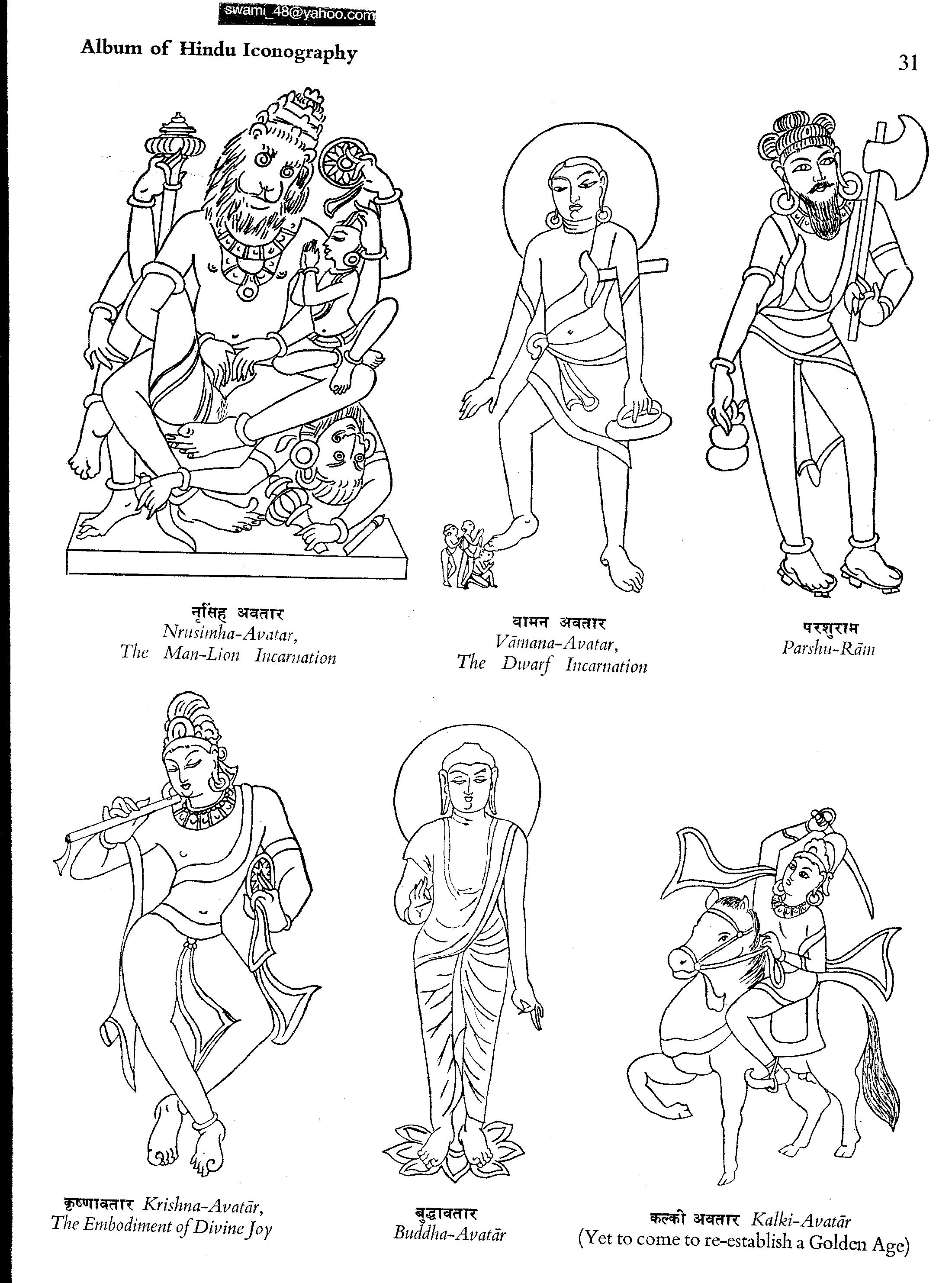
Narasimha’s avatara of man lion, Parasurama’s (Rama with axe) incarnation, Rama and Krishna , followed by the Buddha are featured as Dasavatar in later literature. Last Avatar Kalki is yet to come.
may sri ram bless you

Bhagavatham mentioned the following 22:

1)Purusha, the male progenitor or Four Sons of Brahma 2)Varaha, the boar 3)Narada, the great sage 4)Nara and Narayana 5)Kapila, a sage 6)Dattatreya, a sage 7)Yajna, sacrifice 8)Rishaba, a righteous king, father of Bharata (may be the first Tirthankara of Jains) 9)Prithu, a king 10)Matsya, the fish 11)Kurma, a tortoise 12) Dhanvantri, the physician of the Gods.13) Mohini 14)Nara-simha, the man lion 15)Vamana, the dwarf 16)Parasurama 17)Veda Vyasa 18)Rama 19)Balarama 20)Krishna 21)Buddha 22)Kalki
Hamsa (swan) and Hayagriva (horse faced) avatars also mentioned elsewhere.

avatars6only

Dasamagranth gave a slightly different list with 24 avatars by adding, Brahma, Rudra, Manu, sun, moon, Seshasayi, and Jalandhara by replacing a few. But all the main ten Avatars are there.
So the inclusion of the Buddha in the avatar list was a tactical move to neutralise the effect of Buddhism. They were paid back in their own coin!

Contact swami_48@yahoo.com