10,000 Kisses! Frightening Kiss! Definition of Kiss!!

book on edwin

Compiled by London swaminathan

Post No.2260

Date: 20 October 2015

Time uploaded in London: 20-27

Thanks for the pictures.

Don’t use pictures. Don’t reblog for at least a week.

edwin-in-1879

Edwin Booth was a nineteenth century American actor who performed in Shakespearean plays around the world.

Edwin was very shy about women. He tells of a harrowing experience that once befell him on a tour, when he had lain down to rest in his rom and failed to lock his door. “I heard a sound and opened my eyes. The door was being stealthily opened. I felt it was a woman. I couldn’t move. She came in – the most determined woman I ever saw. She was tall, and gaunt, and strange. She couldn’t help seeing I was trembling. She came to the bed, looked down upon me. Without smiling she bent over me – and kissed me on the mouth. She didn’t say a word. She walked out of the room. I never was so frightened in my life. I bolted the door when it was too late, but I am not over it yet. I have tried to reason it out, but I can’t. she was not silly. She looked to be the last woman on earth to care for kissing. I should say she was a hard woman.”

XXX

What is a Kiss?

The witty Oliver Herford has defined a kiss as, “A course of procedure, cunningly devised, for the mutual stoppage of speech at a moment when words are superfluous.”

XXX

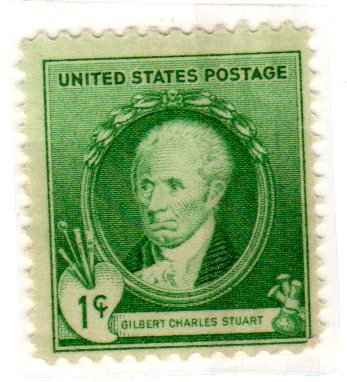
gilbert

Flirtation

Gilbert Stuart, the early American portrait painter, once met a lady on the street in Boston who saluted him with, “Ah! Mr.Stuart, I have just seen your miniature, and kissed it, because it was so much like you.”

“And did it kiss you in return?”

“Of course not!”, she answered laughing.

“Then”, said Stuart, “it was not like me.”

xxx

Kiss to Right Hand only!

When in Washington, Lieutenant de Tessan, aide to Marsha Joffre and Colonel Fabry, was approached by a pretty girl who said:

“And did you kill a German soldier?”

“Yes”

“With what hand did you do it?”

“With this right hand”

The pretty American girl seized his right hand and kissed it. At this Colonel Fabry said:

“Heavens, man, why didn’t you tell her that you bit him to death?”

xxx

hobson

10,000 Kisses to a War Hero!

No figure of a popular hero in American public life probably was ever as much kissed as Richard Pearson Hobson who had distinguished himself in the Spanish American War.

At a big function in Chicago, two pretty young cousins stood on tip toe and kissed him. This started the ball rolling, and all young ladies present, enamoured of the brave young Lieutenant, lined up to kiss him too. Count was kept up to one hundred and then given up. The audience stood by and rooted, calling out, “Good for Number 76!” and other helpful comments. The kissing went on for 36 minutes. With an average of five a minute.

The publicity arising from this incident led to its repetition in every city to which the hero toured. He collected some 10,000 or more in all. A caramel was put on the market, called “Hobson’s Kisses!”

Source: Collected from an Old Book of Anecdotes

AKASHIC RECORDS

 STORY OF ATLANTIS

Written  by S NAGARAJAN

Post No.2259

Date: 20 October 2015

Time uploaded in London: 8-50 AM

Thanks for the pictures.

Don’t use pictures. Don’t reblog for at least a week.


SANTHANAM NAGARAJAN


It is very interesting to note from Hindu Puranas that all of our thoughts are recorded by one Chitra Gupta. The very word Guptam means hidden. It is hidden, where?

All the thoughts are having various forms and they are recorded in the Akasha. Through deep meditation and intuition one could draw whatever is recorded in the sky.

Since we believe in a cyclical order, everything repeats. Hence one could draw what has happened in the past, what is happening now in the present and what will happen in the future. In Ananda Ramanayana one of the arguments of Sita to Rama to go to the forest is this: “Oh Rama! Have you ever heard that Rama went to forest without Sita?”

Hence the cyclical order will continue forever.

The Theosophists started analyzing these Akashic records.

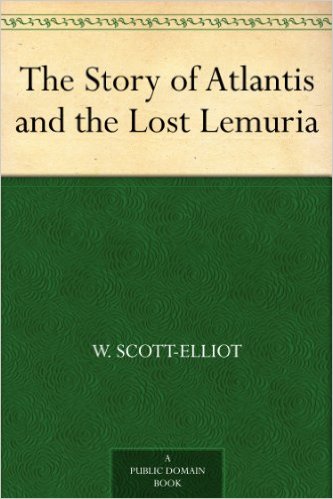
In his introduction to W.Scott Elliotte’s ‘The Story of Atlantis’, the  very first books drawn from Akashic Records , A.P.Sinnett explains  that the pictures of memory are imprinted on some non-physical medium,  they are photographed by Nature on some imperishable page of super-physical matter.

ATLANTIS 2

They are accessible, but the interior spiritual capacities of ordinary humanity are as yet too imperfectly developed to establish touch. “But in a flickering fashion”, he continues, we have experience in ordinary life of others that are a little more effectual. Thought-transference is a humble example.

In that case, “impressions on the mind” of one person, Nature’s memory pictures with which he is in normal relationship, are caught up by someone else who is just able, however unconscious of the method he uses, to range Nature’s memory under favourable conditions a little beyond  the area with which he himself is in normal relationship. Such a person has begun, however slightly, to exercise the faculty of astral clairvaoyance.”

Scott Elliotte was an investment banker. He came into contact with C.W.Leadbeater.

Leadbeater told him that he received knowledge about ancient Atlantis and Lemuria from the Theosophical Masters by ‘astral clairvaoyance’.

He transmitted his clairvoyant findings to Scott-Eliiotte who undertook scholarly research to back him up. Elliotte wrote two books titled, ‘The story of Atlantis’ and then ‘The lost Lemuria’. Later he combined these two book into a single book as the Story of Atlantis and The Lost Lemuria.

Perhaps the most extensive source of information regarding the Akashic Records comes from the clairvoyant of work of Edgar Cayce. (1877-1945) He possessed the uncanny ability to lie down on a couch, close his eyes, fold his hands over his stomach, and put himself into some kind of an altered state in which virtually any type of information was available!

Every single information of Cayce was verified and found to be true!  One dozen biographies were written on him. Hundreds of articles are written which explore various aspects of his information and thousands of topics he discussed.

He told about his source of information as 1) his subconscious mind and 2) the Akashic Records.

He has touched about ten thousand topics.

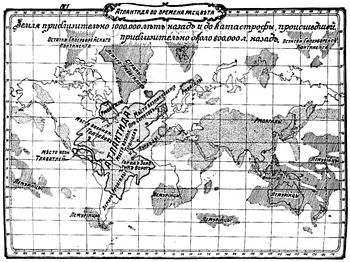
Map_of_Atlantis

Nostradamus, Quatzlcoatl, Rudolph Steiner, Mary Baker Eddy and Emmanuel Swedenbord are some of the personalities who have accessed Akashic records.

Hindu Rishis are experts in getting the Akashic records.

One could practice meditation and start reading the records hidden in the sky.

^^^^^^^^

5 இடங்களில் பொய் சொல்லலாம்: மஹாபாரதத்தில் வியாசர் புத்திமதி

tn_state_emblems_over_time

Written  by London swaminathan

Post No.2258

Date: 20 October 2015

Time uploaded in London: 8-21 AM

Thanks for the pictures.

Don’t use pictures. Don’t reblog for at least a week.


பொய் சொல்லுவது பற்றி ஆதி சங்கரர், திருவள்ளுவர், பிளாட்டோ ஆகியோர் என்ன சொன்னார்கள் என்று சென்ற ஆண்டு எழுதினேன் (கீழே காண்க). இவர்கள் எல்லோரும் “நன்மை பயக்குமெனின் பொய் சொல்லலாம்” — என்று சொல்லி விட்டார்கள். வியாசர் இவர்களை யெல்லாம் மிஞ்சிவிட்டார். ஐந்து இடங்களில் பொய் சொல்ல நமக்கு அனுமதி தருகிறார்.

ந நர்மயுக்தம் வசனம் ஹினஸ்தி ந ஸ்த்ரீஷு ராஜன் ந விவாஹ காலே

ப்ராணாத்யயே சர்வதனாபஹாரே பஞ்சான்ருதான் யாஹுரபாதகானி

–மஹாபாரதம் (ஆதி பர்வம்) 82-16

பொருள்:

பின்வரும் ஐந்து விஷயங்களில் பொய் சொன்னால் அது பொய்யாகக் கருதப்படமாட்டாது. அவைகள் தீமை செய்யாது: பெண்களிடத்தில், ஜோக் சொல்லுகையில், விவாஹ/கல்யாண விஷயங்களில், உயிர் போகக்கூடிய நிலையில், செல்வம் முழுதும் இழக்க நேரிடும்போது பொய் சொல்லலாம். அவை பாபமற்ற பொய்களாகும்.

satyameva

இதைச் சிறிது சிந்தித்துப் பார்ப்போம்:

பெண்களிடத்தில்: மனைவி மீதுள்ள அன்பின் காரணமாக மல்லிகைப் பூவோ, புடவையோ, நகைகளோ வாங்கி வந்தால் உடனே,

“ஏங்க, இதுக்கு என்ன விலை கொடுத்தீங்க?” என்று கேட்பார்கள். உடனே நாம் பொய்யான விலையைத் தான் கூறுவோம். எல்லா பெண்களுக்கும் தெரிந்த உண்மை—கணவன்மார்கள் எப்போதுமே கூடக்காசு கொடுத்து ஏமாறுவார்கள் என்று.

கணவன், மிகக் குறைவான விலையில் அதை வாங்கியதாகப் பொய் சொல்லுவான். ஆனால் பேரம் பேசியே பழக்கப்பட்ட பெண்களுக்கு, கணவன் பேரம் பேசாமல், கேட்ட காசைக் கொடுத்துவிட்டு வந்தது தெரிந்துவிடும். பெண்களிடத்தில் பொய் சொல்லி மாட்டிக் கொண்ட கதை இதுதான்.

இதே போல கல்யாண விஷயங்களிலும் பெண்ணின் அழகு, பையனின் வேலை-சம்பளம் பற்றி எல்லாம் பொய் சொல்லுவது சகஜம். கல்யாணம் நடக்க வேண்டும் என்ற ஒரே காரணத்திற்காகத்தான் இப்படிச் செய்கிறார்கள். ஆண்களும் பெண்களும் எதிர்பார்ப்பது போல 100 சதவிகித பொருத்தம் எங்கேயும் இராது. ஆனால் திருமணம் நடந்தபின் வாழ்க்கை எனும் வண்டி, தடம் புரளாமல் ஓடும்.

உயிரைக் காப்பாற்றவோ, தனது மானத்தைக் காப்பாற்றவோ பொய் சொல்லல்லாம். செல்வம் முழுதையும் ஒருவனிழந்தால் மானம் போகும்; அதன் மூலம் குடும்பமே சீரழியும். அதைத் தடுக்க பொய்சொன்னால் தவறில்லை. தமாஷுக்காகவும் (ஜோக்) பொய் சொல்லல்லாம். நாம் குழந்தைகளிடம் பல பொய்களைச் சொல்லுவோம் பூச்சாண்டி என்போம், பேய்-பிசாசு என்போம். அவர்களை நல்வழிப்படுத்தவும் அவர்கள் ஏமாறுவதில் நமக்குக் கிடைக்கும் ஆனந்தத்துக்காவும் இப்படிச் செய்கிறோம்.

நாங்கள் மேலை நாடுகளில் கிறிஸ்துமஸ் பரிசுகளை வாங்கி பீரோவுக்குள் ஒளித்து வைப்போம். குழந்தைகள் தூங்கியவுடன் அதை கிறிஸ்துமஸ் மரத்துக்கு அடியில் வைத்துவிட்டு தூங்கப் போவோம். காலையில் அவர்கள் எழுந்தவுடன், அதைப் பார்த்து ஆனந்தம் அடைவர். கிறிஸ்துமஸ் தாத்தா சாண்டா கிளாஸ் கொண்டு வந்ததாகப் பொய் சொல்லுவோம். இதெல்லாம் ஒரு கிளுகிளுப்பு தரும் விஷயம்!!

வியாசர் சொன்ன ஐந்து இடங்களிலும் பொய் சொல்லலாம். ஆனால் இறுதிப் பலன் நன்மையில் முடிய வேண்டும். “நாரதர் கலகம் நன்மையில் முடியும்” — என்று ஒரு பழமொழி உண்டு. அதுபோலவே வியாசர் பொய்யும் நன்மையில் முடிய வேண்டும்.

emblem_of_india-svg

நான் சென்ற ஆண்டு எழுதிய கட்டுரையைக் கீழே கொடுத்துள்ளேன்


எப்போது பொய் சொல்லலாம்? வள்ளுவர், சங்கரர் அறிவுரை !

By London Swaminathan
Post No.837 Date. 13-02-2014

திருக்குறளில் வள்ளுவரும், பிரஸ்ன உத்தர ரத்ன மாலிகாவில் (பிரஸ்னோத்தரரத்னமாலிகா ஸ்தோத்திரம்) ஆதி சங்கரரும், கிரேக்க நாட்டு அறிஞர் பிளாட்டோவும் எப்போது பொய் சொல்லுவது அனுமதிக்கப்படுகிறது என்பதைத் தெள்ளத் தெளிவாகக் கூறுகின்றனர்.
மஹாபாரத்திலும் சில கதைகள் உண்டு. பொய் சொன்னாரா இல்லையா என்று தீர்மானிக்க முடியாத தர்ம சங்கடமான நிலைமைகள் அவை.

வள்ளுவர் கூற்று

வாய்மை எனப்படுவது யாதெனின் யாதொன்றும்
தீமை இலாத சொலல் (291)

பொருள்: எந்த ஒரு உயிருக்கும் தீங்கு விளைவிக்காத சொற்களைப் பேசுவதே வாய்மை

பொய்மையும் வாய்மை இடத்த புரைதீர்ந்த
நன்மை பயக்கும் எனின் (292)

பொருள்: குற்றமில்லாத நன்மையைத் தரும் என்றால் பொய் கூட வாய்மையாகக் கருதப்படும்
அதாவது ஒரு பொய்யானது மாசு மருவற்ற தூய நன்மையை உண்டாக்குமானால் அது உண்மை எனவே கருதப்படும்.

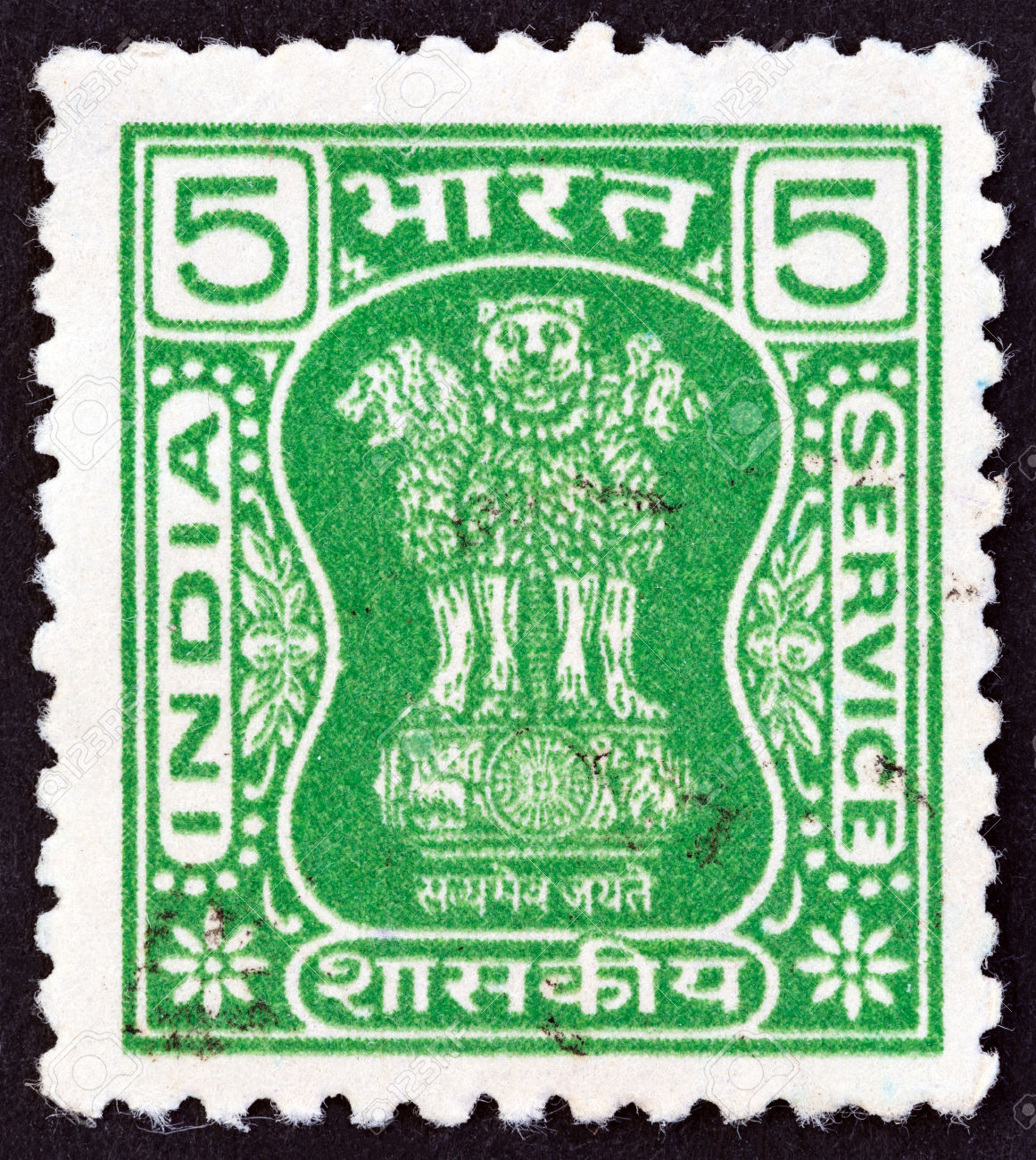
“சத்யமேவ ஜயதே= வாய்மையே வெல்லும்” என்ற உபநிஷத் வாசகம் தமிழ்நாடு அரசின் மற்றும் இந்திய அரசின் சின்னங்களில் காணப்படுகிறது. குருகுலத்துக்குப் போகும் பையனுக்கு வாத்தியார் சொல்லித் தரும் முதல் பாடம் “சத்யம் வத= உண்மையே பேசு” என்பதுதான். தமிழ், வடமொழி இலக்கியங்களில் நூற்றுக்கணக்கான இடங்களில் இதே கருத்து திரும்பத் திரும்ப வருகிறது. அப்படி இருந்தும் ஆதி சங்கரர் சொல்லுகிறார்:

சங்கரர் கூற்று

யார் நம்பத் தகாதவன்?
எப்போதும் பொய் சொல்பவன்.
எப்போது பொய் சொன்னால் பாபம் ஆகாது?
தர்மத்தைக் காக்கச் சொல்லும் போது.

இந்தக் கேள்வி பதில் பிரஸ்னோத்தர ரத்ன மாலிகா துதியில் வருகிறது. இது ஒரு அற்புதமான துதி. மஹா பாரதத்தில் வரும் யக்ஷப் பிரஸ்ன பாணியில் அவர் எழுதி உள்ளார். 67 பாடல்கள் இருக்கின்றன. ஏறத்தாழ 200 கேள்வி பதில்கள். பிரஸ்ன என்றால் கேள்வி, உத்தர என்றால் பதில். பாடல் 46, 47–ல் இந்த இரண்டு கேள்விகளும் பதில்களும் வருகின்றன.

ஆதி சங்கரரின் கூற்றுப்படி தர்மத்தைக் காக்க பொய் சொல்லலாம். அது பாவமில்லை. ஒருவேளை அவர் மஹாபாரதத்தில் வரும் அஸ்வத்தாமா கதையை மனதில் வைத்து இப்படிச் சொல்லி இருக்கலாம்.

1965-war-victory

அஸ்வத்தாமா ஹத: நரோவா குஞ்சரோவா’:

பொய்யே சொல்லாத தர்மனையும் பொய் சொல்ல வைத்தார் கிருஷ்ணன். எதற்காக? தர்மயுத்தம் வெல்ல வேண்டும் என்பதற்காக. தர்மன் பொய் சொல்ல மாட்டான் என்று தெரிந்த கிருஷ்ணன் ‘அஸ்வத்தாமா’ என்ற பெயருள்ள ஒரு யானையைக் கொல்லச் செய்கிறார். பீமன் அதைக் கொன்றவுடன் அஸ்வத்தாமாவுக்கு சாவு என்று கூச்சல் இடுகிறான். துரோணர் காதில் அது விழவே தர்மனிடம் உண்மையா என்று அறிய வருகிறார். அவன்‘அஸ்வத்தாமா ஹத: நரோவா குஞ்சரோவா’: = அஸ்வத்தாமா சாவு………. யானையோ மனிதனோ– என்று சொல்கிறான்.

அதாவது யானையோ மனிதனோ ஒரு‘அஸ்வத்தாமா காலி! யானையோ மனிதனோ என்பது சம்ஸ்கிருத வாக்கியத்தில் பின்னால் வரும். அந்த நேரத்தில் பாண்டவ சேனை பெரிய டமார துந்துபி ஒலிகளை உண்டாக்கி துரோணர் காதில் விழமுடியாதபடி செய்கின்றனர். துரோணர், மகனின் “மரணச் செய்தி” கேட்டு ஆயுதங்களைத் தூக்கி எறிந்துவிட்டு தியானத்தில் அமர்கிறார். அவரை திருஷ்டத்யும்னன் கொல்கிறான்.

ஆயிரம் பொய் சொல்லியும் ஒரு கல்யாணத்தைச் செய்யலாம் என்று தமிழில் ஒரு பழமொழி உண்டு. ஒரு நல்ல காரியம் நடக்கத் தீமை இல்லாத பொய்களைச் சொல்லலாம். பையன் அழகானவனா, பெண் அழகானவளா என்று கேட்கும்போது ஆம் அழகானவர் என்று சொல்வதில் தப்பில்லை. அழகு என்பது பார்ப்பவர்களின் பார்வையைப் பொறுத்தது.!!

coin satya

கௌசிகர் கதை

மஹாபரதத்தில் இன்னொரு சுவையான கதையும் உண்டு. வாழ்நாள் முழுதும் பொய் சொல்ல மாட்டேன் என்று கௌசிகர் என்ற பிராமணர் சபதம் செய்கிறார். அவர் காட்டில் இருக்கையில் வழிப்போக்கர் குழு ஒன்றைத் திருடர்கள் துரத்தி வருகின்றனர். அந்த வழிப்போக்கர்கள் கௌசிகர் இருக்கும் இடத்தைக் கடந்து ஓரிடத்தில் ஒளிந்து கொள்கிறார்கள். திருடர்கள் சற்று நேரத்துக்குப்பின் அங்கே வந்து கௌசிகரிடம் யாராவது இப்படி வந்தார்களா? என்று கேட்டனர். அந்த ‘உண்மை விளம்பி’ (!) ‘ஆமாம் அதோ அங்கே ஒளிந்து கொண்டு இருக்கிறார்கள்’ என்று உண்மையைக் கூறுகிறார். பின்னர் வழிப்போக்கர்களைத் திருடர்கள் என்ன செய்தார்கள் என்பதைச் சொல்லத் தேவை இல்லை. இது வாய்மை அல்ல என்பது வள்ளுவனின் கருத்து.

பொருள்: எந்த ஒரு உயிருக்கும் தீங்கு விளைவிக்காத சொற்களைப் பேசுவதே வாய்மை (291) என்பது வள்ளுவன் துணிபு.

சத்யகாம ஜாபாலா கதை

உபநிஷதத்தில் இன்னும் ஒரு அற்புதமான கதை உண்டு. சத்யகாமன் என்ற சிறுவன், குருவிடம் போய் வகுப்பில் சேர ‘அப்ளிகேஷன்’ கொடுக்கிறான். அவரோ தம்பி மனுவை சரியாக பூர்த்தி செய்யவில்லையே. அப்பா பெயர், குலம், கோத்ரம் எல்லாம் எழுதாமல் ‘பிளாங்க்’ ஆக இருக்கிறதே- என்றார். அவன் எங்கள் அம்மா பெயர் ஜாபாலா என்கிறான். வீட்டுக்குப் போய் காலியான இடங்களை நிரப்பி உங்கள் அப்பா பெயர், குலம், கோத்ரம் எல்லாவற்றோடும் வா என்கிறார். அவன் அம்மாவிடம் போய் நடந்த கதையைச் சொல்கிறான். அவளும் ‘மஹா உத்தமி!’ (!) ‘உன் அப்பா யார் என்று எனக்கே தெரியாது’ என்கிறாள். அவனும் உடனே குருவிடம் போய் அம்மா சொன்னதை அப்படியே சொல்கிறான்.
குரு அவனைக் கட்டிப் பிடித்துக் கொண்டு இன்று முதல் உன்பெயர் ‘சத்ய காமன் (உண்மை நாடுவோன்)’. நீ எனது சீடன். பிராமணன் பொய்யே பேசமாட்டான். ஆகையால் நீயும் ஒரு பிராமண குலத்தில் உதித்தவனே என்று சொல்கிறார். உண்மைக்கு அவ்வளவு மதிப்பு (அந்தக் காலத்தில்!!!)
பிளாட்டோ கூற்று

கிரேக்க நாட்டு அறிஞர் சாக்ரடீஸின் சீடர் பிளாட்டோ. அவர் Noble Lie “நோபிள் லை” (உன்னத பொய்) சொல்லலாம் என்று ‘ரிபப்ளிக்’ புத்தகத்தில் எழுதி இருக்கிறார். எஸ். எம். டயஸ் எழுதிய ஆங்கில திருக்குறள் விளக்கத்தில் இதைக் கூறுகிறார். அதாவது கல்வி மற்றும் ராஜாங்க விஷயங்களில் இப்படி உன்னத காரியங்களுக்குப் பொய் சொல்லலாம் என்பது அவரது கருத்து. சாக்ரடீஸ் போன்றோர் இந்திய கலாசாரத்தை நன்கு அறிந்தவர்கள்.

சாக்ரடீஸின் சீடர் பிளாட்டோ. அவருடைய சீடர் அரிஸ்டாடில். அவருடைய சீடர் அலெக்ஸாண்டர். இந்தியாவை எப்படியாவது பார்த்து ரிஷி முனிவர்களை அழைத்துச் செல்லவேண்டும் என்று அலெக்ஸாண்டர் துடியாய்த் துடித்தார். (இது பற்றிய விஷயத்தை சுவாமி விவேகானந்தர், பரமஹம்ச யோகானந்தர் புத்தகங்களில் இருந்து ஏற்கனவே விரிவாகக் கொடுத்துவிட்டேன். அரைத்த மாவையே அரைக்க விருப்பம் இல்லை!).

தொடர்பு கொள்க: swami_48@yahoo.com

நாணயங்கள், தபால் தலை, அரசு சின்னங்களாகியவற்றில் சத்யமேவ ஜயதே/ வாய்மையே வெல்லுமென்ற, உபநிஷத வாக்கியமிருக்கிறது.

You can tell Lies in Five Places:Mahabharata

emblem_of_india-svg

Written  by London swaminathan

Post No.2257

Date: 19 October 2015

Time uploaded in London: 16-13

Thanks for the pictures.

Don’t use pictures. Don’t reblog for at least a week.

SINLESS UNTRUTH

Earlier I wrote about the views of the greatest philosopher Adi Shnakara and the Tamil poet Tiruvalluvar on lying. Both Shankara and Valluvar allow us to tell lies under certain circumstances (See at the bottom of this article.)

Na narmayuktam vachanam hinasti na strishu raajan na vivaahakaale

Praanaatyayee sarvadhanaapahaare panchaanrutaanyaahurapaatakaani

–Mahabharata (Adi Parva) 82-16

It is said that if you tell lies under the following five circumstances, it is not considered a sin:

Strii: You can tell a lie to women

Narmayukti: As jokes

Vivaahakaala: During marriage (to bring a boy and a girl together)

Praanaatyaya: When your life is threatened

Dhanaapahaara: Loss of wealth.

Vyasa wrote Mahabharata in the beginning of Kaliyuga; he knew that lies can’t be avoided completely. But the end justifies the means. So if anything leads to a good end or a beneficial effect, then lying is justified.

Some simple examples:

A husband tells a small lie to his wife when he overpaid for the thing he got it for his wife such as flowers or sarees or gold ornaments. Men are not as shrewd as women in bargaining.

A lot of us crack jokes with children, women and friends and naturally we tell them lies to see the suspense or disappointment in their faces. We, in western countries, tell lot of lies to our children about Santa Claus bringing all the Christmas gifts through the chimney.

To bring a boy and girl together, a lot of lies are told. In Tamil there is a proverb that says ‘you can tell 1000 lies for a marriage to happen’. The boy is told that the girl looks like a film actress. When he sees her he realises that it is not true. Then all extra information is fed: though she is not that beautiful you will not get such a girl because she sings like koel (cuckoo) and cooks like Nala or Bhima (which is also not true). The girl is also told that the boy is like Manmatha (Cupid) and he earns a big fat salary, which may not be true.

To save one’s life, lying is allowed. If a robber is chasing a good man and he hides in our house, naturally we will tell him a lie to save the good man.

If someone tries to rob you off everything and your family will be ruined because of that, you can tell a lie to save whatever money you can save.

satyameva

Following is my article posted in 2014

When can you tell a lie? Adi Shankara’s Advice

By London Swaminathan
Post No. 838 Date. 13-02-2014

Tamil poet Thiruvalluvar and India’s greatest philosopher Adi Shankara give us guidelines about lying. Both of them allow us to tell lies if they can bring immense good. We have some anecdotes in Mahabharata where in there was a dilemma to tell the truth or not.

We are taught by the Vedas ‘satyam vatha’=speak the truth. That is the first command. The emblem of Government of India and the Government of Tamil Nadu has the Upanishad dictate ‘Satyameve Jayate’= truth alone triumphs. There is no contradiction in it when we say we are allowed to tell lies for the good of the humanity. Bhagavad Gita and other Hindu scriptures lists Honesty and Truth as very important qualities.

Upanishads has a beautiful story about a boy named ‘Truth Seeker’ =Satyakaman. When he came to Gautama for learning the Vedas he asked his caste and clan. He said that his mother’s name was Jabala. He asked him to go back to his mum to find the name of his father. She plainly told him that she did not know it. He went straight to Gautama and told what his mum said to him. Immediately he accepted him as a student saying this was the quality of a Brahmana. The meaning is whoever speaks truth, he is a Brahmana.

In spite of these high moral standards, Shankara and Valluvar allow us to tell a lie if it can do some good. In Tamil, there is a proverb that ‘one can do a marriage by telling one thousand lies’. We can easily read between the lines. Uniting two people in marriage is a good thing. So ignore minor things. Very often they ask ‘Is the boy handsome? The answer we get is ‘Yes he is very handsome’ Is the girl beautiful? Yes the girl is very beautiful. Beauty is in the eye of the beholder. Beauty in body is different form beauty in behaviour. So what they say is true.

coin satya

Story of Kausika

Sometimes truth may be worse than a lie. There is a beautiful story in the greatest and the longest epic in the world Mahabaharata. Kaushika was a Brahmana who made a vow of always speaking the truth. One day robbers were chasing a group of travellers in the forest. When they passed by Kaushika, he also noticed them. The robbers came to Kaushika and asked him whether he had seen the travellers. He told them where the travellers were hiding. The robbers went there, tortured and robbed the travellers. Kaushika had to go to hell for speaking the truth.

That is why Valluvar puts a sub clause when he said ‘yes, lying is allowed’:
Even untruth might attain the value of truth, if it is productive of UNMIXED GOOD, without the least blemish (Tirukkural 392)

Valluvar probably knew the story of Kaushika in Mahabharata. So he makes it clear in one of the verses:
“If one’s speech does not wrong any living creature, while being factually correct, that is truthfulness (Kural 291)”

1965-war-victory

Shankara’s View

Adi Shankara in the Prasna Uttara Ratna Malika (Gem Garland of Questions and Answers) hymn says
There are 67 verses in question and answer format. In the 46th verse he puts one question ‘Who is not to be trusted?’ The answer is ‘one who as a rule utters lies’.
In the next verse (47), one of the questions is ‘on what occasions even a lie is sinless?’ ‘That which is uttered for the sake of protecting righteousness (Dharma)’.
One should not harm anyone while telling a truth and one can tell a lie if it can bring some good to someone.

Plato’s View

SM Diaz in his commentary on Tirukkural adds:
“The eminent Greek philosopher Plato, of a date prior to Thiruvalluvar , has discussed in his Republic, the concept of the Noble Lie, which statesmen may use under certain circumstances as an instrument of state-craft or education. G.C.Field who discusses this matter in his book entitled The Philosophy of Plato quotes as example, Mr Churchill’s ‘ terminological inexactitudes’, used during World War II, as a means of deceiving the enemy, in the national interest.”
“ In the Mahabharata, Dharmaputra’s true statement, drowned in noise and made to appear false, in order to produce a certain good result, was also considered to come under this category. In Tamil Nadu the proverb that Even a thousand lies would be worthwhile to bring about a marriage, is based on the same principle of Plato’s Noble Lie.”

“Shakespeare projected an allied thought when he wrote,
If I do lie and do

No harm by it, though the Gods hear, I hope they will pardon it.
But this does not satisfy Valluvar’s acid test. Only truth should be accompanied by harmlessness; untruth should be productive of positive good to qualify for being classed with truth. Untruth which is just harmless may be fun but not truth.”

Aswaththama Hatha: Narova Kunjarova: (Aswaththama dead; whether man or elephant)
Krishna had arranged to have an elephant named Aswatthma sacrificed in the battle. Yudhistra confirmed that Aswatthma had been killed adding in a lower tone Aswaththama ‘the elephant’ or man which had been killed. This news shattered Aswatthma ‘s father Drona who threw down his arms in despair. Un armed Drona was killed by Dhristadymna . Like story of Kausika, this is also from the Mahabharata.

(In Indian coins and stamps, the National Emblem with the words TRUTH ALOE TRIUMPHS + Satyameva Jayate is is inscribed)

–Subham–

சொல்லுக்குள் ஜோதி காணுங்கள்!

om tamil

Compiled  by S NAGARAJAN

Post No.2256

Date: 19 October 2015

Time uploaded in London: 8-07 AM

Thanks for the pictures.

Don’t use pictures. Don’t reblog for at least a week.


ரகசியத் தெளிவு

சொல்லுக்குள் ஜோதி காணுங்கள்!


.நாகராஜன்

 OM red filter

சொல்லில் இருக்குது அனைத்துமே


இரகசியங்களைப் பொருத்தவரையில் எல்லா மதங்களும் ஒரே மாதிரியான அறிவுரைகளையே சொல்கின்றன. யூதம், ஹிந்து என்றெல்லாம் இதில் வேறுபாடு கிடையாது. ஏனெனில் அடிப்படை உண்மைகள் சாஸ்வதமானவை!

தேவி பாகவதத்தில் அம்பிகையின் முன்னர் ஆகப் பெரும் மஹரிஷிகள் வாயைப் பொத்தி மௌனம் அனுஷ்டிக்கிறார்களாம்! ஏனெனில் வாயைத் திறந்தால் சொல் குற்றம் வந்து விடுமோ என்று!


யூத மதத்தை எடுத்துக் கொண்டால் அங்கும் சொற்களை ஜாக்கிரதையாகப் பிரயோகம் செய் என்றே கூறுகிறது. அதிலும் பிரார்த்தனை புரிவதில் சொல்லுக்குள்ளே ஜோதியைக் காணுங்கள் என்கிறது!

லிக்விடிம் எக்வாரிம் (தேர்ந்தெடுக்கப்பட்ட ஞான முத்துக்கள்) தொகுப்பில் முக்கியமான ரகசியம் சொல்லப்படுகிறது இப்படி:-


EACH MORNING A NEW CREATION

Take special care to guard your tongue                                            

 Before the morning prayer.

Even greeting your fellowman, we are told.                                    

Can be harmful at that hour.
A person who wakes up in the morning is                                     

Like a new creation

Begin your day with unkind words,                                                  

Or even trivial matters –

Even though you may later turn to prayer,                                      

You have not been true to your Creation

All of your words each day                                                         

Are related to one another

All of them are rooted                                                           

 In the first words that you speak                     

                                                LIQQUTIM YEQARIM

MAHALAKSHMI LAMPS

உனது நாவைக் காப்பதில் விசேஷ கவனம் எடு                               

காலை பிரார்த்தனைக்கு முன்னர்

உங்கள் சக மனிதருக்கு வணக்கம் செலுத்துவது கூட,                            

அந்த நேரத்தில் தீமை பயக்கக்கூடும் என்று எங்களுக்குச் சொல்லப்படுகிறது

காலையில் கண் விழிக்கும் ஒரு மனிதன்                                           

ஒரு புதிய படைப்பு போல


அன்பில்லாத வார்த்தைகளுடன் உங்கள் நாளை ஆரம்பியுங்கள்,                      

அல்லது அல்ப விஷயங்களுடன் துவங்குங்கள்

பின்னால் நீங்கள் பிரார்த்தனை புரியத் தொடங்கினாலும் கூட,                          

உங்கள் படைப்புக்கு நீங்கள் உண்மையானவராக இல்லை

ஒவ்வொரு நாளும் உங்களின் எல்லாச் சொற்களும்                               

ஒன்றை ஒன்று தொடர்பு கொண்டிருக்கின்றன


அந்த அனைத்துமே நீங்கள் பேசும் முதல் வார்த்தைகளை                          

வேராகக் கொண்டிருக்கின்றன

                                                             லிக்விடிம் எக்வாரிம்


பிரம்மாண்டமான ஒரு ரகசியம் மிக எளிமையாகச் சொல்லப்பட்டிருக்கிறது.

ஹிந்து தத்துவத்தில் காலை எழுந்தவுடன்


கராக்ரே வஸதே லக்ஷ்மீ கர மத்யே சரஸ்வதி                                            

கர மூலேது கோவிந்த: ப்ரபாதே கர தர்ஸனம்


என்று நல்ல சொற்கள் மூலம் திருமகள், கலைமகள், கோவிந்தன் ஆகியோரை நமஸ்கரித்து நாளை நல்ல நாளாக்கி நமது நாளாக்குகிறோம்.

ஒரு நாளைக்கு 100 ஆசீர் வசனம் ஓதுங்கள்


கடவுள் நம்மிடம் எதை விரும்புகிறார் என்பதை யூத மதத்து ராபி மெய்ர் (Rabbi Meir) அருமையாக விளக்கிக் கூறுகிறார். மூன்றாம் நூற்றாண்டின் முற்பகுதியில் வாழ்ந்த இறையாளர் இவர்.


தால்முட்இல் வரும் செய்யுளுக்கு இவர் அற்புத விளக்கம் ஒன்றைத் தருகிறார். அது Mah என்ற வார்த்தையைக் கூறுகிறது. இதன் பொருள் என்னஎன்பதாகும். ஆனால் மெய்ரோ அந்த உச்சரிப்பை அதே போன்று உள்ள Meah என்று எடுத்துக் கொள்ள வேண்டும் என்கிறார். இதன் பொருள் 100 என்பதாகும். அதாவது கடவுள் நம்மை தினமும் 100 Blessings (100 ஆசீர் வசனங்கள்ஓத வேண்டும் என்று விரும்புகிறார் என்றார்.


தினமும் நூறு நல்ல வார்த்தைகளைப் பேசும் ஒருவனுக்கு என்றைக்கேனும் கெடுதி விளையுமா? நிச்சயம் ஒரு கெடுதியும் வராது. ரகசியங்களை ஒவ்வொரு மதமும் ஒவ்வொரு விதமாகச் சொல்கிறது.

அனைத்தும் பொருள் பொதிந்தவை.

 IMG_4438

சொல் ஒன்று வேண்டும்


மஹாகவி பாரதியார் பாடிய சொல் என்ற பாடல் அற்புதமான பாடல்.

சொல் ஒன்று வேண்டும் தேவசக்திகளை நம்முள்ளே                             

நிலைபெறச் செய்யும் சொல் வேண்டும்

மின்னல் அனைய திறல் ஓங்குமேஉயிர்                                             

வெள்ளம் கடை அடங்கிப் பாயுமே                                                     

தின்னும் பொருள் அமுதம் ஆகுமே இங்கு                                    

செய்கை  அதனில் வெற்றி ஏறுமே


என்று சொல்லின் பெருமை கூறும் அவரது பாடலை முழுவதுமாகப் படிக்கும் போது யூதர்களின் வேதம் கூறும் சொல்லுக்குள் ஜோதி காணும் அனுபவம் கை கூடும், இல்லையா!

பேசுகின்ற வார்த்தைகள் பலவற்றை நம்மிடம் அன்றாடம் சேர்க்கின்றன. இவற்றில் நாளைத் துவக்கும் போது பேசுபவை அன்றைய போக்கை உருவாக்குகின்றன. ஆகவே பேசுவதைச் சரியாகப் பேசு; சரியான சொற்களைத் தேர்ந்தெடு என்பதே அறநூல்களின் அறிவுரை.


இதை ஒரு சோதனையாகக் கூடச் செய்து பார்க்கலாம்; விளைவுகள் பிரம்மாண்டமான அளவில் நலம் பயப்பதைக் கண்டு நாமே பிரமித்து விடுவோம்!


*****************


The tail is out!

rat

Compiled  by London swaminathan

Post No.2255

Date: 18 October 2015

Time uploaded in London: 18-33

Thanks for the pictures.

Don’t use pictures. Don’t reblog for at least a week.

220px-Stamp_of_Kyrgyzstan_chychkan

Once a Guru was teaching his disciples about the highest truth, but one of his disciples was not prepared to listen to or understand him. The guru was seated leaning against a wall and the disciple was facing him. In the wall there was a rat hole. When the teaching was going on, the rat was slowly proceeding towards the hole and all the attention was of the disciple was fixed on the rat. He was watching keenly what the rat was doing. It has almost entered the hole and its tail only was seen outside.

The guru coming to know that the disciple was not attending to him, asked,

“Do you listen to what I say?

Has what I told you entered your head?”

Suddenly the answer came from the disciple

“Yes, only the tail is out.”

Many disciples are of this type. So preparedness to imbibe spiritual teachings is necessary and that can only be through purification of the mind.

Story told by swami Ramdas of Anandashram

—Subham—

யார் மனைவி? எவன் மகன்?

IMG_4485

Compiled  by London swaminathan

Post No.2254

Date: 18 October 2015

Time uploaded in London: 14-59

Thanks for the pictures.

Don’t use pictures. Don’t reblog for at least a week.

1.ரத்னாகரோ ஜலநிதிரித்யசேவி தனாசயா

தனம் தூரே அஸ்து வதனமபூரி க்ஷாரவாரிபி:

பண ஆசையால் கடலில் இறங்கினால், பணம் தூரப் போய்விட்டது; வாய் எல்லாம் உப்பு ஆனதுதான் மிச்சம்!

ஹிந்தி: சௌப்பே கயே சப்பே பனனே துப்பே ஹீ ரஹ் கயே.

Xxx

2.சர்வம் ஸ்ரத்தயா தத்தம் ஸ்ராத்தம் – ப்ரதிமா

சிரத்தையாகச் செய்யப்படுவது சிராத்தம்

Xxx

3.சர்வஜன மனோபிராமம் கலு சௌபாக்யம் நாம –ஸ்வப்னவாசவதத்தம்

எல்லோர் மனதையும் கவரக்கூடிய விஷயமே சௌபாக்கியம் எனப்படும்.

Xxx

IMG_4496 (2)

யார் மனைவி? எவன் மகன்?

4.சா பார்யா யா ப்ரியம் ப்ரூதே

ச புத்ரோ யத்ர நிவ்ருத்தி:

தன்மித்ரம் யத்ர விஸ்வாச:

ச தேஸோ யத்ர ஜீவ்யதே – (மஹாபாரதம்)

யார் அன்பாகப் பேசுகிறாளோ அவளே மனைவி,

யார் சுகமான வாழ்வு தருகிறானோ அவனே மகன்,

எங்கே விஸ்வாசம் (நம்பக்கூடிய தன்மை) இருக்கிறதோ அவனே நண்பன்,

எங்கு நல்ல வாழ்க்கை நடத்தமுடிகிறதோ அதுவே நாடு.

ஹிந்தியில்

பார்யா வஹீ ஹை, ஜோ ப்ரிய போலே,

புத்ர வஹீ ஹை, ஜிஸ்ஸே சுக மிலே,

மித்ர வஹீ ஹை ஜிஸ்மேம் விஸ்வாஸ் ஹோ,

தேஷ் வஹீ ஹை, ஜஹாம் ஜீவிகா ஹோ.

doctor3

யார் டாக்டர்? யார் போலி மருத்துவர்?

ஸ்ருதே பர்யவதாதத்வம் பஹுசோ த்ருஷ்டகர்மதா

தாக்ஷ்யம் சௌசமிதி ஞேயம் வைத்யே குணசதுஷ்டயம்

–சரக (சூத்ரம்) 9-6

நல்ல மருதுவரின் 4 லட்சணம்:

ஸ்ருதே பர்யவதாதத்வம் = மருத்துவ அறிவு

பஹுசோ த்ருஷ்டகர்மதா= நல்ல அனுபவம்

தாக்ஷ்யம் = திறமை

சௌசமிதி= தூய்மை (சுத்தம்)

நோயாளிகளை எப்படி கவனிப்பது?

மைத்ரீ காருண்யமார்தேஷு சக்யே ப்ரீதிரூபேக்ஷணம்

ப்ரக்ருதிஸ்தேஷு பூதேஷு வைத்யவ்ருத்திஸ்சதுர்விதா

–சரக (சூத்ரம்) 9-26

மைத்ரீ = நட்புடன் அணுக வேண்டும்

காருண்யம்= கருணை இருக்க வேண்டும்

ப்ரீதி = உற்சாகமாக சிகிச்சைதர வேண்டும்

உபேக்ஷணம்= நோயாளியிடத்தில் அனுதாபம் இருக்க வேண்டும்

போலி வைத்யர்கள் எப்படி இருப்பர்?

குசேல: கர்கச: ஸ்தப்தோ க்ராமணீ ஸ்வயமாகத:

பஞ்ச வைத்யா ந பூஜ்யந்தே தன்வந்த்ரிசமா அபி

–சம்ஸ்கிருத பொன்மொழி

மருத்துவப் பிதாமஹான் தன்வந்த்ரிக்குச் சமமானவராக இருந்தாலும் கீழ்க்கண்ட ஐந்து போலி மருத்துவருக்கு மதிப்பளிக்க வேண்டாம்:–

குசேல: = மோசமான ஆடை அணிந்தவர்

கர்கச: =முரட்டுப் பேர்வழி

ஸ்தப்தோ = பிடிவாதக்காரன்

க்ராமணீ =குதர்க்கமான (நேர்மையற்ற) பார்வையுடையோன்

ஸ்வயமாகத: = தானாக (அழையாமலே) சிகிச்சைதர வருபவன்

திருக்குறளில் மருந்து என்னும் அதிகாரத்தில் திருவள்ளுவர் சொன்ன விஷயங்களி இவற்றுடன் ஒப்பிட்டு மகிழ்க!!!

–சுபம்–

வெல்லும் சிவ சக்தி!

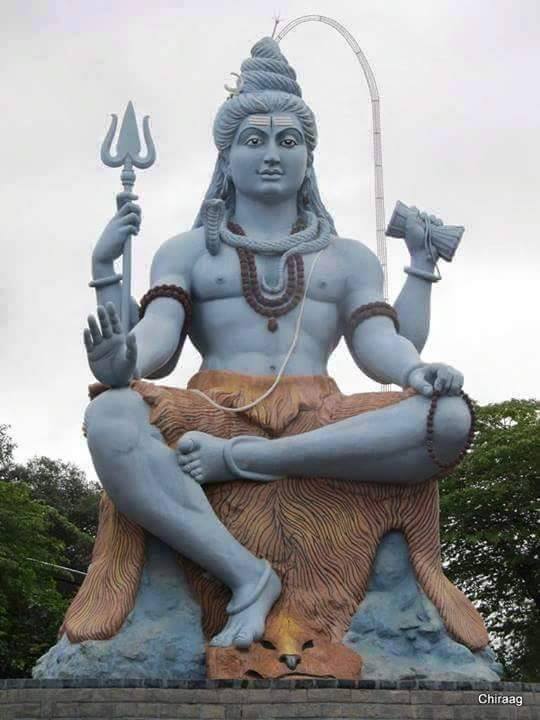
SIVA ON TIGER SKIN

Written by S NAGARAJAN

Post No.2253

Date: 18 October 2015

Time uploaded in London: 9-38 AM

Thanks for the pictures.

Don’t use pictures. Don’t reblog for at least a week.


தேவார சுகம்

வெகுண்டெழுந்த அப்பர் விரட்டுவது எவற்றை?

.நாகராஜன்


சாது மிரண்டால்!

சாது மிரண்டால் காடு கொள்ளாது என்பது பழமொழி.

அருளாளரான அப்பரே விரட்டுகிறார் என்றால், அதில் இருக்கும் விஷயம் பொருள் பொதிந்த ரகசிய விஷயமாகத் தானே இருக்க வேண்டும்!

கெடுவீர்காள் (நீங்கள் கெட்டு அழிந்தொழிவீர்கள்) எனக் கடுமையாக எச்சரிக்கிறார்!

தருக்கேன்மின்னே, நீர் நடமின்களே (கர்வப் படாதீர்கள், விட்டுப் போய்த் தொலையுங்கள்) என்று விரட்டுகிறார்!

ஈங்கு அலையேன்மின் (இங்கு கிடந்து அலையாதீர்கள் எனத் திருப்பித் திருப்பிச் சொல்கிறார்?

என்ன விஷயம்? உலகைப் படாத படுத்தும் மாய சக்திகளைப் பட்டியலிடுகிறார் அவர், அது தான் ரகசியம். அவற்றை அழைத்து, என்னிடம் வராதீர்கள்; வந்தால் அழிந்து ஒழிவீர்கள்; நான் சிவனின் பக்தன் என்று கூறி அவற்றை விரட்டுகிறார்!

அதன் மூலம் மாய சக்திகளை நமக்கு இனம் காட்டி நம்மை ஜாக்கிரதையாக இருக்குமாறு ரகசிய அறிவுரை தருகிறார்!
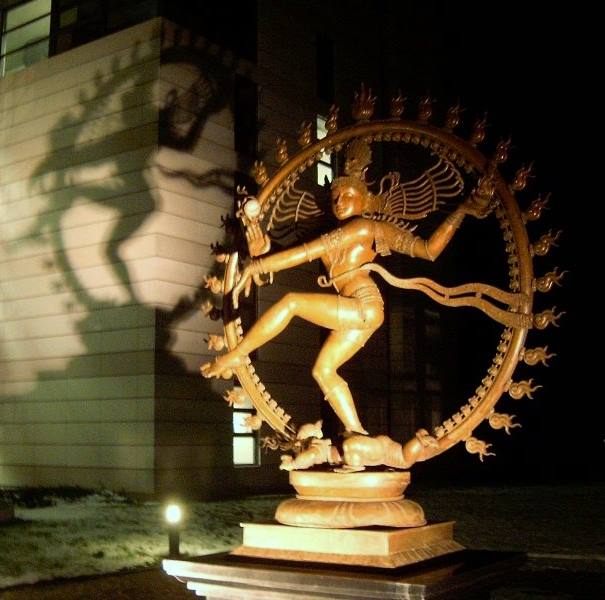
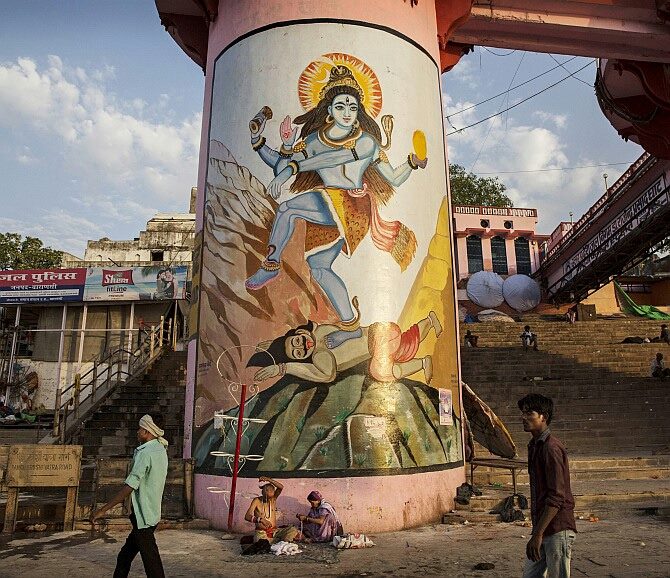
nata from siva

ஓடுங்கள், மாய சக்திகளே!

புண்ணியங்களே! தீவினைகளே! திருவே! இம்மாயக் கடலை அரித்துத் தின்னும் உங்களுக்கு என்னிடம் இடம் கிடையாது. நல் ஆரூர் தடங்கடலை, சிவபிரானின் திருவடியைப் பற்றித் தொடர்கின்றேன், எனக்கு இடர் தந்தால் கெட்டு ஒழிவீர்கள்! (ஜாக்கிரதை!)

ஐம்பெரும் மா பூதங்களே! இந்த பூமி எல்லாம் உம் வசமாக்க வல்ல திறனை உடையவர்கள் நீங்கள்! ஆனால் நீங்கள் என்னை நுகர்ந்து போகம் அனுபவிக்க விட மாட்டேன். நான் ஆரூர் அமிர்த வள்ளலின் அடியவன். உங்கள் தருக்கை விட்டு விடுங்கள்! (என்னிடம் அது செல்லாது)

சுவை, ஒளி, ஊறு, ஓசை, நாற்றம் எனப்படும் ஐந்து புலன்களே! ஐயோ! உங்களுக்கு இந்த வையகமே போதாதே! ஆரூர் சிவக் கொழுந்து என் சிந்தையில் உள்ளான். ஆகவே உங்கள் கர்வம் என்னிடம் செல்லாது!

வெற்றியுடன் சோர்வு படுத்தும் சூழ்ச்சியே! உங்களிடம் உலகம் எல்லாம் உழறும். ஆனால் என்னிடமோ உங்கள் ஆட்டம் பலிக்காது. எம்பெருமானை அடைந்தவன் நான்! இங்கு வந்து வீணே அலையாதீர்கள்!

பொங்கு மதமே, மானமே! ஆர்வமே! செற்றமே! குரோதமே! லோபமே! பொறையே!

துன்பமே! பாவமே ஆசையே வெறுப்பே! வறுமையே! செல்வமே! பொல்லா வெருட்சியே! மகிழ்ச்சியே! வெறுப்பே! நீங்கள் இந்த பூமியையே அரித்துத் தின்று விடுவீர்கள்! ஆனால் நீங்கள் நுகரும் போகம் நான் அல்ல! என்னிடம் உங்கள் வேலை பலிக்காது! நான் கற்பகத்தை, தற்பரத்தை, ஆரூர் பரஞ்சோதியை நாடி வந்து விட்டேன். ஓடிப் போங்கள்!

சுருக்கமே! பெருக்கமே! காலநிலையே! செல்வமே! வறுமையே! இந்த உலகைச் சுற்றி உங்கள் ஆட்சியைச் செலுத்துவது போதாதா? எம்பிரான் பாதம் பற்றிய என்னிடம் வந்தால் கெட்டு அழிவீர்கள்!

இப்படி வெகுண்டு சக்தி வாய்ந்த சொற்களால் அப்பர் விரட்டுகிறார் என்றால் அந்த உலக மாயைகள் எப்படிப் பட்ட வல்லமை படைத்தவையாக இருக்க வேண்டும்.

கண்ணெதிரே தான் காண்கிறோமே, தினசரி அன்றாட வாழ்க்கையில்.

இவை ஒவ்வொன்றும் படுத்தும் பாடு, அடடா என்ன பாடு படுகிறது இந்த உலகம்! – 750 கோடி உலக மக்களை – எண்ணற்ற கோடி விதங்களில் என்ன பாடு படுத்துகிறது.

rishikesh siva

வெல்லும் சிவ சக்தி

இவை அனைத்தையும் எதிர்கொண்டு விரட்டவும் வெல்லவும் ஒரே சக்தி, சிவ சக்தி தான்!

அது இருக்கும் போது எதுவும் நம்மிடம் பலிக்காது.

திருஆரூர்ப் பூங்கோயிலில் அப்பர் அருளிய “பொய் மாயப் பெருங்கடலில்” எனத் தொடங்கும் பதிகத்தைப் பாடுவோர்க்கு மேலே சொன்ன மாயைகளின் ஜால வேலைகள் பலிக்கவே பலிக்காது. அவரே, “கெடுவீர்காள்! இடறேன்மின்னே” என்று எச்சரித்து விட்ட போது நமக்கு என்ன பயம்!

பத்துப் பாடல்களில் அப்பர் வரிசையாக இனம் காட்டும் மாயைகள்:

புண்ணியம், பாவம், ஐம்பெரும் பூதங்கள், ஐம்புலன்கள், சோர்வு படு சூட்சியம் (வஞ்சனைகள்), செருக்கு, மானம், காமம், பகை, கோபம், கஞ்சத்தனம், பொறை, துன்பங்கள், தீவினை, வேட்கை, வெறுப்பு, வறுமை, செல்வம், கோபம், மகிழ்ச்சி, வெறுப்பு, ஐம்பொறிகளாகிய காக்கைகள், சுருக்கம், பெருக்கம், காலநிலை, செல்வம், வறுமை ஆகியவை (அவர் சொன்ன வரிசைப்படி!)


ஆறாம் திருமுறைதிருவாரூர்ப் பதிகம்


பாடல்களில் சிலவற்றைப் பார்ப்போம் (மீதியையும் தேடிப் படிக்கும் ஆர்வம் நிச்சயம் எழும்!):-

பொய்ம்மாயப் பெருங்கடலிற் புலம்பா நின்ற
    புண்ணியங்காள் தீவினைகாள் திருவே நீங்கள்
இம்மாயப் பெருங்கடலை யரித்துத் தின்பீர்க்
    கில்லையே கிடந்ததுதான் யானேல் வானோர்
தம்மானைத் தலைமகனைத் தண்ண லாரூர்த்
    தடங்கடலைத் தொடர்ந்தோரை யடங்கச் செய்யும்
எம்மான்ற னடித்தொடர்வா னுழிதர் கின்றேன்
    இடையிலேன் கெடுவீர்காள் இடறேன் மின்னே

ஐம்பெருமா பூதங்காள் ஒருவீர் வேண்டிற்
    றொருவீர்வேண் டீர்ஈண்டிவ் வவனி யெல்லாம்
உம்பரமே உம்வசமே யாக்க வல்லீர்க்
    கில்லையே நுகர்போகம் யானேல் வானோர்
உம்பருமா யூழியுமா யுலகே ழாகி
    ஒள்ளாரூர் நள்ளமிர்தாம் வள்ளல் வானோர்
தம்பெருமா னாய்நின்ற அரனைக் காண்பேன் 
    தடைப்படுவே னாக்கருதித் தருக்கேன் மின்னே


உன்னுருவிற் சுவையொளியூ றோசை நாற்றத்
    துறுப்பினது குறிப்பாகு மைவீர் நுங்கள்
மன்னுருவத் தியற்கைகளால் வைப்பீர்க் கையோ
    வையகமே போதாதே யானேல் வானோர்
பொன்னுருவைத் தென்னாரூர் மன்னு குன்றைப்
    புவிக்கெழிலாஞ் சிவக்கொழுந்தைப் புகுந்தென் சிந்தை
தன்னுருவைத் தந்தவனை யெந்தை தன்னைத்
    தலைப்படுவேன் துலைப்படுப்பான் தருக்கேன் மின்னே


துப்பினைமுன் பற்றறா விறலே மிக்க
    சோர்வுபடு சூட்சியமே சுகமே நீங்கள்
ஒப்பனையைப் பாவித்திவ் வுலக மெல்லாம்
    உழறுமிது குறைமுடிப்பீர்க் கரிதே யென்றன்
வைப்பினைப்பொன் மதிலாரூர் மணியை வைகல்
    மணாளனையெம் பெருமானை வானோர் தங்கள்
அப்பனைச்செப் பிடவடைவேன் நும்மால் நானும்
    ஆட்டுணே னோட்டந்தீங் கலையேன் மின்னே


பொங்குமத மானமே ஆர்வச் செற்றக்
    குரோதமே யுலோபமே பொறையே நீங்கள்
உங்கள்பெரு மாநிலத்தி னெல்லை யெல்லாம்
    உழறுமிது குறைமுடிப்பீர்க் கரிதே யானேல்
அங்கமலத் தயனொடுமா லாகி மற்று
    மதற்கப்பா லொன்றாகி யறிய வொண்ணாச்
செங்கனகத் தனிக்குன்றைச் சிவனை யாரூர்ச்
    செல்வனைச்சேர் வேன்நும்மாற் செலுத்து ணேனே


இடர்பாவ மெனமிக்க துக்க வேட்கை
    வெறுப்பேயென் றனைவீரும் உலகை யோடிக்
குடைகின்றீர்க் குலகங்கள் குலுங்கி நுங்கள்
    குறிநின்ற தமையாதே யானேல் வானோர்
அடையார்தம் புரமூன்று மெரிசெய் தானை
    அமரர்கள்தம் பெருமானை யரனை ஆரூர்
உடையானைக் கடுகச்சென் றடைவேன் நும்மா
    லாட்டுணே னோட்டந்தீங் கலையேன் மின்னே


siva is pillar
விரைந்தாளும் நல்குரவே செல்வே பொல்லா
    வெகுட்சியே மகிழ்ச்சியே வெறுப்பே நீங்கள்
நிரைந்தோடி மாநிலத்தை யரித்துத் தின்பீர்க்
    கில்லையே நுகர்போகம் யானேல் வானோர்
கரைந்தோட வருநஞ்சை யமுது செய்த
    கற்பகத்தைத் தற்பரத்தைத் திருவா ரூரில்
பரஞ்சோதி தனைக்காண்பேன் படேன்நும் பண்பிற்
    பரிந்தோடி யோட்டந்து பகட்டன் மின்னே


சுருக்கமொடு பெருக்கநிலை நித்தல் பற்றித்
    துப்பறையென் றனைவீரிவ் வுலகை யோடிச்
செருக்கிமிகை செலுத்தியும செய்கை வைகல்
    செய்கின்றீர்க் கமையாதே யானேல் மிக்க
தருக்கிமிக வரையெடுத்த அரக்கன் ஆகந்
    தளரவடி யெடுத்தவன்றன் பாடல் கேட்டு
இரக்கமெழுந் தருளியஎம் பெருமான் பாதத்
    திடையிலேன் கெடுவீர்காள் இடறேன் மின்னே


செல்வம், வறுமை, காம, க்ரோதம், மத, லோபம், புண்ணியம், பாவம், சுருக்கம், பெருக்கம், காலநிலை உள்ளிட்ட ஏராளமான மாய சக்திகள் தம் தம் வேலையை இதை ஓதுபவரிடம் காட்ட முன் வருமா, என்ன? வரவே வராது!


பாடலை நிறுத்தி மனதில் சுவைத்து பக்தியுடன் பாராயணம் செய்வோம்; பரமனின் அருளைப் பெறுவோம்.

**************
Qualities of a Doctor and a Quack!

doctor3

Compiled  by London swaminathan

Post No.2252

Date: 17 October 2015

Time uploaded in London: 15-35

Thanks for the pictures.

Don’t use pictures. Don’t reblog for at least a week.

1.Vaidya Gunah – Qualities of a Physician

Srute paryavadaatatvam Bahuso drstakarmataa

Daakshyam Saucam iti jneya vaidye Guna chatustayam

–Charaka (sutra) 9-6

Srute paryavadaatatvam =Excellence in Medical Knowledge

Bahuso drstakarmataa = Extensive Practical Experience

Daakshyam = Skill

Saucam = Cleanliness

doctor1

2.Physician’s Approach to Patients

Vaidya Vrtti

Maitri kaarunyamaarteshu sakye pritirupekshanam

Prakrutistheshu butesu vaidyavrttischaturvidhaa

–Charaka (sutra) 9-26

Maitri = Friendship

Kaarunya = compassion

Priti = Pleasure

Upekshanam = Sympathy

doctor4

3.Fake Doctors (not to be honoured)

Apuujya Vaidyaah

Kucela: karkasa: stabhdho graamani svayamaagata:

Pancha vaidyaa na puujyante Dhanvantrisamaa api

Even if he is equal to Dhnavantri, the God of Medicine, don’t honour the following five physicians:

Kucela =Untidily dressed

Karkasa = Rough

Stabdha = Stubborn

Graamani = Pervert

Svayamaagata = One who visits on his own (uninvited)

doctor5

Tamil Wisdom on Doctors and Medicines

Great Tamil poet Tiruvalluvar in his Tirukkural (Chapter 95) says

A).Let a skilful Doctor who knows medicine,

study the patient,

the nature of the disease,

the season,

then treat him

B).Medical treatment implies fourfold elements:

Patient, Doctor, Medicine and the Nurse

C).Let disease be diagnosed and its cause and let remedy be applied comfortably

D).He will be afflicted with diseases who eats immoderately.

doctor2

E).No medicine is needed for him who eats after knowing that what he has already eaten has been digested

F).If a man eats that which will not disagree with him, there will be no suffering for him.

G).As pleasure attends him who eats with studied moderation, so disease attends the glutton who eats ravenously.

-subham-

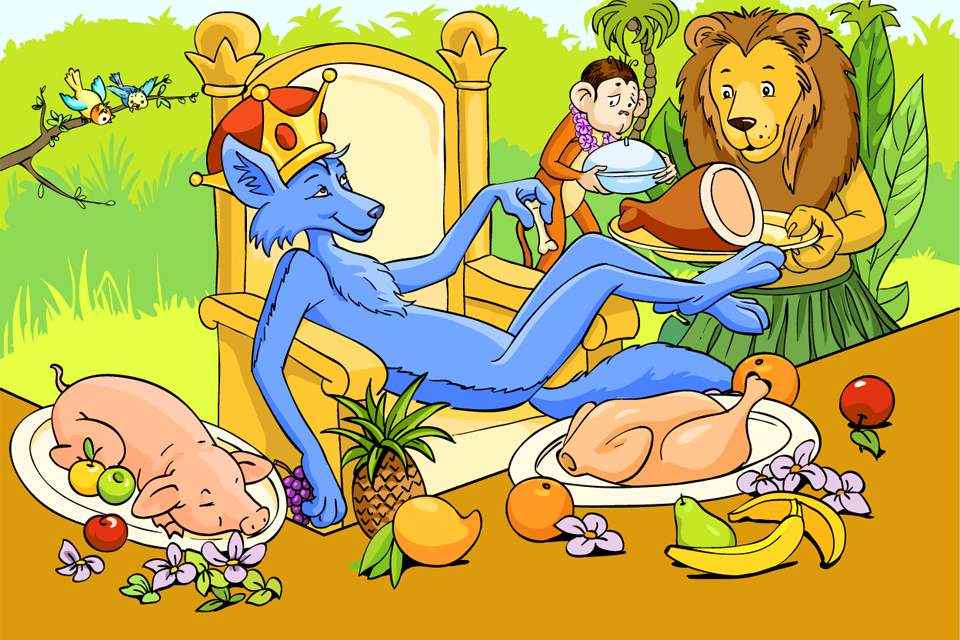
“நீல வர்ண ஸ்ருகால:” நீல நிற நரி!!

blue jackal

சம்ஸ்கிருத பொன்மொழிகள்

Written by London swaminathan

Post No.2251

Date: 17 October 2015

Time uploaded in London: 13-26

Thanks for the pictures.

Don’t use pictures. Don’t reblog for at least a week.

“நீல வர்ண ஸ்ருகால:”

ஆத்மபக்ஷம் பரித்யஜ்ய பரபக்ஷேசு யோ ரத:

ச பரைர் ஹன்யதே மூடோ நீலவர்ண ஸ்ருகாலவத் (ஹிதோபதேச)

தன்னுடைய சொந்த இனத்தை விட்டு யார் ஒருவர் வேறுபக்கம் செல்கிறாரோ, அவர்களை அந்த வேறுபக்க ஆட்கள் கொன்றுவிடுவார்கள்- நீல வர்ண நரிக்கு ஏற்பட்ட கதியே ஏற்படும் என்பது சம்ஸ்கிருதப் பாடலின் பொருள்.

ஹிதோபதேசம் கதை

ஒரு காட்டில் ஒரு நரி இருந்தது. ஒரு நாள் பக்கத்திலுள்ள நகரத்தில் நுழைந்தது. அதைப் பார்த்து நாய்கள் குரைக்கவே அது, துணிகளுக்கு சாயமேற்றும் ஒரு சாயப் பட்டறையில் நுழைந்தது. அங்கே இருட்டாக இருந்தது. அந்த நரி தவறிப்போய், ஒரு சாயம் வைத்திருந்த ‘டிரம்’மில் விழுந்தது. உடலெல்லாம் நீலச் சாயம் ஏறியது. காலையில் காட்டுக்குள் வந்தவுடன் எல்லா மிருகங்களும் அதை விநோதப் பிராணியாகப் பார்த்தன. உடனே நரி, தான் தேவலோகத்திலிருந்து வந்திருப்பதாகவும் தானே அரசன் என்றும் பறைசாற்றியது. தன்னுடைய சொந்த இன நரிகளை அலட்சியம் செய்தது. சிங்கம் உள்பட, எல்லா மிருகங்களும் அடங்கி ஒடுங்கி , அதற்கு அடிமையாக இருந்தன. ஒரு நாள் எங்கோ நரிகள் கூட்டம் ஊளையிடுவதைக் கேட்டவுடன் நீலவர்ண நரிக்கும் பிறவிக்குணம் தலைக்கேறியது. மிகப் பெரிய சத்தத்தோடு ஊளையிட்டது. இதைப் பார்த்த் சிங்கம் முதலிய கொடிய விலங்குகள், அது வெறும் நரி, இவ்வளவு காலம் நம்மை ஏமாற்றியிருக்கிறது  என்று அறிந்து அதன் மீது பாய்ந்து அதைக் குதறிக் கொன்றன.

blue fox

xxx

பெண்ணுக்கு ‘அழகு’ குறி, அம்மாவுக்குப் ‘பணம்’ குறி!

ரூபம் வரயதே கன்யா, மாதா வித்தம், பிதா ஸ்ருதம்

பாந்தவா: கலுமிச்சந்தி மிஷ்டான்னமிதரே ஜனா: – பஞ்ச தந்திரம்

கல்யாணம் என்று வந்து விட்டால் பெண்ணுக்கு மாப்பிள்ளையின் அழகும், அம்மாவுக்கு மாப்பிள்ளையின் பணவசதியும், அப்பாவுக்கு மாப்பிள்ளையின் அறிவும், சொந்தக் காரர்களுக்கு அவனது குலமும், ஏனையோருக்கு கல்யாண விருந்தும் குறியாக (முக்கியம்) இருக்கும்!!!

Xxx

விக்ரீயந்தே ந கண்டாபிர்காவ: க்ஷீரவிவர்ஜிதா: — சார்ங்கதர பத்ததி:

பால் இல்லாத பசுக்களின் கழுத்தில் மணி கட்டினாலும் அதிக விலைக்கு விற்கமுடியாது.

Xxx

விஹ்வலா ஹி ராஜப்ரக்ருதி: — காதம்பரி

ராஜாவின் போக்கு சந்தேகத்துக்குரியது (அரசனிடம் கவனமாக இருக்க வேண்டும்)

ஒப்பிடுக:

அகலாது அணுகாது தீக்காய்வார் போல்க

இகல் வேந்தர்ச் சேர்ந்தொழுகுவார் – குறள் 691

பொருள்: –மன்னன் அருகில் இருப்பவர்கள் மிகவும் கவனமாக இருக்கவேண்டும். தீ மூட்டி குளிர்காயும்போது எப்படி தீக்கு மிக அருகிலும் அல்லது தீயிலிருந்து மிகத் தொலைவிலும் செல்வதில்லையோ அப்படி அகலாது, அணுகாது பழக வேண்டும்


“பாம்பு என்று தாண்டுவதா, பழுது என்று மிதிப்பதா?”

“பழகினும் பார்ப்பாரைத் தீப்போல் ஒழுகல் – திரிகடுகம்”

Xxx


வ்ருத்தா நாரீ தபஸ்வினீ – சாணக்ய நீதி தர்பணம்

வயது முதிர்ந்துவிட்டால் பெண்கள் எல்லாம் தவசிகள் (அவ்வையார்) ஆகிவிடுவர்.

ஒப்பிடுக:

சௌ சூஹே காகர் பில்லீ ஹஜ் கோ சலீ

Xxx

நாஸ்தி கங்கா சமம் தீர்த்தம் நாஸ்தி மாத்ரு சமோ குரு:

கங்கையின் புனிதத்துக்குச் சமமான ஜலம் இல்லை’

அம்மாவுக்குச் சமமான குருவும் இல்லை.

ராமகிருஷ்ண பரம ஹம்சரும் மூன்று “க” முக்கியம் என்பார். கங்கை, கோவிந்தன், காயத்ரி.

ஆதிசங்கரர் பஜகோவிந்தத்திலும்  கங்கா ஜலம், கோவிந்தன் (முராரி), பகவத் கீதை ஆகிய மூன்று ‘க’ முக்கியம் என்பார்.

—சுபம்–