ஊரோடு ஒத்து வாழ்!

Sentinelese tribe

Compiled  by  லண்டன் சுவாமிநாதன்

Date: 1 October 2015

Post No: 2205

Time uploaded in London :– -11-09 am

(Thanks  for the pictures)

1.யத்ர யாத்ருச ஆசார: தத்ர வர்தேத தாத்ருசம்

எங்கு என்ன ஆசாரமோ அங்கு அதைப் பின்பற்று

(ஊரோடு ஒத்து வாழ்)

2.எவ்வதுறைவது உலகம்    உலகத்தோடு

அவ்வதுறைவது      அறிவு (குறள் 426)

3.ஆடையில்லாதவன் ஊரில் கோமணம் கட்டியவன் பைத்தியக்காரன்.

Do in Rome in as Romans do

4.யதா தேசஸ்ததா பாஷா – சுபாஷிதரத்ன பாண்டாகாரம்

எந்த நாடோ அந்த பாஷை

5.யதா தேசஸ்ததா வேஷ:

தேசத்துக்கு ஏற்ற உடை

6.காக: கிருஷ்ண: பிக: கிருஷ்ண: வசந்தகாலே சமயாதே காக: காக:, பிக: பிக:

காக்கையும் கறுப்பு, குயிலும் கறுப்பு; வசந்தகாலம் வந்தால் தெரியும்! காகம் காகமே! குயில் குயிலே!

ஒப்பிடுக: கறுப்பு நாயைக் குளிப்பாட்டினாலும் வெளுக்காது.

7.காமார்த்தா ஹி ப்ரக்ருதி க்ருபணா சேதனா சேதனேஷு – மேகதூதம்

காம இச்சை உடையவனுக்கு, உயிருள்ள பொருள் எது, உயிரற்ற பொருள் எது என்று கூடத் தெரியாது.

8.ப்ரக்ருதி கலு சா மஹீயச: சஹதே நான்யசமுன்னதிம் யயா- கிராதர்ஜுனீயம்

பெரியோர்கள் மற்றவர்களின் உயர்வை பொறுக்க மாட்டார்கள் (பெரிய மரத்தின் கீழ் சிறு செடிகள் வளராது)

9.பூயோபி சிக்த:பயசா க்ருதேன ந நிம்பவ்ருக்ஷோ மதுரத்வமேதி – சாணக்யநீதி

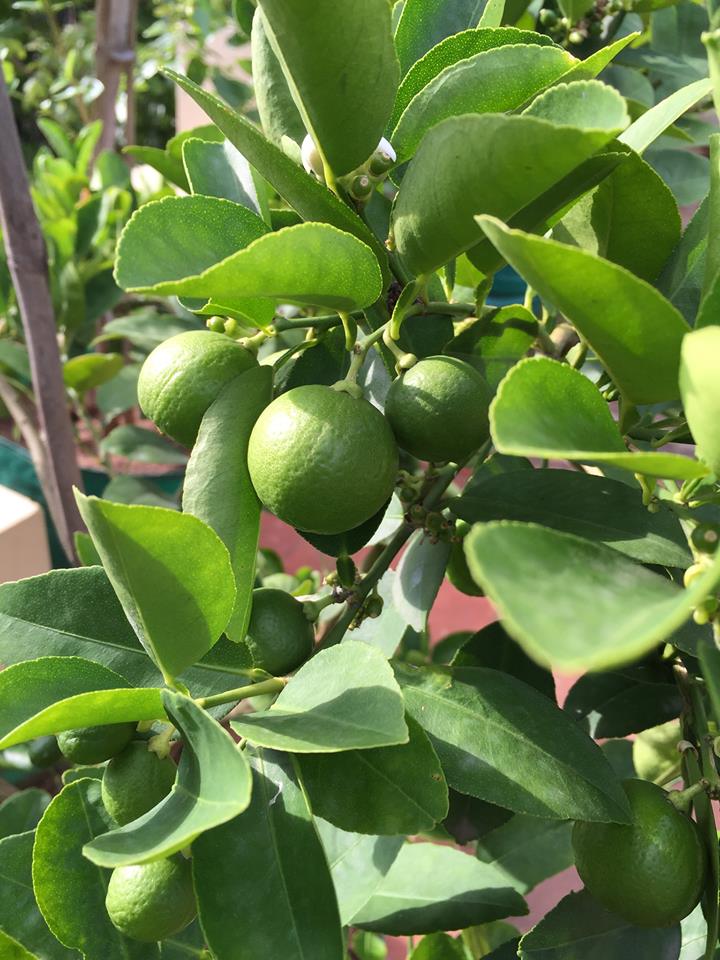
எலுமிச்சையை பாலிலும் நெய்யிலும் நனைத்துவைத்தாலும் அது இனிக்காது.

lemon tree on terrace

10.ஸ்த்ரீ  ஸ்வபாவஸ்து காதர: – ஸ்வப்னவாசவதத்தா

பெண்கள் பலவீனமானவர்கள்.

11.மஹான் மஹத்ஸ்யேவ கரோதி விக்ரம் – பஞ்சதந்திரம்

வலியோர் வலியோரிடத்தில்தான் வலிமையைக் காட்டுவர்

12.மஹீயாம்ச: ப்ரக்ருத்யா மிதபாஷிண: – சிசுபாலவதம்

பெரியோர்கள் இயல்பாகவே குறைவாகவே பேசுவர்

ஒப்பிடுக: சொல்லுக சொல்லிற் பயனுடைய – குறள்

13.சரித்பதிர்நஹி சமுபைதி ரிக்ததாம் – சிசுபாலவதம்

கடல் எப்போதும் வற்றாது.

14.மண்டூகா யத்ர வக்தாரஸ் தத்ரம் மௌனம் ஹி பூஷணம்

தவளைகள் எங்கு பேச்சாளர்களோ, அங்கு பேசாமலிருப்பதே அணிகலன்.

(குரங்குக்கு உபதேசம் செய்த தூக்கணங் குருவியின் கூட்டை, குரங்கு பிய்த்தெறிந்த பஞ்ச தந்திரக் கதையை ஒப்பிடுக)


15.ம்ருதங்கோ முகலேபேன கரோதி மதுரத்வனீம்

மிருதங்கம் கூட மாவு பூசுவதை வைத்தே நல்ல சப்தத்தைக் கொடுக்கும் (தட்டிக் கொடுத்து வேலை வாங்கு)

ஒப்பிடுக:–ஆடுற மாட்டை ஆடிக்கற, பாடுற மாட்டைப் பாடிக் கற.

21THTHAVIL_2555245f.jpg,hindu

16.ய: ஜீவதி ச: பஸ்யதி

யார் உயிரோடு இருக்கிறானோ, அவனே பார்க்கிறான்

(சுவர் இருந்தால்தானே சித்திரம்?)

17.யத்ர சௌரா ந வித்யந்தே தத்ர கிம் ஸ்யாத் நிரீக்ஷகை:

எங்கு திருடர்கள் இல்லையோ அங்கு மேற்பார்வையாளர் எதற்கு?

18.யத்ர தூமஸ்தத்ர வஹ்னி:

நெருப்பு இருந்தால்தானே புகையும்?

19..உத்சவப்ரியா: கலு மனுஷ்யா: (சாகுந்தலம்)

மனிதர்கள் விழாக்களை விரும்புவோர் அல்லவா?

20.ஏகோதர சமுத்பவதா ஏக நக்ஷத்ர ஜாதகா:

ந பவந்தி சமா: சீலைர்யதா பதரிகண்டகா: – சாணக்ய நீதி

ஒரே வயிற்றில், ஒரே நட்சத்திரத்தில் பிறந்தாலும் ஒழுக்கத்தில் சமமாக இல்லை. எப்படியென்றால் இலந்தை மரம் பழத்தையும் முள்ளையும் கொடுக்கிறதல்லவா?

(ஒப்பிடு:  ரோஜாச் செடியிலும் முட்கள் உண்டு)

21.யதா  பீஜம் ததா நிஷ்பத்தி:  – சாணக்ய சூத்ரம்

போட்ட விதைதான் முளைக்கும்

22.யதா வ்ருக்ஷஸ் ததா பலம் —-சுபாஷிதரத்ன பாண்டாகாரம்

மரத்துக்கேற்ற பழம்தான் கிடைக்கும்

23.யதா ஹி குருதே ராஜா ப்ரஜாஸ்தமனுவர்ததே – ராமாயணம்

ராஜா எப்படிச் செய்கிறாரோ மக்களும் அப்படியே செய்வர்

(யதா ராஜா ததா ப்ரஜாJ

மன்னன் எவ்வழி மக்கள் அவ்வழி

24.எவ்வழி நல்லவர் ஆடவர்,

அவ்வழி நல்லை; வாழிய நிலனே! (ஔவையார், புறம் 187)

(பொருள்: மக்கள் நல்லவராக இருந்தால் நிலமும் நல்லதாக இருக்கும்!!)

–சுபம்—

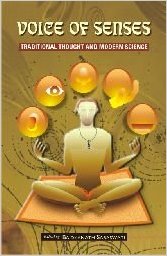
Voice of Senses

voice2

Compiled  by S Nagarajan

Date: 1 October 2015

Post No: 2204

Time uploaded in London :– -9-18 am

(Thanks  for the pictures)

Book Review  By 

Santhanam Nagarajan

Published in www.ezinearticles.com on September 29, 2015

naga

    Platinum Level Expert Author

  • Voice of Senses
  • Santhanam Nagarajan
  • The book under review titled, ‘Voice of senses’ is edited by Baidyanath Saraswati.
  • The entire book is devoted to a thorough understanding of the concept of senses. There are twenty articles in total in two parts.
  • The first part deals with philosophy and religion while the second part deals with Science and Society.
  • Eminent authors from various fields have written the articles and hence it is quite interesting to read and understand hitherto unknown facts.
  • The Five Elements or Five Processes is basic to Chinese tradition. Wood, Fire, Earth, Metal and Water are the five elements.
  • Sitansu Ray has beautifully written about Tagore’s Congregational addresses on Seeing and Hearing
  • Seeing and hearing are consecutive themes of the great poet Rabindranath Tagore who delivered the congregational addressed on two consecutive days in Santiniketan. Vision leads us to realization. The silent music of celestial world is to be studied and our life music is to be synchronized with the magnanimous music of the ever-evolving universe.
  • Function of the Sense- Organs in the Snake- catching Technology is explained by Sanghamitra Pal.
  • In West Bengal, Saure Mal is one of the sub-castes of the caste Mal. The Sapure classify the snakes as poisonous and non-poisaonus. They believe that most of the snakes are harmless. They learn the art of snake-catching since childhood. It is very interesting to read about their knowledge and skill of snake-catching and charming.
  • Somushish Ghosh Dastidar and Manojit Denath analyse Plant Response to External Stimuli. A single stimulus such as hot needle can cause leaves to respond. It is possible for a plant to respond to the vibrations accompanying sounds. The plant ‘Mimosa Pudica’ also known as the ‘sensitive plant’ responds to the sound-induced vibration. In one archid plantation area every morning and evening the sound installed there plays devotional songs, ghazals, religious chants and instrumental music. The vibration in it helps in the growth of buds.
  • N.Sahay explains Human Senses and their purpose citing quotes from many Sanskrit works. One has to use these senses to ‘go upward’. The excellent path of true welfare is to be chosen and adopted by intelligent people.
  • These articles are of benefit to those who interested in learing about the different aspects of Indian religious and philosophical perceptions.
  • The Scientific back ground gives us more authentic information about the voice of senses.
  • Sense of touch, sense of taste, sense of smell, sense of sight, sense of hearing – all these five senses along with mind helps us to achieve empirical knowledge. One who uses these in the right way as stipulated by scriptures attains Shreya.
  • Mr Badiyanath Saraswati , an eminent anthropologist has spent about forty years in unraveling the relationship between traditional thought and modern science.
  • He is no more with us. But his collection of articles will definitely help the readers to know all about senses.
  • The Voice of senses is very sweet and I strongly recommend this book to all book lovers of Indology.
  • The book is neatly printed and published by D.K.Printword (P) ltd., New Delhi.
  • Article Source: http://EzineArticles.com/9182975

Achievements

  1. Nagarajan has written more than 3000 articles in Tamil in 18 magazines and published 19 books. He is revealing Eastern Secret Wisdom through T.V. Programmes, magazine articles, seminars, courses. He has covered various subjects in his wide range of articles which include Mantras,Yantras, Yoga, Meditation, Astrology, Astronomy, Space Science, Science and Spirituality, Hollywood cinema, Womens’ progress, Aura, Significance of Colours, Reincarnation, Divine Geometry, Power of Prayer etc As an ardent seeker of Truth, he has collected scientific experiments on mantras, mind ,Auto suggestion etc He has written many articles on para psychology

So far 100,718 persons have read his ezine articles.

லாங்பெலோவின் ஆங்கிலக் கவிதை மொழிபெயர்ப்பு

footprints-in-the

DON’T REBLOG IT AT LEAST FOR A WEEK!  DON’T USE PICTURES; THEY ARE COPYRIGHTED BY SOMEONE.

Compiled  by London swaminathan

Date: 1 October 2015

Post No: 2203

Time uploaded in London :– -8-35 am

(Thanks  for the pictures)

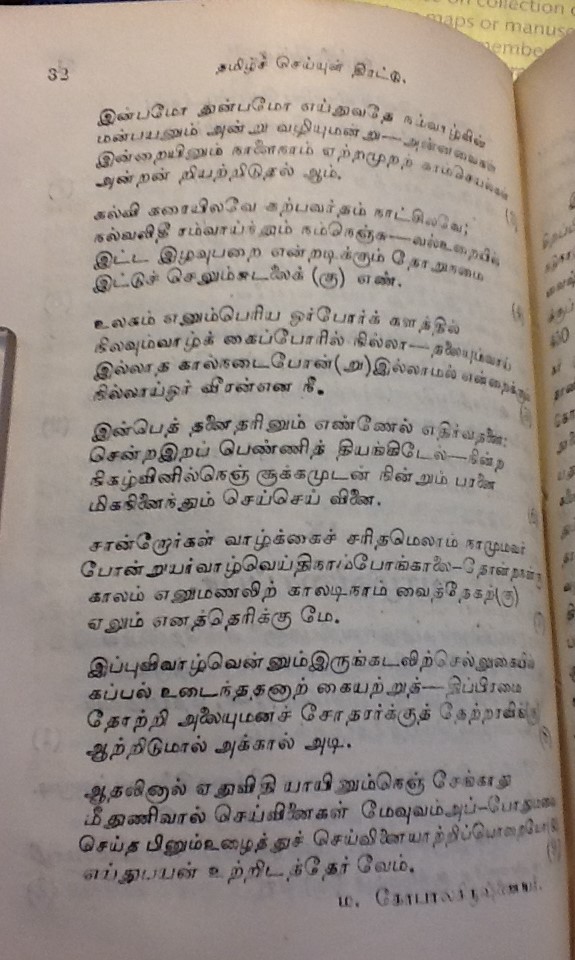
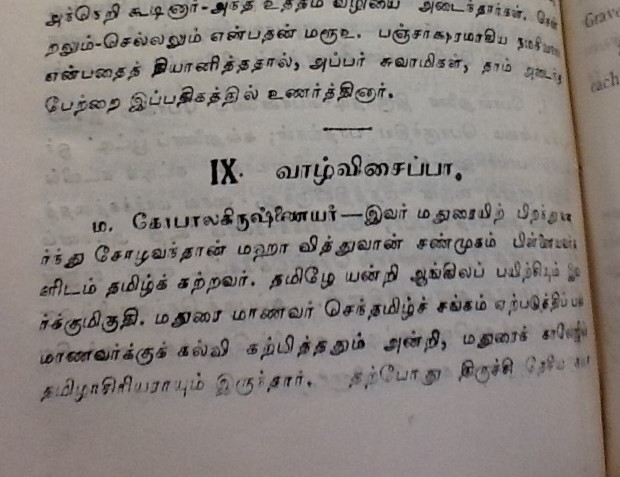
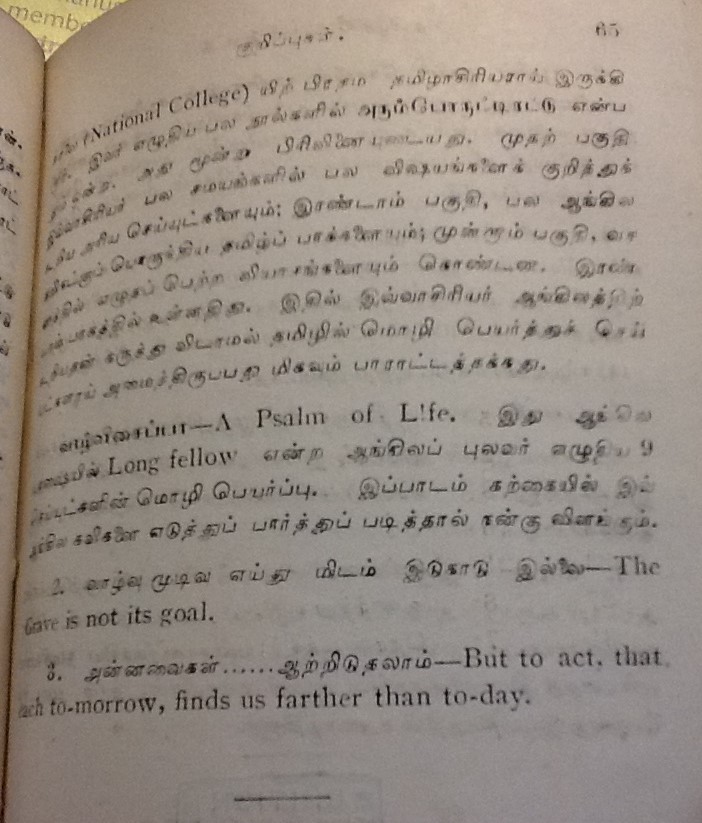
பிரிட்டிஷ் லைப்ரரியில் கிடைத்த உயர்நிலைப் பள்ளி மாணவர்களுக்கான செய்யுட் தொகுப்பில் மதுரை கோபால கிருஷ்ண ஐயர் பற்றி கிடைத்த செய்தி வியப்பை ஏற்படுத்தியது. அவர் பல ஆங்கிலக் கவிதைகளை 1920 ஆம் ஆண்டுக்கு முன்னரே மொழிபெயர்த்துப் புத்தகமாக வெளியிட்டிருக்கிறார் என்றும் அவர் எழுதிய மூன்று புத்தகங்களில் இது ஒன்று என்றும் எழுதப்பட்டுள்ளது. அந்தப் புத்தகங்களை லைப்ரரியில் தேடிப் பார்க்க முடிவு செய்தேன். மதுரை கோபால ஐயர் எழுதிய புத்தகங்கள் உங்களிடம் இருந்தாலோ மதுரைத் தமிழ் சங்க நூலகம் முதலியவற்றில் கண்டாலோ, தயவுசெய்து எழுதுங்கள்.

ஆங்கிலக் கவிஞன் ஹென்றி வாட்ஸ்வொர்த் லாங்பெலோ எழுதிய புகழ் பெற்ற ஒரு கவிதையை அவர் மொழி பெயர்த்ததை அந்தக் காலத்தில் ‘சிலபஸில்’ சேர்த்து இருக்கிறார்கள். இதோ அந்தக் கவிதை:

இருப்பிடம்: லண்டன் பிரிட்டிஷ் நூலகம்/ லைப்ரரி

வெளியீடு 1921

IMG_6267 (2)

IMG_6371 (2) - Copy

IMG_6372 (2)

IMG_6373 (2)

IMG_6374 (2)

A Psalm of Life

BY HENRY WADSWORTH LONGFELLOW (1807-1882)

What The Heart Of The Young Man Said To The Psalmist.

Tell me not, in mournful numbers,

Life is but an empty dream!

For the soul is dead that slumbers,

And things are not what they seem.

Life is real! Life is earnest!

And the grave is not its goal;

Dust thou art, to dust returnest,

Was not spoken of the soul.

Not enjoyment, and not sorrow,

Is our destined end or way;

But to act, that each to-morrow

Find us farther than to-day.

Art is long, and Time is fleeting,

And our hearts, though stout and brave,

Still, like muffled drums, are beating

Funeral marches to the grave.

In the world’s broad field of battle,

In the bivouac of Life,

Be not like dumb, driven cattle!

Be a hero in the strife!

Trust no Future, howe’er pleasant!

Let the dead Past bury its dead!

Act,— act in the living Present!

Heart within, and God o’erhead!

Lives of great men all remind us

We can make our lives sublime,

And, departing, leave behind us

Footprints on the sands of time;

Footprints, that perhaps another,

Sailing o’er life’s solemn main,

A forlorn and shipwrecked brother,

Seeing, shall take heart again.

Let us, then, be up and doing,

With a heart for any fate;

Still achieving, still pursuing,

Learn to labor and to wait.

–சுபம்—

A Foreigner’s account of Chidambaram Temple Festival!

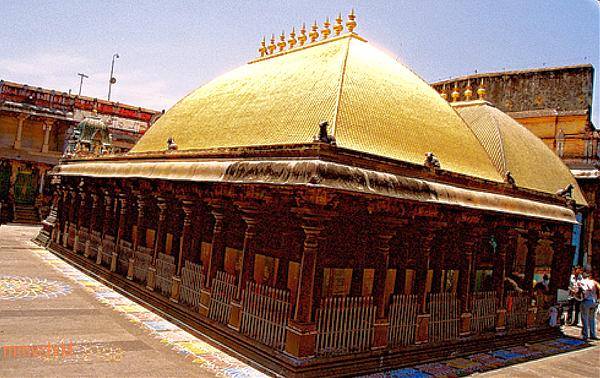
chidambara gold

DON’T REBLOG IT AT LEAST FOR A WEEK!  DON’T USE PICTURES; THEY ARE COPYRIGHTED BY SOMEONE.

Compiled  by London swaminathan

Date: 30 September 2015

Post No: 2202

Time uploaded in London :– 20-01

(Thanks  for the pictures)

From the book SOUTH INDIAN HOURS by Oswald J.Couldrey

Year of Publication 1924, London

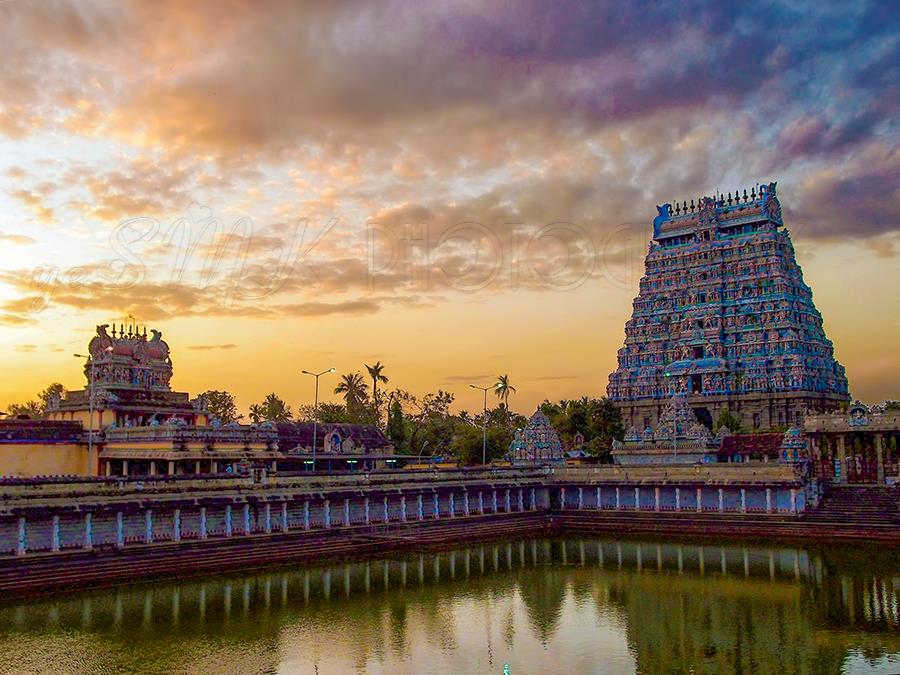
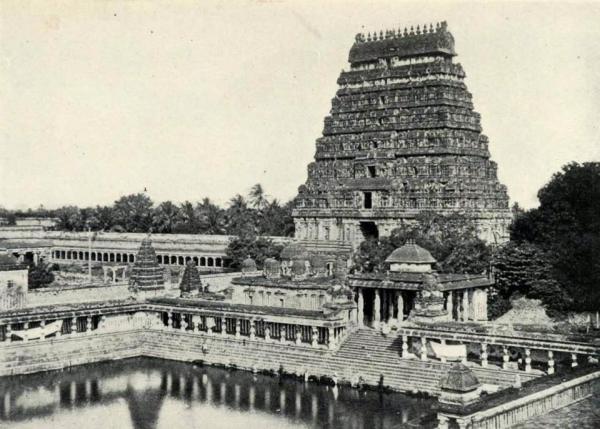
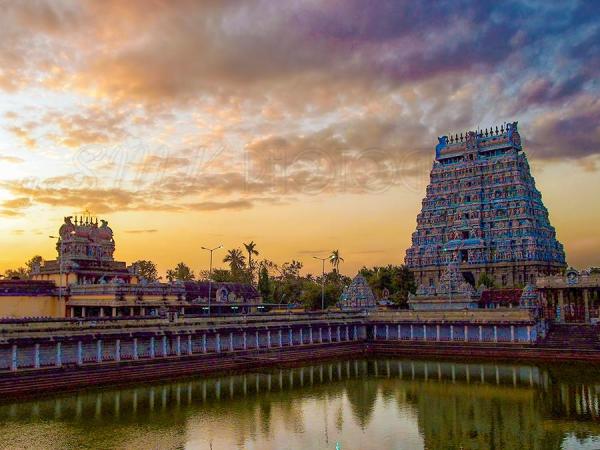
I lately visited temple of Nataraja, the Dancer, at Chidambaram. The Dikshitas, a sect or tribe of Brahmins whose hereditary right is conduct the worship, and share the revenues of the temple, keep considerable state. They made me leave my boots under the gopuram; “put off”, they said, ‘thy shoes from off thy feet, for the place whereon thou standest is holy’; a requisition with which it was not in my conscience to refuse compliance, particularly as I very much wanted to see the temple. But the pavement of the outer court was rough and weedy, and a European always feels rather small and foolish without his boots; and I suspected all the Dikshitas arrogated unto themselves much of the honour of my homage, for they seem to regard the god as a kind of an elder brother, or first among the equals, and boast that he has but a lot and share in the sacred household, like one of themselves.

The Hindus know more than we do about God, but they sometimes appear to presume upon their familiarity…… These Dikshitas are sleek, well grown fellows, who wear the golden emblem of the god embossed upon the clasp of their rosaries, and knot their hair jauntily on one side of the head, not at the back, as ordinary Brahmins do. Some of the boys in their white clothing and sallow sapliness were especially charming, and the youger ones reminded me of Italian angels, but without the rose.
chidambaram there2

Hindu Rathas/Chariots are Museums on Wheels!

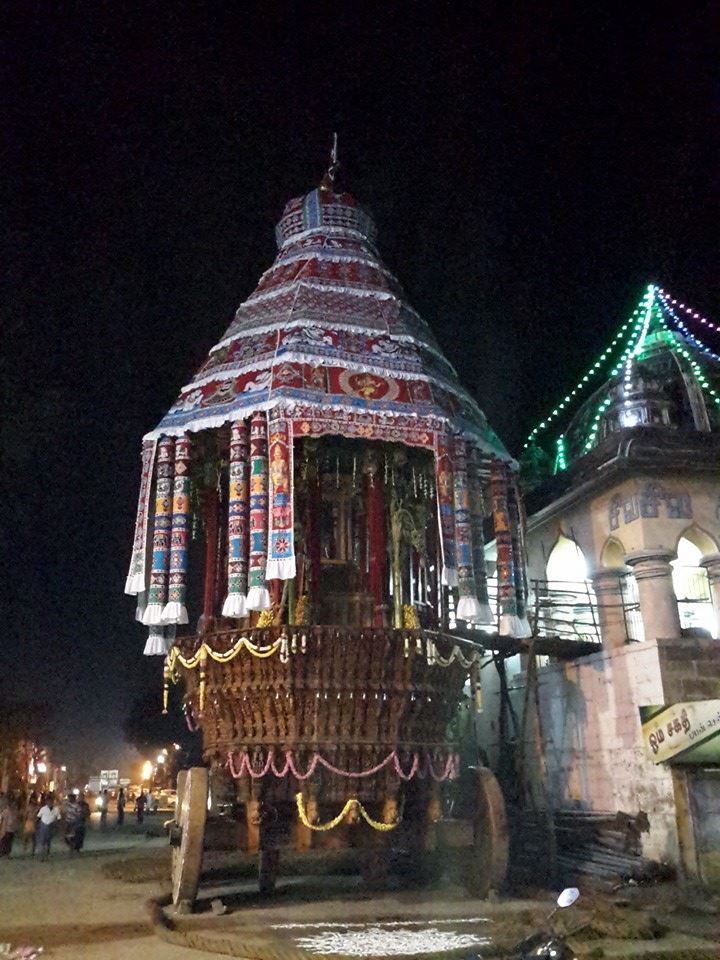
To see the cars (Chariots) was one of the main objects of my visit. I had somehow never got the sight of processional cars of the Madura deity, though doubtless he somewhere stables vehicles worthy of his wealth and fame.

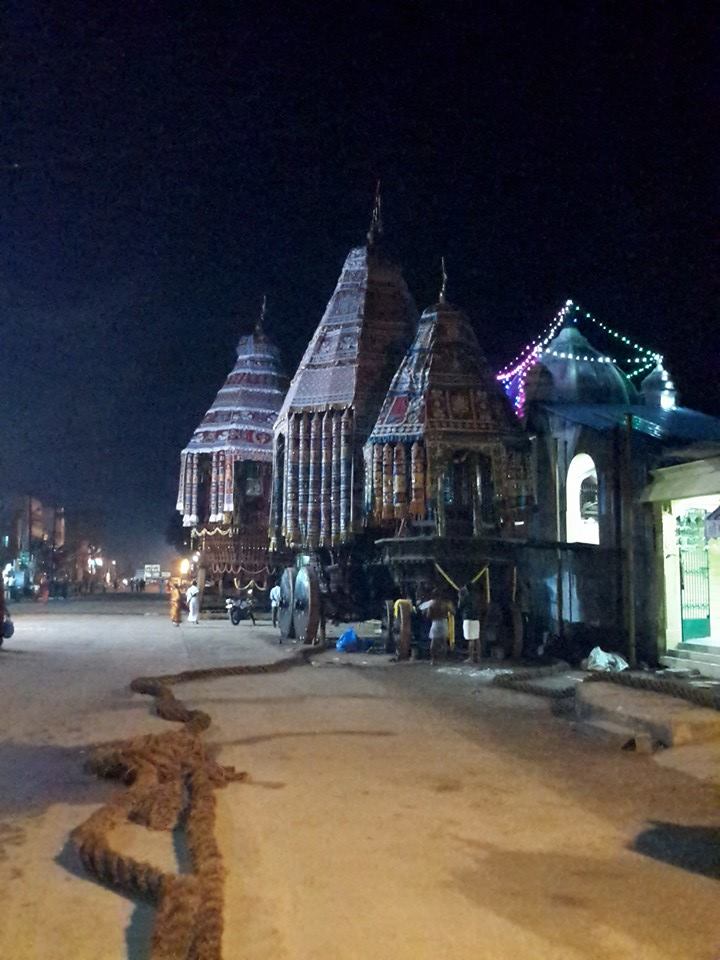
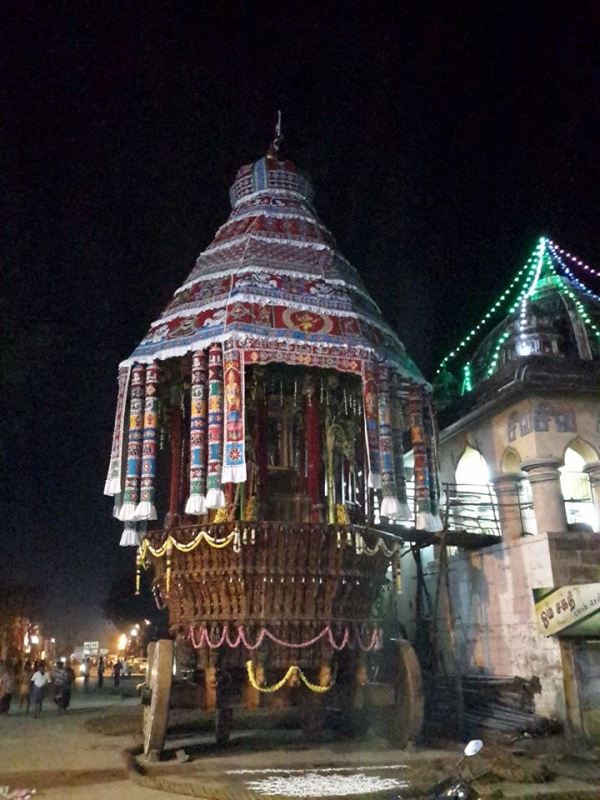
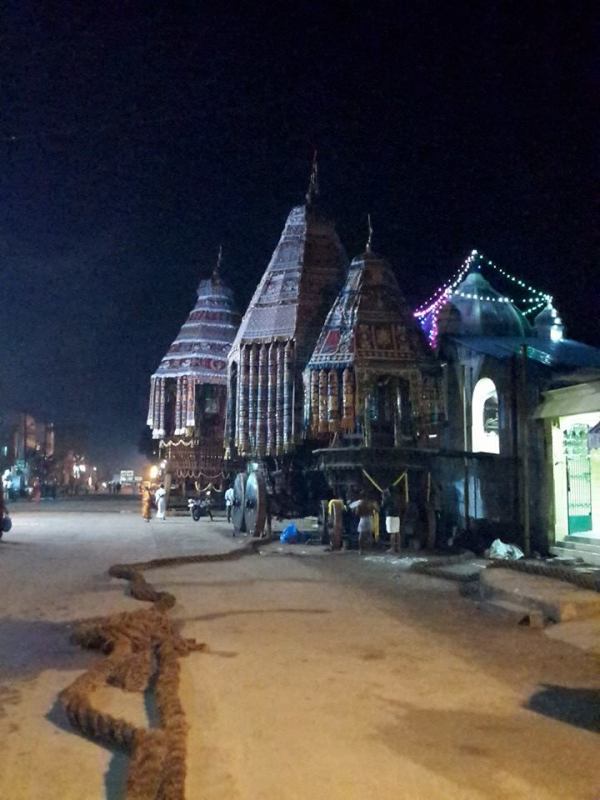
I was lucky enough to arrive at Chidambaram a few days before the festival, and the cars stood in a line before the eastern gopuram, bared of their huge caps of thatch and ready to be decorated. They were, if I mistake not, five in number, enough to accommodate all the Siva’s household and over. The chariot of the paternal deity was new, and the height of the wooden hull alone must have been nearly twenty feet the car was, as usual octagonal in shape, and over hung; and though inferior to some of the older cars in design and ornament, it was by no means unworthy to be placed among them.

The former car of the god, which stood beside it, and perhaps to devolve upon his consort, was not so large, but far superior in boldness and beauty of design and ornamental fancy. It stood like a museum on wheels, a moveable abridgement of Dravidian sacred art, not only learnedly representing all the persons and legends of the Saiva mythology, but displaying in exquisite miniature upon corbel, bracket and panel moulding all those decorative devices and canonical figures, the model shrines, and lotus bells, and mounted atlantes, and ramping beasts, and curious columns, and florid scrolls, that together constitute the very style and language of those epics in stone, the temples of the south. The other three cars were neither so large nor so elaborate as these, but seen anywhere else, would have well deserved admiration and study.
chidambaram ther

Panchamrita = Pentambrosia

As a reward, perhaps, for taking my boots off, I was allowed much further into the sacred apartments than is usual with strangers in other temples. I stood before the ancient silver steps, curiously graven, of the shrine of the Dancer himself in his dancing hall – a raised porch thronged with the yellow, lusty torsos of serviceable Brahmins, who shealed large armfuls of plantains and threw them into pans. They were engaged, I am told, in preparing the Panchamrita or pentambrosia (if I so Hellenise the Sanskrit), the fivefold food of immortality, a mixture of the fruit aforesaid with butter, milk, honey and water, which is dealt out as a sacrament among the worshippers.

I was shown the famous Air Lingam, the secret of Chidambaram, which is no more, I am told, than an empty cell, said to contain the invisible emblem of the god; a queer blend, like so much else of popular Hinduism,  between spiritual teaching and the craft of the showman.
chidambaram old

God’s Procession

Those were the festival days at Chidambaram, and every morning the five gods went in procession through the streets nearest the temple. Wreathed and almost hidden in garlands of yellow flowers, the brazen images were carried in carved and gilded arks or thrones upon the shoulders of the temple servants. The god’s two elephants, one of them a very giant, walked before caparisoned in crimson, and there were curious flags, and a music of old world instruments, and chanting choirs; not all in evidence at first, but added severally from day to day so as to maintain a gradual increase of display, until the climax of the festival should be marked, presumably, by the appearance of the cars.  Brahmins from all parts have come together on this occasion, to minister pilgrims, and share the bounty of the Dikshitas. Increasing numbers of them walked daily in procession hand in hand, singing responses and receiving alms of rice, which one of the Dikshitas distributed, walking up and down the lines.  This functionary with his golden ornaments, and scarf of crimson silk thrown over his naked shoulders, in token, I presume, of his dignity as the vehicle of god’s bounty, looked very spruce and sleek beside his poor and vagrant brethren. The latter, for processional purposes, were divided into two bands- the veterans and the bachelors. They sang their Sanskrit antiphonal with a vigour and sharpness of enunciation, an exactitude of mutual register, an absolute perfection of unison, such as I should not have considered possible among vagrants gathered suddenly together.  They chanted like one stentorian throat and gave me a new notion of the power of words and music, properly welded, to set each other off.

Last Day in Chidambaram

I spent a week in Chidambaram, loitering and making sketches. I became familiar with the life of the place, and learned the ritual of the festival. I had to leave Chidambaram while the festival had some days to run, so that I did not see the cars in motion after all. But on the last night of my stay, as I left my house, fortunately early, for the little railway station, I saw the southern gate head aglow with a great orange light. I hastened to the spot, and found in the street a numerous concourse of people watching the same pageant, which I had seen daily in the forenoon, but now very much enlarged, and quite transfigured. It shone, not with Washington gas lights, such as vulgarise all the night festivals of the north, and even of madras, but in fierce old-fashioned flare of torches.
sunset, chidambaram

There were the elephants, the musicians, the Brahmin choirs, reinforced beyond recognition; but the gods themselves, who came after, no longer rode on Chairs, or arks, or whatever you choose to call the little tabernacles in which they moved before, but upon their appropriate ‘vehicles (Vhanams)’, Siva on his bull, Skanda on his peacock, Ganapati on his bandicoot, like the Seven Deadly Sins in an old morality. All too hurriedly I perused this weird procession. The animals were cast in some silvern metal, and the style of Siva’s bull in particular put me in mind of Jeroboam’s idol, or the calf in Horeb. They were fixed upon huge timbers, and borne shoulder-high by much greater number than were found before necessary to carry the tabernacles. High above the smoke and glare, the din, the moving multitudes, the dance of monstrous shadows, a green moon, three-quarters full, the moon of the festival, hung aslant in a sky of jade.

பூமியைக் காப்பாற்றுங்கள்

SAVE MOTHER EARTH

DON’T REBLOG IT AT LEAST FOR A WEEK!  DON’T USE PICTURES; THEY ARE COPYRIGHTED BY SOMEONE.

Compiled  by ச. நாகராஜன்

Date: 30  September 2015

Post No: 2201

Time uploaded in London :– 6-06 (காலை)

(Thanks  for the pictures) 


MY BROTHER S NAGARAN IS A REGULAR CONTRIBUTOR TO BHAGYA MAGAZINE: swaminathan

அறிவியல் துளிகள் தொடர், பாக்யா வார இதழில் கடந்த நாலரை ஆண்டுகளுக்கு மேல் வந்து கொண்டிருக்கிறது. அதில் 238வது அத்தியாயமாக    11-9-2015இல் வெளியான கட்டுரை இது!


பூமியைக் காப்பாற்றுங்கள் ஒரு விண்வெளி வீரரின் உருக்கமான இறுதி உரை!

.நாகராஜன்


நமது பூமி பெரும் ஆபத்தில் இருக்கிறது! என்ன நடவடிக்கையை நீங்கள் எடுக்கப் போகிறீர்கள்?”  – பூமியைக் காப்போம் என்ற இயக்கத்தின் ஸ்லோகன்களில் ஒன்று


நெதர்லாந்திலிருந்து முதலில் விண்வெளிக்குச் சென்ற பெருமையைப் பெற்றவர்    இயற்பியல் வல்லுநரான உப்போ ஜோஹன்னஸ் ஓகெல்ஸ் (Wubbo Johannes Ochkels பிறப்பு 28, மார்ச்,1946 மறைவு 18, மே,2014).


யூரோப்பியன் ஸ்பேஸ் ஏஜென்ஸி மூலம் 1985ஆம் ஆண்டு இவர் விண்வெளிக்குப் பயணமானார்.

இயற்பியல் வல்லுநரான இவரது சிந்தனைகள் புதியவை. மலைக்க வைப்பவை.


TED என்ற நிறுவனம் தொழில்நுட்பம், பொழுதுபோக்கு மற்றும் வடிவமைப்பு  (Technology, Entertainment and Design) ஆகியவற்றை இணைத்து புதிய சிந்தனைகளைத் தரும் சொற்பொழிவுகளை 1984ஆம் ஆண்டிலிருந்து ஏற்பாடு செய்து வருகிறது. நிபுணர்கள் பேசும் இந்தப் பேச்சுக்கள் பிரபலமானவை. 18 நிமிடங்கள் மட்டுமே நீடிக்கும் பேச்சுக்கள் இவை.


இந்த டெட் சொற்பொழிவில் உப்போ ஓகெல்ஸின் ஆம்ஸ்டர்டாம் சொற்பொழிவு மிகவும் பரவலாகப் பேசப்படும் ஒன்றாக அமைகிறது.

இதில் காலம் பற்றிய ஒரு புதிய சிந்தனையை முன் வைத்தார் ஓகெல்ஸ். காலம் என்பதே மாயை என்பது இவரது வாதம்.

காலத்தை யாராலும் அளக்க முடியாது. ஏனெனில் அதில் பிரிக்கக் கூடிய சிறு பகுதி என்று ஒன்று இல்லை. ஒளியின் வேகம் நிலையானது. அந்த வேகத்தில் ஒளியோடு ஒருவர் பயணிக்க முடிந்தால் அவருக்கு காலமே கிடையாது.


 விண்வெளி வீரர்

இவரது 18 நிமிட டெட் பேச்சைக் கேட்டவர்கள் அசந்து போனார்கள். இதனால் காலத்தைப் பற்றிப் புதிய பார்வையில் ஆய்வு நடக்க ஆரம்பித்துள்ளது.

விண்வெளியில் பறந்த போது இவருக்குப் பெரும் ஆன்மீக அனுபவம் ஏற்பட்டது. ஒரு விரிந்த பார்வை இவருக்கு வந்தது.


இவர் தனது மறைவிற்கு முன்னர் நீட்டித்த ஆற்றல் தீர்வுகள் பற்றி ஒரு கடிதம் உலகத்தினருக்கு எழுதினார். அதில், “நாம் உணர்வற்று காலனிகளை அமைக்கும் தேனீக்கள் இல்லை. நாம், இணைந்து சேர்ந்து சிந்திக்க வல்ல திறமை இருப்பதை அறியாத நியூரான்களும் இல்லை. நாம் அறிவார்ந்தவர்கள். நமது சமூகத்தின் நடத்தையைப் பார்த்து கவனிக்கும் வல்லமை பெற்றவர்கள். மனித குலம் எங்கே செல்கிறது என்பதை நாம் நன்கு அறிவோம். நாம் அனைவரும் இணைந்து செயலாற்றினால் மனித குலத்தை இன்னும் பிரமாதமான திசை நோக்கி நடத்திச் செல்லலாம். அனைவரையும் இணைக்கும் ஒரு புதிய மதத்தை மனித குலத்தின் மீது ஒரு புதிய நம்பிக்கை கொண்டு நாம் உருவாக்கலாம்.


பல மதங்கள் உள்ளன. மக்களை இணைக்கின்றன. ஆனால் அனைத்து மக்களையும் அவை இணைக்கவில்லை. மக்கள் நம்பும் வெவ்வேறு கடவுள்கள் மனித குலத்தைப் பிரிக்கின்றனர். இந்தப் பிரிவினைகள் பிரச்சினைகளுக்கு வழி வகுக்கின்றன. பூமியுடன் இந்த மதங்கள் மனித குலத்தை ஒன்றாக இணைக்கவில்லை. அவை நீடித்திருப்பவை அல்ல.

ஆனால் முழு மனித குலத்தின் மீதும் நாம் நம்பிக்கை கொண்டிருப்போமானால் ஒரு பிரச்சினையும் இருக்காது. ஏனெனில் நம்மிடம் தான் பிரிவினை இருக்காதே, ஒன்றுபட்டு அல்லவா இருப்போம்! மனித குலத்தின் கடவுள் நம் ஒவ்வொருவரிடமும் இருக்கிறார். நம்மை விட்டு வெளியே கடவுள் இல்லை. நாம் இந்தக் கடவுளிடமிருந்து ஒளிந்து கொண்டிருக்க முடியாது. ஏனெனில் நாமே கடவுள்


சமாதானத்துடன் ஒரே மனதைக் கொண்ட, சண்டை இல்லாத மனித குல எழுச்சிக்காக அறைகூவுகிறார் ஓகெல்ஸ்.

விண்வெளியிலிருந்து பூமிப் பந்தைப் பார்த்த போது அவருக்கு உயரிய ஆன்மீக அனுபவம் ஏற்பட்டு நல்ல புதிய சிந்தனைகள் மலர்ந்தன.


அருமையான மனைவி, குழந்தைகள், பேரப் பிள்ளைகள் என நல்ல வாழ்வு வாழ்ந்த அவருக்கு 2005ஆம் ஆண்டு  மாரடைப்பு ஏற்பட்டது. ஒருவழியாக மீண்டார். ஆனால் 2013, மே மாதம் அவருக்கு சிறுநீரகத்தில் புற்று நோய் இருப்பது கண்டு பிடிக்கப்பட்டு டாக்டர்கள் அவருக்கு இரண்டு வருடம் என்றுநாள் குறித்துவிட்டனர்.


2014, மே மாதம் 18ஆம் தேதி மரணமடைந்த அவர் இறப்பதற்கு முதல் நாள் மருத்துவ மனையில் படுத்திருந்தபடியே தொலைக்காட்சி ஒன்றிற்குத் தனது கடைசி பேட்டியை அளித்தார். உணர்ச்சி ததும்ப மூச்சை இழுத்து விட்டுக் கொண்டு அனைத்து சக்தியையும் ஒருங்கிணைத்து, சக்தி வாய்ந்த தனது பேச்சில் அவர் உலகினரிடம் இந்த பூமி மிகவும் மதிப்பு வாய்ந்தது என்றும் அதை எப்படியேனும் காக்க வேண்டும் என்றும் உருக்கமாக வேண்டிக் கொண்டார். “இது ஒன்றே தான் நமக்கான வசிப்பிடம். இரண்டாவது பூமி இல்லைஎன்றார் அவர்.


தனக்கு வந்தது போல பூமிக்கும் கான்ஸர் வந்து விடக் கூடாது என்ற ஆதங்கத்தை வெளிப்படுத்திய அவர்,” நம்முடைய பூமி கான்ஸரினால் பீடிக்கப்பட்டிருக்கிறது. எனக்கு கான்ஸர் உள்ளது. மக்களில் ஏராளமானோர் கான்ஸரினால் இறக்கின்றனர். எல்லோரும் இறக்கத் தான் வேண்டும். ஆனால் மனித குலம் எப்போதும் நீடித்து இருக்க போதுமான அளவு மனிதர்கள் உள்ளனர்.


நாம் நமக்கே சொந்தமான நமது பூமியைக் காக்க வேண்டும். ஒரு விண்வெளி வீரரின் உற்சாகமும் ஆர்வமும் உள்ளொளியும் அணுகுமுறையும் இருக்கும் போது மற்றவர்கள் நேசிக்க முடியாத அளவிற்கு பூமியை நீங்கள் நேசிக்க ஆரம்பிப்பீர்கள். ஒன்றை உளமார நேசிக்க ஆரம்பித்து விட்டால் அதை விட உங்களுக்கு மனமே வராது.


என் மனைவியைப் பாருங்கள். அவளுக்கு என்னை இழக்க விரும்பவில்லை. என்னவெல்லாமோ முடியுமோ அதையெல்லாம் செய்து என்னை வாழ வைக்க அவள் விரும்புகிறாள். அந்த அன்பும் அணுகுமுறையுமே மனித குலம் பூமியை வாழ வைக்கத் தேவையானவை!”


அவரது தொலைக்காட்சி பேட்டியைக் கண்டோர் நெகிழ்ந்து உருகியதில் அதிசயமே இல்லை.

7 நாட்கள் 44 நிமிடங்கள் விண்வெளியில் பறந்த வீரர் மண்ணில் வாழும் மாந்தருக்குக் கூறிய அறிவுரைகளும் புதிய சிந்தனைக் கருத்துக்களும் வளமானவை; வரவேற்கப்பட வேண்டியவை; வாழ்ந்து காட்டப்பட வேண்டியவை!


–சுபம்–

மைல் கல் பற்றிய 1921 ஆம் ஆண்டு கவிதை

DON’T REBLOG IT AT LEAST FOR A WEEK!  DON’T USE PICTURES; THEY ARE COPYRIGHTED BY SOMEONE.

Compiled  by London swaminathan

Date: 30  September 2015

Post No: 2200

Time uploaded in London :– 5-50 (காலை)

(Thanks  for the pictures) 

bhavnagar milestone

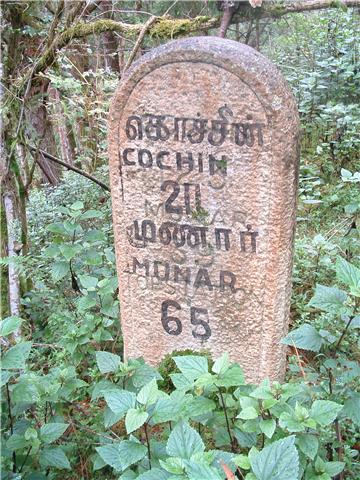
1920 ஆம் ஆண்டுகளில் உயர்நிலைப் பள்ளி மாணவர்களுக்கான செய்யுள் தொகுப்பில் வழக்கமான தமிழ் செய்யுட்களுடன் தனியாரின் சில கவிதைகளும் இடம் பெற்றன. அதில் ஒன்று சாலைகளில் காணப்படும் மைல் கல் பற்றியது. இப்பொழுது வெளிநாடுகளைப் போல உயரத்தில் தொங்கும் போர்டுகள் வந்துவிட்டதால் அடுத்த தலை முறைக்கு மைல் கல் என்றால் என்ன என்றே தெரியாது. ‘கூகுள்’ மூலம் கிடைத்த சில படங்களை இணத்துள்ளேன். அவை தற்காலத்தியவை. அந்தப் பழைய நூலுக்கும் இவைகளுக்கும் தொடர்பு இல்லை.

கவிதையை இயற்றியவர் ஆனைமலை ஸ்ரீ ஸ்ரீநிவாச முதலியார் . ஷேக்ஸ்பியரின் ரோமியோ அண்ட் ஜூலியட்டைப் பாடல் வடிவில் தமிழில் மொழிபெயர்த்தவர்!! இப்போது பெரிய பல்கலைக்கழகங்களும் சாதிக்க முடியாத பணிகளைப் பல தமிழ் ஆர்வலர்கள் 1900- 1940 ஆண்டுகளில் சாத்தித்துள்ளனர். புத்தகம் இருப்பிடம்: பிரிட்டிஷ் லைப்ரரி, லண்டன்.

IMG_6263 (2)

IMG_6367 (2)

IMG_6368 (2)

IMG_6369 (2)

KM-Milestone_On_the_Munnar_Road

IMG_6370 (2)

–சுபம்—

Sringeri Shankaracharya’s Talk on Bhakti!

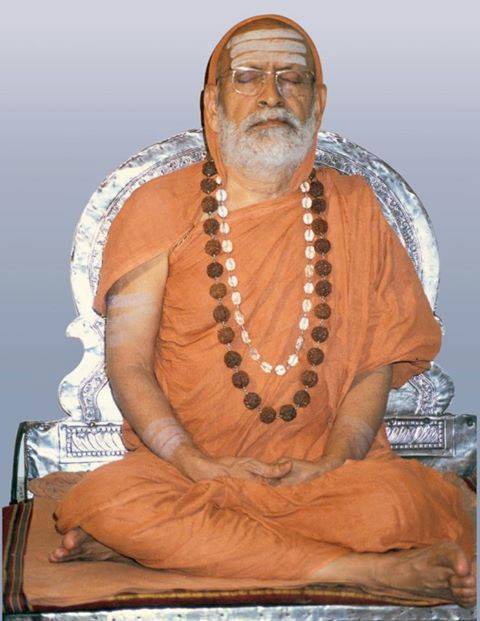
abhinava-vidya-theertha

DON’T REBLOG IT AT LEAST FOR A WEEK!  DON’T USE PICTURES; THEY ARE COPYRIGHTED BY SOMEONE.

Compiled  by London swaminathan

Date: 29  September 2015

Post No: 2199

Time uploaded in London :– 20-00

(Thanks  for the pictures) 

People of my age were lucky to have the darshan of two great Shankaracharyas of Kanchi and Sringeri. Because of them the Mutts got great recognition from even secular circles. Kanchi Paramacharya Sri Chandra Sekhara Indra Sarasvati (1894-1994) and Sringeri Shankaracharya Sri Abhinava Vidhyatirtha Bharati (1954 -1989)—both had visited Madurai several times and camped there for weeks or months.

What is Bhakti (Devotion)?

Following is an excerpt from His Holiness Sri Abhinava Vidhyatirtha Svaminah’s talk:

It is inherent in man’s nature to develop an attachment or devotion to some object or other. Even the Mumukshus are devoted to the attainment of Atma –Jnana or knowledge of the Self. When devotion is directed towards God, it is designated as Bhakti. God is worshipped even by those who have attained the knowledge of the Atma. It is therefore needless to say that God should be worshipped by the seekers of knowledge, wealth and other objects.

Bhakti in Bhagavad Gita

God has assured to the mankind in the Bhagavad Gita that his Bhakta will never perish. Faith in God and Bhakti towards him are therefore sure to save mankind and secure its good.

Works like the Bhagavata have been written solely for the purpose of helping mankind to foster Bhakti by reading them or listening to them.

In the Vishnu Sahsranama, God is described as Bhayakrt and Bhayanasanah. If he generates fear, it is only as a temporary test or a trial of our devotion. He destroys all fear ultimately.

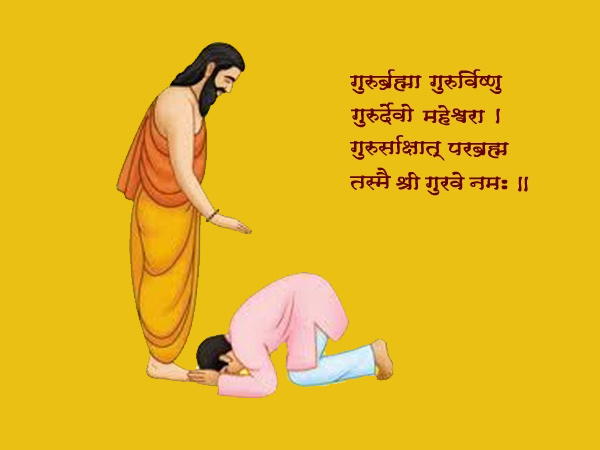
guru-shishya

Similes of Ankola Tree and Rain Water

Adi Shankara has given a wonderful description of the true nature of Bhakti in one of the Slokas of Sivanada lahari (Sloka 61): The bahkta is stated in that Sloka to be drawn towards God, becoming one with him even as the seeds of the Ankola tree are at the due time drawn towards the tree itself as iron towards the magnet.

The waters of the ocean are converted into clouds and the rains that are released by the clouds become the rivers and all rivers ultimately flow in to and become one with the ocean. Even as the rivers merge into the ocean, so should Jiva merge itself into the Paramatma (God). Every drop of the waters of the ocean partakes of all the characteristics of the entire waters of the ocean. So does the Jiva partake of the Chaitanya of the Paramatma; only the Chaitanya of the Jiva is limited while that of the Paramatma is limitless.

Bhakti in School Syllabus

Bhakti should be taught along with ordinary education to everyone from infancy. Nama sankirtana such as the chanting of “Hare Krishna, Hare Rama” is a great sadhana of Bhakti.

To be born as a human being in this world is a rare fortune. It is true that the Devas are not afflicted by old age; but they have no Adhikara, competency to practise the sadhanas necessary for attaining the Divine Bliss or Mukti.
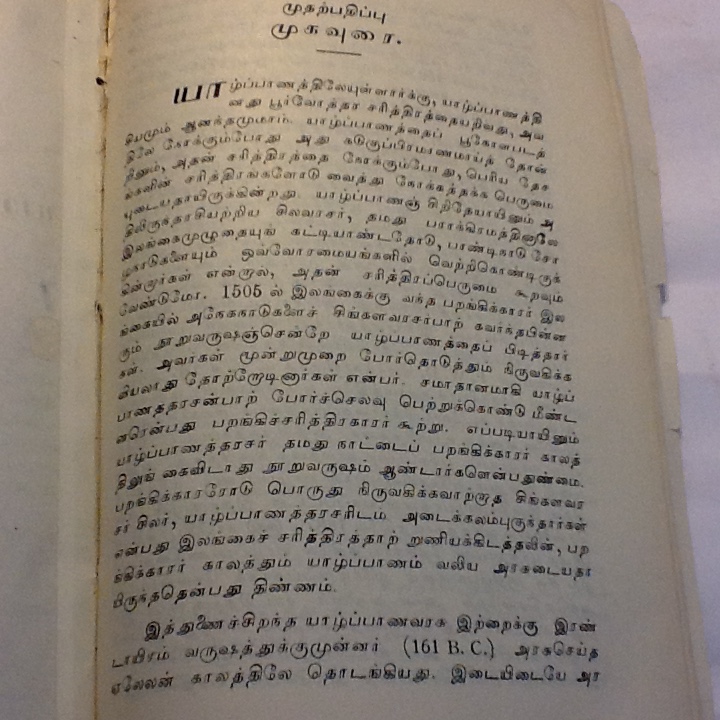
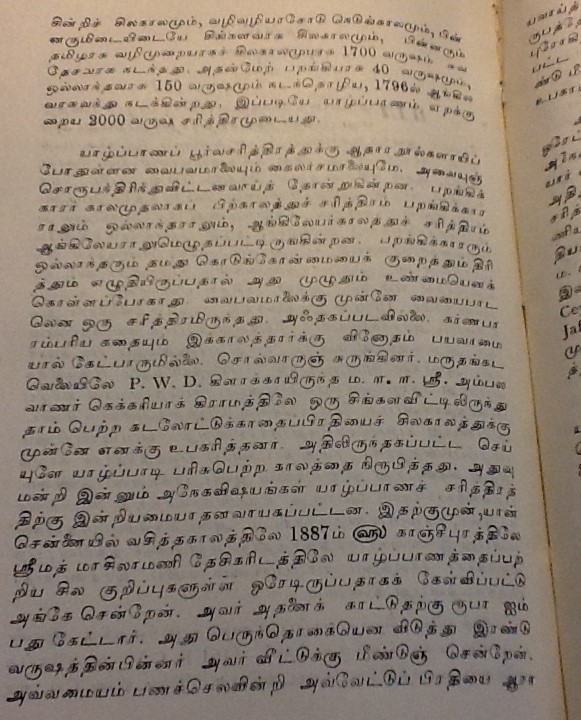
The path of Karma, which is otherwise known as the Pravrtti –Marga requires the help of others; but the path of Bhakti does not require any extraneous help.

TULADHARA

It should, however, be remembered that just because one has developed great devotion to God, he is not absolved from the duties enjoined upon him by the sastras (scriptures). It is only by practising right conduct one can attain the fruits of bhakti or devotion. The merchant Tuladhara conducted his trade with the object of making available to those that needed the things that he was selling at reasonable prices with allow margin of profit and did not want to get rich or get rich quickly. His devotion to God coupled with his right conduct helped him to attain Mukti.

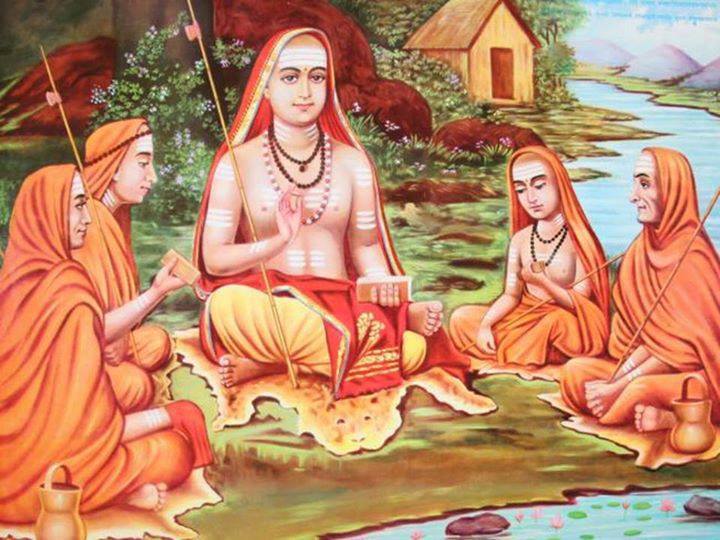
adisankara

DHARMA VYADHA

The lives of Dharma Vyadha who was a butcher, of Dhruva who was a boy, of Gajendra the elephant, of Vidura who was not high born, of Ugrasena the weakling king and of Kubja the deformed maid servant, who were all great Bhaktas, should serve to illustrate that Bhakti can be attained and practised by one and all without any extraneous help, by one’s own efforts and does not require any special qualification.

MANMATHA

Purity of thought is absolutely essential for Bhakti. Flowers to be offered to the Lord with the intention of worshipping Him. Such worship yields the desired good results. The story of Manmatha illustrates the importance of intention in the matter of worship and Bhakti. Manmatha’s arrows, no doubt, consisted of flowers; nevertheless, since his shooting them at Lord Shiva was for the purpose of causing disturbance to his Tapas (penance), it resulted in his being reduced to ashes. This shows that the attitude of sincere devotion alone counts and not mere external show.

Nine Sadhanas

In a sloka in the Bhagavata, Prahlada explains to Hiranyakasipu that there are nine sadhanas to foster Bhakti, namely, Sravana, Kirtana, Smarana, Padasevana, Archana, Vandana, Dasya, Sakya and Atmanivedana. Listening to the stories of God’s Lilas, singing  His praises, and constantly remembering them are the first steps. Visiting holy shrines and offering worship to his images are also sadhanas. Vandana helps to express our wish to seek refuge in Him. One should regards himself as God’s servant and do service to Him and to all created  beings, which are but his manifestations. One should regard himself as God’s Sakha and knowing his mind, serve him and place him in every way. Ultimately comes the stage when one offers himself up to God effacing his self completely.

May God help us all to attain the right type of Bhakti!

டெலிபதி மூலம் செய்திகளைப் பரிமாறும் காலம் வருகிறது!

antenna1

DON’T REBLOG IT AT LEAST FOR A WEEK!  DON’T USE PICTURES; THEY ARE COPYRIGHTED BY SOMEONE.

Compiled  by S.NAGARAJAN

Date: 29  September 2015

Post No: 2198

Time uploaded in London :– 8-59 am

(Thanks  for the pictures) 


விஞ்ஞான விந்தை

அறிவியல் துளிகள்தொடர், பாக்யா வார இதழில் கடந்த நாலரை ஆண்டுகளுக்கு மேல் வந்து கொண்டிருக்கிறது. அதில் 239வது அத்தியாயமாக    18-9-2015இல் வெளியான கட்டுரை இது!


டெலிபதி மூலம் செய்திகளைப் பரிமாறும் காலம் விரைவில் வருகிறது!

.நாகராஜன்

india antenna

ஃபேஸ்புக்கின் எதிர்காலம் டெலிபதி தான்!” – மார்க் ஜுக்கர்பெர்க்

 அதிசயங்கள் நிகழும் ஆனந்தமான நாட்களில் நாம் வாழ்ந்து கொண்டிருக்கிறோம். நமது முன்னோர்களுக்குக் கிடைக்காத அரிய விஞ்ஞான அதிசயங்கள் நம் விரல் நுனிகளில் இன்று இருக்கின்றன. செல் போன். வாட்ஸ் அப், மடிக் கணினி, கணினி வழியே ஸ்கைப், முகநூல் (ஃபேஸ்புக்), ட்விட்டர் இன்ன பிற மென்பொருள்கள் என இவற்றைக் கொண்டு அமர்க்களமான வாழ்க்கையை நாம் வாழ்ந்து கொண்டிருக்கிறோம்.


இதற்கு அடுத்த கட்டம் என்ன என்பதை உலகின் முக்கியமான நபர் ஒருவர் அறிவித்துள்ளார். அது தான் இன்றைய உலகில் பரபரப்பாகப் பேசப்பட்டு வரும் முக்கிய விஷயம்.

சொன்னவர் ஃபேஸ்புக்கின் இணை நிறுவனரான மார்க் ஜுக்கர்பெர்க். சொன்ன விஷயம்சமீப எதிர்காலத்தில் டெலிபதி சாத்தியம், மனத்தோடு மனம் பேசப் போகிறோம், உணர்ச்சிகளை தொலைதூரத்திலிருந்து நிஜமாகவே பகிர்ந்து கொள்ளப் போகிறோம் என்பது தான்.


2015, ஜூன் 30ஆம் தேதி ஒரு கேள்விபதில் நிகழ்ச்சியில் கலந்து கொண்ட அவர் தன் அசாதாரணமான வார்த்தைகளால் உலகையே வியப்பில் ஆழ்த்தினார்.

தொழில்நுட்பத்தைப் பயன்படுத்தி ஒரு நாள் நாம் வளமான சிந்தனைகளை ஒருவருக்கொருவர் பகிர்ந்து கொள்ளப் போகிறோம். உரைகள் மூலமாகவும் போட்டோக்கள் மூலமாகவும் இன்று செய்திகளை ஒருவருக்கொருவர் பரிமாறிக் கொள்கிறோம். இனி எதிர்காலத்தில் வீடியோவாகப் பகிர்ந்து கொள்ளப் போகிறோம். அதன் பின்னர் வர்ச்சுவல் ரியாலிடி எனப்படும் மெய்நிகர் நிலை மூலமாக அனுபவங்களைப் பகிர்ந்து கொள்வோம்.இதில் புலன் மற்றும் உணர்ச்சிகரமான அனுபவங்கள் தத்ரூபமாகப் பகிர்ந்து கொள்ளப்படும்.”


 547-Arvi-Satellite-Earth-Station

இப்படி ஜுகர்பெர்க் சொன்னதன் உண்மையான அர்த்தம் என்ன? எதிர்காலத்தில் மூளையுடன் மூளை தொடர்பு கொள்ளப் போகிறது. அதாவது டெலிபதி சாத்தியம் தான் என்பதே இதன் பொருள்!

ஒரு ஹெட்செட்டைப் பொருத்திக் கொண்டு பாட்டைக் கேட்கிறோம் இல்லையா, அதே போல ஹெட்செட்டைப் பொருத்திக் கொண்டு மூளையுடன் தொடர்பை ஏற்படுத்திக் கொள்ளலாம். நியூரான்கள் மூலமாக நமது மூளை நமது எண்ணங்களை நாம் விரும்பும் இன்னொருவரின் மூளையில் உள்ள நியூரான்களுக்கு அனுப்பும்.


இன்றைய தொழில்நுட்ப ரீதியாகவே ஒருவரின் மூளையை நாம்படிக்கமுடியும் என்கிறார் பிரிட்டனில் உள்ள வார்விக் ஷைர் பல்கலைக்கழக பயோமெடிகல் பேராசிரியரான கிறிஸ்டோபர் ஜேம்ஸ். ஆனால் மூளை செல்கள் என்ன சிக்னலைத் தருகின்றன என்பது இப்போது தெரிந்தாலும் கூட அது என்ன சொல்கிறது என்பதைடீ கோட் செய்துஅர்த்தத்தை அறிவது இன்றைய நிலையில் முடியவில்லை.

 antenna6

இந்த சிக்னல்களை டீகோட் செய்து விட்டால் ஒருவர் என்ன எண்ணுகிறார் என்பதைச் சொல்லி விட முடியும். அதைக் கண்டுபிடிக்கத் தான் இன்றைய விஞ்ஞானிகள் முயன்று வருகிறார்கள்.


ஒரு மனிதனின் மூளையில் உதிக்கும் எண்ணத்தின் மொத்த வோல்டேஜ் மற்றும் மின்சக்தியை அறிய முடிகிறது. ஆனால் அது எதைத் தெரிவிக்கிறது என்பதைக் கண்டுபிடிக்க முடியவில்லை! இந்த மர்மம் துலங்கும் நாள் நெருங்குகிறது.

உண்மையில் ஒரு எண்ணம் என்பது என்ன என்பதை விஞ்ஞானிகளால் இன்று கூட விளக்க முடியவில்லை.


அப்படி இருக்கும் போது, ஜுக்கர்பெர்க்கின் தீர்க்கதரிசன வாக்கு எப்படி நடைபெறப் போகிறது?

வாஷிங்டன் பல்கலைக்கழகத்தில் ஒரு குழு பல விசித்திரமான சோதனைகளை நடத்தி முடித்திருக்கிறது. மூளையின் மோட்டார் கார்டெக்ஸ் (தமிழில் இயக்கப் புறணி) பகுதி வழியே இரு நபர்களுக்கு இடையே தகவல் பரிமாற்றம் செய்யும் சோதனையைத் தான் இந்தக் குழு செய்து பார்த்துள்ளது.


air india

வெவ்வேறு அறைகளில் இருவர் இருக்கின்றனர். அவர்கள் தலையில் எலக்ட்ரோட் பொருத்தப்பட்டுள்ளது. இன்டர்நெட் வழியே அவர்களில் ஒருவரின் தலையிலிருந்து சிக்னல்கள் கிளம்பி இன்னொருவரின் தலைக்குச் சென்று சேர்கிறது! அதாவது ஒரு மோட்டார் கார்டெக்ஸிலிருந்து இன்னொரு மோட்டார் கார்டெக்ஸுக்குச் செய்தி வெற்றிகரமாகச் சென்று சேர்கிறது! எந்த வார்த்தையை அனுப்புபவர் நினைக்கிறாரோ அதற்கான சிக்னலைப் பெறுபவர் அந்த வார்த்தையையும் டீகோடிங் முறையில் சரியாக புரிந்து கொள்கிறார்


இது உண்மையான விஞ்ஞான விந்தை!


ட்யூக் பல்கலைக் கழகத்தில் நடந்தது இன்னொரு விசித்திரமான சோதனை. இரண்டு எலிகளின் மூளைகள் இணைக்கப்பட்டன. முதல் எலிக்கு சிக்னல் தரப்பட்ட போது அது விஞ்ஞானிகள் வைத்திருந்த நெம்புகோலைத் தட்டியது. இரண்டாவது எலிக்கு சிக்னல் தரப்படாமல் இருந்தாலும் இரு எலிகளின் இணைப்புகளால் அதுவும் நெம்புகோலைத் தட்டியது.


இரு மூளைகளும் இணைக்கப்படலாம் என்பதை அறிந்த விஞ்ஞானிகள் பரவசம் அடைந்தனர்.

எலிக்கு எலி சரி! ஆனால் மனிதனுக்கு இதெல்லாம் சாத்தியப்படுமா? ஆரம்ப கால முயற்சி தான் இது! இதில் முன்னேற வேண்டியது எவ்வளவோ இருக்கிறது!

மூளை இணைப்பு சம்பந்தமான ஆராய்ச்சிகள் மும்முரமாக உலகெங்கும் நடைபெற்று வருகின்றன.


UNITED STATES OF AMERICA - CIRCA 1964: A stamp printed in USA shows Radio Waves and Dial, dedicated to the 100th anniversary of the Amateur Radio, circa 1964

சும்மா சொல்லவில்லை ஜுக்கர்பெர்க்! நடந்து முடிந்த ஆராய்ச்சிகளின் பலன்களை வைத்தே நாளைய உலகம் பற்றிச் சொல்லி இருக்கிறார்.

யாராவது ஏதாவது சொன்னால் நம்ப முடியாது!

ஆனால் சொன்னவர் ஃபேஸ்புக்கைத் தந்தவர் ஆயிற்றே. கோடிக்கணக்கான மக்களின் முக தரிசனத்திற்குக் காரணமானவர் எதைச் சொன்னாலும் நம்பலாம். டெலிபதி மூலமாகவே அவரைப் பாராட்டும் காலமும் வரலாம்!

antenna5

***************

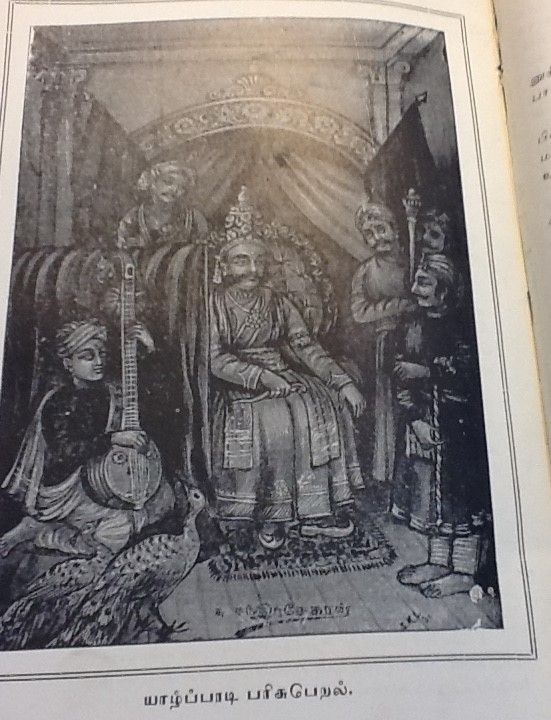
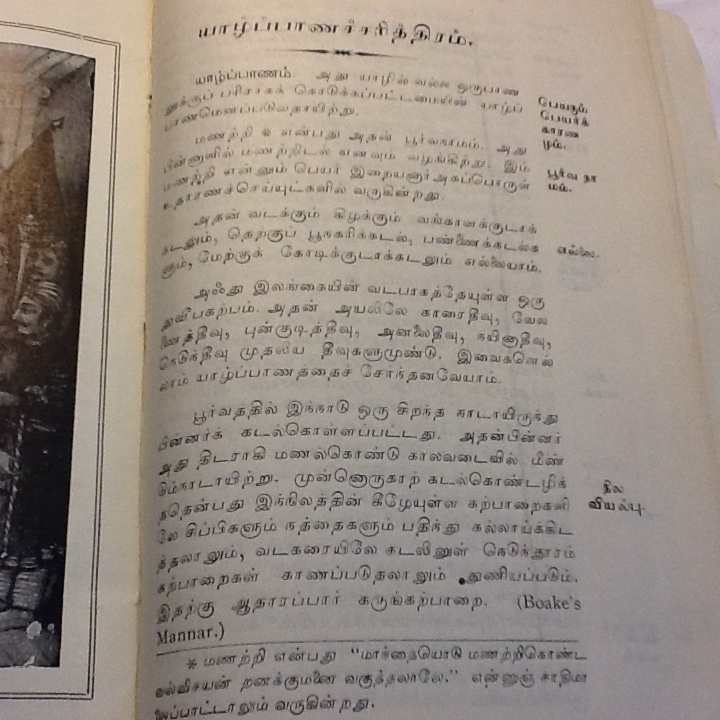
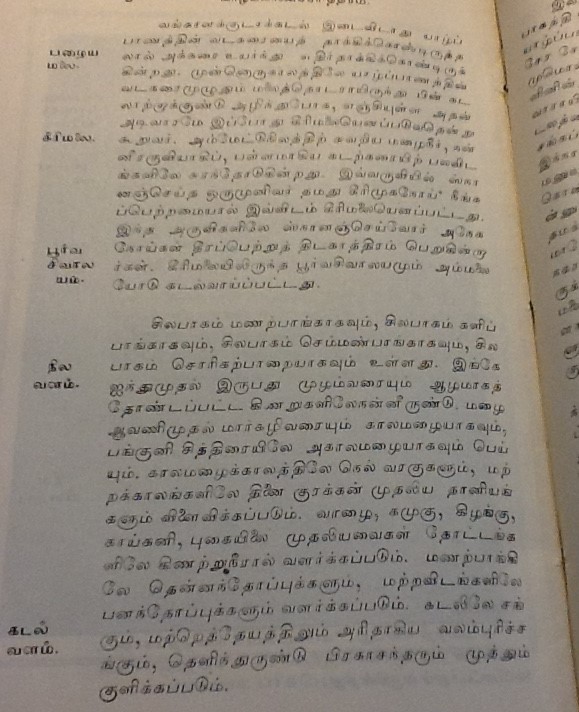
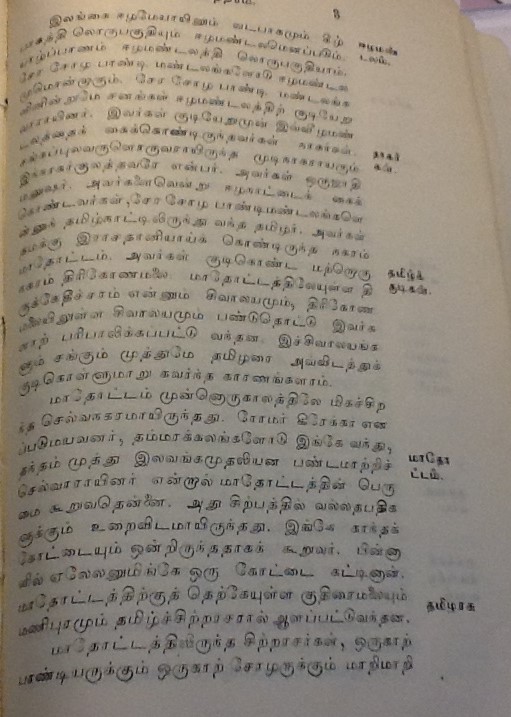
யாழ்ப்பாணம் பற்றிய சுவையான நூல்

IMG_6160 (2)

DON’T REBLOG IT AT LEAST FOR A WEEK!  DON’T USE PICTURES; THEY ARE COPYRIGHTED BY SOMEONE.

Compiled  by London swaminathan

Date: 29  September 2015

Post No: 2197

Time uploaded in London :– 8-09 am

(Thanks  for the pictures) 

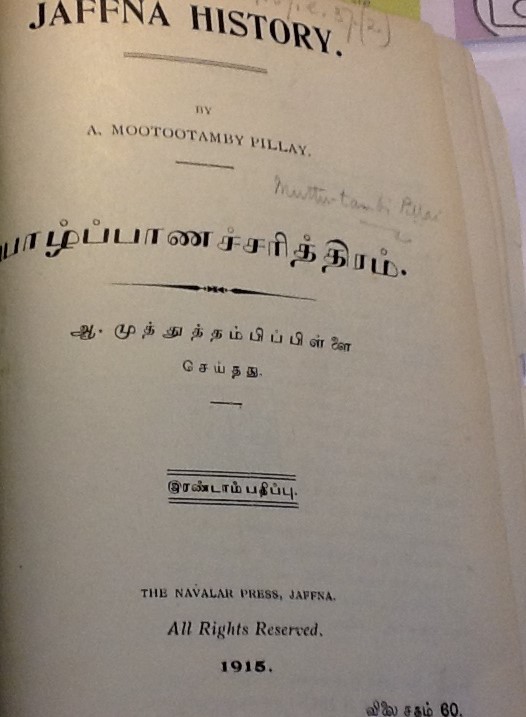
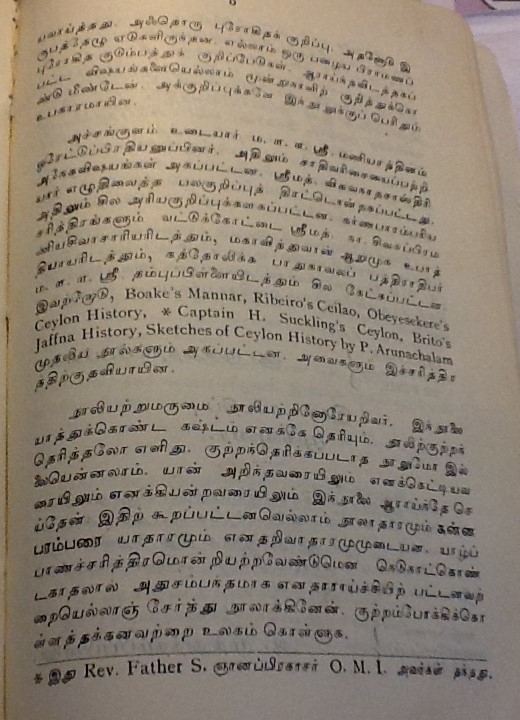
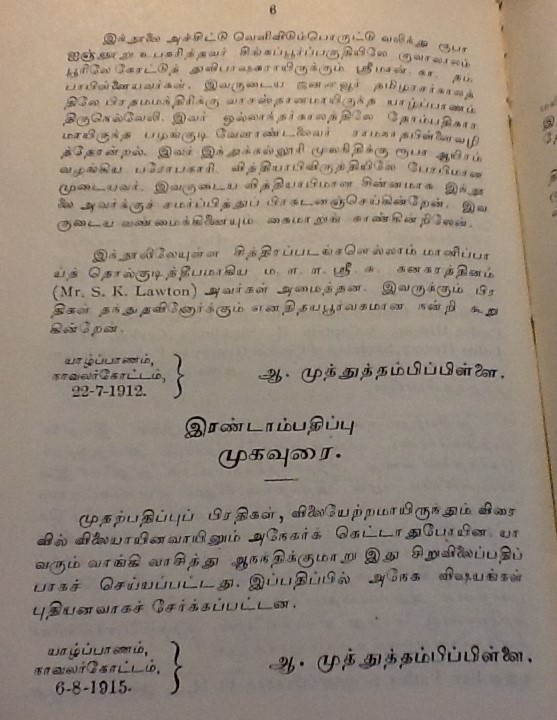
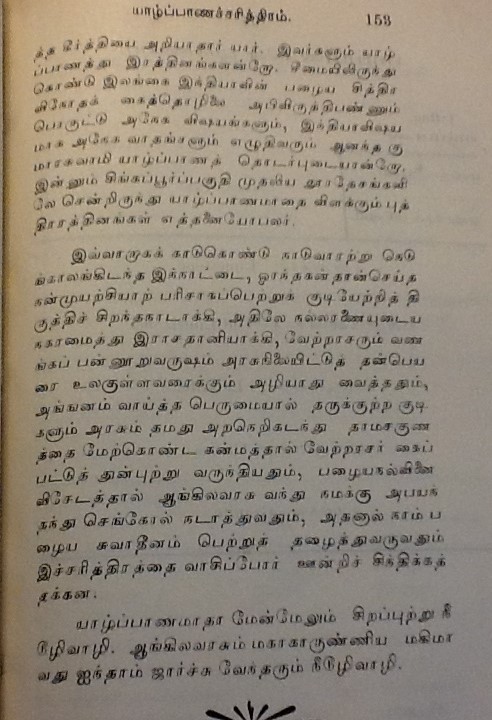
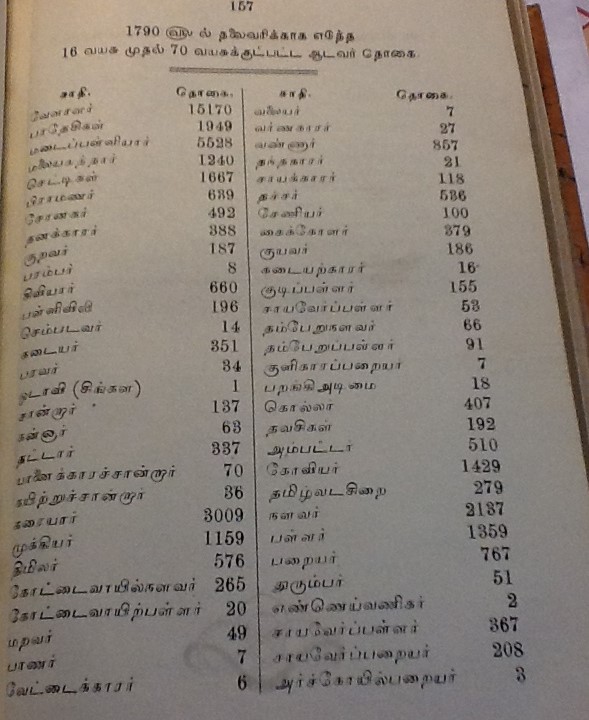
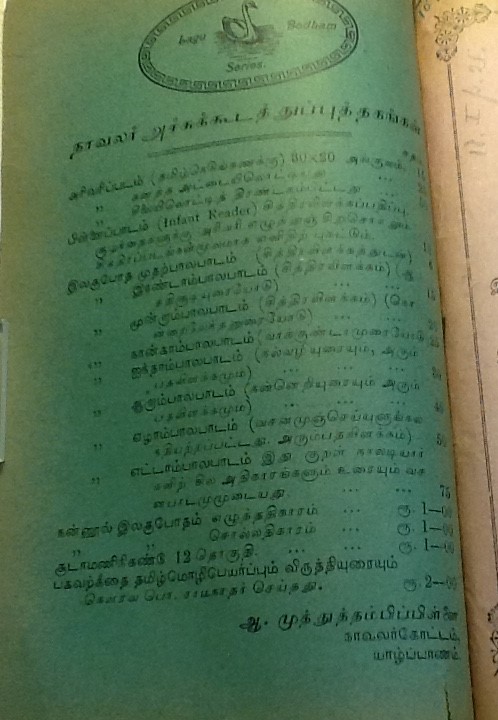
லண்டனிலுள்ள பிரிட்டிஷ் லைப்ரரியில் யாழ்ப்பாணம் பற்றிய, 1915 ஆம் ஆண்டு வெளியான, நூல் ஒன்று கண்டேன். 156 பக்கங்களுக்கு மேலுள்ள இந்த நூலில் பல அரிய தகவல்கள் உள்ளன. இத்தகைய நூல் இன்று இலங்கையில் கிடைக்காவிடில் இதை மீண்டும் அச்சிடுவது நல்லது. இதை எழுதியவர் முத்துத்தம்பிப் பிள்ளை. புத்தக முடிவில் அந்தக் கால வழக்கப்படி ஐந்தாம் ஜார்ஜ் மன்னருக்கு வாழ்த்துக் கூறியிருப்பது அக்கால மனநிலையை உண்ர முடிகிறது. விக்டோரியா ராணியாரையும், மன்னரையும் வாழ்த்துவது அக்கால கட்டங்களில் வெளியான நூல்களில் காணமுடிகிறது.

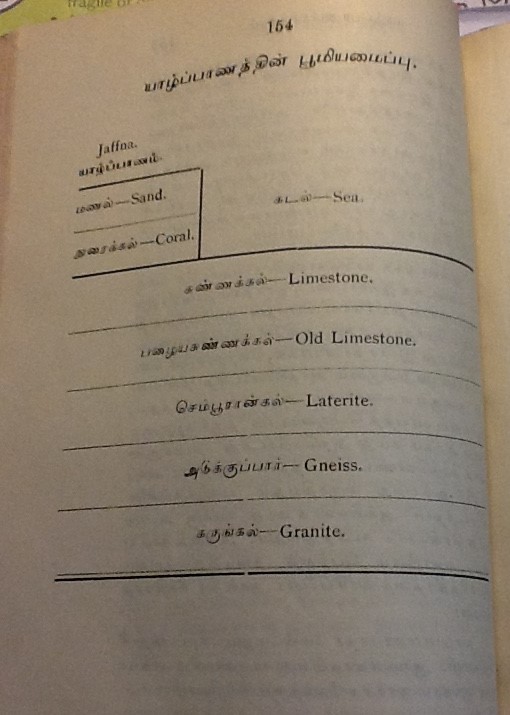
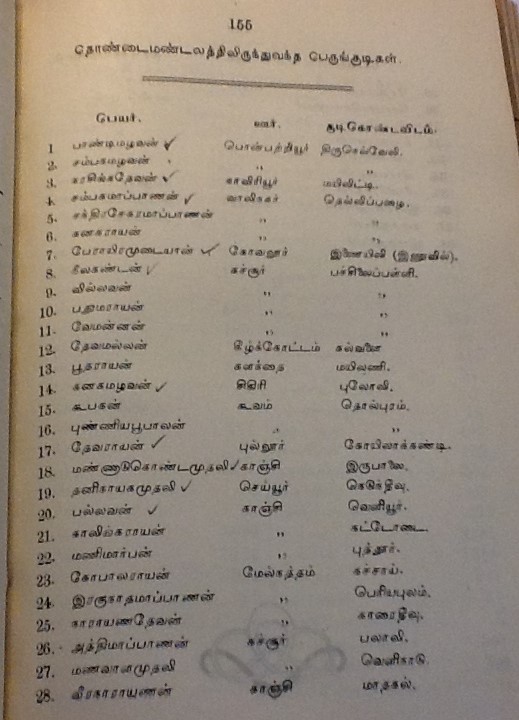
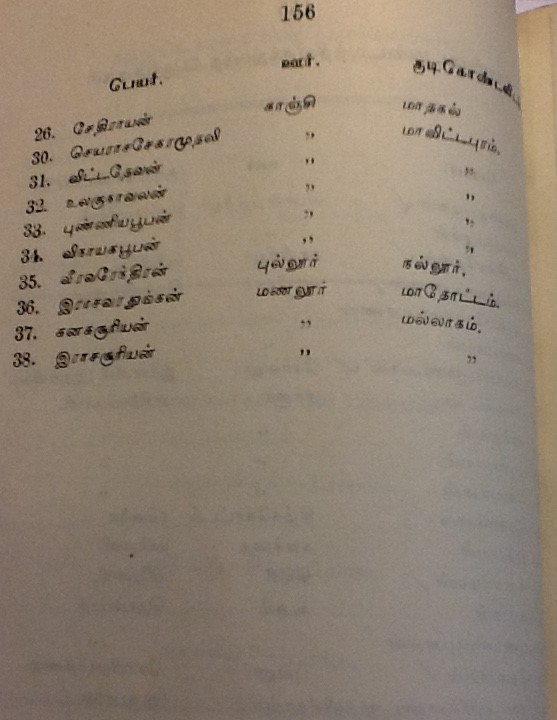
யாழ்ப்பாண நில அமைப்பு, குடியேறிய ஜாதிகள் விவரம் முதலியனவும் புத்தகத்தின் இறுதியில் பட்டியலிடப்பட்டுள்ளன. யாழ்ப்பாணர் படம் ஒன்றும் நூலில் இருக்கிறது.

IMG_6161 (2)

IMG_6162

IMG_6163 (2)

IMG_6164 (2)

IMG_6165 (2) - Copy

IMG_6166 (2)

IMG_6167 (2)

IMG_6168

IMG_6169 (2)

IMG_6170 (2)

jaffna_map

Last few pages are given below:——————

IMG_6171 (2)

IMG_6172 (2)

IMG_6173 (2)

IMG_6174 (2)

IMG_6175 (2)

IMG_6177 (2)

(Jaffna map is NOT from the old book.)

–Subham–

More joy in pining for God!

IMG_4538 (2)

DON’T REBLOG IT AT LEAST FOR A WEEK!  DON’T USE PICTURES; THEY ARE COPYRIGHTED BY SOMEONE.

Compiled  by London swaminathan

Date: 28  September 2015

Post No: 2196

Time uploaded in London :– 18-15

(Thanks  for the pictures) 

There is a Sufi story which illustrates how familiarity breeds contempt. Some devotees, therefore, do not wish to meet God but would prefer to thirst and pine for Him all their life. They find a particular joy and ecstasy in merely crying and wailing for Him all their life.  The story is this:

On a hot day a herd of sheep was grazing on a hill. When the sun had ion of gone down meridian, the sheep felt inordinately thirsty. With raised heads they looked for water in all directions in great expectation of seeing a water course or a stream some distance from there.

Fortunately for them, they saw down on the slope, about half a mile away, a stream of crystal water flowing. The sight enchanted them because their thirst was great, so also their love for water. All the sheep now rushed in a body towards the stream in tremendous haste. Soon they reached the stream and, going in it knee deep, drank the water to their fill. Then they stood for a while in the water and turned it dirty by passing into it urine, etc. they lost the long eagerness to see and drink the water. On the other hand, they made the water dirty.

Too near association of your Beloved gradually wears away your high veneration and love for Him or Her who was held by you at one time in high esteem as you all in all.

–Story told by Swami Ramdas of Anandashramam

IMG_4536 (2)

Many Tamil Vaishnavite saints, known as Alvars, also enjoy Lord Vishnu this way. They are ready to be born as steps made of stones in the Balaji temple. What they want is to enjoy God from a distance, but for ever. This gives them more joy than going closer to him. Kulasekara Alvar, one of the 12 Alvars, praises the Lord of the Venkata Hills and prays to him that he should be born as a crane or a fish or a stream or a tree in the holy Venkata hills. Both Saivite and Vaishnavite saints look at the Lord as husband and himself or herself as a woman longing for Him. This gives them immense joy. This is known as Nayaki- Nayaka Bhava.

–Subham–