அபூர்வ ராமாயண படங்கள்: பாலகாண்டம்

தொகுத்தவர்:லண்டன் சுவாமிநாதன்

கட்டுரை எண்:1795; தேதி 13 ஏப்ரல் 2015

லண்டனில் பதிவு செய்த நேரம்: காலை 8-25

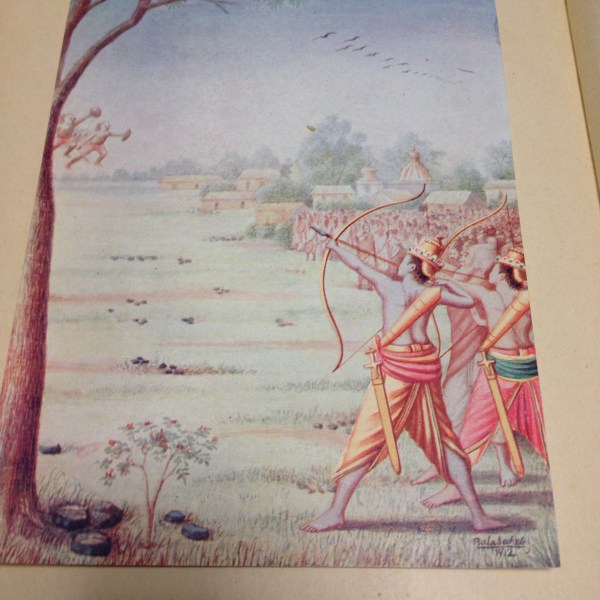
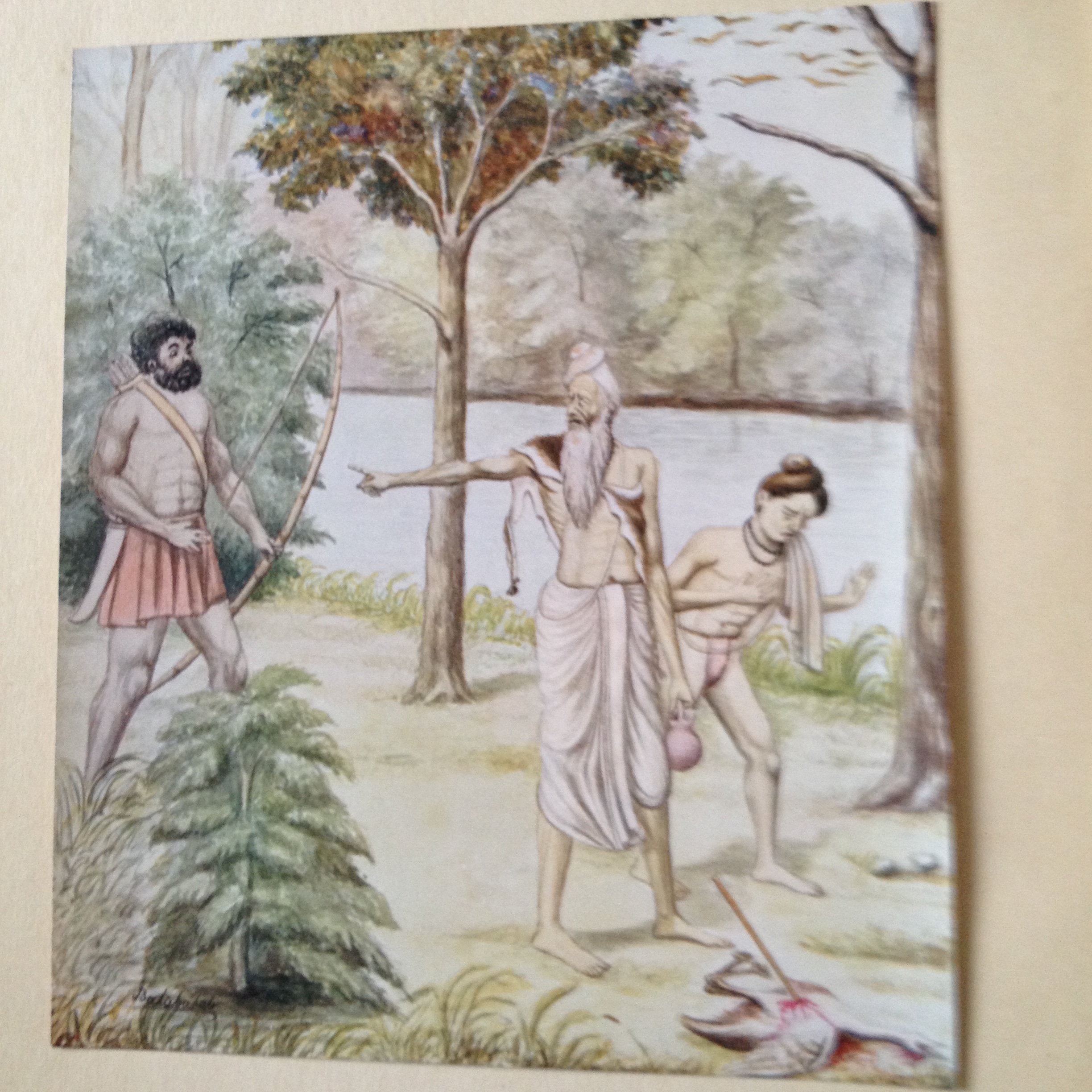
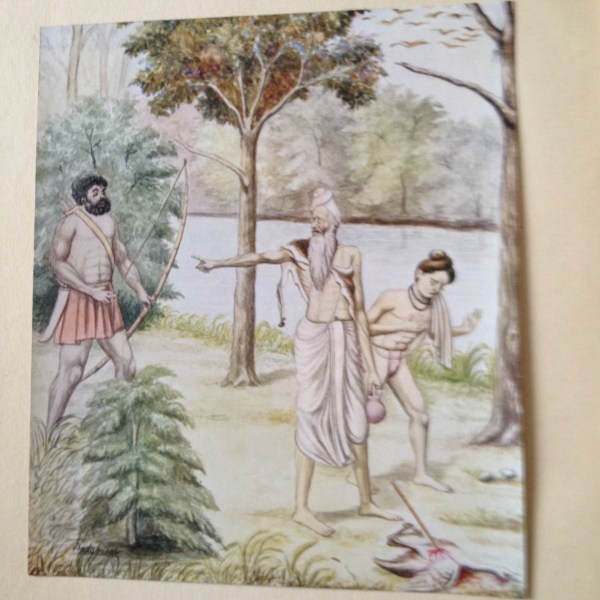
படம்1.ஒரு வேடன் , ஆணும் பெண்ணுமாகக் கூடியிருந்த இரு பறவைகளில் ஒன்றை அம்பு எய்து கொன்றான். அதைப் பார்த்த வால்மீகி அவனைச்  சபித்தார். அந்த சாபம், அவர்   அறியாமலே கவிதையாக மலர்ந்தது. உடனே பிரம்மா   தோன்றி,  நீ  ராமன்    என்னும், உத்தம   அரசனின்  கதையை எழுதலாமே  என்றார். அப்பொழுதுதான்  உலகம் வியக்கும் வால்மீகி ராமாயணம் தோன்றியது. 24,000 செய்யுட்களாக வடிவெடுத்தது. (பறவைகளைக் கொல்வது வேடர்களினன்  தொழில். ஆயினும் ஆணும் பெண்ணுமாகக் கூடியிருக்கையில்,  எந்த மிருகத்தையும் கொல்லக்  கூடாதென்று,   இந்துமத நூல்கள் தடை விதிக்கின்றன).

நாடிய பொருள் கைகூடும் ஞானமும் புகழும் உண்டாம்

வீ டியல் வழியதாக்கும் வேரியம் கமலை நோக்கும்

நீடிய அரக்கர் சேனை நீறு பட்டழிய வாகை

சூடிய சிலை இராமன் தோள்வலி கூறுவார்க்கே. –(பால. காப்பு 12)

e0aeb0e0aebfe0aeb7e0af8de0aeafe0aeb8e0af8de0aeb0e0af80e0aea9e0ae95.jpg (960×960)

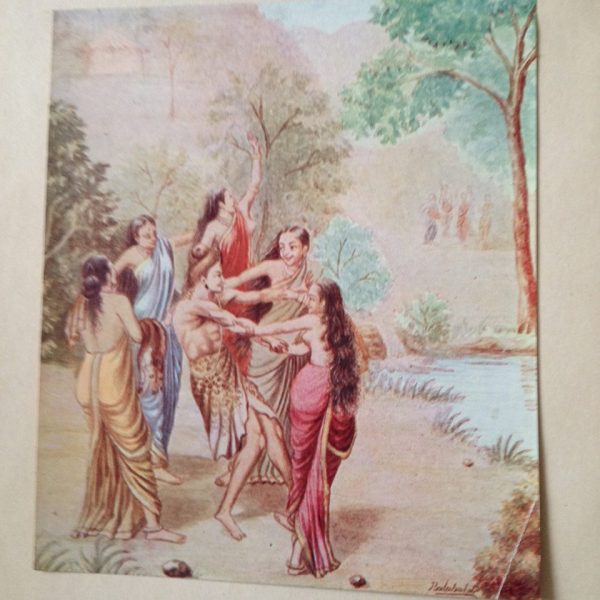
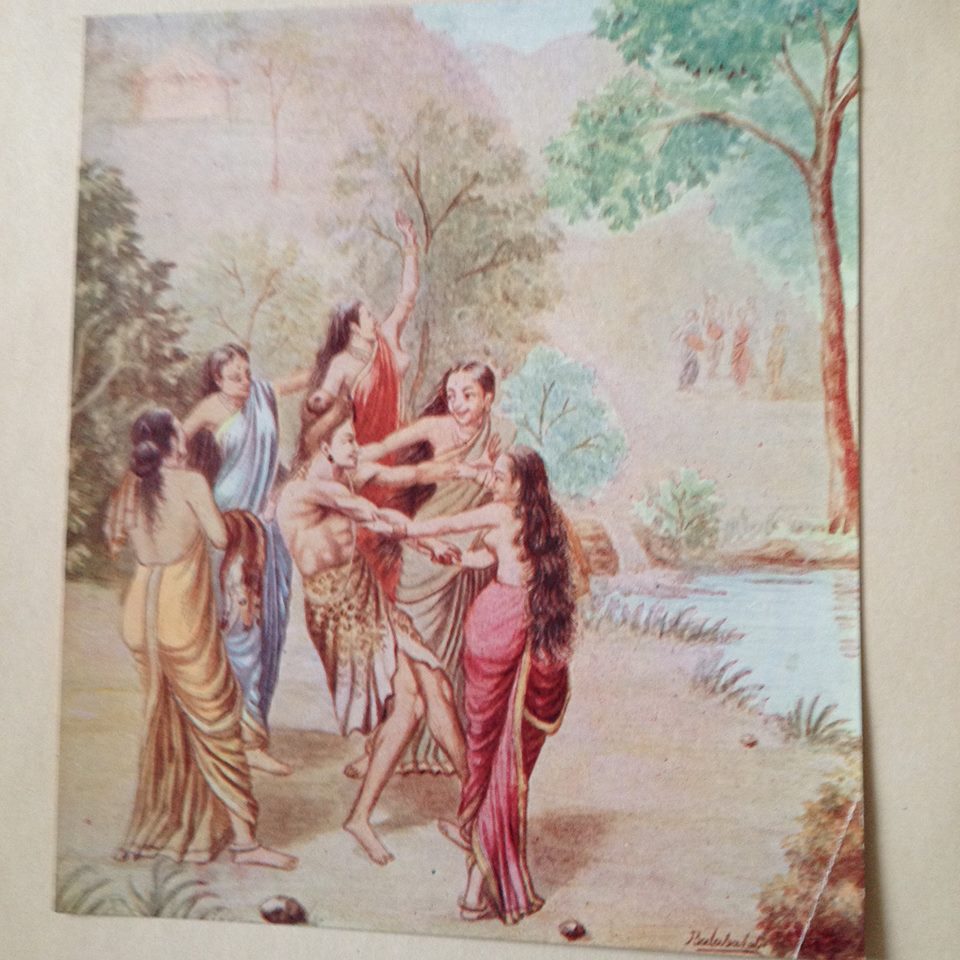
படம்2.உலகம்  வியக்கும் வண்ணம், ஆட்சி புரிந்த கோசல மன்னன்   தசரதனுக்குப் பிள்ளைகள் பிறக்கவில்லை. ரிஷ்ய சிருங்கரென்ற முனிவர் நாட்டுக்குள் நுழைந்தால் நல்லது என்றும்  அவர் புத்ர காமேஷ்டி யாகம் செய்தால் குழந்தைப் பேறு உண்டாகுமென்றும் பெரியோர்கள் சொன்னார்கள். பெண்ணென்றால்  என்ன என்றே தெரியாமல் காட்டுக்குள் வசித்து வந்த முனிவரை அழகிகள் மயக்கி அழைத்து வருகின்றனர்.

img_2767.jpg (2448×2448)

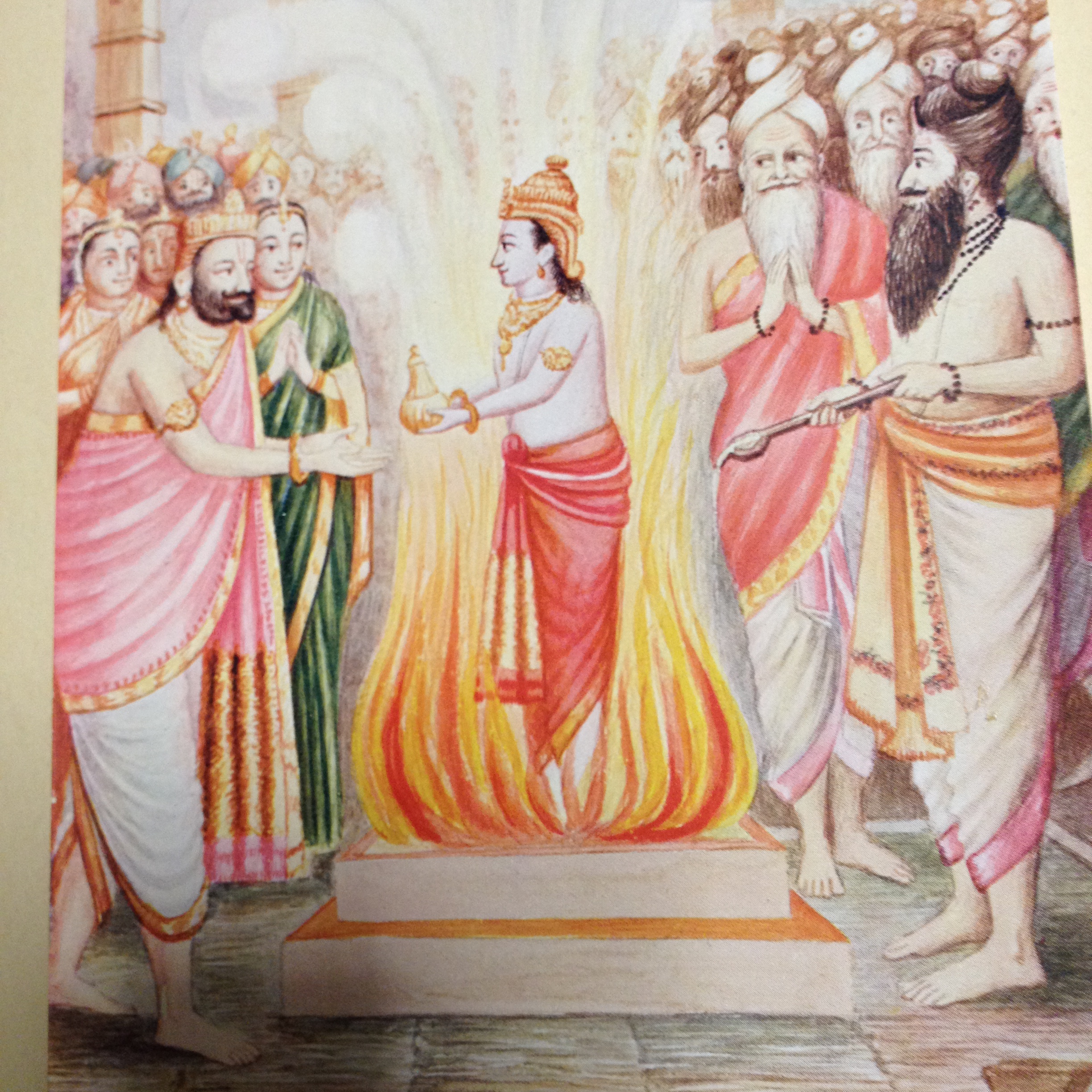
படம்3.புத்ர+ காம + இஷ்டி யாகம் செய்த உடனே ஒரு அற்புதம் நிகழ்கிறது. யாகத் தீயிலிருந்து ஒரு தேவன் வெளியே வந்து அற்புத  இனிப்புப் பாயசக் குடத்தைத் தருகிறான். அதை தசரதன், தனது மூன்று மனைவிகளுக்கும் பிரித்துத் தருகிறான். இதற்குப் பின்னர், கௌசல்யா என்பவள், இராம பிரானையும், கைகேயி என்பவள் பரதனையும், சுமித்திரை என்பவள் லெட்சுமணன், சத்ருக்னனனாகிய இரட்டைப் பிள்ளைகளயும் பெறுவதற்கு இந்தப் பாயசம்    உதவுகிறது.

நன்மையும் செல்வமும் நாளும் நல்குமே

தின்மையும் பாவமும் சிதைந்து தேயுமே

சென்மமும் மரணமும் இன்றித் தீருமே

இம்மையே இராம என்ற இரண்டெழுத்தினால். –(பால. காப்பு 13)

img_2768.jpg (2448×2448)

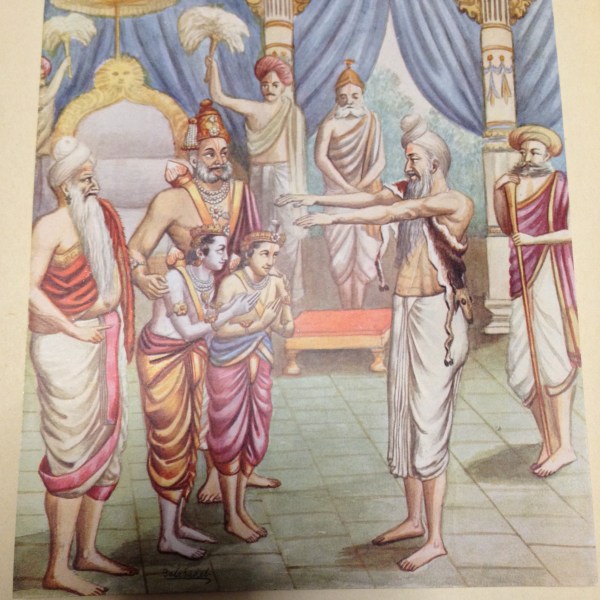
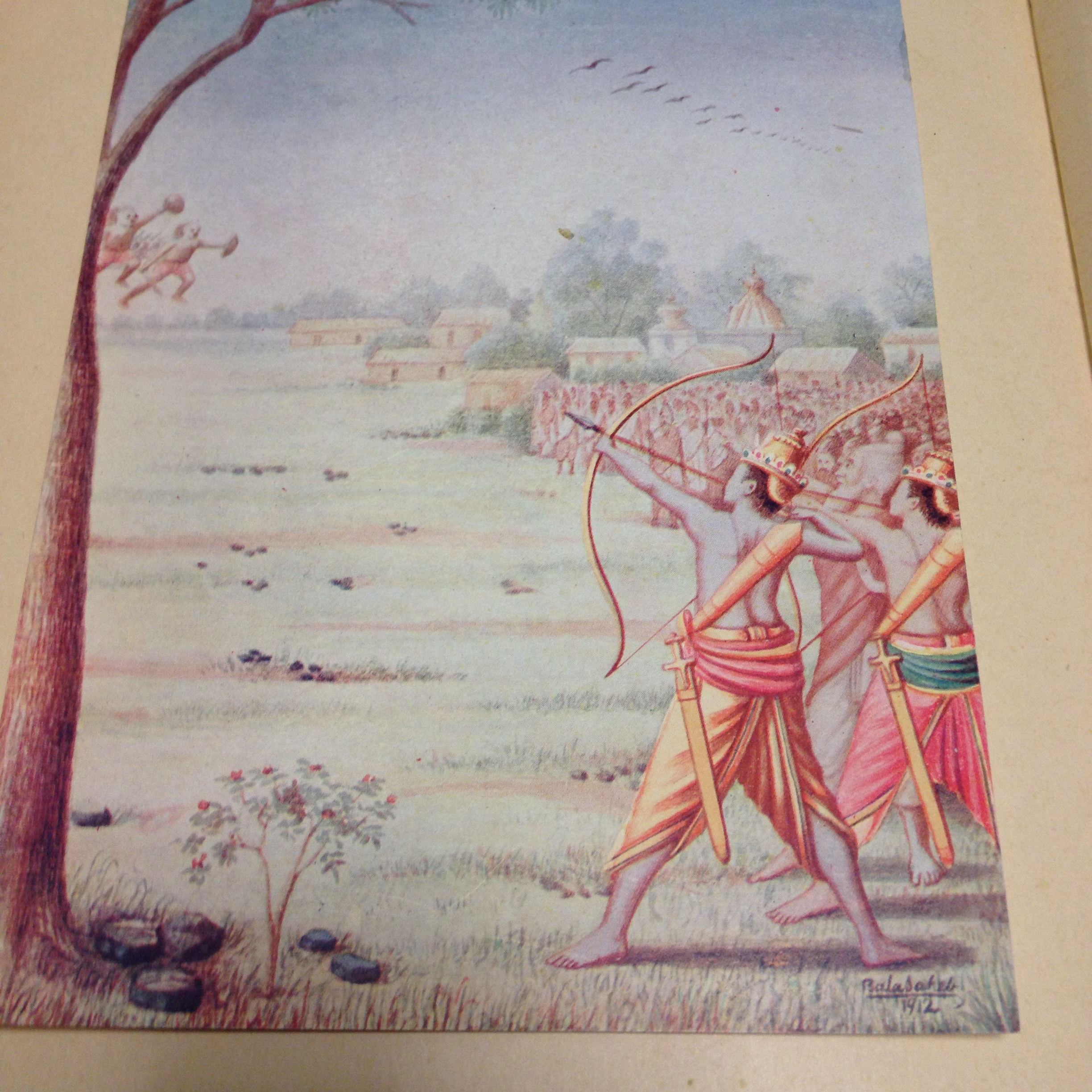
படம்4.விசுவாமித்திரனென்ற முனிவன் ((விசுவ+மித்திரன் = உலக நண்பன்)) வந்து, உனது மகன் ராமனை என்னுடன் பாதுகாப்புக்காக   அனுப்பு என்கிறார். தசரதனுக்கு பயம்,  நானே வருகிறேனே, சின்னப் பையன்கள்  எதற்கு? என்கிறார். ஆயினும் வசிஷ்டர் சொன்னவுடன்  ராம லெட்சுமணர்களை அனுப்பி வைக்கிறார். முக்காலமும் தெரிந்த முனிவன்  வசிட்டனுக்கு  இதிலும் நண்மை  உண்டு  என்று தெரிகிறது.

உலகம் யாவையும் தாமுள ஆக்கலும்

நிலைபெறுத்தலும் நீக்கலும் நீங்கலா

அலகிலா விளையாட்டுடையார் அவர்

தலைவர்; அன்னவர்க்கே சரண் நாங்களே–(பாலகாண்டம் பாயிரம் 1)

img_2769.jpg (2448×2448)

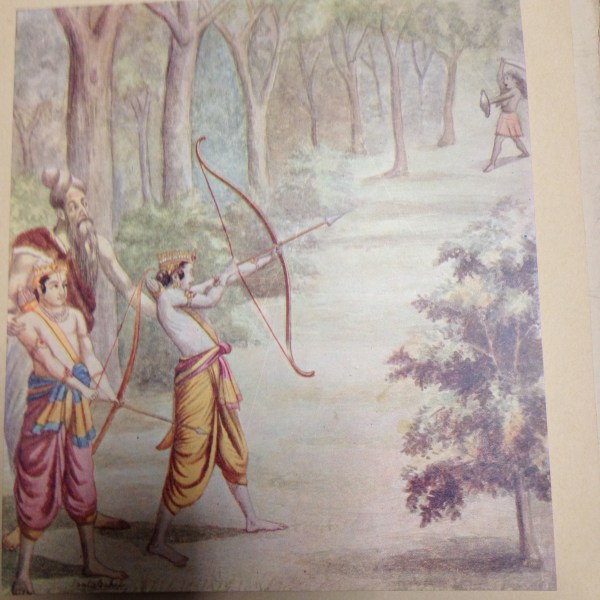
படம்5.காட்டில் நுழைந்தவுடன் தாடகை என்னும்  அரக்கி வருகிறாள். “பெண்  என்பதால் நான் கொல்ல மாட்டேன்” – என்கிறார். அவளொரு பெண்ணே இல்லை , இராட்சஸி என்று  விசுவாமித்திரன் சொன்னவுடன் ராமன்  அவளை ஒரே அம்பில் கொல்கிறார்.

இவ் வண்ணம் நிகழ்ந்த வண்ணம் இனி இந்த உலகுக்கெல்லாம்

உய் வண்ணம் அன்றி மற்று ஓர் துயர் வண்ணம் உறுவது உண்டோ

மை வண்ணத்து அரக்கி போரில் மழை வண்ணத்து அண்ணலே உன்

கை வண்ணம் அங்குக் கண்டேன் கால் வண்ணம் இங்குக் கண்டேன்

img_2770.jpg (2448×2448)

படம்6.காட்டில் சுபாஹு, மாரீசனென்ற  இரண்டு அரக்கர்கள் யாகசாலை மீது தாக்குகின்றனர். உடனே ராமன், சுபாஹுவைக் கொல்கிறான். மாரீசனைக் கடலில் தொலைவில் தூக்கி எறிகிறான்.

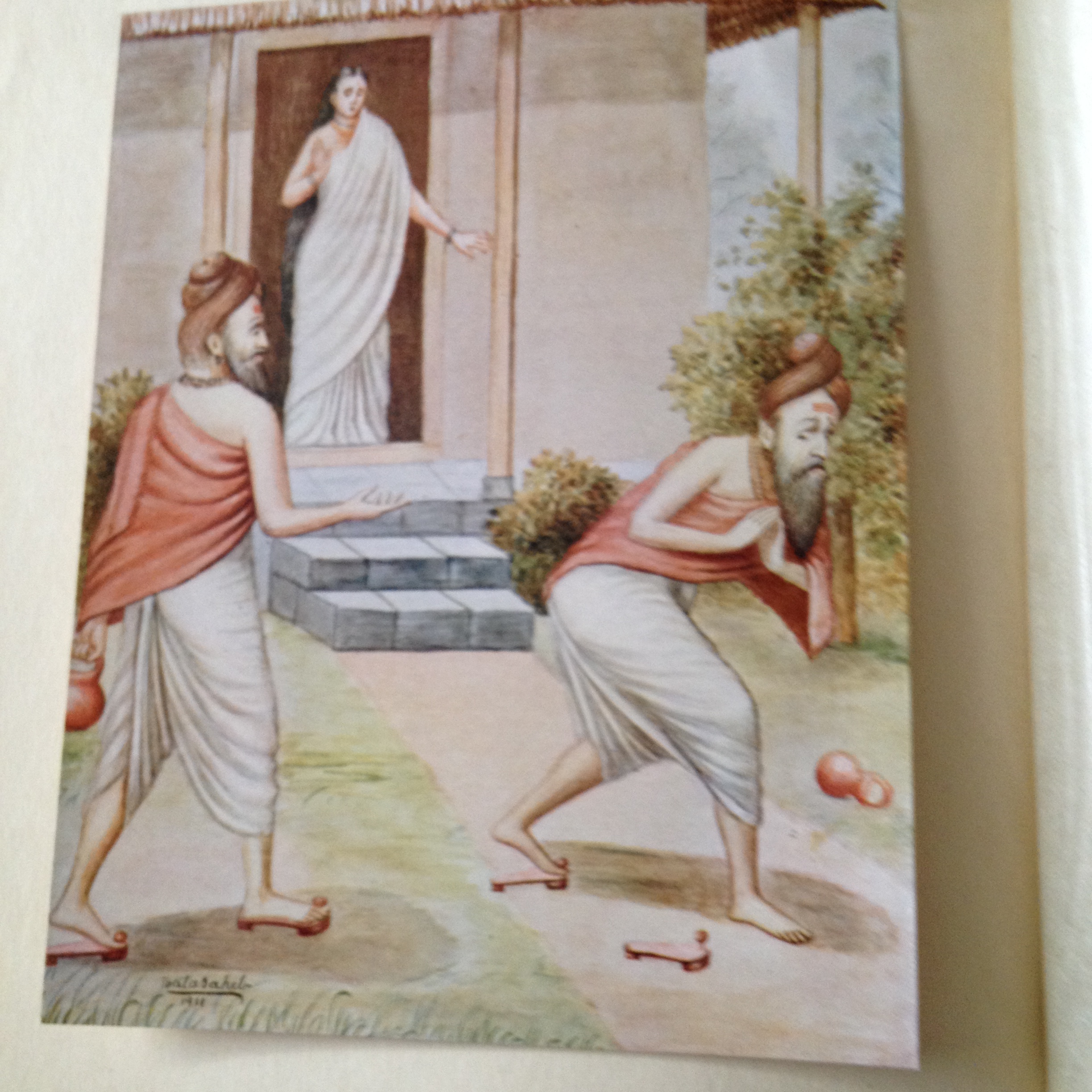
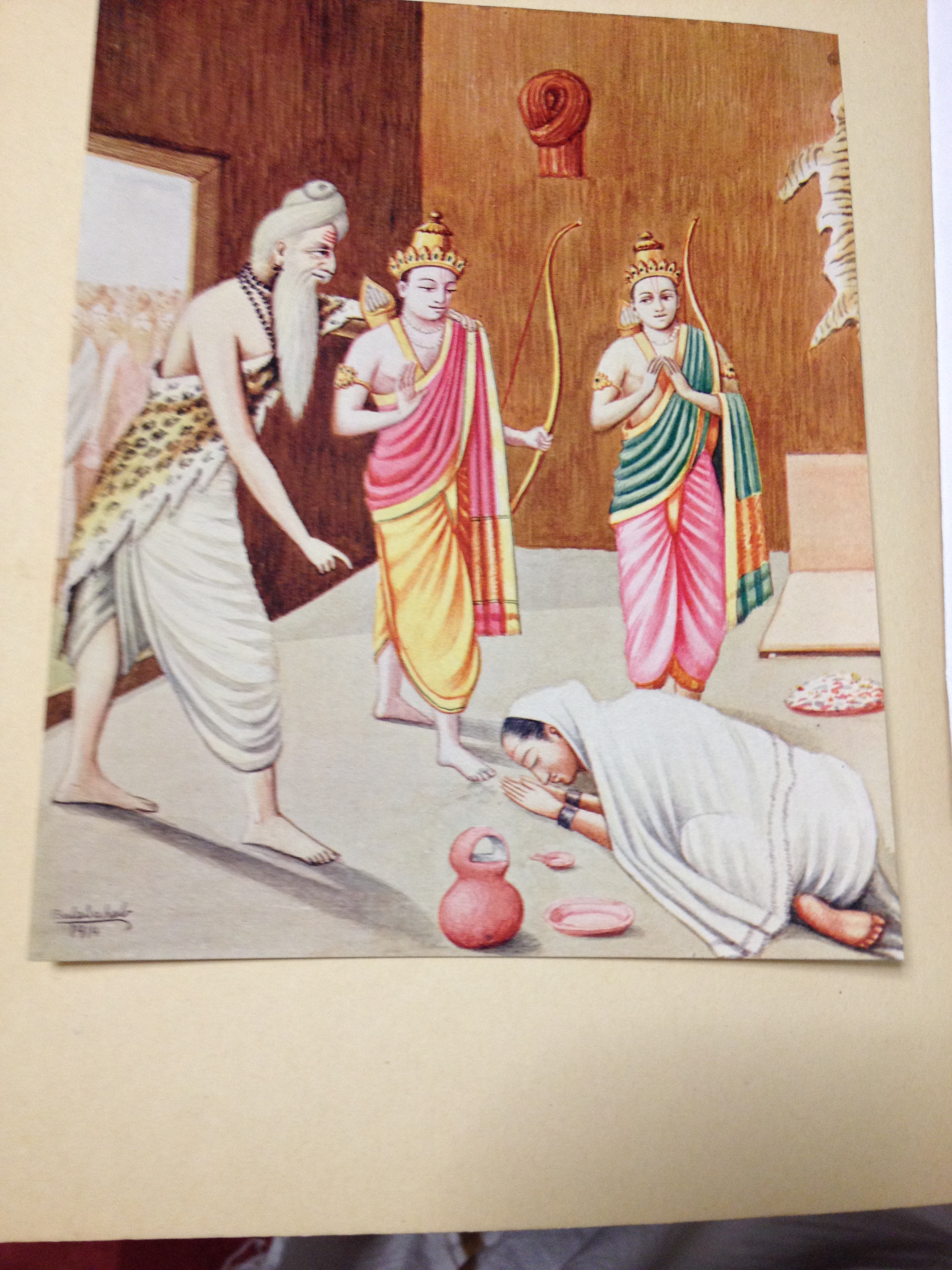
படம்7.கௌதம  முனிவர் தனது மனைவி அகலிகையுடன் காட்டில் வசித்து வந்தார். அவர் வெளியே சென்ற பொழுது இந்திரன் , முனிவர் வேடத்தில் வந்து அகலிகையை மான பங்கப்  படுத்துகிறான். இதனால் கோபமமடைந்த கௌதமர் தனது மனைவி கல்லைப் போல சித்தப் பிரமை பிடித்தவளாக  இருக்குமாறு சபிக்கிறார். தான் தவறு செய்யவில்லை என்று மன்றாடுகிறாள். இந்துமதம் சத்தியத்தின்   அஸ்திவாரத்தின் மீது  அமைந்ததால் கடவுளே ஆனாலும்  ஒரு சொல் சொன்னால், அதைத் திருப்பிப் பெற முடியாது;மாற்ற முடியாது. ஆனால் மாற்று வழி கண்டு பிடித்து அதன் மூலம் வெளியேற  உதவலாம். ராமன் காலடி பட்டவுடனே, உனக்கு சாப விமோசனம் கிடைக்குமமென்று கௌதமர் கூறுகிறார். 2000 ஆண்டுகளுக்கு முன்னர், இந்த சம்பவத்தை விளக்குமமோவியம் மதுரை- திருப்பறங்குன்றக் கோவிலில்   இருந்ததாகச் சங்க இலக்கியம் செப்புகிறது.

img_26691.jpg (2448×2448)

படம்8.ராமனின் கை வண்ணத்தை தாடகை வதத்திலும், கால் வண்ணத்தை அகலிகை சாப விமோசனத்திலும் கண்டதைக் கம்பன் அழகாகப் பாடுகிறான். ராமன், பின்னொரு காலத்தில், தனது ஆஸ்ரமத்துக்கு வருவார், என்பதை முக்காலம் உணர்ந்த கௌதமர் முன்னரே  அறிந்தது இந்த சம்பவத்தால் தெரிகிறது. நாம் ஒரு மலையின் மீது நின்று நதி ஓடுவதைப் பார்த்தால் நம்மைக் கடந்து சென்ற நதி, கடக்கும் நதியின் நீர், இனி நம்மை நோக்கி எதிர் வரப் போகின்ற நீர் ஆகியவற்ரைப் பார்ப்பது போல முனிவர்கள் காலத்துக்கு வெளியே சென்று “சென்ற காலம், நிகழ் காலம், வரும் காலம், ஆகியவற்றைப் பார்க்க முடியும். இது காலம் பற்றிய சார்பியல் கோட்பாட்டைக் கொடுத்த, ஐன்ஸ்டைனுக்கும் தெரியாத விஷயம்!!

img_2794.jpg (2448×3264)

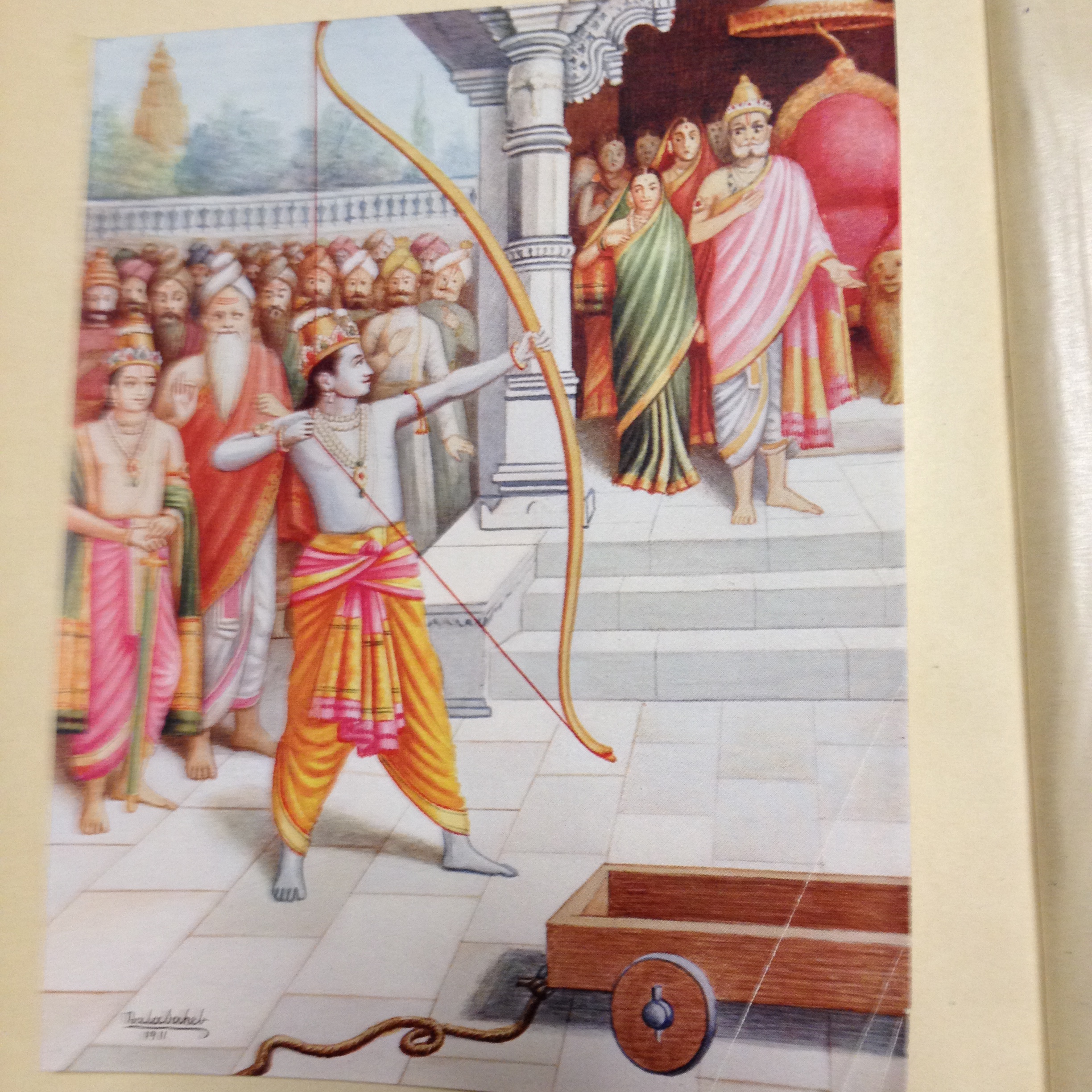
படம்9.இராம லெட்சுமணர்களை ஜனகன் என்னும் விதேக நாட்டு மன்னனிடம் விசுவாமித்திரர் கூட்டிக் கொண்டு செல்கிறார். இந்த  இளைஞன் என்னிடமுள்ள சிவ தனுஷை முறித்தால்  அமிழ்தினும் இனிய எனது மகள்  சீதையை மணம் முடிப்பேன் — என்கிறான்  ஜனகன். ராமன் வில்லை எடுத்தவுடனே  அதில் நாணேற்றி வெற்றி பெறுகிறார்.வில் முறிந்தும் போகிறது. “எடுத்தது கண்டனர், இற்றது கேட்டார்” — என்று கம்பன் பாடுகிறார். அதாவது வில்லை எடுத்ததைத் தான் மக்கள் பார்த்தனர். அடுத்த நிமிடம், அது முறிந்த சப்தம்தான் மக்களுக்குக் கேட்டது. அவ்வளவு வேகத்தில் ராமன் செயலைச் செய்து  முடித்தார்.

img_2576.jpg (2448×2448)

படம்10.பரசுராமன், ஒரு பிராமணர். அவரது தந்தைக்கு, க்ஷத்ரியர்கள் தீங்கு இழைத்ததால், அவர் 21 முறை  தாக்கி, அரசர்கள்  எல்லோரையும்   அழிக்கிறார். ராமரும் க்ஷத்ரியரென்பதால் கோபக் கனல் பொங்க, அவரை எதிர்க்கிறார். எல்லோரும் விட்டுவிடுங்கள்” – என்று கெஞ்சுகின்றனர். சிவ தனுஷென்னும் வில்லை முறித்த ராமன், என்னிடமுள்ள விஷ்ணு தனுஷென்னும் வில்லை முறித்தால் போய் விடுகிறேன் என்கிறார். இராமன் அதை நொடிப் பொழுதில் முடிக்கவே, அவர் வந்த வழியே போய் விடுகிறார்.

IMG_2575

swami_48@yahoo.com

Picture Ramayana: Bala Kanda

ramayan1

Written by London swaminathan

Post No. 1794; 12th  April 2015

Uploaded from London at   17-41

ORIGIN OF RAMAYANA: Sage Valmiki went to Tamasa River to bathe. He saw a hunter shooting two birds in love. One of them died. When Valmiki cursed him he burst into poetry in Anustubh metre. Brahma appeared before him and asked him to sing the glory of Rama. Thus came Ramayana, a timeless epic in Sanskrit with 24,000 slokas/couplets.

ரிஷ்யஸ்ரீனக

Dasaratha was advised by the seers to perform Puthra Kamaeshti Yajna to get children. They advised him to get the great sage Rishya Sunga to do it. He sent courtesans to bring him. Picture shows Rishyasrnga. Rishyasrnga means the seer with a horn. He had a projection on his head like a deer. There is lot of psychology and biology in his story. Sex is a human instinct is the message. Some People were born with some deformities in the Ramayana days. We know Ashtavakra (Eight Angled) from the Upanishads and Surpanaka (deformed ear like a winnowing pan) from Ramayana.

IMG_2767

Dasaratha did Putra Kameshti Sacrifice (Yaga) with Rishyasrnga. On the last day of the Yaga, a Spirit appeared from the altar and gave Dasaratha a pot containing an elixir. After partaking this celestial food, Kausalaya gave birth to Rama, Kaikeyi to Bharata and Sumitra gave birth to the twins Lakshmana and Shatrugna.

IMG_2768

Visvamitra came to Dasaratha and asked him to send Rama with him to fight with the demons. Dasaratha hesitated, but his Kula Guru Vasishta told him to send him. Rama and Lakshmana went with Visvamitra who taught them all old Puranic stories and gave them training in ultra modern arms. Not even America and Russia are able to find such arms until today. They are activated by sound. The vibrations will kill thousands at a second. More powerful than Brahmastra, the Indian nuclear weapon.

IMG_2769

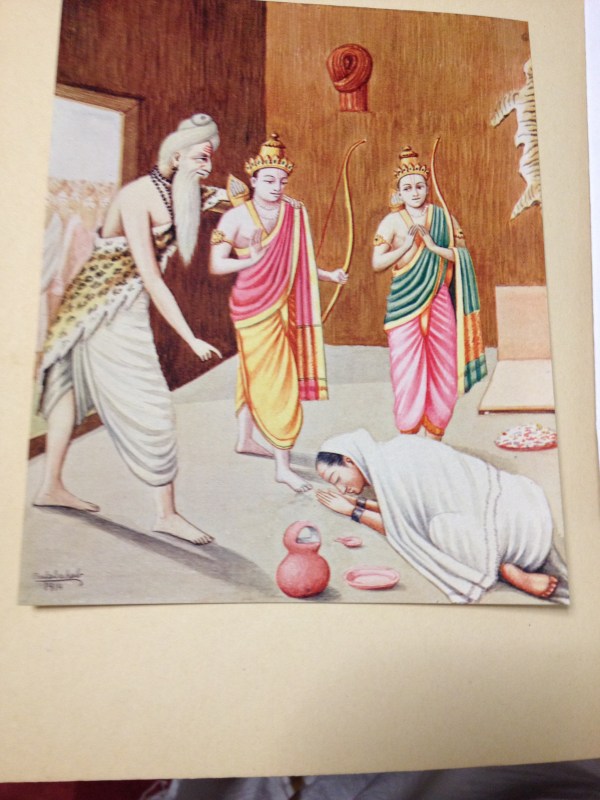
Sage Visvamitra (meaning Friend of the World) took Rama and his brother through thick tropical rain forest. Tadaka, a demoness, appeared before them. Visvamitra ordered him to kill her. Rama refused saying that Hindus can’t kill women even in the battlefield. Then Friend of the World=Visva mitra, explained she does not fall under the category of “woman”. Then Rama shot her dead with a single arrow according to Valmiki and Kamba Ramayana.

IMG_2770

After killing demoness Tadaka, Rama and Lakshmana came to Vishvamitra’s hermitage (Leaf House, Thatched shed). Hardly Visvamitra started his fire sacrifice, Maricha and Subahu, with all the demon hosts, attacked the hermitage. Rama killed Subhahu, smote Maricha and hurled him afar off into the ocean. The rest of the evil spirits took to their heels.

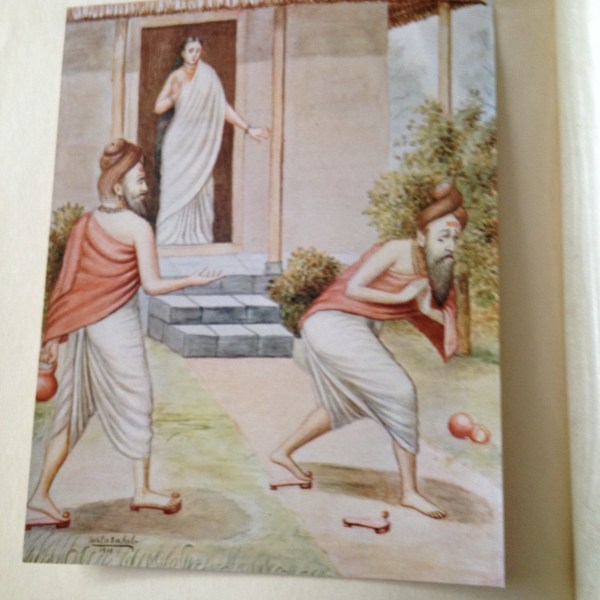
Indra is running away as soon as Gautama arrives. Earlier he molested Gautama’s wife Ahalya. Since Indra came in the disguise of Gautama she was cheated. 2000 year old Sangam Tamil literature also mentioned this incident in Paripatal. There was a painting where Indra was escaping like a cat. This painting was in Tirupparankundram, near Madurai, according to Sangam book Paripatal.

IMG_2669

Ahalya Sapa Vimochanam:–Gautama cursed his wife Ahalya for allowing Indra into her hermitage. Under the curse she was in a trance for long. Gautama told her that when Rama comes to the hermitage she would be delivered from the curse. As soon as Rama entered the hut she became normal. Hinduism is based on truth. Not even God can withdraw a word that was said. So Gautama gave her an exit strategy to get out of the mental depression. This shows that the Hindu seers know what is going to happen in future. Even before Rama left Ayodhya, Gautama knew what would happen to Rama. Seers are called Tri Kala Jnanis. That means they can see Future, Present and Past like we see a river from the top of a mountain.

IMG_2794

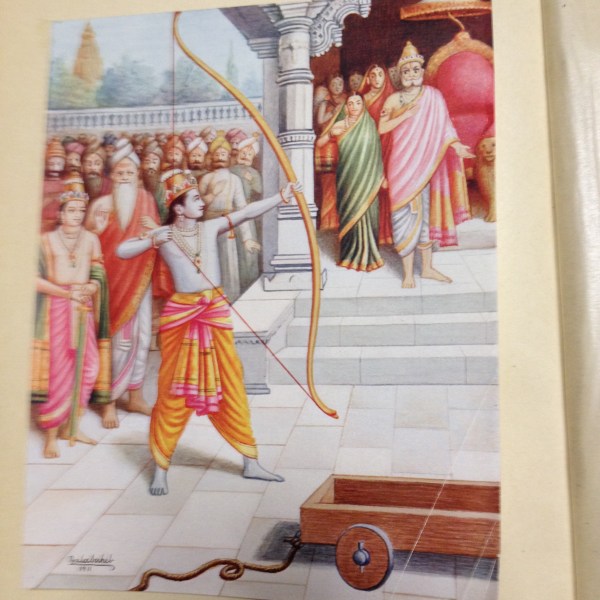
Viswamitra (meaning Friend of the World) told Janaka that Rama is ready to bend the Siva Danush. Janaka said,” I have promised to give Sita in marriage to him, who can bend and wield the bow. Rama may try this fortune, if he likes”. (Sita means ploughshare. She was found in the field. Rig Veda has hymns on Sita, but not Ramayana Sita) At the order of Viswamitra Rama drew the bow string so far that the bow string burst asunder in the presence of thousands of men and women. Kamban in Tamil Ramayana says, people only saw Rama taking the bow. The next minute they only heard the noise of breaking of the bow; his action was so swift!!!

IMG_2576

Parashurama humbled: Parashu means axe. This Axe Rama was anti- Kshatria (Ruling caste) because they killed his father. He invaded the Kshatrias 21 times and destroyed all of them. When he challenged Rama who was on his way back to Ayodhya, Dasaratha begged him to leave the teenage boy. Parashu (axe) rama told him that he would go if Rama could bend Vishnu danush like he did with Siva danush. Rama got it from Parashu and bent it and shot an arrow. Parashu bowed and went his own way. There is a big confusion about Parashu. He figures in Ramayana and Mahabaharata periods which is not possible. There were two Parashuramas. I am writing a separate research article about it in my blog.

IMG_2575

Source: Picture Ramayana book.

மொழி அழகு: ருதம், ம்ருதம், அம்ருதம், ப்ரம்ருதம், சத்யாந்ருதம்

shankara begging

பவதி பிக்ஷாம் தேஹி = தாயே பிச்சை போடுங்கள்

எழுதியவர்-லண்டன் சுவாமிநாதன்

ஆய்வுக் கட்டுரை எண்:1795; தேதி 12 ஏப்ரல்

இலண்டனில் பதிவு ஏற்றிய நேரம் –6-22 காலை

(இந்தக் கட்டுரையை ஏற்கனவே ஆங்கிலத்தில் வெளியிட்டுள்ளேன்)

ருதாம்ருதாப்யாம்  ஜீவேத்து ம்ருதேன ப்ரம்ருதேன வா சத்யாந்ருதாப்யாமபி வா ந ஸ்வவ்ருத்யா கதாசன  – மனு 4-4

பிராமணர்கள் எப்படிச் சம்பாதிக்கலாம் என்று கூறும் மனு ச்லோகத்தை எல்லோரும் படிக்க வேண்டும். ஏனென்றால் இது பல விஷயங்களை நமக்குச் சொல்லித் தருகிறது

முதலாவதாக நாம் எல்லோரும் இன்று சர்வ சாதாரணமாகப் பயன்படுத்தும் “நாய்ப் பிழைப்பு” என்பதை மனு பயன்படுத்துகிறார். பிராமணர்கள் நாய்ப்பிழைப்பு செய்யக் கூடாது ( ந ஸ்வ வ்ருத்யா கதாசன) — என்கிறார்.

இரண்டாவது சம்ஸ்கிருத மொழையின் அழகை ரசிக்க இது உதவும். ருதம் – ம்ருதம் – அம்ருதம் – ப்ரம்ருதம் – சத்யாந்ருதம் – என்று பல சொற்கள், இசை பாடுவது போல இருக்கும்.

தமிழிலும் இது போல உண்டு:

வாய்மை = சொற்களால் சத்தியத்தைக் கடைப்பிடிப்பது;

உண்மை = சிந்தனையால்/உள்ளத்தால் சத்தியத்தைக் கடைப்பிடிப்பது;

மெய்மை = உடலால் சத்தியத்தைக் கடைப்பிடிப்பது

இதை சம்ஸ்க்ருதத்தில் த்ரிகரண சுத்தி (மனம்,மொழி,மெய்) என்பர்.

begging1

மூன்றாவதாக மனுவின் ஸ்லோகம், பிராமணர்கள் என்றுமே பிறரைச் சார்ந்துதான் வாழவேண்டும்  —  ஆனால் வேத விதிப்படி வாழ வேண்டும் – என்று காட்டுகிறது. அவர்கள் மூன்று நாட்களுக்கு மேல் உணவைச் சேமித்து வைக்கக்கூடாது – பிறரிடம் புரோகிதம் செய்து வாழ வேண்டும் என்று காட்டுகிறது. இதனால்தான் சங்க காலம் முதல் 2000 ஆண்டுகளுக்குத் தமிழ் மன்னர்கள், பிராமனர்களுக்கு அள்ளிக் கொடுத்தனர். 80,000 க்கும் மேலான தமிழ்க் கல்வெட்டுகளில் பெரும்பாலனவை பிராமணர்களுக்கும் (பிரம்மதேயம்), கோவில்களுக்கும் (தேவதானம்) தானம் கொடுத்த செய்திதான் இருக்கிறது.

இப்பொழுது ஸ்லோகத்தின் செய்தியைக் காண்போம்:

பிராமணர்கள் கீழ்கண்ட வழிகளில் சம்பாதிக்கலாம்.

சிந்திய கதிர் நெல்லைப் பொறுக்குதல் சிலம் எனப்படும்.

சிந்திய தனி நெல்லைப் பொறுக்குதல் உஞ்சம் எனப்படும்.

இவ்விரண்டும் ருதம்;

யாசிக்காமல் (பிச்சை எடுக்காமல்/தானம் வாங்காமல்) உணவு பெறுவது அமிர்தம்

யாசித்து வரும் உணவு ம்ருதம்;

பயிரிட்டு வரும் உணவுப்பொருட்கள் ப்ரம்ருதம்;

வியாபாரம் செய்வது ஸத்யான்ருதம். இதுகூட சரியே.

ஆனால் மற்றவர்களிடம் சேவகம் செய்து பிழைப்பது நாயின் பிழைப்புக்கு சமம் என்பதால் அதை விட்டு விட வேண்டும் (மனு 4—4 முதல் 6 வரை).

ஆனால் இது எல்லாம் இப்போது பொருளற்றதாகிவிட்டது. எல்லா ஜாதியினரும் எல்லாத் தொழிகளையும் செய்கின்றனர். பழைய கால வரலாற்றை ஆராயும் போது இவைகளைப் பின்னனியாகக் கொண்டு பார்க்கவேண்டும்.

shankara

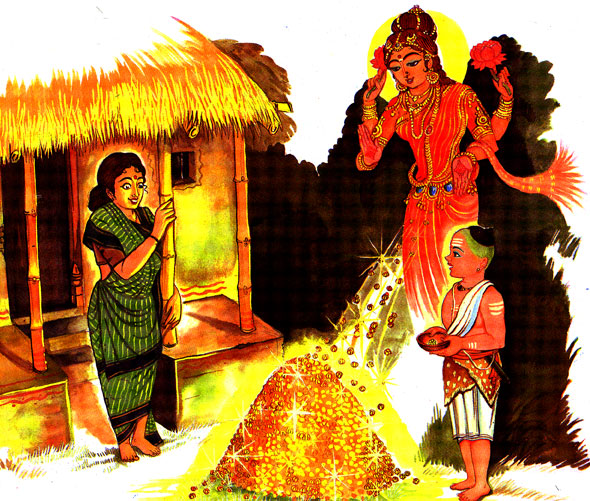
ஒரு ஏழை வீட்டில், ஏழ்மையைப் போக்க  ஆதி சங்கரர் வேண்டியவுடன்

தங்க மழை பெய்தது; படத்தில் கனக தாரையைக் காணலாம்.

பவதி பிக்ஷாம் தேஹி

மனு பிச்சை எடுப்பதற்கான சங்கேதக் குறிப்புகளையும் கொடுத்திருக்கிறார்.

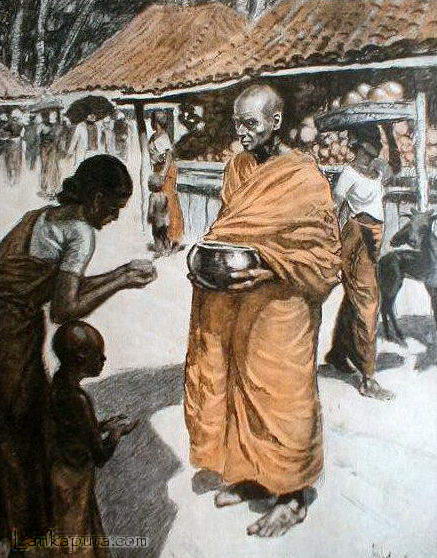
பிராமண பிரம்மச்சாரிகள் படிக்கும் காலத்தில் வீடு வீடாகச் சென்று பிச்சை எடுத்து சாப்பிட வேண்டும். இதைக் குருவுக்கும் தருவார்கள்.

ஒரு வீட்டு வாசலில் நின்று கொண்டு பிராமணப் பையன் “பவதி பிக்ஷாம் தேஹி” = தாயே! பிச்சை போடுங்கள் தாயே என்பான்.

உடனே வீட்டிலுள்ள வயதான பெண்மணி வந்து சுத்தமான அன்னத்தைப் பிச்சைப் (பிக்ஷை என்ற சம்ஸ்கிருதச் சொல்லின் தமிழ் வடிவம் = பிச்சை) பாத்திரத்தில் இடுவாள்.

(மதுரையில் நான் இருந்த கலத்தில் பக்கத்து வேத பாடசாலைப் பையன்கள் இப்படி எங்கள் வீட்டு வாசலிலும் குரல் கொடுத்ததுண்டு. உடனே எனது தாயார், பிச்சை (பிக்ஷை) போடுவாள்.

க்ஷத்ரியர்கள், பிச்சை எடுக்கையில் இந்த கோஷத்தைச் சிறிது மாற்றுகிறார் மனு. அவர்கள்

“பிக்ஷாம் பவதி தேஹி” என்று குரல் கொடுக்கவேண்டும்.

வைஸ்யர்கள் (வணிகர்கள்)

“தேஹி பிக்ஷாம் பவதி” என்று குரல் கொடுக்கவேண்டும்.

இதில் பவதி என்ற சொல் மூன்று வர்ணத்தாருக்கும் முதல், இரண்டாவது, கடைசி சொல்லாக வருவது ஏண் என்று தெரியவில்லை. ஆனால் அனதக் காலத்தில் பிராமண, க்ஷத்ரிய, வைஸ்ய சமூகத்தினர் மூவரும் குருகுல வாசம் செய்ததும், அவர்களும் மாணவப் பருவத்தில் பிச்சை எடுத்து உண்டதும் இதிலிருந்து தெரிகிறது.

யாரிடம் முதல் பிச்சை கேட்க வேண்டும் என்றும் மனு சொல்லுகிறார். மனு, மிகப்பெரிய மன இயல் நிபுணர்.

அவர் சொல்கிறார், ஒரு பையன், முதல் பிச்சையை தனது தாயாரிடமோ, சின்னம்மாவிடமோ (சித்தி), தன்னுடைய சகோதரியிடமோ, யார் மாட்டேன் என்று சொல்லமாட்டாரோ அவரிடம்தான் கேட்க வேண்டும் என்றும் சொல்லுகிறார் (2-49).

Buddhist-Priest-

இதைப் படிக்கவே மிக உருக்கமாக இருக்கிறது. ஏழு வயது பாலகன், ஒரு வீட்டில் முதல் நாள் பிச்சை கேட்கப்போன போது, சீ, போ! என்று சொன்னால் அந்தப் பையனுக்கு வாழ்க்கையே வெறுத்துவிடும். இதற்காக உளமார, நெஞ்சார வாழ்த்தும் தாய், சின்னம்மா, சகோதரி ஆகியோரிடம் முதல் பிச்சை கேட்கச் சொல்கிறார்.

உலகில் ஹமுராபி போன்றோர் எழுதிய சட்டப் புத்தகத்தில் இவ்வளவு நுணுக்கமான விஷயங்கள் பற்றிய குறிப்புகள் இல்லை. இதனால்தான்  தமிழ் மன்னர்களும் கம்பன் போன்ற கவிஞர்களும் மனுவை இந்திரனே சந்திரனே என்று புகழ்கின்றனர். கம்பன் ஏராளமான இடங்களில் மனு நீதியைப் புகழ்கிறான். இது பற்றிய குறிப்புகளைத் தனிக் கட்டுரையாகத் தருவேன்.

Who are Vratyas (outlaws)?

ascetic2

Written by London swaminathan

Research Article No. 1794; 11th  April 2015

Uploaded from London at   21-37

“Persons whom the twice born (Brahmins, Kshatriyas and Vaisyas) beget on women of their own classes, but who omit the prescribed rites and have abandoned the Gayatri, are to be designed as Vratyas” – Manu 10-20.

In the days of Manu, people belonging to three castes Brahmins (Priests), Kshatriyas (Rulers) and Vaisyas (Business community) were reciting the most powerful and most respected Vedic mantra Gayatri (Rig Veda 3-62-10). Today not even all the Brahmins recite it three times a day. They have to do it before the sun rise, before the sunset and at noon.

In an earlier chapter Manu says the three castes must be initiated into the recitation of Gayatri before the age of 16 for Brahmins, 22 for Kshatriyas and 24 for Vaisyas. If they don’t do it then they are called Outlaws/Vratyas (Manu 2—38 and 39). In fact they were initiated well before this age. This was the maximum limit.

In another chapter he gives a long list of tribes who became Vratyas in course of time by dropping their prescribed rites.

Sangam Tamil literature also gives some details about Vratya Brahmins who were involved in conch and bangle making industries. Famous Brahmin poet Nakkirar belonged to this sect.

joeylholymen-9

Vratyas in the Vedas

Atharva Veda, the Panchavimsa Brahmana and the Sutras describe certain rites intended for the Vratyas. They are used for the purification of Vratyas.

Panchavimsa Brahmana (17-1-4) says that there are four types of Vratyas:

1.The ‘hina’ who are described as depressed

2.Those who have become outcasts for some sin (nindita)

3.Those who have become outcasts at an early age, apparently by lving among outcasts or foregoing the prescribed rites

4.Those oldmen who, being impotent (sama-niicamedhra) have gone to live with the outcasts.

For all these four categories some “scholars” have given interpretations according to their whims and fancies without any rhyme or reason. They have no proof for their statements from any other sources. Foreigners have included Aryan and Non Aryan wherever they wanted, once again without any proof!!! They are notorious for their Divide and Rule Policy.

Manu is very clear and say that they all belong to three castes. In the Yajur Veda, Vratya is one of the victims in Purushameda Yajna (VS 30-8, TB3-4-5-1), where nobody knew what the term meant. What we gather from the descriptions of Vratyas in Tamil and Sanskrit sources is that they did not follow the scriptures and lead nomadic life. Vedas are very clear that they can become twice born again by performance of the ritual prescribed (Vratystoma like todays Ghar Vapasi rituals). This provision and Manu’s description clearly show that they are all children of the same family and not foreigners or outsiders.

When their group became big, they themselves elected a leader who wore a turban, carried a whip and a kind of bow. It looks like they had black uniform and owned a rough wagon. They wore silver jewellery. All these were handed over to the priests once they were taken back into the mainstream religion. This shows that the Vedic society was very democratic and had flexi rules for their children; they were not rigid even when their children went astray. They can be compared to Tamil Siddhas who were iconoclastic in their approach. But they had very high philosophy. They worshiped Shiva but did not follow the Agamic rituals. Orthodox Tamil Saivites treated them like outcasts.

The Atharva Veda (15-1-1) description of Vratyas is different. Fifteenth book of Atharva Veda deals with the Vratya, which is of mystical character, exalts the converted Vratya as a type of the perfect Brahmacharin and, in so far, of the divinity.

joeylholymen-5

Brahmanas associate Vratyas with Rudra. They are described as wandering ascetics, but who don’t follow the scriptures.

Now we see Brahmin wrestlers in Gujarat, Brahmin actors in Kerala and Brahmins practising different professions in different parts of India. They were supposed to do only six things in the olden days 1.Performing fire sacrifices for others 2.for themselves 3.Accepting religious Dhana (donations, gifts) and 4.giving donations 5. Learning Vedas and  6.Teaching Vedas. Throughout 2000 year old Sangam Tamil literature, they are called performers of six tasks/jobs (Aru Thozilor).

A Kalyanraman, a scholar who have written two volumes of Aryatarangini with new interpretations on many subjects says, ”There was, in the region now known as North Punjab, Kashmir and Afghanistan, a powerful and enterprising community, ethnically and by broad religious heritage Aryan, but afflicted with impious practices, devious commercial methods and excessive materialistic outlook on life. The Panis were, what were technically known to Rishis as Vratyas, i.e. fallen Aryas. They could be reclaimed by a process of purification and conformist oath taking, known as Vratyastoma, whose details are elaborated in the sastras (scriptures).

Brahmin families, who for three generations, had failed to recite the Gayatri mantra became Vratyas – The Athrva Veda (XV-1) gives some lovely pictures of vagabond Vratyas “travelling in a bullock cart with concubines and musicians, messengers and footmen and professing Saivaite magic with fluency” (Page 99, Aryatarangini)

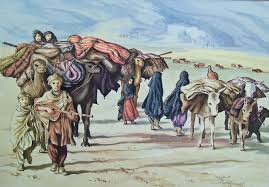
nomads

Source books

Vedic Index of Names and Subjects (Vol.II), Keith and Macdonell

Manu Smrti

Aryatarangini (Vol.I) by A Kalyanaraman

Cultural Index to Vedic Literature by N N Bhattacharya

swami_48@yahoo.com

கஞ்சக் கோமுட்டி, பேராசைப் பிராமணன் கதை

brahmin 2

Compiled by London swaminathan

Article No. 1793;11th  April 2015

Uploaded from London at   5-34 am


ஒரு ஊரில் ஒரு கோமுட்டிச் செட்டி இருந்தார். அவர் மஹா கஞ்சன். அதே ஊரில் புரோகிதம் செய்யும் ஒரு பிராமணர் இருந்தார். அவர் மிகவும் பேராசைக்காரர். ஒரு ஆடி அமாவாசை அன்று எல்லோரும் நதிக்கரையில் நீத்தார் நினைவாக தர்ப்பணம்-திதி கொடுத்தனர். கோமுட்டி செட்டியாரும் அவ்வாறு செய்ய எண்ணினார். காலையில் போனால், ஐயருக்கு நாலு அணா தட்சிணை கொடுக்க வேண்டி இருக்கும், நாம் மெதுவாக உச்சிப் பொழுதில் போவோம் என்று உச்சிப் பொழுதில் நதிக் கரைக்குப் புறப்பட்டார்.

அப்போதுதான் பிராமணர் தர்ப்பைக்கட்டு எல்லாவற்றையும் எடுத்துக்கொண்டு வீட்டுக்குப் புறப்படத் தயாரானார். செட்டியாரைப் பார்த்தவுடன் மிகவும் மகிழ்ச்சி. வாங்கோ செட்டியார்வாள், என்ன தாமதம்? அதனால் என்ன, வாங்கோ, உங்களுக்கும் பண்ணி வைக்கிறேன் என்று தர்ப்பைக் கட்டை அவிழ்த்து ஆயத்தமானார்.

ChettiarBommai

செட்டியார் பொம்மை (கொலுவில்)

செட்டியாருக்கு  தர்ம சங்கடமான நிலை. பிராமணரிடம் மாட்டேன் என்று சொல்லி அவர் சாபத்துக்கு ஆளாக முடியாது. அடடா, இடுப்பில் பணத்தை முடிந்துகொள மறந்துவிட்டேனே, என்றார்.

அட, செட்டியார்வாள், உமது கிருஹம் (வீடு)தான் எனக்கு நன்றாகத் தெரியுமே. நாளை நானே வீட்டுக்க்கு வந்து தட்சிணை வாங்கிக் கொள்கிறேன் என்று சொல்லி அவருக்கு தர்ப்பணம் செய்துவைத்தார். செட்டியார் மனதில் பலா  ஐடியாக்கள் உதித்தன. சரி என்று சொல்லி உட்கார்ந்து எல்லாம் முடிந்தபின்னர் விடை பெற்றுக் கொண்டார்.

அந்தப் பிராமணர், மறுநாள் அதிகாலையில் செட்டியார் வீட்டுக்குப் போய் கதவைத் தட்டினார். ஜன்னல் வழியாகப் பிராமணரைப் பார்த்தவுடன் மனைவியிடம், “நான் செத்துப் ஓய்விட்டேன் என்று சொல்லி விடு, அவர் பணம் வாங்க வந்திருக்கிறார்” என்று சொன்னார். மனைவியும் அழுத கண்ணீரும் சிந்திய மூக்குமாக வந்து கதவைத் திறந்து, ஐயஹோ, அவர் போய்விட்டாரே என்று கதறினார்.


பிராமணர் மனதில் கொஞ்சம் சந்தேகம் ஏற்பட்டது. அதற்கென்ன நானே காரியம் எல்லாம் செய்து முடிக்கிறேன், கவலைப் படாதீர்கள் என்று சொல்லி ஈமக் கிரியைகளுக்கு ஆட்களை ஏற்பாடு செய்தார். செட்டியார் கொஞ்சமும் பயப்படவில்லை. பிணமாகக் கிடந்தார். வீட்டின் முன்னால் பாடை தயாராகி, அவரைத் தூக்கி வைத்தனர். சங்கு ஊதியது, மணி அடித்தது, இறுதி ஊர்வலமும் புறப்பட்டது. ஐயர் முன்னே செல்ல நெருங்கிய உறவினர்கள் பின்னே வர, ஊர்வலம் சுடுகாட்டை அடைந்தது.

அந்தப் பிராமணர் எல்லா கிரியைகளையும் முடித்த பின்னர் சிதைக்குத் தீ மூட்டப்பட்டது. சுடுகாட்டில் பிணத்துக்கு தீ வைத்த பின்னர் யாரும் திரும்பிப் பார்க்கக்கூடாது என்ற சம்பிரதாயம் உண்டு. ஆகவே பிராமணர் திரும்பிப் பார்க்காமல் சென்று ஒரு மரத்தின் பின்னர் ஒளிந்து கொண்டார். சிதைத் தீ கொழுந்துவிட்டு எரியத் துவங்கியது. யாரும் இல்லை என்பதை ஓரக் கண்ணால் பார்த்த செட்டியார், தாவிக் குதித்து வெளியே வந்தார். அப்பாடா, அந்தப் பிராமணனுக்குக் காசு கொடுக்காமல் தப்பிக்க எவ்வளவு சிரமப் பட்டுவிட்டேன் என்று சொல்லி பெருமூச்சு விட்டார். மரத்துக்குப் பின்னால் ஒளிந்திருந்த பிராமணருக்குச் செட்டியாரின் குரல் தேன் போல ஒலித்தது. செட்டியார் முன்னால் தாவிக் குதித்து வந்து, எங்கே என் நாலணா? என்று கேட்டார்.

brahmin

“கள்ளனுக்குக் குள்ளன்” — என்பது தமிழ்ப் பழமொழி

நீ பாய்க்கு அடியில் போனால் நான் கோலத்துக்கு அடியில் போவேன் என்பது – கன்னடப் பழமொழி!

swami_48@yahoo.com

DIVINATION in The Vedas, Babylonian and Etruscan

ashtamangalya+prasnam+at+triprayar

Ashtamangala Prasnam (Prediction) in Kerala, India

Written by London swaminathan

Research Article No.  1792; Date: 10th April 2015


From India’s Northernmost Himalayas to the Southernmost Kanyakumari, the beliefs were same. This is attested by the 2000 year old Sangam Tamil Literature and the earlier 3700 year old Vedic Sanskrit literature. They all believed that the behaviour of animals and birds as well as natural phenomena can predict future. Some of their beliefs have some scientific basis. We see the strange behaviour of animals and birds before natural catastrophes such as big storm or Tsunami or earth quakes. Hindus linked the black bird crow with the departed souls which is in Sangam Tamil literature and earlier Sanskrit literature. Tamils linked the arrival of the guests with crowing. When the housewives cook special dishes naturally the good smell will attract the crows around the house. But many of their beliefs cannot be explained scientifically. This type of belief is seen around the world.

Vedic Hindus used the fire of the Sacrifice, flight of birds, crying of animals, position of the planets, falling of comets and meteors, natural phenomena, sneezing, fluttering/twitching of eyes, etc. Mahabharata has got lot of references to the wind, meteors and the positions of the planets before the great Bharata war.

babylonian liver.jpg1900 BCE sippar,iraq

Babylonian Liver Prediction

Kausitaki Brahmana on crows:

When a ceremony is performed to win for a maiden a husband, the side from which the crow first appears is that from which her wooer will come ( KB 34-24)

Satapata Brahmana on Cows

The movement of the cow at a particular moment in the soma sacrifice shows the fortune of the sacrificer ( SB 4-5-8-11)

Hiranyakesi Grhyasutra on Owls

The owl is invoked to fly around the village and give signs for the future; it is a bird which flies to the dwelling of the gods, and the Rig Veda already knows birds of omen (HGS 1-17-3)

The hyena’s howl is uttered either of its own will, or on the prompting of other powers (HGS 1-17-1)

Gobhila Grhyasutra on Bride and Balls of Earth

The character of the bride can be judged by her choice of balls of earth taken from various places (G G S 2-1-3ff)

The sex of the future child believed to be by the fact whether the member of the body of the prospective mother, which a Brahmana boy touches accidentally has a masculine or feminine name (Keith 390-1)

Later Tamil and Sanskrit literature have hundreds of beliefs like this.

dowsing rod

Dowsing Rod to find water and treasures

Sumerian, Babylonian Beliefs


Divination was widely used in Mesopotamia. It is based on the idea that to some extent the future is predetermined; it can be interpreted/divined by those with specialist knowledge. Sumerians used extispicy i.e.the liver, lungs or the colon spiral of specially slaughtered young ram were inspected for peculiarities during a nocturnal rite (Etruscans also used the liver for predictions).

The study of celestial omens was more popular and it survived for long. Observation of birds was practised like India and Italy/Etruscan. Divination played an important part in decision making. It was used before building a temple, military expedition, for king’s wellbeing and safety, fortune telling and weather forecasting.

(In my home town in Madurai, Tamil Nadu, even the rain and harvest are forecast by the colour of the dress the god Azakar/Perumal wears during Chitra festival).

Hittites also used Extispicy. Anatolians used old women like the Greeks and Tamils, for prediting.

prasnam

Prasnam Predition by shels and cowries in Kerala

Following books are recommended for researchers


Magic and divination in Ancient Palestine and Syria by A. Jeffers, 1996

The act of Extispicy in ancient Mesopotamia by Assyriological miscellanies, 1980

The Interpretations of dreams in the Ancient Near East by A L Oppenheim , 1956

Rituals of the diviner Malibu, CA, 1983

Abhidana Cinatamani in Tamil give some information about Arootam and Sakunam in pages 137 and 541.

Piacenza_Bronzeleber.jpgEtruscan

Etruscan Liver Diagram for predictions

ETRUSCAN CIVILIZATION


From my earlier article Etruscan-Hindu/Tamil Link posted on 28 July 2012


Birds Used for Prediction

Boulon is the word for bird. It is similar to PUl in Tamil.

Tamils believed that flights of birds or their sounds (calls) can predict good and bad things that is going to happen. Even today their traditional calendars (Panchang) publish those details every year. No two cultures in the world come so close as the Tamils and the Etruscans. Etruscans had such a calendar.

Etruscans believed that Gods speak to mortals through nature. They even interpreted thunder and lightning. This is in the Hindu Upanishads. The famous parable of Three “Da” sounds of Thunder is in the Upanishads. Another story about five elements trying to lift a blade of grass is also in the Upanishads.

Etruscans used livers of sacrificed animals to find their future. Mesopotamians had similar beliefs. Like Vastu Shastra allocate different corners for different Gods, they have different areas for different gods in the liver. A Bronze model of a sheep’s liver from Piacenza (150 BC) gives 52 names of divinities, mostly abbreviates. Many of them were repeated.

oxford-water-diviner

Oxford Water Diviner

Source Books

Dictionary of the Near East, British Museum Publication

A Cultural Index to Vedic Culture by N N Bhattacharya

My Previous articles (See the list below)


Read also my articles:

Can Birds Predict Your Future? (Posted on 22 July 2012)

Beware of Wagtail Birds: Prediction by Varahamihira (19 February 2015)

How to find water in the Desert? Varahamihira on Water Divination (Posted on 16 February 2015)

Tamil Astrology: Rope Trick for Predictions (Posed on 27 February 2013)

Two Tamil Articles posted on 12 April 2012 on Greek Delphi Oracles and Tamils

Birds and Gods

Amazing Power of Human Mind: Six Stories

swami_48@yahoo.com

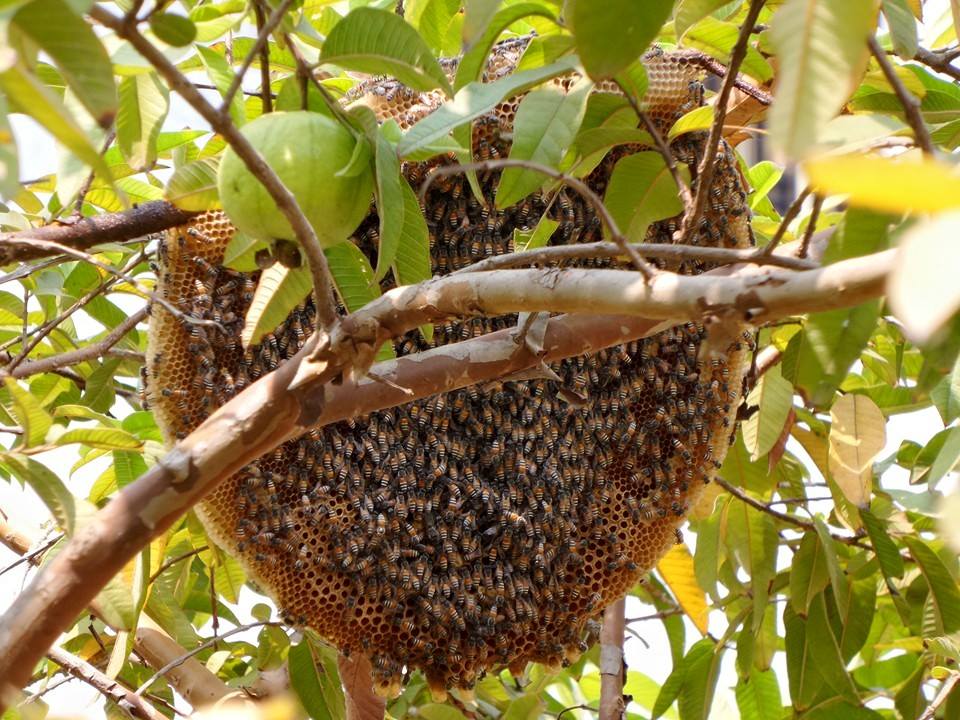
சாமியார் தேன் சட்டி உடைத்த கதை!!

honeycomb

Honey comb picture தேன் கூடு படம்

Compiled by London swaminathan

Article No. 1791 Date 10th  April 2015

Uploaded from London at   8-43


ஒரு காட்டில் ஒரு சாமியார் இருந்தார். அவர் மிகவும் நல்லவர். இதனால் அவர் புகழ் பரவியது. ஒரு வியாபாரி அவரைக் காண வந்தார். அவர் மீது பக்தி பூண்டு, சுவாமிகளே, காட்டுக்குள் தனியாக வசிக்கிறீர்களே, தங்களுக்கு என்ன வேண்டும்? என்று கேட்டார். அவர் ஒன்றையும் வாங்கிக் கொள்ள மறுத்தவுடன் நான் உங்கள் பூஜைக்குத் தினமும் தேன் அனுப்புகிறேன், என்று சொல்லி தினமும் ஒரு சட்டித் தேனை அனுப்பி வைத்தார்.

அளவுக்கு அதிகமாக தேன் கிடைத்ததால் சாமியார் அதைப் பெரிய பானையில் கொட்டி உறி கட்டி, அதை மேலே தொங்க விட்டார். நாள் ஆக, ஆக தேன் சாப்பிட்டு அவர் உடம்பும் தினவெடுக்கத் துவங்கியது. கற்பனை வெள்ளத்தில் மிதக்க ஆரம்பித்தார்.

அட, இப்படியே நான் நிறைய தேன் சேகரித்தால் ஒரு நாள் அதை விற்று இரண்டு ஆடுகள் வாங்குவேன். அந்த ஆடுகள் சில ஆண்டுகளில் பெருகியவுடன் அதன் ரோமத்தில் கம்பளி நெய்வேன். அதை விற்றுப் பெரிய பணக்காரன் ஆவேன். பின்னர் ஒரு ராஜகுமாரியைத் திருமணம் செய்துகொள்வேன். எனக்கு குழந்தைகள் பிறக்கும்.

அந்தக் குழந்தைகளை மிகவும் கண்டிப்புடன் வளர்ப்பேன். டேய், மகனே இங்கே வா, இதைச் செய் – என்று கட்டளை இடுவேன். அவன் பணத் திமிரில் எனக்குக் கீழ்ப் படியாமல் இருந்தால், இந்தக் கம்பை வைத்து முதுகில் ஒரு அடி கொடுப்பேன் – என்று சொல்லியவாறே பக்கத்தில் இருந்த கம்பை எடுத்து சுழற்றினார். அது மேலே உள்ள தேன் பானையை கீழே தள்ளி சுக்கு நூறாக உடைத்தது. அவரது கனவெல்லாம் தேன் துளிகள் போலச் சிதறின.

ஆசைப் பட்டு மோசம் போனேனே என்று எண்ணி மீண்டும் தவம் செய்யத் துவங்கினார்.

பேராசை பெரு நஷ்டம்!

அளவுக்கு மிஞ்சினால் அமிர்தமும் விஷம் — என்பது பழமொழி. அளவுக்கு மிஞ்சினால் தேனும் விஷம் என்பது புது மொழி.

தேவைக்கு அதிகமாக எதையும் சேர்க்காதீர்கள்.

swami_48@yahoo.com  

ஆன்மீக அறிவியல் ஆய்வாளர் ச.நாகராஜன் : அறிமுகம்

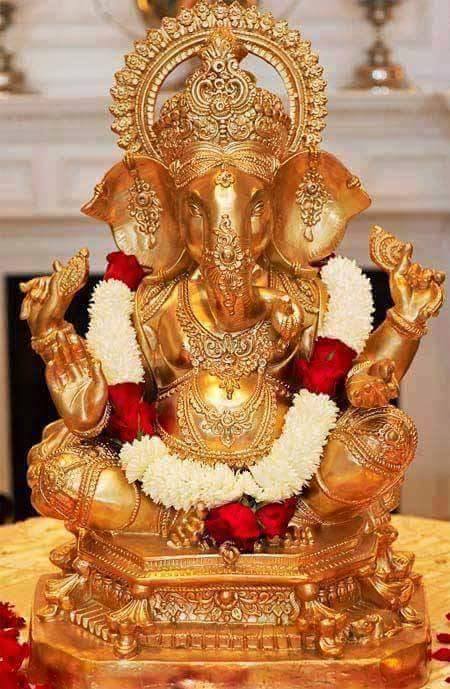
gold  ganesh

Compiled by London swaminathan

Article No. 1791 Date 10th  April 2015

Uploaded from London at   8-13 am


This is an interview given by my brother S NAGARAJAN who contributes regularly to our blogs.

ஆன்மீக அறிவியல் ஆய்வாளர் ச.நாகராஜன் : அறிமுகம்

.நாகராஜன்அறிமுகம்


திரு.நாகராஜன் பாரம்பரியமிக்க தேசபக்த குடும்பத்தில் பிறந்தவர்.இவரது தந்தையார் திரு வெ.சந்தானம் சுதந்திரப் போரிலே ஈடுபட்டு சிறை சென்றவர்.மணிக்கொடி திரு பி.எஸ்.ராமையாவுடன் இணைந்து தமிழ் பத்திரிகை உலகில் ஒரு புது சகாப்தத்தைத் தோற்றுவித்தவர். சிறந்த பத்திரிக்கையாளராக விளங்கிய இவர் மதுரை தினமணிப் பதிப்பின் பொறுப்பாசிரியராக முப்பது ஆண்டுகளுக்கும் மேலாகப் பதவி வகித்தவர்.


தஞ்சை மாவட்டம் கீவளூரில் பிறந்த திரு ச.நாகராஜன் இது வரை சுமார் மூவாயிரத்திற்கும் மேற்பட்ட கதைகள், நாடகங்கள், மதிப்புரைகள், கட்டுரைகளை எழுதியுள்ளார்.


விண்வெளி சாதனைகள் உள்ளிட்ட அறிவியல் கட்டுரைகள்,ஜோதிடம், வானியல்,வரலாறு, இலக்கியம்,சுற்றுலா இடங்கள்,புலன் கடந்த உணர்வியல்,கடல் வளம், மிருக இயல்,இசை, மந்திரம்,யந்திரம், சாதனையாளர்கள், உடல் ஆரோக்கியம், யோகா, வாஸ்து,ஹாலிவுட் சினிமா, தமிழ் திரை இசைப்  பாடல்கள் உள்ளிட்ட பல பொருள்களிலும் கட்டுரை படைத்திருப்பது இவரது தனிச் சிறப்பு.


திருச்சி வானொலி நிலையம் வாயிலாக இவரது நாடகப் படைப்புகள் ஒலிபரப்பாகி உள்ளன.ரேடியோ உரைகளும் மதுரை மற்றும் சென்னை வானொலி மூலமாக ஒலிபரப்பாகி உள்ளன.200க்கும் மேற்பட்ட சுற்றுப்புறச் சூழல் மேம்பாட்டு உரைகளை சென்னை வானொலிக்காக இவர் படைத்துள்ளார்.ரெயின்போ வானொலிக்காக இல்லத்திலிருந்தே இணைப்பைப் பெற்று வானியலில் முக்கிய நிகழ்வுகள் ஏற்படும் போதெல்லாம் அவை பற்றிய செய்திகளைத் தந்ததோடு நேயர்களின் கேள்விகளுக்கும் பதில் அளித்துள்ளார்.


இவரது தொலைக்காட்சி நிகழ்ச்சிகள் தமிழ் உலகில் பெரும் வரவேற்பைப் பெற்றுள்ளன. ஜயா டி.வியில் சுமார் 50 நிகழ்ச்சிகளில் பங்கு கொண்டுள்ளார். திருப்பாவைக்கு 30 நாட்கள் விஞ்ஞான ரீதியில் இவர் அளித்த விளக்கங்கள் நேயர்களின் கவனத்தைப் பெரிய அளவில் ஈர்த்தன.ஜயா தொலைக்காட்சி இவரை காலைமலர் நிகழ்ச்சியில் பேட்டி கண்டு நிகழ்ச்சியை ஒளிபரப்பியது.


வின் டி.வியில் நேரடி ஒளிபரப்பில் பல நிகழ்ச்சிகளில் பங்கு கொண்டு முக்கியத்துவம் வாய்ந்த பல பிரச்சினைகள் பற்றி அறிவியல் ரீதியாகக் கருத்துக்களை அளித்துள்ளார்.வசந்த் தொலைக்காட்சியில் ஹிக்ஸ்போஸன் பற்றிய அறிவியல் விளக்கம் தந்துள்ளார்.


சுயமுன்னேற்றம், படைப்பாற்றல் திறன், நிர்வாக இயல் உள்ளிட்ட புதிய உத்திகள் பற்றி உரைகள் ஆற்றியும், பயிற்சி முகாம் நடத்தியும் வந்துள்ளார். பல பொறியியல், கலைக் கல்லூரிகளில் மாணவ மாணவியருக்காக இவர் நடத்திய பயிற்சி முகாம்கள் அவர்களை மேம்பட வழி வகுத்தவை.


வாகன கட்டுமானத் துறையில் தென்னகத்தின் சிறந்த நிறுவனத்தில் ஆராய்ச்சி மற்றும் அபிவிருத்தி மேலாளராக முப்பது ஆண்டுகளுக்கும் மேலாக இவர் பணியாற்றியுள்ளார்.


இலங்கை, பெல்ஜியம், இங்கிலாந்து, அமெரிக்கா உள்ளிட்ட வெளிநாடுகளுக்குச் சென்று பரந்த அனுபவம் பெற்றிருக்கிறார்.


இவரது படைப்புகள் தினமணி, தினமணி கதிர், தினபூமி, ஆனந்தவிகடன், பாக்யா,கலைமகள், மஞ்சரி, மங்கையர் மலர்,கோகுலம் கதிர், இதயம் பேசுகிறது, ஞான ஆலயம், சினேகிதி, சின்னத்திரை,ஜெம்மாலஜியும் ஜோதிடமும், ஆதிபிரான், ஹெல்த்கேர், குவைத் தமிழ் அமுதம்,THE HINDU உள்ளிட்ட பல பத்திரிக்கைகளில் இடம் பெற்றுள்ளன.


இவரது அறிவியல் தொடரானவிண்வெளியில் மனித சாதனைகள்’  மூன்று வருடங்களாக பாக்யா இதழில் பிரசுரிக்கப்பட்டு வாசகர்களின் ஆதரவைப் பெருமளவில் பெற்றது. இந்தியப் பத்திரிக்கைகளிலேயே விண்வெளி சாதனைகளைப் பற்றிய மிக நீண்ட தொடர் இவருடையதே என்பது குறிப்பிடத் தகுந்தது.


இவரதுமாயாலோகம்தொடர் 78 வாரங்கள் பாக்யாவில் தொடர்ந்து வெளி வந்தது. தற்போது அறிவியல் துளிகள் 210 வாரங்களைக் கடந்து பாக்யா இதழில் தொடர்கிறது.

இவரது படைப்புகள் வாரந்தோறும் http://www.nilacharal.com மின் இதழில் வெளிவருகிறது.

இவரது சகோதரர் திரு ச.சுவாமிநாதனின் swamiindology.blogspot.com மற்றும் tamilandvedas.blogspot.com ஆகிய தளங்களில் இவர் கட்டுரைகள் இடம் பெறுகின்றன.
 s nagarajan

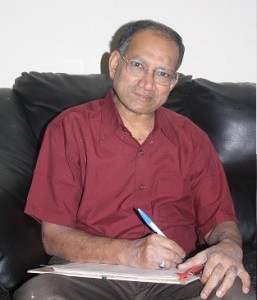
Picture of S Nagarajan

இதுவரை இவர் படைப்புகளானவெற்றிக்கலை, அறிவியல் வியக்கும் ஆன்மீகம், நவகிரகங்கள்,அதிரடிமன்னன் ஜாக்கிசான்.அறிவுக்கும் அப்பால், பறக்கும் தட்டுகளும் அயல்கிரகவாசிகளும், அற்புத அவதாரம் ஸ்ரீ சத்யசாயிபாபா, நேதாஜி சுபாஷ் சந்திரபோஸ், ஆங்கிலம் அறிவோமா, விந்தை மனிதர்கள், சிறுவர்க்கான புராணக் கதைகள், உலகின் அதிசய இடங்கள், நாகநங்கை (சரித்திர நாவல்), விஜயதீபம் (சரித்திர நாவல்), வியப்பூட்டும் விஞ்ஞான புதுமைகள் 100, அறிவியல் நோக்கில் ஆன்மீக ரகசியங்கள், பிரமிட் மர்மங்களும் அதீத புலனாற்றல் அதிசயங்களும், திறன் கூட்டும் தியானம் விண்வெளியில் மனித சாதனைகள், விலங்கியல் உலகம், ஆஹா! அப்படியா (விஞ்ஞான கேள்வி பதில்கள்), ஆன்மீக ரகசியங்கள் உள்ளிட்ட 23 புத்தகங்கள் வெளி வந்துள்ளன.


இவரது நூற்றுக்கும் மேற்பட்ட ஆங்கிலக் கட்டுரைகள் உலகின் தலை சிறந்த வலைத்தளமான http://www.ezinearticles.com-இல் வெளிவந்துள்ளன. இந்தக் கட்டுரைகளை 100184 வாசகர்கள் படித்துப் பயன்பெற்றுள்ளனர், இந்தக் கட்டுரைகளை பல நாடுகளிலும் உள்ள 1614 மின்னனு பத்திரிக்கைகள் விரும்பி மறுபிரசுரம் செய்துள்ளன.

இவரது ஆங்கிலப் புத்தகமான Breakthrough to Success என்ற வாழ்வியல் நூலை லண்டனிலிருந்து நிலா பப்ளிஷர்ஸ் வெளியிட்டுள்ளனர்.

நிலா பப்ளிஷர்ஸ் இவரது 52 தமிழ் நூல்களை மின்னணு நூல்களாக வெளியிட்டுள்ளனர்.


ஆங்கிலத்திலிருந்து தமிழுக்கு சுமார் 10000க்கும் மேற்பட்ட அறிவியல் மற்றும் தொழில்நுட்ப கலைச் சொற்களை இவர் தமிழாக்கம் செய்துள்ளார்அமெரிக்கா, இங்கிலாந்து, பிரான்ஸ், ஆஸ்திரேலியா, மலேசியா, சிங்கப்பூர், சீனா, கனடா, இந்தியா உள்ளிட்ட நாடுகள் பலவற்றிலும் உள்ள பன்னாட்டு நிறுவனங்கள் இவரது மொழியாக்கத் தமிழ்ச் சேவையை விரும்பிப் பெறுகின்றன.

இவர் பெற்ற பாராட்டுரைகளில் சில:


இயக்குநர் திரு கே.பாக்யராஜ்

வெற்றி ரகசியத்தை வெளியிடக் கூட விருப்பமின்றி அல்லது நேரமின்றி வெற்றி பெற்றவர்கள் மும்முரமாகச் செயலாற்றிக் கொண்டிருக்கும் வேளையில் இந்த நூலாசிரியர் நேர் சிந்தனையுடனும், நியாயமாகவும், நளினமாகவும், சிறப்பாகவும், சீராகவும் வெற்றிக்கலையின் ரகசியத்தை வெளியிடும் தன் பணியைச் செய்து முடித்திருக்கிறார்.

(வெற்றிக்கலை நூல் முன்னுரையில்)

***

திரு இராம.கோபாலன் இந்து முன்னணித் தலைவர்

பாரத நாட்டின் ஆன்மீகம் பற்றி நமது நாட்டினர்க்கே தெரிவதில்லை.இதன் காரணமாக தேசீயத் தன்மான உணர்வு கிட்டத் தட்ட இல்லையென்றே கூறி விடலாம். திரு.நாகராஜனின் இந்த அரிய தொண்டுக்கு எனது மனமார்ந்த வாழ்த்துக்களைத் தெரிவித்துக் கொள்கிறேன்.

(அறிவியல் வியக்கும் ஆன்மீக ரகசியம் நூல் வாழ்த்துரையில்)

****
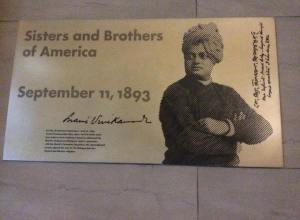
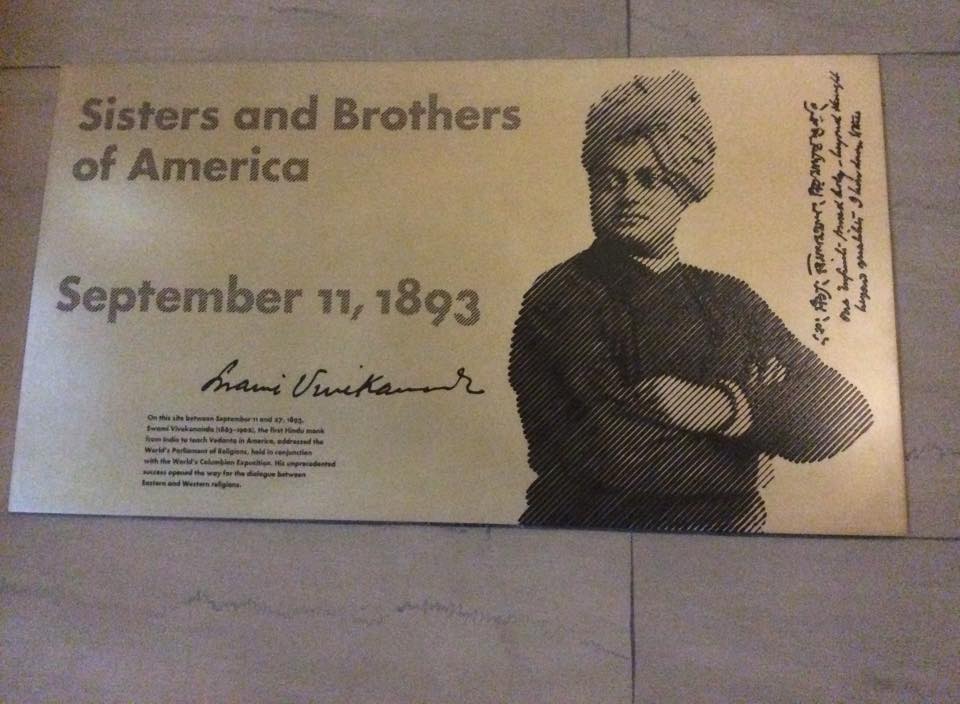
 chicago1

This picture was taken by my eldest brother S SRINIVASAN in Chicago where Swami Vivekananda addressed the World Parliament of Religions.

எழுத்தாளர் திரு அசோகமித்திரன்

பிரமிப்புஎன்ற தலைப்பில்..

திரு நாகராஜன் அவர்கள் எழுதியஆன்மீக ரகசியங்கள்என்ற நூலின் 27 கட்டுரைகளையும் படித்தபோது எனக்குப் பிரமிப்பு தான் முதலில் ஏற்பட்டது. ஆசிரியர் தான் எவ்வளவு விஷயங்களை அறிந்து அவற்றைத் தனதாக்கி இருக்கிறார்! ஒரு பெரிய நூலிலிருந்து மேற்கோள் காட்டி விடுவது எளிது. ஆனால் அதைத் தன் அனுபவபூர்வமாக உணர்ந்து இன்னொருவருக்குக் கூறுவது மிகுந்த, பயிற்சி, சிந்தனை, சிரத்தை இருந்தால் தான் சாத்தியம். நாகராஜனின் ஒவ்வொரு கட்டுரையிலும் உள்ள ஏராளமான விஷயங்கள் இதைக் காட்டுகின்றன.


நாகராஜன் அவர்களுக்கு என் மனமார்ந்த வாழ்த்துக்கள்.

(ஆன்மீக ரகசியங்கள் நூல் முன்னுரையில்)

***


தமிழறிஞரும் முன்னாள் டி..ஜியுமான திரு சு. ஸ்ரீபால் அவர்கள்

அதிசயமான சாதனைகள் படைத்தவர்களைப் பற்றி அற்புதமாக நூலாசிரியர் எழுதியிருக்கிறார். எனது பாராட்டுதல்கள்.

(விந்தை மனிதர்கள் நூல் முன்னுரையில்)

***


பிரபல விஞ்ஞானியும் DRDOவில் பல்லாண்டுகள் பணியாற்றியவருமான அறிஞர் திரு K.G.நாராயணன் அவர்கள்

ஐந்தாயிரம் ஆண்டுகளாக அறிந்து கொண்ட பொருள்களைவிட  பல மடங்குகள் அதிகமாக கடந்த முன்னூறு ஆண்டுகளில் அறிவியல் மூலமாக அறிந்து கொண்டிருக்கிறோம். இந்த மகத்தான முன்னேற்றங்களைப் பற்றி முடிந்தவரை தெரிந்து கொள்வது நாம் எல்லோருக்கும்  தவிர்க்க முடியாத தேவை ஆகி விட்டது.    திரு நாகராஜன் அவர்களின் அறிவியல் துளிகள் இந்தத் தேவையை பூர்த்தி செய்யும் முயற்சிகளில் தலையாயதாகத்  திகழ்கிறது. நம் நன்றிக்கும் பாராட்டுகளுக்கும் உரியவர் திரு நாகராஜன்.

(அறிவியல் துளிகள் நூல் முன்னுரையில்)

****


பிரபல விஞ்ஞானியும் ASIEOவில் பல்லாண்டுகள் பணியாற்றியவருமான திரு V தேசிகன் அவர்கள்

விண்வெளியில் மனித சாதனைகள்நூலானது வானவியல், விண்வெளி வீர்ர்கள், விண்வெளிப் பயணங்கள் மற்றும் இவற்றிற்குப் பின்னணியில் இருந்தோர் பற்றிய அனைத்தையும் கலந்து தரும் ஒன்று.


மற்ற கிரகங்களில் மனிதனின் குடியேறுவதற்கான ஆர்வமூட்டும் சாத்தியக் கூறுகளையும், பிக் பேங் பற்றிய ஒரு சிறிய சுருக்கத்தையும் நீங்கள் இதில் படிக்கலாம். இந்த நூலானது விண்வெளிக் கொள்கை ஒப்பந்தம் பற்றியும் மனிதன் கற்பனையில் தோன்றிய சுவையான பல சிறிய கதைகளையும், ஒரு விண்வெளி வீராங்கனை தனது ஒப்பனைப் பொருள்களை விண்வெளிப் பயணத்தின் போது கொண்டு சென்றது போன்ற துணுக்குச் செய்திகளையும் கூடத் தருகிறது.


சில புத்தகங்களை சுவைக்க வேண்டும்; மற்றவற்றை முழுங்க வேண்டும், ஆனால்  குறைந்த சில புத்தகங்களை மட்டுமே அசை போட்டு ஜீரணிக்க வேண்டும்இந்தப் புத்தகம் மூன்றாவது வகையில் நிச்சயமாகச் சேர்கிறது.

இந்த புத்தகத்தை அசை போட உங்களுக்கு என் இனிய வேண்டுகோள்.

(விண்வெளியில் மனித சாதனைகள் நூல் முன்னுரையில்)

***


Professor Benjamin LE BEAU    (Paris) 

If we think that ‘positive thinking’ is a product of the 20th century (thanks to Dale Carnegie, James Allen and or Norman Vincent Peale…), then Mr.S.Nagarajan, the author of  ‘BREAKTHROUGH TO SUCCESS’ has aptly proved that it is an Indian product that existed  ever since thousands and thousands of years.

In short, the book seems to be a cocktail of many individual articles previously published in ezines of the internet. The author certainly armed with patience collected quite a number of quotations & citations and skillfully used them to support his points of view. 

 In many places Mr. Nagarajan gives the gist of the articles in a sentence with simple words and that is his plus point. The author, perhaps a bibliophil merits applauses because he has imbibed in so many books.  Bravo!

(‘BREAKTHROUGH TO SUCCESS’ ஆங்கில நூலின் முன்னுரையில்)

****

அபஸ்வரம் திரு.ராம்ஜி

திரு.நாகராஜன் எழுதிய அதிரடி மன்னன் ஜாக்கிசான் என்ற நூலைப் படிக்கும் நல்ல வாய்ப்பு கிடைத்தது. மிகுந்த ஆராய்ச்சியுடனும் கடின உழைப்புடனும்  இந்த நூல் எழுதப்பட்டிருக்கிறது.இதன் ஆசிரியருக்கு எனது பாராட்டுதல்கள்

(அதிரடி மன்னன் ஜாக்கிசான் நூல் முன்னுரையில்)

*********


டாக்டர் திருமதி கமலி ஸ்ரீபால் (கோகுலம் கதிர் இதழ் ஆசிரியர்)

படிக்கத் தொடங்கினால் படித்து முடிக்க வேண்டும் என்ற ஆர்வத்தைத் தூண்டும் நூல்.ஒவ்வொருவரும் படித்துப் பயன் பெற வேண்டிய நூல். இறைவன் அருளால் திரு ச.நாகராஜன் அவர்களின் இலக்கியப் பணி மேன்மேலும் வளர மனதாரப் பிரார்த்திக்கிறேன்.

(திறன் கூட்டும் தியானம் நூல் முன்னுரையில்)

*******


கலைமகள் ஆசிரியர் திரு கீழாம்பூர் சங்கர சுப்பிரமணியன்

விநாயகா பப்ளிகேஷன்ஸ் வெளியிடும் இந்த நூலில் திரு நாகராஜனின் பேனா பல இடங்களில் வித்தை காட்டி பறக்கும் தட்டுகளை நம் கண்முன்னே கொண்டு வந்திருக்கின்றன.அவருக்குப் பாராட்டுக்கள்.பாடத் திட்டத்திற்கும் ஏற்ற நூல் இது.

(பறக்கும் தட்டுகளும் அயல் கிரகவாசிகளும் நூல் முன்னுரையில்)

***********


தமிழறிஞரும் இந்திய இயல் ஆராய்ச்சியாளருமான திரு ச.சுவாமிநாதன்

தமிழும் சம்ஸ்கிருதமும் பாரத நாட்டின் இரண்டு கண்கள்.

இவைகளில், பழமை, புதுமை, பெருமை, அருமை ஆகிய நான்கு குணங்களைப் பெற்றது சம்ஸ்கிருத மொழி. அந்த மொழியின் ஆழமான கருத்துக்களை எளிதில் புரிந்துகொள்ள உதவுவது சுபாஷிதங்கள் எனப்படும் பழமொழி அல்லது பொன்மொழிகள். பலாப் பழத்தையோ ஆரஞ்சுப் பழத்தையோ ஒருவர் தனித் தனி சுளைகளாகக் கொடுக்கும்போது நாம் உடனே கையில் வாங்கி வாயில் போடுகிறோம். சம்ஸ்கிருத செல்வம் என்ற தொடரில் வந்த கட்டுரைகள் இத்தகைய பழச் சுளைகள். அதை நாகராஜன் அவர்களின் எழுத்து வடிவில் காணும் போது கொஞ்சம் சர்க்கரையும் தோய்த்துச் சாப்பிட்டது போல் இருக்கிறது. கூடுதல் இனிப்பு! ஆயினும் திகட்டாமல் மேலும் மேலும் சுவைக்கத் தோன்றுகிறது.

சம்ஸ்கிருதச் செல்வம் நூல் (சுபாஷிதங்கள் தொகுப்பு) முதல் பாகம் முன்னுரையில்

***

திருமதி  மஞ்சுளா ரமேஷ் (ஞான ஆலயம், சினேகிதி, ஶ்ரீ ஜோசியம் ஆகிய பத்திரிகைகளின் ஆசிரியர்)

நமது ஆன்மீகத்தில் எத்தனை விஞ்ஞானமும் அதிசயங்களும் நிறைந்துள்ளன என்பதை ஆராய்ந்து அறியும் போது வியப்பும் பிரமிப்பும் தான் ஏற்படுகின்றன.ஆனால் இவற்றையெல்லாம் விளக்குபவர்கள் தான் குறைவாக உள்ளனர்.

  அப்படிப்பட்டவர்களில் மிக அபூர்வமானவர் என்றே திரு ச.நாகராஜன் அவர்களை சொல்லலாம். வேதங்கள், சாஸ்திரங்கள், ராமாயணம், மகாபாரதம் போன்றவற்றில் உள்ள உன்னதமான விஷயங்களை அறிவியல் ரீதியாக விளக்கி, அதே சமயம் சுவாரஸ்யம் குன்றாமல் அவர் ஞான ஆலயத்திற்கு எழுதி அனுப்புவார். வாசகர்களால் பெரிதும் வரவேற்கப்பட்ட அக்கட்டுரைகளின் தொகுப்பே இந்தப் புத்தகம் என அறியும்போது மிகவும் மகிழ்ச்சியாக உள்ளது.

   எங்களுடைய இன்னொரு பத்திரிகையானஶ்ரீ ஜோசியம்பத்திரிகைக்கு விஞ்ஞானத்துடன் கூடிய ஜோதிட ரீதியான கட்டுரைகளை அனுப்பியிருந்தார். பிரமிக்க வைக்கும் தகவல்களை அவைகள் தந்தன.

    எழுத்துலகில் தனக்கென ஒரு பாணியை அமைத்துக் கொண்டு பணியாற்று வரும் ச.நாகராஜன் அவர்கள் நீண்ட காலம் வாழ்ந்து இலக்கியப் பணியாற்ற வேண்டும் என எல்லாம் வல்ல  இறைவனை பிரார்த்திக்கிறேன். ‘அறிவியல் நிரூபிக்கும் அழிவற்ற ஆன்மாநூல் முன்னுரையில்

***


திருவள்ளூர் N.C.ஶ்ரீதரன், MANAGEMENT CONSULTANT மற்றும் கல்வியாளர்

திரு. நாகராஜன் அவர்களின்சுற்றுப்புறச் சூழல் சிந்தனைகள்நான்காம் பாகம் படித்துப் பார்த்தேன். ஒவ்வொரு பக்கமும் ஒரு பொக்கிஷம்.

சுற்றுப்புறச் சூழ்நிலையைப் பற்றி இவ்வளவு எளிமையான ஒரு ஆராய்ச்சிக் கட்டுரைத் தொகுப்பை வேறு யாராலும் கொடுக்க முடியுமா என்பது சந்தேகம். ஒவ்வொரு பகுதியிலும் அவர் கொடுத்திருக்கும் விவரங்கள் நம்மைப் பிரமிக்க வைக்கிறது. படிப்பவர்கள் மிக மிக எளிதாகப் புரிந்து கொள்ளும் வகையில் இந்தப் புத்தகம் எழுதப்பட்டுள்ளது.

   இந்தப் புத்தகம் அனைத்துப் பள்ளியிலும் கட்டாயப் பாடமாக நடைமுறைப்படுத்தப்பட வேண்டும்.

இந்தப் புத்தகத்திலிருந்து ஒரு பக்கத்தை தினமும் பள்ளிகளில் இறை வணக்க கூட்டத்தில் படிக்க வேண்டும்.

சுற்றுப்புறச் சூழல் சிந்தனைகள்நான்காம் பாகம் முன்னுரையில்

***


தற்போது குடும்பத்துடன் சென்னையில் இவர் வசித்து வருகிறார்.

இவரது மின்னஞ்சல் முகவரி : snagarajans@gmail.com

*************************

swami_48@yahoo.com
Do your Good Acts Now! Yudhistira Story!!

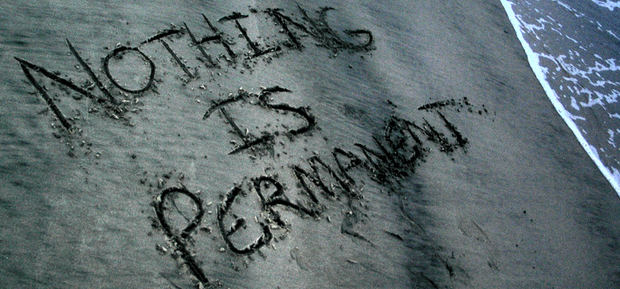
sand

Compiled  by London swaminathan

Article No. 1790;  Date 9th April 2015

Uploaded from London at   20–35
What is the most wonderful thing in the world? That was the question put by the Tree Spirit (Yaksha) to Yudhistira. And he answered the question:-

“The fact that people thinking themselves as stable and permanent, in spite of seeing several deaths daily is surprising”.

(Vana Parva, Mahabharata)

But he himself contradicted this at one time which surprised his brothers. There is an interesting story told by Swami Ramdas of Anandashram:-

“Once a poor man approached King Yudhistira, who was also called Dharmaraja, who strictly followed the path of virtue. He asked the king for some help.  Yudhistira said, “Come tomorrow, I will give you what you want”.

Yudhistira’s brother Bhimasena overheard this and at once ran to the place where a huge bell was hanging, and which was rung only when there was something important or in a matter of urgency. Bhimasena straightway rang the bell (Since India has only one culture from Himalayas to Kanyakumari we have a famous bell story in Tamil literature as well. I have given it already where a cow rang the bell at the palace of Manu Neethi Choza)
impermanence

The ringing of the bell created great commotion everywhere. All the people assembled in front of the bell tower to ascertain the reason. Yudhistira was also surprised. Report came to him that Bhimasena had rung the bell. Bhimasena was called and asked for an explanation.

He replied, “We have gained a great victory today, victory over death for 24 hours. My brother Yudhistira asked a man to come tomorrow, saying that he would give him what he wanted.  It means till tomorrow Yudhistira is not going to die – which is triumph over death. This is a great victory”.

Yudhistira was awakened. He called the poor man back, gave him what he wanted and sent him away without waiting for the next day.

 Big_Bell_Bhaktapur_GP4

Tamil poet Valluvar wonders,

“The one, who was here yesterday, is no more today and

That is matter for great wonderment, in this world” – Tirukkural 336

Almost all the Indian poets have sung about the impermanence of life. In Tamil Brahmin houses, mothers would warn children if they say, “Mum, I want to eat it tomorrow or Make me this sweet tomorrow”. Mothers would say, “No don’t say that. You have to say if I live tomorrow” (similar to Insah Allah of Muslims= God Willing).

We are not sure if we shall live the next instant; what then is the meaning of all fancies and fantasies? Shakespeare apparently had the same thought in mind when he wrote about the momentariness of life thus:

“We are such stuff

As dreams are made on and our little life is rounded

In a sleep”

This-transient-world

Indian Plane Accident

Dr S M Diaz in his commentary on the Tirukkural chapter – “Impermanence of the World” adds a sad story:–

“The circumstances of the gruesome Caravelle aircraft on the night of 11th October 1976 illustrates the point the poet had in mind. A hundred and nine passengers from Mumbai to Chennai were already air borne at 6 pm, when their aircraft was hit by a kite and had to return to base. After several hours a Caravelle aircraft was arranged to take only 89 passengers, leaving behind a protesting 20, because of smaller capacity. As the scheduled pilot did not possess a Caravelle licence, another one who had it, was pulled out of bed.

About 1-30 pm soon after taking off, the engine caught fire and the plane had to crash land at Santacruz airport (Mumbai) itself. All the 89 passengers and 6 members of the crew lost their lives.  The twenty who considered themselves unfairly left out escaped. That is life. The co- pilot who was pulled out of bed never knew he was going to die the next minute. It is as if the poet’s words had come true in a dramatic fashion over this unfortunate incident.

Thoughts such as Valluvar’s must have agitated Dag Hammarskjold (Secretary General of United Nations who died in a plane crash) when he recorded in his Markings published posthumously the following lines :-

“Tomorrow we shall meet

Death and I –

And he shall thrust his sword

Into one who is wide awake

But in the meantime how grievous the memory

Of hors frittered away”

Our bank balance (of life span) is depleted every second. No scientific instrument can regain the lost minute. Every minute before us is a bonus. We have to spend it wisely  — is the message of all the poets of the world from Vyasa to Valluvar, from Shakespeare to UN Secretary General.

contempalte.impermanence

Sources:

Tirukkural, Volume 1, Dr S M Diaz

Stories As tod by Swami Ramdas, B V Bhavan,Mumbai, 1969

தொல்காப்பியத்தில் எட்டுவகைத் திருமணங்கள்!!

dd-marriage-stills12

இந்துமதத்தில் 8 வகைத்  திருமணங்கள்

Written by London swaminathan

Research article No. 1789 Date 9th April 2015

Uploaded from London at  10-18 காலை

கட்டுரையின் முதல் பகுதி நேற்று “இந்து மதத்தில் காதல், கடத்தல் கல்யாணங்கள்!!” – என்ற தலைப்பில் வெளியாகியுள்ளது. முதலில் அதைப் படித்துவிட்டு இதைப் படிப்பது நல்ல விளக்கம் தரும்.

“இன்பமும் பொருளும் அறனும் என்றாங்கு

அன்பொடு புணர்ந்த ஐந்திணை மருங்கின்

காமக்கூட்டம் காணுங்காலை

மறையோர் தேஎத்து மன்றல் எட்டனுள்

துறையமை நல்யாழ்த் துணைமையோர் இயல்பே”.

-தொல்.பொருளதிகாரம்—1038


தொல்காப்பியரின் இந்த சூத்திரத்துக்கு “உச்சிமேற் புலவர் கொள் நச்சினார்க்கினியர் நீண்ட விளக்க உரை எழுதி இருக்கிறார்.

எட்டுவகைத் திருமணங்களின் விவரம்

ஆ.சிங்காரவேலு முதலியாரின் அபிதான சிந்தாமணி என்னும் தமிழ் கலைக்களஞ்சியத்தில் இருந்து எடுக்கப்பட்ட விஷயங்கள்:–

1).பிராம்மம், 2).தெய்வம், 3).ஆருஷம், 4).பிராஜாபத்யம், 5).ஆசுரம், 6).காந்தர்வம், 7).இராக்ஷசம், 8).பைசாசம்

பிராம்மம் வகைத் திருமணங்கள்

வேதம் ஓதினனாகவும் நல்லொழுக்கனாகவும் இருக்கின்ற பிரம்மச்சாரியைத் தானாகவே அழைப்பித்து அவனை நூதன வஸ்திரத்தால் (புத்தாடைகளால்) அலங்கரித்து, கன்னிகையையும் அப்படியே நூதன பூஷண அலங்காரம் (பெண்ணையும் நகை, ஆடைகளால் ) செய்வித்து அவ்வரனுக்கு அவளைத் தானம் செய்வது பிராம்மம் ஆகும்.

கார்த்தி ரஞ்சனி

கார்த்தி- ரஞ்சனி கல்யாணம்

தெய்வம் வகைத் திருமணங்கள்

ஆத்யத்தில் தனக்குப் புரோகிதனாக இருப்பவனுக்கு தன் பெண்ணை அலங்கரித்துக் கொடுப்பது

ஆருஷம் வகைத் திருமணங்கள்

தான் செய்ய வேண்டிய யாகாதி கர்மங்களுக்காக வரனிடத்தில் (மாப்பிள்ளைப் பையன் =வரன்) ஒன்று அல்லது இரண்டு ரிஷபங்களையும் (காளை மாடு) பசுக்களையும் வாங்கிக் கொண்டு கல்யாணம் செய்துகொடுப்பது

பிரஜாபத்திய வகைத் திருமணங்கள்

ஒரு பிரம்மசாரியை (கல்யாணம் ஆகாத பையன்) அழைத்துப் பூசித்துத் தன் பெண்ணைத் தானம் பண்ணும்போது நீங்கள் இருவரும் தருமம் செய்யுங்கள் என்று கொடுப்பது. பெண்ணின் தந்தை கேட்கும் பணத்தைக் கொடுத்து, பெண்ணுக்கு நகைகள் வாங்கிப் போட்டுக் கல்யாணம் செய்து கொள்வது.

காந்தர்வ வகைத் திருமணங்கள்

ஸ்த்ரீயும் புருஷனும் ஒருவருக்கு ஒருவர் புணர்ச்சியின் ஆசையால் மனம் ஒத்துச் சேர்தல் (காதல் திருமணம்)

இராக்ஷச வகைத் திருமணங்கள்

ஒருவன் தன் பலத்தினால் கன்னிகை (பெண்) அழும்போது அவள் வீட்டினின்றும் அவளது பந்துக்களை (சொந்தக்காரர்கள்)  அடித்தும், கொன்றும் வலிமையால் கொண்டுபோவது

பைசாச வகைத் திருமணங்கள்

ஒரு கன்னிகை தூங்கும்போதும், குடியினால் வெறித்திருக்கும் போதும், பித்துக் கொண்டவளாய் இருக்கும்போதும் அவளுடன் புணர்வதாம்.

இதற்குப் பின்னர் எந்தெந்த வருணத்தினர் யாரைக் கல்யாணம் செய்யலாம் என்ற விஷயங்களை அவர் சொல்லுகிறார். இவை மனு ஸ்மிருதியில் மூன்றாவது அத்தியாயத்திலும் உள.

மிர்ச்சி செந்தில் ஸ்ரீஜா

மிர்ச்சி – செந்தில் திருமணம்

நச்சினார்க்கினியர் சொல்லும் சில சுவையான விஷயங்கள்:–

பிராம்மம் வகைத் திருமணங்களில் மாப்பிள்ளையின் வயது 48, பெண்ணின் வயது 12. (பெண்ணின் வயது சங்க காலத்திலும் வேத காலத்திலும் 12 முதல் 16 தான். அதில் வியப்பேதும் இல்லை). ஆனால் ஆணுக்கு 48 வயது இருக்கக் காரணம் அவர் அவ்வளவு காலத்துக்கு பிரம்மசாரியாக இருந்து வேதம் மற்றும் அதன் அங்கங்களைப் படித்துப் பின்னர் திருமணம் செய்துகொள்ள வருவர். (திருமுருகாற்றுப்படை போன்ற நூல்களின் விளக்க உரைகளில் ஆண்கள் 48 வயது வரை பிரம்மசர்யம் அனுஷ்டிக்கும் அபூர்வ விஷயங்களைக் காணலாம். ஒருவர் மனம், மொழி, மெய் மூன்றினாலும் 12 ஆண்டுகள் ப்ரம்மசர்யம் கடைப்பிடித்தால் அபூர்வ சக்திகள் – குறிப்பாக நினைவாற்றல்—உருவாகும் என்று சுவாமி விவேகாநந்தர் கூறுகிறார். காஞ்சி பரமாசார்ய சுவாமிகள், சுவாமி விவேகாநந்தர் போன்றோர் அபூர்வ நினைவாற்றல் பெற்றதை அவர்களின் புண்ய சரித்திரங்களில் படித்தறியலாம்)

பிரஜாபத்யம் பற்றியும் நச்சினார்க்கினியர் கூடுதல் தகவல் தருகிறார். பெண் வீட்டார் தருவதைப் போல இருமடங்கு வரதட்சிணையை மாப்பிளை வீட்டார் தர வேண்டும்.

ஆர்ஷம் (ஆர்ஷமென்ற சொல் ‘ரிஷி தொடர்புடைய’- என்று பொருள்) வகைத் திருமணங்களில் பெண்ணும் மாப்பிள்ளையும் ஒரு பசு, காளை இடையே நிற்பர். அந்த மாடுகளின் கொம்பும் குளம்பும் தங்கக் கவசத்தால் மூடப்பட்டிருக்கும் இந்த பசு—காளை மாடு போல என்றும் இன்பத்துடன் வாழுங்கள் என்று சொல்லி புனித நீர் அபிஷேகம் செய்வர்.

தெய்வம் வகைத் திருமணங்களில் அக்னி சாட்சியாகத் திருமணம் நடக்கும் (சிலப்பதிகாரத்தில் கண்ணகியும், ராமாயணத்தில் ராமனும் தீ வலம் வந்து மணம் முடித்ததைக் காணலாம்)

ஆசுரம் (அசுரர் போன்ற) வகைக் கல்யாணங்களில் வீரதீரச் செயல்கள் செய்வோருக்குப் பெண் கொடுப்பர். மஹா பாரதத்தில் இதைக் காணலாம். அர்ஜுனன் வில் வித்தையில் வென்று திரவுபதியை வெல்கிறான். யாதவ குல இளைஞர்கள் மஞ்சுவிரட்டு/ஜல்லிக்கட்டில் வெற்றி பெற்று பெண் பெறுவர். இது கலித்தொகையில் வருகிறது.

ராக்ஷசம் என்பது கடத்தல் திருமணம்; காந்தர்வம் என்பது காதல் திருமணம் (இது பற்றி நேற்றைய கட்டுரையில் ரிக் வேதம் முதல் புராணம் வரையுள்ள எடுத்துக்காட்டுகளைக் கொடுத்துள்ளேன். சம்ஸ்கிருத காவியங்களில் இதற்கு மேலும் பல எடுத்துக்காட்டுகள் உள).

அட்லி ப்ரியா

திருமண புகைப்படங்கள்

மணம் 1

பாரதம் முழுவதும் ஒரே நாகரீகம்


ஆரிய திராவிட வாதம் பேசும் அரை வேக்காடுகளுக்கு சூத்திரம் சூத்திரமாகத் தொல்காப்பியர் அடிமேல் அடி கொடுக்கிறார். ஒரே சூத்திரத்தில் தர்மார்த்த காம (மோக்ஷம்) பற்றிச் சொல்லிவிட்டு அதே மூச்சில் மனு ஸ்ம்ருதியில் உள்ள எண்வகைத் திருமணம் பற்றியும் சொல்கிறார்.

ஆரிய-திராவிட வாதத்துக்குச் சாவுமணி அடிக்கும் கீழ்கண்ட சங்க இலக்கிய விஷயங்களை எனது ஆராய்ச்சிக் கட்டுரைகளில் இதுவரை எழுதியுள்ளேன்:-

1.வசிஷ்டர் மனைவி அருந்ததியே உலக மஹா கற்புக்கரசி

  1. ரிக் வேதத்தில் சொல்லியபடி கரிகாலனும் அதியமான் நெடுமான் அஞ்சியும் ஏழு அடி நடந்து சென்றே விருந்தினர்களை வழி அனுப்பினார்கள்
  2. கங்கை நதியும் இமய மலையும் புனிதமானவை. இமயத்தில் கல் எடுத்து கங்கையில் குளிப்பாட்டி கண்ணகிக்குச் சிலை எடுத்தான் செங்குட்டுவன்.
  3. அமிர்தம் என்பது கிடைத்தற்கரியது.(சங்க இலக்கியத்தில் மூன்று வகை ஸ்பெல்லிங் பயன்படுத்தி இந்தச் சொல்லை எழுதியுள்ளனர்)
  4. பருவங்கள் ஆறு
  5. படைகள் நான்கு வகை

7.கொடிகள், சின்னங்கள், வெண்குடை வைத்துக் கொள்வது (மஹாபாரத காலம் போலவே)

  1. ஜம்பு, சால்மலி என்பது போல தாவரங்களின் அடிப்படையில் நிலப் பாகுபாடு (குறிஞ்சி, முல்லை, நெய்தல், மருதம், பாலை)

eagle-shaped-yagna-kunda

9.கரிகால் சோழன் பருந்து வடிவ யாக குண்டம் வைத்து வேள்வி செய்தது; சோழன் பெருநற்கிள்ளி, ராஜ சூய யாகம் செய்தது; பாண்டியன் பல்யாக சாலை முது குடுமிப் பெருவழுதி அஸ்வமேத யாகம் செய்தது

  1. பிராமணர்கள், நான்மறை (வேதம்) இரண்டுக்கும் மதிப்பு கொடுப்பது.

11.வாழ்க்கையின் லட்சியங்களை அறம், பொருள் இன்பம், வீடு (தர்மார்த்த காமமோக்ஷ) என்று பிரிப்பது

  1. தங்களை சூரிய சந்திர குலத் தோன்றல் என்று அழைத்துக் கொள்வது (புறநானூற்றில் பல இடங்களில் புறா- சிபி கதை)

13.சம்ஸ்கிருத மொழி அடிப்படையில் அகத்தியரைக் கொண்டு இலக்கணம் எழுதியது; அதில் பாணினியைப் பின்பற்றியது.

14.தொல்காப்பியத்தில் வேத கால இந்திரன், துர்க்கை, வருணனை தமிழர் தெய்வங்கள் என்று காட்டியது.சங்க இலக்கியம் முழுதும் சிவனையும் விஷ்ணுவையும் ராமனையும் கிருஷ்ணனையும் பலராமனையும் போற்றியது

15.அரசனைக் கடவுள் என்று போற்றுவது

16.போர் துவக்க துர்யோதனன் செய்தது போல ஆநிரை கவர்தல்

17.சாதகப் பரவை, கிரவுஞ்சப் பறவை, அன்னப் பறவை எடுத்துக் காட்டுகளை அப்படியே சங்க இலக்கியத்தில் புகுத்தியது

18.இறந்தோர்- தெற்குத் திசையில் (தென் புலத்தார்) வாழ்வது

  1. கணவனே கண்கண்ட தெய்வம் என்பது; மறு பிறப்பிலும் நீயே கண்வன் ஆக வேண்டும் என்பது

20.மறுபிறப்பு மற்றும் கர்ம வினைகள நம்புவது

21.ஆண் குழந்தை மூலம் ஈமக் கிரிய செய்து கரை கடப்பது

  1. வேதத்தில் உள்ள முப்பதுக்கும் மேலான பெண் தெய்வங்களை வழிபடுவது

23.சூரியன், சந்திரன் (பிறை) வழிபாடு

24.சோதிடம், சகுனங்களை நம்புவது

25.சம்ஸ்கிருதம் போலவே சந்தி (புணர்ச்சி) விதிகளை இன்று வரை பின்பற்றுவது; எட்டு வேற்றுமைகளை பின்பற்றுவது

26.சதி என்னும் உடன்கட்டை ஏறுவதைப் பின்பற்றியது

27.இறந்தோரை தகனம் செய்வது

28.திருமணத்தில் தாலி கட்டுவது, தீ வலம் வருவது

29.பேய்களை ஓட்ட வெண்கடுகு பயன்படுத்துவது

30.சுப காரியங்களுக்கு மஞ்சள் அரிசியும், அசுப காரியங்களுக்கு வெள்ளை அரிசியையும் பயன்படுத்துவது

31.நீரைப் பயன்படுத்திப் புனிதப்படுத்துவது.

32.போர் துவங்கும் முன் கழுத்தை வெட்டிக் கொண்டு உயிர் பலி கொடுப்பது (மஹாபாரதத்தில் அரவான்; தமிழில் நவகண்டம்)

33.இந்திர விழா கொண்டாடுவது

இது போன்ற நூற்றுக் கணக்கான சங்க இலக்கிய—வேத, இதிஹாச ஒற்றுமைகள், ஆரிய திராவிட வாதத்தை ‘சட்னி’-யாக்கிவிட்டன. ‘’புல்டோசர்’’ கொண்டு புழுதி ஆக்கிவிட்டது. இதை எனது ஆயிரத்துக்கும் மேலான கட்டுரைகளில் மேற்கோள் ஆதாரங்களுடன் விளக்கி இருக்கிறேன். ஆரிய திராவிட பொய்மை வாதத்துக்கு எதிராக தமிழர்கள் கொடுக்கும் செமை அடி இன்னும் நூற்றுக் கணக்கான கட்டுரைகளில் வரும். படித்து இன்புறுக.

ஏக பாரதம் வெல்க!! தமிழும் சம்ஸ்கிருதமும் வாழ்க, வாழ்க!!