More PREJUDICE Anecdotes (Post No.2985)

image prejudice BBC

Compiled by London swaminathan

Date:19 July 2016

Post No. 2985

Time uploaded in London :–6-05 AM

( Thanks for the Pictures)


DON’T REBLOG IT AT LEAST FOR A WEEK!  DON’T USE THE PICTURES; THEY ARE COPYRIGHTED BY SOMEONE.


(for old articles go to tamilandvedas.com OR swamiindology.blogspot.com)


Meeting Margaret Fuller one day full-gloved in the street, Mrs. Horace Greeley, who had an antipathy to kid coverings, touched Miss Fuller’s hand with a shudder and snapped out “Skin of a beast!”


“Why, what do you wear?” asked Margaret.


“Silk,” responded Mrs. Greeley.


Miss Fuller gave a comic shudder and came back with: “Entrails of a worm!”

Xxx


“One day,” related Booker T. Washington, the Negro educator, “a poor, ignorant white man came to the polls to vote.


“I wish you’d oblige me by voting this ticket,’ said a bright mulatto, who was standing near the polls.


“What kind of a ticket is it?” asked the poor white man.


“Why,” said the mulatto, “you can see for yourself.”


“But I can’t read “What, can’t you read the ballot you have there in your hand and which you are about to vote? exclaimed the colored man.


“No,” said he, “I can’t read at all.” “Well,” said the colored man, this ballot means that you are in favor of giving equal franchise to both white and colored citizens.”


“It means to let the niggers vote, does it?”


“ Yes, sir “


Then I don’t want it. Niggers don’t know enough to  vote”


xxx

Pauline Bonaparte

 Portrait of Pauline Bonaparte (1780-1825) 


Pauline Bonaparte engaged a huge Negro to bath her morning. When some one protested, she answered innocently,


“What? Do you call that thing a man?”


She then ordered the Negro to go out and marry at once in order that she might not be compromised.


Xxx


One day Jack Johnson (the Negro heavyweight champion) went alone into Bradcock’s (in Mexico City), a very fashionable restaurant run by an American Southerner.


Jack had been told that there was no color line in Mexico, but in Bradcock’s restaurant, after a long wait on his part, a waitress informed him she had orders never to serve a Negro.


He went over to El Globo. Two generals at once insisted on returning with him to Bradcock’s. The three of them seated themselves at a table and asked to see Bradcock personally.


Bradcock appeared, rubbing his hands ingratiatingly as though about to present someone with a loving-cup.


“What can we do for you he asked solicitously, noticing the insignia on the uniforms.


“We want four coffees.”


“Certainly, certainly.” One was never impolite to a Mexi can general. “You have another friend coming.”


“No,” snorted one of the generals. “We are asking you to do us the honor of taking coffee with us.” He laid his gun on the table.


Mr. Brad cock, proud Southerner that he was, tamely sat down.


Afterwards the generals called a policeman, and Bradcock was fined a hundred pesos for discrimination.


jack-jackson


—Subham–


சந்தியா வந்தனம் – 2 பாகங்கள்- 24 பகுதிகள் (Post No.2984)

IMG_4222

Article Written S NAGARAJAN

Date: 19 July 2016

Post No. 2984

Time uploaded in London :– 5-34 AM

( Thanks for the Pictures)


DON’T REBLOG IT AT LEAST FOR A WEEK!  DON’T USE THE PICTURES; THEY ARE COPYRIGHTED BY SOMEONE.


(for old articles go to tamilandvedas.com OR swamiindology.blogspot.com)


 ஒரு சிறிய அணுவில் பெரும் விளைவை ஏற்படுத்தும் சக்தி இருப்பதை உலகம் உணர்ந்திருக்கிறது. பெரும் அழிவை ஏற்படுத்துவதற்கான சக்தி ஒரு அணுகுண்டில் உள்ளடங்கி இருக்கிறது. முறைப்படி அதை வெடிக்க வைத்தால் அதன் அழிவு சக்தி வெளிப்படுகிறது. இதை நாகசாகி, ஹிரோஷிமாவில் பார்த்தோம்.

அதே பிரம்மாண்டமான ஆக்க சக்தியை- தெய்வீக சக்தியை – இறை சக்தியை ஒரு சிறிய அனுஷ்டானத்தில் முன்னோர் அடக்கி வைத்துள்ளனர்.
அது தான் சந்தியாவந்தனம்.
காலை, நடுப்ப்கல், மாலை ஆகிய வேளைகளில் செய்யப்பட வேண்டிய அனுஷ்டானம் இது. முறைப்படி செய்தால் செய்பவருக்கு பெரும் சக்தி உண்டாவதோடு உலகமும் நன்மையை அடைகிறது. ஒரு கல்லில் இரு மாங்காய்கள்!
இதில் இரு பாகங்கள் உள்ளன. பூர்வ பாகம் மற்றும் உத்தர பாகம்.
பூர்வபாகத்தில் 11 பகுதிகளும் உத்தரபாகத்தில் 13 பகுதிகளும் உள்ளன. அனைத்துமே முக்கியம் தான் என்றாலும் முக்கியத்தில் முக்கியம் அர்க்கியப்ரதானம், பிராணாயாமம் மற்றும் காயத்ரீ ஜபம் ஆகிய மூன்றாகும்.
இனி பூர்வ பாகம் மற்றும் உத்தர பாகத்தில் உள்ளனவற்றைப் பார்ப்போம்.
பூர்வ பாகம்
1) ஆசமனம்
2) கணபதி தியானம்
3) பிராணாயாமம்
4) ஸங்கல்பம்
5) மார்ஜனம்
6) ப்ராசனம்
7) புனர்மார்ஜனம்
8) அர்க்கியப்ரதானம்
9) பிராயசித்தார்க்கியம்
10) ஐக்கியானுஸந்தானம்
11) தேவ தர்ப்பணம்
உத்தர பாகம்
12) ஜப ஸங்கல்பம்
13) ப்ரணவ ஜப: ப்ராணாயாமம்
14) காயத்ரீ ஆவாஹனம் மற்றும் காயத்ரீ ந்யாஸம்
15) காயத்ரீ ஜபம்
16) காயத்ரீ உபஸ்தானம்
17) ஸூர்ய உபஸ்தானம்
18) ஸமஷ்டி அபிவாதனம்
19) திக்தேவதா வந்தனம்
20) யம வந்தனம்
21) ஹரிஹர வந்தனம்
22) ஸூர்யநாராயண வந்தனம்
23) ஸமர்ப்பணம்
24) இரக்ஷை
இந்த பகுதிகளில் உள்ள மந்திரங்களின் அர்த்தம் மகத்தானது. சிறிய செயல்கள் மூலம அரிய சக்தியைப் பெற வழி வகுத்துள்ளனர் நம் முன்னோர்கள்.
இதைச் செய்வதால் ஏற்படும் மகத்தான பலன்களை ரிஷிகளும், மகான்களும் தெளிவாகக் கூறியுள்ளனர்.
ஹிந்து தர்மத்தில் உள்ள அநேக சாஸ்திரங்கள் மற்றும் நூல்கள் இந்த ஸந்தியா வந்தனத்தின் அருமை பெருமைகளை எடுத்துரைக்கின்றன.
அவற்றைப் படித்தாலேயே இதன் அருமையை உணர்ந்து நாம் கடைப்பிடிக்க ஆரம்பிப்போம்.


Previous Articles:

“Brahmins deserve an entry in to Guinness Book of Records”  (Posted in Tamilbrahmins.com and swamiindology.blogspot.com until 3rd December 2011 in 9 parts over nine days); written by London swaminathan
***

கணக்கு வரவில்லை! கவிதை வந்தது! நான் கவிஞனாக மாறிய கதை (Post No.2983)

sarojini

Compiled by London swaminathan

Date:18 July 2016

Post No. 2983

Time uploaded in London :– 14-43

( Thanks for the Pictures)


DON’T REBLOG IT AT LEAST FOR A WEEK!  DON’T USE THE PICTURES; THEY ARE COPYRIGHTED BY SOMEONE.


(for old articles go to tamilandvedas.com OR swamiindology.blogspot.com)


sarojini book

இந்தியாவின் புகழ்பெற்ற ஆங்கில இலக்கிய மேதை, கவிக்குயில் சரோஜினி நாயுடுவின் வாழ்க்கையில் நடந்த சுவையான சம்பவம் இது:-


அவர் எப்படி கவிதை எழுதத் துவங்கினேன் என்று சொல்லுகிறார்:-


“எனக்கு அப்போது வயது 11. ஒரு அல்ஜீப்ரா கணக்கு போட வேண்டியிருந்தது. விடை தெரியவில்லை;  மிகவும் போராடிக் கொண்டிருந்தேன். அந்த போராட்டம் ஒரு கவிதையாக கொப்புளித்தது. உடனே அவசரம், அவசரமாக அதை எழுதி வைத்தேன். அப்போதிலிருந்து கவிதை என்பது சுலபமாக வர ஆரம்பித்தது”.


இலக்கியத்தி ல்பெண்கள் சிறப்படைந்தது  இது  முதல் தடவை அல்ல. குமார கம்பண்ணனின் மனைவி கங்கா தேவி, கணவனின் படையெடுப்பின்போது, மதுரை மாநகர மீனாட்சி கோவில் வரை வந்து, மதுரா விஜயம் என்ற காவியத்தைப் படைத்தார்.


ரிக் வேதத்தில் , சங்கத் தமிழ் இலக்கியத்தில், பிராக்ருத நூலான காதா சப்த சதியில் நிறைய பெண்புலவர்களைக் காண்கிறோம். காரைக்கால் அம்மையாரும், ஆண்டாளும், அவ்வையாரும் நிறைய கவிதைகளைப்ப்ழிந்தனர்.  பொழிந்தனர். அவுரரங்க சீப்பின் மகள் ஜெப் உன்னிசாவும்  ஒரு எழுத்தாளர்.


உலகின் பல நாடுகளில் பெண் எழுத்தாளர்கள் உண்டு. ஆயினும் பழங்கால நாகரீகங்களில் சுமார் நூறு இலக்கியகர்த்தாக்களை கிரேக்க நாட்டிலோ, எகிப்திலோ, சுமேரியாவிலோ, ரோமானிய சாம்ரஜ்யத்திலோ, காண முடியாது. எபிரேய மொழியிலோ சீன மொழியிலோ காணக்கிடைக்காது. அவை எல்லாம் ஆண் ஆதிக்கம் மிக்க சமூகங்கள்.


ரிக் வேத காலத்தில் 20 பெண்மணிகள் கவிதைகளை எழுதி உபநிஷத காலத்தில் பொதுச் சபை விவாதத்துக்கு — பட்டி மன்றத்துக்கு — வந்த கார்க்கி போன்ற பெண்கள் உலகில் வேறு எங்கும் இல்லை. இவர்களுக்கு 1500 ஆண்டுகளுக்குப் பின்னர் அவ்வ்வையார், நப்பசலை, நச்செள்ளை போன்ற பல சங்க இலக்கிய பெண்மணிகளைக் காண்கிறோம்.


sarojini 3

நான் காற்று வாங்கப் போனேன்


“நான் காற்று வாங்க போனேன்

ஒரு கவிதை வாங்கி வந்தேன்

அதைக் கேட்டு வாங்கிப் போனாள்

அந்தக் கன்னி என்ன ஆனாள்  — என்று பாடினார் கண்ணதாசன்.


தமிழில் கவிதை புனையும் ஆற்றல், சரோஜினிக்கு இருந்திருந்தால்,


நான் கணக்குப்போடப் போனேன்

ஒரு கவிதை வாங்கி வந்தேன்;


அதைக் கேட்டு சொக்கிப் போனார்கள்

ஒரு கவிஞனாகி விட்டேன்.


என்று பாடியிருப்பார்.


–SUBHAM–


Woman is an Adjective; Man is a Noun! (Post No.2982)


IMG_3686

Compiled by London swaminathan

Date:18 July 2016

Post No. 2982

Time uploaded in London :– 14-05

( Thanks for the Pictures)


DON’T REBLOG IT AT LEAST FOR A WEEK!  DON’T USE THE PICTURES; THEY ARE COPYRIGHTED BY SOMEONE.


(for old articles go to tamilandvedas.com OR swamiindology.blogspot.com)


Following piece is an interesting excerpt from a 100-year-old book written by a Muslim scholar: –


Source: Life and Labour of the People of India by Abdullah Yusuf Ali, Barrister at Law, London, 1907


 IMG_3681


‘Woman, said Keshub Chunder Sen, has been defined as an adjective agreeing with the noun man.  I should rather say that man is a noun in the objective case, governed by the verb woman. This humorous simile may be read with the simile of the poet of the Veda when he compares the brightness of the God of fire to the shining of a woman in her home.


Sita, in a celebrated passage of Valmiki’s Ramayana, says to her husband,


“The world shall wake no care in me;

My only care be truth to thee”


If we apply this noble saying in a reciprocal sense, and base the solidarity of human society on the truth of man to woman, and of woman to man, many of life’s riddles would be solved –many of life’s difficulties would disappear.


I may be something of a dreamer, but I hope and trust that society in India, — as elsewhere — will recognise the place that is woman’s , not as a result of conflict and strife– not as a victory after the dust of battle– but as the natural symbol of Peace, Harmony, Union, Devotion, and Love.”


Xxxx


IMG_3685

American, French English Women


“The Americans have a saying that a woman is independent before marriage in England, after marriage in France, and at all times in America. From an Indian point of view, it would probably be expressed thus; that a woman in her husband in England, and in her brother in France, while in America, she has to fight for her own hand against all the world.


The Indian woman is always protected — by the father in childhood, by the husband in youth, and by the sons in old age. A woman, says Manu, should never left unprotected. Whatever degree of freedom and initiative she had in her mother’s house is lost to her in her new home. There she is the daughter in law. The mother in law is with us the chief butt of satire and comic poetry in what country she is not? But in India the mother in law is the husbands mother, not the wife’s; and the amenities between her and her son’s wife are accentuated by the fact that he former is so much older than the latter and the two have to live together, with scarcely any influence on the part of the boy husband”.


Xxx

IMG_3682

Woman is not made for work!


“The fact that the woman is not supposed, according to our social ideas, to earn her daily bread.


For the legal profession a very energetic and all but success full attempt was made by one of the most brilliant of India’s women, Miss Cornelian Sorabjee. After a distinguished college career in India she went to Oxford and studied law. She passed rats all her legal examination s, but unfortunately the High Courts in India did not see their way permit her to practise as an advocate on account of her sex. The loss of the legal profession was the gain of literature, for she has since published two charming books containing sketches of India n life. But her legal knowledge was not acquired in vain; how services have been requisitioned by the Bengal Government. She is acting as the legal adviser to the women under Courts of Wards. Her position is one of great authority and exceptional difficulty, for she is the interpreter between two languages, vulgarly held to be incompatible with one another — the language of a woman’s wish, and the language of the law but the wit of a refined woman may be trusted to translate from the one to the other, with a full combination of grace, tact, and business acumen”.


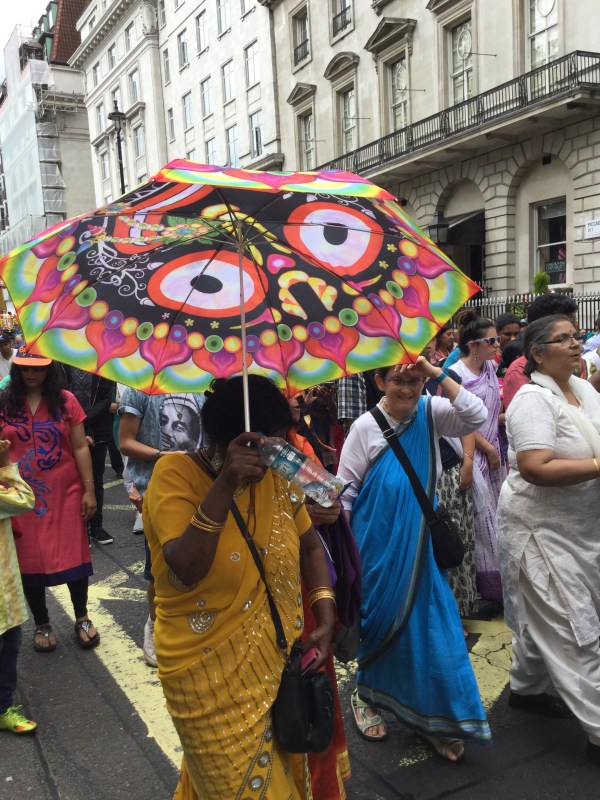
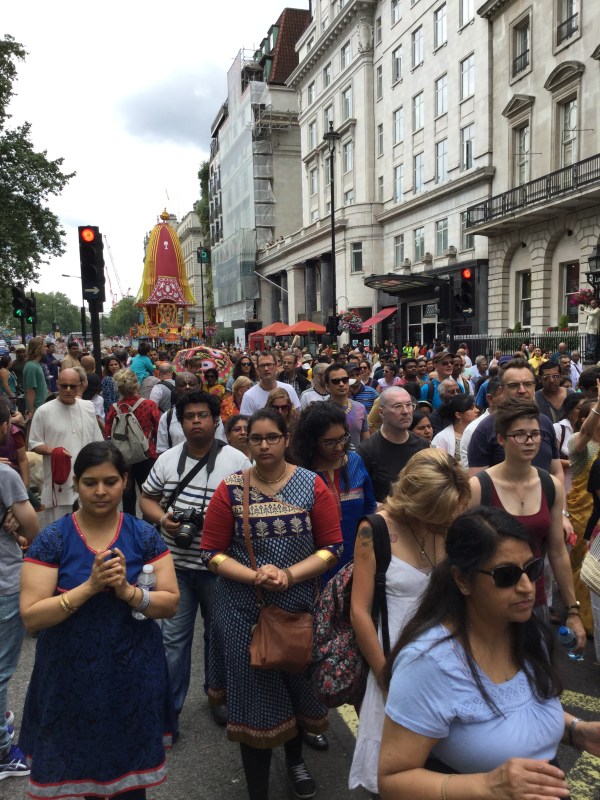
Written over 100 years ago by a Muslim Scholar; pictures re from Hare Krishna Rath Yatra in London held on 17th July 2016; taken by london swaminathan.


–Subham–

பாழ்பட்டு நின்றதாம் ஓர் தேசம்….. ( Post No.2981)

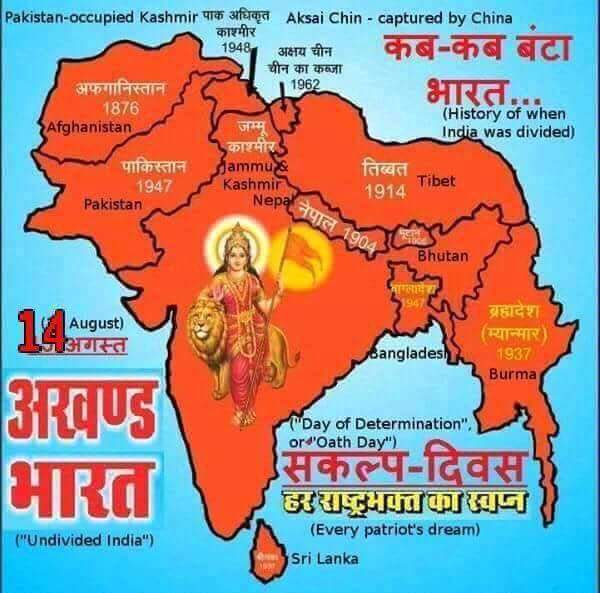
akhand bharat

Article Written S NAGARAJAN

Date: 18 July 2016

Post No. 2981

Time uploaded in London :– 8-50 AM

( Thanks for the Pictures)


DON’T REBLOG IT AT LEAST FOR A WEEK!  DON’T USE THE PICTURES; THEY ARE COPYRIGHTED BY SOMEONE.


(for old articles go to tamilandvedas.com OR swamiindology.blogspot.com)

‘பாழ்பட்டு நின்றதாம் ஓர் தேசம் தன்னை’ வாழ்விப்போம்!
ச.நாகராஜன்


ilove my india


உலகத்தின் தலையாய பீடத்தில் பாரதம் இருந்தது என்பதைப் பல கட்டுரைகளின் வாயிலாகச் சுட்டிக் காட்டியுள்ளோம். ஆகவே அவற்றை மீண்டும் இங்கு கூற வேண்டிய அவசியமில்லை. ‘பாழ்பட்டு நின்றதாம் ஓர் தேசம் தன்னை’ வாழ்விக்க மஹாத்மாவை பாரதி போற்றினான்.

 
ஒளி இழந்த நாட்டிலே ஒளி கொடுக்க வா வா வா என்று அனைவரையும் அழைத்தான். வலிமையற்ற போகின்ற பாரதத்தைப் போ போ போ என்று அவன் துரத்தினான்.
அவனே கூறிய படி, மறைவாக நமக்குள்ளே பழங்கதைகள் பேசுவதிலோர் மஹிமை இல்லை!


இன்றைய பாரதத்தின் நிலை என்ன?
அறிக்கை வந்து விட்டது! பார்ப்போம்!!
உலகின் மிகச் சிறந்த நாடாக ஸ்வீடன் தேர்ந்தெடுக்கப்பட்டுள்ளது.
ஸ்வீடன்! ஸ்வீட் ஸ்வீடன்!! வாழ்த்துக்கள்!!!

 
மக்களின் நலனைக் காப்பதில் முதலிடம் பெற்றுள்ளது ஸ்வீடன்.
உலகில் உள்ள மனித குலத்தின் பொது நன்மையை உறுதி செய்து அதைக் காக்கப் பாடுபடுவதிலும் அது முதலிடத்தைப் பெற்றுள்ளது.
இந்தியா???


163 நாடுகள் கணிக்கப்பட்டுள்ளன. அதில் இந்தியா 70வது இடத்தைப் பெற்றுள்ளது.
நமக்குப் பின்னே 93 நாடுகள் உள்ளன என்று ‘பெருமை’ப்படுவதா (இன்றைய தரித்திர புத்தி அப்படித் தான் நினைக்க வைக்கும்!)

 
அல்லது நம்மை விட் 69 பேர் முந்தைய இடத்தில் இருக்கிறார்களே முய்னறு முன்னேற வேண்டும் என்று நினைக்கத் தோன்றுகிறதா! ஒளி படைத்த பாரதன் அப்படித் தான் நினைப்பான்!

 
‘தி குட் கண்ட்ரி இண்டெக்ஸ் – 2015’ (The Good Country Index – 2015) என்பது உலக நன்மைக்காக ஒரு நாடு எவ்வளவு தூரம் உழைத்து நல்லதைச் செய்கிறது, என்பதைக் காக்கும் குறியீட்டெண் ஆகும்.


விஞ்ஞானம், பண்பாடு, அமைதி, பாதுகாப்பு, காலநிலை மாறுபாடு, ஆரோக்கியம்., சமத்துவம் உள்ளிட்ட 35 குறியீடுகளைக் கொண்டு அளக்கப்பட்டு உல்கிற்கு ஒரு நாட்டின் பங்களிப்பு எப்படி உள்ளது என்பதைப் பார்த்து ஒரு நாட்டின் தர வரிசை இதில் நிர்ணயிக்கப்படுகிறது.

 
ஸ்வீடன் 163 நாடுகளில் முதல் இடத்தைல் பிடிக்க லிபியா கடைசியில் நிற்கிறது.
உலக அமைதிக்கான பங்களிப்பில் சீனாவிற்குக் (27) கீழே மூன்று இடங்கள் இந்தியா தள்ளப்பட்டுள்ளது. சமத்துவம் கடைப்பிடிப்பதில் ஒரே அவலம். 124ஆம் இடத்திற்குத் தள்ளபபட்டுள்ளது.


akhand baharat 2
இந்தியாவின் இடம் : ஆரோக்கியத்தில் 37வது இடம், விஞ்ஞானத்தில் 62வது இடம், பண்பாட்டில் 119வது இடம், காலநிலை காப்பதில் 106வது இடம், உலக ஒழுங்கில் 100வது இடம்.
முற்பட்ட இடங்களில் இருப்பதை நினைத்துப் பெருமைப் படும் அதே வேளையில் இதர துறைகளில் மேம்பட வேண்டும் என ஒவ்வொரு பாரதீயனும் உறுதி எடுத்தால் முதல் இடத்தைப் பிடிக்க மாட்டோமா என்ன!
புகழோங்கிய பண்டைய நாளை அடைவோம்.
பாரில் உள்ள தேசங்களில் எங்கள் தேசம் உயர் தேசம்!
வாழ்க பாரதம்!
**********

Algebra led to English Poetry (Post No.2980)

sarojini 3

Compiled by London swaminathan

Date:18 July 2016

Post No. 2980

Time uploaded in London :– 8-30 AM

( Thanks for the Pictures)


DON’T REBLOG IT AT LEAST FOR A WEEK!  DON’T USE THE PICTURES; THEY ARE COPYRIGHTED BY SOMEONE.


(for old articles go to tamilandvedas.com OR swamiindology.blogspot.com)


Following piece is an interesting excerpt from a 100-year-old book written by a Muslim scholar: –


Source: Life and Labour of the People of India by Abdullah Yusuf Ali, Barrister at Law, London, 1907


sarojini

“In literature the women of India are specially fitted to excel. If it were permitted to dive into history, Miran Bai might be mentioned among the Hindus and Aurangazeb’s daughter, Zeb-un-Nisa, among the Muhammadans , and a great many other names besides. But to confine ourselves to modern

India, it is a singular circumstance that the only two Indian poets who have really made their name in English literature are girls. Miss Toru Dutts book, “Ancient Ballads and Legends of Hindostan”, tells the tales of old India with all the charms of a woman’s style.


Mrs Sarojini Naidu is at the threshold of her career, but with her very first book she has established her reputation as an inspired singer.


Sarojini Naidu, like Pope, lisped in numbers, for the numbers came. “One day, she says, when I was eleven, I was sighing over a sum in algebra; it wouldn’t come right; but instead a whole poem came to me suddenly. I wrote it down. From that day my poetic career began”.


There are journals in India — such as Mrs Sathianathan’s  ‘Ladies Magazine’ in Madras and Mrs Mumtaz Ali’s ‘Tahzib in Niswan’ in Lahore — edited and managed by women. Mrs Sathianadhan is a Master of Arts of the Madras University. All the Indian universities admit women to degrees as freely as men, and in this respect they are certainly more advanced than the older universities”.


Xxx

sarojini book

“Take the picture of a modern Indian woman of the aristocracy of intellect, as drawn by a modern English man of letters. Describing Mrs Sarojini Naidu as Mr Arthur Symons knew her before she was married, he says, “ To those who knew her in England, all the life of the tiny figure seemed to concentrate itself in the eyes; they turned towards beauty as the sunflower turns towards the sun, opening wider and wider, until one saw nothing but the eyes. She was dressed always in clinging dresses of Eastern silk, and she was so small and her long black hair hung straight down her back, you might have taken her for a child. She spoke little and in a low voice, like gentle music; and she seemed, wherever she was, to be alone.”


–Subham–


யமன் பயன்படுத்தும் அளவுகோல்! தமிழன் கண்டுபிடிப்பு!! (Post No 2979)

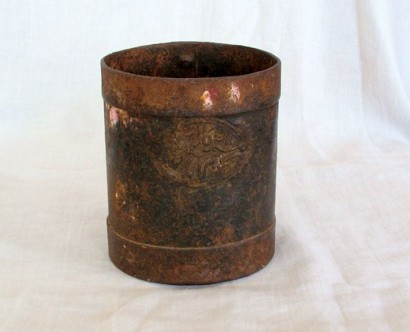
padi

Compiled by London swaminathan

Date:17 July 2016

Post No. 2979

Time uploaded in London :– 9-16 AM

( Thanks for the Pictures)


DON’T REBLOG IT AT LEAST FOR A WEEK!  DON’T USE THE PICTURES; THEY ARE COPYRIGHTED BY SOMEONE.


(for old articles go to tamilandvedas.com OR swamiindology.blogspot.com)


reading-jug-large

நாலடியார் என்னும் நூலில் ஒரு அருமையான பாடல் வருகிறது. இது 18 கீழ்க்கணக்கு நூல்களில் ஒன்று.


யமன், ஒரு அளவு கோல் வைத்திருக்கிறானாம். நாம் படி, அல்லது லிட்டர் என்ற அளவுகளை பயன்படுத்துவது போல அவன் தினமும் சூரியன் உதிப்பதை ‘நாழி’ என்னும் அளவாகப் பயன்படுத்தி தினமும் நம் வாழ்நாளை அளந்து கொண்டிருக்கிறானாம். இதைப் படித்தும் கூட நம் வாழ்நாள் தினமும் கழிந்துகொண்டிருப்பதை பலரும் உணருவதில்லை.


இதோ அந்தப் பாடல்:-


தோற்றம் சால் ஞாயிறு நாழியா வைகலும்

கூற்றம் அளந்து நும் நாள் உண்ணும் – ஆற்ற

அறஞ்செய் தருடையீஇர் ஆகுமின் யாரும்

பிறந்தும் பிறவாதார் இல்

பொருள்:–

எமன் ஒளிமிக்க சூரியனை, ‘நாழி’ என்னும் அளவு கருவியாகக் கொண்டு, உமது வாழ்நாளை நாள் தோறும் அளந்து, ஆயுள் இறுதியில் உயிரை உண்ணும்! ஆதலால் மிகுதியாக அறம் செய்து உயிர்களிடத்தில் அருள் உடையவராக ஆகுங்கள்! அப்படி ஆகாதவர்கள் மக்களாகப் பிறந்தும் பிறவாதவரே ஆவர்!


நாலடியாரில் இன்னொரு பாட்டில்,


வைகலும் வைகல் வரக்கண்டும் அஃதுணரார்

வைகலும் வைகலை வைகுமென்று இன்புறுவர்

வைகலும் வைகற்றம் வாழ்நாள்மேல் வைகுதல்

வைகலை வைத்துணராதார்


பொருள்:-

நாள்தோறும் நாள் கழிந்து வருவதைப் பார்த்திருந்தும், அப்படி நாள்தோறும் நாள் கழிதலை அறியாதார், தமது ஆயுள் நாளில் ஒரு நாள் அப்படிக்கழிவதை உணராது அது நிலையாக இருக்கிறது என நினைத்து இன்புறுவர்.


ஒரு நாளையும் வீணடிக்காமல் தர்மம் செய்ய வேண்டும் என்பதே இதன் பொருள்.


வள்ளுவனும் இதே கருத்தை நம் முன் வைக்கிறான்:–

நெருநல் உளனொருவன் இன்றில்லை என்னும்

பெருமை உடைத்து இவ்வுலகு

(திருக்குறள் 336)


பொருள்: நேற்று இருந்தவன் இன்று உயிருடன் இல்லை என்று கூறப்படும் பெருமை கொண்டு விளங்குகின்றது இந்த உலகம்.


முந்தைய கட்டுரைகள்


உலகிலேயே எது பெரிய அதிசயம்? எது ஆச்சர்யம்? (10 ணொவெம்பெர் 2013)


கடல் ஓய்ந்து சமுத்திர ஸ்நானமா? (Post No.2969), Date:14 July 2016


ஒன்றே செய்க! நன்றே செய்க! இன்றே செய்க! (4-4-2014)


உலகில் ஆச்சரியம் எது? அற்புதம் எது? அதிசயம் எது? (Post No 2876), Date: 7 June 2016


–Subham–

Nature in Indian Villages (Post No.2978)


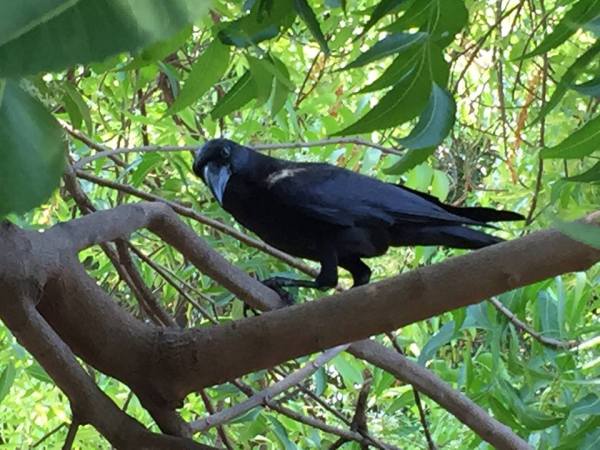
crow kaka

Compiled by London swaminathan

Date:17 July 2016

Post No. 2978

Time uploaded in London :– 7-45 AM

( Thanks for the Pictures)


DON’T REBLOG IT AT LEAST FOR A WEEK!  DON’T USE THE PICTURES; THEY ARE COPYRIGHTED BY SOMEONE.


(for old articles go to tamilandvedas.com OR swamiindology.blogspot.com)


Following piece is an interesting excerpt from a 100-year-old book written by a Muslim scholar: –


Source : Life and Labour of the People of India by Abdullah Yusuf Ali, Barrister at Law, London, 1907

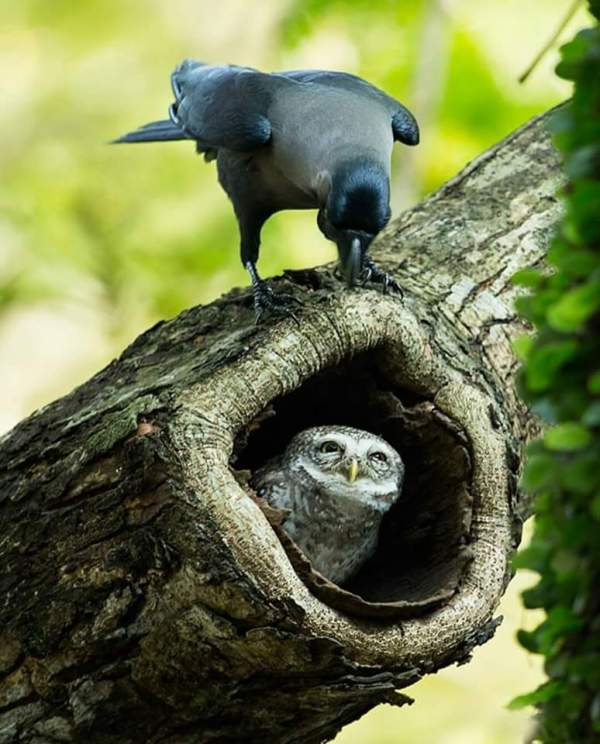
owl and crow

“It will be noticed that there are very few trees in the village. Those which do exist cluster together in well-defined groves. The largest tree area is that within or surrounding the village site. Among the fields here and there are two or three groves of mango trees. There are isolated trees of that kind that yield timber, such as the tun, the shisham, or the niim. The mango tree itself yields timber, but it is principally grown for the sake of its fruit, and on that account is very valuable. Usually if there is an isolated tree, its shade is detrimental to the crops in the immediate vicinity, and therefore agriculturists always try to plant clumps or clusters in those parts of the village which are not very fertile for ordinary crops.


Snakes and Banyan Trees


The shade trees such as the banyan or the pipal, are generally in or around the village site. They often mark the shrine of a tribal or local god, and sometimes harbour snakes in their hollow trunks. As the snake, however, is considered sacred, and is sometimes looked upon as the guardian genius of the village, the villagers entertain no fear on that account. They sometimes feed them with milk, and therefore the snakes themselves rarely molest the human beings around them.


In the branches of these spreading trees there is a large quantity of bird life. Pigeons, doves, mainas, gree pigeons, sparrows, crows, and owls find a habitation there; while the pretty striped squirrel that skips with such wonderful agility from branch to branch, and playfully descends to the ground to snatch, it may be, a piece of bread from a village urchin, serves to diversify and render lively the ordinarily sober and lazy animal life around.

er uzavan picture

Herds of antelope – the famous black buck of India – roam wild from village to village. They are so tame to the villager that they will allow him to approach within ten yards of them; but with sportsmen they enter into the spirit os sport, and “play the game”. Lucky would be the sportsman who can get within rifle-shot of three fine heads of a morning. In spite of their long, straight spiral horns, which attain a length of 18 to 28 inches, they can make their way through dense sugarcane fields with ease. The villager look them upon as harmless friends, except when they approach too near the village site, and begin to nibble at the young green shoots of valuable crops in the immediate vicinity of habitations. Here the land is freely and specially manured, and the crops are more valuable; but as soon as the villagers have driven off the black buck, there comes a troop of monkeys who begin to help themselves to the more advanced corn. These cannot be quite driven away. On the approach of men they climb up into the branches of the trees, but descend again immediately the danger is past.”

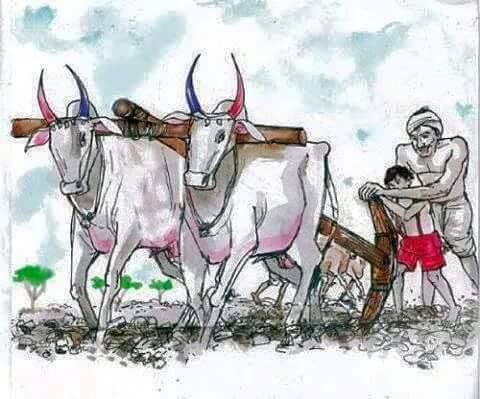
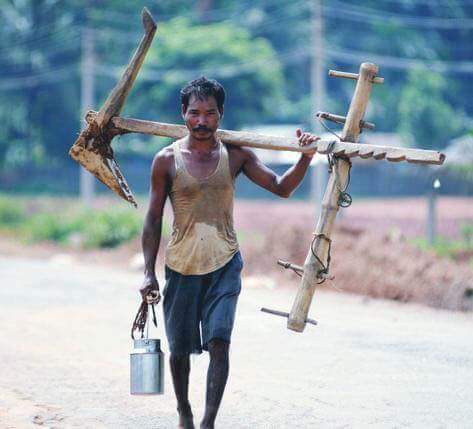
Er, plough

—Subham–

Hindu Fakir: Muslim Article (Post No. 2977)

fakir 2

Compiled by London swaminathan

Date:16 July 2016

Post No. 2977

Time uploaded in London :– 15-00

( Thanks for the Pictures)


DON’T REBLOG IT AT LEAST FOR A WEEK!  DON’T USE THE PICTURES; THEY ARE COPYRIGHTED BY SOMEONE.


(for old articles go to tamilandvedas.com OR swamiindology.blogspot.com)


Following piece is an interesting excerpt from a 100-year-old book written by a Muslim scholar: –


Source : Life and Labour of the People of India by Abdullah Yusuf Ali, Barrister at Law, London, 1907

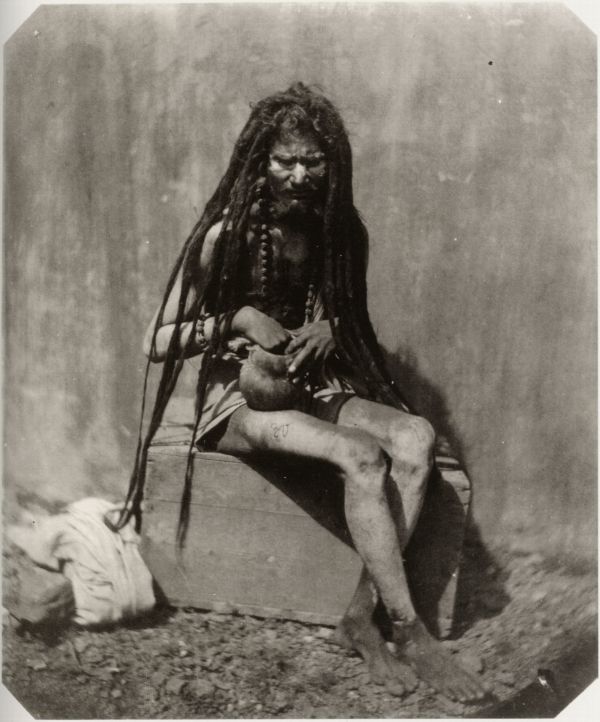
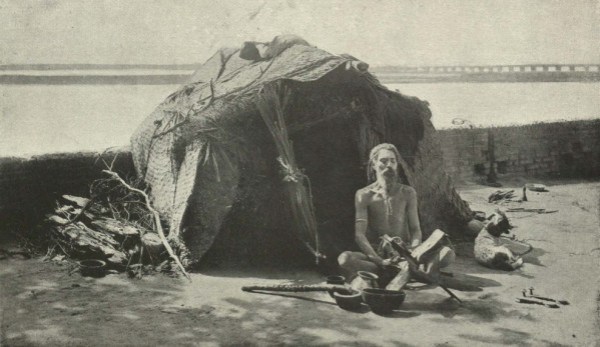
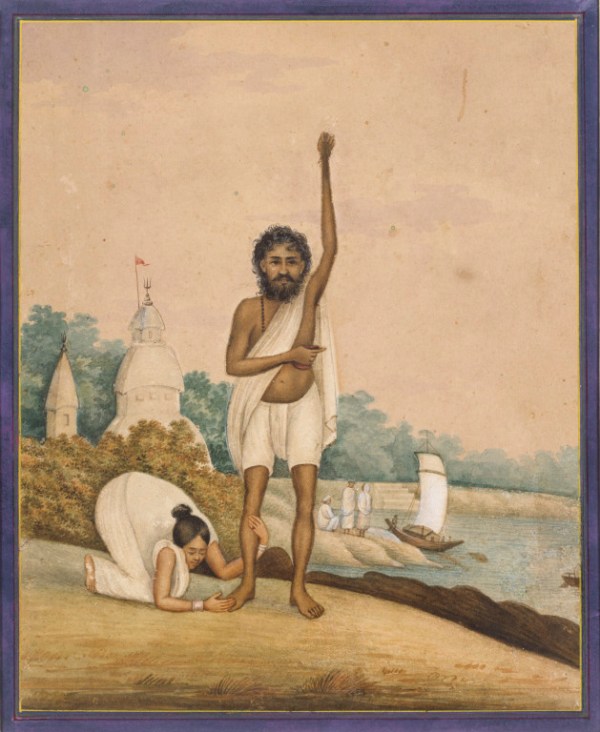
“No account of village life would be complete without a description of the Fakir (ascetic). He lives in a little hut or cave (if there is a cave) away from the village, so as to be free, and far from the madding crowd’s ignoble strife. What he does there nobody knows. He is a mysterious being, who appears only with a loin cloth round his waist, apparently quite indifferent to the praise or blame of the world. He rarely enters into conversation about the ordinary affairs of mankind, and the gift he receives in charity are those which his disciples and admirers beg for the honour of presenting to him, rather than doles extracted by beggar from an unwillingly charity public. The people look upon him with superstitious veneration, not because they know there is anything in his life, but because in person and habit he represents the ascetic ideal which renounces the world and lives an inner life of self-mortification.


He carries a rosary of beads, and he often goes along the streets shouting “Ram, Ram”, if he is a follower of that particular incarnation of God as worshipped by the Hindus. He has no religious ideals in the sense of striving for the elevation of other men’s lives; but he possessed with the idea which finds a mere illusion in the whole world and in all humanity, and the only reality in the name of Ram. This simple monomania revered by the people in proportion as they cannot translate it into their own lives. Though apparently indifferent to all that passes around him, the Fakir is a great observer of men and manners, and is often able to reconcile disputes and extricate people from difficult situations on account of his apparently isolated position.

A_Hindu_-Fakir-_on_the_Banks_of_the_Jhelum

Sometimes he takes a vow of religious silence for seven years and keeps it. Sometimes he undertakes to walk to all the sacred shrines of India, which may incclue a journey for Badrinath, near the glacier valleys of of the Himalays, to the sea washed shores of Western Dwaraka, or the torrid heat of Rameswaram in the extreme South. He would thus cover a distance of thousands of miles on foot, with nothing but his rosary with him, not even the traditional staff of the weary wanderer.


His life is a mystery to to outsiders. His survival in the twentieth century is to superficial observers of Indian life a greater mystery still. The fact that he represents a strain of that morbid love of self-mortification and self-abasement which when healthy and turned into a useful sphere, gives us the greatest saints and heroes of history.


If there is anyone class in India more than another to which the famous lines of Mathew Arnold are particularly appropriate, it is to that rare individual, the true fakir (as distinguished from the false fakirs who figure in jugglery tales and the annals of crime):-

“In the East bowed low before the blast,

In silent deep disdain;

She let the Legions thunder past,

Then plunged in thought again.”

fakir3

–Subham–

Ugly English Word ‘Lie’! Liar Anecdotes (Post No.2976)

lies image

Compiled by London swaminathan

Date:16 July 2016

Post No. 2976

Time uploaded in London :– 8-09 AM

( Thanks for the Pictures)


DON’T REBLOG IT AT LEAST FOR A WEEK!  DON’T USE THE PICTURES; THEY ARE COPYRIGHTED BY SOMEONE.


(for old articles go to tamilandvedas.com OR swamiindology.blogspot.com)


Speaker Reed, Ambassador Choate and Senator Westcott were chatting together one evening.  Mr Choate said with great solemnity “Well, gentlemen, I have not drunk whiskey, played cards for money, or attended a horse race in twenty eighth years”.

“My gracious!, exclaimed Senator Westcott admiringly.

I wish I could say that.”

“Why don’t you?, blandly inquired Mr Reed.

“Choate did”.


Xxx

churchil-cigar

Churchil’s LIE


A generation ago, when Prime minister Winston Churchill was still a member of the Liberal Party, he rose in Commons to defend his party against the charge that they had deliberately misrepresented the Conservative party.  The Liberals have accused The Conservative party of practising slavery in South Africa because they kept negro labourers behind barbed wire compounds under severe restrictions.


Churchill remarked, “I admit the term slavery might be a terminological inexactitude”.

At this Joseph Chamberlain,father of the late prime minister Neville Chamberlain, interrupted,

“I prefer the ugly little English three letter word – l i e”


Xxx


lincoln.jpg

A certain young California politician, notorious for lying, had once been unwittingly led into speaking the truth. Noah Brooks was explaining the situation to President Lincoln, who immediately reminded himself of a story, saying that he recalled a similar circumstance about a negro barber in Illinois, who was a great liar. A crowd in front of a barber shop stood one evening gazing with admiration at the planet Jupiter.


“Sho, said the barber, I have seen that star before. I seen him way down in Georgy”,said Lincoln, like your California friend, he told the truth, but thought he was lying.”


–SUBHAM–