எகிப்தில் இந்து தெய்வங்களின் வழிபாடு- எகிப்திய அதிசயங்கள் – பகுதி 17 (Post No.3705)

Picture of Ka (Brahma)

Written by London swaminathan


Date: 8 March 2017


Time uploaded in London:- 21-32


Post No. 3705


Pictures are taken from various sources; thanks.


contact; swami_48@yahoo.com


எகிப்தில் (NTR) இந்திரன்


எகிப்து நாட்டில் 4000 ஆண்டுகளுக்கு முன் ஹைரோகிளிபிக்ஸ் (hieroglyphs) என்ற சித்திர எழுத்தை எழுதினர். இதில் கடவுள் என்பதற்கான சித்திரம் — ஒரு கம்பில் சின்ன துணி சுற்றப்பட்ட படம் ஆகும். இதைத்தான் இந்திரத்வஜத்தின் முன்னோடி என்று சொன்னேன் (த்வஜம் = கொடி) ஏன் தெரியுமா? அந்த சித்திர எழுத்துக்கான ஒலி “ntr” என்.டி.ஆர் என்பதாகும். பழங்கால மொழிகளில் உயிர் எழுத்தை (vowel) எழுதமாட்டார்கள். நாமாகப் போட்டு நிரப்பி பின்னர் அதை வாசிக்கவேண்டும். என் டி ஆர் NTR என்பதில் உயிர் எழுத்துக்களைப் போட்டால் வரும் ஒலி இன் டி ர (INTIRA இந்திரன்)!! ஆக கடவுள் என்றால் எகிப்திய மொழியில் இந்திரன்!
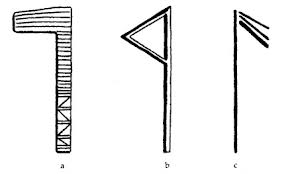
God in Egypt (NTR = Intra) Indra Dwaja in Egypt


பிரம்மா வழிபாடு


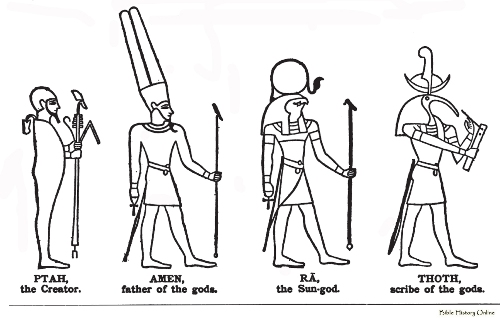
தத் (THOTH) என்ற எகிப்திய தெய்வம் மொ”ழிக்கும் வார்த்தைகளுக்கும் படைப்புக்கும்” உள்ள தெய்வம். இதன் பங்கு பணிகளைப் படித்தால் அப்படியே பிரம்மாவுக்கு உள்ள எல்லாம் இருக்கும்.  பிரம்மாவுக்கு ஹம்சம் வாஹனம். அங்கு மற்றொரு நீர்ப்பறவையின் (IBIS) முகத்தை தத்– துக்குப் பொருத்தி இருக்கிறார்கள்.


தத்-தின மனைவி பெயர் செஷட் (Seshat). இவள் எழுத்துக்கு அதிதேவதை. நமது சரஸ்வதியை செஷட் என்று உச்சரிக்கிறார்கள்!


க  (KA) என்னும் எழுத்து பற்றி ரிக் வேதத்தில் ஒரு மந்திரம் இருக்கிறது. க என்பது பிரம்மாவைக் குறிக்கும் . எகிப்தில் க என்பதை பிராமி, தமிழில் உள்ளதைப் போலவே சித்திரத்தில் காட்டினர்!
நாராயணன் என்பதை நுன் (Nun) என்று வழிபட்டனர். நுன் என்பதே நாம் சொல்லும் பாற்கடல்; பரந்தாமன் அங்கே தானே பள்ளிகொண்டிருந்தார்.


தத்தாத்ரேயர் வழிபாடு

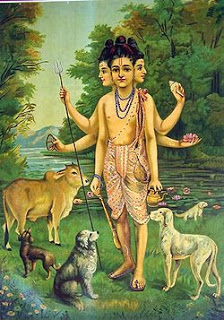
எகிப்திய எழுத்துக்களைப் படிக்க உதவிய ரோஸட்டா கல்வெட்டில் தத் என்ற தெய்வம் கிரேக்க நாட்டின் ஹெர்ல்மிஸ் ற்றைஸ்மெஜிச்டஸுக்கு  (Hermes trimegistus))  என்று கூறியுள்ளனர். ஹெர்மிஸ் பற்றிப் படித்தால் அப்படியே இந்து தெய்வமான தத்தாத்ரேயரின் குணங்கள் முழுதும் இருக்கும் இதில் தத் என்ற சொல் வருவதைப் பாருங்கள் (தத்– தாத்ரேயர்)


ட்ரைமெஜிஸ்டஸ் என்றால் மூன்று குணங்கள் ஒன்றானது. ததாத்ரேயர் பிரம்ம-விஷ்ணு-சிவன் மூன்று அவதாரங்களின் சங்கமம். மேலும் கிரேக்க தெய்வம் “அஹம் பிரம்மாஸ்மி, தத்வமஸி” போன்ற கருத்துக்களைச் சொன்னதாகவும் என்சைக்ளோபீடியா கூறும். இவை இந்துமத உபநிஷத வாக்கியங்கள் என்பதைச் சொல்லத் தேவை இல்லை.


காயத்ரீ, சூர்ய வழிபாடு


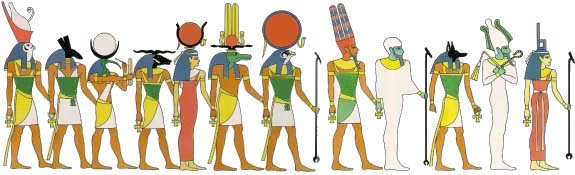
இந்த வரிசையில் எழுதிய 16 கட்டுரைகளில் ஹதோர் (Hathor) என்னும் தேவி சவிதுர் என்னும் வேத கால தெய்வம் என்பதையும், ஹோரஸ் (Horus)  என்பது சூர்யஸ் என்பதன் திரிபு என்றும் விளக்கி இருக்கிறேன். ஆக, அங்கு காயத்ரீ, சூர்ய வழிபாடும் இருந்தன.


எகிப்தில் பவித்ரம் (Ankh)

எகிப்தியர் அங்க் (Ankh) என்ற அடையாலத்தை உபயோகித்தனர். இதன் தோற்றம் மர்மமானது என்று எகிப்தியல் நிபுணர்கள் கூறுவர். இது இந்துக்கள் பூஜை காலத்தில் பயன்படுத்திய பவித்ரம் ஆகும்.


விஷ்ணுவை நரசிம்மாவதார ரூபத்தில் வழிபட்டனர் ஆனால் அந்த தெய்வத்தைப் பெண் தெய்வமாக்கி, ஷெகாமட்  (ஜகன் மாதா) என்று பெயர் தந்தனர். இந்துக்கள் கூட நாராயணன் என்பதை நாராயணி (துர்கா) ஆக வழிபடுவதுண்டு.


விஷ்ணுவை நரசிம்மாவதார ரூபத்தில் வழிபட்டனர் ஆனால் அந்த தெய்வத்தைப் பெண் தெய்வமாக்கி, ஷெகாமட்  (ஜகன் மாதா) என்று பெயர் தந்தனர். இந்துக்கள் கூட நாராயணன் என்பதை நாராயணி (துர்கா) ஆக வழிபடுவதுண்டு.

Picture of Sekhemet -Narasimha avatar

எகிப்தில் திருமூலர் கருத்துகள் என்ற கட்டுரையில் திருமூலர்  பாடலை ஒட்டிய கருத்துகள் இருப்பதையும் சுட்டிக்காட்டினேன்.


எகிப்தில் மாதா (ma’at) பிதா (Ptah) என்ற தெய்வங்கள் வழிபடுவது பற்றியும் முன்னரே எழுதியுள்ளேன். உடம்பைக் கூடாகவும் ஆன்மாவைப் பறவையாகவும் சித்தரிக்கும் எகிப்தின் வழக்கத்தையும் திருக்குறளில் இருப்பதைக் காட்டினேன்.


ஆசிரிஸ் – சேத் பகைமை


ஆசிரிஸ் – சேத்  (Osiris Vs Seth) பகைமை என்பது பருவ காலங்களின் மாறுபாட்டைக் காட்டுவது போன்றது. நமது ஊரில் இந்துக்கள் காம தகனம், ஹோலி முதலிய பண்டிகைகளைக் கொண்டாடுவது போல அவர்களும் ஆசிரிஸ்- செத் மோதலை பண்டிகை யா

கக் கொண்டாடுவர்.


இந்துக்களைப் போலவே கோவிலகளுக்கு நிலம் அளித்து அதற்கு வரிவிலக்கும் தந்தனர்.


இந்துக்கள் கோவில்களுக்கு சிவப்பு வெள்ளை அடிப்பது போல அரணமனைச் சுவர்களுக்கு சிவப்பு-வெள்ளை வர்ணம் பூசினர்.


எகிப்திய பிரமிடுகளின் சுவர்களில் உள்ள விஷயங்கள், மரணப் புத்தகத்திலுள்ள விஷயங்கள் முதலியன வேத மந்திரங்களைப் போல இருப்பதையும்,  நட்சத்திரங்கள் பற்றிய அவர்களுடைய நம்பிக்கைகள் நம்மைப் போலவே இருப்பதையும்  முன்னரே காட்டிவிட்டேன்.


xxxxxxxxxxx

My Research Articles on Egypt

Did Indians build Egyptian Pyramids?

27 august 2012

Hindu Gods in Egyptian Pyramids

16 september 2012

Sex Mantras and Talismans in Egypt and Atharva Veda

26 september 2012


Mata and Pita in Egyptian Religion! – 17 November 2014


Vedas and Egyptian Pyramid Texts

29 August 2012

 (Part 3)

5 september 2012

More Tamil and Sanskrit Names in Egypt

Research paper written by London Swaminathan
Research article No.1413; Dated 15th November 2014.

Flags: Indus Valley-Egypt similarity

15 october 2012

First Homosexual King in History! (Post No.3692) 5-3-2017


கொடி ஊர்வலம்: சிந்து சமவெளி எகிப்து அதிசய ஒற்றுமை!

14 october 2012

எகிப்திய நாகரீகத்தில் மேலும் பல தமிழ்ப் பெயர்கள்!!

Research paper written by London Swaminathan
Research article No.1414; Dated 16th November 2014.


எகிப்தில் திருமூலர் கருத்துக்கள்

POST No. 716 dated 21 Novemeber 2013

சுமேரியா, எகிப்தில் இந்திரன் வழிபாடு!

15 September 2014


எகிப்திய அதிசயங்கள் 16 கட்டுரைகள்


எகிப்திய அதிசயங்கள்-1: மிஸ்ர தேசம் என்று ஏன் பெயர்? (Post No.3638) posted on 15-2-2017


எகிப்திய அரசனுக்கு ஐந்து பெயர்கள்! எகிப்திய அதிசயங்கள்-2 (Post No.3641) posted on 16-2-2017


எகிப்தில் இந்தியப் பண்பாட்டின் தாக்கம்: எகிப்திய அதிசயங்கள்- பகுதி 3 (Post No.3648) posted 18-2-2017


எகிப்தில் சூர்ய வம்சம்: எகிப்திய அதிசயங்கள்-பகுதி 4 (Post No.3651) posted 19-2-2017


ஆதிகால எகிப்திய புலவரின் புலம்பல்; எகிப்திய அதிசயங்கள்-5 (Post No.3654) posted 20-2-2017


எகிப்தில் நரபலி:எகிப்திய அதிசயங்கள்-பகுதி 6 (Post No.3657) posted on  21-2-2017


எகிப்தில் இந்திய நீலக்கல்! எகிப்திய அதிசயங்கள்- பகுதி 7 (Post No.3660) posted on 22-2-2017

 
மனித முகம்; சிங்க உடல்! ஸ்பிங்ஸ்! எகிப்திய அதிசயங்கள்- பகுதி 8 (Post No.3664) posted on  23-2-2017

எகிப்தில் 30 வம்சங்கள்: அதிசய தகவல்கள்-பகுதி 9 (Post No.3667)

posted on  24-2-2017


பிரமிடுகளை முதலில் கட்டிய வம்சாவளி: எகிப்திய அதிசயங்கள்-10 (Post No.3670) posted on  25-2-2017


பெரிய பிரமிடு– எகிப்திய அதிசயங்கள் -பகுதி 11, posted on  27-2-2017


வேதக் கழுகும், எகிப்தியக் கழுகும்- எகிப்திய அதிசயங்கள்-12 (Post No.3684) posted on   2-3-2017


சுவர்களில் எழுதப்பட்ட சமயச் சடங்குகள்- எகிப்திய அதிசயங்கள்-13 (Post No.3687) posted on  3-3-2017


மன்னர்களுடன் படகுகளை புதைத்தது ஏன்? எகிப்திய அதிசயங்கள் –14 (Post No.3689) posted on  4-3-2017


சித்திர எழுத்துக்கள் – எகிப்திய அதிசயங்கள் –15 (Post No.3693)

posted on  5-3-2017


விசித்திர உருவம் கொண்ட தெய்வங்கள்: எகிப்திய அதிசயங்கள்-16 (Post No.3696) posted on   6-3-2017


எகிப்திய பிரமிடுகளின் மர்மங்கள் பற்றி பால் பிரண்டன் — பகுதி 1 (கட்டுரை எண் 2803) by S Nagarajan; posted on  Date: 12 May 2016

2.எகிப்திய பிரமிடுகளின் மர்மங்கள் பற்றி பால் பிரண்டன் — பகுதி 2 (Post No.2806) by S Nagarajan; posted on  Date: 12 May 2016


3.எகிப்திய பிரமிடுகளின் மர்மங்கள் பற்றி பால் பிரண்டன் — பகுதி 3 (Post No.2809)  BY S NAGARAJAN; posted on  Date: 14 May 2016


Please Read my earlier Posts
The Great Scorpion Mystery in History – Part 1 (posted 10 November 2012)
The Great Scorpion Mystery in History – Part 2(posted 10 November 2012)
 

தமிழ் இளவரசி செய்த அற்புதம்! (Post No.3704)

Written by London swaminathan


Date: 8 March 2017


Time uploaded in London:- 10-21 am


Post No. 3704


Pictures are taken from various sources; thanks.


contact; swami_48@yahoo.com


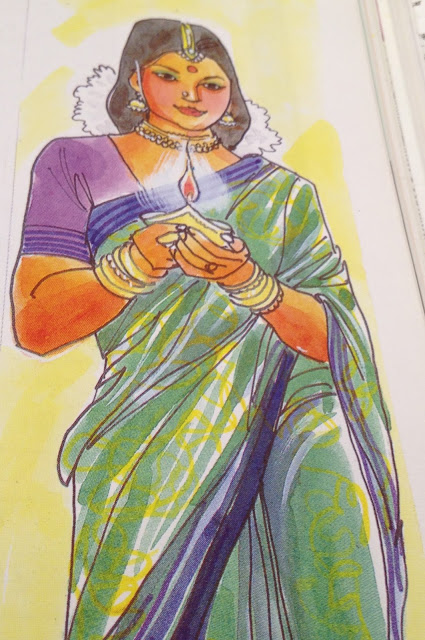
ஆதிமந்தி – ஆட்டனத்தி காதல் கதை பழந்தமிழ்க் காலத்தில் பெரிதும் பேசப்பட்ட விஷயம். தமிழ்க் காவியம் சிலப்பதிகாரம் இதை ஒரு அற்புதச் செயலாகவே காட்டுகிறது. கண்ணகி பட்டியலிடும் ஆறு அற்புதச் செயல்களில் ஆதி மந்தி– ஆட்டன் அத்தி கதையும் ஒன்றாகும்.


ஆதி மந்தி என்பவள் கரிகால் சோழனின் அருந்தவப் புதல்வி; அவள் ஒரு கவிஞரும் கூட. அவள் பாடிய பாடல், சங்க இலக்கிய நூலான குறுந் தொகையில் இடம் பெற்றுள்ளது. சங்க காலத்திலேயே அவள் புகழ் பரவியதால் பரணரும் வெள்ளிவீதி வீதியாரும் பாடி இருக்கின்றனர். அவ்விருவரும் காவிரி நதி விபத்து பற்றி மட்டும் குறிப்பிடுவர். ஆனால் சங்க காலத்திற்குப் பின் எழுந்த சிலப்பதிகாரத்தின் ஆசிரியர் இளங்கோ அடிகள் இதை ஒரு அற்புதச் செயலாக வருணிக்கிறார்.

கதை இதுதான்:-


காவியில் புதுப் புனல் வந்தது. எல்லோரும் ஆடி பதினெட்டாம் பெருக்கைக் கொண்டாடிக் கொண்டிருந்தனர். சோழன் மகள் ஆதி மந்தியும், சேர நாட்டரசனும், ஆதியின் கணவனுமான ஆட்டன் அத்தியும் நீரில் குதித்தான். இருவரும் குடைந்து குடைந்து விளையாடிக் கொண்டிருந்தனர். திடீரெனப் பெரு வெள்ளம் வந்து அத்தியை அடித்துச் சென்றது. சோழன் மகளின் கணவன் அல்லவா?  உடனே எல்லோரும் உதவிக்கு ஓடோடி வந்தனர். ஆனால் காவிரியின் வெள்ளத்திற்கு அவர்களால் ஈடு கொடுக்க முடியவில்லை. அத்தி இரு கைகளையும் உயர்த்தியவாறே ஆற்றில் சென்று கொண்டிருந்தான்.


ஆதிக்கு பைத்தியமே பிடித்துவிட்டது. நதிக்கரை ஓரமாகக் காப்பாற்றுங்கள்! என் கணவன் அத்தியைக் காப்பாற்றுங்கள் என்று கதறிக்கொண்டே ஓடினாள். அவள் கதறலைக் கேட்டு உருகிப்போன காவிரித்தாய் கணவன் அத்தியைக் கரை சேர்ப்பித்தாள் ஆதி, அவனை ஆரத்தழுவி மனம் மகிழ்ந்தாள்.


எமனுடன் போராடி கணவன் உயிரை மீட்டு வந்த சாவித்ரியை அறியாத இந்தியன் இல்லை. ஆதி மந்தி “தமிழ் சாவித்திரி” ஆவாள்.


அற்புதமா? கட்டுக்கதையா?


இந்த நதி விபத்து பற்றி சங்க காலத்தில் பாடிய பரணரும், வெள்ளி வீதியாரும் இதை ஒரு விபத்தாகவே காட்டினர். அத்தி உயிர் மீண்டது பற்றி எதுவும் சொல்லவில்லை. இது பரணர் காலத்துக்கும் முன்னால் நடந்த விபத்து. கரிகால் சோழனின் ஆட்சிக்காலம் கி.மு. முதல் நூற்றாண்டு என்று கருதப்படுகிதுறது. சிலப்பதிகரம் இதற்கு 300, 400 ஆண்டுகளுக்குப் பின்னர் இயற்றப்படிருக்கலாம். அதற்குள் இது அற்புத ‘வடிவு’ பெற்றிருக்கலாம். ஆனால் அற்புதம் நிகழாவிடில் இந்த விபத்தை எத்தனையோ விபத்துகளில் ஒன்றாகக் கருதி பாடாமலேயே விட்டி ருக்கலாம். சிலம்போ இதை 6  அற்புதங்களில் ஒன்றாகக் காட்டுகிறது.. ஆகவே அற்புதம் என்று இல்லாவிடினும், யாரோ சில மீனவர்கள் அவரைக் காப்பாற்றி ஒப்படைத்திருக்கலாம்.


இதோ சிலப்பதிகாரச் செய்யுள்:–


………………………………………………………………………….உரைசான்ற

மன்னன் கரிகால் வளவன் மகள் வஞ்சிக்கோன்

தன்னைப் புனல் கொள்ளத் தான் புனலின் பின்சென்று

கன்னவில் தோளாயோ!” என்னைக் கடல் வந்து

முன்னிறுத்திக் காட்ட, அவனைத் தழீஇக் கொண்டு,

பொன்னங்கொடி போலப்போந்தாள்

வஞ்சின மாலை, சிலம்பு.

பொருள்:-


புகழ் மிக்க பேரரசன் கரிகால் வளவன், அவன் மகள் ஆதி மந்தி, வஞ்சிக் கோமானான ஆட்டனத்தியை மணந்தாள். அவனை ஒரு சமயம் காவிரிப் பெருவெள்ளம் அடித்துச் சென்றது. அப்போது அவள் நீரோட்டத்தின் வழியே கரை மீது தொடர்ந்து சென்றாள். இறுதியில், கடற்கரையில் நின்று அவன் கடலுள் அடித்துச் செல்லப்பட்டது கண்டு,  ‘மலையொத்த தோளாயோ!’ என்று கதறினாள். கடல் அவனைக் கொண்டுவந்து அவள் முன்னர் நிறுத்திக் காட்டியது. அப்படிக் காட்டவும், அவனைத் தழுவிக்கொண்டு பொலிவுபெற்ற பூங்கொடி போல ஊர் திரும்பினாள்”


வெள்ளி வீதியார் பாடுகிறார்:


இன் இசை ஆர்ப்பினும் பெரிதே, யானே

காதலர் கொடுத்த சிறுமையொடு, நோய் கூர்ந்து

ஆதிமந்தி போல், பேதுற்று

அலந்தனென் உழல்வென்கொல்லோ – பொலந்தார்

–அகநானூறு, பாடல் 45


தோழிக்குத் தலைமகள் சொல்லியது: ” தலைவர் பிரிந்து சென்றார். என் மாமை நிற மேனியில் பசலை உண்டாயிற்று. இதனால் அலர் (Gossip) எழுந்தது. அவரைப் பிரிந்த நான், கரிகால் சோழன் மகள் ஆதிமந்தியைப் போல் வருந்துவேனோ! நான் இறந்து படுவேன்! திண்ணம்!”

பரணர் பாடியது:


……………………………………’அந்தில்

கச்சினன், கழலினன், தேம் தார் மார்பினன்

வகை அமைப் பொலிந்த, வனப்பு அமை, தெரியல்

சுரியல் அம் பொருநனனைக் காண்டிரோ?’ என

ஆதிமந்தி பேதுற்று இனைய

சிறை பறைந்து உரைஇச் செங்குணக்கு ஒழுகும்

அம் தண் காவிரி போல

கொண்டு கைவலித்தல் சூழ்ந்திசின், யானே

அகம்.76


வேறு ஒருத்தியின் கணவனைக் கைப்பற்றுவேன் என்று பரத்தை, மற்றவர் காதில் விழும்படி சூளுரைத்தது:–


முற்காலத்தில் ஒரு நாள் ஆதி மந்தி என்பவள் தன் கணவனைக் காணாமல், “கச்சினை உடையவனும், கழலை அணிந்தவனும், தேன் ஒழுகும்  மாலை அணிந்த மார்பை உடையவனும், பல்வேறு வகை சிறந்த மாலைகளையும், சுருட்டை முடியுள்ள தாடியையும் உடையவனுமான என் கணவன் ஆட்டனத்தியை நீவீர் கண்டதுண்டோ?” என்று வினவினாள். ஆயினும் விடை பெறவில்லை. அதனால் பெரிதும் மயங்கி வருந்தினாள்.. அணையை அழித்துக் கரைகளில் பரவி நேர் கிழக்காகப் பாயும் அழகிய குளிர்ந்த காவிரிப் பேராறு ஆட்டனத்தியை கைக் கொண்டது போல இப்போது யான் சூளுரைக்கிறேன். அவனை முழுதும் கைப்பற்றப் போகிறேன். அவனுடைய காதலி என்ன செய்வாளாம்?


—சுபம்—


Famous Tamil Princess Aadhi Mandhi (Post No.3703)

Written by London swaminathan


Date: 8 March 2017


Time uploaded in London:- 8-35 am


Post No. 3703


Pictures are taken from various sources; thanks.


contact; swami_48@yahoo.com


Aadhi mandhi and her husband Aattan Atthi were praised in several Sangam poems composed 2000 years ago. Later Tamil epic Silappadikaram also praised them. Aadhi mandhi was the Tamil Savitri who fought against death and brought her husband alive. She was the Tamil ‘Savitri’.


She was the daughter of the most famous Cholza king Karikal Chozan. Attan Atthi was a prince from adjacent Chera Nadu, modern Kerala state in South India.


Kannaki, heroine of Tamil epic Silappadikaram six great ladies who were born before her time in her native city Kaaveri Puumpattinam (also known as Pumpuhaar). Aadhi Mandhi was one of them.


When the annual Water Festival known as ‘Aadi 18 Floods’ (Pathinettaam Perukku in in the month of Aadi) was held in the city both Aadhi and Atthi went into the river for bathing. Fresh floods in the River Kaveri washed her husband Atthi away. The whole Choza army went into action and was looking for her husband, but in vain. Aadhi decided to follow the river and ran along the banks of the river like a mad woman. At the end some fishermen who were in the river at a far off place caught him and handed over him to Aadhi. This has become a big legend and considered a miracle by the Tamils.

Famous Sangam poet Paranar who listed over 80 historical anecdotes in his verses also sang about this accident. Post Sangam poet Ilango, author of Tamil epic Silappadikaram gave more details about this incident.

Silappadikaram says,

“The daughter of the celebrated king Karikaala followed the floods which carried away her husband, Vanchikon (king of Kerala), calling aloud: O, my lover with hill-like shoulders! Then the sea itself came and presented her husband before her. She, the golden creeper, returned embracing him” – Vanchinamaalai, Silappadikaaram.

There are more references in Kurunthokai 31 (Poetess Aadhi Mandhi),

Akanaanuuru 45 (Poetess Velli Viithiyaar), 76 (Poet Paranar)

Tolkaappiyam Akattinai gloss by Nacchinaarkiniyar, Sutra 54

In Akam 45,

A woman is saying to her friend, “ my husband has gone and hasn’t comeback yet. Am I also going to feel sad like Aadhi Mandhi?”

in Akam76

A courtesan says aloud (so that the lady love of the hero hears it), “ Long ago Aaadi Mandhi lost her husband and she went on asking everyone, ‘ did you see my husband Aattan Aththi, who wears a garland, anklet, waist band, sports a beard? but she did not get an answer. She was fainting out of sadness. Like the east flowing river shattered its banks and took Aattanathi, now I am going to take that mand. What will his lady love do then?”


We come to know that the story of Aaadhimandhi and Aattanathi was popuplar among the Tamils 2000 years ago. The actual incident must have happened in the first century BCE when Karikala was ruling the Choza country ( covering Thanjavur paddy belt and the East coast). Though the earlier verses did not say anything about the miracle of sea handing over the man to his wife Aadhimanthi, post Sangam epic Silappadikaram enemrates this as one of the six miracles listed by Kannaki.


From Kurunthokai of Aaadhimandhi we come to know that she herself was a poetess. But her poem was on a love theme and nothing to do with the incident that shook Tamil Nadu.


–subham–


அதிசய புத்த துறவி ஸு யுன்! – 32 (Post No.3702)

Written by S NAGARAJAN


Date: 8 March 2017


Time uploaded in London:-  6-52 am


Post No.3702


Pictures are taken from different sources; thanks.


contact: swami_48@yahoo.com


100 வயது வாழ்ந்த பெரியோர்


120 வயது வாழ்ந்த அதிசய புத்த துறவி ஸு யுன்! – 32

by ச.நாகராஜன்


111ஆம் வயது (1950-1951)


ஸு யுன்னுக்கு இப்போது வ்யது 111. வசந்த காலத்தில் ஸு யுன்,  நான் ஹுவா ம்டாலயம் சென்று சூத்ரங்களை இசைத்தார். ஒரு வார கால ‘சான்’ தியானப் பயிற்சியும் நடைபெற்றது. இதில் கலந்து கொண்ட சிலருக்கு ஆன்மீக விழிப்புணர்வு ஏற்பட்டது.

யுன் மென் ம்டாலயத்திற்கு வந்த பின்னர் ஸு யுன் தனது கையெழுத்துப் பிர்திகளையெல்லாம் ஒழுங்கு படுத்த் ஆரம்பித்தார். இது சுலபமான வேலையாக இல்லை. ஏனெனில் அவர் எழுதியதெல்லாம் பல ஆண்டுகளுக்கு முன்ன்ர் எழுதிய்தாகும்.


112ஆம் வயது (1951-1952)


ஸு யுன்னுக்கு இப்போது வ்யது 112. வசந்த காலத்தில் சூத்ரங்களை இசைக்கும் போது யுன் மென் மடாலயத்தில் ஒரு பெரும் துர்பாக்கியமான நிலை நேரிட்டது.


குறிப்பு : இது வரை தான் மாஸ்டர் ஸு யுன் தனது நாட்குறிப்பை எழுதி வைத்துள்ளார். மீதியுள்ள எட்டு வருடங்களில் நடந்தவற்றை அவரது சீடர்களே தொகுத்து எழுதியிருக்கின்றனர்.


இந்த ஆண்டு கம்யூனிஸ்டுகளின் புரட்சி ஏற்பட்டது. சூத்ரங்களை இசைத்த போது ஆண் பெண் உள்ளிட்ட 120க்கும் மேற்பட்டோர் குழுமியிருந்தனர். இரண்டாம்  மாதத்தின் 24ஆம் நாளன்று. திடீரென்று நூறு கம்யூனிஸ்ட் குண்டர்கள் மடாலயத்தைச் சூழ்ந்து கொண்டு நின்றனர். யாரையும் வெளியில் செல்ல அவர்கள் அனுமதிக்கவில்லை.


மாஸ்டரையும் இதர அனைவரையும் அவரவர் இடத்தில் அப்படியே இருக்குமாறு கூறிய் அந்த குண்டர்கள் கூரையிலிருந்து தரை வரை ஒவ்வொரு இடமாக் ஆராய்ந்தனர். இரண்டு நாள் இந்த தேடுதல் வேட்டை தொடர்ந்தது. ஆனால் சட்டத்திற்குப் புறம்பானதாக ஒன்றைக் கூட அவர்களால் கண்டுபிடிக்க முடியவில்லை.


இறுதியில் பிக்ஷு மிங் காங் உள்ளிட்ட ஐந்து பேரை இழுத்துச் சென்றனர்.


அநியாயமான புகார்களை மடாலயம் மீது சுமத்தினர். மடாலயத்தில் அபாயகரமான் வெடிகுண்டுகள், ஆயுதங்கள் தங்கக் கட்டிகள், வெள்ளிக் கட்டிகள் ஒளித்து வைக்கப்பட்டிருப்பதாக் அபாண்டமான புகார்களை அவர்கள் அள்ளி வீசினர்.

26 பிக்ஷுக்கள் கைது செய்யப்பட்டனர். பயங்கரமாக் அவர்கள் அடித்து நொறுக்கப்பட்டனர்.


பிக்ஷு மியாவோ யுன் அடித்தே கொல்லப்பட்டார்.  பிக்ஷு வு யுன் மற்றும் டி ழி ஆகியோர் அடிக்கப்பட்டு கைகள் உடைக்க்ப்பட்டனர். இன்னும் சிலரைக் காணவே காணோம்.

ஸு யுன்னை மூன்றாம் மாதம் இன்னொரு அறைக்கு கூட்டிச் சென்றனர். அங்கு அறைக்கதவுகளும் ஜன்னல்களும் மூடப்பட்டன. குடிக்கவோ சாப்பிடவோ ஒன்றும் அவருக்கு வழங்கப்படவில்லை.


மூன்றாம் நாள் உள்ளே வந்த சில பத்து குண்டர்கள் மாஸ்டரிடம் ஒளித்து வைக்கப்பட்டிருக்கும் தங்கம், வெள்ளி முதலானவற்றை உடனே கொடுக்குமாறு மிரட்டினர்.


தன்னிடம் ஒன்றும் இல்லை என்று மாஸ்டர் ஸு யுன் சொல்லவே அவரை உருட்டுத் தடிகளால் அடிக்க ஆரம்பித்தனர். பின்னர் இரும்புத் தடிகளால் அடிக்கவே அவரது தலையிலிருந்தும் முகத்திலிருந்தும் ரத்தம் பெருகியது. அவரது விலா எலும்புகள் உடைந்து நொறுங்கின.


ஸு யுன் ஆழ்ந்த ச்மாதியில் ஆழ்ந்தார். நான்கு முறைகள் இப்படி அடித்த பின்னர் அவரைத் தரை மீது அந்த குண்டர்கள் தூக்கிப் போட்டனர்.

அவர்கள் ஸு யுன் இறந்து விட்டார் என்று நினைத்து வெளியில் சென்றனர்.


சிறிது நேரம் கழித்து சீடர்கள் அவரை தூக்கிக் கொண்டு இன்னொறு அறைக்குக் கொண்டு சென்றனர்.  அங்கு ஸு யுன் தியான நிலையில் அமர்ந்தார்,


ஐந்தாம் நாள்  மாஸ்டர் இன்னும் உயிருடன் தான் இருக்கிறார் என்று கேள்விப்பட்ட் குண்டர் பட்டாளம் மீண்டும் திரும்பியது. அவரை அடி அடி என்று அடித்து தரையில் போட்டு உருட்டி லெதர் பூட்ஸால் மிதித்து நொறுக்கினர்.


அவர் தலையிலிருந்து ஆறாகப் பெருகிய ரத்தத்தைக் கண்டு சந்தோஷம் அடைந்த அவர்கள் ஸு யுன் இறந்து விட்டார் என்று சிரித்துக் கொண்டே கூறி விட்டு வெளியேறினர்.


இரவு நேரத்தில் சீடர்கள் மீண்டும் ஸு யுன்னை தூக்கிக் கொண்டு சென்று படுக்கையில் கிடத்தினர். பின்னர் தியான நிலையில் அவர் அமர உதவினர்.ஒரு நாள் முழுவதும் அவர் புத்தரைப் போல இதே நிலையில் இருந்தார்.

மறு நாள் சீடரில் ஒருவர் ஒரு நூல் திரியை எடுத்து அவர் நாசித் துவாரங்களில் வைத்துப் பார்த்தார். மூச்சே இல்லை. அவர் இறந்து விட்டா என்றே முடிவு செய்யப்பட்டது.


ஆனால் அவரது உடலோ வெப்பம் குறையாமல் இருந்தது. அடுத்த நாள் காலை மாஸ்டர் மெல்லிய குரலில் முனகுவது போலக் கேட்டது.


உடனே சீடர்கள் அவரை ந்னகு உட்கார வைத்தனர். மெல்லிய குரலில் ஸு யுன், “சில நிமிடங்கள் தான் க்ழிந்திருக்கிறது என்று நினைத்தேன். ஒரு பேனாவையும் பேப்பரையும் கொண்டு வந்து நான் சொல்வதை எழுதுங்கள். யாரிடமும் இதைச் சொல்ல வேண்டாம். தெரிந்தால் அவர்கள் உங்களைச் சும்மா விட மாட்டார்கள்” என்றார்.


அவர் சொல்வதை சீடர்கள் உன்னிப்பாகக் கேட்டு எழுத ஆரம்பித்தனர். ஸு யுன் மெதுவாகக் கூறலானார்:-

தொடரும்

***


Three Stories about Stupid Shepherds! (Post No.3701)

Written by London swaminathan


Date: 7 March 2017


Time uploaded in London:- 20-41


Post No. 3701


Pictures are taken from various sources; thanks.


contact; swami_48@yahoo.com


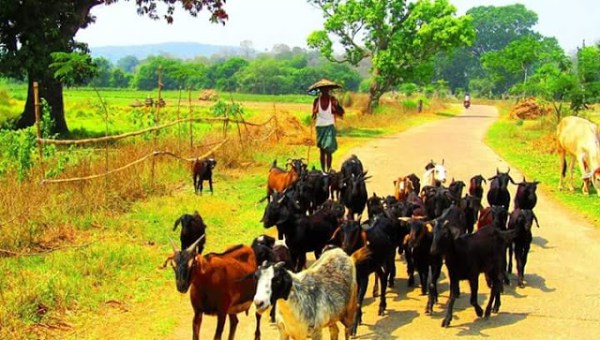
Shepherds of India were uneducated and ignorant. There are lot of stories about their stupid acts. The most famous shepherd story was about Kalidasa. There was a king who had a very educated intelligent, but arrogant daughter. She refused to marry anyone because all of them were defeated by her in debates. The ministers lost their patience. So they were looking for a fool who can be presented as the greatest scholar and thus insult the arrogant princess.


As they were going through the country side they saw a shepherd who was sitting on upper branch of a tree and cutting down the lower part. They got hold of him and trained him in gestures. He learnt the sign language quickly because there were only two signs. They told him that he would get a big reward from the king if used the gestures to answer any question put to him.

The shepherd was taken in a palanquin to present him as the scholar cum prince of a neighbouring country. For every gesture princess showed he used the two gestures he was taught. Since ministers taught him the gestures they had ready  explanations for his gestures. They gave big philosophical explanations for both the gestures. The princess was very much impressed with his scholarship and married him.


During the first night, the princess came to the bridegroom’s chamber. But to her surprise he was fast asleep and snoring! She waited for several hours and yet he did not get up. The princess tried to wake him up by sprinkling some scented water. At that time the shepherd (scholar) was dreaming about his sheep. When he felt the sprinkled water, he was shouting to his sheep (in dream). When she threw some flowers on him, he was saying, “ Get away, you foolish sheep”.


Now the princess knew for sure that something went wrong. She understood that she was married to an idiot. She drew off her sword and woke him. She told him,”Tell me the truth. Who are you? If you do not speak now, I shall kill you.”


He confessed that he was a shepherd and he acted according the ministers’ instructions. Immediately the princess gave him some money and asked him to run away from the palace.


The shepherd felt ashamed and went and slept in a Kali (goddess) temple on his way. He started praying to her to give him true knowledge. Goddess also felt very sorry for him. She knew that he was punished for no fault of his. She asked him to open his mouth and wrote a magic spell on his tongue. From that moment he started composing poems. Later he became the most celebrated poet of India – Kalidasa.


Second Story

But not all the shepherds were as lucky as Kalidasa. There was a shepherd at the foothills of Western Ghats. He followed the trade of his forefathers. One day he missed a lamb when counting his flock. At once he started off in search of his lamb. He wandered about till mid-day. In the afternoon, he felt exhausted and thirsty. He looked down into a well for water holding one of his lambs on his neck. When he looked down into the well he saw his own reflection and the lamb in dim light deep inside the well. He grew angry and shouted, “Oh, robber; I have got you at last. Bring up my lamb, otherwise I will throw huge rocks into the well”. When he stooped down to pick up stones, his lamb on his neck fell into the well. Later he regretted his foolish action.


Shepherd and Robbers!

The third story is about a money lender and a shepherd. There was a money lender in a village who was in the habit of taking money to different villages. On a certain day, he took lot of cash and hired the service of a shepherd to take him through the forest. Shepherds knew those routes very well. Half way through, it became dark and so they had to lie down under a tree. Moneylender was afraid of the robbers and told his shepherd companion to lie down in a place without making any noise. He went to a nearby tree and slept under it. About mid night a gang of robbers passed that way. One of them said: “Look here! take care here is a log of wood lying down on our way; don’t knock against it”.

“You, idiots; Talk sensibly. Am I a log of wood? Will a piece of log in your town have hundred rupees in a piece of cloth around its waist?” – said the shepherd who was lying down. “Oh, here is fellow, catch him!” said the robbers. The shepherd lost his 100 rupees. One of the robbers had some doubt about the currency note. I wonder whether this note is false or true”.


The ignorant shepherd grew angry and shouted at the robbers, “What do you mean? If you have any doubt about the currency note, ask my Chettiar friend who deals with money every day. He is lying there.”


“Ho, ho, there is another person with money, hiding in the bush. Catch him”, sad the robbers. The money lending Chettiyar was caught and beaten unmercifully. He lost all his money.


He returned to his village the following morning, having learnt a bitter lesson by taking an ignorant shepherd as his companion.


–Subham–

இலங்கையைப் பாதுகாக்கும் “பஞ்சவர்ணக் கிளி!” (Post No.3700)

Written by London swaminathan


Date: 7 March 2017


Time uploaded in London:- 6-46 am


Post No. 3700


Pictures are taken from various sources; thanks.


contact; swami_48@yahoo.com


கம்ப ராமாயணத்தை எந்தப் பக்கம் புரட்டினாலும் சுவையான செய்தி கிடைக்கும். அல்லது இலக்கியத் தேன் சொட்டும் பாடல் கிடைக்கும்; அதுவும் இல்லாவிடில் தொடர்ச்சியான ராமாயணக் கதை கிடைக்கும்.


அனுமன், தமிழ்நாட்டிலுள்ள மயேந்திர மலையிலிருந்து இலங்கைக்குத் தாவுகிறான் அங்கே ஒரு பவளக் குன்றின் மீது காலூன்றி ஒரு பறவை பார்ப்பது போல இலங்காபுரி நகரத்தைக் காண்கிறான். அப்பொழுது அவன்

இலங்காதேவியை எதிர்கொள்கிறான். அந்தக் காட்சி சுவைமிக்கது.


இலங்காதேவி ஐந்து வர்ண (பஞ்ச வர்ண) உடை அணிந்திருந்தாளாம்; வானவில் போலக் காட்சி தந்திருப்பாள்!!


அனுமனை நோக்கி யாரடா நீ? என்று ஏக வசனத்தில் கேட்கிறாள். அதற்கு அனுமன் நான் ஒரு டூரிஸ்ட்! இலங்கையைச் சுற்றிப் பார்க்க வந்தேன் என்கிறான்! அவளோ நகைக்கிறாள்.; இதை சொல்லும்போது கம்பன் இன்னொரு வ ரியையும் சேர்க்கிறான். அவள் வெடி சிரிப்பு சிரிக்கிறாள். அனுமனோ மநதுக்குள் சிரித்தானாம்!


இதோ சுவையான பாடல்களும் காட்சிகளும்:-


நான் ஒரு டூரிஸ்ட்!


சுந்தர காண்டம், ஊர் தேடு படலப் பாடல்கள்


யார் நீ? ஏன் இங்கு வந்தாய்?

அனுமன் பதில்:

அளியால் இவ் வூர் காணும் நலத்தால் அணைகின்றேன்

எளியேன் உற்றால் யாவது உனக்கு இங்கு இழவு? என்றான்


ஊரைக் காண வேண்டும் (tour) என்ற ஆசையால் வந்தேன். எளியவனாகிய நான் இவ்வூருக்குள் வந்தால் உனக்கு என்ன நஷ்டம்? (இழவு=இழப்பு=நஷ்டம்) என்று கேட்டான்.


நக்கானைக் கண்டு ஐயன் மனத்து ஓர் நகை கொண்டான்

அக்கால் நீதான் ஆர் சொல வந்தாய் உனது ஆவி

உக்கால் ஏது ஆம் ஓடலை என்றாள்……..


இலங்கா தேவி வெளிப்பட சிரித்தாள்; அனுமன் மனதுக்குள் சிரித்தான். அதையும் உணர்ந்த லங்காதேவி, ” சிரிக்கிறாயா? நீ யார்? யார் உன்னை இங்கு ஏவினார்? உன் உயிரே போய்விடுமே! உனக்கு என்ன கிடைக்கப்போகிறது? இவ்வளவு நான் சொல்லியும் ஓடாமல் நிற்கிறாயே? என்றாள்.


இலங்காதேவியின் தோற்றம்

எட்டுத் தோளாள் நாலு முகத்தாள் உலகு ஏழும்

தொட்டுப் பேரும் சோதி நிறத்தாள் சுழல் கண்ணாள்

முடிப் போரில், மூவுலகத்தை முதலோடும்

கட்டிச் சீறும் கலன் வலத்தாள் சுமை இல்லாள்


இலங்காதேவிக்கு எட்டுத் தோள்கள்; நான்கு முகம். ஏழு உலகங்களையும் தொட்டு மீண்டுவரும் ஒளிபெற்றவள்; சுழலும் கண் கொண்டவள். பகைத்து மோதினால் மூவுலகத்தவரையும் கட்டிச் சீறும் வலிமை பெற்றவள்; ஆனால் பொறுமை என்பது கிடையாது.


வேல் வாள் சூலம் வெங்கதை பாகம் விளி சங்கம்

கோல்வாள் சாபம் கொண்ட கரத்தாள் வடகுன்றம்

போல்வள் திங்கள் போழின் எயிற்றாள் புகை வாயில்

கால்வாள் காணின் காலனும் உட்கும் கதம் மிக்காள்


அவள் வேல், வாள், சூலம், கதை, பாசம், சங்கம், கோல்,  குந்தம் ஆகிய எட்டுக்கருவிகளைக் எட்டுக் கைகளில் ஏந்தியவள். வடக்கிலுள்ள மேரு மலை போன்றவள்; சந்திரனைப் பிளந்தது போல பற்களை உடையவள். வாயிலே புகை கக்குபவள்; எமனையும் கலங்கச் செய்யும் கடும் கோபம் உடையவள்.


அஞ்சு வர்ணத்தின் ஆடை உடுத்தாள் அரவு எல்லாம்

அஞ்சு உவணத்தின் வேகம் மிகுந்தாள் அருள் இல்லாள்

அம்சுவர்ணத்தின் உத்தரியத்தாள் அலை ஆரும்

அம்சும்ச்வள் நத்தின் முத்து ஒளிர் ஆரத்து அணி கொண்டாள்


அவள் பஞ்ச வர்ண ஆடை உடுத்தவள்; பாம்புகள் அஞ்சும் கருடன் போல வேகம் மிக்கவள்; கருணை அற்றவள்; பொன்னாடையை மேலாடையா கப் போட்டிருப்பவள் கடலிலுள்ள அழகிய பெரிய நத்தைகள் ஈன்ற முத்தூக்களால் செய்யப்பட்ட மாலையை அணிந்தவள்.

(இதற்குப் பின் அனுமன் அவளை ஒரு குத்துக் குத்தி விழுத்தாட்டுகிறான் என்று கதை தொடர்கிறது. பெண் என்பதால் கொல்லக்கூடாது என்று ஒரு தட்டு தட்டினான்!)


–Subham–


Wonderful Divine Saint Vadalur Vallalar and Some of His Miracles (Post No.3699)

Vadalur Ramalinga Swamikal (Vallalar)


Written by S NAGARAJAN


Date: 7 March 2017


Time uploaded in London:-  6-15 am


Post No.3699


Pictures are taken from different sources; thanks.


contact: swami_48@yahoo.com


Words will fail to enumerate the greatness of the Divine Saint, the great Vadalur Vallalar.

Given below are some of his miracles.

Tholuvore Velayudam mudaliar was his ardent disciple. He has written Vallalar’s biography in a lucid style. This is an authenticated one also. Velayudam mudaliar was working in Madras Presidency college as a Tamil Pundit.

He composed 66 verses in which he briefed the greatness of Vallalar.


How he became the disciple of this great saint is an interesting episode. Once he took one hundred verses composed by him with puns and that too in the old Tamil style to Vallalar. In order to test Vallalar, he told him that these verses were in an age old palm leaves. In one of the leaves it was found that those were sung by the great Sangam age Tamil poets.”

Sangam age was supposed to be the oldest period of Tamils and the Tamil poetic words could not be easily understood.


Vallalar went through the leaves. Then he immediately retorted to Mudaliyar, “These are all not at all of Sangam period poets. One novice who does not know even the basic fundamentals of Tamil grammar has written these verses. There are so many mistakes which nobody could count.”


Mudaliyar trembled and fell down at his feet and from that minute onwards he became an ardent devotee of Vallalar and spent his time with him till his last moments.

Hundreds of miracles were performed by the great saint. Once one of his disciples by name Sahanmugam Pillai was in search of him in the night as he was not found in his room. He went outside and had seen his various parts of body in different places. On seeing this Shanmugam screamed that something disastrous happened to his Guru. But Vallalar assembled his body and appeared before him as usual. He cautioned him not to search like this during nights.


Thiruvorriyur is a famous shrine. Vallalar used to go to the temple to worship the Goddess. There was a naked man in the Car Street. He used to see the men and women who are walking through that street and comment, “here goes a dog; This is Cow. This is a donkey.” Vallalar who used to go through a different route normally, once has chosen car street route. The naked man immediately declared, “Ah! here comes a MAN”and with both of his hands he covered his body in a way of showing great respect. That naked man must be a Yogi. On seeing Vallalar, he left the place and everybody started talking that he was so far waiting to have the holy view of the great saint.


Vallalar life is full of incidents. He was a great alchemist. Whatever he touches that would become gold. But very rarely he showed his mysterious powers to others.


He was praised by Theosophists. Velayudam mudaliyar has given a beautiful statement to the author of ‘Hints on Esoteric Theosophy about Vallalar. When this statement was published in the magazine. ‘The Theosophist’ July 1882 issue, Madam H.P.Blavatsky has given a glorious tribute and emphasized that her prophesy has been fulfilled.


We may need whole of our lifetime to study Vallalar and understand him.

***

ஆண் புலி பாண்டு மஹாராஜன்! செக்ஸ் பற்றிய உண்மை! (Post No.3698)

01647-pandu2b3

Written by London swaminathan


Date: 6 March 2017


Time uploaded in London:- 20-32


Post No. 3698


Pictures are taken from various sources; thanks.


contact; swami_48@yahoo.com


மஹாபாரதத்தில் பலருடைய விசித்திரமான பிறப்புகளின் பின்னுள்ள உண்மைகளை — அறிவியல் உண்மைகளை — நிறைய எழுதிவிட்டேன். இன்று பாண்டு, திருத ராஷ்டிரன் பிறப்புகளில் உள்ள விஞ்ஞான உண்மைகளைத் தொட்டுக் காட்டுகிறேன்.


மஹாபாரத மாவீரர்களில் அதிகம் போற்றப்படாதவர்களில் ஒருவர் பாண்டு மஹாராஜன். ஆனால் மஹாபாரதத்தில் இவரைப் பற்றிப் பல பாராட்டுரைகள் உள்ளன. மனிதர்களுள் ஆண்புலி என்று வருணிக்கப்படுகிறார்.

கணவனும் மனைவியும் படுக்கையில் இன்பம் அனுபவிக்கும்போது வேண்டா வெறுப்பாக ஒருவர் இருந்தாலும், அது பிறக்கப் போகும் குழந்தையைப் பாதிக்கும் என்பது பாண்டு-திருதராஷ்டிரர் வாழ்க்கையில் பிரதிபலிக்கிறது..


மேலை நாடுகளிலும் கூட, பெற்றோர்கள் குடி, கூத்து, போதை மருந்து,  மற்றும் பல தீய பழக்கங்களைக் கொண்டிருந்தால் அந்தக் குடும்பத்தில் பிறக்கும் குழந்தைகள் அதிகமாக சமூக விரோதச் செயல்களில் ஈடுபடுவது, ஆராய்ச்சியில் தெரியவந்துள்ளது.


எல்லோருக்கும் தெரிந்த கதை என்பதால் மிகச் சுருக்கமாக சொல்கிறேன். விசித்திரவீர்யனின் இரண்டு மனைவிகளுக்கும் மகப்பேறு இல்லாததால் நாட்டை ஆள்வதற்கு சந்ததி இல்லாமல் போய்விடுமே என்று வியாசர் மூலமாக குழந்தை பெற்றுக்கொள்ள வியாசரின் தாயாரே எற்பாடுசெய்கிறார். அக்காலத்தில் ராஜ வம்சம் நசித்துப் போகாமல் இருக்க இப்படி ஒரு ஏற்பாடு இருந்தது. விசித்ர வீர்யனின் இரண்டு மனைவியர் அம்பிகா, அம்பாலிகா. இருவரிடமும் வியாசர் வரப்போகிறார் என்று சொன்னவுடனே முகம் சுழித்தனர். ஏனெனில் வியாசர் கருப்பர். அவர் பெயரே கருப்பு (க்ருஷ்ண த்வைபாயன)! அழகும் கிடையாது. ஆனால் உலக சாதனையில் அவரை மிஞ்ச இன்று வரை யாரும் பிறக்கவில்லை. பிரம்மாண்டமான வேதங்களை நான்காகப் பிரித்தார். உலகிலேயே நீண்ட இதிஹாசமான மஹாபரதத்தை எழுதினார். இதில் இல்லாத விஷயங்களே உலகில் இல்லை.

8ad17-pandu2

அவர் படுக்கை அறையில் நுழைந்தவுடன் அம்பிகா வெறுப்புற்று கண்களை முடிக் கொண்டார். வியாசரோ முற்றும் துறந்த முனிவர். அது பற்றிக் கவலைப் படாமல் தாயார் இட்ட கட்டளையை தலைமேற்கொண்டு பாலியல் இன்பத்திற்காகவன்றி, வம்ச விருத்திக்காக மட்டுமே என்று,  சொன்ன செயலைச் செய்துவிட்டு வெளியேறினார். கண்னை மூடி வெறுப்புக் காட்டிய அம்பிகாவுக்கு கண்கள் தெரியாத திருதராஷ்டிரன் பிறந்தான். அவனும் வெறுப்புடன் பிறந்ததால் இறுதிவரை பாண்டவர் மீது வெறுப்பைப் பொழிந்தான்; அழிந்தான்.


அம்பாலிகாவுக்கும் இதே வெறுப்புதான். அவளும் வேண்டா வெறுப்பால முகம் வெளுத்து பயந்து போய் படுக்கையில் படுத்தாள் . அவளுக்குப் பிறந்த பாண்டு மஹாராஜன் வெளுத்த தோலுடனும், செக்ஸில் ஈடுபட முடியாத பயத்துடனும் பிறந்தான்..


இது  மஹாபாரதம் கற்பிக்கும் பாடம்; செய்யும் செயலை — செக்ஸே ஆனாலும் — மனமுவந்து செய்ய வேண்டும் அப்படி செய்யாவிடில் குழந்தைகள், குறையுடன் பிறக்கலாம்.


பாண்டுவின் மற்ற கதை எல்லோரும் அறிந்ததே. குந்தி என்ற முதல் மனைவியும் மாத்ரி என்ற இரண்டாவது மனைவியும் உண்டு. ஒரு முறை வேட்டையாடும் போது மான் தோல் போற்றிய கிண்டம ரிஷியை உண்மையான மான் என்று நினத்து அம்பெய்திக் கொன்றுவிட்டார். அப்போது அந்த ரிஷி தன் மனைவியுடன் படுத்திருந்தார். உடனே அவர் ஒரு சாபம் இட்டார். நீ உன் மனைவியுடன் படுத்தாயானால் இறந்து போவாய் என்று.

441dd-pandu1

பாண்டுவும் பயந்துபோய் காட்டிற்குத் தவம் செய்யப்போனார். அவருடன் இரண்டு மனைவியரும் சென்றனர். ஒரு நாள் மாத்ரியும், பாண்டுவும் உணர்ச்சிவயப்பட்டு படுத்தபோது பாண்டு இறந்தார். சாபத்தை அறிந்தும் கணவனை எச்சரிக்காமல் போனோமே என்று வ ருந்தி மாத்ரியும் பூதப் பாண்டியன் மனைவி கோப்பெருந்தேவி போல கணவருடன் தீப்பாய்ந்தாள்.


குந்திக்கும் மாத்ரிக்கும் மந்திரம் மூலம் பிறந்த பஞ்ச பாண்டவர்களையும் வளர்க்கும் பொறுப்பை குந்தி ஏற்றாள்.


(மஹா    பாரதத்திலுள்ள டெஸ்ட் ட்யூப் TEST TUBE BABY குழந்தை, செக்ஸ் மாற்ற ஆபரேஷன் SEX CHANGE OPERATION, ஒட்டிப் பிறந்த இரட்டைக் குழந்தை (SIAMESE TWINS சயாமீஸ் ட்வின்ஸ்) முதலிய பத்து ரஹசியங்களை பழைய கட்டுரைகளில் காண்க)


பாண்டு மஹாராஜன் பற்றி மஹா  பாரதத்தில் உள்ள ஓரிரு ஸ்லோகங்களைக் காண்போம்:-


அயம் ச புருஷ வ்யாக்ரஹ புனர் ஆயாதி தர்மவித்

யோ ந ஸ்வான் இவ தாயாதான் தர்மதஹ பரிரக்ஷதி( 1-199-17)


ஆண்களில் புலி போன்ற வீரம் படைத்த அவர் (பாண்டு)  மீண்டும் வந்து விட்டார்; குணங்களை நன்கு அறிந்தவர். தர்ம விதிப்படி நம்மை தனது சொந்தக்கார ர்கள் போலப் பாதுகாக்கிறார்.


கேசாம் சித் அபவத் ப்ராதா

கேசாம் சித் அபவத் சகா

ர்ஷயஸ் த்வ அபரே சை நாம்

புத்ரவத் பர்யபாலன் 1-113-3


பாண்டு காட்டில்ச தவம் செய்த போது சிலரை சகோதர்களாகவும் சிலரை தோழர்களாகவும் நடத்தினார். ஆனால் ரிஷிகளோவெனில் பாண்டுவை தனந்து சொந்த மகன் போல நடத்தினர்.


பாண்டு ராஜ வம்சத்தில் பிறந்திருந்தாலும் காட்டில் தவம் செய்தபோது ஒரு பிரம்ம ரிஷி போல ஒளியுடன் விளங்கினார்:


ப்ரம்மரிஷி சத்ருச பாண்டுர்

இவ்வாறு பல இடங்களில் பாண்டு போற்றப்படுகிறார்.


–Subam–

PANDU- TIGER AMONG MEN! (Post No.3697)

Written by London swaminathan


Date: 6 March 2017


Time uploaded in London:- 10-42 am


Post No. 3697


Pictures are taken from various sources; thanks.


contact; swami_48@yahoo.com


Pandu was the father of Pancha (five) Pandavas in the Mahabharata. He was born to Ambalika and Vyasa. There is a big scientific truth in the birth story of Pandu. If any woman has sex with a man in disgust or hatred, the child born may be handicapped or sick or a baby with a rare syndrome.


Pandu’s older brother was Dhritarashtra who was born blind. Because of brother’s blindness Pandu took over the reins of the Kingdom. He was ruling from Hastinapura. He married Kunti, who chose him as her husband in a Swayamvara ( a princess choses her own husband in an open competition). Later he married Madri from Madra Kingdom. In the olden days, a king could marry as many princesses as possible from neighbouring kingdoms to strengthen the country and save it from invasions.


Kunti, taught Madri the mantra (magic spell) she learnt from Durvasa, a seer, to get children. Through that mantra she invoked the Vedic twins Aswini kumaras and got twins Nakula and Sahadeva. Yudhisthira, Bhima and Arjuna with these twins were called Pancha/Five Pandavas.

Science behind their births!

Vyasa was asked to help Amba and Ambika in getting children, since both had no issues. They couldn’t have children with their husband Vichitraveerya. This was an ancient custom allowed to continue the lineage. So, Vyasa agreed to produce children, but neither he was  a handsome man nor dresses properly. He was more involved in the Vedic studies. When Ambika looked at him she hated him and shut her eyes while she had conjugal bliss with him. Because of her mental state she gave birth to a born blind, Dhritarshtra. Ambalika also was not happy, but had sex with him with a feeling of disgust and the child born to her was pale, Pandu.


So, if someone doesn’t feel comfortable or happy while having sex, that will affect the children born to them physically or mentally. Western country statistics also show that children brought up in an atmosphere of violence, squalor, bad habits such as drink and drugs become anti-social elements.


How Pandu died?

Hunting and gambling were two big vices of Hindu kings. When Pandu went for a hunt in the forest he mistook a rishi and his wife as deer and shot and killed them. At that time they were having sex. Since Rishis (seers) of ancient India wore deer skin, they were easily mistaken. When the seer (Kindama) died, he cursed Pandu that he would also die when he has sex with his wife.


Pandu felt very sad and went to the forest to practice yoga and penance. Both his wives Kunti and Madri accompanied them. As fate, would have it, one day Pandu felt very happy and decided to enjoy conjugal pleasure. He died immediately and Madri also died with him in the funeral pyre, feeling that it was her fault to allow him to come closer to her despite the seer’s curse.

Kunti took care of her children.

Tiger among Men

Pandu did not get much coverage as others, outside the epic. But Mahabharata praised him very much. He had great qualities and he was used as similes in many passages Let us look at a few couplets about Pandu from the epic:-


“This tiger among men comes again, the knower of virtue, the one who protects us in accordance with what is right, as his own relatives”

ayam sa purusa Vyaagrah punar aayaati dharmavit

yo nah svaan iva daayaadaan dharmatah pariraksati ( 1-199-17)


“Pandu, while practising penance in the forest behaved like a brother to some, like a friend to others; the sages, however, protected him like their own son”


kesaam cid abhavad bhraataa

kesaam cid abhavad sakhaa

rsayas tv apare cai ‘nam

putravat paryapaalayan 1-113-3


Pandu, though a Kshatriya (king), he looked like an enlightened sage in the forest: brahma rsi sadrsah paandur – 1-111-4


He is one of the unsung heroes of Mahabharata.


—Subham–


விசித்திர உருவம் கொண்ட தெய்வங்கள்: எகிப்திய அதிசயங்கள்-16 (Post No.3696)

Written by London swaminathan


Date: 6 March 2017


Time uploaded in London:- 6-10 am


Post No. 3696


Pictures are taken from various sources; thanks.


contact; swami_48@yahoo.com


இந்துக்களின் தெய்வங்களான பிள்ளையார், அனுமார், ஹயக்ரீவர், நரசிம்மர், வராகாவதாரம் முதலிய உருவங்களை மேலைநாட்டினர் பார்த்தால் மனதுக்குள் சிரிப்பார்கள்; இது என்னடா? இவர்கள் எல்லாம் (STONE AGE) கற்காலத்தில், (Iron Age)உலோக காலத்தில், ஆதிகாலத்தில் (Primitive) வாழ்கிறார்களா? என்று உள்ளுக்குள் நகைப்பார்கள். ஆனால் அவற்றின் தத்துவங்களை விளக்கினால்   வியப்பார்கள்; நம்மை மதிப்பார்கள். இது போலத்தான் எகிப்திய தெய்வங்களும். 120-க்கும் மேலான முக்கிய தெய்வங்களின் பட்டியல் உள்ளது. எகிப்திய தெய்வங்களைப் பற்றிய தனி புத்தகங்களும் உள்ளன. இவைகளைப் புரிந்துகொள்ள இந்துமதம் மிகவும் துணை புரியும். ஆனால் 5000 ஆண்டுக் காலமாக வாழும் இந்துமதம் போலன்றி மத்திய கிழக்கில் வணங்கப்பட்ட 3000 தெய்வங்களும், எகிப்தில் வணங்கப்பட்ட சுமார் 200 தெய்வங்களும் மியூசியங்களில் காட்சிப் பொருள்களாகிவிட்டன!!!


வேத காலத்தில் 30, 40 தெய்வங்களுடன் இருந்த இந்துமதம், பின்னர் எப்படி நூற்றுக் கணக்கான தெய்வங்களை உருவாக்கியதோ, வேத காலத்தில் இருந்த நாலே ஜாதி எப்படி இன்று 4000 ஜாதிகளாக மலர்ந்தனவோ அதுபோல எகிப்தின் 5000 ஆண்டுக்கால வரலாற்றில் தெய்வங்கள் பல்கிப் பெருகின. இந்து மதத்தில் எப்படி தலபுராணங்களில் ஒவ்வொரு ஊரிலும் தெய்வம் பற்றிக் கதைகள் உளவோ அதுபோல எகிப்திலும் உள்ளூர் தெய்வங்கள் வளர்ந்தன. ஆனால் இந்து மதத்திலுள்ள, உயரிய கருத்துக்கள் — மனிதனும் தெய்வமே= அஹம் பிரம்மாஸ்மி, தத்வமஸி — போன்ற தத்துவார்த்த கருத்துகள் அங்கே வளர்ந்ததாகத் தெரியவில்லை. புராண அளவில் கதைகள் நின்றனவே அன்றி உபநிஷதம் கண்ட உண்மைப் பொருள் அளவுக்குப் போகவில்லை.

மூன்றடுக்கு தெய்வங்கள்


எகிப்திய தெய்வங்களைப் பொதுவாக மூன்று பிரிவுகளாகப் பிரிக்கலாம்.

1.தேவதைகள் குடியிருக்கும் சில பொருள்களுக்கு (Fetishes) மந்திர சக்தி உண்டு என்று எண்ணி அவைகளை வழிபடுதல்.

2.மனித உருவிலுள்ள கடவுளர் (Gods in Human forms)

3.மிருகங்கள், பறவைத் தெய்வங்கள் (Zoomorphic Gods)


நிறைய பேருக்கு கடைசி வகைதான் எகிப்திய தெய்வங்கள் என்ற எண்ணம் இருக்கிறது. அதவது, நாய், பூனை, ஆடு, சிம்மம், கொக்கு, வாத்து, வண்டு, கழுகு குரங்கு, முதலை, காளை முதலியவற்றின் படங்களைப் பார்த் தவுடன் அது மனதில் பதிந்துவிடுகிறது.

இயற்கையை அவர்கள் போற்றியதை இந்த தெய்வங்கள் பிரதிபலிக்கின்றன. மகிழ்ச்சி, இன்பம் என்ற கருத்தை வெளிப்படுத்த அவர்கள் வரைந்த சித்திர எழுத்து ‘பசுவும் கன்றும்!’


கடவுள், இறைவன், ஆண்டவன் என்றெல்லாம் தமிழில் பொதுவாகச் சொல்லுவது போல எகிப்திய மொழியில் NETJER நெட்ஜெர்  என்று தெய்வத்தை அழைத்தனர்.


வேத காலத்துடன் ஒப்பிடக்கூடிய ஒரு அம்சம் (Truth and Order) உண்மையும் ஒழுங்கும்.


ஆங்கிலச் சொற்களான உண்மையும் ஒழுங்கும் —-TRUTH ட்ரூத்,  RHYTHM ரிதம் ஆகியன எல்லாம் சம்ஸ்கிருதச் சொல்லான ருதம் ‘RTAM’  என்பதிலிருந்து வந்தவையே. இது வேதகாலச் சொல். இதை எகிப்தியரும் நம்பினர்.

ஆரம்பகால தெய்வங்கள்:

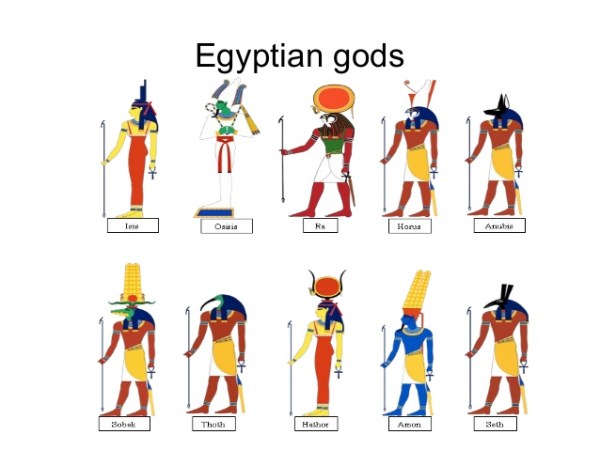
ஆதம் ATUM = படைப்புக்கடவுள்

ரே RE =சூரியக் கடவுள்

ஹதோர் HATHOR, ஈஸிஸ்/ ஐஸிஸ் ISIS = தேவி

நெய்த்NEITH == போர் தேவதை

ப்தா PTAH (பிதா) = சக்திக் கடவுள்

ஆசிரிஸ் OSIRIS

சேத் SET = தீமையின் கடவுள்

ஹோரஸ் HORUS = மன்னர் கடவுள்

பிற்கலத்தில் பல புராணக் கதைகளை உருவாக்கி ஆசிரிஸ் – சேத் – ஹோரஸ் பகைமையைக் காட்டினர்.

இது இந்து மதத்தில் பிரம்மா, விஷ்ணு, சிவன் இடையே பிற்காலத்தில் மோதல்களை உண்டாக்கியதற்குச் சமம்.

தத் (THOTH) என்னும் கடவுள் மொழிகளின் கடவுள்; ஹெர்மாபாலிஸ் என்ற நகரில் வழிபடப்பட்டார்.

மாதா(Ma’at) என்ற இளம்பெண் உண்மை, நேர்மை, ஒழுங்கு /கட்டுப்பாடின் தெய்வமாக வழிபடப்பட்டாள். எகிப்தில் மனிதர்களின் தோற்றத்துடன் தொடர்புடைய கடவுள் மாத் (ஆ). கடவுள் உலகைப் படைக்க முடிவு செய்தவுடன் மாதாவை கையில் தூக்கி உதட்டில் முத்தமி ட் டார். ஒரு சதுப்பு நிலத்திலிருந்து நீர்ப்பறவை குரல் எழுப்பியவுடன் படைப்பு துவங்கியது என்பது எகிப்திய கதை.


பல தெய்வங்கள் — ஆசிரிஸ் உள்பட — மேற்காசியாவிலிருந்து வந்தவை. இதனால் காலப்போக்கில் எகிப்திய கடவுளரின் பங்கு பணிகள் மாறின.


இந்துக்களுக்கு வேதம் என்பது ரகசியப் பொருள் உடைய மந்திரங்கள்; அதன் மேலோட்டமான இலக்கிய அர்த்தத்தைப் பார்க்கக்கூடாது என்பது தெரியும். அதனால் சங்க காலத்  தமிழர்கள், வேதங்களை மறை (ரஹசியம்) என்று மொழி பெயர்த்தனர். அது போல எகிப்திலும் ரஹசியப் பெயர் உடைய ஒரு சக்தியைக் கண்டு (He whose Name is Hidden) தெய்வங்களும் பயந்தன என்ற வழக்கு உண்டு.


மிக சக்தி வாய்ந்த ஹோரஸ் என்ற தெய்வத்தை பருந்து வடிவில் (கழுகு) சித்திரம் வரைவர். இந்தப் பருந்துகூட பெரிய கடவுளின் (HIDDEN GOD) அரண்மனையில் மதில்சுவரில் உட்கார்ந்து இருக்கும் என்பர். இதை இந்து மதத்திலுள்ல பிரம்மன் அல்லது தேவி பாகவதத்தில் வரும் திருமூர்த்திகளும் வணங்கும் தேவிக்கு ஒப்பிடலாம்.


எகிப்திய வரலாற்றில் இந்த மறைந்திருக்கும் தெய்வம் (He whose Name is Hidden) யார் என்பதை எழுதாவிடிலும் சிலர் அமன் (AMUN) என்னும் தெய்வம்தான் என்று சிலர் சொல்லுவர். இந்துக்களின் அம்மன் அல்லது பிரமன் இப்படித் திரிந்திருந்தாலும் ஆச்சரியப் படுவதற்கில்லை. ஏனெனில் பிதா, சவிதுர் (ஹதோர்) ஹோரஸ் (சோலஸ்= சோலார்= சூர்ய), ரே முதலிய சம்ஸ்கிருதச் சொற்கள் அவர்களின் கடவுளர் பெயர்களில் உள்ளன.

நட்சத்திரக் கடவுள்கள் (Star Gods= Stellar Deities)


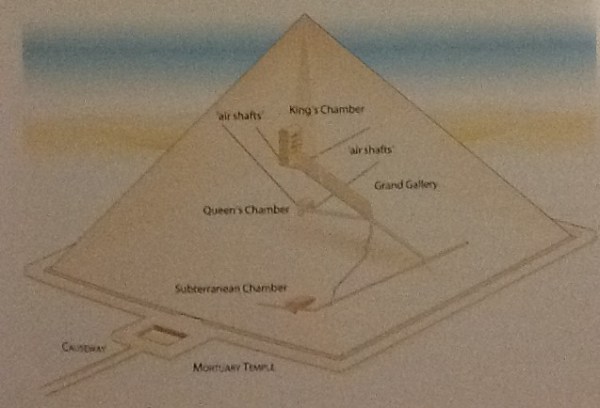
நட்சத்திரங்கள் என்பன புண்யாத்மாக்கள், தேவர்கள் என்று இந்துக்கள் கருதினர் (Vanaparva in Mahabharata). பிரமிடுகள் கட்டத் துவங்கியதிலிருந்து இந்த நம்பிக்கை வலுப்பட்டது. இறைவனான மன்னன், இறந்தவுடன் நடசத்திரங்களுக்கு அப்பால் பயணம் செய்வான் என்று நம்பினர். இதனால் நட்சத்திரங்களை நோக்கி பிரமிடின் சாளரங்களை அமைத்தனர். குறிப்பாக சிவனுடன் தொடர்புடைய ORION ஒரியன் (ஓரையன்=அரையன்) நட்சத்திர மண்டலம் இவர்களுக்கு மிகவும் பிடித்த ஒன்று. அங்குதான் சிவனுடைய ஆருத்ரா நட்சத்திரமும், மிருக சீர்ச நட்சத்திரமும் உள்ளன.


கட்டாய குருமார் (PRIEST SERVICE) சேவை


சுவிட்சர்லாந்து முதலிய நாடுகளில் கட்டாய ராணுவ சேவை உள்ளது போல ஆரம்பகாலத்தில், உயர் பதவியிலுள்ள எல்லோரும், கோவில்களில் கட்டாயமாக குருமாராக (குருக்களாக ) இருக்கவேண்டும் என்று இருந்தது. இது நம்பூதிரிகளைப் போல ஒரு குறிப்பிட்ட காலம் செய்ய வேண்டிய பணி. பின்னர் குருக்கள் வேலை தனித் தொழிலாக பரிணமித்தது. எல்லா கோவில்களிலும் ராஜாதான், கொள்கை அளவில் தலைமை குருக்கள். அங்கு வேலை பார்க்கும் குருக்கள் ராஜாவின் பிரதிநிதி. சில கோவில்கள் காலப்போக்கில் மிகவும் பிரபலமாகி அதன் குருக்களும் செல்வாக்குடையவர் ஆயினர்.


1.மெம்பிஸ் (Priest of Ptah of Memphis) நகர பிதா கோவில் குருக்கள்

2.ஹீலியோபாலிஸ் ரே (Priest of Re of Heliopolis) கோவில் குருக்கள்

3.தீப்ஸ் நகர அமன் (Priest of Amun of Thebes) கோவில் குருக்கள் – ஆகியோர் குறிப்பிடத்தக்கவர்கள்


முதலில் கடவுள் என்பவர் ராஜாவின் ஆள், பொதுமக்களுக்குத் தொடர்பில்லை என்று இருந்தது. ஆனால் காலப்போக்கில் கடவுள் எல்லோருக்கும் தொடர்புடையவர், எல்லோரையும் கட்டுப்படுத்துபவர் என்ற கொள்கை வளர்ந்தது. இதனால் கோவில்கள் செல்வாக்கும் செல்வமும் பெற்றன.


எகிப்தில் தத்துவக் கருத்துகள் (Philosophical) காணப்படவிடினும்  உண்மை, நீதி, நேர்மை, ஒருவரை ஒருவர்  மரியாதையுடன் நடத்துவது ஆகியன இருந்தன. எகிப்தியர்களுடைய நம்பிக்கைகள் என்ன என்பதை மிகவும் பிற்காலத்தில் எழுந்த கிரேக்க நூல்கள் மூலமே அறிய முடிகிறது.


முக்கிய தெய்வங்களின் பட்டியலையும் பங்கு பணிகளையும் அடுத்த பகுதியில் இந்து சமய தெய்வங்களுடன் ஒப்பிட்டு ஆராய்வோம்.


to be continued…………………………..