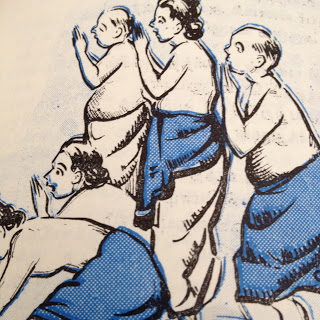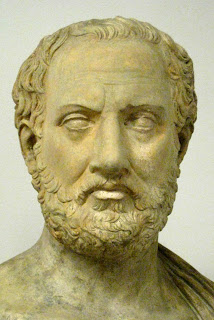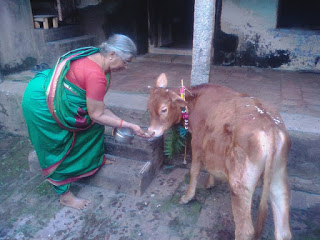
Rig Veda on Friendship and Food for All! (Post No.3929)

Research article Written by London Swaminathan


Date: 21 May 2017


Time uploaded in London: 15-59


Post No. 3929


Pictures are taken from various sources such as Face book, google and Wikipedia; thanks.


contact: swami_48@yahoo.com

 

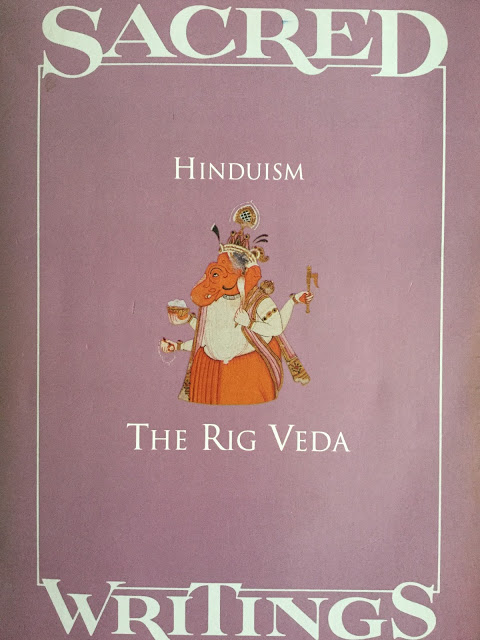
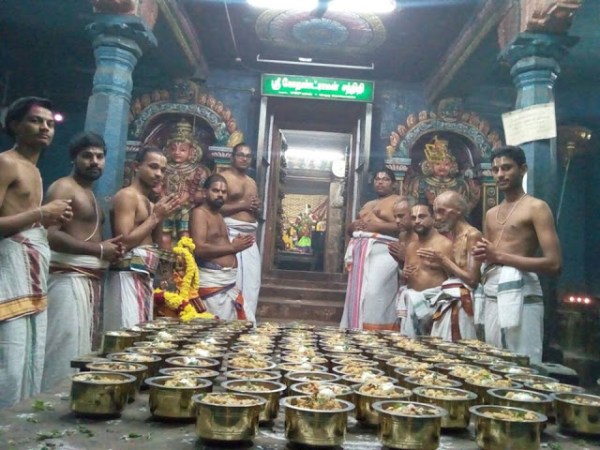
There is a beautiful hymn in the Rig Veda, the oldest book in the world. It is amazing to see such a lofty thought in the remotest period of human civilization. This shows how civilized were Hindus and how much advanced in thinking. I have already written about the last hymn of Rig Veda praying for world peace. What we find in the United Nations motto of today was voiced by Vedic poets several thousand years ago. Every Hindu must feel proud of that hymn and the following one on Friendship and charity.

Several thousand years later we see such thoughts in the Bhagavad Gita and Tamil Veda Thirukkural. The proverb ‘A friend indeed is a friend in need’ came from India!


In the Tenth Mandala (10-117) of the Rig Veda we come across this hymn:
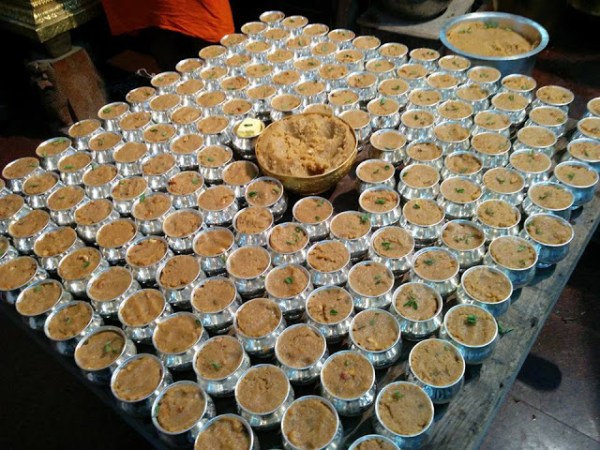
 

1.The Gods have not ordained hunger to be our death; even to the well-fed man comes death in varied shape.

The riches of the liberal never waste away, while he who will not give finds none to comfort him.


2.The man with food in store who, when the needy comes in miserable case begging for bread to eat,


Hardens his heart against him – even when of old he did him service – finds not one comfort him.


3.Bouteous is he who gives unto the beggar who comes to him in want of food and feeble.


Success attends him in the shout of battle. He makes a friend of him in future troubles.


4.No friend is he who to his friend and comrade who comes imploring food, will offer nothing.

Let him depart—no home is that to rest in –, and rather seek a stranger to support him.


5.Let the rich satisfy the poor implorer, and bend his eye upon a longer path way.


Riches come now to one, now to another, and like the wheels of car are ever rolling.


6.The foolish man wins food with fruitless labour; that food – I speak the truth – shall be his ruin.

He feeds no trusty friend, no man to love him. ALL GUILT IS WHO HE EATS WITH NO PARTAKER.


7.The ploughshare ploughing make the food that feeds us, and with its feet cuts through the path it follows.

Better the speaking than the silent Brahman; the liberal friend outvalues him who gives not.


8.He with one foot hath far outrun the bieped, and the two footed catches the three footed.

Four footed creatures come when biepeds call them, and stand and look where five are met together.


9.The hands are both alike; their labour differs. The yield of sister milch kine is unequal.


Twins even differ in their strength and vigour; tow, even kinsmen, differ in their bounty.
Ralph T H Griffith in his translation added a footnote for one foot etc.

One foot =Sun

biped = man

Three footed= old man with a walking stick

Four footed creature=Dogs

Five = several men.


I don’t know how correct was Griffith in his translation. But we can get the picture clearly from the lines.

A friend indeed is a friend in need.

and wealth is for distribution

Food is for a sharing.


Later Lord Krishna says in the Bhagavad Gita:

The good people who eat what is left from sacrifice are released from all sis but those WICKED PEOPLE WHO PREPARE FOR THEIR OWN SAKE – VERILY EAT SIN Bhagavad Gita 3-13.

We may interpret the sacrifice here as Pancha Yajna ( Five sacrifices) which Manu and others mention; They are the ones Hindus do every day; feeding relatives/guests, living beings (animals and birds), ancestors, devas/gods and the last Brahma Yajna i.e. studying holy books and teaching.


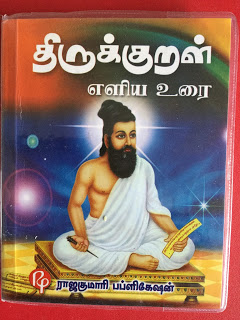
Tamil Veda Thirukkural has at least sixty couplets on friendship and feeding the guests. Hospitality is a typical Hindu concept, absent in Western Literature, and found only in the Vedas, Epics, Puranas and Sangam Tamil Literature.


Here are two important couplets from Thirukkural written by Thiru valluvar:-
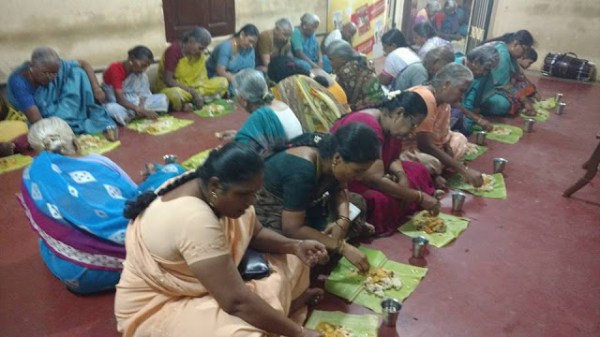
Enjoying one’s food, sharing it with others, and sustaining other lives is held out as the highest virtue by the learned sages (322)

Genuine friendship hastens to redress distress even like the hand which picks up quickly that garment that slips (788)

Great men think alike! Rig Vedic poet/seer, Lord Krishna and valvar and several great people said it.

-subham-


நிழல் போலத் தொடரும்-புத்தரும் வள்ளுவரும் செப்பியது ஒன்றே- Part 5 (Post No.3928)

நிழல் போலத் தொடரும்-புத்தரும் வள்ளுவரும் செப்பியது ஒன்றே- Part 5 (Post No.3928)


Written by London Swaminathan


Date: 21 May 2017


Time uploaded in London: 7-42 am


Post No. 3928


Pictures are taken from various sources such as Face book, google and Wikipedia; thanks.


contact: swami_48@yahoo.com


புத்தரும் வள்ளுவரும் செப்பியது ஒன்றே-4 (3914) 16th May 2017

புத்தரும் வள்ளுவரும் செப்பியது ஒன்றே-3 (3901) 12-05-2017

புத்தரும் வள்ளுவரும் செப்பியது ஒன்றே-2 (3899) 11-05-2017

புத்தரும் வள்ளுவரும் செப்பியது ஒன்றே-1(3896) 10th May 2017


தீயவை

வள்ளுவர் சொன்னார்,

தீயவை செய்தார் கெடுதல் நிழல் தன்னை

வீயாது அடிஉரைந்தற்று (குறள் 208)

பொருள்

தீய செயல்களைச் செய்தவர்கள் தீச்செயலின் பயனை அனுபவித்து அழிவது உறுதி. இது ஒருவனுடைய நிழல் அவனோடு பின் தொடர்ந்து சென்று அவன் அடியில் இருப்பது போன்றது.

ஒருவனுடைய நிழல் ஒருவனை எப்படித் தொடர்கிறதோ அப்படி அவன் செய்த செயல்களும் அவனுடன் வரும்.

புத்தர் சொன்னார்

ஒருவன் கெட்ட எண்ணத்துடன் பேசினாலோ, செயல்களைச் செய்தாலோ அவனுக்குத் துன்பம், வண்டி மாட்டின் மீது அந்த வண்டிச் சக்கரங்கள் எப்படி தொடர்ந்து வருகின்றனவோ அப்படி வரும்.


ஒருவன் நல்ல எண்ணத்துடன் பேசினாலோ, செயல்களைச் செய்தாலோ அவனுக்கு இன்பம், ஒருவனுடைய நிழல் எப்படி அவனைத் தொடர்ந்து வருகின்றதோ அப்படி வரும்.

தம்மபதம் 1,2


xxx


வள்ளுவர் சொன்னார்,


இன்னாசெய் தாரை ஒறுத்தல் அவர்நாண

நன்னயம் செய்து விடல் (குறள்-314)


ஒருவர் யாராவது நமக்குத் தீங்கு செய்தால் அவர் வெட்கப்படும்படி நாம் அவருக்கு நன்மை செய்ய வேண்டும்; பின்னர் அவர் செய்த தீமையையும் நாம் செய்த நல்லதையும் மறந்து விட வேண்டும்.

புத்தர் சொன்னார்,

வெறுப்பை வெறுப்பால் வெல்ல முடியாது; வெறுப்பை அன்பினால்தான் வெல்ல முடியும்; இது அழியாத உண்மை தம்மபதம் (5)

xxx


மலையின் மீது இருந்து காணும் காட்சி

வள்ளுவர் சொன்னார்,


குன்றேறி யானைப்போர் கண்டற்றால் தன்கைத்தொன்று

உண்டாகச் செய்வான் வினை (திருக்குறள் 758)


தன் கையில் பொருள் ஒன்றை வைத்துக் கொண்டு கவலையில்லாமல், காரியத்தினைத் தொடங்குவது, மலையின் மீது நின்று கொண்டு கீழே நடக்கும் யானைகளின் சண்டையைக் காண்பது போன்றது.

புத்தர் சொன்னார்

புத்திசாலி மனிதன் விழிப்புடன் இருந்து எண்ணங்களைக் கட்டுப்படுத்தினால்  அவன் துன்பங்களை உதறிவிட்டு, மேலே உள்ள ஞானம் என்னும் அரண்மனைக்குச் செல்வான். அதன் பலகணியிலிருந்து  துன்பப் படுவோரைக் காண்பான். இது குணம் என்னும் குன்று ஏறி நின்ற முனிவர்கள் மலை உச்சியிலிருந்து சமவெளியிலுள்ள அஞ்ஞானிகளைக் காண்பதற்குச் சமம்.

தம்மபதம் 28

xxx


இந்திரனே சான்று

வள்ளுவர் சொன்னார்,


ஐந்தவித்தான் ஆற்றல் அகல்விசும்பு ளார்கோமான்

இந்திரனே சாலுங் கரி (திருக்குறள் 25)


ஐம்புல ஆசைகளை ஒழித்த ஒருவனுக்கு எவ்வளவு ஆற்றல் உண்டு என்பதற்கு இந்திரனே சாட்சி.

((இந்தக் குறளுக்குப் பொருள் தருவதில் பரிமேல் அழகர்கூட தவறு செய்துவிட்டதை எனது பழைய ஆராய்ச்சிக் கட்டுரையில் தந்துள்ளேன். அவர், இது இந்திரனைக் கிண்டல் செய்வது என்று நினைத்து விட்டார். உண்மையில் இந்திரன் புலனடக்கம் மிக்கவன். அகல்யை சம்பவம் உதாரணம் ஆகாது))

புத்தர் சொன்னார்

புலன்களின் சேட்டை பற்றி விழிப்புடன் இருந்ததாலேயே, இந்திரன் தேவர்களுக்குத் தலைவன் ஆனான். இதைக் கடவுளரும் பாராட்டுகின்றனர். விழிப்பின்மையை எல்லோரும் தூற்றுவர்.

தம்மபதம் 30

அதர்வண வேதத்திலும் (11-5-19) இக் கருத்து உளது.


xxx


அருள் புரிக

வள்ளுவர் சொன்னார்,


வலியார்முன் தன்னை நினைக்கத்தான் தன்னின்

மெலியார் மேல் செல்லும் இடத்து (திருக்குறள் 250)


ஒருவன் தான் பலசாலியாக இருக்கும்போது மற்றவனைத் துன்புறுத்துவது சரியல்ல. அவன், தன்னைவிட பலசாலியான ஒருவன் தன்னை இப்படித் துன்புறுத்தினால் எப்படி இருக்கும் என்பதை எண்ணிப் பார்க்க வேண்டும்.


தன்னுயிர்க்கு இன்னாமை தானறிவான் என்கொலோ

மன்னுயிர்க்கு இன்னா செயல் ( திருக்குறள் 318)


ஒருவன் தனக்குத் துன்பம் இழைக்கும்போது அதனால் ஏற்படும் கஷ்டத்தை அறிந்த மனிதன், பிற உயிர்களுக்கு துன்பம் இழைப்பது யாது கருதியோ?

புத்தர் சொன்னார்


பிறருடைய குற்றத்தைப் பற்றியோ, அவர்கள் என்ன செய்தார்கள் , என்ன செய்யவில்லை என்றோ எண்ணாதீர்கள். உங்களுடைய தவறுகளையும் நீங்கள் எதைச் செய்தீர்கள், எதைச் செய்யத் தவறினீர்கள் என்று சிந்தியுங்கள்

ஒருவன் தான் செய்த தீமையின் விளைவுகள் தெரியாத வரை அதைத் தொடர்ந்து செய்துகொண்டே இருப்பான்; அது அவனுக்கு இன்பமாகத் தோன்றும். ஆனால் தீய செயல்களின் விளைவுகள் அவனுக்குத் திரும்பும்போது அவன் அதை அனுபவித்து அறிவான் தம்மபதம்-119


-Subaham-


வாழ்க்கைக்கு வழிகாட்டும் அறிவுரைகள்! (Post No.3927)

Written by S NAGARAJAN


Date: 21 May 2017


Time uploaded in London:-  4-49 am


Post No.3927


Pictures are taken from different sources; thanks.


contact: swami_48@yahoo.com


புத்த நெறி

வழிகாட்டும் அறிவுரைகள்!

தமிழாக்கம் : ச.நாகராஜன்

வாழ்க்கைக்கு வழிகாட்டும் புத்த மதத்தின் சாராம்சமான அறிவுரைகள் இவை. இவற்றைத் தலாய்லாமா கூறியதாக வரும் தகவல் தவறு. ஆனாலும் நல்ல அறிவுரைகளை எங்கிருந்தாலும் பெறலாம், கடைப்பிடிக்கலாம்,இல்லையா!


  1. மிகுந்த நேசமும் பெரிய சாதனைகளும் பெரிய அபாயத்தைக் கொண்டிருக்கும் என்பதை உணருங்கள்.
  2. நீங்கள் இழக்கும் போது அது தரும் பாடத்தை இழந்து விடாதீர்கள்
  3. மூன்று ‘ஆர்களைக் கடைப்பிடியுங்கள்

Respect for self – சுய மரியாதை,

Respect for others – மற்றவர்களுக்கு மரியாதை Responsibility for all your actions – உங்கள் செயல்கள் அனைத்திற்கும் நீங்களே பொறுப்பு

  1. நீங்கள் விரும்புவதை அடையாமல் இருப்பதானது சில சமயம் ஆச்சரியகரமான அதிர்ஷ்டத்தின் வீச்சு என்பதை நினைவில் இருத்திக் கொள்ளுங்கள்
  2. விதிகளை அதை எப்படி முறையாக மீறலாம் என்பதற்காக நன்கு தெரிந்து கொள்ளுங்கள்
  3. ஒரு சின்னத் தகராறு பெரிய நட்பிற்கு ஊறு விளைவிக்க விட்டு விடாதீர்கள்.
  4. நீங்கள் ஒரு தவறு செய்து விட்டதாக உனரும் போது, உடனே அதை சரி செய்வதற்கான செயல்களில் ஈடுபடுங்கள்
  5. ஒவ்வொரு நாளும் கொஞ்ச நேரமாவது தனிமையில் இருங்கள்
  6. மாற்றத்திற்கு எப்போதும் தயாராக இருங்கள், ஆனால் அதில் உங்கள் மதிப்பு வாய்ந்தனவற்றை இழக்கும்படி விட்டு விடாதீர்கள்.
  7. சில சமயம் மௌனமே சிறந்த பதில் என்பதை நினைவில் இருத்திக் கொள்ளுங்கள்.
  8. நல்ல, கௌரவமிக்க வாழ்க்கையை வாழுங்கள். முதுமை அடைந்து பழையனவற்றை நினைத்துப் பார்க்கும் போது இன்னொரு முறை ஆனந்தப்படலாம்.
  9. இல்லத்தில் நீங்கள் நிலவ விடும் அன்பான சூழ்நிலையே உங்கள் வாழ்க்கையின் அஸ்திவாரம்.
  10. நீங்கள் நேசிப்பவர்களுடன் உங்களுக்கு ஏற்படும் கருத்து வேறுபாடுகளின் போது அப்போதைய சூழ்நிலையை மட்டும் மனதில் கொண்டு அதற்கேற்றபடி செயல்படுங்கள். பழையனவற்றை இழுக்காதீர்கள்.
  11. உங்கள் அறிவைப் பகிர்ந்து கொள்ளுங்கள். நீங்கள் இறந்தாலும், அமரத்தன்மையை அடைவீர்கள்.
  12. பூமியுடன் மிருதுவாக இருங்கள்.
  13. நீங்கள் இதுவரை சென்றிடாத ஒரு இடத்திற்கு ஆண்டுக்கு ஒரு முறை சென்று வாருங்கள்.
  14. மிக அருமையான உறவு என்பது மற்றவரின் மீதான உங்கள் அன்பு அவருடைய தேவையை விட உங்களிடம் அதிகமாகும் போது தான் சிறந்ததாகிறது என்பதை நினைவில் இருத்திக் கொள்ளூங்கள்.
  15. பெறுவதை விட கொடுப்பதை வைத்து உங்களுடைய வெற்றியை மதிப்பிடுங்கள்.
  16. அன்பையும் தயையும் கவனக்குறைவைக் கைவிட்டு விட்டு அணுகுங்கள்.

நன்றி: இணைய தளத் தொடுப்புகள்


ஆங்கில மூலம் இதோ:-

INSTRUCTIONS FOR LIFE

  1. Take into account that great love and great achievements involve great risk.
    2. When you lose, don’t lose the lesson.
    3. Follow the three Rs: Respect for self, Respect for others and Responsibility for all your actions.
    4. Remember that not getting what you want is sometimes a wonderful stroke of luck.
    5. Learn the rules so you know how to break them properly.
    6. Don’t let a little dispute injure a great friendship.
    7. When you realise you’ve made a mistake, take immediate steps to correct it.
    8. Spend some time alone every day.
    9. Open your arms to change, but don’t let go of your values.
    10. Remember that silence is sometimes the best answer.
    11. Live a good, honourable life. Then when you get older and think back, you’ll be able to enjoy it a second time.
    12. A loving atmosphere in your home is the foundation for your life.
    13. In disagreements with loved ones, deal only with the current situation. Don’t bring up the past.
    14. Share your knowledge. You’ll die, but may achieve immortality.
    15. Be gentle with the earth.
    16. Once a year, go someplace you’ve never been before.
    17. Remember that the best relationship is one in which your love for each other exceeds your need for each other.
    18. Judge your success by what you had to give up in order to get it.
    19. Approach love and compassion with reckless abandon.

This advice did not come from His Holiness the Dalai Lama as often mis-quoted.


***

தான் மட்டும் உண்பவன் பாவி- ரிக் வேத மந்திரம் (Post No..3926)

Written by London Swaminathan


Date: 20 May 2017


Time uploaded in London: 17-20


Post No. 3926


Pictures are taken from various sources such as Face book, google and Wikipedia; thanks.


contact: swami_48@yahoo.com


வள்ளுவர் திருக்குறளில் சொல்வது என்ன?


பகுத்துண்டு பல்லுயிர் ஓம்புதல் நூலோர்

தொகுத்தவற்றுள் எல்லாம் தலை (குறள் 322)


பொருள்

தம்மிடமுள்ள உணவை எல்லோருக்கும் பகுத்துக் கொடுத்து தானும் உண்ண வேண்டும்; பிற உயிரினங்களையும் பாதுகாக்க வேண்டும்; நல்லோர் கூறிய எல்லா அறங்களிலும் இதுவே சிறந்த தர்மம்.

கடலுள் மாய்ந்த இளம்பெருவழுதி என்ற பாண்டிய மன்னனும் புற நானூற்றில் இதையே பாடினான்; அமிர்தமே கிடைத்தாலும் தான் மட்டும் உண்பவர் இந்தியாவில் கிடையாது; புகழ் என்றால் உயிரையும் கொடுப்பர்; பழி வருமானால் உலகமே கிடைத்தாலும் வேண்டாம் என்பர்

அமிழ்தம் இயைவது ஆயினும், இனிது எனத்

தமியர் உண்டலும் இலரே; முனிவு இலர்;

துஞ்சலும் இலர்; பிறர் அஞ்சுவது அஞ்சி,

புகழ் எனின் ,உயிரும் கொடுக்குவர்; பழி எனின்,

உலகுடன் பெறினும், கொள்ளலர்

–புறம் 182, க.மா. இளம்பெருவழுதி


பகவத் கீதை 3-13-ல் கண்ணனும் மொழிந்தது அதுவே:


யஜ்ஞசிஷ்டாசினஹ சந்தோ முச்யந்தே சர்வகில்பிஷைஹி

புஞ்சதே தே த்வகம் பாபா யே பசந்த்யாத்மாமகாரணாத்

(பகவத் கீதை 3-13)


பொருள்

யக்ஞம் செய்து மிஞ்சியதை உண்ணும் சாதுக்கள் எல்லாப் பாவங்களிலிருந்தும் விடுபடுகின்றனர். ஆனால் எவர்கள் தமக்கெனவே சமைக்கின்றார்களோ அந்த பாபிகள் பாவத்தையே உண்கிறார்கள்.


அதாவது பஞ்ச யக்ஞம் எனப்படும் ஐந்து வேள்விகளை தினமும் செய்ய வேண்டும்; இதில் மனிதர்கள், தேவர்கள், பிற உயிர்கள், விருந்தாளிகள், இறந்து போனோர் ஆகியோருக்கு படைப்புகள் கொடுப்பது ஐந்து வித வேள்வி – பஞ்ச யக்ஞம் — எனப்படும்.


இப்படி கண்ணன், வள்ளுவன், இளம்பெருவழுதி என்று பலரும் சொல்லக் காரணம் ரிக்வேத மந்திரமாகும். பத்தாவது மண்டலத்தில் உள்ள இந்த மந்திரம் மிகவும் அருமையான மந்திரம். ஒரு கவிஞர் பொழிந்து தள்ளி விட்டார். இதிலுள்ள ஒவ்வொரு வரிக்கும் ஒரு கட்டுரை எழுதலாம். அவ்வளவு ஆழமான பொருளுடைத்து. இப்போது ஒரு மந்திரச் செய்யுளை மட்டும் காண்போம்..


“உணவு கேட்டு வந்த நண்பனுக்கு இல்லையென்று கைவிரிப்பவன் நண்பனே இல்லை.

ஏழைகளை பணக்காரர்கள் திருப்தி செய்ய வேண்டும். அதுதான் போகும் வழிக்குத் துணை (அதாவது மறுமையில் பலன் தரும். இறந்த பின்னர் ஒருவன் புண்ணியம் மட்டுமே அவனுடன் கூட வரும்)


செல்வம் என்பது இன்று வரும்; நாளை வேறு ஒருவரிடம் போய்விடும். இது வண்டிச் சக்கரம் போல் சுழலக் கூடியது.


யார் ஒருவன் உழைக்காமலே உணவு பெறுகிறானோ அவன் முட்டாள்; அது அவனைப் பாழாக்கி விடும்

(‘ஐயமிட்டு உண்’ என்று சொன்ன அவ்வைப் பாட்டியே ‘ஏ ற்பது இகழ் ச்சி’ என்றும் சொன்னது போல)


யார் ஒருவன் பகுத்துக் கொடுக்காமல் சாப்பிடுகிறானோ அவன் குற்றம் புரிந்தவனே. அவன் தோழர்களுக்கு உணவு அளிக்காவிடில் அவனை நேசிப்போர் யாரும் இரார்– இது ரிக் வேத மந்திரத்தின் ஒரு பகுதி (10-117-4/6)


திரு மூலரும் இதையே செப்புவார்:


யாவர்க்குமாம் இறைவர்க்கு ஒரு பச்சிலை

யாவர்க்குமாம் பசுவிற்கொரு வாயுறை

யாவர்க்குமாம் உண்ணும் போதொரு கைப்பிடி

யாவர்க்குமாம் பிறர்க்கு இன்னுரை தானே.


– திருமந்திரம்


காலையில் இறைவனுக்கு பச்சிலை இட்டு வணங்கியும், பசு, நாய், காகம் போன்ற பிராணிகட்கு சிறிது உணவளித்தும், வறியார்க்கு சோறிட்டும், மற்றவர்கட்கு இன்சொல் கூறியும், நாம் வாழ்வோமாக.


கிருஷ்ண பரமாத்மாவும், வள்ளுவனும் இளம்பெருவழுதியும், திருமூலரும் பிற்காலத்தில் சொன்ன கருத்தை, அதற்குப் பல ஆயிரம் ஆண்டுகளுக்கு முன் பகன்ற ரிக் வேத ரிஷியைப் போற்றுவோம்.


தமிழில் பழ மறையைப் பாடுவோம்—பாரதி


–SUBHAM–


Desire and Hatred: Buddha and Valluvar Think Alike -Part 4 (Post No.3925)

Research article written by London Swaminathan


Date: 20 May 2017


Time uploaded in London: 15-50


Post No. 3925


Pictures are taken from various sources such as Face book, google and Wikipedia; thanks.


contact: swami_48@yahoo.com


DESIRE

Thiruvalluvar said,

If desire, the greatest of afflictions, would become extinct there would be perpetual happiness even in this world (Kural 369)

There are ten couplets on desire– 361 to 370 in the chapter 37 — in Thirukkural written by Thiruvallavar


And Buddha said,

Since a shower of golden coins cloud not satisfy craving desires and the end of all pleasure is pain, how could a wise man find satisfaction even in the pleasures of gods? When desires go, joy comes; the follower of Buddha finds this truth (Dhammapada 186, 187)


xxx

HATRED

Valluvar said,

What is called hatred is a disease that spreads the bitterness of discord among all beings (Kural 851)

Nip in the bud the feeling of hostility and you prosper well. For one is fast ruined by fomenting hatred (Kural 859)

Out of hatred arise evils; out of love comes the glory that is called discreteness (860)

There are ten couplets on hatred – 851 to 860in the chapter 86 — in Tirukkural

And Buddha said,

If a man speaks or acts with an impure mind, suffering follows him as the wheel of the cart follows the beast that draws the cart (Dhamma 1)

He insulted me, he hurt me, he defeated me, he robbed me- Those who think such thoughts will not be free from hate (Dhammapada-2)

xxx

CONSCIENCE & KARMA

Valluvar said,

Just as one’s shadow follows one wherever one goes, destruction follows the path of evil doer (Kural 208)


And Buddha said,


What we are today comes from our thoughts of yesterday, and our present thoughts build our life of tomorrow; our life is the creation of our mind.

If a man speaks or acts with pure mind, joy follows him as his own shadow (Dhamma-2)


xxx

NO TIT FOR TAT

Valluvar said,


The best way to punish those who harm you is to make them feel abashed by doing them good and thinking no more of it (Kural 314)

Tamil poet Bharati also echoed this advice

And Buddha said,

For  hate is not conquered by hate; hate is conquered by love. This is a law eternal (Dhamma. 5)


xxx

WEALTH

Valluvar said,

What is achieved by a man that has wealth is like witnessing a fight between elephants having climbed to the top of a hill (Kural 758)

And Buddha said,

The Wiseman who by watchfulness conquers thoughtlessness is as one who free from sorrows ascends the palace of wisdom and there, from its high terrace, sees those in sorrow below; even as a wise strong man  on the holy mountain might behold the many unwise far down below on the plain (Dhamma.28)


xxx

SAINT and INDRA

Valluvar said,

Indra the King of Devas himself , will bear testimony to the will power of those who curbed

the desires of the five senses (Kural 25).

And Buddha said,

It was by watchfulness that Indra became the chief of the Gods and thus the gods praise the watchful, and thoughtlessness is ever despised (Dhamma 30)


Also in Atharva Veda 11-5-19

xxx

SLANDER

Valluvar said,

If a man can look upon others faults as his own what evil can befall him? (Kural 190)

Valluvar said the same in his couplets-250, 318, 436 as well.

And Buddha said,

Think not the faults of others, of what they have done or not done. Think rather of your own sins, of the things you have done or not done (Dhamma.50)

xxx

ELOQUENCE

Valluvar said,

Those who are unable to elucidate their learning are like a cluster of blossoms without fragrance (650).

Also in Rig Veda 10-71-5

And Buddha said,

Just as flower which seems beautiful and has colour but no perfume, so are the fruitless words of  the man who speaks them  but does them not (Dhamma.50)


xxxx

PATIENCE

Valluvar said,


Those who perform penance by fasting are certainly great but even they are not equal to those that forebear the harsh words spoken by others (Kural 160)

And Buddha said,

Watch for anger of words; let your words be self-controlled. Hurt not with words, but use your words well (Dhamma.232)

There are men steady and wise whose body, words and mind are self-controlled. They are the men of supreme self-control (Dhamma 234)


–SUBHAM–

ஸ்ரீ அரவிந்த தரிசனம் – அமுதன் நினைவு அஞ்சலி – 1 (Post No.3924)

Written by S NAGARAJAN


Date: 20 May 2017


Time uploaded in London:-  6-34 am


Post No.3924


Pictures are taken from different sources; thanks.


contact: swami_48@yahoo.com


பாரதி இயல் 

பாரதி அன்பர்கள் நிச்சயம் படிக்க வேண்டிய நூல்!


மஹாகவி பாரதியார் பற்றிய நூல்கள் – 31 -1


ஸ்ரீ அரவிந்த தரிசனம் – அமுதன் நினைவு அஞ்சலி – 1


 மஹாகவி பாரதியாரைப் பற்றி நன்கு அறிய விரும்பும் அன்பர்கள் நிச்சயம் படிக்க வேண்டிய ஒரு நூல் அரவிந்த ஆசிரமத்தைச் சேர்ந்த அமுதன் எனப்படும் ஸ்ரீ அமிர்தா எழுதிய நூலான ஸ்ரீ அரவிந்த தரிசனம் – அமுதன் நினைவு அஞ்சலி.

இந்த நூல் கிடைக்குமிடம்

ஸ்ரீ அரவிந்த ஆசிரமம், புதுச்சேரி – 605002

இதன் முதல் பதிப்பு 1985ஆம் ஆண்டிலும் இரண்டாம் பதிப்பு 1998ஆம் ஆண்டிலும் வெளியிடப்பட்டது. நூலின் விலை பற்றியும், அது இப்போது கிடைக்கப் பெறுமா என்பதையும் அன்பர்கள் முதலில் விசாரித்து விட்டுப் பின்னர் ஸ்ரீ அரவிந்த ஆசிரமத்திலிருந்து இந்த நூலைப் பெறுதல் நலம்.

நூலின் பக்கங்கள் 122.


மஹாகவி பாரதியாருடன் மிகவும் நெருங்கிப் பழகியவர் அமுதன்.

பாரதியாரின் புதுச்சேரி வாழ்க்கையைப் பற்றியும் சென்னையில் அவர் மஹாத்மா காந்திஜியைச் சந்தித்தது உள்ளிட்ட  முக்கியமான நிகழ்வுகளையும் தன் நினைவிலிருந்து அவர் தொகுத்துத் தந்திருக்கிறார். இந்த நூலை திருத்தம் செய்ய அவருக்கு நேரம் கிடைக்கவில்லை போலும். அவரது குறிப்புகள் அப்படியே பிரசுரிக்கப்பட்டிருக்கிறது.


அற்புதமான இந்த புத்தகத்தைப் படிக்கும் போது ஸ்ரீ அரவிந்தருடன் பாரதியாரின் நட்பு எத்தகைய உயர்ந்த அளவில் தெய்வீக நட்பாகவும் ஆத்மார்த்த நட்பாகவும் அமைந்திருந்தது என்பதை நன்கு அறிய முடிகிறது.


இந்த நூலில் 23 அத்தியாயங்கள் உள்ளன. 1) ஸ்ரீ அரவிந்தர் வருகை 2) ஸ்ரீ அரவிந்தர் வீடு 3) ஸ்ரீ அரவிந்தரும் பாரதியாரும் 4) பாரதியாரும் நானும் 5) கொடியாலம் இரங்கசாமி ஐயங்கார் 6) வ்.ரா.வும் நானும் 7) ஆகஸ்ட் 15, 1913-19 8) புது வீடு 9) வ்.ரா போகிறார் 10) விஜயகாந்தன் உதவி 11) நான் கண்ட காட்சி 12) சாமீப்யம் 13) மெட்ரிகுலேஷன் பரிட்சை 14) ஸ்ரீ அன்னை 15) ஆர்யா 16) சென்னை வாசம் 17) சென்னை நண்பர்கள் 18) பாரதியார், இராஜாஜி, மஹாத்மா காந்தி 19) வ.ரா.வின் மாற்றம் 20) மகாத்மா காந்தி 21) குடுமி பறி போன கதை 22) ரொட்டிக்கார பையன் கதை 23) பாரதியார் பிறந்த நாள்


அத்தியாய தலைப்புகளிலிருந்தே எத்தைகைய வரலாற்றுச் சிறப்பு வாய்ந்த சம்பவங்களை இந்த நூல் அதிகாரபூர்வமாக வழங்குகிறது என்பதை அறியலாம்.

***


நூலின் பதிப்புரையில் அமுதனைப் பற்றிய சில குறிப்புகள் மிகவும் சுருக்கமாக வழங்கப்பட்டுள்ளது.

அமரர் அமுதன் ஸ்ரீ அரவிந்தர் மற்றும் ஸ்ரீ அன்னையின் பிரதம் சீடர்களுள் ஒருவர். அரவிந்தரால் இடப்பட்ட பெயரான அமிர்தா என்ற பெயருக்கேற்ப இனிமையான சுபாவம் படைத்தவர். 50 ஆண்டுகளுக்கும் மேலாக அரவிந்த ஆசிரம நிர்வாகியாகப் பணியாற்றியவர்.

இந்த நூலை அவர் தொடர்ந்து விரிவாக எழுதியிருந்தால் ஒரு அற்புதமான பொக்கிஷத்தை முழுமையாகப் பெற்றிருப்போம்.

இருந்தாலும் இப்போது கிடைத்ததை வைத்து திருப்திப் பட வேண்டியது தான்.

இந்த நூலை முழுமையாகப் படித்து இன்புறுவதே சரி. அதை வாங்கி நம் வீட்டு நூலகத்தில் இடம் பெறச் செய்து படிக்க வேண்டியது தான். என்றாலும் இந்தத் தொடரின் நோக்கம் கருதி சில முக்கிய பகுதிகளை மட்டும் அவர் சொற்களிலேயே பார்ப்போம்.

***

மஹாகவி பாரதியார் பற்றி அவர் குறிப்பிடுபவை:


1920-1924

ஸ்ரீ அரவிந்தரைத் தஞ்சம் அடைவதற்கும்,  உள்ளத்தில் நான் விரிவைப் பெறவும் பழைய சம்ஸ்காரங்களாகிய என் தளைகளை அவிழ்க்கவும், என் எண்ணங்களுக்கு ஒரு தூய்மையையும் புத்துணர்ச்சியையும் தரவும் பாரதியார் மிகவும் உதவியவர். தம்முடைய சொல்லாலும், செயலாலும், வாழும் வாழ்க்கையாலும், பாரதியார் ஸ்ரீ அரவிந்தரிடத்து மிக நெருங்கிய பழக்கம் கொண்டிருந்தவராகையாலும் அவர் ஸ்ரீ அரவிந்தரிடத்து அளவு கடந்த மதிப்பும் பக்தியும் வைத்திருந்ததனாலும்  எனக்கு பாரதியாரிடத்து இன்னதெனச் சொல்லி எனக்கு விளக்கிக் கொள்ள முடியாத ஓர் பெருங் கவர்ச்சி ஏற்பட்டு விட்டது.


பாரதியார் ஒவ்வொரு நாளும் மாலையில் இருட்டிய பிறகே ஸ்ரீ அரவிந்தர் இல்லம் செலவது வழக்கம். இருட்டுவதற்காக பாரதியார் காத்திருந்தது யாரும் தான் ஸ்ரீ அரவிந்தர் கிருகத்துக்குப் போவதைப் பார்க்கக் கூடாது என்ற கருத்தால் அல்ல. ஸ்ரீ அரவிந்தர் மாலை சுமார் ஏழு  மணிக்குப் பிறகே தன் அறையை விட்டு வெளியே வந்து நண்பர்களை வரவேற்பது வழக்கம். அத்தியாவசியமான காலங்களில் பாரதியார், ஸ்ரீனிவாஸாச்சாரியார் போன்ற ஆப்த நண்பர்கள் எந்த வேளையிலும் அவரைப் போய்ப் பார்க்கலாம் என்ற விதி விலக்கும் இருந்தது.

**


பாரதி முதலானோர் இரவு எட்டரை ஒன்பது மணிக்கு வீடு திரும்பும் போது ஏதோ திவ்ய சம்பத்தின் ஓர் அம்சத்தை அவரவர் தகுதிக்கேற்றவாறு தத்தம் உள்ளத்தில் கனிவோடு ஏந்திச் சென்றதாகக் கேட்டிருக்கிறேன்.

***


மாலையில் பாரதியார் ஸ்ரீ அரவிந்தரைப் பார்க்காதிருந்த நாளே கிடையாதெனலாம். தினசரி பத்திரிகைகளில் படித்த விஷயங்கள், செய்திகள் அக்கம் பக்கத்து சமாசாரங்கள் முதலிய எல்லாவற்றைப் பற்றியும் அரவிந்தரிடத்தில் சொல்லி விடுவதில் பாரதியாருக்கு ஒரு திருப்தி. மேலும் தான் கேட்ட விஷயங்களில் ஏதாவது ஒன்றிரண்டிற்கு ஸ்ரீ அரவிந்தர் விளக்கம் தந்து விட்டாலோ பாரதியாருக்கு அளவு கடந்த மகிழ்ச்சி.

***                                                                   

இந்த நூலின் முக்கியத்துவத்தைக் கருதி இன்னும் சில பகுதிகளை மேலே பார்ப்போம்.  

                                            – தொடரும்


Comments on Vedic Women Poets (Post No.3923)

Compiled by London Swaminathan


Date: 19 May 2017


Time uploaded in London: 22-15


Post No. 3923


Pictures are taken from various sources such as Face book, google and Wikipedia; thanks.


contact: swami_48@yahoo.com


VEDA SAMHITAS have at least twenty women poets (rsikas).  Prof. Rahurkar has shown, the names and contents of hymns, i.e .the nature of their prayers reveal the social background of their composers who thus become fairly representative of their society.


Ghosa was a maiden anxious to get married while Suryaa was the newly wedded wife. In Sasvati we have an affectionate and faithful wife. Indrani is a jealous wife while Romasa and Lopamudra are voluptuous women. Apala’s plea is moving, she is sick and abandoned by her husband. Visvavara is a happy and contented matron, while Aditi is a proud mother. Poor Godha was a modest and righteous woman. The nymph Urvasi, as her lover says has the heart of a hyena and Yami is eager to seduce her twin brother Yama. Thus no two women are exactly alike and together they offer glimpse into the feminine world in Vedic society.

RIG VEDIC REFERENCES:


Lopamudrs was the author of I- 179;

Apala Maitreyi of VIII-91

Yami of X -10

Vasukra’s wife X :28

Kaksivat Gbosa X 39-40;

Surya -X 85;

Urvasi of X 95

Vac, daughter of Ambhrna  X 125;

Brahma Jaya X 139;

Yami, daughter of Vivasvat X 145;

Indrani X: 145;

Sraddha Kamayani X: 151:

Paulomi Saci X 159.

From V G Rahurkar, “The Rsikas of flie Baveda” in Dandekar felicitation Volume


Also, Pouruchlila, Zarathustra’s daughter was a woman seer, the author of Gatha 53.


–Subham–


யார் உபந்யாசம் செய்யலாம்? யார் செய்யக்கூடாது? (Post No.3922)

Written by London Swaminathan


Date: 19 May 2017


Time uploaded in London: 21-30


Post No. 3922


Pictures are taken from various sources such as Face book, google and Wikipedia; thanks.


contact: swami_48@yahoo.com


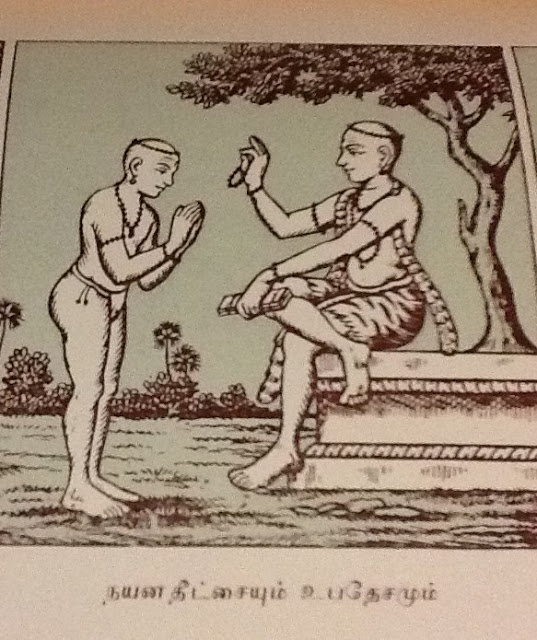
‘ஊருக்குத்தாண்டி உபதேசம்,உனக்கல்ல’ என்ற கதையை எல்லோரும் கேட்டிருப்பீர்கள். அறநெறிச் சாரம் என்ற நூல் யார் உபதேசமோ, உபந்யாசமோ செய்யத் தகுதி உடையவர், யார் அந்த தகுதி இல்லாதவர்கள், யார் உபதேசம் கேட்கலாம், கேட்கக்கூடாது என்றெல்லாம் மிக அழகாகக் கூறுகிறது. முனைப்பாடியார் என்ற புலவர் இயற்றிய  இந்த நூலில் 226 வெண்பாக்கள் உள.


1.அறம் உரைப்பவன் இயல்பு


அற கேட்டு அருள் புரிந்து ஐம்புலன்கள் மாட்டும்

இறங்காது இருசார் பொருளும் – துறந்து அடங்கி

மன்னுயிர்க்கு உய்ந்து போம் வாயில் உரைப்பானேற்

பன்னுதற்குப் பாற்பட்டவன்


பொருள்:

அற நூல்கள் பல கேட்டவன், அருள் உடையவன், ஐம்புல இன்பங்களை நுகர ஆசைப்படாதவன், பற்றுதல்களை விட்டவன், அடக்கம் உடையவன், நிலைபெற்ற வீடுபேற்றை அடைய உயிர்களுக்கு உதவுபவன் என்று ஒருவன் இருப்பானேயாகில் அவனே அறம் உரைத்தற்கு உரியவன் ஆவான்.


இதிருந்து பேச்சாளர் எல்லாம் புனிதர்கள் அல்ல; காஞ்சி பரமாசார்ய சுவாமிகள் போன்றோர் கூறியதே ‘தெய்வத்தின்’ குரல் என்பது தெளிவாகும்.


2.யார் உபந்யாசம் செய்யக்கூடாது?


பிள்ளை பேய் பித்தன் பிணியாளன் பின்னோக்கி

வெள்ளை களிவிடம்பன், வேட்கையான் – தெள்ளிப்புரைக்க பொருளுறுணர்வான்  என்றிவரே நூலை

உரைத்தற்குரிமை இலாதார்

பாலகன்,பேய் பிடித்தவன், பைத்தியம், நோயாளி, நெடு நோக்கில்லாதவன், முட்டாள், கள் குடிப்பவன், விஷமக்காரன், பேராசை பிடித்தவன், குற்றங்களை மட்டும் பேசுபவன் – ஆகிய இவர்கள் நூற்பொருளை மற்றவர்களுக்கு உபதேசம் செய்யத் தகுதி அற்றவர்களாவர்.


3.யார் அற நூல்களைக் கேட்கலாம்?


தடுமாற்றம் அஞ்சுவான் தன்னை உவர்ப்பான்

வடுமாற்றம் அஞ்சி தற்காப்பான் – படுமாற்றால்

ஒப்புரவு செய்தாண் டுறுதிச் சொல் சேர்பவன்

தக்கான் தரும உரைக்கு

பொருள்:

சோர்வுபட விரும்பாதவன், பிறர் தன்னைப் புகழும்போது அதை வெறுப்பவன்,  பழி வராதபடி தற்காத்துக் கொள்பவன், தன்னால் முடிந்த அளவுக்கு பிறருக்கு உதவி செய்து, பெரியோரிடம் நல்ல மொழிகளைக் கேட்டு அதைப் பின்பற்றுபவன் தரும உரை கேட்பதற்குத் தகுதி உடையவன்.


4.உபந்யாசம்,  சொற்பொழிவுகள் கேட்கக்கூடாதவர் யார்?


தன்சொல்லே மேற்படுப்பான் தண்டி தடி பிணக்கன்

புன்சொல்லே போதரவு பார்த்திருப்பான் இன்சொல்லை

என்றிருந்தும் கேளாத ஏழை என இவர்கட்கு

ஆன்றவர்கள் கூறார் அறம்


பொருள்:

தான் கூறியதே சிறந்தது என்று வாதாடுபவன், மானமுள்ளவன், மிக்க கருத்து வே,றுபாடு உடையவன்,  பிறர் சொல்லும் இழிசொற்களுக்காக காத்திருப்பவன்,  நல்ல விஷயங்களைக் கேட்பதற்கு காலமும் இடமும் வாய்ப்புக் கொடுத்தும் அதைக் கேளாத மூடன ஆகிய இவர்களுக்குப் பெரியோர்கள் தர்ம உபதேசம் செய்ய மாட்டார்கள்.


அறநெறிச் சாரத்தில் கண்ட இந்த நான்கு உபதேசங்களையும் நீங்கள் படிக்கத் தடை ஏதுமில்லை. அனைவருக்கும் பரப்புங்கள்.


–சுபம்–


உடல் ஆரோக்கியத்திற்கு மசாஜ்! (Post No.3921)


Written by S NAGARAJAN


Date: 19 May 2017


Time uploaded in London:-  5-51 am


Post No.3921


Pictures are taken from different sources; thanks.


contact: swami_48@yahoo.com


திருநெல்வேலியிலிருந்து வெளிவரு ஹெல்த்கேர் மாத பத்திரிகையில் மே 2017 இதழில் வெளியாகியுள்ள கட்டுரை


உடல் ஆரோக்கியத்திற்கு மசாஜ்!


தமிழாக்கம் ச.நாகராஜன்


மசாஜ் ஏன் உங்களின் ஆரோக்கியத்திற்கு நல்லது?

உடலின் ஒவ்வொரு இயக்க அமைப்பும் மசாஜினால் நேரடியாகவோ அல்லது மறைமுகமாகவோ நல்ல விதத்தில் பாதிப்புக்கு உள்ளாகிறது.  மசாஜினால் உங்கள் உடலில் என்னென்ன நன்மைகள் ஏற்படும் என்பதற்கான வழிகாட்டி இதோ:-


எலும்பு மண்டலம் :-


மசாஜினால் எலும்புகள் மறைமுகமாக நலமடைகிறது. இரத்த ஓட்டத்தில் ஏற்படும் மேம்பாடானது ஆக்ஸிஜனையும் ஊட்டச்சத்துக்களையும் எலும்புகளுக்குத் தருகிறது. மூட்டுகளின் இறுக்கமும் வலியும் குறையும். தசைகள் மிகவும் நெகிழ்வுத் தனமையை அடைவதால் மூட்டின் இயக்கம் அதிகரிக்கப்படுகிறது.

தசை மண்டலம்:-


சில மசாஜ் இயக்கங்கள் தசைகளுக்கு ஓய்வையும் நீட்சியையும் தருகின்றன. இதனால் தசையின் இறுக்கமும் தசைப்பிடிப்பும் குறைகிறது.மசாஜ் த்சை உரத்தைக் (muscle tone) குறைத்து தசைகளின் நெகிழ்வுத் தன்மையை அதிகரிக்கிறது. தசைகள் ஓய்வு எடுப்பதன் மூலம் சோர்விலிருந்து மீள்வ்தை விட உடல்ப்யிற்சியின் மூலம் வெகு சீக்கிரம் சோர்விலிருந்து மீள்கிறது.


நரம்பு மண்டலம் :-


இதமாகத் தரப்படும் மசாஜ் நரம்பு எரிச்சலிலிருந்தும் இன்சோம்னியா மற்றும் தலைவலி போன்ற இறுக்கத்தினால் ஏற்படும் நிலைகளிலிருந்தும் நிவாரணத்தை அளிக்கிறது. ஊக்க்த்தை ஏற்படுத்தும் வண்ணம் மசாஜ் செய்யப்பட்டால், அது சோம்பேறித்தனத்தையும் களைப்பையும் போக்கி விடுகிறது.


இரத்த ஓட்ட அமைப்பு :-


மசாஜ் இரத்த ஓட்டத்தை மேம்படுத்துகிறது. இதனால் மந்தமான இரத்த ஓட்டம் நீங்கும். நடமாட சக்தியின்றி இருந்த இடத்திலேயே இருப்பவர்களுக்கு இது ஒரு வரபிரசாதமாக பெரிதும் பயனளிக்கும்.


நிணநீர் மண்டலம் (Lymphatic System)


மிருதுவான மசாஜ் நிணநீர் மண்டலத்தை ஊக்குவிக்கிறது. உடலில் சேர்ந்திருக்கும் கழிவுகளை வெளியே அகற்ற இது உதவுகிறது. மசாஜினால் ஏற்படும் ஓய்வு இறுக்கத்தை நீக்க உதவும். இது நோய் எதிர்ப்புத் தன்மையையும் அதிகரிக்கும்.


சுவாச அமைப்பு:


மசாஜின் போது மிக அதிகமான ஓய்வைப் பெறுவதால், சுவாசம் விடுவது மெதுவாக ஆகி விடுவதோடு ஆழ்ந்த சுவாசமும் ஏற்படும். உங்கள் உதரவிதானத்தை சுவாசத்திற்காக சுவாசிக்கவும் பெருக்கவும் தேவையான சக்தி இதனால் குறைவாகவே தேவைப்படும். பிஸியோதெராபிஸ்டுகள் மார்பில் ஏற்படும் இறுக்கத்தை (செஸ்ட் Chest Congestion) நுரையீரலின் அடியில் கப் இயக்கம் (Cupping movements) எனப்படும் இயக்கத்தைச் செய்வதன் மூலம் அதை அகற்றி விடுவர்.


ஜீரண மண்டலம்:


மசாஜ் ஓய்வை அதிகரிப்பதால் உணவு மற்றும் கழிவுகளின் இயக்கத்தை ஜீரண மண்டலத்தில் அதிகரிக்க உதவுகிறது. இந்த ஓய்வானது ஜீரண மண்டலத்தில் ஒரு சமச்சீர் தன்மையை உருவாக்குகிறது.


சிறுநீரக மண்டலம் :


மசாஜ் செய்யப்படும் போது கழிவுப் பொருள்கள் இரத்தத்தின் மூலமாக சிறுநீரகங்களுக்குச் செல்லும் வழியைக் காண்கிறது. அங்கு இவை வடிகட்டப்பட்டு வெளியேற்றப்படுகிறது.


பெண்களின் இனப்பெருக்க மண்டலம்:

மாதவிலக்கு வரும் போது உருவாகும் பிரச்சினைகளான வ்லி மற்றும் பிஎம்ஸ் (Premenstural Syndrome)  போன்றவை மசாஸ் செய்வதால் அது ஓய்வை ஏற்படுத்துவதன் காரணமாக மிகவும் தணியும். மாதவிலக்கு அறிகுறிகளில் மசாஜ் ஒரு நல்ல நிலைமையை ஏற்படுத்தும்


நன்றி டைய்லி மெயில் மார்ச் 4, 2017.

*****

‘For the Many, Not the Few’-Who said it? (Post No.3920)

Written by London Swaminathan


Date: 18 May 2017


Time uploaded in London: 17-56


Post No. 3920


Pictures are taken from various sources such as Face book, google and Wikipedia; thanks.


contact: swami_48@yahoo.com

Britain is holding a snap election on 8th June 2017. Ruling Conservative party and the opposition Labour party are launching their election manifestoes with attractive new slogans. The Labour party’s slogan “For the Many and not the Few” have hit the headlines in newspapers.


There is a very lively discussion to find out who uttered these words for the first time. They have traced it to Greek historian Thucydides (460-400 BCE). Some argue that English poet P B Shelley is the one who popularised it. Here is the news item from Evening Standard newspaper.


“We’ve found Labour Party Leader Jeremy Corbyn’s inspiration: Romantic poet Percy Bysshe Shelley. Corbyn launched his manifesto in Bradford yesterday with the stirring slogan “For the many, not the few.” 

The Times’s Philip Collins says the phrase comes from Greek historian Thucydides, from around 400 BC. “Its origin is the Funeral Oration of Pericles [by Thucydides]”, he writes, talking about the foundations of democracy.

But UCL English professor John Sutherland says no. “‘For the many not the few’ actually comes from Shelley’s poem The Masque of Anarchy,” he told The Londoner when we called yesterday.

Over to Corbyn’s election guru James Schneider. Was it, in fact, Shelley? Schneider was thrilled to be asked and show his fine education at Winchester College and Oxford. He recited the poem word perfectly down the phone.


“Rise, like lions after slumber 

In unvanquishable number!

Shake your chains to earth like dew

Which in sleep had fallen on you

Ye are many — they are few.”


He said, cheerfully. On the competing theories, Schneider went on to say: “Thucydides is interesting,” he said. “I didn’t know it , so I doubt it comes from there. Shelley is more well-known. It would be a stretch to say that it is directly taken from Shelley [though] Jeremy does know Shelley.

“The slogan very simply sums up our programme to change Britain.”

Romantic poet Shelley wrote his poem following the Peterloo Massacre of 1819 in Manchester, in which around 15 protesters, fighting for democracy and against poverty, were killed by cavalry. The work is read as an early modern statement of nonviolent resistance, and is popular with JC’s supporters: in Corbyn’s second Labour leadership campaign last year, former Labour MP Chris Williamson suggested it as a slogan. “Let’s use that as our battle cry,” he said at a public meeting.


Picture of Labour Party leader Jeremy Corbyn


Corbyn is known to be well-read, saying he has finished James Joyce’s Ulysses four times.

Does the phrase make Jeremy a Romantic, we asked Sutherland? “Yep. Romantic not Modernist,” he said. “The poets are with Jeremy but who ever paid any notice to them.”

–Subham–