செய்தக்க அல்ல செயக்கெடும் –புத்தரும் வள்ளுவரும் செப்பியது ஒன்றே-2 (Post 3899)

Written by London Swaminathan


Date: 11 May 2017


Time uploaded in London: 21-58


Post No. 3899


Pictures are taken from various sources; thanks.


contact; swami_48@yahoo.com


(முதல் பகுதி நேற்று வெளியாகியது)


செய்தக்க அல்ல செயக்கெடும்  செய்தக்க

செய்யாமை  யானும் கெடும் (குறள் 466)

பொருள்:

ஒருவன் செய்யத் தகாதனவற்றைச் செய் தாலும் கெட்டுப்போவான்; மற்றும் செய்ய  வேண்டியதை செய்யாமல் இருந்தாலும் கெட்டழிவான்.


இதைத் தான், கிருஷ்ண பரமாத்மா, அர்ஜுனனுக்கும் சொன்னார். நீ க்ஷத்ரியன்; போர் செய்வது உன் தொழில். எழுந்திரு (உத்திஷ்ட) என்றார்.


புத்தனும் தம்மபதத்தில் (314) இதைச் சொல்கிறான்:

“கெட்டது செய்வதை விட அதைச் செய்யாமல் இருப்பதே மேல். கெட்டது செய்தால் துன்பம் நம்மைச் சுட்டெரிக்கும்.  ஆகையால் நல்லதையே செய்யுங்கள். ஏனெனில் நல்லது செய்வோருக்கு என்றும் துன்பம் இல்லை” – இது புத்தன் வாக்கு.

கண்ணனும் பகவத் கீதையில் “ந ஹி கல்யாண க்ருத் கச்சித் துர்கதிம் தாத கச்சதி (6-40)-

“நல்லது செய்பவன் எவனும் தீய நிலையை அடையவே மாட்டான்” என்பது கண்ணன் வாக்கு.


ஒரு நீதிபதி இருக்கிறார். அவர் கொலைக் குற்றவாளிக்கு மரணதண்டனை அளிக்க வேண்டிய தருணத்தில் ஜீவகாருண்யம் பற்றிப் பேசிவிட்டு கடமையைச் செய்யமாட்டேன் என்று சொல்ல முடியாது. அவர் எத்தனை பேருக்கு மரண தண்டனை விதித்தாலும் அவர் கொலை செய்தவராகக்  கருதப்பட மாட்டார்.


இது போல போர் வீரர் ஜாதியில் பிறந்த அர்ஜுனன் போர் செய்யாமல் தப்பிக்க முயன்றபோது கிருஷ்ணன் கண்டிக்கிறான்


ச்ரேயான் ஸ்வதர்மஹ– அவனவன் தொழிலே சிறந்தது (3-36)  என்றும் கண்ணன்  மொழிகிறான்.


to be continued………………………….


–Subham–

Two Words Please! ‘You Lose’ (Post No.3898)

Compiled by London Swaminathan


Date: 11 May 2017


Time uploaded in London: 21-11


Post No. 3898


Pictures are taken from various sources; thanks.


contact; swami_48@yahoo.com


Talking Anecdotes – part two


A lady stepped into a taxicab at Grand Central (New York). The driver swung out into traffic, and at the same time asked,

“Do you want the radio, lady, or shall we just talk?”


Xxx


YOU lose!


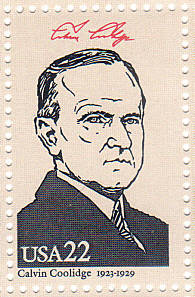
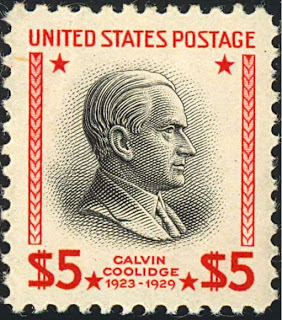
A prominent Washington society woman was sitting next to President Coolidge at a smart party.

“Oh! Mr President, she said gushingly,

“You are so silent. I made a bet today that I could get more than two words out of you”.


“You lose”, the president replied

xxxx

LACK OF PRACTICE!

Samuel rogers had a reputation for quiet, venomous wit. Knight was a great talker and a bad listener. When Rogers was told that Knight was going deaf, he remarked,

“It is from lack of practice”.


Xxxx


NICE WEATHER!

It was Mark Twain , on a balmy day of spring, who was hailed by every passing acquaintance with some observation on state of the weather . Upon arriving at his destination and being greeted with

“Nice day”, Mr Twain, he replied drily,

“Yes, I have heard it very highly spoken of”.


Xxxx

A MAN HAS TO SOMEWHERE!

When Coolidge was Vice President, he was invited to attend many dinners. Always he was the despair of his hostess because of his utter disregard of the art of conversation. One lady felt that she had solved this problem by placing him next to Alice Roosevelt Longworth who was a most brilliant conversationalist .


Mrs Longworth began to chat in her usual charming fashion,  but failed to elicit any response from the silent Mr Coolidge.


Finally, exasperated out of her generally calm demeanour she acidly asked,

“You go to so many dinners. They must bore you a great deal”.

Calmly Coolidge replied without lifting his eyes from the contemplation of the plate before him,

“Well a man has to eat somewhere”.


Xxxx

RUDE WORDS!

A debutante went to visit her grandmother. The old lady was distressed by what she considered the girls wild and unruly manners and speech. Not wishing to appear stern and demanding she decided nevertheless that she should reprimand her granddaughter.


One evening as they were sitting together the old lady said gently,

“Dear, there are just two words I want you to refrain from using. One is swell and the other is lousy”,

“Alright” ,replied the debutante agreeably, “what are they?”


Xxx

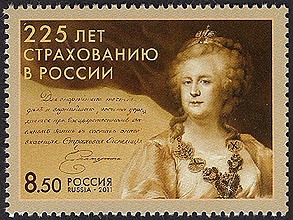
CATHERINE THE GREAT

Diderot came to Catherine the Great in 1773 and remained for five months. On certain afternoons, he conversed with her from three to five.

I listened more than I talked, she said.

Discoursing vehemently, he would gradually draw his chair up to her knees. In his excitement, he would pound them until they were blue, compelling her to place before her a table on which he could vent his punctuation.


Xxxx. Subham xxxxx


மஹாகவி பாரதியார் பற்றிய நூல்கள் – 30 (Post No.3897)

Written by S NAGARAJAN


Date: 11 May 2017


Time uploaded in London:-  6-26 am


Post No.3897


Pictures are taken from different sources; thanks.


contact: swami_48@yahoo.com


பாரதி இயல்

மஹாகவி பாரதியார் பற்றிய நூல்கள் – 30


சென்று போன சில நாட்கள் : எஸ்.ஜி.ராமானுஜலு நாயுடுவின் நூல்


ச.நாகராஜன்


    மஹாகவி பாரதியாரின் நண்பர்களில் ஒருவர் எஸ்.ஜி. ராமானுஜலு நாயுடு. புதுச்சேரியில் அவருடன் நெருங்கிப் பழகியவர். அவர் அமிர்த குணபோதினி என்ற மாதப் பத்திரிகையில் பாரதியாரைப் பற்றிய பல குறிப்புகளை சென்று போன சில நாட்கள் என்ற தலைப்பில் எழுத ஆரம்பித்தார்.

1928ஆம் ஆண்டு நவம்பர், டிசம்பர் 1929ஆம் ஆண்டு ஜனவரி, மார்ச், ஏப்ரல், மே ஆகிய ஆறு  மாதங்களில் வெளி வந்த அவரது கட்டுரைகள் பல சுவையான செய்திகளைத் தெரிவிக்கின்றன.

அவற்றில் ஒரு சில பகுதிகளை மட்டும் இங்கு காண்லாம்.

*

    அந்தக் காலத்தில் பாரதியார் தீவிர தேசபக்தராயிருந்தார். எதிலும் நிதானத்தையே யனுசரித்து நின்ற ஸ்ரீமான் ஜி.சுப்பிரமண்ய ஐயரின் கொள்கைகளில் பாரதியார் வேறுபட்டுப் பிரிந்து இந்தியா என்ற தமிழ் வாரப் பத்திரிகையைத் தொடங்கி அதற்கு ஆசிரியராக அமர்ந்தார்.அப்பத்திரிகையின் சொந்தக்காரர் வேறொருவராவார். பாரதியாரின் தமிழ் நடை அது  முதற்கொண்டு ஒரு புதுவழியில் மாறியது. அதற்கு முன்னர் எவரும் அவ்வழியில் பத்திரிகையை நடத்தவில்லையென்று சொல்லும்வாறாக வெகு சிறப்புடனும் திறமையுடனும் எழுதி வரத் தொடங்கினார். சிறுசிறு பதங்களுடன் கூடிய ஒரு நவீன கம்பீர நடை. இந்தியா பத்திரிகை சனிக்கிழமை தோறும் வெளியாகி வந்தது. நாலாயிரம் பிரதிகள் வரைப் போய்க்கொண்டிருந்தது.

*


1907ஆம் வருஷத்தில் பரிமளா என்ற நாவலை அச்சிட நாம் சென்னை சென்றிருந்த சமயம் ஒரு கொடிய முறை ஜ்வரத்தினால் வருந்தும்படியாக, பாரதியாரே பரிமளா ‘புரூப்;கள் முக்காற் பாகத்தையும் திருத்தி முடிவு செய்து, அந்த நாவலைப் பற்றி இந்தியா பத்திரிகையின் தலையங்கத்தில் ஆறு கலங்கள் வரை மதிப்புரை வரைந்தார். அதிலே மொழி பெயர்க்குந் தொழிலைக் குறித்தும் தமிழின் இயற்கை இனிமையைக் குறிக்கும்  ‘அங்கனாமணி’ என்பதிலும் ‘பெண்மணி’ என்ற தமிழ்ச் சொல் மிக்க இனிமையுடையது என்றும் விஸ்தாரமாக வரைந்தார்.

*

பாரதியாரைப் பிடித்துத் தருவோருக்கு நூறு ரூபாய் பரிசு தரப்படுமென்று ஒவ்வொரு போலீஸ் ஸ்டேஷன்களிலும் விளம்பரம் ஒட்டப்பட்டிருந்தது. அதிலே அவரது உயரம் இத்தனை அடியென்றும், கஞ்சா, புகையிலை உபயோகிப்பவரென்றும், பூணூலை எடுத்துவிட்டவரென்றும் இன்னும் பல குறிப்புகளும் தெரிவிக்கப்பட்டிருந்தன.

*

புதுச்சேரியில் பாரதியார் வாழ்ந்த காலையில் ‘தமிழ்நாட்டைப் பற்றி நல்ல கருத்துகள் அமையப் பெற்றதும் அதன் பெருமையை விளக்கக்கூடியதுமான பாடல்களை புனைந்து அனுப்புவோருக்கு இன்ன வெகுமதி தரப்படும்’ என்று ஒரு விளம்பரம் சுதேசமித்திரன் பத்திரிகையில் வெளியிடப்பட்டிருந்தது….


   பாரதியாரின் புதுவை நண்பரான வாத்தியார் சுப்ரமணிய ஐயரவர்களும் மற்றும் சில நண்பர்களும் அந்த விளம்பரத்தின் படி ஒரு பாடல் செய்ய வேண்டுமென்று பாரதியாரை நிர்ப்பந்தப் படுத்தினர். அவர்கள் அதிகாரம் செய்யப் பாத்தியதை பெற்றவர்கள். பாரதியார் இவர்களின் விருப்பத்தைக் கேட்டு புன்னகை கொண்டார். வேறு பதில் சொல்லவில்லை. அதன் பின்பு வாத்தியார் ஐயரவர்கள், “வெகுமதிக்கு, நான் உங்களைப் பாடச் சொல்லவில்லை. சங்கத்துப் பண்டிதர் அநேகரின் முன்பு உங்கள் கவி ஜோடி கேட்கட்டுமே என்று தான் சொல்லுகிறேன். சங்கத்தார் கவி கேட்பது தமிழ் நாட்டைப் பற்றி செந்தமிழில் பாடிக் களிக்கட்டும் என்ற நோக்கத்துடன் தான்; ஆகையால் இந்த விஷயத்தில் நீங்கள் ஏன் லோபித்தனம் காட்ட வேண்டும்? என்று குத்திப் பேசிக் கேட்டார். “அதற்கு நான் சொல்லவில்லை” என்று இழுத்தார் பாரதியார். வாத்தியார், “அதெல்லாம் போகிறது, எங்களுக்குத் தேவை ஸ்வாமி” என்று ஒரே போடு போட்டு விட்டார்.

    பாரதியார் அதற்கு “நான் கட்டாயம் பாட்டு எழுதி விட்டு  மூச்சு விடுகிறேன். அது வேண்டுமென்கிற சங்கத்தைச் சேர்ந்த நண்பர்கள் அனைவரும் சர்க்காருக்கு நண்பர்கள். எனது கவியை ‘நல்லது’ என்று அவர்கள் உரத்துச் சொல்லக் கூடப் பயப்படுகிறவர்கள், அதனால் தான் தாமதித்தேன்” என்று சொல்லி ஒரு நிமிஷ நேரம் பூப்பூவாய் நகைத்தார். உடனே வரைவதற்கு எழுதுகோலைக் கொண்டார்.

“செந்தமிழ் நாடெனும் போதினிலே – இன்பத்

    தேன் வந்து பாயுது காதினிலே – எங்கள்

தந்தையர் நாடென்ற பேச்சினிலே – ஒரு

     சக்தி பிறக்குது மூச்சினிலே”

என்று பல்லவி எழுதி வாசித்துக் காண்பித்தார். வாத்தியார் மலைத்தார். எடுத்த விஷயங்கள் அத்தனையும் பல்லவியிலேயே சுருக்கமாக முடிந்து விட்டது.

*

பாரதியார் எவ்வளவோ காலம் வாழப் போவதாக எண்ணியிருந்தார். எவ்வளவோ வேலைகள் செய்ய நினைத்திருந்தார். ஒரு வாரப் பத்திரிகை தொடங்க வேண்டுமென்று நம்மிடம் தர்க்கித்தார். பழைய இந்தியாவின் காரமான நடை கூடாதென்று நாம் சொன்னதையும் ஒப்புக் கொண்டார். 1920ஆம் வருஷத்து சுதேசமித்திரன் அனுபந்தத்தில் நல்ல வேலை செய்தார். 1921ஆம் வருஷ ‘மித்திரன்’ அனுபந்தத்திற்கு இல்லாமல் போய்விட்டார். அவர் வாழ்த்திச் சென்ற தமிழ்நாட்டில் சமீபத்தில் அவரது கீதங்களை அரசாங்கத்தினர் தடுத்து விட்ட ‘திருவிழாவும்’ நடந்தது. நற்காலமாய் அந்தத் தடை நிவர்த்திக்கப்பட்டது தமிழகத்தின் பாக்கியமே. பாரதியார் 1907ஆம் வருஷத்தில் தமது நண்பரொருவர் மரித்ததற்காக இரங்கிச் சில பாடல்கள் புனைந்தார். அச்சமயம் நாமும் அருகிலிருந்தோம். அவற்றின் இரண்டு அடிகளை இப்பொழுது பாரதியாருக்கே உபயோகித்து இவ்வியாசத்தை முடிக்கின்றோம்.

“அந்தோ மறலி நம் அமுதினைக் கவர்ந்தான்

நொந்தோ பயனில்லை; நுவலயாதுளதே!”


*

பாரதியாரைப் பற்றி இப்படி ஆறு இதழ்களில் ராமானுஜலு நாயுடு அவர்கள் அருமையாக எழுதியுள்ள இந்தக் கட்டுரைகள் அவர் இறந்த ஏழு ஆண்டுகளிலேயே வந்திருப்பது குறிப்பிடத் தகுந்தது.


 பாரதியார் அன்பர்கள் அவசியம் படிக்க வேண்டிய நூல் ‘சென்று போன சில நாட்கள்’

****

புத்தரும் வள்ளுவரும் செப்பியது ஒன்றே! (Post No.3896)


Written by London Swaminathan


Date: 10 May 2017


Time uploaded in London: 21-34


Post No. 3896


Pictures are taken from various sources; thanks.


contact; swami_48@yahoo.com


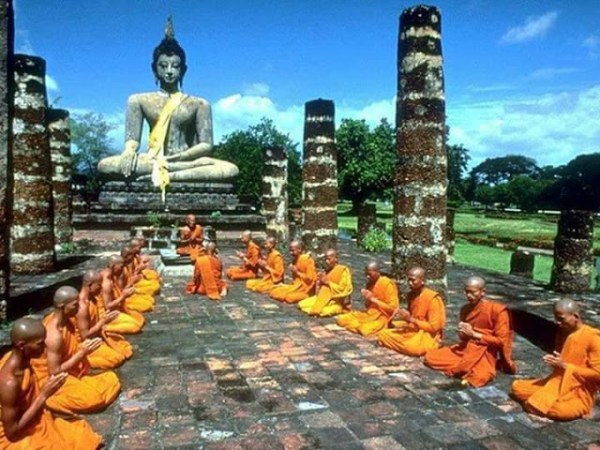
புத்தர் பெருமான் கி.மு ஆறாம் நூற்றாண்டில் வாழ்ந்தவர். இன்று அவருடைய 2561-ஆவது பிறந்த தினம் கொண்டாடப்படுகிறது. வள்ளுவர் கி.மு. 31 என்று பலர் பகர்ந்தாலும் மொழியியல் ரீதியில் அவரை கி.பி 4 அல்லது 5ஆம் நூற்றாண்டில்தான் வைக்க முடியும். ஏனெனில் வள்ளுவனின் குறளில் சம்ஸ்கிருதச் சொல் இல்லாத அதிகாரமே இல்லை. இருவருக்கும் இடையே ஆயிரம் ஆண்டு இடைவெளி. அவர்கள் எக்காலத்தில் வாழ்ந்தால் என்ன? அவர்களுடைய அரிய பெரிய கருத்துக்கள் காலத்தை வென்று நிற்பவை.


வள்ளுவன் மொழிந்தது 1330 அருங் குறட் பாக்களில் அடக்கம். அவர் யாத்த நூல் திருக்குறள்.

புத்தர் சொன்னது தம்மபதம் (அற வழி=தர்ம பாதை) என்னும் நூலில் 423 பாக்களில் அடக்கம்.


இருவர் கருத்துக்களும் பல இடங்களில் ஒரே மாதிரி இருப்பது படித்து இன்புறத் தக்கது. இதோ சில ஒப்பீடுகள்:-


உரனெனும் தோட்டியான் ஓரைந்தும் காப்பான்

வரனென்னும் வைப்பிற்கோர் வித்து -குறள் 24

அறிவு என்னும் கருவியால் ஐம்புலன்களையும், அதன் போக்கில் விடாமல் அடக்கி ஆள்பவனே, சிறந்தது எனப்படும் மேல் உலகத்துக்கு விதை ஆவான்.


இதே கருத்து திருமந்திரம், தேவாரம், பகவத் கீதை முதலிய எல்லா நூல்களிலும் வருகிறது. புத்தரும் தம்மபதத்தில் 321-324ல் சொல்லுவது இதேதான்:


பயிற்சி பெற்ற யானைகளையே போருக்கு கொண்டு செல்வர். பயிற்சி பெற்ற யானையின் மீதே அரசனும் பவனி வருவார். அதுபோலவே பயிற்சி – புலனடக்கப் பயிற்சி –பெற்றவர்களே, கஷ்டம் வந்தாலும் சாந்தமாக வாழ்வர்.

பயிற்சிபெற்ற கோவேறுக் கழுதைகளும், சிந்து மாகாணக் குதிரைகளும் பலமான யானைகளும்  பயிற்சி பெற்றவுடனேயே  நன்றாக இருக்கின்றன. அது போலவே புலனடக்கப் பயிற்சி பெறவனே சிறந்தவன்.

நிர்வாணம் (மோக்ஷம்) என்பது புத்திசாலியாக, தைரியமாக

பயிற்சி செய்பவனுக்கே கிட்டும்.

(பயிற்சி- ஆன்மீக சாதனை)

xxxx


இன்னொரு குறளையும் காண்போம்.


அஞ்சுவது அஞ்சாமை பேதைமை அஞ்சுவது

அஞ்சல் அறிவார் தொழல் (குறள் 428)


பயப்பட வேண்டிய விஷயங்களுக்குப் பயப்படாமல் இருப்பது மடத்தனம். பயப்பட வேண்டிய பழி பாவங்களுக்குப் பயப்படுவதே அறிஞர்கள் செயலாகும்.


இதை புத்தரும் தம்மபதம் 317ல் அப்படியே புகல்வார்:

பயப்பட வேண்டிய விஷயங்களுக்கு பயப்படாமல் இருப்பவர்களும், பயப்படக் கூடாத விஷயங்களுக்கு அனாவசியமாகப் பயப்படுவோரும் தவறான கருத்துடைய மனிதர்களே. அவர்கள் கீழ்நோக்கிச் செல்பவரே


தொடரும்…………………

Women! I like their Beauty, their Delicacy, their Vivacity and I like….(Post No.3895)

Compiled by London Swaminathan


Date: 10 May 2017


Time uploaded in London: 20-13


Post No. 3895


Pictures are taken from various sources; thanks.


contact; swami_48@yahoo.com


Talking Anecdotes -Part 1


Dr Johnson was one day in conversation with a very talkative lady, of whom he appeared to take very little notice.

“Why, Doctor, I believe you prefer the company of men to that of the ladies?”

Madam, replied he, I am very fond of the company of ladies, I like their beauty, I like their delicacy, I like their vivacity and I like their silence.


Xxxx

Mark Twain and Winston Churchill


Mark Twain met Winston Churchill in 1900, when the latter was just coming into prominence as a young statesman. The occasion was a dinner in London   Churchill and Twain went out for a brief time to have a smoke. Sir William Vernon Harcourt observed, as they departed, that whichever one got the floor first would keep it. He speculated that inasmuch as Twain was an older and more experienced hand, Churchill’s  voice would get the first good rest that it had had in years .

When the two men returned, Harcourt asked Churchill whether he had enjoyed himself, and the young man replied, “Yes”, most enthusiastically.

Turning to Twain, Sir William put the same question.

Twain hesitated and said,

“I have had a good smoke”.


Xxx

In Silence!


A talkative barber was trimming the hair of King Achelous ,and asked, “how shall I cut?”

“In silence”, replied the King.

Xxx

Hush Money to Barber!

King Archelaus , perpetrator of that ancient joke about replying, in silence, to the barber who asked him how he should cut his hair, would be pleased to know that his tradition is being carried on in the modern era.

A man who might well stem from this kingly line, handled the barber a coin and then climbed into the chai .

“Why, sir, thank you”, said the astonished barber,” never before have I been tipped in advance”.

“That is not a tip”, snarled the customer. “It’s hush money”.


Xxx

Need to Talk to Someone

The need to talk to someone finds its expression in everything from friendly confidences, to the confessional, to the psychoanalyst. Recently it has been commercialised by an organisation calling itself The Southern Listening Bureau of Little Rock, Arkansas.

Their advertisement proclaims

“We offer well trained and experienced listeners who will hear you as long as you wish to talk, and without interruptions, for a nominal fee. As our listeners listen, their faces portray interest, pity, fellow feeling, understanding; where called for, they exhibit hope despair, hate, sorrow or joy.  Lawyers, politicians, club leaders, reformers can try their speeches on us. You may talk freely about your business or domestic problems without fear of having any confidence betrayed. Just let off steam into the discreet ears of our experts and feel better”.


Xxxx

At a party, someone observed to Dorothy Parker that their hostess was outspoken

“By whom?”, asked Miss Parker.


—Subham–
ஜென் குருமார்களும் சீடர்களும் – சுவையான சம்பவங்கள்! (Post No.3894)

Written by S NAGARAJAN


Date: 10 May 2017


Time uploaded in London:-  5-50 am


Post No.3894


Pictures are taken from different sources; thanks.


contact: swami_48@yahoo.com


ஜென் குருமார்களும் சீடர்களும் –  சுவையான சம்பவங்கள்!


ச.நாகராஜன்


ஜென் பிரிவில் ஏராளமான குருமார்கள் உண்டு. அவர்களுக்கு நிறைய சீடர்களும் உண்டு.

ஜென் பிரிவைப் பொறுத்த மட்டில் பல்வேறு விதமாக அவர்கள் சீடர்களுக்குச் சொல்லித் தருவார்கள்.

புரிந்து கொள்ள வேண்டியது சீடனின் கடமை. புரியாவிட்டால் புரியும் வரை புரியும் படி அவர்கள் சொல்லித் தருவர்.

இதையொட்டிய நூற்றுக் கணக்கான சம்பவங்கள் உண்டு.

இரண்டை மட்டும் இங்கு பார்க்கலாம்.


  • கொள்ளிக்கட்டை பாடம்

ஹகுயின் (Hakuin) என்று ஒரு ஜென் மாஸ்டர். அவர் தன் சீடர்களிடம் டீக்க்டை வைத்திருக்கும் ஒரு பெணமணியைப் பற்றி வெகுவாகப் புகழ்வார். அவர் ஜென் மார்க்கத்தை நன்கு புரிந்திருக்கும் விதத்தை பெருமிதத்துடன் கூறுவார்.

அவரது சீடர்கள் அவர் கூறுவதை நம்ப மறுத்தனர்; சந்தேகப்பட்டனர். ஒரு சின்ன டீக்கடைவைத்திருக்கும் பெண்மணி எப்படி ஜென் பற்றி நன்கு தெரிந்து கொண்டிருக்க முடியும்?

இதைச் சோதிக்க சீடர்கள் ஒவ்வொருவராக அங்கு செல்வதுண்டு.  அவர்கள் வரும் போதெல்லாம் அந்தப் பெண்மணி வ்ருபவர்களை நோக்கி அவர்கள் டீ அருந்த வந்திருக்கிறார்களா அல்லது ஜென் பற்றி அறிய வந்திருக்கிறார்களா என்று கேட்பார்.

டீ அருந்தத் தான் என்று பதில் வந்தால் வழக்கத்திற்கு மாறாக அதிகப்படியான டீயை சுவைபடப் போட்டுத் தருவார்.

மாறாக ஜென் பற்றி அறியத்தான் வந்திருக்கிறோம் என்று சொன்னால் சமிக்ஞை மூலம் கடைக்குப் பின்னால் போகச் சொல்வார்.

பின்னர் கடையிலிருக்கும் அடுப்பிலிருந்து கொள்ளிக்கட்டையை எடுத்து  ஒரு அடி அடிப்பார்.

இதற்கு யாரும் தப்பியதே இல்லை.

  • சுவர் ஏறிக் குதிக்கும் சீடர்

செங்காய் (Sengai0 என்று ஒரு ஜென் மாஸ்டர். அவரிடம் தியானம் கற்க நிறைய சீடர்கள் வந்து சேர்ந்தனர்.  அந்த சீடர்களில் ஒருவர் மடாலயத்தின் சுவரேறிக் குதித்து வெளியேறி நகருக்கு உல்லாசமாகப் போய் வருவார்.

ஒரு நாள் சீடர்கள் தங்கும் விடுதிக்கு வந்த செங்காய் தனது சீடர்களில் ஒருவர் மட்டும் அங்கு இல்லை என்பதைக் கண்டார்.

ம்டாலயத்தைச் சுற்றி வருகையில் சுவரின் அருகே ஏறிக் குதிக்க ஒரு ஸ்டூல் இருந்ததைப் பார்த்து விஷயத்தைப் புரிந்து கொண்டார்.

உடனடியாக் அந்த ஸ்டூலை அகற்றி அந்த இடத்தில் தான் உட்கார்ந்து கொண்டார்.

தனது உல்லாசப் பயணத்தை முடித்த சீடர், திரும்பி வந்து சுவர் வழியே கீழே ஸ்டூலின் மீது காலை வைத்தார்.

அது ஸடூல் இல்லை, மாஸ்டரின் தலை.

கீழே தரையில் இறங்கியதும் தன் மாஸ்டரைப் பார்த்ததும் தான் மாஸ்டரின் தலையில் காலை வைத்ததை நினைத்து பயந்து போய் திகைத்து நின்று விட்டார்.

அவரை நோக்கிய செங்காய், “இதோ பார், வெளியில் ரொம்ப குளிராக இருக்கிறது. இதில் சளி அல்லவா பிடிக்கும். சளி பிடிக்காமல் ஜாக்கிரதையாகப் பார்த்துக் கொள்” என்று கூறி விட்டு நகர்ந்தார்.

அந்த நாள் முதல் அந்த் சீடர் சுவ்ரேறிக் குதித்து வெளியே சென்றதே இல்லை!

ஜென் போதனை, தனி விதமான் போதனை!

*****


More Brains in Your Belly than in your Head! (Post No.3893)

Written by London Swaminathan


Date: 9 May 2017


Time uploaded in London: 21-41


Post No. 3893


Pictures are taken from various sources; thanks.


contact; swami_48@yahoo.com


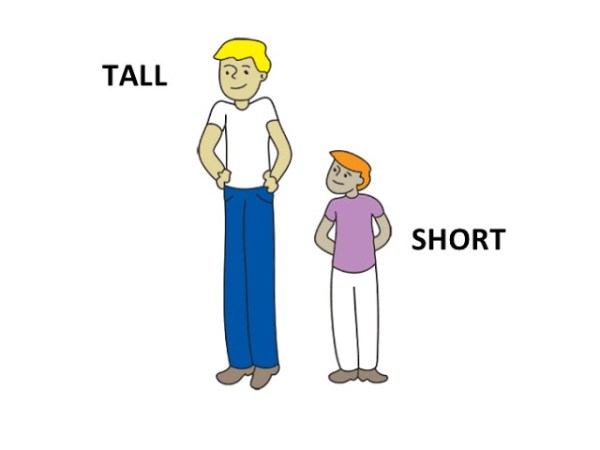
Shortness Anecdotes

Alexander H Stevens, Senator from Georgia (USA), and subsequently< Vice President of the Confederate States, was short of stature and weighed less than 80 pounds. A big Congressman from the West, in a heated debate, once said, “Why, I could swallow you and never know II had eaten a thing.”

“In that case, you would have more brains in your belly than you ever had in your head”, snapped Stevens.


xxx

Size of the Body and Brain


Dr Busby of Westminster, who was very short, was one day accosted in a public coffee-room by an Irish baronet of colossal stature with: “ May I pass to my seat, O Giant?”

When the doctor politely making way, replied, “Pass, O Pigmy! the baronet apologised.

“Oh, sir, my expression alluded to size of your intellect”.

“And my expression, Sir”, retorted the doctor coldly, “ to the size of yours”

xxx

Dismissed for a Joke!

Archbishop Laud was a man of very short stature. Charles the First and the Archbishop sat down to dinner one day when it was agreed that Archie, the King’s jester, should say the Grace for them,

“Great praise to be given to God, but little Laud to the Devil!”

For this sally, Archbishop Laud was weak enough to insist upon Archie’s dismissal!

xxx


Lincoln’s Long Legs!


A group of men were discussing Stephen Douglas and his physical peculiarities, Abraham Lincoln happened to join the men at this point and turning, from the specific subject under discussion, one of them asked the President how long he thought a man’s legs should be.


Well, drawled Lincoln, “I should think a man’s legs ought to be long enough to reach from his body to the ground.”


xxx

Tallness Anecdote

When Lincoln heard that a General who was supporting Mc Clellan’s Presidential candidacy had been relieved of his command the President countermanded the order saying,

“Supporti ng General Mc Clellan for the Presidency is no violation of army regulations, and as a aqustion of taste in between him and me – well I am the longest, but he is better than looking.”


xxx Subham xxxx


நோயைக் காட்டி தப்பிய மன்னர்கள்! (Post No.3892)

Written by London Swaminathan


Date: 9 May 2017


Time uploaded in London: 19-57


Post No. 3892


Pictures are taken from various sources; thanks.


contact; swami_48@yahoo.com


எதிரிகளைச் சமாளிக்க சாம, தான, பேத ,தண்டம் என்ற பல வழிகளைக் கையாளலாம் என்று அரசியல் நூல்கள் பகர்கின்றன. இது தவிர ஒரு வழி உண்டு. எதிரி நியாயமற்ற முறைகளைக் கையாண்டால் நாமும் ஏமாற்றிச் சமாளிக்கலாம். நோய் என்பதைக் காட்டி தப்பிய மன்னர்களும் உண்டு.


காஷ்மீரின் வரலாற்றை எழுதிய கல்ஹணர் என்பவர் ஜெயபீடன் (கி.பி.750) என்ற மன்னன் தப்பிய வரலாற்றைச் சொல்கிறார். கல்ஹணர் எழுதிய நூலின் பெயர் ராஜ தரங்கிணி


கஷ்மீரில் லூடா (LUTA) என்ற விநோத வியாதி உண்டு. இது வந்தால் உடம்பில் கொப்புளம் வந்து ஆள் மரணம் அடைவது உறுதி.


ஒருவகை விஷ சிலந்திப் பூச்சி உடம்பில் ஊர்ந்து சென்றால் இந்த வியாதி வரும் என்றும், இது தொற்று வியாதி என்பதால் யாரும் பக்கத்தில் நெருங்க மாட்டார்கள் என்றும் மக்கள் நம்பினர். லூடா என்றால் சிலந்தி என்று அர்த்தம். தமிழில் சிலந்தி நோய் என்று ஒன்று உண்டு. அது வேறு. இந்த லூடாவின் வருணனையைக் கேட்டால் பிளேக் என்னும் கொள்ளை நோய்தான் நினைவுக்கு வரும்.


ஒரு முறை ஜெயபீடன் எதிரிகள் கையில் சிக்கினான். அவர்கள் இவனைக் காவலில் வைத்தனர். அந்தக் காலத்தில் காஷ்மீரில் லூடா நோய் பரவி பெரும் பீதி ஏற்பட்டது. ஜெயபீடன் ஒரு தந்திரம் செய்தான். உடம்பில் தற்காலிக கொப்புளம் ஏற்பட எருக்கம் செடியின் பாலை தோல் மீது பூசிக்கொண் டான். கொப்புளம் வந்தால் அதைச் சமாளிக்க மாற்று மருந்துகளையும் வரவழைத்து தயாராக வைத்துக்கொண்டான். கொப்புளம் வந்தவுடன் உளவாளிகள் மூலம் எதிரி  அரசனுக்கு தகவல் போனது. அவன் உடனே பயந்து கொண்டு ஜெயபீடனை விடுவித்தான். ஜெயபீடன் தன்னுடைய நாட்டிற்குப் போய் பெரும்படையுடன் வந்து எதிரியை வென்றான்.


இது ராஜ தரங்கிணியின் நாலாவது தரங்கத்தில் உள்ள செய்தி. மற்றொரு இடத்தில் க்ஷேமகுப்தன் என்பவன், லூடா நோயால் இறக்கவே அவன் மகன் அபிமன்யுவைச் சிறு வயதிலேயே சிம்மாசனத்தில் அமர வைத்தனர் என்ற செய்தியையும் தருகிறான்.

அஷ்டாங்க ஹிருதய என்ற நூலில் இந்நோய் பற்றியும் சிகிச்சை முறைபற்றியும் உள்ளதாம்.

தமிழ்நாட்டிலும் வெள்ளைக்காரர் ஆட்சிக்காலத்தில் இப்படி நடந்ததுண்டு. அம்மை நோய் என்றால் பிரிட்டிஷ் காரர்களுக்கு பயம். அந்த

இடத்தை நெருங்கவே மாட்டார்கள். விடுதலைப் போராட்ட வீரர்கள் எங்காவது ஒளிந்து கொண்டால், அவர்களைக் காப்பாற்ற, ஊர்க்காரர்கள் வீட்டு வாசல்களில் வேப்பிலையைக் கட்டித் தொங்கவிடுவராம். அம்மை நோய் பரவாமல் இருக்க இப்படிச் செய்வது வழக்கம். மேலும் இப்படி வேப்பிலை தொங்கும் வீடுகளில் நெருங்கிய உறவினர் தவிர யாரும் போகவும் மாட்டார்கள்.


பிரிட்டிஷாரை எதிர்த்து வீரபாண்டிய கட்டபொம்மன் போரிட்டபோது அவனை வெள்ளைக்காரர்கள் தூக்கிலிட்டனர். அப்பொழுது பாஞ்சாலக் குறிச்சி கோட்டையிலிருந்து தப்பிய ஊமைத்துரை முதலிய தலைவர்களும் இப்படி வேப்பிலை தந்திரம் செய்ததாகச் சொல்லுவர்.


ராணுவத்திலும் அலுவலகங்களிலும் இப்பொழுதும் யாருக்கோ உடம்பு சரியில்லை என்று சொல்லி லீவு  போட்டு வீட்டில் வேறு வேலை செய்வதில்லையா?அதுபோலத்தான் இதுவும்!


–Subahm–

தமிழ்த் தாய் வாழ்த்தில் வடமொழிச் சொற்கள் (Post No.3891)

Written by S NAGARAJAN


Date: 9 May 2017


Time uploaded in London:-  8-48 am


Post No.3891


Pictures are taken from different sources; thanks.


contact: swami_48@yahoo.com


தமிழ் இன்பம்


முக்கியக் குறிப்பு:

வைஷ்ணவ பரிபாஷை என்ற அழகிய நூலை எனக்கு அனுப்பி உதவியவர் எனது சம்பந்தி திரு ஆர்.சேஷாத்ரிநாதன் அவர்கள்.

அவ்வப்பொழுது அவர் அனுப்பும் மின் நூல்கள் அற்புதமானவை; பொருள் பொதிந்தவை. அவருக்கு மனமார்ந்த நன்றியைத் தெரிவித்துக் கட்டுரையை ஆரம்பிக்கிறேன்.


தமிழ்த் தாய் வாழ்த்தில் வடமொழிச் சொற்கள்

ச.நாகராஜன்


ஒரு கருத்தை நல்ல விதமாகச் சொல்வது ஒரு முறை. காழ்ப்புணர்ச்சியுடன் ன்றை மட்டம் தட்டித் தன்னை உயர்த்திக் கொள்வது இன்னொரு முறை.


தமிழ்த் தாயை வாழ்த்தி ஏராளமான புலவர்கள் பாக்களை இயற்றியுள்ளனர். வில்லிப்புத்துரார் முதல் சுத்தானந்த பாரதி, மஹாகாவி பாரதியார் வரை கவிஞர்கள் இயற்றியுள்ள பாடல்கள் காலத்தை வென்ற பாடல்கள்.


ஆனால் ஆச்சரியப்படும் விதத்தில் மனோன்மணீயத்தை இய்ற்றிய பெ.சுந்தரம் பிள்ளை சம்ஸ்கிருதத்தை ஒரு படி தாழ்த்தி தமிழை அத்துடன் ஒப்பிட்டு இயற்றிய பாடலை இன்று நாம் அதிகார பூர்வமான தமிழ்த் தாய் வாழ்த்தாகக் கொண்டுள்ளோம். ஆனால் தவறான கருத்தைத் தரும் சொற்கள் நாம் அன்றாடம் வாழ்த்தும் பாடலில், நல்ல வேளையாக நீக்கப்பட்டுள்ள்ன..


அதைப் பார்ப்போம்:

சுந்தரம் பிள்ளையின் பாடல்:

“நீராரும் கடலுடுத்த நிலமடந்தைக் கெழிலொழுகும்                                  சீராரும் வதனமெனத் திகழ்பரதக் கண்டமிதில்
தெக்கணமும் அதிற்சிறந்த திராவிடநல் திருநாடும்
தக்கசிறு பிறைநுதலும் தரித்தநறும் திலகமுமே!
அத்திலக வாசனைபோல் அனைத்துலகும் இன்பமுற
எத்திசையும் புகழ்மணக்க இருந்தபெரும் தமிழணங்கே!


பல்லுயிரும் பலவுலகும் படைத்தளித்துத் துடைக்கினுமோர்
எல்லையறு பரம்பொருள்முன் இருந்தபடி இருப்பதுபோல்
கன்னடமுங் களிதெலுங்கும் கவின்மலையாளமும் துளுவும்
உன்னுதரத் தேயுதித்தே ஒன்றுபல வாகிடினும்
ஆரியம்போல் உலகவழக்கழிந் தொழிந்து சிதையாவுன்
சீரிளமைத் திறம்வியந்து செயன்மறந்து வாழ்த்துதுமே!”


இதில் ஆரியம் போல் உலக வழக்கழிந்தொழிந்து சிதையாவுன் என்ற வார்த்தைகள் நீக்கப்பட்டு பாடலின் சுருக்கத்தைத் தமிழக அரசு  மேற்கொண்டது.

சம்ஸ்கிருதம் உலகின் பல பல்கலைக் கழகங்களிலும் பாடமாக உள்ளது. மாத்தூர் என்ற் ஒரு கிராமத்தில் சம்ஸ்கிருதம் பேச்சு மொழியாக உள்ளது. அங்குள்ளோர் சம்ஸ்கிருதத்தையே அனைத்திற்கும் பயன்படுத்தி வருகின்றனர்.  ஆக அது “உலக வழக்கு அழிந்து ஒழிந்த்” மொழி அல்ல.


இனித் தமிழ்த் தாய் வாழ்த்து முற்றிலுமாகத் தனித் தமிழ்ச் சொற்களினாலேயே இயற்றப்பட்டிருக்கிறதா என்றால், அதுவுமில்லை.

அதில் உள்ள சம்ஸ்கிருதச் சொற்களை வைஷ்ணவ பரிபாஷை நூலில் எம்பார் கண்ணன் ரங்கராஜன் அவர்கள் பட்டியலிட்டுள்ளார்

பாடல் வரிகளையும்  அதில் உள்ள சம்ஸ்கிருதச் சொற்களையும் கீழே காணலாம்.

நீராருங் க்டலுடுத்த நிலமடந்தைக் கெழிலொழுகும்

சீராரும் வதனமெனத் திக பரதக் கண்டமிதில்

தெக்கணமும் அதிற்சிறந்த திராவிடநல் திருநாடும்

தக்கசிறு பிறைநுதலும் தரித்தநறுந் திலகமுமே

அத்திலக வாசனை போல் அனைத்துலகும் இன்பமுற

எத்திசையும் புகழ்மணக்க இருந்த பெருந் தமிழழ்ணங்கே

தமி ழ ணங்கே

உன் சீரிளமைத் திறம்வியந்து

செயல் மறந்து வாழ்த்துதும!, வாழ்த்துதுமே!! வாழ்த்துதுமே!!!

பாடலில் உள்ள வடமொழிச் சொற்கள் தடித்து சிவப்பு வண்ணத்தில் காண்பிக்கப்பட்டுள்ளன.

நீர், வதனம், பரதக் கண்டம், கணம், தரித்த, திலக்ம், திலகம்,வாசனை, உலகு திசை ஆகிய வார்த்தைகள் சம்ஸ்கிருத வார்த்தைகள்.!!
சம்ஸ்கிருதச் சொற்கள் கலந்த தமிழ்த் தாய் வாழ்த்துப் பாடலின் உள்ளேயே சம்ஸ்கிருதம் வாழ்கிறது, நன்றாகத் தான் உள்ளது.


இனி ஆத்திச்சூடியில் உள்ள் தமிழ்ச் சொற்களை எம்பார் ரங்கராஜன் பட்டியலிட்டுத் தருவதைக் கீழே காண்போம். (முதலில் குறிப்பிடப்படுவது ஆத்திச்சூடி எண்)

27  வஞ்சகம் பேசேல்

32  கடிவது மற

33 காப்பது விரதம்

36 குணமது கைவிடேல்

44சக்கர நெறி நில்

46 சித்திரம் பேசேல்

56 தானமது விரும்பு

61 தெய்வ மிகழேல்

62 தேசத்தோ டொத்துவாழ்

69. நீர்விளை யாடேல்

82.பூமி திருத்தியுண்                                              88 மனந் தடுமாறேல்

93 மூர்க்கரோ டிணங்கேல்

98. மோகத்தை முனி                                         100. வாதுமுற் கூறேல்                                     101.. வித்தை விரும்பு                                           103. உத்தமனாய் இரு

வஞ்சகம், கடி, விரதம், குணம், சக்கரம், சித்திரம், தானம், தெய்வம், தேசம், நீர், பூமி, மனம், மூர்க்கர், மோகம், வாது, வித்தை, உத்தமன் ஆகிய சொற்கள் சம்ஸ்கிருத சொற்கள்.

இப்படி தமிழ் இலக்கியத்தில் பொருள் நயம் கருதித் தக்க இடங்களில் காழ்ப்புணர்ச்சி இன்றி சம்ஸ்கிருதச் சொற்கள் பயன்படுத்தப்பட்டு வந்திருப்பதை நன்கு காண முடிகிறது.

உலகப் பொதுமொழியாக இன்று திகழும் ஆங்கிலம் பல மொழிகளிலிருந்து ஏராளமான வார்த்தைகளை எடுத்துக் கொண்டே வளம் பெற்றிருக்கிறது என்பதை இங்கு நாம் நினைவு கூர வேண்டும்.

வாழ்க வடமொழி; வாழ்க தமிழ்!


Also read:–

தமிழ்த் தாய் வாழ்த்தை மாற்றுக! | Tamil and …

https://tamilandvedas.com/…/தமிழ்த்-தாய்-வாழ்&#8230;

Translate this page

13 Jul 2012 – by S Swaminathan தமிழ் நாட்டில் இப்பொழுது பயன்படுத்தப்படும் தமிழ்த் தாய் வாழ்த்து உலகம் முழுதும் வாழும் தமிழர்களுக்குப் …


***


Strange LUTA Disease in Kashmir! (Post No.3890)

Written by London Swaminathan


Date: 8 May 2017


Time uploaded in London: 21-41


Post No. 3890


Pictures are taken from various sources; thanks.


contact; swami_48@yahoo.com


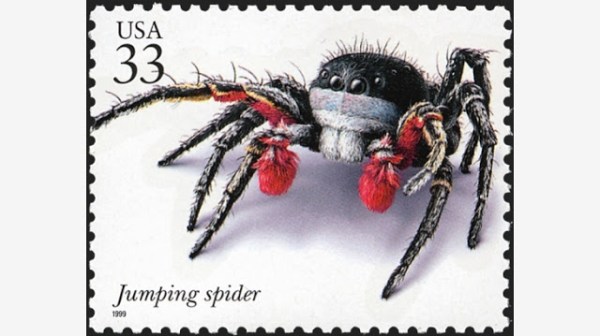
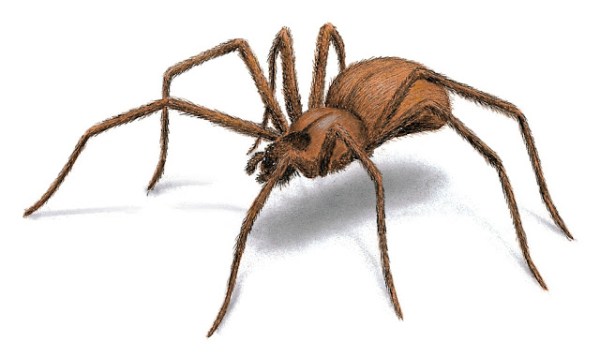
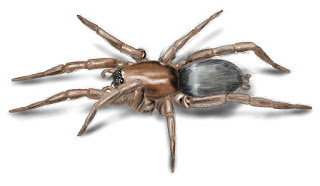
Kalhana, the 12th century chronicler of Kashmir History, gives strange information in his Rajatarangini. He talks about a disease called Luta (meaning Spider). In Tamil also we have a disease called Silanthi (Spider), but it is not a fatal disease.


Here is what Kalhana (Fourth Taranga, slokas 524-529) says,

“At this junction in the principality of Rajah,there arose among the townsmen a calamity caused by the epidemic of Luta.

“The disease is contagious and fatal there owing to a peculiarity of the country and hence the living being who is attacked by Luta is forsaken.

Hearing this King Jayapida planned and brought secretly through his servant the necessary articles to prevent the disease.

By swallowing this, which tended to cause an overflow of bile, his bile was excited and he got fever; by applying the milk of Vajravrksa (tree) he was covered with boils.

His adversary having heard from the mouth of the guards that he was attacked by Luta and thinking that he would no doubt perish expelled him from the country.

In this manner, having crossed with the might of his own intelligence the ocean of calamity he seized the hill fort, which extended up to the sky, as well as the fame of the antagonist”.


Kalhana here explains how the king used the fatal disease Luta and escaped and captured new territory in around 750 CE.

The translator of Rajatarangini M P Pandit says in the footnote,

“ Luutaa= Literally a spider. It is a common belief that a certain kind of spider if it walks over the human body produces skin eruptions, hence a kind of skin trouble – rash and pimples- it is known as Luta.


Vajravrksa = a shrub like Arka, the juice of which if applied to the skin produces eruptions. Kig Jayapida used this to get false eruptions and pretended that he got Luta!

(When he British were looking for freedom fighters in Tamil Nadu, they used to pretend that one of the house holders was afflicted with small pox and hung the margosa leaves (neem eaves) in front of the house. The British were scared of this and never entered the street or the village).


Fatal disease!

And in the Sixth Taranga (chapter) of Rajatarangini, Kalhana says that Kng Kshemagupta died of Luta:

“Thus on the dark fourteenth (Krishnapaksha Chaturdasi) the , while engaged in the case, saw flames emerging from the mouth of a howling she jackal.

“The sight of this produced fear and trembling; he was seized of the Luta disease which fever was the cause of his death.

“With his body covered with eruptions of the shape of the split lentils on the ninth day of bright Pausa (Suklapaksha Navami), in the year 34 (of his rule), he died.

“Ksemagupta’s son, the infant Abhimanyu thereafter became king.”


In the Seventh Taranga

Kalhana says, “Then when Rudrapala died of the Luta disease the other Sahi princes, too, very soon met their end.


In the Eight Taranga

Thus, when some months had passed by, the king as luck would have it, suddenly fell ill suffering from a skin disease.


In another foot note here the translator MP pandit adds, “I am indebted to Vaidyaraj Pandit Ramachandra, my fellow prisoner in the district jail at barely, for the following references to the disease of Luta, Dadakaalasaka (7-1443) and Trsnaa mentioned by Kalahana.

Lutaa- see Astaanga Hrdaya, Sutrasthana chapter 5-verses 6-13.

–Subham–