பெண்கள் நட்சத்திரங்கள்! யஜுர் வேதம் முழக்கம்!! (Post No.4249)

Research article written by London Swaminathan


Date: 27 September 2017


Time uploaded in London- 7-03 am


Post No. 4249


Pictures are taken from various sources such as google, Facebook friends, newspapers and Wikipedia for non-commercial use; thanks.
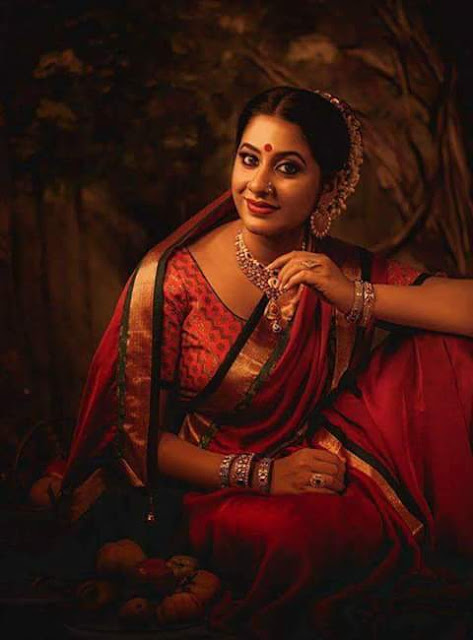
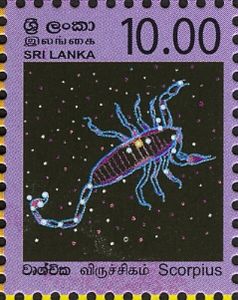
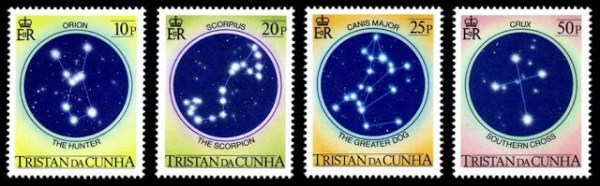
நட்சத்திரங்கள் (stars) என்பன யாவை? அவைகள் என்ன? விஞ்ஞானம் சொல்கிறது- “அவை எல்லாம் சூரியன்கள்; சில நட்சத்திரங்கள் சூரியனை விட கோடி மடங்கு பெரியவை. அவற்றின் ஒளி பூமியை அடையவே பல லட்சம் ஆண்டுகள் ஆகும் என்பதால் நாம் கருகாமல் இருக்கிறோம்; சூரியன் என்பது மஞ்சள் ( a mediocre yellow star) வகை நட்சத்திரம்; அதாவது நடுத்தர நட்சத்திரம்”. இது விஞ்ஞான புத்தகத்தில் உள்ள செய்தி.


ஆனால் சமய நூல்கள் என்ன சொல்கின்றன? நட்சத்திரங்கள் புண்யாத்மாக்களின் ஆவி, ஆன்மா; இறந்து போன மன்னர்கள் நட்சத்திரங்கள் ஆவதாக எகிப்தியர்களும் கிரேக்கர்களும் நம்பினர். மெக்ஸிகோ, ஆஸ்திரேலியா, அமேசான் காடு வாழ் பழங்குடி மக்களும் இதையே சொல்லுவர். ஆனால் அவர்கள் எல்லோரும் கெட்ட, நல்ல மனிதர்கள் எல்லோரும் இறந்த பின்னர் இப்படி ஆவார்கள் என்று சொல்லுவர். இந்து மதமோ புண்ய ஆத்மாக்கள் மட்டும் நட்சத்திரங்கள் ஆவர் என்கிறது.
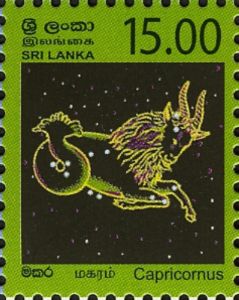


மஹாபாரத வன பர்வத்தில் அர்ஜுனனின் விண்வெளிப்பயணம் (Inter Galactic Space Travel by Arjuna)பற்றிய சுவையான விஞ்ஞான விஷயம் வருகிறது. இதையே சாகுந்தலத்தில் காளிதாசனும் பேசுகிறான். மாதலி என்னும் விண்வெளி பைலட்டிடம் (விமானியிடம்) அர்ஜுனன் ஒரு கேள்வி கேட்கிறான்; அடக் கடவுளே! இது என்ன விண்கலத்திற்கு வெளியே நான், பறக்கும் ஒளிப் பிழம்புகளைக் காண்கின்றேனே! இவை எல்லாமென்ன?


மாதலி சொல்கிறான்: அர்ஜுனா! இவைகளைத்தான் மக்கள் பூமியில் நட்சத்திரங்கள் என்று சொல்லுவர். இவைகள் எல்லாம் இறந்து போன புண்ய ஆத்மாக்கள்”.


இது மிகவும் அபூர்வமான வருணனை. பிரபஞ்சத்தில் ஒரு நட்சத்திர மண்டலத்தில் இருந்து மற்ற ஒரு நட்சத்திர மண்டலத்துக்குப் போகும் வித்தையை இந்துக்கள் அறிந்திருந்தனர். ஐன்ஸ்டைன் (Einstein) முதலியோர் ஒளிதான் மிகவும் (Light is the fastest thing) வேகமான பொருள்; அதை மிஞ்சும் எதுவும் இல்லை. யாரும் ஒளியின் வேகத்தை நெருங்கக்கூட முடியாது. அப்படி பயணம் செய்தால் அவர்கள் நித்திய மார்கண்டேயர்கள்; அவர்கள் முதுமையே எய்த மாட்டார்கள் (Ever young, never die) என்று சொன்னார்கள். ஆனால் இந்துக்கள் மனோ வேகத்தில் செல்லும்– விண்வெளி பயணம் செய்யும் வித்தையை அறிந்து இருந்தனர். நாரதர் போன்றோர் திரி லோக சஞ்சாரி. நினைத்த மாத்திரத்தில் விண்வெளியில் (capable of Inter Galactic Travel) எங்கும் செல்லலாம்.


விஞ்ஞானிகளும் ஒரு விஷயத்தை ஒப்புக் கொள்கிறார்கள்; நாம் எல்லோரும் (We were all star dust once) நட்சத்திரத் துகள்களே; 1500 கோடி வருடங்களுக்கு முன்னால் பிரபஞ்சம் மாபெரும் வெடிப்பில் (Big Bang) சிக்கியது. அப்போது பறந்த துகள்களே சூரிய மண்டலம், கிரஹங்கள்; அதில் தோன்றிய நாம் எல்லோரும் ஒரு காலத்தில் நட்சத்திரங்களின் பகுதியே”.


ஆயினும் இந்துக்கள் சொல்லுவது போல இறந்த ஆன்மாக்கள் என்பதற்கு அறிவியல் விளக்கம் கிடைக்கவில்லை. உலகில் இவ்விஷயத்தில் இந்துக்களே முன்னோடி. ஏனெனில் வடக்கு வாநத்தில் ஒளிரும் புகழ்மிகு, எழில் மிகு, நட்சத்திரக் கூட்டத்துக்கு சப்தரிஷி மண்டலம் என்று பெயரிட்டு ஏழு ரிஷிகளின் பெயரைச் சொன்னார்கள். இன்றும் பிராமணர்கள் த்ரிகால சந்தியாவந்தனத்தில் தினமும் மூன்று முறை அந்த ஏழு ரிகளை வணங்குகின்றனர். அது மட்டுமல்ல. அதில் வசிஷ்டர் அருகில் இருக்கும் அருந்ததி நட்சத்திரத்தை எல்லாப் பெண்களும் கற்புக்கரசியாக வணங்க வேண்டும் என்றும் கட்டளையிட்டனர்.

2200 ஆண்டுகளுக்கு முன் தமிழர் இயறிய புற நானூறும் அதற்குப் பின் எழுந்த சிலப்பதிகாரமும் சப்தரிஷி மண்டலத்தையும் அருந்ததி நட்சத்திரத்தையும் விதந்து ஓதுகின்றன. ஆக, தமிழர்களுக்கும் இவ்விஷயம் தெரியும்

அது மட்டுமின்றி துருவ நட்சத்திரம், (Pole Star) தென் வானத்தில் உள்ள அகஸ்திய (Canopus) நட்சத்திரம், திரி சங்கு (Southern Cross) நட்சத்திரம், சந்திரனின் பாதையில் உள்ள 28 (27+ அபிஜித்= 28)  நட்சத்திரங்கள்

ஆகியவற்றுக்கும் புனித அந்தஸ்து வழங்கியது இந்து மதமே.

மற்ற எல்லா கலாசாரங்களும் சப்த ரிஷி மண்டலத்தை பெருங்கரடி (Ursa Major= Great Bear) என்றும் பறக்கும்  பட்டம் (kite) என்றும் மன்னரின் தேர் (Dipper, Chariot) என்றும் அழைத்தன. நாம் மட்டுமே புனித அந்தஸ்து கொடுத்தோம்.

இப்போது யஜூர் வேதம் சொல்லும் செய்தி இவை எல்லாவற்றையும் விடச் சுவையாக உள்ளது. யஜூர் வேதத்தில் இரண்டு பகுதிகள் உண்டு அதில் சுக்ல யஜூர் வேதத்தின் ஒரு பகுதியான சதபத பிராமணத்தில் இந்தச் செய்தி வருகிறது.

சதபத பிராமணம் ஒரு பெரிய என்சைக்ளோபீடியா; அது சொல்லாத  விஷயமே இல்லை. ஆனால் எல்லாம் வேடிக்கையாக இருக்கும்; வெள்ளைகாரர் களுக்கு அதைப் பார்த்து ஏக குஷி! இதுதாண்டா, உலகிலேயே மிகப்பெரிய உளறல் மூட்டை; இதை வைத்தே இந்துமதத்தை ஒழித்துவிடலாம் என்று 100 ஆண்டுகளுக்கு முன் கால்டுவெல்களும் மாக்ஸ்முல்லர்களும் கொக்கரித்தனர். ஆனால் இந்துக்களுக்கோ இது மிகப் பெரிய புனித நூல்; இதில்தான் அஸ்வமேத, புருஷ மேத, ராஜ சூய யக்ஞங்கள் பற்றி உள்ளன. ரிக் வேதம் மூன்று நட்சத்திரம் பெயரையே சொல்லும்; ஆனால் யஜுர் வேதமோ 28 நட்சத்திரத்தின் பட்டியலைத் தரும். உலகில் வேறு எந்த நூலிலும் — எகிப்திய , பாபிலோனிய, மாயன், சீன — நூல்களில் விரிவான பட்டியல் இல்லை. சீனர்கள் நம்மிடம் இரவல் வாங்கியதாக வெள்ளைத்தோல் “அறிஞர்களும்” செப்புவர்.


பெண்கள் ஸ்டார்ஸ்!!!


“ஸ்த்ரீகள் நட்சத்திரங்கள். தேவலோகம் செல்லுபவர்களுக்கு நன்மை செய்வார்கள்; புருஷர்களுக்கு இவர்கள் நட்சத்திரங்கள் போலா வார்கள்”- 6-5-4-9


இது ஜம்புநாதன் அவர்களின் மொழி பெயர்ப்பு (யஜூர்வேதக் கதைகள், பக்கம் 78)


ஆங்கிலப் புத்தகத்தில் உள்ள விஷயத்தை நான் பகர்வேன்:-


“தெய்வீக கிழவிகள், வெட்டப்படாத இறக்கைகளுடன், கடவுளுக்கு நெருக்கமாக இருப்பார்கள். அவர்கள் ஆங்கிரஸ் போல, சட்டியில், பூமியின் மடியில், சுடுவார்கள்; இப்போது அவர்கள் உதவியுடன் புரோகிதர்கள் வறுக்கிறார்கள்;  ஆனால் இவைகள் எல்லாம் நிச்சயமாக நட்சத்திரங்கள்.- பெண்கள் உண்மையிலேயே நட்சத்திரங்கள். சொர்க லோகத்துக்குச் செல்லும் ஆண்களுக்கு இவர்களே ஒளிகாட்டும் விளக்குகள்; இந்த நட்சத்திரங்களைக் கொண்டே அவர்கள் சுடுகிறார்கள் (வறுத்து எடுப்பர்).


ஒருவர் இப்படி மேல் உலகங்களுக்குச் செல்லுகையில் –அதுதான் சிறந்த புகலிடம்; அதுதான் லட்சியம். அங்கே சுட்டெரிக்கும் சூரியனே, இறந்துபோன நல்லவர்கள். அங்குள்ள மிகப்பெரிய ஒளி பிரஜாபதி அல்லது சொர்கம். இப்படி மேல் உலகங்களுக்குப் போனால் அதுவே சிறந்த அடைக்கலம்; அவர்கள் லட்சியத்தை அடைந்துவிட்டனர்.


–சதபத பிராமணம் 1-9-3-10

தைத்ரீய பிராமணமும் (1-5-2-6) நட்சத்திரங்களை கடவுளரின் வீடுகள் என்று கூறும். யார் இதைப் புரிந்து கொள்கிறார்களோ அவர்கள் அந்த வீட்டை அடைவார்கள்.


சதபத பிராமணத்தில் உள்ள விஷயங்களை அப்படியே அர்த்தம் செய்யக்கூடாது; அதன் மறைபொருளை பெரியோர் மூலம் அறியவேண்டும். வேத இலக்கியம் முழுதையும் கற்றோருக்கே அதன் பொருள் விளங்கும்; வெள்ளைகாரர்களுக்கு அர்த்தம் புரியாததால் இதை மொழி பெயர்த்து சிரி சிரி என்று சிரித்து விட்டனர். ஆனால் இதில்தான் எல்லா விஷயங்களும் இருப்பதால் அவர்களால் இதைச் சொல்லாமலும் இருக்க முடிவதில்லை. மொழி இயல், உளவியல், தாவரவியல், விலங்கியல், வானியல் என்று எல்லாவற்றையும் தொட்டுச் செல்லுகிறது சதபதம்; வெள்ளைக்கா ர்கள் கூட இதற்கு கி.மு 850 முத கி.மு 1000 வரை கால கணித்துள்ளனர். நாமோ  அனாதி காலம் தொட்டு வழங்கி வருவதாக நம்புகிறோம். 2000 ஆண்டுகளுக்கு முன்னர் சதபத பிராமணம் சொல்லிய வழியே சோழ மன்னன் பெருநற்கிள்ளியும், கரிகால் சோழனும் ராஜசூய யக்ஞமும், பருந்து வடிவ யாக குண்டமும் வைத்த செய்தி புற நானூற்றில் உள்ளது (எனது பழைய கட்டுரைகளில் முழு விவரம் காண்க)


ராஜ சூய யாகத்தைப் பார்த்த அவ்வையாருக்கு பேரானந்தம்; “அடப் பாவி மகன்களே! எப்போது பர்த்தாலும் சண்டை போட்டு ஒருவனை ஒருவன் வீரம்பேசி அழிந்தீர்களே; இன்று சேர சோழ பாண்டிய மன்னர்களை ஒரே மேடையில் பார்க்கையில் எனக்கு வரும் சந்தோஷத்துக்கு அளவே இல்லை; இன்று போல நீங்கள் என்றும் ஒற்றுமையுடன் இருப்பீர்களாக” என்று அடி மன த்தின் ஆழத்திலிருந்து வாழ்த்திய செய்தியை புறநானூற்றில் காண்க.


வேதங்கள் புரிய வேண்டுமானால் புற நானூற்றையும், பதிற்றுபத்தையும், பரிபாடலையும் பயில வேண்டும்

சங்கத் தமிழ் நூல்களும், திருக்குறளும் உள்ளவரை இந்து மதம் வாழும்.

TAGS:– சதபத பிராமணம், பெண்கள் நட்சத்திரம், வனபர்வம், விண்வெளிப் பயணம்

–சுபம்–


மாக்ஸ்முல்லர் மர்மம்! – 3 (Post No.4248)

Written by S.NAGARAJAN


Date: 27 September 2017


Time uploaded in London- 4-41 am


Post No. 4248

Pictures shown here are taken from various sources such as Facebook friends, Books, Google and newspapers; thanks.


நண்பரா, கைக்கூலியா!

மாக்ஸ்முல்லர் மர்மம்! – 3

ச.நாகராஜன்

4


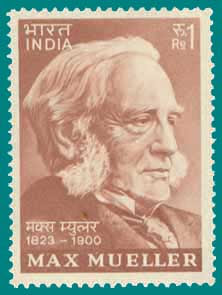
மாக்ஸ்முல்லரின் முழுப் பெயர் ஃப்ரெடெரிக் மாக்ஸிமில்லன் மாக்ஸ்முல்லர் (Friedrich Maximillan Max Muller)


பெரும்பாலானோர் நினைப்பது போல அவர் ஒரு பிரிட்டிஷ்காரர் அல்ல. அவர் ஒரு ஜெர்மானியர். பின்னால் பிரிட்டிஷ் பிரஜா உரிமை பெற்றார். 50 தொகுதிகள் அடங்கிய The Sacred Books of the East என்ற நூல் தொகுதியை அவர் பதிப்பித்தார்.


அவருக்கு ஜெர்மனியில் வேலை கிடைக்கவில்லை. ஈஸ்ட் இந்தியா கம்பெனியில் அவருக்கு ஒரு வேலை கிடைத்தது.

ஆகவே அவர் லண்டனில் குடியேற நேர்ந்தது.


உயர்நிலைப் பள்ளிப் படிப்பு முடித்த பின்னர் அவர் எந்த ஒரு தேர்வையும் எழுதவில்லை என்று டாக்டர் ப்ரொதோஷ் ஐச் (Dr Prodosh Aich)  அடித்துக் கூறுகிறார்.


Lies with Long Legs என்ற அவரது ஆய்வு நூல் படித்துச் சிந்திக்க வேண்டிய ஒன்று.


“தன்னை அவரே மாஸ்டர் ஆஃப் ஆர்ட்ஸ் (Master of Arts) என்று சொல்லிக் கொண்டார்.அவரது மனைவி அவரை டாக்டர் ஆஃப் பிலாஸபி என்று கூறிக் கொண்டார். அவரது மனைவி அவரை லெய்ப்ஜிக் பல்கலைக்கழகத்தில் (leipzig University) படித்ததாகக் கூறுகிறார். ஆனால் அதற்கான ஆதாரமாக எந்த ஒரு ஆவணமும் கிடைக்கவில்லை” என்கிறார் ஐச்.


அவர் ஒரு பொழுதும் இந்தியா வந்ததில்லை என்பது உண்மை.

ஆகவே அவர் சம்ஸ்கிருதத்தை இந்தியாவில் கற்கவில்லை என்பது தெளிவாகிறது. அப்பொது அவர் சம்ஸ்கிருதத்தை ஐரோப்பாவில் தான் கற்றிருக்க வேண்டும். அப்படியானால் அவருக்கு அதைச் சொல்லிக் கொடுத்தது யார்? எந்தப் பண்டிதர்?

எந்தப் பண்டிதருமில்லை.


ஒரு 18 வயதுப் பையன் இந்தியாவைச் சுற்றிக் கொண்டிருந்தான்.

அவனுக்கு சம்ஸ்கிருத அகரவரிசை அதாவது 51 எழுத்துக்கள் தெரியும்


அவனது பெயர் அலெக்ஸாண்டர் ஹாமில்டன் (Alexander Hamilton0. தனக்குத் தெரிந்த எழுத்துக்களை அவன் தான் மாக்ஸ்முல்லருக்குக் கற்றுக் கொடுத்தான்.


ஏராளமான பணம் கொடுத்து இந்தியாவில் பல பண்டிதர்களை நியமித்து வேதத்தை மொழி பெயர்த்தார் மாக்ஸ்முல்லர்.

பணம் கிடைத்ததால் தங்களுத் தெரிந்த வரை தெரிந்ததை அவர்கள் மொழி பெயர்த்தனர்.


இது தான் வேத மொழிபெயர்ப்பின் உண்மை வரலாறு.


5

லார்ட் மெக்காலே இந்திய நாட்டை கிறிஸ்தவ மயமாக்க வேண்டும் என்று திட்டம் போட்டான்.


அவன் போட்ட திட்டப்படி ரிக் வேதத்தை ஹிந்து மதத்திற்கு இழிவு உண்டாகும் வகையில் மொழி பெயர்க்க ஆரம்பித்தார் மாக்ஸ்முல்லர்.


மெக்காலே திட்டத்திற்கு இரையானவர்களில் கல்கத்தா சான்ஸ்கிரீட் காலேஜை செற்ந்த சான்ஸ்கிரீட் புரபஸரான பண்டிட் தாராநாத்  முக்கியமானவர்.

அவர் வாசஸ்பத்யம் என்ற ஒரு சம்ஸ்கிருத அகராதியைத் தொகுத்தார்.


அதில் வேண்டுமென்றே பல வார்த்தைகள் தவறாக மொழி பெயர்க்கப்பட்டன. 1863ஆம் ஆண்டு செய்யப்பட்ட அந்தப் பணி முக்கியமான ஹிந்து மத – வேத மத எதிர்ப்பு அகராதியாக அமைந்தது.


லார்ட் மெக்காலேயின் வேத மத ஒழிப்புத் திட்டம் மிக ஆழமான ஒன்று.


அவன் எழுதிய வார்த்தைகள் இவை:


We must at present do our best to form a class who may be interpreters between us and the millions whom we govern: a class of persons, Indian in blood and colour, but English in taste, in opinions, in morals, and in intellect.


“I have no knowledge of either Sanskrit or Arabic. But I have done what I could to form a correct estimate of their value….. I have never found one among them (Sanskrit or Arabic Scholars) who could deny that a single shelf of a good European library was worth the whole native literature of India and Arabia.”


லார்ட் மெக்காலேயின் உண்மை முகம் இது தான். ஒரு குருடன் விழி இருக்கும் அனைவரையும் குருடனாக்கத் திட்டமிட்டதைப் போல பழம் பெரும் நாகரிகமான ஹிந்து நாகரிகத்தை அதற்கு அருகில் கூட வர முடியாத கிறிஸ்தவத்தால் அழிக்க அவன் திட்டமிட்டான்.


இந்தத் திட்டத்தின் ஒரு அங்கமாக ஆனார் மாக்ஸ்முல்லர்.

அது எப்படி? அதற்கு ஆதாரம் இருக்கிறதா?

அடுத்துப் பார்ப்போம்.

***


STAR MYSTERIES IN THE RIG VEDA- Part 1 (Post No.4247)

Research article written by London Swaminathan


Date: 26 September 2017


Time uploaded in London- 16-27


Post No. 4247


Pictures are taken from various sources such as google, Facebook friends, newspapers and Wikipedia for non-commercial use; thanks.

Hindus believed that stars are holy souls or departed souls. In Vanaparva of Mahabharata and Sakuntalam of Kalidasa, Arjuna’s space travel is explained in detail. Please see the links at the end of this article for my old articles regarding this. Read Stars are Gods? We are Stars!


Egyptians, Greeks, Eskimos, Indians of Amazon forest and Australians believed that the heavenly lights have formerly been their ancestors. Hindus have the oldest reference to this in the Mahabharata. We were the ones who gave the Seven Seers (Saptarishis)  a place in the Ursa Major constellation in addition to Dhruva (pole star) and Agastya (canopus).

Stars, known as Nakshatra in Sanskrit, appear in the Rig Veda, oldest book in the world. It slowly increases in number to 28 in the later Vedas. The mystery about the star is its heliacal rising at different times in different periods. That is, they were not in the place where they are today.


Another mystery in the Veda is the beginning of the year. It did not begin in Chitrai (April-May) as we have now.


The study of all these things pushed the date of Vedas to 4500 BCE. Two researchers did astronomical study independently and arrived at a period between 4000 and 4500 BCE for the Rig Vedic hymns. They were Balagangadhara Tilak of India and Herman Jacobi of Germany. The wonder about this research is that they did it independently without  the other knowing such a research!

Satapata Brahmana of Shukla Yajurveda is an encyclopaedia. For the white skinned foreign scholars it is the most childish, rubbish prattle, blabber, jabber and gibberish. For Hindus it is the biggest resource book of Yagas and Yajnas detailing hundreds of rituals.


The half baked western “scholars” were happy to read about the Asvamedha Yajna and Purushamedha Yajna in it. The Purushamedha Yajna lists 179 human beings from different professions to be thrown into fire. But it had never happened anywhere in India. The only reference is about a boy called Sunashepa who was rescued by the great sage Viswamitra. Now they must read this episode in various rituals and they will get gold coins for reciting it! All these things puzzle and confuse the western “scholars”. For us it is great encyclopaedia giving 179 different professions in Vedic period. That shows the Vedic society was a highly civilized and advanced one. Several workers or jobs or professions are heard only through the Purushamedha yajna.


In the same way Asvamedha Yajna lists 200 plants and animals for sacrifice. Nobody knew the meaning of the whole list. They did not even know whether it is a plant or animal or an insect!! No proof is there for to show that all the animals were placed in the fire.

Western “scholars” project themselves as clowns, jesters and Jokers by giving different interpretations for each word. Their primary aim was to confuse the Hindus in every sentence, in every word and in every aspect. The sycophant English educated Indians of the 19th century also wrote lot of rubbish following these “great western scholars”. Marxists gave them the lead by interpreting everything as ‘class struggle’! Now we know those people were pukka idiots because we get a bird’s eye view of the Vedic literature and Sangam Tamil literature.


The amazing thing about the huge and voluminous Satapata Brahmana is about that one  can find any subject from Astronomy to Zoology in it. But most of the things they say wouldn’t mean anything if we take them literally. But we know they were very intelligent because they talk about linguistics, psychology, botany etc.


All these things are said to illustrate that the Satapata Brahmana talk about all the stars we know of in astrology and astronomy. No ancient book, Babylonian, Mayan or Egyptian give such a detailed list. Satapata Brahmana belongs to a period around 1000 BCE. It lists 27 or 28 stars.

Let us start from the Rig Veda:

There are various interpretations abbot the meaning of Nakshatra. The meaning is ‘guardian of night’ or ‘having rule over night’ (Nakta is night).


The star appears in all the passages where this word occurs (2-1-2, 2-1-18)


The sun and nakshatras are mentioned together (AV 6-10-3 and later books)!

Now we know that sun is also a star.

At least three stars are mentioned in the Rig Veda: Tisya (RV.5-59-13, 10-64-8) Aghas and Arjuni (10-85-13). It seems probable that they are the later lunar mansions called Maghas and Phalguni. It occurs in the wedding hymn.


Ludwig and Zimmer have seen other references to the Nakshatras as 27 in the Rig Veda (1-162-18—34 ribs of the horse=moon, sun, 5 planets and 27 stars); other “scholars” don’t agree with them.

Nakshatras as Lunar Mansions (months)

In later Samhitas (hymn books) the connection of the moon and the stars is conceived as a marriage union. Two samhitas (Khathaka and Taittiriya) state that Soma/moon was wedded to the mansions, but dwelt with only with Rohini)


It is very interesting to note that Tamils and other North Indians did marry only on the Rohini asterism day according to 2000 year old Sangam Tamil literature and Vedic literature.

It is also interesting to note that Tamils have special names (multiple names) for all the 27 stars 2000 years ago. Some of them are Tamilized Sanskrit words or translated Sanskrit words.


In the second part I will show you how Jacobi and Tilak calculated the age of Vedas on the basis of stars and their heliacal rising.


My Old articles: —


  1. Space Travel | Tamil and Vedas

tamilandvedas.com/tag/space-travel

Matali is always associated with space travel and I have written about Arjuna’s space travel in Matali’s … //tamilandvedas.com/2014/09/12/did-kalidasa-fly …

  1. Did Kalidasa fly in a Space Shuttle? | Tamil and Vedas

tamilandvedas.com/2014/09/12/did-kalidasa-fly-in…

Research Paper written by London swaminathan Post 1284; dated 12th September 2014. Kalidasa gives us an amazing picture of space travel in his most famous drama …

  1. Orion | Tamil and Vedas

tamilandvedas.com/tag/orion

There is a fascinating account of Arjuna’s Space Travel in the Vanaparva … The amazing thing about this space travel of Arjuna in … //tamilandvedas.com …


—to be continued


ரிக் வேதத்தில் தங்க நகைகள், தங்கக் காசு! (Post No.4244)

Research article written by London Swaminathan


Date: 26 September 2017


Time uploaded in London-  7-18 am


Post No. 4244


Pictures are taken from various sources such as google, Facebook friends, newspapers and Wikipedia for non-commercial use; thanks.


(இது பற்றி சின்னாட்களுக்கு முன் நான் ஆங்கிலத்தில் எழுதி, இங்கு வெளியிட்ட ஆராய்ச்சிக் கட்டுரையில், வேத மந்திரங்களின் எண்களைக் குறிப்பிட்டதால், இங்கு அவைகளை எழுதாமல் விஷயத்தை மட்டும் சுருக்கி வரைகிறேன். முழு விவரம் வேண்டுவோர் எனது ஆங்கில கட்டுரையைப் பார்க்கவும்; படிக்கவும்.)


உலகிலேயே பழமையான நூல் ரிக் வேதம்; அண்மைக்கால சரஸ்வதி நதி தீர ஆராய்ச்சியானது இதை மொஹஞ்சதாரோ, ஹரப்பா நாகரீகத்துக்கும் முந்தையது என்று காட்டிவிட்டது; அதை நாஸா விண்கலப் புகைப்படமும் உறுதி செய்தது; இதற்கு முன்னரே துருக்கியில் வேதக் கடவுளர் பெயர் பொறித்த க்யூனிபார்ம் களிமண் கல்வெட்டு கிடைத்ததால், வேத மந்திரம் கி.மு.1380 ஆம் அண்டிலேயே துருக்கி-சிரியா சென்று விட்டதை தொல் பொருட் துறை உறுதி செய்தது. அதற்கு முன்னரே கார்த்திகை நட்சத்திர ஆராய்ச்சியானது, வேதங்கள் கி.மு 4500 க்கு முன் எழுதப்பட்டிருக்க வேண்டும் என்று பால கங்காதர திலகரும், ஜெர்மன் அறிஞர் ஹெர்மன் ஜாகோபியும் நிரூபித்தனர்.


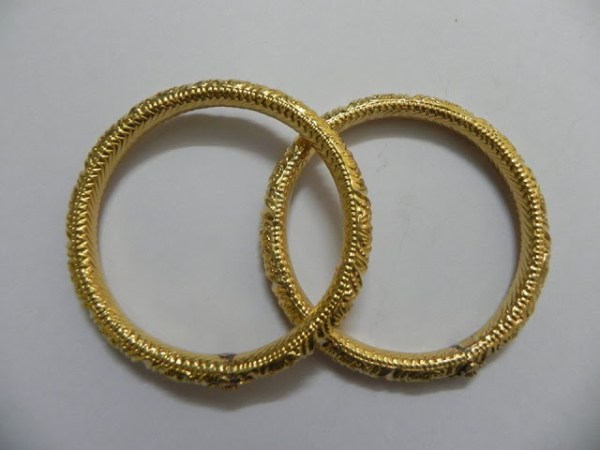
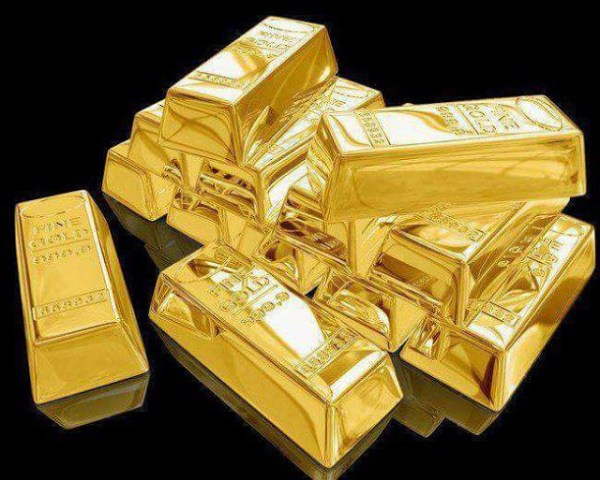
இவ்வளவு பழமை பொருந்திய ரிக் வேதத்தில், வியாச மஹரிஷியால் கி.மு 3100-க்கு முன் நான்காகப் பிரிக்கப்பட்ட வேதத்தில்,தங்க நகைகள், தங்கக் காசு பற்றி உள்ள விஷயங்கள் இந்தியாதான் உலகிலேயே பணக்கார நாடு என்பதையும், வேத கால மக்கள் செல்வச் செழிப்பிலும் நாகரீ கத்திலும் வானத்தைத் தொட்டுவிட்டனர் என்பதையும் காட்டுகிறது.


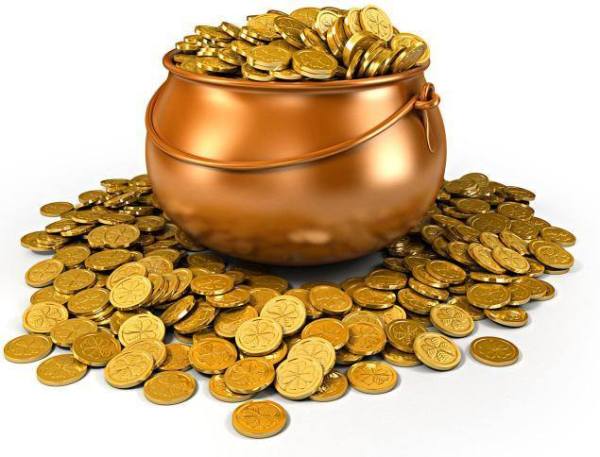
இது மாக்ஸ்முல்லர் வகையறாக்களுக்கும் கால்டுவெல் தொகையறாக்களுக்கும் செமை அடி கொடுக்கும்; ஏனெனில் அவர்கள் “வேத கால மக்கள் நாடோடிகள், மாடு மேய்த்துக் கொண்டு இந்தியாவுக்குள் புகுந்த நாடோடிகள், எழுத்தறிவு இல்லாதவர்கள், பெரும்பாலும் வேதத்தில் சிறுபிள்ளைத்தனமான (mostly childish)  பாடல்கலைளையே காண இயலும்” என்றெல்லாம் உளறிக்கொட்டி கிளறி மூடியிருந்தார்கள்; தாங்கள் வாங்கிய கூலிக் காசுக்கு ஏற்ப தாளம் போட்டார்கள். மாறடித்தார்கள்; ஆனால் வேத கால  இலக்கியத்தில் வரும் தங்கக் காசு, தங்கத்துக்கான சொற்கள், நிஷ்கா என்னும் உலகின் முதல் தங்க நாணயம் ஆகியவற்றைப் படிப்போர் வியந்து மகிழ்வார்கள்; அவர்கள் தட்சிணையா க வாங்கிய தங்க நாணயங்களைப் பார்ப்போருக்கு அடக் கடவுளே இவ்வளவு செழிப்புள்ள காலத்தில் நாமும் வாழ மாட்டோமா என்று சிந்திக்க வைக்கும்.


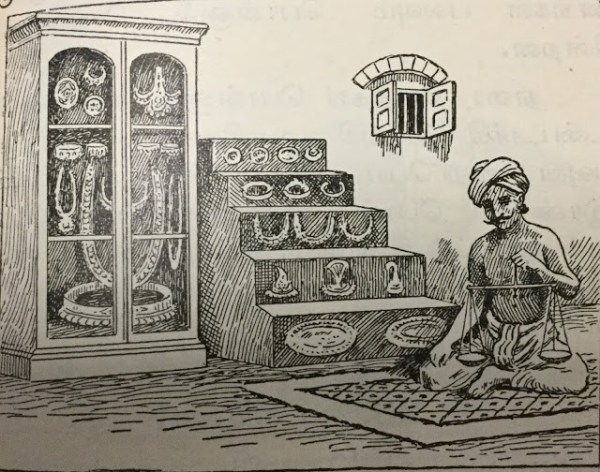
சேர மன்னர்கள் பிராமணப் புலவர்களுக்கு தங்க நாணயங்களை மழை போலப் பொழிந்த பாடல்கள் சங்க இலக்கியத்தின் 18 நூல்களில் ஒன்றான பதிற்றுப் பத்தில் உள்ளன. செங்குட்டுவன் தனது உடல் எடையான 50 கிலோவுக்கு நிகரான தங்கத்தை துலாபாரம் மூலம் மாடல மறையோன் என்ற பிராமணனுக்கு வழங்கிய செய்தி ‘நெஞ்சை அள்ளும்’ சிலப்பதிகார காவியத்தில் வருகிறது. பராசரன் என்ற பார்ப்பனன், திருத்தங்கலில் வேதம் சொல்லிய ஒரு சிறு பிள்ளையிடம் தனது தங்க நகை மூட்டையைக் கொடுத்துவிட்டுப் போன செய்தியும் சிலம்பில் காணக்கிடக்கிறது. அப்போதாவது, ரோமானிய சாம்ராஜ்யம், கேரளத்துக்குள் தங்க மழை பொழிந்த செய்தி சங்க இலக்கிய நூல்களிலும் ரோமானிய எழுத்தர் நூல்களிலும் உள்ளன. ஆனால் வேத கால மக்களுக்கு எங்கிருந்து தங்கம் கிடைத்தது? அதுவும் வேத கால துதிகளில் இருக்கிறது. நதிப் படுகைகளில் இருந்து அவர்கள் தங்கத்தைச் சலித்து எடுத்து தூய்மைப் படுத்திய செய்தியும் வேதத்தில் உள்ளது.

பிற்காலத்தில் தர்மபுத்திரன், அர்ஜுனன் ஆகியோர் இமய மலையிலுள்ள உத்தரகுருவில் தங்கம் எடுத்தசெய்தி உள்ளது. மெகஸ்தனிசும், ஸ்டிராபோவும் இந்தியாவின் தங்க வளத்தைப் புகழ்கின்றனர். உலகின் முதல் வரலாற்று ஆசிரியர் என்று மேலை நாட்டினர் புகழும் ஹெரடோட்டஸோவெனில் இந்தியாவில் இராட்சத எறும்புகள் பூமிக்கடியில் இருந்து தங்கத்தைக் கொண்டுவந்த்த அதிசயச் செய்தியை எழுதி வைத்துள்ளார். இந்தியா= தங்கம்!!!


தங்கத்துக்கும், தங்க நகைகளுக்கும் வேதத்தில் உள்ள சொற்கள் எல்லோரையும் மலைக்க வைக்கும்:

ஜாத ரூபம், ஹரிதம், ஹிரண்யம், ஸ்வர்ணம், நிஷ்கா, சந்த்ர — இப்படி பல பெயர்கள்!

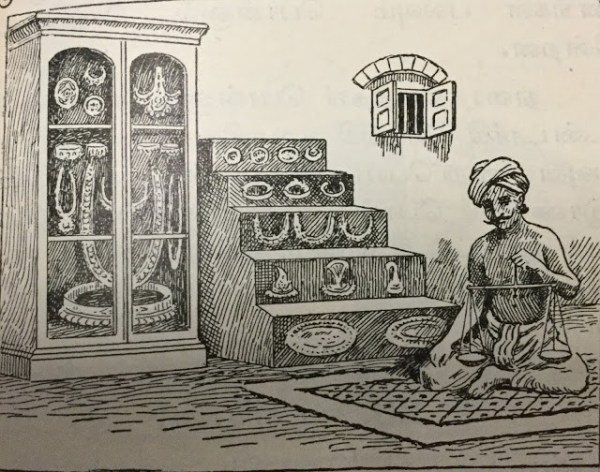
மேலும் அண்மைக்காலம் வரை நம்மவர்கள் பயன்படுத்திய குந்துமணி எடை (கிருஷ்ணல) வேத கால நூல்களில் உள்ளது. ஆகவே தங்கத்துக்கு எடை போடும் வழக்கமும் அப்போது இருந்ததால் நல்ல தங்கநகைக் கடைகள் இருந்திருக்க வேண்டும்


ரஜத என்ற வெள்ளி பற்றியும் வெள்ளிக் காசுகள் பற்றியும் வேதங்கள் பாடுகின்றன.

உலகிலேயே மிகப் பணக்கார நாடு இந்தியாதான்! இன்றும் உலகிலேயே பணக்கார நாடு இந்தியாதான் என்றும் ஐந்து ஆறு கட்டுரைகளை இதே பிளாக்கில் சில ஆண்டுகளுக்கு முன்னர் ஆதாரங்களுடன் எழுதினேன். இப்போது வேதத்தில் இன்னும் ஒரு வியப்பான செய்தியைக் கண்டேன்.


நான் பழங்கால நாணயங்களை ஆராய்பவன். என்னிடமுள்ள ஆங்கில நூல்கள் அனைத்திலும் முதல் முதலில் உலகில் நாணயங்களை வெளியிட்டவர்கள் கிரேக்கர்கள் என்றும் கி.மு. ஆறாம் நூற்றாண்டு முதலே இவை கிடைகின்றன என்றும் எழுதியுள்ளனர். அந்த நாணயங்களும் மியூசியங்களில் உள்ளன.


நிஷ்கா என்னும் தங்க நாணயம்!


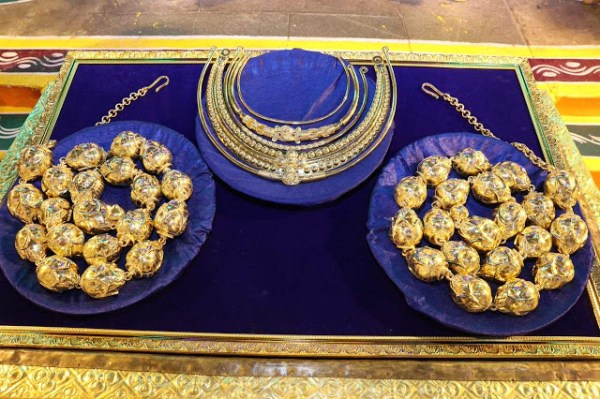
ஆனால் உலகிலேயே முதல் நாணயத்தை வெளியிட்டவர்கள் இந்துக்கள் என்ற செய்தி வேதத்தில் உள்ளது (ஆங்கிலக் கட்டுரையில் பாடல் எண்களைக் கொடுத்துள்ளேன்). அந்த நாணயத்தின் பெயர் நிஷ்கா. இதற்கு இரு பொருள் உண்டு: 1. நாணயம்/ காசு, 2. கழுத்தில் அணியும் ஆபரணம்.


இது உண்மையே; இதில் முரண்பாடு எதுவும் இல்லை; ஆதிகாலத்தில் காசு மலை செய்வது எளிதாக இருந்தது. மேலும் இது அழகானது. இன்றும் கோவில்களிலும் இந்து மாதர்களின் கழுத்திலும் காசு மாலை ஜ்வலிப்பதைக் காணாலாம். ஆக நிஷ்கா என்பது இரு பொருளிலும் வழங்கி இருக்கலாம்.


பிற்கால இலக்கியங்களில் நிஷ்கா என்பது தங்க காசு என்பது எல்லோரும் அறிந்ததே.மேலும் ஒரு பொருளை கரன்ஸி (நாணயம்) என்று அறிய அதனுடன் எண் அளவு இருக்க வேண்டும். அப்படி அஷ்ட புத் என்ற எண்ணுடனும், சதமானம் (100) என்ற எண்ணுடனும் காசுகள் கையாளபட்டுள்ளன. இன்றும் கூட கல்யாணங்களில் பரிசுகளை ஓதிவிடும் போது பிரமாணர்கள் சதமானம் பவது என்ற மந்திரத்தைச் சொல்லி லட்சம் கட்டி வராஹன் என்று மிகைப்படுத்தி பரிசை அளிப்பர் ( மாமா கொடுத்தது, அத்தை கொடுத்தது என்பதால்)


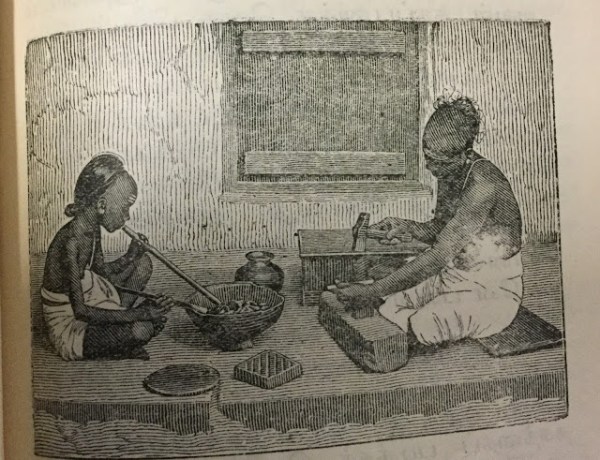
ஆக உலகிலேயே முதல் முதலில் நாணயங்களை வெளியிட்டது வேத கால இந்துக்களே. ஆனால் பெரிய துரதிருஷ்டம்! சிந்து வெளியிலோ, வேத கால புதை பொருள்களிலோ இப்படி ஒரு நாணயம் கூட நமக்குக் கிடைக்கவில்லை. இதற்கு இந்துப் பெண்களின் குணமே காரணம். அடிக்கடி தங்கத்தையும் தங்க நகைகளையும் உருக்கி புதுப் புது டிசைன்களில் நகை செய்து கழுத்தில், காதில், காலில் பூட்டி பெருமை அடித்துக்கொள்வர். குப்தர் காலத்தில் லட்சக் கணக்கில் தங்க நாணயங்கள் அடித்ததால் இன்று பிரிட்டிஷ் மியூசியத்தில் (லண்டன்) அவைகளைக் காண முடிகிறது. நம் ஊரில் கிடைத்தன வெல்லாம், பெண்களின் கழுத்தில் தொங்குகின்றன. ஒரு வேளை பத்மநாப சுவாமி கோவில் போன்ற இடங்களில் பழங்கால நாணயங்கள் இன்னும் இருக்கலாம்.

ஆக உலகிலேயே நிஷ்கா என்னும் தங்க நாணயத்தை வெளியிட்ட பெருமை நம்மையே சாரும்!


தட்சிணையில் தங்க ரதம்!!!


இதைவிட மிக மிக வியப்பான விஷயம் பிராமணர்கள் பெற்ற தங்க தட்சிணையாகும்!


ஆறு வகையான தங்க தட்சிணைகளைப் பட்டியல் இடுகின்றனர்.

யாக யக்ஞங்களில் யாக குண்டங்களை அமைப்பதற்குப் பயன்படும் செங்கற்கள் போல தங்க செங்கற்கள் தட்சிணையாக கொடுக்கப்பட்ட விஷயமும் உளது.


தங்க ஏர் (சீதா) கொண்டு மன்னர்கள் ஆண்டுதோறும் நடத்தும் சடங்கு பற்றியும் உள்ளது இப்படி ஜனகன் உழச்சென்றபோது கிடைத்தவள்தான் சீதாதேவி (ஏர்ப் பெண்)!


சேதி என்னும் மன்னனின் மகனான காசு அளித்த ஆயிரக்கணக்கான பசுமாடுகள் குதிரைகள் ஒட்டககங்கள் பற்றிய செய்தி ரிக் வேதத்தில் எட்டாம் மண்டலத்தில் இருக்கிறது.


கனிதன் என்பவனின் மகனான ப்ருதுஸ்ரவஸ் தங்க ரதமும் ஆயிரக்கணக்கில் பசுமாடுகளும் கொடுத்ததாக வாச அசவ்ய என்ற ரிஷி பாடுகிறார்.


சங்கத்தமிழ் இலக்கியத்தில் பரிசு பெற்ற புலவர்கள் மற்றவர்களை ஆற்றுபடுத்தும்போது கூறும் விஷயங்கள் போல ஒவ்வொரு பிராமணரும் பெற்ற பரிசுகள் (தட்சிணையாக) தான துதிகள் என்ற துதிகளில் வருகிறது. இதில் நம்புவதற்கரிய மிகப் பெரிய எண்ணிக்கையில் பரிசுகள் உள்ளன. வேத கால மக்களின் செல்வச் செழிப்பு அளவிடற்கரியது.


பெண்கள் அணிந்த ஆபரணங்களின் பெயர்களும், தங்க நகைகளுடன் அவர்கள் பவனி வந்த செய்தியும் வேதங்களில் உள்ளன.!


தங்கமோ தங்கம்! அவ்வளவும் சொக்கத் தங்கம்!


TAGS:- முதல் தங்கக் காசு, வேதத்தில், தங்க நகை, தங்கத் தேர்

–சுபம்–


கோபாலன் ஆன குணம் போகுமா, பாண்டியா? ( Post No.4243)

Written by S.NAGARAJAN


Date: 26 September 2017


Time uploaded in London- 5-16 am


Post No. 4243

Pictures shown here are taken from various sources such as Facebook friends, Books, Google and newspapers; thanks.


13-9-20̀17 அன்று வெளியான கட்டுரை எண் 4207இல் கண்ணழகை வர்ணிக்கும் சொல்லழகுப் பாடலை இயற்றிய நமச்சிவாயப் புலவரைப் பற்றிப் பார்த்தோம். அவரது இன்னொரு பாடல்!

கோபாலன் ஆன குணம் போகுமா, பாண்டியா?


.நாகராஜன்


கண்ணழகை வியந்து சொல்லழகு ததும்பிய நமச்சிவாயப் புலவரின் பாடலைப் பார்த்தோம்.


அவரது இன்னொரு பாடல்.


ஒரு நாள் பாண்டிய மன்னனின் அவைக்குச் சென்றார் புலவர்.

அங்கே அவர் பாண்டியன் கோ துரத்தும் வேலையைச் செய்திருப்பதைக் கண்டார்


கோ என்ற வார்த்தை அரசர்களையும் குறிக்கும்; பசுக்களையும் குறிக்கும்.


மன்னன் பகை அரசரையும், பசுக்களையும் துரத்திக் கொண்டிருப்பதைக் கண்ட புலவர் உடனே ஒரு பாடலைப் பாடினார் இப்படி:


கோலெடுத்துக் கோத்துரத்துங் கோப்பாண்டி மன்னன் வடி

வேலெடுத்துக் கோத்துரத்தல் விட்டிலனே! – சால்படுத்த

பூபால னானாலும் போமோ புராணத்திற்

கோபால னான குணம்.


போட்டார் ஒரு போடு.

புராண காலத்தில் கிருஷணனாக இருந்தவன் நீ; உன் பிறவிக் குணம் போகுமா என்று.

கவிதையின் பொருளைப் பார்ப்போம்.

கோல் எடுத்து – செங்கோலைக் கையில் எடுத்துக் கொண்டு

கோ துரத்தும் – பகை அரசர்களை  ஓட்டுகின்ற

கோப் பாண்டி  மன்னன் – அழகிய பாண்டிய ராஜன்

வடிவேல் எடுத்து – வடிவேலைத் தாங்கி

கோ துரத்தல் விட்டிலனே – பசுக்களைத் துரத்தும் தொழிலை விடவில்லையே

சால்பு அடுத்த – பெருமை பொருந்திய

பூபாலன் ஆனாலும்- பூமியை ஆளும் பூபதி என்றாலும் கூட

புராணத்தில் – முன்பொரு காலத்தில்

கோபாலன் ஆன குணம் – கோபாலன் என்ற கிருஷ்ணராக இருந்த குணம்

போமோ – நீங்குமோ?!


கோபாலன் -பசுக்களைக் காப்பவன் ; கிருஷ்ண பகவான்


பாண்டிய ராஜனை கிருஷ்ணனுக்கு நிகர் என்று கூறிய கவிஞருக்குப் பரிசு கிடைத்தது என்று சொல்லவும் வேண்டுமோ!

***

VEDAS ARE MOSTLY ‘CHILDISH’: MAX MULLER (Post No.4246)

Written by London Swaminathan


Date: 25 September 2017


Time uploaded in London- 14-32


Post No. 4246


Pictures are taken from various sources such as google, Facebook friends, newspapers and Wikipedia for non-commercial use; thanks.


I Have earlier shown in my articles that Max Muller was like a poisonous snake with a split tongue; he would blow hot and cold; he would praise the Vedas whenever he wanted to identify himself with the Aryans “who travelled from Germany to India” to establish that nobody lived in India and any foreigner could occupy it like the British.  At other times he dubbed the Vedas as childish blabbers, pastoral, ridiculous and the Aryan people were nomads.


This he did for two reasons. He got a collie from the East India Company to say so and the Oxford professorship has a condition that they should show to the world that Christianity is the only civilized religion. In fact, all the Sanskrit professors appointed under a chair in Oxford fall under this category. That is what they were paid for. In simple language, coolies. For money, they would do anything.


Here is more proof to show the true colures of Prof. Max Muller. He was a poisonous snake and along with Bishop Caldwell and other foreigners they coined a new term ‘Aryan race’. Neither the Tamil Sangam literature nor the Vedas has that racial connotation for ‘Arya’.

Subrahmanya Bharati, the greatest Tamil poet of modern times used the word ARYA in scores of places in his poems with the correct meaning: civilized, cultured, who recites Mantras in Sanskrit at the foot hills of the Himalayas. Bharati deliberately used the word ARYAN and deliberately avoided the word Dravidian in his poems. Probably to give a slap on the faces of Caldwells and Max Mullers and such cunning dirty fellows.


Max Muller describes the conclusion arrived at by intelligent Indians: “The friends of Rammohan Roy, honest and fearless as they have always proved themselves to be, sent some young scholars to Benares to study the Vedas and to report on their contents. As soon as their report was received, Debendranath Tagore, the Head of the Brahma Samaj, said at once that, venerable as the Vedas might be as relics of a former age, they contained so much that was CHILDISH, ERRONEOUS and impossible as to make their descent from a divine source utterly untenable” (another group of collies).

(Biographical essays pp 163, 169)


Prof. Max Muller has spent many years, editing the Rig Veda, with commentary of Sayana (MM must be the biggest fraud in the field. He did not translate Sayana’s. Because Sayana never said that there was a race called Aryan and they came from Europe).


Max Muller says the following in his “Preface to the Sacred Books of the east”:-

“Scholars also who have devoted their life either to the editing of the original texts or to the careful interpretation of some of the sacred books, are more inclined, after they have disinterred from a HEAP OF RUBBISH some solitary fragments of pure gold, to exhibit these treasures only than to display all the REFUSE from which they have to extract them. I do not blame them for this, perhaps I should feel that I was open to the same blame myself, for it is but natural that the scholars in their joy at finding ONE or TWO fragrant fruits or flowers should gladly forget the BRAMBLES and THORNS that had to be thrown aside in the course of their search”.


xxx

In his Lecture on the Vedas he expresses the following opinion of the hymns:-

“ The historical importance of the Veda can hardly be exaggerated but its intrinsic merit, and particularly the beauty or elevation of its sentiments, have by many been rated far too high. LARGE NUMBER OF THE VEDIC HYMNS ARECHILDISH IN THE EXTREME: TEDIOUS, LOW, COMMON-PLACE. The gods are constantly invoked to protect their worshippers to grant them food, large flocks, large families and a long life; for all which benefits they are to be rewarded by the praises and sacrifices offered day after day, or certain seasons of the year. But hidden in this RUBBISH there are precious stones.


“ I remind you again that the Veda contains a great deal of what is CHILDISH and FOOLISH, though very little of what is bad and objectionable. Some of its poets ascribe to the gods sentiments and passions unworthy of the deity such as anger, revenge, delight in material sacrifices; they likewise represent human nature on a low level of SELFISHNESS and WORDLINESS. Many hymns are utterly UNMEANING and INSIPID and we must search patiently before we meet, here and there, with sentiments that come from

the depth of the soul, and with prayers in which we could join ourselves.”


(Sayana never expressed such an opinion. Tamil Sangam literature praised the Vedas sky high. For two thousand years Tamil devotional poets praised them. Tamils translated he word Veda as ‘secret’. because they knew literal meaning should not be looked at.)

Western fellows never talk about other or their religious books. If Vedas are rubbish there more rubbish in their very short books!


Not even Buddha, not even Mahavira criticised the Vedas.  They praised Indra. They criticised only doing Yagas without understanding the meaning or purpose. Oldest Tamil book  Tolkappiam said that INDRA, VARUNA, VISHNU and DURGA are Tamil gods


When all other old religions died and their gods gone into museums, Hinduism is still a vibrant religion and Vedic Gods are worshipped every day. How and Why?


If there is so much RUBBISH in the Vedas, why did MM spend 60 years in Vedic studies and publish 51 Volumes of Sacred Books of the East? Was he a fraud or a faithful collie and did all these things for money to belittle Hinduism? Because of his Aryan Race theory, Hitler picked up Arya and Swastika and killed millions. Because of this America killed one million innocent Buddhists and Shintoism followers by throwing atom bombs on their heads. They never nuked a Jew or a Muslim or a Christian.

Caldwell says: “If any person reads the hymns of the Vedas for the first time, he will be struck with surprise at the utterly WORLDLY, UNETHICAL, UNSPIRITUAL tone by which they are generally pervaded.”

MM did another fraud by praising Dyaus Pita and comparing him with European gods and dubbing it as he oldest God. he never proved it. He never proved that those hymns in the Rig Vedas as the oldest portions. No scholar in the world proved it. Most of the things said by one idiot is repeated by other idiots. Because all of them belong to the same bandwagon.

Readers can pass a judgement on MM and his bed mates.


–Subham–

31 சுந்தர காண்டப் பொன்மொழிகள் (Post No.4245)

COMPILED by London Swaminathan


Date: 25 September 2017


Time uploaded in London-  6-05 AM


Post No. 4245


Pictures are taken from various sources such as google, Facebook friends, newspapers and Wikipedia for non-commercial use; thanks.


அக்டோபர் 2017 காலண்டர்


முகரம்-1, காந்தி ஜயந்தி- 2, வால்மீகி ஜயந்தி-5,  தீபாவளி-18/19

கந்த சஷ்டி-25.

ஏகாதசி – 1, 15, அமாவாசை – 19, பௌர்ணமி – 5

சுபமுகூர்த்த தினங்கள்- 27, 30.

அக்டோபர் 1 ஞாயிற்றுக் கிழமை

கடல் உறு மத்து இது என்ன கார் வரை திரியும் காலை

மிடல் உறு புலன்கள் வென்ற மெய்த்தவர் விசும்பின் உற்றார்

(அனுமன் புறப்பட்ட வேகத்தில் முனிவர்கள் வானில் பறந்தனர்)


அக்டோபர் 2 திங்கட் கிழமை

கீண்டது வேலை நல் நீர் கீழ் உறக் கிடந்த நாகர்

வேண்டிய உலகம் எல்லாம் வெளிபட மணிகள் மின்ன

(கடலடி நாகங்கள் நாகரத்தினத்தைக் கக்கின)


அக்டோபர் 3 செவ்வாய்க் கிழமை

துள்ளிய மகர மீன்கள் துடிப்பு அற சுறவு தூங்க

ஒள்ளிய பனை மீன் துஞ்சும் திவலைய ஊழிக்காலின்

(முதலைகள், சுறாமீன்கள், டால்பின்கள் தூக்கி எறியப்பட்டன)


அக்டோபர் 4 புதன் கிழமை


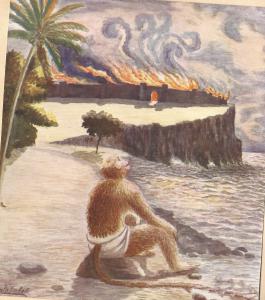
புட்பக விமானம்தான் AIR PLANE அவ் இலங்கை மேல் போவது ஒத்தான்

(இலங்கையை நோக்கி ஒரு புட்பக விமானம் பறப்பது போல அனுமன் பறந்தான்)


அக்டோபர் 5 வியாழக் கிழமை

ஆணி ஆய் உலகுக்கு எல்லாம் அறம் பொருள் நிரப்பும் அண்ணல்

(உலகத்துக்கு அடிப்படையாய் விளங்கும் அறத்தைத் தழைக்கச் செய்யும் அனுமன்)

அக்டோபர் 6 வெள்ளிக் கிழமை

ஊழிநாள் வடபால் தோன்றும் உவா முழு மதியும் ஒத்தான்

(உலகம் அழியும் நாளில் வடதிசையில் தோன்றும் பவுர்ணமி போல)


அக்டோபர் 7 சனிக் கிழமை

தேசமும் நூலும் சொல்லும் திமிங்கிலங்களோடும்

ஆசையை உற்ற வேலை கலங்க

(உலக மக்களும் புத்தகங்களும் சொல்லும் திமிங்கிலத்தைச் சாப்பிடும் திமிங்கிலங்கள் இறந்து கடலில் மிதந்தன)


அக்டோபர் 8 ஞாயிற்றுக் கிழமை

நூல் ஏந்து கேள்வி நுகரார் புலன் நோக்கல் உற்றார்

போல் ஏந்தி நின்ற தனியாள் மெய் பொறாது நீங்க

(ஞான நூற்பொருளை கல்லாது புலன் இன்பத்தில் மனதைச் செலுத்தும் சிறியார் போல பூமாதேவியும் உடல்வலி தாங்காமல் விலகினாள்)


அக்டோபர் 9 திங்கட் கிழமை

பெருந்தேன் பிறிசாலும் நின் அன்பு பிணித்தபோதே

இருந்தேன் நுகர்ந்தேன் நுகர்ந்தேன் இதன்மேல் இனி ஈவது என்னோ?

(உன் அன்பைக் காட்டியதே விருந்து உண்டது போல ஆய்விட்டேன். இதற்கும் மேல் நீ தருவதற்கு என்ன இருக்கிறது– மைநாக பர்வதத்திடம் அனுமன் சொன்னது)


அக்டோபர் 10 செவ்வாய்க் கிழமை

நீண்டான் உடனே சுருங்கா நிமிர்வாள் எயிற்றின்

ஊர்ந்தான் என உற்று ஓர் உயிர்ப்பு உயிராத முன்னா

(திடீரெனச் சுருங்கிய உடலுடன் சுரசையின் வாய்க்குள் புகுந்த அனுமன், அவள் ஒரு முறை சுவாசிப்பதற்குள் வெளியே வந்தான்)


அக்டோபர் 11 புதன் கிழமை

சாகா வரத் தலைவரில் திலகம் அன்னான்

ஏகா ரக்கிகுடர் கொண்டு உடன் எழுந்தான்

(இறவா வரம் பெற்றவர்களில் திலகம் போன்ற அனுமன் அங்காரதாரகை என்னும் அரக்கியின் வாயுள் புகுந்து குடல்களைச் சுற்றிக்கொண்டு மேலே எழுந்தான்)


அக்டோபர் 12 வியாழக் கிழமை

இராம! என எல்லாம்

மாறும் அதின்மாறு பிறிது இல் என வலித்தான்

(இது போன்ற கஷ்டங்கள் நீங்க ராம நாமத்தைச் சொன்னால் போதும்; அ தைத் தவிர வேறு வழி இல்லை- அனுமன்)


அக்டோபர் 13 வெள்ளிக் கிழமை


விண்ணிடை உலகம் என்னும் மெல்லியல் மேனி நோக்கக்

கண்ணடி வைத்தது அன்ன இலங்கையைத் தெரியக் கண்டான்

(தேவலோகம் ஆகிய மங்கை தன் வடிவழகினைப் பார்க்க ஒரு கண்ணாடி வைத்தது போலத் திகழ்ந்த இலங்கையை அனுமன் உற்றுப் பார்த்தான்)


அக்டோபர் 14 சனிக் கிழமை

நுண்புலம் நுணங்கு கேள்வி நுழைவினர் எனினும் நோக்கும்

கண்புலம் வரம்பிற்று ஆமே? காட்சியும் கரையிற்று ஆமே?

(நுண்ணிய அறிவினால் நுட்பமான கேள்வி ஞானத்தை ஆராய்ந்து தெளிந்தவர்களுக்கும் காணும் கட்புலன் வரம்பெற்றதாய் நீண்டிருக்குமோ? இலங்கையில் உள்ள காட்சிகளும் அளவுக்கு உட்பட்டவையா? இரண்டும் இல்லை).


அக்டோபர் 15 ஞாயிற்றுக் கிழமை

குழலும் வீணையும் யாழும் என்று இனையன குழைய

மழலை மென் மொழிகிளிக்கு இருந்து அளிக்கின்ற மகளிர்

(மாளிகையில் உள்ள மங்கையர், தாம் வளர்க்கும் கிளிகளுக்கு, புல்லாங்குழலும் வீணையும் யாழும் தோற்கும் அளவுக்கு மழலைச் சொற்களைக் கற்றுக் கொடுத்தனர்)


அக்டோபர் 16 திங்கட் கிழமை

மூவர் தம்முளும் இருவர் என்றால் இனி முயலின்

தாஇல் மாதவம் அல்லது பிறிது ஒன்று தகுமோ?


மும்மூர்த்திகளையும்   விட இராவணன் உயர்ந்திருக்க, அவனது மாபெரும் தவமே காரணம்)


அக்டோபர் 17 செவ்வாய்க் கிழமை

நரகம் ஒக்குமால் நல்நெடுந்துறக்கம் இந்நகர்க்கு

(இலங்கையின் வளத்தைப் பார்த்தால் சுவர்கமும் நரகம் போலக் காட்சிதரும்!)


அக்டோபர் 18 புதன் கிழமை

ஆரியம் தனி ஐங்கரக் களிறும் ஓர் ஆழிச்

சூரியன் தனித் தேருமே இந்நகர் தொகாத

(ராவணன் நகரில் இல்லாத ஒரு யானை மேன்மைபெற்ற விநாயகன்; அவன் ஊரில் இல்லாத ஒரே தேர் சூரியனின் தேர்)


அக்டோபர் 19 வியாழக் கிழமை

தெய்வத் தச்சனை புகழ்துமோ?செங்கண் வாள் அரக்கன்

மெய் ஒத்து ஆற்றிய தவத்தை வியத்துமோ?

(இலங்கையின் இத்தகைய சிறப்புக்கு அதை உருவாக்கிய மயன் என்னும் தெய்வத் தச்சனைப் புகழ்வதா? அல்லது ராவணனின் மாதவத்தைப் புகழ்வதா. எனக்குத் தெரியவில்லையே- கம்பன் அங்கலாய்ப்பு)


அக்டோபர் 20 வெள்ளிக் கிழமை

ஏனை மணியாலும் இயற்றியவேனும் யாவும்

தேனும் மலரும் கனியும் தரச் செய்த செய்கை?

(இது என்ன உலக அதிசயம்? இலங்கையில் உள்ள எல்லா காடுகளும் சோலைகளும் நவரத்தினக் கற்களால் செய்யப்பட்டவை. ஆனால் இயற்கையான தேனும் , மலரும் ,கனியும் கிடைக்கிறதே)

அக்டோபர் 21 சனிக் கிழமை

திறம்பு காலத்துள் யாவையினும் சிதையா

அறம்புகாது இந்த அணி மதில் கிடக்கை நின்று அகத்தின்

(கம்பன் பயங்கரக் கிண்டல்:- தேவர்கள் இலன்கையில் புக முடியாது. உலகமே அழியும் போது, தான் மட்டும் அழியாமல் நிற்கிறதே அந்த தர்மம் கூட இந்நகருக்குள் புக முடியாது!!)


அக்டோபர் 22 ஞாயிற்றுக் கிழமை

செங்குருதி அன்ன செறி குஞ்சியர் சினத்தோர்

பங்குனி மலர்ந்து ஒளிர் பலாச வனம் ஒப்பார்

(இலங்கை வாழ் அரக்கர்களுக்கு செம்பட்டை முடி; கோபத்தால்வேறு முகம் சிவக்கும்; இது பங்குனி மாதத்தில் செம்முருங்கை மரங்கள் உள்ள காடு பூத்துக் குலுங்கியது போலச் செக்கச் செவேல் என்று இருந்தது)


அக்டோபர் 23 திங்கட் கிழமை

எட்டுத் தோளாள் நாலு முகத்தாள் உலகு ஏழும்

தொட்டுப் பேரும் சோதி நிறத்தாள் சுழல் கண்ணாள்

( அனுமனை முறைத்துப் பார்த்த இலங்காதேவி என்னும் நகர காவல் தேவதைக்கு 8 தோள்கள், 4 முகங்கள், ஏழு உலகங்களுக்கும் சென்று திரும்பும் ஒளி படைத்தவள்; அவ்வளவு பிரகாசம்! சுழலும் கண்களை உடையவள்! சி சி டி வி C C TV காமெராக்கள் தோற்றுப் போகும்!)


அக்டோபர் 24 செவ்வாய்க் கிழமை

அளியால் இவ் ஊர் காணும் நலத்தால் அணிகின்றேன்

எளியேன் உற்றால் யாவது உனக்கு இங்கு இழவு? என்றான்

ஊரைக் காணவேண்டும் என்ற ஆசையால் வந்தேன். எளியவனாகிய நான் இவ்வூருக்குச் செல்வதால் உனக்கு என்ன நஷ்டம்? இலங்காதேவியிடம் அனுமன் சொன்னது

அக்டோபர் 25 புதன் கிழமை

அறம் வெல்லும் பாவம் தோற்கும்

அறம் வெல்லும், பாவம் தோற்கும்- என்பதை இன்னும் சொல்ல வேண்டுமா?


அக்டோபர் 26 வியாழக் கிழமை

பூரியர் இலங்கை மூதூர்ப் பொன்மதில் தாவிப் புக்கான்

சீரிய பாலின் வேலைச்சிறு பிரை தெறித்தது அன்னான்

(இழிந்தவர் வாழும் இலங்கையின் பொன்மதிலைத் தாவி அனுமன் புகுந்தது பாலிலே சிறிதளவு மோர் சிந்தியது போல இருந்தது.)


அக்டோபர் 27 வெள்ளிக் கிழமை


சந்தப் பூம்பந்தர் வேய்த்த தமனிய அரக்கில் தம்தம்

சிந்தித்தது உதவும் தெய்வ மணிவிளக்கு ஒளிறும் சேக்கை

(அவரவர் நினைத்ததைக் கொடுக்கும் சிந்தாமணி என்னும் தெய்வ விளக்கு ஒளிர்ந்தது.)


அக்டோபர் 28 சனிக் கிழமை

தேன் உகு சரளச் சோலை தெய்வ நீர் ஆற்றின் தெண் நீர்

வானவர் மகளிர் ஆட்ட மஞ்சனம் ஆடுவாரை

(தேன் பருகும் இனிய சோலையில், தேவ மகளிர், ஆகாய கங்கையின் தெய்வ நீரினால் அரக்க மகளிரை நீராட்டினர்)


அக்டோபர் 29 ஞாயிற்றுக் கிழமை


சந்தப் பூம்ப்பந்தர் வேய்த்த தமனிய அரக்கில் தம்தம்

சிந்தித்தது உதவும் தெய்வ மணிவிளக்கு ஒளிறும் சேக்கை

(அவரவர் நினைத்ததைக் கொடுக்கும் சிந்தாமணி என்னும் தெய்வ விளக்கு ஒளிர்ந்தது.)

அக்டோபர் 30 திங்கட் கிழமை

சங்கொடு சிலம்பும் நூலும் பாத சாலகமும் தாழ

பொங்கு பல்முரசம் ஆர்ப்ப இல்லுறை தெய்வம் பேணி


(அரக்க மகளிர் சிலம்பு, மேகலை, பாதரசம் ஆகிய அணிகலன்களை அணிந்து உண்டாக்கிய ஒலிகளை ஒடுக்கும் அளவுக்கு முரசுகள் முழங்கின. அப்போது அரக்க மகளிர், இல்லத்தில் உள்ள தெய்வங்களை மலரால் பூஜித்தனர்)


அக்டோபர் 31  செவ்வாய்க் கிழமை

தடைபுகு மந்திரம் தகைந்த நாகம்போல்

இடைபுகல் அரியது ஓர் உறக்கம் எய்தினான்

கடை யுக முடிவு எனும் காலம் பார்த்து அயல் புடை பெயரா நெடுங்கடலும் போலவே

(மந்திரத்தால் கட்டுண்ட நாகம் போலவும், ஊழிக்காலத்தில் சீறி எழ தயாராகக் காத்திருக்கும் கடல் போலவும் கும்பகர்ணன் தூங்கினான்)


–சுபம்–
 

ஏனடி கோபம் என் மேல்? சம்ஸ்கிருதச் செல்வம் (Post No.4242)

Written by S.NAGARAJAN


Date: 25 September 2017


Time uploaded in London- 5-18 am


Post No. 4242

Pictures shown here are taken from various sources such as Facebook friends, Books, Google and newspapers; thanks.


சம்ஸ்கிருதச் செல்வம்

ஏனடி கோபம் என் மேல்! கவர்ச்சிப் பாவையே!! – ஒரு காதலனின் புலம்பல்!!!
 

ச.நாகராஜன்


காதலன் ஒருவன் தவிக்கிறான். ஏனெனில் அவனது காதலி திடீரென்று முகத்தைத் தூக்கி வைத்துக் கொண்டிருக்கிறாள்.

கோபம்.ஏனென்று தான் தெரியவில்லை.

அவனோ இன்னொரு பெண்ணை வார்த்தையால் கூடத் தொட்டதில்லை.

அவனது புலம்பல் கவிதையாக மலர்கிறது.

சார்தூலவிகிரிதிதா சந்தத்தில் அமைந்த அழகிய கவிதை இது:


உக்தம் துர்வசனம் மயா ந சுபகே ஹாஸ்யேபி துக்கப்ரதம்

த்யக்த்வா ஸ்வாமபி மாஷிதைரபி மயா நான்யாங்கனா லாலிதாI

ஸ்வாமேகாமனவத்யம் பூஷணபரை: சம்பாவயாமி த்வயா

ஹே! நிஷ்காரணகோபனே வ்த க்ருத: கிமர்த்தம் மயி II


கவிதையின் பொருள் இது தான்:


வலியைத் தரும் சுடுசொல் ஒன்றைக் கூட ஒருபொழுதும் நான் பேசியதில்லை;

ஓ! கவர்ச்சிப் பாவையே!


விளையாட்டாகக் கூடப் பேசியதில்லையே!

நீ இல்லாத போதும் கூட எந்த ஒரு பெண்ணையும் வார்த்தைகளினால் கூட நான் தொட்டதில்லை!

குற்றமற்ற குணங்களென்னும் செல்வத்தால் அலங்கரிக்கப்பட்டிருக்கும் உன்னை நான் போற்றுகிறேன்.


ஓ!அன்பே!

எந்த விதக் காரணமும் இன்றி என் மீது கோபம் கொண்டிருக்கிறாயே,

என்னிடம் நீ ஏன் கோபம் கொண்டிருக்கிறாய் என்று சொல்லேன்.


அருமையான இந்தக் கவிதையை ஆங்கிலத்தில் தருகிறார் திரு ஏ.ஏ,ஆர் (A.A.R. – A.A.Ramanathan)


Never have I spoken a harsh word which may give pain,

Oh, Charming one, Even during jokes;

Even in your absence no other girl was carassed by me even in words;

I honour you alone adorned with a wealth of faultless merits;

Oh, Dear who get angry for no cause,

Tell me why you are angry with me.


**

இன்னொரு கவிதை

தன் விருப்பத்திற்குகந்த காதலியை எப்படி அணுக வேண்டும்.

யோசனை தருகிறார் ஒரு கவிஞர் இப்படி:


உக்தம் தே ருதிரேணாஹம் ஸ்ப்ருஷ்டம் தே மஸ்தகம் மயா I

இத்யேதாஞ் சபதான் க்ருத்வா சா வை கம்யா புன:புன: II


விதவிருத்தம் என்ற சந்தத்தில் அமைந்த கவிதை இது.

பொருள்:


“உனது ரத்தத்தால் நனைக்கப்பட்டவன் நான். உனது தலை என்னால் வருடப்பட்ட ஒன்று” என்று இப்படி உறுதி மொழிகள் சொல்லிக் கொண்டே மீண்டும் மீண்டும் நெருக்கமாக அவளை அணுக வேண்டும்.


“I have been wetted by your blood, your head has been touched (fondled)by me” – swearing words such as these, she must be approached closedly again and again.

(Translation by A.A.Ramanathan)


சம்ஸ்கிருதத்தில் காதல் கவிதைகள் என்று எடுத்துக் கொண்டால் ஆயிரக் கணக்கில் உள்ளன.

சம்ஸ்கிருதத்தை –

வேத மொழி என்பர் சிலர்;

தெய்வ மொழி என்பர் சிலர்.

வித்தக ஞான மொழி என்பர் சிலர்.

ராஜ நீதி மொழி என்பர் சிலர்

இசை மொழி என்பர் சிலர்.

புராண இதிஹாஸ தர்ம சாஸ்திர மொழி என்பர் சிலர்.

கம்ப்யூட்டருக்கான மொழி என்பர் சிலர்.

ஆனால் மேலே உள்ளது போன்ற கவிதைகளைப் படிப்போர்

சரஸ சல்லாப மொழி என்பர்.


எல்லாம் சரி தான்.


சம்ஸ்ருதம் அறிவோம்! சுகமாய் வாழ்வோம்!!

****


Gold! Gold! Yellow Metal in the Rig Veda! (Post No.4241)

Research Paper written by London Swaminathan


Date: 24 September 2017


Time uploaded in London-  14-26


Post No. 4241


Pictures are taken from various sources; thanks.


The Yellow metal – GOLD—figured in scores of hymns in the Rig Veda, the oldest religious book in the world. The Vedic seers talk about gold in big quantity. This shows that the Vedic society was a rich and civilized society. In Sangam Tamil literature, which came several thousand years later than the Rig Veda, we hear about poets getting lot of gold from the Chera (Kerala) Kings in the book Patitruppathu. In the post Sangam Silappadikaram we read about Tulabharam where gold was given to a Brahmin equal to the weight of mighty Chera king Senkuttuvan. We knew that the Roman gold poured into Tamil Nadu and they took black pepper and Indigo colour in exchange of gold coins. But several thousand years before this, where did the Vedic people get that much gold? It is a mystery.


In the later Mahabharata and Puranas we read about a mysterious country called UTTARA KURU where Arjuna and Yuthisthira got gold. But in the Vedic times Hindus talk about gold in their Dhana (Donation Hymns) stuthis!


( I have written five articles here in this blog several years ago to prove the INDIA IS THE RICHEST COUNTRY IN THE WORLD even today.

The amount of gold with the Hindu women and  the amount of jewellery with the temples and Maharajas (ex) are huge.

Let me give some hymns where we see the Gold:-


1.HIRANYA

Hiranya in the Rig Veda and later denotes Gold. Perhaps they got it from the bed of rivers. Certain rivers are called Gold (Sone= swarna). Indus is also described as a golden stream. Extraction of gold and washing of gold are recorded in the Vedic literature!


Gold is the object of the wishes of the Vedic singer and golden treasures are mentioned as given by the patrons along with thousands of cows and horses!


Gold was used for ornaments for neck and breast (Niska), for ear rings (Karna Sobhana) and even for CUPS!!!. Gold is always associated with the gods.


Gold in the RV: 1-43-5; 3-34-9, 4-10-6, 17, 11

Gold in the Atharva Veda:- 1-9-2; 2-36-7; 5-28-6; 4-38-2

Golden River Indus – RV 10-75-8; 6-61-7; 8-26-18


Extraction and Purification of gold: RV 1-117-5; AV 12-1-6, 26, 44 and Taittiriya Samhita and satapata Brahmana


Gold Ornaments: Taittiriya Samhita, Taittiriya Brahmana, Satapata Brahmana.

OLDEST GOLD CURRENCY IN THE WORLD!

A gold currency was known to Vedic people; definite weights of gold are mentioned (astaa-prud)- Taittiriya Samhita, Kathaka Samhita


Satamana =Weight of 100 Krishnalas (Gundu Mani in Tamil) is found in the Brahmanas and samhitas.


If we take the Vedic period to a time then mighty Sarasvati was flowing, then the oldest gold coin is from India.


Even today the Brahmin priests in all the weddings say in the mantra satamanam Bhavatu!

Rajata (silver) is also mentioned in the Vedas


Megasthanes bears testimony to the richness in gold of India in his time (see Diodorous Siculus 2-36; Strabo pp 703, 706.)

Hiranyakara is goldsmith and his work is mentioned in the Yajur Veda (Vajasaneyi Samhita 30-17; Taittiriya Brahmana 3-4-14-1


2.HARITA

Harita is also gold mentioned in the Atharva Veda (AV) 5-28-5-9; Kathaka Samhita- 8-5

3.SUVARNA

Suvarna ( Sona, Sone etc) is gold and used through out India even today. It is the name of the girls as well.

It is found in Taiitiriya Samhita, Atharva Veda and several Brahmanas.


Those who read foreigners’ accounts of describing Vedic Aryans as nomads, uncivilized, pastoral will know those writers were Pukka idiots and wrote with a motive of belittling Hinduism. Since Vedic society was a well advanced, civilized society, we read a lot about a good number of ornaments and gold coins and their weights.

Coinage is known to the civilised world only rom the sixth century BCE in Europe. If Vedic Niska is a coin then India is the first country to issue coinage. The word Satamanam (100) is used from Vedic days to date.

4.NISKA

Niska is frequently found in the RV (2-33-10;8-47-15 etc) and later (AV 5-14-3, 7-99-1, 20-131-8).

Kalidasa used coinage in the first century BCE


Niska is considered a neck ornament, may be made of coins (Kasu Mali in Tamil); even today women in South India is fond of Coin Necklace. So it might have meant both coin and necklace made up of coins.

Words such as niska-kantha, Niska-griva (having a gold ornament on the neck) are found in several places ( RV 5-19-3; AV 5-17-14) in the  Vedic books.

A Niska of silver is also mentioned in the Panchavimsa Brahmana.

As early as the Rig Veda traces are seen of the use of Niskas as a sort of currency, says Keith and Macdonell in the Vedic Index. A singer celebrates the receipt of 100 Niskas and a hundred steeds; he could hardly require the Niskas merely for the purpose of personal adornment. Later use of Niskas as currency is quite clear (AV 20-127-3)


This shows the Vedic society was an Economic Super Power. Several thousand years before he Greeks Hindus used he first coinage, that too, gold coinage!!!

5.CANDRA

Candra appears to denote gold in a certain number of passages from the Rig Veda onwards (RV 2-2-4; 3-31-5;AV 12-2-53).


The number of words in the Veda for gold also indicate that they were using this in enormous quantity.

6.JATARUPA
Jatarupa (possessing native beauty) is the name of gold in the later Brahmanas and sutras (Aitareya 8-13; Brahdaranyaka Upanishad 6-4-25) etc.

7.KRSNALA (Gundumani)= Abrus Precatorius

Krsnala denotes the berry of the Abrus precatorius, used as a weight according to the later authorities (Manu 8-134), one Maasa (bean) being equated to four Krsnalas. In the sense of a weight it occurs in the Taittiriya and other Samhitas and later.


This is another proof that they wieighed gold and valued. So it is possible that Niska is a proper gold currency.


One important factor is that gold occurs from the oldest portions of the Rig Veda Mandalas.

8.SIX DIFFERENT GOLD FEES (DAKSHINA)

In the description of the observance of the catur-hotra fire ceremony given in the tait. Brah 3-12-5 (11, 12) ,as many as five or six different gold fees are described under the common name of dakshina, including perpetual fees, GOLD BRICKS, sugar mixed with clarified butter when gold is not forthcoming, and cows equal in number to the bricks.


With regard to a gold gift to the priest, it is in sata Bra 3-4-24/27

There are four kinds of sacrificial gifts
Gold- Thereby indeed he preserves his own life

Then the cow, thereby he preserves his own breath also is food

Then cloth, thereby he preserves his own skin

Then the Horse,  for the horse is thunderbolt; he therefore makes a leader……

9.ORIGIN OF GOLD

Agni is at one time cast his eye on the waters- May I pair with them, he thought.

He came together with them, and his seed became gold. For this reason, the latter shines like fire, it being Agni’s seed.

–Sata Br 2-1-1-5


In sat Br 2-2-3-28 the above is given as a  reason why the priests’ fee for a particular sacrifice is gold!

10.Danastutis ( Donation Hymns)

GOLDEN CHARIOT!!!

Brahmatithi says

As Kasu, Chedi’s son, gave me a hundred head of buffaloes, and ten thousand cows

He who hath given me for mine own ten kings like gold to look upon

No man, not any, goes upon the path on which the Chedis walk

No other prince, no folk is held more liberal of gifts than they.

RV 8-5- 37 to 39


The Rishi Vasa Asvya thus praises the liberality of Prithusravas, the son of Kanita:

Now let the godless man approach who hath received so great

As Vasa Asvya, when this light of morning dawned, received from Prithusravas, from Kanita’s son

Steeds 60,000 and 10000 kine and 20,000 camels I obtained

Ten hundred brown in hue and other ten red in three spots;

in all 10,000 cows

Ten browns that make my wealth increase, fleet steeds whose tails are long and fair

Turn with swift whirl my chariot wheel

The gifts which Prithusravas gave, Kanita’s son munificent

HE GAVE A CHARIOT WROUGHT OF GOLD; the prince was passing beautiful, and won himself lofty fame

And now to Vasa Asvya here this stately woman is led forth

ADORNED WIT ORNAMENTS OF GOLD

(Stately woman= probably the wife of the conquered king)


11.Golden Fort in Aitareya Brahmana (1-23)

The gods and demons were engaged in warfare

The evil demons, like to mighty kings

made these worlds castles, then they formed the earth

into an Iron citadel, the air

Into a silver fortress, and the sky

Into a fort of gold. Where at the gods

said to each other, Frame we other worlds

In opposition to these fortresses

Then they constructed sacrificial places

Where they performed, a triple burnt oblation.

By the first sacrifice they drove the demons

Out of their earthly fortresses, by the second

Out of the air, and by the third oblation

Out of the sky. Thus were the evil spirits

Chased by the gods in triumph from the worlds.


Monier Williams gave the above in metrical rendering from the Brahmana.

Perhaps this lead to the story of destruction of Tripura, hanging in the sky, in later Puranas.


There are lot more references to gold in the Vedas. This shows the richness of the society. They aimed high and thought about  only positive things.

Reference: Vedic Index of Names and Subjects, Keith and Macdonell

The Vedas and Brahmanas, Caxton Publications

Rig Veda by Griffith


-Subham-


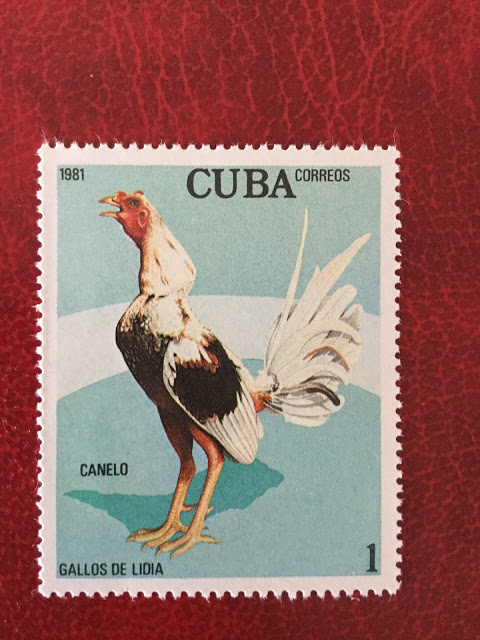
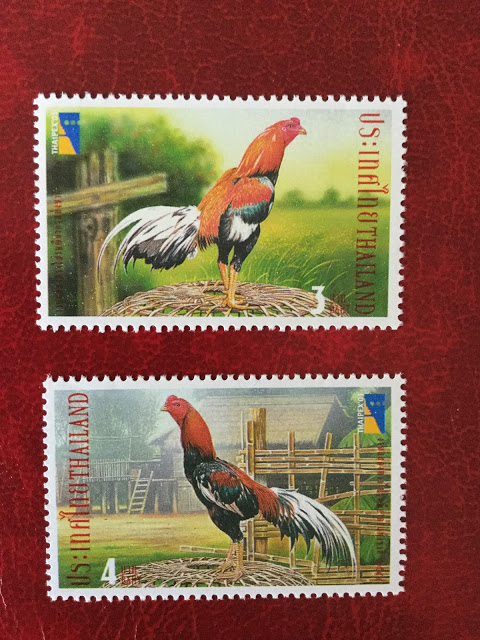
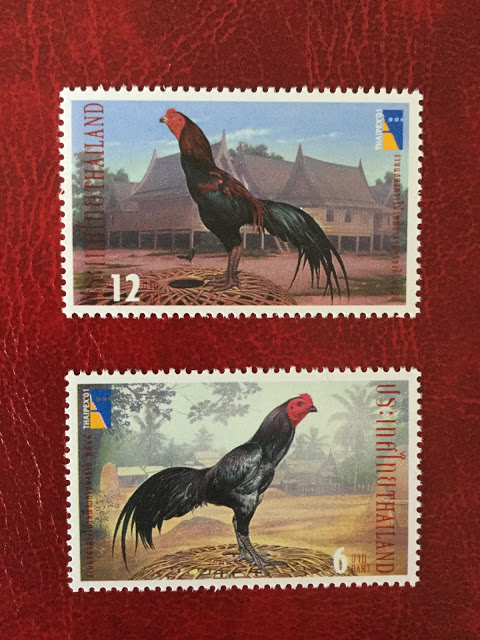
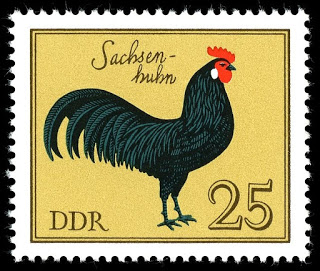
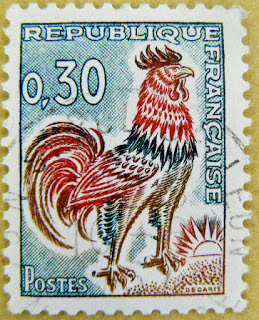
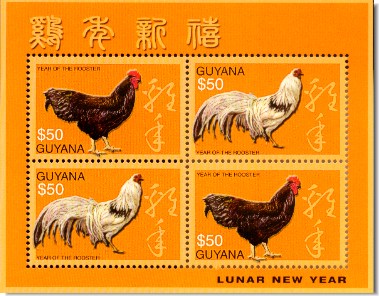
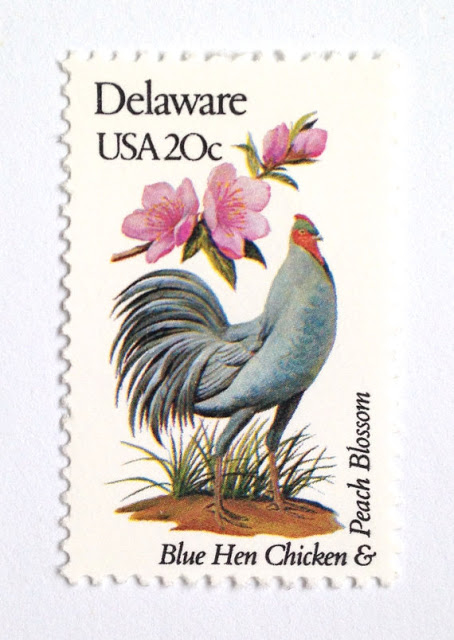
கோழி மிதித்து குஞ்சு முடமாகுமா? கோழி பற்றிய பழமொழிகள் (Post No.4240)

Compiled by London Swaminathan


Date: 24 September 2017


Time uploaded in London-  6-21 AM


Post No. 4240


Pictures are taken from various sources; thanks.


1.கோழி அடிக்கிறதுக்கு குறுந்தடியா?

2.கோழி களவு போக ஆடுவெட்டிப் பொங்கல் இடுகிறதா?

3.கோழி கறுப்பானால் அதன் முட்டையும் கறுப்பா?

4.கோழி கறுப்போ சிவப்போ அதன் முட்டை வெள்ளைதானே?

5.கோழி கூப்பிட்டு விடிகிறதா? நாய் குலைத்து விடிகிறதா?

6.கோழி கூவிப் பொழுது விடிந்தது

7.கோழி கொடுத்துக் குரலும் அழுகிறதா?

8.கோழிக்கறி என்றதும் கொண்டாடிக் கொண்டதும்,கீரைத் தண்டாணம் அடா சுப்பா கீரைத் தண்டாணம் அடா!

9.கோழிக் கறி கொடுத்து குயில் கறி வாங்கினாற் போல

10.கோழிக் காய்ச்சலும் குண்டன் காய்ச்சலும் விடாது

11.கோழிக் குஞ்சுக்குப் பால் கொடுத்தது போல

12.கோழி சிறகால் குஞ்சுகளைக் காப்பது போல

13.கோழி தட்டிக் கூவுமா?

14.கோழி திருடியும் கூடிக் குலாவுகிறாள்

15.கோழி தின்ற கள்ளனுடன் கூடி நின்று உலாவுகிறான்


16.கோழி போனதும் அல்லாமல் குரலும் போச்சுது

17.கோழி மிதித்துக் குஞ்சு முடம் ஆகுமா?

18.கோழி முடத்துக்குக் கடா வெட்டி காவு கொடுக்கிறதா?

19.கோழி முடத்துக்கு கடா வெட்டிப் பலியிட்டது போல

20.கோழி முட்டைக்குத் தலையுமில்லை, கோயிலாண்டிக்கு முறையுமில்லை


21.கோழி முட்டைக்கு மயிர் பிடுங்குதல்

22.கோழியின் காலில் கச்சையைக் கட்டினாலும் குப்பையைச் சீக்கும்

23.கோழியைக் கேட்டோ ஆணம் காய்ச்சுகிறது?

24.குப்பையும் கோழியும் போலக் குருவும் சீடனும்

25.குருட்டுக் கோழி தவிட்டுக்கு வீங்கினது போல

26.பெட்டைக் கோழி கூவி பொழுது விடியுமா?

27.பெட்டைக் கோழி தட்டிக் கூவுமா?

28.ஆடி கழிஞ்ச அஞ்சாம் நாள் கோழி அடிச்சுக் கும்பிட்டானாம்


ஒவ்வொரு பழமொழியையும் ஆழ்ந்து படித்தால், தொட்டனைத்து ஊறும் மணற்கேணி போல, புதுப்புது பொருள்கள் புலப்படும்!

இது தவிர, உங்களுக்குத் தெரிந்த கோழி, சேவல் பற்றிய பழமொழிகளை, கருத்துப் பதிவு செய்யும் (Comments Column) இடத்தில் பதிவு செய்தால் தமிழ் கூறும் நல்லுலகம் உங்களுக்கு என்றென்றும் கடமைப் பட்டிருக்கும்.

—Subham–