INTERESTING GEOGRAPHICAL DETAILS IN MAHABHARATA- PART 3 (Post No.4199)

Written by London Swaminathan


Date: 10 September 2017


Time uploaded in London- 10-41 am


Post No. 4199


Pictures are taken from various sources; thanks.


PREVIOUS TWO PARTS ARE PUBLISHED IN THE PAST TWO DAYS; THIS IS THE THIRD PART


JANAPADAS OF THE SOUTH

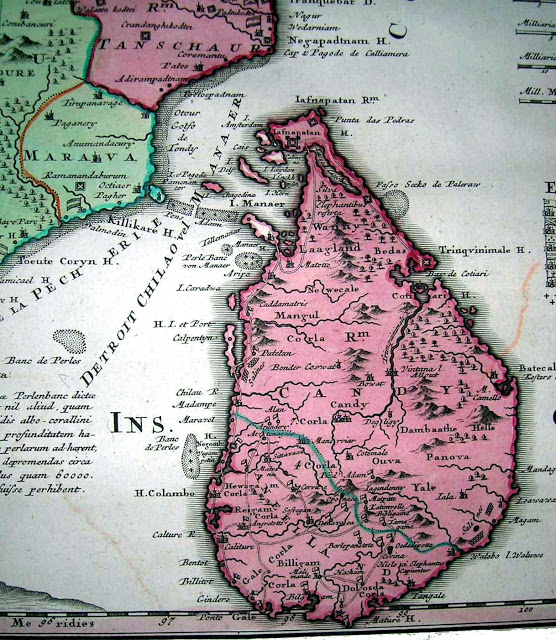
The countries of the Vindhya mountain region along with the south, south east and south west have been dealt in this chapter. The peculiar point is that Lanka has not been mentioned anywhere. It means the city of Lanka was submerged long before. But Simhala (Ceylon or Sri Lanka) is mentioned.


The second unique description is the knowledge of the western horizon up to the northern Atlanti ocean, Roma, Antioch and Yavananampuri according to Pande Syam Narayan, the author of the book


1.ANUPA: Nimar district; on the northern bank of Narmada; also known as Haihai country.


2.AVANTI: Malwa region; capital Ujjaini; Panini called it Ujna.


3.ASMAKA: District of Ahmednagar and Bodhan are of Andhrapradesh; capital Prathistanapura; Asmaka, son of Kalmasavad founded the city of Paudanya.

4.ANDHRA: Aitareya Brahmana refers to it; region between the mouths of Godavari and Krsna rivers.

5.BALIRASTRA: MBG mentioned only four countries with RASHTRA ending:Aadirashtra, Pamsurashtra, Goparashtra and Balirashtra.It is Bali island of Indonesia. Mahabharata mentioned that Rama spent ten years in this area.

6.BHOJA: modern Bhopal in Madhya Pradesh; Aitareya Brahmana mentioned title of Bhoja of the monarchs of the south.

7.COLA: districts of Thanjavur and Trichy; There was a king named Sagraaha Cola whose capital was Kanchi.


8.CUCUKA: Cecu near Hyderabad in Andhra.

9.DASAARNA: erastern part of Malwa country; capital- Vidhisa.


10.DANDAKA: East of Nasik up to Aurangabad districts of Maharashtra.Rama spent ten years here.
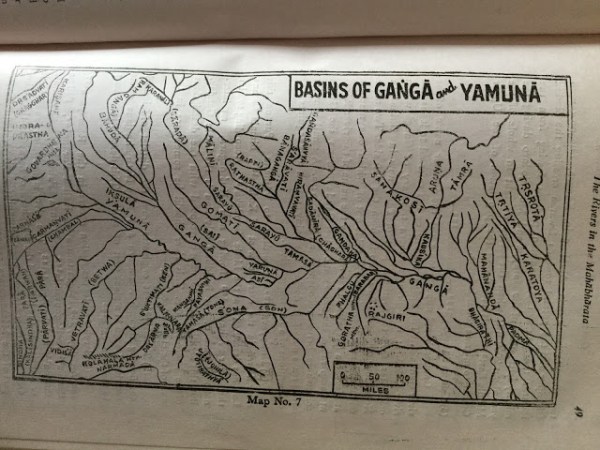
 

11.DRAVIDA: Sahadeva conquered this country according to MBH. region from Madras upto Rangapattam

and the peninsula of Kumari; another opinion country north of Kaveri up to Ailamalaya and Nilgris.

12.DEVAPRASTHA: region between Amarakantaka and Kanchipura

13.GANDAKA: Ahemedabadregion

14.HAIHAI: modern NIMADA; northern banks of Narmada

15.KARNATAKA:modern Karnataka

16.KAARUUSA: modern Baghelakand area

17.KUNTALA: Solapura and Bijapura area in river Bhima basin


18 and 19. KUMAARA and KUMAARIKAA: towards Kumari peninsula


20.KERALA: modern Kerala

21.MAHISAKA: modern Bellari, Citradurga and Shimoga;

22.MAALAVA:Nakula conquered the country during his dikvijay towards west.Greeks refereed to them Maloi; they lived on the baks of Ravi 2400 years ago.

23.MEKALA: region stretching from Riva to Khairagarha from where the rivers Narmada and Sona originate.

24MUSAKA: also known as Suutika and Musika. near Hyderabad on the river Musi.

25.NISHADA: modern Gwalior region

26.NALAKAANANA: Bellari-Anantpur regions

27.PANDYA: Ramnad, Madurai, Tirunelveli areas Sahadeva conquered it. There were Agastya and Kumari pilgrimages.

28.RSIKA: Khanadesa of Madhya Pradesh

29.SIMHALA: modern Sri Lanka

30.SABARA: Ganjam and Vizagapatnam districts on river Sabari.

31.TALAJANGHA: north of Narmada near Haihai country. Haihai wre divided into five groups: Talajangha,Tundikera,Vitihotras, Bhojas, Avantis
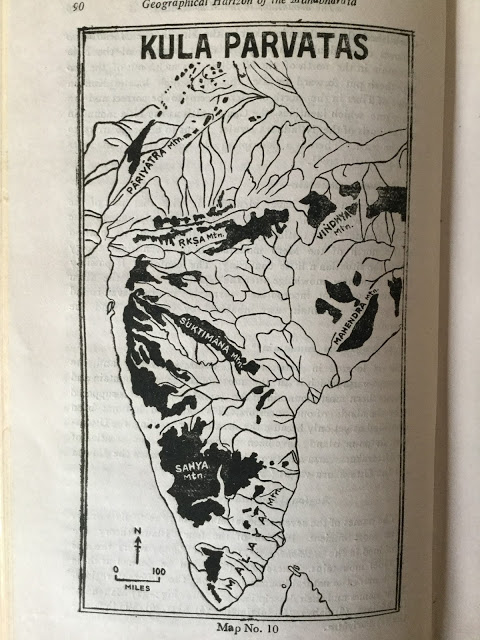
32.TALAKATA: western side of river Ganga

33.UDRA: modern Odisah(Orissa); Utkala, Kalinga

34.VANAVASAKA: modern Vanvasi; Kannada and Karwar areas on river Tungabadra

35.VIDARBHA: garuda, Vaidharna; region near origin of the tributaries of Godavari, tapti, Penganga; modern Vidharba

36.VINDHYA VIPULA: southern foothills of Vindhya- Satpura mountains; inhabitants were called Vindhya culika or culaka or muuliiya.


to be continued………………………….

ரா.பி.சேதுப்பிள்ளையின் பாரதி கட்டுரைகள்! (Post No.4198)

Written  by S.NAGARAJAN


Date: 10 September 2017


Time uploaded in London-5-29 am


Post No. 4198

Pictures shown here are taken from various sources such as Facebook friends, Books, Google and newspapers; thanks.


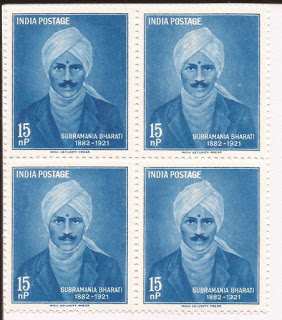
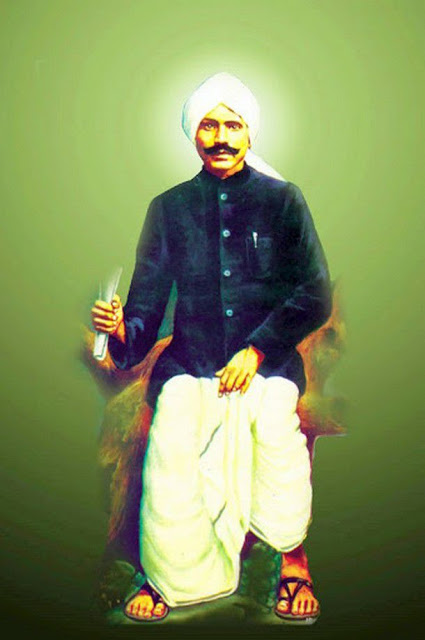
பாரதி இயல்

செபடம்பர் 11 – பாரதியார் நினைவு தினம். அதையொட்டிய சிறப்புக் கட்டுரை!


மஹாகவி பாரதியார் பற்றிய நூல்கள் – 38

ரா.பி.சேதுப்பிள்ளையின் பாரதி பற்றிய கட்டுரைகள்!


ச.நாகராஜன்

சிறந்த தமிழ் அறிஞரான ரா.பி.சேதுப்பிள்ளை (1896-1961) திருநெல்வேலியில் உள்ள ராஜவல்லிபுரத்தில் பிறந்தவர்.

சாஹித்ய அகாடமியின் விருதை முதன் முதலில் -1955ஆம் ஆண்டில் – பெற்ற தமிழர். ஆங்கிலத்திலும் தமிழிலும் புலமை மிக்க அவர் ஒரு வக்கீலாக வாழ்க்கையைத் தொடங்கினார். பின்னர் அண்ணாமலை பல்கலைக் கழகத்தில் பேராசிரியராகப் பணி புரிந்தார். பின்னர் மதராஸ் பல்கலைக்கழகத்தில் தமிழ்த் துறையில் பணியாற்றினார். அவரது உரை நடையில் தமிழ் விளையாடும். பல நூல்களைப் படைத்தவர் அவர்.

கடற்கரையிலே என்ற அவரது நூலில் தமிழ் அறிஞர்கள் கடற்கரையில் ஆற்றும் உரைகள் அற்புதமானவை. கடற்கரையிலே என்ற அவரது நூலில் பாரதியாரின் உரையும் ஒன்று..

அதிலிருந்து சில பகுதிகள்:

“நல்லோர் போற்றும் அல்லிக்கேணியே! உன் மலர்க்கேணியின் அழகைக் கண்டுதான் மாமுகில் வண்ணன் அதனருகே கோயில் கொண்டானோ? அன்று பஞ்சவருக்குத் துணை புரிந்த அஞ்சன வண்ணன் – பார்த்தனுக்குப் பாகனாகிய பரந்தாமன்- அறப்பெருந் துணைவன் – அடியார்க்கு எளியன் – நின்னகத்தே நின்று அருள் புரிகின்றான். அந்தக்

“கண்ணைக் கண்டேன் – எங்கள்
கண்ணனைக் கண்டேன் மணி
வண்ணனை ஞான மயிலினைக் கண்டேன்.”


“தொல்புகழ் வாய்ந்த அல்லிக்கேணியே! இந்நாளில் உன் அருமையை அறிவார் யார்? உன் கடற்கரையில் அன்று தமிழ்த் தென்றல் தவழ்ந்தது; இன்று மேல் காற்று வீசுகின்றது. அன்று உன் அரங்கத்தில் எங்கள் தமிழன்னை ஆனந்த நடனம் புரிந்தாள்; இன்று, ஆங்கில மாது களியாட்டம் ஆடுகின்றாள். அவளுடைய வெள்ளை நாவிலே தெள்ளிய தமிழ் வளம் ஏறுமா? அவள் இறுமாந்த செவியிலே தேமதுரத் தமிழோசை சேருமா? அந்தோ! திருவல்லிக்கேணியே! வேற்றரசின் கொடுமையால், நீ சீர் இழந்தாய்; பேர் இழந்தாய்; ‘திரிப்பளிக்கே’னாகத் திரிந்துவிட்டாய்!

“அல்லிக் கருங்கடலே! உன் அழகமைந்த கரையிலே, வெள்ளையர் விளையாடித் திரிகின்றார்; வெறியாட்டயர்கின்றார்; உலாவுகின்றார்; குலாவுகின்றார். அவரைக் கண்டு அஞ்சி, நம்மவர் நெஞ்சம் குலைகின்றாரே! சிப்பாயைக் கண்டால் அச்சம்; துப்பாக்கியைக் கண்டால் நடுக்கம்; சட்டைக் காரனைக் கண்டால் குட்டிக் காரணம். இப்படி வாழ்வதும் ஒரு வாழ்வாகுமா? பிறந்த நாட்டில் பிறர்க் கடிமை செய்தல் பேதைமை யன்றோ?

“அறப்பெருங் கடலே! வீர சுதந்தர வேட்கை இந் நாட்டிலே வேரூன்றி விட்டது. இனி அதை அசைக்க எவராலும் ஆகாது. வந்தேமாதரம் என்ற மந்திர மொழியால் பாரத நாட்டைத் தட்டி எழுப்பிய பாலகங்காதர திலகரை அரசாங்கத்தார் சிறையில் மாட்டலாம். தென்னாட்டுத் திலகர் என்று பேர் பெற்ற எங்கள் சிதம்பரனாரைச் சிறைக் கோட்டத் தில் அடைக்கலாம்; செக்கிழுக்க வைக்கலாம்; துச்சமாக எண்ணித் தூறு செய்யலாம். ஆயினும், அவர் மூட்டிய கனல் வெள்ளையர் ஆட்சியை வீட்டியே தீரும்!

“சொந்த நாட்டில் பிறர்க்கடி மைசெய்தே
துஞ்சிடோம – இனி அஞ்சிடோம்”

என்ற வீர சுதந்தர வேகத்தை நிறுத்த யாரால் முடியும்? எரிமலையைத் தடுக்க – அதன் வாயை அடைக்க – எவரால் இயலும்?

*

தமிழ் இன்பம் என்ற அவரது நூலில் எட்டாம் பகுதி பாரதியார் பாட்டின்பம் என்ற தலைப்பைக் கொண்டதாகும். இப்பகுதியில் செந்தமிழ் நாடு, முப்பெரும் கவிஞர், கலையின் விளக்கம், பண்டாரப் பாட்டு, தமிழ்த்தாய் வாழ்த்து ஆகிய ஐந்து கட்டுரைகள் உள்ளன. அனைத்துமே அருமையானவை.

சில பகுதிகளை இங்கு காணலாம்:

“செந்தமிழ் நாடு” என்ற கட்டுரையிலிருந்து :-


“செந்தமிழ் நாடெனும் போதினிலே – இன்பத்
தேன்வந்து பாயுது காதினிலே – எங்கள்
தந்தையர் நாடென்ற பேச்சினிலே – ஒரு
சக்தி பிறக்குது மூச்சினிலே”


என்று கவிஞர் அழகாக எடுத்துரைத்தார். செந்தமிழ் நாடு என்று சொல்லும்பொழுது தென் தமிழின் தீந்தேன் செவிகளில் விரைந்து பாய்ந்து நிரம்புகின்றது. தாயின் செவிகளில் விரைந்து பாய்ந்து நிரம்புகின்றது. தாயின் இனிமையும் அன்பும் செந்தமிழ் நாடு என்னும் பெயரில் அமைந்திருத்தலால், நம் செவியின் வாயிலாக இன்பத்தேன் வந்து பாய்வதாகும். இத் தமிழ் நாட்டில் வாழ்ந்த அறிஞர், இனிமையும் தமிழும் வேறென்று அறிந்தாரல்லர்; தமிழ் என்னும் பதத்திற்கே இனிமை என்ற பொருள் கண்டார்கள். இத் தகைய இனிமை வாய்ந்த தமிழ் ஒலி, இன்னொலியாய், இன்ப ஒலியாய், ஆனந்தத் தேன் சொரியும் அழகிய ஒலியாய் இனிமை பயப்பது இயல்பே யன்றோ? இன்னும், இந் நாட்டைத் தந்தை நாடென்று கருதும் பொழுது, அத் தந்தையின் மக்களாய்ப் பிறந்த நமது உரிமை, மனத்தில் முனைந்து தோன்றவதாகும். இவ்வுரிமைக் கருத்து உள்ளத்தைக் கவரும்பொழுது வீரம் கிளம்புகின்றது. தாயை அன்பின் உருவமாகவும், தந்தையை வீரத்தின் வடிவமாகவும் கருதிப் போற்றுதல் தமிழ் வழக்காகும். அந்த முறையில் தமிழ்நாட்டைத் தாய் நாடு என்று நினைக்கும் பொழுது அன்பினால் இன்பம் பிறக்கும்; தந்தை நாடு என்று கருதும்போது, ஆண்மையால் வீரம் பிறக்கும். இவ் வுண்மையை உணர்த்தக் கருதிய பாரதியார், முதலில் தாயன்பை அமைத்து, பின்பு தந்தையின் வீரத்தைப் பேசும் முறை, அறிந்து போற்றுதற்குரியதாகும்.

*

தமிழ்த் தாய் வாழ்த்து என்ற கட்டுரையின் இறுதிப் பகுதி இது:-

ஆங்கிலம் முதலிய மேலை நாட்டு மொழிகளையறிந்த மாணவர் கடமையைப் பாரதியார் பண்புறக் கூறுகின்றார்; பிற நாட்டு நல்லறிஞர் இயற்றிய புத்தம் புதிய கலைநூல்களைத் தமிழ்மொழியிற் பெயர்த்தல் வேண்டும். அக் கலைகளிலமைந்த புதிய கருத்துகளை உணர்த்தும் பெற்றி வாய்ந்த பழந்தமிழ்ச் சொற்கள் பண்டைப் பனுவலிற்பதிந்து கிடக்குமாயின் அவற்றை அகழ்ந்தெடுத்து வழக்காற்றில் உய்த்தல் வேண்டும். புதிய சொற்கள் வேண்டுமாயின், தமிழ்ச் சொல்லாக்க முறையறிந்து அவற்றைப் பிறப்பித்தல் வேண்டும். நல்ல நூல்களை மொழி பெயர்த்தும் நவீன நூல்களை மொழி பெயர்த்தும் நவீன நூல்களை இயற்றியும் மொழியின் கலைச்செல்வத்தைப் பெருக்க வேண்டும். இங்ஙனம் விரைந்து பணிசெய்ய முற்படாது, தமிழ்மொழியின் பழம்பெருமை பேசி மகிழ்வதாற் பயனில்லை. “மறைவாக நமக்குள்ளே பழங்கதைகள் சொல்வதிலோர் மகிமையில்லை.” ‘கண்ணுதற் பெருங் கடவுளும் கழகமோடமர்ந்து பண்ணுறத் தெரிந்தாய்ந்த பைந்தமிழ்’ என்று பாராட்டுவதனால் தமிழ் மொழி பரவிவிட மாட்டாது. என்றுமுள தென்றமிழ்’ என்று இறுமாந்து பேசுவதால் தமிழ்மொழி ஏற்றமுற மாட்டாது. ‘சங்கத் திருப்பிலே யிருந்து வைகை ஏட்டிலே தவழ்ந்த பேதை’ என்று வாய்ப்பறை சாற்றுவதால் தமிழ்மொழி வளர்ந்துவிட மாட்டாது. தமிழ்மொழித் தொண்டு செய்யக் கருதும் தகை சான்ற அறிஞர் பழம் பெருமை பேசும் பழக்கத்தை விட்டொழித்து, தமிழ் மொழியின் குறைகளை அறிந்து, பணி செய்ய முற்பட வேண்டும். தமிழ் நாட்டிலமைந்த பல்கலைக் கழகங்கள் மேலை நாட்டுக் கலைகளை மொழி பெயர்க்கும் விழுமிய பணியை மேற்கொள்ள வேண்டும். தமிழன்னை மீண்டும் தலைசிறந்து விளங்கும் காலம் வருமோ என்று ஏங்கித் தளர்பவர் இந் நாளில் பலராவர். இங்ஙனம் தமிழ்ச் சேய்களிற் பலர் மயங்கித் தளர்ந்தாலும் தமிழ்த் தாய் மனம் தளரவில்லை; உரனிழந்த மக்கள் மனத்தைத் தேற்றுகின்றாள்; எத்திசையும் புகழ் மணக்க மீண்டும் தான் ஏற்றமுறும் காலம் அண்மையில் வருமென்று அறிவிக்கின்றாள். ஆதிசிவன் அருளாலும் அறிவறிந்த மக்கள் ஆர்வத்தாலும் வீறுபெற்று விளங்குவேன்’ என்று தமிழன்னை வாயிலாகப் பாரதியார் கூறும் வாய்மொழி கார்மேகத்தினிடையே இலங்கும் கதிரொளியாகும்.

“வாழிய செந்தமிழ் வாழ்கநற் றமிழர்
வாழிய பாரத மணித்திரு நாடு”.

*


ரா.பி.சேதுப்பிள்ளை அவர்களின் நூல்கள் நாட்டுடமை ஆக்கப்பட்டிருப்பதால் அவற்றை எளிதில் பெற்று படித்து இன்புற இயலும்.

அவரது நூல்களில் கடற்கரையிலே, தமிழர் வீரம் மற்றும் தமிழ் இன்பம் ஆகிய நூல்களை www.projectmadurai.org   என்ற இணையதளத்தில் படித்து மகிழலாம், இலவசமாக தரவிறக்கமும் செய்து கொள்ளலாம்.

ப்ராஜக்ட் மதுரைக்கு தமிழர்களின் நன்றி என்றும் உரித்தாகுக.

ரா.பி.சேதுப்பிள்ளை அவர்களின் பாரதியார் பற்றிய கட்டுரைகள் பாரதி அன்பர்களின் உள்ளங்களை மகிழ்விக்கும் தமிழ்ச் செல்வம் ஆகும்!

படிப்போம், மகிழ்வோம், பாரதி இயல் தொகுப்பில் அவற்றைச் சேர்ப்போம்!

***


சிவபெருமானின் விநோத அஸ்திரம்! எரி, அரி, கால்!! (Post No.4197)

Written by London Swaminathan


Date: 9 September 2017


Time uploaded in London- 16-10


Post No. 4197


Pictures are taken from various sources; thanks.


தேவாரத்தில் சம்பந்தப் பெருமான்) அற்புதமாகப் பாடி வைத்திருக்கிறார். திரிபுரங்களை எரிக்க சிவபெருமான் பயன்படுத்திய அற்புத அஸ்திரம் “எரி, அரி, கால்!” அதாவது அக்னி, திருமால், வாயுதேவன்.

வேதம் போற்றும் மூன்று தேவர்கள் இந்த மூவர். இவர்களை ஒரு சேர விடுத்தாராம். முதலில் பாடலையும் கருத்தையும் காண்போம். பிறகு விஞ்ஞானச் செய்திகளை ஆராய்வோம்:


கல் ஆல் நிழல் கீழாய் இடர் காவாய் என வானோர்

எல்லாம் ஒரு தேராய் அயன் மறைபூட்டி நின் று உய்ப்ப

வல்லாய் எரி காற்று ஈர்க்கு அரி கோல் வாசுகி நாண் கல்

வில்லால் எயில் எய்தான் இடம் வீழிம் மிழலையே


பொருள்

கல்லால மரத்தின் கீழிருந்து சனகாதி முனிவர்களுக்கு அறம் உறைத்த பெருமானே! எங்களைக் காப்பாற்றுக என்று தேவர்கள் எல்லாம் வணங்கி வேண்டி நிற்க,

ஒளி திகழும் சூரிய சந்திரரர்கள் தேர்ச் சக்கரங்களாகவும்,

பிரமன் சாரதியாகவும்,

வேதங்கள் குதிரைகளாகவும் திகழ

காற்றுப் போன்று வேகமாகச் செல்லும்

எரிக்கும் நெருப்பைக் கொண்டு,

திருமாலாகிய அம்பினால்,

மேருமலையயை வில்லாகவும்,

வாசுகி எண்ணும் பாம்பை நாணாகவும்,

கொண்டு அசுரர்களின் மூன்று கோட்டைகளையும் எரித்தான்.

அவனுடைய இடமாவது திருவீழிமிழலை

எல்=ஒளி, கோல்=அம்பு, எரி=அக்னி, அரி=திருமால், காற்று=வாயு


திருநெடுங்களப் பாடலில் சம்பந்தர் இன்னும் தெளிவாகச் சொல்கிறார்:

கூறு கொண்டாய் மூன்றுமொன்றாக்

கூட்டியோர் வெங்கணையால்

மாறுகொண்டோர் புரமெரித்த

மன்னவனே……………………


பொருள்

உமா தேவியை ஒருபாகத்தில் கூறாகக் கொண்டாய்;  நெருப்பு, காற்று, திருமால் ஆகிய மூன்றும் இணைத்து ஓர் அம்பு ஆக்கி அதனைச் செலுத்தி முப்புரங்களைக் கொண்டாய்.


ஆக அசுர சக்திகளை அழிக்க திருமாலின் உதவி தேவை


வேதத்தில் அங்கொன்று இங்கொன்றுமாக எடுத்து அனர்த்தம் சொல்லும் வெள்ளைகா ர ர்கள் இது போன்ற அதிசய விஷயங்களை விட்டு விடுவார்கள். ஆகாயத்தில் தொங்கிய (FLOATING METAL FORTS)  கோட்டைகள் என்ன? வெளி உலகவாசிகளின் (ALIEN ATTACK) தாக்குதலா?  தேவர்களுக்கு அந்தக் கோட்டையில் இருந்துகொண்டு அவர்கள் தொல் லை தர, சக்திவாய்ந்த தேவர்கள் அஞ்சியது ஏன்?


ஸ்டார்வார்ஸ் ஏவுகணைத் (STARWARS PROJECT- MISSILE PREVENTION) தடுப்பு திட்டத்தை விட, பெரிய திட்டத்தில் முச்சக்திகளை இணைத்து சிவபெருமான் மூன்று கோட்டைகளை எரித்தது எப்படி?

இதுபோன்ற பல கேள்விக்கணைகளைத் தொடுக்கத் தோன்றுகிறது. பல்லாயிரம் ஆண்டுகளுக்கு முன்பு வேதத்தில் உள்ள வாசகம் திரிபுராந்தகன். அக்காலத்தில் கற்பனைக் கதை எழுதக் கூட இந்த விஷயங்கள் அவர்களுக்குப் புரிபட்டிராது. எதிர்கால  அறிவியல் விளக்கம்தான் இத்தகைய புதிர்களை விடுவிக்கும்!


–subham–

INTERESTING GEOGRAPHICAL DATA IN MAHABHARATA- PART 2 (Post No.4196)

Written by London Swaminathan


Date: 9 September 2017


Time uploaded in London- 11-54 am


Post No. 4196


Pictures are taken from various sources; thanks.


PART FIRST WAS POSTED YESTERDAY


JANAPADAS IN THE NORTH

A verse quoted by Nagesa provided a clue for dividing the northern region from that of the eastern. The river Sarasvati is said to be the dividing line in that verse. Amarakosa has also given such direction. It included Kamboja North eastern Punjab the mountainous union or Parvatiya sang indicated by Panini. MBH describes them as Parvatiya (mountainous), Girigahvaravaasi (those living in the caves of the mountains). The following 62 janapadas have been identified in the group:

ABHISARA: south of Kasmira the PunchaRajanr; Greeks called the north western districts of Peshwar – abisaris

AMBASTA: Lower parts of the Chenab river; Panini mentioned Ambasta and AAmbasta; it corresponds with the Greek—Sambastai and Avastanoi

AAHUKA: Kabul basin in Afghanistan

AUDUMBURA: federal state of Udumbura

BARBARA:situated in Oxus valley; Panini named a pot named Barbarika near Karachi in Pakistan

BODHA:they are identified with Yaudheyas; Bayaanaa and Johiaakara region of Bharatapura


BHARADWAJA:Western part of Assam

CARMAMANDALA: may be Samarakhandika

CINA: Modern Sinkiang or Chiense Turkestan

DARADI: Dardistan area of Giljit

DAARVA: Daggar Jammu area

DASAMAALIKAA: area between River Jhelam and Bias (Vyas)

also Dasanaamika; Girivraja capital

DASERAKA:Marwara region of Rajasthan

GRAMANIIYAKA:Panini also mentioned them; they are militant. Cave dwellers organised under leader GRAMANI.

GANDHARA: It has been famous from Vedic days; region stretching from Taxila to River Kabul; modern Khandahar in Afghanistan; Pushkalavati Takshsheelam capitals


GIRIGAHVARAVAASINAH: militant race organised under Gramani. also known as Gauri. they are called Parvatiya (mountainous)

17.HAMSAMARGA: name of the Hunja region. janapada of the Parvatiya sanga ( unio of mountainous group)


18.HARAHUNA: Harmurtika, land of black grapes; janapada in Herat.

19.HAIMAVATAH: living in the Himalays; north of Sikkim

20.HUNA:the race shifted to one place to another.Kalidasa points them towards Persia; lived near Oxus and its tributaries


21.JAGUDA: Gazni area of Afghanistan

  1. KAMBOJA:Pamir region; they say sa va to go according to Mhabhasya;its used in Galcha dialect; Dwaraka capita. some identifies with Kashmir.
  2. KASMIRA: Sarada country; blessed by Goddess of learning city-Adhistana; present Kashmir.

24.KALATOYAKA- near Suleman hills

25.KEKAYA: associated with the country of Dasamalika; Ramayana locates it near Ghandhara

26.KHASA:Baltistan; mid-oxus

27.KULINDA:region in the Himalayas

28.KULUUTA: Bhima killed Ksemamuurti, King of Kuluutas; ii is in modern Kulu

29.KURUJANGALA: region between river Sarasvati and Ganga; Haryana

30.LOHITA: Rohela of Afghhanistan

31.LAMPAKA:North of Kabul Laghamanas attacked Satyaki in the Jarasadha Vadha; alinagar valley

32.MADRAKA: capital- sakala; modern Sialkot; associated with princess Savitri and Vedic teacher Sakalya

33.MADREYA:Madri is from this country; same as madraka; janapadas of noth Punjab

34.MAULEYA: modern Malwa region

35.PRASTHALA: near Patiala

36.PANCABHEDA: five rivers=Punjab

37.PAHLAVA: who came from the tail of Vasistha’scow; Parthian’s of Iran; samarkhand to Iran

38.PARATAKA:Hingula region of Pakistan

39.PAARASIIKAS: IRAN= Persia

40.PISACA: neighbours of Lampaka janapada; Pasai Kafirs were the inhabitants

41.PULINDA: Panini called them SAALVAAVAYANA. part of salva janapada

42.RAMATHA: near Ghazni in Afghanistan

43.SUKUTTA: Suket estate

44.SAIRANDHRA: Sirhind region

45.SAKA: Modern Seistan in Iran

46.SAAKALA: modern Sialkot; Panini referred to it.

47.SAATVAKA: Mandi on the northern bank of Sutlej

48.SALVA:Panini mentioned threeSaalva, Saalveya and Saalvaavayana. Near Matsyas

49.SIVI:Rik Veda mentioned them; country ath the confluence of Jhelam and Sindhu in Pakistan.

50.TANGADA PARATANGANA: country of Mleccas; Bhota country;Kullu Kangda region; mountainous

51.TRGARTA: Panini mentioned people of this country lived on arms. There was a union of six countries in Trgarta: Kaundiparatha, Dandika, Krautsika, Jaalamani, Brahmagupta and Jaanika

52.TUSAARA:Tokharistan (former USSR) They were present at Rajasuya Yajna of Yudhidthira

53.TOMARA:Tibetan region near Bhutan

54.UTSAVASANKETA: Ramapura, Basahara region of valley of Satluj

55.URAGA:Hazara district; between the Rivers Sindhu and Jhelum

56.VANAYU: Wana valley of Waziristan in Pakistan

57.VAATADHAANA: region east of Pancanada between Rivers Satluj and Ravi

58.VAAHLIKA: Balkh; Bactria of the Greeks; Skanda Purana mentioned this country out of 72 regions including 400,000 villages.

59.VAHIKA: according to Panini it is a synonym of Usinara; durin Panini’s times whole of Punjab was called Vahika.

60.VAIYAMAKA:identified near DARADI

61.YAVANA: The Greeks were called Yavanas with yellow coloured bodies; part of Jambudwipa; north west India

62.YUGANDHARA:Yugasila country near Dehradun of UP on the bank of River Yamuna


In the third and  part we will look at southern regions.

………………….to be continued


ஈயத்தைத் தங்கமாக்குவது எப்படி? – 5 (Post No.4195)

Written  by S.NAGARAJAN


Date: 9 September 2017


Time uploaded in London-5-37 am


Post No. 4195

Pictures shown here are taken from various sources such as Facebook friends, Books, Google and newspapers; thanks.


அறிவியல் துளிகள் தொடரில் பாக்யா இதழில் வெளியாகியுள்ள கட்டுரை (ஏழாம் ஆண்டு 28வது கட்டுரை)

ஈயத்தைத் தங்கமாக்கும் வித்தை!


ஈயத்தைத் தங்கமாக்குவது எப்படி? – 5

 ச.நாகராஜன்


“இரஸவாதம் என்பது என்ன? உபயோகமற்றவற்றை நீக்கி  உபயோகமானவற்றை மூல அடிப்படை பொருளாகவும் சாரமாகவும் மாற்றும் ஒரு கலையே இரஸவாதக் கலையாகும். – பிலிப்பஸ் ஆரோலஸ்


           நியூடனின் குறிப்புகளை நன்கு ஆராய்ந்த பிரின்ஸிப்பிற்கு நியூடனும் பாயிலும் நிச்சயம் ஈயத்தைத் தங்கமாக மாற்ற முடியும் என்று நம்பினர் என்பது நன்கு தெரிந்தது.

அவர்கள் எவ்வளவு தூரம் அதில் முன்னேறி இருந்தனர்?


     தங்கமாக மாற்றும் ஆராய்ச்சியில் கிட்டத்தட்ட அவர்கள் இறுதிக் கட்டத்தை அடைந்திருந்தனர் என்றே பிரின்ஸிப் நம்புகிறார்.


     ஏனெனில் ராபர்ட் பாயில் சட்டத்தை வெகுவாக மதிப்பவர். அவர் ஹவுஸஸ் ஆஃப் பார்லிமெண்டில் தங்கம் தயாரிப்பதை எதிர்த்து இருந்த சட்டத்தை நீக்கி தங்கமாக மாற்றுவதை சட்டபூர்வமாக ஆக்க வேண்டும் என்று வெகுவாக முயன்றார்.

ஏனெனில் சட்டத்திற்கு உட்பட்டே எதையும் செய்ய வேண்டுமென்பது அவர் கொள்கை.


    இறுதிக் கட்டத்தை அவர் எய்தி விட்டதாக நம்பியதாலேயே அவர் அப்போதிருந்த சட்டத்தில் உரிய மாறுதலைச் செய்ய வேண்டுமென விரும்பினார் என்கிறார் பிரின்ஸிப்;

ஆனால் துரதிர்ஷ்டவசமாக பாயில் 1691ஆம் ஆண்டு இறந்தார்.


   தங்கத்தை உருவாக்கும் – ரெட் எர்த் (Red Earth)சிவப்பு பூமியை எப்படி செய்வது என்பதை அவர் விளக்கமாக எழுதி ரகசியமாக வைத்திருந்தார். பாயிலின் உதவியாளரும் அவரது சட்டபூர்வ உதவியாளரும் தத்துவ ஞானியும் இரஸவாதக் கலை ஆர்வலருமான  ஜான் லாக் (John Locke)  என்பவர் அவரது குறிப்புகளை அவரது மறைவிற்குப் பின்னர் சற்று தாராள மனதுடன் நியூட்டனுக்கு அனுப்பி வைத்தார்.


    ஆனால் அந்தக் குறிப்புகளை வைத்து நியூட்டன் என்ன செய்தார் என்பது யாருக்கும் தெரியவில்லை.

பாயில் இறந்த ஒரு ஆண்டுக்குப் பின்னர் நியூட்டனுக்கு மனத்தளவில் ஒரு சோர்வு வியாதி ஏற்பட்டது. அது எதனால் என்பது இன்று வரை பெரிய விவாதப் பொருளாகி விட்டது.


     அது பாதரஸ விஷத்தினால் தான் என்பது பலரது கருத்து.

ரெட் எர்த்தை தயாரிப்பதில் பாதரஸத்தை வெப்பமாக்கி குளிரவைப்பது அடிக்கடி செய்ய வேண்டிய ஒரு செய்முறை.

இந்த செய்முறையை ஊக்கமுடன் நியூடன் செய்திருப்பார் என்றும் அதன் காரணமாகத்தான் அவருக்கு இந்த வியாதி வந்திருக்க வேண்டும் என்றும் சிலர் கூறுகின்றனர்.


    ஆனால் நியூட்டனின் மனோவியாதிக்கு இன்னொரு காரணமும் சொல்லப்படுகிறது. நியூட்டனுக்கு பெண்கள் என்றாலே ஒரு அலர்ஜி. ஜான் லாக் ஒரு பணக்கார விதவையை நியூட்டனுடன் பழகச் செய்தார் என்றும் இந்தப் பழக்கம் பிடிக்காததனால் தான் அவருக்கு மனத்தளவில் பெரும் பாதிப்பு ஏற்பட்டது என்று பொதுவான கருத்தைப் பலரும் சொல்கின்றனர்.


    ரஸவாதக்கலையில்  நியூட்டனின் செய்முறை பலிக்காது என்றும் அதற்குத் தேவையானது அணுப்பிணைப்பு முறை என்றும் இன்று நவீன அறிவியல் முன்னேற்றத்தின் மூலம் கண்டுபிடித்துள்ளனர். அந்தக் காலத்தில் இந்தத் தொழில்நுட்பம் இல்லை என்பது குறிப்பிடத்தகுந்தது.


     எது எப்படி இருந்தாலும் 18ஆம் நூற்றாண்டு ஆராய்ச்சிகள்

கூட்டுப்பொருள்களைப் பற்றி நன்கு அறிய உதவின என்பதே பிரின்ஸிப்பின் முடிவு.


பண்டைய கிரேக்கம் சொல்லும் அடிப்படை  நான்கு பூதங்களான நீர், நிலம், காற்று, தீ முதலியவை பற்றிய கொள்கையும் மோகமும் காலப்போக்கில் ஒரு முடிவுக்கு வந்தது போலவே ரஸவாதக்கல் பற்றிய மோகமும் நியூட்டனுக்குப் பின்னர் ஒரு முடிவுக்கு வந்தது.

1727ஆம் ஆண்டு நியூட்டனின் மறைவுக்குப் பின்னர் அவரது ரெட் எர்த் வெளியில் தூக்கி எறியப்பட்டிருக்க வேண்டும்.    

   ஆனால் இந்த ரஸவாதக் கல் பற்றிய மோகம் இப்போது புதிய வடிவில் ஆரம்பமாகியுள்ளது.


     நுரையீரல் புற்றுநோய் முற்றிய நிலையில் அறுவைச் சிகிச்சை ஆபத்தானது என்றும் பயனளிக்காது என்றும் இன்றைய அறிவியல் கூறுகிறது. ஆகவே இப்படிப்பட்ட நோயாளிகளுக்கு இளமையை மீட்கும் ரஸவாதக் கலை தேவை என்கின்றனர் மருத்துவர்களில் ஒரு சாரார்.  அவர்கள் தீராத வியாதிகளைத் தீர்க்க ரஸவாதக் கல் தேவை என்கின்றனர்.

ரஸவாதக் கல் என்றால் அது ஒரு கல் இல்லை; அது பொடியாக (powder) இருக்கும் ஒரு அபூர்வப் பொருள், அவ்வளவே!


இந்த மாயப்பொடியைக் கண்டுபிடிப்பதில் விஞ்ஞானிகளுடன் மருத்துவர்களும் இணைந்துள்ளனர் இப்போது.

ஆக ஆயிரத்திதொள்ளாயிரத்து எண்பதுகளிலிருந்து ஈயத்தைத் தங்கமாக்கும் கலை பற்றிய ஆய்வில் ஒரு குறிப்பிடத்தகுந்த மாறுதல் ஏற்பட்டுள்ளது.


இதில் இன்று பல ஆய்வுக் கட்டுரைகளையும் பரபரப்பாக விற்பனையாகும் புத்தகங்களையும் எழுதியுள்ள நியூமென்னும் பிரின்ஸிப்பும் இதில் வெற்றி பெற்றே தீருவோம் என்று கங்கணம் கட்டிக் கொண்டு ஆய்வைத் தொடர்ந்து செய்து வருகின்றனர்.


அவர்கள் ஆய்வு வெற்றி பெற்றால் அதனால் உலகம் “தங்க மயமாகும் என்பதில் சந்தேகம் என்ன?

இந்தக் குறுந்தொடரில் வெளி வந்துள்ள குறிப்புகளின் அடிப்படையில் ரஸவாதக் கலையில் ஆர்வமுள்ளவர்களும் ஆய்வு மேற்கொண்டு சங்கேதச் சொற்களின் புதிர்களை அவிழ்க்கும் முயற்சியில் ஈடுபட்டு வெற்றி பெறலாம்! முயன்றால் முடியாதது ஒன்று இல்லையே!

   (அடுத்து ரஸவாதக் கலை நிபுணர்கள் பற்றி வரலாறு கூறும் செய்திகளைப் பார்ப்போம்)


அறிவியல் அறிஞர் வாழ்வில் .. ..


முன்னாள் ஜனாதிபதியும் பாரத ரத்னா விருது பெற்றவருமான பெரும் விஞ்ஞானி டாக்டர் ஏ.பி.ஜே.அப்துல் கலாம் இளைஞர்களை உத்வேகப்படுத்துவதில் வல்லவர்.

நீங்கள் மகத்தானவர்களாக ஆகி தேசத்தையும் மகத்தானதாக ஆக்குங்கள் என்பதே அவர் இளைஞர்களுக்குத் தந்த அறிவுரை.

2006 ஆகஸ்ட் 28ஆம் தேதி  பழங்குடி மாணவர்கள் குழு ஒன்றை அவர் சந்தித்தார்.

லீட் இந்தியா 2020 (Lead India 2020) என்ற இயக்கத்தை ஒட்டி இந்த சந்திப்பு நிகழ்ந்தது.

ஆந்திரபிரதேசத்தைச் சேர்ந்த சீதாராமபுரம் என்ற ஊரிலிருந்து ஒன்பதாம் வகுப்பு படிக்கும் மாணவர் ஒருவரும் அந்தக் குழுவில் இருந்தார். பார்வையற்றவரான அவர் பெயர் ஸ்ரீ காந்த் பல்லா.

அப்துல்கலாம் அவர்கள் அனைவரையும் நோக்கி ஒரு கேள்வி கேட்டார்””நீங்கள் என்னவாக ஆக விரும்புகிறீர்கள்?”

அதற்கு ஸ்ரீ காந்த், “பார்வையற்ற இந்திய ஜனாதிபதியாக ஆக விரும்புகிறேன்” என்று பதில் அளித்தார்.

இதைக் கேட்ட கலாம் மிக்க மகிழ்ச்சி அடைந்தார்.

பெரிய குறிக்கோளை லட்சியமாகக் கொள்ளுங்கள் என்று அடிக்கடி கூறும் அவர் அந்த மாணவரை வெகுவாகப் பாராட்டி லட்சியத்தை நோக்கி முன்னேறச் சொன்னார்.

இன்று 23 வயதாகும் ஸ்ரீ காந்த் ஹைதராபாத்தைச் சேர்ந்த 50 கோடி நிறுவனமான பொல்லாண்ட் இண்டஸ்ட் ரீஸின் தலைமைப் பொறுப்பு அதிகாரி.அங்கு இப்போது 150 பார்வையற்றோ பணி புரிகின்றனர். சுற்றுப்புறச் சூழலுக்கு மாசு ஏற்படாத பாக்கேஜிங் தயாரிப்புகளை ஐந்து கிளைப் பிரிவுகளில் அவர்கள் தயார் செய்கின்றனர். அதன் வருடாந்திர விற்பனை ஏழு கோடியைத் தாண்டி விட்டது.

கலாம் அவர்களின் உத்வேகப் பேச்சு இப்படி ஆயிரக்கணக்கானோரை உயர்த்தி உள்ளது!

***


Interesting Geographical details in Mahabharata (Post No.4193)

Written by London Swaminathan

Date: 8 September 2017

Time uploaded in London- 17-04

Post No. 4193

Pictures are taken from various sources; thanks.

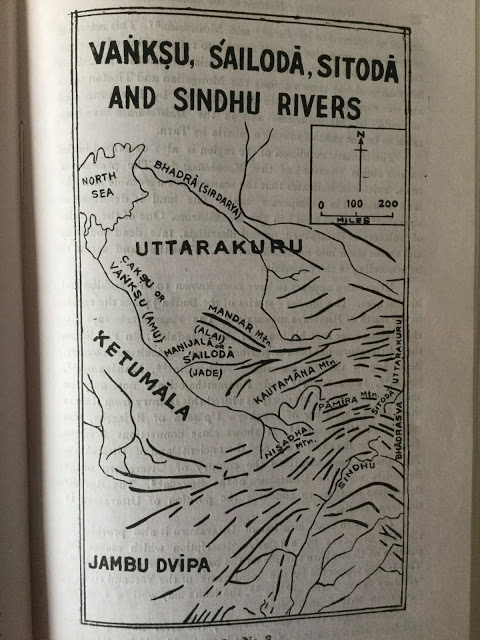
I was reading a book titled Geographical Horizon of the Mahabharata by Pande Syam Narayan published in 1980. Following are some interesting data:

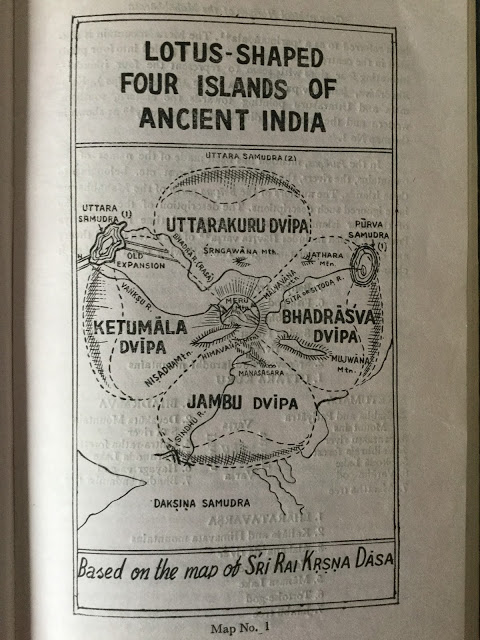
The epic contains much of the geographical material relating to India and outside. There are 230 Janapadas (states) mentioned in the MBH. Out of these 230, 62 are towards the North, 35 towards the East, 27 towards the West and 36 towards the South.

(the author’s description of the seas and countries and their identification may not be correct; but it can be used a starting point)

He adds

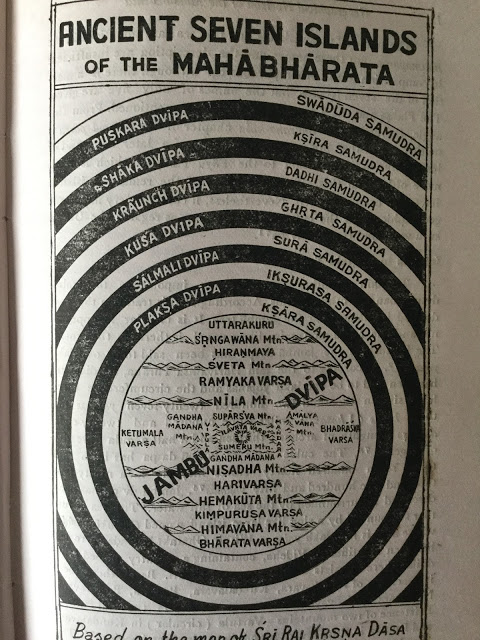
Janapadas of Sakadwipa

Udaivarsa (Malaya, Jalada)

Sukumaravarsa of Jalandhi mountain; it is the Komroi of the Greeks

Kaumaravarsa Or Narada mountain

Manicara or Anandaka Varsa; it has been identified as Mustag mentioned in the Zend Avesta

Mainaka varsa of the Ambikeya mountain

It seems the author of the Bhisma Parva and the Greeks had the similar knowledge

Janapada of Pushkala Dwipa

The MBH gives only one janapada by the name Saba having a quadrangular habitation divided into 33 divisions of mandala. Vamana, Airavata, Supratika and Anjana are said to be the guards of the four directions.

Janapadas of Kusadwipa

There is a great bush of Kusa or poa grass and there are the following seven varsas:

Umigada, Venumandala, Surathaakaara, Kambala, Dhrimana, Prabhaakara and Kapila

Janapadas of Krauncadwipa

There are seven varsas in the dwipa:

Kusala, Manonuga, Usna, Pravaraka, Andhakaraka Muniand Dundubhiswana

Janapadas of Jambudwipa

They are scattered in four directions. There is neither any sequence nor any classification; their identification becomes very difficult

Adhiraja

Aparaparjata

Asvaataka

Agneya

Aj-neya

Adhirastra

Averekah

Ahvaayaka

Aupakah

Aurasikah——10

Balitha

Carmakara

Civuka

Cicchila

Darsaka

Dasamiyaa

Dirgavenu

Drptaaksha

Govasana

Krakhadaah———— 20

Karabhanjakaah

Karavataah

Kuraka

Krmi

Karakaraah

Kayavya

Kaalaamukh

Kundamaana

Kusavindu

Kaisika—————- 30

Lalaataksa

Lalitya

Lohajanga

Manga (mrga)

Mandaka

Mandiika

Madaka

Majeeecha

Mavillakah

Mundaajh————– 40

Murucipatan

Modanaah

Maukaah

Nalakalaka

Naula

Natakeya

Pacakarpata

Panitaka

Pasu

Prakuttsakah——————- 50

Prakira

Pravrseya

Prahuta

Rajanya

Suukara

Sanjayanti

Sansthaanah

Sudesnu

Suparsva

Saivala—————— 60

Saubha

Tumbuna

Trayaksa

Trayainga

Taaratoyah

Uparyakah

Upaavrta

Ulluukha

Varmakah

Vanarasya———————– 70

In the second part I will give the Janapadas in the north, south and west where known places figure.

—–to be continued

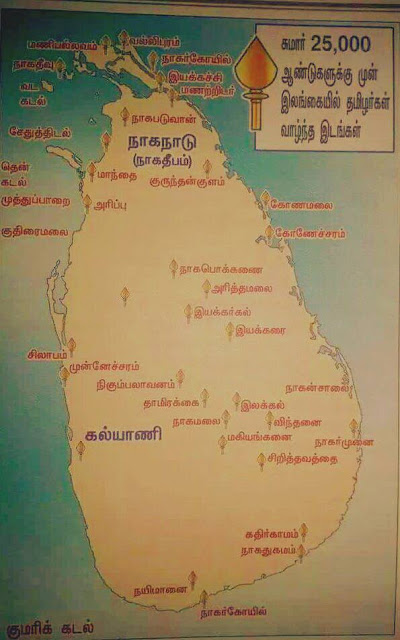
இலங்கை பற்றி சம்பந்தர் தகவல் (Post No.4194)

Written by London Swaminathan


Date: 8 September 2017


Time uploaded in London- 18-28


Post No. 4194


Pictures are taken from various sources; thanks.


குன்றினுச்சி மேல் விளங்கும் கொடி மதில் சூழ் இலங்கை

அன்றிநின்ற அரக்கர்கோனை யருவரைக்கீழ் அடர்த்தாய்

என்றுநல்ல வாய்மொழியா லேத்திராப் பகலும்

நின்றுநைவா ரிடர்களையாய் நெடுங்களமே யவனே


–திருநெடுங்களம், சம்பந்தர் தேவரம் முதல் திருமுறை


பொருள்

உச்சிமேல் விளங்கும் இலங்கைக் குன்று; அதைக் கொடிய மதில் சூழ்ந்துள்ளது அன்று உன்னை எதிர்த்த இராவணனை அடர்த்தாய் – என்று துதித்து, இராப்பகலாக உருகித் தொழுகின்ற அடியார்களின்  இடரினைக் களைவாயாக. திரு நெடுங்களத்து இறைவா!

அன்றி= கோபித்து, பகைத்து

வாய்மொழி= தோத்திரம், துதி

நைவார் = மனங்கனிவார்


ஒரு காலத்தில்,  மேரு மலையிலிருந்து, வாயு தேவனால் பெயர்த்து வீழ்த்தப்பெற்ற மூன்று சிகரங்களுல் ஒன்றாகிய இலங்கைக் குன்று.

இந்தப் பாட்டிலிருந்து கிடைக்கும் புவியியல் செய்திகள்


1.ஒரு காலத்தில் பெரிய சுனாமி அல்லது கடலடி பூகம்ப வெடிப்பில் இலங்கைக் குன்று. தோன்றியது.


2.அதன் உச்சியில் இலங்கை இருந்தது


  1. 1400 ஆண்டுகளுக்கு முன்னர், சம்பந்தர் காலத்தில் கூட, இலங்கை பற்றி தெளிவான தகவல் மக்களுக்குத் தெரிந்திருந்தது.


  1. நூற்றுக் கணக்கான தேவாரப் படல்களில் கடல் சூழ் இலங்கை என்று வருவதால், அது ஆதி காலம் முதல் தீவு நாடாக இருந்தது.


  1. அந்த எழில் மிகு, பொன்னால் வேயபட்ட குன்று மேல் இருந்த இலங்கை, எப்படித் தோன்றியதோ அப்படியே கடலுக்குள் மறைந்திருக்க வேண்டும்


  1. கடலடி ஆராய்ச்சி மூலம், இந்த அழிவு ஏற்பட்ட காலத்தைக் கணக்கிடுவது, ராமாயண காலத்தை அறிய உதவும்


7.நமக்குத் தெரிந்தவரை கி.மு1600ல் கிரேக்க Santorini/ Theraசான்தொரினி (தேரா) யில் ஏற்பட்ட வெடிப்பு உலக மஹா நில- கடல் மாற்றங்களை ஏற்படுத்தியது.


–subham–


Miraculous Incidents Due to Positive Emotions (Post No.4192)

Written  by S.NAGARAJAN


Date: 8 September 2017


Time uploaded in London-5-50 am


Post No. 4192

Pictures shown here are taken from various sources such as Facebook friends, Books, Google and newspapers; thanks.


Miraculous Incidents Due to Positive Emotions From Day to Day Life and History


Santhanam Nagarajan


Human beings are driven by emotions. Emotion was defined by William James in 1884 as ‘a state of mind that manifests itself by sensible changes in the body’. There are positive emotions and there are negative emotions too.

John A. Schindler in his book, ‘How to Live 365 Days a Year’ says, ‘In any emotion, there are external manifestations- that is, changes one can see exhibited externally on the surface of the body.

Thus negative emotions like anger, anxiety, fear, discouragement, longing etc. induce illness. On the contrary positive emotions like love, joy, hope etc. cures many diseases.

We could read many news from newspapers which are unbelievable.

Here is one such event published in Times of India 4th March 2013 issue.

One Mr Dharmarajan, a 70 – year old Sri Lankan Tamilian, Vavuniya was bedridden due to a prolonged ailment. He has lost trace of his 55 – year old sister.

Thevathu Rukmini Devi was lost for the past 26 years. Suddenly one day he heard the news that his sister is alive. On hearing this news he simply jumped out of his bed and started walking.

When he had almost given up hope of ever meeting his sister, he heard the good news which acted as a tonic and the news acted as a booster shot of energy. His sister was living in Madurai, South India in a refugee camp for many years after escaping from Sri Lanka.

One positive emotion, true love cured his illness when doctors failed.

Such is the power of positive emotion.

Let us go to Indian history. Tavernier in course of his visit to India had chronicled his experiences in a book, Travels, that was first published in 1677 A.D. One of the incidents he mentioned in his book is worth to be noted.

The Raja of Vellore was killed in a battle with the king of Vispur. Eleven of his wives resolved to die with him. On knowing this, the General of Vispur imprisoned all of them together. They told the keeper at the time, ‘Imprisonment is futile. We shall die in three hours’.

After three hours all of them lay stretched on the floor dead, and were gone with their husband, without any mark of violence on their bodies.

It is out of pure love, they sacrificed their life.

We come across one more news published recently in the Times of India dated 25th December 2016.

A couple married for 64 years spent their final few moments together clutching each other’s hands tightly before dying just hours apart in neighboring hospital beds.

Dolores Winstead, 83, and husband Trent Winstead, 88, from Tennessee died in Nashville’s Saint Thomas West Hospital – five weeks short of their 64th wedding anniversary.

Dolores suddenly began to complain of a headache and was taken ill. She has suffered a severe brain aneurysm – and needed to be connected to a ventilator as – in tandem with her husband – her condition began to deteriorate. Hospital staff placed them in the same room and the couple were pictured holding hands next to each other. Dolores died first, with Trent blowing her a kiss when he was told she had passed before then dying himself a few hours later.

Many awe-inspiring incidents as above may be compiled which will make us understand the true meaning of life.

True, positive emotions inspire everybody.and create history.

Let us develop positive emotions to make our life richer.

****


Brother is coming to rescue The 99! (Post No.4191)

Written by London Swaminathan


Date: 7 September 2017


Time uploaded in London- 21-18


Post No. 4191


Pictures are taken from various sources; thanks.


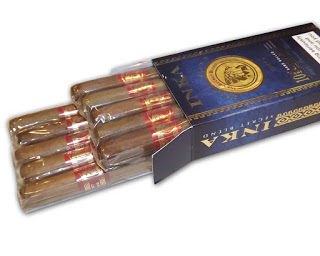
A minister was deeply impressed by an address on the evils of smoking given at a synod. He arose from his seat, went over a fellow minister, and said:

“Brother, this morning I received a present of 100 good Cigars. I have smoked one of them, but now I am going home to burn the rest in the fire.”

The other minister arose and said it was his intention  to accompany  his Reverend Brother.

“ I mean to rescue the Ninety- Nine”, he added.


xxx

When Dr Creighton was Bishop of London he rode on a train one day with a small, meek curate. Dr Creighton, an ardent lover of tobacco, soon took out his cigar case and with a smile, said: “You don’t mind  my smoking. I suppose?”


The meek curate bowed and answered humbly, “Not if your Lordship doesn’t mind my being sick.”

xxx

PROFANITY ANECDOTES

Mark Twain’s Vocabulary!

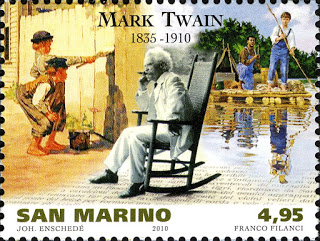
Mark Twain’s habit of swearing  was revolting to his wife, who tried her best  of it to cure him  of it. One day, while shaving he cut himself. He recited his entire vocabulary and when he was finished, his wife repeated every word  he had said.  Mark Twain stunned her by saying  calmly, “ You have the words, dear, but you don’t know the tune”


xxx

A minister on a fishing trip was delighted to find his guide was once hired by Bishop Philips Brooks . They immediately began to talking about him, recalling many noble traits and characteristics.

“Yes”, said the guide, he was a fine man ‘cept for his swearing”

“What” exclaimed the minister, Bishop Brooks swear? Impossible.

“Oh he did sir. Once he looked a fine big bass. Just as he hoisted him into, the fish slipped and went clean off the hook. So I said to the Bishop, that is a damned shame and the Bishop came back and said, “Yes, it is. But that is the only time I even heard him use such language”


–Subham–


கம்பன் பாட்டில் கீதை வரிகள் (Post No.4190)

Written by London Swaminathan


Date: 7 September 2017


Time uploaded in London- 12-50


Post No. 4190


Pictures are taken from various sources; thanks.


பரித்ராணாய ஸாதூனாம் விநாசாய ச துஷ்க்ருதாம்

தர்மசம்ஸ்தாபனார்தாய ஸம்பவாமி யுகே யுகே

–பகவத்கீதை 4-8


பொருள்


நல்லோரைக் காத்தற்கும், துஷ்டர்களை அழித்தற்கும், தருமத்தை நிலைநாட்டுதற்கும் யுகம் தோறும் வந்துதிப்பேன்


இதே பொருள் தொனிக்கும் கம்பன் பாடல் இதோ!

அறம்தலைநிறுத்தி வேதம் அருள்சுரந்து அறைந்தநீதித்

திறம்தெரிந்து உலகம் பூணச் செந்நெறி செலுத்தித் தீயோர்

இறந்து உகநூறித்தக்கோர் இடர்துடைத்து ஏகைஇண்டுப்

பிறந்தனன் தன் பொன் பாதம் ஏத்துவார் பிறப்பு அறுப்பான்

–பிணிவீட்டுப் படலம், சுந்தர காண்டம்


பொருள்


தன்னுடைய பொன்னடிகளைப் போற்றுபவரின் பிறப்பை அறுக்கும் அந்தப் பரம்பொருள் (ராமன்),

அறம் தலை நிமிர்ந்துவளரச்செய்து,

வேதங்கள் உலக உயிர்களிடத்தில் கருணைகொண்டு சொல்லிய

நீதியின் வழிகளை உலகத்தால் அறிந்து மேற்கொண்டு ஒழுகும்படி அவர்களை நன்வழியில் செலுத்தி,

கொடியவர்கள் இறக்கும்படி அழித்து,

நல்லவர்களின் துன்பங்களைப் போக்கி

அதன்பின்பு

தனக்குரிய இடத்துக்கே செல்லுமாறு

இப்பொது இங்கே அவதாரம் செய்துள்ளான்

–இவை எல்லாம் அனுமான் கூறியது


கீதைக்கும் கம்பனுக்கும் உள்ள தொடர்பைக் காட்ட பெரிய நிபுணர் குழு தேவை இல்லை. இரண்டையும் படித்தவர்க்கு உடனே புரிபடும்

செய்தி:

நல்லோரைக் காக்க

தீயோரை அழிக்க

அறத்தை நிலைநாட்ட ராமன் அவதாரம்

அனுமான் அறிவிப்பு


–subham–