MORE MANAGEMENT STORIES (Post No.5034)

COMPILED by S NAGARAJAN


Date: 22 MAY 2018


Time uploaded in London –  6-24 AM   (British Summer Time)


Post No. 5034


Pictures shown here are taken from various sources such as Facebook friends, Books, Google and newspapers; thanks. Pictures may be subject to copyright laws.


THE MECHANIC AND THE SURGEON

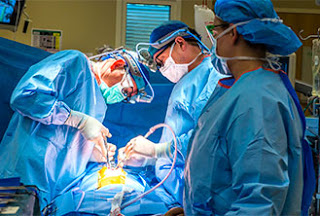
A heart surgeon took his car to his local garage for a regular service, where he usually exchanged a little friendly banter with the owner, a skilled but not especially wealthy mechanic.

“So tell me,” says the mechanic, “I’ve been wondering about what we both do for a living, and how much more you get paid than me..”

“Yes?..” says the surgeon.

“Well look at this,” says the mechanic, as he worked on a big complicated engine, “I check how it’s running, open it up, fix the valves, and put it all back together so it works good as new.. We basically do the same job don’t we? And yet you are paid ten times what I am – how do you explain that?”

The surgeon thought for a moment, and smiling gently, replied, “Try it with the engine running..”


2
 

PHILOSOPHY STUDENT

This is a widely circulated story from the early 2000s. It appeared online and in emails in many different versions. Please tell me if you know it to be earlier, and/or the origin. I’ve refined the wording of the story as follows:

A philosophy professor gave an unusual test to his class. He lifted his chair onto his desk and wrote on the board simply: “Prove that this chair does not exist.” The class set to work, composing long complex explanations – except one student, who took just thirty seconds to complete and hand in his paper, attracting surprised glances from his classmates and the professor. Some days later the class received their grades for the test. The student who took thirty seconds was judged the best. His answer was, “What chair?”


The story is one of several similar urban myths which make fun of supposedly high-minded theorizing and academia, in which an apparently very difficult or impossible question is defeated by a very simple quick ‘clever’ answer. The story also inspired the fine ‘philosophy student’ contribution to the Glass Half-Full/Empty Quotes Collection. Here are some other examples of funny legendary test questions and answers:

Question- What do you think of this as a question? Answer – What do you think of this as an answer?

Q – Why? A – Why not?

Q – Why? A – Because.

Q – Define ‘courage’. A – This. (or This is.)

Q – Prove that this chair does not exist. A – This chair is actually a word on a board. The chair that exists is that one on the table.

Q – Briefly explain what hard water is? A – Ice. (This one was real)

Q – What do we call the science of classifying living things? A -Racism. (So was that)


****
MORE MIRACLES ABOUT WALKING ON THE WATER (Post No.5033)

WRITTEN by London Swaminathan 


Date: 21 May 2018


Time uploaded in London – 15-18  (British Summer Time)


Post No. 5033


Pictures shown here are taken from various sources such as Facebook friends, Books, Google and newspapers; thanks. Pictures may be subject to copyright laws.


WARNING: PLEASE SHARE MY ARTICLES; BUT DON’T SHARE IT WITHOUT AUTHOR’S NAME AND THE BLOG NAME. BE HONEST; OTHERS WILL BE HONEST WITH YOU


First part of the article “Walking on the Water: Indian Miracles” was posted here on 19th May, 2018. Following is the second part.


‘Milinda panhaa’, the Buddhist book, has an interesting story. The sage Nagasena tells king Milinda : “ Your Majesty! In the land of China there is a king who once every four months, desiring to make offerings to the great ocean, performs an Act of Truth, and then proceeds in his chariot of state a league’s distance into the great ocean. Before the chariot of the state the mighty mass of water rolls back, and, as he returns, it pours back again. 4-1-46”

Tamil Miracle

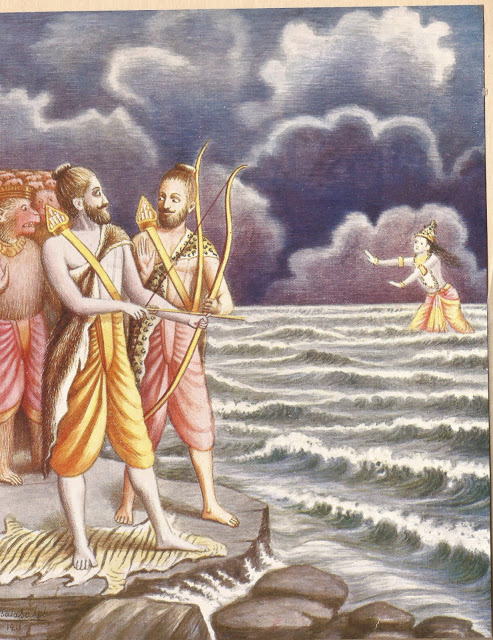
Tamils also has such miracles in their literature. There was a Pandya King who shot his arrow or spear and the sea rolled back. Parasurama, one of the Ten incarnations of Vishnu, reclaimed land from the sea. Rama was very angry when the sea refused to give him way. Then he threatened Varuna with severe punishment. And then Varuna came and subdued the sea.

Kollambudur Miracle from sakaravijayam,blogspot.com

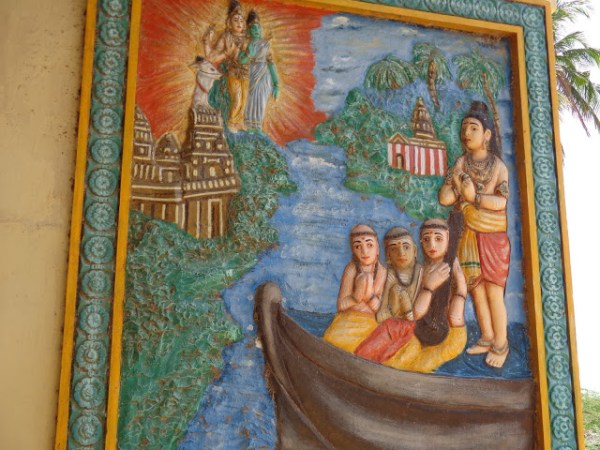
When Tamil saint Thirugnanasambandar visited the place (Kollambudur) with his followers, the river Vettar was in floods. Nobody dared to operate the boats to cross the river. Divine Grace blessed Sambandar to perform a miracle at that time. He sang a Thevaram Padigam in praise of the Lord of Kollambudur and stood inside the boat with his followers. The boat crossed the waters automatically and brought them to the other bank of the river.


Act of Truth is the ‘Truth command’. If it is true let it…………………..happen- is the vow one makes


King and Queen Miracle

Buddhagosa’s commentary on Angutta Nikaya has another miracle. King Kappina is on his way to enter the religious life under Buddha. This is what happened—

“Now the king with his 1000 ministers, reached the banks of the River Ganges. But at this time the Ganges was full. When the king saw this he said,  The Ganges here is full and swarms with savage fish. Moreover, we have with us no slaves or men to make boats for us. But of this Teacher virtues extend from the Avici Hell beneath to the Peak of Existence above. If this Teacher be the Supremely Enlightened Buddha, may not the tips of the hoofs of these horses be wetted.

They caused the horses to spring forward on the surface of the water. Not a single horse’s tip of the hoof wetted.  On a king’s high way proceeding, they went to the far shore. Farther on they reached another river. There was needed no ‘Act of Truth’. By the same act of truth, the river also, did they cross over. Then they reached the third river, the mighty River Chandrabhaga. That river also, by the same ‘Act of Truth’, did they cross over.

In short, Pandya king Nilam Tharu Thiruvil Pandya, Kadal Suvara Vel vitta Pandya and Buddhist King Kappina – did water miracles.

They made the water to roll back!


Later Queen Anoja of King Kappina , surrounded by 1000 chariot,s also crossed the Ganges by th Act of Truth.


All these stories recall the legend of Rig Veda (3-33) (See my previous post).

Jain Miracle- Walking on the Water

There is a Jain story with paradoxical riddles. A Jain king’s brother by name Soma became an ascetic. When the king came to know that Soma was camping outside the city he went there to pay his respects. Queen also vowed to see that holy man and decided not to take food till she pays respects to him that evening. #


When she rode in her chariot, the river in the middle of the city was in spate. She came back and asked her husband what to do. He told her to go back and say, “O Goddess River! if my husband has practised chastity since he paid his brother in law respects (in the past), then promptly give me passage”. She did say it and the river parted in to two and gave her passage.


She got confused because she became pregnant through her husband after he started paying respects to his brother (several years ago). When she met Sage Soma she asked the sage to clarify. He told her that her husband was chaste in his mind. Then the queen asked how can she return if the river is still in floods. Sage Soma told her,

“You must say to River Goddess, If the sage since taking the vow, has steadily lived in fast (for several years), then give me passage”. She recited words and easily crossed the river.


She asked her husband to clarify Soma’s statement. He told her “Lofty minded sages are indifferent to eating and non- eating. Mind is the root, speech the crown, deed the branch expansion of the tree of religion: from the firm root of that tree everything springs forth”. Then the queen understood.


—–to be continued


–Subham–

நீர் மேல் நடக்கும் அற்புத வித்தை! (Post No.5032)

WRITTEN by London Swaminathan 


Date: 21 May 2018


Time uploaded in London – 10-31 AM (British Summer Time)


Post No. 5032


Pictures shown here are taken from various sources such as Facebook friends, Books, Google and newspapers; thanks. Pictures may be subject to copyright laws.


WARNING: PLEASE SHARE MY ARTICLES; BUT DON’T SHARE IT WITHOUT AUTHOR’S NAME AND THE BLOG NAME. BE HONEST; OTHERS WILL BE HONEST WITH YOU


அஷ்டமா சித்தி (எட்டு வகை அற்புத சக்திகள்) பெற்றவர்களுக்கு நீர் மேல் நடக்கும் வித்தை மிகவும் எளிது. ஹடயோகம் பயின்றவர்களுக்கு இது இயலும்.


கண்ணன் பிறந்தவுடன் வசுதேவர், அக்குழந்தையைக் கூடையில் வைத்துக்கொண்டு சென்றபோது யமுனை நதி திறந்து வழிவிட்டதை நாம் அறிவோம். இந்துக்களின் கணக்குப்படி இது சுமார் 5000 ஆண்டுகளுக்கு முன்னால் நடந்தது. பின்னர் இது போன்ற தண்ணீர் அற்புதங்களை பைபிளின் பழைய, புதிய ஏற்பாடுகளிலும் புத்த மத நூல்களிலும் அலெக்ஸாண்டரின் வரலாற்றிலும், ஆதி சங்கரர் வரலாற்றிலும் காண்கிறோம்.


இதற்கெல்லாம் ஆதி மூலமாக இருப்பது ரிக் வேதக் கவிதையாகும் (3-33). அந்தக் கவிதை விஸ்வாமித்ர மஹரிஷிக்கும் இரண்டு நதி தேவதைகளுக்கும் இடையே நடந்த உரையாடல் ஆகும். கவிதை என்ற கண்ணோட்டத்திலும் மிக அற்புதான கவிதை. நதிகளைப் பெண்களாகப் போற்றும் கவிதை; உவமைகள் மிக்க கவிதை. அந்த ‘’தண்ணீர் அற்புதக்’’ கவிதையைக் காண்பதற்கு முன்னர் நீர் வித்தைகளை வில்லியம் நார்மன் பிரவுன் என்பவர் எப்படிப் பிரித்துள்ளார் என்பதைக் காண்போம்.

தண்ணீர் வித்தைகள் ஆறு வகையானது:-

1.ஒருவர் தனது அற்புத சக்தியினால் கடல் அல்லது ஆறுகளை இரண்டாகப் பிரியும் படி செய்து காய்ந்த தரையில் நடந்து போவது.


2.அற்புத சக்தியினால் நீரின் ஆழத்தைக் குறைத்து அதில் நடந்து செல்வது.


  1. தண்ணீர் அப்படியே நிற்க, அதன் மேல் நடந்து செல்வது


4.தண்ணீரில் விரைந்து செல்ல காற்றோ அலைகளோ அல்லது தாமரை போன்ற பொருள்களோ உதவுவது


  1. அல்லது தண்ணீர் மேல் HOVERCRAFT ஹோவர்கிராஃட் போன்று பறந்து செல்வது


  1. மேற்கூறிய காரணங்களில் ஒன்றோ இரண்டோ கலந்து உதவுவது.


ஆதி சங்கரரின் சீடரான பத்மபாதரை எதிர்க்கரையில் இருந்த சங்கரர் அழைத்தார். உடனே அவர் நீர் என்றும் பாராது விரைந்து செல்ல அவர் நீர் மீது கால் வைத்த இடம் எல்லாம் தாமரை மலர் தோன்றி அவரைத் தாங்கிச் சென்றது. இதனால் அந்த சிஷ்யருக்கு பழைய பெயர் மறைந்து போய் தாமரைக் காலன் (பத்மபாதர்) என்ற புதுப்பெயர் தோன்றியது.


புத்தர் கடல்மேல் பறந்து வந்து இலங்கைக்கு வந்ததாக புத்த மத நூல்கள் இயம்பும். புத்தர்களின் சீடர்கள் அற்புத சக்தியால் ஆற்று வெள்ளத்தைக் கடந்ததையும் அவைகள் விளம்பும்.

பைபிளின் பழைய ஏற்பாட்டில் இஸ்ரேலியர்களுக்கும் மோஸசுக்கும் செங்கடல் திறந்து வழிவிட்டதாகப் பகரும்


ஏசுவின் நான்கு முக்கிய சீடர்களில் ஒருவரான பீட்டர் நீரின் மேல் நடந்த கதையை பைபிள் நுவலும்.


இப்படி ஏராளமான கதைகளைப் பழங்குடி மக்களும் பகர்வர்.


ஆனால் உலகிலேயே பழமையான நூலில் — ரிக் வேதத்தில் – இவைகளைக் காணும்போது நாம்தான் இந்தக் கலையை உலகிற்குக் கற்பித்தோமோ என்றும் தோன்றும். ரிக் வேதத்தின் காலம் கி.மு 1500 முதல் 6000 வரை என்று அறிஞர்கள் செப்புவர்.


ரிக்வேதக் கவிதை 3-33


விபாசா (வியாஸ), சுதுத்ரி (சட்லெஜ்) இரண்டு பஞ்சாப் நதிகள் இப்பாடலில் இடம் பெறுகின்றன.


விஸ்வாமித்ரர்–

அடடா! என்ன அற்புதம் ! மலைகளில் பிறந்து கடலுக்குப் போகும் உங்கள் அழகே, அழகு! போட்டி போடும் இரண்டு குதிரைகளப் போல பாய்கிறீர்களே. கன்றுகளை அன்பாக நாவால் நக்கிக் கொடுக்கும் தாய்ப் பசு போல இரு கரைகளையும் அலைகள் என்னும் நாவால் தொடுகிறீர்களே.


இந்திரனுடைய கட்டளைக்குப் பணிந்து தேரில் விரைந்து செல்லும் தேவர்கள்  போலப் பிரகாஸிக்கிறீர்கள். அதே வேகத்தில் கடலை நோக்கி ஓடுகிறீர்கள்! அலைகள் ஒன்றன் மீது ஒன்று புரள்வது ஒருவரை ஒருவர் நாடுவது போல உளதே!


தாய் போன்ற சுதுத்ரி நதியே! சௌபாக்கியவதியான விபாஸையே! கன்றுகளை நாடும் தாய் போல ஒருமித்துப் பாய்கிறீர்களே!


இரண்டு நதிகளும் சொல்லுகின்றன

நாங்கள் நீரினால் நிலத்தை வளப்படுத்தி இறைவனால் படைக்கப்பட்ட கடலுக்குப் போகிறோம். எங்களை எவராலும் தடுக்க இயலாது. நீவீர் எம்மை அழைத்த காரணம் யாதோ?

விஸ்வா:-


நான் ஸோம லதை எனப்படும் அற்புத மூலிகையை எடுக்க செல்கிறேன். நான் குஸிகனின் புதல்வன்; ஏ, சுதுத்ரி நதியே ஒரு கணப்பொழுது  ஓடாமல்தான் நில்லேன்.


நதிகள் பதில்

விருத்திரன் எங்களைத் தடுத்து நிறுத்திய போது வஜ்ராயுதம் ஏந்திய இந்திரன் அந்த விருத்ரனைக் கொன்றான். நல்ல கைகள் உள்ள ஸவிதா எங்களை இந்த வழியில் செலுத்தினான். அவன் கட்டளைபடி வெள்ளப் பிரவாஹம் எடுத்து ஓடிக் கொண்டு இருக்கிறோம்.


விஸ்வா

நல்லது; இந்திரன் அந்த அஹி என்னும் பாம்பைக் கொன்று செய்த நற்செயல் என்றும் போற்றப்பட வேண்டியதே தடை செய்தவர்களை அவன் வஜ்ர ஆயுதம் கொண்டு அழித்தான்


நதிகள் பதில்


ஓ, துதிபாடும் முனிவா; எதிர்கால சந்ததியினர் உன்னுடைய இந்தக் கவிதையைப் போற்றுவார்கள் ; நீயும் மறந்து விடாதே; ஆனால் மக்களுக்கு முன்னர் எங்களைத் தாழ்திவிடாதே.

விஸ்வா:

சஹோதரிகளான நதிகளே! நான் சொல்லுவதை அன்போடு செவிமடுங்கள்; நான் தொலை தூரத்தில் இருந்து தேரோடும் வண்டிகளோடும் வந்து இருக்கிறேன். கொஞ்சம் தாழ்வாகப் பாய்ந்து செல்லுங்கள் உங்கள் நீரோட்டம் காளை மாட்டு வண்டியின் அச்சுக்குக் கீழே பாயட்டும்

நதிகள் பதில்

ஓ, கவிஞரே! நீ தொலைவில் இருந்து தேர், காளை மாட்டு வண்டிகளோடு வந்ததாகச் சொல்லுவது எங்கள் காதில் விழுந்தது குழந்தைக்குப் பால் ஊட்டும் தாய் போலவும் காதலனைக் கட்டித் தழுவ ஓடிவரும் காதலியின் அன்பு போலவும் நாங்களும் உன்னைத் தாழ்ந்து வணங்குவோம்.

விஸ்வா:–

நதிகளே; என்னைக் கடக்க உதவினீர்கள்; அதைப் போல பரதர்களும் படைகளும் கடந்து செல்ல உதவுங்கள்; பின்னர் பிரவாஹம் எடுத்துப் பாய்ந்து செல்லுங்கள்; உங்களைப் போற்றுவேன்


பரதர்களும் பசுக்களை நாடிக் கடந்து சென்றனர்.  உங்கள் அன்பு எனக்குக் கிடைத்தது; உங்கள் அலைபோல செல்வத்தைப் பொழியுங்கள்;  உணவு தான்யம் பெருகட்டும்; வளம் கொழிக்கட்டும்; பாய்ந்து செல்க.


எங்கள் மாட்டு வண்டியின் நுகத்துக்கு கீழே பாயுங்கள். எங்கள் காளை மாடுகள் ஒரு பாவமும் அறியாத ஜந்துக்கள் அவைகளுக்குத் தீங்கு செய்துவிடாதீர்கள்.


இது போல பல அற்புதக் கவிதைகள மந்திர சக்தியால் நதிகளைக் கட்டுப்படுத்தியதைக் காட்டுகின்றன (குறிப்பாக 10-136)

இந்தக் கவிதையில் என்ன அற்புதம் இருக்கிறது?

விஸ்வாமித்ரன் வேண்டியவுடன் நதிப் பிரவாஹம் குறைந்தது. வண்டியின் அச்சுக்குக் கீழே பாய்ந்தது. உடனே அவரும், பரதர்களும்  கடந்து சென்றனர்.


பாடலில் உள்ள உவமைகள் ‘பால் நினைந்தூட்டும் தாயினும் சாலப் பரிந்து’ என்ற மாணிக்க வாசகரின் பாடலை நினைவு படுத்தும்

நதிகளைத் தாயாக போற்றுவதையும் பூமியைத் தாயாக போற்றுவதையும் உலகம் நம்மிடம் கற்றது.

காளை மாடுகளுக்கும் தீங்கு செய்யக்கூடாது என்ற அன்புப் பிரவாஹம் நதிப் பிரவாஹம் போல உளது.


வேத கால இந்துக்களுக்கு கடல் தெரியாது என்று பிதற்றும் பித்துக்குளிகளுக்கு  இந்த நதிக் கவிதையும் ஸரஸ்வதி நதிக் கவிதையும் சாட்டை அடி கொடுக்கிறது. மலைமீது தோன்றி கடல் வரை செல்லும் நதிகள் பற்றிய மாபெரும் பூகோள அறிவு அக்காலத்தில் இருந்தது. அதுமட்டுமல்ல கவிதையில் காணும் உவமைகள் அமைதியான ,நனி நாகரீகம் மிக்க வேத காலத்தை நம் கண்களுக்கு முன்னால் கொணர்கிறது.


‘வேதம் என்றும் வாழ்க என்று கொட்டு முரசே’– பாரதி.


-சுபம்-


ரமணரின் கருணை மழை! (Post No.5031)

Written by S NAGARAJAN


Date: 21 MAY 2018


Time uploaded in London –  6-33 AM   (British Summer Time)


Post No. 5031


Pictures shown here are taken from various sources such as Facebook friends, Books, Google and newspapers; thanks. Pictures may be subject to copyright laws.


ரமண தரிசனம்

அனைவருக்கும் சமமான ரமணரின் கருணை மழை!


ச.நாகராஜன்

1

பகவான் ரமண மஹரிஷியிடம் பக்தர் ஒருவர் வந்தார்.

அவர் கேட்டார்: கடவுள் அனைவருக்கும் பொதுவானவர் தானே!

ரமணர் : ஆமாம்.

பக்தர் : அவரது கருணையும் அனைவருக்கும் பொதுவானது தானே!

ரமணர் : ஆமாம்

பக்தர் : அப்படியானால் அவர் எனக்கு மட்டும் ஏன் கருணை காட்ட மாட்டேன் என்கிறார்.எப்பொழுதும் துன்பம் தானே எனக்கு வருகிறது.

ரமணர் : நீ பாத்திரத்தைக் கவிழ்த்து வைத்திருக்கிறாயே. அதை நிமிர்த்தி வைத்தால் தானே கருணை மழை பொங்கித் ததும்பும்!


பக்தர் புரிந்து கொண்டார். இறைவன் அனைவருக்கும் சமமான கருணையைத் தான் பொழிகிறார். அதை ஏற்க நாம் தயாராக – பாத்திரத்தைத் திறந்து வைத்து – இருக்க வேண்டும்.

மனதைத் தூய்மையாக, ஏற்கக்கூடிய பக்குவ நிலையில் வைக்க வேண்டும்.

அத்துடன் பாத்திரம் சிறிய அளவா, அண்டாவா அல்லது மிகப் பெரியதா என்பதையும் நாம் தான் தீர்மானிக்க வேண்டும்.

இறைவனின் கருணை மழையைப் போலவே பகவான் ரமணரின் கருணை மழையும் அனைவருக்கும் பொதுவானது.


2

பகவானிடம் அருளாசி பெற பாரதத்தின் முதல் ராஷ்ட்ரபதி பாபு ராஜேந்திர பிரசாத் வந்தார். அருளாசி பெற்றார்.

ராஜாஜி வந்தார். மகாகவி பாரதியார் வந்தார். ஏராளமான துறவிகள், பேராசிரியர்கள் வந்தனர். ரமண தரிசனத்தால் பெரும் பேறு பெற்றனர்.

அனைவர் மீதும் அவரது கருணை மழை சமமாக இருந்தது.

உயர்தட்டில் இருந்தவர்களுக்குத் தான் அவரது கருணை என்பது இல்லை; ஏழையாக, சாமானியராக, எழுத்தறிவில்லாதவராக இருந்தாலும் கூட அவர்களுக்கும் அவர் பொது தான்; அவர்கள் மீதும் அவரது கருணை அளப்பரியதாக இருந்தது.

ஒரு சம்பவம்.

பூவன் என்ற ஆட்டிடையனின் ஆடு தொலைந்து விட்டது. ஒரே கவலை. மூன்று நாட்கள் தேடியும் கிடைக்கவில்லை. ஆடு கர்ப்பமாக வேறு இருந்தது. அவனுக்கு நம்பிக்கையே போய் விட்டது. காட்டு மிருகங்கள் அதை அடித்துத் தின்று விட்டதோ!

ஒரு நாள் ஆசிரமம் வழியே சென்று கொண்டிருந்த அவன் பகவானைப் பார்க்க, அவர் அவனை எப்படி இருக்கிறாய் என்று கேட்டார். பூவன் தனது ஆடு தொலைந்த விஷயத்தைச் சொன்னான். பகவான் வழக்கம் போலப் பேசாமல் இருந்தார். பிறகு அவனிடம் சில கற்களைத் தூக்கத் தனக்கு உதவுமாறு கேட்டார். அவனும் சந்தோஷமாக அந்த வேலையைச் செய்தான். அந்தப் பணி முடிந்ததும் பகவான், “இந்தப் பக்கமாகப் போ” என்று ஒரு வழியைச் சுட்டிக் காட்டினார். “அங்கு உன் ஆட்டை வழியில் காண்பாய்” என்றார் அவர். அதே மாதிரி தனது ஆட்டை இரண்டு குட்டிகளுடன் அவன் கண்டான்!

பூவன், “என்ன அற்புதமான பகவான் இவர்! அவரது வார்த்தைகளின் சக்தியைப் பாருங்கள். என்னப் போன்ற ஒரு ஏழையைக் கூட அவர் மறக்கமாட்டார். எனது பையன் மாணிக்கத்தைக் கூட அவர் அன்புடன் நினைவு வைத்துக் கேட்கிறார். பெரியவர்கள் எப்போதுமே அப்படித்தான்.  கோடையில் பசுக்களைப் பார்க்கும் சிறு பணியை அவருக்காகச் செய்வதில் எனக்கு சந்தோஷம்.” என்றான்.


முனகல வெங்கடராமையா தொகுத்திருக்கும் அற்புத நூலான

Talks with Sri Ramana Maharshi  என்ற நூலில் 16 டிசம்பர் 1936 தேதியிட்ட பதிவு இது: (ஆங்கில மூலத்தை அப்படியே கீழே காணலாம்.)


Poovan, a shepherd, says that he knows Sri Bhagavan since thirty

years ago, the days of Virupakshi cave. He used at times to supply

milk to the visitors in those days.

Some six years ago he had lost a sheep, for which he was searching

for three days. The sheep was pregnant and he had lost all hopes of

recovering her, because he thought that she had been set upon by

wild animals. He was one day passing by the Asramam, when Sri

Bhagavan saw him and enquired how he was. The man replied that

he was looking out for a lost sheep. Sri Bhagavan kept quiet, as is

usual with Him. Then He told the shepherd to help in lifting some

stones, which he did with great pleasure. After the work was finished,

Sri Bhagavan told him: “Go this way”, pointing the footpath towards

the town. “You will find the stray sheep on the way”. So he did and

found the lost sheep with two little lambs.


He now says, “What a Bhagavan is this! Look at the force of his

words! He is great! He never forgets even a poor man like me. He

remembers my son Manikkam also with kindness. Such are the great

ones! I am happy when I do any little work for Him, such as looking

to the cows when they are in heat.


3

இதே போல பகவானுக்கு பௌர்ணமி தோறும் க்ஷவரம் செய்ய வரும் நடேசனும் அவர் பால் அதீத பக்தி கொண்டவர். பகவானுக்கு நமஸ்காரம் செய்து விட்டுத் தான் அவர் தன் வேலையைத் தொடங்குவார். ஒரு நாள் மலையில் வழியில் பார்த்த பகவானை அவர் நமஸ்காரம் செய்ய, “இங்கு எதற்கு? என்றார்.

என்ன அற்புதமான குறிப்பு!

பௌர்ணமி தோறும் கோசாலையில் க்ஷவரம் செய்ய வரும் போது செய்யும் நமஸ்காரமே போதுமே என்று கருணையுடன் குறிப்பால் உணர்த்த அவர் கூறிய அன்புச் சொற்கள் அது.

இன்னொரு முறை நடேசன் அவசரமாக செல்ல வேண்டிய ஒரு தருணத்தில், அவன் போக வேண்டும்; ஆனால் சாப்பிட்டிருக்க மாட்டானே என்றார் பகவான்.

குறிப்பறிந்த தொண்டர் உடனடியாக சமையலறைக்குச் சென்று நடேசனுக்கு உணவு கொண்டு வந்தார்.

தழுதழுத்த குரலில் சொன்னார் நடேசன்: “பகவானுக்கு அனைவருமே சமம் தான். பொதுவாக அனைவரும் உண்ட பின்னரே நாங்கள் உண்பது வழக்கம். இன்று பாருங்கள், பகவானின் கருணையை! என்றார்.

எந்த வித பேதமுமின்றி பொழிவதே இறைவனின் கருணை.

அந்த அவதாரமாக வந்த பகவானுக்கும் அதே கருணை இருப்பது இயல்பு தானே!

***

சொன்னது எல்லாம் 100 % பலிக்கும் ஜோஸியர்! (Post No.5030)

WRITTEN by London Swaminathan 


Date: 20 May 2018


Time uploaded in London – 16-46 (British Summer Time)


Post No. 5030


Pictures shown here are taken from various sources such as Facebook friends, Books, Google and newspapers; thanks. Pictures may be subject to copyright laws.


WARNING: PLEASE SHARE MY ARTICLES; BUT DON’T SHARE IT WITHOUT AUTHOR’S NAME AND THE BLOG NAME. BE HONEST; OTHERS WILL BE HONEST WITH YOU


ஒரு ஊரில் ஒரு மஹா தரித்திரன் இருந்தான்; எதைத் தொட்டாலும் விளங்கவில்லை. பிச்சை எடுத்துப் பிழைக்க வேண்டியதாயிற்று. ஒரு நாள் பிச்சை எடுக்கப் போன போது ஒரு வீட்டில் இருந்து மசாலா வாசனை அடித்து. கதவு மூடி இருந்த போதும் எச்சில் இலைக்காக திண்ணையில் காத்திருந்தான். அப்போது   ‘சொய்ங்’ என்று சப்தம் ஒலித்தது.


ஆஹா! மசாலா தயாரன பின்னர் தோசை ‘ரெடி’ ஆகிறது. கொஞ்சம் ‘வெயிட்’ பண்ணுவோம் என்று காத்து இருந்தான். மீண்டும் சொய்ங்ங்ங்’ சப்தம்; ஓஹோ இரண்டு தோசை ‘ரெடி’ என்று கணக்குப் போட்டான். இப்படி பத்து முறை சப்தம் கேட்கவே பத்து தோசை தயார்; ஒன்றிரண்டு கேட்டுப் பார்ப்போம் என்று கதவைத் தட்டினான்.

‘அம்மா, தாயே, வயிறு காயுது; ஏதேனும் கொஞ்சம் கஞ்சித் தண்ணி வாருங்களேன்’ என்றான் பய பக்தியோடு.

அந்த அம்மாளோ வழக்கம் போல ‘இல்லை’ பாட்டுப் பாடினாள்.


மசாலா தோசை

என்ன தாயே! இல்லை என்று சொல்லலாமா? பத்து தோசையில் ரெண்டு தோசையாவது போடலாமே! என்றான்.

அந்த அம்மாளுக்கு ஆயிரம் ‘வாட்’ ‘ஷாக்’ அடித்தது.

அடப் பாவி மகனே! இவன் பெரிய சாமியாரோ அல்லது ஜோஸியனோ கர்ரெக்டா சொல்லிப்புட்டானே ! பத்து தோசை என்று எண்ணி,  பய பக்தியோடு இரண்டு தோசைகளைப் பரிமாறி சூடான காப்பியும் கொடுத்து அனுப்பினாள்.

குழாய் அடிக்கு தண்ணீர் பிடிக்கப்போன போது 100 சதவிகிதம் பலன் சொல்லக்கூடிய ஜோஸியர் தன் வீட்டுக்கு வந்த செய்தியை ஒவ்வொரு வீட்டுப் பெண்மணியிடமும் சொல்லித் தீர்த்தாள்.


கழுதை கெட்டால் குட்டிச் சுவர்

அதிர்ஷ்ட தேவதை நமது பிச்சைக்கார ஜோஸியர் மீது கடைக் கண் பார்வையைச் செலுத்தவே கழுதை காணவில்லை என்று ஒரு வண்ணான் அந்த புதிய ஜோஸியர் வீட்டு வாசலில் நின்றான். அவருக்குப் பிழைக்கும் வழி புரிந்துவிட்டது.

“அன்பா! இன்று இரவு சக்கரம் போட்டு பூஜை செய்து கண்டு பிடிப்பேன் ; பொழுது விடிந்ததும் வா” என்றான்.

அன்றிரவு முழுதும் ஜோஸியர் கழுதையைத் தேடி ஓட இவர் அதிர்ஷ்டம்! கழுதை கிடைத்தும் விட்டது!

‘கழுதை கெட்டால் குட்டிச் சுவர்’ என்பது பழமொழி அல்லவா!


“பொழுது விடிந்தது யாம் செய்த தவத்தால் புன்மை யிருட்கணம் போயின யாவும்” என்று திருப்பள்ளி எழுச்சி பாடும் நேரத்தில் கழுதை தேடும் வண்ணானும் வந்தான்;

அன்பனே! தெருக்கோடி வீட்டின் குட்டிச் சுவர் அருகே போ; உன் கழுதை உனக்காக காத்திருக்கும் என்றான். என்ன அதிசயம்! கழுதையும் கிடைத்தது.

அந்த வண்ணான்,  தான் போகும் வாடிக்கையாளர் வீடுகளில் எல்லாம் மஹா ஜோஸியரின் புகழைப் பரப்பினான். அவன் அரண்மனைக்கும் வண்ணான். ராஜா காதிலும் செய்தி விழுந்தது.

மன்னாதி மன்னன்

ராஜாவுக்குக் கொஞ்சம் நாளாகப் புதுக் கவலை. அரண்மனை வைர நகைகளைக் காணோம்; அந்த நேரத்தில்  இந்த சகல நோய்களுக்கும் கைகண்ட மருந்து போல மஹா ஜோஸியர் தகவலும் வரவே சிறந்த காவலர்களை அழைத்து பறந்து போய் , சிறந்த ஜோஸியரை உடனே அழைத்து வருக என்று கட்டளை இட்டனன்.


ராஜா வீட்டு சேவகர்களைக் கண்டவுடன் கூஜா தூக்கும் போலி ஜோஸியருக்கு உதறல் எடுத்தது. சேவகர்களும் திருட்டைக் கண்டு பிடிக்க உங்களை ராஜா அழைத்தார் என்று சொல்லி குதிரையில் ஏற்றிக் கொண்டு சிட்டாய்ப் பறந்தனர். ஜோஸியர் பயத்தில் ‘திருடன், திருடன்’ என்று உளறத் துவங்கினார். இரண்டு சேவகர்களும் குதிரையை நிறுத்தி தண்ணீர் குடிப்பது போல அந்தப் பக்கம் போய் காதோடு காதாகப் பேசினர்.

“ஏய், ஜோஸியர் அய்யா. நம்மைத் திருடன் என்று கண்டுபிடித்து விட்டார். அவர் வழி எல்லாம் திருடன் திருடன் என்று நம்மைத் திட்டிக்கொண்டே வருகிறார். உண்மையிலேயே இவர் பெரிய ஜோஸியர்– ஆகையால் காலில் விழுந்து மன்னிப்புக் கேட்டு உண்மையை சொல்லி விடுவோம் என்று ஜோஸ்யர் காலில் விழுந்து செப்பினர்

“ஐயா, நாங்கள்தான் அரண்மனை நகைகளைத் திருடினோம்; நீங்களும் எங்களைத் திருடர்கள் என்று கண்டு பிடித்து விட்டீர்கள்– இன்றிரவே நகைகளை ஒப்படைக்கிறோம் ; எங்களை மட்டும் காட்டிக் கொடுத்து விடாதீர்கள்; ‘ப்ளீஸ்’” என்று கெஞ்சிக் கூத்தாடினர்.


அவரும், “அன்பர்களே! மன்னித்தேன், மறந்தேன். புறப்படுவோம்” என்றார்.


ராஜாவின் அரண்மனையில்


“ஓய் ஜோஸியரே! என்னமோ பெரிய ஜோஸியர் என்று சொல்லுகிறார்கள்– களவு போன நகைகளைக் கண்டு பிடியுங்கள் தவறினால் தக்க தண்டனை உண்டு; கண்டு பிடித்தாலோ நீர் தான் ஆஸ்தான ஜோஸீயர்” என்றார் மன்னன்.

ஜோசியருக்கு ஏற்கனவே நகை பற்றித் தெரிந்து விட்டதால்

“ராஜாதி ராஜனே! என் ஜோதிடம் பொய்யாகுமா? இன்றிரவே பூஜை போட்டு நாளையே  நகை கிடைக்க வழி வகை செய்வேன்” என்றார்.


சேவகத் திருடர்களும் இரவோடு இரவாக ஜோஸியரிடம் நகைகளைக் கொண்டு வந்தனர்.அவர் ஒரு குறிப்பிட்ட மரத்தடியில் அவைகளைப் புதைக்கச் சொன்னார்.


மறு நாள் காலையில் மன்னர் அவையில் அனைவரும் ஆர்வத்துடன் காதுகளைத் தீட்டிக் கொண்டு நிற்க ஜோஸியர், இந்த மரத்துக்கு அடியில் அந்த நகைகள் உள்ளன. அவை எல்லாம் குட்டிச் சாத்தான் செய்த வேலைகள் என்றார். அரசனும் சேவகர்களை அனுப்ப நகையும் கிடைத்தது.


கம்பளிப் பூச்சி


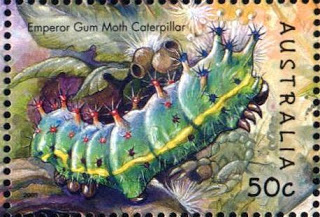
ஆனால் மந்திரிமார்களுக்கு ஒரு சம்ஸயம்; அதாவது சந்தேஹம்; இந்தப் பயலோ பூர்வீகத்தில் பிச்சைக்கரன் என்று நமது உளவாளிகள் சொல்லுகின்றனர். இவனுக்கு ஆஸ்தான ஜோதிடர் பட்டமா? இவன் வண்டவாளத்தை ரயில் தண்டவாளத்தில் விடுவோம் என்று கங்கணம் கட்டிக்கொண்டு எல்லோரும் ஒன்று சேர்ந்தனர். அவர்களில் ஒரு அமைச்சர் ஒரு கம்பளிப் பூச்சியைக் கையில் வைத்து மூடிக்கொண்டு

“ஓய், ஜோஸியரே! நீவிர் மஹா பெரிய ஜோஸியர் என்றால் எங்கள் கையில் இருப்பது என்ன என்று விளம்புங்கள்?” என்றனர்.


அவருக்கு நடுக்கம் ஏற்பட்டது.

அடக்கடவுளே!

“அங்க தப்பி, இங்க தப்பிச்சுக் கொண்டு அகப்பட்டுக் கொண்டேனே கம்பளி முத்தன்” என்று சொல்லிக் கொண்டே தன் கம்பளிச் சால்வையை மேலே போட்டுக் கொண்டு ஓடுவதற்குத் தயாரானார். அவர் சொன்னது தன் கம்பளியை;


மந்திரிகள் நினைத்தார்கள்,


அட ஆண்டாவா! என்ன அற்புத மன சக்தி; இந்த மஹானுக்கு!! கையில் மூடி வைத்து இருந்த கம்பளிப் பூச்சியைக் கூட ஞான திருஷ்டியில் கண்டு வி ட்டாறே என்று ஜோஸியர் காலில் விழுந்து ஆஸீர்வாதம் பெற்றனர்.


அரசனிடம் போய், அவருக்குக் கூடுதல் மான்யம் தருவதற்கு சிபாரிசும் செய்தனர்.


‘அதிர்ஷ்டம் இருந்தால் குதிரை தானாகவே கு………………….  அடியில் புகுந்து  தூக்கிக் கொண்டு போய் சவாரி செய்யும்!’ —என்பது தமிழ்ப் பழமொழி


–சுபம்-

ASTROLOGER WHO PREDICTED 100% CORRECT! (Post No.5029)

WRITTEN by London Swaminathan 


Date: 20 May 2018


Time uploaded in London – 13-47 (British Summer Time)


Post No. 5029


Pictures shown here are taken from various sources such as Facebook friends, Books, Google and newspapers; thanks. Pictures may be subject to copyright laws.


WARNING: PLEASE SHARE MY ARTICLES; BUT DON’T SHARE IT WITHOUT AUTHOR’S NAME AND THE BLOG NAME. BE HONEST; OTHERS WILL BE HONEST WITH YOU


There are many folk tales in Tamil Nadu about astrologers. If one is lucky all his predictions will come true. Here is an interesting story about a lucky beggar turned astrologer.


There lived a person in a village in utter poverty. He tried all the tricks to make a living but failed miserably. One day he was very hungry and went begging for food. He could smell something nice from one of the houses in the street. He went there and sat on the pial outside the house, because the door was shut. He was listening keenly to know what was happening inside the house. He heard the sound of someone making Masala Dosa (famous Tamil dish). Every time lady of the house poured oil and the dough on the heated pan it made the sound ‘Soyyyyn’. He said to himself, ‘Oh my god the lady of the house made one Dosai now”. Then he heard Soyyyn again. He counted two. It went on like this until he counted ten ‘Soyyn’ sound.

He knocked at the door and the lady opened the door and asked why he was standing there. He told that he was very hungry and he need something to eat. The lady wanted to drive him away and said ‘Sorry man, there is no food in the house to spare’.


Then the beggar told her, “Look Madam, you have ten Dosas in the kitchen. Can’t you spare me a few?”


She was astonished when he said TEN dosas. Anyone could smell dosa and easily could have said you have dosas. But this person said TEN dosas! She asked him how did he know this.


He gave a simple answer: ‘I know everythin’g. She thought that he must be a saint or an astrologer. But without inquiring much about it, the gullible woman simply fed him and said ‘Good Bye’. He thanked her and went his way. She spread the news of a ‘Famous Astrologer’ visiting her house, who can predict 100% percent correct.


As the days went by people went to the poor man’s house and started donating good clothes fit for an astrologer so that they can also use him in future. A lazy waterman also heard the story of this astrologer went to seek his help to find his ‘missing’ donkey. The astrologer heard from his own mouth he didn’t even go round the village looking for the donkey. This fact gave the ‘astrologer’ some confidence. He assured the waterman he could find the donkey’s whereabouts after  that night’s puja. At the dead of night the poor beggar turned astrologer went looking for the donkey. When he found it he tied it in a pole outside the village and came home. The worried washer man came next day to see the ‘astrologer’. He told him that the donkey was just outside the village tied to a pole. The washer man ran towards the pole and found his donkey. He told all his customers about the great astrologer. He used to serve the palace as well. So the king also got the news.

At that time the king had a problem too. He lost his valuable jewels in the palace. He sent word for the ‘astrologer’. When the king’s servants went to the ‘astrologer’s’ house he was shaking and sweating. He knew that the king would chop his head if he found out that he was a fake astrologer.


While he was riding along with the servants, he was mumbling ‘thieves’, ‘thieves’ ‘jewel thieves’. Since the servants who came to see him was the real thieves they started shivering and shaking. They fell at the feet of the ‘astrologer’ and told him the truth. ‘Astrologer warned them to return the jewels to him that night so that they can escape execution. They agreed to his proposal.


When he met the king he warned the astrologer that if he failed to locate the stolen jewellery he would be severely punished. But the ‘astrologer’ put a brave face and said that there was nothing to worry because he would find it very next day.


In the night, he received the stolen jewels from the servants and then instructed them to bury it in a particular place. The astrologer met the king next morning and pretended doing lot of calculations and gesticulating spelling many mantras. Then he said,

“Aha! the ghosts have taken them and buried them under the tree in a place”. He revealed the location. Same servants who stole and secretly returned them the previous night were sent on the mission. They easily located after getting ‘instructions’ from the ‘astrologer’.

The king felt immensely happy and made him the Royal Astrologer as soon as he got back his stolen jewels.

MORAL:

If you are lucky whatever you say will be 100% correct!!

-Subham–

சீதையைப் பார்த்து சிரித்த குரங்குகள்! (Post No.5028)

WRITTEN by London Swaminathan 


Date: 20 May 2018


Time uploaded in London – 9.46 am (British Summer Time)


Post No. 5028


Pictures shown here are taken from various sources such as Facebook friends, Books, Google and newspapers; thanks. Pictures may be subject to copyright laws.


WARNING: PLEASE SHARE MY ARTICLES; BUT DON’T SHARE IT WITHOUT AUTHOR’S NAME AND THE BLOG NAME. BE HONEST; OTHERS WILL BE HONEST WITH YOU


சீதைக்கு ஒரு பிள்ளைதான்!! தாய்லாந்து ராமாயணம்-4


முதல் மூன்று பகுதிகளில் அனுமனுக்கு இரணடு மனைவிகள், ராவணனின் மகள்தான் சீதை, இலங்கையில் ஆட்சிக்கு எதிராகக் கலகம் , மயில் ராவணன் கதை முதலிய பல விநோதங்களைக் கண்டோம்.  இப்போது குசன் மட்டுமே சீதையின் மகன் என்ற கதையையும் சீதை வரைந்த ராவணனின் படம் குறித்தும் உள்ள சம்பவங்களை தாய்லாந்து ராமாயணமான  ராமகீயனில் (RAMAKIEN) இருந்து காண்போம்.


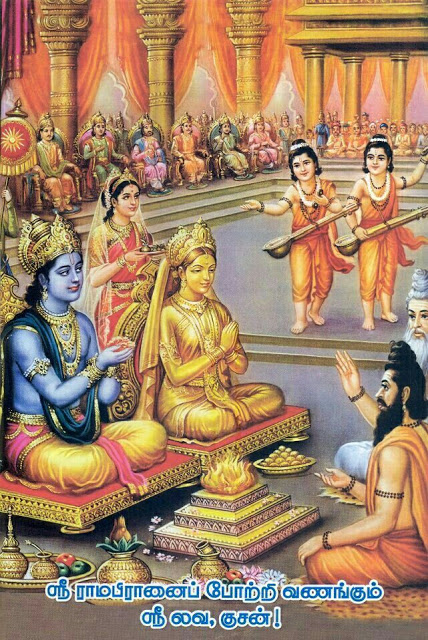
வால்மீகி ராமாயணத்தின்படி ராமனுக்கு லவன், குசன் என்ற இரட்டையர் பிறந்தனர் என்பதை நாம் அறிவோம்


சீதை, கர்ப்பவதியாக இருந்தபோது ராமன் காட்டுக்கு அனுப்பினான். அங்கே அவளுக்கு ஒரு குழந்தை பிறந்தது. அந்தப் பிள்ளை மீது வால்மீகி முனிவர் குஸ என்ற புனிதப் புல்லினால் புனித நீர் தெளித்ததால் அவனுக்குக் குஸன் என்று பெயரிட்டனர்.

குழந்தை பிறந்த செய்திக்குப் பின்னர்,  ராமன் புஸ்பக விமானத்தில் பறந்து வந்து ஜாத கர்மம் முதலிய சடங்குகளைச் செய்துவிட்டுப் புறப்பட்டும் போய்விட்டான். சீதையின் தந்தையான ஜனகன் முதலிய உறவினரும் வந்தனர்.


இவ்வாறு இருக்கையில் ஒரு நாள், சீதை காட்டில் பழங்களைச் சேகரிக்கச் சென்றாள். இயற்கை அழகைக் கண்டு ரஸித்தாள். வால்மீகி முனிவரிடம் ‘என் பிள்ளையைப் பத்திரமாகப் பார்த்துக் கொள்ளுங்கள்’ என்று சொல்லிவிட்டுப் போனாள்

ஒரு மரத்தில் ஒரு தாய்க் குரங்கு  ஐந்து குட்டிகளுடன் தாவித்தாவி சென்று கொண்டிருந்தது. சீதைக்கு ஒரே கவலை. உடனே தாய்க் குரங்கைப் பார்த்து சொன்னாள்:

“ஏ, குரங்கே! பார்த்துத் தாவு; குட்டிகள கீழே விழுந்துவிடப் போகின்றன. ஜாக்கிரதை!”


இதைக் கேட்டவுடன் அந்தக் குரங்கும் அருகாமையில் இருந்த குரங்கும் பலமாகச் சிரித்தன. “ஏம்மா தாயே! உன் கைக் குழந்தையை ஒரு கிழட்டு முனிவன் பாதுகாப்பில் விட்டு வந்திருக்கிறாய்; அவரோ கண்ணை மூடிக்கொண்டு தியானத்தில் அமர்ந்து இருக்கிறார். ‘ஊருக்குத் தாண்டி உபதேசம் உனக்கு இல்லை என்ற கதையாக இருக்கிறதே!’ என்று சொல்லிச் சிரித்தன.


இதைக் கேட்டவுடன் சீதைக்கு ‘ஷாக்’ அடித்தது போல இருந்தது. வால்மீகி முனிவரின் ஆஸ்ரமத்த்க்கு ஓடினாள். அங்கு முனிவரும் இல்லை சிஷ்யர்களும் இல்லை; குழந்தை மட்டும் குடிலுக்குள் உறங்கிக் கொண்டு இருந்தது. சீதை, தனது குழந்தை குஸனுடன் காட்டுக்குள் வந்து இயற்கை அழகைக் கண்டு வியந்தாள்.


இதற்கிடையில் ஆஸ்ரமத்துக்குத் திரும்பிவந்த வால்மீகி குழந்தையைக் காணாது திகைத்தார்; பதை பதைதார். உடனே ஒரு கணமும் தாமதிக்காது ஒரு குழந்தையை மந்திர சக்தியால் உருவாக்கினார். சீதை திரும்பி வந்தவுடன், அவள் கையில் உணமைக் குழந்தை — அசல் குழந்தை —இருப்பதைப் பார்த்து தான் பதற்றத்தில் வேறு ஒரு குழந்தையை சிருஷ்டித்த கதைகளைச் சொன்னார்.


இரண்டாவது குழந்தையை சீதையின் கையில் கொடுத்து உன் மூத்த  பிள்ளைக்கு விளையாட ஒரு ஆண் வேண்டுமல்லவா; ஆகையால் இவனையும் உன் மகனாக வைத்துக் கொள்; இவனை கம்பளி நூல் மூலம் உருவாக்கினதால் இவனுக்கு ‘லவன்’ என்று பெயர் என நுவன்றார்.

அதைச் செவிமடுத்த சீதைக்குப் பேரானந்தம்!

இதே போல இந்தியாவிலுள்ள ஆனந்த ராமாயணத்திலும் சில சிறிய மாற்றங்களுடன் கதை உளது. ஆகவே ஆனந்த ராமாயணம்தான் தென் கிழக்காசிய நாடுகளுக்குச் சென்றது என்றும் சிலர் கதைப்பர்.


கதா ஸரித் சாகரம் என்ற நூலிலும் இக்கதை உளது ஆனால் அது முதல் பிள்ளை லவன் என்றும் இரண்டாம் பிள்ளைதான் குசன் என்றும் சொல்லும். வடக்கத்தியர்கள் குசன் லவன் என்று சொல்லுவர். நாமோ லவ குசன் என்போம்.


இலக்குவனால்  மூக்கு அறுபட்டுப் போன சூர்ப்பநகைக்கு ஒரு மகள் உண்டாம் ; அவள் பெயர் அதுல். அவளே மாறு வேடத்தில் ராமபிரான் அரணமனையில் வேலைக்கு அமர்ந்தாள் அவள்தான கூனி எனப்படும் மந்தரை. சீதையை பழிவாங்கத் திட்டம் தீட்டினாள். அது ராமனைப் பாதிக்கும் என்று திட்டம் போட்டாள்; அதன்படி ராமன் வரக்கூடிய தருணம் பார்த்து சீதையிடம் ஒரு படம் வரைச் சொன்னாள்:

“அம்மா, அம்மா எனக்கு ராவணன் என்னும் ராக்ஷஸன் எப்படி இருப்பான் என்று பார்க்க ஆசையம்மா! PLEASE ப்ளீஸ், படம் வரைந்து காட்டுங்களேன்” என்றாள். அவளும் வேடிக்கைக்குதானே இந்தக் கூனி கேட்கிறாள் என்று எண்ணி அவளைக் குஷிப்படுத்த படமும் வரைந்தாள் அந்த தருணத்தில் அண்ணலும் வந்தர்; படத்தைப் பார்த்து ஆத்திரமும் அடைந்தார். மாறு வேடக் கூனி அதுலும் (ADUL) நன்றாக சீதையை மாட்டிவிட்டாள்.

கோபம் கொண்ட ராமன், இலக்குவனை அழைத்து, இந்தப் பெண்ணைக்     காட்டுக்கு அழைத்துச் சென்று கொன்று விடு என்று காதோடு காதாக சொன்னான்.


அவன் அண்ணன் சொல்லைத் தட்ட முடியாமல் காட்டுக்கு அழைத்து வந்தான். ஆனால் கொல்வதற்கு மனம் வரவில்லை. அவளுக்கு வால்மீகி ஆஸ்ரமம் இருக்கும் இடத்தைக் காட்டிவிட்டு, ஒரு மானைக் கொன்று அதன் இதயத்தை எடுத்து ராமனிடம் காட்டி, இதோ பார் சீதையின் இருதயம் என்று காட்டினான். இதற்கு நீண்டகாலத்துக்குப் பின்னரே சீதை உயிருடன் இருந்தது ராமனுக்குத் தெரியவந்தது.


இதே கதை மலைஜாதி மக்களிடம் உண்டு; ராமாயணம் பல்லாயிரம் ஆண்டுகளுக்கு முன்னால் நடந்ததால் 3000 வகை ந் ராமாயணங்களாவது இருக்கும் ; நான் லண்டனில் வாரம் தோறும் பிரிட்டிஷ் லைப்ரரிக்குப் போகையில் புதுப் புது ராமாயணமோ. அல்லது சம்பவங்களோ பார்க்கிறேன். ஜைன ராமாயணம், புத்த ராமாயணம், புற நானூற்றில் ராமாயணம், ஆழ்வார் பாடல்களில் ராமாயணம் என்று ஏராளமாக உள்ளன.


பண்டல்கண்டு பகுதி மலை ஜாதி மக்களிடையேயும் நாட்டுப் புறப் பாடல்களில் இந்த  ராமாயணக் கதை இடம்பெறுகிறது.


சீதையை எல்லாப் பெண்களும் சேர்ந்து கிண்டல் செய்து, ‘உன்னை சிறை வைத்த ராக்ஷசன் எப்படி இருந்தான்?’ என்று கேட்கவே அவள் சாணத்தால் ராவணனின் படத்தை வரைந்ததாகாவும் , பாதி வரைகையில் ராமன் வந்து அதைப் பார்த்து கோபம் அடைந்து அவளைக் காட்டிற்கு அனுப்பியதாகவும் அந்த நாட்டுப் புறப்பாடலில் வரும். மலைஜாதி மக்களிடையே கூட ராமாயணம் இப்படிப் பரவி இருக்குமானல் அது பல்லாயிரக் கணக்கான ஆண்டு பழமை உடையது என்பதும் தெள்ளிதின் விளங்கும். உலகம் முழுதும் பரவிய பழங்கால காவியங்களில் ராமாயணம் முதலிடத்தைப் பெறுகிறது.

காலத்தால் அழியாத காவியம்  ராமாயணம்– மனித குலத்தின் எல்லா நற்குணங்களையும்  கதா பாத்திரங்களில் பிரதிபலிக்கும் சீரிய காவியம் ராமாயணம்.

வாழ்க ராமாயணம் ! வளர்க ராமன் புகழ்!!

–சுபம்–


நமது நூல்கள் தரும் நுட்பமான கருத்துக்கள்! (Post No.5027)

Written by S NAGARAJAN


Date: 20 MAY 2018


Time uploaded in London –  6-28 AM   (British Summer Time)


Post No. 5027


Pictures shown here are taken from various sources such as Facebook friends, Books, Google and newspapers; thanks. Pictures may be subject to copyright laws.


ஹெல்த்கேர் மாத பத்திரிகையில் மே 2018  இதழில் வெளியாகியுள்ள கட்டுரை

ஆரோக்கிய ரகசியம்

நமது நூல்கள் தரும் நுட்பமான கருத்துக்கள்!


ச.நாகராஜன்

நமது ஆயுர்வேத நூல்களிலும், வைத்ய நூல்களிலும் இதர சுபாஷித நூல்களிலும் ஆரோக்கியம் பற்றிய ஏராளமான நுட்பமான கருத்துக்கள் தெரிவிக்கப்பட்டுள்ளன.

இது அடிப்படையான விஷயம். இதை முதலில் தெரிந்து கொண்டால் நமக்குத் தேவையான மருத்துவ உதவியைப் பெற்று நோய்களிலிருந்து மீளலாம்.

நோயே இல்லாத ஆரோக்கிய வாழ்வைப் பெறவும் இந்தக் கருத்துக்கள் இன்றியமையாதவை.

சில கருத்துக்கள் இங்கு தொகுக்கப்பட்டு தரப்படுகின்றன.

1

நோய் வருவதற்கான நான்கு காரணங்கள்

ரோக நிமித்தம்

  • ஆகண்டுகா – Exogenous – வெளியிலிருந்து
  • வாதம்
  • பித்தம்
  • ஸ்லேஷ்மா

சரக சம்ஹிதை (சூத்ர 20-3)


2

நோயாளியின் நான்கு குணங்கள்

ரோகாதுரா குணா:


1) ஸ்மிருதி – நல்ல ஞாபக சக்தி (good memory)

2) நிர்தேசா – மருத்துவ அறிவுரையின் படி நடத்தல் (follwoing the prescription)

3) அபீருத்வா – பயமின்மை (fearlessness)

4) ஞானபாகா – தடையற்ற வெளிப்பாடுகள் (uninhibited expressions)


சரக சம்ஹிதை (சூத்ர 9-9)


3

நோயைப் போக்கத் தேவையான அம்சங்கள்

Aspects of therapeutics for the cure of disease


1)பிஷக் – வைத்தியர் (Physician0

2) த்ரவ்யாணி –  மருந்துகள் (Medicines)

3) உபஸ்தாதா – உடன் இருந்து உதவி செய்பவர் -Upasthata

4) ரோகி – வியாதியஸ்தர் – Rogi

சரக சம்ஹிதை (சூத்ர 9-3)


4

வைத்யருக்கான குணங்கள்

வைத்ய குணா:


1) மிகச் சிறந்த மருத்துவ அறிவு (ச்ருதே பர்யாவதாதத்வம்)

2) பரந்த மருத்துவ அனுபவம் (பஹுஷோ த்ருஷ்டகர்மதா)

3) திறமை (தாக்ஷ்யம்)

4) சுத்தம் (சௌசம்)

சரக சம்ஹிதை (சூத்ர 9-6)


5

அறுவை சிகிச்சை நிபுணருக்கான குணங்கள்

சஸ்த்ர வைத்ய குணா:

பயப்படாமை – சௌர்யம்

எளிதாகக் கையாளும் தன்மை – ஆசுக்ரியா

சஸ்த்ரதைக்ச்ன்யம் – மிகக் கூர்மையான கருவிகள்

வியர்வை இல்லாமல் இருத்தல், நடுங்காமல் இருத்தல் -அஸ்வேதவேபது

குழப்பமின்றி இருத்தல் – அஸம்மோஹ:

சுஸ்ருத சம்ஹிதா (சூத்ர 5-10)


6

நோயாளிகளிடம் வைத்யரின் அணுகுமுறை

வைத்ய வ்ருத்தி


நட்பு – (மைத்ரி)

தயை – (காருண்யா)

சந்தோஷம் – (ப்ரீதி)

இரக்கம் – (உபேக்ஷணம்)

சரக சம்ஹிதை (சூத்ர 9-26)

7

நோய் அறிதல்

வியவஹார தர்ஷணம் (Diagnosis)


கேட்டல்- (ஆகம)

உரையாடுதல் – (வியவஹாரா)

சிகிச்சை – (சிகித்ஸா)

முடுவெடுத்தல் – (நிர்ணயா)

நாரத ஸ்மிருதி (1-36)


8

நோய் அறிதல்

ரோக விஞ்ஞானம்

நோய் வருவதற்கான காரணம் – நிதானம்

முந்தைய நிலை – பூர்வரூபா

தோற்றம் – ரூபா

நோய்க்குத் தீர்வு – உபசாயா

முடிவு – சம்ப்ராப்தி

மாதவ நிதானம் (1-4)


9


வியாதிகளின் வகைகள்

வியாதி


தொற்று நோய் – (ஆகண்டவா)

உடல் சம்பந்தமானது – (சரீரா)

மனோ வியாதி – (மானஸா)

இயற்கையானது – (ஸ்வாபாவிகா)

சுஸ்ருத சம்ஹிதா (சூத்ர 1-23)

10

எலும்பு வகைகள்

அஸ்திவர்கா


தட்டை – (கபாலா)

பல் – (ருசகா)

குருத்தெலும்பு – (தருணா – cartilege)

வட்ட வடிவமானது – (வளயா)

நீளமானது – (நாளகா)

சுஸ்ருத சம்ஹிதா (சரீர 5-20)

11

மருந்துக் கஷாயங்கள்

கஷாயம்


அத்தி – (சமி)

அரசு – (அஸ்வத்தா)

ஆலமரம் – (ந்யாக்ரோதா)

புரசு – (பலாச)


இப்படி ஒவ்வொரு விஷயத்தையும் தர்க்கரீதியாக ஆராய்ந்து எது நல்லது, யார் வியாதியை நீக்கத் தகுதியானவர்கள் என்பன போன்றவற்றை ஆயிரக் கணக்கான செய்யுள்கள் தருகின்றன.


அனுபவத்தின் அடிப்படையில் சிறந்த வைத்தியர்கள் ஒவ்வொரு கிராமம்தோறும் இருந்து மக்களுக்கு உரிய சிகிச்சை அளித்து அவர்களின் ஆரோக்கிய மேம்பாட்டிற்காகப் பாடுபட்டனர். பாரம்பரிய வழியிலான அந்த ஆயுர்வேத மருத்துவம் பற்றி அறிவது நமது கடமை – நமது நலனுக்காகவே!

***


WALKING ON THE WATER: INDIAN MIRACLES! (Post No.5026)

WRITTEN by London Swaminathan 


Date: 19 May 2018


Time uploaded in London – 16-43 (British Summer Time)


Post No. 5026


Pictures shown here are taken from various sources such as Facebook friends, Books, Google and newspapers; thanks. Pictures may be subject to copyright laws.


WARNING: PLEASE SHARE MY ARTICLES; BUT DON’T SHARE IT WITHOUT AUTHOR’S NAME AND THE BLOG NAME. BE HONEST; OTHERS WILL BE HONEST WITH YOU


Miracles in water or on the surface of water is in every religion. But the earliest miracles appear in the Rig Veda, the oldest book in the world.  Rig Veda is dated by various scholars from 6000 BCE to 1500 BCE. Buddhist literature followed it. Around 300 BCE we have some stories about Buddha flying over water to Sri Lanka or Buddhist disciples walking on water to reach the Buddha. Hebrews had the Miracle of Israelites crossing the Red Sea in the old testament of the Bible. New Testament has Peter crossing the waters on foot. Greek writers have story of Alexander doing some miraculous crossings.

Krishna was taken in the basket by Vasudeva across the River Yamuna and the river gave him the way. Adi Shankara’s disciple Padmapada (Mr.Lotus Feet) got the name because when his Guru called him he simply walked on the river and a lotus appeared at every step he took and he walked over it. Hinduism has so many stories like this. Hatayoga teaches one to walk on water.


Water miracles are of different types:


1.The water divides and one can walk in the dry area.

2.The water becomes shallow and one can easily cross it.

3.The water stays as such and one can simply walk on it.

4.Some factors like strong wind or a lotus or a board appear and one can cross the sea or river

5.One can levitate and fly over the surface like a hovercraft.

  1. A mixture of one or two features of the above list.


Let us first look at the Rig Vedic miracle which is the source for all water miracles:

William Norman Brown, who surveyed the ancient literature for water miracles says, “The earliest example of crossing water magically appears in the Rig Veda (3-33), where it is accomplished by means of a religious act. The hymn is famous, celebrating the crossing of the rivers Vipaas and Sutudri, the modern Beas (Vyasa) and Sutlej in Punjab. The hymn is in the form of a dialogue between the seer Visvamitra and the two Rivers”.


Probably this is the earliest such inter action with nature. There is a beautiful description of rivers running towards ocean. The sage uses several similes.

This hymn exploded the half- baked theories of Vedic Hindus’ ‘ ignorance’ about the seas. Apart from that, it is a beautiful poetry on Nature. This portrays rivers as mothers and sisters. There also it strikes a first. Later cultures followed this Vedic concept and described earth as Mother (Gaia in Greek)


Sayana, the most famous Vedic commentator, has a story about this hymn. Sage Visvamitra came with lot of treasures and asked the rivers to give him way. Then it allowed him to pass through the rivers. There is history as well. Sudas was helped by Indra to marchforward.


Now look at the beautiful similes:

3-33-1: Like a pair of racing horses you two rivers flow

Like two mother cows licking their calves, your waves lash the banks

3-33-2: you two rivers are like the wheels of a chariot

3-33-10 : Rivers say: Oh, seer! You have come far away with wagon and chariot. We will heed to your words “Low shall I bow like a blooming young woman; like a maiden to her lover”.


Visvamitra’s request to the rivers:

Pray listen sisters, to the bard;  he has come to you from afar with wagon and chariot; pray bow down yourselves; become easy to cross. O rivers be lower than the axles with your streams.

May your waves reach up to as far as the hubs, but O waters spare the reins; and let not the two innocents, faultless oxen come to harm.


Here we see some kindness towards animals. Let the oxen of the wagon be safe. They are innocent. In every aspect, it shows a highly civilized society.


Visvamitra’s penance made the rivers to subside and allowed the hosts to pass over.

When we compare other miracles attributed to Visvamitra we can be of sure about his powers.


The feat of crossing these rivers are also in 3-53-9, 7-18-5, 7-33.


Similar help in crossing rivers is given by Indra to Turviti and Vavya in RV 2-13-2 and 4-19-6, 1-61-11.

There are also others getting such help in 1-174-9 and 2-15-5.


So it is established that Indra as God of the Waters, miraculously renders them passable to his worshippers.

RV 10-136 also speaks of such a miracle.

There is a reference in the Mahabharata about the pious king Dilipa. His chariot did not sink in the water. Bhagavata Purana clearly says the River Yamuna gave passage to infant Krishna. Basha, one of the earliest playwrights, also refer to this in his drama Bala carita:

“VASUDEVA FLEES WITH INFANT Krishna; the darkness is impenetrable, but a marvellous light comes from the child and the Yamuna makes a dry path for him to cross”. All the above references are from BCE time.


—Subham–

இலங்கையில் பயங்கரக் கலகம் – சுவையான கதை! தாய்லாந்து ராமாயணம்-3 (Post No.5025)

இலங்கையில் பயங்கரக் கலகம் – சுவையான கதை! தாய்லாந்து ராமாயணம்-3 (Post No.5025)


WRITTEN by London Swaminathan 


Date: 19 May 2018


Time uploaded in London – 12-28 (British Summer Time)


Post No. 5025


Pictures shown here are taken from various sources such as Facebook friends, Books, Google and newspapers; thanks. Pictures may be subject to copyright laws.


WARNING: PLEASE SHARE MY ARTICLES; BUT DON’T SHARE IT WITHOUT AUTHOR’S NAME AND THE BLOG NAME. BE HONEST; OTHERS WILL BE HONEST WITH YOU

அம்பு மூலம் அவசரச் செய்தி !!

மஹிபால தேவாசுர!!

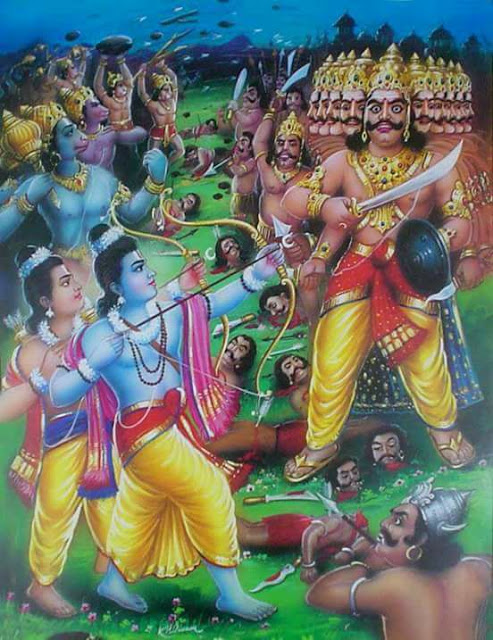
மஹாபல தேபாசுர அல்லது மஹிபால தேவாசுர, ராவணனின் இனிய நண்பன்.அவனுக்கு ராவணன் இறந்தது தெரியாது. ராரவணனைப் பார்க்க இலங்கைக்கு வந்தான். ராவணன் கருமாதி முடிந்து பத்து நாள் ஆகிவிட்டது. ‘ஆடி கழிஞ்ச அஞ்சாம் நாள் கோழி அடிச்சு கும்பிடவா வந்த?’ என்று மக்கள் வினவினர். என் நண்பன் ராவணனைக் கொன்று, விபீஷணன் இந்த நாட்டை ஆள்கிறானா? என் தாய் தடுத்தாலும் விடேன்- என்று சொல்லி லங்காபுரியை முற்றுகை இட்டான். முக்காலமும் உணர்ந்த இராமபிரானுக்கு இப்படியெல்லாம் எதிர்காலத்தில் ஆபத்து வரும் என்று அறிந்து வாரா வாரம் ஒரு ராம பாணத்தை (அம்பு) இலங்கைக்கு அனுப்பி வந்தான். இப்படிப்பட்ட ஒரு அம்பை விபீஷணன் எடுத்தான்- தொடுத்தான்— ஒரு அவசரக் கடிதத்தை!


தமிழ் இலக்கியத்திலும் உலகின் பிறநாட்டு இலக்கியங்களிலும் புறா விடு தூது, அன்னம் விடு தூது, செங்கால் நாரை விடும் தூது என்றெல்லாம் பாடல்கள் உண்டு. புற நானூறு, நளவெண்பா, தேவாரம், திவ்யப் பிரபந்தப் பாடல்களில் இவற்றை ரஸிக்கலாம். ஆனால் அம்பு மூலம் கடிதம்/ தூது அனுப்பியது விபீஷணனே. இது தாய்லாந்து ராமயணத்தின் விஷேசச் செய்தி.


ராமனிடம் அம்பு வந்தது; இது என்னடா? ‘அம்புத் (அன்புத்) தொல்லை’ என்று சொல்லி அவன் அனுமனை அழைத்து ‘’மகனே சென்று வா, வென்று வா, புகழ் மொண்டு வா’’ என்று அனுப்பினான்.


அனுமன் அப்போது பியாஜித் என்ற பெயரில் நபபுரியை (ப்ரிய ஜித்; நவ புரி) ஆண்டு வந்தான். அவன் ‘’வம்புச் சண்டைக்குப் போக மாட்டான்; வந்த சண்டையை விட மாட்டான்’’.


மஹீபாலனை எட்டி உதைத்தான்; கட்டிப் புரண்டான்; வெட்டி வீழ்த்தினான். ஆயினும் வெட்டிய உடல் இரண்டும் சேர்ந்து ஒட்டின. அனுமனுக்கு வியப்பு; உடல் எல்லாம் வியர்ப்பு; வழித்தான் வேர்வையை; சுழித்தான்  முகத்தினை. பழித்தான் மஹிபாலனை.


அப்போது விபீஷணன் செப்பினான்; முதலில் மஹீபாலனின் மார்பைப் பிள. அனுமனும் அப்படியே செய்ய, மஹிபாலன் கதை முடிந்தது.


இலங்கையில் பயங்கரக் கலகம்


ராவணன் இறந்து சில வாரங்கள் ஓடிப்போனது. விபிஷணனின் நல்லாட்சி நடந்து வந்தது. அப்போது மண்டோதரி கர்ப்பமாக இருந்தாள்; விபீஷணனின் மஹாரணிகளில் ஒருவள் ஆனாள். பிள்ளையும் பிறந்தது. அவன் பெயர் வரணிசூரன்.


அவன் ராவணன் பிள்ளை என்றும், விபீஷணன் எதிர்க் கட்சியில் சேர்ந்து அண்ணனைக் கொன்றான் என்றும் அவனுடைய நண்பன் சொல்லி வைத்தான். இதைக் கேட்டவுடன் வரணிசூரனுக்கு ரத்தம் கொதித்தது. இலங்கையில் போர்க்கொடி உயர்த்தி கலகம் செய்தான்; ஆட்சிக்கு எதிராகக் குரல் கொடுத்தான்; ராவணனின் நண்பனான சக்ரவர்த்தி என்ற மன்னனுடன் சேர்ந்து இலங்கை மீது படை எடுத்தான் .அவன் பைனிசூரிவாங்ஷ் என்ற பெயர் கொண்டு விபீஷணனைச் சிறைப் பிடித்தான்.


உடனே அனுமன் உதவியை நாடினான் விபீஷணன்.


அனுமன் நேரடியாக கிஷ்கிந்தைக்குச் சென்று சுக்ரீவன் படைகளை சேர்த்துக் கொண்டான்.அயோத்திக்குச் சென்று ராமன் படைகளைச் சேர்த்துக் கொண்டான். பின்னர் தனது மகன் அசுரபாத்துடன் கலகப் படையைத் தாக்கினான். அது தோற்று ஓடிப்போனது. பின்னர் விபீஷணனை  அனுமன் விடுதலை செய்தான்.

மைய்ராப் ( மயில் ராவணன் ) கதை


ராவணனின் ஆருயிர்த் தோழன் மைராப். அவன் பாதாள உலகத்துக்கு மன்னன். அவன் இராம பிரானை வெல்ல மைராப்பை அனுப்பினான். அவனும் ராமனிடம் சென்று தூக்க மாத்திரைப் பொடியை ராம லெட்சுமணர்கள் மீது தூவவே அவர்கள் மயங்கி விழுந்தனர். அவர்களை அலாக்காகத் தூக்கி வந்து கடலடி பாதாள உலகில் காவலில் வைத்தான் மைராப். உடனே சுக்ரீவன் இதைக் கண்டுபிடித்து அனுமனை மீட்புப்  பணியில் அமர்த்தினான். அவன் கடலடிக் குழந்தை மீனவனை (மச்சானு/ மத்ஸ்யனு) அனுப்பி பாதாள உலகில் இருந்து இராம இலக்குவர்களை மீட்டான்.


அனுமாருக்கு இரண்டு மனைவிகள்


விபீஷணன் மகள் பெஞ்சகாயுடன் (வஞ்சகி அல்லது வஞ்சி) அனுமாருக்கு பிறந்தது அசுரபாத் என்னும் மகவு.


விபீஷணன் மகள் என்று தெரிந்ததும் பெஞ்சகாய் அரக்கியை ராமன் கொல்லாமல் அனுமாரோடு  பாதுகாப்போடு அனுப்பியபோது காதல் மலர்ந்து பெற்ற பிள்ளை இது.

சுவர்ணமத்ஸ்யானு என்னும் கடல் அரக்கியுடன் அனுமார் பெற்று எடுத்த மகவின் பெயர் மத்ஸ்யானு (மீனன்). பாலம் கட்டும் பணியில் PLAN பிளான் போட்டுக்கொடுத்த நீலன் என்ற சிவில் எஞ்சினீயருக்கும் (CIVIL ENGINEER) அனுமாருக்கும் மோதல் ஏற்படவே ராமபிரான் நீலனை டிஸ்மிஸ் செய்து சுக்ரீவனிடம் சேவகம் செய்ய அனுப்பினான். அனுமனுக்குக் கடுங்காவல் தண்டனை கொடுத்தான் —அதாவது ஏழே நாளில் பாலம் கட்ட வேண்டும் என்று.


அனுமான் போட்ட கற்களை எல்லாம் கடலுக்கடியில் யாரோ களவாடிச் சென்றார்கள். அனுமன், கடலுக்கு அடியில் முங்கு நீச்சல் போட்டான். அங்கே சொர்ண மச்சா என்ற மீனழகி களவாணி வேலையில் ஈடுபட்டது தெரிந்தது. அவளை விரட்டி மிரட்டினான்; அவள் பணிந்தாள்; கனிந்தாள்; இருவருக்கும் காதல்; பிறந்த மகனின் பெயர் மச்சானு (மத்ஸ்ய= மீனவன்)


பிரம்மாவின் தீர்ப்பு

ராவணனின் தாத்தா மாலிவக்க பிரஹ்மா. ராமனின் அம்புகளால் அடுத்தடுத்து தோல்வி அடைந்த ராவணன் தாத்தாவை சமரசம் செய்ய அழைத்தான். ராமன் மீது சரமாரியாக புகார் கொடுத்தான். ராமனும் புகார்ப் பட்டியல் கொடுத்தான். தேவர்கள் அனைவரும் பிரம்மாவின் கோர்ட் வாசலில் தீர்ப்புக்குக் காத்து இருந்தனர்.சட்ட புத்தகங்களைக் கலந்தாலோசித்த பிரம்மா- ராவணனே குற்றவாளி என்று தீர்ப்பு எழுதினார். ராவணனின் சுப்ரீம் கோர்ட் வழக்கும் தோல்வி கண்டது.


இப்படிப் பல சுவையான சம்பவங்களைக் கொண்டது ராமகியன் எனப்படும் தாய் (THAI LANGUAGE) மொழி ராமாயணம்.

அடுத்ததாக லவன், குசன் பற்றிய விசித்திர விநோதக் கதைகளையும், சீதையின்  “ராவணக் காதல்” பற்றியும் காண்போம்

–தொடரும்

–சுபம்–