BLOOD CANNOT WASH BLOOD: MANU AND SHAKESPEARE! (Post N0.5225)

Written by London swaminathan


Date: 16 JULY 2018


Time uploaded in London – 17-39 (British Summer Time)


Post No. 5225


Pictures shown here are taken from various sources such as Facebook friends, Wikipedia, Books, Google and newspapers; thanks. Pictures may be subject to copyright laws.


MANU’S BEAUTIFUL SIMILES IN THIRD CHAPTER

SIGNIFICANT POINTS FROM THIRD CHAPTER CONTINUED……


WOMAN

Women also do the ceremony every day, but without Mantra! (see 121)

DON’T SHOW OFF

Maximum -five for the Amavasya ceremony; even if you are rich you should not invite a crowd (see 125 and 126)

ONE GOOD SOUL IS BETTER THAN ONE MILLION

One Vedic scholar is eating is better than one million ignorant (see 131)

xxxx


BEAUTIFUL SIMILES AND SAYINGS

Blood cannot wash blood (see 132)

It reminds me of Shakespeare in Macbeth

LADY MACBETH

Here’s the smell of the blood still. All the perfumes of Arabia will not sweeten this little hand. Oh, Oh, Oh! (act 5, Scene 1)—Shakespeare


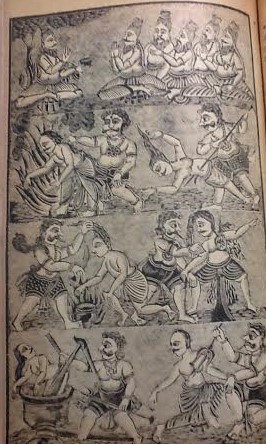
Dead spirit swallows white hot spikes, spears and iron balls (see 133).

Blind cow in a stable- see 141

sowing seeds in barren soil – see 142

Extinguished like grass fire- see 168

perish like vessel of unburnt clay in water – see 179


xxxx


FOUR TYPES OF BRAHMINS

SEE 134

xxxx


SEVEN GENERATIONS

SEE 146

It is a typical Hindu phrase- satisfying, benefitting Seven Generations.

Tamil Literature repeats it in several places. See Tamil Veda Tirukkural- 62, 126, 107 , 398, 538, 835

Raghuvamsam of Kalidasa 18-50

Bhagavad Gita 6-43

(Tamil poet Valluvar, Manu Lord Krishna in Bhagavad Gita and Kalidasa in Raghuvamsam speak about benefits in Seven Generations or next Births).


DON’T FEED FRIENDS FOR FAVOURS

See 138


xxxx
 

BANNED PEOPLE: ASTROLOGERS, DOCTORS!!


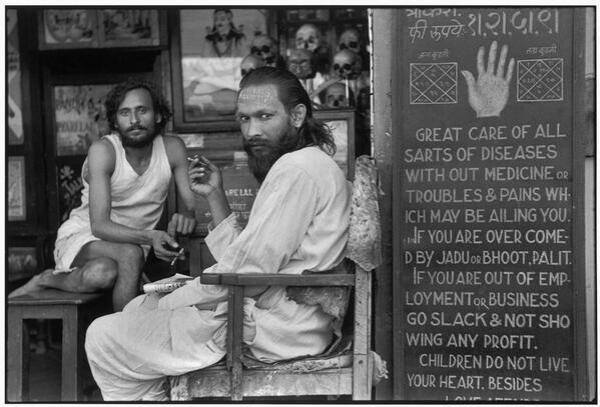
Manu gives a long list of people who should not be invited for Sraddha ceremony: It includes ascetics with matted hair, Temple Pujaris, astrologers, Physicians etc. See 150 to 168.

see also 180


This list shows that Brahmins and others were also fed in the Sraddha Ceremonies. Manu talks about Soma plant (also 180) seller in the prohibited list. That means in his days still Soma plants were available for sale.


The long list shows the condition of the society of his days. He even talks about trainers of sporting dogs (for dog fight?) falconers!


XXX

YOUNGER BROTHERS SHOULD NOT MARRY BEFORE THE ELDERS


See 171 to 174


xxx


TWO TYPES OF SONS OF BAD WOMAN

KUNDA AND GOLAKA – See 3-156


xxx


CONSEQUENCES OF SICK AND  PROHIBITED PEOPLE SEEING EATING

SEE 176 to 182


These should not be taken literally. The message is to avoid such people in Sraddha Ceremonies.


Here is the original Translation:–

  1. But the wife shall offer in the evening a portion of the dressed food as a Bali-oblation, without the recitation of sacred formulas; for that rite which is called the Vaisvadeva is prescribed both for the morning and the evening.
  2. After performing the Pitriyagna, a Brahmana who keeps a sacred fire shall offer, month by month, on the new-moon day, the funeral sacrifice (Sraddha, called) Pindanvaharyaka.
  3. The wise call the monthly funeral offering to the manes Anvaharya (to be offered after the cakes), and that must be carefully performed with the approved sorts of flesh mentioned below.
NUMBER OF BRAHMANAS TO BE FED

3-124. I will fully declare what and how many Brahmanas must be fed on that occasion, who must be avoided, and on what kinds of food they shall dine.

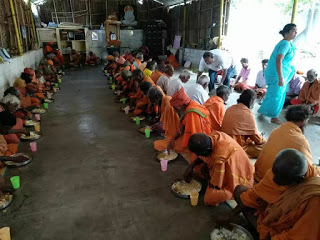
  1. One must feed two (Brahmanas) at the offering to the gods, and three at the offering to the manes, or one only on either occasion; even a very wealthy man shall not be anxious (to entertain) a large company.
  2. A large company destroys these five advantages the respectful treatment (of the invited, the propriety of) place and time, purity and the selection of virtuous Brahmana guests; he therefore shall not seek to entertain a large company.
  3. Famed is this rite for the dead, called (the sacrifice sacred to the manes and performed on the new-moon day; if a man is diligent in performing)that, the reward of the rite for the dead, which is performed according to Smarta rules, reaches him constantly.

3-128. Oblations to the gods and manes must be presented by the givers to a Srotriya alone; what is given to such a most worthy Brahmana yields great reward.

  1. Let him feed even one learned man at(the sacrifice to the gods, and one at the sacrifice to the manes; thus he will gain a rich reward, not if he entertains many who are unacquainted with the Veda.
  2. Let him make inquiries even regarding the remote ancestors of a Brahmana who has studied an entire recension of the Veda; if descended from a virtuous race such a man is a worthy recipient of gifts consisting of food offered to the gods or to the manes, he is declared to procure as great rewards as a guest atithi.
 

MILLION Vs ONE LEARNED

3-131. Though a million of men, unaquainted with the Riks, were to dine at a funeral sacrifice yet a single man, learned in the Veda, who is satisfied with his entertainment, is worth them all as far as the production of spiritual merit is concerned.

  1. Food sacred to the manes or to the gods must be given to a man distinguished by sacred knowledge; for hands, smeared with blood, cannot be cleansed with blood.
  2. As many mouthfuls as an ignorant man swallows at a sacrifice to the gods or to the manes, so many red-hot spikes, spears, and iron balls must (the giver of the repast) swallow after death.
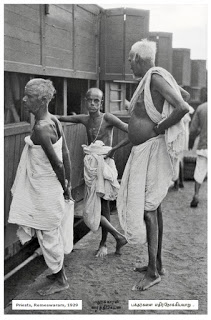
 

FOUR TYPES OF BRAHMINS

3-134. Some Brahmanas are devoted to the pursuit of knowledge, and others to the performance of austerities; some to austerities and to the recitation of the Veda, and others to the performance of sacred rites.

  1. Oblations to the manes ought to be carefully presented to those devoted to knowledge, but offerings to the gods, in accordance with the reason of the sacred law, to men of all the four above-mentioned classes.
  2. If there is a father ignorant of the sacred texts whose son has learned one whole recension of the Veda and the Angas, and a son ignorant of the sacred texts whose father knows an entire recension of the Veda and the Angas,
  3. Know that he whose father knows the Veda, is the more venerable one of the two; yet the other one is worthy of honour, because respect is due to the Veda which he has learned.


NOT FOR FRIENDS

3-138. Let him not entertain a personal friend at a funeral sacrifice; he may gain his affection by other valuable gifts; let him feed at a Sraddha a Brahmana whom he considers neither as a foe nor as a friend.

  1. He who performs funeral sacrifices and offerings to the gods chiefly for the sake of gaining friends, reaps after death no reward for Sraddhas and sacrifices.
  2. That meanest among twice-born men who in his folly contracts friendships through a funeral sacrifice, loses heaven, because he performed a Sraddha for the sake of friendship.

3-141. A gift of food by twice-born men, consumed with friends and relatives, is said to be offered to the Pisasas; it remains in this world alone like a blind cow in one stable.

3-142. As a husbandman reaps no harvest when he has sown the seed in barren soil, even so the giver of sacrificial food gains no reward if he presented it to a man unacquainted with the Rikas.

  1. But a present made in accordance with the rules to a learned man, makes the giver and the recipient partakers of rewards both in this life and after death.
  2. (If no learned Brahmana be at hand), he may rather honour a virtuous friend than an enemy, though the latter may be qualified by learning and so forth; for sacrificial food, eaten by a foe, bears no reward after death.
  3. Let him take pains to feed at a Sraddha an adherent of the Rig-veda who has studied one entire recension of that Veda, or a follower of the Yagur-veda who has finished one Sakha, or a singer of Samans who likewise has completed the study of an entire recension.

3-146. If one of these three dines, duly honoured, at a funeral sacrifice, the ancestors of him who gives the feast, as far as the seventh person, will be satisfied for a very long time.

  1. This is the chief rule to be followed in offering sacrifices to the gods and manes; know that the virtuous always observe the following subsidiary rule.

ALSO RELATIVES

3-148. One may also entertain on such occasions one’s maternal grandfather, a maternal uncle, a sister’s son, a father-in-law, one’s teacher, a daughter’s son, a daughter’s husband, a cognate kinsman, one’s own officiating priest or a man for whom one offers sacrifices.

  1. For a rite sacred to the gods, he who knows the law will not make too close inquiries regarding an invited Brahmana; but when one performs a ceremony in honour of the manes, one must carefully examine the qualities and parentage of the guest.

 

PROHIBITED- ACTORS AND DOCTORS

3-150. Manu has declared that those Brahmanas who are thieves, outcasts, eunuchs, or atheists are unworthy (to partake) of oblations to the gods and manes.

  1. Let him not entertain at a Sraddha one who wears his hair in braids (a student), one who has not studied the Veda, one afflicted with a skin-disease, a gambler, nor those who sacrifice for a multitude of sacrificers.
  2. Physicians, temple-priests, sellers of meat, and those who subsist by shop-keeping must be avoided at sacrifices offered to the gods and to the manes.
  3. A paid servant of a village or of a king, man with deformed nails or black teeth, one who opposes his teacher, one who has forsaken the sacred fire, and a usurer;
  4. One suffering from consumption, one who subsists by tending cattle, a younger brother who marries or kindles the sacred fire before the elder, one who neglects the five great sacrifices, an enemy of the Brahmana race, an elder brother who marries or kindles the sacred fire after the younger, and one who belongs to a company or corporation,
  5. An actor or singer, one who has broken the vow of studentship, one whose only or first wife is a Sudra female, the son of a remarried woman, a one-eyed man, and he in whose house a paramour of his wife resides;
  6. He who teaches for a stipulated fee and he who is taught on that condition, he who instructs Sudra pupils and he whose teacher is a Sudra, he who speaks rudely, the son of an adulteress, and the son of a widow,
  7. He who forsakes his mother, his father, or a teacher without a (sufficient) reason, he who has contracted an alliance with outcasts either through the Veda or through a marriage,
  8. An incendiary, a prisoner, he who eats the food given by the son of an adulteress, a seller of Soma, he who undertakes voyages by sea, a bard, an oil-man, a suborned to perjury,
  9. He who wrangles or goes to law with his father, the keeper of a gambling-house, a drunkard, he who is afflicted with a disease in punishment of former crimes, he who is accused of a mortal sin, a hypocrite, a seller of substances used for flavouring food,
  10. A maker of bows and of arrows, he who lasciviously dallies with a brother’s widow, the betrayer of a friend, one who subsists by gambling, he who learns (the Veda) from his son,
  11. An epileptic man, who suffers from scrofulous swellings of the glands, one afflicted with white leprosy, an informer, a madman, a blind man, and he who cavils at the Veda must (all) be avoided.
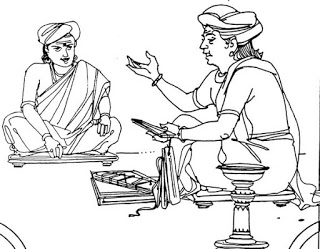
 

ASTROLOGERS BANNED

3-162. A trainer of elephants, oxen, horses, or camels, he who subsists by astrology, a bird-fancier, and he who teaches the use of arms,

  1. He who diverts water-courses, and he who delights in obstructing them, an architect, a messenger, and he who plants trees (for money),
  2. A breeder of sporting-dogs, a falconer, one who defiles maidens, he who delights in injuring living creatures, he who gains his subsistence from Sudras, and he who offers sacrifices to the Ganas,
  3. He who does not follow the rule of conduct, a (man destitute of energy like a) eunuch, one who constantly asks (for favours), he who lives by agriculture, a club-footed man, and he who is censured by virtuous men,
  4. A shepherd, a keeper of buffaloes, the husband of a remarried woman, and a carrier of dead bodies, all these must be carefully avoided.
  5. A Brahmana who knows the sacred law should shun at sacrifices both (to the gods and to the manes) these lowest of twice-born men, whose conduct is reprehensible, and who are unworthy to sit in the company at a repast.

3-168. As a fire of dry grass is unable to consume the offerings and is quickly extinguished, even so is it with an unlearned Brahmana; sacrificial food must not be given to him, since it would be offered in ashes.
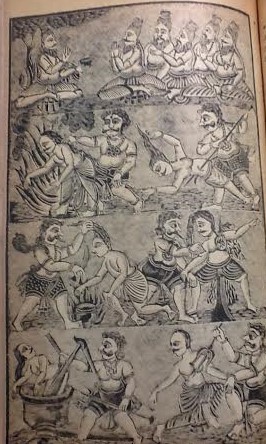
EVIL CONSEQUENCES

3-169. I will fully declare what result the giver obtains after death, if he gives food, destined for the gods or manes, to a man who is unworthy to sit in the company.

  1. The Rakshasas, indeed, consume the food eaten by Brahmanas who have not fulfilled the vow of studentship, by a Parivettri and so forth, and by other men not admissible into the company.
  2. He must be considered as a Parivettri who marries or begins the performance of the Agnihotra before his elder brother, but the latter as a Parivitti.
  3. The elder brother who marries after the younger, the younger brother who marries before the elder, the female with whom such a marriage is contracted, he who gives her away, and the sacrificing priest, as the fifth, all fall into hell.
  4. He who lasciviously dallies with the widow of a deceased brother, though she be appointed to bear a child by him in accordance with the sacred law, must be known to be a Didhishupati.


KUNDA SON AND GOLAKA SON

3-174. Two kinds of sons, a Kunda and a Golaka, are born by wives of other men; he who is born while the husband lives, will be a Kunda, and (he who is begotten) after the husband’s death, a Golaka.

  1. But those two creatures, who are born of wives of other men, cause to the giver the loss of the rewards, both in this life and after death, for the food sacred to gods or manes which has been given to them.
  2. The foolish giver of a funeral repast does not reap the reward for as many worthy guests as a man, inadmissible into company, can look on while they are feeding.

BLIND, ONE EYED, LEPER

3-177. A blind man by his presence causes to the giver of the feast the loss of the reward for ninety guests, a one-eyed man for sixty, one who suffers from white leprosy for a hundred, and one punished by a terrible disease for a thousand.

  1. The giver of a Sraddha loses the reward, due for such a non-sacrificial gift, for as many Brahmanas as a guest who sacrifices for Sudras may touch during the meal with his limbs.

3-179. And if a Brahmana, though learned in the Veda, accepts through covetousness a gift from such a man, he will quickly perish, like a vessel of unburnt clay in water.

  1. Food given to a seller of Soma becomes ordure, that given to a physician pus and blood, but that presented to a temple-priest is lost, and that given to a usurer finds no place in the world of the gods.
  2. What has been given to a Brahmana who lives by trade that is not useful in this world and the next, and a present to a Brahmana born of a remarried woman resembles an oblation thrown into ashes.
  3. But the wise declare that the food which is offered to other unholy, inadmissible men, enumerated above, is turned into adipose secretions, blood, flesh, marrow, and bone.


to be continued……………….

–SUBHAM–

அயோக்கியன் யார்? (Post No.5204)

Written by London swaminathan


Date: 16 JULY 2018


Time uploaded in London – 8-41 am  (British Summer Time)


Post No. 5224


Pictures shown here are taken from various sources such as Facebook friends, Wikipedia, Books, Google and newspapers; thanks. Pictures may be subject to copyright laws.


அமெரிக்காவில் இரண்டு செனட்டர்களுக்கு (SENATE MEMBERS) இடையே கடும் விரோதம்; ஒருவர் பெயர் ஹென்றி க்ளே; மற்றொருவர் பெயர் ஜான் ராண்டால்ப் (HENRY CLAY AND JOHN RANDOLPH).


இருவரும் எலியும் பூனையும் போல; கீரியும் பாம்பும் போல! ஒருவரை ஒருவர் குதறி, கடித்துத் தின்ன தயாராக இருப்பர்; எங்கு சந்தித்தாலும் பேசுவதில்லை; முகத்தைத் திருப்பிக்கொள்வர்.

ஒரு நாள் ஓரிடத்தில் சாலைகளைச் செப்பனிடும் பணிகள் நடந்தன. ஒத்தையடிப் பாதை. ஒருவர்தான் சகதி படாமல் நடக்க முடியும்.


கடவுளின் சித்தம்; அன்று இருவரும் எதிர் எதிர் திசையில் வர நேரிட்டது. ராண்டால்ப் நினைத்தார்–அருமையான வாய்ப்பு, நழுவவிடக்கூடாது என்று கொக்கரித்தார்.

“நான் அயோக்கியர்களுக்கு வழிவிடுவத்தில்லை!” என்றார்


க்ளே மஹா புத்திசாலி! அப்படியா!

“நான் (அயோக்கியர்களுக்கு) வழி விடுவதுண்டு” என்று சொல்லி சகதியில் இறங்கி நின்றார்.


ராண்டால்ப் பேசவா முடியும்? திருடனுக்குத் தேள் கொட்டிய கதைதான்!

XXXX


இசை ஞானி ப்ராஹ்ம்ஸ் செய்த குசும்பு!


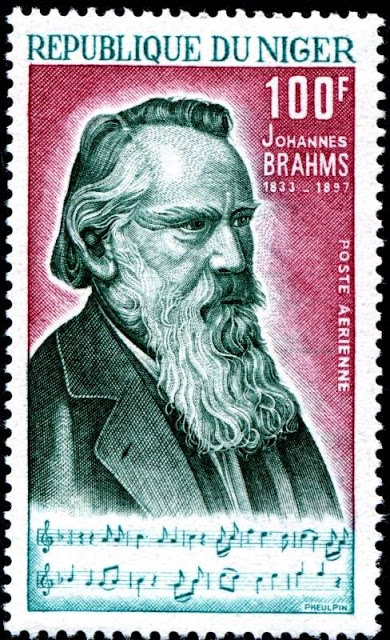
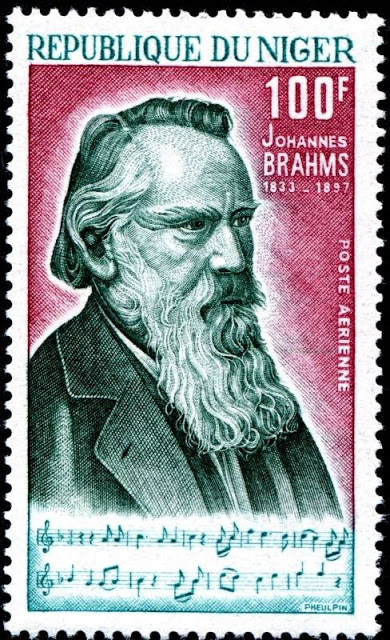
ஜெர்மனியின் மாபெரும் இசை மேதைகளில் ஒருவர் ஜொஹன்னஸ் பிராம்ஸ் (1833-1897). இவரையும் பாக் (JOHAN BACH) என்பவரையும் பீதோவனையும் (BEETHOVEN) சேர்த்து மும்மூர்த்திகள் என்று அழைப்பர்; மூன்று பெயர்களிலும் முதல் ஆங்கில எழுத்து பி B என்பதால் மூன்று பெரிய பி (THREE BIG ‘B’s ) என்று சங்கீத உலகில் பிரஸித்தமானவர்கள்.


ஒரு நாள் ப்ராஹ்ம்ஸ் குசும்பு எல்லை மீறிப்போனது; அவர், பீதோவன் விஷயத்தில் மிகப்பெரிய அறிஞரான குஸ்டாவ் நாட்டிபாமுடன் (GUSTAV NOTTEBHOM) நடந்து சென்றார்; குஸ்டாவோ மஹா ஏழை; ரோட்டில் வண்டி தள்ளூவோனிடம் தள்ளிப்போன, ஆறிப்போன ரொட்டித் துண்டுகளை சீஸ் CHEESE SANDWICH உடன் வாங்கிச் சாப்பிடுவார்.


ஒரு நாள் வண்டிக்காரனை ப்ராஹ்ம்ஸ் அணுகி ‘இந்தா, நான் கொடுக்கும் பேப்பரில் இந்த ரொட்டித் துண்டைப் பொட்டலம் கட்டி அந்த குஸ்டாவிடம் விற்க வேண்டும்’ என்றார். பாவம் குஸ்டாவ்; வழக்கம்போல ரொட்டித் துண்டை வாங்கிப் பிரித்தார்: ஒரே வியப்பு; முகம் எல்லாம் சஹஸ்ர கோடி சூர்யப் பிரகாசம்! ஏனெனில் அது பீதோவனின் பாடல்; அவர் கையெழுத்தில்! யாருக்கும் தெரியாமல் ரொட்டித் துண்டை பெரும் பசியுள்ளவன் போல அவசரம் அவரசமாகக் கடித்து குதறிவிட்டு பிரம்மானந்தத்தில் திளைத்தார்.

பெரிய புதையலைக் கண்டுபிடித்தவன் சும்மா இருக்க முடியுமா? மெதுவாக ஸப்ஜெக்டுக்கு வந்தார்; ‘எனக்கு ஒரு அரிய பொக்கிஷம் கிடைத்து இருக்கிறது’. பீதோவன் எழுதிய பாடல் கிடைத்து இருக்கிறது! என்று சொல்லி சட்டைப் பைக்குள் இருந்த சீஸ் CHEESE கறை படிந்த காகிதத்தைப் பிரித்தார். அது ப்ராஹ்ம்ஸ், பீதோவன் போல எழுதிய பாடல்! அவர் பலர் முன்னிலையில் குட்டைப் போட்டு உடைத்தார். பாவம் குஸ்டாவ்!


பெரியவர்களுக்கும் குசும்பு உண்டு! நெருங்கிய நண்பன் இளிச்சவாயனாக இருந்தால் எருதும் மச்சான் முறை கொண்டாடும்!


பழமொழி- இளிச்சவாயனைக் கண்டால் எருதும் மச்சான் முறை கொண்டாடும்.


XXX-சுபம்-XXXX

ஒரே பாட்டில் 22+5 தமிழ் இசைக் கருவிகள்: கம்பன் திறமை! (Post No.5223)

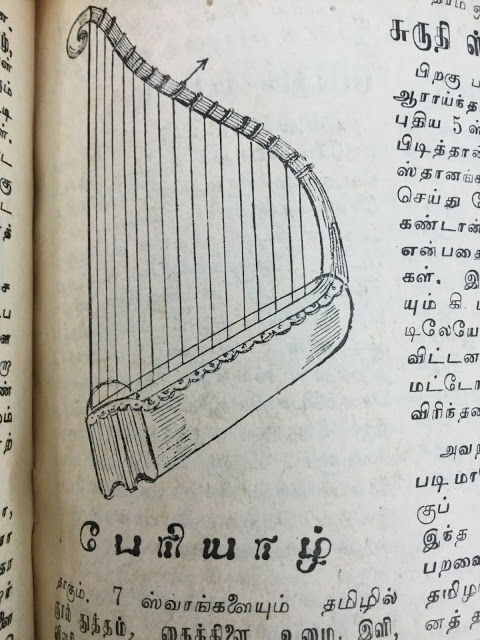
Very Rare Picture of Tamil Yaz- Musical Instrument

Written by London swaminathan


Date: 16 JULY 2018


Time uploaded in London – 8-06 am  (British Summer Time)


Post No. 5223


Pictures shown here are taken from various sources such as Facebook friends, Wikipedia, Books, Google and newspapers; thanks. Pictures may be subject to copyright laws.


கம்பன் பாட வந்தது இந்திரஜித்- இலக்குமணன் யுத்தம்; பாடல் வருவதோ யுத்த காண்டம், பிரம்மாஸ்திரப் படலம்! அங்கும் கம்பன் தன் தமிழ் கலைக் களஞ்சியத்தைக் காட்டத் தவறவில்லை. சான்ஸ் chance கிடைத்த போதெல்லாம் தமிழர்களின் கலாச்சாரத்தைக் காட்டுகிறான். ஒரே பாடலில் 22 இசைக் கருவிகளை அடுக்குகிறான்.

காரைக்கால் அம்மையார், பெருங்குன்றூர் பெருங்கௌசிகனார் (மலைபடுகடாம் ஆசிரியர்) ஆகியோரை விஞ்சும் பட்டியலைக் கம்பன் தருகிறான்!

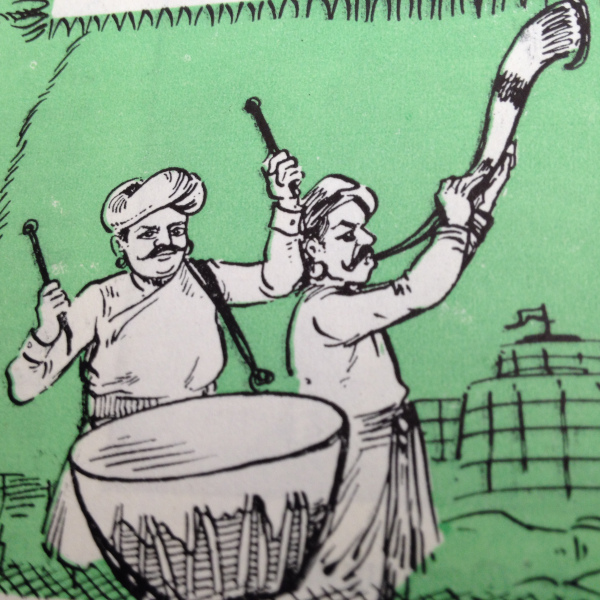
கும்பிகை திமிலை செண்டை குறடு மாப்பேரி கொட்டி

பம்பை தார் முரசம் சங்கம் பாண்டில் போர்ப் பணவம் தூரி

கம்பலி உறுமை தக்கை கரடிகை துடிவேய் கண்டை

அம்பலி கணுவை ஊமை சகடையோடு ஆர்த்த அன்றே


பொருள்:-


கும்பிகை, திமிலை, செண்டை, குறடு, பெரிய பேரிகை, முழக்கும் பம்பை, மாலை அணிந்த முரசு,  சங்கு, பாண்டில், போருக்குரிய பணவம், தூரியம், கம்பலி, உறுமை, தக்கை, கரடிகை, உடுக்கை, புல்லாங்குழல், கணுவை, அம்பலி, கண்டை, ஊமை, சகடை என்னும் இசைக்கருவிகள் முழங்கின.


இந்தப் பாட்டில் 22 கருவிகளை அடுக்கி விட்டு, அடுத்த இரண்டு பாடல்களில் யானையின் மீதான பறை கீழே தொங்கவிடப்பட்ட மணி, ஊது கொம்பு, ஆகுளிப் பறை, பீலி என்னும் துளைக் கருவி, இவ்வாறு மொத்தம் 27 கருவிகளின் பெயர்களைச் சொல்லுகிறான்.

கம்பன் ராமாயணக் கதை மட்டும் சொல்லவில்லை. தமிழர் நாகரீகத்தையும் பாடல்களில் பாடிவிட்டான்.

From my old Aticles:-


தமிழ் இசைக் கருவிகள்

1.காரைக்கால் அம்மையார் ஏழு பண்களையும் 11 இசைக் கருவிகளையும் கம்பனுக்கு சுமார் 500 ஆண்டுகளுக்கு முன்னர் பட்டியலிட்டார்

துத்தம் கைக் கிள்ளை விளரி தாரம்

உழை இளி ஓசை பண்  கெழும பாடிச்

சச்சரி கொக்கரை தக்கையோடு

தகுணிதம் துந்துபி தாளம் வீணை

மத்தளம் கரடிகை வன் கை மென் தோல்

தமருகம் குடமுழா மொந்தை வாசித்(து)

அத்தனை விரவினோடாடும் எங்கள்

அப்பன் இடம் திருவாலங்காடே


இதில் குரல், துத்தம், கைக்கிளை உழை இளி விளரி தாரம் என்பன ஏழு ஸ்வரங்களாகும்.

சச்சரி,கொக்கரை, தக்கை, தகுணிதம் கரடிகை, வங்கை, மெந்தோல் ,டமருகம், குடமுழா என்பன தோல் கருவிகள். அல்லது தாளம் எழுப்பும் கருவிகள். துந்துபி ஊதும் கருவி.


காரைக்கால் அம்மையாருக்கு 500 ஆண்டுகளுக்கு முன்னர் மலைபடுகடாமில் ஒரு பட்டியலைப் பார்க்கிறோம்


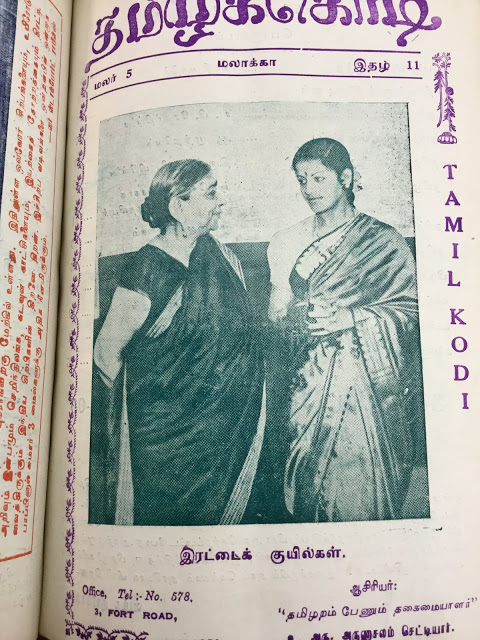
M S WITH SAROJINI DEVI

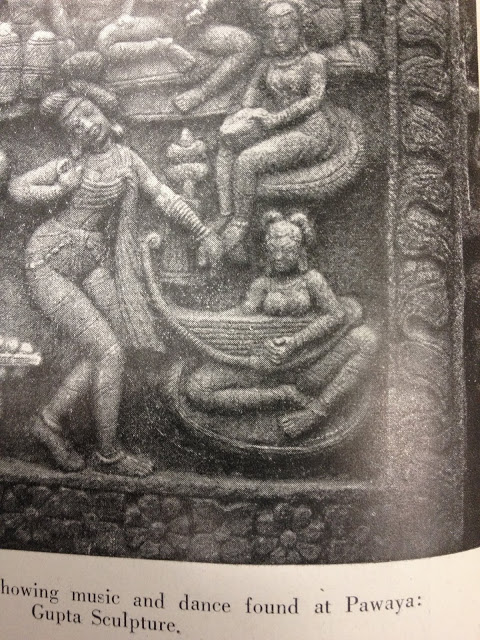
2).பத்துப் பாட்டில் ஒன்றான மலைபடு கடாம் என்ற நூலில் கூத்தர் கொண்டு சென்ற வாத்தியங்களின் பட்டியல் வருகிறது:

“ திண்வார்விசித்த முழவோடு ஆகுளி

நுண்ணுருக் குற்ற விளங்கடர்ப் பாண்டில்

மின்னிரும் பீலி அணிதழைக் கோட்டொடு

கண்ணிடை வகுத்த களிற்றுயிர்த் தூம்பின்

இளிப்பயிர் இமிரும் குறும்பரத் தூம்பொடு

விளிப்பது கவரும் தீங்குழல் துதைஇ

நடுவுநின் றிசைக்கும் அரிக்குரல் தட்டை

கடிகவர்பு ஒலிக்கும் வல்வாய் எல்லரி

நொடிதரு பாணிய பதலையும் பிறவும்

கார்க்கோட் பலவின் காய்த்துணர் கடுப்ப

நேர்சீர் சுருக்கிய காய கலப்பையீர் ( மலைபடு. 1-14)


இவ்வரிகளில் முழவு, ஆகுளி, பாண்டில்,  கோடு, தூம்பு, குழல்,  தட்டை, எல்லரி, பதலை முதலிய கருவிகளைக் காண்கிறோம்.

இசைக் கருவிகளை தமிழர்கள்  தோல் கருவி, துளைக் கருவி, நரம்புக் கருவி ,கஞ்சக் கருவி என்று பகுத்து வைத்தனர். குழலும் கோடும் தூம்பும் துளைக் கருவிகள் முழவு, முரசு, பறை, பதலை, துடி போன்றன தோல் கருவிகள். யாழ் என்பது நரம்புக் கருவி. பாண்டில் என்பது கஞ்சக் கருவி. (ஜால்ரா போன்றது).

வாழ்க தமிழ்! வளர்க தமிழ் இசை!!

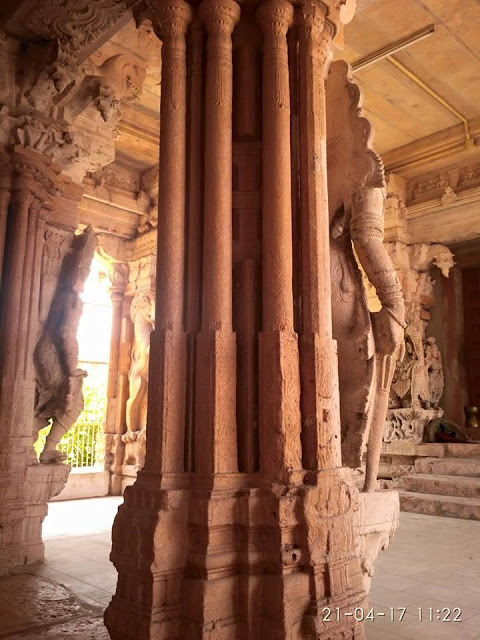
Music from Temple Pillars- Indian Wonder

–சுபம்–

அபூர்வ வைஷ்ணவ ஆசார்யர் ரொனால்ட் நிக்ஸன் (Post No.5222)

Written by S NAGARAJAN


Date: 16 JULY 2018


Time uploaded in London –   7-14 AM (British Summer Time)


Post No. 5222


Pictures shown here are taken from various sources such as Facebook friends, Wikipedia, Books, Google and newspapers; thanks. Pictures may be subject to copyright laws.


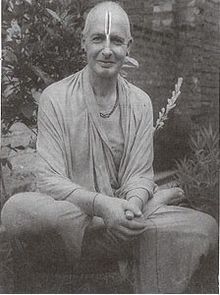
அபூர்வ வைஷ்ணவ ஆசார்யர் ரொனால்ட் நிக்ஸன் என்னும் கிருஷ்ண ப்ரேம்!


ச.நாகராஜன்


பிறப்பால் மேலை நாட்டில் பிறந்தாலும் சிலர் ஹிந்து மதத்தின் பால் ஈர்க்கப்பட்டு ஹிந்து மத ஆசார்யர்களாகவும் வழிகாட்டிகளாகவும் ஆகி மதித்துப் போற்றப்படுகின்றனர். அப்படிப்பட்டவர்களுள் ஒருவர் வைஷ்ணவ ஆசார்யர் ரொனால்ட் நிக்ஸன் என்னும் கிருஷ்ண ப்ரேம்!


ரொனால்ட் ஹென்றி நிக்ஸன் இங்கிலாந்தில் செல்டன்ஹாம் என்ற இடத்தில் பிறந்தார். (தோற்றம் 10-5-1898 மறைவு 14-11-1965).

18ஆம் வயதில் முதல் மகா யுத்தத்தில் அவர் பிரிட்டிஷ் ஃபைட்டர் பைலட்டாக பணியாற்றினார். மரணத்தின் விளிம்பிலிருந்து ஏதோ ஒரு அற்புத சக்தியால் தப்பினார். போர் முடிந்த பிறகு கேம்பிரிட்ஜில் கிங்ஸ் கல்லூரியில் ஆங்கில இலக்கியம் பயின்றார். அத்துடன் பல்வேறு மதங்கள் பற்றியும் அறிந்து கொண்டார். பாலி,சம்ஸ்கிருதம் உள்ளிட்ட பல பாஷைகளில் வல்லுநர் ஆனார். 1921இல் இந்தியா வந்த நிக்ஸன் லக்னௌ பல்கலைக் கழகத்தில் ஆசிரியர் பணியை மேற்கொண்டார்.


பல்கலைக்கழகத்தின் துணைவேந்தர் ஞானேந்திர சக்ரவர்த்தி ஒரு ஆன்மீகவாதி. அவரது மனைவி மோனிகா தேவி உலக வாழ்வைத் துறந்து வைஷ்ணவத்தில் பற்று கொண்டு அதைப் பின்பற்றலானார். அவரது பெயர் யசோதா மாயி ஆயிற்று. அவரைக் குருவாக ஏற்றார் நிக்ஸன்.


நாளடைவில் அவரும் உலக வாழ்வைத் துறந்தார்; கிருஷ்ண ப்ரேம் என்ற பெயருடன் புகழ் பெற்றார். 1930இல் அல்மோரா அருகில் மிர்டோலா என்ற இடத்தில் யசோதா மாயியும் சிஷ்யர் கிருஷ்ண ப்ரேமும் ஒரு ஆசிரமத்தைத் துவங்கினர். ஏராளமான சிஷ்யர்கள் அவர்களைப் பின்பற்றலாயினர்.


தனது ஆசிரமத்திலேயே பெரும்பாலும் கிருஷ்ண ப்ரேம் தங்கினாலும் ஒரு முறை அவர் தென்னிந்தியப் பயணம் மேற்கொண்டார்.


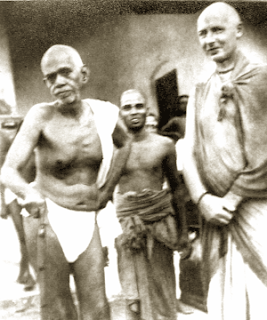
ரமண மஹரிஷியைத் திருவண்ணாமலையில் தரிசித்தார். அவரைப் பற்றி ரமணர்,”கிருஷ்ணப்ரேம் ஞானியும் பக்தனும் இணைந்து சேர்ந்த ஒரு அபூர்வமானவர்” என்று கூறினார்.

ரமணர் ஹாலில் தனது இருக்கையில் அமர்ந்திருக்க உள்ளே நுழைந்த  கிருஷ்ணப்ரேம் மௌனமாக அமர்ந்தார். நீ யார் என்ற கேள்வி அவரைக் குடைய ஆரம்பித்தது. எல்லோரிடமும் உறைந்திருக்கும் கிருஷ்ணரின் பணியாளன் என்று மனதிற்குள் சொன்னார். ஆனால் அந்தக் கேள்வி அவரைத் தொடர்ந்து கொண்டே இருக்க ஹாலை விட்டு வெளியேறினார்.

மறு நாள் காலை மௌனமாக உள்ளே வந்து அமர்ந்த அவர் ரமணரைப் பார்த்து மனதிற்குள்ளாகவே, “ நீங்கள் யார் என்று நான் கேட்கலாமா?” என்றார். அடுத்த கணம் கண்ணைத் திறந்து அவர் பார்த்த போது ரமணரின் இருக்கை காலியாக இருந்தது. காற்றில் கலந்தது போல அவரைக் காணோம். அடுத்த கணம் அவர் மீண்டும் இருக்கையைப் பார்த்த போது அவர் இருக்கையில் இருந்தார். அவரின் உதட்டோரத்தில் ஒரு சிரிப்பு தவழ்ந்தது. அவர் உண்மையின் சொரூபம், பாடலுக்கு அப்பாற்பட்ட மோனம் என்பதை கிருஷ்ண ப்ரேம் உணர்ந்தார்.


பாண்டிச்சேரி சென்ற கிருஷ்ண ப்ரேம் மஹரிஷி அரவிந்தரையும் அன்னையையும் தரிசித்தார்.


மஹரிஷி அரவிந்தர் கிருஷ்ணப்ரேமைப் பற்றிக் கூறும் போது “அவரிடம் ‘seening intellect’ இருப்பதாகத் தெரிவித்தார்.

அரவிந்தர் திலிப்குமார் ராய்க்கு எழுதிய கடிதத்தில் கிருஷ்ண ப்ரேமின் கடிதங்களில் உண்மையின் ஆதாரம் தெரிவதாக எழுதினார்.


(“It is a great refreshment to read the letters of Krishna Prem; one feels here a stream from the direct sources of Truth that one does not meet so often as one could desire. Here is a mind that cannot only think, but see—and not merely see the surface of things with which most intellectual thought goes on wrestling, without end or definite issue, and as if there were nothing else.” –Sri Aurobindo)


இந்தியாவைப் பற்றி கிருஷ்ண ப்ரேம் கூறுகையில், “Often while  meditating  I catch myself praying to Krishna that He may never let India’s immemorial soul be swamped by the rational robustious, scientific agnosticism of the blatant West, blurring over a thousand loud speakers : ‘Religion is the opium of the mind’. May He always shower  His blessing on India, whose very dust heaves with latent godliness in whose tiniest crannies mystic faith flowers like green grass-blades through chinks in rocks – India, whose people have only to anoint wayside stones with vermillion to endow them with sanctity. May these remain custodians of the precious heritage of faith in Jagat-pranam as the Bhagavat puts it.”

(Dilip kumar Roy’s quote in his book ‘Yogi Krishnaprem – page 80)


1965 நவம்பர் 14ஆம் தேதி காலையில் கிருஷ்ண ப்ரேம் தன் உடலை உகுத்தார். தண்டேஷ்வர் என்னுமிடத்தில் இருக்கும் ஒரு சிறு  கோவிலின் அருகில் உள்ள நீரோடை அருகே  அவரது குருவின் உடல் தகனம் செய்யப்பட்ட அதே இடத்தில் அவரது உடலும் தகனம் செய்யப்பட்டது. கிராமவாசிகள் நூற்றுக்கும் மேற்பட்டோர் அவருக்கு அஞ்சலி செலுத்தினர்.

கிருஷ்ண ப்ரேம் பல அரிய நூல்களை எழுதியவர் என்பது குறிப்பிடத்தகுந்தது. அவரது வாழ்க்கை வரலாற்றை திலிப் குமார் ராய் எழுதியுள்ளார்.


கௌடிய சம்பிரதாய வைஷ்ணவராக வாழ்ந்த கிருஷ்ணப்ரேம் இறுதியாக கூறிய வார்த்தைகள், “My Ship is sailing”.

***

40,000 LINES IN THE RIG VEDA! (Post No.5221)

Written by London swaminathan


Date: 15 JULY 2018


Time uploaded in London – 20-46  (British Summer Time)


Post No. 5221


Pictures shown here are taken from various sources such as Facebook friends, Wikipedia, Books, Google and newspapers; thanks. Pictures may be subject to copyright laws.


Some Interesting facts about the Oldest Book in the world


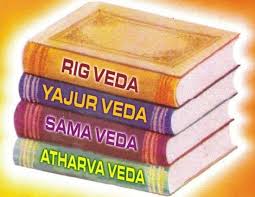
Rig Veda is the oldest of the four Hindu Vedas.

This is the oldest book; oldest anthology

It has 40, 000 lines

It is divided into TEN mandalas (books/divisions)

Another division is Eight Chapters

It has 1028 Hymns (suktas)

In those 1028 hymns we have 10,600 verses (mantras)

Significance of 432,000

The number of syllables in the Rig Veda is 432,000.

This number has a great significance in Hinduism

The total number of years in Kali Yuga is 432,000 years. Other Yugas have the multiple of this number.

Katyayana’s count of Verses in the RV is 10,662 (minus the appendix- 10,402)

The words in the RV – 1,53,826

xxx

Age of the Vedas

It is believed that they were composed around 6000 BCE or 4000 BCE. There are internal astronomical references to justify this date.

Others date it around 1800 BCE on the basis of external evidence of River Sarasvati’s disappearance and carbon dating of underground water.


The very fact no two scholars could agree on the date of the Vedas, the very fact that there is difference of opinion about the oldest part of the Veda show that it is very difficult to confirm the date of the Vedas.


Hindus believe that they are not compositions but that which is heard from the heaven. They consider them eternal. Like scientific laws, they are there whether you discover it or not.

xxx

Repetitions

Like any old literature it has repetitions; following are some facts about repetitions:

In the ancient world poets composed and spread their poems orally. Nothing much was written. Because of the rhythm and tune it was easy to remember and it was passed from one generation to another easily. Repeating lines or phrases or word blocks is an Important feature of oral poetry. We see such repetitions in the oldest book Rig Veda, Homers works Illiad and Odyssey and later Tamil Sangam literature.

Rig Vedic repetitions and Homeric repetitions have been studied for long With more modern tools deeper studies are done and new facts are revealed.
The Rig Veda claims accurate oral transmission of almost 40,000 lines in all.

Rig Vedic repetitions have been studied by Maurice Bloomfield, Prof. J Gonda, T G Mainkar and NilanJana Sikdar Datta.
They say
The Rig Veda itself asks the poets to compose long verses orally like the rain god pouring his showers; sing praises in the Gayatri metre( R V 1-38-14)

Tamil Tolkappiam and Sanskrit rhetorics condemn repetitions as a fault punaruktavadaabhasa ; in Tamil kuuriyathu kuural Kutram.

But in old oral literature it is common.


A line or word block or phrase becomes a part of tradition. A new poet picks it up and uses it in his composition, sometimes changing it slightly to suit his own needs.

In the Rig Veda ,we find a good deal of repetition, about 8000 paadas in about 40,100 paadas. Gonda regards it as natural to magic, for it is supposed to give power . Others considered repetition primitive. They are wrong. It is part of oral tradition. We see it in the Rig Veda and Sangam Tamil literature. There is a time gap of at least 2000 years between the two. Even in modern film songs the words and tunes are repeated.

A thorough analysis of Rig Vedic repetitions offers a glimpse into the mental makeup, the psychological disposition of the society of that period- the collective beliefs , assumptions, aims and objectives as also a record of their spiritual experiences.

When we compare Vedic repetitions with other repetitions in Homer or Sangam Tamil literature we must remember the time gap between those compositions and the fact that Vedas are religious and others are secular.


xxx

Animals in the Vedas
In the Rig Vedic repetitions, man’s nearest neighbours, the animals, both wild and tame figure prominently.
Quite a large number of repetitions are drawn from the relation between the cow and its calf.
“come to us as cows come to their stable 5-33-10

“Indra is involved to come to the sacrifice as a cow with her calf 1-32-9

“Indra drinks Soma as a bull 5-36-1

A common and frequent image is
O god come to partake of the sacrificial feed as cattle come to their fodder”

Indra is invoked to come and drink like a thirsty deer 1-8-8
Or as thirsty doves 1-30-4.
The Maruts are like fast running horses 7-56-16
Asvins are compared with a pair of deer, cows, or two birds or two swans 5-78-12, 8-35 , 7-9
Indra and Brhaspati are compared with two chariot horses 2-24-12

These show Vedic Hindus loved nature and lived one with nature. We see such imageries of nature throughout Sangam Tamil literature which came at least 2000 years after the Vedas

Scholars who did not study Tamil literature bluffed a lot about Aryan Dravidian differences. But the repetitions and natural imagery in both, though divided by a period of 2000 years, show they belonged to the same tradition.

Source book for Repetitions:– The RGVEDA AS ORAL LITERATURE by Nilanjana Sikdar Datta, Harman Publishing House, New Delhi, 1999.

–subham–

WHO IS A SCOUNDREL?(Post 5230)

Compiled by London swaminathan


Date: 15 JULY 2018


Time uploaded in London – 9-33 am  (British Summer Time)


Post No. 5230


Pictures shown here are taken from various sources such as Facebook friends, Wikipedia, Books, Google and newspapers; thanks. Pictures may be subject to copyright laws.


Politeness, Stupidity and Practical Joking Anecdotes!

Henry Clay and John Randolph had had a violent quarrel in the Senate. For a long time they did not speak when they encountered one another outside.

It chanced one day that they found themselves confronted with one another at a narrow point created by repairs underway on the sidewalk. They stood silently for a moment, faced by the question of which was to step aside and let the other pass.
At last Randolph said haughtily,
“I never turn out for scoundrels”
“I always do”, said Clay, stepping politely out into the mud, giving Randolph the right of way.
Xxxx

Practical Joking: Lady’s Ignorance!


Turner, the famous British painter, was much irritated by the fashionable ladies who talked pretentiously about the masters. One day when such a woman was gushing ignorantly about Cimabue (Italian Painter),

Turner interrupted,

“Do you seriously think, your ladyship, that any of his works can compare with those of great Florentine , Mortadella da Bologna?”

Nothing daunted the lady replied,

“But how much better is Cimabue’s colour?”

“Not if you are a connoisseur of Italian sausages, Madame?”
Politely purred the painter to the general hilarity.

Xxx
Brahm’s Joke!
Brahms once took the most elaborate pains to hoax Gustav Nottebhom, the famous Beethoven scholar. The poverty stricken scholar often  strolled with him in the Prater , and habitually bought his cold supper there from a certain cheese and sausage peddler.


Kalbeck ammusingly reports how one evening he received his victuals wrapped in old music paper covered with crabbed notes, apparently in Beethoven’s hands . Fighting down his excitement, he marched to the next lamppost, unfolded the paper, examined it carefully through his spectacles , smoothed it and without a word shoved it into his Pocket .


The cheese he kept in his hand and ate as he walked, assuring the others that he was unusually hungry that day. And never did he drop a paper, the subject seemed to warm him up and soon he syllabled about his find—to the huge disappointment of the company who had been let by Brahms into the secret.


For the mysterious sheet contained a variation of the latest popular song hit. That rascal Brahms fabricated it in masterly imitation of Beethoven’s hen scratches, and enjoined the peddler to wrap it around the professors cheese!

Xxxx

Hell? Why use dynamite when insect powder will do?
Rough and Ready Anecdote


When Carter Glass first began to make himself heard in 1913, in caucuses of his party in the Senate, he talked rather ponderously and frigidly. On one such-occasion, the subject seemed to warm him up and soon he was not only emphatic but pugnacious. At this point one of his partisans in the caucus shouted

“Give them hell”, Carter.
Mr Glass’s reply has become historic.
Hell? Why use dynamite when insect powder will do?
Xxx

Stupidity Anecdotes


The story is told about a wealthy man who was desirous of building a luxurious hunting lodge in the North Wood s of Wisconsin. After having his plans drawn up a famous architect, he dispatched them to a local carpenter with instructions to go ahead and build it according to the blue prints.
Scarcely a day had passed when a post card arrived at the rich man’s house saying the plans is all wron . I can’t do anything till you get them straightened out.
Being in a hurry to get the house finished, the man sent a letter post haste assuming the local workman that the plans were all right and to proceed as ordered.
By return mail came the following,
“I don’t aim to saw a plank until I get the plans straightened out. Why if I was to build that house the way its laid out here you  would have two bathrooms.
Xxx SUBHAM xxx

எல்லையற்ற கருணை வெள்ளம் புத்தர் (Post No.5219)

Written by S NAGARAJAN


Date: 15 JULY 2018


Time uploaded in London –   8-33 AM (British Summer Time)


Post No. 5219


Pictures shown here are taken from various sources such as Facebook friends, Wikipedia, Books, Google and newspapers; thanks. Pictures may be subject to copyright laws.


புத்த தரிசனம்

எல்லையற்ற கருணை வெள்ளம் புத்தர்

ச.நாகராஜன்

அற்புதமான புத்த சரித்திரம் அவரது எல்லையற்ற கருணை வெள்ளம் கரை புரண்டு ஓடுவதைக் காண்பிக்கிறது. புத்த ஜோதியைத் தரிசித்த யாவரும் பரிசுத்தமாயினர்;ஜோதிக்குள் ஐக்கியமாயினர்.

இங்கு சில நிகழ்வுகளை புத்த சரித்திரத்திலிருந்து பார்க்கலாம்.

அங்குலிமாலா என்ற கொள்ளைக்காரன் அந்த நாளில் வாழ்ந்து வந்தான். அவனை நினைத்தாலே அனைவரும் பயப்படுவர். 999 பேரைக் கொன்று அவர்களின் விரல்களை அறுத்து அதை மாலையாகத் தொடுத்து அணிந்து கொண்டவன் அவன். இரக்கமின்றி எதிரில் வருபவரைக் கொன்று குவித்த கொலைகாரன். ஆகவே அவன் பெயரைச் சொன்னாலே அனைவரும் நடுங்குவர்.

ஒருநாள் புத்தர் தன் சீடர்களுடன் சென்று கொண்டிருந்தார். அவர் செல்லும் வழியைப் பார்த்த மக்கள் அவர் அருகில் சென்று அந்த வழியில் போகவேண்டாம் என்றும் அது நேரடியாக அங்குலிமாலாவின் இருப்பிடத்திற்குக் கொண்டு சேர்த்து விடும் என்றும் எச்சரித்தனர்.

அமைதியாக அதைக் கேட்டுக் கொண்ட புத்தர் தன் வழியிலே செல்லலானார்.

அங்குலிமாலா ஆயிரமாவது நபருக்காகக் காத்திருந்தான். எதிரிலே புத்தர் வருவதைக் கண்ட அவன், “என்ன, என்னைக் கண்டு பயமில்லையா! ஆயிரமாவது ஆளான உன்னை என்ன செய்யப் போகிறேன் தெரியுமா?” என்று கர்ஜித்தான்.

அமைதியாக புத்தர் அவனை நோக்கிப் புன்முறுவலுடன் முன்னேறினார்.

அச்சமின்றி தன் எதிரில் வரும் ஜோதி வெள்ளத்தைக் கண்டு அவன் பிரமித்தான். அவர் விரலை அறுக்க முயன்றாலும் அவனால் முடியவில்லை. அவர் பாதத்தில் வீழ்ந்தான்.

அந்தக் கணமே கொள்ளைக்காரன் அங்குலிமாலா மறைய, புதிய புத்த சீடனான அங்குலிமாலா உருவானானான். அவன் புதிய பெயரையும் பெற்றான்.

பத்து வருடங்கள் கழிந்தன. புத்தர் ஒருநாள் அவனை அழைத்து, “ நீ தகுதி பெற்றவனாகி விட்டாய்! சென்று தர்ம பிரச்சாரம் செய்” என்று கட்டளையிட்டார்.


ஆனால் மக்கள் அங்குலிமாலாவைக் கற்களைக் கொண்டு அடித்தனர். ஆனால் அங்குலிமாலா புன்சிரிப்புடன் அவர்களை எதிர்கொண்டான். அவர்கள் ஆச்சரியப்பட்டனர். எதனால் இந்த மாற்றம்?

அங்குலிமாலா கூறினான்: “ நான் முன்பு செய்த கொடுமைகள் அவர்களுக்குக் கோபத்தை உருவாக்கியது உண்மை தான். ஆனால் அதை விட அதிக கோபம் இப்போது அவர்கள் என்னைக் கல்லைக் கொண்டு எறியும் போதும் நான் பேசாமல் இருப்பதால் அதிகம் ஏற்படும். என் உள்ளார்ந்த அமைதியை அவர்கள் உணர்வர். அந்த அற்புதமான தெய்வீக ஞானத்தைப் பெற அவர்கள் தாமாகவே முன் வருவர்.”

உண்மை! அதிசயிக்கத் தக்க மாற்றத்தைக் காண்பித்த கொள்ளைக்காரன் இப்போது புத்த பிக்ஷுவாக மாறியதைக் கண்டு வியந்த மக்கள் இப்போது அவன் கூறும் தர்மோபதேசத்தைக் கேட்கத் தயாராயினர்.

ஆம்ரபாலி என்று பெரும்பாலோரால் அறியப்படும் அம்பாபாலிகா வைசாலி நாட்டின் பேரழகி. சம்ஸ்கிருதத்தில் ஆம்ரம் என்றால் மாமரத்தைக் குறிக்கும். பாலி இலையைக் குறிக்கும். அவள் அரசின் மாந்தோப்பில் கண்டெடுக்கப்பட்டதால் அவளுக்குப் பெயர் ஆம்ரபாலி ஆயிற்று.

அவளை அடைய பெரும் பிரபுக்களும் செல்வந்தர்களும் விரும்பினர். இதை விரும்பாத வைசாலி மன்னன் இதைத் தடுக்க ஒரே வழி அவளை அரசவை நடனமங்கை ஆக்குவது தான் என்ற முடிவுக்கு வந்து அவளை அரசவை நடன மங்கை ஆக்கினான். ஆனால் அடுத்த நாட்டு அரசனான பிம்பசாரன் அவளுக்கு இணையான இன்னொரு அழகியைத் தனது நாட்டில் அரசவை நடனமங்கையாக அறிவிக்க முடியாமல் தவித்தான். ஆகவே போரை மேற்கொண்டு வைசாலியை ஜெயித்து அவளை மணந்தான். அவர்களுக்கு ஒரு மகனும் பிறந்தான்.

ஒருமுறை ஆம்ரபாலி புத்தருக்கு பிக்ஷை அளிக்க விரும்பினாள். அதே தினத்தில் லிச்சாவி மன்னனும் புத்தரை விருந்துக்கு – பிக்ஷைக்கு – அழைத்தான்.

ஆனால் மன்னனின் கோபத்தையும் மீறி ஆம்ரபாலி இல்லத்திற்கு புத்தர் விருந்தை ஏற்க ஏகினார். அங்கு அவளுக்கு புத்த தர்மத்தை உபதேசித்தார்.

எல்லையற்ற கருணைவெள்ளமான புத்த தரிசனத்தை அம்பாபாலிகா பெற்றாள். உடனே மாறினாள். அவளும் அவளது மகன் விமல் கொண்டனனும் புத்தமதம் தழுவினர்.

ஒருமுறை அங்குட்டராபா பட்டிணத்தில் ஆபனா நகருக்கு புத்தர் தன் 1250 சீடர்களுடன் விஜயம் செய்தார். 1250 பேரும் ஒருவர் பின் ஒருவராக ஒரே வரிசையில் புத்தரின் பின் சென்றதை மக்கள் வியப்புடன் பார்த்தனர். வீதி வழியே அவர்கள் செல்ல மக்கள் வீதியின் இருபுறமும் திரளாக நின்று அவர்களை வரவேற்று வணங்கினர்.

கேனியா என்று ஒரு பிராமணர் புத்தரின் அருகில் சென்று அவரை வணங்கி அவரிடம் தனது இல்லம் வந்து பிக்ஷையை ஏற்குமாறு கூறினார்.புத்தர் மறுத்து விட்டார்.


“பெரிய குழுவுடன் நான் வந்திருக்கிறேன். அனைவருக்கும் உணவு சமைப்பது என்றால் அது பெருத்த சிரமத்தை உருவாக்கும். வர இயலாது” என்றார் புத்தர்.

கேனியா மூன்று முறை அழைத்தார். அதற்குப் பின்னர் புத்தர் அவர் அழைப்பை ஏற்றார்.

1250 பேருக்கு உணவைச் சமைப்பதில் ஏற்படும் கஷ்டமும், அவர்களுக்குப் பரிமாறுவதில் உள்ள சிரமத்தையும் உலகாயத ரீதியாக அறிந்ததால் புத்தர் அதை மறுத்தார். மூன்று முறை அழைத்தவுடன் மறுக்காமல் ஏற்றுக் கொண்டார்.

மறுநாள் தகுந்த குழுக்களை அமைத்து 1250 பேருக்கும் கேனியா விருந்தளித்தார்.

விருந்துக்குப் பின்னர் புத்தர் தர்மோபதேசத்தைச் செய்தார்.

அனைவரும் பயனடைந்தனர்.

புத்தர் போதி மரத்தடியில் ஞானத்தை அடைந்த பின்னர், முதலாவதாக தான் மதித்து கௌரவிக்க வேண்டிய குரு யாராவது தனக்கு இருக்கிறாரா என்பதைத்தான் கண்டுபிடிக்க முயன்றார். தனக்கு இணையான ஒரு நபரையே அவரால் கண்டு பிடிக்க முடியாமல் போனது. ஆகவே குருவைக் கண்டு பிடிக்கும் பிரச்சினை இன்னும் சிக்கலானது. அப்படி ஒரு குரு இல்லை என்பதை அவர் உணர்ந்தார்.

ந மே ஆசார்ய அத்தி சதிஸா மேன நவீஜ்ஜா இதி (எனக்கு ஒரு குரு இல்லை; என்னை ஒத்த இன்னொருவரும் இல்லை)

ஆகவே தான் புத்தர் தனது தர்மத்தையே  தனது குருவாகக் கொண்டார்.

அந்த தர்மத்தை அஹிம்சா வழியில் அனைவருக்கும் உபதேசித்தார்.

அவரது கருணைவெள்ளம் கரை புரண்டு ஓட அதில் நனைந்து மக்கள் மகிழ்ந்தனர்.


புத்தம் சரணம் கச்சாமி

தம்மம் சரணம் கச்சாமி

சங்கம் சரணம் கச்சாமி


***


Truth may be blamed, but cannot be shamed! (Post No.5218)

Written by London swaminathan


Date: 14 JULY 2018


Time uploaded in London – 20-19 (British Summer Time)


Post No. 5218


Pictures shown here are taken from various sources such as Facebook friends, Wikipedia, Books, Google and newspapers; thanks. Pictures may be subject to copyright laws.


More  Proverbs on Truth!

Truth and oil are ever above!

Truth is always visible; perceivable. No one can hide it. It stands out.

In Tamil there is a proverb, you can never hide a whole pumpkin in the cooked rice. White pumpkin grown in Tamil Nadu is of the size of four foot balls. (Tamil-Muzup puusanikkaayai sotril maraikka mudiyaathu)

Truth needs not many words.

A liar must concoct a big story. To justify one lie another lie is added. From a mole hill a mountain is created. But with the truth, just the facts will do the work.

Truth may be blamed, but cannot be shamed.

We normally attribute all our failures to something. It may be a fact, but it wont justify our action.

A poor man says that he stole something because of poverty or starvation.

A prostitute may say that she entertains people because she needs money.

So one may blame the truth but it can never be shamed. That is the real fault lies somewhere no on truth.

Tamil poet Tiruvalluvar’s Tamil Veda Tirukkural says,

Even it be to save your own beloved mother from starvation, let not your hands be defiled with what the sages have condemned as a heinous wrong.(656)
xxx


1.Many a true word is spoken in jest

2.In wine there is truth

3.Children and fools speak the truth

These three proverbs are very interesting.

Drunken men, children and fools speak the truth!

Even saint Rama Krishna Paramahamsa said this: “Heaven sometimes speaks through the mouths of lunatics, drunkards and children”.
xxx

1.Nothing hurts like the truth!


2.Truth finds foes, where it makes none

3.All truths are not to be told

4.Follow not truth too near the heels, lest it dash out thy teeth.


Tamil poet Thiruvalluvar and Manu, the law maker agree on this point.


Tamil Veda Tirukkural says,

What is truthfulness? It is the utterance of such words that smack not of even slightest taint of evil (Kural 291)

Manu says

In a case where telling the truth would cause the death of a servant ,Sudra or a ruler/Kshatriya or a Brahmana, one should tell a lie, for that is better than the truth- Manu Smrti 8-104

If it will produce pure, unmixed good, even falsehood may be considered truth — Tirukkural, 292

satyam bruyat priyam bruyat na bruyat satyam apriyam
priyam ca nanrutam bruyat esha dharmah sanatanah

Speak truth in such a way that it should be pleasing to others. Never speak truth, which is unpleasant to others. Never speak untruth, which might be pleasant. This is the path of eternal morality, sanatana dharma (Manu Smrti 4-138)

xxx
Lies have short legs

Liars have need of good memories

Great talkers are great liars. (Think about our politicians)

It is a well known fact that one lie must be supported by another lie. They will expose themselves. They cannot last long.
xxx
A liar is not believed when he speaks the truth

All of us know the famous fable. A villager always called everyone for help saying Tiger is comin, Tiger is coming; When all the villagers ran for his help he mocked at them as fools. Oe day when he was really attacked by tiger he raised the same slogan and no one came for his help. The consequence is obvious.

One lies make many

Murder will be out ( cannot be hid)

A traveller may lie with authority.

Lying and thieving go together.

xxx

It is true that all men say.

If many honest impartial voice their opinion and if it is the same, then there must be truth in it. One doesn’t need to worry about common man.


Tamil Veda Tirukkural says,

the arrogant fool, who denies what all the world firmly believes

will be considered a veritable demon stalking the earth- kural 850
xxx
Common fame is seldom to blame

Paper won’t blush 


I have already given Sanskrit proverbs on Truth in an article.

Please read my earlier posts.

–Subham–

தொல்காப்பியன் புகழ் (Post No.5217)

Written by London swaminathan


Date: 14 JULY 2018


Time uploaded in London – 14-37  (British Summer Time)


Post No. 5217


Pictures shown here are taken from various sources such as Facebook friends, Wikipedia, Books, Google and newspapers; thanks. Pictures may be subject to copyright laws.


தமிழில் பழமையான நூல் தொல்காப்பியம் எனப்படும் இலக்கண நூலாகும்; இதன் ஆசிரியர் தொல்காப்பியர். அவர் குறித்துப் பல புலவர்கள் கூறிய பொன் மொழிகளைக் காண்போம்:

1.ஐந்திரம் நிறைந்த

தொல்காப்பியன் எனத் தன்பெயர் தோற்றிப்

பல்புகழ் நிறுத்த படிமையோன் – –பனம்பாரனார்


2.நல்லிசை நிறுத்த தொல்காப்பியன்

– பன்னிரு படலப் பாயிரம்


3.துன்னரும் சீர்த்தித் தொல்காப்பியன்

-புறப்பொருள் வெண்பா மாலை சிறப்புப் பாயிரம்


4.ஒல்காப் பெரும்புகழ் தொல்காப்பிய முனி

–இலக்கணக் கொத்து சிறப்புப் பாயிரம்


சூத்திரங்களின் எண்ணிக்கை

இளம்பூரணர் உரை- 1595

நச்சினார்க்கினியர் உரை – 1611


பழம்பாடல்களின் படி 1612


பல சூத்திரங்களை ஒன்றாக இணத்தும் பகுத்தும் பார்த்ததால் இந்த வேறுபாடு என்று அறிஞர் பெருமக்கள் நுவல்வர்.

தொல்காப்பியத்தில் மூன்று அதிகாரங்கள்:–

சொல் அதிகாரம்

எழுத்து அதிகாரம்

பொருள் அதிகாரம்


பொருள் அதிகாரம் பிற்காலத்தியது என்பது ஆன்றோர் கருத்து.


தொல்காப்பியருக்குப் பிடித்த எண் 9


மூன்று அதிகாரங்களிலும் தலா ஒன்பது இயல்கள் உள.

அவையாவன:


எழுத்து அதிகாரம்


1.நூல் மரபு

2.மொழி மரபு

3.பிறப்பியல்

4.புணரியல்

5.தொகை மரபு

6.உருபியல்

7.உயிர் மயங்கியல்

8.புள்ளி மயங்கியல்

9.குற்றியலுகரப் புணரியல்


சொல் அதிகாரம்


1.கிளவியாக்கம்

2.வேற்றுமை இயல்

3.வேற்றுமை மயங்கியல்

4.விளி மரபு

5.பெயரியல்

6.வினையியல்

7.இடையியல்

8.உரியியல்

9.எச்சவியல்


பொருள் அதிகாரம்

1.அகத்திணயியல்

2.புறத்திணையியல்

3.களவியல்

4.கற்பியல்

5.பொருளியல்

6.மெய்ப்பாட்டியல்

7.உவமவியல்

8.செய்யுளியல்

9.மரபியல்


தொல்காப்பியருக்குத் தெரிந்த மொழிகள்:–

தமிழ், ஸம்ஸ்க்ருதம் (ஐந்திரம் எனும் இந்திரன் பெயரில் உள்ள ஸம்ஸ்க்ருத இலக்கணம் கற்றவர். இந்த இலக்கணம் கிடைக்கவில்லை)


தொல்காப்பியரின் காலம்

கி.மு.முதல் நூற்றாண்டு முதல் கி.பி ஐந்தாம் நூற்றாண்டு வரை


இவர் ஆய்த எழுத்து என்பப்படும் மூன்று புள்ளி எழுத்து பற்றிக் குறிப்பிடுவதால் முதல் நூற்றாண்டுக்குப் பிறப்ப

ட்டவர் என்பது சிலர் கருத்து.


இவர் எண்வகைத் திருமணம் பற்றியும் வேத காலக் கடவுளரான இந்திரனையும் வருணனையும் தமிழர் கடவுள் என்று குறிப்பிடுவதாலும்,  பொருள் அதிகாரம் பிற்காலத்தியது என்பர். இன்னும் சிலர் அவை இடைச் சொருகல் என்று சொல்லி தப்பித்துக் கொள்வர்.


இவர் அகஸ்த்ய ரிஷியின் சிஷ்யர். அவருக்கும் இவருக்கும் இடையே நடந்த மோதல் பற்றி ‘உச்சிமேற் புலவர் கொள் நச்சினார்க்கினியர்’ பகர்வர். அதே நச்சினார்க்கினியர் தொல்காப்பியரின் உண்மைப் பெயர் த்ருண தூமாக்கினி என்பர். தொல்காப்பியர் ஒரு பார்ப்பனர் என்றும் ரிக் வேதமும் பகவத் கீதையும் போற்றும் உசனஸ் ரிஷி பிறந்த காப்பிய கோத்திரத்தை சேர்ந்தவர் என்றும் செப்புவர்.


பொய்யுரை பேசும் திராவிடர்களுக்கு ஆப்பு வைக்கும் ஆதாரங்கள் தொல்காப்பியத்துக்கு உள்ளேயே இருக்கின்றன.

இவர் எழுத்து அதிகார உச்சரிப்பில் வேதம் பற்றிச் சொல்கிறார்.

மஹாபாரதம் முதலிய நூல்களில் உள்ள தர்ம, அர்த்த, காம, மோக்ஷத்தை அதே வரிசையில் அறம், பொருள், இன்பம் என்று சொல்கிறார்.

மேலும் இந்து தெய்வங்கள் அனைவர் பெயரையும் சொல்கிறார். சிவன் பெயரைச் சொல்ல வில்லை


இவர் நூலுக்கு ‘சர்டிபிகேட்’ கொடுத்தவர் கேரளத்து பிராஹ்மணன், சதுர்வேத சிகாமணி- நான்மறை முற்றிய அதங்கோட்டு (திருவிதாங்கோடு) ஆசார்யார்


இது அரங்கேறிய இடம்- நிலம் தரு திரு வில் பாண்டியன் சபை.


அக்காலத்தில் தமிழ் நாட்டின் எல்லை: குமரி மலை, திருப்பதி (வேங்கட மலை)

இவருக்கு பனம்பாரனார் உள்பட 12 சீடர்கள்.

இவர் பிறந்த இடமோ, இறந்த இடமோ, தாய் தந்தையர் பெயரோ தெரியாது.


இவர் இந்து தெய்வங்களைத் தவிர வேறு எவரையும் குறிப்பிடவில்லை. இவரது காலத்தில் பௌத்தமோ ஜைனமோ பிரபலம் ஆகாததால் இப்படி மௌனம் காத்திருக்கலாம்.

தொகாப்பிய ஏடுகளில் 2000 பாட பேதங்கள் இருந்தன. அவைகளை அறிஞர்கள் தட்டிக்கொட்டிச் சீர் செய்துவிட்டனர்.


இவர் நூலிலும் , சிலப்பதிகாரத்திலும், திருக்குறளிலும் அதிகாரம் என்னும் சொல் பயிலப்படுவதால் மூன்று நூல்களும் நான்கு அல்லது ஐந்தாம் நூற்றாண்டில் தொகுக்கபட்டு நமக்கு வழங்கியிருக்கலாம்.


தொல்காப்பியத்துக்குப் பல உரைகள் இருந்தாலும் இளம்பூரணர், சேனாவரையர், நச்சினார்க்கினியர் உரைகளே சிறப்புடைத்து.


–SUBHAM–


MEMORY and PATRIOTISM ANECDOTES (Post No.5216)

Written by London swaminathan


Date: 14 JULY 2018


Time uploaded in London – 7-52 am  (British Summer Time)


Post No. 5216


Pictures shown here are taken from various sources such as Facebook friends, Wikipedia, Books, Google and newspapers; thanks. Pictures may be subject to copyright laws.


In the days before modern court reporting and our generally efficient and systematized courtroom procedure, an elderly Southern lawyer was the proud owner of a negro slave named Sam, who was endowed with a phenomenal memory.


Sam was able to sit in court and at any point in the process of a trial, he could reel off every word of testimony that had transpired before. Sam’s reputation was so great that his evidence “on the record” was accepted in any court in the State. One day the old lawyer was in his study when the Devil appeared.

What do you want?, demanded the lawyer.

I have come for Sam, was the answer. His time is up and he has got to go.

‘Now look here, said the lawyer, I cant spare Sam’.

‘Cant help it’, said the Devil

‘Come now, said the lawyer, you are a sporting man. I will make a little bet with you. If Sam’s memory is failing he is no good to me and you can take him. You go out and test him and if you can fool him, he is yours. But if you cant, he is mine

It is a bet, the Devil said, and disappeared.

Sam then was engaged in ploughing up his little patch of ground with a mule.

The Devil suddenly appeared before him and said, Do you like eggs?

Yessah, said Sam and the Devil disappeared.

In less than a year the Civil War broke out. Sam served first with his master on the Confederate side, was captured and forced to fight on the Northern side, and was then captured again by the Confederates.


He survived the War with only a minor wound, and after the emancipation was willingly liberated by his old master, who presented him with the patch of land which he had been accustomed to work for so many years,


One day as Sam was cultivating the little plot that was now his own, the Devil appeared before him,

How? said the Devil

Fried! said Sam. Whereupon the Devil vanished and left him in peace.

xxx

Patriotism Anecdote!

Jerrold was in France, and with a French man who was enthusiastic on the subject of the Anglo-French alliance. He said that he was proud to see the English and French such good friends at last, when Jerrold promptly answered,

“Tut! The best thing in know between France and England — is the sea.

XXX


xxxx Subham xxxx