ஆபரேஷன் ஃபைனல் – ஹாலிவுட் திரைப்படம்! – 2 (Post No.5586)

WRITTEN BY S NAGARAJAN

Date: 25 October 2018

Time uploaded in London – 7-30 AM (British Summer Time)

Post No. 5586

Pictures shown here are taken from various sources including google, Wikipedia, Facebook friends and newspapers. This is a non- commercial blog.

டைரக்டர் திரு கே.பாக்யராஜ் அவர்களை ஆசிரியராகக் கொண்டு வெளிவரும் வார இதழ் பாக்யா. அதில் 19-10-2018 தேதியிட்ட இதழில் அறிவியல் துளிகள் தொடரில் வெளியாகியுள்ள (எட்டாம் ஆண்டு முப்பத்தி மூன்றாம்) கட்டுரை  

ஆபரேஷன் ஃபைனல் – ஹாலிவுட் திரைப்படம்! – 2

ச.நாகராஜன்

இஸ்ரேலின் உளவுப் படையான மொஸாட்டிற்கு எய்ச்மேனை பத்திரமாக இஸ்ரேலுக்குக் கொண்டு செல்வது ஒரு சவாலாகவே இருந்தது. அவருக்கு விமானப் பணியாளரின் உடையை உடுத்தி ஒருவாறாக இஸ்ரேலுக்கு அவர் கொண்டு செல்லப்பட்டார்.

    அர்ஜெண்டினா ஐக்கிய நாடுகள் சபையில் இந்த விவகாரத்தைக் கிளப்பி இஸ்ரேல் செய்தது தவறு என்று முறையிட்டது.

ஆனால் இஸ்ரேலின் சார்பில் ஆஜரான கோல்டா மேயர் தனது வாதத்தினால் அர்ஜெண்டினாவை நன்கு சமாளித்தார்.

    விசாரணை திட்டமிட்டபடி இஸ்ரேலில் துவங்கியது. எய்ச்மேன்  மீது 15 பிரிவுகளில் வழக்கு தொடுக்கப்பட்டது. இந்த பிரம்மாண்டமான விசாரணைக்கு உலகின் மீடியாக்கள் முக்கியத்துவம் தருமாறு இஸ்ரேல் பார்த்துக் கொண்டது. உலகின் அனைத்துப் பத்திரிகைகளும் இதை முதல் பக்கத் தலைப்புச் செய்தியாக வெளியிட்டன. ஜெருசலத்தில் உள்ள பெரிய ஆடிடோரியத்தில் விசாரணை துவங்கியது. அங்கு எய்ச்மேனை யாரும் சுட்டு விடக் கூடாதென்று அவரை புல்லட் ஃப்ரூப் கண்ணாடி பூத்தில் வைத்தனர். அனைத்துப் பத்திரிகையாளர்களும் உள்ளே அனுமதிக்கப்பட்டனர். 750 இருக்கைகள் போடப்பட்டன.

   56 நாட்கள் நடந்த விசாரணையில் 112 சாட்சிகள் விசாரிக்கப்பட்டனர்.எய்ச்மேன் தான் நிரபராதி என்றும் தனக்கு மேலிடம் விதித்த கடமைகளையே தான் செய்ததாகவும் வாதிட்டார்.

     கடைசியில் எய்ச்மேன் மீதான குற்றச்சாட்டுகள் நிரூபிக்கப்படவே அவருக்கு மரண தண்டனை விதிக்கப்பட்டது. அவர் அப்பீல் செய்தார். அங்கும் தண்டனை உறுதிப்படுத்தப்படவே எய்ச்மேனின் மனைவி மற்றும் சகோதரர்கள் இஸ்ரேல் ஜனாதிபதியிடம் கருணை மனு அளித்தனர். ஆனால் அதுவும் நிராகரிக்கப்பட்டது. ரம்லா சிறைச்சாலையில் 1962ஆம் ஆண்டு ஜூன் முதல் தேதி அதிகாலையில் அவர் தூக்கிலிடப்பட்டார்.

    எய்ச்மேனின் கடைசி வார்த்தைகள் : ஜெர்மனி வாழ்க. அர்ஜெண்டினா வாழ்க. ஆஸ்திரியா வாழ்க. இந்த மூன்று நாடுகளுடன் தான் நான் அதிகம் தொடர்பு கொண்டிருந்தேன். அதை மறக்க மாட்டேன். எனது மனைவி, குடும்பத்தினர் மற்றும் நண்பர்களுக்கு எனது வாழ்த்துக்கள். நான் தயார். மற்ற எல்லா மனிதர்களுக்கும் உள்ள விதி போல, மீண்டும் சீக்கிரம் சந்திப்போம். கடவுளை நம்பி நான் சாகிறேன்.


     கார்டன் தாமஸ் என்ற எழுத்தாளர், ‘Gideon’s Spies: The Inside Story of Israel’s Legendary Secret Service The Mossad’ என்ற புத்தகத்தில் மொஸாட் பற்றி விரிவாக விளக்கியுள்ளார்.

    அதி நவீன உத்திகளைக் கொண்டு இயங்கும் மொஸாட், கைக்கு அடக்கமான துப்பாக்கி, மிகச் சிறிய வீடியோ கேமராக்கள் உள்ளிட்ட பல நுட்பமான சாதனங்களைக் கொண்டுள்ளது.

அப்படிப்பட்ட உத்திகளும் சாதனங்களையும் கொண்டே எய்ச்மேனும் பிடிக்கப்பட்டார் என்பது குறிப்பிடத்தகுந்தது.

      நீண்ட ஒரு சம்பவக் கோர்வையைக் கொண்டு சோகமாக முடிந்த ஒருவரின் வாழ்க்கையை திரைப்படமாக்குவது என்றால் அதில் நிறையவே சிக்கல் உள்ளது. அதை ஆபரேஷன் பைனல் டைரக்டரும் நடிகர்களும் உணர்ந்திருந்தனர். உளவுப்படை அதிகாரியான மால்கினும் எய்ச்மேனும் ஒருவருக்கொருவர் மோதும் காட்சிகள் அற்புதமாகப் படமாக்கப்பட்டுள்ளன. இஸ்ரேலின் சட்ட விதிகளின் படி குற்றம் சாட்டப்பட்ட ஒருவரின் கையெழுத்து இருந்தால் தான் அவர் விசாரிக்கப்பட முடியும். மால்கின்  எய்ச்மேனை சித்திரவதை செய்யாமல், மூன்றாம் தர வழிகளைக் கையாளாமல் அவரது கையெழுத்தைப் பெறுகிறார். மால்கினின் சொந்த சகோதரியும் குழந்தைகளும் எய்ச்மேனின் கொடூர பலிக்கு இரையானவர்கள். ஆகவே சொந்த இழப்பில் மால்கின் மிக உணர்ச்சிகரமாக இதில் இறங்கினார். இந்தக் காட்சிகள் படத்திற்கு ஒரு உணர்ச்சிகரமான, உளவியல் ரீதியான அணுகுமுறை இருப்பதைக் காட்டின.

   ஒவ்வொரு காட்சியும் காட்சியில் வரும் வசனமும் பல முறை சரி பார்க்கப்பட்டன. அவ்னர் அவ்ரஹாம் என்ற மொஸாட் ஏஜண்ட் இந்த சரிபார்க்கும் பணிக்காகவே  நியமிக்கப்பட்டார்.

படத்தை சரியாக எடுப்பதற்காக டைரக்டர் வெய்ட்ஸ் அர்ஜெண்டினாவிற்கு தன் குடும்பத்துடன் சென்று அங்கேயே தங்கினார். அங்கு எந்த இடத்தில் சம்பவங்கள் நடைபெற்றனவோ அந்த இடத்திலேயே படப்பிடிப்பும் நடை பெற்றது.

மால்கினும் எய்ச்மேனும் வரும் காட்சிகளில் விசேஷ காமராக்கள் பயன்படுத்தப்பட்டன. விசாரணை நடந்த அறையின் வால் பேப்பரும் கூட கவனமாக தேர்ந்தெடுக்கப்பட்டது. இருட்டாக இருந்த அந்த அறையின் காட்சிகள் அப்படியே உள்ளது உள்ளபடி படமாக்கப்பட்டன.

1975ஆம் ஆண்டு ஹேரல் நடந்தது என்ன என்பதை விளக்கி ஒரு புத்தகம் எழுதினார். 2012இல் இன்னும் அதிக விவரங்கள் கசிந்து வெளி உலகிற்குத் தெரிய வந்தது. இதன் அடிப்படையில் தயாரிக்கப்பட்ட இந்தப் படம் அமெரிக்காவிலும் கனடாவிலும் நல்ல வரவேற்பைப் பெற்றது. படம் வெளியான முதல் நாளிலேயே பத்து லட்சம் டாலர் வசூலை பெற்றது. ஆறு நாட்களில் மொத்த வசூல் 95 லட்சம் டாலரைத் தாண்டியது. 1810 தியேட்டர்களில் படம் வெளியிடப்பட்டது. படத்தை அனைத்துப் பத்திரிகைகளும் நல்ல படம் என்று விமரிசித்தது குறிப்பிடத் தகுந்த விஷயம். ‘தத்ரூபமான வரலாற்று அடிப்படையிலான த்ரில்லர்’ என்று ஹாலிவுட் ரிபோர்ட்டர் என்ற பத்திரிகை விமரிசித்துப் படத்தைப் புகழ்ந்துள்ளது. அமெரிக்கா கனடா தவிர இதர நாடுகளில் உள்ள மக்கள் அக்டோபர் 2018இல் வெளியாகவிருக்கும் இந்தப் படத்தை வரவேற்கத் தயாராகி விட்டனர். இரண்டாம் உலகப் போர் பற்றிய நூற்றுக் கணக்கான படங்கள் வெளி வந்து விட்டன; அந்தத் தொடர் வரிசையில் ஃபைனலாக – லேடஸ்டாக – வந்த படம் ஆபரேஷன் ஃபைனல்.

அறிவியல் அறிஞர் வாழ்வில் ..

பிரபல விஞ்ஞானியான ஐன்ஸ்டீன் தனிப்பட்ட வாழ்க்கையில் அவ்வளவு வெற்றிகரமான வாழ்க்கையைக் கொண்டிருக்கவில்லை. முதல் மனைவியான மிலெவாவை விவாகரத்து செய்த சில மாதங்களிலேயே எல்ஸா (பிறப்பு 18-1-1876 மறைவு 20-12-1936) என்ற தன் உறவுக்காரப் பெண்மணியை அவர் மணம் புரிந்து கொண்டார். எல்ஸாவின் தாயாரும் ஐன்ஸ்டீனின் தாயாரும் சகோதரிகள். எல்ஸா துணி வர்த்தகத்தில் இருந்த தன் முதல் கணவரை விவாகரத்து செய்து விட்டு ஐன்ஸ்டீனை மணந்து கொண்டார். ஆனால் அவருக்கு கண் வியாதி முதல் இதயம், நுரையீரல் என பல அங்கங்களிலும் வியாதிகள் உண்டு. மணவாழ்க்கையில் அவர் ஐன்ஸ்டீனின் காவலராகத் தான் திகழ்ந்தார். யாரையும் அனாவசியமாக உள்ளே வந்து ஐன்ஸ்டீனின் நேரத்தை வீணாக்காமல அவர் காத்து வ்ந்தார்.

ஐன்ஸ்டீன் எழுதி இப்போது வெளி உலகிற்கு தெரிய வந்துள்ள 1422 கடிதங்கள் அவர் மண வாழ்க்கையைப் பற்றித் தெரிவிக்கின்றன. முதல் மனைவியிடம் அவர் கண்டிப்பும் கறாராகவும் இருந்ததை இந்தக் கடிதங்கள் காட்டுகின்றன. இரண்டாம் மனைவியான எல்ஸா நியூ ஜெர்ஸியில் உள்ள பிரின்ஸ்டனில் தனது வீ ட்டில் இறந்த போது ஐன்ஸ்டீன் கண்ணீர் விட்டு அழுதார். ஐன்ஸ்டீனின் நண்பரான பீட்டர் பக்கி ஐன்ஸ்டீன் அழுது தான் பார்த்தது அதுவே முதல் தடவை என்று குறிப்பிட்டார்.

தனது இல்லற வாழ்க்கை சிறப்பாக அமையவில்லை என்பதை ஐன்ஸ்டினே ஒப்புக் கொண்டிருக்கிறார். அவரது நண்பரான மைக்கேல் பெஸ்ஸோ என்பவரின் மகனுக்கு மைக்கேல் இறந்ததை ஒட்டி எழுதிய இரங்கல் கடிதத்தில் அவர் எழுதினார் இப்படி: “உனது தந்தையிடம் நான் ஆச்சரியப்பட்ட விஷயம் என்னவெனில் தான் வாழ்க்கை முழுவதும் அவர் ஒரே பெண்மணியுடன் வாழ்ந்தார் என்பதைத் தான்! அப்படிப்பட்ட ஒரு திட்டத்தில் நான் மிக மோசமாகத் தோற்று விட்டேன் – இரு முறை!”

ஐன்ஸ்டீனின் தனிப்பட்ட வாழ்க்கையைப் பற்றி இப்போது ஏராளமான புத்தகங்கள் வந்து விட்டன. அதன் மூலமாகத் தான் பல புதிய விவரங்களை அறிய  முடிகிறது! உணர்ச்சி அடிப்படையிலானது வாழ்க்கை; அறிவின் அடிப்படையிலானது அறிவியல்! அது வேறு; இது வேறு தான்! ஐன்ஸ்டீனின் வாழ்க்கையும் இதற்கு ஒரு எடுத்துக்காட்டு!

***

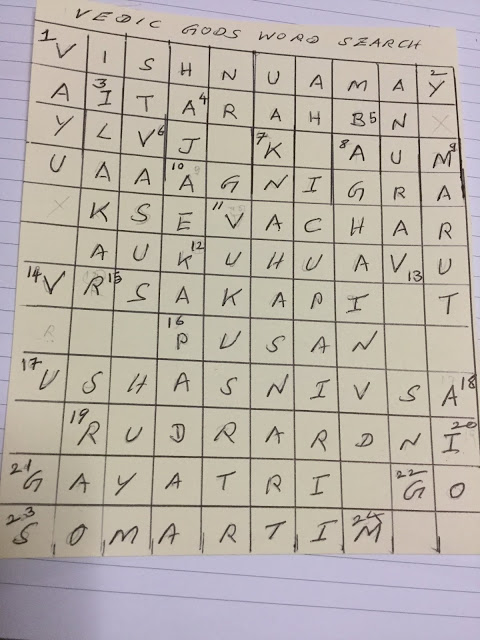
VEDIC GODS WORD SEARCH (Post No.5585)

Written by London Swaminathan
swami_48@yahoo.com
Date: 24 October 2018

Time uploaded in London – 20-48

(British Summer Time)

Post No. 5585

Pictures shown here are taken from various sources including google, Wikipedia, Facebook friends and newspapers. This is a non- commercial blog

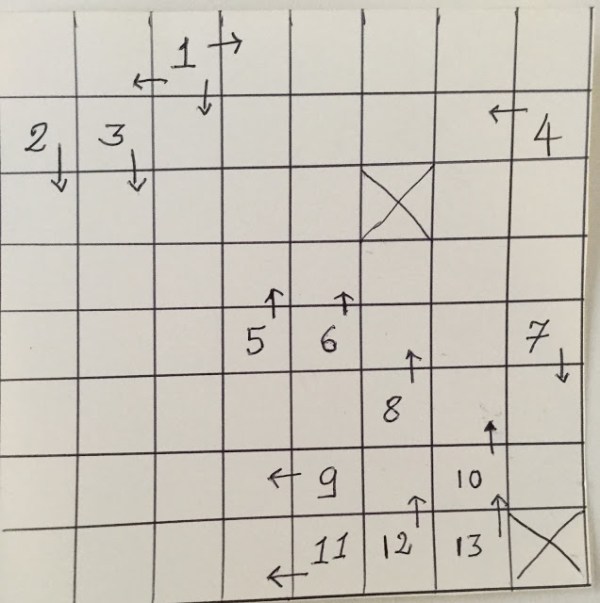
FIND OUT THE 24 VEDIC GODS IN THE SQUARE BELOW

Numbers may help you to start from that point


ANSWERS ARE GIVEN BELOW

1.VISHNU, VAYU

2.YAMA

3.ILA

4.AJA EKA PAD

5.BHAGA

6.VASUS

7.KA (BRAHMA)

8.AUM

9.MARUT

10.AGNI

11.VAC

12.KUHU

13.VARUNA

14.VRSAKAPI

15.RAKA

16.PUSAN

17.USHAS

18.ASVINS

19.RUDRA

20.INDRA

21.GAYATRI

22.GO (MATA)

23.SOMA

24.MITRA

–SUBHAM–

உடலுக்குள் பிளாஸ்டிக் புகும் அபாயம் (Post No.5584)


Written by London Swaminathan
swami_48@yahoo.com
Date: 24 October 2018

Time uploaded in London – 6-50 AM

(British Summer Time)

Post No. 5584

Pictures shown here are taken from various sources including google, Wikipedia, Facebook friends and newspapers. This is a non- commercial blog

மீன் சாப்பிடுவோருக்கும், பிளாஸ்டிக் பை அல்லது பாட்டில் அல்லது டப்பாக்களில் உணவோ, பானமோ சாப்பிடுவர்களுக்கும் அதிர்ச்சி தரும் செய்தி நேற்று லண்டன் பத்திரிக்கைகளில் வெளியாகி இருக்கிறது.

ஆஸ்திரியா நாட்டின் தலை நகரான வியன்னாவில் மருத்துவ பல்கலைக் கழக (VIENNA MEDICAL UNIVERSITY) ஆராய்ச்சியாளர்கள் இந்த செய்தியை வெளியிட்டனர். அவர்கள் வயிறு- குடல் மருத்துவ வாரம் கொண்டாடுகையில் இச் செய்தி வெளியிடப்பட்டது.

உடலுக்குள் ஒன்பது வகையான நுண் பிளாஸ்டிக் துகள் (MICRO PLASTICS) இருப்பதை அவர்களுடைய ஆராய்ச்சி காட்டுகிறது. எட்டு நாடுகளைச் சேர்ந்த மக்கள்  இந்த ஆராய்ச்சிக்கு உதவினர். அவர்கள் தினமும் வேளாவேளைக்குச் சாப்பிடும் பண்டங்களைக் குறித்து வைத்தனர். அவர்களுடைய மலம் டாய்லெட்டில் இருந்து சேகரிக்க ஏற்பாடும் செய்யப்பட்டது. அதை ஆராய்ந்ததில் இந்த ஒன்பது வகை பிளாஸ்டிக் உடலில் புகுந்த செய்தி கிடைத்தது.

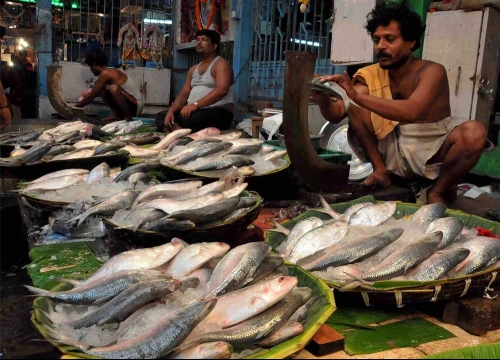
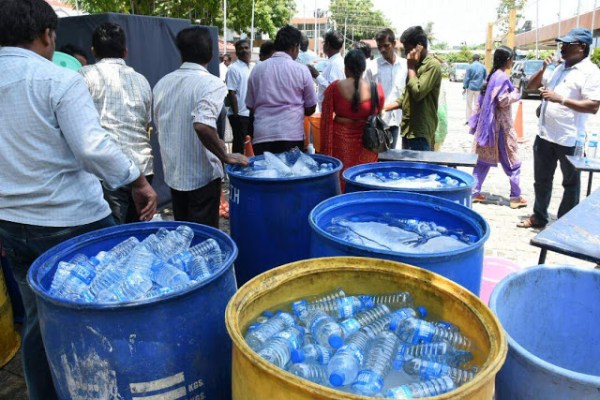
அவர்களில் பெரும்பாலோர் கடல் மீன்களை சாப்பிட்டது அவர்கள் எழுதிய டயரியில் இருந்தது. பாட்டில் தண்ணீர், பீயர் (BEER) முதலிய பானங்கள், கடல் மீன், பிளாஸ்டிக்கில் சுற்றி விற்கப்படும் (PLASTIC PACKING) உணவுப் பண்டங்கள் அபாயகரமானவை. அவைகள்தான் இப்படி நுண் துகள்களை அனுப்புகின்றன.

தற்போதைய மல ஆராய்ச்சி, குடல் வரை இந்த விஷப்பொருட்கள் சென்றதைக் காட்டுகிறது. ஆனால் கடல் வாழ் உயிரினங்களை சோதித்த முந்தைய ஆராய்ச்சிகள் இவை, இரத்த மற்றும் நிணநீர் ஓட்டங்களிலும் கலக்க முடியும் என்று காட்டியுள்ளன.

ஆஸ்திரியா, பிரிட்டன், பின்லாந்து, ஜப்பான், ஹாலந்து, இதாலி, போலந்து, ரஷ்யா ஆகிய நாட்டு மக்கள் இதில் பங்கு கொண்டனர். இதுபற்றி மருத்துவப் பல்கலைக் கழக ஆய்ய்வுக்குழுத் தலைவர் டாக்டர் பிலிப் ஸ்வாபிள் சொன்னதாவது– ” மனிதர் உடலுக்குள் உணவுப் பொருட்கள் மூலம் பிளாஸ்டிக் துகள் செல்லுவது உறுதி செய்யப்பட்டு விட்டது. இனி வரும் ஆராய்ச்சி மூலம், இதனால் உடலுக்குக் கெடுதி வருமா? என்ன கெடுதி   வரும் என்பதெல்லாம் ஆராயப்பட வேண்டும்.

ஒவ்வொருவர் மலத்தையும் சோதித்ததில் பத்து கிராம் மலத்தில் 20 துகள் வரை இருப்பது கண்டறியப்பட்டது.

முன்னர் யார்க் பல்கலைக் கழக ஆராய்ச்சியாளர்களும் கிட்டத்தட்ட இதே செய்தியை அளித்தனர்.

பிளாஸ்டிக் மனித குலத்தின் எதிரி; விரைவாக உலக நாடுகள் அதற்கு எதிரான நடவடிக்கை எடுக்க வேண்டும் என்று குரலும் எழுந்துள்ளது.

இந்துக்கள் வாழ்வு முறையே சிறந்தது!

சைவ உணவுக்காரர்களுக்கு இது ஓரளவு ஆறுதல் தரும். ஏனெனில் மீன் சாப்பிடுவோர்தான்  மிகவும் பாதிக்கப்படுகின்றனர். மேலும் மேலை நாடுகளில் மாமிச உணவு முழுவதும் பிளாஸ்டிக் காகிதத்தில் சுற்றப்பட்டு வருகின்றன. காய்கறிகள் வாங்குவோருக்கு இந்த ஆபத்து இல்லை.

போகிற போக்கைப் பார்த்தால் எல்லோரும் கிணற்றுத் தண்ணீர் குடிப்பதே நல்லது என்று சொன்னாலும் வியப்பதற்கில்லை. ஏனெனில் குழாய்த் தண்ணீரும் ஒரு குற்றவாளி என்று ஆராய்ச்சியாளர் செப்புகின்றனர்.

இது ஒருபுறமிருக்க, மாமிசம் முதலான அசைவ உணவுகள் ஏற்படுத்தும் அக்கிரமச் செய்திகளையும் பத்திரிக்கைகள் வெளியிடுகின்றன. ஏதேனும் ஒரு கோழிப் பண்ணையில் வியாதி என்றால் கோடிக்கணக்கான கோழிகள் உயிருடன் எரிக்கப்படுகின்றன. MAD COW DISEASE ‘மேட் கவ் நோய்’ என்ற நோய் பசுமாடுகளைப் பீடித்தவுடன் இரக்கமில்லாமல் பல லட்சம் பசு மாடுகளைக் கொன்று எரித்தனர்.


ஏதேனும் ஒரு பாக்டீரியா  பாதித்த ஒரு முட்டை வந்து விட்டால் சூப்பர் மார்க்கெட்டுகளில் லட்சக்கணக்கான முட்டைகள் அழிக்கப்படுகின்றன.

இவர்கள் வீணடிக்கும் உணவுப் பொருட்களை வைத்து பட்டினியால் வாடும் அனைவருக்கும் சோறு போட முடியும்.

இதற்கெலாம் மேலாக, அசைவ உணவுகள்தான் உலகில் அதிக புறச் சூழம் மாசு ஏற்படுத்துகிறது என்றும் விஞ்ஞான சஞ்சிகைகள் பட்டவர்த்தனமாக எழுதுகின்றன.

ஆகையால் வள்ளுவரும், வள்ளலாரும் பகர்வது போல சைவ உணவுகளை மட்டுமே உண்டு வாழ்வது சாலச்சிறந்தது.

‘கொல்லான் புலாலை மறுத்தானை எல்லா உயிரும் கைக்கூப்பித் தொழும்’ என்ற வள்ளூவன் வாக்கு பொய்யாமோ?

வெஜிட்டேரியன்ஸ் வாழ்க!”

–சுபம்-

பாரத நாடு! இது போல் ஏதொரு நாடு!! (Post No.5583)


WRITTEN BY S NAGARAJAN

Date: 24 October 2018

Time uploaded in London – 6-01 AM (British Summer Time)

Post No. 5583

Pictures shown here are taken from various sources including google, Wikipedia, Facebook friends and newspapers. This is a non- commercial blog.

ஆயிரத்தி தொள்ளாயிரத்து எண்பதுகளில் உலக இளைஞர் ஆண்டையொட்டி எழுதப்பட்ட கவிதை!

இளைஞர்களே! உன்னத சபதம் எடுத்திடுவோம்!

ச.நாகராஜன்


உலக இளைஞர் ஆண்டிதனில்

     உன்னத சபதம் எடுத்திடுவோம்!

கலகம் கிளர்ச்சி வன்முறையைக்

     களைய உறுதி பூண்டிடுவோம்!   (உலக)

இளமையும் வீரமும் அழிப்பதற்கோ?

     இனிய பாரதம் அமைப்பதற்கோ?

வளமையும் வலிமையும் அமைந்திட்ட

     வல்ல ரசாய்நாம் விளங்குதற்கோ?  (உலக)

சுதந்திரத் தென்றல் காற்றதனை

     சுந்தர பாரதிப் பேருருவை

இதந்தரு முறையில் இளைஞர்களே

     இனிவரும் தலைமுறைக் கீந்திடவே   (உலக)

கலையுடன் அறிவியல் முன்னேற்றம்

     கவினுறு நுட்பம் ஏர்த்தொழிலில்

நிலைதரு அமைதி நித்தமுமே

     நெஞ்சினில் லட்சியம் நமக்கிதுவே   (உலக)

வள்ளுவன் பாரதி வ.உ.சீ.

     வான்புகழ் காந்தி நேதாஜி

தெள்ளுதமி ழிளைஞர் நெஞ்சினிலே

     சீராய் ஒளிரும் தீபங்கள்!    (உலக)

****


பாரத நாடு! இது போல் ஏதொரு நாடு!!

ச.நாகராஜன்

வேற்றுமையில் ஒற்றுமை

    விளங்குகின்ற நாடு

நேற்றுமின்றும் நாளையும்

    நிலைத்திருக்கும் நாடு   .. பாரத நாடு    (வேற்று)

ஹிந்து முஸ்லீம் சீக்கியர்

    புத்தர் ஜைனர் கிறிஸ்தவர்

எந்த மதத்தோர் ஆயிலென்?

     இணைந்திருக்கும் நாடு   .. பாரத நாடு    (வேற்று)

தமிழ் தெலுங்கு வங்கம்

    சிந்தி மராட்டி ஹிந்தி

அமிழ் தினைப்போல் மொழிகள்

     அனைத்து மிங்கே ஒன்றாம் .. பாரத நாடு    (வேற்று)

உடுத்திடும் உடைகள் வேறு

     உண்டிடும் உணவுகள் நூறு

அடுத்திடும் சடங்குகள் பலவாம்

    ஆயினும் உணர்வோ ஒன்றாம்  .. பாரத நாடு    (வேற்று)

இதுவே தரையினில் சுவர்க்கம்

    இதுவே அமைதியின் நிலையம்

இதுபோல் ஏதொரு நாடு!

    இணையிலா இன்ப வீடு!!  .. பாரத நாடு    (வேற்று)

***

மெய்ஞானமும், விஞ்ஞானமும்

ச.நாகராஜன்

அடடா, எத்தனை எத்தனை உலகங்கள்

     எண்ணிட எண்ணிடப் பெருகுது வியப்பு

அடடா, எத்தனை எத்தனை தூரங்கள்

     கணக்கிடக் கணக்கிட வருகுது களைப்பு

அடடா, எத்தனை எத்தனை தேவர்கள்

      வானொலி பரப்பும் அவரிசைப் பண்ணொலிகள்

அடடா, வேதம் சாற்றும் சத்தியங்கள்

     இன்று விஞ்ஞானிக ளொப்பும் விளக்கங்கள்!

***

GARLIC AND ONION BANNED FOR BRAHMINS- MANU (Post No.5582)

Written by London Swaminathan
swami_48@yahoo.com
Date: 23 October 2018

Time uploaded in London – 20-26

(British Summer Time)

Post No. 5582

Pictures shown here are taken from various sources including google, Wikipedia, Facebook friends and newspapers. This is a non- commercial blog

GARLIC AND ONION BANNED FOR BRAHMINS-MANU (Post No.5582)

MY COMMENTS ON CHAPTER FIVE
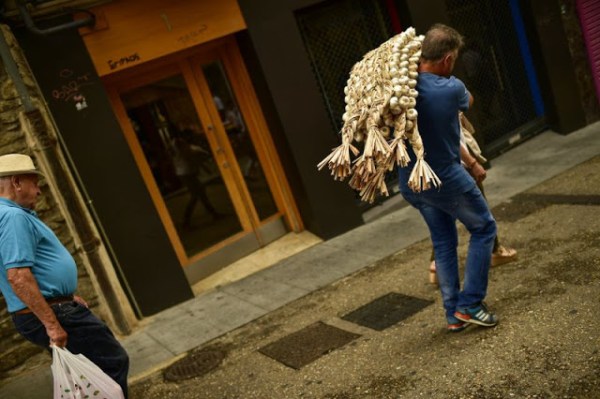
 

1.TWO THOUSAND YEARS OLD SANGAM TAMIL LITERATURE DESCRIBED BRAHMINS AS PURE VEGETARIANS. WHEN THEY DESCRIBED FOOD IN AGRAHARA, THEY CLEARLY GAVE ONLY A VEGETARIAN MENU. THEY DESCRIBED THE BRAHMIN STREET- AGRAHARA—A NO GO AREA FOR DOGS AND COCKS.

2.KALIDASA, THE MOST FAMOUS INDIAN POET, WHO LIVED BEFORE TAMIL SANGAM AGE, AROUND FIRST OR SECOND CENTURY BCE, SHOWED BRAHMINS AS VEGETARIANS. IN ONLY ONE PLACE, HE TEASES ONE JESTER AS EAING MEAT (JOKES)

3.MANU’S RULES ABOUT MEAT EATING FOR DWIJAS—MEN OF TWO BIRTHS—IS APPLIED FOR ALL THE THREE CASTES IN HIS TIMES (RIG VEDIC TIMES; HIS NAME FIGURED IN THE RIG VEDA AND HE TALKS ABOUT VAST FLOWING SARASVATI RIVER). LATER DWIJA APPLIED ONLY TO BRAHMINS; THIS IS MY VIEW.

4.HE REPEATEDLY SAID MEAT EATING IS OCCASIONALLY DONE, THAT TOO ONLY DURING ANCESTOR WORSHIP. RAMA ALSO DID OFFER MEAT IN THE DIVASA/TITI- ANCESTOR RITUAL- SLOKA 5-27 AND LATER, HE SAYS IT IS OCCASIONALLY DONE.

5.BRAHMINS ARE CONSIDRED OUTCASTS IF THEY EAT GARLIC, ONION AND MUSHROOMS!! LEAVE ALONE THE MEAT!! !SLOKAS- 5-5 AND 5-19

6.TIRUVALLUVAR, AUTHOR OF TAMIL VEDA TIRUKKURAL,TRANSLATED SEVERALOF THESE SLOKAS IN HIS CHAPTER ON VEGETARIANISM AND NON -VIOlENCE –CHPATERS 26 AND 33 IN TIRUKKURAL- 20 COUPLETS

7.THE CONFUSING RULES ABOUT MEAT EATING IN THIS CHAPTER SHOW MANY HANDS IN IT- INTERPOLATIONS.


  1. SEVERAL OF HIS PLANTS AND ANIMALS ARE UNIDENTIFIABLE OR QUESTIONABLE OR DEBATABLE EVEN ACCORDING TO SMRTI EXPERTS. THAT SHOWS HIS AGE.
  1. WHEN HIS AUDINCE WONDERED HOW COME EVEN THE BRAHMINS WHO RECITED VEDAS DIE, HE GIVES FOUR REASONS- IN SLOKA 4- VERY INTERESTING!

10.SLOKA 5-22 AGASTYA DID IT IS AN INTERPOLATION. AGASTYA ATE VATAPI, ONE OF THE  TWO DEMONS –AND DIGESTED HIM VERY NEXT MINUTE!! HE DRANK OCEAN!SO SOME ONE MUST HAVE JUST INSERTED HIS NAME- UNADULTERATED INTERPOLATION!

11.DARWINS THEORY—SURVIVAL OF THE FITTEST—SLOKA 5-29- ‘COWARDS ARE THE FOOD OF THE BRAVE!’-  THE WAY MANU DEALS WITH VARIOUS SUBJECTS SHOW HIM AS A GREAT GENIUS. HIS SIMILES ABOUT HYPOCRITE HERON, CAT, COW ARE ALL IN LATER LITERATURE.

12.SLOKAS 5-31-,5-33, 5-35, 5-38 WARN ABOUT MEAT EATING. THIS IS ORIGINAL MANU! RIG VEDIC MANU!

13.SLOKA 5-47 -HE WHO AVOIDS MEAT CAN ATTAIN ANYTHING HE WANTS. TAMIL POET VALLUVAR ALSO REPEATED IT.

  1. PUN ON WORD MAMSA/MEAT—SLOKA 5-55 IS KNOWN EVEN TO HINDU CHILDREN. IF YOU HURT AN ANT YOU WILL BE BORN AS ANT AND ANT WILL BE BORN AS HUMAN TO HURT YOU; THEY SAY IT EVEN IN SCHOOLS. IF ANY ONE EATS AN ANIMAL, THE ANIMAL WILL EAT HIM- SAYS MANU

IT IS SCIENTIFIC AS WELL- NON VEGETARIANS DIE OF DISEASES MORE THAN VEGETARIANS. ANIMAL CHOLESTEROL EAT MEN IN THE GUISE OF HEART DISEASES. NON- VEGETARIAN FOODS CAUSE MORE ENVIRONMENTAL DAMAGE. MAD COW DISEASES AND POULTRY INFECTIONS MADE THE WESTERN COUNTRIES TO KILL MILIONS OF ANIMALS OUT OF FEAR- TO PREVENT DISEASES SPREADING.

NOW READ THE SLOKAS……………….

MANU SMRTI, CHAPTER V.

5-1. The sages, having heard the duties of a Snataka (Vedic student)  thus declared, spoke to great-souled Bhrigu, who sprang from fire:

  1. ‘How can Death have power over Brahmanas who know the sacred science, the Veda, and who fulfil their duties as they have been explained by you, O Lord? ‘
  2. Righteous Bhrigu, the son of Manu,answered the great sages: ‘Hear, (in punishment) of what faults Death seeks to shorten the lives of Brahmanas!’

WHY BRAHMANAS DIE?

5-4. ‘Through neglect of the Veda-study, through deviation from the rule of conduct, through remissness/inattentiveness in the fulfillment of duties, and through faults committed by eating forbidden food, Death becomes eager to shorten the lives of Brahmanas.’

5-5. Garlic, leeks and onions, mushrooms and all plants, springing from impure substances, are unfit to be eaten by twice-born men.

  1. One should carefully avoid red exudations from trees and (juices) flowing from incisions, the Selu (fruit), and the thickened milk of a cow (which she gives after calving).
  2. Rice boiled with sesamum, wheat mixed with butter, milk and sugar, milk-rice and flour-cakes which are not prepared for a sacrifice, meat which has not been sprinkled with water while sacred texts were recited, food offered to the gods and sacrificial viands,
  3. The milk of a cow or other female animal within ten days after her calving, that of camels, of one-hoofed animals, of sheep, of a cow in heat, or of one that has no calf with her,
  1. The milk of all wild animals excepting buffalo-cows, that of women, and all substances turned sour must be avoided.
  1. Among (things turned) sour, sour milk, and all (food) prepared of it may be eaten, likewise what is extracted from pure flowers, roots, and fruit.
  2. Let him avoid all carnivorous birds and those living in villages, and one-hoofed animals which are not specially permitted to be eaten, and the Tittibha (LITTLE FINCHES Parra Jacana),
  1. The sparrow, the Plava, the Hamsa, the Brahmani duck, the village-cock, the Sarasa crane, the Raggudala, the woodpecker, the parrot, and the starling,
  2. Those which feed striking with their beaks, web-footed birds, the Koyashti, those which scratch with their toes, those which dive and live on fish, meat from a slaughter-house and dried meat,
  1. The Baka and the Balaka crane, the raven, the Khangaritaka, (animals) that eat fish, village-pigs, and all kinds of fishes.
  1. He who eats the flesh of any animal is called the eater of the flesh of that particular creature, he who eats fish is an eater of every kind of flesh; let him therefore avoid fish.

ALLOWED FISH

5-16. But the fish called Pathina and  Rohita may be eaten, if used for offerings to the gods or to the manes; (one may eat) likewise Ragivas, Simhatundas, and Sasalkas on all occasions.

IDENTIFYNG THESE FISHES IS VERY DIFFICULT; THOUGH SCHOLARS HAVE IDENTIFIED SOME, THERE IS NO AGREEMENT AMONG SCHOLARS.

  1. Let him not eat solitary or unknown beasts and birds, though they may fall under the categories of eatable creatures, nor any five-toed animals.
  1. The porcupine, the hedgehog, the iguana, the rhinoceros, the tortoise, and the hare they declare to be eatable; likewise those domestic animals that have teeth in one jaw only, excepting camels.
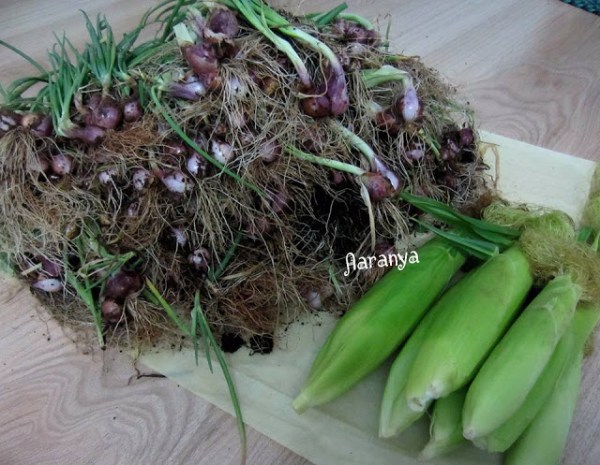
IF YOU EAT GARLIC, ONION, MUSHROOM YOU ARE AN OUT CAST

5-19. A twice-born man who knowingly eats mushrooms, a village-pig, garlic, a village-cock, onions, or leeks, will become an outcast.

  1. He who unwittingly partakes of (any of) these six, shall perform a Samtapana (Krikkhra) or the lunar penance (Kandrayana) of ascetics; in case he who has eaten any other kind of forbidden food he shall fast for one day and a night .
  2. Once a year a Brahmana must perform a Krikkhra penance, in order to atone for unintentionally eating forbidden food but for intentionally eating forbidden food he must perform the penances prescribed specially.

THESE VOWS ARE DESCRIBED IN CHAPTER 11

AGASTYA DID IT??

5-22. Beasts and birds recommended for consumption may be slain by Brahmanas for sacrifices, and in order to feed those whom they are bound to maintain; for Agastya did this of old.
 

  1. For in ancient times the sacrificial cakes were made of the flesh of eatable beasts and birds at the sacrifices offered by Brahmanas and Kshatriyas.
  2. All lawful hard or soft food may be eaten, though stale, after having been mixed with fatty substances, and so may the remains of sacrificial viands.
  3. But all preparations of barley and wheat, as well as preparations of milk, may be eaten by twice-born men without being mixed with fatty substances, though they may have stood for a long time.
  1. Thus has the food, allowed and forbidden to twice-born men, been fully described; I will now propound the rules for eating and avoiding meat.

MEAT EATING ONLY IN SACRIFICES!

5-27. One may eat meat when it has been sprinkled with water, while Mantras were recited, when Brahmanas desire one’s doing it, when one is engaged in the performance of a rite according to the law, and when one’s life is in danger.

  1. The Lord of creatures Pragapati created this whole world to be the sustenance of the vital spirit; both the immovable and the movable creation is the food of the vital spirit.

COWARDS ARE THE FOOD OF THE BRAVE

5-29. What is destitute of motion is the food of those endowed with locomotion; animals without fangs are the food of those with fangs, those without hands of those who possess hands, and the timid of the bold. COWARDS ARE THE FOOD OF THE BRAVE (SURVIVAL OF THE FITTEST)

  1. The eater who daily even devours those destined to be his food, commits no sin; for the creator himself created both the eaters and those who are to be eaten for those special purposes.

MEAT EATERS ARE DEMONS!

5-31. ‘The consumption of meat is befitting for sacrifices,’ that is declared to be a rule made by the gods; but to persist in using it on other occasions is said to be a proceeding worthy of Rakshasas.

  1. He who eats meat, when he honours the gods and manes, commits no sin, whether he has bought it, or himself has killed the animal, or has received it as a present from others.

5-33. A twice-born man who knows the law, must not eat meat except in conformity with the law; for if he has eaten it unlawfully, he will, unable to save himself, be eaten after death by his victims.

  1. After death the guilt of one who slays deer for gain is not as great as that of him who eats meat for no sacred purpose.

IF YOU REFUSE MEAT………………

5-35. But a man who, being duly engaged to officiate or to dine at a sacred rite, refuses to eat meat, becomes after death an animal during twenty-one existences.

  1. A Brahmana must never eat the flesh of animals unhallowed by Mantras; but, obedient to the primeval law, he may eat it, consecrated with Vedic texts.
  2. If he has a strong desire (for meat) he may make an animal of clarified butter or one of flour, (and eat that); but let him never seek to destroy an animal without a (lawful) reason.

5-38. As many hairs as the slain beast has, so often indeed will he who killed it without a lawful reason suffer a violent death in future births.

  1. Svayambhu (the Self-existent) himself created animals for the sake of sacrifices; sacrifices have been instituted for the good of this whole world; hence the slaughtering of beasts for sacrifices is not slaughtering in the ordinary sense of the word.

5-40. Herbs, trees, cattle, birds, and other animals that have been destroyed for sacrifices, receive being reborn higher existences.

ANIMAL KILLING ONLY OCCASIONALLY


5-41. On offering the honey-mixture (to a guest), at a sacrifice and at the rites in honour of the manes, but on these occasions only, may an animal be slain; that rule Manu proclaimed.

  1. A twice-born man who, knowing the true meaning of the Veda, slays an animal for these purposes, causes both himself and the animal to enter a most blessed state.
  2. A twice-born man of virtuous disposition, whether he dwells in (his own) house, with a teacher, or in the forest, must never, even in times of distress, cause an injury to any creature which is not sanctioned by the Veda.
  3. Know that the injury to moving creatures and to those destitute of motion, which the Veda has prescribed for certain occasions, is no injury at all; for the sacred law shone forth from the Veda.
  1. He who injures HARMLESS CREATURES from a wish to (give) himself pleasure, never finds happiness, neither living nor dead.
  2. He who does not seek to cause the sufferings of bonds and death to living creatures, but desires the good of all beings, obtains endless bliss.

5-47. He who does not injure any creature, attains without an effort what he thinks of, what he undertakes, and what he fixes his mind on.

  1. Meat can never be obtained without injury to living creatures, and injury to sentient beings is detrimental to the attainment of heavenly bliss; let him therefore shun the use of meat.
  1. Having well considered the (disgusting) origin of flesh and the (cruelty of) fettering and slaying corporeal beings, let him entirely abstain from eating flesh.
  2. He who, disregarding the rule (given above), does not eat meat like a Pisaka, becomes dear to men, and will not be tormented by diseases.
  3. He who permits (the slaughter of an animal), he who cuts it up, he who kills it, he who buys or sells (meat), he who cooks it, he who serves it up, and he who eats it, (must all be considered as) the slayers (of the animal).
  1. There is no greater sinner than that (man) who, though not worshipping the gods or the manes, seeks to increase (the bulk of) his own flesh by the flesh of other (beings).
  2. He who during a hundred years annually offers a horse-sacrifice, and he who entirely abstains from meat, obtain the same reward for their meritorious (conduct).
  3. By subsisting on pure fruit and roots, and by eating food fit for ascetics (in the forest), one does not gain (so great) a reward as by entirely avoiding (the use of) flesh.

PUN ON WORD MAMSA=MEAT; IF YOU EAT ME, I WILL EAT YOU

5-55. ‘Me he (mam sah)’ will devour in the next world, whose flesh I eat in this life; the wise declare this to be the real meaning of the word ‘flesh’ (mamsah).

  1. There is no sin in eating meat, in (drinking) spirituous liquor, and in carnal intercourse, for that is the natural way of created beings, but abstention brings great rewards.

TO BE CONTINUESD……………………………

–subham–

9 TYPES OF PLASTICS ENTER YOUR BODY! (Post No.5581)

Written by London Swaminathan
swami_48@yahoo.com
Date: 23 October 2018

Time uploaded in London – 18-14

(British Summer Time)

Post No. 5581

Pictures shown here are taken from various sources including google, Wikipedia, Facebook friends and newspapers. This is a non- commercial blog.

BAD NEWS FOR NON-VEGETARIANS

London Newspapers have flashed a news item this morning which warns about micro plastics in our body.

There are nine types of micro plastics in the human body in western countries who eat fish and drink from bottles.

The plastics can be ingested by eating fish that has been exposed to wastes in the sea, while other risks include drinking beer or tap water and using cosmetics.

Sea fish is the main culprit. Also, city life is unhealthy.

In course of time, they may even recommend live in villages surrounded by trees and plants, Well water and vegetarian food. Most of the non -vegetarian foods come in plastic packings in western countries. That way eating vegetables are safe, that too eating vegetables grown organically is safer.

Vegetarians will feel better after reading the following news:

Toxic micro plastics are polluting people’s bodies according to a latest research by experts from Medical University in Vienna, Austria.

Volunteers from eight European countries took part in the study. All of them had potentially dangerous particles in their systems.

Dr Philip Schwabl, who led the research said, “This is the first study of its kind and confirms what we have long suspected—plastics ultimately reach the human gut. Smallest particles can even enter the blood stream., the lymphatic system and may even reach the liver. We need further research to find out how it would affect our health”.

How did they find it ?

The findings are based on analysis of the stools of eight volunteers from Austria, Britain, Finland, Italy, Japan, the Netherlands, Poland and Russia.

They had kept food diaries which showed the had all eaten products from plastic packaging or drunk from plastic bottles.

Six of the had eaten fish.

Nine types of MICRO PLASTICS were found and there were on average 20 particles per 10 gram of stool.

Full details were presented at United European Gastro enterology week in Vienna yesterday.

Previous research showed it plastic can be ingested through food, drink, cosmetics and even by breathing air in the city.

Plastics contaminates every aspect of our life!

–SUBHAM–

சிலப்பதிகார குறுக்கெழுத்துப் போட்டி (Post No.5580)

Written by London Swaminathan
swami_48@yahoo.com
Date: 23 October 2018

Time uploaded in London – 12-31

(British Summer Time)

Post No. 5580

Pictures shown here are taken from various sources including google, Wikipedia, Facebook friends and newspapers. This is a non- commercial blog.

சிலப்பதிகார குறுக்கெழுத்துப் போட்டி (Post No.5580)+விடைகள்

கீழேயுள்ள கட்டங்களில் மறைந்திருக்கும் சிலப்பதிகார கதாபாத்திரங்களையும் ஊர்ப்பெயர்களையும் கடவுள் பெயரையும் கண்டுபிடியுங்கள். குறைந்தது 17 பெயர்கள் உள. சிலம்புக்குத் தொடர்பில்லாத புனித் தலங்கள் சிலவற்றையும் (கயை, காசி) காணலாம்.

குறுக்கே

1.கொலையுண்டவனின் தந்தை

1.ஆடல் அழகி; இசையால் மயக்கிய வனிதை

4.மறையவன்; செங்குட்டுவனுக்கு அறிவுரை சொன்னவன்

8.ஒரு காவியத்தின் பெயர், கடல் தெய்வத்தின் பெயர், ஒரு பெண்ணின் பெயரும் கூட

9.பத்தினி தெய்வமாகிய பெண்

11.ஆலமர் செல்வனுக்கு அள்ளிக் கொடுத்த வேதியன்

கீழே/மேலே

1.கதாநாயகியின் தந்தை; கொலையுண்டவனின் மாமனார்

2.சேர மன்னன்

3.கதாநாயகியின் தோழி

4.இடைக்குலப் பெண்; அடைக்கலம் கொடுத்த பெண்மணி

5.சமண அடிகள்/துறவி

6.பொற்கொல்லரால் பொய்க் குற்றச்சாட்டுக்கு உள்ளானவன். கொலையுண்ட கதாநாயகன்

7.சேர நாட்டின் தலைநகர்

8.பாண்டிய நாட்டின் தலைநகர்

10.வார்த்திகன் மனைவி

12.துர்க்கையின் மறு பெயர்

13.சோழ நாட்டின் துறைமுக நகரம்


XXXXX


விடைகள்

1.மாதவி, மாசாத்துவான்

2.செங்குட்டுவன்

3.தேவந்தி

4.மாடலன்

5.கவுந்தி

6.கோவலன்

7.வஞ்சி

8.மதுரை, 8.மணிமேகலை

9.கண்ணகி

10.கார்த்திகை

11.பராசரன்

12.ஐயை

13.புகார்

இந்துக்களின் புனிதத் தலம், புத்தர்களின் புனிதத் தலம்

கயை, காசி

–சுபம்–

XXXXXXXXX SUBHAM XXXXXXXXXXXXX

சிலப்பதிகாரம் க்விஸ் QUIZ – வினா விடை(Post No.5579)

Written by London Swaminathan
swami_48@yahoo.com
Date: 23 October 2018

Time uploaded in London – 7-24 AM

(British Summer Time)

Post No. 5579

Pictures shown here are taken from various sources including google, Wikipedia, Facebook friends and newspapers. This is a non- commercial blog.

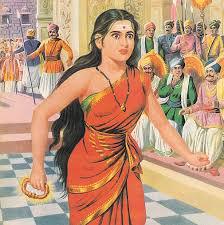
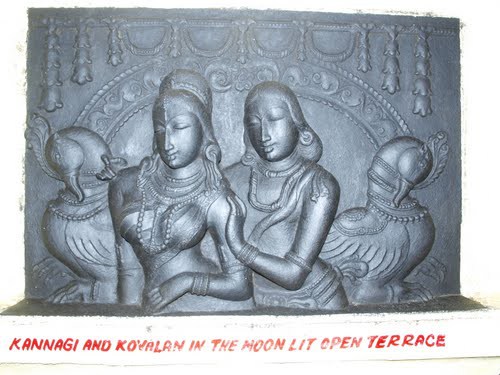
நெஞ்சையள்ளும் சிலப்பதிகாரம் என்று பாரதியாரால் போற்றப்பட்ட தமிழ் நூல் பற்றி ஒரு (quiz) கேள்வி-பதில் தொகுப்பு. உங்கள் தமிழ் அறிவினைச் சோதிக்க ஒரு வாய்ப்பு.


1.சிலப்பதிகாரம் என்ன வகை நூல்? யார் எழுதியது?

2.கண்ணகி சிலைத் திறப்பு விழாவுக்கு வந்த இலங்கை வேந்தன் யார்?

3.கண்ணகி சிலை செய்ய எங்கேயிருந்து கல் கிடைத்தது? அதை எந்த நதியில் சுத்தம் செய்தனர்?

4.கண்ணகி மதுரையை எரித்தது எப்படி?

5.யார் யாரை எரிக்கக் கூடாது என்று அக்னி தேவனுக்குக் கட்டளை இட்டாள்?

6.சிலப்பதிகாரத்தில் ஒரு பிராஹ்மனனை கதைக்குப் பாலமாக அமைத்துள்ளார் ஆசிரியர். அவன் இல்லாவிடில் கதை விளங்காது. அந்தப் பார்ப்பானின் பெயர் என்ன?

7.வீணைக்குப் பெயர்போன ஒரு புராண புருஷரை இளங்கோ சொல்கிறார். யார் அவர்?

8.பாண்டிய மன்னன் ஆயிரம் பேரை பலி கண்ணகிக்குப் கொடுத்தான். யார் அவர்கள்?

9.தமிழர்களை இகழ்ந்த இரண்டு வட இந்திய மன்னர்களை சேரன் செங்குட்டுவன் சிறைப் பிடித்தான். அவர்கள் பெயர் என்ன?

10.மதுரை நகர் எரிந்த தேதி என்ன?

11.வார்த்திகன் மனைவி கார்த்திகா ஏன் அழுதாள்; உடனே என்ன நடந்தது?

12.மதுரைக்கு வந்த கண்ணகிக்கும் கோவலனுக்கும் அடைக்கலம் கொடுத்த பெண் யார்?

13.புனல் யாறு அன்று; இது பூம்புனல் யாறு என்று கவுந்தி அடிகள் பாராட்டிய நதி எது?

14.மாதவியின் கடிதத்தை   கோவலனுக்குக் கொண்டு வந்தவர் யார்?

15.எந்த நதியை ‘நடந்தாய் வாழி!’ என்று இளங்கோ போற்றுகிறார்?

16.கோவலன், கண்ணகி திருமண வயது என்ன?

  1. கோவலன் , கண்ணகி தந்தையரின் பெயர்கள் என்ன?

18.இளங்கோ அடிகள், கடவுள் வாழ்த்துக்குப் பதிலாக ஒரு விநோத மங்கல வாழ்த்துப் பாடுகிறார்? யார், எது அதில் உள்ளன?

19.சிலப்பதிகாரத்தில் எத்தனை காண்டங்கள்? எத்தனை அதிகாரங்கள்?

20.சுனாமி பற்றி இளங்கோ செப்புவது யாது?


ANSWERS:-

1.இது காப்பியம். தமிழில் உள்ள ஐம்பெருங் காப்பியங்களில் ஒன்று. எழுதியவர் இளங்கோ அடிகள்.

2.கடல் சூழ் இலங்கை கயவாகு (கஜபாஹு)

3.புனித இமய மலையில் கல் எடுத்து, புனித கங்கையில் நீராட்டி, சேர நாட்டிலுள்ள வஞ்சி நகருக்குக் கொண்டு வந்தனர்.

4.இடது முலையைத் திருகி எறிந்து மதுரை மீது வீசினாள்; மதுரை எரிந்தது.

இடமுலை கையால் திருகி, மதுரை வலமுறை மும்முறை வாரா…….. மணி முலையை வட்டித்து விட்டாள்  எறிந்தாள்

5.பிராஹ்மணர்கள், சந்யாஸிகள், கோ மாதா (பசு), பத்தினி ஸ்த்ரீக்கள்,குழந்தைகள், கிழவி, கிழவர்கள் ஆகியோரை ஒன்றும் செய்துவிடாதே; மற்ற எல்லாத் தீயவர்களையும் சாம்பல் ஆக்குக.

“பார்ப்பார்,அறவோர், பசு, பத்தினிப் பெண்டிர்,

மூத்தோர், குழவி எனும் இவரைக் கைவிட்டுத்

தீத்திறத்தோர் பக்கமே சேர்க…..

6.மாடல மறையோன்;

அவன் நால் வேதங்களில் வல்லவன்;சதுர்வேதி! இளங்கோ அவனைப் பற்றிச் சொல்கிறார்:-

“நான்மறை முற்றிய நலம்புரிகொள்கை

மாமறை முதல்வன் மாடலன் என்போன்”

7.நாரதர்.

‘நாரதன் வீணை நயம்தெரிபாடலும்’

  1. ‘பொன்தொழில் கொல்லர் ஈர் ஐஞ் ஞூற்றுவர்

ஒரு முலை குறைந்த திருமா பத்தினிக்கு

ஒரு பகல் எல்லை உயிர்ப்பலி ஊட்டி’

ஆயிரம் பொற்கொல்லர்களை கண்னணகிக்குப் பலி கொடுத்தான் பாண்டிய மன்னன்.

9.கனகன், விஜயன்

9.முன் காலத்திலேயே ஒருவர் மதுரை மாநகர் எரியப் போகும் தேதியை ஆருடம் சொன்னதாக இளங்கோ பகர்கிறார்–

‘ஆடித்திங்கள் பேரிருள் பக்கத்து

அழல்சேர்குட்டத்து அட்டமி ஞான்று

வெள்ளி வாரத்து ஒள்ளெரி உண்ண’

ஆடிமாதம்,கிருஷ்ண பக்ஷம்,கார்த்திகை நக்ஷத்ரம், வெள்ளிக் கிழமை அன்று மதுரை சாம்பலாகும்.

11.பராசரன் என்ற பிராஹ்மணன், தட்சிணாமூர்த்தி என்ற குட்டிப் பையன் வேதம் சொன்னதைக் கேட்டு அசந்து போய், தன்னிடம் இருந்த தங்க நகைகளை எல்லாம் சின்னப் பையனிடம் கொடுத்தான். பொறாமை பிடித்த அக்ரஹாரப் பிராஹ்மணர்கள் , அவனுடைய அப்பன் திருடிக்கொண்டு வந்தான் என்று சொல்ல, தட்சிணாமுர்த்தியின் தந்தை வார்த்திகன் கைது செய்யப்பட்டான். அவன் மனைவி கிருத்திகா ஓவென்று கதறி அழுதவுடன் துர்க்கா தேவி கோவில் கதவு தானாக மூடிக்கொன்ணடது. மக்கள் என்று பாண்டிய மன்னனிடம் முறையிடவே அவன் கார்த்திகை என்ற பெண்ணின் துயர் தீர்த்தான். உடனே கலையமர் செல்வி, ஆர்யாதேவி கோவில் கதவு தானாகத் திறந்தது (ஆர்யை=ஐயை= துர்க்கை)- கட்டுரைக் காதை, சிலம்பு.

12.யாதவ குலப் பெண் மாதரி

13.மதுரையில் அழகான பூக்கள் மிதக்க ஓடிய வைகை நதி

14.கௌசிகன் (கோசிகன்) என்ற பிராஹ்மணன்.

15.நடந்தாய் வாழி காவேரி

16.இருவரும் திருமணம் செய்து கொண்ட போது கோவலனுக்கு வயது 16; கண்ணகிக்கு வயது 12.

17.மாநாய்கன் மகள்- கண்ணகி

மாசாத்துவான் மகன்- கோவலன்

மஹா நாயக – கடல் வியாபாரி

மஹா சாத்துவன் – நில வியாபாரி

18.திங்கள் (சந்திரன்) , ஞாயிறு (சூர்யன்), மழை, பூம்புகார்

19.மூன்று காண்டங்கள்; புகார், மதுரை, வஞ்சி காண்டம்

முப்பது காதைகள் (அதிகாரம், பிரிவு)

20.“வடிவேல் எறிந்த வான் பகை பொறாது
பஃறுளி ஆற்றுடன் பன்மலை அடுக்கத்துக்
குமரிக்கோடும் கொடுங்கடல் கொள்ள
வடதிசைக் கங்கையும் இமயமும் கொண்டு
தென் திசை ஆண்ட தென்னவன் வாழி!”
-காடுகாண் காதை, சிலப்பதிகாரம்.

சிலப்பதிகாரத்தில் கடல்கோள்–

பாண்டிய மன்னன் வேல் எறிந்தவுடன் கோபம் கொண்ட கடல் சுனாமி பேரலையாக எழுந்து நாட்டுக்குள் புகுந்தது.

பஃறுளி ஆறு, பெரிய மலைத் தொடரான குமரி மலை ஆகியன கடல் கோளில் அழிந்தன. பின்னர் இமய மலை, கங்கை ஆகியனவற்றை ஆண்டனன் வடிம்பலம்ப பாண்டியன்.

MY OLD ARTICLE ON SILAPPADIKARAM

சிலப்பதிகாரம் பிராமண காவியமா?

பிராமண காவியமா | Tamil and Vedas

tamilandvedas.com/tag/பிராமண…

Posts about பிராமண காவியமா … தமிழில் சிலப்பதிகாரம் … //tamilandvedas.com/2018 …

–SUBHAM–

மொஜார்ட்டின் இறுதிப் பாடல் இசையமைப்பு ! (Post No.5578)

WRITTEN BY S NAGARAJAN

Date: 23 October 2018

Time uploaded in London – 7-09 AM (British Summer Time)

Post No. 5578

Pictures shown here are taken from various sources including google, Wikipedia, Facebook friends and newspapers. This is a non- commercial blog.

மொஜார்ட்டின் இறுதிப் பாடல் இசையமைப்பு!

ச.நாகராஜன்

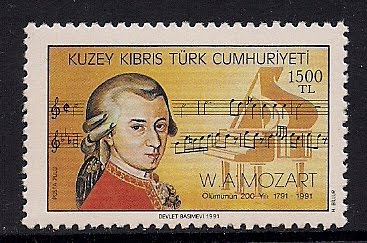
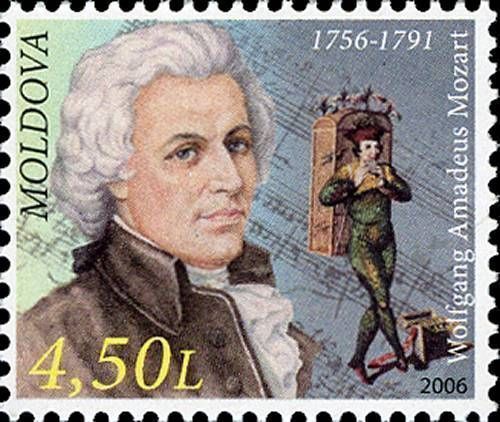
உல்ஃப்கேங் அமாடியஸ் மொஜார்ட் (Wolfgang Amadeus Mozart – (பிறப்பு 27-1-1756 மறைவு 5-12-1791) உலகின் மிகப்ப் பெரும் இசைக்கலைஞர்.

35 வயதிலேயே மறைந்த இந்த மாபெரும் இசைமேதை தன் வாழ்நாளுக்குள்ளாக 600 இசையமைப்புகளைச் செய்து முடித்திருந்தார். ஐந்தாம் வயதிலேயே அவருக்கு இந்த இசையமைக்கும் திறமை இருந்தது.


அவரது இறுதி இசையமைப்பு Requiem என்பதாகும்.

மொஜார்ட்டின் உடல் வாகு பூஞ்சையானது. அதனால் ஆரோக்கியமின்றி அவர் அவஸ்தைப்பட்டார்.

முடிவு நெருங்கிக் கொண்டிருந்தது. முப்பத்தைந்து வயது ஆகிவிட்ட சமயம் அவர் பிரசித்தி பெற்ற ரிக்யுயம் இசையை அமைத்தார். அதைத் தனது இறுதிச் சடங்கு பாடலாகவே அவர் கருதினார்.

ஒரு நாள் அவர் ஆழ்ந்து இசையமைப்பில் ஈடுபப்ட்டிருந்த சமயம் வீட்டின் முன்னால் வண்டி ஒன்று வந்து நின்ற சப்தம் கேட்டது. அழகிய உடை அணிந்த ஒருவர் அவர் முன் வந்தார். அவரது நடை உடை பாவனை ஒரு கனவானுக்கு உரித்ததாக இருந்தது.

“சார்,ஒரு முக்கியமான விஷயத்திற்காக ஒரு முக்கியமான நபரால் நான் இங்கு அனுப்பப் பட்டிருக்கிறேன்!

என்றார் அவர்.

மொஜார்ட், “அந்த முக்கியமான நபர் யார்? என்று கேட்டார்.

வந்தவர்: அதைச் சொல்ல அவருக்கு விருப்பமில்லை.

மொஜார்ட் : சரி, அவருக்கு என்ன வேண்டும்?

வந்தவர் : அவர் மிகவும் நேசித்த ஒருவரை அவர் இழந்து விட்டார். அந்த நினைவு அவருக்குப் போற்றுதலுக்கு உரிய ஒன்று. வருடா வருடம் அவரது நினைவாக அவர் ஒரு அற்புதமான இசைச் சடங்கு ஒன்றை நடத்த விரும்புகிறார். அதற்காக உங்களை இறுதிச் சடங்கிற்கான பாடல் ஒன்றை இசையமைக்கச் சொல்கிறார். 

மொஜார்ட் மர்மம் நிறைந்த இந்தப் பேச்சால் ஆச்சரியப்பட்டார். அந்த இசையமைப்பிற்கு அவர் ஒத்துக் கொண்டார்.

வந்தவர் : உங்கள் இசை ஞானம் முழுவதையும் இதில் பயன்படுத்துங்கள். மிக அற்புதமாக இருக்க வேண்டும். உங்களுக்கு இதை முடிக்க எவ்வளவு நாள் வேண்டும்?

மொஜார்ட் : ஒரு மாதம்! 

வந்தவர் : சரி! ஒரு மாதம் கழித்து நான் வருகிறேன். இதற்கு உங்களுக்கு எவ்வளவு பணம் வேண்டும்?

மொஜார்ட் : நூறு டாலர்கள்                         

வந்தவர் : இதோ நூறு டாலர்கள்.

அவர் நூறு டாலர்களை எண்ணி மொஜார்ட்டின் மேஜை மீது வைத்தார். மொஜார்ட் சிறிது நேரம் ஆழ்ந்த யோசனையில் இருந்தார்ல் பின்னர் தனது வேலையாட்களில் ஒருவரை அழைத்து ஒரு பேப்பரையும் பேனாவையும் மையை கொண்டு வரச் சொன்னார். அவரது மனைவியின் ஆட்சேபணையையும் பொருட்படுத்தாமல் எழுத ஆரம்பித்தார். பல நாட்கள் இந்த எழுத்துப் பணி தொடர்ந்தது. பகல், இரவு பாராமல் இது தொடர்ந்தது.


நாள் ஆக ஆக, இது இன்னும் தீவிரமானது. ஆனால் ஏற்கனவே பலம் இழந்து நலிந்திருந்த அவரது உடலால் இந்த உற்சாகப் பணிக்கு ஈடுகொடுக்க முடியவில்லை. ஒரு நாள் காலை அவர் மயங்கி விழுந்தார். வேலையையும் நிறுத்த வேண்டியதாயிற்று.      

ஒரு நாள் தன் மனைவியிடம் அவர், “ நிச்சயமாக இதை எனது இறுதிச் சடங்கிற்காகத் தான் எழுதுகிறேன், எனது இறுதிச் சடங்குப் பாடலாக இது அமையும்” என்றார். இந்த எண்ணத்தை இறுதி வரை அவரால் மாற்றிக் கொள்ளவே முடியவில்லை.

பணியைத் தொடர்ந்தபோது அவரது உடல் பலம் குறைந்து கொண்டே வந்தது. இசையமைப்பு முன்னேறிக் கொண்டே இருந்தது.

அவர் கொடுத்திருந்த ஒரு மாதக் கெடு முடிந்தது.
அந்தப் பணியைக் கொடுத்திருந்த அறிமுகமில்லாத அந்நியர் மீண்டும் வந்தார். மொஜார்ட் : எனது வார்த்தையைக் காப்பாற்ற முடியவில்லை.
வந்தவர் : அதனால் பரவாயில்லை.இன்னும் எவ்வளவு நாள் வேண்டும்?
மொஜார்ட் : இன்னொரு மாதம் தேவை. நான் எதிர்பார்த்ததை விட இந்த வேலை நீண்டு கொண்டே போகிறது. நான் முதலில் நினைத்திருந்ததை விட  இன்னும் அதிகமாகிறது.
வந்தவர் : அப்படியானால் இந்தப் பணிக்கான தொகை இன்னும் கொஞ்சம் கூடுதலாகும், இல்லையா? இதோ, இன்னும் ஐம்பது டாலர்.
மிகவும் ஆச்சரியப்பட்ட மொஜார்ட், “ நீங்கள் யார்? என்றார். வந்தவரோ, “அது இந்தப் பணிக்கு அவசியமற்ற விஷயம். ஒரு மாதத்தில் திரும்பவும் வருகிறேன்” என்று சொல்லி உடனே அங்கிருந்து புறப்பட்டார்.
மொஜார்ட் உடனடியாகத் தனது வேலையாட்களில் ஒருவரை அழைத்து, வந்தவர் எங்கு செல்கிறார் என்பதை அவரைத் தொடர்ந்து சென்று பார்த்து வரச் சொன்னார். ஆனால் அந்த வேலையாளுக்கோ இதற்கான திறமை இல்லாததால் வந்தவர் சென்ற இடத்தைக் கண்காணிக்க முடியாமல் திரும்பி வந்தார்.
மொஜார்ட் வந்தவர் ஒரு சாதாரண மனிதர் அல்ல; மறு உலகத்தைச் சேர்ந்தவரே அவர்; தனது இறுதி காலம் நெருங்குவதை உணர்த்தவே அவர் வந்துள்ளார் என்று எண்ணினார்.
தனது இசையமைப்பில் இன்னும் அதிக ஈடுபாடு கொண்டார். தனது மேதைத் தன்மை அனைத்தையும் அதில் காட்டினார். இந்தப் பணியினால் அவருக்கு பயங்கரமான வலிப்புகள் வந்தன. ஆனால் பணி குறித்த காலமான ஒரு மாதத்திற்குள்ளாக முடிந்து விட்டது.
குறித்த நாள் வந்த போது சரியாக அன்று அந்த அந்நியர் வந்து சேர்ந்தார். ஆனால் அன்று மொஜார்ட் இல்லை. அவர் இறந்திருந்தார்.
அவரது இசை வாழ்வு மிகக் குறுகியது; ஆனால் மிகவும் ஆழ்ந்தது. 36 வயது முடியவில்லை. அவர் மறைந்து விட்டார். ஆனால் இந்தக் குறுகிய வாழ்நாளில் அவர் அடைந்த புகழ் அழியவே அழியாது. அவரது இசையைப் போற்றுகின்ற இதயங்கள் உள்ளவரை அந்தப் புகழ் நீடித்து நிலைத்திருக்கும்!
ஆதாரம் : The Flowers of Literature by William Oxberry தமிழாக்கம் ச.நாகராஜன்
ஆங்கில மூலம் இதோ:


The composition of Requiem, and how Mozart died

The bodily frame of Mozart was tender and exquisitely sensible ; ill health soon overtook him, and brought with it a melancholy approaching to despondency. A very short time before his death, which took place when he was only thirty-six, he composed that celebrated requiem, which, by an extraordinary presentiment of his approaching dissolution, he considered as written for his own funeral.

One day, when he was plunged in a profound reverie, he heard a carriage stop at his door. A stranger was announced, who requested to speak with him. A person was introduced, handsomely dressed, of dignified and impressive manners. ” I have been commissioned, sir, by a man of considerable importance, to call upon you.”—” Who is he?” interrupted Mozart. ” He does not wish to be known.”—” Well, what does he want?” —” He has just lost a person whom he tenderly loved, and whose memory will be eternally dear to him. He is desirous of annually commemorating this mournful event by a solemn service, for which he requests you to compose a requiem.”—Mozart was forcibly struck by this discourse, by the grave manner in which it was uttered, and by the air of mystery in which the whole was involved. He engaged to write the requiem. The stranger continued, ” Employ all your genius on this work; it is destined for a connoisseur.”—” So much the better.”—” What time do you require ?”—” A month.”—” Very well; in a month’s time I shall return—what price do you set on your work ?”—” A hundred ducats.” The stranger counted them on the table, and disappeared.

Mozart remained lost in thought for some time: he then suddenly called for pen, ink, and paper, and, in spite of his wife’s entreaties, began to write. This rage for composition continued several days; he wrote day and night, with an ardour which seemed continually to increase; but his constitution, already in a state of great debility, was unable to support this enthusiasm; one morning he fell senseless, and was obliged to suspend his work. Two or three days after, when his wife sought to divert his mind from the gloomy presages which occupied it, he said to her abruptly, ” It is certain that I ain writing this requiem for myself; it will serve for my funeral service.” Nothing could remove this impression from his mind.

As he went on, he felt his strength diminish from day to day, and the score advancing slowly. The month which he had fixed being expired, the stranger again made his appearance. ” I have found it impossible,’ said Mozart, ” to keep my word.” ” Do not give yourself any uneasiness,” replied the stranger; ” what further time do you require?”—” Another month; the work has interested me more than I expected, and I have extended it much beyond what I at first designed.” —” In that case, it is but just to increase the premium; here are fifty ducats more.”—”Sir,” said Mozart, with increasing astonishment, “who then are you ?”—”That is nothing to the purpose; in a month’s time I shall return.”

Mozart immediately called one of his servants, and ordered him to follow this extraordinary personage, and find out who he was ; but the man failed from want of skill, and returned without being able to trace him.

Poor Mozart was then persuaded that he was no ordinary being ; that he had a connection with the other world, and was sent to announce to him his approaching end. He applied himself with the more ardour to his requiem, which he regarded as the most durable monument of his genius. While thus employed, he was seized with the most alarming fainting fits; but the work was at length completed before the expiration of the month. At the time appointed, the stranger returned, but Mozart was no more. His career was as brilliant as it was short. He died before he had completed his thirty-sixth year; but in this short space of time he had acquired a name which will never perish, so long as feeling hearts are to be found.

From The Flowers of Literature by William Oxberry

–SUBHAM–

IF YOU HAVE PATIENCE, YOU DON’T NEED AN ARMOUR- BHARTRUHARI (Post No.5577)

Written by London Swaminathan
swami_48@yahoo.com
Date: 22 October 2018

Time uploaded in London – 19-40

(British Summer Time)

Post No. 5577

Pictures shown here are taken from various sources including google, Wikipedia, Facebook friends and newspapers. This is a non- commercial blog.

IF YOU HAVE PATIENCE, YOU DON’T NEED AN ARMOUR- BHARTRUHARI (Post No.5577)

Bhartruhari’s Niti Sataka 21,22,23


We have already seen 20 slokas from Niti Sataka of the great poet Bhartruhari. Today we will look at three more slokas and compare them with Tamil Veda Tirukkural. In each couplet, he deals with various subjects unlike Tiruvalluvar. So every line can be compared with sayings of other great people. In sloka/couplet 21 he deals with Anger, Friendship, Wicked people, Wisdom, Modesty and liking for Poetry. This is his unique style which is seen later in many Sanskrit Subhashitas (golden sayings).

  1. If a man has patience, what need has he of armour?

If he has anger in his heart, what further enemy need he

fear ? If he has knowledge, what need of fire to consume

evil ? If a friend, what need has he of divine medicines ?

If there are malicious people about him, why should he be

afraid of serpents ? If he has perfect wisdom, what need

of riches ? If he is modest, what need has he of orna-

ment ? If he gives his mind to poetry, what need has he

of power ?

Tiruvalluvar, author of Tamil Veda Tirukkural, says about anger,

IF ONE WISHES TO SAFEGUARD ONESELF, ONE SHOULD CONTROL ANGER.IF NOT, IT IS BOUND TO RUIN ONESELF- TIRUKKURAL  305

THE FIRE OF ANGER WILL DESTROY NOT ONLY THE PERSON UNDER ITS INFLUENCE BUT ALSO HIS KIN WHO MINISTERS TO HIM IN THE PATH OF RIGHTEOUSNESS-306

FRIENDSHIP

GENUINE FRIENDSHIP HASTENS TO REDRESS DISTRESS EVEN LIKE THE HAND WHICH PICKS UP QUICKLY THE GARMENT THAT SLIPS- 788

LIVING WITH SNAKES

TO LIVE WITH MEN WHO HAVE NO SYMPATHY IS TO LIVE CLOSELY WITH A SERPENT IN A HUT-890

Liking for poetry is not seen in Tirukkural but it also deals with the joy that learning brings.


  1. Be well disposed towards relatives ; liberal to infe-

riors : always hate the evil ; love the good ; be obedient to

princes ; honour the wise. Be firm towards enemies ; be

respectful to venerable men ; deal shrewdly with women.

The man who frames his life after these precepts prospers

in the world.

DEALING WITH ENEMIES

THE REMNANT OF AN ACTION AND OF AN ENEMY WILL BE FOUND AS RUINOUS AS THE REMNANT OF A FIRE – 674

LET THE THORN BE WEEDED OUT WHEN IT IS TENDER; WHEN GROWN, IT WILL PRICK THE HAND OF WHO NIPS IT- 879

ON MODESTY

FOOD, CLOTHING AND THE LIKE ARE COMMON TO ALL MEN; BUT MODESTY IS THE CHIEF FEATURE OF THE GOOD—1012

LOVE BEGETS AMITY, AND THAT IN TURN BRINGS AN IMMEASURABLE GLORY OF FRIENDSHIP- 74


23.The company of wise and saintly persons removes ignorance and stupidity from the intellect. It makes the speech truthful, increases self-respect,drives away sin and crime, makes the mind happy and cheerful and makes one popular in society. Tell me what the company of saints does not offer?

Tiruvalluvar, Tamil poet who lived at least 1500 years ago says in his Tirukkural:
“Weigh the worth and chose for friendship men of ripe wisdom who know the law (Kural 441)

“Cultivate amity and seek help from men who remove present ills and guard you from future ills (Kural 442)

TO PLEASE GREAT MEN AND MAKE THEM ONE’S OWN IS THE RAREST OF THE RARE BLESSINGS- KURAL 443

TO ESTEEM MEN WHO ARE GREATER THAN ONESELF AND FOLLOW IN THEIR FOOTSTEPS IS THE HIGHEST OF ALL POWERS – 444

Greatest philosopher of India, Adi Shankara, says,
“ Satsangatve nissangatvam
Nissangatve nirmohatvam
Nirmohatve nischalatattvam
Nischalatattve jeevanmuktih” –Bhajagovindam (9)

“Through the company of the good, there arises non-attachment; through non-attachment there arises freedom from delusion; through freedom from delusion there arises steadfastness; through steadfastness, there arises liberation in life”- Bhajagovindam

Bhagavan Ramana has rendered this verse into Tamil in his supplement to Ulladu Narpathu (supplement to Forty Verses on Existence)


Avvaiyar on the same theme

Tamil poetess Avvaiyar, who lived several centuries ago, says

“Sweet is solitude; sweeter is to meditate upon god. Sweeter still is the company of wise people (saints); and the sweetest is to think about the great people always, whether you are wide awake or sleeping. (i.e.to follow them is the sweetest thing in the world)”

In another verse in ‘Vaakkundaam’, she reemphasizes this point,

“It is good to see good people; good to listen to them, it is better to talk about their virtues and the best is to go along with them”.

क्षान्तिश्चेत्कवचेन किं किम् अरिभिः क्रोधो‌உस्ति चेद्देहिनां
ज्ञातिश्चेदनलेन किं यदि सुहृद्दिव्यौषधं किं फलम् ।
किं सर्पैर्यदि दुर्जनाः किम् उ धनैर्विद्या‌உनवद्या यदि
व्रीडा चेत्किम् उ भूषणैः सुकविता यद्यस्ति राज्येन किम् ॥ 1.21 ॥

दाक्षिण्यं स्वजने दया परिजने शाठ्यं सदा दुर्जने
प्रीतिः साधुजने नयो नृपजने विद्वज्जने चार्जवम् ।
शौर्यं शत्रुजने क्षमा गुरुजने कान्ताजने धृष्टता
ये चैवं पुरुषाः कलासु कुशलास्तेष्वेव लोकस्थितिः ॥ 1.22 ॥

जाड्यं धियो हरति सिञ्चति वाचि सत्यं
मानोन्नतिं दिशति पापम् अपाकरोति ।
चेतः प्रसादयति दिक्षु तनोति कीर्तिं
सत्सङ्गतिः कथय किं न करोति पुंसाम् ॥ 1.23 ॥

–subham–