Compiled by London swaminathan Post no. 7375 Date 23 December 2019 Uploaded from London Pictures are taken from various sources; thanks xxxx
Searching frantically for an almost hour , two novices at the game of golf attempted to find their balls which they had driven into the rough. About to give up they were approached by a sweet old lady who had been watching them sympathetically, I don’t wish to interfere, gentlemen, but would it be cheating if I were to tell you where the balls are?
Xxx
THREE STROKES, THREE ECHOES! A foursome at golf were going around on a course which had as its hazard a deep ravine. Three of them were caught and two of them decided to forfeit the hole rather than take a chance on having too many strokes chalcked up against them . The other decided to take his chances. He disappeared into the ravine and others gathered around to watch his progress. Finally the ball appeared and bounced up on to the green. How many strokes ? Asked one. Three. But we heard six. Three of them were echoes. Xxx
CARELESS CADDIE The golfer, annoyed at the loss of his ball, started to scold his caddie for not having been more careful in watching its flight. Replying thoughtlessly, attempting to excuse himself, the caddie said, Well, sir, it dint usually go any where, so it sort of took me unprepared like Xxx
LABORERS SYMPATHY
A couple of day labourers, on their way home from work, stopped to watch a game of golf. They saw a golfer drive his ball into the rough; watched as he toiled to extricate himself. Then he got into sand trap and laboured, throwing up huge clouds of sand, to get himself out of his difficulty . Finally, after getting on the Green, he managed to put the ball into the cup. One of the labourers, a burly Irishman, had been watching all this with a most sympathetic eye. Unable to repress his verbal sympathy, he said, Now, mister, yez arre in a helluva fix.
Xxx
DISAPPOINTING SUCCESS A new member of a golf club was led to the first tee. Surrounded by grinning spectators he teed off, and with an almost miraculous drive landed the ball in the first hole. Noticing no sign of anything from his watchers, who were in fact struck speech less by this feat, he marched off to the second tee. Taking his stance again he drove at the ball, and again it went into the cup. Waving his club as though in near disappointment he said, Gosh, I sure thought I would missed it that time. Xxx
Pictures are taken from various sources; beware of copyright rules; don’t use them without permission; this is a non- commercial, educational blog; posted in swamiindology.blogspot.com and tamilandvedas.com simultaneously. Average hits per day for both the blogs 12,000
Pictures are taken from various sources; beware of copyright rules; don’t use them without permission; this is a non- commercial, educational blog; posted in swamiindology.blogspot.com and tamilandvedas.com simultaneously. Average hits per day for both the blogs 12,000
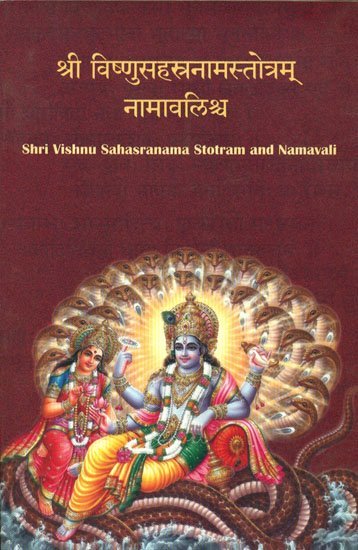
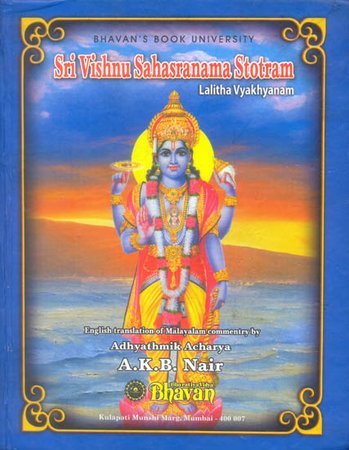
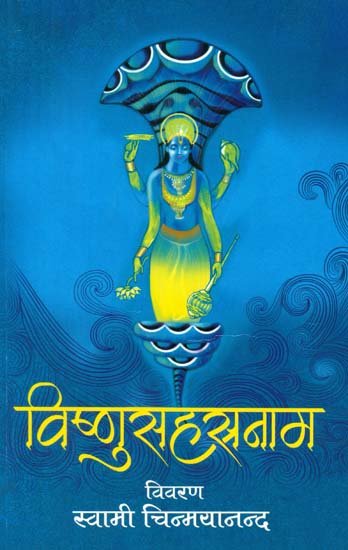
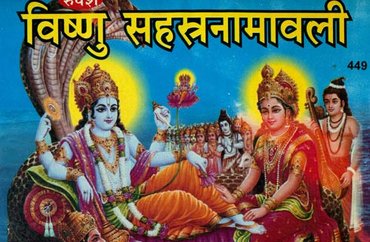
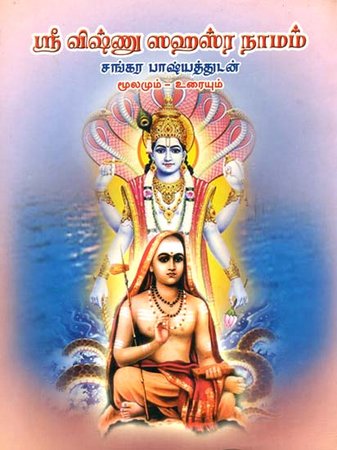
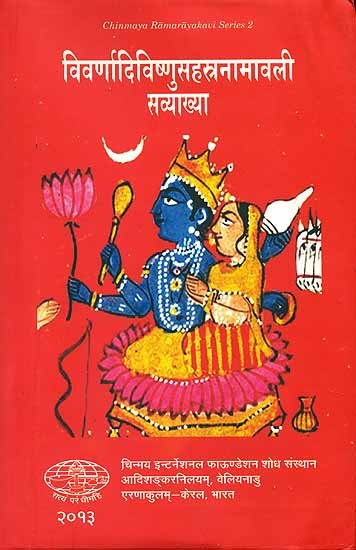
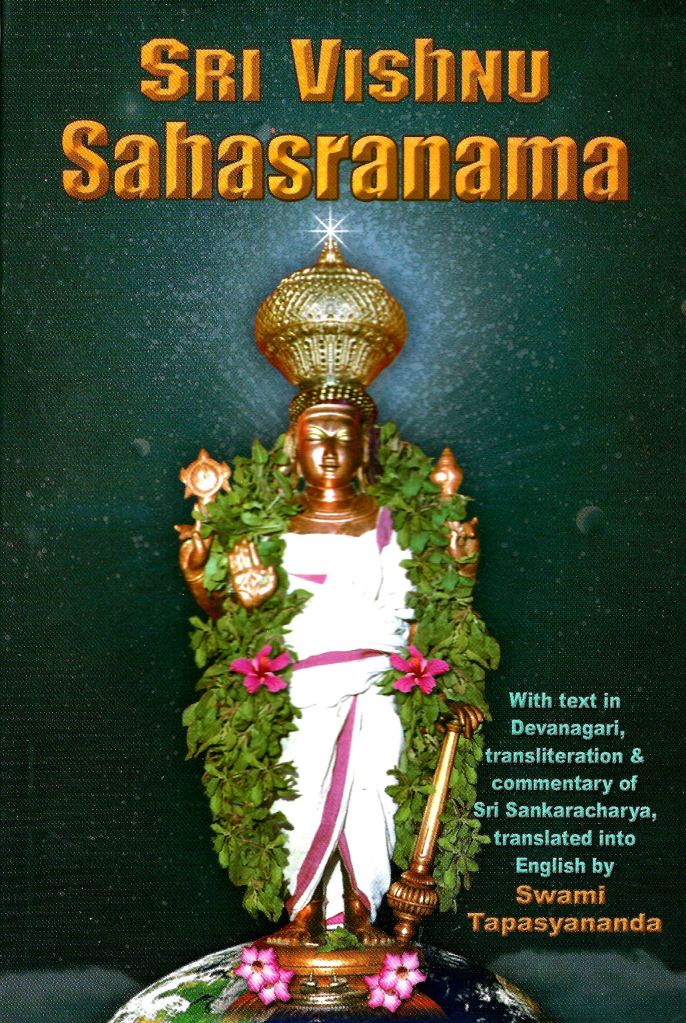
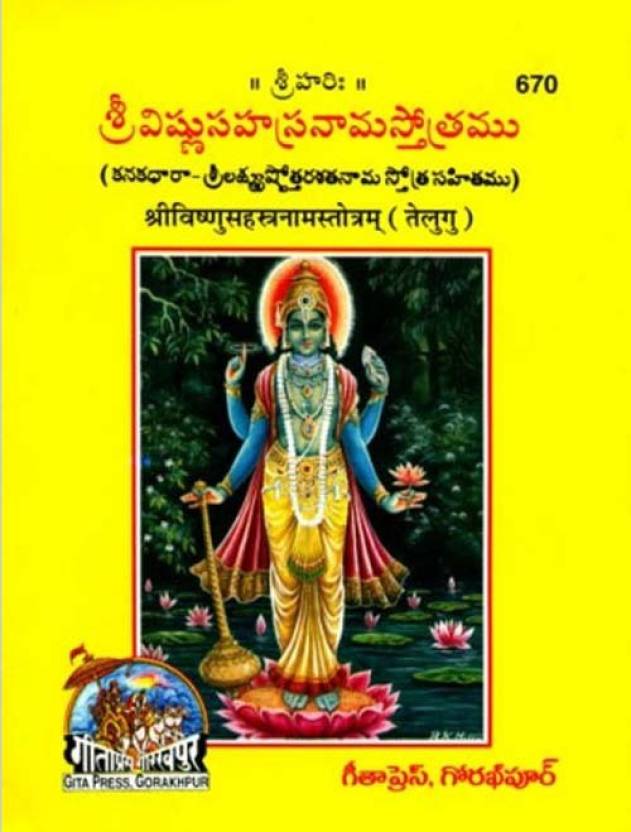
Here is an alternate reading of the Vishnu Sahasranama, the oldest of the Sahasranamas. One thousand names of any god is a ‘’Sahasranama. Though every Hindu god and goddess has a Sahasranama Vishnu’s one is the most famous of all Sahasranamas. It is the oldest and part of Mahabharata. Great grandsire Bhisma said it in front of Lord Krishna. Saints like Adi Shankara, Parasara Bhatta and Madhwa have commented on it. Hundreds of articles are written by prominent religious leaders on the religious merits of it.
Though I also recite it everyday like any devout Hindu, being an amateur historian, I can’t stop thinking of its influence on world history. Roman and Mitannian King names are in it. I have interpreted the words or its sounds on the bais of history. Let me tell you what I found in it:-
Five Generations
In the introductory First Part, we see five generations in one sloka- vyasam vasistha naptharam………………… Vyasa, his son Suka, Vyasa’s father Parasara, grand father Sakthi, great grand father Vasistha.
As all Hindus know Vyasa lived just before the beginning of Kaliyuga in 3102 BCE, we are talking about 3200 BCE here.
Sloka 16……yatha sarvani bhutani……….. talks about Big Bang and Big Crunch of cosmology.
Dhyana sloka sees the God as the universe with Sun and Moon as eyes, earth as His feet and Sky as His head. This is a repeat of Purushasuktam of Rig Veda and Viswarupa Darsan of Bhagavad Gita.
Concept of Time
Hindu concept of Time is very different from the Westrn concept of Time. In the main part of Sahasranama, the very first sloka describes god as master of time past, present and future. He is beyond the sway of Time.
All Gods in Sahasranama
Though it is called Vishnu Sahasranama, all gods’ names are in it – Siva, Sambhu, Aditya, Prajapati, Indra, Sumuka ( Ganesa), Ganesvarah, Vasu, Varuna, Rudra, Indra
Sikkandi ,Nahusha – epic and puranic names
Skanda ,Purandhara , Parameswara,Guha
Lord Kartikeya, Indra, Lord Shiva, Sastha, figure in the hymn.
Rama , Pranava, Krishna
Names of Rama, Omkara also in the hymn.
Mitannian king
Pratardhana was one of the kings who ruled Turkey- Syria region around 1400 BCE. It is one of the 1000 names of Vishnu.
Manu
World’s first law giver Manu is in the hymn.
Vrsakapi
This is a Vedic deity with lot of funny interpretations such as sexy monkey etc. Since it is in the Sahasranama it is as old as Vedic literature.
Siddhartha
It is the name of the Gautama Buddha ofsixth century BCE
Sipivishta
Another Vedic deity. Names of Vedic deities are found only in this hymn. That proves that Vishnu Sahasranama is the oldest.
Margo (Way)
I am the Way.
Indus valley God
Vishnu is called Maha Srnga- we see God with horn/ srnga in the Indus Valley Seals; though mistakenly identified with Shiva/Pasupati. Later we see Srngi (horned god) Na Eka Srngi (not just one horned) in this hymn.
Kapila (Tamil Poet’s Name)
Kapila is the name of a great rishi. It is in this hymn. Sangam Tamil literature has a Brahmin poet with this name Kapila. He is the most celebrated poet and highest contributor to the 2000 year old Sangam corpus.
Mr Doctor
Hindus are the only people who call god as a doctor and Medicine (Beshajam, Bishak in Rudra of Yajur Veda) here in this hymn God is called Bishak/ doctor).
Gupta dynasty
Gupta is one of the names here in the hymn; probably Gupta dynasty named themselves with this word.
Brahmana
Tamil poets describe God as a Brahmin. This is an echo of Sahasranama
Manatho
Manetho is one of the Egyptian priests who wrote Egyptian history in the third century BCE. Here we have Manatho
Surya Namaskar
Names of Surya found in the Surya Namaskar Mantra are Vishnu’s names found in the hymn.
Cicero
Rome’s greatest orator, lawer, statesman is Cicero. We see Sisirah in the hymn.
Sri Vijaya Dynasty
Sri Vijaya Dynasty of South East Asia took its name
From the Sahasranam. This is in the last part of Sahasranama
Sree
Sri occurs in many words. It simply means, wealth, auspicious , Goddess Lakshmi.
English title SIR and Tamil title Thiru came from Sri.
Vikrama
Many Indian kings including the greatest legendary king Vikramaditya has this name.
Garudadwaja -Flag of Eagle-
Today we see Garuda/ emblem in several countries including USA. Garuda Pillar was erected in Besnagar by Helidorus in 113 BCE. He was the ambassador of Indo-Greek king of Taxila. He called himself Parama Bhagavata/ great devotee f Vishnu.
Thus we see many dynasties and kings in the Sahsranama.
Trees and birds and Stars
Several trees, birds, fish and star names are also found in the Vishnu Sahasranama.
So, an alternate reading of the oldest Sahasranama sheds more light on the history of the world from Turkey/ Syria to Sri Vijayas of South East Asia.
Pictures are taken from various sources; beware of copyright rules; don’t use them without permission; this is a non- commercial, educational blog; posted in swamiindology.blogspot.com and tamilandvedas.com simultaneously. Average hits per day for both the blogs 12,000
நா ன் 27 ஆண்டுகளுக்கு முன்னர் தினமணி யில் குத்துச் சண்டை
வீரர் முகமது அலி பற்றி எழுதிய கட்டுரையை இணைத்துள்ளேன்.
கட்டுரை வெளியான தேதி – 23 பிப்ரவரி 1992.
அவர் பிறந்த தேதி – 17 ஜனவரி 1942
அவர் இறந்த தேதி – 3 ஜூன் 2016
NEW YORK, USA – CIRCA 2016: A postage stamp printed in Togo showing Muhammad Ali, circa 2014
Pictures are taken from various sources; beware of copyright rules; don’t use them without permission; this is a non- commercial, educational blog; posted in swamiindology.blogspot.com and tamilandvedas.com simultaneously. Average hits per day for both the blogs 12,000
Pictures are taken from various sources; beware of copyright rules; don’t use them without permission; this is a non- commercial, educational blog; posted in swamiindology.blogspot.com and tamilandvedas.com simultaneously. Average hits per day for both the blogs 12,000
21-12-2019 மாலைமலர் இதழில் வெளியாகியுள்ள கட்டுரை
ச.நாகராஜன்
இசைபட வாழ வைக்கும் வைடூரியம்
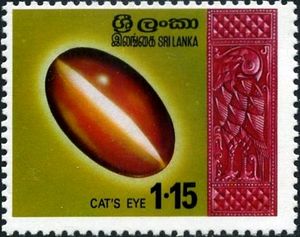
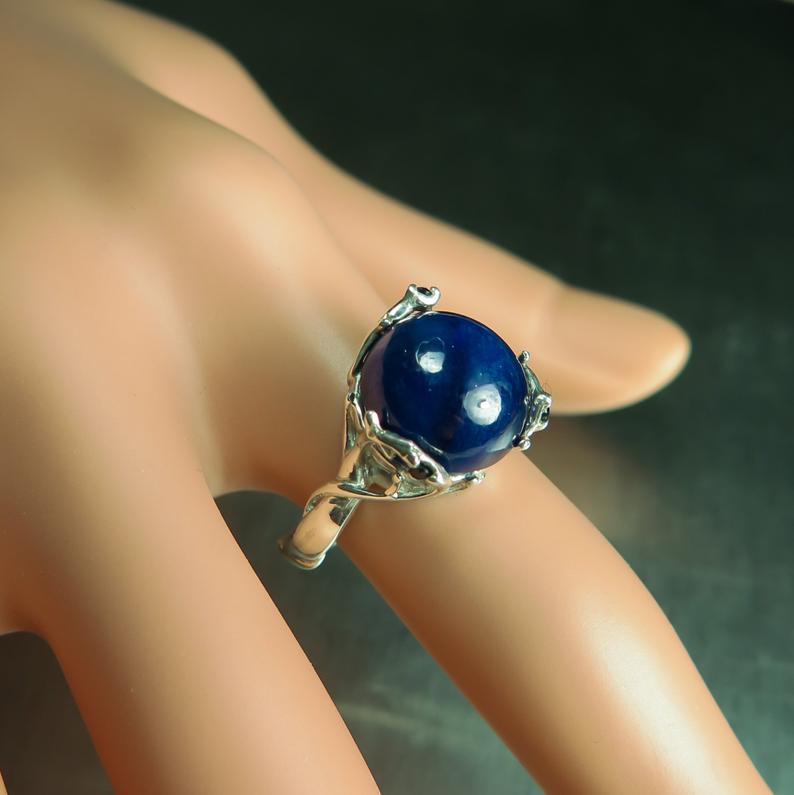
நீங்கள் ஒரு இசைக் கலைஞரா, பேச்சாளரா, கல்லூரியிலோ அல்லது பெரிய நிறுவனங்களிலோ வேலை பார்ப்பவரா, உங்கள் சொல்லை மற்றவர் மதித்து நடக்க வேண்டிய தலைமை இடத்தில் இருப்பவரா, உங்களுக்கெனவே இருக்கிறது வைடூரியம் என்னும் அபூர்வ ரத்தினம். நவ ரத்தினங்களுள் ஒன்றான இதை ஆங்கிலத்தில் கேட்ஸ் ஐ – (Cat’s Eye) என அழைக்கின்றனர். தோன்றில் புகழொடு தோன்றுக என்று ஆணையிட்ட வள்ளுவர் ஈதல் இசைபட வாழ்தல் -அதாவது புகழுடன் வாழ்தல் – உயிருக்கு ஊதியம் என்ற ரகசியத்தை வெளிப்படுத்துகிறார்.
குரல் வளம் சிறக்கவும் இசைபட – புகழுடன் – வாழவும் பெரிதும் உதவுவது வைடூரியம்!
இலக்கியம் புகழும் வைடூரியம்
பழைய காலத்திலிருந்தே அனைத்து நாகரிக மக்களும் கொண்டாடிய கல் வைடூரியம்.
செய்வினை, மந்திர சக்தி, மரணம் ஆகியவற்றிலிருந்து இது ஒருவரை காப்பாற்ற வல்லது என்று பழைய நாகரிகத்தினர் பெரிதும் நம்பினர். அராபியர்களோ பெரும் யுத்த களத்தில் இதை அணிந்தால் மறைந்து இருந்து மாயாவியாகப் போர் புரிய முடியும் என்று நம்பினர்.
சிலப்பதிகாரத்தில், ஊர் காண் காதையில் “தீதறுக் கதிரொளி தெள் மட்டு உருவவும்” என்று குறிப்பிடப்படும் வரியினால் (வரி 189) ‘குற்றமற்ற கதிரவனின் ஒளி போலவும் தெளிந்த தேன் துளி எனச் சொல்வதற்கு ஒத்த உருவமும் உடையது வைடூரியம்’ என்பது தெரிய வருகிறது.
இராமாயணத்தில் அயோத்தி நகரமும் இலங்கையும் வைடூரியக் கற்களினால் ஜொலிப்பது பல இடங்களில் அழகுற வர்ணிக்கப்பட்டுள்ளது.
ரஸ ஜல நிதி தரும் சுவையான செய்திகள்
வைடூரியம் பற்றி மிகப் பெரும் பண்டைய நூலான ரஸ ஜல நிதி தரும் சுவையான தகவல்கள் இவை : –
இந்தக் கல் காம-பூதி நாட்டின் எல்லையில் உள்ள மிக உயரமுடைய மலையான விதுர மலையில் தோண்டி எடுக்கப்படுகிறது. (காம-பூதி என்பதைக் கம்போடியா என அறிஞர்கள் ஆய்வு செய்து சொல்கின்றனர்). இந்தக் கல்லின் உள்ளே பார்த்தால் ஊஞ்சலாடும், கழுத்தைச் சுற்றி அணியும் துணி போன்ற குறி தெரியும்!
வைடூரியத்தின் வகைகள்
இந்தக் கல் மூன்று வகையாக இருக்கிறது. 1) மஞ்சளுடன் கறுப்பு வண்ணம் கலந்திருப்பது 2) சிவப்புடன் நீல வண்ணம் கலந்திருப்பது 3) வெள்ளையுடன் கறுப்பு வண்ணம் கலந்திருப்பது
வைடூரியம் மூன்று விதங்களில் கிடைக்கும் 1) பச்சை மூங்கில் இலை வண்ணத்துடன் இருப்பது 2) மயிலின் கழுத்தில் ஜொலிக்கும் வண்ணத்துடன் இருப்பது 3) பூனையின் கண்ணில் இருக்கும் கபில வண்ணம் போல இருப்பது.
இந்த அனைத்து வகைகளிலும் சிறந்த வைடூரியம் என்று கூறப்படுவதன் குணாதிசயங்கள் இவை :- கனமாக இருப்பது, வழ்வழுப்புடன் இருப்பது, பொதுவான குறைகளான கோடு, கீறல், பள்ளம். புள்ளி போன்றவை இல்லாமல் இருப்பது (முந்தைய பல ரத்தினங்களுக்காக சொல்லப்பட்ட குறைகள் இருக்கக் கூடாது),ஒளி ஊடுருவிப் பிரகாசிப்பது ஆகியவை கொண்ட கற்களை அணியலாம்.
கறுப்பு வண்ணத்துடன் இருப்பது, நீர் வண்ணம் கொண்டது, தொப்பி வடிவம் கொண்டது, இலேசானது, கரடுமுரடாக இருப்பது, சிவப்பு வண்ணத்துடன் கூடிய, ஊஞ்சலாடும் கழுத்தைச் சுற்றி அணியும் துணி போன்ற தோற்றத்துடன் இருப்பது ஆகியவை விலக்கப்பட வேண்டியவையாகும்.
நல்ல ஒரு வைடூரியத்தை அணிந்தால்,
ரத்தக்கசிவு, ரத்தப்போக்கு நீங்கும்,
அறிவு மேம்படும்,
ஆயுள் நீடிக்கும்,
வலிமை கூடும்,
பித்தத்தினால் ஏற்படும் அனைத்து வியாதிகளும் நீங்கும்,
ஜீரண சக்தி கூடும்,
மலம் இளகி நீங்கும்.
ஒரு நல்ல வைடூரியத்தை எப்படிக் காண்பது எனில் அதை உரைகல்லில் வைத்து உரசிப்பார்த்தால் அது ஒளி விட்டுப் பிரகாசிக்கும்.
இப்படிப்பட்ட அரிய செய்திகளை ரஸ ஜல நிதி மூலமாக அறிகிறோம்!
கேட்ஸ் ஐ என்ற வார்த்தை எப்படி வந்தது?
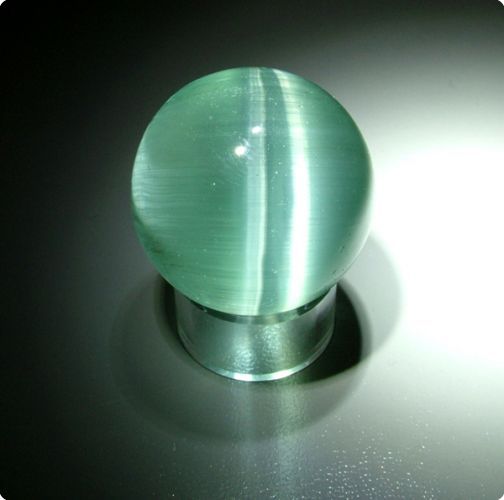
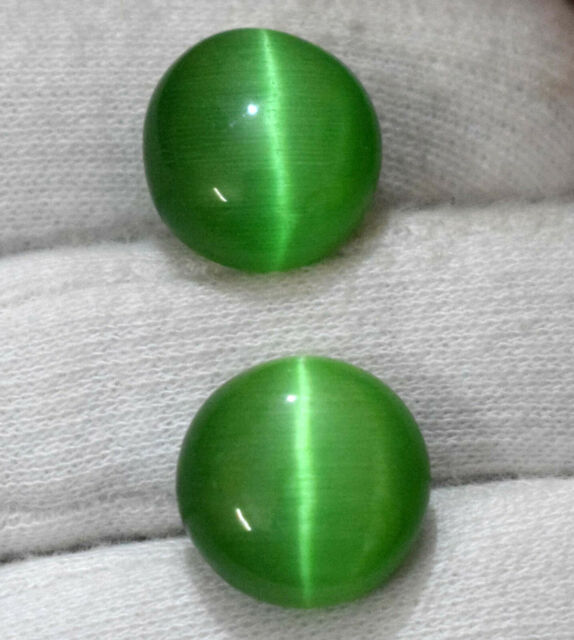
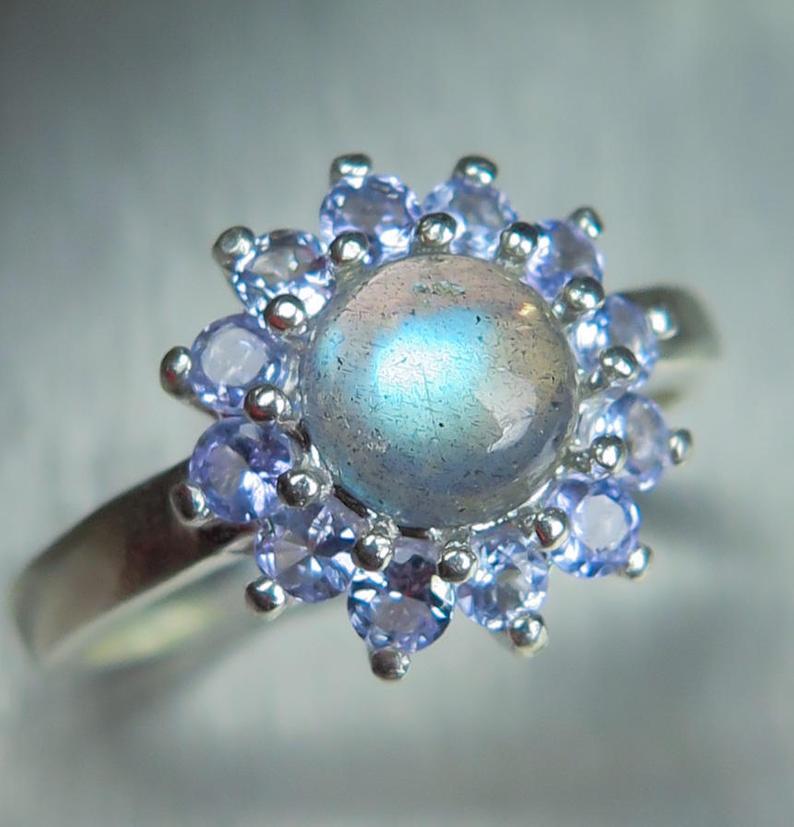
க்ரைசோபெரில் (Chrysoberyl) என்ற குடும்பத்தைச் சார்ந்த இந்தக் கல்லின் நடுவே ஒளியைப் பாய்ச்சினால் உள்ளே பூனையின் கண்ணைப் போல இருக்கும் வடிவைக் காணலாம். அதனால் தான் இது கேட்ஸ் ஐ என்ற பெயரைப் பெற்றது. கேட்டோயர் (chatoyer) என்ற பிரெஞ்சு வார்த்தையிலிருந்து வந்தது கேட்ஸ் ஐ என்ற வார்த்தை.
ஜோதிட சாத்திரம் கூறும் உண்மைகள்
ஒரு ஜாதகத்தில் கேது தசை நடந்தாலோ அல்லது கேது புக்தி நடந்தாலோ இதை அணிவது நலம் பயக்கும். கேது வைடூரிய ஆபரணத்தை அணிந்தவன் – வைடூர்ய விபுஷண தாரணாயாம் – என்று கேது தியான ஸ்லோகம் கூறுகிறது.
சாயா கிரகம் எனப்படும் நிழல் கிரகமான இந்தக் கேதுவினால் ஏற்படும் சில தோஷ பலன்களை நீக்க வைடூரியம் அணியலாம்; உடனே தீய பலன்கள் நீங்கி விடும். குறிப்பாக சர்ப்ப கிரக தோஷம் என்ற தோஷத்தால் புத்திர பாக்கியம் தாமதப் படுவோர் இதை அணிந்தால் சீக்கிரமே புத்திர பாக்கியம் கை கூடும்.
வைடூரியத்தில் அதன் நடுவில் இருக்கும் கோடு தான் அதற்கு அழகூட்டுகிறது. இதை ரத்தின சாஸ்திரம் சூத்ரம் என்று அழைக்கிறது. இந்த சூத்ரம் இருபுறமும் முழுவதும் ஓடுவதாக இருக்க வேண்டியது அவசியம். இப்படி அணிந்தால் தைரியம் கூடும்; தெய்வ பலமும் சேரும்.
எண் கணிதத்தில் 7 என்ற எண்ணுக்குரியது வைடூரியம். ஆகவே 7 எண் (7,16,25 ஆகிய தேதிகள்) பிறந்த தேதியாக இருந்தாலோ அல்லது கூட்டு எண் ஏழாக அமைந்தாலோ வைடூரியம் நல்ல பலன்களை அளிக்கும்.
வைடூரியத்திற்கு கேது ரத்னம், சூத்ர மணி என்று வேறு பெயர்களும் உண்டு.
பிரபலங்களின் ஸ்பெஷல்!
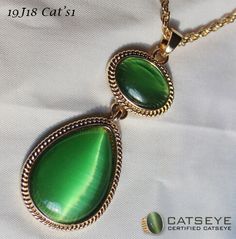
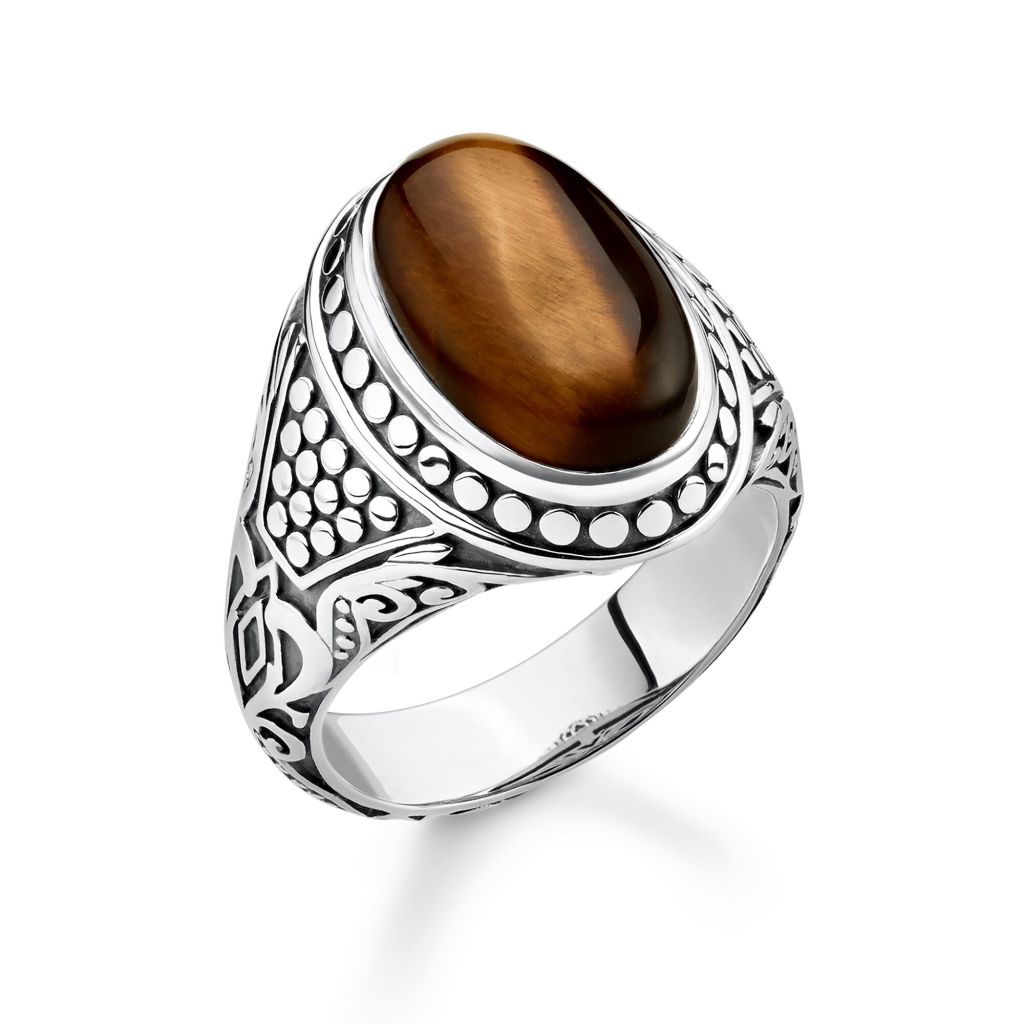
இதை மோதிரமாகவோ பதக்கமாகவோ அணியாத பிரபலங்களே இல்லை எனலாம். குறிப்பாக வாக்கு சக்தியை இது கூட்டும், குரல் வளம் ஓங்கும் என்பதால் இசைக் கலைஞர்களும், பேச்சாற்றல் உள்ளவர்களும் இதை அணிகின்றனர்.
ஷேர் மார்க்கெட்டில் ஈடுபடுவோர் இதை அணிவது வழக்கம். அத்துடன் அபாயகரமான விளையாட்டுக்கள் மற்றும் மலையேறுவது, சூதாடுவது போன்றவற்றில் ஈடுபடுவோருக்கு ஆபத்துக்களை விலக்கிப் பாதுகாப்பளிப்பதும் வைடூரியமே. சில அபூர்வமான வைடூரியக் கற்கள் இரு வண்ணங்களைச் சரி பாதியாகக் கொண்டிருக்கும். ஒரு பக்கம் இலேசான வண்ணம் மற்றொரு பக்கம் அடர்த்தியான வண்ணம் கொண்டிருக்கும் இந்த வகைக் கற்களை பால்-தேன் விளைவைக் (Milk and Honey effect) கொண்டிருப்பது என்று கூறுவர்.
அறிவியல் தரும் தகவல்கள்
இதன் ரசாயன சமன்பாடு : BeAl2O4 மோ அலகின் படி இதன் கடினத் தன்மை : 8.5 இதன் ஒப்படர்த்தி (Specific Gravity ) : 3.5 – 3.84
அறிவியல் வளர்ச்சியால் வைடூரியம் செயற்கை முறையிலும் தயாரிக்கப்பட ஆரம்பித்து விட்டது. இது இயற்கையான வைடூரியம் போலவே தோற்றம் அளிக்கும். இயற்கை வைடூரியத்தையும் செயற்கையினாலான சிந்தடிக் வைடூரியத்தையும் அருகருகில் வைத்துப் பார்த்தால் எது இயற்கை, எது செயற்கை என்று இனம் காண்பது மிகவும் கடினம். வெவ்வேறு வண்ணங்களில் கூட செயற்கை வைடூரியம் கிடைக்கிறது. ஆனால் நமக்கு வேண்டிய நல்ல பலன்களுக்காக நாம் நாட வேண்டியது இயற்கையில் கிடைக்கும் வைடூரியக் கற்களை மட்டுமே தான்!
19ஆம் நூற்றாண்டில் இங்கிலாந்தைச் சேர்ந்த கன்னாட் டியூக் (Duke of Connaught) வைடூரியம் பதித்த மோதிரத்தை நிச்சயதார்த்த மோதிரமாக கொடுத்த போது இது மிகவும் பிரபலமானது.
வைடூரியத்தைப் பற்றிய சுவையான ரோமானியக் கதை ஒன்று உண்டு. வ்ரிணா என்ற ஒரு இளவரசி ரோம் நகரத்தை ஆண்டு வந்தாள். அவளிடம் வைடூரியப் பதக்கம் பதித்த மாலை ஒன்று இருந்தது.
ஒரு பெரிய யோகி அவளிடம், ஒரு போதும் அந்தப் பதக்கத்தை அவள் அணியாமல் இருக்கக் கூடாது என்றும் மிகவும் மோசமான கால கட்டத்தில அந்தப் பதக்கம் அவளை அந்த நிலையிலிருந்து மீட்கும் என்றும் மிருகங்களுடன் பேசும் சக்தி அப்போது அவளுக்கு வரும் என்றும் குறிப்பிட்டார்.
ஒரு சமயம் மழை பொய்க்கவே நாடெங்கும் பஞ்சம் தலை விரித்தாடியது. இளவரசி ஏழ்மை நிலை அடைந்து வருந்தினாள். அனைத்து செல்வமும் இழந்த நிலையில் செய்வதறியாது அவள் திகைத்த போது ஓவென அவள் அழ ஆரம்பித்தாள். அப்போது பூனையின் கண் போல கண்கள் கொண்ட ஒரு பல்லி அவள் அருகில் வந்து அவளிடம் பேச ஆரம்பித்தது. “இளவரசியே, அழாதே! நதியின் வறண்ட கரைப் பகுதிக்கு செல். உனக்குத் தேவையானது அங்கு கிடைக்கும். இழந்த நிலையை நீ மீண்டும் பெறுவாய்” என்றது அது. உடனே வ்ரிணா தன் படை வீரர்களுடன் நதிக் கரையை அடைந்து அங்கு தோண்ட ஆரம்பித்தாள். என்ன ஆச்சரியம்! வைடூரியச் சுரங்கம் ஒன்றை அவள் கண்டாள். ஏராளமான வைடூரியக் கற்களை அவளால் வெட்டி எடுக்க முடிந்தது. அந்தக் கற்கள் மூலமாக இழந்த செல்வம் மீண்டும் வர பெரும் ராணியானாள் அவள். இந்தக் கதை ரோமானிய நாகரிகத்தில் மிகவும் பிரபலமாக சொல்லப்பட்ட கதை.
இதிலிருந்தே இழந்த செல்வத்தை மீண்டும் தரும் வைடூரியத்திற்கு ரோமானியர்கள் எவ்வளவு மதிப்புக் கொடுத்தனர் என்பதை அறியலாம்!
கிடைக்கும் இடங்கள்
இலங்கையின் பல பகுதிகளில் அருமையான வைடூரியம் கிடைக்கிறது.
பிரேஜில், சீனா, தாய்லாந்து, தென் அமெரிக்கா, வட அமெரிக்கா, தென் ஆப்பிரிக்கா, ஆஸ்திரேலியா உள்ளிட்ட பல நாடுகளிலும் இப்போது வைடூரியம் கிடைக்கிறது.
இந்தியாவில் திருவனந்தபுரம் மற்றும் மலபார் பகுதிகளிலும், ஒரிஸாவின் சில பகுதிகளிலும் வைடூரியம் கிடைக்கப் பெறுகிறது.
தேவி இருக்குமிடத்தில் வைடூரிய பிரகாரம்
தேவி பாகவதத்தில் பன்னிரெண்டாம் ஸ்கந்தம் பதினொன்றாம் அத்தியாயம் மணித்வீபத்தைப் பற்றி வர்ணிக்கிறது.
மணித்வீபம் என்பது பிரம்ம லோகத்திற்கு மேல் உள்ள உலகம். இதில் தேவி வசிக்கிறாள். அவள் வசிக்குமிடத்தில் உள்ள பிரகாரங்கள் வர்ணிக்கப்படுகையில் வஜ்ர பிரகாரத்திற்கு மேலுள்ள பிரகாரமாக அமைவது வைடூரிய பிரகாரம். இங்குள்ள ராஜ மார்க்கம், வாபி, தடாகம், கால்வாய், மணல் எல்லாமே வைடூரியம் தான்! பிராம்ஹி, மாஹேஸ்வரி,கௌமாரி, வைஷ்ணவி, வராகி, இந்திராணி, சாமுண்டி ஆகிய சப்த மாதர்களும் வசிக்கும் இடம் இது. இவர்களோடு மஹாலக்ஷ்மியும் இங்கு வாசம் செய்கிறாள். பிரகாரத்தின் துவாரங்களில் திரிமூர்த்திகளுடைய வாகனங்களான அன்னம், கருடன், ரிஷபம் ஆகியவை வெகு ஜாக்கிரதையுடன் (எக்கணத்திலும் புறப்படச்) சித்தமாயிருக்கும்.
இன்னும் பல செய்திகளைத் தரும் இந்த வர்ணனை பிரமிப்பூட்டும் ஒன்று. லக்ஷ்மி வாசம் செய்யும் இடம் வைடூரிய பிரகாரம் என்பதை அறியும் போது செல்வ வளத்தை வைடூரியம் கொடுக்கும் என்ற இரகசியம் பெறப்படுகிறது.
செல்வ வளத்துடன் இசைபட வாழ அனைவரும் வைடூரியத்தை வணங்கி வரவேற்று அணிவோம்!
****
அடுத்த கட்டுரையுடன் இந்த நவரத்தினத் தொடர் நிறைவுறும்.
Pictures are taken from various sources; beware of copyright rules; don’t use them without permission; this is a non- commercial, educational blog; posted in swamiindology.blogspot.com and tamilandvedas.com simultaneously. Average hits per day for both the blogs 12,000
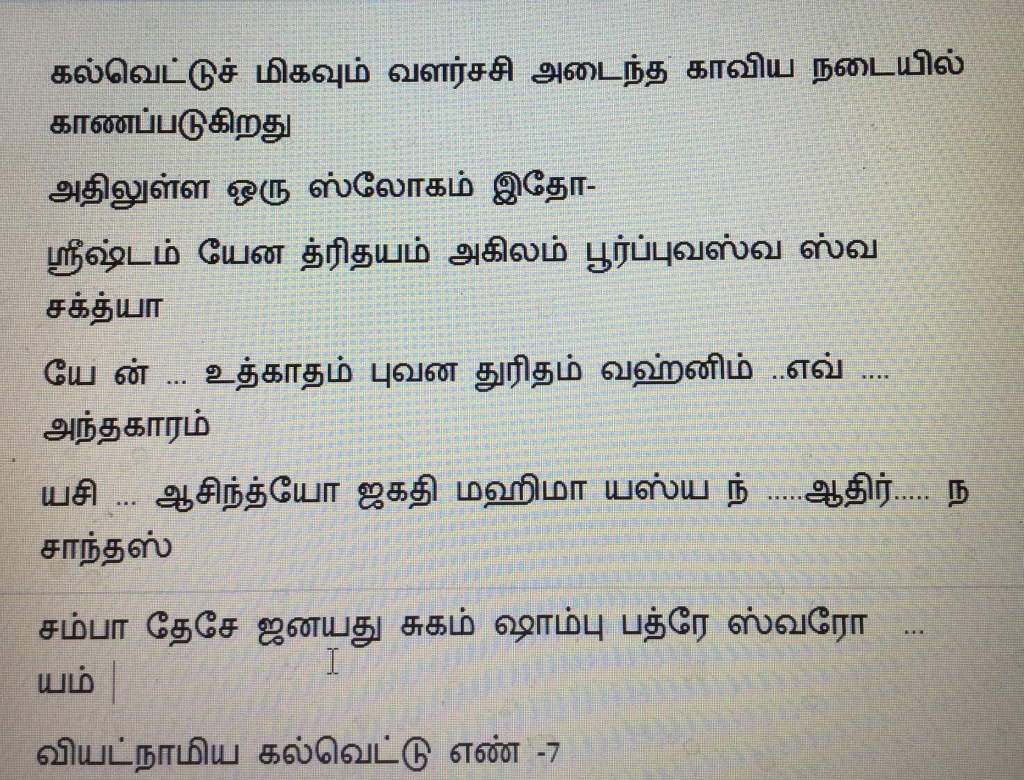
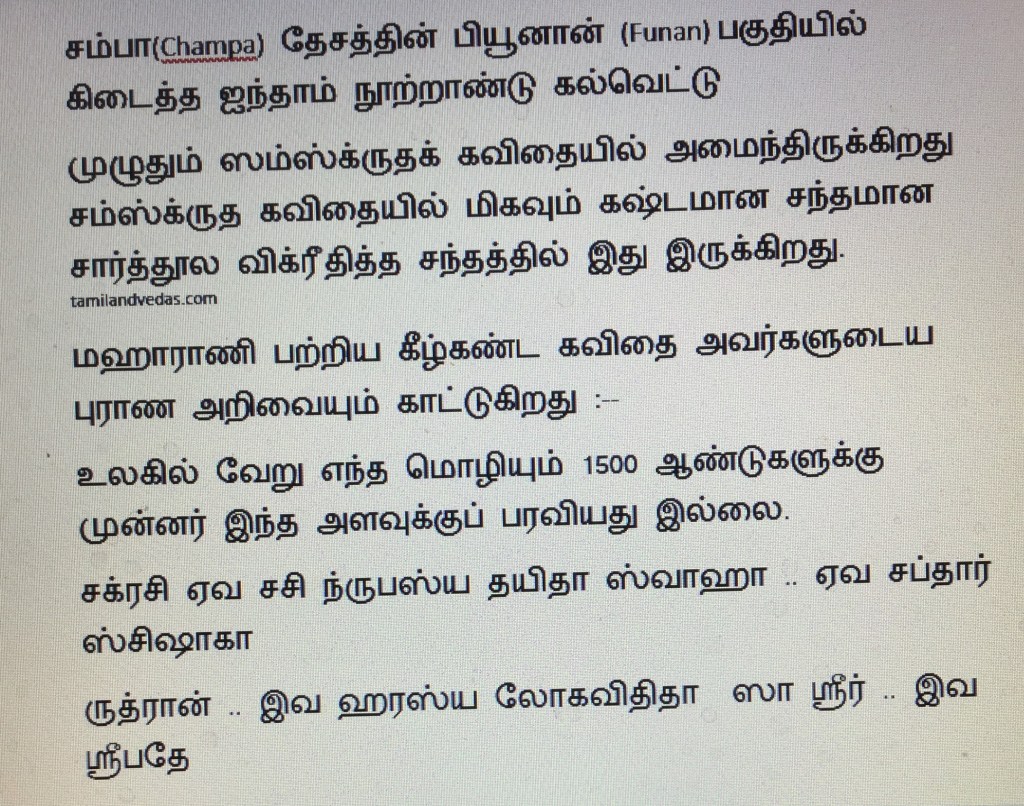
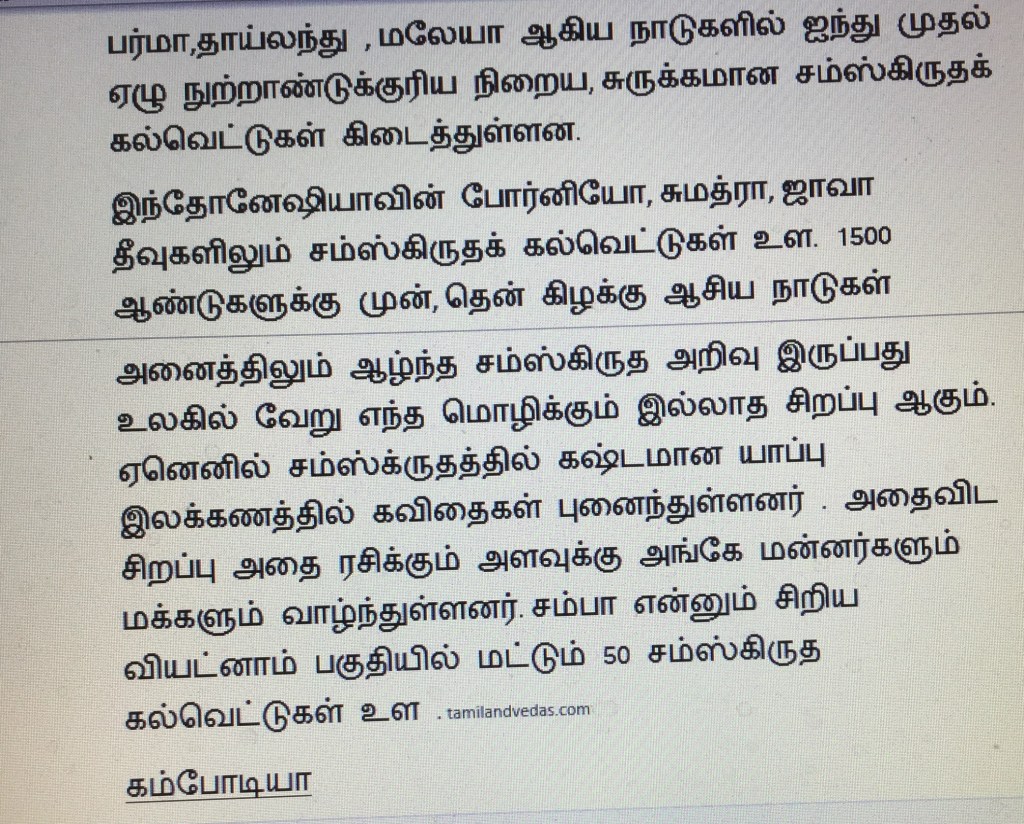
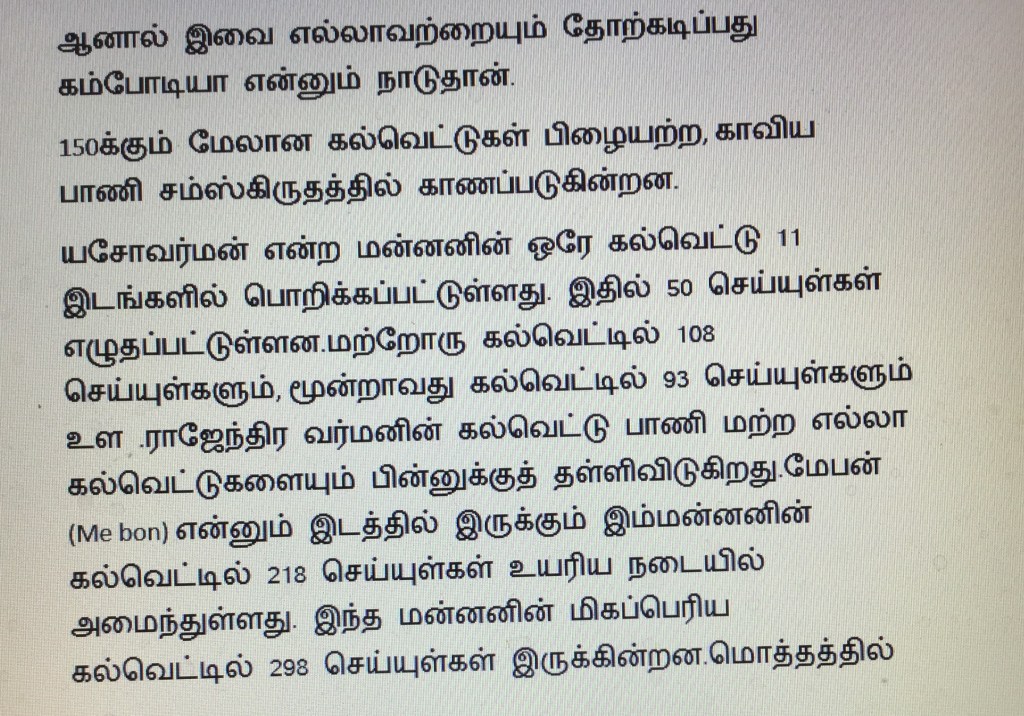
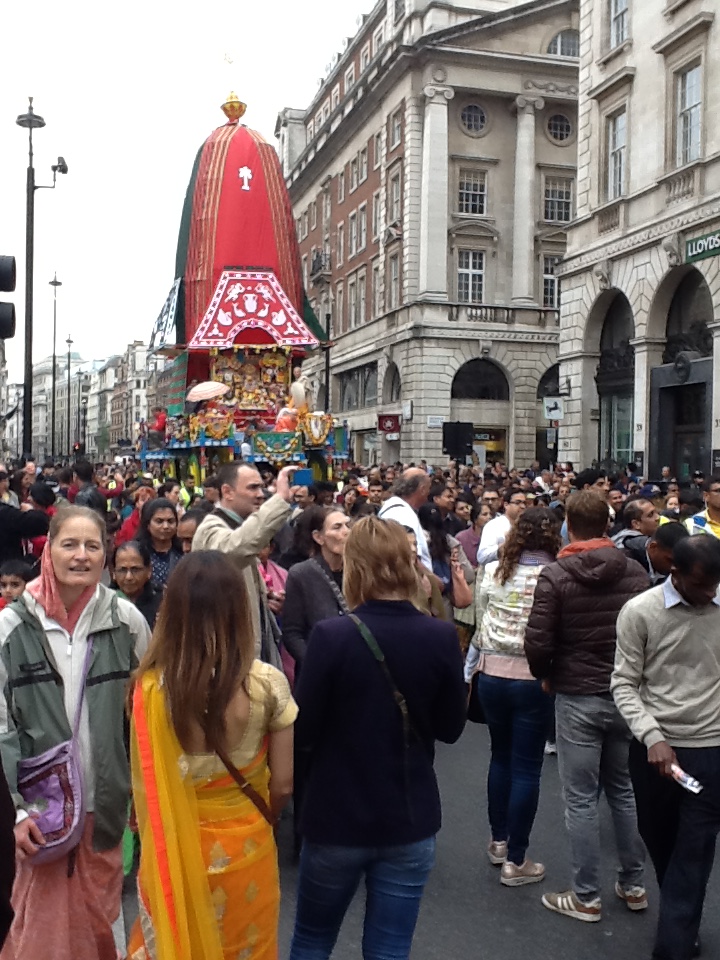
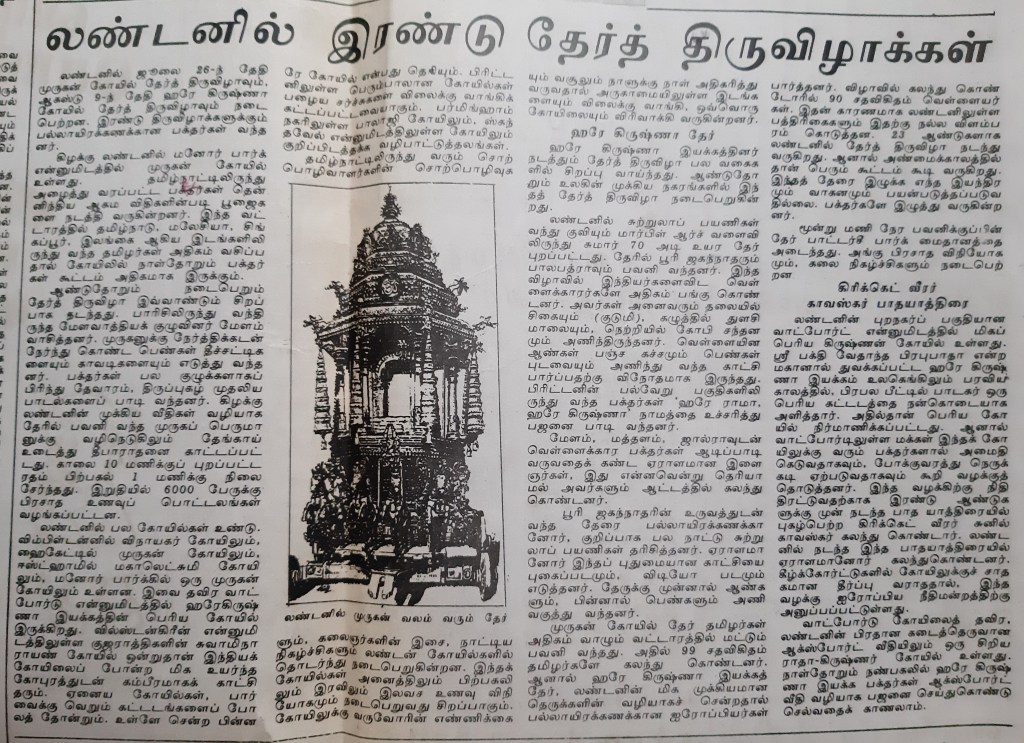
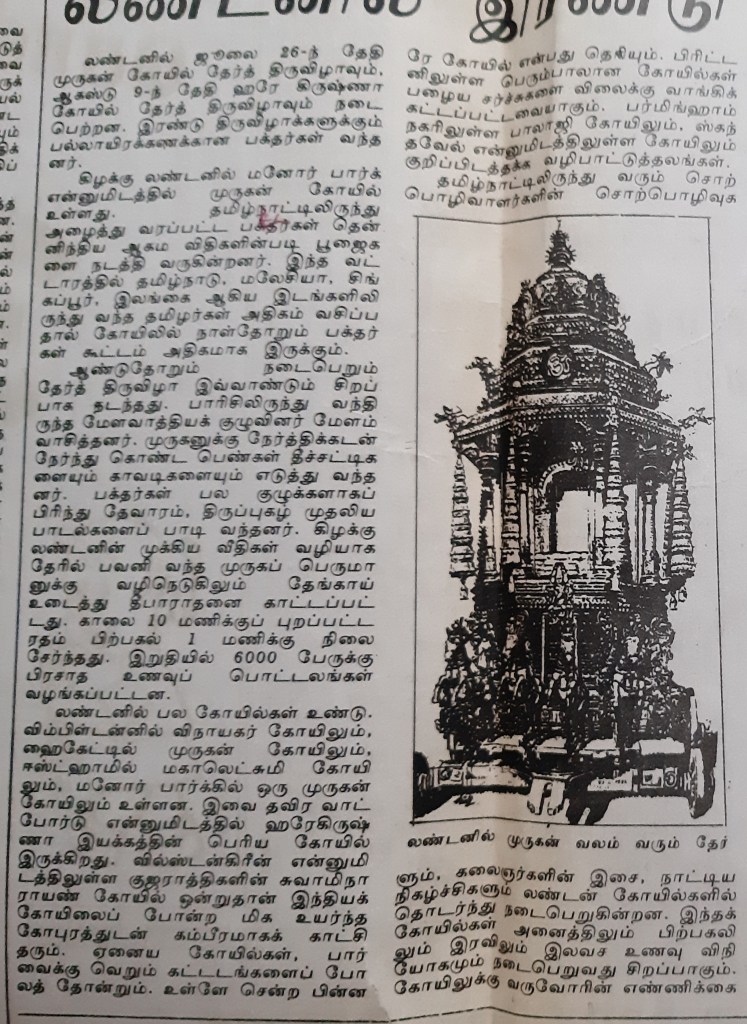
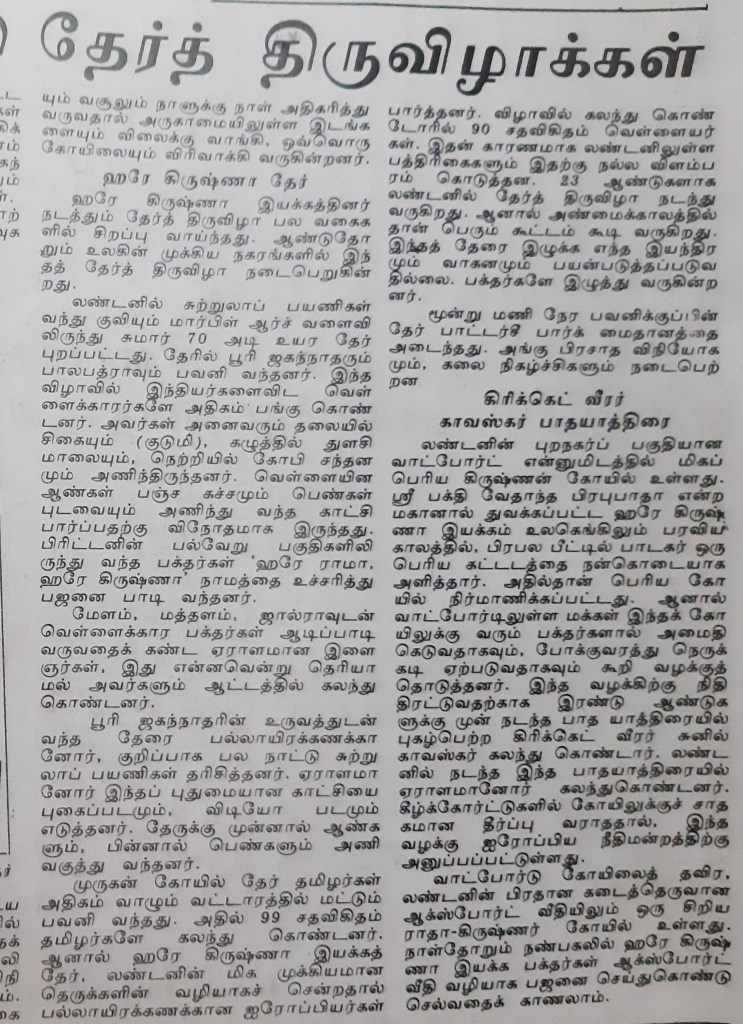
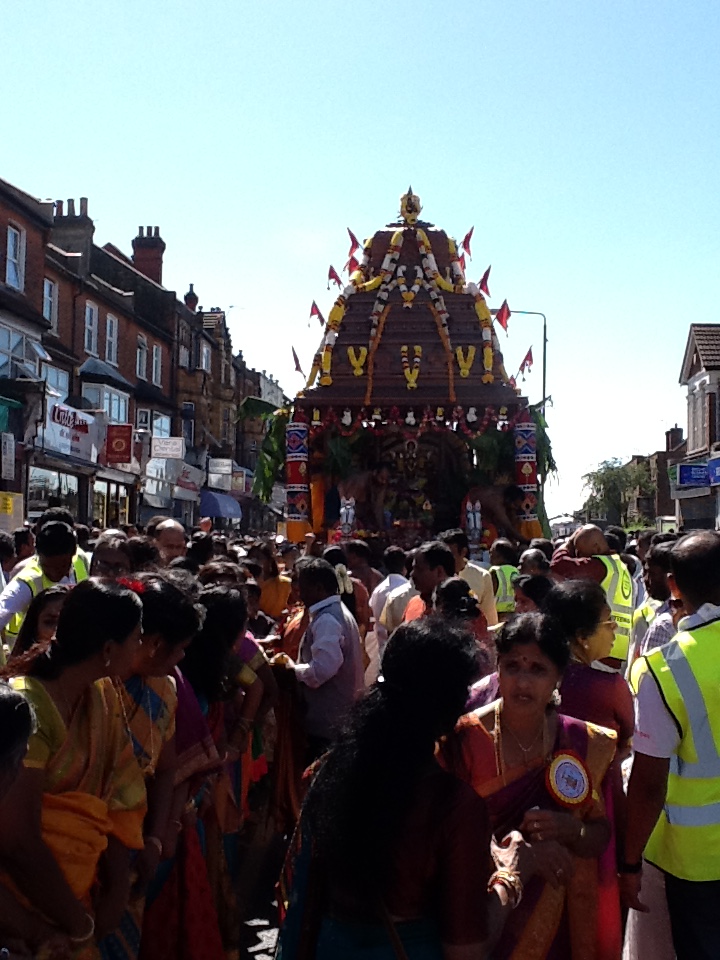
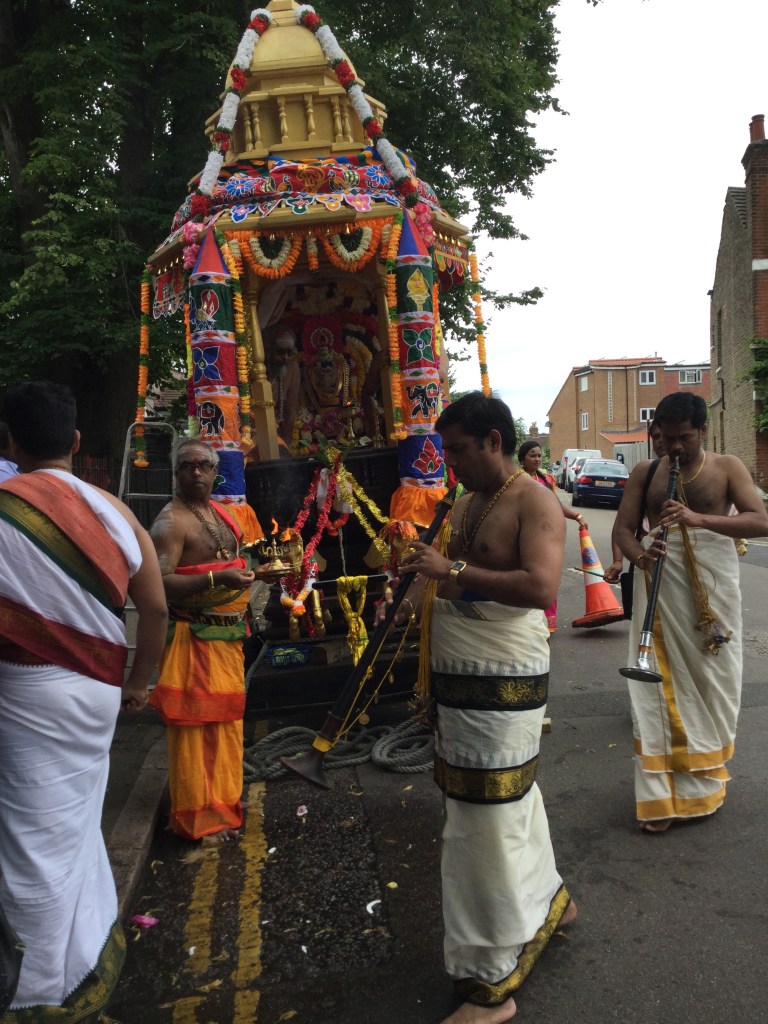
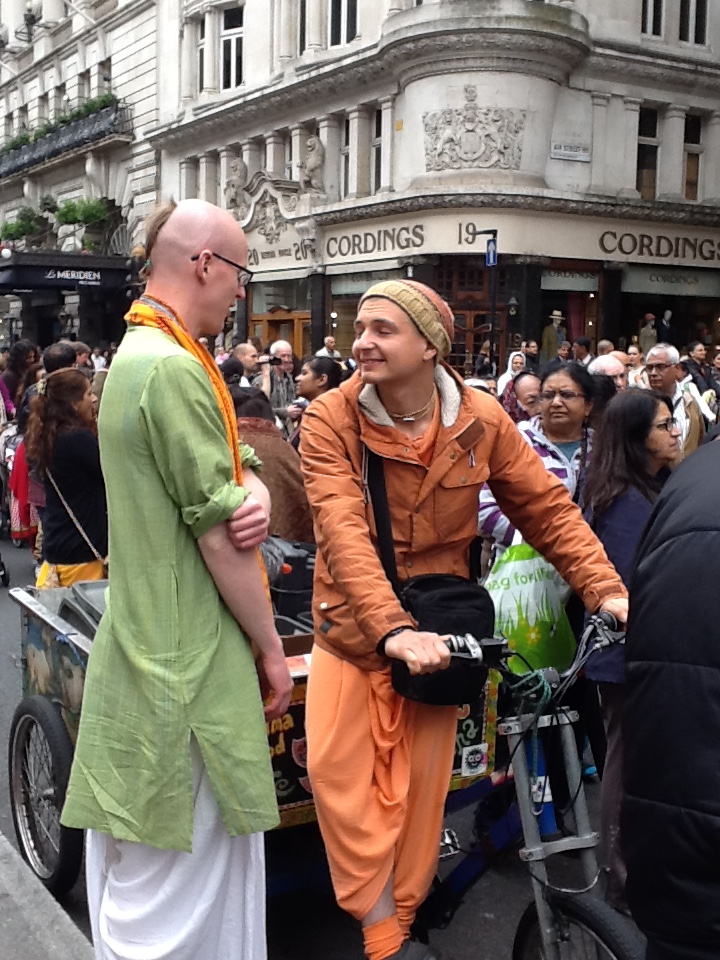
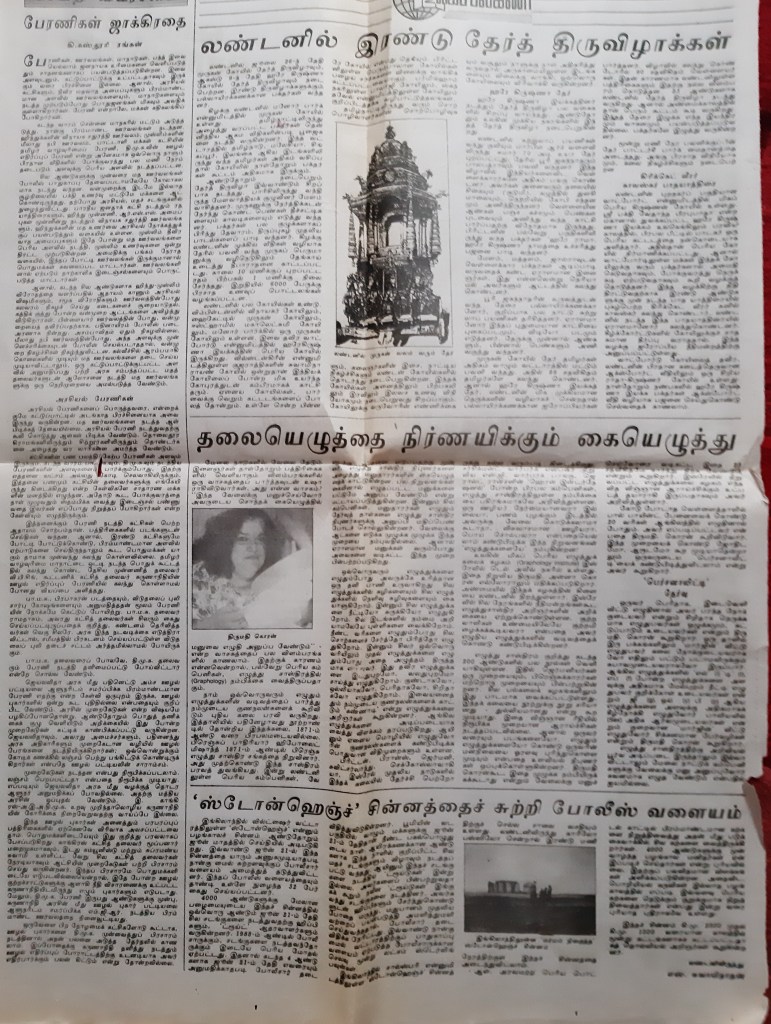
லண்டனில் இரண்டு தேர்த் திருவிழாக்கள் என்ற கட்டுரையை 20 செப்டம்பர் 1992ல் தினமணியில் எழுதினேன். அதன் பிறகு ஆண்டு தோறும் எழுதி வருகிறேன் . 2019ல் நடந்த ஹரே கிருஷ்ணா தேர் பற்றியும் கனக துர்க்கை அம்மன் கோவில், மகாலெட்சுமி கோவில் தேர்கள் பற்றியும் எழுதினேன். நாளுக்கு நாள் கூட்டம் அதிகரித்துக் கொண்டே வருகிறது. இத்துடன் 20-09-1992 தினமணி கட்டுரையை இணைத்துள்ளேன்.
1992ல் 3 அல்லது 4 தேர்த் திருவிழாக்கள் மட்டுமே நடந்தன . இப்போது 25க்கும் மேலான தமிழக கோவில்கள்
இருப்பதால் இருபதுக்கும் மேலான ரத்த யாத்திரைகள் ஆண்டுதோறும் நடைபெறுகின்றன.
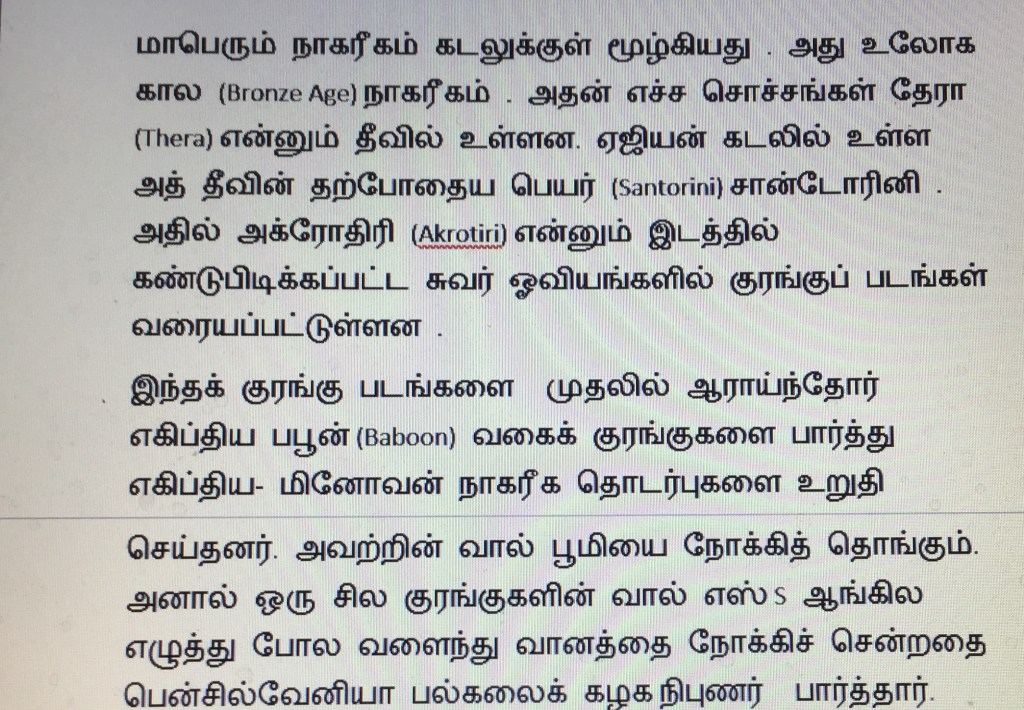
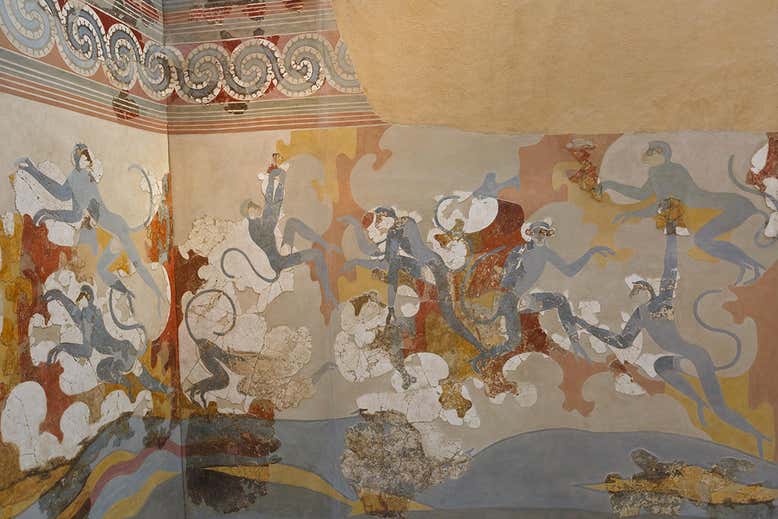
A Bronze Age painting on a Greek island shows a monkey from thousands of kilometres away in Asia. The finding suggests that ancient cultures separated by great distances were trading and exchanging ideas.
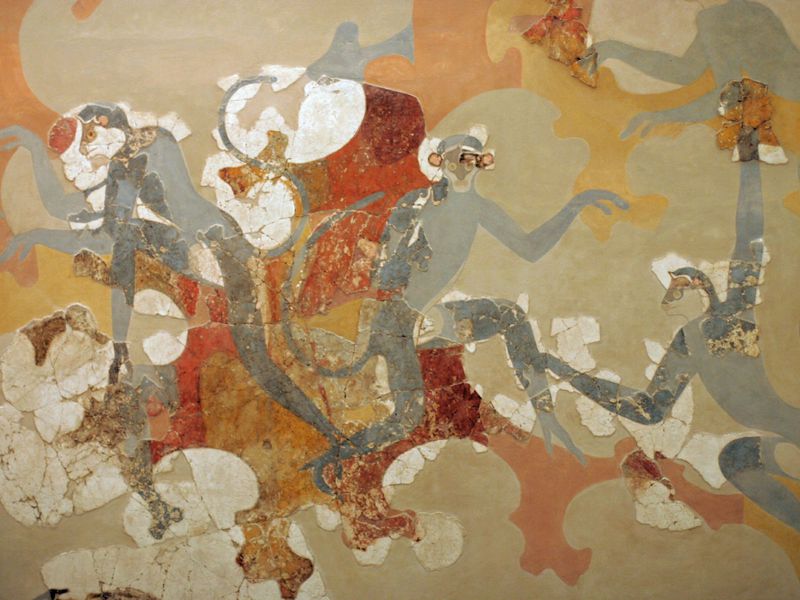
The artwork is one of several wall paintings in a building at Akrotiri on the Greek island of Thera (Santorini) in the Aegean Sea. Akrotiri was a settlement of the Minoan civilisation in Bronze Age Greece that was buried by ash from a volcanic eruption in around 1600 BC.
Many of the paintings show monkeys, yet there were no monkeys in Greece at the time. Most of the monkeys have been identified as Egyptian species like olive baboons. This makes sense because Egypt was in contact with the Minoan civilisation, which was spread across several Aegean islands. However, others were harder to identify.
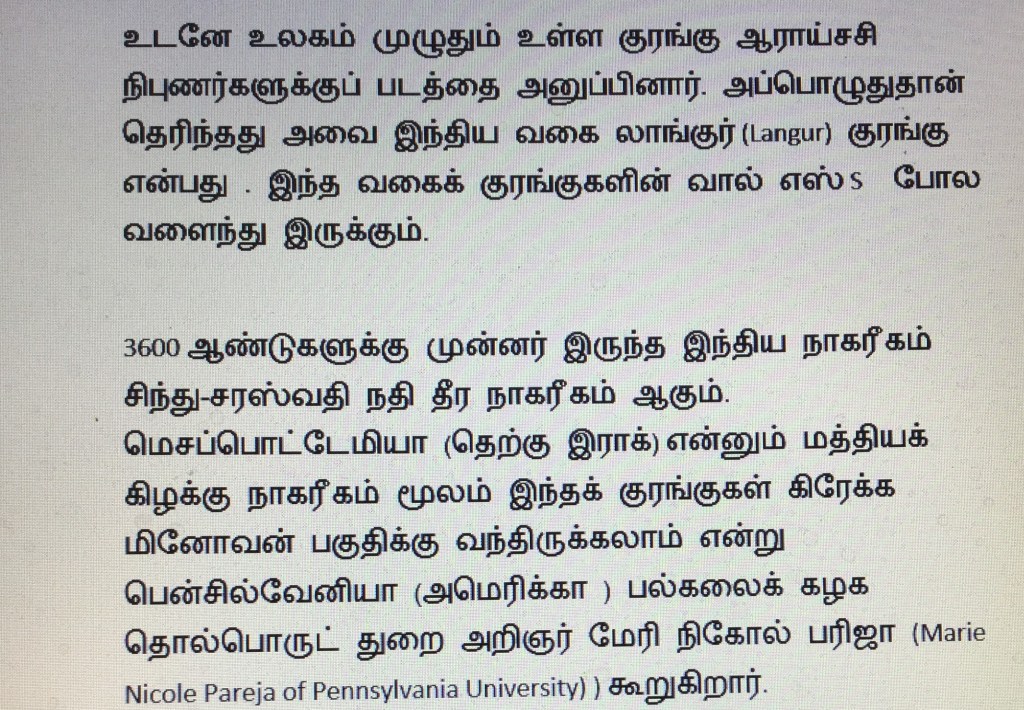
Marie Nicole Pareja at the University of Pennsylvania in Philadelphia teamed up with primatologists to re-examine the mystery monkey paintings. One stood out. “When they looked at this wall painting, they all straight away unambiguously said ‘that’s a langur’,” says Pareja.
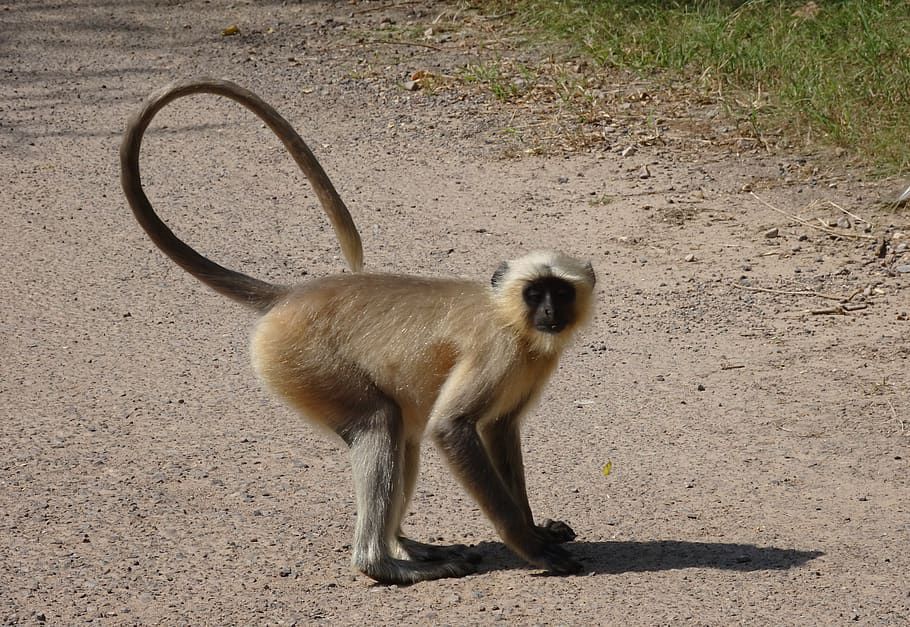
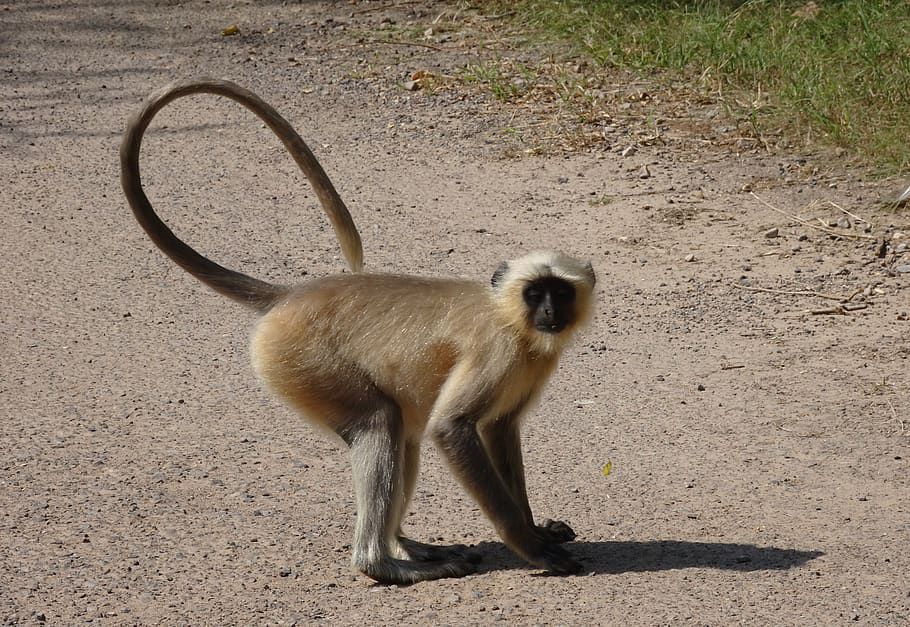
The team has identified the monkey as a grey langur (Semnopithecus). As well as its distinctive fur, the monkey was depicted holding its tail in a characteristic S shape.
Grey langurs live in southern Asia in what is now Nepal, Bhutan and India – and particularly in the Indus Valley. During the Bronze Age, the region was home to the Indus Valley Civilisation, one of the most important societies of that time. Although it was past its peak, the Indus Valley Civilisation was still advanced for its time, with large cities and elaborate water supply systems.
Somehow, the artist who painted the monkey picture must have seen a grey langur. But how?
Did Minoan Greeks visit the Indus? “I wouldn’t be surprised if someday in the future we found evidence for that kind of direct contact,” says Pareja, but right now there is none. It is also possible the visit was the other way round, but again there is no evidence.
Instead, it may be that Greece and Indus were connected via Mesopotamia, another Bronze Age civilisation centred on what is now Iraq. Langurs may have been imported to Mesopotamia for menageries, where visiting Greeks saw them.
“It’s evidence of this far-reaching trade, these relationships with these far-flung areas,” says Pareja. Even in the Bronze Age, it seems there was a lot of exchange between seemi
As far as archaeologists know, Asian monkeys weren’t trotting the globe during the Bronze Age. That’s why a millennia-old Greek painting of a gray langur—a primate native to the Indian subcontinent—was surprising enough to stop researchers dead in their tracks.
Archaeologists and primatologists re-analyzing wall paintings found in Akrotiri, a Minoan settlement on Thera (modern-day Santorini) buried by volcanic ash around 1600 B.C., have uncovered evidence that Bronze Age Greek artists knew of—and may have even seen—monkeys whose native habitat was thousands of miles away. Their findings, newly published in the journal Primates, hint that ancient cultures were more intertwined than previously thought. Eager to exchange ideas, artists or merchants may have journeyed far from home; eventually, the fruits of these wanderers’ travels were immortalized in paint.
Previous researchers have already noted that some of the Bronze Age artworks unearthed on the Greek islands of Crete and Thera depict monkeys of all shapes and sizes. Based on the animals’ features, as well as close trade relations between the Minoans and the Egyptians, some have been pinpointed as olive baboons, which are native to the forests and savannas of the African continent.
Other painted primates, however, were more mysterious. For instance, sprawled across one of the Akrotiri building’s walls is a fresco populated by blue, rock-climbing monkeys with buoyant, S-shaped tails. The primates remained unidentified until recently, when Marie Nicole Pareja, an archaeologist at the University of Pennsylvania, recruited a group of primatologists to re-examine the painting.
“It felt really silly to examine an image of these animals as an archaeologist and art historian without asking for the input of people who look at them every day,” she tells Tom Whipple at the Times.
After snapping photos of the fresco and several other Aegean artworks, Pareja sent them to colleagues around the world. Several confirmed the Egyptian nature of the majority of the monkeys but reported that the Akrotiri painting “unambiguously” contained gray langurs, says Pareja to New Scientist’s Michael Marshall.
According to Whipple, the langurs’ tails gave them away. Flexing skyward, they bore no resemblance to the appendages of African monkeys, which droop downward. Instead, they acted as calling cards for gray langurs, a species most likely hailing from the Indus Valley—then home to its own bustling civilization.
How exactly the artists came across their source material remains unclear. As Whipple reports, the exquisite detail seen in the fresco makes Pareja suspect it’s unlikely the works’ creators simply copied the monkeys secondhand. That means someone, whether human, monkey or both, undertook an arduous crossing of the many thousands of miles that separated the civilizations, or perhaps met somewhere in the middle.
“When you consider the distance of the Aegean to the Indus, compared to Egypt, it is incredible,” says Pareja.
Such cosmopolitan behavior probably wasn’t easy, but “our ancestors were interested in rare and exotic things, just as we are,” Peter Frankopan, a global history expert at Oxford University who wasn’t involved in the study, tells Whipple. “Long-distance trade, and connections between the Mediterranean, Asia and the Indian Ocean are well attested, even in this period, for high value, expensive objects.”
A live langur from a far-flung locale would certainly fit that bill. There’s even evidence from other archaeological finds supporting the idea that foreign monkeys might have made it to Greece: a fossilized skull on Thera, for instance, and an ivory figurine on Crete.
Wherever the primates ended up, they were significant enough for the locals to painstakingly craft into art. Known to archaeologists since the 1960s, the Akrotiri wall paintings feature scenes of daily Greek life in the Bronze Age, illuminating the manners and customs of the time, according to the Thera Foundation. If gray langurs made the cut, it’s unlikely the primates were a one-off thought for the ancient Minoans.
The monkey’s presence also signifies another cultural value that remains a keystone of the human experience: intellectual exchange.
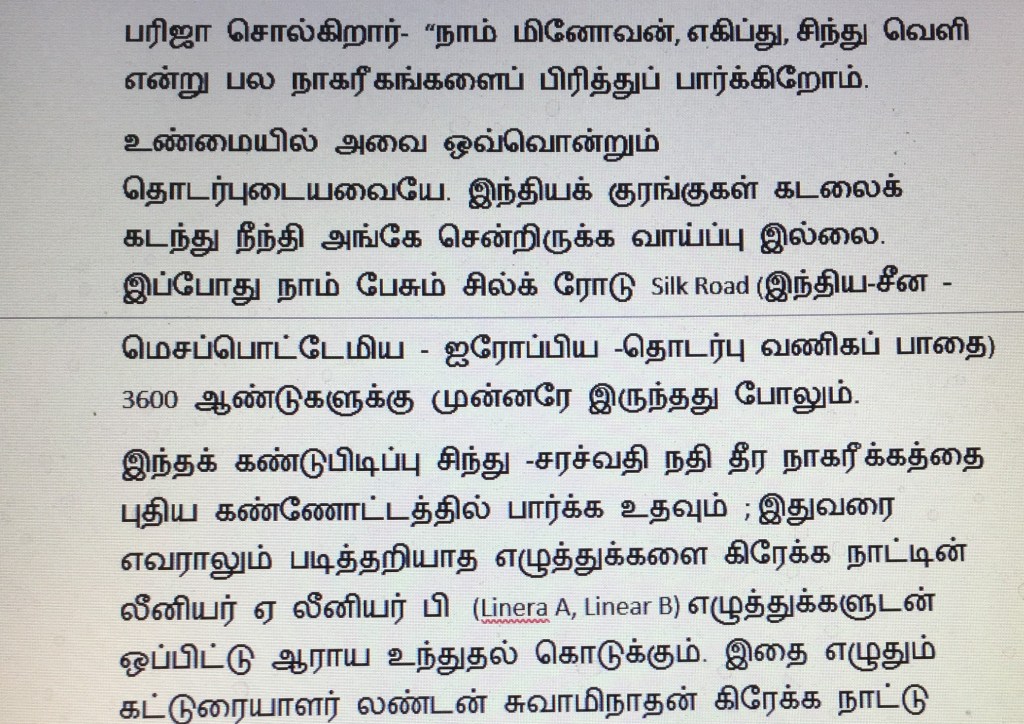
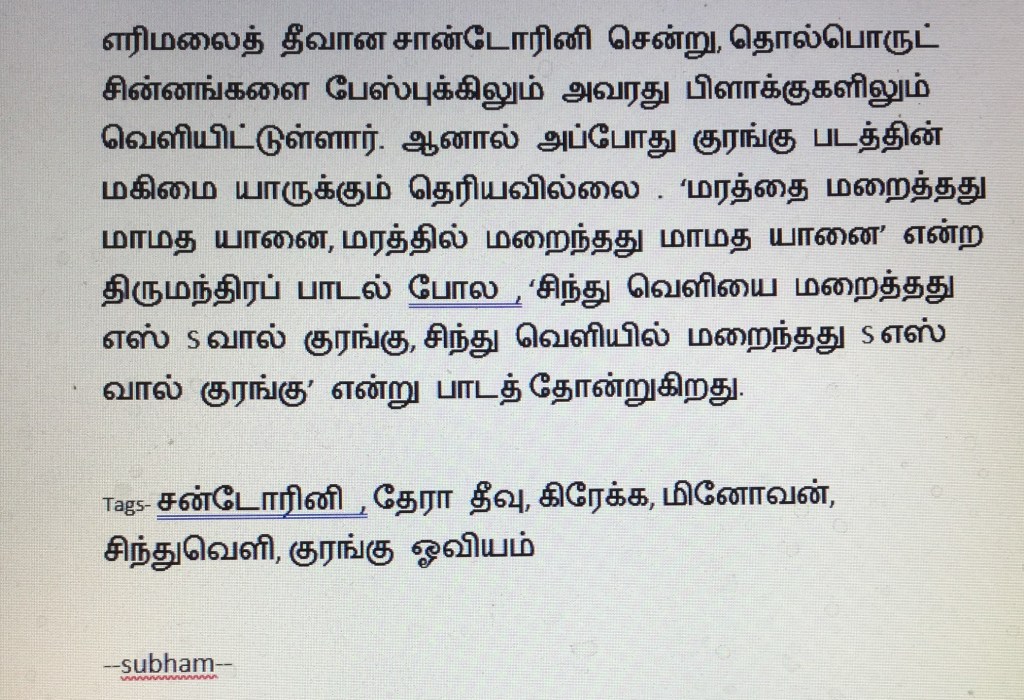
“This is showing us that what people later consider the Silk Roads are working even then, at least indirectly,” Pareja tells Whipple. “We talk about the Minoans, about the Egyptians, about the Indus peoples, all as if they are separate. But they are interconnected.”
Pictures are taken from various sources; beware of copyright rules; don’t use them without permission; this is a non- commercial, educational blog; posted in swamiindology.blogspot.com and tamilandvedas.com simultaneously. Average hits per day for both the blogs 12,000


















 Tamil and Vedas
You must be logged in to post a comment.