Interesting Brahmin Story in Tamil Epic

kannaki-cooking
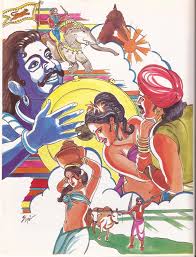
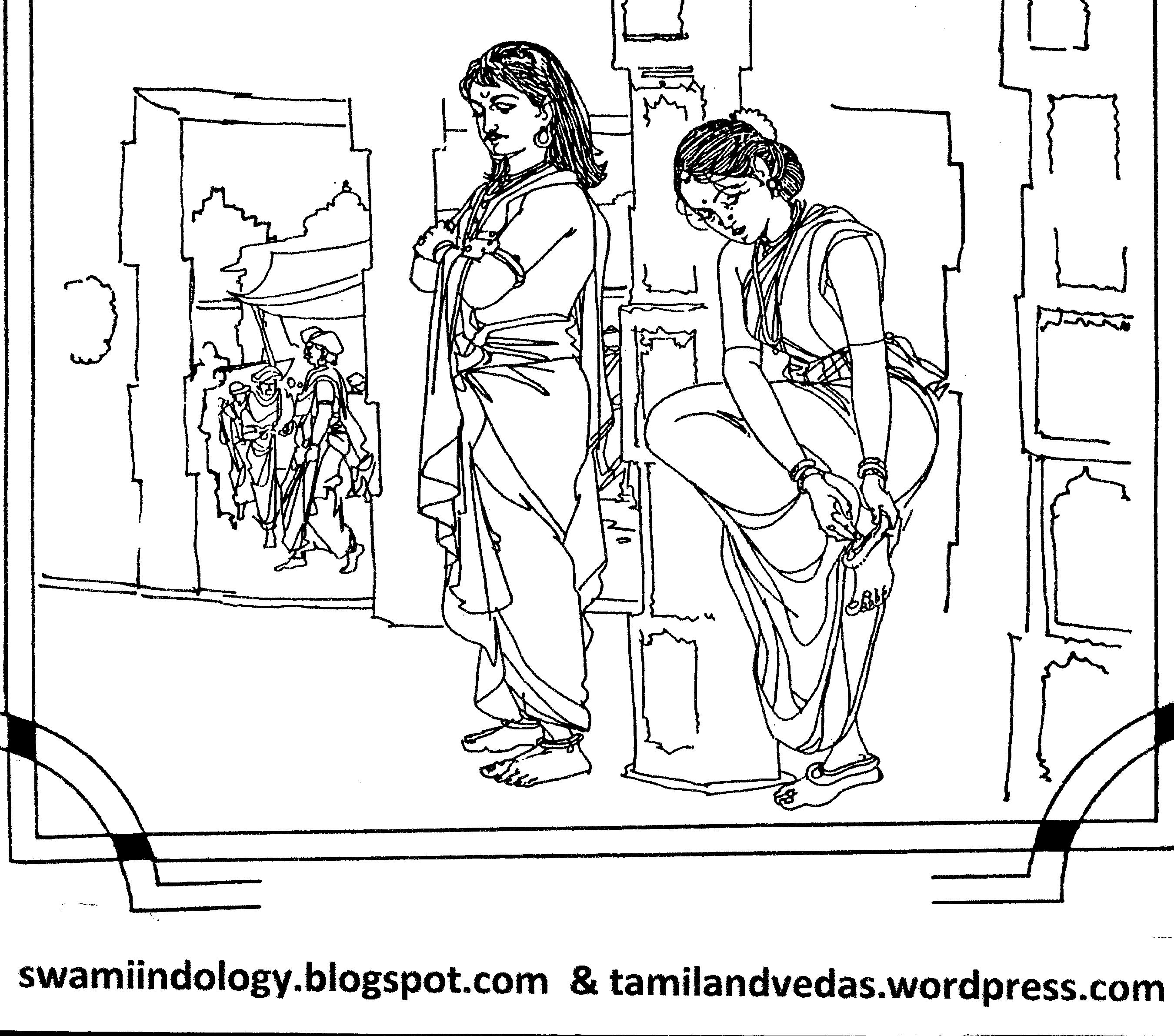
Kannaki cooking for Kovalan

Written by London Swaminathan
Post No.1140; Dated 30th June 2014.

N.B. If you want to reproduce this article, please email me for permission. You must get written permission from me for each and every article separately. swami_48@yahoo.com

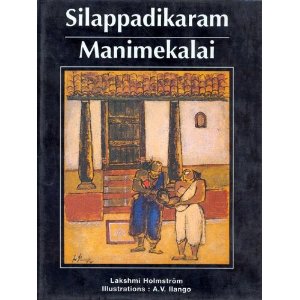
Silappadikaram (also written as Cilappadikaram) is one of the five Tamil epics. Silappadikaram and Manimekalai are called Twin Epics. These two epucs are based on purely Tamil stories. But those who read them in full will find out the culture is same as in the Northern parts of India. Silappadikaram is a Tamil encyclopaedia covering all subjects including music, dance, history, art, architecture and culture. This is the most popular epic. There are several stories concerning Brahmins including a Panchatantra story:The Brahmin and the Mongoose’ and the Golden Hand Pandya and Keeranthai.

tamil-penkal
Tamil women in ancient Tamil Nadu

Here is one of the Brahmin stories from the most famous Tamil epic:–
Source: Katturai Katai, Silappadikaram

Parasara was a Brahmin who lived in Pumpukar of Choza territory. He heard about the valour and philanthropy of the Cera King and decided to see him. He passed through jungles and several cities and reached Malaya hills. He was a great scholar well versed in Vedas and defeated scholars of different sects on his way. He got lot of gifts and returning home with the gifts. He reached a place called Tankal (identified with Tirutankal near Sivakasi). He took rest under a Bodhi tree with his water bowl, staff and white umbrella (only Brahmins who did great Yagas and kings are allowed to take white umbrellas in ancient India).

tamil culture

Some Brahmin children with coral lips, black tufts, curly hair and some with lisping mouths were playing there. Parasara called them and challenged them to recite Vedas after him. He promised them to give some valuable jewels. At once a boy called Alamarselvan (One who is under the banyan tree =
Dakshinamurthy), son of famous Brahmin Vartika of the town, recited the Vedas with perfect pronunciation and intonation. He was a little boy still retaining the fragrance of his mother’s milk. Parasara was wonderstruck with his knowledge and gave him a big present.

Some jealous people told the royal servants that the Brahmin got a treasure trove which naturally should go to the king. The royal servants threw him into prison without any proper enquiry. His wife Kartika became furious at the injustice. She wept and threw herself to the ground rolling and fulminating. Seeing this goddess Durga refused to open her door for the regular Pujas (daily offerings). The Pandya King was wondering whether there was any injustice done to anyone in his territory. Then the king was informed by some messengers of the injustice done to Vartikan.

The king then begged to the Brahmin to forgive him. As a compensation for the false imprisonment, the king gave him the Tankal and Vayalur villages with all the paddy fields as a gift. Then the goddess who rode the stag (Durga’s Vahana is Stag) opened her temple doors. The big noise that was produced when the goddess opened the doors, was heard throughout the broad streets of mountain like mansions of that ancient city, says the author of the epic Ilango Adikal.

silambu book

At that time, the triumphant king issued the following proclamation by beating a drum placed upon the back of an elephant which was sent though out the city, “Release all prisoners from the prison. Remit all those taxes from those who owe them. Let all who find unclaimed things and discover treasure trove enjoy them.”

“Listen how even such a king committed this act of injustice. There was a prediction that, in the month of Adi, on the Tithi of Ashtami, in the dark fortnight (Krishna Paksha), on a Friday, with Kartikai and Barani in the ascendant, a great fire would envelop renowned Madurai to the ruin of its king”, says Ilango Adikal.
(Part of Madurai was burnt down by the heroine Kannaki. Goddess of the city Madurapati narrated the above story, according to Ilango Adikal.)

20120502-Student_learning_Veda_132
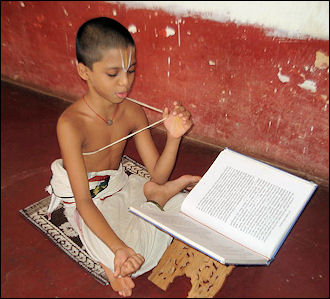
Brahmin child learning Veda.

தமிழ் இலக்கியத்தில் அதிசய உத்தர குரு!!

map_mountains_central_asia_small

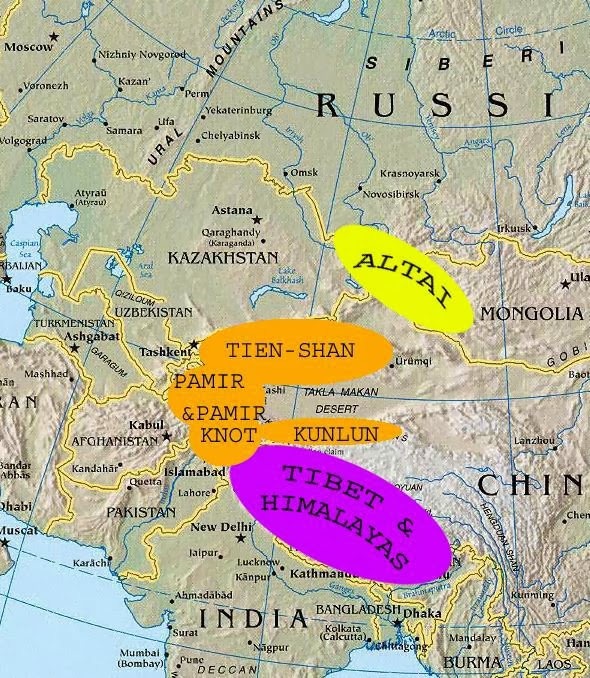
One of the probable location for Uttarakuru

N.B. If you want to reproduce this article, please email me for permission. You must get written permission from me for each and every article separately. swami_48@yahoo.com

ஆய்வுக் கட்டுரை எழுதியவர் லண்டன் சுவாமிநாதன்

கட்டுரை எண்:– 1137; தேதி 29 ஜூன் 2014

(இக்கட்டுரை என்னால் ஆங்கிலத்தில் ஏற்கனவே வெளியிடப்பட்டது)

உத்தரகுரு பற்றி வேதகாலம் முதல் சங்க காலம் வரை உள்ள கருத்துக்கள் மிகவும் சுவையானவை. சர் தாமஸ் மூர் (1516) என்பவர் எழுதிய ‘உடோபியா’ என்ற கற்பனை உலகம் போன்றது இதுவா? அல்லது உண்மையிலேயே ஒருகாலத்தில் இப்படி இருந்ததா என்பது பலருடைய கேள்வி. வேதகாலத்தில் இப்படி உண்மையில் ஒரு இடம் இருந்தது உண்மையே.

வேதத்தில் காணப்படும் எல்லா விஷயங்களையும் வெளிநாட்டினர் கூட உண்மை என்றே நம்பி அதன் அடிப்படையிலேயே பல நூல்களையும் ஆய்வுக் கட்டுரைகளையும் எழுதி வருவதே இதற்குச் சான்று பகரும்.

சிலப்பதிகாரம் (2-10)
முதலில் தமிழில் உள்ள சில குறிப்புகளைக் காண்போம்:-
தமிழர்களின் கலைக்களஞ்சியமான “நெஞ்சை அள்ளும்” சிலப்பதிகரத்தில் மனையறம்படுத்த காதையில் பூம்புகார் நகரத்தின் செல்வ வளத்தினை உத்தரகுருவுக்கு ஒப்பிடுகிறார் இளங்கோ அடிகள்.

“அத்தகு திருவின் அருந்தவம் முடித்தோர்
உத்தரகுருவின் ஒப்பத் தோன்றிய
கயமலர்க் கண்ணியும் காதற்கொழுநனும்
மயன் வித்தித்தன்ன மணிக்கால் அமளிசை
நெடுநிலை மாடத்து இடைநிலத்து இருந்துழி”—

வாழ்க்கையில் பெரும் தவம் செய்தவர்கள் அவர்களின் தவ வலிமையால் உத்தரகுரு என்னும் இடத்தில் வசிப்பர் (பிறப்பர்). அந்த உத்தரகுரு போலத் தோன்றிய பூம்புகாரில் கண்ணகியும் கோவலனும் வாழ்ந்தனர் என்கிறார் இளங்கோ. இதற்கு முந்திய வரிகளில் பூம்புகாரின் செல்வ வளம் வருணி க்கப்படுகிறது. அரசர்களும் விரும்பும் செல்வ வளம்— கடல் வழியாகவும் தரை வழியாகவும் குவிந்த புதிய பொருள்கள்— பண்பு குறையாத உயர்குல மக்கள்— ஏழடுக்கு உடைய மாடிக்கட்டிடம் என்று வருணிக்கிறார் அடிகள்.

பதிற்றுப்பத்து (9-14)
இந்த வருணனை உத்தரகுரு பற்றி நமக்கு ஓரளவுக்கு சித்திரம் கொடுக்கிறது. இதற்கு பல நூறு ஆண்டுகளுக்கு முன் எழுந்த பதிற்றுப்பத்தில்

நாமம் அறியா ஏம வாழ்க்கை
வடபுல வாழ்நரின் பெரிதமர்ந்து அல்கலும்
இன்னனகை மேய பல்லுறை பெறுபகொல் — (ஏழாம் பத்து, கபிலர்)

பொருள்:– கள்ளுக்கடைகளில் கொடிகள் பறந்தன. பகை மன்னர்களின் யானைகளின் தந்தங்களை ஒடித்து கள்ளுக் கடைகளில் கொடுத்து மக்கள், ‘’கள்’’ வாங்கிச் சாப்பிட்டனர். அவர்களுடைய பயமே இல்லாத இன்ப வாழ்வு உத்தரகுரு (வடபுல வாழ்நர்) மக்கள் வாழ்க்கை போல இருந்தது என்று கபிலர் பாடுகிறார். பழைய உரையாசிரியர் இதை போகபூமியாகிய உத்தரகுரு என்பர்.

stairway-to-heaven

வேதத்தில் கூறுவதைச் சுருக்கமாகக் காண்போம்:
ஐதரேய பிராமணத்தில் (8-14), இமயமலைக்கு அப்பால் ஓரிடத்தில் உள்ள இடம் — (பரேன ஹிமவந்தம்) –என்று சொல்லப்பட்டுள்ளது. வாசிஷ்ட சாதஹவ்யா (8-23) என்பவர் இதை கடவுள் நாடு (தேவ க்ஷேத்ர) என்று அழைக்கிறார். ஜானம்தபி அத்யராதி என்பவர் அதை வெல்ல விரும்புவதாகவும் வேத இலக்கியம் கூறுவதால் உண்மையில் இப்படி ஒரு நாடு இருந்தது என்பது உறுதியாகிறது. வடபுல வாழ் ‘குரு’ இன மக்கள் கஷ்மீருக்கு குடியேறி பின்னர் குருக்ஷேத்ர பகுதிக்கு வந்ததாக சிம்மர் என்பவர் கூறுகிறார். இதிலிருந்து தழைத்ததே கௌரவ- பாண்டவ குரு குலம்.

மஹாபாரத சபா பர்வம்
அர்ஜுனனுக்கு உள்ள முக்கியமான பத்து பெயர்களில் ஒன்று தனஞ்செயன். உத்தர குரு வரை சென்று தனத்தை வென்று (ஜயித்து) வந்ததால் அவன் தனஞ்செயன் என்று அழைக்கப்பட்டான். சபாபர்வத்தில் யுதிஷ்டிர (தர்மர்) மஹாராஜாவுக்கு ராஜசூய யாகம் செய்து முடிசூட்டும் வைபவம் வருகிறது. ஒவ்வொரு சஹோதரரும் பூமியின் ஒருபகுதியை வெல்லச் சென்றனர். வட திசை நோக்கிச் சென்ற அர்ஜுனனை உத்தரகுரு வாசலில் நிறுத்தி ‘’இது மனிதர் புகமுடியாத இடம். அப்படியே புகுந்தாலும் அவர்கள் கண்களுக்கு எதுவும் புலப்பாடாது’’ என்கின்றனர். உடனே அர்ஜுனன் தர்மரின் ஆளுமையை ஏற்று அவருக்குக் கப்பம் செலுத்தினால் திரும்பிப் போவதகக் கூறுகிறான். அவர்களும் தெய்வீக அணிகலன்கள், ஆடைகள், தோல் முதலியன தந்து அனுப்புகின்றனர்.

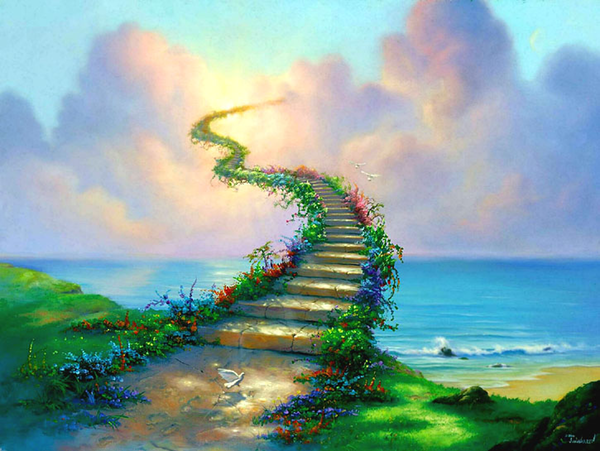
Utopia

இதுதவிர ஆதிபர்வத்திலும் உத்தரகுரு வருகிறது. ராமாயணத்தில் வால்மீகி முனிவரும் இது பற்றிப் பேசுகிறார். ஆக இது ஒரு இன்ப பூமி, போக பூமி,, செல்வ வளம் கொழிக்கும் பூமி, ஆண்களும் பெண்களும் சுதந்திரமாக பாலியல் உறவு கொள்ளும் சுகபோக பூமி, தவ சீலர்கள் வசிக்கும் பூமி, சாதாரண மக்கள் புக முடியாத பூமி என்ற பல அரிய ஆச்சர்யமான தகல்கள் கிடைக்கின்றன. இதைப் பார்த்துதான் பிளாட்டோவின் ‘ரிபப்ளிக்’, தாம்ஸ்மூரின் ‘உடோபியா’ ஆகிய நூல்கள் எழுந்தனவோ என்று வியப்போரும் உண்டு!!

உத்தரகுரு பற்றி கிரேக்க ஆசிரியர் அமோதேயஸ் ஒரு புத்தகமே எழுதியதாக ப்ளினி சொல்கிறார். அது கிடைக்கவில்லை. டாலமியும் இந்த தேசத்தைக் குறித்துள்ளார்.

புத்த, ஜைன மத நூல்களில் பூகோள வர்ணனைப் பகுதிகளில் உத்தர குரு வடக்கில் உள்ளதேசமாகக் குறிப்பிடப்படுகிறது. பலரும் இதை இந்துகுஷ், பாமீர் பீடபூமியில் இருந்த இடம் என்றே கருதினர். வடக்கில் இமயமலைக்கு அப்பால் இருந்தது என்பதில் கருத்தொற்றுமை காணப்படுகிறது.

நாம் புதிய உத்தரகுருவை சமைப்போம் ‘நாமம் அறியா ஏம வாழ்க்கை” – வாழ்வோம்!!
–சுபம்–

Uttarakuru- A Mythical Land

map_mountains_central_asia_small

Written by London swaminthan
Post No.1136; Dated 28th June 2014.

N.B. If you want to reproduce this article, please email me for permission. You must get written permission from me for each and every article separately. swami_48@yahoo.com

Uttarakuru has been referred to as a land of gold and immense pleasure in Tamil and Sanskrit literature. It is found in Vedic literature as well as Sangam Tamil literature. Lot of authors of classical age and writers of epics Vyasa and Valmiki also wrote about Uttarkurau. In the Vedic days it was NOT a mythical region. It existed somewhere beyond the Himalayas. Sabha Parva of Mahabharata described it as a real geographical area.

Arjuna got the Name Dhananjayan because he won the wealth of Uttarakuru (Dhanam= wealth, Jayan= one who won). Free sex was practised there.

Just before the Rajasuya Yajna of Yudhistra, Arjuna went towards North to conquer the lands. At the gates of Uttarakuru, he was stopped and told that no human being was allowed in. Even if he entered he could not see anything with human eyes. Then he insisted that they should accept Yudhistra’s sovereignty and offer tributes to him. They offered him divine garments, divine ornaments and divine hides and skins as tribute (Ref. Sabha parva of Mahabharata).

In Adhi Parva of Mahabharata ( 1—17—19) and Ramayana (4-44-88) the land of the Uttarakurus was described like a mythical country.

stairway-to-heaven

Sangam Tamil Literature

In Sangam Tamil literature Pathitrupathu (9-14)refers to Uttarakurus. Post Sangam Tamil epic Silappadikaram also refers to it.

Tamil poets described it as Bhogabhumi, land of pleasure. Ilango, author of Tamil epic Silappadikaram (2-10) compared the Tamil city Pumpuhar with Uttarakuru. He said that Uttarakuru was the residence of great penance performers and blessed with inexhaustible wealth.

UTTARAKURU In Vedic Literature —A Mysterious place with Gold!

The Uttarakurus, who play a mythical part in the epic and later literature are still a historical people in the Aitareya Brahmana (8—14) says the authors of the Vedic Index. They are located beyond the Himalaya. In another passage, however, the country of the Uttarakurus is stated by Vasistha Satyahavya to be a land of the gods (deva-kshetra), but Janamtapi Atyarati was anxious to conquer it, so that it is still not wholly mythical. It is reasonable to accept Zimmer’s view that the Northern Kurus were settled in Kashmir, especially as Kurukshetra is the region where tribes advancing from Kashmir might naturally be found (Vedic Index by AA Macdonell and AB Keith, page 84).

Identifying ancient lands mentioned in Puranas and Ithihasas (mythology and epics) has been a problem from the very beginning. Since the names like Kurus, Madras, Khambojans are tribal or community names and wherever they migrated that was called their land (country). In course of time, they slowly migrated to different areas, which led to lot of confusion. So nothing can be said with any certainty.

Sanskrit playwright Bhasa has referred to it in two of his dramas (Avimaraka and Svapnavasavadatta)
Pliny said that the Greek author Amometus wrote a book on Attacorae (Uttarakuru), which is lost.
The Uttarakuru is the seventh of the nine divisions lying to the north of Meru. Being the land of the eternal beautitude and enjoyment it came to be regarded as a heaven (Devabhumi or Bhogabumi) where the heavenly nymphs (Apsaras) dwelt.

Similar descriptions are found in Jain and Buddhist scriptures.

It is identified with Ottoro Korai of Ptolemy and Lassen places the country somewhere east of modern Kasgar– Source:Act 4 of Svapnavasavadatta of Bhasa ,translated by M R Kale.

Utopia

Utopia of Thomas Moore (1516)
Sir Thomas Moore wrote a book about an ideal society in an imaginary land in the Atlantic Ocean called Utopia. Probably he got the idea from Hindu Uttarakuru. Plato in his Republic wrote about a society where there are four classes of citizens (Gold, Silver, Bronze and Iron). The golden citizens are philosopher kings like Janaka of Upanishads. He might have got the idea from the Four Yugas of Hindu literature. Golden citizens are like the citizens in Krita Yuga, the Hindu Golden Age.

Tamil References (in Tamil):–
Silappadikaram, 2. Manaiyarampatutha katai
Uutarakuruvin oppath thodriya (2-10)
See Pathitru pathu – ezam pathu lines 9-14 vatapula vaazwar= uththarakuru.

தமிழ் இந்து இளங்கோ!

kannaki cooking
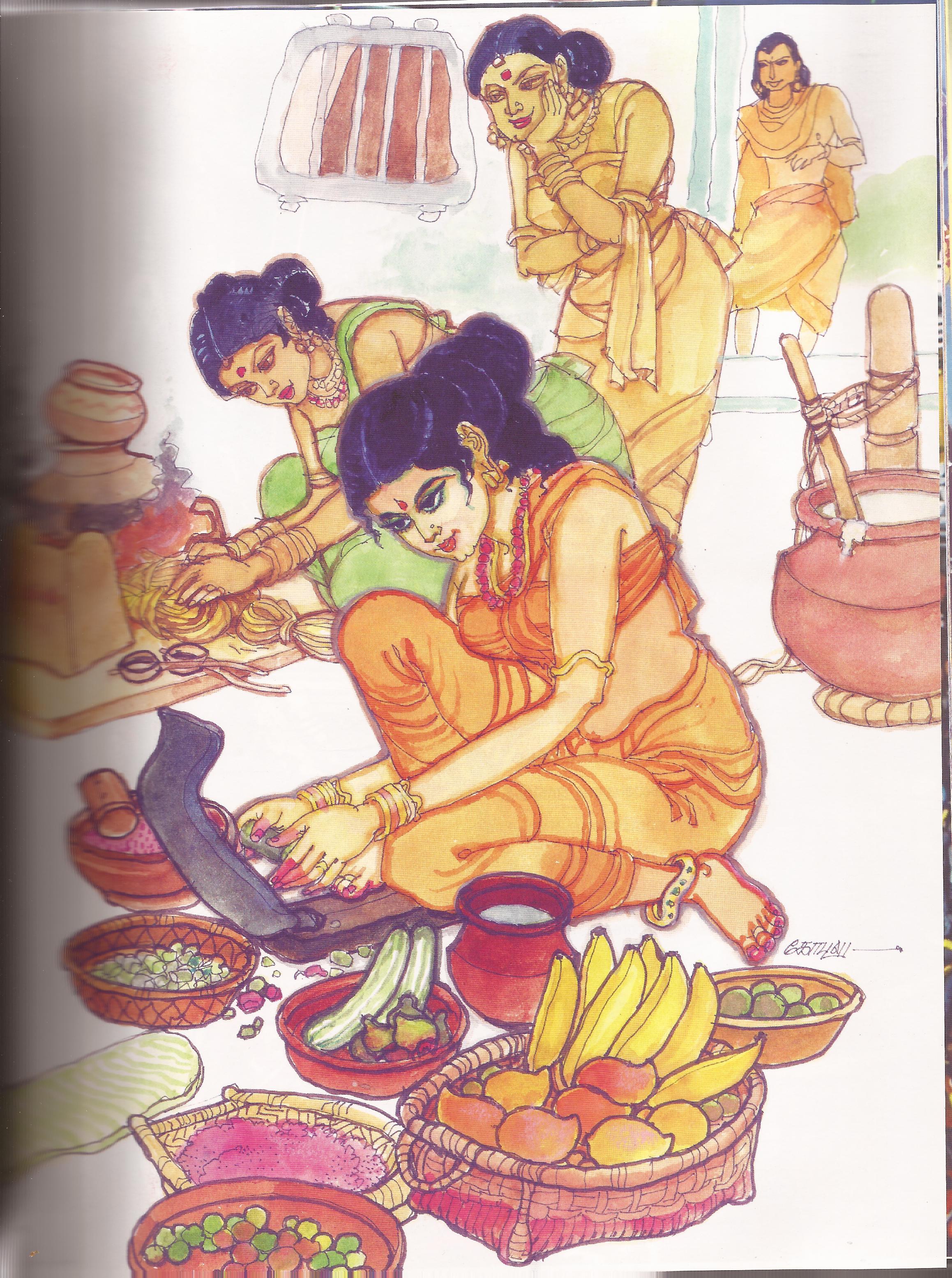
Kannaki cooking for Kovalan (Picture from World Tamil Conference Souvenir)

எழுதியவர் லண்டன் சுவாமிநாதன்
கட்டுரை எண்-1051 ; தேதி -19 May 2014.

தமிழில் ஐம்பெரும் காப்பியங்கள் உண்டு. நெஞ்சை அள்ளும் சிலப்பதிகாரம், மணிமேகலை, சீவக சிந்தாமணி, குண்டலகேசி, வளையாபதி என்பன அவை. முதல் மூன்று காப்பியங்களும் முழுதாகக் கிடைத்தது நம் தவப் பயனே. இமூன்றில் சிலப்பதிகாரம் தனிப் பெரும் இடத்தை வகிக்கிறது. தமிழர்களுக்கு உரிய ஒரே கதை கண்ணகி கதை ஒன்றுதான். இதை எழுதிய இளங்கோ அடிகள் சேரன் செங்குட்டுவனின் தம்பி என்றும் அவர் துறவியானதாகவும் பல கதைகள் உண்டு. ஆனால் ஒன்றுக்கும் மறுக்க முடியாத ஆதாரம் எதுவும் இல்லை. சிலர் அவரை சமணத் துறவி என்பர். அதை நிரூபிக்கக் கிடைக்கும் சான்றுகளைவிட அவர் இந்து என்று சொல்லச் செய்யும் சான்றுகளே அவரது காப்பியத்தில் அதிகம் இருக்கின்றன. இதை வாசகர்களே முடிவு செய்ய போதுமான சான்றுகள் உதவும்.

முதலாவது சமணர்களுக்கு தெய்வம் இல்லை. ஆனால் இளங்கோவோ :”தெய்வம் தெளிமின்”- என்று அறிவுரை புகல்கிறார்.
இரண்டாவதாக “நாராயணனை ஏற்றாத நாவென்ன நாவே” என்று பாடுகிறார். இராம பிரானைப் புகழ்கிறார். சிவனுடைய நடனங்களையும் காளிக்கூத்தையும் நமக்குத் தருகிறார். கொற்றவையின் புகழ் பாடுகிறார். செங்குட்டுவன் தலைமேல் சிவபெருமானின் பாதங்களைச் சுமந்து சென்றதாகச் சொல்கிறார். தெய்வமே வழிபடாத புத்த, சமண வழக்கங்களை ஒதுக்கித் தள்:ளிவிட்டு, இந்துமத முறையில் கண்ணகியைப் பத்தினித் தெய்வமாக வழிபட வைக்கிறார். முதல் முதலில் பிராமணர் களைக் கொண்டு நடத்திய கல்யாணத்தை கண்ணகி, கோவலன் கல்யாணத்தில் நமக்குப் படம் பிடித்துக் காட்டுகிறார். தீ வலம் வந்து கல்யாணம் முடித்ததை தமிழில் முதல் முறையாக அவர்தான் நமக்குக் கூறுகிறார். கரிகாலன் நல்ல நாள் பார்த்து, ‘’புண்ணிய’’ திசையான வடதிசை போகியது இப்படித் தடுக்கி விழுந்த இடமெல்லாம் சிலம்பு முழுதும் இந்துமதம்!!

இந்துக்களின் புனித நதியான கங்கையையும் புனித மலையான இமயத்தையும் போற்றுகிறார். புண்ய இமயத்தில் கல் எடுத்து புண்ய கங்கையில் நீராட்டி கோவில் சமைத்ததைக் காட்டுகிறார். காவிரியை ‘’தெய்வ’’க் காவிரி என்று துதிக்கிறார். இப்படி மலையையும் நதியையும் தெய்வமாகக் கும்பிடுவது இந்துக்களால் மட்டுமே முடியும். புத்தரும் மஹாவீரரும் தெய்வம் பற்றியே பேசவில்லை.. கண்ணகி, கோவலன் இருவருக்கும் உண்மையிலேயே கவுந்தி அடிகள், வழிகாட்டித் துணையாக இருந்ததற்கு நன்றிக் கடனாக அவரது அருகதேவனையும் போற்றினார்.

கதை போகும் போக்கில் வேதம் சொல்லும் பார்ப்பனச் சிறுவர்கள், புனித யாத்திரை செய்யும் பார்ப்பனன், நாரதரின் வீணை, பூரண கும்பம், இந்துக்களின் 64 கலைகள், ஜம்புத்வீபம் (நாவலம் தண்பொழில்) திருவிளையாடல் புராணக் கதைகள், சிபிச் சக்கரவர்த்தி கதை, பஞ்ச தந்திரக் கதைகள் என ஏராளமான விஷயங்களைத் தருகிறார். ஆனால் கவுந்தி அடிகள் என்பவர் வாயிலாக சமணர்களின் பெருமையையும் பாடுகிறார். அந்த ஒரு காரணத்திற்காக இளங்கோ மீது சமணர் என்று முத்திரை குத்திவிட முடியாது.

அர்த்தநாரீஸ்வரர், மஹிஷாசுரமர்த்தனி, வாலகீய மகரிஷிகள், மும்முறை வலம் வருதல், விமானத்தில் கோவலன் வந்து கண்ணகியை அழைத்துச் செல்லல், இந்துக் கடவுளரின் வாகனங்கள், திருப்பதி, ஸ்ரீரங்கம், திருமாலிருஞ்சோலை மகிமை – இப்படி சிலப்பதிகாரம் முழுதும் இந்துமதக் கலைக்களஞ்சியமாக விளங்குகிறது!!!

இளங்கோ என்பவர் தமிழ் இந்துவா? தமிழ் சமணரா? என்று பட்டிமன்றம் நடத்தினால் இந்து என்ற கட்சி எளிதில் வெற்றி பெரும் அளவுக்கு இந்து மதக் கருத்துக்களை அள்ளித் தெளித்திருக்கிறார் இளங்கோ.

kannaki
Kannaki giving her anklet to Kovalan.

உலகில் ஒரு இந்து மட்டுமே மற்ற கடவுள்களைப் புகழ்வான். ராமகிருஷ்ண பரமஹம்சர், சுவாமி விவேகாநந்தர், மஹாத்மா காந்தி போன்றோர் பிற சமயக் கடவுளையும் போற்றினர். இந்துவைத் தவிர உலகில் வேறு எந்த மதத் தலைவரும் இப்படிச் செய்ததில்லை. வேறு எந்த மத நூல்களிலும் இந்துக் கடவுள்களைப் புகழ்ந்ததைக் கண்டதும் இல்லை, கேட்டதும் இல்லை, படித்ததும் இல்லை. அப்படியே உவமைக்காக இந்துக் கடவுளரை ‘வம்புக்கு இழுத்தாலும்’ தங்களுடைய சமயக் கருத்துக்கு முரணான விஷயங்களைப் போதிக்க மாட்டார்கள்.

இளங்கோ சொல்லும் ‘விதி மிகவும் வலியது’ என்ற கருத்தும் இந்துக்களின் கர்ம வினைக் கொள்கைதான். வடமொழி நாடகங்களிலும் மஹாபாரதத்திலும் விதி பற்றி நூற்றுக்கணக்கான மேற்கோள்கள் உண்டு. ஆக அந்தக் கொள்கை காரணமாகவும் இளங்கோவுக்கு சமண மத முத்திரை குத்த முடியாது. இதோ இளங்கோவின் வாசகங்கள்:–

“பரிவும் இடுக்கணும், பாங்குற நீங்குமின்
தெய்வம் தெளிமின்; தெளிந்தோர்ப் பேணுமின்;
பொய்யுரை அஞ்சுமின்; புறஞ்சொல் போற்றுமின்;
ஊனூண் துறமின்; உயிர்க்கொலை நீங்குமின்;
தானம் செய்மின்; தவம்பல தாங்குமின்
செய்நன்றி கொல்லன்மின், தீ நட்பு இகழ்மின்
பொய்க்கரி போகன்மின், பொருள்மொழி நீங்கன்மின்
அறவோர் அவைக்களம் அகலாது அணுகுமின்
பிறவோர் அவைக்களம் பிழைத்தும் பெயர்மின்
பிறமனை அஞ்சுமின், பிழையுயிர் ஓம்புமின்
அறமனை காமின், அல்லவை கடிமின்
கள்ளும் களவும் காமமும் பொய்யும்
வெள்ளைக் கோட்டியும் விரகினில் ஒழிமின்
இளமையும் செல்வமும் யாக்கையும் நிலையா
உளநாள் வரையாது ஒல்லுவது ஒழியாது
செல்லும் தேஎத்துக்கு உறுதுணை தேடுமின்
மல்லன் மாஞாலத்து வாழ்வீர் ஈங்கென்”
(வரந்தரு காதை)

தானம், தவம் போன்ற பகவத் கீதை சொற்களை வள்ளுவனும் இரண்டு இடங்களில் பயன் படுத்தியதை ‘வள்ளுவன் ஒரு சம்ஸ்கிருத அறிஞன் என்ற கட்டுரையில் ஏற்கனவே காட்டியுள்ளேன். இளங்கோவும் ‘’வெஜிட்டேரியன்’’ உணவு சாப்பிடுதல், கள் குடிப்பதைக் கைவிடல், மறுமைக்காக இப்போதே தருமம், புண்ணியம் செய்தல் ஆகியவற்றை வலியுறுத்துகிறார்.

இவ்வளவு சொன்ன பிறகும், யாராவது தனக்கு தப்பான முத்திரை குத்திவிடப் போகிறார்களே என்று பயந்து பகிரங்கமாக ராமனையும் கிருஷ்ணனையும் புகழ்ந்து தள்ளுகிறார்:–

“வடவரையை மத்தாக்கி, வாசுகியை நாணாக்கி
கடல் வண்ணன்! பண்டொரு நாள் கடல் வயிறு கலக்கினையே;
—————————–
மூ உலகும் ஈரடியால் முறைநிரம்பா வகைமுடியத்
தாவியசே வடிசேப்பத் தம்பியொடும் கான் போந்து,
சோ அரணும் போர்மடியத் தொல் இலங்கைக் கட்டழித்த
சேவகன் சீர் கேளாத செவியென்ன செவியே!
திருமால் சீர் கேளாத செவியென்ன செவியே!

பெரியவனை மாயவனைப் பேர் உலகம் எல்லாம்
விரிகமல உந்தியுடை விண்ணவனைக் கண்ணும்
திருவடியும் கையும் திருவாயும் செய்ய
கரியவனைக் காணாத கண்ணென்ன கண்ணே
கண்ணிமைத்துக் காண்பார் – தம் கண்ணென்ன கண்ணே?

மடந்தாழும் நெஞ்சத்துக் கஞ்சனார் வஞ்சம்
கடந்தானை நூற்றுவர் பால் நாற்றிசையும் போற்றப்
படர்ந்தாரணம் முழங்கப் பஞ்சவர்க்குத் தூது
நடந்தானை ஏத்தாத நாவென்ன நாவே?
நாராயணா என்னா நாவென்ன நாவே?”
–சிலப்பதிகாரம், ஆய்ச்சியர் குரவை, இளங்கோ அடிகள்.
tamil makal
Tamil queen in Sangam age.

பொருள்: மூன்று உலகங்களையும் இரண்டே அடிகளில் முடித்தான் (வாமன அவதாரம்). அந்த அடிகள் சிவக்குமாறு தம்பியுடன் காட்டுக்குப் போனான் ‘சோ’ என்னும் அரணை அழித்ததைவிட பழமைமிகு இலங்கையின் காவலை அழித்தான். இந்த சேவகன் புகழைக் கேட்காத காதுகளும் காதுகள் என்று சொல்லத் தகுதி உண்டா?

எல்லோர்க்கும் மூத்தவன் — உலகம் எல்லாம் அவன் உந்தியிடத்தில் தோன்றிய தாமரையில் விரிந்தது — கண்கள், கைகள், வாய். காலடிகள் ஆகியன சிவந்து தோன்றும் அந்தக் கருப்பனை (கிருஷ்ணனை) காணாத கண்களை யாராவது கண் என்று அழைப்பார்களா! அவனைக் கண்கொட்டாமல் பார்க்கவேண்டும். அதை மீறி கண்களை இமைத்தால் அவைகள் கண்களே இல்லை!

அறியாமையின் ஒட்டுமொத்த வடிவம் கம்சன். அவனுடைய வஞ்சனை எல்லாவற்றையும் கண்ணன் சமாளித்தான். பாண்டவர்க்காக அவன் கௌரவர்கள் இடத்தில் தூது சென்றபோது வேதங்கள் எல்லாம் அவனோடு சென்றன. அத்தகையவனின் பெருமையைச் சொல்லாத நாக்கும் ஒரு நாக்கா? நாராயணா என்று சொல்லாத நாக்கை எவரேனும் நாக்கு என்று சொல்ல முடியுமா?

மதுரை பற்றி வியப்பான தகவல்!

மதுரையில் மன்னவனிடம் குறைகளை முறையிட அடிக்கப்படும் ஆராய்ச்சிமணி ஒலித்ததே இல்லை என்றும் பிராமணர்களின் வேத ஒலி மட்டுமே ஒலிக்கும் என்றும் சொல்கிறார்:-
“மறை நாஓசை அல்லது; யாவதும்
மணி நாஓசை கேட்டதும் இலனே”

பிராமணர்களை எரிக்காதே!!
மதுரைக்கு தீயூட்ட விரும்பிய கண்ணகி ஒரு முலையைத் திருகி வீசவே அக்னி தேவன் அவள் முன் தோன்றுகிறான். உடனே யார், யாரை எரிக்கக் கூடாது என்று சொன்னதில் பிராமணர்களை எரிக்காதே என்று உத்தரவிடுவதாக இளங்கோ பாடுகிறார்:–
“பார்ப்பார், அறவோர், பசு, பத்தினிப் பெண்டிர்
மூத்தோர், குழவி, எனும் இவரைக் கைவிட்டுத்
தீத்திறத்தார் பக்கமே சேர்க”— (அழற்படு காதை)

என்று உத்தரவு போடுகிறாள். புத்த மதத்தை உலகம் முழுதும் பரப்பிய அசோகன் கல்வெட்டிலும் பிராமணர் பெயருக்கு அடுத்தே சிரமணர்கள் பெயர் வரும்.இளங்கோவும் காவியம் முழுதும் பிராமணர்களையும் வேதங்களையும் புகழ்கிறார்.

ஆய்ச்சியர் குறவையில் கண்ண பிரானின் லீலைகள் எல்லாவற்றையும் தொகுத்துத் தருகிறார். பாற்கடல் கடைந்தது, கன்றால் விளா எறிந்தது, யமுனையில் விளையாடியது, கதிரவனை சுதர்சன சக்கரத்தால் மறைத்த மாபாரதக் கதை இப்படிப் பல.

விருந்தினரை உபசரித்தல் இந்துக்கள் நாள்தோறும் கடைப்பிடிக்கும் பஞ்ச மஹாயக்ஞங்களில் ஒன்று. அது பற்றியும் கண்ணகியின் வாயிலாகக் கருத்துரைக்கிறார்:

“அறவோர்க்களித்தலும் அந்தணர் ஓம்பலும்
துறவோர்க்கு எதிர்தலும்,
தொல்லோர் சிறப்பின் விருந்தெதிர் கோடலும் இழந்த என்னை” (கொலைக்களக் காதை)

–என்று கண்ணகி வருத்தப்படுவதைக் காட்டுகிறார். அறவோர், துறவியர், அந்தணர், விருந்தினர் என்று குறிப்பிடுதல் காண்க.

சிலப்பதிகாரம், தொல்காப்பியம், திருக்குறள் ஆகிய மூன்றும் ஐந்தாம் நூற்றாண்டைச் சேர்ந்தவை என்று தக்க காரணங்களுடன் ஏற்கனவே எழுதி இருக்கிறேன். சிலம்பில்தான் முதல்முதல் யாழ் மறைந்து வீணை தோன்றுகிறது. ஏராளமான வடமொழிச் சொற்கள், புராண, இதிஹாசக் கதைகள் வருகின்றன. தொல்காப்பிய விதிகள் பழமையானவை. அதை நூல் வடிவில் தந்தவர் ஐந்தாம் நூற்றாண்டில் வாழ்ந்ததை சொல் வழக்குகளே (அதிகாரம்) காட்டிவிடுகின்றன.

தமிழில் உள்ள எல்லா சமய நூல்களும் மறைந்தாலும் சிலப்பதிகாரம் ஒன்றில் இருந்தே சைவ வைணவப் பெருமைகளை அறியமுடியும். சுருங்க்ச் சொன்னால் சிலப்பதிகாரம், ஒரு இந்து மதக் கலைக் களஞ்சியம் ( என்சைக் ளோபீடியா). கையில் ஒரு பென்சில் அல்லது ஹைலைட்டர் பேனாவை வைத்துக் கொண்டு சிலப்பதிகாரத்தில் இந்துமதம் பற்றிய விஷயங்கள் வரும்போதெல்லாம் அடிக்கோடு இடுங்கள். புத்தகம் முழுதும் கோடு மயம்தான்!!!

வாழ்க இளங்கோ! வாழ்க தமிழ் இந்து இளங்கோ!

contact swami _48 @yahoo.com
Kannaki and Andal Weddings

Kannaki & Kovalan pictures from Poompuhar Art Gallery;Picture courtesy: Vijayan

Three Beautiful Tamil Hindu Weddings- Part 2

( Please read first part before reading the second part: swami )

We saw, in the first part, the beautiful descriptions of two weddings that happened 2000 years ago in Tamil Nadu. Another beautiful wedding scene is in the Tamil epic Silappadikaram. This is the most famous epic of the five Tamil epics. The wedding scene of Kannaki- Kovalan is quite a contrast to the scenes from the Akananuru. Here we see the ceremony of going round the fire, Vedic Mantras etc. This is like a typical Tamil Brahmin wedding that is celebrated today. But Kannaki and Kovalan were the daughter and son of two big Tamil merchants. They were not Brahmins. They lived in a city famous for its maritime trade.

The author of the epic was poet Ilango. Like I mentioned in the first part, the wedding was celebrated sometime in the second century AD. But no linguist will date the epic at 2nd century AD. The style of the language, Sanskrit words and knowledge of various fine arts copied from Sanskrit sources—all point to fifth or sixth century AD. Since Vashista Mahrishi’s wife Arundhati is referred to as the chaste woman in Sangam Tamil literature in several places, fire ceremony may have existed in Sangam Time. Seeing Arundhati star in the night of the wedding day is part of Hindu wedding ceremony.

Let’s look at the wedding now:

“Fair maidens seated on an elephant’s neck were sent forth, to invite to the wedding all those lived in the great city. As they went forth into the streets, drums were beaten; mirudangams were sounded; conches were blown; and white umbrellas were lifted high in the sky as if in kingly procession. O, how enchanting was their entry into the pavilion, glimmering with the pearls beneath the canopy of blue silk and with dazzling pillars, decked with diamonds and beautified by overhanging garlands! This was the day the moon moving in the sky approached the star Rohini, when Kovalan who walked around the holy fire in accordance with scriptural injunctions as directed by the revered priest, approached his bride, divinely fair, resembling the star Arundhati. How fortunate were those who enjoyed such a splendid sight!”

“ Lovely maidens bringing spices and flowers, spoke and sang, and looked bewitching. Women with full breasts and glowing tresses took with them sandal paste, frankincense, perfumes and powders. Ladies with lovely teeth bore lamps, vessels and Palikai pots of tender shoots. These maidens who looked like golden creepers and whose hair was decked with flowers, showered blossoms on the bridal pair, saying May you live a flawless life, with a love that knows no separation, and held in close and un relaxing embrace”.

“Then they led Kannaki, the Arundhati of this vast world, to the auspicious nuptial bed with the prayer that the royal tiger emblem, engraved on this side of the Himalayas, might remain forever on the golden crest of the mountain.”

All the three weddings narrated so far were on Rohini star day. But in Kannaki-Kovalan wedding we see the class difference in the ancient Tamil society. The first two were done on sandy floor under a thatched shed. This one was in a dazzling hall decked with diamonds.

Rohini in the Vedas:

Rohini star is an auspicious star according to the Vedas (Vedic Index, Vol. I, page 415).  It is in Brihat Jataka as well. Rohini was the favourite of the 27 wives of the moon. Palikai pots are part of Hindu ceremonies even today. The Bodhayana Grihya sutras mentions five palikais for purpose of marriage.

Andal’s dream of a divine wedding

Andal, one of the glorious Tamil poetesses, lived in the seventh century AD. She fell in love with Lord Vishnu and in her dream she saw her wedding. It is in Varanam Ayiram of Divya Prabandham. This is sung in all Vaishnavaite Brahmin weddings even today. The beauty of Varanam Ayiram is all the steps in today’s wedding ceremony are described in the same sequence.

Arrival of the bridegroom, Betrothal ceremony, arrival of the bride, bridegroom’s sister’s role, the red colour special sari, grasping the hand (Pani Grahanam), Havan/Fire Ceremony, Chanting of Vedic Mantras, Walking around the fire in seven steps (Saptapati), Puffed rice Homam (laja homam)- all these are described in beautiful Tamil verses. This is a wonderful Tamil verse, that too coming from a wise girl, who lived 1300 years ago. Tamil women must be proud of Andal.

Avvaiyar,Andal and Karaikal Ammaiyar are proof for the good education of women in ancient India. Though we have a score of Vedic poetesses and nearly the same number of Sangam Tamil poetesses, Andal’s place is unique in Tamil literature. Her Tiruppavai and Nachiyar Tirumozi were the most popular parts of 4000 Divya Prabandham verses.

Picture shows Saptapati in a Bengali wedding

Varanam Ayiram shows the role of dream in Tamil culture. Lord Vishnu come to marry our poetess Andal with thousand (Ayiram) elephants (Varanam). That is why this piece is called Varanam Ayiram. Purna Kumbham (Holy water pots), Toranams (Decorative streamers),Wedding dais decoration with betel nut trees, Kurai Pudavai (sacred red colour sari that is worn by Hindu goddess), Kankanam (Kaappu mentioned in Akananauru verse), Lighting the holy fire, Walking in seven steps around it in a circle, Stepping on a grinding stone (ammi) to show their steadfastness, Kunkumam (red colour powder) and sandal paste, wedding procession around the city—all these are beautifully described by Andal. This is every girl’s dream in the world. Whoever reads this will get married in a grand ceremony like this is the belief of Tamil Hindus.


**********

மாதவியின் 11 வகை நடனங்கள்

பழந்தமிழ் நாட்டில் இந்துமதக் கதைகள்

Picture shows famous danseuse Jyotsna Jaganathan

கடையமயி ராணிமரக் கால்விந்தை கந்தன்

குடைகுடிமால் அல்லியமற்கும்பம்—சுடற்விழியாற்

பட்டமதன் பேடுதிருப் பாவையரன் பாண்டரங்கம்

கொட்டியிவை காண்பதினோர் கூத்து

“நெஞ்சை அள்ளும் சிலப்பதிகாரம் என்ற மணி ஆரம் படைத்த தமிழ்நாடு” —என்று பாரதியாரால் பாராட்டப்பட்ட சிலப்பதிகாரம் ஐம்பெரும் காப்பியங்களில் மிகவும் சிறந்தது. கண்ணகி-கோவலனின் கதையைக் கூறும் இந்தக் காவியம் படிக்கப் படிக்கத் தெவிட்டாதது. தமிழ் மக்களின் கலைக் களஞ்சியம் இந் நூல். இதில் நாட்டியம், இசை, சிற்பம், ஓவியம் முதலிய எல்லாக் கலைகள் பற்றிய குறிப்புகளும் உண்டு. இந்த காவியத்துக்கு உரை எழுதிய அடியார்க்கு நல்லார் தமிழர்கள் 2000 ஆண்டுகளுக்கு முன்னர் எப்படி வாழ்ந்தார்கள் என்பதைப் படம் பிடித்துக் காட்டிவிட்டார்.

சிலப்பதிகாரக் காவியத்தில் கண்ணகிக்கு அடுத்தபடியாக வரும் பெண் கதாபாத்திரம் மாதவி. அவள் பேரழகி. சித்திராபதியின் மகள். பூம்புகாரில் அவளை அறியாதோர் இல்லை. காவிரி பூம்பட்டினம் என்று அழைக்கப்பட்ட பூம்புகாரில் இந்திரவிழா கோலாகலமாக நடந்தது. அதில் மாதவியின் நாட்டிய அரங்கேற்றம் சீரும் சிறப்புமாக நடந்தது. சோழ மன்னன், மனம் மகிழ்ந்து மாதவிக்கு 1008 பொற்காசுகளையும் தலைக்கோல் பட்டத்தையும் தந்து கவுரவித்தான். ஐந்து வயது முதல் நாட்டியம் கற்ற மாதவி அத்துறையில் கரை கண்டு 12ஆம் வயதில் அரங்கேறினாள்.

இசையிலும் நடனத்திலும் பெரும் ஈடுபாடு கொண்ட கோவலன், மாதவியின் கலைகளில் மயங்கினான். அவனது மனைவி கண்ணகியை விட்டுப் பிரிந்து மாதவியுடன் வாழ்ந்தான். பின்னர் கண்ணகியை அடைகிறான். பொய்க் குற்றச் சாட்டின்பேரில் மதுரையில் கொலைத் தண்டணை பெறுகிறான். பொங்கி எழுந்த கண்ணகி மதுரையை எரித்து சேரநாடு சென்று பத்தினித் தெய்வமாகிறாள்.

இந்த அற்புதமான காவியத்தில் மாதவி ஆடிய 11 வகை நடனங்களை உரைகாரர்கள் நமக்கு அளிக்கின்றனர். அத்தனையும் அற்புதமான இந்துமத புராணக் கதைகள். 2000 ஆண்டுகளுக்கு முன், தமிழர்கள் வாழ்வில் இந்துமதம் எப்படி இரண்டறக் கலந்திருந்தது என்ற பேருண்மை இதன் மூலம் வெளிப்படுகிறது. “நன்மை வந்தெய்துக !! தீதெலாம் நலிக” என்ற வெற்றிச் செய்தியை தமிழர்கள் பறை சாற்றியது தெரிகிறது. அதர்மத்தை அழித்து தர்மத்தை நிலைநாட்டிய விஷ்ணு, சிவன், துர்க்கை, முருகன், கண்ணன் ஆகியோரின் அழகிய 11 நடனங்களை மாதவி ஆடினாள். அவைகளைக் காண்போம்:

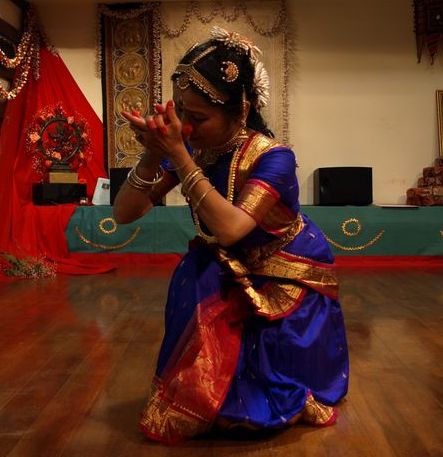
picture shows Japanese woman performing Bharatanatyam

எண்ணும் எழுத்தும், இயல் ஐந்தும், பண் நான்கும்

பண் நின்ற கூத்து பதினொன்றும்— மண்ணின் மேல்

போக்கினாள்; பூம்புகார்ப் பொன் தொடி மாதவி, தன்

வாக்கினால் ஆடு அரங்கின் வந்து

1.அல்லியம்: கண்ண பிரானை அழிக்க ஏவப்பட்ட யானையை அவன் வென்றதைக் குறித்து ஆடும் ஆட்டம் இது.

2.கொடுகொட்டி: சிவபெருமான் அசுரர்களின் முப்புரத்தை எரித்து ஆடிய ஆடம் கொடுகொட்டி.

3.குடை: முருகப் பெருமான் அவுணர்களை வென்றதைச் சித்தரிப்பது குடை நாட்டியம்

4.குடம்: கண்ண பிரான் தனது பேரப் பிள்ளை அநிருத்தனை பாணாசுரனிடமிருந்து மீட்க ஆடிய ஆடம் குடம் என்னும் வகை ஆகும்

5.பாண்டரங்கம்; சிவன் முப்புரம் எரித்த பின்னர் நான்முகன் காண ஆடியது பாண்டரங்கம் என்னும் வகை.

6.மல்: கண்ணனும், பாணனும் நடத்திய மற்போரைக் காட்டுவது மல் வகை நடனம்.

7. துடி: சூரபத்மனை முருகன் வென்ற பின்னர் ஆடிய ஆடம் துடி

8.கடையம்: வாணாசுரனின் தலைநகரின் வடக்கு வாசலில் அயிராணி (இந்திராணி) ஆடியது கடையம் என்னும் வகையால் காட்டப்படும்

9.பேடு: மன்மதன் தன் மகன் அநிருத்தனை சிறையிலிருந்து மீட்க பேடி வடிவத்தில் ஆடியது பேடு என்பதாகும். பாணாசுரணின் மகள் உஷாவைக் கடத்திச் சென்றதால் அநிருத்தனை பாணன் சிறையில் போட்டான்.

10.மரக்கால்: கொற்றவையை/ துர்க்கையை வெல்ல அவுணர்கள் தேள் ,பாம்பு முதலிய விஷப் பிராணிகளை அனுப்பினர். அப்போது மரக் கால்கள் கொண்டு நடனமாடி துர்க்கை வெற்றி பெறுவதைக் காட்டும் நடனம் இது

11. பாவை: போர் செய்ய வந்த அரக்கர்களை அழித்து திருமகள் ஆடிய ஆட்டம் பாவை எனப்படும்.

இவைகளில் முதல் ஆறும் நின்று ஆடும் ஆட்டங்கள். ஏனைய ஐந்தும் வீழ்ந்தாடுபவை. சிலப்பதிகார ஆசிரியர் இளங்கோ அடிகள், நாட்டிய மேடை எப்படி இருக்க வேண்டும், எப்படி அலங்கரிக்கப் படவேண்டும் என்ற அரிய தகவல்களையும் தருகிறார்.

காவியத்தில் வேறு மூன்று இடங்களில் வேடுவர் ஆடிய ஆட்டங்கள், ஆய்ச்சியர் என்னும் இடையர்கள் ஆடிய ஆட்டம், மலைவாழ் மக்களாகிய குன்றக் குறவையர் ஆடிய ஆட்டம் என்பனவற்றையும் விளக்குகிறார். சிலப்பதிகார காவியத்தில் உள்ள எல்லா விஷயங்களையும் படித்து ஜீரணிக்க பாமர மக்களால் முடியாது. அத்துறையில் வல்ல அறிஞர் பெருமக்கள் வாழ் நாள் முழுதும் ஆராய வேண்டிய அற்புத பொக்கிஷம் அது என்றால் மிகையாகாது.

சில நாத்திகர்கள் பழந்தமிழர்கள் பற்றிப் பரப்பிவரும் தவறான கண்ணோட்டத்தை சங்க இலக்கியத்தில் வரும் நூற்றுக் கணக்கான இந்துமதக் கதைகளும் சிலப்பதிகாரமும் தவிடு பொடியாக்கிவிட்டன.


Picture shows another famous danseuse Charulatha Jayaraman

**************

Matavi’s 11 types of Classical Dance

Hindu Themes in Ancient Tamil Dance

Picture shows famous dancer Jyotsna Jaganathan

Silappathikaram is considered the best among the five Tamil epics. Kovalan and Kannaki were the hero and heroine and Madhavi was Kovalan’s mistress. She was a famous dancer. She was the daughter of Chitrapathy.  Madhavi learnt dance from the age of five and mastered the art of classical Bharatanatyam at the age of twelve. When she performed at the annual Indra festival in the ancient Chola port city Kaveri Pumpattinam, the king gave her the royal medal and 1008 gold coins. Kovalan, who was a great lover of fine arts fell for her.

The Tamil epic Silappathikaram is an encyclopaedia of Tamil culture. It gives graphic description of all Tamil arts such as Bharatanatyam and Tamil Music. The commentators added wealth of information in their commentaries. The epic describes the Tamil country of second century C.E.

It is very interesting to know that all these dances are about Hindu mythology.

Madhavi performed eleven different types of dances according to the epic. They are:

1.Alliam: This is a dance about Lord Krishna’s victory over the mad elephant.

2.Kodukotti : This is the dance Lord Shiva performed after burning the triple cities of Asuras/demons

3.Kudai: This is about Lord Skanda’s victory over the demons

4.Kudam: Kannan performed this after winning the release of his grandson Anirudh from the prison of Banasura.

5.Pandarangam:  Brahma was entertained by Siva with  this dance after Shiva’s win over the Triple Cities of demons.

6.Mal: This describes the wrestling contest between Bana and Lord Krishna

7.Thudi: This is Skanda’s dance after defeating the demon Suran

8.Kadayam: This is the dance performed by Indrani at the north gate of palace of Banasura.

9.Pedu: Manmathan’s dance dressed as a eunuch to secure the release of his son Anirudh.

10.Marakkal: When demons sent poisonous creatures like snakes and scorpions against Goddess Durga she danced with stints (Stick dance). This is known as Marakkal literally “wooden legs”.

11.Pavai:  Goddess Lakshmi’s dance against the warring demons.

First six of the eleven dances are done in standing position and the other five are performed in lying position. There is an interesting thread that runs through all these mythological episodes. This is about a fight between the good and bad and the ultimate victory of good over evil.

Ilango, author of Silappathikaram, did not stop with Matavi’s debut performance. In three other places in the epic he narrated the hunters dance during worship of Durga, cowherds dance praising Lord Krishna and tribal dance.

Ancient Tamils were so familiar with all the Hindu mythological stories. They liked to watch such stories. This is confirmed by a lot of references to Hindu Gods and Goddesses in Sangam Tamil literature. Tamils are not only ardent Hindu devotees, but also lovers of all fine arts. Chidambaram temple stands as a monumental proof for this with all the 108 dance gestures (abhinaya) sculpted in stones.

Like Bharata, the author of Sanskrit treatise on Bharata Natyam, Silappadhikaram also gives a description of dance stage and location for the stage.

The Tamil atheist’s propaganda is exploded by all the descriptions found in ancient Tamil literature. The dancing figure found at Mohanjadaro points to the antiquity of the classical Bharatanatyam. The metal statue of a woman shows her one arm on her hips and another arm with lot of bangles. Her legs are slightly bent. This tradition is continued by the Tamil dancers even today.

**********

தமிழ் பூதமும் கிரேக்க பூதமும்

Picture: Oedipus kills Sphinx

கிரேக்க நாட்டிலுள்ள டெல்பி ஆரக்கிளுக்கும் (ஒரு பெண் சாமி ஆடி குறி சொல்லுதல்) தமிழ் நாட்டிலுள்ள சாமி ஆடிகள், கோடங்கி அடிப்போர், குறி சொல்லுவோருக்கும் நிறைய ஒற்றுமை இருக்கிறது (இதைப் பற்றி தனி கட்டுரையில் தந்திருக்கிறேன்). இது போலவே கிரேக்க ஸ்பிங்ஸ் (SPHINX)  பூதத்துக்கும் சிலப்பதிகாரத்தில் குறிப்பிடப்படும் பல வகை பூதங்களுக்கும் நிறைய தொடர்பு இருக்கிறது. ஏற்கனவே அப்பர், சுந்தரர் ஆகியோருக்கு உதவிய பூதங்கள் பற்றி தனி கட்டுரையில் கூறிவிட்டேன். எகிப்திலும் ஸ்பிங்ஸ் சிலகள் உண்டு. ஆனால் கிரீஸ் நாட்டின் தீப்ஸ் நகரில் உள்ளது பற்றித்தான் இந்தக் கதை.

இதோ சிலப்பதிகார பூதக் கதைகள்:

இந்திரன் தலை நகரான அமராவதியை முசுகுந்தன் என்ற சோழ மன்னன் காத்தான் என்றும் அதற்கு நன்றி தெரிவிக்கும் முகத்தான் காவல் பூதத்தையும் ஐந்து வகை மன்றங்களையும் அனுப்பிவைத்தான் என்றும் சிலப்பதிகாரத்தில் இளங்கோ அடிகள் எழுதியுள்ளார் (5: 65-67, 6:7-17). (முசுகுந்தன் என்ற மன்னன் பெயரை உரைகாரர்கள் தந்தனர்).

காவல் பூதம் அமராவதியில் அசுரர் விடுத்த இருள் அம்பினைப் போக்கியது. இந்திரன் அனுப்பியதால் பூம்புகாருக்கு வந்து நாளங்காடியில் தங்கி பலிகளை ஏற்றுவருகிறது என்று சிலம்பு கூறும் (7: 14)

ஐவகை மன்றம் பற்றி சிலப்பதிகாரம் மிகவும் விரிவான தகவல்களைத் தருகிறது (5: 111- 140). 1.) சுருக்கமாகச் சொன்னால், களவாட நினைப்போரை நடுங்க வைக்கும் வெளியிட மன்றம் 2.) நோயால் அழுகியவரைக் குணப்படுத்தும் மன்றம். அதாவது ஒரு பொய்கையில் குளித்தவுடன் நோய்கள் ஓடிவிடும். நம் ஊர் புஷ்கணிகள் போல 3.) நஞ்சாலும் பேயாலும் துன்புற்றாரின் துயர் நீக்க ஒளியை வீசும் மன்றம். அதாவது நவீன லேஸர் ஒளிக் கற்றை சிகிச்சை போல.4.) ஒழுக்கம் கெட்டவரை நிலத்தில் புடைத்துச் சாப்பிட்டு விடும் சதுக்க பூதம் ( இது உண்மையில் இருந்தால் ஜனத்தொகைப் பெருக்கப் பிரச்சினை பற்றி நாம் கவலையே பட வேண்டாம். அதுவே மக்கட் தொகையைக் குறைத்துவிடும்!! 5.) அரசன் செங்கோல் தவறி ஆட்சி புரியினும் சபையோர் நேர்மை குன்றினாலும் கண்ணீர் விட்டு அழும் பாவை மன்றம் ( இது இன்று இருந்தால் நித்திய அழுகைதான்!!)

இது தவிர அழற்படுகாதையில் ஆதி பூதம், அரச பூதம், வணிக பூதம், வேளாண் பூதம் ஆகிய நால் வருணப் பூதங்களும் மதுரை தீப்பற்றி எரிவதற்கு முன்னரே வெளியேறி விட்டதாகவும் இளங்கோ பாடுகிறார்.

அடைக்கலக் காதையில் பத்தினிப் பெண் ஒருத்தியைப் பற்றிப் பொய்யுரை உரைத்த ஒருவனை ஒரு பூதம் பாசக் கயிற்றால் பற்றிப் புடைத்து உண்டதாகவும் இருக்கிறது. பொய்க்கரி சொன்னவனுடைய தாயார் தனது மகனை விட்டுவிட்டு தன்னைப் பிடித்துக் கொள்ளலாம் என்று கெஞ்சிக் கேட்டபோதும் அதை பூதம் ஏற்கவில்லை. அந்த மனிதனை அவர்கள் கண் முன்னாலேயே அறைந்து கொன்று உண்டு விட்டது என்கிறார் இளங்கோ.

காடுகாண் காதையில் மதுரைக்கு வழி கேட்ட கோவலனுக்குப் பதில் கூறிய மறையவன், திருமாலிருஞ் சோலை பக்கத்தில் மூன்று பொய்கைகள் உள்ளதாகவும் அங்குள்ள தெய்வங்கள் என்ன என்ன கேள்விகள் கேட்கும் என்றும் என்ன பதில் கூறினால் நல்லது என்றும் சொல்லித் தருகிறான். இவை எல்லாம் கிரேக்க பூதக் கதையில் வரும் சில அம்சங்கள்.

புலவர் பெயர்களிலும் பூதம், பேய் உண்டு. சதுக்க பூதனார், பேய்மகள் இளவெயினி, காரைக்கால் பேயார், பூதத்தாழ்வார், பேயாழ்வார்—இப்படி அடுக்கிக் கொண்டே போகலாம்.

கிரேக்க பூதம்

எகிப்திலும் கிரீஸிலும் ஸ்பிங்ஸ் உண்டு. ஸ்பிங்ஸ் சிலை பாதி சிங்கமாகவும், பாதி பெண் ஆகவும் இருக்கும். இரண்டு நாடுகளிலும் தீப்ஸ் என்ற நகரும் உண்டு. ஆனால் பூதக் கதை கிரேக்க வீரன் ஈடிபஸ் பற்றியது. அவன் பாதி சிங்க உடலும் பாதி பெண் உருவமும் கொண்ட ஸ்பிங்ஸைப் பார்க்கிறான். அது கேள்விகள் கேட்கும். பதில் சொல்லாதவர்களைப் பிடித்துச் சாப்பிட்டு விடும். தீப்ஸ் நகர மக்களுக்கு இது ஓயாத கவலை தந்தது. வழிப்போக்கர்களைக் கேள்வி கேட்டு அச்சுறுத்தி வந்தது. இதைப் படிக்கும் போது மஹாபாரதத்திலுள்ள யக்ஷப் ப்ரஸ்னம் கதையும் ,விக்ரமாதித்தன் வேதாளம் கதைகளும் ஞாபகத்துக்கு வரும்.

ஈடிபஸ் போனபோது அவனிடம் கேட்ட கேள்விகள்: எது சில நேரம் இரண்டு காலகளோடும் சில சமயம் மூன்று கால்களோடும் சில சமயம் நான்கு கால்களோடும் நடக்கும். எது அப்படி 4 கால்களோடு நடக்கையில் பலவீனமாக இருக்கும்?

ஈடிபஸ் கொடுத்த விடை: மனிதன். குழந்தையாக இருக்கும் போது எழுந்து நிற்க முடியால் நாலு “கால்”களில் தவழ்ந்து செல்லுவான். பின்னர் இரண்டுடன் நடந்து கைத்தடியுடன் நடக்கையில் மூன்று கால்களோடு இருப்பான்.

ஒருவரை ஒருவர் பாதிக்கும் சகோதரிகள் யார்? பகலும் இரவும் என்று ஈடிபஸ் பதில் கொடுத்தான். இறுதியில் ஸ்பிங்ஸ் ஒரு மலையிலிருந்து விழுந்து இறந்தது.

ஆக கேள்விகள் கேட்டு அச்சுறுத்துவது, தவறிழைப்போரைச் சாப்பிடுவது ஆகிய அம்சங்களில் சிலப்பதிகார தமிழ் பூதத்துடன் ஒற்றுமையைக் காணலாம்.

***************************


டெல்பி ஆரூடமும் குறி சொல்வோரும்

கிரேக்க (Greece) நாட்டில் உள்ள டெல்பி ஆரூடம் ( Delphi Oracle ) உலகப் புகழ் பெற்றது. காரணம் என்னெவென்றால் கிரேக்க நாட்டின் அறிஞர்களும் ரோமானிய மன்னர்களும் இங்கு வந்து ஜோதிடம் கேட்டனர். அது மட்டுமல்ல ஆயிரம் ஆண்டுகளுக்கு மேல் மக்கள் இதில் (கி.மு 800 முதல் கி.பி.300 வரை) நம்பிக்கை வைத்து அங்கே போனார்கள். இப்போதும் இது ஒரு பெரிய சுற்றுலா தலமாக விளங்குகிறது.


தமிழ் நாட்டில் குறிசொல்லும் குறத்திகள், சாமி ஆடுவோர், கோடங்கி அடித்து சோதிடம் சொல்லுவோர், நாடி சோதிடக் குறிப்புகள் எழுதுவோர் என்ன என்ன எல்லாம் செய்தார்களோ அத்தனையும் இங்கே செய்திருக்கிறார்கள். கிரேக்க நாட்டில் இது போல பல குறி சொல்லும் இடங்கள் இருந்தபோதும் பிதகோரஸ், ஹெரோடாட்டஸ், ஈடிபஸ், ப்ளூடர்ச், சாக்ரடீஸ், அலெக்சாண்டர், ரோமானிய மன்னர்கள்  மற்றும் பல தலைவர்கள் வந்த இடம் டெல்பியே. அங்கு இசைப் போட்டி நடத்தி பரிசு கொடுப்பதும் வழக்கம்.


பர்னாசஸ் மலைப் பகுதியில் ஒரு குகை போன்ற அறையில் ஒரு பெண் உட்கார்ந்திருப்பாள். அங்கு புகை வரத் துவங்கும். பின்னர் வந்திருப்பவர்கள் கேள்வி கேட்டால் அதற்கு தெளிவில்லாத, விளங்கிக் கொள்ள முடியாத வகையில் பதில்கள் கிடைக்கும். அம்மையார் ஓரிரு வரிகளில் பதில் தருவார். பல விஷயங்கள் இரு பொருள்பட இருக்கும். பக்கத்தில் உள்ள ஒரு பூசாரி, அந்த அம்மையார் கூறிய ஆரூடத்தை விளக்குவார். அங்கு பூமியிலிருந்து வந்த புகை “எதிலின்” என்ற ரசாயன வாயு என்றும் அது போதையை உண்டாக்கவே இப்படி அம்மையார் உளரத் துவங்கினார் என்றும் சில ஆராய்ச்சியாளர் சொன்னதெல்லாம் இது வரை நிருபணமாகவில்லை.

டெல்பியில் நடந்ததை ஒவ்வொரு அம்சமாகப் படியுங்கள். நீங்களே தமிழ் நாட்டில் நடந்த, நடக்கும் விஷயங்களுடன் ஒப்பிட முடியும். (சிலப்பதிகாரத்தில் இதே போல கேள்வி கேட்கும் பூதங்கள் பற்றி வருகிறது. அப்பர் பெருமானுக்கும் சுந்தரருக்கும் பூதங்கள் வந்து உதவி செய்தன. அவைகளை ஏற்கனவே தனிக் கட்டுரைகளில் கொடுத்துள்ளேன்).

1.இங்கே அபல்லோ தெய்வத்தின் கோவில் உள்ளது. அவர் பைதான் என்னும் பாம்பைக் கொன்று உலகைக் காப்பாற்றினார். அவர் டால்பின் வடிவு எடுத்து, முதுகில் கிரீட் தீவு பூசாரிகளை ஏற்றிக் கொண்டு வந்தார். (கிருஷ்ணனின் காளிங்க நர்த்தனமும் மச்சாவதரக் கதையும் உங்களுக்கு நினைவுக்கு வந்திருக்கும்).

2.இங்கே மூன்று பொன்மொழிகள் எழுதப்பட்டிருக்கும் 1.உன்னையே நீ அறிவாய். 2.அளவுக்கும் மிஞ்சாதே (அளவுக்கு மிஞ்சினால் அமிர்தமும் விஷமாகும் 3. உறுதி எடு, விஷமம் செய்யாதே. இந்தப் பொன்மொழிகள் ஏழு முனிவர்கள் கொடுத்தது. (இப்போது சப்த ரிஷிக்களும், உபநிஷத வாக்கியங்களும் நம் நினைவுக்கு வரும்)

3. சாமி ஆடும் பெண் வேகமாகப் பேசுவார். அதை பூசாரிகள் விளக்கி அர்த்தம் சொல்லுவார்கள் (இதுவும் நம் ஊர் மாதிரிதான். நாடி சோதிடத்தில் அவர் ஒன்று செய்யுள் வடிவில் சொல்ல பக்கத்தில் உள்ளவர்கள் வேறு ஒன்று உரை நடை வடிவில் சொல்லுவார்கள்.)

4. பூசாரினி சொல்லுவதில் ஒரு சொல்லையோ, கமா (காற்புள்ளி) வையோ இடம் மாற்றிப் போட்டால் அர்த்தம் அனர்த்தம் ஆகிவிடும். “Go Return Not Die in War”. என்று பூசாரினி கூறுவாள். இதில் ஆங்கிலச் சொல் “நாட்” என்பதற்கு முன் காற்புள்ளியை (,,,,,) ப் போட்டால் போருக்குப் போ, திரும்பி வா, போரில் இறக்க மாட்டாய் என்று அர்த்தம் வரும். ஆங்கிலச் சொல் “நாட்” என்பதற்குப் பின்னால் காற்புள்ளியை வைத்தால் போருக்குப் போ,,திரும்பி வராதே, செத்துத் தொலை என்று பொருள் வரும். ஆக எப்படியும் பொருள் கொள்ளக் கூடிய நாட்ர்தாமஸ் எழுதிய செய்யுள் வடிவ சோதிடம் போல குழப்பத்தோடு வீடு திரும்புவார்கள் (இதுவும் நம் ஊர் ஜோதிடர்களையும் அவர்கள் கூறும் பரிகாரங்களையும் நினைவு படுத்தும்

5. பூசாரினி இருக்கும் இடத்துக்குக் கீழேயிருந்து நறுமணப் புகை வருவதாக அங்கே பூசாரியாக வேலை பார்த்த ப்ளூடார்ச் எழுதி வைத்துள்ளார். இது இயற்கையான ஊற்றிலிருந்து எழுந்த ரசாயன வாயு என்றும் செயற்கையாகப் போட்ட போதை ஊட்டும் பொருள் என்றும் கூறுவர் ( இதுவும் நம் ஊர் வேத கால சோம பானம் பற்றி மேல் நாட்டார் எழுதி வைத்தது போல எல்லோரையும் குழப்பும்).

6. பூசாரினிகளை இளம் வயதுப் பெண்களிலிருந்து தேர்ந்தெடுப்பார்கள். அவர்கள் பிரம்மசர்ய விரதத்தைக் கடுமையாகக் கடைப் பிடிக்க வேண்டும். இது நம் ஊர் சந்யாசினிகளை நினைவுக்குக் கொண்டு வரும்.

7. ஒரு மன்னன் வந்து “நான் எதனால் சாவேன் என்று கேட்டானாம். பூசாரினி சொன்னாள்: மூஸ், மூஸ், மூஸ் என்று. பக்கத்தில் இருந்த பூசாரி எலி என்று மொழி பெயர்த்தானாம். கிரேக்க மொழியில் எலி (மூஷிகம்),தசை (மஸில்), மனிதனுடைய பெயர் (எடுத்துக் காட்டு: மோசஸ்) என்று பல பொருள்கள் உண்டு. ஆகையால் அந்த மன்னன் எலிகளை எல்லாம் ஒழித்தானாம். மூஸ் என்ற பெயருடையவர் எல்லோரையும் விரட்டிவிட்டானாம். கடைசியில் தசைப் (மஸில்) பிடிப்பால் இறந்தானாம். இதே போல கம்சன்–கிருஷ்ணன், இந்திரன் – விருத்தாசுரன், ஹிரண்யகசிபு—பிரஹ்லாதன் கதைகளில் நாம் படிக்கிறோம்.

8. ஒரு நாள் ஒரு ஆட்டிடையன் பர்னாசஸ் மலை அடிவாரத்துக்குப் போனான் என்றும் ஆடுகள் குகைக்குள் போகவே அவை வினோதமாகக் கூச்சலிட்டன என்றும் அவன் உள்ளே போனபோது சாமி ஆடி வருங்காலம் உரைக்கும் கணியன் ஆக மாறினான் என்றும் எழுதி வைத்துள்ளனர். (இது நம் ஊர் ஸ்தல புராணக் கதகள் போல இருக்கிறது!!)

சுருக்கமாகச் சொன்னால் கிரேக்க நாட்டு பழக்க வழக்கங்கள் இந்திய, அதிலும் குறிப்பாக, தமிழ் நடைமுறைகளை ஒத்து இருக்கும். (கிரேக்க—தமிழ் மொழி தொடர்பு பற்றிய வேறு இரண்டு கட்டுரைகளில் மேல் விவரம் காண்க)