Elephants are Lucky (Post No.5544)

Written by London Swaminathan
swami_48@yahoo.com
Date: 15 October 2018


Time uploaded in London – 19-54

(British Summer Time)


Post No. 5544


Pictures shown here are taken from various sources including google, Wikipedia, Facebook friends and newspapers. This is a non- commercial blog.

In India people believe seeing elephants in person or in dream is a lucky sign. In Kerala,hair from elephant tail is used as a talisman. Mothers of Buddha and Mahavira dreamt of elephant before the great people were born. Elephant is an auspicious symbol.

It is very interesting to see the beliefs of European’s though it is a tropical animal native of Asia and Africa.


Here are some excerpts from magazines and books:-

1953 Folklore (Westmorland) says,
Elephants are lucky.
1957 Folklore says,
I was once at a marriage in Morecambe, Lancashire, when the bride groom met such a beast as he drove to church and afterwards received numerous congratulations on his singular good fortune.

1974 D Scannel, Mother knew Best, says,
Everyone knew that an elephant’s hair bracelet was lucky.

1957, Woman’s Own 4 April,
I have two small ebony elephants which I kept on the mantelpiece, but they did not bring any luck. Then a friend told me that elephants should always face the door. I moved them the next day and our happiness, health and luck really seem to have changed for better.


1969 Folklore,
If you own a drawing or a carving of an elephant, it must always be so placed in the room that its head is facing the door.

1970 Folklore,
It is a superstition in my family (East London/Essex ) that any ornament that has a face should be so placed that it is facing the door by which one would normally enters the room…..it was suggested that the death of my father in 1967 was affected or portended by an ornament being accidentally turned round some weeks earlier.

1984 Woman (Hawk Hurst, Kent),
I know people who have elephants in the room always face them to the door as they get wild if they do not know what is going on.

Elephants came to Europe only 2000 years ago but they knew about the elephants even before that due to Persian and Greek invasions.

It is strange to read how the belief or superstition about elephant toys spread there .

Elephant has positive symbolic associations.

A white elephant announced the birth of Gautama Buddha. Hindus worship elephant headed Ganesh before venturing into new business.
Elephant seals are discovered in Indus- Saraswati River civilisation .

In the Christian imagery of Physiologus of late antiquity, the elephants chastity is celebrated . It will procreate only after eating Mandrake root. The same sources say that female elephants give birth in marsh lands and the male elephants protect them from snakes.


The ancient Chinese also lauded the chastity of the elephants.

White elephants are considered lucky because they were the vehicles of Vedic god Indra. In the old Thailand/ Siam white elephant was used in the royal emblem. Indra’s elephant is called Airavata.
South Indian Hindu temples have eight elephants sculpted around the sanctum sanctorum. Those eight elephants guard the earth in eight directions.
The Chinese phrase ‘to ride on an elephant’ means Happiness.

Indian Folklore and anecdotes about the amazing memory of elephants are well known. ( I have already umpteen anecdotes about the Memory of Elephants)

Xxx Subham xxx
SWAMI HINDU CROSSWORD PUZZLE 2 AND SOLUTION TO PUZZLE 1 (Post No.5543)


SWAMI HINDU CROSSWORD PUZZLE 2 AND SOLUTION TO PUZZLE 1 (Post No.5543)


Written by London Swaminathan
swami_48@yahoo.com
Date: 15 October 2018


Time uploaded in London – 15-09

(British Summer Time)


Post No. 5543


Pictures shown here are taken from various sources including google, Wikipedia, Facebook friends and newspapers. This is a non- commercial blog.


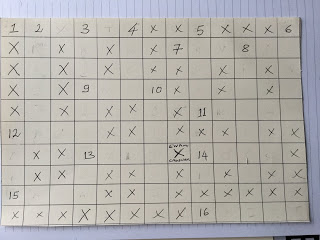
PUZZLE 2

ACROSS

1.SON OF KING NAHUSA; EARLY ANCESTOR OF KURU DYNASTY

7.ENCHANTI APSARAS OF HEAVEN

9.BROTHER OF LAKSHMANA

11.SIKH TERM; SIKH POLITICAL GROUP

12.DEMON KING KILLED BY VAMANA

13.GODDESS OF DESTRUCTION

14.MIGHT, POWER

15.A MLECHA KING; ALSO COUNTRY RULED BY KARNA


DOWN

2.HEAVENLY ELIXIR

3.DAUGHTER OF KASI RAJA; SISTER OF AMBA

4.GOD OF FIRE

5.TEACHER OF PANDANAS AND KAURAVAS

6.SEER

8.HEAVENLY BEAUTIES

10.MOON’S FAVOURITE WIFE; ALSO NAME OF BALARAMA’S MOTHER

14.PRIMORDIAL SOUND MANTRA

16.GREAT KING WHO GAVE HIS FLESH TO A BIRD


SOLUTION PUZZLE 1


ACROSS


1.SUBANU-TWO WORDS: NAME OF SUN, BRIGHT/SHINING

NAMES OF SATHYABAMA’S CHILDREN

2.KAMA-HINDU CUPID

3.VARUNA, RNA-TWO WORDS—LORD OF OCEAN, DEBT (T PITR, DEVA ETC)

4.ASVIN–VEDIC TWIN GODS

5.UMA-SIVA’S WIFE

6.INDRA- LORD OF HEAVEN, CHIEF VEDIC GOD

7.YAMA, NIYAMA–TWO WORDS- GOD OF DEATH, RESTRICTION/CONTROL

8.VALI– KILLED BY RAMA WHILE FIGHTING WITH SUGREEVA

9.AGASTYA–SEER WHO DRANK OCEAN

  1. YAGA–FIRE CEREMONY

11.SISTER OF AMBIKA AND AMBALIKA

12.MITRA–VEDIC GOD WHOSE CULT SPREAD TO ROME

DOWN

13.USHAS–GODDESS OF DAWN

14.YOGA–CONTROLLING BODY AND MIND TOGETHER

15.KRISHNA–DRIVER OF ARJUNA

16.SITA–FAMOUS WOMAN OF MITHILA

17.AYU–SON OF KING PURURUVA AND URVASI

18.RAVI–ANOTHER NAME OF SUN

  1. RAMA–SON OF DASRATHA

20.ANU–SECOND SON OF YAYATI AND SHARMISHTA

21.LINGAM–FORMLESS SHIVA

22.AUM–PRANAVA MANTRA


u M A       S U B A N U
S     K A M A       N    
H     R       V A R U N A
A S V I N               U
S     S   S       M     M
      H   I N D R A      
      N   T     A     L  
N I Y A M A     V A L I  
    O       U   I     N  
  A G A S T Y A   Y A G A
    A       A         A  
  A M B A     A R T I M  
S W A M I ­­C R O S S W O RD


SWAMI HINDU CROSSWORD PUZZLE -1 (Post No.5540)

SWAMI HINDU CROSSWORD PUZZLE -1 (Post No.5540)
Written by London Swaminathan
swami_48@yahoo.com
Date: 14 October 2018


Time uploaded in London – 19-49

(British Summer Time)


Post No. 5540


Pictures shown here are taken from various sources including google, Wikipedia, Facebook friends and newspapers. This is a non- commercial blog.


SWAMI HINDU CROSSWOD PUZZLE 1


ACROSS


1.TWO WORDS: NAME OF SUN, BRIGHT/SHINING

NAMES OF SATHYABAMA’S CHILDREN

2.HINDU CUPID

3.TWO WORDS—LORD OF OCEAN, DEBT (T PITR, DEVA ETC)

4.VEDIC TWIN GODS

5.SIVA’S WIFE

6.LORD OF HEAVEN, CHIEF VEDIC GOD

7.TWO WORDS- GOD OF DEATH, RESTRICTION/CONTROL

8.KILLED BY RAMA WHILE FIGHTING WITH SUGREEVA

9.SEER WHO DRANK OCEAN

10.FIRE CEREMONY

11.SISTER OF AMBIKA AND AMBALIKA

12.VEDIC GOD WHOSE CULT SPREAD TO ROME

DOWN

13.GODDESS OF DAWN

14.CONTROLLING BODY AND MIND TOGETHER

15.DRIVER OF ARJUNA

16.FAMOUS WOMAN OF MITHILA

17.SON OF KING PURURUVA AND URVASI

18.ANOTHER NAME OF SUN

  1. SON OF DASRATHA

20.SECOND SON OF YAYATI AND SHARMISHTA

21.FORMLESS SHIVA

22.PRANAVA MANTRA


SOLUTION WILL BE PUBLISHED WITH THE SECND PUZZLE


5,13

      1 17
    2,15          
          3 19 22
4              
      16          
        6 18      
                21  
7 14     8  
                 
  9   10
          20          
  11     12  
1.S W A M I ­­C R O S S W O RD


–SUBHAM-


EVIL ACTS WILL KILL YOU & YOUR FAMILY SLOWLY- MANU WARNS (Post No.5538)

Written by London Swaminathan
swami_48@yahoo.com
Date: 14 October 2018


Time uploaded in London – 6-59 am (British Summer Time)


Post No. 5538


Pictures shown here are taken from various sources including google, Wikipedia, Facebook friends and newspapers. This is a non- commercial blog.


IN THE LAST POST, I MISSED TO QUOTE THE MOST FAMOUS QUOTATION OF MANU, GIVEN BELOW

4-138 A MAN SHOULD TELL THE TRUTH AND SPEAK WITH KINDNESS; HE SHOULD NOT TELL THE TRUTH UNKINDLY NOR UTTER LIES OUT OF KINDNESS. THAT IS THE ETERNAL LAW.


If you can’t read all the slokas/couplets given below, please read 12 important points; then you will know what Manu spoke about.


LET US CONTINUE WITH FOURTH CHAPTER OF MANU SMRTI

MY COMMENTS- 12 important points!!!

1.Sloka 151 about maintaining environmental purity

2.Slokas 160, 162 What is pleasure? What is pain? What is Good? What is bad? beautifully explained

3.Sloka 161 warns about attacks on good people

4.Slokas 172-174 reminds Tamil proverb God kills slowly (deivam Nindru Kollum); English proverb- The mills of the God grind slowly (H W Longfellow’s poem as well); evil actions kill an entire generation.

5.Sloka 178 is beautiful advice- Walk  in the footsteps of Great Men

6.Sloka 186—Warning to Brahmin priests- Don’t get addicted to Daanaas=donations= dakshinas=  fees= gifts.

Two Stories

7.Slokas 196, 197 is about Rudraksha cat (hypocrites) in Sanskrit literature and Mahabali Puram sculptures and the Panchatantra story of heron and crab ( I have written articles about them. Even Tamil poet Tiruvalluvar warns about such hypocrites)

Manu says indirectly Don’t Eat in Restaurants

8.Slokas 205 to 229 say ‘You are what you eat’, ‘You are where you eat’. He gives a list of banned foods and places.

9.Slokas229, 233

What is the best gift? water and Vedas.

10.Sloka 235- benefit of giving Daana and benefit of receiving Daana/gift


11.Sloka 238: Be like ants; gather (Punya) little by little

SPEECH

  1. Sloka 256–Speech is the root of everything; Manu warns ‘Be Careful’;

Tamil poet Tiruvalluvar also warns ‘Guard your Tongue’; ‘when fruitful words are there why pluck unripe ones?’


Here we go…………………………..

ENVIRONMENTAL MEASURERS

4-151. Far from his dwelling let him remove urine and ordure, far let him remove the water used for washing his feet, and far the remnants of food and the water from his bath.

  1. Early in the morning only let him void faeces, decorate (his body), bathe, clean his teeth, apply collyrium to his eyes, and worship the gods.
  2. But on the Parva-days let him go to visit the images of the gods, and virtuous Brahmanas, and the ruler of the country, for the sake of protection, as well as his Gurus.
  3. Let him reverentially salute venerable men (who visit him), give them his own seat, let him sit near them with joined hands and, when they leave, (accompany them), walking behind them.
  4. Let him, untired, follow the conduct of virtuous men, connected with his occupations, which has been fully declared in the revealed texts and in the sacred tradition (Smriti) and is the root of the sacred law.
  5. Through virtuous conduct he obtains long life, through virtuous conduct desirable offspring, through virtuous conduct imperishable wealth; virtuous conduct destroys (the effect of) inauspicious marks.
  6. For a man of bad conduct is blamed among people, constantly suffers misfortunes, is afflicted with diseases, and short-lived.
  7. A man who follows the conduct of the virtuous, has faith and is free from envy, lives a hundred years, though he be entirely destitute of auspicious marks.
  8. Let him carefully avoid all undertakings (the success of) which depends on others; but let him eagerly pursue that (the accomplishment of) which depends on himself.

PAIN AND PLEASURE

4-160. Everything that depends on others gives pain, everything that depends on oneself (gives) pleasure; know that this is the short definition of pleasure and pain.

  1. When the performance of an act gladdens his heart, let him perform it with diligence; but let him avoid the opposite.
  2. Let him never offend the teacher who initiated him, nor him who explained the Veda, nor his father and mother, nor (any other) Guru, nor cows, nor Brahmanas, nor any men performing austerities.
  3. Let him avoid atheism, cavilling at the Vedas, contempt of the gods, hatred, want of modesty, pride, anger, and harshness.
  4. Let him, when angry, not raise a stick against another man, nor strike (anybody) except a son or a pupil; those two he may beat in order to correct them.
  5. A twice-born man who has merely threatened a Brahmana with the intention of (doing him) a corporal injury, will wander about for a hundred years in the Tamisra hell.

WARNING ABOUT 21 BIRTHS

4-166. Having intentionally struck him in anger, even with a blade of grass, he will be born during twenty-one existences in the wombs (of such beings where men are born in punishment of their) sins.

  1. A man who in his folly caused blood to flow from the body of a Brahmana who does not attack him, will suffer after death exceedingly great pain.
  2. As many particles of dust as the blood takes up from the ground, during so many years the spiller of the blood will be devoured by other (animals) in the next world.
  3. A wise man should therefore never threaten a Brahmana, nor strike him even with a blade of grass, nor cause his blood to flow.
  4. Neither a man who (lives) unrighteously, nor he who (acquires) wealth (by telling) falsehoods, nor he who always delights in doing injury, ever attain happiness in this world.
  5. Let him, though suffering in consequence of his righteousness, never turn his heart to unrighteousness; for he will see the speedy overthrow of unrighteous, wicked men.

EVIL ACTS WILL SLOWLY KILL YOUR FAMILY

4-172. Unrighteousness, practised in this world, does not at once produce its fruit, like a cow; but, advancing slowly, it cuts off the roots of him who committed it.

  1. If the punishment falls not on the offender himself, it falls on his sons, if not on the sons, at least on his grandsons; but an iniquity once committed, never fails to produce fruit to him who wrought it.
  2. He prospers for a while through unrighteousness, then he gains great good fortune, next he conquers his enemies, but (at last) he perishes (branch and) root.
  3. Let him always delight in truthfulness, (obedience to) the sacred law, conduct worthy of a cultured person, and purity; let him chastise his pupils according to the sacred law; let him keep his speech, his arms, and his belly under control.
  4. Let him avoid (the acquisition of) wealth and (the gratification of his) desires, if they are opposed to the sacred law, and even lawful acts which may cause pain in the future or are offensive to men.
  5. Let him not be uselessly active with his hands and feet, or with his eyes, nor crooked (in his ways), nor talk idly, nor injure others by deeds or even think of it.


WALK IN THE FOOTSTEPS HOLY MEN

4-178. Let him walk in that path of holy men which his fathers and his grandfathers followed; while he walks in that, he will not suffer harm.

  1. With an officiating or a domestic priest, with a teacher, with a maternal uncle, a guest and a dependant, with infants, aged and sick men, with learned men, with his paternal relatives, connexions by marriage and maternal relatives,
  2. With his father and his mother, with female relatives, with a brother, with his son and his wife, with his daughter and with his slaves, let him not have quarrels.
  3. If he avoids quarrels with these persons, he will be freed from all sins, and by suppressing (all) such (quarrels) a householder conquers all the following worlds.
  4. The teacher is the lord of the world of Brahman, the father has power over the world of the Lord of created beings (Pragapati), a guest rules over the world of Indra, and the priests over the world of the gods.
  5. The female relatives (have power) over the world of the Apsarases, the maternal relatives over that of the Visve Devas, the connexions by marriage over that of the waters, the mother and the maternal uncle over the earth.
  6. Infants, aged, poor and sick men must be considered as rulers of the middle sphere, the eldest brother as equal to one’s father, one’s wife and one’s son as one’s own body,
  7. One’s slaves as one’s shadow, one’s daughter as the highest object of tenderness; hence if one is offended by (any one of) these, one must bear it without resentment.


DON’T GET ADDICTED TO GIFTS/DANA/DONATIONS

4-186. Though by his learning and sanctity he may be entitled to accept presents, let him not attach himself too much to that habit; for through his accepting many presents the divine light in him is soon extinguished.

  1. Without a full knowledge of the rules, prescribed by the sacred law for the acceptance of presents, a wise man should not take anything, even though he may pine with hunger.
  2. But an ignorant (man) who accepts gold, land, a horse, a cow, food, a dress, sesamum-grains, (or) clarified butter, is reduced to ashes like (a piece of) wood.
  3. Gold and food destroy his longevity, land and a cow his body, a horse his eye (sight), a garment his skin, clarified butter his energy, sesamum-grains his offspring.
  4. A Brahmana who neither performs austerities nor studies the Veda, yet delights in accepting gifts, sinks with the (donor into hell), just as (he who attempts to cross over in) a boat made of stone (is submerged) in the water.
  5. Hence an ignorant (man) should be afraid of accepting any presents; for by reason of a very small (gift) even a fool sinks (into hell) as a cow into a morass.
  6. (A man) who knows the law should not offer even water to a Brahmana who acts like a cat, nor to a Brahmana who acts like a heron, nor to one who is unacquainted with the Veda.
  7. For property, though earned in accordance with prescribed rules, which is given to these three (persons), causes in the next world misery both to the giver and to the recipient.
  8. As he who (attempts to) cross water in a boat of stone sinks (to the bottom), even so an ignorant donor and an ignorant donee sink low.
  9. (A man) who, ever covetous, displays the flag of virtue, (who is) a hypocrite, a deceiver of the people, intent on doing injury, (and) a detractor (from the merits) of all men, one must know to be one who acts like a cat.


TWO STORIES- RUDRAKSHA CAT AND HYPOCRISY OF A HERON

  1. That Brahmana, who with downcast look, of a cruel disposition, is solely intent on attaining his own ends, dishonest and falsely gentle, is one who acts like a heron.
  2. Those Brahmanas who act like herons, and those who display the characteristics of cats, fall in consequence of that wicked mode of acting into (the hell called) Andhatamisra.
  3. When he has committed a sin, let him not perform a penance under the pretence (that the act is intended to gain) spiritual merit, (thus) hiding his sin under (the pretext of) a vow and deceiving women and Sudras.
  4. Such Brahmanas are reprehended after death and in this (life) by those who expound the Veda, and a vow, performed under a false pretence, goes to the Rakshasas.
  5. He who, without being a student, gains his livelihood by (wearing) the dress of a student, takes upon himself the guilt of (all) students and is born again in the womb of an animal.
  6. Let him never bathe in tanks belonging to other men; if he bathes (in such a one), he is tainted by a portion of the guilt of him who made the tank.
  7. He who uses without permission a carriage, a bed, a seat, a well, a garden or a house belonging to an (other man), takes upon himself one fourth of (the owner’s) guilt.
  8. Let him always bathe in rivers, in ponds, dug by the gods (themselves), in lakes, and in waterholes or springs.
  9. A wise man should constantly discharge the paramount duties (called yama), but not always the minor ones (called niyama); for he who does not discharge the former, while he obeys the latter alone, becomes an outcast.

DON’T EAT THE FOLLOWING

  1. A Brahmana must never eat (a dinner given) at a sacrifice that is offered by one who is not a Srotriya, by one who sacrifices for a multitude of men, by a woman, or by a eunuch.
  2. When those persons offer sacrificial viands in the fire, it is unlucky for holy (men) it displeases the gods; let him therefore avoid it.
  3. Let him never eat (food given) by intoxicated, angry, or sick (men), nor that in which hair or insects are found, nor what has been touched intentionally with the foot,
  4. Nor that at which the slayer of a learned Brahmana has looked, nor that which has been touched by a menstruating woman, nor that which has been pecked at by birds or touched by a dog,
  5. Nor food at which a cow has smelt, nor particularly that which has been offered by an invitation to all comers, nor that (given) by a multitude or by harlots, nor that which is declared to be had by a learned (man),
  6. Nor the food (given) by a thief, a musician, a carpenter, a usurer, one who has been initiated (for the performance of a Srauta sacrifice), a miser, one bound with fetters,
  7. By one accused of a mortal sin (Abhisasta), a hermaphrodite, an unchaste woman, or a hypocrite, nor (any sweet thing) that has turned sour, nor what has been kept a whole night, nor (the food) of a Sudra, nor the leavings (of another man),
  8. Nor (the food given) by a physician, a hunter, a cruel man, one who eats the fragments (of another’s meal), nor the food of an Ugra, nor that prepared for a woman in childbed, nor that (given at a dinner) where (a guest rises) prematurely (and) sips water, nor that (given by a woman) whose ten days of impurity have not elapsed,
  9. Nor (food) given without due respect, nor (that which contains) meat eaten for no sacred purpose, nor (that given) by a female who has no male (relatives), nor the food of an enemy, nor that (given) by the lord of a town, nor that (given) by outcasts, nor that on which anybody has sneezed;
  10. Nor the food (given) by an informer, by one who habitually tells falsehoods, or by one who sells (the rewards for) sacrifices, nor the food (given) by an actor, a tailor, or an ungrateful (man),
  11. By a blacksmith, a Nishada, a stage-player, a goldsmith, a basket-maker, or a dealer in weapons,
  12. By trainers of hunting dogs, publicans, a washerman, a dyer, a pitiless (man), and a man in whose house (lives) a paramour (of his wife),
  13. Nor (the food given) by those who knowingly bear with paramours (of their wives), and by those who in all matters are ruled by women, nor food (given by men) whose ten days of impurity on account of a death have not passed, nor that which is unpalatable.
  14. The food of a king impairs his vigour, the food of a Sudra his excellence in sacred learning, the food of a goldsmith his longevity, that of a leather-cutter his fame;

YOU ARE WHAT YOU EAT

  1. The food of an artisan destroys his offspring, that of a washerman his (bodily) strength; the food of a multitude and of harlots excludes him from (the higher) worlds.
  2. The food of a physician (is as vile as) pus, that of an unchaste woman (equal to) semen, that of a usurer (as vile as) ordure, and that of a dealer in weapons (as bad as) dirt.
  3. The food of those other persons who have been successively enumerated as such whose food must not be eaten, the wise declare (to be as impure as) skin, bones, and hair.
  4. If he has unwittingly eaten the food of one of those, (he must) fast for three days; if he has eaten it intentionally, or (has swallowed) semen, ordure, or urine, he must perform a Krikkhra penance.
  5. A Brahmana who knows (the law) must not eat cooked food (given) by a Sudra who performs no Sraddhas; but, on failure of (other) means of subsistence, he may accept raw (grain), sufficient for one night (and day).
  6. The gods, having considered (the respective merits) of a niggardly Srotriya and of a liberal usurer, declared the food of both to be equal (in quality).
  7. The Lord of created beings (Pragapati) came and spake to them, ‘Do not make that equal, which is unequal. The food of that liberal (usurer) is purified by faith; (that of the) of the) other (man) is defiled by a want of faith.’
  8. Let him, without tiring, always offer sacrifices and perform works of charity with faith; for offerings and charitable works made with faith and with lawfully-earned money, (procure) endless rewards.
  9. Let him always practise, according to his ability, with a cheerful heart, the duty of liberality, both by sacrifices and by charitable works, if he finds a worthy recipient (for his gifts.)
  10. If he is asked, let him always give something, be it ever so little, without grudging; for a worthy recipient will (perhaps) be found who saves him from all (guilt).

GIFTS AND BENEFITS

  1. A giver of water obtains the satisfaction (of his hunger and thirst), a giver of food imperishable happiness, a giver of sesamum desirable offspring, a giver of a lamp a most excellent eyesight.
  2. A giver of land obtains land, a giver of gold long life, a giver of a house most excellent mansions, a giver of silver (rupya) exquisite beauty (rupa),
  3. A giver of a garment a place in the world of the moon, a giver of a horse (asva) a place in the world of the Asvins, a giver of a draught-ox great good fortune, a giver of a cow the world of the sun;
  4. A giver of a carriage or of a bed a wife, a giver of protection supreme dominion, a giver of grain eternal bliss, a giver of the Veda (brahman) union with Brahman;
  5. The gift of the Veda surpasses all other gifts, water, food, cows, land, clothes, sesamum, gold, and clarified butter.


RECEIVING AND GIVING GIFTS- SEAT RESERVED IN HEAVEN

  1. For whatever purpose (a man) bestows any gift, for that same purpose he receives (in his next birth) with due honour its (reward).
  2. Both he who respectfully receives (a gift), and he who respectfully bestows it, go to heaven; in the contrary case (they both fall) into hell.
  3. Let him not be proud of his austerities; let him not utter a falsehood after he has offered a sacrifice; let him not speak ill of Brahmanas, though he be tormented (by them); when he has bestowed (a gift), let him not boast of it.
  4. By falsehood a sacrifice becomes vain, by self-complacency (the reward for) austerities is lost, longevity by speaking evil of Brahmanas, and (the reward of) a gift by boasting.


BE LIKE ANTS

  1. Giving no pain to any creature, let him slowly accumulate spiritual merit, for the sake (of acquiring) a companion to the next world, just as the white ant (gradually raises its) hill.
  2. For in the next world neither father, nor mother, nor wife, nor sons, nor relations stay to be his companions; spiritual merit alone remains (with him).
  3. Single is each being born; single it dies; single it enjoys (the reward of its) virtue; single (it suffers the punishment of its) sin.
  4. Leaving the dead body on the ground like a log of wood, or a clod of earth, the relatives depart with averted faces; but spiritual merit follows the (soul).
  5. Let him therefore always slowly accumulate spiritual merit, in order (that it may be his) companion (after death); for with merit as his companion he will traverse a gloom difficult to traverse.
  6. (That companion) speedily conducts the man who is devoted to duty and effaces his sins by austerities, to the next world, radiant and clothed with an ethereal body.
  7. Let him, who desires to raise his race, ever form connexions with the most excellent (men), and shun all low ones.
  8. A Brahmana who always connects himself with the most excellent (ones), and shuns all inferior ones, (himself) becomes most distinguished; by an opposite conduct he becomes a Sudra.
  9. He who is persevering, gentle, (and) patient, shuns the company of men of cruel conduct, and does no injury (to living creatures), gains, if he constantly lives in that manner, by controlling his organs and by liberality, heavenly bliss.
  10. He may accept from any (man), fuel, water, roots, fruit, food offered without asking, and honey, likewise a gift (which consists in) a promise of protection.
  11. The Lord of created beings (Pragapati) has declared that alms freely offered and brought (by the giver himself) may be accepted even from a sinful man, provided (the gift) had not been (asked for or) promised beforehand.
  12. During fifteen years the manes do not eat (the food) of that man who disdains a (freely-offered gift), nor does the fire carry his offerings (to the gods).
  13. A couch, a house, Kusa grass, perfumes, water, flowers, jewels, sour milk, grain, fish, sweet milk, meat, and vegetables let him not reject, (if they are voluntarily offered.)
  14. He who desires to relieve his Gurus and those whom he is bound to maintain, or wishes to honour the gods and guests, may accept (gifts) from anybody; but he must not satisfy his (own hunger) with such (presents).
  15. But if his Gurus are dead, or if he lives separate from them in (another) house, let him, when he seeks a subsistence, accept (presents) from good men alone.
  16. His labourer in tillage, a friend of his family, his cow-herd, his slave, and his barber are, among Sudras, those whose food he may eat, likewise (a poor man) who offers himself (to be his slave).
  17. As his character is, as the work is which he desires to perform, and as the manner is in which he means to serve, even so (a voluntary slave) must offer himself.
  18. He who describes himself to virtuous (men), in a manner contrary to truth, is the most sinful (wretch) in this world; he is a thief who makes away with his own self.


SPEECH IS THE ROOT OF EVERYTHING

  1. All things (have their nature) determined by speech; speech is their root, and from speech they proceed; but he who is dishonest with respect to speech, is dishonest in everything.
  2. When he has paid, according to the law, his debts to the great sages, to the manes, and to the gods, let him make over everything to his son and dwell (in his house), not caring for any worldly concerns.
  3. Alone let him constantly meditate in solitude on that which is salutary for his soul; for he who meditates in solitude attains supreme bliss.
  4. Thus have been declared the means by which a Brahmana householder must always subsist, and the summary of the ordinances for a Snataka, which cause an increase of holiness and are praiseworthy.
  5. A Brahmana who, being learned in the lore of the Vedas, conducts himself in this manner and daily destroys his sins, will be exalted in Brahman’s world.


END OF FOURTH CHAPTER


–subham–

How Indians were fooled in Coir Sales (Post No.5526)

Written by London Swaminathan
swami_48@yahoo.com
Date: 10 October 2018


Time uploaded in London –14-42 (British Summer Time)


Post No. 5526


Pictures shown here are taken from various sources including google, Wikipedia, Facebook friends and newspapers. This is a non- commercial blog.


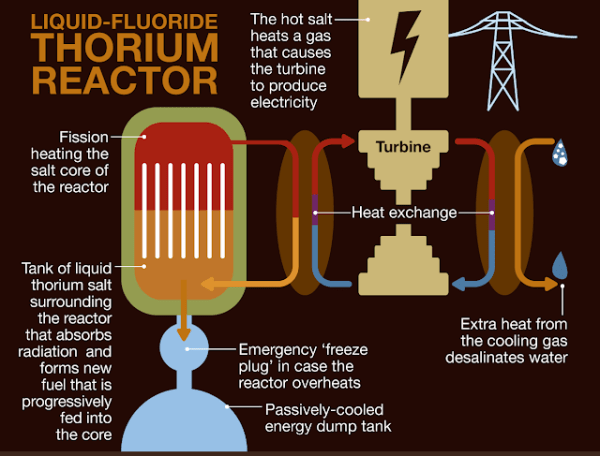
How Indians were fooled in Thorium Sales

During the time of world war time, India was exporting coir to Germany from Kerala and Tamil Nadu. At that time it was a single province. Tamils and Malayalees who were in the export business found a fraudulent and novel way of making money. Since the money for the coir was given on the basis of its weight, they increased the weight by choking them in water and rolling them onto the sand. It naturally increased the weight of the exported materials and brought them more money.

Germans who were desperate to make advanced weapons, particularly nuclear weapons during the war time found that the sand contained Thorium, nuclear material. Then they wrote back to coir exporters saying that they were ready to buy the sand itself. Only then the locals came to know the value of the monazite sand in their area.

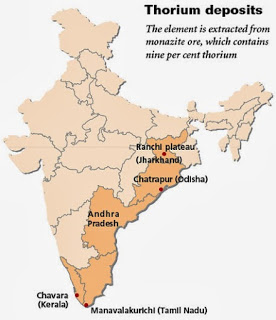
India has the largest deposit of Thorium in the world. Next to India stands Australia. Monazite is the mineral that contains Thorium.


Discovery
In 1815, Jons Jakob Berzelius of Sweden discovered Thorium.

Thorium is fertile but not fissile. It is a silvery white metal which turns into blak thorium dioxide when It is exposed to atmosphere.

The advantages of using Thorium in the nuclear reactors are–
1.This fuel produces 70% less toxic materials than uranium and other fuels
2.No rogue state can make an atom bomb with the used materials.

India made a nuclear device with the materials from its Canada built reactor. That reactor used Uranium.
Thorium has always intrigued nuclear physicists; the question has been how best to use it. It has similar radioactive properties of uranium 238, the isotope which makes up all nuclear fuels. It is three or four times more abundant in nature than Uranium.
It is named after the Scandinavian thunder god Thor. He is similar to Indra in the Rig veda. Thursday also is named after Thor.

Like U-238, Thorium in its naturally available form, will absorb neutrons from another nuclear material such as enriched U -235, and start to break down releasing huge amounts of energy. The difference comes in the family of radioactive elements and isotopes that are created as a result. The key absence from the Thorium reaction is large quantities of man- made element plutonium, particularly Pu-239 form favoured as a weapons material.

With less quantity of Thorium we can produce more electricity. It is said that Thorium deposits can produce electricity for another 1000 years.

God has given two gifts to India— Thorium and Solar energy. With these two, INDIA can prosper without damaging environment.


25 isotopes
Thorium-232 is the main isotope that occurs naturally. It has a half- life of 14 billion years. Of the other 24 known isotopes of Thorium, the longest lived is Thorium 230 with a long life of 75 000 years.

In the early years of X Ray diagnosis, patients were injected with a colloidal suspension of Thorium oxide to highlight the blood streams in the body. It was later found that those who took such a solution suffered from higher incidence of leukaemia. In 1900s German company was using it in toothpaste. Now all these are discontinued.

Thorium oxide is used in the manufacture of refractory materials for the metallurgical industry. Thermionic emitting devices and photo electric cells that measure the wave length of ultra violet light, both contain Thorium. It is used in high quality camera lenses too.

Thorium based nuclear reactors are functioning at experimental level. Once they become commercial it will be good for the world.


Chemical properties

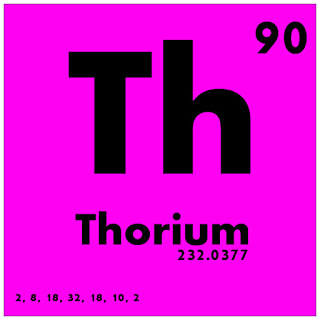
Symbol Th
Atomic number 90
Melting point 1750 degrees C
Boiling point about 4800 degrees C
Atomic weight 232.0381


Xxx Subham xxxx

TAMIL WISDOM- AVVAIYAR’S KONDRAI VENTHAN IN ENGLISH AND TAMIL – PART 4 (Post No.5522)

COMPILED by London Swaminathan
swami_48@yahoo.com
Date: 9 October 2018


Time uploaded in London –10-57 am (British Summer Time)


Post No. 5522


Pictures shown here are taken from various sources including google, Wikipedia, Facebook friends and newspapers. This is a non- commercial blog.


TAMIL WISDOM- AVVAIYAR’S KONDRAI VENTHAN IN ENGLISH AND TAMIL – PART 4 (Post No.5522)

மகர வருக்கம் – APHORISMS BEGINNING WITH ‘MA

70.EAT IN COMPANY, THOUGH IT BE OF AMBROSIA
70. மருந்தே ஆயினும் விருந்தோடு உண்.

ANOTHER INTERPRETATION- DON’T EAT MEDICINE IN EMPTY STOMACH; TAKE IT WITH FOOD

XXX

71.WITHOUT RAINING NOTHING WILL PROSPER
71. மாரி அல்லது காரியம் இல்லை.

TIRUKKURAL 11

BY THE UNFAILING FALL OF RAIN THE DOES WORLD SUBSIST. THEREFORE IT IS CALLED AMBROSIA OF ALL THAT BREATHES.

XXX

72.LIGHTNING IS FOLLOWED BY RAIN
72. மின்னுக்கு எல்லாம் பின்னுக்கு மழை.

XXX

73.NO SHIP SAILS WITHOUT A PILOT
73. மீகாமன் இல்லா மரக்கலம் ஓடாது.

TIRUKKURAL 560

COWS YIELD LESS. BRAHMINS FORGET THEIR BOOKS/ VEDAS IF THE LEADER DOES NOT GUARD JUSTICE.

TIRUKKURAL 544

THE WORLD CLINGS TO THE FEET OF  THE GREAT LEADER WHO WIELDS HIS SCEPTRE WITH LOVE FOR HIS SUBJECTS.


XXX

74.YOU WILL REAP THE FRUIT HEREAFTER OF WHATEVER YOU DO.
74. முற்பகல் செய்யின் பிற்பகல் விளையும்.

TIRUKKURAL 375

ALL THINGS, GOOD AND PROMISING, END IN SMOKE UNDER THE INFLUENCE OF FATE.BUT OUT OF EVIL FLOWS WHEN YOUR LUCKY STAR IS IN THE ASCENDANT.

XXX

75.ADVICE GIVEN BY SENIORS IS NECTAR
75. மூத்தோர் சொல் வார்த்தை அமிர்தம்.

TIRUKKURAL 893

GREAT MEN HAVE MIGHTY POWERS. IF YOU MEAN RUIN TO YOURSELF, OFFEND THEM AND SLIGHT THEM.

TIRUKKURAL 894

THE WEAK WHO INSULT AND OFFEND MIGHTY MEN OF WISDOM ONLY INVITE DEATH  WITH THEIR OWN HANDS.


XXX

76.A SOFT BED PROMOTES SLEEP
76. மெத்தையில் படுத்தல் நித்திரைக்கு அழகு.

XXX

77.THE WEALTH OF THE PLOUGH IS UNFAILING.
77. மேழிச் செல்வம் கோழை படாது.

TIRUKKURAL 1036

IF THE FARMERS HANDS SLACKEN, EVEN THE SAINTS STATE WILL FAIL

XXXX

78.HAVE NO CONTACT WITH WOMEN POSSESSING PAINTED EYES (HARLOTS)
78. மை விழியார் தம் மனையகன்று ஒழுகு.

TIRUKKURAL 919

THE DELICATE SHOULDERS OF HARLOTS WITH FINE JEWELS ARE A HELL INTO WHICH ARE PLUNGED THE IGNORANT VILE

TIRUKKURAL 912

THEY PRETEND LOVE FOR SELFISH GAIN. THEIR NATURE IS BAD. AVOID CONTACT WITH THE WHORES. BEWARE OF THEIR SNARE.

XXX

79.IF YOU NEGLECT HE ADVICE GIVEN BY THE GREAT YOU WILL BE RUINED
79. மொழிவது மறுக்கின் அழிவது கருமம்.

TIRUKKURAL 448

NO ENEMIES NEED HARM HIM; THE CARELESS LEADER WHO IS SHARPLY REBUKED SHALL RUIN HIMSELF

XXX

80..SILENT MEDITATION IS THE WAY OF WISDOM
80. மோனம் என்பது ஞான வரம்பு.

TIRUKKURAL 403

EVEN A MAN OF NO LEARNING MY BE CONSIDERED WISE IF HE HOLDS HIS TONGUE IN GATHERINGS OF LEANED.


XXX

வகர வருக்கம் – APHORISMS BEGINNING WITH ‘VA

81.ALTHOUGH YOU ARE AS RICH AS CHOZA KING KNOW THE AMOUNT OF YOUR  INCOME, THUS SPEND AND EAT.
81. வளவன் ஆயினும் அளவறிந்து அழித்து உண்.


XXX

83,.IF RAIN BE SCARCE, CHARITY IS SCARCE.
82. வானம் சுருங்கின் தானம் சுருங்கும்.

TIRUKKURAL 18

IF RAINS FAIL , FESTIVALS OF THE YEAR AND THE DAILY WORSHIP OF THE GODS WILL CEASE

TIRUKKURAL 19

CHARITY AND DEVOTIONAL PRACTICES WILL NOT BE OBSERVED IN THE WORLD UNLESS RAIN FALLS.

XX

83.THOSE WHO ARE NOT HOSPITABLE TO GUESTS, POSSESS NO GOOD MANNERS.
83. விருந்திலோர்க்கு இல்லை பொருந்திய ஒழுக்கம்.

TIRUKKURAL 83

HE WHO DAILY ENTERTAINS THE GUESTS WHO GO TO HIM WILL NEVER BE RUINED BY POVERTY

XXX

84.THE FRIENDSHIP OF A HERO MAY BECOME A SHARP ARROW TO OUR ENEMIES
84. வீரன் கேண்மை கூரம்பு ஆகும்.

TIRUKKURAL 875

MAKE ONE OF THEM YOUR ALLY TACTFULLY IF SINGLY YOU HAVE TO WAGE WAR WITH TWO FOES AT THE SAME TIME

XXX

85.GREAT MEN ARE THOSE WHO NEVER ASK FOR A FAVOUR.
85. உரவோர் என்கை இரவாது இருத்தல்.

TIRUKKURAL 978

GREAT SOULS ARE HUMBLE AND MODEST. PETTY MINDED BOASTS AND BRAGS.

TIRUKKURAL 983

VIRTUE RESTS ON FIVE SUPPORTS- LOVE, TRUTHFULNESS, KIND REGARD, MODESTY, BENEVOLENT GRACE

XXX

86.PERSEVERANCE IN BUSINESS IS AN ORNAMENT TO WEALTH.
86. ஊக்கம் உடைமை ஆக்கத்திற்கு அழகு.

TIRUKKURAL 613

GLORIOUS BENEVOLENCE TO ALL DEPENDS UPON THE EXCELLENCE OF MANLY EFFORT

XX

87.A PURE MIND IS FREE FROM FRAUD
87. வெள்ளைக்கு இல்லை கள்ளச் சிந்தை.

TIRUKKURAL 295

ONE WHO IS TRUE IN THOUGHT AND WORD GREATER THAN THOSE WHO DO PENANCE/ TAPAS AND DO CHARITY

XXXX

88.IF THE KING BE ANGRY, THERE IS NO DELIVERANCE
88. வேந்தன் சீறின் ஆம் துணை இல்லை.

TIRUKKURAL 895

THOSE WHO HAVE INCURRED THE WRATH OF A POWERFUL KING  WILL NOT SURVIVE WHEREVER THEY MAY GO.


TIRUKKURAL 691

NEITHER GO TOO NEAR NOR TOO FAR FROM THE KING LIKE ONE WHO WARMS ONESELF IN THE FIRE.

XXX

89.WORSHIP GOD IN EVERY PLACE
89. வைகல் தோறும் தெய்வம் தொழு.

TIRUKKURAL 2

OF WHAT AVAIL IS A MAN’S LEARNING IF HE DOES NOT PRAY TO GOD.

XXX

90.SLEEP IN A SUITABLE PLACE
90. ஒத்த இடத்து நித்திரை கொள்.

TIRUKKURAL

XXX

91.THOSE WHO ARE NOT ACCUSTOMED TO READ GOOD BOOKS, POSSESS NEITHER KNOWLEDGE NOR MANNERS.
91. ஓதாதார்க்கு இல்லை உணர்வொடும் ஒழுக்கம்.

TIRUKKURAL  396

THE SAND SPRINGS FLOWS WITH WATER AS YOU DIG DEEPER. BY DEEPER STUDY KNOWLEDGE FLOWS.

XXX SUBHAM XXX

AMERICA’S GREAT POET WALT WHITMAN (Post No.5512)

Compiled by London Swaminathan

 
swami_48@yahoo.com
Date: 6 October 2018


Time uploaded in London –14-53 (British Summer Time)


Post No. 5512


Pictures shown here are taken from various sources including google, Wikipedia, Facebook friends and newspapers. This is a non- commercial blog.


Walt Whitman
American poet and journalist
Born May 31,1819
Died March 26,1892
Age at death 72


xxx

Publications
1855 Leaves of Grass
1865 Drum Taps
1865-86 Sequel to Drum Taps
1871 Democratic Vistas
1875 Memoranda during the War
1882 Specimen Days and Collect

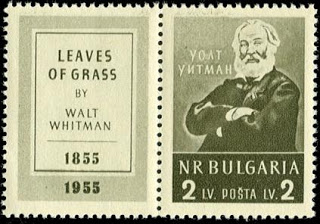
Walt Whitman was America’s greatest 19th century poet. He wrote one of the finest works of American literature, the poetry collection Leaves of Grass

Whitman was born in West Hills, Long Island and grew up in Brooklyn. His father was a Quaker carpenter. As a youth Whitman attended rural schools, trained to be a printer, and spent his summers on Long Island, where he developed a love of nature that was to dominate his writing.

For most of his life Whitman worked as a journalist. He began working on newspapers in New York, but as a young man he traveled to New Orleans to work on a paper there and saw the huge size and diversity of America for the first time. Back in New York he witnessed the rapid growth of the city as hundreds of thousands of people arrived from all over the world to make a better life. Whitman wanted to write a new kind of poetry that Could express his excitement at this amazing mix of people and their hopes for freedom.

The first edition of Leaves of Grass was published at Whitman s own expense when he was 36– no publisher would accept his poems because they were so unusual. They are celebrations of nature, of the individual, of freedom and of the kinship of all humanity. He was widely criticised for his use of blank verse and his openness about sexuality.

During the American civil war Whitman worked as a nurse. After the war he published Drum Taps— Poems about his experience of war— and one of his most famous poems O Captain! My Captain! About the death of President Abraham Lincoln.

Walt Whitman’s preface to his most famous poem ‘Leaves of Grass’ is an echo of Indian thoughts. Each of his advice is found in Tamil or Sanskrit literature.

Love the earth and sun in the Atharva Veda.

Give alms to everyone is in Manu smrti, Tamil poetess Avvaiyar’s aphorisms.

Devote your income and labour to others is in the Isavasyopanishad and Bhagavad Gita

Have patience is in Mahabharata and Tirukkural (Tamil)

Take off your hat to anyone is in Sanskrit Subhasitas.

Reexamine what you have been told in school is in Tirukkural

Dismiss what insults your soul is in philosophical teachings in Hindu books.

xxx


Following two anecdotes are from my previous posts


Great man Walt Whitman
When a baby in a crowded Washington horse car was screaming, Walt Whitman took it from its mother, into his own arms; the infant stared at him a long time, then snuggled against him and fell asleep. Presently the conductor got off the car to get his supper, and Whitman acted as conductor the rest of the trip, still holding the sleeping baby.

Xxx

INGERSOLL’S VISIT

On Ingersoll’s last visit to Walt Whitman, — to whom he was bountiful – he said, “Walt, the mistake of your life was that you did not marry. There ought to be a woman here,” he added, looking around at the poor chaotic room. (Ingersoll’s address at the funeral of Walt Whitman was the grandest and most impressive utterance of that kind which I have ever heard.)

xxx subham xxx
Fools are Beasts without Tails- Bhartruhari and Valluvar agree! (Post No.5503)

Written by London Swaminathan
swami_48@yahoo.com
Date: 3 October 2018


Time uploaded in London –17-11  (British Summer Time)


Post No. 5503


Pictures shown here are taken from various sources including google, Wikipedia, Facebook friends and newspapers. This is a non- commercial blog.


Bhartruhari’s Niti Sataka 11,12,13,14


There are some stories to illustrate the points raised in Bhatruhari’s slokas/verses. I will give some stories from Tamil and Sanskrit books.


शक्यो वारयितुं जलेन हुतभुक्च्छत्रेण सूर्यातपो
नागेन्द्रो निशिताग्कुशेन समदो दण्डेन गोगर्दभौ ।
व्याधिर्भेषजसङ्ग्रहैश्च विविधैर्मन्त्रप्रयोगैर्विषं
सर्वस्यौषधम् अस्ति शास्त्रविहितं मूर्खस्य नस्त्यौषधिम् ॥ 1.11 ॥


11:Fire can be quenched by water

Heat of the sun can be kept off by an umbrella

A wild elephant can be guided by a sharp hook

An or an ass by stick

Sickness can be subdued by the help of doctors

Poison by the charms.

A cure has been ordained by the shastras/scriptures for everything

But there is no medicine for the cure of fools.


Kamban is a great Tamil poet who composed over 10,000 verses to sing the glory of Rama. He lived about 1000 years ago in Tamil Nadu. Now and the he had some quarrels with the Chola King.


Then he composed a verse saying ,


Look! your country is only 24 Katham (appr. a katham is 10 miles). Do you think that the rest of the earth is covered by sea? O Kolli Hill ruler! Haven’t I got any other place to go?


When Kamban’s son Ambikapathy was killed by the Chola king, In another verse he asks,

Is there a tree branch which wont entertain a monkey?


A learned person will be welcomed by all.


Nannan was a cruel and stupid king. Once a teenage girl picked a mango that was fallen on the ground in the royal garden. Immediately she was presented before the king and he passed  death sentence on her. The whole town came together in support of the girl and apologized to the king on her behalf. He was adamant. Then they promised him to give gold equal to the weight f the girl. but yet he insisted that she should be executed. All the Tamil poets cursed him that his generation wont be sung by any Tamil poet. This happened 2000 years ago.


The greatest of the Indian poets, Kalidasa also had quarrels and arguments with his contemporary, king Bhoja. when he migrated to other countries Bhoja begged him to return. he had to use various tricks o bring him back.

साहित्यसङ्गीतकलाविहीनः
साक्षात्पशुः पुच्छविषाणहीनः ।
तृणं न खादन्नपि जीवमानस्
तद्भागधेयं परमं पशूनाम् ॥ 1.12 ॥


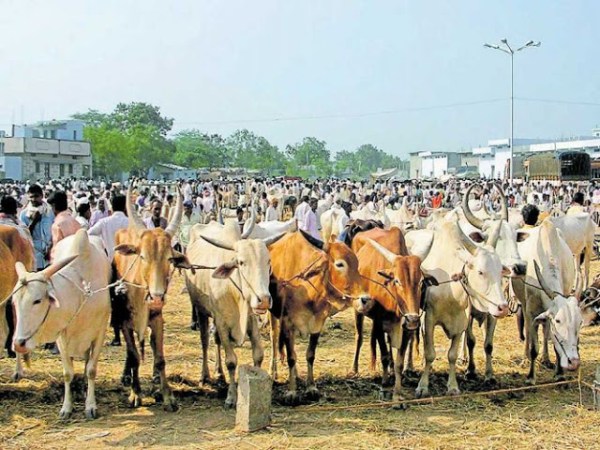
12, The man who has no sense of literature and music is like a beast, though he has not got horns and a tail; he may not eat grass, but yet he lives a life exactly like that of the cattle.


(The Mogul emperor Aurangzeb was a man who never liked music or literature; quite opposite to Akbar)


येषां न विद्या न तपो न दानं
ज्ञानं न शीलं न गुणो न धर्मः ।
ते मर्त्यलोके भुवि भारभूता
मनुष्यरूपेण मृगाश्चरन्ति ॥ 1.13 ॥


13.Those in whom is neither wisdom nor penance, nor liberality nor  knowledge, nor good disposition, nor virtue, nor righteousness may live in the world of mortals in the form of men, but pass through the world like beasts encumbering the earth.

वरं पर्वतदुर्गेषु
भ्रान्तं वनचरैः सह
न मूर्खजनसम्पर्कः
सुरेन्द्रभवनेष्वपि ॥ 1.14 ॥


14 it is better to wander in a mountain pass with the wild beasts than to live in the palace of the gods with a fool.


(There is a Tamil Verse: better live in forest infested with tigers than to live under a tyrant king)


शास्त्रोपस्कृतशब्दसुन्दरगिरः शिष्यप्रदेयागमा
विख्याताः कवयो वसन्ति विषये यस्य प्रभोर्निर्धनाः ।
तज्जाड्यं वसुधादिपस्य कवयस्त्वर्थं विनापीश्वराः
कुत्स्याः स्युः कुपरीक्षका हि मणयो यैरर्घतः पातिताः ॥ 1.15 ॥


If the learned and reputed poets, whose literary creations are worth learning and emulating by their disciples, are poor and wealthless in a kingdom, then the king himself must be stupid and insensitive! The wise and the learned are already great and famous even without any wealth. If an incompetent jeweller underestimates the value of a gem, then it is his fault and not of the gem.

Tamil poet Valluvar in the Tamil Veda Tirukkural says

Beasts are lower than men in the scale of creation; even so are fools before those who have delved deep in the mines of knowledge – Kural 410


Valluvar and Bhartruhari agree that ignorant people are like beasts.


In another couplet he says,


A deluded fool is shameless, aimless in life, unfeeling, languid. He does not safeguard anything- Kural 833


He also said,

In one brief birth a fool can gain

Enough hell for seven births of pain- Kural 835


–subham– 

HINDUS TAUGHT THE WORLD AMAZING WEEKLY HOLIDAYS!! (Post No.5499)

Written by London Swaminathan
swami_48@yahoo.com
Date: 2 October 2018


Time uploaded in London –18-37  (British Summer Time)


Post No. 5499


Pictures shown here are taken from various sources including google, Wikipedia, Facebook friends and newspapers. This is a non- commercial blog.


DONT RECITE VEDAS DURING EARTH QUAKE, THUNDER AND ON PARVA DAYS-MANU

We continue with the fourth chapter of Manu Niti from sloka 101.

MY COMMENTS

1.It is interesting to note that Manu talks about natural catastrophes such as earth quakes and cloud bursts and natural phenomena like meteorite showers and ask the Hindus to stop the study of Vedas for 24 hours.

2.Weekly Holiday:-Manu was the first person in the world who asked the schools to close six days a month. He banned Vedic teaching on at least six days :-

 

Two ashtamis :– 8th day after new moon and eighth day after full moon.

Two Chaturdasis: one day before full moon; one day before new moon;

Full Moon Day and New Moon Day (two days)

Even today Vedic schools follow this rule

3.He is very keen about the ‘pollution’ from visiting crematoriums etc. So he asked us to stop Vedic recitation


  1. He asked us to stop Vedic recitation during travel (horse ride, camel ride, sea travel); this shows that Vedic Pundits were great travellers.

(But elsewhere he bans Brahmins going abroad by sea like Tamils ban women travelling abroad- See my article on Tolkappiam)

  1. In one of the slokas he talks about stopping Vedic studies on meat eating days. In the olden days, Brahmins, Kshatriyas and Vaisyas were learning basic Vedas. That is why he talks about meat eating and Vedic studies.

6.In sloka 124, he explains  the special role of three Vedas.

7.Sloka 126 is very interesting which gives the superstitious beliefs in the olden times.

8.Sloka 135 warns about offending Brahmana, Kshatria and a snake.


9.Sloka 146 says what Krishna said in the Bhagavad Gita- Good Person never comes to grief ( BG 6-40)


Manu was a great educationist, great planner and a well- informed scientist.

The amazing thing is that he talks about meteorite showers which is given in all astronomical magazines nowadays. He bans the teaching of Vedas for 24 hours on those days.

(Note the slokas in bold letters)


FOURTH CHAPTER OF MANAVA DHARMA SHASTRA CONTINUED


4-101. Let him who studies always avoid reading on the following occasions when the Veda-study is forbidden, and let him who teaches pupils according to the prescribed rule do it likewise.

  1. Those who know the rules of recitation declare that in the rainy season the Veda-study must be stopped on these two occasions, when the wind is audible at night, and when it whirls up the dust in the day-time.
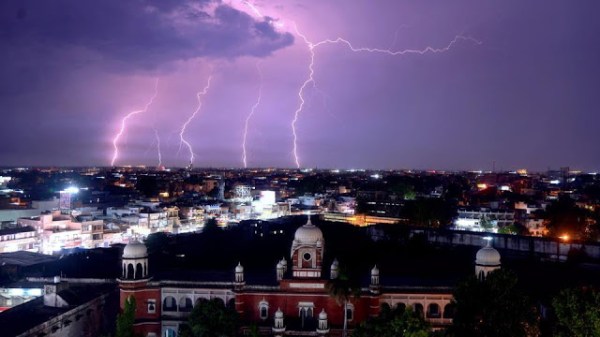
  2. Manu has stated, that when lightning, thunder, and rain are observed together, or when large fiery meteors fall on all sides, the recitation must be interrupted until the same hour on the next day, counting from the occurrence of the event.
  3. When one perceives these phenomena all together in the twilight, after the sacred fires have been made to blaze (for the performance of the Agnihotra), then one must know the recitation of the Veda to be forbidden, and also when clouds appear out of season.
  4. On the occasion of a preternatural sound from the sky, (of) an earthquake, and when the lights of heaven are surrounded by a halo, let him know that the Veda-study must be stopped until the same hour on the next day, even if these phenomena happen in the rainy season.
  5. But when lightning and the roar of thunder are observed after the sacred fires have been made to blaze, the stoppage shall last as long as the light of the sun or of the stars is visible; if the remaining above-named phenomenon, rain, occurs, the reading shall cease, both in the day-time and at night.
  6. For those who wish to acquire exceedingly great merit, a continual interruption of the Veda-study is prescribed in villages and in towns, and (the Veda-study must always cease when any kind of foul smell is perceptible.


FUNERAL CEREMONIES

  1. In a village where a corpse lies, in the presence of a man who lives as unrighteously , while the sound of weeping is heard, and in a crowd of men the recitation of the Veda must be stopped.
  2. In water, during the middle part of the night, while he voids excrements, or is impure, and after he has partaken of a funeral dinner, a man must not even think in his heart of the sacred texts.
  3. A learned Brahmana shall not recite the Veda during three days, when he has accepted an invitation to a funeral rite in honour of one ancestor (ekoddishta), or when the king has become impure through a birth or death in his family (sutaka), or when Rahu by an eclipse makes the moon impure.
  4. As long as the smell and the stains of the (food given) in honour of one ancestor remain on the body of a learned Brahmana, so long he must not recite the Veda.


  1. While lying on a bed, while his feet are raised (on a bench), while he sits on his hams with a cloth tied round his knees, let him not study, nor when he has eaten meat or food given by a person impure on account of a birth or a death,


NOT ON ASHTAMI, CHATURDASI, PORNAMI, AMAVASYA DAYS

  1. Nor during a fog, nor while the sound of arrows is audible, nor during both the twilights, nor on the new-moon day, nor on the fourteenth and the eighth days of each half-month, nor on the full-moon day.
  2. The new-moon day destroys the teacher, the fourteenth day the pupil, the eighth and the full-moon days destroy all remembrance of the Veda; let him therefore avoid reading on those days.


ANIMAL SOUNDS

  1. A Brahmana shall not recite (the Veda) during a dust-storm, nor while the sky is preternaturally red, nor while jackals howl, nor while the barking of dogs, the braying of donkeys, or the grunting of camels is heard, nor while he is seated in a company.
  2. Let him not study near a burial-ground, nor near a village, nor in a cow-pen, nor dressed in a garment which he wore during conjugal intercourse, nor after receiving a present at a funeral sacrifice.
  3. Be it an animal or a thing inanimate, whatever be the (gift) at a Sraddha, let him not, having just accepted it, recite the Veda; for the hand of a Brahmana is his mouth.


24 HOUR STOPPAGE

  1. When the village has been beset by robbers, and when an alarm has been raised by fire, let him know that the Veda-study must be interrupted until the same hour on the next day, and on the occurrence of all portents.
  2. On the occasion of the Upakarman and of the Vedotsarga an omission of the Veda-study for three days has been prescribed, but on the Ashtakas and on the last nights of the seasons for a day and a night.


SEA TRAVEL

  1. Let him not recite the Veda on horseback, nor on a tree, nor on an elephant, nor in a boat or ship, nor on a donkey, nor on camel, nor standing on barren ground, nor riding in a carriage,
  2. Nor during a verbal altercation, nor during a mutual assault, nor in a camp, nor during a battle, nor when he has just eaten, nor during an indigestion, nor after vomiting, nor with sour eructation’s,
  3. Nor without receiving permission from a guest who stays in his house, nor while the wind blows vehemently, nor while blood flows from his body, nor when he is wounded by a weapon.
  4. Let him never recite the Rig-veda or the YaJur-veda while the Saman (melodies) are heard; let him stop all Veda-study for a day and a night after finishing a Veda or after reciting an Aranyaka.


3 VEDAS FOR GODS, HUMANS AND MANES

  1. The Rig-veda is declared to be sacred to the gods, the YaJur-veda sacred to men, and the Sama-veda sacred to the manes; hence the sound of the latter is impure as it were.
  2. Knowing this, the learned daily repeat first in due order the essence of the three Vedas and afterwards the text of the Veda.

FROGS AND SNAKES

  1. Know that the Veda-study must be interrupted for a day and a night, when cattle, a frog, a cat, a dog, a snake, an ichneumon, or a rat pass between the teacher and his pupil.
  2. Let a twice-born man always carefully interrupt the Veda-study on two occasions, viz. when the place where he recites is impure, and when he himself is unpurified.
  3. A twice-born man who is a Snataka shall remain chaste on the new-moon day, on the eighth (lunar day of each half-month), on the full-moon day, and on the fourteenth, even (if they fall) in the period (proper for conjugal intercourse).
  4. Let him not bathe immediately after a meal, nor when he is sick, nor in the middle of the night, nor frequently dressed in all his garments, nor in a pool which he does not perfectly know.
  5. Let him not intentionally step on the shadow of (images of) the gods, of a Guru, of a king, of a Snataka, of his teacher, of a reddish-brown animal, or of one who has been initiated to the performance of a Srauta sacrifice (Dikshita).
  6. At midday and at midnight, after partaking of meat at a funeral dinner, and in the two twilights let him not stay long on a cross-road.
  7. Let him not step intentionally on things used for cleansing the body, on water used for a bath, on urine or ordure, on blood, on mucus, and on anything spat out or vomited.
  8. Let him not show particular attention to an enemy, to the friend of an enemy, to a wicked man, to a thief, or to the wife of another man.
  9. For in this world there is nothing so detrimental to long life as criminal conversation with another man’s wife.


DONT OFFEND SNAKE AND BRAHMANA-

  1. Let him who desires prosperity, indeed, never despise a Kshatriya, a snake, and a learned Brahmana, be they ever so feeble.
  2. Because these three, when treated with disrespect, may utterly destroy him; hence a wise man must never despise them.
  3. Let him not despise himself on account of former failures; until death let him seek fortune, nor despair of gaining it.
  4. Let him say what is true, let him say what is pleasing, let him utter no disagreeable truth, and let him utter no agreeable falsehood; that is the eternal law.
  5. (What is) well, let him call well, or let him say ‘well’ only; let him not engage in a useless enmity or dispute with anybody.

Journey Timings

  1. Let him not journey too early in the morning, nor too late in the evening, nor just during the midday heat, nor with an unknown companion, nor alone, nor with Sudras.
  2. Let him not insult those who have redundant limbs or are deficient in limbs, nor those destitute of knowledge, nor very aged men, nor those who have no beauty or wealth, nor those who are of low birth.
  3. A Brahmana who is impure must not touch with his hand a cow, a Brahmana, or fire; nor, being in good health, let him look at the luminaries in the sky, while he is impure.
  4. If he has touched these, while impure, let him always sprinkle with his hand water on the organs of sensation, all his limbs, and the navel.
  5. Except when sick he must not touch the cavities (of the body) without a reason, and he must avoid to touch the hair on the secret (parts).
  6. Let him eagerly follow the customs which are auspicious and the rule of good conduct, be careful of purity, and control all his organs, let him mutter (prayers) and, untired, daily offer oblations in the fire.
  7. No calamity happens to those who eagerly follow auspicious customs and the rule of good conduct, to those who are always careful of purity, and to those who mutter sacred texts and offer burnt-oblations.


Daily Recital

  1. Let him, without tiring, daily mutter the Veda at the proper time; for they declare that to be one’s highest duty; all other observances are called secondary duties.
  2. By daily reciting the Veda, by the observance of the rules of purification, by (practising) austerities, and by doing no injury to created beings, one (obtains the faculty of) remembering former births.
  3. He who, recollecting his former existences, again recites the Veda, gains endless bliss by the continual study of the Veda.
  4. Let him always offer on the Parva-days oblations to Savitri and such as avert evil omens, and on the Ashtakas and Anvashtakas let him constantly worship the manes.

–to be continued………………..

–subham–


Lithium for Battery, Medicine and Hydrogen Bombs (Post No.5495)

Written by London Swaminathan
swami_48@yahoo.com
Date: 1 October 2018


Time uploaded in London – 14-52 (British Summer Time)


Post No. 5495


Pictures shown here are taken from various sources including google, Wikipedia, Facebook friends and newspapers. This is a non- commercial blog.

Lithium, one of the 118 elements in the Periodic Table, is a wonderful alkali metal.

We use it in
Hydrogen bombs
Psychiatric medicine
Camera, calculator, watch batteries and
Making air planes

Whether you are a mental patient or an ardent traveller or CD , Cassette Player user or an aeronautical engineer you need LITHIUM.

LITHIUM was discovered by Johan August Arfvedson at Stockholm in Sweden in 1817.

Soon after its discovery, it was found in spa waters in Karlsbad, Marienbad and Vichy.


For Mental Patients

In the beginning doctors used lithium to cure gouts.

In 1949, Australian doctor John Cade was experimenting with Guinea pigs. When he injected them with the urine of mental patients, they died. Cade thought that it was due to the excess uric acid in the urine. He continued his experiment with injecting the animals with lithium salt. First they were lethargic and then recovered within a few hours.

Cade then gave lithium carbonate to his most mentally disturbed patient, who had been admitted to a secure unit five years earlier. The man responded so well that within days he was transferred to a normal hospital ward and within two months he was able to return home and take up his old job.

Within the right dose of lithium a patient can be kept from either of the extremes, mania and depression. The dose is adjusted between 3 and 8 milligrams. A blood level of 10 milligrams of lithium per litre results in mild lithium poisoning, and when it reaches 15 milligrams per litre can have side effects, such as confusion and slurred speech and 20 milligrams per litre of blood means risk of death.
Lithium is produced in USA, Russia, China, Brazil, Chile, Australia and Zimbabwe.

Lithium oxide is used in glass industry.
Lithium carbonate is used in pharmaceutical services
Lithium, being the lightest of all metals, commercial aircraft industry use the metal.


LITHIUM BATTERIES
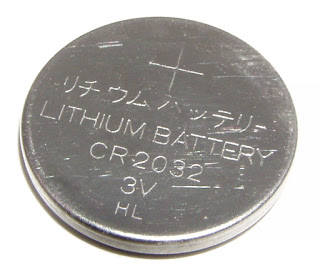
Lithium batteries, which operate, at 3 volts or more, are used in wrist watches, calculators and camera flashes. They supply energy to heart pacemakers and they have a life span of ten years. The longevity and the lightness of the metal are very useful.
Lithium chloride is used to dry industrial gases and in air conditioning.
Lithium hydride is used to store hydrogen. A kilogram of it releases 2800 litre s of hydrogen when treated with water.


Chemical property
Symbol Li
Atomic number 3
Atomic weight 6.941
Melting point 181 degree C
Boiling point 1347 degrees C
Isotopes lithium 6 and lithium 7


Hydrogen Bomb 

The hydrogen of the hydrogen bombs is the compound of lithium hydride, in which the lithium is in the form of enriched lithium -6 isotope and the hydrogen is the hydrogen -2 isotope, also known as deuterium. This lithium deteuride is capable of releasing massive energy by nuclear fusion. This is achieved by placing it round the core of an atom bomb, which provides the heat necessary to initiate a nuclear fusion reaction as well as providing the nuclear flux. When the bomb detonates , it releases neutrons from the fission of its uranium -235 and these are absorbed by the nuclei of lithium 6 which immediately disintegrates to form helium and hydrogen 3. The hydrogen 3 then fuses with the deuterium to form more helium and this releases more yet more neutrons.  These are absorbed by the casing of the bomb, which is made up of uranium 238 and they convert it to plutonium 239 which then adds a third explosion, again one of nuclear fission.

The consequence of all this is to release a billion billion joules of energy in a fraction of a second with the explosive force of millions of tonnes of TNT.


source book- Nature’s Building Blocks by John Emsley


–subham-