Asvamedha: New Explanation (Post No.3163)

horse-sacrifice2

Written by London swaminathan

Date: 17 September 2016

Time uploaded in London:21-41

Post No.3163

Pictures are taken from various sources; thanks.

Interesting Titbits about Asvamedha Yajna- Part 2


The Asva medha is performed by a king who is assisted by his FOUR wives and FOUR different priests address them with mantras.


Description of the sacrifices as follows:

It is a three-day Soma sacrifice. It is done in spring. Six or seven days before the full moon in the month of Phalguna, the four priests, the Adhvaryu, the Hotr, the Brahmin and Udgatr meet. The Adhvaryu cooks rice meal and the king gives the rice meal and gold plates to four priests. The four queens are also present and  the horse is purified with Dharba grass (SB 13-4-1/8, 13-1-1/2)

My comments:

Vedic society had kings and that too, rich kings with lot of gold. Rice is used so they were not from Europe or central Asia. They were sons of the soil i.e. a tropical country like India. The mathematics behind the construction of altars show their mathematical skills. So they are advanced in knowledge and they were not nomads as projected by half- baked foreign writers.
aswamedha

400 soldiers

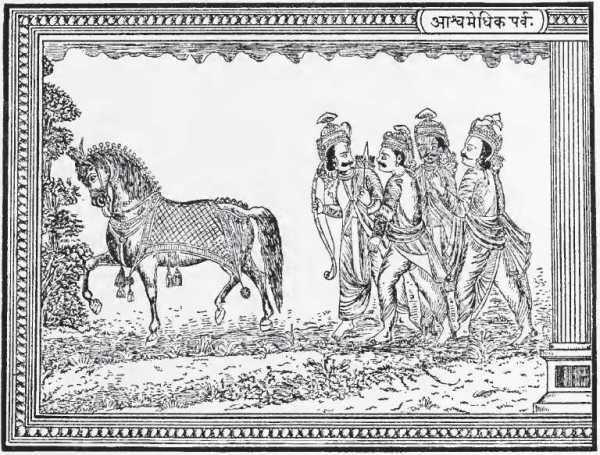
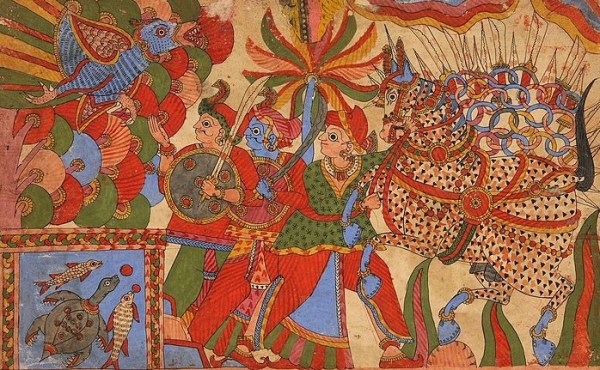
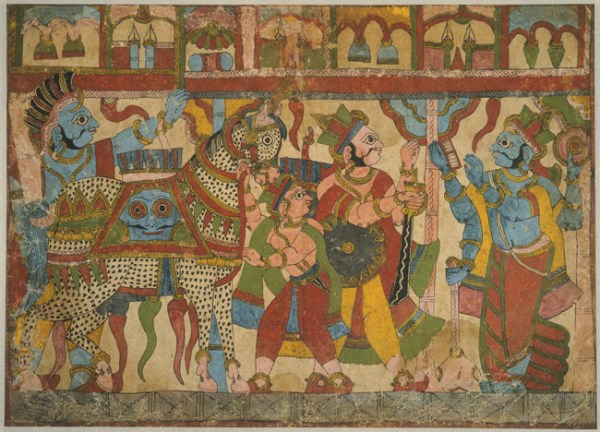
The horse selected for the Yajna is black in the forepart and white in the back part. It has a mark on its forehead. It is allowed to roam for a year. FOUR HUNDRED soldiers followed it!

(look at the mysterious 4, 400 etc)

The horse is surrounded by 100 more horses and the king is surrounded by EIGHT councillors.


The horse can wander into any country. If it is not challenged by the king of the country that means he accepts the sovereignty of the performing king. If he challenges the horse the Yajna performing king will fight with him. After a year the horse returns and then the fire sacrifice is done in which horse or a figure of horse is sacrificed. Some rites such as the chief queen lying with the straggled horse for one night and other queens speaking obscene dialogue is also in the scripture. The priests exchange lot of riddles.


Mysterious numbers!

A lot of numbers are used and the reason for such numbers is also explained in the scriptures. This shows their obsession with numbers; some examples:-

Prajapati -17; 16 and 13 represent domestic and wild animals; queens weave 101 pearls into the mane and tail; primary numbers linked to Asvamedha are 21, 260 and 337 representing the number of stakes, the number of wild animals and the number of domestic animals. So lot of organisation is required to do an Asvamedha.


Since Rig Veda links King Traiaruna with Asvamedha, the Vedic society was highly civilized and organised.

The hydraulic research in the Sarasvati basin and the precession of the earth mentioned in the Vedas scriptures show the Vedas must be composed before 1900 BCE or 3000 BCE. Latest news says that even the Indus valley civilisation is older than 3000 BCE. All the dates must be recalculated and Max Muller’s date should be thrown into dust bin.

My comments
The numbers show that they were highly literate and numerate.

According to Apastamba Srauta Sutra (20-15) each of the four wives of the king should hang 1000 pearls around the neck of the sacred horse. 4X1000 = 4000 pearls!


The use of 1000s of pearls for all the horses show that they were sea faring people. If they had imported from other places that shows their vast geographical knowledge and maritime trade.

The Darba grass used in the Vedic time is still used by the Brahmins in their ceremonies. It shows a continuous tradition followed from Kantyakumari to Kashmir for thousands of years. No culture in the world has such a long tradition on such a vast land. If any other religion shows any other custom like this, we know the date is long after the Vedic period.

The presence of women in all Vedic ceremonies is a must. This shows the highest respect shown to women by the Hindus. No other culture insists that women must be present and participate. From the Vedic days till this day women must be present for all the Hindu ceremonies.

Until today no one can say for sure what Soma plant was. Because the Western society is highly addictive to drugs they can’t think of anything other than narcotic substances. But the eighth mandala of Rig Veda which is fully devoted to Soma, speaks of magical powers of the Soma plant. No culture in the world will dedicate one full section/chapter for narcotic drug, that too in praise of it!
 

krishna_advising_on_the_horse_sacrifice

Lepers in the Ceremony

Why a leper is involved in the Asvamedha remains a mystery; no can explain it or justify it. A leper is washed in the same place where every participant bathes and he is honoured with dakshina (fees); actually he is also one of the objects of sacrifice. This shows that no one is thrown into fire, but it is only symbolic.

In various groups 609 animal victims were listed for the sacrifice; 312 of them were domestic animals and 260 of them were wild animals. But they were all released at the end; may be a symbolic sacrifice of a goat or ram was done.

Catholic missionary Abbe J A Dubois who lived in India from 1792 to 1823 gave a detailed description of this yajna. He says the King of Amber (Jaipur) did an Asvamedha and gave one lakh rupees as dakshina to the chief priest. In today’s money it would be millions of rupees.


Puranas talk about another king called Asvamedhadattan. He belongs to Lunar dynasty and his mother was Vaitheki and Janamejayan was his grandson.


Satapata Brahmana gives details about Asvamedha yajna. The general impression is that a horse was sacrificed in the fire at the end. But Satapata Brahmana (here afterwards SB) itself says that prior to King Syaaparna Saayakaayana, sacrifice of several animals took place, but now it is limited to the Aja (goat)—SB 6-2-1-39.

In Sanskrit Aja means grains as well. SB also adds that plants are appropriate for sacrifice. So we can conclude that at one stage animal sacrifice was completely abandoned and only plants or animals made up of flour were sacrificed.


Mahabharata explains what is happening in the world (12-5):-

“I see no being which lives in the world without violence. Creatures exist at the mercy of one another; the strong consume the weak. The mongoose eats mice, just as the cat eats the mongoose. The dog kills the cat, and the wild beasts eat the dog. Man eats them all. Everything that moves and is still food for someone”

This is very true until today. SB and scriptures like Bhodayana (22-1) and Aupamanyava (16-6-2) Srauta sutras say that a clay or golden replica of animals were sacrificed. More over Atharva Veda says that Inner Yajna is superior to outer one (AV 7-5-4/5). So even at the Vedic times Yajna attained several meanings.

Some people even interpret astronomical events are given as Yajnas. That is how we got all animal signs in zodiac. SB speaks of creation of the universe by Prajapati (6-1) where Asva, Rsaba, Aja, Kurma come before the creation of the earth. RV 1-164-2 and Nirukta (4-4-27) define Asva as the Sun.


My Comments:

Vedic literature is very vast. But here we see a big leap from animal sacrifice to symbolic sacrifice with clay model and late lot of astronomical explanations. But the foreign authors date them within a short span which is impossible. No culture in the wold changed that quickly. Foreign writers select some passages which suits them for their novel revolutionary theories and hypotheses. And no two foreign “scholars” agree on any topic! So Indian tradition is the best to follow.


Aurobindo’s Interpretation

Aurobindo explains Asvamedha in his Vedic Glossary as follows: –

Asvamedhaaya means for the horse sacrifice. The Horse Sacrifice is the offering of Life Power with all its impulses, desires, enjoyments to the divine existence. The Life-Soul (Dwita) is itself the giver of the sacrifice which it performs when by the power of Agni it attains to vision on its own vital plane, when it becomes, in the figure of the hymn, the illumined seer Ashwamedha (RV 5-27-4)


Books used:-

The Asvamedha – by Subhas Kak; 2002


The Vedic horse sacrifice –  by Stephen Fuchs

My Old Article on the same subject

Horse headed Seer: Rig Veda Mystery No.1; Research Paper written by London

No.1255; Dated 27th August 2014.


–Subham–


What is a caste? What is a Varna? (Post No.3156)

pyramid_of_caste_system_in_india

Written by London swaminathan

Date: 15 September 2016

Time uploaded in London: 21-21

Post No.3156

Pictures are taken from various sources; thanks.

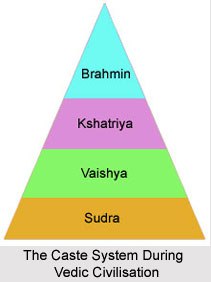
During Vedic days the Hindu society was divided into four Varnas: Brahmana- priestly caste; Kshatria- the ruling caste; Vaisya-the business community and the Sudra- manual labourers. This is very different from the castes of today. We have thousands of castes today. They are based on birth. But in Vedic days the varna was based on vocation one chose. The word varna is derived from the root “VRU” meaning “to choose”, what is chosen is Varna. It meant the profession you chose. Though it was based on vocation in the beginning, later it became a birth right. We see such things even today. A politician’s son becomes a big leader to succeed his father or mother superseding lot of seniors in the party. We see it in the film industry. An actor’s son or daughter is promoted as a prominent actor beating many seniors in the field. We see such trends in all parts of the world.


But in India the four varnas gave birth to thousands of castes which is unknown in any other part of the world. Even the Tamil literature talk about different castes in different regions. Varna is a misleading word. Foreigners deliberately left it without giving the Sanskrit root. People were allowed to believe varna means skin colour. The varna means colour as well. But in Vedic time there were not four coloured people. It meant only chosen profession. We have lot of quotations from various scriptures to justify this meaning.


Manu smriti, the first full-fledged Law book in the world, says,

Janmanaa jaayate Suudrah, karmanaa dwija Uchyate.

All are born as sudras; only the work decides whether he is a dwija  ( the word applied to first three castes.)


Krishna also says in Bhagavad Gita

Caaturvarnayam mayaa srstam

Gunakarma vibhaagasah

Tasya kartaaram api maam

Viddhy akartaaram avyayam (4-13)

The four-fold order was created by Me according to the divisions of quality and work. Though I am its creator, know Me to be incapable of action or change.


Dr S Radhakrishnan says in his Gita commentary: –

“The emphasis is on guna (aptitude) and karma (function) and not Jaati (birth). The varna or order to which we belong is independent of sex or breeding. A class determined by temperament and vocation is not a caste determined by birth and heredity.


“According to the Mahabharata, the whole world was originally of one class but later it became divided into four divisions on account of the specific duties.

Ekavarnam idam puurvam visvam aasid Yudhisthira

Karmakriyaavisesena caaturvarnyam pratishthitam


“Even the distinction between caste and out caste is artificial and unspiritual. An ancient verse points out that the Brahmin and the out caste are blood brothers.


Antyajo viprajaatis ca eka  eva sahodarah

Eka yoni prasuutas ca ekasaakhena jaayate


In the Mahabharata Yudhisthira says that it is difficult to find out the caste of persons on account of the mixture of castes. Men beget offspring in all sorts of women. So conduct is the only determining feature of caste according to sages.


the-caste-system-during-vedic-civilisation

“The fourfold order is designed for human evolution there is nothing absolute about the caste system which has changed its character in the process of history. Today it cannot be regarded as anything more than an insistence on a variety of ways in which the social purpose can be carried out.


Dr S N Sharma says

“He is thus a citizen of the world, the son of the earth”

Maataa Bhuumi: putroham prthivyaah

–Atharva Veda 12-1-42


Accordingly, birth is just incidental. It is only training and environment that give him specific direction to the development of certain qualities, determining thereby his social category.


According to Mahabharata, by birth all children can either be regarded Brahmins or Sudraas.

Yadi te vrutto raajan braahmanah prasamiikshitah

Vyarthaa jaatistadaayushman krtiyaarvanna drsyate

–Aranyaka parvan 177-25


Further the Mahabharata says that the Brahmana is one who practises truth, charity, forgiveness, compassion, restraint and goodwill.

Satyam daanam kshamaa seelamaanrusamsyam damoghrunaa

Drsyante yatra naagendra sa braahmana iti smrtah

If these qualities are found even in a so called Suudra, he must be ranked as a braahmana and, conversely, one bereft of these qualities, even though popularly known as a braahmana, is veritably a sudrah.


Suudre ca etat bhavet lakshyam dwije tat ca na vidyate

Navai suudro  bhavet suudro  braahmano na ca braahmanah

Aaranya parvan 177-17-21


Vedic Hymn

We come across the fourfold order for the first time in the Rig Veda in the Purusasuuktam hymn: –

Braahmnosya mukhamaasid baahuraajanya krtah

Uuru tadasya yath vaisyah padbhyaahum suudro ajaayata

Rig Veda 10-90-12


Brahmins came from the mouth (seat of speech)

Ruling class came from the arms (strength to protect)

Vaisyas came out of the thighs (food producer, importers)

Suudra came from the foot of God (Viraat purusa)


All the four communities came from the Viraat Purusa(God); this shows all are children of God. Moreover we need these four groups to make the society better. Even if one body part is missing he is called  disabled. In the same way Hindu society is complete only when all the four division of workers function.


Today there are thousands of castes. It is a world wonder. How come the four varnas gave birth to innumerable castes. Thurston and others were able to list them in several voloumes. But no one was able to tell us what caused so many castes. It remains a mystery!


–Subham–
 

Great Sacrifice to Kailang Nag in Himachal (Post No.3149)

img_8044

Compiled by London swaminathan

Date: 13 September 2016

Time uploaded in London: 8-05 AM

Post No.3149

Pictures are taken from various sources; thanks.


Following is an excerpt from the book, “The Sun and the Serpent” by C F Oldham, 1905


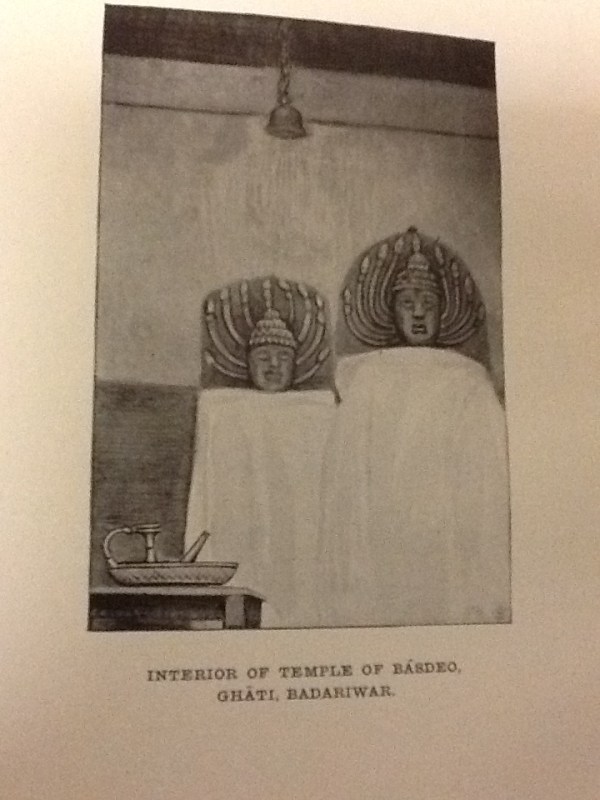
“Some years ago I was invited by the Chak or local chief of Baramaor, in the valley of the Ravi River, to attend a great sacrifice to Kailang Nag. The object of the sacrifice was to obtain fine weather for the sowing, which had been delayed by storms. Kailang, like other Naga demi gods, is supposed to control the weather.


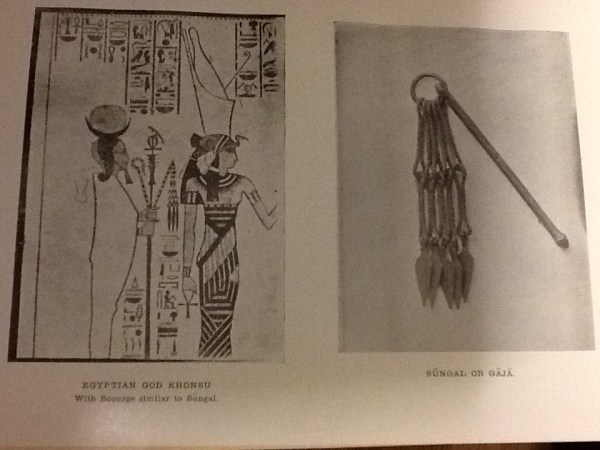
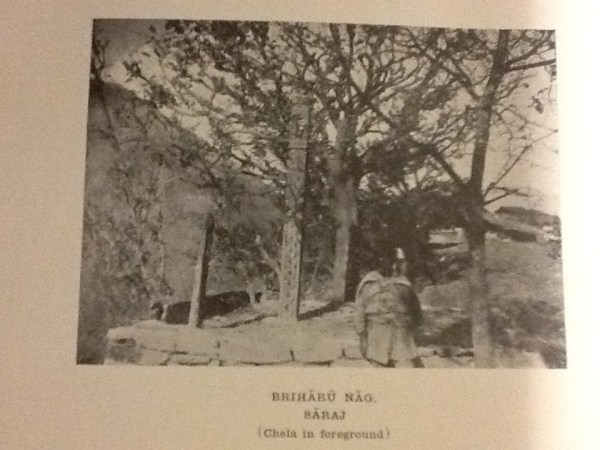
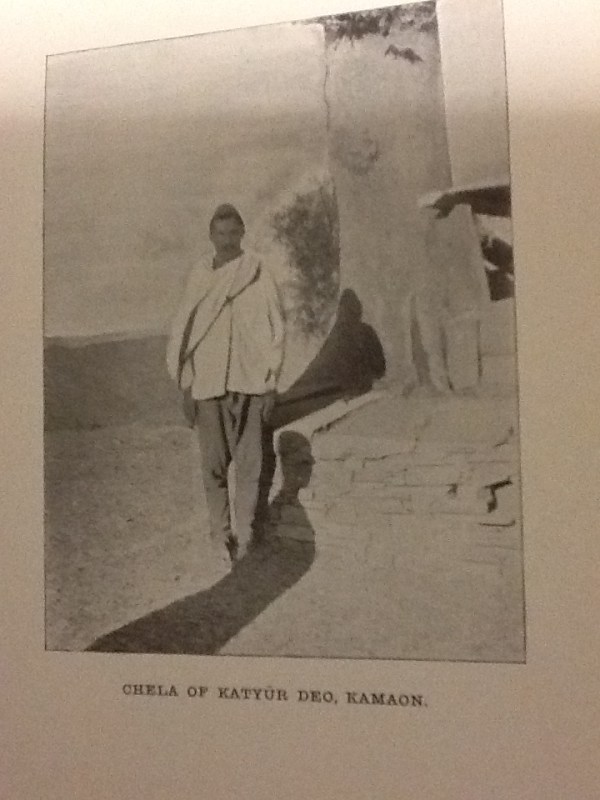
On my arrival, I found the people assembled on the open grassy space in front of the temple. The men and boys sat together, the women and girls being at a little distance. Soon the music struck up, and some of the men and boys began to dance in a circle, the chela dancing in the centre. After a time, the music became wilder and the dance more energetic. The chela continued dancing, and he applied the suungal (spear) to his own back and shoulders and to those of some of the dancers. Some of the men then applied another similar scourge to their own backs, with great effect, amid shouts of Kailang Maharaj ki jai (Victory to the great king Kailang).

img_8039

Then all being ready, the victim – ram – was led out, and having shown, by shivering, that it was acceptable to the deity, its head was struck off. The body was immediately lifted off by several men, and the chela, seizing upon it, drank the blood as it spouted from the neck, amid renewed shouts of Kailang Maharaj ki jai. The carcase was thrown down upon on the ground, and the head, with a burning coal upon it, placed before the threshold of the temple.


The dancing was then renewed, and became more violent, until the chela gasped out Kailang Aya (kailang has come). All then became silent, and the prophet announced that the sacrifice was accepted and that the season would be favourable. This was received with a storm of shouts of Kailang Maharaj ki jai and the chela sank down exhausted. Water was poured over him, and he was vigorously fanned till he showed signs of revival. The assembly then began to disperse.


There are many temples in the Himalaya, at which human beings are said to have been offered in times of drought and threatened famine (in the olden days).

img_8038

Buddhist Story

Kailang Nag had a shrine in the valley of the Chandra Bhaga river. Tradition says that human sacrifices were very frequent. At last it came to the turn, to provide the victim, of a widow, who had an only child – a son. The boy was accordingly devoted. The mother in great distress, was sitting near the temple, when a Buddhist monk came by, and, on hearing the woman’s story, offered to take the place of the victim.


Next day was fixed for the sacrifice. There was a great gathering, and the monk was present. He said, however, that he did not wish to be killed by anyone but the Naga; and that he would sit at the temple, until the deity came to devour him. This was agreed to. After sitting there for some days, without anything happening to him, the monk persuaded the people that the Naga did not wish men to be sacrificed.

From that time, no more human victims were offered to Kailang.


My comments

Sacrificing goats, sheep, rams, cocks happen in similar fashion in all parts of India. I have heard such stories in Madurai in Tamil Nadu. This shows that the culture was same even among illiterate tribal people.

xxx

img_8037

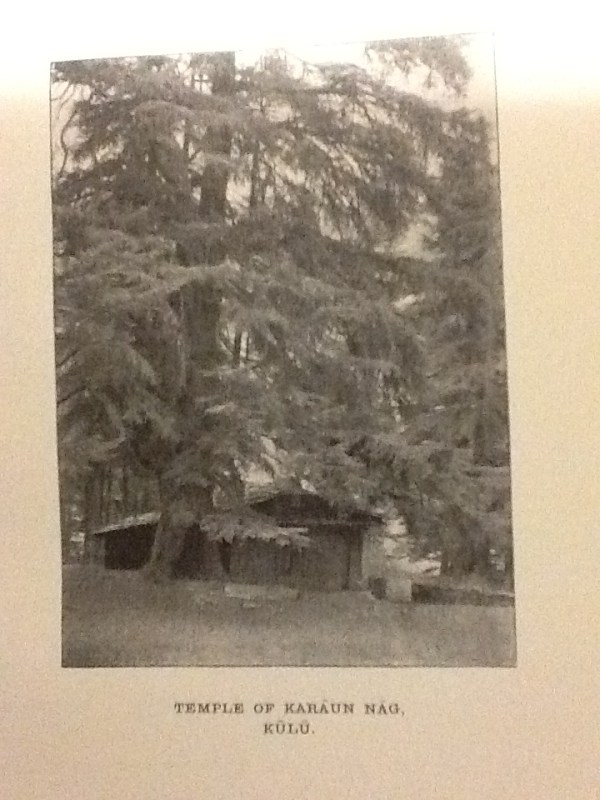
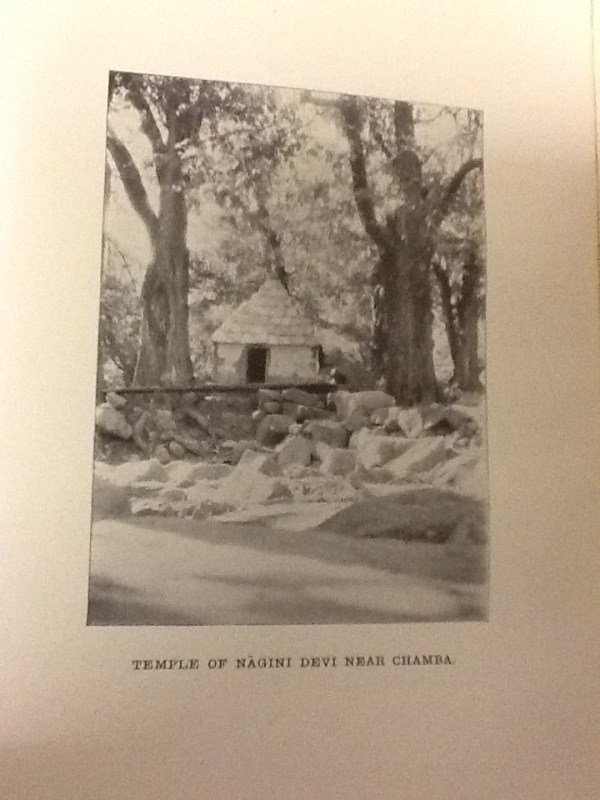
“At these temples, either of Nagas or Devas, votive offerings are made, as in the Catholic Church. These are in fulfilment of vows made during sickness, danger or misfortune. Thus a man may promise a trident or Vasuki or Takshaka; or a plough, or a sword or bullock yoke to the tutelary deity of the village. These are generally represented by small models, which are placed in the temple.


Memorial stones

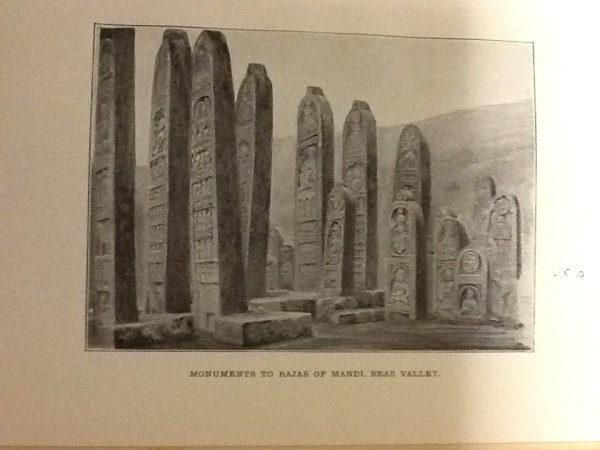
Around most of the old temples , either of Devas or of Nagas, , are arranged a number of stone tablets, like small tombstones on each of which is rudely carved the figure of a man and woman. These are monuments of deceased villagers, and correspond to grave stones in our church yards. As the dead are burned, there are no graves.

Similar memorials are sometimes placed at the village spring, at the crossing of a stream, or in some other frequented place. And sometimes in addition to the tablet, some work of public utility, as a resting-place for travellers, a fountain or a bridge over a stream is erected in memory of the wealthier villagers.

The monuments to the rajas (kings) are on a larger scale, and upon them were, formerly sculptured the representations of the wives and dependants who accompanied the chief to the other world.

My comments

The votive offerings and the tulabharam (weighing oneself in a big balance against anything that one wants to offer to the deity) are in Tamil Nadu and Kerala temples as well as ancient Sumer ( I have written an article about it).

Even today replicas of body parts in silver and other metals are offered to gods and goddesses.

The tomb stones are also found in different parts of India. In Karnataka and Rajsthan had emblems were erected for the women who did Sati. In Tamil Nadu and Karnataka Hero Stones were erected. Navakandam statues (human sacrifices before a war by a loyal soldier) are found throughout Tamil Nadu. So the culture was same throughout the country.

xxx

img_8042

Indra Dwaja

“At some of the temples of the Devas, a pole or a mast, called Dhuj (Dwaja=Flag) is erected. This is a pine tree stripped of its branches, and it is renewed yearly,the old one being burned. As its name denote,this is the standard of the deity. It is referred to in the Mahabharata (Adi Parvan Adivansaavataarana, p.lxii.173), where Indra directs the king of Chedi to set up an Indra Dwaja. In processions a small Dhuj (Dwaja) is often carried by the chela. On the Indus and other Punjab rivers, the boatmen place a pole surmounted by a tuft of hair at the bows or at the masthead of their boats, as the Dhuj (Dwaja) of Kwaja Khizr, which is the Mussulman (Muslim) name for Varuna, the ancient Sea-God”


My old articles on the same subject:-

Indra Festival in the Vedas and Tamil Epics

Posted on August 11, 2012

Why did Sumeria and Egypt worship Indra?

Research Paper written by London Swaminathan
Post No.1288; Dated:14th September 2014.

Oldest Engineer in the World- Indra: A Dam buster or a Dam Builder?

Research Article written by London Swaminathan
Post No.1268; Dated 4th September 2014.

3000 Gods in Mesopotamia! Similar to Hindus!!

Research paper written by London Swaminathan
Post No.1296;Dated 18th Sept. 2014.

Sapta Rishis in Sumeria! Similar to Hindus! More Tamil and Sanskrit words in Sumer!

Research paper written by London Swaminathan
Research article No.1419; Dated 18th November 2014.

Hindu Vestiges in Iraq ( Posted on 12th August 2014)
Indus Valley to Egypt: Lapis lazuli Export (posted 0n 6th Sept.2014)
Why did Sumer and Egypt worship Indra? (Posted 14th Sept.2014)
Double Headed Eagle: Indian—Sumerian Connection (18th December 2011)
Birds for Finding Direction: Sumeria to Tamil Nadu via Indus Valley (Posted 8th April 2013)
Cremation: Sumerian – Hindu Similarities (Posted on 14th May 2014)
Sanskrit Words in Sumerian: Sumukan Mystery (Posted on 12th May 2014)
A Hindu Story in Sumerian Civilization (Posted on 11th May 2014)
Mysterious Fish Gods around the World (Posted 27-10-2012)
Tulabharam: Indian – Sumerian Connection (Posted on 2nd January 2012)
Serpent Queen: Sabarimalai to Indus Valley
Hindu Vahanas around the World
Hindu Vahanas in Iraq (Posted on 21st October 2012)

(Most of these articles are published in Tamil as well around the same dates)
Contact swami_48@yahoo.com

img_8043

The Great Scorpion Mystery in History ( November 2012)
Mysterious Fish Gods around the World (October 2012)
Hindu Mudras in Egyptian and Sumerian Statues (October 2012)
Hindu Eagle Mystery Deepens — posted on 16th Feb. 2013
Gods and Birds, posted on 3rd Feb. 2013
Double Headed Eagle: Sumerian –Indian connection– posted on18 December 2011.
Tulabharam: Indian-Sumerian Connection (January 2012)
3000 Gods in Sumeria! Similar to Hindus!! (18th September 2014)
Why did Sumer and Egypt Worship Indra? (14th September 2014)
Sanskrit Words in Sumeria: Sumukan Mystery (12 May 2014)
A Hindu Story in Sumerian Civilization (11th May, 2014)
How old is Indian Civilization?
Creation: Vedic Hymn and Babylonian Hymn
Birds for Finding Direction: Sumer to Tamil Nadu
Indus Valley to Egypt: Lapis Lazuli Export (6th September 2014)
Did Indra Attack Sumeria? (9th October 2014)
Hindu Kings who Ruled Syria and Turkey (11th October 2014)
Hundred Sanskrit Names from 1800 BCE to 1400 BCE (14th October 2014)
Su Meru, Ku Meru, Pa Meru, Meru ((posted on 8th November 2014)
Rig Vedic king and Sumerian King 2600 BCE (posted on 14th November 2014)

வாகனங்கள் தோன்றியது எங்கே?
எந்தக் கடவுளுக்கு என்ன வாகனம்?
சுமேரியாவில் தமிழ் பறவை
தேள் தெய்வம்


img_8045

–subham–


Long Live Centenarians! (Post No.3138)

gandhi-2

Written by London Swaminathan


Date: 9 September 2016


Time uploaded in London: 9-14 AM


Post No.3138


Pictures are taken from various sources; thanks.


It is very interesting to note that centenarians get a positive reference in the world’s first law book Manava Dharmasasatra (Manu Smrti). This shows how much respect is given to old people in Hinduism and how much long life span is appreciated. Throughout the Vedas we find reference to man’s hundred-year life span.


Manu gives a list of people who spread positive vibrations in the place where they sit. He says that if one of them is sat in a row the entire row is purified and sanctified; though it is said in the context of twice born people, the respect to one’s age is referred in other slokas as well.


“Those who are pre-eminent in all the Vedas and the explanatory texts, and also those born into a line of priests who knew their Veda by heart, are known as purifiers of the ranks – Manu 3-184


A man who has studied the story of Naciketas (Katha Upanishad), or who keeps five sacrificial fires or has studied the three bird passage, or knows (tri suparna paasage in the Rig Veda 10-114-35), or knows all the six supplementary texts to the Veda, or is born out of a Brahma marriage or who can chant the most excellent chant (Jyeshta Samans or Tandya Brahmana 21-2-3) – Manu 3-185


Or those who know the meaning of the Veda, or can preach from the Veda, a chaste student of the Veda, one who has given away a thousand cows (at a sacrifice) or ONE WHO HAS REACHED THE RIPE AGE OF ONE HUNDRED YEARS are to be known as the people who purify the rows”.

mahatma-gandhi

Aagrayaa: sarveshu vedeshu sarvapravacaneshu sa

Srotriyaanvayajaasaiva vijneyaah panktipaavanaah -Manu 3-184


Vedaarthavit pravaktaa sa brahmachariisahasradah

Sataayussauva vijneyaa braahmanaah pakntipavanaah -Manu 3-186


Following quotations will show that the learned are respected as elders and elders are respected for their learning

1.Mere greying of hair does not make one old; the gods regard as an elder the man who, though young, has learned.–Manu Smrti 2-156

2.An assembly without the aged is not assembly at all

–Hitopadesa 3-61


3.Aged people are to be consulted about the stately path

–Satopadesa prabanda


4.Wisdom dawns with service to the elderly

–subashita ratna bandagaram 3-601


5.A courtesan though aged is sweet sixteen and the monk though young is a centenarian (Sanskrit proverb)


6.The king should adhere to the words of the wizened

—Brhat katha manjari

7.They are not really old who do not bespeak righteousness

Hitopadesam and Kahavatratnakar


happy-valmiki-day08


–Subham–
LONDON SAMOSA and HINDU NAMASTE! (Post No 3132)

london-hotel

Compiled by London swaminathan


Date: 7 September 2016


Time uploaded in London: 19-54


Post No.3132


Pictures are taken from various sources; thanks.


A former grammar school where novelist Lawrence Durrell was a pupil is to be turned into a £350-a-night luxury Indian hotel.

The new owners of the Grade II listed Victorian building on the South Bank near Tower Bridge say they plan to bring Indian hospitality to the capital for the first time.

The £50 million hotel, in the erstwhile St Olave’s Grammar School,  is the first overseas venture for family-owned Lalit hotel group and is due to open later this month.

Innovations will include an Indian bread bar — known as the Naanery — serving only breads from the subcontinent such as roti and kulcha matched with wines.

The traditional English afternoon tea will be given an Indian twist with options such as Cutting Chai tea and samosas and kathi rolls.

A restaurant in the vaulted former Great Hall where pupils once ate school dinners will showcase dishes from around India.

The basement spa will offer traditional Indian ayurvedic therapies alongside yoga.

All staff will give the traditional Hindu namaste welcome — a respectful small bow made with palms held together — to guests. Fixtures and fittings and decorations will use Indian materials such as mother of pearl and silk.

Managing director Dr Jyotsna Suri, widow of the anglophile founder of the company, Lalit Suri, said: “There has never before been an Indian brand that has come to Britain and flown its own flag under its own brand.”

She said the experience at the 70-room hotel would be as authentic as possible without being too “jarring”. “We will not be offering anglicised Indian food, it will be genuine Indian food.” -Evening Standard


chinese-airlines

DON’T COME TO LONDON! INDIANS ARE THERE!!

A Chinese airline today caused outrage after an inflight magazine told passengers to the UK to avoid ethnic minority areas in London.

A passage in the current edition of Wings of China, the publication distributed on Air China, Asia’s third largest airline, warns “London is generally a safe place to travel, however precautions are needed when entering areas mainly populated by Indians, Pakistanis and black people.

“We advise tourists not to go out alone at night, and females always to be accompanied by another person when travelling.”

The phrase is repeated in both Mandarin and English in the magazine’s feature on the capital.

The “racist” article shocked one Chinese journalist, Haze Fan, on a flight in China so much she tweeted a picture of it to Mayor of London Sadiq Khan asking him what he thought.

She said her Londoner fiancée “felt its rather insulting”.

An excerpt from the magazine’s feature on visiting London

Now politicians are demanding an apology and that the phrase is removed from the publication by the airline, which flies twice daily between London and Beijing.

Dr Rosena Allin-Khan, Labour MP for Tooting, which has one of the largest Indian and Pakistani populations in London, said: “My initial thoughts were that the comments were outrageous.

“I think that it is offensive to Londoners and I would like to see it removed. I would also like to ask the airline why they thought these precautions needed to be taken.

“Why they feel they needed to warn people of something that is not reflective of London at all?

Journalist Haze Fan sent this tweet to the Mayor asking for his view

“I think it is offensive to all Londoners, not just the ethnic minorities mentioned.

“We pride ourselves on having a wonderfully diverse community, and this may mean people come here with a different idea, it is worrying that some may arrive concerned.

“I am going to be writing to the Chinese Ambassador to invite him to visit Tooting in London, where all races live side by side. Then they can see how we live and our wonderfully diverse community.”

Lambeth and Southwark London assembly member Florence Eshalomi told the Standard that “you couldn’t make up these outdated and near-on racist views”. (Evening Standard)

wasp

Wasp Service!

Instead of rush hour rail chaos being caused by leaves on the line and wet weather, commuters have now been left stranded due to an infestation of wasps in a carriage.

South West Trains cancelled the early service between Teddington and London Waterloo due to wasps invading the carriage on Wednesday.

Passengers were alerted to the incident when they took to social media asking what had happened to the service.

In a tweet SouthWest Trains said the 5.51am service from Norbiton was cancelled due to an infestation of wasps.

It wrote: “I’m sorry, we’ve had to cancel this service due to reports of wasps setting up home on board the train overnight.” (Telegraph)


rape-es

Top of the Rapes!

More than 1,000 rapes and sexual assaults have taken place at schools and nurseries across London in the past four years, it can be revealed.

Figures obtained under the Freedom of Information Act show 83 rapes alleged to have taken place in schools or nurseries in London were reported to police.

This was coupled with 921 other sexual assaults that were also reported as taking place in schools and nurseries – meaning 1,004 sex attacks in total were recorded by police. (Evening Standard)


–subham–

Dravidian Devil Worshippers! J.P.Jone’s attack on Goddess Meenakshi! (Post No. 3111)

d08b0-maduraitempletank

Written by London Swaminathan


Date: 1st September 2016


Time uploaded in London: 13-55


Post No.3111

Pictures are taken by london swaminathan


From the book

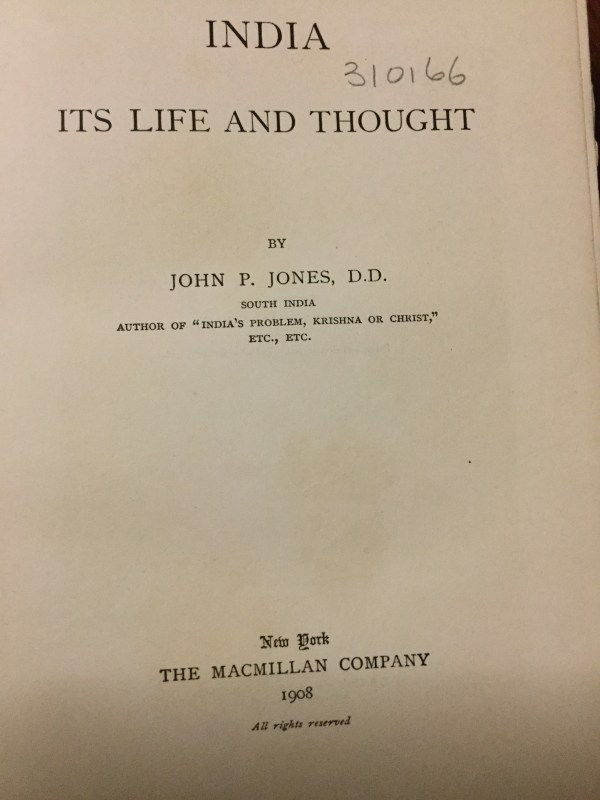
India – Its Life and Thought by John P.Jones D.D., The Macmillan Company, New York, 1908.


Page 32 to 34

“It will be convenient start upon our tour from Madura, the missionary home of the writer. It is a large, wide-awake centre of of enthusiastic Hinduism in the extreme south of the peninsula. In the heart of this town, of more than a hundred thousand people, stands its great temple, dedicated to Siva. The principal monuments of South India are its temples. They are the largest temples in the world. The Madura temple is only the third in size; but in s upkeep and architectural beauty it far surpasses the other two, which are larger. It covers an area of fifteen acres, and its many gopuras or towers, furnish the land mark of the country for miles around. It is erected almost entirely of granite blocks, some of which are sixty feet long. Its monolithic carving is exquisitely fine, and its most abundant and elaborate. Hinduism may be moribund; but this temple gives only intimation of life and prosperity as one gazes upon its elaborate ritual, and sees the thousands passing daily into its shrine for worship. It represents the highest form of Hindu architecture, and like almost all else that is Hindu, its history carries us to the dim distance of the past. But the great Tirumalai Nayak, the king of two and a half centuries ago, spent more in its elaboration than anyone else. And it was he who built, half a mile away, the great palace, which though much reduced, still stands as the noblest edifice of its kind south of a line drawn from Bombay to Calcutta.

IMG_5596

In this same temple, we find,transformed, another cult. It is called the Temple of Meenatchi, afer its presiding Goddess, “The Fish Eyed One”. When Brahmanism reached Madura, many centuries ago, Meenatchi was the principal demoness worshipped by the people, who were all devil worshippers. As was their wont, the Brahmans did not antagonize the old faith of the people, but absorbed it by marrying the Meenatchi to their chief god Siva, and thus incorporated the primitive devil worship into the Brahmanical religion. Thus the Hinduism of Madura and of all South India is Brahmanism plus devil-worship. And the people are today much more absorbed in pacifying the devils which infest every village than they are in worshipping purely Hindu deities. The prevailing faith of the Dravidians, therefore is demonolatry; and the myriad shrines in the villages and hamlets, and the daily rites conducted in them, attest the universal prevalence of this belief and the great place it has in the life of these so-called Hindus.”


Page 206

“4.Another marked feature of modern Hinduism is its devil worship. This is peculiarly manifest in South India. In the Madras Presidency, whose fifty million population is mostly Dravidian, nine tenths of the people follow the faith of their ancestors, which is Demonolatry (Demon Worship.


When Brahmanism came to South India, many centuries ago, it found entrenched among the people, everywhere and universally, this ancient cult. The Brahmans, recognizing this, did what they have already done; they said to the people: “We have not come to destroy your religion; we will take your demons and demonesses, marry them to our gods, and give them shrines and worship in our temples. Come with them and be a part of our religion. We will give to you the privileges, and confer upon you the dignity and blessing, of our great religion.” The people were impressed by this offer, accepted the situation, and were absorbed, with their religion, into the Brahmanical faith. From that time forward they have been recognised as Hindus, and have, after a fashion, been loyal members of the faith.


But let it not be supposed they, by becoming Hindus, they have deserted their ancestral religion, and have ceased to be devil worshippers. Far from it, Hinduism proper is to them a mere plaything, or a festival pastime. On special Hindu holidays, and perhaps on occasions of pilgrimage, they will visit these Hindu temples and bring their offering to the deities of Brahmanism. But their chief concern and their daily religious occupation is found in the appeasing of the many devils whose abode is supposed to be in their countless village shrines and under well-known trees in their hamlets. They have not abated one jot of their belief in the supremacy of these devils in their life affairs; and they always stand in fear of them, and do what they can do to satisfy their bloody demands.

Thus at least nine tenths of the people of South India, are first of all, demonolater, and secondly, but a long way behind, are Hindus. And yet a great many people in the West think of these people as the pure worshippers of the highest type of Brahminical faith”.

madurai temple

My Comments:

1.This is a very good piece to show how

the foreign invaders divided the Hindus

2.This shows that even after living in Madurai for thirty years or so, this Christian preacher did not know the Tamil History or pretended to not to know the history. All the forefathers of Goddess Meenakshi are from North India and Meenkashi’s father was Malaydwaja Pandya and Mother Knachanamala. All the name linked to the history Meenakshi are in Sanskrit.

3.Two thousand year old Sangam literature and the oldest Tamil book are full of Hindu rites and Hindu Gods.

4.Most of the famous Kings of Tamil Nadu did Aswameda or Rajasuya Yajnas.

5.Brahmins contributed one third of the Sangam literature

6.When J P Jones wrote this book Indus Valley sites were not excavated. After their excavation, scholars found all the symbols of Hindu Gods there.

7.Attacking all the Dravidians as Devil worshippers in one place and provoking them to fight against the “injustice: done to them by Aryans in another place is their usual tactics.

Foreigners knew that Hindus never read their literature in full and so they thought they can fool anyone by writing in English. But now we have fooled them and all their hope of changing  India into a Christendom failed miserably.

madurai pillayar

Ganesh/ Ganapathy/ Pillayar picture from Madurai

Please read my previous posts on the same subject:

The Wonder that is Madurai Meenakshi Temple, posted on 14 Oct 2011.

Acoustic Marvel of Madurai Temple, posted on 12 May 2013

Musical Pillars in Hindu Temples, posted on 12 May 2013

Madurai Temple Photos,31 May 2013

21 லிட்டர் கொழுக்கட்டை எதற்காக?, posted on 30 May 2013

–Subham–


How many Law Books Hindus have? Why? (Post No.3102)

31oeb-hindu_jpg_645950e

Written by London Swaminathan


Date: 29 August 2016


Time uploaded in London: 13-41


Post No.3102


Pictures are taken from various sources; thanks for the pictures.

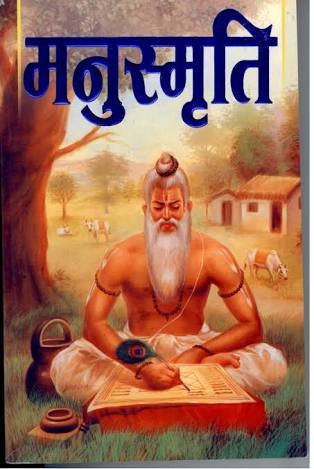
cover manusmriti

India is the most civilized country in the world? How do we know it? What is the proof?


The proof lies in the OLD Law Books Hindus own. Law books are called ‘Smritis’ in Sanskrit.

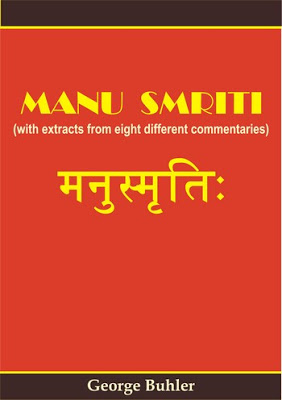
Manu’s Law Book, known as Manu Smriti or Manava Dharma Sastra, is famous and notorious! Famous because that is the oldest law book, older than the Hammurabi Code of 2600 BCE. The subjects it deals with in 12 chapters in approximately 2700 couplets are wholesome and enormous. Manu has been referred to in the oldest book in the world- The Rig Veda. What we have today is only the latest updated version, because Narada Smriti says the original Manu Smriti contained 100,000 couplets like Mahabharata. It is notorious because of its caustic remarks about the lowest caste of India – the Shudras, which are later additions or interpolations. One who reads the whole book will come to this conclusion.


Is it the only law book that Hindus follow? No. Because the cunning and divisive foreigners translated this first to use against the Hindus, the world came to know about it. They knew that most of the Hindus are simpletons and believe whatever written in English by a white skinned man. They also knew Hindus are chatter boxes and talk about anything in the world without reading a single book in full. They also knew that Hindus are very catholic in their outlook and take whatever given to them without knowing that they are actually ‘time bombs’.

The Vedas are called Shruti i.e. that which is heard by the seers. They receive it like we receive different broadcasts or stations on radio. Next in order to Shruti in authority comes the SMRITI i.e. that which is remembered.

So let me tell you how many law books we have and why?


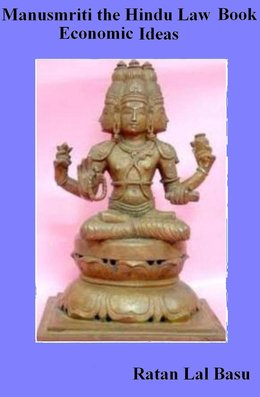
manusmriti-the-hindu-law-book-economic-ideas

(1).Manu Smriti (12 Chapters: 1.Origin of the Universe, 2.Duties of the Student, 3. Duties of the householder, 4.duties of the Snataka, 5.Food, impurities, Women 6.Forest dweller, Ascetic, 7.Duties of a King, 8.Administration of Civil and Criminal law, 9.Laws for husband and wife, laws of inheritance, Royal duties 10.rules of Four castes 11. Laws on penances, 12.Transmigration and Supreme Bliss.

(2).Yajnavalkya Smriti consists of 3 chapters (Adyayas) containing 1010 couplets (slokas): 1.Achara (conduct), 2.Vyavahara (Civil Law), 3.Prayaschita (Penance)

(3).Vishnu Smriti

(4).Narada Smriti

(5). Shankha Smriti

(6).Likhita Smriti

(7).Parasara Smriti


(8).Apastamba sutra

(9).Gautama sutra

(10).Vasishta sutra

(11).Baudhayana sutra


These books deal with Dharma (moral conduct rules). But there are books on economics such as Artha Shastra of Kautilya, Brihaspati Shastra, Sukra Niti which deals with punishments for economic offences. Several of the Law Books are lost.

There is a couplet in Sanskrit which says,

“The Laws of Manu are declared for the Krita Yuga, those of Yajnavalkya for the Treta Yuga; those of Shanka and Likhita are recommended for the Dwapara Yuga, those of Parashara are remembered for the Kali yuga (current yuga)”

Krute tu maavaa: proktaas tretaayaam yaajnavalkyajaa:

Dwaapare shankkalikhitaa: kalua paraasaraa: smrutaa:

 manu 2

Manu smriti says:

“The Veda is known as Shruti, the Dharmashastras as Smriti: these should not be doubted (but carefully consulted and considered) in all matters, for from them Dharma arose.”

Shrutistu vedo vinjeyo dharmasaastram tu vai smruti:

Te sarvaartheshvamiimaasye tabhyaam dharmo hi nirbabhau

Manu 2-10


What do they indicate:

1.A community needs different codes of conduct to suit the needs of people living in different areas at different times

2.Change is inevitable; so introduce new books or update the old version; this is used by the foreigners to give a false date for each book.

3.Whenever Hindus met elders or seers they introduced themselves with their names, part of the Veda they are mastering and the Law Book/ Dharmasutra they are following. (For instance, I bow to the elders at my house saying I recite Yajur Veda and follow Apastamba Sutra)

4.Since no country in the world has so many law books during a span of 3000 years, and since nobody recites to his elders what law book he is following we have to accept that Hindus are more civilized and advanced in the area of codifying laws.

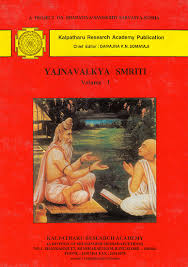
yajna smrti

–subham–

Teacher teaches you only 25%- Hindu concept of Education (Post No. 3099)

boys play 1

Written by London Swaminathan


Date: 28 August 2016


Time uploaded in London: 8-45 AM


Post No.3099


Pictures are taken from various sources; thanks for the pictures.


I came to know about the beautiful concept of teaching in ancient India when I interviewed Mayuram Sri A V Swaminatha Sivachariar in London on Friday. He is running a Vedic School in Mayuram.


When I asked about the courses available at his school, he told me that they teach certain portions of Vedas and Agama for five years; the course is recognised by Tamil Nadu Government; and the successful students can be employed as priests in Hindu temples.


When I asked about the general education they get, he told me Mr Sankaran, a philanthropist from Australia, teaches English to Veda Patasala students. He is doing this charity work even in the villages helping all the communities.


Asked about the general knowledge to survive in the world, Sri Sivachariar told me that he knew very well the need for such things because of increasing demand of qualified Hindu priests overseas. So the students are taught general knowledge as well.

children 3

But when I expressed my unhappiness that the students are not even getting a qualification like SSLC (school final exam in Tamil Nadu), and their survival in the world would be difficult, Sivachariar gave me some amazing details about the Hindu concept of teaching:-

He quoted the following couplet: –


one fourth from the teacher, one fourth from own intelligence,
one fourth from classmates, and one fourth only with time.


AchAryAt pAdamAdatte, pAdam shiShyaH swamedhayA |
sa-brahmachAribhyaH pAdam, pAdam kAlakrameNa cha ||


When I heard it, I felt very happy and fully satisfied. I compared it with what my children did in London. Yesterday I gave the details from his interview that Hindus were pioneers in introducing eight-day holiday in schools, revision in classes, introducing finger calculators and introducing new memory techniques.


Many jobs are learnt in the field and on the job. In the olden days many of the artists and artistes never went to school, but learnt them on the job under the tutorship of elders or parents. But Veda Patasalas (Vedic Schools) had a mixture of old and modern elements. Only 25 % of education comes from the teachers and the rest comes from experience, maturity, discussion and self-efforts.


Even the Bhagavad Gita says,

“Let a man lift himself by himself; let him not degrade himself; for the Self alone is the friend of the self and Self alone is the enemy of the self. (BG 6-5)


And Buddha also said,

“The Self is the Lord of the Self” – Dhammapada 160

girls school

Like in Western schools, the students are asked to discuss among themselves what they have learnt, they are asked to learn on their own and rest came from experience and maturity.


It is very interesting to know that they have been following it in Vedic schools for thousands of years. A teacher teaches the same subject to all the students, but one or two students stand out; they become scientists or scholars or leaders. Why? It is because they learn 75% on their own.


If we create an awareness about this 25%+ 75% learning and follow it, it will help the students a great deal. In places like London, the students are asked by the teachers to come with points for discussion on a topic. One group will support and another group will oppose it. Students prepare most of the materials with the help of parents and computers.


–subahm–


Strange Caste Customs in Cochin and Travancore (Post No. 3091)

IMG_5596

Compiled by London Swaminathan


Date: 25  August 2016


Time uploaded in London: 11-57 AM


Post No.3091


Pictures are taken from various sources; thanks for the pictures.


From the book

INDIA – ITS LIFE AND THOUGHT

By John P.Jones D.D.

The Macmillan Company, 1908


“The relation of the Maharajah of Travancore to his Prime Minister, who is a Brahman, is an interesting illustration. The Rajah is not a born Brahman; he is by many of his people regarded as a manufactured Brahman. But His Highness himself does not regard himself as equal to his Brahman Prime Minister; hence he will never be seated in his presence. Nor will the Brahman Dewan deign to sit in the presence of his royal master, the Maharajah. Hence all the business of the State (sometimes requiring conferences of three hours a day) is transacted by them while standing in each other’s presence.


Rajah of Cochin


The Rajah of Cochin, who lives temporarily near the writer, and who is evidently a sticker for caste observances, receives calls from European friends only before nine o’clock in the morning, for the obvious reason that is the hour of his daily ablution.


The Maharajah of Travancore bathes at 7 am daily; hence intending European guests find reception only before that early hour. In the state of Travancore, in which Brahmanical influence is great, even the high caste Nair cannot touch, though may approach a Nambudiri Brahmin. A member of the artisan casts will pollute his holiness 24 feet off; cultivators at 48 feet off; the beef eating Pariah at 64 feet. Like the Palestinian leper of old, the low caste man of that part of India was, until recently, expected to leave the road when he saw a Brahman come, and remove his polluting person to be required number of feet from his sacred presence.


Low caste witnesses were not allowed to approach a court of justice, but standing without, at the requisite distance, to yell their testimony to the Brahman judge who sat in uncontaminated purity within. The falling of the shadow of a low caste person upon any Brahman in India necessitates an ablution on the part of the latter.

IMG_5597

Hinduism Digests and Absorbs Everything!

Page 71

“In this extended pilgrimage, during which we have sought ancient and modern expressions of the many faiths which have dominated, or which now dominate, the people of this land, we have come to touch not only with those tolerant faiths which have found their origin here, or which have found refuge and popularity in this peninsula, – such as Hinduism, Demonolatry, Buddhism, Jainism, Zoroastrianism and Sikhism. We have also come into touch with the three most intolerant faiths of the world, — Christianity, Mohammedanism, and Judaism. There is no land where these religions have suffered less of opposition than in India. Indeed, it is not from persecution and opposition that they have stood in most danger, but from fraternal contact, growing appreciation, and ultimate absorption. The Hindu mind, like the Hindu faith, has a fatal facility for accepting, semi-assimilating, and finally absorbing, all of religious belief and conviction that may come into contact with it. And this never necessarily involves the abandoning of the old beliefs.”


–subham–


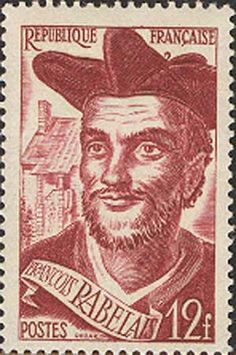
Rabelais and Shrewdness Anecdotes (Post No.3088)

rabelais 1

Compiled by London Swaminathan


Date: 24  August 2016


Time uploaded in London: 18-33


Post No.3088


Pictures are taken from various sources; thanks for the pictures.


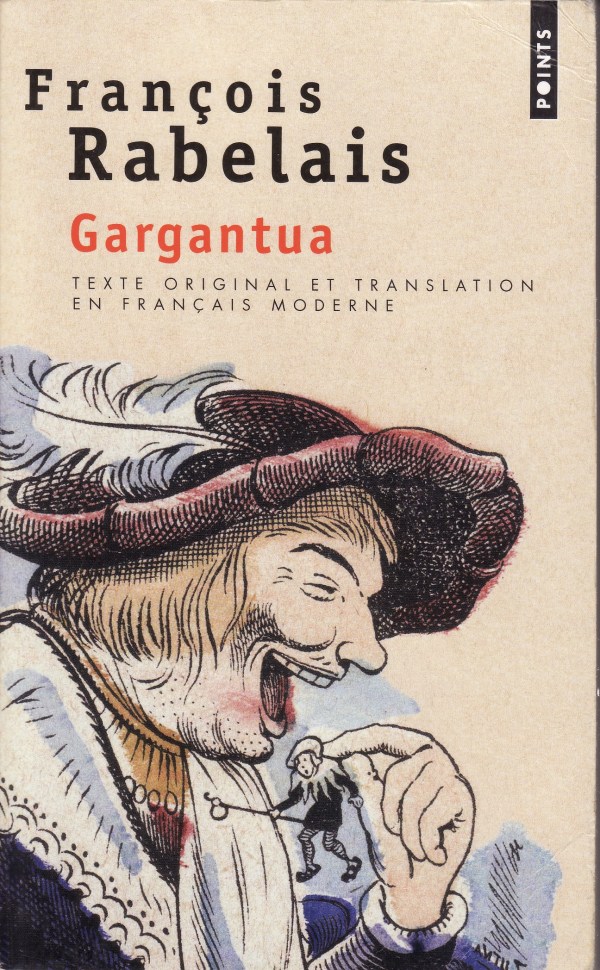
gargantua-252683

A sidewalk pitchman was disgusted by his failure to elicit any profitable response from the large crowd assembled around him.

“You pikers, he said in disgust, are too tight to offer me 50 cent for a dollar”.

“I will”, someone spoke up.

“All right, said the pitch man, handover the fifty cents.”

“I am not taking any chances. Take it out of the buck and hand me the change”.


Xxx


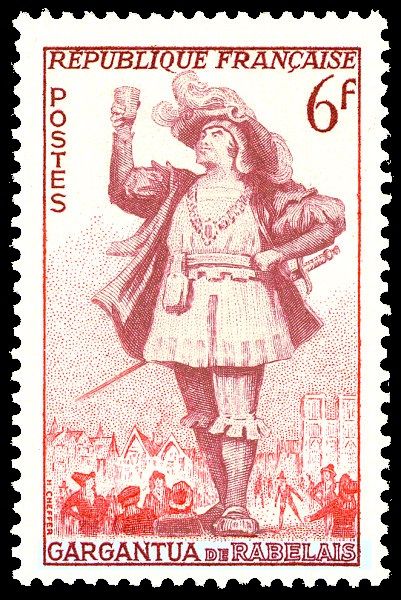
(Francois Rabelais (1494-1553) was a French writer. He wrote Gargantuan and Pantagruel, a hilarious classic of French literature and one of the greatest books ever written.  He was a Greek scholar and joined a monastery.)


Rabelais once found himself stranded in a village in southern France without a sou (a former French coin of low value) to get him back to Paris.  He took this means to obtain quick and easy passage to the French capital.


He engaged a room in the only tavern in the town and asked for a secretary to assist him in some writing. The mistress of the inn sent him her son, a sharp lad about twelve years old.


Rabelais said to his ‘secretary’, “My boy, we are about to undertake a very serious business here. I want you to sit down here and print these labels for me. Poison for the King, Poison for the queen, Poison for the Duke of Orleans etc While you are doing this I shall be preparing the poison.


While the terrified youngster was busy at his task of printing, RABELAIS Scrapped up the ashes from the grate, mixed them with the contents of his snuff box  and wrapped up the contents in several neat packages, on which he pasted his labels.

Gargantua_GF

He then dismissed his ‘secretary’ with a solemn warning and the boy at once rushed downstairs and breathlessly told his mother of the whole business. The woman summoned the gendarmes (French Police) who came to the inn and caught the dangerous guest with his damning evidence.  As the suspect could not give an account of himself he was bundled off to Paris. Hence he was brought to court and recognised by the King who heard his case and of course set him free.


–Subham–