RAMAYANA SCULPTURES IN THAILAND (Post No.5158)


compiled by LONDON SWAMINATHAN


Date: 28 JUNE 2018


Time uploaded in London –  14-20 (British Summer Time)


Post No. 5158


Pictures shown here are taken from various sources such as Facebook friends, Wikipedia, Books, Google and newspapers; thanks. Pictures may be subject to copyright laws.\


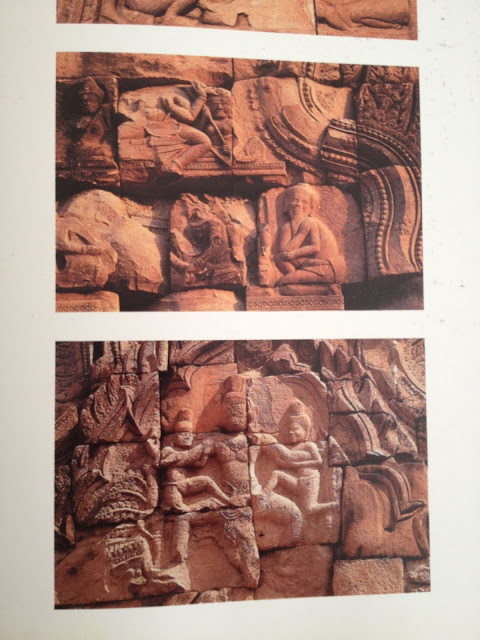
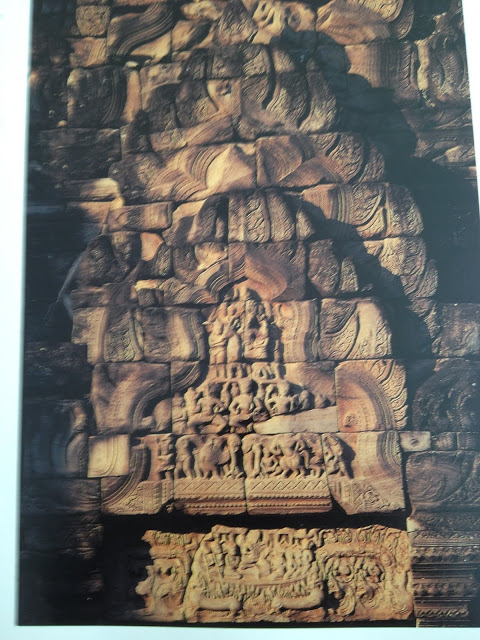
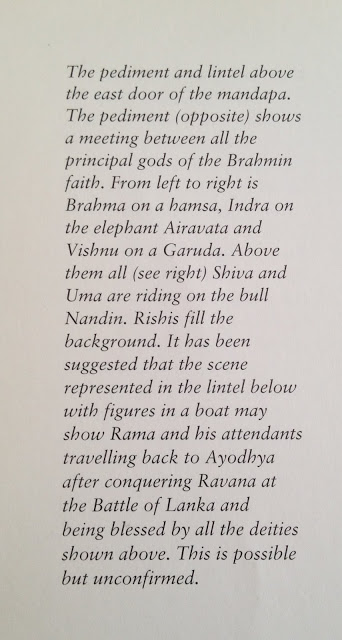
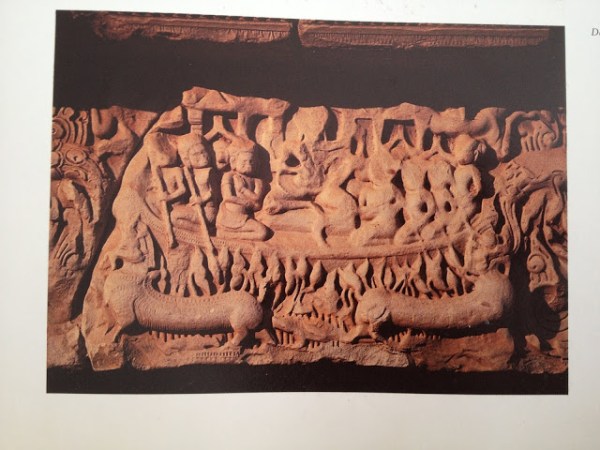
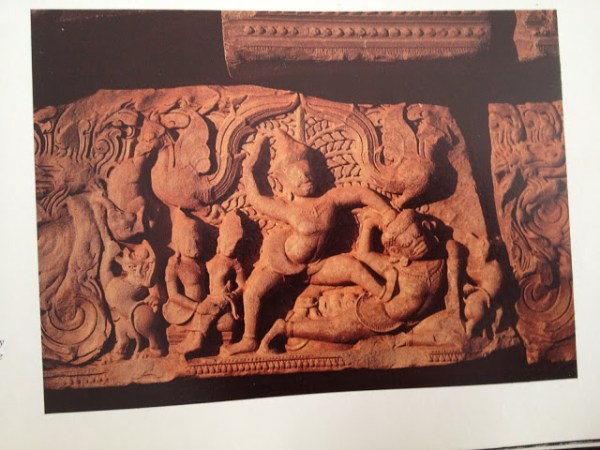
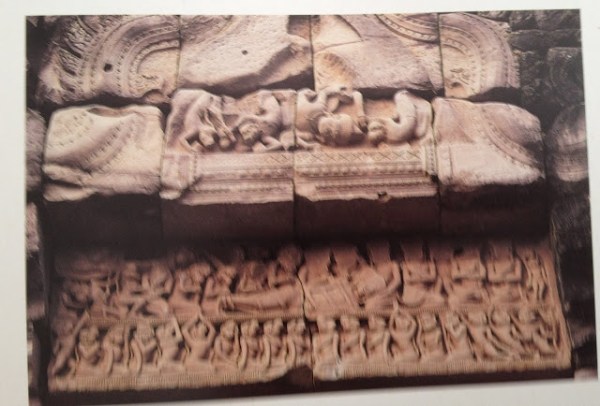
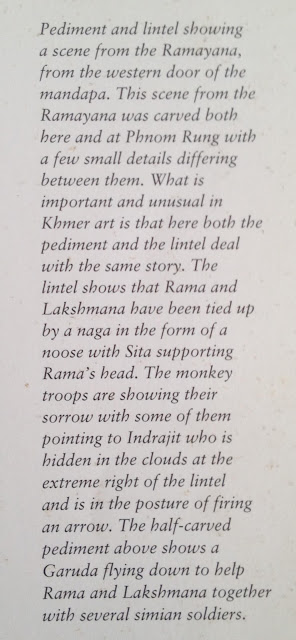
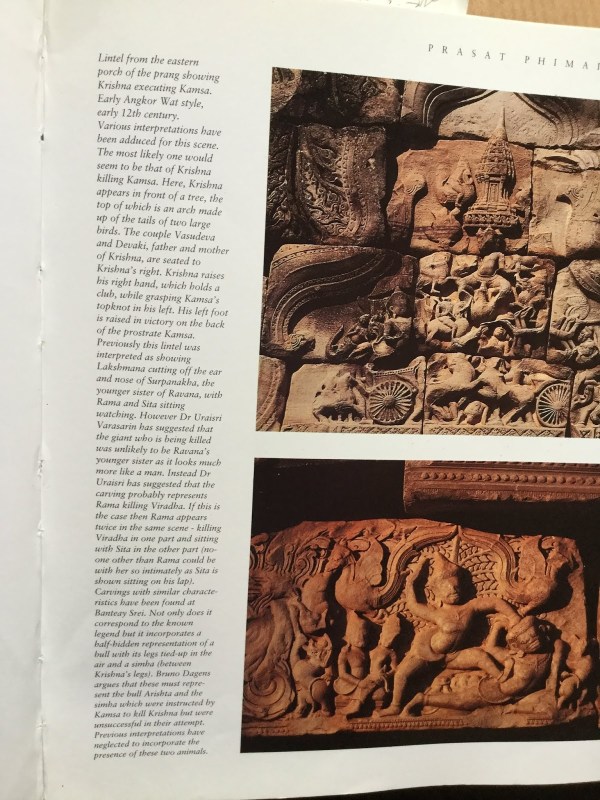
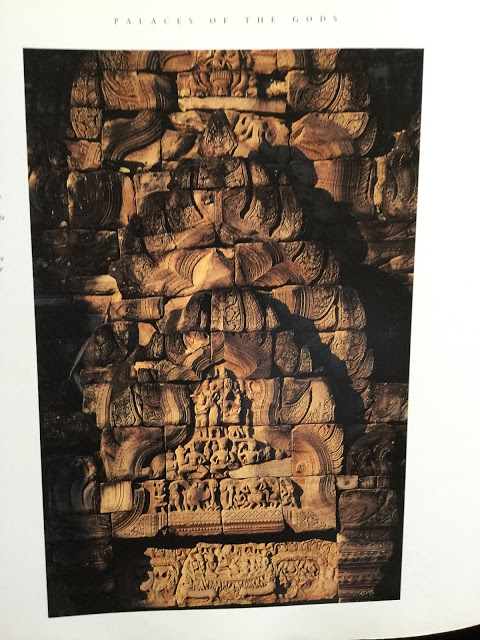
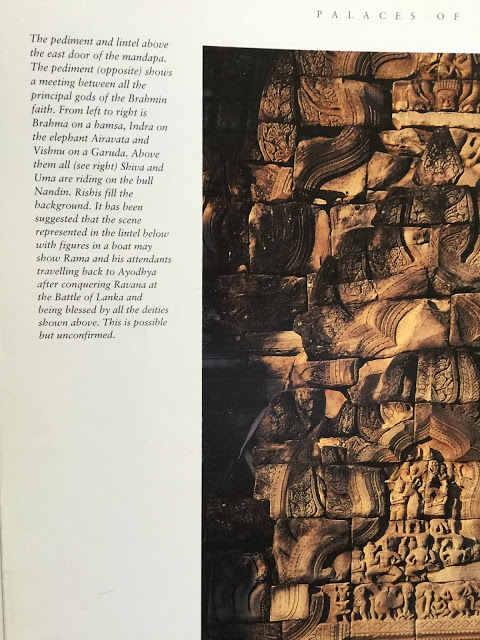
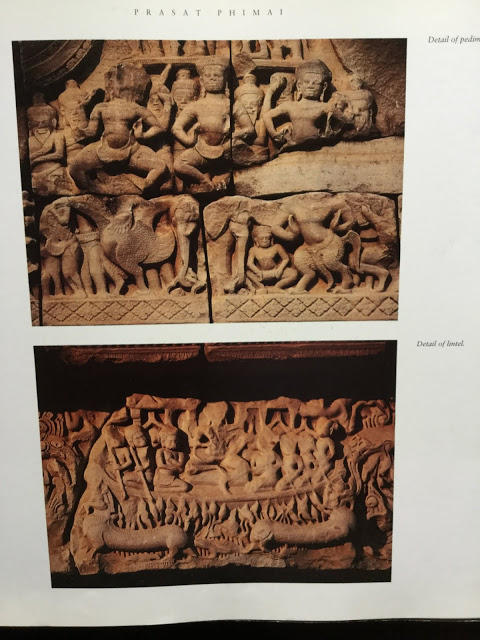
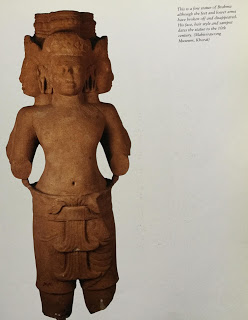
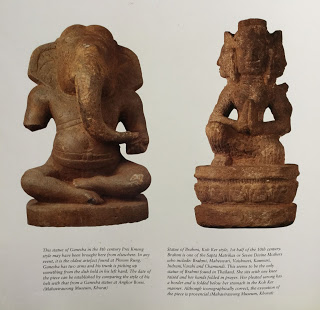
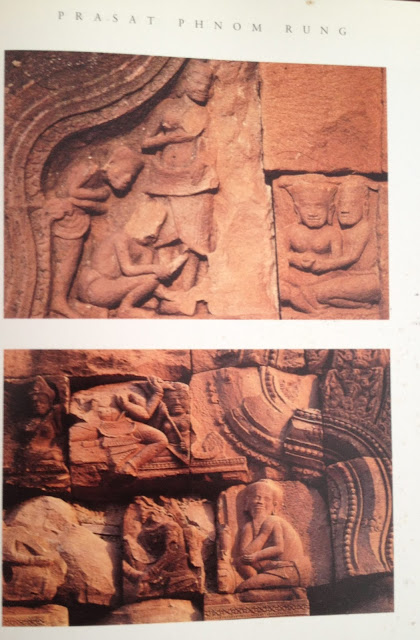
RAMAYANA sculptures in Cambodia are well known; but sculptures describing the scenes of Ramayana in Thailand are not known to many. Some of the sculptures were even interpreted earlier as scenes from Buddha Jataka stories. Now we know they are from Ramayana.

Mostly sculptures of Hindu gods are found in the temples of Prasat Phnom Rung and Prasat Phimai. Other sculptures of Hindu Gods are kept in Bangkok Museum.

Following book (Palace of the Gods by Smithi Siribhadra and Elizabeth Moore)  give some pictures with explanation:


— SUBHAM —


காந்திஜி : ஹரிலால், மணிலால்! (Post No.5148)

Written by S NAGARAJAN


Date: 26 JUNE 2018


Time uploaded in London –   7-00 AM (British Summer Time)


Post No. 5148


Pictures shown here are taken from various sources such as Facebook friends, Wikipedia, Books, Google and newspapers; thanks. Pictures may be subject to copyright laws.


காந்திஜி : ஹரிலால், மணிலால்!


ச.நாகராஜன்

1

மஹாத்மா காந்திஜியின் வாழ்க்கை ஒரு திறந்த புத்தகம். உபசார வார்த்தைகளுக்காக சொல்லப்படும் கூற்று அல்ல இது. உண்மையிலேயே உலகமே கண்டிராத அளவு அவர் வாழ்க்கை ஒரு திறந்த புத்தகம். அதில் அவரது சத்தியத் தேடல்கள், இறைவனுடன் பேசியது, உள்ளிருந்து எழுந்த குரலின் வாயிலாக தேச மக்களை உரிய வழியில் நடத்தியது, அந்தரங்கம், தவறுகள், ஒப்புதல்கள், முதலிய அனைத்தும் அடங்கும்.


அற்புதமான ஒரு சரித்திரம் மஹாத்மாவின் சரித்திரம்.

அவரின் வாழ்க்கையில் இணைந்து பிணைந்த அவரது மகன்களின் வாழ்க்கையும் கூட இதனால் திறந்த புத்தகம் ஆனது.


இது அவர்களை சற்று சங்கடப்படுத்தியது என்னவோ உண்மை!


அனைவருமே மஹாத்மா ஆக முடியாது, அல்லவா!

ஹரிலால் ஒரு சமயம் காந்திஜியிடம் கூறினார் இப்படி: “எல்லோருக்கும் தெரியும்படி இப்படிக் கண்டிப்பதை விட எங்களைத் தனியே கூப்பிட்டு பிரம்பால் அடிக்கலாம்

(Harilal remarked to Gandhi later in life that instead of “reprimanding us publicly–we would have preferred if you caned us privately” (p. 109 of the book – Gandhi’s Prisoner?: The Life of Gandhi’s Son Manilal).


ஹிந்து காந்தியாக இருந்த சனாதனி காந்தி ஹிந்து மதத்தின் பால் ஆழ்ந்த பற்று கொண்டவர். சிறந்த ஹிந்துவாக அவர் விளங்கியதாலேயே அவர் இதர அனைத்து மதங்களையும் சமமாக ஒப்புக் கொண்டார்.
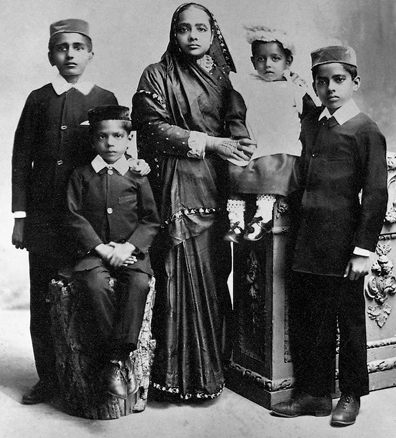
 

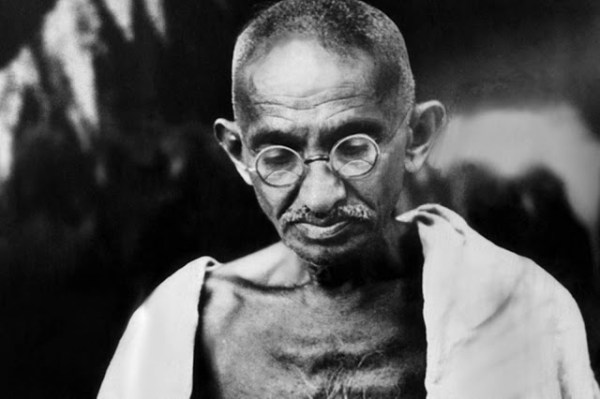
     அவரது மகனான ஹரிலால் (1888 -1948) திடீரென்று இஸ்லாமிற்கு மாறி அப்துல்லா ஆனார்.

இதை அவரால் ஜீரணிக்க முடியவில்லை; ஒப்புக் கொள்ளவும் இல்லை.


இப்படி மதம் மாறுவது அவரது பிரச்சினைகளுக்குச் சரியான தீர்வு ஆகாது என்று அவர் நம்பினார். அவர் சென்றதால் ஹிந்து மதத்திற்கு ஒரு நஷ்டமும் இல்லை; அவரை இஸ்லாமில் சேர்த்தது உண்மையில் பலஹீனமான ஒன்று என்று அவர் எழுதினார். சுத்தமில்லாத ஹ்ருதயம் உள்ள ஒருவன் மதம் மாறினால், அது கடவுளையும் அவனது மதத்தையும் மறுத்தது போல ஆகும் என்றார் அவர். எனது முஸ்லீம் நண்பர்களை நான் கேட்டுக் கொள்வது, அவர்கள் அவரது கடந்த காலத்தை


சோதித்துப் பார்க்கட்டும், அப்போது இந்த மதமாற்றம் ஆன்மா இல்லாத ஒன்று என்று அவர்களுக்குத் தெரிய வந்தால் அதை அப்படியே அவரிடம் சொல்லி அவரைத் துறந்து விட வேண்டும் என்பது தான் என்றார் அவர்.


அவரது எழுத்தை அப்படியே கீழே பார்க்கலாம்:

The statement issued to the Press on 2-6-1936, under the title “To My Numerous

Muslim Friends”, regarding Harilal’s conversion to Islam, was published in Harijan.


“Harilal’s apostasy is no loss to Hinduism and his admission to Islam is a source of

weakness to it if, as I apprehend, he remains the same wreck that he was before.

“Surely conversion is a matter between man and his Maker who alone knows His

creatures’ hearts. And conversion without a clean heart is, in my opinion, a denial of

God and religion. Conversion without cleanness of heart can only be a matter for

sorrow, not joy, to a godly person.


“My object in addressing these lines to my numerous Muslim friends is to ask them to

examine Harilal in the light of his immediate past and, if they find that his conversion is

a soulless matter, to tell him so plainly and disown him and if they discover sincerity in

him to see that he is protected against temptations so that his sincerity results in his

becoming a godfearing member of society. Let them know that excessive indulgence has

softened his brain and undermind his sense of right and wrong, truth and falsehood. I

do not mind whether he is known as Abdulla or Harilal if, by adopting one name for the

other, he becomes a true devotee of God which both the names mean.”


From :- ‘The Collected Works of Mahatma Gandhi’, published by Publication Division, Govt, of India.

Volume 63- Page no 7

பின்னால் கஸ்தூரிபாவின் வேண்டுகோளுக்கிணங்க மணிலால் தாய்மதம் திரும்பினார்.

2

காந்திஜியின் இன்னொரு புதல்வர் மணிலால். (1891 – 1956). அவரது வாழ்க்கை வரலாற்றை அவரது பேத்தி துபேலியா மெஸ்திரி எழுதியுள்ளார். (Uma Dhupelia-Mesthrie. Gandhi’s Prisoner?: The Life of Gandhi’s Son Manilal. Cape Town: Kwela Books, 2005. 419 pp. $27.00 (cloth), ISBN 978-0-7957-0176-4.). அவர் தென் ஆப்பிரிக்காவில் உள்ள வெஸ்டர்ன் கேப் பல்கலைக் கழகத்தில் வரலாற்றுத் துறையில் இணைப் பேராசிரியையாகப் பணியாற்றுகிறார்.

அவர் எழுதியுள்ள நூலில் தனது தாத்தாவைப் பற்றி மிக விரிவாக எழுதியுள்ளார்.

மணிலால் ஃபாத்திமா கூல் என்ற பெண்ணை மணக்க விரும்பினார். ஆனால் காந்திஜியோ ஒரு முஸ்லீம் பெண்ணை மணிலால் மணப்பதை விரும்பவில்லை.

ஒரு உறையில் இரு கத்திகள் இருப்பது போல ஆகும் என்று அவர் கூறினார்.

இளம் வயது பாலினக் கவர்ச்சியிலிருந்து விடுபடு என்று அவர் மணிலாலுக்கு புத்திமதி கூறினார். மணிலால் பிரம்மசாரியாகவே இருக்கலாம் என்றார் காந்திஜி. ஆனாலும் மணிலால் தனது 34ஆம் வயதில் மணம் புரிந்து கொண்டார். ஆனால் மணப்பெண் வீட்டார் பார்த்த பெண் தான். 19 வயதான சுசீலா மஸ்ருவாலாவை அவர் மணந்தார். அவரும் பனியா தான். மணப்பெண்ணின் தந்தை காந்திஜியைப் பின்பற்றுவர்; பெரிய செல்வந்தர்.

மணிலாலின் பேத்தி புத்தகத்தில் தரும் செய்திகள் இவை: புத்தகத்தைப் பற்றி ஆங்கிலத்தில் அப்படியே பார்க்கலாம்.

Gandhi’s influential hand was also evident in Manilal’s decision to marry. He had wanted to marry Fatima Gool, a Muslim from the Cape, but Gandhi objected because she was not Hindu: “it will be like putting two swords in one sheath” (p. 175). This seems anomalous considering that Gandhi had brought up his children to believe all religions equal. However, the boys were “shaped primarily by Hinduism” even though Gandhi respected all religions (p. 40). Gandhi was concerned about the impact the marriage would have on Hindu-Muslim relations in India. He warned Manilal that if he proceeded with the marriage he would have to stop editing Indian Opinion and would not be able to return to India. Gandhi advised Manilal to get over the “infatuation” and “delusions” of love: “our love is between brother and sister. Whereas here the main urge is carnal pleasure” (p. 176). Whatever Manilal might have felt, “in the end, though, he could not forget whose son he was. He did not have the courage to face the consequences of defiance; there really was no future without his father’s blessing” (p. 176). Gandhi implored Manilal to remain celibate, but on this issue Manilal disagreed with his father and married in 1927, at the age of thirty-four. However, his wife was chosen by Gandhi. She was nineteen-year-old Sushila Mashruwala, also of the bania caste and daughter of a wealthy property-owner and fervent Gandhi supporter (p. 183).

3

காந்திஜி தனது வாழ்க்கையில் ஒரு அற்புதமான ஹிந்துவாகவே வாழ்ந்தார். ஆதர்ச ஹிந்துவாக இருந்தார்.

தனது மகன்கள் இஸ்லாமிற்கு மதம் மாறவும் அவர் விரும்பவில்லை; அங்கிருந்து ‘பெண் எடுக்கவும் அவர் அனுமதிக்கவில்லை.

‘எல்லா மதமும் சம்மதம்; அதற்காக எனது மதத்தை இழிவு படுத்தி மற்ற மதங்களின் பால் எனக்குள்ள மரியாதையைக் காண்பிக்க முடியாது என்பதை அவர் வாழ்க்கை தெரிவிக்கிறது.

இன்றைய போலி செகுலரிஸவாதிகள் நம்மை நோக்கிக் கூறுவது, ‘மைனாரிடி என்ன செய்தாலும் அது சரி என்று கூறு; உனது சொந்த மதத்தை அடிக்கடி இழிவு படுத்தி நீ மைனாரிடிகளுக்கு நல்லவன் என்பதை நிரூபி என்பதைத் தான்.

காந்திஜியின் கொள்கைகளுக்கு நேர் விரோதிகள் இவர்கள் என்பதை அனைவரும் உணர்ந்தால் போதும், அது பாரத தேசத்திற்கு நல்ல நாளாக அமையும்!

***


SANSKRIT WORDS IN JAPANESE (Post No.5114)

Compiled by LONDON SWAMINATHAN


Date: 15 JUNE 2018


Time uploaded in London –  18-13  (British Summer Time)


Post No. 5114


Pictures shown here are taken from various sources such as Facebook friends, Books, Google and newspapers; thanks. Pictures may be subject to copyright laws.


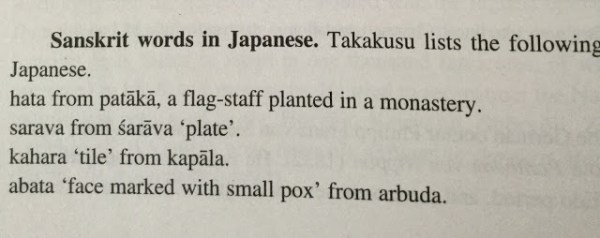
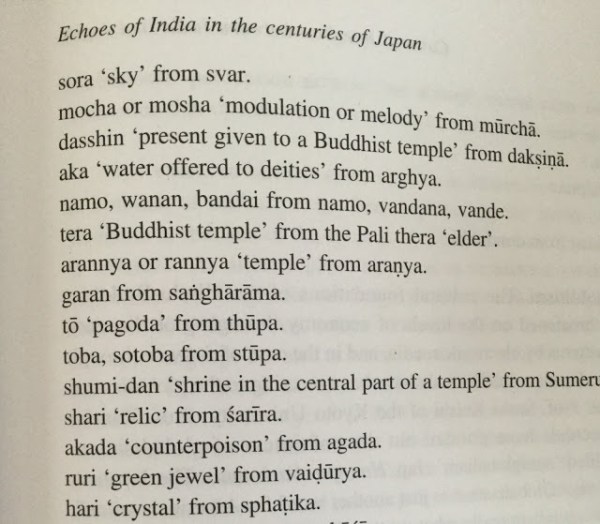
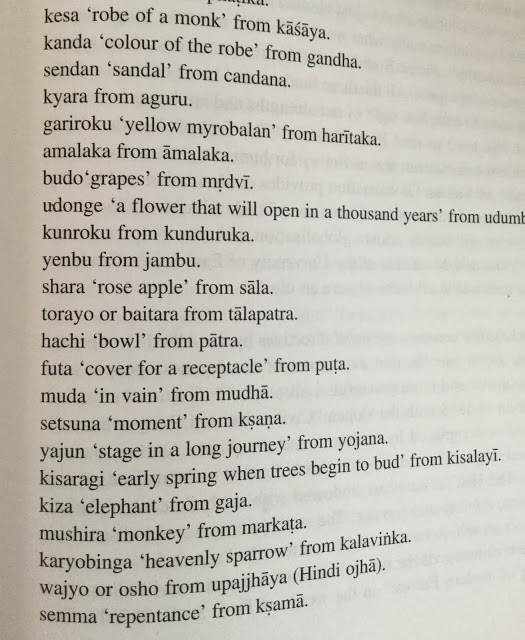
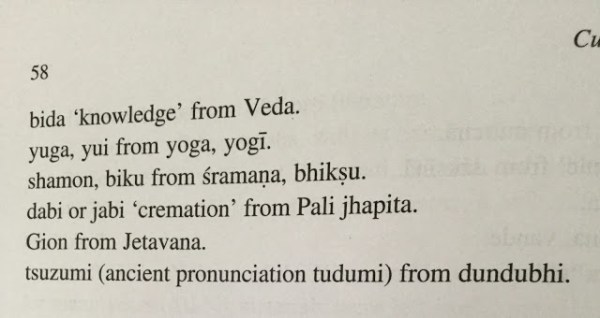
Sri Lokesh Chandra in his book CULTURAL INTEFLOW BETWEEN INDIA AND JAPAN gives some interesting information about Sanskrit words in Japanese language.

It is very interesting to see how they are spelt and pronounced in Japan.

Sanskrit is BONGO in Japanese.

Bon means Brahman

Go means language

Prince Shotoku consecrated the First Constitution of Japan with the Sanskrit hymn Usniisavijayaa- dhaaranii written in the Gupta script in palm leaf.

Monk Gyoogi welcomed the Indian Bodhisena in 736 in mixed language of Sanskrit and Japanese.

Bodhisena and Buddhasthira taught Sanskrit to Japanese monks at the Daianji Temple. Abbot Ono showed me the room where Sanskrit was taught 1300 years ago.

Kobo Daishi (806) laid emphasis on a knowledge of Sanskrit to understand the texts correctly.

Sanskrit mantras sanctify the Homa (Goma in Japanese) ceremonies in Shingon temples every day.

Japanese scholars studied Sanskrit in England and Germany as part of modernisation after Meiji restoration (1868)


Prof. JunjiroTakakusu wrote a series of seven articles What Japan owes to India in the Young East in 1925. Seven articles covered 1,2 Ascetics; 3 Hindu Pantheon; 4 Music and Dance; 5 Cotton and Chess; 6 Names and Words; and 7 More names and words.


Takakusu lists the following Sanskrit words in daily use in Japanese:–


–SUBHAM–


DATE OF RAMAYANA 5100 BCE (Post No.5100)

Written by London swaminathan

Date: 11 JUNE 2018

Time uploaded in London –  18-16 (British Summer Time)

Post No. 5100

Pictures shown here are taken from various sources such as Facebook friends, Books, Google and newspapers; thanks. Pictures may be subject to copyright laws.

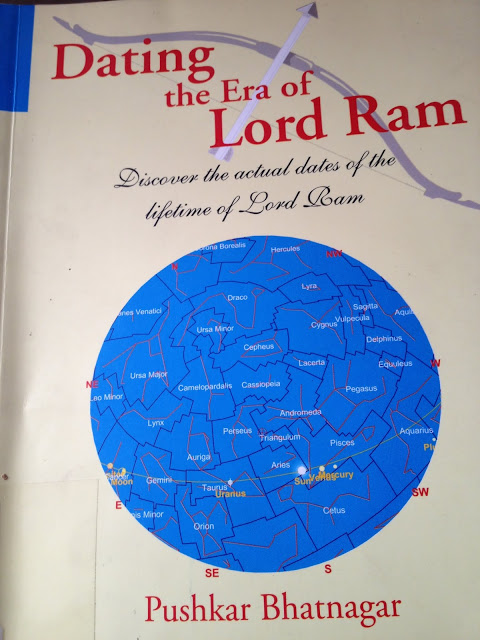
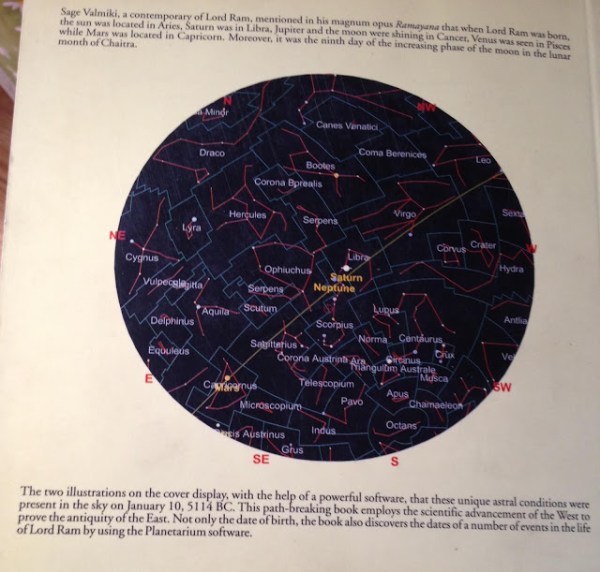
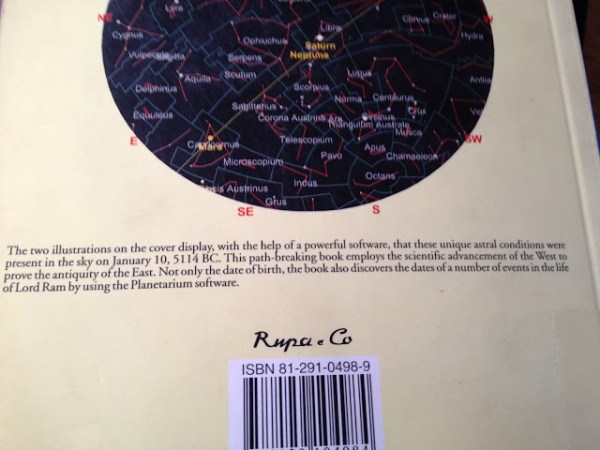
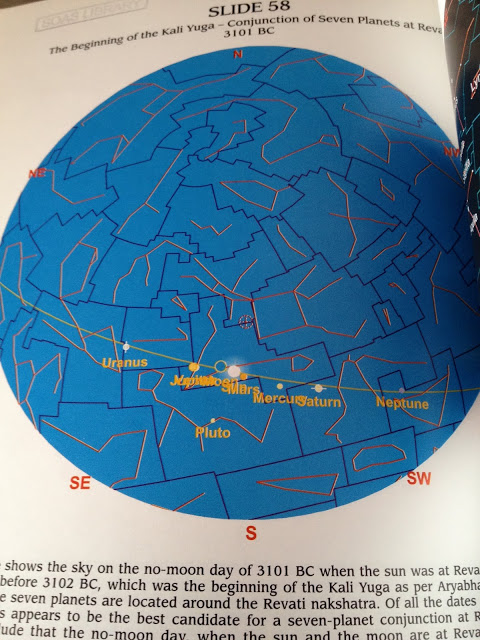
I was reading the book ‘Dating the Era of Lord Ram’ by Pushkar Bhatnagar, 2004, Rs.395

He has concluded that Rama lived around 5100 BCE on the astronomical evidence in the Valmiki Ramayana. First let me give his conclusions and then his introduction. It is a book with sixty colour star maps.  His conclusions are


The archaeological evidence suggesting the date of Saraswati Sindhu region sites up to 8000 BCE,

astronomical dating of some of the verses of the Rig Veda to 6500 BCE,

the Astronomical dating of Ramayana at around  5100 BCE,

date of composition of the last Mandala of the Rig Veda around 5000 BCE,

strong evidences suggesting the traditional date of 3137 BCE as the date of Mahabharata,

probable date of Puranas well after the beginning of the Kaliyuga and the drying up of the Saraswati River around 1900 BCE

makes highly agreeable and logically acceptable timeline of our civilization.


His introduction in the book gives the following interesting details:

“The Ramayana clearly mentions that a lunar eclipse had occurred on the day Hanuman visited Lanka in search of Sita. On examination of the sequence of events narrated in the book

(Ramayana) I had concluded that it was the full moon day of either the month of Margasirsh (Maarkazi in Tamil) or Paush (Thai in Tamil)of the last year of exile (5076 BCE). However, I had no means to verify whether a lunar eclipse had actually occurred about 7000 years or not.


My belief and understanding was that the software I was using  did not have the capability of  showing the occurrence of lunar eclipse. I browsed the web for any other software. These efforts bore no fruit. For almost five years I had desperately wished and prayed that somehow I could verify and demonstrate the occurrence of Lunar eclipse so that my findings become complete in all respects.


Since no solution could be found to this puzzle and being completely helpless in this regard, I submitted my manuscript to the publishers for publication in the month of October 2003. (He just mentioned that he could not verify the lunar eclipse in the manuscript).

After a few days, I read in the newspapers that a lunar eclipse was to occur on the morning of 9 November 2003 and it would be visible from India. Late in the evening of 8th, without any specific hope of finding a solution, intuitively I felt like examining the position of the sun and the moon during the eclipse due to occur the next day, though the software. My intention was to compare the positions of the sun and the moon during the eclipse of 9 th. However as soon as I entered the time of the occurrence of the eclipse in the software I was surprised to find that the software was displaying the occurrence of the eclipse very precisely. Without wasting a moment, I entered the date 12 September 5076 BCE. (full moon day of lunar month Margasirsh, which according to me the day Hanuman visited Lanka.


With a pounding heart, I started examining the position of the moon. And then came the stamp of Divine confirmation! The software demonstrated that a lunar eclipse had indeed occurred that evening – exactly at the time when it had been described in the Ramayana. I could not believe five year long hopelessness was transformed into triumph in just a matter of five minutes! “

-Pushkar Bhatnagar10 May 2004

pushkarbhatnagar@hotmail.com

This shows the author’s long and sincere research into the date of Ramayana.

–Subham–


Brahmin Power in South East Asian Countries- (Post No 5095)

Written by London swaminathan


Date: 10 JUNE 2018


Time uploaded in London –  9-46 am  (British Summer Time)


Post No. 5095


Pictures shown here are taken from various sources such as Facebook friends, Books, Google and newspapers; thanks. Pictures may be subject to copyright laws.


Brahmin Power in Cambodia ,Thailand Burma and Vietnam

(Campa)- Post No 5095


n Cambodia, Brahmins maintained powerful hierarchy for many centuries. They were well organised. They came there around fifth century and increased in number due to a constant flow of immigrants from India. During the reign of Yasovarman 889 CE, Saivism was predominant. We learn from the following inscription that they enjoyed a position similar to that which was theirs in India.


The king,well versed in kingly duties, performed Koti Homa and Yajnas, for which he gave the priest s magnificent presents of jewels, gold etc.


The cult of the Royal God, though founded by Jayavarman II, 802 CE, did not reach the heights of its development until two centuries after wards, and was especially associated with Vaishnavism and the temple of Angkor Wat. This cult led Brahmins enjoying even more exalted position . The priest hood became hereditary in the family of Sivakaivalya, who enjoyed immense power. This sacerdotal dynasty almost threw the royal dynasty into the shade. Brahmins were depicted on the reliefs of Angkor Wat and Coedes has identified Drona and Visvamitra amongst them. In one of the relief s which illustrates a royal procession, it is interesting that the Brahmins were the only onlookers who do not prostrate before the king, as was also the case in India. In the reliefs aristocracy wear the chignon and the lower castes short hair.

One remarkable sign of the power of the Brahmins was that they had even marriage alliances with the princesses. Bakus, the descendants of ancient Brahmins, chose one from them to succeed if the royal family failed.


As early as the reign of Jayavarman V, Buddhism and Hinduism got mixed and the Brahmin purohitas were expected to be well versed in Buddhist prayers and rites. But the Brahmin s of Cambodia never sank so low as did those of Campa (modern Vietnam). In the Po Nagar inscription of Campa, we read that the feet of the king were worshiped,even by Brahmins and priests.


In Thailand


Though the religion of Thailand was Buddhism the royalty recruited Brahmin s from Cambodia. For centuries Brahmin s enjoyed quite an important position.

The famous inscription dated about 1361 CE of King Dharma Raja mentioned the kings knowledge of the Vedas and of astronomy. The inscription on the Siva statue found at Kamben bejra recorded the desire of King Dharmasokaraja,(1510 CE), to exalt both Hinduism and Buddhism.


Brahmins had access to sacred books and law books and so they served the royal s in various capacities. The epigraph ic records demonstrate the powerful influence of purohitas in Burma and Cambodia, where they often served under successive rulers and provided continuity to the government in troubled times. In ninth century Angkor, for instance, Indravarman I had the service of Sivasoma, who studied VedantA under Shankara.


Indian Brahmins are occasionally mentioned in the south East Asian inscription s and one wondered how Brahmins travelled abroad when Manu and other lawmakers ban foreign travel for Brahmins. These prohibitions may have had little practical effect, and would n of have deterred ambitious men lured by the hope of honour and fortune in a distant land. In fact they were invited by some rulers.


Not only in the Hindu courts in Cambodia but also in the courts of Pagan in Burma and Sukothai in Thailand, the Brahmins conducted great ceremonies,such as the Royal Consecration and-functioned as ministers and counsellors . The grand ceremony in Pagan required the services of numerous Brahmins.


In Cambodia Jayavarman VIII built a temple for the scholar priest Jayamangalaartha and likewise for the Brahmin Vidyesavid. Who became Royal sacrificial Priest. The Chinese visitor Chou Ta kuan refers to the presence of Brahmins wearing sacred thread.


We have evidence of use of Sanskrit even in Sri Lanka. Thirteenth century work Kundamala was composed in Anuradhapura in Sri Lanka, according to some scholars.


Source: Source books- From Turfan to Ajanta, Edited by Eli Franco and Monika Zin, Lumbini International Research Institute, Nepal;2010


–Subham–

English Man’s Tomb with Upanishad Mantra! (Post No.5088)

Written by london swaminathan


Date: 8 JUNE 2018


Time uploaded in London –  11-59 am  (British Summer Time)


Post No. 5088


Pictures shown here are taken from various sources such as Facebook friends, Books, Google and newspapers; thanks. Pictures may be subject to copyright laws.


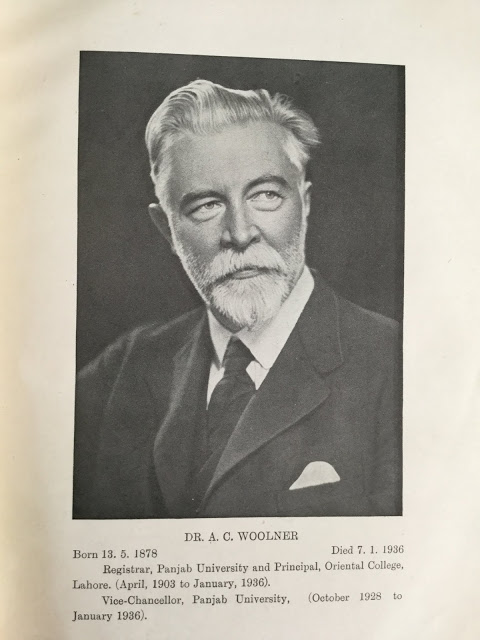
I was reading the Woolner Commemoration Volume published in Lahore (now in Pakistan) in 1940. I found some interesting details about him:


Dr Alfred Cooper Woolner was born on May 13,  1878 at a place called Etruria Hall in Staffordshire in England. In 1897, he won an open Classical Exhibition at Trinity College, Oxford and was also awarded Ford Studentship. At Oxford he studies Sanskrit and Persian along with the classics and in 1901 ,was awarded the Boden Scholarship for Sanskrit. He studied Sanskrit, Pali and Chinese. He was appointed Principal of Oriental college in Lahore.


He was equally interested in almost all branches of Sanskrit studies. Linguistics had a special charm for him. He worked for 33 years in Punjab University. In spite of heavy administrative works, he was able to produce a good amount of valuable work. Besides his contribution to various research journals of research, he published the following:

  1. Introduction to Prakrit (Year 1917)
  2. Asoka Text and Glossary (1925)
  3. Thirteen Trivandrum Plays attributed to Bhasa (Translated into English with Dr L Sarup, 1930, 1931)
  4. Jasmine Garland or Kundamala, translated into English in 1935 (but published after his death)
  5. Indian Students’ Handbook of Philology (incomplete)

He always enjoyed a good health. He never suffered from a long illness except one occasion when an attack of malta fever (Brucellosis) made him to take rest for several weeks. He fell ill of malaria on December 17, 1935, which after a week developed into pneumonia and he died in Mayo Hospital on January 7, 1936.


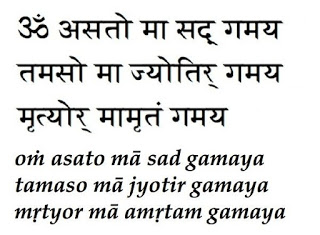
He was buried the next day, in the new cemetery on the Ferozepur Road (in Lahore). His body takes eternal rest in tomb 125, under a black marble slab, on which are engraved, besides the usual inscription, the following Vedic lines in Devanagari script, perhaps for the first on the tomb of an European

“Out of non being lead me into being;

out of darkness into light

out of death into life eternal.”


(First line is translated in other books Lead me as ‘From unreal to rea’l—Brihat Aranyaka Upanishad)

(These lines are taken from elsewhere; NOT from his tomb)

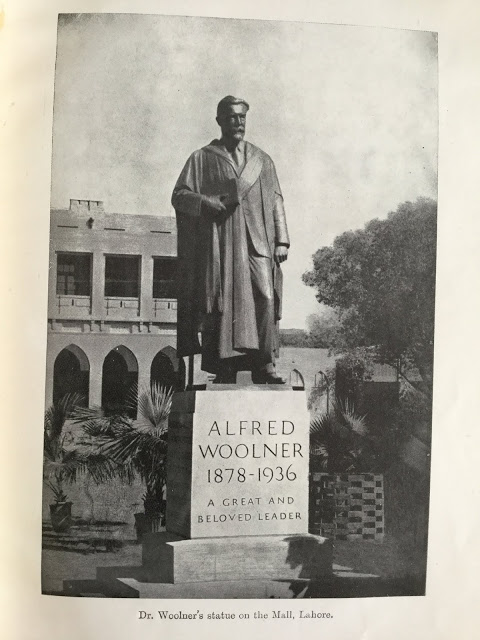
A bust of his has been enshrined in the Woolner Hall of the University Union, and a statue erected on the roadside in front of the hall. Mrs Woolner (Mary Emily Bland) was his constant companion.

Sir George Anderson Said,

“Dr Woolner was tall, well built, and, of somewhat massive proportions; his presence was dignified and stately; and his beard, which he wore even in his Oxford days, seemed both natural and imposing. He could not pass unnoticed in any company, but he gave often the impression of extremes austerity. Then, all of a sudden, his face would be lit up with by the merry twinkle in his and the real man that was within him would appear.”


Dr G U Pope and Tamil

Dr Rev.G U Pope translated Tiruvasakam, Naladiyar and several Sangam verses from Tamil into English when he was in Tamil Nadu. People very often read about his intention to engrave that ‘I am a Tamil Student’ on his tombstone. But THERE IS NO SUCH THING ENGRAVED ON HIS TOMB STONE IN OXFORD. I don’t know how the false notion was spread by the Tamils.

— Subham—


TAMIL GODDESS MANIMEGALAI AND MANIBHADRA (Post No.5078)

Yaksha Manibhadra

Written by London Swaminathan 


Date: 5 JUNE 2018


Time uploaded in London – 16-42


Post No. 5078


Pictures shown here are taken from various sources such as Facebook friends, Books, Google and newspapers; thanks. Pictures may be subject to copyright laws.


WARNING: PLEASE SHARE MY ARTICLES; BUT DON’T SHARE IT WITHOUT AUTHOR’S NAME AND THE BLOG NAME. BE HONEST; OTHERS WILL BE HONEST WITH YOU


Tamils have five epics and two of them, Silappadikaram and Manimegalai are called twin epics. Manimegalai followed the story of Silappadikaram. The heroine of Manimegalai was named after the goddess of sea travellers, particularly the business community. Her counter part in Northern India was Manibhadra, a male deity.


There is a very interesting conversation of Manimeghala and a shipwrecked traveller in the Mahajanaka Jataka. These Jataka stories are at least 2300 years old.


Those who travelled together on ships were known as Saamyaatrikaa. In the Maha Janaka Jataka story, Mahajanaka was swimming for his life after a shipwreck. He was addressed by the goddess Manimekhalaa. The dialogue between the two proves the indomitable courage and power of ancient Hindu sailors.

Mani:

“Who is the fellow who in the vast ocean is ineffectively beating his hands. Depending upon whom you are making this effort?

Sailor Janaka:

“O Goddess! It is my firm belief that in life one should exert as far as possible, and, therefore, even though the shore is not visible, I am continuing my effort to reach it.

M:- “It is useless to show your courage in the sea. You are bound to perish before reaching the shore.

S:- “O Goddess, why do you say like this? Even if I perish making effort then I will be saved at least from calumny. One who exerts  like me has not to repent afterwards.

M:_But an effort which is destined not to succeed, of which there is no end in sight, what is the use of such an effort when  death is inevitable?”

Sailor Janaka:-

“The fellow taking it for granted that he will not be able to cross the ocean ceases his efforts then it is due to his own weakness. Whether success accrues or not a man who draws up his programme and tries for its success then he is sure to succeed. It is evident from the fact that all my comrades have drowned but I am still swimming and alive. So far as any energy is left in me I shall certainly make efforts to cross the ocean”—Mahajanaka Jataka


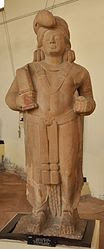
North Indian merchants had Yaksha Manibhadra as the presiding deity of caravan leaders (saarthavaahana). All over North India they had temples for Manibhadra. The colossal statue of Yaksha discovered in Parkham in Mathura district represented him. Padmavati in Gwalior district was a great centre of Manibhadra cult.

Story of Caravan Leaders

Saarthavahanas were the source of travellers’ tales. Seamen had stories of Yakshas, Nagas, Spirits, demons and aquatic animals. Samudra Vanija Jataka story has one such story.

“Once upon a time carpenters borrowed money from some people to make some furniture. But they could not finish the work on time. The creditors pestered them for their money. When the carpenters realised that they could not do it on time, they decided to migrate to some foreign land. After constructing a large ship they sailed to a far off place. Favourable winds helped them to reach a beautiful island with coconut trees and fruit trees. Even before they went to the island, there was already a sailor from a wrecked ship, who sang joyously, ‘they are simpletons who eke out their living by farming and the sweat of labour. They are not required in my domain. This land is far better my mother land”.


This island was like the island described by Homer in his Odyssey. Lazy men who were known as lotus eaters lived there on honey. When they invited Odyssus to live that kind of lazy life, he refused to join them. The jataka tale referred to the same kind of life.

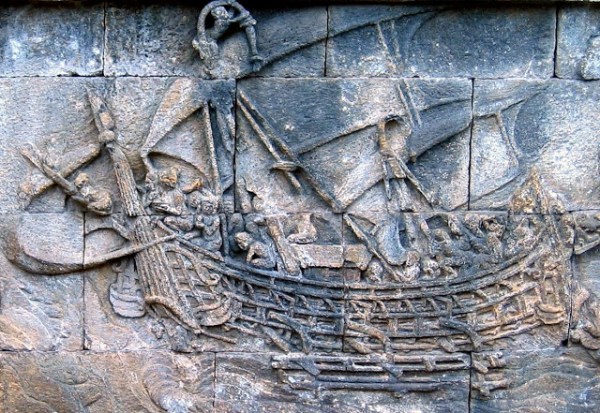
Indian Ship in Indonesia (Borobudur, Java)

From the 2300 year old Jataka stories, we come to know a lot about the land and sea merchants of ancient India.


–subham–


ALEXANDER ‘PURANA’ AND ZARATHUSHTRA MIRACLE (Post No.5060)

Picture of Zoroaster

Written by London Swaminathan 


Date: 30 May 2018


Time uploaded in London – 15-27


Post No. 5060


Pictures shown here are taken from various sources such as Facebook friends, Books, Google and newspapers; thanks. Pictures may be subject to copyright laws.


WARNING: PLEASE SHARE MY ARTICLES; BUT DON’T SHARE IT WITHOUT AUTHOR’S NAME AND THE BLOG NAME. BE HONEST; OTHERS WILL BE HONEST WITH YOU


I have already given the stories of walking on the water and flying through the air from Hindu, Buddhist and Jain sources. There is one more story from the Parsi religion. When we talk about religion, we believe in the miracles done by great saints. But the strange thing about the Greek writers is that they wrote fanciful stories and  interesting stories about Alexander the Great. The stories range from Alexander falling in love with Hindu and other women to walking on the water etc.

Purana= mythology

Here is the story about Z of Persian/Parsi religion (Persia= Modern Iran)

ZARATHUSHTRA , appearing in the Zerdsht Nama, dated 1278 CE has the following anecdote:

ZARATHUSHTRA  having arrived at the banks of River Araxes, found no boat. He worried about his wife and himself exposing themselves semi naked just to cross the river.  There were lot of people watching them. He prayed to the Lord and then they all walked safely on the surface of the water and crossed the river. Since Muslim invaders destroyed most of the Parsi scriptures, we wouldn’t know whether this story is from any ancient book or a later one. The fact that ZARATHUSHTRA  and his family walked on the surface of the water may be due to Indian influence. From Rig Vedic seers to Vasudeva (father of Krishna) we have many stories in Hindu religion about walking on water or rivers obeying the commands of the saints.

Alexander ‘Mahatmyam’ (Great Holy  Story)

Alexander, the hero of much fairy tale, figures in some marvellous affairs with the waters, of which one is the passage of the sea at Pamphylia. Greek Historian Arrian (First century CE) in his Anabasis of Alexander 1-26 says that there is no passage along beach except when the north wind blows; “at that time after strong South wind, rendered his passage easy and quick, not without divine intervention, as he and his men interpreted.”

Greek biographer Plutarch (46-120 CE) in his life of   Alexander refers to the same legend and quotes Menander in connection with it, but Alexander himself made no claim of anything miraculous in the passage.


Greek historian Appian (First century CE) also knew the legend and in his Civil Wars mentioned it in connection with an adventure of Caesar’s in the Ionian Sea.


Greek geographer Strabo (First century CE) said the army passed in the water for a whole day and the water was up to navel.


Greek historian Callisthenes, however, said that sea not only opened for him but even rose and fell in homage. He quoted Eusthatius for his statement. But this statement should not be taken literally but may be looked upon as a rhetorical embellishment to something which was understood more prosaically.


Roman historian and hagiographer Josephus (First century CE) gives the event an undeniably miraculous touch. In the Antiquities, he described the Hebrew crossing of the Red Sea (under Moses), he cites this legend in confirmation of that in Exodus, and the sea divided for Alexander, in an offhand way referring to the other historians as his authority.

There is another story about in the Pseudo Callisthenes. When Alexander arrived in Babylon, he himself went in disguise as an ambassador to Darius. He received and entertained him, with a banquet in the evening. During the course of the banquet a Persian Lord recognised Alexander, and informed Darius, Persian King.  Alexander, finding himself discovered, fled from the hall, snatching a torch to light him through darkness. Fortunately, he chanced upon a horse at the door. Now by the might of the gods, Alexander crossed the river, but when he had reached the other side and the fore feet of the horse rested on dry land, the water which had been frozen over suddenly melted, and the hind legs of the horse went down into the river. Alexander however leaped from the horse to land, and the horse was drowned in the river.


So all cultures have similar stories, which in course of time, changed into mythology.  When religions had such stories, they were all attributed to help from the gods.  When historical figures appear in such stories some find heroic adventures there and some others say they are nothing but lucky coincidences. These stories make the history interesting to read.

Source: The Indian and Christian Miracles of Walking on the Water, William Norman Brown, 1928

–Subham–


RARE SANSKRIT INSCRIPTIONS WITH MEDICAL INFORMATION (Post No.5052)

Written by London Swaminathan 


Date: 27 May 2018


Time uploaded in London – 20–39


Post No. 5052


Pictures shown here are taken from various sources such as Facebook friends, Books, Google and newspapers; thanks. Pictures may be subject to copyright laws.


WARNING: PLEASE SHARE MY ARTICLES; BUT DON’T SHARE IT WITHOUT AUTHOR’S NAME AND THE BLOG NAME. BE HONEST; OTHERS WILL BE HONEST WITH YOU


RARE SANSKRIT INSCRIPTIONS WITH MEDICAL INFORMATION (Post No.5052)


Thailand has several inscriptions with interesting information. They provide documented history. Like India the donations to Brahmins and temples stand as historical documents. A very interesting inscription is the Hospital Inscription.

The Stone inscription is in Sanskrit language. Its from the Ku Noi Hospital, Khonkaen Museum. It belongs to Jayavarman VII of 13th century CE. The inscription was discovered in the excavations at Kunoi.


It states that the site was a hospital at the time of Jayavarman VII. The bottom part of the stele is broken and missing. There are three different sizes of stone inscriptions- large, medium and small. Ku noi is in the middle group. All the stone inscriptions gave details regarding the hospital, such as the number of doctors, nurses and types of offerings etc.


The earliest inscriptions of Khmer history in Northern Thailand dated to the end of the 6th century CE. One found in the province of Surin, north of Ta Muen, was erected by a king called Mahendravarman. The inscription written in Sanskrit, commemorates the installation of Shiva’s bull Nadin. Mahendravarman ordered the inscription carved after he has conquered ‘all the country’.


The interesting coincidence is that at the same time the great Pallava King Mahendravarman was ruling from Kancheepuram in South India.


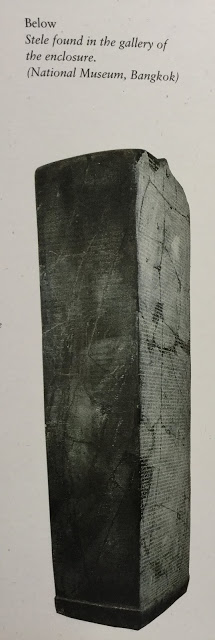
There is another stele in Bangkok museum, a Sanskrit inscription  giving the details of land given by the King Udyadityavarman II. Land was donated to priestly family of Brahmins. It is in Prasat Sdok Kok Thom.  This is one of the most important inscriptions for the study of the Khmer history. Now housed in the National Museum in Bangkok, it dates to about 1052 CE and chronicles the history of Shivakaivalya dynasty of priests who served the King Jayavarman II, founder of the Khmer Empire in 802. It relates how Jayavarman arrived from Java, became king of Indrapura and later moved his capital to Hariharalaya, close to Angkor on northern shore of the Tonle Sap.


In addition it also provides information on subsequent Khmer history, the Khmer system of kingship, the various beliefs adhered to and details about the Brahmin family and their involvement with later Khmer kings.


11 Inscriptions in Phnom Rung

The inscriptions of Prasat Phnom Rung offer a unique insight into the nature of Khmer rule in Northern Thailand between the 10th and 13th century CE. They record the family history of Narendra Adiytya and his son Hiranya. They were independent rulers and not the vassals of king at Angkor. Altogether 11 inscriptions were found at Phnom Rung. The name Phnom Rung itself occurs once on a stele inscribed with a Sanskrit eulogy and several times in Khmer inscriptions.


The earliest inscriptions found at Prasat Phnom Rung is in Sanskrit. It is only four lines, but has been dated to 7th century CE. This inscription might have been shifted from another site, because other structures at the site are of later periods.


Of the other Sanskrit inscriptions, the most important bears the inventory no K.384. It is also the biggest measuring about 27X 53 centimetres. Another inscription is also in Sanskrit. Hiranya is talking about installing a golden image of his father. The inscription commemorates the new additions to Saivite monastery in Phnom Rung. Hymn to Shiva is in the beginning which praises Shiva as Maha Yogi.


Among other inscriptions, however are fascinating details of the religious practices of the monastery on Phnom Rung Hill. One inscription with an inventory no. BR 14 is carved on a round stone slab almost a metre high, a shape associated with sema stones of boundary markers. The 12th century Inscription refers to a pool called Sri Surya as well as setting up the images of gods Shiva, Vishnu, Linga etc.


Sanskrit inscriptions in Thailand serve as a great source of history.

Source book Palace of the Gods, Smiththi Siribhadra and Elizabeth Moore; photography Michael Freeman Year 1992.

–subham–

JAIN MONK KALAKACHARYA DEFEATED KING GARDABILLA (Post No.5011)


JAIN MONK KALAKACHARYA DEFEATED KING GARDABILLA (Post No.5011)


WRITTEN by London Swaminathan 


Date: 14 May 2018


Time uploaded in London – 19-47 (British Summer Time)


Post No. 5011


Pictures shown here are taken from various sources such as Facebook friends, Books, Google and newspapers; thanks. Pictures may be subject to copyright laws.


WARNING: PLEASE SHARE MY ARTICLES; BUT DON’T SHARE IT WITHOUT AUTHOR’S NAME AND THE BLOG NAME. BE HONEST; OTHERS WILL BE HONEST WITH YOU


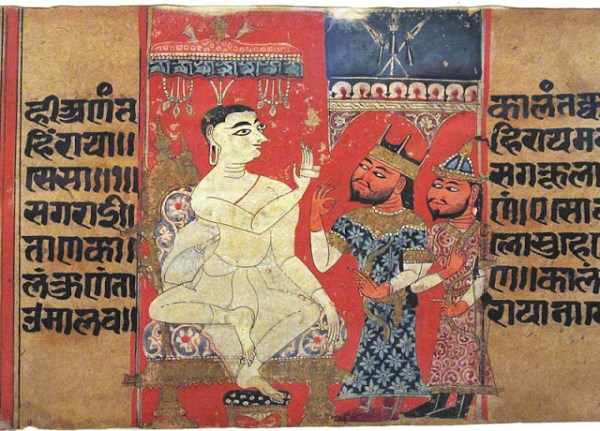
Kalakacharya was a Jain monk in Ujjain which was ruled by Gardabilla at that time. Gardabilla went to the Jain ashram and abducted Kalakcharya’s sister Sarasvati.


Though most of the Jains at that time were Kshatrias (warrior caste),they followed non- violence. So Kalakacharya went to the king and asked him to return his sister but he refused like Ravana. He even insulted him.

In the Ramayana we see that Rama sends messengers to Ravana to return Sita but he refused and brought his own destruction.


Angered by the king’s insult,  Kalakacharya went to a nearby kingdom and asked him to invade Gardabilla’s kingdom. The neighbour king  was a ruler from Saka race. He told Kalakacharya that he had not got enough strength or army to invade Gardabilla. Then Kalakacharya himself took over as the commander of the army and invaded the kingdom of Gardabilla. This brought down Gardabilla’s rule. But Kalakacharya pardoned him. The defeated Gardabilla went to the forest to spend rest of his life where he was killed by a tiger. His son Vikramaditya had to live with the animals.


Later Vikaramaditya gathered enough soldiers and invaded his father’s kingdom and defeated the Saka ruler. This victory was celebrated by starting a new era called Vikrama era from first century BCE.


Manu, author of the first Law Book in the world and Tiruvalluvar, author of the Tamil Veda Tirukkural say that one must not estrange good people or saints. If they do that then their kingdoms will perish along with them. Manu gives the examples of Nahusa, Sumuka, Vena and other bad kings.

Tiruvalluvar in his Tamil Veda says,

Even kings, who rest on solid supports, will not be saved,

if men of spiritual power frown upon them – (Kural 900)

If principled men of lofty spirituality and penance are angered

Even a king will be ruined and destroyed (Kural 899)

The story of Kalakacharya’s victory over Gardabilla is found in Jain and Hindu literature of tenth and 12th Centuries, i.e. 1000 or 1500 years after Emperor Vikramaditya. So we don’t know the full story. But the miniature paintings of Kalakacharya are found in many museums around the world including Brooklyn museum in the US.

–Subham–