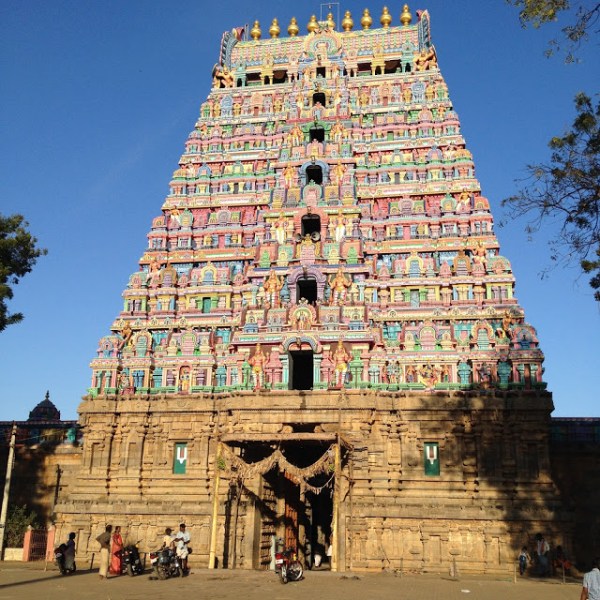
BEAUTIFUL SRIMUSHNAM TEMPLE (Post No.4844)

Written by London Swaminathan 


Date: 23 MARCH 2018


Time uploaded in London – 15-22


Post No. 4844

Pictures shown here are taken by london swaminathan


WARNING: PLEASE SHARE MY ARTICLES; BUT DON’T SHARE IT WITHOUT AUTHOR’S NAME AND THE BLOG NAME. BE HONEST; OTHERS WILL BE HONEST WITH YOU.

I visited Sri Mushnam temple in the first week of March 2018 and amazed to see the beautiful sculptures.

Some facts about the temple for future visitors:


Where is it?

Very near Vridhachalam (Virudhachalam) in Tamil Nadu. Easy to travel from Chidambaram.


Who is the presiding deity?

Sri Bhuvaraha swami/ Vishnu in Varaha avatara- with Goddess Ambujavalli (Lakshmi).


Varaha Avatara (boar incarnation) is one of the Ten famous Avataras of Lord Vishnu.

Whose temple is this?

Though it is very ancient, we have records from Vijayanagara Empire and Hoysala times.


What is the special features of this temple?

Beautiful sculptures with women’s hair do. The plait of the hair in some of the statues are very natural.

Devotees believe Lord Vishnu in three forms in this temple—Bhuvaraha, Bodhi/ Asvatta tree- Ficus religiosa and Nitya pushkarani- the tank.


During festival times, the deity is taken to a mosque in a nearby village and the Muslims pay respects to the god.


Colourful Tower


The tower is a seven storeyed one with colourful sculptures and on the top there are nine Kalsas.

The murti/ staue is accompanied by Bhdevi and Sridevi


The temple entrance has lot of carvings identical to Vridhachalam temple. Both must be constructed by the same sculptors.

Danda Theertham (water source) was made famous by Madhavacharya and people from Karnataka and other states visit this place during special festival the Theertham.


Significance of the Statue

The main statue is believed to be a Swayambhu (spontaneous appearance). It is made up of Salagrama. The meaning is fossil stone with the impressions of sea creatures. Hindus—particularly Vaishnavites—respect all the fossil stones with when and conch impressions as the form of Vishnu. In other parts of the world, these fossils are valued by the geologists and palaeontologists. They tell the story of the earth.


Here in Srimushnnam, it might have been an ancient stone with such symbols and later sculpted in to Bhuvaraha.


Another significance of this place is the birth place of one of the  Shankaracharyas of Kanchi Kamakoti peetam, samadhi of one of the Ahobilam jeeyars and the theertham established by Sri Madhwacharya.

There is a Shiva temple as well.

Geologically, historically and by religious Sthala puranas (local religious history) this is a very ancient place.


But it is not sung by the famous Tamil Vaishnavite saints- Alvars.


The sculptures at the gate show several dancing postures, which reminds one of Chidambaram temple.


One must do some research comparing these dance mudras in Chidambaram, Virudhachalam and Srimushnam.


Kuzanthai Amman Shrine

Another unsual thing about the temple is there is one Goddess shrine called Kuzanthai amman shrine (kuzanthai = baby).

Those who wish for issues pray here. There are seven goddesses (sapta matas) under a neem tree.


Every temple as some special features. The idol in the main shrine itself is unique. In other places Lord Vishnu appar with four hands with Conch and Wheel (Sanga, Chakra). Here he holds both of his hands on his waist reminding Panduranga.


You may hear many more specialities from the Bhattacharya/ priest when you visit the temple.


Every temple has a special prasada (eatable) and this temple has special laddu.


Like all the Nayak temples of Madurai, Tiruvannamalai, we have 1000 pillar Mandap/hall here.

16 Pillar Mandap

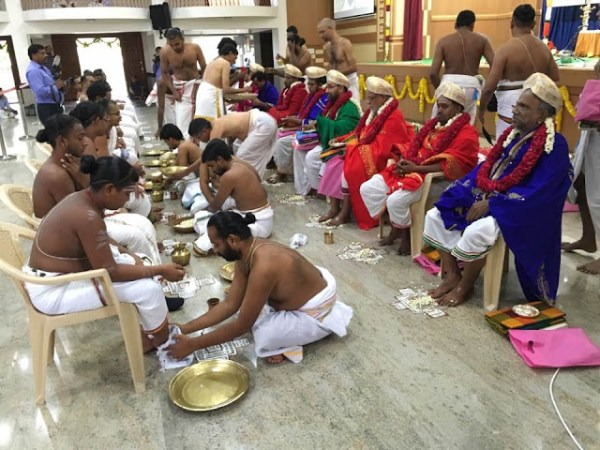
In all the Nayak temples we have 16 pillar mandap; here we have one Purushasukta mandap where Vedic recitation is held. It is aid that like the music pillars of Nayak temples, we can hear musical sound here with the help of stones. There are beautiful Yali (mirror image of Leo= leonine= lion like) and knights. All the sculptures in the temple are unique and beautiful.

Mandapa= hall


-subham–


தமிழில் இருந்து ஆங்கிலமும் உலக மொழிகளும் தோன்றினவா? (Post No 4790)

RESEARCH ARTICLE Written by London Swaminathan 


Date: 27 FEBRUARY 2018


Time uploaded in London – 14-15


Post No. 4790

Pictures shown here are taken from various sources such as Facebook friends, Books, Google and newspapers; thanks.


WARNING: PLEASE SHARE MY ARTICLES; BUT DON’T SHARE IT WITHOUT AUTHOR’S NAME AND THE BLOG NAME. BE HONEST; OTHERS WILL BE HONEST WITH YOU


This follows my earlier articles that shows t English and other languages came from the root words of Sanskrit and Tamil


தமிழில் இருந்து ஆங்கிலமும் உலக மொழிகளும்  தோன்றினவா? (Post No 4790)

நான் 50 ஆண்டுகளாக மொழி ஆராய்ச்சி செய்கிறேன். சின்னப் பையனாக இருந்த போது காஞ்சி பரமாசார்ய ஸ்வாமிகள் (1894-1994) ஸம்ஸ்க்ருதம்- ஆங்கிலம் தொடர்பு பற்றிப் பேசிய உபந்யாஸத்தில் மாதா=மதர், ப்ராதா= ப்ரதர், ஹோரா= ஹவர் (MAATHAA-MOTHER, BRAATHAA- BROTHER, HORA- HOUR) இப்படிப் பல சொற்களை மேற்கோள் காட்டி மொழிந்த சொற்பொழிவு அது.


(அந்தக் காலத்தில் ‘தெய்வத்தின் குரல்’ என்ற நுல் கிடையாது; காஞ்சி பரமாசார்ய ஸ்வாமிகளின் பேருரைகளை மடத்தினரே சிறு சிறு புத்தகங்களாக வெளியிட்டனர்; பின்னர் கலைமகள் காரியாலயம் வெளியிட்டது. அவைகளில் அவர் சொன்ன ஸம்ஸ்க்ருத ஸ்லோககங்கள் அப்படியே ஸம்ஸ்ருதத்தில் இருக்கும்; இப்போதும் அந்தப் புஸ்தகங்கள் சில என்னிடம் உள்ளன)

உலகம் முழுதும் மொழியியலாளர்கள் (LINGUISTS) இன்று வரை ஒப்புக்கொண்ட ஒரு “உண்மை” — இந்திய ஐரோப்பிய மொழி (INDO- EUROPEAN )ஒன்றின் கிளையே ஆங்கிலம் உள்ளிட்ட அனைத்து ஐரோப்பிய மொழிகள் என்பதாகும். பின்னர் மதுரைப் பல்கலைக் கழக லைப்ரரி உறுப்பினராக இருந்தபோது ஒரு புத்தகம் கிடைத்தது. அதில் சுமார் 1380 ஆங்கிலச் சொற்களுக்கும் ஸம்ஸ்க்ருதத்துக்கும் உள்ள தொடர்பை ஒருவர் மொழியியல்  ரீதியில் சமர்ப்பித்து காசி இந்து பல்கலைக் கழகத்தில் (BENARES HINDU UNIVERSITY) டாக்டர் பட்டம் வாங்கிய நூல் அது. அந்த நூலை அப்படியே

கைப்பட ஒரு கொயர் நோட்டுப் புத்தகத்தில் எழுதி லண்டனுக்கு கொண்டு வைத்து இருக்கிறேன்.
 

பின்னர் லண்டனுக்கு வந்து வசிக்கத் தொடங்கியபோது,  25 ஆண்டுகளுக்கு முன்னர்,  பி.பி.சி.யில் (B B C TAMIL SERVICE) சாத்தூர் சேகரன் (30-09-1991)என்ற மொழி ஆர்வலரைப் பேட்டி கண்டு ஒலிபரப்பினேன். தமிழோசை நேயர்கள் அதற்கு பெரும் வரவேற்பு கொடுத்தனர். ஆனால் அவர் உலகிலுள்ள 140-க்கும் மேலான மொழிகள்

தமிழ் மொழியில் இருந்து தோன்றியதற்கான சான்றுகள் இருப்பதாகச் சொல்லி பல புத்தகங்களை எனக்கும் தமிழோசை சங்கர் அண்ணாவுக்கும் வழங்கினார். அவர் சொன்ன கருத்தில் எனக்கு ஒப்புதல் இல்லை என்பதை தனிப்பட்ட உரையாடலில் விளம்பினேன்.


அதற்குப் பின்னர் லண்டனில் CHANNEL FOUR சானல் ஃபோர் (4) நிகழ்ச்சியில் ஒரு சுவையான நிகழ்ச்சி ஒலிபரப்பாகியது. அதில் புதிய மொழிக் கொள்கையை முன்வைத்த ஒரு ரஷ்யயரையும் இஸ்ரேலியரையும் காட்டினார்கள். அவர்களின் கூற்றுப்படி பைபிளில் கூறப்படும் TOWER OF BABEL பேபல் கோபுரக் கதை உண்மையே என்றும் ஆதிகாலத்தில் நம் முன்னோர்கள் ஒரே கூரையின் கீழ் வாழ்ந்ததால் ஒரு மொழிதான் பேசினர் என்றும் காலப்போக்கில் அவர்கள் பிரிந்து சென்ற பின்னர் மொழிகள் கிளைவிட்டுப் பரவின என்றும் பகர்ந்தனர்.


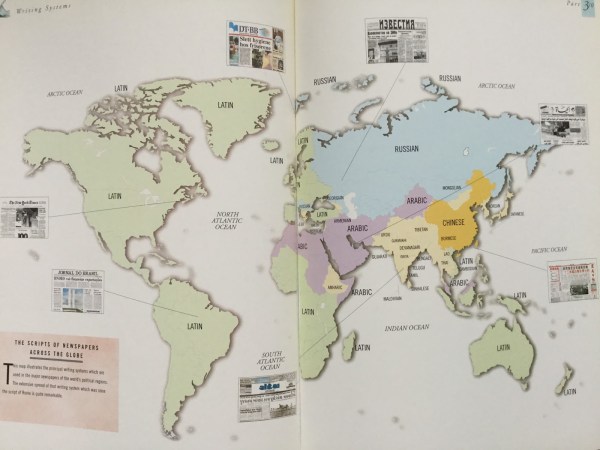
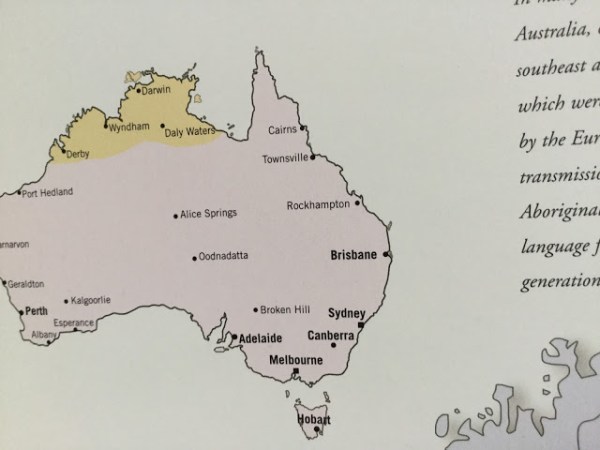
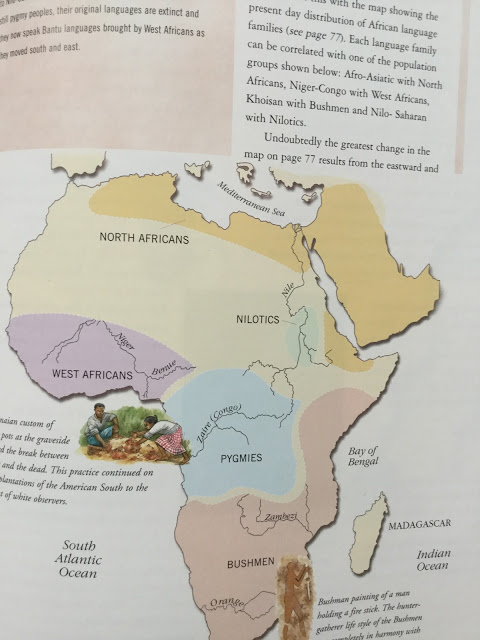
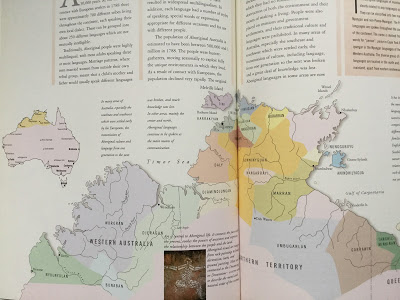
அண்மையில் லண்டன் பல்கலைக் கழக நூலகத்த்தில் இருந்து உலக மொழிகளின் அட்லஸ் (ATLAS OF WORLD LANGUAGES) என்ற புத்தகத்தைப் படித்தபோது நியூ கினி (NEW GUINEA) தீவில் ஆதி வாசி மக்கள் 750-க்கும் அதிகமான மொழிகள் பேசுவதும், ஆஸ்திரேலியப் பழங்குடி (AUSTRALIAN ABORIGINES) மக்கள் 250 -க்கும் அதிகமான மொழிகள் பேசுவதும், உலக மொழி இயல் அறிஞர்களுக்குப் புதிராக விளங்குகிறது; பழைய மொழியியல் கொள்கைகளுக்குச் சவாலாக அமைந்துள்ளது என்று செப்பியு ள்ளதை அறிந்தேன்.
 

எமனோ, பர்ரோ போன்ற அறிஞர்கள் திராவிட மூல சொற்கள் சுமார் 4500 மட்டுமே என்று எழுதிய (ETYMOLOGICAL DICTIONARY OF DRAVIDIAN LANGUAGES) புத்தகத்திலும் உள்ள தவறுகளைச் சுட்டிக்காட்டி ஆராய்ச்சிக் கட்டுரை எழுதினேன். அரிசி,  நீர் என்பன மற்ற ஐரோப்பிய மொழிகளில் ஆதிகாலத்தில் இருப்பதைக் காட்டினேன். கிரேக்க மொழியில் பழைய (PALEO) தொலை (TELE) ஓடு (ODOMETER) கை (CHI), நீர் (NEREIDS=WATER NYMPHS)  முதலிய சொற்கள் அலக்ஸாண்டரின் இந்தியப் படையெடுப்புக்கு முன்னரும் இருப்பதைக் காட்டினேன். யவன, ஹோரா (தொல்காப்பியத்தில் ஓரை) முதலிய சொற்கள் பற்றி மயிலை வேங்கட சாமி வையாபுரிப் பிள்ளை ஆகியோர் எழுதியவையும் தவறு என்று கண்டேன். யவன என்ற சொல் ஆதிகாலத்தில் இருந்தே மஹாபாரதம் முதலிய நூல்களில் உள்ளது.


ஆக நான் கண்ட உண்மை இதுதான்:
உலகிலுள்ள பழைய மொழிகளில் சில சொற்கள் ஒன்றாகவே இருக்கும்; தமிழ் சொற்களான அப்பா. அம்மா உலகில் பல மொழிகளில் உள்ளன. இதை வைத்து மட்டும் அவை தம்ழில் இருந்த வந்ததாகச் சொல்ல முடியாது. இன்னும் சில சொற்கள் ஒலியை அடிப்படையாக வைத்து வரும் உலகிலுள்ள பெரும்பாலான மொழிகளில் பறவைகளின் பெயர்கள் கா, கீ, கு, கொ,கெ, கோ, கே என்ற சொற்களில் துவங்கும்; மனிதன் அவைகளின் ஒலியில் இருந்து உருவாக்கிய சொற்கள் இவை. இதில் வியப்பு எதுவும் இல்லை.


உலகிலுள்ள பழைய மொழிகளை ஆராய்ந்தால் அவைகளின் சொற்கள் ஸம்ஸ்க்ருதத்தில் இருந்தோ தமிழில் இருந்தோ கிளைவிட்டுப் பரவியிருப்பதைக் காணலாம்.


சில அடிப்படை மொழி இயல் கொள்கைகளைப் பயன்படுத்தினால் அவை எப்படி மாறின என்பதையும் புரிந்து கொள்ளலாம்.

உதாரணமாக உலகிலுள்ள எல்லா மொழிகளிலும் ஆர் (R=L) என்பதும் எல் என்பதும் இடம் மாறும்

எம் வி பி (M=V=P/B) என்பன இடம் மாறும்

ஆர் (R=D) டி என்பது இடம் மாறும்

T=S ( சீர், திரு) Sri= Ceres (Goddess of Wealth in the West)

மிர்ரர் இமேஜ் (MIRROR IMAGE) ஏற்படும்; கண்ணாடி விளைவு.


அதாவது யாளி  (YAALI= LEO) என்பதை எழுதி கண்ணாடியில் காட்டினால் லியோ என்று வரும் (LEO= சிங்கம், சிம்ம ராசி)


தமிழில் கூட இலக்கணப் போலி உண்டு வாயில் என்றாலும் இல்வாய் என்றாலும் ஒன்றே.

ஆக எனது கொள்கை இதுதான்.
 

ஆங்கிலத்தில் ஆயிரக்கணக்கான தமிழ் சொற்கள் உண்டு. அவைகள் அனைத்திற்கும் ஸம்ஸ்க்ருத மூலம் கிடையாது .மொழியியல் அறிஞர்கள் ஆங்கிலம் என்பது ஸம்ஸ்க்ருதத்துடன் தொடர்புடையது, திராவிட மொழி என்பது வேறு என்று இயம்புவர். அது தவறு.


ஸம்ஸ்க்ருத மூலம் இல்லாத ஆங்கில ச் சொற்களில் தமிழ் மூலமிருப்பதை உற்று நோக்கினால் புரிந்து கொள்ளலாம். சில சொற்களுக்கு ஸம்ஸ்க்ருதத்தைவிட தமிழ் நெருக்கமாக இருப்பதையும் காணலாம்; ONE ஒன்று=ஒன், EIGHT எட்டு= எய்ட், COT கட்டில்=காட்


ஆகவே உலக மொழிகள் அனைத்தும் பரஞ்சோதி முனிவர் திருவிளையாடல் புராணத்தில் புகல்வதைப் போல சிவனின் உடுக்கை ஒலியில் இருந்து (மாஹேஸ்வர சூத்ரம்) பிறந்தவையே; அது ஒரு புறம் தமிழாகவும் மறு புறம் ஸம்ஸ்க்ருதமாகவும் பரிணமித்தது. உலக மொழிகள் அனைத்தும் தமிழ்-ஸம்ஸ்க்ருத மூல ஒலிகளில் இருந்து தோன்றியவையே. அப்படிப் பார்க்கையில் ஆங்கிலமும் தமிழ் -ஸம்ஸ்க்ருத மூல மொழியில் இருந்து பிறந்ததே. கீழ்கண்ட சொற் பட்டியல் மாதிரிக்காக கொடுக்கப்பட்டுள்ளது. எனது அகராதி மார்ஜினில் (MARGINAL NOTES) உள்ள சொற்கள் அனைத்தையும் போடுவது இயலாது; ஆதாவது ஆயிரக்கணக்கான சொற்கள் தமிழ் தொடர்புடையவை. 1991 ஆம் ஆண்டில் சாத்தூர் சேகரன் என்னிடம் பி பி ஸி தமிழோசைப் பேட்டியில் சொன்னது ஓரளவு உண்மையே. அவர் ஸம்ஸ்க்ருதத்தைச் சொல்லத் தவறிவிட்டார் (எனது முந்தைய மொழி இயல் கட்டுரைகளில் மேலும் பல உதாரணங்கள் உள்ளன. கிரேக்க- தமிழ் தொடர்பு ஆராய்ச்சிக் கட்டுரையிலும் பல எடுத்துக் காட்டுகளை முன் வைத்துள்ளேன். கண்டு மகிழ்க!

இந்த வகையில் நோக்கினால் ஒரு சொல் தமிழ் சொல்லா, அல்லது ஸம்ஸ்க்ருதச் சொல்லா என்று நீண்ட காலமாக நிகழ்ந்துவரும் சர்ச்சையும், வாதப் ப்ரதிவாதங்களும் முடிவுக்கு வரும்


(
நல்லவர்களை எப்படி அறியலாம்? பிறர் எழுதியதை, பிறர் எடுத்த படங்களை அவர்களுடைய பெயர்களுடன் வெளியிடுவார்கள். கெட்டவர்களை எப்படிக் கண்டுபிடிக்கலாம்? பிறர் எழுதியதை,அது வெளியான பிளாக், பத்திரிக்கை பெயர்களை நீக்கிவிட்டு , தங்களுடையது போல வெளியிடுவார்கள்;  கெட்டவர்களைக் கண்டுபிடிப்பது மிகவும் எளிது))


COGNATE WORDS


சில சொற்கள் ஸம்ஸ்க்ருதத்திலும் காணப்படும்

Tamil/ Sanskrit                                          English


Deivam/ Deva                                     Deo தெய்வம்;

Kadavul                                               God கடவுள்

Periya/ Bruhath                                               Big பெரிய

Ondru                                                  One ஒன்று

Ettu /Ashta                                                      Eight எட்டு


Paraththai/ Para Stree                                    Prostitute பரத்தை

Veera                                                              Hero வீரன்

Manathu/ Manas                                            Mind மனது காம

Kama/ Kama                                       amorous காம

Patha=Adi                                                        Path, Pedestal, Foot பத, பாத, அடி

Dharma=aram                                    Moral அறம்

Neer                                                                Nereids= water nymphs நீர்

Puttil                                                                Bottle புட்டில்

Arukan/ Bargo                                    Argos (light, sun) அருகன்

Andira/ Aindra/Indra                          Andrew (English name) அண்டிரன் /ஐந்திர,  இந்திர

Pillai                                                                Fille (French) பிள்ளை

Tarai                                                                Terrain தரை

Tele (phone, scope, vision)                 Tolai தொலை

Pazaiya                                                            Paleo (ntology) பழைய

Piththu                                                 Fad பித்து

Kuuli                                                                Ghoul/Ghost கூலி

Vathuvai /Bride                                               Wed வதுவை

Paiyul (Purananuru)                            Paiyon (Greek)= song பையுள்

Aiyavi (smallest seed)                         Iota ஐயவி

Maaya                                                 Magic (g=y) மாய

Staanu/ Thun                                      Stand தாணு

AAndu                                                  Annum, annual ஆண்டு


Duusi                                                               Dust தூசி


LIST 2 OF COGNATE WORDS

TAMIL WORDS                        ENGLISH WORDS

ATHLETE -ATALAR அடலர் ஏர் உழுதல்;  AUGURY- ARIKURI அறிகுறி

ARABLE- ER UZAKKUUTIYA ஏர் உழுதல்;

APOLLO- PAKALAVAN (MIRROR IMAGE) பகலவன் AURUM/GOLD- AADAKAM (AOR/HEBREW WORD, MIRROR IMAGE RAYI SKT.WORD) ஆடகம்


ANTHEM/ANTHOLOGY – SANTHAM சந்தம்; ATHRO(POLOGY)- AAN=MAN ஆண்

MAN- AAN மனிதன்/மானுடன்; ARGOTER (BEG)- ERPATHU (IKAZSSI) ஏற்பது (இகழ்ச்சி); AVER(T)- THAVIR தவிர் ;A-VENGE- VANJI வஞ்சி; AWE- ACHCHAM அச்சம்; AXIS-ACHU அச்சு A-TTACK- THAAKKU தாக்கு ; ANCHOR- NANGUURAM நங்கூரம்; ATTIRE-AADAI ஆடை ;ARDENT, ARDOUR- AARVAM ஆர்வம் ;CUMULATE/ACUMULATE- KUVI, KUMITHTHU குவி/குமித்து;  AWARE- ARI (VEN) அறி ;ANTIQUITY- AATHI (KUTI) ஆதி ;ALL-ELLAA (MIRROR IMAGE) எல்லா;ATTAIN-ADAI அடை

ADAMANT- ADAAVADI அடாவடி ;AMPHORA- AMBARAA (SHAPE) அம்பறா (துணி- வடிவம்); BAY-VAAY வாய்; BURG- PURA, UUR புரம்/ஊர்; BOAT-PATAKU படகு

BETEL-VETTALAI வெற்றிலை; BIRD- PARAVAI, ANNAP’’PEDU’’SEVAR PEDU பறவை/ பேடு; BRIDE- VADUVAI வதுவை; BIRTH-PIRATHTHAL பிறத்தல்

BARRIER- VARAIYARAI வரையறை; BLAZING- PALAPALAPPU பளபளப்பு

BARN- ARAN/LOFT பரண்; BLUFF-ULARU உளறு; BOY- PAIYAN பையன்/பியூன்


BARE – VERUM வெறும் ;BARREN- VARANDA வறண்ட ;BURY-PUTHAI புதை;

BEAT- PUTAI- NAIYAP PUDAI புடை/ நையப்புடை; BLAST- PILA, VIlAASU பிள/விளாசு; FLAW- PIZAI பிழை ;BATTER- PAATARAI பட்டறை வேகு/வேக்காடு; BAKE- VEGU, VEKKAADU வேகு/வேக்காடு;

BABY- PAAPPAA பாப்பா ;BAG- PAKKU (SANGAM TAMIL) பக்கு


C

CONCH- SANGU சங்கு சரடு கயிறு; CORD- KODI, SARADU சரடு

COIR- KAYIRU  கயிறு; COWRY- SOZI சோழி; CHIRO- KAI/HAND கை கல் செறி, செழுமை, சீர், திரு; CAL- KAL (STONE), CALCULATE கல் ;CERES- SIIR, SRI, SEZUMAI, THIRU, செறி, செழுமை, சீர், திரு


CHAFF- SAAVI சாவி செப்பு/செம்பு; COPPER- SEPPU செப்பு/செம்பு

CRORE- KODI கோடி; CLAY- KALI (MAN) களி; COPRA- KOPPARAI கொப்பறை

CASH- KAASU காசு; CHOULTRY- SATTHTHIRAM சத்திரம் ; CHIT- SIITU (KKAVI), SITTAI சீட்டு/சிட்டை; CURRY- KARI கறி; CURL- SURUL சுருள் ; CUTE-SUTTI சுட்டி ;

CHAR- KARI கரி ;CUP- KOPPAI, KUVALAI  கோப்பை,குவளை; CROOKED- KURUKIYA குறுக்கு  குறுகிய

COLD, CHILL- KULIR குளிர் ; CURVE- SUZIVU சுழிவு ; COOPT- KUUTTU கூட்டு

CUDDLE-KATTU கட்டு ; CROWD- KUUTTAM கூட்டம்; CHAOS- KUZAPPAM குழப்பம்

CHEER – SIRI சிரி ; CELEBRATE- KALI (PPU) களி(ப்பு); COARSE- SORASORA(PPU) கரகர, சொர சொர; CHATEAU –KOTTAI கோட்டை; COASTAL- KADAL +ORA கடல் ஓர

CYST- KATTI  கட்டி; CRACK- KIRUKKU கிறுக்கு ; CODNEMN- KANDI, KANDANAM கண்டி/கண்டனம், ;COIL- SUZAL, சுழல்/குழல்


Words about genital organs are same In most of the languages with slight changes)

This is not a comprehensive list; only some examples are given.


–subham–
Rare Letters of Netaji, நேதாஜியின் அரிய கடிதங்கள்- Post No.4780

நேதாஜியின் அரிய கடிதங்கள் ( IN ENGLISH AND TAMIL)- Post No.4780


Date: 24 FEBRUARY 2018

Time uploaded in London- 7-38 am

Compiled by London swaminathan

Post No. 4780

PICTURES ARE TAKEN from various sources. They may not be directly related to the article. They are only representational.

WARNING: PLEASE SHARE MY ARTICLES; BUT DON’T SHARE IT WITHOUT AUTHOR’S NAME AND THE BLOG NAME. BE HONEST; OTHERS WILL BE HONEST WITH YOU.

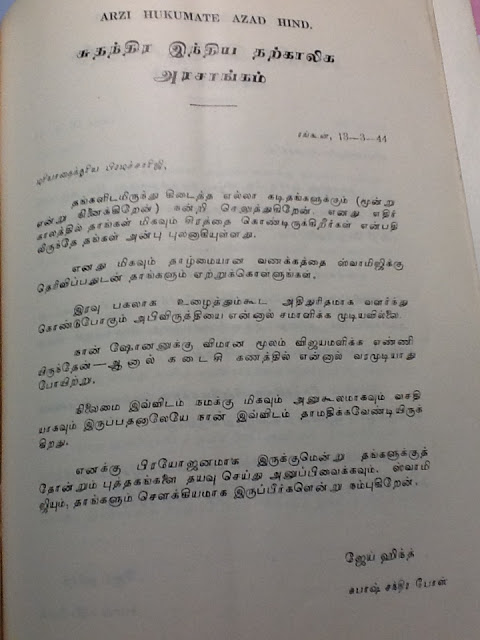
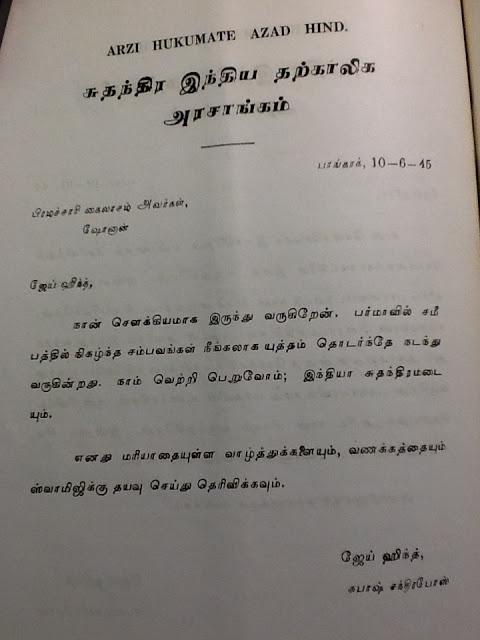
நேதாஜி சுபாஷ் சந்திர போஸின் (1897- 1945??) அரிய கடிதங்கள் எட்டும், அவர் கைப்பட எழுதிய நாட்குறிப்புகளும் அவற்றின் தமிழ் மொழிபெயர்ப்பும் சுமார் 70 ஆண்டுகளுக்கு முன்னர் மலேசியாவில் பிரம்மச்சாரி கைலாசம் என்பவரால் வெளியிடப்பட்டது. இந்தக் கடிதங்களை பிரம்மச்சாரி கைலாசத்துக்கு நேதாஜி எழுதினார். அடித்தல், திருத்தல் இல்லாத அவரது எழுத்துகளும், போர் முனையில் கூடத் தெளிவான அவரது சிந்தனையும் கடிதங்களின் மதிப்பை உயர்த்துகின்றன. ஒவ்வொரு முறையும் சுவாமிஜிக்கு அவர் பணிவான வணக்கங்களைத் தெரிவிப்பது அவரது பணிவைக் காட்டுகிறது. மணிப்பூரில் மழை காரணமாக தோல்வி ஏற்பட்டபோதும் அவரது வெற்றி வேட்கையும் நம்பிக்கையும் கொஞ்சமும் குறையவில்லை என்பதை இந்தப் புத்தகத்தில் உள்ள எட்டுக் கடிதங்களும் காட்டுகின்றன. பிரிட்டிஷ் லைப்ரரியில் (லண்டன்) இந்த அரிய, சிறிய நூல் உள்ளது. காப்பிரைட் விதிகள் காரணமாக முழுப் புத்தகத்தையும் வெளியிடவில்லை.


Jai Hind


–Subahm–


What did Dr.Paira Mall buy for Rs.229 for London Museum in 1911? (Post No.4704)

Date: 5 FEBRUARY 2018


Time uploaded in London- 7-03 am


Compiled by London swaminathan


Post No. 4704


PICTURES ARE TAKEN BY LONDON SWAMINATHAN


WARNING: PLEASE SHARE MY ARTICLES; BUT DON’T SHARE IT WITHOUT AUTHOR’S NAME AND THE BLOG NAME. BE HONEST; OTHERS WILL BE HONEST

WITH YOU.


LONDON AYURVEDA EXHIBITION- PART 3

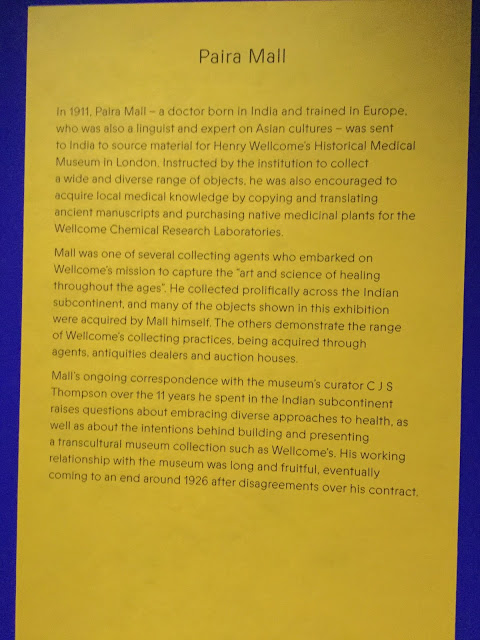
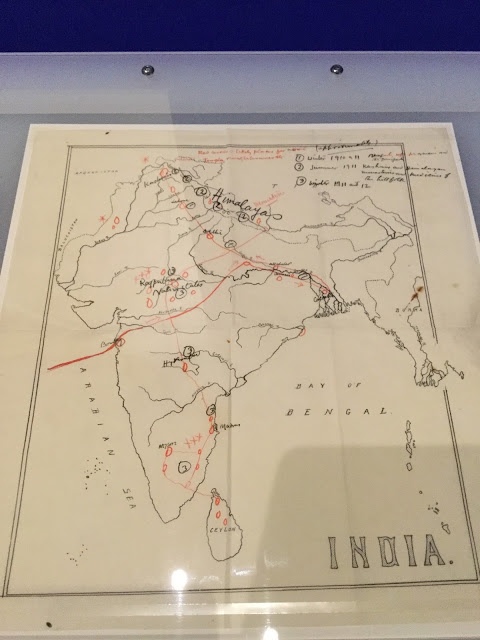
Paira Mall was a doctor born in India and trained in Europe. He was sent to India by Henry Wellcome to collect medical treasures from India. Henry wanted him to collect the books in manuscripts or translations and important herbs. He was one of the several agents Henry employed for collecting valuable materials for his research museum. Paira Mall spent 11 years in India and he was in regular correspondence with Mr C J S Thompson, the curator of Museum.


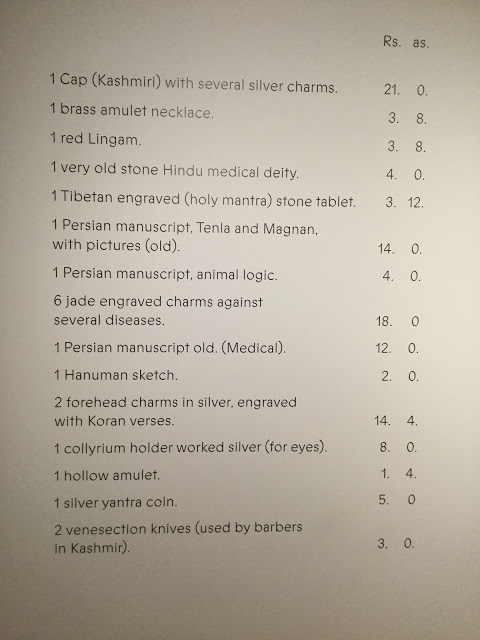
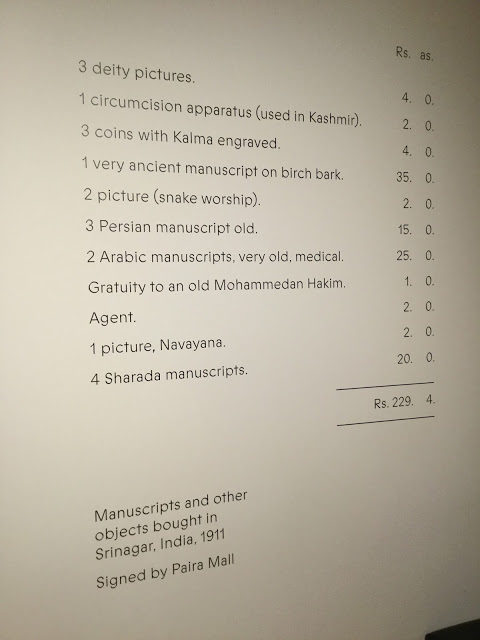
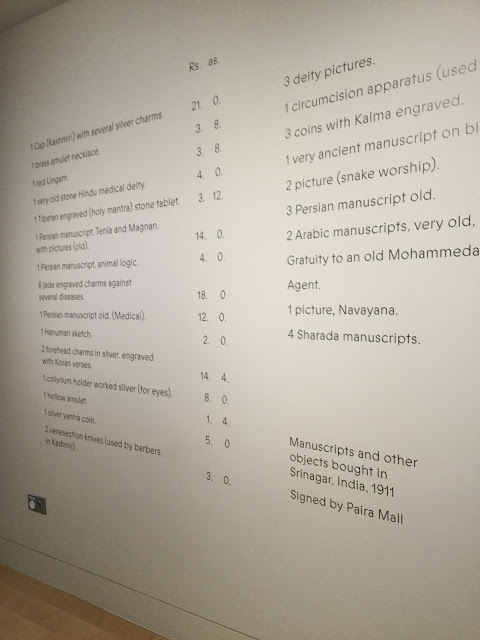
There is a list of things Mr Mall bought in Sri Nagar, Kashmir. It makes a very interesting list and shows what type of things were collected from different parts of the world by Henry Wellcome. Here is the list of things (displayed in Ayurvdic Man Exhibition in London)  he bought in 1911 for 229 rupees 4 annas:


Rupees- Annas

One Kashmiri cap with Silver charms –  21- 00

One Brass Amulet necklace                     –       3- 8

1 red Lingam                                                            –           3-8

1 very old stone Hindu medical deity     4-00

Tibetan Stone tablet with Mantra                     3-12

1 Persian manuscript with pictures       14-00

1 Persian manuscript, Animal logic                   4-00

6 jade engraved charms

against several diseases                                      18-00

1 old Persian medical manuscript            12-00

1 Hanuman sketch                                                 2-00

2 forehead silver charms with

Koran Verses –                                                                     14-4

1 kollyrium silver holder for eyes            8-00

1 hollow amulet                                                     1-4

1 silver yantra coin                                                            5-00

2 barber knives                                                       3-00

3 Deity pictures                                                      4-00

1 circumcision apparatus                         2-0

3 coins with Kalma engraved                              4-00

1 very ancient manuscript on bark                   35-00

2 pictures of snake worship-                              2-00

3 Very old Persian manuscripts              15-00

2 old Arabic medical manuscripts                     25-00

Gratuity one Mohammedan Hakim      1-00

Agent                                                                         2-00

Picture of Navayana                                              2-00

4 Sharada manuscripts                                         20-00

———


Total                                                                           229-4


This receipt was signed by Paira Mall and sent to London.


It is very interesting to see what were the objects Henry Well come was interested in. Anything to do with cures, medical beliefs and cures for snake bites and other diseases.


–Subham–


Mother in Law becomes a Donkey! Tamil Folk Tale (Post No.4585)

Written by London Swaminathan 


Date: 5 JANUARY 2018


Time uploaded in London- 20-56


Post No. 4585

Pictures shown here are taken from various sources such as Facebook friends, Books, Google and newspapers; thanks.

Related image


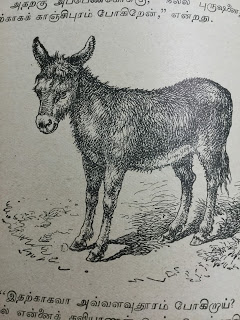
There are over 20,000 proverbs in Tamil language; hundreds of them have beautiful stories behind them. One interesting story about a mother in law is based on a popular proverb – ‘As the time went by Mother in Law became a donkey!’ (Vara vara maamiyaar Kazuthai pola Aaanaalam)


The story is as follows:

There lived a couple in a village. Ammanji had a wife by name Vallala Kandi. The very name of the woman shows that she was an unruly woman; a bad- tempered woman. There were always shouts and fights in the house. The man’s name show that he was a naïve man. Both of them had their mothers living with them. They also fought with one another.

Ammanji’s mother got fed up with what was happening inside the house. One day Amannji’s mother ran away from home and took shelter in a temple far away from the madding crowd. Since it was dark nobody noticed her departure.


During mid night, Goddess Kali in the temple started for a city round. She saw this old woman and asked what brought her to the temple. She explained everything happening at home. Kali was very kind towards her and told her she would be alright if she ate the mango fruit. Saying so Goddess gave her a mango fruit.


In the meantime, Ammanji got worried about her mother went in search of her at the first light of the day. Someone told him that he saw an old woman in the Kali temple. Ammanji ran to the temple and came to know everything happened in the night. Ammanji was given the fruit but he refused and insisted his mother should eat it. She ate it and had a piggy back ride on her son Ammaanji. He was feeling her rough skin; but as the time went by, he felt smoother and smoother skin. He turned back and was wonderstruck when he saw his mother. She looked younger now. When she went home, he saw her completely  changed and became a young woman. Ammanji, his wife and mother in law couldn’t believe their own eyes.


Ammanji’s wife was a bit jealous and planned something in her mind. Next day she told her mother—Ammanji’s mother in law – – to run away from home. She did so and took shelter in the same temple. Kali appeared before her asked her the reason. When she told Kali about her ‘sufferings’, Kali knew that it was a lie. But Kali gave her a mango fruit and told her everything would change  when she eat the fruit. She hurriedly ate the mango.

In the meantime Ammanji’s wife became very anxious and persuaded her son to go out and look for her mother. Ammanji came straight to the temple and met her mother in law. By the time he came there, she finished eating her mango fruit.


As before, Ammanji offered her a lift home. She had a piggy back ride. To Ammanji’s surprise the body weight of the lady slowly increased and her skin became rougher and rougher. When he turned back, he saw a lady with a donkey’s face; He tried very hard to supress his laughter. When they reached home, he didn’t see his mother in law at all, but only a donkey. Ammanji and his mother were happy. Ammanji’s wife and mother in law were sad.


This gave birth to a proverb, “As the time goes by mother in law became a donkey”.


–Subham–


Ten Greatest Literary Wonders (Post No.4582)

Written by London Swaminathan 


Date: 4 JANUARY 2018


Time uploaded in London- 20-24


Post No. 4582

Pictures shown here are taken from various sources such as Facebook friends, Books, Google and newspapers; thanks. Some picturers were used from Brahmi by Ankhita Roy and Malay mandal


Wonder 1

India is a land of wonders. It is a land of literary wonders. Take any subject; It is in the first place; but this article is about the language, literature and linguistics. Nowhere in the world we see 900 plus poets 2000 years ago. We have all the names of the poets and their poems intact. Vedic anukramani gives a list of 435 poets and the Tamil Sangam literature gives a list of approximately 470 poets. We have 1028 hymns containing 10,600 verses or mantras in the Rig Veda alone. It is the oldest book in the world. It is the oldest anthology in the world. Tamil Sangam had 470 poets who had composed 2380 poems. Rig Veda was there at least 4000 years ago when Sarasvati was flowing from the Himalayas to the sea. Tamil Sangam literature came 2000 years after the Vedic poems. Post-Vedic poets prepared the Index- the first in the world.

What does it show? It shows that India, that is Bharat, was the most civilized country and most literate in the ancient world. This also shows that all other civilizations such as Babylonian, Egyptian and Chinese came later. Because literature is the scale with which can measure the wisdom, knowledge and maturity of a society. To reach such a level of intelligence, the community should have lived there several thousand years before that literary production.


Wonder 2


Women wrote Poems!

The literacy and progressive thoughts of the Hindus is highlighted by at least 50 poetesses, which is not seen anyhere in the world. Oldest book Rig Veda has more than 20 poetesses. Sangam literature which came 2000 years after the Vedas has another 25 Tamil poetesses.

This galaxy of intellectuals show that no civilization came nearer to the Hindu civilization.

Women were so educated that they attended the debating societies and (Gargi Vachaknavi) questioned great philosopher such as Yajnavalkya. In Tamil poetess Avvaiyar was fearless in questioning the war mongering Tamil kings.

Wonder 3

The Vedic literature was huge. In every culture, there is a time gap between the poetry and prose. In Sanskrit, four Vedas with 20,000 verses and a huge mass of prose literature ( Brahmanas and Aranyakas) came well before the Greeks started writing. Tamils wrote 2000 years after the Sanskrit poets. The great wonder about this bulky literature is that they passed it by word of mouth until today, at least for 4000 years!


Wonder 4

Another literary wonder is the production of Upanishads – the philosophic treatises- before other philosophers of the world. Moses, Zoroaster, Mahavira, Confucius, Buddha—all came after the Upanishads according to the Hindu dating of the Upanishads.


Wonder 5

In those Upanishads we have a long list of Gurus – over 50 generations of teachers- who passed the wealth of knowledge. That shows how old our teaching is. And in the Puranas (mythologies) we have 140 generations of kings. Longest and continuous list which the world has ever seen. Sumeraian and Egyptian king lists were made up by scholars like Berosus of 2nd century BCE. There are big gaps.. In spite of dry climate helping them to preserve 60,000 clay tablets and Egyptian writings on papyrus the list is incomplete. Together with the Upanishadic list of hereditary teachers and Puranic list of 140 generations before Megasthenes, we stand in the front. These Hindu scriptures are another literary wonder.


Wonder 6

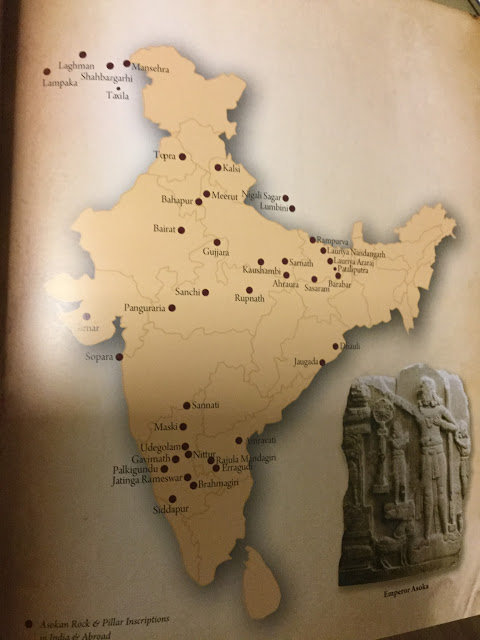
The inscriptions of Emperor Asoka was a great literary wonder. Suddenly we see Brahmi script from Afghanistan to the southernmost part of Sri Lanka—biggest geographical mass—the largest country in the world. This happened 2300 years ago. That means Indians were literate from Kashmir to Kandy in Sri Lanka. Unless they could read Asoka would not have installed so many inscriptions.


Wonder 7


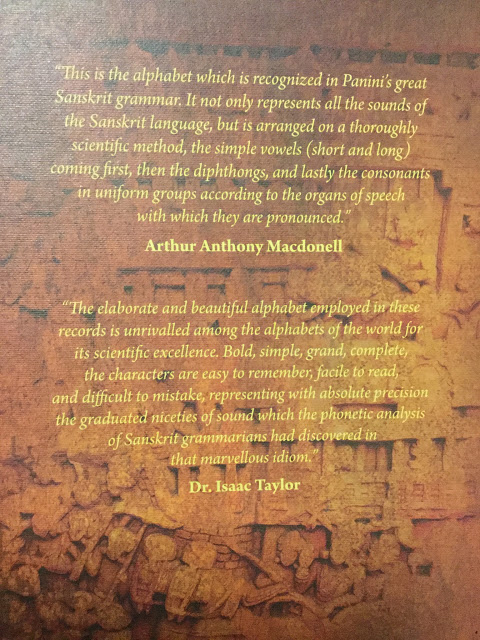
The Brahmi script itself is a great wonder. Though some scholars think that it was derived from Phoenician, the undeniable fact is that it is very different from those Semitic scripts. Brahmi script is alphabetical and scientifically arranged. It followed Paninian phonetics. The greatest wonder abbot the Brahmi script is that it gave the scripts, the glyph to all the languages of South East Asia and South and North India.


Wonder 8

Hindus were first in all the literary ventures whether its wring stories or wring sex manuals. The first grammar book was from Panini of seventh century BCE. The world is wonderstruck with the conciseness of Ashtadyayee of Panini. This grammar book is considered a wonder of human thought


Wonder 9

Language and linguistics are dealt with even in a religious book like Rig Veda. Similes, number symbolism, metaphors using literary subjects show the level of knowledge in the Vedic society. I have already written about the Vedic lingustics and four types of sounds and hymns on Vac—the speech. Higher thoughts and world welfare were dealt n the hymns. The last hymn of the Rig Veda prays for the integration. It can serve as the World National Anthem or the UN national Anthem. The hymns on Earth in the Atharva Veda  can serve as the anthem for all the environmental organisations.

Please see below the relevant hymns:

Language and Linguistics

RV 1-164, 4-58, 8-59, 8-100, 10-71, 10-114, 10-125, 10-177


RV 1-164, 10-71, 4-3, 10-125


World Welfare

10-191, , YV 36, AV 19-60, AV 7-69, AV 3-30,


Wonder 10

Hindus stood first in the production of dictionaries, thesauruses such as 2000 year old Amarakosham. In every field of language they stood first. The Vedic prosody is also highly developed. The syllabus had six different subjects including etymology, grammar and astrology/astronomy. This is also another indication of highly developed culture.


Linguistics | Tamil and Vedas

https://tamilandvedas.com/tag/linguistics/

Vedic Hindus were highly educated. We come across many linguisticobservations in all the four Vedas. Rig Veda, the oldest book, has many hymns dealing with linguistic points. Satyakam Varma has summarised them in his book Vedic Studies. Rig Vedic hymns 1-164, 4-58, 8-59, 8-10, 10-114, 10-125, 10-177 and many …

IS THERE POETRY OR PHILOSOPHY IN THE RIG … – Tamil and Vedas

https://tamilandvedas.com/…/is-there-poetry-or-philosophy-in-the-rig-veda-post-no-4…

23 Oct 2017 – Written by London Swaminathan Date: 23 October 2017 Time uploaded in London- 20–15 Post No. 4329 Pictures shown here are taken from various sources such as Facebook friends, Books, Google and newspapers; thanks. We know that the Rig Veda is the oldest religious book in the world; we know…


DIRGATAMAS HYMN- A RIDDLE IN THE RIG VEDA – Tamil and Vedas

https://tamilandvedas.com/…/dirgatamas-hymn-a-riddle-in-the-rig-veda-post-no-4453…

2 Dec 2017 – The Rig Vedic hymn 1-164 is a great hymn. Probably that is the longest hymn in the oldest book in the world with 52 mantras. It is like an encyclopaedia touching various subjects. It is a riddle because the poetDirgatamas has used lot of numbers which can be interpreted in many ways. In fact Wilson, Max …

Strange Names for Unknown Poets of Rig Veda … – Tamil and Vedas

https://tamilandvedas.com/…/strange-names-for-unknown-poets-of-rig-veda-and-tami…

14 Dec 2014 – Research paper written by London Swaminathan Research article No.1486; Dated 14th December 2014. Some poets have got strange names in the Rig Veda as well as in Sangam Tamil literature. Some of thepoets are named after the epithets they use. There is a reason behind it. Shrikant G.Talageri, in …

You visited this page on 03/01/18.

Poetry in Vedas | Tamil and Vedas

https://tamilandvedas.com/tag/poetry-in-vedas/

By London Swaminathan. Rig Veda, the oldest religious book in the world, has beautiful poetry in it. The Vedas are records of man’s earliest thoughts on God and philosophical matters. When the Vedic seers wanted to convey their thoughts they used lot of similes as well. Vedas can be interpreted symbolically, …

Big Bang in the Rig Veda! (Post No.4235) | Tamil and Vedas

https://tamilandvedas.com/…/big-bang-in-the-rig-veda-post-no-423…

22 Sep 2017 – The Big Bang is described in the Rig Veda 6000 or 7000 years ago. Cosmologists wonder that such a thought occurred to one or two seers on the banks of River Sarasvati in India. Hindus are great cosmologists that the same creation is described in several Brahmanas, Puranas and Manau Smrti as well.


–Subham–

How did Akbar’s Son murder a Great Writer? (Post No.4576)

Written by London Swaminathan 


Date: 2 JANUARY 2018


Time uploaded in London- 19-22


Post No. 4576

Pictures shown here are taken from various sources such as Facebook friends, Books, Google and newspapers; thanks.


Killing journalists and writers in modern times hits the headline in newspapers. One reason for this is journalists belong to those newspapers. So these news stories get good publicity. Another reason is the opposition parties are waiting for some murder or mayhem so that they can get good political mileage from this violence. But there was a time in Indian history these things went unnoticed.


Moghul rule is notorious for fratricide and patricide. Apart from these killing of close relatives, writers were also killed in a planned manner. Salim, Moghul emperor Akbar’s son, made plans for the murder of Abul Fazl, famous poet of the period.


How and Why?

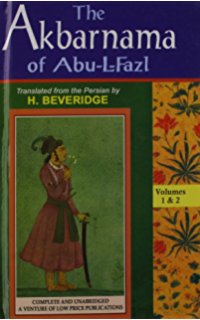
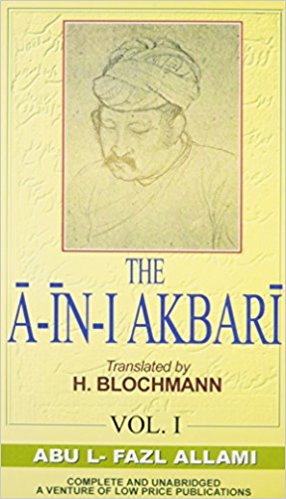
When Akbar was over 60 years of age around 1600 CE, he appointed his eldest son Salim (who was known as Emperor Jahangir later) as the Vice Royal of Allahabad. He had access to lot of revenue and he declared himself as an independent monarch. He struck coins of gold and copper and sent them to his father Akbar. Akbar was very angry and wanted his son to be learn economics. Afterwards he wrote to his trusted minister Abul Fazl to take steps to bring Salim to reason. Abul Fazl was the author of Akbar Nama (life history of Akbar) and Ain-i- Akbari.

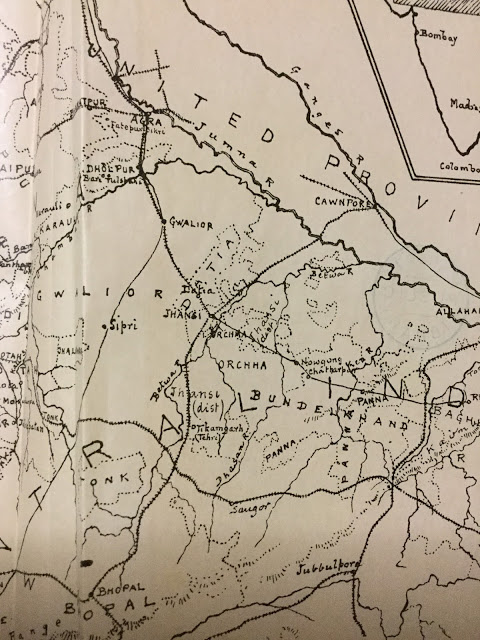
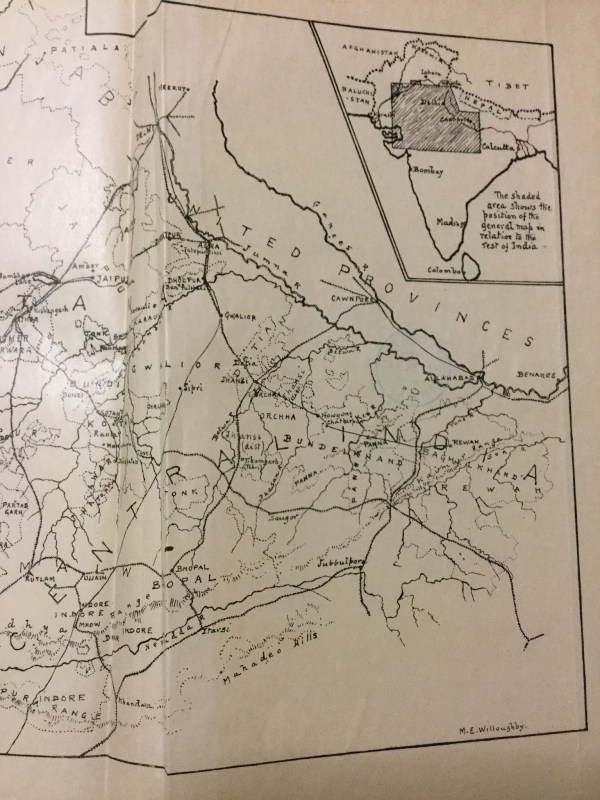
Abul Fazl started at once to Agra to meet Akbar. In the meantime, Salim came to know about it and he planned to waylay him. He made a plot with Birsingdeo (Veera Simha Deva) whose territory lay across the Moghul highway to North. Birsingdeo was the ruler of Orcha Kingdom. He was not in good terms with Akbar.


Though Abul Fazl received some warnings he ignored them and proceeded to Agra. He never thought that Salim would kill him.


Between Narwar and Antri, not far from Gwalior (M.P.), Birsingdeo was waiting with 500 armed men and the conflict was unequal. Abul Fazl was killed and his head was sent to Salim (later Jahangir). Later Salim tried to justify his murder on the ground that Abul Fazl plotted against him and he prevented a reconciliation between him and his father Akbar.

Jahangir (Salim) wrote in his Memoirs, “By God’s grace, when Shaikh Abul -i- Fazl was passing through Birsingdeo’s territory, the Raja blocked his road and after a little contest, scattered his men and killed him. He sent his head to me in Allahabad”.


Akbar was furiously angry at the crime and gave orders to hunt down Birsing Deo. But he disappeared into the forests before Akbar’s army captured the fort of Orcha.

When Salim became Emperor Jahangir, Birsing Deo was restored to high honours. Jahangir made him the Ruler of Orcha in place of his elder brother, and gave him the exalted rank of Commander of Five Thousand.


Birsing Deo– A Hero!

Birsing Deo’s name deserves to be rescued from the oblivion into which it has lapsed, on account of the splendid buildings he left to posterity. He built a beautiful temple at Muttra which was later destroyed by Aurangzeb. He built palaces at Orcha and Datia. It is said that he built 52 temples and palaces. In an auspicious hour fixed by the astrologers he laid the foundations for those 52 structures. Some of them include the palaces at Orcha, Datia,the templs at Orcha and Chatarburj, fortress of Dhamoni, the Jhansi citadel and many bridges. He was a great builder.

His own tomb, above he Betwa at Orcha, is a gigantic square stone edifice flanked by  massive towers and surmounted by a huge dome. The sword with which he cut off Abul Fazl’s head is in the State Armoury at Tikamgarh.


After their deaths, Birsing Deo and his son Hardol Lala attained the status of demi gods. Hardol Lala became more famous owing to his tragic fate, which fired the popular imagination. He was unjustly accused by his brother Jhujar Singh, then the chief of Orcha, of having illicit intimacy with his wife and he  was compelled to drink the poison of Datura plant.

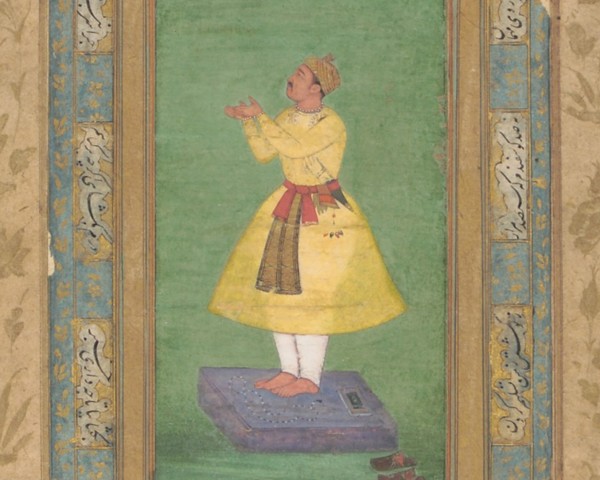
Akbar worshipping sun

The ghost of Hardol Lala was feared and propitiated by the peasantry of Bundelkhand; he became a popular saint, worshipped at weddings and in epidemics of cholera; a temple was built for him at Datia, and a shrine outside every village in the region; and the cult spread as far north as Lucknow.


—Subham–


Tamils and Chanakya attack Yavanas! (Post No.4565)

Roman wine picture

Research Article Written by London Swaminathan 


Date: 30 DECEMBER 2017 


Time uploaded in London- 8-18 am


Post No. 4565

Pictures shown here are taken from various sources such as Facebook friends, Books, Google and newspapers; thanks


Chanakya in his Niti Shastra attack Yavanas like the Tamils. One of the most powerful Tamil kings Imayavaramban Netuncheralathan punished Yavanas by shaving their heads and pouring oil on the heads 2000 years ago. (Please see full details in my earlier research articles in the links given at the bottom).


But who are the Yavanas?


In Tamil literature it denotes Romans and Greeks. In later Tamil literature, the words milecha and Yavanas were used for Romans, Greeks and Arbas may be Persians. Both Kalidasa and Tamil poet mentioned the Yavana wine. In Shakuntalam and Raghu Vamsa it refers to the wine produced by the Persians. Both Tamil and Sanskrit poets used them for guarding the harem, war camps and gates of the palaces. The Yavana women were used as maids in the palaces.


Let us look at what Chanakya says about the Yavanas (Greeks)  first!


“The wise who know the reality have proclaimed that even one Yavana is equal to thousands of Candalas (untouchables) There is no one more lowly than a Yavana”.

–Chanakya Niti , Chapter 8, Sloka 5


Chaadaalaanaam sahasraischa suuribistatvadarsibihi

eko hi yavanah prokto na niicho yavanaat parah


Satya Vrata Sastri who translated Chanakya Niti, says in the introduction:

“The Caanakya Niiti provides a good glimpse of the contemporary thinking. The time it was composed was marked by intense hatred for the Yavanas, the Greek or for that matter all the foreign invaders, who were out to subjugate the country with their life style running counter to that of the locals – mark the expression ‘Sayanaa Bhunchathe Yavanaah, ‘the Yavanas partake the food while lying’, a practice abhorring to high-bred Indians of the time.


The Yavanas through their unseemly behaviour, this is how one can infer it, invited on themselves the curse of the locals who would not take them kindly as evidenced by such expressions as ‘Dur yavanam’ which is cited in grammatical texts as an example of  the Avyayii Bhaava compound in the sense of vyurudhdhi (vi+ rudhdhi), the absence of prosperity of the Yavanas which was the wish of the then Indians.


It is the Yavanas who were picked for vyurudhdhi. The same feeling of intense revulsion for the Yavanas in the Caanakya Niiti Darpana also echoes when it says, ‘there is none more vile than the Yavana’.


Yavanas in Kalidasa

In the Vikramorvasiyam Yavanis (Act 5-2-7) are mentioned.

The commentator adds, “Ionian Greek girls were employed as servants in the courts of kings in ancient India. In the Shakuntala also (Act II) we find that  King Dushyanta’s retinue consists of several Ionian Greek girls and the sixth act of the same drama we have an ionian maiden whose duty is to carry the bow of the king wherever he goes.


In the Raghuvamsa, Kalidasa says,


यवनीमुखपद्मानां सेहे मधुमदं न सः|
बालातपमिवाब्जानामकालजलदोदयः ॥ ४-६१

yavanīmukhapadmānāṁ sehe madhumadaṁ na saḥ|
bālātapamivābjānāmakālajaladodayaḥ  || 4-61


yavanI mukha padmAnA.m sehe madhu mada.m na saH bAla Atapam iva abja AnAm a kAla jalada udayaH

  1. 61. saH=he that raghu; yavanI=of yavana females; mukha padmAnA.m= on faces, like lotuses – lotuses like faces; madhu mada.m= flush from drinks; a+ kAla= un, timely; jalada udayaH= cloud, arising; abjAnAm= for lotuses; bAla Atapam iva= young, sun, as with; na sehe= not, tolerated, removed – the flushes of drink from the faces of Yavana females.

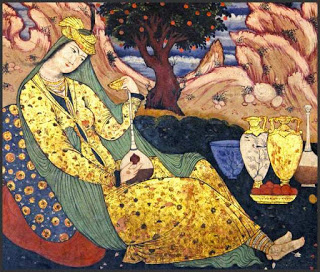
Picture of Persian woman drinking


As to how an untimely cloud removes morning sunlight from the faces of just blooming lotuses, raghu has also removed the blooming flush of wine from the lotus-like faces of yavana women when he encountered their men. [4-61]


The yavani-s spoken of by kAlidAsa seem to be of Persian and other races on the north-west of India. Viewing them to be Greek or Ionians is only too far-fetched. – KMJ


Another drama of Kalidasa, Malavika Agnimitram, also refers to the Yavanas.


Hundreds of Tamil words are in ancient Greek (see my previous posts)


Tamil literature also talks about Yavana wine. The commentators said that it was Roman wine. When we look at Kalidasa it looks like Tamils also used Persian wine.


We have very clear proof for the contact with the Greeks; Fragments of drama with Greek words were discovered in South India. In the North West of India, there was Indo-Greek rule for a long time after Alexander left Indian borders.


Other references are in my earlier articles:—


Barhut sculpture of a Yavana; 2300 year old.

yavanas in Hindu literature | Tamil and Vedas

https://tamilandvedas.com/tag/yavanas-in-hindu-literature/

Yavanas are described as men of harsh words by Ilango and a Brahmin poet Kumattur Kannanar and Mlechchas and Turks by commentator Adiyarkkunallar. 4.Ancestors of Tamil Chozas fought with “Black Yavana” during Lord Krishna’s time! 5.Vedic literature (Satapatha Brahmana) also described some people speaking …

தமிழ் பண்பாடு | Tamil and Vedas | Page 46

https://tamilandvedas.com/category/…/2/…:/tamilandvedas…/46/


31 Jul 2014 – Yavana in Puranas Mucukunta was an ancient king, who the Chozas claim as their ancestor. Later inscriptions and Tamil literature claim Chozas belong to the solar race. Sibi, who ruled North West India was also an ancestor of the Chozas according to Sangam Tamil literature(Purananuru). Mucukunda …

Who is a Mlecha? | Tamil and Vedas

https://tamilandvedas.com/tag/who-is-a-mlecha/


In the Sangam Tamil literature we come across the word Mlecha in Mullaippaattu (line 66). Poet Napputhanar called the Yavanas as Mlechas. He described them as dumb who used only sign language. Lot of Roman or Greek bodyguards were used by the Tamil kings. Tamils called theYavanas (Romans) ‘mlechas’ …


–SUBHAM–


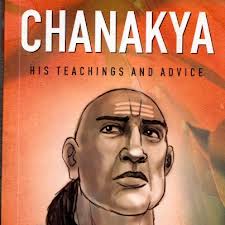
STRANGE AND INTERESTING STORIES ABOUT CHANAKYA! (Post No.4552)

Written by London Swaminathan 


Date: 27 DECEMBER 2017 


Time uploaded in London- 6-21 am


Post No. 4552

Pictures shown here are taken from various sources such as Facebook friends, Books, Google and newspapers; thanks


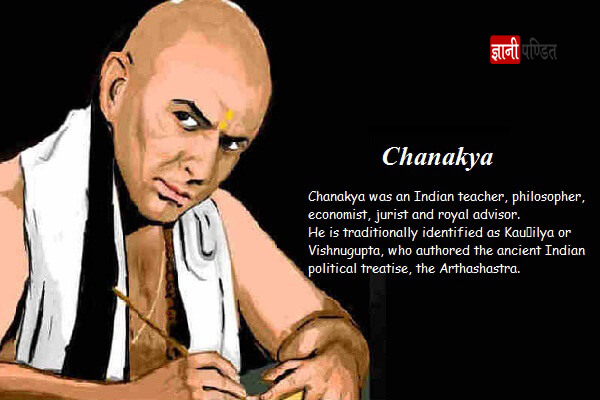
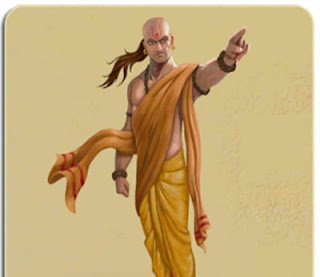
The greatest statesman that India has ever produced is Chanakya. He was the man who established the mighty Magadha empire. Even the Greek king Alexander the Great returned to his homeland fearing the army of the Magadha empire. Though we don’t have any authentic report about the life history of Chanakya, we are able to piece together the materials that are available in dramas such as Mudra Rakshasa of Visakadatta and other word of mouth stories. One underlying thread in all these stories is that Chanakya was an astute politician. He did not hesitate to use Sama, Dana, Beda, Danda (peace, bribe, dissension and punish) to achieve his goal. He followed the policy of ‘tit for tat’ or tooth for tooth, blood for blood. He believed that diamond should be cut by a diamond and a thorn should be taken out by a thorn.

UGLY BRAHMIN!

Here are few interesting stories: –


King Mahapadma Nanda had eight sons through his legal marriage and one son through his intimacy with a servant maid by name Mura. Her son was Maurya Chandra Gupta.


The rule of Nava/Nine Nandas was tyrannical. They were the embodiments of arrogance. They were against all the rituals and particularly Brahminical. Mahapadma Nanda was a modern Hiranyakasipu, the demon.


One day he went for a walk and stopped suddenly and laughed. A servant maid of the palace was coming in the opposite direction. Seeing the king laughing she also laughed. Nanda stopped her and asked the reason for her laugh. She was scared and dared not to answer his question. She told him that she would tell the reason later and ran away.


She wanted to give him a correct answer or an excuse and so she consulted lot of people; All her efforts were fruitless. She went to  minister Sakatara, who was in the jail. He helped her out. How?


Story of Minister Sakatara

Let us first read the story of Sakatara. He was a good minister but he was imprisoned on flimsy charges along with his wife and son. They were supplied meagre food in the prison and his wife and son died in course of time. He was waiting for an opportunity to take revenge upon the Nine Nandas.


To the maid who came to get his help he put two simple questions:

What was Mahapadma Nanda looking at when he laughed?

Where was he then?

The servant maid told Sakatara that the king was near a canal and he was looking at a big tree. Immediately Sakatara guessed the answer and told the lady the king was amused when he saw a tiny seed of that big tree floating in the water. He laughed at it thinking that how come a tiny seed could produce a big tree.


The maid was happy and went to see the king next day and gave him this answer. He was surprised to see that she got it right. But he knew that it was not the servant maid’s answer and wanted to find out who helped her. Through his spies he found out that this lady met Sakatara in the prison the previous day.


Now Mahapadma Nanda became soft and released the intelligent minister Sakatara. He was appointed the Head of the Department of Rituals.


One day Sakatara was walking along a village road and saw something strange. A Brahmin with a tuft was pouring sour buttermilk on some grass. As he was the head of rituals, he wanted to know what the Brahmin was doing. That Brahmin told Sakatara that he wanted to destroy the grass as it was made him to fall. Sakatara saw a point in his action and thought that this person would achieve his goal. He took him to Pataliputra (modern Patna in Bihar)  and used his service. There was a ceremony in the palace and this ‘no so good looking’ poor Brahmin was given a front seat.


Mahapadma Nada walked into the hall and saw an ugly Brahmin taking a seat in the front row. He pulled him out and threw him out of the hall. That Brahmin was Chanakya.

On that day Chanakya made a vow, “I wouldn’t tie my tuft of hair till I uproot this Nandas”.


Sakatara and Chanakya joined together and made big plans to uproot the Nandas. Nanda has a great minister by name Rakshasa. Chanakya spoiled all his efforts who tried to prop up the Nandas. Through a servant maid Chanakaya and Sakatara gave poisonous food to the Nine Nandas and all of them died at once. There was utter chaos in the kingdom.


Chanakya made a deal with the neighbouring kingdom of King Parvata. If he could capture Pataliputra he would get half the kingdom and the rest would be ruled by Chandragupta, the servant maid Mura’s son. When Parvata invaded the country with his son Malayaketu, Parvata was killed by foul means and Malayaketu ran for his life. Now Chanakya and Sakatara crowned Chandra Gupta as the king. Later Maurya Chandragupta became the emperor of mighty Magadha Kingdom. His grandson was the great Asoka.


Chanakya’s gift to India is his Niti Shastra (Didactic literature) and world’s first book on Economics ‘The Arthashastra’. His other gift was the biggest empire of ancient India. This covered most of India except Tamil Kingdoms. Chanakya became the symbol of good and able governance. His policy was ‘end justifies means’. To destroy Adharma, you can do anything, in other words, followed Krishna of Mahabharata.


–subham–
 

CANAKYA- MEGASTHENES MEETING (Post No.4549)

Compiled by London Swaminathan 


Date: 26 DECEMBER 2017 


Time uploaded in London-9-54 am


Post No. 4549

Pictures shown here are taken from various sources such as Facebook friends, Books, Google and newspapers; thanks


Canakya’s austere living is an indicator of his dislike for power and pelf and his incorruptibility. That made him an embodiment of high moral values.  a popular legend about him will bear it out. On taking up the assignment of Greek envoy at Pataliputra, Megasthenes expressed his wish to meet Canakya The appointment was fixed late evening. Canakya at that time was looking through some official papers. A lamp was on. As Megasthenes entered his chamber it was put out and another one in its place was lit. When Megasthenes wanted to know as to why this was done, C told him that when the earlier lamp was on he was looking through official papers. The oil in it was at state expense. Now that he was receiving him as a personal guest, the oil in it has to be at his personal expense. Hence the earlier lamp was put out and the new one was lit in its place. This was Canakya’s character. it is for no reason, therefore, that he was able to, in spite of being a poor Brahmin with no material resources, set up one of the greatest of the empires of the time.


Canakya is said to have continued, even after the installation of his protégé on the throne with his austere living in consonance with the Brahmin class to which he belonged, denying himself all comforts and the luxuries that the state power could have provide him.

This is how the chamberlain of Candragupta Maurya on reaching his house describes it:

Aho Rajadhirajamantrino vibhuthih:

uplasakalametad bhedakam gomayanam

bahubirupahrutanam barhisham stupametat

saranamapi samidibah sushyamanabirabi

virnamita patalatam drusyate jirnakudyam

III-15


“O the affluence of the minister of the king of kings!

Here is seen a piece of stone to break the cow-dung cakes with; there appears a heap of Kusa grass collected by young disciples; the shed too is seen with dilapidated walls and the corners of the roof are borne down with yonder sacrificial fagots that are drying”

Source:Canakyaniti by Satya Vrat Shastri

–subham–