Pictures are taken from various sources for non-commercial use; thanks
English newspapers in Britain have published a news item that the British believed in gem power. The news appeared yesterday (8-1-2020). Hindu beliefs about gem power existed in Britain 500 years ago.
The lovers’ ring lost in a field 500 years ago
A MEDIEVAL gold ring discovered in a field is likely to have been a 15th century love token, an expert says.
The band, found by a detectorist in York in 2016 and now on display at the Yorkshire Museum, is thought to have been owned by gentry or those ‘associated with royalty’ because it is set with a ruby and an emerald.
Adam Parker, of the Yorkshire Museum Trust, which bought the ring for £20,000, said emeralds were linked with chastity and rubies with love so it could have been ‘a betrothal charm’.
He said the ‘exotic’ ring, which was buried for 500 years, may have been dropped, or stolen and hidden.
It was likely to have had its origin in the Middle East or North Africa.
But experts, while describing the gold ring set with ruby and emerald as an ‘incredible treasure’, say its provenance cannot be proved.
Mr Ibbotson, 52, from Blackpool, found it in a field at Fulford, near York, in December 2016. It was officially declared treasure and he and the landowner received £10,000 each. Now, after more than two years of research, Mr Ibbotson believes it could be the ring on the index finger of Anne of Cleves in Hans Holbein’s 1539 portrait.
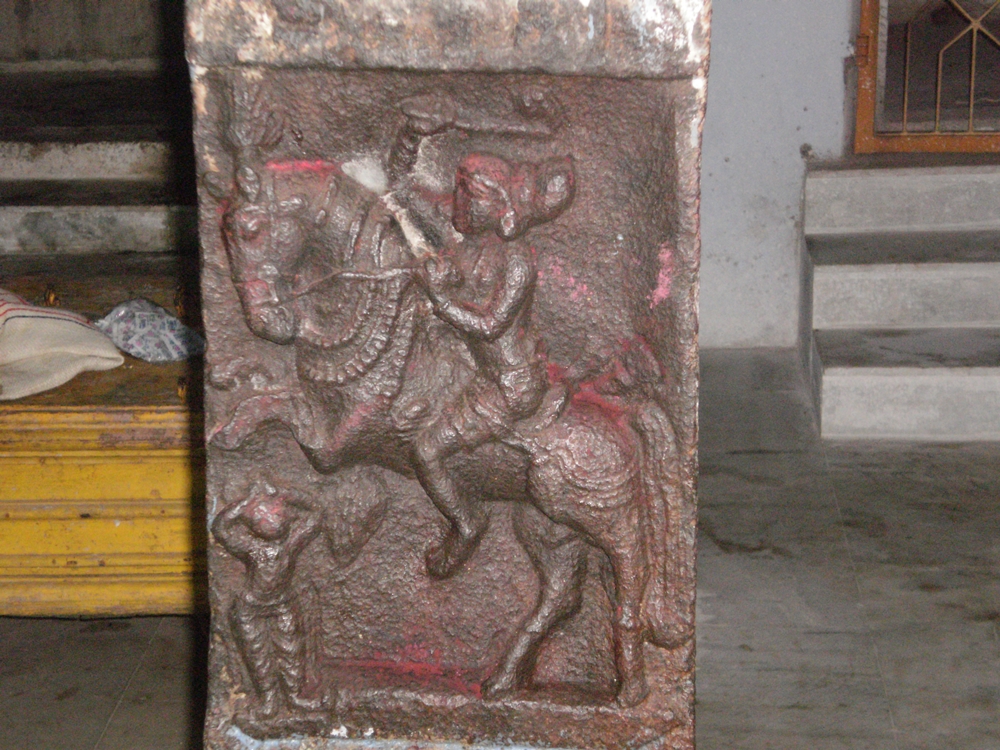
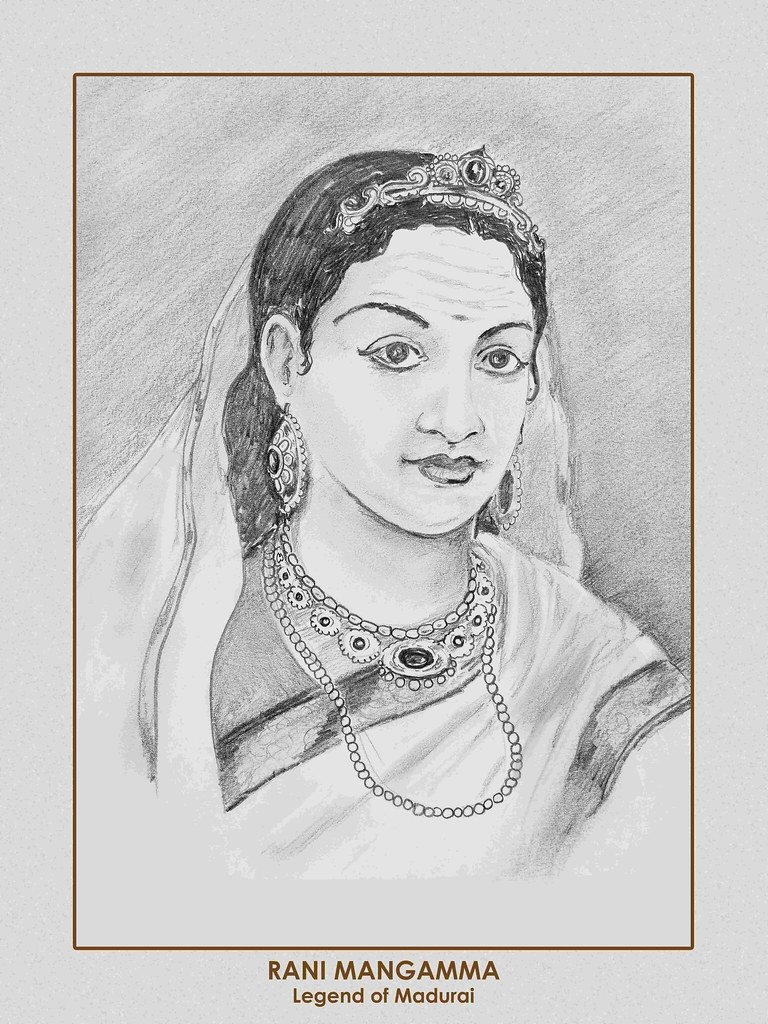
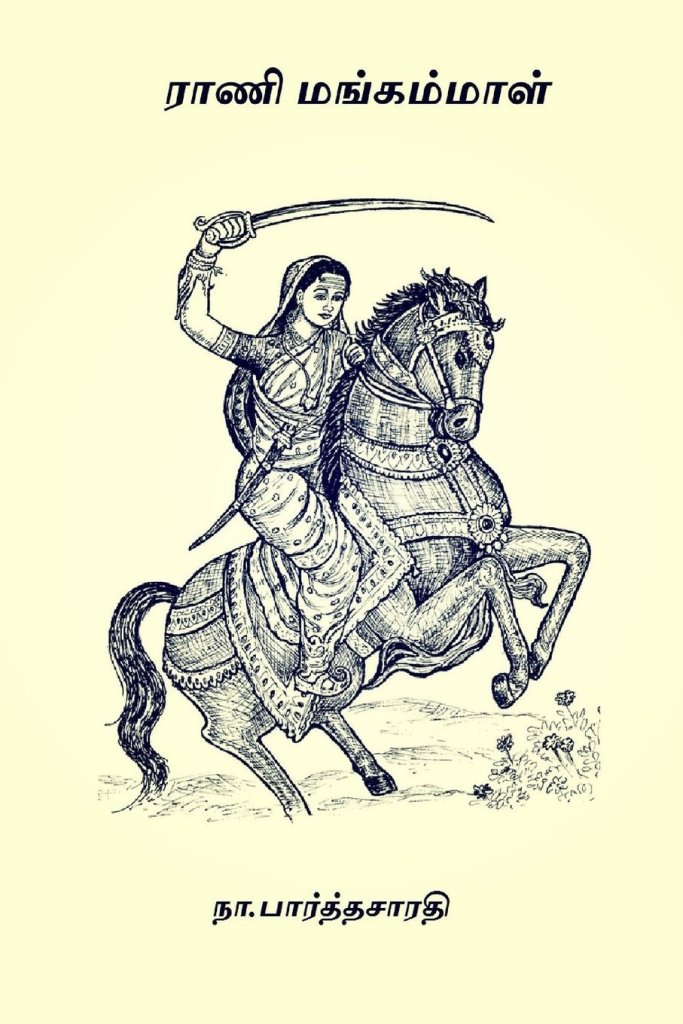
RANI MANGAMMAL RULED MADURAI NAYAK KINGDOM FOR FIFTEEN YEARS FROM 1689 T0 1704. SHE WAS A COURTESAN FROM TIRUVELLORE NEAR CHENNAI. HERE IS HER INTERESTING STORY.
A lampoon by a contemporary writer Chnna Venkanna, throws some light on Mangamma’s life. According to his account, she was the daughter of Tupaakula Lingama Nayaka of Chandragiri and a courtesan of Tiruvellore near Chennai. Her name was Kanakaa. Beautiful and accomplished young Kanaka migrated probably in search of a career to the court of Vijararaghava of Thanjavur, where talented women had the opportunity of rising to prominence. Vijayaraghava was said to have intended to take her in to his harem, but she left Thanjavur for some reason or other and married Chokkanatha Nayaka of Madurai, whose heart she captured by blandishments. The account, perhaps, distorted one, may contain a kernel of truth.
Mangamma alias Kanaka survived her husband and her son Rangakrishna Muthuveerappa Nayaka, and after the demise of the later in 1689 ruled the kingdom till 1707 as the regent during the minority of her grandson Vijayaranga Chokkanatha Nayaka.
The regency of Mangamma was a critical period in the history of the Nayaka Kingdom of Madurai, which was threatened on one side by the Mughal forces of Aurangzeb and on the other side by the rulers of Mysore, Thanjavur , Ramanathapuram and Travancore. Mangamma shrewdly decided that the only way of survival was to approve the supremacy of Mughal emperor. She agreed to pay him an annual tribute, and secured the goodwill of his officers and generals by suitable presents and bribes.
VEENA PLAYER
Towards her other enemies she adopted a policy of firmness and waged war upon them, on the whole successfully. Occasionally she had to buy off some of them with bribes, but that was only a temporary expedient. Later, when she felt she was strong enough, she overpowered the enemy and exacted compensation. She had for her counsellor Narasappiah , great in strategy and administration and in private life a skilful player on the Veena (lute).
Mangamma’s name is almost a household name in south Tamil Nadu. There are still in existence numerous avenues and cholutries, Dharmasalas built by her as well as the lofty piles like those that remain of the Nayaka Palaces within the fort area of Tiruchy.
Mangammal Choultry opposite Madurai railway station served thousands of pilgrims to Madurai and Rameswaram. All these are monuments to the greatness of her rule. Her benefactions to temples and gifts of Agraharams (Brahmin streets) to learned brahmins were numerous, but she was equally liberal in her endowments to Christian churches and Muslim darghas. The dargah of Baba Nattar Auliya in Thiruchy was specially favoured and received grants of villages.
Manucci has paid a handsome tribute to her benevolence and large hearted tolerance .
Niccalao Manucci (1638- 1717) was an Italian traveller and writer, who spent his life in India during the Mughal period.
SAURASHTRAS BECAME BRAHMINS
There is an interesting account of a social enactment in her reign. The Saurashtra weavers of Madurai claimed the privilege of observing some ceremonies peculiar to Brahmins (wearing sacred thread etc). Mangamma first opposed the claim, but later sanctioned it.
There are conflicting reports about the end of her reign. According to one account, power was forcibly wrested from her hands and transferred to her grandson, on his coming of age, and the queen perished in prison. Whatever may be the truth Mangamma’s place in history as a capable, enlightened and beneficent ruler is unchallengeable
Source – Great Women of India, Advaita Ashrama, Mayavati, Almora, Himalayas, year 1953
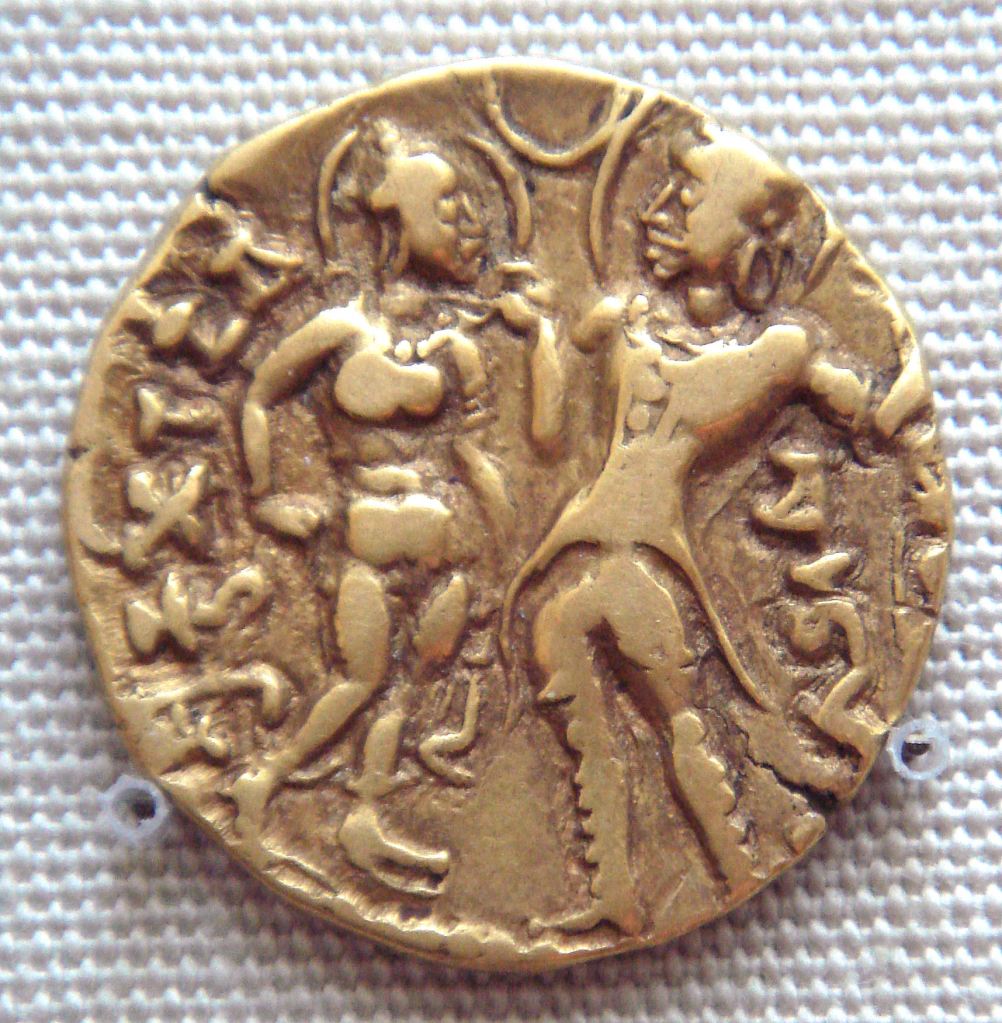
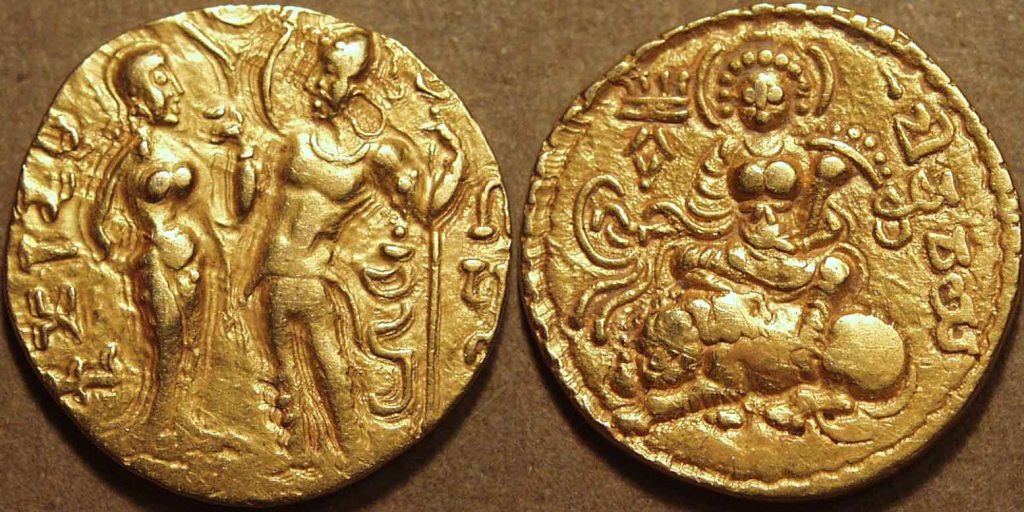
Written by London SwaminathanUploaded in London on – 2 JANUARY 2020Post No.7411contact – swami_48@yahoo.compictures are taken from various sources; thanks. Prabhavati Gupta was the daughter of the Gupta emperor Chanragupta II Vikramaditya 376-414 CE and the Agra Makishi or Chief Queen of King Rudrasena II of the Vakataka Dynasty ruling over wide regions of the Deccan. Rudrasena seems to have died before the close of the fourth century. He probably left three sons Divakarasena Damodarasena and Pravarasena . Divakarasena remained the Yuvaraja or Crown Prince while his mother ruled the country at least for thirteen years. It is believed that the sons of Rudrasena were minors at the time of their father’s death. Prabhavati Devi ruled the kingdom as regent on behalf of the minor Yuvaraja Divakarasena. There is no evidence to show that Divakarasena ever ascended the throne as Maharaja. In a later inscription dated the nineteenth regnal year of her son Pravarasena, she is called the mother of Maharajah Damodarasena and Pravarasena and is said to have been more than hundred years old. Prabhavati’s death does not appear to have taken place long before 455 CE, which is the date of the death of her brother Emperor Kumara Gupta I. A charter of Prabhavati Gupta was issued from the feet of the god Ramagiriswamin, identified with the deity at Ramtek near Nagpur, probably on the occasion of her visit to the holy temple on pilgrimage. In it she has been described as a devotee of Lord Vishnu and is credited with the gotra or lineage Dharana and the family designation Gupta of her father. Her husband is known to have belonged to Vishnu vridda gotra. Thus Prabhavati’ s marriage didn’t apparently involve the usual change of gotra. There is evidence to show that this was not essential in a popular form of ancient marriage, possibly owing to the want of sampradana ( ceremonial offering). —subham— Sent
RIG VEDA 10-117 IS A BEAUTIFUL HYMN ON GENEROSITY, SHARING FOOD, HELPING FRIENDS AND FEEDING THE POOR.
Another interesting thing about the hymn is that it has the Greek Sphinx Riddle. Sangam Tamil literature verses and post Sangam Tamil Tirukkural reflects the views in the hymn. Bhagavad Gita also shared the same thoughts. Let me compare the riddle first.
Gigantic 187 feet tall Egyptian Sphinx is a famous edifice with a long history. It has been dated a monument from 2600 BCE. It has the face of a man and the body of a lion. Greeks had a different Sphinx with a feminine face and wings. We have such figures from 500 BCE.
In the Greek conception, sphinx is the monstrous daughter of Typhon and Echidna. The sphinx demanded human sacrifice from the Thebans every time her riddle concerning the three ages of man was unanswered. when Oedipus answered, she committed suicide. It was adopted as an emblem of wisdom.
Her riddle was ‘which animal went on four, then two and finally three legs’; the answer being humanity- crawling baby, adult and old man with a stick. Oedipus gave the right reply.
Rig veda 10-117-8 says
“He with one foot surpasses Two foot; and Two foot leaves Three foot behind. Four foot comes at the call of
Two foot watching his herds and serving him where five met together.”
Probably the Greeks copied it like they copied the Sarama dog story in Hermes episode.
The explanation given by the Vedic commentators is
One foot – Sun (Aja Ekapada is another word for Sun)
Two Feet – human being;
Three foot – old person with a walking stick (staff);
Four feet – Dog and other animals.
Five foot – Many people who watch all these things.
xxx
Before this stanza, there are other stanzas illustrating very high thoughts. This is from the 10th Mandala of the Rig Veda.
Rig Veda 10-117-1
The gods have not ordained hunger to be our death; even to the well-fed man comes death in varied shape.
Here the poet Bitsu Angiras says that don’t condemn the begging people that they have to suffer like this because of their past sins. That is not right. Death is not only for the poor. Even well-fed rich men die.
Xxx
10-117-2
The man with food in store, who when the needy comes in miserable case begging for food
Hardens his hear against him – though in the past he had made use of him- he surely finds no one with sympathy.
Tamil poet Tiruvalluar says,
Wealth in the hands of a liberal person is like a useful tree bearing fruits in the middle of a town square – Kural 216
The man who is in the habit of sharing his food with others will never be afflicted with the dire disease called hunger – 227
Xxx
10-117- 3
The man who is truly generous gives to the beggar who approaches him. He puts himself at the service of the man and makes him a friend for times to come.
Xxx
10-117-4
That man is not a friend who does not give of his own nourishment to his friend. Let the friend turn away from him. Let him find another man who gives freely.
Here also we can compare a couplet from Tirukkural-
Genuine friendship hastens to redress distress like the hand that picks up the garment quickly that slips –788
Xxx
10-117- 5
Let the rich satisfy the poor and bend his eyes upon a longer path way.
Riches come now to one, now to another like the wheels of the rolling chariot.
This simile of wheel is used by several ancient poets. Naladiyar , another moral book, also uses this wheel simile for ever moving wealth.
Longer pathway means that the rich also can face ups and downs in future and so he must look into it.
Xxx
10-117-6
The foolish man wins food without labour; I speak the truth; it will bring ruin to him. He cultivates neither a friend nor a patron. All guilt is who he eats alone without sharing.
Lord Krishna illustrates this point in harsher terms. He says that who he eats aloe is a thief; he eats nothing but sin.
The good people who eat what is left from sacrifice are released from all sins but those wicked people who prepare food for their own sake – verily they eat sin – Bhagavad Gita 3-13
He who enjoys the god given gifts without giving to them/gods in return is verily a thief – 3-12
Tiruvalluvar also says,
Enjoying one’s food, sharing it with others, and sustaining other lives is held out as the highest virtue by learned sages – Kural 322
Here Valluvar echoes the Vedic sages.
Xxx
10-117-7
A man gets food by ploughing the field; the legs that walk puts the road behind them. The priest who speaks is better than the one who does not speak. The friend who gives surpasses the one who does not.
Griffith comments on it,
Active exertion is necessary for success.
The speaking brahman priest – the priest who duly discharges his task of recitation for which he is engaged.
Xxx
10-117-8
Already given in the Greek Riddle comparison (see above)
Xxx
10-117-9
The two hands though same, do not do the same thing.
Two cows from the same mother do not give the same amount of milk
The strength and valour of the twins are not the same.
Two kinsmen do not give with the same generosity.
Griffith explains,
All men should be liberal; but we must not expect all to be equally generous.
Here we see the ways of the world beautifully explained.
The similes of twins, ploughing field give a pen picture of the agricultural society.
xxx
Last but not the least, we may compare this with the 2000 year old Tamil Sangam Poems.
A Pandya king by name Ilamperu Valuthi says that Tamils share everything that is eatable, even if its Amrta from the world of Indra. He adds that they would do anything that brings fame and name for one and never do anything wrong even if they are given the entire world.- See Puranaanuru verse-182
In another verse a philanthropist was praised as a ‘Doctor who cures the disease of Hunger’ by a Chola king – See Puram. Verse 173.
The thought of sharing and giving is praised from the Rig Vedic days till today, from the Himalayas to Kanyakumari.
The old ballads of North Malabar – Vadakkil paattungal – contain a tale of a brave girl (early seventeenth century ) who saved the women of her village from being forcibly kidnapped, and in the end brough about communal harmony.
Mulsims used to molest beautiful Hindu girls in North Malabar. No one dared to challenge the rapists.
Unniyarcha , sister of Aaromal Chevakar, a doughty warrior, was married to a coward named Kunnirhaman. One day she wanted to visit a temple of Ayyappan , a few miles from her village, but her mother in law refused to permit her to leave the house even in the company of her husband. She new what would happen to her from the Muslim Chonakas.
Nothing daunted, the girl took her favourite sword, and with her husband proceeded in the direction of the temple .The headman of the Chonakas (Muslims) – who happened to see her on the way, was enamoured of her beauty and sent his men to carry her away by force. Unniyarcha drew her sword and killed some of them. Their chopped heads rolled on the ground like foot ball. The rest fled and brought their headman himself to the scene, who soon realised that she was the sister of his fencing master. He appealed to both sister and brother to pardon him, but Unniyarcha was inexorable and challenged him and his men to a fight. The chief of the place persuaded the girl to sheath her sword, which she did on headman promising that no woman in the place will be molested in future . Then Muslim rapes stopped in Malabar. One heroic Hindu heroine saved the honour of millions of Hindu women.
Films and TV serials on her were made but with distorted stories.
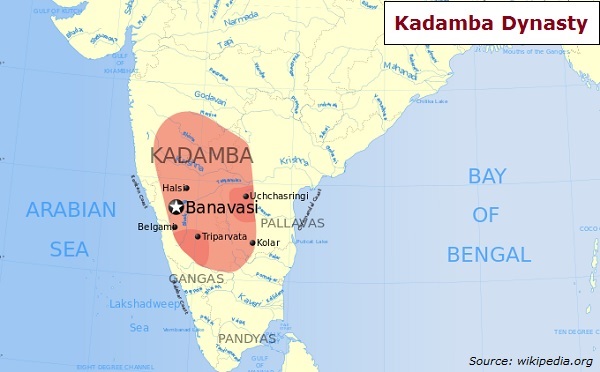
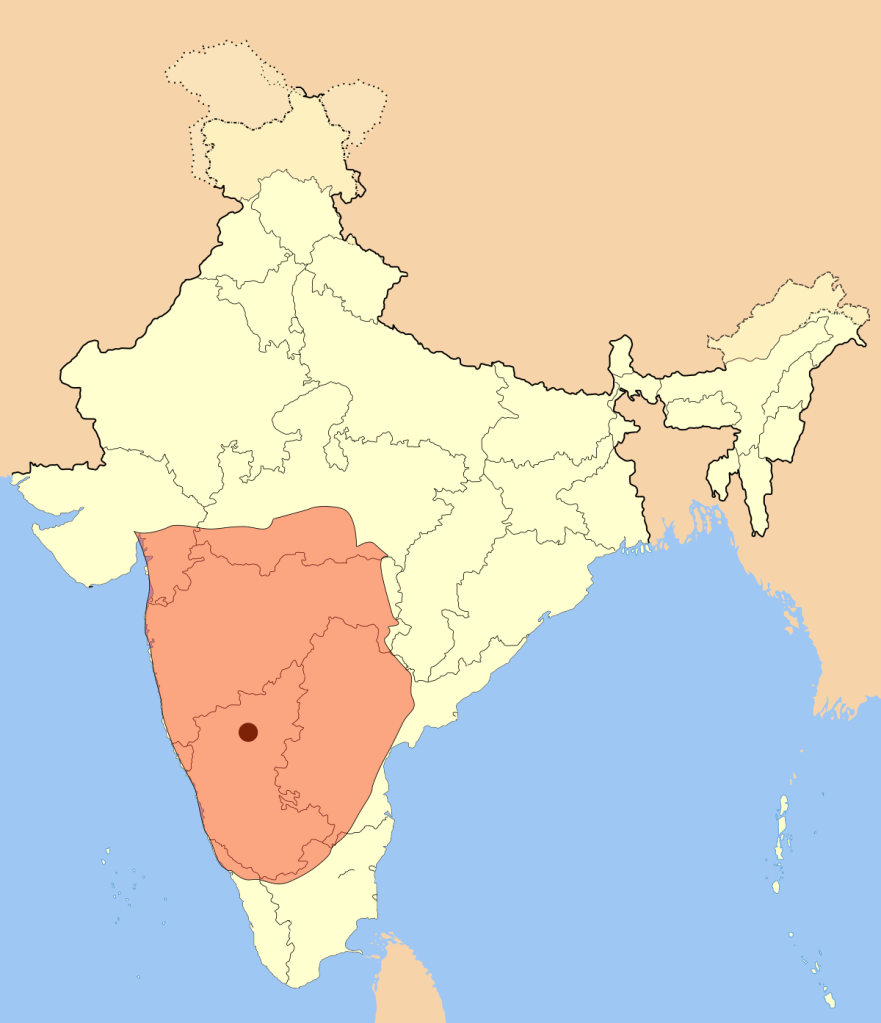
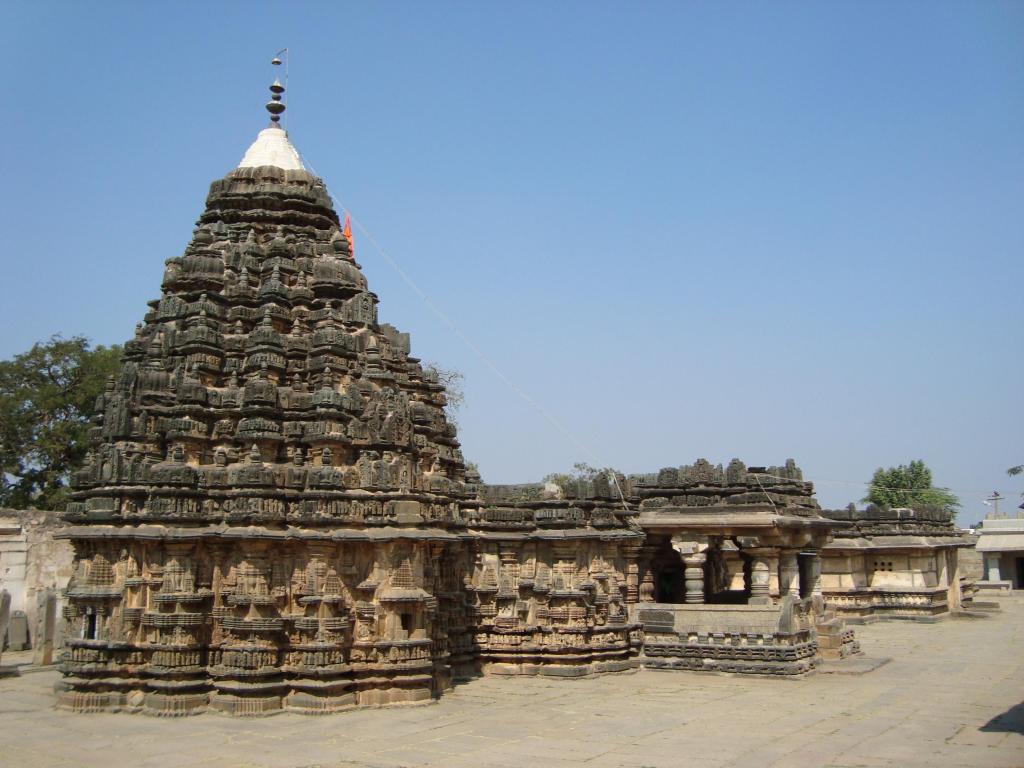
In the list of the famous heroines and administrators of Karnataka the name of Akkadevi 1010-1064 CE, stands very high. She was a Chalukyan princess who ruled over various divisions of the Chalukyan dominions such as Banavasi , Kisukadu, and Masavadi for nearly half a century.
A few days ago I wrote about Rudramba who ruled for 33 years and her sister Ganapamba who ruled for 40 years. But Rudramba was a full fledged queen where as others are not. Here is a Kannada woman who ruled for half a century. Unlike European rubber stamp queens, Hindu queens and princesses were real rulers and fighters.
Akkadevi was the daughter of Dashavarman and Bhaagaladevi and was the sister of vikramaditya v and Jayasimha ii, both Chalukyan emperors of Kalyana. She is described in inscriptions as fierce in battle and as having subjugated a large number of enemies. She laid a siege to Gokhaje, probably to quell some insurrection.
She is also described as a marvel of virtual qualities and unswerving in her promises. The seat of her government was VIkramapura ,modern Arashibidi near Bijapur .
She married the Kadamba prince Mayuravarman, who along with her ruled Banavasi in 1037 CE. They had a son named Toyimadeva , who ruled the Banavasi region as a feudatory of the Chalukyan emperor Someshwara in 1064 CE.
MAP OF WESTERN CHALUKYAN EMPIRE
TEMPLE BUILDER
Her name is associated with the foundation of a number of temples. She also evinced great interest in promoting education. An inscription of 1021 CE says that she made a large gift of land to feed and clothe 500 students and provided them with free quarters. The fact that she reigned not only in conjunction with her husband but also independently in an indication that she was a personage of considerable reputation and importance in her time and no less than three Chalukyan emperors had confidence in her administrative ability.
All Indian girls must study the history of Hindu queens and princesses. This must be made a compulsory subject in schools.
Source book – Great Women of India, Advaita Ashrama, Almora, Himalayas, 1953
(Akka Mahadevi, Kannada devotional poetess of 12th century is different from this Akkadevi)
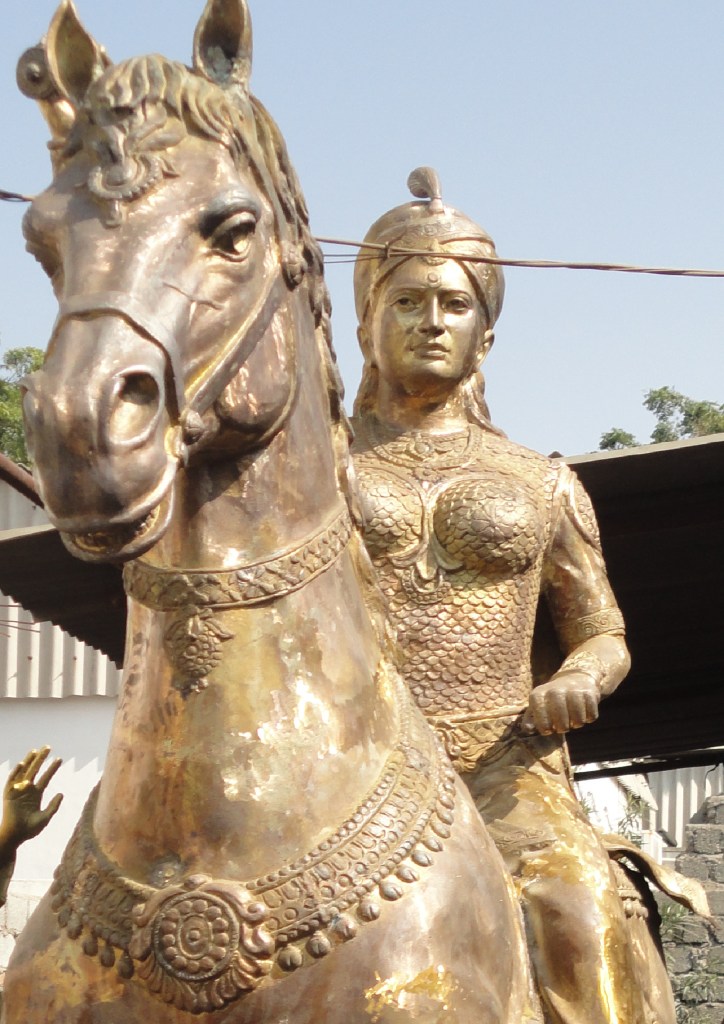
Longest ruling queen in the modern world is Queen Elizabeth of Great Britain. But she hasn’t got any powers like the old queens. She is a figurative head. But in ancient India, we had queens with absolute powers, who went to war with their enemies, fought actual battles and won or died in action. They crushed rebellions. We had powerful queens like Didda of Kashmir and Rudramba of Kakatiya dynasty.
IF WE TAKE THE ANCIENT WORLD, RUDRAMBA WAS THE LONGEST REIGHING QUEEN WHO RULED FROM 1262 TILL 1295.
Cleopatra , Didda of Kashmir, Rani Mangammal of Madurai, Rani Meenakshi of Madurai and many other queens ruled for lesser years than Rudramba . Modern queens of European countries hold decorative posts without much powers. They are not absolute monarchies.
Rudramba was the eldest daughter of Kakatiya king Ganapatideva, whom she succeeded on the throne and ruled over the kingdom for well over three decades. Ganapati had no male issues, but had two daughters
Rudraambaa
And
Ganapaambaa.
Both endowed with great intelligence and exceptional abilities. Determined to keep the sovereignty in his own family, he recognised Rudrambaa as his heir, and bestowing on her the Rudradeva Maharaja, he took special interest in her education and gave her practical training in administration by associating her in his government in the last years of his reign.
Rudraambaa ascended the throne on her father’s death in 1262 CE. She was not however accepted as sovereign by all sections of her subject immediately. The feudatory nobles of southern Andhra country , whom her father recently reduced to subjection, saw in the accession of a woman to the throne an excellent opportunity to raise the flag of revolt and regain their independence. Of these the most important was the Kayastha chief Ambadeva, who ruled a large part of the Rayalaseema from his capital Velluru near Cuddappah. About the same time, Mahadeva, the Yadava king of Devagiri, taking advantage of the internal troubles, invaded the Kakatiya dominions from the west. As all the ministers and officers of the kingdom remained faithful to her, Rudramba was able not only to suppress the rebels and bring them back to subjection but also to repel the Yadava monarch after inflicting a defeat on his forces. Peace and order was restored, and during the remaining years of her reign till 1295 CE, she ruled in perfect security free from the attacks of enemies, both internal and external.
Rudramba was a wise ruler, who strove hard to promote the welfare of her subjects. She constructed tanks, canals and wells to provide water to the agriculturists; granted concessions to merchants to promote trade and industry; built hospitals and provided for their maintenance; endowed religious foundations with rich gifts of lands; and founded Brahmana settlements to encourage learning.
It was probably during Rudramba’s rule that the famous Venetian traveller Marco Polo passed through the coasted Andhra country and visited Motupalli and other important commercial centres of the kingdom. He bears testimony to the flourishing condition of its foreign trade and domestic industry, especially diamond mining, for which the kingdom was famous.
Rudramba married a K shatria prince called Virabhadraof the Eastern Chalukyan family. Like her father she had no sons; but she had two daughters Mummadamma and Ruyyamma. The former married a Chalukya prince called Mahadeva. They had a son named Prataapa rudra, whom Rudramba adopted and appointed heir apparent. Rudramba was a staunch Saivite , but was tolerant towards other sects.
An inscription from Malkapuram dated 1261 CE is of much interest and throws light upon the nature of queen’s charities. It relates to the gift made by her, in accordance with the expressed wishes of her father, of the village of Mandaram on the southern bank of the Krishna to the raja guru Visveshwara Shambu built a temple, round which grew a township inhabited by Brahmanas from different regions , artisans, musicians, dancers, village guards and servants , whom all the lands mentioned in the gift were distributed. A hospital and a college were established in the town, and in the feeding houses people of all sects and castes were fed. Rudramba’s kingdom was then the live centre of the Pasupatha sect. She spent the last years of her life in meditation under the guidance of the Pasupatha priests.
Ganapaambaa
Ganapaambaa was the second daughter of the Kakatiya king Ganapati and the younger sister of Rudramba of Warangal. Though not as famous as her elder sister, Ganapambaa deserves to be remembered as one of the few Andhra women who actually wielded the sceptre and governed their kingdom in their own right.
Ganapambaa was married into the family of Kota chiefs, who ruled over the ‘six thousand country’ from their capital Dharanikota on the Krishna. She ruled the ‘six thousand country’ after her husband’s death. She ruled the royal principality for well over forty years as its undisputed ruler.
G was a wise and enlightened ruler. She was a staunch Shaiva by faith. She built two temples to Shiva , one in memory of her husband and another in memory of her father. She set up gold kalashas /pitchers on the gopura of Amareshwara temple at Amaravati and granted an Agrahara to Brahmins. She spent her last days in peace and tranquillity in contemplation of Maheswara.
–SHUBAM–
Source book- Great Women of India, Advaita Ashrama, Almora, 1953
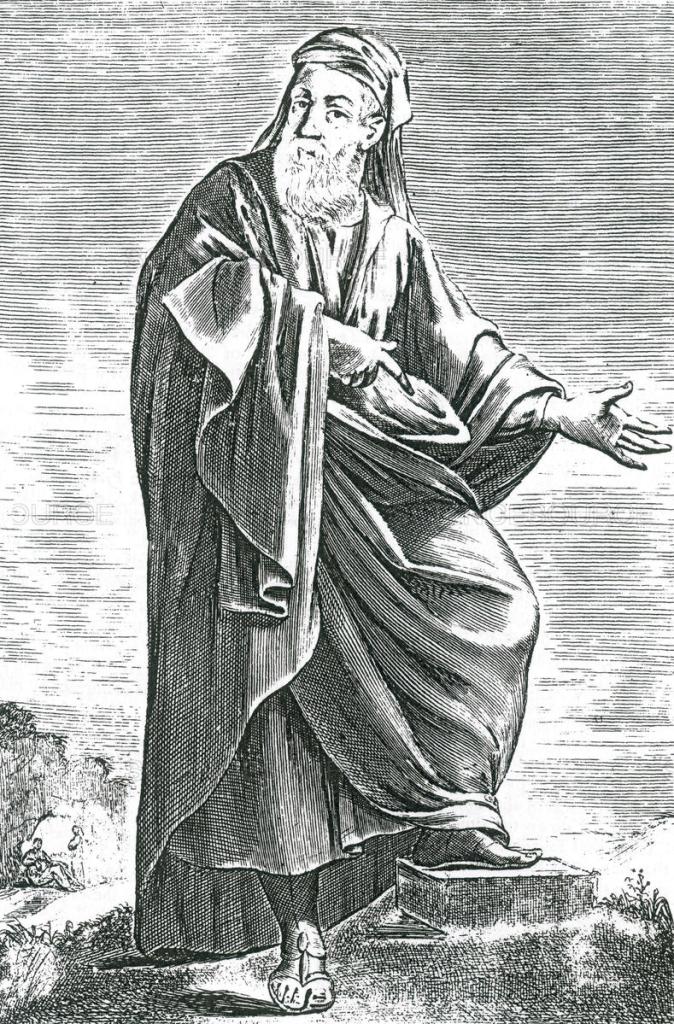
GREEK PHILOSOPHER WHO PROPAGATED HINDU THOUGHTS- EMPEDOCLES (Post No.7388)
Written by London Swaminathan
Date – 27th December 2019
Post No.7388
contact – swami_48@yahoo.com
pictures are taken from various sources; thanks.
EMPEDOCLES was a Greek philosopher who lived before Socrates in Greece. He was born in 493 BCE and died in 433 BCE at the age of 60. There are very interesting stories, poems and dramas about him. He was a philosopher and scientist.
He proposed that the universe is composed of four elements – FIRE, AIR, EARTH AND WATER which through the action of love and discord are eternally constructed, destroyed and constructed anew. He lived in Acragas / Agrigentum in Sicily according to tradition. He committed ‘suicide’ by throwing himself into crater of the volcano Mount Etna.
Hindus believed in Pancha Bhutas (Five elements); for some reason Empedocles left out Akasa (space/ vacumn).
He believed in the Hindu concepts of
1.Vegetarianism
2.Reincarnation
3.Cyclical Creation and Dissolution
4.Written in verses (like Sutras)
He was the last of the Greek writers to write everything in verse.
He was a follower of Pythagoras who was widely believed to have proposed the Hindu theorem, known in the western world as Pythagoras theorem. He also believed in reincarnation.
Both Pythagoras and Empedocles travelled to the East. They might have received all the Upanishadic thoughts from Iran or India. Later writers wrote that Empedocles travelled to the Land of Magis.
Land of Magis is described as Iran or East up to Sindhu region. The word Magi is in Bible and in the English word Magic. First, they translated as three magicians visited Jerusalem when Jesus was born. Then they changed it into ‘Three Wisemen visited Jerusalem’. It is derived from a Sanskrit word ‘Maya’ meaning illusion. Hindu saints may have been called by this name(Mayaaavaadi) because they described the world, its existence etc. as illusory. Magic is also an optical illusion.
Atma Thyaga (Self Sacrifice)
Hindu saints enter Fire or Water when they think that their mission in life is accomplished or finished. We have several instances of spontaneous combustion (please read my old article on it) in Hindu literature. A Hindu saint who went to Mayan civilisation entered fire saying that he would come back. When the Spanish robbers and murderers came to America, Incas believed that the Hindu saint with his team has come back and gave the white man royal welcome to the murderers. They destroyed the whole Aztec, Olmec, Mayan and Inca civilisations.
Here in the case of Empedocles it was not a suicide he committed. Being a great philosopher he asked his followers to take him to the top of the volcano Mount Etna and drop him into the fire. We see such things in the life of great philosopher Kumarila Bhatta and the greatest of the Sangam Tamil Poets Kapila. Both of thee entered fire voluntarily when their missions were accomplished (please see my old articles for the full story; links are given below).
Bharatiyar, the greatest of the modern Tamil poets has described it in a stanza
“And when one puts a finger in a fame
Nandalala (God), one feels
The thrill of your touch
Nandalala “
His thoughts on various topics
Ancients were fascinated by dreams and much thought was devoted to how they could be explained. Empedocles got close to modern ideas by proposing that dreams dealt with day’s residue. (In the ‘Interpretation of dreams’ by Artemidorus of second century CE, we see his finding that slaves’ dreams commonly featured fear of losing a master’s trust or hopes of freedom)
Empedocles’ belief that the cosmos was constructed by four elements was believed by great Aristotle as well. His authority was so great among intellectuals and the church fathers that the theory was simply assumed to be true for nearly 2000 years till the experimental method was invented in the sixteenth century.
Later authors of medicine attributed body parts, four humours, four seasons to four elements.
Pythagoras in the sixth century BCE, argued that from the moment of conception the foetus was body and soul with every innate human capacity intact. Empedocles thought that the foetus became fully human only at birth.
Since Empedocles wrote in verses, people interpret it differently. More over some of his poems are discovered in parts and joined together. There is a debate whether it is correct or incorrect.
Hindu scholars’ views on Empedocles
Dr S Radhakrishnan says
“Sixth century BCE was remarkable for the spiritual unrest and intellectual ferment in many countries. In China we had Lao Tzu and Confucius, in Greece Parmenides and Empedocle,s in Iran Zarathustra, in India Mahavira and the Buddha. In that period many remarkable teachers worked upon their inheritance and developed new points of view.”
P C Ray and P Ray say
“KAPILA , the reputed originator of Samkhya philosophy, developed his ideas about the ultimate particles of matter in the latter part of his theory of cosmogenesis . The atomic theory of Samkhya bears a great resemblance to the Greek theory of elements introduced by Empedocles .”
Samkhya is the oldest of the six Hindu philosophical systems. Kapila lived before the time of Empedocles .
Professor Macdonell in his history of Sanskrit literature remarks on the question of whether Hindus borrowed the ideas from the Greeks,
“According to Greek tradition , Thales, Empedocles, Anaxagoras, Democritus and others undertook journeys to oriental countries in order to study philosophy. Hence there is at least the historical possibility of the Greeks have been influenced by the Indian thought through Persia (Iran).”
Colebrook too sums up his views in the following words,
“I should be disposed to conclude that the Indians were in this instance teachers than learners.”
Prof. H H Wilson in his preface to Samkhyakarika also observes,
“That the Hindus derived any of their philosophical ideas from the Greeks seems very improbable , and if there is any borrowing in this case, the latter were most probably indebted to the former.”
A KALYANARAMAN in his book ARYATARANGINI has given a detailed analysis of this topic. I will give it separately.
Bibliography
H T COLEBROOK- ENGLISH TRANSLATION OF SAMKHYAKARIKA, BOMBAY, 1887
H H WILSON
A A MACDONELL – HISTORY OF SANSKRIT LTERATURE
RADHAKRISHNAN READER, AN ANTHOLOGY, BHARATIYA VIDHYA BHAVAN, BOMBAY, 1969
Posts about Fire Walking written by Tamil and Vedas.
Empedocles’ atma thyaga (self sacrifice) have been referred to by various authors and poets up to Mathew Arnold and Bertrand Russel. This incident also proved that he was a great Hindu follower.
12 Jul 2014 – Tamil poet Kabila did enter fire after fulfilling his noble mission. Aztec saint Quetzalcoatl (may be a Hindu saint) did sacrifice his life in fire.
25 Nov 2019 – LET US ENTER FIRE BEFORE MUSLIMS TOUCH US- HEROIC SPEECH BY RANI BHAI(Post No.7261) … The queen and the ladies then entered into a house, where they … quiz on 100 great women-2 | Tamil and Vedas.
14 Jun 2014 – Practice of Sati is found in ancient Sangam Tamil literature at least in three places. Sati is the custom practised by some Hindu women in the olden times. The wife of the diseased husband will enter the funeral pyre of her husband.
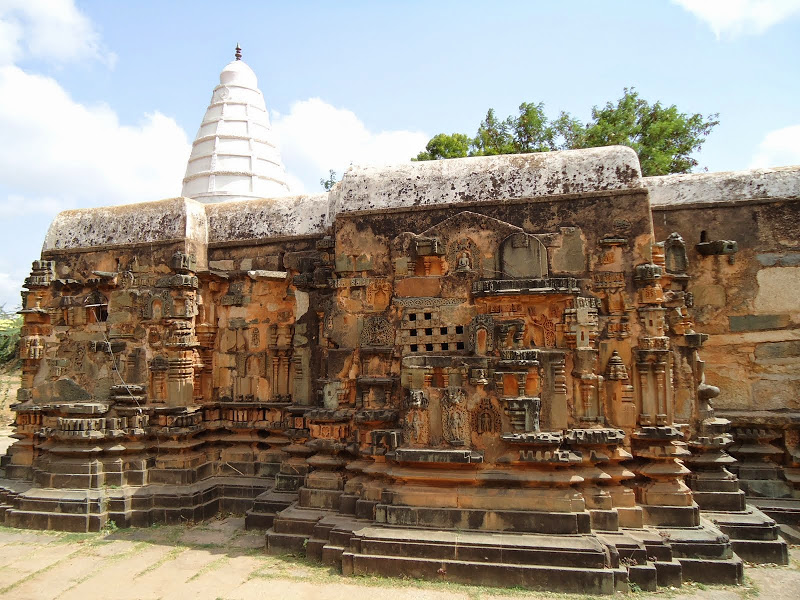
Kunkuma Mahadevi was one of the early temple builders and philanthropists in the Kannada country ruled by the Chalukya Kings. She was the younger sister of Chalukya Vijayaditya (696-733 CE). She constructed a large Jaina temple at Purigere, modern Lakshmeswar, Dharwar district. She asked her brother to donate a village to a Brahmana. She performed Hiranya garba, one of the sixteen danas/ gifts . She gave gold and costly elephants and chariots to Brahmins. She married brave and generous Alupa king Chitravahana
Loka Mahadevi
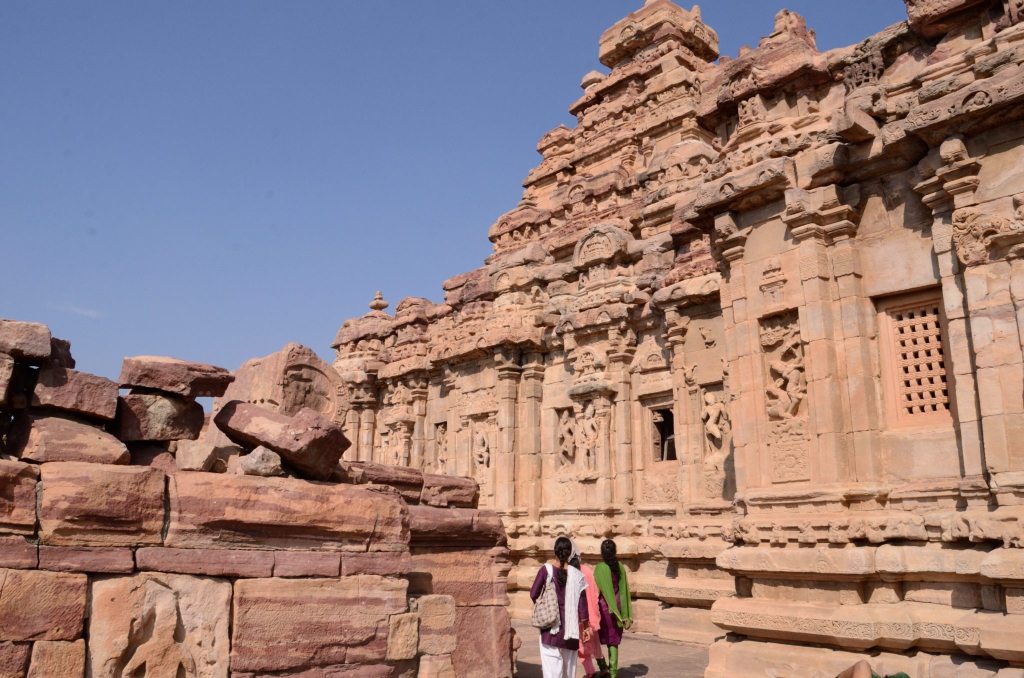
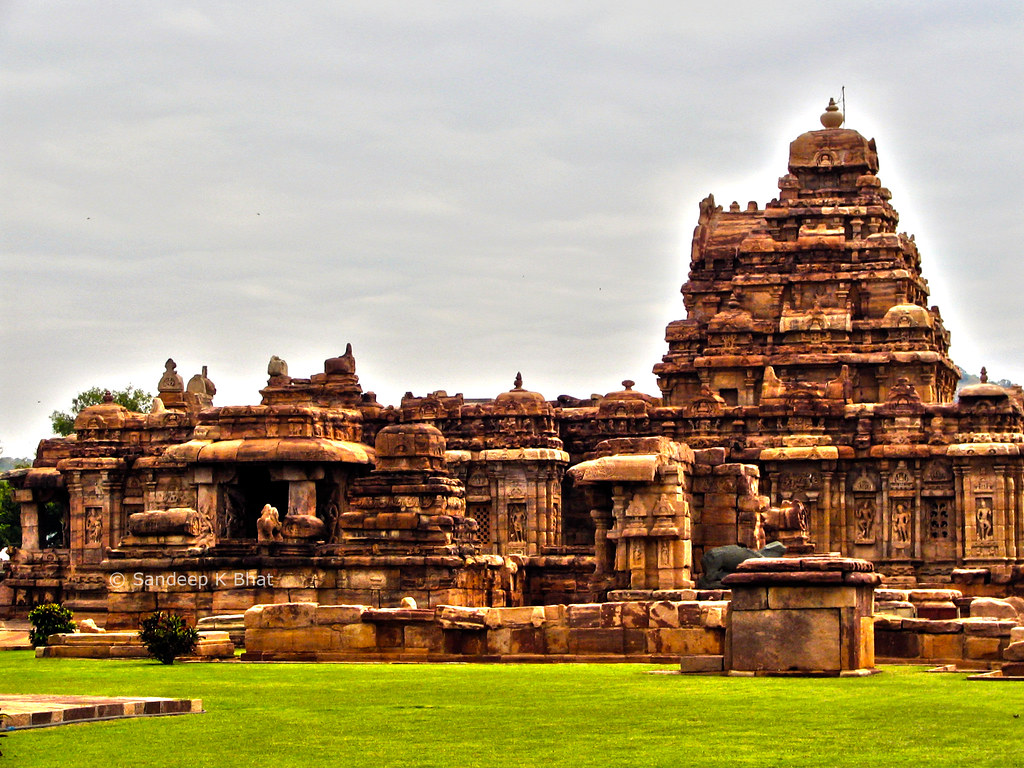
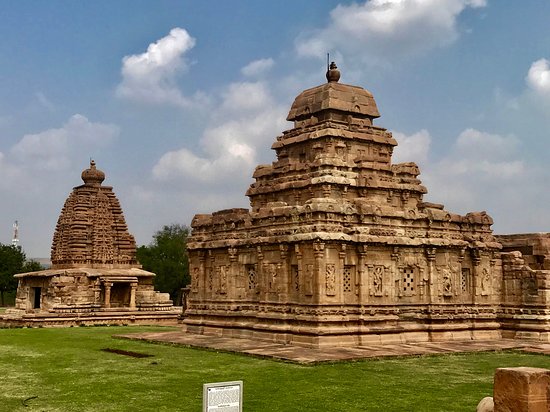
Loka Mahadevi was the chief queen of the Chalukya king Vikramaditya II of Badami. She built the famous Virupaksha temple at Pattadakkal. As a token of appreciation, she exempted the builders of that district from payment of certain taxes.
Ananda K Coomaraswamy, famous art historian, calls this temple as “one of the noblest structures in India”. She also conferred on the musicians and dancers a number of privileges . One of these by name Achala, founded a new school of dancing.
Daanachintamani Attimabbe
In the last quarter of the tenth century when the Chalukyan emperor Taila II was ruling, Daanachintamani became famous. She was born in a family of learned men. He father Mallappayya , a general, was a great scholar, a reputed astrologer, an excellent teacher of archery and a patron of learning. She and her sister Gundamabbe were married to Nagadeva , Commander in chief of Chalukyan army and son of Dhallappa, the prime minister.
In one of his masters campaigns Nagadeva was killed and his second wife performed ‘sati’. Attimabbe was asked not to follow her sister because her son Annigadeva was very young.
She was a devout follower of Jainism ; she got prepared a 1000 copies of Shantinatha Purana, a Jain work written by court poet Ranna. Her help helped the poet to write an important Jain work entitled Ajita Purana. She was held in high esteem by the Chalukyan emperor Taila and the general public.
Lakshmaneswar
Miracles of Daanachintamani
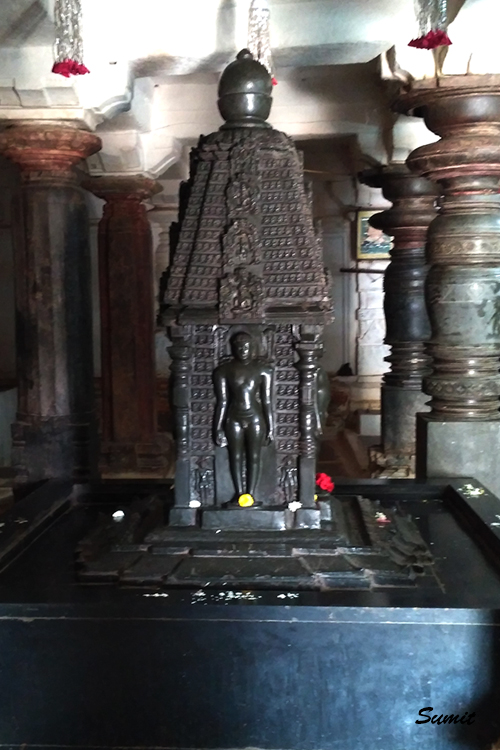
A number of miracles are attributed to her. Her title Daana Chintamani – unstinting donor- was well merited is evident from the fact that she gave way 1500 golden Jina images set with precious gem stones. From two inscriptions dated 1007 CE, found at Lakkundi, we learn that she constructed many Jain temples and donated a village for the maintenance of it.
History syllabus of every state must include these great women. Students must be asked to collect more information from various sources. They may be asked to compare these women with other women of different states.
A Bronze Age painting on a Greek island shows a monkey from thousands of kilometres away in Asia. The finding suggests that ancient cultures separated by great distances were trading and exchanging ideas.
The artwork is one of several wall paintings in a building at Akrotiri on the Greek island of Thera (Santorini) in the Aegean Sea. Akrotiri was a settlement of the Minoan civilisation in Bronze Age Greece that was buried by ash from a volcanic eruption in around 1600 BC.
Many of the paintings show monkeys, yet there were no monkeys in Greece at the time. Most of the monkeys have been identified as Egyptian species like olive baboons. This makes sense because Egypt was in contact with the Minoan civilisation, which was spread across several Aegean islands. However, others were harder to identify.
Marie Nicole Pareja at the University of Pennsylvania in Philadelphia teamed up with primatologists to re-examine the mystery monkey paintings. One stood out. “When they looked at this wall painting, they all straight away unambiguously said ‘that’s a langur’,” says Pareja.
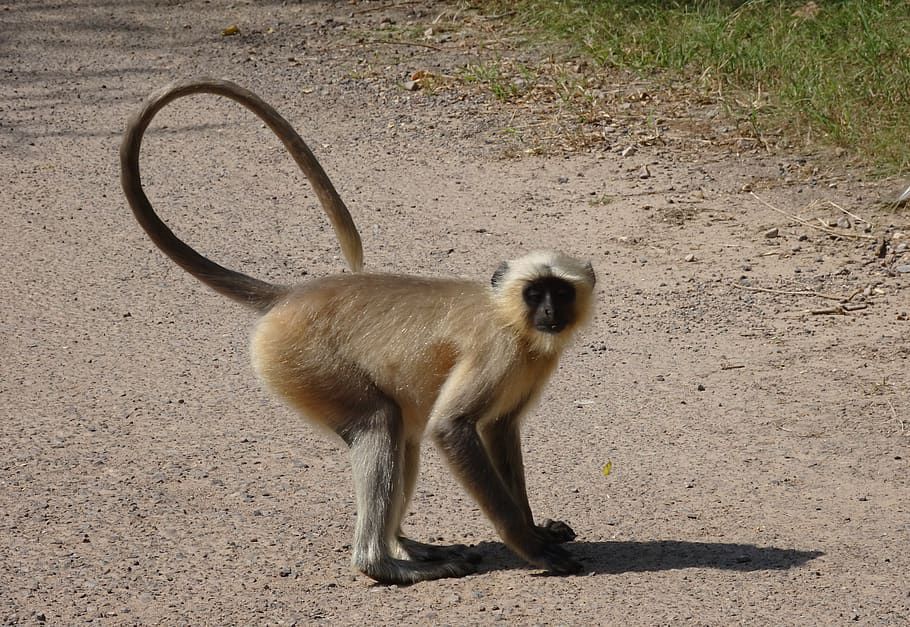
The team has identified the monkey as a grey langur (Semnopithecus). As well as its distinctive fur, the monkey was depicted holding its tail in a characteristic S shape.
Grey langurs live in southern Asia in what is now Nepal, Bhutan and India – and particularly in the Indus Valley. During the Bronze Age, the region was home to the Indus Valley Civilisation, one of the most important societies of that time. Although it was past its peak, the Indus Valley Civilisation was still advanced for its time, with large cities and elaborate water supply systems.
Somehow, the artist who painted the monkey picture must have seen a grey langur. But how?
Did Minoan Greeks visit the Indus? “I wouldn’t be surprised if someday in the future we found evidence for that kind of direct contact,” says Pareja, but right now there is none. It is also possible the visit was the other way round, but again there is no evidence.
Instead, it may be that Greece and Indus were connected via Mesopotamia, another Bronze Age civilisation centred on what is now Iraq. Langurs may have been imported to Mesopotamia for menageries, where visiting Greeks saw them.
“It’s evidence of this far-reaching trade, these relationships with these far-flung areas,” says Pareja. Even in the Bronze Age, it seems there was a lot of exchange between seemi
As far as archaeologists know, Asian monkeys weren’t trotting the globe during the Bronze Age. That’s why a millennia-old Greek painting of a gray langur—a primate native to the Indian subcontinent—was surprising enough to stop researchers dead in their tracks.
Archaeologists and primatologists re-analyzing wall paintings found in Akrotiri, a Minoan settlement on Thera (modern-day Santorini) buried by volcanic ash around 1600 B.C., have uncovered evidence that Bronze Age Greek artists knew of—and may have even seen—monkeys whose native habitat was thousands of miles away. Their findings, newly published in the journal Primates, hint that ancient cultures were more intertwined than previously thought. Eager to exchange ideas, artists or merchants may have journeyed far from home; eventually, the fruits of these wanderers’ travels were immortalized in paint.
Previous researchers have already noted that some of the Bronze Age artworks unearthed on the Greek islands of Crete and Thera depict monkeys of all shapes and sizes. Based on the animals’ features, as well as close trade relations between the Minoans and the Egyptians, some have been pinpointed as olive baboons, which are native to the forests and savannas of the African continent.
Other painted primates, however, were more mysterious. For instance, sprawled across one of the Akrotiri building’s walls is a fresco populated by blue, rock-climbing monkeys with buoyant, S-shaped tails. The primates remained unidentified until recently, when Marie Nicole Pareja, an archaeologist at the University of Pennsylvania, recruited a group of primatologists to re-examine the painting.
“It felt really silly to examine an image of these animals as an archaeologist and art historian without asking for the input of people who look at them every day,” she tells Tom Whipple at the Times.
After snapping photos of the fresco and several other Aegean artworks, Pareja sent them to colleagues around the world. Several confirmed the Egyptian nature of the majority of the monkeys but reported that the Akrotiri painting “unambiguously” contained gray langurs, says Pareja to New Scientist’s Michael Marshall.
According to Whipple, the langurs’ tails gave them away. Flexing skyward, they bore no resemblance to the appendages of African monkeys, which droop downward. Instead, they acted as calling cards for gray langurs, a species most likely hailing from the Indus Valley—then home to its own bustling civilization.
How exactly the artists came across their source material remains unclear. As Whipple reports, the exquisite detail seen in the fresco makes Pareja suspect it’s unlikely the works’ creators simply copied the monkeys secondhand. That means someone, whether human, monkey or both, undertook an arduous crossing of the many thousands of miles that separated the civilizations, or perhaps met somewhere in the middle.
“When you consider the distance of the Aegean to the Indus, compared to Egypt, it is incredible,” says Pareja.
Such cosmopolitan behavior probably wasn’t easy, but “our ancestors were interested in rare and exotic things, just as we are,” Peter Frankopan, a global history expert at Oxford University who wasn’t involved in the study, tells Whipple. “Long-distance trade, and connections between the Mediterranean, Asia and the Indian Ocean are well attested, even in this period, for high value, expensive objects.”
A live langur from a far-flung locale would certainly fit that bill. There’s even evidence from other archaeological finds supporting the idea that foreign monkeys might have made it to Greece: a fossilized skull on Thera, for instance, and an ivory figurine on Crete.
Wherever the primates ended up, they were significant enough for the locals to painstakingly craft into art. Known to archaeologists since the 1960s, the Akrotiri wall paintings feature scenes of daily Greek life in the Bronze Age, illuminating the manners and customs of the time, according to the Thera Foundation. If gray langurs made the cut, it’s unlikely the primates were a one-off thought for the ancient Minoans.
The monkey’s presence also signifies another cultural value that remains a keystone of the human experience: intellectual exchange.
“This is showing us that what people later consider the Silk Roads are working even then, at least indirectly,” Pareja tells Whipple. “We talk about the Minoans, about the Egyptians, about the Indus peoples, all as if they are separate. But they are interconnected.”










 Tamil and Vedas
You must be logged in to post a comment.