சோழர்கள் தமிழர்களா?

SibiBorobudur

Sibi Story in sculptures, Borobudur, Indonesia.

By London Swaminathan

தமிழ் நாட்டை ஆண்ட சேர, சோழ, பாண்டியர்கள் ஆகிய மூவேந்தர்களும் குறைந்தது 2500 ஆண்டுகளாக வரலாற்றில் இடம்பெறுகிறார்கள். போதாயனர், காத்யாயனர், வால்மீகி, வியாசர், அர்த்தசாஸ்திரம் எழுதிய சாணக்கியர், மாமன்னன் அசோகன், கலிங்க மன்னன் காரவேலன், இலங்கையின் மஹாவம்சம், கிரேக்க தூதன் மெகஸ்தனீஸ், காளிதாஸ் முதலிய பலராலும் பாராட்டப்பட்டவர்கள்.


1.தமிழ் இனத்தின் வயது என்ன?, 2.சுமேரியாவில் தமிழ்ப் பறவை, 3.தமிழ்-கிரேக்க தொடர்பு 4. திராவிட ராணி கி.மு.1320 (5) தமிழ் பூதமும் கிரேக்க பூதமும் 6. வியட்நாமை ஆண்ட பாண்டிய மன்னன் முதலிய பல கட்டுரைகளில் ஏற்கனவே தமிழ் இனத்தின் பழமையை, பெருமையை விளக்கிவிட்டேன்.


சேரர்களுக்கு முன்பாக பாண்டியர் பெயரும் சோழர் பெயரும் அடிபடுகின்றன. எல்லோரும் வடபுல மன்னர்களுடன் சொந்தம் பந்தம் கொண்டாடினாலும் சோழர்கள் பற்றிய செய்திகள் வியப்பை ஏற்படுத்துகின்றன. பிற்காலச் செப்பேட்டிலும், கல்வெட்டுகளிலும் மட்டும் இச்செய்தி வந்திருந்தால் இதைப் பலரும் வெறும் புகழுரை என்று ஒதுக்கி இருப்பார்கள். ஆனால் சங்கத் தமிழ் இலக்கியத்தின் பழமையான பகுதி என்று கருதப்படும் புறநானூற்றில் இச் செய்தி ஒன்றுக்கும் மேற்பட்ட புலவர்களால் பாடப்படுவதால் இதில் உண்மை இருக்கவேண்டும்.

(ஆரிய திராவிட வாதம் பேசும் பேதிலிகளுக்குப் புறநானூறும் ஏனைய சங்க இலக்கிய நூல்களும் தரும் பதில் இதோ):


சோழர்களின் மூதாதையர்கள் இந்தியாவின் வடக்கு, வடமேற்குப் பகுதில் இருந்து வந்தவர்கள்என்று தோன்றுகிறது. தமிழர்களின் ஆட்சி அவ்வளவு தூரம் பரவியிருந்தது என்று சொல்ல முயலலாம். ஆயினும் பெயர்கள் எல்லாம் சம்ஸ்கிருதத்தில், புராணத்தில் உள்ள மன்னர் பெயர்களாக இருக்கின்றன. பாண்டவர்களின் சந்திரகுலத்துடன் பாண்டியர்கள் சொந்தம் கொண்டாடுவது போல இவர்கள் ஸ்ரீ இராமனின் சூரிய குலத்துடன் சொந்தம் கொண்டாடுகிறார்கள்.

புறநானூற்றின் பாடல் 37, 39, 43, 46, 228 ஆகியவற்றில் சோழர்களின் முன்னோடியாக சிபிச் சக்ரவர்த்தி கூறப்படுகிறான். சிபிச் சக்ரவர்த்தியின் கதை புராண, இதிஹாசங்களிலும் பவுத்த ஜாதகக் கதைகளிலும் வருகிறது. ஒரு புறாவுக்காக தன்னையே தராசில் நிறுத்தவன் அவன். தியாகத்தின் சின்னம் அவன். மஹாபாரதம் வன பர்வத்தில் வரும் (அத்தியாயம் 200) வரும் சிபி- கழுகு, புறாக் கதையை சங்க இலக்கியம் அப்படியே கூறுகிறது.

chola-flag-2

Choza’s Tiger Flag

சிபியின் வழித்தோன்றல் என்பது சம்ஸ்கிருதத்தில் ‘சைப்ய’ என்று வரும். அதைத் தமிழில் செம்பியன் என்று தமிழ்படுத்தினர். அகநானூறு பாடல் 36, நற்றிணைப் பாடல் 14 ஆகியவற்றில் சோழர்கள் செம்பியன் என்றே அழைக்கப்படுகிறான். வடமொழி ஆசிரியர்கள் தண்டி, வராஹமிகிரர் ஆகியோரும் சோழர்களை சிபியின் குடியினராகவே கருதுவர். அமராவதி, நாகார்ஜுனகொண்டா, பர்ஹுத், இந்தோநேசியாவில் போரோபுதூர் புடைப்புச் சிற்பங்களில் சிபியின் கதைகள் சித்திர வடிவம் பெற்றன.


சிபி குலத்தை ரிக்வேதமும் ,ஐதரேய பிராமணமும் குறிப்பிடுகின்றன. குறைந்தது 3500 ஆண்டுக்கு முந்தியவர்கள் சிபி குலத்தினர். பஞ்சாபில் ஜீனாப் நதிக்கரையில் சிபிபுரம் உள்ளது. இதைத் தான் பாணினி சிவபுரம் என்று குறிப்பிட்டதாகவும் சில அறிஞர் கருதுவர். சிபிகள் செய்த கண் தானத்தை புத்த ஜாதகமும் அவன் வேள்விகள் இயற்றி சொர்க்கம் சென்றதை மஹாபாரத ஆதிபர்வமும் விளக்கும்.


மேலும் பல வியப்பான செய்திகள்

அகத்திய முனிவரின் ஆணையை ஏற்று, தொடித்தோள் செம்பியன் என்ற சோழன், 28 நாள் இந்திர விழாவினை ஏற்பாடு செய்ததாக மணிமேகலை காப்பியத்தில் காணலாம் (1-1-10). அவன் சிவபெருமான் போல அசுரர்களின் மூன்று ஆகாயக் கோட்டைகளத் தகர்த்ததை நச்சினார்க்கினியர் தொல்காப்பிய உரையில் தருகிறார் (தொல். பொருள் 102 உரை). புறநானூறும் (பாடல் 39) சிறுபாணாற்றுப்படையும் (81-82), சிலப்பதிகாரமும் (29-17) இதையே கூறும்.


சிலப்பதிகாரம், மணிமேகலை முதல் உள்ள இலக்கியங்கள் அனைத்தும், கல்வெட்டுகள், மெய் கீர்த்திகள், செப்பேடுகள் அனைத்தும் சோழர்களின் சூரியகுலத்தைப் போற்றிப் புகழ்கின்றன.


மாந்தாதாவின் மகனான முசுகுந்தன் என்னும் சோழன் இந்திரனின் தலைநகரான அமராவதியைக் அசுரரிடமிருந்து காத்தான் என்றும் அதற்கு நன்றி தெரிவிக்கும் முகத்தான் காவல் பூதமும் ஐவகை மன்றமும் அனுப்பிவைத்தான் என்றும் சிலப்பதிகாரம் கூறுகிறது (5-65/67; 6-7/17)


புராண, இதிஹாசங்களில் சிபிச் சக்ரவர்த்தி சூரிய குல மன்னனாகக் காட்டபடவில்லை. இதில் வியப்பு ஒன்றுமில்லை. சூரியகுல, சந்திரகுலக் கலப்புத் திருமணத்தில் எதுவும் சாத்தியமே.

வரலாற்றுப் பேரறிஞர், தொல்பொருட் துறை நிபுணர் டாக்டர் இரா.நாகசாமி எழுதிய புத்தகத்தில் (யாவரும் கேளிர்) பல அரிய செய்திகளைத் தருகிறார்:

சோழ மன்னர்கள் காஸ்யப கோத்திரத்தைச் சேர்ந்தவர்கள் என்பதை அவர்களுடைய செப்பேடுகளில் இருந்து அறியலாம். காச்யபர், அத்ரி ஆகிய இரண்டு ரிஷிகளின் பெயர்களும் அவர்களுடைய குடி முதல்வர்களாகக் குறிக்கப்பட்டுள்ளன.

sibi colour

சோழ மன்னர்கள் திலீபன், அரிச்சந்திரன், மாந்தாதா, முசுகுந்தன், நாபாகன், காகுத்தன், பகீரதன், தசரதன், ராமன் முதலியோர் தங்கள் குலத்தவர் என்று கூறிக்கொள்வதை கன்யாகுமரிக் கல்வெட்டும், திருவாலங்காட்டுச் செப்பேடும், கலிங்கத்துப் பரணியும், மூவர் உலாக்களும் கூறுவதைக் காணலாம்.

இமயத்தில் சின்னம் பொறித்தது, மஹாபாரதப் போரில் பாண்டவர்களுக்கு உதவியது, இந்திரனுக்குச் சமமாக ஆசனத்தில் அமர்ந்தது ஆகியவற்றை மூவேந்தர்களும் தாங்கள் செய்ததாகக் கூறிக்கொள்கின்றனர்.

மாந்தாதா என்ற சோழன் ஒரே துறையில் புலியும் மானும் நீருண்ணும்படி பகை நீக்கி ஆண்டான் என்றும், ஒரு சோழன் உத்தரகுரு என்னும் போகபுரியை ஆண்டான் என்றும் தமிழ் நூல்கள் கூறுகின்றன.


ஒருமன்னன் குட மலையை அறுத்து பொன்னி நதியக் கொண்டுவந்தான் என்றும் இன்னொருவன் மேல்கடல் நீரைக் கீழ்க்கடலில் விட்டான் என்றும் நாபாகன் என்ற சோழன் முதுமக்கள் தாழியை வழக்கத்தில் கொணர்ந்தான் என்றும், மனுநீதிச் சோழன் தனது மகனையே தேர்க்காலில் இட்டதையும், நரைமுடி தரித்து நீதி வழங்கியதையும் கல்வெட்டுகளும் இலக்கியங்களும் கூறும்.


கரிகால் சோழன் பருந்து (கழுகு) வடிவ யாக குண்டம் அமைத்து வேள்வி இயற்றியதையும் பருவக் காற்றைப் பயன்படுத்தி கப்பல் விட்டதையும் ஏற்கனவே எழுதிவிட்டேன் கீழே காண்க.

இந்தியர்களை ஆரியர், திராவிடர் என்று இனம் பிரித்து சூது வாது புரிந்தவர்களுக்கு புறநானூறு நல்ல சூடு போடுகிறது.

உதவிய நூல்கள்: 1.சங்கத் தமிழ் இலக்கியம், 2.இரு பெரும் காப்பியங்கள் 3.இந்தியப் பண்பாடும் தமிழரும்— எழுதியவர் கம்யூனிஸ்ட் கட்சித் தலைவர் எஸ். இராமகிருஷ்ணன்  4. யாவரும் கேளிர்— தொல்பொருட் துறை அறிஞர் டாக்டர் இரா.நாகசாமி


Please read my earlier posts:

1.Indra festival in the Vedas and Tamil Epics 2.Bull fighting: Indus valley to Spain via Tamil Nadu 3.Karikal Choza and Eagle shaped Fire Altar 4.Why do British judges follow a Tamil king? 5.Flags : Indus Valley- Egypt Similarity 6.தமிழ் முனிவர் அகஸ்தியர் 7.வள்ளுவன் ஒரு சம்ஸ்கிருத அறிஞன் 8.கொடி ஊர்வலம்: சிந்து சமவெளி—எகிப்து அதிசிய ஒற்றுமை 9.வீரத் தாயும் வீர மாதாவும் 10.Veera Matha in the Vedas and Tamil Literature 11.இந்திர விழா: வேதத்திலும் தமிழ் இலக்கியத்திலும் 12.கரிகால் சோழனின் பருந்து வடிவ யாக குண்டம் 13.பருவக்காற்றைக் கண்டுபிடித்தது தமிழனா?  14.பிரிட்டிஷ் நீதிபதிகள் நரை முடி தரிப்பது ஏன்? 15.தமிழ் இனத்தின் வயது என்ன? 16.தொல்காப்பியர் காலம் தவறு ( ஐந்து பகுதிகள் கொண்ட கட்டுரைகள்).17. Pandya king who Ruled Vietnam.+ 560 articles about Indian Culture.

Pictures are taken from various sites;thanks; contact swami_48@yahoo.com

sibi


Sibi in modern Pakistan

Megasthenes didn’t know Buddha!

Why did not Megasthanes write about Gautama Buddha when he wrote about Madurai Meenakshi 2300 years ago? Was Gautama Buddha was unknown figure during his times? Only Emperor Ashoka boosted The Buddha? (Fragments of Megasthanes’ book Indica are only available)

Do the Vedic Seers know Salt? Why did not Vedic seers mention salt when they gave the world ‘sugar’? (Please read my post THE SUGARCANE MYSTERY: Indus Valley and Ikshvaku Dynasty)

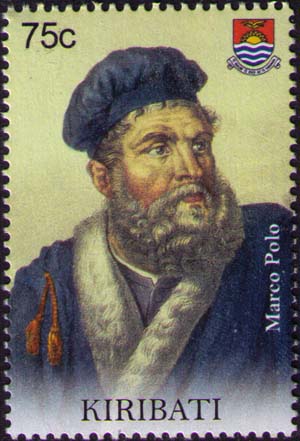
Why did not Marco Polo mention the Great Wall of China, Porcelain plates and drinking tea? He had not visited China at all? Did he write whatever he heard from other prisoners in Genoa prison? (Please read Frances Wood’s book-Did Marco Polo go to China?)

Why did not the great Tamil saint Manikka Vasagar mention Appar, Sambandhar and Sundarar in his works?

Why did not the Thevaram Greats mention Manikka vasagar, if he lived before them?

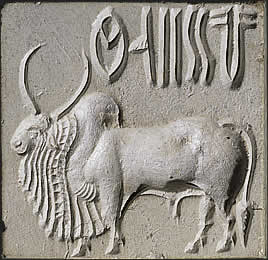
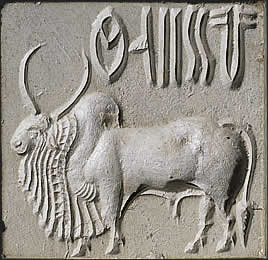
Why did not the Indus Valley people portray the holy cow anywhere when thousands of seals have the bull? Don’t they know  cows!!!!

Why was Rig Veda silent about Banyan trees? Don’t they know Banyan trees?

Why did not the world’s greatest grammarian Panini mention South India? There were no people in the South at his times! Or was he that ignorant?

Tamils don’t know the word ‘SHIVA’ until the seventh century! Tamils don’t know about ‘Lord Ganesh’ until seventh century! Were they imported Gods?

2000 year old Sangam Tamil literature never knew Indus River or North West India. They praised holy Ganges and holy Himalayas sky high! How come scholars associate Tamils with the Indus? Is it bogus scholarship?

If Tamil or Sanskrit literature doesn’t say anything about urinating, can we write a thesis for Ph.D that Indians never urinated?

Absolute absurdity!!!!!

I can keep on quoting hundreds of such things from all the ancient works.

Scholars have been debating all these for years. I myself took several years to collect all the above details. For the past forty years I have been collecting interesting titbits like this from various books just to say “Negative Evidence is not enough to prove something”.

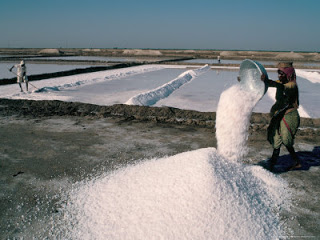
Salt pan in Kutch area of Guajarat

A lot of Ph.D.wallahs and Ph.D.vallhis jump to certain conclusions on negative evidence. Negative evidence is not enough to support a new theory. You need more proof in the form of secondary evidence. But a lot of false things about Hinduism and India are said about without much proof. “Aryans came from Iran and the Tamils came from the Mediterranean”, “Caste system came from Indus Valley”, “Brahmins migrated to the South in 1000BC with Agastya”, “Tamils have a separate culture”, “Indus valley people spoke Dravidian Languages”, “Aryan Shiva is different from Dravidian Shiva”, “Shiva is Phallus Symbol, Yoni is genital Symbol”, “Manu was against women”, “Vedic people were illiterate nomads”, “All Hindu Women were burnt alive when their husbands die”— all such rubbish things have been written by foreign ‘scholars’ just to divide the country and the people. Most of the things are said on one or two references or negative evidence. I have been writing in this blog to prove them wrong and how and where they went wrong.

A Buddhist scholar wrote that rivers of blood were flowing due to animal sacrifice on the banks of river Charmanvadhi. If we take all exaggerated versions of poets as facts, a lot of bad things can be said about any culture, community or religion with one or two quotes from their books! Poets have a different way of presenting anything. One must look for more evidence before saying anything on a particular topic.

One third of ancient Tamil poems refer to prostitutes. It is not a true reflection on the Tamil community. Just to emphasize Tamil’s concern for chastity, the poets exaggerate such things. Tamils’ morality was on a higher level. Any one will get a better picture if one takes all the available facts.

A mention about meat eating by Kalidasa’s Brahmin jester (Vidushaka) in one of his dramas and Brahmin Tamil poet Kapila’s verse in Sangam literature sent wrong messages to Indian ‘scholars’!

Picture of Indus seal with bull

Foreign scholars had double standards in interpreting anything Hindu, anything Indian. When they wanted to date all Indian materials they took the latest reference in the particular work (Eg. Valmiki Ramayana). When they wanted to belittle anything they showed all good things as interpolations! When they wanted to take the whole work and criticize them, they never talked about interpolations! (Eg. Manu Dharma Shastra’s juicy bits about women and Shudras!). They wrote that all good things were imported in to India from Egypt, Babylonia and Greece! No exports from India!! To discredit Indians they even named Indian numerals as Arabic numerals!

Maha Bharata and Vedas are compilations. Vyasa, the greatest literary figure the world has ever seen, did this monumental work. He gathered all the materials available in his time, divided Vedas in to four parts and entrusted the work to four of his disciples to preserve and pass it on to generations to come. He gathered all the available stories and customs and inserted them or woven them in the great Maha Bharata, the longest epic in the world. So we will definitely see contradictions. They are apparent and not real. The overall picture one gets about Indian culture is the same. But for writing Ph.D. thesis and debating in scholarly circles, the apparent contradictions come very handy!

The moral lesson is:

Don’t take anybody’s word for it.

Don’t jump to conclusions by reading one bit from a volume of materials. Read the original in full and arrive at a conclusion.

PLEASE READ MY EARLIER POSTS:

1/ The Sugarcane Mystery: Indus Valley and the Ikshvaku Dynasty

2/ Biggest Brain wash in The World

3/ How Old Is Indian civilisation?

6.தமிழ் இனத்தின் வயது என்ன?

7.தமிழன் காதுல பூ

N.B.Pictures are taken from various websites;thanks.

எதையும் நம்பாதே! யாரையும் நம்பாதே!!


Marco Polo in Kiribati stamp.

(இந்தக் கட்டுரை ஆங்கிலத்திலும் கிடைக்கும். கட்டுரையை வேறு இடத்தில் பயன்படுத்துவோர், பிளாக் பெயரையோ, கட்டுரையாளர் லண்டன் சாமிநாதன் பெயரையோ வெளியிட வேண்டுகிறோம். தமிழுக்கும் தமிழ் எழுத்தாளர்களுக்கும் மதிப்பு கொடுங்கள்.)

இல்லை என்றால் உண்டு?

  1. புத்தர் பற்றி மெகஸ்தனீஸ் சொல்லவில்லை. புத்தர் அப்போது பிரபலமாகவில்லையோ? அசோகர் அவரை பெரிய ‘ஆள்’ ஆக்கிவிட்டாரோ? மதுரை மீனாக்ஷி பற்றி எழுதிய மெகஸ்தனீஸ் (கி.மு.350), புத்தரை அறியாதது ஏனோ!! (மெகஸ்தனீஸ் எழுதிய புத்தகம் ‘இண்டிகா’ முழுதும் நமக்குக் கிடைக்கவில்லை)


  1. உப்பு பற்றி வேதம் சொல்லவில்லை. உப்பே இல்லாமல் சாப்பிட்டார்களோ? ஆனால் சர்க்கரையைக் கண்டுபிடித்தது அவர்கள் தானே! (எனது கட்டுரை The Sugarcane Mystery : Indus Valley and Ikshvahu Dynasty காண்க)


  1. சிவன் என்ற சொல் தொல்காப்பியம், சங்க இலக்கியப் பாடல்களில் இல்லை. தமிழர்களுக்கு ஏழாம் நூற்றாண்டு வரை ஏன் சிவன் என்ற சொல்லே தெரியவில்ல? அவர் தமிழ்க் கடவுளே இல்லையோ?


  1. விநாயகர் பற்றி, காளிதாசன், மாணிக்கவாசகர், சங்க இலக்கியத்தில் இல்லை. தமிழர்களுக்கு பிள்ளையார் இறக்குமதி தெய்வமோ? வடக்கேயிருந்து வந்தாரோ? சிறுத்தொண்டர் ,வாதாபிக்குப் போகும் முன் தமிழர்களுக்கு இப்படி ஒரு தெய்வம் இருப்பதே தெரியாதோ? சங்க இலக்கிய கடவுள் வாழ்த்துக்கள் எல்லாம் சிவ மயமாகவும் நாராயணமயமாகவும் இருப்பது ஏன்?


  1. மார்க்கோ போலோ சீனாவின் நெடுஞ் சுவர் பற்றி எழுதவில்லை. மார்க்கோ போலோ சினாவின் முக்கிய வழக்கமான தேநீர் அருந்துவது பற்றி ஏன் ஒன்றுமே சொல்லவில்லை? பீங்கான் தட்டுகள், கோப்பைகளுக்கு உலகப் பிரசித்தமான இடம் சீனா. அதை எப்படி அவர் சொல்லாமல் விட்டார்? மார்க்கோபோலோ சீனாவுக்கே போகாமல், ஜெனோவா சிறையில் கைதிகளிடம் கேட்ட கதைகளை எல்லாம் நன்றாக அளந்துவிடாரோ?


  1. சிந்து சமவெளியில் பசு மாடு முத்திரைகள் இல்லை, காளை மட்டுமே உள்ளது. ஏன்?—-இந்துக்களுக்கு பசு தெய்வம். வேதங்கள் பசுக்களைப் புகழ்கின்றன. சிந்து சமவெளி மக்களுக்கு பசு புனிதமானதோ?—- அவர்கள் வேத கால நாகரீகமோ? அதனால்தான் பசுக்களை மட்டும் முத்திரையில் குத்தவில்லையோ?


  1. ஆதி சங்கரரும் ராமானுஜரும் தமிழர்கள். ஆனால் தமிழில் எழுதாமல் வட மொழியில் மட்டுமே எழுதினர். அவர்களுக்குத் தமிழே தெரியாதோ?


  1. மாணிக்கவாசகரின் இயற்பெயர் யாருக்கும் தெரியாது. யாரும் சொல்லவில்லை. அவர் பெயர் இல்லாப் பூச்சியோ?


  1. கடவுள் மாமுனிவர் மாணிக்கவாசகர் பற்றி எழுதிய புத்தகத்தில் மாணிக்கவாசகர் பெயரைச் சொல்லவே யில்லை. அவ்வளவு குரு பக்தியோ? அல்லது ஞாபக மறதியா?

Buddha in Pakistan stamp
10. அப்பர், சம்பந்தர், சுந்தரர் பற்றி, மாணிக்கவாசகர் ஒன்றுமே சொல்லவில்லை. ஒருவேளை அவர்களுக்கு முன்னால் வாழ்ந்திருந்தால் மூவரும் அவரைப் பற்றியாவது சொல்லி இருக்கலாமே! ஏன் சொல்லவில்லை?


11. தமிழர்கள் சிந்து நதி பற்றி, சங்க இலக்கியத்தில் ஒன்றும் சொல்லவில்லை. ஆனால் கங்கை நதி பற்றி வியப்பான விஷயங்களைச் சொல்லி இருக்கிறார்கள். தமிழர்களுக்கு சிந்து சமவெளி நாகரீகம் பற்றி ஒன்றுமே தெரியாதோ? சிந்து என்ற ஒரு பகுதியையே அறியாத மக்களோ?


12. சிறுநீர் கழிப்பது, மலஜலம் கழிப்பது பற்றி ஒரு நாட்டின் இலக்கியம் ஒன்றும் பேசாது. அப்படியானால் அவர்கள் சிறு நீர், மலஜலம் கழிக்கும் வழக்கம் இல்லையோ?


13. உலக மகா இலக்கண வித்தகர் பாணினி சேர சோழர் பாண்டியர் பற்றி ஒன்றும் சொல்லவில்லை. தெற்கு திசை பற்றியும் ஒன்றும் சொல்லவில்லை. அவருக்கு தெற்கு திசையே தெரியாதோ! அல்லது தமிழ் நாகரீகம் அப்போது இல்லவே இல்லையோ?


14. காளிதாசனின் ஒரு நாடகத்தில் விதூஷகனும் (பிராமணன்), கபிலர் என்ற ‘புலன் அழுக்கற்ற அந்தணாளன்’ ஒரு சங்கப் பாடலிலும் மாமிச உணவின் ருசியைப் புகழ்கிறார்கள். இந்த ஐயர்கள் மாமிசம் சாப்பீட்டார்களோ?


15. டாக்டர் பட்டத்துக்காக தத்துப் பித்தென்று கண்டதையும் கடையதையும் எழுதும் இவர்களைக் கண்டு சிரிப்பதா அழுவதா என்று புரியவில்லை. நான் எனது 40 ஆண்டுக்கால ஆராய்ச்சியில் சேகரித்த சில உதாரணங்களை மட்டும் மேலே கொடுத்துள்ளேன். இவை எல்லாம் பிஎச்.டி-வாலாக்களுக்கும் பட்டிமன்ற வாய்ச்சாளர்களுக்கும், திண்ணைப்பேச்சு சோம்பேறிகளுக்கும் மட்டுமே பயன்படும் வாதங்கள்—குதர்க்க வாதங்கள்/


16. சங்கத் தமிழ் பாடல்களில் மூன்றில் ஒரு பகுதி ஆண்கள் பரத்தையிடம் செல்வதைப் பற்றிப் பாடுவதை பல அறிஞர்கள் சுட்டிக்காட்டி இது புலவர்கள் மிகைப்படுத்திப் பாடுவது என்று கூறியுள்ளனர். தமிழர்கள் ஒழுக்க சீலர்கள், ஒருவனுக்கு ஒருத்தி என்ற உன்னத கொள்கையுடையோர் என்பதை உலகம் அறியும்.


Bull on Indus Seal

17. ஆனால் அதே தமிழர்கள் மற்ற சம்ஸ்கிருத நூல்களில் வரும் ஒரு செய்யுளை எடுத்துக் கொண்டு அபத்தமான கருத்துகளை அள்ளித் தெளிக்கும்போது வேதனையாக இருக்கிறது. மனு தர்ம சாத்திரம் பற்றி விஷம் கக்குவது இவர்களுக்கு வாடிக்கை. மனு தர்ம சாத்திரத்தை எல்லா தமிழ் கல்வெட்டுகளும் மன்னர்களும் ஏன் புகழ்ந்தார்கள்? அதில் உள்ள எல்லா விஷயங்களும் உண்மையில் பின்பற்றப்பட்டதா? அதில் எது இடைச் செருகல்? எது உண்மை? அது இந்தியாவில் எந்தப் பகுதியில் உள்ளவர்களுக்கு எப்போது எழுதப்பட்டது? என்பதை எல்லாம் நோக்குவதில்லை.


18. ஒரு புத்தமத ‘அறிஞர்’, யாகத்தில் கொல்லப்பட்ட பசுக்களின் ரத்தம் ஆறாக ஓடியது பற்றி கதை அளந்து இருக்கிறார். அவருக்கு இதே வரிகள் (ரத்த ஆறு) சங்கத் தமிழ் இலக்கியத்திலும் கலிங்கத்துப் பரணியிலும் இருப்பது தெரியாது!! புலவர்கள் மிகைப்படுத்தி சொல்லும் விஷயங்களை அப்படியே எடுத்துக் கொள்வோரின் ‘அறிவு’ அபாரமானதுதான்!!!


19. வெளிநாட்டு அறிஞர்’கள் சில இடங்களில் மட்டும் இடைச் செருகல் என்று கதை அளப்பார்கள். மனு போன்ற நூல்களில் இடைச் செருகல் பற்றி பேச மாட்டார்கள். ஒரு நூலின் காலத்தைக் குறைத்து மதிப்பிட வேண்டும் என்றால் கடைசியாக வந்த பாடலை மட்டும் காட்டுவார்கள். இதெல்லாம் அவர்களுக்கு கைவந்த கலை! இந்திய எண்களையே அராபிய எண்கள் என்று பெயர் சூட்டி நம்மை மட்டம் தட்டியவர்கள்தானே.


20. இந்தியாவில் உள்ள எல்லா நல்ல விஷயங்களும் பாபிலோனியா, கிரேக்க, எகிப்திய இறக்குமதிகள்!! எல்லா கெட்ட விஷயங்களும் ஆரிய, திராவிட கண்டுபிடிப்புகள்! என்பது அவர்கள் கணிப்பு!


21. ஆரியர்கள் மத்திய ஆசியாவில் இருந்தும் திராவிடர்கள் மத்திய தரைக் கடல் பகுதியில் இருந்தும் வந்தவர்கள், ஆரிய சிவனும் திராவிட சிவனும் வேறு வேறு, சிவலிங்கம், யோனி என்பதெல்லாம் மனிதனின் ஜனன உறுப்புகள், சிந்து சமவெளி எழுத்து திராவிட எழுத்து, வேதகால மக்கள் மாடு மேய்த்த நாடோடிகள், பெண்களுக்கு எதிரானவர் மனு, இந்துக்கள் கணவர்கள் இறந்தால் மனைவியை உயிருடன் எரித்துவிடுவார்கள், சிந்து சமவெளி மக்கள்தான் ஜாதியைக் கண்டுபிடித்தவர்கள், பிராமணர்கள் கி.மு 1000-ல் தெற்கே குடியேறியவர்கள்—–இப்படி ஏராளமான ஆதாரமற்ற ,இன்று வரை நிரூபிக்க முடியாத,  பல “கண்டுபிடிப்புகளை” வெளிநாட்டார் புத்தகத்தில் காணலாம்.

Salt pan in Kutch, Gujarat
இதிலிருந்து நாம் அறிய வேண்டிய பாடம்:

எப்பொருள் யார் யார் வாய்க் கேட்பினும் அப்பொருள்

மெய்ப்பொருள் காண்பது அறிவு (குறள்)

எதையும் யாரையும் நம்பாதீர்கள்.ஒருவர் ஒரு விஷயத்தைச் சொல்லாததால் அது இல்லாமல் போகாது. மற்ற விஷயங்களையும் கருத்தில் கொண்டு ஆராய வேண்டும்.


எதையும் முழுக்கப் படிக்காமல் கேள்வி கேட்காதே. யாரோ ஒருவர் எழுதிய ‘ஆய்வுக் கட்டுரையைப்’ படித்துவிட்டு நம்பிவிடாதே. மஹா பாரதம், ராமாயணம், புராணங்களை முழுக்கப் படிக்காமல் வாதம் செய்யாதே. சம்ஸ்கிருதமும் தமிழும் சொல்வதை முழுவதும் படித்த பின்னரே அரை வேக்காட்டு நிலையில் இருந்து ஒருவர் முழு வேக்காட்டு நிலைக்குப் போக முடியும். வெளிநாட்டுக் கருத்துக்களை விட, உள்நாட்டு அறிஞர்களுக்கு அதிக மதிப்புக் கொடு. பழைய விஷயங்களில் முன்னோர்கள் சொன்னதை நம்பு என்பதே நாம் கற்க வேண்டிய பாடம்.


இது தொடர்பான முந்தைய கட்டுரைகள்

1/ The Sugarcane Mystery: Indus Valley and the Ikshvaku Dynasty

2/ Biggest Brain wash in The World

3/ How Old Is Indian civilisation?

4..தமிழ் இனத்தின் வயது என்ன?

5..தமிழன் காதுல பூ

N.B.Pictures are taken from other sites.

Indra in the oldest Tamil Book

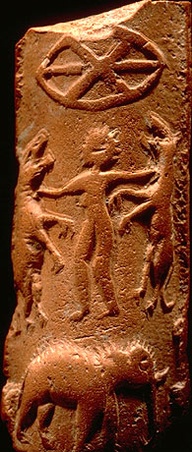
indus elephant


I think this INDUS seal portrays Indra on Airavata.

Indra is the most popular Vedic God. Indra is the most popular Tamil God according to the oldest Tamil book Tolkappiam. Tolkappiar wrote this grammatical treatise around 1st century BC. He lists all the four important Vedic Gods INDRA, VARUNA, VISHNU and SKANDA (another form of AGNI) as Gods of four Tamil Lands. Tolkaapiam was launched in the assembly of a Pandya king and Acharya of Athankodu gave the seal of approval according to Panamparanar, disciple of Agastya & Tolkappiar. Acharya of Athankodu was praised as a great scholar in all the four Vedas.


Tolkappiar was not the only one who praised Indra. We see Indra throughout Tamil literature. Sangam Tamil literature mentions his name in several places and the heaven under Indra is mentioned in innumerable places. Pura Nanauru, Tirukkural and Tamil epics did not miss his name.


People who don’t know Tamil or Tamil literature think Tamils had a different culture which is not true. There are some special aspects of Tamil culture and it is same with every nook and corner of the country. Britain, where I live is a small country; exactly the area of one state in India (Andhra Pradesh) and it has got almost similar population of Andhra Pradesh. But there are four cultures English, Welsh, Irish and Scottish. Irish and Scottish are fighting for separate countries. No wonder India which is the seventh largest country in the world, with the second highest population in the world, show different aspects in different parts.

6d92c-indra_riding_airavatakazyhiker-com


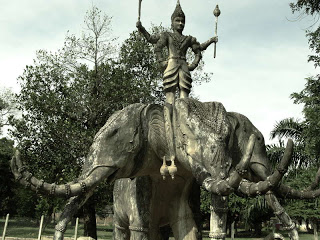
Indra riding Airavata, Laos

Indra was out and out an Indian god. Throughout Indian literature he is depicted as riding an elephant. Elephant is an Indian animal and tropical animal. But people, who claimed themselves “scholars”, spread all sorts of lies about Indra to confuse and divide Indians.


Tamil are very fond of Indra. Even today they have Indra’s name such as Rajendra, Mahendra, Balendra,Gajendra,Vijayendra etc.

As a matter of fact from the northern most Kashmir to the southernmost Kandy in Sri Lanka, we see Indra’s name everywhere.


Following references from the Tamil books will prove my argument:

Tol.Porul.1 to 5 says

The land of forests desired by Mayon (Vishnu), The land of hills desired by Seyon (Reddish Skanda), the land of sweet waters desired by the King (Indra) and the land of wide sand desired by Varunan. The land divisions are respectively called Mullai, Kurinji, Marutham and Neithal. Indra was the God of cultivated lands and irrigated fields. Indra is always associated with water in the Vedas. He was the one who released water by killing Vritra. Tolkappiar was a genius and he translated Indra as King (Venthan in Tamil). There are innumerable Indras in the Hindu scriptures. But some people falsely attributed all these things to one Indra. Tolkappiar used the common noun king.


Purananuru verse 182

Ilamperu Vazuthi sings about the great qualities of Tamils in Puram verse 182. He says that even if Indra’s Amrita is offered one would not eat alone. This is a clar reflection of Bhagavad Gita verse 3-13. I have already given this in my post Bhagavad Gita in Purananuru in Tamil. So Indra’s Amrita was known to every Tamil.

Puram 241

Tamils and other Hindus believed that soldiers who sacrifice their lives defending the country will go straight to heaven under the rule of Indra. This is also in Bhagavad Giat which I have already explained in my post. Enicheri Mudamosiyar sings about Chieftain’s Ay’s death. Indra is waiting to welcome the hero to his world, says the poet. I have a feeling that Ay’s real name is AYendran or Ajendran. His name Andiran is cognate with Indira in Sanskrit and Andrew in English.


Indra-Ahalya Painting!

Another beautiful verse gives very interesting details about a painting of Indra in the disguise of a cat when he came to molest Gautama Rishi’s wife Ahalya. Paripatal verse 19 describes this story with three Sanskrit names Indra, Gautama and Ahalya. This painting in Tirupparankundram near Madurai attracted a big crowd and the poet overheard the conversation and put it in his poem! Indra’s stories were so popular in Tamil Nadu 2000 years ago. The Indra festival is described in minute details in the great epic Silappadikaram.


Paripatal verses and Tirumurukatrup patai verse gives a variety of mythological stories by one or two lines.

Tituvalluvar uses the story Indra and Ahalya to illustrate that seers are greater than Indra when it comes to the control of senses (Kural 25)

In 2000 year old Sangam Tamil literature we come across Sanskrit word Amruta (ambrosia) in many places which is available in Indra loka (heaven of Indra). The Sanskrit word Amrita is used in more than thirty verses in Sangam literature.


Rainbow is known as Indra Dhanush (Indra’s bow) in Tamil and Sanskrit literature.

Vashista’s wife Arundhati, Amrita, Indra and Four Vedas were used by Tamil poets in hundreds of places. Tamils were thorough with the Hindu Mythology. Tripura Dhanam of Shiva, destruction of buffalo demon by the goddess, Shiva’s poison episode etc were household things in ancient Tamil Nadu. In short there is no Tamil book without a Sanskrit word—from Tolkappiam to Bharathiar of our time. There is no Tamil work without a reference to Hindu god or mythology. I can quote from every book.

(Those who want to reproduce the article must give the name of the blog or the author London Swaminathan. Pictures are not mine)


Read my earlier posts:

Indra Festival in the Vedas and Tamil Epics

Veera Matha in the Vedas and Tamil Literature

Vahanas in Kalidasa and Tamil Literature


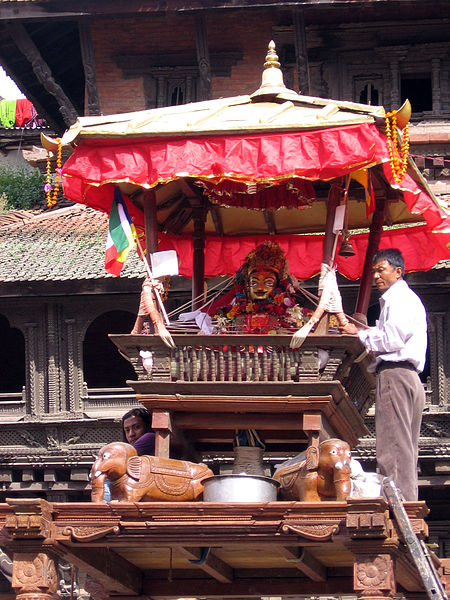
Picture of Indra festival in Nepal.

Saraswathi Statue in Washington DC, USA


Picture of  16 foot high Saraswathi Statue in Washington (From The Hindu News paper)

Indonesia, the country with the largest Muslim population in the world, has gifted an imposing 16-foot-high statue of Saraswati, the Hindu goddess of education and wisdom, to Washington DC.

The goddess’ statue, on top of a lotus, stands tall a block away from the Indian Embassy in front of a statue of Mahatma Gandhi.

Hindus constitute just three per cent of the Indonesian population. A little over a mile from the White House, the statue is yet to be formally inaugurated, but has already become an attraction for city residents and large number of tourists who visit the city every day.


“Devi Saraswati is one of the Goddesses in Hinduism, the primarily practised religion among Balinese people in Indonesia, which itself is the world’s biggest Muslim-majority country. Yet, her representation at the Indonesian Embassy was not decided out only of any religious grounds, but more on its symbolised values that parallel with several key principles of Indonesia-U.S. relations under comprehensive partnership, in particular education and people-to-people contact,” a spokesperson at the Indonesian Embassy told PTI.


The construction of the statue began in mid-April, and was built by five native Balinese sculptors led by I. Nyoman Sudarwa, who wrapped up the job in five weeks.

From The Hindu 10th June 2013


Read my earlier posts:

Sanskrit Inscriptions in strange places

Hindu Wonders in a Muslim Country

Madurai, Chennai Pictures

I visited Chennai and Madurai between 17th May and 27th May via Delhi. I have posted some pictures earlier.Click on pictures to enlarge them.I post more pictures taken by me:


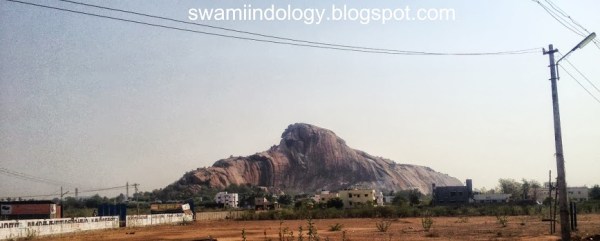
Anamalai near Madurai. Jains lived in eight hills sorrounding Madurai. Thirujnana Sambandhar sang about Anamalai Jains 1300 years ago. The shape looks like an elephant and so it is called elephant hill= Ana Malai in Tamil.
Narasingham is at the foot hill of Anamalai. There is a huge Narasimha statue in a cave temple. The temple walls have beautiful Vattezuthu (old Tamil script) inscription. The temple was constructed by the chief minister Maran Kari of Pandya King Srimara Sri Vallabhan of eighth century.
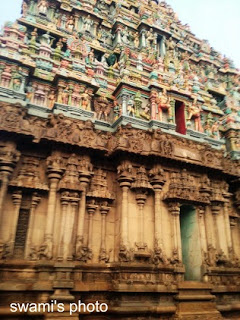
Narasingham Temple Golden Tower
inside temple
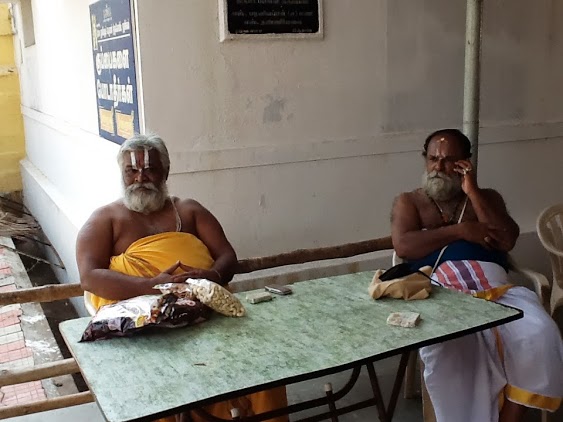
Vaishnava Acharyas inside the temple.
Madurai Perumal /Vishnu Temple is as old as Meenakshi temple. This is the ashtanga Vimanam of the temple. Only few temples in Tamil Nadu have this Ashtanga Vimanam.
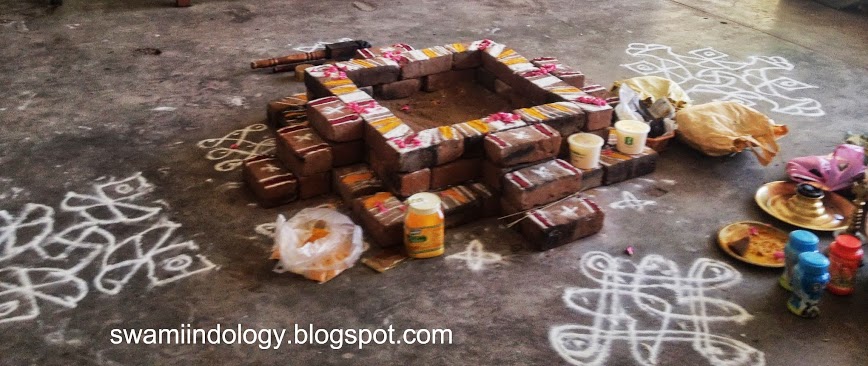
homa kundam
Homakundam (Fire Altar) in Narasingham Temple
perumal koil prakaram
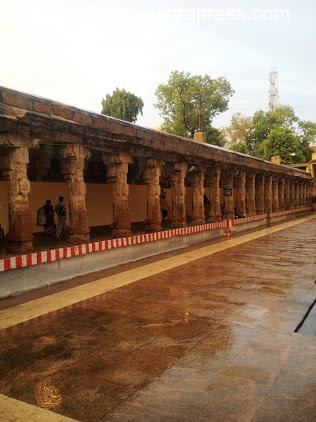
Madurai Perumal Temple corridor after the rain.
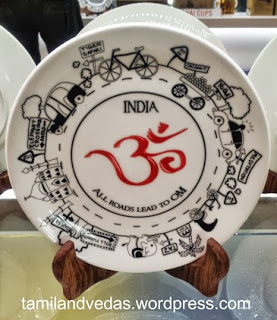
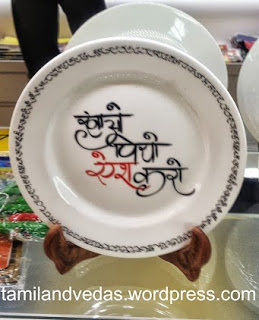
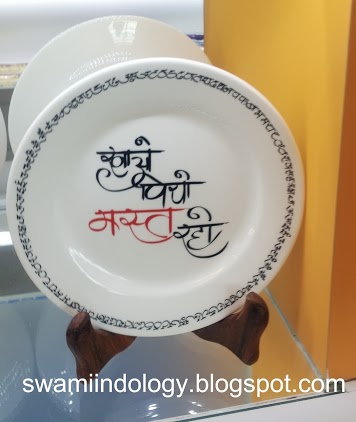
I was walking along the duty free shops in Delhi airport and fond out some porcelains on sale with good slogans: ALL ROADS LEAD TO OM.
Purna Kumbham means FULL POT. It is filled with holy water and placed in the Puja. After Vedic Mantra recitation the water is used for bathing or Abhishek (ritual bathing) to Gods or sprinkling over people’s heads to get them purified. The pot has mango leaves and coconut on the top. The threads are wound round it with mantra recitation. Vedic priests invented geometry 3000 years ago to construct Vedic Fire Altars and to draw Rangolis. Geometrical shape can be seen on the pot.Purna Kumbham is an auspicious symbol.This is taken in my brother’s house in Chennai.
For all the pujas(worship of God), Hindu priests use only environmentally friendly materials. They use big banana leaves for eating and cups with banana leaves for drinking. Those cups are called Donnai (Drona). A priest (Sri K Raman) is making Donnais.
ther vadam

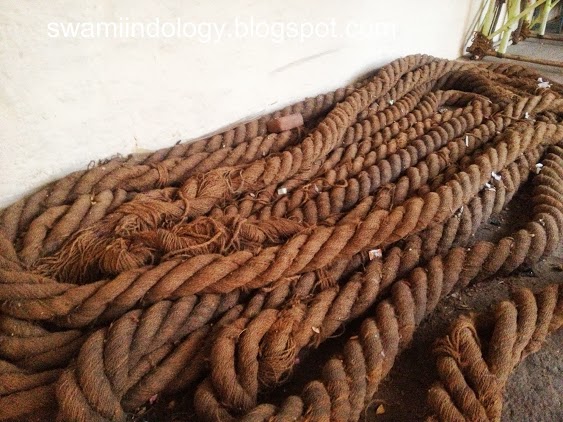
This big rope is used to pull the very big Temple chariot once a year. This is to strengthen unity among Hindus. Thosands of devotees will assemble and pull the chariot along the main streets of the town. Old and invalids who cant go to temple will have darshan (Seeing) of God. If devotees dont go to God, God will come to the devotees!


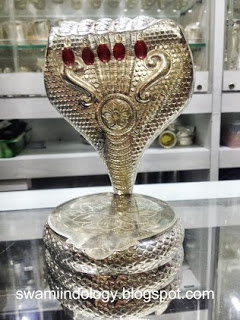
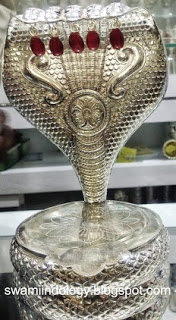
This silver snake is used for Puja. The Sivalinga is seated under the hooded snake. Sometimes they donate it to temples to get issues. All the ladies who have no children are advised by the astrologers or priests to worship snakes. Snakes are associated with fertility in Hindu religion. They fear harming snakes and beleive they wouldn’t get children if they harm them. Again environmentally friendly religion! If the snakes are killed illions of rodents (rats) will destroy the crops. Malnutrition will lead to infants death or childless couple.

 
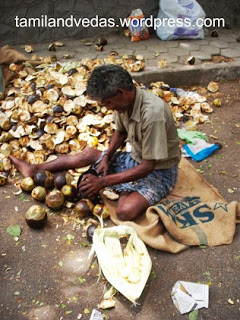
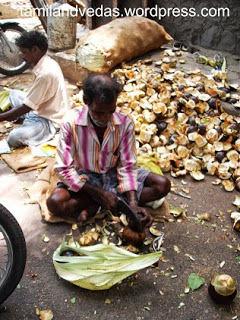
Palmyra fruits (Nungu in Tamil) are sold in streets in Tamil Nadu during summer. They are good fro health and quench ones thirst.


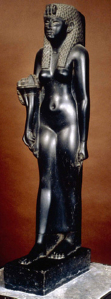
Cleopatra of Tamil Nadu

statuette-of-cleopatra1

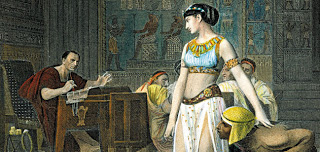
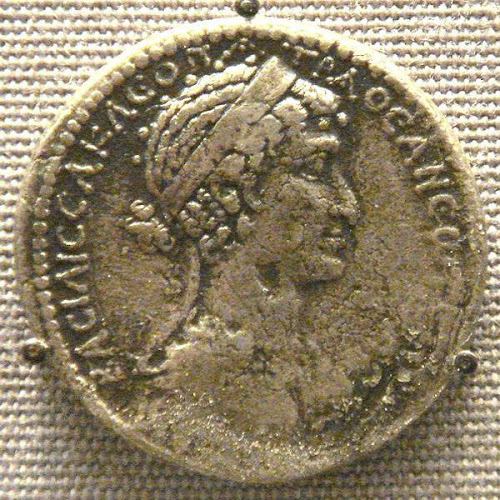
Cleopatra (69 BC -30 BC) ruled Egypt for 21 years before Christ. She was famed for beauty and intelligence. Her life was shrouded in mystery. Lot of interesting things are said about her that needs proof. But her marriage to her brother Ptolemy, Julius Caesar and Antony are facts. Egyptian kings married their sisters. Cleopatra was a Macedonian and she was the last ruler of Macedonian dynasty (Ptolemaic dynasty). When she had a clash with her brother Ptolemy XIII she fled to Syria. Roman General Julius Caesar restored her to the throne in 47 BC. They became lovers and had one child. It was said that she rolled herself in a carpet and presented herself to Caesar. When Caesar was assassinated in 44 BC, she fled to Egypt. Antony summoned her to Rome and once again an affair led to he marriage to Antony. They had three children. When she got her Egyptian kingdom back, both Antony and Cleopatra went to Alexandria where they were given a rousing welcome. Both of them were seated on Golden thrown with their three children.

When the Roman senate declared war against Antony, a rumour was spread that Cleopatra committed suicide. Antony believed it and committed suicide. When Cleopatra heard this she killed herself with an asp (Poisonous snake).

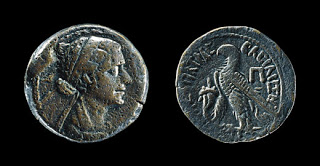
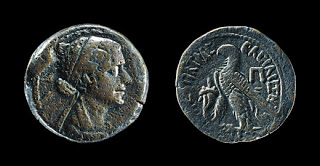
Cleopatra has inspired writers like Shakespeare , Bernard Shaw and several authors and film directors. Though Shakespeare has written about the snake bite in his drama ‘Antony and Cleopatra’, nobody knew the truth. She had the luxury of bathing in donkey’s milk every day to maintain her beauty. Another controversy is about her origin. Some people claim that she was not of Macedonian Greek origin but of Black African origin. Her beauty is also questioned by many. Some portraits on coins show her as an ugly woman. But there is no doubt she was the queen, fought wars, married three people and had several children.


Now to Rani Mangammal:

Rani Mangammal was also famous, beautiful and controversial like Cleopatra. She fought wars and died mysteriously, probably in a prison. Her origin was also questioned by a contemporary writer. But she did marry only one person.

Rani Mangammal’s name is a household name in Madurai area. She built lot of Dharmasalas for the general public and palaces in Trichy and Madurai. Her palace is converted to Gandhi Museum in Madurai. She donated a lot to different temples and Brahmins. She restored Brahmin status to Sourashtra Community.

Her contemporary writer Chinna Vekanna said that she was the daughter of Tupakula Lingama Nayaka of Chandragiri and a courtesan of Tiruvellore called Kanaka. She was beautiful and very clever. She migrated to Thanjavur and later to Madurai. She came in contact with Sokkanatha Nayaka of Madurai and married him. After the death of her husband, her son Rangakrishna Muthuveerappa Nayaka became the king. He died in 1689 and Manhgamma ruled Madurai Kingdom on behalf her grandson Vijayaranga Chokkanatha Nayaka, who was just three months old at that time.

Moghul emperor Aurangzeb sent one of his shoes in a procession to all the areas hwere he expected tribute. Though Mangammal’s commander boldly took that shoe and wore it in his foot and demander for the missing shoe, later she accepted his sovereignty and paid tribute. This was done to tackle the local problems such as attacks from Chikka Devaraya of Mysore, Ravi Varma of Travancore, Shaji of Thanjavur and Kizavan Sethupathy of Ramanathapuram.


The Cauvery river dispute   came to the fore during  her rule. Chikkadevaraya built a dam across the river in Kannambadi. This deprived the irrigation channels in Thanjavur. Mangammal went to war with Chikkdevaraya and before  long the dam burst because of heavy rains and floods.

Mangammal was thrown into prison by her grandson’s coteries and she died in a prison. But she occupies an important place in Tamil history for her good work. It is relevant to compare her origin, beauty, intelligence, rule, wars and death with the Egyptian queen Cleopatra.

contact swami_48@yahoo.com

தமிழ்நாட்டின் கிளியோபாட்ரா

எகிப்திய அரசி கிளியோபாட்ராவைப் பற்றி பல சுவையான கதைகள் சொல்லப்படுகின்றன. இதே போல திருச்சியிலிருந்து மதுரையை அரசாண்ட ராணி மங்கம்மாளைப் பற்றியும் பல கதைகள் உண்டு. இருவரிடையேயும் முழுக்க முழுக்க ஒற்றுமை காணப்படாவிடினும் சில விஷயங்களில் ஒற்றுமை நிலவுகிறது. இதோ சுவையான செய்திகள்:


முதலில் கிளியோபாட்ரா (கி.மு 69-30):

கி.மு 69-ல் ராஜ வம்சத்தில் பிறந்தார். அலெக்சாண்டருக்குப் பின்னர் எகிப்தை ஆண்ட டாலமி அரச வம்சத்தில் உதித்தார். இங்கே ஒரு புதிர். இவர் கிரேக்க வம்சம் இல்லை, ஆப்பிரிக்க கறுப்பினப் பெண் என்று. இதுவரை முடிவு தெரியாத சர்ச்சை. அவருடைய அம்மா யார் என்பதும் உறுதியாகத் தெரியாது. இவரது தந்தையான 12ஆவது டாலமி இறந்தவுடன் இவர் 13ஆவது டாலமியை மணந்தார். அதாவது சகோதரனை கல்யாணம் செய்துகொண்டார். இது எகிப்து நாட்டில் இருந்த வழக்கம்-சகோதர திருமணம்! அதிகாரம் இருக்கும் இடத்தில் மோதல் இருக்கத்தான் செய்யும். சகோதர்ருடன் மோதல்.

கிளியோபாட்ர சிரியா நாட்டுக்குத் தப்பிச்சென்று பெரும்படையுடன் திரும்பிவந்தார். அப்போது ரோமாபுரியை ஆண்ட ஜூலியஸ் சீசர் பாம்பி மன்னனைத் துரத்திக்கொண்டுவந்தார். அவன் எகிப்தில் தஞ்சம் புகுந்தான். காத்திருந்த அழகி (?) கிளி (யோபாட்ரா),  ஒரு கம்பளத்தில் தன்னைச் சுற்றிக்கொண்டு ஜூலியஸ் சிசரிடம் பரிசாகக் கொடுக்கச் சொன்னார். கம்பளத்தை விரித்தபோது வெளியே வந்த கிளியின் அழகில் ஜூலியஸ் மயங்கினார். இருவருக்கும் காதல்,கல்யாணம், முடிவில் ஒரு மகன். மீண்டும் சர்சை. பிற்காலத்தில் இந்த மகன் தனக்குப் பிறந்தவன் இல்லை என்று ஜூலியஸ் சொல்லிவிட்டார்.


ஜூலியஸ் சீசர் போரில் கொல்லப்பட்டவுடன் கிளி எகிப்துக்குப் பறந்தது. ஜூலியஸுக்குப் பின்னர் வந்த ஆண்டனி இவளை அழைக்கவே காதல், கல்யாணம், மூன்று மகன்கள்! நல்ல சந்தர்ப்பம் வாய்க்கவே எகிப்து நாட்டின் ஆட்சி அதிகாரத்தைத் திருப்பிப் பெற்றுக்கொண்டு அலெக்சாண்ட்ரியா நகருக்கு வந்தார். தங்க சிம்மாசனத்தில் அமர்ந்த தம்பதிகளுடன் மூன்று பிள்ளைகளும் அமர்ந்த காட்சியைக் காண நாடே திரண்டுவந்தது. இது நடந்தது கி.மு 34 ஆம் ஆண்டு.

கி.மு.31-ல் பெரும் போர் ரோமாபுரியில் மூண்டது. கிளியோ கொல்லப்பட்டதாக வதந்தியைப் பரப்பினர். இதைக் கேட்ட ஆண்டனி தற்கொலை செய்துகொண்டார். அதைக் கேட்ட கிளியோபாட்ரா ஒரு நல்ல பாம்பை நெஞ்சில் வைத்து கடிக்கவைத்து தற்கொலை செய்துகொண்டார். ஆங்கில மாகவி ஷேக்ஸ்பியர் எழுதிய ஆண்டனி கிளியோபாட்ரா நாடகம் உள்பட ஏராளமான திரைப்படங்களும் கிளியின் நினைவைப் போற்றி வளர்க்கின்றன. அவர் பாம்பு கடித்து இறந்தாரா, அழகைப் பராமரிக்க தினமும் கழுதைப் பாலில் குளித்தாரா—எல்லாமே சர்ச்சைக்குரிய புதிர்கள்!!!


இனி மங்கம்மாள் (1689-1704) பற்றிய சுவை மிகு செய்திகள்:

கிளி (யோபாட்ரா) யைப் போலவே இவரும் அழகானவர். கிளி போலவே பல போர் புரிந்தவர். கிளி போலவே அழகால், சாதுர்யத்தால் ஆட்சி உரிமை பெற்றவர். மிகவும் திறமையான ஆட்சியாளர். மதுரை நகர் முழுதும் இன்றும் இவர் புகழ் பாடும். மர்மமான முறையில் (சிறையில்?) இறந்தார். ஆனால் இந்தச் செய்திகளில் சில, கிளி வரலாறு போலவே உறுதிப்படுத்தப் படாத செய்திகள். அவர் காலத்தில் வாழ்ந்த சின்ன வெங்கண்ணா, மங்கம்மாளைக் கிண்டல் செய்து எஉதிய கவிகளில் இருந்து பெறப்பட்ட கிளுகிளு செய்திகள் இவை.

அவர் சொல்லும் ரகசியம்: மங்கம்மாளின் இயற் பெயர் கனகா. அவர் தந்தை சந்திரகிரி துபாகுல நாயகர். அவர் ஒரு நடன மாது. வேலை தேடி தஞ்சை விஜயராகவரின் அரவைக்குச் சென்றார். அவர் அந்தப்புரத்தில் சேர்க்க தயாராக இருந்த தருணத்தில் எப்படியோ மதுரை சொக்கநாத நாயகரை(1659-1682) மணந்தார். மங்கம்மாளின் மகன் முத்துவீரப்ப நாயகர் (1682-1689) சிறிது காலம் ஆண்டு இறந்துவிட்டார். உடனே பேரன் விஜரங்க சொக்கநாத நாயக்கரின் பேரில் 1689-ல் ஆட்சியை ஏற்றுக்கொண்டார்.


மொகலாயப் பேரரசன் அவுரங்கசீப் தனது ஒரு செருப்பை நாடு முழுதும் ஊர்வலம் விட்டான். அஸ்வமேத யாக குதிரை போகும் இடம் எல்லாம் எப்படி பாரதீய சக்கரவர்த்திகளுக்குச் சொந்தமானதோ அதே போல செருப்பு போனமிடம் எல்லாம் கப்பம் கட்டவேண்டும். ராணி மங்கம்மாள் மிகவும் தைரிய சாலி. அவனது படைத் தளபதி அந்த ஒற்றை செருப்பை காலில் மாட்டிக்கொண்டு மற்றொரு செருப்பு எங்கே என்று கேட்டான். ஆனால் பின்னர் ராமநாதபுரத்தின் கிழவன் சேதுபதி, மைசூரின் சிக்க தேவராயா தஞ்சை மன்னன் ஷாஜி, திருவாங்கூர் மன்னன் ரவிவர்மா ஆகியோர் தொல்லை கொடுக்கவே அவுரங்கசீப்புடன் சமரசம் செய்துகொண்டு கப்பம் கட்டினார்.

மதுரை முழுதும் அன்ன சத்திரங்களைக் கட்டினார். கோவில்களுக்கும் பிராமணர்களுக்கும் வாரி வழங்கினார். மதுரை சவுராஷ்டிர சமூகத்துக்குப் பிராமண அந்தஸ்து வழங்கினார். காவிரிப் பிரச்சினை இவர் காலத்தில்தான் துவங்கியது. சிக்கதேவராயன் காவிரி நதியின் குறுக்கே கண்ணம்பாடியில் அணை கட்டி தஞ்சைப் பாசனத்தைத் தடுக்கவே போர்க் குரல் எழுப்பினார். கடவுள் அருளால் பெரு மழை, வெள்ளத்தில் அணை  உடைந்தது. காவிரிப் பிரச்சினையும் தீர்ந்தது. இவர் கடைசி காலத்தில் சிறையில் இறந்ததாக ஒரு செய்தி. எது எப்படியாகிலும் இவரது சத்திரங்களும், கோவில், மசூதி, கிறிஸ்தவ சர்ச்சுகளுக்குக் கொடுத்த தானங்களும், மதுரை தமுக்கம் அரணமனையும் (இப்போது காந்தி மியூசியம்), மீனாக்ஷி கோவில், திருப்பரங்குன்றம் கோவில்களும் இருக்கும் வரை மங்கம்மாளின் புகழ் மங்கவே மங்காது.


அழகால் ஆட்சி பெற்றதும், போர் முனைகளில் எதிரிகளைச் சந்தித்ததும், மர்மமான முறையில் இறந்ததும் இவரை கிளியோபாட்ராவுக்கு அருகில் அழைத்துச் செல்கிறது.

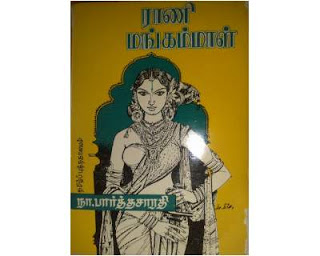
ஆர்.சத்தியநாத அய்யர் எழுதிய நாயக்கர் வரலாறு, டாக்டர் தேவகுஞ்சரி எழுதிய மதுரை வரலாறு, நா.பார்த்தசாரதி எழுதிய ‘ராணி மங்கம்மாள்’ என்னும் சரித்திர நாவல் ஆகியவற்றையும் படித்து இன்புறுக.


Pictures are taken from different sites. Thanks. Contact: swami_48@yahoo.com


(இலக்கியத் திருடர்களுக்கு ஒரு வேண்டுகோள்: என்னுடைய கட்டுரைகளை அப்படியே திருடி தங்கள் பெயரில் தாங்கள் எழுதியது போல வெளியிடுவதைக் கண்டு மனம் வருந்துகிறது. தமிழுக்கும் தமிழ் எழுத்தாளர்களுக்கும் துரோகம் செய்யாதபடி யார் எழுதியது, எந்த வெப்சைட்டில் எடுக்கப்பட்டது என்பதை தயவு செய்து வெளியிடுங்கள்).

King and 8 Ministries in Vedic Period

Vedic people were not primitive. They were more civilized than any other race of that period. The rules and regulations stipulated for the king and the duties and prerogatives assigned to the king show that they are highly organised and very much advanced in civilization.

It is amazing to see all the important Departments or Ministries were in place during the Vedic time.

Ministries: Grhapati, Vanaspati, Pasupati, Dharmapati, Brhaspati

Ministers : Savita, Agni, Soma, Brahaspati, Indra, Rudra, Mitra, Varuna


Coronation and Consecration

The rites and rituals connected with the Coronation and Consecration ceremony are described in the Satapata Brahmana (5-3, 5-4). On the first day of the five day ceremony, offerings are made to eight deities-

Savita, Agni, Soma, Brahaspati, Indra, Rudra, Mitra, Varuna

These eight Gods are called ‘Devasus’ or Divine Quickeners’ and each has an epithet of his own.

While offering the oblations, each is invoked along with his epithet which bespeaks one or other aspect of royal prerogatives, duties and functions.

Thus Savita is invoked as Satyaprasava for true impulse or righteous energy of the king. ( I will compare it to the modern Ministry of External Affairs and Prime Minister’s Office)

Agni as Grhapati for mastery of the household( Ministry of Human Resources)

Soma as Vanaspati for the protection of forests and agriculture (Ministry of Agriculture and Forests)

Brhaspati Vak for power of speech ( Ministry of Information and Broadcasting)

Indra as Jyeshta for supremacy or predominance in matters of administration (Ministry of Home Affairs)

Rudra as Pasupati for protection of cattle,(Ministry of Animal Husbandry)

Mitra as Satya for truth,(Ministry of Moral Education)

And lastly offering to Varuna and moral governor as Dharmapati for upholding Dharma or Law. The last epithet viz, that of Varuna makes the king upholder of law or one who enforces law and order. (Ministry of Law and Order)

Thus each epithet is applied with an eye to each prerogative or duty of the king-designate.


Eight Ministers for Tamil Kings

Tamil kings who ruled in the southern part of India two thousand years ago also had Eight Advisers. The council was called ‘EnPerayam.’ It consisted of

Chief of Accounts

Chief of Executive officials

Chief of Treasury officials

Chief of Palace guards

Leading citizens representatives

Chief  of Infantry

Chief of Elephantry

Chief of the Cavalry


Shivaji’s Eight Ministers

Ashta Pradhan of Veera Shivaji

Shivaji who was coronated in 1674 had Eight Ministers to run the country. The council was called Ashta Pradhan.

Peshwa: Prime Minister

Amatya: Minister in charge of Financial matters

Sacheev: Chief of Administration

Mantri: Home Minister

Sumant: Foreign Minister

Senapati: Commander in Chief, Defence Minister

Nyayadish: Law Minister/ Chief Justice

Panditrao: Minister in charge of Religious Affairs


Council of Eight Poets: Ashta Diggajas

Ancient King Vikramaditya had a Council of Nine Scholars known as Navaratnas (Nine Gems). Vijayanagara kings had a group of Eight Poets/scholars knows as Ashta Diggajas ( Eight Elephants in 8 cardinal points). They were very popular because of their poetical works. The eight poets were Allasani Peddana, Nandi Thimmana, Madayagari Mallana, Pingali Surana,Tenali Ramakrishna, Dhurjati Ayyalaraju, Ramaraja Bhushandu, Rama Bhadrudu.

Of the eight poets, Tenali Ramakrishna was the most famous person. He was a great poet and a jester. His anecdotes are known to every child of South India.

Vijayanagara Emperor Krishna Devaraya who ruled between 1509 and 1529 AD had these eight poets. He himself was a great poet.


Looking at these councils, one may conclude that the ancient practice of having EIGHT COUNCILLORS was followed till recent times.

Democratic Election:-  First King Soma

The first king elected democratically on earth was a Vedic king named SOMA.

As to the origin of kingship or institution of monarchy the Aitareya Brahmana recounts the following anecdote. Once Gods were defeated by the Asuras (demons) in every direction. At that time there was no king among Gods. Brooding over the cause of their signal defeat at the hands of the Asuras, thus said the Gods—Because we are without a king they have been able to defeat us;we shall ELECT a king.’ All consented unanimously. They ELECTED god Soma as their king and conquered all the directions guided by King Soma. This passage proves the emergence of kingship by ELECTION at the time of emergency or national calamity. Naturally the first king had to be elected whether in heaven or earth. Later hereditary kingship was followed.


Please read my earlier post Lord Shiva’s favourite No 8

( Details of Vedic times are  gathered from the book ‘Life during Brahmana Period’)

Contact swami_48@yahoo.com

Pictures are taken from other websites.Thanks.

தூதர்கள் படுகொலை

பிராமண தூதர்கள் படுகொலை

(இந்தக் கட்டுரை ஏற்கனவே ஆங்கிலத்தில் என்னால் வெளியிடப்பட்டுள்ளது)


தூய்மை துணைமை துணிவுடைமை இம்மூன்றின்

வாய்மை வழியுரைப்பான் பண்பு (தூது, குறள் 688)


உலகிலேயே தூதர்களுக்கான இலக்கணம் வகுத்த முதல் நாடு இந்தியாதான். தூதர்களுக்கான குண நலன்களை வகுத்ததோடு அவர்களுக்கான சட்ட திட்டங்களையும் வகுத்தது பாரதம் தான். இதற்கான சாட்சியங்கள் ராமாயணத்திலும் மகா பாரதத்திலும் இருக்கின்றன. தமிழ் வேதமான திருக்குறள் “தூது” என்ற அதிகாரத்தில் பத்து குறட் பாக்களில் தூதர்களின் லட்சணங்களை முன்வைக்கிறது.

ராவணனிடம் தூது சென்ற அனுமனைக் கொல்ல ராவணன் உத்தரவிடுகிறான். உடனே விபீஷணன் அதைத் தடுத்து தூதர்கள் விஷயத்தில் பின்பற்றப்படவேண்டிய அறப் பண்புகளை நினைவு படுத்துகிறான். இதுதான் இந்தக் காலத்தில் “டிப்ளமேடிக் இம்யூனிட்டி” என்ற பெயரில் சர்வதேச அளவில் பின்பற்றப்படுகிறது.


கவுரவர்கள் இடத்தில் தூது சென்ற கிருஷ்ணன் தன்னுயிரையும் பொருட்படுத்தாமல் தனது பணியைச் செய்ததை மகா பாரதம் எடுத்துரைக்கிறது. ஆனால் இக் கட்டுரையில் நான் சொல்ல வந்த விஷயம் பலரும் அறியாத ஒரு விஷயம். வரலாற்றுக் காலத்தில் இரண்டு பார்ப்பன தூதர்கள் படுகொலை செய்யப்பட்ட சோக நிகழ்வு அது.

பிராமணர்கள் கல்வி கற்றதாலும் அந்தக் காலத்தில் ஒழுக்க சீலர்களாக இருந்ததாலும் பழங் காலத்தில் தூதர் பணியையும் செய்து வந்தனர். இப்படிப்பட்ட இரண்டு பிராமணர் பற்றி அக நானூறும் புற நானூறும் பாடுகின்றன. பாலை நிலம் வழியாக ஓலைச் சுவடியைக் கையில் ஏந்திவந்த பார்ப்பனனை தங்கம் கொண்டு செல்லும் ஆள் என்று நினைத்து பாலை நில மாக்கள் கொன்று விடுகின்றனர். அவர் ஒரு ஒல்லியான வறிய பார்ப்பனன் என்று அறிந்தவுடன் வருத்தத்துடன் கையை நொடித்துச் சென்று விடுகின்றனர். இதோ அந்தப் பாடல்:


“ கண நிரை அன்ன , பல் கால், குறும்பொறை

தூது ஒய்ப் பார்ப்பான் மடி வெள் ஓலைப்

படையுடைக் கையர் வரு தொடர் நோக்கி

உண்ணா மருங்கும் இன்னோன் கையது

பொன் ஆகுதலும் உண்டு என கொன்னே

தடிந்து உடன் வீழ்த்த கடுங்கண் மழவர்

திறன் இல் சிதாஅர் வறுமை நோக்கி

செங்கால் அம்பினர் கைந்நொடியாப் பெயர

கொடிவிடு குருதித் தூங்கு குடர் கறீஇ”

——

(அகம் 337, பாலை பாடிய பெருங் கடுங்கோ)


புறநானூறு வேறு ஒரு சித்திரத்தைக் காட்டுகிறது. ஒரு பிராமணர் நள்ளிரவு என்று கூடப் பார்க்காமல் அரண்மனைக்குள் ஓலைச் சுவடியுடன் அவசரம் அவசரமாக நுழைகிறார். அடுத்த நிமிடம் அந்த மன்னன் பயந்து போய் தனது போர்க் கால நடவடிக்கைகளைக் கைவிட்டு பணிந்து விடுகிறார். அந்த பார்ப்பனன் பேசிய சொற்களோ வெகு சில என்று வியக்கிறார் புலவர். இதோ அந்தப் பாடல்:

“ வயலைக் கொடியின் வாடிய மருங்கின்

உயவல் ஊர்திப், பயலைப் பார்ப்பான்

எல்லி வந்து நில்லாது புக்குச்

சொல்லிய சொல்லோ சிலவே; அதற்கே

ஏணியும் சீப்பும் மாற்றி

மாண்வினன யானையும் மணிகளைந்தனவே”

(புறம் 305, புலவர் மதுரை வேளாசான்)


கொடுமையிலும் கொடுமை


போர்ச்சுகீசியர்கள், ஸ்பானியர்கள், டச்சுக்காரர்கள், ஆங்கிலேயர்கள் ஆகியோர் சென்ற இடமெல்லாம் படு கொலை, கொள்ளைகளில் ஈடுபட்டு வணிகத்தையும் அரசாட்சியையும் நிறுவியது உலகறிந்த உண்மை. மனிதர்களை கொக்கு, குருவி போல சுட்டுக் குவித்ததையும் வரலாறு அறியும். ஆஸ்திரேலிய, அமெரிக்கப் பழங்குடிகளையும், இன்கா, மாயா, அஸ்டெக் நாகரீகத்தையும் அழித்த ரத்தக் கரை எந்தக் காலத்திலும் இவர்கள் கைகளில் நாற்றம் வீசும். இந்தியாவில் இவர்கள் இழைத்த கொடுமைகள் ஏராளம். வீரபாண்டிய கட்ட பொம்மன், மருது சகோதரர் முதல் ஜாலியன்வாலாபாக் வரை ஆயிரக் கணக்காணோர் கொல்லப்பட்டனர்.

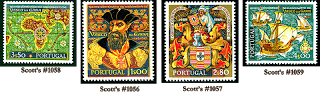
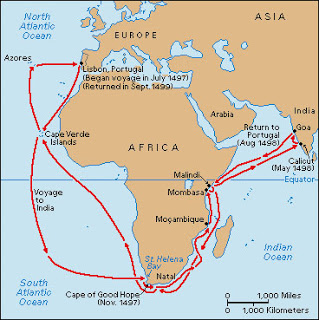
போர்ச்சுகீசியர்களும் ஸ்பானிஷ்காரகளும் நயவஞ்சகத்தில் வெள்ளைக்காரர்களுக்கு ஒரு படி மேல்தான். வாஸ்கோடகாமா என்ற கிராதகன் கோழிக்கோட்டில் 1498-ல் வந்திறங்கியபோது அப்போது அரசாட்சி செய்த ஹிந்து மன்னன் (ஜாமொரின்) நல்ல வரவேற்பு கொடுத்தார். ஒரு பிராமண நம்பூதிரி காமாவுக்கு மொழிபெயர்த்தார். பின்னர் போர்ச்சுகீசிய- இந்திய உறவு சீர்கெடவே 70 போர்ச்சுகீசியர்கள் கோழிக்கோடில் கொல்லப்பட்டனர். 1502ம் ஆண்டில் இரண்டாவது முறை இந்தியாவுக்கு வந்த வாஸ்கோட காமா,  பழிவாங்கும் நோக்கத்தில் 400 பேருடன் மெக்காவுக்குப் புனித யாத்திரை சென்ற கப்பலை தீயிட்டுக் கொளுத்தினார். புகையை அதிகமாக்கி கப்பலில் இருந்த ஆண்,பெண், குழந்தைகளை சித்திரைவதை செய்து கொன்றார். கோழிக்கோடு மீது குண்டு வீசித் தாக்கினார்.

எந்த பிராமணர் முதலில் பேச்சுவார்த்தையில் உதவினாரோ அதே பிராமணர், தூதர் என்ற முறையில்,  வாஸ்கோவின் கப்பலுக்குச் சென்றார். அவரைப் பிடித்து வைத்து அவரது காதுகளை வெட்டி ஒரு நாயின் காதுகளை அவர் காதுகளில் வைத்துத் தைத்தார். உதடுகளைத் தைத்து ஜாமொரின் மன்னரிடம் அனுப்பிவைத்தார். ராவணன் கூட செய்யாத காடுமிராண்டித்தனமான செயல் இது. இதற்குப் பின் பேச்சுவார்த்தைக்கு வந்த ஒரு பிராமணரைக் கண்டம் துண்டமாக வெட்டி அனுப்பினார். இபோதும் கூட எந்த ஒரு நாடும் தூதர்களை இப்படி அவமானப் படுத்துவதில்லை. கோவாவிலும் இலங்கையில் யாழ்ப்பாணத்திலும் போர்ச்சுகீசியர்கள் செய்த கொடுமைகள் தனிக் கதை.


தூதர்களுக்கு இலக்கணம் வகுத்த பூமியில் இப்படி நடந்தது வருந்ததக்கது. இதில் வேடிக்கை என்னவென்றால் ஹிட்லர் செய்த கொடுமை பற்றி வாரம் தோறும் ஒரு டாக்குமெண்டரி அல்லது சினிமா அல்லது புத்தகம் வெளியிடும் வெள்ளைக்காரர்கள் அவர்கள் செய்த கொடுமைகளை அழகாக மறைத்து வருகின்றனர். முழுப் பூசணிக்காயைச் சோற்றில் மறைக்க முடியுமா?

contact swami_48@yahoo.com