SWAMI HINDU CROSSWORD PUZZLE 6 WITH SOLUTION 6 (Post No.5572)

Written by London Swaminathan
swami_48@yahoo.com
Date: 21 October 2018

Time uploaded in London – 14-51

(British Summer Time)

Post No. 5572

Pictures shown here are taken from various sources including google, Wikipedia, Facebook friends and newspapers. This is a non- commercial blog.


PUZZLE 6 AND SOLUTION 6 ARE GIVEN HERE.

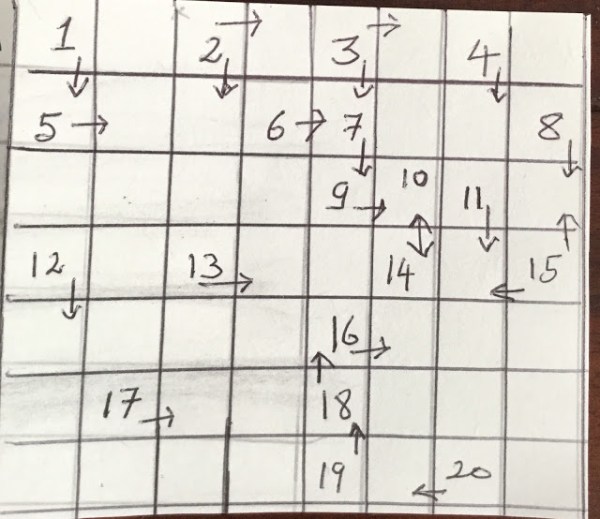
ACROSS

2.MEASUREMENT OF DISTANCE, 5 TO 8 MILES

3.PEOPLE

5.A BIG NUMBER

6.A LEATHER STRAP USED BY ARCHERS, A CLAPPER USED IN MUSIC, BEATS IN MUSIC, LEVEL

9.SON OF RAMA

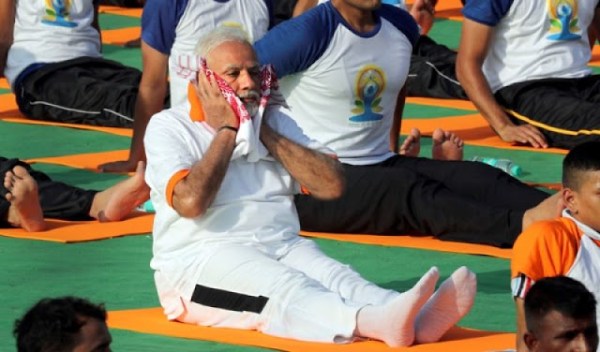
  1. POSTURE, PART OF YOGA

15.VEHICLE

16.SON OF RAMA

17.LUTE IN THE HANDS OF GOD AND GODDESS

20.A FEMALE DEMON WHO OBSTRUCTED HANUMAN’S TRAVEL ACROSS THE SEA.

DOWN

1.LOTUS, ALSO A THOUSAND BILLION

2.WORD USED WITH FOUR AGES

2.NEW YEAR BEGINNING

3.WATER, MAGIC

4.NEW ALSO NUMBER NINE

7.KUBERA’S CAPITAL

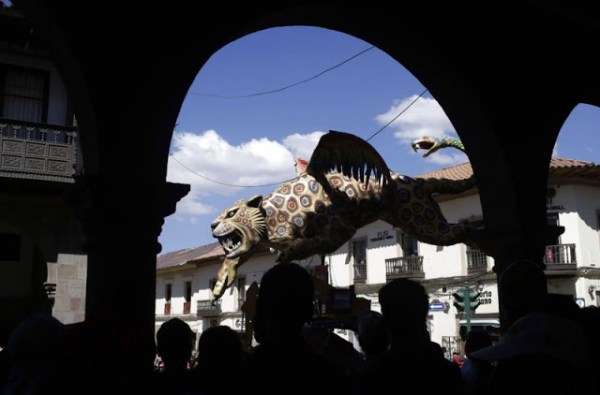
8.A GIANT KILLED BY VALI,HINDU ARCHITECT, HINDU CIVILIZATION IN SOUTH AMERICA, ALSO DELUSION

10.SMALLEST UNIT, ALSO SECOND SON OF YAYATI

11.PARASURAMA’S OLDER BROTHER, ALSO EIGHT SONS OF KASHYAPA AND ADITI

12.MOTHER

13.BEGINNING

14.GREAT COOK

15.GOD OF DEATH

16.TIME, GOD OF DEATH, ALSO ARTS, GODDESS OF ARTS

18.UNTIMELY, ALWAYS GOES WITH DEATH

19.BOUNTIFUL GODDESS MENTIONED IN RIG VEDA.

XXXXX


SOLUTION

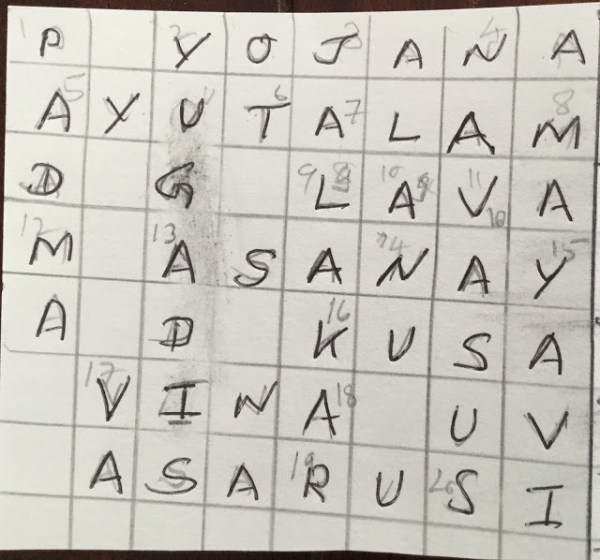
ACROSS

2.YOJANA

3.JANA

5.AYUTA

6.TALA

6.TAALA

6.TAALAM

9.LAVA

13.ASANA

15.YANA

16.KUSA

17.VINA

20.SURASA


DOWN

1.PADMA

2.YUGA

2.YUGADI

3.JALA

3.JAALA

4.NAVA

7.ALAKA

8.MAYAVI

8.MAYA

8.MAAYAA

8.MAYA

CIVILIZATION

10.ANU

11.VASU

11.VASUS

12.MA

13.ADI

14.NALA

15.YAMA

16.KAALA

16.KALAA

18..AKAALA

19.RAKA

—-SUBHAM—-

Swami Tamil Hindu Word search- சிவ பெருமானின் 14 நாமங்கள் (Post No.5571)


Written by London Swaminathan
swami_48@yahoo.com
Date: 21 October 2018

Time uploaded in London – 10-30 am

(British Summer Time)

Post No. 5571

Pictures shown here are taken from various sources including google, Wikipedia, Facebook friends and newspapers. This is a non- commercial blog.

Swami Tamil Hindu Word search- சிவ பெருமானின் 14 நாமங்கள் (Post No.5571)

கீழேயுள்ள கட்டத்தில்

சிவ பெருமானின் 14 நாமங்கள் உள. கண்டுபிடித்து, 

உரக்க உச்சரித்து புண்ணியம் பெறுங்கள்.

ரு த் ன் ம் லி
கோ தா ண் ங்
ன் சா சி   ஜா கோ
சா ம் சி யோ  த்
ஹா தே ம் நீ த்
 த் ம்  ச
மா தி தி பா
TAMIL WORD SEARCH SHIVA NAMES SWAMI HINDU

Answer:-

ருத்ரன், சதாசிவம், நீலகண்ட, சத்யோஜாதம், லிங்கோத்பவ,

பவ, சிவ, ஈசன், ஈசானன்,அகோர, த்ரயம்பக, மஹாதேவ, சபாபதி,உமாபதி

–SUBHAM–

SOLUTION TO CROSSWORD PUZZLE-5 (Post No.5567)


WRITTEN by London Swaminathan
swami_48@yahoo.com
Date: 20 October 2018

Time uploaded in London – 14-33

(British Summer Time)

Post No. 5567

Pictures shown here are taken from various sources including google, Wikipedia, Facebook friends and newspapers. This is a non- commercial blog.

SWAMI HINDU CROSSWORD PUZZLE FIVE SOLUTION

U1 A2 K R U R A3
L N R N
U A U G
K V R4 U5 K6 M I
A K7 A T R
M8 A R9 U T I A
U L S10 A T I
R I R11 A V I
T12 A R K A
I

13

N D U M A T I
S W A MI HINDU PUZZLE FIVE


ACROSS

2.akrura–YADAVA AMBASSADOR BETWEEN KAMSA ANS KRISHNA

4.rukmi—BROTHER OF RUKMINI

  1. ka—ONE LETTER WORD FOR BRAHMA (IN SANSKRIT)

8.maruti–SON OF VAYU DEVA

10.sati–WIFE DYING WITH HUSBAND

11.ravi–SUN’SNAME

12.tarka, arka—STUDY OF LOGIC; SUN’S NAME  IS ALSO THERE.

13 indumati, indu– FAMOUS QUEEN IN KALIDASA’S KAVYA; ALSO MOON’SNAME IS THERE

DOWN

1.uluka—SON  OF SHAKUNI; ALSO OWL IN SANSKRIT

3.angira–A GREAT RISHI, MARRIED SHRADDHA

5.uttara, uttaraa—SON OR DAUGHTER OF KING OF VRATA (IF FEMALE ONE ‘A’ IS ADDED IN SANSKRIT)

6.kuru—-ANCESTOR OF A GREAT DYNASTY

  1. kaaliyan, kali, kaali—KRISHNA DANCED ON IT; ALSO ONE YUGA; ALSO GODDESS

8.murti—SIMPLE MEANING ‘GOD’; ATTACHED  WITH HINDU TRINITY

9.ravana–DEMON OF LANKA

–subham–

SWAMI HINDU CROSSWORD PUZZLE- 5 (Post No.5562)


WRITTEN by London Swaminathan
swami_48@yahoo.com
Date: 19 October 2018

Time uploaded in London – 13-19

(British Summer Time)

Post No. 5562

Pictures shown here are taken from various sources including google, Wikipedia, Facebook friends and newspapers. This is a non- commercial blog.

PUZZLE  5

U 1 A 2 A 3
R 4 U  5 K 6
K 7
M  8 R 9
S 10
R 11
T  12
I

13

S W A MI HINDU PUZZLE FIVE

ACROSS

2.YADAVA AMBASSADOR BETWEEN KAMSA ANS KRISHNA

4.BROTHER OF RUKMINI

7.ONE LETTER WORD FOR BRAHMA (IN SANSKRIT)

8.SON OF VAYU DEVA

10.WIFE DYING WITH HUSBAND

11.SUN’SNAME

12.STUDY OF LOGIC; SUN’S NAME  IS ALSO THERE.

13 FAMOUS QUEEN IN KALIDASA’S KAVYA; ALSO MOON’SNAME IS THERE

DOWN

1.SON  OF SHAKUNI; ALSO OWL IN SANSKRIT

3.A GREAT RISHI, MARRIED SHRADDHA

5.SON OR DAUGHTER OF KING OF VRATA (IF FEMALE ONE ‘A’ IS ADDED IN SANSKRIT)

6.ANCESTOR OF A GREAT DYNASTY

  1. KRISHNA DANCED ON IT; ALSO ONE YUGA; ALSO GODDESS

8.SIMPLE MEANING ‘GOD’; ATTACHED  WITH HINDU TRINITY

9.DEMON OF LANKA

—SUBHAM—

SWAMI HINDU CROSSWORD PUZZLE 4-SOLUTION 4 (Post No.5561)


navagraha picture posted by Lalgudi Veda

WRITTEN by London Swaminathan
swami_48@yahoo.com
Date: 19 October 2018

Time uploaded in London – 7-48 AM

(British Summer Time)

Post No. 5561

Pictures shown here are taken from various sources including google, Wikipedia, Facebook friends and newspapers. This is a non- commercial blog.

puzzle 4 solution

puzzle 4 solution

ACROSS

1.rahu—ONE OF NINE PLANETS IN HINDU ASTROLOGY

2.vrata—-HINDU VOW, FASTING; ALSO COUNTRY WHERE PANDAVAS STAYED

7.meru—HIGHEST MUNTAIN IN HINDU SCRIPTURES; NORTH POLE

8.ulupi—DAUGHTER OF NAGA KING WHO PULLED ARJUNA DOWN IN RIVER GANGA

10.nakula–ONE OF THE FIVE PANDAVAS

12.revati—ONE OF THE 27 STARS; ALSO NAME OF BALARAMA’S WIFE

15.kirata—-ONE OF THE COUNTRIES OF TRIBES IN MAHABHARATA

DOWN

3.achala—BROTHER OF SAKUNI; ALSO SUFFIX WITH ALL HILLS

4.guru granth—-ACHARYA; ALSO SIKH’S HOLY BOOK

5.ketu—(UP) ONE OF NINE PLANETS IN HINDU SCRIPTURES

6.kuru–THE GREAT DYNASTY INVOLVED IN MAHABHARATA WAR

7.minavati–DAUGHTER OF HIMALAYA; HURDLE IN THE SEA ENCOUNTERED BY HANUMAN

9.granth—THE BOOH OF SIKHS.

11.lapita—FEMALE BIRD IN A MAHABHARATA STORY

13.tara—WIFE OF BRIHASPATI; BUDDHIST GODDESS; WIFE OF VALI IN RAMAYANA

14.pita–FATHER


xxxxSUBHAMXXX

SWAMI HINDU CROSSWORD PUZZLE-4 AND SOLUTION TO PUZZLE 3 (Post No.5554)


SWAMI HINDU CROSSWORD PUZZLE-4 AND SOLUTION TO PUZZLE 3 (Post No.5554)

WRITTEN by London Swaminathan
swami_48@yahoo.com
Date: 18 October 2018

Time uploaded in London – 7-33 am

(British Summer Time)

Post No. 5554

Pictures shown here are taken from various sources including google, Wikipedia, Facebook friends and newspapers. This is a non- commercial blog.

ACROSS

1.ONE OF NINE PLANETS IN HINDU ASTROLOGY

2.HINDU VOW, FASTING; ALSO COUNTRY WHERE PANDAVAS STAYED

7.HIGHEST MUNTAIN IN HINDU SCRIPTURES; NORTH POLE

8.DAUGHTER OF NAGA KING WHO PULLED ARJUNA DOWN IN RIVER GANGA

10.ONE OF THE FIVE PANDAVAS

12.ONE OF THE 27 STARS; ALSO NAME OF BALARAMA’S WIFE

15.ONE OF THE COUNTRIES OF TRIBES IN MAHABHARATA

DOWN

3.BROTHER OF SAKUNI; ALSO SUFFIX WITH ALL HILLS

4.ACHARYA; ALSO SIKH’S HOLY BOOK

5.(UP) ONE OF NINE PLANETS IN HINDU SCRIPTURES

6.THE GREAT DYNASTY INVOLVED IN MAHABHARATA WAR

7.DAUGHTER OF HIMALAYA; HURDLE IN THE SEA ENCOUNTERED BY HANUMAN

9.THE BOOH OF SIKHS.

11.FEMALE BIRD IN A MAHABHARATA STORY

13.WIFE OF BRIHASPATI; BUDDHIST GODDESS; WIFE OF VALI IN RAMAYANA

14.FATHER

1
2 3
4
5 6
7
8
9 10 11
12 13 14
15

Solution to Puzzle 3

R A M A Y A N A R
B A A L I
R H A H A G
A A A B V
H R B H I M A A E
M I H G D
A S H T A V A K R A A
S A R V
U R T Y A J U R
T A U T
R A R J U N A A
A R U N M S
I N D R A N I

–subham–

Mark Twain, Coleridge, Boswell, Dr Johnson Books Anecdotes (Post No.5419)


Mark Twain, Coleridge, Boswell, Dr Johnson Books Anecdotes (Post No.5419)


Compiled by London Swaminathan


swami_48@yahoo.com

Date: 11 September 2018


Time uploaded in London – 18-28  (British Summer Time)


Post No. 5419

Pictures shown here are taken from various sources including google, Wikipedia, Facebook friends and newspapers. This is a non- commercial blog.


Mark Twain Startled!


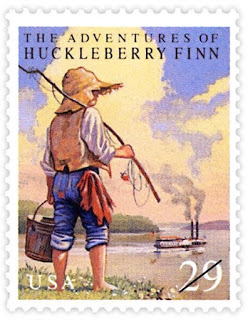
It was an English man, met somewhere in Europe, who startled Mark Twain by saying abruptly, Mr Clemens, I would give ten pounds not to have read your Huckleberry Finn! And when Mark looked up awaiting an explanation of this extraordinary remark, the English man smiled and added
“So that I could have again the great pleasure of reading it for the first time.”

Xxx

‘Life of Johnson’ Book!

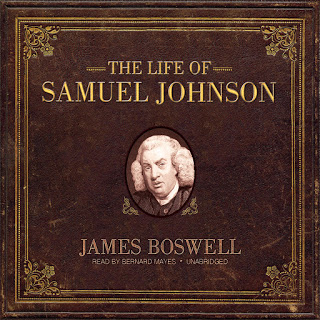
Sir John Malcolm once asked Warren Hastings, who was a contemporary and a companion of DrJohnson and Boswell, what was his real estimation of Boswell’s Life of Johnson?

Sir, replied Hastings, ‘it is the dirtiest book in my library’.
Then proceeding he added,
‘’I knew Boswell intimately; and I well remember when his book made its first appearance. Boswell was full of it that he could neither think nor talk of anything else; so much so, that meeting Lord Thurlow hurrying through parliament street to get to the House of Lords, where an important debate was expected, for which he was already too late, Boswell has the temerity to stop and accost him with,
‘Have you read my book?’
‘Yes, damn you! replied Lord Thurlow, ‘every word of it; I could not help myself’.

Xxx

‘Thief’ Coleridge

Coleridge was always a tremendous reader. While he was a student at Christ’s Hospital he used to spend his free time wandering aimlessly about London, shivering in front of the window s of book shops and print shops. Once, while so standing, he got, in his own words, ‘absent mindedly involved with the coat tail pocket of a stranger, who at first took him for a thief, then was so charmed by his conversation that he made him free of a library’ in Cheapside . Thenceforth he would run all risks in skulking out to get the two volumes to which he was entitled daily.

Xxx


Rousseau

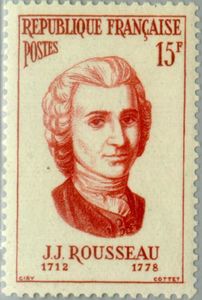
When Dr Johnson was told that Rousseau’s ‘Confessions’ would contain every motive that had induced him to act in every situation— ‘Then’, replied he, ‘if he was an honest man, his book will not be worth a farthing’.

Xxx Subham xxx

Indian Ivory Antiques in England and Russia! (Post No.5393)

Research article Written by London Swaminathan

swami_48@yahoo.com

Date: 4 September 2018


Time uploaded in London – 21-39 (British Summer Time)


Post No. 5393
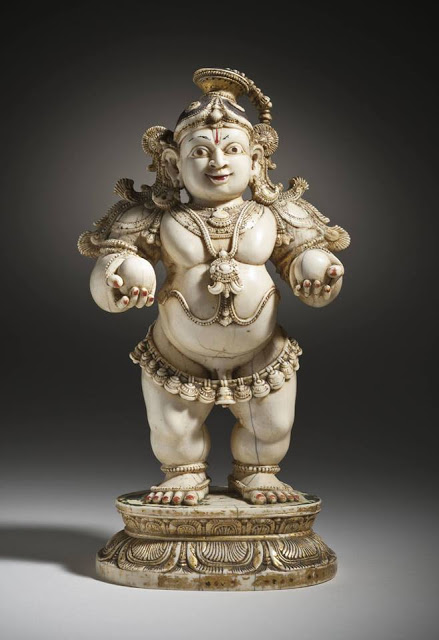
Ivory products of India are found in Ancient Egypt, Russia and Britain. Ivorry objects are mentioned in Kalidasa’s works and Sangam Tamil Literature. Harappans of Indus valley exported Ivory combs and other gold and silver ornaments to Sumeria accoording to Mortimer Wheeler. That shows India is one of the oldest countries in the world to make and use ivory products.

It is supported  by later inscripttions and litearature.

The ivory recovered from elephant is referred toby Kalidasa and other poets:

In Tamil there is a proverb “An elephant is worth 1000 gold coins whether it is alive or dead’. This expalins the value of its tusk and the hide. Moreover Hindu literature is full of references to pearls dropping from tusks (though it is scientifically not proved).

Ivory is referred to in Sangam Tamil Literature as well. Through 200 similes of Kalidasa found in Sangam Tamil literature, I have proved Kalidasa, the greatest Indian poet and playwright, lived before Sangam period, may be in first century or second century BCE.

Ivory Throne : Raguvamsam 17-21

King Athithi had the coronation abishekam sitting in Bhadrasana posture and then went to the next room for changing his clothes where he sat on the Ivory seat (Chair or stool)- (Rv 17-61)

Several Sangam Tamil poets used ivory objects in their poems:

Kapilar sings about the women who pounded the grains in the mortar with pestles made up of ivory and sandal (Kalitokai 40-4)

Tol Kapilar sings about a hunter using the ivory tusk to dig the land to get gold. While he was doing it the tusk broke and pearls inside the tusk came out along with the gold! (Akam 282 -Thol Kapilar).

There is an inscrption in Sanchi (200 BCE) which mentions a guild of ivory carvers in the nearby city of Vidhisa (now known as Besnagar). This fully testifies to the craft ivory carving. Ramayana also mentioned ivory craft. The indian stauette found in Herculaneum and the ivory paques found in Begram further testify to the antiquity of ivory trade. Varahamihira’s Brhat Samhita advises people to make legs of the bed with solid ivory. High ivory potal of a courtesan’s house is mentioned in Sudraka’s ‘The Little Clay Cart’ drama. All these refereces are from the first few centuries of moden era.


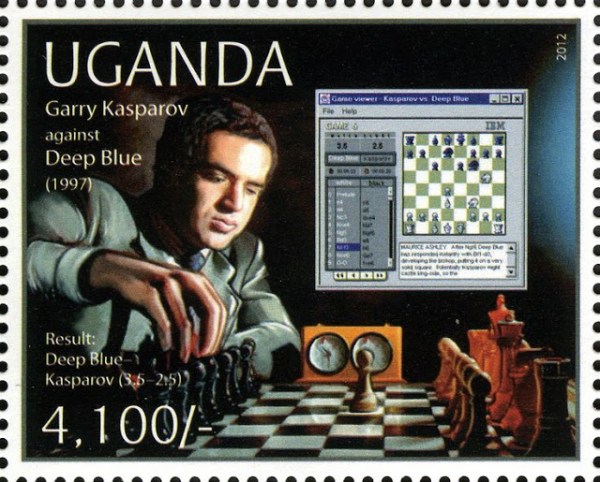
Chessmen made up of ivory were used in Brahmanabad in Sind. Ivory laid doors of Bijapur Palace was famous in the eighth century. So we have continous refrences from the Indus valley Time.


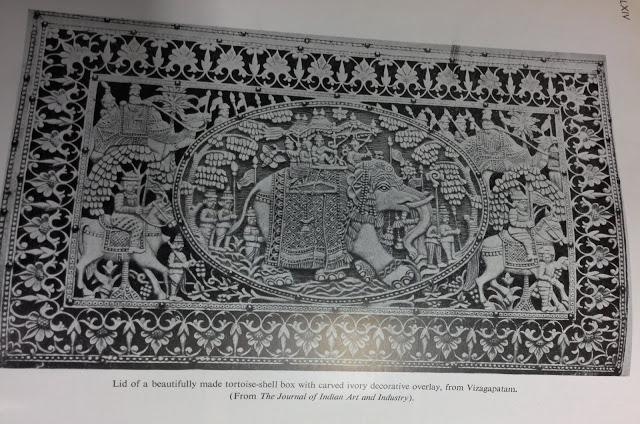
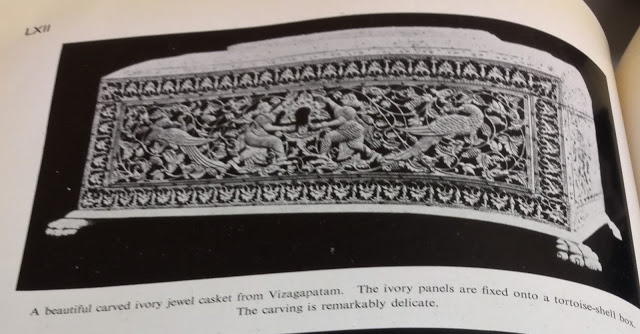
Terry in his’ Voyages to the East Indies’ (1655 CE) tells us of the skill of Indian crafsmen in making cabinet boxes, trunks and stands. He also describes the ivory work on tortise shells. Portugese traveller Paes wrote about a hall made up of ivory in Vijayanagara Empire. Hindu temples in South India has several ivory objects. A nagaswara instrument (Tamil Pipe) made up of ivory is in a Hindu temple in Tiruvarur, Tamil Nadu. Sir George Watt made a deep study in the ivory craft of Indians during the 1903 exhibition in Delhi. He has collected lot of trade secrets of ivory traders. Form Kerala to Himachal, there were several towns famous for ivory craftwork.Till ivory sale was banned, all craft shops in India were selling ivory boxes, caskets, statues and combs.

There is ample evidence that ivory craft was well developed in India before the second century BCE.

Jawaharlal Nehru, former Prime Minisrer, donated a three fold ivory carved screen to Soviet Union in 1955. This is on dispaly in Moscow.

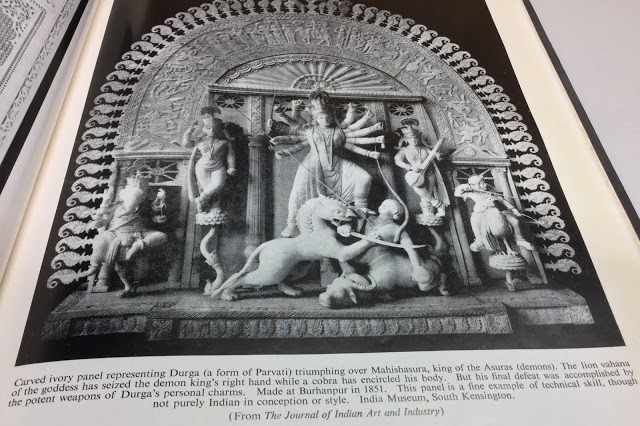
Museum in London has a statue of Durga made in Burhanpur in 1851.


Indian Ivory Throne to Queen Victoria
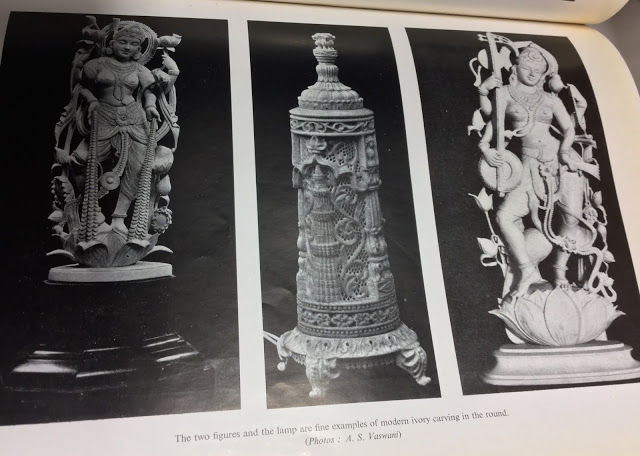
Edgar Thurston, former superintendent of Madras Government Museum, has related the interesting history of India’s ivory industry of 1800s. When one Maharajah, Rama Varma, saw some five ivory carvings , he became enthusiastic about the craft and began to strongly encourage a broader application. The Maharajah who succeeded him, Marthanda Varma sent to Queen Victoria a new ivory throne, elaborately carved and decorated with inset jewels. After prominent display at the Great Exhibition of 1851 in London, it was installed in the State Apartment at Windsor Castle. Nineteenth century ivory products included individual cases for calling cards, envelopes , gloves, handkerchiefs, bookshelves, chessboards etc.

Also carved in Madras was scent bottles, special talismans for children, ‘howdahs’ for carrying royalty on the back of the elephants.
Especially in western India ladies combs and bangles were very common ivory products

The residual ivory saw dust was sometimes sold to cow and buffalo dealers, who fed it to the female animals to increase their milk yield. In northern India ivory saw dust was considered to be a fortifying medicine. In India, ivory craft was a family trade. Boys learnt from their parents when they were young.

The ancient Indian town of Pali, on the old trade route between Bombay and Delhi, turned ivory bangles for several centuries. Entire streets of crafts men made only this article in sets of graduated sizes, so as to cover a woman’s arm from shoulder down to wrist. They were cut from the tusk as it too decreases from base to Point.

English alphabet sets were also made during British rule for export.


In Madras some children wore special talisman s made of ivory.
Following India n museums have ivory products
Prince of Wales museum in Mumbai
Crafts museum, Thapar House, Delhi
Salar Jung Museum, Hyderabad
Art Museum, Thiruvananthapuram

and abroad:-

Museums in London and Windsor

Museum in Moscow

Ivory Craft In other parts of the World:-

The Old Testament includes references to ivory One passage tells that “King Solomon made great throne of ivory and overlaid it with pure gold”, 1 kings 10:18 and 2 chronicles 9:17
More strikingly Ahab allegedly made a house of ivory, 1Kings 22:39
“And the houses of ivory shall perish”, Amos 3:15

The earliest surviving ivory carvings are mainly from Egypt, Phoenicia, Assyria, China and India.
In pre dynastic Egypt tombs contained ivory and fish hooks, arrowheads pins, bodkin,s spoons, knives, combs, bracelets and necklaces

The British Museum has probably the best collection of the Assyrian ivories, 1200-600 CE from Ancient Nineveh

Elephant tusks were used through out ancient China; in addition walrus tusks were utilised in the north, and hippopotamus tusks in the warm southern regions.
China imported tusks from South East Asia and India. The first Chinese, Shang Dynasty , was already producing animal figures and other items .

Source books

Ivory and its Uses by Benjamin Burack,Tokyo 1984

Handicrafts and Arts in India, Taraporevala

Tamil and Sanskrit Literature

Please read Indian Ivory in Ancient Egypt in the following article:-

  1. Egypt ivory figures | Tamil and Vedas

tamilandvedas.com/tag/egypt-ivory-figures

Posts about Egypt ivory figures written by Tamil and Vedas

GEM STONES IN KALIDASA & TAMIL LITERATURE | Tamil and Vedas

tamilandvedas.com/2012/02/13/gem-stones-in…

The pearl recovered from elephant ivory is referred by Kalidasa and other poets: … //tamilandvedas.com/2012/02/13/gem-stones-in-kalidasa-tamil-literature/

–Subham–


RIG VEDA AND TAMIL VEDA ON GAMBLING (Post No.4907)

RIG VEDA AND TAMIL VEDA ON GAMBLING (Post No.4907)


Research Article Written by London Swaminathan 


Date: 12 April 2018


Time uploaded in London –  10-33 am  (British Summer Time)


Post No. 4907


Pictures shown here are taken from various sources such as Facebook friends, Books, Google and newspapers; thanks. Pictures may be subject to copyright laws.


WARNING: PLEASE SHARE MY ARTICLES; BUT DON’T SHARE IT WITHOUT AUTHOR’S NAME AND THE BLOG NAME. BE HONEST; OTHERS WILL BE HONEST WITH YOU
 

Dice is a Vice; Be Wise and slip out Nicely! –The Rig Veda (10-34)


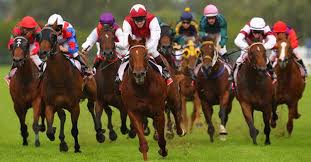
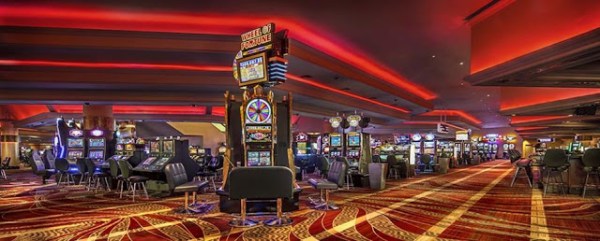
It is very interesting to see both Rig Veda, the oldest book in the world, and the Tamil Veda Tirukkural, the greatest Tamil book, oppose gambling. Both point out the evils of gambling. This message is very relevant even today. Unlike the olden days now Governments themselves are encouraging gambling by conducting lotteries in almost all the countries. Only when poor people lost everything and started stealing and robbing, they put some limits for spending or gambling in casinos. All the people knew this is only an eyewash. Governments get more funds from horse races, betting shops and lotteries. In London and other western cities every bazar street has at least three to four Betting shops. It makes people to think that they can make good money without working. Even Manu, the oldest law maker in the world lists gambling as an evil.


The longest epic in the world with two million lines, The Mahabharata, is an epic based on the evils of gambling. In those days, even kings gambled their countries.


Let us compare the famous Gambling Hymn in the Rig Veda and the chapter on gambling in the Tamil Veda Tirukkural written by Tiru Valluvar.

The author of the Rig Vedic gambling hymn (10-34) is

a seer called Kavasa Ailushan.
Picture posted by Lalgudi Veda


It is in the last mandala of the RV (10-34). This describes the lament of a gambler and the advice he gives to the world. A very interesting poem!


Dice is a Vice; Be wise and slip out Nicely!

The poem has 14 stanzas or mantras; the summary of the poem is: –

Gambling gives pleasure like the Soma drink from Mujawan mountains ( no one is sure about its location; only guess work).


My wife was very nice to me and my friends. She never got angry; but I drove her out after losing in the gambling (What a shame!)


Wives don’t like it; mother and mother in law hate it. They think that the person is going wrong.

My father, mother, wife and sons say- We do not know this fellow, take him out! (like a drunkard on the roadside)

Every time I go to the casino; I think I am going to win! But the dice favours only my opponent (very much disappointing)


The dice go up and down and dance. They are like the coal that burns my heart.

The gambler goes to others’ houses in the night ( to steal or borrow money)

The gambler feels remorseful when he sees the status of his wife and wives of others. He started the day with good hopes and finished it miserably.

Now I open both my palms to show I have nothing on me now. (I am bankrupt)
Good Advice!

Do not play with the dice.

Better till your lands and be content (with what you harvest there)

Only when you feel content, thinking that is plenty, you will feel happy and regain your wife. This is God’s advice. Savita Devi told me this!

(To the dice coins, the gambler say)–

Don’t be angry with me; be my friend. Do not attack me. Let your anger fall on the misers. Go to my enemy and let him fall in your trap.


Family might have enjoyed the winning money; but they are not ready to share the sin.

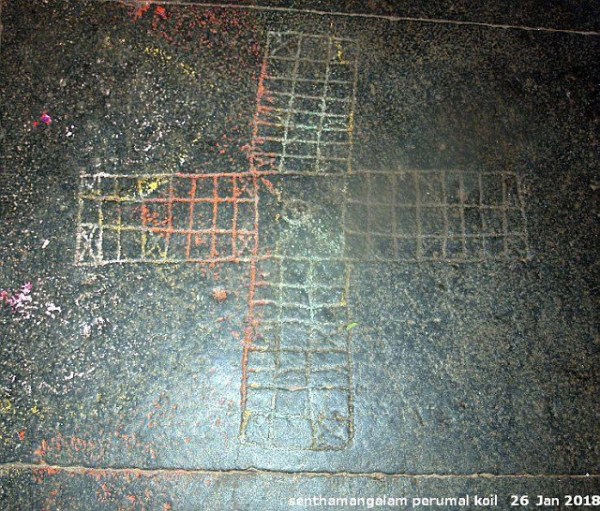
The game of the dice was played in public places such as halls (compare it with modern casinos)

The sound of the rolling dice is luring; I vow not to repeat the mistake; but the sound of the rolling dice and friends pull me towards it. I run to it like a woman runs to the meeting place to see her lover.

After losing I look like an old horse ready to be sold (unwanted stuff).

Mysterious Number 53

There is one stanza which baffles every translator.

The group of the avowed gamblers plays the game, divided into three five (tri pancha in Sanskrit); or three times five or in a group of fifty three. – Sayana takes it as 53 coins in the gambling; Ludwik says 15;it shows Vedic language is very difficult to understand. Though we have detailed report about Dice Games in Nala Charita and Mahabharata, still we could not solve this mysterious Tri pancha!!!)

In the same way, ‘To the great captain of your mighty army’ is translated as the big number in Dice by some and  as Kali, the losing throw by others. Vedic language is several thousand years old; no one can translate it correctly; Griffith attempted to translate it in English and say that the meaning is obscure, the meaning is uncertain in every other page; Mischief makers like Max Muller say they followed Sayana, but use their own interpretations; Sayana of 13th century himself only guessed the meaning several thousand years after the Vedic seers recited it!

The dice are made with Vibhitaka seeds- no one knew the plant!
 

TIRUKKURAL

Now let us compare it with the Tamil Veda Tirukkural:

Tiru Valluvar described the evils of gambling in ten couplets ( Chapter 94; from 931 to 940)


931.Do not take to gambling even if you can win.

What can the fish gain by swallowing the baited hook?

  1. To win once, the gambler loses a hundred to foes. What good can gamblers gain in life? Nothing but loss.

933.Were a man to speak incessantly of that which he gains by rolling dice, the wealth would leave him and pass on to others.

934.Gambling increases miseries and ruins one’s fame. There is nothing that reduces one to poverty like that.

935.Many who took pleasure in gambling and gambling booths, proud of their skill in dice have been ruined.


(like the Rig Vedic seer, Tiru Valluvar also talks about casinos/gambling booths. Like Rig Veda, we see the miserable status of the gambler here, loosing fame and standing like on old unwanted horses, ready to be sold).
938.Gambling ruins a man’s fortune, makes him resort to falsehood.

This can be compared with the night visit of the gambler in the Veda (for stealing or borrowing).


  1. The five things

clothing

wealth

food

fame and

learning/education

avoid a person who takes to gambling


  1. Passion for gambling grows with every loss. It is craving for life which grows through all suffering.

This can be compared to a woman running to see her lover kin the Rig Veda. The more she is separated the more she longs to see him. A person who is sick wants to live longer.

In the Kural couplet 936 , Tiruvalluvar refers to Hindu goddess of Misfortune Muudevi (Mukati in Tamil). He says gambling is the ogress misfortune.
Manu also refers to the evils of gambling in at least 20 couplets.

–Subham–


Bear Hunting Anecdotes (Post No.4398)

Compiled by London Swaminathan 


Date: 15 NOVEMBER 2017


Time uploaded in London-7-50 am


Post No. 4398

Pictures shown here are taken from various sources such as Facebook friends, Books, Google and newspapers; thanks.


Fresh Foot Prints!

A Californian went out to follow up a grizzly bear and was gone three days. Then he turned up without his game.

“Lost the trail, Bill, I suppose”, said one of his cronies.

“Naw, I kept on the trail alright “

“Then ,what is the matter?”

“Wall, the footprints was getting too fresh, so I quit.”


Xxx


Narrow Escape for Bears!

An old hunter was holding his usual court before a group of summer visitors in the small town.

“How many bears did you kill?” ,asked one of them.

“Oh, about a hundred “

“Say, you must have had plenty narrow escapes”.

“Young man”, replied the old timer ,”If there were any narrow escapes,it was the bears had them”


Xxx


Can’t find a Single Animal!

An eager sport man accosted one of the natives in the small Maine town where he was spending his vacation


“Is there much good hunting around here?”, he asked eagerly.

The native glanced around him for a minute and said,

“Well,sure,there is plenty hunting, but damned little finding”


Xxx

Eagle Hunting!

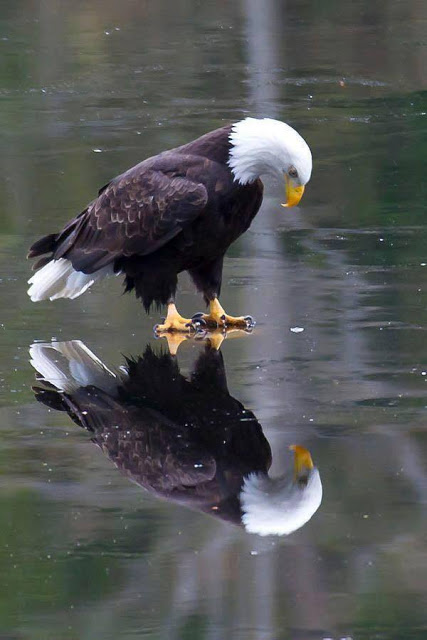
A cowboy from one of the many dude ranches in the Rockies was spending his day off doing a little hunting. Sighting an eagle, he took aim and brought the bird down. He scrambled down the crag and retrieved his game.

As he slung the bird over his shoulder he saw one of the customers from the dude ranch approaching him .

“I say”, said the Easterner in a patronising sort of tone,

“I was watching you. You should have saved that shot, Why the fall alone would have killed the eagle”.

Xxxx SUBHAM xxxx