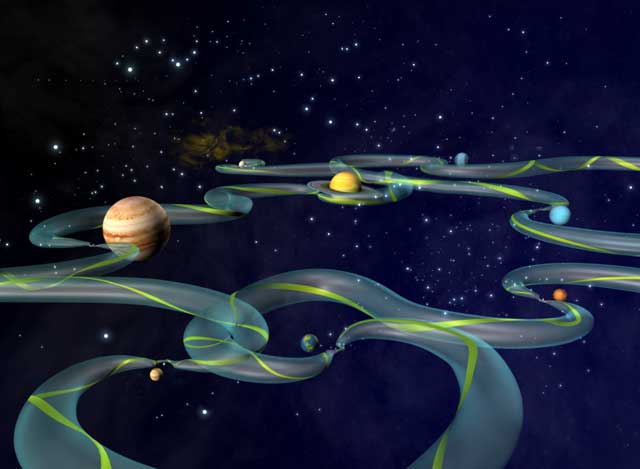
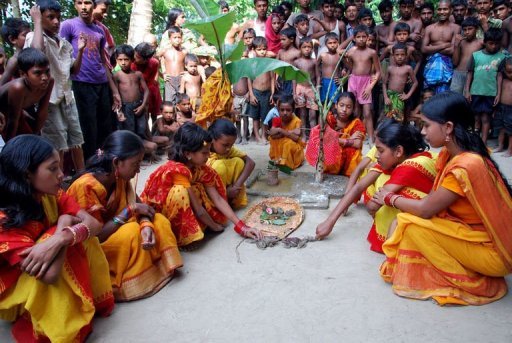
Animal Einsteins in Sanskrit and Tamil literature

The picture above is from Sringeri Mutt. Kalidasa sang about a snake which protected a frog using its hood as umbrella. Adi Shankara also saw such an amazing thing at Sringeri in Karnataka, and then he established the first Shankara Mutt there (Please read my article Mysterious messengers who showed Ajanta, Angkorwat, Sringeri——- for more details).

Animals are very intelligent. They have feelings like us. They help each other. They are happier than human beings. They don’t worry about tomorrow. Rain or shine, snow or storm they survive. Some do amazing feats like flying for thousands of miles without a compass or a map or a GPS system. They even worship gods!! Animals do dream like us. Animals communicate among themselves and warn of impending dangers to its colleagues. They show mercy. They don’t kill a pregnant animal. They feed any little ones even if it does not belong to its own kind. We have stories of wolf fed babies. Animals do use tools. The wonder of wonders is all these are in ancient Sanskrit and Tamil literature. Only now the western biologists are publishing all these facts in article after article in New Scientist, Nature, National Geographic and Scientific American magazines.

(Please read my articles on “Bird migration in Kalidasa and Tamil literature” and “When Animals worship God why not men”?)


Can parrots recite Vedas?

“Yes”, say Sangam Tamil poets and Adi Shankara.

There is a very interesting story in the life of Adi Shankara. He won every argument with famous scholars, but one great scholar was left out. He was Mandana mihra living at Mahismathi on the banks of river Narmadha. When he went to the village where he lived, he saw some village women filling the water pots in the river. He asked them the way to Mandana’s house. They surprised him by two things. One they replied in Sanskrit verses. Two, they told Shankara the house where the parrots were reciting Vedas and discussing related subjects was Mandana’s. When he went in to the village, he easily identified the house because of the parrots.

Sangam Tamil poet Uruththirankannan also says that the parrots in Brahmins houses recite Vedas. They repeat it because the Brahmins do the recitation every day-Perumpanaatruppadai: lines 300/301.

When the three great Tamil kings laid a siege around King Pari’s 300 towns, Kapilar trained the parrots to bring the grains into Pari’s territory. Poets Avvaiyar and Nakkirar were all praise for Kapilar for this help (Akam303 and Akam 78).

Tamil Verse 143 of Kannakaran Korranar of Narrinai gives the information about parrots calling a girl in affectionate terms even after she left home.

New Scientist magazine has published an article about intelligent animals. Under the title of “Animal Einsteins”  it has published a s news story about parrots. Alex the parrot owned by psychologist Irene Pepperberg until his death in 2007, was a prodigy. The parrot had a vocabulary of about 150 words. He could also count to 6. But Indian parrots mentioned in the above two references did more than this!!

Rome was founded by Romulus and Remus who were raised by wolves. It happened 2750 years ago. But even before this, Shakuntala, the heroine of the most famous drama of India -Shakuntalam was fed by birds. She was the mother of the great king Bharata whose name is given to India that is Bharat. She was abandoned at birth. Birds looked after her. They encircled her protectively so that she remained unharmed until the sage Kanva finds her and names her Shakunta(bird)la.

Kalidasa sang that when queen Indumathi died the birds mourned her death (Ragu. 8-39). When Rama was looking for his wife Sita who was abducted by Ravana , the deers showed him the way (Ragu.13-25) .Valmiki who lived before Kalidasa also said the same in his Ramayana.

In his Kumarasambhavam, Kalidasa adds:

The male bee, attentive to his dear mate, drank honey from the same bowl; and the black antelope scratched with his horn his mate who had closed her eyes through the pleasant sensation. The female elephant, through great love, gave to the male the water in her mouth (III-36/37)

In Raguvamasam 16-16 ,Kalidasa describes about the paintings in the palace. One of the paintings portrays a female elephant giving lotus stalks to male elephants. This is echoed in Tamil literature as well.


Frog under Snake’s Hood

Kalidasa’s description of nature is at peak in his work Rtusamharam. It is full of verbal pictures. He describes how animals forget their natural enmity when there is a forest fire or scorching sun:

“Burning under the sun’s fiery wreath of rays

A frog leaps up from the muddy pond

To sit under the parasol hood”. (1-18)

(All the six seasons are portrayed in beautiful verses. For want of space I gave only one example).

In Tamil Puram .247 verse :  Monkeys help the temple (priests) by cleaning the land. They first wake up the deers that are sleeping in the temple complex.

Apes and elephants mourn when they lose their near dear ones. The zoo keepers have observed this and the news papers have published pictures of the mourning animals (See mourning ape in Metro London 5th April 2012). Famous Tamil Novel Thekkadi Raja gives the elephant mourning in great details.

A female monkey who lost its mate jumped from the mountain and commits suicide. But before sacrificing its life it entrusted its babies to other monkeys. The reason given for the suicide, it doesn’t want to live without her husband. This moving picture was given by Katunthot Karaveeranar in Kuruntokai verse 69.

Narrinai 151 sung by Ilanakanar depicts a picture of a shy monkey correcting her dishevelled hair to hide her sex act. Monkeys feel very shy after sex and look at themselves in the water / mirror, adds the poet.

Puram 323-anonymous- a deer was caught by a tiger. Its calf was orphaned. A wild cow in the forest fed it with her milk.

If the kings rule the country according to the rules, a tiger won’t attack a deer. Both will drink water from the same lake, say Kalidasa (Ragu. 6-46) and Tamil poets Ilango (Silappadikaram-Purancheri Irutha Kathai), Kamban and Manikkavasagan.

Narrinai verse 143 and Akam 318 tell us that the shepherd assembles all the sheep in one place just by a whistle. They are intelligent enough to follow the instructions. In western countries the dogs do the job.

Ainkuru nuru 391,Kuruntokai 210 by Kakaipatiniyar: Crows are attributed with the power of predicting arrival of guests. If the crows caw, it is certain guests will come to the house. (I attribute it to their strong sense of smell. When women make special dishes for the guests, the good smell spreads and attracts the crows. Even then they are intelligent enough to call their friends to share the food. Crows are used as symbols for sharing (Kural 527) in Indian literature.

Tamil poets have urged people to follow crows when it comes to sex. Crows never indulge in sexual acts in public say Tamil poets. We have read hundreds of dog stories where they saved human beings from extreme dangers.

(In part 2, I will deal with animals using tools, animals’ dreams and human kindness towards animals. Once again the similarities in Tamil and Sanskrit strengthens my point that Kalidasa lived before Sangam age, either in the first or second century BC)

*******************
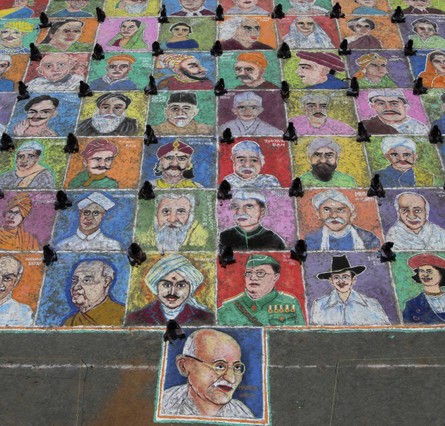


பெரியோர்கள் மரணம் பற்றிய உண்மைகள்

நமது புராணங்களோ இதிகாசங்களோ வட மொழி, தென் மொழி நூல்களோ பொய் சொல்லவில்லை என்பதற்கு அதில் எழுதப் பட்ட சில உண்மைச் சம்பவங்களே சான்று. பல நிகழ்ச்சிகளை குறிப்பாக, மரணம் பற்றிய விஷயங்களை அப்படியே எழுதி வைத்துள்ளனர்.


கோவலன் கொலை செய்யப்பட்டு இறந்தான். அது தவறு என்று தெரிந்த உடனே பாண்டிய மன்னனும் அவனுடைய மனைவியும் அங்கேயே இறந்தனர். ஒரு வேளை தவறே நடக்காத ஆட்சியில் தவறு நடந்ததை நிரூபித்தவுடன் அவர்கள் இருவருக்கும் மாரடைப்பு நேரிட்டிருக்கலாம் (Heart Attack). கண்ணகி புஷ்பக விமானத்தில் ஏறி மேலுலகம் போகிறாள்.


பாண்டிய மன்னன் மனைவி பூதப் பாண்டியன் தேவி பெருங்கோப் பெண்டு தீப் பாய்ந்து (சதி என்னும் முறைப்படி,புறம். 247) இறக்கிறாள். இளம் பெரு வழுதி என்ற மன்னன் கடலில் மாய்ந்து (புறம்.182) உயிர் இழந்தார்.

பல மன்னர்களும் புலவர்களும் வடக்கிருந்து (Sitting facing North and Fasting ) உயிர் இழந்தனர் ( சேரமான் பெருஞ் சேரலாதன், கோப்பெருஞ் சோழன், சேரமான் கணைக்கால் இரும்பொறை, கபிலர், பிசிராந்தையார் ).


யார் யார் எங்கு எங்கு துஞ்சினர் (இறந்தனர்) என்றும் சங்க இலக்கிய கொளுவில் உள்ளது. கூடகாரத்துத் துஞ்சிய மாறன் வழுதி (புறம் 51, 52); சித்திர மாடத்துத் துஞ்சிய நன்மாறன்; வெள்ளி அம்பலத்துத் துஞ்சிய பெரு வழுதி (புறம். 58), சேரமான் கோடம்பலத்துத் துஞ்சிய மாக்கோதையின் பெருங் கோப்பெண்டு (புறம். 245); சோழன் குராப்பள்ளித் துஞ்சிய கிள்ளி வளவன் புறம் 373, பெருந் திருமாவளவன் 58,60; இலவந்திகைப் பள்ளித் துஞ்சிய நலங் கிள்ளி சேட்சென்னி 61). புலியால அடிக்கப்பட்டு (Tiger Attack) இறந்த மன்னன் பற்றி திருவிளையாடல் புராணம் பேசுகிறது.

மாணிக்கவாசகர், ஞான சம்பந்தர், ஆண்டாள், திருப்பணாழ்வார், நந்தனார் வள்ளலார், கோபால் நாயக் ஆகியோர் ஜோதியில் (Spontaneous Human Combustion) கலந்து ஐக்கியமானார்கள். (“The Mysterious disappearance of Hindu Saints”- கட்டுரையில் மேல் விவரம் காண்க).


அண்மைக் காலத்தில் ஸ்ரீ சத்திய சாய் பாபா திடிரென்று இறந்தது  பலருக்கு வியப்பாகவும் புதிராகவும் இருந்தது. இதற்கு முன் பல சாது சந்யாசிகள் புற்று நோயால் (Cancer) இறந்தனர். ஆனால் ஞானிகளுக்கு இதெல்லாம் ஒரு பொருட்டே இல்லை. கீதையில் கண்ணன் சொன்னது போலவே (கீதை 2-22; குறள் 338, 339) நமது உடம்பெல்லாம் கிழித்த சட்டைகளுக்கு சமானம். நம் உடம்பு இறந்தாலும் ஆத்மா அழிவதில்லை. ஆகையால் இந்துக்கள் இறப்பைப் பொருட்படுத்துவது இல்லை. மரணம் என்பது ஆத்மா சட்டையை மாற்றுவது போல. வள்ளுவன் வாக்கில் கூட்டை விட்டுப் போன பறவை:


குடம்பை தனித்து ஒழியப் புள் பறந்தற்றே

உடம்பொடு உயிரிடை நட்பு (338)

உறங்குவது போலும் சாக்காடு உறங்கி

விழிப்பது போலும் பிறப்பு (குறள் 339)


பாரதி பாடல்

நொந்த புண்ணைக் குத்துவதில் பயனொன்றில்லை

நோவாலே மடிந்திட்டான் புத்தன் கண்டீர் !

அந்தணனாம் சங்கராசர்யன் மாண்டான்

அதற்கடுத்த ராமனுஜனும் போனான்.

சிலுவையிலே அடியுண்டு ஏசு செத்தான்

தீயதொரு கணையாலே கண்ணன் மாண்டான்

பலர் புகழும் இராமனுமே ஆற்றில் வீழ்ந்தான்;

பார் மீது நான் சாகாதிருப்பேன் காண்பீர். (பாரதி அறுபத்தாறு).


சேக்கிழார் அடிப்பொடி டாக்டர் டி.என்.ராமசந்திரனின் ஆங்கில மொழிபெயர்ப்பு

——————-it cannot do good

To pierce a painful sore; the great Buddha

Died of illness; Sankara the Brahmin-sage

Also died; so too Ramnuja great.

The Christ died crucified; Kannan

Was by an arrow killed; Rama by many praised,

Had a watery grave; in this world “ I ”

Will thrive deathless, for sure………..


ஆதி சங்கரர் குகைக்குள் சென்று மறைந்தார் என்றும் சர்வாரோகண பீடம் ஏறி மறைந்தார் என்றும் கூறுவர். புத்தருக்கு ஒருவர் மாமிச உணவைக் கொடுத்தபோது அது தொண்டையில் சிக்கி மரணம் ஏற்பட்டதாகவும் மாமிசமா? என்று அதிர்ச்சியுற்று இறந்தார் என்றும் கூறுவர். இந்தப் பாடலைப் பாடிய பாரதியும் யானையால் தாக்கப் பட்டு கொஞ்ச காலத்துக்குப் பின்னர் வயிற்றுக்கடுப்பு நோயால் இறந்தார்.

2000 ஆண்டுக்கு முந்திய பஞ்சதந்திரக் கதையிலிருந்து:

A lion took the life of Panini

Grammar’s most famous name;

A tusker madly crushed sage Jaimini

Of metaphysic fame;

And Pingal, metric’s boast, was slaughtered by

A sea side crocodile;

What sense for scholarly attainments high

Have beasts besotted vile?

(Panchatantra ,translated by Arthur W Ryder)


இலக்கணப் புகழ் பாணிணியோ

இரையானான் சிங்கத்துக்கு;

மீமாம்சக ஜைமினியோ யானை

காலில் மிதியுண்டழிந்து போனான்;

யாப்பு புகழ் பிங்களனோ கடலோர

முதலையால் கிழிக்கப்பட்டான்;

கழுதைக்குத் தெரியுமோ

கற்பூர வாசனைதான்? ( விஷ்ணு சர்மனின் பஞ்ச தந்திரக் கதைகள்)


இவர்கள் எல்லோரும் இறந்தாலும் பூத உடல் மறைந்த பின்னரும் புகழ் உடம்போடு இன்றும் நம்மிடையே வாழ்ந்து நம்மை எல்லோரையும் நற்பணியில் ஊக்குவிக்கின்றனர்.இவர்கள் அனைவரும் சிரஞ்ஜீவிகள்.

******************************

கலித்தொகையில் ஒரு அதிசயச் செய்தி

சங்க இலக்கிய நூல்களில் ஒன்று கலித்தொகை..எட்டுத்தொகை நூல்களில் ஒன்றான கலியில் நிறைய புராண இதிஹாசச் செய்திகளைக் காண முடிகிறது. சங்க நூல்களில் இதுவும் பரிபாடலும் என்ன வகையைச் சேர்ந்தவை என்பதை தலைப்பே காட்டிவிட்டது. அதாவது பரிபாடல், கலி என்பதெல்லாம் பாட்டின் வகைகள்.


நாடக வழக்கினும் உலகியல் வழக்கினும்

பாடல் சான்ற புலனெறி வழக்கம்

கலியே பரி பாட்டு ஆயிரு பாங்கினும்

உரியதாகும் என்மனார் புலவர் –(அகத்.53)

என்று தொல்காப்பியர் கூறுகிறார்.


கலித்தொகையில் ஐந்து திணைகளுக்கு ஐந்து பகுதிகள் உள்ளன. இவைகளை 5 புலவர்கள் பாடியதாகக் கருதுவர். ஆனால் சி.வை தாமோதரம் பிள்ளை, பேராசிரியர் எஸ். வையாபுரிப் பிள்ளை ஆகியோர் நல்லந்துவனார் என்ற ஒரே புலவர்தான் 5 பகுதிகளையும் இயற்றினர் என்பர்.


ஐந்து புலவர்கள் பாடியது உண்மை என்று கொண்டால் பாலைக் கலியைப் பாடியவர் பாலை பாடிய பெருங் கடுங்கோ ஆவார். அவர் ஒரு அதிசியச் செய்தியைக் கூறுகிறார். பொய் சொல்பவன் நிற்கும் மரம் வாடிவிடுமாம்! தற்காலத்தில் பொய் சொல்வதைக் கண்டுபிடிக்க ஒரு கருவியே (Lie Detector) உள்ளது. ஒருவன் பொய் சொல்லும்போது அவனது நாடி நரம்புகளில் ஏற்படும் மற்றங்களைக் கணக்கிட்டு பொய் சொல்கிறானா உண்மை சொல்கிறானா என்று கண்டுபிடித்துவிடும். பாலை கலி அதிசயமும் ஏறத்தாழ இந்த வகையில்தான் வருகிறது. வள்ளுவர் கூட மோப்பக் குழையும் அனிச்சம் என்று கூறுவார். முகர்ந்து பார்த்தாலேயே வடிவிடுமாம் அனிச்சம் பூ.


பாலை பாடிய பெருங் கடுங்கோ கூறுகிறார்:

விரி காஞ்சித் தாதாடி இருங்குயில் விளிப்பவும்,

பிரிவஞ்சாது அவர் தீமை மறைப்பென்மன்; மறைப்பவும்

கரி பொய்த்தான் கீழ் இருந்த மரம் போலக் கவின் வாடி,

எரி பொத்தி என் நெஞ்சம் சுடுமாயின் எவன் செய்கோ? (பாலைக் கலி 33)

பொருள்: காஞ்சிப் பூ மலர்ந்தது. குயில்கள் கூவுகின்றன. இந்தக் காலத்தில் பிரிந்திருக்கலாமா? நானும் மறைக்கத்தான் பார்க்கிறேன் முடிய வில்லையே! பொய் சாட்சி சொன்னவன் வந்து கீழே நின்ற மரம் பட்டுப் போனது போல இருக்கிறதே என் நிலை !


ஒருவனுடைய உடலில் ,எண்ணத்தில் ஏற்படும் மாற்றங்கள் தாவரங்களில் விளைவுகளை ஏற்படுத்தும் என்பது தமிழன் கண்டு பிடித்த விஞ்ஞான உண்மை. மாத விலக்குள்ள பெண்கள் துளசி முதலிய புனிதச் செடிகளைத் தொட மாட்டார்கள், பட்டுப் போய் விடும் என்பதால். மாத விலக்கு காலத்தில் பெண்களின் உடலில் ஏற்படும் மாற்றங்களை நான் விளக்கத் தேவை இல்லை.


சிலர் செடிகளை வளர்த்தால் அவைகள் செழித்துப் பூக்கும். அவர்களுக்கு பச்சை விரல்கள் (Green Fingers) இருப்பதாக ஆங்கிலத்தில் குறிப்பிடுவார்கள். இதுவும் நம் எண்ணத்தின் சக்தியாக இருக்கலாம். ஆராய்ச்சிக்குரிய விஷயம்.


ஆதி சங்கரர் வாழ்க்கையிலும் இப்படி ஒரு செய்தி உண்டு. தெற்கில் எல்லோரையும் வாதத்தில் வென்று வடக்கே சென்றவருக்கு மண்டன மிஸ்ரர் என்ற மாமேதையை வெல்ல வேண்டும் என்று ஆசை. ஆனால் இருவரும் புத்திசாலித்தனதில் ஈடு இணையற்றவர்கள். வாதத்தில் யார் வென்றார்கள் என்று சொல்ல நடுவர் வேண்டுமே !


மண்டன மிஸ்ரருக்கு இணையாகக் கல்வி கேள்விகளில் சிறந்தவர் அவருடைய மனைவி சரசவாணி. படிப்பில் சரஸ்வதி. வேத கால மாமேதைப் பெண்களான மைத்ரேயி, கார்க்கி போன்ற அறிஞர். சத்தியத்தில் நம்பிக்கை கொண்ட சங்கரர் அந்தப் பெண்மணியே நடுவராக இருக்கலாமே என்றார். என்ன இருந்தாலும் மண்டன மிஸ்ரர் வெற்றி பெற்றால், நாளைக்கு யாராவது மனைவி நடுவராக இருந்ததால் அவர் வெற்றி பெற்றார் என்று சொல்லிவிடலாமே.


சரசவாணி அதி மேதாவி அல்லவோ! உள்ளவியல், உயிரியல்( Psychology, Bilology) அனைத்து விஞ்ஞான பாடங்களையும் கற்றவர் போலும். அருமையான ஒரு “ஐடியா”(idea) சொன்னார்.இருவரும் மாலை போட்டுக் கொள்ளுங்கள். யார் மாலை முதலில் வாடுகிறதோ அவர்தான் தோற்றவர். இதில்தான் அறிவியல் வருகிறது. நிறைகுடம் தழும்பாது ! குறைகூடம் கூத்தாடும் ! அமைதியாக சரக்கோடு பேசுபவர்கள் ஆ, ஊ என்று கூச்சலிட மாட்டார்கள், பதட்டம் அடைய மாட்டார்கள். உடலில் வெப்பம் ஏறாது. நாடி நரம்புகள் முறுக்கேறாது. டென்சன் (Tension) இல்லாமல் கூல்(cool) ஆக இருப்பார்கள். சரக்கில்லாத ஆசாமிகள் குரலை உயர்த்துவார்கள். பதட்டத்தில் உடம்பில் உஷ்ணம் தலைக்கேறும். உடலில் போட்ட மாலையும் வாடி விடும்!


21 நாட்களுக்கு வாதப் ப்ரதிவாதங்கள் நடந்தன. மண்டன மிஸ்ரர் மாலை முதலில் வாடியது. ஆண்களுடன் நேருக்கு நேராக உட்காரக்கூடாது என்பதால் சரசவாணி திரைக்குப் பின்னால் அமர்ந்து வாதத்தைக் கேட்டாள் என்பது சங்கர விஜயம் சொல்லும் கதை.


இதைப் போலத்தான் பாலை பாடிய பெருங் கடுங் கோவும் மரம் வாடும் என்றார். அங்கே வாடியது மரம். இங்கே வாடியது மாலை.


( மண்டன மிஸ்ரர் கிராமத்தில் ஆதி சங்கரர் கேட்ட கேள்விக்கு சம்ஸ்கிருத ஸ்லோக வடிவில் பெண்கள் பதில் சொல்லியது, சரசவாணி செக்ஸ் (Sex) தொடர்பான கேள்விகளைக் கேட்டு ஆதி சங்கரரைத் திணறடித்தது, சங்கரர் சூப்பர்மேன் (Super Man) போல திவசம் நடந்த வீட்டுக்குள் மந்திர சக்தியால் மரத்தை வளைத்துக் குதித்தது, மண்டன மிஸ்ரர் வீட்டுக் கிளிகள் வேதம் பற்றி உரையாடியது ஆகியவற்றை தனிக் கட்டுரையில் தருகிறேன். நியூ சை ன் டி ஸ்ட் (New Scientist, March issue) மார்ச் பத்திரிக்கையில் வந்த பேசும் அதிசியக் கிளிகள்  (Animal Einsteins) பற்றிய செய்திகளுடன் எழுதுவேன்.


Aladdin’s Magic Lamp and Tamil Saints

Aesop’s Fables, The Thousand One Nights, Decameron Tales, The Canterbury Tales and many more folk tales of Europe have adapted Indian stories. Many of the characters themselves were alien to Europe. For example when Aesop used an Asian animal or bird we knew for sure it was not from Europe.


The art of storytelling has developed to the highest standards in India. In the Forest of Naimisaranya , saints used to gather and listen to stories. Sometimes such sessions lasted for twelve years. Though most of the stories are mythological in nature we come across all the fables, anecdotes and supernatural elements. Putting one story within another is story is also typical Indian. We see all these traits in the above European and Middle Eastern books. They have adapted many stories from the stories of Vikramaditya, Pancha Tantra, Katha Sarit Sagara, Dasa Kumara Charitra and Maha Bharata. Many Western and Eastern scholars have already identified such areas. But not many people knew that they have even copied from the miracle stories of Tamil Saints Sambandhar, Appar and Sundarar. Aladdin and the wonderful lamp is part of The Thousand One nights. But it was added by a European author to the Arabic version of 1001 nights just two hundred years ago. He attributed it to a Syrian in the Middle East.Aladdin’s genie performed several miracles for him.


Most of the Hindus know the Yaksha Prasna story of Mahabharata. Yakshas are super natural spirits who occupy the lakes, trees, junctions of the roads and hills. They are supposed to have supernatural powers. In Tamil literature we come across Bhutham, a benevolent natural spirit, in the Pandya inscriptions, Thevaram Hymns, Silappadikaram and other minor Tamil works. The Bhutams or the spirits or the supernatural beings have done marvellous tasks.


Sinnamanur Copper Plates of Pandya King narrated how a Pandya king used the service of Bhutams to repair the tanks and lakes. Irayanar Kalaviyal commentary also gave this story.

Saivite saint Tiru Gnana Sambhandhar was going from one town to another town to worship god in different temples. When he went to Thiruvaduthurai, his father Siva Patha Hruthayar asked him for some financial help to do a yagna (fire ceremony). Then Sambhandhar started singing a hymn.  Immediately a Bhutam appeared before him and left 1000 gold coins in front of the shrine. Sambhandhar sent the treasure to his father.


Another great Tamil great saint Appar was reconverted to Hinduism from Jainism. He prayed for Hindu religious symbols to appear on his body. It is customary to have those symbols marked on the body like tattoos during initiation ceremony. Immediately a Bhutam appeared before him and marked the holy Saiva symbols Tri Sul/Trident and the Bull emblems on his shoulders.

One may wonder who the Bhutams were. Were they some Shiva devotees dressed like short and ugly dwarfs? Or were they some supernatural beings that appeared like bolt from the blue?


The next episode will show that that they were NOT ordinary human beings disguised as Bhutams.

Sundarar, the last of the three Thevaram saints, was receiving paddy and pulses on a regular basis from one of his devotees who was a rich land lord. Because of a big drought the crops failed. So the land lord was very much worried. One day he went to bed skipping his dinner. Lord Shiva appeared in his dream and told him that he had given him paddy for Sundarar. When the landlord woke up, he saw a mountain heap of paddy. When he sent a word to Sundarar about this miracle, Sundarar thought how he was going to carry all the paddy to his home town Tiruvarur which was miles away from the Landlord’s town. Shiva sent his Battalion of Bhutas ( Bhuta Ganam) to shift them to Sundarar’s  place overnight. Since all these things were beyond human comprehension, they wrote everything for future generations.


Sundarar was very good friend of the King of Chera (modern Kerala)  country. When he visited the Chera country, the king gave him enormous gifts. But he lost all those to robbers who were none other than Shiva Bhuta Ganas. When Sundarar prayed to god and sang about it, he got all the robbed goods back.


Silappadikara Sadukka Bhutam

Silappadikaram is a moving Tamil epic. It has a reference to Bhutas in the City Squares. They used to ask questions like the Oracles of Delphi. One of the Bhutas in the city of Pumpuhar ate bad people who were liars, traitors, prostitutes or people who have illicit intimacy. In another place the epic refers to a person beaten to death by the Bhuta because of his lies. The four Bhutas in charge of four castes vacated the city before Kannaki burnt Madurai.

So we can safely conclude that the above episodes lay seeds for all the ghost or spirit stories in the European literature.


TAMIL REFERENCES:

ஓதமீள வேலெறிந்து பேராயிரம் கிரது செய்தும்

பூத கணம் பணியாண்டும் புவனதலப் பொதுனீக்கியும்

யானை யாயிர மையமிட்டும் அபரிமித அதிசயங்கள் செய்து

–சின்னமனூர் சிறிய செப்பேடு

வசையில் மாக் கயல் புலிசிலை வடவரை நெற்

றியில் வரைந்தும்

தடம் பூதம் பணிகொண்டு தடாகங்கள் பல திருத்தியும்

அரும்பசி நோய் நாடகற்றி அம்பொற்சித் ரமுயரியும்

—-சின்னமனூர் பெரிய செப்பேடு


தவம் மறைந்து ஒழுகும் தன்மை இலாளர்

அவம் மறைந்து ஒழுகும் அலவற் பெண்டிர்

அறைபோகு அமைச்சர், பிறர்மனை நயப்போர்

பொய்க்கரியாளர், புறங்கூற்றாளர், என்

கைக் கொள் பாசத்துக் கைப்படுவோர்

எனக் காதம் நான்கும் கடுங்குரல் எழுப்பிப்

பூதம் புடைத்து உண்ணும் பூத சதுக்கமும்

–சிலப்பதிகாரம் (இந்திர விழா எடுத்த காதை)


*****************

TIME TRAVEL by TWO TAMIL SAINTS


What is Time Travel?

If you want to go from Madras to London you travel by aeroplane. It is covering a vast distance – ie through three-dimensional space. But if you want to travel from 2011 to 1000 AD, the time when Raja Raja Chola built the Big Temple in Thanjavur, you have to travel through time. Or if you want to travel to the future, for example, 2050 then again you have to travel through time.

This concept already exists in the Hindu epic Mahabharata. But it became very popular through the writing of HG Wells and films based on his book, The Time Machine. In recent years we have lots of science fiction TV serials. If we can invent a time machine then we can sit inside and travel back even to the days of Emperor Asoka or the Rig Veda.

One question often asked is whether we would just be observers or whether we could participate in the events that happened 1000 years ago. Suppose I travel back in time with an AK 47 gun and shoot down Raja Raja Chola. What would happen to history as we know it after his death. He had a son by the name of Rajendra Chola. Would he still exist in history after I shot Raja Raja? This paradox is commonly known as the Grandfather Paradox. There are various theories about parallel universes to answer this question.

Two strange miracle stories indicate that our Tamil saints travelled back in time for the sake of their devotees. Not only did they go back in time and but they also interfered with events and changed the course of “history”. There is no such story in anywhere else in Hindu mythology.

I have already mentioned in my article Do Hindus believe in Aliens and ETs?  The story of Revati, the episode of Arjuna’s travel to Indraloka (heaven) and Sambandhar reviving a dead person were dealt with in that article. India is full of mysteries and miracles. Just around Chennai there are more than 50 Siddhar Samadhis. Each Siddhar performed a lot of miracles. But what Sundarar and Tiru Gnana Sambandhar did 1000 years ago is baffling.

Often, we hear of stories where a person that was bitten by a snake is revived by a miracle man. At least here we may interpret that the person was bitten by a non-poisonous snake and may have fainted out of fear rather than died. But in the story of Sambandhar and Sundarar, two of the Four Great Saivite Saints, no such interpretation is possible.

This is what happened: Anecdote 1

Sambandhar visited Madras 1300 years ago. He was welcomed by a rich merchant called Sivanesar. Sivanesar was very sad and cried when Sambandhar met him. When the saint asked the reason for his sadness he narrated what happened to his daughter Poompavai several years ago. When she went to pluck some flowers in the garden, she was bit by a snake and fainted. All the efforts to revive her failed and she died. Sivanesar kept the ashes and bones in an urn after cremating her body. When Sambandhar visited Kapaleeswarar temple in Mylapore, Chennai, Sambandhar asked him to bring the urn containing the ashes and bones. The saint sang a hymn beginning with the Tamil words “Mattitta Punnai”. Even before the saint finished the tenth song, the pot broke open and a beautiful twelve year old girl came out and stood before them. She was none other than the girl Poompavai, Sivanesar’s daughter. When he offered her hand to Sambandhar he politely declined the offer by saying that she was like his own daughter because he revived her. The mystery in the story is that Poompavai  had grown since her death. This means Sambandhar went back in time and revived her at that point of time and brought her back with full growth to compensate the lost years. Another interesting thing about this hymn is all the important festivals of ancient Tamils such as Onam, Karthikai lamp festival, Arudra day, Thai Pusam,  Masi sea  bathing and Panguni Uththiram are mentioned in the decad, providing a unique record of their existence.

Anecdote 2

The second story is about Sundarar reviving a boy who was devoured by a crocodile. There lived a boy called Avinasi Lingam, Son of Gangadharan, in Avinasi, a town in Tamil Nadu. One day Avinasi Lingam went with other boys to a tank to bathe. It was a beautiful lotus tank. Suddenly Avinasi Lingam’s feet were caught by a crocodile and he cried for help. The boy who lived next door to him ran back to town and brought the elders. But Avinasi Lingam disappeared and nobody dared to step in to the tank. The most famous Hindu saint Adi Shankara was also caught by a crocodile, but he came alive after his mother promised him to give him second birth in the way of Sanyasam.

Two years after this incident Sundara visited the Brahmin street where one house was celebrating happily the Punul Kalyanam (Sacred Thread ceremony for the boy), but the opposite house was engulfed in sadness. When he came to know about what happened two years ago, he went straight to the tank and prayed to Lord Siva to return the boy. The crocodile came and spat the boy out. The boy, not only came alive intact but also aged to compensate for the lost two years. This is another instance of Time Travel by a Tamil saint. He went back in time by two years and changed the course of “history”.

The people who wrote about these anecdotes clearly expressed surprise when the boy and the girl were grown to compensate the years they lost in “death”. If it is instant revival we can find many reasonable scientific explanations. Here there is no ambiguity or exaggeration.  Sundarar’s miracle decad begins with the Tamil words “Etraan Marakeen Ezumaikkum”. Avinasi is forty kilometres from Coimbatore.

(Please read my article Do Hindus believe in Aliens? Where in I have explained how Hindus view Time. We believe there is more to it than what Einstein had discovered)

Picture credit: Cedric THUVAL (copy right)
contact swami_48@yahoo.com

Do Hindus Believe in ETs and Alien Worlds?

By S Swaminathan

Do Hindus Believe in ETs and Alien Worlds? YES is the answer. We have plenty of evidence in Tamil and Sanskrit literature to confirm this. We have got evidence of Travel in Time and Dilation of Time in Mahabharata. We have clear description of aliens and Extra Terrestrials (ET) in our scriptures. The Laws of Physics declared by Newton and Einstein fail in their world. Scientists also agree all the laws of physics don’t work inside the black holes. Scientists also agree that in the world of quantum physics even an observer can influence the results of experiments he or she does.


Hindus see time as cyclical. Modern scientists see it as linear. When Arjuna asked Krishna how come he existed at the time of Vivaswan (Chapter 4-5, Bhagavad Gita), Krishna explained to him that soul is eternal. Everyone existed at that time and they will exist in future as well. He also showed him what is going to happen in the war (Vibhuti Yoga, Bhagavad Gita), again travel in time.


The more scientists explain Time and Black holes, better we understand our own scriptures. Till we read about black holes, worm holes and quantum physics ,all the miracles in our scriptures sound mumbo jumbo to us. Hindus believe that they can even influence the events happened in the past. We see it in several stories involving saints. The most famous Tamil Saivite saint Tiru Gnana Sambandhar of seventh century AD did lot of miracles like changing the sex of the Palmyra tree etc. But the most remarkable of all his miracles is bringing back a girl several years after her death. The girl was killed by a snake bite when she was a little girl. When the saint visited that spot the father of the girl cried and told him what happened several years ago. He asked him to bring the pot of  funeral ash. Gnana Sambandhar not only brought the girl alive from the pot of ash but also as a teenage girl. She had grown up to twelve. That means they can influence the past. Even in her death her normal growth was maintained. Though she died as a child she came back as a teenager to make the time she lost.

One of the Indian saints has explained beautifully well how the Hindu saints view past, present and future. They see it from the top of a mountain like a river flowing down. They go up (beyond time or above time) and view it as an observer. They interfere in it in extreme cases.

The story of time dilation


Arjuna was taken to Indra Loka by Matali in his special chariot (may be a spaceship). When he asked about the stars he saw in the sky he was told that they are holy spirits. Hindus believe that the seven great saints (Sapta Rishis) are in Ursa Major constellation. They have separate stars for Agastya (Canopus), Tri Shanku (Southern Cross) and Dhruva (Pole Star). The theory of Time dilation is explained in the story of Arjuna’s travel to Indraloka where Arjuna got a magical weapon.

Revati story : The Bhagavatha Purana story of Revati also explains time dilation. When his father went to see Brahma to find a suitable boy for her because she was so tall, Brahma laughed at him. Brahma told him that he had already lost thousands of years because the time scale was different in Brahmaloka and earth. When they came back to earth, the human beings were more shrunk. The story showed that our forefathers understood time dilation.

In Einstein’s Theory of Relativity, time dilation is an actual difference of elapsed time between two events as measured by observers either moving relative to each other or differently situated from gravitational masses. An accurate clock at rest with respect to one observer may be measured to tick at a different rate when compared to a second observer’s own equally accurate clocks. This effect arises neither from technical aspects of the clocks nor from the fact that signals need time to propagate, but from the nature of space time itself. You can indeed travel  very near the speed of light for a short time and come back to Earth, where some millions of years have passed.  Light travels at the speed of 186 000 miles per second. No one can exceed this limit. With all the modern space science we are nowhere near the speed of light. But if one can travel at the speed of light he will be a Markandeya for ever (Sweet sixteen for ever).

Deva’s three qualities:


Nala and Damayanti story: When Damyanti’s swayamvaram was announced , even the celestials wanted to marry her. Swayam waram is choosing a man independently from among the assembled kings and princes. This was practised by kingly caste in ancient India. But Damayanti was warned to avoid the four celestials and choose her own favourite prince Nala . She was given some clues to identify the celestials. She was told the celestials

Feet Don’t touch earth (floating)

Eyes Don’t Wink

Garlands Never Wither Away (ever fresh);

Other qualities attributed the celestials: No Gender Difference, No aging and their Life Span is very ,very long compared with Human beings .They are always happy; they enjoy Life. The description of the Devas/celestials showed very clearly there are different worlds for humans and super humans alias Devas.

Concept of Time:

Deva’s  life span is very different from ours. It may sound strange to us. But if we understand the life span of other living beings on earth then we can understand it better. Look at the following example:

The life span of a fly is just one day, that is 24 hours. Two flies were talking to each other:

Son (fly): Mum who are those tall guys we are sitting upon now?

Mum (fly): Oh! They are human beings. They live 100 years.

Son: What is 100 years, Mum?

Mum: We will die in 24 hours, what they call a day. But they live for hundred years. That means they are going to be here for 365 days X 100 yearsX24 hours.

Son: Mum, I can’t even imagine that number. It is incredible.  I see a big creature coming there. What is it Mum?

Mum: Now we are in a Zoo. They are tortoises. They live 350 years. That means 365 days X 350 years X 24 hours.

Son: Mum, it is interesting and unbelievable. So they live very, very long.

Mum: I will show you more.  Look at this. This is called sea clam. Clams live up to 450 years in human calculation. Look at that tree. It is called Methuselah. Human beings have calculated its age as 5000 years and it is still alive. It is in California, USA.

Son: Mum, amazing. That means the tree lives 5000 years X 365 daysX100=1825000 000 times of our life span. I don’t want to multiply by 24 hours because the number will be huge. Mum ,are there any creatures who live longer?

(The number 100 in the above is to compare it in a fly’s life span)

Mum: Yes, of course. On the other day I listened to two Hindus talking about Brahma, their God of Creation. His life span according to Hindus is huge. He lives 311 trillion human years.

Son fly: Where is Brahma and his world?

Mum fly: I don’t know. Look above. There are millions of stars. May be he is there. Hindus always say that the Gods and angels are in the seven worlds above them. My darling, stop talking. My life span is almost finished. We will have a good feast before I die. Take care. You will also be here only for few more hours. But the eggs your wife have laid will be hatched soon. So, don’t worry.


Brahma’s Age

The life span of Brahma is 100 Brahma years or 72,000 kalpas or 311.04 trillion human years. At the end of Brahma’s life all the worlds are dissolved. Great deluge follows. Two Kalpas make the day and night of Brahma. A Kalpa is equal to 4.32 billion human years according to our mythology.

Nasadiya Sukta of Rig Veda explains the origin of universe. The universe came in to existence from the “WORD”. In short Hindus believed in Big Bang and Big Shrink. It is like blowing a balloon and letting out the air, blowing it again.

Let us stop for a minute and think. Even if the calculations are exaggerated we must at least agree that they knew different time planes. Human years are very different from divine years. More over like the example of a fly and Methuselah tree we know they can exist at the same time on earth with a huge difference in life span. If we compare ourselves to Brahma’s life span we see such a difference. But if we are in different worlds we may not even realise it.


King of Tele Transportation

Hindu mythology is full of stories about Narada, the greatest Time traveller. He is Triloka Chanchari-one who travels between the three worlds. He can tele transport himself  in a fraction of a second. Hindus believe that we can travel faster than light. We call it Mano Veha- speed of the mind. By thinking we can travel billions of light years and if you have enough Yogic power you can physically present yourself there. Einstein will be disappointed to know that we will beat him soon.

Rain Miracles (Tamil article)

Please click below to see my latest article Rain Miracles in Tamil –

மழை அற்புதங்கள்


Rain Miracles : Rain by Fire and Music!

By S Swaminathan

Donkey wedding, Karnataka, 2010

Frog Wedding, West Bengal, 2009

Hindus, knowing the importance of rain, have been singing about it from the Vedic days “When the rains fail, the strong victimise the weak, for the waters, they are the law”, says the Satapata Brahmana. The great Tamil poet Tiruvalluvar compared rains to Amrita/ambrosia. He continues “if rains fail charities and devotional practices will not be observed. Festivals and daily worship of the gods will cease”. “For nine months, the sky drank the ocean’s water, sucking it up through the sun’s rays, and now gives birth to a liquid offspring, the elixir of life” (Valmiki Ramayana 4-27-3).

Rain by Havan, Rain by Women, Rain by Music, Rain by Rishis, Rain by King, Rain by Venus, Rain by Donkey and Frog weddings; Read about the strange Hindu practises.

“If there is one righteous person is on earth, rain will fall for that person’s sake” says another Tamil poem.

Rains are crucial in India, as the majority of the country’s population of over a billion depend on agriculture. When it doesn’t rain for a long time, Hindus perform strange things to bring back the rains.

1. Rain by Havan (Fire ceremony):

Hindus believed that the fire ceremony will make the heavens open. So they organised special types of yagnas/havans glorifying Varuna, the god of water sources. When there is a scarcity of rain priests stand in water and recite certain mantras praying to Varuna. It is called Varuna Japam. Twigs from certain trees are used with butter for this purpose. Hindus used mango or peepal twigs for the yagnas, along with butter.

2. Rain by Chaste Women:

Another strange belief is that chaste women can control and command nature. Tamil poet Tiruvaluvar said, ”A virtuous woman who knows no other god but her husband may command the very clouds to pour forth rain and they will do so”. (Ref. Tirukkural 55)   We should not take it literally. If women are chaste, god will be pleased to send the rains to that place. Discipline in society was valued more than anything else.

3. Rain by Music

Hindus believed that particular a raaga (key) called Malhar will bring rains. There is a very interesting anecdote about one of the three great composers of Carnatic music Sri Muthuswami Dikshitar (1775-1835). Dikshitar, Thyagaraja and Shyama Sastry are regarded as the Trinity of Carnatic Music. Dikshitar was famous for his Sanskrit compositions. Once he travelled to a place called Ettayapuram in Tamil Nadu. Drought had caused havoc in the region. He invoked the Goddess Ambika by composing a song in the raga Amritavarshini. Immediately after he sang it there was a downpour bringing relief to the people of the region.

4. Rain by Rishis: Deer Horn Saint/Rishyasringa:

Rishyasringa was the son of Vibandaka and celestial nymph Urvasi. When the region of Angadesa was affected by a serious drought King Romapada was advised to invite Rishyasringa to bring rain to his kingdom. The king and his ministry worked out a curious plan. They sent beautiful girls to dance in front of him when his father was away. Rishyasringa who hadn’t seen a woman ever before became transfixed by them and followed them to Angadesa. The rain followed. This is not only a story of rain but also a story of human psychology. Sex is a natural instinct and nothing unusual about it. Ancient Hindus believed that there will be three rains every month if truth prevails in all aspects of life.

5. Rain by King’s Just Rule:

Tamil and Sanskrit literature say that the rains will fail a country where an unjust king rules. If the king is good, there will be plenty of rain and natural forces will abide by the king. Kalidasa and Sangam Tamil literature say that a deer and a tiger will drink water from the same source, forgetting their natural enmity in a place where there is rule of law. If the rains failed, people blamed the king.

6. Rain by Planet Venus:

Planet Venus, known as Shukra in Sanskrit (Velli in Tamil) is associated with rain. Its position in the heavens cancels the negative effects of other planets with regard to rain. So they keenly watched the position of Venus to forecast rain. The Mayans and other Mesoamerican cultures also gave much importance to Venus and linked it with the rains and the production of corn. Tamil Sangam literature has several references to Venus and rain. Venus appears in the morning for some time and evening for some time of the year. Tamils believed that Venus portends the prospect of rain for the year. (ref. Pathitrup. 24). In Purananuru, another anthology of 400 Tamil verses, all the verses about Venus are arranged together: 383, 384, 385, 386, 387, 388, 389 and 390. This arrangement of all Venus verses together shows us that they cared deeply about the position of Venus 2000 years ago. All the poets linked Venus with either rain or drought.

Tamil book Pattinappalai (lines 1 and 2) says that there will be drought when Venus moves southward. This is confirmed by three more poets (puram 117, 338, Pathitru.24)

7. Rain by Donkey Wedding and Frog Wedding

The village folk believe that a wedding of donkeys or frogs make the sky god happy enough to send rain. In recent years farmers of Patalur of Karnataka married off two donkeys. The donkeys entered wedlock in the presence of a priest. Like human beings the donkey bride and bridegroom were taken in a procession with colourful new wedding dress. The entire village wore a festive look on the wedding day of the VIPs! City people did not lag behind in such rituals. The people of Bangalore, the Silicon Valley of India, also performed a donkey wedding. Two donkeys, Ganga and Varuna, tied the knot in front of 100 guests. The donkeys wagged their tails happily.

Villagers in West Bengal caught and named two frogs Rama and Sita and performed their marriage. The frogs’ heads were smeared with Kunkum and 3000 people were fed in Madhya Baragari village. The frogs went in to the river for their honey moon! The marriage of frogs for rain is a local custom followed in Assam and Bangladesh as well.

8. Proverbs about Rain:

Apart from all of these beliefs there are lot of proverbs about rain. One of them is that if ants carry their eggs and go to raised areas rain will follow. If cuckoos sing and peacocks dance then there will be rain. Peacocks spread their feathers like fans when they see dark clouds. Hindus are keen observers of nature and used their knowledge for farming. If Venus is not visible (asthamana), there won’t be rain. When Venus is in Aquarius there will be plenty of rain and flooding. Venus’ northward journey will bring the rain according to Hindu astrology.

9. Cloud seeding

Scientists use Cloud Seeding to make rain. They place dry ice (frozen carbon dioxide, silver iodide or liquid propane in the clouds to make it precipitate. Havan and Yagnas (Hindu Fire Ceremonies) come very close to this planting of frozen carbon dioxide in the clouds. More research is required to prove it.

**************************

Valakhilyas: 60,000 thumb-sized ascetics protect humanity (Tamil)


Please find the article: Valakhilyas: 60,000 thumb-sized ascetics protect humanity in Tamil below

சூரியனுடன் சுற்றி வரும் குள்ள முனிவர்கள் யார்

Do our Dreams Have Meaning?


by S Swaminathan


Maya Devi dreaming


Every one of us dreams at night. Most of them are without any meaning. We couldn’t even remember them the next morning. But now and then we read in newspapers or our ancient scriptures about some dreams becoming prophetic. What is the truth?

A devote Hindu knows the importance of good sleep. He prays for it in the Rudram – Chamakam of Yajur Veda. Every day, Brahmins pray to God three times a day to not give them “dus swapna” (nightmares). Ref. Adyano deva savita:,Sandhyavandana Mantra.

Western psychoanalyst Sigmund Freud interpreted dreams as wish fulfilment (nightmares being failed dreams prompted by fears of repressed impulses). In short western psychologists saw them as suppressed desires, feelings and wishes. According to the scientists, dreams occupy one fifth of our sleep and they happen during the REM (Rapid Eye Movement) period of sleep. REM sleep means that the cortex of the brain is about as active as during waking hours.

Hindus don’t agree with western views. We see more meaning in dreams. We think they are telling you what is going to happen to you – like winning the lottery or becoming ill or some misfortune to our near and dear. But not all the dreams are interpreted in this way. Hindus have analysed the status of the mind better than modern scientists. All our religious literature speaks of Jagrat (waking) Swapna (dream) Sushupti (deep sleep) and Turiya (an experience of pure consciousness beyond the three stages of sleep – there is no English word for it).

Swami Sivananda of Rishikesh who himself was a doctor turned ascetic explains dreams in a beautiful way in his book The Philosophy of Dreams ( It is available free of cost on the Divine Life Society website):

Every dream presentation has a meaning. A dream is like a letter written in an unknown language. To a man who does not know Chinese, a letter written in that language is a meaningless scroll. But to one who knows that language it is full of most valuable information. It may be the letter calls for immediate action; or it may contain words of consultation to one suffering from dejection. It may be a letter of threat or it may speak of love. These meanings are there only to one who would care to attend to the letter and would try to decipher it. But alas! How few of us try to understand these messages from the deep unseen ocean of our own Consciousness!”

Dreams in Vedic Literature

We have references to dreams in the Rig Veda, Kaushitaki Brahmana, Chandogya Upanishad and other classical Sanskrit literature. They treated dreams as prophetic- conveying some message of the future. For instance, the Chandogya Upanishad (V 2-8-9) says seeing a woman in a dream means a previous sacrifice (fire ceremony) was successful. But it gives conditions for such dreams. Kaushitaki Brahmana says seeing a man in black with black teeth is not a good omen. Some people even receive messages in dreams. Rishi Viswamitra received mantra upadesa from Lord Siva in his dream. Advocate of Vishistadvaita Sri Ramanuja believed that the dreams are caused by the Lord.

Andal, a great Tamil Vaishnavite woman saint saw Lord Vishnu marrying her in a dream. She sang about her dream in beautiful Tamil verses known as Varanam Ayiram. This is sung in all Tamil Vaishnavite weddings.

Before great men were born, the women had strange dreams. We see this in the birth of Jain saint Vartaman Mahavira, Gautama Buddha, Sri Ramakrishna Paramahamsa, Swami Vivekananda and several saints. Bhuvaneswari Devi, mother of Swami Vivekananda dreamt of Siva agreeing to be born as her son. Being a great devotee of Lord Vireswara Siva of Varanasi, she gave the name

Vireswara to her son. Later it was changed to Narendra and then to Vivekananda.

Ramakrishna Paramahamsa’s parents experienced supernatural incidents, visions before his birth. His father Khudiram had a dream in Gaya in which Lord Gadadhara said that he would be born as his son. Chandramani Devi is said to have had a vision of light entering her womb from Shiva’s temple.

Gauthama Siddhartha’s mother Maya Devi and King Sudhdhodana were trying for a baby for twenty years after their marriage. One day she had a dream of a white elephant with a lotus flower in it’s trunk going around her three times and entering her womb. Before this she dreamt of bathing in a lake in the Himalayas. She was carried away to the lake by four angels in her dream.

Mother of Mahavira Trishala had 16 auspicious dreams before his birth. When King Sidhdharth consulted his astrologers they told him that there were 72 auspicious dreams according to the books on dreams and the king was going to get a son who will rule a spiritual empire. Trishala saw

1.       A white elephant

2.       A lion

3.       The Goddess Gaja Lakshmi

4.       Moon

5.       Two jumping fishes

6.       Sun

7.       Lake full of lotus flowers

8.       Ocean of milk

9.       A celestial palace

10.   A throne of rubies and diamonds

11.   A celestial king

12.   A garland

13.   A white bull

14.   Fragrant Mandara flowers

15.   A tall vase with gems and

16.   A white elephant entering her.

Seeing an elephant in a dream is considered auspicious. In most of the cases of divine births, we see a light entering or elephant entering the mother’s body.

Messages from the Departed souls

The previous Head of Madurai Adheenam (Saiva Mutt) who died several years ago did a lot of research about communicating with dead people. He has narrated several incidents where departed souls appeared in dreams to warn people about coming dangers.

When Vallabhacharya was born prematurely without life signs, his mother left him under a tree. When she came home with all the sadness, she dreamt of Krishna saying to her that he was born as a child to her. She ran back to the tree where the boy was alive and kicking with a divine fire protecting him. All of these stories impart some knowledge about dreams to those who have an interest in their interpretation.

Swami Vivekananda also narrated a strange dream about Jesus Christ to his disciples. Read it in his own words:

“I had a curious dream on my return voyage to England. While our ship was passing through the Mediterranean sea, in my sleep, an old and venerable looking person, Rishi-like in appearance, stood before me and said: I am one of the ancient order of Theraputtas which had its origin in the teaching of the Indian Rishis.
 The truths and ideals preached by us have been given out by Christians as taught by Jesus: but for the matter of that there was no such personality by the name of Jesus ever born. Various evidences testifying to this fact will be brought to light by excavating here. By excavating which place can those proofs and relics you speak of be found? I asked. The hoary-headed one pointing to a locality of Turkey, said, see here.
 Immediately after, I woke up, and at once rushed to the upper deck and asked the captain, ‘what neighbourhood is the ship in just now?’. ’Look yonder’, the captain replied, ’there is Turkey and the island of Crete’.”

Svapnavasava datta (Dream of Vasavadatta) is a famous drama by ancient Sanskrit playwright Bhasa.

The hero of the story is presented with an exact painting of a girl he had previously seen in a dream in the court of King Udayanan. Indians do not miss any opportunity to use a dream as the basis of their novels, dramas and films.

Mathematical Genius Ramanujan

Indian mathematical genius Srinivasa Ramanujan said that he received his inspiration and mathematical solutions in his dreams. He attributed this to the Goddess at Namakkal. He said:

“While asleep I had an unusual experience. There was a red screen formed by flowing blood as it were. I was observing it. Suddenly a hand began to write on the screen. I became all attention. That hand wrote a number of results in elliptic integrals. They stuck to my mind. As soon as I woke up, I committed them to writing”

The most famous Tamil epic Silappadikaram narrated the vivid dreams of Kovalan and Kannaki, the hero and the heroine in great detail.

Tamil Bhakti literature (5th to 9th centuries) has a lot of references to dreams. 2000 year old Tamil Sangam literature talks of animals dreaming – a concept which modern research at MIT and other scientific institutions recently confirmed.

Finally, I will leave you with a list of great people who attributed their discoveries or inventions to strange dreams:

1.       F.A. Kekule: saw the structure of Benzene in his dream and revealed it to the world

2.       Abraham Lincoln: dreamt of his assassination just before his death and told his friends

3.       Otto Loewi: won the Nobel prize for Science having discovered the chemical transmission of nerve impulses in a dream

4.       Paul McCartney: He got his tune for the ‘Yesterday‘ in a dream

5.       Mary Shelley: the idea for Frankenstein came to her in a dream

6.       Elias Howe: invented the sewing machine from a dream

7.       Stephen King: the famous novelist’s plots came from his dreams

Have sweet dreams!

********************