தாவரங்களின் அறிவு!- Part 2

தாவரங்களின் அறிவு! -2

ச.நாகராஜன்

பேராசிரியர் மங்குசா தாவரங்கள் தங்களுடைய தகவல் தொடர்பை இரசாயனப் பொருள்கள் மூலம் பரிமாறிக் கொள்கின்றன என்கிறார்!  எச்சரிக்கை அறிவிப்பு,ஆரோக்கிய உணர்வு போன்றவற்றை அறிவதற்கு நம்மிடம்   அகராதிச் சொற்கள் இருப்பது போல அவைகளிடமும் உள்ளன என்பது அவரது கணிப்பு!

ஆனால் மங்குசாவிற்கு முன்னாலேயே சென்ற நூற்றாண்டின் ஆரம்பத்திலேயே நம் நாட்டைச் சேர்ந்த சர் ஜகதீஸ் சந்திர போஸ் தாவரங்களுக்கும் உயிர் உண்டு, உணர்ச்சிகள் உண்டு என்பதைச் சோதனைகள் வாயிலாகச் செய்து காட்டி நிரூபித்திருக்கிறார்!

வங்காளத்தில் பிறந்த ஜகதீஸ் சந்திர போஸ் (பிறப்பு 18-11-1858 மறைவு 23-11-1937) இங்கிலாந்தில் படித்தவர். தாய்நாடு திரும்பியவுடன் கல்கத்தா பிரஸிடென்ஸி கல்லூரியில் விரிவுரையாளரானார். 1894ல் கல்லூரியில் பாத்ரூமுக்கு அருகில் இருந்த ஒரு சிறிய அறையைத் தன் சோதனைச்சாலையாக மாற்றித் தன் ஆராய்ச்சிகளைத் தொடங்கலானார். மார்க்கோனி ரேடியோ அலைகளைக் கண்டுபிடிக்கும் முன்னரே 1895ம் ஆண்டு அவர் இதைப் பொதுமக்களிடம் பகிரங்கமாக செயல்முறை வடிவில் நிரூபித்துக் காட்டினார்.

இiதற்காக அவர் ஒரு விசேஷ கருவியை உருவாக்கினார். இதற்கு ரெஸோனேட் ரிகார்டர் (Resonate Recorder) என்று பெயர். இந்தக் கருவி தாவரங்களுக்கும் நாடித்துடிப்பு உண்டு என்பதைத் துல்லியமாக நிரூபித்துக் காட்டியது! இந்தச் சோதனையை நடத்துவதற்காக மிகுந்த கவனத்துடன் அவர் ஒரு செடியை வேருடன் தோண்டி எடுத்து அதைத் தன் கருவியுடன் இணைத்தார். செடியை புரோமைட் அடங்கிய ஒரு பாத்திரத்தில் அப்படியே தண்டுடன் வைத்தார்.

கடிகாரப் பெண்டுலம் அங்கும் இங்கும் ஊசலாடுவது போல ஆடிய அந்தக் கருவியின் முள் திடீரென்று சீரற்றதாக மாறி வேகமாக அங்கும் இங்கும் ஆடியது. பிறகு வேகமாக நடுநடுங்கி ஆடத் துவங்கியது. சடக்கென ஆட்டத்திற்கு ஒரு முற்றுப்புள்ளி வைத்து நின்றது. அதன் உயிர் போனதை இவ்வாறு அது தெரிவித்தது! விஷத்தால் அதன் உயிர் போனது.

1900ம் ஆண்டு பாரிஸில் நடந்த ஒரு மகாநாட்டிலும் பிறகு இங்கிலாந்திலும் தனது சோதனைகளை அவர் நடத்திக் காட்டினார்.செடிகள் வெட்டப்பட்ட போது அவைகள் துடிதுடித்து அழுவதை அவர் காண்பித்த போது உலகமே அதிசயித்தது!

போஸ் காட்டிய வழியில் இப்போது அறிவியல் வெகுவாக வளர்ந்து விட்ட இன்றைய உலகில் பல்வேறு விதமான அதிசய சோதனைகளை இன்னொரு விஞ்ஞானிச் செய்து காட்டி வருகிறார். இவர் பெயர் க்ளீவ் பாக்ஸ்டர். (Cleve Backster)இவர் அமெரிக்காவைச் சேர்ந்தவர்.

லை டிடெக்டர் (Lie detector) என்ற பொய்யைக் கண்டுபிடிக்கும் கருவி பற்றி நாம் அனைவரும் அறிவோம். ஒரு நாள் இந்த லை டிடெக்டரை ட்ராகன் ட்ரீ (Dracaena)எனப்படும் அரக்க மரத்துடன் அவர் இணைத்துப் பார்த்தார். வேரில் தண்ணீர் ஊற்றப்படும் போது இலைகள் அதை எவ்வளவு நேரத்தில் உணர்கின்றன என்று கண்டுபிடிப்பதே அவர் ஆய்வின் நோக்கம்.

கொள்கை ரீதியாகப் பார்த்தால் ஒரு தாவரமானது நீரை உறிஞ்சியவுடன் தடையைத் (Resistance) தளர்த்திக் கடத்தலை (Conductivity) அதிகரிக்க வேண்டும். ரிகார்டரில் இதற்கான வளைவு மேல் நோக்கிச் செல்ல வேண்டும். ஆனால் உண்மையில் நடந்ததோ வளைவு ரிகார்டரில் கீழ் நோக்கிச் சென்றது!

அதாவது லை டிடெக்டரை ஒரு மனிதனுடைன் இணைத்துச் சோதனை செய்யும் போது அது அவனது மூட் எனப்படும் நிலைகளுக்கு ஏற்றார் போல கருவியில் வெவ்வேறு வளைவுகளைக் காண்பிக்கும்.

ட்ராகன் ட்ரீயில் ஏற்பட்ட விளைவு  மனிதனிடம் ஏற்படும் நிலை மாற்றத்தால் உருவாகும் வளைவுகளைப் போல அமைந்திருப்பதைக் கருவி உணர்த்தியது! நீரை உறிஞ்சியவுடன் அது சந்தோஷமாக இருப்பதை அது காட்டியது!

ஈ.எஸ்.பி. (ESP- Extra Sensory Perception) எனப்படும் அதீத புலன் உணர்வு கூட தாவரத்திற்கு உண்டு. இதையும்  நிரூபிக்கும் வகையில் அவர் பல சோதனைகளை நடத்திக் காட்டினார்!

ஒரு மனிதனை திடீரென பயமுறுத்தினால் அவனிடம் அது ஏற்படுத்தும் விளைவு அவனை நிலைகுலையச் செய்வதன் மூலம் காண்பிக்கும். உடனடி எதிர்விளைவைக் காண பயமுறுத்திப் பார்ப்பது ஒரு சிறந்த வழி என்பதை பாக்ஸ்டர் உணர்ந்திருந்தார்.

ஆகவே செடியினுடைய இலைகளை சூடான காப்பியில் அமுக்கிப் பார்த்தார். ஆனால் விளைவுகள் ஏதும் உடனடியாகத் தெரியவில்லை. சரி, இன்னும் சற்றுக் கடுமையான சோதனையைச் செய்து பார்க்க வேண்டும் என்று அவர் தீர்மானித்தார்.

இலைகளை எரித்து விட்டால் என்ன என்று எண்ணி அவர் ஒரு தீப்பெட்டியை எடுத்தது தான் தாமதம், லை டிடெக்டருடன் இணைக்கப்பட்டிருந்த கிராப் பேப்பரில் ஒரு வளைவு வேகமாகத் தோன்றியது! கொளுத்தப்பட்ட தீக்குச்சியுடன் அவர் இலைகளை நெருங்கியவுடன் இன்னொரு வளைவு இன்னும் வேகமாக உருவானது!

நிச்சயமாக ஒரு மனிதன் தன்னை எரிக்கப்  போகிறான் என்ற உணர்வு செடிக்கு ஏற்பட்டு உறுதியானவுடன் அது தன் பயத்தை வேகமாகக் காட்டியது.

ஆனால் எரிப்பது போல பாவனை செய்தாலோ அல்லது சற்று தாமதப்படுத்தினாலோ அது தன் பயத்தைக் காண்பிக்கவில்லை! ஆகவே மனித மனதில் தோன்றும் உண்மையான எண்ணத்தை புலன் கடந்த அதீத புலனாற்றலால் அது உணர்கிறது என்பதை அவர் கண்டார். இந்த அதிசய அனுபவம் அவரை மேலும் பல சோதனைகளைச் செய்ய வழி வகுத்தது!

மேலும் சோதனைகள் தொடரும்!


Animal Einsteins in Sanskrit and Tamil literature

The picture above is from Sringeri Mutt. Kalidasa sang about a snake which protected a frog using its hood as umbrella. Adi Shankara also saw such an amazing thing at Sringeri in Karnataka, and then he established the first Shankara Mutt there (Please read my article Mysterious messengers who showed Ajanta, Angkorwat, Sringeri——- for more details).

Animals are very intelligent. They have feelings like us. They help each other. They are happier than human beings. They don’t worry about tomorrow. Rain or shine, snow or storm they survive. Some do amazing feats like flying for thousands of miles without a compass or a map or a GPS system. They even worship gods!! Animals do dream like us. Animals communicate among themselves and warn of impending dangers to its colleagues. They show mercy. They don’t kill a pregnant animal. They feed any little ones even if it does not belong to its own kind. We have stories of wolf fed babies. Animals do use tools. The wonder of wonders is all these are in ancient Sanskrit and Tamil literature. Only now the western biologists are publishing all these facts in article after article in New Scientist, Nature, National Geographic and Scientific American magazines.

(Please read my articles on “Bird migration in Kalidasa and Tamil literature” and “When Animals worship God why not men”?)


Can parrots recite Vedas?

“Yes”, say Sangam Tamil poets and Adi Shankara.

There is a very interesting story in the life of Adi Shankara. He won every argument with famous scholars, but one great scholar was left out. He was Mandana mihra living at Mahismathi on the banks of river Narmadha. When he went to the village where he lived, he saw some village women filling the water pots in the river. He asked them the way to Mandana’s house. They surprised him by two things. One they replied in Sanskrit verses. Two, they told Shankara the house where the parrots were reciting Vedas and discussing related subjects was Mandana’s. When he went in to the village, he easily identified the house because of the parrots.

Sangam Tamil poet Uruththirankannan also says that the parrots in Brahmins houses recite Vedas. They repeat it because the Brahmins do the recitation every day-Perumpanaatruppadai: lines 300/301.

When the three great Tamil kings laid a siege around King Pari’s 300 towns, Kapilar trained the parrots to bring the grains into Pari’s territory. Poets Avvaiyar and Nakkirar were all praise for Kapilar for this help (Akam303 and Akam 78).

Tamil Verse 143 of Kannakaran Korranar of Narrinai gives the information about parrots calling a girl in affectionate terms even after she left home.

New Scientist magazine has published an article about intelligent animals. Under the title of “Animal Einsteins”  it has published a s news story about parrots. Alex the parrot owned by psychologist Irene Pepperberg until his death in 2007, was a prodigy. The parrot had a vocabulary of about 150 words. He could also count to 6. But Indian parrots mentioned in the above two references did more than this!!

Rome was founded by Romulus and Remus who were raised by wolves. It happened 2750 years ago. But even before this, Shakuntala, the heroine of the most famous drama of India -Shakuntalam was fed by birds. She was the mother of the great king Bharata whose name is given to India that is Bharat. She was abandoned at birth. Birds looked after her. They encircled her protectively so that she remained unharmed until the sage Kanva finds her and names her Shakunta(bird)la.

Kalidasa sang that when queen Indumathi died the birds mourned her death (Ragu. 8-39). When Rama was looking for his wife Sita who was abducted by Ravana , the deers showed him the way (Ragu.13-25) .Valmiki who lived before Kalidasa also said the same in his Ramayana.

In his Kumarasambhavam, Kalidasa adds:

The male bee, attentive to his dear mate, drank honey from the same bowl; and the black antelope scratched with his horn his mate who had closed her eyes through the pleasant sensation. The female elephant, through great love, gave to the male the water in her mouth (III-36/37)

In Raguvamasam 16-16 ,Kalidasa describes about the paintings in the palace. One of the paintings portrays a female elephant giving lotus stalks to male elephants. This is echoed in Tamil literature as well.


Frog under Snake’s Hood

Kalidasa’s description of nature is at peak in his work Rtusamharam. It is full of verbal pictures. He describes how animals forget their natural enmity when there is a forest fire or scorching sun:

“Burning under the sun’s fiery wreath of rays

A frog leaps up from the muddy pond

To sit under the parasol hood”. (1-18)

(All the six seasons are portrayed in beautiful verses. For want of space I gave only one example).

In Tamil Puram .247 verse :  Monkeys help the temple (priests) by cleaning the land. They first wake up the deers that are sleeping in the temple complex.

Apes and elephants mourn when they lose their near dear ones. The zoo keepers have observed this and the news papers have published pictures of the mourning animals (See mourning ape in Metro London 5th April 2012). Famous Tamil Novel Thekkadi Raja gives the elephant mourning in great details.

A female monkey who lost its mate jumped from the mountain and commits suicide. But before sacrificing its life it entrusted its babies to other monkeys. The reason given for the suicide, it doesn’t want to live without her husband. This moving picture was given by Katunthot Karaveeranar in Kuruntokai verse 69.

Narrinai 151 sung by Ilanakanar depicts a picture of a shy monkey correcting her dishevelled hair to hide her sex act. Monkeys feel very shy after sex and look at themselves in the water / mirror, adds the poet.

Puram 323-anonymous- a deer was caught by a tiger. Its calf was orphaned. A wild cow in the forest fed it with her milk.

If the kings rule the country according to the rules, a tiger won’t attack a deer. Both will drink water from the same lake, say Kalidasa (Ragu. 6-46) and Tamil poets Ilango (Silappadikaram-Purancheri Irutha Kathai), Kamban and Manikkavasagan.

Narrinai verse 143 and Akam 318 tell us that the shepherd assembles all the sheep in one place just by a whistle. They are intelligent enough to follow the instructions. In western countries the dogs do the job.

Ainkuru nuru 391,Kuruntokai 210 by Kakaipatiniyar: Crows are attributed with the power of predicting arrival of guests. If the crows caw, it is certain guests will come to the house. (I attribute it to their strong sense of smell. When women make special dishes for the guests, the good smell spreads and attracts the crows. Even then they are intelligent enough to call their friends to share the food. Crows are used as symbols for sharing (Kural 527) in Indian literature.

Tamil poets have urged people to follow crows when it comes to sex. Crows never indulge in sexual acts in public say Tamil poets. We have read hundreds of dog stories where they saved human beings from extreme dangers.

(In part 2, I will deal with animals using tools, animals’ dreams and human kindness towards animals. Once again the similarities in Tamil and Sanskrit strengthens my point that Kalidasa lived before Sangam age, either in the first or second century BC)

*******************


SEA IN KALIDASA & TAMIL LITERATURE

(This is the sixth part in my series, which is part of my research thesis, to show that Kalidasa lived before the Sangam Tamil age i.e. around 1st century BC. Tamil poets who lived during the first three centuries of modern era used a lot of his similes and images. If it is just five or ten similarities any one can dismiss them as co incidences or pan Indian approach. But I have 260 titles under which we see more than a thousand Tamil usages. Kalidasa was the most famous poet when it comes to similes. He used more than one thousand similes. It is not the sheer number that gives Kalidasa a great name, it is the way he used these thousand + similes. He used the apt similes in his works. No one has excelled him in the use of similes in any part of the word literature until today)


Sea

Indians have noticed natural phenomena and wondered about them for ages. Thousands of rivers pour water in to the sea for thousands of years and yet it has never filled and crossed its limits. The rain clouds take the water from the sea and pour it down around the world and yet the sea has not gone dry. This wonderful balancing struck their mind. Kalidasa used this simile in an apt place. Others followed him.


Kaliadasa praised Lord Rama’s sons Kusa and Lava for all the good work they did for the people and said that they remained within their respective geographical boundaries like the ocean that never crossed its boundaries though the rivers poured water in to it (Raghuvamsam 16-2).


Tamil poet Paranar said the same thing when he sang that the sea neither shrinks because the clouds drink its waters, nor swells because the rivers flow in to it. (Pathitruppathu 45)

When the commentators wrote commentary to the Bhagavad Gita sloka 2-70 (Apuryamanam Achalaprathishtam samudra apa pravisanthi yathvathh——-), they also mentioned this fact of sea never crossing its limits.


Sea is used as a simile to express anything that is vast, big and huge. Kalidasa compared it to the vast powers of a king (Ragu 1-16), vast education (Ragu.3-28,30), big army (Ragu 7-54), powers of Ravana (Ragu 10-34),Knowledge (Ragu 18-4) and sea as a source of gems (Ragu 15-1, 15-55).


Tamil poets also used these similes in several places:

Love or amorous feelings and huge armies are compared to the sea. Ammuvan (Ainkuru.184; Akam 215;Puram 37,42,96,197,351,377) and Tiruvalluvar used this simile. Love as vast as sea says Valluvar (Kural 1137). His friendship is bigger than the sea says another poet (Nar.166, Akam 128), Kalidasa has sung about it in Raguvamsam when he described the great love of Rama towards Sita. (Ragu 12-66)

Tamil poets also used sea of tears, sea of army (Madu.180,Akam.204, Puram 42, Pathi.69).

The heroine feels that her love is so powerful and influential that it overcomes her self-control like the great floods in Ganges that over flows its banks and smashes the dams in its course in Narrinai 369 sung by Nal Vellaiayar.

This is nothing but an echo of Kumarasambhavam slokam 8-16: Just as the bride loved the bridegroom worthy of her, so too did he love her. For the Ganges does not leave the ocean, and the ocean too, finds the greatest delight in tasting her mouth. Unless this Kalidasa’s sloka influenced a Tamil poet he wouldn’t suddenly talked about the Himalayas and Ganges for the amorous feeling of a Tamil woman.


SEA CLAD EARTH

Saku. II-10 (bound by ocean),III-19 (sea clad earth), Ragu.3-9 (sea clothed earth),9-10 (Udhathi nemim medhinim),11-86,12-66,15-1 (Ratnakara mekalam prithvim) 15-83(Samudra rasana vasundhara),18-22

Tamil: Puram.19-1 (Kutapulaviyanar), Kuru.101(Pathumanar),300 (Siraikudi Anthaiyar)

Indians knew very well that the earth was round and their verses about earth in Tamil and Sanskrit literature mentions the round shape of the earth.

Puram. 362 (Siru Venteraiyar) describes the sea clad earth.

Restless sea- ain.172,107,Kuru.163


SAMSARA SAGARAM (Sea of birth and death)

Ragu 12-60 (maruti: sagaram thirna:, samsaramiva nirmama:);Kalidasa said that Anjaneya crossed the ocean as the ascetics crossed the ocean of Samsaram.

Bhagavad Gita about Samsara Sagaram :12-7

Tiru Valluvar who lived around fifth century AD echoed it in his Kural 10: None but those who have meditated constantly on the feet of God can cross the ocean of births.


FIRE IN THE SEA

Hindus believed that there is fire under the ocean. Now it is scientifically proved that there are lot of sub marine volcanoes under the sea. They constantly throw out tons of red hot earth. People who have watched (in TV Channels about Nature) volcanoes in Hawai (USA) and Iceland know very well about it.

Saku.III-3, Ragu 9-82,11-75,13-4,13-7 (sub marine fire)

Siva’s fiery wrath must still burn in you

Like fire smouldering deep in the ocean’s depths (Shaku.iii-3)

When Dasaratha killed the son of an ascetic by mistake during hunting, the ascetic cursed that Dasaratha sould also die due to agony on account of his son. This curse remained in his mind like submarine fire called Vatavagni (Ragu9-82)


Tamil References

Tamil :Kuru.373 (Kollan Pullan), Nar.201,, 289, Pathitru. 62 (Kapilar),72-8 (Arisil kizar), Puram.34-5,,Kali-105 (Naluruthiran).

Kapilar compared the Chera king Selakadunko Vaziyathan to “Vatamukagni”-horse shaped sub marine fire- that destroy the world (Pathiru.62); Arisil Kizar praised Peruncheral Irumporai in the same way (Pathr.72); Also Kali. 105 Nalluruththiran.

There is no need to say that the belief in sub marine fire came to south from the Sanskrit literature. Since the Brahmin poets Kapilar and Paranar used lot of similes or images from Kalidasa, we may conclude this Vatamukagni ( In Tamil Matangal, Vatavai or Uzi thee) also came from Kalidasa.

There are references to earth quakes which are always associated with the Armageddon in Tamil literature (Nar.201, 289; Kuru.373; Puram.34-4).


  1. மழைகொளக் குறையாது புனல் புக நிறையாது

விலங்கு வளி கடவும் துளங்கிருங் கமஞ்சூள் (பதிற்றுப் பத்து 45)

  1. ஐங்குறு.184 (அம்மூவன்): கடலினும் பெரிது அவருடைய (காதல்) நட்பு

ரகுவம்சம் 12-66ல் இதே கருத்து உள்ளது. சீதை மீது கொண்ட காதலால் கடலே அகழி ஆனது என்ற ஸ்லோகத்துக்கு கடலை விட பெரிய காதல் என்று உரைகாரர்கள் எழுதியுள்ளனர்.


இமயமலையிலிருந்து வரும் கங்கை நதி கரைககளை உடைத்துச் செல்வது போல காம வெள்ளம் பாய்வதகவும் நீந்த முடியாமல் தவிப்பதாகவும் மதுரை ஓலைக் கடையத்தார் நல் வெள்ளையார் பாடுகிறார்.(நற். 369)

ஞெமை ஓங்கு உயர்வரை இமயத்து உச்சி

வா அன் இழி தரும் வயங்கு வெள் அருவி

கங்கையம் பேர்யாற்றுக் கரையிறந்திழிதரும்

சிறையடு கடும் புனல் அன்னவென்

நிறையடு காமம் நீந்துமாறே (நற். 369)

*****

இருங்கடல் உடுத்த இப் பெருங் கண் மாநிலம்

உடையிலை நடுவனது இடை பிறர்க்கு இன்றி

தாமே ஆண்ட ஏமங் காவலர்

இடுதிரை மணலினும் பலரே: (புறம் 363,சிறு வெண்டேரையார்)

மருள் தீர்ந்து, மயக்கு ஒரீஇக்

கை பெய்த நீர் கடல் பரப்ப (புறம்.362,

சிறு வெண்டேரையார் )


(அந்தணர்க்கு அவன் ஈத்து வார்த்த நீர் கடல் போல இருக்கும்)

***

Tirukkural  திருக்குறள்

பிறவிப் பெருங்கடல் நீந்துவார் நீந்தார்

இறைவன் அடி சேராதார் –(குறள் 10)


கடலன்ன காமம் (குறள் 1137)


*********************************************************************


Bird Migration in Kalidasa and Tamil Literature


V  shaped formation of birds

(This is the second part of my thesis that Kalidasa, the greatest of the Indian poets, lived in the first century BC, prior to Sangam Tamil period. Please read first part, if you have not read it)

Migration of birds is one of nature’s mysteries and wonders. Birds migrate to warmer places from cold countries for food and breeding. Some of the birds like Arctic Terns travel an amazing distance of 28,000 miles! They fly from North Pole to South Pole and return in six months. It is still a mystery and we don’t know for sure how the birds fly such a long distance generation after generation. Various theories tell us that they use earth’s magnetic fields or stars to navigate. Scientists even think that they have these routes embedded in their magnetic cells in their bodies. It is like our computer memory chips. We have a large number of bird sanctuaries in India where in birds from distance places come and breed and go back to their homes with their little ones.

One more amazing thing about the bird migration is that our ancient Sanskrit and Tamil poets have noticed it and included it in their literature. Golden peaks of Himalayas and the Himalayan lakes with swans are sung by Kalidasa and the Tamil poets. The great poet and playwright Kalidasa lived in the First century BC, during the time of Vikramaditya. A lot of evidence in the form of similes and expressions of Kalidasa are found in Sangam Tamil literature. These Tamil books are dated to the first few centuries of our era.

Bird migration is in Mahabharata as well. Our forefathers were keen observers of nature. They used this observation in their day to day life. When Draupadi asked for water in the forest, the Pandavas identified the water source from a very long distance by watching the circling the water birds. Then the most interesting ghost story of Mahabharata called Yaksha Prasnam was narrated in the question and answer format. This format is called Socratic method after Socrates. It is wrong because it is in Upanishads and Yaksha Prasna of Mahabharata. There are many more referencesto bird migration in the epic. Bhisma watched the bird migration from his bed of arrows before deciding his day of death in Uttarayanam. (Please read my article World’s first acupuncturist Bhisma)

Mysteries in Kalidasa’s Books

Kalidasa’s knowledge of geography, history, science, customs, psychology, arts, natural wonders and flight techniques are amazing. Shakespeare followed him in dramas and Leonardo Da Vinci followed him in innovations. In one of his books he describes how the wilder beasts migrate in a great rush. Those who watched National Geographic  TV channels will be wonder struck how Kalidasa knew this animal migration. Perhaps it happened in his time in Indian forests. When he describes the flight in the sky he describes what the pilots see while landing a plane. This is experienced by the pilotsin their early days of flying training. No one other than a pilot would undergo such an experience. When you land a plane the earth would come towards you in such a great speed that you would be taken back. We also experience such things when we watch 3 D Movies  wearing special glasses.

Kalidasa also talked about Light emitting plants (Kumar.  I-30 and Ragu. IX-90). So far the scientists knew only light emitting jelly fish, electric eel and lower organisms like planktons. They are called photo luminescent or bio luminescent organisms. Fire flies are known to every villager. They emit light in the night. But Kalidasa wrote about light emitting plants (Jyotir latha). The BBC nature programme by David Attenborough showed such plants in New Zealand. Actually millions of fire flies crowd together on trees and hills and emit light in coordinated sequences. Only when one watches such Nature Channels on TV one will understand the mysterious things written by Kalidasa.

Birds in Tamil Literature

Ornithologists use Ringing or Electronic Tagging to find out the movements of birds. But without these modern gadgets, Tamil and Sanskrit poets have found out the movements of birds two thousand years ago.  We have references to bird migration in Purananuru- verse 67 by Pisir Anthaiyaar, Natrinai 70 by Velli Veethiyaar( migration of cranes), Natr. 356 by Paranar, Akam 120 by Nakkeeran and Akam 273 (“v” formation of migratory birds) by Avaaiyaar. The Tamils called bird migration as “valasai pothal”.

Sangam poet Paranar (Natrinai 356) describes Himalayas with beautiful swans and celestial women. Alathur Kizar sings about the advancing South West monsoon towards Himalayas in Puram verse 34. I have written in another article it was not Hippalus who discovered monsoon but  the Tamils who lived in the peninsular India. Karikal Cholan was praised by a poet (Puram verse 66) as using wind power to sail his ships in the ocean (see page 33 of my book Thamiz Ilakkiyaththil Athsiya Seythikal).

Avur Kizar greets a Brahmin by name Kaundinya Vishnu Dasan (puram166) to live longer like the Himalayas where bamboo trees grow. Murinjiyur Mudi Nagarayar sings in Puram 2 about the beautiful deers in the Himalayas with golden peaks where the Brahmins perform fire sacrifices. Paranar and Kumattur Kannanar praise the holy Himalyas as divine hills in Pathirrup Pathu verses. All these are echoes of Kalidasa’s verses in Megadhutam, Raguvamsam ,Vikrmorvasiyam and Kumarasambhavam.

Kalitokai by Maruthan Ilanagan (92) sang about the swan and the Himalayas .Also Kali 72,, 146 (Nallanthuvanar), Kali 12 (PP Katunko)

When we give milk mixed with water, swans and geese can drink milk only leaving the water. They have a magical skill to filter it says Kalidasa .Gatha Saptasati poets copied it.

The migratory birds use the Krauncha Pass in the Himalayas to travel further north says Kalidasa (Krauncha means crane). The modern name for this pass is Niti Pass. The gait of the swans is compared to the gait of women. The cry of the swans is compared to the tinkling sound of the anklets. The white colour of the crane is compared to the glorious white umbrella of the royalty. The feathers of swan are used in the beds and mattresses of Tamil kings.

Lord Murukan is called Kraunchabedanar, one who created the pass in the Himalayas, though which the birds migrate from Siberia to Vedanthangal near Chennai. Lord Muruka’s name as Kraunchabedanar  is used in Tamil literature

Kalidasa’s references of swan, cranes and Himalayan geese: Mega. 11,23, 59, 70,81.

Vikra. IV 2,3,4,6,20;31,32,33,3441,54

BIRD MIGRATION :Vikra IV 14 to 17

Kumara. 1-30 (Hamsa mala)

Ragu. IV 19,VIII 59, XIII-33, XVI 33, 56, XVII-75

Malavika.II-2

Nala Damayanti story narrated in the Hindu mythology also tells us how Damayanti sent messages using the birds.

Tamil and Sanskrit Comparison

Birds flying in V shaped formation is compared to garlands by both Sangam poets and Kalidasa (Mega. 11,59). This formation was used by fighters in Mahabharata war as well. It was called Krauncha formation.

Raguvamsam (I-41) described this as festoons welcoming a king. In another place the birds flying in V shaped formation was compared to the Skull garland in the neck of black demon woman Thataka. It was a beautiful comparison of white cranes flying with the dark clouds as background.  Tamil Brahmin poet Nakkeeran who was well versed in Sanskrit compared this bird formation to the garland in the neck of Lord Skandan (Murugan) in Akam verse 120. Another verse in Akam 234 also used this simile. This simile is found in GSS (Gatha Saptasati) as well. But GSS poets never talked about Murukan and so they were not the sources for Tamil poets or vice versa.

Most important verses are of Pisiranthaiyar (Puram 64) and Paranar (Natrinai 356).Let us look at them in detail and compare them with that of Kalidasa:

Pisiranthaiyar (Puram 67) sends a message through a swan travelling from Kanyakumari to Norhtern Mountains after eating the fishes in the Indian Ocean. The poet asked the swan to take rest at Uranthai and deliver a message to his friend Kopperuncholan whom he never met (Please read my article Amazing Powers of Human Mind to fully understand the friendship between the two great people of ancient Tamil Nadu). The poet very well knew the northward journey of swans after satisfying its hunger. This poem is an echo of Megadhutam sloka 98.A later day poet Saththimutraththu Pulavar also used the same technique of addressing a crane (Krauncha) to deliver a message.

Paranar in Natrinai 356 made it very clear that the red legged, may be pink legged flamingos, go to the Himalayas to feed its little ones/bird lings after taking food from the southern oceans. In the same poem he sang about the golden peaks of the Himalayas where the celestial angels play with the swans.

Kalidasa in Vikramorvasiya Act IV slokas 14 to 17 made three points which were used in Tamil poems

1. Love message through Swans

2. Cooing of swans was mistaken to tinkling of anklets of his girl friend

3. Swans travelling to Manasasovar Lake in the Himalayas

(There is a big bird sanctuary for flamingos in Kodikkarai/Point Calimere in Tamil Nadu)

In short, whatever Kalidasa said about the bird migration, their V -shaped formation looking like a garland, their northward journey towards Himalayan lakes, the golden hued Himalayan peaks, the celestial angels playing with the deer and swans, the Brahmin saints doing fire sacrifices and the cobras dancing with their crown jewels in the Himalayas (see Kakkaipadiniyar Nachchellaiyar’s sixth song in the Pathitrupathu) all these are used by various Tamil poets. No one would doubt that the Tamil poets copied or imitated Kalidasa .Not all of them would have travelled to the Himalayas when there was no transport, safer land routes or bridges to cross big perennial rivers two thousand years ago.

Sakuna Satram (omens) is a branch of Hindu astrology which proves that Hindus are keen observers of birds’ movements. Sakuna means bird in Sanskrit. A bird’s movement, its cry, its position –all are taken in to account before predicting the future.


**********************


Double Headed Eagle: Sumerian-Indian Connection

By S Swaminathan

 
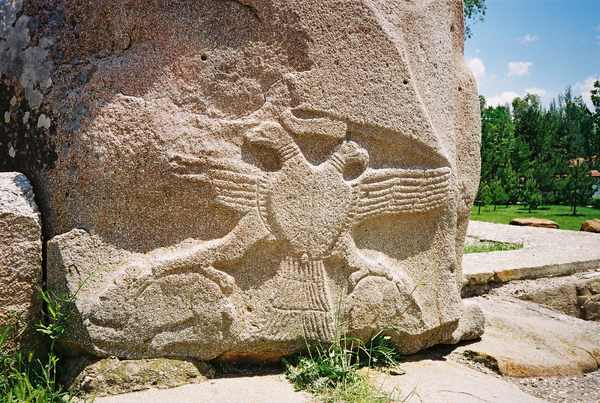
Double-Headed bird found in Alaja Huyuk, Turkey, 14th C BC


There are striking similarities between the Indian and Sumerian civilizations. One of them is the use of the Double Headed Eagle as a royal symbol. From 3800 BC until today this mythical bird is used as a symbol of royalty. Russia and other Eastern European countries use it on their currency notes and national flags. Tamil Nadu, Karnataka and Andhra Pradesh praise the mighty strength of this bird in coins, sculptures and literature. The Panchatantra used the story of double headed bird, also known as Ganda Berunda bird, to emphasize unity. Ancient Cankam (Sangam) Tamil literature used this bird in their love poetry. Devotional poets of India like Ekanath also used this bird as a simile.

Sumerians considered this bird the symbol of God Ninurta of Lagash. They thought it had divine power. We can trace the history of this mythical bird from the Sumerian days. A cylindrical seal shows the double headed eagle from 3800 BC. Later, the Hittite empire which had its capital in Bogazkoy (in Modern Turkey) used it in several monuments. Even today we can see the monuments displaying this symbol in huge sculptures in Hattusa and Yazilikaya. Bogazkoy was the place where a tablet with the names of the Vedic Gods: Indra, Mitra, Nasatya and Varuna was discovered. The tablet was dated 1380 BC. This establishes the Indian connection of the region.

Even the Holy Roman Empire and the Byzantine Empire used this symbol. This Hindu symbol was used by the Christians.

In Sanskrit literature – the Panchatantra (book of fables) has a story about Ganda Berunda bird. It says that the bird had two heads but one stomach. In the story, one head wanted to drink Amrita (ambrosia) but the other head went for poison. Ultimately, the head that drank the poison made the bird die. The moral of the story is that disunity is dangerous.

 
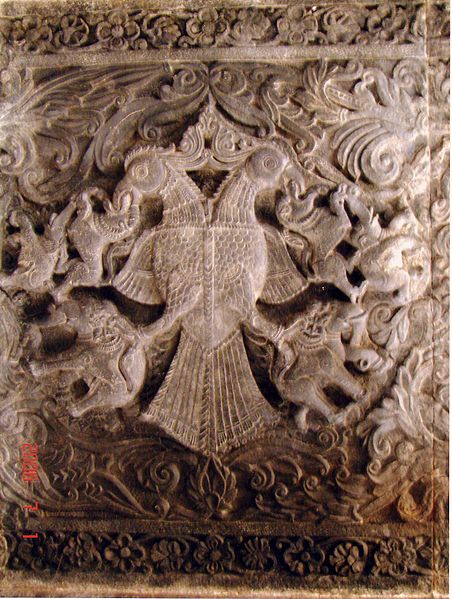
Sculpture in Keladi Temple, Karnataka


Tamil literature, dated two thousand years old, mentions it in three places. In Akananuru, poet Kapilar (verse 12) compares this double-headed, single-bellied bird to two people in love. Though there were two physical bodies, they have one life. Nallanthuvanar also used this simile in Paripatal (Verse 8-72). But another Tamil poet Maruthan Ilanagan in Kalithokai (verse 89) used this bird in the form of two fighting heads, like the Panchatantra story. It shows that Indians from one end of the land to the other knew this bird very well. Thakadur Yaththirai is a lost Tamil book, but excerpts are available as quotes in other works. These quotes compared the fight between two kings Athiyaman and Peruncheral Irumporai to the double headed bird fighting with itself. (Ref. Purath thirattu verse 785).


The Bird that lifts elephants

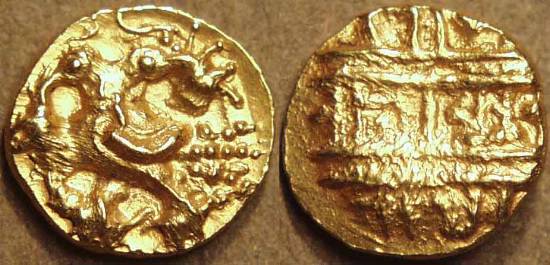
The most imaginative story of the bird comes from the Vijayanagar Empire. Gold Coins issued by Achyuta Raya (1530-1542) show the Ganda Berunda bird lifting an elephant in each of its beaks. Its power is legendary. Other coins show each head holding a snake. Before Achyuta Raya Devaraya II (1422-1446) issued coins with the bird’s name in Deva Nagari script.

Jain Stupa at Sirkap, Taxila is the most ancient Ganda Berunda monument in India. We can see this mythical bird sculptures in Srisailam, Keladi, Koramangala, Belur and the medieval art of Sri Lanka.


Achyuta Gold coin with the bird


Recently even dances were choreographed showing the magical strength of the bird. Dasara Flower Show in Mysore had a 10 foot flower decoration of the bird to commemorate the 500th anniversary of the bird symbol in Karnataka.

The Wodeyar family of Mysore use this as their royal emblem. Later the Government of Karnataka used it as the emblem of the state. There are stories connecting this bird with the Narasimha (Man-Lion) avatara of Vishnu.

Eastern European country Albania has this bird in its national flag. Several countries issued stamps and coins as well. Russian Roubles and Kopeks had this bird.


National flag of Albania


In the Eastern Province Erzurum of Turkey, a huge double headed eagle is being erected in 2011 which is visible from space. Turkey gives so much importance to this legendary bird.

An ancient monument of Turkey shows this bird lifting two hares on its beaks. But the imagination of Indians made it a dinosaur lifting two elephants on its beaks!

Follow me on Twitter @Swami_48 and find me on Facebook.


The Mysterious Vedic Homa Bird: Does It Exist?

By S Swaminathan

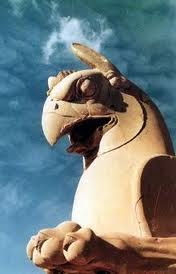
The Emblem of Iran Air is the Homa Bird

There is a very interesting story about a mythological ‘Home Bird’ in Oriental literature.

Though Sri Ramakrishna Paramahamsa said that it was a bird mentioned in the Vedas, there are no references to such a bird in Vedic literature. But there are indirect references elsewhere. Before going in to those details, let us first look at the interesting story. The Homa bird lives in the air, breeds in the air, lays eggs in the air, but before the eggs reach the surface of the earth they are hatched in the air and the baby bird flies upward to join its mother. This is the story told by the great saint. Is there any such bird in the world that fits this description? “No” is the categorical reply from ornithologists.

But Ramakrishna pointed to Narendra (later Swami Vivekananda) and compared him to a Homa bird. The meaning is very clear. Like some people are born with a silver spoon in their mouth, some are born with spiritual treasure. Before they settle into a mundane life they go up the spiritual ladder and become God-men. This is what happened in the case of Adi Shankaracharya, Swami Vivekananda and the great Tamil saint Thiru Gnana Sambandhar. Even when they were teenagers they realised God and taught the world. They were like Homa birds. They never touched the surface of the earth like us. They were always high- up in the sky.

Sri Ramakrishna said: “When they grow a little older they feel the awakening of inner consciousness and go directly toward God. They come to the world only to teach others. They never care for anything of the world. They are never attached to women and gold.”

Is there a Homa bird? The ornithologists (those who study birds) say the Wandering Albatross doesn’t return to land for six years at a time; it uses the ocean water as its surface. Swifts always land on trees but not on the ground because of their weak legs. Arctic Terns fly nonstop for seven days and travel 11000 miles – literally from one pole to the other. Certain birds live most of the time in water or on top of the trees and so literally they don’t “land” on earth for several years. They come to ground only when they lay eggs. But what we understand about today’s 9000 different kinds of birds may not be complete. In our own times we lost several bird species like the Dodo. So once upon a time there might have been a Homa bird in the world.

We have indirect references to the Homa bird in Persian literature. The Persian poets, Turkish poets and Sufi poets praise them as divine birds. If it flies over someone’s head, that person will become a king, they wrote. They described it as bird of paradise.

Though Iran is a Muslim country it has Homa bird as its emblem (please see the picture) for its airlines. The Homa bird in ancient Iranian monuments looks like an eagle or Garuda. There are lot of references about eagles bringing the divine Soma plant from the mountains in our Vedic literature. The English letters S and H change place in Greek and Persian. For example – they named those living on the banks of the river Sindhu as Hindus. Another example is the number Six (Shashti) becomes Hexa in Greek. In the same way, it may be the case that what we called the Soma bird is the mythical Homa bird. Whatever said in the Vedas is repeated in the Persian Zoroastrian literature. Moreover, Hindu literature also associates the Garuda bird (eagle) with Amrita (ambrosia).

Tippusultan and the Homa bird

When Tippusultan of Mysore was defeated by the British army his enormous wealth was plundered and looted. Some was sent to Britain. Other treasures were broken in to pieces and distributed to its troops. Tippusultan’s golden throne had a Homa bird encrusted with beautiful and expensive gem stones. A British auction house sold it some time ago naming it as the bird of paradise. “Tippu’s throne was eight feet in length, by five in width [and] was raised four feet from the earth. It had tiger legs. It was made up of gold and silver. Arabic sentences, chiefly from the Koran, decorated it. The canopy was made of pearls. The central part of the roof was surmounted by the MOST CURIOUS AND COSTLY FIGURE OF THE HUMAH (the fabulous royal bird of the East) formed of solid gold nearly the size of a pigeon, and covered over with the most valuable jewellery”.

Sufi teacher Inayat Khan describes the bird in beautiful words: “Its true meaning is that when a person’s thoughts so evolve that they break all limitations, then he becomes a king. “

The bird is described as a phoenix that comes to life even after it is consumed by fire. All of these concepts are metaphorical. If we apply it to great men and their teachings, it makes more sense. India is full of such Homa birds/Great men and women.


A bust of the mythical Homa Bird


Please visit my blogs: swamiindology.blogspot.com and tamilandvedas.wordpress.com.

Follow me on Twitter @Swami_48 and find me on Facebook.

Two Little Animals that Inspired Indians

By S Swaminathan

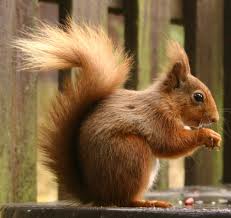
Squirrel

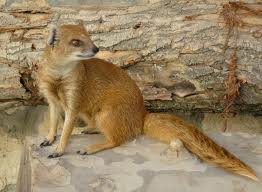
Mongoose


There are two stories of little animals in the Ramayana and Mahabharata. They have been inspiring us for thousands of years. Let us hear the first story in the words of Swami Vivekananda:

Be like the humble Squirrel

 “The monkeys removed whole hills, placed them in the sea and covered them with stones and trees, thus making a huge embankment. A little squirrel, so it is said, was there rolling himself in the sand and running backwards and forwards on to the bridge and shaking himself. Thus in his small way he was working for the bridge of Rama by putting in sand. The monkeys laughed; for they were bringing whole mountains, whole forests, and huge loads of sand for the bridge— so they laughed at the little squirrel rolling in the sand and then shaking himself. But Rama saw it and remarked: “Blessed be the little squirrel; he is doing his work to the best of his ability, and he is therefore quite as great as the greatest of you.” Then he gently stroked the squirrel on the back, and the marks of Rama’s fingers, running lengthways, are seen on the squirrel’s back to this day.” Now, the squirrel knows that the effort of building a bridge across the ocean is an effort that is on a gigantic scale. It also knows that compared to that its own contribution is very small. But it did not remain idle assuming that its contribution would not be of much significance. It wanted to contribute to the work with all its might. This is what we have to learn. Working like that squirrel according to once own capacity is the way to build a complete personality. Be ready to shoulder responsibility.

Swami Vivekananda narrated this story while delivering a lecture on Ramayana

The story teaches us some important virtues:

  • Little drops of water make the mighty ocean
  • No work is too small
  • Learn to appreciate sincere work even if it comes from the lowest ranks
  • Ignore other people’s discouraging remarks and carry on with your job
  • Quality of work is more valued than the quantity of work

A Vaishnavaite Saint’s praise for the squirrel

There were 12 great Vishnu devotees (Alvars) in Tamil Nadu who composed 4000 hymns in Tamil on Lord Vishnu. One of the earliest of the twelve Alvars is Tirumazisai Alvar. He composed his poems 1500 years ago in which he said he was not like the famous squirrel. Here is the translation:

“ I am not like the little squirrel ,which

As the monkeys shoved and heaved the mountains

So spontaneously dipped in the water:

With its wet fur rolled, it on the sand

And ran back in to the waves of the sea

Concentrating only on building the bridge

But my heart is hard as the trees, I grieve that

Even my heart did not desire to serve the Lord of the Rangam”

-Tirumaalai 27

This hymn proves that the Ramayana squirrel has been inspiring people for thousands of years.

Mahabharata Mongoose

There is another interesting story in the Mahabharata about a mongoose:

It is the story of a poor Brahmin who lived with his wife, son and daughter in law. The Brahmin used to beg for food. Sometimes the family went without food for several days. One day they got some food after a long period of starvation. Though they were poor, they never forgot to do the rituals like yagna. So the Brahmin dedicated one fourth of the food to the Gods and divided the other part in to four equal portions. Just before they started eating, a beggar came and asked for food saying that he was very hungry. The Brahmin gave his portion first. When he asked for more and more food each one gave his or her portion of food as well. When his stomach was full he went to wash his hands. At that time a mongoose was running across and the water fell on one part of its body. That part became golden in colour. The Brahmin revealed his true identity as Brahma, one of the Hindu Trinity. When he offered them a boon, all the family members refused to accept it saying it was part of their duty to show hospitality to any guest. Brahma, very much pleased with them, sent them straight to heaven.

Several years after this incident, the eldest of the five Pandavas, Dharma performed a Rajasuya Yagna in Indraprastha. It was a grand success and everyone praised the Pandavas sky high. But the mongoose whose body partly turned golden went there and challenged them. It said, “ Look I rolled on the water of the Rajasuya Yagna. But my body did not turn fully gold. When I went to a greater Yagna in Krita Yuga, my body turned partly gold than I was told the other part would also turn in to gold when an equally great Yagna was performed. Dharma was humbled by the mongoose challenge. At last the mongoose requested Lord Krishna to bless it and Krishna readily obliged the mongoose. Pandava’s Yagna was performed in the Dwapara Yuga (third of the four yugas).

Moral of the story: The values change from Yuga to Yuga. The people’s approach was 100 percent perfect during the Krita Yuga or Golden Age. During Dwapara Yuga it was only 50 percent perfect. The Brahmins in the Golden Age refused to take any credit for the charity they did. But the Pandavas made a big show of their charity. The second point is that giving food to the needy is equal to a great Yagna like Rajasuyam. Don’t feel proud for everything you do. There is always someone out in the world who can outsmart you. So be humble.


An Anonymous English poem about the squirrel (the last four lines are mine)

“Whisky, frisky, Whisky

Hippity hop;

Up he goes

To the tree top

Whirly, twirly,

Round and round,

Down he scampers

To the ground

Furly, curly

What a tail !

Tall as a feather

Broad as a sail!

Where’s his supper?

In the shell

Snappity, crackity

Out it fell”

“Ramayana or Mahabharata

Every where you are

And inspire to perspire

And persevere for ever”

Please send feedback and comments to: swami_48@yahoo.com. Followme on Twitter @Swami_48.

Please visit my blogs: swamiindology.blogspot.com and tamilandvedas.wordpress.com.

The Sugarcane Mystery: Indus valley and the Ikshvaku Dynasty

Ikshvaku was the founder of the Solar Dynasty. Lord Sri Rama, Bhageeratha and other great kings of the solar dynasty are well known to the Hindus. What is interesting is that we get more and more evidence to link him with the Indus Valley Civilisation, first Jain Thirthankara, Rishabadeva, the Rik Veda and a Tamil king called Adhiyamaan.

Ikshvaku was mentioned in Rik Veda. The meaning of his name is SUGARCANE. The plant sugarcane (Saccharum officinarum) is mentioned in the Atharva Veda. Ayurvedic authors Charaka and Susruta mentioned the sugarcane in many places. The word ‘sugar’ and the words for sugar in other European languages came from the Sanskrit word ‘Sharkara’. Columbus introduced the sugarcane to the Americas in 1439. Arabs took it from India to other parts of Asia around 8th century AD.

Encyclopaedias say that the people of New Guinea were the first to cultivate sugarcane around 6000 BC. But they did not extract sugar from it. They just chewed it to get the juice out of it. But King Ikshvaku was the first one to show the people of extracting sugar from the sugarcane. That is how he got this name Mr Sugarcane.

Who was Ikshvaku?

Ikshvaku was the son of Vaivasvata Manu who is equated with the King Satyavrata of Dravidian country in whose time the first avatar of Lord Vishnu- Matsyavatara (Fish incarnation) – took place. So all the facts lead us to the remotest period. Ikshvaku was more famous for his just rule rather than sugarcane juice.

Jains have another interesting story about the sugarcane. Their first Thirthankara Rishabadeva (Adi Nath) was the one who taught the people of extraction of sugarcane juice. So he was known as Ikshvaku. Another version is that he took sugarcane juice after a year of fasting. Both the Hindu and Jain Ikshvakus are probably one and the same.

Indus Valley civilisation has evidence to show that they knew sugarcane and sugar extraction. Crystallised sugar was used by the Indus Valley people. Hindu Gods and Goddesses such as Lalitha (Ref. Lalitha Sahasranamam), Kamakshi, Tripura Sundari and the Hindu Cupid Manmatha are depicted holding a sugarcane in one hand. The Sanskrit word Sharkara and these Hindu goddesses prove that sugarcane was very much Hindu and Indian.

Tamil King Adhiyamaan Nedumaan Anji

Another interesting fact about sugarcane is in Tamil literature. The word for sugarcane in Tamil is ‘Karumbu’.The grand old lady of Tamil literature Avvaiyar praised chieftain Adhiyamaan  Nedumaan Anji of Thagadur (modern Dharmapuri in Tamil Nadu)  for his philanthropy in Puranaanuru verse 99. Avvaiyar lived two thousand years ago. While praising him she made a passing remark. She said that the forefathers of Adhiyamaan were the one who introduced sugarcane to the people. If we get all these facts together we get a good picture of sugarcane cultivation in India. Ikshvaku or Rishabadeva was the one who taught people how to get the juice and make sugar. But if Indus valley had it by 3000 BC then we had to push the date of Ikshvaku dynasty or Rishabadeva to 3000 BC as well. Tamils also say indirectly that Adhiyamaan was related to him. The South Indian Tamils corroborate what their North Indian counterparts said about the sugarcane. The idea that it was ‘introduced’ by some king is undeniable. The sugarcane mystery pushes back the date of Ikshvaku dynasty and the Jain Thirthankara to the remotest periods of Indian history.

Other Sanskrit words for sugarcane are Mahashira, Mahapushpaka and for jaggery ‘Gur’ or ‘Gud’ (Tamil word Vellam).

Send comments and feedback to swami_48@yahoo.com.


The Connection between William Wordsworth and Dattatreya

“ Let Nature be Your Teacher ’’–William Wordsworth and Dattatreya

William Wordsworth was an English poet who lived from 1770 to 1850 in England. He was the first and the greatest of the English Romantic poets. He was born in Lake District .The region’s magnificent landscape gave him a love of nature that deeply affected his life. Wordsworth lived 200 years ago.

Dattatreya was an incarnation of Lord Vishnu and Shiva. Dattatreya must have lived at least 2000 years ago .We did not know when exactly Dattatreya lived. But his name was mentioned in Valmiki Ramayana and Mahabharata, the two great epics of India. Bhagavata Purana has Dattareya’s teachings in the form of Uddhava Gita. Both Dattatreya and Wordsworth advocated let nature be our teacher. So it is worthwhile comparing both of them.

The most interesting thing about Dattatreya is that he mentioned 24 natural objects or living beings as his teachers. Dattatreya was the divine child of Anusuya and sage Atri Maharishi.

One day a king asked him why he was so cheerful and asked him who his Guru was. When he mentioned he had 24 Gurus (spiritual teachers) the king was surprised because he was very young.

Wordsworth was known for his poems on nature. His poem on ‘Daffodils’ was taught at school level all over the world. In one of his poems Wordsworth asks us to throw away the boring books and get outside to enjoy nature. He is very confident that nature can teach us more than all the sages.

In his poem ‘The Tables Turned’ he says

“And hark! How blithe the throstle sings!He, too, is no mean preacher;Come forth into the light of things,Let nature be your teacher”
“One impulse from a vernal woodMay teach you more of manOf moral evil and of goodThan all the sages can.”

Let us now look at Dattareya’s 24 Gurus:

  1. Mother Earth,
  2. Water,
  3. Fire,
  4. Air
  5. and Space(Pancha Bhuthas/five elements);
  6. Then comes the Moon,
  7. the Sun
  8. the Ocean;
  9. later he lists many living creatures :Pigeons,
  10. Python,
  11. Bumble bee,
  12. Moth,
  13. Honey bee,
  14. Elephant,
  15. Deer,
  16. Fish,
  17. Snake,
  18. Spider,
  19. and a Bird with a worm……etc

Among the human beings it is very interesting that he even mentions a prostitute as his guru, the others being an arrow maker, a young woman and a baby.

What did he learn from the nature? Let us read the answer in his words:

The earth taught me patience and generosity.

The ocean taught me to remain calm in spite of storms.

The fire taught me to give myself so that I would shine brightly.

The air taught me to move freely anywhere and not to stay in one place.

The water taught me how much purity is needed for one’s good health.

The sky taught me to be above everything and yet embrace all things.

The moon taught me the Self remains the same even when the appearance changes.

The sun taught me that a luminous face is reflected by all smooth surfaces.

The flock of pigeons taught me that love and attachment mean entanglement.

The bee taught me to collect sweet wisdom from no one suspected it to be.

The arrow maker taught me to be purposeful and always concentrate to one point.

The fish taught me never to take the bait and so destroy myself.

The bird taught me to sit peacefully and be content with little food.

The moth taught me to plunge in to the flame of knowledge.

The python taught me how to be content.

The elephant taught me to be careful with my passions and desires.

If one has read the Indian mythologies and the fables like Panchatantra the answers will be clearer and easily understood.

Love for nature and kindness towards animals are two common themes that run through ancient Sanskrit and Tamil books. Kalidasa’s portrayal of Princess Shakuntala was beautiful when he says that Shakuntala was so careful not to disturb the birds when she watered the plants. Once again the poet describes the reaction of the deers and the plants when she left the forest for good.

A great Tamil devotional poet of modern era Ramalinga Swamigal, popularly known as Vallalar says he was withering (became very upset) whenever he saw withering plants ( “vaadiya payirai kanda pothellaam vaadinen”).

One of the anthologies of Tamil Cankam (Sangam) period is Natrinai where in a beautiful poem describes how a girl raised a Punnai tree by watering it with milk and ghee. Her mother described the tree as her own sister. When the lover comes to date her, the girl refused to date him and said that she felt very shy in front of her “ sister”- the Punnai tree! Nature was part of ancient Tamils’ life.


Please send comments and feedback to: swami_48@yahoo.com. Follow me on Twitter @swami_48 and find me on Facebook.

My Blogs are: swamiindology.blogspot.com and tamilandvedas.wordpress.com