Oldest and Longest Patriotic Song!


13YT_TRICOLOUR_2_1549185g

Bhumi Sukta (Ode to Earth) in the Atharva Veda is a beautiful poem with 63 verses; it is a priceless contribution of Atharva Veda to the Vedic literature; this poetry is universal and not local. The earth on which the poet lives opted for Indra and not Vritra, the powers of light and darkness. It shows the crystal clear thinking of Vedic seers. The very first verse in the sukta glorifies the Vedic values of Sathya and Rita, truth and order.

Though the earth is called Pruthvi in Sanskrit throughout  the hymn, we may consider the poet is singing about his own land—the mother land. Some of the modern translations use the word motherland instead of earth. It makes more sense.


One would be wonderstruck to read the world’s oldest and longest patriotic song in the Atharva Veda. Atharva Veda’s date is only conjectural and it was compiled earlier than 1000 BC. It is amazing to find a very long patriotic song in praise of motherland (earth) in the Veda. Greeks have not even started writing their first book then. Tamil’s oldest book came 1000 years after Atharva Veda. Moses started issuing Ten Commandments around that date. In such a remote period Hindu thinking has reached its pinnacle!


Each Vedic hymn is equal to 1000 self improvement books. The Vedic hymns are full of positive thoughts. Through auto suggestion, it makes anyone great. Each hymn gives positive energy to those who chant, to those who hear and those who believe in them. You don’t need to read any book written by Dale Carnegie or Anthony Robbins. If you sit in a group of Vedic pundits and repeat the hymns every day for hours the whole atmosphere will be surcharged with tremendous energy and positive thoughts. That is why ancient Hindu kings appointed Vedic priests in every town, temple and palace who repeated the positive words million times and prayed for the welfare of not only human beings but also animals. This is the highest stage of human thought.


Vedic priests were not primitive nomads. They were highly civilized. No Gilgamesh, Atra Hasis or Ziusudra had such sublime thoughts.

poets of india scan 3

Atharva Veda seers sing about the beauty of earth in general. It will beat all the national anthems of the world. If I give the full version, it will run to several pages. This verse inspired great poets like Bankim Chandra Chatterjee and Bharati. I will give below some of the verses from the hymn on earth/motherland. It is from Kanda 12 of Atharva Veda:

“ Sacred is the earth (motherland). It not only nurtures that which is past and all the objects of the present, it bears the seed of the future as well. Such is our great motherland.

“ Our earth (motherland) is populated with learned men. It is populated by those who are inferior, those who are average and those who are superior. But all such people forget their differences and live together in unity and friendship. This is the land where we will perform deeds and attain fame. This is the land where our intelligence prospers.

4 deers, fb

“ In our motherland can be found enterprising and hard working farmers and artisans. In every direction that one glances, one finds fields of rice, wheat and other grains. Our motherland nourishes different forms of life. It provides us with cows, food grains and other forms of sustenance.

“The famous warriors of yore performed valorous deeds here. In this land the learned and the brave ones conquered the violent demons.


“Our earth/motherland is the nurturer. In it can be found gold, silver, diamonds, emeralds and other gems. Nuggets of gold and all sorts of objects, all forms of vegetation, and all forms of living beings can be found in our motherland. Our motherland is the best country of all.

“ In the beginning, this land was immersed in the water of the ocean. Vast is the expanse of this land. Its heights reach up to heaven.

“ In this land to be found learned mendicants who roam in every direction.  Just as the water attains same level everywhere, these hermits look upon all with equal favour.
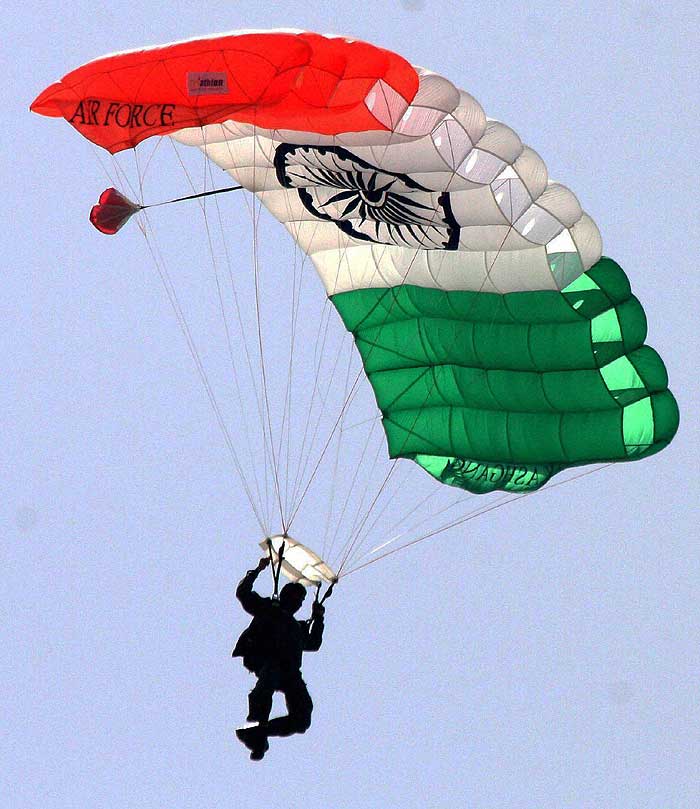
B_Id_366060_Air_force_show

“ The Ashvinis look after this land of ours. Brave warriors have measured the length and breadth of our motherland

“O my earth/ Motheland! May the mountains and the snow clad peaks that can be found here NOT bring you unhappiness.

“You are my mother. I am the son of the earth.  The water which rains down and nourishes is my father. My I be preserved.

“ In this land the Vedas are revered in every direction. The righteous ones are worshiped here and the land is uplifted through the performances of sacrifices. Wonderful are the words of wisdom that have been uttered in this land.

“ O my Motherland! All of us are your subjects. May all of us be gifted with sweet speech. May we live together in harmony. May trees and plants grow on you in abundance.


“This land is the mother of all trees, shrubs, plants and creepers. It is here that truth, learning, bravery and righteousness flourish. This land will bring us welfare and happiness. May we always serve our motherland.

“O, Motherland! This is the place where we all live in harmony. May you be great and firm. May brave warriors protest you with their valour and intelligence from enemies. May we be enriched. May we prosper.

bharatmata on lion


May we not cause unhappiness to others when we are travelling on this land.

This is the land where the search for the god is made. This is the land that the god has blessed.

May my motherland grant us the riches that we desire. The inhabitants of this land sing and dance. The cities in my motherland have been built by the gods.

“ O  earth (my Motherland)! Grant us wisdom so that we can ensure our welfare. May we be learned all the time. May we prosper in your midst.


Atharva Veda Kanda 7 also got a hymn on the motherland.

“Heaven is in the motherland. The motherland is our mother. it is our father and son”.

(I have given only half of the verses. It goes on and on about the glory of our holy land. It is full of positive thoughts. It praises nature at length. We must replace our National Anthem “Jana Gana Mana” with the abridged version of this Vedic hymn!!)

There are over 650 articles on Hindu culture in this blog. Please read them. Contact for further information swami_48@yahoo.com

akhand_bharat 2

Great Men Think Alike: about Dolls

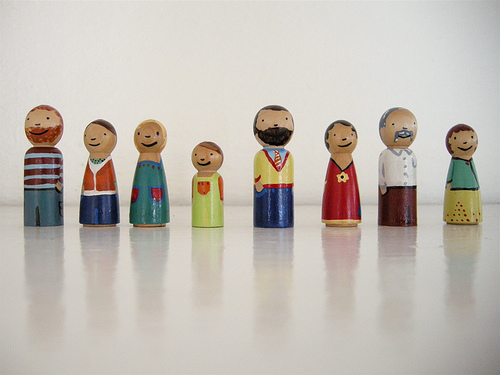
wooden dolls

This is the third in the series of ‘’Great men Think Alike’’; they even teach us through dolls.

‘’ There are three dolls—the first made up of salt, the second made up of cloth and the third of stone. If these dolls are immersed in water, the first will become dissolved and lose its form, the second will absorb a large quantity of water but retain its form, and the third will remain impervious to water.

The first doll represents the man who merges his self in the universal and all pervading self and becomes one with it; he is the liberated man. The second represents the bhakta/ devotee or the true lover of god, who is full of divine bliss and knowledge. And the third represents the worldly man who will not admit even a particle of true knowledge into his heart’’.

——From Sayings of Sri Ramakrishna – saying No.36


Children’s Doll

Little children play with dolls in outer room just as they like, without any care or fear or restraint; but as soon as their mother comes in, they throw aside their dolls and run to her crying ‘’Mamma, Mamma’’. You too ,O man, are playing in this material world, infatuated with dolls of wealth, honour, fame etc, and do not feel any fear or anxiety. If, however, you once see your Divine Mother, you will not afterwards find pleasure in all these. Throwing them all aside, you will run to her— Saying No12 from R.K.Paramahamsa

indian dolls

Tiruvalluvar on Dolls in Tamil Veda—‘Tirukkural

Tamil poet who lived 1300 years ago has used dolls in two places in his book Tirukkural:

Kural/ couplet 1058: The great cool world will be moving like a lifeless puppet show if no one asks for help.

Kural /couplet 1020: the men, who do not possess sensitiveness to shame in their personality, are like the wooden dolls operated by strings.


Kamban on Kaikeyi in Tamil Kamba Ramayana

Kaikeyi is like a wooden doll. She would not feel shy or ashamed: Tamil poet Kamban in ‘Kaikeyi conspiracy’- verse 34


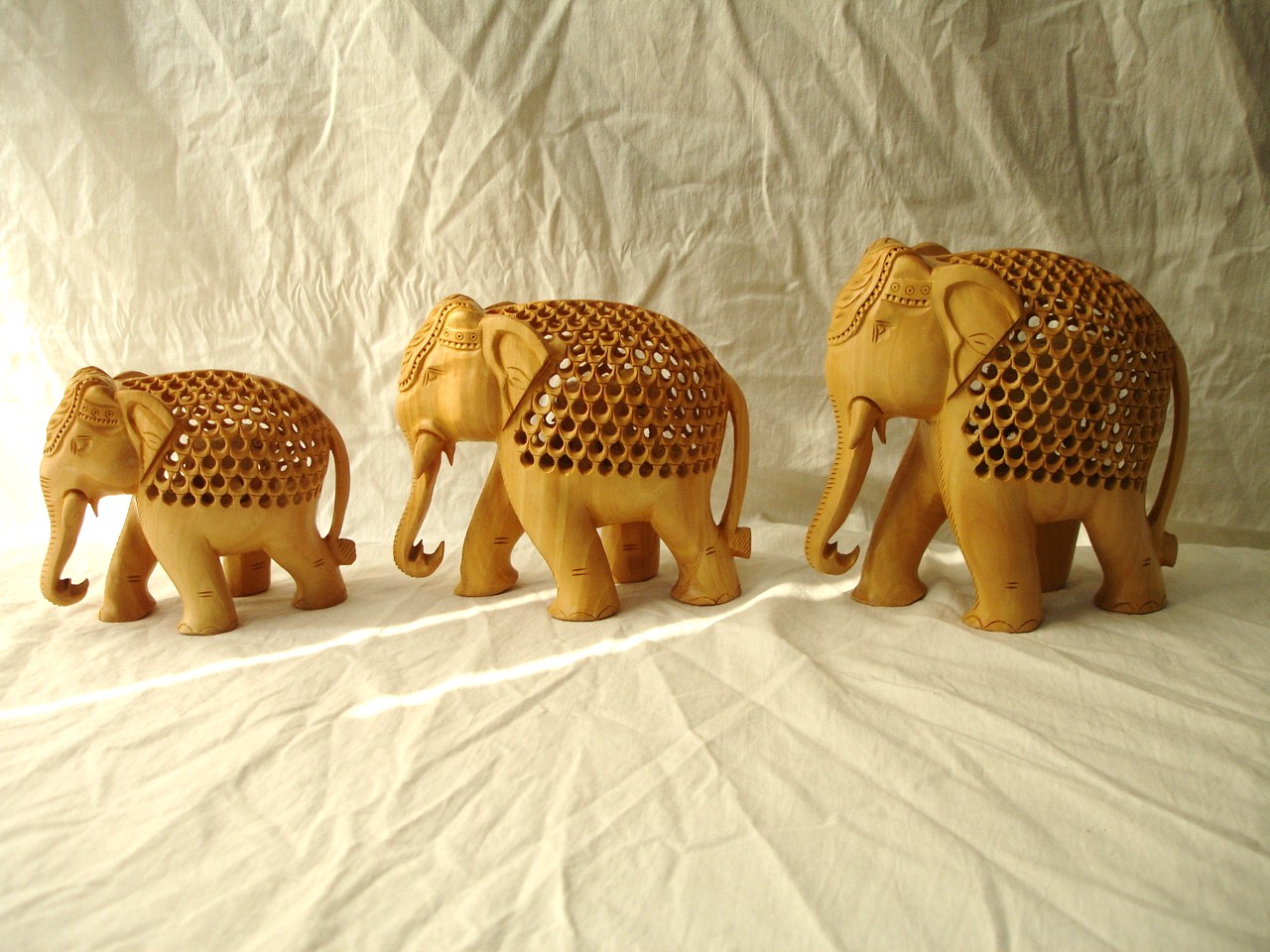
Tirumular on Elephant Doll

Tamil Siddha teaches philosophy through wooden doll of elephant. A child sees only elephant in the doll but a carpenter knows it is not elephant but wood. We see the world like a child without knowing its real nature. Brahman, the sole reality remains concealed in it. (Tamil Maraththai maraiththathu Maamatha Yaanai)

wooden elephants

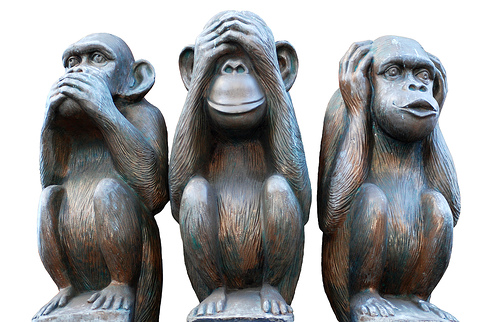
Three Wise Monkeys from India

Under the above title I posted an article on 22 November 2011. I have explained that the principle of See no evil, Hear no evil and Speak no evil went from India to other countries.I will give only a few points from my old post.

  1. Mahatma Gandhi had a porcelain doll of three monkeys by his bed side. It was presented to him by some Chinese visitors. Since Gandhiji’s days this doll became a popular figure in India. Moreover the theme the monkeys explained is a typical Indian theme: See No Evil, Hear No Evil and Speak No Evil.
  2. The Japanese call these three monkeys “Mi zaru (see no evil), Kika zaru (hear no evil)  and Iwa zaru (speak no evil)”.

3. A monkey was  mentioned as a favourite animal of Indra in Rig Veda (10-86).

4.Lord Krishna says in the Gita (Chapter 2-29),”one SEES him with wonder, another likewise SPEAKS of him as a wonder, and as a wonder another HEARS of him, yet even on (seeing, speaking and hearing) some do not understand him”.

5.But the oldest and the clearest evidence comes from a Tamil book called Naladiyar. It is a Tamil book of ethics with 400 poems on different topics. They were composed by Jain saints 1500 years ago.

One of the poems runs like this:

“If one knowing what is right, be deaf to the secrets of others, blind to the wives of his neighbours, and dumb in calumniating others, it is not necessary to inculcate any virtue to him.”

 three-wise-monkeys

Another story about THREE WISE DOLLS

  1. A king in India was presented with three dolls by a wise man. The king was wondering why someone would present such dolls. He called all the wise people to find out their meaning.

Several people came forward, examined the dolls and came with no answer. One or two people found some holes and yet could not say what they were for. At last a very wise man came and asked for a string from the king. He passed the string through the holes in each doll. The string went through one ear and came through the other ear in the first doll. The wise man explained that represents a person who can’t retain anything and whatever he hears leaks through the other ear. The second doll had one hole in the ear and another in the mouth. This person will tell everything you tell him to everyone in the world and so he is dangerous, explained the wise man. And in the third doll the string went through one ear but never came out. He is the most trustworthy person fit for a job in the royal palace, said the wise man. The king was very happy and amply rewarded the wise man.

Pictures are taken from other sites; thanks. Contact swami_48@yahoo.com
Great Men Think Alike: about Rebirth

optical 2


1.Death and birth are like sleep and the waking state respectively—Tirukkural in Tamil by Tiruvalluvar couplet 339.


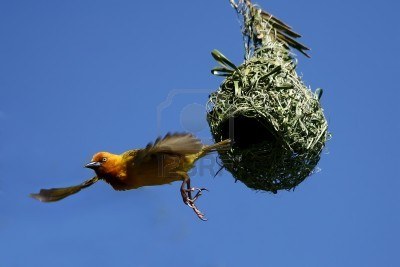
2.The affinity of the body and the soul is like that of the egg and the chick within. The soul departs from the body even as the chick deserts the egg—Tirukkural in Tamil; couplet 338.


3.One should cease to identify oneself with one’s false bodies, like an actor giving up his assumed mask –Adi Shankara in Viveka Chudamani Verse 292 in Sanskrit.

nest and bird

4.‘’For death had illumined the land of sleep

And his lifeless body lay

A worn out fetter, that the soul

Had broken and thrown away’’ (Longfellow in Slave’s Dream)


5.You grieve for those who you should not grieve for, and yet you speak words about wisdom. Wise men do not grieve for the dead or for the living (Lord Krishna in Bhagavad Gita 2-11)


6.Just as a person casts off worn out garments and puts on new clothes, even so does the embodied soul cast off worn out bodies and take on others that are new (Bhagavad Gita 2-22)


7.Weapons do not cleave this self, fire does not burn him; waters do not make him wet; nor does the wind make him dry. He is said to be un manifest, unthinkable and unchanging. Therefore knowing him as such , you should not grieve — (Bhagavad Gita 2-23 & 2-25)


8.He is never born, nor does he die at any time, nor having come to be will he again cease to be. He is unborn, eternal, permanent and primeval. He is not slain when the body is slain (Bhagavad Gita 2-20).

optical 1

9.If the red slayer thinks he slays,

Or if the slain thinks he is slain,

They know not well the subtle ways

I keep and pass and turn again (Emerson in his poem Brahma).


10.When Crito asks, ‘In what way we bury you, Socrates? Socrates answers, ‘ in any way you like, but first you must catch ‘me’, the real ‘me’. Be of good cheer, my dear Crito, and say you are burying my body only, and do with ‘that’ ,whatever is usual and what you think best.


11.Gautam the Buddha consoled the mother who lost her only son while yet a child by asking her to go into town and bring him a little mustard seed from any house where no man has yet died. She went and found there was no family where death has not entered. Buddhist nun Patacara consoled many bereaved mothers in the following words:


12.‘ weep not, for such is here the life of man

Unasked he came, unbidden went he hence

Lo! Ask thyself again whence came thy son

To bide on earth this little breathing space

By one way come and by another gone….

So hither and so hence—why should ye weep? (From Psalms of the Sisters quoted by Sarvapalli Radhakrishnan in his Book on Gita)


13.Repeated birth, repeated death, and repeated lying in mother’s womb—this transmigratory process is extensive and difficult to cross: save me O Destroyer of Mura (Murahari=Krishna), through your grace!—Adi Shankara in Bhaja Govindam, verse 21.


Compiled by London Swaminathan; read earlier post Great men think alike : about Wealth.

Pictures are taken from various websites;thanks. Contact: swami_48@yahoo.com
ykusama_infinity-mirror-room


Great Men Think Alike about Wealth

BOE Gold

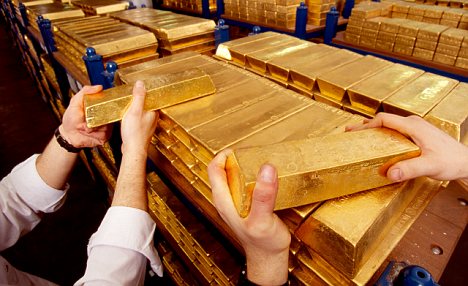
Queen Elizabeth viewing the Gold in the vault of Bank of England in London.

1.Wealth never remains stable with anyone but changes like the cart wheel—Tamil Book Naladiyar verse 2 about the instability of wealth.

2.Those who readily gave alms will escape the dreary desert path of  Yama- Angel of Death— Naladiyar in Tamil

3.Fortune coming to one and its departure are likened to the assembling of a crowd to witness a drama and its dispersal respectively—Tirukkural by Tiruvalluvar couplet 332

4.This is a world where a  variety of actors come and go; be happy—Uraiyur Mudukannan Sathanar in Tamil Purananuru verse 29

5. If there were no poor seeking charity, this world of beauty and variety,  will be like the stage of a marionette show—Tirukkural 1058


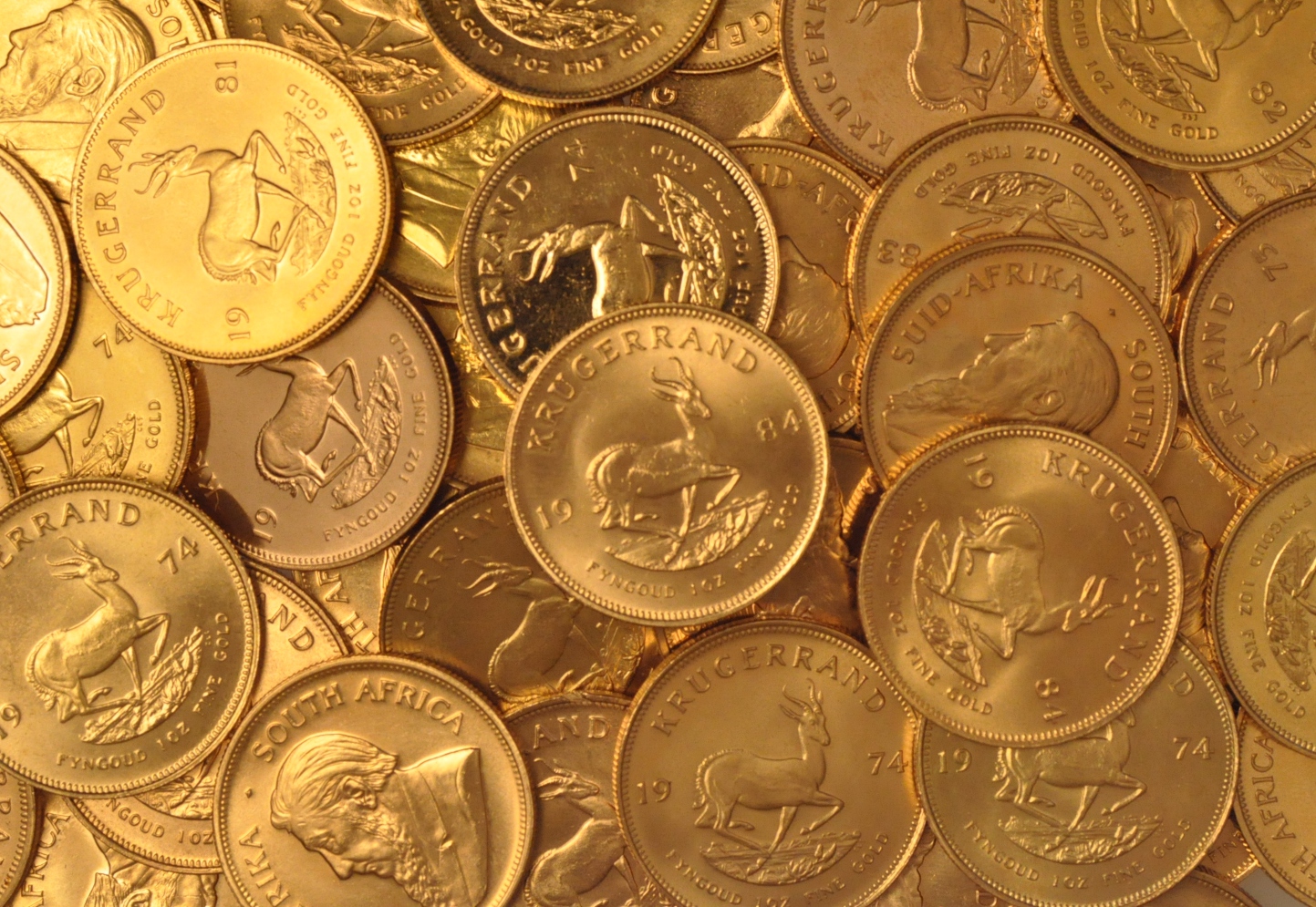
jqb_Krugerrand_1Ounce_Pile

6. Wealth is like sand dunes or sand piles in the river made by floods. They appear and disappear; they are not stable (Nalvazi by Tamil poetess Avvaiyar)

7. Money can fetch you bread alone. Do not consider it as your sole end and aim (Great Hindu Saint Ramakrishna Paramahamsa)

8. Water always flows out under a bridge but never stagnates so money passes through the hands of the free, and is never hoarded by them (Ramakrishna)

9.Brains and wealth don’t go together: A certain man won million dollars on number 14. When asked how he figured it out, he said: ‘I had a dream. One night I saw in my dream a great big 9, and next I saw a 6, so I used my brains and figured that 9 and 6 is 14.’—Chicago multi millionaire Julius Rosenwald

10. The man who is always full of energy,

Who overcomes others easily,

Who in his speech scornful and haughty,

Is what he is, owing to the power born of wealth—Panchatantra by Vishnusarman in Sanskrit; Story of Winning of Friends, sloka 67.

Gold bars ingots in the Gold vault under the Bank of England in Threadneedle Street London England


compiled by london swaminathan; pictures are taken from various sites;thanks.


Quiz on Hymns in English and Tamil

By London Swaminathan

You are a Master of Stotra Literature if you answer at least 14 questions correctly


1.Who composed 272 Slokas or Hymns including the famous Bhaja Govindam and Ganesa Pancharatnam in Sanskrit?

2.What Stotra or hymn did Agastya teach Ram to win the war against Ravana?

3.What did Adi Sankara recite that brought a shower of gold coins to cure the poverty of a poor woman?

4.What is the name of a long hymn with 1008 names that attracted a commentary from Adi Sankara?

5.What is the hymn that recited every morning to wake up Lord Venkateswara? Who was the author of the hymn?

6.What is the name of the Hymn with 100 stanzas that beautifully sings the glory and beauty of the goddess composed by Adi Sankara?

7.What is he meaning of the following words: Ashtakam, Ashtotram, Pancharatnam and Dasakam?

8.What is the word for a hymn with 100 stanzas?

9.In a Sahasranama how many names of the Lord you will find?

10.What is the most famous Vedic Mantra given by Vishvamitra?

11.What is the mantra that cures one the fear of death?

12.What hymn is used during bathing Shivalinga in the temples?

13.What is the name of the hymn composed by Jayadeva that is sung in the Sampradaya/traditional Bhajans?

14.What are the two leaves that have got hymns in their names?

15.What is the Sanskrit hymn that reverberated from the halls of the United nations General Assembly?

16.Who composed Thotakashtakam?

17.Who was the author of the famous Shyamala Thandakam?

18.What is the name of the sloka composed by Ravana on Lord Shiva?


ANSWERS: 1. Adi Sankara 2. Aditya Hrudayam in Sanskrit 3. Kanakadhara Stotra 4. Vishnu Sahasranama 5. Venkateswara Suprabatham by Prativati Bhayangara Annangaracharya also known as Anatacharyar 6. Soundarya Lahari of Adi Sankara. It is believed half of the hymn was composed by Sankara 7. Ashtakam: hymn with 8 stanzas, Ashtotram: 108 names of God, Pancharatnam: hymn with 5 stanzas and Dasakam: hymn with 10 stanzas. Normally one or two extra stanzas will give the benefits of reciting it.8.Satakam e.g Surya Satakam of Mayura, Kumaresa satakam, Bhartruhari’s Neeti Satakam 9. 1008 10. Gayatri Mantra 11. Mrutyunjaya Mantra 12. Rudram and Chamakam 13. Ashtapathi from Gita Govindam 14. Bilva and Tulsi- used for Puja of Shiva and Vishnu respectively 15.Maithreem Bhajatha composed by Kanchi Shankaracharya in Sanskrit and sung by M S Subbulakshmi 16.Totakacharya in Totaka metre 17. Kalidas 18. Shiva Thandava Stotra

For more of the same: contact swami_48@yahoo.com or swaminathan.santanam@gmail.com
 

தமிழில் ஸ்தோத்திர க்விஸ்

By London Swaminathan இருபது கேள்விகளுக்கு மேல் சரியான பதில் கொடுத்தால் நீங்கள் தோத்திர மன்னன் என்ற பட்டத்துக்குத் தகுதி பெறுவீர்கள்.


1.அம்பாளின் அழகை வருணிக்கும் 100 அற்புதமான கவிகள் அடங்கிய துதி எது?

2.ஷியாமளா தண்டகத்தை எழுதியவர் யார்?

3.சரஸ்வதி மீது சகல கலா வல்லி மாலையைப் பாடியவர் யார்?

4. எட்டு பாடல்கள், ஐந்து பாடல்கள் , பத்து பாடல்கள் உடைய ஸ்தோத்திரங்களுக்கு என்ன பெயர்?

5.ஒரு பாடல் முடியும் எழுத்தில் அல்லது சொல்லில் அடுத்த பாடல் துவங்கும் தொகுப்புக்கு என்ன பெயர்?

6.ஐ.நா.சபையிலிருந்து உலகம் முழுதும் ஒலித்த சம்ஸ்கிருத பாடல் என்ன? அதை இயற்றியவர் யார்?

7.தேவராய சுவாமிகள் பாடிய பிரபல துதி எது?

8.நமச்சிவாய வாழ்க என்று துவங்கும் மாணிக்கவாசகரின் துதி என்ன?

9.பஜகோவிந்தம் உள்பட 272 துதிகளை இயற்றியவர் யார்?

10.மழை பெய்வதற்காக சொல்லப்படும் துதியின் பெயர் என்ன?

11.முடி முதல் அடிவரை இருக்கும் உடல் உறுப்புகளைப் பாதுகாக்க சொல்லப்படும் துதியை என சொல்லால் குறிப்பார்கள்?

12. நூறு பாடல்கள் உடைய நீண்ட துதியை என்ன சொல்லால் அழைப்பர்?

13.பலஸ்ருதி என்றால் என்ன?

14. அஷ்டோத்தரம், சஹஸ்ரநாமம் ஆகியவற்றில் கடவுளின் எத்தனை பெயர்கள் இருக்கும்?

15.கேசாதி பாத ஸ்தோத்திரம் என்றால் என்ன?.

16.பதிகம் என்றால் என்ன?

17.ராவணனை வெல்ல ராமருக்கு அகத்தியர் கற்பித்த ஸ்லோகம் எது?

18.சிவ பெருமான் மீது ராவணன் பாடிய துதி என்ன?

19.ஏழைப் பெண்ணின் வறுமையைப் போக்க ஆதிசங்கரர் பாடிய தங்க நெல்லிக்காய் பாடலின் பெயர் என்ன?

20.ஆதிசங்கரர் பாஷ்யம் எழுதிய சஹஸ்ரநாமம் எது?

21.வேங்கட மலை இறைவனை எழுப்ப காலையில் பாடும் பாடலின் பெயர் என்ன? அதை எழுதியவர் யார்?

22.இறைவனை எழுப்ப காலையில் பாடும் துதியின் தமிழ்ப் பெயர் என்ன?

23.பாவை நோன்பு கடைப்பிடிக்கும் தமிழ்ப் பெண்கள் பாடும் இரண்டு பாடல் தொகுப்புகளின் பெயர் என்ன?

24.அமாவாசையைப் பவுர்ணமியாக்க அம்மனின் பக்தர் பாடிய பிரபல துதி எது?

25.முத்துசுவாமி தீட்சிதர் ஒன்பது கிரகங்களின் பீடைகள் நீங்கப் பாடிய பாடல் என்ன?

26.பாண்டிய நாடு போக வேண்டாம் என்று அப்பர் அறிவுரை கூறியவுடன் சம்பந்தர் பாடிய பதிகம் என்ன?

27.சிவன் கோவில்களில் லிங்கத்துக்கு அபிஷேகம் செய்யும்போது இசைக்கப்படும் வேதத்திலுள்ள துதி?

28.விசுவாமித்திர மஹரிஷி நமக்களித்த பெரிய மந்திரம் எது?

29.சைவ நிகழ்ச்சிகளில் இறுதியில் பாடப்படும் பஞ்ச புராணத்தில் என்ன என்ன பாடல்கள் இருக்கும்?

30.சம்ப்ரதாய பஜனைகளில் பாடப்படும் ஜெயதேவரின் பாடலின் பெயர்?


ANSWERS FOR TAMIL QUIZ ON HYMNS/STOTRAS விடைகள்:

1. சவுந்தர்ய லஹரி ( இதில் பாதியை ஆதி சங்கரர் இயற்றியதாகக் கூறுவர்) 2. கவி காளிதாஸ் 3. குமர குருபர சுவாமிகள் 4. ஐந்து பாடல்கள்: பஞ்சரத்னம், எட்டு பாடல்கள்: அஷ்டகம், பத்து பாடல்கள்; பதிகம் அல்லது தசகம் 5. அந்தாதி எ.கா. அபிராமி அந்தாதி 6. மைத்ரீம் பஜத என்னும் காஞ்சி பரமாசார்ய ஸ்வாமிகளின் பாடல், எம்.எஸ். இதைப் பாடினார். 7. கந்த சஷ்டி கவசம் 8. சிவபுராணம் 9. ஆதி சங்கரர் 10. வருண ஜபம் 11. கவசம், எ.கா. விநாயக கவசம், கந்தசஷ்டி கவசம் 12. சதகம் 13. ஒரு துதிப் பாடலைப் படிப்பதால் ஏற்படும் பலன்களை எடுத்துச் சொல்லும் கடைசி பாடல் 14. அஷ்டோத்தரம் 108, சஹஸ்ரநாமம் 1008 15. இறைவனின் அழகை கேசத்திலிருந்து (முடி) துவக்கி பாதம் வரை வருணித்துப் பாடுவதாகும் 16. பத்து பாடல் உடைய துதி. 11ஆவது பாடல் பலன்களைச் சொல்லும். 17. ஆதித்ய ஹ்ருதயம் 18. சிவ தாண்டவ ஸ்தோத்திரம் 19. கனகதாரா ஸ்தோத்திரம் 20. விஷ்ணு சஹஸ்ரநாமம் 21. வேங்கடேச சுப்ரபாதம், எழுதியவர்-பிரதிவாதி பயங்கரம் அன்னங்கராசார்யார் 22. சுப்ரபாதத்தின் தமிழ்ப் பெயர் திருப்பள்ளி எழுச்சி 23. திருப்பாவை, திருவெம்பாவை 24.அபிராமிபட்டர் பாடிய அபிராமி அந்தாதி 25. நவாவரண கீர்த்தனைகள் 26. கோளறு திருப்பதிகம் 27. ருத்ரம் சமகம் 28. காயத்ரி மந்திரம் 29. பஞ்ச புராணம்: தேவாரம், திருவாசகம், திருவிசைப்பா, திருப்பல்லாண்டு,பெரிய புராணம்,  30.கீத கோவிந்தத்தில் உள்ள அஷ்டபதி

For more of the same: contact swami_48@yahoo.com or swaminathan.santanam@gmail.com


காரைக்கால் அம்மையாருடன் 60 வினாடி பேட்டி

உங்கள் பாடல்களில் பக்திச் சுவையும் தமிழ் சுவையும் நனி சொட்டச் சொட்ட இருக்கிறது. தமிழ் பெண்கள் அப்போது மொழிப் பயிற்சி பெற்றார்களோ?

பிறந்து மொழி பயின்ற பின் எல்லாம் காதல்

சிறந்து நின் சேவடியே சேர்ந்தேன்:- நிறந் திகழும்

மைஞ்ஞான்ற கண்டத்து வானோர் பெருமானே !

எஞ்ஞான்று தீர்ப்பது இடர்?

நீங்கள் தினமும் இறைவனிடம் வேண்டுவது?

இறவாத இன்ப அன்பு வேண்டிப்பின் வேண்டுகின்றார்

பிறவாமை வேண்டும் மீண்டும் பிறப்புண்டேல் உன்னை என்றும்

மறவாமை வேண்டும் இன்னும் வேண்டு நான் மகிழ்ந்து பாடி

அறவா நீ ஆடும் போதுன் அடியின் கீழ் இருக்க என்றார்

ஒரே பாட்டில் சங்கர நாராயணனையும் அர்த்த நாரீஸ்வரரையும் பாடி “அரியும் சிவனும் ஒன்னு அறியாதவன் வாயில் மண்ணு” என்று காட்டிவிட்டீர்களே!

ஒருபால் உலகளந்த மால் அவனாம்; மற்றை

ஒருபால் உமையவளாம் என்றால்- இருபாலும்

நின்னுருவமாக நிறந்தெரிய மாட்டோமால்

நின்னுருவோ மின்னுருவோ நேர்ந்து.

சுவையான மாம்பழத்தைப் படைக்கப் போய், கணவரால் பக்திப் பெண்மணி என்று பயந்து கைவிடப்பட்டு, பேய் உருவை விரும்பிப் பெற்று, சிவபிரானால் “ வரும் இவர் நம்மைப் பேணும் அம்மை, காண்” என்று பார்வதிக்கு அறிமுகப்படுத்தப் பட்டீரே. உமது திரு ஆலங்காட்டில் காலால் நடக்ககூட சம்பந்தர் தயங்கினாரே உமது அன்பு பயன் கருதாப் பேரன்பு அல்லவோ!

இடர் களையாரேனும் எமக்கு இரங்காரேனும்

படரும் நெறி பணியாரேனும்—சுடர் உருவில்

என்பறாக் கோலத் தெரியாடுமமெம்மனார்க்கு

அன்பறாது என் நெஞ்சு அவர்க்கு.

கீதையில் கண்ணன் “பிரம்மார்ப்பணம் பிரம்மஹவிர் ப்ரம்மஹ்னௌ ப்ரம்மனாஹுதம்” என்ற ஸ்லோகத்தில் அர்ப்பணம் பிரம்மம், அர்ப்பிக்கப்படும் பொருளும் பிரம்மம் என்பது போல நீங்களும்…….

அறிவானும் தானே; அறிவிப்பான் தானே,

அறிவாய் அறிகிறான் தானே;- அறிகின்ற

மெய்ப்பொருளும் தானே; விரிசுடர் பார் ஆகாயம்

அப்பொருளும் தானே அவன்.

உங்களுக்கு இசைப் பயிற்சியும் உண்டோ? 7 பண்களும் 11 இசைக் கருவிகளும்

உங்கள் சொற்களில் நடம் புரிகின்றனவே!

துத்தம் கைக் கிள்ளை விளரி தாரம்

உழை இளி ஓசை பண்  கெழும பாடிச்

சச்சரி கொக்கரை தக்கையோடு

தகுணிதம் துந்துபி தாளம் வீணை

மத்தளம் கரடிகை வன் கை மென் தோல்

தமருகம் குடமுழா மொந்தை வாசித்(து)

அத்தனை விரவினோடாடும் எங்கள்

அப்பன் இடம் திருவாலங்காடே

பிறவிப் பெருங் கடல் நீந்துவார் நீந்தார் இறைவன் அடி சேராதார் என்று வள்ளுவன் கூறுகிறான். நீங்கள் அதை எதிரொலிப்பது போல உள்ளதே!

வினைக் கடலை ஆக்குவிக்கும் மீளாப் பிறவிக்

கனைக் கடலை நீந்தினோம் காண்.

நீங்கள் ஆண்டாளுக்கு முந்தியவர். எற்றைக்கும் ஏழேழ் பிறவிக்கும் உந்தன்னோடு உற்றோமே யாவோம் என்று அவர் பாடியது உம்மைப் பார்த்துத் தானோ!

அவர்க்கே எழுபிறப்பும் ஆளாவோம்; என்றும்

அவர்க்கே நாம் அன்பாவது அல்லாமல்- பவர்ச் சடை மேல்

பாதுகாப்போழ் சூடும் அவர்க்கல்லால் மற்றொருவர்க்கு

ஆகாப்போம்; எஞ்ஞான்றும் ஆள்.

வணிகர் குலத்தில் புனிதவதியாக அவதரித்து, பேய் என்று உங்களையே அழைத்துக் கொண்டீர்கள்.ஆனால் இறைவனோ உம்மை அன்பாக அம்மையே என்று அழைக்க அழியாப் புகழ் பெற்றுவிட்டீர்கள். சொற் சிலம்பம் ஆடும் பக்தர்களை வேத வாத ரதா: என்று கண்ணன் பரிகசிக்கிறாரே?

நூலறிவு பேசி நுழைவிலாதார் திரிக !

நீலமணிமிடற்றோன் நீர்மையே-மேலுவந்தது;

எக்கோலத்து எவ்வுருவாய் எத்தவங்கள் செய்வாருக்கும்

அக்கோலத்து அவ்வுருவே ஆம்.

நீங்களும் அதையே சொல்கிறீர்கள். திருவாலங்காட்டு மூத்த திருப்பதிகம், அற்புதத் திருவந்தாதி, திரு இரட்டை மணிமாலை முதலிய பாடல்கள் பாடினீர்கள். இதைப் படிப்பதால் என்ன பயன்?

உரையினால் இம்மாலை அந்தாதி வெண்பாக்

கரைவினால் காரைக்கால் பேய் சொல்-பரவுவார்

ஆராத அன்பினோடு அண்ணலைச் சென்றேத்துவார்

பேராத காதல் பிறந்து.

தமிழர்களுக்கு என்று ஒரு கின்னஸ் சாதனை நூல் இருந்தால் 1.மண்டல முறையில் அந்தாதி பாடியது, 2.பதிகம் பாடியது, 3.கட்டளைக் கலித் துறையில் பாடல் பாடியது, 4.கயிலை மலைக்கு தலையால் நடந்து சென்றது,5. பதிகத்தில் கடைக்காப்பு வைப்பது, 6.பதிகத்தில் இயற்றியவரின் பெயரைக் கூறி முத்திரை வைப்பது 7.முதலில் இரட்டை மணி மாலை பாடியது 8. பேய் பற்றி விரிவாக வருணித்தது 9.கம்போடியாவில் சிலை உடைய தமிழ் பெண் ஆகிய ஒன்பது தலைப்புகளில் உங்கள் பெயரைப் பதிவு செய்துவிடுவார்கள்! நன்றி அம்மையாரே!


சீத்தலைச் சாத்தனாருடன் 60 வினாடி பேட்டி

(Questions are imaginary, Answers are from Manimekalai)

மணிமேகலை காப்பியம் படைத்த புலவரே, பசி வந்திட மானம், குலம், கல்வி, வண்மை, அறிவுடைமை, தானம், தவம், உயர்ச்சி, தாளாண்மை, காமுறுதல் ஆகிய பத்தும் பறந்துபோகும் என்று அவ்வையார் கூறுகிறாரே!

குடிப் பிறப்பு அழிக்கும்; விழுப்பம் கொல்லும்;

பிடித்த கல்விப் பெரும்புணை விடூ உம்;

நாண் அணி களையும்;மாண் எழில் சிதைக்கும்;

பூண்முலை மாதரொடு புறங்கடை நிறுத்தும்

பசிப் பிணி என்னும் பாவி (மணி 11-76)


அட,உங்கள் கருத்தும் அதுதானா ! சோழ மன்னன் காந்தமன் வேண்டியதால் அகத்தியர் தனது தண்ணீர் கலசத்தைக் கவிழ்க்கவும் காவிரி உற்பத்தியானதாமே!

கஞ்ச வேட்கையிற் காந்தமன் வேண்ட

அமர முனிவன் அகத்தியன் தனாது

கரகங் கவிழ்த்த காவிரிப் பாவை (மணி. பதிகம் 11-10)

காவிரி நதி ஜீவ நதியா?

கோள்நிலை திரிந்து கோடை நீடினும்

தான் நிலை திரியாத் தண்டமிழ் பாவை


அறம் அல்லது தர்மம் என்றால் என்ன, புலவரே?

அறம் எனப் படுவது யாது எனக் கேட்பின்

மறவாது இது கேள் மண் உயிர்க்கெல்லாம்

உண்டியும் உடையும் உறையுளும் அல்லது

கண்டது இல் (மணி 25-228)


Food, Shelter and clothing are three essential things என்று இன்று எல்லோரும் சொல்லுவதை 2000 ஆண்டுகளுக்கு முன்னரே சொன்ன பேரறிஞரே, பரசுராமனின் கோபத்துக்கு ஆளாக வேண்டாம் என்று காந்தன் என்னும் சோழனை அகத்தியர் ஒளிந்துகொள்ளச் சொன்னாரா?

மன் மருங்கறுத்த மழுவாள் நெடியோன்

தன் முன் தோன்றற்காதொளி நீ யெனக்

கன்னி ஏவலிற் காந்த மன்னவன்

அமர முனிவன் அகத்தியன் ரனாது

துயர் நீங்கு கிளவியின் யாறேன் றறவும் 11-25


உங்கள் காலத்தில் யவனர்களும் தமிழர்களுடன் வேலை செய்தார்களா?

மகத வினைஞரும் மராட்டக் கம்மரும்

அவந்திக் கொல்லரும் யவனத் தச்சரும்

தண்டமிழ் வினைஞர் தம்மொடு கூடி


செல்வத்தின் பயனே ஈதல் என்று புலவர்கள் கூறுகின்றனரே? அதிலும் தானத்தில் சிறந்தது அன்ன தானமா?

ஆற்றுனர்க்கு அளிப்போர் அறவிலை பகர்வோர்

ஆற்றா மாக்கள் அரும் பசி களைவோர்

மேற்றே உலகின் மெய்ந்நெறி வாழ்க்கை

மண்தினி ஞாலத்து வாழ்வோர்க் கெல்லாம்

உண்டி கொடுத்தோர் உயிர் கொடுத்தோரே (மணி.11-92)


அருமையான வாசகம். சரியான அரசன் இல்லாவிடில் நாட்டில் என்ன நடக்கும்?

கோல் நிலை திரிந்திடின் கோள்நிலை திரியும்

கோள்நிலை திரிந்திடின் மாரிவறங்கூரும்

மாரிவறங்கூரின் மன் உயிர் இல்லை

மன் உயிர் எல்லாம் மண்ணாள் வேந்தன்

தன்னுயிர் என்னும் தகுதி இன்றாகும்

தவத்திறம் பூண்டோள் தன்மேல் வைத்த

அவத்திறம் ஒழிக (மணி 7-8)


தொல்காப்பியர் ஆறு அறிவு படைத்த மனிதன் பற்றிக் கூறுகிறார். நீங்களும் உயிர்களை ஆறு வகையாகப் பிரித்திருக்கிறீர்களா?

பல்லுயிர் அறுவகைத் தாகும்

மக்களும் தேவரும் நரகரும் பிரமரும்

தொக்க விலங்கும் பேயுமென்றே (30-56)

கோவலன் கொலையுண்டவுடன் மாதவியை அறவண அடிகள் எப்படித் தேற்றினார்?


பிறந்தோர் உறுவது பெருகிய துன்பம்

பிறவார் உறுவது பெரும் பேர் இன்பம்

பற்றின் உறுவது முன்னது பின்னது

அற்றோர் உறுவது அறிக (2-64)


அகத்திய முனிவன் வேண்டியதால் சோழ மன்னன் 28 நாள் இந்திர விழாவை பூம்புகாரில் ஏற்பாடு செய்தது உண்மைதானா?

ஓங்குயர் மலயத்து அருந்தவன் உரைப்பத்

தூங்கெயில் எறிந்த தொடிதோட் செம்பியன்

விண்ணகர் தலைவனை வணங்கி முன்னின்று

மண்ணகத்து என்றன் வான்பதி தன்னுள்

மேலோர் விழைய விழாக் கோளெடுத்த

நாலேழ் நாளினும் நீன்கனி துறைகே

அமரர் தலைவன் ஆங்கது நேர்ந்தது (மணி 1.11-39


அமுத சுரபி என்னும் அற்புத கலசத்தால் ஏழை எளியவர்களுக்கு உணவளித்த மணிமேகலை யார் யாருக்கு உணவு கொடுத்தாள்?

காணார், கேளார், கால் முடப் பட்டோர்

பேணுநர் இல்லோர் பிணி நடுக்குற்றோர்

யாவரும் வருக என்று இசைத்துடன் ஊட்டி (மணி 13-111)


அற்புதம், அற்புதம் ! 2000 ஆண்டுகளுக்கு முன்னரே சமூக சேவை என்ன என்பதை தமிழன் தான் உலகுக்கே கற்பித்தான் போலும்!

சுந்தரருடன் 60 வினாடி பேட்டி

(கேள்விகள்: சுவாமிநாதன் கற்பனை; பதில்கள்: சுந்தரர் தேவாரத்திலிருந்து. இது போல கம்பன் முதல் கண்ணதாசன் வரை மேலும் 25 பேட்டிகள் உள்ளன. படித்து மகிழ்க)

வாழி திருநாவலூர் வன் தொண்டரே ! இறைவனே உமக்கு அடி எடுத்துக் கொடுக்க, உம் வாயிலிருந்து மலர்ந்த, பொன்னான பாடல் என்னவோ?

பித்தா பிறை சூடி, பெருமானே அருளாளா

எத்தால் மறவாதே நினைக்கின்றேன் மனத்துன்னை

வைத்தாய் பெண்ணைத் தென்பால் வெண்ணெய் நல்லூர் அருட்துறையுள்

அத்தா உனக்காளாய் இனி அல்லேன் எனல் ஆமே

ஆண்டாண்டு தோறும் அழுது புரண்டாலும் மாண்டவர் வருவாரோ என்று அவ்வையாரும் முடிசார்ந்த மன்னரும் பின்னர் பிடிசாம்பராய்ப் போவர் என்று பட்டினத்தாரும் கூறுகின்றனர், உங்கள் கருத்து……?

வாழ்வாவது மாயம் இது மண்ணாவது திண்ணம்

பாழ்போவது பிறவிக் கடல் பசி நோய் செய்தபறிதான்

தாழாது அறம் செய்யின் தடங் கண்ணான் மலரோனும்

கீழ்மேலுற நின்றான் திருக் கேதார மென்னீரே.

ஆதி சைவர் குலத்து உதித்தீர். மன்னர் நரசிங்க முனையரையரால் வளர்க்கப் பெற்றீர். ருத்ர குல கணிகை பரவை, வேளாளர் குலப் பெண் சங்கிலி ஆகியோரையும் மணந்தீர். 1300 ஆண்டுக்கு முன்னரே புரட்சித் திருமணம் செய்தீர். நம்பி ஆரூரரே, சிவனைப் பாடவா இவ்வளவும்……?

பொன்னார் மேனியனே புலித்தோலை அரைக்கசைத்து

மின்னார் செஞ்சடைமேல் மிளிர் கொன்றை அணிந்தவனே

மன்னே மாமணியே மழ பாடியுள் மாணிக்கமே

அன்னே உன்னையல்லால் இனி யாரை நினைக்கேனே


சிறுவரும் புரிந்து கொள்ளும் அருமையான பாடல். ராமா நீ நாமமு ஏமி ருசிரா என்று பத்ராசலம் ராமதாஸ் பாடினார். சிவ நாமத்தின் சுவை பற்றி…

பண்ணிடைத் தமிழொப்பாய் பழத்தினிற் சுவையொப்பாய்

கண்ணிடை மணி ஒப்பாய் கடு இருள் சுடர் ஒப்பாய்

நல்ல சுவையான பாடல். சேக்கிழார் பெருமான் தமிழர்களுக்கு வழங்கிய மாபெரும் கொடை பெரிய புராணம். அதைப் பாடுவதற்கு அச்சாரம் போட்டதே உம்முடைய திருத் தொண்டர் தொகையாமே?

தில்லை வாழ் அந்தணர்தம் அடியார்க்கும் அடியேன்

திரு நீலக் கண்டத்துக் குயவனார்க்கு அடியேன்

இல்லையே என்னாத இயற்பகைக்கும் அடியேன்

இளயான்றன் குடிமாறன் அடியார்க்கும் அடியேன்

வெல்லுமா மிகவல்ல மெய்ப் பொருளுக்கு அடியேன்

விரி பொழில் சூழ் குன்றையார் விறன்மிண்டற்கு அடியேன்

அல்லி மென் முல்லையந்தார் அமர்நீதிக்கு அடியேன்

ஆரூரன் ஆரூரில் அம்மானுக்காளே

நல்ல துவக்கம். இசையும் தமிழும் இணைந்ததோ. நீரே நாளும் இன்னிசையால் தமிழ் பரப்பும் ஞான சம்பந்தன் என்று புகழக் காரணம்?

ஏழிசையாய் இசைப்பயனாய் இன்னமுதாய் என்னுடைய

தோழனுமாய் யான் செய்யும் துரிசுகளுக்குடனாகி

மாழை ஒண்கண் பாவையைத் தந்து ஆண்டானை மதியில்லா

ஏழையேன் பிரிந்திருக்கேன் என் ஆருர் இறைவனையே

குற்றம் செய்தவர்களை எல்லாம் மன்னிப்பவன் என்பதால்தான் சிவ பெருமானைத் தஞ்சம் அடைந்தீரோ?

நற்றமிழ் வல்ல ஞான சம்பந்தன்

நாவினுகரையன் நாளைப்போவானும்

கற்ற சூதன் நற் சாக்கியன் சிலந்தி

கண்ணப்பன் கணம் புல்லன் என்றிவர்கள்

குற்றம் செயினும் குணம் எனக் கருதும்

கொள்கை கண்டு நின் குரை கழல் அடைந்தேன்

பொற்றிரள் மணிக் கமலங்கள் மலரும்

பொய்கை சூழ் திருப்புன்கூர் உளானே

உம்மைச் சிவன் படாத பாடு படுத்திவிட்டாரே. உம்மை அடிமை என்று வழக்காடு மன்றத்தில் ஆவணம் எல்லாம் காட்டி ஆட்கொண்டாரே…..

கற்பகத்தினைக் கனக மால் வரையைக்

காமகோபனைக் கண்ணுதலானைச்

சொற்பதப் பொருள் இருள் அறுத்தருளும்

தூய சோதியை வெண்ணெய் நல்லூரில்

அற்புதப் பழ ஆவணம் காட்டி

அடியனா வென்னை ஆளது கொண்ட

நற்பதத்தனை நள்ளாறனை அமுதை

நாயினேன் மறந்தென் நினைக்கேனே

காஞ்சியில் இழந்த பார்வையைப் பெற்றபின் பாடிய பதிகம்:

ஆலந்தான் உகந்து அமுது செய்தானை ஆதியை அமரர் தொழுது ஏத்தும்

சீலந்தான் பெரிதும் உடையானைச் சிந்திப்பார் அவர் சிந்தையுளானை

ஏலவார் குழலாள் உமை நங்கை என்றும் ஏத்தி வழிபடப் பெற்ற

காலகாலனைக் கம்பன் எம்மானைக் காணக் கண் அடியேன் பெற்றவாரே

“அன்பில் பெருகிய சிறப்பின் மிக்க அர்ச்சனை பாட்டேயாகும்; ஆதலால் மண்மேல் நம்மைச் சொற்றமிழ் பாடு” என்று இறைவனே உம்மைப் பணித்தார். உமக்கும் பசியோடு வந்த பக்தர்களுக்கும் சோறிட்டு சிவன் மறைந்தவுடன் பாடியது—-

இத்தனை யாமாற்றை அறிந்திலேன் எம்பெருமான்

பித்தரே என்றும்மைப் பேசுவார் பிறர் எல்லாம்

முத்தினை மணி தன்னை மாணிக்கம் முளைதெழுந்த

வித்தனே குருகாவூர் வெள்ளடை நீயன்றே


முதலை வாயில் போய் மாண்ட சிறுவனையும் மீட்டுக் கொடுத்தீர்கள். சேரமான் பெருமாள் நாயனார் கொடுத்த பொருளை உம்மிடமிருந்து வேடர் பறித்தவுடன் மீட்கப் பாடிய பாடல்——

கொடுகு வெஞ்சிலை வடுக வேடுவர்

…..

எத்துக்கு இங்கிருந்தீர் எம்பிரான் நீரே

தங்கக் கட்டிகளை ஆற்றில் போட்டுவிட்டு குளத்தில் தேடிய பெருந்தகையே.திருமுதுகுன்றில் ஆற்றில் இட்ட பொன்னைத் திருவாருர்க் குளத்தில் தேடி அதை அள்ளிக் கொண்டு போனபோது பாடிய பதிகம்

பொன் செய்த மேனியினீர் புலித்தோலை அரைக்கசைத்தீர்

முன் செய்த மூவெயிலும் எரித்தீர் முது குன்றமர்ந்தீர்

மின் செய்த நுண்ணிடையாள் பரவை இவள் தன் முகப்பே

என்செய்த வாறடிகேள் அடியேன் இட்டளங்கெடவே..

சுந்தரத் தமிழில் பாடிய சுந்தரரே நன்றி.

தியாகராஜருடன் 60 வினாடி பேட்டி

(கேள்விகள்: சுவாமிநாதனின் கற்பனை, பதில்கள்- மஹான் தியாகராஜரின் பாடல்களிலிருந்து)

சுந்தரத் தெலுங்கினில் பாட்டிசைப்போம் என்று எங்கள் சுப்ரமணிய பாரதி சொன்னது உங்கள் கீர்த்தனைகளைக் கேட்டுத்தானோ!  13 வயதில் நீவீர் பாடிய முதல் பாட்டு என்ன?

நமோ நமோ  ராகவாய

சங்கீத மும்மூர்த்திகளில் ஒருவரே, 96 கோடி தடவை  ராம நாமம் ஜபித்தீர், எழுதினீர்.  “ஓ ராம, நீ நாமமு ஏமி ருசிரா ,ஸ்ரீ ராம, நீ நாமமு எந்த ருசிரா”

என்று பத்ராசலம் ராமதாசர் பாடினார். நீங்கள் ராமனை எப்படிப் பாடினீர்கள்?

மேலு மேலு ராம நாம சுகமு ஈதரலோ

நிண்டு தாஹமு கொன்ன மனுஜுலகு நீருத்ராஹின சுகம் புகண்டே

சண்ட தாரித்ர மனுஜுலகு தன பாந்தமு அப்பின——–

( பொருள்: ராம, இந்தப் பூமியில் உன் நாமமே சுகம் தரும். தாகத்தால் தவிக்கும் மனிதனுக்கு தண்ணீர் கிடைத்ததைவிட, ஏழைக்குப் பணம் கிடைத்ததைவிட, வெப்பம் தாங்காதவனுக்கு குளிர்ந்த குளம் கிடைத்ததைவிட, பயத்தால் நடுங்குபவனுக்கு துணிவு கிடைத்ததைவிட, தீராப் பசியுடையவனுக்கு பாயசத்துடன் அறுசுவை விருந்து கிடைத்ததைவிட———– ராமா, உன் நாமமே சுகம் தரும்)

அருமையான பாட்டு. ஆழமான பொருட்சுவை. உங்களைத் திருடர்கள் தாக்கி வழிமறித்த போது ராம லெட்சுமணனே வந்து காப்பாற்றினார்கள். என்ன பாட்டு பாடியவுடன் அவர்கள் வந்தார்கள்?

முந்து வெனுக இரு பக்கல தோடை முரகர ஹர ராரா (தர்பார் ராகத்தில்)

(பொருள்: முர, கரகளை வதம் செய்தோனே, எனக்கு இருபக்கத்திலும் துணையாக வாரும் ஐயா—-)

ஒரு முறை ஒரு கிழ தம்பதியர் வந்து உம் கையில் காசையும் கொடுத்துவிட்டு ராமனும் சீதையுமாய் மறைந்தார்களே.என்ன பாடினீர்?

பவனுத நா ஹ்ருதயமுன (மோகன ராகத்தில்)

திருவாரூரில் அவதரித்த த்யாகப்ரம்மமே, உமது தந்தை ராமப்ரம்மத்தின் ராமாயண கதாகாலச்சேபத்தை கேட்டுத்தான் ராம பக்தி ஏற்பட்டிருக்க வேண்டும்.உமது குரு ராமக்ருஷ்ணானந்தா நாரத மந்திரம் உபதேசித்தார். ராமன் மட்டுமின்றி சிவன் முதலியோர் மீதும் கிருதிகள் பாடினீரா?

சிவ சிவ சிவ யனராதா,  பவ பய பாதலனண சுகோராதா (பந்துவராளி ராகம்) பொருள்: சிவ சிவ சிவ என்று சொல்லக் கூடாதா? உங்கள் பிறவி என்னும் துயரைப் போகக்கூடதா?)

உமது சங்கீத குரு வேங்கடரமணய்யா உமது கிருதிகளை வியந்து அவருடைய பதக்கங்களையே எடுத்து உம் மீது சூட்ட அதை பெருந்தன்மையுடன் அவரது மகள் கல்யாணத்தில் கொடுத்தீர்கள்.

சரபோஜி மன்னன் அழைத்தபோது போக மறுத்து “பணம் சுகம் தருமா, ராமா உன் முன்னிலையில் இருப்பது சுகமா” என்று பாடினீரே, அந்தப் பாட்டைக் கொஞ்சம்………

நிதி சால சுகமா ராமுனி சந்நிதி சேவ சுகமா (கல்யாணி ராகம்)

இதனால் உங்கள் தமையனார் கோபத்தில் நீர் பூஜித்த விக்ரகங்களை ஆற்றில் போட்டார். அதையும் கண்டுபிடித்தீர். 2000க்கும் அதிகமான கிருதிகளை எழுதினீர், 200க்கும் அதிகமான ராகங்களைப் பயன் படுத்தினீர்கள். எங்களுக்குக் கிடைத்ததோ 700 கிருதிகள்தான்.உங்கள் தமையன் செய்த அநியாயங்களை ராமனிடம் முறையிட்டீராமே!

அநியாயமு சேயகுரா ராம நன்னன்யுனிகா……..

(ராமா, எனக்கு அநீதி இழைக்காதே, என்னை வேற்று மனிதனாகப் பார்க்காதே………..என் அண்ணன் தரும் தொல்லைகள் தாங்கவில்லை.)

உங்களுக்குக் கோபம் அதிகமாமே. ஒருமுறை உங்கள் மனைவி இதைச் சுட்டிக் காட்டியவுடன் கோபத்தின் தீமையை உணர்ந்து ஒரு பாடல்…….

சாந்தமுலேக சவுக்கியமுலேது —–(சாந்த குணம் இல்லாவிடில் சௌக்கியமும் இல்லை)

நாதத்தின் தோற்றம், சப்தஸ்நரங்களின் பிறப்பு, ராகங்களின் குணம் பற்றியே 15 கிருதிகள் எழுதினீர். அவைகளில்  சில……

சோபில்லு ஸப்தஸ்வர ஸுந்தரலு பஜிம்பவே

நாபி, ஹ்ருத், கண்ட, ரசன நாச ஆதுலயந்து

சோபில்லு ஸப்தஸ்வர ஸுந்தரலு பஜிம்பவே

(பொருள்: ஏழு ஸ்வரங்கள் எனப்படும் சுந்தரர்களை வழிபடுவாய். கொப்பூழ், இதயம், தொண்டை, நாக்கு, மூக்கு ஆகியவற்றில் திகழும் சுந்தரர்களை வழிபடுவாய். ருக் சாம முதலிய வேதங்களிலும் காயத்ரி மந்திரத்திலும்,வானோர், அந்தணர் உள்ளங்களிலும், தியாகராஜனின் கீர்த்தனைகளிலும் நடமாடும் சப்தஸ்வரங்களை வழிபடு).

வெறும் வாய்ப்பாட்டு மட்டும் இறைவனிடம் அழைத்துச் செல்லுமா?

சங்கீத ஞானமு பக்தி வினா சன்மார்கமு கலதே

ப்ருங்கி, நடேச, சமீரஜ, கடஜ, மதங்க நாரத ஆதுலு உபாசிஞ்சே

சங்கீத ஞானமு பக்தி வினா சன்மார்கமு கலதே

(பொருள்: பக்தி இல்லாமல் பாடும் இசை, சன்மார்க்கத்துக்கு இட்டுச் செல்லாது. ப்ருங்கி முனிவர், நடேசன், வாயு மைந்தன், அகத்தியன், மதங்கர், நாரதர் முதலியோரால் உபாசிக்கப்பட்ட இசை ஞானம் (அவர்களைப் போல பக்தியுடன் பயிலப்பட வேண்டும்) பக்தி இலாவிடில் நல் வழிக்கு கொண்டுசெல்லாது.)

18 வயதில் பார்வதியையும் அவர் 5 ஆண்டுகளில் இறக்கவே அவர் தங்கை கமலாம்பாவையும் கல்யாணம் செய்தீர். ஒரு மகளை ஈன்றெடுத்தீர். நீங்கள் மூன்று நாடகங்கள் எழுதினீர்கள், அவை யாவை?

பிரஹலாத பக்தி விஜயம், நவ்க சரித்திரம், சீதாராம விஜயம்

புத்தூரில் கோவில் கிணற்றில் ஒருநல்ல மனிதர் தவறி விழுந்து இறந்தபோது என்ன பாட்டு பாடி அவரை உயிர்ப்பித்தீர்கள்?

நா ஜீவாதார நாநோமு பலமா

ராஜீவ லோசன ராஜராஜ சிரோமணி

நாஜீபு ப்ரகாசமா, நா நாசிகா பரிமளா

நா ஜப வர்ண ரூபமா, நாது பூஜாஸீமமா (பிலஹரி ராகம்)

(பொருள்: என் ஜீவனுக்கு ஆதாரமே, என் நோன்புகளின் பலனே, தாமரைக் கண்ணனே, ராஜ ராஜனே, என் கண்களின் ஒளியும் நீயே, மூக்கில் நறுமணமும் நீயே, என் ஜபங்களின் வடிவும் நீயே, என் பூஜை மலரும் நீயே)

திருவையாயாற்றில் சமாதி அடையும் முதல் நாளன்று பிரம்மாநந்தாவிடம்  சந்யாசம் பெற்றீர். இறுதி நாள் நெருங்கிவிட்டதை அதற்கு சில நாட்களுக்கு  முன் கனவில் கண்டு பாடிவிட்டீரே, அது என்ன பாட்டு?

கிரிபை நெல (சகானா ராகம்)

திருவையாற்றிலுள்ள உங்கள் சமாதியில் ஆண்டுதோறும் ஜனவரி மாதம் ஆராதனையில் பாடப்படும் (ஐந்து) பஞ்ச ரத்தின கீர்த்தனைகள் எவை?

நாட்டை ராகத்தில்- ஜகதாநந்த காரக

ஆரபி ராகத்தில் – சாதிஞ்செனே, ஓ மனசா

கௌளை ராகத்தில் – துடு குகல நன்னே தொர

வராளி ராகத்தில் – கன கன ருசிரா

ஸ்ரீ ராகத்தில் –எந்தரோ மஹானுபாவுலு அந்தரிக்கு வந்தனமுலு

கர்நாடக சங்கீத பிதாமஹர் புரந்தர தாசர் தனது பாடல்களில் புரந்தர விட்டல என்றும் சியாமா சாஸ்திரிகள் சியாம கிருஷ்ண என்றும் முத்து சுவாமி தீட்சிதர் குரு குஹ என்றும் முத்திரை வைத்து பாட்டு எட்டுக் கட்டினர். உங்கள் முத்திரை என்னவோ?

பவமான சுதுடுபட்டு, பாதார விந்தமுலகு

நீ நாம ரூபமுலகு நித்ய ஜய மங்களம்

ப்ர்ஹ்லாத நரதாதி பத்லு பொகடி ஸண்டு

ராஜீவ நயன தியாகராஜாதி வினுதனமன

(தியாகராஜரின் சுந்தரத் தெலுங்கு வாழ்க, எங்கும் மங்களம் பொங்குக)

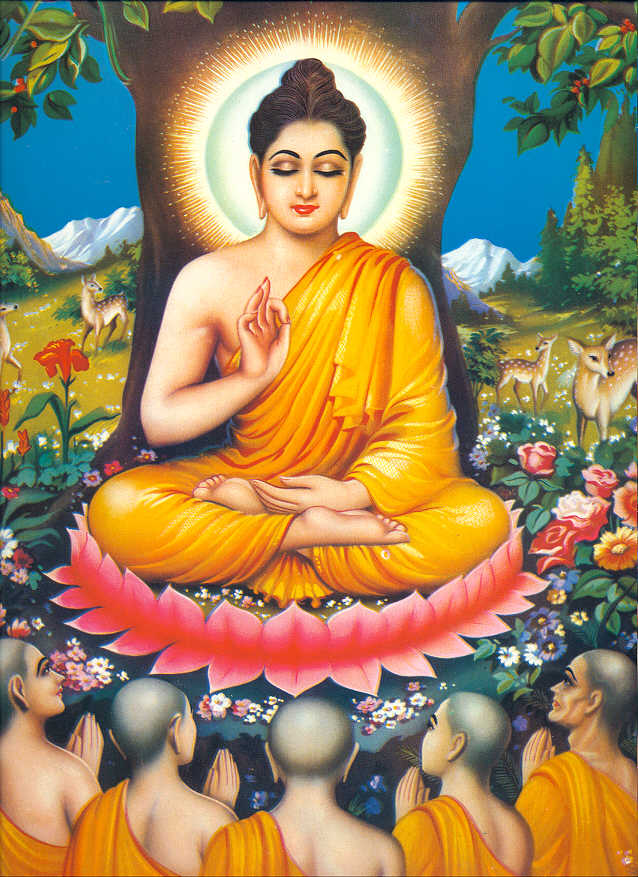
60 second interview with The Buddha


(Questions are imaginary; answers are from The Dhammapada)

Buddha, people say mind is like a monkey, jumping from one thing to another. How can we control it?

The mind is wavering and restless, difficult to guard and restrain: let the wise man straighten his mind as a maker of arrows makes his arrows straight (33).

What is the eternal law?

For hate is not conquered by hate; hate is conquered by love. This is a law eternal (5)

Who is happy?

The man who does good things is happy in both worlds. He is glad, he feels great happiness when he sees the good he has done (16).

Why are thoughts important?

What we are today comes from our thoughts of yesterday, and our present thoughts build our life of tomorrow; our life is the creation of our mind (2).

Can we criticize others when they do something wrong?

Think not of the faults of others, of what they have done or not done. Think rather of your own sins, of the things you have done or not done (50).

Who is a fool?

How long is the night to the watchman; how long is the road to the weary; how long is the wandering of lives (samsara) ending in death for the fool who cannot find the path (60).

Who is wise?

Even as a great rock is not shaken by the wind, the wise man is not shaken by praise or by blame.

What is the source of joy?

Wherever holy men dwell, that is indeed a place of joy- be it in the village, or in a forest, or in a valley or on the hills (98).

 Can we call a person Hero who kills hundreds of people with his AK 47 gun?

If a man should conquer in a battle a thousand and a thousand more, and another man should conquer himself, his would be the greater victory, because the greatest of the victories the victory over oneself (103-105).

Should I postpone doing good things till my old age?

Make haste and do what is good. If a man is slow in doing good, his mind finds pleasure in evil (116).

Lord Krishna (Gita 2-58) compares a tortoise to a self controlled Yogi and you said something similar…

The man whose hands are controlled, whose feet are controlled, whose words are controlled, who is self controlled in all things, who finds the inner joy, whose mind is self possessed, who is one and has found perfect peace-this man I call a monk (362)

Lord Krishna in Gita says Arise! Attain Glory! The Self is the friend and foe of the Self.

Arise! Rouse thyself by thy Self; train thyself by thyself, thy Self. Under the shelter of thy  Self , and ever watchful, thou shall live in supreme joy (379, 380)

Buddha, you have given one full chapter for Brahmins (Chapter 26) in Dhammapada. Who is a Brahmin according to you?

A man becomes not a Brahmin by long hair or family or birth. The man in whom there is truth and holiness, he is in joy and he is a Brahmin (393)

Who is free from anger, faithful to his vows, virtuous, free from lusts, self restrained, whose mortal body is his last- him I call a Brahmin.(400)

One should never hurt a Brahmin; and a Brahmin should never return evil for evil (389)

About misers….

Misers certainly do not go to the heaven of the gods (177)

About Birth……

It is a great event to be born a man (182).

About Love…..

O let us live in joy, in love amongst those who hate! Among men who hate, let us live in love (197).

About Health……

Health is the greatest possession. Contentment is the greatest treasure.  Confidence is the greatest friend. Nirvana is the greatest joy. (204)

Buddha, Thanks a lot. You have enlightened us.