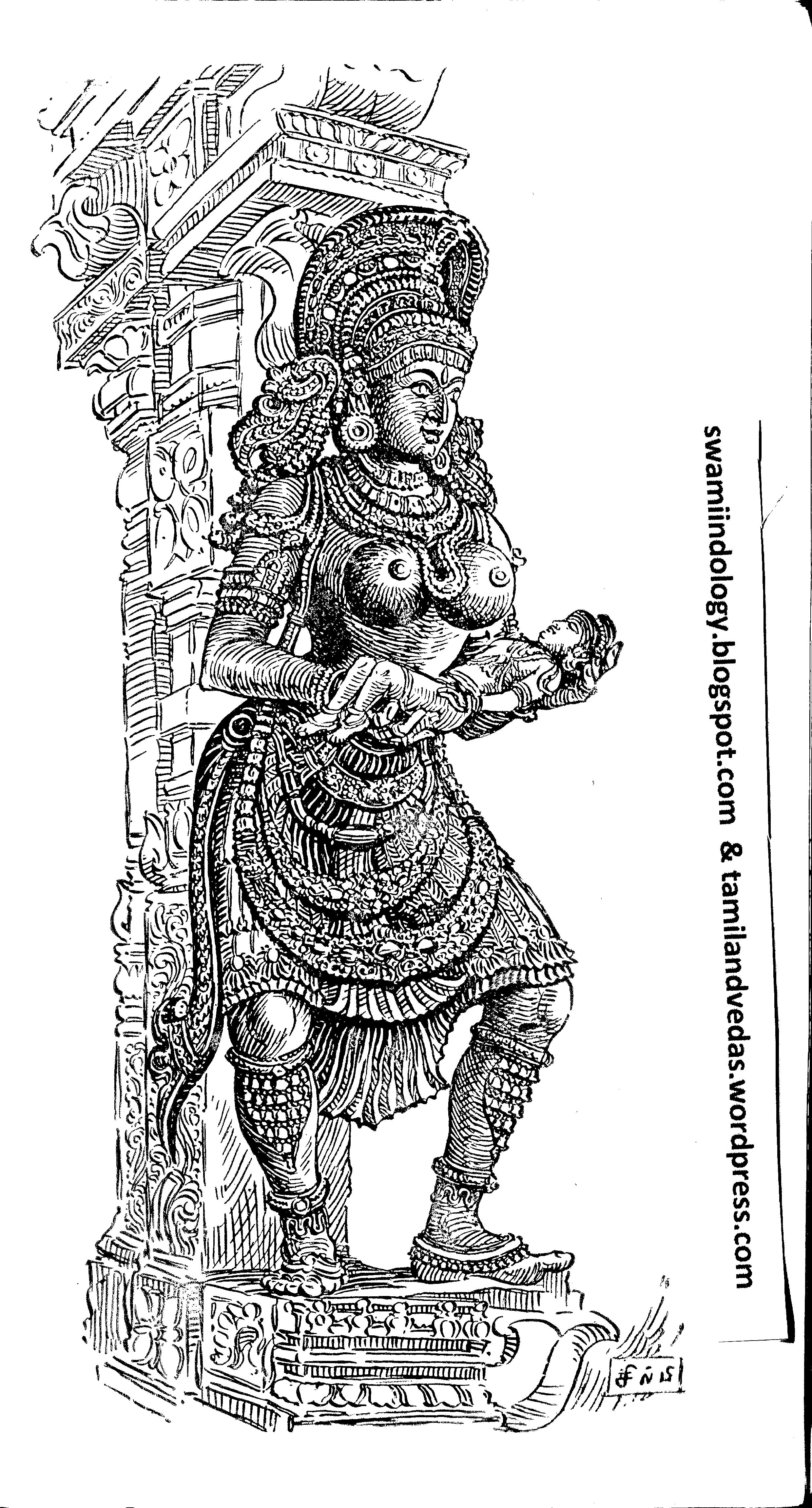
கேட்பது பெண்கள் குணம்; வாங்கிக் கொடுப்பது ஆண்கள் கடமை!!!

queen

ஆராய்ச்சிக் கட்டுரை எழுதியவர்:–லண்டன் சுவாமிநாதன்
கட்டுரை எண்:1245; தேதி 23 ஆகஸ்ட் 2014

மனு ஸ்மிருதி எழுதிய மனு கொஞ்சம் ஓரச் சார்புடையவர் போலத் தோன்றுகிறது!! பெண்கள் கேட்பதை எல்லாம் வாங்கிக் கொடுக்க வேண்டுமாம்!! அவை என்ன என்ன என்பதில் நகைகளையும், துணிமணிகளையும் சேர்த்துவிட்டார் மனு! இந்த சுவையான விஷயத்தை சிறிது ஆராய்ச்சி செய்து பார்ப்போம்.

ஓதாமல் ஒரு நாளும் இருக்க வேண்டாம்
ஒருவரையும் பொல்லாங்கு சொல்ல வேண்டாம்
மாதாவை ஒரு நாளும் மறக்கவேண்டாம்

என்று உலகநாதர் உலகநீதியில் சொன்னால் அது சரி என்று படுகிறது. ஏனெனில் மாதா, பிதா, குரு, தெய்வம் என்று வேதமே போற்றுகிறது. ஆனால் சகோதரியும், மனைவியும் கேட்பதை எல்லாம் வாங்கிக் கொடுக்கவேண்டும் என்று மனு தர்மம் கூறுகிறது. இது எந்த வகையில் நியாயம்?

ஒரு நாள் வைர நெக்லஸ், மறு நாள் டிசைனர் ஷூ, டிரஸ், குக்ஸி பை என்று விலை மதிப்பு மிக்க பொருட்களைக் கேட்டால்……………………………………………

இதோ மனு தர்ம சாஸ்திரம் எழுதிய மனு சொல்கிறார்:
யத்ர நார்யாத் பூஜ்யந்தே தத்ர ரமதே தேவதா
யத்ரைதஸ்து ந பூஜ்யந்தே சர்வதத்ரத் அபலா க்ரியா (மனு 3—56)

இதே ஸ்லோகம் மஹாபாரதத்திலும் உளது!

பொருள்: எங்கே பெண்கள் துதிக்கப் படுகிறார்களோ (வாழ்த்தப் படுகிறார்களோ) அங்கே இறைவன் மகிழ்கிறான். எங்கே பெண்கள் போற்றப் படவில்லையோ அங்கே புண்ய காரியங்கள் பலனளிக்காமல் போய்விடும்.

இத்தோடு நிறுத்திக்கொள்ளாமல் மனு மேலும் சொல்கிறார்:

எங்கே பெண்கள் துன்பப் படுகிறார்களோ அந்தக் குடும்பம் நாசமடையும்–(மனு 3—56)

அப்பாமார்கள், அண்ணன்மார்கள், கணவன்மார்கள், மைத்துனர்கள் ஆகியோருக்கு ஏதேனும் அதிர்ஷ்டம் அடிக்க வேண்டுமானால் அவர்கள் வீட்டுப் பெண்களை மதிக்க வேண்டும், போற்றவேண்டும்—-(மனு 3—55)

பெண்கள் சாபம் விழுந்த வீடுகள் அடியோடு அழியும் —-(மனு 3—58)

ஆகையால் ஆண்கள் நல்லபடி வாழ வேண்டுமானால் விழாக்காலத்திலும் வீட்டு விஷேச காலங்களிலும் எப்போதும் பெண்களை நகைகள், துணிமணிகள், உணவு வகைகள் மூலம் மகிழ்விக்கவேண்டும்—-(மனு 3—59)

ஒரு ஆசார்யார் (குரு), பத்து உபாத்யர்களுக்கு மேல்;
ஒரு தந்தை 100 ஆசார்யார்களுக்கு மேல் பெருமை உடையவர்;
ஒரு தாயோ ஆயிரம் தந்தைகளை விடப் பெருமை வாய்ந்தவள் —–மனு 2-145
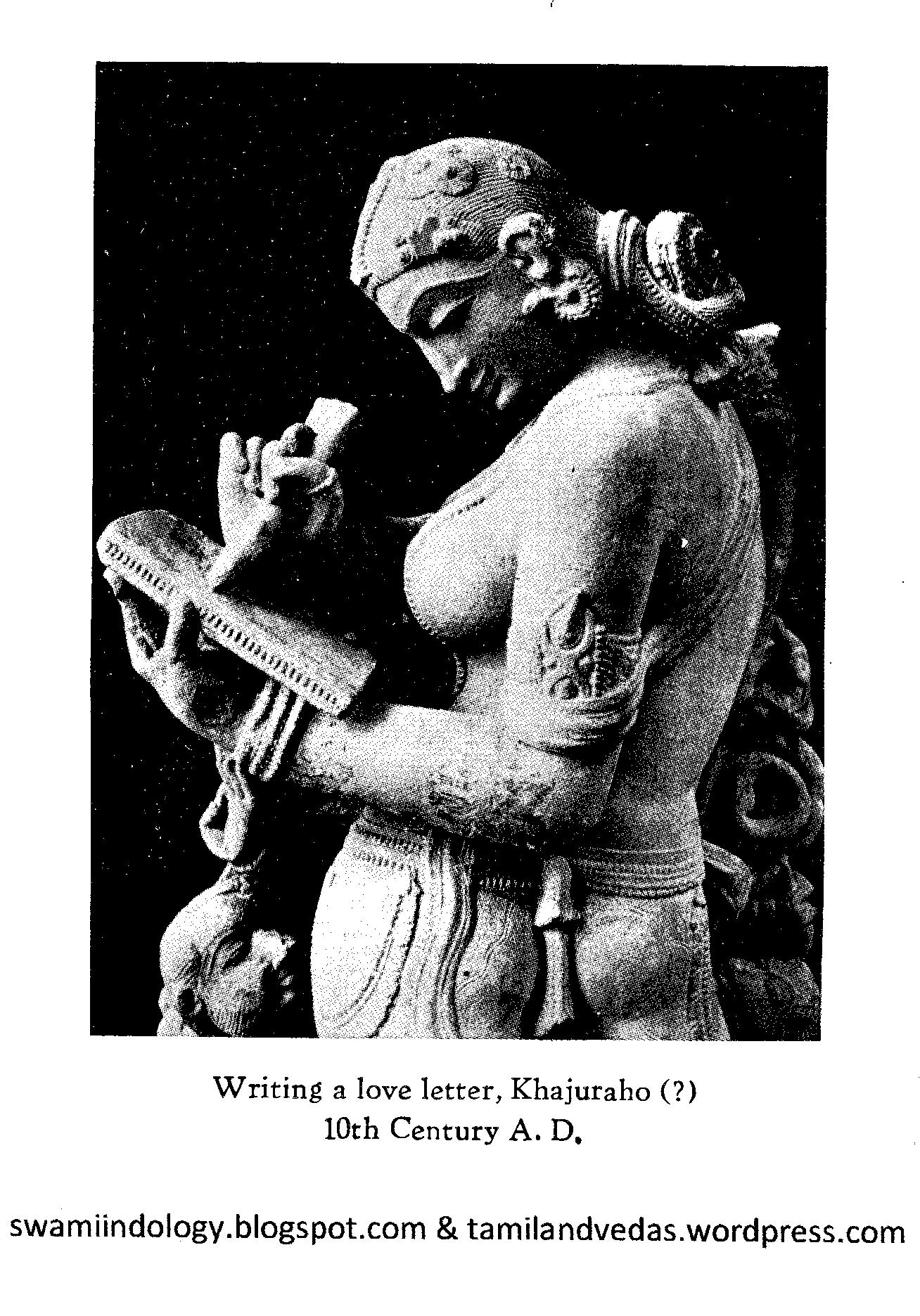
love letter

பேரழகி ராஜகுமாரி லோபாமுத்திரை

இதற்கெல்லாம் மூல காரணம் உலகின் மிகப் பழமையான நூலான ரிக்வேதத்தில் உளது. அகஸ்தியர் என்பவர் மிகவும் குள்ளம். அவருக்கு விதர்ப்ப நாட்டு பேரழகி, இளவரசி லோபா முத்ராவின் மீது கொள்ளை ஆசை! கல்யாணத்துக்கு மனுப் போட்டார். அவளோ ராஜகுமாரி. ஐயன்மீர்! ராஜா போல உடை உடுத்திக் கொண்டு வாரும், அத்தோடு ஒரு ராஜகுமாரியை மகிழ்விக்கும் அளவுக்கு நகை நட்டுக்களையும் கொண்டுவாரும் என்று சொல்லிவிட்டாள். அகஸ்தியர் அரண்மனை தோறும் ஏறிஏறிப் பார்த்தார்; பலன் இல்லை. இல்வலன் என்ற அசுரனிடம் கேட்டார். அவன் தம்பி வாதாபியை “வாதாபி ஜீர்ணோ பவ” என்று சாப்பிட்டு ஏப்பம் விட்டதால் அவன் பயந்து கொண்டே பணத்தைக் கொடுத்து, ஐயா, இங்கே இருந்து போய் விடுங்கள் என்று அனுப்பிவைத்தான். அகஸ்தியர் ராஜா போல படுக்கை அறையுள் நுழைந்தார். லோபாமுத்திரை, அகஸ்தியர் மூலம் ததாஸ்யு என்ற பெறும் கவிஞரைப் பெற்றுக் கொடுத்தாள். இது மஹாபாரத வனபர்வத்தில் உள்ள கதை.

லோபாமுத்ராவின் மீது அகஸ்தியர் கண் ஏன் விழுந்தது? அது ஒரு தனிக் கதை. அகஸ்தியரின் முன்னோரின் ஆவிகள் ஒரு பாழுங் கிணற்றில் தலை கீழாகத் தொங்கிக் கொண்டிருந்தன. ஒரு புத்திரனைப் பெற்றால்தான் அவர்கள் கடைத்தேறுவார்கள் என்பதை அறிந்த அகஸ்தியர் உலகிலுள்ள எல்லா அழகிகளின் அம்சங்களை ஒன்று சேர்த்து விதர்ப்ப நாட்டு மஹாராணியின் குழந்தையாக ((லோபாமுத்ரா))) கருவுற, தனது தவ வலிமையால் வழிவகுத்தார்.

ஆண் குழந்தையைப் பெற்று அவர்கள் மூலம் பிதிர் காரியங்களைச் செய்யவேண்டும் என்பது (பிதிர் கார்யம்= நீத்தாருக்கு செலுத்தப்படும் நீர்க்கடன்) தொன்று தொட்டு நிலவும் நம்பிக்கை. ஐயன் வள்ளுவனும் இதற்குச் சான்று பகர்வான். சங்கதமிழ் புலவர்களும் இதை ஆதரித்துப் பாடி இருக்கிறார்கள் (காண்க புறம் 222, புறம் 9 பாடல்கள்).
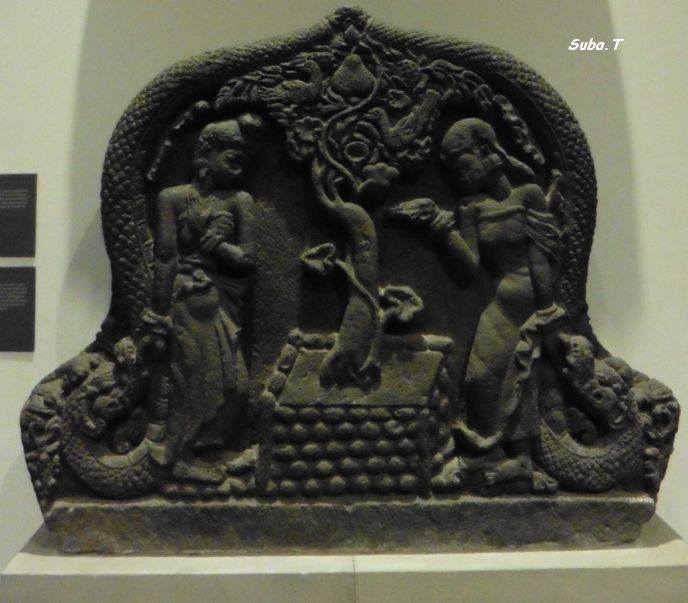
parijatha,V&A,By T Suba
Krishna bringing Parijatha, Statue from Indonesia at V & A MUseum, London;photo by T Subashini

சத்யபாமா, கைகேயி, சீதை

பாரிஜாத மலர் வேண்டும் என்று கேட்ட உடனே கிருஷ்ணர், சுவர்க்கலோகம் சென்று இந்திரனுடன் சண்டை போட்டு பாரிஜாத மலரைக் கொண்டு வந்ததும் பெண்களை மகிழ்விக்கவே!!
இதன் மூலம் மனிதகுலத்துக்குக் கிடைத்த நன்மை:– பாரிஜாத மரம்!!

கைகேயி சொன்னவுடன், ராம பிரான் காடேகியதும் பெண்ணின் வேண்டுகோள் அன்றோ! பொன் மானைப் பிடித்துக் கொண்டு வா என்று ராமனிடம் அடம்பிடித்த சீதையை மகிழ்விக்க ராமனும் ஓடவில்லையா?
இதன் மூலம் மனிதகுலத்துக்குக் கிடைத்த நன்மை:– சிவனுறை கயிலாயத்தையே பெயர்க்க முயன்ற அசுரன் ராவணன் வீழ்ந்துபட்டான்.
SOCIAL Chinese 165281A Chinese New Year

திரௌபதி கோரிக்கை

சௌகந்திக மலர் எனக்கு உடனே வேண்டும் என்று திரவுபதி ஒரு அன்புக் கட்டளை இட்டாள். ஓடினான், ஓடினான், பீமன்- காட்டின் ஓரத்திற்கே ஓடினான். வழியில் அவனுடைய அண்ணன் அனுமன் சண்டைக்கு அழைக்கவே அனுமன் பெருமை தெரிந்தது. மாபாரதப் போரில் கொடியில் உட்கார்ந்து கொண்டு உனக்கு வெற்றி தேடித் தருவேன் என்று அனுமன் வாக்குறுதி கொடுத்தான்.

சௌகந்திக மலர்ப்பொய்கையில், அதைக் காத்து நிற்கும் யக்ஷர்களைக் கொன்று குவித்து மலர் பறித்தான் பீமன். குபேரனுக்கு கொள்ளை மகிழ்ச்சி! ஏன்? யக்ஷர்கள் மீது அகஸ்தியர் இட்ட சாபம் அன்றோடு முடிந்தது

இதன் மூலம் மனிதகுலத்துக்குக் கிடைத்த நன்மை:– மாபாரதப் போரில் தர்மம் வென்றது. யக்ஷர்கள் மீதான சாபம் நீங்கியது.

மற்றொரு சமயம் தண்ணீர் வேண்டும் என்று திரவுபதி கேட்கவே, காட்டுக்குள் போன நான்கு சகோதர்களையும் ஏரிக்கரை பூதம் (யக்ஷன்) நாலு பேரையும் விழுத்தாட்டியது. இறுதியில் தர்மன் சென்று ஏரிக்கரைப் பேயின் கேள்விகளுக்குப் பதில் சொல்லி நான்கு சகோதர்களையும் உயிர்ப்பித்து மீட்டு வந்தான்.

இதன் மூலம் மனிதகுலத்துக்குக் கிடைத்த நன்மை: யக்ஷப் பிரஸ்னம் என்னும் பேயின் கேள்வி—பதில் தொகுப்பு. (இதுபற்றி ஏற்கனவே விரிவான கட்டுரைகளை எழுதி இருக்கிறேன். படித்து மகிழ்க)
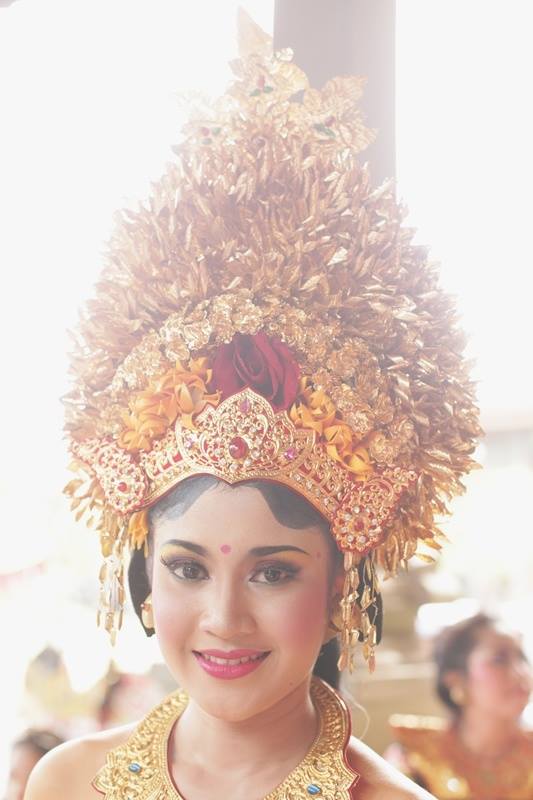
hindu girl, bali
Picture of Hindu Girl in Bali, Indonesia

மைத்ரேயி- காத்யாயனி கோரிக்கை
இரண்டு பெண்டாட்டிக்கார ரிஷி யாக்ஞவல்கியர், “பெண்களே, சொத்து சுகங்களைப் பிரித்துக் கொடுத்துவிட்டு காடேகப் போகிறேன். உங்களுக்கு யாது வேண்டும்?” — என்று கேட்க, மைத்ரேயி தத்துவ உபதேச விஷயங்களே தேவை என கோரிக்கை விடுத்தாள். காத்யாயனி செல்வம் முழுதும் பெற்றாள்.
இதன் மூலம் மனிதகுலத்துக்குக் கிடைத்த நன்மை: தத்துவ உபதேசம் (காண்க: பிருஹத் ஆரண்யக உபநிஷதம்)

பெண்கள் கோரிக்கை இத்தோடு நிற்கவில்லை: க்ஷத்ரிய குலப் பெண்களைத் திருமணம் செய்துகொள்வதற்காக, வில்லை முறித்தான் ராமன். வில்வித்தையில் வென்றான் அர்ஜுனன். ஆக பெண்கள் என்றால்= கோரிக்கைகள்!!!!
radha or queen

ஆனால் பெண்கள் போட்ட அததனை கோரிக்கை மனுக்களும் மனித குலத்துக்கு நன்மையே செய்ததால், மனு சொல்கிறான். அவர்கள் எதைக் கேட்டாலும் வாங்கிக் கொடுங்கள் என்று!!

மனு வாழ்க!! மனுதர்மம் போற்றும் பெண்கள் வாழ்க, வாழ்க!!!
woman

Pictures are taken from various websites;thanks.
this article has been published in English by me.
contact swami_48@yahoo.com

Are Women always demanding?

queen

Research paper Written by London Swaminathan
Post No.1244; Dated: 22nd August 2014.

Women are always demanding. They ask for many things from their husbands or brothers, but all for good!! Whenever they ask for something and their demands or requests are fulfilled, there come some benefits to mankind!

That is why Manu said
“ Yatra naryast pujyante ramante tatra devatah
Yatraitastu na pujyante sarvastatraphalah kriyah”

——Manu smriti 3-56 and Mahabharata 13-45-5

‘Where women are worshipped, there the gods are delighted; but where they are not worshipped, all religious ceremonies become futile’—Manu 3-56

Where women of the family are miserable the family is soon destroyed (Manu 3-57)

Homes that are cursed by women are completely destroyed (Manu 3-58)

Therefore men who wish to prosper should always respect these women with ORNAMENTS, CLOTHES AND FOOD AT CELEBRATIONS AND FESTIVALS (Manu Smriti 3—59)

One Guru/Acharya excels ten teachers in glory;
A father excels 100 acharyas in glory;
But a MOTHER excels even a thousand fathers in glory (Manu 2-145)

love letter

Rig Vedic seer (Rishi) Agastya wanted to marry Lopamudra, Princess of Vidharba. She asked Agastya to get her lot of jewellery! Agastya was short and not good looking. He married her but she put NO ENTRY board in her bed room. He was told to come with lot of jewellery and dressed in royal costume. She was a princess and expected him to treat her like a princess!

Agastya did not want to marry her for sexual pleasures, but for getting a son who will help him to lay his ancestors’ souls to rest. When he saw them hanging upside down in a well he came to know that he had to produce a son to help the souls.

This is an ancient belief that existed from Kanyakumari to Kashmir. It is in 2000 year old Tamil Sangam literature (Purananuru 9, and 222). Unless a person has a male child to do funeral rites, the person could not go to heaven.

So Agastya went to different kings but could not get any money. At last the wealthy demon Ilvalan gave him some money to buy jewellery and Lopamudra allowed Agastya in to her bed room. She got a child through him who later became a poet with the name Dadhasyu (See Vanaparva,Mahabharata).
All’s well that ends well!

hindu girl, bali
Picture of a Hindu girl in Bali, Indonesia.

Draupadi’s Demands
Draupadi asked Bhima to fetch Saugnandhika flower from thick Himalayan forest! He had to fight with Hanuman on his way. Hanuman revealed himself as Bhima’s elder brother and promised him that he would sit in the flag during the Mahabharata War to secure him victory.
All’s well that ends well!

Then Bhima had to fight the Yakshas guarding the Lotus Lake where the Divine Saugandhika lotus grows. When he killed all the Yakshas their chief Kubera thanked him for releasing them from the curse of Agastya.
All’s well that ends well!

When Draupadi asked for water for drinking, her four husbands had to die at the hand of a Yaksha on the banks of a lake, where they had gone to fetch water. At last Yudhistra (Dharma) went and answered all the questions of the Yaksha and got his four brothers’ lives back! As a result of which we got the most famous Yaksha Prasna (see my earlier articles on Yaksha Prasna)
All’s well that ends well!

radha or queen

Sathyabhama asked for Parijatha flower from the heaven and Krishna had to fight with Indra to get it. As a result of which we got fragrant Paraijatha trees on earth!
All’s well that ends well!

Kaikeyi asked Rama to go to forest for 14 years in ascetic attire and hand over the kingdom to Bharata! As a result of which the troubling Ravana was killed. He was troubling the whole world from Kandy to Kailash!
All’s well that ends well!

Sita asked for golden deer as a result of which she was abducted by Ravana and then Ravana got killed. Both Kaikeyi and Sita worked towards the death of Ravana, but Sita was the primary cause and Kaikeyi was the secondary cause.
All’s well that ends well!

SOCIAL Chinese 165281A Chinese New Year

Ayyappa came with Tiger Milk
Step mother Queen asked Ayyappa to fetch tiger’s milk from the jungle! She wanted him to die in the forest so that her son can become king. As a result of which we came to know the divine nature of Lord Ayyapa. Every year millions of people worship him during a 40 day fasting! Hindus beat everyone in the category f fasting in this way! Sabarimalai Temple is frequented by crores of people every year!
All’s well that ends well!

Kalidasa’s wife asked him to acquire qualification in languages! She put a NO ENTRY board in her bed room. She told him that he should come on to her bed only when he can converse with her at her intellectual level/wave length! As a result of which he prayed to Kali and got us the most valuable classical Sanskrit literature! Seven beautiful works that the no one can ever excel!
All’s well that ends well!

Katyayani asked for share of Yajnavalkya’s property while Maiteyi was satisfied with spiritual wealth. As a result of which we had the most beautiful philosophical discussion between a husband and a wife. Probably they are the only couple in the category of philosophical couple!
All’s well that ends well!

woman

In the Swayamvarams of Kshatria princesses, the suitors were asked to show their talent in competitions. Rama has to lift the Shiva Danus to shoot an arrow and Arjuna had to prove his skill in archery.
All’s well that ends well!
Omnia in bonum!

Books used:
Who is Who in the Mahabharata by Subash Mazumdar, B V Bhavan, 1988
Bhagavatham, Upanishads and Stories of Kalidasa and Ayyappan

Mudgala – Sage who ate Twice a Month

happy-valmiki-day08
Sage Valmiki

Written by London Swaminathan
Post No.1233; Dated 14-8-2014

Story of Mugala is in Mahabharata, the longest epic in the world. Mudgala was a great sage. He ate only twice a month on Full Moon Day and New Moon Day. He used to gather grains from the field and cook it for his family. He lived with his wife Nalayani, his son and daughter in law. There may be many Rishis (seers) with this name; but the common belief is that the Maudgalya Brahmins came from this Vedic Rishi (sage).

Though Mudgala lived in poverty, he used to feed all the Brahmins, saints and others whoever came to him. He gleaned grains like a pigeon, but it never underwent diminution. This was a miracle like Akshaya patra (inexhaustible vessel) of Draupadi. Once sage Durvasa wanted to test his patience. He went in the disguise of a mendicant just before his fortnightly meals. Mudgala gave his share, but it did not satisfy the mendicant’s hunger. He demanded more and consumed all the food in the house. He returned after a fortnight and did the same- devoured all the available food. This happened six times. Mudgala never burst out in anger. He was happy to feed him.

Durvasa, the sage who was notorious for his anger, was extremely happy and revealed his identity. At the same time a messenger from the heaven came to take him to heaven in appreciation of his hospitality and generosity. He did not fall a prey for heavenly pleasures. He asked the messenger the benefits of going to heaven. Messenger told him that he would enjoy all the pleasures there as long as his merits are not exhausted. Once all the merits are used he would have to return to earth. Immediately he refused the offer and told him that he wanted to do more penance. He dismissed the messenger of the gods and began to practise ascetic virtues. He decided to go to the eternal abode where there is no sorrow, nor distress nor change. (3-216 Mbh).

220px-Vyasa_with_his_mother
Sage Vyasa with his mother

Vyasa told this story to Yudhistra during his thirteen year stay in the forest. This simple story throws light on ancient customs and practices:

1.Hindu fasting is severer than other religions. There were people who ate only on Full Moon and New Moon days (fortnightly).

2.Hindus’ hospitality is greater than any other culture in the world. Only Hindu Vedas say Athithi Devo Bhava (Guest is God).

3. Sita Devi and Tamil woman Kannaki both moaned that they could not entertain guests in the conditions where they were forced to live.
4.Patience was practised even when sages were provoked.

5. Permanent pleasure at the feet of God is better than temporary Heavenly pleasure. This concept is in Sangam literature and Valmiki Ramayana also. Rama was so patriotic that he said “mother and motherland are greater than heaven” in Ramayana. A Tamil Purananuru verse says “even if Amrita is obtained (ambrosia, they would not eat it alone (without sharing)”.

6.Name and Fame of sages like Mudgala wins the test of time. They live forever.

Contact swami_48@yahoo.com

நால்வகைப் படைகள்: மகாபாரதம்- தமிழ் இலக்கிய ஒற்றுமை!!

War formation in MBh

ஆராய்ச்சிக் கட்டுரையாளர்: லண்டன் சுவாமிநாதன்
கட்டுரை எண்:-1231; தேதி 13 ஆகஸ்ட் 2014.

ஆறு பருவங்கள் — நவ ரசம் — நால் வேதம் — எண்வகைத் திருமணம் — நால் ஜாதி — சதி என்னும் உடன்கட்டை ஏறும் வழக்கம் — தென்புல வாழ்நர் (இறந்தோர்)—வேத கால இந்திரன், வருணன் — அறம் பொருள் இன்பம் — முதலிய பல்வேறு இந்து மதக் கொள்கைகளைத் தொல்காப்பியரும் சங்க கலப் புலவர்களும் விதந்து ஓதி இருப்பது குறித்து 1000 கட்டுரைகளில் கண்டோம். இதோ இன்னும் ஒரு கட்டுரை.

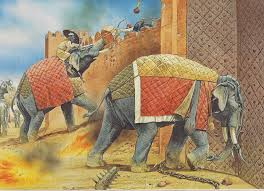
இதில் மஹாபாரதத்தில் காணப்படும் ‘’ரத, கஜ, துரக, பதாதி’’ என்னும் நால் வகைப் படைகளைக் காளிதாசனும், அர்த்தசாஸ்திரம் எழுதிய பிராமணன் சாணக்கியனும், வியாசரும், கிரேக்க வரலாற்று அறிஞன் ப்ளூடார்ச்சும் எப்படி எழுதினரோ அதே போல சங்க காலக் கவிஞர் பெருமக்களும் போற்றிப் பாடி இருப்பதைக் காணலாம்.

இந்தியர்களை 1)ஆரியர்கள், 2)திராவிடர்கள், 3)முண்டா இன மக்கள், 4)சுருட்டை முடி—கரியவிழி—போண்டா மூக்கு ஆதித் திராவிட மலை ஜாதியினர் எனப் பிரித்து இனவெறிக் கொள்கை புகுத்தி, விஷ விதைகளைத் தூவியவர்களைப் புற நானூற்றுப் புலவர்கள் புரட்டிப் புரட்டி அடிப்பதைக் காணலாம். மஹாபாரதத்தில் உள்ள தேர், யானை, குதிரை, காலாட் படைகளை காளிதாசன் பாராட்டிய மாதிரியில் அப்படியே சங்க காலப் புலவர்களும் போற்றுவதில் இருந்து தெரிவது என்ன?

Back to Godhead - Volume 12, Number 05 - 1977

இது ஏக பாரதம்; இங்கு வடக்கு தெற்கு என்னும் வேறு பாடு கிடையா; அங்கு என்ன இருந்ததோ அதேதான் இங்கும் பின்பற்றப்படும்; தமிழ் கலாசாரம், வடக்கத்திய பண்பாடு என்று வேறு பாடு எதுவும் இல்லை; சிறிய வேறு பாடுகள் உண்டு. மணப்பாறையில் முறுக்கு நன்றாக இருந்தால், திருநெல்வேலியில் பெட்டி வெல்லம் நன்றாக இருக்கும்; பம்பாயில் ஹல்வா ருசியாகக் கிடைத்தால் கல்கத்தாவில் ரஸகுல்லாவும் டில்லியில் பூசனிக்காய் அல்வாவும் ருசியாகக் கிடைக்கும். இவ்வளவுதான்! இதெல்லாம் மேம்போக்கான சிறிய வேறு பாடுகள்! ஏனெனில் எல்லாம் சர்க்கரை-வெல்லம்-மாவின் கலப்புதான்!

அலெக்ஸாண்டரை நடுங்க வைத்த இந்தியப் படை: புளுடார்ச் சொன்னது
அலெக்ஸாண்டரை எதிர்த்து தோல்வி அடைந்த இந்திய மன்னன் புருஷோத்தமன் (போரஸ்) ஒரு சின்ன அரசன். அவனை வெல்வதற்கே அலெக்ஸாண்டர் படாத பாடு பட்டார். மகத சம்ராJயத்தின் மாபெரும் படை பலம் உலகியே நடுநடுங்க வைக்கும் அளவு கடலினும் பெரிது. இதைக் கேட்டவுடன் அலெக்ஸாண்டரின் படைத் தளபதிகள் முனுமுனுக்கத் துவங்கினர். மேலும் அலெக்ஸாண்டர் இந்தியாவுக்கு வந்தது நாடு பிடிப்பதற்கு இல்லை. இந்து மத சாமியார்களைச் சந்தித்துப் பேசி அவர்களை கிரேக்க நாட்டுக்கு அழைத்துச் செல்ல வேண்டும் என்பதே அவன் லட்சியம் ( காண்க எனது பழைய கட்டுரை:– நிர்வாண சாமியார்களுடன் அலெக்ஸாண்டர் ).

மகத சாம்ராஜ்யப் படைகள் எண்ணிக்கை பற்றி முதல் நூற்றாண்டில் வாழ்ந்த கிரேக்க வரலாற்று அறிஞன் ப்ளூடார்ச் தரும் தகவல்:

(ரத) தேர் — 7000
(கஜ) யானை — 8000
(துரக) குதிரை – 80,000
(பதாதி) காலாட்படை வீரர்கள்—2,00,000

அந்தக் காலத்தில் இந்தியாவில் 56 தேசங்கள் இருந்தன. இதில் 16 நாடுகள் மஹா சாம்ராஜ்யங்கள். இதில் இரண்டு மூன்று நாடுகள் சேர்ந்தால் போதும். அலெக்ஸாண்டரைக் கதறக் கதற அடித்திருக்கலாம்! கிரேக்கர், சகரர் படைகளை விக்ரமாதித்தனும் இமயவரம்பன் நெடுஞ்சேரலாதனும் அடித்து விரட்டியதை நாம் அறிவோம்.

Battle_at_Lanka,_Ramayana,_Udaipur,_1649-53

சம பல தர்ம யுத்தம் : காளிதாசன் சொன்னது

பத்தி பதாதிதம் ரதினம் ரதேசஸ் துரங்கசாதீதகாசிரூடம்
யந்தா கஜஸ்யாப்யபத கஜஸ்தம் துல்ய ப்ரதித்வந்த்வீ பபூவ யுத்தம்
—ரகுவம்சம் 7—37

காலாட்படை வீரன், மற்றொரு காலாட்படை வீரனையே எதிர்த்தான். தேர்வீரன் தேர்வீரனையும், குதிரை வீரன் இன்னொரு குதிரை வீரனையுமே எதிர்த்தான். யானையை அடக்குபவன் யானை வீரனையே எதிர்த்தான். இவ்வாறு யுத்தம் சமமான பகைவனை உடையதாக இருந்தது (ரகு 7—37). அந்தக் காலத்தில் தர்ம யுத்தம் நடத்தினார்கள். பொதுமக்களைத் தாக்க மாட்டார்கள். புறமுதுகு காட்டி ஓடுவனைக் கொல்ல மாட்டார்கள். சம பலம் உடையவர்கள் சண்டையில் மோதுவார்கள். காளிதாசனும் பல இடங்களில் நால்வகைப் படைகளைப் பகர்வான்

good picture

சங்கப் புலவர்கள் சொன்னது

சங்க இலக்கியத்தில் மஹா பாரத கால நால்வகைப் படை முறையே பின்பற்றப்பட்டது. இது சங்கத் தமிழ் இலக்கியத்தில் நூற்றுக் கணக்கான இடங்களில் வருகிறது. மஹாபாரதத்தில் வரும் ‘’ஆநிறை கவர்தல்’’ தமிழிலும் உண்டு. இதோ நால்வகைப் படை பற்றி வரும் குறிப்புகள்:–

கடுஞ் சினத்த கொல் களிறும்; கதழ் பரிய கலி மாவும்
நெடுங்கொடிய நிமிர் தேரும், நெஞ்சு உடைய புகல் மறவரும்
—-மதுரை மருதன் இளநாகன், புறம் 55

நெடுநல் யானையும், தேரும், மாவும்
படை அமை மறவரும், உடைய யாம் என்று
—நெடுஞ்செழியன், புற நானூற்றுப் பாடல் 72

வளிநடந்தன்ன வாச் செலல் இவுளியொடு
கொடிநுடங்கு மிசைய தேரினர் எனா அ
கடல் கண்டன்ன ஒண்படைத் தானையொடு
மலை மாறு மலைக்கும் களிற்றினர் எனாஅ
–மாடலன் மதுரைக் குமரனார், புற நானூற்றுப் பாடல் 197

பாடல் 239 பேரெயின் முறுவலார், 345 அடைநெடுங் கல்வியார், 351 மதுரைப் படைமங்க மன்னியார், 368 கழாத்தலையார், 377 உலோச்சனார் ஆகியோரும் நால்வகைப் படைகளைப் பாடுகின்றனர். சங்க இலக்கியத்தில் மிகப் பழைய பகுதி என்பதால் புறநானூற்றில் இருந்து மட்டும் எடுத்துக் காட்டினேன். தமிழ் இலக்கியம் முழுதும் உள்ள நால்வகைப் படைகளைக் குறிக்க வேண்டுமானால் தனி நூலே எழுத வேண்டியிருக்கும். மாபாரத கால வழக்கத்தை தமிழர்கள் — அதற்கு 3000 ஆண்டுகளுக்குப் பின் —அப்படியே பயன்படுத்தினர்.

( களிறு=யானை; மா, இவுளி, பரி= குதிரை, மறவர்= காலாட்படை)

Krishna_Narakasura

வியாசன் சொன்னது

மாபாரத யுத்தத்தில் பாண்டவர் தரப்பில் ஏழு அக்க்ஷௌகினி (பட்டாளம்) சேனையும் கௌரவர் தரப்பில் 11 அக்க்ஷௌகினி (பட்டாளம்) சேனையும் மோதின. ஒரு அக்க்ஷௌகினி (பட்டாளம்) என்பதில்

தேர் (ரத) – 21,870
யானை (கஜ) – 21,870
குதிரை (துரக) – 65,610
காலாட்படை (பதாதி) வீரர்கள் – 109,350

இருப்பார்கள். இதை பதினெட்டு என்னும் எண்ணால் பெருக்கினால் வரும் தொகையே மாபாரத யுத்தத்தில் போரிட்டோர் எண்ணிக்கை ஆகும்!!! இவ்வளவு பெரிய எண்ணிக்கை நம்பாதவர்களும் நால் வகைப் படைகள் இருந்ததை மறுப்பதற்கில்லை. இதை மகத சாம்ராஜ்யத்தை ஆண்ட நந்த வம்சம் பற்றி ப்லூடார்ச் கூறுவதோடு ஒப்பிட்டுப் பார்த்தால் உண்மையே என்று தோன்றும். ஏனெனில் பாரத நாடு முழுதும் உள்ள சேனைகள் போரில் பொருதின.

elephant attack

சாணக்கியன் சொன்னது

சாணக்கியன் என்னும் பிராமண அறிஞன் உலகின் முதலாவது பொருளாதார நூலை எழுதிய மாபெரும் அறிஞன். அவன் எழுதாத ராஜாங்க விஷயமே இல்லை. இன்று பல நாடுகள் பின்பற்றும் தூதர், உளவு பார்க்கும் முறை, நட்புறவு, சாம–தான–பேத–தண்டம் என்னும் சதுர்வித உபாயங்கள் முதலிய அத்தனை பற்றியும் அர்த்த சாஸ்திரம் என்னும் நூலில் அற்புதமாக — மிக அற்புதமாக – எழுதிவிட்டான். நால் வகைப் படை அமைப்பு பற்றி எழுதிய அவன் ஒவ்வொரு பதவியில் உள்ளவர்களுக்கும் என்ன சம்பளம் என்றும் எழுதி இருக்கிறான்!!!

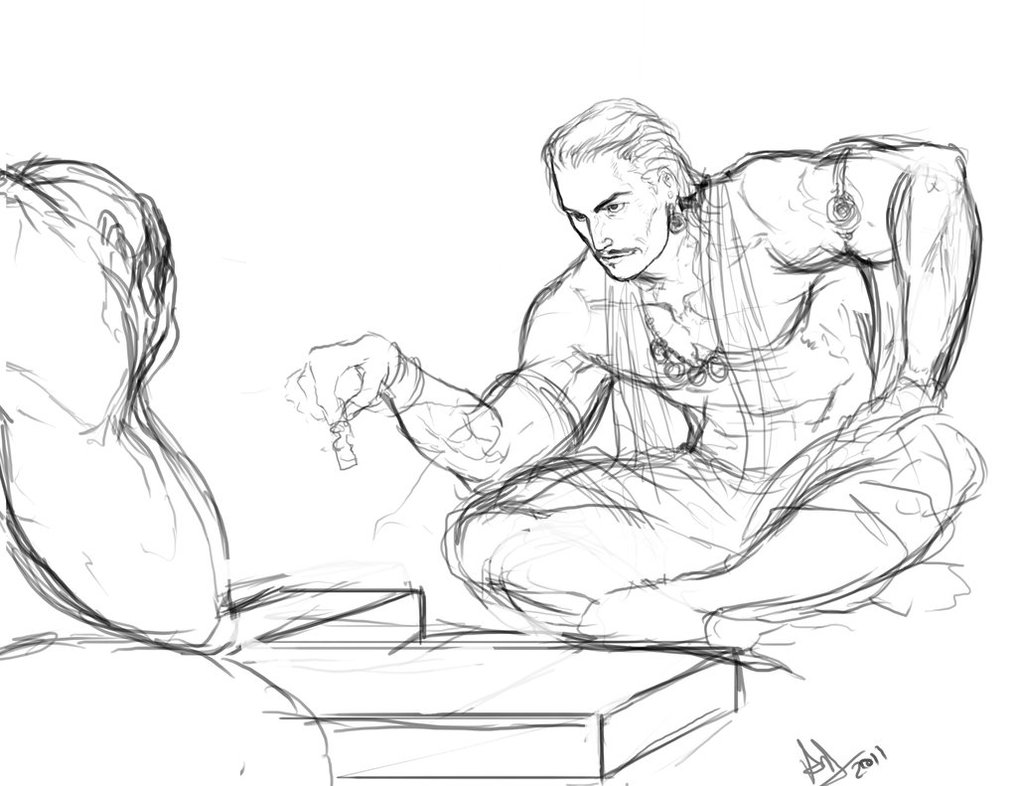
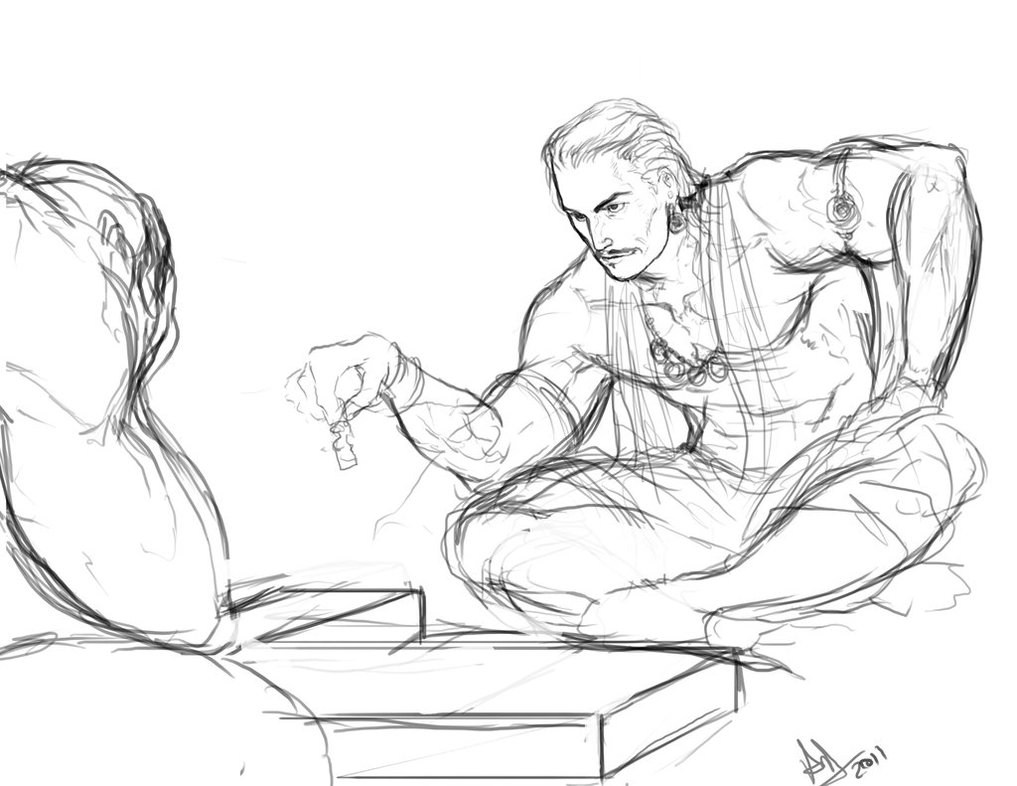
சதுரங்கம் என்னும் விளையாட்டைக் கண்டுபிடித்தது இந்தியாதான் என்பதை உலகமே ஒப்புக் கொள்கிறது. இதற்கு இந்த நால்வகைப் படைகளே காரணம். மேலும் நான்கு என்ற எண் இந்துக்களுக்கு மிகவும் பிடித்த எண். —- ‘’ஆலும் வேலும் பல்லுக்கு உறுதி; நாலும் இரண்டும் சொல்லுக்கு உறுதி’’ —- என்பது தமிழ் பழமொழி ( நாலு=வெண்பா, இரண்டு=குறட்பா ). நாலு என்பது உறுதியைக் குறிப்பதால், யுகம், ஜாதி, வேதம், பிரம்மாவின் மானச புத்ரர்,, நால்வர் (சைவப் பெரியார்), படைகள், உபாயங்கள் என்று நூற்றுக் கணக்கான விஷயங்களை இந்துக்கள் நான்காகப் பிரித்தனர் (காண்க: எனது பழைய கேள்வி-பதில் ‘’நீங்கள் நாலும் தெரிந்தவரா?’’)

வாழ்க தமிழ்; வளர்க ஒருமைப் பாடு!!

Four Wings of Hindu Army: Blow to Aryan- Dravidian Theory!

War formation in MBh

Research Paper written by London Swaminathan
Post No.1230 ; Dated 13th August 2014.

The Four Limbs of Army, ‘Chatur Anga’ in Sanskrit , is a Hindu concept found in ancient Tamil and Sanskrit literature. It is in the 2000 year old Sangam Tamil literature and earlier Sanskrit literature including that of the greatest Indian poet Kalidasa (1st century BCE or earlier) and world’s first economist and political scientist Chanakya (3rd Century BCE). This is a severe blow to the supporters of ‘racist theory’ which divide Indians into Aryans, Dravidians ,Mundas and aborigines.

The most famous board game Chess (Chaturanga) was invented in India is a fact acknowledged by everyone. This is based on the four wings of army Ratha, Gaja, Thuraga, Pathadi (Chariot, Elephant, Horse, Foot soldier) that we see in all the Indian wars from the days of Mahabharata, probably earlier.

From the ancient times Hindus from the Himalayas to the land’s end Kanyakumari had the same thought process. Foreign “scholars” who wanted to sow the seeds of division invented (concocted) a theory of dividing Indians which has no basis in Tamil or Sanskrit literature.

Back to Godhead - Volume 12, Number 05 - 1977

Hindus are fascinated with number FOUR for various reasons. Number four is considered strong, long lasting, enduring. They divided the eras (yugas), Vedas, four stages of life (Purushartha), army divisions, castes, four methods of ( Chaturvitha Upaya) winning an enemy etc.

Hindu army was also divided in to four wings of
Ratha= chariots
Gaja= elephants
Thuraga= horses
Patha athi= infantry.

Battle_at_Lanka,_Ramayana,_Udaipur,_1649-53

Powerful Nanda Army!

According to the Greek historian Plutarch (45 CE to 120 CE), Alexander the Great was afraid of the mighty Indian army. Plutarch wrote that Nanda dynasty had 200,000 soldiers, 80,000 cavalry, 8000 chariots and 7000 elephants. Nanda dynasty ruled India in the fourth century BCE.

Kautilya alias Chanakaya gives lot of information about the four wings of army in his Arthashastra (Chapter 10). He even gives the salary for each post. An amazing planning is seen there.

During Mahabahara war 11 divisions of Kauravas and 7 divisions of Pandavas fought in Kurukshetra. One division in Sanskrit is called Akshouhini, which consists of

21,870 chariots
21,870 elephants
65,610 horses
109,350 foot soldiers.

We have to multiply this number by 18 (11+7) divisions!! A huge number indeed! Whether we believe it or not at least we know for sure the four wings of army existed at that time. The war was fought around 3100 BCE!

Krishna_Narakasura

Kalidasa on Equal Fight

The beauty of this fourfold division is that it is found in Sangam Tamil literature as well. They copied it simply from the North. Kalidasa who lived in the first century BCE or earlier says about it in several places including
Raghu Vamsa 7-37:-

Paththi padanim rathinam rathesasthurangasadhi thuragathirudam
Yantha gajasyabhya pathangajastham thulya parathi dwanthvi bhabuva yudhdham
———(Raghu 7-37)

It was a dharma yudhha (war based on rules of equal strength). Infantry fought with infantry only. A charioteer fought with another charioteer only and so do the elephant man and horse man fought with each other. The war was fought between the equals (7-37).

good picture
Tamil Poets on Fourfold Army

Maruthan Ilanagan, a Tamil poet, says it in Purananuru verse 55. It is repeated by Pandya King Neduncheziyan (Puram 72), Adai nedum Kalviyar (Puram 345),Madalan Madurai Kumaranar (Puram 197), Pereyin Muruvalar (Puram 239), Madurai Padai Manga Manniyar (Puram 351),Ulochanar (Puram 377) and Kazaththalaiyar (Puram 368).

There are innumerable references in the Tamil literature. Since Purananuru verses are considered very old poems in the Sangam corpus, I quoted only from the Purananuru. All the above poets lived in the first few centuries of our era.

Sangam Tamil poets shattered the Aryan- Dravidian ‘Racist theory’ with countless references like this. Whatever we find in the North we find in the South of India. There is no difference between the south and the north in the culture or beliefs. People who did not know both Tamil and Sanskrit wrote lot of rubbish in the past. It will take years to clear that Himalayan quantity of Aryan – Dravidian rubbish!!
elephant attack

God Bless India, that is Bharat!

Why did Karna pull the Sari of Duryodana’s Wife?

banu karnan 2

Research article by London Swaminathan
Post No. 1226; Dated 10th August 2014

There are two interesting stories about dice play in Tamil literature. The first incident is in the Mahabharata by Villiputturar, a Tamil poet of repute. He narrates a beautiful anecdote which stands for the model of great friendship.

Kunti came to see Karna. She revealed the great secret that he was her first son. She begged him to save the life of Pandavas in the great war. But he refused to accept her request. He narrated a beautiful incident that happened in his life to justify his stand:

“Mum! Listen! I will die for Duryodahana. I have decided to be grateful to him until my last breadth. You want to know the reason? One day I was playing dice with Duryodhana’s wife Bhanumathi. Only two of us were in the room. Banu was facing the door. Suddenly Duryodhana entered the room. As a respect to her husband who was a mighty king, she stood up. I thought she was trying to run away because she was losing the game. Just to stop her, I pulled her sari. But my hand got stuck up in her waist band which was made up of gold studded with pearls. The pearls in the Mekala ornament fell on the floor in front of Duryodhana’s eyes. Both myself and Banu hung our head. But to my surprise, Duryodhana asked us, “ Hi! Do you want me to pick up the pearls or pick up and make a garland?” His tone was full of love and respect.

banu karnan

What a great friendship? We could not see such a pure relationship anywhere else between a man and a woman. Duryodhana never suspected the integrity, honesty and character of the great Karna. Such was their exemplary friendship. Duryodhana went to the extent of allowing his dearest friend Karna to go to the harem and play with his wife. It was like a brother and sister relationship. They never overstepped their limits. Karna also was grateful till the end of his life. Every episode in the Mahabharata was a moral lesson to the entire world.

This episode is found in the Villi bharatam composed by Villiputturar in Tamil.

(I have given the relevant verse in Tamil in the Tamil version of this post)
mahabharata-game-of-dice

Dice Play in Sangam Literature
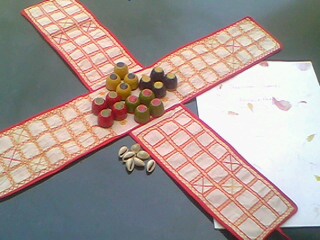
Purananuru verse 43 narrated an episode between a Tamil poet and the brother of Choza king. Mavlathan was the brother of Choza king Nalankilli. He played dice with the Brahmin poet Thamappal Kannan. Halfway through the game, one of the coins rolled down and went underneath him. Mavalathan became angry and threw the other coin on the poet. He was shocked.

He said, “You came in the line of great Choza kings whose forefather was the famous Sibi. He was ready to sacrifice his life just to save a dove. None of your forefathers did harm a Brahmin. You threw a dice on me! Now I doubt about even your very birth!” On hearing such harsh words from a Brahmin poet, Mavalathan hung his head in shame. Now the poet changed his tone. What a great gesture is this! You have proved now that you are one of the great cholzas. Even when I said some harsh words you did not become angry. Now I feel ashamed. Probably I was the one who did wrong. Let you live as many years as were the number of sand particles on the banks of River Kaveri!

sokkattan
This anecdote throws light on the relationship between the Kshatriyas and the Brahmins that existed 2000 years ago. Nobody dared to harm a Brahmin because of their character, purity and honesty. Kings never overstepped their limits. This also shows that poets were in great friendship with the rulers. This shows that games like dice were very popular.

((Though verse 43 of Purananuru used the word Vattu Aduthal for the game, I have translated it as a dice game. Not much information is available on this Vattu Aduthal and I guess this is one of the board games like dice.))

Contact swami_48@yahoo.com
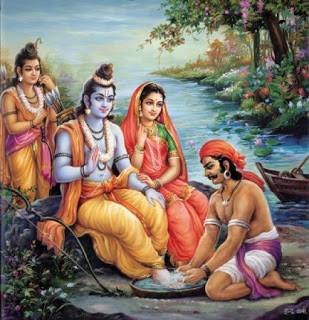
துரியோதனன் மனைவி — கர்ணன் விளையாட்டில் ஒரு சம்பவம்

banu karnan

துரியோதனன் மனைவி — கர்ணன் விளையாட்டில் ஒரு சம்பவம்

கட்டுரையாளர் :- லண்டன் சுவாமிநாதன்
கட்டுரை எண்:-1224; தேதி: 10 ஆகஸ்ட் 2014.

சூதாட்டம் பற்றி இரண்டு சுவையான கதைகள் சங்க இலக்கியத்திலும் பிற்காலத் தமிழ் இலக்கியத்திலும் உள்ளன.

துரியோதனன் மனைவி பானுமதியும் கர்ணனும் ஒரு நாள் சொக்கட்டான் ஆடிக் கொண்டிருந்தனர். பாதி ஆட்டத்தில் திடீரென்று பானுமதி எழுந்தாள். அவள் தோற்கும் நிலையில் இருந்ததால் பயந்து ஓடப் பார்க்கிறாள் என்று நினைத்த கர்ணன் அவள் புடவையைப் பிடித்து இழுத்து நிறுத்த முயற்சி செய்தான். கைதவறி பானுமதியின் இடுப்பில் இருந்த மேகலையில் கர்ணன் கை சிக்கவே மேகலையில் ஒட்டியிருந்த முத்துக்கள் சிதறின. பானுமதி திடீரென எழுந்ததற்குக் காரணம் அவளது கணவன் துரியோதனன் உள்ளே நுழைந்ததாகும். துரியோதணன் கண் முன்னால், முத்து மேகலை சிதறவே இருவரும் தலை குனிந்து நின்றனர்.

அடுத்தது என்ன நிகழுமோ என்று பானுமதியும் கர்ணனும் அஞ்சிக் கொண்டிருந்த வேளையில், துரியோதனன் “ எடுக்கவோ கோக்கவோ என்றான். இந்த முத்துக்களை எடுக்கவா அல்லது மாலையாகக் கோர்த்துத் தரட்டுமா? என்று அன்போடு வினவுகிறான்.

banu karnan 2

கர்ணனின் நட்பைக் கடவுளுடன் கொண்ட நட்பாகக் கருதுபவன் துரியோதனன். கர்ணனுடைய ஒழுக்கத்தின் மீது அவனுக்குச் சிறிதும் சந்தேகம் ஏற்படவில்லை. கர்ணனே வியப்படையும் அளவுக்கு அவன் நடந்து கொண்டான. அதனால் அல்லவோ, அந்தப்புரத்தில் தன் மனைவியுடன் மாற்றான் ஒருவனை சொக்கட்டான் ஆட அனுமதித்தான். கர்ணனோ துரியோதணனுக்கும் மேலே ஒரு படி சென்று நட்புக்கு இலக்கணம் வகுத்தவன்.

கர்ணன் தனது மூத்த மகன் என்று கூறி குந்தி சொன்ன போதும் கட்சி மாற மறுத்தான் கர்ணன். அப்போது அவன் கூறிய சம்பவம் தான் மேலே கூறப்பட்ட முத்து மேகலை சம்பவம். இதைச் சொல்லி அம்மா! இப்படிப் பட்ட துரியோதணனுக்குச் செஞ்சோற்றுக் கடன் தீர்ப்பதே என் வாழ்வின் லட்சியம் என்று சொல்லிவிடுகிறான்.

வில்லிபாரதத்தில் வரும் இந்தக் காட்சியைப் படம்பிடித்துக் காட்டும் பாடல் இதோ:–

sokkattan

மடந்தை பொன் திருமேகலை மணிஉகவே மாசு அறத் திகழும் ஏகாந்த இடந்தனில் புரிந்தே நானயர்ந்து இருப்ப எடுக்கவோ கோக்கவோ என்றான்;
திடம்படுத்திடு வேல் இராசராசனுக்குச் செருமுனை சென்று செஞ்சோற்றுக்
கடன் கழிப்பதுவே, எனக்குகு இனிப் புகழும், கருமமும் தர்மமும்.
—வில்லி பாரதம்

புறநானூற்றில் பிராமணன் – க்ஷத்ரியன் மோதல்

புறநானூற்றில் பிராமணப் புலவனும் – க்ஷத்ரியனனான சோழ மன்னனும் சொக்கட்டான் ஆடிக் கொண்டிருந்தனர். ஒரு காய் உருண்டோடியதால் சோழ மன்னன் கோபம் கொண்டான். உடனே சோழ மன்னன், சொக்கட்டான் காய்களைப் பிராமணப் புலவன் மீது வீசி எறிந்தான். உடனே புலவர் உன்னுடைய குலத்தில் “பார்ப்பனர் நோவன செய்யலர்” என்று நயமாகக் கூறினார். உடனே அவன் வெட்கித் தலை குனிந்தான்.

புறநானூற்றுப் பாடல் 43 இந்த சம்பவத்தை விளக்குகிறது. சோழன் நலங்கிள்ளி யின் தம்பி மாவளத்தானும் பார்ப்பனப் புலவர் தாமப் பல் கண்ணனாரும் வட்டு விளயாடுகையில் இது நடந்தது.
((வட்டு ஆடுதல் பற்றி அதிக தகல் இல்லை. இதை ஒரு வகை சொக்காட்டான் ஆட்டம் என்றே நான் கருதுகிறேன்)).
mahabharata-game-of-dice

புலவர் தாமப்பல் கண்ணனார் கூறுகிறார்:
கதிரவனைச் சுற்றி வரும் முனிவர்களும் வியப்படையும் வண்ணம் புறாவுக்காக உயிர்தர முன்வந்த சிபிச் சக்கரவர்த்தியின் பரம்பரையில் வந்த தேர்வண் கிள்ளியின் தம்பியே! உன் பிறப்பில் ஐயம் கொள்கிறேன். ஆத்திமாலை சூடிய சோழ மன்னன் எவரும் பிராமணர் வெறுக்கும் செயலைச் செய்யத் துணியார். நீ எப்படிச் செய்தாய்? என்று நான் வெகுண்டேன். இப்படி நான் சொன்னவுடனே உடனே என் மீது கோபிக்காமல் வெட்கப்பட்டாய். சோழர்குடியின் பெருமையை நிலை நாட்டிவிட்டாய். இப்போது நானே தவ்று செய்தேன் என்று தோன்றுகிறது. காவிரி ஆற்றின் மணலை விட நீ நீண்ட காலம் வாழ்வாயாக என்று தாமப்பல் கண்ணனார் வாழ்த்துகிறார்:

ஆர்புனை தெரியல் நின் முன்னோர் எல்லாம்
பார்ப்பார் நோவன செய்யலர் (புறம் 43)

மேற்கண்ட இரண்டு கதைகளும் விளக்கும் கருத்துகள் அற்புதமானவை.
–சுபம்–

MORE QUOTATIONS FROM RAMAYANA

ramagreen

Compiled by London Swaminathan
Post No.1216; Dated 5th August 2014.

(31 quotations from Valmiki Ramayana were given already in Good Thoughts Calendar for the month of August; blogged on 30-7-14)

TRIKALA JNANI
By the power of spiritual meditation and Yoga, the sage Valmiki saw the whole of the past as clearly as if it were a fruit placed on the palm of the hand
Balakanda, chapter 3

SATYA PARAKRAMA
King Dasaratha was learned in the interpretation of the Vedas, his chief wealth being pre – eminence in truth and virtue; He was one who never broke his word, who was ever prudent, sagacious and beloved of the subjects.
Balakanda, chapter 6

GUESTS ARE GODS
Those who resided in Ayodhya worshipped the gods and the uninvited guest; They were both magnanimous and charitable.
Balakanda, chapter 6

MINISTERS’ PURE HEART

Dasaratha’s ministers were pure of heart and of chaste conduct. None consorted with his neighbour’s wife, none were wicked and all lived together.
Balakanda, chapter 7

rama bronze
IMPERMANENCE
Who can pity whom with this bubble-like body? 4-21-3
Kasca kasyaanusocyosti dehesminbudbudopame

FORBEARANCE
Forbearance is the best ornament for men and women 1-33-7
Alankaaro hi naariinaam ksamaa tu purusasya vaa

PATIENCE

Patient is not present in all the valiant 7-58-5
Na sarvatra ksamaa viira pursues pradrsyate

ARROGANCE
The one inebriated with wealth thinks that he is everything 5-64-19
Aisvarya madamatto hi sarvohamiti manyate

The power intoxicated cannot be tamed by sowing seeds of dissention 5-41-3
Na bedasaadhyaa baladarpitaa naraah

UNSTEADINESS
I am of the confirmed conviction that human mnd is unsteady 2-4-27
Cittam manushyaanaam anityam ithi me matam

SUCCESS
Great people affirm that success entirely depends on counsel 6-6-5
Mantramuulam hi Vijayam pravadanti manasvinah

FACTUAL KNOWLEDGE
The fire can never have its fill of either wood or grass 5-54-28
Na agni trptyati kaasthaanaam trnaanaam ca

There is nobody in this world who would strike those armed with conciliatory words 4-59-16
Na hi saamopapannaanaam prahartaa vidyatee bhuvi

PENANCE
Penance is ever fraught with obstacles and assailed with difficulties 3-10-14
Baha vighnam tapo nityam duscaram caiva
atakkam, panivu

GIVING
Give and expect not, utter truth and not falsehood 5-33-25
Dadyaanna pratigrhniyaat satyam bruuyannaa caantram

Everything is accomplished by the interactions of givers and takers 1-73-12
Daatr pratgrahii trbhyaam sarvaarthaah sambhavanti hi

A gift is not enjoined in favour of those richly endowed with wealth 5-41-3
Na daanam arthopapaticitesu yujyate.

Contact swami_48@yahoo.com

Source: Suktisudha, Chinmaya International Foundation

31 Quotations from Valmiki Ramayana

ramayan aranyakanda

31 Quotations from Valmiki Ramayana

Good Thoughts Calendar 2014 (August)

Post No. 1204; Date: 30 July 2014
Prepared by London swaminathan (copyright)

31 important Quotes from the Valmiki Ramayana are given in this month’s calendar; Source for quotes: Valmiki Ramayana Quotes from Suktisudha, Chinmaya International Foundation, Ernakulam, India

Important Dates: August 8 Friday Varalakshmi Vrata; 10 Sunday Upakarma, Raksha Bandan; 11 Gayatri Japa; 15 Friday Indian Independence Day; 17 Sunday Janmashtami; 19 Krishna Jayanthi (Tamil Nadu); 29 Friday Ganesh Chathurthy.

Auspicious Days: August 20, 22, 29, 31; Full Moon day August 10
New Moon (Amavasya) August 24; Ekadasi August 7 & 21

August 1 Friday
Like a flowing river, what has gone will never come back 5-20-12
Yadatitam punarnaiti srotah srotasvinaam iva

August 2 Saturday
Surely, destiny is hard to supersede 2-24-33
Nuunam kaalo duratyayah

August 3 Sunday
There is no deity powerful than time 2-88-11
Na nuunam daivatam kincit kaalena balavattaram

August 4 Monday
At the time of doom, one seized by fate disregards good advice 4-15-31
Na rocate tadvacanam hi tasya kaalaabhipannasya vinaasakaale

August 5 Tuesday
He who does not repay a favour is a stigma to humanity 4-38-26
Krtam na pratikuryaadhyah purusaanaam hi duusanah

ram puja

August 6 Wednesday
Never make fun of the cruel and ignoble 3-18-19
Kuurairanaayarino kaaryah parihaasanah kathaancana

August 7 Thursday
Duties not performed, invite the wrath even of the good 5-1-97
Kartavyam akrtam kaaryam sataam manyum udiirayet

August 8 Friday
No life is expunged before the appointed hour 2-39-5
Na tvevaanaagate kaaledehaaccyavati jivitam

August 9 Saturday
No burden is too heavy for Providence; not even death 6-48-19
Na kalasyaatibhaarosti kraantasca sudurjayah

August 10 Sunday
Bygones are gone forever 6-63-15
Gatantu gatameva hi

ram and hut

August 11 Monday
Time is indeed inviolable 3-68-21
Kaalo hi duratikramah

August 12 Tuesday
A night lost cannot be regained. 2-105-19
Atyeti rajani yaatu saa na pratinivartate

August 13 Wednesday
It is my confirmed conviction that desire grips one more than wealth or righteousness 2-53-9
Kaama evaartha dharmaabhyaam gariyaa niti me matih

August 14 Thursday
The doings of the wise should never ever harm the world 7-83-20
Lokapiidaakaram karma na kartavyam vicaksanaih

August 15 Friday
The inspired do not shirk work 4-1-122
Utsaahavantah purusaa naavasiidanti karmasu

ram viswamitra

August 16 Saturday
How can a bird, shorn of its wings, accomplish anything?
Apakso hi katham paksii karma kincitsamaarabhet

August 17 Sunday
The discerning should not give away their daughters to warriors 4-23-8
Suuraaya na pradaatavyaa kanyaa khalu vipascitaa

August 18 Monday
Those whose endeavour has been foiled and purpose thwarted cannot gain their object of pursuit without exertion 4-1-120
Artho hi nastakaaryaarthair ayatnenaadhigamyate

August 19 Tuesday
Without danger knocking on the door of one’s benefactors, where arises the chance to reciprocate ? 7-40-24
Narah pratyupakaaraanaam aapatsvaayaati paatraanaam

August 20 Wednesday
All the worlds are cast by the Creator 4-24-41
Loko hi sarvo vihito vidhaatraa

August 21 Thursday
Where there is Rama , there is neither fear nor failure 4-49-15
Yatra raamo bhayam naatra naasti tatra paraa bhavah

August 22 Friday
Which living being is free from danger? 3-66-6
Praaniah kasya naapadah

August 23 Saturday
People are as repelled by a liar, as they are of serpents 2-109-12
Udvijante yathaa sarpaannaraad anrta vaadinah

August 24 Sunday
Deities happily partake of the very food that a man eats 2-103-30
Yadannah puruso bhavati tadannaastasya devataah

August 25 Monday
Having hewed a mango tree, will anyone nourish a neem tree instead? 2-35-16
Aamram chitvaa kuthaarena nimbam paricarettu kah

ram ahalya

August 26 Tuesday
Despise not others in haste 6-9-12
Paresaam sahasaavajnaa na kartavyaa katanchana

August 27 Wednesday
Show no disrespect even when impelled by desire or anger 1-13-15
Na caavanjnaa prayoktavyaa kaamakrodhavasaadapi

August 28 Thursday
No one is ever infallible
Na kascinnaaparaadhyati

August 29 Friday
To retaliate against him, who has earlier inflicted harm, is no sin 2-96-24
Puurvaapakaarinam hatvaa na hyadharmena yujyate

August 30 Saturday
A guest, though he be ill mannered, deserves to be welcomed by the discerning 5-1-119
Atithih kila puujaarhah praakrtopi vijaanataa

august 2

August 31 Sunday
O, good one! Overdoing anything leads to sorrow 5-24-21
Saravatraatikrtam bhadre vysanaayopa kalpate.

ஆசை பற்றி அறையலுற்றேன்…..

கம்பன்1

கட்டுரையாளர் :– லண்டன் சுவாமிநாதன்
கட்டுரை:- 1183; தேதி:–20 July 2014.

கம்பன் பாடிய ராமாயணப் பாடலில் பால காண்டத்தில் மிகவும் பணிவோடு சொல்கிறான்:

ஓசைபெற்று உயர்பாற்கடல் உற்று, ஒரு
பூசை முற்றவும் நக்குபு புக்கென
ஆசை பற்றி அறையலுற்றேன் – மற்று, இக்
காசு இல் கொற்றத்து இராமன் கதை அரோ! (4)

பொருள்:– பெரிய புனிதமான திருப் பாற்கடலை ஒரு பூனை நக்கிக் குடிப்பது போல, குற்றமற்ற, வீரம் மிக்க ராமன் கதையை சொல்லவேண்டும் என்ற ஆசையால் நான் சொல்கிறேன்.

பின்னர் ஒரு பாடலில் மூவர் பாடிய ராமாயணத்தில் முதல்வர் (வால்மீகி) பாடியதை வைத்துப் பாடியதாகக் கூறுகிறான். அந்த முதல்வர் வால்மீகி என்பதை அதற்குப் பின் வரும் பாடலில் பெயரைச் சொல்லியே உறுதிப் படுத்துகிறான். ஆனால் அந்த மூவர் யார் என்பதற்கு உரைகாரர்கள் வசிஷ்டர், போதாயனர், வால்மீகி ஆகியோர் எழுதியவை என்கின்றனர். நமக்குக் கிடைத்திருப்பதோ வால்மீகி ராமாயணம் ஒன்றுதான். காளிதாசன் ரகுவம்சத்தில் எழுதியதைக் கம்பன் திரும்பச் சொன்னானோ என்று எண்ண வேண்டியிருக்கிறது. இதோ கீழ்வரும் பாடலைப் படித்து நீங்களே முடிவு செய்யுங்கள்.

கம்பன்3

முத்தமிழ்த் துறையின் முறை போகிய
உத்தமக் கவிஞர்களுக்கு ஒன்று உணர்த்துவென்
பித்தர் சொன்னவும் பேதையர் சொன்னவும்
பத்தர் சொன்னவும் பன்னப் பெறுபவோ –(பால. 8)

பொருள்:– முத்தமிழ் நூல்களைக் கற்றுத் தேர்ந்த புலவர்களுக்கு எல்லாம் ஒரு பெரிய அறிவிப்பு:– பைத்தியக்காரர்கள் சொன்னதையும், அரைவேக்காடுகள் சொன்னதையும், பக்தர்கள் சொன்னதையும் ஆராயலாமோ!!

தேவ பாடையின் இக்கதை செய்தவர்
மூவர் ஆனவர் தம்முளும் முந்திய
நாவினான் உரையின்படி நான் தமிழ்ப்
பாவினால் இது உணர்த்திய பண்பு அரோ! (10)

பொருள்:– தேவ பாஷையான — (கடவுளரைப் போற்றும் வேதம் உள்ள மொழி) —-சம்ஸ்கிருதத்தில் மூவர் —-(வால்மீகி, வசிட்டர், போதாயனர்) — இராமன் கதையைப் பாடினர். அவர்களுள் முதன்மையான நாவல்லமை மிக்கோனைப் — (வால்மீகி) – பின்பற்றி தமிழில் நான் பாடுகிறேன்.

raghuvamsa_of_kalidasa

காளிதாசன் ரகுவம்சம்

க்வ சூர்யப்ரபவோ வம்ச: க்வ ச அல்பவிஷயோ மதி:
திதீர்ஷு:துஷ்தரம் மோஹாத் உடுபேனாஸ்மி சாகரம்

பொருள்:– சூரியனிடமிருந்து இந்த வம்சம் தோன்றியது. அந்த வம்சத்தின் பெருமையோ சிறந்தது. நானோ மிகக் குறைவான அறிவுடையவன். கடக்க முடியாத சமுத்திரத்தை ஒரு சிறு படகின் மூலம் ஒருவன் கடக்க விரும்புவது போல என் சிறு மதியால் கடல் போன்ற இந்த சரித்திரத்தைக் கூறப் போகிறேன்.

மந்த: கவியச: ப்ரார்த்தி கமிஷ்யாம் உபஹாஸ்யதாம்
ப்ராம்சு லப்யே பலே லோபாத் உத்பாஹுரிவ வாமன:

பொருள்:– குறைந்த அறிவுடைய நான் கவியின் புகழை அடைய விரும்புகிறேன். உயரமான மனிதன் மட்டுமே அடையக்கூடிய பழத்தை குள்ளமான நான் கைகளை நீட்டிப் பறிக்க முயலும்போது பரிகசிக்கப்படும் நிலையை அடைவேன்.

அதவா க்ருதவாக் தூரே வம்சேஸ்மின் பூர்வசூரிபி:
மணௌ வஜ்ர சாமுத்கீர்ணே சூத்ரயேவாஸ்தி மே கதி:

நான் காவியம் இயற்றும் திறமை இல்லாவிடினும் முன்னோர் சென்ற வழியில் சென்று என் விருப்பத்தை நிறைவேற்றிக் கொள்வேன். எப்படி வஜ்ர ஊசியினால் துளைக்கப்பட்ட துவாரத்தில் நூல் எளிதில் செல்லுமோ அப்படி முன்னோர் —- (வால்மீகி) — போட்ட துளை வழியாகச் செல்வேன்.
—ரகுவம்சம் முதல் சர்கம் பாடல் 2, 3, 4

மேலும் இரண்டு ஸ்லோகங்களில் ரகுவம்ச மன்னர்களின் குணங்கள் தன் காதில் விழுந்துவிட்டதால், ஏற்பட்ட உந்துதலால் துணிச்சலாக இந்தக் காவிய முயற்சியில் இறங்கியதாகவும் தனக்கு சொற்செல்வம் குறைவே என்றும் பணிவுடன் கூறுகிறார். தங்கம் சுத்தமானதா இல்லையா என்பதை அக்னியில் (தீயில்) போட்டு பரிசோதிப்பது போல பெரியோர்கள் என் காவியத்தைப் பரிசோதிக்கட்டும் என்கிறார்.

கம்பனையும் காளிதாசனையும் படிக்கும்போது கம்பன் காளிதாசனைப் பின்பற்றினானோ ( அறிமுகப் பாடல்களில் மட்டும்) என்று எண்ண வேண்டி இருக்கிறது. ஆனால் இரு புலவர்களும் எவ்வளவு பணிவோடு துவங்கினர் ! அவை இரண்டும் எப்படி உலகப் பிரசித்தம் அடைந்து விட்டன!!

‘வித்யா விநயன்ன சம்பதே’= பணிவால் கிடைப்பதே கல்வி; கல்விக்கு இலக்கணம் பணிவு!

இந்த நேரத்தில் நினைவுக்கு வரும் மேலும் ஒரு பாடல் ஆதிசங்கரரின் அபூர்வ சௌந்தர்ய லஹரி (அழகின் அலைகள்) துதியில் வரும் ஒரு பாடலாகும்.

lahari

சௌந்தர்ய லஹரி

ஜபோ ஜல்ப: சில்பம் ஸகலமபி முத்ரா விரசனா
கதி: ப்ராதக்ஷிண்ய – க்ரமண – மசனாத்யாஹுதி – விதி:
ப்ரணாம: ஸம்வேச: ஸுகமகில – மாத்மார்ப்பண – த்ருசா
ஸபர்யா – பர்யாயஸ் – தவ பவது யன்மே விலசிதம்
–சௌந்தர்ய லஹரி பாடல் 27

ஆதிசங்கரர் கூறுகிறார்:

தாயே! நான் ஆத்மாவை உனக்கு அர்ப்பணித்துவிட்டேன். நான் என்ன பேசினாலும் அதையெல்லாம் உனது ஜபமாகக் கொள்ளவேண்டும். நான் என் கைகளால் செய்யும் அத்தனையையும் உனது முத்திரைகளின் விளக்கமாகக் கொள்ள வேண்டும். நான் நடப்பதையெல்லாம் உன்னை வலம் வருவதாகக் கொள்ள வேண்டும். நான் சாப்பிடுவதை எல்லாம் உனக்கு வேள்வித் தீயில் ஆகுதி செய்ததாகக் கொள்ள வேண்டும், நான் படுத்துக் கொண்டால் அதைக் கீழே விழுந்து வணங்கியதாகக் கொள்ள வேண்டும். எனது செயல்கள் அனைத்தும் உனது பூஜையாகக் கொள்ள வேண்டுகிறேன்.

இப்படிப்பட்ட ஒரு நிலை வந்துவிட்டால் — எதையும் இறைவனுக்கு அர்ப்பணமாகச் செய்யும் நிலை வந்துவிட்டால் — எல்லோரும் சங்கரர் ஆகிவிடுவர்.

வாழ்க கம்பன், காளிதாசன், ஆதி சங்கரன்!!!