What can a Parrot Teach You?

parrot 1

Research Article No. 2053

Written by London swaminathan

Swami_48@yahoo.com

Date : 8  August  2015

Time uploaded in London :– 16.27


There is a proverb in Sanskrit, “Bandanamaayaanti sukaah, yatheshta sanchaarinah Kaakaah”.

“The crows are flying freely, the parrots are caged”.

There is an equivalent proverb in Tamil, “It is the fruit laden tree that gets most hits (by stones).

The message is “if you have anything in excess, you are abused. In the olden days the talented poets were “slaves” of the kings. Very often there were conflicts between the kings and the scholars and they left the country in anger. We have plenty of stories in our literature.

parrot 3

Women are compared to parrots because of their beauty and sweet voice. A most beautiful woman was also a security risk. Alauddin Khilji wanted to take Chittoor Rani Padmini, the most beautiful Rajput princess, but she entered fire with her retinue before she was molested by the Muslim invaders.

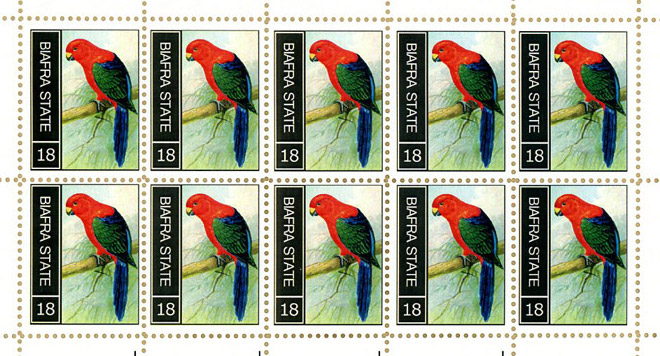
Parrots were caged because of their ability of mimicry and its beauty.

Even brides are compared to parrots. Whenever a bride is married to an unsuitable man, then they used to say, Is it right to rear a parrot and then leave it to the claws of a cat? (Tamil Proverb)
parrot 6

Parrot and a Cheat

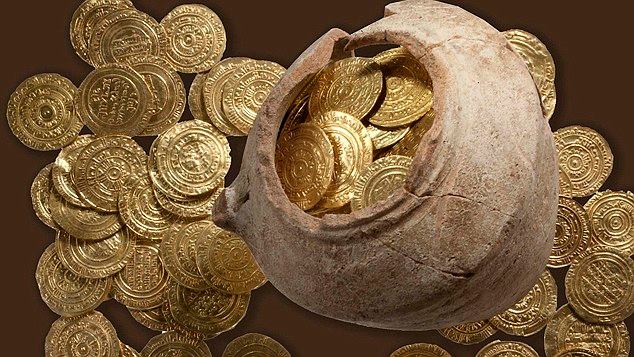
A merchant bought a parrot and taught the words NO DOUBT ABOUT IT to it. He used to prepare everything in advance to suit the answer ‘ no about it’ and then ask the question. One day he dug the ground and then buried some god coins without anybody’s knowledge. Then he called everyone and said that his parrot can even find treasures buried under the ground. He took the parrot to the place where he buried the gold coins and asked the question: “ Is there a treasure under the ground?” The parrot screeched “No doubt about it”. To the amazement of everyone he dug up the ground and took 1000 gold coins and showed to everyone.

A greedy person approached the merchant and bought the parrot for a higher price. He took it to some place where everyone  said that an old treasure has been there for a very long time. He asked the parrot, “Is there a reassure buried under the ground here?” The parrot said ,”No doubt about it”. He dug up the ground and nothing was there. The parrot repeated the words every time he asked the question. So he brought more men and dug up the ground deeper and deeper. At last he was disappointed. He shouted in anger, “Are you fooling me? Did you put dirt into my mouth?”

The parrot repeated the same words: No doubt about it.

Then only he realised that he was fooled by the merchant who sold the parrot to him.

No doubt, he sold it to another fool.

Tamil poets and saints used to sing apostrophes to birds and one of them is parrot.

mirror-parrot

Following two Stories are from my old articles:

Parrot and Mirror

The method by which a parrot is taught to speak is unique. The trainer places a big mirror in front of the newly caught parrot and talks to it from behind the mirror. The parrot thinks that another parrot is teaching it to talk and imitates the voice of the trainer. Trained in this manner, the parrot, picking up the language of the trainer, begins to talk fluently in the human language.

This is how a saint teaches his disciples. Apparently it is human being who is instructing them, but, verily, it is God hidden in the Guru that gives illuminating advice to the disciples. So, whenever the aspirant receives instructions from the Guru, he should consider that such instructions come from God himself. Truly, God and Guru are one.

Freedom is the Goal

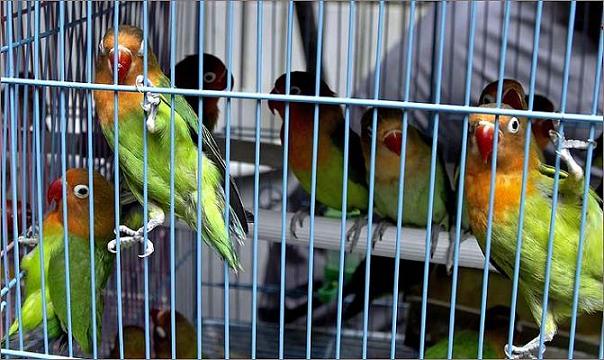
In a war in Europe, a sailor was captured by the enemy and was put into prison. After fifteen years he was released, as the warring countries contracted an alliance through a treaty. On the day of release, a friend placed in his hands a purse containing £50/- When the sailor was passing through the streets, he saw a shop in which he saw various species of birds in cages kept for sale. He went up to the shop and bought all the cages from the money he possessed and, by opening the trap doors of the cages, set free the imprisoned birds one by one. The shop man was astounded at this. He asked why the sailor having bought the birds at such high prices, released them all.
caged-parrots2

The sailor replied, “You see, I alone know what it is to be in prison, being denied the privilege of freedom. For fifteen years I have suffered prison life. I could not bear to see these birds unhappy in their cages”.

Similarly, a saint having attained spiritual liberation himself is eager to release others from the bondage of ignorance.

–Subham–

Kamini and Kanchana: 3 Stories about Women and Gold

Article No. 2041

Written by London swaminathan

Swami_48@yahoo.com

Date : 3  August  2015

Time uploaded in London : –21-19

There are three interesting stories in the life of great men of India that shows the attachment to Kamini (Women) and Kanchana (Gold) are hindrances to spiritual development.

Machendranath and Goraknath were once wandering from place to place. Machendranath was the Guru and Goraknath the disciple. The disciple in this case was a Siddha 9realised soul), but the Guru was not yet ripe.

The guru had a bag which he would not trust anybody with, not even his disciple. He took it wherever he went, being ever cautious about its security. The disciple was surprised at the attachment of his guru for the bag and wanted to see what it contained. But he could not find an opportunity to do so.

One day the guru had to leave the bag under the care of his disciple as he had to attend to the call of nature. Now the disciple opened the bag and saw a gold bar in it. He said to himself, “Ah! This gold bar is that what has put my Master under bondage. I should free him from it”. So, thinking he threw away the god bar into a nearby well.

The guru came back and when he took the bag found the gold bar missing. He asked his disciple about it. The disciple told him that he threw the bar away. This made the guru furious. He took a big stick and started beating Goraknath, who ran and ran until he got exhausted and sat down on a rock saying, “Let me die at the hands of my Master.” The Master continued to shower severe blows on the disciple. Goraknath fell in to a swoon and passed urine, the touch of which turned into gold the whole mass of rock on which he sat!

The Guru beat him for throwing away a small bar of gold and here was a rock turned into gold! This opened the eyes of Machendranath who now realised the greatness of his disciple and gave up his attachment of gold.

Xxx

Wife and Diamond

A husband and wife renounced the world and together undertook a pilgrimage to various holy shrines. Once as they were walking along a road, the husband, being a little ahead of his wife, saw a piece of diamond on the road. Immediately he began to scratch the ground to hide the diamond in it, thinking that, if his wife saw it, perchance she might be moved to avarice and thus lose the merit of her renunciation.

While he was thus scratching the ground, the wife came up and asked him what he was doing. He gave her in an apologetic tone an evasive reply, she however, finding out the diamond and reading his thoughts, remarked, “Why, did you leave the world, if you still feel the distinction between diamond and dust?”

Xxx

Janaka and a woman Ascetic

Once a sanyasini (nun) came to the royal court of Janaka. To her the king bowed, without looking at her face.  Seeing this, the sanyasini said:  “How strange it is, O Janaka, that you have still so much fear of woman!” When one attains to full Jnana (wisdom), one’s nature becomes like that of a little child, – one sees no distinction between male and female.

xxx

“Sama loshta Kanchana”

Lord Krishna says in Bhagavad Gita, “The ascetic whose soul is satisfied with wisdom and knowledge, who is unchanging and master of his senses, to whom a clod, a stone and a piece of gold are the same, is said to be controlled (in Yoga)” —(Bhagavad Gita 6-8)

He repeated it in a later chapter as well

“He who regards pain and pleasure alike, who dwells in his own self, who looks upon a clod, a stone, a piece of gold as of equal worth, who remains the same amidst the pleasant and unpleasant things, who is firm of mind, who regards both blame and praise as one (he is fit for becoming Brahman.”) —(Bhagavad Gita 14-24).

Tamil saints have also sung about the wisdom of great men who will see no difference between gold and a clod (Odum Ponnum Okkave Nokkuvaar). For them both have no value.

Source:

Bhagavad Gita and Tamil Hymns

Sayings of Sri Ramakrishna

Stories as told by Swami Ramadas

Magic in Hindu, Sumer and Egyptian Culture

Drishti-Bomma

Research Article No. 2036

Written by London swaminathan

Swami_48@yahoo.com

Date : 2nd August  2015

Time uploaded in London : – 19-12


This article is about the Hindu beliefs of burying hair and bones at the place of an enemy to eliminate him/her and hanging ugly faces to ward off evil eye (Dhrsti) that were found in Egypt, Greece and Sumer.

Western “Scholars” used to project Greeks as advanced in modern thinking or philosophical thinking. It is true only after they came into contact with the Hindus.  We see it from the period of Pythagoras and Socrates, who came into the world only after the Upanishad period. Greeks, Egyptians and Sumer people had similar beliefs about magic, witchcraft and ghosts which was in the Vedas at least one thousand years before them. There are of similarities in the Atharva Veda, Sumerian and Egyptian literature. I will take only one set of beliefs for comparison in this article:

250px-Kanthristi

How to destroy enemies or evil spirits?

All the ancient people believed that they can eliminate their enemies or evil spirits through curses. They also believed that they can destroy the statues or dolls of their enemies and eliminate them. They thought that they can bury something like hair, magical plates or talismans at the residence of their enemies and subdue them.

Kavachams are a genre of hymns where in god is prayed to protect every part of the body. In addition to it, they pray for the elimination of their enemies and counter act the enemy’s black magic activities. The most famous kavacham of Tamils is Kantha Shasti Kavacham which prays to God Skanda, son of Shiva. It specifically refers to the enemies act of burying dolls, cat’s hair, bones, hair and nails of children etc. The devotee of Skanda prays to neutralise such things and act against all the ghosts, spirits, ghouls etc. The basis for such belief is in the Atharva Veda (10-1-18 and 19). This shows that it is an age old belief; may be several thousand years old.

This belief spread to different parts of the world when Vedic Hindus spread to different parts of the world.

To ward off the evil eye, an ugly figure was hung in all the palaces or houses of the Hindus. This is called Dhrsti (Evil Eye) doll. This is found in all other cultures.

pazuzu 3

Sumerian beliefs

Magic was used to drive away demons, to undo the bad effects of certain sinful actions, to counteract the potential effects of certain portended effects, to increase sexual potency, to secure the favours of a loved one, to quieten squalling infants and to frustrate the activity of hostile sorcerers

(All these are in Hindu mantras/incantations)

Sumer people wore ugly figures similar to ugly Dhrsti dolls of Hindus. ‘Pazuzu’ was Sumer demon. They hung it at the entrance of the houses like Hindus. Hattic and Hittites cultures were sources for all this belief. They were Kshatriyas who migrated from India.

Akkadian had ‘namburbu’ incantation rituals to ward off evil things. Some aspects of these were done during night time like Hindu black magic rituals. Hindus did this at the dead of night.

Sumerian incantations are similar to Atharva Veda incantations/mantras. (I have already shown that even the most popular Valentine day symbol of an ‘arrow piercing the heart’ is from the Atharva Veda).

bes

image of Bes

Egyptian Beliefs

The magical rituals that are most easily understood involved the deflection of enemies by cursing formulae (similar to Vedas). These are accompanied by ritual destruction of wax or clay figures (Even now it is done by magicians in Kerala) Ritual devised for vanquishing cosmic enemies Apep and political enemies, also private individuals, were essentially similar in character. Some Greco-Egyptian spells invoke evil gods and demons to appear in a person’s nightmares.

Magic was used for benign purpose as well. A love potion was given to wanted man or woman with incantations (like in Athrva Veda). Talismans, amulets and Lucky charms were also used to bring fortune to the wearer. Huge quantities of amulets representing gods and goddesses, parts of the body replicas were recovered from Egyptian burial sites. Magical spells written on papyrus were also used as amulets. Hindus also did this. They put such magical spells inside the metal containers and hung on their necks.

Isis was the goddess frequently addressed. Bes was a curious dwarf whose hideous features personify the supernatural world’s mixture of frightfulness and beneficence.

bes in Louvre

Bes in Louvre Museum, Paris

Bes

Bes’ ugliness wards off evil. He appears with a large bearded and barely human face, a thick body, short arms and short bandy legs. He wears a plumed crown and often wields a short sword. He possesses a lion’s mane, usually has his mouth open and tongue protruding. He is also drawn as a dancing musician.  Bes was absorbed by Greco – Roman culture. The Greeks depicted him in strong ithyphallic (erect penis) guise.

(This can be compared with the Dhrsti doll of Hindus or Ayyanar/Sastha, village God with sword and protruding tongue at villages in South India).

Bes was a protective deity, usually portrayed as a hideous but jovial dwarf. It was revered as the god of pleasure and entertainment and as a protector of the family, especially of children and women in child birth

hecate 2

Hekate in Greece

Hekate is the corrupted form of Sakti in Sanskrit. The goddess of sorcery, who resided in the Underworld.  There she oversaw the ritual purifications as well as magical invocations. Witches, such as Medea, drew power from the goddess. Hekate would sometimes appear on earth at night time, especially at cross roads, accompanied by baying hounds.

(Hindus fear to cross junction of three roads, particularly at night time,  and they believe evil spirits occupy those places. Greeks also believed in it)

Artistic representations show her carrying torches. Where paths met, a triple figure of Hecate rose from masks placed at the junction. Offerings were left at road side shrines and at junctions. In some parts of Greece she was worshipped by occult bands and moon worshippers.

(Vedic Hindus believed in Path way god Pushan. In South Indian villages lot of road side shrines are there for village gods and goddesses.)

pazuzu, british museumpazzuzu assyrian

image of Sumerian Pazuzu

Source:

Dictionary of the Ancient Near East by British Museum

Ancient Egypt by David Silverman

Atharva Vedam(tamil Book) by Tamilmaaran

Dictionary of World Myth by Roy Willis

Encyclopaedia of Gods by Michael Jordan

Pictures from various sources

Pleasure goes with Pain

power-of-words

Compiled by London swaminathan

Date : 30th July 2015

Post No. 2029

Time uploaded in London : 18-57

A man was passing on the road when he saw a blind man. He wanted to take the blind man for dinner. But as he had to go in a hurry, he told the blind man to his house and have dinner with him. He gave him the address. He went to his wife and asked her to have one more meal prepared as he had invited a blind man for dinner. His wife replied she would prepare two extra meals. When asked why she was preparing meals for two instead of one, she said “the blind man will not come alone, he will be led by another.”

The story can be interpreted at two levels. Women are more intelligent and practical as far as the home affairs are concerned. Men do not think that way. They look at it superficially. They don’t even think about the provisions required for more people. They simply act without thinking.

Another interpretation is philosophical as Swami Ramdas says, “The illustration is to show that the worldly happiness does not come to us alone but is always mixed with sorrow. The objects of the senses cannot give us unmixed happiness; this is the experience of every one of us. We must, therefore, rise above the pairs of opposites and going deep into the heart, discover the eternal source of joy within and behold the whole universe as Divine, ever filled with light, joy and peace.”

Five Types of Hindu Bath, French Bath and Sponge Bath!

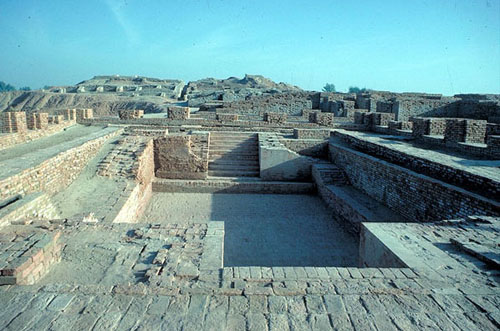
indus-greatbathsouth

Great Bath (big tank) in Mohenjadaro

Research Article No.1998

Written  by London swaminathan

Date 16th July 2015

Time uploaded in London:  19-56

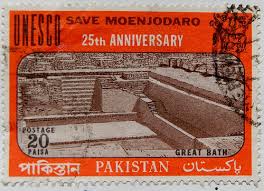
Hindus are born with water and die with water; that is no ceremony is done without water. From birth to death water is essential. This is proved from the oldest book Rig Veda to the Great Bath in Mohenja daro. This torpedoes the racist Aryan-Dravidian theory put forth by the foreigners. The scholars who wrote this theory seldom take a bath; whereas Hindus must take a bath every day for daily prayers. Moreover the tropical climate force everyone to take a shower. Their holy rivers and festivals like Kumbha melas held once in four years and Maha Kumba mela held once in 12 years are proof for their love of water.

But every rule has an exception; there are circumstances where one can’t have a bath because of travel or non-availability of clean water or illness. Old people may be bed ridden at the end of their lives. They cant stand in the bath room or near the well or temple tank. Hindus have five types of bath:-

Bath= Snana

Aagneyam = Smearing ash (Vibhuti)

Vaarunam = punging in river or lake or tank

Braahmam = sprinkling water with the recitation of Mantras

Vaayavyam = smearing with gorajas (dust from the cattleshed/Gosala

Divyam = Bathing in rain with Sun in the sky

This is found in Parasara Smrti (12-9)

Snanaani pancha punyaani kiirtitaani manishiibih

Aagneyam vaarunam braahmam vaayavyam divyameva cha

stamp great bath

Manu smrti also has several couplets on bathing; but they are not about different types of bathing.

If anyone is unable to wash his cloth he can shake it in front of the Sun by saying “Vastraya fat” and it can be used as a clean cloth. All these are used only when other normal means are not available.

French bath is dousing oneself with perfume or after shave lotions without bathing. This is ironically named for the French’s well known hatred for bathing and personal hygiene. One in 29 people only take a shower once a week. Other western countries are not far behind which is evident from their racist Aryan- Dravidian theory. Had the Hindus come from far off colder places as Max Muller and Bishop Caldwell said they would not have so many water rituals and water festivals like Indra Festival.

bath tubshower

Sponge bath is used in hospitals for elderly patients and babies if they are not able to enter the bath tub or shower room. Using a sponge or a wet cloth the body is cleaned in this method.

In short, Hindus are the only people in the whole wide world who are asked to take a bath every day for religious reasons and personal hygiene.

Swami_48@yahoo.com

Two Stories: Lying and Hypocrisy in Hindu Temples and Churches!

church stamp

Article No.1990

Compiled by London swaminathan

Date 12th July 2015

Time uploaded in London:13-58

“Agora tapasi, Vipareeta chorah”

“All saint without, all devil within”

“Hypocrisy is a sort of homage that vice pays to virtue”

A minister (in church) wound up the services one morning by saying, “Next Sunday, I am going to preach on the subject of liars. And in this connection, as a preparation for my discourse, I should like you all to read the 17th chapter of Mark.”

On the following Sunday, the preacher rose to begin, and said, “Now then, all of you who have read the 17th Chapter of Mark, please raise your hands.”

Nearly every hand in the congregation went up. Then said the preacher, “You are the very people want to talk to. There is no 17th Chapter of Mark!”

20 armed ganesh,chicago

Ganesh Temple Abhishek

In a Ganesh temple in Tamil Nadu, the priest announced, “ Dear devotees,  tomorrow being an auspicious day for the Hindus and a day favourable to worship Lord Ganesh, I would like every one of you to bring milk for Abhisheka (bathing the statue). I don’t want to know who brought what quantity of milk. All are equal in the presence of God. So, please pour all the milk into the tank specially constructed for the day”.

Most of the devotees were hypocrites and cheats. All of them thought let me take water in a big pot and pour it into the tank. Who would know whether I poured water or milk into the tank? All of them pretended pouring milk into the tank, but poured only water, when it was dark!

And the most important day arrived. A big crowd assembled there in the temple to witness the great MILK Abhishek. The priest came to know that the tank was full. So he prepared hundreds of pots to take the milk from the tank. Devotees competed with one another to take the milk to the statue and earn Punya (merit).

To the surprise of the priest and the “devotees” only WATER came out! Milk Abhishek ended into water Abhishek. Everyone looked sheepish and shamefaced.

The priest prayed for the devotees loudly, “Asato Ma Sat gamaya; Tamaso Ma Jyotir gamaya” meaning “From the unreal lead me to the Real; From darkness lead me to Light”.

abrus

Tamil Quotations on Hypocrisy

“At the hypocritical conduct of a false-hearted man

Even the five elements inside will laugh derisively” – Tirukkural 271

“One who is incapable of mastering himself, trying to put on an air of strength

Is like a cow grazing on forbidden pasture, under cover of tiger’s skin” – Kural 273

“One who indulges in vice under cover of a saint’s trappings

Is like a bird-catcher lying in wait behind a bush” –Kural 274

“Like the Kundri seed, there are some people, who shine red all over

But are inwardly black as the nose of the same seed” – Kural 277

(Gundumani= Gunja seeds=Abrus seeds=Kundri seeds)

swami_48@yahoo.com

Animals in the Bhagavad Gita!

elephants

Research Article No.1982

Written by London swaminathan

Date 8th July 2015

Time uploaded in London: 19-41

Bhagavad Gita is a philosophical work and to look for animals in the holy book may sound a little bit unholy act. It is like looking for recipe for Potato curry in Organic Chemistry book!

But I view it from a different angle. The similes or the few references also reflect their belief in the society. We don’t expect Lord Krishna to talk about a penguin or an albatross or a kangaroo. But we can expect something about a lion or a tiger or an elephant. This shows who the audience he is addressing. We know that Krishna is addressing a person living in a tropical country. Let us straight away go into the references to animals and birds.

I have listed all the things that he mentioned in the Vibhuti Yoga (Chapter 10) two years ago on 3rd June 2013. The birds, the animals and the amphibians  that are mentioned are as follows:

cows and calves kandrus

Of horses I am Uchchaisrvas

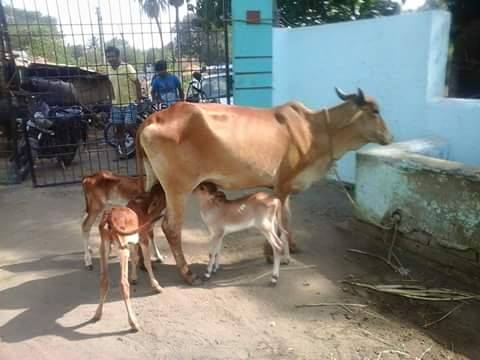
Of cows I am Kamaduk (wish fulfilling cow)

Of elephants I am Airavata

Of serpents I am Vasuki

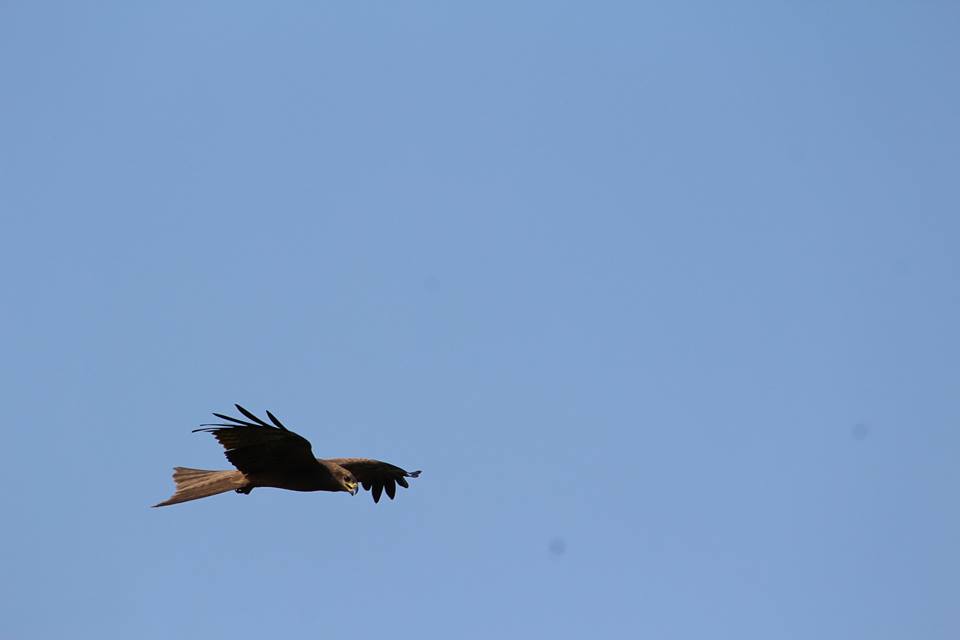
Of birds I am Garuda (eagle)

Of animals I am lion

Of water animals I am Makara (alligator)

—-Chapter-10

But there are many more interesting references:

tortoise

Tortoise

He who draws away the senses from the objects of sense on every side as tortoise draws in his limbs (into the shell), his intelligence is firmly set in wisdom (2-58). This is a very popular simile. Several Sanskrit and Tamil poets have used the simile for emphasizing self-control.

Moths

As moths rush swiftly into a blazing fire to perish there, so do these men rush in to your mouths with great speed to their own destruction (11-29)

moth

Elephant, Cow and Dog

Sages see with an equal eye, a leaned and humble Brahmin, a cow, an elephant or even a dog or an outcaste (5-18).

This is the most interesting verse to find out Hindus’ respect for certain animals and disrespect for others.

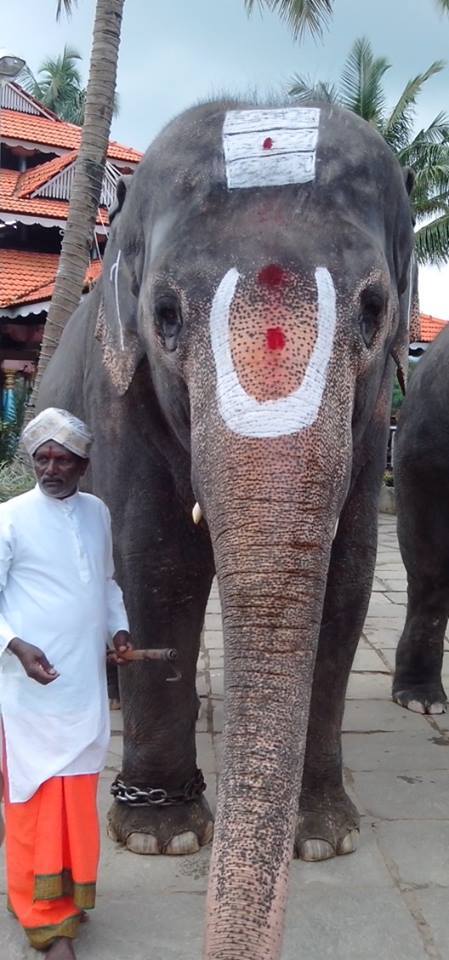
Elephants and cows are respected very much. Go Puja (cow) and Gaja Puja (elephant) are part of many temples and Mutts. They are worshipped every morning. Both are herbivorous. The dog is occupying the lowest rank, because it was considered an unclean animal eating left over food and all non- vegetarian food. But all these are the views of the laymen and the learned men look at them with an equal eye. That is, nothing is high or low. They are equal. This is confirmed by the lines like ‘Sarva Bhuta Hiteratah’ (5-25) and ‘sarvabhutanam suhrutam’ (5-28) in the same chapter.

elephant good

PANDITAH SAMA DARSINAH; SAGES SEE WITH AN EQUAL EYE

Sarvabhuta hiteratah (5-25) = holy men doing good to all creatures

Suhrdam sarvabhutanam (5-28) = the friend to all beings

Samoham sarvabhutesu (9-29) = I am the same in (alike to) all beings

Nirvairah sarvabhutesu (11-55) = free from enmity to all creatures

Sarvabhuta hiteratah (12-4) = rejoicing in the welfare of all creatures

Hindus are friends of all creatures from ants to elephants. Hindu scholars view all the living beings as equal.

eagle2

Earlier articles on Krishna posted by me:

1.ONE MINUTE BHAGHAVAD GITA

2.Krishna’s Diamond in USA?

3.Atom bomb to Zoo (A to Z) of Bhagavad Gita

4.Krishna’s Restaurant in Dwaraka: Hot Satwic Food Sold

5.ஸ்ரீ கிருஷ்ணனுடன் 60 வினாடி பேட்டி (Tamil))

6.கண்ணன் வழி….தனீ…..வழி! (Tamil)

7.கொலவெறி வைரம்

8) 45 Commentaries on Bhagavad Gita

9.Jesus Name in Bhagavad Gita ( Posted on September 10, 2014)

10.Interesting Words in the Bhagavad Gita (Posted on March 20, 2014)

11.Doing Business with God (June 6, 2014)

(Pictures are taken from other websites. Thanks)

Swami_48@yahoo.com

Was Stonehenge in England a Hindu Temple?

IMG_1596

Research Article No.1980

Written by London swaminathan

Date 7th July 2015

Time uploaded in London: 20-33

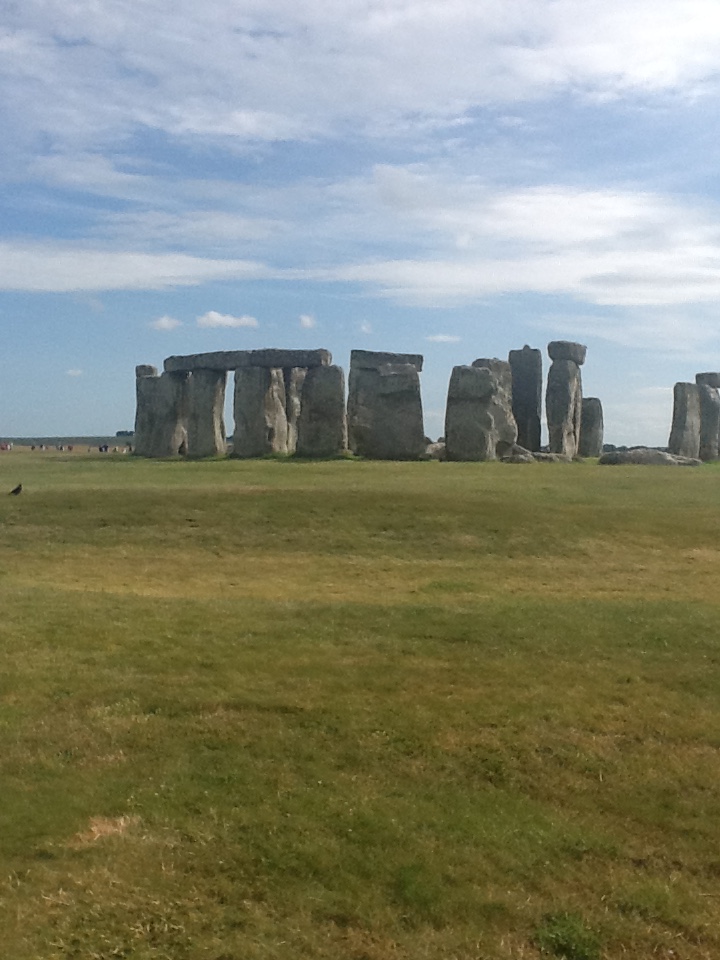
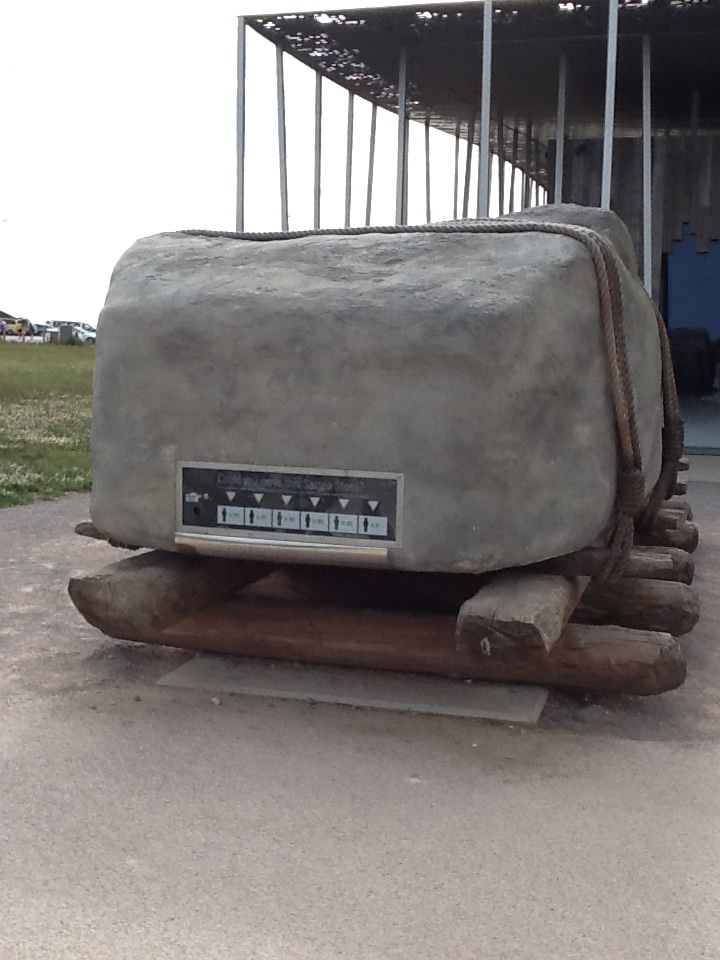
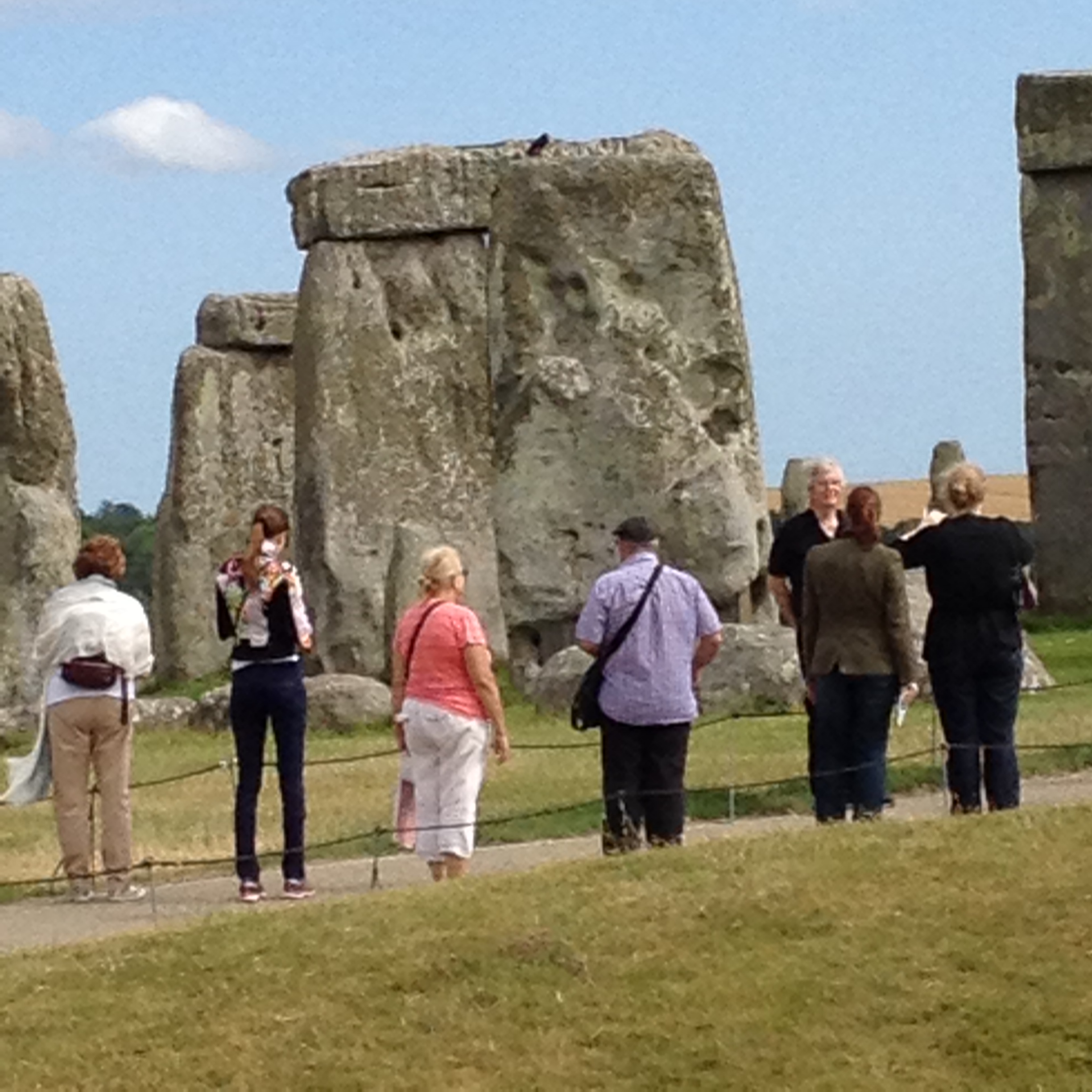
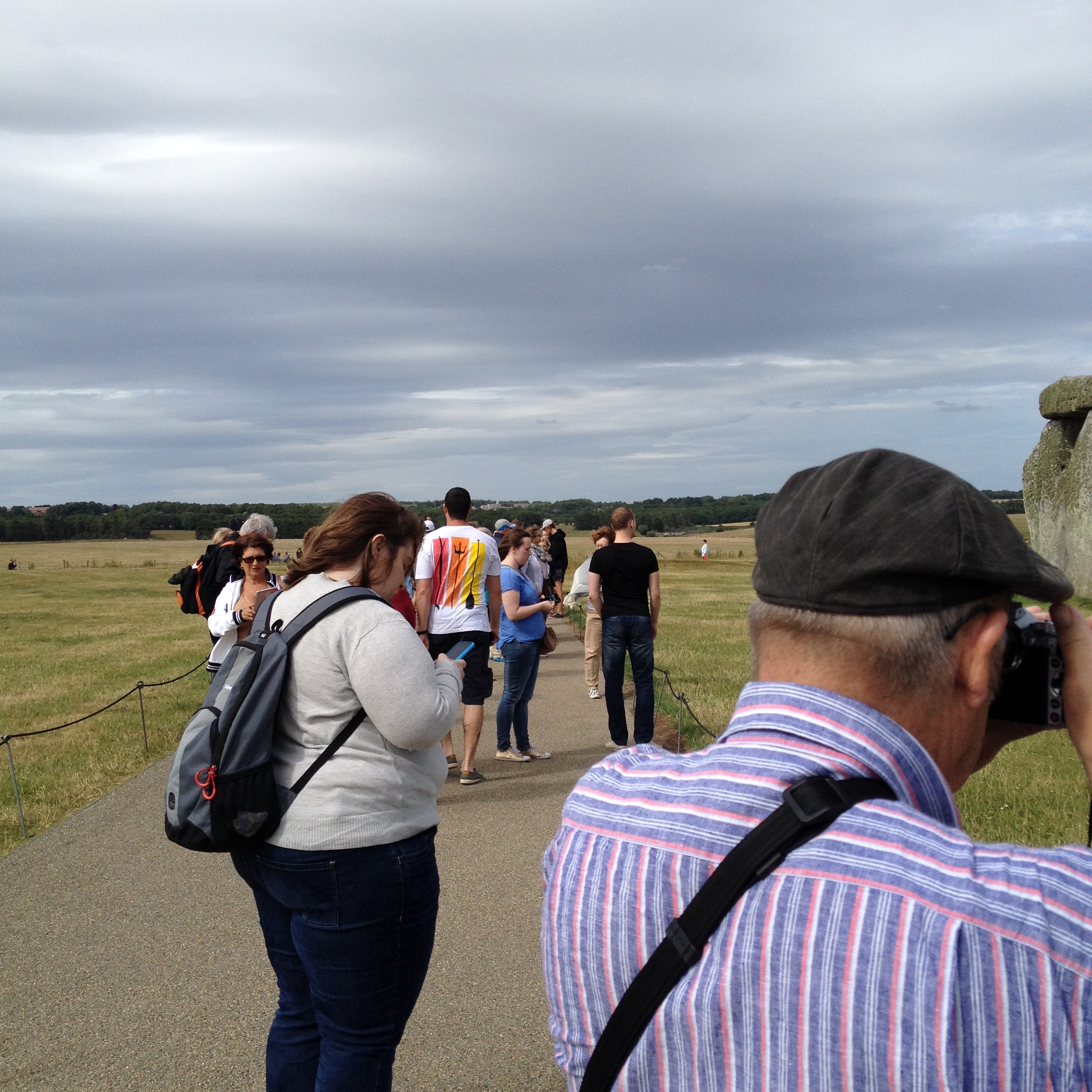
I went to see Stonehenge in Amesbury, England, United Kingdom yesterday. This was my second trip. I went there in 1990 in a coach trip organised by the South Indian Society, UK. After quarter of a century, during my second visit yesterday, I did not find much change because it was huge rocks which withstood weather for 4500 years. But I saw more crowd now, particularly Japanese tourists, and an increase in the entrance fee; now it is fifteen pounds per head!

IMG_4788 IMG_1542

Writer london swaminathan at Stonehenge; each stone weighed several hundred tons

What is Stonehenge?

The official leaflet given to every ticket buyer says,

“Stonehenge is an ancient temple aligned on the movements of the sun. The stones were raised 4500 years ago by sophisticated pre historic people”.

Now it is maintained by English Heritage which manages over 400 historic monuments in Britain. In short, Stonehenge is a pre historic monument.

I would like to point out two key words in the leaflet: ‘Temple’ and ‘Movements of the Sun’. Both these words are used by Hindus only. Sun is worshipped ritually only by the Hindus today. Even today Brahmins worship Sun three times a day. Apart from the Hindu Brahmins we came to know that Iraq Yazidis also worship sun. They hit the headlines recently because of the attack of Muslim terrorists on them. They worshipped fire, peacock and sun like the Hindus. All of them went there from India thousands of years ago.

(Please read my earlier article —  HINDU VESTIGES IN RAQ — posted on 12 August 2014)

Now as part of the same emigration, another group of Hindus went up to Europe. They were the known as Celts. Though scholars knew the connection between Hindu Gods and Greek/Roman gods, the connection between Sanskrit and other major languages of the world, they guessed that they migrated from Europe to India. But the latest dating of Rig Veda by most of the scholars and the advanced civilisation seen in the Rig Vedic age disproved all their guesses. On the contrary Shrikant G Talageri proved that the Hindus migrated to Europe from India. Druhyus were one of them and they were called celts and their priests were called drhyus.

Sun worship is done by al the Hindus. Konarak in Orissa, Marthanda in Kashmir, Modhera in Gujrat were famous Sun Temples. There are ten more Sun Temples in different parts of India. Once again they were damaged or destroyed by the invaders.

Apart from the Sun temples, there are special shrines for Sun and Moon in most of the South Indian Temples. All the Hindus irrespective of their caste salute their departed souls on the banks of rivers and sea coasts on the day Sun takes Northward Movement (Uttarayana Punyakala) and Southward Movement (Dakshina Punyakala). This is what Stonehenge also was used for. Druids were the people who did such worship according to one group of scholars.

druids_stonehenge

Druids and Stonehenge

Every year on the Summer solstice day, the neo-Druids gather at the Stonehenge and do some rituals. But the scholars who studied the Stonehenge say that the Druids came into picture long after the Stonehenge. Stonehenge finished by 1200 BCE. But we hear about the Druids only from fourth century BCE. But whether there is a connection between the Druids and the Stonehenge or not there is a connection between the Hindus and the Stonehenge and between the Hindus and the Druids. Let us look at it in two topics:

IMG_4767 IMG_4773

Hindus and Druids

Alexander Polyhistor (First Century BCE), Julius Caesar (50 BCE), Diodorous Siculus (36 BCE), Pliny the Elder (23-79 CE) and other Greek and Roman writers give us lot of information about the Druids. They were the Celtic Priests, like the Brahmins of India. They believed in

Reincarnation

Immortality of the Soul

Animal sacrifice

Ritual of Oak Tree and Mistletoe Plant (Tree Worship)

All these are Vedic beliefs. Some people say that they sacrificed human beings as well. Vedas also talk about human sacrifice (Purusamedah Yajna) and Indus Valley seal shows us human sacrifice. But no sacrificed human bones are excavated anywhere. The well known sacrifice of human beings happened only in the Middle East where hundreds and thousands of Children were sacrificed. In places like Bahrain we have excavated thousands of graves of children. But nothing like that is found in India or the Druid area.

Druids were Celtic people. They occupied Ireland, France, Britain and other European countries.

The word DRUID is interpreted in various ways. Hindus believe that they were Druhuys who were mentioned in Rig Veda very often along with four more groups. They were known as Pancha janaah (Five Peoples). They migrated to Europe via Iraq after the Dasarajna Yuddha (Ten Kings War) which is mentioned in the Rig Veda in several places.

Other explanations are Druid meant Seer, Sorcerer, a kind of Bird (wren), Tree People. Because of their belief in Atma and Punar janma, they were called Pythagorean by the Roman and Greek scholars. Greek philosopher Pythagoras repeated whatever the Upanishads said.

Another interesting point is Tree People and Seers are Sanskrit words:

Daru = Tree= Druid

Mantra Drsta/ Seer of Mantras= Druid (drus=see)

Tree worship was part of Vedic culture and Indus Valley Civilisation. Since Peepal Tree and Banyan Tree were not available in the West they adopted Oak tree.

In short, language wise, religion wise they were closer to Hindus than any other people. But like Greeks they merged their Gods with local Irish/Celtic gods and created a jumbled mythology. But still the underlying Hindu thread is discernible. People believe that the Druids worshipped sun or they did some rituals on the solstice days like the Hindus.

IMG_4777 IMG_4792

Stonehenge and Druids

A writer in the fourth century BCE refers to the existence in Britain of a magnificent circular temple dedicated to Apollo according to new Larousse Encyclopaedia of Mythology. As teachers and judges they exerted considerable influence. (Apollo is compared to Vishnu)

People who believe in Druidism go to Stonehenge and offer some rituals on 21 June every year. There were no archaeological proofs available from the Stonehenge site or from that period. But there is a religion – Judaism— based on Moses even without any historical or archaeological proof for Moses anywhere in the world. Only literary references are there. If it can be believed Druid – Stonehenge connection also can be believed.  Hindusim is older than any other religion in the world. So if the Druhyu- Druid connection is true then there is a possibility that Stonehenge- Druid connection. Rig Veda is the oldest scripture in the world. No one can ignore it because of the archaeological proof in Bogazkoy, Turkey, clay tablet with the names of  Vedic Gods which is dated to 1400 BCE.

IMG_4772 IMG_1540

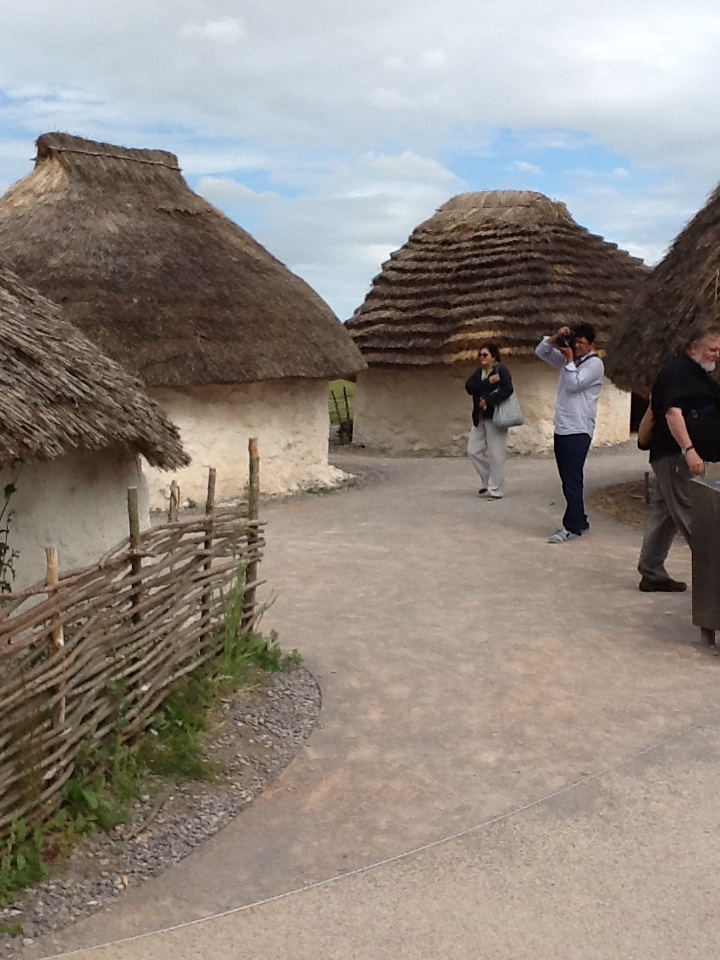
4500 years ago Celts lived in huts like this.

Story of Two Boys: Learning versus Realization!

bharat mata viveka

Article No.1968

Date: 2 July 2015

Written by London swaminathan

Uploaded from London at 19-36

“Those who talk about it has never seen it; those who has seen it never talk about it” – is a popular Tamil saying ( Kandavar Vindilar, Vindavar Kandilar).

“Doing Nothing is Happiness”  is a very famous saying of the great Tamil saint Arunagirinathar (Summaa iruppathe Sukam).

This is explained in the following story which is repated by various saints of India:-

A Brahmin once sent his two sons to a learned pundit to study the Vedas and Upanishads. Having completed their study after twelve years, they returned home. Their father asked one of them

:”Have you understood Brahman?” The boy said “Yes” and started quoting sloka after sloka from the scriptures to explain what Brahman was. Listening patiently to his son’s verbose exposition, the father told him, “Boy, you have not understood Brahman”.

He then asked his other son if he had understood what Brahman was. He did not give any answer, but kept quiet. Tha father asked him the same question twice, thrice and four times. Still the boy remained silent.

The father then said, “My boy, I am delighted to see that you have really understood Brahman”. This goes to show that by silence alone can one know the Truth. What you experience after your thoughts have completely ceased to flit about in mind, does not admit description because it is inexpressible.

IMG_3259

Great Tamil saint Appar is in the picture

“Religion in India is not dogmatic. It is a rational synthesis which goes on gathering in  itself new conception as philosophy progresses.”

“External invasions and internal dissensions came very near crushing Indian civilization many times in its history. The Greek and the Scythian, the Persian and the Moghul, the French and the English have by turn attempted to suppress it, and yet it has its head held high”

– Dr S Radhakrishnan, Philosopher and Ex President of India.

Vishnu’s Simple Test to Narada!

VISHNU STATUE

Written by London swaminathan

Article No. 1964

Dated 30 June 2015.

Uploaded at London time : 20-05

Narada was a great devotee of Lord Vishnu. He always recites his name “Narayana, Narayana” all the 24 hours, even while he travels. Being an intergalactic traveller flying between 14 Lokas (14 divisions of the universe) Narada’s recitation surcharged the space with Narayana’s name. This made him very proud. He considered himself the greatest devotee of God. Once he met Vishnu in Vaikunda. He asked Vishnu who His greatest devotee in the world was.

Lord Vishnu mentioned the name of a villager. Narada was surprised. But before he asked any more questions, Vishnu asked him to go to the village and see for himself. He flew to the village. Seeing a sage like figure in the village, the villager asked Narada to stay in his house. Narada was very happy and went with him. Every morning the villager got up very early and uttered God’s name twice and went to his filed to do farming. When he came back, just before retiring to bed, he uttered Lord’s name two more times. That is it. Lord’s name only four times a day! Narada was very much dis appointed.

He went back to vaikunda with the intention of proving that he was a better devotee than the villager. Vishnu knew what was going through the mind of Narada. Vishnu simply asked him to go round the Vaikunda with a cup filled with oil to the brim. He instructed him not to spill even a drop.

close up perumal

Now Narada’s full concentration was on the oil cup. He thought if he went back to Vishnu without spilling a drop that would make him the greatest devotee. So he did it slowly and carefully. When he went back to Vishnu with success beaming on his face, Vishnu smiled at him and asked, “Hello, My Friend! How many times did you say God’s name while you were on your successful circumambulation of Vaikunda? Narada was surprised at this question and said, “How is it possible to remember anything else when carrying out a task of such a difficult nature?”

At this reply Vishnu Laughed and remarked, “Look at the case of the farmer. He engages himself in hundreds of activities, carrying heavy responsibilities of his worldly life. Nevertheless he did not fail to remember God at least twice a day. Where as in a short period, when you were engaged in carrying the cup of oil you utterly forgot me. Narada was humbled.

Narrating this story Swami Ramdas says,

“This illustration goes to show that the best way to offer prayers to God, Take his name, even though for a short time daily, and then be engaged in your work and perform it honestly and conscientiously, having God-remembrance stamped on your heart”

Pictures are sent by face book friends;thanks.