தொல்காப்பியத்தில் இந்திரன்

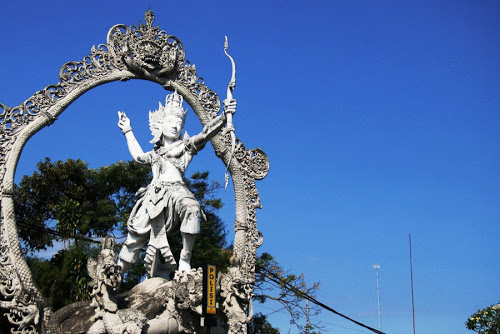
Indra statue in Bali, Indonesia (tripholiday.net)


நாடு பிடிக்க வந்தவர்களும் மதத்தைப் பரப்ப வந்தவர்களும் பரப்பிவிட்ட பெரிய புரளி—தமிழ் கலாசாரம் வேறு, வடக்கத்திய கலாசாரம் வேறு என்ற புரளிதான். ஆனால் நாடு முழுதும் ஒரே கலாசாரம், ஒரே மதம் என்பதற்கு நூற்றுக் கணக்கான சான்றுகள் 2000 ஆண்டுகளுக்கு முன்னெழுதப்பட்ட தமிழ் நூல்களில் பளிச்செனத் தெரிகின்றன.


சங்க இலக்கியத்தின் 27,000 வரிகளைப் படித்தவர்களுக்கு சம்ஸ்கிருதச் சொல் இல்லாத தமிழ் நூல் இல்லை, இந்து மதக் கடவுள் பெயர் இல்லாத தமிழ் நூல் இல்லவே இல்லை என்பது சட்டென விளங்கும். தொல்காப்பியர் முதல் திருவள்ளுவர் வரை எல்லோரும் இப்படி இந்து மதக் கருத்துக்களை விளக்கியுள்ளனர்.


தமிழ் நூல்களில் மிகப் பழையது தொல்காப்பியம். கி.மு. முதல் நூற்றாண்டு அல்லது அதற்குப் பின்னர் எழுந்தது என்று அறிஞர்கள் கூறுகின்றனர். எனது கருத்தை காரண காரியங்களுடன் ‘தொல்காப்பியர் காலம் தவறு’ என்ற 5 பகுதிக் கட்டுரையில் எழுதியுள்ளேன். வேதத்தில் கூறப்பட்ட நாலு கடவுளர்களை தொல்காப்பியர் தமிழர் கடவுளாகக் காட்டியுள்ளார். அவரது தொல்காப்பியமே நான்கு வேதங்களையும் கரைத்துக் குடித்த மஹா மேதையான அதங்கோட்டு ஆசார்யர் முன்னிலையில் அரங்கேறியது என்று பனம்பாரனார் பகருவார்.


மாயோன் (மஹா விஷ்ணு), சேயோன் (சிவப்பு நிற கந்தன்= அக்னி தேவனின் இன்னொரு அம்சம்), வேந்தன் (இந்திரன்), வருணன் ஆகிய நால்வரும் முறையே முல்லை, குறிஞ்சி, மருதம், நெய்தல் ஆகிய நிலங்களுக்குரிய தெய்வம் என்று பொருளதிகாரத்தில் தெளிவாகக் கூறிவிட்டார்.

தொல்காப்பியர் மஹா அறிஞர். இந்திரன் என்பது அரசன் என்ற பொதுப் பெயராகும். அந்தப் பதவியில் அமருவோருக்கு அந்தப் பெயர். வெளி நாட்டு ‘அறிஞர்கள்’, இந்திரன் என்று ஏதோ ஒருவர் இருந்தது போல ஆங்கிலத்தில் எழுதிவிட்டனர். இந்திரன் ஒரு பாரதீயன் என்பதற்கு இன்னும் ஒரு சான்று அவனது யானை வாகனமாகும். யானை ஐரோப்பாவிலோ மத்திய ஆசியாவிலோ கிடையாது. ஆக இந்திர வழிபாட்டுக்காரர்கள் வெளி நாட்டினர் எனபதும் புரளி என்பது புரிகிறது.


இந்திரனை தீம் புனல் (இனிப்பான நீர்) உலகத்துக்கு, அதாவது வயலும் வயல் சார்ந்த இடத்துக்கும் அதிபதி என்கிறார் தொல்காப்பியர். இதே கருத்துதான் வேதத்திலும் புராணத்திலும் உள்ளது. இந்திரன் தான் விருத்திரனைக் கொன்று தண்ணீரை விடுவிக்கிறான். மழைக்கு முன்னும் பின்னும் தோன்றும் வானவில்லுக்கும் கூட இந்திரவில் என்றுதான் தமிழிலும் சம்ஸ்கிருதத்திலும் பெயர்.


இந்திரனுடைய உலகத்தில் கிடைக்கும் அமிர்தம் (சம்ஸ்க்ருத சொல்) சங்க இலக்கியத்தில் முப்பதுக்கும் மேலான இடங்களில் பயன் படுத்தப்படுகிறது. கடலுள் மாய்ந்த இளம் பெரு வழுதி பாடிய புறம் 182-ல் இந்திரனுடைய அமிர்தமே கிடைத்தாலும் தனியாக உண்பவர் இல்லை என்கிறார். இதே கருத்து பகவத் கீதையில் இருப்பதை புறநானூற்றில் பகவத் கீதை (3-13) என்ற கட்டுரையில் ஏற்கனவே கொடுத்துவிட்டேன்.


புறம் 241-ல் ஏணிச்சேரி முடமோசியார் பாடிய பாடலில் ஆய் அண்டிரனை வரவேற்க இந்திரன் காத்திருந்ததாகப் பாடுகிறார். போரில் இறந்தால் வீர சுவர்க்கம் கிடைக்கும் என்ற இந்தக் கருத்து பகவத் கீதையில் இருப்பதை எழுதி இருக்கிறேன். ஆய் அண்டிரன் எனபதே அஜேந்திரன் என்ற பெயரோ என்று எனக்கு ஒரு ஐயப்பாடு உண்டு. இந்திரன், அண்டிரன், ஆண்ட்ரூ ஆகியன ஒரே மூலம் கொண்ட சொல்.
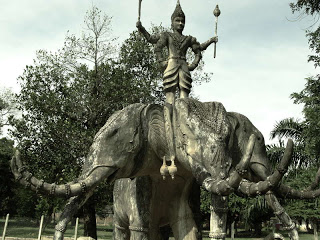
Indra riding Airavata, Laos (lazyhiker.com)

அருமையான இந்திரன் ஓவியம்

தமிழ்நாட்டில் இந்திரன் கதைகள், அமிர்தம் ஆகியன எவ்வளவு பிரசித்தம் என்பதை மேற்கூறிய விஷயங்கள் விளக்குகின்றன. இதைவிட வியப்பான விஷயம் 2000 ஆண்டுக்கு முன் திருப்பரங்குன்றத்தில் இருந்த ஓவியமாகும். பரிபாடல்-19 இதை அருமையாகச் சித்தரிக்கிறது. கூட்டம் கூட்டமாக அந்த ஓவியத்தைப் பார்ப்போர் ‘இதோ பார் பூனை வடிவில் இந்திரன்’, ‘அதோ பார் அகல்யை’, ‘இதோ கவுதம மகரிஷி’ என்றெல்லாம் பேசிக்கொள்வதை அப்படியே படம் பிடித்துக் காட்டுகிறார் பரிபாடல் கவிஞர். இந்து மதக் கதைகள் அவ்வளவு பிரபலம்!


வள்ளுவன் கிண்டல்

வள்ளுவனும் இந்திரனை விடவில்லை. ‘இந்திரனே சாலும் கரி’ என்று அஹல்யை கதையை உதாரணமாகக் கூறி (குறள் 25) புலன் அடக்கம் இல்லாத இந்திரனுக்கு நேர்ந்த கதியை எடுத்துக் காட்டுகிறார்.

இந்திரனுடைய தேவலோகம் பற்றி நிறைய குறிப்புகள் வருகின்றன. இந்திரனுடைய எல்லா அம்சங்களும் பரிபாடல், திருமுருகாற்றுபடையில் காணக்கிடக்கின்றன.


கரிகாலன் காலத்தில் கொண்டாடப்பட்ட மாபெரும் இந்திர விழாவை நெஞ்சை அள்ளும் சிலப்பதிகாரம் அழகாகச் சித்தரிக்கிறது. இது பற்றி எனது இந்திர விழா கட்டுரையில் காண்க.

காஷ்மீர் முதல் கண்டி வரை இன்றும் தமிழர்கள் இந்திரன் பெயரைச் சூடுகின்றனர். ராஜேந்திரன், மஹேந்திரன், பாலேந்திரன், கஜேந்திரன், விஜயேந்திரன் என்ற பெயர்கள் குடும்பத்துக்குக் குடும்பம் காணப்படுகிறது.


அருந்ததி கதை, முப்புர தகனம், மகிஷாசுரவதம், சிவ பெருமான் விஷம் உண்டது முதலிய கதைகள் பழந்தமிழருக்கு அத்துபடி! சம்ஸ்கிருத சொல் இல்லாத சங்க இலக்கிய நூலோ, இந்து மதக் கதை, குறிப்பு இல்லாத சங்க நூலோ கிடையாது என்பது 27,000 வரிகளையும் படித்தவருக்கு தெள்ளிதின் விளங்கும். கடுரையாளர் (லண்டன் சாமிநாதன்) சங்கத் தமிழ் இலக்கியத்தைப் பன்முறை படித்து ரசித்தவர்.

எனது முந்தைய கட்டுரைகளையும் படிக்கவும்:

1.Indra Festival in the Vedas and Tamil Epics 2.Veera Matha in the Vedas and Tamil Literature 3.சங்க இலக்கியத்தில் வாகனங்கள் 4.வீரத்தாயும் வீரமாதாவும்  5.வள்ளுவன் ஒரு சம்ஸ்கிருத அறிஞன்  6—10.தொல்காப்பியர் காலம் தவறு ( ஐந்து பகுதி கட்டுரை ) 11.Flags of Ancient Indian Kings 12.Hindu Vahanas in Kalidasa and Tamil Literature 13.இந்திர விழா: வேதத்திலும் தமிழ் இலக்கியத்திலும் 14. ஐங்குறு நூறில் வேதக் கருத்துகள்

(இலக்கியத் திருடர்களுக்கு அன்பான வேண்டுகோள்: இந்தக் கட்டுரையை வேறு இடத்தில் பயன்படுத்துவதானால் ‘பிளாக்’-கின் பெயரையோ கட்டுரையாளர் (லண்டன் சுவாமிநாதன்) பெயரையோ வெளியிடுங்கள். பெயர் இல்லாமல் தங்கள் கட்டுரை போல வெளியிடுவது–தமிழுக்கும், தமிழ் எழுத்தாளர்களுக்கும் செய்யும் துரோகம் ஆகும்)

‘OM’ BOOSTS BRAIN POWER: US University Research!


The best way to boost brain power and improve exam grades? Chant ‘Om’ like the Beatles did


  • The technique, known as Transcendental Meditation, involves a particular sound being repeated over and over again with the eyes closed


  • Students who performed two 20-minute sessions twice a day were up to 25 per cent more likely to graduate from high school
  •  

By ANNA HODGEKISS

PUBLISHED: 08:41, 12 June 2013 | UPDATED: 08:46, 12 June 2013 Daily Mail, London


A meditation technique made famous by the Beatles could boost brain power and even improve exam grades, scientists have claimed.

A study of high school students found graduation rates were up to 25 per cent better for those who Chanting ‘om’ or a similar meditation mantra for 20 minutes twice a day.

The relaxation technique, known as Transcendental Meditation, involves a particular sound being repeated over and over again with the eyes closed.

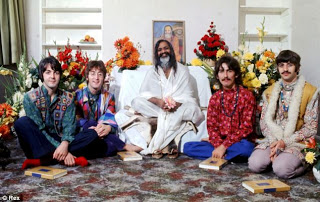
New research suggests that Transcendental Meditation, taught to The Beatles by Indian Maharishi Mahesh Yogi in 1967 (pictured), can boost brain function and improve exam grades by up to 25 per cent

It has also been shown to reduce the risk of death from heart attack and strokes and soothe stress and anxiety.

It became fashionable among ‘flower power’ hippies of the Sixties after John Lennon, Paul McCartney, George Harrison and Ringo Starr visited India and were taught it by the late Maharishi Mahesh Yogi.

Professor Robert Colbert, from the University of Connecticut, said improved graduation rates benefit society as a whole, as well as improving prospects for the individual.

He added that dropping out can result in loss of income, along with more risk of turning to crime and ending up in jail, or becoming dependent on state benefit.

Picture shows Maharishi Mahesh Yogi with the Beatles

In the study, analysis of the records of 235 students at an urban school on the east coast of the U.S. showed a 15 per cent higher graduation rate for those put on a transcendental mediation program compared to a control group.

When only the lowest academically performing participants in both groups were considered, passes rose by 25 per cent in the meditators.

The meditating students were also less likely to drop out from school, or enter prison, and were more likely to be accepted to further education.

As well as exam grades improving by at least 15 per cent, students who meditated were also less likely to drop out from school, or enter prison, and were more likely to be accepted to further education

Prof Colbert said: ‘While there are bright spots in public education today, urban schools on the whole tend to suffer from a range of factors which contribute to poor student academic performance and low graduation rates.

‘Students need to be provided with value added educational programs that can provide opportunities for school success.

‘Our study investigated one such program, Transcendental Meditation, which appears to hold tremendous promise for enriching the lives of our nation’s students.’

In a 2009 interview, Ringo Starr said of Transcendental Meditation: ‘Over 40 years ago, we ended up in Rishikesh.

That is where we hung out with Maharishi. We had met him a few months before in Wales. Since then, sometimes a lot, sometimes a little, I have meditated. It is a gift he gave me.’

Paul McCartney added: ‘It is one of the few things anyone has ever given to me that means so much to me. For us, it came at a time when we were looking for something to stabilise us at the end of the crazy Sixties.’


The research is published in the journal Education.(Daily Mail, London June 12,2013)

Pictures are from Face book and The Daily Mail, London


Saraswathi Statue in Washington DC, USA


Picture of  16 foot high Saraswathi Statue in Washington (From The Hindu News paper)

Indonesia, the country with the largest Muslim population in the world, has gifted an imposing 16-foot-high statue of Saraswati, the Hindu goddess of education and wisdom, to Washington DC.

The goddess’ statue, on top of a lotus, stands tall a block away from the Indian Embassy in front of a statue of Mahatma Gandhi.

Hindus constitute just three per cent of the Indonesian population. A little over a mile from the White House, the statue is yet to be formally inaugurated, but has already become an attraction for city residents and large number of tourists who visit the city every day.


“Devi Saraswati is one of the Goddesses in Hinduism, the primarily practised religion among Balinese people in Indonesia, which itself is the world’s biggest Muslim-majority country. Yet, her representation at the Indonesian Embassy was not decided out only of any religious grounds, but more on its symbolised values that parallel with several key principles of Indonesia-U.S. relations under comprehensive partnership, in particular education and people-to-people contact,” a spokesperson at the Indonesian Embassy told PTI.


The construction of the statue began in mid-April, and was built by five native Balinese sculptors led by I. Nyoman Sudarwa, who wrapped up the job in five weeks.

From The Hindu 10th June 2013


Read my earlier posts:

Sanskrit Inscriptions in strange places

Hindu Wonders in a Muslim Country

Maruti Miracle: 660 Kms per hour!

Ramayana Wonders Part 7

Maruti Miracle: 660 Kms per hour!

Ramayana is full of wonders. Lot of people read Ramayana for its moral and spiritual messages. But Valmiki is one of the greatest poets of India. He gives lot of astronomical and biological information during the narration of Rama’s life. I have already dealt with the number of weapons he mentions, number of plants he describes etc. He is very good at describing nature. One must read Valmiki just for the description of natural beauty. He mentions lot about Shamudrika Lakshan (Body Symmetry) as well. He gives very good information about lot of geographical locations. His story deals with a geographical area of 15,000 square miles- from Afghanistan to Sri Lanka!

When Valmiki describes Hanuman’s flight to and from Sri Lanka, he really means flying. Today it is a common sight of airplanes flying in and out of thick clouds. Even children know that the planes are flying through the clouds and they are seen on and off.  Valmiki describes Hanuman’s flight in the same way. One must remember in those days there were no daily flights other than Rama’s  Pushpaka Vimana.

Another wonder is about the speed of Anjnaeya. True to his name Maruti, he flew like wind. Hanuman flew at the speed of 660 kilometres per hour according to R.P.Goldman, Professor of Sanskrit, University of California at Berkley. “ How fast do monkeys fly? It was a matter of scholarly reasoning for the commentators!”, said Prof. Goldman. Some of them worked it down to a speed of roughly 660 km an hour considering Hanuman first brought mountain to Lanka and then flew back all the way to put it back in its place. Prof. Goldman gave a lecture in Delhi in 2004.

Hanuman and Astronomy

Valmiki must be an astronomer. He did not forget to include what constellations or stars Hanuman saw while flying. Chapter 57 of Sundarakanda describes Hanuman’s return flight from Sri Lanka. Valmiki gives details of eight constellations. Usually one cannot see more than six constellations at a given point of time. But since Hanuman was flying across, and it must have taken him approximately four hours to get there (Lanka to Rameswaram), he could see eight constellations— in two hours one constellation would have moved out of sight and another become visible. So in a period of four hours he saw eight constellations. Following is the excerpt from Chapter 57 of Sundara Kanda:

“ Like a winged mountain Hanuman sailed over the airy sea; Yakshas looked like the lotus flowers, Gandharvas moon,  the sun its water fowl, Tishya and Sravana Nakshatras its swans and the clouds its reeds and moss. Punarvasu was the whale and Lohitanga (Mars) the crocodile,  Airavata the spacious island, Swati, its decoration in the form of a swan; the breezes were its billows and the rays of the moon its cool and peaceful waves”.

The above passage is a metaphor and refers to the stars Shravana (Capricorn), Tishya (Gemini), Punarvasu (Gemini/ Cancer), Lohitanga ( Mars or red star Jyeshta)(Scorpio) and Swati (Libra). Lohitanga in Sanskrit means planet Mars. But he might have meant red star Jyeshta (Kettai in Tamil). Airavata is Indra’s heavenly elephant Vahana/vehicle. But here it means a star.

214 + 23 places of Ramayana!

Late Dr Ram Manohar Lohia, had in a famous speech, said that Rama connected North to South, Krishna connected East to West and Shiva is existing everywhere showering his blessings”. Another famous saint has pointed out that Kanyakumari (Goddess Bhagavati) is praying from the SOUTHERN sea shores to unite with Shiva who resides in NORTHERN KAILASH. All Hindu Gods unite India into one country!

Another speaker said, “Those who question the historicity of Rama, should take a lesson from the discoveries of Dr  Ramavatar Sharma, who spent twenty four years of his life in  personally visiting 214 places where Rama stayed during the 14 years he spent in the forests as also 23 places where Rama had gone with sage Vishwamitra up to Janakpur. He has photographed all those temples, lakes, rivers, hills, huts etc. where Sri Rama treaded and also prepared a map of them all”.

(An Appeal to literary pirates: Please don’t lift the matter and post it as your own write up. So far I have come across 20 such ‘thefts’. If they don’t publish the name of my blog or my name, I will name and shame them. You can use this matter with my name or the blog name. Pictures are not mine.)

Read my earlier posts on Ramayana Wonders:

1.Ramayana Wonders- 1st part 2.How Many Miles Did Rama walk? ( Ramayana Wonder –Second part  3.Rama and Sanskrit G’ramma’R (Ramayana Wonder part 3), 4.Who can read all 300 Ramayanas? (Ramayana Wonder part 4), 5.Indus Valley Cities in Ramayana (Ramayana wonder part 5), 6.Aladdin’s Magic in Valmiki Ramayana (Ramayana Wonder part 6), 7.Where is Rama Setu (Rama’s Bridge)? 8.Miracles by the Departed Souls from two epics 9.Why Hindus Worship Shoes? 10.The Sandals 11.மாண்டவர் மீண்டு வந்த மூன்று அதிசய நிகழ்ச்சிகள் 12.ராமாயண வினா விடை 13.Maruti Miracle 14.அதிசய அனுமார் சிலை 15.Superman of India:Anjaneya

Pictures are taken from Face book and Ramayana book; Thanks

பாகவதம் பலவிதம், ஒவ்வொன்றும் ஒரு விதம்!

பகவான் கிருஷ்ணனின் வாழ்க்கைச் சரிதத்தைக் கூறும் நூல் பாகவதம். ஆனால் கிருஷ்ணனுடன் நிறுத்திக் கொள்ளாமல் விஷ்ணுவின் பல்வேறு அவதாரங்களையும் இது சுவைபடக் கூறும். ஆதிகாலத்தில் பகவத் பெருமையை சங்கீத உபந்யாசமாகச் செய்தவர்களை மட்டுமே பாகவதர் என்று அழைத்தார்கள். இப்போது உபந்யாசம் போய்விட்டது. வெறும் சங்கீதம் மட்டும் இசைப்பவர்களையே பாகவதர் என்று சொல்லிவிட்டோம். காலம் மாற மாற சொற்களின் பொருளும் மாறிவிடுகிறது.


பாகவதங்கள் பலவிதம், ஒவ்வொன்றும் ஒருவிதம். ராமாயணத்தில் 300 வகைகள் இருக்கின்றன என்று முன்னமேயே ஒரு கட்டுரையில் குறிப்பிட்டேன். இதே போல பாகவதத்திலும் பலவகைகள் உண்டு. சிலவற்றில் கூடுதல் அவதாரங்கள் பேசப்படுகின்றன. பெரும்பாலோருக்குத் தெரிந்த கீதை பகவத் கீதை. இது மஹா பாரதத்தில் உள்ளது. மஹா பரதத்திலேயே வேறு பல கீதைகளும் உண்டு.


பாகவதத்திலும் பலவேறு கீதைகள் உள்ளன. இது புத்தகத்துக்கு புத்தகம் மாறுபடும்.. ஆயினும் எல்லா கீதைகளிலும் புகழ்பெற்றது பகவத் கீதை, இதற்கு அடுத்தாற்போல மிகவும் புகழ்பெற்றது உத்தவ கீதை. இது பாகவத்தின் 11ஆவது அத்தியாயமாக வருகிறது. பாகவத சப்தாஹம் என்று ஏழே நாட்களில் பாகவதத்தைப் பாராயணம் செய்யும் மரபு உண்டு. அதில் உத்தவ கீதை சொல்லும் நாட்களில் கூட்டம் அதிகரிக்கும்.


லண்டனிலுள்ள எனது நண்பர் வருடந்தோறும் குருவாயூருக்குச் சென்று பாகவத சப்தாஹம் நடத்துகிறார். பாராயணம் செய்யும் பக்தர்கள், அதைக் கேட்க வரும் பக்தர்கள் ஆகியோருக்குச் சாப்பாடு போட லட்சககணக்கில் தனது சொந்தப் பணத்தைச் செலவழிக்கிறார்.அவ்வளவு பெருமையும் புண்ணியமும் பாகவதத்துக்கு உண்டு


வியாசரின் மகனான சுக முனிவர் சொன்னது பாகவதம். இதைக் கேட்டவன் பரீக்ஷித் மன்னன். இதில் 18,000 ஸ்லோகங்கள் உண்டு. 18 புராணங்களில் மிகவும் பிரபலமானது பாகவத புராணமே.


இதிஹாச பாகவதம், புராண பாகவதம், சம்மிதா பாகவதம், உபசம்மீதா பாகவதம், விஷ்ணுரகசிய பாகவதம், விஷ்ணுயாமள பாகவதம், கௌதம சம்மிதா பாகவதம் என வட மொழியில் பல பாகவதங்களும் அவைகளில் 15 வகையான கீதைகளும் இருக்கின்றன.

தமிழில் பாகவதம்

செவ்வைச் சூடுவார் மற்றும் அருளாளதாசர் ஆகிய இருவரும் தமிழில் பாகவதத்தைப் பாடியுள்ளனர். தமிழில் புராண இலக்கியம் மிக மிகப் பெரியது. பல்லாயிரக்கணக்கான படல்களைக் கொண்டது. இவைகளில் ஸ்காந்தம் எனப்படும் கந்தபுராணம் ஒன்றே இன்று படிக்கப்படுகிறது. மற்றவை எல்லாம் நூலகத்தில் பழுப்படைந்து வருகின்றன.


ராமநாதபுரம் மாவட்ட வேம்பத்தூரைச் சேர்ந்த மாதவனின் மற்றொரு பெயர் செவ்வைச்சூடுவார். அவரது இதிஹாச பாகவதத்தில் 4970 பாடல்கள் உள்ளன. பத்தாவது அத்தியாயம் கண்ணனின் கதையைக் கூறும். 11ஆவது அத்தியாயம் உத்தவ கீதையைக் கூறும். இரண்டும் முக்கியமானவை.


இவருக்கு அடுத்துவந்த அருளாளதாசரின் இயற்பெயர் வரதராஜ அய்யங்கார். இவர்தான் 18 புராணங்களில் ஒன்றான பாகவதத்தை 9167 பாடல்களில் மொழி பெயர்த்தார். இது முன்னதை விட நீண்டதாயினும் செவ்வைசூடுவாரின் பாகவதமே மொழி நடையில் சிறந்தது என்பது தமிழ் அறிஞர்களின் கருத்து. தமிழ் மொழி தெய்வத் தமிழ் ஆகும். ஆயினும் அவைகளில் உள்ள பல்லாயிரக் கணக்கான பாடல்களை படிக்கும் ஆட்கள் குறைந்து வருகிறார்கள். பலகலைக்கழக பட்டங்களுக்கும் ஆராய்ச்சிக்கும் படிக்கும் மாணவர்கள் மட்டுமே ஆழமாகப்படிக்கிறார்கள் .(பட்டங்களுக்காக). ஏனையோர் இதைக் கண்டுகொள்ளாதது வருத்தம் தரும் விடயமாகும்.

Pictures are taken from face book, thanks.

SUPERMAN OF INDIA: ANJANEYA


Hanuman also known as Anjaneya, Maruti and Bajrangbali is becoming popular in India. Gigantic statues of Hanuman are appearing in every state of India. The statues are up to 150 foot tall. Hanuman is the Superman of India. He has done all adventures that we read in western comics such as Superman, Spiderman, Phantom etc.  North Indians are so devoted to Bajrang Bali that they may even consider this title ‘superman’ offensive. Hanuman is super God for millions. Hanuman Chalisa by Tulsidas is recited by millions every day.


Indians consider war as a heroic action. Soldiers are praised and the Hindu epics and ancient Sangam Tamil literature categorically say that that soldiers go straight to heaven when they die and Indra is waiting to receive them in the heaven. But this is heroism. Soldiers are heroes. But there is another category of heroes who are called Great (est) Heroes and in Sanskrit they are called Mahavira. Those who won all the five senses fall under this category. India knew TWO MAHAVIRS who have won over their five senses: Mahavira Anjaneya and Mahavir, the 24th Thirthankara of Jains. Heores are in millions. But Mahavirs are few in number. When Alexander commanded a Hindu ascetic to follow him, he refused. When Alexander said to him that he would kill him if he did not obey, he was laughing saying that soul cannot be killed, only the body can be killed. This is Mahavira. I have already written about it in my post the Naked Hindu Sadhus with Alexander.

Talking about the Hanuman statues one temple stands out unique in applying modern technology to Hindu Gods. Hanuman’s devotion to Lord Rama and his wife Sita is proverbial. Hindus believe that his every hair will say Rama even if it is fallen from his body. Hindus believe that Rama and Sita live in his heart for ever and he is immortal (Chiranjeevi). Ramayana has this episode of him opening and showing Rama and Sita in his heart.


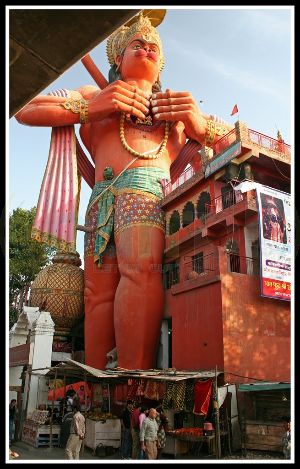
Innovative Hindus have installed a huge hanuman statue (108ft high) in Karol Bhag area of Delhi. No one can miss this enormous orange colour Hanuman. It is a rare sight amidst the chaotic Delhi road traffic with metro trains running behind. It was installed in 2007. It is an architectural and engineering marvel. Lakhs of devotees visit this temple. Devotees can see Rama and Sita coming out of Hanuman’s heart when he opens it with his two hands. When he does it, the loud speakers announce  Jai Shri Ram. Devotees are also repeating it. The statue is operated by an automatic electronic system.


To give the structure a strong foundation, the idol has been placed 30 feet under the surface. The statue houses a four storey temple which has darbars of Shri Ram, Vaishno Devi, Sai Baba, Lord Shankar and an underground cave complete with water.


Devotees offer Sesame seeds, Mustard oil, Black Gram (Urad Dhal), Jaggery (Gur), Black cloth, symbolic knife, earthern lamps, iron in different forms and flowers and fruits. This Karol Bagh is named as Shri Sankat Mochan Dham.

rama namam ruchi 

Please read earlier posts:

நாமும் அனுமார் ஆகலாம்(Tamil)

நிர்வாண சாமியார்களுடன் அலெக்சாண்டர் (Tamil)

Ramayana wonders- Seven articles in seven parts

Hanuman wonders
N.B:Those who use this article elsewhere are requested to give full credit to the blog or the author london swaminathan. Pictures are taken from other websites. Thanks.


Bhagavad Gita through a Story


Bhagavad Gita through a Story

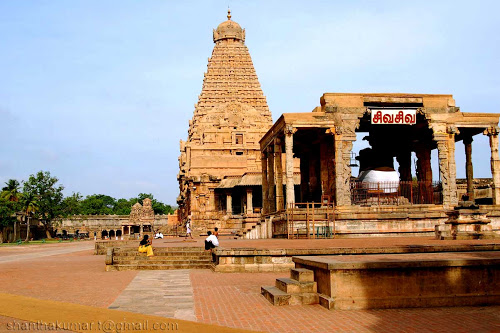
“ There is a story about the building of the great Brihadeeshvara temple thousand years ago by Raja Raja Choza in Thanjavur, probably the most beautiful temple in India The king one day decided to go and inspect the work, so he drove to the temple site, got out of his chariot and walked towards where the temple was being built. He came across a man who was cutting stone and he asked him,


“What are you doing?”

The man said, “I am cutting stone”.

He went a little further, and there was another man who was doing the same thing. He asked,

“What are you doing?”

The man answered, “I am earning a living”.

He went little further and came to a third person who was doing exactly the same thing. He asked,

“What are you doing?”

He said, “Sir, I am building a great temple”.

Now you will see the difference of attitude. They were doing exactly the same thing,they were getting the same wages. But the first man was simply mechanically performing a task. The second one had a slightly broader vision, he had the problem of his family and was earning for them. The third one was earning for his family certainly, but he had the broad vision that he was building a great temple for Lord Shiva.


This illustrates the theory of correct action. Whatever you may be doing, it does not really matter s long as you are doing it with inner dedication and devotion, and as long as you are using action itself as a powerful means for spiritual development. This is the first major teaching of Gita, the theory of correct action.


The theory of correct action in the Gita revolves around a single concept: that action should NOT be purely for selfish purposes, although the self is obviously involved. Action must be positive, joyous, affirmative action; it must be an offering to the divine.

From the book ‘The Gita in World Literature’


Earlier articles on Krishna posted by me:

1.ONE MINUTE BHAGHAVAD GITA

2.Krishna’s Diamond in USA?

3.Atom bomb to Zoo of Bhagavad Gita

4.Krishna’s Restaurant in Dwaraka: Hot Satwic Food Sold

5.ஸ்ரீ கிருஷ்ணனுடன் 60 வினாடி பேட்டி (Tamil))

6.கண்ணன் வழி….தனீ…..வழி!(Tamil)

7.கொலவெறி வைரம்

8. 45 Commentaries on Bhagavad Gita

(Pictures are taken from other websites.Thanks)


செய்யும் தொழிலே தெய்வம்: கதை மூலம் பகவத்கீதை


தஞ்சாவூரில் மகத்தான கோவிலை நிர்மானித்தான் ராஜராஜ சோழன். ஆயிரம் ஆண்டுகளுக்கு முன் நடந்த சம்பவம் இது. கோவில் கட்டும் வேலை நடை பெற்றபோது அதனை மேற்பார்வையிடச் சென்றான். ஒரு ஆள் மிகவும் கஷ்டப்பட்டு கற்களை உடைத்து அவைகளை சரியான அளவுக்கு வெட்டிக் கொண்டிருந்தார். மன்னன் அவன் அருகில் சென்று ஐயா, என்ன செய்து கொண்டிருக்கிறீர்கள்? என்று கேட்டான்.


மன்னர், மன்னவா, வணக்கம், நான் கல் உடைத்துக் கொண்டிருக்கிறேன் என்றான் பணிவாக.

மன்னன் சிறிது தூரம் நடந்தான். மற்றொருவன் அதே பணியைச் செய்துகொண்டிருந்தான். ஐயா என்ன செய்துகொண்டிருக்கிறீர்கள்? என்று கேட்டான். அவன் சொன்னான்,

மன்னர், மன்னவா, வணக்கம், நான் கல் உடைத்துச் சம்பாதித்து குடும்பத்தைக் காப்பாற்றி வருகிறேன் என்றான் பணிவாக.

மன்னன் மேலும் சிறிது தூரம் நடந்தான். மற்றொருவன் அதே பணியைச் செய்துகொண்டிருந்தான். ஐயா என்ன செய்துகொண்டிருக்கிறீர்கள் ? என்று கேட்டான். அவன் பதில் சொன்னான்,


மன்னர், மன்னவா, வணக்கம், நான் கல் உடைத்து அவைகளைக் கொண்டு மாபெரும் சிவன் கோவிலைக் கட்டிவருகிறேன் என்றான் பணிவாக.


மூவரும் செய்யும் தொழில் ஒன்றுதான், மூவருக்கும் சம்பளம் ஒன்றுதான். ஆனால் ஒவ்வொருவரும் வெவ்வேறு விதமாக அந்தத் தொழிலை அணுகினார்கள். எல்லோருக்கும் குடும்பமும் பணமும் முக்கியமே. ஆயினும் ஒருவன் வெறும் கல் உடைப்பதையே நினைத்தான். மற்றொருவன் குடும்பத்தைக் காப்பதையே பெரிதாக நினைத்தான், மூன்றாமவனோ இதைப் புனிதப் பணியாக, சிவனுக்குச் செய்யும் பெரும் கைங்கர்யமாகப் பார்த்தான். இதுவே சரியான பார்வை.


எந்தப் பணியையும் தன்னலம் இன்றி, பிறர் நலத்துக்காகச் செய்யவேண்டும். தன் குடும்பத்தின் ஜீவியம் அதில் அடங்கி இருக்கும் என்பது உண்மைதான். ஆனால் அதையே ஆக்கபூர்வமான, இன்பம் கொடுக்கும் தெய்வீகப் பணியாகச் செய்ய வேண்டும். செய்யும் வேலையின் பலனில் பற்று வைக்காமல் ஒரு கடமையாகச் செய்துவரவேண்டும். இது கீதையின் மையக் கருத்துக்களில் ஒன்று.

ராஜராஜன் பற்றி இன்னொரு கதையும் வழக்கில் உள்ளது. அவன் ஒரு முறை மேற்பர்வை இடும் போது தலைமைச் சிற்பி இருக்கும் இடத்துக்குச் சென்றான். மன்னர் வந்ததைக் கூடக் கவனிக்காமல் சிற்பியானவன் கண்ணும் கருத்துமாகச் சிற்பங்களைச் செதுக்குவதிலேயே கவனமாக இருந்தான்.


அவனைப் போன்ற பெரிய சிற்பிகளுக்கு எடுபிடி வேலை செய்ய சின்ன வேலைக்காரர்கள்/அடைப்பக்காரர்கள் அருகில் நிற்பார்கள். அவர்கள் தேவைப் படும்போதெல்லாம் வெற்றிலை,பாக்கு மடித்துக் கொடுப்பார்கள். வெற்றிலையைக் குதப்பித் துப்புவதற்கு ஒரு கலசத்தையும் ஏந்தி நிற்பார்கள். ஒரு முறை மன்னர் ராஜ ராஜன் போய் அருகில் நின்றபோது , அடைப்பைக்காரனென்று நினைத்து

ஏ வெற்றிலை மடித்துக் கொடு என்று உத்தரவிட்டான் சிற்பி.

உடனே ராஜராஜன் வெற்றிலை மடித்துக்கொடுத்தான்.


சிறிது நேரம் கழித்து வாயில் குதப்பிய எச்சில் வெற்றிலையைப் புளிச்சென்று துப்பினான். அதையும் கலசத்தில் ஏந்தினான மன்னன். எதேச்சையாக சிற்பி நிமிர்ந்து பார்த்தபோது மன்னரிடம் இப்படி எடுபிடி வேலைகள் செய்யச் சொன்னதை எண்ணி பயந்து நடுங்கினான். ஆனால் ராஜ ராஜனோ சிற்பியின் ஈடுபாட்டையும் ஒருமுக கவனத்தையும் பாராட்டிச் சென்றான். சிற்பிக்குப் பன் மடங்கு உற்சாகம் அதிகரித்தது.


செய்யும் தொழிலையே தெய்வமாகக் கருதினான் சிற்பி. அவனுக்கு வேலையில் இருந்த கவனமும் ஈடுபாடும் அவன் அதை தெய்வீகப் பணியாகக் கருதியதைக் காட்டுகிறது. நாமும் பலனில் பற்று வைக்காமல் நமது கடமையைச் செய்தோமானால் நம் பணி சிறக்கும், நாடும் செழிக்கும்.


Earlier articles on Krishna posted by me:


1.ONE MINUTE BHAGHAVAD GITA

2.Krishna’s Diamond in USA?

3.Atom bomb to Zoo of Bhagavad Gita

4.Krishna’s Restaurant in Dwaraka: Hot Satwic Food Sold

5.ஸ்ரீ கிருஷ்ணனுடன் 60 வினாடி பேட்டி (Tamil))

6.கண்ணன் வழி….தனீ…..வழி!(Tamil)

7.கொலவெறி வைரம்

8. 45 Commentaries on Bhagavad Gita

(Pictures are taken from other websites.Thanks)


Bhagavad Gita in Tabular Columns


Vibhuti Yoga is Chapter Ten in Bhavad Gita. The message he wanted to convey is–God is the Source of all; to know Him is to know all.
Here is the Vibhuti Yoga in tables and boxes.


I am the Self /Atma In the hearts of all creatures
I am The beginning, the middle and the end Of beings
Of the Adityas I am Visnu  
Of the lights I am The radiant sun  
I am Marici Of Maruts
Of the stars I am Moon  
Of the Vedas I am Sama veda  
Of the gods I am Indra  
Of the senses I am M ind  
Of beings I am Consciousness  
Of the rudras I am Sankara  
Of Yaksas and Raksasas I am Kubera  
Of the Vasus I am Agni  
O f mountain peaks I am Meru  
Of household priests I am Brhaspati  
Of the war generals I am Skanda  
Of the lakes I am Ocean/sagara  
Of the great sages /maharsis I am Bhrgu  
Of utterances I am Ekam Aksaram/ Aum  
Of offerings I am Japa /silent meditation  
Of unmovable things I am The Himalaya  
Of all trees I am Asvattha / ficus religiosa  
Of divine seers I am Narada  
I am Chitraratha Among gandharvas
Of the perfected ones /Siddhas I am Kapila muni  
Of horses I am Ucchaisravas  
Of lordly elephants I am Airavata  
Of men I am The Monarch  
Of weapons I am The thunderbolt/Vajra  
Of cows I am Kamaduk /cow of plenty  
Of the progenitors I am The god of love/Kandarpa  
Of the serpents I am Vasuki  
Of the dwellers of water I am Varuna  
Of the departed ancestors I am Aryama  
Of those who maintain law and order I am Yama  
Of the titans/Daityas I am Prahlada  
Of calculators I am Time  
Of beasts I am The king of beasts/mrgendra/lion  
Of the birds I am Son of Vinata/ Garuda  
Of purifiers I am The wind/pavana  


Of warriors I am Rama  
Of fishes I am Makara /The Alligator  
Of rivers  I am The Ganges  
Of creation I am The beginning, the end and also the middle  
Of the sciences  I am Science of the self /Atma vidhya  
Of letters I am The letter A  
Of compounds  I am The dual /dvandvah  
I am also Imperishable time  
I am The creator Whose face is turned on all sides
I am The death, all devouring  
I am The origin of things That are yet to be
Of feminine things  I am Fame ,prosperity, speech, memory, intelligence, firmness and patience  
Of hymns I am Brihatsaman  
Of metres I am Gayatri  
Of months I am Margasirsa (December/January)  
Of seasons I am The flower bearer/ spring  
Of the deceitful I am The gambling  
Of the splendid I am The splendour /Tejas  
I am Victory /Jaya  
I am Effort /Vyavasaya  
I am the Goodness of the good/Satvam  
Of the Vrsnis I am Vasudeva  
Of the Pandavas I am The winner of the wealth /Dhanamjaya  
Of the sages /Munis I am Vyasa  
Of the poets I am Usana  
Of those who chastise I am Rod/ Danda  
Of those that seek victory I am The wise policy/Niti  
Of things secret I am Silence /Maunam  
Of the knowers of wisdom I am The wisdom/ Jnanam  
I am the Seed of all existences  
Nor is there anything Moving or unmoving That can exist without Me
There is no end to My Divine Manifestations  
These are only illustrative Of My Infinite Glory  
Entire universe pervading it  with A single fraction/ekamsena of Myself


Earlier articles on Krishna posted by me:

 
1.ONE MINUTE BHAGHAVAD GITA
2.Krishna’s Diamond in USA?
3.Atom bomb to Zoo of Bhagavad Gita
4.Krishna’s Restaurant in Dwaraka: Hot Satwic Food Sold
5.ஸ்ரீ கிருஷ்ணனுடன் 60 வினாடி பேட்டி (Tamil))
6.கண்ணன் வழி….தனீ…..வழி!(Tamil)
7.கொலவெறி வைரம்
8. 45 Commentaries on Bhagavad Gita
(Pictures are taken from other websites.Thanks)

45 commentaries on Bhagavad Gita

The Bhagavad Gita has more than 45 commentaries. The commentary of Sankara is the most ancient of the existing ones. There were other commentaries older than his, to which he refers in his introduction, but they have not come to us.

Gita has been translated into major languages of the world. The translations are not included in the following list. Some commentaries are not available in full. Gita is multi faceted and many dimensional; a single sloka can be taken up and can be developed for days, as has been done by many commentators

Following are some important commentaries on Gita:

1.Adi Sankara

2.Ananda giri

3.Daivajnya Pandita

4.Dhanapati

5.Hanumat

6.Madhusudana

7.Nilakantha

8.Sadananda

9.Sankarananda

10.Sridhara

11.Venkatanatha

12.Jnaneswara

13.Wamana pandita

14.Kesava kasmirin

15.Ramanuja

16.Madhwa

17.Jayathirtha

18.Raghavendra

19.Ranti deva

20.Yadava prakasa

21.Narayana

Kashmira Group

22.Bhaskara

23.Abhinava Gupta

24.Ananda Vardhana

25.Rajanaka

26.Lasakaka

27.Ramakantha

28.Vasu Gupta

29.Vallabha

30.Purusottama

Modern

31.Bala Gangadhara Tilak

32.Mahatma Gandhi

33.Vinoba bhave

34.Bhakti Vedanta Prabupada

35.Chidbhavananda Swamiji

36.Swami Sivananda

37.Swami Chinmayananda

38.Sri Sathya Sai Baba

39.Paramahamsa Yogananda

40.Sarvapalli Radhakrishnan

41.V.S.Ghate

42.Ekanath Easwaran

43. Sri Aurobindo

Foreigners

44.W D P Gill

45.Senart

46.G.Thibaut

47.F.Edgerton

48.Jeanne Fowler

49.Ithamar Theodore

From  “Comparative Study of the Commentaries on the Bhagavad Gita”- written by T G Mainkar.

Important words

AVATARA & MAYA appear in the Gita five times

BHAKTI with its derivatives occurs in nearly 42 places.

BRAHMAN occurs in 55 times!

For further information, please contact swami_48@yahoo.com

Earlier articles on Krishna posted by me:

1.ONE MINUTE BHAGHAVAD GITA

2.Krishna’s Diamond in USA?

3.Atom bomb to Zoo of Bhagavad Gita

4.Krishna’s Restaurant in Dwaraka: Hot Satwic Food Sold

5.ஸ்ரீ கிருஷ்ணனுடன் 60 வினாடி பேட்டி (Tamil))

6.கண்ணன் வழி….தனீ…..வழி!(Tamil)

7.கொலவெறி வைரம்