சுவர்க்கத்துக்கு நேரடி விமான சர்வீஸ்!!

Pictures are taken from other sites vaimanika.com and Bharat Gyan.Thanks.


சுவர்க்கத்துக்கு நேரடி விமான சர்வீஸ்!!

(This article is posted in English as well)

இந்து மத நூல்களிலும் சங்க இலக்கியத்திலும் சிலப்பதிகாரத்திலும் விமானம் பற்றிய குறிப்புகள் உள்ளன. உண்மையிலேயே காற்றடைத்த பலூன் விமானம் செய்வது பற்றிய சம்ஸ்கிருத நூல்களும் (வைமானிக சாஸ்திரம்) இருக்கின்றன. ஆனால் இக்கட்டுரையில் வரும் விமானங்கள், —-தேவலோக விமானங்கள்!

புறநானூற்றில் உள்ள செய்தியும் திருஞான சம்பந்தர் தேவாரப் படலில் உள்ள செய்தியும் சுவையான செய்திகள். சிவ பக்தர்களை தேவலோக விமானங்கள் ஏற்றிச் செல்லும் என்றும் அங்கு சென்றபின் அவர்கள் அரசர் போல ஆட்சி செலுத்தலாமென்றும் பாடுகிறார். ஆனால் ஒரு நிபந்தனை உண்டு; பக்தி சிரத்தையுடன் ஆடல் பாடலுடன் மனம் உருகிப் பாடுவோருக்கே இந்த விமானம் வரும். இதோ அவருடைய பாடல்:


“விண்ணியல் விமானம் விரும்பிய பெருமான்

வெங்குரு மேவியுள் வீற்றிருந்தாரை

நண்ணிய நூலன் ஞான சம்பந்தன்

நவின்ற இவ்வாய்மொழி நலமிகு பத்தும்

பண்ணியல்பாகப் பத்திமையாலே

பாடியும் ஆடியும் பயில வல்லோர்கள்

விண்ணவர் விமானம் கொடுவர ஏறி

வியனுலகாண்டு வீற்றிருப்பாரே” (முதல் திருமுறை/ சம்பந்தர்)

வெங்குருவில் (சீர்காழியில்) பாடிய தேவாரம் இது.

சிலப்பதிகார காவியம் தோன்றுவதற்கு காரணம் கானக மாக்கள் கண்ட ஒரு அதிசய நிகழ்ச்சியாகும். மரத்துக்கு அடியில் ஒருமுலை இழந்த நிலையில் நின்றிருந்த கண்ணகியை அவர் கணவன் கோவலன் வந்து அழைத்துச் சென்ற காட்சியைப் பார்த்தவுடன் அவர்கள் அசந்து போய்விட்டனர். அப்போழுது காட்டுப் பகுதிகளில் இயற்கை அழகை கண்டு ரசிக்க வந்த செங்குட்டுவனிடம் இதைக் கூறியபோது அவருக்கும் வியப்பு மேலிடுகிறது. அருகே இருந்த தண் தமிழ்ப் புலவன் சாத்தனார் ஆதியோடு அந்தமாக நடந்த நிகழ்ச்சிகளைச் சுருக்கமாக கூறுகிறார். பின்னர் இளங்கோ அடிகளின் அழியாச் சொற்களில் அற்புதமாக உருவெடுத்தது சிலம்பு. இதோ மலர்மாரி பொழிய கண்ணகி விண்ணுலகம் சென்றதை இளங்கோவின் சொற்களில் படியுங்கள்:


“ என்றலும் இறைஞ்சி, அஞ்சி,

இணை வளைக்கை எதிர்கூப்பி,

நின்ற எல்லையுள் வானவரும்

நெடுமாரி மலர் பொழிந்து,

குன்றவரும் கண்டு நிற்பக்,

கொழுநனொடு கொண்டுபோயினார்;

இவள் போலும் நங்குலக்கோர்

இருந்தெய்வம் இல்லை;

(பெரிய தெய்வம், குன்றக் குறவை, சிலப்பதிகாரம்)

புறநானூறு கூறும் புதுச் செய்தி

சங்க இலக்கியத்தில் பழமையான நூல் புறநானூறு. 2000 ஆண்டுகளுக்கு முன் தமிழர் வாழ்ந்த நிலையைப் படம் பிடித்துக் காட்டுகிறது இந்த நூல்.

“புலவர் பாடும் புகழுடையோர் விசும்பின்

வலவன் ஏவா வான ஊர்தி

எய்துப, என்ப, தம் செய்வினை முடித்து எனக்

கேட்பல் எந்தை! சேட்சென்னி! நலங்கிள்ளி (புறம்.27, மு.க.சாத்தனார்)

சோழன் நலங் கிள்ளி மீது முதுகண்ணன் சாத்தனார் பாடிய பாடலில் நல்வினை செய்வோரை வான ஊர்தி ஏற்றி செல்லும் என்றும் அந்த விமானம் விமானி இல்லாமல் தானாக ஓடும் விமானம் என்றும் கூறுகிறார். வலவன் ஏவா என்று அடைமொழி கொடுத்ததில் இருந்து வலவன் ஓட்டிய விமானங்களும் அக்காலத்தில் இருந்தது சொல்லாமல் விளங்கும். இது போன்ற விமானத்தில் செல்லும் பேறு பெற்றோர் புலவர் பாடும் புகழ்மிகும் செயல்களைச் செய்தவர்கள் என்றும் சாத்தனார் பாடுகிறார்.

ராமர்—ராவணன்- குபேர விமானம்

ராமாயணத்தில் வரும் புஷ்பக விமானம் முதலில் குபேரனிடம் இருந்தது. அதை ராவனன் அபகரித்தான். ராமர், இலங்கையை வென்றவுடன் அது அவர் கைக்கு வந்தது. அதில் இலங்கையில் இருந்து அவர் அயோத்தி வரை விரைவாகச் சென்ரறதை நாம் அறிவோம்.

வால்மீகி ராமாயண யுத்த காண்டத்தில் (அத்தியாய 121) தசரத மன்னன் ராமருக்குக் காட்சி கொடுத்த சம்பவத்திலும் தசரதர் விமானத்தில் வந்ததைப் படிக்கிறோம். ஆனால் 5000 ஆண்டுக் கால நூல்களில் மொத்தம் மூன்று நான்கு இடங்களில் மட்டுமே வருவதால் இது உண்மை என்றும் அபூர்வமானது என்றும் அறிகிறோம். சீவக சிந்தாமணி போன்ற நூல்களில் பறக்கும் வாகனங்கள் வந்தாலும் அவை கதைக்குச் சுவையூட்ட எழுந்த கற்பனையா உண்மையா என்று அறிய முடிவதில்லை.

(Two articles on Subbaraya Shastry, author of Vaimanika Shastra, written by my brother S Nagarajan have been posted in this blog last year.)

contact swami_48@yahoo.com
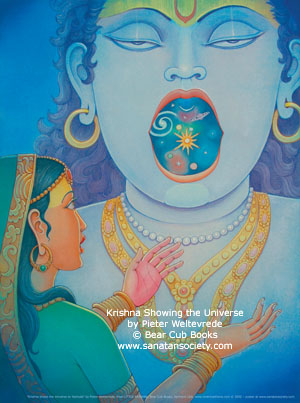
 

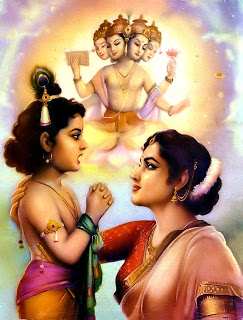
மண் தின்ற வாயைக் காட்டிய மாயக் கண்ணன்!

12.சம்ஸ்கிருதச் செல்வம் 

12. மண் தின்ற வாயைக் காட்டிய மாயக் கண்ணன்!

ச.நாகராஜன்  


பாரத தேசத்தில் கிருஷ்ணனின் லீலைகளைப் பேசாத வீடே கிடையாது. யமுனை, ராதை, கோகுலம் போன்ற வார்த்தைகளை இன்றைய கவிஞர்கள், குறிப்பாகத் திரைப்படப் பாடலாசிரியர்கள் எழுதும் போது அது உடனடி ‘ஹிட்’ ஆகி விடக் காரணம் இந்த வார்த்தைகள் பல்லாயிரக்கணக்கானோரின் உள்ளங்களில் பழைய பாரம்பரியத்தை ஒரு க்ஷணத்தில் கொண்டு வந்து அந்த வார்த்தைகளுக்குத் தனி ஒரு கௌரவம், ஆழம், அர்த்தத்தைத் தருவதால் தான்!


சந்தேகம் இருந்தால் தமிழ் திரைப்படப் பாடல்களில் கண்ணன் என்று வரும் சொல் உள்ள சில பாடல்களை இசைத்துப் பாருங்கள்!

கண்ணனின் லீலைகளை ஆழ்வார்கள் முதல் பாரதியார் ஈறாக எண்ணற்ற பெரியோர் அழியாத சொற்களில் பதித்து வைத்துள்ளார்கள்.

இந்தவகையில் லீலா சுகர் தனி ஒரு இடத்தைப் பெறுகிறார்.

அவரது காலம் கி.பி, 1220 முதல் 1300 முடிய என்று சரித்திரம் கூறுகிறது.

அவர் எழுதிய கிருஷ்ணகர்ணாம்ருதம் காலத்தால் அழியாத காவியம். இது மூன்று பகுதிகளைக் கொண்டுள்ளது. இந்த மூன்று பகுதிகள் ஆஸ்வாஸம் என்ற சொல்லால் குறிப்பிடப்படுகிறது.

முதல் ஆஸ்வாஸத்தில் 110 ஸ்லோகங்களும், இரண்டாவது ஆஸ்வாஸத்தில் 109 ஸ்லோகங்களும் மூன்றாவது ஆஸ்வாஸத்தில் 109 ஸ்லோகங்களும் உள்ளன. மொத்தத்தில் 328 ஸ்லோகங்களும் கர்ணாம்ருதம் என்ற சொல்லுக்கு ஏற்ப செவிக்கு அமுதமாக அமைந்துள்ளன. மாதிரிக்கு ஒன்றைப் பார்ப்போம்:

க்ருஷ்ணேனாம்ப கதேன ரந்து-மதனா

ம்ருத்பக்ஷிதா ஸ்வேச்சயா

தத்யம் க்ருஷ்ண க ஏவ-மாஹ முஸலீ

மித்யாம்ப பச்யானனம் I

வ்யாதேஹீதி விதாரிதே சிகமுகே

த்ருஷ்ட்வா ஸமஸ்தம் ஜகத்

மாதா யஸ்ய ஜகாம விஸ்மயபதம்

பாயாத் ஸ ந: கேசவ: II

(இரண்டாவது ஆஸ்வாஸம் 64ஆம் ஸ்லோகம்)


இதற்கு பிரபல உரையாசிரியர் அண்ணா (ஸ்ரீ ராம கிருஷ்ண மடம், சென்னை) தரும் விரிவுரை அழகான ஒன்று.


அம்ப – அம்மா!

ரந்தும் – விளையாடுவதற்கு

கதேன – சென்ற

க்ருஷ்ணேன. – கிருஷ்ணனால்

அதுனா – இப்பொழுது

ம்ருத் – மண்ணானது

ஸ்வேச்சயா – இஷ்டப்படி

பக்ஷிதா – தின்னப்பட்டது


கத்யம் க்ருஷ்ண – மண்ணைத் தின்றது உண்மையா, கிருஷ்ணா?

க: ஏவம் ஆஹ – யார் அப்படிச் சொன்னது?

முஸல: – பலராமன்


மித்யா அம்ப, பச்ய ஆனனம் – பொய் அம்மா, வாயைப் பார்!

வ்யாதேஹி – வாயைத் திற

இதி – எனவே

விதாரிதே சிசு முகே – குழந்தையின் திறந்த வாயில்

ஸமஸ்தம் ஜகத் – உலகம் அனைத்தையும்

யஸ்ய மாதா – எவனுடைய தாயார்

த்ருஷ்ட்வா – கண்டு

விஸ்மய பதம் – ஆச்சரிய நிலைய

ஜகாம- அடைந்தாளோ

ஸ: கேசவ: -அந்தக் கண்ணன்

ந: – நம்மை

பாயாத் – காப்பாற்றட்டும்

தீராத விளையாட்டுப் பிள்ளையான கண்ணன் நடத்திய லீலைகளை கிருஷ்ண கர்ணாம்ருதத்தில் படிக்கக் கொடுத்து வைத்தவர்கள் பாக்யம் செய்தவர்களே!


328 அம்ருதத் துளிகளை இந்த ஜன்மத்திலேயே ஒரு முறையேனும் படிப்போம்; மலர்வோம்; மகிழ்வோம்.

contact: swami_48@yahoo.com

*******


அனுமனிடம் சீதை சொன்ன கரடி கதை!

11.ராமாயண வழிகாட்டி

ச.நாகராஜன்


ராமன் சொன்ன புறாக் கதையை முந்திய பகுதியில் படித்தீர்கள். இப்போது சீதை சொன்ன கரடி கதையைப் பார்ப்போம்.


அனுமனிடம் சீதை சொன்ன கரடி கதை! 

ராவண வதம் முடிந்தது. ராமரின் கட்டளைப்படி விபீஷணருக்கு கலச நீரால் அபிஷேகம் செய்து  இலங்கையின் மன்னனாக லக்ஷ்மணர் பட்டாபிஷேகம் செய்தார். அதன் பின்னர் ராமர் அனுமனை அழைத்து சீதா தேவியிடம் தனது க்ஷேமத்தைத் தெரிவித்து ராவணன் கொல்லப்பட்டதையும் தெரிவிக்க கட்டளை இடுகிறார்.சீதையிடம் வந்த அனுமன் ராமரின் க்ஷேமத்தைத் தெரிவித்து விட்டு  ஒரு வேண்டுகோளை முன் வைக்கிறான்.

“நீங்கள் உத்தரவு அளித்தால் உங்களை மிரட்டிய இந்த அரக்கிகள் அனைவரையும் இப்போதே கொல்ல விரும்புகிறேன்.இந்த வரத்தை அருளுங்கள் (ஏதத் வரம் ப்ரபச்ச என்பது வால்மீகியின் வாக்கு)” என்று பணிவாக அனுமன் இந்த வரத்தைக் கேட்க, சீதையோ, “விதிப்பயனாய் என்னால் இது  இப்படி அனுபவிக்க வேண்டியதாகி விட்டது என்று நிச்சயிக்கிறேன். இந்த விஷயத்தில் ராவணனின் வேலைக்காரிகளை நான் மன்னிக்கிறேன்” என்று கூறுகிறார்.


விதியின் வெல்ல முடியாத போக்கும், மன்னிப்பு என்ற மாபெரும் தெய்வீக குணத்தை சீதாதேவி கொண்டிருப்பதையும் இந்த இடம் அருமையாக விளக்குகிறது.

“வானர சிரேஷ்டரே! ராவணனின் கட்டளைக்கு இணங்க இந்த அரக்கிகள் என்னை மிரட்டினார்கள். அவனே இப்போது இறந்து விட்டான். ஆகவே இனி மிரட்ட மாட்டார்கள்.

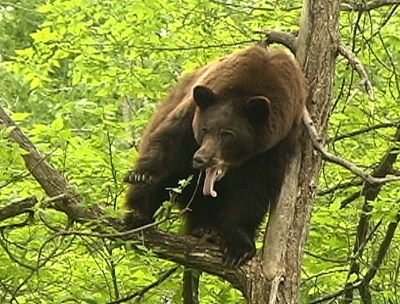
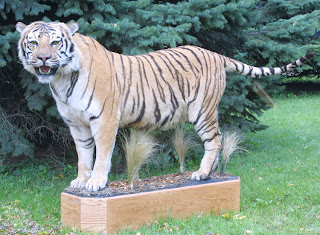
புராதனமானதும் அறநெறி வழுவாததுமான இந்த ஸ்லோகமானது ஒரு புலியிடம் கரடி ஒன்றினால் சொல்லப்பட்ட்து. அதை என்னிடம் கேட்பீராக!” என்று கூறும் சீதை அதைக் கூறுகிறார்:

ந பர: பாபமாதத்தே பரேஷாம் பாபகர்மணாம்

சமயோ ரக்ஷிதவ்யஸ்து சந்தஸ்சாரித்ர பூஷணா: 

பர: – ஒரு நற்புருஷன்

பாப கர்மணாம் – பாவத்தைப் புரியும்

பரேஷாம் – மற்றவர்க:ளுக்கு (அதாவது தீயவருக்கும்)

பாபம் – பாவத்தை (தீங்கை)

ஆதத்தே ந – புரிவதில்லை

சமய: து – நன்னெறியே தான்

ரக்ஷிதவ்ய: -பாதுகாக்கத் தக்கது

சந்த: – நல்லோர்கள்
சாரித்ர பூஷணா: – நன்னடத்தையையே ஆபரணமாகக் கொண்டவர்கள்


தீங்கு செய்தோருக்குத் திரும்பி நல்லோர் தீங்கை இழைப்பதில்லை. நல்லோர்கள் நன்னடத்தையையே ஆபரணமாகக் கொண்டவர்கள். அவர்கள் நன்னெறியையே பாதுகாப்பார்கள்.

சந்த: சாரித்ர பூஷணா: என்ற வால்மீகியின் வாக்கை நினைத்து நினைத்து மகிழலாம்.

பழம் பெரும் கதையான புலிக் கதையை சீதை கூறுவதிலிருந்தே அது எத்துணை பழமையானது என்பதை ஊகித்துக் கொள்ளலாம்.சரி, கரடியின் கதை என்ன?

முன்னொரு காலத்தில் புலி ஒன்று வேடன் ஒருவனைத் துரத்தியது. புலிக்கு அஞ்சி ஓடி வந்தவன் அருகிலிருந்த மரம் ஒன்றின் மீது ஏறினான். அந்த மரத்திலோ ஒரு கரடி இருந்தது! பயந்து போன வேடன் அந்த கரடியிடம் சரணாகதி அடைந்தான். அப்போது மரத்தின் கீழே இருந்த புலி, கரடியிடம் வேடனைக் கீழே தள்ளுமாறு கூறியது. ஆனால் கரடி திடமாக அதை மறுத்து விட்டது. பின்னர் கரடி உறங்க ஆரம்பித்தது. அப்போது வேடனை நோக்கிய புலி,” இப்போது கரடியைக் கீழே தள்ளி விடு. உன்னை விட்டு விடுகிறேன்” என்றது. அதற்கு இணங்கிய வேடன் உறங்கிக் கொண்டிருந்த கரடியைக் கீழே தள்ளி விட்டான். ஆனால் முழித்துக் கொண்ட கரடி கீழே விழும் போதே ஒரு மரக்கிளையைப் பற்றிக் கொண்டது, இப்போது புலி கரடியிடம், “ உன்னைத் தள்ளிய வேடனை நீ கீழே தள்ளி விடு” என்றது. அதற்குக் கரடி,” தஞ்சமுற்றவனுக்கு எவ்வாற்றானும் தீங்கு புரிய மாட்டேன்” என்று உறுதியாகக் கூறி மேலே கண்ட ஸ்லோகத்தைக் கூறியது.

ஆகவே கரடி சொன்ன இந்த ஸ்லோகம் காலம் காலமாக வழி வழியாக வழங்கப்பட்டு வருகிறது.


சரணமடைந்தவனை எப்பாடு பட்டேனும் காப்பேன் என்ற அருமையான தத்துவம் பாரதத்தின் பாரம்பரியமான தத்துவங்களுள் ஒன்று என்பதற்கு இதை விட வேறென்ன சான்று வேண்டும்!

இந்த சரணாகதி தத்துவத்தின் படியே விபீஷணனை ராமன் அங்கீகரித்து ஏற்றான் என்பதையும் ராமாயணம் சரணாகதி காவ்யம் என்பதையும் எண்ணிப் பார்த்து மகிழலாம்.

***************

999 Prisoners + One Poet

Eight Anthologies (Ettu Tokai) and Ten Long Poems (Pathu Pattu) were composed during Tamil Sangam period. These 18 books are collectively known as Sangam Literature. Sangam poets lived in the first few centuries of modern era. Sangam poetry is predominantly secular in character but consists of lot of references to Hindu epics and mythologies. Of the Ten Long Poems known as Pathu Pattu in Tamil, Tiru-muragatrup-padai is a religious work. It is attributed to poet Nakkirar who headed the Third Tamil Sangam (Tamil Academy). He had composed a secular poem ‘Nedunal Vaadai’ in the Ten Long Poems.


Nakkirar was the most controversial poet of the period. There are many legends which project him as a revolutionary poet. He challenged Lord Shiva at one time according to a popular legend. The story behind this Long Poem Tiru Murugatrup Padai is also equally interesting. It is a story of a demon who imprisoned 999 people and was looking for the last one to offer them in a big sacrifice. The source for this story is a passing reference in Tiruppugaz composed by poet Arunagirinathar of fifteenth century. But Nakkirar lived at least 1200 years before him.


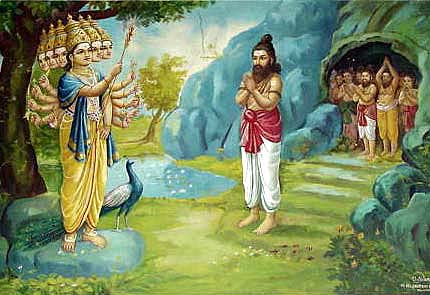
One day Nakkirar was doing Shiva Puja (offering to Lord Shiva). A strange incident distracted him from the Puja. A leaf from the nearby tree fell into water and half of the leaf was in the water and the other half was on land. The water half became a fish and the land half became a bird and each one was pulling the other. Nakkirar stopped the Puja and watched this. At that time a demon appeared and caught hold of Nakkirar for violating the rules of the Siva Puja. The demon took him to a cave, where he saw 999 detainees. They started crying as soon as they saw Nakkirar. The poet was puzzled. Then the detainees in the cave explained to him that that they were happy inside the cave because the demon fed them very well until today. But they were told that the day the prisoner’s strength goes up to 1000 they will be sacrificed and eaten. Nakkirar was the thousandth prisoner.

Nakkirar was upset when he heard the story. He thought Lord Skanda/ Murugan can alone save them at times like this. So he composed Tirumurukatruppadai in praise of Lord Skanda/Murugan. When he recited this poem Lord Skanda appeared before them and killed the demon. All the 999 prisoners were released and they were very happy. This story is authenticated by Tiruppugaz.


We have one such story in Mahabharata about a squirrel with half of its body gold and the other half normal grey. It appeared at Dharmaputra’s Yagna (Fire sacrifice) to test the effect of the Yagna. Probably this episode gave birth to the story of half fish and half bird. Tiru Murugatrup Padai is a beautiful poem running to 317 lines. It describes the beauty and sanctity of six famous centres of Skanda/Murukan worship in Tamil Nadu. Atruppadai poems belong to a particular genre, where in one poet who has received voluminous gifts from a patron, guides another poet to him. But in the Tiru Murukatru Padai, the poet guides others to Lord Murukan.


The poem is regarded as part of canonical literature of Saivism. It is included in the Eleventh Tirumurai. Devotees of Lord Murukan or Skanda  recite this poem with great reverence and devotion.


Tamil Reference for the story from Tiruppugaz:

மலைமுகம் சுமந்த புலவர் செஞ்சொல் கொண்டு

வழி திறந்த செங்கை வடிவேலா:

Contact: swami_48@yahoo.com
 

Hindu God with 1000 Heads

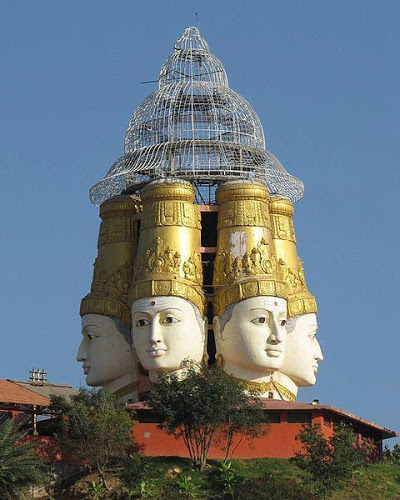
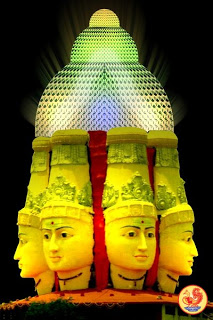
Picture Shanmuka Temple, Bangaluru

Head Count: 3 for Trisiras, 4 for Brahma, 5 for Siva, 6 for Skanda, 10 for Ravana, 1000 for God; Why?

Purushasuktam is one of the most popular Vedic hymns. It is in the Tenth Mandala of the oldest scripture in the world Rig Veda. It is recited in almost all the temple and domestic rituals. Orthodox Hindus who have studied Vedas recite it every day. The first few verses describe the omnipresence and omnipotence of the God

“ The Purusha (Supreme Being) who has thousands of heads, thousands of eyes and thousands of feet enveloped the earth on all sides and stood beyond it in ten directions of space. All this is Purusha only. All that has been and all that will be. And he is the Lord of Immortality which grows by food”.

In short he is all pervading. He was there and he will be there. He is the giver of immortality. God is projected in cosmic form.

Four Faces of Brahma

Brahma is the creator of the universe, the father of gods and men and he is the lord of wisdom from whose heads the four Vedas said to have sprung. Brahma is worshipped as the first member of the Hindu trinity. He is depicted with four Faces/Heads and four arms, holding a sceptre, Akshamala/rosary, Vedas and a bow. Four faces represent Four Vedas Rig, Yajur, Sama and Atharvana

Brahma originally had five heads and lost one head according to the mythology. He is called Prajapathi/Pitamaha. He created a beautiful daughter Satarupa and fell in love with her. When she walked around him he looked at her and one face grew for each direction. When she went to the sky a fifth head emerged to look at her. Brahma’s fifth head was burnt off by the fire of Siva’s third eye because he had spoken disrespectfully.

Five Faces of Lord Shiva

Shiva had many forms and formless Linga as well. His five faces are described in Vedas and Agamas. They are Satyojata, Vamadeva, Agora, Tatpurusha and Isana. Five faces/heads represent five elements and five senses. Five faced Shiva is called Panchanana Shiva and a hymn is also there. Four faces look at four different directions and the fifth looks at the sky. Each is attributed with different colour and action.

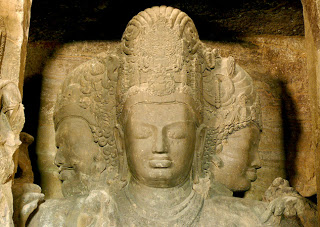
The gigantic Trimurti statue at Elephanta caves near Mumbai is actually five faced (Panchanana ) Shiva, but two faces are not carved because of its close position to rocky walls of the caves.

Six Faces of Lord Skanda

Lord Skanda, son of Shiva, is the most popular god in South India, particularly in Tamil Nadu. Six of his famous temples are there. He is projected as a god with six heads. In fact one of his names is Six Faced (Shan Muka). From Sangam Tamil age until today people have been composing poems on him. Tirumurukatrupadai is one of the Ten Lyrics of Sangam age. Nakkiran was the poet who sang the praise of the lord approximately 2000 years ago. He is describing his six faces as follows:

His faces blossom out from the hearts of devotees, practising austere Tapas

Of these, one face sheds rays of light brightening fully the world shrouded in great darkness

One face lovingly gives boons, being gladdened by the praise of his loving devotees.

One face takes care that no harm befalls the Yagnas performed by Brahmanas according to strict Vedic tradition

One face, like the full moon, spreads light in all quarters removing the doubts of Maharishis, after teaching the truths of science difficult of reach

One face performs the battle sacrifice crushing the hostile hosts, with thoughts dark with revenge and biased against them

One face smiled with joy on his young highland bride with the creeper like waist

In consonance with these various functions of these six faces

On his broad towering shoulders………………………………

Arunagiri’s Praise

Arunagirinathar, a poet of fifteenth century sang Tiruppugaz in praise of Lord Skanda. He praised Lord Murugan/Skandan with six faces as follows:

One face mounted the peacock and flew sportively

One face preached the True Knowledge to Lord Shiva

One face removed the past deeds of devotees who sang your praise

One face stoically directed the spear to pierce through the Mount Krauncha

One face that destroyed the rebellious demons

One face that came forward to marry Valli in wedlock

How come you are known as Lord with the Six Hallowed faces?

Oh Lord you are seated in the old town of Tiruannamalai, oh great one.

Inner meaning:

Sri Gopalasundaram who has translated Arunagiri’s Thiruppugaz into English gives the inner meaning for the six faces:

1.Mounting the Peacock that is my mind you fly around sportively

2.Coming as my Master, Kindly preach me the true knowledge

3.Kindly destroy all my past deeds (bad Karma)

4.Wield your spear to destroy my delusion and attachments

5.Kindly suppress my two slag: egoism and possessiveness

6.Take me over to keep me affixed to your Hallowed feet

In this manner kindly shower compassion from all your six hallowed faces, Oh, Lord Muruga.


Ravana: Ravana’s Ten Heads/Faces mean he had control over ten directions. He has conquered all his enemies in the ten directions. Another explanation is that he mastered Four Vedas+Six Shastras; the third explanation is that he has created an illusion that he was everywhere i.e. in all directions.

Hindus divide directions into ten. This means eight cardinal points in the compass+up and down.

Trisiras:  It means Three headed. He was the son of Twashta. Trisiras had another name Viswarupa.He was killed by Indra. Twashta then created another son Vritrasura to take revenge against Indra.

Dattatreya: There are other gods shown with many heads and they are only symbolic. Several virtues are attributed to them through each head. Dattareya is portrayed with three heads to show the three aspects of Creator, Preserver and Destroyer i.e. Brahma, Vishnu and Shiva.

Brahma from Cambodia, Paris Museum

References for Tamil Readers:

முருகனின் ஆறுமுகம், திருப்புகழ், அருணகிரிநாதர்

ஏறுமயில் ஏறி விளையாடும் முகம் ஒன்றே

ஈசருடன் ஞான மொழி பேசும் முகம் ஒன்றே

கூறுமடியார்கள் வினை தீர்த்த முகம் ஒன்றே

குன்றுருவ வேல் வாங்கி நின்ற முகம் ஒன்றே

மாறுபடு சூரரை வதைத்த முகம் ஒன்றே

வள்ளியை மணம் புணர வந்த முகம் ஒன்றே

ஆறுமுகமான பொருள் நீயருளல் வேண்டும்

ஆதி அருணாசலம் அமர்ந்த பெருமாளே.

——-

திருமுருகாற்றுப்படை (நக்கீரர்)

மாயிருள் ஞாலம் மறுவின்றி விளங்கப்

பலகதிர் விரிந்தன்று ஒருமுகம் ஒருமுகம்

ஆர்வலர் ஏத்த அமர்ந்தினிது ஒழுகி

காதலின் உவந்து வரம் கொடுத்தன்றே ஒருமுகம்

மந்திர விதியின் மரபுளி வழா அ

அந்தணர் வேள்வி ஓர்க்கும்மே  ஒருமுகம்

எஞ்சிய பொருள்களை ஏமுற நாடித்

திங்கள் போல திசை விளக்கும்மே ஒருமுகம்

செறுநர் தேய்த்து செல் சம முருகி

அறுவுகொள் நெஞ்சமொடு களம் வேட்டன்றே ஒருமுகம்

குறவர் மடமகள் கொடிபோல் நுசிப்பின்

மடவார் வள்ளியொடு நடையமர்ந்தன்றே

Picture; Shiva in Elephanta caves.

**************

ராமன் சொன்ன புறாக் கதை

ராமாயண வழிகாட்டி

அத்தியாயம் – 10 by ச.நாகராஜன்


சரணடைந்தோரைக் காக்கும் விரதம் கொண்ட அதிசய புருஷன் ராமன்!


ராமாயணத்தில் உயிர்நாடியாக விளங்கும் ஒரு ஸ்லோகம் யுத்தகாண்டத்தில் 18ஆம் ஸர்க்கத்தில் 33வது ஸ்லோகமாக அமைகிறது:


ஸக்ருதேவ ப்ரபன்னாய தவாஸ்மீதி ச யாசதே I

அபயம் சர்வபூதேப்யோ ததாம்யேதத் வ்ரதம் மம II


ப்ரபன்னாய – கஷ்டமடைந்து

தவ அஸ்மி –“உனது பொருள் நான்”

இதி – என்று

யாசதே – வேண்டுகிறவனுக்கு

சர்வபூதேப்ய: ச – எல்லா பிராணிகளிடத்திருந்தும்

அபயம் – அபயத்தை

ததாமி –கொடுக்கிறேன்.

ஏதத் – இது

மம – எனது

வ்ரதம் – சங்கல்பம்


ராமர் கூறும் இந்த அற்புதமான உறுதி மொழி அனைவருக்கும் சந்திர சூரியன் உள்ளவரை பொருந்தக் கூடிய ஒன்று.

விபீஷணன் சரணாகதி அடையும் போது அவனைக் கொல்வதே உசிதம் என சுக்ரீவன் கருத்துத் தெரிவிக்கிறான். ஆனால் ராமரோ அதை மறுக்கிறார்.


ஸ்ரூயதே ஹி கபோதேன சத்ரு:சரணமாகத:

அர்சிதஸ்ச யதாந்யாயே ஸ்வைஸ்ச மாம்ஸை நிமந்த்ரித:


சத்ரு – எதிரி

சரணம் ஆகத: – சரணமடைந்தவனாகி

கபோதேன ஹி – ஒரு புறாவினாலேயே

யதாந்யாயே – சாஸ்திரவிதிப்படி

அர்ச்சித: ச- அர்ச்சிக்கப்பட்டவனாய்

சை:-தனது

மாம்ஸை ச- மாமிசங்களைக் கொண்டே

நிமந்த்ரித: – விருந்துண்ண வரிக்கப்பட்டான் என்று

ஸ்ரூயதே – வழங்கப்படுகிறது


அருமையான பழைய கதை ஒன்றை ராமர் இங்கு சுக்ரீவனிடம் நினைவு படுத்துகிறார். அவரே, “இப்படி ஒரு சம்பவம் வழங்கப்படுகிறது” என்றால் அது எவ்வளவு பழமை பொருந்தியதாகவும் அனைவருக்கும் ஊக்கம் கொடுப்பதாகவும் இருக்க வேண்டும்!


ஒரு வேடன் வனமொன்றில் விலங்குகளையும் பறவைகளையும் வேட்டையாடிக் கொன்று வாழ்ந்து வந்தான். ஒரு நாள் மழையுடன் கூடிய கடும் புயல் அடித்தது. அப்போது மழையால் மதி மயங்கிக் கிடந்த பெண் புறா ஒன்றைக் கையில் எடுத்துக் கூண்டில் அடைத்துக் கொண்டு குளிர்காயவும் பசி தீரவும் வழி தெரியாதவனாகி அருகில் இருந்த ஒரு மரத்தடியை அடைந்தான். அங்கு தன் பெண் துணையைக் காணாமல் வாடும் ஆண் புறாவைக் கண்டான். கூண்டில் இருந்த பெண்புறா தன் ஆண் துணையான ஆண் புறாவை நோக்கி,” இதோ பார், நான் சத்துரு வசப்பட்டேன். என்னைப் பற்றி வருந்தாதே. சத்துருவாக இருந்தாலும் குளிர் காயவும் உணவை வேண்டியும் நமது மரத்தடிக்கு இவன் அதிதியாக வந்திருக்கிறான். இவனை உபசரித்து நலம் அடைவாய்” என்று கூறியது. அதைக் கேட்ட ஆண் புறா விறகுச் சுள்ளிகளைச் சேகரித்து தீ மூட்டி  வேடனைக் குளிர் காய வைத்து உணவின் பொருட்டுத் தன் உடலையும் தீக்கு இரையாக்கியது.


இப்படிப்பட்ட அருமையான   தியாக சரிதத்தை எடுத்துக் கூறிய பின்னர் ராமர் கூறும் பொருள் பொதிந்த ஸ்லோகம் தான் “ஸக்ருதேவ ப்ரபன்னாய தவாஸ்மீதி ச யாசதே”I

அபயம் சர்வபூதேப்யோ ததாம்யேதத் வ்ரதம் மம II


என்னும் சரணாகதி அடைந்தோருக்கு அபயம் அளிப்பேன் என்னும் தன் விரதத்தைக் கூறும் ஸ்லோகம்.


இதே சரணாகதி தத்துவத்தைத் தான் கம்பன் தனது ராமாயணத்தின் முதல் செய்யுளாக அமைத்தான் என்பது நினைந்து நினைந்து இன்புறுதற்குரிய ஒன்றாகும்.

உலகம் யாவையும் தாம் உளவாக்கலும்

நிலை பெறுத்தலும் நீக்கலும் நீங்கலா

அலகிலா விளையாட்டுடையார் அவர்

தலைவர் அன்னவர்க்கே சரண் நாங்களே


என்ற சரணாகதி தத்துவத்தை விளக்கும் செய்யுளே ராமாயணத்தின் முதல் செய்யுளாக அமைக்கப்பட்டுள்ளது!


உலகம் அனைத்தையும் படைத்துக் காத்து அதை நீக்கும் இடையறா விளையாட்டைக் கொண்ட அந்தத் தலைவனுக்கே நாங்கள் சரண் என்று கூறிப் பெரிய தத்துவத்தை நான்கே அடிகளில் தெளிவுபட விளக்கி விட்டான்  மஹாகவி  கம்பன்.


இதுவே தைத்திரீய உபநிடதத்தில் பிருகு மஹரிஷி தன் தந்தையும் குருவுமான வருணரிடம் சென்று “தலைவனை”ப் பற்றித் தெரிவிக்க வேண்டிய போது அவர் கூறிய கருத்தாக அமைகிறது. அதைக் கம்பன் இந்தச் செய்யுளில் அமைத்திருப்பதை ஒப்பு நோக்கி மகிழலாம்.

கீதையில் கண்ணன்,


“ஸர்வ தர்மான் பரித்யஜ்ய மாம் ஏகம் சரணம் வ்ரஜ

அஹம் த்வாம் சர்வ பாபேப்யோ மோக்ஷயிஷ்யாமி மாசுச”:


என்று கூறும் சரணாகதித் தத்துவ ஸ்லோகமும் இங்கு நினைவு கூரத் தக்கது. (கீதை 18ஆம் அத்தியாயம் 66வது ஸ்லோகம்)

“அனைத்துத் தர்மங்களையும் துறந்து விட்டு என் ஒருவனையே சரணாக அடை. நான் உன்னை அனைத்துப் பாவங்களிலிலிருந்தும் விடுவிப்பேன். வருந்தாதே” என்ற கண்ணனின் வாக்கு முந்தைய அவதாரமான ராம அவதாரத்தில் அவன் செய்த பிரதிக்ஞை தான் என்பது தெளிவாக இங்கு விளங்குகிறது.


ராமாயணத்தின் முக்கிய தத்துவத்தை விளக்கும் இந்த ஸ்லோகத்தை சுந்தர காண்டம் பாராயணத்தை அன்றாடம் செய்வோர் தினமும் கடைசியில் கூறி பாராயணத்தை முடிப்பது தொன்று தொட்டு இருந்து வரும் சம்பிரதாயமாக இருந்து வருகிறது.


ராமாயணம் காட்டும் ஒரே வழி சரணாகதி தான் என்பதை அறிவோம்; உய்வோம்!

**********************

ஜனகனுக்கு ஒரு நீதி! நீரோ மன்னனுக்கு வேறொரு நீதி?


ஜனகனுக்கு ஒரு நீதி! நீரோ மன்னனுக்கு வேறொரு நீதி?

ரோம் நகரமும் மிதிலை நகரமும் எரிந்தன!! வயலின் ஒலியும் வேத ஒலியும் கேட்டன!! நீரோவைத் திட்டினார்கள், ஜனக மஹாராஜாவைப் பாராட்டினார்கள்! இது என்ன நியாயம்?

இரட்டை நகரங்களின் கதையும் புரியாத புதிராக இருக்கிறதல்லவா? இதன் பின்னால் சுவையான பல விஷயங்கள் இருக்கின்றன. சுருக்கமாகத் தருகிறேன்.


மிதிலை எரிந்திட வேதப் பொருளை

வினவும் சனகன் மதி—தன்

மதியினிற் கொண்டதை நின்று முடிப்பது

வல்ல நம் அன்னை மதி       (சுப்ரமண்ய பாரதி)


‘’ஜனகன் முதலானோர் கர்மத்தாலேயே உயர்ந்த சித்தியை அடைந்தனர் அன்றோ! மேலும் உலகை நல்வழிப் படுத்தவும் கர்மத்தைச் செய்வதற்கே நீ உரியவன் ஆகிறாய்’’. (பகவத் கீதை ,அத்தியாயம் 3, ஸ்லோகம் 20).

கண்ணனும் பாரதியும் ஏன் இப்படி ஜனகனைப் புகழ்ந்தார்கள்?


நீரோ மன்னனின் கதை

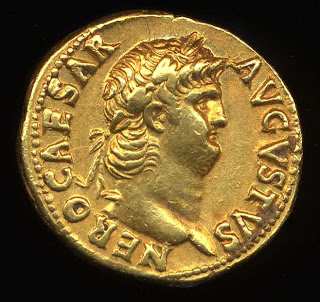
ரோம் நகரை தலை நகராகக் கொண்டு நீரோ ஆட்சி செய்த நாளில், கி.பி.64ல், பெரிய தீ விபத்து நடந்தது. இந்தத் தீ ஆறு நாட்களுக்கு எரிந்ததாகவும் நீரோ மன்னன் வெளியூரில் இருந்து ரோம் நகருக்கு ஓடி வந்து தீ அணைப்பு வேலைகளைச் செய்ததாகவும் மக்களின் குறைகளைத் தீர்த்ததாகவும் டேசிட்டஸ் என்பவர் எழுதி வைத்துச் சென்றுள்ளார். மன்னர் யாழ் போன்ற ஒரு வாத்தியத்தை வாசித்துக் கொண்டிருந்ததாகச் சொல்வது தவறு, அது ஒரு வதந்தி என்றும் அவர் எழுதியுள்ளார். ஆனால் காசியஸ் டியோ என்பவர் அவர் பாட்டு பாடிக்கொண்டிருந்ததாக எழுதி இருக்கிறார்.

உண்மையில் அந்தக் காலத்தில் வயலின் (பிடில்) கண்டுபிடிக்கப்படவே இல்லை! ஆனால் யாழ் போன்ற ‘லைர்’ என்னும் வாத்தியம் இருந்தது. கிறிஸ்தவர்களுக்கு எதிராக அவர் நிறைய சட்ட திட்டங்களைக் கொண்டுவந்ததால் அவரை கொடுங்கோலனான சித்தரித்துவிட்டர்கள் என்பது ஒரு சாராரின் விளக்கம். எது எப்படியாகிலும் இன்று ஆங்கில மொழியில் ஒரு சொல்லடைவு இருக்கிறது. ஒருவர் நெருக்கடியான காலத்தில் பொறுப்பற்ற செயல்களைச் செய்தால் ‘’ரோம் பற்றி எரியும்போது நீரோ பிடில் வாசித்தத்து போல’’ என்று சொல்லுவர் (While Rome burned, Nero fiddled= heedless and irresponsible behaviour in the midst of a crisis).


ஜனகர் என்ன செய்தார்?

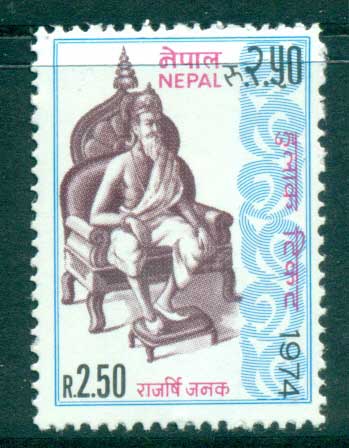
மிதிலாபுரியை தலைநகராக கொண்டு ஜனகர் என்னும் மன்னன் ஆண்டான். சீதா தேவியின் தந்தை பெயரும் ஜனகர் தான். ஆனால் பல ஜனக மன்னர்கள் இருந்தது ஆராய்ச்சியில் தெளிவாகத் தெரிகிறது. வேதகால ஜனகர் மாபெரும் தத்துவ ஞானி. ஜீவன் முக்தர். தாமரை இலைத் தண்ணீர் போல, பட்டும் படாமல், ஒட்டி உறவாடாமல் வாழ்க்கை நடத்திய அறிஞன். அவருடைய குரு யாக்ஞவக்யர் என்ற மஹரிஷி. ஜனகர் பால் பேரன்பு பூண்டவர்.

குருவின் அன்பில் சிலருக்கு சந்தேகம். ஜனகன் ஒரு மன்னன் என்பதால் அவருக்கு குரு அதிக சலுகை காட்டுவதாக அவர்களுக்கு ஒரு நினைப்பு. இதைப் பொய் என்று காட்ட ஒரு சம்பவம் நடந்தது. ஒரு நாள் பாடம் நடந்து கொண்டிருந்தபோது ஒரு சேவகன் ஓடோடி வந்து மிதிலை நகரம் தீப்பிடித்து எரிவதாகப் பதறினான். எல்லா சிஷ்யர்களும் மூட்டை முடிச்சை எடுத்துக்கொண்டு ஓடினார்கள். ஜனகர் அசையவில்லை. என்னுடைய உடைமை எதுவும் அங்கு இல்லை, இங்கும் இல்லை என்றார். அவர் ஆத்ம ஞானி என்பதால் பற்றறவராக இருந்தார்.

ரோம் விபத்திலும் சரி, மிதிலை விபத்திலும் சரி, உயிர்ச்சேதம் எதுவும் இல்லை. ஆனால் பொருட்சேதம் இருந்திருக்கும். அந்நாட்டு அதிகாரிகள் தக்க நடவடிக்கை எடுத்திருப்பர் என்பது கண்கூடு.

ஞானியானவர்கள் துக்கம் இன்பம் என்பவைகளைக் கடந்தவர்கள் ஆயினும் உலக நன்மைக்காக எப்போதும் செயல்பட்டுக் கொண்டிருப்பார்கள். அவரை முன் உதாரணமாகக் காட்டி செயலில் ஈடுபடு என்று அர்ஜுனனுக்கு அறிவுரை கூறுகிறான் கண்ணன்.

ஜனகரின் வாழ்வை முழுதும் அறியாமல் நாம் தீ விபத்து சம்பவத்தை மட்டும் வைத்துக்கொண்டு அவரை எடை போட்டுவிடக் கூடாது. அவர் வாழ்வில் மேலும் பல சுவையான சம்பவங்கள் உண்டு.

மேலும் 2 குட்டிக் கதைகள்

ஒருமுறை ஒரு பிராமணர் குற்றம் இழைத்ததற்காக அவரை நாட்டை விட்டு வெளியேறுமாறு ஜனகர் உத்தரவிட்டார். அந்தப் பிராமணர், மன்னா, முதலில் உன் ஆட்சி எல்லையைக் கூறு. பின்னர் நான் போகிறேன் என்றார். ஜனகனுக்கு மிகவும் பெரிய அதிர்ச்சி, வருத்தமும் கூட. சிந்திக்கத் துவங்கினார். கால் மணி நேரத்துக்குப் பின்னர் அறிஞரே! எமது உடைமை ராஜ்யம் என்று எதுவும் இல்லை. எல்லாம் பரம்பரைச் சொத்து. இந்த ஆத்ம ஞானம் என் மனதில் இப்போது உதித்துவிட்டது. நீர் இந்த நாட்டில் தொடர்ந்து இருக்கலாம் என்றார்.

ஆதிசங்கரரைப் பார்த்து நான்கு நாய்களுடன் வந்த புலையன் கேட்ட கேள்வி, அவருக்கு ஆன்ம ஞானம் கொடுத்த சம்பவத்தை இதனுடன் ஒப்பிடலாம்.

இதே போல ஒரு சந்யாசி ஜனகரை கபட வேடதாரி என்று குறைகூறினார். அவருக்குப் பாடம் புகட்ட விரும்பிய ஜனகர், அந்த சந்யாசிக்கு ஏழு நாட்களுக்குப் பின் தூக்கு தண்டனை என்று உத்தரவு போட்டார். மேலும் உப்பு சர்க்கரை இல்லாமல் எல்லா உணவுகளையும் படைக்கவும் உத்தரவிட்டார். ஏழு நாட்கள் சென்றன. சந்யாசியை அழைத்துவரச் சொன்னார். உப்பு சர்க்கரை முதலியவற்றுடன் சுவையான உணவு வகைகள் அவருக்குக் கொடுக்கப்பட்டன.

இப்போது எப்படி இருக்கிறது உணவின் ருசி? என்று ஜனகர் கேட்டார். நீங்கள் தூக்கு தண்டனை என்று சொன்னவுடன் நான் சாப்பிட்ட உணவின் ருசி அப்போதும் தெரியவில்லை, இப்போதும் தெரியவில்லை, என் சிந்தனை எல்லாம் தூக்கு தண்டணப் பற்றிய பயம் ஒன்றுதான் என்றார்.

ஜனகர் சொன்னார்: ஒரு ஆத்ம ஞானியின் நிலையும் இதுதான். அவர்கள் செயல்களைச் செய்தபோதும் அதில் பற்று அவர்களுக்கு இல்லை. உனக்கு எப்படி உணவு ருசி இல்லையோ அப்படியே அவர்களுக்கும் லோக ருசி கிடையாது. அவர்களின் சிந்தனை முழுதும் இறை அருள் ஒன்றே.

ஜனகரின் இந்த உபதேசம் சந்யாசியின் கண்களைத் திறந்தன. மஹாத்மா காந்தி வாழ்வில் நடந்த ஒரு சம்பவமும் இதைப் போன்றதே. ஐயா, காந்தியாரே! ஊருக்கு எல்லாம் உபதேசம் செய்கிறீரே, இரண்டு இளம் பெண்களின் தோளில் கையைப் போட்டவாறே தினமும் பிரார்த்தனைக் கூட்டத்துக்கு வருகிறீரே? இது என்ன நியாயம்? என்று ஒருவர் ரோட்டில் இடை மறித்துக் கேட்டார்.

காந்தி சொன்னார், ’’அன்பரே, உமது கேள்வி மிகவும் நியாயமானதே, நான் என்ன பதில் சொன்னாலும் உங்களுக்குத் திருப்தி தராது. என்னுடன்  ஆஸ்ரமத்துக்கு வாருங்கள். என்னுடன் சில காலம் தங்கி இருங்கள். அப்போது நீங்களே உண்மையை உணர்வீர்கள் என்று. ஆகவே ஜீவன் முக்தர்களின், ஆன்ம ஞானிகளின் வெளித் தோற்றத்தையோ, செயல்பாட்டையோ, செயலின்மையையோ வைத்து அவர்களை எடைபோடக் கூடாது.

*********


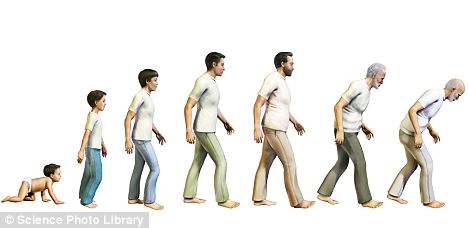
Four Stages of Life and Seven Ages of Man

Four Stages of Life and Seven Ages of Man

Most us know how many hours we spend on watching TV, working on the Internet, Facebook, going to films etc. Periodical statistics are published by the newspapers. In 24 hours of a day we spend 8 to 10 hours in sleep. So one third of our life is spent in sleeping. Women have an extra item-dressing and make up. Men always complain about it. Men ‘waste’ their time in different ways like watching games (Cricket, Foot Ball !) etc-


A funny poem puts our life this way:

At ten, we have just fun

At twenty, we are still naughty

At thirty, we think lofty

At forty, we get shifty

At fifty, we confront reality

At, sixty, we seek serenity


There are lot of thought provoking sayings by our saints. They have divided our life into different stages. Hindu sages divided a man’s life in to four stages:

Brahmacharya (Student Life)

Grahasthasrama (Married life)

Vanaprastha (Secluded/ Forest life)

Sanyasa (Renouncement)

Tamils divided a woman’s life into seven stages (I have already given them in one of my posts.)

Seven Ages of Man

Shakespeare divided a man’s life into seven stages or seven ages.


“ All the world’s a stage,
And all the men and women merely players,
They have their exits and entrances,
And one man in his time plays many parts,
His acts being seven ages. At first the infant,
Mewling and puking in the nurse’s arms.
Then, the whining schoolboy with his satchel
And shining morning face, creeping like snail
Unwillingly to school.  And then the lover,
Sighing like furnace, with a woeful ballad
Made to his mistress’ eyebrow. Then a soldier,
Full of strange oaths, and bearded like the pard,
Jealous in honour, sudden, and quick in quarrel,
Seeking the bubble reputation
Even in the cannon’s mouth. And then the justice
In fair round belly, with good capon lined,
With eyes severe, and beard of formal cut,
Full of wise saws, and modern instances,
And so he plays his part. The sixth age shifts
Into the lean and slipper’d pantaloon,
With spectacles on nose, and pouch on side,
His youthful hose well saved, a world too wide,
For his shrunk shank, and his big manly voice,
Turning again towards childish treble, pipes
And whistles in his sound. Last scene of all,
That ends this strange eventful history,
Is second childishness and mere oblivion,
Sans teeth, sans eyes, sans taste, sans everything”.
(From As You Like It)

We can summarise these lines into INFANT, STUDENT, LOVER, SOLDIER, JUSTICE, OLD MAN and AGAIN LIKE A CHILD.

When we buy tickets for travel or films they have only three categories! Ticket Classification:

Child , Adult and (Old Age Pensioner)Senior citizen

Appar and Adi Shankara

Two thousand years ago saints like Appar/Thirunavukkarasu and Adi Shankarar also divided the age of a man roughly in to Infant, Married and Old Man.

Great Philosopher Adi Shankara in his Bhaja Govindam sings:

When a boy, one is attached to sport; when a youth,  one is attached to a young woman; when old, one is attached to anxiety; to the Supreme Brahman, no one, alas, is attached !

“Balas tavat kridassaktas

Tarunastavat tarunisakthah,

Vrdhastavac cintasaktah

Pare brahmani, ko pi na saktah” (Bhaja Govindam in Sanskrit)


Saivite saint Appar alias Thirunavukkarasu says

“I spent my life without setting a goal. Spent my time aimlessly like an infant, like a married man and like a man with walking stick (old man)”.

Appar’s Thevaram in Tamil:

பாலனாய்க் கழிந்த நாளும் பனிமலர்க் கோதைமார்தம்
மேலனாய்க் கழிந்தநாளும் மெலிவோடு மூப்புவந்து
கோலனாய்க் கழிந்த நாளும் குறிக்கோள் இலாது கெட்டேன்
பாலனாய் இருந்த பொழுதும், மங்கையர் மேல் காதல் கொண்டு

We can see a clear difference in the approach of Western and Eastern scholars to life.

Another interesting comparison is a sloka of Raghuvamsa of Kalidasa with a funny poem about a barber. When Dasaratha became too old to rule, no one dared to suggest that he should place Rama on his throne. Kalidasa says they were probably afraid of Kaikeyi. But his grey hair silently approached his ears and told him it is time for him to go. Kalidasa knew that the grey hair starts near the ear for men (Raguvamasa 12-2).

Compare Kalidasa’s with the following English poem on a barber:

“My barber reliably informs me
There is no bald spot up there
He says I am not going thin on top
I’m just growing through my hair”.

***************


ஐங்குறு நூற்றில் வேதக் கருத்துகள்

இரண்டாயிரம் ஆண்டுப் பழமையுடைய சங்க நூல்களில் இந்துமதக் கருத்துக்களை ஆங்காங்கே காணமுடிகிறது. எட்டுத் தொகை நூல்களில் ஒன்றான ஐங்குறு நூற்றில் 500 பாடல்கள் உள்ளன. மருதத் துறை பற்றி ஓரம் போகியாரும் நெய்தல் துறை பற்றி அம்மூவனாரும் குறிஞ்சித் துறை பற்றி கபிலரும் பாலைத் துறை பற்றி ஓதல் ஆந்தையாரும் முல்லைத் துறை பற்றி பேயனாரும் பாடியுள்ளனர். இதில் ஓரம்போகியார் பாடிய 100 பாடல்களில் முதல் பத்துப் பாடல்களை வேட்கைப் பத்து என்று கூறுவர். ஒவ்வொரு பாடலிலும் உள்ள வரிகள்  வேதங்களிலும் ஏனைய இந்து மத நூல்களிலும் உள்ள கருத்துக்கள் ஆகும்.

இமயம் முதல் குமரி வரை பாரதப் பண்பாடு ஒன்றே என்பதற்கு இதுவும் ஒரு சான்று. தமிழ்ப் பண்பாடு என்பது இமயம் முதல் குமரி வரை பாரதம் முழுதும் நிலவிய ஒரே பண்பாடுதான்.

கீழ்கண்ட வடமொழி வாழ்த்துப் பாடல்களில் வரும் கருத்துகள் அழகிய, குறுகிய தமிழ் சொற்றொடர்களில் மந்திரம் போலவே ஓரம்போகியாரால் கொடுக்கப்பட்டுள்ளது. முதலில் வடமொழி வாழ்த்துப் பாடல்கள்:

1.ஸ்வஸ்தி ப்ரஜாப்ய பரிபாலயந்தாம் ந்யாயேன மார்கேன மஹீம் மஹீசா:

கோப்ராஹ்மணேப்ய சுபமஸ்து நித்யம் லோகா சமஸ்தோ சுகினோ பவந்து

சுருக்கமான பொருள்: ஆட்சி செய்வோர் மக்களை நல்ல முறையில் ஆளட்டும்; பசுக்கள் பிராமணர்கள் உள்பட உலகிலுள்ள எல்லோரும் சுகமாக இருக்கட்டும்


2.காலே வர்ஷது பர்ஜன்ய: ப்ருதுவி சஸ்ய சாலினீ

தேசோயம் க்ஷோப ரஹிதோ ப்ராஹ்மண சந்து நிர்பயா:

பொருள்: காலத்தில் மழை பெய்யட்டும், வயல்கள் நெற்பயிர்களுடன் குலுங்கட்டும், நாடு முழுதும் வளம் பெருகட்டும், பிராமணர்கள் பயமின்றி வாழட்டும்.


3.அபுத்ரா: புத்ரிண சந்து புத்ரிண சந்து பௌத்ரிண:

அதனா: சதனா: சந்து ஜீவந்து சரதாம் சதம்

பொருள்: குழந்தைகள் இல்லாதோருக்கு குழந்தைகள் பிறக்கட்டும், பிள்ளைகள் எடுத்தோர் பேரப் பிள்ளைகள் பெறட்டும், செல்வமில்லாதோருக்கு செல்வம் கொழிக்கட்டும், நூறாண்டு காலம் வாழ்க, நோய் நொடியில்லாமல் வாழ்க.


இதோ ஓரம் போகியாரின் வாழ்த்து:


1.நெற்பல பொழிக பொன் பெரிது சிறக்க

ப்ருதுவி சஸ்ய சாலினீ

தேசோயம் க்ஷோப ரஹிதோ


2.விளைக வயலே வருக இரவலர்

ப்ருதுவி சஸ்ய சாலினீ

புஞ்ஜதே தே த்வகம் பாபா யே பசந்தி ஆத்மகாரணாத் (கீதை 10-13 எவர்கள் தமக்காகவே சமைக்கிறார்களோ அவர்கள் பாவிகள்)


3.பால்பல ஊறுக பகடு பல சிறக்க

கோ ப்ராம்மணேப்ய சுபமஸ்து நித்யம்


4.பகைவர்புல் ஆர்க பார்ப்பார் ஓதுக

ப்ராஹ்மண சந்து நிர்பயா:


5.பசியில்லாகுக பிணிகேன் நீங்குக

அதனா: சதனா: சந்து ஜீவந்து சரதாம் சதம்


ஜன்ம, ம்ருத்யு, ஜரா, வ்யாதி, பயம் நைவோப ஜாயதே

(விஷ்ணு சஹஸ்ர நாமம்)


6.வேந்துபகை தணிக யாண்டுபல நந்துக

ந்யாயேன மார்கேன மஹீம் மஹீசா:

ஜீவந்து சரதாம் சதம் (பஸ்யேம சரதச் சதம் என்று துவங்கும் வேத மந்திரமும் இங்கே ஒப்பிடற்பாலது)


7.அறம்நனி சிறக்க அல்லது கெடுக

பரித்ராணாய சாதூணாம் விநாசாய துஷ்க்ருதாம் (பகவத் கீதை)


8.அரசுமுறை செய்க களவில் லாகுக

ஸ்வஸ்தி ப்ரஜாப்ய பரிபாலயந்தாம்

ந்யாயேன மார்கேன மஹீம் மஹிசா:


9.நன்றுபெரிது சிறக்க தீதில் ஆகுக

லோகாஸ் சமஸ்தோ சுகினோ பவந்து


10.மாரிவாய்க்க வளம்நனி சிறக்க

காலே வர்ஷது பர்ஜன்ய:

தேசோயம் க்ஷோப ரஹிதோ

பாடல் 62ல் இவர் இந்திர விழா பற்றியும் குறிப்பிடுகிறார். ஆதன் அவினி என்ற சேர மன்னனை வாழ்த்திய பாடல்களில் இந்தக் கருத்துகள் வருகின்றன. வாழ்த்தும் முறையும் வேத கோஷங்களில் வரும் முறையில் உள்ளது. ஒவ்வொரு பாடலிலும் மூன்றாம் வரி ஒரே மாதிரியாக இருக்கும் (எனவேட் டோளே யாயே யாமே). ஓரம்போகியார் பாடிய பாடல்கள் புறநானூற்றிலும் உண்டு.

திருஞான சம்பந்தர் தேவாரப் பாடலில் இதே பொருளைப் பாடி இருப்பதும் படித்து இன்புறத்தக்கது:

வாழ்க அந்தணர் வானவர் ஆனினம்

வீழ்க தண்புனல் வேந்தனும் ஓங்குக

ஆழ்க தீயது எல்லாம் அரன் நாமமே

சூழ்க வையகமும் துயர் தீர்கவே.


தொல்காப்பிய செய்யுள் 109ல் வாழ்த்தப்பட வேண்டிய விஷயங்கள் எவை எவை என்றும் தொல்காப்பியர் கூறுகிறார். இதற்கு உரையாசிரியர்கள் எழுதிய கருத்துக்கள் பாரதம் முழுதும் நிலவிய கருத்துகளே. எல்லா கல்வெட்டுகளும் ஸ்வஸ்தி என்ற மங்களச் சொல்லுடன் துவங்கும். பல கல்வெட்டுகளில் இதை ஸ்வஸ்திகா அடையாளம் மூலமும் குறிப்பிட்டனர்.

வேதங்களை ஏற்றுப் போற்றும் தமிழ் இலக்கியங்கள் என்ற அருமையானதொரு நூலை திரு.கே.சி. லட்சுமிநாராயணன் எழுதி இருக்கிறார். அதில் நான் மேலெ ஒப்பிட்டுக் கூறிய கருத்துகள் இல்லை. பார்ப்பார் ஓதுக என்ற ஒரு வரியை மட்டும் அவர் மேற்கோள் காட்டியுள்ளார். அனைவரும் படிக்க வேண்டுய நூல் அது.

Read related Previous Posts

புறநானூற்றில் பகவத் கீத—பகுதி 1, பகுதி 2

வள்ளுவன் ஒரு சம்ஸ்கிருத அறிஞன்

Master of Boons & God of Languages-Lord Shiva

Picture shows 12 ft high Shivling is bathed with milk in Thanjavur Temple ,Tamil Nadu.


 Master of Boons & God of Languages-Lord Shiva

if an ocean is made the inkpot, the branch of the Parijata tree made the pen and Goddess Saraswati embarks to write the glory of Lord (Shiva) it still will be impossible to comprehend the greatness of the Lord fully’ – Shiva Mahimna Stotra of Pushpadanta.


Shiva is known by many names and one of them is Asutosh. That means he ‘can be pleased easily’ and made happy quickly. So people found it easier to pray to Shiva and obtain a number of boons. Shiva means ‘auspicious one’. So he gave many boons for the betterment of his devotees, but yet it was left to them to use the boons in the way they wanted.


Shiva is associated with languages and grammar as well. India’s two ancient languages Sanskrit and Tamil originated from Lord Shiva. Sanskrit language follows the grammar written by Panini. Panini says that the letters and its sounds came from the beats of Shiva’s kettle drum ‘Damarukam’.  The language formula is called Maheswara Sutrani. Tamil sage Agastya is also said to have learnt Tamil from Shiva and his son Murugan/Kartikeya. 17th century Tamil poet Paranjothy Muni sang that Shiva taught Sanskrit and Tamil to both. He said that from one side of the kettle drum came Sanskrit and from the other came Tamil.


Shiva not only gave language and grammar but also helped the world by giving all the good things when the milky ocean was churned by the Devas and Demons. When 14 good things came out of the ocean, poison also came out as a by product. All were scared to death. But Shiva swallowed it to save the mankind, stopped by his wife Uma half way through his throat. His neck became bluish in colour and he was known as Neela kanta (blue necked).This is also one of his acts of mercy.


His acts of compassion were too many to narrate here. He gave Lord Vishnu his wheel called Sudarsana. This wheel is like a boomerang. It will hit the target and return to Vishnu. When Vishnu fell short of one lotus flower while he was doing Puja, he offered one of his eyes to Shiva. Shiva was pleased and gave him discuss called Sudarsana wheel.

The best example of his compassion was the boon he gave to Pasmasura. That ‘Ash demon’ asked for a boon to kill anyone by placing his hand on the head of his victims. When Shiva gave him the boon, he tried to test it on Shiva’s head. Shiva had to run for his life and ultimately rescued by Vishnu. When Vishnu came like a beautiful girl, Pasmasura fell for her. She asked him to learn dance from her and asked to put his hand on his head as part of learning Abhinaya gestures. He was killed when he put his hand on his own head forgetting the boon he got.

Another act of mercy was giving Pasupathastra to Arjuna, the hero of Mahabharata. When Shiva came in the guise of a hunter a severe fight followed and then Shiva revealed himself. Tamil Saivaite poets gave a long list of his compassionate acts in their poems Thevaram and Thiruvasagam. He favoured a person who hit him with his shoes (Kannappa Nayanar), he blessed another person who hit him with stones (Sakkiya Nayanar) and he gave Pasupata Astra to one who shot him with arrow (Arjuna). He gave ocean of milk when a boy cried for a glass of milk (Upamanyu).

Madurai has the world famous Shiva temple (Please read my post THE WONDER THAT IS MADURAI MEENAKSHI TEMPLE). Shiva’s compassionate acts are enacted in every day festival at the Madurai temple. The list is a long list of 64 Divine Games (Tiru Vilaiyadal in Tamil). Tamils are very familiar with those beautiful stories. Even birds and animals including cranes, bees, pigs, elephants, cows, monkeys, eagles, spiders, ants and snakes were blessed by him.


He favours good and bad equally. He is even called the lord of the thieves, ‘taskaranam pati’. But the inherent weaknesses in the bad people bring their own downfall. Ravana, King of Sri Lanka, was a great devotee of Shiva. But he suffered when he could not control his passions.

Wikipedia picture of Thanjavur temple

Shiva in his Nataraja form was the most attractive form. In his cosmic capacity he appears as Nataraja. As the Lord of Dance ( Nata Raja), Shiva’s steps follow the rhythm of the universal forces. He dances in the circle of fire, treading upon a dwarfish figure who is the personification of ignorance.


Hinduism is a religion where God can be your child, your lover, your lady love, your mother, your master or your servant. In other religions God is a reverential ‘HE’ who lives far away in the sky, not even a ‘SHE’. But Hindus go to the extent of poking fun about God out of intimacy and not out of disrespect. One saint called him ‘one and a half eyed’ (When he split into two in Ardhanari form, his three eyes were shared by him and Uma). Another saint challenged him asking who is clever You or me. I only gave my love, but you gave me the entire world. God is compassionate. Shiva is more compassionate.


Let us pray to HIM who gives us instant (and constant) benefits!

contact: swami_48@yahoo.com