Lord Shiva is “Dead”!

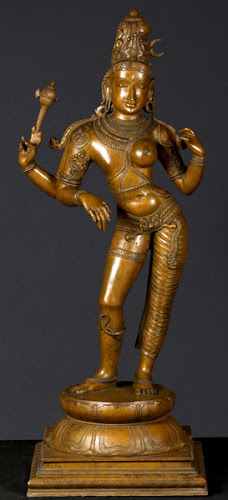
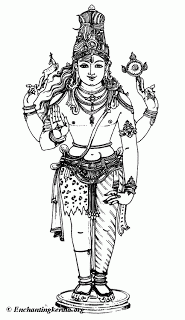
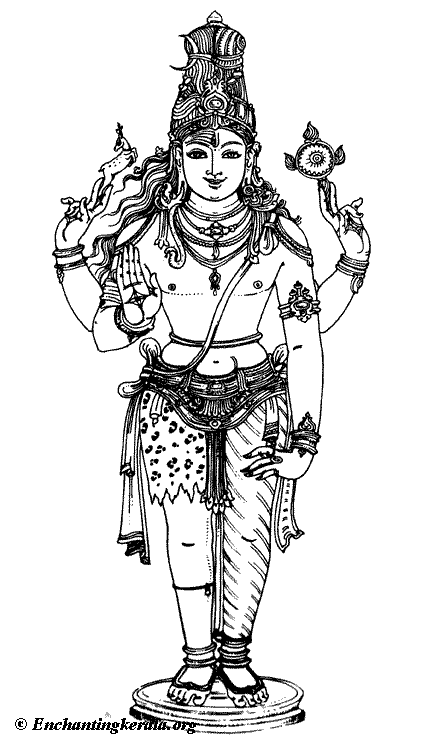
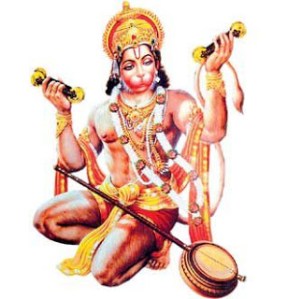
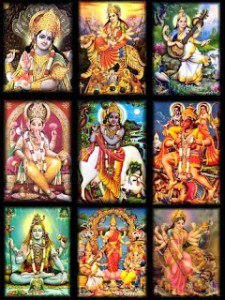
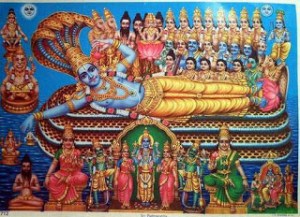
Picture shows Ardhanari and Sankaranarayana forms.

Lord Shiva is “Dead”!

King Bhoja Raja was an erudite scholar and a poet. He was famous for his generosity and financial help for the poets. Though India had many kings in the name of Bhoja and Vikramaditya one Bhoja who ruled at the time of Kalidasa was part of many interesting stories.

A poor poet wanted to make some money by writing some poems. But the poets of his days dealt with almost all the subjects in the world. So he thought of something very novel. “ Let me write a poem saying Shiva is dead, Bhoja will show much interest because he is a great devotee of Shiva”, he thought. So he went to Bhoja and read his revolutionary piece of poem saying ‘Shiva is dead’.


When he read the poem Bhoja asked him to explain the meaning. The poet did explain: Half of Shiva’s body was taken by Uma (in Ardhanari form); the other half was taken by Narayana ( in Sankara Narayanan form). So Shiva is dead! He explained.


Bhoja was not happy. He put a few clever questions to the poet: What happened to the moon on his head, snake in his neck, the great Ganges on the hair, his begging bowl in the hand and above all his good virtues?

The poet was taken by surprise. He thought he could make easy money. In a short time he recomposed himself and gave a suitable answer: Oh Ye King, I forgot to tell you. The river Ganges merged into the sea; crescent moon went up above in the sky, snake had gone in to the hole in the earth; Shiva’s begging bowl came in to my hand; his generosity and other great virtues had gone to King Bhoja Raja.

The king was very happy to hear this and he admired the poet’s wisdom and presence of mind. He gave him lot of gold coins and honoured him suitably. Ancient Indian poets were famous for their wit and wisdom and repartees. Sense of humour earned them good reputation and much money. (This verse is in the collection of Tamil anonymous poems).


Tamil verse for Tamil readers:

ஒரு பாதி மால் கொள மற்றொரு பாதி உமையவள் கொண்

டிருபாதியாலும் இறந்தான் புராரி இரு நதியோ

பெரு வாரிதியில் பிறை வானில் சர்ப்பம் பிலத்திற் கற்ப

தருவான போச கொடையுடன் கையோடென்கை தந்தனனே (தனிப்பாடல்)


Please read earlier Bhoja Raja stories in this blog:

1.Strange Link between Shiva, Socrates and Thiruvalluvar

2. Who is Dhananjayan?

3. World’s Largest Story Collection

4.போஜராஜன் செய்த தந்திரம் ( in Tamil)


சிவன் ‘இறந்தான்’- புலவர் விட்ட க(வி)தை!


Forms of Sankaranarayana and Ardhanari

போஜ ராஜன் என்ற மன்னன் மாபெரும் அறிவாளி. கற்றோரைக் காமுறும் பெரும் புலவன். புலவர்களுக்குப் புரவலன். காளிதாசன் போன்ற பெரும் புலவர்களின் இனிய நண்பன். இத்தகைய மன்னன் காலத்தில் ஒரு ஏழைப் புலவனும் வாழ்ந்தான். ஏதேனும் பாட்டு எழுதிச் சென்றால் போஜ மான்னன் தனது போஜனத்துக்கு வழி செய்வானே என்று பரிதவித்தான். அவனுக்கு கவிதை எழுதத் தெரியாது என்பதல்ல. கவி மழை பொழிய வல்லவனே. ஆனால் எல்லாப் புலவர்களும் எல்லாவற்றையும் பற்றி எழுதிப் பரிசு வாங்கிவிட்டார்களே, நான் எதைப் பற்றி எழுதுவேன் என்று அங்கலாய்த்தான். தருமி என்னும் ஏழை அந்தணனுக்கு கவிதை எழுதித்தந்த சிவ பெருமான் இவனுக்கு கவிதை எழுதித் தரவில்லை!

ஏழைப் புலவனுக்கு திடீரென ஒரு யோஜனை பளிச்சிட்டது. அதுவும் சிவன் அருள்தான், ஏனெனில் அது சிவனைப் பற்றிய கவிதை! ஆனால் அரைத்த மாவையே அரைக்காத புதுக் கவிதை, அதாவது புது விதமான கவிதை. சிவன் இறந்த கவிதை. இதைக் கேட்டால் போஜன் கட்டாயம் பரிசு தருவான் என்ற நம்பிக்கை ஊட்டிய கவிதை.

இதோ அந்தக் கவிதை:

ஒரு பாதி மால் கொள மற்றொரு பாதி உமையவள் கொண்

டிருபாதியாலும் இறந்தான் புராரி இரு நதியோ

பெரு வாரிதியில் பிறை வானில் சர்ப்பம் பிலத்திற் கற்ப

தருவான போச கொடையுடன் கையோடென்கை தந்தனனே (தனிப்பாடல்)

பொருள்:

சிவ பெருமானுடைய ஒரு பாதியை உமா கவர்ந்துவிட்டாள் (அர்த்தநாரீஸ்வரர்), மற்றொரு பாதியை திருமால் (சங்கர நாராயணன்) கவர்ந்துவிட்டார். இவ்வாறு இருவரும் உடலைப் பங்கிட்டதால் சிவ பெருமான் என்பவரே இல்லை என்றார்.

இதைக் கெட்ட அரசனுக்கு திருப்தி வரவில்லை. கேள்விகள்தான் வந்தன. போஜராஜன் கேட்டான்: புலவரே, சிவன் இறக்கவே முடியாது. அப்படியானால் சிவனின் தலை மீதிருந்த கங்கை எங்கே? தலையில் அணிந்த இளம் பிறை எங்கே? அவர் கழுத்தில் நிலவும் பாம்பு எங்கே? அவருடைய கையில் இருந்த திருவோடுதான் எங்கே? என்றான்.

முதலில் மன்னனின் கேள்விகளைக் கேட்டுவிட்டு திடுக்கிட்டுப்போன புலவன் மீண்டும் சுதாரித்துக்கொண்டு கதை, இல்லை, கவிதை, விட்டார். அடடா! சொல்ல மறந்துவிட்டேனே, அவர் மீதிருந்த பிறைச் சந்திரன் வானத்திற்கு ஓடிப் போய்விட்டான். பாம்போ பூமிக்குள் இருந்த துளையில் புகுந்துவிட்டது. கங்கை கடலில் கலந்துவிட்டாள். சிவன் கை திருவோடு என் கைக்கு வந்து விட்டது. சிவ பெருமானின் மாபெரும் கொடைத் தன்மை போஜராஜன் என்ற மன்னனிடம் போய்விட்டது என்று போட்டார் ஒரு போடு! போஜ மன்னனுக்கு பெரு மகிழ்ச்சி. ஏழைப் புலவன் திருவோட்டில் தங்கக் காசு மழை பெய்தான்.


இந்தியப் புலவர்கள் மேதாவிகள். சமயத்துக் கேற்றவாறு கவி மழை பெய்து, தங்க மழையில் நனைவார்கள். மற்றொரு புலவர் ராமநாத சேதுபதியிடம் பொன்முடிப்பு வாங்கச் சென்றார். அவர் தங்கத் தட்டில் பணமுடிப்பு வைத்துத் தந்தார். பண முடிப்பை எடுத்துக் கொண்டு தட்டைத் திருப்பித் தருவது வழக்கம். அவர் புத்திசாலித் தனமாக பணத் தட்டு மன்னனுக்கோ? ஏழைப் புலவருக்கோ? என்றார். மன்னன் சிரித்துக் கொண்டெ ‘உமக்கே’ என்றான். புலவருக்கு அன்று இரட்டை போனஸ்!

(பணத்தட்டு என்றால் பண முடை, பணம் போதாத நிலை என்ற அர்த்தமும் உண்டு).


Please read earlier Bhoja Raja stories in this blog:

1.Strange Link between Shiva, Socrates and Thiruvalluvar

2. Who is Dhananjayan?

3. World’s Largest Story Collection

4.போஜராஜன் செய்த தந்திரம் ( in Tamil)

contact: swami_48@yahoo.com

சீதை சொன்ன பழமொழி

Paintings abroad: Sita garlands Rama.

9.ராமாயண வழிகாட்டி

அத்தியாயம் – 9 by ச.நாகராஜன்


உயிரைக் காப்பாற்றிக் கொள்! ஆனந்தம்  உன்னை  வந்து அடையும்!!


தினமும்  புரிய வேண்டிய சந்தியாவந்தனத்தில் மதிய வேளையில் சொல்லும் மந்திரத்தில் சூரியனைப் பார்த்துச் சொல்லும் மந்திரங்கள் இவை:


புரஸ்தாத் சுக்ரம் உச்சரத் – கிழக்கில் பரிசுத்தமாய் உதித்து

தேவஹிதம் சக்ஷு: – தேவர்களுக்கு நன்மை செய்வதும் கண் போன்றதுமான

தத் – அந்த சூர்ய மண்டலத்தை

சரத: சதம் – நூறாண்டு

பச்யேம – கண்டு வணங்குவோம்

ஜீவேம சரத: சதம் – அங்ஙனமே நூறாண்டு வாழ்வோம்

நந்தாம சரத: சதம் – நூறாண்டு உற்றார் உறவினருடன் கூடிக் குலவுவோம்

மோதாம சரத: சதம் – நூறாண்டு மகிழ்வோம்

பவாம சரத: சதம் – நூறாண்டு கீர்த்தியுடன் விளங்குவோம்

ச்ருணவாம சரத: சதம் – நூறாண்டு இனியனவற்றைக் கேட்போம்

ப்ரப்ரவாம சரத: சதம் – நூறாண்டு இனியனவற்றையே பேசுவோம்

அஜீதாஸ்யாம சரத: சதம் – நூறாண்டு தீமைகளால் ஜயிக்கப்படாதவர்களாக வாழ்வோம்


ஆக வேதம் நூறாண்டு ஒரு மனிதன் வாழ வேண்டியதை வலியுறுத்துகிறது. இதையே ஈசாவாஸ்ய உபநிடதத்தில் இரண்டாம் ஸ்லோகத்திலும் காண்கிறோம்.

ஒருவன் எப்பாடுபட்டேனும் எவ்வளவு கஷ்டத்தைஅனுபவித்தாலும் கூட உயிர் வாழ யத்தனிக்க வேண்டும் என்பதே மஹரிஷிகள் நமக்கு வலியுறுத்திக் கூறும் அன்புரை; அறவுரை!


இந்த வழியில் ஆதிகாவியத்தை இயற்றிய வால்மீகி முனிவர் தன் முக்கிய கதாபாத்திரங்கள் வாயிலாக இந்தப் பேருண்மையை வலியுறுத்துகிறார். ஒரு பெரிய மஹாகவி இப்படிப் பட்ட பேருண்மையை ஒரு தரத்திற்கு இரு தரம் வலியுறுத்துகிறார். அதுவும் கூட இருவேறு கதாபாத்திரங்கள் வாயிலாக வலியுறுத்துகிறார். அப்படியெனில் அந்த உண்மை எப்படிப்பட்ட  பேருண்மை என்பதை நாம் சுலபமாகப் புரிந்து கொள்ளலாம்.


சுந்தர காண்டத்தில் சீதை கூறுவதைப் பார்ப்போம்:
கல்யாணீ பத காதேயம் லௌகிகீ ப்ரதிபாதி மா I

ஏதி ஜீவந்த மாநந்தோ நரம் வர்ஷ ஸதாதபி II


ஜீவந்தம் –உயிர் வாழும்

நரம் – ஒரு மனிதனை

வர்ஷ ஸதாத் அபி – பல வருடங்கள் கழித்தாயினும்

ஆனந்தம்  – ஆனந்தமானது

ஏதி – வந்தடைகிறது

இயம் –என்ற இந்த

லௌகிகீ – உலகத்தாரால் வழங்கப்படும்

காயா – முதுமொழி

கல்யாணீ –உண்மையாகவே

மே – என் விஷயத்தில்

ப்ரதிபாதி – தோற்றுகின்றது

வத –சந்தோஷம்

           சுந்தரகாண்டம் 34ஆம் ஸர்க்கம்  6ஆம் ஸ்லோகம்


அனுமன் அசோகவனத்தில் சீதையைக் “கண்களால் கண்டு” ஸ்ரீ ராமர் க்ஷேமமாய் இருப்பதைத் தெரிவித்து “உமக்கும் க்ஷேம சமாசாரத்தை அறிவிக்க நியமித்தனர்”  (கௌஸலம் அப்ரவீத்) என்று கூறியவுடன் சீதை அடைந்த மகிழ்ச்சிக்கு எல்லையில்லை அப்போது அவர் கூறிய வார்த்தைகளே இவை. உலகியல் முதுமொழி என்று அவர் கூறுவதிலிருந்தே இந்த அழகிய கருத்து பன்னெடுங்காலம் வழக்கில் இருந்து வந்திருக்கின்றது என்பதை அறிய முடிகிறது.


இதே  ஸ்லோகத்தை  நந்திகிராமத்தில் இருந்த பரதனும் கூறுகிறார். யுத்தகாண்டம் 129ஆவது ஸர்க்கத்தில் இரண்டாவது ஸ்லோகமாக பரதன் கூறுவது அமைகிறது.


அனுமன், ராமர் ராவணனை வென்று சீதையுடனும் லக்ஷ்மணனுடனும் வருகிறார் என்று பரதனிடம் தெரிவிக்கும் போது “ப்ரீதிகரம் கீர்த்தனம் அஹம் நாம ஸ்ருணோமி?” (உவப்பளிக்கும் செய்தியை நான் தானா கேட்கிறேன்?) என்று மகிழ்ச்சியுடன் கூவிய அவர் இந்த ஸ்லோகத்தைக் கூறுகிறார். உலகோர் கூறி வரும் முதுமொழி உண்மை என்பதை இரண்டாம் முறையாக இதே காவியத்தில் கூறி  நம்மை அதிசயிக்க வைக்கிறார்.


எந்த நிலையிலும் மனம் கலங்காது உயிரை எப்பாடுபட்டேனும் காக்க வேண்டும் என்பது உயிர்மொழியாக இங்கு இலங்குகிறது.

இரண்டாம் உலக மகாயுத்தத்தின் போது ஹிட்லரின் கோரக் கொடுமைகளிடமிருந்து தங்கள் உயிரைப் பாதுகாத்துக் கொண்டவர்களின் கதையை இங்கு நாம் நினைவு  கூறலாம். ஏராளமான நேச நாட்டுப் படையினர் மற்றும் யூதர்கள் சிறைக் கைதிகளாக இருந்து உயிரைக் காப்பாற்ற பல்வேறு முயற்சிகளில் ஈடுபட்டதையும் ஏராளமான உண்மைச் சம்பவங்கள் தெரிவிக்கின்றன. சிறைகளிலிருந்து தப்பித்தவர்களின் கதையோ இன்னொரு பெரிய ஆனந்த காண்டமாக அமைகிறது.


ஆகவே உடல்நலம், மனநலத்தோடு அருமையான உயிரைப் பாதுகாத்தல் எந்த வகையிலும் இன்றியமையாதது.

சீதா தேவி, பரதன் ஆகியோர் வாயிலாக மஹரிஷி வால்மீகி நமக்குத் தரும் முக்கிய ராமாயணச் செய்தி இது!


***********************

Teleportation Miracles in Hindu scriptures

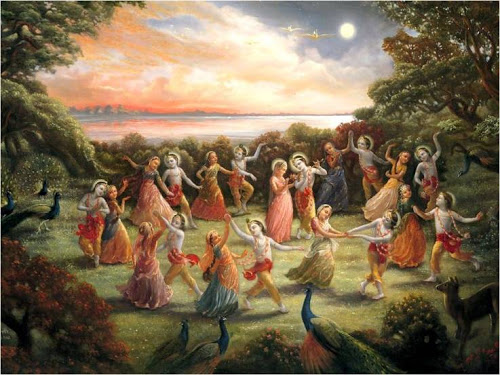
Picture shows Numerous Krishnas at the same time.


Teleportation Miracles in Hindu scriptures

What is teleportation?

Teleport: move by telekinesis; Teleportation: A hypothetical method of transportation in which matter or information is dematerialized, usually instantaneously, at one point and recreated at another.

We read lot about it in science fiction stories and television serials. Devotees of Hindu saints are very familiar with this miracle even before western science fiction stories were published. Lord Krishna had done it many times according to Bhagavatham (Sanskrit book on Lord Krishna’s life history). Krishna appeared at hundreds of places with the Gopika girls. When his class mate Sudama met him on a friendly visit, Krishna transferred lot of wealth, building and dresses through telekinesis.

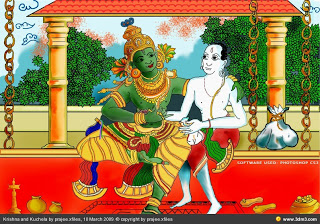
Picture shows Krishna with Kuchela (Sudhama)

Sudhama was a poor Brahmin suffering from acute poverty. When his wife persuaded him to go to Krishna who has become a King of Gujarat (Dwaraka), poor Sudama (also known as Kuchela) took some pounded rice in a rag. When  Krishna tasted it Sudama’s hut became a palace, his children’s rags became costly dress. Rukmini stopped Krishna from eating anymore of the pounded rice flakes from the rags. She feared every hand full of it in Krishna’s mouth transferred millions of Rupees!to Kuchela. Such is the power of true friendship.


In the recent years, a lot of teleportation was reported in the lives of Sathya Sai Baba devotees. But non believers rejected them as reports lacking any evidence.

Sundarar’s Magic

Sundarar was one of the great Four Saivaite saints of Tamil Nadu. He lived in 8th century AD. Like other three saints he also did several miracles. One of the miracles involves teleportation. Sundarar was empty handed when he went to Vriddhachalam temple near Chennai. He was always generous in asking, in fact demanding.  He never acted like a beggar while he was begging. He sought only gold whenever he prayed for money. Knowing his status Shiva was also generous in giving. When Sundarar prayed for gold coins Shiva gave him 12,000 gold coins. Money always comes with problems. How to carry such a big load safely? was Sundarar’s worry. His home town Tiruvarur is not nearby. Again he went to Shiva for a solution. He told him to throw them in to the river Manimutharu and collect them at the Kamalalayam Tank in Tiruvarur temple! If it was hard earned money Sundarar would have hesitated, but it was money that came easily. So he left them in the river and went to Tiruvarur.


Sundarar told his wife Paravai that he was going to collect the coins from the local temple tank at Tiruvarur and asked her to accompany him. She would have thought that Sundarar had gone mad. But yet like a faithful wife, she followed him with lot of doubts in her mind. Sundarar stood on the banks of the vast tank (biggest temple tank in Tamil Nadu) and started singing poems praising Lord Shiva. Surprise! Surprise! All the 12,000 coins came out intact as if they were minted under the tank!

Vridhachalam also known as Tirumudukundram is situated between Chennai and Trichy very near Viluppuram.


Transmutation Miracles

What is transmutation?

Changing of base metals into gold; changing of one material into another.

Sundarar was credited with one more miracle. When he went to Tiruppugalur he needed money. When he prayed for money Lord Shiva, the presiding deity in the temple, did not answer his prayers. Tired he was, both mentally and physically, slept in the temple front hall itself. But in a hurry, he made a pillow out of bricks that he found nearby. When he woke up, all the bricks under his head were gold bricks! Again he went into the temple and thanked Shiva whole heartedly. He sang a decad in praise of Shiva.

Transmutaion of base metals into gold was done by several Siddhas. Whenever devotees fell short of money for personal care or public work, their Gurus simply transmuted rocks and bricks into gold. Vidyaranya was given tons of gold by goddess and he established the Vijayanagara empire with that wealth.


Tamil References for Tamil Readers:

Sundarar Padikam (decad) in Vridhachalam

பொன்செய்த மேனியினீர்

புலித்தோலை அரைக்கசைத்தீர்

முன்செய்த மூவெயிலும்

எரித்தீர் முதுகுன்றம் அமர்ந்தீர்

மின்செய்த நுண்ணிடையாள்

பரவையிவள் தன்முகப்பே

என்செய்தவாறடிகேள்

அடியேன் இட்டளங்கெடவே.


Sundarar Padikam (decad) in Tiruppugalur

தம்மையே புகழ்ந்து இச்சை பேசினும்

சார்வினும்தொண்டர் தருகிலாப்

பொய்மையாளரைப் பாடாதே எந்தை

புகலுர் பாடுமின் புலவீர்காள்

இம்மையே தரும் சோறுக் கூறையும்

ஏத்தலாம் இடர் கெடலுமாம்

அம்மையே சிவலோகம் ஆள்வதற்கு

யாதும் ஐயுறவில்லையே.

Please read

1.Time Travel by Two Tamil Saints 2. Miracles in crematorium

Hindus invented Calling Bell !


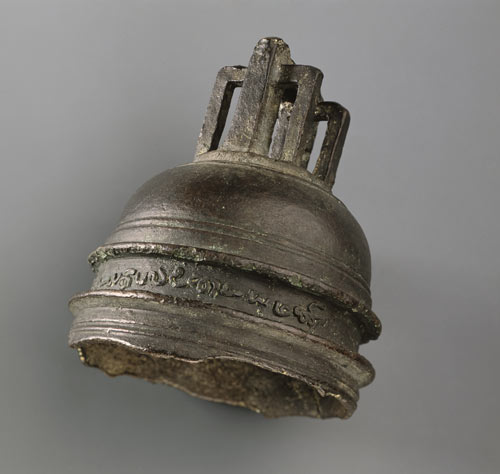
Picture:  500 year old Tamil Bell at Te Papa Museum, New Zealand


Hindus invented the Calling Bell !

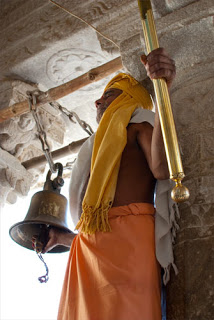
Who invented the Calling Bell? My research shows that Tamil Hindus have invented it 2000 years ago. We have two stories to confirm my finding. Though encyclopaedias give names of different inventors for mechanical and electrical bells at door steps, the idea came from Tamil Hindus according to the available literary evidence.

Many of us know that a 500 year old Tamil bell was discovered in New Zealand. It is now in Te Papa Museum in Wellington, New Zealand. William Colenso, A missionary, had found this bell used by Maori tribes as a cooking vessel. When the inscription was read by Tamils, it said Mohideen Buk ship’s bell. A Tamil Muslim trader had used it in his ship. From the orthography of the inscription we came to know it must be 500 year old.


Palace Bell Miracle

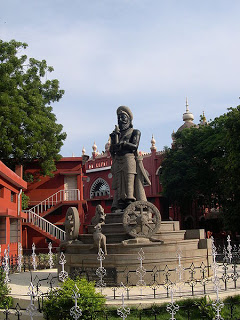
Manu Neethi Cholan was a famous Choza king who ruled from Tiruvarur in Tamil Nadu. Manu Neethi Cholan means a Chola who followed Manu Smriti, the Hindu law maker. Lot of Tamil epigraphs and copper plate inscriptions also praised Tamil kings as strict followers of Manu Smriti. This Chola was so just he even killed his own son on the basis of a  complaint from a COW!

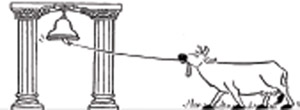
Manu Neethi Chola hung a Calling Bell at the entrance of his palace. Anyone who had a grievance can go to the palace and ring the calling bell. But nobody used the bell for long, because the king was so just and there were no grievance at all. One day the prince went through the streets in his chariot. He was careless in his driving and he ran over a calf and killed it. The mother of the calf ran to the palace and rang the bell! Immediately the king and ministers came out and found out what happened. The king killed his son under the chariot to punish his son and himself by Putra soham (bereavement through the loss of a son). This was the first use of calling bell in history.

Picture: Manu Neethi Cholan statue at Madras High Court.

This story has been repeated in Tamil literature in several books from the days of Silappadikaram. We hear this incident for the first time from the mouth of Kannaki in Silappadikaram, then in Mahavamsam, Pazamozi 400, Periapuranam and later day Sthala Puranas. Tamil epic Silappadikaram is variously dated but all agree the epic story happened in the Second Century AD. This shows that Manu Neethi Cholan lived before this period. A similar story is narrated in Mahavamsam, A Sri Lankan chronicle, attributing the incident to Elara, a just Tamil king who may have ruled in the 2nd century BC.


Divine Calling Bell in the Heaven

The reason I am attributing the invention of calling bell to Tamil Hindus is another story found in Thevaram hymns which is at least 1300 years old. Dr R Nagasamy, famous archaeologist and historian of Tamil Nadu, has written about Manu Neethi Cholan and heavenly divine bell in his book Poyyili Malai (Page 107, titled Kadai Thoongu Mani):

“ In the Shivaloka, Lord Shiva hung a bell so that the Devas who have grievances can easily approach him. The idea is that Shiva will hear the bell and respond immediately. But this bell was not used for long and got the name Sleeping Bell (Thoongu Mani). But Dr Nagasamy also explained Thoongu may mean hanging as well. One day the Devas rang the bell and surprised Lord Shiva. They complained about the demons that have flying metal forts. (I have already described them as space ships made up of copper, gold and silver which were burnt down with a laser weapon in my earlier post GOD WITH A LASER WEAPON: swami). The Thevaram hymn says that even before the bell sound subsided Shiva burnt down the three metal forts by his Third Eye. This was sung by Appar alias Thirunavulkkarasu. He was the contemporary of Pallava king Mahendra Varman.

Appar praised Shiva as an embodiment of mercy. Even before the grievances were said, he helped his devotees, Appar says in his verse. The Tamil reference is given for the Tamil readers at the end.

My interpretation: I consider these two anecdotes are evidence of Calling Bell in India. Later this idea was adapted to smaller homes. Discovery of electricity helped to devise the modern calling bells. But the concept is Hindus’. Since there was no reference in Sanskrit scriptures I think the credits go to Tamil Hindus.


Appar Thevaram

மூவா உருவத்து முக்கண் முதல்வ மிக்கூர் இடும்பை

காவாய் எனக் கடைத் தூங்கு மணியைக் கையால் அமரர்

நாவாய் அசைத்த ஒலி ஒலிமாறியதில்லை அப்பால்

தீயாய் எரிந்து பொடியாய் கழிந்த திரிபுரமே.

Contact: Swami_48@yahoo.com

ராமர் போற்றிய மஹாத்மா!

6.ராமாயண வழிகாட்டி

அத்தியாயம் – 6     By ச.நாகராஜன்


ராமர் போற்றிய மஹாத்மா!


கார்யே கர்மணி நிர்திஷ்டே யோ பஹூன் யபி ஸாதயேத் I

பூர்வகார்யாவிரோதேன ஸ கார்யம் கர்து மர்ஹதி II


கார்யே –  செய்து முடிக்க வேண்டிய

கர்மணி – ஒரு காரியத்தில்

நிர்திஷ்டே  ஏவப்பட்டபோது

ய: – எவனொருவன்

பூர்வகார்யாவிரோதேன – முதல் காரியத்திற்கு ஒரு கேடுமின்றி

பஹூனி அபி – அனேகங்களையும்

ஸாதயேத் – சாதிக்கின்றானோ

ஸ – அவன்

கார்யம் – காரியத்தை

கர்தும் – செய்து முடிக்க

அர்ஹதி –  திறமை உடையவனாகிறான்


-சுந்தரகாண்டம் 41வது ஸர்க்கம் 5ஆம் ஸ்லோகம்


அனுமான் சீதையை அசோகவனத்தில் கண்டதில் மகிழ்ச்சி அடைகிறார். பின்னர்  மனதில் சிறிது ஆராய்ச்சி செய்கிறார். ‘அஸி தேஷணா இயம் த்ருஷ்டா’ – ‘கருங்கண்ணாளான இந்த சீதை என்னால் கண்டுகொள்ளப்பட்டாள்’ என்று  மகிழ்ந்த அவர், “அரக்கர்களிடம் தண்டம் என்ற நான்காவது உபாயமே செல்லுபடியாகும். ஒரு காரியத்தை முடிக்கின்ற போது அத்துடன் பல காரியங்களையும் சேர்ந்து முடிப்பதே சாலச் சிறந்தது” என்று எண்ணுகிறார்.


சிறந்த வேலைக்காரனின் வழி அல்லது எக்ஸலண்ட் பெர்பார்மன்ஸ் (excellent performance) என்பதை அவர் விவரிக்கும் இந்த ஸ்லோகம் ஒருவர் வாழ்க்கையில் வெற்றி கொள்வதற்கான வழியைச் சுட்டிக் காட்டுகிறது.


சீதை இருக்கும் இடத்தைக் கண்டுபிடிப்பதே அவருக்கு இட்ட பணி.

ஆனால் அவரோ ராக்ஷஸ கிங்கரர்களை வதைத்தார். சுக்ரீவனது ஜெயத்தை கோஷித்தார். பிரஹஸ்தனுடைய மகனான ஜம்புமாலியை வதம் செய்தார். அக்னி ஒளியை உடைய ஏழு மந்திரிகுமாரர்களை வதம் செய்தார். ஐந்து சேனைத் தலைவர்களையும் அக்ஷ குமாரனையும் வதம் செய்தார்.ராவணனை நேருக்கு நேர் சந்தித்து எச்சரிக்கை செய்தார். விபீஷணனையும் இதர மந்திரிமார்களையும் நேரில் கண்டு ராவணனின் பலத்தை நிர்ணயித்தார்.  இலங்கையை எரியூட்டினார். போதாதா, என்ன?


அனுமனை ராமர் போற்றிக் கூறும் இடம் ராமாயணத்தில் யுத்த காண்டத்தில் முதல் ஸர்க்கத்தில் அமைகிறது. 7,8,9 ஆகிய மூன்று ஸ்லோகங்களில் ராமர் கூறுவதைப் பார்ப்போம்:


யோ ஹி  ப்ருத்யோ  நியுக்த: 

ஸன்பர்த்ரா கர்மணி துஷ்கரே I

குர்யாத் த்தனுராகேன

தமாஹு: புருஷோத்தமம் II

(ப்ருத்ய: – வேலைக்காரன்; பர்த்ரா –  தலைவன்/ எஜமானன்)


எந்த ஒரு வேலைக்காரன் தலைவனால் கஷ்டமான ஒரு காரியத்தில் ஏவப்பட்டு அதைக் குறையின்றி செய்வதோடு அநுகூலமான வேறு பல காரியங்களையும் செய்து முடிக்கிறானோ அவனை உத்தம வேலைக்காரனாகச் சொல்வர்.

நியுக்தோ ய:  பரம் கார்யம்

ந குர்யான்ந்ருபதே: ப்ரியம் I

ப்ருக்தோ யுக்த: சமர்த்தஸ்ச

தமாஹுர்மத்யமம் நரம் II


(யுக்த – அனுபவசாலி; சமர்த்த- சாமர்த்தியசாலி;ப்ரியம் –நன்மை விளைவிக்கத் தக்கது) 


எந்த ஒரு அனுபவசாலியும், திறமைசாலியுமான வேலைக்காரன் தலைவனால்  ஒரு காரியத்தில் ஏவப்பட்டு தலைவனுக்கு மேலான மேலும் பல காரியங்களைச் செய்யவில்லையோ அவனை நடுத்தரமான வேலைக்காரன் என்று சொல்வார்கள்.


நியுக்தோ ந்ருபதே: கார்யம் ந குர்யாத்ய: ஸமாஹித:

ப்ருத்யோ யுக்த:  சமர்தஸ்ச  தமாஹு: புருஷாதமம்


எந்த ஒரு அனுபவசாலியும், திறமைசாலியுமான வேலைக்காரன் தலைவனால்  ஒரு காரியத்தில் ஏவப்பட்டு தலைவனுக்குக் குறைந்தபட்ச காரியத்தைக் கூடச் சரியாகச் செய்யவில்லையோ அவனை அதம வேலைக்காரனாகச் சொல்வார்கள்

இப்படி வேலை செய்பவர்களை மூன்று விதமாகப் பிரித்துச் சுட்டிக் காட்டும் ராமர் அனுமனால் ‘பரி ரக்ஷிதா:’ (பேருதவிசெய்யப்பெற்றோம்)

என்று மனம் குளிரக் கூறுகிறார்.


இந்த பேருதவியைச் செய்த அனுமானை மஹாத்மன: (மஹாத்மா)

என்று அவர் புகழ்கிறார். ராமராலேயே மஹாத்மா என்று புகழப்பட்டார்  என்றால் அனுமனின் பெருமையைக் கூறவும் வேண்டுமோ!


அனுமனின் செயற்கரிய செயலுக்கு என்ன கைம்மாறு செய்ய முடியும்? ராமரே,”ஹனூமத: சர்வஸ்வபூதஸ்து ஏஷ பரிஷ்வங்க: து தத்த:”  (ஹனுமானுக்கு எல்லாவற்றிலும் மேம்பட்டதான இந்த ஆலிங்கனம் செய்யப்படுகிறது) என்று கூறி அனுமனை மார்போடு அணைக்கிறார்.


இதை எண்ணும் போது நம் மெய் சிலிர்க்கிறது. இப்படிப்பட்ட ஆச்சரிய புருஷரான  அனுமனை உலக மஹாகவி கம்பன் நன்கு தேர்ந்தெடுத்த சொற்களால் இப்படித்  துதிக்கிறார் :-


அஞ்சிலே ஒன்று பெற்றான் அஞ்சிலே ஒன்றைத் தாவி

அஞ்சிலே ஒன்று ஆறு ஆக ஆரியர்க்காக ஏகி

அஞ்சிலே ஒன்று பெற்ற அணங்கைக் கண்டு அயலாரூரில்

அஞ்சிலே ஒன்றை வைத்தான் அவன்  எம்மை அளித்துக் காப்பான்


ஐந்து பூதங்களில் ஒன்றான வாயு பகவான் பெற்ற மைந்தனான அனுமன் ஐந்து பூதங்களில் ஒன்றான கடல் நீரைத் தாண்டி, ஐந்து பூதங்களில் ஒன்றான ஆகாயத்தை வழியாகக் கொண்டு ஸ்ரீ ராமனுக்காக ஐந்து பூதங்களில் ஒன்றான பூமி பெற்றெடுத்த புதல்வியான சீதையைக் கண்டு ஐந்து பூதங்களில் ஒன்றான தீயை அயல் தேசமான லங்கையில் வைத்தான். அவன் எம்மை அனைத்தும் அளித்துக் காப்பான்  என்பது இதன் பொருள்.


ஐந்து பூதங்களையும் அஞ்சிலே என்ற சொல் சுட்டும் பாங்கு நினைத்து இன்புறுதற்கு உரியது. அனுமனின் சேவையை இதைவிடச் சிறப்பாக  எப்படிச் சொல்ல முடியும்! கம்பனால் மட்டுமே இப்படி முடியும்!


இந்த ஸ்லோகங்கள் சுட்டிக் காட்டும் “பணி செய்வதில் சிறப்பு” என்பதை “யோக: கர்மஸு கௌசலம்” என்று பகவத் கீதையில் (இரண்டாம் அத்தியாயம் 50ஆம் ஸ்லோகம்) கண்ணபிரான் சுருக்கமாகக் கூறி விளங்க வைப்பதையும் எண்ணி மகிழலாம்!

கர்ம யோகி அனுமனிடமிருந்து கர்ம யோகத்தையும் கற்கலாம்!!

*************


TWO MILLION GODS IN INDIA


TWO MILLION GODS IN INDIA by Mark Twain

Mark Twain (1835- 1910) was an American author. His real name was Samuel Langhorne Clemens. His famous works include The Adventures of Tom Sawyer, Adventures of Huckleberry Finn. His essays are popular and his sense of humour is enjoyed by everyone. His essays on the Indian Crow and India are quoted very often.


This is indeed India; the land of dreams and romance, of fabulous wealth and fabulous poverty, of splendor and rags, of palaces and hovels, of famine and pestilence, of genii and giants and Aladdin lamps, of tigers and elephants, the cobra and the jungle, the country of a thousand nations and a hundred tongues, of a thousand religions and two million gods, cradle of the human race, birthplace of human speech, mother of history, grandmother of legend, great-grandmother of tradition, whose yesterdays bear date with the moldering antiquities of the rest of the nations—the one sole country under the sun that is endowed with an imperishable interest for alien prince and alien peasant, for lettered and ignorant, wise and fool, rich and poor, bond and free, the one land that all men desire to see, and having seen once, by even a glimpse, would not give that glimpse for the shows of all the rest of the globe combined.

India has two million gods, and worships them all. In religion all other countries are paupers; India is the only millionaire. 

“India is the cradle of the human race, the birthplace of human speech, the mother of history, the grandmother of legend, and the great grand mother of tradition. Our most valuable and most instructive materials in the history of man are treasured up in India only.” In India, ‘cold weather’ is merely a conventional phrase and has come into use through the necessity of having some way to distinguish between weather which will melt a brass door-knob and weather which will only make it mushy. India had the start of the whole world in the beginning of things. She had the first civilization; she had the first accumulation of material wealth; she was populous with deep thinkers and subtle intellects; she had mines, and woods, and a fruitful soil. It would seem as if she should have kept the lead, and should be to-day not the meek dependent of an alien master, but mistress of the world, and delivering law and command to every tribe and nation in it. But, in truth, there was never any possibility of such supremacy for her. If there had been but one India and one language–but there were eighty of them! Where there are eighty nations and several hundred governments, fighting and quarreling must be the common business of life; unity of purpose and policy are impossible; out of such elements supremacy in the world cannot come. Even caste itself could have had the defeating effect of a multiplicity of tongues, no doubt; for it separates a people into layers, and layers, and still other layers, that have no community of feeling with each other; and in such a condition of things as that, patriotism can have no healthy growth.


தாயார், தந்தையர் யார் யார்?

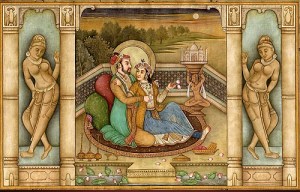
Picture of King and Queen (Raja and Raja patni)


சம்ஸ்கிருதச் செல்வம்– 7


தாயார், தந்தையர் யார் யார்?

 ச.நாகராஜன்

பெற்றால் தான் தாயா என்ன? யார் யார் தாய்க்குச் சமானம் என்று கவிஞர் தெளிவாகக் கூறுகிறார் இப்படி:-

ராஜபத்னி – அரசனின் மனைவி

குரு பத்னி – குருவின் மனைவி

ப்ராத்ரு பத்னி – (மூத்த) சகோதரனின் மனைவி

பத்னி மாதா – தனது மனைவியின் தாயார்

ஸ்வ மாதா – பெற்றெடுத்த தாயார்

ஆகிய இந்த ஐவரும் பெற்ற தாயாருக்குச் சமம்.

பாடலைப் பார்ப்போம்:


ராஜபத்னி குரோ: பத்னி ப்ராத்ரு பத்னி ததைவ ச I

பத்னிமாதா ஸ்வமாதா ச பஞ்சைதா மாதர: ஸ்ம்ருதா: II

சுபாஷித ரத்னாகர பாண்டாகாரம் என்ற சுபாஷித தொகுப்பு நூலில் இந்தப் பாடல் உள்ளது.

சரி, தந்தையர் பற்றியும் ஒரு கவிஞர் தெளிவாகக் கூறுகிறார் இப்படி:-

ஜனிதா – பெற்ற தந்தை

உபநீதா – மந்திரங்களை உபதேசிப்பவர்

வித்யா தாதா – வித்தையைக் கற்றுக் கொடுப்பவர்

அன்ன தாதா – அன்னம் அளிப்பவர்

பய த்ராதா – பயத்தைப் போக்குபவர்

ஆகிய இந்த ஐவருமே ஒருவருக்குத் தந்தைக்குச் சமானம்.

பாடலைப் பார்ப்போம்:


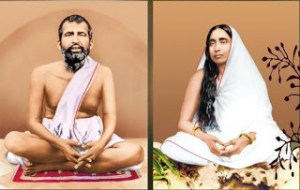
Picture of Ramakrishna and Sarada Devi (Guru and Guru Patni)

ஜனிதா சோபநீதா ச யஸ்ச வித்யா ப்ரயச்சதி I

அன்னதாதா பயத்ராதா பஞ்சைதே பிதர: ஸ்ம்ருதா: II


நினைவில் இருத்திக் கொள்ள வேண்டிய கருத்தல்லவா இது!


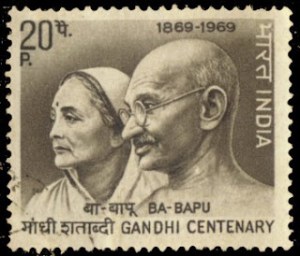
Picture of Mahatma Gandhi and Kasturbai Gandhi

********* 

சம்ஸ்கிருதச் செல்வம்- 6


 சிதையும் சிந்தையும்!


By ச.நாகராஜன்


  சிதையையும் சிந்தையையும் பற்றிச் சிந்தித்தார் கவிஞர் ஒருவர்.

அற்புதமான ஒற்றுமை அவருக்குத் தோன்றியது. பாடலாக வடித்து விட்டார்.

சிதை என்பது இறந்த உடலை வைத்துத் தீ மூட்டும் இறுதி யாத்திரையின் இருப்பிடம்.

சிந்தை என்பதோ ஒரு காரியத்தைப் பற்றித் தீவிரமாக எண்ணுவது.

இரண்டு எழுத்துக்களுக்கும் ஒரு சின்ன வித்தியாசம் தான்!

ஒரு அனுஸ்வரம் அதாவது ஒரு ‘ந்’ இடையில் வருகிறது.


சிதா சிந்தா சமா ஹ்ருத்கா பிந்து மாத்ரம் விசேஷத: I

சஜீவம் தஹதே சிந்தா நிர்ஜீவம் தஹதே சிதா II


சிதா சிந்தா சமா ஹ்ருத்கா பிந்து மாத்ரம் விசேஷத: – சிதை, சிந்தை இரண்டு எழுத்துக்களுக்கும் உள்ள ஒரு வித்தியாசம் ஒரு பிந்து (ந் என்ற புள்ளி தான்!)

நிர்ஜீவம் தஹதே சிதா – உயிர் போனவுடன் சிதை எரிக்கிறது


சஜீவம் தஹதே சிந்தா – உயிருடன் இருக்கும் போதே எரிக்கிறது சிந்தை!


எப்படிப்பட்ட கவலையில் இருந்திருந்தால் இந்தப் பாடல் எழுதப்பட்டிருக்கும்!

ஆனால் எப்போதுமே மனித சிந்தை கவலைக்கு இருப்பிடமாகத்தானே இருக்கிறது. ஆகவே ஒரு புள்ளி மாத்திரமே வித்தியாசமாக இருந்தால் கூட சிதையும் சிந்தையும் ஒரே வேலையைத் தான் செய்கிறது.

கவிஞரின் கருத்து பெரும்பாலும் உலகத்தில் சரியாகத் தானே இருக்கிறது!

******

அருணகிரிநாதர் போடும் 3 விடுகதைகள்


திருப்புகழ் ஆராய்ச்சிக் கட்டுரை– 9

அருணகிரிநாதர் போடும் 3 விடுகதைகள்: உங்களுக்கு விடை தெரியுமா?

அருணகிரிநாதரால் பாடப்பட்டு நமக்குக் கிடைத்துள்ள அற்புதமான 1300+ திருப்புகழ் பாடல்களில் பல அழகான சொல்லாக்கமும், சொல்லாட்சியும், சொற்சிலம்பமும் இருப்பதை முந்தைய எட்டு கட்டுரைகளில் கண்டோம். அவர் போடும் பல புதிர்களுக்கு விடை கிடைக்காமல் அறிஞர்கள் திண்டாடுகிறார்கள் ஒரு மூன்று புதிர்களை மட்டும் இங்கே காண்போம்.

  1. திருவேங்கட மலையில் முருகன் கோவில் இருப்பதாகப் பாடுகிறார். நமக்குத் தெரிந்து வேங்கடாசலபதி (பாலாஜி ) கோவில் இருக்கிறது. அப்படியானால் முருகன் கோவில் ஒன்று இருந்து அழிந்துவிட்டதா? அல்லது இப்போதைய பாலாஜி கோவில் ஒருகாலத்தில் முருகன் கோவிலாக இருந்ததா? இது அவர் போடும் முதல் புதிர்.


  1. சரஸ்வதி நதிக்கரையில் வயிரவி வனம் என்று ஒரு இடம் இருப்பதாகவும் அங்கே முருகன் கோவில் இருப்பதாகவும் பாடுகிறார். சரஸ்வதி நதி வேத காலத்தில் ஓடி மகாபாரத காலத்தில் மறையத் துவங்கிவிட்டது. அருணகிரி காலத்தில் சரஸ்வதி நதி இல்லையே! நமக்குத் தெரிந்து வயிரவி வனம் என்று ஊரும் இல்லையே. வயிரவி வனம் எது? முருகன் கோவில் எங்கே? இது அவர் போடும் இரண்டாவது புதிர்.


  1. பிள்ளையார் கையில் ஒரு மாதுளம் கனியை பார்வதி தேவி கொடுத்ததாகப் பாடுகிறார். அது என்ன புதிய கதை? நமக்குத் தெரிந்ததெல்லாம் பழனியில் மாங்கனி கொடுக்கப்பட்டது. முருகன் கோபித்துக் கொண்டு ஓடிப் போய் தண்டாயுதபாணியாக நின்றார். இந்த மாதுளம் பழக் கதை என்ன?

மூன்று கேள்விகளுக்கும் விடை தெரிந்தால் சொல்லுங்கள். என்னுடைய ஊகங்களை முதலில் கூறிவிடுகிறேன். திருப்பதி (திருவேங்கடம்) பற்றி அருணகிரி நாதர் பாடியது இதுதான்:

வேந்த குமார குகசேந்த மயூர வட

வேங்கட மாமலையில் உறைவோனே

வேண்டிய போது அடியர் வேண்டிய போகம் அது

வேண்டவெறாது உதவு பெருமாளே


திருவேங்கடத்தில் பாடிய இன்னும் ஒரு திருப்புகழில்

ராவணார் முடி பொடியாகச்

சிலை வாங்கிய நாரணார் மரு

மகனாம் குகனே பொழில் சூழ்தரு

திருவேங்கடமாமலை மேவிய பெருமாளே

என்று பாடுகிறார்.

திருப்பதி கடவுள் பற்றி நிறைய புதிர்கள் உள்ளன. வேறு எந்த வைணவ தலங்களிலும் இல்லாத உருவ அமைப்பும், பல நடைமுறைகளும் பூஜைகளும் திருவேங்கடநாதருக்கு இருக்கின்றன. ஆனால் சிலப்பதிகார காலம் முதல் ஆழ்வார்கள் காலம் வரை அங்குள்ள விஷ்ணுவையும் பாடி இருக்கிறார்கள் அப்படியானால் முருகன் கோவில் எங்கே? இதுவரை ஏழு மலைகளில் முருகன் கோவில் கண்டுபிடிக்கப்படவில்லை

வேங்கடேசன் என்று சிவனைப் போல ‘ஈஸ்வரன்’ என்று பெயர் வைக்கிறோம். பொதுவாக ‘ஈசன், ஈஸ்வரன்’ என்பது சிவனையே குறிக்கும். எதற்காக ஈசன் பெயரைச் சேர்க்கிறார்கள்? ‘வேங்கட சுப்ரமணி’யனென்றும் பெயர் வைக்கிறோம். வேங்கடத்தில் (திருப்பதி-திருமலை) சுப்பிரமணியன் எங்கே இருக்கிறார்? குன்று தோராடும் குமரன் தமிழக வட எல்லையான வேங்கடத்தில் கட்டாயம் கோவில் கொண்டிருப்பாரே? அது எங்கே? சிலர் விஷ்ணு கோவில் (பாலாஜி),  முதலில் முருகன் கோவிலாக இருந்திருக்க வேண்டும் என்றும் சொல்லுகிறார்கள். அதற்கும் ஆணித்தரமான ஆதாரங்கள் இல்லை.

இருதரப்பு வாதங்களையும் படித்த பின்னர் எனக்கு என்ன தோன்றுகிறது என்றால் ஒருவேளை இரண்டு கோவில்களும் இருந்து ஒன்று மறைந்திருக்கலாம். தமிழ் நாட்டில் கூட சிதம்பரம் போன்ற இடங்களில் சிவனும் விஷ்ணுவும் அடுத்தடுத்து இருப்பதைப் பார்க்கிறோம். “அரியும் சிவனும் ஒன்னு அறியாதவன் வாயில் மண்ணு” என்ற பொன்மொழியை அறிந்தவர்களுக்கு இது வியப்பு தராது. காலப் போக்கில் ஒன்று மறைந்திருக்க வாய்ப்பு உண்டு. தமிழ்நாட்டில் பலகோவில்களில் பலராமன் வழிபாடும் இருந்தது. ஆனால் இன்று அறவே இல்லை. புறநானூற்றிலும் சிலப்பதிகாரத்திலும் பலராமன் வழிபாடு உள்ளது. பழமுதிர்ச்சோலை காணாமற்போகவே நமது காலத்தில் நாமாக புதிய பழமுதிர்ச்சோலையை உருவாக்கினோம்.

சரஸ்வதி நதி மர்மம்

சரஸ்வதி நதிக்கரையில்தான் உலகின் மிகப் பழைய மதப் புத்தகமான ரிக்வேதம் உருவானது. அந்த நதி மறைந்து விட்டதால் பிரயாகை என்றும் த்ரிவேணி சங்கம் என்றும் அழைக்கப்படும் இடத்தில் கங்கையும் யமுனையும் இன்று கண்ணுக்குத் தெரிகின்றன. த்ரிவேணியில், மூன்றாவதான சரஸ்வதி பாதாளம் வழியாக கலப்பதாகச் சொல்லிக் கொள்வார்கள். இப்போது அமெரிக்க விண்வெளி அமைப்பான நாஸா எடுத்த புகைப்படங்களில் மறைந்து போன வழித்தடங்கள் தெரிகின்றன. ஆனால் இப்போது சரஸ்வதி நதியும் இல்லை, வயிரவி வனம் எங்கே இருக்கிறது என்றும் தெரியவில்லை. அருணகிரிநாதர் போன்ற ஆன்மீக உள்ளொளி பெற்றவர்களுக்கு வயிரவி வனம் என்ன, கைலாசம் க்குடத் தெரியும். ஆனால் நம்மை போன்றவர்களுக்கு வயிரவி வனத்தைக் கண்டுபிடிக்காத வரை தூக்கம் வராது. இண்டியானா ஜோன்ஸ் வேலை செய்து நாமும் முயற்சி செய்து பார்ப்போமே.

இதோ சரஸ்வதி நதி பாடும் திருப்புகழ்:

மருமலர் மணக்கும் வாச நிறைதரு தருக்கள் சூழும்

வயல்புடை கிடக்கு நீல மலர்வாவி

வளமுறு தடத்தினோடு சரஸ்வதி நதிக்கண் வீறு

வயிரவி வனத்தில் மேவு பெருமாளே


மாங்கனியா? மாதுளங்கனியா?

திருவிளையாடல் திரைப்படம் பார்த்தவர்களுக்கு முருகன் – பிள்ளையார் இடையே நடந்த போட்டி தெரியும். கலகம் செய்வதையே பொழுது போக்காகக் கொண்ட நாரத மாமுனிவன் ஒரு மாம்பழத்தைக் கொண்டுவந்து அதை வெட்டாமல் சாப்பிடவேண்டும் என்று சொன்னார். உலகம் சுற்றும் வாலிபனுக்கே அந்தப் பழம் என்று போட்டி வைக்க, முருகன் மயில் மீது பறந்து சென்றார். கெட்டிக் கார பிள்ளையார் அம்மாவையும் அப்பாவையும் சுற்றிவந்து உலகத்தையே சுற்றிவிட்டதாகச் சொல்லி பழத்தை வென்றார்., முருகன் கோபித்துக் கொண்டு பழனி மலையில் குடியேறினார். ஆனால் அது மாம்பழக் கதை. அருணகிரிநாதர் சொல்வதோ மாதுளம்பழம். இது புதுக் கதையா? பழைய கதையில் செய்யப்பட்ட ஒரு சிறிய மாற்றமா?

இதோ மாதுளங் கனி திருப்புகழ்:

உவகாரியன்பர்பணி கலியாணி எந்தை இடம்

முறைநாய கங்கவுரி             சிவகாமி

ஒளிர் ஆனையின் கரமில் மகிழ் மாதுளம் கனியை

ஒரு நாள் பகிர்ந்த உமை அருள் பாலா


ஏனைய எட்டு திருப்புகழ் கட்டுரைகளையும் படித்து இன்புறுக.

லண்டன் சுவாமிநாதனைத் தொடர்பு கொள்ள: swami_48@yahoo.com

GODS AND BIRDS

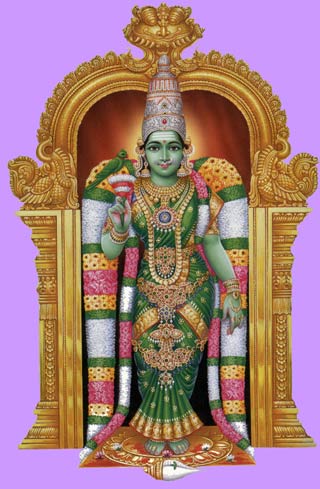
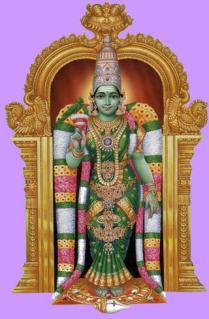
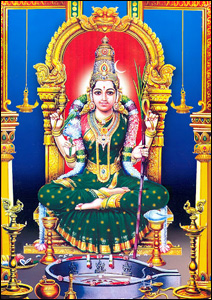
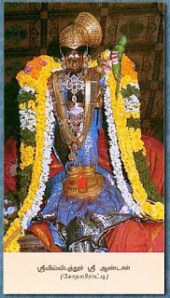
Pictures of Goddess Meenakshi, Kamakshi and Andal


“ I suppose he (the crow) has no enemies among men. The whites and Mohammedans never seemed to molest him; and the Hindoos, because of their religion, never take the life of any creature, but spare even the snakes and tigers and fleas and rats”

–Mark Twain writing on Indian Crows

Hindus are great lovers of animals. They show kindness and respect to birds and animals. Hundreds, maybe thousands, of towns are named after birds and animals in the whole of India. From ant, snake to elephant, every animal is honoured. Each town has a long story about them, mostly connected to Gods. Birds and Gods are close. We have several Hindu gods carrying a bird in their hands. Why? What is the significance?

Meenakshi, Goddess of Madurai, carries a parrot on her right shoulder, so do Andal of Srivilliputur near Madurai  and Kamakshi of Kanheepuram (Tamil Nadu,India). Lord Muruga/Skanda  has  a cock in his hand or flag with cock.

Meenakshi Navaratna Mala, a Sanskrit hymn praises her in the very first verse as the carrier of a parrot. Such is the importance of parrot in her life:

“Meenakshim ,Madhureswareem, Sukhatharam Sri Pandya Baalaam Bhaje” =Salutations to Goddess Meenakshi, goddess of Madurai, who has a parrot in her hand, who is the daughter of Pandya king.

Madurai Meenakshi has got a parrot made of pearls. ( Please read about her amazing jewellery collection in my THE WONDER THAT IS MADURAI MEENAKSHI TEMPLE ).
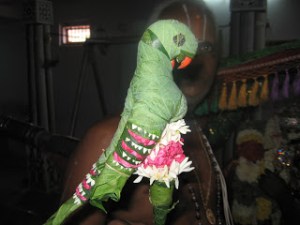
Picture of Parrot made with leaves in Srivilliputtur, Tamil Nadu


When we were children we used to go to Meenakshi temple very often. There was a big cage near the sanctum sanctorum of goddess Meenakshi where 20 to 30 parrots were kept. If we call Rama  they will repeat RAMA. If we call  Meenakshi, they will echo MEENAKSHI. I have already explained in three or four posts the relationship of Brahmins and parrots. The parrots simply repeated the VEDAS, says the Indian literature.

Now we know the reason. All good things we say are repeated. Hindu devotees believed that our requests and prayers are also repeated to Goddess even after we leave the temple. Birds’ link to omens has been already explained in my post “Can Birds Predict Your Future?” Tamils, Etruscans and other Hindus strongly believed in such omens.

In Srivilliputtur, a parrot is made every day with leaves and kept In the left hand of goddess Andal. At the end of the day, It is given to devotees who believed it would bring good luck to them.

‘ Kili viDu Thuthu’  is a genre in Tamil. The meaning is sending parrot as a messenger to a loveror beloved. Andal is said to have sent the parrot to Lord Vishnu to give the message of her love. More over wherever parrot is there it is velieved Sukhabrahmam is repeating the mythologies.

In the story of Skanda/Kartikeya the cock was a subdued demon. It symbolises that our demonic thoughts would be subdued ‘in the hands of God. Hindu goddess Lakshmi and Sarawati have owl and swan as their respective vehicles (vahanas). Crow is the vahana of planet Saturn and Garuda/eagle of God Vishnu (Please read my articles on Vahans for more details).
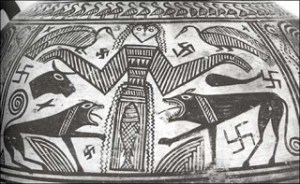
 

Picture of Greek Goddess Artemis with birds and Hindu Swastika symbol, 700 BC

Parrot Upanishad= Taitriya Upanishad.

Upanishads are the highest philosophical treatise in Hinduism. One of the 18 main Upanishads is Taitriya Upanishad. Thiththi and Thaththai are words for parrot in Sanskrit and Tamil. The story of Taitriya Upanishad is interesting. Yagnavalkya’s teacher was offended and asked him to return the Veda. He “vomited it and the parrots ate it”. Even a child can understand the symbolic story. When Yagnavalkya’s Guru asked him not to repeat it, he gave it to his disciples (What he threw out was taken/eaten by others).

Once again this story proves the significance of parrots in Vedas and Gods hands/shoulders. The message is, repetition of good things, is essential. Taitriya Upanishad is a beautiful Upanishad with instructions for students, saints as well as laymen. Be a parrot and repeat God’s names or good principles!
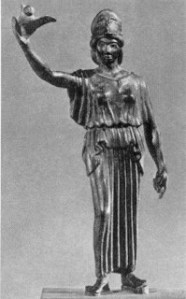
Picture of Greek Goddess Athena with an owl

Vyasa’s Son ‘Parrot Saint’ = Sukha Brahmam

Vyasa’s son Sukha Brahmam was the one who recited all the Puranas (Hindu Mythologies). Hindu mythologies are voluminous running to millions of lines. This monumental work was done by Sukha (literally parrot). Needless to explain the symbolism behind it. Sukha’s dad Vyasa did another great task of compiling and dividing Vedas into four sections and entrusting them to four of his disciples. Nowhere in the world we see such immense task carried out by any human being. Till this day no one on earth has beaten Vyasa or his parrot son in compiling lost works. Humanly impossible task was done by both. When we talk about Vyasa and Sukha we can use only superlatives!

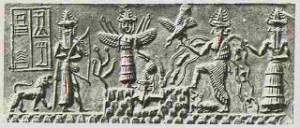
Sumerian and Greece

Gods in Sumerian culture also carried birds. Greek Goddess Athena carried an owl in her hand. Owl is considered a bird of wisdom. The Greek word for owl is Glaukos. It is derived from Sanskrit word Uluka=owl. In India also owl was considerd wise and Uluka, Kausika were used by Rishis. In Sumerian culturecertain gods and goddesses carried birds. There are lots of other stories about owls as well.

Contact London Swaminathan : swami_48@yahoo.com
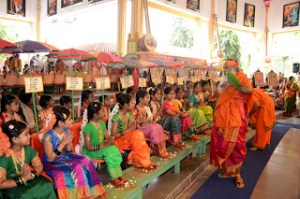
Picture of Hindu Saint Ganapathi Sachidananda with a live parrot


Earlier related posts:

1. Animal Einsteins (Part 1 and Part 2) 2. Can parrots recite Vedas? 3. Why do animals worship Gods? 4. Mysterious Messengers for Ajanta, Angkor Wat and Sringeri 5. Elephant Miracles 6). 45 Words for Elephant 7. Can Birds Predict your Future? 8. Two Little Animals That Inspired Indians 9. Three Wise Monkeys from India 10. Mysterious Tamil Bird Man 11.Vedic Dog and Church Dog 11. Deer Chariot:  Rig Veda to Santa Claus 12. Mysterious Fish Gods around the World 13.  Serpent  (Snake) Queen: Indus Valley to Sabarimalai 14.Who Rides What Vahanas (Animal or Bird)? 15. Vahanas in Kalidasa and Tamil Literature 16. Vahanas on coins and in sculptures
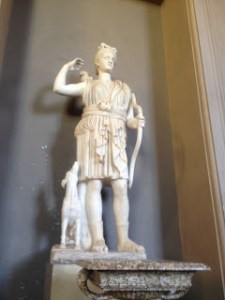
Pictures of Greek and Sumerian Gods