Hindu Goddess Sri Bali /Cybele in Rome and Greece


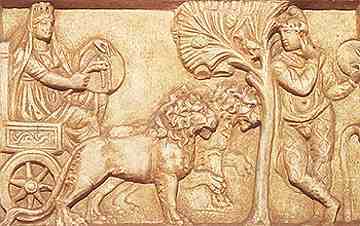
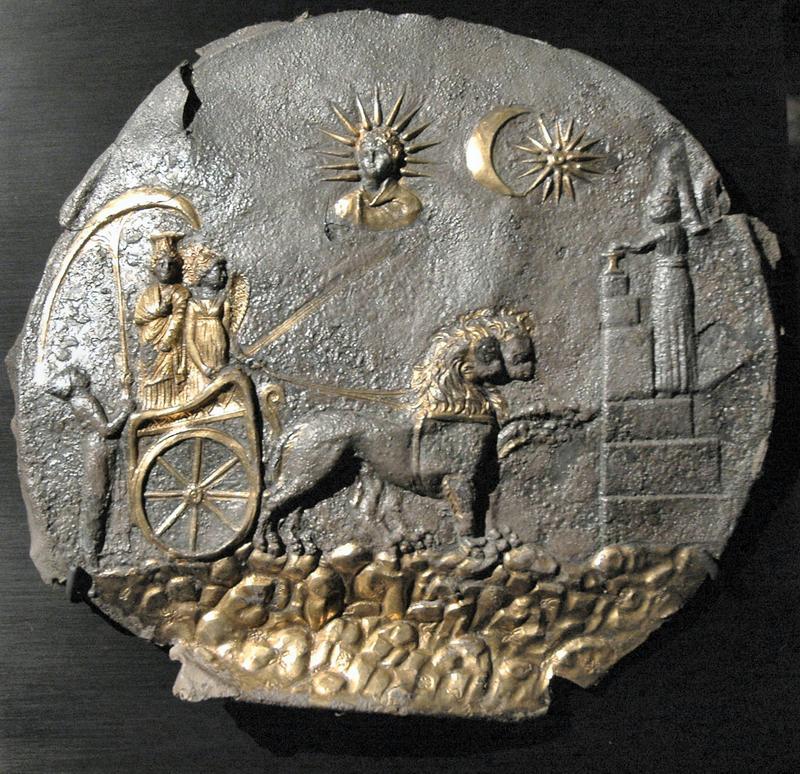
Picture shows Cybele accompanied by Goddess of Victory in a chariot drawn by lions. Sun is personified as Helios. An attendant in barefoot holds a parasol. Silver plate found in Afganistan

Cybele worshipped in Europe was the Hindu goddess Sri Bali. Keralites carry Sri (Bhutha) Bali in all the festivals. They call it Seeveli. Sri Bali got corrupted in to Seeveli and Cybele. Read the full article for more interesting facts. We find Cybele’s statues from Afghanistan to Greece.

Cybele is a mother goddess. She was worshipped in Greece and Rome. Scholars say that Cybele originated in North Western Turkey (Phyrgia). Turkey was ruled by the Hindus at one time. Hittites and Mittani kings were Hindus. They worshipped Vedic Gods and knew Sanskrit. The oldest inscriptions with Sanskrit words (Horse Training Manual by Kikkuli) were discovered in Turkey and Syria. One of the kings that ruled this area was Thusratta (Dasaratha). His letters were discovered in Egypt. (Please see my earlier posts for full details).

Worship of Cybele (also written Kybele) began in 1500 BC and ended in 400 AD when Christianity spread to Europe. She was worshipped as mountain goddess in the beginning. This explains the popularity of Seeveli in mountainous Kerala (India).

Cybele is shown with umbrella on a chariot. This is the main clue to identify it with Hindu gods. Any king or god shown with umbrella is influenced by Indian culture. Indians invented the umbrella. When one did a big Yaga  he was presented with a white umbrella. From Kalidasa to Sangam Tamil literature we read about white umbrella as the symbol of glory. Showing umbrella is one of the Sixteen Upacharams in Hindu puja. Even the Vamana Avatar was shown with an umbrella, again Kerala type!

Umbrellas spread to all parts of the world from India. We have got enough proof for it in our ancient literature. Snake hood was the umbrella for Krishna when he was a baby.

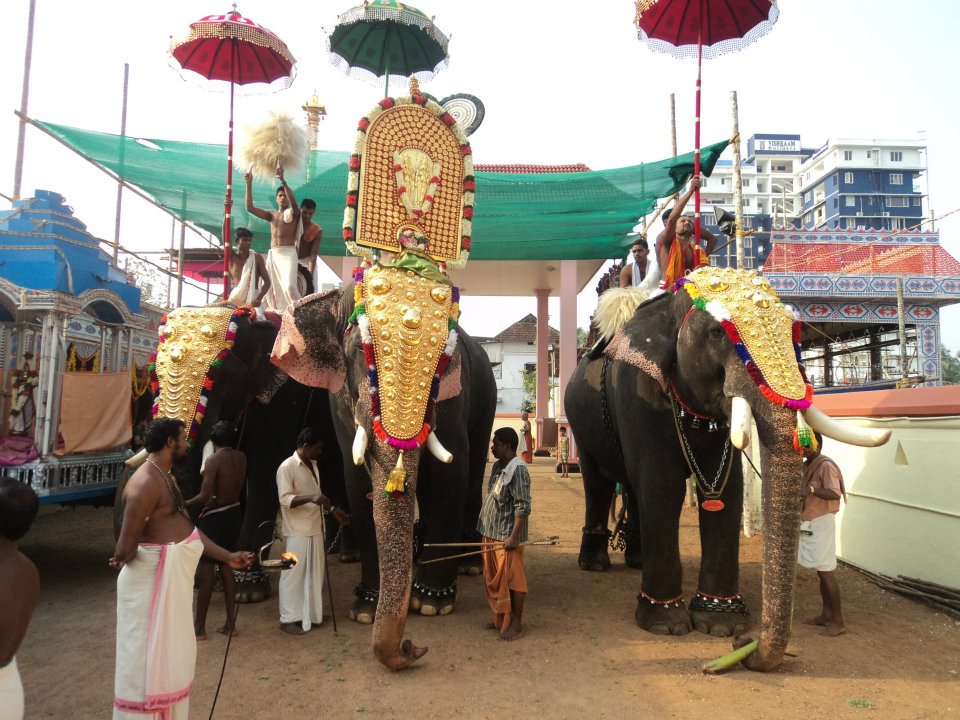
All Kerala festivals show beautiful umbrellas on decorated the elephants. One of the elephants carries the Sri Bhutha Bali (Seeveli). This has led to the worship of Cybele, the mother goddess.


Picture of  Thrissur Seeveli

SRI is mother, BALI is offering. Before and during any big festival, offering bali is an important ritual. There are elaborate instructions about what to offer to which god on what day in the Agama Shastras.

Greeks identified Cybele with the goddess Rhea and the Romans identified her with Magna Mater (Great Mother). In the beginning this ritual must have started with some sacrifice to the Mother Goddess. That is why it is called SRI bali. Later it spread to local gods and goddesses. Now in Kerala the Sri Bali is in same shape, but with different deities in different areas/temples.

Even modern encyclopaedias describe Cybele as one of the most important ASIAN mother goddesses. In 204 BC, Cybele carved in a black stone was taken to Rome from Turkey. Hindu statues of Kali are also in black stone (Kali means black). She was depicted riding in a chariot drawn by panthers or lions accompanied by frenzied dancers. This is also similar to Kerala where the possessed people dance and forecast future events (known as Velichapadu). A more chronological study of this deity will show us the movement and development of this Hindu deity.


Bali or Offerings for Hindu Gods

During ten day or 13 day temple festival, different offerings are given to different gods. In the temples only one instrument will be played with the person who offers Bali. There is a stone called Bali Peetam in most of the temples. A few examples of Bali are given below:

Picture of Guruvayur Seeveli


First Day for Lord Ganesh: Modhakam, Idli, Pulses, Flour, Jaggery

Second Day for Lord Brahma: Payasam, Turmeric powder, Lotus flower and fried rice (Pori)

Third Day for Bhuthas: Banana fruit mixed with melted butter, Sesame seed Rice

Fourth Day for Gandharvas: Turmeric powder, Coconut and sesame seed rice

Fifth Day for Indra: Indravalli root with ghee,millet

Sixth Day for Rishis/Seers: Jack fruit with Ghee and Bamboo rice

Seventh Day for Lakshmi: Sweet Pongal (rice) and fruits

Eighth Day for Rakshasas( demons) Blackgram rice with ghee (melted butter)

Ninth Day for Shiva: Curd Rice (Yogurt), Root Flour, Fried rice, Flowers

Tenth Day for Vishnu: Red colour rice, Appam (sweet cake),Sesame powder

Some Agamas give thirteen day offerings including for Nagas, Loka palaks etc.


Daily Pujas also offer balis to different devatas (angels). This will give some idea about Balis. It is part and parcel of Hindu Rituals.

Even meat is offered to Grama devatas. In Madurai, goddesses like Sellaththamman are offered meat offerings. In the middle of the night they throw the meat balls for the goddess. A detailed study of different Balis to different Devatas may throw interesting information about our ancient customs.

Picture of Cybele at Attis Relief.

Contact  swami_48@yahoo.com


**************

What is Vadamukagni –‘ Sub marine Fire’?

Image

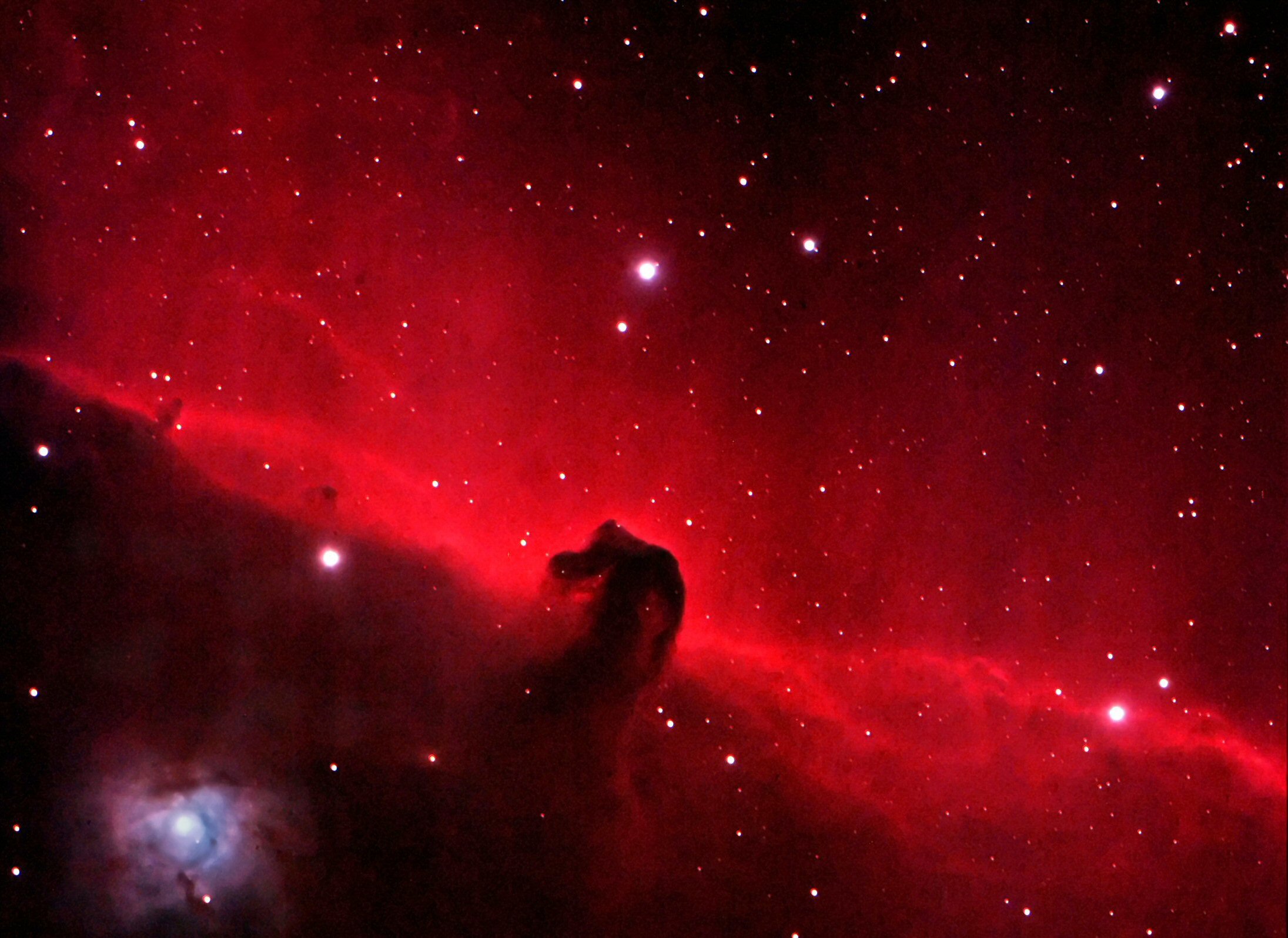
Picture shows Horse head Nebula.


“ Siva’s fiery wrath must still burn in you

Like Fire smouldering deep in the ocean’s depths.

Were it not so, how can you burn lovers like me,

When mere ashes is all that is left of you?—Sakuntalam III-3 of Kalidasa

Like the fire that is hidden in the sea brightens the world

When Shiva that is hidden in us going to enlighten us?—Badragiri, Tamil Siddha

Hindu mythology has many stories about the mysterious sub marine fire that is hidden at the bottom of the sea. Hindus believe that it is in the northern part of the ocean and it will come out on the final day (Armageddon) to destroy the world. People like me have been wondering for long what our Puranas (Hindu Mythology) mean by hidden fire at the bottom of the sea. Is it Aurora Borealis, the Northern Lights? Or Is it the lava that comes out from the sub marine volcanoes in areas like Hawai and Iceland? Is it something like Fire Tornados? None of these can destroy the world. So it must be something else.

Vadava or Vadamukagni, Vadavanala or Badapagni in Sanskrit is known as Uzi Thee or Vadavai  or Madangal in Tamil. Ramayana, Mahabharata, Sangam Tamil Literature and Puranas narrate the story of vadavagni. The shape of the fire is horse head, a head of a mare. There is no scientific explanation for this. The only horse head we see is in the sky what is known as Horse Head Nebula in the Orion constellation that is 1500 light years away from earth.

Recently British newspapers published a rare photo of a Fire Tornado that occurred in Alice Springs in Australia. It lasted for 40 minutes. Although rare, the phenomenon has been to known to inflict terrible loss of life. In 1923, a fire whirl that emerged during Japan’s Great Kanto earth quake killed 38,000 people in just 15 minutes.

Fire in Sea Waves

In 1977, a big cyclone crossed the coast of Andhra Pradesh that cost the life of 50,000 people. Wall of water entered the land and the fiery waves travelled up to 10 miles and wiped out 150 villages in a few hours. Villagers who escaped the wrath of the storm told the reporters that they saw fire on top of the waves. Officials pointed out that it had happened earlier in Machilipattinam during the East India company rule. Such fire was seen in Key West of Florida area in the past. Is it what our forefathers mentioned in the Puranas as Vadavanala?

Scientists explain the fire in the ocean waves is due to tremendous electricity that is produced when millions of sand particles are disturbed by the great rush of waves. In Andhra the waves travelled at  200 kilometres per hour.

Story of Ascetic Fire

According to Harivamsa, Aurva is the son of the sage Urva who had gained great power by his austerities, and who was requested by the gods to beget children to perpetuate his race.  He consented but warned them that his off spring  would consume the world. So from his thigh he created a devouring fire which would have consumed the world, had not Brahma assigned to it the ocean as its habitation and the waters as its food

In the Mahabharata, a different version appears: Aurva was the son of Chyavana  and Arushi. He wanted to take revenge upon Kshatria kings who persecuted Brahmins. Even after the Kshatrias begged for forgiveness, Aurva continued to harbour anger and hatred. His ancestors appeared before him and asked him to forgive his enemies. Aurva then discarded the flames of anger and hatred into the sea.

(Earlier in my blog under ‘Sea in Kalidasa and Tamil Literature’, I reported it may be the submarine volcanoes. But now I doubt it).

Kalidasa’s reference to Vadavagni is given at the top.Like Sakuntalam, we have references in Raguvamsam 9-82,11-75,13-4,13-7 (sub marine fire) as well. When Dasaratha killed the son of an ascetic by mistake during hunting, the ascetic cursed that Dasaratha should also die due to agony on account of his son. This curse remained in his mind like submarine fire called Vatavagni (Ragu9-82)

Tamil References
Tamil :Kuru.373 (Kollan Pullan), Nar.201,, 289, Pathitru. 62 (Kapilar),72-8 (Arisil kizar), Puram.34-5,,Kali-105 (Naluruthiran).

Kapilar compared the Chera king Selakadunko Vaziyathan to “Vatamukagni”-horse shaped sub marine fire- that destroy the world (Pathiru.62); Arisil Kizar praised Peruncheral Irumporai in the same way (Pathr.72); Both the Chera kings were able to destroy his enemies like the Vadavagni destroys the world. Also is a reference in Kali. 105 Nalluruththiran.

Some people in North India have Badapagni as surname. Tamil word for this clearly show that the fire will come during the great floods (Uzi Thee). Another beautiful Tamil word for this is Madangal which means Big Shrink.

Contact swami_48@yahoo.com


******************
 

Hindu Gods in Egyptian Pyramids

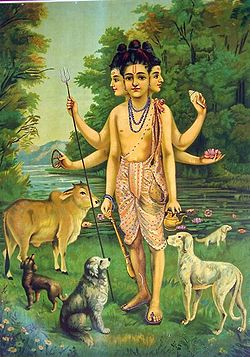
Picture: Hindu God Dattatreya with Four dogs representing Four Vedas

(Please part 1. Did Indians build Egyptian Pyramids? Part2. Vedas and Egyptian Pyramid Texts Part 3. Vishnu In Egyptian Pyramids before reading this part: London swaminathan)

“ Egyptian priests had come from the Nile to the Ganges and Yamuna to visit the Brahmins of India, as the Greeks visited them at a later time, rather acquire knowledge than to impart knowledge”-wrote a scholar centuries back.

There was a god in ancient Egypt who was called THOTH. If anyone reads the attributes of this God, every line will show one attribute of a Hindu god. Here are the amazing similarities:

“ The Egyptian god Thoth represented with a head of an Ibis (water bird) and surmounted by a crescent moon. As inventor of Hieroglyphs he was named LORD OF THE HOLY WORDS. He was said to have accomplished the work of Creation by the sound of his voice alone”.

The above passage is taken from an encyclopaedia. This is what we say about Brahma (represented by water bird Swan) in Hindu mythology. He created the world from sound (Aum=Sabda Brahmam).

“ The Egyptian Goddess of writing SESHAT was Thoth’s principal spouse”, says encyclopaedia. Seshat is nothing but SARASWATI of Hindus.

“Thoth authenticated decisions and legalised the name chosen for the pharaoh by writing it on the tree of history in temple. He checked the balance of the scales on the day of judgement of the dead. He was the Supreme scribe and the patron of human scribes”.

This we attribute to Brahma’s writing on our head and Chitragupta, Yama’s messenger, checking our balance of Papa and Punya (merits and demerits).

“ Thoth was master of the languages. The special offering made to him was a writing desk. He was the master of language and speech”.

This is attributed to Saraswati by the Hindus.

“ Thoth created what he desired simply by desiring it”—This is exactly what Hindus say about Brahma and his Manasa Putras= Sons created by Mind/thouught.

Upanishad Quotes

The Rosetta Stone (which helped us to decipher the Hieroglyphs) compares Egyptian God Thoth to the Greek God Hermes Trismegistus. My interpretation is this is nothing but Hindu God Dattareya. Read what the encyclopaedia says:

“He was the inventor of Arts and Sciences. And also the initiator of practices whose aim was to restrain the divinity and to give to initiate some sort of omnipotence by comparing him to God—YOU ARE I AND I AM YOU. The Hermeatic Body was regarded as having been written by him. He gathered together many dissimilar beliefs with different origins and was involved in magic, astrology and alchemy.”

The above passage is from encyclopaedia which says Thoth and Hermes Trismegistus are one and the same.

My interpretation: Trimegistus is three in one=Dattatreya. He was Brahma, Vishnu and Shiva according to Ramayana and Mahabaharata. And we see the Upansihad Vakyas: Tat Tvam Asi= You are That and Aham Brahma Asmi= I am God in the above description. So we can safely conclude Hindu’s Dattatreya (three headed ancient Hindu deity), Hermes Trismegistus of Greece and Thoth of Egypt are one and the same God. Temple of Thoth is in Khemnu in Egypt. Greeks called this Hermopolis. Tris in Greek means Three.

(Please read my post Let Nature be your Teacher: Dattatreya and Wordsworth)

Soul in the form of a Bird

In Indus valley civilization we see peacock in the funerary pots. This is the Atma/soul. In the Upanishad story two birds are symbolised as Jeev (Eve) atma and Parama Atma (Adam of Bible).

(Please read my post Three Apples That Changed the World for full details)

Egyptians represented soul (called BA) with a bird. A dead man’s soul is leaving the body was painted in the Ani papyrus of 19th Dynasty. It is in the British Museum. Tamil poet Tiruvalluvar in his Tirukkural (Tamil Veda) compares the Atma for a bird (Tirukkural 338).

Ankh and Pavithram

Ankh is a key like symbol carried by Egyptian Gods. This is what Wikipedia says about it: “The origin of the symbol remains a mystery to Egyptologists, and no single hypothesis has been widely accepted. One of the earliest suggestions is that of Thomas Inman, first published in 1869:[2]

It is by Egyptologists called the symbol of life. It is also called the “handled cross”, or crux ansata. It represents the male triad and the female unit, under a decent form. There are few symbols more commonly met with in Egyptian art. In some remarkable sculptures, where the sun’s rays are represented as terminating in hands, the offerings which these bring are many a crux ansata, emblematic of the truth that a fruitful union is a gift from the deity”.

My interpretation it is the PAVITHRAM of Hindus. Hindus, particularly Brahmins, wear this key like symbol ‘Pavithram’ made up of Dharba grass during every ritual or Puja. Like Egyptian Gods get or give energy with Ankh, Hindus get energy from the sun by wearing Pavitham. The above passage can be interpreted as Lingam and Yoni of Saivism as well.

Breaking the Vessels

Hindus break all the mud pots after using them in a funeral. They are made up of clay and painted red. Egyptians also broke all the red colour ceramic vessels at the end of the burial ritual. This was done to ensure that they were not reused.

Bhumi Puja  (Earth Ritual)

Hindus make offerings to Earth Goddess and other Gods before commencing any building work. We follow this custom until this day. Ancient Egyptians made offerings at important construction projects such as Pyramids. A few symbolic objects including certain sacrifices—so called foundation deposits—were usually laid in a hole in the foundation.

Muslim invaders who invaded India knew that Hindu temples had such foundation deposits of most expensive gems and gold in the world and plundered the Hindu temples after demolishing them. The best known example is the 17 time invasion of Mohmed of Gazni against Somanathpur Shiva Temple in Gujarat.

Western scholars have pointed out the following aspects that have got parallels in Hinduism:

1.Egyptians believed that all beings sprang from the tears of Sun God Ra. Hindus believed all the beings came from the tears of Prajapati.

2. Horus, like Brahma, was born of a Lotus petal. Lotus flower is a common feature in the architecture of Hindu and Egyptian temples.

3. In Egypt there were seven castes. In ancient India we had four castes.

4. According to Eusebius and Syncellus, some people from the River Indus settled in the neighbourhood of Egypt in the reign of Amenophis. Many Egyptians banned by their princes settled in other countries and went as far as India.

5. Both the Hindus and Egyptians had also the same division of time into weeks and they denominated each of the days by the name of the same planets.

6. Both believed that the souls of men existed in a prior state, and went into other bodies after death.

7. Several religious ideas and customs were common to both the countries. Egyptians represented the world under the figure of an egg, which came from the mouth of Cneph and this resembled the Brahmandam of Hindus.

8.Both of them had same belief about eclipses. Hindus believed Rahu and Ketu are swallowing the Sun and Moon and Egyptians ascribed it to Typhon.

9.Egyptians at certain festivals carried the images of heir gods in the procession. Herodotus says they drew one of them in a carriage with four wheels, and the same was done by the Hindus. Egyptians held cows in much greater veneration than any other animals. They were sacred to Isis and never sacrificed. Bull was also respected.

10.Eswara was adored as Osiris in Egypt and Bacchus in Greece. Diodorus said that the title of Thriambus was assumed by the Greek deity in his triumph after the conquest of India (Triambka is one of the names of Lord Shiva).

Sphinx and Chathuka Bhutham

I have already written about the Sphinx of Greece, Egypt and Chathukka Bhutam of Silppadikaram, the most famous Tamil epic. Please read my post:

1.கிரேக்க பூதமும் தமிழ் பூதமும், 2.டெல்பி ஆரூடமும் தமிழ்நாட்டு குறிசொல்வோரும்

Both the articles are in Tamil. It compares the Delphi Oracle with the Tamil Foretellers or Diviners. Another post compares the Ghosts (Chathukka Bhutham) that punished wrongdoers as described in the Tamil epic Silappadikaram. This ghost was in the City Squares in the Underground caves. The origin of Egyptian Sphinxes is mysterious, but Greeks acknowledge it came from Egypt. My interpretation is that it went from India to Egypt and Greece. We have proofs in Silappadikaram , Yaksha Prasna of  Mahabharatam and Vikram and Vetal stories in India. Yaksha Prasna means Questions /riddles of a ghost.

Next part will deal with SEX MANTRAS in Atharva Veda and Pyramids: swami.

Please contact swami_48@yahoo.com

Vishnu in Egyptian Pyramids (Part 3)


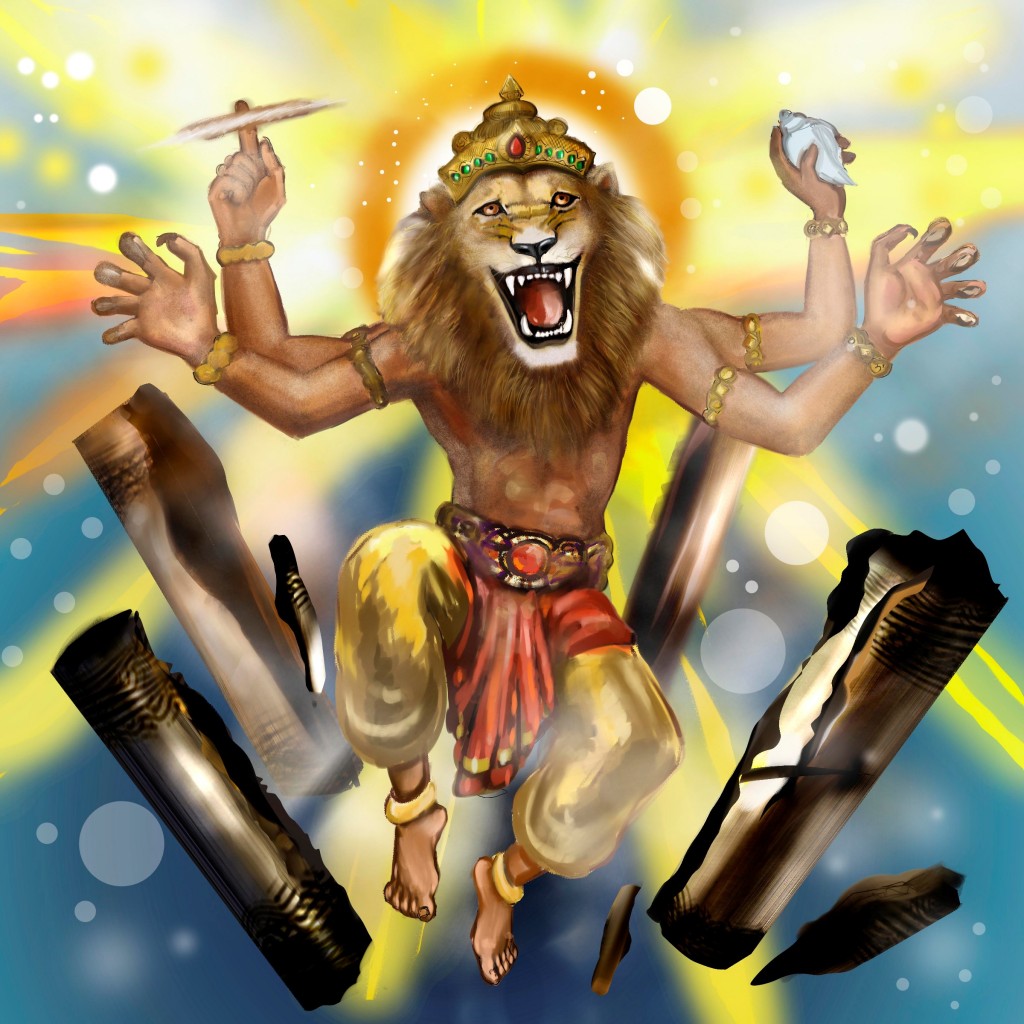
Top Picture: Vishnu’s Lion man incarnation

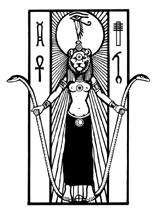
Bottom: Egyptian Goddess

Please read part-1:Did Indians build Egyptian Pyramids?

Part-2: Vedas and Egyptian Pyramid Texts before reading this part 3.

First sloka of Vishnu Sahasranama was in the Egyptian monuments. New Larouse Encyclopedia of Mythology (page 37) says:

“Today nothing remains of her (Neith) celebrated temple at Sais where Plutarch tells us, could be read the following inscription: ‘I am all that has been, that is and that will be. No mortal has yet been able to lift the veil which covers me’.

As soon as one reads the above quote, one will be reminded of Bhagavad Gita. The first sloka of Vishnu Sahasranama also describes Vishnu as “Bhuta, Bhavya, Bhavath Prabhuhu” meaning Vishnu was the master of past, future and present.

Hindus are the only race in the world that has this concept of time from time immemorial until today. Millions of people recite this Sahasranama and Gita every day. God is beyond time. Not only God but also god men also can go beyond time. We are one step ahead of Einstein.

(Please read my posts: Time Travel by Two Tamil Saints and Do Hindus believe in ETs and Alien Worlds? in my blogs).

This concept has travelled all the way to Egypt from India. The very God Plutarch (46-120 AD) talking about is Neith, a Tamil word. The Egyptian God name is Neith and the meaning in Egyptian is Weaver God (Tamil verb nei means weave).

Vaishnavism in Egypt

Some of the early pharaohs of Egypt like Khufu etc. of the IV dynasty are stated to have been wearing the Namam or the Vaishnavite caste mark. Some of the pharaohs are stated to have been wearing even the Dwathasa Namams on their body, donning the Jogi jeer cap and carrying the Sri Satari and clad in the short s Sanyasin’s garb (vide Egyptian myth and legend page 134, 368 etc and bible dictionary appended to the holy bible edited by the American revision committee page 38).

Some of the bushmen of Australia also are stated to have Vaishnavite caste marks .(please see wonderlands and new light by Sri Vaduvur Doraiswmy Iyengar’s book Wonderlands).

Vishnu’s vehicle Garudan (Falcon/Eagle) is seen in almost all the Egyptian monuments.

Lion Throne (Simhasanam)

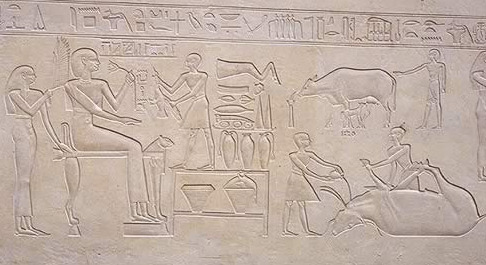
Sanskrit literature praises lion as the king of the forest. Brahmana literature also praises both tiger and lion as the leaders of the jungle. Simhasanam (Lion Throne) is a word used in India till this day. In other cultures they have no significance for it or a word for it. ‘Swayameva Mrugenthratha’ is a Sanskrit saying in praise of lion. We see Egyptian Gods and Queens sitting on Lion Thrones (see the picture). Relief from the limestone sarcophagus of Ashait, daughter of king Mentuhopte II, shows Ashait sits on a Simhasanam.

Another goddess is also portrayed like our Narasimhavatar (Lion faced Vishnu incarnation).

Saqqara Maze

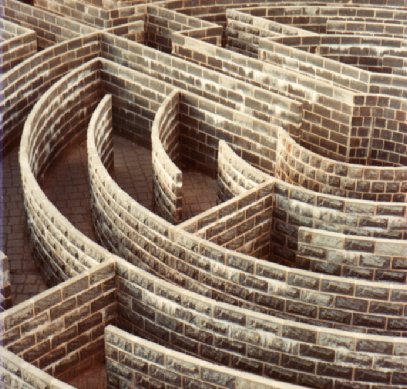
Saqqara is 25 kilometres from Cairo, capital of Egypt. Saqqara has step pyramid, one of the oldest stone structures in the world. Under the pyramid there are maze of tunnels. In Tamil there is a story about Mayil Ravanan. Any one enters his fort can never find one’s way out. It has got a complicated maze. My guess is Saqqara is named because of circular mazes underground. Archaeologists have found maze of tunnels. Chakra (the wheel) is one of the weapons of Vishnu as well.

Picture: This is NOT from Saqqara;this is to show how a maze looks like.


Origin of Egyptians and Sumerians

People of Egypt and Sumeria were very clear about their origin. They say they came from a far off island. A lot of scholars identify this place with Dilmun/Bahrain. They talk about pure, clean place. Sumerians also said the same and they called the god of sweet waters Enki. It may be Gangai. In Tamil Ganga becomes Gangai. All Sanskrit “a “ changes to “i” in Tamil.  In pyramid texts a foot and jar is shown to mean pure and clean. Hindus holy river Ganges comes from the head of Shiva and touches the foot of Vishnu and enters the plain. The footsteps are worshipped by the Hindus. The word Enki=Gangai and the footsteps point in the direction of Ganges. The association with purity and water is notable. Sanskrit is the only language in the world which has highest number of words for water.

(Please read my post 280 SANSKRIT WORDS FOR WATER)

Vedic people are the only race in the world who never claimed of any foreign origin. They claim every bit of India as their own and holy. But the foreigners who tried to disintegrate India said that they came from outside. When they found Sanskrit names around the world, instead of saying Hindus went there, they said Hindus came from those places. If they give five points in support of this curious theory, there are 95 points against this. Only Now Indians are slowly waking up and thinking of re writing their history. They are exploding the myth of Aryan Dravidian Invasion theory with NASA evidence of Saraswati River etc.

Dancers and Musicians

Dancers and musicians portrayed in some of the Egyptian paintings look like Indians. Two dancers and four musicians in the painting from Nebamum tomb at Thebes (1400 BC) resemble Indians.

Limestone relief from El Amarna showing King Akhenaten with his wife Nefertiti making offerings to Aten resembles the posture of Sandhyavandhanam.

Apis Bull resembles Nandhi of Hindu Shiva temples. Bull and cow were worshipped in Egypt.

Funeral customs

Not only the Book of Dead but also the funerary customs have striking similarities with Hindu customs. In India, on the tenth day after the death of a near and dear one, the eldest son donates more than seventy different things to the priests for the sake of safe passage of the soul. One of them is a cow and another is a boat. The cow is to guide the soul in the right direction and the boat is to cross the river Vaitarani in the hell. Egyptians also show a cow and a boat in the funerary monuments.(See the picture and description in Aryatarangini by A Kalyanaraman-Volume 1).

Continued in Part 4…………………..contact swami_48@yahoo.com

If you are interested in the worship of Vishnu in India also read my posts: Vishnu in Indus Valley Civilization and Secrets of Vishnu Sahasranama.

**************

Vedas and Egyptian Pyramid Texts

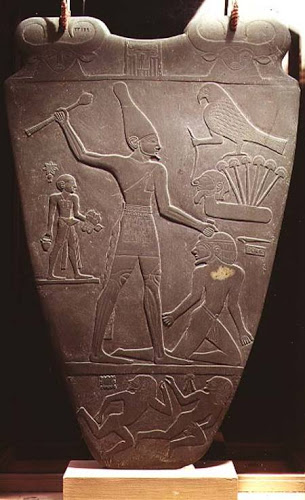
Picture shows Egyptian Manu= Narmer

Did Indians build Pyramids?-Part 2

( Please read first part before reading this SECOND PART: swami )

The Pyramid texts are unique. Those who read it will be reminded of Hindu Vedas. They are presented in the form of “utterances, declarations” either in the voice of kings or gods. In the case of Vedas it was Rishis or gods. The texts were older than the known kings. They have come from pre dynastic period. The texts are full of magic. Much of the texts are written in the form of dialogues like our Upanishads and Puranas. Scholars find it difficult to translate it  just like our Vedas. They are literally untranslatable. The complexity of the language of the texts is multiplied by the Egyptian’s enthusiasm for punning. They not only pun verbally but also visually by using appropriate pictorial hieroglyphs. Vedic seers also say they delight in speaking in coded, secret language. It is not known when the Pyramid texts were collected in the form in which they appear in Unas’s (2375 BC) pyramid; certainly it must have been long before his time. Many of the texts are similar to Vedic hymns. The Book of Dead is also similar to Hindu scriptures.

Misra Desa

Egypt is known as Misra Desa in Sanskrit literature. Misra means mixed. People of different races were living and ruling Egypt for 3000 years. It has a long history. This gave birth to hundreds of Gods like Hinduism. Whoever studies must be careful enough to differentiate between different races and Gods of Egypt. There are three layers of Gods. The oldest layer is just fetishes (reverential objects connected with God), the second layer is full of Gods in human forms and the third layer is Gods with animal forms. This is exactly same with Hinduism. In Vedic times we did not have much other than symbols. Then comes the Avatars- gods in human form. Later came the gods with animal forms like Ganesh, Anjaneya, Hayagriva, Sarabeshvara, Nandikeswara, Purushamrga, Veda Murthys and so on.

Arabic name for Egypt is Masr=Misra in Sanskrit. Hebrew word for Egypt is Misrayim. In English Bible it was translated as Musri. All these corresponds with Sanskrit Misra.

Indian invasion

Sahadevan invaded Misra desam and defeated them, says Mahabharata. Subhanu’s inscription also confirmed it.

The sea people and Hyksos who invaded Egypt may be South Indians and Sri Lankans, from Lanka the land of Yakshas/Hyksos.

Board Games

The world’s oldest board game is in Tamil Nadu, North India, Indonesia, Mayan civilisation and several African countries including Egypt. It is called Pallangkuzi in Tamil Mancala in Africa. It has got hundreds of names around the world and dozens of versions of play. A lime stone board from Ancient Egypt had three rows of 14 holes. It is also cut on rocks in temples at Thebes, Luxor and Karnak.

The Egyptians were enthusiastic board game players. They developed variety of games with counters in the form of animals; some of these , the lions and the dogs for example, were like Indian games (Adu-Puli Attam in Tamil).

Teak and Linen

Now scholars have established that the teak and linen found in Egyptian mummies and palaces came from India. W.H.Schoff said that India and Egypt had commercial contacts in the 3rd millennium BC. Muslin and spices were exported from South India.

In the inscriptions of Harkhuf, an Assuran noble under the Egyptian king Mernere of the VI dynasty  occurs the following:-“ I descended from country of Yam (Southern Nubia) with 300 asses laden with incense, ebony, grain, panthers, ivory, throw sticks and every good product.”

The ebony referred here is Indian ebony was confirmed in later writings. Theophrastus (4th century BC) ascribed this ebony to India. Virgil speaks of it (Georgics ii,116,7) as peculiar to India.  We don’t see elephants in Egyptian paintings or monuments which confirms that the ivory was from India. Indian ivory is found in Greece and other countries in the ancient world. Iron was also exported from India in later days.

Vedas confirm commercial contacts

Unfortunately we don’t have anything in South India to confirm that happened in 2nd or 3rd millennium BC. But Vedas speak about long sea voyages in big ships. The Vedic mantras refer to men who went to far off lands for ‘interchange of merchandise’ (Atharva Veda ), ‘desiring wealth sent ships to sea’ (Rik Veda ); parties of men went on the ocean in ships with a hundred oars’ (AV ) to distant lands for sale and barter (RV).

Kassites (from Kasi Desa of Gangetic plain?) in Western Iran worshiped Maruts and Surya in 1800 BC. Indians went to different parts of the world and established Vedic culture is proved beyond doubt.

Falcon/Garuda

Vedic altars were constructed in different shapes. The popular one was eagle or Garuda. Eagle or Garuda was praised in the Vedas in the epics and in the Puranas. Brahmins used to read Garuda Purana in the bereaved houses for the good of the departed soul in the other world. In Egypt falcon or Nakhbet as a vulture is associated with dead people. We see a beautiful golden collar on the chest of the Tutankhamen’s mummy. Nakhbet is in the form of eagle. Nakh+ bet may be a corrupted Sanskrit word  Naga +Vatha=one who kills snakes). Hindus also associate Garuda Purana with the departed souls. ( I have already written about the most famous Tamil king Kaarikal Cholza constructing a Yaga Kunda in he shape of a falcon. It is in Purananuru)

Imhotep

The most famous priest /minister was Imhotep (Mahadev). He was considered the first universal genius known to history. His parents were creator deity ‘Ptah ‘(Brahma Pitha). He was an architect and revered as a demi god of wisdom, magic and medicine. Imhotep lived 5000 years ago during the rule of Djoser and he was hailed as the greatest of magicians. One who looks at his statue will be reminded of a Hindu Rishi/seer or a Jain Thirthankara.

Ka

One Rik Vedic poet punned on this letter ‘KA’ and Max Muller was baffled by it. Actually ‘Ka’ means God or Brahma in Sanskrit and Egyptian Hieroglyphs. The symbol of ‘ka’ is the raised arms of a human being. This is the first letter of Brahmi consonants. It looks exactly same. Tamil ka came from Brahmi ka which means Katavul/god.


Egyptian Ka (god) and Brahmi Ka (Brahma)

Devas and Asuras are Prajapati’s children. It is crystal clear in our scriptures. Dasyu’s are Vishvamitra’s exiled children. It is said in our own books. But foreign “scholars” deliberately misled Indians and wrote the Aryan Dravidian invasion theory to destabilise India and Hinduism. No Indian scholar came forward to argue against it with relevant quotes from the epics and mythologies at that time, because British were ruling.

Another name for Prajapati is Ka (who).

The interrogative pronoun ‘Who’ has been raised to the position of a deity. In the Brahmana literature Ka is Prajapati. Some of the hymns in which ‘Ka’ occurred were called Kadvat (kadavul in Tamil). During the time of Panini, it became Kaya. Manu called Prajapathi marriage Kaya. Later day epics and Puranas identified Ka with Daksha and Kasyapa.

Ntr = Indra

The Egyptian hieroglyph ‘ntr’ meant god. The vowels are never written. We have to fill the words with vowels. So ‘ntr’  may be indra. Scholars think that the sign was derived from a staff bound with cloth, a fetish of very early date. I think it was Indra’s  vajrayudha/thunderbolt that gave this hieroglyph.

Narayana in Egypt

In the cenotaph at Abydos of king Seti, the sarcophagus was placed on an island. The hieroglyph for this was a double stair, which was the hieroglyph for the primeval hill (Meru?) or island on which all creation began. The island is made with perpetual water supply from subterranean waters. These were the “waters of Nun” from which the supreme creator god has first risen.

In Hindu mythology, Narayanan means water god. Neer /water is an indo European word, which is in Nereids in Greek meaning water nymphs. In both Sumerian and Egyptian mythology water was profoundly important. Atum or Nun in Egypt and Enki (Gangai) in Sumer are water gods

Cow and calf

Similes in Vedas often compare cow with everything good. Vatsalyam=affection  is the love of a cow towards its calf. The symbol for happiness in Egyptian tombs is a cow turning around to succour its calf.

Red and White

In south India the temple walls are painted always  in red and white stripes. This is what the Egyptians also did. The taxmen of Southern kingdom worked from White house and the tax men from the Northern kingdom worked from Red house. When both the kingdoms united the house walls were painted red and white like Hindu temples.

Continued in Part 3 (swami_48@yahoo.com)

*******

அதிசயிக்க வைக்கும் கர்ம பலன் ரகசியம்!

கர்மம் பற்றிய குறுந்தொடர்!


அதிசயிக்க வைக்கும் கர்ம பலன் ரகசியம்!

By ச.நாகராஜன்


கர்மத்திற்கு ஏற்ற பலன் கிடைக்கும்


மற்ற மதங்களிலிருந்து ஹிந்து மதத்தை வேறுபடுத்திக் காண்பிக்கும் முக்கியக் கொள்கை கர்மத்திற்கு ஏற்ற பலனின்படி மறுபிறப்பு உண்டு என்பதாகும்.


கீதையின்  மூன்றாம் அத்தியாயம் கர்ம யோகத்தைப் பற்றி அற்புதமாக விளக்குகிறது.

“எவனும் எவனும் எப்பொழுதும் ஒரு கணம் கூட கர்மம் செய்யாமல் இருக்க முடியாது” என்று கண்ணன் அர்ஜுனனிடம் விளக்குகிறான். (ந ஹி கஸ்சித் க்ஷணமபி ஜாது திஷ்டத்யகர்மக்ருத்- கீதை, மூன்றாம் அத்தியாயம் 5ஆம் ஸ்லோகம்)

இயற்கை குணங்களினால் ஒவ்வொருவனும் கர்மம் செய்யும் படி தூண்டப்படுகிறான்.அந்தக் கர்ம பலனின் விளைவுகள் அவனைத் தவறாமல் சென்று சேர்கின்றன.

கன்று தாயைச் சேர்வது போல கர்ம பலன் சேரும்

இதை மஹாபாரதமும் உபநிடதங்களும் ஒரே உவமையால் விளக்குகின்றன. எப்படி பசு மந்தைக்கூட்டத்தில் ஒரு கன்றானது தாய்ப்பசுவைத் தவறாமல் சென்று அடைகிறதோ அதே போல ஒருவன் செய்த நல்ல கர்மங்களின் விளைவும் தீய கர்மங்களின் விளைவும் உரிய காலத்தில் தவறாமல் அவனைச் சென்று அடைகிறது என்று இப்படி அழகாக கர்ம பலன் வந்து சேரும் விதத்தை விளக்குகிறது.


காந்திஜி வாழ்க்கையில் 

கண்களையும் மனதையும் திறந்து வைத்துக் கொண்டால் கர்ம பலனின் ரகசியங்களை யார் வேண்டுமானாலும் உணர முடியும். மகாத்மா காந்தியடிகளின் வாழ்வில் நடந்த ஒரு நிகழ்ச்சியைப் பார்ப்போம்.

இந்தியா சுதந்திரம் அடைய வேண்டுமென்பதை வலியுறுத்தி விட்டு வெளிநாட்டிலிருந்து டெல்லிக்குத் திரும்பிய மகாத்மா டெல்லி ரயில் நிலையத்திற்குச் சென்று ரயிலில் ஏறினார். அப்போது அவரது கால்களில் மாட்டி இருந்த செருப்புகளில் ஒன்று கீழே தரையில் விழுந்து விட்டது. உடனே ரயில் கிளம்பி விட்டது. மகாத்மா உடனே தனது அடுத்த காலிலிருந்த செருப்பையும் கழட்டிக் கீழே ஏறிந்தார் அருகில் இருந்தவர் மகாத்மாவிடம், “பாபாஜி, ஏன் அடுத்ததையும் கழட்டிக் கீழே எறிந்தீர்கள்” என்று கேட்டார்.

அதற்கு அவர், “கீழே கிடக்கும் ஒரு செருப்பைக் கண்டெடுப்பவர் அதனால் பயன் அடைய முடியாது அல்லவா? அதற்காகத் தான் இன்னொரு செருப்பையும் அதன் அருகில் எறிந்தேன்” என்று பதில் கூறினார்..

பன்னிரெண்டு மாதங்கள் கழிந்தன.லக்ஷ்மி தேவியின் திருவிழாவில் கலந்து கொள்ள ஒரு நகருக்கு காந்திஜி விஜயம் செய்தார்.கூட்ட நெரிசலில் காந்திஜியுடன் சென்ற தொண்டர்கள் அவரை விட்டுச் சற்று விலகி விட்டனர். அப்போது அவருக்குப் பின்னாலிருந்து கடூரமான குரல் ஒன்று ஒலித்தது. “நீங்கள் பாரதத்தை நாசம் செய்கிறீர்கள்.”

யார் இப்படிப் பேசுகிறார் என்று காந்திஜி திரும்பிப் பார்ப்பதற்குள் அந்த அசம்பாவிதம் நடந்து விட்டது. பின்னால் இருந்து குற்றம் சாட்டியவர் மகாத்மாவைக் கீழே தள்ளி விட்டார். கீழே விழுந்த காந்திஜி ஒரு புறமாகத் தள்ளப்பட்டார். அப்போது.” அவரை ஒன்றும் செய்யாதே”, என்ற கம்பீரமான குரல் ஒன்று கேட்டது.பின்னால் கசமுச என்று சப்தம் கேட்டதை காந்திஜி உணர்ந்தார். தன்னைத் தள்ளியவரை ஒருவர் அப்புறப்படுத்தியதை உணர்ந்து கொண்டார். அப்புறப்படுத்தியவரின் கால்களைத் தரையில் படுத்திருந்த காந்திஜி பார்க்க நேர்ந்தது.


ஆஹா! அதே ஜோடி செருப்புகள்!! அவருக்குத் தெரிந்து விட்டது. தான் ரயிலில் முன்பொரு சமயம் தூக்கி எறிந்த செருப்பும் தவறி விழுந்த செருப்பும் தன்னைக் காப்பாற்ற முயன்றவரின் காலில் மாட்டப்பட்டிருப்பதை காந்திஜி பார்த்தார்.  அவரது செருப்புகளை அவருக்கு நன்கு அடையாளம் தெரியும். ஏனெனில் அவை விசேஷமான அளவுகள் உடையவை.

காந்திஜியை மெதுவாக தூக்கி நிறுத்திய அவர், “பாபுஜி! ஒன்றும் தப்பாக நினைத்துக் கொள்ளாதீர்கள்! அந்த முரடன் ஒரு முட்டாள்! நானும் கூட அவனைப் போலத் தான் சென்ற வருடம் வரை இருந்தேன்” என்றார்

காந்திஜி வியப்பு மேலிட,” சென்ற வருடம் வரை என்றால்..? உங்களை மாற்றியது எது?” என்று தன் மேலிருந்த தூசியைத் தட்டி விட்டவாறே கேட்டார்.

காந்திஜியைக் காப்பாற்றியவர் தன் கதையைச் சொன்னார்

சென்ற வருடம் வரை எனக்கு வேலையே கிடைக்காமல் இருந்தது.தாங்க முடியாத கஷ்டத்தில் இருந்தேன்.என்னுடைய நண்பன் ஒருவன் அருகிலிருந்த லக்ஷ்மி கோவிலுக்கு என்னை அழைத்தான். செல்வச் செழிப்பை அருளும் லக்ஷ்மியின் கோவிலுக்கு வந்தால் நல்ல வழி பிறக்கும் என்றான். ஆனால் எனக்கோ மனமே இல்லை.

என் நண்பனிடம், “ அந்தக் கோவில் மிகவும் தூரத்தில் இருக்கிறது. எனக்கோ காலில் செருப்பு கூட இல்லை? எப்படி வருவதாம்?” என்றேன். அப்போது ரெயில் தண்டவாளப் பாதை வழியே நடந்து சென்று கொண்டிருந்தோம். அங்கே அழகிய ஒரு ஜோடி செருப்பைக் கண்டேன். அதை எடுத்து அணிந்து கொண்டேன். அது என் காலுக்குச் சரியாகப் பொருந்தியது.


“இப்போது வரலாமில்லையா” என்றான் நண்பன். அவனுடன் கோவிலுக்குச் சென்றேன்.

என்ன ஆச்சரியம்! அந்த புதிய செருப்புகளை அணிந்ததிலிலிருந்து எனக்குள் ஒரு மாற்றம் ஏற்பட்டது. கோவிலில் சேவை செய்து அனைவருக்கும் உதவலானேன். அங்கிருந்த கோவில் முக்கியஸ்தர்களுள் ஒருவர் என் சேவையைப் பார்த்து மிகவும் மகிழ்ந்து எனக்கு பக்கத்திலிருந்த டவுனில் ஒரு வேலை போட்டுக் கொடுத்தார். நான் இப்போது அனைவராலும் மதிக்கப்படுகிறேன்.”

கருணை ததும்பும் விழிகளுடன் அவரைப் பார்த்த மஹாத்மா, “நல்லது. உங்களுக்கு நன்றி” என்று மெதுவாகக் கூறியவாறே நகர்ந்தார்.

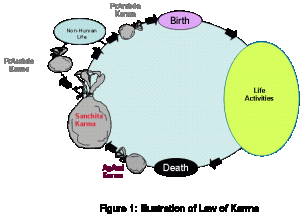
இந்தச் சம்பவத்தை தன் ‘கர்மா மானுவல்’ என்ற நூலில் விளக்கும் டாக்டர். ஜான் மம்போர்ட், “நல்ல விளைவுகளை விளைவிக்கும் ஆகாமி கர்மா (உள்ளுறையும் கர்மம்) விதைக்கப்பட்டது. அதுவே வெகு சீக்கிரமே பிராரப்த கர்மாவாக மாறி பலனை அளித்தது” என்று விளக்குகிறார்.


கர்மங்களில் தான் எத்தனை ரகங்கள்!

 கர்மங்களில் தான் எத்தனை ரகங்கள்! கத்தி கையில் கீறியவுடன் வெளிப்படுகிறது ரத்தம். சில கர்மங்கள் உடனடி பலனைத் தருபவை.

இரவிலே கொண்டைக்கடலையை ஈரத் துணியில் முடிந்து வைத்தால் காலையில் அவை முளை விடுகின்றன. சில கர்மங்கள் சில மணி நேரம் கழித்துப் பலனைத் தருகிறது.

ஒரு ஆலமரத்து விதையை ஓரிடத்தில் விதைத்தால் அது முழு மரமாகிப் பலன் தர பல்லாண்டுகள் ஆகின்றன, சில கர்மங்கள் ஆலமர விதையைப் போன்றவை. அடுத்த ஜென்மத்தில் பலனைத் தருபவை.

இப்படி ஒவ்வொரு நிமிடமும் கர்மங்களை விதைத்துக் கொண்டே சென்றால் அவற்றின் பலன்கள் நமக்கு நல்லவையாகவும் தீயவையாகவும் வந்து கொண்டே தானே இருக்கும்.

கீதை காட்டும் பாதை

 ஆகவே தான் நமது அற நூல்கள் கர்ம பலன் ரகசியங்களை விளக்கும் விதமாக இரண்டு முக்கிய வழிகளைச் சொல்கிறது.

ஒன்று (மனோ வாக்காய கர்மாணி) மனம் வாக்கு செயலால் நல்லதையே நினை; செய் இரண்டாவது கர்மம் செய்வதில் தான் உனக்கு அதிகாரம் ஒரு பொழுதும் அதன் பலனில் இல்லை (கர்மண்யேவாதிகாரஸ்தே மா பலேஷ¤ கதாசன – கீதை இரண்டாம் அத்தியாயம் 47ஆம் ஸ்லோகம்). ஆகவே பலனைக் கருதாது கர்மத்தைச் செய்!

எந்தக் கர்மத்திற்கு என்ன பலன்: உமையின் கேள்வி

எந்த எந்த கர்மத்திற்கு என்ன என்ன பலன் என்பதை உமா தேவியார் பரமேஸ்வரனிடம் கேட்க அவர் அருள் கூர்ந்து மனித குல நன்மைக்காக அவற்றை விளக்கிக் கூறுவதை மஹாபாரதம் விளக்கிக் கூறுகிறது!

கிருஷ்ணர் கேட்க நாரதர் விளக்கும் உமா மஹேஸ்வர சம்வாதமாக அமையும் கர்மமும் அதன் விளைவுகளும் பற்றிய பட்டியல் மிக நீண்ட ஒன்று. அநுசாஸன பர்வம் 205ஆம் அத்தியாயம் முதல் 250 அத்தியாயம் முடிய சுமார் 46 அத்தியாயங்களில் கர்மபலன்களின் ரகசியங்கள் விளக்கப்பட்டுள்ளன.

குறிப்பு : நன்றி ஞான ஆலயம் ( ஜுலை 2012 இதழில் வெளியான கட்டுரை)


கர்மம் பற்றிய குறுந்தொடர்! சென்ற கட்டுரையில் மஹாத்மா காந்திஜியின் வாழ்வில் நடந்த சம்பவத்தையும் அது விளக்கும் கர்ம பலன் ரகசியத்தையும் பார்த்தோம். இதோ, இன்னும் ஒரு அதிசய சம்பவம் – அமெரிக்காவில் நடந்தது! நூறு கோடி கல்பம் ஆனாலும் செய்த கர்மங்களின் பலனை அனுபவித்தே ஆக வேண்டும் என்ற உண்மை என்றும் அழியாத ஒன்று!

 

அதிசயிக்க வைக்கும் கர்ம பலன் ரகசியம்! – 2


ச.நாகராஜன்


பார்வதி, பரமசிவன் உரையாடலின் சுருக்கம்

உமாதேவிக்கு மனித ஜன்மத்தில் எந்தக் கருமத்திற்கு என்ன பலன் என்று சந்தேகம் ஏற்பட பரமேஸ்வரன் அனைத்து சந்தேகங்களுக்கும் தெளிவாக பதில் சொல்வதைத் தொகுத்துப் பட்டியலிட்டால் அது மிக நீண்ட ஒன்றாக ஆகி விடும்.

இருந்தாலும் அதன் சுருக்கத்தை இப்படி உரைக்கலாம் :

தானத்தையும் தர்மத்தையும் உரியவர்களுக்கு அவர்கள் கேட்காமலேயே தாமாகவே முன் வந்து உதவுபவர் அடுத்த ஜன்மத்தில் முயற்சியின்றியே செல்வத்தையும் அந்தஸ்தையும் அதிகாரத்தையும் பெறுவர்.

யாசிப்பவர்க்கு மட்டுமே தானம் செய்பவர் முயற்சிகள் செய்து பாக்கியத்தை மறு ஜன்மத்தில் அடைவர்.

யாசித்தவர்க்கும் ஒன்றும் தராதவர் அடுத்த ஜன்மத்தில்  முயற்சி செய்த போதும் பலனை அடையார்.

செல்வத்தைக் கொண்டிருந்தும் யாருக்கும் இளமையில் உதவாமல் இருந்து, முதிர்ந்த பிராயத்தில் பிணிகள் வந்தவுடன் தானம் செய்வோர் அடுத்த பிறவியில் முதிர்ந்த பிராயத்தில் போகங்களை அனுபவிப்பர்.

ஏழைகளிடம் அடாத வட்டி வாங்கியோரும் மிருகங்களை வேட்டையாடி வதை செய்தோரும் ஹிம்ஸை நிறைந்த நாட்டில் ஜன்மம் எடுப்பர்.

முற்பிறவியில் செய்த கர்மங்களுக்கான பலன்களை இந்த ஜன்மத்திலும், இந்த ஜன்மத்தில் செய்யும் கர்மங்களுக்கான பலன்களை அடுத்த ஜன்மத்திலும் அனுபவிப்பர்.


ஆச்சரியமான ஒரு சம்பவம்

கர்ம பலன்களின் விளைவுகள் அதிசயக்கத் தக்க விதத்தில் ஒரு கணம் கூடத் தவறாது எப்படியோ நம்மை வந்து அடைகின்றன. இதை விளக்க ஒரே ஒரு ஆச்சரியமான சம்பவத்தை மட்டும் இங்கே பார்ப்போம்:


பிரபல ஆங்கில மாத இதழான ‘ரீடர்ஸ் டைஜஸ்ட்’ இதழை அறியாதவர்கள் இருக்க முடியாது. மிகவும் சிறந்த கட்டுரைகளை மட்டுமே அது ஒவ்வொரு இதழிலும் வெளியிடும் – அதுவும் ஒவ்வொரு சம்பவமும் தகவலும் ஏன் எழுத்தும் கூடச் சரி பார்க்கப்பட்டு! ரீடர்ஸ் டைஜஸ்ட் க்ளாஸிக் என்ற ஒரு சிறப்புப் புத்தகத்தில் பல வருடங்களாக இது வரை வெளியான கட்டுரைகளிலிலிருந்து மிகவும் சிறந்த கட்டுரைகளை அது வெளியிட்டுள்ளது. அதில் ஒரு அற்புதமான கட்டுரை கர்மபலன் சம்பந்தப்பட்டது. (இதன் மறுபதிப்பை ஜனவரி 2010 இதழில் படிக்கலாம்) அதில் வரும் சம்பவம் தான் இது!

1948ஆம் ஆண்டு ஜனவரி மாதம் பத்தாம் தேதி பிற்பகல். மார்செல் ஸ்டெர்ன்பெர்கர் என்பவர் ஹங்கேரியில் பிறந்தவர். பிழைப்புக்காக நியூயார்க் வந்து போட்டோகிராபராக தன் வாழ்க்கையைக் கழிக்கலானார். அவரது தினசரி வாழ்க்கை வழக்கமான ஒன்று – வீட்டிலிருந்து ஐந்தாம் அவென்யூவில் உள்ள தன் அலுவலகத்திற்குச் செல்வது, அங்கு வேலையை முடித்து விட்டு திரும்பவும் வீடு வந்து சேர்வது என்பது தான் அவரது வழக்கம்.


50 வயதான மார்செல் வழக்கம் போல சரியாக 9.09க்குக் கிளம்பும் லாங் ஐலேண்ட் ரெயில்ரோட் புகை வண்டியில் ஏறி உட்சைடு என்ற அவரது இடத்துக்குப் போயிருக்க வேண்டும். அன்று அவருக்கு வழியில் ப்ரூக்ளினில் இருக்கும் தன் நண்பரைப் பார்க்க வேண்டும் போலத் திடீரென்று தோன்றியது.ஆகவே ஒஸோன்பார்க் என்ற ஸ்டேஷனில் இறங்கி ப்ரூக்ளின் செல்லும் ரயிலில் ஏறினார்.தனது நண்பரின் இல்லத்திற்குச் சென்று அவருடன் சற்று நேரம் அளவளாவி மகிழ்ந்து பின்னர் ரயில் நிலையம் வந்து மன்ஹாட்டனுக்குச் செல்லும் ரயிலில் தன் அலுவலகம் செல்வதற்காக ஏறினார்.ரயிலில் ஒரே கூட்டம்.உட்கார இடமே இல்லை.ஆனால் என்ன ஆச்சரியம். அவர் உள்ளே நுழைந்த போது அடுத்த ஸ்டேஷனில் இறங்க வேண்டிய ஒருவர் தன் இருக்கையை விட்டு எழுந்திருக்க சடக்கென்று அந்த இடத்தைப் பிடித்தார் மார்செல்.போட்டோகிராபருக்கே உரித்தான இயல்புடன் தனக்கு அடுத்து உட்கார்ந்திருந்தவரின் முகத்தைப் பார்த்தார். அடுத்த சீட்டில் உட்கார்ந்திருந்தவருக்கு சுமார் முப்பது வயது இருக்கும். ஒரு விதமான சோகம் அவர் கண்களில் ததும்பி இருந்தது.அவர் ஹங்கேரிய மொழியில் வெளிவரும் செய்தித்தாள் ஒன்றைப் படித்துக் கொண்டிருந்தார். தனது தாய் மொழியில் இருக்கும் பேப்பரைக் கண்டு ஆனந்தம் அடைந்த மார்செல் உடனே அவரிடம் அதைச் சற்று தருமாறு ஹங்கேரிய மொழியில் வேண்டினார். அவருக்கு ஒரே ஆச்சரியம். நியூயார்க்கில் ஹங்கேரிய மொழியில் பேசும் ஒருவரா! அடுத்த அரை மணி நேரப் பயணத்தில் அவர் தன் சோகக் கதை முழுவதையும் கூறி விட்டார்.அவரது பெயர் பாஸ்கின். சட்டம் படிக்கும் மாணவராக இருந்த போது இரண்டாம் உலக மகா யுத்தம் ஆரம்பமானது. அவரைப் பிடித்து இறந்த ஜெர்மானியர்களைப் புதைப்பதற்காக உக்ரேனில்   இருந்த முகாமுக்கு அனுப்பி விட்டார்கள்.யுத்தம் முடிந்தவுடன் பல நூறு மைல்கள் நடந்து ஹங்கேரியில் இருந்த டெப்ரெசென் என்ற தன் சொந்த ஊருக்கு வந்த தனது வீட்டிற்குச் சென்ற போது அதிர்ந்து போனார். அங்கே அவரது தந்தை, தாயார், சகோதர சகோதரிகள்,மனைவி யாரையும் காணோம்.அங்கே இருந்தவர்களுக்கு பாஸ்கின் குடும்பம் பற்றி ஒன்றுமே தெரியவில்லை. மலைத்து நின்ற பாஸ்கினை நோக்கி ஓடி வந்த சிறுவன் பாஸ்கின் அங்கிள், உங்கள் வீட்டில் இருந்த அனைவரும் இறந்து விட்டனர்.நாஜிக்கள் உங்கள் மனைவியை அசுவிச் சித்திரவதை முகாமுக்கு கொண்டு சென்று விட்டனர்.” என்று கூறினான்.சோகத்தோடு பாரிஸ் திரும்பிய மார்செல் 1947இல் அக்டோபர் மாதம் நியூயார்க் வந்து சேர்ந்தார்.


இந்தக் கதையைக் கேட்டுக் கொண்டிருந்த மார்செலுக்கு திடீரென்று தான் சமீபத்தில் சந்தித்த ஒரு பெண்மணி பற்றிய ஞாபகம் வந்தது… அவர் டெப்ரெசனைச் சேர்ந்தவர் தான். அவரது உறவினர்கள் நச்சு வாயு சேம்பர்களில் நாஜிக்களால் கொல்லப்பட்டனர். அசுவிச்சில் ஜெர்மானிய ஆயுத பேக்டரியில் வேலை பார்த்து வந்த அவரை யுத்த முடிவில் அமெரிக்கர்கள் விடுவித்தனர்.

பாஸ்கினிடம் மார்செல் அவரது மனைவியின் பெயர் மரியாவா என்று கேட்டார். பாஸ்கின் ஆச்சரியப்பட்டுப் போனார். எப்படி முகம் அறியாத ஒருவருக்குத் தன் மனைவியின் பெயர் தெரிந்தது/

அடுத்த ஸ்டேஷனில் பாஸ்கினை இறங்குமாறு கூறிய மார்செல் ஒரு போன் பூத்திற்குச் சென்று தனது டயரியை எடுத்து ஒரு போன் நம்பரை டயல் செய்தார். மரியாவிடம் அவர் கணவரின் அடையாளங்களைக் கேட்டார். பாஸ்கின் தான் அவரது கணவர் என்று உறுதிப்படுத்திக் கொண்ட மார்செல் போனை பாஸ்கினிடம் தந்து, “உங்கள் மனைவியிடம் பேசுங்கள்” என்றார். வாயடைத்துப் போன பாஸ்கின் சில நிமிடங்கள் அப்படியே நின்றார். பின்னால் போனில் தன் மனைவியுடன் பேசி ஆனந்தக் கண்ணீர் விட்டார். பின்னர் பாஸ்கினை ஒரு டாக்ஸியில் ஏற்றி மனைவியிடம் செல்லுமாறு கூறிய மார்செல் தம்பதிகள் இணையும் புனிதமான தருணத்தில் தான் இருப்பது அழகல்ல என்று விளக்கி பாஸ்கினை மட்டும் அனுப்பினார்.

இப்போது கூட இப்படி ஒரு சம்பவம் நடந்தது என்று என்னால் நம்ப முடியவில்லை என்று கூறும் மார்செல் சம்பவத்தின் ஒவ்வொரு அம்சத்தையும் அலசுகிறார். ஏன் அவர் தன் நண்பரைப் பார்க்க திடீரென்று அவருக்கு ஏன் தோன்ற வேண்டும். சரியாக ஒரு குறிப்பிட்ட ரயிலைத் திரும்பும் போது ஏன் பிடிக்க வேண்டும், அதில் ஒரு இருக்கை தனக்கு மட்டும் ஏன் கிடைக்க வேண்டும், அருகில் இருந்தவர் அந்தக் கணத்தில் ஏன் ஹங்கேரிய பேப்பரைப் படிக்க வேண்டும்.. ஏராளமான அதிசயங்கள்.


இறைவனின் வழி தனி வழி என்று முடிகிறது கட்டுரை!.

கர்ம பலன்கள் தவறாது அந்தந்த கணத்தில் உரியவரை வந்து அடையும் என்பதற்கான சரியான நடந்த சம்பவம் இது! ஆனால் ஆயிரக்கணக்கானோருக்கு இது போன்ற அதிசய சம்பவங்கள் தினந்தோறும் நடந்து கொண்டே தான் இருக்கின்றன. அதில் உள்ள அபூர்வமான நிகழ்வுகளை இனம் காணும் மனோபாவம் தான் ஏராளமானோருக்கு இல்லை. அப்படி அதிசய நிகழ்ச்சிகளை இனம் காணும் சிலருக்கும் அதைக் கர்ம பலன்களோடு ஒப்பிட்டுப் பார்க்கத் தெரியவில்லை. ஒவ்வொருவரும் தனது வாழ்வில் நிகழும் சம்பவங்களை அன்றாடம் இரவு படுக்கப் போகும் முன்னர் அலசினால் கர்ம பலன்களின் ரகசியத்தை ஓரளவு உணர்ந்து கொள்ளலாம்!


நூறு கோடி கல்பம் ஆனாலும் வினை விடாது


ஹிந்து மதத்தின் மிக முக்கியமான இந்த கர்மபலன் தத்துவத்தை விளக்கும் சுபாஷித சுலோகம் ஒன்று உண்டு.

க்ருத கர்ம க்ஷயோ நாஸ்தி கல்போ கோடி ஷதைரபி I

அவஸ்யமேவ போக்தவ்யம் க்ருதம் கர்ம சுபாசுபம் II

இதன் பொருள்: ஒருவன் செய்த கர்மங்களின் பலன்கள் (செயல்களின் விளைவுகள்) ஒரு பொழுதும் அழியாது. அநேக நூறு கோடி கல்பம் போனாலும் சரி, (அழியாது) த்னது கர்ம பலனை ஒருவன் அனுபவித்துத் தான் ஆக வேண்டும். அவை நல்லவையாக இருந்தாலும் சரி, தீயவையாக இருந்தாலும் சரி, அனுபவித்தே ஆக வேண்டும்!

இந்த கர்ம பலனை உரிய நேரத்தில் உரியவரை யார் கொண்டு சேர்க்கின்றனர், இதற்கான செயல் முறை என்ற மாபெரும் இறை ரகசியத்தை அறிந்தவர் யாரும் இல்லை என்றே நமது அற நூல்கள் வியந்து கூறுகின்றன!(ந மே விது: ஸ¤ரகணா ப்ரபவம் ந மஹர்ஷய: – என்னுடைய ப்ரபாவத்தை தேவர் கூட்டங்களோ மஹரிஷிகளோ அறியார் – கீதையில் கண்ணன் வாக்கு – 10ஆம் அத்தியாயம் 2ஆம் ஸ்லோகம்)

உத்தரேத் ஆத்மனாத்மானம்

 கர்ம பலன்களையும் அதற்கான பலன்களையும் பூர்வ ஜன்ம புண்ணியத்தால் சில தீய விளைவுகளுக்கான பரிகாரம் செய்து இந்த ஜன்மத்திலேயே நலம் பெறுவதற்கான வழிகளையும் ரிஷிகள் உள்ளுணர்வால் அறிந்து அதை பல தர்ம சாஸ்திர நூல்களில் விவரித்துள்ளனர். அவற்றை அறிந்து நலம் பெறலாம்; பலனை எதிர்பார்க்காமல் கர்மங்களைச் செய்து கர்ம விளைவுகள் நம்மைப் பற்றாமல் அடுத்த ஜன்மத்தைப் புனிதம் நிறைந்ததாக ஆக்கிக் கொள்ளலாம்; கர்ம பலன் ரகசியத்தை விசாரத்தால் அறிந்து, இறைவனை அடிபணிந்து ஜன்ம நிவிருத்தி பெற்று முக்தியையும் அடையலாம்! எல்லாம் நம் கையில் தான் இருக்கிறது.

இதையே கீதையில் சுருக்கமாக கண்ணன் ‘உத்தரேத் ஆத்மனாத்மானம்’ (உன்னை நீயே உயர்த்திக்கொள்ளலாம்) என்று கூறி விட்டான்!

நன்றி: ஞான ஆலயம் ஆகஸ்டு 2012                                          இந்தத் தொடர் நிறைவுறுகிறது

Article written by S Nagarajan
Quiz on Saivaite Saints சைவம் க்விஸ்

Quiz on Saivaite Saints சைவம் க்விஸ்

by london swaminathan


1)கண்களைக் கடவுளுக்கே அர்ப்பணம் செய்த நாயன்மார் யார்?

2)யானை மாலை போட்டு அரசன் ஆக்கிய நாயனார் யார்?

3)தண்ணீர் பந்தல் வைத்து அதற்கு திருநாவுக்கரசர் என்று யார் பெயர் சூட்டினார்?

4)தனது மகளின் கருங் கூந்தலை ஈசனுக்கு ஈந்தவர் யார்?

5)கழுத்தை அரிவாளால் அரிந்த அன்பர் யார்?

6)நெற்றிக் கண்ணைத் திறப்பினும் குற்றம் குற்றமே என்று சிவனுடன் வாதாடிய சங்கப் புலவன் யார்?

7)தனது இல்லக் கிழத்தியை மனமுவந்து சிவனுக்கு அளித்தவர் யார்?

8)கல்லைக் கட்டி கடலில் போட்டாலும் நற்றுணையாவது நமச்சிவாயமே என்று பாடியவர் யார்?

9)புராணங்களின்படி காவிரி நதி உற்பத்தியாகக் காரணமான பறவை எது?

10)தன் தவப் புதல்வனைக் கொன்று கறி சமைத்தவர் யார்?

11)மலரை நுகர்ந்ததற்குத் தண்டணையாக அந்த மூக்கினைக் கொய்தவர் யார்?

12)மதுரையில் எந்தப் புலவனுக்கு சிவன் கவிதை எழுதிக் கொடுத்தார்?

13)ஆண்டவனுக்கு விளக்கேற்ற கையில் காசு இல்லாததால் முடியையே விளக்குத் திரியாக திரித்தவர் யார்?

14)கண்ணப நாயனாரின் இயற்பெயர் என்ன? 15)விதைத்த நெல் முளைகளைக் கொண்டுவந்து விருந்து வைத்தவர் யார்?

16)தன் எடைக்கு நிகராகப் பொன் கொடுத்தவர் யார்?

17)தந்தையின் கால்களைத் துண்டித்த சிவத் தொண்டர் யார்?

18)உத்தரகோச மங்கை என்னும் தலத்துடன் மிக நெருங்கிய தொடர்புடைய சிவனடியார் யார்?

19)பெண் இன்பத்தைத் துறந்தவர் யார்?

20)தன் தோழருக்காக தன் துணைவியரின் கையை வெட்டியவர் யார்?

21)நடுக் கடலில் அரிதாக கிடைத்த மீனையும் ஆண்டவனுக்குரியது என்று கைவிட்டவர் யார்?

22)தன் குற்றத்திற்காக தலையை முட்டிக் கொண்டு உடைத்துக் கொண்டவர் யார்?

23)பிட்டுக்கு மண் சுமந்த சிவபெருமானுக்கு புட்டு விற்ற கிழவியின் பெயர் என்ன?

24)குற்றம் செய்த சுற்றத்தாரை அழித்த வீரன் யார்?

25)பக்தி இலக்கியத்தில் அடிபடும் பெண்மணிகள் திலகவதி, புனிதவதி யார்?

26)சைவ சமயத்தில் நால்வர் என்பது எந்த 4 பெரியார்களைக் குறிக்கும்?

27)திருப்புகழ் பாடியவர் யார்


ANSWERS : 1. கண்ணப்ப நாயனார் 2. மூர்த்தி நாயனார் 3.அப்பூதி அடிகள் 4.மானக் கஞ்சாற நாயனார் 5. அரிவாட்ட நாயனார் 6. நக்கீரன் 7. இயற்பகை நாயனார் 8. அப்பர் 9. காகம் 10. சிறுத்தொண்ட நாயனார் 11. செருந்துணை நாயனார் 12. தருமி 13. கனம்புல்ல நாயனார் 14. தின்னன் 15. இளயான்குடி மாற நாயனார் 16. அமர்நீதி நாயனர் 17. சண்டேச நாயனார் 18. மாணிக்கவாசகர் 19. திருநீலகண்ட நாயனார் 20. கலிகம்ப நாயனார் 21. அதிபத்த நாயனார் 22. திருக்குறிப்பு நாயனார் 23. வந்தி 24. கோட்புலி நாயனார் 25. திலகவதி அப்பர் பெருமானின் சகோதரி; புனிதவதி, பிற்காலத்தில் காரைக்கால் அமையார் என்று அழைக்கப் பட்ட சிவனடியார் 26. அப்பர், சுந்தரர், ஞான சம்பந்தர், மாணிக்கவாசகர் 27.  அருணகிரிநாதர்

contact swami_48@yahoo.com


27 Similes in One Vedic Hymn!


By London Swaminathan


Rig Veda, the oldest religious book in the world, has beautiful poetry in it. The Vedas are records of man’s earliest thoughts on God and philosophical matters. When the Vedic seers wanted to convey their thoughts they used lot of similes as well. Vedas can be interpreted symbolically, metaphorically and literally. Hindus believe that the RISHIS (seers) have heard it (SRUTI) and not composed it. Westerners think 400+ poets composed it. Whatever may be the interpretation, nobody can deny the poetic content in it.

Vedas are dated 1500 BC by Max Muller. Hindus believe that they are eternal-timeless. Whatever the date may be, no one can deny that they were the earliest records. The wonder of wonders is that it was not written, but passed by word of mouth from one generation to another. No book in the word has this credit. It was not a single poem or hymn. It was huge-1028 hymns, 10,552 rcs or couplets, 4,32,00 syllables. Veda Patasalas (Vedic schools) in South India teach the Vedas the same way as it was done on the banks of Saraswati, Sindhu and Ganges thousands of years ago. It is a literary marvel- greater than the Seven Wonders of the World.

Hindus called the Vedas- Word of God. Veda means knowledge. God revealed this knowledge for the greatest good of mankind. Otherwise who will sing,

“May all be happy and rid of diseases

May all have a happy and harmonious life

May nobody ever be afflicted with suffering”

When people in other parts of the earth were killing each other or the animals for food and fighting for their survival, Hindu seers were praying for the welfare of the humanity. But they were not arrogant. They also said,

“Let noble thoughts come to us from all directions”.

Kalidasa, the classical Sanskrit poet, used more similes than any other poet in the world (Please read my post AMAZING STATISTICS ABOUT KALIDASA). But the root of his similes lies in the Vedas. If a society has to understand complicated similes they must be highly educated. If a poet has to use so many similes in a single hymn, he must be a great poet. A lot of later day poets do it only when they sing about a woman. Men become poetical when they see beautiful women! But here one poet by name Grtsadama sings about the Vedic Twins Asvini Devas. It is a spontaneous outburst of his thoughts. It is gushing out like water from a natural spring or an artesian well. I have given below Griffith’s translation of RV. II-39


गरावाणेव तदिदथं जरेथे गर्ध्रेव वर्क्षं निधिमन्तमछ |
बरह्माणेव विदथ उक्थशासा दूतेव हव्या जन्या पुरुत्रा ||
परातर्यावाणा रथ्येव वीराजेव यमा वरमा सचेथे |
मेने इव तन्वा शुम्भमाने दम्पतीव करतुविदा जनेषु ||
शर्ङगेव नः परथमा गन्तमर्वाक छफाविव जर्भुराणातरोभिः |
चक्रवाकेव परति वस्तोरुस्रार्वाञ्चा यातं रथ्येव शक्रा ||
नावेव नः पारयतं युगेव नभ्येव न उपधीव परधीव |
शवानेव नो अरिषण्या तनूनां खर्गलेव विस्रसः पातमस्मान ||
वातेवाजुर्या नद्येव रीतिरक्षी इव चक्षुषा यातमर्वाक |
हस्ताविव तन्वे शम्भविष्ठा पादेव नो नयतं वस्यो अछ ||
ओष्ठाविव मध्वास्ने वदन्ता सतनाविव पिप्यतं जीवसेनः |
नासेव नस्तन्वो रक्षितारा कर्णाविव सुश्रुता भूतमस्मे ||
हस्तेव शक्तिमभि सन्ददी नः कषामेव नः समजतं रजांसि |
इमा गिरो अश्विना युष्मयन्तीः कष्णोत्रेणेव सवधितिं सं शिशीतम ||
एतानि वामश्विना वर्धनानि बरह्म सतोमं गर्त्समदासो अक्रन |
तानि नरा जुजुषाणोप यातं बर्हद … || (RV 2-39)

ghrāvāṇeva tadidathaṃ jarethe ghṛdhreva vṛkṣaṃ nidhimantamacha |
brahmāṇeva vidatha ukthaśāsā dūteva havyā janyā purutrā ||
prātaryāvāṇā rathyeva vīrājeva yamā varamā sacethe |
mene iva tanvā śumbhamāne dampatīva kratuvidā janeṣu ||
śṛṅgheva naḥ prathamā ghantamarvāk chaphāviva jarbhurāṇātarobhiḥ |
cakravākeva prati vastorusrārvāñcā yātaṃ rathyeva śakrā ||
nāveva naḥ pārayataṃ yugheva nabhyeva na upadhīva pradhīva |
śvāneva no ariṣaṇyā tanūnāṃ khṛghaleva visrasaḥ pātamasmān ||
vātevājuryā nadyeva rītirakṣī iva cakṣuṣā yātamarvāk |
hastāviva tanve śambhaviṣṭhā pādeva no nayataṃ vasyo acha ||
oṣṭhāviva madhvāsne vadantā stanāviva pipyataṃ jīvasenaḥ |
nāseva nastanvo rakṣitārā karṇāviva suśrutā bhūtamasme ||
hasteva śaktimabhi sandadī naḥ kṣāmeva naḥ samajataṃ rajāṃsi |
imā ghiro aśvinā yuṣmayantīḥ kṣṇotreṇeva svadhitiṃ saṃ śiśītam ||
etāni vāmaśvinā vardhanāni brahma stomaṃ ghṛtsamadāso akran |
tāni narā jujuṣāṇopa yātaṃ bṛhad … || (RV 2-39)

Rig Veda Hymn xxxix (RV 2-39)-Asvins

1.Sing like the two press-stones for this same purpose; come like two misers to the tree of treasure;

Like two laud-singing Brahmans in the assembly, like the folk envoys called in many places.

2. Moving at morning like two car borne heroes, like to a pair of goats ye come electing;

Like two fair dames embellishing their bodies, like a wise married pair among the people.

3. Like to a pair of horns come first to usward, like to a pair of hoofs with rapid motion;

Come like two Cakavas in the grey of morning, come like two chariot wheels at dawn, ye Mighty;

4.bear us across the rivers like two vessels, save as ye were yokes, naves, spokes and fellies.

Be like two dogs that injure not our bodies; preserve us, like two crutches, that we fall not.

5. Like two winds ageing not, two confluent rivers, come with quick vision like two eyes before us.

Come like two hands most helpful to the body, and guide us like two feet to what is precious.

6. even as two lips that with the mouth speak honey, even as two breasts that nourish our existence,

Like two nostrils that protect our being, be to us as our ears that hear distinctly.

7. like two hands give ye us increasing vigour; like heaven and earth constrain the airy regions

Asvins, these hymns that struggle to approach you, sharpen ye like an axe upon a whetstone.

8. These prayers of ours exalting you, O Asvins, have the Grtsamadas, for a laud, made ready.

Welcome them, O ye Heroes, and come hither. Loud may we speak with brave men, in assembly.

When we read it, we have to remember that Homer started to write the first book in Greek (Illiad) nearly 700 years after this. Tamils started to write their first book (Tolkappiyam) 1500 years after this. Moses said his ten commandments only 500 years after this. Unlike the primitive similes in the Gilgamesh we see high quality here in the Vedas.

Please contact swami_48@yahoo.com or Swaminathan.santanam@gmail.com for more details.

***********

Why Do Hindus Worship Shoes?

By London swaminathan

“A pair of sandals worn by the Maharishi is expected to fetch £80,000 when they are auctioned later this month. Maharishi Mahesh Yogi shot to fame worldwide as a guru to The Beatles who he first met while he was in London.

He wore the wooden shoes during the height of his fame in the late 1960s and 1970s”-This news item was published by The Daily Mail of London in November 2011. Why do they pay Rs 6,80,00,00 for two sandals?


Why did Bharata, Lord Ram’s brother, keep Rama’s shoes just outside the capital city and ruled the country for 14 years? Why did he place them on the golden throne?


Vedanta Desika, one of the Vaishnavaite Acharyas of Tamil Nadu wrote 1000 slokas on Lords Padukas (shoes)in one night! An amazing feat. Why?


Adi Shankara wrote Guru Paduka Stotra (Hymn on Teacher’s shoes). Why?


Why do we keep great peoples’ shoes in the museum or Ashram?


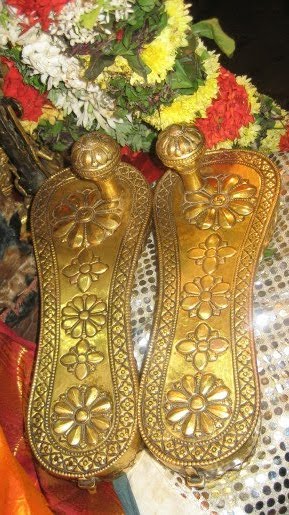
Why do the Vaishnavaite temples in Tamil Nadu put Lord’s shoes (Satari) on our head after Dharsan ( seeing the God)?


Why do Satya Sai Baba devotees send the shoe replicas of Baba to different towns for Puja?


Why do Tamil Hindus worship shoes of great people like Kanchi Shankaracharya and take replicas home and put them in the Puja room?


Strange Customs?


“ Hindus are a strange race and they have strange customs”—the world may say. No, it is not correct.


Hindus are humble. They see divinity in each and everything. Before stepping out of the bed and putting their feet on the ground, they pray for pardon from the goddess of earth- Bhuma Devi. It is in the Pratasmarana hymn.


Before tilling the land they ask for pardon for digging the earth. Before stepping into water source for bath or cleaning they worship the river or sea. Before eating the food they recite a mantra saying, Oh, You Food , you are god, you are amrita”. In short, for Hindus everything is God. Whether it is music or dance, whether it is the special festival dinner or the Rangoli (Kolam in Tamil) drawn, they see God in it. They feel humble when they think about what God had provided them. They use everything to the minimum and with respect. That is how we see the shoes of God. Once you realise that there is one who is mightier than you, you then behave. You help others by sharing everything God had given you. The Isavasya Upanishad says:


isavasyam idam sarvam yat kinca jagatyam jagat

tena tyaktena bhunjitha ma grdhah kasya svid dhanam


Everything animate or inanimate that is within the universe is controlled and owned by the Lord. One should therefore accept only those things necessary for himself, which are set aside as his quota, and one should not accept other things, knowing well to whom they belong. 


A Tamil saint by name Arunagirinathar says the minute Lord Murugan’s (Skanda, Kartikeya in Sanskrit) feet touch his head all the bad Karma will be wiped out. (Tamil verse is given at the end)


A great Tamil Hindu poet Tiruvalluvar praises God’s feet in seven of his first ten couplets in the first chapter (Kadavl Vazthu in Tamil).


Satari In Temples:


Satari is made up of gold or silver or copper with God’s feet on a crown. It is put on every one’s head when one visits Vishnu temples in Tamil Nadu. So Vedanta Desika praised God’s Padukas with one thousand stanzas in his Paduka Sahasra Stotra.


When Rama refused to return to the Kingdom (Ayodhya) saying that he had to fulfil the promise made to his dad, his brother Bharata humbly asked for his shoes. When he took them back, he refused to enter the capital city till his brother return after 14 years. So for 14 years the SHOES RULED A KINGDOM, that was unique in the world.


Worship of Foot Prints


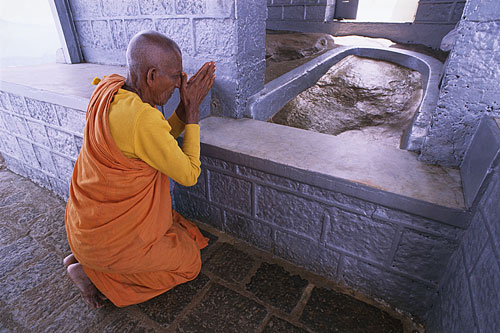
Sivanoli Padam also known as Adam’s Peak in Sri Lanka is a big holy spot. The two foot prints seen there are attributed to Lord Shiva by the Hindus and Buddha by the Buddhists. Thousands of people climb the hills to worship it.


In Kanyakumari, we have Devi’s foot prints. In Haridwar and in the Himalayas we have foot prints of Vishnu.


Foot prints and shoes are sacred symbols for the Hindus. They felt humble and simple in front of little things like shoes or mighty Himalayas. When they looked at sky high mountains they felt like small fries, or like Sir Isaac Newton said, just like pebbles on the vast sea shores. When you feel that way, you get lofty thoughts. All the worries are vanished.


The term Boot Worship in Western Culture has a negative connotation. It is extreme adulation of the boots of a dominant partner. It has got more sexual connotation. In India, it is all about the glory of God.


The very thought that everything is given by the God, will prepare you to share it, respect it and use it to the minimum. This will save the environment and environment will save us in turn.


Satari in Shiva temple


There is a temple in Tirunallur near Papnasam in Tamil Nadu. The Saivaite devotees are blessed with Satari to remember the episode of Shiva blessing the great Saivaite saint Appar 1500 years ago. It looks like this custom has a long history.


Kesaathi Pada Varnanai


Hindu poets sing the glory of God by describing the beauty of god from head to foot. Normally they start with Lord’s feet and goes step by step towards head or hair (Kesa means hair, Pada means foot). If it is human beings like a king or a beautiful girl they start it from the head and go towards foot in description. This is seen in Sangam Tamil literature and earlier Sanskrit literature in several places. So generally speaking Head to foot for the humans and Foot to head for the Gods.


Rig Veda


In the Purusha Suktam of Rig Veda we see the God’s description from face to feet. The hymn described the four varnas (four castes) came from four different parts of the body (of God). This description is about the society. One cannot function without the other. Feet are as important as head.


Sahasra seersha Purusha:………………..


The Purusha has thousand Heads,

He has thousand eyes,

He has thousand feet,

He is spread all over the universe,

And is beyond the count of ten fingers.


Brahmanasya Mukham aseed:…………….


His face became Brahmins

His hands were made as Kshatriyas,

His thighs became Vaisyas,

And from his feet were born Shudras.


Picture: Adams Peak in Sri Lanka

Jesus Christ & Washing the feet

Washing the feet of Gurus or Gods is also considered sacred in several cultures. Hindus do it even today with great saints like Shankaracharyas. On certain days children do it to the parents as a mark of respect. On wedding day husband does it to the wife.

The Maundy Thursday custom of foot washing in the catholic church is a symbolic expression of humility, following Christ’s example, who washed the feet of his disciples in accordance with the Eastern custom of hospitality. In ancient India kings washed the feet of holy men’s foot.


Shoes on the head of powerful Tamil King

Cheran Chenguttuvan was a powerful Tamil King. He even insulted the Romans and Greeks who violated the laws of the kingdom by pouring oil on their head. His powerful navy destroyed the pirates. Such a powerful king who went up to the Himalayas to bring stones for the temple, bore the shoes of Lord Shiva on his crown, says the Tamil epic Silaappadikaram( Kaalkot Kaathai 8)

In China

The mother of the founder of the Chou dynasty was said to have become pregnant  by stepping in the foot print of a god.

சேல் பட்டழிந்தது செந்தூர் வயற்பொழில் தேங்கடம்பின்

மால்  பட்டழிந்தது பூங்கொடியார் மனம் மாமயிலோன்

வேல் பட்டழிந்தது வேலையும் சூரனும் வெற்புமவன்

கால் பட்டழிந்தது இங்கென் தலை மேல் அயன் கை எழுத்தே

——(கந்தர் அலங்காரம்)

For more of the same, contact swami_48@yahoo.com OR Swaminathan.santanam@gmail.com

*******************

THE STORY OF HYPOCRITICAL CAT

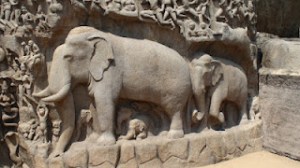
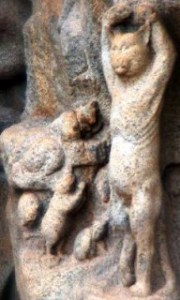
The cat is under the tusks of the big elephant. See below the enlarged cat.


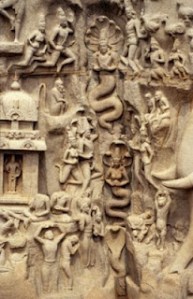
Mahabalipuram near Chennai is famous for its monolithic rock temples. Pallava King Narasimha Varman was the architect of these beautiful rock cut temples and sculptures.  30 feet long panel of Arjunan penance or Bhageerathan penance is one of the main attractions. The sculptor has shown a sense of humour by adding a hypocritical cat in the serious penance of Arjuna/Bhageertha. This is called Rudraksha Cat. It is a phrase in Indian languages to ridicule the hypocritical saints.

The story of hypocritical cat is in Mahabharata (V-160). Tamil Didactic work Sirupanchamulam (stanza 95) also refers to this ascetic cat on the banks of Ganges. This is a folk tale known in different parts of India. The Mahabalipuram panel of rock cut sculptures show this cat with uplifted arms. The story of the cat is as follows:

With uplifted arms the cat performed severe austerities on the banks of the Ganges; and he was so pious and good that not only the birds worshipped it, but even the mice entrusted themselves to his protection. He declared himself willing to protect them, but said in consequence of his asceticism he was so weak that he couldn’t move. Therefore the mice must carry him to the river—where he devoured them and grew fatter and fatter. A wise mouse by name Killika followed the cat to the Ganges and let the secret out to other mice. They all kept away from the cat from that day and the cat had to move to another place.

There are even two or three Tamil proverbs regarding this hypocritical Rudraksha cat. It was named Rudraksha cat because the cat pretend to do prayer by rolling the Rudraksha beads. It must be a familiar painting in the ancient Tamilnadu. The Pallava architecture of Mahabalipuram belongs to seventh century CE.

One of the Sangam works, Paripatal (19-50), refers to the beautiful paintings in Tirupparankundram near Madurai. It was a painting that existed 2000 years ago. The painting shows Indra running in the guise of a cat after molesting Ahalya. May be this episode was the origin of the Rudraksha cat story.


Sirupanchamulam Stanza 95compares an ascetic eating meat with the cat on the banks of the river Ganges. So it is a familiar story throughout India.

Reinterpretaion of Mahabalipuram sculpture

Scholars were debating whether the sculpture panel was about Bhageeratha’s penance or Arjuna’s penance. Now that we know the cat story happened on the banks of Ganges from Mahabharata and Tamil works, it must be Bhageerathan’s story of bringing Ganges to the earth. ( Bhageeratha was one of the earliest engineers of India. He diverted the course of Ganges towards the Bay of Bengal and made India fertile (Please read my post GREAT ENGINEERS OF ANCIENT INDIA for more details).