Kalidasa’s Women and Tamil Women

ramalakshmana sita hanuman

Tribhanga pose of Rama, Lakshmana, Sita wth Hanuman.

Research paper written by London Swaminathan

Research article No.1526; Dated  28    December 2014.

The concept of womanhood, physical features of women, their beliefs, the customs they followed were amazingly similar from Himalayas to Kanyakumari, the Land’s end. This shows that their thoughts, words and deeds were same from their birth to death from North to South. It stands as a proof for the sons of the soil theory. They did not come in to India from foreign lands. They were born and brought up here and died here with their own beliefs. Wherever they went they took their beliefs. If they had come from outside India, customs like swayamvaram would have existed outside India. Hundreds of such customs are not found anywhere in the world except in Tamil and Sanskrit literature. Even their standing pose (tribhanga) was same from Indus valley to the southernmost tip.

Hindus have a custom of describing a woman’s body features from head to foot if it is human. If it is a goddess they have to describe her features from foot to head. This customs is followed in Tamil and Sanskrit literature. No one dares to look at the Goddess straight into her eyes. Even her side glance is enough to fulfil all the desires of millions of people, they believed. So they started describing her from foot to head. For ordinary women it was vice verse.
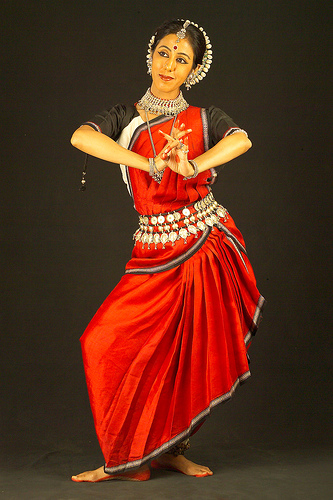
odissy tribhanga

Tribhanga in Odissi Dance

Following body features are same in Kalidasa and Sangam Tamil literature. We can see most of them in Valmiki Ramayana as well.

1.Women were always compared with the rivers and cities. Rivers were women and the sea was their husband.

2.Women were married on the Rohini Nakashatra (asterism) day as she was considered the favourite wife of the Moon.

3.Moon was considered the husband of all the 27 Stars. In other cultures Moon was a woman.

4.All the good qualities and virtues are given feminine names. This custom is followed until today (Karuna, Shanti, Satya, Anandi,Saumya, Saubhagya etc)

5.If someone sneezed, women thought some other women are thinking about their husbands.

6.Women counted their days when their husbands went on travel or Government service (such as war, foreign trips with Kings). It is in Meghaduta of Kalidasa and Sangam literature.

7.Kalidasa described women as wonderful creations of Brahma. He described them as Brahma’s Art Work! In Tamil they were compared to Anangus, who can “kill “anyone by their look.

8.Each City in India has a goddess protecting the city (Nagara Devata). Even Ravana’s Lanka had a city goddess- Lanka Devi.
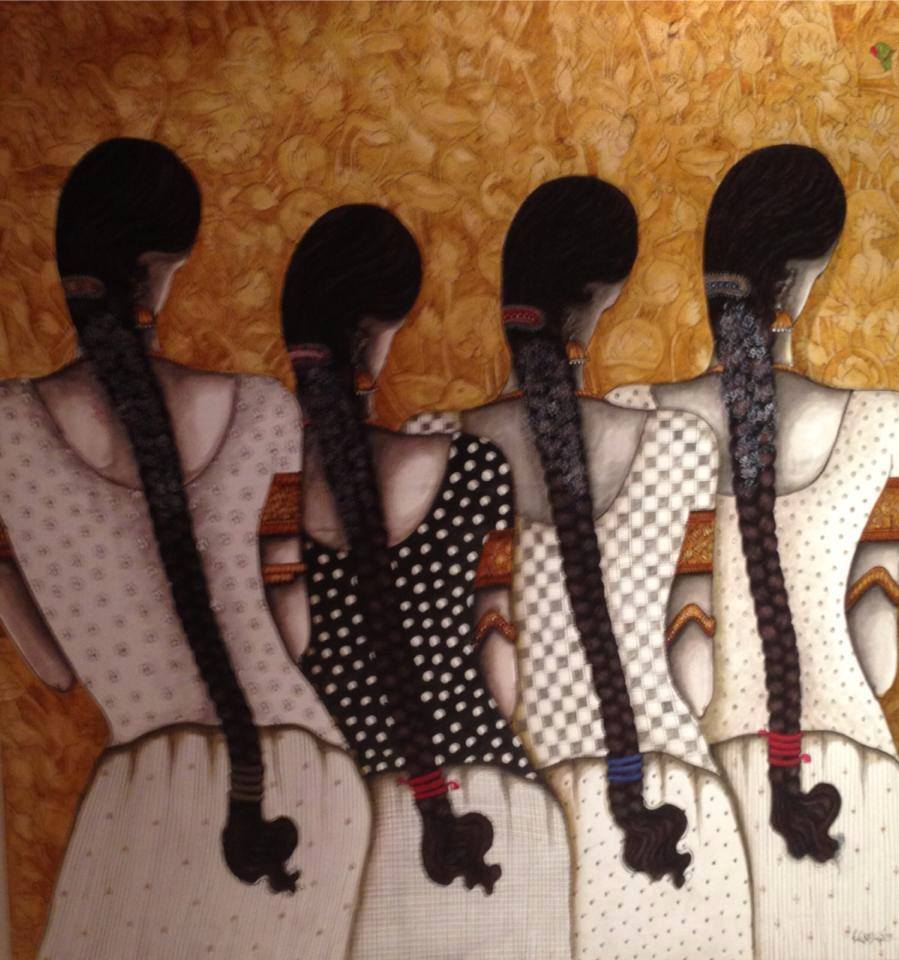
pinnu senchataiyal

  1. Women’s Body Features:

Hair – It is always compared to peacock feather in Kalidasa and Sangam literature

Gait- It is always compared with swan or goose

Thigh – Trunk of an elephant or Plantain/Banana Tree stem

Eyes: Deer

Voice: Koel or Parrot

Belly Button: whirlpool; vortex

Eye throbbing: Left is good for women; Right is good for men.

Hair do: If the husband is away they don’t decorate their hair

Fasting: They fast for good children and Husband’s long life

Chaste women: Chaste women have miraculous powers, but they rarely use them.

Symbol of Love: Chakravaka birds are described as symbol of love; they always remain together.

Tree and Creeper: Men are trees and Women are creepers in both the languages.

Face of Women: Bright and cool like Moon

Paintings: Both men and women had paintings of their beloveds

Teeth are compared to white flowers

Lips are compared with corals or Bimba fruit

Broad Chest/breast, Narrow waist, Broad Thighs are the features of Indian women.

Women longed for children and believed male children will help them to go to heaven.

Women wanted heroic children and mothers were called Veea Mata in Tamil and Sanskrit literature.

More than 200 topics are similar in Kalidasa and Tamil literature including the above topics on women. This shows that Sangam Tamils knew very well Kalidasa’s works and used them. Unknown Prakrit poets of Gatha Saptasati also imitated Kalidasa, but they were not known to anyone, because their products were secondary productions. Very rarely we see originality; may be one or two like Hala are exceptions.
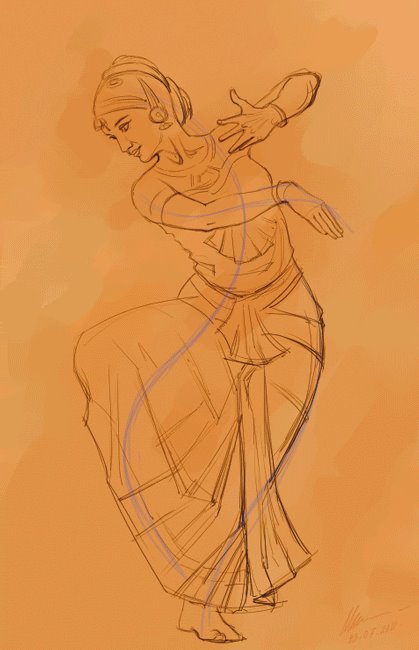
dance line drawing

Gatha Sapta Sati never touched Tamil God Skanda where as Kalidasa and Sangam Poets dealt with Skanda Murukan in the same way. Gatha Spata Sati touched Lord Ganesh where as neither Sangam poets nor Kalidasa dealt with Lord Ganesh.

My forty year research in to Sanskrit, Tamil and Prakrit literatures show that Tamils and Prakrit poets knew Kalidasa works by heart. Rev G U Pope who studied Tamil and Sanskrit works wrote about it 150 years ago.

Under 200 topics I have more than 1000 references. I have given one below:

In Syama – vine I see your slender limbs;

Your glance in the gazelle’s startled eyes

In the cool radiance of the moon in your face

Your tresses in the peacock’s luxuriant train

Your eye brows graceful curve in stream’s small waves

But alas! O cruel one, I see not

Your whole likeness anywhere in any one thing – Kalidasa’s Megadutam 103

kerala beauties

“Conferring the radiance of the moon

On the faces of lovely women,

the entrancing tones of wild geese

on their gem-filled anklets,

the Banduka’s vibrant redness

on their luscious lower lip,

the splendour of bountiful autumn

is now departing – to who knows where – 3-25- Kumarasambhava

Also Sakuntala Act 2-10,11, Rtu Samharam 3-24/26`

Tamil Kalitokai 55, 56 (This part of Kurinji Kali was composed by Brahmin poet Kabilan, who was well versed in Sanskrit)

Dr G U Pope said that Kabilan followed Kalidasa.

“ Hero wanted to say something about my features. He looked at my forehead which was like crescent moon, but it was not the crescent moon. Face looked like moon but there were no dark spots like moon; shoulders looked like bamboos; but this was not born in the hills; eyes were like lotus flowers; but not from the pond; she walks like a peacock, but she is not a bird; she spoke like a parrot; but not actually a parrot. He pretended praising me like this.

“ Your glance is like the glance of a deer; your hair is soft like swan’s; you are like a pea cock; your shoulders are like bamboos and they are the boats that helps one to cross the Sea of Lust; your breasts are like the buds of areca nut tree.
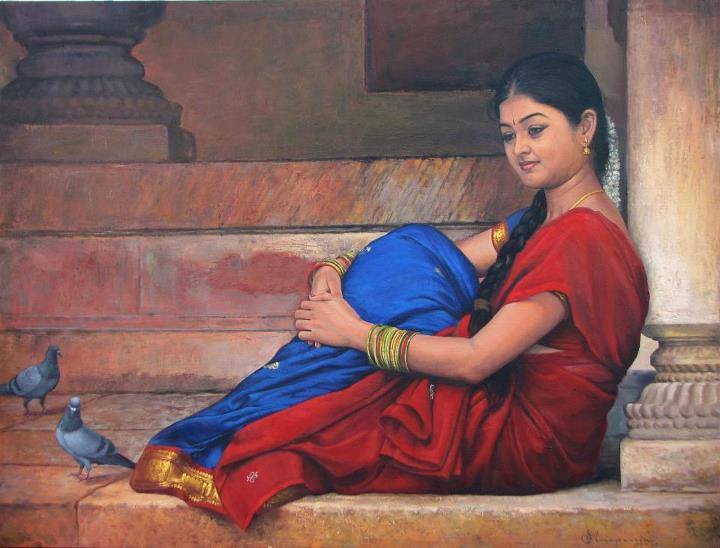
thathrupam pen

Comparing women of Kalidasa with Sangam Tamil works bring out many literary gems from both the literatures.

contact swami_48@yahoo.com
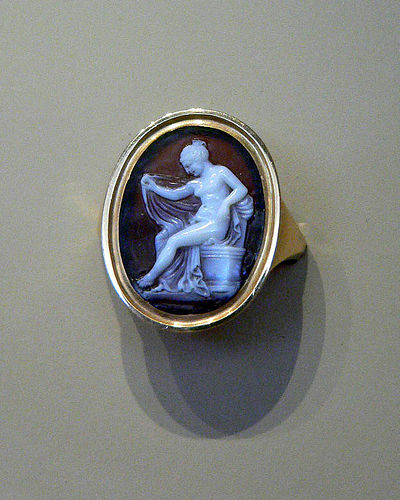
Four Gold Rings in Ramayana and Kalidasa’s Works

museum ring 1

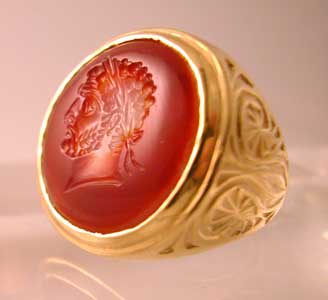
Roman cameo ring

Research paper written by London Swaminathan

Research article No.1520; Dated  26th   December 2014.

Gold Rings play an important part in Valmiki Ramayana and three of Kalidasa’s works in addition to Vishaka Datta’s Mudra Rakshasa.

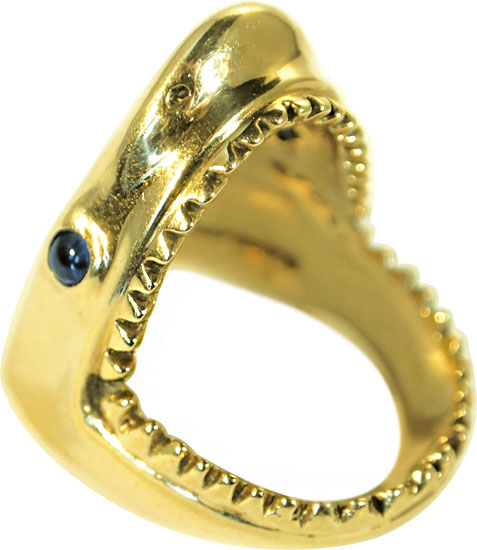
Valmiki, the great Adi Kavi, inspired Kalidasa and Vishaka datta. All these are Sanskrit works. In Sangam Tamil literature we have one reference to a gold ring with shark picture on it. Such rings are found in Rome and Greece. Apart from their literary merits, there are lot of things for researchers.

1.Gold rings were used as seals. They were like government seals and emblems.

2.Gold rings have personal names inscribed on it. Rama’s name was there on his ring. Dushyanata’s name was inscribed on it.

3.Sita was able to recognise the letters RAMA and Shakuntala was able to read the letters. So women were literates and highly educated. Kalidasa tells us how many letters were in Dushyanta’s name and asked Shakuntala to count them so that she would know many days she had to wait.

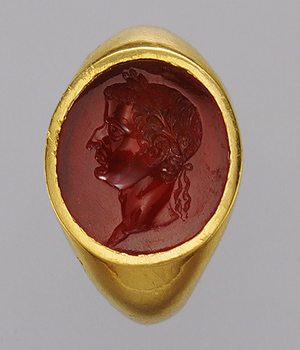
tiberius

Tiberius ring

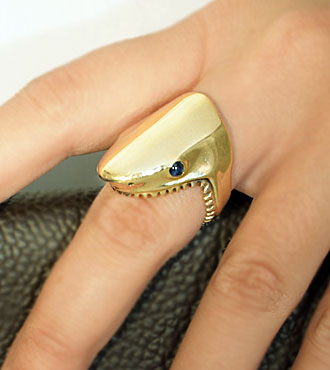
4.Tamil had rings with shark picture on them. They might have been imported from Rome. Roman gold coins are found in nook corner of Tamil Nadu and the vaults of Ananta Padmanabha Swami Temple of Tiruvanathapuram, Kerala.

5.Kalidasa gives information about  gem studded rings (Ratna Angukiyam) in Raghu Vamsa (6-18, 12-62, 12-65). In the Sakuntalam, he mentioned about giving engagement rings. Now it has become a big custom and big business in Western countries. Actually Hindus taught the world about giving Engagement Rings. Giving flowers is in Tamil literature.

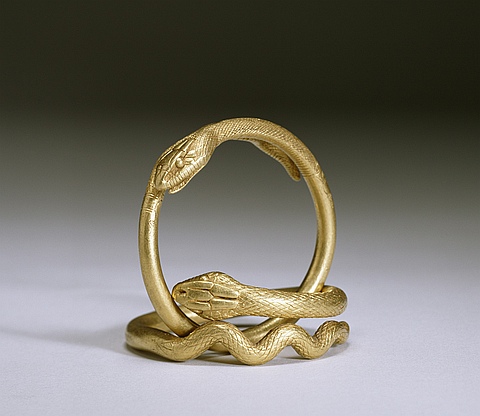
6.Kalidasa also gives information about ring with a snake picture on it in his drama Malavika Agnimitram.

7.In Kalidasa’s Abinjana Sakuntalam and in Vishaka Datta’s Mudra Rakshasa, the ring  plays an important part. Sanskrit scholar Chandra Rajan compared it with Shakespeare’s Othello (hand kerchief instead of ring in Othello).

snake ring

Snake ring

  1. Tamil Poet Maruthan Ilanakan used (Kali- 84) the ring in his Kalitokai verse. It is a gold ring given by a prostitute to the hero. It shows that prostitutes were very rich and they may even give rings to their customers if they fall in love with them. In other parts of the world, it is other way round; they only received, never donated.

9.Since Tamil ring has a Makara/shark, Romans might have brought them. Sailors used to visit prostitutes  the counties they visit and the VD or STD are called Sailor’s diseases. But the heroine actually said that it was Manmatha’s flag emblem, meaning that the prostitute wanted to rule over his heart for ever. Manamatha  is God of Love.

10.in Mudra Rakshasa, it is the signet ring of a minister. So, all the top government officials used their rings as signatures. Each one must have a different picture or personal name on it.

11.It is unfortunate that we have such rings only in the vaults of Maharajas now, which slowly find their way to auction houses in London and New York.

roman-jewelry-seal-ring

12.When I visited Stockholm I was able to see all the jewellery in the museums. In my city London, people queue to see the Royal jewellery including India’s Kohinoor diamond. I paid to enter Metropolitan Museum in New York. India can mint money by displaying her treasures properly. Government should set up a panel for this purpose with historians and archaeologists.

13.Indian government must ban legal or illegal “export” of all Indian jewellery to foreign auction houses. They must also make arrangements to display all the jewellery of temples such as Tirupati, Tiruvananthapuram and palaces of Maharajas. There are many more hidden gems lying in the dark rooms of India. I have written about our treasures in Tehran museum.

(Please Read my articles on “India needs an Indian Jones” and the Diamond studded Rs 1000 crore Globe in Tehran Museum)

238ring3

Gold Ring in Valmiki Ramayana (Sundara Kanda, Canto 36)

Sangam Tamil book Purananuru says that the monkeys did not know how to wear Sita’s jewellery! Sita threw them down from Ravana’s air plane. Hanuman took Sita’s jewellery back to Rama . Hanuman won Sita’s confidence when he gave her Rama’s ring. When she saw the ring with Rama’s name on it she believed that Hanuman was a real messenger from Lord Rama.

Here is the verse from Sundara Kanda

“O, Fortunate One, I am a monkey, the messenger of the sagacious Rama; behold this precious ring on which his name is engraved! O, Goddess, it was given to me by that magnanimous hero so that thou shouldst have faith in me”

“Janaki taking the jewel that had adorned her lord, was overcome with joy, as if he himself were present her gentle countenance with its large eyes sparkle with delight resembling the moon released from Rahu’s hold. Blushing with pleasure on receiving this token from her lord, that youthful woman, in her satisfaction, began to look on that great monkey as on a friend and paid tribute to him”.

From The Ramayana of Valmiki, Volume II, Translated by Hari Prasad Shastri

Here is the Gold Ring from Abhinjana sakuntalam:-

King : Then putting the ring on her finger, I said to her;

Madhavya: What did you say?

King: Count off each day one letter of my name

On the Ring; and when you come to the last,

An escort will present himself, my love,

To lead you to my Royal Apartments.

But in blank confusion I acted cruelly.

Mitrakesi: A charming arrangement, no doubt; only fate slipped in and broke it

Madhavya: How on earth did the ring enter the (fish) carp’s mouth as if it were a hook?

King: It slipped off your friend’s finger when she was worshipping the waters at Sasi’s pool (Soma Tirtha).

Act 6 of Sakuntalam (Chandra Rajan’s Translation in “Kalidasa-The Loom of Time”).

238ring22

Chandra Rajan compared it with Othello of Shakespeare:

“In Othello, proof of the heroine’s chastity and love is demanded. Desdemona’s chastity hangs on a hand kerchief; Sakuntala’s on a ring. Both heroines are blissfully unaware of the importance of the token. To them love is its own proof and a witness to their charity”

Snake ring in Malavikagnimitram

Act 4 of Malavikagnimitram says that the queen parted with her signet ring bearing a serpent seal, as it was required by the poison-doctor to effect a magical cure. He thus procures the freedom of Malavika.

Mudra Rakshasa

The meaning of the drama is “The Signet Ring of Rakshasa”, the Chief Minister of last Nanda King. Chanakya, installed Chandragupta Maurya as king, and dethroned the last Nanda king. Nanda king’s chief minister Rakshasa was made to switch sides through the clever plans of Chanakya.

வடமொழி, தமிழ் மொழி பற்றி இலக்கண வித்தகர்கள் கூற்று

tamil vowels

கட்டுரையை எழுதியவர் :– London swaminathan

கட்டுரை எண்- 1519; தேதி 26 டிசம்பர், 2014.

மூதறிஞர் வ.சு.ப.மாணிக்கம் எழுதிய தொல்காப்பியக் கடல் என்ற நூலில் இருந்து தொகுக்கப்பட்டவை:–

சுவாமிநாத தேசிகர்

1.“சுவாமிநாத தேசிகரின் இலக்கணக்கொத்தோ பாயிர நூற்பாக்களிற் சில அடிகளையொதுக்கிடின் நல்ல இலக்கணப் புதுமைகொண்ட நூல் என்பதைப் பலரும் ஒப்புவர்

வடமொழி தமிழ்மொழி யெனுமிருமொழியினும்

இலக்கணம் ஒன்றே யென்றே யெண்ணுக  – இலக்கணக்கொத்து

பெருந்தேவனார்

2.தமிழ் சொல்லிற்கெல்லாம் வடநூலே தாயாகி நிகழ்கின்றமையின் அங்குள்ள வழக்கெல்லாம் தமிழுக்கும் பெறும் – வீரசோழிய உரை ஆசிரியர் பெருந்தேவனார்

சேனாவரையர்

3.ஒரு சொல்லாய வழித் தமிழ் சொல் வடபாடைக்கட் செல்லாமையானும், வட சொல் எல்லாத் தேயத்திற்கும் பொதுவாகலானும் – சேனாவரையர்

சிவஞான முனிவர்

4.தமிழ்நூல் ஒன்றே வல்ல உரையாசிரியர்கள் உரை உரையாகா எனவும் வடநூல் உணர்ந்தாற்கன்றித் தமிழியல்பு விளங்கா எனவும் ஊறும் வீறும்பட உரைத்தார் சிவஞான முனிவர்

சுப்ரமண்ய தீக்ஷிதர்

5.வடமொழிக்கும் தமிழ் மொழிக்கும் இலக்கணம் ஒன்றே எனவும் தமிழும் திசைச் சொல்லேயாம் எனவும் பொதுமையும் திசைமையும் கண்டார் சுப்பிரமணிய தீக்கிதர்.

சுவாமிநாத தேசிகர்

6.இவர் எல்லோரும் விஞ்சுமுகத்தான்

அன்றியும் ஐந்தெழுத்தால் ஒருபாடை யென்று

அறையவும் நாணுவர் அறிவுடையோரே

ஆகையால் யானும் அதுவே அறிக  – இலக்கணக்கொத்து சுவாமிநாத தேசிகர்

skt_vowel1

சிவப்பிரகாசம்

தொன்மையவாம் எனுமெவையும் நன்றாகா இன்று

தோன்றிய நூல் எனுமெவையும் தீதாகா

–சிவப்பிரகாசம்

சுவாமிநாத தேசிகர்

7.நூலாசிரியரே உரையும் எழுதும் வழக்கம்

நூல்செய்தவனந் தவனந் நூற்குரை யெழுதல்

முறையோ எனிலே அறையக் கேள்நீ

முன்பின் பலரே என்கண் காணத்

திருவாரூரில் திருக்கூட்டத்தில்

தமிழ்க்கிலக்காகிய வயித்திய நாதன்

இலக்கண விளக்கம் வகுத்துரை எழுதினன்

அன்றியும் தென்றிசை ஆழ்வார்திருநகர்

அப்பதி வாழும் சுப்பிரமணிய

வேதியன் தமிழ் ப்ரயோக விவேகம்

உரைத்துரை எழுதினன் ஒன்றே பலவே

—சுவாமிநாத தேசிகரின் உரை நூற்பா

  1. முக்கிய தமிழ் இலக்கண நூல்கள்

தொல்காப்பியம், வீரசோழியம், நேமிநாதம்

நன்னூல், இலக்கண விளக்கம், பிரயோக விவேகம்

இலக்கணக் கொத்து, தொன்னூல் விளக்கம்

முத்துவீரியம், சுவாமிநாதம்

contact swami_48@yahoo.com

16 Virtues of Great Kings

dasaratha

Dasaratha in painting

Research paper written by London Swaminathan

Research article No.1517; Dated  25  December 2014.

Kalidasa, the greatest Indian poet of classical age, begins his Raghuvamsa, with bombastic words in Sanskrit. But he was so humble that he compared himself to a dwarf trying to reach fruits on a tall tree with his tiny arms.

But in the very next verse he said that he can do it because the old poets had already pierced the diamond through their verses. Now his job is like sending a thread through that hole.

But those who knew Sanskrit felt that he excelled all other poets in the choice of words as well as the description of sixteen great virtues of the Raghukula, the clan of Lord Rama (Rama’s forefather was Raghu).

This is not only for those who look for literary gems but also for those who want to study what Hinduism stood for.

rajasthani_painting_HM45_l

1.Pure from their birth- Aajanma Sudhhaanaam

The kings were pure from their birth. No bad name for the family, all their forefathers were embodiments of great virtues

2.Who till they won success worked on – Aafalodaya karmaanaam

They worked very hard till they won the task.

Perseverance was one of their virtues, never stopped in the middle.

They tried like Bhageeratha, who brought Ganges from the heaven ( actually he was a great engineer and planned to divert Ganges towards Uttar Pradesh, Bihar and Bengal for irrigation. With great and long effort  he succeeded in the Himalayan engineering work)

3.Ruled Earth to the Sea – Aasamudra Kshithisaanaam

They did not rule small areas. From shore to shore they ruled. Kalidasa , who lived in the first century BCE, during the reign of Vikramaditya, knew what he was talking about. He routed all the foreign forces and drove them out of the vast Indian sub continent.

king4

4.Their Car track reached to heaven —  Aanaaka ratha varthmanaam

Their chariots had direct route to heaven; that meant they were so pure they go to heaven when the leave their bodies at will.

5.The altar fire they tended – Yathaavidhi Huthaagniinaam

They were very pious and did great Yagnas like Asvamedha, Rajasuya etc.

6.Suppliants all Most fully satisfied – Archithaarthinaam

All were satisfied; their needs were met.

7.Ill deeds they punished – Yathaaparaatha Dandaanaam

They punished according to the gravity of the crimes; neither too much nor too less.

indian-royal-procession-bi96_l

8.Nor were slothful in their rule –Yathaakaala Prabhodhinaam

They were never lazy.

9.Wealth they amassed to scatter – Thyaagaaya sambruthaarthaanaam

They accumulated wealth only to give it back to the poor

10.Sparing words they never spoke falsely- Sathyaaya Mithbahaasinaam

They spoke a few words fearing that they may tell something wrong by the slip of the tongue.

king2

11.Fame in war they sought- not gain – Yasasee Vijigishuunaam

They fought wars indeed, but all Dharma Yuddha, not for the booty, but for fame. This is a great concept seen nowhere in the world. Sangam Tamil literature and Sanskrit literature were crystal clear that innocents should not suffer during wars. All the old people, invalids, women, Brahmins, sick people, children were asked to vacate the place and the wars were fought outside the town.

When the king was killed or defeated they accepted the verdict. But after the foreign invasions, the picture changed completely. Since they did all the illegal and immoral things, Hindu rulers also fell in that grew.

12.Wedded  for noble seed – Prajaayai Gruhamedhinaam

They married and led a family life not for sexual pleasure, but for progeny.

13.Their children studied—Saisave abhyasthavidhyaanaam

They studied all through their life from childhood. They were lifelong students. They updated their knowledge now and then.

king_s_procession

  1. Youth pursued its decent pleasures – Yauvane Vishayaishinaam

They followed only decent pleasures even when they were young.

15.And in ripe old age they lived as ascetics – Vardhakee Munivriththinaam

They lead ascetic life when they became old

16.Relinquished their bodies in meditation- Ante Yogena Thanuthyajaam

They did not die without any purpose. They left the body at will meditating upon God like the great Bhishma Pitamaha.

Contact swami_48@yahoo.com

பஞ்சபூதங்களைக் கண்டுபிடித்தது யார்?

bhutas

Research paper written by London Swaminathan

Research article No.1515; Dated  25    December 2014.

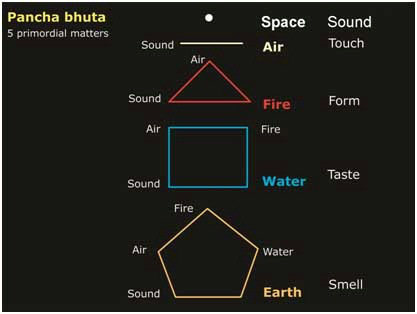
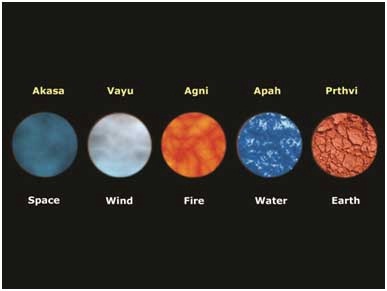
நிலம், நீர், தீ, வளி (காற்று), விசும்பு (ஆகாயம்) என்பன பஞ்ச பூதங்கள், அதாவது ஐம்பூதங்கள். சிவ பெருமான் இந்த ஐந்து ரூபத்தில் இருக்கும் தலங்கள் தென்னிந்தியாவில் இருப்பதை நாம் அறிவோம்.

இதே பஞ்சபூதக் கொள்கை சிறிது மாற்றங்களுடன் கிரேக்க நாட்டிலும் ,பாபிலோனிய கலாசாரங்களிலும் உள்ளன. புத்தர்களும் சமணர்களும் இதை இந்துக்களிடமிருந்து இரவல் வாங்கி அவரவர் மனப்போக்கில் உருவாக்கி சீனா, ஜப்பானுக்கு ஏற்றுமதி செய்தனர். அங்கு சில மாறுதல்களுடன் இன்றும் உளது.

இதனை நாம்தான் கண்டுபிடித்தோம் என்பதற்கு என்ன ஆதாரம்?

மிகப் பழமையான தைத்ரீய உபநிஷத்திலும் அதன் தமிழ் மொழிபெயர்ப்பு புறநானூற்றுப் பாடலிலும் உள்ளன. அதைப் பாடியவர் முரஞ்சியூர் முடிநாகராயர், பாடல் 2..

உபநிஷத்தில் இருப்பதால் மட்டும் இதை நாம் கண்டு பிடித்ததாகச் சொல்ல முடியுமா? பாபிலோனியாவிலும் பழைய ‘’எனுமா எலிஸ்’’ என்னும் பாடலில் உள்ளதே என்பர் சிலர். முதலில் அந்த எனுமா எலிஸ் என்பதே ரிக் வேதத்தில் உள்ள பிரபஞ்சத்தின் தோற்றம் (க்ரியேஷன்)  பற்றிய பாடலின் மொழி பெயர்ப்பு என்பதை என் ஆங்கிலக் கட்டுரையில் ஒப்பிட்டுக் காட்டி இருக்கிறேன். மேலும் அந்தக் கொள்கை நம் கலாசாரத்தில் ஊறியது போல வேறு எங்கும் காணப்படவில்லை.

சங்க இலக்கியத்தின் பல பாடல்களிலும், காளிதாசன் காவியம் முழுதும் ஐம்பெரும் பூதங்களின் ஆற்றலையும், குணங்களையும் மன்னனுக்கு ஒப்பிடுவது மரபு.

5-primordial-elements-7

தீப்போல எதிரிகளை அழிப்பவன், தண்ணீர் போல கருணையுள்ளவன், காற்று போல வேகம் உள்ளவன், ஆகாயம் போல சர்வ வல்லமை உள்ளவன், பூமி போல பொறுமையும் உறுதியும் உடையவன் என்று இலக்கியங்கள் போற்றும்.

இதோ புறநானூற்றுப் பாடல் 2

மண் திணிந்த நிலனும்

நிலம் ஏந்திய விசும்பும்

விசும்பு தைவரு வளியும்

வளித்தலைஇய தீயும்

தீ முரணிய நீரும், என்றாங்கு

ஐம்பெரும் பூதத்து இயற்கை போலப்

போற்றார்ப் பொறுத்தலும், சூழ்ச்சியது அகலமும்

வலியும், தெறலும், அளியும் உடையோய்

இந்தப் பாடலைப் பாடிய திரு..நாகராஜன் (நாகராயர்) நால் வேத நெறியே பிறண்டாலும் பால் புளித்தாலும் —- என்றெல்லாம் கூறுவதில் இருந்து நால் வேதம் அறிந்தவர் என்பது புலனாகிறது. மேலும் தைத்ரீய உபநிஷத்தும் காளிதாசனும் சொன்னதைச் சொல்வதில் இருந்து நாடு முழுதும் இக்கொள்கை இருந்ததும் புலனாகிறது. முரஞ்சியூர் நாகராஜன் (முடி நாகராயர்) இமயத்தையும் பொதியத்தையும் இதே பாடலில் குறிப்பிடுவதால் இமயத்தில் இருந்து சிவபெருமான கட்டளையை ஏற்று தமிழ் வளர்க்க வந்த அகத்தியன் கதையை அறிந்தவர் என்பதும் புலனாகிறது. இதே போல காளிதாசனும் மலயம், பாண்டியன், அகத்தியன் ஆகிய அனைவரையும் ரகுவம்ச காவியத்தில் அடுத்தடுத்து குறிப்பிடுவான். ஆக காளிதசனின் செல்வாக்கு தமிழ் இலக்கியத்தில் பரவியதற்கு இது மேலும் ஒரு சான்று.

இதோ தைத்ரீய உபநிஷத் (பிரம்மவல்லி; அனுவாகம்1:

பரமாத்மாவிடமிருந்து

ஆகாயம் தோன்றியது

ஆகாயத்தில் இருந்து காற்று

காற்றில் இருந்து தீ

தீயில் இருந்து தண்ணீர்

தண்ணீரில் இருந்து பூமி தோன்றியது

panchabhuta-1

ஆக இதே வரிசையை எல்லா இடங்களிலும் காணமுடிகிறது.

காளிதசன் ரகுவம்ச (1-29) காவியத்தில் — ‘’திலீபனைப் படைத்த பிரம்மா அவனிடத்தில் ஐம்பெரும் பூதங்களையும் படைத்தார்’’ என்கிறார். ஏனெனில் அவனும் ஐம்பெரும் பூதங்கள் போல பயன்பட்டான் என்பார். அறிவியல் நோக்கில் பார்த்தால் நாம் அனைவரும் உடலில் ஐம்பெரும்பூதங்கள் உடையவர் — அண்டத்தில் உள்ளது பிண்டத்திலும் உள்ளது — என்பது ஆன்றோர் வாக்கு. இதையும் கிரேக்கர்கள் நம்மிடமிருந்து வாங்கி அப்படியே மாக்ரோ காஸ்ம்- மைக்ரோகாஸ்ம்—சொன்னார்கள். எம்படோக்ளிஸ் என்பவர் ஆகாயம் என்பதை விட்டுவிட்டு நால் பெரும் பூதங்களைக் குறிப்பிடுவார்.

அதுமட்டுமல்ல (4-11) ரகுவம்சத்தில்,

ரகு பிறந்தவுடன் ஐம்பூதங்களும் புதுப்பொலிவு எய்தின என்கிறான் காளிதாசன். இந்த உவமைகள் எல்லாம் அக்காலத்தில் மக்கள் நன்கு அறிந்த கருத்துகள் இவை என்பதையும் காட்டுகின்றன.

மன்னர்களை ‘பூ புக்’ என்று சம்ஸ்கிருதத்தில் சொல்வர். அதாவது மண் உண்ணுபவன் —- மாற்றார் தேசங்களை வெல்வதால் மன்னனுக்கு இந்தப் பெயர். இதை காளிதாசனும் புறநானூற்றில் குறுங்கோழியூர் கிழாரும் (பாடல் 20) பாடுகின்றனர்.

சுதக்ஷிணை கருவுற்றவுடன் மசக்கையால் மண் உண்டாள். ஏன் தெரியுமா எதிர்காலத்தில் (ரகுவம்சம். 3-4) அவள் கருவில் தோன்றும் ரகு உலகாளப் பிறந்தவன் என்பார்.

குறுங்கோழியூர் கிழாரும் :

பிறர் மண் உண்ணும் செம்மல்; நின் நாட்டு

வயறு மகளிர் வேட்டு உணின் அல்லது

பகைவர் உண்ணா அரு மண்ணினையே

என்கிறார். இதுவும் வடமொழி வாசகத்தின் பொழி பெயர்ப்பே. ஆக பாரதம் முழுதும் ஐம்பெரும் பூதம் பற்றி வேத காலம் முதற்கொண்டு சங்க காலம் வரை ஒரே கருத்து இமயம் முதல் குமரி வரை ஈரான் முதல் இந்தோ நேஷியா வரை ( இவை இரண்டும் ரகுவம்சத்தில் வருகின்றன ) நிலவின என்றால் அது மிகையாகா.

அவ்வையார் பாடிய புறப்பாடலில் (92) மன்னனை தந்தை என்கிறார். காளிதாசன் மன்னனை விஷ்ணு என்று போற்றுவார். தமிழில் கோவில் என்றால் அரண்மனை, இறைவன் உறைவிடம் என இருப் பொருளுண்டு. இறை என்றாலே கடவுள், மன்னன் ஆகிய இரண்டு பொருள் உண்டு. ஆக தமிழர்களும் முன்காலத்தில் மன்னை தெய்வமாக மதித்ததற்கு சங்கப் பாடல்களில் நிறைய சான்றுகள் உள.

பஞ்சபூதக் கருத்து இன்றும் நம்மிடையே இருப்பதற்கு பஞ்சபூத க்ஷேத்ரங்கள் நாம் எல்லோரும் வழிபடும் தெய்வத் தலங்களாக நீடிப்பதே சான்று கூறும்.

contact swami_48@yahoo.com

Amazing Tamil-Sanskrit Similarities! Helps to decipher Indus Script!

Ashoka_Rock_Edict_at_Junagadh

Junagadh Rock where Asoka, Rudradaman and Skanda Gupta inscribed their achievements.

Research paper written by London Swaminathan
Research article No.1504; Dated 21st December 2014.

(Tamil version of this article is also available)

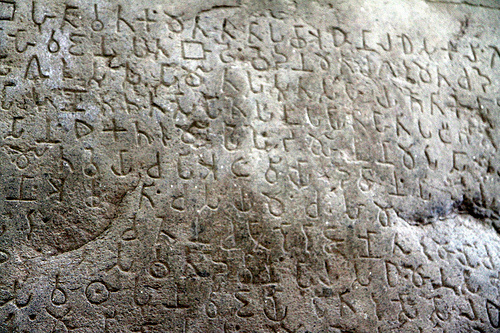
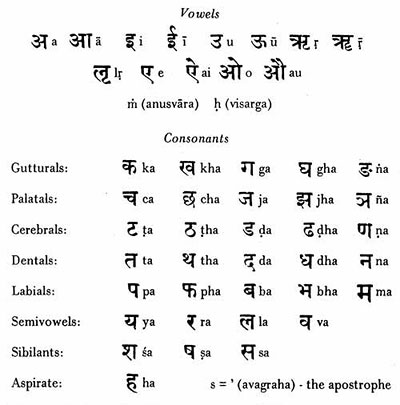
In the first part of the article under the title “Tamil and Sanskrit have common Ancestry”, I compared the Bhagavad Gita and Tamil Veda “Tirukkural” and showed how the Tamilians and Sanskritists thught in the same way. Also showed how both the languages behave in the same way and proved that they have common ancestry. Once we understand this process it is easy to decipher the Indus script. 25 percent to 30 percent of the scripts on the seals must begin with vowels or similar sounds. It is easy to fix the controversial dates of Tiruvalluvar and Manikkavasagar. I will give my views on these subjects in separate articles. Now I will give you more examples to show that Tamil and Sanskrit came from the same source and evolved in the same way.

I have found out that (1) whether it is Sanskrit verses or Tamil verses 25 to 30 percent of verses will begin with words in vowels. (2) The second thing is that the verses with short sound words will be more than the long sound words. For instance there will be more verses with ‘’a’’ than ‘aa’ or with ‘Ka’ than ‘Kaa’. (3) This uniformity shows that Indians can think in only one way and the Indian languages will behave the same way.

If we go to Oxford dictionary and see how many words begin in vowels (a,e,i,o,u) we can’t even compare them with Tamil or Sanskrit because the language (vowels) is not similar. You can’t differentiate from the dictionary whether it is long A or short A unless you go through the pronunciation of each and every word (E.g. a, all, ant, and etc)

junagadh-5
Junagadh Asokan Inscription

Look at the following examples:
Bhagavad Gita : Verses beginning with vowels 171 out of 700 i.e. 24%
Viveka Chudamani of Shankara: Vowel slokas 150 out of 580 i.e. 25-86%
Kumara Sambhavam: vowel slokas 160 out of 623 i.e. 25-68%
Sakuntalam: Verses with Vowels as initial letters 54 out of 198 i.e. 27-27%
(There is one sloka with Au as initial letter in Shakuntalam; though it is one of the vowels both in Tamil and Sanskrit there is no sloka except one verse in Shakuntala.)

Now compare them with the Sangam Tamil Literature:
Natrinai : 115 verses out of 400 begin with vowel words 28-75%
Akananuru : 111 verses out of 400 i.e. 27-75%
Purananuru: 119 verses out of 400 29-75 %
Kuruntokai: 108 out of 400 i.e. 27%
Ainkurunuru 156 out of 500 i.e 31-2 %
Kalitokai 48 out of 150 i.e. 32%
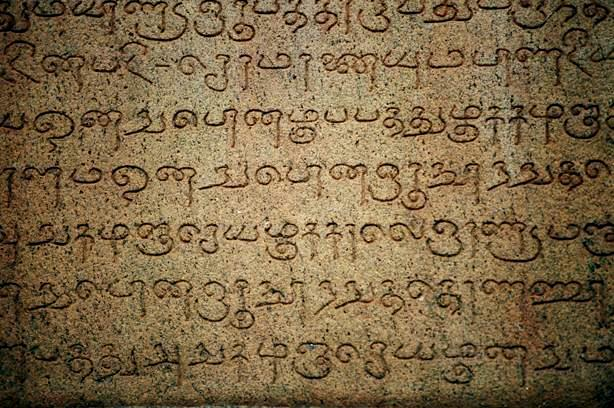
suvadi_spl
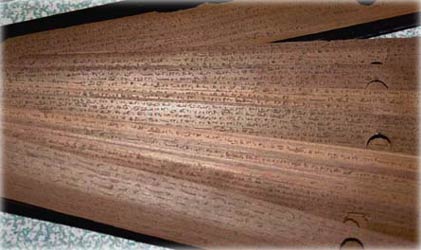
Tamil Manuscript on palm leaves

Post Sangam Period
Naladiyar 133 out of 400 i.e. 33%
Pazamozi 121 out of 400 i.e. 30-25%
Tirukkural 508 out of 1330 i.e. 38-12%
Tiruvasagam 172 out of 656 i.e. 26-2%

Post Sangam verses have more percentage i.e. over 30 %. This method will determine their dates of the works as well. But I will prefer this and use of Sanskrit words must be taken into account ( 50% for use of Sanskrit words+50 % for this method).

I will give you a few examples to show how verses with short and long sounds begin:
Natrinai: a 35, aa 8, I 26, ii 2, u 20, uu 1, e 9, ee 0, ai 3, o 7, oo 4
Akananuru: a 42, aa 6, I 24, ii 2, u 17, uu2, e 9, ee 1, ai 0, o 11, oo4

Throughout Tamil literature and Sanskrit we can see this up and down between short and long sounds.

It is same in Sanskrit works; I will give you a few examples:
Bhagavad Gita: a 97, aa 17, I 21, ii 1, u 9, uu 2, Ru 1, ee, 21, oo2, ai 0, au-0
V. Chudamani: a105, aa 14, I 8, ii 1, u 7, uu 0, Ru 1, ee 13, oo 0, ai 1
Kumara sambhavam: 85, 14, 23, 2, 20, 1,1, 14, 0,0

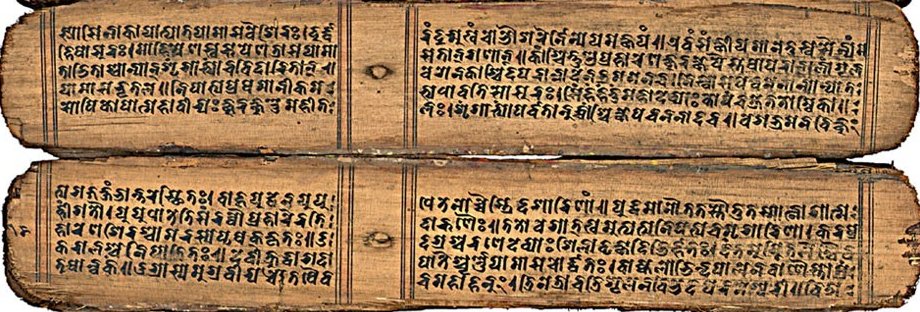
skt olai
Sanskrit manuscript on palm leaves

No one dictated to the poets to write this way. There is no grammar book giving such a rule! These show Tamil and Sanskrit have a common ancestry. I want to name this method after my father Santanam. So I will call this Santanam Method subject to the approval of the scholars of Tamil and Sanskrit speaking world.

Contact swami_48@yahoo.com

Tamil and Sanskrit: Rewrite Linguistics Theory

reading

Tamil and Sanskrit: Rewrite Linguistics Theory

Research paper written by London Swaminathan
Research article No.1502; Dated 20th December 2014.

People who don’t know Tamil and Sanskrit have written lot of theories in Linguistics. Once they know all the rules governing Sandhi (joining rules for words or phrases) rules in Tamil and Sanskrit, they will reconsider their theories. People wrote that Aryans got X sound after mingling with the Dravidians and Dravidians got Y sound after coming into contact with the Aryans etc. They fixed their own point in a circle and called it as the starting point. People who know what a circle is know there is no starting point or finishing point. It is in your mind that you fix a point. In the same way they said that Aryans came with Sanskrit from somewhere in Europe and Dravidians came with Tamil from the Mediterranean. But once you change the starting point as India, all their linguistic theories fall like pack of cards. They will crumble into powder.

Somewhere I read that Aryans had D sound only and then they got soft L sound from Dravidians. But this D/L or R/L changes are natural. They are in Tamil itself:

Pal+Podi = Parpodi (tooth + powder= tooth powder)L=R
Kal+Kudiyan = Katkudiyan (Toddy+Drinker= toddy drinker)L=T
Kan+Sevi = Katsevi (snake)N=T
There are hundreds of examples like this.

Whatever the linguists explain as changes due to two language speakers coming in to contact with each other are happening in the language itself!
There are scores of changes occurring in Tamil itself. In Sanskrit language Sandhi rules is a big chapter, a must for all Sanskrit students.

brain 2
We know that Sanskrit has sister languages in Europe. Once you know that Indians moved from Ganges plains to Europe then all the words are explained. In the same way we see lot of words in Greek (which according to those linguists a language related to Indo-European in turn to Indo Aryan languages) from Tamil. I have given a long list of Tamil words in Greek in one of my previous articles; I can give a few now

Clepto=Kalavu (Theft)
Tele=Tolai (Long)
Paleo= Pazaiya (old)
Mega = Ma (big)
Terra= Tarai (Terrain)
Cota=Sutta (burnt)
Odo=Odu (run)
Nereids=Neer (water)
Oryza= Arisi (Rice)
Ginger=Inji (Zingibera)
Hora= Orai (Hour)
Yavanika = (Ezini) Curtain
Even before Alexander invaded the North West of India, we see Greek/Tamil words. So it has nothing to do with Alexander’s invasion.

linguist book

There are thousands of English words similar to Tamil. No linguistics theory can explain them ( I have one note book full of such words. Sathur Sekaran from Tamil Nadu was interviewed by me at the BBC Tamil Service in London in the 1990s on his book with the same theme). Once we know that all the major languages are related either to Sanskrit or Tamil, then there is no explanation needed.

Indian Civilization Originated in the East

Ganges is referred to in the oldest part of the Rig Veda. Hindus named East as Purva Disa. All words with the same sound mean ‘the oldest’ , ‘the beginning’, ‘the first’. If some asked you what is your Purvikam? It means what is your origin? Pura means ‘once upon a time’, ‘Purana. means old story, Purva means East, Purvika= ancestry, Purva Disa= East, East belongs to Indra. East is called Direction of Indra.

brain

Dravid Maharashtra

I read a review for a booklet titled “Dravid Maharashtra” (Marathi book by Vishwanath Khaire, published by Sadhna Prakashan, Shaniwar Peth, Pune-30) in 1978. It is about place names in Maharashtra which are similar to Dravidian place names. The author examined a large number of place names in Maharashtra and traced them back to their Tamil origin. He argued that Maharashtra may be the missing link between the Aryan and Dravidian cultures. I have read similar articles linking lot of place names in Pakistan and Afghanistan to Tamil names. No wonder people find link with Sanskrit or Tamil place names around the world. Adri Rishi’s name with Adriatic Sea, Kasyapa Rishi’s name with Caspian Sea, Kashyapa Rishi’s name in Kashmir, Agastya’s name with Augustus, Iran’s name with Arya, Syria’s name with Surya, Lebanon’s name with Lavana (salty white), Laos name with Lava etc.

linguistic_levels13721
We have proof for all these things; but only westerners refused to accept them as proof because they thought we all came into India like them (British,French , Portuguese and the Dutch). This theory suited their political ends. Even when they found out Vedic names in the Cunieform tablet in Turkey dated 1400 BCE, even when they found Dasaratha’s name in Amarna letters of Egypt, even when they found Sanskrit Horse Manual in Syria/Turkey, they never included them in the text books in India but included a scores of chapters about their own reformation to civilize Indians!!

Indian scholars, who were after big jobs at high level in the British ruled India, played second fiddle to them. When you change the theory that Indians went out from the subcontinent to spread culture and civilization, then everything falls in its place. Horse originated in India is the latest theory. Indians were the pioneers in iron and steels in the ancient world. So, you change the date for all these things and then their theories will bite the dust.

Moses has no proof! Raging Controversy!

Without any historical or archaeological proof for Moses they have founded three great Semitic religions. Still they were debating whether Moses existed. His name is repeated 136 times in Quran. There is a raging controversy in British and American newspapers every week about Moses because a new film is being released on 26th December, 2014 .

All the mysterious links with Tamil and Sanskrit are explained logically once you change the dates and starting point. No one needs to accept Western dates. If everything needs to be supported by archaeology their religions will disappear, their literature would have no date. Max Muller fixed 200 year rule only for Vedic language. If you apply the same rule to Greek and Tamil, the dates for their literature will crumble like powder. No date for Homer and Tokappian will pass the litmus test.

In short you can challenge the Western theories in every respect. You can pay them by their own coin.

Sanskrit and Tamil have Common Ancestry!

tamil

Research paper written by London Swaminathan
Research article No.1499; Dated 19th December 2014.

Scholars have been wondering for long about some of the Tamil words found in Rig Veda and other Vedic literature.

E.g. Neer=Water, Min = Fish, Mayur=Pea cock are a few words in the Vedic literature that are considered Tamil

In the same way Tamil scholars are disputing the Sanskrit words found in the oldest Tamil book Tolkappiam.
E.g. Kala= Time, Kama= desire (particularly sexual), Manas= mind, Bhuta as in Pancha Bhuta= elements etc.

These are only few examples. It is a pity that the so called scholars knew only one of the two ancient languages of India. People in the North knew Sanskrit in addition to Hindi. People in the South knew Tamil and English to some extent. If both of them have studied both Tamil and Sanskrit, they would have known that there is more similarity between the two languages than dissimilarities.

If there is any one language in the world that is closest to Tamil, that is Sanskrit. If there is anyone language in the world that is closer to Sanskrit, that is Tamil. Most of the worlds in the major languages of the world can be traced back to these two languages. The thought process, beliefs, customs and culture are amazingly similar. Those who study Sangam Tamil literature would know that there is no difference in values or customs between the South and the North. They may very rarely come across one or two exclusively Tamil customs, which is possible in any part of the world that are geographically wide apart.

If someone finds similarity with Ur in Sumer with Ur=Town in Tamil, immediately there will be another one to point out Ur in Sumer is similar to Pur/Pura in Sanskrit. The fact of the matter is almost all the words in ancient languages can be traced back to Tamil or Sanskrit. These are the two languages that coexisted long before several ancient languages. More over languages tend to branch out and develop new dialects depending upon the geography, climate, history of other language speakers coming in to contact etc.

sanskrit-letters

One more example from English
In English, if we look at numbers ONE and EIGHT, the sounds are similar to Tamil in
ONE= ondru in Tamil
EIGHT = Ettu in Tamil
If we go deeper in to it, it will show Une/Eine are the basis of ‘one’
Eight= Octo/Ashta are the basis for ‘eight’

This is to show that it can only branch out in the Sanskrit way or the Tamil way.

Biggest Proof
The biggest proof lies in the ancient poems of two languages. If we go to the index page of any old poetry book either in Tamil or Sanskrit we can see amazing similarity between the poems staring in vowels. For instance, in any Tamil or Sanskrit book, the poems beginning with the words in vowels will form 25 % of the entire work or one third of the work.

Devimahatmya_Sanskrit_MS_Nepal_11c
Look at the following example:

Slokas in Bhagavad Gita with initial letter a- 97, aa-17, i-21, ii-1, u-9, uu-2, kru-1, ee-21, oo-2.
Total = 171 out of 700 slokas
Tamil ‘Tirukkural’
a-157, aa-23, i-114, ii8, u-81,uu-21, e-45,ee-9,ai-4, 0-40, 00-6
= 508 out of 1330

Though Tamil and Sanskrit have ‘Au’ as one of the vowels, there is no verse beginning with Au (ow sound as in Owl) in Tirukkural or Bhagavad Gita!!

This is not the only one similarity. We can see another pattern. Vowels with short sound (a,e,u,o) will have more verses than vowels with long sounds (aa, ee, uu, oo etc)

Nobody could have gone to a Tamil or Sanskrit poet thousands of years ago and dictated that you must sing verses starting with this vowel these many times only. This is a natural process. In fact the vowels and case suffixes are nearly same in Tamil and Sanskrit.

I have done research for years comparing these languages initial letters of the poems. The charts show a clear pattern. I will give more charts in the second part. The Sandhi rules (joining of words) and internal changes when compound words are created are also unique to Tamil and Sanskrit.

If I add tooth+powder in English it is tooth powder, but not in Tamil or Sanskrit!

contact swami_48@yahoo.com

tamil 3

Interesting similes in Mahabharata

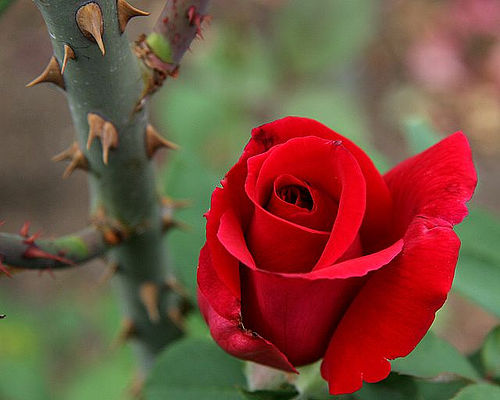
roses-thorns5b15d

Research paper written by London Swaminathan
Research article No.1492; Dated 16th December 2014.

Hindus use sesame seeds or the white mustard seeds as comparison to show how small a thing is. They have even coined some phrases with that to belittle something.
(The demons terrifying Sita say): Let us devour and tear her to pieces dividing her up in pieces small as sesamum seeds (3-231-5)

(Mahabharata has several references to Sita, Rama etc and Ramayana has none on Mahabharata characters)
Avayor antaram viddhi merusarsapayor iva 1-69-3

Sakuntala travelling in the air, Dushyanta only on earth, differ as widely as Mt Meru and a mustard seed.

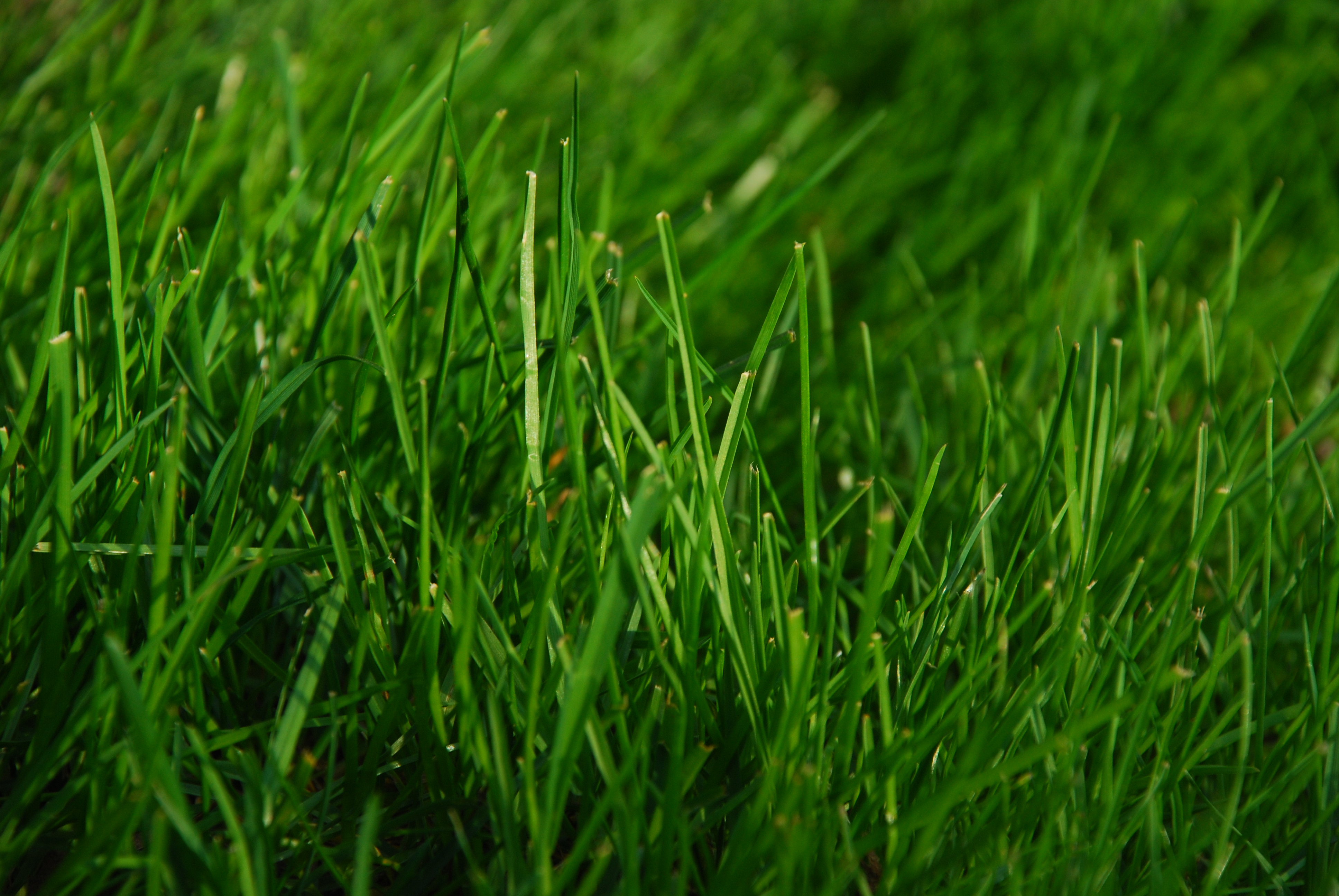
Grass
Grass is also used to belittle something. When the arrogant Nandas laughed at the bony, slender looking Chanakya stumbled upon some grass, Chanakya stopped and pulled out the grass from the earth and made a vow that he would root out the Nada dynasty like that grass. Later he helped to establish a new dynasty under the Mauryas. Great Tamil poet challenges God of Death to come near him so that he could crush him grass.
In the Mahabharata we have (Bhima’s grievances uttered to Yudhistra): By one handful of grass, you want to have Himalayas covered, O Yudhistra, you who want to restrain from war.

Trnaanaam mustinai kena himavantam tu parvatam
Channam icchasi kaunteya yo smaan sampavartum ichchasi (3-36-22)
Green_Grass

Having been addressed thus by Ravana, Sita of auspicious face turned towards him, and having placed a straw beween (herself and Ravana) spoke to that demon.
This is an insult or expression of indifference to Ravana. Ravana is like a grass for Sita.
Valmiki Ramayana 3-56-1
Adhyatma Ramayana 5-2-31
Tulasidas’ Ramacaritamaanasa 5-9-3 also had the same expression.

Thorns
Bhima’s challenge to Hidimba: In a moment today I will render this forest free of thorns (i.e. free from Hidimba’s atrocities-3-12-72)
Anyone giving troubles is considered thorns. It is used the same way in several other languages as well. In Tamil the proverb goes like this: a thorn must be removed by another thorn.

“One thorn of experience is worth a whole wilderness of warning”, says James Russell Lowell
“But he that dares not grasp the thorn should never crave the Rose”, says Anne Bronte.

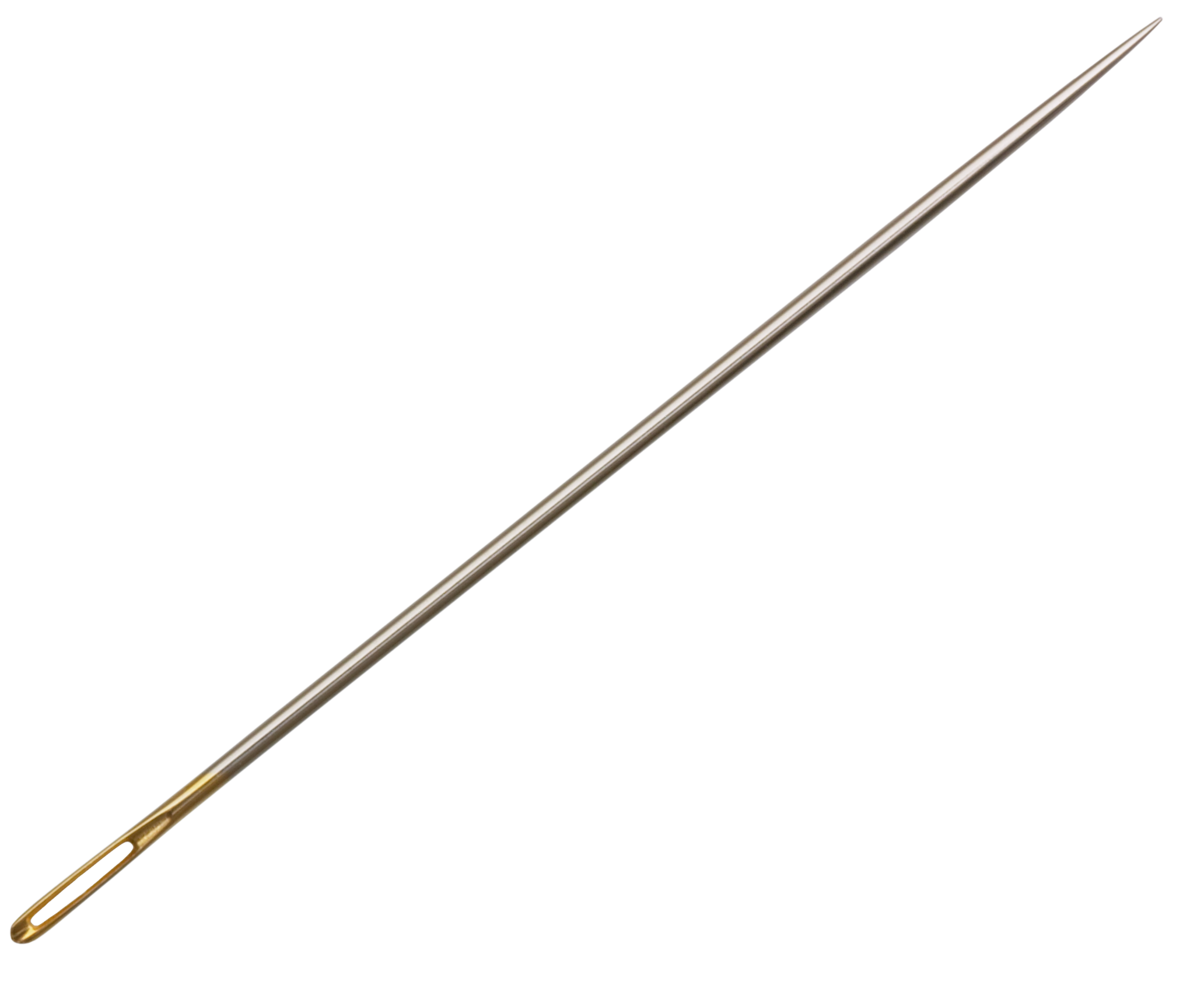
Sewing_needle

Needle
(Yayati to Sarmishta): And in your beauty, I don’t find even as much as the point of a needle to be found fault with.
Rupe ca tena pasyaami suucyagram api ninditam -1-77-14

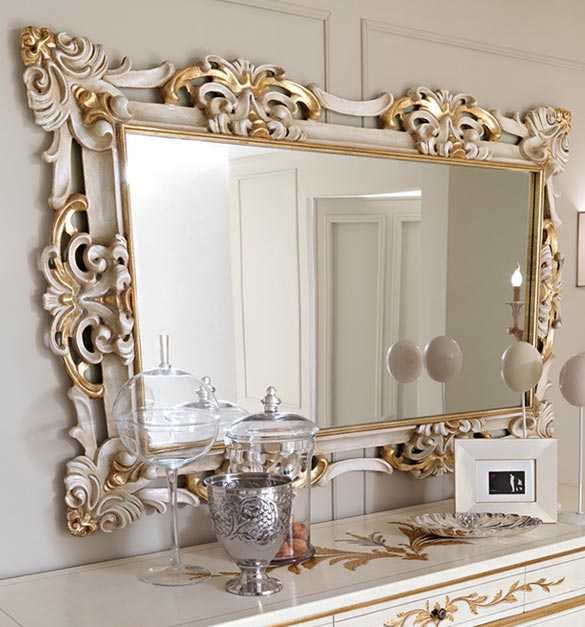
Mirror
Sakuntala’s rebuke to Dushyanta):So long as an ugly man does not see his own face in the mirror, he considers himself more handsome than others. But when he sees his own ugly face in the mirror, than he precieves himself as inferior, not anybody else:

Viruupo yaavad aadarse naa’tmanah pasyate mukham
Manyate taavad aatmaanam anyebhyo ruupavattaram
Yadaa to mukham adarse vikrtam so ‘bhiviksate
Tade taram vijnaati aatmaanam ne taram janam

Beautiful Classic Patterned Design Luxury Wall Mirrors Ideas

Contact swami_48@yahoo.com
Similes in Sanskrit Literature

mbh1

Research paper written by London Swaminathan
Research article No.1489; Dated 15th December 2014.

Appaayya Diksita’s ‘Citramimamsa’ gives the definition of simile as follows,

“Tad idam citram visvam
Brahmajnanad ivo pamajnanat
Jnatam bhavati’ ty adau
Nirupyate nikhilabhedasahita sa
Upamai ka sailusi
Samprapta citrabhumikabhedan
Ranjayati kavyarange
Nrtyanti tadvidam cetah”

Meaning :–As this diversified universe is known by the knowledge of Brahman, so all the figures are known by the knowledge of the simile. Thus the simile with all its varieties is described in the very beginning. The simile alone, an actress dancing in different kinds of costumes on the stage of poetry, taking different shapes of figures, delights the heart of those who know it.
Jayadeva defines the simile (upama) as a figure of speech in which the beauty of similarity exists between two objects, as between the two breasts of a woman (Candraloka 5-3)

In the Mahabharata gods are used as similes. Indra tops the list of Gods. This shows that Mahabharata was written nearer to Vedic times. Had it been written in the Common Era (CE), Siva or Vishnu would have topped the list. As per the statistics available, the frequency table shows the following:

mbh2

Indra (brilliance and prominence) – at least 247 times
Surya (splendour) –164 times
Agni (Fire; for splendour and destruction) – 155 times
Yama (destructionand terror) 104 times
Gods (Devas) (Brilliance) – 81 times.

Siva, Vishnu and Brahma are way down below in the frequency table and so the Mahabharata was written long before the Puranas which glorify Siva or Vishnu.

The name Upama occurs as early as the Rig Veda (5-34-9; 1-31-15). Yaska quotes the grammarian Gargya’s definition of Upama.
The oldest Tamil book Tolkappiam also used the Sanskrit word Upama (uvamam).
Ramayana has more than 3400 similes. Kalidasa has used more than thousand similes.

Contact swami_48@yahoo.com