Indra Festival in the Vedas and Tamil Epics

By London Swaminathan (my posts are simultaneously uploaded into five websites)

(This article is available in Tamil as well in my blogs.)

Worship of God Indra was popular in ancient Tamil Nadu. The oldest Tamil Book is Tolkappiyam, which is dated to 1st century BCE. Vedic gods Indra and Varuna were among the four Gods mentioned by Tolkappiam as Gods of the Tamils. Interestingly, Shiva was not one of them. That book was written by a Brahmin by name Trundadumagni and launched in the court of Pandya king under the chairmanship of Athankottu Asan, who was well versed in the four Vedas. Today we see the amazing continuity of Indra worship in India and Nepal. Brahmins worship Indra and Varuna three times a day in their Sandhya vandhana. Nepalese celebrate Indra Festival every year. Hindu Temple priests around the world invoke all the Vedic Gods in their day to day rituals.

Indra Festival was a very popular festival in ancient Tamil Nadu according to twin Tamil epics Silappadikaram and Manimekalai. It was first mentioned in Mahabharata and Ramayana. But in the Vedas we have some information which is interpreted by scholars as Indra festival. Atharva Veda mentioned Indra Dwaja (banner or flag of Indra). Rig Veda hinted at it.

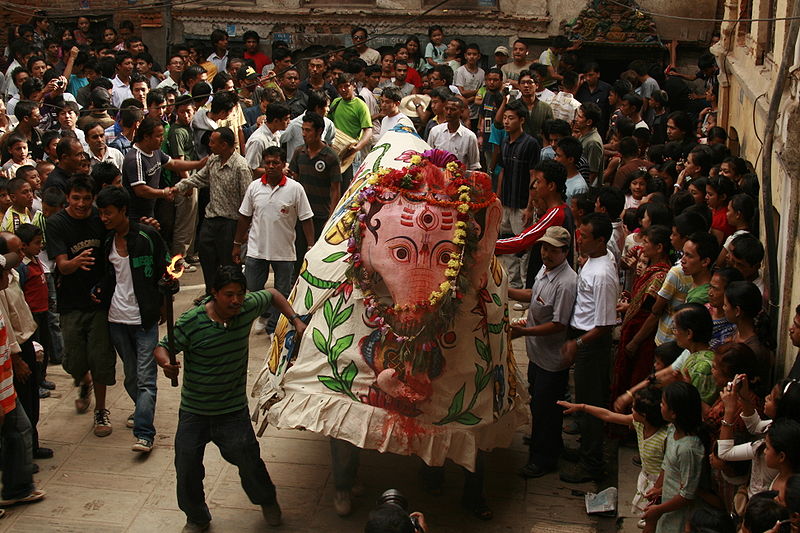
At present Indra festival is celebrated as a grand Royal festival in Nepal. Gunabhadra, a king of 10th century CE started this festival in Nepal. They call it Yenya or Indra Jatra. Bengalese also celebrated it.

Raksha Bhandan celebrated all over India and the Water Festivals celebrated in Laos, Cambodia, Thailand and Burma has got some links with Indra, the god of rain.


Picture: Elephant dance in Indra Festival,Kathmandu, Nepal

All the important Hindu scriptures like Bhagavatha, Ramayana and Mahabharata and Jain and Buddhist scriptures refer to Indra festival. This shows that Indra was held in high esteem from the southernmost tip of India up to Nepal in the Himalayas. Jains and Buddhists competed with each other in praising Indra by saying that “even Indra” worshipped the Buddha or Jain Tirthankara. Ramayana used the simile of Indra Dwaja in many places. Bringing down Indra Dwaja (flag)on the last day of the festival was a ritual used very often by Valmiki.

2000 year old Sangam Tamil literature refers to Indra (Pura Nanuru 182 and 241, Ainkuru. 62, Tirumurugu. 155-59 ) and Amruta (ambrosia of Indraloka) in a lot of places. Didactic books including Tirukkural also refer to Indra and Amruta.

The rare coincidence between the Tamils and the Nepalese is that both of them install a pole and hoist the Indra flag. In Nepal it is celebrated for 8 days but in Tamil Nadu it was celebrated for 28 days.

Another rare coincidence of Indra Festival in north and south is that they believed stoppage of the festival would result in a natural catastrophe. When Krishna stopped it, it was raining incessantly and Krishna had to lift the Govardhana Hill to protect his people. When the Choza king stopped it, the harbour city of Kaveripumpattinam in Tamil Nadu was devoured by the sea. Both of them believed Indra was in charge of rains and water.


Who Started the Festival?

Mahabharata says it was started by Uparichara Vasu. The life story of Uparichara Vasu itself is interesting. He was given an aeroplane and a garland of never fading lotus flowers by Indra. He married Girika but he was asked to go to a forest where his seed (semen) fell at the thought of his wife. It was devoured by a fish and Matsya (satyavati) was born to the fish. Each one of his sons started a separate dynasty in India. He was credited with some engineering feats  such as breaking down a hill to create a new river (Please read my post GREAT ENGINEERS OF ANCIENT INDIA).

Jain scriptures link Indra festival with Rishabadeva, the first Thirthankara. Tamil epic Silappadikaram (Kathai 5) says that one choza king Thungeyil  Erintha Thodithot  Sembiyan started this festival. Both may be correct if we take one started it in the north and another started in the south of India. Interestingly Chozas themselves claimed that their ancestors ruled north India. All their ancestors were mythological characters mentioned in Mahabharata and Ramayana. The very word Sembiyan came from Sibi Chakravarthy of the famous pigeon story  (Sibi=Saibya=Sembiya). The story of Sibi is in Sangam Tamil literature, Pancha Tantra and Tamil epic Silappadikaram.

The details of the celebrations were given in Silappadikaram  (5: 141-4) and Manimekalai (1:27-72, 2:1-3, 1:1-9, 24: 62-69, 25: 175-200). The drummer will announce that the festival began and then people will assemble to hoist the Indra Dwaja (Banner). The whole town wore a festive look with lot of decorations. Indra was bathed with holy water. It started on a full moon day in Chitra month (coinciding with April). Other deities were also decorated. Dance and Music were the highlights.

According to Maimekalai, Agastya asked the Sembian (Choza) king to start this festval. In Nepal, it is celebrated in September. In Tamil Nadu, the festival Bogi, celebrated on the eve of Makarasanranti/ Pongal also linked with Indra. Bogi itself means Indra.


In the Vedas

Indra is said to have shaken in front of Maruts in the Vedas. Actually it means that Indra Flag was fluttering in the Wind (Maruts are wind gods; The word Maruti/ Anjaneya came from it). Vedic scholars Dange and Meyer have written about the festival in detail.

In the Rig Veda it is said that Indra shook in the company of his followers. His companions Maruts were the wind god. Vedas also say, “ priests have raised you up on the high, O, Satakratu like a pole” (RV 1.X.1). Vedic poets used symbolic language to convey the message that the Indra flag was hoisted and it was fluttering in the wind. Meyer gives more evidence from Atharva Veda.

In Kuchipudi and other dance performances a victory flag and staff are installed in the name of Indra. In ancient Tamil Nadu a big honour in the name of Indra’s son Jayanta was given to the court dancer. It was called Talai kol.

Tamils celebrate Bogi festival on the eve of Pongal (Makara Sankaranti). Bogi is another name of Indra. Indra and Varuna are worshipped by the Brahmins in their day to day Sandhayvandana (thrice a day water oblation to Sun God) and in all the temples during Puja and Abhisheka (ritual bathing of Gods). It is amazing to see the same custom is followed for more than at least 3500 years.


Nivedita and Indra Flag

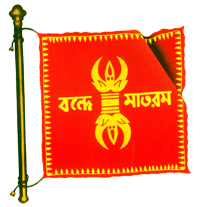
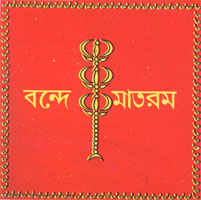
Swami Vivekananda asked his Irish disciple Nivedita alias Margaret Noble to design a Hindu flag. She came with a design of Indra’s  weapon Vajrayutha and word “Vandemataram” in Bengali language. South East Asian countries had Indra’s vehicle Iravatha elephant on their flags or on their national emblems. Now we see lot of Indra Idols and statues in the museums around the world.

Now we realise that the theory of Aryan Dravidian divisions proposed by the Western “scholars”  were utter lies. Indians had one culture from time immemorial though out India. We have seen the same festival celebrated from Vedic days to modern days in Nepal via Krishna of Mathura and Chozas of Tamil Nadu.

(Read other posts Indra Seal in Indus Valley, Vishnu Seal in Indus Valley by Swaminathan. Contact for more information: swami_48@yahoo.com or swaminathan.santanam@gmail.com)

***************

Sanskrit in the Bible- Part 2


(Please read the first part before you read this section: London Swaminathan)

List of Sanskrit words found in the Bible: Kinnor (Kinnara =musical ), Manna (annam=food),Madrake (mantra root=magical vegetable), Kapi (ape=monkey), Tuke (Siki=peacock),Tukum (suka=parrot), Amen (Om=Hindu prayer), Mass (Namaskaram=namaz=mass), Ibha (elephant), Nova (nava=new), Adam and Eve (Atma, Jeevatma), Abraham (Ibrahim= Abi Raman)

In the first part of the article, I have already dealt with some of the words from the above list. Now we look at few more words in detail:

17.Manna:The food that fell from the heaven according to the Bible is Manna. It is nothing but a corruption of the Sanskrit word Annam meaning food. Vedic priests recite a mantra AHAM ANNAM AHAM ANNAM………. If it is repeated quickly we hear manna. Actually it is the mirror image of the word ANNAM.

*The word Lebanon in the Bible meaning ‘white’ is a corrupted from of the Sanskrit word ‘Lavanam’/salt which is also white.

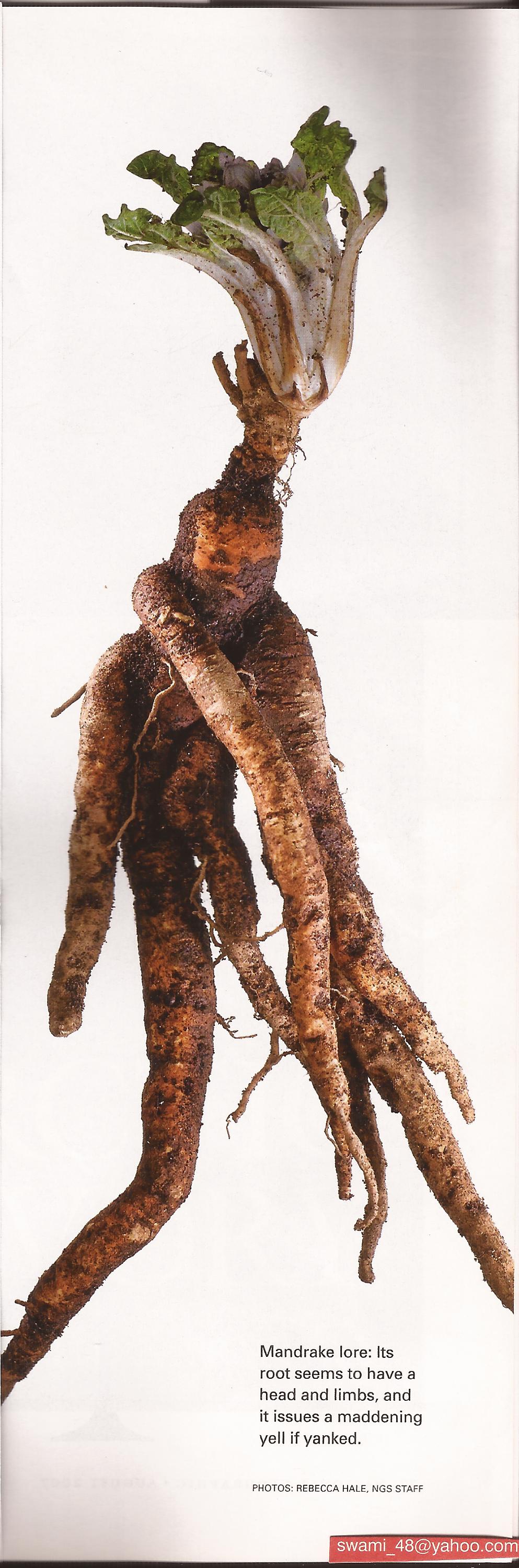
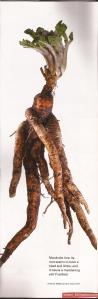
18.MANDRAKE ( Mantra+ Gora= a root with magical properties)

The Bible mentions a magic plant called ‘Mandrake’. Rachael’s barrenness was ended with the birth of Joseph after she had begged her sister ‘Give me, I pray thee, of thy son’s mandrakes’(Genesis 30). The scholars who identified this plant say that there is an alkaloid called mandragorine in it. This is made up of two Sanskrit words mandra gorai meaning magical root. Barren women in the Near East hung the roots up in their houses.. Even today Tamils in India hang the Gorai grass in their houses during Pongal or the Sankaranti festival. Both these plant species may be different but the custom of hanging plants like neem leaves or Korai grass for medical reasons has been there for long.

Mandrake’s botanical name is Mandragora officianarum (Manthira koraik kizangu in Tamil). Ancient people believed that it has got several magical properties. They thought it could cure impotency. Modern research shows it has some chemicals like atropine, scopolamine, apoatropine and hyociamine. These chemicals can cause delirium and madness in large doses. It was used in small doses during operations in ancient times. They used it to get pain relief and sleep. We still don’t know whether it would cure impotency. In Homeopathy, a tincture is prepared from the plant parts. People believed it would grow under dead man’s gallows. The roots of mandrake look like humans.


19.The Word: The Bible says that The Word was in the beginning and God created the world from the word. The Vedas call this word as Sabda Brahman or the Nada Brahman (The God in Sound form). Aum or Om-the eternal sound is the highest mantra in the Vedas, which is used even by the Jains, Buddhists and Sikhs.

Other Similarities

20.Cross over the body: The Christians putting cross the body to avoid evil is nothing but ‘Achamanam’ done by the Brahmins every time they want to purify themselves. They do it at least thrice a day when they do Sandyavandhana i.e. they utter 12 (Dwathasa) names of Lord Vishnu and touches 12 places in the body. Some people compare it with the Saiva Siddhanta principle of Pasu, Pati,Pasam (Father,Son and Holy Spirit).

21. Unlucky No.13: The Christians think that number 13 unlucky. This is because that Judas, who betrayed Jesus was the thirteenth person at the Last Supper. But this belief about No13 has a different origin. The ‘Brahmanas’, the books that came immediately after Vedic Samahitas, call No13 a dirty number because the thirteenth month is called a dirty (mala) month. When the Vedic society used a lunar calendar unlike our modern solar calendar there was always a few days left as balance at the end of each year. When it accumulated in to a full month they treated as something dirty and avoided all good activities during that period. Amazing coincidence is that the South American Mayan civilization had also the same belief.

22. Confessions: Confessions are done in the presence of priests in churches, but Hindus do it in their daily prayers with the Mantra ‘Yanikani cha papani, Janmanthara Krithani cha………’ In the olden days people belonging to three castes did Sandyavandhana thrice every day in which the confession and the atonement are mentioned. Brahmins do it every day and confession and atonement are included in the mantras. In the Brahmin’s annual ceremony called Upakarma (Changing sacred thread ceremony), there is a long list of Sins one does in a year’s time. One does recite all these and ask for a pardon openly. Though no one says what a particular individual did during the year, it would definitely run in one’s mind while reciting the long list. It asks for pardon for the sins during this birth and past births.

23.Food is God: Before eating the food, the devoted Christians thank God for providing them food. The Hindus also do Parishesanam by circling the food with water and offering the food to the God. They respect the food itself as Anna Lakshmi (Goddess of Wealth) and parise it before eating. And at the end they bless the person who gave them the food Anna Dhata Sukhi Bhava (Long live the person who provided the food).

24.Sneezing: When one sneezes, the people in the west say “Bless You”. This has been in vogue in India for more than 2000 years. They say ‘Dheergayuz’ meaning “Long Live” when one sneezes. This custom was mentioned in all the important Tamil (Tirukkural) and Sanskrit books.

25.Miracles: There are very many similarities between the miracles done by Jesus Christ, Krishna and Moses. The river Jamuna separated to give way to Krishna and Red Sea separated to give way to Moses and his followers. Jesus fed 5000 people with bread from the basket which contained only a few breads. In the same way Draupati fed a lot of people with Akshayapathram by the grace of Lord Krishna.


26.Adwaita in the Bible: Jesus’ probably learnt Adwaita-Non Dualism from Hindu saints in the Himalayas. Swami Vivekananda spoke about three stages in the preaching of the Christ. When he went to the masses, who could not conceive anything other than a personal God, he said, Pray to your Father in Heaven and he acted like a Messenger of God. To others who could grasp a higher idea, he said, I am the vine, ye are the branches, but to his disiples, to whom he revealed himself fully, he proclaimed the highest truth, I and my father are one. This is what considered as Maha Vakyas in our Upanishads : Aham Brahmasi, That twam asi etc.(I am God, You are That).

When he said,’ The Kingdom of Heaven is within you’ and ‘Blessed are the pure in heart for they shall see God’, Jesus meant only the non-dualist principle, which was made popular by the greatest philosopher Adi Sankara.

27.Ten Commandments: Moses’ Ten Commandments are in the Vedas and the Upanishads. ‘Matru Devo Bhava and Pitru Devo Bhava’ (Worship Father and Mother as Gods) and don’t covet others property, never indulge in adultery etc are found in all the moral literature of India. Moses used Indian spices in his worship.

Moses was asked to take off his shoes before he went near the holy spot. Hindus, but not the Christians, do it even today before entering any temple or Mutt or even houses.

The pope blesses the congregation in the same way as the saints do in India.

28.Space travel in the Bible : The Bible describes space travel in the chapter Ezekiel and it corresponds to the space travel described in the Mahabharata where Arjuna travels to heaven in the Chariot of Matali. There is also some coincidence with the Puspaka Vimana as described in the Ramayana. It won’t be out of context to mention the amazing descriptions of air travel by two ancient Indian poets Bhasan and Kalidas. It is definitely not the bird’s eye view seen from the top of some mountain. It is clearly the experience of a pilot or one who sat in the cockpit of a plane. These poets’ works were translated by the westerners even before the invention of airplane and one cannot stop wondering how they described a pilot’s experience so accurately.
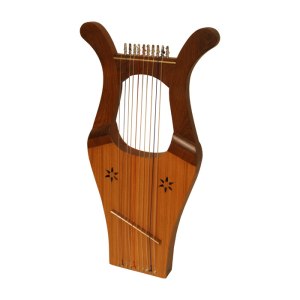
 

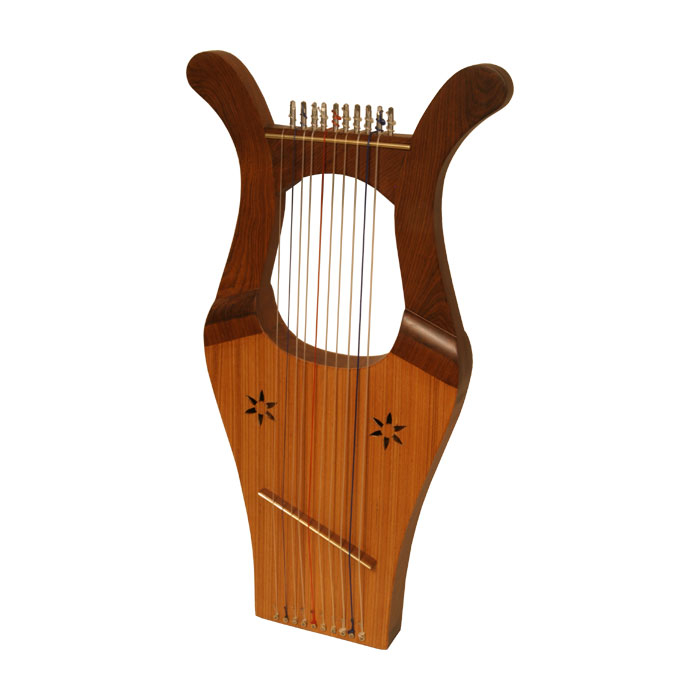
Kinnor (Kinnara), biblical instrument

29.Moses and the Light : Moses saw God as light according to the Bible. Through out the 3000-year-old Sanskrit and Tamil literature God is seen as great light. Even before the westerners discovered that each star is a sun, Hindus were praising the God, ‘Your brightness is equal to 10 million (Surya koti sama prabha) suns’.

30.Yagnavalkya and the Bible: The great philosopher saint Yagnavalkya was questioned by many about the God. When he silenced all of them he put one question in the form of a poem about a tree which has an uncanny resemblance to the comparison of man and a tree in the book of job in the Bible.

31.Bhagavad Gita & The Bible: There are many resemblances between the Gita and the New Testament. As an instance of a resemblance between the two scriptures a quotation or two may be given. Krishna says (9-27) ‘whatever thou doest; whatever thou eatest; whatever thou sacrificest; whatever thou givest away; whatever mortification you mayest perform; do all as if to me.’ With this compare (I.Cor.x.31)’whether therefore ye eat or drink, Whatever ye do, do all to the glory of God.’ Krishna says again ‘Be not sorrowful; from all thy sins I will deliver thee’. While in Mathew ix.2. we read, Be of good cheer; thy sins be forgiven thee.’

Let me add jest one further quotation, in which the resemblance is striking: In describing Heaven Krishna says of it that it is a place ‘in which neither sun nor moon need shine, for all the lustre it posses is mine.’

The Heaven described in Revelation xxi.23 is a city which had no need of the sun, neither of the moon to shine in it, for the glory of god did lighten it.’ Quoting all these in his book Indian Philosophy, the learned author J.F.Kennedy says that the writers of the New Testament borrowed all these from Bhagavad Gita.

32.Mr.J.F.Kennedy adds one more analogy in the above said book that Kamsa who killed all the children is Indian Herod.( Herod was a Roman king who ordered the slaughter of all the children to make sure that Jesus’ is dead.)

Another comparison can be given here about floating Moses in the basket in the river Nile and the Karna in the river Ganges. Incidentally the word Nile itself is a Sanskrit word-Nila/Blue. Even today Nile is called Blue Nile!

33. Dooms Day and the Pralaya/the great deluge: The Bible says all the souls have to wait till the Day of Judgement to get salvation. But Hindu Scriptures are one step ahead and that one need not wait till the great deluge to get a judgment but one will have to undergo all the fruits of one’s action in his/her next birth. But Bible and Hindu scriptures agree on one point that there will be a Day of Judgment when the whole universe is dissolved. The Hindus call this a Maha Pralaya/ the Great Floods at the end of one Brahma’s life.

34.Cross and the Trisula : There is even resemblance in the Hindu symbol of Trisula/trident of Lord Shiva and Cross-of the Christianity. Actually Cross was used by the Europeans even before Christ as a solar symbol. The Hindu symbol Swastika is found all over the world in all the ancient civilisations and scholars believe it was the solar symbol, later modified as Cross.


35.Catholic Church and the Buddhist Monastery: All the customs, from the uniform to the convent is copied from the Buddhists who were sent  to the West from the days of Asoka. This was noticed and reported by a lot of Western scholars.

‘The Original Jesus’ written by E R Gruber and G Kersten gives hundreds of examples with proof. Asoka sent preachers to different countries and Jesus also arranged for his disciples travel even before his death. The convent, the system of preachers, the uniform for the priests- all copied from the Buddhists and the Buddhists adopted all these from the Hindus. To give one example, Hindu saints wore saffron cloth and the Buddhists wore yellow cloth. Hindu saints went to different parts of the world including South East Asia where there are many statues of Agastya even today.

36.Dean and Dakshinamurthy: I can give one amazing example to prove that the church took even minute details from the Hindus. In Roman Catholic order, the Dean is the senior cardinal bishop. He is given a seat in the southern part of the church. The Hindu God who is considered the embodiment of wisdom, known as south facing god/Dakshinamurthy is seated in the southern part of any Hindu (Saivaite)temple. Dean is the corrupted form of the Sanskrit word ‘Dakshin/south.’

37.Marriage ceremony of Hindus and Christians: There is amazing coincidence in the wedding ceremony of the Hindus and Christians. Hindus call the wedding as Kanya dhanam/giving away of the girl/bride. The father leads the daughter to the stage to give the daughter away. In the same way the Christian father leads his daughter to the altar. The ring is also used by both the religions. When the ceremony is over the yellow rice is sprinkled on the bride and the bridegroom by the Hindu elders. In the fire ceremony during the wedding, the Hindus put fried/puffed rice in the fire. Even today the Christians sprinkle rice or puffed rice in front of the couple’s car. The phrase tying the knot is still in vogue in English, but actual custom is forgotten. Even today Hindus literally tie the knot around the bridge’s neck. In Tamil it is called Mundru Mudichu (three knots).


**************

SIMILARITIES WITH MUSLIMS

38.Words Sura and Quaran are Sanskrit words meaning Saranam. The Sabarimalai Ayyappa devotees and the Buddhist devotees utter SARANAM before the statues. This is what Moslems do facing the direction of Mecca. They also say Saranam loudly but in Arabic. The word Saranam got corrupted to Quran/saran. The word used by the Moslems for couplets Sura is probably a corruption of the Sanskrit word Sutra or stotra.

39.Kaba: The holy stone in Mecca mosque which is worshipped by millions every year during Haj festival has been in worship even before the birth of Islam. It is nothing but a remnant of shivalinga worship. But the stone is considered a meteorite that fell from the heaven.

The devotees go round the stone as Hindus go round the statues in the temple with their white shawls covering the left shoulder. This is how the Brahmins dress during Vedic ceremonies likes Yagnas. The only difference is the Muslims go round the stone in an anti clockwise direction, perhaps to show the difference with the Hindu custom.

Several Hindu saints have visited Mecca even before Islam was founded. Seraman Perumal ,a king cum Saivaite saint went to Mecca for worship. In the later days Sikh saints including Guru Nanak and Bhai Mardana have visited Mecca


*****************

Sanskrit and Computers

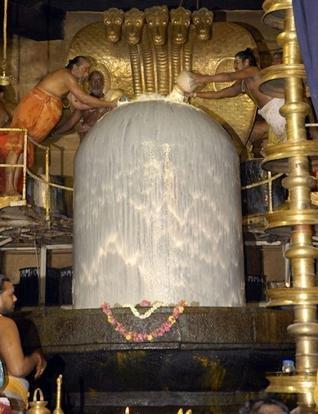
Milk Abishekam for 30 ft high Linga at Thanjavur temple.

By S Swaminathan

An amazing thing about the computers is that even before the world invented the computer hard wares, Indian Sanskrit linguists had the software!

The Sanskrit language has 11,000 roots from which words are drawn, and Vedic Sanskrit comprises of 63 sounds in alphabet of its letters. Russian has 35 letters, Arabic and Turkish 22 each, Persian 31, Spanish 35, French 25, English 26, and Latin ,Tamil 30 + 1 and Hebrew 20 letters each. Sanskrit has 48 letters: 13 vowels, 33 consonants, one Anusvara, one Visarga.

In Sanskrit, there are 1700 dhatus (root verb), 80 Upasargas and 20 Pratyayaya. With this calculation, the number of words are written from the combination of two original words, this number amounts to 73858000.

(Taken from Vishwajyoti ,Feb.1969, reproduced by Virat Hindu Sammelan Souvenir, London, August 1989).

Whilst carrying out critical study on computer processing of natural languages (NLP), computer scientists became interested in Sanskrit, in which the grammatical rules are so scientific and logical in manner that they closely resemble the structures used in computer science. For example:

  1. A computer can only handle problems based on an algorithm. Such algorithm procedures are commonly found in earlier Sanskrit texts, covering not only the basic 8 mathematical operations (subtraction, multiplication etc.), but also the permutation combination operations often required in computer science.

Standard Sanskrit algorithms and riders cover mathematical operations such as numerical series, equations, graphics, etc. which are directly used throughout software developments on digital computers.

  1. Sanskrit script (Devanagari) is phonetic, not spelling based like English. This phonetic transcription property of Sanskrit is useful if phonetic instructions are fed to a computer or robot.
  2. The position number system is the basis of computations. Europe is said to have used Roman numerals before they knew about the Indian decimal system and use of zero. However, it is difficult to outline even the simplest arithmetical operation like addition using Roman numerals.
  3. The digital computer uses a binary positional system through combinations of only two digits, viz. 0 and 1. The numerical operations are similar to the standard decimal system. Reference to such binary combinations appears through Sanskrit texts on Chandas or poetic meters by Pingalacharya. The 3, 4, 6 or 8 lettered ganas aksharaganah generate the same sequence of laghu (0) and guru( 1 ) combinations as in modern digital computers.

In short, the characteristics of Sanskrit that attracted the attention of computer scientists are:

(1) Well knit syntactic and semantic structure of Sanskrit

(2) Positional independence of words in a sentence

(3) Low phonetic transcription for audio input and binary phonetic classification (0,1) of poetic meter

(4) Well defined rules of grammar, phrasing and synthesis

The wide base of linguistics numerical algorithms, logic etc. used in theoretical computer science appeared through Sanskrit literature even while the actual machine hardware was still to come!

(Adapted from the importance of Sanskrit in computer science, by Dr Chandragupta s Varnekar, Nagpur university.Published in Hindu Youth 2001 magazine,London).

First Grammar book

Panini’s Ashtadyayi is a master piece among the grammars of the world. It contains nearly 4000 sutras or rules. He never repeated any sutra. W.W.Hunter, the grammarian says, It stands supreme among the grammars of the world alike for its precision of statement and for its thorough analysis of the roots of the language and the formative principle of words. Patanjali, who wrote a voluminous commentary on Panini’s work, praised Panini as divine person. A popular saying in India even declares the study of the Mahabhasya of Patanjali as equal to the ruling of a kingdom.

Panini has listed about 700 activities and 2000 verb roots related to different aspects of these activities. In Sanskrit nearly all the nouns are derived from verbs by adding some prefixes or some suffixes. if one learns these 700 basic roots and the rules that govern their appendages, one can have a good command of the language.

1000 Grammar books

It has been calculated that there are in existence over a thousand different Sanskrit works on Sanskrit grammar., all inspired, directly or indirectly, by Panini’s model: beside such a concourse the thousand manuscripts of Priscian’s Latin Grammar, the pride of our western tradition, are but a drop in the grammatical ocean We have also to remember that Panini himself acknowledges a number of predecessors, whose work, except for fragmentary citations, has been lost to us.—Burnell has listed by name no less than sixty eight of these Pre Paninian grammarians ( From Phonetics in Ancient India by Sidney Allen, OUP 1953, 1965).

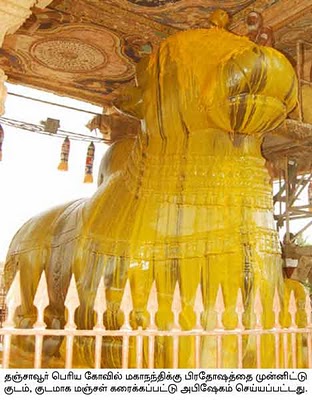
Turmeric Abishekam for 16 ft tall Nandhi (bull) in Thanjavur temple

Sanskrit will never die

Kanchi Paramacharya said Sanskrit lives for ever. It is like life breadth in our body. Certain languages are like Body. They have birth and death. Sanskrit is the soul and never dies. It lives in every language of the world. Kanchi Paramacharya’s composition Maitrim Bhajatha reverberated in the halls of United Nations in the 1960s. It shows Sanskrit poems are composed in the modern times and used as well. When the most famous Carnatic musician M S Subbalakshmi sang the song in the UNO, the world was spell bound. Sanskrit sound went into the nooks and corners of the world. Peoples of 200+ nations listened to it. He gave a clarion call to the world to stop fighting and develop friendship. Sanskrit did what other languages did not do.

One thing is certain. Sanskrit will live as long as India lives. All the important mottos of Government of India are from Sanskrit scriptures.

Satyameva Jayate found in the emblem (truth alone triumphs) is from the Upanishad.

Jana Gana Mana , national anthem, and Vande Matarm, national song, have got lot of Sanskrit words.

The motto of Lok Sabha (parliament) is Dharma Cakra Pravarthanaya (for the promulgation of the Wheel of Law).

All India Radio’s motto is  Bahujana Hitaya, Bahujana Sukhaya (for the goof of the many, for the happiness of the many)

The Life Insurance Corporation of India’s motto is Yogaksemam Vahamyaham (I take responsibility for access and security). It is a line from Bhagavad Gita.

The Indian Navy has the Vedic motto Sam no Varunaha (May Varuna, the God of Waters, be auspicious for us).

Most of the Indian air carriers, submarines, trains, ships, rockets, spaceships, missiles,Tanks(military vehicles) have Sanskrit names from the mythology.

(Above mottos are taken from the book THE WONDER THAT IS SANSKRIT by Sampad and Vijay, published by Sri Aurobindo Society, Pondicherry).

Sanskrit will never die in India!!

100,000 Unpublished Manuscripts

Some scholars estimate that there are about one hundred thousand un published Sanskrit manuscripts and feel there may be even more.

Sanskrit scholar PV Kane has made a list of 870 authors. But it is not a comprehensive list. There are many more authors not found in the list.

230 CHARACTERS

Bhasa, a Pre Kalidasa Sanskrit playwright wrote thirteen plays. His master piece was Swapnavasavadatta (The Dream of Vasavadatta). He employed 230 characters in all his plays. He lived around second century BC.

First book on Sex

Vatsyayana’s Kamasutra is the first proper book on sex. It contains 1250 verses divided into seven major parts and 14 smaller sections. It has got 36 chapters. This book also mentions 64 arts form.


20,000 Subhasitas

Subhasitha Rathnabhandakaram has 16,000 poems, proverbs and anecdotes. I have given another list below. But I don’t know whether it is overlapping Subhasitha Rathnabhandakaram or completely new. Whatever it is, Sanskrit is like Pacific ocean, vast and unfathomable (Achalaprathishtam, Apuryamanam are the Bhagavd Gita words that describe the sea)

Subhasitha Rathna Kosha–1739 poems–223 poets

Prasanna Sahitya Ratnakara -1428 poems

Chathukthi Karnamrutha 2370 poems—485poets

Suktha Mukthavali 2790 poems,  240 poets

Sarangathara Paththathi 4689 poems—282poets

Bruhat Paththathi 7586 poems

Vallabadeva Subhasithavali 3527 poems 360 poets

(There are more articles on the greatness of Sanskrit in my blogs. Thousands of inscriptions are found throughout the world. For more details contact swami_48@yahoo.com or swaminathan.santanam@gmail.com

******************

280 SANSKRIT WORDS FOR WATER!

By S Swaminathan

The Sanskrit language is the oldest, most systematic language that has survived the longest period through history. It is called Deva Bhasa-Language of the Gods. It is full of wonders, puzzles, riddles and miracles. It has got an ocean of treasures for anyone interested in any subject under the sun. No one has listed all the books in this language, because it is impossible to do so. This was the richest language in the ancient world. Even before Homer started writing his Iliad and Odyssey in 800 BC, Sanskrit had copious literature in the form of Vedic Samhitas, Brahmanas, Aranyakas and Upanishads.


Brihadaranyaka Upanishad written at the time of Homer, lists more than 60 generations of teachers! It means Hindus had proper schools for thousands of years even before others thought of writing books! No wonder still Mahabharata is the largest epic in the world with 100,000 couplets.


It has scored several firsts. First grammar book in the world: Ashtadyaye of Panini, First sex manual in the world: Kamasutra of Vatsyayana, First philosophical work: Brihadaranyaka Upanishad, First Story Collection in the world: Somadeva’s Katha Sarit Sagara, First religious book in the world Rig Veda and First Dance manual in the world Bharata’s Natya Sastra and First Dictionary of Synonyms Amarkosa. We can go on adding medical, aeroplane manuals etc. No Gilgamesh can even come nearer to Sanskrit literature. When other parts of the world dealt only with religion we started writing secular books.


Sanskrit has the power of expressing all types of thoughts in their appropriate terminology- from mythology to literature, science to philosophy, poetry to prosody, astronomy to anatomy, as well as genetics, mathematics and cosmology.


An amazing wealth of words and synonyms gives a great versatility to expression of power. With 65 words for earth, 70 words for water,15 words for gold,122 words for the verb “to go”, imagine its vastness!!

The seventy words for water multiply into 280 words with prefixes for specific descriptions of rainfall (dharma, karakam, thousaram, haimam) etc.

The Sanskrit speakers belong to India. Their civilization originated on the banks of Ganga, Sindhu, Saraswati (which disappeared 3000 years ago) and Yamuna. All these rivers were mentioned in Rig Veda, the oldest book in the world. They were so obsessed with water, they used it in all their ceremonies from birth to death. They used it to donate money or lands.They used it to give boons or curses. They used it in their weddings (Kanya Dhanam). This shows very clearly that they did not come from arid deserts or snowy regions. Without water a Hindu can’t do any ceremony.


Look at the  synonyms of water given below:

Amrutam ,Ambhaha, Arnaha,Apaha, Bhuvanam,Vanam,Kabandham, Kapandham,Udakam,Paathaha,Pushkaram,Savaram,Toyam, Dakam, Kambalam,Syandanam,Sadanam,Ira,Ambu,Kam,Jadaha,Somam,Vyoma,Naram,Kaharam,Saraha,Neeram,Udam,Saram,Rutam,Vaaha,Vaari,Salilam, Kamalam,Payaha,Keelaalam,Salam,Uurjam,Ghrutam,Vaajam,Sarilam, Jadam,Sambhaha,Andham,Kusham,Karburam,Ksheeram,Taamaram,Hriveram,

Sanchalam,Sambaram,Shambaram,Sambalam,Ghanarasaha,Jalapeetham,Jalam,Chandrorasam,Gokolanam,Sarvatomukham,Meghapushpam,Abhrapushpam,

Peeppalam,Kaandam,Krupeetam, Jeevanam, Komalam, Ghanisaasam, Krupperam, Repaalam, Akkam (colloquial in Brahmin families, might have given the word Aqua)


I have explained in another article that the word Neer/ water is not of Tamil origin ,because it is found in Greek as Nereids (water nymphs=Narayana of Hindu literature).

Compiled by S Swaminathan from various sources. For more Sanskrit Wonders read my blogs or contact swami_48@yahoo.com or Swaminathan.santanam@gmail.com


சம்ஸ்கிருதத்துக்கு உயிர் இருக்கிறதா?

Is Sanskrit dead or alive ? by S Swaminathan

சம்ஸ்கிருதம் இறந்த மொழியா? இந்தக் கேள்விக்கு காஞ்சி மஹா சுவாமிகள் இரண்டு பதில்கள் தந்தார். ஒன்று சொற்பொழிவில் தந்தார். இன்னொன்று செயலில் தந்தார்.

சொற்பொழிவு (12-10-1932-ல் சென்னையில் ஆற்றிய சொற்பொழிவு)

நம்முடைய மதம் எப்படிப் பொது மதமோ அது போல ஸம்ஸ்க்ருதம் பொதுப்பாஷை. அதற்கும் ஊர் இல்லை.தெலுங்கு, தமிழ், இந்துஸ்தானி முதலியவற்றிற்குத் தேசம் உண்டு. ஸம்ஸ்க்ருதத்துக்குத் தேசமே இல்லை. இந்த ஸம்ஸ்க்ருதத்தைச் செத்துப்போன பாஷை என்று சிலர் சொல்லுகிறார்கள்.

எங்கள் அம்மாவுக்கு எனக்கு முன் ஒரு குழந்தை இருந்தது. அவள் ஒரு ஞானி. அந்தக் குழந்தை செத்துப் போய்விட்டது. அதற்காக அவள் அழவில்லை. அம்மாவுக்கு என்னிடம் நிரம்பப் பிரியம். ஒரு நாள் நான் அவளைப் பார்த்து, “ அம்மா பெரியவன் செத்துப் போனதற்கு நீ அழவில்லை; நான் செத்துப் போனால் அழுவாயோ மாட்டாயோ?” என்று கேட்டேன் “நீயும் அவனைப் போல பிள்ளைதானே; அவன் உடம்பில் செத்துப் போனான், நீ மனசில் செத்துப் போ” என்றாள். செத்துப்போன மனசை உடையவனாக வேண்டும் என்பது அவள் எண்ணம். அந்த மாதிரிதான் ஸம்ஸ்க்ருதம் செத்துப் போயிற்று.

தனக்கு என்று ஒரு இடம் இருந்தால் பயம் இருக்கும். எல்லாம் தன்னுடைய இடமாக இருப்பது ஸம்ஸ்க்ருதம் . இப்பொழுது லோகத்திலுள்ள பாஷைகள் எல்லாவற்றிலும் ஸம்ஸ்க்ருதம் கலந்திருக்கிறது. அவற்றில் பெரும்பலானவை ஸம்ஸ்க்ருதத்திலிருந்து உண்டானவை. நாம் பேசும் தமிழில் எவ்வளவோ ஸம்ஸ்க்ருத வார்த்தைகள் கலந்திருக்கின்றன. தமிழ் செய்யுளாக இருந்தால் அதற்கு உரை ஸம்ஸ்க்ருதம் ஸம்பந்தம் உடையதாக இருக்கிறது. குற்றம் என்ற தமிழ் வார்த்தைக்கு, தோஷம் என்று ஸம்ஸ்க்ருதத்தில் அர்த்தம் சொல்லுகிறோம். தேச பாஷையிலுள்ள கடினமான சொற்களுக்கு ஸம்ஸ்க்ருத வார்த்தைகளால் அர்த்தம் சொல்லி விளங்க வைக்கிறோம்.

சாவு என்பது என்ன? எதற்குச் சாவு உண்டு? உடம்புதானே சாகிறது. அது உயிரோடு இருக்கிறது. பின்பு சாகிறது. உயிர் இல்லாதபோது அது செத்துப் போகிறது. உயிருக்கு மற்றோர் உயிர் ஏது? அது எப்பொழுதும் செத்ததுதான். ஸம்ஸ்க்ருதம் எல்லா பாஷைக்கும் உயிராக இருக்கிறது.

இத்தகைய நமது மதமும் பாஷையும் லோகம் முழுவதும் பரவியிருந்தன. நமது மதத்துக்கு வேதம் பிரமாணம். எல்லா மதமும் நம்முடைய மதங்களே. எல்லாம் சேர்ந்து மறுபடியும் ஒன்றாகிவிடலாம். அஹம்பாவம் இல்லாமல் அன்பொடே சொன்னால் எல்லோரும் நமது வார்த்தையை ப்ரியமாகக் கேட்பார்கள். மனஸும் ஒன்றாகும். அப்பொழுது இந்த மதம் பழையபடி அகண்டமான மதமாக ஆகும்”— சுவாமிகள் உரை


செயல் வீரர்

அன்போடெ சொன்னால் எல்லோரும் நமது வார்த்தையை ப்ரியாமாகக் கேட்பார்கள்- என்று சொன்ன சுவாமிகள் அன்போடு சொல்லி உலகம் முழுவதையும் சம்ஸ்கிருதத்தைக் கேட்கச் செய்தார்.1966 ஆம் ஆண்டில் ஐ.நா.சபையில் அவருடைய ஸம்ஸ்க்ருதப் பாடலை திருமதி எம்.எஸ் சுப்புலெட்சுமி பாடியபோது உலகம் முழுதும் ஸம்ஸ்க்ருதம் ஒலித்தது. இன்று மீண்டும் மீண்டும் அந்தப் பாடல் உலகம் முழுதும் ஒலித்துக் கொண்டிருக்கிறது. ஸம்ஸ்க்ருதத்துக்கு அழிவே கிடையாது என்று சுவாமிகள் சொன்னது சத்தியமான வாக்கு. அரசியல்வாதிகள், வரலாற்று அறிஞர்கள் போல வாய்ப் பந்தல் போடாமல் தூய உள்ளத்தால் உலகத்தையே வெற்றிகொண்டார். போரை ஒழித்து உலகம் முழுதும் அன்பு வெள்ளத்தைப் பெருக வைப்போம் என்ற கருத்துடைய அவரது மைத்ரீம் பஜத பாடல் பாரதப் பண்பாட்டின் சாரம் ஆகும்.


காஞ்சி பரமாசார்ய சுவாமிகள் எழுதிய பாடல் இதோ:


 மைத்ரீம் பஜத !

மைத்ரீம்  பஜத ,அகில ஹ்ருஜ்ஜேத்ரீம்!

அனைத்துளம் வெல்லும் நேயம் வளர்ப்பீர்!

ஆத்மவதேவ  பராநபி  பச்யத !

தமைப்போல் மாற்றார் தமையும் காண்பீர்!

யுத்தம் த்யஜத! ஸ்பர்தாம் த்யஜத!

விடுவீர் போரை,ஆதிக்க வெறியை!

த்யஜத  பரேஷ்வக்ரமம்ஆக்ரமணம்!

துறப்பீர் பிறரதைப்  பறிக்குந்தீநெறியை!

ஜநநீ  ப்ருதிவீ   காமதுகாஸ்தே ,

விரும்புவதெல்லாம் தருபவள் புவித்தாய்;

ஜனகோதேவ :  ஸகல தயாளு :!

கருணையில் கங்கையாம் எந்தை ஈசன் !

தாம்யத!தத்த !தயத்வம்  ஜனதா:!

மாந்தரேபொறை,கொடை,பரிவு பயில்வீர்!

ச்ரேயோ  பூயாத்  ஸகல  ஜநாநாம் !

பாரினில் யாவரும் மேநிலையுறுவீர்!   

(பாடல் லலிதா மித்தல் பிளாக்கில் இருந்து எடுக்கப்பட்டது, நன்றி)


இந்தப் பாடல் வெளியானபோது ஒலிப் பதிவோடு, எம்.எஸ். அவர்கள் காஞ்சி சுவாமிகளைச் சந்தித்து ஆசிபெறச் சென்றார். உனது கியாதி (புகழ்) சூரிய சந்திரர் உள்ள வரை இருக்கும் என்று எம்.எஸ்.ஸை ஆசிர்வதித்தார். அர்த்தம் புரிகிறதா? சம்ஸ்கிருதமும் காஞ்சி சுவாமிகளின் பெருமையும் எக்காலத்தும் அழியாது.

சூரிய சந்திரர் உள்ள வரை இருக்கும்!

Please read my other articles on Sanskrit: Contact swami_48@yahoo.com or Swaminathan.santanam@gmail.com

Sanskrit in Bible

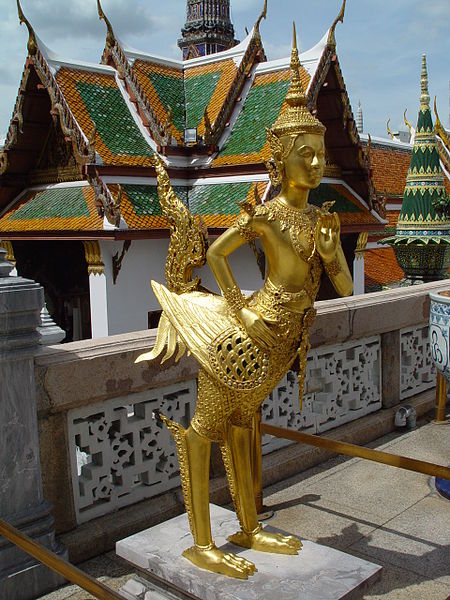
Picture shows Kinnara (celestial musician) in Bangkok, Thailand

By S Swaminathan

Annam (Manna=food) ,Kinnara (Kinnor=musical instrument/celestial musician), Mandrake( Mantra Korai), Om (Amen), Mass (namaz=namaskaram),Adam and Eve (Atma and Jeevatma), Tukum (Sukam=parrot),Kapi (ape=monkey), Ibha (elephant), Abraham (Ibrahim=Abi Raman) , Nava (Nova=new) are some of the Sanskrit words in The Bible, the holy book of Christians.

There are lot of striking similarities between Hindu and Christian scriptures. They cannot be discounted as coincidences because such similarities are too many. There is good evidence to show that they are borrowed from other sources.

1.The Bible begins with a story from the Upanishads. It is the story of two birds eating the fruits, but instead of two birds the Bible says Adam and Eve.

The very name betrays its Hindu origin of the story.  In the Upanishads the two birds are the symbolic representation of Athma (athma=Adam) and the Jeevatma (Jeev-Eve). Any Student of linguistics can easily recognise the transformation of Athma into Adam and Jeeva into Eve. This Parallel has been pointed out by Sri Chandrasekarendra Saraswathy, Sankaracharya of Kanchi Kamakoti Peetam 60 years ago (I have already written it in my post “Three Apples That Changed the World”)

2)The Bible says Eve was created from Adam’s left rib. This is once again the Hindu story of Uma/ Parvathy forming the left part of Shiva. Nowadays we call our wife as the other half. It is very interesting to note that this expression has come from the Vedas. Kalidas and other Sanskrit poets also use this expression freely. Hindus still worship as Ardha Nareeswara (Half Woman +Eswara).

3.The expressions found in the Bible such as ‘Honey and Milk’ are used by the Sanskrit and Tamil poets hundreds of times in their 2000 years old Sangam literature and Sanskrit literature.

The Upanishadic phrases ‘the blind leading the blind’,‘  He or She lived as many days as the number of sands on the river/sea bank’ etc, are found in the Bible. The Saiva Siddhanta principle of Pasu, Pati, Pasam (Father, Son and Holy Spirit) and the Adwaita principle are also found in the Bible. Jesus Teaches ‘DWAITA’ first. Then he teaches Adwaita by saying I and Lord are one. Swami Vivekananda has also pointed out this in his talks.

4.Kinnar: Kinnaras are celestial musicians according to Sanskrit literature. The Bible mentions Kinnor 47 times to mention a stringed musical instrument. Even today the Malayalees in south India use this word for musical instruments which is a pure Sanskrit word. It is similar to Greek lyre. Sometimes called David’s Harp, the Kinnor is not a true harp. The word David’s harp sounds like Dravidian Harp. Sangam Tamil literature is of full of praise for the Yaz (lyre or harp). Dravida meant South India in those days.


5.Ramayana in the Bible: Lord Rama’s name is mentioned in the Bible a number of times and the most important of these is the core story of Ramayana found in Genesis. Only a few lines are given to this story. (Genesis 18- The Story of Abraham and Sarah).

A Tamil leaflet detailing the facts in a lengthy article was published in Sankara Krupa, a magazine brought out by Sringeri Shnkaracharya Mutt.

Ram, Ramah, Ramiah, Rameses, Abraham, Abiram, Ahiram, Amram, Adoram, Adoniram, Hiram, Horam, Huram, Hadoram, Jehoram, Joram, Malchiram- are used in at least 21 places.

Beside this there are many towns with the name of Ram in Madagascar Island and in and around Middle East. (Please see my article Madagascar-India link via Indonesia).

Abraham and Ibrahim are one and the same name. Abba in Hebrew means father. Even today we name our sons Rama-Iyah or Rama-Appa (father). But in Hebrew language the suffix Appa-father- will come only as a prefix. That is how they get the names Abba+ram=Abraham. (PLEASE SEE NO 10 FOR OTHER INTERPRETATION OF ‘ABRAHAM’)

Cuneiform inscriptions giving the names of Tushrata/Dasaratha and Pratardhana were found in Syria and they are dated as 1500 BC. No part of Bible was written before this date. The oldest part of the Bible was written in 900 BC according to Hutchinson Encyclopedia.

Egyptian Kings with Ram’s name

Egyptian Kings also bear the name of Rama and we find at least 17 kings with Rameses as their names. It can be interpreted as Rama Seshan (Vishnu) or Ramesan (Shiva). All those kings have snakes on their heads like Lord Shiva. Rama’s story was so popular that even Buddhists used Dasaratha Jataka as one of their stories. To reciprocate their good gestures, Hindus gave avatar status to the Buddha. THUS BUDDHA WAS ONE OF THE TEN AVATARS OF VISHNU ACCORDING TO GITA GOWINDA OF JAYADEVA.

6.Teak wood, ivory and birds are mentioned in the Bible with Sanskrit and Tamil words. The names of all the articles brought back by Solomon’s fleet are pure Sanskrit words. The names are Sen-habim or teeth of elephant, Kophim or apes and Tukum or parrots. The equivalent Sanskrit words are Ibha (elephant), Kapi (Ape/monkey) and Sukam (parrot) with the mere addition of Hebrew plural termination.

7.The oral tradition in Kashmir says that the Biblical king Solomon visited Kashmir. Jesus Christ was said to have spent his last days in Kashmir after resurrection. Some scholars have even pointed out that Jesus spent 20 years in the Himalayas. The Bible did not say where he was between age 13 and 33. The present Bible was redacted in 3rd century AD in Constantinople and lot of different versions were burnt at that time. Like Hindu Puranas they had various versions of the Bible. To avoid confusion they were burnt by the king Constantine.

There is a grave in Kashmir, which is considered Jesus’ grave. The epitaph on the grave says, “The messenger of peace rests here”. Several scholars have pointed out the similarity between the parables of the Upanishads and Christ.

8.Vibhuthi (Holy Ash) which is used by the Saivaite Hindus everyday was used by the Christ. Ash Wednesday is the celebration of the holy ash. Ash is mentioned in the Old Testament as well.

9.Jesus fasted for 40 days in the desert at the beginning of his ministry.

Even today 40 day fasting period leading up to Easter was followed by orthodox Christians. This 40 day period is called a Mandalam in Hindu scriptures. Even today millions of Hindus visiting Sabarimalai in Kerala and Murugan temples in Tamilnadu (Skantha Shasti) follow this custom.

10.       Following words are used by Hindus, Christians and Moslems which have nearly the same meaning:

Hindus     : Namaskar-            Om-     Brahma

Christians : Mass-       Amen- A braham

Moslems   : Namaz-    Amin-  I brahim

All the first three words mean “worship”. All the important Veda Mantras like Gayathri pray for many instead of a single man. This shows that group prayer evolved in India, which is followed by others.

The Christian interjection Amen and The Hindu interjection Om mean the same thing viz. ‘It is so’ or ‘So be it’ or Yea’ or Verily’ or ‘Truly’. The only difference between the two is whereas the Christian Amen is pronounced at the end of the prayer, the Hindu Om is usually pronounced at the beginning of a prayer.

11.We come across Image worship in the Old Testament which is very common among Hindus. Only Moses put an end to this practice.

12. ‘NAVA’ IN SANSKRIT MEANS ‘NEW’

The story of the Great Floods (deluge) is found in all the ancient cultures and the very word ‘NOVA’ is itself a Sanskrit name meaning ‘New’. The flood story is the first of the 10 avatars of Vishnu. According to Hindu mythology a NEW (nova) Manu comes to power after every deluge.

13.The word rutham (Rig veda) meaning Truth, Right, Order and law gave the Biblical name RUTH and the English words Right, Rhythm and Truth. Moses, Abel and several other Biblical names can be traced to their Sanskrit roots:

Yadu-Yada, Jew-Juda. (YADAVAS=YUDA= JEWS). Yayathi-jayathi (Jewish Rabbi’s name).

14.Swami Vivekananda in his conversations with the disciples told them about his strange dream about the Chirst. One day when Swamiji’s ship was nearing the Crete Island he dreamt of a saint who came in the guise of a Buddhist monk. He called himself Thera Buddha and told Swamiji that there was no Chirst but people called himself the Christ. Swamiji did not pursue this matter for obvious reasons. (For more details see Vivekanandar Sambashanikal (Tamil) published by Ramakrishna Mutt, Madras.)

15.Like Sermon on the Mount and the Buddhist Dhammapada, the Hindu scriptures also teach men to return good for evil. This is what said to have uttered by Vidura, the wise man of Mahabharata in the Vidura Neethi.

Thiruvalluvar, the great Tamil saint in his Thirukkural says:

‘The best way to punish those who harm you is to make them feel ashamed by doing them good and thinking no more of it’ (couplet 314).

16.Washing the feet: When Dharma alias Yudhistra performed the Rajasuya Yagna he allocated the tasks to different people. Krishna chose the work of washing the feet of the worthy Brahmins. One but cannot recall to mind an identical incident in the Life of Jesus, who when he ate the Passover meal with his 12 disciples went round washing their feet. This custom of washing the feet existed in Ancient India even today when great men like Sankaracharyas visit any one, it is done.

(in the next part we will see manna (annam) that fell from the heaven, Mandrake (Mantra Korai, a root with magical properties like Ginseng).

To be Continued………..  


Largest Story Collection in the World

By S.Swaminathan

(Ancient India gave us the largest story book in the world!  That too in poetry, not prose.22,000 verses, that means 44,000 lines. Even if we do a rough calculation at the rate of five words per line it would add up to 220,000 words in Sanskrit! And it is not about religion!!)

Harry Potter is a series of seven fantasy novels written by the British author J. K. Rowling. The books chronicle the adventures of a wizardHarry Potter, and his friends Ronald Weasley and Hermione Granger, all of whom are students at Hogwarts School of Witchcraft and Wizardry.


Since the release of the first novel Harry Potter and the Philosopher’s Stone on 30 June 1997, the books have gained immense popularity, critical acclaim and commercial success worldwide. Eight films have been made out of seven books. They were all box office hits.

As of June 2011, the book series has sold about 450 million copies, making it the best-selling books series in history and has been translated into 67 languages, and the last four books consecutively set records as the fastest-selling books in history.

Rowling has led a “rags to riches” life story, in which she progressed from living on social security to multi-millionaire status within five years. As of March 2011, when its latest world billionaires list was published, Forbes estimated Rowling’s net worth to be US$1 billion.

(Above matter about Harry Potter is lifted from Wikipedia)


Indians are very familiar with these types of story plots and themes from their younger days. They would have read them in Chandamama monthly magazines (Ambulimama in Tamil). But Ms Rowling’s luck and the way she wrote it in English brought her billions of pounds.

India is the country which supplied the story themes to the world from the earliest days. Even foreign authors acknowledge that Aesop got the ideas from the Panchatantra stories and the 1001 Arabian Nights got the ideas from Brhat Katha/ Katha Sarit Sagara, Giovanni Boccaccio’s The Decameron got the idea from the Dasakumara Charitha. La Fontaine’s Fables and The Canterbury Stories got the ideas from the Panchatantra. Upanishads simple parables served as models for Jesus’ parables in the Bible.


(Please read S.Swaminathan’s other article How Jonathan Swift got the idea for his Gulliver’s Travels in “Valakhilyas-60,000 thumb sized ascetics protecting humanity”)


Whether it is ghost or animals, Gods or Angels, mountains or rivers all the themes went from India. Take any modern short story. You will find something similar in the old Sanskrit literature.

I will give you some facts instead of making sweeping statements:

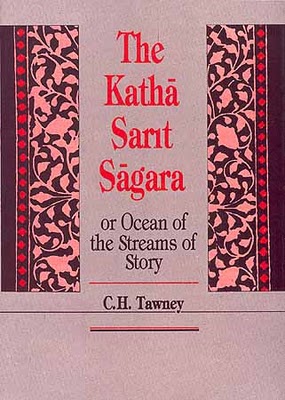
One thousand years ago India produced the largest story book in the world. The Katha Sarit Sagara (Ocean of Stories) written by Soma deva contained over 400 stories. It was written in Sanskrit in 11th century CE (AD)


Somadeva was the court poet of king Ananta of Kashmir. He wrote it to amuse queen Suryavaty. It was translated from Brhatkatha. The earliest and largest collection of stories, perhaps in the world contains 18 books divided into 124 tarangas/ waves with a total of 22000 verses.

Tales of wondrous maidens, fearless lovers, kings and cities, statecraft and intrigues, magic and spells, treachery, trickery, war, vampires, devils, ascetics, gamblers and beggars.

Though Jataka Tales (Second Century BC) has 550 stories in Pali language they were all adapted into Buddhist literature from various sources to say that Buddha had 550 previous incarnations as animals and human beings. It is not secular literature. A lot of secular matter was copied from Sanskrit sources and converted into religious literature. Even Ramayana and Mahabharata characters were turned into Buddha’s incarnations.

The Panchatantra Stories written by Vishnusarman, were the earliest Sanskrit stories that travelled to different parts of the world. By fifth century it reached four corners of the earth. Divided into five chapters it has woven stories within story. It has more than 81 stories.


Hitopadesa followed Panchatantra in style and contents.

Vedala Pancha Vimsati –25 stories (Twenty Five Tales of the Ghost/Vetala)

Dasa Kumara Charitham –10 stories (Ten Stories of Dasakumara)

Simhasana Dwattrimsika–32 stories (Thirty Two Stories of the Lion Throne)

Suka Sapatati–70 stories (Seventy Stories of a parrot)

The number of stories given indicate only main stories. We see lot of stories within stories. The actual number will be many more hundreds.

Jataka Tales (in Pali language) –550 stories (Incarnations of Buddha)

Hundreds of stories and anecdotes are in Mahabharata

Hundreds of Stories are in The Vedas and Parables in Upanishads.

In fact the world’s oldest short stories are from India. Stories such as Gilgamesh in Sumerian literature are of religious type.

The earliest of Sanskrit stories has moral themes. But later writings such as Katha saritsagara haven’t got such moral teachings. They were written just for pleasure. Katha saritsagara is unique and it was written in verse.

(Article was written by S.Swaminathan. Contact: swami_48@yahoo.com or swaminathan.santanam@gmail.com )

*****************

போஜராஜன் செய்த தந்திரம் !

உலகப் புகழ் பெற்ற கவிஞன் காளிதாசனும் அவனை ஆதரித்த மன்னன் போஜனும் இணைபிரியா நண்பர்கள். ஒரு நாள் சபைக்கு காளிதாசன் வரவில்லை. மன்னனுக்கு காளிதாசன், தன்னைப் பற்றி உண்மையாக என்ன நினைக்கிறான் என்று அறிய ஆவல். உடனே ஒரு தந்திரம் செய்தான். மந்திரியை அழைத்தான். காளிதாசன் இருக்கும் இடத்துக்குப் போய் நான் இறந்துவிட்டதாக அறிவியுங்கள். அவன் கட்டாயம் என்னைப் பற்றி ஏதாவது சொல்லுவான் அல்லது கவி பாடுவான். அதை வைத்தே காளிதாசனின் மனநிலையைக் கண்டு பிடித்துவிடலாம் என்றான்.


மந்திரியும் மன்னனும் காளியின் வீட்டுக்குப் போனார்கள். மன்னன் ஒரு சுவருக்குப் பின்னால் ஒளிந்துகொண்டான். மந்திரி அழுத கண்ணீரும் சிந்திய மூக்குமாக முகத்தை வைத்துக் கொண்டு போஜ ராஜன் காலமாகி விட்டான் என்று சொன்னான். அவ்வளவுதான். அடிபட்ட இரண்டு கிரவுஞ்சப் பறவைகளில் ஒன்று விழுந்தவுடன் வேடன் வால்மீகிக்கு ராமாயணம் என்னும் கவிதை வெள்ளம் கரை புரண்டு வந்தது போல காளிதாசன் வாக்கிலும் கவிதை வெடித்தது. (தாரா என்பது அவர்கள் வாழ்ந்த நகரின் பெயர்).


அத்ய தாரா நிராதாரா நிராலம்பா சரஸ்வதீ

பண்டிதா: கண்டிதா: சர்வே போஜராஜே திவம் கதே

என்று பாடினான்

இதன் பொருள்: தாரா நகரம் ஆதரவு இழந்து தவிக்கிறது, சரஸ்வதி தேவியும் ஆதரவு இழந்து தவிக்கிறாள். போஜ ராஜன் போய்விட்டதால் கவிஞர்களும் அறிஞர்களும் துக்கத்தில் மூழ்கிவிட்டார்கள்.

போஜராஜனுக்கு இதை கேட்டவுடன் மகிழ்ச்சி தாங்கவில்லை. சுவருக்குப் பின்னால் இருந்து ஓடிவந்து காளிதாசனைக் கட்டிக்கொண்டான். அடுத்த நிமிடமே பொங்கி எழுந்தது இன்னும் ஒரு கவிதை.

அத்ய தாரா சதா தாரா சதாலம்பா சரஸ்வதீ

பண்டிதா: கண்டிதா: சர்வே போஜராஜே புவம் கதே என்று பாடினான்.


இதன் பொருள்: தாரா நகரம் ஆதரவு பெற்று திகழ்கிறது, சரஸ்வதி தேவியும் இழந்த ஆதரவை மீண்டும் பெற்றாள். போஜ ராஜன் பூமிக்குத் திரும்பிவிட்டதால் கவிஞர்களும் அறிஞர்களும் மகிழ்ச்சியில் மிதக்கிறார்கள்.

சம்ஸ்கிருதம் ஒரு அற்புதமான மொழி. உலகிலேயே கணித முறைப்படி அமைந்த ஒரே மொழி ! இன்றுள்ள மொழிகளை ஆராய்ந்த அறிஞர்கள் கம்ப்யூட்டரில் கொடுக்கக்கூடிய எல்லா தகுதிகளும் பெற்ற மொழி இதுதான் என்று கூறுவதற்கும் இதுவே காரணம். மேற்கண்ட இரண்டு கவிதைகளையும் சம்ஸ்கிருதம் அறியாதவர்கள் படித்தாலும் பொருள் விளங்கும். ஒரு சில எழுத்துக்களை மாற்றினாலேயே அர்த்தம் முழுவதையும் மாற்ற முடியும்.


சம்ஸ்கிருதம் பற்றி சுவாமிநாதன் எழுதிய மற்ற கட்டுரைகள்:

1.சம்ஸ்கிருதம் ஒரு சமுத்திரம்

2.பொம்பளை சிரிச்சா, உதைச்சா, பார்த்தா போச்சு

3. Ancient Sanskrit Inscriptions in strange places

4. Old Sanskrit Inscriptions in Mosques and Coins

5. Sanskrit inscription and Magic Square on Tortoise

Please read all the above five articles in my blogs.

contact: swami_48@yahoo.com

swaminathan.santanam@gmail.com

******************


Lie Detectors in Upanishads

Lie detector is a modern instrument that detects the liars. It uses the changes in the body to say whether one is telling the truth or not. In Ancient India they used different techniques to find the truth. Chandogya Upanishad has the earliest reference to one test called a Hot Axe Test. This test was given to people charged with thefts in Ancient India. It followed the same principles that are used in the modern Lie Detectors.

An axe would be made red hot and the accused person would be asked to hold it in his hand. If the hand was not burnt, he would be acquitted. It shows that he was innocent. If his hand was burnt he would be convicted and severe punishments would follow the convictions. During the days of Guptas there were severe punishments for thefts and robberies. Because of severe punishments and great prosperity there was no theft and people slept without locking their doors, says the Chinese traveller Fa Hien (337-422 AD).

Adi Shankara, the great philosopher, also alluded to this hot axe test in his Viveka Chudamani (sloka 332).The reference in the Chandogya Upanishad appears thus:
VI-xvi-1: ‘Dear boy, (The officers of the king) bring a man, holding him by the hand (while saying) “He has taken something, he has committed a theft, heat the axe for him”. If he is doer of that, then he makes himself false. And being addicted to falsehood, he covers himself with falsehood and grasps the heated axe; he is burnt, and then he is punished.

VI-xvi-2: ‘If, however, he is not the doer of that, then he makes himself true. And being attached to truth, he covers himself with truth and grasps the heated axe; he is not burnt and then he is released.
VI-xvi-3: ‘And as in this case he (the man attached to truth) is not burnt, (similarly a man of knowledge is not born again). Thus has all this world That for its self. That is the true. That is the Atman. That thou art, O Svetaketu.’ From his words Svetaketu understood That – yea, he understood.

Snake Pot Test

Kulasekhara Alwar is one of the twelve Vaishnavite saints of Tamil country. He ruled Chera country (modern Kerala) around 800 AD. He was a great devotee of Vishnu and devoted much of his time in listening to Ramayana, Maha Bharata and Bhagavatha. Some of his court officials did not like this. They wanted to create a rift between the priests and the king. So they falsely accused the priests of stealing the temple jewels. The king did not believe this story and knew the motive of the accusers. In those days if someone tells a lie he would be asked to put his hand in a pot full of hungry cobras. If one has done anything wrong they would definitely avoid instant death by the snake bites. The king proposed that he would put his hand in the pot of snakes and if he has come out unscathed then the story of theft is false. He did this and came out unharmed. He did it on behalf of the priests
Story of Mandana Mishra

Adi Shankara was victorious in his debates and defeated Gurus of various sects in Hinduism and Buddhism. He had to meet a giant in Mimamsa philosophy. When they wanted to discuss Advaita philosophy they wanted a judge to say who has won the discussion. In those days people were so honest that once they are defeated they would accept the defeat and embrace the philosophy of the opponent who won the debate. There was none to judge their debate except Mandanamisra’s wife Sarawani. Since both of them were intellectual giants they accepted Mandan’s wife as judge. She was equally a great scholar. But she was very much embarrassed and told them that she being the wife of one of the debaters wouldn’t be a proper person to be the judge in this contest. So she proposed a very good idea. She asked both Mandana and Shankara to wear flower garlands and told them the wearer of the garland that withers first was the loser.

The argument went for weeks and at last Mandana’s garland withered first. Then Shankara had to debate with his wife. When she was also defeated by Shankara both husband and wife became disciples of Adi Shankara. Mandana became Sureshwaracharya in his later life.
Sita’s Agni Pareeksha (Fire Test)
When Rama’s wife Sita Devi was suspected by a washer man of the city Ayodhya Rama asked Sita to undergo Fire Test to prove her purity and integrity. She jumped in to a fire pit and came unscathed. Even today the Fire Walking ceremony is done in several South Indian villages. It is an ancient custom to prove one’s innocence and integrity.

Tamil Lie Detector

Ancient Tamils followed a different test 2000 years ago. One of the Sangam Tamil Books Kalitokai describes this strange test. If a liar stands under a tree the tree would wither away. If he is not a liar the tree would be ever green. Palai Padiya Perum Katunko (Palai Kali 33) sang about this test. A woman who suffers from separation lamented that her condition was like a tree that was made to wither by a liar.

Science behind Lie Detectors

There is a scientific explanation for all the above tests. It is the same principle that the modern Lie Detecting instruments follow. A Polygraph, popularly known as Lie Detector, records graphically certain body activities such as respiration, blood pressure, pulse rate and changes in the electrical resistance in the skin. Marked changes in these activities when a person answers a question may indicate that the person is lying. Facial expressions and linguistic changes are also taken into account.

If we look at the case of Tamil tree or Mandana’s garland we can see why they wither away. The temperature changes in the body make them wither away. Whoever is agitated and doesn’t see the reason or truth feels hot. More over the fear makes one to produce more adrenaline. Animals like dogs and snakes can easily sense it. They have powerful smell organs. If one is not agitated and focussed, calm and quiet that person wouldn’t be harmed even by an agitated animal. When a person has full concentration on a certain thing (truth or God) neither extreme heat nor cold would affect that person. Yoga practitioners knew this very well. So we can see science behind the above anecdotes.

பொம்பளை சிரிச்சா, உதைச்சா, பார்த்தா போச்சு

பொம்பளை சிரிச்சா போச்சு புகையிலை விரிச்சா போச்சு என்பது தமிழ் பழமொழி. ஆனால் பெண்கள் சிரித்தால் செண்பக மரம் பூக்கும் என்கிறது வடமொழி. பெண்களைப் போல் மரங்களுக்கும் மசக்கை (தோஹத) உண்டாம். பெண்களின் அன்புக்காக அவை ஏங்குமாம். தமிழர்களும் வேங்கை மரத்தை பெண்களின் திருமணத்தோடு இணைத்துப் பேசுவர். சங்க இலக்கிய நூல்கள் வேங்கை பரத்தின் அடியில் பெண்கள் புலி புலி என்று குரலிடுவதையும் அதனால் அது பூப்பதையும் குறிப்பால் உணர்த்தும்

சம்ஸ்கிருதத்தில் ஒரு செய்யுள் இருக்கிறது. அது பெண்களுக்கும் மரத்துக்கும் உள்ள நெருங்கிய தொடர்பு பற்றிப் பேசுகிறது. அசோக மரத்தைப் பெண்கள் உதைத்தால் அது பூக்கும் என்று 2000 ஆண்டுகளாக வடமொழிப் புலவர்கள் பாடினர். இதோ அவர்கள் தரும் பட்டியல்:

பெண்கள் உதைத்தால் பூக்கும் அசோக மரம்
பெண்கள் சிரித்தால் பூக்கும் செண்பக மரம்
பெண்கள் பேசினால் பூக்கும் நமேரு மரம்
பெண்கள் தழுவினால் பூக்கும் குராபக மரம்
பெண்கள் பார்த்தால் பூக்கும் திலக மரம்

நாலிங்கிதக் குரபகஸ் திலகோ ந த்ருஷ்டோ
நோ தாடிதஸ்ச சரணை சுத்ரசாம் அசோக:
சிக்தோ ந வக்த்ரம் அதுனா பகுளாஸ் ச சைத்ரே
சித்ரம் ததாபி பவதி ப்ரஸவ அவகீர்ண என்பது சம்ஸ்கிருதப் பாடல்.

பெண்கள் எத்தனை வகை?

பெண்களை வடமொழி வித்தகர்கள் நாலு வகையாகவும், பரத சாஸ்திர அறிஞர் பரத ரிஷி எட்டு வகையாகவும் தமிழர்கள் வயதின் அடிப்படையில் ஏழு வகையாகவும், ஜப்பானியர்கள் ஒன்பது வகையாகவும், ஆக்ஸ்போர்ட் விஞ்ஞானிகள் டி.என்.ஏ. அடிப்படையில் ஏழு வகையாகவும் பிரித்தனர்.

பத்மினி, சங்கினி,ஹஸ்தினி, சித்ரினி

வடமொழி நூலர்கள் குணத்தின் அடிப்படையில் பெண்களை நாலு வகையாகப் பிரித்தனர். அவர்கள் பத்மினி, சங்கினி, ஹஸ்தினி, சித்ரினி எனப்படுவர்.

பத்மினி பெண்களைப் பார்ப்பது அபூர்வம். அவர்கள் மிகவும் அழகானவர்கள், மென்மையானவர்கள்,புனிதமானவர்கள். முகம் வட்ட வடிவம் உடையது. உடலும் உருண்டு திரண்டு இருக்கும். அவர்கள் சுஹாசினி (மலர்ந்த முகம்) சுபாஷினி ( இனிய சொல்), சாருஹாசினி (புன்சிரிப்புடையோர்) ஆவர். அழகிய கவர்ச்சிகரமான பார்வையால் எதிரிகளையும் தேவர்களையும் வசப்படுத்துவர்.

சங்கினி வகைப் பெண்கள் அழகானவர்கள், புத்திசாலிகள், சுறு சுறுப்பானவர்கள். சங்கு வடிவத்தில் சில உடல் அம்சங்கள் ஒல்லியாக இருக்கும். சுதந்திர சிந்தனை படைத்தவர்கள். அதிக சக்தி உடைய இவர்களுக்கு எடுத்துக்காட்டாக விளங்குவோர் கார்கி, வைதேகி, சுரவந்தியா ஆவர்.

ஹஸ்தினி வகைப் பெண்கள் பார்பதற்கு இனியவர்கள், ஆனால் பருமனானவர்கள். பின் தூங்கி பின் எழும் பத்தினிகள். கேளிக்கை விரும்பிகள். நீங்கள் முடிவு எடுத்தால் கோபிப்பார்கள். தானாகவும் முடிவு எடுக்க மாட்டார்கள். கேளிக்கையே வாழ்க்கையின் குறிக்கோள். பிரபுக்கள் வம்சம்.

சித்ரினி மிக மெல்லிய தேகம் உடையோர். மூங்கில் குச்சியோ எனலாம். அலங்காரத்திலும் கலைகளிலும் ஆர்வம் அதிகம். அலமாரி முழுதும் ஆயிரம் உடைகளைப் பார்க்கலாம். படுக்கப் போகும் போதும் படுத்து எழுந்திருக்கும் போதும் அலங்காரத்துடன் வருவர். அலங்காரி, சிங்காரி ஒய்யாரி-பேஷன் பேர்வழிகள்.

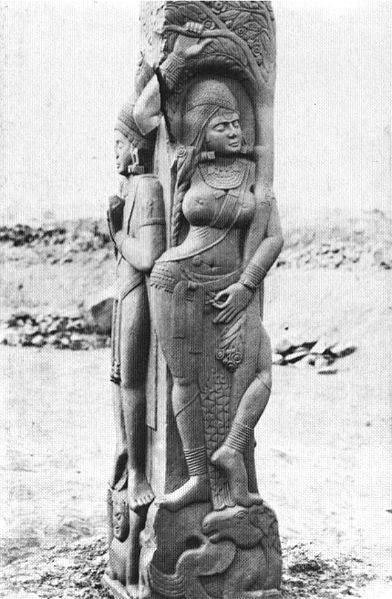
Tree Yakshi Kicking the Asoka Tree, 2200 year old statue

2000 ஆண்டுகளுக்கு முன்னரே பெண்களை வகைப் படுத்தினர் ஆன்றோர்கள். இன்றும் இவ்வகையினரைக் காண்பது நம் முன்னோரின் மேதாவிலாசத்தைக் காட்டும்.
நாட்டிய சாத்திரம் எழுதிய வட மொழி அறிஞன் பரத முனி எட்டு வகை நாயகிகளைப் பற்றிப் பேசுகிறார். இவரகள் குணத்தால் பிரிக்கப்பட்டவர் இல்லை. திரைப்பட கதாநாயகிகள் போல நடிப்பதற்காக தோன்றுபவர்கள்.

அவர்கள் ;1.வாசக சஜ்ஜா நாயிகா:காதலனுடன்டன் குலவத் தயாரான உடையுடன் இருப்பாள் 2.விரஹோத் கண்டிதா நாயிகா: பிரிவால் வருந்தும் பெண் 3. ஸ்வாதீன பர்த்ருஹா நாயிகா: கணவனை தன் கட்டுப்பாட்டுக்குள் வைத்திருப்பவள் 4. கலஹாந்த்ரிதா நாயிகா: சண்டை போட்டுப் பிரிந்தவள் 5.கண்டிதா நாயிகா: காதலுனிடம் கோபமாகச் சீறுபவள் 6.விப்ரலப்தா நாயிகா: காதலனால் ஏமாற்றப்பட்டவள் 7.ப்ரோஷித பர்த்ருகா நாயிகா: கணவனுடன் சுகமாக வசிப்பவள் 8.அபிசாரிகா நாயிகா: கணவணை காண ஆவலுடன் செல்லும் நாயகி.
இந்த எட்டு வகைகாயும் நாடகம் திரைப்படம் ஆகியவற்றில் காண்கிறோம்.

தமிழர்கள் செய்த 7 வகை

தமிழர்கள் 40 வயதுக்குக் குறைவான பெண்களை மட்டும் வயது அடிப்படையில் ஏழு பிரிவுகளாகப் பிரித்தனர். அதற்குப் பிறகு அவர்களைக் கண்டுகொள்ளவில்லை. பேதை (5—7), பெதும்பை (8—11), மங்கை (12—13), மடந்தை (14—19), அரிவை (20—25), தெரிவை (25—31), பேரிளம் பெண் (32 முதல் 40 வயது).

இது தவிர சம்ஸ்கிருத நிகண்டு அமரகோஷம், தமிழ் நிகண்டு பிங்கலந்தை போன்றவற்றில் பல வடமொழிப்ப் பெயர்கள் உள்ளன. வாலை, தருணை, ப்ரவுடை, விருத்தை என்பன அந்தப் பிரிவாகும். இவைகளும் வயதின் அடிப்படையில் அமைந்தனவே.

காமசூத்திரம் எழுதிய வாத்ஸ்யாயனர் 2000 ஆண்டுகளுக்கு முன்னரே பாலியல் ரீதியில் ஆண்களையும் பெண்களையும் பலவகைகளாகப் பிரித்திருப்பதும் குறிப்பிடத்த்க்கது. நம் முன்னோர்கள் எந்த அளவுக்கு ஆராய்ச்சி மனப்பான்மையோடு இவ்விஷயங்களை அனுகினர் என்பதைப் பார்க்கையில் வியப்பாக இருக்கிறது.

பெண்ணின் குணங்கள்

தாயின் கருணை, அடியாள் போல தொண்டு,பூமாதேவி போல பொறுமை, படுக்கை அறையில் மகிழ்விக்கும் பெண், குடும்ப நிர்வாகத்தில் மந்திரி போல அற்புத மூளை—அத்தனையும் வாய்கப் பெற்றவள் தாய். இதோ நீதி வெண்பா பாடல்:

அன்னை தயையும் அடியாள் பணியும் மலர்ப்
பொன்னின் அழகும் புவிப் பொறையும் – வன்னமுலை
வேசி துயிலும் விறல் மந்திரி மதியும்
பேசில் இவையுடையாள் பெண்

மஹாபாரதம், லலிதா சஹஸ்ரநாமம் ஆகியவற்றிலும் பெண்கள் பல வகையில் பிரிக்கப் பட்டிருக்கின்றனர்..

மரபியல் ரீதியில் ஏழு வகை

மனித இனம் முழுதும் ஏழு ரிஷிகளின் (சப்த ரிஷி) வழித்தோன்றியதாக இந்து மத நூல்கள் கூறுகின்றன. அத்ரி, ப்ருகு, குத்ஸ, வசிஷ்ட, கௌதம, காஸ்யப, ஆங்கிரஸ ரிஷி என எழுவர். மேலை நாட்டில் ஆக்ஸ்பர்ட் பேராசிரியர் ப்ரையன் சைக்ஸ் (Bryan Sykes) ஆராய்ந்ததில் வேறு ஒரு உண்மையைக் கண்டார். அவர் ஐரோப்பாவிலிருக்கும் பெண் இனங்களின் உயிர் அணுவிலுள்ள மைடோகாண்ட்ரியாவை ஆராய்ந்து பார்த்து அவர்கள் அனைவரும் ஏழு தாய்மார்கள் இடமிருந்து தோன்றினர் என்றும் அவருக்கு மூலமான பெண்மணி ஆப்பிரிக்காவில் சில லட்சம் ஆண்டுகளுக்கு முன் வாழ்ந்தார் என்றும் கூறுகிறார். ஏவாளின் ஏழு சகோதரிகள் The Seven Sisters of Eve என்று அவர் ஒரு புத்தகமும் எழுதி தனது மரபியல் ஆய்வுகளை வெளியிட்டார்.

ஆண்கள், பெண்கள் ஆகிய இருவர் இடத்திலும் மைடோகாண்ட்ரியல் டி.என்.ஏ.(mitochondrial DNA) இருந்தாலும் அம்மாவிடமுள்ள மைடோகாண்ட்ரியல் டி.என்.ஏ. மட்டுமே குழந்தைகளுக்குப் போகும். ஆகவே இதை வைத்து மூதாதையாரான பெண்மணி யார் என்பதை ஆராயலாம். அவர் கண்டுபிடித்த ஏழு வகைப் பெண்களூக்கும் கற்பனைப் பெயர்கள் கொடுத்திருக்கிறார். அவையாவன: 1.ஊர்சுலா 2.சீனியா 3.ஹெலீனா 4.வெல்டா 5.தாரா 6.காத்ரீன் 7.ஜாஸ்மின்

இந்தப் பெயர்கள் கற்பனை என்றாலும் அவர்களின் முதல் எழுத்து அந்த டைப்பின் (வகையின்) எழுத்தாகும் எ.கா. ஊர்சுலா என்றால் யு, சீனியா என்றால் எக்ஸ்—இப்படி வரும்.
ஜப்பனியர்கள் ஒன்பது குலத்திலிருந்து வந்ததாகவும் அமெரிக்க பழங்குடியினர் 4 குலத்திலிருந்து வந்ததாகவும் இந்துக்கள் ஏழு ரிஷிகளிடமிருந்து வந்ததாகவும் கூறுகிறனர். இவைகளையும் மரபியல் ஆய்வுகள் மூலம் கண்டுபிடிக்கமுடியும்.

இப்படியே ஆராய்ச்சி செய்துகொண்டே போனால் மனித குலம் ஒன்றே –எல்லோரும் ஒரு தாய் மக்கள்- நாம் அனைவரும் சகோதர சகோதரிகள் என்ற பரந்த மனப் பான்மை வளரும். யாதும் ஊரே யாவரும் கேளிர் என்ற தமிழ் முழக்கமும் “ ஒன்று பரம்பொருள், நாம் அதன் மக்கள், உலகு இன்பக் கேணி என்று நல் வேதம் கூறுவதாக பாரதி கூறும் வேத வாசகங்களும் உயிர்பெறும்.

ஒன்று பரம்பொருள் நாம் அதன் மக்கள்
உலகு இன்பக் கேணி என்றே—மிக
நன்று பல் வேதம் வரைந்தகை பாரத
நாயகி தன் திருக் கை (தேசிய கவி சுப்ரமண்ய பாரதி)
**************