சதுரங்க பந்தம் – 9

தமிழ் என்னும் விந்தை!
சதுரங்க பந்தம் – 9

Research paper written By ச.நாகராஜன்
Research article No.1445; Dated 29th November 2014.

சுவடிகளாக அச்சேறாமல் உள்ள தமிழ் நூல்கள் பல்லாயிரக்கணக்கில் உள்ளன தஞ்சை சரஸ்வதி மஹாலில் ஆரம்பித்து உலகளாவிய அளவில் பல்வேறு நாடுகளின் பல்கலைக் கழகங்களிலும் தனியார் தொகுப்புகளிலும் உள்ள சுவடிகள் என்று அரங்கேறப் போகின்றன என்பது யாருக்கும் தெரியாது. பழைய காலத்தில் சில சுவடிகளை புத்தகங்களாக அச்சிட்டுள்ளனர். ஆனால் அந்தப் புத்தகங்களும் இன்று கிடைக்காமல் போய் விட்டன. வாய்வழியாக ஆசான் – மாணாக்கன் என்ற குருகுல அமைப்பு மூலம் வழி வழியாக வந்த பல ரகசியங்கள் அந்த குரு குல முறை கெட்டு அழிந்தவுடன் ரகசியங்களாகவே மாறி விட்டன.

புத்தகங்களில் அச்சிடப்பட்டு உள்ள பல விஷயங்களை நம்மால் புரிந்து கொள்ள முடியவில்லை. உதாரணத்திற்கு சதுரங்க பந்த விஷயமாக ஒரு எடுத்துக் காட்டை இங்கே காண்போம்.
நினைவில் வாழும் தமிழறிஞர் ச.பவானந்தம் பிள்ளை பதிப்பித்த யாப்பருங்கல விருத்தியுரையில் சித்திரக் கவிமாலை என்ற தலைப்பில் 29 வரிகளில் உள்ள பாடலில் ( மாலை மாற்றே சக்கரஞ் சுழிகுள என்று ஆரம்பித்து அந்தமில் கேள்வி யாசிரியன்னே என முடிகிறது. இடமின்மை கருதி இங்கு முழுப் பாடலையும் தர முடியவில்லை)

இதில் 19வது வரியாக ‘பாடுதுன் மரபுந் தாரணைப் பகுதியும்’ என வருகிறது.
தாரணை என்பதற்கு விளக்கவுரையாகத் தரப்படுவதைக் கீழே காண்போம்:
“தாரணைப் பகுதியும்’ என்பது:- தாரணை விகற்பங்களும் என்றவாறு. தாரணை விகற்பங்களாவன : நாமதாரணையும், அக்கரதாரணையும், செய்யுடாரணையும், சதுரங்கத்தாரணையும், சித்திரத்தாரணையும், வயிரத்தாரணையும், வாயுத்தாரணையும், நிறைவு குறைவாகிய வெண்பொருட்டாரணையும், வச்சிரத்தாரணையும் முதலாயினவற்றை உருவக்கரசங்கேதங்களால் இடம்படவறிந்து தரித்து, அனுலோமமாகவும், பிரதிலோமமாகவும், பிறவாறாகவுஞ் சொல்லுவது. அவையெல்லாம் தாரணை நூலுட் கண்டு கொள்க.

இந்த விளக்கத்தில் தாரணை நூல் என்று ஒரு நூல் இருப்பதை அறிய முடிகிறது. அதில் சதுரங்க பந்தம் உள்ளிட்ட பலவற்றைப் பற்றி ஏராளமான விளக்கங்கள் இருப்பதையும் அறிய முடிகிறது. தாரணை நூலை தமிழில் யாரேனும் அச்சிட்டிருக்கிறார்களா? தெரியவில்லை.

சதுரங்க பந்தம் பற்றிய இலக்கணமும் தொடர்ந்து இப்படித் தரப்படுகிறது:-
“சதுரங்க அறையில் உருவுகளை உருவக்கர சங்கேதங்களால் திரித்துக் குதிரையடியாகவும், குதிரையும் யானையுமாகப் பாய்ந்து வருவதற்கு இலக்கணம் வருமாறு:-

“கடிகம ழிலைமலர் சீரிதழ்த் தாமரைப்
பனிமலர் வாட்டிய மீமிசை நிகரி
னூபுரமிக வூன்றலின் மேலொளி நெருங்கிய
சேண்விளங் கெழிலடி குறுகுதுத் தூநிறப்
பெருமலர் வேங்கையு மூங்கிலு நுடங்கிப்
பிணியவிழ் வீத்த மாத்த ணறவமும்
சாந்தமு மகிலுங் கிளர்ந்து திங்களிச்
சூரலு முகிரலுங் கெழுமித் தேறிய
நூலவர் பேணும் வெட்சியு முறித்தை
விரைமலர் மகிழு நாகமும் பீடுடைத்
திருவுஞ் சகமலி யாதி கீர்த்தி
யூனமில் கேள்வியிற் றெளிந்து சுரும்பிவர்
நீடிணர்ப் பாசிலை வடுமா மிசைமிக
வுருகெழு மென்கனி நேரே பூசணித்
துகளறு செங்கா யெங்கெனக் கூறி
யீண்டிய காதலிற் றடவிய சிறுநுதற்
பெருமதர் மழைக்கட் செவ்வாய்ப்
புரிகுழ லியக்கியர் பொதிபெறற் பொருட்டே”

இந்த நேரிசை ஆசிரியப் பாடலில் கடிகமழ் என்பதில் ஆரம்பித்து சிறுநுதல் என்ற வார்த்தை முடிய மொத்தம் 64 வார்த்தைகள் உள்ளன.

“வேண்டியதோ ரறை முதலாகவாயினும், வேண்டியதோர் அறை ஈறாகவாயினும் பாய்த்துவது, சிறு நுதல் வரைப் பாய்த்த அறுபத்து நாலு வெங்குதிரை வரும்” என்கிறது விளக்கவுரை.
எந்த அறையில் குதிரையின் பாய்ச்சலை ஆரம்பிப்பது, எப்படி குதிரை வரும் என்பதை நம்மால் அறிய முடியவில்லை. ஏனெனில் விளக்குவதற்கு குருவும் இல்லை; விளக்கம் முழுவதும் அடங்கிய தாரணை நூலும் இல்லை.

இது தான் தமிழின் இன்றைய நிலை! தமிழின் மீது அக்கறை உள்ள நம் போன்றோர் முயன்று இவற்றைத் தேடிக் கண்டுபிடித்து உலகிற்கு அறிவிக்க வேண்டும் என்பதற்காகவே இந்தப் பாடல் இங்கு தரப்படுகிறது. தமிழ் என்னும் விந்தையின் ஒவ்வொரு துளியையும் அறிந்து சுவைத்து அதை உலகிற்குத் தருவோரே உண்மையான தமிழ்த் தொண்டு புரிபவராவர். தமிழ் நூல்களில் புதைந்து கிடக்கும் கோடானு கோடி ரகசியங்களை கண்டுபிடித்து வெளியிடுவதே தமிழர்கள் முன் இன்று இருக்கும் ஒரே கடமை!
ஆங்கிலத்தில் சதுரங்க அறைகளில் ஆங்கில கவிதைகளின் வார்த்தைகளையோ அல்லது எழுத்துக்களையோ அமைத்துப் புதிர்களை விடுவிப்பது பத்தொன்பதாம் நூற்றாண்டில் இருந்து வந்த ஒரு பொழுதுபோக்கு விளையாட்டு. இல்லஸ்ட்ரேட்ட் லண்டன் நியூஸ் பத்திரிக்கையில் ஹோவர்ட் ஸ்டாண்டன் என்பவர் 1870 முதல் 1874 முடிய வெளியிட்ட சதுரங்க கவிதை புதிர்களில் ஷேக்ஸ்பியர் மற்றும் சர் வால்டர் ஸ்காட் கவிதைகளை அமைத்து புதிர்களை வெளியிட்டார். அவற்றில் ஒன்றே ஒன்றை மட்டும் இங்கு பார்ப்போம்.

*************** (தொடரும்)

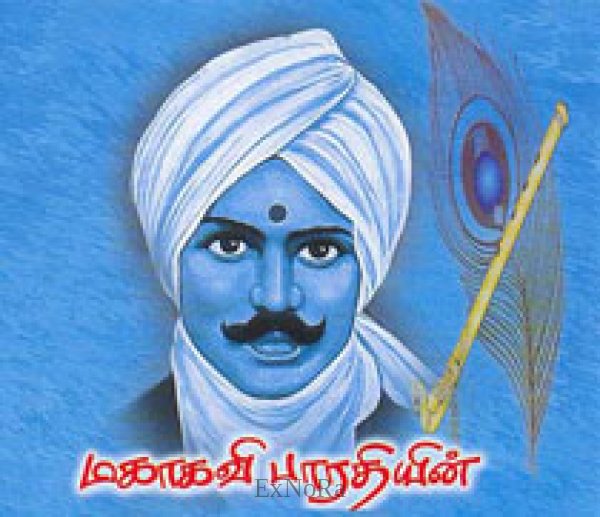
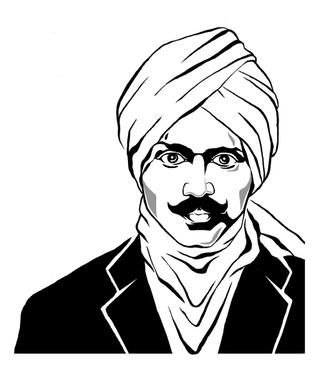
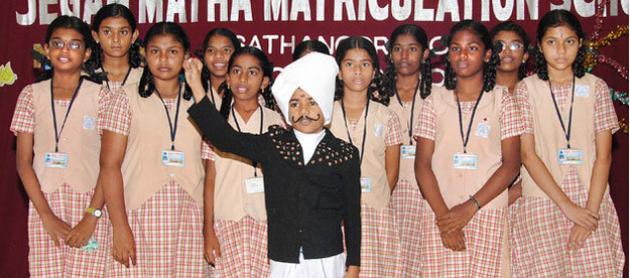
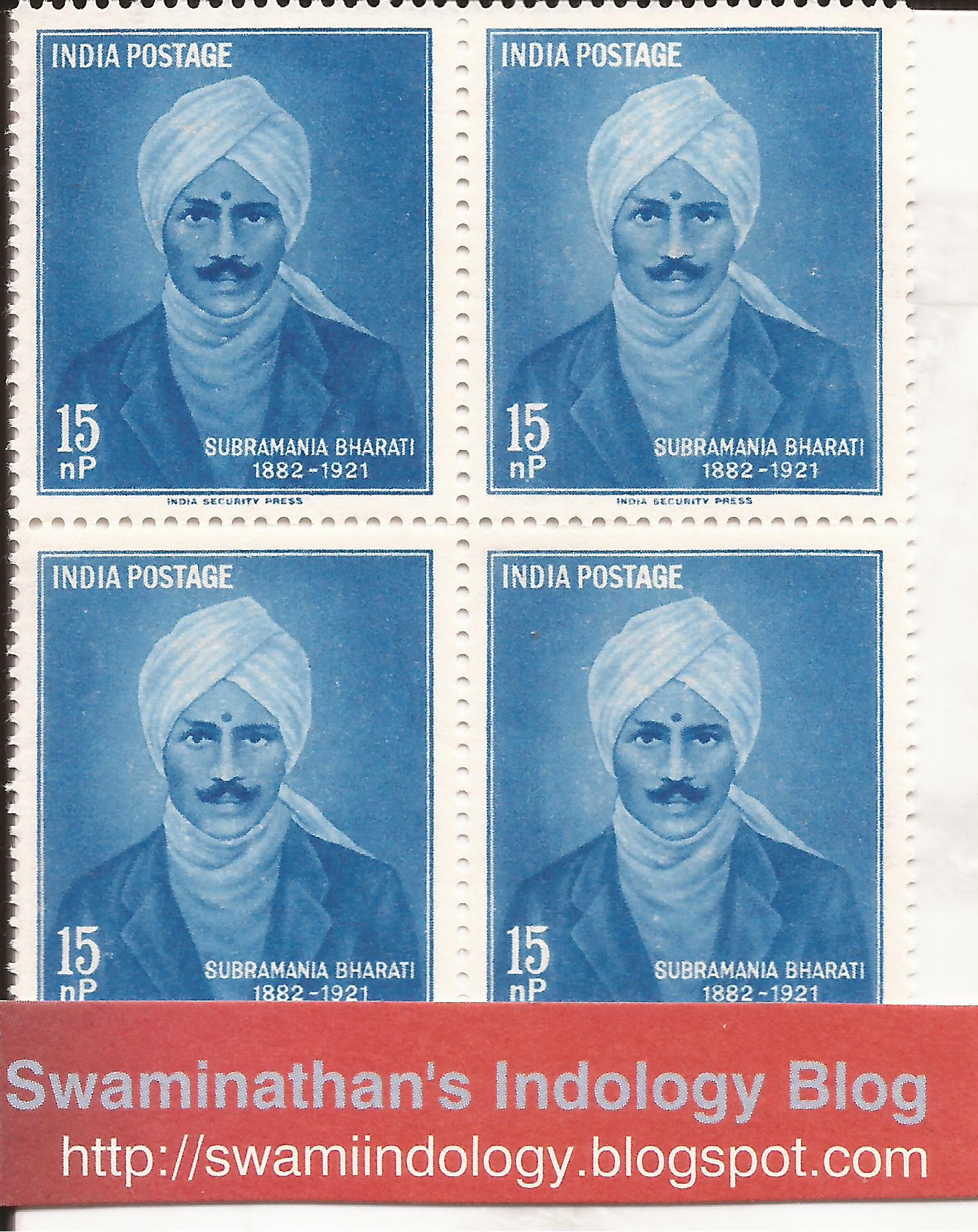
பாரதி பாடல்களிலிருந்து 31 முக்கிய மேற்கோள்கள்

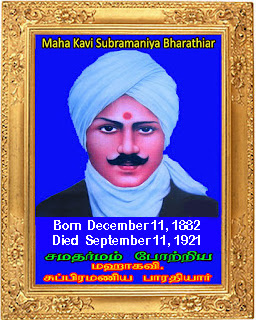
Maha Kavi

சிந்தனைச் சிற்பிகள் (ஜய வருடம்) 2014 டிசம்பர் மாத காலண்டர்

முக்கிய நாட்கள்: — டிசம்பர் 2 கீதா ஜயந்தி, 5 திருக் கார்த்திகை, 6 சர்வாலய தீபம், 11 பாரதியார் பிறந்த நாள், 21 ஹனுமத் ஜயந்தி, 25 கிறிஸ்துமஸ்; அமாவாசை:22, சுபமுஹூர்த்த நாள்:– 1, பௌர்ணமி – 6, ஏகாதசி- 2, 18

பாரதி பாடல்களிலிருந்து 31 முக்கிய மேற்கோள்கள்

கட்டுரையை எழுதியவர் :– லண்டன் சுவாமிநாதன்
ஆராய்ச்சிக் கட்டுரை எண்- 1444; தேதி 29 நவம்பர், 2014.

டிசம்பர் 1 திங்கட் கிழமை
சொல்லில் உயர்வு தமிழ்ச் சொல்லே- அதைத்
தொழுது படித்திடடி பாப்பா !

டிசம்பர் 2 செவ்வாய்க் கிழமை
தேமதுரத் தமிழோசை உலகமெலாம்
பரவும் வகை செய்தல் வேண்டும்.
சேமமுற வேண்டும் எனில் தெருவெல்லாம்
தமிழ் முழக்கம் செழிக்கச் செய்வீர்

டிசம்பர் 3 புதன் கிழமை
அன்பென்று கொட்டு முரசே – மக்கள்
அத்தனை பேரும் நிகராம்
இன்பங்கள் யாவும் பெருகும் – இங்கு
யாவரும் ஒன்று என்று கொண்டால்

டிசம்பர் 4 வியாழக் கிழமை
தங்க மதலைகள் ஈன்றமுது ஊட்டித்
தழுவியது இந்நாடே – மக்கள்
துங்கம் உயர்ந்து வளர்கெனக் கோயில்கள்
சூழ்ந்ததும் இந்நாடே

டிசம்பர் 5 வெள்ளிக் கிழமை
யாகத்திலே தவ வேகத்திலே – தனி
யோகத்திலே பல போகத்திலே
ஆகத்திலே தெய்வ பக்தி கொண்டார்தம்
அருளினிலே உயர் நாடு

bharati2

டிசம்பர் 6 சனிக் கிழமை
சாதி இரண்டொழிய வேறில்லை என்றே
தமிழ் மகள் சொல்லிய சொல் அமிழ்தம் என்போம்

டிசம்பர் 7 ஞாயிற்றுக் கிழமை
பன்னரும் உபநிடத நூல் எங்கள் நூலே
பார்மிசை ஏதொரு நூல் இது போலே

டிசம்பர் 8 திங்கட் கிழமை
ஒன்று பரம்பொருள் நாம் அதன் மக்கள்
உலகு இன்பக் கேணி என்றே – மிக
நன்று பல்வேதம் வரைந்த கை பாரத
நாயகி தன் திருக்கை

டிசம்பர் 9 செவ்வாய்க் கிழமை
அன்பு சிவம் உலகத் துயர் யாவையும்
அன்பினில் போகும் என்றே – இங்கு
முன்பு மொழிந்து உலகாண்டதோர் புத்தன்
மொழி எங்கள் அன்னை மொழி

டிசம்பர் 10 புதன் கிழமை
நாவினில் வேதம் உடையவள் கையில்
நலம் திகழ் வாளுடையாள் – தனை
மேவினர்க்கு இன்னருள் செய்பவள் தீயரை
வீட்டிடு தோளுடையாள்

bharati3

டிசம்பர் 11 வியாழக் கிழமை
நல்லறம் நாடிய மன்னரை வாழ்த்தி
நயம்புரிவாள் எங்கள் தாய் – அவர்
அல்லவராயின் அவரை விழுங்கிப் பின்
ஆனந்தக் கூத்திடுவாள்

டிசம்பர் 12 வெள்ளிக் கிழமை
பேரிய வெற்பு முதல் பெண் குமரி ஈறாகும்
ஆரிய நாடு என்றே அறி

டிசம்பர் 13 சனிக் கிழமை
பேசுகவோ சத்தியமே, செய்க தர்மமே என்று ஒலி செய்
முத்தி தரும் வேத முரசு

டிசம்பர் 14 ஞாயிற்றுக் கிழமை
இனி ஒரு விதி செய்வோம் — அதை
எந்த நாளும் காப்போம்;
தனி ஒருவனுக்கு உண்விலை எனில்
ஜகத்தினை அழித்திடுவோம்

டிசம்பர் 15 திங்கட் கிழமை
எல்லாரும் ஓர் குலம் எல்லாரும் ஓர் இனம்
எல்லாரும் இந்திய மக்கள்;
எல்லாரும் ஓர் நிறை எல்லாரும் ஓர் விலை
எல்லாரும் இந்நநட்டு மன்னர்

bharati4

டிசம்பர் 16 செவ்வாய்க் கிழமை
வேதம் நிறைந்த தமிழ்நாடு – உயர் வீரம்
செறிந்த தமிழ்நாடு

டிசம்பர் 17 புதன் கிழமை
உள்ளத்தில் உண்மை ஒளி உண்டாயின்
வாக்கினிலே ஒளி உண்டாகும்

டிசம்பர் 18 வியாழக் கிழமை
வாழிய செந்தமிழ் ! வாழ்க நற்றமிழர்!
வாழிய பாரத மணித் திரு நாடு

டிசம்பர் 19 வெள்ளிக் கிழமை
ஆண்களோடு பெண்களும்
சரி நிகர் சமானமாக
வாழ்வம் இந்த நாட்டிலே

டிசம்பர் 20 சனிக் கிழமை
வேத நூல் பழிக்கும் வெளித்திசை மிலேச்சர்
பாதமும் பொறுப்பளோ பாரத தேவி?

bharati5

டிசம்பர் 21 ஞாயிற்றுக் கிழமை
பாரத நாடு பார்க்கெலாம் திலகம்
நீர் அதன் புதல்வர் இந் நினைவகற்றாதீர்

டிசம்பர் 22 திங்கட் கிழமை
ஆதி மறை தோன்றிய நல் ஆரிய நாடு எந்நாளும்
நீதி மறைவின்றி நிலைத்த திரு நாடு

டிசம்பர் 23 செவ்வாய்க் கிழமை
பெண் என்று சொல்லிடிலோ – ஒரு
பேயும் இரங்கும் என்பார்; தெய்வமே! நினது
எண்ணம் இரங்காதோ?

டிசம்பர் 24 புதன் கிழமை
காக்கை குருவி எங்கள் ஜாதி – நீள்
கடலும் மலையும் எங்கள் கூட்டம்;
நோக்கும் திசை எல்லாம் நாம் அன்றி வேறில்லை
நோக்க நோக்கக் களியாட்டம்

டிசம்பர் 25 வியாழக் கிழமை
பயம் எனும் பேய்தனை அடித்தோம் – பொய்மைப்
பாம்பைப் பிளந்து உயிர் குடித்தோம்;
வியன் உலகனைத்தையும் அமுதென நுகரும்
வேதவாழ்வினைக் கைப் பிடித்தோம்

bharati stamp

டிசம்பர் 26 வெள்ளிக் கிழமை
மூர்த்திகள் மூன்று பொருள் ஒன்று – அந்த
மூலப் பொருள் ஒளியின் குன்று
நேர்த்தி திகழும் அந்த ஒளியை – எந்த
நேரமும் போற்று சக்தி என்று

டிசம்பர் 27 சனிக் கிழமை
தருமத்தின் வாழ்வதனைச் சூது கவ்வும்
தருமம் மறுபடி வெல்லும்

டிசம்பர் 28 ஞாயிற்றுக் கிழமை
கட்டுண்டோம் பொறுத்திருப்போம்; காலம் மாறும்
தருமத்தை அப்போது வெல்லக் காண்போம்

டிசம்பர் 29 திங்கட் கிழமை
சாமி நீ; சாமி நீ; கடவுள் நீயே;
தத்வமஸி தத்வமஸி நீயே அஃதாம்

30 செவ்வாய்க் கிழமை
ஒளிபடைத்த கண்ணினாய் வா வா
உறுதி கொண்ட நெஞ்சினாய் வா வா

31 புதன் கிழமை
ஒன்றுபட்டால் உண்டு வாழ்வே – நம்மில்
ஒற்றுமை நீங்கில் அனைவர்க்கும் தாழ்வே

Japan, China and Tamil Epic: A Strange coincidence!

waterfall clear
otowa girls

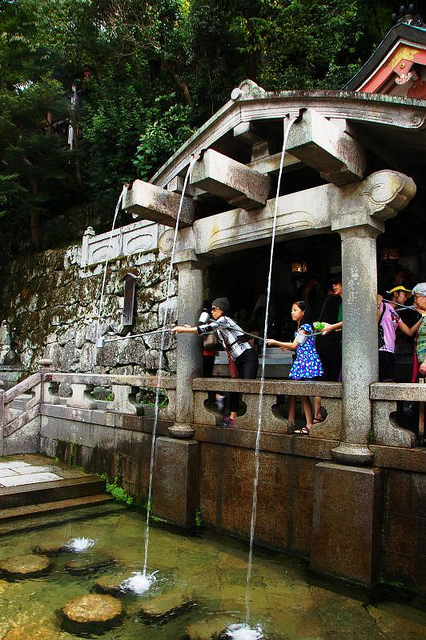
Otowa Warefall in Kiyomizu Dera Temple in Kyoto, Japan

Research Paper written by London Swaminathan
Post No.1315; Dated 28th September 2014.

I was talking to my friend today who visited Kyoto in Japan sometime ago. He was narrating an incident where he drank some holy water to get three benefits at one go. Suddenly I remembered one such thing in the Tamil epic Sillapadikaram.

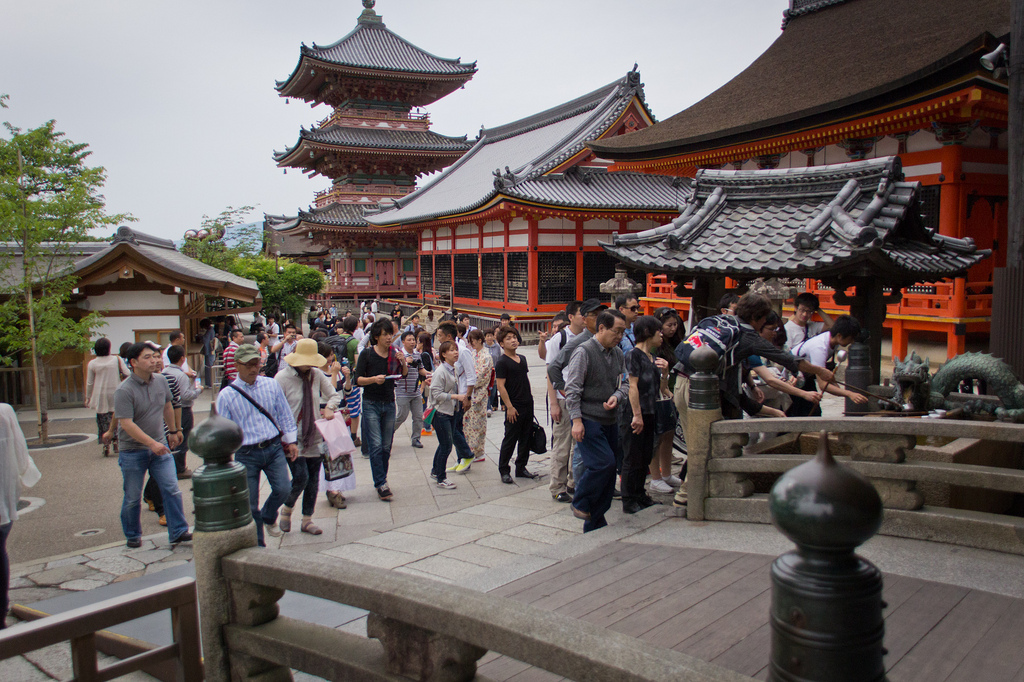
Kiyomizu Dera Temple near Kyoto in Japan is a UNESCO heritage site. This temple was built 1200 years ago by an ancient Buddhist sect. Kiyomizu Dera Temple means The Temple of Pure Water. The main hall of the temple is considered a national treasure. Fifteen colourfully painted halls, Otowa Waterfall, Forty feet tall wooden columns, a wooden stage assembled with 410 cypress tree boards, Three storied Pagoda, Eleven headed -Thousand handed Bodisattva idol and decorative gates attract thousands of tourists every year.
It is halfway on the Otowa mountain. The temple met with several fire accidents and the latest structures are only 400 years old.

The Otowa Waterfall has some similarity to the Three Magic Ponds mentioned in the Tamil Epic Silappadikaram. The waterfall in Kyoto comes from a mountain stream and it is divided into three streams. It is said that one of the three gives you Longevity and the other two Wisdom and Health. Wisdom is interpreted as success in life or good marks in the examinations etc. So students are also attracted to it. People use metal cups to collect the water and drink. Tradition says that only two streams must be used. If anyone drinks water from all the three streams then the person is called a greedy person!

Tamil epic Silappadikaram has some magical element! Kovalan, with his young wife Kannaki, was travelling from Choza Kingdom to Pandya Kingdom. He met a Brahmin who performed Vedic sacrifices. Kovalan asked the learned Brahmin to show him the way to Madurai. Then the Brahmin explained to him the various routes. Following is the one that has similarity with three streams of Otowa water fall of Kiyomizu Dera in Japan:
“If you do not take the route lying to the right, but choose the route to the left, you will hear winged beetles singing the tune of Sevvali melody. Paasing this you reach Tirumaalkundram (Present Alakar Koil near Madurai) that opens into a cave which removes all delusion, and leads to the miraculous three ponds, greatly praised by the gods, and called the

Sacred Saravanam
Bava Karani and
Ishtasiddhi.

map

If you bathe in the sacred Saravanam you will get the knowledge of the book attributed to the King of Gods (commentators identify this book with Aindra Vyakaranam, a grammar book or a system).

If you bathe in the Bavakarani, you will learn the deeds of your past which lead to your present birth.

If you bathe in the Ishtasiddhi pond, you will gain all that you wish for.

If you choose to enter the cave, worship then the great lord on the lofty hill, meditating on his lotus feet and going thrice round the hill; then you will see a nymph by name Varottama near Cilambaru” – Katukan Katai, Silappadikaram

kiyomizudera_temple_kyoto
Kiyomizu Dear Temple, Kyoto, Japan

The above passage is almost similar to Japanese belief. I had been to Cilambaru and Nupura Ganaga, a small water fall at Alakar hill. Though I have not gone to Japan, the picture shows something like Nupura Ganga, a small stream falling as water fall. In both the places the holy water is said to have some magical properties. It gives one wisdom, health, longevity and wishes.

Madurai people throng to Alakar Hills to bathe in the medicinal cum holy water of Cilambaru. We too used to drink Cilambaru water for its medicinal qualities. Japanese drink it for its magic effects. Both the shrines are located up the hill.

Fulushouqi

Fu Lu Shou
Chinese Belief

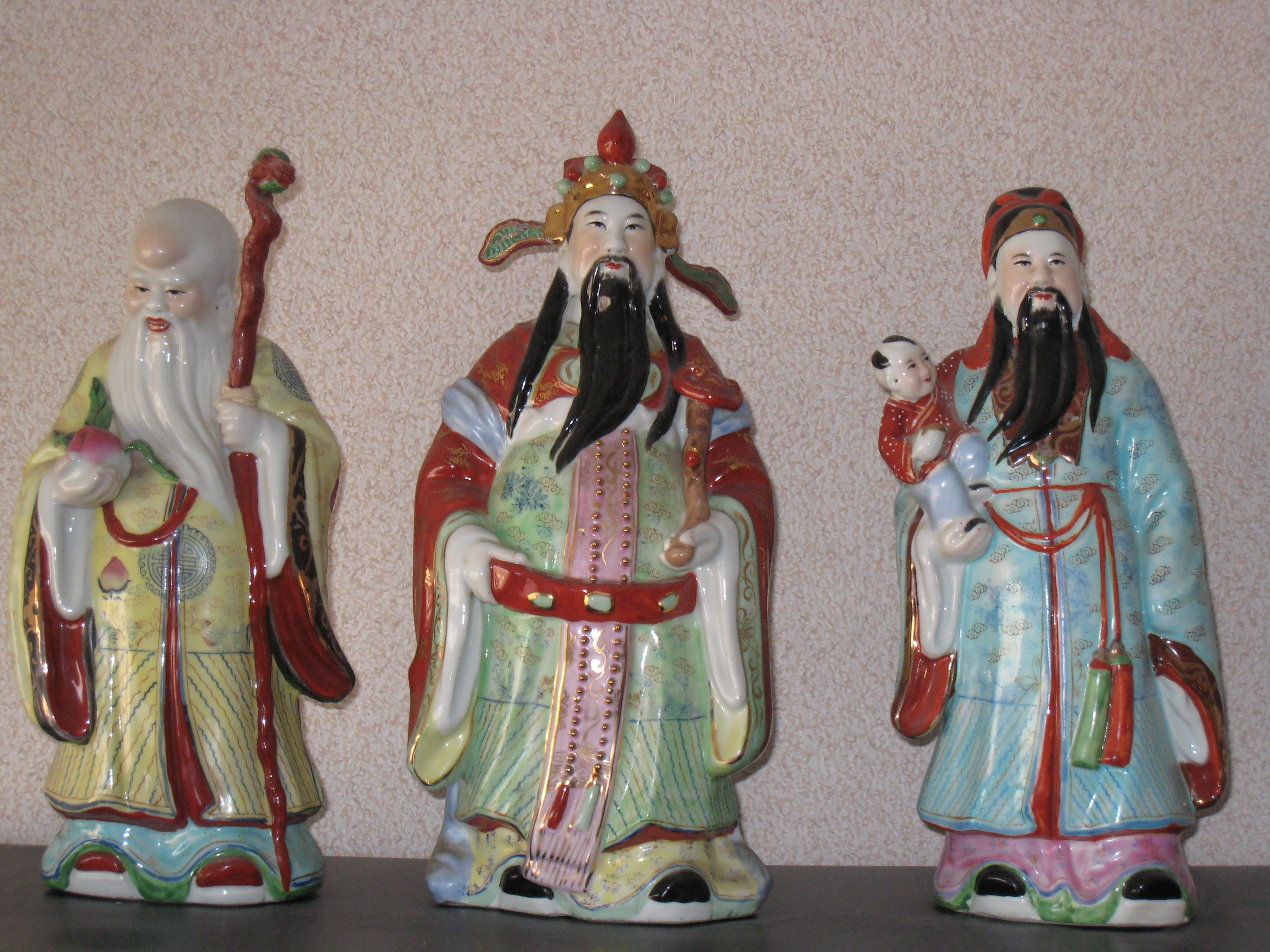
Chinese also worship Fu, Lu, Shou representing Happiness, Prosperity and Longevity. They are worshipped as stars in the sky. Fu represents Jupiter (Guru), Lu represents (Vasishta Nakashatra in Ursa Major constellation or Saptarishi mandalam and Shou represents Agastya Nakashatra- Canopus in the southern sky. They have been worshipping these stars in the form of three human figures for at least 800 years. There is no doubt that they have learnt all these things from the Hindus. Vasishta and Arndhati are in Sangam Tamil literature which is at least 2000 years old. Agastya Star is visible only for people living in the southern latitudes. Only Hindus could have made him a God or a Star!

swami_48@yahoo.com

பாம்பன் சுவாமிகள் சதுரங்க பந்தம்

Sreemath pamban pocket

தமிழ் என்னும் விந்தை! சதுரங்க பந்தம் – 6

பாம்பன் சுவாமிகள் சதுரங்க பந்தம்
By ச.நாகராஜன்
Post No 1271; Dated 7th September 2014.

பாம்பன் சுவாமிகள் அருளிய அற்புதமான மந்திரப் பாடல் ஒன்று சதுரங்க பந்தப் பாடலாக மலர்ந்துள்ளது.

வாளா ரநாதி மயிலேறுஞ் சுந்தர மேயமகா
வேளா மயிலோய் விமலர்கண் வந்த சமாதியர்கோ
வாளா யெனுநாவுள் ளார்நா ரருந் தெங்க ளாரியற்கே
யாளாகி வாழ்வது மாணப் பெரிதெனு மாகமமே

இந்தப் பாடலில் முதல் அடியில் 18 எழுத்துக்களும் இரண்டாம் அடியில் 21 எழுத்துக்களும் மூன்றாம் அடியில் 21 எழுத்துக்களும் நான்காம் அடியில் 18 எழுத்துக்களும் ஆக மொத்தம் 78 எழுத்துக்களைக் கொண்டிருக்கிறது இந்தப் பாடல்

சென்ற இரு அத்தியாயங்களில் மாம்பழக் கவிச்சிங்க நாவலர் பாடிய பாடல்களுக்காகக் கொடுக்கப்பட்ட துருவக் குறிப்பு மீண்டும் கீழே கொடுக்கப்பட்டுள்ளது.

துருவக் குறிப்பு
{ 1-64 – 2+62 — 3+50 – 4+44 – 5+36 -– 6+26 .— 7+22 –
15+78 – 17+77 – 29+76 – 35+75 – 43+74 — 53×73 – 57+72}
மொத்த எழுத்துக்கள் 78.

இந்த இலக்கணம் தவறாமல் பாம்பன் சுவாமிகள் அருளிய பாடலும் இருப்பதைக் காணலாம்.

Bandham 6

பாடலில் ஒன்றாம் எழுத்தும் 64ஆம் எழுத்தும் வா
இரண்டாம் எழுத்தும் 62ஆம் எழுத்தும் ளா
மூன்றாம் எழுத்தும் 50ஆம் எழுத்தும் ர
நான்காம் எழுத்தும் 44ஆம் எழுத்தும் நா
ஐந்தாம் எழுத்தும் 36ஆம் எழுத்தும் தி
ஆறாம் எழுத்தும் 26ஆம் எழுத்தும் ம
ஏழாம் எழுத்தும் 22ஆம் எழுத்தும் யி
பதினைந்தாம் எழுத்தும் 78ஆம் எழுத்தும் மே
பதினேழாம் எழுத்தும் 77ஆம் எழுத்தும் ம
இருபத்திஒன்பதாம் எழுத்தும் 76ஆம் எழுத்தும் க
முப்பத்தி ஐந்தாம் எழுத்தும் 75ஆம் எழுத்தும் மா
நாற்பத்தி மூன்றாம் எழுத்தும் 74ஆம் எழுத்தும் னு
ஐம்பத்தி மூன்றாம் எழுத்தும் 73ஆம் எழுத்தும் தெ
ஐம்பத்தி ஏழாம் எழுத்தும் 72ஆம் எழுத்தும் ரி

துருவக் குறிப்பின் அடிப்படையில் மேலே கண்டபடி சதுரங்க பந்த பாடலைப் பார்த்தால் மிகச் சரியாக அமைகிறது. அமைப்பு முறையைக் கண்டு வியக்கிறோம்.

இந்தப் பாடல் ஒரு மந்திரப் பாடலாக இருப்பதை பக்தர்கள் அனைவரும் அனுபவத்தால் உணர்கின்றனர். பல வித அற்புத பலன்களை இது அருளுகிறது.

இன்னொரு விந்தை! மாம்பழக் கவிச்சிங்க நாவலரின் சதுரங்கப் பாடல்களையும் இந்தப் பாடலையும் ஒப்பிட்டுப் பார்த்தால் சில எழுத்துக்கள் அதே கட்டங்களில் அமையும் விந்தையையும் பார்க்கலாம்.
சுவாமிகள் பாடி அருளிய மொத்தப் பாடல்களின் எண்ணிக்கை 6666. இந்தப் பாடல்கள் அனைத்து நலன்களும் அருளும் மந்திரங்கள். குறிப்பிட்ட பாடல்கள் மூலம் குறிப்பிட்ட காரியம் சித்தியாகும் என்பது பக்தர்களின் அனுபவம். வடமொழியும் தமிழையும் நன்கு கற்றவர் சுவாமிகள். வடமொழி காழ்ப்புணர்ச்சி இன்றி வடமொழியையும் தேன் தமிழையும் கற்று வல்லவராக வேண்டும் என்று திருஞான சம்பந்தர் அருளியதை சுவாமிகளும் அப்படியே ஆமோதிக்கிறார். இரு மொழிகளிலும் வல்லவராக வேண்டும் என்பதையே சுவாமிகளின் வாழ்க்கை நமக்கு எடுத்து இயம்புகிறது.

சுவாமிகள் இயற்றிய 6666 பாடல்களும் 6 மண்டலங்களாக வகுக்கப்பட்டுள்ளது. இவற்றில் இரண்டாம் மண்டலம் (திருவலங்கற்றிரட்டு) பல்வேறு சித்திரக் கவிகளைக் கொண்டு விளங்குகிறது. இதே போல நான்காம் மண்டலத்தில் உள்ள பத்து பிரபந்தங்கள் அனைத்துமே சித்திரக்கவிகளாக உள்ளன. சித்திரக் கவிகளுக்குள்ளே பல சித்திரக் கவிகளை அமைத்தும் இவர் பாடியிருப்பது தமிழ் என்னும் விந்தையைப் பற்றி ஆராய விரும்புவோருக்கு ஒரு அரும் பொக்கிஷமாகும்.

சஸ்த்ர பந்தம், சதுரங்க பந்தம் மயூர பந்தம், கமல பந்தம் என பல்வேறு வகை சித்திரக் கவிகளை சுவாமிகள் அருளியுள்ளார்.

சுவாமிகள் அவதரித்த ஆண்டாகக் கருதப்படுவது 1853. 1929ஆம் ஆண்டு மே மாதம் 30 ஆம் தேதி சுவாமிகள் சமாதி அடைந்தார். அவரது சமாதி சென்னை திருவான்மியூரில் உள்ளது.
******************
contact swami_48@yahoo.com

சதுரங்க பந்தம் -4

தமிழ் என்னும் விந்தை!
சதுரங்க பந்தம் -4
By ச.நாகராஜன்

Post No.1243; Dated 22nd August 2014.

மாம்பழக் கவிச்சிங்க நாவலர் என்ற தலைப்பின் கீழ் பின்வரும் பாடல் இருந்தது.

நேம னதிவித காம னனைவர்க்கு நேயகம சேம சகாயன் சிதபுஞ்சன் சீர் சின வாவிசய தாமன் மனதிற் சலிக்கா னருட்கல்வி சால்பினொடு மாமணி நேர வளர்மானு வேல்கன வாசகனே

அத்துடன் “சில அரிய பெரிய சித்திர கவிகளுக்கு இலக்கணம் – சதுரங்க பந்தம்” என்ற தலைப்பில் கீழ்க்கண்ட செய்யுள் தரப்பட்டிருந்தது:

அறுபத்து நாலறுபத் திரண்டைம்பா னாற்பானான்
எடுத்த முப்பத் தாறிருபத் தாறிருபத் திரண்டு
பெறுமக்க ரங்களொன்று முதலேழு வரைநிகர்ப்ப
பின்னுமைம்பத் தேழைம்பான் மூன்றொடுநாற் பான்முன்
றுறுமுப்பத் தைந்திருபத் தொன்பதுபன் னேழ்பதினைந்
துளவெழுபத் திரண்டுமுத லெழுபத்தெட் டீறா
மறுவற்று வரப்பாடுங் கவிதைசது ரங்கபந்தம்
வழுத்தியவஃ தெழுபத்தெட் டெழுத்தின்முடி குவதே
துருவக் குறிப்பு

{ 1-64 – 2+62 — 3+50 – 4+44 – 5+36 -– 6+26 .— 7+22 –
15+78 – 17+77 – 29+76 – 35+75 – 43+74 — 53×73 – 57+72}

மொத்த எழுத்துக்கள் 78.
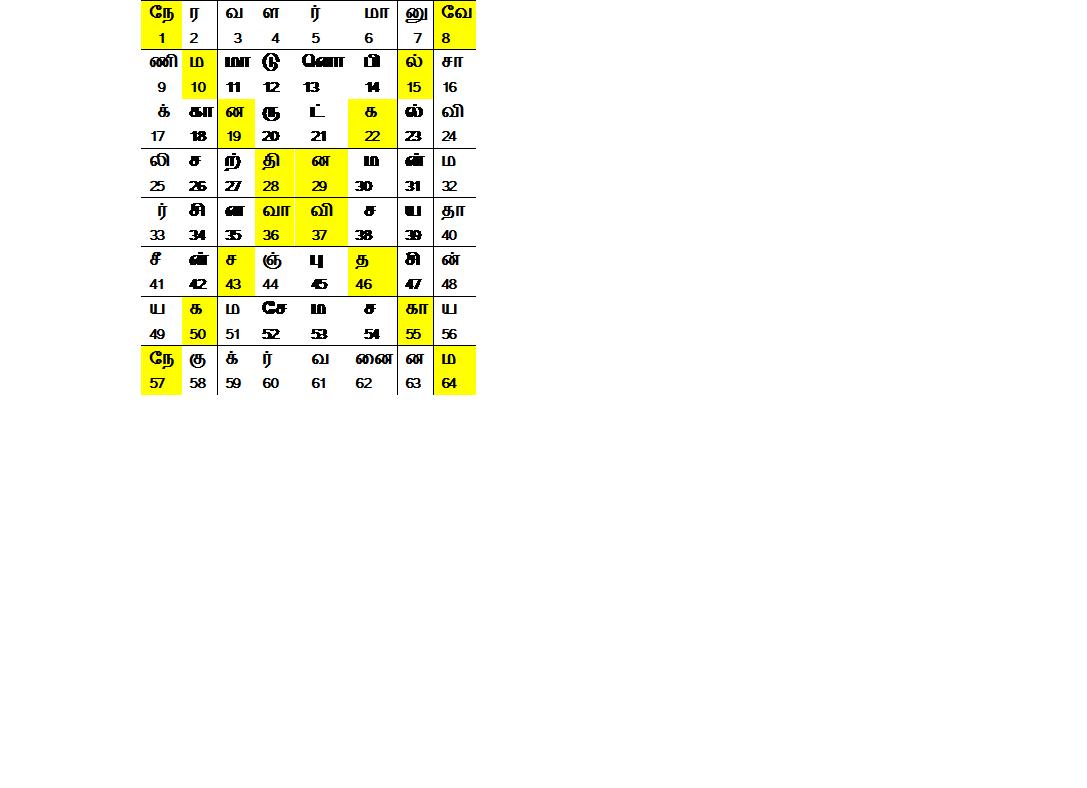
இந்தப் பாடலையும் துருவக் குறிப்பையும் வைத்து சதுரங்க பந்தப் பாடலை ஆராய்ந்ததில் திடீரென்று கீழ்க்கண்ட உண்மை பளிச்சென விளங்கியது:

பாடலில் ஒன்றாம் எழுத்தும் 64ஆம் எழுத்தும் நே
இரண்டாம் எழுத்தும் 62ஆம் எழுத்தும் ம
மூன்றாம் எழுத்தும் 50ஆம் எழுத்தும் ன
நான்காம் எழுத்தும் 44ஆம் எழுத்தும் தி
ஐந்தாம் எழுத்தும் 36ஆம் எழுத்தும் வி
ஆறாம் எழுத்தும் 26ஆம் எழுத்தும் த
ஏழாம் எழுத்தும் 22ஆம் எழுத்தும் கா
பதினைந்தாம் எழுத்தும் 78ஆம் எழுத்தும் நே
பதினேழாம் எழுத்தும் 77ஆம் எழுத்தும் க
இருபத்திஒன்பதாம் எழுத்தும் 76ஆம் எழுத்தும் ச
முப்பத்தி ஐந்தாம் எழுத்தும் 75ஆம் எழுத்தும் வா
நாற்பத்தி மூன்றாம் எழுத்தும் 74ஆம் எழுத்தும் ன
ஐம்பத்தி மூன்றாம் எழுத்தும் 73ஆம் எழுத்தும் க
ஐம்பத்தி ஏழாம் எழுத்தும் 72ஆம் எழுத்தும் ல்

bandham 4

ஆக சதுரங்க பந்தம் அமைக்கும் விதிகளாக
1) 78 எழுத்துக்கள் உள்ள பாடல் சொற்சுவை, பொருட்சுவையுடன் இலக்கண விதிகளுடன் இயற்றப்படல் வேண்டும்,
2) அதில் மேலே உள்ள படி ஒரே எழுத்துக்கள் குறிப்பிட்ட இடத்தில் வருமாறு அமைக்கப்படல் வேண்டும்..(துருவக் குறிப்பு என இந்த அமைப்பு தரப்பட்டிருக்கிறது.)

இந்த முறையில் இனி சதுரங்க பந்த பாடல்களைச் சரி பார்த்தால் கவிதையை ரசிப்பதோடு இந்த அமைப்பு முறையையும் ரசித்து வியக்கலாம்!

contact swami_48@yahoo.com
**************************

On Sugarcane Morals

Sugarcane-

Compiled by London Swaminathan
Post No. 1237; Dated:16th August 2014.

“On umbrella morals” was an English essay written by A G Gardiner. The contents and the style were very good. It was part of my graduate studies thirty years back. When I remembered it, I thought of writing (actually compiling) “On Sugarcane Morals” from Indian literature.

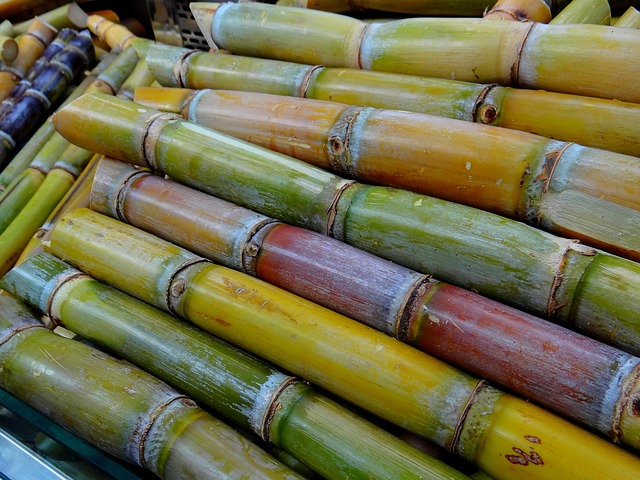
Sugarcane is used by Indian poets to teach several morals. Naaladiyar and Tirukkural are Tamil books of ethical teaching. In the Naladiyar we have 400 verses composed by various poets.

One poet used the sugarcane as a simile to stress the importance of virtues. He says, “having obtained a human body so difficult to attain, act so as to procure great merit by it; for in the next birth, charity will greatly help you just as the juice of sugarcane, while your body will decay like the refuse of that cane.”

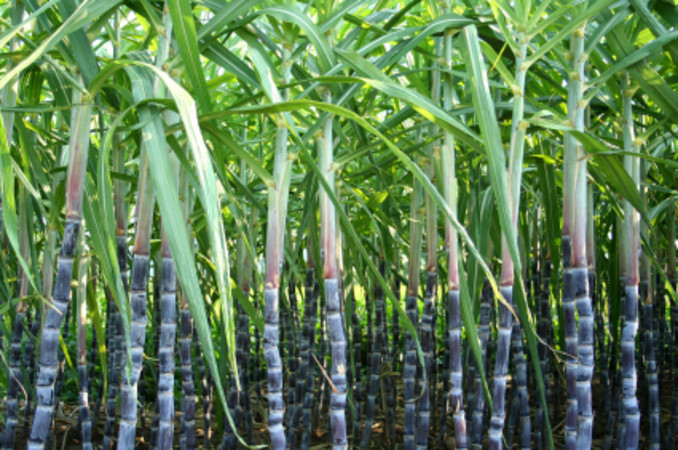
sugar-cane-plantation
Picture of sugar cane plantation

When another poet heard it, he immediately composed another verse using the same sugarcane analogy, “those who have pressed the sugarcane and extracted the jiggery (coarse brown sugar) from it in time will not repent when the refuse rises in burning flames; so will those, who have with much exertion secured the benefits of the body not grieve at the approach of death”.

Under the chapter on Education, another poet used sugarcane to illustrate the benefit of having educated friends: “ The friendship of the learned is like eating the sugarcane from the top (downwards) and the attachment of those who are devoid of any good qualities is like eating it from the root (upwards)”.

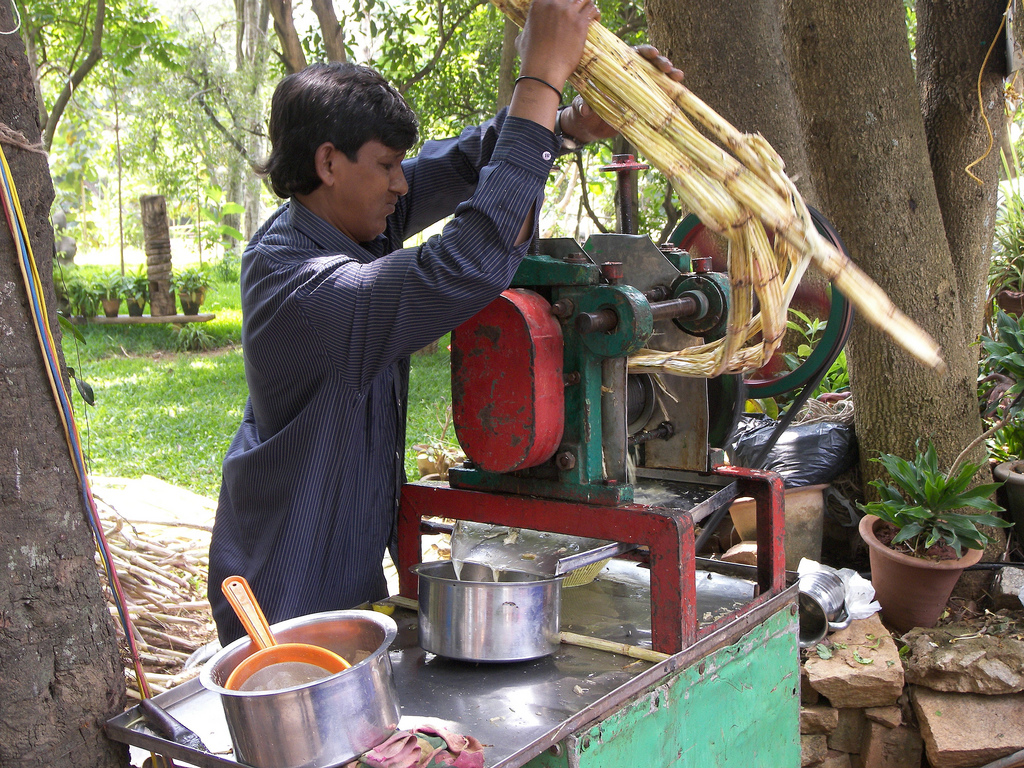
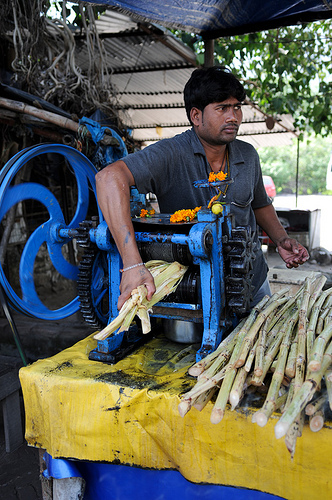
sugarcane machine1
Picture of Sugar cane Juice Machine

Sugarcane is compared with the good people undergoing great difficulties. When one bites a sugar cane or otherwise extracts its juice by pressing or beating it so as to break its joints, it will be still sweet to the taste. In like manner though people should abuse harmfully, the high born will never speak anything that will affect the guilty person.

To illustrate perseverance is good, one of the poets of Naladiyar says, “the hair like flower of the sugarcane is devoid of any fragrance; even so, what will be the good of being born in a highly and lofty family, if there be not that perseverance which can carve out a name for its possessor.

In the chapter on Choice of Friendship
A poet says, “Friendship with the wise whose intelligence divines our thoughts, is like eating the sugarcane from the top; but connection with people devoid of good disposition is like eating it from the opposite end, the root.

A Chinese proverb says, “You can’t expect both ends of a sugarcane are as sweet”.

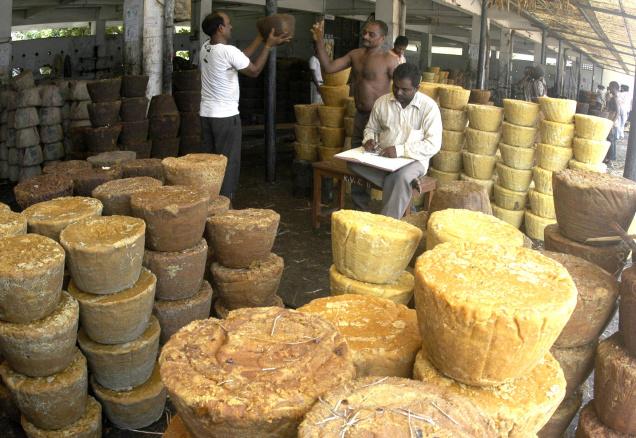
vellam
Jaggery (coarse sugar) shop

Tiruvalluvar’s use of sugarcane simile

Unlike the poets of Naladiyar, Valluvar used the sugarcane with a negative connotation. He says, “At a mere word the good will melt; but the mean, like the sugarcane, yield only under pressure (Kural 1078)

Iksu, the generic name for sugarcane, is first found in the Atharvaveda 1-34-5 and the later Samhitas. Ikshvaku occurs in the Rig Veda 10-60-4

sugarcane-juice1
Extracting sugar cane juice

((I have already written a research paper on Sugarcane Dynasty (Ikshvaku Vamsa) of ancient India. I have mentioned there that Indians invented the method of making sugar. Sugar was also found in Indus valley civilization. A Tamil poetess praised a Tamil king for introducing sugarcane. Probably he also belonged to the Ikshvaku vamsa or he introduced it to Tamils. Please read the full details in my article)).

Contact swami_48@yahoo.com

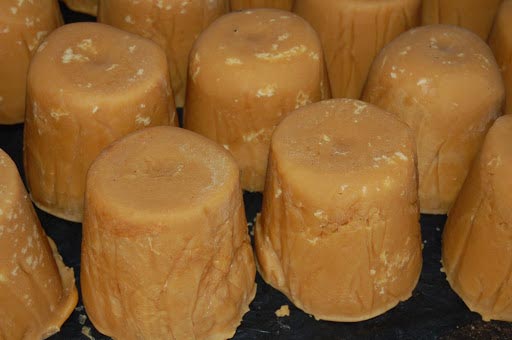
jaggery
Jaggery blocks

மாம்பழக்கவிச்சிங்க நாவலர்: சதுரங்க பந்தம்-3

தமிழ் என்னும் விந்தை! சதுரங்க பந்தம் -3
By ச.நாகராஜன்
Post No.1236; Dated 16th August 2014.

மிகக் கடினமான சதுரங்க பந்தத்தை நன்கு பாடியவர்களுள் ஒருவர் மாம்பழக் கவிச்சிங்க நாவலர். இவர் மதுரை ஜில்லாவில் பழநி நகரத்தில் கி.பி. 1836ஆம் ஆண்டு முத்தையாசாரியாருக்குப் பிறந்த நற்புதல்வர். மூன்றாம் வயதில் வைசூரி நோயினால் கண்களை இழக்க நேரிட்டது. முருகனது அருளால் அகக் கண் திறந்தது.

எத்தைகைய பெரிய நூலானாலும் ஒரு முறை பாடக் கேட்டால் அப்படியே நினைவில் கொள்ளும் திறன் இவருக்கு வந்தது. அதனால் இவரை ஏகச்சந்தகிராகி என்பார்கள். பல நூல்களைக் கற்றார்.கடல் மடை திறந்த வெள்ளம் போலக் கவி மழை பொழியலானார். சேது சமஸ்தான மன்னராக இலங்கிய முத்துராமலிங்க சேதுபதி அவர்கள் மற்றும் பொன்னுசாமித் தேவர் ஆகியோரது சமூகத்திலும் தமது கவித்திறத்தைக் காட்டி அவர்களால் கவிச்சிங்க நாவலர் என்ற பட்டமும் பெற்றார். சென்னை முதலிய பல இடங்களுக்கும் சென்று அனைவராலும் பாராட்டப் பெற்றார்.

பல்லக்கு முதலிய விமரிசைகளுடன் யாத்திரைகள் செய்து பிரபுக்கள் எதிர்கொண்டழைக்க வாழ்ந்தார்.இது போல சிவிகை மீதூர்ந்து வாழ்ந்த தமிழ்ப் புலவர் இவருக்குப் பின் வேறொருவரும் இல்லை என்றே சொல்லலாம். நாற்பத்தியெட்டே வயது வாழ்ந்த இவர் 1884ஆம் ஆண்டு மறைந்தார். இவர் செய்த நூல்கள் பல. தனிப் பாடல்களோ கணக்கிலடங்கா. இவற்றை எல்லாம் ஒருங்கு சேர்த்து மாம்பழக்கவிச்சிங்க நாவலர் திரட்டு என்ற பெயரில் ஒரு நூலை மார்க்கயன் கோட்டை வித்துவான் எம்.பி. பழநிச்சாமியாசாரியார் அவர்கள் அச்சிட்டார்.

இவர் பாடிய சித்ர கவிகள் பல உண்டு, இவர் இயற்றிய சதுரங்க பந்தம் இது:-

நேம னதிவித காம னனைவர்க்கு நேயகம

சேம சகாயன் சிதபுஞ்சன் சீர் சின வாவிசய

தாமன் மனதிற் சலிக்கா னருட்கல்வி சால்பினொடு

மாமணி நேர வளர்மானு வேல்கன வாசகனே

இந்தச் செய்யுளில் முதல் வரியில் 18 எழுத்துக்களும் இரண்டாம் வரியில் 20 எழுத்துக்களும் மூன்றாம் வரியில் 22 எழுத்துக்களும் கடைசி வரியில் 18 எழுத்துக்களும் வருவதைக் காணலாம். மொத்த எழுத்துக்கள் 78.

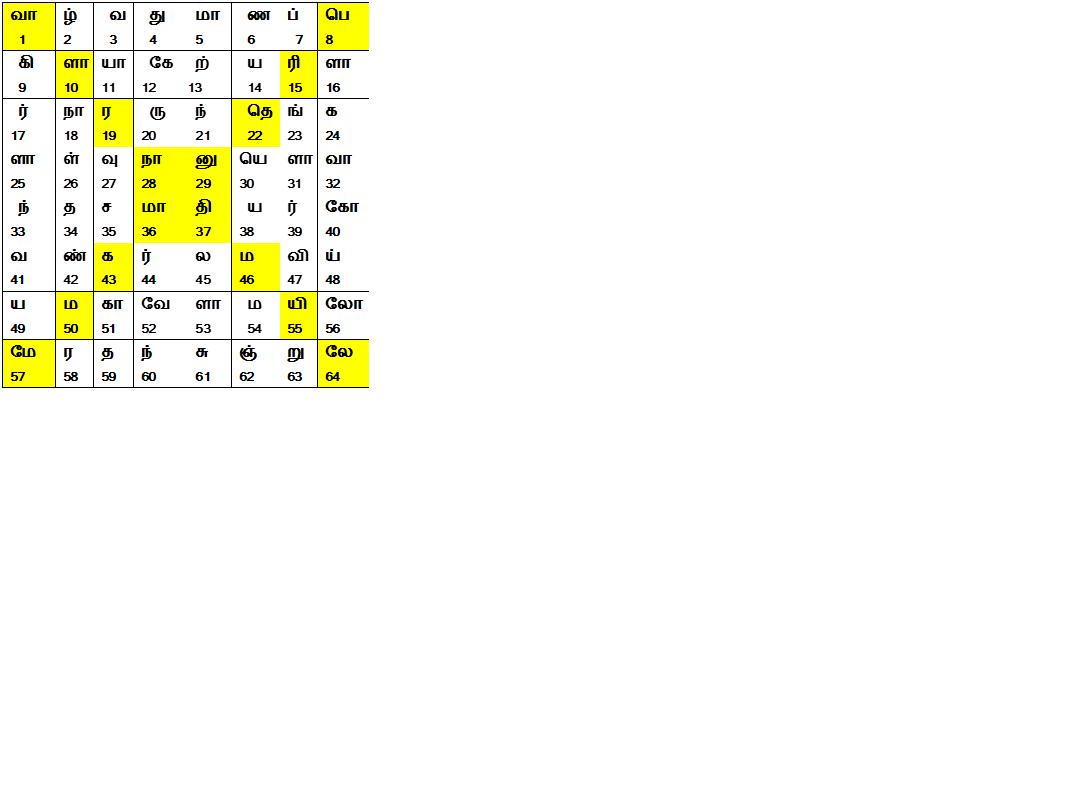
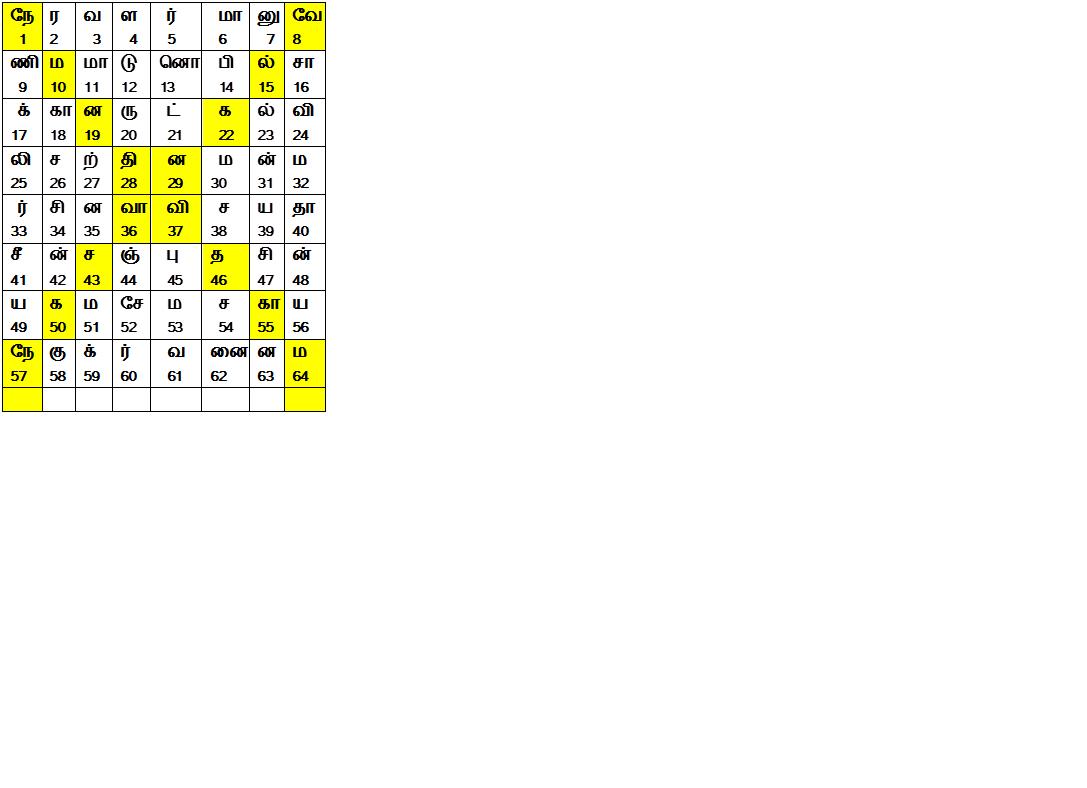
இதை சதுரங்க பந்தமாக கீழ்க்கண்ட முறையில் அமைக்கலாம்:-

bandham3

பாடலை எப்படி சதுரங்க பந்தத்தில் படிப்பது? 1, 10, 19, 28, 37, 46, 55, 64, 63, 62, 61, 59, 58, 57, 49, 50, 51, 52, 53, 54, 55, 56, 48, 47, 46, 45, 44, 43, 42, 41, 3, 34, 35, 36, 37. 38. 39, 40, 32, 31, 30, 29, 28, 27, 26, 25, 17, 18, 19, 20, 21, 22, 23, 24, 16, 15, 14, 13, 12, 11, 10, 9, 1, 2, 3, 4, 5, 6, 7, 8, 15, 22,29, 36, 43, 50, 57 என்ற கட்டங்கள் (சதுரங்க அறைகள்) வழியே சென்றால் பாடலைப் படிக்கலாம்.
இப்படி சதுரங்க பந்தம் எப்படி அமைப்பது? அதற்கு ஏதேனும் ரகசிய வழி உண்டா? உண்டு.

என்னிடம் கிட்டத்தட்ட சுமார் நூறு ஆண்டுகள் பழமையான ‘தனிப்பாடல் திரட்டு’ என்ற ஒரு நூல் இருக்கிறது. புத்தகத்தின் முதல் பக்கமும் இல்லை. கடைசிப் பக்கமும் இல்லை. அதை அடிக்கடிப் பிரித்துப் படிப்பேன். சதுரங்க பந்தம் பற்றிய அருமையான ஒரு பாடல் அதில் இருந்தது. மாம்பழக்கவிச் சிங்க நாவலரின் எழுபத்தெட்டு எழுத்துக்கள் கொண்ட சதுரங்க பந்தம் பற்றியும் அதில் ஒரு குறிப்பு இருந்தது. ஆனால் அது என்னெவென்றே விளங்கவில்லை. பல காலம் பிரிப்பதும், படிப்பதும் மூடுவதுமாகக் கழிந்தது. ஆனால் இந்தத் தொடரை எழுதும் போது ஒரு நாள் மாலை திடீரென உள்ளொளி (insight) மின்னியது.

மேலே உள்ள பாடலை சதுரங்க பந்தத்தில் அமைத்து அந்த திறவுகோல் பாட்டையும் அதில் உள்ள “துருவக்குறிப்பையும்” ஒப்பிட்டுப் பார்த்தேன். பளிச்சென அனைத்தும் விளங்கியது.
அதை அடுத்த வாரம் பார்ப்போம்

Spies! Disguised as Ascetics!

The Spy Who Loved Me

Spies! Disguised as Ascetics!

Research paper written by London Swaminathan
Post No.1208; Dated 1st August 2014.

Very interesting information about spying is available from Sanskrit and Tamil literature. Most of us know that the Brahmin Kautilya (Chankaya) has dealt with spying in detail in his Arthasastra. But not many people know what Manu Smriti, Tirukkural, Tamil epic Silappadikaram and Sangam Tamil Literature say about spying. There are a few real life stories in Valmiki Ramayana and Sangam literature.

The most interesting detail comes from the great Tamil Poet Thiruvalluvar, whose Tirukkural is praised as Tamil Veda:

“Spies disguise themselves as ascetics to gather secrets; they do not betray secrets under any threat” (Kural 586)

How true it is even today!! Our Ashrams are infested with foreign spies. Religion is the easy way to gather secrets about the government and the general public. If a politician approaches a Sanyasi (ascetic), that means he or she is in big trouble! Ascetic’s devotees boast about what happened in the Ashram. The spies there as Junior ascetics send information to all his enemies and foreign countries. Beware of “Sanyasis” frequenting foreigners or foreign countries!!

In ancient India ascetics can travel anywhere in India without Visa or a permit. They can enter the royal courts at any time without waiting. But they never misused their powers. If any king delays them the king will be cursed!

The second easy route for spying is Universities and Educational institutions. In the guise of a researcher you can fool anyone!! In the guise of a scholar, you can have access to inaccessible places!!! Beware of “visiting scholars”.

The third route is party offices or meetings. We read about spying in the news papers every day.

THE-SPY-WHO-LOVED-ME-POSTER

Story 1 from Sangam Tamil Literature

Purananuru, which is 2000 year old, gives a very interesting story about spying! Ilandattan was a genuine poet. He visited the royal court of the Choza king Nedunkilli. Immediately he was arrested and the king passed death sentence on him! The only crime he committed was that the previous day he was in the court of another Choza named Nalankilli. Both are closely related but had big enmity between themselves like a snake and a mongoose. So Nedunkilli suspected him of spying for Nalankilli and was about to execute him.

In ancient India, poets have very good influence and authority over kings. They were next in rank to the ascetics. There was a wise Tamil poet by name Kovur Kizar who already saved young children from the slaughter house of a king. He came to the rescue of this poet. Earlier two young children were about to be beheaded by the elephant and Kovur Kizar persuaded the Choza king to release them unconditionally (Purananauru verse 46).

Kovur Kizar saved poet Ilam Duttan as well. He went to the king told him,
“Look ! these poor poets are like birds seeking fruit laden trees. They pass very hard routes just to praise philanthropists like you and get something for their stomach. The beauty is that they never save for tomorrow. Whatever they get they give it to their friends and relatives. They never harm anyone. They defeat any scholar by the war of words. People like you must support them and not oppose” (Purananuru verse).
Heeding to the advice of Kovur Kizar he released the poet immediately.

This episode throws some light on spying. They can come in the guise of a poet/scholar, like we have spies in universities today. The second thing is they get death sentence if they are caught. It is same even today. While I am writing this, here in my city London, there is a big case going about poisoning a spy to death. Many spies “die” in simple accidents in western countries.

mata hari executed in 1917
Most Famous Woman spy Mata Hari was executed in 1917 (World War 1)

Story 2 from Tamil epic Silappadikaram

There is another interesting story in the most famous Tamil Epic Silappadikaram. Two minor kings of North India ridiculed the Tamils. So the mighty Senguttuvan, wanted to teach them a lesson. Senguttuvan’s father caught the Yavanas (Greek or Romans or Arabians) and tied their hands at the back and poured oil on their heads. This is an ancient way of insulting enemies. In the Puranas, we read about King Sagara catching the Yavanas and shaving their heads off.

Senguttuvan ordered his commander in chief Alumpilvel to send the sealed letters to all the kings in the north. He made it clear that it was not an invasion, but a mission with a limited purpose, just to get a stone from the holy Himalayas, to bathe it in the holy Ganges, to make a statue for the holy woman Kannaki.

Immediately his commander told the king that there was no need to undergo such a trouble of putting the clay seal of Tiger, Fish and Bow (Cholza, Pandya, Chera emblems) on the letters and send them because his capital city Vanji has all the spies in the world. The minute something is tom-tommed in the capital the message will spread like wild fire though out India (Katchik Katai, Silappadikaram)

This episode reveals the fact that the capital city has spies of all the countries. We have spies in Delhi from all parts of the world!!

We taught the world about spying and ambassadors. No literature in the world has such detailed manuals on Embassies, Ambassadors and Spying like Sanskrit literature!!

220px-Noor_Inayat_Khan
Noor Inayat Khan, Muslim of Indian origin, born in Moscow, worked as a British agent, executed by Hitler (World War 2)

Story 3 from Tamil Epic Silappadikaram
I have given this story already in my earlier post “HOW DID A PANDYA KING GET A GOLDEN HAND?” posted on 22 October 2011.

An old Brahmin by name Keeranthai wanted to go on a pilgrimage. His wife got worried. He assured her nothing would go wrong in the Pandya kingdom. The king was listening to this conversation, who went in disguise to feel the pulse of his people. In other words he was spying on his own people just to ensure their safety and welfare. Later he paid special attention to that particular house and by mistake he knocked at the door one night. When the Brahmin street (Agraharam) reported the complaint next day he cut his hands off saying that he was the ‘’thief’’ who knocked at the door. Medical science had advanced to such an extent in those days that he was immediately operated upon and a new golden hand fixed. The reason for him knocking at the door of the Brahmin lady was that some noise he heard in the house. Actually it was her husband who came back late in the night from the pilgrimage!!

This episode shows that in ancient India, even kings went on spying in disguise.

asceticdog

Story No 4 from Tamil and Sanskrit Ramayanas

Valmiki Ramayana in Sanskrit and Kamba Ramayana in Tamil have a big chapter ( in Yuddha Kanda) on the spies sent by Ravana to estimate the strength of the monkey army of Lord Rama. They wore totem symbols like monkeys and pretended to be part of Rama’s army. But Vibhishana who came from Sri Lanka could easily identify the two spies Suka and Sara. They were caught red handed and presented before Rama. Rama deliberately gave them all the details of his army and pardoned them. Rama knew that they would report it back to Ravana.

Rama might have expected that it would unnerve Ravana and he would surrender and release Sita Devi. Alternately Rama did not bother about the spies because he knew the final result.
There are many more spy stories in Indian literature that would excel all the James Bond films.

spy next door

Manu on Spying
Manu Smrti gives rules on spying in chapters
7-122,153, 154, 223 and 9-256, 261, 298.

Manu says
1.King should appoint one officer for every city who must collect all the information through spies.
2.King should spend some time everyday to find out what is happening in the harem and the movements of his secret agents.
3.After performing Sandhya rituals he must get the reports of secret agents in the inner chamber.
4.Spies are king’s two eyes to find out the open and concealed thieves
5.Spies can be used to incite the criminals to commit crimes so that they can be booked easily.
6.King should use the spies to measure his own strength and his enemies strength.

Tamil Poet’s Sound Advice
Tiruvalluvar in his Tirukkural has got ten couplets on spying. The salient features of this chapter 59.DETECTIVES or ON INTELLIGENCE SERVICES are:

spying-really-help

1.The reports given by one spy must be tested and verified through another spy (couplet 588)
2.The spies must be sent one by one, apart. If three spies agree, the information shall be confirmed. They should not know one another (589).
3.The spy must not be rewarded publicly. That would expose the secret organisation (590).
In Western countries even their original identity is erased and new ID given. Very often they are located in a new area with a new name! They work for “some companies”.
4.Spies disguise themselves as ascetics to gather secrets; they do not betray secrets under any threat” (Kural 586)
5.He is a spy who can assume an unsuspecting disguise, be fearless of gaze, and capable of keeping a secret under all circumstances (585).

Tirvalluvar dealt with the need for spying, qualifications of a spy, his qualities and DOs and DONTs of spying in just 10 couplets! 20 lines!!
Brevity is the soul of wit!

6228-000541

Contact swami_48@yahoo.com

சங்க இலக்கியத்தில் யவனர் மர்மம்!

FR: Paintings

ஆராய்ச்சிக் கட்டுரை வரைபவர்: லண்டன் சுவாமிநாதன்
கட்டுரை எண்.:–1207; தேதி:- ஆகஸ்ட் 1, 2014.

சங்க இலக்கியத்திலும் பிற்காலத்தில் எழுந்த சிலப்பதிகாரத்திலும் யவனர்கள் பற்றிய சில குறிப்புகள் உள்ளன. இவை பெரும் புதிராக உள்ளன. யார் இந்த யவனர்? எப்போது இந்த சம்பவங்கள் நடந்தன என்று இன்று வரை கண்டு பிடிக்கப்படவில்லை!

1.இமயவரம்பன் நெடுஞ்சேரலாதன், யவனர்களைப் பிடித்து, பின்புறமாக கைகளைக் கட்டி தலையில் நெய்யை ஊற்றினாராம். இந்து சங்க இலக்கிய நூலான பதிற்றுப் பத்து தரும் தகவல்.

2.அவருடைய மகன் செங்குட்டுவன் யவனர்களை வென்று அவர் நாட்டை ஆண்டாராம்.இவை இரண்டு பற்றியும் வேறு எங்கும் தகவல் இல்லாததால் மர்மம் நீடிக்கிறது.

3. யவனர்களை வன்சொல் யவனர் என்று இளங்கோவும் பதிற்றுப்பத்து பாடிய பிராமணப் புலவர் குமட்டூர் கண்ணனாரும் கூறுவர்.

4. சோழர்களின் முன்னோனான முசுகுந்தன் , கறுப்பு யவனர்களுடன் சண்டை போட்டு வென்றான்.யார் இந்த கறுப்பு யவனன்?

5.வேதகால இலக்கியத்தில் (சதபத பிராமணம்) மிலேச்சர்களைப் பற்றி என்ன சொல்லி இருக்கிறதோ அதையே தமில் இலக்கியமும் மிலேச்சர் களான யவனர்களைப் பற்றிச் சொல்கின்றன.

சிலப்பதிகாரத்துக்கு உரை எழுதிய அடியார்க்கு நல்லார், யவனர்களை மிலேச்சர்கள் என்றும், துருக்கியர்கள் என்றும் சொல்கிறார்.

தமிழ் இலக்கியத்தில் பல இடங்களில் யவனர்கள் பெயர் அடிபடுகிறது.

அக.149-9; நெடு.101; புற.56-18; முல்லை. 61 + பதிற்றுப் பத்து பதிகம்

yavana in bharhut
Yavana in Barhut sculptures, 2nd Century BCE

சேர மன்னர்களுடன் மோதிய யவனர் யாவர்? அராபியர்களா, ரோமானியர்களா, கிரேக்கர்களா என்று தெரியவில்லை. இப்போது சோமாலியா கடற்கரையில் கடற்கொள்ளையர்கள் அட்டூழியம் செய்வது போலவே கிருஷ்ணர், துவாரகையை ஆண்ட காலத்திலும். சேரர்கள் மேலைக் கரையை ஆண்ட காலத்திலும், திருச்செந்தூர் அருகில் சூரபத்மனும் அட்டூழியம் செய்து வந்தனர். இவர்களை எல்லாம், முருகன், கிருஷ்ணன், செங்குட்டுவன் ஆகியோர் தோற்கடித்து தீர்த்துக்கட்டினர். இது பற்றி இந்துக் கடவுளரின் கடற்படைத் தாக்குதல்கள் என்ற தலைப்பில் இரண்டு ஆண்டுகளுக்கு முன் எழுதி இருக்கிறேன்.

யவனர்கள் யார்?
இமய வரம்பன் வென்ற யவனர்கள் பற்றியோ செங்குட்டுவன் யவனர் நாட்டை வெற்றி கொண்டது பற்றியோ வேறு எங்கும் தகவல் இல்லை. குமட்டூர் கண்ணனார் என்ற பிராமணரும், மாடலன் என்ற பிராமணரும் சொல்வதாக தமிழ் இலக்கியம் பகரும்.

மேற்கே இருந்து வந்த வெளி நாட்டினர் எல்லோரையும் இந்துக்கள் ‘யவனர்’ என்றனர். இந்தியப் பெரு நிலப் பரப்புக்கு வெளியே ஆண்டவர் அனைவரையும் ‘’மிலேச்சர்கள்’’ என்றனர்.

யவனர்களை மிலேச்சர்கள் என்று மஹாபாரதம், சிலப்பதிகார உரை எழுதிய அடியார்க்கு நல்லார் ஆகியோர் கூறுகின்றனர்.

இரண்டு சேர மன்னர் காலத்திலும் இதாலி நாட்டு ரோமானியரோடு நாம் வணிகம் செய்தோம். ஏராளமான ரோமானிய தங்க வெள்ளி நாணயங்கள் தமிழகம், கேரளம் எங்கும் கிடைத்திருக்கின்றன. கரு மிளகை கப்பல் கப்பலாக ஏற்றிக் கொண்டு தங்கக் கட்டிகள் கொடுத்துச் சென்றதை தமிழ் இலக்கியமும், பிளினி என்ற யாத்ரீகரும் எழுதியுள்ளனர். அந்த யவனர்கள் ரோமானியர்கள் என்பது தெளிவாகிறது.

paavaivilakku

கிருஷ்ணர் மற்றும் சோழர்களின் முன்னோனான முசுகுந்தன் ஆகியோர் மோதிய கறுப்பு யவனன் (கால யவனா) அராபியர் அல்லது சுமேரியர்களாக இருக்கலாம். அளிகி, விளிகி, தியாமத் (தேவமாத) என்ற அதர்வண வேதச் சொற்கள் சுமேரியாவில் உள்ளன.

யவனர்களை கிரேக்கர் என்றும் ரோமானியர் என்றும் ஆங்கிலத்தில் சிலப்பதிகாரத்தை மொழிபெயர்த்தோர் எழுதினர். உரைகாரர்களோ மிலேச்சர் என்றும் துருக்கர் என்றும் எழுதினர்.

எனது ஆய்வு உரை:
1.யவனர் என்பது பாரத எல்லைக்கு மேற்கே இருந்த அனைவரையும் குறித்தது. எகிப்தியர், யூதர், அராபியர், ரோமானியர், கிரேக்கர் என்பவர் அவர்கள்.

2.யவனர் என்ற ஸம்ஸ்கிருதச் சொல் ‘ஐயோனியன்’ என்ற கிரேக்க சொல்லில் இருந்து வந்தது. தமிழில் ய, ச என்ற எழுத்துகளோடு எந்த சொல்லும் துவங்கக் கூடாது என்பது தொல்காப்பிய விதி.

3. சேரர்கள் – யவனர் மோதல் மர்மம் நீடிக்கிறது. சேர மன்னர் ஆண்ட யவனர் நாடோ, கைகளைப் பின்னால் கட்டி தலையில் நெய் ஊற்றப்பட்ட யவனர்கள் யார் என்பதோ தெரியவில்லை.இதே போல புராணங்களும் சகர மன்னன், யவனர்களைப் பிடித்து மொட்டை அடிக்கச் செய்தான் என்று சொல்கின்றன!! யார் அந்த சகரர் கால யவனர்கள்?

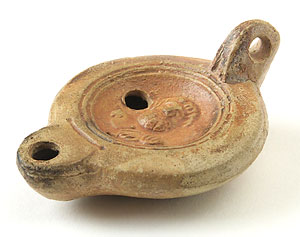
greekantgrk
Greek Lamp

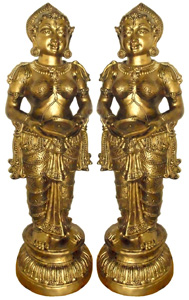
4.வன் சொல் யவனர்களை தமிழர்கள், மெய்க் காப்பாளர்களாகவும், விளக்கு ஏந்தும் காவற் பெண்களாகவும் பயன்படுத்தினர்.

5.இதாலிய யவனர் (ரோம் சாம்ராஜ்யம்) கொணர்ந்த தங்கக் கட்டிகளை வாங்கிக் கொண்டு தமிழர்கள் மிளகு மூட்டைகளை ஏற்றுமதி செய்தனர்.

6. கிருஷ்ணன், முசுகுந்தன் ஆகியோர் மோதிய கறுப்பு யவனர் யூதர்கள், எகிப்தியர்களாக இருக்கலாம்.

7. ரிக் வேதம் (5-29-10), சதபத பிராமணம் ஆகியன கொச்சை மொழி, மிலேச்ச பாஷை பற்றிச் சொன்னதை, சிந்துவெளியில் இருந்த திராவிடர்களைப் பற்றி சொன்னது என்று சில “அறிஞர்கள்’ அழகான கதை எட்டுக் கட்டினர். உண்மையில் வேற்று மொழி பேசும் எல்லோரையும் மற்றவர்கள் ‘’வன்சொல்’’ என்று கேலி செய்வது வழக்கம்.

தமிழர்களை தெலுங்கர்கள் அரவா (சத்தம்) என்று கேலி செய்வர். எபிரேய பைபிளில் அராபியர்களை ‘அரவா’ என்று அழைத்தனர். பார்லிமெண்ட் உறுப்பினர் சேட் கோவிந்த தாஸ், தமிழ் மொழியைக் கிண்டல் செய்யும் போது, ‘’ஒரு தகர டப்பாவில் கற்களைப் போட்டுக் குலுக்குங்கள்—அதுதான் தமிழ் மொழி’’ — என்று கிண்டல் செய்தார். கிரேக்கர்கள், மற்ற எல்லோரையும் காட்டுமிராண்டிகள் (பார்பாரிக்) என்றழைத்தனர். முஸ்லீம்கள் மற்ற எல்லோரையும் ‘’காபிர்கள்’’ என்றும், கிறிஸ்தவர்கள் மற்ற எல்லோரையும் ‘’பேகன்கள்’’ என்றும் மட்டம் தட்டியது போலாகும் இது. ஆகையால் சிந்து சமவெளி ஆய்வாளர்கள் சொன்னதை ஒதுக்கி விடுதல் நலம் பயக்கும்.

greek-lamp-a132411
Greek Lamps

8.அலெக்ஸாண்டருக்குப் பின்னர் வடமேற்கு இந்தியாவை ஆண்ட இந்தோ-கிரேக்க மன்னர் காலத்தில் தொடர்பு கொண்ட யவனர்கள் எல்லோரும், கிரேக்கர்கள்தான் என்பதில் ஐயப்பாடு இல்லை. வடமேற்கு இந்தியாவில் இருந்தவர்களை யவனத் தச்சர் என்றும் சிறந்த கட்டிடக் கலை நிபுணர்கள் என்றும் தமிழ், சம்ஸ்கிருத இலக்கியங்கள் புகழும்.

9. பிராமணர்கள் யாகம் செய்யும்போது எழுப்பிய யூபம் என்னும் நெடுந்தூணில் ரத்னக் கல்லுடன் ஒரு வண்ணப் பறவை அமர்ந்தது யவனர் கப்பலில் உள்ள விளக்கு போல இருந்தது என்று சங்க இலக்கியம் புகழும். தீவிபத்து நிகழ்த்தக் கூடிய அகல் விளக்குகளுக்குப் பதிலாக மூடிய கிரேக்க பாணி விளக்குகளை தமிழர்கள் பயன்படுத்தத் துவங்கிய பின் யவன விளக்கு புகழ் பெற்றது என்று நான் கருதுகிறேன்.

10. யவனர்களை அடியார்க்கு நல்லார், “மிலேச்சர்கள்” என்று சொல்லியது சரியே. தேசியகவி சுப்பிரமணிய பாரதியும் முஸ்லீம் மன்னர்களை ‘’வேத நூல் பழிக்கும் வெளித்திசை மிலேச்சர்’’ —- என்று வசை பாடுவதைக் காண்க. சுதந்திரப் போராட்டத் தலைவர்கள், வெள்ளைக் காரனையும் ‘’மிலேச்சன்’’ என்று இகழ்ந்ததையும் கருத்திற் கொள்க.

குதிரை விற்கும் அராபியர்களை சோனகர், யவனர் என்று பிற்கால இலக்கியங்கள் அழைத்தன.

cheran senguttuvan

Chera King Senguttuvan With Kannaki Statue.

11.பிற்காலப் புராணங்கள் வேத கால துர்வாசு என்ற மன்னனுடன் யவனர்களைத் தொடர்பு படுத்துகின்றன. யயாதியின் ஐந்து புதல்வர்களில் யதுவும் துர்வாசுவும் தேவயானிக்குப் பிறந்தவர்கள். மற்ற மூவரான புரு, த்ருஹ்யூ,அனு என்பவர் சர்மிஷ்டாவுக்குப் பிறந்தவர்கள். துர்வாசுவும், யாதவ குல மூலத்தோன்றலான யதுவும் தொலை தூர நாடுகளை ஆண்டதாக வேத சூக்தங்கள் தெளிவாகப் பகர்கின்றன.

காஞ்சிப் பெரியவர் சொன்னபடி, உலகம் முழுதும் இந்துமதமே இருந்தது என்பதும், யவனர்களும் நம்முடன் பிறந்த ஒரு தாய் வயிற்றுப் புதல்வர்கள் என்பதும் இதன் மூலம் உறுதியாகின்றன (காண்க– தெய்வத்தின் குரல்). மஹா பெரியவரே இன்னொரு இடத்தில் சௌராஷ்டிரர் என்பவர் குஜராத்தின் சௌரஷ்டிரப் பகுதியில் இருந்து ஈரான் தேசத்துக்குப் போய் ‘’ஜொராஸ்தர்’’ ஆன கதையையும் கூறி இருக்கிறார் (காண்க– தெய்வத்தின் குரல்).

12. மனுவும் தனது மனு ஸ்மிருதியில் திராவிடர்கள், யவனர்கள் எல்லோரும் வேத ஒழுக்கங்களில் இருந்து பிறண்ட க்ஷத்ரியர்கள் என்றே கூறுகிறார் (காண்க:– மனு ஸ்மிருதி ஸ்லோகம் 10—44)

13. தமிழ் கலைக்களஞ்சியமான ‘’அபிதான சிந்தாமணி’’ யவனர் பற்றிக் கூறுவது:
அ)அரேபியா நாட்டு மிலேச்சர்
ஆ)யயாதியின் மகனான துர்வாசு மரபினர். ஒழுக்கங் குன்றி இவ்விடம் சேர்ந்து இப்பெயர் பெற்றனர்
இதைத் தொடர்ந்து தமிழ் இலக்கியத்தில் உள்ள குறிப்புகளும் மிகச் சுருக்கமாகக் கொடுக்கப்பட்டு உள்ளன.

roman_lamp2

Roman lamp

யவனர் பற்றிய தமிழ் இலக்கியக் குறிப்புகள்:

1.இமிழ் கடல் வேலித் தமிழகம் விளங்கத்
தன்கோல் நிறீஇத் தகைசால் சிறப்பொடு
பேரிசை மரபின் ஆரியர் வணக்கி
நயனில் வன்சொல் யவனர்ப் பிணித்து
நெய்தலைப் பெய்து கைபிற்கொளீஇ
(பதிற்றுப் பத்து பதிகம், இரண்டாம் பத்து, குமட்டூர்க் கண்ணனார்)

2.வன்சொல் யவனர் வள நாடு ஆண்டு
பொன்படு நெடுவரை புகுந்தோன் ஆயினும்
(நடுநற்காதையில் மாடலன் சொன்னது, சிலப்பதிகாரம்)

3.கள்ளி அம் பேரியாற்று வெண்ணுரை கலங்க
யவனர் தந்த வினைமான் நன்கலம்
பொன்னொடு வந்து கறியொடு பெயரும்
(அகநானூறு, 149: எருக்காட்டுத் தாயங்கண்ணனார்)

4.யவனர் நன்கலம் தந்த தண்கழ் தேறல்
பொன்செய் புனைகலத்து ஏந்தி நாளும்
ஒண்தொடி மகளிர் மடுப்ப மகிழ் சிறந்து
(யவனர் கொணர்ந்த மதுபானம் பற்றி மதுரைக் கணக்காயனார் மகனார் நக்கீரனார் பாடியது; புற நானூறு பாடல் 56)

5.கேள்வி அந்தணர் அருங்கடன் இறுத்த
வேள்வித் தூணத்து அசைஇ யவனர்
ஓதிம விளக்கின் உயர்மிசைக் கொண்ட
வைகுறுமீனின் பையத் தோன்றும்
(கடியலூர் உருத்திரங் கண்ணனார் பாடிய பெரும் பாணாற்றுப் படை, வரி 316—319)

6.மெய்ப்பை புக்க வெருவரும் தோற்றத்து
வலிபுணர் யாக்கை வன்கண் யவனர்
புலித்தொடர் விட்ட புணை மான் நல் இல்
திருமணி விளக்கம் காட்டி
(நப்பூதனார் பாடிய முல்லைப் பாட்டு, வரி 61-64)

Please read my earlier articles:
MLECHA: Most Misunderstood Word (Posted on 3 September,2012)
AYAS and ASVA : Most Misunderstood Words (Posted on 3 September,2012)
“மிலேச்ச” என்றால் என்ன? (Posted on 6 September,2012)
பொன் (அயஸ்) என்றால் என்ன? (Posted on 6 September,2012)
—சுபம்—

Contact swami_48@yahoo.com
Was Ilango a Brahmana or a Sramana?

kannaki

Research paper written by London Swaminathan
Post No. 1202; Dated: 29th July 2014.

Ilango was the author of Silappadikaram, one of the five Tamil epics. The incidents mentioned in the epic took place in the second century CE. This is confirmed by reference to Gajabahu of Sri Lanka attending the consecration ceremony of Kannaki temple and other references to the Yavanas. The popular belief about Ilango and the epic are as follows:–

1.Ilango was the brother of King Cheran Senguttuvan
2. He was a Jain.
3.The Epic belongs to second century CE.

These are not in the epic. There is no evidence or slender evidence to support the above three statements; but there are lot of things against these assumptions.

1.The style and language of the epic do not belong to second century CE. Sangam literature belongs to first three centuries. So this must have followed the Sangam literature. It may be dated to 4th or 5th century CE on the basis of its style and the language. If anyone dates it to second century CE one has the go against all the linguistic rules. When Max Muller followed a very crude method to date the Vedas he gave at least two hundred years for every change in the language and style. Majority of the scholars accepted his dating till this day. If we apply the same rule, Silappadikaram may be dated to 4th or 5th century.

2.I have written elsewhere in my blog that Tirukkural, Silappadikaram and Tolkappiam – all the three books have the Sanskrit word Adikaram (chapter) and so they all came up at the same time; at least in its present format. Their style, vocabulary and grammar also support this view.
doll kannaki

3.Silappdikaram is 95% Hindu, 4% Jain and 1% Buddhist epic. In fact it is a Hindu encyclopaedia. Even if all the Hindu scriptures in Sanskrit disappear tomorro , Hinduism will survive with the help of two Tamil works Tirukkural and Silappadikaram.

4.If Ilango is a Jain he would not have praised God or praised the worship of a Chaste woman. Adoring a chaste woman is possible but not the worship. In his farewell address, he advised everyone to Worship God. Jains are atheists who don’t worship god.

5.It is true that he praised the Jain Tirtankaras and Buddists in one or two places. It may be due to the actual condition of Second Century Tamil Nadu. He had to write what prevailed at that time. More over the hero and heroine were helped by a Jain nun Kavunti Adikal for a brief time. In those days there was no clash or conflict between Hinduism, Jainism and Buddhism. Jain nun stayed in a Durga temple for the night. Hindu Kovalan (Gopal in Sanskrit) was helped by a Jain nun. Hindus visited temples of different faiths.

z_p-38-Silappadigaram

6.The commentators were not correct in all their commentaries. So their comments cannot be taken as true unless there is secondary evidence. What we have is a very slender evidence to see him as a Jain. If we take all the internal evidence we can see an over emphasize on the role played by the Brahmins. I will call Ilango a Brahmin or the epic, a Brahmin Epic for the following reasons:

7.Brahmins play a big and important role throughout the epic. At every available opportunit , the author introduced some new Brahmin characters. We see Brahmin pilgrim Madalan becoming more and more powerful than Chenguttuvan’s own ministers and commanders.

8.Chenguttuvan could go up to the Himalaya without any problem due to the support of mighty Brahmin rulers of India the Satavahanas (Satakarni/ Nutruvar Kannar in Tamil)

Puhar-KannagiInPandyaCourt

9.Vedic Fire God Agni appeared before the heroine Kannaki in the guise of a Brahmin. When Kannaki screwed and threw one of her breasts Fire God asked for her orderto burn the City of Madurai. She told him not to touch the Brahmins, chaste women, children, invalids and the cows. Rest are burnt down to ashes.

10. Reference to Agastya, a Brahmin sage who codified a grammar for Tamil was praised high in a few places.

11 An old Brahmin guides the couple Kannaki and Kovalan to Madurai (Katukan Katai). He was given lot of verses to describe some magical routes to Madurai.

12. Kovalan’s achievements are listed in another chapter. He saved an old Brahmin who came to get some donation. When he was caught by a mad elephant, Kovalan rescued him from the trunk of the elephant. In this verse the Brahmin gets more epithets than Kovalan!

tamil classics

13. A Brahmin lady (wife of Keeranthai) was given extra protection by the Pandya king, as a result of which the king lost his hand. He was fixed with an artificial hand in gold. I have already given this story in my post The Pandya King with a Golden Hand.

14. Another Brahmin lady was helped by the hero Kovalan, when she killed a mongoose by mistake. This story is in the Pancha tantra tales. But here Kovalan was shown as helping the lady when her husband left her in disgust (for killing the mongoose).

15.Brahmin Madalan plays a very big role in the epic. He is the link in the story. He narrated the missing bits now and then and he gets lot of gold – measure to measure from the king. He could even challenge the king on his non performance. Immediately the king orders several measures including an elaborate Vedic fire sacrifice.

kannaki and Devanthy

16. Suddenly another sub story was introduced by the poet in the name of a Brahmin traveller Parasaran When he gave a big gift to a little boy for reciting Vedas with amazing memory, his dad was imprisoned under the excuse of stealing those ornaments (gifts). When Goddess Durga refused to open her temple doors, the innocent husband was released by the king.

17. When Senguttuvan reached the Himalayas, the first order he passed was to protects the interests of the Brahmins who do penance in the Himalaya.

18.Tevanti was another Brahmin lady who plays a key role in the epic.

19. Pandya king was praised as the one who hears only Vedic Chanting in the early morning and never a complaint bell sound. In those days every palace in India had a big bell tied at the Bell Tower. Anyone who felt injustice could come and ring the bell to lodge a complaint. (I have written about it in Why Do Hindus worship the Bell.

ilango adigal

20. In the very beginning of the epic, the author explains the Vedic rituals in the wedding of Kannaki and Kovalan. The Brahmin priests officiated this in front of Agni (Fire God).

21.Pasanda Sathan: Pasanda Sathan was a god who is born as a Brahmin boy to help Malathi.

22.Sakkaiyar Dance: Sajkkaiyar is a section of the Brahmins who kept the Sanskrit drama and classical dance alive in Kerala. One of them performed a beautiful dance in front of the king. They were praised as well versed in four Vedas.

23. Brahmin Messenger: Messengers and comedians in dramas are always Brahmins. A Brahmin messenger by name Kaushik brings the apology letter from Madhavi to Kovalan.

There are other references praising the Brahmins and the Vedas in general.
All these cast doubts on the claim that the author was a Jain. If he has replaced all the references to Brahmana to Sramana (Jain), I would have believed it.

kannagi

Readers also can judge it taking in to account the points discussed above.
(Tamil version of this article is in two parts with full references)

Contact swami_48@yahoo.com