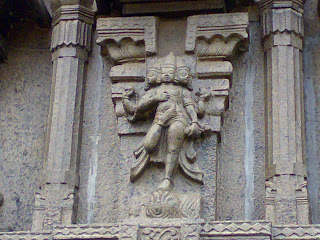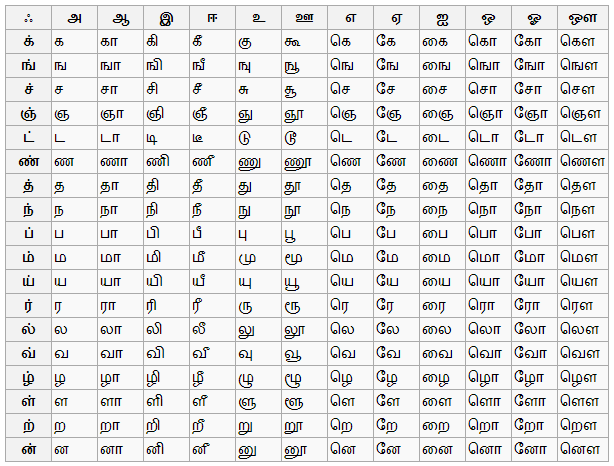
Tamil or Sanskrit: Which is Older?

tamil-letters

Questions answered by London Swaminathan
Post No. 1176; dated 16th July 2014.

Dear Swamy

It appears that you are not inclined to clear my doubts. However, I started reading your posts regularly and trying to find answers’
Recently I read your following post

BASIC QUESTIONS ABOUT TAMILS & HINDUISM

Here too I wish for clarification for the following
Regards
N K M.
(This is the Second e mail from NKM)

nagari
Dear NKM,

I have given my answers below:

Qestion1.What is the difference between Panini grammar and Tolkappiyam Grammar?

Answer: I am not an expert on Paninian Grammar. My Sanskrit knowledge is limited. I have passed five Sanskrit Examinations and Five Bhagavad Gita exams conducted by the Bharatiya Vidya Bhavan, Mumbai. When I was a school boy I passed all the five Sanskrit exams conducted by Chittoor Samskrutha Bhasa Pracharini Sabha. I can claim some authority on Sangam Tamil literature. I have read the 27,000+ lines four times. It will take 2 years if you devote some time every day to complete one round. I have read Post Sangam books and Valmiki and Kamba Ramayanam and all the Saivite and Vaishnavite scriptures only once. With my limited knowledge I answer your questions:

Paninian grammar was written around 7th century BCE. Tolkappiyam was written around 1st century BCE or CE. My estimate is 5th century CE in the present form. I have given the reasons for it in my five articles in English and Tamil on Tolkappim and the author Tolkappian. If you hold the word index of Sangam Books and Post Sangam works in your hand, you can see lot of Tolkappian words are found only in Post Sangam Tamil literature. That is why no Tamil scholar dares to compare them.

Porulathikaram of Tolkappiyam is a later addition according to many scholars. My opinion is all the three Adikarams belong to fifth century CE. In short there is a 1000 year gap between Tolkappiyam and Panini.

Wikipedia also listed the name of the authors and their dating.

Paninian Grammar is far superior to Tolkappiam in structure and construction. (If I remember correct Kamil Zvelebil mentioned something like that in his book The Smile of Murugan).

Q2. Do Panini’s grammar has all three viz Sollathigaram. Porul adhikaram and Ezhuththu adhikaram?

Answer : Panini’s Ashtadyayi (Eight Chapters) is not divided in that way. In short there is no Porul Adhikaram which is unique to Tolkappiam. Patanjali’s Mahabhasya gives lot of examples in the commentary on Panini. So we come to know more about Panni’s India. Please read the book “India in Panini”. I borrowed it from University of London (SOAS) Library. A very interesting book.

Sol (Syntax) and Ezuthu (Alphabet, formation of Words) are dealt with by Panini, in addition to several other topics.

kalvettu

Q3. What is the difference between Vedic language and classical Sanskrit?

Answer : The difference between the Vedic Sanskrit (1500 BCE) and the classical Sanskrit ( from 3rd Century BCE) is the difference between the Sangam Tamil ( First Century BCE to 3rd Century CE) and Modern Tamil (18th Century CE). Without Tamil commentaries we would not understand the Sangam Tamil literature, particularly the iraichi porul (hidden meaning, implied meaning etc). There was no present, past, future tenses in Sangam Tamil. Vaiyapuri Pillay has given lot of examples about the development in Tamil Grammar when he dated Tirukkural and Tolkappiam. Please read Vaiyapuri Pillay’s works.

The natural law is “CHANGE IS INEVITABLE. EVERYTHING MUST CHANGE. NOTHING CAN REMAIN STATIC in THE UNIVERSE”. Whether it is Nataraja’s dance, or the simplest Hydrogen atom or the Universe or my wife’s blouse or our food habits everything is changing/moving.

A language changes every two hundred miles and every two hundred years. This is the thumb rule used by Max Muller for dating the Vedas.

Q4. While I understand Sanskrit words are in Tamil and Tamil words are in Sanskrit, how Sanskrit was considered as Deva basha and Tamil as common man language

Answer : You don’t need to worry much about this nomenclature. It is very simple. All the ancient Hindu scriptures are in Sanskrit. So people may call it a Divine language. No one said that Tamil is not a divine Bhasa. Kanchi Paramacharya says Tamil has more devotional hymns than Sanskrit, which is correct. The word “divine” is used for the Tamil language by many poets. I have given it in my blog.

Patanjali called Panini ‘Bhagavan Panini’ (divine Panini). Kamban called Valmiki ‘Divine Valmiki ( Deiva Maa Kavi)’. Valluvar is called ‘Deiva Pulavar’ in Tiruvalluva Malai. Homer is called ‘Divine Homer’ in Greek. I will call Subramanya Bharati a ‘Divine Poet’.

Patamala-1 000

Regarding Tamil words in Sanskrit:

No language is pure in the world. Our forefathers were NOT language fanatics. They freely used Sanskrit words in Sangam literature and later Tirukkural. In the same way Tamil words are in later classical Sanskrit. But I doubt about it in Vedic Sanskrit. I have shown that even great linguists like Suneet Kumar Chatterji are wrong to claim that ‘Neer’ (water) in Rig Veda is Tamil. I have shown that it is in the oldest Greek mythology (Nereids=Water Nymphs). When a word is found in other Indo European languages it is not counted as Dravidian even in etymological dictionaries. But old linguists misled many others and so ‘Neer’ is shown as Dravidian. I have also shown that Kapi, Tuki in the Bible are Sanskrit words. Please read my article “Sanskrit in The Bible”.

In this context, my pet theory is Tamil and Sanskrit originated from a common source on the Indian soil. This is what saints like Paranjothy Munivar and others believed 300 years ago. If we believe our Puranas and Tamil commentators, we accept that Agastya from the north came to South India and codified grammar for Tamil. He was sent by Shiva to balance the population (Please read my article “Population Explosion: Oldest Reference is in Hindu Scriptures”; posted on 2nd February 2013). Naturally Agastya would have done it on the basis of Sanskrit grammar. But even Shiva accepted Tamil as a separate language and entrusted the grammar work to great Agastya. Even Lord Shiva recognised the greatness and uniqueness of Tamil. Do we need any other certificate?

Q.5. Yet the literature in Sanskrit or other classical languages are equally comparable with Tamil literatures in richness and depth of literacy.

Answer : Tamil is one of the richest languages in the world. My opinion is that it will come next to Sanskrit and Greek in the quantity and quality of the literature. Then only Hebrew, Chinese and Latin will come. But among these languages Tamil is the junior most language except Latin. But Sanskrit literature is enormous like an ocean. No one has listed all the books in Sanskrit. In Tamil we have listed all the lost and available books. It will come in a handy book. But if you just compile the names of the Sanskrit books only, it will come in several volumes. In Tamil we have not got anything before 1st century BCE. But Sanskrit had a huge, very huge literature even before Homer started writing his first book in Greek language. Around that time, we had great women philosophers Maitreyi and Gargi attending World Philosophers Conference in Mithila. Even before Moses issued Ten Commandments all those Ten Commandments were in the Vedas.

sanskrit14

Q.6. Even though Kalidasa is controversial, why you are not providing constructive arguments for the Tamil poets antiquity?

Answer : Date of Kalidasa is not controversial. Though it is debatable, great art historians like Sivaramamurthy and several foreign and Indian scholars have dated him in the Pre Christian Era. Reverend G.U. Pope dated him Pre Kabila as soon as he read Kurinjipattu.

Though we date the Tamil poets around first century CE references in Mahavamsa, Mahabharata, Ramayana, Kalidasa and Asoka’s epigraph show that the Tamils existed long before the Sangam Period. I have written the following articles about Tamil antiquity in this blog:

Dravidian Queen (1320 BC) in North India (Posted April 14, 2012).

Valmiki in Tamil Sangam Literature (posted on 27 June 2013).

To Master the Tamil Language ……Keep a Calculator Handy! (12 Sept. 2011)

20000 Tamil Proverbs (1 June 2012)

Pandya King who Ruled Vietnam

How old is Indian Civilization? (Posted 25 September 2011).

Contact swami_48@yahoo.com
அதிசய புருஷர் சுவாமி விவேகானந்தர்!

vivek1

By ச.நாகராஜன்
Written by S Nagarajan
Post No 1174 : Dated 16th July 2014.

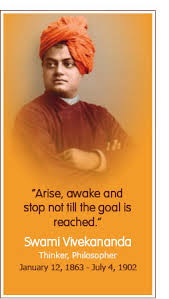
இந்தியாவிற்கும் அமெரிக்காவிற்கும் இடையே ஒரு ஆன்மீக உறவை ஏற்படுத்தியவர் சுவாமி விவேகானந்தர். தனது அமெரிக்க உறவை அனைவரும் அதிசயிக்கத்தக்க வித்த்தில் நினைவு கூறும் விதமாக அமெரிக்க சுதந்திர தினமான ஜூலை நான்காம் தேதியன்று சமாதி அடைந்தார் அவர். அவரின் நினைவுக்கு அஞ்சலி செய்து போற்றித் துதிக்கும் கட்டுரை இது!

இந்தியாவைப் பற்றி அறிய விவேகானந்தரைப் படியுங்கள்!

அமெரிக்க சகோதரிகளே! சகோதரர்களே! (Sisters and brothers of America!) என்ற சில சொற்களினாலேயே அமெரிக்கா முழுவதையும் தன் அன்பு வளையத்துக்கு ஆட்படுத்திய பெரும் அதிசய புருஷர் சுவாமி விவேகானந்தர்.

இந்தியாவைப் பற்றி அறிய வேண்டுமென்றால் சுவாமி விவேகானந்தரைப் படி என்றார் வங்கக் கவிஞர் ரவீந்திரநாத் தாகூர். இந்தியப் பண்பாட்டின் கருவூலமாக, பாரதத்தின் ஆன்மீக சக்தியின் நடமாடும் திரு உருவாக அவதரித்தவர் சுவாமிஜி.

books on vivek

சூரியனுக்கே சான்றிதழா?!
அமெரிக்காவில் பிரபல பேராசிரியரான ஹென்றி ரைட் சுவாமிஜியுடன் அளவளாவிய சிறிது நேரத்திலேயே அவரது அறிவின் ஆழத்தைப் புரிந்து கொண்டு வியந்தார். போஸ்டனிலிருந்து 30 மைல் தொலைவில் இருந்த அன்னிக்ஸ்வாம் என்ற இடத்தில் அமைதியான இடத்தில் தம் இல்லத்தில் தங்கி இருந்த அவர் சுவாமிஜையைத் தன்னுடன் தங்குமாறு அழைத்தார். அந்த அழைப்பை ஏற்றுக் கொண்ட சுவாமிஜி அவருடன் இரு நாட்கள் கழித்தார். சர்வமத மஹாசபையில் நிச்சயம் சுவாமிஜி கலந்து கொள்ள வேண்டுமென்ற தன் எண்ணத்தை பேராசிரியர் ரைட் வெளிப்படுத்தினார்.

“அமெரிக்கா உங்களை அறிய வேண்டுமானால் அதைத் தவிர வேறு வழியில்லை” என்று ஆணித்தரமாக உரைத்த பேராசிரியரை நோக்கிய சுவாமிஜி,” அந்த சபையில் கலந்து கொள்வதற்கான அறிமுகக் கடிதமோ, சான்றிதழோ என்னிடம் இல்லையே! “ என்று தயங்கிவாறே கூறினார்
“உங்களுக்குச் சான்றிதழா?! சூரியன் பிரகாசிப்பதற்குச் சான்றிதழ் கேட்பது போல அல்லவா இருக்கும் அது!” என்றார் ரைட்

சூரிய ஒளிக்கே ஒரு சான்றிதழா! மின்மினிகள் அதைத் தர இயலுமா? என்பதை உணர்ந்த பெரும் மேதையாக இருந்தார் ரைட்.

பின்னர் நடந்த சம்பவங்கள் அனைவரும் அறிந்ததே. சுவாமிஜி 1893 ஆம்
செப்டம்பர் 11ஆம் தேதி சர்வமத மகாசபையில் கலந்து கொண்டார். இந்தியாவின் ஆன்மீக சக்தியை உலகெங்கும் அறியச் செய்து உலகப் புகழ் பெற்றார்.

vivek3

அமெரிக்கர்கள் வியந்த அதிசய புருஷர்!

பிரபல பகுத்தறிவுவாதியும் சொற்பொழிவாளருமான இங்கர்சால் சுவாமிஜியைச் சந்தித்து வியந்து போனார்.

“ஒரு ஆரஞ்சுப் பழத்தின் சாறைப் பருக விரும்புகிறேன். அதில் என்ன தவறு?” என்று உலோகாயத நோக்கில் அனைத்தையும் அனுபவிப்பதில் என்ன தவறு என்று பூடகமாக்க் கேட்ட இங்கர்சாலை நோக்கிப் புன்முறுவல் பூத்த சுவாமிஜி,” அதில் தவறு ஒன்றுமில்லை. ஆனால் கடைசிச் சொட்டு சாறு வரை முழுவதுமாக அருந்த வேண்டும் என்கிறேன் நான்!” என்றார். வேதாந்தம் மூலம் அனைத்தையும் அறிந்து சுவைக்க முடியும் என்ற அவரின் அறிவுரையைக் கேட்ட இங்கர்சால் பெரிதும் மனம் மகிழ்ந்து சுவாமிஜியை மிகவும் ஜாக்கிரதையாக இருக்குமாறு வேண்டிக் கொண்டார். அவரது பரந்த மனத்தையும் நோக்கையும் ஏற்றுக் கொள்ளும் பக்குவம் அங்குள்ள மதவாதிகளுக்கு இல்லை என்பது இங்கர்சாலின் கருத்து.

பிரபல தொழிலதிபர் ராக்பெல்லர் சுவாமிஜியைச் சந்தித்தார். சில நிமிடங்களே நீடித்த அந்த சந்திப்பில் அவரை அறக்கட்டளை ஆரம்பிக்குமாறு உத்வேகம் ஊட்டினார் சுவாமிஜி. அவர் வாழ்க்கையே மாறிப் போனது.

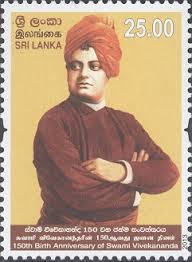
150th annivesar
.
அமெரிக்கா மீதுள்ள அன்பு

எகிப்து, சீனா, பிரான்ஸ், அமெரிக்கா, இங்கிலாந்து உள்ளிட்ட உலகின் பல்வேறு நாடுகளுக்கு சுவாமிஜி விஜயம் செய்த போதிலும் அமெரிக்காவின் மீது அவர் கொண்டுள்ள பாசம் எழுத்தில் வர்ணிக்க முடியாதது.

39 வயதிலேயே பிரம்மாண்டமான சாதனையை உலக அரங்கில் நிறைவேற்றி முடித்த சுவாமிஜி தான் வந்த “காரியம்” முடிந்து விட்டதென்று எண்ணி விட்டார் போலும்.
1906ஆம் ஆண்டு ஜூலை மாதம் இரண்டாம் தேதி ஏகாதசி தினம். அன்று அவர் விரதம் இருந்தார். மார்கரெட் எலிசபத் நோபிளாக இங்கிலாந்தில் பிறந்து சுவாமிஜியின் கருணை நோக்கினால் சகோதரி நிவேதிதையாக மாறிய ஆன்மீகச் செல்வி அங்கு வந்த போது சுவாமிஜி அவருக்கு உணவு வகைகளைப் பரிமாறி சாப்பிடுமாறு உபசரித்தார். சாப்பிட்டு முடித்தவுடன் கை கழுவ தாமே நீர் வார்த்தார். “சுவாமிஜி, இதை நான் அல்லவா உங்களுக்குச் செய்ய வேண்டும்” என்று நெஞ்சுருக நிவேதிதை கூற, “ ஏன் ஏசுநாதர் தன் சீடர்களின் கால்களையே கழுவி விட்டாரே!” என்று அவர் பதில் அளித்தார்.

“ஆனால், அது. அது.. அவரின் கடைசி தினமாயிற்றே..!!” தொண்டையில் சிக்கித் திணறிய வார்த்தைகள் நிவேதிதையின் வாய்க்கு வரவில்லை.
அதற்குச் சில நாட்களுக்கு முன்பே சுவாமிஜி பஞ்சாங்கம் ஒன்றைக் கொண்டு வரச் சொல்லி நாளைப் பார்த்துக் கொண்டிருந்தார்.

அது எதற்கு என்று யாருக்கும் தெரியாது.
தன் யாத்திரையின், அவதார தினத்தின் இறுதி நாளை அவர் தேர்ந்தெடுத்திருந்தார். அது ஜூலை நான்காம் தேதி.

அமெரிக்காவிற்கும் தனக்கு உள்ள ஆன்மிகத் தொடர்பின் அழியாத முத்திரையைப் பதிக்க விரும்பிய வீரத் துறவி தேர்ந்தெடுத்த தினம் அமெரிக்க சுதந்திர தினப் பொன்னாள். என்று வரை அமெரிக்கர்கள் அந்தப் பொன்னாளில் சுதந்திர தினம் கொண்டாடுகிறார்களோ அன்று வரை அவரின் நினைவும் அதில் பூரணமாக்க் கலந்திருக்கும்.

அன்று இரவு சுமார் ஒன்பது மணி அளவில் யோக மார்க்கம் மூலமாக சிரசின் வழியே தன் உயிரைத் துறந்து பர வெளியுடன் கலந்தார் சுவாமிஜி.

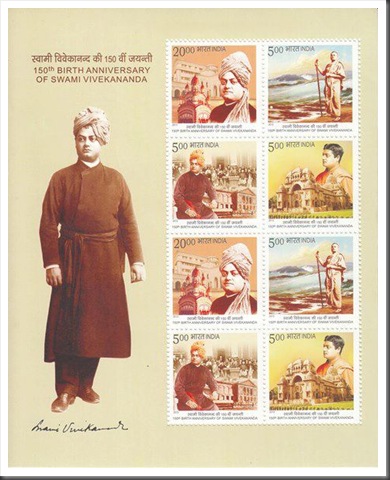
stamp3

எழுமின் விழிமின்

எழுமின் விழிமின் குறிக்கோளை அடையும் வரை தளராது செல்மின் என்ற கடோபநிஷத்தின் வாக்கியத்தை லட்சியமாகக் கொடுத்து ‘அனைவருக்கும் முக்தி’ என்ற லட்சியத்தை உலக மக்களின் முன் வைத்தார் சுவாமிஜி.

“உலக மாந்தர் அனைவரும் முக்தி அடைய உதவுவதற்காக எத்தனை முறை வேண்டுமானாலும் நான் பூமியில் பிறக்கத் தயார்” என்று அறிவித்த அவரது அமிர்த வாக்கியம் மனிதர்களின் உள்ளங்களை எல்லாம் பூரிக்க வைக்கும் கருணை வெள்ளத்தின் அடையாளம் அல்லவா!

stamp2

சுவாமிஜியின் நினைவை அனுதினமும் போற்றி அவர் காட்டிய வழியில் நடப்போம்! உயர்வோம்!! உய்வோம்!!!
******************

Written by my brother S Nagarajan of Bangalore for “முதல் ஓசை” daily:-
Contact swami_48@yahoo.com
stamp1

சரஸ்வதி ஸ்தோத்ரம் / ஸ்துதி பற்றிய ஒரு தொகுப்பு

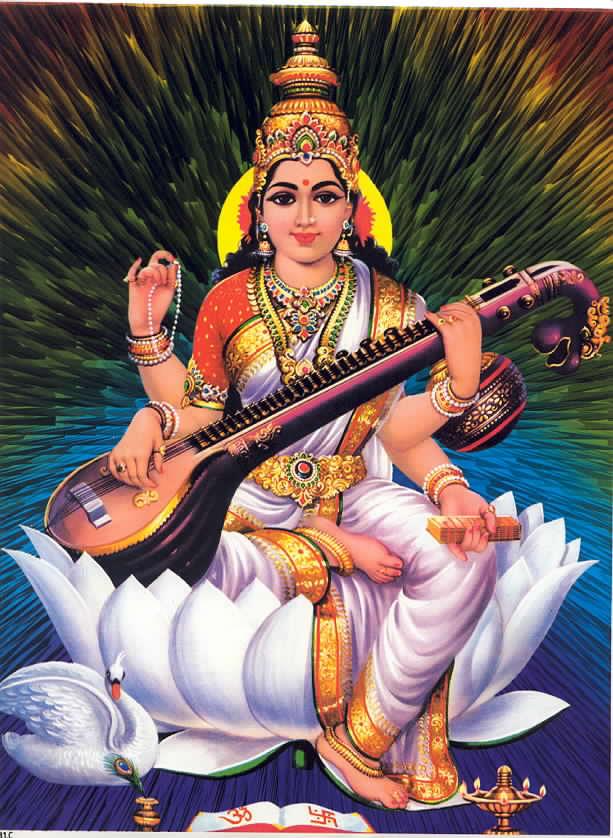
beautiful saraswati

Written by S Nagarajan
Post No.1160 ; Dated:- 9th July 2014.

This is the sixth part of S Nagarajan’ article on the Puranas. First five parts were published in the past few days.

சரஸ்வதியைத் துதிக்கும் ஸ்தோத்ரங்கள் / ஸ்துதிகள் ஏராளமாகப் புராணங்களிலும் இதர நூல்களிலும் உள்ளன. அவை எங்கே உள்ளன என்பதைக் கீழே காணலாம்

அஷ்வதரக்ருத ஸ்துதி – மார்கண்டேய புராணம் (க்ருத என்றால் இயற்றிய என்று பொருள்)

மார்கண்டேயக்ருத ஸ்துதி – வாமன புராணம் (மார்கண்டேய க்ருத என்றால் மார்கண்டேயரால் இயற்றப்பட்ட- அல்லது துதிக்கப்பட்ட -ஸ்துதி என்று பொருள்)

நவரதக்ருத ஸ்துதி – கூர்ம புராணம்
வசிஷ்டக்ருத ஸ்துதி – வாமன புராணம்
யாக்ஞவல்க்யக்ருத ஸ்துதி – ப்ரம்ம வைவர்த புராணம்
விஷ்வவிஜய கவசம் – ப்ரம்ம வைவர்த புராணம்
சரஸ்வதி அஷ்டகம் – பத்ம புராணம்
இது தவிர கீழே தரப்பட்டுள்ளவையும் சரஸ்வதி ஸ்துதிகளாக அமைந்துள்ளன.
ப்ருஹஸ்பதிக்ருத சரஸ்வதி ஸ்தோத்ரம்
சரஸ்வதி ரஹஸ்யோபனிஷத்
சரஸ்வதி ஸ்தோத்ரம் – சாரதா திலகம்
வாகாம்ருணீ சூக்தம் – ரிக் வேதம்
மங்கணத்ரருஷிக்ருத ஸ்துதி – மஹாபாரதம்
வசிஷ்டக்ருத ஸ்துதி – மஹாபாரதம்

வாஹனம்!
ஒவ்வொரு தெய்வத்திற்கும் ஒரு வாஹனம் உண்டு.யார் யாருக்கு எது வாஹனம் என்பதைப் பல புராணங்கள் தெரிவிக்கின்றன,
விஷ்ணு பகவானின் வாஹனம் கருடன் – மத்ஸ்ய புராணம்
சிவனின் வாஹனம் நந்தி – சிவ புராணம்
இந்திரனின் வாஹனம் ஐராவதம் யானை – நாரதீய புராணம், வாயு
புராணம்
சூரியனின் வாஹனம் ஏழு குதிரைகள் பூட்டிய ரதம் – மத்ஸ்ய புராணம்
துர்க்கையின் வாஹனம் சிம்மம் – சிவ புராணம் யமராஜனின் வாஹனம் எருமை – நாரதீய புராணம், பால ராமாயணம்
சரஸ்வதியின் வாஹனம் ஹம்ஸம் – மார்க்கண்டேய புராணம்

லக்ஷ்மியின் வாஹனம் அன்ன பட்சி – உலூக தந்த்ரம்
முருகனின் வாஹனம் மயில்
கணேசனின் வாஹனம் மூஞ்சூரு
கங்கையின் வாஹனம் மகரமீன்
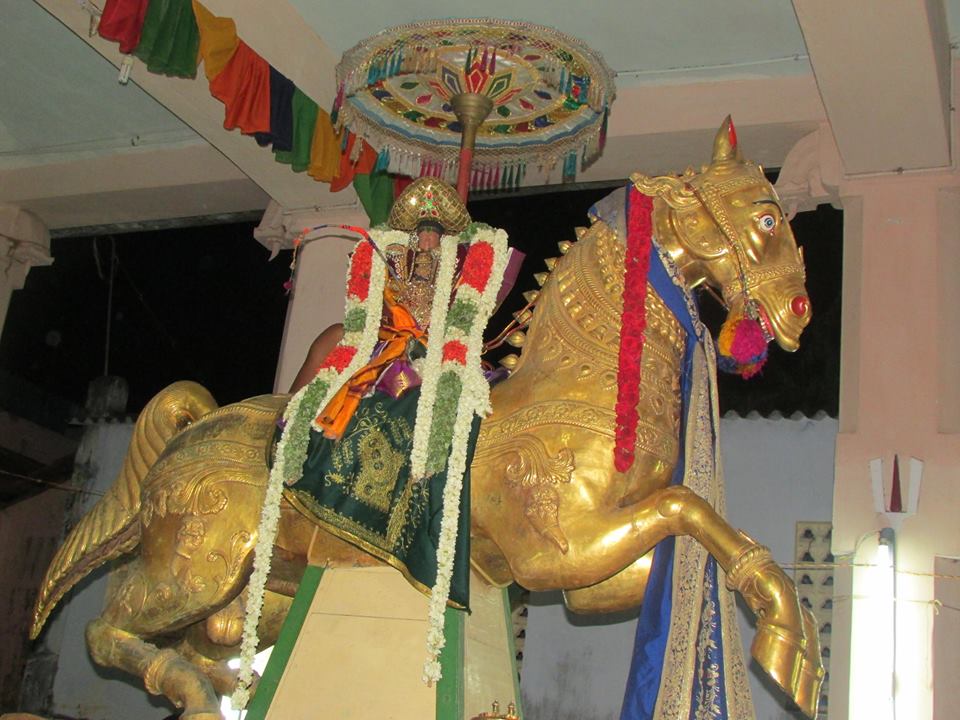
kuthirai vahan,tkoshtiyur

தேவியின் கண்கள்

தராந்தோளித தீர்காக்ஷீ
லலிதா சஹஸ்ரநாமத்தில் 601வது நாமமாக வருவது இது.
இதன் பொருள் : கொஞ்சம் சஞ்சலமானதும் (காது வரையில்) நீண்டதுமான கண்களை உடையவள்

ப்ரம்மாண்ட புராணத்தில் இடம் பெறும் லலிதா சஹஸ்ர நாமம் –
601வது நாமம்
இதன் பொருளை விவரிக்கையில் விரிவுரை கூறுவது:

தரமென்றால் பயம் என்று பொருள். பயத்தைச் சஞ்சலம் அடையச் செய்யும் அதாவது பயத்தைப் போக்கும் நீண்ட கண்கள் என்று இதற்கு அர்த்தம் சொல்லலாம். அதாவது தேவியின் திரு கடாட்சம் பட்டாலேயே போதும் பயமானது நாசமடையும் என்பது தாத்பரியம்.
அம்பாளுடைய நேத்ரங்களின் அழகைப் பற்றி ’சௌந்தர்ய லஹரி’யில் பதினோரு ஸ்லோகங்களில் ஆதி சங்கரர், அழகாக வர்ணித்திருக்கிறார்.

பாரத தேசத்தின் பெருமை

பாரத தேசத்தின் பெருமையை நாராயணர் கூறுவதாக தேவி பாகவதம் எட்டாம் ஸ்கந்தம் 11வது அத்தியாயத்தில் வருவது இப்பகுதி.

“இந்த பாரதவர்ஷத்திலிருக்கும் மனிதர்கள் என்ன புண்ணியம் செய்ததனாலோ விஷ்ணு பகவான் தானே அவர்களுக்குப் பிரசன்னராய் தரிசனம் கொடுக்கின்றார். இப்புண்ணிய சீலர்களைப் போல் விஷ்ணு பகவானுடைய சேவைக்கு உபயோகமான மானிட சரீரத்தையாவது அந்த பாரத வர்ஷத்தில் எடுப்பதற்கு ஆசைப்படுகிறேன். எது யாகம் முதலியவற்றால் சாதிப்பதற்கு அருமையாக இருக்கின்றதோ அது அந்த பகவானை உச்சரிப்பதனாலேயே உண்டாகின்றது. அவரது பாதங்களை உச்சரித்தால் யாருக்குத் தான் பாவ நாசம் உண்டாவதில்லை!

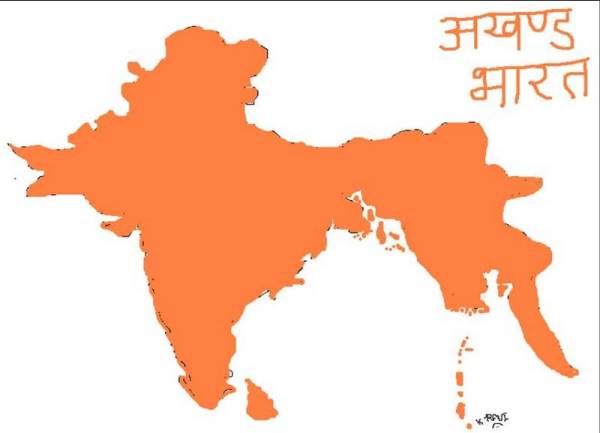
akand bharat 1

ஏனைய தேசங்களில் கற்பகால பரியந்தம் ஆயுள் அடைந்திருப்பதைக் காட்டிலும் இந்த பாரத வருஷத்தில் க்ஷண காலம் ஜீவதசையோடு இருப்பது மிக உயர்ந்தது.”

– நாராயணர் நாரத முனிவருக்கு உரைத்தது – தேவி பாகவதம் எட்டாம் ஸ்கந்தம் 11வது அத்தியாயம்.

To be continued

Swami_48@yahoo.com

Picture are taken from face book;thanks.

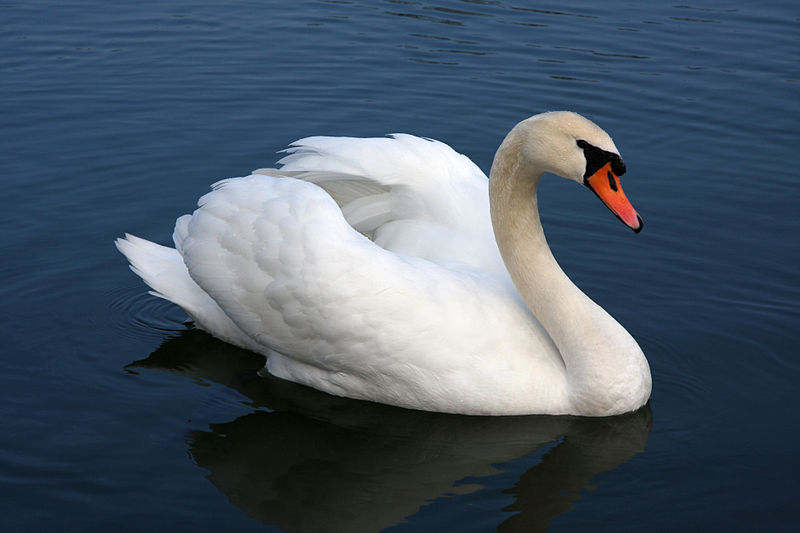
Mystery about Swan: Can it separate Milk from Water?

swans
Why Saints are called Paramahamsa?

Research paper written by London Swaminathan
Post No.1153; Dated 6th July 2014.

From the days of the Rig Veda and Chandogya Upanishad, swan is always associated with the bright sun and saints.

All the water birds close to swan are grouped under the Anatidae family. Hindu mythology understood the unity pervading the family. Their approach was very scientific when they dealt with swans, geese and ducks.

Hamsa Gayatri
Om Hamsaaya Vidmahe
Paramahamsaaya Dhimahi
Tanno Hamsha Pracodayaat

“May we realise Hamsa that is our own Self as Swan. Let us meditate on that Paramahamsa, the Supreme Self. May Hamsa illumine us.”

This one of the several popular Gayatri mantras.

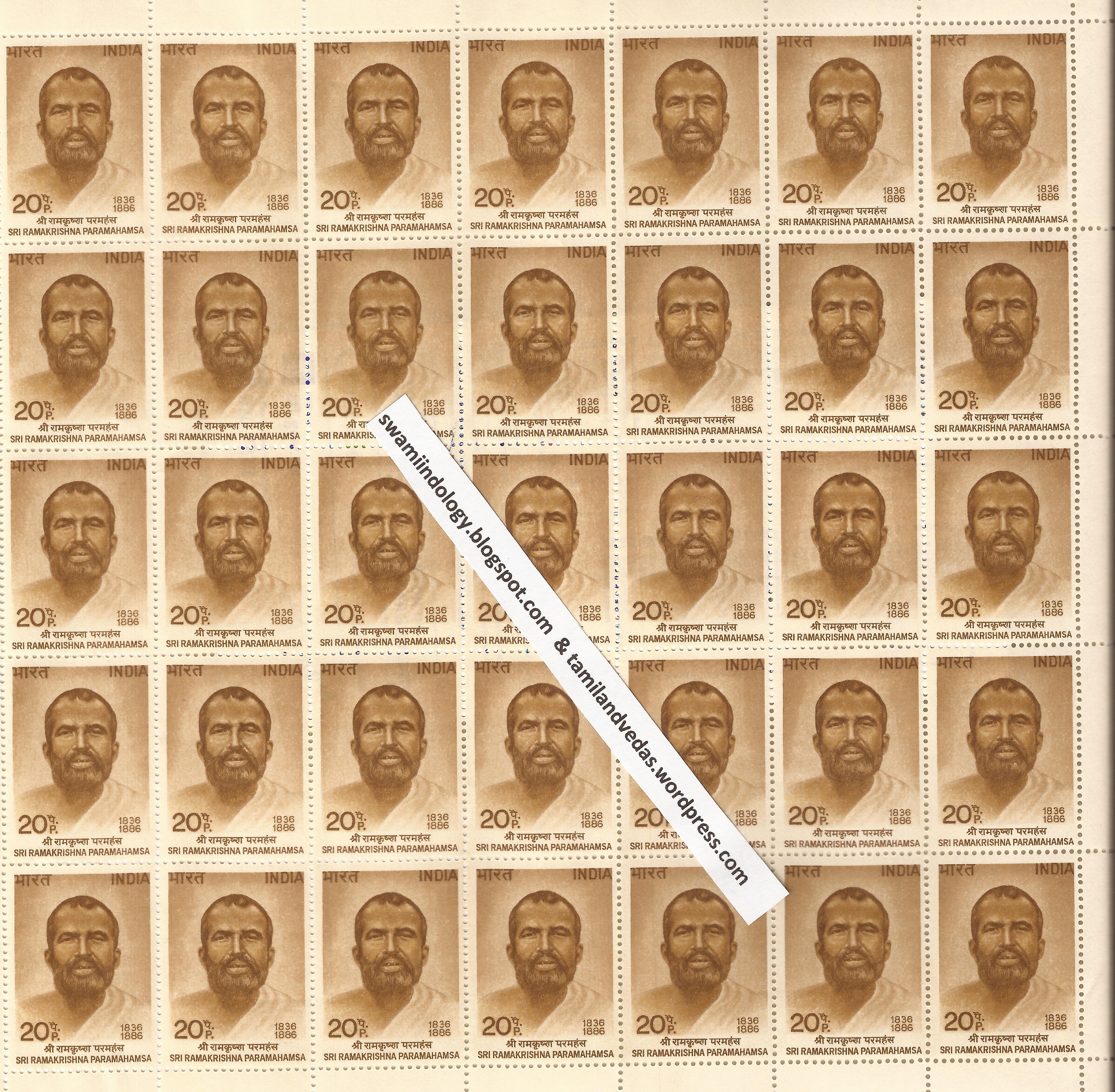
Great saints are called Parama hamsa. It means Supreme Swan. We have great saints like Ramakrishna Paramahamsa (1836-1856) and Paramahamsa Yogananda (1893-1952) within the last two hundred years. Sadasiva Brahmendra composed short and sweet kritis in Sanskrit and had the ‘mudra’/signature “paramahmasa” in all his compositions.

When it used in the context of great Yogis (ascetics) it does not mean the bird Swan (Hamsa in Sanskrit). It is the combination of two words Aham + Sa= Hamsa. I am He. It is the essence of Advaita philosophy. God and Man are one at the highest level. All the famous Upanishads have this philosophy: Aham Brahmasmi/ I am Brahman, Tat Tvam Asi/ You are That etc.

When saints who are well versed in the Yogic techniques breathe in and out it sounds ‘Ham…… Sa…… ‘Ham…… Sa….’ leading to Soham+ He is I.

Chandogya Upanishad (4-7) included an instruction (advice) from a swan. Dattatreya learnt something good from everything in nature including a bird. Hindus used everything in nature for the spiritual advancement of man.

Is it true that swans can separate milk from water and drink only milk?
Another meaning at a different level:-

Hamsa is the vehicle of God Brahma and his consort Sarasvati. All are white in colour symbolising purity and knowledge. Hamsa is associated with Holy Ganges and holy lake Manasa Sarovar. It is one of the purest birds. Hamsa Gayatri confers the power of discretion on the person who recites it. Like that Hamsa separates the good things from the bad things, Water birds separate good water from the bad water. It has got a sieve like structure (lamellae) in its mouth which separates water from mud. Probably this is what lead to the belief that Swans can separate milk from water and drink only milk. In Sanskrit Ksheera means milk and pure water.

Whooper_Swan

Hamsa in the Vedas

Hamsa in the RIg Veda (1-65-5; 1-163-10;2-34-5;3-8-9;;AV 6-12-1 etc) and later literature denotes the bird gander. These birds are described as dark in colour on the back( RV 7-59-7), they fly in troops ((RV 3-8-9), swim in the water (RV 1-65-5), make loud noises (3-53-10), and are wakeful at night (AV 6-12-1) according to Vedic Index.

The Hamsa is credited with the power of separating Soma from water (as later milk from water) in the Yajur Veda (Kataka, Maitrayani, Vajasneyi Samhitas and Taitriya Brahmana).
The soma plant when crushed exudes the juice with a hissing sound. This is compared to the hissing of a swan when disturbed on the water (RV 1-65-5)

The Asvins are invited to the soma sacrifice like a pair of swans hastening to the water (RV 5-78-1).
It is also sacrificed in the Asvamedha Yajna along with two hundred other animals, birds, plants and other grains.

800px-Mute_swan_Vrhnika

Sun and Paramahmsa
The sun and the spiritually elevated man are compared with the wise swan in the Shivapurana (2-15-10).
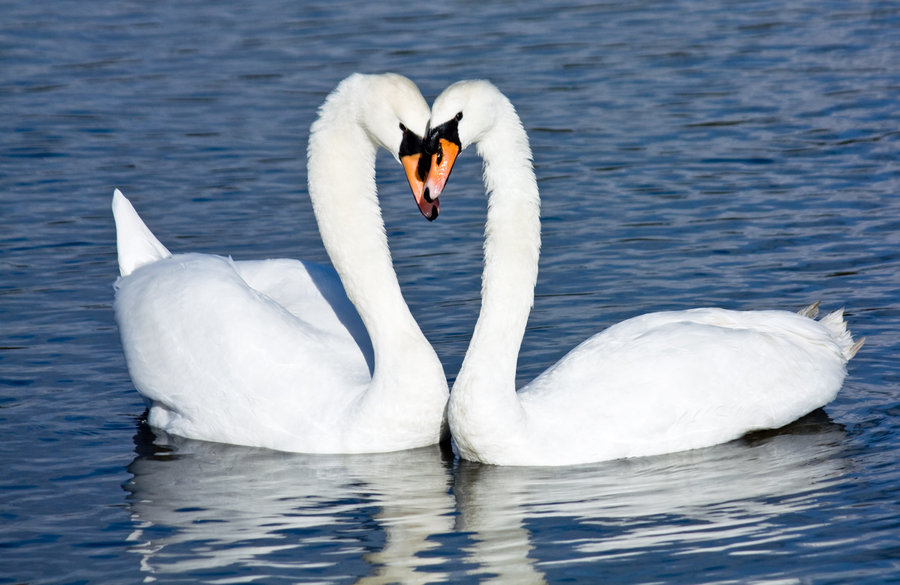
The Mute Swans are known to go about in pairs and they are greatly devoted to each other. Even Buddhacharita of Asvagosha mentioned this in the context of appealing to Gautam Siddhartha to come back to his wife.
Ramayana described swan as god Varuna’s bird (7-18-28)

Nala Damayanti and Swan
The golden coloured swan (whooper) caught by Nala was mentioned in the Mahabharata (3-54-19). The bird promised to plead Nala’s cause with Damayanti and was thereupon released. He flew with his party to her place and allowed himself to be caught by her and then performed his mission.

rishi

Hamsavatara
One of the incarnations/Avatars of Lord Vishnu is Hamsavatar in the form of a swan. Apart from Dasavatar (ten incarnations) we have 11 more Avatars.

Kalidasa & Sangam Tamil Literature
I have already written about the Bird Migration in Kalidasa and Sangam Literature.
Kalidasa referred to the strange habit of swan ‘separating milk from water’ in Sakuntalam drama (Act 6-33). A Gatha Sapta Sati poet copied it. Naladiyar in Tamil also copied Kalidasa.
Paranar, a Brahmin poet of Sangam period used lot of similes from Kalidasa along with his colleague Kabilar. Paranar in his poem– Natrinai 356 — sang about a swan flying to the golden peaked Himalayas after feeding itself with fishes in the Southern Seas. Pisiranthaiyar said the same thing in Purananuru verse 67. All these are just echo Kalidasa’s poems.
ramakrishna

Kalidasa’s Raghuvamsa and Meghaduta have got too many references to water birds such as swan and cranes, geese and ducks.

Pillows were stuffed with the feathers of swan in ancient India.

A woman’s gait is compared to the gait of a swan in Tamil (Aka.279) and Sanskrit literature.

The swans are remarkable for their stately flight very high in the sky and they seem to approach the sun, says Mankudi Kizar of Madurai Kanchi (385-38).

Different types of swans such as Raja Hamsa, Kala Hamsa, Maththa Hamsa, Maha Hamsa, Kshuta Hamsa and Kadamba Hamsa are found in Sanskrit literature.

yogananda

Ramayana and Mahabharata have interesting stories about swans. One of them is about the white colour of the swan (7-18-29/31). Varuna avoided Ravana by transforming himself to a swan and later gave a boon to the bird for his help and made him permanently white! Since Brahma has it as his Vahana the bird is also called Surapriya (Friend of the Devas). Swan is always associated with glory, purity, affection, love, majesty and divinity!!

Contact swami_48@yahoo.com
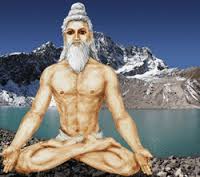
“இழிபிறப்பாளன் கருங்கை சிவப்ப”: சங்ககால ஜாதிகள்

The Caste System During Vedic Civilisation

ஆய்வுக் காட்டுரை எழுதியவர்:- லண்டன் சுவாமிநாதன்
கட்டுரை எண்:- 1149; தேதி 5 ஜூலை 2014.

“கேட்டியோ வாழி பாண பாசரைப்
பூக்கோள் இன்றென்றறையும்
மடிவாய்த் தண்ணூமை இழிசினன் குரலே – புறம்.289

இழிபிறப்பாளன் கருங்கை சிவப்ப
வலிதுறந்து இலைக்கும் வன்கண் கடுந்துடி – புறம் 170

துடி எறியும் புலைய
எறிகோள் கொள்ளும் இழிசின – புறம் 287

புல்லகத் திட்ட சில்லவிழ் வல்சி
புலையனேவப் புல்மேல் அமர்ந்துண்டு – புறம் 360

சங்க இலக்கியத்தில் உள்ள 18 மேல் கணக்கு நூல்களில் ‘புறநானூறு’ – என்னும் நூல் தமிழ் பண்பாட்டைப் பிரதிபலிக்கும் கண்ணாடி. ஆகையால் அப்புத்தகத்தில் இருந்து மட்டும் சில மேற்கோள்களைத் தந்தேன்.

இவற்றின் ஒட்டுமொத்த பொருள்: புலையன் ஜாதி, பிறப்பால் அமைந்தது. புலையர்கள் சுடுகாட்டு வேலைகளைச் செய்வர். அவர்கள் பறை கொட்டுவது —(பறையர் என்பது இந்த வாத்தியத்தில் இருந்து பிறந்த சொல்) — முதலிய தொழில்களைச் செய்வர். அவர்கள் கீழ்ஜாதி மக்கள். “கட்டில் நிணக்கும் இழிசினன் (புறம் 82) என்றும் பேசப்படுகிறான் (கட்டில் செய்ய தோல் வாரில் வேகமாக ஊசியைச் செலுத்தும் புலைமகன் என்பது பழைய உரை)

‘’துடியன், பாணன், பறையன், கடம்பன் என்று
இந்நான்கல்லது குடியும் இல்லை’’— புறம்.335 (மாங்குடிக் கிழார்)

– என்று நான்கு குடிகளை ஒருச்சேரப்படுவதில் இருந்து இந்த நாலு குடிகளும் கீழ்மட்டத்தில் இருந்த குடிகள் என்பதும் தெரிகிறது.

சங்க கால ஜாதிப் பிரிவுகள் பற்றி ஏராளமான பாடல்களில் குறிப்புகள் வருகின்றன. ஆனால் அவை அன்றாட நடைமுறைகளைப் பாதித்ததாகவோ மோதல்களை உண்டாக்கியதவோ சான்று எதுவும் இல்லை. பாடல்களை இயற்றியோரிலும் பல வகுப்பினர் இருந்தனர். ஆனால் ஜாதிச் சண்டை இல்லை. சங்க காலத்துக்கு 400 ஆண்டுகளுக்குப் பின்னர் வந்த தேவார, திவ்யப் பிரபந்த காலத்தில் சிவ, விஷ்ணு பக்தர்கள் இடையே எவ்வளவு சமரசம் நிலவியது என்பதை பெரிய புராணத்தில் இருந்தும் ஆழ்வார் சரிதங்களில் இருந்தும் அறிகிறோம்.
caste-system-in-hinduism

ஆவுரித்துத் தின்னும் புலையரேனும் — என்று அப்பர் பாடுகிறார். மாடு தின்னும் புலையா, உனக்கு மார்கழித் திரு நாளோ—என்று நந்தனார் நாடகத்தில் கேட்கிறோம். இது சங்க காலத்தில் இருந்து தோன்றிய ஜாதிப் பகுப்பு.

நாநிலப் பிரிவுகளில் என்ன என்ன சிறிய ஜாதிகள் இருந்தன என்பதும் தெரிகிறது. சில சொற்கள் சங்க இலக்கியத்திலேயே பயிலப்படாததால் அவைகளின் பொருள் கூட இன்று தெரியவில்லை.

வெளிநாட்டு இந்து அல்லாத “அறிஞர்கள்” (?!?!) எழுதிய புத்தகங்களில் இந்தப் பட்டியலை வெளியிடாமல் மறைத்திருப்பதைக் காணலாம். தமிழர்கள் இடையே “நல்ல பிள்ளை” பட்டம் வாங்கி உலகத் தமிழ் நாட்டில் பொன்னாடை போர்த்திக் கொள்ள இப்படி ஒரு வேஷம்!!! பழங்காலத்தில் மதத்தைப் பரப்பவும், பிரிட்டிஷ் ஆட்சியை நிலை நாட்டவும், கேளிர் பிரித்து பகச் சொல்லி பகைமை வளர்கவும் இருந்த ஒரு கூட்டமும் இப்படி மறைத்தது. முழுப் பூசணிக்காயை சோற்றில் மறைக்க யாரே வல்லார்? பழந்தமிழ் நூல்கள், உரைகள் எல்லாவற்றிலும் உண்மை மறைக்கப்படவில்லை.

அந்தக் காலத்தில் ராஜா மகன் ராஜாதான், குயவன் மகன் குயவன் தான். ராமாயண, மஹாபாரத காலம் போலவே சில விதி விலக்குகளும் உண்டு. இது உலகம் முழுதும் இன்றும் இருக்கிறது. அரசியல்வாதிகள் மகன்கள், அரசியலில் பெரிய பதவிகளைப் பிடிப்பது போல, செல்வாக்கு உடையவர்கள் மகன்கள் டெலிவிசன் போன்ற மக்கள் தொடர்பு சாதனங்களில் பெரிய நிலைக்கு உயர்வது போல இது — இங்கு லண்டனிலும் கூட இதைக் காண்கிறோம்.

இதோ நாநிலப் பகுப்பில் (பாலை நிலத்தையும் சேர்த்து 5 நிலங்கள்) குறிப்பிடப்படும் உயர்ந்த, தாழ்ந்த ஜாதிகள்:

குறிஞ்சி
உயர்ந்தோர்: பொருப்பன், வெற்பன், சிலம்பன், கொடிச்சி
தாழ்ந்தோர்: குறவர், குறத்தியர், கானவர்

முல்லை
உயர்ந்தோர்: நாடன், தோன்றல், மனைவி, கிழத்தி
தாழ்ந்தோர்: இடையர், இடைச்சியர், ஆயர், ஆய்ச்சியர்

மருதம்
உயர்ந்தோர்: ஊரன், மகிழ்நன், கிழத்தி, மனைவி
தாழ்ந்தோர்: உழவர், உழத்தியர், கடையர், கடைசியர்

நெய்தல்
உயர்ந்தோர்: சேர்ப்பன், துறைவன், புலம்பன், பரத்தி, நுளைச்சி
தாழ்ந்தோர்: நுளையர், நுளைச்சியர், பரதர், பரத்தியர், அளவர், அளத்தியர்

பாலை
உயர்ந்தோர்: விடலை, இகுளை, மீளி, எயிற்றி
தாழ்ந்தோர்: மறவர், எயினர், எயிற்றியர், மறத்தியர்
(உதவிய நூல்: ஐங்குறு நூறு, எம்.நாராயண வேலுப்பிள்ளை).

அந்தணர்கள் (பிராமணர்கள்) பற்றிய குறிப்புகள்தான் அதிகம். இதற்குக் காரணம் அந்தணர் பாடிய பாடல்கள்தான் சங்க இலக்கியத்தில் அதிகம். கபிலர், பரணர், நக்கீரர், மாமூலனார் ஆகிய பிராமண புலவர்கள் கொடிகட்டிப் பரந்தனர்.

egyptian-social-structure
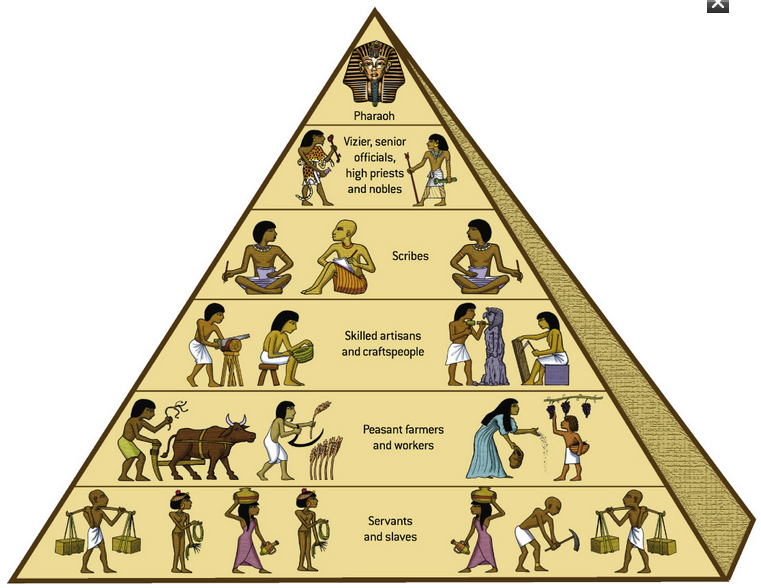
Caste System in Ancient Egypt.

காஞ்சி சுவாமிகள் உரை
ஜாதி, வர்ணாஸ்ரமம், பிராமணர், வேதம் என்பதெல்லாம் “ வட நாட்டு இறக்குமதிச் சரக்கு”, “ஆரிய மாயை” — என்று சொல்லி தமிழ் மக்களை ஏமாற்றுவோருக்கு காஞ்சி பரமாசார்ய சுவாமிகள் அழகாகப் பதில் கொடுத்துள்ளார். வேள்வி, மறை (யாகம், வேதம்) என்பதெலால்ம் பழந்தமிழ் சொற்கள் மட்டுமல்ல, அவை எல்லாம் தமிழ் வேர்ச் சொற்களில் இருந்து பிறந்தவை, மொழி பெயர்ப்பு அல்ல என்பதை காஞ்சி பரமாசார்ய சுவாமிகள் (1894-1994) சுட்டிக்காட்டினார்.

தமிழ் தாத்தா உ.வே.சுவாமிநாதைய்யர், ஆரிய-திராவிட இனவெறி மாயையில் சிக்காமல் உள்ளதை உள்ளபடி எழுதி வைத்துவிட்டுச் சென்றார். பாரதி “ஆரிய” என்ற சொல்லை ஏராளமான பாடல்களில் பாடிப் புகழ்ந்து, போற்றி, பாராட்டி ஆரிய- திராவிட இனவெறிக் கொள்கையை நிராகரித்தார். (ஆரிய= பண்பாடு உடையோன்; இனவெறிப் பொருளைக் கொடுத்தவர்கள் கால்டுவெல் முதலிய வெளி நாட்டுச் சழக்கர்கள்).

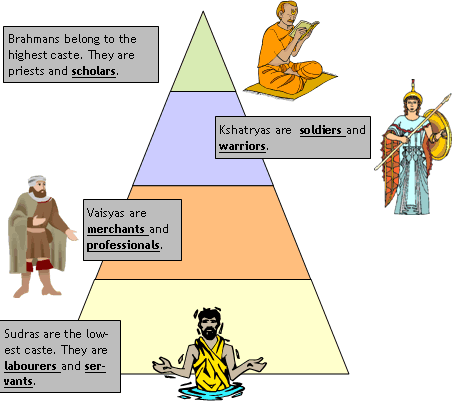
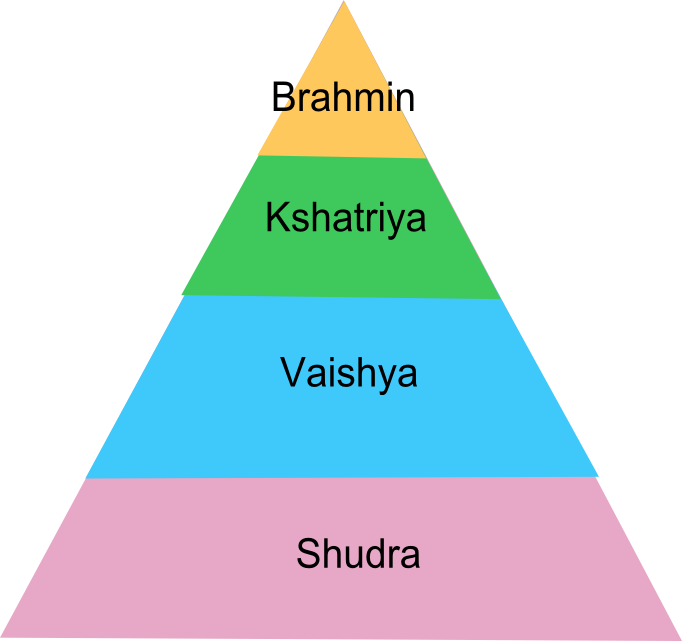
ரிக் வேதத்தில் உள்ள புருஷசூக்தத்தில் இறைவனுடைய நாலு அங்கங்கள் நாலு ஜாதிகள் என்று கூறப்பட்டுள்ளன. கௌடில்யர் அர்த்த சாஸ்திரத்திலும் (3-70) நான்கு ஜாதிகளை ஆரியர்களின் 4 பிரிவுகள் என்றே எழுதியுள்ளார். ஆனால் வெளிநாட்டு, ‘இந்து’வல்லாத “ அறிஞர்கள்” (?!?!?) சூத்திரர்கள் என்பவர்கள் ஆரியர் அல்லாதோர் என்று புரளி கிளப்பி யுள்ளனர்.

வேத காலம் போலவே அந்தணர், அரசர், வணிகர், வேளாளர் என்ற நால் வருணப் பகுப்பு இருந்தது — குடி என்ற சொல் ஜாதி என்ற பொருளில் பயன்படுத்தப்பட்டது.

முதல் முதலாக ‘சாதி’, ‘வருணம்’ என்ற சொற்கள் சிலப்பதிகாரத்தில்தான் பயன்படுத்தப்பட்டன. சிலப்பதிகாரக் கதை இரண்டாம் நூற்றாண்டில் நடந்தபோதும், காவியம் உருவானது ஐந்தாம் நூற்றாண்டு என்பதை மொழி நடையே காட்டிவிடுகிறது. நால்வேறு மக்கள் அவரவர்களுக்கான தெருக்களில் வசித்ததை மதுரைக் காஞ்சி (522) காட்டுகிறது.

சிலப். 6-164, 14-183, 8-41, 14-212, 22-10; 8-41

மிலேச்சன் போன்ற தீண்டத்தகாத யவனர்களையும் மஹாபாரதம் முதல் முல்லைப் பாட்டுவரை காண்கிறோம் — (முல்லை 65-66).

Maya-society-Castes-as-in India
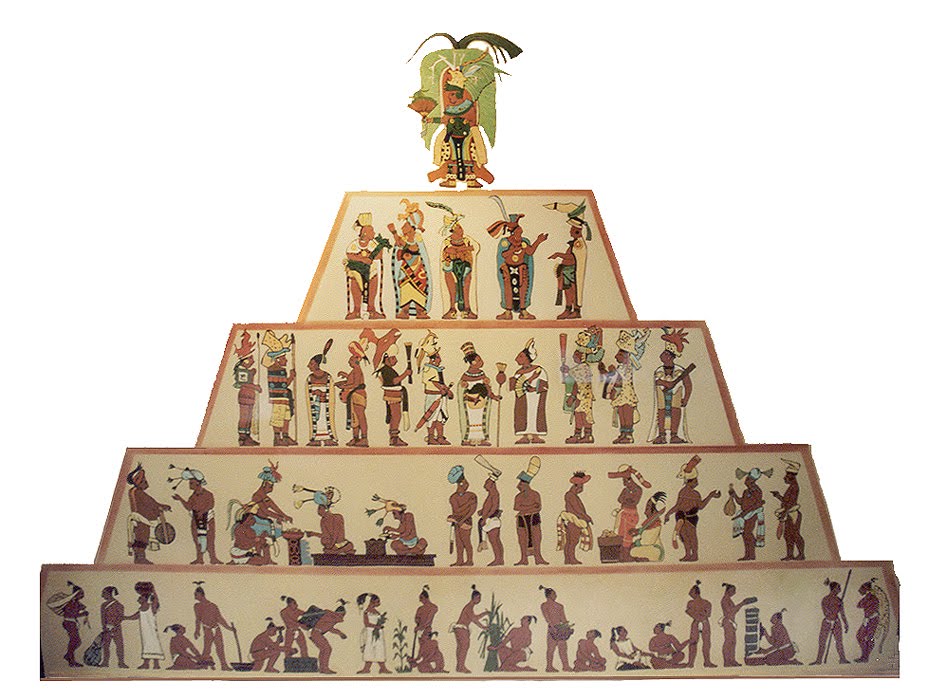
Caste System in Ancient Mayan Civilization, South America.

மனுநீதியும் புறநானூறும்

மனுஸ்மிருதியில் மனு என்ன சொன்னாரோ அதை அப்படியே புறநானூற்றுப் (1,2,3 ஆம் நூற்றாண்டு) புலவரும் திருவள்ளுவரும் (ஐந்தாம் நூற்றாண்டு) சொல்லி இருக்கிறார்கள்:

புறம் 183 (ஆரியப் படை கடந்த நெடுஞ்செழியன்)

வேற்றுமை தெரிந்த நாற்பாலுள்ளும்
கீழ்ப்பால் ஒருவன் கற்பின்
மேற்பால் ஒருவனும் அவன்கண் படுமே

கீழ்ஜாதியில் ஒருவன் கற்றுத் தேர்ந்தான் ஆனால் அவனை மேல்ஜாதிக்காரர்களும் வாழ்த்தி வணங்குவர்.

வள்ளுவனும் இதையே சொன்னான்:

மேற்பிறந்தாராயினும் கல்லாதார் கீழ்ப்பிறந்தும்
கற்றார் அனைத்திலர் பாடு (குறள் 409)

பொருள்:- உயர் குடியில் (ஜாதியில்) ஒருவர் பிறந்து படிக்காவிட்டால், கீழ்க்குடியில் பிறந்து படித்துப் பட்டம் பெற்றவரை விட ஒருபடி தாழ்வே.

மனுவும் இதையே கூறியிருக்கிறார்:–

மேலான அறிவை நாலாம் வருணத்தினிடம் இருந்தும் கொள்ளலாம் ( மனு 2-238)
அறம், ஒழுக்கம், நன்மொழி, பற்பல கலைகள் முதலியவற்றை எவ்விடத்தில் இருந்தும் அறியலாம் ( மனு 2-240)

வேற்று இனத்தாரிடமும் வேதம் கற்கலாம். அப்படிக் கற்கும் காலையில் அவரை குருவாக மதித்து கைகட்டி வாய் புதைத்து அவர் பின்னே செல்ல வேண்டும் என்றும் மனு பகர்வார் (2-242).

மஹாபாரதத்தில் இதற்குக் கசாப்புக்கடை தர்ம வியாதன் முதல் வியாசர் வரை பல கதைகள் கிடைக்கும். வேடனாக இருந்து ரிஷியாக மாறிய வால்மீகி இன்னும் ஒரு எடுத்துக் காட்டு. வேத கலத்தில் கவச ஐலுசர் போன்ற அறிஞர்களும் இவ்வகையினரே.

Pyramid_of_Caste_system_in_India

ஜாதிகள் ஒழிக!

ஜாதிப் பிரிவினைகளை ஆதரிக்கும் கட்டுரை அல்ல இது. ஆனால் சங்க காலத்தில் ஜாதிகள் உண்டு, பழந் தமிழினத்திலும் பிரிவினைகள் உண்டு. அவை தொழில் முறையில் மட்டும் அமைந்தது அல்ல, பிறப்பினாலும் அமைந்தவை என்பதற்கு நிறைய ஆதாரங்கள் உண்டு.

ஆனால் உடை, உணவு, உறைவிடம் ஆகிய மூன்று அடிப்படைத் தேவைகள் எல்லோருக்கும் கிடைத்தன. புலவர்கள, பாணர்கள் முதலியோர் வறுமையில் வாடினாலும் அதற்கு அவர்களின் ஜாதி காரணம் அல்ல. மொத்தத்தில் மக்கள் அவரவர் உறைவிடங்களில், வரையறுக் கப்பட்ட பகுதிகளில் இன்ப வாழ்வு வாழ்ந்தனர்.

தேர்தலில் ஜாதி, கல்வி நிறுவன அனுமதியில் ஜாதி, வேலை ஒதுக்கீட்டில் ஜாதி – இப்படி எல்லாவற்றிலும் ஜாதியை வேண்டும் தமிழர்கள் — அம்பேத்கர் என்னும் பெருமகன் சொன்ன 25 ஆண்டு எல்லைக்குப் பின்னரும் ஜாதிச் சலுகைகளை விரும்பும் தமிழர்கள் — ஜாதிச் சமரசம் பற்றிப் பேச அருகதை அற்றவர்களே!! அப்படிப் பேசினால் அவர்களது மனச் சாட்சியே அவர்களைப் பார்த்து நகைக்கும்!!!!

அகநானூற்றில் வரும் ஜாதிகள்/தொழில் முறைப் பிரிவுகள்:–
அகநானூற்றில் உள்ள சாதிகள்: அண்டர்/ இடையர், அத்தக் கள்வர், அந்தணர், உமணர், உழவர், குயவர், கொல்லர், தட்டார், பரதவர், பழையர், பானர், யானைப்பாகர், வேளாப் பார்ப்பார்,

குறவர் குடி–அகம் 13, உழவர் குடி— அகம் 30, பரவர் குடி –அகம் 10, நுளையர்- அகம் 366, எயினர்— அகம்.79, மறவர்- அகம்.35, வேட்டுவர்— அகம்.65.

–சுபம்–

Interesting Brahmin Story in Tamil Epic

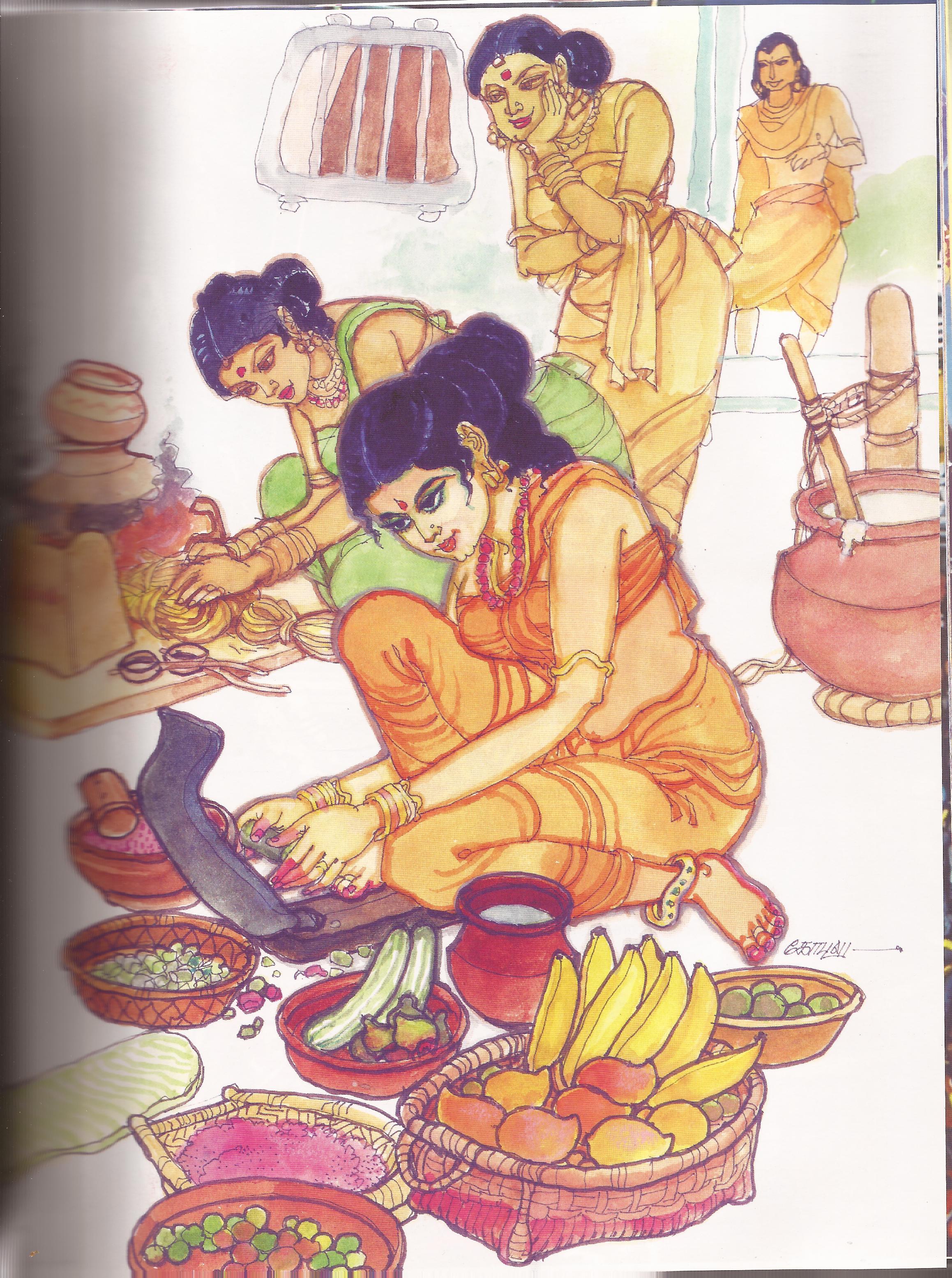
kannaki-cooking
Kannaki cooking for Kovalan

Written by London Swaminathan
Post No.1140; Dated 30th June 2014.

N.B. If you want to reproduce this article, please email me for permission. You must get written permission from me for each and every article separately. swami_48@yahoo.com
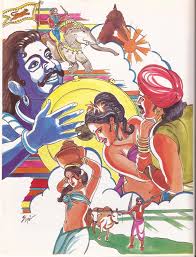
Silappadikaram (also written as Cilappadikaram) is one of the five Tamil epics. Silappadikaram and Manimekalai are called Twin Epics. These two epucs are based on purely Tamil stories. But those who read them in full will find out the culture is same as in the Northern parts of India. Silappadikaram is a Tamil encyclopaedia covering all subjects including music, dance, history, art, architecture and culture. This is the most popular epic. There are several stories concerning Brahmins including a Panchatantra story:The Brahmin and the Mongoose’ and the Golden Hand Pandya and Keeranthai.

tamil-penkal
Tamil women in ancient Tamil Nadu

Here is one of the Brahmin stories from the most famous Tamil epic:–
Source: Katturai Katai, Silappadikaram

Parasara was a Brahmin who lived in Pumpukar of Choza territory. He heard about the valour and philanthropy of the Cera King and decided to see him. He passed through jungles and several cities and reached Malaya hills. He was a great scholar well versed in Vedas and defeated scholars of different sects on his way. He got lot of gifts and returning home with the gifts. He reached a place called Tankal (identified with Tirutankal near Sivakasi). He took rest under a Bodhi tree with his water bowl, staff and white umbrella (only Brahmins who did great Yagas and kings are allowed to take white umbrellas in ancient India).

tamil culture

Some Brahmin children with coral lips, black tufts, curly hair and some with lisping mouths were playing there. Parasara called them and challenged them to recite Vedas after him. He promised them to give some valuable jewels. At once a boy called Alamarselvan (One who is under the banyan tree =
Dakshinamurthy), son of famous Brahmin Vartika of the town, recited the Vedas with perfect pronunciation and intonation. He was a little boy still retaining the fragrance of his mother’s milk. Parasara was wonderstruck with his knowledge and gave him a big present.

Some jealous people told the royal servants that the Brahmin got a treasure trove which naturally should go to the king. The royal servants threw him into prison without any proper enquiry. His wife Kartika became furious at the injustice. She wept and threw herself to the ground rolling and fulminating. Seeing this goddess Durga refused to open her door for the regular Pujas (daily offerings). The Pandya King was wondering whether there was any injustice done to anyone in his territory. Then the king was informed by some messengers of the injustice done to Vartikan.

The king then begged to the Brahmin to forgive him. As a compensation for the false imprisonment, the king gave him the Tankal and Vayalur villages with all the paddy fields as a gift. Then the goddess who rode the stag (Durga’s Vahana is Stag) opened her temple doors. The big noise that was produced when the goddess opened the doors, was heard throughout the broad streets of mountain like mansions of that ancient city, says the author of the epic Ilango Adikal.

silambu book

At that time, the triumphant king issued the following proclamation by beating a drum placed upon the back of an elephant which was sent though out the city, “Release all prisoners from the prison. Remit all those taxes from those who owe them. Let all who find unclaimed things and discover treasure trove enjoy them.”

“Listen how even such a king committed this act of injustice. There was a prediction that, in the month of Adi, on the Tithi of Ashtami, in the dark fortnight (Krishna Paksha), on a Friday, with Kartikai and Barani in the ascendant, a great fire would envelop renowned Madurai to the ruin of its king”, says Ilango Adikal.
(Part of Madurai was burnt down by the heroine Kannaki. Goddess of the city Madurapati narrated the above story, according to Ilango Adikal.)

20120502-Student_learning_Veda_132
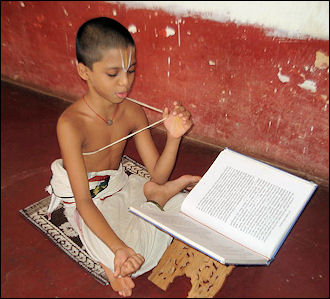
Brahmin child learning Veda.

தமிழ் இலக்கியத்தில் அதிசய உத்தர குரு!!

map_mountains_central_asia_small

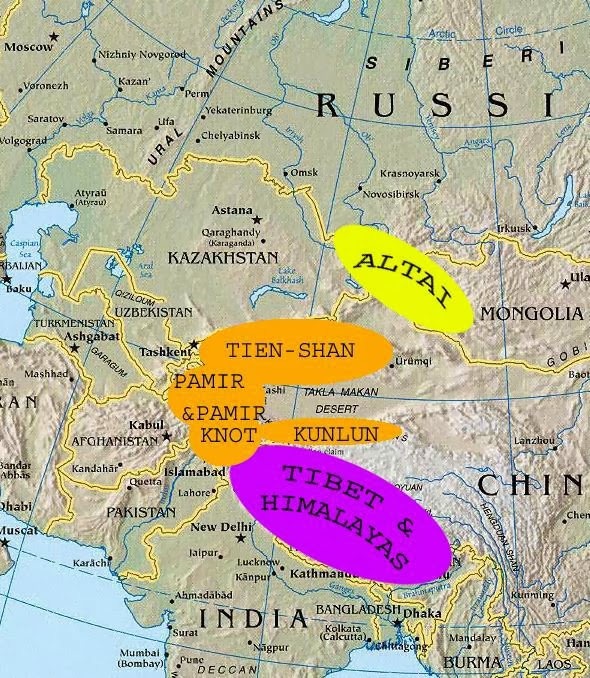
One of the probable location for Uttarakuru

N.B. If you want to reproduce this article, please email me for permission. You must get written permission from me for each and every article separately. swami_48@yahoo.com
ஆய்வுக் கட்டுரை எழுதியவர் லண்டன் சுவாமிநாதன்

கட்டுரை எண்:– 1137; தேதி 29 ஜூன் 2014

(இக்கட்டுரை என்னால் ஆங்கிலத்தில் ஏற்கனவே வெளியிடப்பட்டது)

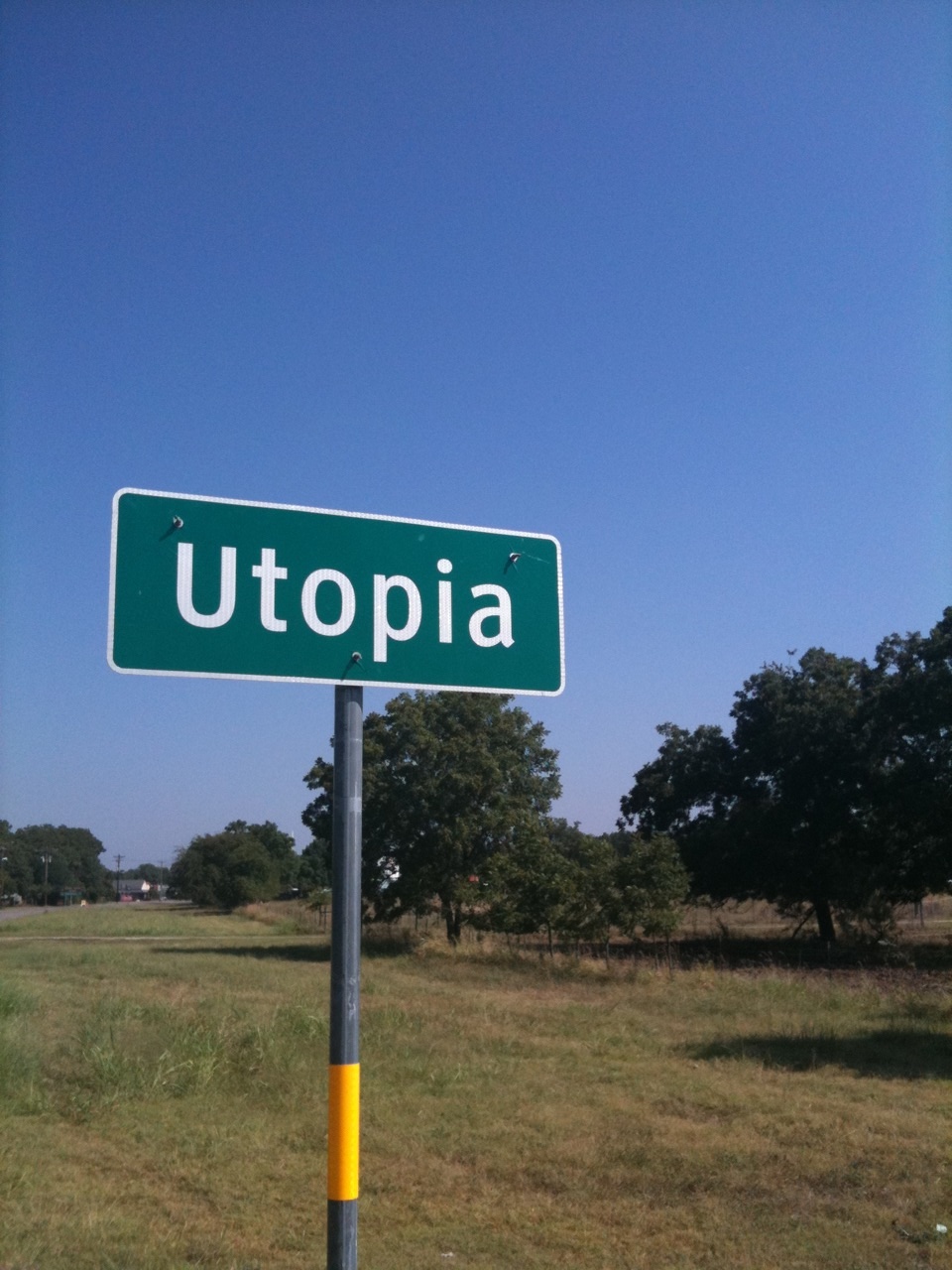
உத்தரகுரு பற்றி வேதகாலம் முதல் சங்க காலம் வரை உள்ள கருத்துக்கள் மிகவும் சுவையானவை. சர் தாமஸ் மூர் (1516) என்பவர் எழுதிய ‘உடோபியா’ என்ற கற்பனை உலகம் போன்றது இதுவா? அல்லது உண்மையிலேயே ஒருகாலத்தில் இப்படி இருந்ததா என்பது பலருடைய கேள்வி. வேதகாலத்தில் இப்படி உண்மையில் ஒரு இடம் இருந்தது உண்மையே.

வேதத்தில் காணப்படும் எல்லா விஷயங்களையும் வெளிநாட்டினர் கூட உண்மை என்றே நம்பி அதன் அடிப்படையிலேயே பல நூல்களையும் ஆய்வுக் கட்டுரைகளையும் எழுதி வருவதே இதற்குச் சான்று பகரும்.

சிலப்பதிகாரம் (2-10)
முதலில் தமிழில் உள்ள சில குறிப்புகளைக் காண்போம்:-
தமிழர்களின் கலைக்களஞ்சியமான “நெஞ்சை அள்ளும்” சிலப்பதிகரத்தில் மனையறம்படுத்த காதையில் பூம்புகார் நகரத்தின் செல்வ வளத்தினை உத்தரகுருவுக்கு ஒப்பிடுகிறார் இளங்கோ அடிகள்.

“அத்தகு திருவின் அருந்தவம் முடித்தோர்
உத்தரகுருவின் ஒப்பத் தோன்றிய
கயமலர்க் கண்ணியும் காதற்கொழுநனும்
மயன் வித்தித்தன்ன மணிக்கால் அமளிசை
நெடுநிலை மாடத்து இடைநிலத்து இருந்துழி”—

வாழ்க்கையில் பெரும் தவம் செய்தவர்கள் அவர்களின் தவ வலிமையால் உத்தரகுரு என்னும் இடத்தில் வசிப்பர் (பிறப்பர்). அந்த உத்தரகுரு போலத் தோன்றிய பூம்புகாரில் கண்ணகியும் கோவலனும் வாழ்ந்தனர் என்கிறார் இளங்கோ. இதற்கு முந்திய வரிகளில் பூம்புகாரின் செல்வ வளம் வருணி க்கப்படுகிறது. அரசர்களும் விரும்பும் செல்வ வளம்— கடல் வழியாகவும் தரை வழியாகவும் குவிந்த புதிய பொருள்கள்— பண்பு குறையாத உயர்குல மக்கள்— ஏழடுக்கு உடைய மாடிக்கட்டிடம் என்று வருணிக்கிறார் அடிகள்.

பதிற்றுப்பத்து (9-14)
இந்த வருணனை உத்தரகுரு பற்றி நமக்கு ஓரளவுக்கு சித்திரம் கொடுக்கிறது. இதற்கு பல நூறு ஆண்டுகளுக்கு முன் எழுந்த பதிற்றுப்பத்தில்

நாமம் அறியா ஏம வாழ்க்கை
வடபுல வாழ்நரின் பெரிதமர்ந்து அல்கலும்
இன்னனகை மேய பல்லுறை பெறுபகொல் — (ஏழாம் பத்து, கபிலர்)

பொருள்:– கள்ளுக்கடைகளில் கொடிகள் பறந்தன. பகை மன்னர்களின் யானைகளின் தந்தங்களை ஒடித்து கள்ளுக் கடைகளில் கொடுத்து மக்கள், ‘’கள்’’ வாங்கிச் சாப்பிட்டனர். அவர்களுடைய பயமே இல்லாத இன்ப வாழ்வு உத்தரகுரு (வடபுல வாழ்நர்) மக்கள் வாழ்க்கை போல இருந்தது என்று கபிலர் பாடுகிறார். பழைய உரையாசிரியர் இதை போகபூமியாகிய உத்தரகுரு என்பர்.

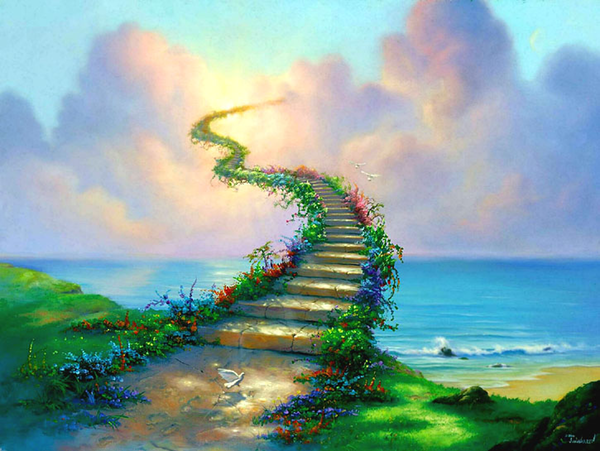
stairway-to-heaven

வேதத்தில் கூறுவதைச் சுருக்கமாகக் காண்போம்:
ஐதரேய பிராமணத்தில் (8-14), இமயமலைக்கு அப்பால் ஓரிடத்தில் உள்ள இடம் — (பரேன ஹிமவந்தம்) –என்று சொல்லப்பட்டுள்ளது. வாசிஷ்ட சாதஹவ்யா (8-23) என்பவர் இதை கடவுள் நாடு (தேவ க்ஷேத்ர) என்று அழைக்கிறார். ஜானம்தபி அத்யராதி என்பவர் அதை வெல்ல விரும்புவதாகவும் வேத இலக்கியம் கூறுவதால் உண்மையில் இப்படி ஒரு நாடு இருந்தது என்பது உறுதியாகிறது. வடபுல வாழ் ‘குரு’ இன மக்கள் கஷ்மீருக்கு குடியேறி பின்னர் குருக்ஷேத்ர பகுதிக்கு வந்ததாக சிம்மர் என்பவர் கூறுகிறார். இதிலிருந்து தழைத்ததே கௌரவ- பாண்டவ குரு குலம்.

மஹாபாரத சபா பர்வம்
அர்ஜுனனுக்கு உள்ள முக்கியமான பத்து பெயர்களில் ஒன்று தனஞ்செயன். உத்தர குரு வரை சென்று தனத்தை வென்று (ஜயித்து) வந்ததால் அவன் தனஞ்செயன் என்று அழைக்கப்பட்டான். சபாபர்வத்தில் யுதிஷ்டிர (தர்மர்) மஹாராஜாவுக்கு ராஜசூய யாகம் செய்து முடிசூட்டும் வைபவம் வருகிறது. ஒவ்வொரு சஹோதரரும் பூமியின் ஒருபகுதியை வெல்லச் சென்றனர். வட திசை நோக்கிச் சென்ற அர்ஜுனனை உத்தரகுரு வாசலில் நிறுத்தி ‘’இது மனிதர் புகமுடியாத இடம். அப்படியே புகுந்தாலும் அவர்கள் கண்களுக்கு எதுவும் புலப்பாடாது’’ என்கின்றனர். உடனே அர்ஜுனன் தர்மரின் ஆளுமையை ஏற்று அவருக்குக் கப்பம் செலுத்தினால் திரும்பிப் போவதகக் கூறுகிறான். அவர்களும் தெய்வீக அணிகலன்கள், ஆடைகள், தோல் முதலியன தந்து அனுப்புகின்றனர்.

Utopia

இதுதவிர ஆதிபர்வத்திலும் உத்தரகுரு வருகிறது. ராமாயணத்தில் வால்மீகி முனிவரும் இது பற்றிப் பேசுகிறார். ஆக இது ஒரு இன்ப பூமி, போக பூமி,, செல்வ வளம் கொழிக்கும் பூமி, ஆண்களும் பெண்களும் சுதந்திரமாக பாலியல் உறவு கொள்ளும் சுகபோக பூமி, தவ சீலர்கள் வசிக்கும் பூமி, சாதாரண மக்கள் புக முடியாத பூமி என்ற பல அரிய ஆச்சர்யமான தகல்கள் கிடைக்கின்றன. இதைப் பார்த்துதான் பிளாட்டோவின் ‘ரிபப்ளிக்’, தாம்ஸ்மூரின் ‘உடோபியா’ ஆகிய நூல்கள் எழுந்தனவோ என்று வியப்போரும் உண்டு!!

உத்தரகுரு பற்றி கிரேக்க ஆசிரியர் அமோதேயஸ் ஒரு புத்தகமே எழுதியதாக ப்ளினி சொல்கிறார். அது கிடைக்கவில்லை. டாலமியும் இந்த தேசத்தைக் குறித்துள்ளார்.

புத்த, ஜைன மத நூல்களில் பூகோள வர்ணனைப் பகுதிகளில் உத்தர குரு வடக்கில் உள்ளதேசமாகக் குறிப்பிடப்படுகிறது. பலரும் இதை இந்துகுஷ், பாமீர் பீடபூமியில் இருந்த இடம் என்றே கருதினர். வடக்கில் இமயமலைக்கு அப்பால் இருந்தது என்பதில் கருத்தொற்றுமை காணப்படுகிறது.

நாம் புதிய உத்தரகுருவை சமைப்போம் ‘நாமம் அறியா ஏம வாழ்க்கை” – வாழ்வோம்!!
–சுபம்–

Ravana – Pandya Peace Treaty! Kalidasa solves a Tamil Puzzle!

pandya-flags
Flags of the Pandyas

Written by London Swaminathan
Post No. 1128; dated 24th June 2014.

N.B. If you want to reproduce this article, please email me for permission. You must get written permission from me for each and every article separately. swami_48@yahoo.com

A ninth century Pandya copper plate said that Ravana, King of Sri Lanka made a peace agreement with a Pandya king. Most famous Tamil commentator of 13th century also said an interesting story about this treaty in his commentary on Maduraikanchi, part of 2000 year old Sangam Tamil literature. Many people were wondering whether it is just a story or an actual historical treaty. But Kalidasa, the greatest of the Indian poets, solved the problem by referring to the peace treaty in his Raghuvamsam (6-61 and 6-62).

Pathupattu in Tamil (Ten long poems) has ten books and one of them is Maduraikanchi. This very long poem has a reference to Ravana (lines 40-42). Nachinarkiniar, a Tamil commentator, was a prolific writer and well respected by one and all. He gives us an interesting story:-

Agastya
Statues of Agastya are found throughout South East Asian countries (Picture from Wikipedia)

Ravana was giving troubles in the southern part of the country. One day Agastya watched Ravana sitting in a part of Pothya hills (art of Tamil Nadu). Ravana was in deep contemplation. Agastya sensed some trouble from him. Immediately he started playing on his Veena. ((Both Ravana and Agastya were great instrumentalists. Ravana’s flag had Veena emblem)). As soon as Agastya played on the Veena, the rock melted and Ravana was stuck to the melting Rocks. He did not even notice it. Only when Agastya stopped and the rocks became solid again, he realised he was stuck to the rocks. He begged to Agastya to release him. Agastya put a condition that he should never ever do any mischief in the Pandya country. He agreed to the condition and “a peace treaty was signed between India and Sri Lanka”! He was released immediately.
We had this message repeated by Nachinarkiniar in his commentary on the oldest Tamil book Tolkappiam. But there was no secondary confirmation from any other source except Kalidasa. Not many scholars knew about this reference. Kalidasa says,

“Pandya wore pearl garlands and sandal paste. He was soaked in Avabrutha Snanam during Asvamedha yajna. Ravana was so scared that Pandya may attack and capture his Janasthana (in Dandakaranya), so he made a peace treaty with the Pandya king and then went to win Indraloka. Pandya was praised for receiving a weapon (Brahmsiras) from Lord Shiva.

mount_kailash_tibet_465065
Ravana lifting Kailash, Ellora Cave Sculptures

Kalidasa’s details are corroborated by some archaeological finds. A coin with Asvamedha horse was found and it had Peruvazuthi inscribed on it. Pandya king Mudukudumi Peruvazuthi did lot of Yagas and his country was full of Yupa poles, says the oldest part of Sangam literature.

I have written several articles in this blog to establish the date of Kalidasa as first century BCE. Tamil poets used 200 plus similes from Kalidasa’s 1000+ similes. I have followed several Sanskrit scholars and a Tamil scholar GU Pope in supporting this date. As soon as GU Pope (1828- 1920) read Tamil Kurinjipattu of Kabilar, he wrote, 100 years ago, that Kurinipattu, echoed Kalidasa. In fact Kabilar, a Brahmin poet, well versed in Sanskrit, composed Kurinjipattu just to show the greatness of Tamil to a North Indian King who ridiculed the Tamil language. Later that king became a Tamil enthusiast and wrote Tamil poems which were included in the Sangam corpus.

Kalidasa was the first tourist guide and travel writer in the world (better than Ulysseus). His Meghadutam is like a tourist guide. All the important places between the Vindhyas and the Himalayas are described. His knowledge about the geography is also amazing. He described the places and customs in countries from Iran to Indonesia. His remark about the Pandyas in six slokas (verses) in the sixth chapter of Raghuvamsam shows how much he knew about the Tamil history. Kalidasa also described the close relationship between Agastya and the Pandyas. All the Tamil inscriptions praise Agastya as the Kula Guru of Pandyas who play main part in the coronation ceremonies. Probably he met the Pandya king at one time. He even said that he was dark and drenched with the Avabrutha snanam (ritual bathing) during Asvamedha Yagas. Earlier in the fourth chapter of Raghuvamsam also he referred to Pandya and Agastya in consecutive verses.

_coin_of_the_Pandyas_Sri_Lanka_1st_century_CE
Pandy acoin found inSri Lanka, 1st Century CE

Other Tamil books and Tamil inscriptions say that Agastya was sent to the South by Lord Shiva to solve the population problem in the North ( I have already written a post about it describing the first population explosion in the world). Agastya was the one who codified a grammar to Tamil language. It was said that he brought Yadava tribes from Gujarat (Dwaraka).

Conclusion: Kalidasa and Nachinarkniar believed that Pandya kings ruled from time immemorial and the Pandya king who ruled during Ramayana period was a powerful king. Even Ravana was afraid of the mighty Pandya Empire. Pandyas were great Hindus who did Yagas a lot. Oldest section of Tamil Sangam poems corroborated it. Coins also confirmed it.

Pandya_territories
Mighty Pandya Empire.

XXXXXXXX—XXXXXXXXX–XXXXXXXXX

மாரி, பாரி, வாரி: காளி.,கம்பன் கபிலன்!!!

06TH_WEATHER2_1937233g
Written by London Swaminathan
Post No.1125 ; Dated :– 23 June 2014.

N.B. If you want to reproduce this article, please email me for permission. Previously I gave blank cheque to some people. They have been uploading all the 1100 posts from my blogs which is not allowed from today. You have to get written permission from me for each and every article separately. swami_48@yahoo.com
மாரி என்றால் மழை;
பாரி என்பவன் கடை எழு வள்ளல்களில் ஒருவன்;
வாரி என்றால் கடல்.

காளிதாசன், கபிலன் என்பவர்கள் 2000 ஆண்டுகளு க்கு முன் வாழ்ந்த புகழ்பெற்ற கவிஞர்கள். அவர்களுக்கு ஆயிரம் ஆண்டுகளுக்குப் பின் உதித்தவன் கம்பன் என்னும் கவிஞன். இம்மூன்று கவிஞர்களும் சொல்லேர் உழவர்கள்; ஒரே விஷயத்தை தமக்கே உரித்தான பாணியில் நயம்பட உரைப்பதைப் படித்து மகிழ்வோம்.

கி.மு முதல் நூற்றாண்டில் வாழ்ந்த உலக மஹா கவிஞன் காளிதாசன். அவனது ஆயிரத்துக்கும் மேலான உவமைகளில் 200—க்கும் மேலான உவமைகளை சங்கப் புலவர்கள் கையாண்டிருப்பதை ஏற்கனவே ஆறு, ஏழு கட்டுரைகளில் ஆதாரத்துடன் எழுதி இருக்கிறேன்.

barcelona mediterranean sea

ரகுவம்சம் (17—72) என்னும் காவியத்தில் வரும் ஸ்லோகம் இது:

வறுமையில் வாடிய புலவரும் ஏழைகளும் அதிதி என்ற அரசனை அடைந்தனர். அவன் அள்ளி அள்ளிக் கொடுத்தான். அந்தப் பொருளை வாங்கி ஊருக்குத் திரும்பி வந்தவுடன் அவர்களும் எல்லோருக்கும் வாரி வழங்கி வள்ளல் என்ற பெயர் எடுத்துவிட்டனர். இதன் உட் பொருள்:–அப்பொருளைப் பெற்றோர், அப்பொருளுக்கு மூல காரணமான அதிதி என்னும் மன்னனையே மறந்துவிட்டனர். மேகங்களும் இப்படித்தான் கடல் நீரை மொண்டு எல்லோருக்கும் மழையாகத் தருகிறது. இதன் உட்பொருள்:–எல்லா கவிஞர்களும் மேகங்களை வள்ளல் என்று புகழ்கின்றனர். ஆனால் அந்த மேகங்களுக்கும் நீர் கொடுத்தது கடல் என்பதை மறந்துவிட்டனரே!!

ரகுவம்சம் 1-18ல் திலீபன் என்னும் மன்னனின் கொடைத் தன்மையை வருணிக்கையில் ‘’சூரியன் கடல் நீரை உறிஞ்சுவது ஆயிரம் மடங்கு திருப்பித் தருவதற்கன்றோ! அதே போல திலீபன் வரி வாங்கியதும் ஆயிரம் மடங்கு மக்களுக்குத் திருப்பித் தருவதற்கன்றோ!!’’ – என்பான்.

ரகுவம்ச அரசர்கள் எப்படிக் கொடுத்துக் கொடுத்து வறியவர் ஆயினரோ அதே போல பாரியும் ஆய் என்ற வள்ளலும் வறியவர் ஆனதை முடமோசியாரும் கபிலரும் பாடுகின்றனர்.

kadal-B_Id_428828_cyclone

புறம் 127 முடமோசியார் பாடிய பாடலில், ‘’ உன் மனைவி கழுத்தில் உள்ள தாலி ( ஈகை அரிய இழையணி மகளிரொடு ) மட்டுமே கொடுக்க இயலாது. மற்ற எல்லாவற்றையும் நீ பரிசிலர்க்கு வழங்கிவிட்டாய் என்பார்.

கபிலன் பாடல்
பாரியினுடைய 300 ஊர்களும் ஏற்கனவே இரவலர்க்கு வழங்கப்பட்டு விட்டது என்பதை முற்றுகையிட்ட மூவேந்தரிடம் கபிலர் கூறினார்.
புறம் 107 கபிலர் பாடிய பாடலில், மேகம் உவமை வருகிறது.:-
பாரி பாரி என்று பல ஏத்தி,
ஒருவர்ப் புகழ்வர் செந்நாப்புலவர்
பாரி ஒருவனும் அல்லன்;
மாரியும் உண்டு ஈங்கு உலகு புரப்பதுவே.

எல்லோரும் பாரியையே புகழ்கின்றனரே. உலகத்தைக் காப்பதற்கு மாரி (மழை/மேகம்) யும் உள்ளனவே. இது பழிப்பது போல பாரியைப் புகழ்வதாகும்.

கம்பன் பாடல்
கம்பனும் ராமாயண பால காண்டத்தில் இதே உத்தியைக் கையாளுகிறான்:
புள்ளி மால் வரை பொம் எனல் நோக்கி, வான்
வெள்ளி வீழ் இடை வீழ்த்தெனத் தாரைகள்,
உள்ளி உள்ள எல்லாம் உவந்து ஈயும் அவ்
வள்ளியோரின் , வழங்கின் மேகமே (ஆற்றுப் படலம், பால காண்டம்).

மற்றவர்களுக்கு தானம் செய்யும்போது ஏற்படும் இன்பத்தைக் கருதி தம்மிடமுள்ள செல்வத்தை எல்லாம் வாரி வழங்கும் வள்ளல்களைப் போல மேகங்களும் கோசல நாட்டில் மழையைக் கொட்டித் தீர்த்தனவாம்! இது கடைசி இரண்டு வரிகளின் பொருள்.

முதல் இரண்டு வரிகளின் பொருள்:– பெருமையுடைய இமயமலை பொலிவுடையதாக இருக்க வேண்டும் என்று கருதி வெள்ளி நிறக்கம்பிகள் போல தாரை தாரையாக மழை இறங்கியது.

kadal blue

ஆக மேகத்தையும் கடலையும், மழையையும் கொண்டு மன்னர்களின் வள்ளல் தன்மையை புலவர்கள் விளக்கும் நயம் மிகு பாடல்கள் படித்துச் சுவைப்பதற் குரியனவே!

உலகில் இப்படி வள்ளன்மைக்கு உவமையாக மழை, மேகம், கடல் ஆகியவற்றைப் பயன்படுத்துவதை பாரதம் முழுதும் வடமொழி, தென்மொழிப் பாடல்களில் மட்டுமே காணமுடியும். இது பாரதீயர்களின் ஒருமுகச் சிந்தனையைக் காட்டுகிறது, ஆரிய—திராவிட இனவெறிக் கொள்கையைப் பரப்புவோருக்கு இதுவும் ஒரு அடி கொடுக்கும்!

–சுபம்–

Five Fire Penance of Goddess Uma

five fire

Written by London Swaminathan
Post No. 1124; Dated :– 22nd June 2014.

N.B. If you want to reproduce this article, please email me for permission. Previously I gave blank cheque to some people. They have been uploading all the 1100 posts from my blogs which is not allowed from now onwards. You must get written permission from me for each and every article separately. swami_48@yahoo.com
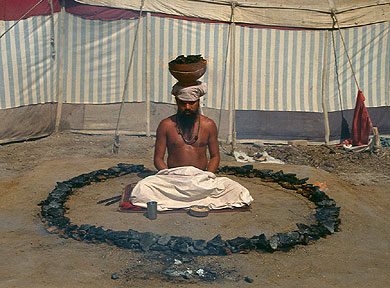
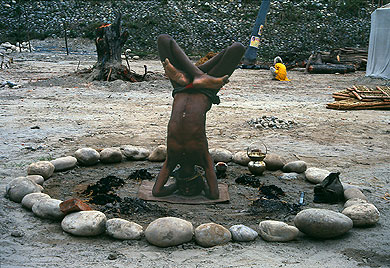
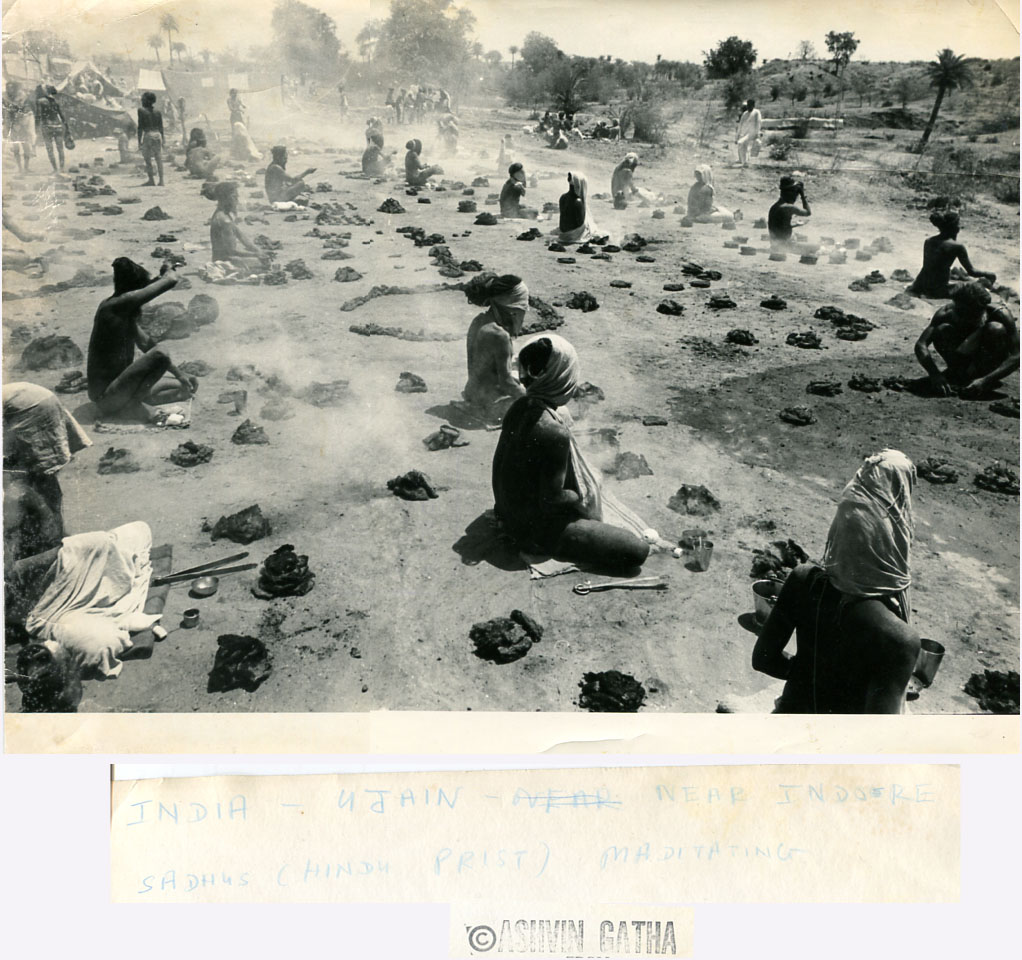
Kalidasa , the greatest of the Indian poets, describes about some strange ancient customs: Five Fire Penance (Panchagni) and Sword in the Bed/Asi dhara Vrata. Kumarila Bhatta, a contemporary of Adi Shankara, burnt himself to death in slow burning paddy husk. Hindu Yogis and saints had a very firm conviction and will power to undergo such an ordeal to achieve higher things in life. None of these hurt them because of their yogic practices.

I already wrote about the great penance undertaken by Bhageeratha and Arjuna standing on one leg to bring down River Ganga to earth and to attain Pasupata Astra from Lord Shiva.
panchagni1

People who want to achieve something great in life lighted fire on four directions and stood amidst the four fires on one leg. Sun, which is the fifth fire, was scorching them from above. Their mind is so focussed into God that they would not feel the burning. It is also a symbolic penance which means they are out of the five bad qualities: Kama (lust), Krodha (anger) Lobha (greed), Matha (Ego) and Mathcharya (attachment).
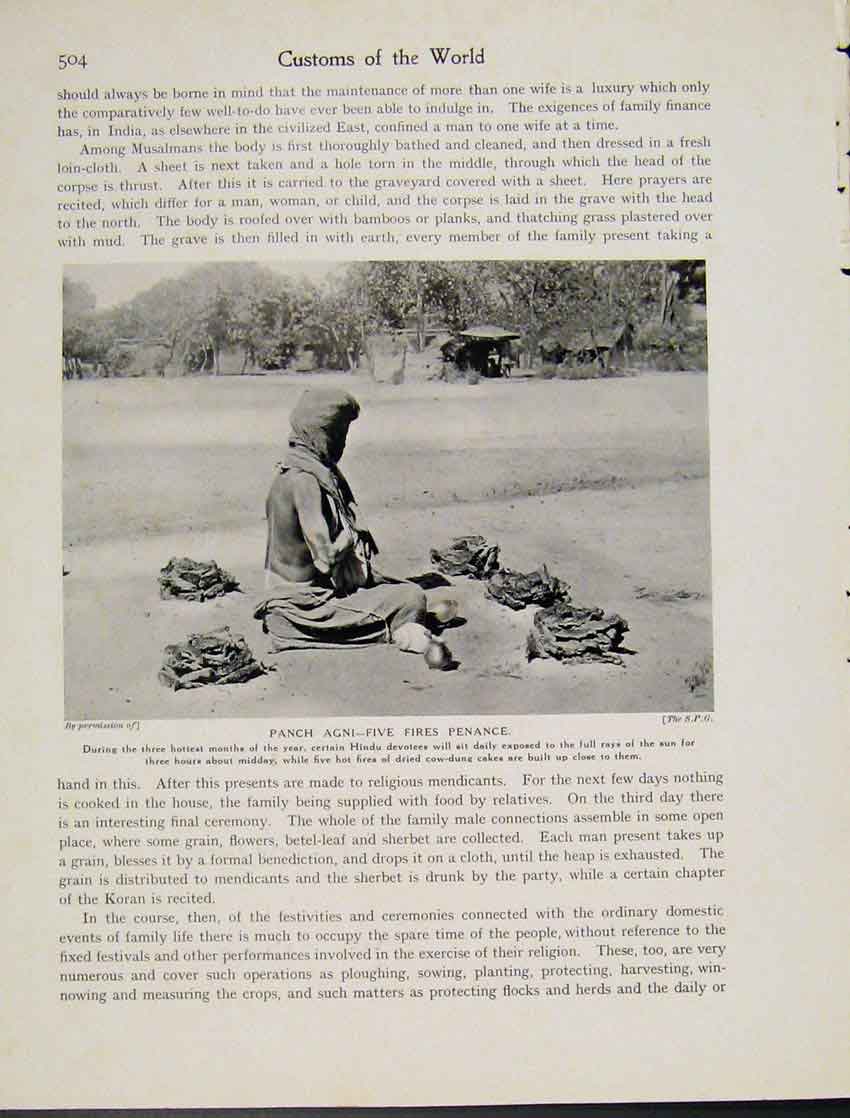
Kalidasa in ‘Kumarasambhava’ describes Uma’s penance in beautiful verses:
“In summer, she of sweet smiles and a delicate waist, sitting in the midst of four blazing fires, gazed at the sun with her sight not directed to anything else; having got the better of his lustre that dazzles the eye”. (5-20)

“Her face greatly scorched by the rays of the sun in that manner, bore the beauty of a day lotus; but gradually, only round the long corners of her eyes, dark colour made its appearance”. (5-21)

five fire 3
“The sternest severity of austerities lies in subsisting on leaves, fallen free from the trees on their own accord; but that also she spurned; hence that gentle talker was named ‘Aparna’ (leafless) by those conversant with history (5-28)

((I agree with scholars who date Kalidasa to first or second century BCE. I have proved it right on the basis of the use of his 200+similes (out of 1000+ similes) by the Sangam Tamil poets. They are not found in Prakrit Gatha Sapta Sati or any other Sanskrit books)).

5 fire
InMadhya Pradesh Temple.

Asi Dhara Vrata (Sharp Sword Edge Vow)
It is like standing on the sharp edge of a sword. The meaning is it is difficult to maintain that balance or it would hurt if slipped. A bachelor can lie in the same bed with a beautiful girl but yet never swerve from the vow of chastity. It is said that a sword will be placed in between them in the bed according to the commentator (Raghuvamsa 13-67).

When Rama returned to Ayodhya after 14 year stay in the forest, he saw Bharata walking towards him. He praised Bharata as practising Asidhara Vratam, without enjoying the Rajyalakshmi (Kingdom or Earth is praised as Lakshmi, Goddess of Wealth in Hindu scriptures).

ujjain1960s5fire
Five Fire Penance in Ujjain.

Tamil Kings Fast unto Death
Tamil Kings Kopperum Choza and Neduncheralatha of Sangam age also followed similar type of vow. They sat facing North on the banks of a river and fast unto death. They were also holding a sword in their hands, probably meaning the same, i.e. sharp edged vow. Verses in Purananuru 65 (by Kazath thalaiyar) and Akananuru 55 (by Mamulanar) are about the Chera King Neduncheralathan who died facing North. When such a great person sacrificed his life, scholars and general public joined them and made it a “mass suicide”. We see it when Lord Rama drowned himself in the Sarayu River and in the Tamil Kings’ deaths. Lot of Tamil poets and scholars joined them in the fast unto death ceremony. In Tamil it is called “Vaal Vatakkiruthal”, meaning Facing North with a Sword.

Brahma,panchaishti
Brahma in Panchaishti village.

KumarilaBhatta’s Sacrifice
Kumarila Bhatta was a great scholar with whom Adi Shankara wanted to debate Advaita philosophy. He directed him to his disciple Mandana Mishra because, Kumarila was dying in burning paddy husk. When people wanted to get rid of sins they must undergo due punishment to ‘spend’ their sins. So they fast unto death facing the Holy direction North or walk towards North till their bodies fall on earth (like the Pandabva brothers) or drown themselves in a holy river (like king Aja and Rama). Kumarila Bhatta chose the method of self immolation. He placed himself in a pile of paddy husk and lighted it on four directions. It would slowly burn him to ashes. It would not hurt anyone who practises Yoga. Yogis would not feel any body pain.
XXXXXXX—–XXXXXXXXXX—XXXXXXXX
Pictures are taken from Divyadarsanam and other websites;thanks.