BULL FIGHTING: Indus Valley to Spain via Tamil Nadu


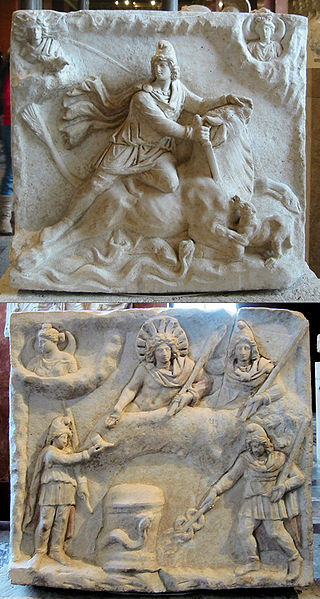
Bull fighting is practised till this day in two different parts of the world- Tamil Nadu in India and Spain in Europe. Both are poles apart culturally and geographically. Bull fighting in Europe is at least two thousand years old. It has its origin in Mithraism cult. They have 2000 year old Roman sculptures showing killing bulls. Mitra is a Vedic God of friendship. We have archaeological evidence about Vedic Mitra from the Bogakoy (Turkey) inscription dated to 1400 BC. All the important Vedic gods Indra, Mitra, Varuna and Ashwins find their place in the inscription of Hittite Friendship treaty with the Mittannis. But the Mithraic cult has nothing to do with the Vedic Mitra. It has come to Europe from Persian Mithra. We did not know how it got corrupted to killing bulls. In the Vedas, Indra was identified with the bull. Probably the Zoroastrians who opposed the Vedic hierarchy of gods and changed them upside down (Asura as Sura and Sura as Asura) might have done it to avenge Indra (bull).


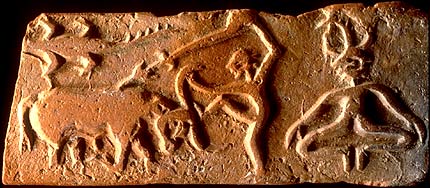
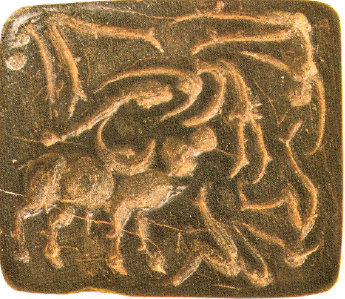
In India the earliest archaeological evidence comes from the Indus Valley seals according to some scholars. But it is doubtful. It looks like a ritual killing of a buffalo to satisfy a god or a goddess. Those who argued that it was the most ancient bull fighting figure did not put together all the available seals. Other available seals clearly show it was a ritual killing of a buffalo to a god or goddess(Please see the pictures) . Bengalis sacrifice buffaloes to goddess Durga during Durga Puja.


If we consider our Hindu mythology pre dates the Indus seals we have the earliest reference of a killing of buffalo in the story of Mahisasuramardhani. Probably this is the only reference to a woman killing a buffalo in the world. In Indus seals men kill buffaloes for the gods. In the story of Mahisasura, it was a demon that comes in the form of a buffalo and got killed by the goddess. There are beautiful sculptures portraying this episode from Mahabalipuram in Tamil Nadu to Ellora in the North.


Bull fighting in Spain started around 18th century. There are different versions of bull fighting. In Spain the bull is killed ,that too with a weapon like we see in the Indus seals. This type of bull fighting has spread to Latin America and Mexico when the Spanish culture was introduced.


Whether it is Tamil Nadu or Spain special kind of bulls are raised exclusively for this purpose with a special type of diet and special training. Tamils have practised this ancient sport for at least two thousand years. They call it Jalli kattu or Manju Virattu or Eru Thazuvuthal. It means chasing the bull or tackling the bull. In ancient Tamil Nadu the horns of the bulls were tied with coins, may be gold coins. Whoever tackled the bull took it and in some places the owner of the bull gave his daughter to the person who tackled the bull. They were considered heroes. Like the Kshatriyas practised Swayamvaram ( a princess choosing her own husband from among the kings and princes), the Yadava Chief’s girls (cowherd community) choose their husbands from among the heroic bull fighters.


Now the bull fighting is conducted every year in Alanganallur, Palamedu, Avaniapuram and several other places around Madurai. Huge crowds gather to watch such events. After protest from animal welfare groups the government has introduced new laws for the safety of the animas and the bull fighters.

Lord Krishna started Bull Fighting


We have lot of proof to believe that the Bull fighting was started by Lord Krishna who was the most popular cowherd (Yadava Kula Tilaka) in the world. Kaliyuga started in 3102 BC after the death of Krishna. But Mahabharata war took place between 1000 and 1500 BC according to majority of the scholars. Even if we go by this date, Krishna was the first one to have a fight with almost all the animals. He fought with an elephant, a bull, a python, a horse, a cran , a donkey and many more . All were set up by his uncle Kamsa according to Hindu mythology. These anecdotes have produced huge literature in Tamil and Sanskrit which has got no parallel in any part of the world. Krishna’s episodes are mentioned in film songs even today in almost all the Indian languages. The bull Krishna fought was Aristasura.


The proof for Krishna starting this comes from 2000 year old Sangam Tamil literature. Kalitokai is one of the eight anthologies of Sangam (Cankam) period. Nalluruthtiranar who sang Mullai Kali gave a graphic description of bull fighting. Justifying his name Shiva (Rudra), the poet mentioned Lord Siva in all his poems. Justifying that it was started during Mahabaharata days the poet gave lot of references to Mahabharata episodes. He said that it was practised by the Ayar community (cowherds)in the pastoral areas.


The poet mentioned how the bulls tear the bull fighters apart like the buffalo riding Yama, God of Death. The colourful bulls are described and compared to various personalities -white bull to Balarama and black bull to Krishna and so on. The Mullaik Kali has got 16 poems beautifully describing the pastoral culture of ancient Tamilnadu. Anyone who reads this Mullaik Kali will get a better picture of how it was practised in ancient Tamil Nadu. All the suspense, gossip, flirting, amorous desires of Ayar girls are dealt with in hundreds of lines- a feast to Tamil lovers.

*****************


கம்பனுடன் 60 வினாடிப் பேட்டி

(கேள்விகள் ச. சுவாமிநாதனின் கற்பனை, பதில்கள் உண்மை)

கேள்வி: கம்பரே நீர் வணங்கும் கடவுள் யார்?

உலகம் யாவையும் தாம் உளவாக்கலும்,

நிலை பெறுத்தலும், நீக்கலும், நீங்கலா

அலகு இலா விளையாடு உடையார்- அவர்

தலைவர்; அன்னவர்க்கே சரண் நாங்களே

கேள்வி: எவ்வளவோ ராமாயணம் இருக்கும்போது தாங்களும் பாடிய காரணம்?

ஆசைபற்றி அறையலுற்றேன் மற்றிக்

காசு இல் கொற்றத்து இராமன் கதை அரோ!

கேள்வி: உமது ஆசை நியாயமான ஆசையே உம்மை விட இராமன் புகழ் பாட வேறு யாருக்கு அருகதை? அது சரி, முதலில் கடவுள் இருக்கிறாரா? இல்லையா?

ஒன்றே என்னின் ஒன்றே ஆம்:

பல என்று உரைக்கின் பலவே ஆம்:

அன்றே என்னின் அன்றே அம்:

ஆம் என்று உரைக்கின் ஆமே ஆம்:

இன்றே என்னின் இன்றே ஆம்

உளது என்று உரைக்கின் உளதே ஆம்

நன்றே நம்பி குடி வாழ்க்கை!

நமக்கு இங்கு என்னோ பிழைப்பு? அம்மா!

(கடவுள் வாழ்த்து,யுத்தகாண்டம்)

கேள்வி: கோசலநாட்டில் உண்மை கூட இல்லையாமே!

வண்மை இல்லை, ஓர் வறுமை இன்மையால்;

திண்மை இல்லை, நேர் செறுநர் இன்மையால்;

உண்மை இல்லை, பொய் உரை இலாமையால்;

ஒண்மை இல்லை,பல் கேள்வி ஒங்கலால்.

கேள்வி: தாங்கள் ராமனைப் போற்றுவது ஏன்?

இனிய சொல்லினன்: ஈகையன்: எண்ணினன்:

வினையன்: தூயன்: விழுமியன்: வென்றியன்:

நினையும் நீதி கடவான் எனின்,

அனைய மன்னர்க்கு அழிவும் உண்டாம் கொலோ?

கேள்வி: ராமன் இருக்கும் இடத்தில் காமன் இரான் என்ற பழமொழிக்குக் காரணம் என்னவோ?

“வந்து எனைக் கரம் பற்றிய வைகல்வாய்

“இந்த இப் பிறவிக்கு இரு மாதரைச்

சிந்தையாலும் தொடேன்” என்ற செவ்வரம்

தந்த வார்த்தை திருச் செவி சாற்றுவாய்

கேள்வி: அட, ராமன் ஏக பத்னி விரதன் என்று சீதையே சர்ட்டிபிகேட் கொடுத்துவிட்டாளா? யாதும் ஊரே,யாவரும் கேளிர் என்பது ராமனின் கொள்கையாமே?

குகனொடும் ஐவர் ஆனேம் முன்பு:பின் குன்று சூழ்வான்

மகனொடும் அறுவர் ஆனேம்:எம்முறை அன்பின் வந்த

அகனமர்க் காதல் ஐய! நின்னொடும் எழுவர் ஆனேம்!

புகலருங் கானம் தந்து புதல்வரால் பொலிந்தான் நுந்தை! (6-4-143)

கேள்வி: வீடணனை நீர் ஏழாவது தம்பியாக ஏற்றது உலகம் காணாத புதுமை.

சூர்ப்பணகை, சீதை பற்றி உங்கள் மதிப்பீடு?

பஞ்சி ஒளிர் விஞ்சு குளிர் பல்லவம் அனுங்கச்

செஞ்செவிய கஞ்ச நிமிர் சீறடியளாகி

அஞ்சொலின மஞ்சையென அன்னம் என மின்னும்

வஞ்சி என நஞ்சம் என வஞ்ச மகள் வந்தாள் (சூர்ப்பணகை)

அமிழ்தின் வந்த அமிழ்து (6-3935), அருந்ததி கற்பின் தேவி (5-468),அழ்கினுக்கு அழகு செய்தாள் (4-899) கருந்தடங் கண்ணீனாள்(4-417),

கரும்பு உண்ட சொல்(3-908), சிந்துரப் பவளச் செவ்வாயாள் (6-3938)

கற்பினுக்கு அணி (5-1269), தண்டமிழ் யாழினும் இனிய சொற்கிளி (2-774) (சீதை)

கேள்வி: அற்புதம்! கொடுமையான கைகேயியின் வார்த்தைகளைக் கூட மென்மையான அழகான சொற்களில் கவிதையாகப் புனைந்த பெரும் கவிஞர் அல்லவா நீவீர்?

“ஆழி சூழ் உலகமெல்லாம் பரதனே ஆள, நீ போய்,

தாழ் இருஞ் சடைகள் தாங்கி,, அருந்தவம் மேற்கொண்டு,

பூழி வெங் கானம் நண்ணி, புண்ணியத் துறைகள் ஆடி,

ஏழ் இரண்டு ஆண்டின் வா” என்று இயம்பினன் அரசன் என்றாள்.

கேள்வி: நன்றி, சதிகாரக் கைகேயி இந்த வார்த்தைகளை அரசன் தசரதன் மீது சுமத்தி விட்டாளா? பரதனை 1000 ராமனுக்கும் மேலானவன் என்று புகழ்ந்தீர்களா?

தாயுரை கொண்டு தாதை உதவிய தரணி தன்னை

தீவினை என்ன நீத்து சிந்தனை முகத்தில் தேக்கி

போயினை என்ற போழ்து, புகழினோய் தண்மை கண்டால்

ஆயிரம் இராமர் நின் கேழ் ஆவரோ தெரியின் அம்மா

கேள்வி: அனுமன் பேசத்தெரிந்தவனாமே?

இல்லாத உலகத்து எங்கும் ஈங்கிவன் இசைகள் கூறக்

கல்லாத கலையும் வேதக் கடலுமே-எனும் காட்சி

சொல்லாலே தோன்றிற்றன்றோ யார் கொல் இச் சொல்லின் செல்வன்

வில்லார் தோள் இளைய வீர! விரிஞ்சனோ? விடை வலானோ?

கேள்வி: இராமனின் சஸ்பென்ஸைப் போக்க அனுமன் ஏதோ அழகாகப் பேசினாராமே?

கண்டெனென், கற்பினுக்கு அணியை, கண்களால்

தெண் திரை அலை கடல் இலங்கைத் தென் நகர்;

அண்டர் நாயக! இனி, துறத்தி, ஐயமும்

பண்டு உள துயரும்’ என்று, அனுமன் பன்னுவான்

கேள்வி: எங்கள் கவிஞர் கண்ணதாசன் பயன்படுத்திய உமது பாட்டு என்னவோ?

மைவண்ணத்து அரக்கி போரில் மழைவண்ணத்து அண்ணலே உன்

கைவண்ணம் அங்கு கண்டேன்: கால் வண்ணம் இங்கு கண்டேன்

கேள்வி: தாடகை வதத்தையும் அகலியையின் சாப விமோசனத்தையும் வண்ணச் சொற்களால் அலங்கரித்துவிட்டீர். போகட்டும், அகத்தியனுக்கும் தமிழுக்கும் என்ன தொடர்பு?

உழக்கும் மறை நாலினும், உயர்ந்து உலகம் ஓதும்

வழக்கினும், மதிக் கவியினும், மரபின் நாடி

நிழல்பொலி கணிச்சி மணி எற்றி உமிழ் செங்கண்

தழற்புரை சுடர்க் கடவுள் தந்த தமிழ்_தந்தவர் (2671)

நீண்ட தமிழால் உலகை நேமியின் அளந்தவர் (2666)

கேள்வி: கண்டதும் காதலில் உங்களுக்கு நம்பிக்கை உண்டு போலும்!

எண்ண அரு நலத்தினாள் இனையள் நின்றுழி,

கண்ணொடு கண் இணை கவ்வி, ஒன்றை ஒன்று

உண்ணவும் நிலை பெறாது உணர்வும் ஒன்றிட,

அண்ணலும் நோக்கினான் ;அவளும் நோக்கினாள்

கேள்வி: போர்க்களத்தில் கூட ராமன் காட்டிய உயரிய பண்பு?

ஆள் ஐயா! உனக்கு அமைந்தன மாருதம் அறைந்த

பூளை ஆயின கண்டனை; இன்று போய், போர்க்கு

நாளை வா’ என நல்கினந்-நாகு இளம் கமுகின்

வாளை தாவுறு கோசல நாடுடை வள்ளல்

கேள்வி: அது சரி,பெண்களை இப்படி மட்டம் தட்டலாமா?

தூமகேது புவிக்கெனத் தோன்றிய

வாம மேகலை மங்கையரால் வரும்

காமம் இல்லை எனின் கடுங்கேடு எனும்

நாமம் இல்லை:நரகமும் இல்லை

கேள்வி: புரிகிறது,புரிகிறது, கண்மூடித்தனமான காமம் கூடாது.

நன்றி மறக்காமல் சடையப்ப வள்ளலைப் போற்றிப் புகழ்ந்து தள்ளுகிறீர்களாமே?

அரியணை அனுமன் தாங்க அங்கதன் உடை வாள் ஏந்தப்

பரதன் வெண் குடை கவிப்ப இருவரும் கவரி கற்ற

விரை செறி குழலி ஓங்க வெண்ணெய்மன் சடையன் வண்மை

மரபுளோன் கொடுப்ப வாங்கி வசிட்டனே புனைந்தான் மௌலி (10327)

நன்றி, கம்பரே உமக்கு 60 நொடிகள் என்ன, 60 நாட்கள் கொடுத்தாலும் எம் மக்கள் ரசிப்பார்கள்.அற்புதமான, அழகான கவிதைகள்!!!

Please Help to Find our Father’s Tamil Translation of Anna Karenina

By S Swaminathan


Anna Karenina was written by the famous Russian author Leo Tolstoy. My father Venkatraman Santanam translated it in to Tamil in the 1940s and it was published even before India became independent. It ran in to 1500 pages a monumental work for that time. I think no one else had embarked on such a Himalayan task. Unfortunately neither I in London nor my brothers in India have a good copy. The copy we have got has many pages missing. I request the Tamil enthusiasts to find us a copy of the Tamil translation.

For the sake of an easy flow, my father titled the book as ANNA KARINA in Tamil instead of the original title Anna Karenina. Please see the Tamil introduction written by my father. He was praised by leaders like K Kamaraj and writers like Manikkodi B S Ramiah (Please see Ramiah’s book Manikkodi Kalam). My father was detained in Vellore jail with K Kamaraj during the freedom struggle. After release he became a journalist and worked as the News Editor of Dinamani, Madurai for over forty years.

The book was priced Rs10 which must be an expensive book at that time. Had anyone invested that ten rupees and it doubled every five years it would have grown to Rs 81000 today. One surprising thing is that no writer of History of Tamil Language has mentioned this translation. Probably the copies were sold out as soon as they were published or few hundred copies only were printed. So I request future writers to include this book which will be a fitting tribute to his Tamil contributions. My father’s big contribution to Tamil language, I would say, is the development of Patti Mandapam (debate) and spiritual writing in Tamil.

Great speakers like Solomon Pappiah, SSM Sundaram, Mrs Saraswathy Ramanathan, Late Kundrakkudi Adigalar have got huge publicity due to these Patti Mandapams. When people ridiculed religious discourses (Upanyasam), my father published page after page in Dinamani summarising the discourses. No one of that age would have missed the speeches of  Variyar Swamikal, Keeran, Kanchi Maha swamikal, Anantharama Deekshithar to mention a few.

Please read the Tamil intro of the book and help us to find a complete copy.


Please send feedback to: swami_48@yahoo.com; through Twitter (@Swami_48) or Facebook.


The scans are below:


Strange Link between Lord Shiva, Socrates and Thiruvalluvar

By S Swaminathan 

Lord Shiva is one of the Hindu Trinity, a great god worshipped by millions of Hindus. Socrates was a great Greek philosopher who lived between 469 BC and 399 BC. Thiruvalluvar was a great Tamil poet and philosopher who lived approximately 1,600 years ago. The mysterious link between the three is the word POISON.
Thiruvalluvar who composed 1,330 couplets (forming the Tirukkural) speaks about ‘friends giving poison to one’. Did he know Socrates? Because Socrates was sentenced to death for his teachings and was given poison. Lord Shiva also took poison for the sake of the Devas (the demigods in Hindu tradition). Now let us look at it in detail.
Thiruvalluvar in his couplet 580 says ‘Men of refined courtesy accept even a cup of poison and look cheerfully calm’. Probably he knew what happened to Socrates. Greeks and Romans were doing a lot of trade with the Tamils two thousand years ago. There is a big gap between the age of Thiruvalluvar and Socrates and so there is every possibility Thiruvalluvar heard about him. Socrates was sentenced to death for corrupting the minds of Athenian youths and not believing in the Gods of the State. He was given a cup of hemlock poison. (Nowadays Americans also execute the prisoners on death sentence by giving poison by injection).
Or did Thiruvalluvar refer to an episode in mythology referring to Lord Shiva? Lord Shiva drank the poison that came out during the ‘Churning of the Ocean’ according to Hindu mythology. But he did not swallow the poison and kept it in his throat. Thus he became ‘blue throated’. So Shiva was known to his devotees as Neelakanta (meaning one who has a blue throat). When the Ocean of Milk was churned, 14 good/auspicious things emerged. Both the Devas and Asuras (demons) were ready to share only the good things. But everyone refused to deal with the poison which threatened the whole of the universe. Shiva came forward and took it. One story goes that his wife Parvathi stopped him swallowing it by grabbing his neck – and there it stayed.
Great Tamil poets like Subramanya Bharathi and Manikkavasagar also refer to this poison given by friends. Probably they just imitated Thiruvalluvar. (Bharathi’s lines ‘’Nachchai vaayile konarnthu nanbar uuttumpothinum…). Manikkavasagar says about this in Potri Thiru Agaval (‘Nanje amuthaay nayanthaai potri’).
Natrinai, one of the 18 books of Tamil Cankam (also spelled as Sangam) has these lines as well. Poem 355 refers to friends giving poison (‘munthai irunthu nattor koduppin nanjum unbar nani naagarikar’).
Strictly speaking poison was not ‘given’ to Lord Shiva by ‘friends’. In the case of Socrates it was such a clear betrayal.
I will leave the judgement to the readers!
Please send your feedback to: swami_48@yahoo.com, or through Facebook or Twitter (@swami_48).