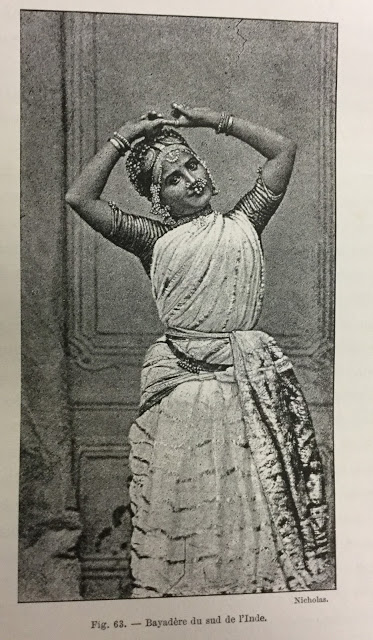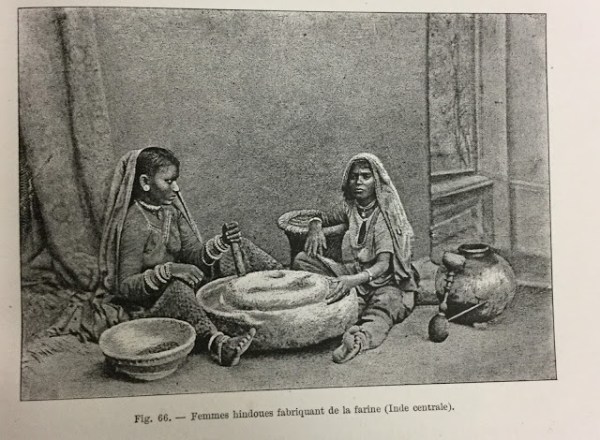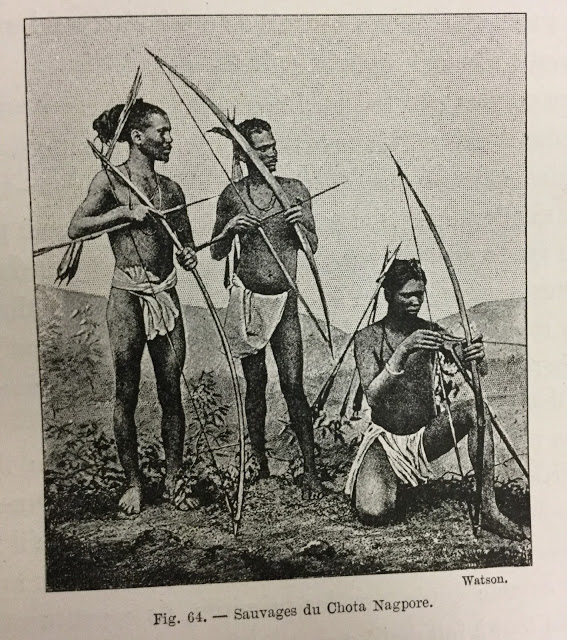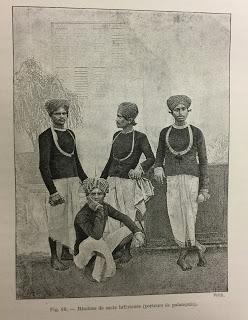
Rare Pictures of Dravidians, Tamils and Tamil Nadu from A French Book (Year 1887)

Compiled  by London Swaminathan


Date: 8 November 2016


Time uploaded in London: 6-09 am


Post No.3332


contact; swami_48@yahoo.com


Please see the earlier two parts posted yesterday and day before yesterday.


Devadasi, Temple Dancer

Village women


Temple Dancers (Devadasis)


Dravidian warriors (Bhils)


Low Caste People (Palanquin bearers)

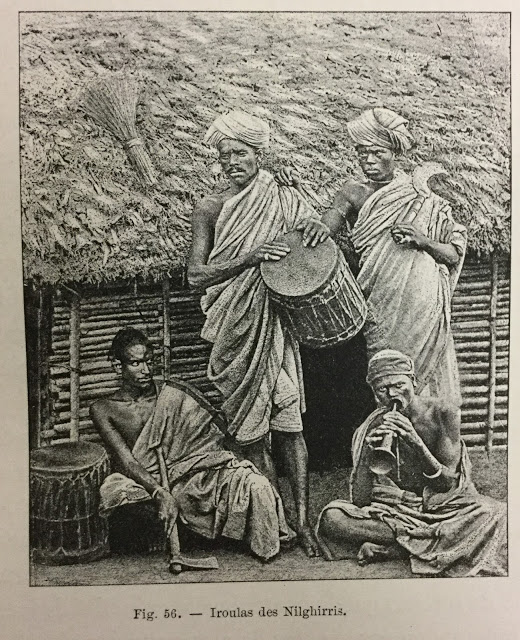
Irulas (Dravidians)


Irulas of Nilgris (according to foreigners, Irulas are Dravidians)

Dravidian Kotas of Tamil Nadu

Dravidian Todas of Nilagris,Tamil Nadu

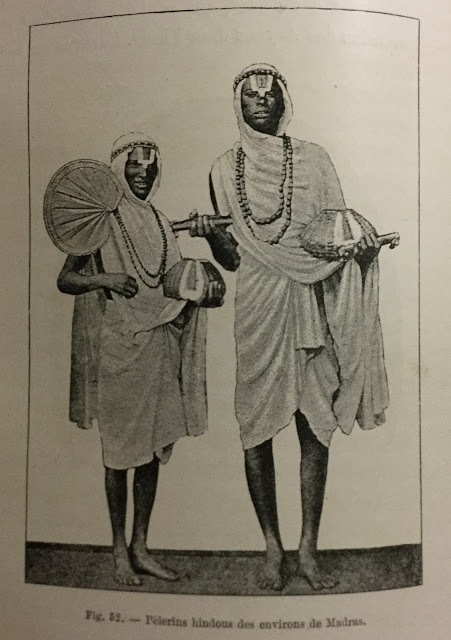
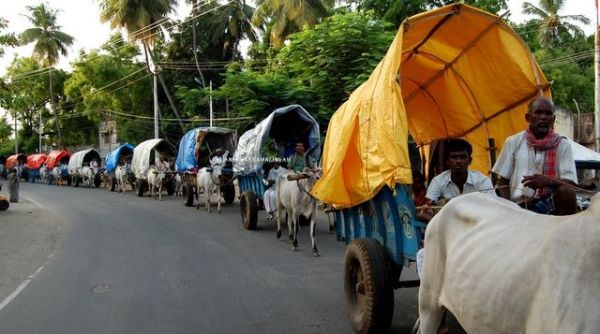
Tamil Pilgrims


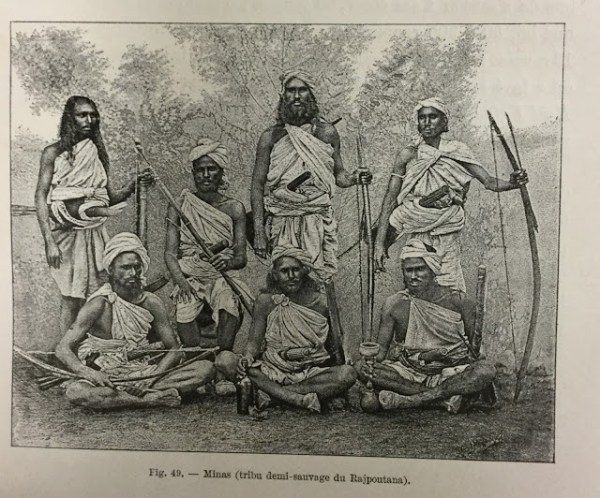
Minas of Rajasthan

to be continued……………………


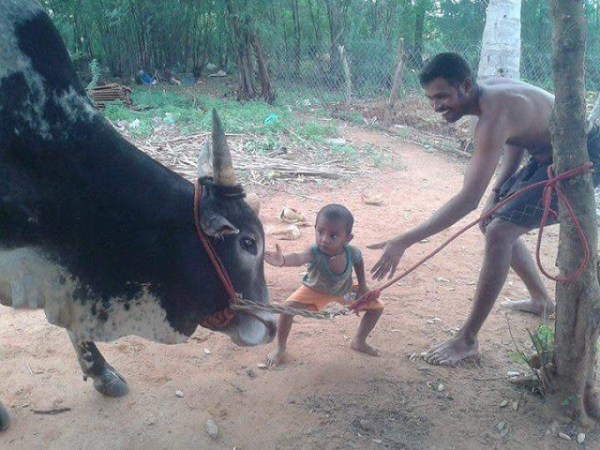
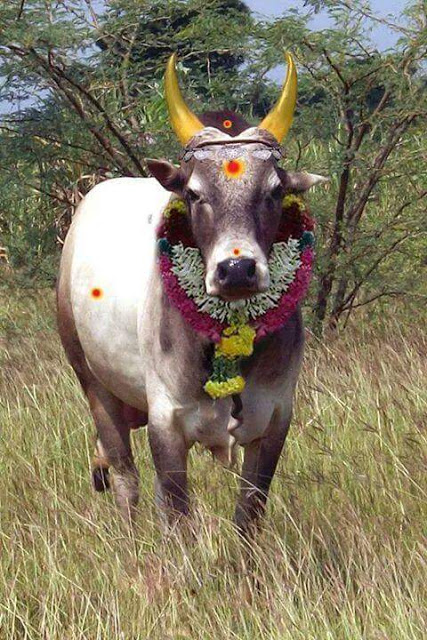
Bull Fighting by Kallans (Post No.3318)

Compiled  by London Swaminathan


Date: 4  November 2016


Time uploaded in London: 6-59 AM


Post No.3318


Pictures are taken from various sources; they are only representational.

Contact: swami_48@yahoo.com

 
Source: THE LAND OF LINGAM by Arthur Miles, Year 1933


“The Kallan girl often chooses her husband for valour. The horns of the fiercest bull are festooned with flowers, and the animal is turned loose amidst the frightful din of wild music and tom- toms. Excited by the noise and the onlookers, the bull charges about wildly, snorting and bellowing. The would-be bridegroom must recover the flowers from the bull’s horns, and it is considered a very great disgrace to be injured in so doing.


In former days all weddings were preceded by bull-fights. The girls who were to be married stood on a balcony over looking the enclosure, and watched their sweethearts give an account of themselves. The men were dressed in garlands of red and purple flowers, and before the contest prayed to the gods whose images were placed under the trees. The drums were beaten until the animals were infuriated, when at a given signal the men leaped into the enclosure and tried to seize the bulls, each youth selecting the bull whose colours belonged to his sweetheart. Many an unfortunate youth would be gored, and others, although wounded and bleeding would essay again and again to spring on to beasts’ backs to  bring them to the ground. The men who acted as judges, when they gloated sufficiently over the ghastly spectacle, announced that the fight was over. The victors afterwards met their brides-elect in another enclosure, which had been prepared for dancing. Often girls had to attend several fights before their chosen ones (there were different men on each occasion) came out alive.


Cousin Marriage


In  the opinion of the Kallans the best alliance is between man and his first cousin on his father’s side. Disparity in ages is considered of no consequence. A boy of fifteen should marry such a cousin, if she happens to be thirty or forty and if he has no cousin he should marry his aunt. When a wedding has taken place, the bridegroom’s sister goes to the bride’s house and takes the bride home with her to a feast that has been prepared. For the celebration sheep will have been roasted and a goodly supply of toddy bought. When everyone is intoxicated, the bride and the bridegroom go to their own house.


During the first year of their marriage the bride’s mother is supposed to present the pair with rice and chickens, pots, cocoanuts, and cloth, as often as she can afford the gifts. It used to be the custom for the bride and bridegroom to stand side by side during the marriage ceremony, and to sell all the wedding presents to the assembled guests, the money brought by the sale becoming the bride’s wedding portion.


Infant marriage is permitted amongst the Kallans, but it is not popular because it entails a present which must be given by the parents of the bride to the contracting pair until after the first year of the conjugal state. In adult marriage the time is shortened, and consequently the expenditure is less. For the betrothal ceremony the consent of the maternal uncle is necessary.


A pregnant woman, during the seventh month of pregnancy stands before her sister-in-law with bent head, while the sister-in-law pours the milk of a cocoanut down her, the pregnant woman’s, back. Sometimes patterns are traced on her back with turmeric paste before the liquid is poured. On the same date the husband decorates a grindstone with paste tracings, a blessing on his wife, and prays that she may have a male child as strong as the stone. When a child is born the entire family is under pollution for thirty days, during which time entrance into a temple is forbidden.

Circumcision!

This caste performs circumcision. It is uncertain how this practice came into being.

Before any undertaking they place one red flower and one white flower in front of their idol, the white bloom signifying success. A child is asked to pick up one of the flowers, and if the red one is chosen, the undertaking is abandoned for the time.


Their local gods are carried through the streets on the sacred vehicle at the car festival, and their god Aalagarswami, exhibits the long ears characteristic of their caste.


It is said that if the men of this caste are successful in a marauding expedition, they put some of their ill-gotten gain before the god in the local shrine. The banks of the River Vaigai swarm with Kallans at their great annual festival, when the god Alagarswami is draggee through the steets. No blood is spilled as Alagarswami is a vegetarian, but ack of sanguine offering is due more to Brahmin influence than to Alagarswami’s vegetarian propensities.


Tree Devils

The Kallans believe that certain trees are occupied by devils, and under such trees they make offerings to the demon inhabitants. Rice and milk are left for the devils at night and a little fire is lighted in order that they can see the offerings. To-day, if such a tree grows in the jungle, and is consequently off the beaten path, a sheep or a goat is sacrificed and its blood spilled at the roots. When an animal offered, the devil will come out of the tree and enter the body of the worshipper, who becomes the devil’s mouthpiece and predicts what is going to happen in the near future. When the spirit of darkness has had his say, he returns to his tree and the worshipper recovers his senses.


Disputes and petty crimes occurring in the caste are usually settled by some member in authority. This dignitary frequently is one who, because he has acquired more money than any of the others, has won the respect of his people. Fines he inflicts are credited to the caste fund, and as this fund must be augmented the attentions of the police are not solicited.


Read my old article:-

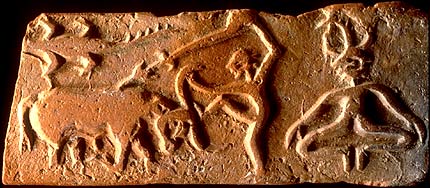
BULL FIGHTING: Indus Valley to Spain via Tamil Nadu by London Swaminathan, 21 January 2012


–SUBHAM–


DRAVIDIAN MARRIAGE CUSTOMS (Post No.3297)

kudalur-adivadi-women

Adivasi women from Dinamalar newspaper

Compiled  by London Swaminathan


Date: 28 October 2016


Time uploaded in London: 12-56


Post No.3297


Pictures are taken from various sources; thanks


According to foreign “scholars”, all dark-skinned people, particularly tribal people, are Dravidians. But I have been saying that they are neither Dravidians nor Aryans, because no such thing is found in Sangam Tamil literature and Vedic literature. According to foreign writers these were the people once occupied Indus valley cities; but I have been arguing these people have nothing to do with Indus valley Civilization. These were the people who have been living in tis country from Bhimbetka Cave (Madhya Pradesh) days along with the Vedic culture. There are hundreds of tribes in India with different customs. There is no uniform culture. The surprising thing about the tribes is that they tie MANGALA SUTRAM (Thaali in Tamil) around bride’s neck. So, following piece gives a severe blow to Aryan-Dravidian theories—swami


Following is an excerpt from ‘The Hindu at Home’ written by Rev J E Padfield written in 1908.


Hitherto I have been speaking of things as they are in the Telugu country. Farther south, in the Tamil speaking parts, there many varieties the marriage rites amongst the various aboriginal tribes.


Vellalar and Milk Bowl

The Karakat Vellalans, for instance, who live on and near the Palani Mountains in South India, have very peculiar marriage customs. The ceremony is performed in a booth (Pandal), erected for the purpose before the house door of the bride. The bride and bridegroom are seated on the floor with their faces towards the east. A lamp kept burning on a stool near where they sit, whilst a measure of grain and a rude image of Ganésha made of cow dung, is placed near them. After both have prostrated themselves before the symbol, the bride- groom receives the mangalasutram from some of the relatives present, which he proceeds to tie around the bride’s neck. At the same time a bowl of milk is brought, in which a few leaves of the peepul tree have been steeped. The relatives on both sides then sprinkle some of this milk upon the heads of the pair.


The newly-married couple then prostrate themselves before their several relatives, and the day’s ceremony is concluded with a feast and a formal distribution of betel. This concludes the marriage ceremony. On the following day the bridegroom gives a grand feast, when various marriage presents are distributed to the bride and her relatives.


Maravans and Conch Shells

Amongst the Maravans, a people dwelling mostly in the extreme south-east of the peninsula, the marriage ceremonies are very strange and unusual. After a marriage has been agreed upon by the principal members of two families, a few of the relatives of the intended bridegroom go to the house of the bride, and then, with or without her consent and, even perhaps without having sought the consent of the bridegroom they tie upon her neck the mangalasutram whilst conch shells are blown loudly outside They then escort the bride to the house of her husband. A feast is given which lasts for several days.


Processions are formed through the streets and a cocoanut broken before an image of Ganésha. These and a few other one ceremonies conclude the marriage rites. There is one curious custom which must be noted when these people have not the means to pay for the feast and other expenses. They simply tie on the mangalasutram, upon which the parties live together as man and wife. The other ceremonies, however, must be gone through at some time or other, when means admit of it. Should the husband happen to die before the defect has been supplied, the friends and relatives at once borrow money, if they have none by them, and proceed to complete the marriage ceremonies in the presence and on behalf of the corpse. The dead body supposed to be the bridegroom is placed on a seat with the woman by it. After this gruesome ceremony, the mangala- sutram is taken off the woman and she is free, as a widow, to remarry.


Kallans and Boomerangs

Amongst the Kallans, an important caste in the south, a marriage alliance depends upon consanguinity, and it is entirely irrespective of the wishes of either parties to the contract, or even of their parents. When a wedding has been fixed upon, the sister of the bridegroom, with a present in her hand, goes to the house of the parents of the bride and ties some horse-hair around the bride’s neck. She then takes her, accompanied by some of her relatives, to the house of the bridegroom where a feast is prepared. After the feast the pair are conducted to the house of the bridegroom where a solemn exchange is made of vallari thadis or boomerangs. Another feast is then given in the bride’s house, and the bride is presented by her parents with some rice and a hen. The bride and bridegroom, now husband and wife, then repair to his home and the marriage ceremony is complete.


Tottiyans and Bullock-sadle


There is a caste of cultivators in the south called Tottians, who perform their weddings as follows. Two booths are erected, outside the limits of the village, and in each of them is placed a bullock-saddle, and upon these are seated the bride and bridegroom, whilst the relatives and friends congregate around. The attendant priest addresses the assembly, after which the price of the bride, usually so much grain, is carried under a canopy of white cloth to the house of the bride’s father. This procession, which is heralded by music and dancing, is met by the friends of the bride who receive the grain, and they all go together into the house. Here betel is distributed and mutual congratulations exchanged, after which the whole party is led to the bride’s booth by the priest.


Arrived there, the priest receives at the hand of the bridegroom a small chain of black beads and a tiny circlet of gold. The priest then proceeds to tie the chain round the bride’s neck and attaches the circlet of gold to her forehead, with which ceremony the marriage is complete. This is succeeded by the usual feasting, without which it does not seem possible for a marriage to take place anywhere.


Poleiyans


There are people of a very low status like the Poleiyans, for instance, whose marriage ceremony merely consists of a declaration of consent made by both parties at a feast to which all the relatives are invited. I now proceed to describe the nuptial rites of the hill tribes of Southern India which are of the most simple and primitive character.


Todas: Foot on Bride’s Head!


Amongst the Todas early betrothals are common, and the agreement is ratified by an interchange of buffaloes. When the time comes for the marriage to be consummated there is another exchange of buffaloes.

The only ceremony is that the woman bows down before the man and he places his foot upon her head. This humiliating acknowledgment of submission on the part of woman is not what one would have expected in a tribe where polyandry is practised. The wife is installed in her position by proceeding to perform some household duties, such as cooking and drawing water.

Kotas

The Kotas, a tribe dwelling on the slopes of the Nilgiri Hills, perform their marriages in the following manner. It is usual for the couple to be betrothed when they are quite young and, when the girl becomes of a marriageable age, she is sent for to the house of her future father-in-law. The usual marriage feast is given, followed by music and dancing, and the ceremony is concluded by the bridegroom’s mother tying the mangalasutram round the bride’s neck.


Kurumbas: No Marriage rites!!

Amongst the Kurambas, who are also dwellers on the Nilgiri slopes, there seem to be no marriage rites whatever. When a couple decide to come together, or even after they may have been living together for some time, a feast is given to their friends and the marriage is complete.

Irulas

With the Irulas, another Nilgiri tribe, there is no marriage ceremony, neither is there any previous betrothal. When a youth comes of age to choose a wife, he finds one for himself and the matter is ended.


Badagas

The Badagas, who are dwellers on the Nilgiri plateau are said to be the descendants of Canarese colonists. Amongst this people marriages are contracted without any special rites and the marriage tie is held by them very loosely. After a couple have agreed to come together, a time of probation is allowed during which either of the parties may draw back and decline to go further with the connection. A man may make several of these temporary alliances before definitely decides upon a partner for life. There is some feasting when a definite alliance has been agreed to, and that is all there is by way of rites and ceremonies.


–Subham–


Why are Tamils so famous? (Post No.3261)

south-india-map

Compiled by London Swaminathan


Date: 17 October 2016


Time uploaded in London: 19-30


Post No.3261


Pictures are taken from various sources; thanks. (Picture is used only for representational purpose; no connection with the current article.)


Contact swami_48@yahoo.com

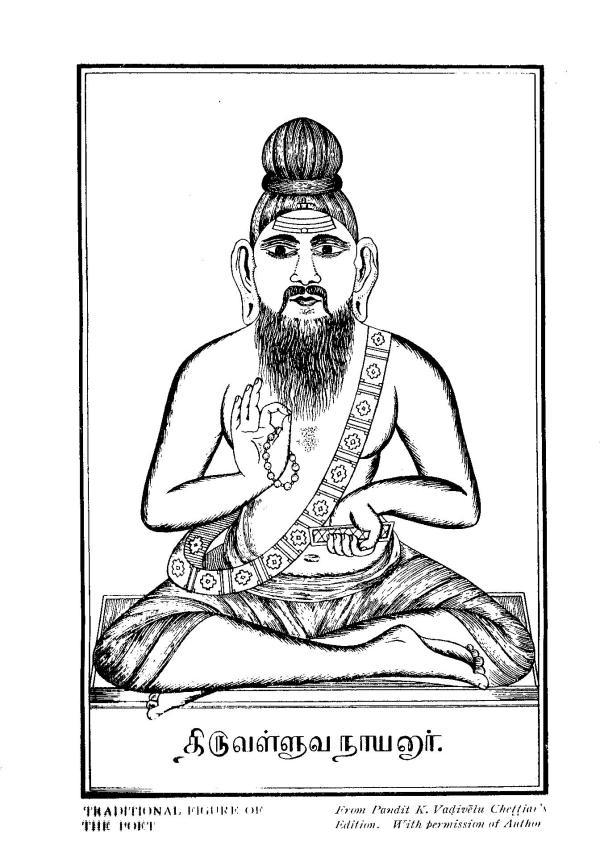
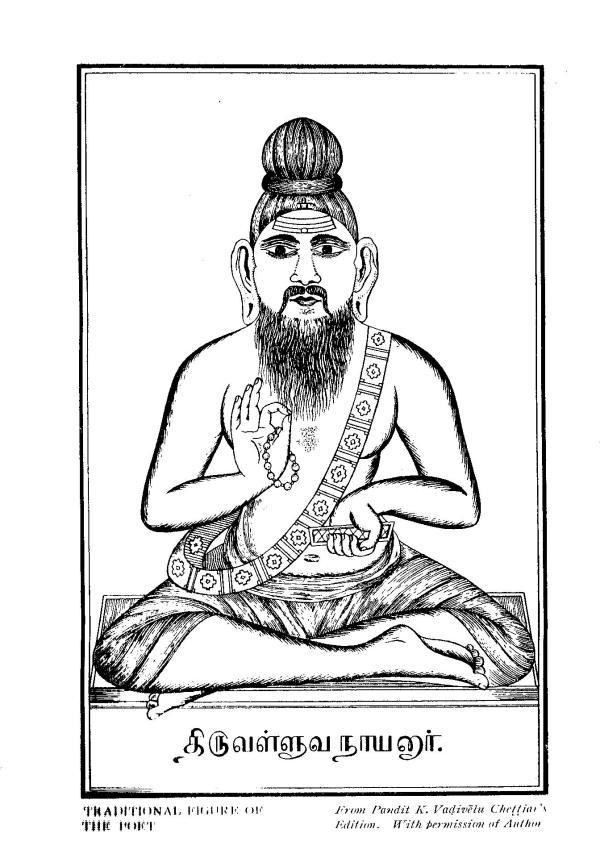
valluva-nayanar

“The Tamils are famous because they have lived and thrived in their own country for eons and ages in the accredited cradle of human race.

They are famous, because they have been truly, goldly, impartial, munificent, hospitable and heroic at a pinch.

They are famous, because they have ruled a vast continent submerged long ago in a most exemplary manner worth the admiration of the remotest posterity and patronised learning and leaned coterie with a generous heart and liberal hand.

They are famous, because they own a language which is sweet in its name and a literature which has stood cataclysms of every description political, moral religious and philosophical.


They are famous, because their religion is rational, their morality is practical and their philosophy is spiritual.

They are famous, because their songs and psalms are replete with highest truths. They are sung by all, the young and the old, the rich and the poor, the high and the low, inspiring love, reverence and holiness.


They are famous, because, their boys and girls, their sons and daughters, have been and are imbued from their cradle with divine wisdom enshrined in the three classic Books of Golden Maxims embodying the quintessence of the libraries of Neethi Sastras culled from rewards of human experience, Englished by me and published in this tiny volume.


They are famous, because, they have looked upon the soul and the body as equally sacred, one being the temple of the other and have acted uniformly in high principle of a sound mind in a sound body, mens sana in corpora sano.

dance-in-shade

They are famous, because their Saint Valluvar has enriched the world with his pithy couplets on Virtue, Wealth and Pleasure rendered into a number of modern languages in the West as in the East, because their Grandma sage Auvaiyar has opened the gates of Heaven and Eternity in her three hundred and ten high toned and succinct Kurals, and because their devout Savant Meykandan has in his duo Decalogue or 12 Sutrams, laid bare, in a clearly logical and analytical strain, his infinite heavenly riches in a little room, virginibus puerisque, to be easily gulped down and permanently retained in the mind for ever.


They are famous, because, their Siddhars or Supermen have preached human brotherhood and sisterhood, sans per sans reproche, against the rampant alien caste system and social tyranny and vigorously denounced formalism in religion and asceticism in practice of the degrading and self -mortifying kind.


They are famous, because their system of medicine and therapeutics, called Siddhic, has provided the human race with ambrosia, nectar, elixir and the philosopher’s stone for the rejuvenation and prolongation of human life, not merely with the help of rare herbs abounding in their environment but with the aid of metals scientifically calcined and sublimated, not as in the case of metalloid therapy for external application but as curative health powders to be taken in mixed with honey, being fully aware of the metallic ingredients in the composition of the human organism, a system and a process quite new to the modern medicos who, lost in wonder at first, have slowly began to appreciate and realise it.

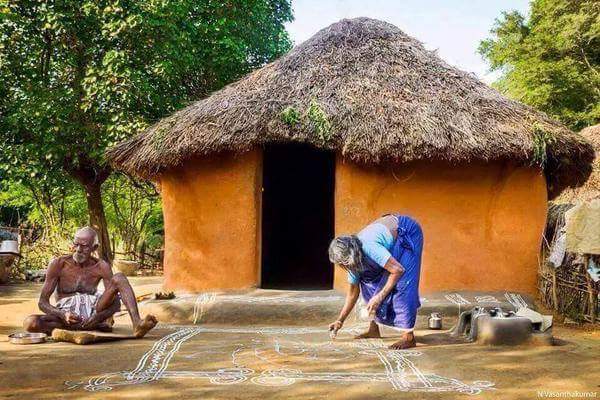
kolam-kizavan-kizavi

And above all, they are famous, because , what their forbears had conceived and wrought successfully with divine grace twenty ,thirty and more centuries ago, in every art and craft are still marvellous and mysterious to the rapidly advancing modern scientist in the West, whose unenviable candour and indefatigable research at the cost of millions of pounds or dollars, it is hoped, proclaim in the course of a few years, the glories of Tamilaham and sing the paeans of the wonderful Tamilan achievements in medicine and therapy in the hoary past, pre-diluvian times. May our echoes roll from soul to soul and grow for ever and ever”.

BIBILOTHECA

Munnirpallam                                                                    M.S.P.

15th November 1936

MSP= M S Purnalingam Pillai


Tamils are Devil Worshippers: Caldwell’s Bluff- Part 2 (Post No.3230)

robert_caldwell

Compiled by London Swaminathan


Date: 8 October 2016


Time uploaded in London: 6-58 AM


Post No.3230)


Pictures are taken from various sources; thanks.


 Please read the first part of this article posted yesterday and then continue here.


“This teaches us two things. First, that demonolatry may surround deities that were originally good, — human passions and fears may change a good into an evil spirit. Second, the true meaning of the word Pey or Pennu is not ‘devil’ but ‘light’.


But Dr Caldwell asserts that the word is neither Sanscrit nor related to Sanscrit. This is a strange error. Before Caldwell wrote, it had been frequently noted  that the Dravidian Pe or Pey is identified with the root pi-sacha, meaning a devil, a malevolent being. The words are interchangeable. There is no reason to suppose  that the Tamil word is derived from Sanscrit or vice versa, yet the roots are identical.  But Sanscrit authorities ascribe Pi-sacha to a root pis, to adorn, and this, as given by Benfey, has the parallel form pimsa from the root pims to shine.  This exact coincidence in both Dravidian and Sanscrit forms proves their identity beyond a doubt. The Sanscrit forms just quoted  probably belong to  the great cluster of important roots that has its centre in Bha, to shine. Thus the Tamil Pey and the Khond Pennu find their exact equivalents  in the Greek Phao and phaino from the root pha. The same derivative appears in the gods Pjanos and Phaethon.


But the Dravidian tongues do not need these foreign analogies to show Pey, a devil, comes from a root meaning light. In Madi pey-al, in Rutluk piy-al, in Madia biy-ar, I Tamil pag-al, in Tuluva pag-il, all mean day, the light time.  Al and il are merely substantive terminations. In ancient Tamil pi-rei was te moon and vey-il is the sunlight. In another dialect peymaro is the light. A hundred other examples may be given, proving beyond doubt that the Tamil pey originally meant the bright one, that is, the deity. As some Khond tribes made Pennu the god of light a devil, so some of the Tamils, when cut off from the better teaching of the fathers of their races, degenerated in their worship and degraded their deity to match their superstition.


It has always been easy to change a god into a devil.  The last word used in an illustration, for devil is a clear derivative from deva, and is closely related to Deity? Opposing nations have ever called the gods of their adversaries, devils. But enemies are needed for this change. Ignorant sinful man must ever look upon god as a being to be propitiated rather than loved, and when such propitiation becomes an instrument in the hands of ignorant and poor but greedy priests, it pays well to make the deity as dreadful as possible, that offerings may be the more readily made to appease it. Out of Hinduism came the devilry of sakti. Kali the protector and avenger is now Durga the devil.


The name of the devil god of Tinnelvelly, when thus carefully examined, proved the exact of what Caldwell would learn from it. He asserts, — “of elementary worship there is no trace whatever in the ,,,,,,,,,,,,,,,, in the usage of any portion of the Tamil people.”. the word shows, in reality, that the demonolatry is corrupted from an early worship of the element light. In the Khond country all the elements are worshipped.  Caldwell asserts tha the Tamils are not related to the Aryan race, and adduces the name and the worship of devils as evidence.  The name proves that the deity is Aryan, and there is every reason to elieve the worship to be but one example of a process that happened in many Ara races. Caldwell employs the facts under notice to prove the Turanian origin of the people. Their evidence is on the other side, though by no means conclusive either way.


The composer, teachers and generally the singers of the songs belongs to distinct class in the Hindu society”.

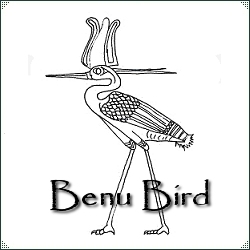
benu_sml

MY COMMENTS

1.Letters M and V are interchangeable in Tamil and other Indian languages (E.g.Muzi, Vizi= pupil in the eye) at least in the spoken form. I have given several examples in my research papers posted here. If you apply the same rule deVan can easily change into demon. It goes with E Gover’s argument (pey, Deva all meant Light in the beginning). Even the word ASURA in the Vedas is used with good and bad connotations. Even today we use in Tamil he has the strength of an Asura (Asura Balam) in good contexts. This is to show in course of time spellings and meaning change.


2.Pennu in Khond context means Light. Mani Smrit and Tamil Purananuru describe Pennu (woman) as the light of the house. So Pen in Tamil might have meant light. Pen in Tamil may mean one who raises/supports (PENU) the family.


3.Bishop Caldwell has done many blunders in his work. Even the Tamil fanatics in their commentaries on Tolkappiam had refuted Caldwell’s staements. I have already written about in this blog.

EGYPT-KHOND CONNECTION!!!

3.Pennu in Khond Gods mean light. Bella Pennu is Sun God. This gives support to my argument that civilization moved to West from India. All the key words in old languages can be traced to Sanskrit or Tamil (Eg. Numbers Eight and One are same in Tamil Ettu, Onnu). In the word Bella Pennu Bella is Tamil Vella=White’ linguists know that B and V are interchangeable; Eg. Bengal=Vanga; Bihar=Vihara/Buddha)

To my surprise I found the word BENU in the Egyptian God Lis with the same meaning LIGHT, SUN GOD!

Following is the excerpts from the book Encyclopedia of Gods by Michael Jordan:


Boora Pennu

God of light. Indian, Khond.

A local deity in Orissa province who created the earth goddess Tari Pennu as his consort and through her engendered the other great gods. Until recently this deity was the subject of sacrifice in notorious ‘meriah’ rituals which involved violent human sacrifice.


Even in this passage Tari is TARAI in Tamil, DHARANI in Sanskrit, TERRA in Greek and other languages; all mean the earth, floor.

Even the word Meriah is derived from Mrt=Mortal=Death.

Mrt is the Sanskrit word for death.

So all the words in ancient languages can be traced to Tamil and Sanskrit. This even will show the missing link in the old languages.

fenix_bennu

4.Now compare it with the Egyptian God:-

BENU:

Transmuted bird like form of a Sun God.

Egyptian (Upper); a deity mentioned in the Pyramid Texts (circa 25th century BCE) and linked with the sun god of Helio polis (corrupted form of the Sanskrit word Surya Puri), Atum (corrupted form of Sanskrit word Sun=Aditya in Sanskrit and Adhavan in Tamil).


He is also said to have been self-created from the primeaval ocean and is sometimes a symbol of rebirth and after life. Benu may have augumented the Greek classical tradition of the Phoenix . he appears in the Old Kingdom as a yellow wagtail but later becomes a heron, wearing the conical white crown of Upper Egypt with two slender feathers pointing backwards from its crest.


(This can be compared with the Bird Suparna in the Vedas which became the Vahana of Vishnu in the later period)


We may conclude that the word Bennu meaning Light travelled from India to Egypt.(It must be seen in the background of my other articles Connecting Egypt and India)

Egyptians also use lot of symbolism like the Hindu Vedic seers.

Also read my article:

Very Important Date 23rd October 4004 BC, posted on 30 January 2014.


–Subham–


எவரெஸ்ட் வெற்றியும் உயிர் தியாகங்களும்! (Post No.3087)

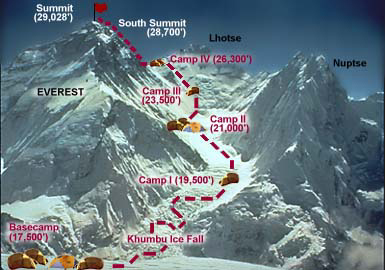
everestroutemap

Article Written S NAGARAJAN

Date: 24th  August 2016

Post No. 3087

Time uploaded in London :– 5-29 AM


(Thanks for the Pictures)


DON’T REBLOG IT AT LEAST FOR A WEEK! DON’T USE THE PICTURES; THEY ARE COPYRIGHTED BY SOMEONE.


(for old articles go to tamilandvedas.com OR swamiindology.blogspot.com)


பாக்யா 19-8-16 இதழில் அறிவியல் துளிகள் தொடரில் வெளியாகியுள்ள கட்டுரை


எவரெஸ்ட் வெற்றியும் உயிர் தியாகங்களும்!

.நாகராஜன்

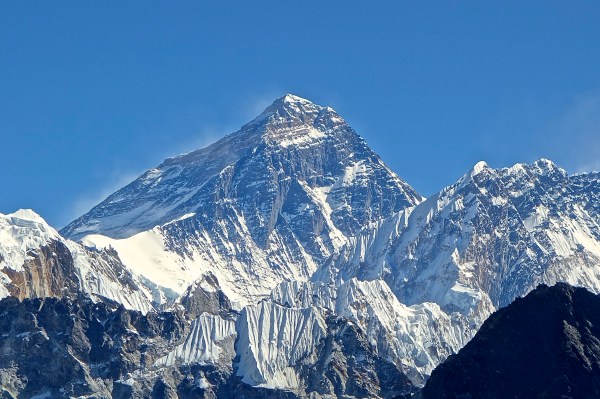
Mt._Everest_from_Gokyo_Ri_November_5,_2012

மேலை நாட்டினரின் மலையேறும் நோக்கமும் நமது மலையேறும் நோக்கமும் முற்றிலும்  மாறுபட்டது” –ஜம்லிங் டென்சிங் (எவரெஸ்டை வெற்றி கொண்ட டென்சிங்கின் மகன்)


எவரெஸ்ட் சிகரத்தில் ஏறி வெற்றி கண்ட முதல் மனிதர் டென்சிங் நார்கே. (தோற்றம் 29-5-1914 மறைவு 9-5-1986) இருபதாம் நூற்றாண்டின் செல்வாக்குள்ள போற்றப்படும் நூறு பேர்களில் அவரையும் சேர்த்துக் கொண்டாடியது டைம் பத்திரிகை.

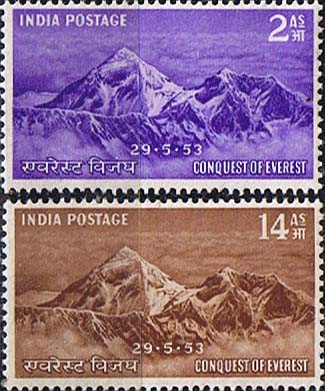
1953ஆம் ஆண்டு மே மாதம் 29ஆம் தேதி எவரெஸ்ட் சிகரத்தின் உச்சியில் சர் எட்மண்ட் ஹிலாரியுடன் அவர் ஏறினார்.


மேலை நாட்டினருக்கு  மலை ஏறுவது என்பது ஒரு விளையாட்டான பொழுது போக்கு. ஆனால் இந்தியா, திபத் மற்றும் நேபாளத்தில் உள்ள ஷெர்பாக்களுக்கோ அது ஒரு வழிபாடு போல. எவரெஸ்ட் அருகில் உள்ள இடத்தை அவர்கள் புனிதத் தாய் என்று போற்றி வழிபட்டு வருகின்றனர்.


எவரெஸ்ட் வெற்றியைப் பற்றி டென்சிங் கூறுகையில், “நான் முயன்றேன். ஏழு  முறை முயன்றேன். தாயின்  மீது தவழத் துடிக்கும் சேயைப் போல. முடிவாக அவள் வெற்றியை அருளினாள் என்று கூறினார்.


எவரெஸ்ட் சிகரத்தில் ஏற முயன்று பலியானோர் எண்ணிலடங்காத பேர்கள்.


1996ஆம் ஆண்டு மே மாதம் 10 மற்றும் 11ஆம் தேதிகளில் பனிப்புயலில் சிக்கி எட்டு பேர் உயிரிழந்தனர். கோரமான விபத்து என்ற பெயரை இது பெற்றது. எவரெஸ்ட்  மீது ஏறுவதில் வருடா வருடம் பலர் உயிரிழப்பது வழக்கமாக ஆனது.


1924 ஆம் ஆண்டு ஜூன் மாதம் 4ஆம் தேதி பிரிட்டனைச் சேர்ந்த மலையேறும் வீரர்களான ஜார்ஜ் மல்லாரி மற்றும் ஆண்ட்ரூ இர்வின் ஆகியோர் எவரெஸ்ட் சிகரத்தின் மிக உயரத்தில் உள்ள முகாமிற்குச் சென்று தங்கினர்.


நான்கு நாட்கள் கழித்த பின்னர் அவர்கள் வடகிழக்கே சிகரத்தின் கீழ் செங்குத்தாக 800 அடிக்குக் கீழாக இருப்பதைக் கண்டதாக சிலர் பின்னர் கூறினர். ஆனால் அப்போது பிரம்மாண்டமான மேகக் கூட்டம் அவர்களை மூடியது.

பின்னர் அவர்கள்  இருவரையும் யாரும் காணவே இல்லை.

அவர்கள் என்ன ஆனார்கள்? புரியாத புதிராக இருந்தது.

அறிவியல் ஆய்வாளர்கள் அந்த இருவரும் 29029 அடி உயரத்தில் மலை உச்சியை அடைந்து கீழே இறங்கி வரும் போது ஜூன் 9ஆம் தேதி இறந்திருக்கலாம் என்று கருத்துத் தெரிவித்தனர்.


1933ஆம் ஆண்டு இர்வினின் ஐஸ் கோடரி 28907 அடியில் கண்டு பிடிக்கப்பட்டது. 1999ஆம் ஆண்டு மலாரியின்  உடலை எவரெஸ்டின் வடக்குப் பகுதியில் ஒரு மலையேறும் குழு கண்டது. சில நாட்களில் அதே பகுதியில் இன்னொரு உடல் கண்டுபிடிக்கப்பட்டது. அது இர்வினா என்ற சந்தேகமும் எழுந்தது.


ஆனால் அவர்கள் எவரெஸ்ட் உச்சியை அடைந்தனரா என்பதை யாராலும் உறுதி செய்ய முடியவில்லை.

எவரெஸ்டில் டென்சிங்கின் வெற்றியைக் கொண்டாட வெற்றி கண்ட 50ஆண்டு விழாவின் போது டென்சிங்கின் மூன்றாவது  மனைவிக்குப் பிறந்த டென்சிங்கின்  மகன், ஜம்லிங் டென்சிங் (Jamling Tenzing) எவரெஸ்ட் மீது ஏறினார். அவருக்குத் துணையாக சர் எட்மண்ட் ஹிலாரியின் மகனும் கூடச் சென்றார். தன்னை ஒரு நாளும் மலை ஏறுவதை தன் தந்தை ஊக்குவிக்கவில்லை என்று கூறிய ஜம்லிங், “ஆனால் அவன் ஒரு நாள் நிச்சயம் எவரெஸ்ட் மீது ஏறி விடுவான் என்று மற்ற அனைவரிடமும் டென்சிங் தன்னைப் பற்றிக் கூறியதாகத் தெரிவித்தார்.


 india-1953-conquest-of-mount-everest-set-fine-mint-20096-p

டென்சிங் பற்றிய ‘எவரெஸ்ட் என்ற ஆங்கிலத் திரைப்படம் இமேஜ் மேக்ஸிமம் என்பதன் சுருக்கமான ஐமேக்ஸ் உத்தியில் 1998ஆம் ஆண்டு தயாரிக்கப்பட்டது. இதைத் தயாரிக்க ஜம்லிங் எவரெஸ்ட் பெரிதும் உதவினார். அவருக்கு 25000 டாலர்கள் தரப்பட்டது. ‘பணம் பெரிதல்ல, ஷெர்பாக்களைப் பற்றி உலக மக்கள் அறிய அது உதவியதே, அதைத் தான் பெரிதாக நினைக்கிறேன், என்று கூறி மகிழ்ந்தார் ஜம்லிங்.

45 நிமிடமே ஓடும் எவரெஸ்ட் படம் ஐமேக்ஸ் உத்தியில் தயாரிக்கப்பட்ட படங்களிலேயே அதிக வசூலை அள்ளிக் குவித்தது.


‘டச்சிங் மை ஃபாதர்ஸ் சோல் (Touching  my Father’s Soul) என்ற புத்தகத்தை அவர் எழுதி 2001 ஆம் ஆண்டில் வெளியிட்டார். புத்தகம் அமோகமாக விற்பனையைக் கண்டது, 18 மொழிகளில் மொழிபெயர்க்கப்பட்டது. ஜம்லிங் இப்போது மலையேறும் வீரர்களுக்கான பயிற்சியைத் தருவதற்கான ஒரு மையத்தை அமெரிக்காவில் நடத்தி வருகிறார்.

அத்துடன் உத்வேகம் ஊட்டும் சிறந்த மோடிவேஷனல் பேச்சாளராகவும் திகழ்கிறார்.


தந்தைக்கு ஏற்ற பிள்ளை என்று உலகம் அவரை பாராட்டுகிறது.


புனிதமான அன்னை எனக்கு வெற்றியை அருளினாள் என்று ஜம்லிங்கும் இமய மாதாவைத் தொழுது போற்றி வணங்குகிறார்!


rod2

அறிவியல் அறிஞர் வாழ்வில் .. ,,


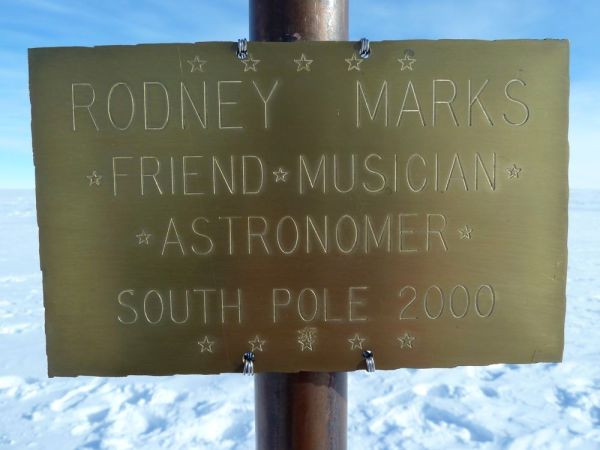
தென் துருவத்தில், அண்டார்டிகா குளிர் என்பது பயங்கரமான குளிர்! வான்பௌதிக இயலாளரான ரோட்னி  மார்க்ஸ் (astro physicist – Rodney Marks) என்பவர் ஆஸ்திரேலியாவைச் சேர்ந்தவர். அண்டார்டிகாவில் உள்ள அமெரிக்க ஆய்வு மையமான அமுண்ட்ஸென் ஸ்காட் நிலையத்தில் தென் துருவ ஆய்வுப் பணிக்காகச் சென்றார்.


2000ஆம் ஆண்டு மே மாதம் 12ஆம் தேதியன்று திடீரென்று அவர் மரணமடைந்தார். யாருக்கும் ஒன்றும் புரியவில்லை.


குளிரோ கடும் குளிர். விமானம் பறப்பது என்பது எளிதான காரியமல்ல.ஆகவே அவரது உடல் வசந்த காலம் வரும் வரை அங்கேயே பாதுகாப்பாக வைக்கப்பட்டு பின்னர் நியூஜிலாந்திற்கு பருவநிலை சீரடைந்த பிறகு கொண்டு வரப்பட்டது. பிரேத பரிசோதனையில் அவர் மெதனால் விஷத்தால் மரணமடைந்திருப்பது கண்டுபிடிக்கப்பட்டது.


 உடனடியாக தீவிர விசாரணை மேற்கொள்ளப்பட்டது. அந்த நிலையத்தில் இருந்த 49 பேரிடம் நியூஜிலாந்து போலீஸ் விசாரணையை மேற்கொண்டது. அவர் நிச்சயம் தற்கொலையும் செய்து கொள்ளவில்லை, யாரும் அவருக்கு மெதனால் கொடுக்கவும் இல்லை என்றும் கண்டுபிடிக்கப்பட்டது. அவர் தனக்குத் தெரியாமலேயே தற்செயலாக மெதனாலை சாப்பிட்டிருக்கலாம் என்று  முடிவு செய்யப்பட்டது. 2008ஆம் ஆண்டு மீண்டும் ஒரு அறிவியல் ஆய்வை பிரேத பரிசோதனை நிபுணர் ஒருவர் மேற்கொண்டு முந்தைய முடிவை உறுதி செய்தார்.

 rodney marks


அறிவியல் அறிஞர் ஒருவரின் முடிவு தென் துருவத்தின் முதல் கொலை கேஸாக அமைந்து பிரபலமானது.

********************


தீர்த்த யாத்திரை அவசியமா? (Post No.3072)

b_id_406817_kawadiyan

Written by London swaminathan

Date: 19th August 2016

Time uploaded in London: 5-40 AM

Post No.3072


Pictures are taken from various sources; thanks for the pictures.


காசிக்கும் ராமேஸ்வரத்துக்கும் சென்று நீரில் மூழ்கினால் பெரும் பயன் கிட்டும்; பாவங்கள் தொலையும் என்பது நல்ல நம்பிக்கைதான். ஆனால் அதைவிட சுலபமான, செலவில்லாத, ஒரு எளிய தீர்த்த யாத்திரை பற்றிக் கூறுகிறது ஒரு அழகான சம்ஸ்கிருத ஸ்லோகம்:-


க்ஷமா தீர்த்தம் தபஸ்தீர்த்தம் தீர்த்தம் இந்த்ரிய நிக்ரஹ:

சர்வ பூத தயா தீர்த்தம் த்யானம் தீர்த்தம் அனுத்தமம்


பொறுமை என்ற தீர்த்தம்


தவம் என்ற தீர்த்தம்


புலனடக்கம் என்ற தீர்த்தம்


எல்லா உயிரிடத்திலும் அன்பு என்ற தீர்த்தம்


தியானம் என்ற தீர்த்தம்


சத்ய/ உண்மை தீர்த்தம்


ஏதானி பஞ்சதீர்த்தானி சத்யதீர்தம் ச சர்வதம்

தேஷு திஷ்டந்தி சர்வஸ்ய தேஷு ஸ்நானம் சமாசரேத்

ஐந்து தீர்த்தங்களோடு சத்ய தீர்த்தத்தையும் சேர்த்துக்கொள்ளுங்கள்; உடலிலேயே இருக்கும் அதில் எப்போதும் குளியுங்கள்

இவ்வைகளுக்கு மேலான தீர்த்தம் எதுவுமில்லை!

இதில் ஏதேனும் ஒன்று இருந்தால் கூட தீர்த்த யாத்திரைக்கும் மேலான பலன் கிடைத்துவிடும்!


   கழுதைக்கு கங்கா ஜலம்


இதை விளக்க ஏகநாத் வாழ்வில் நடந்த ஒரு சின்ன சம்பவத்தைக் கூறலாம்:


மஹாராஷ்டிர மாநிலமும் தமிழகத்தைப் போலவே ஏராளமான அடியார்கள் வாழ்ந்த பூமி; அங்கும் நாயன்மார்கள், ஆழ்வார்கள் போல பலர் வாழ்ந்தனர். அவர்கள் பல்வேறு தொழில்களைச் செய்தவர்கள்; சமூகத்தின் பல்வேறு பிரிவுகளைச் சேர்ந்தவர்கள்; எப்படி தமிழ்நாட்டில் நந்தனார், கண்ணப்பர் போன்றோர் போற்றப்பட்டனரோ அப்படி கீழ்மட்டத்தில் இருந்தோரும் புனிதராக வழிபடப்படும் பூமி மஹாராஷ்டிரம்.


நிவ்ருத்தி, ஞானதேவ், சோபான முக்தாபாய் ஏக கநாத், நாமதேவ் , துக்காராம், சமர்த்த ராமதாஸ் போன்றோர் தினசரி பஜனைகளில் பாடப்படும் பேறு பெற்றவர்கள்.


ஒரு முறை ஏகநாத், பல அடியார்கள் புடை சூழ காசிக்குச் சென்று புனித கங்கையில் நீராடி விட்டு இரண்டு பானைகளில் கங்கை ஜலத்தை எடுத்துக் கொண்டு நடந்தார். தோளில் ஒரு கம்பை வைத்துக் கொண்டு அதன் இரு புறங்களிலும் கங்கை ஜல குடங்களை தொங்க விட்டுக் கொண்டு ராமேஸ்வரம் வரை வருவர். அங்குள்ள சிவலிங்கத்துக்கு அந்த கங்கை நீரால் அபிஷேகம் செய்வர். அப்பொழுதுதான் யாத்திரை நிறைவு பெறும் என்பது ஐதீகம்.


ஏக நாதரும் கங்கை நீரைச் சுமந்து கொண்டு ராமேஸ்வரத்தை நோக்கி நடந்துவந்தார். அடியார்கள் கோஷ்டி பின்னால் நடந்து வந்தது. அப்பொழுது கடுமையான கோடை காலம்,வெய்யில் எல்லோரையும் வாட்டி வதைத்தது. மக்கள் ஆங்காங்கே நின்று தாக சாந்தி செய்து வந்தனர்.

donkey-1

ஒரு பொட்டல் காட்டில் ஒரு கழுதை வாடி வதங்கி சோர்ந்து நிற்பதை ஏகநாதர் கண்டார். அது தாகத்தினால் தவிப்பதை உணர்ந்தார். கண்ணுக்கெட்டிய தூரம் வரை தண்ணீர் என்பதே இல்லாத வறண்ட பூமி அது. உடனே இரண்டு பானைகளிலும் இருந்த கங்கை நீரை கழுதைக்கு வார்த்தார். அதைக் குடித்தவுடன் கழுதைக்கு உயிர் வந்ததது. அது ‘காழ் காழ்’ என்று கத்திக்கொண்டு துள்ளிக் குதித்து ஓடியது.


சிறிது நேரம் கழித்து,  அடியார்கள் கோஷ்டியும் அவ்விடம் வந்து சேர்ந்தது. ஏகநாதரின் காவடியின் இரு புறப் பானைகளும் காலியாக இருப்பதைக் கண்டு என்ன ஆயிற்று என்று வினவினர். அவர் கழுதைக்கு கங்கா ஜலம் கொடுத்து காப்பாற்றியதை பெருமிதத்துடன் பகர்ந்தார்.

அதைக்கேட்ட பல பக்தர்கள் பொங்கி எழுந்தனர். என்ன அபவாதம் செய்துவிட்டீர்! கங்கை நீரைக் கழுதைக்குக் கொடுத்து பாவத்தை கட்டிக்கொண்டீர்களே. இப்பொழுது ராமேஸ்வரம் சென்றால் எதை வைத்து அபிஷேகம் செய்யப்போகிறீர்? என்று கேள்விக்  கணைகளை த் தொடுத்தனர்.


ஏகநாதர் அமைதியாகச் சொன்னார்:

“என்னுடைய அன்பு சிவ பெருமானுக்குத் தெரியும்; அது போதும். அவர் என்னை மன்னித்து விடுவார்.”


ஆக உயிர்களிடத்தில் அன்பு காட்டுவது தீர்த்த யாத்திரைக்குச் சமம் என்பதை ஒரு பெரிய மகான் நமக்குக் கற்பித்துவிட்டார்.


அதனால்தான் இன்றும் அவர் புகழைப் பாடிக்கொண்டிருக்கிறோம்.


நீதி, உயர்ந்த மதி, கல்வி — அன்பு

நிறைய உடையவர்கள் மேலோர்

உயிர்களிடத்தில் அன்பு வேணும்; — தெய்வம்

உண்மை என்று தானறிதல் வேண்டும்.

–மஹா கவி பாரதி.


–subham–


திருவள்ளுவர் ஐயரா? ஐயங்காரா? (Post No.3068)


brahmin valluvar


Written by London swaminathan

Date: 17th August 2016

Time uploaded in London: 6-08 AM

Post No.3068

Pictures are taken from various sources; thanks for the pictures.


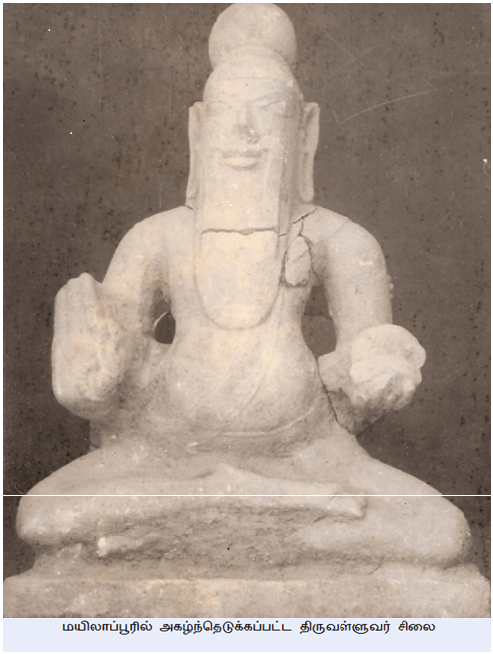
திராவிடங்கள் ஆட்சிக்கு வருவதற்கு முன்னால் தமிழ் நாட்டில் வெளியான எல்லாப் புத்தகங்களிலும் வள்ளுவர் ஒரு அரைப் பார்ப்பனர் என்று எழுதப்பட்டுள்ளது. அதுமட்டுமல்ல. தமிழ்நாட்டில் கிடைத்த பழைய வள்ளுவர் சிலை பூணூலுடன் காட்சி தருகிறது. அது மட்டுமல்ல. அந்தப் பூணூல் தெரியக்கூ டாது என்பதற்காக அதே வாக்கில் ஒரு மேல் துண்டு போட்டுச் சுற்றிக் காட்டப்பட்டுள்ளது.

நிற்க.


திருவள்ளுவர் பல இந்து தெய்வங்களைக் குறிப்பிடுகிறார். அவர் சைவரா (ஐயர்) அல்லது வைஷ்ணவரா (ஐயங்கார்) என்று ஒரு பட்டி மன்றம் நடத்தினால் நான் ஐயங்காரே! என்ற கட்சியில் நின்று வாதாடி ஜெயிப்பேன். ஏனெனில் அதற்குத்தான் அதிக ஆதாரங்கள் உள்ளன.


சிலர் இவர் சமணரா, பௌத்தரா என்றும் வாதாடிப் பார்த்து தோற்றுப்போனார்கள். ஏனெனில் சமணமோ பௌத்தமோ, தெய்வத்தைப் பற்றிப் பேசுவதில்லை; வள்ளுவனோ தெய்வம் பற்றியும், வானுறையும் தெய்வம் பற்றியும் அடிக்கடி பேசுகிறான் (திருக்குறள் 619, 50, 702, 43, 55, 1023.


கடவுள் வாழ்த்தில் இவர், கடவுளுக்குப் பயன்படுத்திய சொற்கள் எல்லாம் தேவாரம், திவ்வியப்பிரபந்தத்தில் வருகின்றன. சம்ஸ்கிருதத்திலும் உள்ளன.


திருவள்ளுவர் குறிப்பிடும் தெய்வங்கள்:–

அடி அளந்தான் – திருமாலின் (த்ரி விக்ரம) வாமனாவதாரம் (610)


அமிழ்து- பாற்கடலை கடைந்தபோது வந்த அம்ருதம் 64, 1106, 720, 82 (சாவா மருந்து)

ஆதி பகவன் – 1

யமன் (கூற்றம்) – 269, 1085, 326, 765, 1083

பித்ருக்கள் (இறந்தோர்)- தென்புலத்தார் 43 யமன் வாழும் திசை

பிரம்மா – உலகு இயற்றியான் 1062

இந்திரன் – 25

கண்ணன் – தாமரைக்கண்ணான் 1103

லக்ஷ்மி- தாமரை யினாள் 617, 179, 519, 920,

மூதேவி – மாமுகடி 617, 936

பன் மாயக் கள்வன் (கோபி, கிருஷ்ணன்?)-1258
tiruvalluvar-at-soas-university-of-london

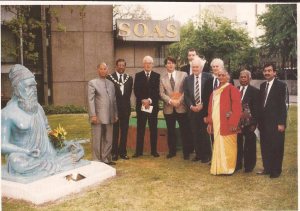
The Opening Ceremony took place on 13th May 1996. Dr L M Singhvi, High Commissioner of India in grey suit is at left extreme, Dr Stuart Blackburn in grey suit is in the middle and I am (London Swaminathan, author of this article) at the far right in the picture.Place SOAS, University of London.

வள்ளுவன், பல நூறு குறள்களில் சொன்ன— தவம், தானம், வேள்வி, தர்மம் (அறம்), நோன்பு, பார்ப்பான்,அந்தணன், புத்தேளிர் (தேவர்), மேல் உலகம், பிறவாமை, மறை, மறை மொழி (மந்திரம்), விதி, நிலையாமை, மெய்ப்பொருள், மாசறு காட்சி, நூல் (வேதம்) முதலிய இந்துமத விஷயங்களைப் பட்டிமன்றத்துக்கு எடுத்துக்கொள்ளவில்லை.


லெட்சுமியும் விஷ்ணுவும், லெட்சுமியின் அக்காளும், பத்து அவதாரங்களில் ஒன்றும், அமிழ்தமும் வைஷ்ணவ விஷயங்களாதலால் திருவள்ளுவர் வைஷ்ணவரே என்று முடிவு செய்யலாம்.


இதற்கு அடுத்தபடியாக வருவது வேத கால தெய்வங்களான இந்திரன், யமன் ஆகும்.


பிரம்மாவைக் கூட — (உலகு இயற்றியான் 1062) — குறிப்பிட்ட வள்ளுவன் சிவனை நேரடியாகக் குறிப்பிடவில்லை. ஆனால் கடவுள் வாழ்த்தில் வரும் பத்து விஷயங்கள் சிவனுக்கும் திருமாலுக்கும் பொதுவான விஷயங்களே. அதே போல பாற்கடலைக் கடைந்து அமிழ்தம் எடுத்ததும் சிவ- விஷ்ணுவுக்குப் பொதுவான விஷயங்களே.


சிவனைப் பற்றியும் பிரம்மாவைப் பற்றியும் மறைமுகக் குறிப்புகள், இரண்டு குறள்களில் வருகின்றன:


“வள்ளுவர், சாக்ரடீஸ்,சிவபெருமான் – இவர்கள் மத்தியில் என்ன தொடர்பு? “ என்ற எனது மிகப்பழைய கட்டுரையில் (தமிழ் இலக்கியத்தில் அதிசயச் செய்திகள், பக்கம் 126, நாகப்பா பப்ளிகேஷன்ஸ், சென்னை, ஆண்டு 2009)


பெயக்கண்டும் நஞ்சுண்டமைவர் நயத்தக்க

நாகரிகம் வேண்டுபவர் (580)


சிவனையும், சாக்ரடீசையும் வள்ளுவர் குறிப்பிட்டது பற்றி எழுதியுள்ளேன். இது 1997ல் லண்டனில் ‘மேகம்’ பத்திரிக்கையில் நான் எழுதியது.
valluva-nayanar

இன்னொரு குறளில் (377)  ‘வகுத்தான்’ என்று பிரம்மாவைக் குறிப்பிடுகிறார். ஆனால் இவை இரண்டும் எனது வியாக்கியானமேயன்றி உரைகாரர்கள் செப்பியது அல்ல. வகுத்தான் என்பதை தலைவிதியை எழுதிய தெய்வம் என்று மட்டுமே உரைகாரர்கள் காட்டுவர்.


திருவள்ளுவ ஐயங்கார் வாழ்க!!!


My old Articles on the same subject:–

வள்ளுவன் ஒரு சம்ஸ்கிருத அறிஞன், 5 நவம்பர் 2012

திருவள்ளுவர் பற்றிய பழைய புத்தகம் (Post No. 2532) , 12 -2-2016

திருவள்ளுவர் யார்?,  Post No. 748 dated 17th December 2013.

Albert Einstein and Thiruvalluvar, Post No. 749 dated 17th December 2013.

Buddha and Tamil Saint on Good thoughts!, Post No 717 dated 21 November 2013

Who was Tiruvalluvar?, 24-7-2013

Tamil Merchant who dumped Gold into Sea, Post No. 1239; Dated 17th August 2014.

ஏலேல சிங்கன் கதை!, கட்டுரை எண்:– 1238; தேதி 17 ஆகஸ்ட் 2014.

அவ்வையார், வள்ளுவர் பற்றிய அதிசய தகவல்கள்! 14-11-2015


–Subham—


அரக்கர்கள் யார்? கம்பன் தரும் உண்மைத் தகவல்! (Post No.3066)

jaws_

Picture from James Bond Film


Written by London swaminathan

Date : 16th August 2016

Time uploaded in London: 5-51 AM

Post No.3066

Pictures are taken from various sources; thanks for the pictures.


அரக்கர்கள், இராட்சதர்கள் ஆகியோர் திராவிடர்கள் என்றும், தேவர்கள் எல்லோரும் ஆரியர்கள் என்றும், ஆரியர்களும் வெள்ளைக்காரர்களும் இந்தோ ஐரோப்பிய இனத்தவர் என்றும் வெளிநாட்டு “அறிஞர்கள்” எழுதி வைத்தனர். இப்படி வேற்றுமை விஷத்தை — விஷ வித்தை – விதைத்தால் இந்தியா துண்டாகும், இந்துமதமும் சிதறும் என்று ஆங்கிலத்தில் எழுதிய வெள்ளைத் தோல் அறிஞர்கள் தப்புக் கணக்குப் போட்டனர். காரணம் என்ன வென்றால், சில திராவிட அசிங்கங்கள் அவர்களுக்கு ஆமாம் சாமி போட்டு, வெள்ளைக்கார ஆட்சி நீடிக்க வேண்டும் என்று கோஷமிட்டனர்.


ஆனால் உண்மை என்ன என்பதை ராமாயணமும் மஹாபாரதமும் பிட்டுப் பிட்டு வைக்கின்றன. உபநிஷத்துக்களிலேயே மிகப் பழைய பிருஹத் ஆரண்யக (பெருங் காட்டு) உபநிஷதத்திலேயே தேவர் மானுடர், அசுரர் — ஆகிய மூவரும் தவம் செய்ததும் ஒரே கடவுளிடம் உபதேசம் பெற்றதும் இருக்கிறது. புராண, இதிஹாசம் முழுதும் அவர்கள் சகோதர்கள் என்று காட்டுகின்றன.


இதை மேம்போக்கக எழுதினால் கூட சிலர் இடைச் செருகல் என்று சொல்லிவிடுவர். ஆனால் ஆதி முதல் அந்தம் வரை கதையின் கருப்பொருளிலேயே இவ்விஷயம் உள்ளது.


கம்பராமாயணத்தில் இருந்து இதோ இரண்டு பாடல்கள்:–

விராதன் என்ற அரக்கன் தன் கதையைச் சொல்லும் பாடல்   ஆரண்ய காண்ட விராதன் வதைப் படலத்தில் வருகிறது; :-


அன்ன சாபம் மேவி நான்

இன்னல் தீர்வது ஏது எனா

நின்ன தாளின் நீங்கும் என்று

உன்னும் எற்கு உணர்த்தினான்


ராமனிடம் விராதன் சொல்கிறான்:– “என் பெயர் தும்புரு; குபேர உலகத்தைச் சேர்ந்தவன்; ரம்பையிடம் வேட்கை கொண்டதால் குபேரனின் சாபம் பெற்று அரக்கன் ஆனேன். இச்சாபம் எப்போது தீரும் என்று கேட்ட போது உன் திருவடிகள் படும்போது சாபம் நீங்கும் என்று குபேரன் சொன்னான்.”


இதிலிருந்து அரக்கர்களும் தேவர்களே என்பதும் காமம், க்ரோதம் லோபம் முதலிய விகாரங்களால் — குண வேறு பாட்டினால் — அரக்கன் ஆவதும் , பின்னர் அதிலிருந்து விடுபடுவதும் தெரிகிறது!

இக்கருத்து இந்து மத அரக்கர் கதை எல்லாவற்றிலும் வருகிறது!


dracula

Picture from Dracula film

இதோ இன்னொரு கதை:–

இராம இலக்குவரால் கொல்லப்பட்ட, கோர வடிவமுள்ள அரக்கனான கவந்தன், வானத்தில் ஒளிவடிவில் தோன்றியவுடன் இராம, இலக்குவர்கள், ஆச்சர்யத்தோடு அவன் யார் என்று வினவுகின்றனர்:


கவந்தன் சொல்கிறான்:

சந்தப்பூண் அலங்கல் வீர!  தனு எனும் நாமத்தேன்  ஓர்

கந்தர்பன் சாபத்தால் இக்கடைப்படு பிறவி கண்டேன்

வந்துற்றீர் மலர்க்கை தீண்ட  முன்னுடை வடிவம் பெற்றேன்

எந்தைக்கும் எந்தை நீர் யான் இசைப்பது கேண்மின் என்றான்


பொருள்:–

அழகிய ஆபரணங்களையும் மாலையையும் அணிந்த  வீரனே!


“நான், தனு எனும் பெயரைக் கொண்ட ஒரு கந்தருவன். ஸ்தூலசிரஸ் என்னும் முனிவரின் சாபத்தால் , இந்த இழிவான அரக்கப் பிறப்பை அடைந்தேன் . உங்களுடைய மலர்க் கரங்கள் பட்டவுடன் பழைய வடிவம் பெற்றேன்.  நீங்கள் என் தந்தைக்கும் தந்தை போன்றவர்கள். இப்போது நான் சொல்லுவதைக் கேட்பீராக என்றான்”


.  இதுபோன்ற அரக்கர் கதைகளையும், மஹாபாரதத்தில் காஸ்யப ரிஷியின் வரலாற்றையும் படித்தால் வெள்ளை க்காரன் சொன்னதெல்லாம் பொய் என்பது புலப்படும்!


Please read my earlier research article:–

அரக்கர்கள்,அசுரர்கள் யார்?, Research paper written by London Swaminathan, Research article No.1395; Dated 7th November 2014

இந்துக்களின் 18 பிரிவுகள் : பதினெண் கணங்கள், ஆராய்ச்சிக் கட்டுரை எண்- 1399; தேதி 9 நவம்பர், 2014.

அசுரர்கள், அரக்கர்கள் அகராதி, ஆராய்ச்சிக் கட்டுரை எண்- 1365; தேதி அக்டோபர் 23, 2014.


–subham–


ஆழ்வார் தரும் அதிசயத் தகவல் : 7 மலை, 7 கடல், 7 முகில்! (Post No.3064)

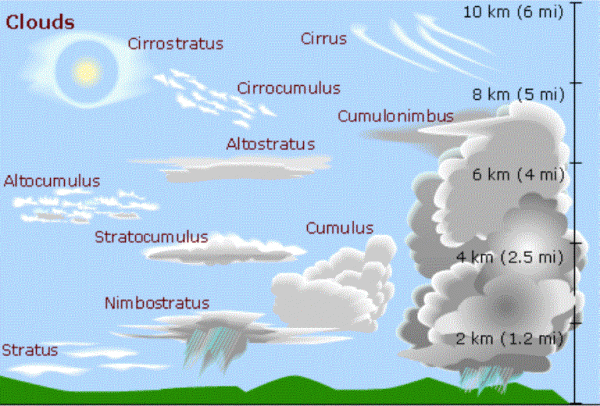
chart-cloud-types.jpg

Written by London swaminathan

Date : 15th August 2016

Time uploaded in London: 9-21 AM

Post No.3064

Pictures are taken from various sources; thanks for the pictures.

நாலாயிர திவ்வியப் பிரபந்தம் என்னும் தொகுப்பு நூலிலே பன்னிரெண்டு ஆழ்வார்களின் அற்புதமான பாசுரங்கள் உள்ளன. அத்தனையிலும் பக்தித் தேன் சொட்டும். கடவுளைப் பற்றிக் கவிஞர்கள் கவிதை பாடினால் அதில் இலக்கிய அழகு அதிகம் இருக்கும். பக்தர்கள் கவி பாடினாலோ அதில் சொந்த ஆன்மீக அனுபவச் சுவை அதிகம் இருக்கும். ஆயினும் ஆராய்ச்சி நோக்குடன் படிப்போருக்கு வேறு பல விஷயங்களும் கிடைக்கும்.


நம்மாழ்வார் பாடிய திருவாய்மொழியும் பக்திச் சுவை மிக்கதே. ஆயினும் போகிற போக்கில் அவர் பல அதிசய விஷயங்களை யும் சொல்கிறார். ஒரு பாசுரத்தில் 7 மலைகள், 7 கடல்கள், 7 மேகங்கள் பற்றிச் சொல்லுகிறார்.


நாங்கள் எல்லோரும் சிறுவர்களாக இருந்தபோது,  பல பாலர் பத்திரிக்கைகளில் வரும் மந்திரவாதி, மாயா ஜாலக் கதைககளைப் படிப்போம். அதில் பல கதைகளில் 7 மலை, 7 கடல் தாண்டி ஒரு குகையில்…………………..!! என்று படிப்போம். நம்மாழ்வாரும் 7 மலை, 7 கடல்  பாடி இருக்கிறார்:–

பேரே உறைகின்ற பிரான் இன்று வந்து

பேரேன் என்று, என் நெஞ்சு நிறையப் புகுந்தான்

கார் ஏழ், கடல் ஏழ், மலை ஏழ், உலகு உண்டும்

ஆரா வயிற்றானை அடங்கப் பிடித்தேனே

பாடல் 3969, நாலாயிர திவ்வியப் பிரபந்தம்


பொருள்:-

“திருப்பேர் நகரில் உள்ள பெருமான் இன்று வந்து நின்று என் உள்ளத்தில் புகுந்து  இதைவிட்டுப் போகேன் என்று உறைகின்றான்.

ஏழு மேகங்கள், ஏழு கடல்கள், ஏழு மலைகள் உள்ள இந்தப் பூமியை அப்படியே உண்டும்,  வயிறு நிறையாத, வயிற்றை உடைய அப்பெருமானை நான் உள்ளத்தில் சிறைப் படுத்தி விட்டேன்.”


இதில் அதிசய விஷயம் மேகம்/ மழை/ காற்று மண்டலம் பற்றியதுதான். இது பற்றி நம்மாழ்வாரும், காளிதாசரும் பாடியிருப்பது இந்துக்களின் கால நிலை பற்றிய அறிவைக் காட்டும்

earth-atmosphere-layers

காளிதாசர் தரும் அற்புதச் செய்தி

காளிதாசர், சாகுந்தலம் என்ற நாடகம் செய்திருக்கிறார். அதில் (7-5) காற்று மண்டலம் ஏழு பிரிவுகளாகப் பிரிக்கப்பட்டதில் நமது விமானம் எந்தப் பிரிவில் உள்ளது என்று மன்னர் கேட்கிறார். அதற்கு உரைகாரர்கள் எழுதிய உரையில் இந்து புராணங்கள் வாயு மண்டலத்தை ஏழு பிரிவுகளாகப் பிரித்து ஒவ்வொன்றுக்கும் ஒரு பெயர் கொடுத்திருப்பதை எடுத்துக் காட்டுகின்றனர்.

முதலாவது வாயு ஆவாஹ என்றும் அது  புவர்லோகத்தில் பாயும் என்றும் அந்தப்பிரிவில் பூலோகம், பாதாள லோகம், மற்றும் சூரியன் வரையுள்ள வாயு மண்டலம் அடங்கும் என்றும் உரைகாரர் கூறுவர். மற்ற ஆறு வாயு மண்டலங்களும் சுவர் லோகத்தில் (சுவர்க) இருப்பதாகவும் சொல்லுவர். இதிலுள்ள இரண்டாவது வழி ப்ரவாக என்றும் இந்த வாயுதான் சூரியனைச் சுற்றச் செய்கிறது என்றும் சொல்கின்றனர். மூன்றாவது வாயு சம்வாஹ- அது சந்திரனை இயங்கச் செய்கிறது. நாலாவது நட்சத்திர மண்டலம்; அங்கே உத்வாஹ என்னும் காற்றுள்ளது. ஐந்தாவது கிரகங்கள் அருகிலுள்ள காற்று; அதன் பெயர் விவாஹ; ஆறாவது காற்று சப்தரிஷி மண்டலத்தில் இயங்கும் அதன் பெயர் பரிவாஹ. அதுதான் பால்வளி மண்டலம் – மில்கி வே –  நட்சத்திரப் பகுதி. அங்கேதான் இப்பொழுது இந்திரனுடைய விமானம் சென்று கொண்டிருக்கிறது.


ஏழாவது வாயு துருவ நட்சத்திரப் பகுதியில் உள்ளது. அந்த துருவன் தான் எல்லா நட்சத்திரங்களியும் கிரகங்களையும்  சக்கரத்திலுள்ள ஆரம் எல்லாம் அச்சாணியில் இணைக்கப்பட்டிருப்பது போல கட்டி வைத்திருக்கிறான்.  அங்கே இயங்கும் காற்று பரவாஹ.


இதற்கு ஆதாரமான சம்ஸ்கிருத ஸ்லோகம்:–

ஆவஹோ நிவஹஸ்சைவ உத்வஹ: சம்வஹஸ்ததா

விவஹ: ப்ரவஸ்சைவ பரிவாஹஸ்ததைவ ச

ஒவ்வொரு மழைக்கும் உலகில் நடந்த அதிசய நிகழ்ச்சிகள் மூலம் பழைய கட்டுரையில்விளக்கியுள்ளேன்.


ஏழுவகை மழைகள்:-

சம்வர்த்தம் – மணி (ரத்தினக் கற்கள்)

ஆவர்த்தம்- நீர் மழை

புஷ்கலாவர்த்தம்- பொன் (தங்க) மழை

சங்காரித்தம் – பூ மழை (பூ மாரி)

துரோணம் – மண் மழை

காளமுகி- கல் மழை

நீலவருணம் – தீ மழை (எரிமலை, சுனாமி)


ஏழு மலைகள்

இமயம்/கயிலை, மந்த்ரம், விந்தியம், நிடதம், ஹேமகூடம், நீலம், கந்தமாதனம்


ஏழு கடல்கள்

உவர் நீர், தேன்/மது, நன்னீர், பால், தயிர், நெய், கரும்புச் சாறு


உப்பு, தேன், மது, ஒண் தயிர், பால், கரும்பு,

அப்புத்தான் என்று உரைத்தன ஆழிகள்

துப்புப்போல் குருதிப் புனல் சுற்றலால்,

தப்பிற்று அவ் உரை, இன்று ஓர் தனுவினால்.

cloud_types

எண்கள் பற்றி நான் எழுதிய முந்தைய கட்டுரைகள்:—-

இந்துக்களின் கண்டுபிடிப்பு: ஏழு வகை மழை, ஏழு வகை காற்று (Post No 2878), 8 June 2016

ஏழு எண்ணின் ரகசியம்: ரிக் வேதம் முதல் சிந்துவெளி வரை! ரிக் வேதம் முதல் சிந்து வெளி வரை!, posted on 22-11-2014

தமிழர்களின் எண் ஜோதிடம்(posted on 16th April 2012)
நீங்கள் நாலும் தெரிந்தவரா? (தமிழ் க்விஸ்)
Mystic No.7 in Music! (posted on 13th April 2013)
Numbers in the Rig Veda (posted on 3rd September2014)
Hindus’ Magic Numbers 18,108,1008! (posted on 26th November 2011)
Most Hated Numbers 666 and 13 (posted on 29th July 2012)
King and 8 Ministries in Vedic Period (posted on 28th May 2013)
Four Stages and Seven Ages of Man (posted on 21st March 2013)

கீழ்கண்ட கட்டுரைகளிலும் ஏழு எண் பற்றிய தகவல்கள் உள்ளன:–

தமிழர்கள் இழந்த நாடுகளும் நூல்களும், posted on 15 February 2015பனை மரங்கள் வாழ்க!, posted on 27 January 2014பனை மர வழிபாடு: மகாவம்ச, சங்க இலக்கியச் சான்றுகள், posted 25 September 2014

–subham–