Why did Rama marry Sita on Phalguni Uththiram Day?

Written by London swaminathan

Research Article No: 1823

Date: 23 April 2015; Uploaded in London at 19-21

“During the Muhurtha sacred to the sun, and when the moon was in conjunction with UTTARA PHALGUNI, such of her kinswomen as had their husbands and male children living, put decorations on her (Uma’s) body” – Kalidasa in Kumarasambhava, Chapter 7, Sloka 6

Choza Bronzes of Parvati- Paramasiva (Kalyanasundara);wikipedia picture.

Valmiki who lived thousands of years ago according to Hindu tradition, Kalidasa who lived before first century BCE and Kamban who lived in 12th century CE — all mention the star Uttar Phalguni as the most auspicious day for the wedding. Tamil saint Sambandhar of seventh century CE praised Panguni (Phalguni) uththaram in his Tevaram verse. All the Tamil temples have been celebrating this day as a great festival day for at least 2000 years. It is very interesting to see the same culture and belief from the Himalayas to Kanyakumari. The largest country in the world at that time.

In my research paper “Why did Sangam Tamils marry on Rohini star day?” posted by me on 20th May 2014, I have explained that the two Akananuru verses and Tamil epic Silappadikaram say that Tamils got married on the day Rohini was in conjunction with the moon. Tamils followed what their Northern brothers did, because the culture was same from the Himalayas to Kanyakumari even before two thousand years ago. I have quoted Kalidasa’s Shakuntalam verse on Rohini and said that it explodes Aryan Dravidan Racist theory. Sangam Tamil literature and Silappadikaram have umpteen references to Arundhati (Vedic seer Vasistha’s wife) as the chaste woman in the world. This also gives a severe blow to the racist theory. Now there is another blow to the Aryan Dravidian Racist theory from the Panguni Uththiram festival.

Valmiki and Kamban who adapted Valmiki Ramayana in Tamil are very clear about the wedding day. Vamiki Ramayana says,

Picture of Sita Kalyanam

“Let the four princesses give their hands to four valiant princes on the same day, O Great Ascetic. O Brahmin, the wise declare the nuptials should take place on the last day under the Phalguni star when Bhaga is in the ascendant”—Bala Kanda, Chapter 72


Kamban says in Tamil “Panguni Uththaram”. The moon is in the asterism of Uththiram (Balakandam, Kamba Ramayana, Kadimana Patalam)

The astronomical name of the star Utra Phalkuni  is Beta and 93 Leo (உத்தரம்)

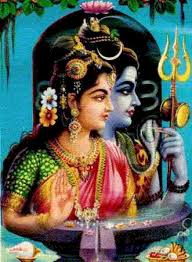
This is a very auspicious day for the Hindus. Holi festival and Kama Dhahanam (Burning of Kama/Desire/Manmatha are celebrated in the North and the South on a grand scale. All the Vaishnavite and Saivaite temples in Tamil Nadu have their main festivals during that period. Most importantly the marriage of Shiva with Uma is celebrated in most of the temples. Rama who broke Shiva Dhanus got married on the day Shiva got married!

It is more auspicious for the devotees of Kartikeyan (Skanda/Murugan). In all the Tamil speaking parts of the world, Murugan temples do Chariot festivals and other events.

This is the day Lord Shiva married goddess Meenakshi in Madurai. Later the Nayak king merged three festivals of Madurai, Tirupparnkundram and Alakarkoil for the convenience of general public. Now it is called Chitra (full moon day) festival.
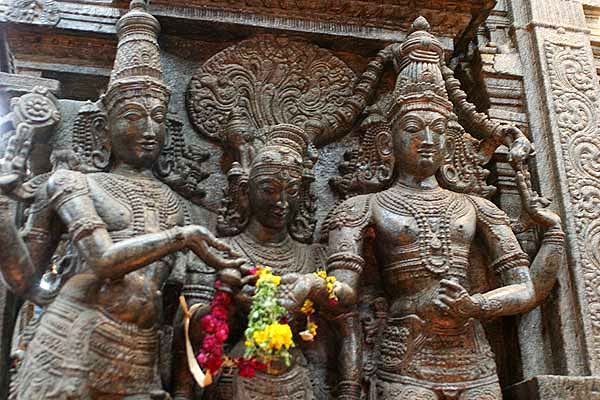
Picture of Meenakshi Kalyan from Madurai Temple

Lord Skanda married Deivanai, daughter of Indra on the day as well. Lord Muruga helped Indra to defeat the evil demons and he, as a token of gratitude, gave his daughter Deivanai in marriage to Lord Skanda/Murugan. All these stories are mythological and to bring the atmosphere of cheer and happiness these celestial weddings were celebrated. People chose those days to celebrate the weddings of their near and dear ones. In countries like Malaysia and Singapore they take Kavadis and pull chariots in the streets.

Hindus chose Full Moon Day (Purnima or Paournami) for most of their festivals. There were no electric lights before 1880. Celebrating festivals on or around full moon day made it easier for the pilgrims to travel from far off places. Even among the 12 full moon days they avoided rainy season for big festivals. So big festivals are held between Magh (Masi) and Vaishak (Vaikasi).

Ellora Caves: Siva – Uma

Stars Rohini and Uttaram are Hindus favourite stars!

-SUBHAM-
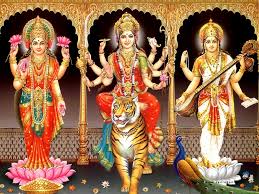
Only Religion where Woman is worshiped!

goddess

Research Article written by London swaminathan

Post No. 1775; Date 4th April 2015

Uploaded from London at  22-02


“ Yatra naryast pujyante ramante tatra devatah

Yatraitastu na pujyante sarvastatraphalah kriyah”

Manu smriti 3-56, Mahabharata 13-45-5

‘Where women are worshipped, there the gods are delighted; but where they are not worshipped, all religious ceremonies become futile’—Manu Smriti.

One acharya/Guru excels ten Upadhyayas/teachers in glory; a father excels 100 acharyas/Gurus in glory; but a MOTHER excels even a thousand fathers in glory (Manu 2-145)

lakshmi

Hinduism is the only religion in the world where woman is worshipped as Goddess from the days the oldest Veda until today. In other religions God is He, but in Hindu religion God is worshiped as He and She from the Vedic days. The beauty of Hindu religion is that the same goddesses are worshiped continuously until today. Though we heard many names of goddesses in in the Middle East, Egypt and Europe (Greek and Rome) all those goddesses were sent to Museums. The most powerful mantra Gayatri is in all the three Vedas. Goddesses Gayatri, Savitri and Sarasvati are worshipped from Vedic days and they are very popular names of girls from Northern Himalayas to Southern Most parts of Sri Lanka.

Here is a list of Goddesses from the Vedas:–

1.Usas (dawn)—Most beautiful description of Usas is found in the Vedas in many hymns.

2.Sarasvati — River and Goddess; praised in many hymns

3.Prithivi  – Earth (Greeks and others followed this Hindu concept)

4.Ratri (RV 10-107) – Called daughter of Heaven

5.Vac (personified speech) – RV 10-125

6.Purmandhi (Goddess of Plenty)  – Her name occurs nine times in the Oldest Book Rig Veda

7.Parendi(Goddess f Riches and abundance) –

8.Dhiisanaa  (Goddess of Abundance) – mentioned at least 12 times

9.Ilaa (Goddess of Nourishment) Personification of the offering of milk and butter, meaning plenty. Her name is very common among girls. She is mentioned at least 10 times in the Rig Veda. She is also known as the daughter of Manu or Mitra- Varuna in the Satapata Brahmana

sachu

10.Brhaddivaa- Occurs at least four times. She is called mother and mentioned with Ila (RV 10-64-10), Sarasvati and Raka.

11.Raka – Bountiful goddess Raka is mentioned at least twice (RV 2-32-7, 5-42-17)

12.Sinivaali _ She is mentioned in two hymns (2-32; 10-184). She is invoked with Sarasvati and called as wife of Vishnu. She is sister of the gods, broad hipped, fair armed, prolific and a mistress of the family. She is implored to grant off spring.

13.Kuhu (Personification of New Moon). Raka and Sinivaali are also connected with the phases of the moon

14.Prsni – The mother of Maruts

15.Saranyu (10-17-2)- Occurs once in the RV; Tvast’s daughter married to Visvat

16.Indrani – Wife of Indra

17.Varuni- Wife of Varuna

18.Agnayi – Wife of Agni

19Rudrani

(This type of Sanskrit naming exists until today among Hindu families: Bhava=Bhavani, Shiva= Shivan, Vishnu=Vasihnavi etc)

20.Asvini= Wife of Asvins is mentioned once

21.Suryaa is also mentioned

22.Bharati

23.Mahi

24.Aditi:Aditi is an ancient Goddess to express the infinite and boundlessness. She is mentioned about eighty times in the Rig Veda. The concept of her motherhood is found in many words such as dyaur-aditih, aditeh putrah. Her children were Adityas. Aditi is connected with light.

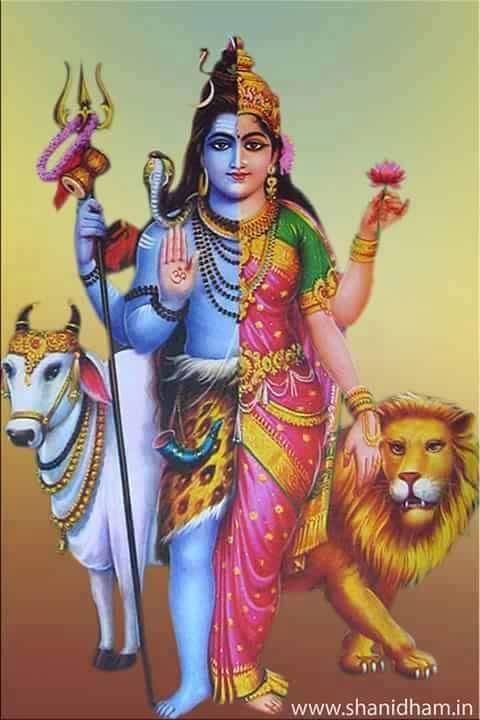
God and Goddess sharing (Ardhanaree)

ardhanaree with two vahanas

Ten Mandalas of the Rig Veda have Apri Suktas where Bharati, Sarasvati and Ila are invoked. In some, Bharati is replaced with Mahi.

Al other are invoking Bharati, Sarsvati and Ilaa.

There are over twenty poetesses among the Rig Vedic poets or “composers” ( Vedas are “heard” like we hear radio wavelengths on the receivers; not “composed”. Like Newton’s Laws of Motion, they exit whether we discover them or not. Vedas are eternal)

Along with the names of poetesses, the goddesses form the biggest group of esteemed women in any known ancient civilization. The latest date accepted for the Rig Veda is 1700 BCE. We have not heard such a big group of women in any other civilization around that time. All the Vedic metres are given women’s names. All the rivers are given women’s names in the Vedas: Ganga Sindhu, Sarasvati and Yamuna etc. All the good virtues are given the names of women in the Vedas such as Kirti, Karunaa and Shanti.

And of feminine forms I am fame(Kirti), prosperity (Sri), speech (Vac), memory (Smrti) , intelligence (Medha), firmness(Dhrti) and patience (Kshama).—Bhagavad Gita—X-34

sivauma

Jagata Pitarau Parvati Paramesvarau (Father and Mother of Universe– Kalidasa)

Our Five Fathers, Five Mothers and Five Teachers!

Five-Men-with-Cap-Oil-Painting

Compiled by London swaminathan

Article no. 1700; dated 8 March 2015

Hindu scriptures say the following five men are equal to father and five women are equal to mother.

Janita cha upaniita cha yastu vidyaam prayacchati

Annadataa bhayatraataa panchaite pitarah smrutaaha

-Panchatantra, Subhasitaratnabhandakaram 165/542 and Chanakya Niti

Your own father, the person who takes you to a Guru (one who initiates), the one who gives you education (teacher), one who gives you food and one who saves you from danger are to respected as father.

5-el-teachers-for-suai-2009

Five Mothers

Following five women are considered equal to mothers:

Raaja patni Guroho patni bhraatru patni thadaiva cha

Patnimaathaa svamaathaa panchaitaa maatara smrutaahaa

–Chanakya Niti

Queen (King’s wife), Teacher’s wife, Brother’s wife, own mother and wife’s mother (Mother in law) are considered mother.

Five-teachers-who-are-changing-lives

Five Teachers

Panchaiva guravo brahman purushasya bubhushathah

Pithaa mathaa agnir aatmaa cha guruscha dvijasattama

-Mahabharata – Vana parva – 204-27

Father, Mother, Agni, Self and Teacher are Five Gurus or Preceptors

Guravah pancha sarveshaam vchaturnaam srtichoditaah

Maathaa pithaa thathaachaaryaa  maatulah svasurasthathaa

-Yogavasistha 1-60

Mother, Father, Teacher, Maternal Uncle and Father in Law are respected as Teachers.

men-in-black-clip-art

Where is home?

Mathaa yasya gruhe naasti  bharyaa cha priyavaadhinii

Aranyam tena ganthavyam yathaaranyam thathaa gruham

–Panchatantram

House that is without mother, house where the wife is not soft spoken (not home), then he has to go to a forest; because, for him, the house is where the forest is.

5 women

Who are kind?


Mathaa mithram pithaa cheti svabhaavaatrithayam hitham

Kaarya kaaranataschaanye bhavanti hita buddhaya:

–Hitopadesam

Mother, father and friend are kind at heart by nature; others are kind to you to get some favours; expecting some benefits from you, they are kind.

Ancient wisdom is worth memorising!

swami_48@yahoo.com

Gems of Women: Varahamihirar’s Definition

pen paint 10

Research Paper written by London swaminathan

Research Article No.1650; Dated 14th February 2015.

VANENTINE DAY SPECIAL: 14TH FEBRUARY, 2015

Varahamihirar, author of encyclopaedic Sanskrit book Brhat Samhita, gives the definition of great women. He says, the excellences of women are

Youth, Beauty, Charming Dress, Favourable Attitude, Knowledge of the arts of winning man’s affection, graceful gait and the like. The best of those, possessed of the above excellences, are termed “Gems of women”, whereas others are “Feminine diseases for a cultured men”.

STRINAAN GUNAA YAUVANA RUUPA VESHA DAKSHINYA VINJAANA VILASA PURVAA:

STRI RATNA SAMNJAA SA GUNAANVINTHAASU STRI VYDHYO ANYAS SATHURASYA PUMSA:

–CHAPTER 73, BRHAT SAMHITA

pen paint5

Manu in his Manu Smrti (Hindu Law Book) even dictates how a woman’s name should be, “The names of women should be easy to pronounce, not harsh, of patent meaning, and auspicious; they should captivate the mind and heart, end in a long vowel, and contain a word of blessing” (Manu 1—33)

Hindu women names are always auspicious: Shanti, Karunaa, Lathaa, Shantaa, Sumati, Sugandhi, Siitaa, Raadhaa (long vowel ending), Nidhi etc.

Manu adds that how a man should introduce himself to a woman, who is not related, “Now, to woman who is another man’s wife and not related by birth, one should say LADY! and GODD WOMAN! and SISTER!. (Manu. 2—129)

Jewel of a Woman (Gem of a Woman= Stri Ratna)

A man who has faith may receive good learning even from a man of the lowest caste, and a Jewel of a Woman even from a bad family (Manu 2—238)

Women, jewels, learning, law, purification, good advice and various crafts may be acquired from anybody — (Manu 2—240)

tulasi lady

Ladies! Don’t Send Money to Your Relatives: Vyasa

Women belonging to Ethnic minority communities living in western countries cause a big rift in the families by sending money to their relatives living on the subcontinent. Veda Vyasa has warned women against such a thing 5000 years ago! This is applicable to women living in the subcontinent also.

Vyasa warns

Don’t give anything to your relatives without the knowledge or permission of your husband.

Bhartur aknjaam vinaanaiva sva bandhubyodisech dhanam

Athyaalaapa santhosham paravyaapaara sanjitham

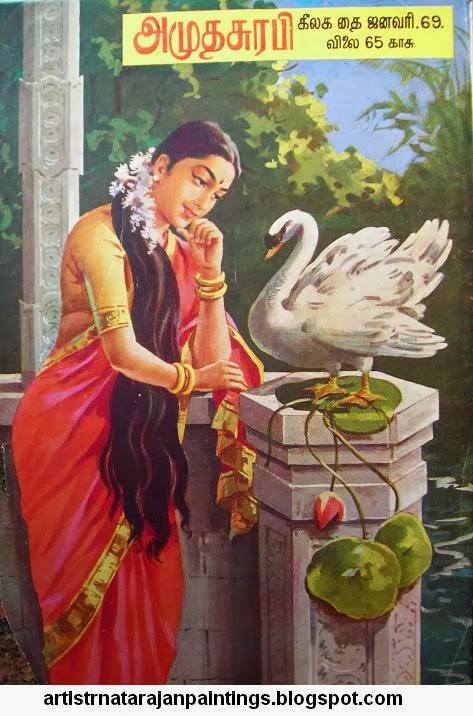
amuthasurabhi

Kalidasa’s Advice

Kalidasa, the most celebrated Indian poet, gave the following advice to women, who are going to their husbands’ home immediately after the marriage:

Kanva to Shakuntala : My child, you are now leaving for your husband’s home; when you enter it:

Serve your elders with diligence; be a friend to your co wives

Even if wronged by your husband do not cross him through anger;

Treat those who serve you with the utmost courtesy;

Be not puffed up with pride by wealth and pleasures;

Thus do girls attain the status of Mistress of the Home;

Those who act contrary are the bane of their families. Sakuntalam 4-21

Long Live Indian Women!

Pictures are taken from face book; thanks.

Drawings by S Ilayaraja and others.

பெண் குழந்தை பெற்ற மனைவி கொலை! “பெண்களைக் காக்க”!

beti image

கட்டுரை எழுதியவர் லண்டன் சுவாமினாதன்

கட்டுரை எண்- 1609; தேதி 29 ஜனவரி 2015


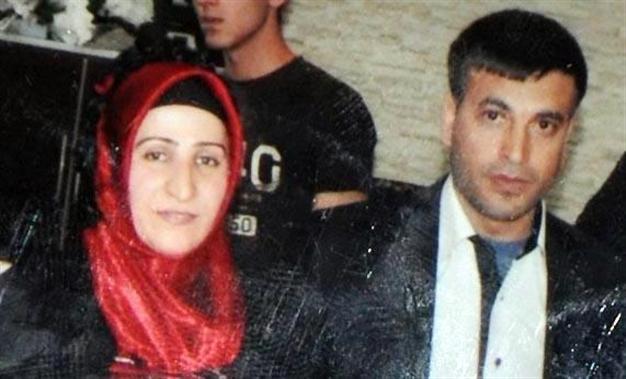
துருக்கி நாட்டில் இருந்து ஒரு துயரச் செய்தி! இரண்டாவது முறையும் பெண் குழந்தை பெற்ற மனைவியை மின்சார அதிர்ச்சி கொடுத்துக் கொன்ற கணவனுக்கு ஆயுள் சிறைத் தண்டனை.

இந்தியப் பிரதமர் நரேந்திர மோடி சென்ற வாரம் ஹரியானா மாநில பானிபட் நகரில் பெண் குழந்தைகளைப் பாது காக்கும் — “பேட்டி பசாவோ” — இயக்கத்தைத் துவக்கி வைத்தார். அந்தச் செய்தியும் துருக்கி செய்தியும் சில யோசனைகளை முன் வைக்கத் தூண்டுகிறது.

துருக்கியில் டியாபகீர் என்னும் ஊரில் வசிப்பவர் வெய்சி துரன். வயது 29..இவர் முபாரக் என்னும் 33 வயதுப் பெண்ணுடன் வாழ்க்கை நடத்தி வந்தார். முதல் குழந்தை பெண் குழந்தை. சென்ற ஆண்டில் பிறந்த இரண்டாவதும் பெண் குழந்தை. கணவருக்கு மஹா கோபம். இந்தியாவைப் போல துருக்கியிலும் பெண் ‘கரு’ — க்களைக் கலைக்கும் வழக்கம் பரவலாகக் காணப்படுகிறது


துருக்கி நாட்டுக் கோர்ட்டில் வழக்கு விசாரணை நடந்தது. கோபத்தில் மனைவியைக் கொன்றதாக வெய்சிக் சொன்னாலும் அது  நம்பும்படியாக இல்லை. ஏனெனில் அவர் திட்டமிட்டு கடைக்குச் சென்று பிளக், கேபிள் முதலியன வாங்கி, மனைவி தூங்கும்போது அவர் காலில் பொருத்தி சுவிட்சை இயக்கியதை வாதிகள் நிரூபித்தனர்.


electrocution

வழக்கை விசாரித்த நீதிபதிகள், “ஐயா! நீவீர் கோபத்தில் கொல்லவில்லை; திட்டமிட்டுக் கொன்றுவிட்டீர். இப்போது இரண்டு குழந்தைகளுக்குத் தாய் இல்லை. உமக்கு ஆயுள் தண்டனை வழங்குகிறோம். இப்போது அக்குழந்தைகளுக்குத் தந்தையும் இல்லை. உமது கல் மனமே காரணம்” என்று சொல்லி தீர்ப்பு வழங்கினர்.


துருக்கியில் 2002 முதல் 2009 ஆம் ஆண்டுக்குள் பெண்  (கரு)கொலைகள் 1400 சதவிகிதம் அதிகரித்ததாகவும் சென்ற ஆண்டு மட்டும் 253 பெண்கள் கொலை செய்யப்பட்டதாகவும் ‘’பியானெட்’’ என்ற தகவல் அமைப்பு செய்தி

வெளியிட்டது.


மோடி அரசு என்ன செய்யலாம்?


சென்ற வாரம் ஹரியானா மாநில பானிபட்டில் ,இந்தியப் பிரதமர் நரேந்திர மோடி பேசுகையில் பெண் கருக்களைக் கலைப்பது மன நோயின் அறிகுறி என்று கடுமையாகத் தாக்கிப் பேசி பெண்குழந்தைகளைப் பாதுகாக்கும் திட்டத்தைத் துவக்கிவைத்தார்.

தமிழ்நாடு உள்பட பல்வேறு மா நிலங்களும் பெண் கருக்களைக் கலைப்பதைத் தடுக்க பல ஊக்குவிப்புத் திட்டங்களை அறிவித்தன. ஆயினும் நிலைமை கட்டுக்கடங்காது சென்று விட்டது. பல இடங்களில் ஆயிரம் ஆண்களுக்கு 775 பெண்கள்தான் என்ற பயங்கர நிலை  ஏற்பட்டுள்ளது. இதனால் வரக்கூடிய ஆபத்துக்கள் என்ன?

beti 3

1.பெண்கள்– ஆண்கள் விகிதாசாரம் குறைவாக இருந்தால் ஒழுக்கச் சிதைவு ஏற்படும். பெண்கள், பழைய கணவன்மார்களை விட்டு புதிய ஆண்களைத் தேடும் அபாய நிலை தோன்றும். விவாக ரத்துக்கள் அதிகரிக்கும்.

2.”அற்பனுக்கு வாழ்வு வந்தால் அர்த்த ராத்திரியில் குடை பிடிப்பான்” — என்று தமிழில் ஒரு பழமொழி உண்டு. பெண்கள், வேலைக்குப் போகத்துவங்கி,  லட்சம் லட்சமாகச் சம்பாதிக்கத் துவங்கியவுடன் அவர்கள் தலை  விரித்தாடத் துவங்க்கிவிட்டனர். பொருந்தாத நிபந்தனைகளை விதித்து திருமணத்தை ஒத்திப் போடுகின்றனர். அப்பா அம்மாக்களுக்கு  ஏக சந்தோஷம்! பெண்களின் சம்பாத்தியத்தில் கூத்தடிக்கின்றனர். உலகச் சுற்றுலா போகின்றனர்.

3.இதற்குப் பெண்களைக் குறைகூறுவதில் நியாயமே இல்லை. முன்னர் ஆண்களைப் பெற்ற பெற்றோர்களும் மாப்பிள்ளைகளும் எப்படி தலை விரித்தாடினர்களோ அப்படி இப்போது பெண்கள் ஆடுகின்றனர். ஆண்- பெண் ரேஷியோ– விகிதாசாரம்– ஏறத்தாழ சமமாக இருந்தால் இப்படிக் கொடுமைகள் நடக்காது.

4.அந்தக் காலத்தில் போர்கள் நடந்தால் ஆண்கள் தொகை குறையும். சமூகத்தில் குல தர்மம் அழியும். பகவத் கீதையில், —- சண்டை போட மாட்டேன் என்று அடம் பிடித்த அர்ஜுனன் —- இதை ஒரு வாதமாக முன் வைக்கிறான். போரினால் குல தர்மம் அழியுமே (1- 39 முதல் 43 வரையான ஸ்லோகங்கள்) என்கிறான். ஆனால் போரின் முடிவை அறிந்த கள்ளக் கிருஷ்ணன், பரவாயில்லையப்பா! சண்டை போடு என்று எதிர் வாதம்வைக்கிறான். இலங்கையிலும் உள் நாட்டுப் போரினால் ஏற்பட்ட அவல நிலையைக் கண்டோம்.

  1. இப்போது பெண்கள் தொகை குறைந்தாலும் இப்படி குல தர்மம் மாறும்.

“பெண்கள் சுதந்திரம் பெறுவது நல்லது — கணவன் வீட்டு வர தட்சிணைக் கொடுமைகள் அழியும்” — என்பதெல்லாம் உண்மைதான். ஆனால் புதிய பிரச்சினைகள் உருவாகும். மேலை நாடுகளில் கணவன்- மனைவி “ம்யூசிகல் சேர்” — விளையாட்டினால் குழந்தைகள்  வளர்ச்சி பாதிக்கப் படுகிறது என்பதை எல்லோரும் அறிந்துள்ளனர். குற்றவாளிக் கூண்டில் நிற்கும் குழந்தைகள் எல்லாம் இப்படிப்  “பல” அம்மா– அப்பா உடையவர்களே.


beti2

என்ன செய்யலாம்?


பிரச்சினை என்று ஒன்று வந்தால்தான் தீர்வு என்பதும் தோன்றும். ஆக மோடி அரசு என்ன செய்யலாம்?


1.வெளி நாடுகளில் எல்லாக் குழந்தைகளுக்கும்  ஒரு குறிப்பிட்ட வயது வரை நிதி உதவி (சைல்ட் பெனிபிட்) தரப் படுகிறது. அது போல பெண் குழந்தை பெற்றால் அக் குழந்தையின் பெயரில் ஒரு குறிப்பிட்ட வயது வரை நிதி உதவி தரலாம்.

2.இரண்டாவது பெண் குழந்தைக்கு இரு மடங்கு நிதி உதவி தரலாம். மூன்றாவது பெண் குழந்தைக்கு — முதல் குழந்தை போல சாதாரண உதவி தரலாம்.

3.மூன்று குழந்தைகளுக்கு மேல் பெற்றால் எல்லா உதவிகளையும் ரத்து செய்ய வேண்டும் ஏன் எனில்  ஜனத்தொகை பெருக்கத்தினாலோ அல்லது ஒரு குறிப்பிட்ட இனத்தினர் வேண்டும் என்றே தங்கள் தொகையைப் பெருக்குவதாலோ புதிய பிரச்சினைகள் ஏற்படும்


4.பெண் குழந்தைகளுக்கு கல்வி நிறுவனங்கள், வேலை வாய்ப்புகளில் பெரிய அளவு இட ஒதுக்கீடு செய்யலாம்.


  1. இந்த திட்டம் 25 ஆண்டுகள் வரையோ அல்லது ஆண்–பெண் விகிதாசாரம் சம நிலை அடையும் வரையோ மட்டுமே நீடிக்க வேண்டும். அல்லது அம்பேத்கர் சொன்னதையும் மீறி இன்று  பின் தங்கிய வகுப்பினருக்கு எப்போதும் சலுகை

என்று அரசியல்வாதிகள் வோட்டு பெற வைத்திருப்பது போல ஆகி விடும்.


எப்படிப்  பின் தங்கிய வகுப்பினர் தன் சுய மரியாதை, மானம் எல்லாவற்றையும் இழந்து நாஙகள் என்றும் பின் தங்கியோர்– நாங்கள் என்றும் பிச்சைக்காரர்கள் என்று பறை சாற்றிக் கொள்கின்றனரோ அததகைய இழி நிலை பெண்கள் விஷயத்திலும் வந்து விடும்.

6.எந்த ஒரு சமூகப் பிரச்சினையையும் அரசாங்கம் மட்டுமே தீர்க்க முடியாது. மக்களின் மன நிலை மாற வேண்டும். பெண் குழந்தை பெற்றுக் கொள்ளும் மன நிலை இயல்பாக வர வேண்டும் . இதற்கு நல்ல பரப்புரை- விழிப்புணர்ச்சி அவசியம்.

7.ரிக் வேதத்திலும் சங்கத் தமிழ் இலக்கியங்களிலும் உள்ள புகழ் பெற்ற பெண் கவிஞர்கள் குறித்து பாட புத்தகங்களில் பாடங்கள் இருக்க வேண்டும். ஜான்ஸி ராணி, சித்தூர் ராணி சென்னம்மா போன்ற வீராங்கனைகள் பற்றி போதிக்க வேண்டும். அவ்வையார், கார்கி, மைத்ரேயி, லீலாவதி போன்ற  மஹா மேதைகள் பற்றிக் கற்பிக்க வேண்டும். காஷ்மீர் மஹாராணி தித்தா, மதுரை ராணி மங்கம்மாள் போன்ற நாடாண்ட நாயகிகள் பற்றியும் சொல்லித் தந்தால் மன நிலையில் மாற்றம் வரலாம். பெண்கள் பற்றி பாரதியார் எழுதிய பாடல்களே பெரும் நம்பிக்கையை ஏற்படுத்தும். (பெண்கள் ஊதியத்தில் வாழும் அப்பா- அம்மாக்களை சமூகம் எள்ளி நகையாட வேண்டும்).

8.எல்லாவற்றுக்கும் மேலாக கருக்கலைப்பை — மனு முதலான ஸ்மிருதிகள் — ப்ரூனுஹத்தி — கொலை என்று கண்டிப்பதை மடாதிபதிகள் மூலம் கற்பிக்க வேண்டும். பல ஆண்டுகளுக்கு முன் குடும்பக் கட்டுபாட்டுக்குப் பொறுப்பான நடுவண் அரசு அமைச்சர் காஞ்சி மஹா ஸ்வாமிகளைச் சந்தித்தபோது அவர் குடும்பக் கட்டுப்பாட்டை ஆதரிக்க மறுத்து விட்டார்.  விளக்கம் கேட்ட போது இது  “புதிய பிரச்சினைகளை உருவாக்கும்” என்றார். ஆனால் இயற்கையான புலன் கட்டுப்பாட்டை அவர் ஆதரித்தார்.

இதற்கும் பெண்கள் தொகை குறைந்ததற்கும் என்ன தொடர்பு என்று உங்களில் சிலர் வியக்கலாம். எடுத்துக் காட்டாக ஒருவர் குடும்பத்தில் ஒன்று அல்லது இரண்டு ஆண் குழந்தைகள் பிறந்தவுடன், அவர்கள் முழுக்க முழுக்க குடும்பக் கட்டுப்பாட்டு சாதனங்களைப் பயன்படுத்தினால் பெண்கள் என்பதே இராதே!! இது தவிர இத்தகைய சாதநங்கள் ஒழுக்கக் குறைவுக்கும் உதவும் என்பதை விளக்கத் தேவை இல்லை. அது இக்கட்டுரைக்கு அப்பாற்பட்ட விசயம்.

(இருந்தாலும் இதை விளக்க, ஒரு சுவையான, சோகமான கதை சொல்லுகிறேன். என் லண்டன் நண்பர் ஒருவர், என்னை ஒவ்வொரு முறை சந்திக்கும் போதும், “ஸார்! அடுத்த முறை நீங்கள் சென்னைக்குச் செல்லும்போது —XXX கடற்கரைச் சாலையில் நிறைய விடுதிகள் கட்டிப்போட்டுள்ளோம். நீங்கள் அவசியம் குடும்பத்தோடு தங்க வேண்டும் என்பார். அண்மையில் அவரரைச் சந்தித்தபோது, என்னப்பா! பிஸினஸ் எப்படிப் போகிறது; ஸாரி, நீங்களும் ஒவ்வொரு முறையும் சொல்லுவீர்கள். அடுத்தமுறை நான் இந்தியாவுக்குப் போகையில் கட்டாயம் ………….. என்று சொல்லி முடிப்பதற்குள் அவர் ஒரு வெடி குண்டு போட்டார். அதை ஏன் கேட்கிறீர்கள்!   இப்போதெல்லாம் வார இறுதி நாட்களிலும் விடுமுறை நாட்களிலும் ஐ.டி. துறையில் வேலை பார்க்கும் ஆண்கள் பெண்கள் அங்கே வந்து கும்மாளம் அடிக்கின்றனர். “கான்பெரன்ஸ்”, கூட்டம் என்ற பெயரில் மிக  மோஸமான செயல்கள் நடக்கின்றன. காலையில் அந்த இடங்களைச் சுத்தம் செய்வோர் டன் கணக்கில் ஆண் உறைகளை எடுக்கின்றனர் என்றார். எனக்குப் பெரும் அதிர்ச்சி! ஏமாற்றம். இனி மேல் அங்கு தங்க முடியாதே என்று!


“அடடா! அப்படியா! உடனே அதிகாரிகளிடம் சொல்லி நடவடிக்கை எடுக்கலாமே” என்றேன் அப்பாவி போல! போட்டாரே போட்டார்.இன்னும் ஒரு வெடி குண்டை! அந்தப் பகுதி XXX அதிகாரி என் மச்சான் தானே என்று.


“நான் நினைத்தேன் , முதலுக்கே  மோசமாக இருக்கிறதே” என்று.)


contact swami_48@yahoo.com

அழகான காஷ்மீரி பெண்கள் பெயர்கள் !

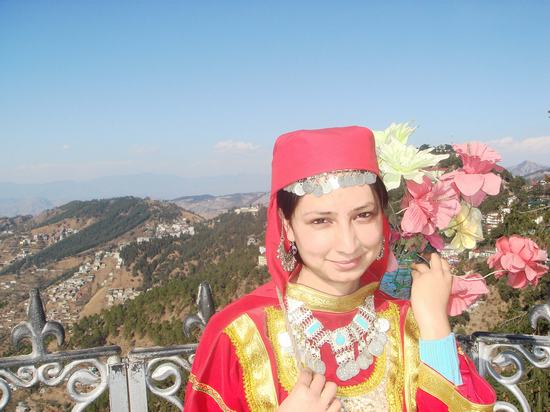
kashmiri-girl-lourdes-preethy

Written by London Swaminathan

ஆய்வுக் கட்டுரை எண் 1586; தேதி 18 ஜனவரி 2015


ஆயிரம் ஆண்டுகளுக்கு முந்தைய பெயர்களைப் படிப்பதே ஒரு ஆனந்தம். தஞ்சாவூர் பெரிய கோவிலில் உள்ள கல்வெட்டுகளில் 400 ஆடல் அழகிகள் பெயர்களை ராஜ ராஜ சோழன் பொறித்து வைத்துள்ளதையும் அவகள் பெயர்களில் அழகான சம்ஸ்கிருத,  தமிழ் பெயர்கள் உள்ளதையும் முன்னரே எழுதிவிட்டேன். தொல்பொருட் துறை அறிஞர் டாக்டர் இரா. நாகசாமி வெளியிட்ட கல்வெட்டுத் தொகுப்புகளில் ராஜராஜ சோழனின் கல்வெட்டுகள் உள.


கல்ஹணர் என்ற காஷ்மீரி பிராமணன் எழுதிய ராஜ தரங்கினி என்ற நூலைத் தான் இந்தியர் எழுதிய முதலாவது வரலாற்று நூல் என்று அரிஞர்கள்  போற்றுவர். காரணம்?அவர்தான் முதல் முதலில் ஒவ்வொரு மன்னனும் சக வருடத்தில் எப்போது ஆண்டான் என்று தற்கால வரலாற்றுப் புத்தகம் போல எழுதியுள்ளார். அவர் அக்காலத்தில் நிலவிய பெண்கள் பெயர்களைக் குறிப்பிடுகிறார். ஆங்கிலக் கட்டுரையில் எல்லா பெயர்களையும் கொடுத்துள்ளேன் சில சுவையான பெயர்களை  தமிழில் தருகி றேன்.

லண்டனில் வாழும் எனது நண்பர்கள் ஜோதிடப் பித்தர்கள். இந்த எழுத்தில் துவங்கி, உங்கள் பிள்ளைக்குப் பெயர் வைத்தால் நல்லது என்று ஜோதிடர்கள் சொல்லவே அவர்கள் எழுத்தில் கவனம் செலுத்தி பெயர்களை உருக் குலைத்து  விடுகின்றனர். தமிழும் தெரியாமல் சம்ஸ்கிருதமும் தெரியாமல் கன்னா பின்னா என்று பெயர்கள் வைக்கின்றனர்.நிர்சாந்தன் (அமைதி இல்லாதவன்) போன்ற எதிர்மறைப் பொருள் உடைய பெயர்களைப் பிள்ளைகளுக்கு வைக்கின்றனர். எனது நண்பி ஒருவர் பிள்ளைகளுக்கு ஹாஜி, பாஜி, ஷாஜி என்று பெயர் இட்டார்கள். இது என்ன கொடுமை? என்று கேட்டேன். கூப்பிட வசதியாக இருக்கிறதல்லவா? என்றாள் அப்பெண்மணீ! அட! சொஜ்ஜி என்று வைத்தால் இன்னும் இனிப்பாக இருக்குமே என்று சொல்லிவிட்டு வந்தேன் (ஸொஜ்ஜி = ரவா கேசரி)

a_legend_of_kashmiri_princess_by_azad

தென் ஆப்பிரிக்கா, மோரீஷஸ் தீவுகளில் வாழும் தமிழர்கள் பிரெஞ்சு, டச்சு மொழி ஸ்பெல்லிங்  பயன்படுத்துவதால் மருதமுத்து என்பதை மர்டர் முத்து என்று எழுதுகின்றனர். இப்படிப் பல விநோதங்க்கள்!


காஷ்மீர் பெண்கள் பலர் பெயர்களில் லலிதா சஹஸ்ர நாமப் பெயர்கள் இருக்கின்றன. யாருக்காவது நல்ல பெயர்கள் வேண்டுமானல் எல்லா சஹஸ்னாமங்களையும் வைத்துக் கொண்டால் போதும் — நல்ல பெயர்களை தெரிந்தெடுக்கலாம். ஏதேனும் பெயர்ப் பிரச்சினை இருந்தால் எழுதுங்கள். என் அண்ணன் சீனிவாசன் தீர்த்துவைப்பார். அவர் பெயர்கள் நிபுணர்.

பிறந்த தேதி அவசியம்!!

Kashmiri Kundiyaa

இதோ 900 வருடங்களுக்கு முன் கல்ஹணர் எழுதிய பெயர்கள்:


அம்பிக புத்ரிகா, அம்ருத லேகா, அனங்க லேகா, அஞ்சனா, பப்பட தேவீ,  புவன மதி, பிஜ்ஜா, பிஜ்ஜலா, பிம்பா, சக்ரமர்திகா,  சந்திரவதீ, சாந்த்ரீ, சிந்தா, தேவலேகா,  தித்தா, திலா,  குணதேவீ, குணலேகா, ஹம்ஸி, இந்திரதேவி,


ஐராவதீ, ஈசானதேவி, ஜஜ்ஜலா, ஜயாதேவீ, ஜயலக்ஷ்மி,  ஜயமதீ, கலனீகா,  கல்யாணதேவீ, கமலா, கமலாவதீ, காவ்யா, காவ்யாதேவீ,

காடனா, க்ஷேமா, சில்லிகா, குமுதலேகா, மல்லா, மம்மா, மம்மனிகா, மஞ்சரிகா, மங்கனா, மேகாவலீ, மெனிலா, நாக  லேகா,  ம்ருகாவதீ, நாகா,


நாகலதா,  நந்தா, நரேந்திர ப்ரபா, நொனா, நொனிகா,  பத்மலேகா, பத்மாவதீ, பத்மஸ்ரீ,  ப்ரகாச தேவி, ரட்டாதேவீ, ராஜ்யலக்ஷ்மி, ராஜ்யஸ்ரீ, ராமலேகா,

ரமண்யா, ரனாரம்பா, ரத்னாதேவீ, ரத்னப்ரபா, ரத்னாவலீ,  ரத்தா, சஹஜா,


சாம்பவதீ,  சம்மா, சாரதா, சில்லா, சோமலதேவீ, ஸ்ரீலேகா, சுபதா, சுகலா, சுகந்தா, சுல்லா, சுரேந்திரவதி, சூர்யமதீ, சுஸ்ஸலா, சுய்யா, ஸ்வேதா, தேஜலாடினா, தக்கணா, திலோத்தமா, த்ரைலோக்யதேவீ, உட்டா, வல்கா, வல்லபா, விமலப்ரபா, யசோமதீ, யசோவதீ, யூகாதேவீ

இது பற்றி,  ராஜ தரங்கிணியை ஆங்கிலத்தில் மொழி பெயர்த்த ஆர்.எஸ்.பண்டிட் எழுதிய குறிப்பில்– “ இன்றும் கூட காஷ்மீரி பிராமணர்கள் வல்கா, நொனா, சில்லா என்று பெயர்கள் வைப்பதாகவும் தித்தா என்ற மஹாராணிக்கு மிகவும் பிடித்த பெண் வல்கா என்பதால் இது பிரபலம் ஆனதாகவும்சொல்கிறார். இது துருக்கிய செல்வாக்கில் எழுந்த பெயராக இருக்கலாம். இதே போல சுல்லா, சில்லா என்பன ஈரானிய பெயர்கள்” — என்றும் சொல்கிறார்.


தமிழநாட்டில் பொன்னியின் செல்வன் நாவல் வந்த பின்னர் எவ்வளவோ குடும்பங்களில் பெண்களை குந்தவை, வானதி என்று அழைத்தனர். ஆக வரலாறும் கூட பெயர் வைப்பதில் செல்வாக்கை உண்டாக்க முடியும்.


கல்ஹணர் குறிப்பிடும் பெரிய அறிஞர்கள், கவிஞர்கள் குறித்து மற்றொரு கட்டுரையில் தருகிறேன்.

Sanskrit in Mahmud of Ghazni Coins!

Ghaznavid-A1610.GZ5-Mahmud-MH02.33

Compiled by london swaminathan

Article No 1579; Dated 16th January 2015


Who is Mahmud of Ghazni?


He invaded Western India from Ghazni in Afghanistan 17 times and plundered all the temples and palaces on his way. He died in 1030 CE.


What is Rajatarangini?

It was the chronicle of Kashmir in Sanskrit. Rajatarangini means River of Kings. Written by Kalhana 900 years ago. It was translated into English by R S Pandit, Brother in Law of Jawaharlal Nehru, First Prime Minister of India.

R S Pandit gives some interesting information on Sanskrit language:


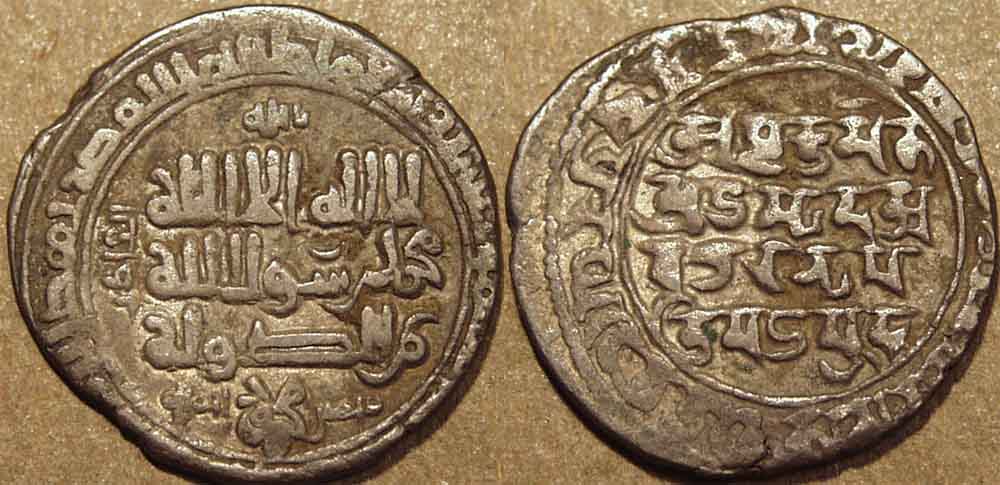
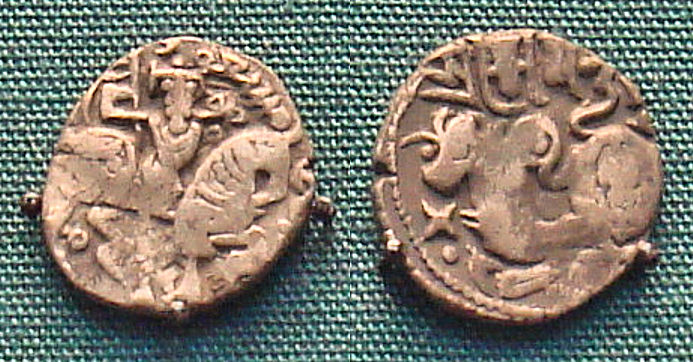
“The poets of Kashmir were in demand in India and Kashmiri Bilhana, the poet laureate at the court of Chalukya King of Dekhan gives us a charming account of his arcadian homeland. In describing the women of Kashmir, their beauty and  accomplishments, he tells us that they spoke Samskrit fluently ( The Life of King Vikramanka, Canto 18-6). Untle the 11th century Samskrta was undoubtedly dominant in Gandhara and the Punjab as the language of culture. Mahmud of Ghazni must have been aware of its importance since the first coin he struck in Lahore bear the legend in Samskrta”.

“These coins are in the British Museum and the legend on them is the rendering in Samskrta of the Islamic creed”

MassudOfGhazniCoin

“In Kashmir it remained the official language even during the rule of the early Sultans in the 14th century. Kalhana thus wrote in the language of the Gods and ignored the Apabhramsa not merely because he was sure of a large audience in Kashmir but for wider publicity abroad”


No Word for Purdah in Samskrt! Women’s Freedom in Ancient Kashmir!!


“There is no word in the Samskrta language for Purdah (screening of women from the gaze of men) or for harem or seraglio. The ruling princesses had plurality of wives who resided in the Antah-pura (Interior Apartments) or the Suddhanta (Pure Interior). As in the earlier age of classical drama and literature, we find from Kalhana’s work that seclusion or veiling of women was unknown even among royalty”


“The quees of Kashmir, pursuant to the ancient law and convention, were sprinkled with sacred waters of the coronation side by side with the kings, who shared the thrones with their consorts. The queens had separate funds, their own treasurers and councillors and were actively in the government of the country.”

kashmiri-belle-PH79_l

Inter caste Marriages


“Inter caste marriages are mentioned and a princess of the blood royal was given in marriage to the Brahmin superintendent of a convent. The best of the Kashmiri rulers Candrapida and his brother Lalidaditya, the ablest warrior king were, according to Kalhana, the king’s sons by a divorcee, a Baniya woman of Rohtak near Delhi. Mother of another warrior king Samkaravarman was the daughter of a low caste spirit distiller. King Cakravarman married an untouchable Domba woman and made her the premier queen who enjoyed previleges among royal ladies of being fanned by the Yak-tail. Her relatives were appointed as ministers”.


–Kalhana’s Rajatarangini, R S Pandit’s translation.

31 Good Quotations on Wife!

tamil-penkal

Good Thoughts Calendar — December 2014
Post No. 1439; Date: 26 November 2014.
Compiled by London Swaminathan ©

31 quotations from Sanskrit & Tamil texts are given in this calendar.
Important Dates: December 2 Gita Jayanti; 5 Tiru Karthikai, 6 Sarvalaya Deepam; 21 Hanumath Jayanthi; 25 Christmas, 26 boxing day.
Auspicious Days: December 1, Full Moon day- 6, New Moon (Amavasya)-22, Ekadasi –2,18

Quotes are taken from Suktisudha, Chinmya International Foundation and Tamil book Tirukkural.

December 1 Monday
Wife is dearer than life — Kata sarit sagara
Bharyaa praanébhyó pyadhikapriyaa

December 2 Tuesday
Just as you protect your wife, the wives of others are too deserve protection Valmiki Ramayana 5-21-8
Yathaa tava tathaanyésaam daaraa rakshyaa

December 3 Wednesday
The minds of noble women are as soft as flowers — Uttara Rama Carita 4s2
Purandhriinaam cittam kusuma sukumaaram hi bhavati

December 4 Thursday
A wife of excellent virtues who is capable of managing the household within the means of her husband is a real household help in home life -Tirukkural 51

December 5 Friday
Other’s wives are not to be minutely observed – Kalidasa in Shakuntala, Act 5
Anirvarnaniiyam parakalatram

பெண்கள் ஓவியம்

December 6 Saturday
If a wife does not possess the virtues for household life, that home will have no happiness, however splendid it may be in other respects -Tirukkural 52

December 7 Sunday
Talking about another’s wife is un gentlemanly – Kalidasa in Shakuntala, Act 7
Anaaryah Pradhara vyavahaarah

December 8 Monday
She who gains the affection of her husband by her faithful devotion to him is honoured among the Gods-Tirukkural 58

December 9 Tuesday
The householder’s home is bare without his wife – Katha sarit sagara
Abhaarya hi suunyam grhapatérgrham

December 10 Wednesday
He who does not possess an ideal wife, who values the reputation of chastity, cannot hold his head up among his friends-Tirukkural 59

pavadai sattai malayalam

December 11 Thursday
The wife is one half of man
Ardham bhaarayaa manusyasya

December 12 Friday
A virtuous wife is a blessing and good children are its adornment -Tirukkural 60

December 13 Saturday
It is impossible to stop a woman on her way to meet her beloved Mrchakatika 5- 31
Na sakyaa hi striyó róddhum prasthitaa dyitam prati

December 14 Sunday
Of what avail is watch and ward? A woman’s will is the best safeguard-Tirukkural 57

December 15 Monday
Wives of the gallant do not lament — Valmiki Ramayana 4-24-43
Na suurapatnyah paridévayanti

rajasthani-women-ER62_l

December 16 Tuesday
What greater treasure can there be than a woman, who has the abiding strength of chastity? -Tirukkural 54

December 17 Wednesday
Good wives are at the root of all righteous deeds — Kumara sambhavam of Kalidasa 6-13
Kriyaanaam khalu dharmyaanaam satpatnyó muulakaaranam

December 18 Thursday
A wife who may not worship god but wakes up with worshipful devotion to her husband has to make the rain fall at her bidding -Tirukkural 55

December 19 Friday
A disobedient wife is an enemy – Canakyaniti 9-12
Aviniitaa ripurbhaaryaa

December 20 Saturday
The wife is a fetter not made of metal – Canakyanitisastra
Alóhamayam nigadam kalatram

women are illusions

December 21 Sunday
She, who guards her virtue, tenderly cares for her husband and maintains the reputation of both, is a good wife-Tirukkural 56

December 22 Monday
Women spurn her relatives due to the love of their husbands – Bharatamanjari 1- 17- 774
Trnam bhaandhavapakso hi bhartrusnéhéna yósitaam

December 23 Tuesday
A house is not said to be a home, it is the housewife that makes that makes it one. Pachatantra 6-85
Na grham grham iti ityaahuh grhinii grham ucyaté

December 24 Wednesday
A human woman cannot be a demon’s wife – Valmiki Ramayana 5-24-28
Na maanusii raaksasasya bhaaryaa bhavitumarhati

December 25 Thursday
It is un ethical to ogle at another’s wife — Mrchakatika 1-158
Na yuktam paralkalatra darsanam

cartoonist murugu, fb

December 26 Friday
It is very hard for a wife to live without her husband Valmiki Ramayana 2-29-7
Patihiinaa tu yaa naarii na saa saksyati jiivitum

December 27 Saturday
Who will forsake his wife even in utter failure – Bharatamanjari 2-11-396
Paraabhavépi daaraanaamupéksam ksamaté ne kah

December 28 Sunday
For a woman the death of her husband is but the first catastrophe Valmiki Ramayana 6-32-9
Prathamam maranam naaryaa bharturvaigunyamucyaté

December 29 Monday
Householders look through the eyes of their wives in matters relating to their daughters –Kumara sambhavam of Kalidasa 6-85
Praayéna grhinii nétraah kanyaarthésu kutumbinah

December 30 Tuesday
A husband blinded by love sees not the wickedness of his wife – Kata sarit sagara
Praayéna bhaaryaadausilyam snéhaandhó néksaté janah

December 31 Wednesday
A beautiful wife is a foe — Cankyaniti 9-12
Bharyaa ruupavatii satruh
B_Id_404534_sonakshi-sinha-ramp

contact swami_48@yahoo.com

தொல்காப்பியரும் வள்ளுவரும் பெண்களின் எதிரியா?

bankura in WBRiya,Raima,Moon

கட்டுரையை எழுதியவர் :– லண்டன் சுவாமிநாதன்
ஆராய்ச்சிக் கட்டுரை எண்- 1420; தேதி 19 நவம்பர், 2014.

இனம் போன்று இனமல்லார் கேண்மை மகளிர்
மனம் போல வேறுபடும் — குறள் 822

பொருள்:– தம் இனத்தைச் சேர்ந்தவர் போல நடிப்பர்; ஆனால் உள்ளன்பு இராது. அத்தகையோர் நட்பு, பொது மகளிர் மனம் போல உள்ளொன்று புறமொன்றாக வேறு படும்.

இதில் மகளிர் மனம் போல மாறுபடும் என்பதைப் பார்க்கையில் பெண்களின் சஞ்சல புத்தியைக் குறை கூறுவது போலத் தோன்றும். ஆயினும் பொது மகளிரைப் பற்றி சொல்கிறார் என்றவுடன் அந்த ஐயப்பாடு நீங்கிவிடும். எதையும் அது எங்கே, என்ன காரணத்துக்காக சொல்லப்பட்டது என்பதை காணல் வேண்டும்.

கூடா நட்பு என்னும் இதே அதிகாரத்தில் இன்னும் ஒரு குறளில் வள்ளுவர் கூறுவதையும் இங்கே குறிப்பிடுதல் பொருத்தம்:

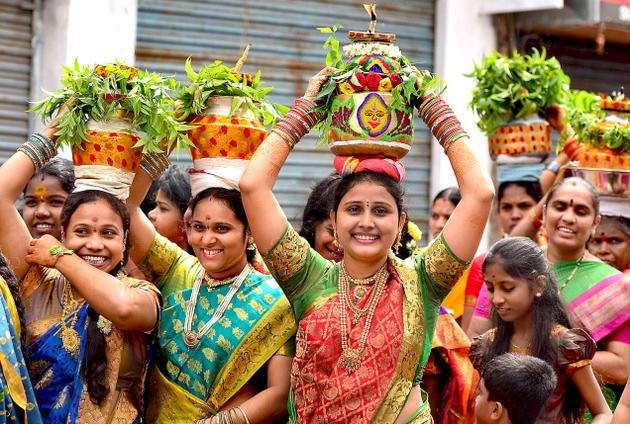
_HY29BONALU-festival,s'bad, hindu

ராஜீவ் காந்தி படுகொலை

தொழுத கை உள்ளும் படை ஒடுங்கும் ஒன்னார்
அழுத கண்ணீரும் அனைத்து— குறள் 827
பொருள்:- உள்ளுக்குள் பகை வைத்திருப்போர் வணங்குபோதும் கைக்குள்ளும் கொலைக் கருவி வைத்திருப்பர். அவர்கள் விடும் போலிக் கண்ணீரும் அத்தகையதே.

நமது காலத்திலேயே விடுதலைப் புலிகள் இயக்கத்தைச் சேர்ந்த ஒரு பெண் செய்த படுகொலையையும் நாம் கண்டோம். முன்னாள் பிரதமர் ராஜீவ் காந்தியை வணங்குவது போலக் குனிந்து வெடிகுண்டை வெடித்துப் படுகொலை புரிந்தவளும் ஒரு பெண்ணே. இதை மேற்கூறிய குறளில் கண்டோம்.

நாடக அரங்கில் படுகொலை

இதே போல நாடக அரங்கில் நடந்த ஒரு படுகொலையும் வரலாற்றில் உள்ளது. சுங்க வம்சத்து கடைசி அரசனான தேவபூதி மிகவும் மோசமான ,பலவீனமான ஒரு பேர்வழி. அவனை ஒரு அடிமைப் பெண், — படுக்கை அறையிலே கொலை செய்தாள். அவள், அவனது ராணி போல வேஷம் போட்டுக் கொண்டு படுக்கை அறைக்குள் சென்று அவனைக் கொன்றாள். அவளும் ஒரு பெண்தான்.

வரலாற்றில் இப்படிப் பெண்கள் மூலம் படுக்கை அறையில் நடந்த படுகொலைகள் பல உள. ஆக பெண்களிலும் “நீலாம்பரிகள்” உண்டு. ராமாயணத்தில் பெண் என்ற காரணத்தால் தாடகையைக் கொல்ல ராமன் மறுக்கிறான். அவள் பெண் அல்ல, பேய் என்கிறான் விசுவாமித்திரன். ஆகவே எந்த சூழ்நிலையில் யாரைச் சொல்கிறார் என்பதை அறிந்த பின்னரே ஒருவரைக் குறைகூறுதல் பொருந்தும்.

பெண்கள் மட்டுமே கொலை செய்தனர் என்பதும் உண்மையல்ல. ‘’மனதிலே கருப்பு வைத்து’’ – விபூதி பூசி வந்த — முத்த நாதன் என்பான் உடைக்குள் இருந்த வாளினை உருவி, மெய்ப்பொருள் நாயனாரைக் கொன்றதும், இந்திரா காந்தியை அவரது சீக்கிய மெய்க்காவலர்களே கொன்றதும் வரலாற்று உண்மைகள்.

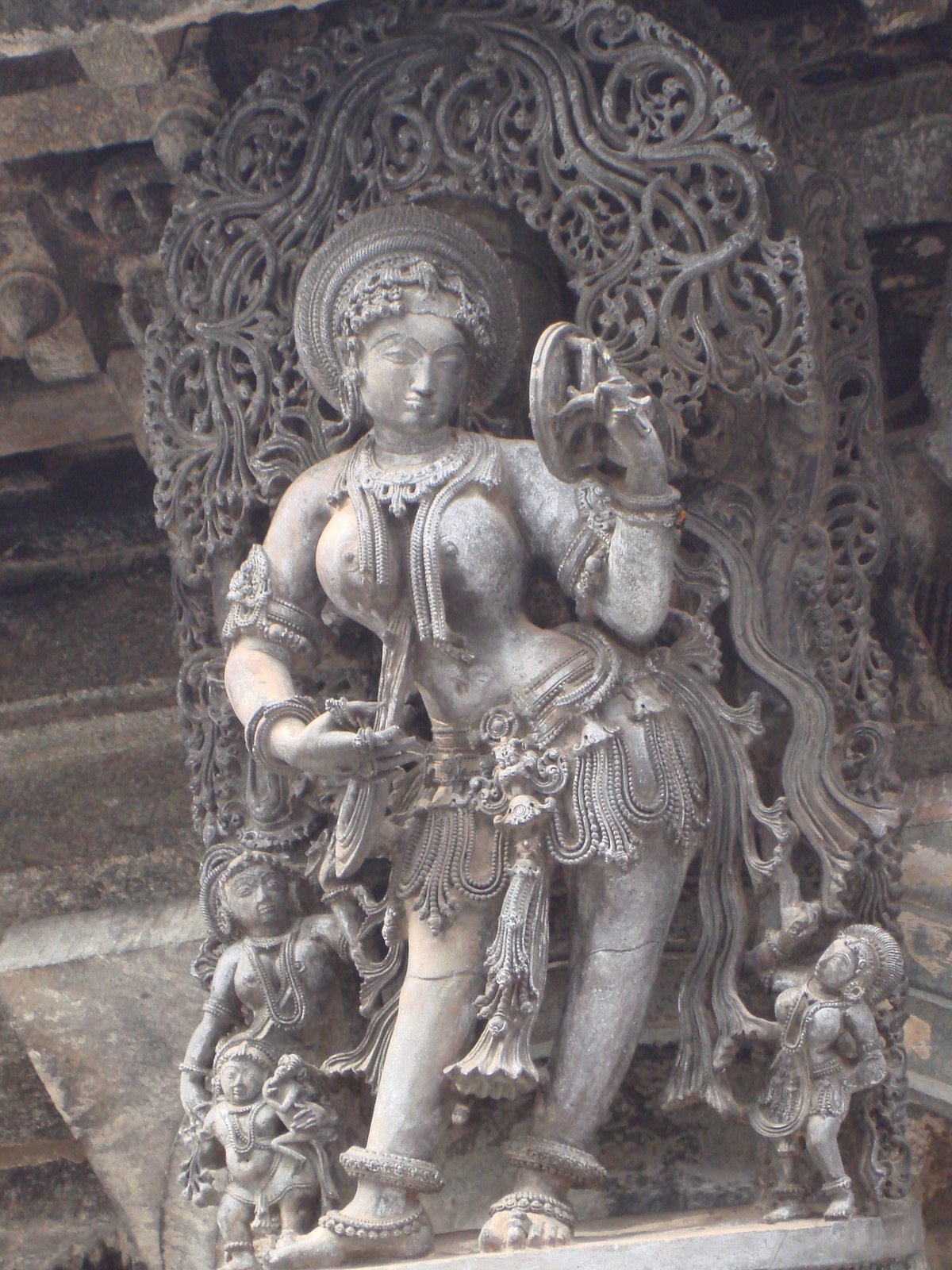
Belur1mirror lady

தொல்காப்பியத்தில்…

தொல்காப்பியத்தில் முதல் சூத்திரம்:–
‘’எழுத்து எனப்படுப
அகரம் முதல் னகரம் இறுவாய்
முப்பஃது என்ப
சார்ந்து வரல் மரபின் மூன்று அலங்கடையே’’

பொருள்:– தமிழ் எழுத்துக்கள் அ முதல் ன வரை முப்பது என்பர். மூன்று சார்பு எழுத்துக்களைச் சேர்க்காமல்.

இதற்கு உரை எழுதிய இளம்பூரணரும் நச்சினார்க்கினியரும் ‘’ன’’ — என்பதை கடைசியில் வைத்ததற்கு என்ன காரனம் என்று வியாக்கியானம் செய்கின்றனர். னகரம் வீடு பேற்றிற்குரிய ஆண்பாலை உணர்த்துதற் சிறப்பான் பின் வைக்கப்பட்டது என்று எழுதியுள்ளனர்.

சேனாவரையர் எழுதிய உரையிலும், “அறிவு முதலாயினவற்றான் ஆண்மகன் சிறந்தமை யின் ஆடூஉவறிச் சொல் முற்கூறப்பட்டது என்பர். தொல்காப்பியருக்கு முன்னரே தமிழ் மொழி எழுத்துக்கள் அ-வில் துவங்கி ன-வில் முடிந்திருக்கலாம். ஆயினும் அவர் நூல்தான் நமக்குக் கிடைத்த தமிழ் நூல்களில் மிகப் பழையது என்பதால் மூன்று உரையாசிரியர்களும் தங்களுடைய அல்லது அவர்களது காலத்தினுடைய ‘’ஆண் ஆதிக்கக் கொள்கையை’’ தொல்காப்பியர் மேல் போட்டுவிட்டனர்!! அதாவது ன-கரம் ஆண்பால் பெயர்களில் வருவதால் அது உயர்வான எழுத்து என்றும் அதனால்தான் அதைத் தமிழ் மொழியின் கடைசி எழுத்தாக வைத்துச் சிறப்பித்தார் தொல்காப்பியர் என்றும் பொருள்படும்படி எழுதிவிட்டனர்.

இது போலவே மனு எழுதிய ஒரு ஸ்லோகத்தையும் காட்டி மனு பெண்களின் எதிரி என்பர் வெளிநாட்டினர் — ஆனால் மனுவோ பெண்களுக்கு மகத்தான ஆதரவு கொடுத்தவர் — “எந்த இடத்தில் பெண்கள் பூஜிக்கப்பட வில்லையோ அந்தக் குடும்பம் வேரொடு அழியும் என்றும், பெண்கள் விடும் கண்ணீர் குடும்பத்தையே துடைத்து ஒழித்துவிடும்” என்றும் சொல்லி இருக்கிறார். பெண்கள் வாழ்க என்ற எனது கட்டுரையில் முழு விவரம் காண்க. அது மட்டுமல்ல. பெண்களுக்கு கணவனும் சகோதரர்களும் நகைகளையும் புத்தாடைகளையும் வாங்கிக் கொடுத்து எப்போதும் அவர்களை மகிழ்ச்சிக் கடலில் மிதக்கவிட வேண்டும் என்றும் எழுதி வைத்திருக்கிறார்– (கேட்பது பெண்கள் குணம், வாங்கிக் கொடுப்பது ஆண்கள் கடமை என்ற எனது கட்டுரையில் மேல் விவரம் காண்க) ஆக உரைகாரர்களையோ வெளிநாட்டு ‘’அறிஞர்’’ களையோ நம்பி அர்த்தத்தை அனர்த்தம் ஆக்கி விடக்கூடாது.

026maruthi

பகவத் கீதையிலும், ஆதி சங்கரரின் விவேக சூடாமணியிலும் ஆண்களுக்குச் சார்பான ஸ்லோகங்கள் இருப்பது உண்மையே. ஆனால் அவர்கள். தாய் என்ற நிலையில் இருக்கும் பெண்களுக்கு கடவுளுக்கும் மேலான இடத்தைக் கொடுத்துப் பாடி இருக்கின்றனர்.

மனைவி என்ற நிலையில் உள்ள பெண்களுக்கு சிவ பெருமான் போல 50—50 கொடுக்கின்றனர். உடலில் பாதி மட்டுமல்ல- உரிமையிலும் அர்த்த நாரீ என்ற முறையில் ‘’சஹ தர்மசாரினி’’ என்பர்.

இழி தொழில் செய்யும் பெண்கள் மீதே அவர்கள் வசைமாரி பொழிந்தனர்.
தனித்தனியாக எடுத்துப் பார்க்கையில் கம்பன், பட்டினத்தார், அருணகிரி நாதர் ஆகியோர் பெண்களின் எதிரிகள் போலக் காட்சிதருவர்.!

இதோ சில கம்பன் பாடல்கள்:

‘’அன்னவள் உரைத்தலோடும் ஐயனும் அறிதற்கொவ்வா
நன்னுதல் மகளிர் சிந்தை’’

‘’மன்றலங் கோதை மாதர் மனம் என போயிற்றம்மா’’

வருமுலை விலைக்கென மதித்தனர் வழங்கும்
தெரிவையர் மனமெனக் கறங்கெனத் திரிந்தான்’’ – கம்ப ராமாயணம்.

afrohairstylecmpetion-5

வரைவின் மகளிர் என்ற அதிகாரம் முழுதும் வள்ளுவனும் பெண்களைச் சாடுகிறான்.
இது போல ஷேக்ஸ்பியர் உள்பட எந்த நாட்டு இலக்கியத்திலும் காணலாம்.
ஆக, எப்பொருள் யார் வாய்க் கேட்பினும் அப்பொருளின் மெய்ப்பொருள் கண்டு தெளிக.
பாரதியின் சொற்களுடன் முடிக்கிறேன்:–
பெண்கள் வாழ்கவென்று கூத்திடுவோமடா!
பெண்கள் வெல்கவென்று கூத்திடுவோமடா!
வலிமை சேர்ப்பது தாய்முலைப் பாலடா!
மானம் சேர்க்கும் மனைவியின் வார்த்தைகள்;
கலி அழிப்பது பெண்களின் அறமடா!
கைகள் கோத்து களித்து நின்றாடுவோம்
துன்பம் தீர்வது பெண்மையினாலடா!

-சுபம்-

Pictures are taken from various sites; not related to the article;thanks.

Women and Rivers in Kalidasa and Tamil literature

gujarati

Research paper written by London Swaminathan
Research article No.1403; Dated 10th November 2014

I have listed over 200 similarities between Kalidasa’s works and Sangam Tamil literature. I have argued in my previous posts on Kalidasa that he lived in the first century BCE or before that. Most of the Indian scholars believe that he lived during the rule of Vikramaditya of first century BCE. Amazing similarities between the Tamil poems and Kalidasa’s confirm that the Sangam Tamils were very familiar with his works. This is confirmed by the Brahmin poet Kabila’s work in the Sangam period. He taught Tamil poetics to an Aryan king Bruhat Datta ( through Sanskrit) and made him write a Tamil poem which is included in the Sangam corpus. Kabila was a trend setter. He used many Sanskrit words and Sanskrit themes in Sangam verses. He copied Kalidasa in his Kurinjipattu which was noticed by an ardent Tamil lover Rev. Dr G U Pope 150 years ago.

I present below some similes where Kalidasa’s influence is noticeable.
Rivers in India are considered women and sea as their (lover) husband. Women’s beauty is compared to the beauty of cities. Though it may look strange today ancient people used this simile. If I compare a beautiful actress to the beauty of a big city today, people will laugh at me. But it is in the Bible as well.
Sangam poets Nakkirar, Paranar , Kabilar, Mamular, Orampoki and Ammuvan compared the beauty of a woman to a city/town.
Seattle_Skyline_2112
Women and city are compared in literature!

Tamil Ref. Natrinai 367, 258, 260, 340, 350, 358, 395; Ainkurunuru 56, 171
Poet Nakkirar compares the beauty of a woman to Aruman’s small and beautiful village (Natrinai 367). And in another poem (358), he compares the beauty of a woman to Pandya’s town Marungai. Poet Orampokiar compared a woman’s beauty to Choza town Amur (Aink.56). Another woman was compared to Pandya’s port city Tondi by Ammuvan (Aink.171).

20120222 Water change near Ballina

Kalidasa used this simile in Raghuvamsam :

Mithila is compared to a woman. Like a woman tolerates all that is done to her (by her husband) out of love, Mithila tolerated the army of Dasaratha -11-52,
City of Ayodhya with its smoke from sandal is compared to women with their hair drying in the fragrant smoke– 14-12

Akasath Patitam Toyam Yatha Gachchati sagaram ………

Hindus are very familiar with the rivers and the seas. Great seers Bhrgu, Agastya and Kaundinya took the Hindu culture and civilization to different parts of the world via sea route.
So they always use this comparison:
“Even as all the waters (rivers) falling from the sky invariably flow into the sea, so ………. (all prayers offered go to God)”.
This is found in Kalidasa and Tamil literature. This shows that Indians from Kashmir to Kanyakumari thought in the same way. This simile is unique to Indian literature.
Tamil references: Puram 42, Malaipatukadam 51/53; Perumpanatrupatai line 427, Purpporul Venpa 11, Kamba Ramayana Kaiyatai ppatalam 15
pen painting

Kalidasa :
“Fortunately, you have set your heart on one truly worthy of you. But then where else would a great river flow except to the ocean? (Saku 3-13)

The daughters of the Kings of Maghada, Kosala and Kekaya obtained a husband (Dasaratha) for them who is a mighty warrior, just as the rivers, daughters of mountains, obtain the mighty ocean (as their husband) (Raghu 9-17)

Just as the bride loved the bridegroom worthy of her, so too did he love her for the Ganges did not leave the ocean, and the ocean too finds the greatest delight in tasting (the nectar of) her mouth (Kumara 8-16)

most-beautiful-cities-101
Beauty of the city is compared to woman

Sangam Tamil poet Nalvellaiyar compared the amorous thoughts to the flooded Ganges River in Natrinai 369. In can’t be a rare co incidence for a Tamil poet to compare the floods in Ganges to a woman’s feelings in the southern most part of India. They are well versed in Kalidasa. Otherwise the common men would not understand or appreciate this simile!

Tamil Poet Idaikatan of Puram verse 42 compares the rivers that eagerly flow into the sea to poets that come towards the Choza king Killivalavan.

Uruthirankannan, author of Perumpanatruppatai, says that like the rivers take all the things to the sea, kings come to you with their tributes (line 427)
Raghu.12-35,13-9, 13-58, 13-62,15-60 more references

13-10-08_217_CONFLUENCE_OF_INDUS_RIVER_N
Rivers go to seas, men go to kings or gods.

My earlier posts on Kalidasa
1.Did Kalidasa fly an Airplane? 12 Sept. 2014
2.Sea in Kalidasa and Tamil Literature
3.Ganges in Kalidasa and Sangam Tamil Works
4.Gem Stones in Kalidasa and Tamil Literature
5. Bird Migration in Kalidasa and Tamil Literature
6.Kalidasa’s Age:Tamil Works confirm 1st Century BC
7.Above articles in Tamil

contact swami_48@yahoo.com