‘பாட்டும் சபதமும்’- பாரதியார் பற்றிய நூல்கள் – 52 (Post No.5170)

Written by S NAGARAJAN


Date: 2 JULY 2018


Time uploaded in London –   6-24 AM (British Summer Time)


Post No. 5170


Pictures shown here are taken from various sources such as Facebook friends, Wikipedia, Books, Google and newspapers; thanks. Pictures may be subject to copyright laws.


பாரதி இயல்


மஹாகவி பாரதியார் பற்றிய நூல்கள் – 52

மது.ச.விமலானந்தம் அவர்களின் ‘பாட்டும் சபதமும்


ச.நாகராஜன்


பாரதி ஆர்வலர் மது.ச.விமலானந்தம் அவர்களின் பாரதி சபதம் நூலைப் பற்றி சென்ற கட்டுரையில் பார்த்தோம். அந்த நூலுக்கு முன்னால் பாட்டும் சபதமும் நூல் வெளியிடப்பட்டது. அவர் குயில் பாட்டை ஆய்வு செய்து எழுதிய நூல் இது. முதற் பதிப்பு 1962ஆம் ஆண்டு அக்டோபர் மாதம் தஞ்சவூர் பைந்தமிழ்ப் பண்ணை வெளியீடாக வெளி வந்தது. 72 பக்கங்கள் கொண்ட ஆய்வு நூல் இது.

மகாகவி பாரதியார் தாம் சொந்தமாகவே –  புதுவதாகவே படைத்தும் உள்ளார்; இருந்த ஒன்றைச் சிறந்த ஒன்றாகச் சமைத்தும் இருக்கிறார். முன்னதற்குச் சான்றாக அமைவது குயில் பாட்டு: பின்னதற்குச் சான்றாக விளங்குவது பாஞ்சாலி சபதம் என்று கூறும் நூலாசிரியர், குயில் பாட்டை,

பாரதியின் குயில் பாட்டு கதையின் புதையல்,கற்பனை ஊற்று; காதற் சுவையின் கருவூலம், கவிதைக் களஞ்சியம்; வேதாந்தத்தின் வித்து; வித்தகர் தம் சொத்து.பாரதி பாடிய கதை தழுவிய பாட்டுகதைப் பாட்டு இஃதொன்றே எனலாம்.பாரதியார் தேசீயம், தோத்திரம், வேதாந்தம், காப்பியம், சிறுகதை,கட்டுரை போன்றன பல இயற்றியிருப்பினும், இஃதொன்றே பாரதியின் புதுவது புனைந்த புதுமைப் படைப்பாகும் என்று புகழ்கிறார்.

கற்பனையே யானாலும் வேதாந்தமாக விரித்துப் பொருளுரைக்க யாதானும் சற்றே இடமிருந்தாற் கூறீரோஎன்று பாரதியார் புதிராக ஒரு கேள்வியைப் போட்டாலும் போட்டார் அதைப் பற்றிய ஏராளமான விளக்கங்கள் இன்று வரை தோன்றிக் கொண்டே இருக்கின்றன.

மது .விமலானந்தம் தனது ஆய்வின் படி பல்வேறு விதமாகப் பொருளுரைக்கிறார்.

அவற்றில் சில பகுதிகள் இதோ:

குயிலியைப் பசுவாகவும், சேர இளவரசனைப் பதியாகவும் கொண்டு, மாடன் நெட்டைக் குரங்கன் இருவரையும் எண்ணி நிற்பது பாசவுணர்ச்சியாகவும்; அது போன்றே இப்பிறப்பில்  குயிலைப் பசுவாகவும் (ஆன்மாவாகவும்) பாரதியைப் பதியாகவும்,குரங்குமாடு இரண்டையும் நாடுவதைப் பாசமாகவும் கொண்டால்; பசுவாகிய ஆன்மா,பதியாகிய இறைவனை அடைய விரும்புங்காலை, உலகப் பற்றும் பந்தமுமாகிய பாசம் தடைப்படுத்துகின்றது என்ற வேதாந்தக் கருத்து நன்கு விளங்கும்

உலகம் பொய்; வாழ்வு நிலையற்றது, பார்ப்பன அனைத்தும் பொய்;பரம்பொருளே மெய், உலகம்  ஒரு கனவுக் காட்சி, கனவு முடிந்த பின் கனவுப் பொருள் உண்மையல்ல என்றுணர்வது போன்றே, வாழ்வு முடிந்த பின் உலகப் பொருள் எல்லாம் உலையும் தன்மையன என்கிறது அத்வைதம்இதனைத் தான் பாரதி குயில் பாட்டின் இறுதியில் வைத்து உலகியல் உறுதியாக உணர்த்தியுள்ளாரோ என்று தோன்றுகிறது.

சமூகத்தில் உள்ள குற்றங் குறைகளை மக்கள் இனம் கொண்டே எடுத்தோதி நிறை செய்யும் சமூகச் சிறுகாப்பியமாகவும் இக்குயில் பாட்டினைக் கொள்வர்.


அடுத்து அழகு தமிழ்க்குயில் பாட்டின் அருமை பெருமைகளை வகை வகையாகப் பிரித்து விளக்குகிறார் இந்த நூலாசிரியர்.

வர்ணனை, கற்பனை,காதல், இயற்கை போன்ற பல தலைப்புகளில் குயில்பாட்டின் சிறப்புகள் விளக்கப்படுகின்றன.

   கானக்குயிலும் கவிக்குயிலும் என்ற தலைப்பில் மேலை நாட்டுக் கவிஞர்கள் Cuckoo, Skylark, Nightingale போன்ற பறவைகளைப் பாடியதை விரிவாக விளக்கும் நூலாசிரியர் அக்கவிஞர்கள், அவர்கள் பாடிய கவிதைகள் ஆகியவற்றின் பட்டியலையும் தருகிறார்.

வோர்ட்ஸ்வொர்த், ஷெல்லி, கீட்ஸ், மில்டன், எஸ்.டி.கூல்ட் ரிஜ், ஜில் வின்செண்ட், ட் ரம்மண்ட், ஜான் கெபிள், க்ராஷா, ஜான் லோகன்,லாம்ப்ஸன், ராபர்ட் ப்ரிட்ஜஸ்,லேடி வின்சில்சீ ஆகியோரின் படைப்புகளைப் பார்க்கிறோம்; பாரதியின் சிறப்புகளையும் பார்க்கிறோம்.

காதல் காதல் காதல்;

காதல் போயிற் காதல் போயிற்

சாதல் சாதல் சாதல்

என்ற பாரதியின் வரிகளில் அவர் கூறுவது என்ன?

“காதலை உயரியதாகவும், தெய்வ நிலையதாகவும், அதனையே வாழ்வின் ஒளி நெறியாகவும் கருதுபவர் கவி பாரதி; இதனை, “காதல் புரிவீர் செகத்தீரே!, காதலித்துக் கூடிக் களியுடனே வாழாமோ,காதலிருவர் கைப்பிடித்தே.., “காதலினால் மானுடர்க்குக் கலவியுண்டாம், கலவியிலே மானுடர்க்குக் கவலை தீரும்; காதலினால் மானுடர்க்குக் கவிதையுண்டாம், ‘பாட்டினிலே நான் பாட வேண்டி, “ என்று இப்படி பாரதியின் சொற்றொடர்களைத் தொகுத்துக் காட்டி,  வரிசையாக இன்னும் பல மேற்கோள்களைத் தரும் நூலாசிரியர்,

“அத்தகு காதலை நாடுகிறது குயில்.அக்காதல் இன்றேல் முடிவு சாதலே என்கின்றது குயில் என்கிறார்.

பாரதியில் தோய்ந்து, அவரது குயில் பாட்டில் மூழ்கி அதைத் திறம்பட ஆய்வு செய்யும் சிறு நூலாக அமைகிறது இந்த நூல்.

குயில் பாட்டில் மகாகவி விடுத்திருக்கும் புதிரை அவிழ்க்கும் முயற்சியில் இந்த நூல் ஈடுபட்டுப் பல கருத்துக்களை நம் முன் வைக்கிறது.

குயில் பாட்டையும் படித்து, இந்த ஆய்வு நூலையும் படித்தால் நமக்கு அரிய பல கருத்துக்கள் தோன்றும்.

நூலாசிரியர் பாராட்டுக்குரியவர். பாரதியில் தோய்ந்திருக்கும் அன்பர்களுக்கு இந்த நூல் இனிக்கும்.

***


Sacred Morning Time- Brahma Muhurta (Post No.5169)

Written by London swaminathan


Date: 1 JULY 2018


Time uploaded in London –   16-09 (British Summer Time)


Post No. 5169


Pictures shown here are taken from various sources such as Facebook friends, Wikipedia, Books, Google and newspapers; thanks. Pictures may be subject to copyright laws.


Hindus consider the time before sun rise is good for prayers. The two hours before sun rise called Brahma Muhurta, roughly translated, God’s Time. Yogis (saints) recommend this time for breathing exercises, Asana postures and general prayers. They get up around 4 am in the morning and begin the Yoga exercises. Even political leaders find this time good for doing work and taking decisions. India’s first Prime Minister did wake up around 4 am and did Sirasasanam (upside down posture). Current Prime Minister Narendra Modi also gets up early in the morning.


Hindu kings got up very early morning according to Sanskrit and Tamil literature. Even some anecdotes in the life of Frederick the Great, Akbar and other kings show that they got up very early. Abul Fazl in Ain-i -Akbari says that Akbar got up very early in the morning.


Sadguru Dharam Chandra Yogi, former head of Vihangam Yoga Samssthan and a great yogi himself has rightly recommended meditation during Brahma Muhurta as the ultimate formula for success in life.


Swami Nithyananda says

brAhmI muhUrtaM uttiShTHEt swasthO rakshArthaM Ayusha:
tatra sarvArtha shAntyartham smareccha madhusUdanaM
(Ref: Ashtanga Hridayam)

The line translates as: ‘One should wake up in the brahma muhurta for sustaining perfect health and for achieving a long life span, as desired. ‘

Brahma Muhurta is also called The Nectar Time (Amrit Vela)

Benefits of waking up in Brahma Muhurta

At this time, a high level of prana (vital life energy) which is necessary for the body is adequately present in the atmosphere. The activities of the entire world and especially of the living beings are yet to be started; hence the pollution is at its minimum. The cheerful atmosphere has a considerable effect on the body and mind.

Ayurveda has given a deep thought to the daily routine, which when followed aligns our day perfectly to express our maximum potential and capabilities. This starts with getting up in the morning. The quality of our waking up decides the energy level for the day. A peaceful fresh start is always better to a dull, lethargic start with a heavy feeling.

Tuning our biological clock to the rising and setting of the sun, is the best way for reversing the aging process. Waking up during this brahma muhurta puts us in perfect synchronization to the natural clock.

6:00 pm to 10:00 pm – kapha
10:00 pm to 2:00 am – pitta
2:00 am to 6:00 am – vata

According to Ayr Veda Brahma Murta is th Vata dominating time


Sikhs and Buddhists

Sikhs believe that the day is divided into eight periods of three hours each and the time between three am and six am is the highest energy period. Buddhists also have an early morning meditation ritual.

In Islam the first prayer of the day is before the sunrise.

Hindu calculation of time is 24 minutes is One Nazikai

48 Minutes is One Muhurta.

1 hour 30 minutes before sun rise is Brahma Muhurta ‘God’s Time.

RSS summer camps schedule start at 4-30 am. Swayam Sevaks go to bed at 9 pm.


There is also a widely-held belief that the early morning hours are the times the gods and angels encircle the world. They are ready and waiting to bestow their blessings. This is a time that is conducive to learning and mastering the scriptures, music and any other art form.

Whenever we want some favours form a V I P or an officer we find out their happy mood or good mood time and visit them. Gods are also in their graceful mood at this time.

Manu Smrtis and other Smrtis (law books) always insist getting up very early morning. All the saints and Shankaracharyas follow this even today.


Scientific Studies

Scientific studies have shown that certain hormones like the plasma cortisol which is a life protecting hormone that helps us to withstand the stress and trauma of life are secreted from the adrenal cortex under the influence of ACTH (adrenocorticocotropic harmone) from the hypothalamus. The rate of secretion of ACTH is high in the morning and low in the evening. Hence the natural ability to learn and retain or concentrate and remember is much higher in the morning. The mind is calm, fresh and relaxed then.


According to Ayurveda , early morning is the VATA dominating period. The circadian rhythms have been studied in vast details by biologists who believe that this period is associated with the blossoming of the mind.

Besides the atmosphere at that time of the period is quiet, serene and calm as children and youngsters are fast sleep and hence there is a felt peace and silence in the air. Most activities pertaining to religious worship are usually performed during Brahma Muhurta. Only the modern day pressures change those ancient practices slowly.

The author had attended the Ganapati Homams performed by Swamiji Krishna of Ayakkudi every day before sunset.


Following is the daily routine of Sringeri Shankaracharya in the early morning


  • 3:00 am – 3:30 am : Jagadgurus usually wake up within this time.
  • 3:30 – 4:00am : Morning ablutions
  • 4:00 am – 9:00 am ( 8:30 ) : Anushtanams ( Japa, Dhyana , Pooja ) , Vedic studies, clarifying doubts of senior students


Frederic the Great of Prussia


Frederic the Great (1712-1786) was the king of Prussia (Germany + surrounding areas). He ordered his servant that he should wake him up in the early morning. If he did not wake up even after several calls he may even put a wet cloth on his face. Once his servant tried to wake him up several times and failed in his efforts. Then he became bold and patted on the king to wake him up. Every time he tried that way, the king mumbled ‘after ten minutes’, ‘after ten minutes’. Then the servant boldly put a wet cloth on his face. The king got up with great anger, but the servant told him that he did what the king ordered  him to do. On second thoughts, the king greatly appreciated his action and praised him for doing something good for him.


Many of us on our student days did the same during examination period. Even when our parents tried to wake us up in the early morning because we asked them to do it, we became angry. Then we realised without their help we would not have passed the exams with flying colours.

This is to show how difficult it is to get up early in the morning. But practice makes one perfect.


Source: Yoga Magazines, old books and Nithyananda webppage

–Subham–

GURUR BRAHMA, GURUR VISHNU STORY (Post No.5168)

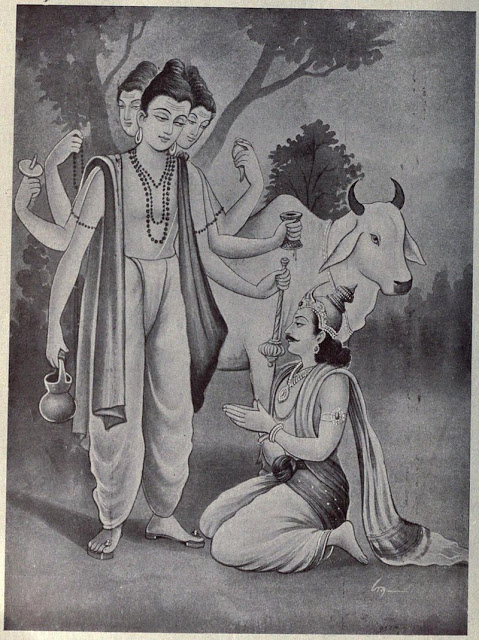
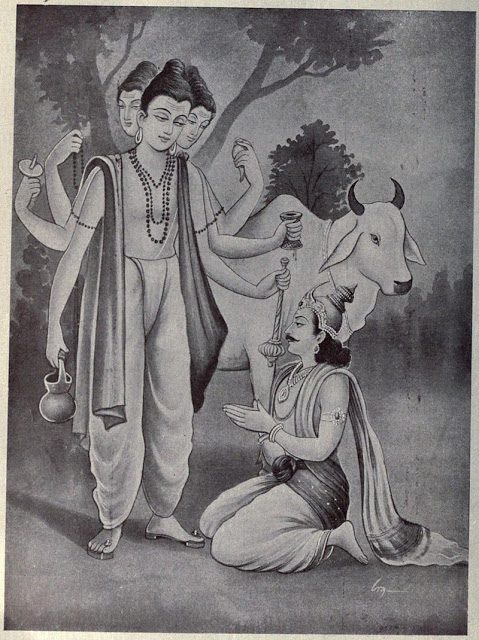
Dattatreya blessing Kartaveerya Arjuna

Written by London swaminathan


Date: 1 JULY 2018


Time uploaded in London –   7-02 AM (British Summer Time)


Post No. 5168


Pictures shown here are taken from various sources such as Facebook friends, Wikipedia, Books, Google and newspapers; thanks. Pictures may be subject to copyright laws.


Hindus revere and respect the teacher as God. Whether it is archery or Atma Jnana lessons, dance or music lessons, same respect is given to the teachers, known in Sanskrit as Guru or Acharya. There is a story in Bhagavatha Purana about a great king of India who gained the strength of 1000 hands by serving his Guru.


Karatavirya Arjuna who is also known as Sahasrabahu- a man with 1000 hands—has good and bad qualities. Every coin has got two sides. He was the son of Krita Virya and his name was Arjuna. Just to differentiate between the Arjuna of Mahabharata and this man he was named Karta Veerya Arjuna. He ruled Haihaya Kingdom, the modern Madhya Pradesh. His capital was Mahismati on the banks of River Narmada.


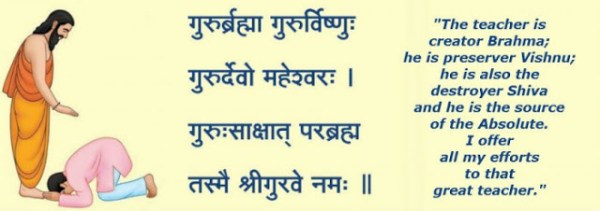
Bhagavatha Purana narrates a story about his good deeds. He was a great disciple of Dattareya. He learnt all the scriptures—Vedas and Shastras—from him. It was a custom in ancient India to massage the feet of Guru when he goes to bed. Guru gives his full blessings when he is happy. He worshipped Dattatreya with the ancient sloka,


“Gurur Brahma, Gurur Vishnuh, Gurur Devo Mahesvarah

Guru Saakshaat Parabrahma Tasmai Sri Gurave Namah”

(Guru is Brahma, Vishnu, Shiva, Para brahma whom I worship)

Once Kartaveerya Arjuna was massaging the feet of his Guru Dattatreya. He got some burning sensation in his palms. but yet he continued his service. Slowly it went up to his arms and he was wriggling in pain. The Guru woke up he saw his distress and found out what happened. When he was told that his hands were burning, he took Kartaveerya’s hands and stroked them and told him that “from today onwards you will have the strength of one thousand hands and no one could defeat you on earth”. Thus he gained the name of Sahasra Bahu- man with 1000 hands — (actually strength of 1000 hands; thousand did not mean 1000 literally; it means great strength).


Power corrupts, absolute power corrupts absolutely.

So with all the great power he became very arrogant. When Ravana from Sri Lanka came to Narmada River area, Kartaveerya was bathing with his wives. When Ravana, who is fond of all beauties, eyed on his wives, Kartaveerya caught him like a bird and thrashed him. He imprisoned Ravana and placed him in the corner of Mahismati City as an exhibit. Then Ravana’s maternal Grandfather Pulastya used his influence and obtained the release of Ravana. He promised him not to come to his country in his life time.


When Kartaveerya became more arrogant he went to the Ashram (hermitage) of sage Jamadagni and his wife received him with all the honours fit for a king. But he made an ill return for her hospitality and carried off the divine milch cow. Jamadagni’s son Parasurama got angry and cut off his hands and killed him. Kartaveerya’s sons killed Jamadagni in a revenge attack. Then Parasurama vowed to kill all the Kshatria Kings whoever dared to oppose him. Thus Parasurama killed 21Kings.

About Kartaveerya, Hindu mythologies (Puranas) say,

“Having worshipped a portion of divine being called Dattatreya, sprung from the race of Atri, he sought and obtained these boons—

a thousand arms,

a golden chariot that went wheresoever he willed it to go,

the power of restraining wrong by justice,

the conquest of the earth and the disposition to rule it righteously,

invincibility by enemies and

death at the hands of a man renowned over the whole world”.


By him the earth was perfectly governed. It is said that the moment someone thought of doing wrong there he appeared and stopped it.

Another mythology praised him,

“ No other king shall ever equal Kartaveerya in regard to sacrifices, liberality, austerities, courtesy and self restraint”

Thus he ruled for 85 years with unbroken health, prosperity, strength and valour.”

In another place we read,

“When the demon king Ravana came in the course of his campaign of conquest to Mahismati, he was captured without difficulty, and was confined like a wild beast in a corner of his city Mahismati”

Only Vayu Purana differs slightly by saying Karta veerya invaded Lana and there took Ravana as prisoner.


(It may look like contradictory; but I think that both may be correct and could have happened at different times of his 85 year rule)


–Subham–


கண்டித்த மாமனாரும், நல்வழி காட்டிய தாயாரும் (Post No.5167)

Written by S NAGARAJAN


Date: 1 JULY 2018


Time uploaded in London –   5-43 AM (British Summer Time)


Post No. 5167


Pictures shown here are taken from various sources such as Facebook friends, Wikipedia, Books, Google and newspapers; thanks. Pictures may be subject to copyright laws.


இது தான் இந்தியா


கொள்ளைக்காரனைக் காப்பாற்றியவரைக் கண்டித்த மாமனாரும்,

மகனுக்கு நல்வழி காட்டிய தாயாரும்!


ச.நாகராஜன்


இந்தியாவின் கூட்டுக் குடும்ப நெறிமுறையைப் பாராட்டாதவர் இல்லை.


அரிய நற்பண்புகளை வழிவழியாக தலைமுறை தலைமுறையாக உணவோடு “ஊட்டி விடுவது” ஹிந்து வாழ்க்கை முறை.

அதன் மூலம் ஏற்படும் நற்பண்புகள் வியப்பூட்டுபவை.

ஓரிருவர் இதிலிருந்து வழி தவறி நடக்கும் போது குடும்பத் தலைவர் அல்லது வீட்டில் உள்ள பெரியோர் அதைச் சுட்டிக் காட்டுவர்.


பெரும்பாலும் தவறிழைத்தோர் மனம் வருந்தித் திருந்துவர்.

இங்கு இரு சம்பவங்களைப் பார்ப்போம்:


1

60 ஆண்டுகளுக்கு முன்னர் உண்மையில் நடந்த சம்பவம் இது:

ஒரு கிரிமினல் அட்வகேட் கொள்ளைக்காரன் ஒருவனுக்காக அவனது கேஸில் அவன் சார்பில் ஆஜரானார்.

அவரது வாதத் திறமையால் கொள்ளைக்காரன் விடுதலை செய்யப்பட்டான். அதனால் அவருக்குப் பெயரும் புகழும் வந்து சேர்ந்தது.


இந்தச் செய்தியை தனது மாமனாருக்கு அவர் மகிழ்ச்சியுடன் தெரிவித்தார். ஆனால் இதைக் கேட்ட அந்தக் கணமே அவரது மாமனார் திக்பிரமை பிடித்தவர் போலானார்; உடனே பிரக்ஞையையும் இழந்தார். சுயநினைவு போனது.

சற்று நேரம் கழித்து மூர்ச்சை தெளிந்த பின்னர் அவர் வருத்தத்துடன் புலம்பலானார்.


“அடடா! அந்தக் கொள்ளைக்காரன் ஏராளமானோரை இம்சைப் படுத்தி இருப்பான். ஒரு சிலரைக் கொன்றிருக்கவும் கூடும்.அப்படிப்பட்ட மகாபாவிக்கு சட்டத்தில் உள்ள ஓட்டைகளைப் பயன்படுத்தி விடுவித்திருந்தால் பெரிய மாபாவியாக அவனது அட்வகேட் தான் இருந்திருக்க முடியும்.  படித்த உங்களைப் போல ஒருவர் அப்படிப்பட்ட குற்றங்களை ஆதரித்தால், நீங்கள் நரகத்திற்குத் தான் போவீர்கள். பிராமணராக இருப்பதால் தர்மத்தைத் தான் நீங்கள் அனுஷ்டிக்க வேண்டும். மகான்களையும் பக்தர்களையும் கண்டு அவர்களுக்குத் தான் சேவை செய்ய வேண்டும். ஆனால் நீங்களோ ஒரு கொள்ளைக்கார கிரிமினலுக்கு ஆதரவாக இருந்து அவனுக்குச் சேவை புரிந்திருக்கிறீர்கள். நானுமே ஒரு பாவி தான். அதனால் தான் என் மருமகன் இப்படிப்பட்ட கீழ்த்தரமான புத்தியுடன் இருந்திருக்கிறார்.”

வருத்தத்துடன் அழ ஆரம்பித்தார் அவர். அவரை யார் தான் தேற்ற முடியும்?


வயதான அந்த பிராமணர் பணத்திற்காகத் தர்மத்தை இழக்க விரும்பவில்லை. அப்படிப்பட்ட அபூர்வமான மனிதர்களைக் கொண்டிருந்தது ஹிந்துக் குடும்பங்கள்.


பணத்திற்காக தர்மத்தை விட்டு விட்டு அதைச் சம்பாதிப்பதை விரும்பாத லட்சக் கணக்கானோர் வாழ்ந்த பூமி பாரதம்.

அந்த தர்மத்தைக் காத்து “வாழும் பூமி பாரதமாக” இன்றைய பாரதத்தை ஆக்க அவர்களிடமிருந்து உத்வேகம் பெறுவோம்!


2

30 ஆண்டுகளுக்கு முன்னர் நடந்த சம்பவம். ஒரு கனவான் அரசாங்க வேலையிலிருந்து ஓய்வு பெற்று தன் சொந்த ஊருக்குத் திரும்பி வந்தார். வந்தவர் நோய்வாய்ப்பட்டு படுக்கையில் வீழ்ந்தார். அவரது நிலைமை நாளுக்கு நாள் மோசமாகிக் கொண்டே போனது. அவரது மனைவி, குழந்தைகள், அவரது வயதான தாயார் சொல்லவொண்ணா வருத்தம் கொண்டனர்.


அவரது வயதான தாயாரின் சோகம் எல்லை கடந்து போனது. குடும்பத்தைக் காக்கும் அவரது மூத்த மகன் சாகக் கிடக்கிறார். அவரது பக்கத்தில் உட்கார்ந்து அவருக்கு ஆறுதல் அளித்த வண்ணம் இருந்தார். நேராக துளசி மாடம் சென்று ஆழ்ந்த பிராத்தனையில் ஈடுபட்ட வண்ணம் இருந்தார்.


இறுதிக் கணம் நெருங்கியது. வயதான பெண்மணி புலம்பினாள் :” மகனே! கோபால்! கோபால்!! என்னைக் கேட்காமல் எனது அனுமதியைப் பெறாமல் நீ இதுவரை ஒரு காரியத்தையும் செய்ததில்லையே! இப்போதோ நீ சாஸ்வதமா அமைதிக்கு ஆளாகப் போகிறாயே! இதோ, இப்போது உனக்கு அனுமதி தருகிறேன். நீ, போ! எனது அனுமதியுடன் நீ வைகுந்தம் செல். ஸ்ரீ ஹரியே உனக்குத் துணை!”


தாயாரின் ஆசீர்வாதத்துடனும் நாராயணனை ஸ்மரித்த நினைவுடனும்,துளசி தீர்த்தத்துடனும் அவர் இறுதி மூச்சை விட்டார்; நாராயணனின் திருவடியைச் சேர்ந்தார்.

தாயாரோ மனமுடைந்து அழுதார்.


எந்த ஒருவருக்கு மறையும் நேரத்தில் சத் கதிக்கான வழியை எவர் ஒருவர் காண்பிக்கிறாரோ அவரே உண்மை நண்பர். அப்படி வழி காட்டாதோர் உண்மையான உறவினர் இல்லை.

ஏராளமான குடும்பங்களில் இப்படி ஒரு இறப்பு நிகழும் தருணத்தில் இறைவனை ஸ்மரணம் செய்வதும், செல்கின்றவருக்கு நற்கதியை அடைய வழி காட்டுவதும் ஹிந்துக் குடும்பங்கள் காலம் காலமாக அனுஷ்டித்து வரும் ஒரு புனிதமான பழக்கம்.


இது தான் இந்தியா!


***


ஆதாரம் : Truth வார இதழ் 15-6-2018 – தொகுதி 86 இதழ் 9

ஆங்கிலத்திலிருந்து தமிழாக்கம் : கட்டுரை ஆசி

RAMAYANA IN ARTS OF ASIA BY GARRETT KAM (Post No.5166)


RAMAYANA IN ARTS OF ASIA BY GARRETT KAM (Post No.5166)


Written by LONDON SWAMINATHAN


Date: 30 JUNE 2018


Time uploaded in London –  13-56 (British Summer Time)


Post No. 5166


Pictures shown here are taken from various sources such as Facebook friends, Wikipedia, Books, Google and newspapers; thanks. Pictures may be subject to copyright laws.


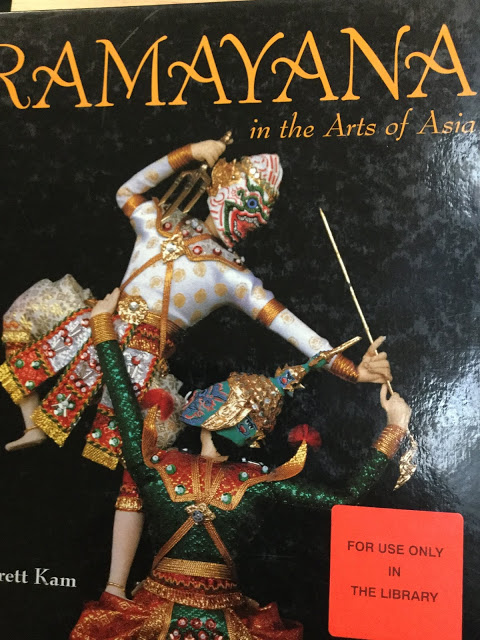
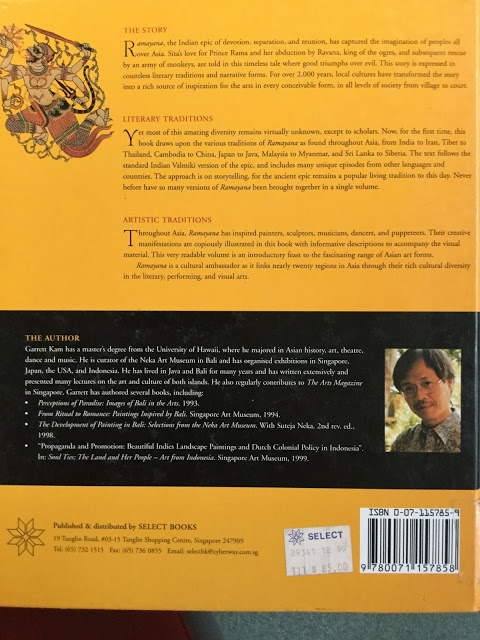
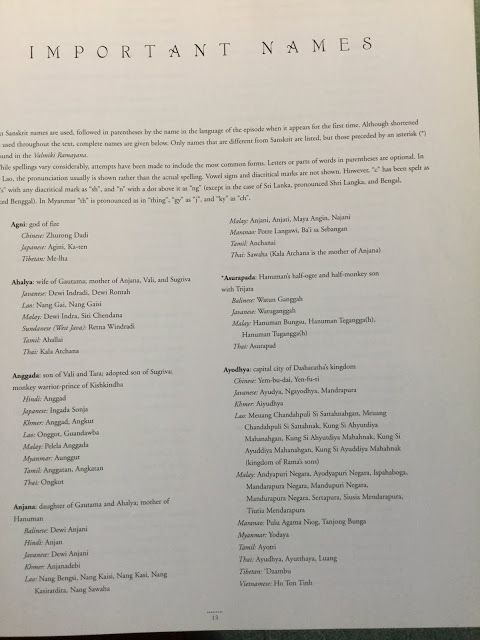
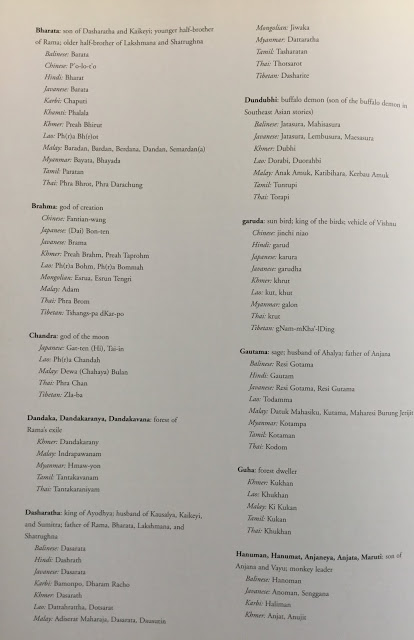
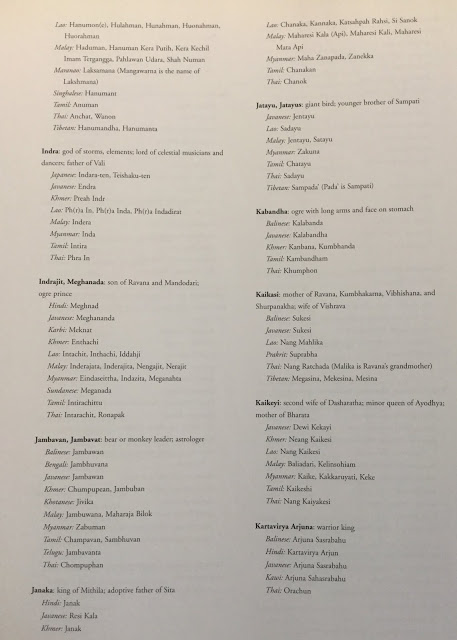
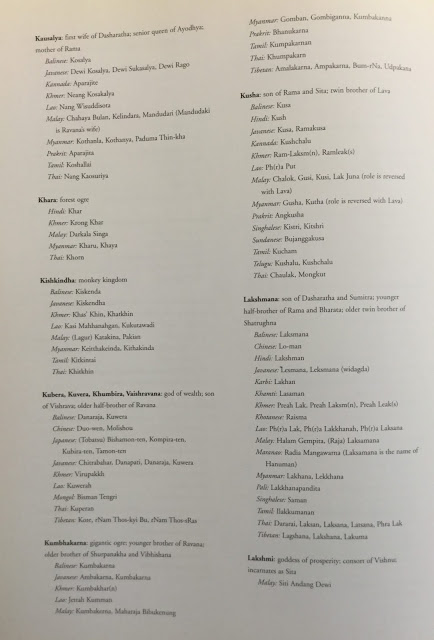
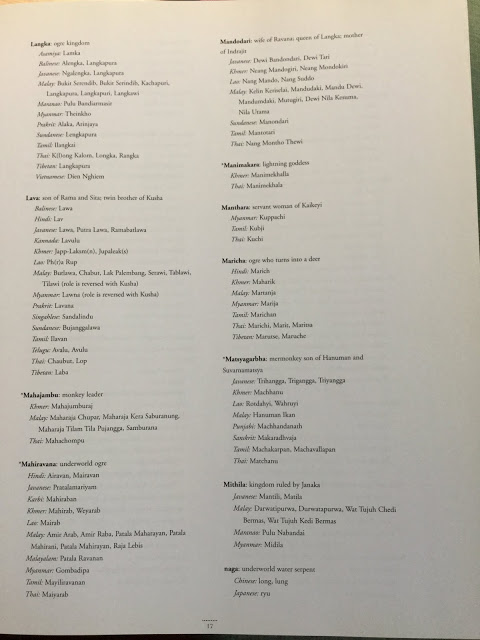
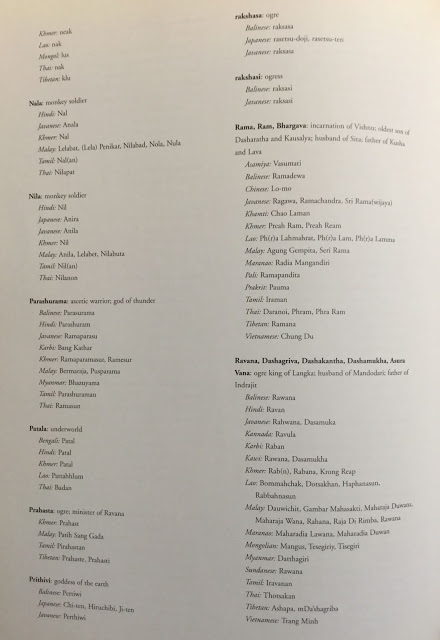
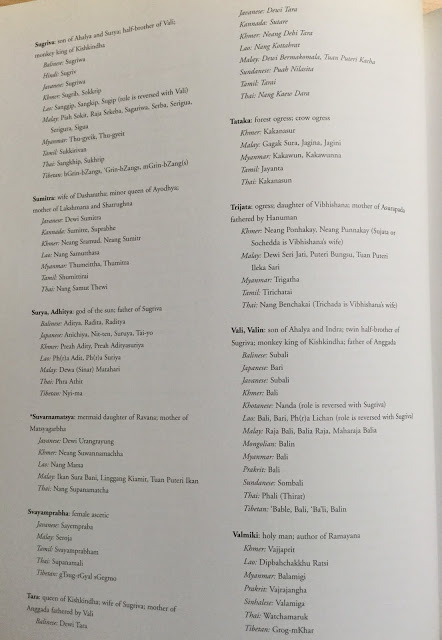
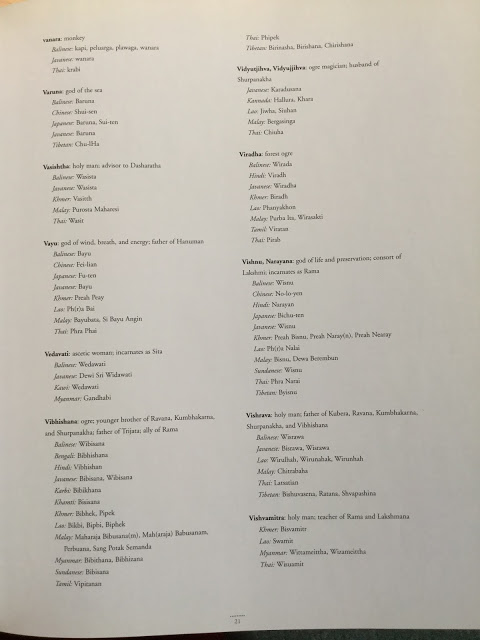
Ramayana in the Arts of Asia is a wonderful book with lot of information with particular reference to South East Asia. Author Garrett Kam is a scholar in the art history. I have found some useful information and pictures which I have never seen in any other book on Ramayana.


Ramayana character names change in all languages This is very useful for researchers. With is as a guide we can figure out the names of Hindu Gods in different countries. The pictures from private collections and museums are not available in other books. The display of important points in boxes is very attractive. I am just reproducing some pages which shows the Ramayana names in different cultures. Please enlarge the pages and read.


Nagapasa binds Rama and Lakshmana.


Everyone must buy this Encyclopaedia on Ramayana.


–subham–

வேதியர்க்கழகு வேதமும் ஒழுக்கமும்’- ஒரு குட்டிக்கதை (Post No.5165)

Written by LONDON SWAMINATHAN


Date: 30 JUNE 2018


Time uploaded in London –  11-59 AM (British Summer Time)


Post No. 5165


Pictures shown here are taken from various sources such as Facebook friends, Wikipedia, Books, Google and newspapers; thanks. Pictures may be subject to copyright laws.


வேதியர்க்கழகு வேதமும் ஒழுக்கமும்

வெற்றி வேற்கை/நறுந்தொகை, அதிவீரராமன் யாத்த நூல்


மஹாபாரத நூலில் இல்லாதது உலகில் இல்லை என்று ஒரு பாரத ஸ்லோகம் சொல்லும். அது உண்மையே.


வேதியர்கள் என்போர் தினமும் ஐம்பெரும் வேள்வி நடத்திவிட்டே உண்ண வேண்டும் என்று மநு ஸ்ம்ருதி தெளிவாகக் கூறுகிறது. அது மட்டுமல்ல விருந்தோம்பல் என்பது சொர்க்கத்துக்கு அழைத்துச் செல்லும் என்றும் சொல்லும். அதற்கும் மேலாக விருந்தினர் சாப்பிட்ட பின்னரே ஒரு இல்லறத்தான் சாப்பிடலாம் என்றும் செப்புகிறார்.


ஐம்பெரும் வேள்வியை எல்லா வருண த்தார்க்கும் பொதுவாகப் பாடி வைத்திருக்கிறார் தெய்வப் புலவர் திருவள்ளுவரும் (குறள் 43; தென்புலத்தார்….)


மஹாபாரதத்தில் ஒரு குட்டிக்கதை

சக்துப் பிரஸ்தர் என்று ஒரு அந்தணர் இருந்தார். அவர் மநு நீதி சொன்னபடி விருந்தோம்பும் பண்புடையவர். மேலும்  யாசகம் செய்யாவிடில் தானியங்களைப் பொறுக்கி எடுத்தும் வாழலாம் என்று மநு சொல்லியபடி வாழ்க்கை நடத்தியவர். எங்கும் யாசகம் செய்யாமல் வயல்களிலும் வனங்களிலும் விழும் தானியத்தைச் சேகரித்து வாழ்க்கை நடத்தினார். தினமும் விருந்தினர்களையும் உபசரித்தார். ஒரு நாள் சாப்பிடப் போகும் முன் ஒரு விருந்தினர் வந்தார்.


அவருக்கு வழக்கமான உணவைப் போட்டும் பசியாறவில்லை. உடனே தனது உணவையும், பின்னர் மகனின் உணவையும் அளித்தார். அப்பொழுதும் விருந்தாளி மேலும் உணவை எதிர்பார்த்து உட்கார்ந்து  இருந்தார். உடனே மனைவி, மருமகள் உணவையும் அளித்தார். அப்பொழுதுதான் அந்த புண்யாத்மா வயிற்றைத் தடவிக்கொண்டு ஒரு ஏப்பம் விட்டு எழுந்தார். ‘அன்னதாதா சுகீ பவ’ என்று வாழ்த்தினார்.


இதை எல்லாம் பார்த்த இந்திரன் அவருக்கு எல்லா செல்வத்தையும் அளித்து அனுக்கிரஹித்தார்.


வித்தும் இடல்வேண்டும் கொல்லோ விருந்தோம்பி

மிச்சில் மிசைவான் புலம்– குறள் 85

பொருள்:

வந்த விருந்தினரை முதலில் சாப்பிட வைத்துப் பின்னர் மீதி உவை சாப்பிடுவோனுடைய விளை நிலத்தில் விதையே விதைக்க வேண்டாம்; தானாக பயிர்கள் வளரும்


செல்விருந்தோம்பி வருவிருந்து பார்த்திருப்பான்

நல்விருந்து வானத்தவர்க்கு -குறள் 86

பொருள்:-

வந்த விருந்தாளிக்குச் சாப்பாடு போட்டுவிட்டு, அடுத்த விருந்தாளி எப்போது வருவான் என்று காத்திருப்பவனுக்கு தேவ லோகத்தில் உள்ளவர்கள் அருமையான விருந்து அளிப்பர்.


மநு சொன்னது எல்லாவற்றையும் வள்ளுவன் சொல்லுவது சிறப்புடைத்து!

அது மட்டுமல்ல; விருந்தோம்பும் பண்பு உலகின் எந்த நூலிலும் ஒரு புண்ணிய காரியமாகவோ, கட்டாயம் செய்யவேண்டிய கடமையாகவோ சொல்லப்படவில்லை. இது இமயம் முதல் குமரி வரை மட்டுமே காணக்கூடியது. ஆரிய- திராவிட வாதம் பேசுவோருக்கு வள்ளுவரும் மநுவும் கொடுக்கும் செமை அடி இது!

–சுபம்–


ஒரு குட்டிக் கதை– ‘எழுத்தறிவித்தவன் இறைவன் ஆகும்’ (Post No.5161)

Written by LONDON SWAMINATHAN


Date: 30 JUNE 2018


Time uploaded in London –  7-35 AM (British Summer Time)


Post No. 5161


Pictures shown here are taken from various sources such as Facebook friends, Wikipedia, Books, Google and newspapers; thanks. Pictures may be subject to copyright laws.


‘எழுத்தறிவித்தவன் இறைவன் ஆகும்’-

நறுந்தொகை/ வெற்றி வேற்கை


பாகவத புராணத்தில் உள்ள கதை.

கார்த்த வீர்யார்ஜுனன் என்ற மன்னன் மஹா வீரம் பொருந்தியவன்; புஜ பல பராக்ரமம் உடையவன். மாவீரன் ராவணனையே புரட்டி எடுத்தவன். ராவணனையும் பயமுறுத்திய ஒரே ஆள். நர்மதை நதிக்கரையில் உள்ள மஹிஸ்மதி நகரை தலைநகராகக் கொண்டு ஹைஹய நாட்டை ஆண்டு வந்தவன். அவன் நர்மதை நதியில் மனைவிமார்களுடன் குளித்துக் கொண்டிருந்த போது ராவணன் வந்து வாலாட்டினான். அவனைப் பிடித்து நகரின் ஒரு மூலையில் மிருகங்களைக் கட்டிவைப்பது போல கட்டி காட்சிப் பொருளாக வைத்தான். பின்னர் அவனது தாத்தா புலஸ்த்யர் வந்து வேண்டவே ராவணனை விடுதலை செய்தான்.


கார்த்த வீர்ய அர்ஜுனனுக்கு ‘ஆயிரம் கையுடையோன்’ என்று ஒரு பெயர் உண்டு. இந்த ‘ஸஹஸ்ர பாஹு’ என்ற பெயர் வந்த காரணம் பாகவத புராணத்தில் உளது. ராமாயணத்திலும் இவன் பெருமை பேசப்படுகிறது.


கார்த்த வீர்யனின் குரு தத்தாத்ரேயர். அவரிடம் அவன் பணிவுடன் வேத சாஸ்திரங்களைக் கற்று வந்தான். அவருக்குப் பணிவிடை செய்யும் முகத்தான், அவர் உறங்கும்போது கால்களை அமுக்கி விடுவான். ஒரு முறை இப்படிச் செய்கையில் குரு தத்தாரேயரின் காலில் இருந்த தீ , கார்த்த வீர்யனின் கைகளை எரிக்கத் துவங்கியது. ஆயினும் குருவின் நித்திரைக்குப் பங்கம் விளையக்கூடாதே என்ற எண்ணத்துடன் பொறுத்துக் கொண்டான். அவர் தூங்கி எழுவதற்குள் அந்தத் தீ முழங்கை வரை வந்து விட்டது.


குரு தத்தாத்ரேயர் அதைப் பார்த்து என்ன ஆயிற்று? என்று வினவினார். கார்த்த வீர்யன், அவரது நித்திரை கலையாமல் இருக்க மிகவும் பிரயத்தனப் பட்டதைப் பகர்ந்தான்; குருவுக்கு மெத்த மகிழ்ச்சி. அவனது கைகளைத் தடவிக் கொடுத்தார். உனக்கு இன்று முதல் ஆயிரம் கைகள் இருந்தால் என்ன பலம் கிட்டுமோ அவ்வளவு பலம் கிடைக்கும்; உன்னை வெல்லுவது எவனுக்கும் இயலாது என்று வரம் அளித்தார்.


கார்த்த வீர்ய அர்ஜுனன் ‘ஆயிரம் கையுடையோன்’ ‘ஸஹஸ்ரபாஹு’ என்ற பெயருடன் கொடிகட்டிப் பறந்தான். அவன் இருக்கும் மேற்கு , மத்திய இந்தியாவுக்கு ராவணன் வரவே பயந்து நடுங்கினான். நமது புராண இதிஹாசங்களின் படி ராவணன் அஞ்சிய ஒரே மன்னன் கார்த்த வீர்ய அர்ஜுனன்.


வாழ்க தத்தாத்ரேயர்!


அதிவீரராமன் என்ற பாண்டிய மன்னன் இயற்றியது நறுந்தொகை. அதில் கூறப்படும் ‘எழுத்தறிவித்தவன் இறைவன் ஆகும்’

கருத்து இந்து தர்மத்தின் உயரிய கருத்து “குருவே பிரம்மா, குருவே விஷ்ணு,  குருவே மஹேஸ்வரன்; அவரே பரப் ப்ரஹ்மம்” என்ற ஸ்லோகத்தைச் சொல்லி எல்லோரும் வணங்குவர். இது வேத கால வழக்கம். உலகில் எங்கும் காண முடியாதது. குமரி முதல் இமயம் வரை மட்டுமே உள்ள கருத்து. வேத கால இந்துக்கள் வெளி நாட்டில் இருந்து வந்ததாகக் கூறும் அரை வேக்காடுகளுக்கு வேட்டு வைக்கும் கருத்து இது. பாரத மண்ணில் பிறந்து வளர்ந்த கருத்து!

உலகில் வேறு எங்கும் குரு குலமோ, ஆசார்ய வழிபாடோ இல்லாததால், ஆரிய-திராவிடம் பேசும் கூத்தாடிகளைப் புரட்டிப் புரட்டி அடிக்கும் வாக்கியம் இது.


–SUBHAM–

ஏழாவது ஹிந்து மாநாடு (Post No.5163)

Written by S NAGARAJAN


Date: 30 JUNE 2018


Time uploaded in London –   7-00 AM (British Summer Time)


Post No. 5163


Pictures shown here are taken from various sources such as Facebook friends, Wikipedia, Books, Google and newspapers; thanks. Pictures may be subject to copyright laws.


ஏழாவது ஹிந்து மாநாடு

ச.நாகராஜன்

1

தாய் பிறன் கைப்படச் சகிப்பவனாகி

நாயென வாழ்வோன் நமரில் இங்குளனோ

சத்ரபதி சிவாஜி தன் சைநியத்தாருக்குக் கூறியது – மகாகவி       பாரதியார்

ஹிந்துக்களின் ஜனத்தொகை நாளுக்கு நாள் குறைந்து வருகிறது.

ஹிந்துக்களுக்கு என்று ஒரு நாடும் இல்லை. உலகின் மிகப் பழைய மதமான ஹிந்து மதத்திற்கு – மற்ற பல பெரும் நாகரிகங்கள் அழிந்து விட்ட நிலையில் இன்னும் ஜீவனுடன் இருக்கும் ஹிந்து நாகரிகத்திற்கு – சொந்த நாடு இல்லை.

கடந்த பல நூற்றாண்டுகளில் ஏற்பட்ட ஆக்கிரமிப்புகளால் சொல்லவொண்ணாக் கொடுமைகளுக்கு ஆளானவர்கள் ஹிந்துக்கள்.

ஹிந்துக்களின் கோவில்கள் இடிக்கப்பட்டு தரைமட்டமாக்கப்பட்டன.

ஹிந்துக்களை கத்தியை வைத்து மதமாற்றம் செய்த முயற்சிகளை வரலாறு எடுத்துரைக்கிறது.

இருந்தபோதும் அளப்பரிய தியாகத்தினால் தங்கள் கோவில்களையும் மதத்தையும் நாகரிகத்தையும் காத்தவர்கள் ஹிந்துக்கள்.

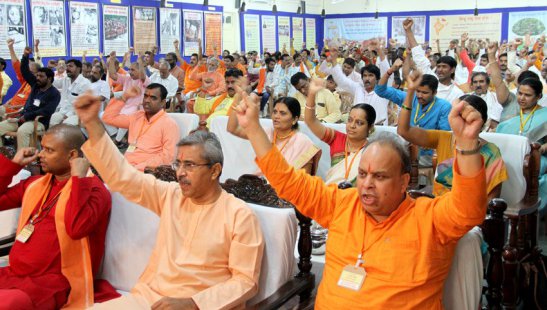
இன்றைய இழிநிலையைப் போக்க விழிப்புணர்ச்சி பெருகி வருகிறது. இதன் அடிப்படையில் ஹிந்து மாநாடுகள் நடத்தப்பட்டு வருகின்றன.

இவற்றை வரவேற்று மாநாட்டு நடவடிக்கைகளையும் அங்கு நிறைவேற்றப்பட்ட தீர்மானங்களையும் அறிந்து கொள்வது ஹிந்துக்களின் கடமை.

சமீபத்தில் கோவாவில் நடந்த மாநாட்டின் செய்திகளை இங்கு சுருக்கமாகப் பார்க்கலாம்.
2

ஏழாவது ஹிந்து மாநாடு கோலாகலமாக கோவாவில் 4-6-18லிருந்து 8-6-18 வரை நடந்து முடிந்தது.

பஹு ஜன ஹிதாய பஹு ஜன சுகாய – அனைவருக்கும் ஹிதம், அனைவருக்கும் சுகம் – இதுவே ஹிந்து மதத்தின் கொள்கை. ஆத்மனோ மோக்ஷார்த்தாய ஜகத் ஹிதாய ச; (ஆத்மா மோக்ஷம் அடையட்டும்; உலகம் ஹிதத்தைப் பெறட்டும்) இதுவே ஒவ்வொரு ஹிந்துவின் லட்சியமாகும்.

   மதமாற்றத்தையே குறிக்கோளாகக் கொண்டு விளங்கும் யூதம், கிறிஸ்தவம், இஸ்லாம் மற்றும் அரசியல் கொள்கைகளாக விளங்கும் கம்யூனிஸம், சோஷியலிஸம், அல்லது தவறாக இன்று சித்தரிக்கப்படும் செகுலரிஸம் ஆகியவை படிப்படியாக பாரத தேசத்தின் பொருளாதாரம், ஆன்மீகச் செல்வம், பண்பாட்டின் அடிப்படையிலான ஒற்றுமை, புகழோங்கிய பாரதத்தின் பெருமை ஆகியவற்றைப் அழிக்கும் முயற்சியில் ஈடுபட்டன. இருந்த போதிலும் ஹிந்து சமுதாயம் அதனுடைய அழியாத ஒழுக்கப்பண்பாலும் தூய்மையாலும் யாருமே ஊடுருவ முடியாது, அசைக்க முடியாது திகழ்கிறது.

ஹிந்து விரோதக் கொள்கைகளையும் செகுலர் அரசியல் சட்டத்தினால் ஏற்படும் பிரச்சினைகளையும் நமது சமுதாயம் எதிர்கொள்ள வேண்டியிருக்கிறது.

அ. இந்தியாவெங்கிலும் உள்ள பிரதானமான ஹிந்து கோவில்கள் அரசின் கட்டுப்பாட்டில் உள்ளன. ஆனால் மசூதிகளோ, சர்ச்சுகளோ அரசின் கட்டுப்பாட்டில் இல்லை.

ஆ. கோவில்களிலிருந்து வரும் வருமானம் ஹிந்து மதத்தினருக்கு அல்லாத பல நோக்கங்களுக்கு செலவழிக்கப்படுகிறது.

இ. நாடு முழுவதற்கும் பொதுவான சிவில் சட்டம் இல்லை. முஸ்லீம்களின்  ஜனத்தொகை, ஊடுருவலாலும், பலதார மணத்தாலும் அதிகரிக்கிறது. ஆனால் இந்த பலதார மணம் 22 முஸ்லீம் நாடுகளில் தடை செய்யப்பட்டிருக்கிறது.

ஈ. புராதன ஹிந்து தலங்கள் மீண்டும் புதுப்பிக்கப்பட வேண்டும். பல இடிக்கப்பட்டன. பல மசூதிகளாக மாற்றப்பட்டுள்ளன.

உ. லவ் ஜிஹாத், லேண்ட் ஜிஹாத், ஹிந்துப் பெண்களையும் குழந்தைகளையும் கடத்தல், திட்டமிட்டு ஹிந்து வணிகத்தை முடக்குதல் மற்றும் இதர ஆக்கிரமிப்பு நடவடிக்கைகள் தொடர்கின்றன.


ஊ.ஹிந்துக்கள் நடத்தும் கல்வி நிலையங்களில் ஏராளமான குறுக்கீடுகள் உள்ளன. ஆனால் மைனாரிட்டிகள் நடத்தும் கல்வி நிலையங்களோ இந்திய அரசியல் சட்டத்தின் 30வது பிரிவின் படி சர்வ சுதந்திரத்துடன் இயங்குகின்றன. இதனால் ராமகிருஷ்ண மிஷன் கூட சுப்ரீம் கோர்ட் முன்னால் அது ஹிந்து அல்லாத மைனாரிட்டி பிரிவு என்று சொல்ல வேண்டிய நிலைமை ஏற்பட்டுள்ளது.

எ.ஹிந்துக்களை மதம் மாற்றும் முயற்சிக்கு ஒரு வித தடையும் இல்லை. மைனாரிட்டி நிறுவனங்களான சர்ச்சுகளும் மசூதிகளும் விதவிதமான வித்தைகளின் மூலம் ஹிந்துக்களை மதம் மாற்றி வருகின்றன.

ஏ. 1990இல் லட்சக்கணக்கான ஹிந்துக்கள் காஷ்மீர் பள்ளத்தாக்கை விட்டு வெளியேற்றப்பட்டனர். அவர்கள் இன்றும் கூட ஜம்மு, டெல்லியில் அகதிகளாக இருந்து வருகின்றனர். பங்களா தேஷ், பர்மா ஆகிய நாடுகளுடனான நமது நாட்டின் எல்லைக்கோட்டில் மைனாரிட்டிகளில் ஊடுருவல் அதிகரித்துள்ளது.

ஐ. பசுக்களை வதை செய்வது இன்னும் தடை செய்யப்படவில்லைது. இது விஞ்ஞானத்திற்கு முரணானது. நதிகளையும் இது அசுத்தப்படுத்துகிறது.

ஒ.பள்ளி மற்றும் கல்லூரி கல்வியில் திரிக்கப்பட்ட வரலாறுடன் உள்ள பாட திட்டங்களைக் கொண்டுள்ளது. சாஸ்திரங்களுக்கு எதிரான மெக்காலே திட்டம் இளம் ஹிந்துக்களை சாஸ்திரங்களின் மீது நம்பிக்கையில்லாமல் செய்வதோடு ஹிந்து என்று சொல்லப்படும் எதன் மீதும் துவேஷத்தை உருவாக்குகிறது.

இவற்றையெல்லாம் தார்மீக ராஷ்டிரம் ஒன்று தான் போக்க முடியும். அரசியல் திட்டத்தில் பெரிய மாற்றம் கொண்டு வந்தால் தான் ஹிந்துக்களுக்கு எதிரான அநீதிகளைப் போக்க முடியும்.

3
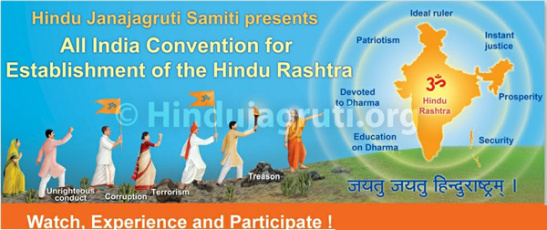
மேலே தமிழில் சுருக்கமாக தரப்பட்ட விவரங்களின் ஆங்கில மூலத்தை அப்படியே கீழே காணலாம்.

The 7th All India Hindu Convention

The 7th All India Hindu Convention was held at Goa from 4th June to 8th June, 2018 under the aegis of the Hindu Janajagruti Samiti for establishment of a nation based on universally adored Hindu principles of “BAHU JANA HITHAYA, BAHU JANA SUKHAYA, (welfare and happiness for all), and for AATHMANO MOKSHARTHAYA, JAKATH HIDAYA CHA ( for one’s own salvation and welfare of the world) for the true welfare of humanity, irrespective of caste, class, creed, sect or religion.

The proselytising religions like Judaism, Christianity or Islam, or akin shrewd political orders of Communism, Socialism or so called secularism have systematically shattered the economy, spiritual values, cultural unity, and glorious heritage of Bharat during the past millennia. Inspite of this Hindu society remained impenetrable and indestructible by virtue of its excellence in Character and Chastity (not an outward personality) and unshakable Stability (not an undefined sustainability). The latest planned onslaughts during the post- independence period, through self inflicting anti- Hindu secular education, relentless false propaganda against the Hindu Shastras with the support of foreign funded media, institutions and existing secular constitutional provisions are proving more deceiving and destructive.

Though the typical, relentlessly growing problems pursuant to a secular constitution and past anti-Hindu onslaughts are innumerable, only a few are mentioned to refresh our memory.

  1. Prominent Hindu temples all over India are under Government control whereas no Mosque or Church is controlled by the Government.
  2. Protection of Hindu temples from the enormous loot of temple funds by the Govt. for use in non-Hindu purposes like (payment of staff etc.), Haj Subsidy and development of Churches, to the neglect of thousands of Hindu temples, depriving temple authorities from undertaking developmental, social and philanthropic activities, and renovation of thousands of old beautiful structures etc.
  3. Promulgation of uniform civil code in the Country. The fast reproduction of Moslem minorities through polygamy, infiltration etc. has been steadily the changing the demographic profile of the land. Such polygamy is not permitted in 22 Moslem countries in the world.
  4. Need for re-construction and revival of ancient places of Hindu worship and pilgrimage, victim of planned defilement and desecration of temples and construction of mosques on those sites practised in the last millennia etc.
  5. Love Jihad, Land Jihad, trafficking of women and children, a planned and often forced replacement of Hindu business by Moslem entrepreneurs in cities and townships, and other expansionist agenda..
  6. Educational institutions run by Hindus face Government interference whereas minorities’ educational institutions enjoy full freedom under Article 30 of Indian Constitution. Because of this discrimination, even Rama Krishna Mission unsuccessfully claimed before the Supreme Court that it was a non-Hindu religious minority.
  7. No restriction on conversion of Hindus by minority organisations e.g. Churches and Mosques through diverse tricks.
  8. Lakhs of Hindus were made to leave Kashmir valley in 1990; and since then they have been living in refugee camps in Jammu, Delhi and other places waiting for their rehabilitation in Kashmir. Besides, the problem of infiltration of minorities across the border from Bangladesh and Myanmar (recently Rohingyas) is adding a new dimension to the problem endangering peace and stability in the country.
  9. Slaughter of cows has not yet been banned which is morally wrong, economically stupid and scientificaly retrograde. This contributes largely to river pollution etc. The UP Government is taking steps to shift the tanneries from the river bank of Ganga so that during the impending Kumbh (Ardha-Kumbh) millions of devotees are not forced to take a dip in the blackish polluted waters inviting ridicule for the State Administration.
  10. The school and college education still remains afflicted with the distorted and mythical history, anti-Dharmic materialistic interpretations enhancing Macaulian agenda to instil distrust in the Shastras and hatred towards anything Hindu in younger minds sapping salubrious Hindu character, its inimitable integrity, profound prowess and salutary values.

We refrain from mentioning further, more intriguing issues that are of grave concern for the peaceful existence of Hindus in Bharat. To strike at the root of the problem it requires a strong political support and resolution by the ruling forces. Only a Dharmic Rashtra can address and fulfil these requirements which can pave the way for the establishment of Dharma in the entire world ensuring peace, equity, honour and amity with progress and happiness for the whole mankind contributing to the emergence of a blissful and bounteous Nature as well. A major change in the Constitution based on glorious Hindu heritage and human values is a sine-qua- non to address to the diverse problems neglected so far.

The discussions by various scholars in the pious atmosphere during the convention were thoughtful and illuminating.

  • THANKS TO TRUTH VOL.86 NO. 10 – DATED 22-6-201


***


HERO STONES ON SEA BATTLES (Post No.5163)

Written by LONDON SWAMINATHAN


Date: 29 JUNE 2018


Time uploaded in London –  21-24 (British Summer Time)


Post No. 5163


Pictures shown here are taken from various sources such as Facebook friends, Wikipedia, Books, Google and newspapers; thanks. Pictures may be subject to copyright laws.


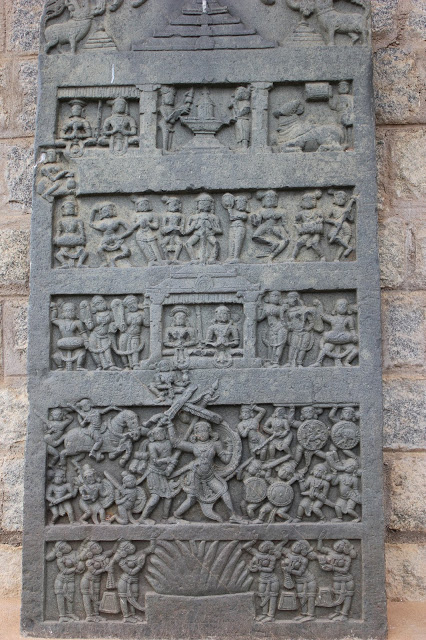
Hero stones are found throughout India. They are erected to honour those who lost their lives in protecting the community or saving the country. Even a dog has a hero stone in Tamil Nadu because it heroically fought with a tiger and save the people.

Sangam Tamil literature refers to hero stones and so we know that it has been the practice for at least 2000 years; but unfortunately we have not discovered very ancient ones. The ones we know now are from sixth or seventh century.

Hero(ine) stones are erected for women who lost their lives by climbing their husband’s funeral pyre. Rajasthan and Karnataka have such stones with had symbols. In short Super Men were celebrated in Bharat from very early days.

Though we don’t come across much in Sanskrit literature about Hero Stones, we know that Brahmin families even today bury a stone after the ten day ceremony in a garden or the backyard of the house. Perhaps in ancient days it was a big one. Now they just bury it in the crematorium or the place where the ceremonies are done.

One feature about the hero stones is that they are revered as gods or goddesses. Sangam Tamil literature is very clear about the Pujas done to you with flowers etc.


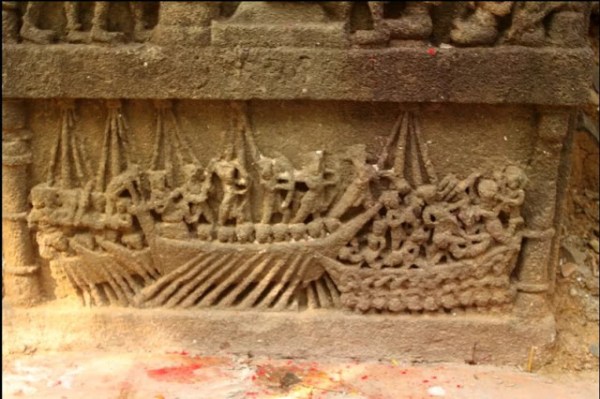
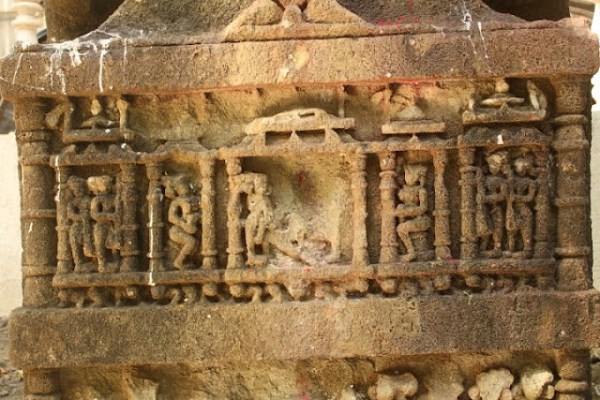
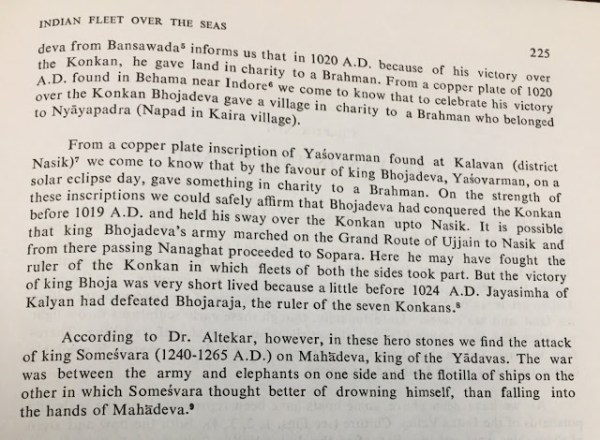
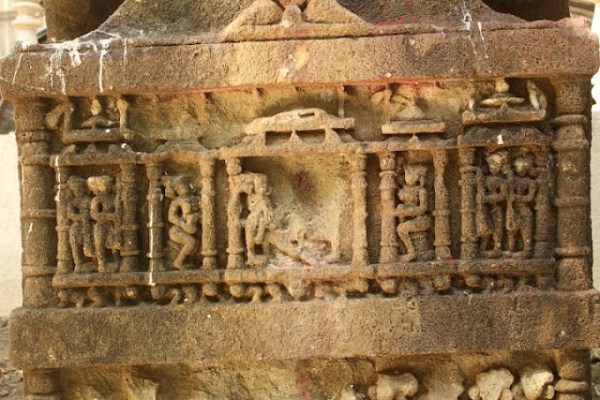
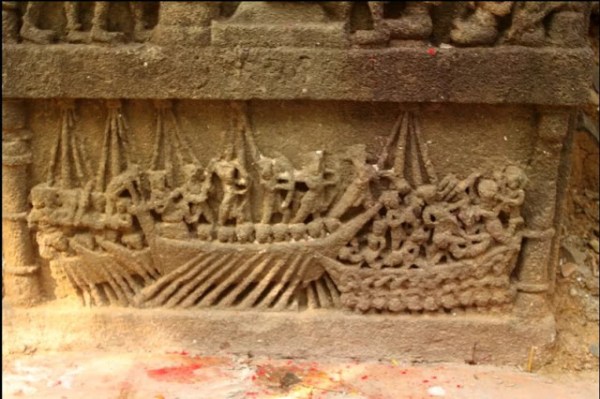
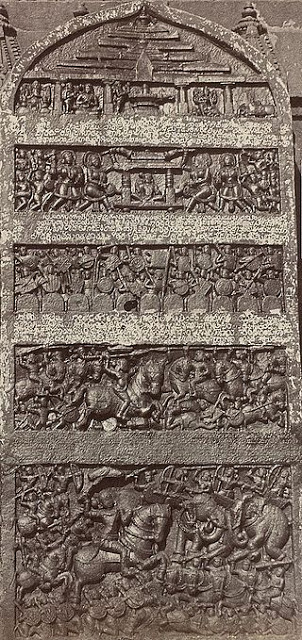
Several Tamil Hero Stones became Village Gods. We are fortunate to have two sets of Hero stones describing in pictures and words the ancient sea battles. One set of Stones is in Goa Museum and another set of six stones is in Eksar in Mumbai. It is one mile from Borivili station. But latest press reports say that some of the stones are missing. People in the village worship it as Goddess Boradevi. They are between four and eight feet high and intricately carved with ships and warriors.


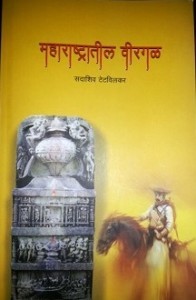
After some historical awareness, people have discovered over 100 hero stones in Maharashtra. They are already well known in Tamil Nadu, Andhra and Karnataka.


The old Goa hero stones are from the Kadamba rulers who ruled for 400 years from CE 950.

Great Tamil poet Tiruvalluvar says in Tamil Veda Tirukkural that human beings who lead a virtuous life are considered Gods.

“A man who leads an ideal life in this world,

will be ranked amongst the Gods in the heaven”- Kural 50


Sea Battle

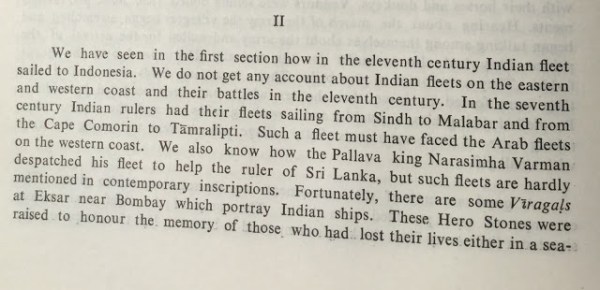
Moti Chandra in his book Ancient Trade Routes has given full details about the six stones found in Eksar. But there are different opinions about the identity of the king in the stones. One researcher says it was the battle between Yadava king Mahadevan and Silhara King Someswara as described by Hemadri Pandit in his work Chaturvarga Chintamani. Others think it wass a battle between the Kadambas and Silahara kings. Since the inscriptions on the stones are unreadable we don’t know the names for sure.


Another strange thing about these Eksar stones is they are called Veera Gal ( a mixture of Sanskrit and Tamil words Veera+ Kal)

Now it becomes essential to collect all the details and publish them in an Encyclopaedia of Hero Stones.


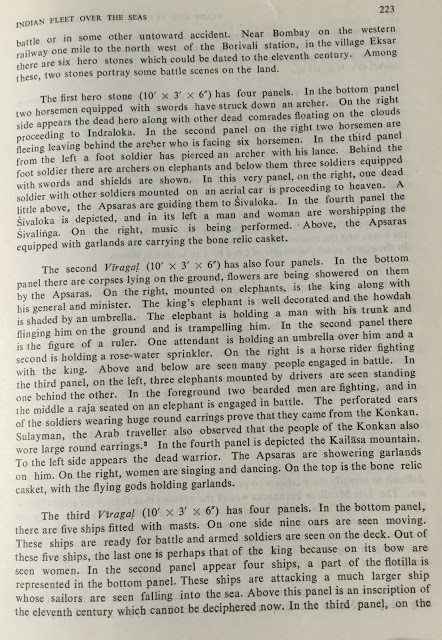
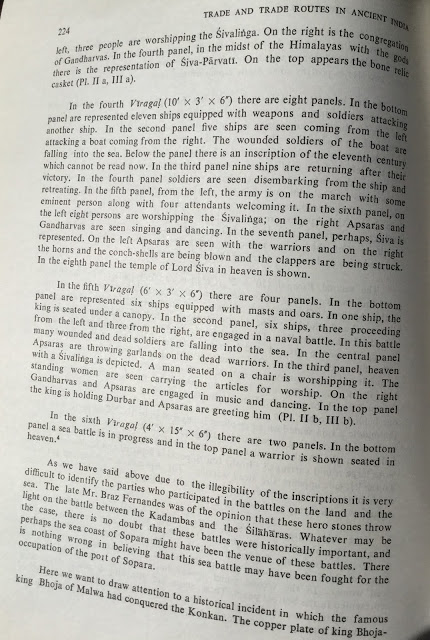
I am giving below the descriptions of six stones as found in Moti Chnadra’s book:-


–SUBHAM–


கடல் போர், கடல்பயணம் 6 பற்றிய கல்வெட்டுகள் (Post No.5162)

Written by LONDON SWAMINATHAN


Date: 29 JUNE 2018


Time uploaded in London –  16-52 (British Summer Time)


Post No. 5162


Pictures shown here are taken from various sources such as Facebook friends, Wikipedia, Books, Google and newspapers; thanks. Pictures may be subject to copyright laws.


கடல் போர், கடல்பயணம் 6 பற்றிய கல்வெட்டுகள் (Post No.5152)


மும்பய் நகருக்கு அருகில் ஏக்சார் (EKSAR) என்னுமிடத்தில் ஆறு நடுகற்கள் (வீர  கல்) இருக்கின்றன. இவை கடல் பயணத்திலேயோ கடல் போரிலேயோ இறந்தவர்களின் நினைவாக எழுப்பப்ப ட்ட கற்கள். வீர மரணம் எய்தியோருக்கு நடுகல் நடும் பழக்கமும் அவைகளை பூஜிக்கும் பழக்கமும் 2000 ஆண்டுப் பழமையான சங்க நூல்களில் காணக்கிடக்கின்றன. ஆயினும்  அதற்குப் பின்னர் பல நூற்றாண்டுகள் கழித்தே கல்வெட்டுகள் கிடைக்கின்றன.  பம்பாய் அருகில் 11 ஆம் நூறாண்டைச் சேர்ந்த கல்வெட்டுகள் கிடைக்கின்றன. இன்று வரை அவை ‘கல்’ என்னும் தமிழ்ச் சொல்லுடனும் ‘வீர’ என்னும் ஸம்ஸ்க்ருதச் சொல்லுடனும் — வீர கல் – என்றே அழைக்கப்படுகின்றன. இவை பொரிவலி (BORIVILI) ஸ்டேஷனுக்கு ஒரு மைல் தொலைவில் உள.


இவற்றில் நிலத்தில் நடந்த சண்டைகளும் காட்டப்பட்டுள்ளன.

ஹேமாத்ரி பண்டிதர் இயற்றிய சதுர்வர்க சிந்தாமணி என்னும் நூலில் யாதவ மன்னன் மஹாதேவனுக்கும் ஷிலாஹார மன்னன் சோமேஸ்வரனுக்கும் நடந்த போர் பற்றிய விவரங்கள் கிடைக்கின்றன. அதுதான் இந்தக் கல்லின் பின்னணி என்று ஆராய்ச்சியாளர்கள் கருதுகின்றனர். 1265 ஆம் ஆண்டில் சோமேஸ்வரா கொல்லப்பட்டார்.


இவை தவிர கோவா மியூஸியத்தில் கடம்பர் கால கல்வெட்டுகள் காட்சிக்கு வைக்கப்பட்டுள்ளன. அவர்கள் 950 முதல் 400 ஆண்டுகள் ஆண்டனர். ஏக்சார் கல்வெட்டுகள் போஜ மன்னன் (1020) காலத்தியவை. இதற்கு நெடுங்காலத்துக்குப் பின்னர் குஜராத்தில் எழுப்பிய கல்வெட்டுகளும் குறிப்பிடத்தக்கவை.

தமிழர்கள் பரப்பினார்களா?

இலக்கியங்களைப் பொறுத்வரையில் சங்கத் தமிழ் இலக்கியத்தில் உள்ள குறிப்புதான் மிகப் பழமையானவை. ஆனால் வேத காலம் முதல் நினைவுக்கல் எழுப்பும் பழக்கம் பிராமணர் குடும்பத்தில் இருந்துள்ளது. இப்பொழுதும் பத்து நாள் கிரியைகளுக்குப் பின்னர் பிராமணர்கள் வீட்டிலோ, சுடுகாட்டிலோ கல் புதைப்பர்.


நடு கற்கள் நாடு முழுதும் கிடைக்கின்றன. ரா ஜஸ்தான், கர்நாடகத்தில் உயிர்நீத்த பத்தினிகளுக்கும் ‘சதி’யில் புகுந்த வீர மங்கையருக்கும், தென் மாநிலங்கள், மஹாராஷ்டிராத்தில் வீர தீரச் செயல் புரிந்தோருக்கும் நடுகற்கள் எழுப்பப்பட்டுள்ளன. பல நடு கற்கள் பாதுகாக்கப்படாமல் அழிந்தும் மறைந்தும் வருகின்றன.


மஹாராஷ்டிரத்தில் மட்டும் நூற்றுக் கணக்கான இடங்களில் நடு கற்கள் இருப்பதாக தற்கால நூல்கள் காட்டுகின்றன. எல்லா இடங்களிலும் இவை வழிபடப்படுவது குறிப்பிடத்தக்கது. ஏக்சார் கல்வெட்டுகளை மக்கள் போராதேவி என்று வழிபடுகின்றனர். தொல்பொருட் துறை இவைகளைப் பாதுகாக்கததால் சில கற்களை வரலாற்றுத் திருடர்கள் எடுத்துச் சென்றுவிட்டனர்.


முதல் கல்

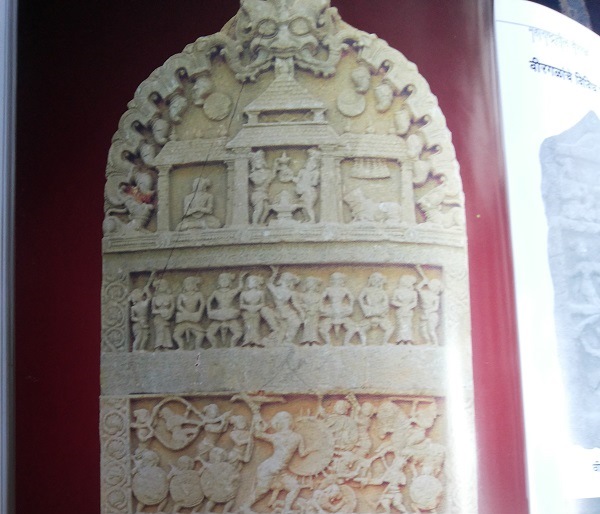
முதல் கல் (HERO STONES, VEERA GAL) 10’X 3’X 6” அளவில் உள்ளது. இதில் நான்கு பிரிவுகள் அல்லது வரிசைக் காட்சிகள் உள்ளன. அடியில் இரண்டு குதிரை வீரர்கள் ஒரு வில்லாளியைக் கொல்கின்றனர். கொல்லப்பட் டவர்கள் மேகத்தினூடே இந்திர லோகத்துக்குச் செல்லும் காட்சி உளது (போரில் இறந்தால் சுவர்கம் புகலாம் என்ற கருத்து பகவத்கீதை, புற நானூறு ளில் முதலிய நூல்களில்  விளக்கப்பட்டுள்ளது. இரண்டாவது வரிசையில் குதிரை வீரர்கள் புறப்படுவதும், வில்லாளி மேலும், ஆறு குதிரை வீரருடன் பொருதுவதும் இருக்கின்றது.

யானை வீரர்களும் காணப்படுகின்றனர். வீர சுவர்க்கம் புகுவோரை அப்சரஸ்கள் (தேவலோக அழகிகள்) வரவேற்பதும் அவர்கள் சிவலோகத்தில் சிவலிங்கத்தை வழிபடுவதும் சித்தரிக்கப்படுகிறது.


இரண்டாவது கல்


இரண்டாவது கல்லிலும் போரில் இறந்தோரின் சடலங்களும் மன்னர், மந்திரி ஆகியோரும் இருக்கின்றனர். தேவ லோக மங்கையரான அப்ஸரஸ்கள் அவர்கள் மீது பூமாரி பொழிகின்றனர்.


மன்னருக்கு ஒருவர் குடை பிடிக்க, மற்றொருவர் பன்னீர் தெளிக்க நிற்கிறார்; யானை ருவரை துதிக்கை யால் பிடித்து காலால் இடறும் காட்சி சித்தரிக்கப்பட்டுள்ளது. யானை முகபடாமுடன் அலங்கரிக்கப்பட்டு இருக்கிறது.


மூன்றாவது கல்

இதுதான் முக்கியமான கடற்போர் கல். கப்பல் சண்டைக் காட்சி உளது. முந்தைய இரண்டைப் போலவே இதுவும் நான்கு வரிசைகளாக சித்தரிக்கப்பட்டு இருக்கிறது; ஐந்து கப்பல்கள் உள்ள வரிசையில் ஒன்பது துடுப்புகள் தெரிகின்றன. சண்டைக்குத் தயாராக வீரர்கள் காட்சி தருகின்றனர் ; ஐந்தாவது கப்பலில் பெண்களும் இருப்பதால் மன்னர் கப்பலாக இருக்கலாம். இரண்டாவது வரிசையில் 4 கப்பலகளின் அணிவகுப்பு. அவர்கள் பெரிய ஒரு கப்பலைத் தாக்குவதும் அந்தக் கப்பலின் வீரர்கள் கடலில் குதிப்பதும் செதுக்கப்பட்டு இருக்கிறது

பதினோறாம் நூற்றாண்டு எழுத்துக்கள் படிக்க இயலாதபடி சிதைந்துவிட்டன. இதே கல்லில் இமயம் உறை பார்வதி பரமேஸ்வரனும், சிவலிங்க வழிபாடும் , எலும்புகள் வைக்கும் பெட்டியும் இருக்கின்றன.

நாலாவது வீர கல்

இதில் எட்டு வரிசைகள் உள்ளன. ஆனால் அளவு ஏனைய மூன்றைப்போல 10X 3X 6” என்றே இருக்கிறது. அடி வரிசையில் 11 கப்பல்கள் ஒரு கப்பலைத் தாக்குகின்றன. மற்றொரு வரிசையில் ஐந்து கப்பல்கள் ஒரு படகைத் தாக்குகின்றன. .

மற்றொரு வரிசையில் ஒன்பது கப்பல்கள் வெற்றியுடன் திரும்பி வருகின்றன. பலர் வரவேற்கிறார்கள்

ஏனையவற்றில் சிவலிங்க வழிபாடு, அப்சரஸ்கள் வரவேற்கும் காட்சி சங்கு முழக்கம், சிவன் உறையும் கைலாசம் ஆகியவற்றைக் காண்கிறோம்.


ஐந்தாவது வீர கல்

அளவு 6’ X3’ X6’’ ; வரிசைகள் நான்கு; ஒரு கப்பலில் மன்னர் வெண்கொற்றக் குடையின் கீழ் அமர்ந்துள்ளார்.

மற்றொரு வரிசையில் கடற்போர்; வீரர்கள் தண்ணீரில் வீழும் காட்சி.

இறந்தவீரகள் மீது அப்சரஸ்கள் (தேவலோக அழகிகள் ) மலர் மாலை வீசுகின்றனர். மற்றொரு வரிசையில் சிவலிங்க வழிபாடு; பெண்கள் வழிபாட்டுப் பொருட்களுடன் காட்சி. தேவலோக கந்தர்வர் ஆனந்தக் கூத்து; மன்னர் தர்பாரில்: அபசரஸ்கள் அவரை வாழ்த்தும் காட்சி

Kannada hero stone from wikipedia

ஆறாவது கல்

அளவு 4X 15X 6”

இரண்டு வரிசையில் படங்கள்.

ஒரு வரிசையில் கப்பல் சண்டை.

மற்றொரு வரிசையில் ஒரு வீரர் சுவர்கத்தில் இருக்கும் காட்சி.


இவை கடம்பர்களுக்கும் சீலஹாராக்களுக்கும் இடையே நடந்த கடல் போர் என்ற மற்றொரு கருத்தும் நிலவுகிறது. இதற்கு இரு நூற்றாண்டுகளுக்கு முன்னர் தமிழ் சோழ மன்னர்களின் கடற்படை இலங்கை, பர்மா, இந்தோ நேஷியா வரை சென்று வெற்றிக் கொடி நாட்டின. அதற்கு 400 ஆண்டுகளுக்கு முன்னர் இலங்கைக்கு கடற்படை அனுப்பி அந்நாட்டு மன்னனைக் காப்பாற்றினான் நரசிம்ம பல்லவன். அதற்கு முன்னர் சோழர்களும் அவர்களுக்கு முன்னர் சாதவாஹன அரசர்களும் அதற்கு முன்னால் இமயவரம்பன் நெடுஞ்சேரலாதனும் வெற்றிக் கொடி நாட்டினர். சேரர்கள், கடலில் வாலாட்டிய யவனர்களைச் சிறைப்பிடித்து, மொட்டையடித்து, கைகளைப் பின்புறம்கட்டி, தலையில் எண்ணை ஊற்றி ஊர்வலம் விட்ட காட்சி  தமிழ் இலக்கியத்தில் பாடப்பட்டுள்ளது.


ஆனால் அதை சித்திரமாக நடு கல்லில் — –வீரக் கல்லில்— காணும் போது பசுமரத்தாணி போல மனதில் பதிகிறது.


Kannada hero stone, Not Eksar


–சுபம்–