STRANGE STORIES ABOUT TREES IN VEDAS –Part 2 (Post No.4371)

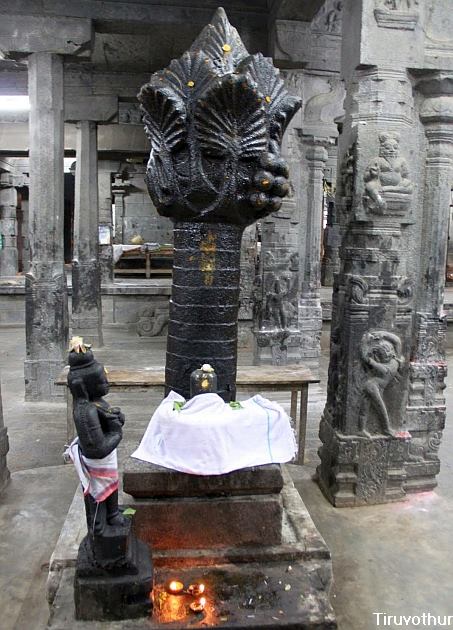
Granite tree in a Tamil Temple; posted by Lalgudi Veda

Written by London Swaminathan 


Date: 6 NOVEMBER 2017


Time uploaded in London- 16-08


Post No. 4371

Pictures shown here are taken from various sources such as Facebook friends, Books, Google and newspapers; thanks.


(First part was posted yesterday)
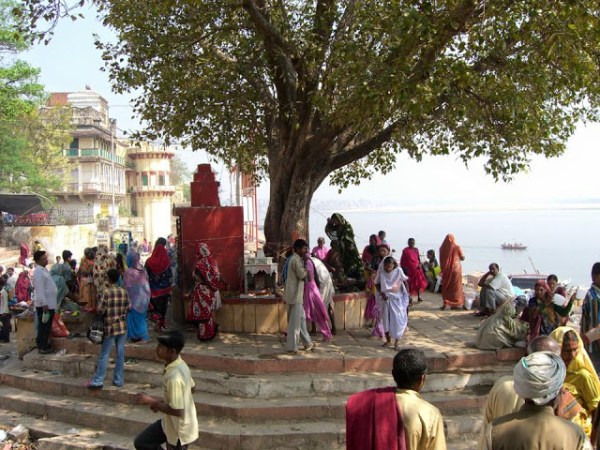
 

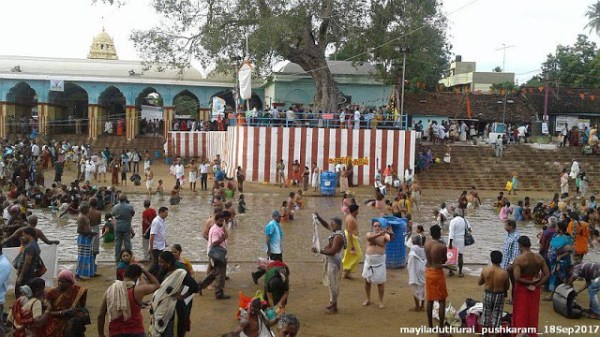
Picture of a sacred tree in Varanasi


The Gods and the Asuras, both of them sprung from Prajapati, strove together. The gods, having placed Agni in the front, went up to the Asuras.  The Asuras cut off the point of that flame held forward. It settled down on this earth and became that Krimuka tree; hence it is sweet, for there is vital essence in it. Hence also it is red, for it is a flame, that Krimuka tree being the same as Agni; it is in the shape of fire that he imparts growth to it- Satapata Brahmana 6-6-2-11


When Prajapati performed the first offering, a Vinkankata tree (Flacouritas apida) sprang forth from that place where, after offering, he cleansed his hand  –6-6-3-1


“When the gods and Asuras, both of them sprung from Prajapati, strove together, all the trees sided with the Asuras, but  the Udumbara tree alone did not forsake the gods. The gods having conquered the Asuras took possession of their trees. They said, ‘come let us lay into the Udumbara tree whatever pith, whatever vital sap, there is in these trees; were they then to desert us they would desert us worn out like a milked-out cow or like an ox that has been tired out drawing the cart. Accordingly they laid into the Udumbara tree what pith and essence there was in those trees; and on account of that it matures fruit  equal to all other trees; hence that tree is always moist, always full of milky sap- that Udumbara tree indeed, being all the trees, is all food—Sat Br. 6-3-2-3


Aitareya Brahmana also gives the same story (1-23)
 

(VERY IMPORTANT POINT: Gods and Asuras came from Brahma/Prajapati. Foreigners wont highlight this point anywhere in their writings; those cunning and conspiring people wanted to project Asuras as aborigines or Dravidians. Throughout Hindu literature, Asuras, Rakshasas or so called Shudras are shown as children of same father and mother)


“Trees were temples of Divinities, and in the old way the simple country folk to this day dedicate any remarkable tree to a god”—Pliny in Natural History 12-3

Pliny (23-79 CE) was a Roman scholar and his Natural History reflected the Hindu views on Trees.


Persian Poet Haafiz praised the trees too,

“Mark where yon tree rewards the stony shower

With fruit nectareous, or the balmy flower,

All nature calls aloud, ‘Shall man do less

Than heal the smiter and the railer bless?”
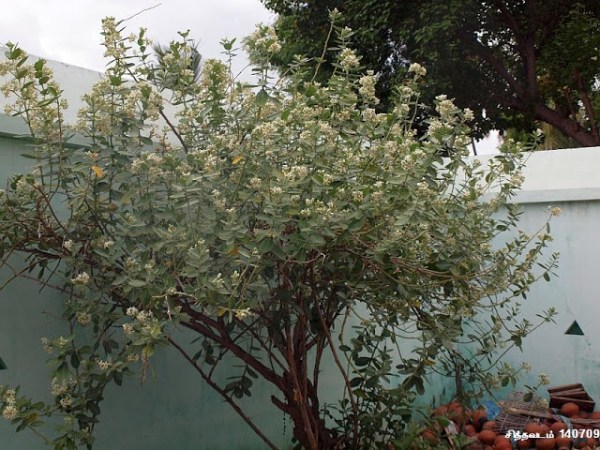
Posted by Lalgudi Veda, Vellerukku, Siddhavatam

In India that is Hindustan all life is sacred. Hindus are believers in the law of continuity, for in their creed the life of gods is connected with that of demons, the life of demons  with men, the life of men with animals, the life of animals with that of trees and plants, the life of plants with a supposed life in rocks and stones, and the divine soul is thought to permeate all. There is no break anywhere. Tamil Saints like Manikkavasagar sings about several births of soul from stone to man. According to Hindus, all plants are conscious beings, having distinct personalities and souls of their own as gods, demons, men and animals (Manu 1-49).


Good spirits and demons occupy the trees. They may often resort to it as guests or take up their abode as tenants.


There is a firm belief that certain trees are demon haunted. Tamils believe that demons occupy Tamarind trees. However it is necessary to make clear  distinction between sacred trees and trees feared as the home of evil spirits. Hindus worship trees out of fear or out of its sacredness. Another reason for the worship of trees is their wonderful utility in daily life. Their shade is grateful in a hot climate. Their wood is the source of fuel/fire. Their fruits, juices are bark have medicinal and curative properties. Plamyra palm or Coconut tree of south India has over fifty distinct uses.

Huge banyan trees are assembling point for vendors, gossip mongers, Assembly Hall and Court House of the village communities. It becomes the abode of village god or Ganesh in South India.
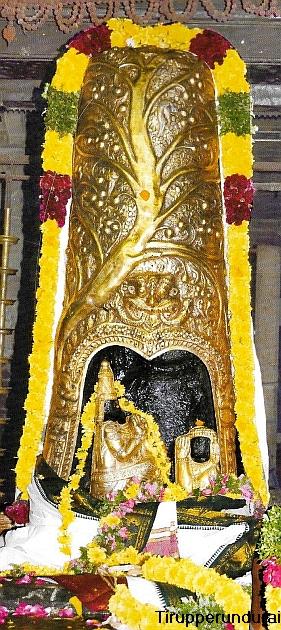
Kuruntha Tree, Avudayar Koil, by Lalgudi Veda


TREE MARRIAGE


In the olden days a Hindu who plants a grove of mango trees will not take the fruit f the mango tree before they have been married to another kind of tree, usually a tamarind tree, sometimes an acacia or even a jasmine plant which is planted in the grove. It is done only when the mango tree reaches fruit bearing stage. In the same way a tank is married to a plantain tree.


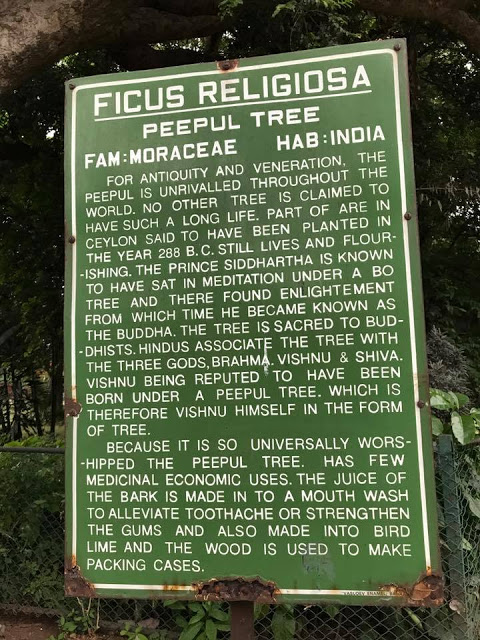
The tree worship began in Vedic age. We see a whole Mandala of Rig Veda is devoted to Soma (plant) worship. Pipal tree is worshipped from the Vedic days. Rishis/ seers are named after Pipal trees. Buddha, born as a devoted Hindu, did penance under the pipal tree (Bodhi).  Parijata came form the ocean when demons/ Asuras and Devas/angels churned the milky ocean.


Tree worship is seen among tribal Hindus as well; in the Birbhum district annual pilgrimage is made to shrine in the jungle to leave offerings to a Bel tree.


The custom of hanging votive offerings or rags or threads on the trees is of great antiquity. It is seen from Kashmir to Kanyakumari.
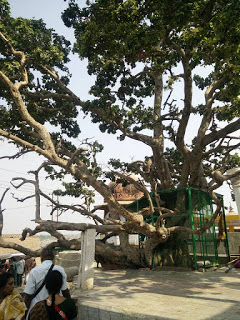
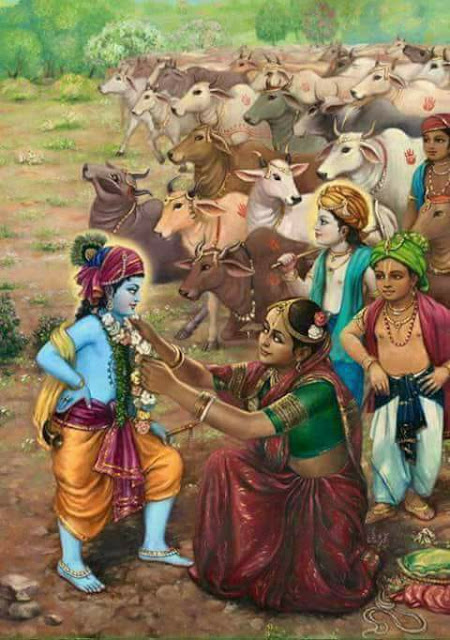
Kadamba  Tree in Chir Ghat, Yamuna River

This custom existed in other parts of the world as well; names like Holyoake, Hollywood recall the English worship of trees and groves.


Ovid (43 BCE), the Roman poet, says,

“There stood a mighty oak of age-long strength

Festooned with garlands, bearing on its trunk

Memorial tablets, proofs of helpful vows”

–Metamorphoses, 8-741, also Fasti 3-267


This Hindu custom was prevalent in different parts of the world; now we can see such pictures in museums or in their literature; but in Hindu India, where it originated, is still practised!!


The famous Bodhi tree in Gaya (Bihar, India) and its sister trees in Sri Lanka, Tamarind tree of Tansen and Nammalvar, Banyan Tree of Lord Krishna and Panchavati (five Banyan trees) of Lord Rama are some examples. There are hundreds of trees like these throughout India Every Tamil temple has a tree worshipped in its complex.
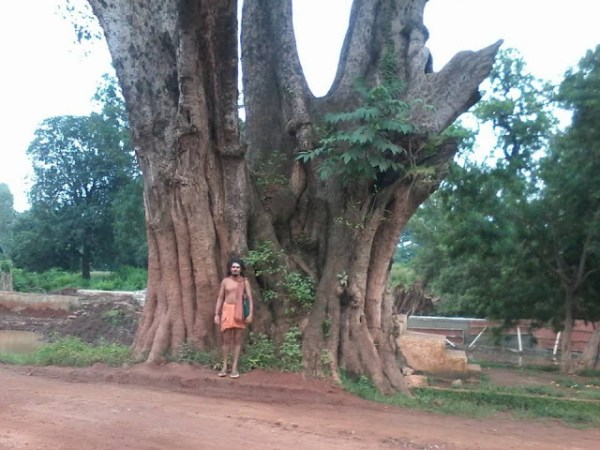
A pilgrim under a tree

Classical analogies of tree deities are found in many places: Daphne turned into a laurel that Apollo honours for her sake, and the sorrowing sisters of Phaethon changing into trees, yet still dropping blood and crying for mercy when their shoots are torn”

–Metamorphoses of Ovid 1-452, 2-345


Like I have pointed out earlier, they are all in old literature or museums in other parts of the world; In India, Hindus practise it even today and worship all the nature as God; and India is not primitive; it is the first developing country to send a spaceship into sky; it is the first developing country to explode a nuclear device. it is the country with highest number of computer personnel.
–Subham–


வளமாக இருக்கும் போது பரிதாபத்திற்குரியது எது? (Post No 4370)

Written by S.NAGARAJAN


Date: 6 NOVEMBER 2017


Time uploaded in London- 5-03 am


Post No. 4370

Pictures shown here are taken from various sources such as Facebook friends, Books, Google and newspapers; thanks.


கிம் என ஆரம்பிக்கும் சுபாஷிதங்களைப் பற்றிய முந்தைய கட்டுரை எண் 4217 20-10-2017 அன்று வெளியானது.

அதைத் தொடர்ந்து இந்தக் கட்டுரை:-


வளமாக இருக்கும் போது பரிதாபத்திற்குரியது எது?

ச.நாகராஜன்


கிம் என்று ஆரம்பிக்கும் நூற்றுக் கணக்கான சுபாஷிதங்கள் உள்ளன. ஆதி சங்கரர் அருளிய ப்ரஸ்னோத்தர ரத்னமாலாவில் கிம் என்று ஆரம்பிக்கும் பல கேள்விகளைக் கேட்டு அவர் பதில் அளிக்கிறார்.


அவற்றில் சில:-

கிம் ஷோச்யம் கார்பண்யம்

சதி விபவே கிம் ப்ரஷஸ்யமௌதார்யம் I

தனுதரவித்தஸ்ய ததா

ப்ரபவிஷ்னோர் யத்  சஹிஷ்ணுத்வம் II


வளமாக இருக்கும் போது எது பரிதாபத்திற்குரியது?

கஞ்சத்தனம்.

அப்போது எது புகழத்தக்கது?

கொடை

அதே போல ஒருவன் வறிய சூழ்நிலையில் இருந்தாலும் சரி  அதிகாரத்தில் இருந்தாலும்  சரி பொறுமையைக் கடைப்பிடிப்பது போற்றத்தக்கது.

இதை ஆங்கிலத்தில் மொழிபெயர்த்துள்ளார் கே.வி.சர்மா.


What is to be pitied when in affluence. Niggardliness.

What is praiseworthy then? Generosity.

Patience is similarly to be commended both when  a  man is in very indigent circumstances as well as he is in power. (Translation by K.V. Sarma)


இதே போல கிம் என்று ஆரம்பித்துப் பல கேள்விகளைக் கேட்டு பதிலையும் தருகிறார் ஆதி சங்கரர், மனித குல நன்மைக்காக.

அவற்றைக் கீழே காணலாம்.


கிம் விஷம்?

எது விஷம்?

பதில்: அவதீரணா குருஷு

குருவின் கட்டளையை மீறுவது


What is poison?

Transgression of preceptor’s orders.


கிம் மனுஜேஷு இஷ்டதமம்?

எது மனிதர்களிடம் விரும்பத்தக்கது?

பதில் :ஸ்வ-பர ஹிதாய உத்யதம் ஜன்ம.

தனக்கு மற்றும் பிறர்க்கு என வாழ்க்கையை அர்ப்பணிப்பது.


What is most desirable for human beings?

Life dedicated to one’s and others welfare.


கிம் குருதாயா மூலம்?

எது மேன்மைக்குக் காரணம்?

பதில் : யத் ஏதத் அப்ரார்தனம் நாமம்

பதிலுக்கு ஒன்றையும் எதிர்பார்க்காதிருத்தலே மேன்மைக்குக் காரணம்.


What is the cause of greatness?

That which is known as not asking favours.


கிம் துக்கம்?

எது துக்கம்?

பதில் : அசந்தோஷ:

சந்தோஷமற்றிருப்பது.


What is unhappiness?

Cheerlessness.


கிம் ஜாட்யம்?

எது  முட்டாள்தனம்?

பதில் : பாடதோபி அனப்யாஸ”

படித்ததைத் திருப்பிப் படிக்காமலிருப்பது.


What is unintelligence?

Not repeating what is learnt.


நளினி -தள – கத – ஜலவத் – தரளம் கிம்?

எது தாமரை இலத் தண்ணீ ர போன்று நிலையற்றது?

பதில் : யௌவனம்,தனம் ச ஆயு:

யௌவனம், தனம் மற்றும் ஆயுள்


What is transient like the water on the lotus leaf?

Youth, wealth and life.


கிம் ச அனர்கம்?

எது விலை மதிப்பற்றது?

பதில்: யதவஸரே தத்தம்

எது சரியான தருணத்தில் வழங்கப்பட்டதோ அது.


What is priceless?

That which is given at the right moment.


ஆமரணாத் கிம் ஷால்யம்?

அம்பு போல மரணம் வரை வருவது எது?

பதில் : ப்ரச்சன்னம் யத் க்ருதம் பாபம்.

ரகசியமாக செய்த பாவம்.


What paids like a shaft till death?

The sin committed in secrecy


இன்னும் பல ‘கிம்’ என்று ஆரம்பிக்கும் கேள்விகள் ப்ரஸ்னோத்தர ரத்ன மாலிகாவில் உள்ளன. படித்துப் பயனடையலாம்.

***

கம்பனும் அப்பரும் செப்பியது ஒன்றே! (Post No.4369)

Written by London Swaminathan


Date: 5 NOVEMBER 2017


Time uploaded in London- 15-24


Post No. 4369

Pictures shown here are taken from various sources such as Facebook friends, Books, Google and newspapers; thanks.


இரணியனை வதம் செய்தவுடன் எதிரே நின்ற நரசிங்கப் பெருமான் சொன்னார்: உன் அப்பனையே கூரிய நகங்களால் கொன்ற பின்னரும் நிலைகுலையாமல் நின்றாய்; என் மீது கொண்ட பக்தி சிறிதும் குறைவில்லை; உன் பக்தியைக் கண்டு மெச்சுகிறேன் உனக்கு என்ன வேண்டும்? கேள்!


உடனே பிரஹலாதன், “என் அப்பா இருந்த அரியாசனத்தில் என்னையும் உடகார்த்தி வை என்று பதவியையோ, பெரும்புகழையோ, செல்வத்தையோ கேட்கவில்லை. நான் எலும்பற்ற உடல் கொண்ட புழுப் போன்ற உடல் எடுத்தாலும் உன்னை மறவாது இருக்க வரம் அருள்’ என்கிறான்.


என்ன ஆச்சர்யம்! இதுவே அப்பர் வாக்கில் கம்பனுக்கும் பல நூற்றாண்டுகளுக்கு முன்னரே உள்ளது!


முன்பு பெறப்பெற்ற பேறோ முடிவில்லை

பின்பு பெறும் பேறும் உண்டோ பெறுகுவெனேல்

என்பு பெறாத இழி பிறவி எய்தினும் நின்

அன்பு பெறும் பேறு அடியேற்கு அருள் என்றான்

–இரணியன் வதைப் படலம், யுத்த காண்டம், கம்ப ராமாயணம்


பொருள்:-


உனது அருளால் நான் பெற்ற நன்மைகள் எல்லையற்றவை. இனியும் நான் பெறும் நன்மை யாதுளது? அப்படி இன்னும் நான் பெறக்கூடியது ஏதாவது ஒன்று உண்டென்றால், எலும்பு இல்லாத புழுவின் உடலை நான் பெற்றாலும் உன்னிடம் அன்பு செலுத்தும் பெறும் பேற்றை எனக்கு அருள வேண்டும் — என்று பிரஹலாதன் வேண்டுகிறான்.

இதை அப்பரின் தேவாரப் பாடலுடன் ஒப்பிடுவோம்:


புழுவாய்ப் பிறக்கினும்  புண்ணியா  வுன்னடி யென்மனத்தே

வழுவா திருக்க வரந்தரவேண்டும் இவ் வையகத்தே

தொழுவார்க் கிரங்கி  யிருந்தருள் செய்பாதிரிபுலியூர்ச்

செழுநீர் புனற்கங்கை செஞ்சடை மேல்வைத்த தீவண்ணனே—

நாலாம் திருமுறை


பொருள்; இந்தப் பூவுலகில் வழிபடுவோர் எல்லோரிடத்திலும் இரக்கம் கொண்டு கருணை புரியும் செம்மேனி அம்மானே! கங்கை நதியை செஞ்சடையில் வைத்து, திருப்பதிரிப் புலியூரில் இருந்து கொண்டு அருள் புரியும் பெம்மானே! நான் புழுவாகப் பிறந்தாலும் உன்னை மறவாதிருக்க வரம் தா என்று அப்பர் பெருமான் இறைஞ்சுகிறார்.


–Subham–

STRANGE STORIES ABOUT TREES, KUSHA AND DHURVA GRASS IN VEDAS –Part 1 (Post No.4368)

Ganesh with Dhurva Grass (Arukam Pul in Tamil)


STRANGE STORIES ABOUT TREES, KUSHA AND DHURVA GRASS IN VEDAS –Part 1 (Post No.4368)


Written by London Swaminathan


Date: 5 NOVEMBER 2017


Time uploaded in London- 14-11


Post No. 4368

Pictures shown here are taken from various sources such as Facebook friends, Books, Google and newspapers; thanks.


Origin of vegetation on the earth explained in the Aitareya Brahmana (5-23):

“The earth is the Queen of the Serpents, for she is the queen of all that moves (sarpat). She was in the beginning without hair (without grasses, bushes, trees etc). She then saw the mantra of the Rig Veda (10-189) which commences with

‘This spotted Bull (the sun) hath come, and sat before the mother (the Earth) in the East

Advancing to his Father, Heaven. ‘As expiration from his breath, his radiance penetrates within’.


In consequence of it she (the Earth) obtained a motely appearance, she became variegated, being able to produce any form she might like, such as herbs, trees and all other forms. Therefore, the man who has such a knowledge obtains the faculty of assuming any form he might choose.”

DURVA GRASS

The origin of Durva grass, of which much is made in connection with Hindu sacrifices, is described as follows:

“The Hair of Prajapati, which were lying n the ground when he was disjointed, became herbs. The vital air then went out from within him, and that having gone out, he fell down. He said, ‘Verily this vital air has undone me!’ and because he said, ‘it has undone (dhurve) me’, hence  the name Durva; durva doubtless being what is mystically called Durva, FOR THE GODS LOVE THE MYSTIC”—- Satapata Brahmana 7-4-2-11/12


Concept of ‘body being Microcosm and the Earth being Macrocosm was borrowed by the Greeks from the Hindus; so plants are equal to hair, blood vessels are equal to rivers etc.


The second point to be noticed is Gods love the Mystic, hence queer names and strange explanations. This means they dot speak straight forward language. So one must be careful in translating or interpreting.


The third point is reasoning out is found in the Vedic period itself. People named different plants differently on the basis of certain things.

KUSA GRASS

“He then places a bunch of Dharba grass (Kusa) on the middle of the altar site; for the gods then placed plants thereon, and in like manner does the sacrifice, now place thereon- — Satapata Brahmana 7-2-3-1


The reference in the next quotation is to the legend of Indra’s killing of Vritra, when the waters, disguised by his putrefying carcase, rose and flowed over —– Satapata Brahmana 1-1-3-5

“Whence spring these grasses of which the strainers are made; for they represent the water which was not putrified; in 7-3-2-3, we read of ‘Stalks of Kusa grass, for these are pure, and sacrificially clean……….. for the top is sacred to the gods.


Unclean Plants

There were plants , which are sacrificially unclean; it is said that Greek Philosopher Pythagoras banned beans and fasting Roman Catholics banned certain food.


Vedas allowed Forest Plants and Fruits of trees:

“Let him therefore eat only what grows in the forest or the fruit of trees. Barku Varsha said, ‘Cook beans for me, for no offering is made of them! This, however, he should not do; for pulse serves as an addition to rice and barley; and hence they increase the rice and barley by means of it; let him therefore eat only what grows in the forest —– Satapata Brahmana 1-1-1-10


Referring to the same incident in Prajapati’s life, we read the origin of Udembara tree —– Satapata Brahmana 7-4-1-39

“When Prajapati was relaxed, Agni took Prajapati’s fiery spirit and carried it off to the south, and there stopped; and because after carrying (karsh) it off, t stopped (ud-ram), therefore Karshmarya sprang up. And Indra took Prajapati’s igour and wet away to the noth; it became the Udumbara tree”

(Fig and its varieties)

UDUMBARA TREE

In Vishnu Sahsranama Nyagroda, Udumbara and Asvatta are worshipped as Vishnu. All these belong to Ficus family.


The bathing chair of Udumbara wood figures prominently in Taittiriya sBrahmana 2-6-5, where we find an address to to it and another to the leather spread upon it, a mantra to be repeated when sitting upon the chair, another after sitting thereon, another when descending rom chair, another inaudibly after descending from the chair, and no end of others in the course of the bathing, including many addressed to Agni and the Sun; some of which may be heard uttered to this day on the banks of the Ganges or other bathing places.


When Hindus couldn’t get the Udumbara wood they replaced it with a bundle of Dhurva grass. The details are given in Taittiriya Brahmana2-7-9-10/11


Tomorrow I will give the stories of Krimuka and Viekantka Trees


—-to be continued


–subham–


காட்டு வளம் காத்து வரும் ரிச்சர்ட் லீகி! (Post No.4367)

Written by S.NAGARAJAN


Date: 5 NOVEMBER 2017


Time uploaded in London- 6-07 am


Post No. 4367

Pictures shown here are taken from various sources such as Facebook friends, Books, Google and newspapers; thanks.


3-11-2017 தேதியிட்ட பாக்யா வார இதழில் அறிவியல் துளிகள் வெளியாகியுள்ள (ஏழாம் ஆண்டு 37வது) கட்டுரை


கால்களை இழந்தும் ஆராய்ந்தவர் – காட்டு வளம் காத்து வரும் ரிச்சர்ட் லீகி!


 ச.நாகராஜன்


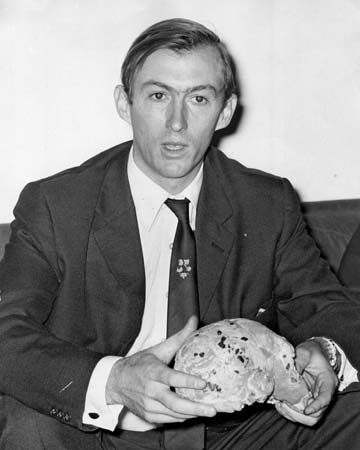
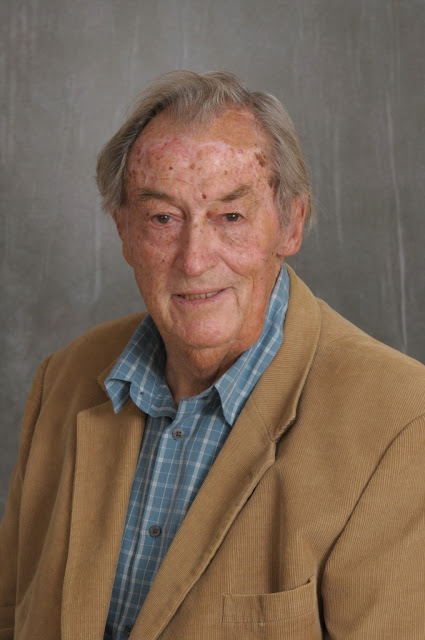
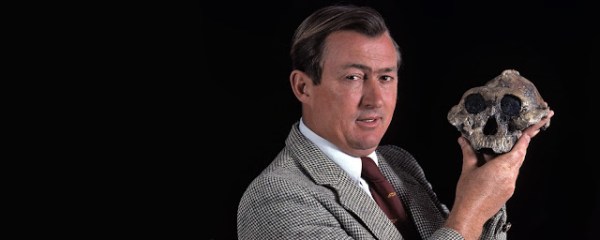
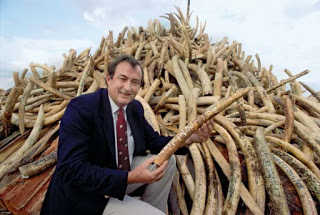
எந்த நிலையிலும் மனம் தளரக் கூடாது என்பதை நிரூபிக்கும் புதைபடிமங்கள் மூலம் கால நிர்ணயம் செய்த ஆராய்ச்சியாளர் ரிச்சர்ட் லீகி அனைவருக்கும் உத்வேகம் ஊட்டும் வாழ்க்கை வரலாற்றைக் கொண்டவர். (Richard Leaky – பிறப்பு 19-12-1944; இப்போது வயது 73)


லீக்கி ஆப்பிரிக்காவில் பிரமாதமான கல்வி அறிவைக் கொண்டிருக்கவில்லை. ஆனால் அவரது நுணுகிய ஆய்வுத் திறனும் அர்ப்பணிப்பு மனோபாவமும் அவர் பெயரை ஆப்பிரிக்காவின் ஒவ்வொரு இல்லத்திலும் கொண்டாடப்படக் கூடிய பெயராக ஆக்கியது.


லீகியின் தந்தையும் தாயும் படிமப் பாறைகள் பற்றிய துறையில் ஈடுபட்டிருந்தவர்களே. சிறு வயதிலேயே லீகி பறவைகள், மிருகங்கள் ஆகியவற்றை விற்க ஆரம்பித்தார். நாளடைவில் வன்விலங்குகள், வனப் பாதுகாப்பு ஆகியவற்றின் மீது அவருக்கு ஆர்வம் அதிகரித்தது.

1967ஆம் ஆண்டு நைரோபியில் ருடால்ப் ஏரியின் மீது அவர் பறந்து செல்லும் போது எரிமலைப் பாறைகளைக் கீழே கண்டார்.


அந்த இடத்தில் ஆய்வு நடத்தினால் பழங்காலப் படிமப் பாறைகள் கிடைக்கும் என்று அவருக்குத் தோன்றியது.


   கோபி ஃபோரா என்ற இடத்தில் அவர் தனது ஆய்வுகளை ஆரம்பித்தார். இந்த ஆய்வு 30 லட்சம் வருடங்களுக்கு முன்னர் இருந்த புதை படிமங்களைக் கண்டுபிடிக்க இவருக்கு உதவியது. பழங்காலத்திய 400 எலும்புகளை இவர் சேகரித்தார். இதன் மூலம் மனித குல வரலாற்றைப் பற்றிய முக்கிய தகவல்கள் கிடைத்தன.


பிபிசியில் இவரது டாகுமெண்டரி தொடரான ‘தி மேகிங் ஆஃப் மேன்கைண்ட் ( The Making of Mankind) என்ற தொடர்

 அவரைப் புகழேணியின் உச்சத்தில் கொண்டு சென்றது.


     1974ஆம் ஆண்டு நேஷனல் ம்யூஸியம்ஸ் ஆஃப் கென்யாவின் டைரக்டராக அவர் நியமிக்கப்பட்டார்.

ஆப்பிரிக்காவில் தந்தத்திற்காக யானைகளைச் சுட்டுக் கொல்லும் நபர்கள் அதிகரிக்கவே யானைகளின் எண்ணிக்கை பாதியாக அதாவது ஆறு லட்சமாகக் குறைநதது.

‘கொல்ல வருபவரைக் கண்டவுடன் சுடு என்ற ஆணையைப் பிறப்பித்து யானைகளைக் காத்தார் லீகி.


1989இல் கென்யாவின் ஜனாதிபதி டேனியல் அராப் மொய் இவரை கென்யா வைல்ட்லைப் சர்வீஸின் தலிவராக் ஆக்கினார்.

இந்தப் பதவியை அவர் ஏற்றுக் கொண்டது அனைவருக்கும் ஆச்சரியத்தைத் தந்தது.


ஏனெனில் அவருக்கு சிறுநீரகம் பாதிக்கப்பட்டிருந்தது. 1980இல் அவரது சகோதரரும் அரசியல்வாதியுமான பிலிப் தனது சீறுநீரகத்தைத் அவருக்குத் தந்து உதவினார். இதில் ஆச்சரியம் என்னவென்றால் பத்து ஆண்டுகள் பிலிப் தன் சகோதரருடன் முகம் கொடுத்துப் பேசியதே இல்லை. அப்படி ஒரு பகை. என்றாலும் அவருக்கு ஒரு பாதிப்பு என்றவுடன் ஓடி வந்து உதவினார்.


இந்த உடல் உபாதை எல்லாம் லீகியை ஒன்றும் செய்யவில்லை. சரியாக காலை 4 மணிக்கு எழுந்து தன் ஆய்வுப் பணீயை ஆரம்பிப்பார். தனது விமானத்தைத் தானே ஓட்டிச் செல்வார்.


காட்டு வளத்தைச் சுரண்டுவதில் இருந்த ஊழலை அவர் ஒழித்துக் கட்டினார். வனத்துறை ஊழலில் ஈடுபட்டிருந்த சுமார் 1700 பேர்களைத் தைரியமாக அவர் களையெடுத்தார்.

1993ஆம் ஆண்டு ஒரு விமானத்தை லீகி ஓட்டுகையில் அது கீழே விழுந்து விபத்திற்குள்ளானது. அதில் அவர் கால்கள் இரண்டும் நசுங்கிப் போயின. இரண்டும் அறுவைச் சிகிச்சையில் அகற்றப்பட்டன.


அவரை ஜனாதிபதி மொய் மருத்துவமனைக்குச் சென்று பார்த்து, “உங்களுக்காக நான் இறைவனைப் பிரார்த்திக்கிறேன் என்றார்.


அதற்கு லீகி, “ எனக்காக பிரார்த்தனை செய்ய வேண்டாம். அதற்குப் பதில் கென்யா வனவிலங்குகள் சர்வீஸில் கிடப்பில் போடப்பட்டிருக்கும் திட்டங்கள் செயலாற்றப்பட உதவி செய்ய வேண்டும் என்று வேண்டுகோள் விடுத்தார்.

அவருக்கு செயற்கை அவயவங்கள் பொருத்தப்பட்டன. மீண்டும் செயலாற்றலுடன் உழைக்க ஆரம்பித்தார்.

2013இல் அவருக்கு ஐஸக் அஸிமாவ் விஞ்ஞான விருது வழங்கப்பட்டது.


அவரது செயலூக்கம் மிக்க வாழ்க்கையால் கவரப்பட்ட பிரப்ல நடிகை ஏஞஜலினா ஜூலி அவரது வாழ்க்கை வரலாறு பற்றிய டாகுமெண்டரி ஒன்றைத் தயாரிக்கப் போவதாக சென்ற ஆண்டு (2016இல்) அறிவித்து அந்தப் படத்தின் ஷூட்டிங் கென்யாவிலேயே நடைபெறும் என்றும் தெரிவித்தார்.


   இன்று உலகில் வன வளத்தையும் வன விலங்குகளையும் காக்க வேண்டும் என்று மிக்க ஆர்வத்துடன் செயல்படும் அனைவரும் ரிச்சர்ட் லீகியை உத்வேகமூட்டும் முன் மாதிரியாகக் கொண்டு இயங்குகின்றனர்.

இதுவே அவரது வாழ்க்கையில் அவருக்குக் கிடைத்த மாபெரும் வெற்றியாகும்!


அறிவியல் அறிஞர் வாழ்வில் . . ..


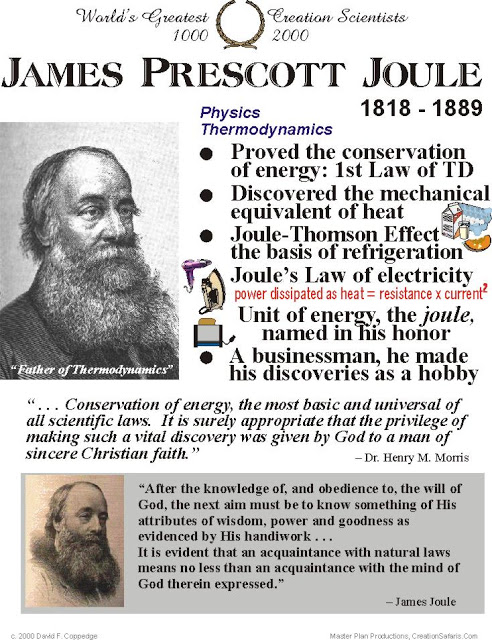
பிரிட்டனைச் சேர்ந்த இயற்பியல் விஞ்ஞானியான ஜேம்ஸ் ஜூல் (James Joule- 1818-1889) பல கண்டுபிடிப்புகளைக் கண்டவர். தனது விஞ்ஞானக் கருவி இல்லாமல் அவர் எங்கேயும் வெளியில் செல்ல மாட்டார்.

1847இல் 29ஆம் வயதில் அவர் திருமணம் செய்து கொண்டார். ஹனிமூனுக்காக நயாகரா நீர்வீழ்ச்சிக்குச் செல்ல ஏற்பாடானது.

அப்போதும் கூட தனது ஆய்வுக் கருவியான தெர்மாமீட்டரை அவர் கூட எடுத்துச் சென்றார்.

அவரது நோக்கம் நயாகரா நீர்வீழ்ச்சியில் நீர் விழும் போது மேலே இருக்கும் நீருக்கும் கீழே விழுந்திருக்கும் நீருக்கும் உஷ்ணநிலையில் வேறுபாடு இருக்கிறதா என்று ஆராய்வது தான்.

ஹனிமூனின் போது நயாகராவில் நடந்த ஆய்வை வைத்து அவர் கடவுள் இருக்கிறார் என்ற முடிவுக்கு வந்தார்.


இதை செயிண்ட் ஆன்ஸ் சர்ச்சில் (St. Ann’s Church) அவர் ஆற்றிய சொற்பொழிவு ஒன்றில் தீர்க்கமாக அறிவித்தார்.


காற்று வீசும் போது ஏற்படும் உராய்வினாலும் நீரில் எழும் கிளர்ச்சியினாலும் உருவாகும் வெப்ப அளவினால் பைபிளில் ஜெனிஸிஸில் கூறப்படும் கருத்துக்கள் உண்மை என்று ஆகிறது. கடவுளின் சக்தி ஓரிடத்தில் சேமிக்கப்படுகிறது என்பது உறுதியாகிறது. ஆகவே கடவுள் இருக்கிறார் என்றார் அவர்.


(He explained that the measure of the mechanical equivalent of heat created by the friction of the wind and agitation of the water gives experimental proof for the story of genesis as described in the Bible, to the effect that  God’s powers have been conserved),.

 
நயாகரா நீர்வீழ்ச்சியில் ஜூல் மட்டும் பரிசோதனைகளை நடத்தவில்லை. அமெரிக்க விஞ்ஞானி மேயர், ஸ்காட்லாந்தைச் சேர்ந்த மாக்ஸ்வெல் உள்ளிட்ட ஏராளமான விஞ்ஞானிகள் நயாகரா நீர்வீழ்ச்சியின் மேலே உள்ள நீருக்கும் கீழே விழுந்த நீருக்கும் உள்ள வேறுபாடுகளைப் பற்றி பல்வேறு பரிசோதனைகளை மேற்கொண்டது ஒரு சுவையான தகவல்!

***


ரிக் வேதத்தில் நகைச்சுவை நடிகன் (Post No.4366)

Written by London Swaminathan


Date: 4 NOVEMBER 2017


Time uploaded in London- 18-48


Post No. 4366

Pictures shown here are taken from various sources such as Facebook friends, Books, Google and newspapers; thanks.


நாடகங்களில் விதூஷகன் என்று ஒரு கதாபாத்திரம் உண்டு. 2000 ஆண்டுகளுக்கு முன் நாடகங்கள் எழுதிய காளிதாசனின் படைப்புகளிலும் அதற்கு முன்னரும் பின்னரும் விதூஷகன் இல்லாத நாடகம் கிடையாது. இப்போது திரைப்படங்களில் வரும்  நகைச் சுவைக் காட்சிக்கு மூலமே சம்ஸ்கிருத நாடகங்கள்தான். எகிப்து, கிரேக்கம் போன்ற பழைய நாகரீகங்களிலும் கூத்து உண்டு. ந்தக் காலத்தில் நாடகம் என் றாலே சங்கீத அல்லது நாட்டிய நாடகம்தான். இதன் மூலம் வசனங்களை எளிதில் நினைவு வைத்துக் கொள்வதும் மக்களைக் கவர்ந்திழுப்பதும் எளிதாகும்.

ஹெர்மன் ஜாகோபி, பால கங்காதர திலகர் முதலியோர் ரிக் வேதத்துக்குக் கற்பித்த தேதிகளைக் கணக்கிற்கொண்டால் எகிப்திய நாடகங்களுக்கும் முன்னோடி நாம்தான்.

ரிக் வேதம் பாரத நாட்டின் கலைக்களஞ்சியம்; அதில் இல்லாத விஷயங்களே இல்லை. அண்மையில் பழைய மலர் ஒன்றைப் படித்தேன். அதில் ரிக் வேதத்தில் கோமாளி பற்றிய குறிப்பு கூட இருப்பதை ஒருவர் எழுதியுள்ளார். நான் சில ஆண்டுகளுக்கு முன் எழுதிய நாடகத்தின் தோற்றம் பற்றிய கட்டுரையில் ரிக் வேதத்திலுள்ள உரையாடல்களில் நாடக மூலக்குறுகளைக் காணலாம்.

உலகின் மிகப் பழைய நூலான– கவிதைத் தொகுப்பான — ரிக் வேதத்தின்  உரையாடல்கள் பத்தாவது மண்டலத்தில் உள்ளன:–
RV 10-51: அக்னி- வருணன்
RV 10-10 யமன்  – யமி

RV 1-179 அகஸ்தியர்– லோபாமுத்ரை

RV 10-95 புரூருவஸ்- ஊர்வஸி

RV 10-86 இந்திரன் — வ்ருஷகபி

மேலும் பல உரையாடல்கள் RV 10-135; 10-124; 4-26; 10-108; 10-28 உள்ளன.

புருஷமேத யாகத்தில் 200 பேருக்கு மேலாக “நரபலி கொடுக்கும்” பட்டியலில் காரி என்பவர் சிரிப்புக் கடவுளான ஹாசனுக்கு பலியிடப்படுவதாக உள்ளது. உலகில் சிரிப்புக்கும் ஒரு கடவுள் வேத கலத்திலேயே இருந்திருக்கிறது; (வாஜசநேயி சம்ஹிதை, தைத்ரீய சம்ஹிதை;VS 30-6 and T S 3-41.)  நாடகத்தில் கோமாளி என்னும் கதாபத்திரம் இருந்தனர் என்றால் அவர்களுடைய கலை ரசனை, முன்னேற்றத்துக்கு வேறு என்ன சாட்சியம் வேண்டும்?


வண்டி இழுக்கும் குதிரை லேஸான பாரத்தை விரும்பும்; அது போல நகைச்சுவையுண்டாக்கும் கோமாளிகள் நல்ல சிரிப்பை உண்டாக்கும் லேஸான சொற்களை விரும்புவர்; காதலன் காதலியை நாடுவது போல; தவளைகள் உணவுக்காக ஏங்குவது போல –ரிக் வேதம் 9-112-4


சிலர் ரிக் வேதப் பாடல்களை மூன்று வகையாகப் பிரிக்கின்றனர்:–

சமயப் பாடல்கள்

தத்துவப் பாடல்கள்

சமயத் தொடர்பற்ற பொதுப் பாடல்கள்


சமயம் தொடர்பான துதிப் பாடல்கள்தான் இதில் அதிகம்; நான் யார்? எங்கிருந்து வந்தேன்? பிரபஞ்சத்தின் காரணம் என்ன? என்ற சில தத்துவப் பாடல்களும் உள்ளன.


சமயத் தொடர்பற்ற பாடல்கள் பல சுவையான விஷயங்க ளைச் சொல்லும்; இதில் திருமணப் பாடல்களும் ஈமக் கிரியை தொடர்பான பாடல்களும் அடக்கம்.


சூரியன்-  சந்திரன் திருமணம் தொடர்பான ஒரு துதி (10-85) சுவையான துதியாகும். கணவன்  – மனைவி இருவர் இடையே உள்ள உறவு சூரியன், சந்திரன் போல இருக்க வேண்டுமாம்:


காலையில் ஒன்றும் இரவில் ஒன்றும் வெளிச்சம் தருவது போல வேலைக ளைப் பகிர வேண்டும்

இரண்டும் பூமியில் உயிரினங்கள் தழைக்க உதவுகின்றன (உயிருடன் உள்ளவரின் ஆரோக்கியத்துக்கு சூரியன் உதவும்; தாவரங்கள் வளருவது சந்திரனால் என்பது இந்துக்களின் நம்பிக்கை


நான் இன்று உன் கையைப் பிடிக்கிறேன் (பாணிக் கிரஹணம்) (மணமகன் தனது வலது கையால், மணமகளின் வலது கையைப் பிடித்துக்கொண்டு சொல்லும் மந்திரம்); உன்னுடைய கைகளைப் பற்றுவதால் நல்லதிர்ஷ்டம் வாய்க்கட்டும்; நாம் இருவரும் முதிய வயது வரை ஒன்றாக வாழ்வோம். என் வீட்டின் ராணியாக இருக்க உன்னை அர்யமன், பக, சவித்ரு, புரந்த்ரி ஆகியோர் அனுப்பியுள்ளனர்.


இந்த மந்திரத்தின் (10-85-36) கடைசி மந்திரம் முத்தாய்ப்பு வைத்ததாக இருக்கிறது:


என் வீட்டில் ஆட்சி செய்

கணவனின் பெற்றோர்கள்

சஹோதரன், சஹோதரி மீதும்தான்

எல்லோரும் உனக்குட் பட்டவர்களே10-85-46

திருமண துதிகளைப் படிக்கையில் பெண்களை எவ்வளவு உயர்த்தி வைத்து இருக்கிறார்கள், எவ்வளவு புகழ்கிறார்கள் என்று அறியலாம்.


சுபம், சுபம்–

Jesters in Rig Veda (Post No.4365)

Written by London Swaminathan


Date: 4 NOVEMBER 2017


Time uploaded in London- 14-21


Post No. 4365

Pictures shown here are taken from various sources such as Facebook friends, Books, Google and newspapers; thanks.


Rig Veda is an encyclopaedia of ancient India. Hindu playwrights, actors and dramatists believe that the drama originated in India. Though we have dramas in ancient Egypt, if one believes the date (4500 BCE or before that) given to the Rig Veda by Herman Jacobi and B G Tilak, then India can claim the credit. Whatever be the origin of drama, we have very clear drama scenes in the Rig Veda in the form of dialogue hymns:


RV 10-51: Agni and Varuna
RV 10-10 Yama- Yami
RV 1-179 Agastya and Lopamudra
RV 10-95: Pururuvas and Urvasi
RV 10-86 Indra and Vrsakapi
We have such conversation hymns in RV 10-135; 10-124; 4-26; 10-108; 10-28 and many more. ( I have dealt with this in detail in  my old article; see the link at the bottom)
I was reading Hazra Commemoration Volume (Pages 505, 506) and found an interesting article which shows that even jesters (Vidushaka) in the Vedic period. The author quotes the following information:

Rig Veda (9-112-4) says,

“Just as a draught horse desires a light chariot, the jesters desire such appropriate words to excite others laughter. The male desires his mate’s approach and a frog desires food”


Vajasaneyi Samhita

In the long list of persons to be offered to relevant deities in a Purusha Medha Yajna (human sacrifice), there Is even a person sacrificed to the God of Laughter. The God was Hasa VS 30-6 and T S 3-41.


Though Purusha medha yajna did mention over 200 persons belonging to various professions, none was sacrificed. But the long list shows that there were so mam types of workers during Vedic period and one of them was a jester No culture had a separate God for laughter. It says a Kari should be sacrificed to Hasa, the god of laughter.


From the word KARI, it is evident that among the people of the Vedic age there were some who practised the art of Joking.


Classical drama has jesters. So it is no wonder that Vedic Hindus also had such a character in the dramas. This shows the Vedic civilization was well advanced in art and culture. They were not primitive as foreigners projected them. More over when we put all the facts together, we see a well cultured and civilized society.

Origin of Drama in Ancient India and Egypt


Vedic dramas | Tamil and Vedas

https://tamilandvedas.com/tag/vedic-dramas/

Where did dramas originate? Did the first play was enacted in Egypt or India? We have dialogue hymns in the RigVeda and several scholars believe those …


—subham–
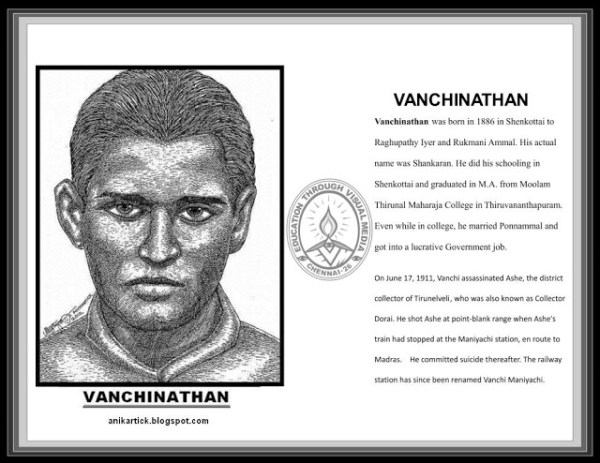
ஆஷ் கொலை வழக்கு: பாரதியார் நூல்கள் – PART 42 (Post No.4364)

Written by S.NAGARAJAN


Date: 4 NOVEMBER 2017


Time uploaded in London- 6-18


Post No. 4364

Pictures shown here are taken from various sources such as Facebook friends, Books, Google and newspapers; thanks.


பாரதி இயல்


மஹாகவி பாரதியார் பற்றிய நூல்கள் – 42

ஆஷ் கொலை வழக்கு – ரகமி எழுதியுள்ள ஆய்வுத் தொடர்


ச.நாகராஜன்


மஹாகவி பாரதியாரின் வாழ்க்கை பன்முகப் பரிமாணம் கொண்ட ஒன்று. சிறு வயதிலேயே அவர் மறைந்தார் எனினும் அவர் வாழ்க்கையில் அவர் சகோதரி நிவேதிதா, பால கங்காதர திலகர், மஹாத்மா காந்திஜி, அரவிந்தர், வ.உ.சி., வ.வே.சு. ஐயர் போன்ற ஏராளமான சரித்திரம் படைத்த பல பெரியோர்களைச் சந்தித்தார்.

சுதந்திரம் அடையத் தீவிரமாக உழைத்த புரட்சிவாதிகளிலிருந்து அஹிம்சை போதித்த காந்தி மகான் வரை அவரது வாழ்க்கை அனைவரையும் கண்டது. ஆனால் எதிலும் ஒரு சமச்சீர் தன்மையைக் கொண்டிருந்தார் அவர். அது தான் அவர் வாழ்க்கையில் நாம் காணும் ஒரு அற்புதம்.

இந்த வகையில் ஆஷ் கொலை வழக்கில் அவரும் சம்பந்தப்படுத்தப்பட்டார் என்பது சரித்திரம் தரும் தகவல்.


பழம் பெரும் எழுத்தாளரான ரகமி (முழுப்பெயர் ரங்கஸ்வாமி) தன் நேரம் உழைப்பு ஆகியவற்றை அர்ப்பணித்து ஆஷ் கொலை வழக்கு பற்றி முழுதும் ஆராய்ந்தார்.


அதன் அடிப்படையில் தினமணி கதிர் வார இதழில் 3-6-1984 தொடங்கி ஒரு நெடுந்தொடரை எழுதினார். இந்தத் தொடர் புத்தக வடிவில் வெளியிடப்படவில்லை என்றே எண்ணுகிறேன்.

(கதிர் வார இதழிலிருந்து தொகுத்து வைத்துள்ள கட்டுரைகள் என்னிடம் பத்திரமாக உள்ளன.)

*

அந்த நூலிலிருந்து பாரதியார் பற்றிய சில முக்கியப் பகுதிகளை  மட்டும் இங்கு தருகிறேன்.


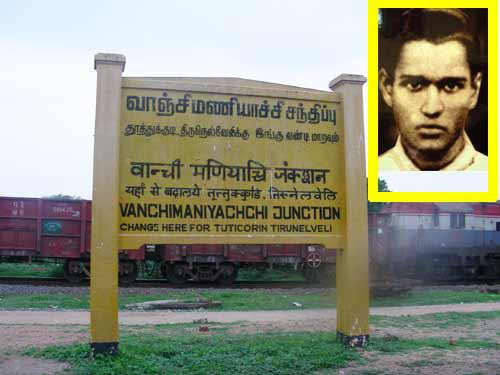
1911ஆம் ஆண்டு ஜூன் 17ஆம் தேதியன்று கலெக்டர் ஆஷ் என்பவரை வாஞ்சி ஐயர் மணியாச்சி ஜங்ஷனில் சுட்டுக் கொலை செய்தார்.


1911, செப்டம்பர் 11ஆம் தேதி, சனிக்கிழமையன்று (இது பின்னால் பார்க்கும் போது – செப்டம்பர் 11 – பாரதி மறைவு நாளாக அமைகிறது!) ஆஷ் கொலை சதி வழக்கு கேஸின் முதல் நாள் விசாரணை துவங்கியது.


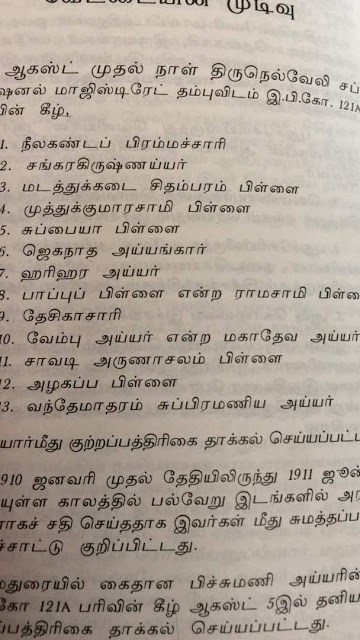
14 பேர்கள் குற்றம் சாட்டப்பட்டு நிறுத்தப்பட்டனர். அனைவரும் தங்கள் மீது சாட்டப்பட்ட குற்றத்தை மறுத்தனர்.


பப்ளிக் பிராசிக்யூடர் நேபியர் தனது வாதத்தை முன் வைத்துக் கூறுகையில், “ திருநெல்வேலி கலெக்டர் ஆஷின் கொலைக்கு சதித் திட்டங்கள் புதுவையிலிருந்து ஆரம்பமாகியது என்று சொல்வதற்கு ஏற்றாற் போல, முதல் குற்றவாளி நீலகண்டன் புதுவையில் கவி பாரதியார் நடத்திய ‘இந்தியா’ பத்திரிகையில் சம்பந்தப்பட்ட பின் ‘விஜயா’ மற்றும் ‘சூரியோதயம்’ பத்திரிகைகளில் வேலை செய்த போது, அவைகள் சர்க்காரால் தடுக்கப்படவே, பின்னர் அவர், ‘கர்மயோகி’, ‘பால பாரதா’, தர்மா’ பத்திரிகைகளில் கட்டுரைகளை எழுதி வந்தார்.


புதுவையிலிருந்த தீவிரவாதிகளுடன் நீலகண்டனும், கொலையாளி வாஞ்சியும் நெருங்கிப் பழகினர். இதில் வி.வி.எஸ் ஐயர், சுப்பிரமணிய பாரதி, மண்டயம் ஸ்ரீனிவாசாச்சாரி, நாகசாமி இவர்கள் பிரிட்டிஷ் கவர்ன்மெண்டிற்கு விரோதமான அபிப்ராயங்கள் கொண்டிருந்தனர். இதனால் இவர்கள் விலாசங்களுக்கு வரும் கடிதங்கள் வெளிநாட்டுப் பிரசுரங்களைப் பரிசீலனை செய்த பிறகே அவர்களிடம் பட்டுவாடா செய்யும்படி புதுவை போஸ்ட்மாஸ்டர் எம்.கே.ஸ்ரீநிவாசய்யங்காருக்கு, கிரிமினல் இன்வெஸ்டிகேஷன் அதிகாரிகள் உத்திரவு செய்திருந்தனர். இதன்படியே எல்லாக் கடிதங்களும் பரிசீலனை செய்தே அவர்களிடம் டெலிவரியும் செய்யப்பட்டு வந்தது. சில சமயங்களில் சுப்ரமண்ய பாரதியாரே தன் பெயருக்கு வரும் தபால்களை வாங்குவதற்காக தபாலாபீசுக்கு வந்து விடுவார். அவர் சற்று முன் கோபக்காரர். தபால்கள் பரிசீலனை செய்து சற்று தாமதமாகப் பட்டுவாடா செய்வதையும் பொறுக்காமல் கோபித்துக் கொண்டு, “சீ.. சீ..! கேவலம் நாயும் கூட இந்தப் பிழைப்புப் பிழைக்குமே” என்று சொல்வதுண்டு.


இந்தச் சம்பவம் நடந்து சில நாட்கள் கழித்துப் புதுவைக் கடற்கரையில் வி.வி.எஸ். ஐயர், சுப்பிரமணிய பாரதி, மண்டயம் ஸ்ரீநிவாசாச்சாரி, வாஞ்சி இவர்கள் கும்பலாகப் பேசிக் கொண்டிருந்தனர். எதிர்பாராதவிதமாகத் திடீரென இவர்களைச் சந்தித்த போஸ்ட்மாஸ்டர் ஸ்ரீநிவாசய்யங்காரிடம் வி.வி.எஸ் ஐயர் தங்கள் பெயருக்கும் வரும் நிருபங்களைத் தாமதிக்காமல் உடனுக்குடன் டெலிவரி செய்ய வேண்டுமென்று சாதாரணமாகக் கூறினார். பக்கத்திலிருந்த வாஞ்சி, “எதற்காக நாம் போஸ்ட்மாஸ்டரிடம் கெஞ்சிக் கேடக வேண்டும்? அவர் ஒழுங்காகத் தபால்களைத் தாமதிக்காமல் தந்தால் அவருக்குத் தான் நல்லது. இத்தனையும் மீறி அவர் தாமதித்தால், நாம் அவரையே இந்த ஊரிலேயே தீர்த்துக் கட்டி விட்டால் போச்சு!” என மிக்க ஆத்திரத்தோடு சொன்னான்.”


நேபியரின் வாதம் இப்படி நீள்கிறது. (ஆஷ் கொலை வழக்கு -அத்தியாயம் 3)


*


பின்னால் நீலகண்ட பிரம்மசாரி என்று  அழைக்கப்பட்ட நீலகண்டன் (முதல் குற்றவாளி) தன் வாழ்க்கையில் வெறுப்புற்றதைக் குறிப்பிட்டு தன் ஸ்டேட்மெண்டில் கூறியது:

“கடைசியில் புதுவைக்குச் சென்று அங்கு நான் பழகிய தீவிரவாதி நண்பர்களிடமெல்லாம் என் நிலைமையைக் கூறினேன். எனக்குத் தகுந்த ஆதரவு இல்லை. மன விரக்தியடைந்த நான் சிலகாலம் ஹரித்துவாரத்திற்குச் சென்று  சிவனேயென அமைதியாக இருக்க எண்ணி என்னுடன் கூட வரும்படி கவி சுப்ரமணிய பாரதியாரைக் கூப்பிட்டேன். அவரும் என்னுடைய நிலைமையில் இருப்பதாகக் கூறினதும் நான் அவரையே என்னுடன் வட நாட்டிற்கு வந்து விடு என்றழைத்தேன். அதற்கு அவர் தன் பேரில் சென்னையில் ஏதேனும் புது வாரண்டுகள் பிறந்து அவைகள் பெண்டிங்கிலிருக்கிறதா என்ற விவரமறிந்து பின்னர் முடிவு கூறுவதாகச் சொல்லி, சென்னை போலீஸ் கமிஷனருக்கே பகிரங்கமாகக் கடிதம் எழுதிக் கேட்டார்.


போலீஸ் கமிஷனரிடமிருந்து வந்த பதிலில் வாரண்டுகள் ஒன்றும் புதிதாகப் பிறப்பிக்கப்படவில்லை என்று வந்ததும், அவருடைய குடும்ப நிலையின் காரணமாகத் என்னுடன் வட இந்தியாவுக்கு வரவில்லை.” (ஆஷ் கொலை வழக்கு -அத்தியாயம் 3)


*


கொலைவழக்கின் தொடர்ச்சியாக பிராசிகியூஷன் சாட்சியாக முன்சீப் பரமேஸ்வரய்யர் விசாரிக்கப்பட்டார். அவர் கூறியது:

“ போன வருஷம் ஜூலையில் நான் செங்கோட்டையில் மாஜிஸ்டிரேட்டாக இருந்தேன். கலெக்டர் ஆஷ் கொலை விஷயமாகப் போலீஸ் இன்ஸ்பெக்டர் ராமச்சந்திரய்யரும், மதுரை இன்ஸ்பெக்டருமாகச் சேர்ந்து வாஞ்சியின் வீட்டைச் சோதனையிட்டபோது கூட இருந்தவன். துண்டுப் பிரசுரங்களைக் கைப்பற்றினோம்.


கிடைத்த அக்கடிதங்கள் மூலம் செங்கோட்டையிலுள்ள ‘சாவடி’ அருணாசலம் பிள்ளையின் வீட்டையும் சோதனையிட்டோம்.அங்கு ‘ஜென்ம பூமி’ புத்தகங்களும், சில பாடல்கள் அச்சடித்திருந்த நோட்டீஸ்களும் அகப்பட்டன. அப்பாடல்களில் கலெக்டர் விஞ்சை வெறி பிடித்தவன் போல சுதேசி மக்களை மதிப்பின்றிப் பேசுவதாக வெளியிட்டிருந்தது. சுதந்திரம் கேட்கும் பாரதவாசிக்கு ஆங்கிலேயன் கேட்கும் முறையில் கலெக்டர் விஞ்ச், வ.உ.சிதம்பரம் பிள்ளையைக் கேட்பது போல எழுதப்பட்டிருந்தது. நந்தன் சரித்திரத்தில் நந்தனுடைய சிதம்பர வாஞ்சையைப் பற்றி மற்றவர்கள் வந்து சொல்லக் கேட்டு, வேதியர் மகா கோபங்கொண்டு நதந்னை நோக்கிச் சொல்கிறார்: “சேரி முற்றுஞ் சிவபக்தி பண்ணும்படி வீட்டையாம் அடியிட்டையாம்” என்பது முதலான வார்த்தைகள் கூறிப் பயமுறுத்துகிறார். இதன் குறிப்பைத் தழுவி திருநெல்வேலி கலெக்டராகிய விஞ்ச், சிதம்பரம் பிள்ளைக்குக் கூறும் வரி இது


“நாட்டிலெங்கும் சுதந்திர வாஞ்சையை நாட்டினாய் -கனல்

மூட்டினாய்”


பயமுறுத்திக் கேட்கும் கண்ணிகள் எழுதப்பட்டிருந்தன. இதற்குப் பதில் கூறுவது போல் கலெக்டர் விஞ்சுக்கு ஸ்ரீ சிதம்பரம் பிள்ளை கூறும் மறுமொழியாக உள்ளது: “சொந்த நாட்டிற் பரர்க்கடிமை செய்தே துஞ்சிடோம் – இனி -அஞ்சிடோம்”  என்று கூறியிருந்தது.

மூன்றாவதாக  சுயராஜ்யம் கேட்கும் பாரதவாசிக்கு  ஆங்கிலேய உத்தியோகஸ்தன்  சொல்கிறான்.


நந்தனார் சரித்திரத்திலுள்ள , :மாடு தின்னும் புலையா – உனக்கு

மார்கழித் திருநாளா?” என்று வரும் வர்ண மெட்டில் உள்ளது.

‘தொண்டு செய்யுமடிமை  – உனக்கு

சுதந்திர நினைவோடா?” என்னும் பாடலையும் சேர்த்து இம்மூன்று பாடல்களுக்கும் எக்ஸிபிட் நம்பர் கொடுத்து கோர்ட்டில் தாக்கல் செய்யப்பட்டது” என்றார்.


அச்சமயம் சீஃப் ஜஸ்டிஸ் அம்மூன்று பாடல்களையும் ஆங்கிலத்தில் மொழி பெயர்த்து விளக்கம் கேட்டார். அம்மூன்று பாடல்களும் ஏற்கனவே ஆங்கிலத்தில் மொழி பெயர்த்திருப்பதைப் பப்ளிக் பிராசிகியூடர் நேப்பியர் கோர்ட்டில் எடுத்துக் காட்டினார். அதனை பப்ளிக் கோர்ட்டில் படிக்கும்படி உத்தரவிட இரண்டு பேர்கள் படித்தனர்.


ஒருவர் தமிழில் ஒரு வரியைப் படிக்க, இதற்குச் சரியான மொழிபெயர்ப்புடன், விளக்கத்தையும் மற்றொருவர்  ஆங்கிலத்தில் கூறினார்.


இம்மூன்று பாடல்களையும் படித்து முடிக்க  சுமார் ஒன்றரை மணி நேரமாயிற்று. கோர்ட்டு முடிவதற்கும் மாலை மணி 5 ஆவதற்கும் சரியாக இருந்தது. இத்துடன் கோர்ட்டு கலைந்தது. (ஆஷ் கொலை வழக்கு -அத்தியாயம் 7)


*


நீலகண்ட பிரம்மச்சாரி மாடசாமி பற்றிக் கூறும் தகவல்கள் சுவையானவை. மாடசாமி தப்பிப் போனவர் போனவரே. அவரைப் பற்றி இன்று வரை ஒரு தகவலும் யாருக்கும் தெரியாது!


நீலகண்ட பிரம்மச்சாரி தனது வாக்குமூலத்தில், :நான் மறுபையும் புதுவைக்குச் சென்று நான் எழுதிய கட்டுரைகளை கவி சுப்பிரமணிய பாரதியிடம் காட்டினேன். அவர் அவைகளை அப்படியே பிரசுரிக்க வேண்டாமென்று சொல்லி அதில் சிலவற்றைத் திருத்தித் தந்ததை புதுவையிலிருந்து வரும் பேப்பர்களுக்குக் கொடுத்து விட்டு மிகுதி கட்டுரைகளை புத்தகமாக வெளியிடச் சென்னையில் “கார்டியன்” பிரஸ்ஸில் கொடுத்தேன்’ என்கிறார் (ஆஷ் கொலை வழக்கு -அத்தியாயம் 9)

*

இப்படி ஆஷ் கொலை வழக்கு முழுவதும் சுவைபட நூலில் கூறப்பட்டிருக்கிறது.


அனைத்து ஆவணங்களையும் முறைப்படி ஆராய்ந்து அதை சுவை மிகுந்த சரித்திர நூலாக்கித் தருகிறார் ரகமி.

பாரதியார் பற்றிய பல விவரங்களை இதில் காண முடிகிறது.

ஆனால் கோர்ட் சாட்சியங்கள் என்பதால் இவற்றைப் பல்வேறு இதர பாரதி பற்றிய நூல்களுடன் ஒப்பிட்டு கொள்வன கொண்டு நீக்குவன நீக்கலாம்.


நூலை எழுதி பாரதி இயலுக்கு ஒரு அரிய சேவையை செய்துள்ள ரகமியை எவ்வளவு பாராட்டினாலும் தகும்.

சுதந்திரப் போரில் தென்னக எழுச்சியையும் உச்சத்தையும் தொட்டுக் காட்டும் நூலாகவும் இது அமைகிறது.


பாரதி அன்பர்களுக்குச் சுவை பயக்கும் நூலாக இது இருப்பதால், உடனடியாக இதைத் தங்கள் பட்டியலில் இதை இணைக்க வேண்டுவது அவசியமான ஒன்று.

****


வேத காலத்தில் வாஸ்து சாஸ்திரம் (Post No.4363)

Written by London Swaminathan


Date: 3 NOVEMBER 2017


Time uploaded in London- 16-20


Post No. 4363

Pictures shown here are taken from various sources such as Facebook friends, Books, Google and newspapers; thanks.


பிரபஞ்ச வாணி வானொலி நிலயம்!


செய்திகள் வாசிப்பது லண்டன் சுவாமிநாதன்!

முதலில் தலைப்புச் செய்திகள்:–


1.வாஸ்து சாஸ்திரத்தின் தோற்றம் வேத காலத்தில் இருப்பது சில மந்திரங்கள் மூலம் தெரிகிறது.


2.வேத கால ரிஷிகள் மந்திரங்களுக்குள்ள அபூர்வ சக்தி பற்றிப் பாடி இருப்பது ரிக் வேதத்தில் உள்ளது.

3.மூன்று முக்கிய மந்திரங்கள், வேத மந்திரங்களின் சக்தி — அபூர்வ சக்தி பற்றி,  ரிஷிகள், பாடியதைக் காட்டுகின்றன.


4.மந்திரங்களை ரஹசிய மொழியில் பாடுவது பற்றிய செய்தி ரிக் வேதத்தின் நாலாவது மண்டலத்தில் உள்ளது.


5.கடவுள்கள் கிழக்கு திசையில் இருந்து வந்ததாகவும், மேற்கு திசை மூலமாக கடவுளர் சொர்கத்துக்குச் சென்றதாகவும் பிராமண நூல்கள் சொல்கின்றன.


இதோ விரிவான செய்திகள்

விஸ்வாத்ரஸ்ய ரக்ஷதி ப்ரஹ்ம இதம் பாரதம் ஜனம் – ரிக் வேதம் 3-53-12


ஏவன் நு கம் தாசராக்ஞே சுதாசம் ப்ராவத் இந்த்ரோ ப்ரஹ்மணா வோ வசிஷ்டாஹா- 7-33-3


வசிஷ்டஸ்ய ஸ்துவதஹ இந்த்ரஹ அஸ்நோத் உரும் த்ருத்சுத்ய அக்ருணோத் லோகம் 7-33-5


மூன்று மந்திரங்களின் சுருக்கமான பொருள்:-


வானத்தையும் பூமியையும் தாங்கும் இந்திரனே உன் புகழ் பாடுகிறேன் நான்; விஸ்வாமித்ரரின் துதிகள் பரத இனத்தைக் காப்பாற்றும்


அவன் இதன் உதவியால் (யமுனை) ஆற்றைக் கடந்தான்; இவர்களின் உதவியுடன் அவன் பேதாவைக் கொன்றான்.


தாகம் எடுத்தவர் போல, அவர்கள் ஆகாயத்தைப் பார்த்தனர். பத்து அரசர் போரின்போது வசிஷ்டரின் துதிகளை இந்திரன் கேட்டான். த்ருத்சுக்களை வெல்ல வைத்தான்.


இதிலுள்ள சில விஷயங்கள் வெளிநாட்டினருக்கும் வியப்பை ஏற்படுத்தின; ரிக் வேதத்தின் பழைய மண்டலத்திலும் யமுனை நதி பற்றிப்பேசப்படுவது ஆரியர்கள் மேற்கிலிருந்து குடியேறினர் என்பதைப் பொய்மைப்படுத்துகிறது

பத்து அரசர்கள் போர் என்பது (தச ராஜ யுத்தம்) வேத கால இந்துக்கள் இடையே நடந்த சஹோதர யுத்தம். சேர சோழ பாண்டிய மன்னர்கள் 1500 ஆண்டுகளுக்குத் தொடர்ந்து சஹோதர யுத்தம்  செய்தனர். உலகில் நீண்ட கால தொடர் யுத்தம் செய்தவர்கள் தமிழர்களே. நல்ல வேளை! வெள்ளைக்காரர்கள் தமிழைப் படிக்காததால் ஒரு மன்னரை ஆரியன் என்றும் மற்றவனை  திராவிடன், பழங்குடியினன் என்றும் முத்திரை குத்த வாய்ப்பிலாமல் போனது. வேதத்தில் யா ராவது இருவர் சண்டை பற்றி மந்திரம் வந்தால், ஒருவனை ஆரியன் என்றும் மற்றவனை திராவிடன் அல்லது பழங்குடி மன்னன் என்றும் முத்திரை குத்தி பிளவு படுத்துவது வெளிநாட்டினர் சூழ்ச்சி. கரிகால் சோழன் கூட 9 பேரின் முடிகளை (மணி முடி) வென்றான்; சேரன் செங்குட்டுவன் ஏழு பேரின் மணி முடிகளை வென்றான். இதே போல பத்து மன்னர் யுத்தம் நடந்தது. வெள்ளைக்கார சூழ்ச்சிவாதிகளும், மார்கஸீயங்களும் இதை எல்லாம் வர்கப் போராட்டம் என்றும் இரு வேறு இனங்களின் போராட்டம் என்றும் சித்தரித்து நாட்டைப் பிளவுபடுத்தினர்.


ரஹஸிய மொழி

ரிக் வேதத்தின் நாலாவது மண்டலத்தில் ரஹஸிய மொழியில் வேத கால ரிஷிகள் கவிபாடுவது வருகிறது:

” நான் ரஹஸிய மொழியில் பாடிய துதிகள், ஏ அக்னி தேவனே! உனக்குப் புரியும். என்னுடைய ஞான மொழிகளில் என் கருத்துகளையும் எண்ணங்களையும் உதிர்த்தேன்”

தமிழர்கள் ‘மறை’ என்று வேதங்களை அழைத்தது இந்த ரஹசிய மொழிகளால்தான்.


திசைகள் பற்றி பிராமண மந்திரங்கள்


கடவுள், கிழக்கு திசையில் இருந்து நகர்ந்து மேற்கு திசையிலுள்ள மனிதர்களை நோக்கி வந்தார். இதனால்தான் மனிதர்கள் கிழக்கு நோக்கி பிரார்த்தனை செய்கின்றனர்- சதபத பிராhமணம் 2-6-1-11


(இந்துக்கள் எப்போதும் கிழக்கு நோக்கியே வழிபாடு செய்வர்; இறந்தோருக்கான வழிபாடு மட்டும் தெற்கு திசையை நோக்கி இருக்கும்)


எவரும் மேற்கு திசையில் தலைவைத்துப் படுக்கக்கூடாது; ஏனெ னில் கால்கள் இறைவனை நோக்கி அமைந்துவிடும்! தெற்கு திசை இறந்து போன முன்னோர்களுக்கும் (பிதுர்கள்) மேற்கு திசை நாகர்களுக்கும் உரித்தாகும். அங்கே கடவுளர் சொர்கத்துக்கு ஏகினர். வட திசை மனிதர்களுக்குச் சொந்தம்; அதனால்தான் வீடுகளில் தெற்கு வடக்காக உத்திரங்கள் அமைக்கபடுகின்றன. ஏனெனில் வடக்கு திசை மனிதர்களுடையது.  புனிதமற்ற இடங்களில் உத்திரம் , கிழக்கு மேற்காக இருக்கும். (சதபத பிராமணம் 3-1-1-7)


அவன் ஆட்டின் மயிரைக் கத்தரித்து, அவைகளை வடகிழக்கு நோக்கி அனுப்புகிறான்.; வடகிழக்குதான் மனிதர்களுக்கும் கடவுளருக்கும் உரிய திசை. அவன் ஆடுமாடுகளை அத்திசைக்கு அனுப்புவதால்தான் மனிதர்களும் கடவுளும் கால்நடைகள் மூலம் ஜீவிக்கின்றனர். (சதபத பிராமணம் 6-4-4-22)


வடகிழக்கு திசையை நோக்கி நின்றுகொண்டுதான் பிரஜாப்தி (பிரம்மா) உயிரினங்களைப் படைத்தார். மீண்டும் சொல்கிறேன். வடகிழக்குதான் மனிதர்களுக்கும் கடவுளருக்கும் உரிய திசை. சொர்கலோகக் கதவு அங்கேதான் இருக்கிறது. (6-6-2-4)


வடகிழக்கு திசையை நோக்கி நின்றுகொண்டுதான் பிரஜாப்தி (பிரம்மா), விஷ்ணுவின் காலடிச் சுவடுகள் மூலம், உயிரினங்களைப் படைத்தார். அவ்வாறே இப்போது யாகம் செய்பவன் வடகிழக்கு திசை நோக்கி நின்றுகொண்டு, விஷ்ணுவின் காலடிச் சுவடுகள் மூலம்,   உயிரினங்களைப் படைக்கிறான். (6-7-2-12)


அவன் எந்த திசையில் செல்வதானாலும் முதலில் கிழக்கு நோக்கிச் செல்லட்டும்; ஏனெனில் கிழக்குதான் அக்னி தேவன் பிரதேசம் –(6-8-1-8)


அவர்களுடன் அவர்கள் தென் மேற்கு திசை நோக்கிச் செல்கின்றனர். ஏனெனில் அது நிருதி (தீய தேவதை) யின் திசை (7-2-18


கிழக்கு என்பது கடவுளை நோக்கிய திசை– அக்னியை நோக்கிய திசை- 7-3-2-1

திசைகள், உத்திரங்கள், திசைக்குரிய தெய்வங்களின் குறிப்புகள் ஆகியன வாஸ்து சாஸ்திரத்தின் தோற்றத்தைக் காட்டுவனவாக உள்ளன.


வேத காலத்தில் துதிப்பாடல்கள் (சம்ஹிதை) தோன்றியவுடன் பிராமண நூல்கள் (கி.மு.1000 அல்லது அதற்கு முன்னர்) தோன்றின.


கிழக்கு திசை பறிய பிராமணக் குறிப்புகளும், வேதத்தில் கிழக்கு திசை இந்திரனுக்கு ஒதுக்கப்பட்டதும், ரிக் வேத நதிகள் துதி, கிழக்கிலுள்ள கங்கையிலிருந்து துவங்கி மேற்கிலுள்ள சரஸ்வதி செல்வதாலும் பல்லாயிரம் ஆண்டுகளுக்கு முன்னரே கங்கைச் சமவெளியில் புகழ் வாய்ந்த நாக ரீகம் மலர்ந்ததைக் காட்டுகிறது. அது மட்டுமல்ல, பகீரதன், சகரர் பற்றிய புராணக் குறிப்புகளும், உலகிலேயே பழமையான நகரமான காசி மாநகரம் கங்கையின் மீதமர்ந்ததும் கங்கைச் சமவெளியின் பழமையைக் காட்டுகின்றன; வெளி நாட்டுக்காரர்களின் வாதங்களில் உள்ள பொய்மைப் புனைந்துரையைக் காட்டுகின்றன.


ஆரியர் படை எடுப்பு பற்றிய கதைகள் பொய்யாய்ப் பழங்கதையாய்ப் போயினவே!


TAGS:–வாஸ்து சாஸ்திரம், தோற்றம், மறை மொழி, ரகசிய மொழி, கிழக்கு திசை, கடவுள் திசை

–சுமம், சுபம் —

MIRACULOUS POWERS OF VEDIC SEERS (Post No.4362)

Written by London Swaminathan


Date: 3 NOVEMBER 2017


Time uploaded in London- 9-56 AM


Post No. 4362

Pictures shown here are taken from various sources such as Facebook friends, Books, Google and newspapers; thanks.

INDRA IN A TEMPLE; Lalgudi Veda post

Vedas are mysterious; the more we read the more we wonder. Even with the available English translations of foreigners who did not understand or appreciate our culture and religion, we know a lot of things. We must read it between the lines. In Hindi, Marathi and Guajarati there are original translations and interpretations; In many other languages, only translations are available


Here are some more wonders:–

Miraculous powers are attributed to the prayers of Rishis (seers) in the following passages in the Rig Veda:


viswaatrasya rakshati brahma idam bhaaratam janam—RV 3-53-12


Praises to Indra have I sung, sustainer of this earth and heaven. This prayer of Viswamitra keeps secure the race of Bharatas.

the race of Bharatas is the descendants of Viswamitra, Bharata being the son of  celebrated Sakuntala,  the daughter of Vviswamitra and Apsaras Mena.

xxx

evam nu kam daasaraaknje sudaasam praavad

indro brahmanaa vo vasishtaahaa- RV 7-33-3

“So verily, with these he crossed the river (Yamuna), in company with these he slaughtered Bheda.”

vasishtasya stuvatah indrah asnot urum trutsumya akrunod lokam RV 7-33-5


“Like thirsty men they looked to heaven, in the battle with the Ten Kings, surrounded and imploring.


Then Indra heard Vaishta, as he praised him, and gave the Trustus ample room and freedom.”


These passages show that Indra answered the prayers by giving them miraculous powers. They could cross even deep rivers.


Later we came to know about Vasudeva with Krishna crossed the River Yamuna and Moses crossed the sea with his followers.

The mention of River Yamuna in the Battle of Ten Kings surprised the historians. Even during this early period, the Vedic Hindus spread up to River Yamuna. The Battle of Ten Kings can be compared to several Wars fought by the Three Tamil Kingdoms Chera, Choza and Pandya. Every time one king attacked the other two kings, a lot of chieftains joined one or the other. So the kings were praised as one who defeated Nine Kings or seven kings. Though all the Tamil kings spoke the same language, followed the same culture and same religion, fights like Ten Kings War of Rig Veda (Dasaraja Yuddha) occurred through out 1500 years of Tamil history. Tamils were the longest fighting race in the world.


Half baked foreigners, without understanding  Indian culture, dubbed one or two as Aryans and others as Dravidians or aborigines. The fact of the matter is they were all Vedic Hindus. Foreign coolies concocted their own stories. If one has to understand Indian culture one must study all the 2500 poems of Tamil literature. We have to thank god for foreigners not able to read Tamil poems; otherwise they would have dubbed half of them as Aryans and others Dravidians.


SECRET SPEECHES OF SEERS

“To these who knowest , Agni, you Disposer, all these wise SECRET SPEECHES I have uttered.

Sung to you, sage, the charming words of wisdom, to you, O Singer, with my thoughts and praises” – RV 4-3-16


2000 year old Tamil Sangam Literature translated the word Veda into ‘Marai’ which means ‘Secre’t, ‘Hidden’ (meaning).

xxx

DIRECTIONS IN THE BRAHMANA LITERATURE

GODS CAME FROM THE EAST!

The severest blow to all the foreigners who advocated the Aryan Invasion Theory comes from the Brahmana Literatures.

“FROM THE EAST THE GODS CAME WESTWARDS TO THE MEN;HENCE ONE OFFERS TO THEM WHILE STANDING WITH HIS FACE TOWARDS THE EAST”-Satapata Brahmana 2-6-1-11


“One must not sleep with his head towards the west, lest he should sleep stretching his legs towards the gods. The Southern quarters belongs to the Fathers (Pitrs=departed souls); and the Western one to the Snakes (s+naka= Nagas); and that faultless one is the one where the gods ascended to the Heaven. And the Northern quarters belongs to Men; Hence in human practice a hall or a shed is constructed with the top beams running from South to North because the North is the quarter of men. It is only for a consecrated, not for an unconsecrated person, that is constructed with the top beams running from West to East.—Sat. Brah3-1-1-7


(This shows that some sort of Vastu Shastra existed from the Vedic period)


VASTU SHASTRA?

“He cuts off some goat’s hair and lets loose the animals towards the North East for this North East is the region of both gods and men – he thus bestows cattle on that region, and hence both gods and men subsist on cattle- 6-4-4-22


Standing with his face towards North East, Prajapati (Brahma, the Creator) created creatures, and again North East is the quarter of both gods and men…………… In that quarter is the GATE OF THE WORLD OF HEAVEN.—6-6-2-2/4


“Standing with his face towards North East, Prajapati (Brahma, the Creator) created offspring by means of the Vishnu strides; in like manner does the sacrifice now, standing towards North east, create offspring by means of the Vishnu strides. 6-7-2-12

“In whatever direction he may intend to drive, let him first drive east, for the East is Agni’s region 6-8-1-8

“With the they proceed to South west quarter, for that is Nirrti’s quarter (Nirrti= Goddess of Evil); he thus places Nirrti in Nirrti’s quarter-7-2-1-8


“THE EAST TENDS GODWARD – meaning towards Agni 7-3-21 “

(I consider this as the origin of Vastu Shastra; so Vastu Shastra is several thousand years old!!!)


EAST IS MORE IMPORTANT!

Foreigners said that Vedic culture spread from the western direction (Punjab, Haryana, Gujarat, Rajasthan) to the East, but Vedic scriptures reject those bluffs. Indra is allocated East and Varuna is allocated West in Vedic scriptures. Apart from tha,t the rivers are listed from east to West. And Hindus also believe that Bhageeratha and his forefathers lived on the banks of Ganges. Moreover, Kasi/Benares/ Varanasi was the oldest city in the world and it is on the banks of Ganges.  All of these prove that the westerners’ views are incorrect.

—Subham, Subham–