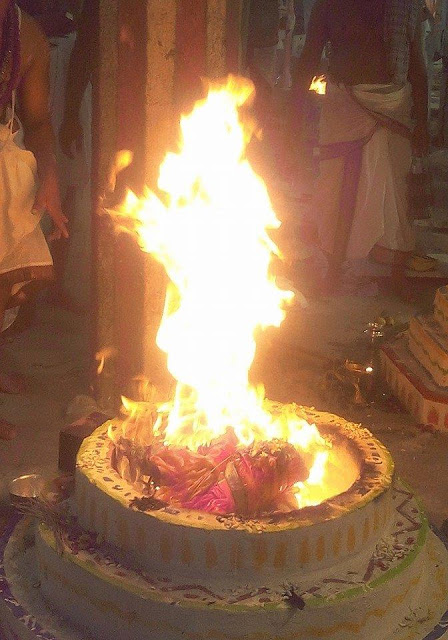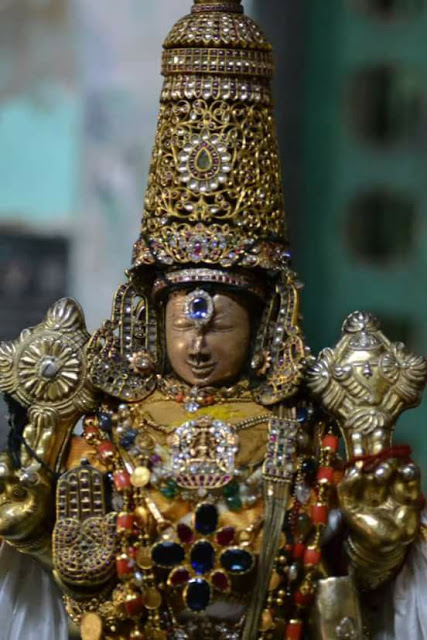
More Stories from the Brahmana Literature (Post No.4045)

Compiled by London Swaminathan
Date: 2 July 2017
Time uploaded in London-15-05
Post No. 4045

 
Pictures shown here are taken from various sources such as Facebook friends, Books, Google and newspapers; thanks.

Extra Terrestrials in Tandya Maha Brahmana

The Lord of creatures offered himself a sacrifice for the benefit of the Devas. The Devas were mortals who thus became divine or glorified.

Apastamba (2-7-16) comments on this are interesting:

“Formerly men and gods lived together in this world. Then the gods in reward of their sacrifices went to heaven, but men were left behind. Those men who perform sacrifices in the same manner as the gods did, dwell (after death) with the gods and Brahma in heaven.

“Whatever sins we have committed by day or night, you are the annulment thereof. Whatever sins we have committed sleeping or awake you are the annulment thereof. Whatever sins we have committed knowing or unknown you are the annulment thereof. You are the annulment of sin.

xxxx

Why Asvamedha is performed?

Prajapati, having created all living beings, through affection entered within them. But afterwards he could not get out of them. He said, “whoever will extricate me from this confinement will become wealthy. The Devas performed an Asvamedha and thereby extricated him; thus they became wealthy. Whoever performs an Asvamedha attains profusion of wealth by extricating Prajapati—Taittiriya Brahmana

xxx

Why a cow immediately on calving should not be milked?

Certain descendants of Angiras, the expounder of the fourth Veda, had a lean white milch cow, which for want of grass lived on the pressed stalks of Soma vine. The sight of this grieved the owners much, and they performed a sacrifice which brought on plenteous rain, every drop of which grew up into nutritious vegetables. The Pitris (manes) besmeared them with poison when the cow was affected, and appeared before the sacrificers. They enquired who had caused the evil, whereupon the pitris (departed souls) said, we co -sharers of the ceremony, have caused this.

The sacrificers then gave a share of the sacrifice to the Pitris who benignantly removed the poison. When the cow was fattened by profusion of fodder, the calf was let loose  and requested by  the sacrificers  to drink a little milk and leave the rest for the sacrifice. The calf refused to do so unless they would engage to milk the cow for the first ten days after calving, and to allow the calf to suck for a period equal to one fifth of the day or night after morning and evening milking. The calf which drinks for a longer period is cursed by Rudra.

My comments:

Even a cursory reading will tell us that the story is symbolic.  Literally it may look like a meaningless story. Moreover, stories like this must be read in their contexts.

–subham–


செரிங்கட்டி விதிகள்! – 2 (Post No.4044)


Written by S NAGARAJAN


Date: 2 July 2017


Time uploaded in London:-  5-40 am


Post No.4044


Pictures are taken from different sources such as Face book, Wikipedia, Newspapers etc; thanks. 


16-6-2017 பாக்யா வார இதழில் அறிவியல் துளிகள் தொடரில் வெளியாகியுள்ள கட்டுரை


செரிங்கட்டி விதிகள்! – 2

ச.நாகராஜன்  


“நல்ல காடுகளே நமக்கு அறிவை வழங்கியுள்ளன. காடுகளே நம்மை மனிதர்களாக ஆக்கியுள்ளன. இங்கிருந்து தான் நாம் வந்திருக்கிறோம். ஒருவேளை, அதனால் தானோ என்னவோ நாம் செரிங்கட்டி என்னும் இந்த இடத்தின் மீது ஒரு அரிய பாசப்பிணைப்பைக் கொண்டுள்ளோம். இது நமது இளமையின் தேசம் – பாய்ட் நார்டன்


இரண்டாவது உலக் மகா யுத்தத்தில் ராணுவத்தில் பணியாற்றிய வால்டர் கனான் (Walter Cannon) என்ற விஞ்ஞானியே “எதிர்த்துப் போராடு அல்லது இடத்தை விட்டு ஓடு” என்ற பொருள் படும் “Fight or Flight” என்ற பொருள் பொதிந்த வாசகத்தை முதலில் உலகுக்கு அளித்தவர்.


போரில் காயம் பட்ட வீரர்கள் ஏன் அதிர்ச்சியிலிருந்து மீளாமல் இறக்கின்றனர் என்பதை ஆராயப் புகுந்தார் அவர்.

காடுகளில் கொல்லப்படும் மிருகங்களில் காணப்படும் அதே விதமான அறிகுறிகளான அதி வேக நாடித்துடிப்பு, பிதுங்கிய விழிகள், உடல் முழுதும் வேர்வை வெள்ளம் ஆகியவற்றை இந்த ராணுவ வீரர்களிடம் அவர் கண்டார்.  நாடித்துடிப்பிற்குப் பதிலாக அவர்களின் இரத்த அழுத்தத்தை அவர் அளக்க ஆரம்பித்தார். அது மிக மிகக் குறைவாக இருந்தது. உடனே சோடியம் பைகார்பனேட்டை அவர்களுக்குத் தர, குறிப்பிடத் தகுந்த நல்ல முன்னேற்றம் தெரிந்தது.


இந்த ஆய்வுகளால் மனித உடலின் அங்கங்கள் இரட்டை விதமான நரம்பு மண்டலக் கட்டுப்பாட்டைக் கொண்டிருப்பதைக் கண்டார்.


ஆனால் ஆச்சரியப்படும் விதத்தில் இப்படிப்பட்ட கட்டுப்பாடு இயற்கையின் அனைத்து இடங்களிலும் உள்ளது.


இயற்கையின் கட்டுப்பாடு என்பது சுற்றுப்புறச் சூழல் அமைப்பு, அதில் உயிர் வாழும் உயிரினங்கள் என்ற அனைத்து அம்சங்களிலும் எதிரொலிக்கிறது.


இந்த அடிப்படையை வைத்தே விஞ்ஞானிகள் செரிங்கட்டி காடுகளில் தங்கள் ஆய்வைச் செய்து ஆறு விதிகளைக் கண்டனர்.

முதல் மூன்று விதிகளைப் பார்த்தோம். இனி அடுத்த மூன்று விதிகள் என்ன என்பதைப் பார்ப்போம்.


சிறிய மிருகங்களை பெரிய மிருகங்கள் அடித்துத் தின்பது என்பது அதன் பெரிய உடலாலும் சக்தியாலும் முடிகிறது. 1980லிருந்து 1987 முடிய சிங்கங்களும் நரி முதலிய மிருகங்களும் கொல்லப்பட்டதாலும் கடத்தப்பட்டதாலும் செரிங்கட்டியில் சிறிய மிருக வகைகள் எண்ணிக்கையில் உயர்ந்தன. இதை இடைவிடாது ஆராய்ந்த விஞ்ஞானிகள் சிங்க்ளேர் மற்றும் அவரது சகாக்கள் புதிய விதியைக் கண்டனர்.


செரிங்கட்டி விதி எண் 4


ஒரு மிருகத்தின் உடல் அளவு அந்த மிருக வகையின் எண்ணிக்கையை நிர்ணயிக்கும் ஒரு முக்கியமான அம்சம்.

ஒரு மிருக இனத்தின் எண்ணிக்கை குறையும் போது தானாகவே அதன் எண்ணிக்கை மீண்டும் அதிகரிக்க ஆரம்பிக்கிறது. மிக அதிகமாகும் போது அவற்றிற்கான உணவுக்கு வழி இல்லை என்பதால் தானாகவே எண்ணிக்கை குறைய ஆரம்பிக்கிறது.


சிங்க்ளேர் ஒவ்வொரு மிருக இனத்தின் எண்ணிக்கையைக் கணக்கிட்டு அதற்கு ஒப்பீட்டு வரைபடங்கள் தயாரித்து இதைக் கண்டு பிடித்தார். ஆக செரிங்கட்டியின் விதி எண் 5 உருவானது.


விதி எண் 5

மிருகங்களின் எண்ணிக்கையானது அதன் அடர்த்தியைப் பொறுத்து உள்ளது.


உணவுக்கு ஓரிடத்தில் வழி இல்லை என்னும் போது குறிப்பிட்ட மிருகங்களின் கூட்டம் இடம் விட்டு இடம் மாறுகிறது. விஞ்ஞானி சிங்க்ளேர் இரண்டு லட்சம் வரிக்குதிரைகளும் நான்கு லட்சம் ‘தாம்ஸன் மான்’களும் இப்படி ‘மைக்ரேஷன்’ எனப்படும் இடம் விட்டு இடம் பெயர்தலைக் கண்டு வியந்தார்.


ஆக செரிங்கெட்டியின் ஆறாவது விதி உருவானது.


விதி எண் 6


இடம் விட்டு இடம் பெயர்தலானது ஒரு மிருக வகையின் எண்ணிக்கையை அதிகரிக்க வைக்கிறது.

டாக்டர் ஆஸ்கார் பாமன் என்ற ஜெர்மானிய விஞ்ஞானி 1892இல் செரிங்கட்டி காடுகளை ஆராய அதனுள் புகுந்தார்.

அன்றிலிருந்து இன்று வரை ஏராளமான சுவையான செய்திகளை செரிங்கட்டி காடுகள் மனித இனத்திற்கு தந்து வ்ருகின்றன.

அதில் இயற்கையின் இயல்பான கட்டுப்பாடு முக்கிய அம்சமாக இலங்குகிறது.


இந்த இயற்கை கட்டுப்பாட்டைப் பேணிக் காக்காமல் நமது செயற்கையான வழிமுறைகள் மூலம் இயற்கையைக் கெடுத்து விடக் கூடாது என்பது தான் விஞ்ஞானிகளின் ஒரே வேண்டுகொள்.


புவியை வெப்பமயமாக்கல், இயற்கை உயிரினங்களை பணத்திற்காக அழித்தல், கடத்துதல் போன்றவற்றை மனித இனம் விட்டு விட்டால் இன்னும் நூறாயிரம் ஆண்டுகள் இநதக் காடுகள் அழியாமல் வாழும்; மனித இனத்தையும் வாழ வைக்கும்!

அறிவியல் அறிஞர் வாழ்வில் .. ..


கம்ப்யூட்டருக்கு முன்னோடியான  ‘மெகானிகல் எஞ்சினை’ உருவாக்கியவ்ர் சார்லஸ் பாபேஜ் (1792-1871) பாபேஜ் பெரிய மேதை என்பதால் லண்டனில் உள்ள இலக்கிய வட்டத்தில் பெரிதும் மதிக்கப்பட்டார். அங்கு உலகின் புகழ் பெற்ற கவிஞரான ஆல்ஃப்ரட் லார்ட் டெனிஸன் அவருக்கு நெருங்கிய நண்பரானார்.

தனது அருமையான கவிதையான ‘தி விஷன் ஆஃப் சின்’ (The Vision of Sin) என்ற கவிதையில்,  “ஒவ்வொரு கணமும் ஒரு மனிதன் இறக்கின்ற தருணத்தில், இன்னொரு மனிதன் பிறக்கிறான்” (Every moment dies a man, Every moment one is born) என்ற தனது கருத்தை அழகுற கவிதை நயத்துடன் உரிய சந்தத்தில் தெரிவித்திருந்தார்.


இதைப் படித்தார் கணித மேதையான சார்லஸ் பாபேஜ். கவிதையானாலும் கணிதத்தில் கோட்டை விடலாமா? நேரடியாக அவரிடம் வந்து அந்த வரியை மாற்றச் சொன்னார்.


“ஒவ்வொரு கணமும் ஒரு மனிதன் இறக்கின்ற தருணத்தில் ஒன்றும் ஒன்றின் கீழ் ஆறும் என்ற விகிதத்தில் மனிதன் தோன்றுகிறான்” (Every moment there dies a man, And one and a sixth is born) என்பதே சரியான உண்மை என்பது அவரது வாதம்.


ஆனால் இவ்வளவு துல்லியமாக மாற்றச் சொன்னாலும் தனது வரியிலும் கூட ஒரு கணிதப் பிழை இருப்பதையும் அவரே ஒப்புக் கொண்டார். அதாவது ஒவ்வொரு மனிதன் பிறக்கும் போதும் 1.167 (என்ற விகிதத்தில் இன்னொரு) மனிதன் பிறக்கிறான் என்பதே துல்லியமான உணமையாகும்!

“ஆனால் கவிதையில் யாப்பிலக்கணம் சந்தத்திற்கான விதியைத் தந்திருக்கிறதே! அதையும் நாம் அனுசரிக்கத் தானே வேண்டும்” என்று ஒரே போடாகப் போட்டார்.


அனைவரும் டென்னிஸனுக்கும் சார்லஸ் பாபேஜுக்கும் நடந்த இந்தக்  கவிதை கருத்துப் போரை வெகுவாக ரசித்துப் பாராட்டினர்!


மேதைகள் மேதைகளே!

*****


பரத்வாஜர் வேதம் கற்ற கதை & தவற்றைத் திருத்துவது எப்படி? கதை (Post No.4043)

Compiled by London Swaminathan
Date: 1 July 2017
Time uploaded in London-20-44
Post No. 4043

 
Pictures shown here are taken from various sources such as Facebook friends, Books, Google and newspapers; thanks.


வேதகால இலக்கியத்தில் நான்கு பகுதிகள் உண்டு: 1.சம்ஹிதை/துதிகள் 2.பிராமணங்கள் 3.ஆரண்யகங்கள் 4.உபநிஷத்துகள்


இதில் பிராமணங்களில் நிறைய விநோதக் கதைகளும் விளக்கங்களும் இருக்கின்றன; பல விஷயங்கள் புரியவே புரியாது; ஏனெனில் அடையாளபூர்வ, சங்கேத மொழிகளில் விஷயத்தைச் சொல்லுவர். சில கதைகளை இங்கே காண்போம்.

தைத்ரீய பிராமணத்தில் உள்ள கதை

பரத்வாஜர் வேதம் கற்கும் பிரம்மசாரியாக மூன்று முறை

பிறவி எடுத்து பயின்றார். மிகவும் வயதாகி தளர்ந்துபோய் படுக்கையில் கிடந்தார். இந்திரன் அவர் முன்னே தோன்றினான்.

பரத்வாஜரே, உமக்கு நான்காவது முறை வாழ வரம் கொடுத்தால் என்ன செய்வீர்கள்?

நான் மீண்டும் பிரம்மசாரியாக குருகுலத்தில் சேருவேன் என்றார் பரத்வாஜர்.

உடனே இந்திரன் மூன்று மலைகளைக் காட்டினான். அவை ஒவ்வொன்றிலும் ஒரு கை மண் அளவு எடுத்தான்.

பரத்வாஜரே, இவைதான் (நீர் படித்த) வேதங்கள்; அவை அளவற்றவை. நீர் மூன்று ஜன்மங்களில் படித்தது மூன்று கை மண் அளவே. ஆகையால் நீர் படிக்காதவை இன்னும் இருக்கின்றன. வாருங்கள்; பயிலுங்கள் என்றான். இதுதான் பிரபஞ்சம் முழுவதும் வியாபிக்கும் அறிவு. இதை அறிந்தவன் மூன்று வேதங்களையும் அறிந்தவன் வெல்லக்கூடிய அளவுள்ள பெரிய உலகை வெல்லுவான் என்றான்.


என் கருத்து

கற்றது கை மண் அளவு, கல்லாதது உலகளவு என்று சரஸ்வதி தேவியே சொன்னதாக அவ்வையார் பாடி இருக்கிறார். அதுவும் கூட கௌஷிதகி பிராமணத்தில் இருந்து வந்திருக்கலாம்.

பிரதர்தன என்ற மன்னன் துருக்கி பகுதியை ஆண்டதை கிமு 1400 ஆண்டு துருக்கி நாட்டுக் கல்வெட்டுகளால் அறிகிறோம்; விஷ்ணு சஹஸ்ரநாமத்திலும் பிரதர்தன என்ற பெயர் உள்ளது. ஆகவே ஆரியர்கள் வெளிநாட்டிலிருந்து வந்தனர் என்ற கொள்கை எல்லாம் தவிடு பொடியாகின்றன. எகிப்திலுள்ள தசரத கடிதங்கள் முதலியனவும் கி.மு 1500 ஆண்டு வாக்கில் இந்துக்களின் பெயர்கள் இருந்ததைக் காட்டுகின்றன. ஈரானில் இந்துக்களின் பெயர்கள் இருப்பதை எல்லோரும் அறிவர். இந்த மறுக்க முடியாத தொல் பொருத் துறைச் சான்றுகளால் ஆரிய திராவிட வாதம் தவிடு பொடியகிறது. கௌஷிதகி பிராமணத்திலும் பிரதர்தன என்ற அரசன் பெயர் வருவதும், காசி போன்ற தேசங்களில் இந்த மன்னர் பெயர்கள் வழங்கியதும் கிமு 1500க்கு முன்னரே இந்தப் பெயர்கள் கங்கைச் சமவெளி முதல் துருக்கி-சிரியா எல்லை வரை பரவி இருந்ததை (மிடன்னி நாகரீகம்-Mitanni Civilization)  காட்டுகிறது


xxx

கௌசிதகி பிராமணத்தில் உள்ள ஒரு சுவையான கதை


நைமிசாரண்ய ரிஷிகள் முன்னால் பிரதர்தன ராஜன் அமர்ந்தான். ஒரு

வேத சதஸில் (சபை) ஒரு தவறு நிகழ்ந்துவிட்டால் அதனால் ஏற்படும் பாவத்திலிருந்து தப்பிப்பது எப்படி?என்று அரசன் பிரதர்தனன் கேட்டான். எல்லா புரோகிதர்களும் மௌனமாகிவிட்டனர். அவர்களுடைய தலைவர், நாம் நம்முடைய தந்தையர்க்கெல்லாம்  ஆசிரியரான ஜாதுகர்ன்யாவிடம் கேட்போம் என்றர்.

அரசனும் கேட்டான்:- ஒரு தவறு நடந்து விட்டது என்றால் அந்த வேதப் பகுதியைத் திருப்பிச் சொல்வதால் பரிகாரம் கிடைத்துவிடுமா? அல்லது ஏதேனும் யாகம் செய்ய வேண்டுமா?


ஜாதுகர்ன்யா சொன்னார்:- அந்தப் பகுதியைத் திருப்பிச் சொல்ல வேண்டும்


புரோகிதர் தலைவர் கேட்டார்:-ஆரம்பம் முதல் இறுதிவரை எதையும் சொல்ல வேண்டுமா?


ஜாதுகர்ன்யா சொன்னார்:- தவறு நடந்த பகுதி வரை திருப்பிச் சொல்ல வேண்டும் அது ஒரு முழு பாடலாக இருக்கலாம்; அரைப் பாடலாக இருக்கலாம்; ஒரு வரியோ, ஒரு சொல்லோ, ஒரு எழுத்தோ– பிழை நடந்த இடம் வரை சொல்ல வேண்டும்.

உடனே கௌஷிதகி சொன்னார்:

அந்தப் பகுதியைத் திருப்பிச் சொல்ல வேண்டிய அவசியமும் இல்லை; பரிகார யாக யக்ஞங்கள் செய்ய வேண்டியதும் இல்லை; யாகம் செய்பவர் ஒரு தவற்றைத் தெரியாமல் செய்தால் அது தவறே இல்லை. தெய்வீக புருஷனான அக்னிதேவன் அதைத் திருத்தி நிறைவு செய்துவிடுவான் இதை ரிக் வேத துதியும் உறுதி செய்கிறது

–கௌஷிதகி பிராமணம் 6-11


எனது கருத்து:

வேதத்தில் இலக்கணப் பிழைகள் இருந்தால் அதைத் திருத்த எவருக்கும் உரிமை இல்லை என்பது வேத அறிஞர்களின் கருத்து. அங்கு தவறே, “சரி” என்று ஆகிவிடும். இதே போலத்தான் பக்தன் தவறு செய்தாலும் கடவுள் அதைப் பொருட்படுத்தார். ஆனால் பக்தனுக்கு யாரேனும் தவறிழைத்தால் கடவுளாலும் ஒன்றும் செய்ய இயலாது. அவரே பக்தனிடம் போய் மன்னிப்பு கேள் என்று அனுப்பிவிடுவார். கடவுளே கூட கொடுத்த வரத்தையோ சாபத்தையோ மாற்ற முடியாது. அதற்கு பரிகாரம் வேண்டுமானால் சொல்லலாம். ஆனால் சொன்ன சொல்லை மாற்ற யாராலும் முடியாது.


இந்து மதம் சத்தியத்தின் அடிப்படையில் அமைந்தது. வேதங்கள் ‘ருதம்’, ‘சத்யம்’ என்று இதைச் சொல்லும். இதூதான் இந்து தர்மத்தின் அடிப்படை; கடவுளும் அந்த சத்தியத்துக்கும் வேதம் சொல்லும் ‘ருத’த்துக்கும் கட்டுப்பட்டவர். இந்த சொற்களும் ஆங்கிலத்தில் Tறூத், ரிதம் (Truth and Rhythm) என்று இன்றும் வழங்குகின்றன.


–Subham–

THREE INTERESTING STORIES FROM THE BRAHMANAS (Post No.4042)

THREE INTERESTING STORIES FROM THE BRAHMANAS (Post No.4042)

Compiled by London Swaminathan
Date: 1 July 2017
Time uploaded in London-15-59
Post No. 4042

 
Pictures shown here are taken from various sources such as Facebook friends, Books, Google and newspapers; thanks.


Vedic literature has four parts: 1.Samhita/hymns, 2.Brahmanas, 3.Aranyakas and 4.Upanishads; following are some stories taken from the Brahmanas:-


How Bharadvaja studied Vedas!

There is a story in the Taittiriya Brahmana (3-10-11-3) about  Bharadvaja studding the Vedas

Bharadvaja lived through three lives in the state of a religious student (brahmachari). Indra approached him when he was lying old and decrepit and said to him,

“Bharadvaja, if I give you a fourth life how will you use it?”

Bharadvaja said, I will be a Brahmachari studying the Vedas”

Indra showed him three mountain like objects, as it were unknown. From each of them he took a handful, and, calling to him, Bharadvaja!

“these are the three Vedas. The Vedas are infinite. This is what you have studied in your three lives. Now there is another thing which you have not studied. Come and learn it. This is universal science. He who knows this conquers a world as great as he would gain by the triple Vedas.


Tamil has a saying “What you have learnt is a handful of sand and what you have not learnt is the size of the earth” This must have come from the Bharadvaja episode, though there is verse attributed to Tamil poetess Avvaiyar. There Sarasvati, Goddess of Learning, says what she has learnt is only a handful…. etc.


xxx


Name Aitareya!

Sayana in his introduction to Aitareya Brahmana gives the reason for the name of the  Aitareya Brahmana. An ancient Rishi (seer) had among his many wives one who has coaled Itara. She had a son Mahidasa Aitareya by name. The rishi preferred the sons of other wives to Mahidasa, and went even so far as to insult him once by placing all his other children in his lap, except Mahidasa.

His mother felt very sad and prayed to her family goddess, who appeared in her celestial form in the assembly of people, placed him on a throne, and gave Mahidasa, as a token of honour, a boon which had the appearance of a Brahmana. This was given to him because he surpassed all other children in learning. The boon having been received a Brahmana, consisting of 40 sections, came through the mind of Mahidasa, and its Aranyaka was revealed in the shape of the vow of a hermit. Hence these books are named after him, Aitareya Brahmana and Aitareya Aranyaka.


According to Hindu scriptures, vows, curses and blessings can assume visible forms as stated in the story. But the real meaning is that Mahidasa was inspired and he poured out this Brahmana. In short divine inspiration created this Brahmana.

xxx

How to Deal with a Mistake?

The following story from the Kaushitaki Brahmana, declaring how to deal with a mistake, is not given in the Aitareya Brahmana:–

“King Pratardana sat down in the presence of the Rishis of Nimisha and asked the question,

“If the Sadasya should make known a past blunder, how would you be free from sin?”

The priests were silent. Their Brahman said, “ I do not know this, alas! Let us ask our teacher of our fathers, the elder Jatukarnya.

He asked him, “How the blunder could not become a blunder? by saying the passage again, or by an offering?

Jatukarnya said, “The passage must be said again.

The Brahman asked him again, “Should he say again the Shastra.. or whatever else it may be, from beginning to end?

Jatukarnya said, “As far as the blunder extends, so far let him say it agai., whether a verse or a half verse, a foot, a word, or a letter.

Then said Kaushitaki, “Let him not say the passage again, nor let him perform a penance offering”

“it is not a blunder”, so said Kaushitaki; for whatever blunder the Hotris commit at the sacrifice without being aware of it, all that Agni, the divine Hotri, makes whole; and this is confirmed by a verse from the Rig Veda” – Kaushitaki Brahmana 6-11


My Comments:

King Pratardana is in Mitanni civilization dated around 1400 BCE; the name Pratardana is in Vishnu Sahasranama as well. Since we find the King Pratardana name in Turkey inscription (1400 BCE), all the Aryan migration theory gets exploded. In fact, the Hindus from India migrated to different parts of the world including Turkey and Iran before 1500 BCE; that is why we find archaeological evidence in Turkey (Bogazkoy inscription) and Dasaratha letters in Egypt (Amarna letters).

There is another interesting point; in the Vedas, if someone finds a grammatical mistake no one should or could correct it. It is taken as a true statement. Such is the sacredness and infallibility attributed to the Vedas.


It is same in the field of religion. If a wrong is done to a devotee, not even god can interfere in it. God advise the wrong doer to fall at the feet of his devotee. The underlying thread in all these stories is “Truth”, in Sanskrit Rtam; English words Truth and Rhythm are derived from Sanskrit. Hinduism believes in Order and Truth. Not even God can go back in his words whether it is a curse or boon. He can only prescribe an exit strategy but could not go back on his words.Hindu Gods must obey the Vedic order i.e. Rtam and Satyam That is how all the Asura and Rakshasa Hindus got boons and curses form the Gods. This explodes another myth concocted by the foreigners that Asuras and Rakshasas are Non Aryans. They are part and parcel of Hindu society. That is why they prayed to Hindu Gods and got all the boons. The deeper you study the Vedas, the more you know the foreigners’ conspiracy against Hinduism.

One must read a Hindu scripture  in its original; foreigners take one or two passages and misinterpreted it according to their whims and fancies and mislead us.


-Subham–


செரிங்கட்டி விதிகள்! – 1 (Post No.4041)

Written by S NAGARAJAN


Date: 1 July 2017


Time uploaded in London:-  6-11 am


Post No.4041


Pictures are taken from different sources such as Face book, Wikipedia, Newspapers etc; thanks. 


பாக்யா 2-6-2017 இதழில் அறிவியல் துளிகள் தொடரில் வெளியாகியுள்ள கட்டுரை


செரிங்கட்டி விதிகள்! – 1

ச.நாகராஜன்

“பாலூட்டி இனங்களின் வகைகளிலும் எண்ணிக்கையிலும் ஆப்பிரிக்கா குறிப்பிடத்தகுந்த இடத்தை வகிக்கிறது… ஆனால் இங்கு மட்டும் ஏன் இப்படி இருக்கிறது? – ஜூலியன் ஹக்ஸ்லி


வாழ்க்கை எப்படி இயங்குகிறது? இயற்கையானது எப்படி சரியான எண்ணிக்கையில் சிங்கங்களையும் வரிக்குதிரைகளையும் இதர இனங்களையும் ஆப்பிரிக்க காடுகளில் படைக்கிறது? மீன்கள் சரியான எண்ணிக்கையில் எப்படி உலகின் பெருங்கடல்களில் உருவாகின்றன?

இவை அனைத்தும் ஏதோ தற்செயலாகப் படைக்கப்பட்டு உயிர் வாழ்வன அல்ல. இயற்கை எல்லாவற்றிற்குமே சரியான ஒரு அளவுகோலை வைத்துக் கொண்டே இயங்குகிறது; புவியை இயக்குகிறது.

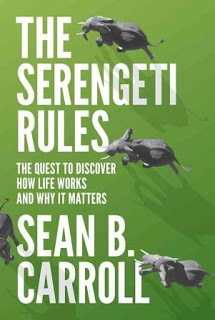
இதை ஆராயப் புகுந்தார் பிரபல விஞ்ஞானி சீன் கரோல். (SEAN B.CARROL) தான் கண்டுபிடித்தவற்றை அழகுற ‘தி செரிங்கட்டி விதிகள் (THE SERENGETI RULES) என்ற நூலில் விளக்கியுள்ளார்.

அணுத்துகள் முதல் பெரிய சுற்றுப்புறச் சூழல் அமைப்பு வரை அனைத்துமே ஒரு தர்க்கரீதியான வகையில் இயற்கையால் அமைக்கப்பட்டுள்ளது. நீங்கள் நம்பினாலும் நம்பாவிட்டாலும் அது தான் உண்மை!

இந்த இயற்கை மர்மத்தை விடுவிக்கவும் புரிந்து கொள்ளவும் ஏராளமான விஞ்ஞானிகள் தங்கள் ஆயுள் காலம் முழுமையும் அர்ப்பணித்து நமது சுற்றுப்புறச் சூழலை ஆராய்ந்து வந்துள்ளனர்.இப்படிப்பட்ட விஞ்ஞானிகளின் சரிதத்தை தொகுத்திருக்கிறார் சீன் கரோல்.

இயற்கையின் உயிரியல் படைப்பு மர்மத்தை ஆராயத் தகுந்த இடமாக விஞ்ஞானிகள் கருதியது ஆப்பிரிக்காவின் வட டான்ஜானியாவில் ஆரம்பித்து தென் மேற்காக கென்யா வரை பரந்துள்ள மிக அழகிய செரிங்கட்டி வன பிராந்தியம் தான்! சுமார் 12000 சதுர மைல்கரிள் பரப்பைக் கொண்டுள்ள இந்த இடத்தில் தான் செரிங்கட்டி சரணாலயம் உள்ளது.

உயிரியல் விஞ்ஞானிகளுக்கு இந்தப் பகுதி ஒரு ஆச்சரியகரமான ஆய்வுக் கூடம்.

1957ஆம் ஆண்டு டான்ஜானியா தேசீயப் பூங்காவின் அழைப்பின் பேரில் இங்கு வந்து சேர்ந்த பெர்னார்ட் ஜிமெர்க் மற்றும் அவரது மகன் மைக்கேல் இருவரும் இந்தப் பகுதியை ஆய்வு செய்து மிகச் சரியாக மிருகங்களின் எண்ணிக்கையைக் கணக்கிட்டு அசந்து போனார்கள்; அவர்களது ஆய்வு முடிவைக் கேட்டு உலகமே அசந்து போனது!

கொம்புகளை உதிர்க்காத ஒரு அரிய வகை ஆப்பிரிக்க மானினம் மட்டும் 99481. வரிக்குதிரைகள் 57199.கேஸல் வகை மானினம் 1,94,654. நீலமும் மஞ்சளும் கொண்ட புள்ளின மான்கள் 5172. அரிய வகை இம்பாலா மான்கள் 1717. எருமைகள் 1813. ஒட்டைசிவிங்கிகள் 837.யானைகள் 60. மொத்தமாக 3,66,980 பிராணிகளை அயராமல் அவர்கள் எண்ணி பட்டியலிட்டனர்.

செரிங்கட்டி என்றால் ஆப்பிரிக்க மொழியான மாசாய் மொழியில் முடிவற்ற சமவெளி என்று பொருள். ஆப்பிரிக்காவின் ஏழு அதிசயங்களுள் இதுவும் ஒன்று. உலகின் பத்து இயற்கை எழில் வாய்ந்த இடங்களில் இது ஒன்று. இங்கு தான் அதிகமாக சிங்கங்கள் உலவுகின்றன.

70 அரிய வகை பிராணிகளும் 500 பறவைகளின் அரிய இனமும் செரிங்கட்டியில் உள்ளன.

செரிங்கட்டியை நன்கு ஆராய்ந்த விஞ்ஞானிகள் இயற்கை பற்றிய ஆறு விதிகளைக் கண்டுபிடித்துள்ளனர்.

முதல் இரண்டு விதிகள் ஜனத்தொகை பற்றியது. இந்த மிருகம் எண்ணிக்கையில் குறைந்துவிட்டது, அது கூட இருக்கிறது என்றெல்லாம் அலட்டிக் கொள்ளாதீர்கள். இயற்கைக்கு எதையும் நன்றாகவே சம அளவில் இருக்க வைக்கும் அபூர்வ சக்தி உள்ளது என்கிறது ஆய்வின் முடிவு.

முதல் விதி : எல்லா உயிரினங்களும் சம அளவில் படைக்கப்ப்டவில்லை.

எவ்வளவு தேவையோ அந்த அளவில் சுற்றுப்புறச் சூழலைப் பாதுகாக்கும் வகையில் உயிரினங்களை இயற்கை படைத்துள்ளது.

இரண்டாம் விதி: சில முக்கியமான உயிரினங்கள் தொடர்கூட்ட அளவில் மற்றவற்றின் மீது மறைமுகமான விளைவுகளை ஏற்படுத்துகின்றன.

அதாவது குறிப்பிட்ட சில முக்கிய உயிரினங்களை மட்டும் கண்காணித்தால் போதும். அது ஏற்படுத்தும் மறைமுக விளைவுகளை அறிந்து கொள்ள முடியும்.

மூன்றாவது விதி: சில உயிரினங்கள் பொதுவான ஆதார வளங்களுக்காகப் போட்டி போடுகின்றன.

ஒவ்வொரு உயிரினமும் தமக்கென ஒரு இடத்தையும் ஆதார வளத்தையும் கொண்டுள்ளது. உயிரினங்களுக்கு இடையே உள்ள போட்டியானது அதன் எண்ணிக்கையைக் கட்டுப்படுத்துகிறது. அந்த இனங்களின் பல்வேறு வகைகளையும் கட்டுப்படுத்துகிறது.

ஆக இயற்கை தனக்கென ஒரு கட்டுப்பாட்டை நியமித்துக் கொண்டு அதை யாருமோ அல்லது எதுவுமோ மீறாத வகையில் காத்தும் வருகிறது.

மற்ற விதிகளை அடுத்துப் பார்ப்போம்.


அறிவியல் அறிஞர் வாழ்வில் .. ..

அமெரிக்க விஞ்ஞானியான தாமஸ் மிட்ஜ்லி (Thomas Midgely)  சென்ற இருபதாம் நூற்றாண்டில் தான் ஒருவராகவே அபாயகரமான இரண்டு கண்டுபிடிப்புகளைக் கண்டுபிடித்தவர். ஜெனரல் மோட்டார்ஸ் கம்பெனியில் அவர் கெமிகல் எஞ்சினியராக வேலை பார்த்து வந்தார். கார்களின் எஞ்சின் அடிக்கடி ஸ்டார்ட் ஆகாமல் திணறவே அந்தப் பிரச்சினையைத் தீர்த்து வைக்கும் வேலை அவருக்கு வந்தது. டெட்ரா எதில் லெட்-ஐ பெட்ரோலுடன் கலந்தால் எஞ்சின் சரியாக இயங்கும் என்பதை அவர் கண்டுபிடிக்கவே கம்பெனிக்கு ஏக லாபம். ஆனால் அந்த காரீயம் விஷம் என்பதால் அவர் மீது பாதிப்பை ஏற்படுத்தியது. சுற்றுப்புறச் சூழலின் கேட்டிற்கும் அந்தக் கண்டுபிடிப்பே காரணமாக அமைந்தது.

கம்பெனியின் துணைத் தலைவராக ஆன அவருக்கு அடுத்த ஒரு சவால் எழுந்தது.

ஆயிரத்தி தொள்ளாயிரத்து இருபதுகளில் ரெப்ரிஜரேட்டரில் விஷமுள்ள வாயுக்கள் உபயோகப்படுத்தப்பட்டு வந்தன. அது கசியும் போது பலர் இறக்க நேர்ந்தது. அமெரிக்காவில் உள்ள ஓஹையோவில் க்ளீவ்லேண்ட் நகரில் உள்ள மருத்துவ மனை ஒன்றில் ரெப்ரிஜரேட்டரில் கசிவு ஏற்படவே நூற்றுக்கு  மேற்பட்டோர் இறந்தனர்.

விபத்து ஏற்பட்ட மூன்றே நாட்களில் இந்த பிரச்சினைக்கு தீர்வைக் கண்டார் மிட்ஜ்லி. அவர் கண்டுபிடித்த வாயு தான் ஃபிரியான். ரெப்ரிஜரேட்டர்களில் ஃபிரியான் வாயு பயன்பாட்டிற்கு வந்தது.

விஞ்ஞானிகளுக்கு முன்னால் தானே அதை அவர் சுவாசித்துக் காண்பித்தார். அத்தோடு மட்டுமின்றி அது எரியாது என்பதை விளக்க எரியும் மெழுகுவர்த்தி மீது அதை ஊதிக் காட்டினார்

அவ்வளவு தான், உலக கம்பெனிகள் அனைத்தும் ஃப்ரியான் வாயுவுக்குத் தாவினர். என்றாலும் கூட சமீபத்தில் தான் ஃப்ரியான் வாயுவும் கூட ஓஜோன் படலத்திற்கு தீங்கு விளைவிப்பது கண்டு பிடிக்கப்பட்டது.

இது மட்டுமல்ல, இன்னும் 117 அபூர்வ கண்டுபிடிப்புகளை அவர் கண்டுபிடித்துள்ளார். ஆனால் அவரது கண்டுபிடிப்புகளில் ஒன்றால் அவர் போலியோ நோய்க்கு இலக்காகி கால்கள் விளங்காமல் படுத்த படுக்கையானார். அங்கும் சும்மா இருக்கவில்லை அவர்! தன்னைப் படுக்கையிலிருந்து சுலபமாக எழ வைக்க தன்னைத் தூக்கும் ஒரு கருவியைக் கண்டு பிடித்தார்.

ஆனால் துரதிர்ஷ்டவசமாக ஒரு நாள் அந்தக் கருவியில் இருந்த இரண்டு கயிறுகளில் சிக்கி அவர் இறந்தார்.

அபூர்வமான விஞ்ஞானிகளுள் ஒருவர் தாமஸ் மிட்ஜ்லி!

***


31 Beautiful Quotations from Brahmanas -July 2017 Calendar (Post No.4040)

Source: 31 Beautiful Quotations from Brahmanas -July 2017 Calendar (Post No.4040)

31 Beautiful Quotations from Brahmanas -July 2017 Calendar (Post No.4040)

Compiled by London Swaminathan
Date: 30 June 2017
Time uploaded in London-16-35
Post No. 4040

 
Pictures shown here are taken from various sources such as Facebook friends, Books, Google and newspapers; thanks.


Festival days:- Vivekanada’s Samadhi Anniversary- July4; Guru Purnima-8; Dakshinayana Punya Kala- 17;  Adi Amavsya-23; Adi Puram -26; Naga Panchami-27.

Auspicious Days:- 3, 16;  Ekadasi Fasting Day:- 4, 19; Full Moon Day- July 8;

New Moon Day- 23.


July 1 Saturday

Vedas are the hair of Prajapati’s beard (Taittiriya Brahmana 3-39-1) it means it is recited by Brahma

July 2 Sunday

Prajapati created King Soma. After him the three Vedas came TB 2-3-10-1)

July 3 Monday

Vach is called the Mother of the Vedas (TB 2-8-8-5); it means the word is god.

July 4 Tuesday

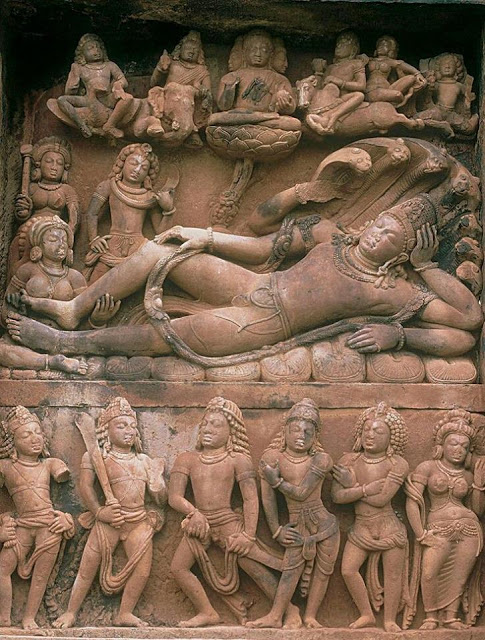
Mind is the ocean; from the mind ocean, with speech for a shovel, the gods dug out the triple Vedas; may the brilliant deity today know where they placed that offering which the gods dug out with sharp shovels. Mind is the ocean; speech is the sharp shovel—Satapata Brahmana (this shows Vedas were received by the Rishis after deep meditation).
July 5 Wednesday

Prajapati reflected: all beings are comprehended in the Triple Vedas; come let me dispose myself in the shape of the triple Vedas (TB 3-12-9-1)

July 6 Thursday

Prajapati desired: May I become, may I be propagated. He toiled in devotion, he performed austerity. From him when he so toiled, and performed austerity, there worlds were created – earth, air and sky- Bhur Bhuva:, suva:


July 7 Friday

Rig Veda came from Agni; Yajur Veda came from Vayu and Sama Veda from Surya/sun – SB11-5-8-1


July 8 Saturday

The Brahman is the foundation of everything here (SB.6-1-1-18)


July 9 Sunday

There are five great sacrifices, which are great ceremonies. The fifth is the Veda Offering. This means the study of Vedas. In this veda sacrifice, the speech is juhu, the soul upabhrit, the eye the Dhruva, intelligence the sruva (these four words indicate spoons or ladles used in the Yajna), truth the ablution and paradise the conclusion SB 11-5-6-1


July 10 Monday

He who, knowing this, daily studies the Vedas conquers an undecaying world more than thrice as great as that which he acquires who bestows this whole earth filled with riches –SB


July 11 Tuesday

Verses of the Rig Veda are milk oblations to the gods. He who, knowing this, daily reads these verses, satisfies the gods with milk oblations; and they being satisfied, satisfy him with property, with life, with fertility,with sound body, with all excellent blessings. Streams of butter, streams of honey flow as swadha oblations to the Fathers/departed souls—SB


July 12 Wednesday

Verses of the Yajush are butter offeringss to the gods. He who, knowing this, daily reads these verses, satisfies the gods with butter offerings; and they being satisfied, satisfy him with property, with life, with fertility, with sound body, with all excellent blessings. Streams of butter, streams of honey flow as swadha oblations to the Fathers/departed souls—SB

July 13 Thursday

Verses of the Sama Veda are Soma offerings to the gods. He who, knowing this, daily  reads these verses, satisfies the gods with Soma offerings; and they being satisfied, satisfy him with property, with life, with fertility, with sound body, with all excellent blessings. Streams of butter, streams of honey flow as swadha oblations to the Fathers/departed souls—SB

July 14 Friday

Verses of the Atharva Veda are fat offerings to the gods. He who, knowing this, daily  reads these verses, satisfies the gods with fat offerings; and they being satisfied, satisfy him with property, with life, with fertility, with sound body, with all excellent blessings. Streams of butter, streams of honey flow as swadha oblations to the Fathers/departed souls—SB


July 15 Saturday

There are four Vashatkaras in Vedic sacrifices- when the wind blows, when it lightens, when it thunders, when it rashes; wherefore when it blows, lightens, thunders or crashes, let the man, who knows is rad, in order these Vashatkaras may not be interrupted. He who does so is freed from dying a second time, and attains to union with Brahman- SB


July 16 Sunday

Study and teaching are loved. He who practises them become composed in  mind. Independent of others, he daily attains his objects, sleeps pleasantly, becomes his own best physician. Control of his senses, concentration of mind, increase of intelligence, renown, capacity to educate mankind, are the results of study.–SB

July 17 Monday

On every occasion when a man studies the Vedic hymns, he in fact performs a  complete ceremonial of sacrifice

July 18 Tuesday

And even when a man perfumed with unguents, adorned with jewels, satiated with food, and reposing on a comfortable couch, studies the Veda, he has all the merit of one who performs penance felt to the very tip of his nails—SB


July 19 Wednesday

Hotri priest:-There will be a Soma sacrifice of such and such a one.; you are respectfully requested to as Hotar at it. The priest’s question:- What is the reward for the priest? and the reply “one hundred and 12 cows”

(It has a symbolic meaning)


July 20 Thursday

All enemies and foes of him who knows this ceremony die round about him. Round him five deities are dying, viz. lightning, rain, moon, sun, fire. The rain when fallen is absorbed by the moon which disappears; the moon at the time of the new is absorbed by the sun which disappears; and out of fire the sun is born and out of sun the moon is born. From the moon the rain is born. In this way he puts his enemy down even should he wear a stone helmet (AB ends with this spell)
July 21 Friday

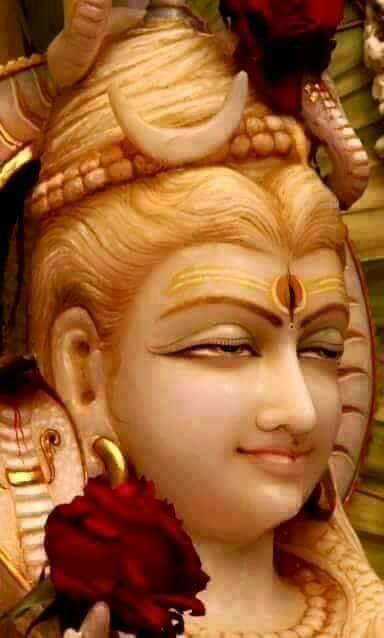
The Lord of Creatures offered himself a sacrifice for the benefit of the devas. The Devas were mortals who thus became divine (Tandya Brahmana)

July 22 Saturday

Whatever sins we have committed by day or night, sleeping or awake, knowing or unknowing, remove them (Tandya Maha Brahmana)

July 23 Sunday

One half of him was mortal and the other half immortal and that which was mortal, he (Prajapati) was afraid of death – SB

July 24 Monday

For whatever blunder the Hotris commit at the sacrifice, without being aware of it, all that Agni the divine Hotri makes whole; and this is confirmed by a verse from the Rig Veda (Kaushitaki Brahmana)

July 25 Tuesday

Prajapati, having created all living beings, through affection entered within them. But afterwards he could not get out of them. Whoever performs an Ashvamedha attains profusion of wealth by extricating Prajapati – TB
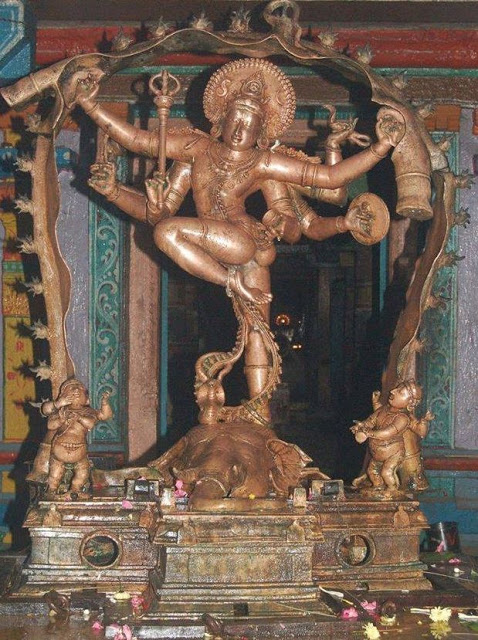
 

July 26 Wednesday

Prajapati alone existed here in the beginning. He generated Agni (fire) from his mouth. Agni is the consumer of food; he who thus knows agni, becomes himself a consumer of food -SB2-2-4-1

July 27 Thursday

When they had sung praises, they went towards east saying, We will go back thither! The gods came upon a cow which had sprung into existence -SB

July 28 Friday

They said, Auspicious indeed, is what we have produced here, who have produced the cow; for truly she is sacrifice, and without her no sacrifice is performed; she is also the food, for the cow, indeed,  is all food (meaning is without milk and ghee, there is no sacrifice)-SB


July 29 Saturday

Prajapati was alone. He created a man from his soul (mind), a horse from his eye, cow from his breath, sheep from his ear and a goat from his voice (SB and PB 7-5-2-6)
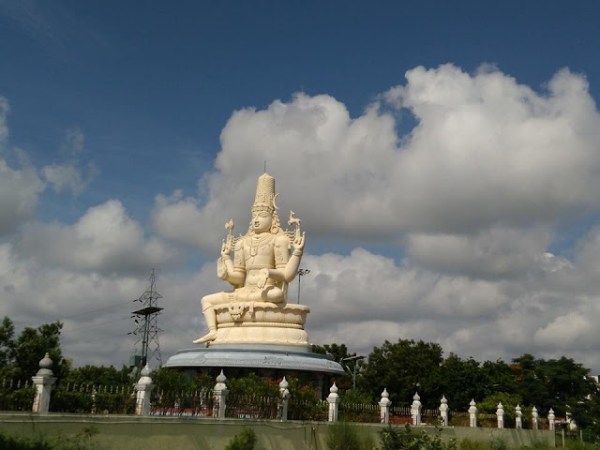
July 30 Sunday

The same skin which belongs to the cow originally was on man. The gods speak, “Verily the cow supports everything here on earth; come, let us put on the cow that skin which is now on man; therewith she will be able to endure rain and coat and heat

July 31 Monday

The cows being desirous of obtaining hoofs and horns, held a sacrificial session. In the tenth month of their sacrifice, they obtained hoofs and horns. (AB)


(Stories in the Brahmanas are symbolic; statements can be interpreted only by seers; foreigners couldn’t understand the symbolism and bluffed through their translations)


—-subham–
 

Professor Anecdotes (Post No.4039)

Compiled by London Swaminathan
Date: 30 June 2017
Time uploaded in London-14-02
Post No. 4039

 
Pictures shown here are taken from various sources such as Facebook friends, Books, Google and newspapers; thanks.


GOD GETS A GRADE!

William Lyon Phelps, on a pre-Christmas examination paper found written

God only knows the answer to this question. Merry Christmas.

He returned the paper with the notation,

“God gets an A; you get an F. Happy New Year “

Xxx

JAW AND JOY

The celebrated Prof. Maclaurin , the famous mathematician of Edinburgh college and the able expounder of Newtons Principia , always dislocated his jaw and was unable to shut his mouth whenever he yawned. His pupils took advantage of this physical affliction. When tired of his lecture, they either began to yawn or open their mouths in imitation of that act, and the professor began to yawn too, by unconscious imitation. He stood before them with his mouth open and could not proceed till he rang for his servant to come and shut it. In the meantime, the mischievous enemies of Euclid effected their escape.


Xxx

ONLY ONE WHO IS LISTENING!

Told by John Erskine,

At the end of my university studies when I was leaving for my first professional job, I went to say goodbye to my old teacher William Peterfield Trent. I can give you no theoretical advice in pedagogy, he said, but I will tell you one thing from experience. It will frequently happen when you are holding forth that some boy in the class will disagree. He will probably shake his head violently. You will be tempted to go after him and convert him then and there. Don’t do it. He is probably the only one who is listening.

Xxx

ALWAYS CONTEMPTIBLE!


Professor Parson, in a dispute, so exasperated his opponent by the dryness of his sarcasm that the latter at length exclaimed,

“Mr Parson, I beg leave to tell you, sir, that my opinion of you is a perfectly contemptible one”.

Parson replied,

“I never knew any opinion of yours, sir, which was not contemptible”.


Xxx

GOD ALONE ABOVE ME

Harvard’s famous professor Charles Townsend Copeland, for many years occupied a couple of cramped ,dusty too, on the top floor of Hollis Hall. He was frequently urged to move to more comfortable and fitting quarters.

“No”, he always said.

“I shall always live on the top floor. It is the only place in Cambridge where god alone is above me. He is busy, but he is quiet”.


Xxxx.

FEW MORE PEARLS AVAILABLE!

Interrupted by the sound of the bell announcing the end of the class, the professor was annoyed to see the students noisily preparing to leave although he was in the very middle of his lecture.

“Just a moment, gentlemen, he said, I have a few more pearls to cast”.

Xxx SUBHAM xxxx


தந்தையே மகனின் வாழ்வுக்கும் தாழ்வுக்கும் காரணம்! (Post No.4038)

Written by S NAGARAJAN


Date: 30 June 2017


Time uploaded in London:-  6-10 am


Post No.4038


Pictures are taken from different sources such as Face book, Wikipedia, Newspapers etc; thanks. 


தர்ம உறவு

தந்தையே மகனின் வாழ்வுக்கும் தாழ்வுக்கும் காரணம்!


ச.நாகராஜன்


ஒரு மகன் பெரும் புகழ் பெற்று ஒழுக்க சீல்னாக வாழ்கிறான் என்றால் அதற்கான முழுப் பெருமையும் தந்தையையே சாரும்.

அதே போல ஒரு மகன் இழிவு தரும் காரியங்களில் இறங்கி மிகவும் குணக்கேடனாக இருந்தால் அதற்கான முழுப் பொறுப்பும் தந்தையையே தான் சாரும்.


ஈன்றெடுத்த தாய் எப்போது உவப்பாள்? தன் மகனைச் சான்றோன் எனக் கேட்டவுடன்!! அப்போது மிகவும் கஷ்டப்பட்டு கருவில்  சுமந்து தாங்க முடியாத வலியையும் தாங்கி மகனைப் பிரவிசத்தற்கு மேலாக – சான்றோன் என்று சபையினர் கூறும் போது – அவள் மிக அதிக மகிழ்ச்சி அடைவாள்.


மகன் அவையிலே முந்தி இருந்து போற்ற்ப்பட்டு சாதனை செய்தான் என்றால்.”இவன் தந்தை என் நோற்றான் கொல்?”

இவனது தந்தை என்ன தவம் செய்தானோ – என்று அனைவரும் கேட்டு வியப்பர்.


இது வள்ளுவன் வாக்கு.


ஸ்வாமி விவேகானந்தர் (நரேந்திரனாக இருந்த இளம் வயதில்) ஒரு நாள் தன் தந்தை விஸ்வநாத் தத்தரிடம், “அப்பா!எனக்கு என்ன தான் நீ தந்திருக்கிறாய்?” என்று கேட்டார்.

உடனே அவர் தந்தை அவரை அழைத்துச் சென்று ஒரு கண்ணாடியின் முன் நிறுத்தினார்: “இதோ இங்கே பார்! பார்த்து நீயே தெரிந்து கொள்! நான் உனக்கு என்ன ஒரு விலைமதிப்பற்ற பரிசை உனக்குக் கொடுத்திருக்கிறேன் என்று” என்று பதில் கூறினார்.


ஆம், ஒரு தந்தை மகனை முழுதுமாக உருவாக்குகிறார். தேகம், மனம், ஆன்மா அனைத்திற்குமான வளர்ச்சியை ஒரு தந்தையே தருகிறார்.


நமது அறநூல்கள் மிகத் தெளிவாக கூறுகின்றன இப்படி:

பிதா ஸ்வர்க: பிதா தர்ம: பிதா ஹி பரமம் தப: I

பிதரி பிரதிமாபன்னே ப்ரீயந்தே சர்வ தேவதா: II

தந்தையே ஸ்வர்க்கம்.

தந்தையே தர்மம்

தந்தையே பரம தவம்

தந்தையை மதி; சகல தேவர்களும் ப்ரீதி அடைவர்.


தந்தை சொல் மிக்க மந்திரம் இல்லை என்பது நமக்குத் தரப்பட்ட அறவுரை.


ரோல் மாடலாக தந்தையையே ஒரு நல்ல மகன் சுட்டிக் காட்டுவான்.

அமெரிக்க ஜனாதிபதியாக இருந்த ஜார்ஜ் டபிள்யூ புஷ் தந்தையர் தினத்தன்று  தனக்குத் தெரிந்த வரையில் தன் தந்தையே உலகில் ஒரு அருமையான மனிதர் என்று கூறினார். தனக்கு எல்லையற்ற அன்பை வாரி வழங்கியவர் தன் தந்தையே என்று அவர் கூறி மகிழ்ந்தார்.


மேலை நாடுகளில் தந்தையர் தினம் அன்னையர் தினம் காதலர் தினம் என்று வகை வகையாக தினங்கள் உண்டு.

அந்த ஒரு நாளில் மட்டும் தந்தையருக்கு மரியாதை; அன்னையருக்கு மரியாதை! காதலுக்கு மரியாதை!

ஆனால் ஹிந்து தர்மத்திலோ ஒவ்வொரு கணமும் மரியாதை!

சங்க இலக்கியத்தில் வரும் ஒரு பாடல் மிகச் சரியாக தந்தை தாய் உறவைச் சித்தரிக்கிறது.


ஈன்று புறந்தருதல் என் தலைக் கடனே!

சான்றோன் ஆக்குதல் தந்தைக்குக் கடனே!

வேல் வடித்துக் கொடுத்தல் கொல்லற்குக் கடனே!

நன்னடை நல்கல் வேந்தற்குக் கடனே!

ஒளிறு வாள் அருஞ்சமம் முருக்கிக்

களிறு எறிந்து பெயர்தல் காளைக்குக் கடனே!

புறநானூறு 312ஆம் பாடல்


பொன் முடியார் என்ற பெண் புலவர் பாடிய பாடல் இது.

வள்ளுவரைப் போலவே இவரும் ஈன்று பெறுதலைத் தாயின் கடனாகவும் சான்றோன் ஆக்குதலைத் தந்தையின் கடனாகவும் குறிப்பிடுவது பொருள் பொதிந்த ஒன்றாகும்.


பௌதிக ரீதியிலான தாம்பத்ய உறவைத் தாண்டி அமானுஷ்யமான கர்ம பலன் (புண்ய பாவப் பரிசு) தத்துவத்தை வள்ளுவரும் பொன்முடியாரும் சித்தரிக்கின்றனரோ?!

ஹிந்து மத அறநூல்கள் விவரிக்கும் ரகசியம் இதில் அடங்கி இருக்கிறதல்லவா?


எல்லா மதங்களும் தந்தை – தாய் – மகன் உறவைப் புனித உறவாகச் சித்தரிக்கின்றன என்பதில் ஒரு சிறிதும் ஐயமில்லை.

ஆனால் அதையும் தாண்டி –  அதாவது பௌதிகரீதியிலான உறவையும் தாண்டி தந்தை – மகன், தாய் – மகன் உறவை ஹிந்து மதம் தர்ம உறவாகச் சித்த்ரிக்கிறது.


ஜென்ம பந்தம் என்று இதைத் தான் நாம் சொல்கிறோம்.

இந்த தர்ம உறவைப் போற்றுவது ஹிந்து மதத்தில் தோன்றிய ஒவ்வொருவரின் கடமையாக ஆகிறது.


பிறந்ததிலிருந்து கொள்ளி போடுவது வ்ரை ஒரு தொடர் தர்ம உறவு தந்தை – மகன் உறவாக ஆகிறது.


என்ன வியக்கத்தக்க – ரகசியம் அடங்கிய – ஒரு கொள்கை இது!

31 பொய்கை ஆழ்வார் பொன்மொழிகள் (Post No.4037)

ஜூலை 2017 நற்சிந்தனை காலண்டர்

(ஹேவிளம்பி வருடம் ஆனி- ஆடி)


Written by London Swaminathan
Date: 29 June 2017
Time uploaded in London- 21-47
Post No. 4037

 
Pictures shown here are taken from various sources such as Facebook friends, Books, Google and newspapers; thanks.


விழா நாட்கள்:- விவேகாநந்தர் நினைவு தினம்-4; குரு பூர்ணிமா-8;

தட்சிணாயன புண்யகாலம்-17;  ஆடி அமாவாசை-23; ஆடிப் பூரம்-26;

நாக பஞ்சமி- 27


அமாவாசை-23; பௌர்ணமி-8; ஏகாதசி- 4, 19.

சுபமுகூர்த்த நாட்கள்- 3, 16

ஜூலை 1 சனிக்கிழமை

சுடர் ஆழியான் அடிக்கே சூட்டினென் சொல் மாலை

இடர் ஆழி நீங்குகவே


ஜூலை 2 ஞாயிற்றுக் கிழமை

என்று கடல் கடைந்தது? எவ்வுலகம் நீர் ஏற்றது?

ஒன்றும் அதனை உணரேன் நான்


ஜூலை 3 திங்கட் கிழமை

பார் அளவும் ஓர் அடிவைத்து, ஓர் அடியும் பார் உடுத்த

நீர் அளவும் செல்ல நிமிர்ந்ததே


ஜூலை 4 செவ்வாய்க் கிழமை

ஆல மர நீழல் அறம் நால்வர்க்கு அன்று உரைத்த

ஆலம் அமர் கண்டத்து அரன்

ஜூலை 5 புதன் கிழமை

அரன் நாரணன் -நாமம்; ஆன் விடை, புள்- ஊர்தி

உரை-நூல், மறை; உறையும் கோயில் -வரை, நீர்

ஜூலை 6 வியாழக் கிழமை

கரு அரங்கத்துள் கிடந்து கை தொழுதேன், கண்டேன்

திருவரங்கம் மேயான் திசை


ஜூலை 7  வெள்ளிக் கிழமை

திசையும் திசை உறு தெய்வமும் தெய்வத்து இசையும் கருமங்கள் எல்லாம் – அசைவு இல் சீர்க் கண்ணன்


ஜூலை 8 சனிக்கிழமை

மண்ணும் மலையும் மறி கடலும் மாருதமும்

விண்ணும் விழுங்கியது மெய் என்பர்- உலகு அளவும் உண்டோ உன் வாய்?


ஜூலை 9 ஞாயிற்றுக் கிழமை

வாய் அவனை அல்லது வாழ்த்தாது; கை உலகம்

தாயவனை அல்லது தாம் தொழா;


ஜூலை 10 திங்கட் கிழமை

அவர் அவர் தாம் தாம் அறிந்தவாறு ஏத்தி

இவர் இவர் எம்பெருமான் என்று சுவர்மிசைச்

சார்த்தியும் வைத்தும் தொழுவர்


ஜூலை 11 செவ்வாய்க் கிழமை

முதல் ஆவார் மூவரே; அம்மூவருள்ளும்

முதல் ஆவான் மூரி நீர் வண்ணன்

ஜூலை 12 புதன் கிழமை

பழுதே பல பகலும் போயின என்று அஞ்சி

அழுதேன்; அரவணைமேல் கண்டு தொழுதேன்


ஜூலை 13 வியாழக் கிழமை

வடி உகிரால்

ஈர்ந்தான் இரணியனது ஆகம்


ஜூலை 14  வெள்ளிக் கிழமை

தாமரை மலர்ச் சேவடியை வானவர் கைகூப்பி

நிரைமலர் கொண்டு ஏத்துவரால் நின்று


ஜூலை 15 சனிக்கிழமை

படை ஆழி; புள் ஊர்தி; பாம்பு- அணையான் பாதம்

அடை; ஆழி நெஞ்சே, அறி

ஜூலை 16 ஞாயிற்றுக் கிழமை

விரலோடு வாய் தோய்ந்த வெண்ணெய் கண்டு, ஆய்ச்சி

உரலோடு உறப் பிணித்த நான்று, குரல் ஓவாது ஏங்கி


ஜூலை 17 திங்கட் கிழமை

தொழுவார் வினைச் சுடரை நந்துவிக்கும் வேங்கடமே- வானோர்

மனச் சுடரைத் தூண்டும் மலை


ஜூலை 18 செவ்வாய்க் கிழமை


மலையால் குடை கவிழ்த்து, மா வாய் பிளந்து

சிலையால் மராமரம் ஏழ் செற்று, கொலையானை

போர்க்கோடு ஒசித்தனவும் பூங்குருந்தம் சாய்த்தனவும்


ஜூலை 19 புதன் கிழமை

ஆறிய அன்பு இல அடியார் தம் ஆர்வத்தால்

கூறிய குற்றமாக் கொள்ளல் நீ


ஜூலை 20 வியாழக் கிழமை

இரணியனைப் புண் நிரந்த வள் உகிர் ஆர் பொன் ஆழிக் கையால்

நீ மண் இரந்து கொண்ட வகை

ஜூலை 21  வெள்ளிக் கிழமை

வேதியர்கள் சென்று இறைஞ்சும் வேங்கடமே – வெண் சங்கம்

ஊதிய வாய் மால் உகந்த ஊர்


ஜூலை 22 சனிக்கிழமை

மீன் வீழக் கண்டு அஞ்சும் வேங்கடமே – மேல் அசுரர்

கோன் வீழக் கண்டு உகந்தான் குன்று


ஜூலை 23 ஞாயிற்றுக் கிழமை

புறன் உரையே ஆயினும், பொன் ஆழிக் கையான்

திறன் உரையே சிந்தித்திரு


ஜூலை 24 திங்கட் கிழமை

திருமகளும் மண்மகளும் ஆய்மகளும் சேர்ந்தால்

திருமகட்கே தீர்ந்தவாறு என் கொல்?


ஜூலை 25 செவ்வாய்க் கிழமை

மன மாசு தீரும்; அரு வினையும் சாரா;

தனம் ஆய தானே கைகூடும்


ஜூலை 26 புதன் கிழமை


தமர் உகந்தது எவ்வுருவம், அவ்வுருவம்தானே

தமர் உகந்தது எப் பேர், மற்று அப்பேர்

ஜூலை 27 வியாழக் கிழமை


மா தவத்தோன் தாள் பணிந்த வாள் அரக்கன் நீள் முடியை

பாதம் – அத்தால் எண்ணினான் பண்பு


ஜூலை 28  வெள்ளிக் கிழமை

வாரி சுருக்கி மதக் களிறு ஐந்தினையும்

சேரி திரியாமல் செந்நிறீஇ, கூரிய

மெய்ஞ்ஞானத்தால் உணர்வார் காண்பரே


ஜூலை 29 சனிக்கிழமை

சுழல் ஒன்று எடுத்து, ஒரு கை சுற்றி, ஓர் கைமேல்

சுழலும் சுராசுரர்கள் அஞ்ச அழலும்

செரு ஆ ழி ஏந்தினான்


ஜூலை 30 ஞாயிற்றுக் கிழமை

எண்மர், பதினொருவர், ஈர் அறுவர், ஓர் இருவர்

வண்ண மலர் ஏந்தி வைகலும் நண்ணி


ஜூலை 31 திங்கட் கிழமை

சென்றால் குடை ஆம்; இருந்தால் சிங்காசனம் ஆம்

நின்றால் மரவடி ஆம் நீள் கடலுள் என்றும் புணையாம் (ஆதிசேடன்)


நயவேன் பிறர் பொருளை; நள்ளேன் கீழாரோடு;

உயவேன் உயர்ந்தவரோடு அல்லால்; வியவேன்.


—Subham–