WONDERS IN PRAKRIT LANGUAGE- 2000 INSCRIPTIONS! (Post No.7523)

WRITTEN BY LONDON SWAMINATHAN

Post No.7523

Date uploaded in London – 1 February 2020

Contact – swami_48@yahoo.com

Pictures are taken from various sources for spreading knowledge; this is a non- commercial blog.

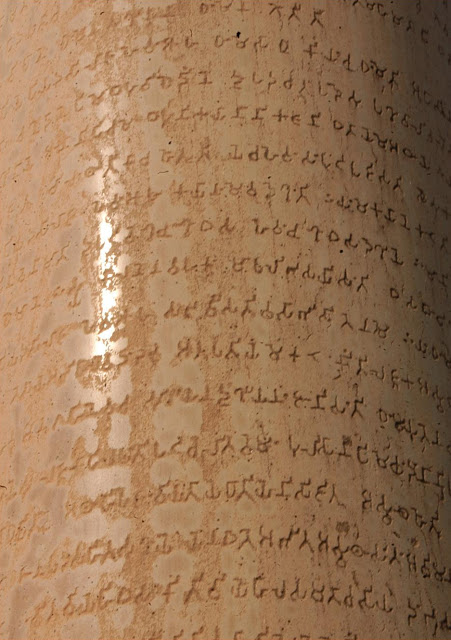
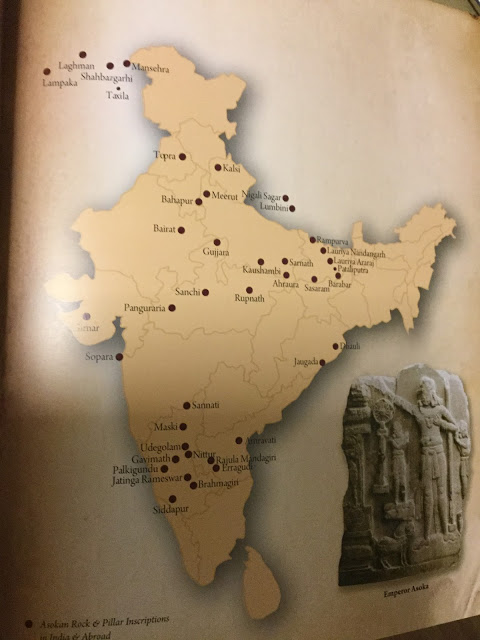
There are 2000 inscriptions in Prakrit from Asokan period. Next to Asokan we have Kharavela’s inscriptions. Oldest Tamil inscriptions of first century BCE have Prakrit words in Brahmi lipi/script.

In Sanskrit dramas Kings and ministers spoke in Sanskrit. But women, workers and Brahmin comedians spoke in Prakrit. Brahmin Comedians/ Vidushakas spoke in seven different Prakrits.

Unique feature of Prakrit is that we have prose first and then poetry later which is not found in existing (ancient) languages.

Vedic Hindus used Sanskrit , Jains used Prakrit , Buddhists used Pali for teaching.

The teachings of Jain Tirthankaras/ saints were composed in Prakrita.

There are thousands of books in Prakrita covering all subjects from astronomy to zoology.
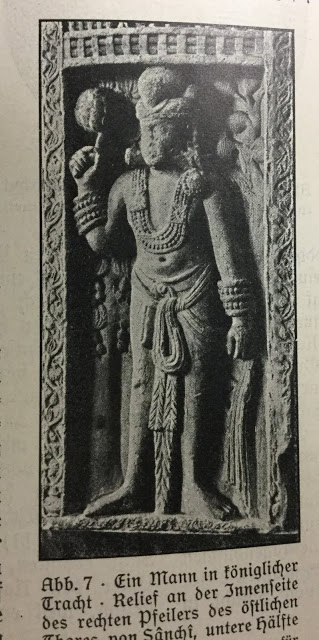
Prakrit  became an ideal source of communication among the people. Therefore, Saint Mahavira, Kings Asoka and Kharavela used Prakrit for delivery and transmission of their messages.

Great Prakrit poet Vakpatiraja praised Prakrit  sky high. He says,

“As water evaporates from the sea to form clouds and comes back to the sea as river, so all languages emerge from Prakrit  and come back to it and again become dialects spoken by the people”.

–Gaudavaho 

Sayalaao imam vaayaa visanti etto ya nenti vaayaao

Enti samuddam cciya saayaraao cciya jalaaim – 2, Gaudavaho

Prakrit  is mostly in Jain Agamas.  Ardhamagadi is the language of the Jain Canon. It is considered a language of saints and monks which indicates its antiquity.

Buddhists consider Magadhi as the basis of all languages, the Jains consider Ardha magadhi and grammarians consider Arsa language as a basic language from which other languages and regional dialects came into existence.

Most of the present day north Indian languages came from Prakrit .

Another unique thing is grammarians wrote grammar of Prakrit  in Sanskrit

XXX
Asoka’s advice

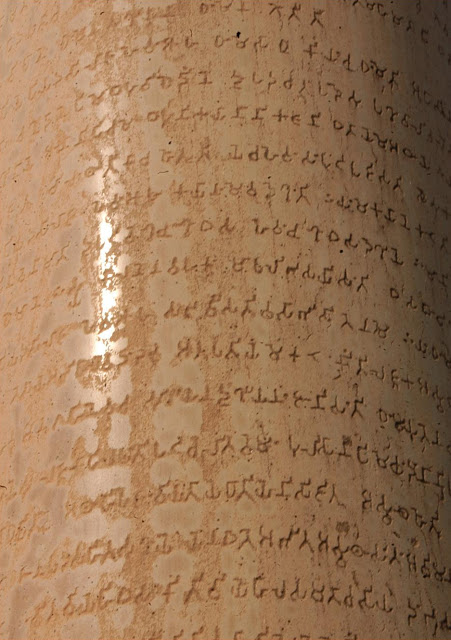
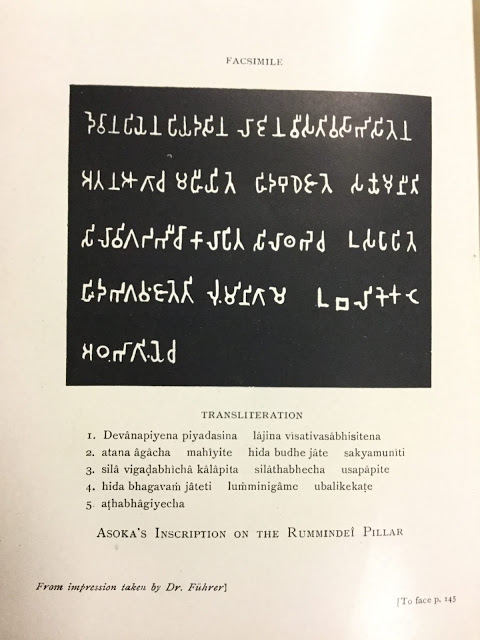
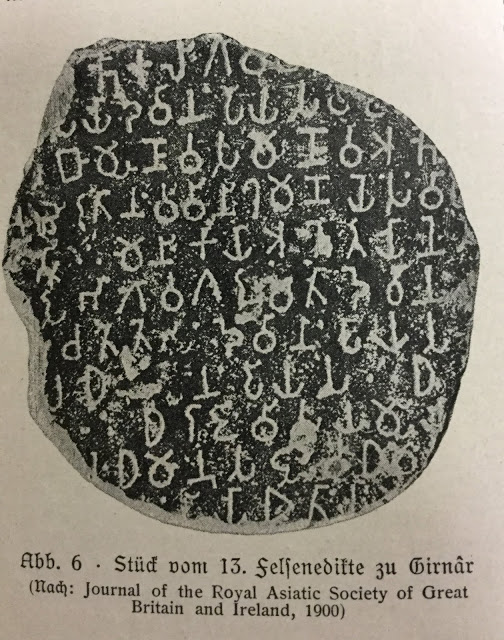
The edicts of Asoka are in Prakrit . This shows that Prakrit  was popular among common people. Asoka depicted high moral values in small phrases. He said,

Praanaanam sadhu anaarambho, apavyayataa apa bhaandataa sadhu – Girnar 3rd edict.

Non violence is good for living beings, less expense and less compilation is good.

Savapaasandaa bahusutaa va asu, kalaanagamaa va asu – Girnar 12th edict

All religious communities should listen to each other and work for welfare
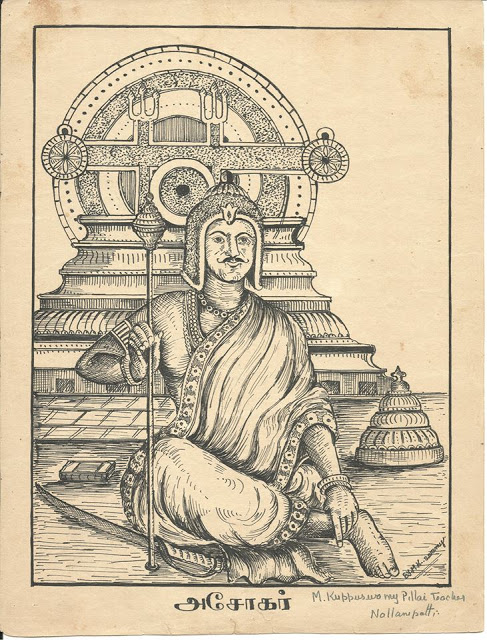
Emperor Asoka

Sravanabelagola Prakrit University

Svastisri  Carukirti Bhattaraka Pattacarya ,a great Jain scholar  and multi linguist, has established a Jain centre with library and research facilities at Sravanabelagola.

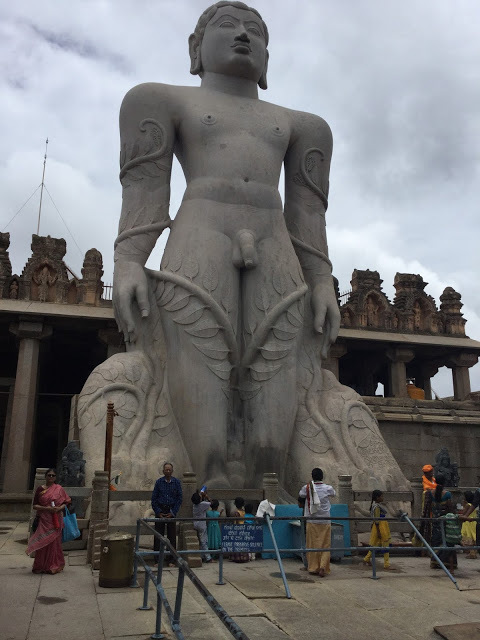
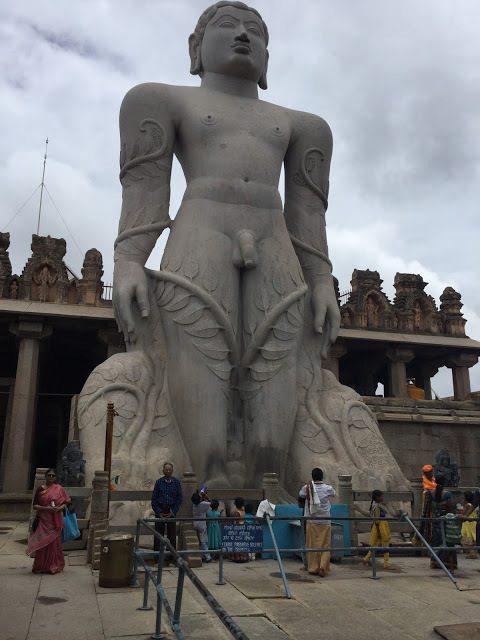
There is a Prakrit University in Sravanabelagola  in Karnataka. It is a popular tourist destination because of  the gigantic, reverential Gomateswara monolith statue touching the blue sky. Great Mauryan emperor Chandragupta Maurya came here to spend his last days at the feet of his Jain Guru .

MAIN DIALECTS OF PRAAKRT

Mahaaraastri, Sauraseni, Maagadhi, Ardhamaagadhi,

Paisaaci and Paali are different types of Prakrit.

Sanskrit grammarians treat all these languages as Apabhramsa which means not regulated by strict grammatical rules.

Modern Maraatti came from Mahaaraastri Praakrit

Gujaraathi, Raajasthaani, Punjaabi and Western Hindi from Ardhamaagadhi

Bengaali, Oriaa, Biihaari and Assaamese from Paisaaci.

Nepaali and many Himalayan dialects may be from Paisaaci.
Pali

We have written materials up to 14th century CE.

Sacred language of the Buddhist canons;

Tripidakas, Jataka stories, Mahavamsam and Deepavamsam are some important works in Pali. Earliest works are from 3rd century BCE.

Among the Kavyas written between 10th and 14th centuries –

Jinacaritam of Budhapriya

Padyamadhu of Veedeeha

Ardhamaagadhi

Important works – Agamas of Svetambara Jains; even though it is an ancient language like Pali, it has assumed the status of literary language only in the 2nd century CE. These works on morals comprise 115 books.
Sauraceni

Language of the kingdom of Saurasena with its capital in Mathura, land of Lord Krishna. In Sanskrit dramas women and Brahmin Viduusaka speak in this language. Kathakali literature in Kerala contains certain lines in Sauraseni. It was not used in poetry in dramas.

Kings and noble characters in Sattakam group are ‘Karpuuramanjari’ of Rajasekhara,

‘Chandralekha’ of Kerala poet Srikanthakavi

‘Aanandasundari’ of Ghanasyaama

‘Sringaaramanjari’ of Visvesvara

‘Rambhamanjari’ of Nayachandra.

Mahaaraastri

According to Dandin, it was spoken in Maharshtra. As this language abounds in common nouns, it is not an easily intelligible language. Most grammarians use the word Prakrit to refer to this language. This is highly a musical language and hence the songs sung by women characters in Sanskrit dramas are written in it.
Important works

Gathaa Sapta Sati of Halan

Gathaasahasri of Samayasundragni

Sethubandhana of Pravarasena

Praakrtaprakasam of Vararuci

Gaudavaho of Vaakpatiraaja

Visambanaleela of Aanandavardhaana

Karpuuramanjari of Raajasekhara

Paisaaci

It is also as old as Pali. Grammarians mention it and the places mentioned by them were all in South India. Except a few scanty citations as in Bhoja’s Srngaaraprakaasa , Paisaci doesn’t show any extant literature. The Brhadkathaa of Gunadhya was written in Paisaci.

Apabhramsa

Each of these literary Prakrts has its own colloquial dialect , which is called Apabramsa.

Therefore, Dandin classifying literature speaks of Sanskrit, Prakrta , Apabhramsa and Misra.

Apabrahmsa was used in daily conversation. By the sixth centur,y it goes to the level of a literary language

Bharata’s assessment

Bharata includes both Sanskrit and Prakrit in Aaryabhaasa, which he designates the language of kings. It is remarkable that the Brahmin Vidusaka in Sanskrit dramas speaks prakrts of all seven dialects.

Abhinavagupta explains these as vernaculars/ (desha bhasas) which according to him  are generate forms of Sanskrit.

Natyasaastra of Bharata include another list of languages also, by the name of Vibhasas, which include the language of Sakaras, Abhiras, Candalas, Sabaras, Dravidas and Andhras. Abhinavagupta describes them as language of foresters- gahanavaasinah—and designate them as degenerate forms of Prakrt.

My comments

Amazing thing about India is if we draw a language map of India during 2nd century CE, we see a multitude of languages and thousands of books in different languages from Kanyakumari to Kashmir,  no where in the world we see such a thing. They all hold the same cultural views and praise the same values of dharma, artha kama and moksha.

Some say Prakrit came from Sanskrit; others say Sanskrit came from Prakrit. Some others say both existed at the same time. But the fact of the matter is that we have Vedas in Sanskrit from at least 1500 BCE and Prakrit inscriptions only from 3rd century BCE.

In all the ancient languages, the old materials are in poetry. Then comes prose. It will be interesting to study how long it took for them to reach the prose stage. But we must consider the lost literature in that language as well. My cursory look at this shows it differs from language to language. But everyone would agree human beings spoke in prose and not in poetry. But it was easy to remember poetry because of its rhythm and music. So we have Vedas, Ramayana, Mahabharata in Sanskrit, Sangam literature, Five epics in Tamil , Homer’s Iliad and Odyssey in Greek, Virgil’s Aeneid in Latin in poetry format.

This is to say that every language speaker begins speaking in prose and write important things in verses. If it is a short one, then they keep it as proverbs. Even those proverbs are with rhyme and rhythm. So we may even consider them as ‘one sentence poems’.

The question Did Prakrit exist first or Sanskrit exist first must be looked into with the above things in mind.

One more strange feature is we have so many Prakrit dialects. Why is it? We must explore this. Even if we discuss it the debate would continue forever without any conclusion. Because linguists are still wondering how come there are over 780 languages in New Guinea among aborigines. Why there are over 200 languages among Australian aborigines? Why did 2000 year old Tamil give birth to Telegu, Kannada and Malayalam from as early as first century BCE?

In short, no one can say what the reality is. It may differ from country to country, society to society, culture to culture. If we go to ancient Middle East still more wonders are seen. Why did Sumerians, Hittites, Kassites, Mitannian and Assyrians speak different languages in a small area (Modern Iraq)?

So don’t jump to any conclusion when you speak about the origin and development of languages.  If we apply Max Muller’s theory that ‘ a language changes every 200 years’, dating of Tamil literature will tumble. Dates of Tirukkural, Silappadikaram and Tolkappiam will be later productions than thought.

Sattaka / dramatic genre

Rajasekhara’s Karpuramanjari – 9th to 10th centuries

Nayacandra suri’s Rambhaamanjari – 14th to 15th

Rudradasa’s Chandralekhaa –17th Century

Visvesvara Pandeya’s Srngaramanjari – 17th to 18th centuries

Ghanasyama’s Anandasundari – 18th century

Source books

Carusri -Essays in honour of  S C B P

New horizons of Indological research

–subham —
பிராக்ருத மொழி அதிசயங்கள் -2000 கல்வெட்டுகள் (Post No.7522)

WRITTEN BY LONDON SWAMINATHAN

Post No.7522

Date uploaded in London – 1 February 2020

Contact – swami_48@yahoo.com

Pictures are taken from various sources for spreading knowledge; this is a non- commercial blog.

1.இந்தி, மராட்டி, குஜராத்தி, வங்காளி முதலிய வட இந்திய மொழிகள் பிராகிருத வடிவத்திருந்து பிறந்தன; இம்மொழி பற்றிய சுவையான செய்திகளைக் காண்போம்.

2.பிராகிருதம் பற்றிய வியப்பான விஷயம் அதில் முதலில் கிடைப்பது உரை நடை (Prose) ஆகும். உலக மொழிகள் அனைத்திலும் முதலில் கிடைப்பது (Poetry) கவிதைகள். ஆனால் பிராக்ருதத்திலோ அசோகனின் கல்வெட்டு வாசகங்கள். அது கவிதை நடை இல்லை.

3.சமண மதம்

சமண தீர்த்தங்கரர்களின் போதனைகள் ப்ராக்ருதத்தில் உள்ளன. அவர்களுடைய முக்கிய மந்திரங்களும் இதே மொழியில் உள்ளன.

4.வாக்பதிராஜ என்ற புகழ்பெற்ற கவிஞர் கூறுகிறார் ,

“கடல் நீர் ஆவியாகி மேகமாக மாறி மழையாகப் பொழி  ந்து ஆறாக ஓடி கடலையே அடைவது போல எல்லா மொழிகளும் பிராக்ருதத்திலிருந்து தோன்றி  பிராக்ருதத்திலேயே சங்கமம் ஆகின்றன”.

சயலாவோ இமாம் வாயா விசந்தி எத்தோ யா னேந்தி வாயாவோ

ஏந்தி சமுத்தம் ச்சிய னேந்தி சாயராவோ ச்சிய ஜலாயிம்

—-கௌடவாஹோ

5.மஹாவீரர் , மாமன்னன் அசோகன், காரவேலன் ஆகியோர் செய்திப் பரிமாற்றத்துக்கு பிராகிருத மொழியையே பயன்படுத்தினர்.

6.சமண ஆகமங்களும் அசோகர், காரவேலன் கல்வெட்டுகளும் இம்மொழியில் இருக்கின்றன. 2000 கல்வெட்டுகள் பிராகிருத மொழியில் உள்ளன. தமிழ் நாட்டின் பல பழைய பிராமி லிபி கல்வெட்டுகளும் இதில் அடக்கம்.

7.வியப்பான ஒரு விஷயம் பிராகிருத மொழி இலக்கணத்தை சம்ஸ்க்ருத மொழியில் எழுதினர்

8.பிராக்ருதத்தில் பல வகைகள் உண்டு- மஹாராஷ்ட்ரீ , சூரசேனி ,மாகதி , பைசாசி , ஆபப்ராஹ்மச

பிராகிருத பல்கலைக்கழகம்

9.கர்நாடகத்திலுள்ள சிரவண பெலகோளாவில் மிகப்பெரிய பிராகிருத நூலகம் உள்ளது. அங்குதான் மௌர்ய சந்திரகுப்தர் தவம் செய்து உயிர்விட்டார். அவருடைய குருவின் பெயர் ஸ்ருதகேவலன்  பத்ரபாஹு . ஆகவே இந்த இடம் 2500 ஆண்டு வரலாறு உடையது . அங்குள்ள கோமடேஸ்வரரின் பிரம்மாண்டமான ஒற்றைக் கல் சிலை , சமண மத நம்பிகை இல்லாதோரையும் ஈர்த்திழுக்கும். .அங்குள்ள மடத்தின் தலைவர் ஸ்வஸ்தி ஸ்ரீ சாரு கீர்த்தி பட்டாராக பட்டாச்சார்ய சுவாமிகள் பெரிய அறிஞர் ; பல் மொழி வித்தகர். அவர் போன்களையோ மொபைல் போன்களையோ பயன்படுத்தாத அதிசயப்பிறவி. பெரிய சொற்பொழிவாளர் ; நூலாசிரியர்  அவருடைய முயற்சியின் பேரில் அங்கு பிராகிருத பல்கலைக்கழகம் துவக்கப்பட்டுள்ளது.

10.தர்ம அறிவுரை

அசோகரின் கிர்னார் கல்வெட்டு எண் மூன்றில் காணப்படும் வாசகம்

‘பிராணானாம் சாது அனாரம்போ , அபவ்யயதா ஆபத்பாந்ததா சாது’

அஹிம்சை என்பது எல்லா உயிரினங்களுக்கும் நன்மை பயக்கும்.குறைவாக செலவு செய்வதும், குறைவாக சேர்த்துவைப்பதும் ன்மை பயக்கும்.

கிர்னார் மலையின் 12ஆவது கல்வெட்டில் அசோகன் சொல்கிறார்,

‘ஸவபாசந்தா பஹூசுதா வ அ சு , கலா னாகமா வ அசு’

எல்லா சமய பிரிவினரும் மற்றவர் சொல்வதையும் கேட்டு, பொது நல சேவை செய்ய வேண்டும் .

இவ்வாறு உயரிய கருத்துக்களை இம்மொழி பரப்பியதோடு வரலாற்றை அறியவும் உதவுகிறது.

11.பிராகிருத மொழி வளர்ச்சி

ஏழு வகை பிராக்ருதத்திலும் நிறைய நூல்கள் தோன்றின. இரண்டாம் நூற்றாண்டு இந்திய வரைபடத்தில் மொழிகளைக் குறித்து, இலக்கியப் படைப்புகளை எழுதினால், உலகில் வேறு எங்கும் இல்லாத அளவுக்குப் பல்லாயிரம் நூல்கள் அல்லது கல்வெட்டுகள் அல்லது ஓலைச்  சுவடிகள் இருப்பதைக் காணலாம். அத்தனை பேரும் தர்ம, அர்த்த, காம , மோக்ஷத்தைப் போற்றி எழுதினர். ஒரே பண்பாடு, ஒரே நம்பிக்கைகள்!

xxx

பத்தாம் நூற்றாண்டு முதல் ஸுரசேனி வகையே கவிதையிலும் நாடகத்திலும் பயன்பட்டது. 18ம் நூற்றாண்டு வரை ‘சத்தக’ (SATTAKA) இலக்கியத்திலும் இதைக் காணலாம் . இதன் பிறப்பிடம் மத்திய இந்தியா என்றும் மற்ற கிளை மொழிகள் இதிலிருந்து உதித்ததாகவும் அறிஞர்கள் செப்புவர். இது திகம்பர பிரிவினரின் முக்கிய மொழியாகத்  திகழ்ந்தது.

நாடகங்களில் பயன்பட்டது – ஸுரசேனி . காளிதாசர் முதலியோர் எழுதிய சம்ஸ்க்ருத நாடகங்களிலும் பிராகிருத வசனம் உண்டு. முக்கிய சில கதாபாத்திரங்கள் சம்ஸ்க்ருதத்திலும், ஏனையோர் பிராக்ருதத்திலும் பேசுவதைக் காணலாம். சூத்ரகர் எழுதிய ம்ருச்சகடிக நாடகத்தில் இதைத் தெளிவாகக் காணலாம்

சம்ஸ்கிருத நாடகங்களில் பெண்கள், வேலைக்காரர்கள் இப்படி கொச்சை மொழியில் பேசுவர்.

18ம் நூற்றாண்டு வரை சம்ஸ்க்ருத நாடகங்களில் இந்தப் போக்கைப் பார்க்கிறோம்

சமணர்களின் புனித நூல்கள் பயன்படுத்துவது அர்த்தமாகதி ; பௌத்தர்கள் பயன்படுத்துவது மாகதி ; இலக்கண கர்த்தாக்கள் பின்பற்றுவது ஆர்ச ; ஒவ்வொருவரும் தங்கள் மொழியே மூல மொழி என்பர்.

xxxx

சம்ஸ்கிருதம் என்பது செம்மை செய்யப்பட மொழி. பேச்சு வழக்கில் இருந்த கொச்சை மொழிக்கு பிராகிருதம் என்று பெயர். ஆனால் காலப்போக்கில் அதற்கு என்று தனி இலக்கணம் வகுத்தனர். அதில் கவிதை நூல்கள், அறிவியல் நூல்கள் தோன்றின. அதுவே பெரிய இலக்கியமாக உருவெடுத்தது. மூல சம்ஸ்கிருத மொழி தெரியாதவர்களுக்கு அது புது மொழியாகத் தோன்றும் . வட இந்தியா முழுதும் பரவியதால் காலப்போக்கில் அவைகளே தனி மொழியாக வளர்ந்தன . 2000 ஆண்டுகளுக்கு மேல் இப்படி வளர்ந்து வந்திருக்கிறது இன்றும் கூட சம்ஸ்கிருதம் அறிந்தோர் வட இந்திய மொழிகள் எதுவானாலும் அதைப் புரிந்துகொள்ள முடியும். தர்ம என்பதை பாலி மொழியில் ‘தம்ம’ என்பர். இந்திக்காரர்கள் ‘தரம்’ என்பர்.தமிழர்கள் ‘அறம்’ என்பர். சம்ஸ்கிருத வேதத்திலுள்ள ‘தர்ம’ தெரிந்தவர்களுக்கு மற்ற மூன்று சொற்களையும் புரிந்து கொள்வது எளிது.

இதற்கு இணையாக எடுத்துக்காட்டு சொல்ல வேண்டுமானால் தமிழில் இப்போது வரும் கதைப் புத்தக நடையை பிராக்ருதத் தமிழ் என்றும், நாட்டுப்புறப் பாடல்களை பிராக்ருதத் தமிழ் கவிதைகள் என்றும் சொல்லலாம். சுருக்கமாகச் சொல்ல வேண்டுமானால் பேச்சு மொழி பிராகிருதம்; இலக்கண /இலக்கிய மொழி சம்ஸ்கிருதம்.

இதை புரிந்து கொள்ள தமிழ்த் திரைப்பட மொழி உதவும். அரசர் வேடத்தில் வருவோர் பேசுவது இலக்கிய மொழி; ஆண்டி வேடத்தில் வருவோர் பேசுவது கொச்சை மொழி.

பாலி என்னும் பிராகிருத மொழியை பௌத்தர்கள் அதிகம் பயன்படுத்தினர். பிராக்ருதத்தை சமணர்கள் அதிகம் பயன்படுத்தினர். சம்ஸ்க்ருதம் இதற்கெல்லாம் மூல மொழி. அதை இந்துக்கள் பயன்படுத்தினர். சம்ஸ்க்ருதம் அறிந்தோர் இவ்விரு மொழிகளையும் புரிந்துகொள்ள முடியும்.

–subham—
மஹரிஷி தேவலர் என்னும் அஷ்டாவக்ரர்! (Post No.7521)

ரிஷிகள் சரித்திரம்

மஹரிஷி தேவலர் என்னும் அஷ்டாவக்ரர்! (Post No.7521)

WRITTEN BY S NAGARAJAN                     

Post No.7521

Date uploaded in London – – 1 February 2020

Contact – swami_48@yahoo.com

Pictures are taken from various sources for spreading knowledge; this is a non- commercial blog.

ச.நாகராஜன்

பகவத்கீதையில் அர்ஜுனன் ஸ்ரீ கிருஷ்ணரை நோக்கிக் கூறும் ஸ்லோகம் (பத்தாம அத்தியாயத்தில் 13ஆம் ஸ்லோகம்)  இது:

ஆஹூஸ்த்வாம்ருஷய: ஸர்வே தேவர்ஷிர் நாரதஸ்ததா |

அஸிதோ தேவலோ வ்யாஸ ஸ்வயம் சைவ ப்ரவீஷிமே ||

12, 13 ஆம் ஸ்லோகங்களின் பொருள் இது:-

“நீயே பரம்பொருள்; நியே பரஞ்ஜோதி; நீயே தூயவன்; நீயே உயர்ந்தவன்: நீயே புருஷன்; நீயே நிலையானவன்; நீயே தேவலோகத்தவனான ஆதி தேவன்; நீயே பிறப்பற்றவன்; நீயே எங்கும் பரவியுள்ளவன்” என்று எல்லா ரிஷிகளும், தேவ ரிஷியான நாரதரும், அஸிதரும், தேவலரும், வியாஸரும் சொல்கிறார்கள். நீயும் கூட அவ்விதமே எனக்குச் சொல்கிறாய்”.

இதில் வரும் மஹரிஷி அஸிதரின் புதல்வர் தேவலர் பெரும் ரிஷி.

தேவலர் என்ற பெயரில் மூன்று ரிஷிகள் உள்ளனர். அஸிதரின் புதல்வரான தேவலரைப் பற்றி இங்கு காண்போம்.

அஸிதருக்கு அஷ்டாவக்ரர் என்ற இன்னொரு பெயரும் உண்டு. ஏனெனில் இவரது உடல் எட்டுக் கோணல்களைக் கொண்டது.

அஷ்டம் என்றால் எட்டு. வக்ரம் என்றால் கோணல். ஆக அஷ்டாவக்ரர் என்றால் உடலில் எட்டுக் கொணல்களைக் கொண்டவர் என்று பொருள் ஆகும்.

அஷ்டாவக்ரர் என்ற பெயரில் பிரஸித்தமான ரிஷி ஜனகரைக் காத்திருந்து சந்தித்த சரிதம் அனைவரும் அறிந்ததே. இவர் ககோதரர் என்னும் ரிஷியின் புதல்வர்.

அவரை முதலாம் அஷ்டாவக்ரர் என்றும் அஸிதரின் புதல்வரை இரண்டாம் அஷ்டாவக்ரர் என்றும் கொள்ளலாம்.

ஜனகரின் அவைக்குச் சென்ற அஷ்டாவக்ரரின் உடல் கோணல்கள் அவரது 12ஆம் வயதிலேயே நீங்கி விட்டன.

ஆனால் அஸிதரின் புதல்வருக்கோ நீண்ட நாள் அந்த எட்டுக் கோணல்கள் இருந்தன.

இவரது சரிதம் இது:

அஸிதர் நெடுங்காலம் சிவனை நோக்கித் தவமிருந்து அவரது அருளால் ஒரு புதல்வரைப் பெற்றார். அவரது பெயர் தேவலர்.

ஒரு முறை தேவலோக ராணியான ரம்பை தேவலர் மீது மையலுற்றாள். ஆனால் தேவலரோ அவளது ஆசைக்கு இணங்கவில்லை. இதனால் கோபமுற்ற ரம்பை அவர் அஷ்டகோணல் கொண்ட உடலை அடையக்கடவது எனச் சாபமிட்டாள்.

தேவலரின் உடல் எட்டுக் கொணல்களைக் கொண்டதாக ஆனது.

அவரை அனைவரும அஷ்டாவக்ரர் என்ற பெயரால் அழைக்கத் தொடங்கினர்.

ஒரு சமயம் கிருஷ்ண பகவான் மலையபர்வதத்திற்குச் சமீபத்தில் உள்ள அழகிய தடாகத்தில் ராதையுடன் ஆனந்தமாய் ஜலக்ரீடை செய்து விட்டு அந்தத் தடாகத்திற்குச் சமீபத்தில் இருந்த ஒரு ஆலமரத்தை அடைந்தார்.

அப்போது பகவானையே சதா சர்வகாலமும் தியானித்துக் கொண்டிருந்த தேவலர் அவரிடம் வந்து சேர்ந்தார்.

அவரது சரீரத்தில் உள்ள எட்டுக் கொணல்களையும் நீண்ட நகங்கள் கொண்ட அவரது குள்ளமான உருவத்தையும் கண்ட ராதை  பரிகாசமாக நகைத்துச் சிரித்தாள். இதைக் கண்ட கிருஷ்ணர், “அவர் மிக்க பிரபாவமுள்ளவர். இப்படி பரிகாசமாக நீ நகைக்கக் கூடாது” என்று ராதையைக் கண்டித்தார்.

தேவலர் கிருஷ்ணரை நமஸ்கரித்து ஈஸ்வரனால் தனக்கு உபதேசிக்கப்பட்ட மந்திரங்களினால் ஸ்தோத்திரம் செய்ய ஆரம்பித்தார். அவ்வாறு துதித்து பகவானிடத்து தனது மனம் ஒன்றி அவர் பாதங்களில் நமஸ்காரம் செய்து கொண்டிருக்கும் நிலையிலேயே தமது யோக பலத்தால் பிராணனை விட்டார்.

அவரது சரீரத்திலிருந்து கொழுந்து விட்டெரியும் அக்னி போல் எல்லா திக்குகளையும் பிரகாசமடையச் செய்து ஒரு ஜோதி ஏழு பனைமரங்களின் உயரத்துடன் ஆகாயத்தில் கிளம்பி நான்கு பக்கங்களிலும் சுற்றிக் கொண்டு பகவானுடைய பாதங்களில் வந்து  லயமாயிற்று.

பிறகு கிருஷ்ண பகவான் முனிவர் இறந்ததைக் கண்டு அவருக்கு ஸம்ஸ்காரம் செய்யக் கருதியவராய் தமது இரு கைகளாலும் அம்முனிவருடைய சரீரத்தை எடுத்து மார்புடன் தழுவிக் கொண்டு சாமான்ய மனிதன் போல உரக்க அலறினார்.

தேவலர் அறுபதினாயிரம் வருஷங்களாக அன்ன ஆகாரமின்றி தவம் செய்ததால்  அவர் தேகத்திலுள்ள ரத்தம், மாமிசம், எலும்புகள் யாவும் அவருடைய ஜாடராக்னியினால் கொளுத்தப்பட்டு சாம்பலாகி இருந்த்ன. ஆதலால், பகவன் தமது மார்பில் அவரைத் தழுவும் போது அந்தத் தேகத்திலிருந்து பஸ்மம் வெளியேறியது.

பிறகு கிருஷ்ணர் சந்தனக்கட்டைகளால் சிதை அடுக்கி அதில் அவருடைய சரீரத்தை வைத்து அக்னி மூட்டினார். அப்போது தனது பக்தனின் பிரிவையாற்றாமல் ஒரு க்ஷண நேரம் மூர்ச்சையடைந்தார்.

அச்சமயம் ஆகாயத்தில் துந்துபி முழங்கிற்று. தேவர்கள் பூமாரிப் பொழிந்தனர்.

ஆச்சரியம்! ஆச்சரியம்!! ஆச்சரியம்!!!

அங்கு உயர்ந்த ரத்தினங்களால் செய்யப்பட்டதும் விசித்திரமான ஆடைகளைத் தரித்துக் கொண்டும் கிருஷ்ணனுக்கு ஒப்பான ரூபமுள்ள அநேக விஷ்ணு தூதர்களால் சூழப்பட்டதுமான ஒரு திவ்ய விமானம் கோலோகத்திலிருந்து ஸ்ரீ கிருஷ்ணருக்கு முன்பாக வந்து நின்றது.

உடனே விஷ்ணுதூதர்கள் அனைவரும் கீழே இறங்கினர்.

ராதாசமேதரான கிருஷ்ணரையும் சூக்ஷ்ம சரீரத்துடன் இருந்த தேவலர் என்னும் அஷ்டாவக்ரரையும் நமஸ்கரித்து அம்முனிவரை அவர்கள் கோலோகம் கொண்டு சென்றனர்.

இதைப் பார்த்த ராதை ஆச்சரியமுற்று, “ஹே! நாதா!! இம்முனி சிரேஷ்டர் யார்? எல்லா அங்கங்களும் கோணலாகவும், மிகவும் குள்ளமாகவும், மஹா தேஜஸ் உள்ளவராகவும் பார்ப்பவர் மனதிற்கு அருவருப்பு உண்டாக்குபவராகவும் உள்ளவராய் அல்லவா இவர் இருக்கிறார்! இவரது சரீரத்திலிருந்து சாம்பல் வெளியேறியது ஏன்? உமது பாதாரவிந்தத்தில் அக்னி போன்ற தேஜஸானது லயத்தை அடைந்ததின் காரணம் என்ன? இப்பெரும் பாக்கியவான் உடனே கோலோகத்திற்கும் சென்று விட்டார். அவர் இவ்வளவு வைபவம் உள்ளவராய் இருக்கும்போது நீங்கள் ஏன் இவ்விதம் துக்கம் அடைந்து அரற்றுகிறீர்? கண்ணீரும் கம்பலையுமாக நீங்கள் ஏன் அவ்ருக்கு உத்தரகிரியைகளைச் செய்தீர்? இதன் காரணத்தை எனக்குச் சொல்லி அருள்வீராக!” என்றாள்.’

உடனே கிருஷ்ணர் அஸிதர் மற்றும் தேவலரின் ஆச்சரியமான சரிதத்தை விரிவாக ராதைக்குக் கூறினார்.

இந்தச் சரிதம் பிரம்மவைவர்த்த புராணத்தில் உள்ளது.

*

மேலே கண்ட சரிதத்தின் இறுதிப் பகுதி சற்று மாற்றியபடி வேட்டம் மணி அவர்கள் எழுதிய புராணிக் என்சைக்ளோபீடியாவில் (65ஆம் பக்கம் – Puranic Encyclopedia) காணப்படுகிறது.

அஷ்டாவக்ரரின் உடல் கோணல்களைக் கண்டு பரிகசித்த ராதையைக் கண்டித்த கிருஷ்ணர் அவரை ஆரத் தழுவினார். உடனே அவரது உடல் கோணல்கள் நீங்கி அழகிய உடல் கொண்டவராக அவர் மாறினார். அச்சமயம் ஆகாயத்திலிருந்து ஒரு திவ்ய ரதம் வந்து இறங்க அதில் மூவரும் ஏறிச் சென்றனர்.

***

கிருஷ்ண பக்தரான தேவலர் கிருஷ்ணரின் பெருமைகளைச் சொல்லி வருவதை அர்ஜுனன் வாயிலாக நாம் கீதையில் அறியும் போது அவரது சரிதம் எவ்வளவு பெருமை மிக்கது என்பதை நன்கு அறிய முடிகிறது!

****

UDAYANA AND VASAVADATTA -OLDEST LOVE STORY OF INDIA (Post No.7520)

WRITTEN BY LONDON SWAMINATHAN

Post No.7520

Date uploaded in London – 31 January 2020

Contact – swami_48@yahoo.com

Pictures are taken from various sources for spreading knowledge; this is a non- commercial blog.

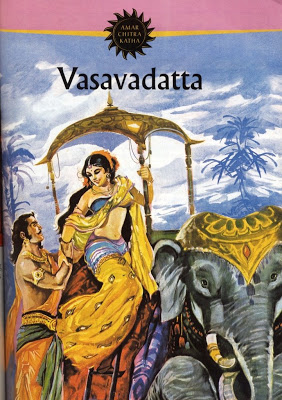
UDAYANA was a prince of lunar race/ Chandra kula. He was the son of Sahasraanika. He was the king of Vatsa and called Vatsaraja. He was the hero of a popular love story, probably the earliest love story in India, a real life story. Though we have Nala- Damayanti, Sathyavan- Savithri , Krishna – Rukmini, Arjuna – Chitrangada and other such love stories they all become part of religious literature. Udayana – Vasavadatta love affair is from the secular side and more historical.

One more interesting thing is that it has reached the Southern most of part of India and became a hero  in Tamil   kavyas.

Udayana’s capital was Kausambi. He was a great Veena player. Vaasavadataa , princess of Ujjaiyini , saw him in a dream and fell in love with him. She was the heroine of Subhandhu’s ‘Vasavadatta’.

Here is piece about her in the Great Women of India.

 Vasavadatta  the far famed queen of Udayana is the character where the recognised romantic ideal  (sachiva, sakhii, shishya) is brough to a highest level of execution. The features of sensitive pride and surrender to the cause of the husband are not clouded, but shine in her pre-eminently. There have been poets and dramatists who have brought her  character  into fine relief by presenting her  in comparison and contrast with other queens Padmaavatii,Saagarikaa and Priyadarshikaa .

In two the Bhasa plays,  we have Vasavadatta  as the figure round  which the whole course of events turns. Yaugandharayana’s policy succeeds  because of the force of the circumstances and of the self -effacement  of Vasavadatta , who offered him her ungrudging  aid.  She reconciles herself to her new position as the trusted and respected attendant maid , in which occupation, she has to weave the marriage garland of  Padmavati and do other unwonted and difficult things.  She accuses none for her ordeal of separation but relentless fate. The Samudragriha episode affords solace to her, proving, if any proof was necessary , that she was, as before, the king’s beloved par excellence.

Her recognition or appreciation of Padmavati as  her valued co-wife is a thing not uncommon in literature  and in history for Hindu  wives of high birth  and position.  The mutual respect and affection of the two queens, born of Vasavadatta’s majestic demeanour and Padmavati’s stately courtesy.

Classical Sanskrit literature is replete with examples of this type of adaptability, which is in keeping with the inner promptings of constancy that had their inspiration at least from the Epic Age. Episodes like those developed round  Manorama, Vinayavati, Sagariika are apt illustrations , in some of which the amiable  and accomplished rival claimant to the king’s affection is no less a favourite  with the reader than the main heroine.

Here is a piece from Wikipedia:-

Svapnavasavadattam (Sanskrit: स्वप्नवासवदत्तम्, Svapnavāsavadattam) (EnglishThe dream of Vasavadatta) is a Sanskrit play in six acts written by the ancient Indian poet Bhasa. It is probably the best known of Bhāsa‘s works.

(Bhasa lived in 3rd or 4th century BCE).

The plot of the drama is drawn from the romantic narratives about the Vatsa king Udayana and Vasavadatta, the daughter of Pradyota, the ruler of Avanti, which were current in the poet’s time and which seem to have captivated popular imagination. The main theme of the drama is the sorrow of Udayana for his queen Vasavadatta, believed by him to have perished in a fire, which was actually a rumour spread by Yaugandharayana, a minister of Udayana to compel his king to marry Padmavati, the daughter of the king of Magadha. It forms, in context, a continuation of his another drama, Pratijnayaugandharayana.

The complete text of the Svapnavasavadattam was long lost until it was discovered in Kerala in 1912.A tradition is recorded that when the critics subjected the plays of Bhasa to a severe test by throwing them into fire, only Svapnavasavadattam rose out unaffected, while other plays were all consummated by the flames. This play contains some of Bhasa’s greatest characters.

 MY OLD POSTS:-

tamilandvedas.com › tag › udayanas-encounter-with-elephants 
Udayana’s encounter with elephants | Tamil and Vedas

29 Sep 2012 – Posts about Udayana’s encounter with elephants written by Tamil and … Interesting stories about elephants are found in Indian literature.

tamilandvedas.com › tag › svapnavasavadatta 
Svapnavasavadatta | Tamil and Vedas

Translate this page

18 Apr 2014 – Here are some quotes from ‘Svapnavasavadatta’, his masterpiece and one of the best dramas available today:—. Ignorance 1.Even deities …

tamilandvedas.com › 2014/04/20 › beautiful-and-tranquil-hermitages-… 
Beautiful and Tranquil Hermitages of Ancient India | Tamil and …

20 Apr 2014 – The following passages from Svapnavasavadatta illustrate these points more clearly: Act 1. Yaugnadharayana: Self possessed dwellers of the …

–SUBHAM–

டைட்டானிக் கப்பல் விபத்து விசாரணை (Post No.7519)

WRITTEN BY LONDON SWAMINATHAN

Post No.7519

Date uploaded in London – 31 January 2020

Contact – swami_48@yahoo.com

Pictures are taken from various sources for spreading knowledge; this is a non- commercial blog.

மே 24, 1992 தினமணியில் நான் எழுதிய கட்டுரைகள்:–

1.ரஷ்ய ராக்கெட்டுகள் ஏலம்

2.எல்விஸ் பிரெஸ்லி தபால் தலை

3.டைட்டானிக் கப்பல் விபத்து விசாரணை

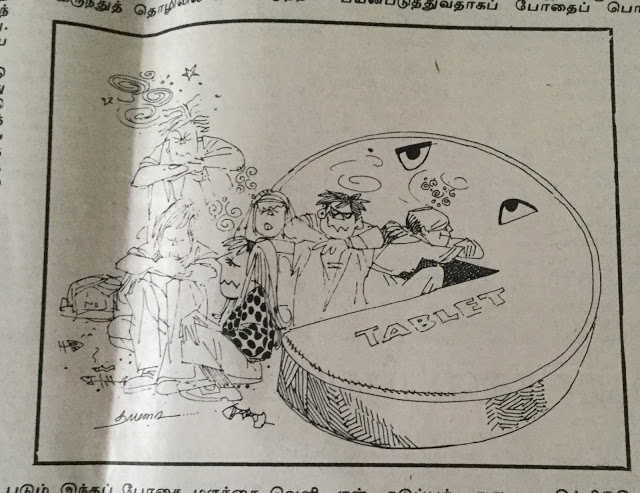
4.எக்ஸ்டசி உயிர்கொல்லி மருந்து

இதில் டைட்டானிக் கப்பல் விபத்து விசாரணை

 பற்றிய செய்தியைக் காண்போம்–

70 போப்பாண்டவர் படுகொலை (Post No.7518)

tamilandvedas.com, swamiindology.blogspot.com

WRITTEN BY LONDON SWAMINATHAN

Post No.7518

Date uploaded in London – 31 January 2020

Contact – swami_48@yahoo.com

Pictures are taken from various sources for spreading knowledge; this is a non- commercial blog.


கிறிஸ்தவர்களைப் பிரித்து பிராடஸ்டண்ட் (Protestant) பிரிவை 

உருவாக்கினார் போப்பாண்டவர் ‘பாவ மன்னிப்புச்  சீட்டு’ 

விற்றதே tamilandvedas.com, swamiindology.blogspot.com  இதற்கு காரணம்.

இனி கொலையுண்ட போப்புகளின் பட்டியலைப் பாருங்கள் :–

List of popes who died violently

From Wikipedia, the free encyclopedia

A collection of popes who have had violent deaths through the centuries. The circumstances have ranged from martyrdom (Pope Stephen I)[1] to war (Lucius II),[2] to a beating by a jealous husband (Pope John XII). A number of other popes have died under circumstances that some believe to be murder, but for which definitive evidence has not been found.

Martyr popes[edit]

This list is incomplete; you can help by expanding it.

In tradition, the first pope, Saint Peter, was crucified upside-down.

Murdered popes[edit]

Dubious[edit]

tags -போப்பாண்டவர், படுகொலை

—–subham—

நல்ல ஜீரணத்திற்கான அருமையான அறிவுரைகள்! – 1(Post No.7517)

WRITTEN BY S NAGARAJAN                     

Post No.7517

Date uploaded in London – 31 January 2020

Contact – swami_48@yahoo.com

Pictures are taken from various sources for spreading knowledge; this is a non- commercial blog.

திருநெல்வேலியிலிருந்து வெளிவரும் ஹெல்த்கேர் தமிழ் மருத்துவ மாத இதழில் ஜனவரி 2020 இதழில் வெளியாகியுள்ள கட்டுரை (ஹெல்த்கேர் ஆசிரியர் R.C.ராஜா, 10, வையாபுரி நகர், திருநெல்வேலி டவுன் 627006, தமிழ்நாடு, இந்தியா)

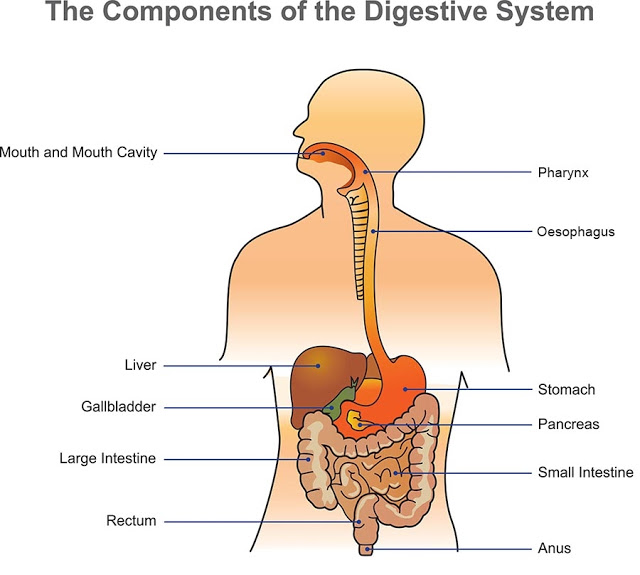
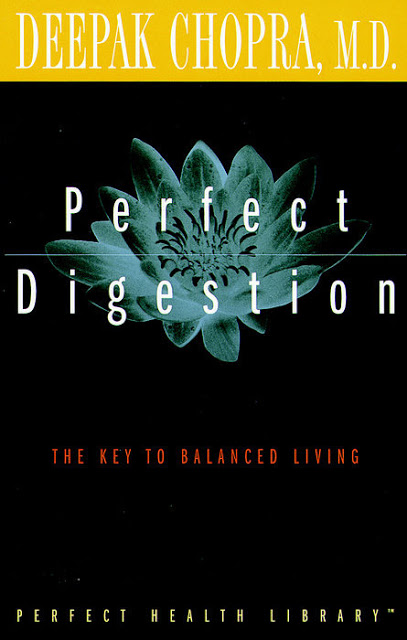
புத்தகச் சுருக்கம் : Perfect Digestion by Deepak Chopra

நல்ல ஜீரணத்திற்கான அருமையான அறிவுரைகள்! – 1

(தீபக் சோப்ரா எழுதியுள்ள ‘பெர்ஃபெக்ட் டைஜெஸ்ஷன்”)

ச.நாகராஜன்

உலகப் புகழ் பெற்ற எழுத்தாளர், யோகா மாஸ்டர், வாழ்க்கை முறை நெறியாளர் தீபக் சோப்ரா அமெரிக்காவில் வாழ்ந்து வருகிறார்.

ஏராளமான நல்ல புத்தகங்களை எழுதியுள்ளவர் அவர்; அவரது புத்தகங்கள் உலகெங்கும் லட்சக் கணக்கில் விற்று சாதனை படைத்திருக்கின்றன.

நல்ல ஜீரணத்தை அடைவதற்கான வழிகள் என்ற அவரது புத்தகம் அருமையான புத்தகம். 127 பக்கங்கள் கொண்ட இந்த நூல் 10 அத்தியாயங்களைக் கொண்டுள்ளது.

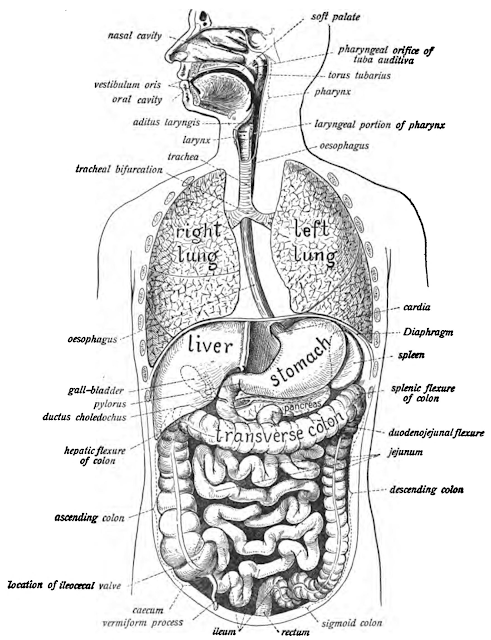
மனிதன் ஆரோக்கியமாக வாழ அவன் எடுத்துக் கொள்ளும் உணவு மிக முக்கியமானது. குடல், இரைப்பை, குடல் நாளம் ஆகியவை எப்படிப்பட்ட உணவை ஏற்கும், எவற்றை எடுத்துக் கொண்டால் உடலில் பிரச்சினைகள் தோன்றும் என்ற அடிப்படை அறிவை அறியாததால் தான் உலகில் பெரும்பாலானோருக்கு ஜீரணம் சார்ந்த பிரச்சினைகள் உருவாகின்றன.

அந்த வகையில் நல்ல அறிவுரைகளைத் தந்து ஜீரணம் பற்றிய முழு விவரங்களைத் தொகுத்து விளக்கி ஆயுர்வேத அடிப்படையிலான ஆலோசனைகளை வழங்குகிறார் இந்தப் புத்தகத்தில் தீபக் சோப்ரா.

செரிமானக் குடல் தடம் சிக்கலான ஒரு உறுப்பு.

மாறிக் கொண்டே இருக்கும் உடல் அமைப்பில் 98 சதவிகிதம் அணுக்கள் சென்ற வருடம் உடலில் இல்லாதவை,

இந்த ஒரு உண்மையே உடல் அமைப்பு மாறிக் கொண்டே இருக்கிறது என்பதைக் காண்பிக்கிறது. இதை முதலில் உணர வேண்டும்.

ஒரு ஆச்சரியாமான உண்மை, உங்களின் உடல் எலும்புகள் ஒவ்வொரு மூன்று மாதமும் புதுப்பிக்கப்பட்டுக் கொண்டே இருக்கின்றன என்பது தான்!

இர்ரிடபில் பவல் சிண்ட் ரோம் (Irritable Bowel Syndrome – IBS) எனப்படும் குடல் பதற்றப் பிணிக்கூட்டு நோய் ஒரு ‘வில்லங்கமான’ வியாதி.

எதையும் சாப்பிட விடாது; சாப்பிட்டவுடன் டாய்லெட்டை நோக்கி ஓட வேண்டும் போன்ற உணர்வை ஏற்படுத்தும் வியாதி.

வெளியில் சாப்பிட முடியாது; பயணம் போக முடியாது; விருந்தில் கலந்து கொள்ள முடியாது, ஏன் அண்டை அயலார் உறவினர் வீட்டிற்குக் கூட சகஜமாகப் போக முடியாது; எதையாவது  கொடுத்துச் சாப்பிடச் சொன்னால்…” – என்ன செய்வது என்ற இடைவிடாது தொற்றிக் கொண்டிருக்கும் பயமே காரணம்!

இந்த வியாதி பற்றிய முழு விவரத்தையும் நோய்க்கான தீர்வையும் விளக்கமாகத் தருகிறது இந்த நூல்.

ஆயுர் வேத வைத்திய முறை உடலை வாதம், பித்தம், கபம் என மூன்று வகையாகப் பிரிக்கிறது.

முதலில் இந்த மூன்றில் நாம் எந்த வகை என்பதை அறிந்து கொள்ள வேண்டும். அதற்குத் தக்கபடி நமது உணவுப் பழக்கத்தை ஏற்படுத்திக் கொள்ள வேண்டும்.

இதற்காக மூன்று வினாத்தாள்கள் 20 கேள்விகளுடன் தரப்பட்டுள்ளன. அதற்கு விடையளித்த பின்னர் கொடுக்கப்பட்ட சரியான விடைகளுடன் ஒத்துப் பார்த்து நீங்கள் எந்த டைப் என்பதைக் கண்டுபிடித்து விடலாம்.

முதலாவது வகையினர்

வாத வகையினர் (Characteristics of Vada Type)

ஒல்லியான உடல்வாகு, எடை குறைவு

சுறுசுறுப்பாகச் செயல் புரிவர்

ஒழுங்கற்ற பசி எடுக்கும் தன்மையும் சீரற்ற ஜீரணமும்

விட்டு விட்டுத் தூங்குதல், இன்சோம்னியா நிலை போல இருத்தல்

சுறுசுறுப்பு, நல்ல கற்பனா திறன், குதூகலமான தன்மை

உணர்ச்சிவயப்படக்கூடியவர், அடிக்கடி மனநிலை மாறும் தன்மை (Changing moods)

ஒரு விஷயத்தை உடனே கிரஹிப்பவர், அதே போல மறந்தும் போய்விடுவர்

கவலைப்படும் சுபாவம்

மலச்சிக்கல் வரும் தன்மை

சுலபமாக களைப்படைவர், அதிக வேலை செய்வர்

மன மற்றும் உடல் ஆற்றல் பொங்கிப் பொங்கி வரும் (Mental and physical Energy comes in bursts)

இரண்டாவது வகையினர்

பித்த வகையினர் (Characteristics of Pitta Type)

நடுத்தர உடல் வாகு கொண்டவர்

நடுத்தர வலிமை அதே போன்ற தாங்கும் சக்தி கொண்டவர்

நல்ல பசியும் தாகமும் கொண்டவர், நல்ல ஜீரண சக்தி உண்டு.

கோபம் கொள்பவர், மன அழுத்தத்தில் எரிச்சல் அடைபவர்

சிவப்பான தோற்றம், மச்சம் உள்ளவர்

சூரிய வெளிச்சம் ஆகாது, வெப்பம் அதிகமாக இருப்பின் தாங்க மாட்டார்

ஊக்கமுடையவர், சவால்களை எதிர்கொண்டு சமாளிப்பவர்

கூரிய புத்தி

துல்லியமானவர், நல்ல குரலுடன் பேசுபவர்

அந்தந்த வேளை உணவை விட்டுக் கொடுக்கவே முடியாதவர்.

பொன் நிறம்/பழுப்பு/ சிவப்பு முடியினர்

மூன்றாவது வகையினர்

கப வகையினர் (Characteristics of Kapha Type)

திடமான உடல்வாகு கொண்டவர்,வலிமையானவார், நல்ல உடல் வலிமை, தாங்கும் சக்தி அதிகம் கொண்டவர்

சீரான சக்தி; மெதுவாகவும் நளினமாகவும் செயல் புரிபவர்

அமைதியானவர், பதற்றமில்லாத ஆளுமை கொண்டவர், கோபம் மெதுவாகத் தான் வரும்

அமைதியானவர், மிருதுவானவர், வெளுத்தவர், எண்ணெய்ப்பசை கொண்ட தோல் கொண்டவர்

புதிய விஷயங்களை மெதுவாகப் புரிந்து கொள்வர், ஆனால் தீர்க்கமான நினைவாற்றல் இருக்கும்

நல்ல, நீண்ட தூக்கம்

சற்று உடல் பருமன் உண்டு

மெதுவான ஜீரண சக்தி, நிதானமான பசி

அன்பானவர், பொறுமையானவர், மன்னிக்கும் மனப்பான்மை கொண்டவர்

தன்னுடையது என்ற குணம் உண்டு,திருப்தியான சுபாவம் கொண்டவர்

ஒரு ஆயுர்வேத மருத்துவர் ஒருவரைப் பார்த்தவுடன் அவர் எந்த வகை என்பதைச் சுலபமாக நிர்ணயித்து விடுவார்.

சில அடிப்படை விதிகள்

நல்ல ஜீரண சக்தி அடைய சில அடிப்படையான விதிகள் உண்டு. அவையாவன:

நல்ல அமைதியான இடத்தில் உண்ணுதல் வேண்டும்.

உட்கார்ந்து உணவை உண்ண வேண்டும்.

மன அழுத்தம், சோர்வு,கவலையுடன் சாப்பிடக் கூடாது

அதிகமாக உண்ணக் கூடாது

ஃபிரிட்ஜில் வைக்கப்பட்ட குளிர்ந்த உணவை உண்ணக் கூடாது. ஐஸ் போட்ட திரவ வகைகளை உட்கொள்ளக் கூடாது

மென்று உண்ண வேண்டும்; பேசியவாறே சாப்பிடக் கூடாது

நிதானமாக உண்ண வேண்டும்.

உணவு உண்டபின் அது நன்கு ஜீரணமான பின்னரே அடுத்த வேளை உணவு உண்ணல் வேண்டும்.

அவ்வப்பொழுது சமைக்கப்பட்ட உணவு வகைகளை உண்ணுங்கள்.

எளிய நடைமுறைகள் தாம் இவை.

இவற்றைச் சரியாகக் கடைப்பிடிக்கவில்லையெனில் ஜீரண சக்தி குறைந்து சாப்பிட்ட உணவு வகைகள் அப்படியே இரைப்பையில் தங்கும்.

இதன் ஒரு விளைவாக ஏற்படுவது தான் ஆயுர்வேதம் குறிக்கும் ஆமா (Ama)

இதனால் ஏராளமான கோளாறுகள் உடலில் ஏற்படும். வாயில் வெள்ளைப் படலமாகத் தோன்றுவது இதன் ஒரு அறிகுறி.

இந்த அஜீரணக் கோளாறை நீக்க ஒரு எளிய சின்ன வழி உள்ளது.

முதல் வழி வாரத்தில் ஒரு நாள் எளிய கஞ்சி உணவு போன்ற திரவ உணவை மேற்கொள்வது.

அடுத்த இன்னும் ஒரு எளிய வழி.சாப்பிட்ட பின்னர் கொதிக்க வைத்த வெந்நீரை குடிக்கக் கூடிய பொறுக்கும் சூட்டுடன் அவ்வப்பொழுது நாள் முழுவதும் இரண்டு அல்லது மூன்று மடக்கு குடிக்க வேண்டியது தான்.

ஒரு பிளாஸ்கை வாங்கி வைத்துக் கொண்டு அவ்வப்பொழுது இந்த வெந்நீரை அருந்தி வந்தால் ஆமா போய் விடும்.

ஒரு முறை அல்லது இரண்டு முறை இப்படிச் செய்தால் போகாது; பல முறை இந்த வெந்நீர் குடிப்பதை மேற்கொள்ள வேண்டும்.

இதன் விளைவாக முதல் சில வாரங்கள் அடிக்கடி சிறுநீர் கழிக்க வேண்டி வரும். ஏனெனில் உடலில் சேர்ந்துள்ள ‘ஆமாவை’ உடல் சிறுகச் சிறுக வெளியேற்றுவதால் இது ஏற்படும். சில வாரங்களில் பழையபடி சில முறை மட்டுமே சிறுநீர் கழிக்கும் நிலை திரும்பி விடும்.ஆனால் ஜீரணத்திற்கு தீங்கு பயக்கும் ‘ஆமா’ பொயே போய் விடும்.

ஜீரணத்திற்காக ஆயுர்வேதம் பரிந்துரைக்கும் சில மூலிகைகளும் உண்டு. இவற்றை அன்றாடம் உணவில் நாம் சேர்த்துக் கொள்ளலாம்.

நெல்லிக்காய்: இரைப்பையில் தோன்றும் எரிச்சலை நீக்குவது இது. இரத்தத்தில் உள்ள இனிப்பையும் இது சமனப்படுத்தும் (

கொத்துமல்லி : பித்த தோஷத்தை நீக்கும்.

லவங்கம் மற்றும் கிராம்பு : ஜீரணத்தை ஊக்குவிக்கும்.

(அடுத்த பகுதியுடன் இந்த புத்தகச் சுருக்கம் முடியும்)

***

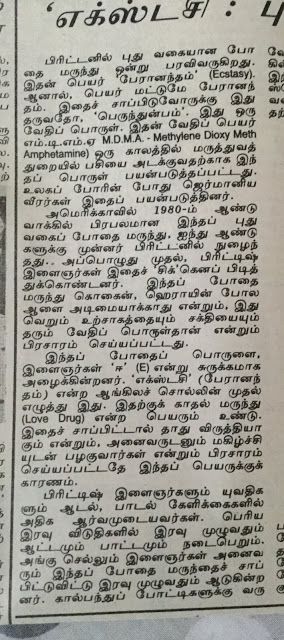
எக்ஸ்டசி உயிர்கொல்லி மருந்து (Post No.7516)

WRITTEN  BY LONDON SWAMINATHAN

Post No.7516

Date uploaded in London – 30 January 2020

Contact – swami_48@yahoo.com

Pictures are taken from various sources for spreading knowledge; this is a non- commercial blog.

மே 24, 1992 தினமணியில் நான் எழுதிய கட்டுரைகள்:–

1.ரஷ்ய ராக்கெட்டுகள் ஏலம்

2.எல்விஸ் பிரெஸ்லி தபால் தலை

3.டைட்டானிக் கப்பல் விபத்து விசாரணை

4.எக்ஸ்டசி உயிர்கொல்லி மருந்து

இதில் ‘எக்ஸ்டசி உயிர்கொல்லி மருந்து’

பற்றிய செய்தியைக் காண்போம்–

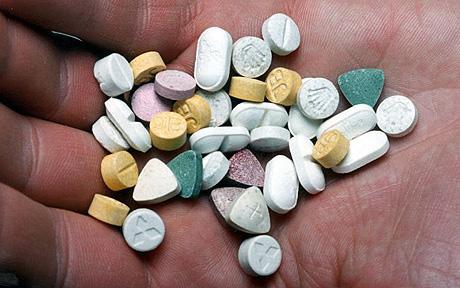
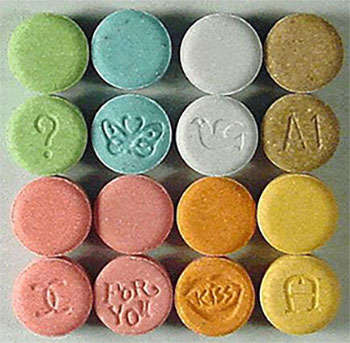
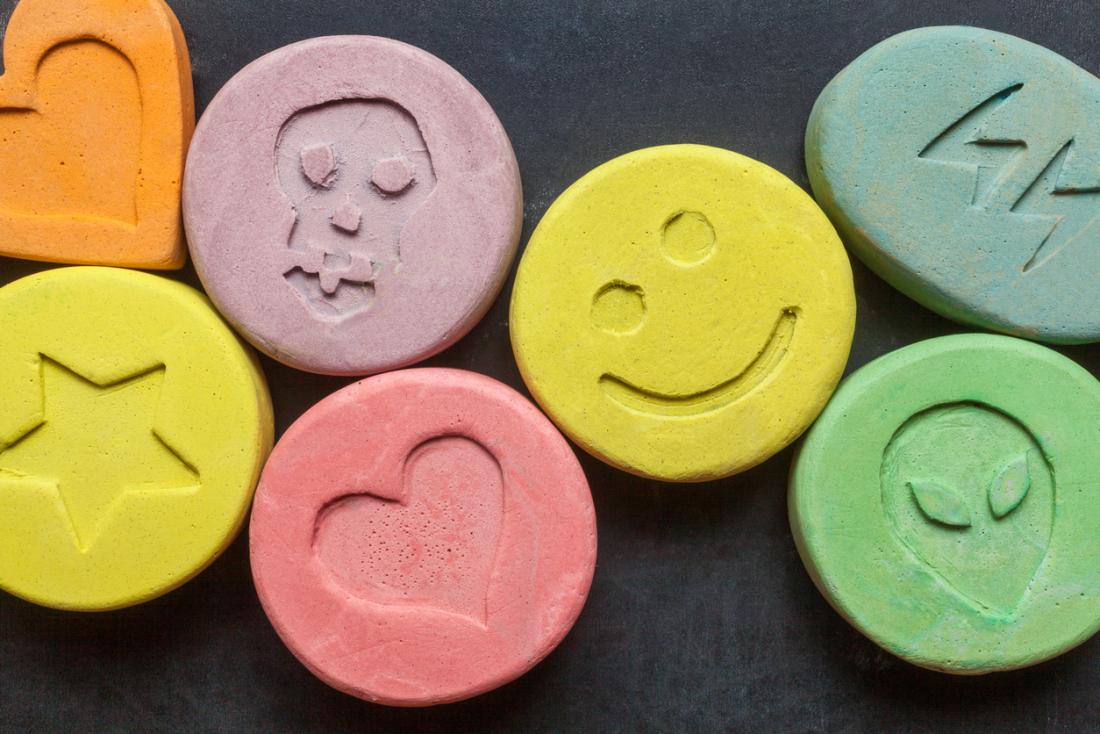
Pure ecstasy takes the form of a white powder. It is known as MDMA which is short for 3,4 Methylenedioxymethamphetamine. Although police seizures of MDMA powder have increased in recent years, it remains less common than ecstasy tablets or capsules. Ecstasy is also very occasionally sold as crystals.

—subham—

Seventy Popes Murdered or Died in Mysterious Circumstances ! (Post No.7514)

WRITTEN BY LONDON SWAMINATHAN

Post No.7514

Date uploaded in London – 30 January 2020

Contact – swami_48@yahoo.com

Pictures are taken from various sources for spreading knowledge; this is a non- commercial blog.

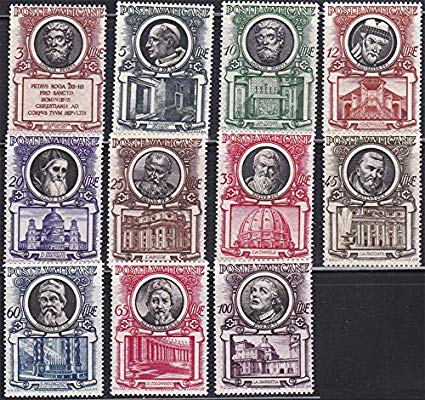
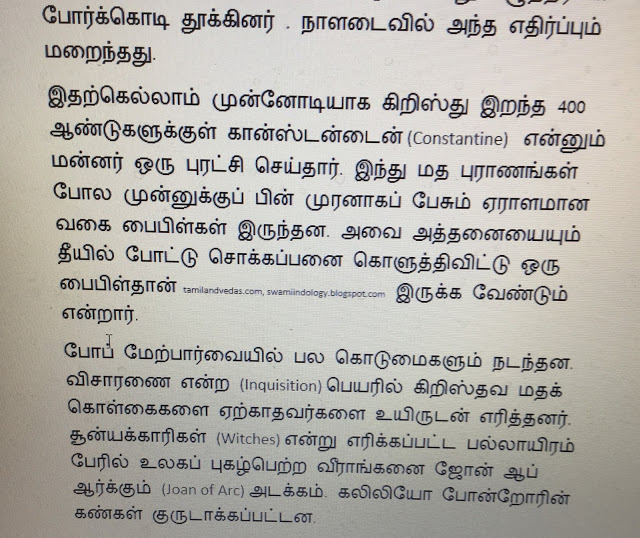
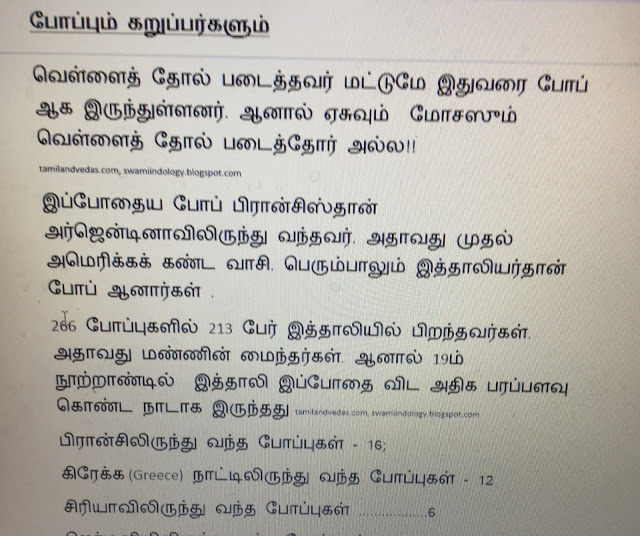
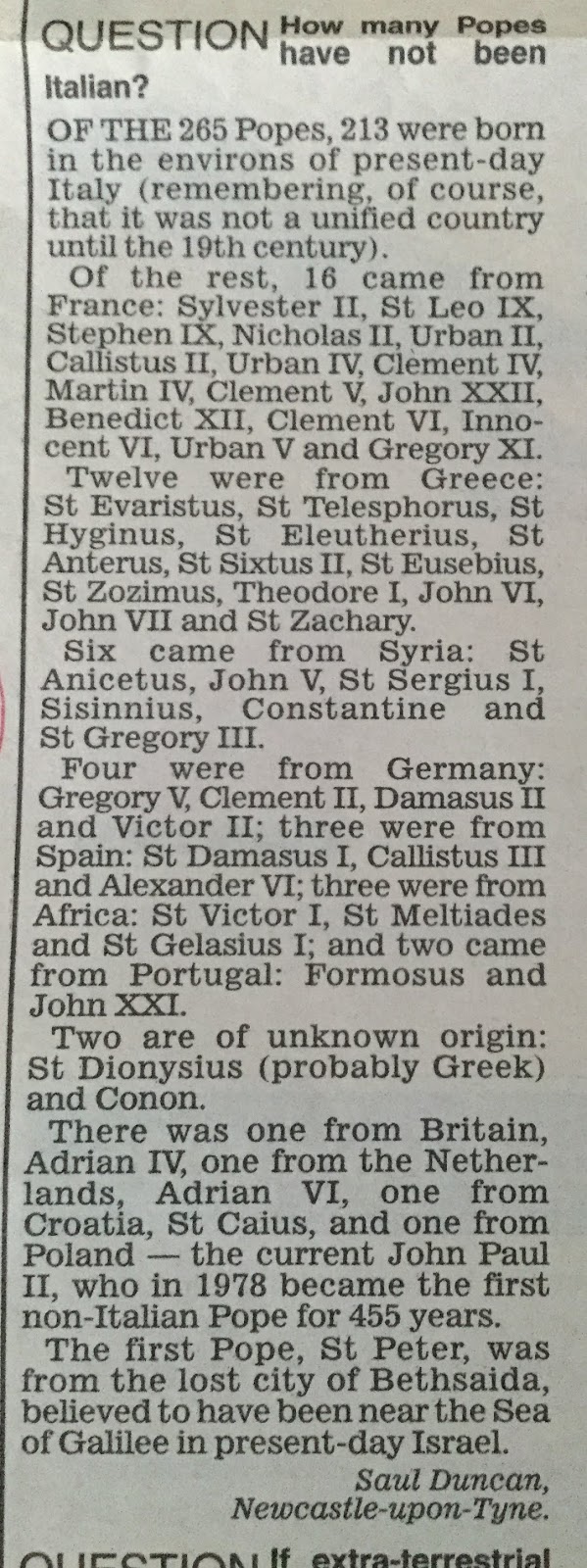
Historians who wrote Christian history say that at least 70 out of 266 Popes were murdered or died in mysterious or suspicious circumstances. Wikipedia has given a list of at least 40 such Popes.

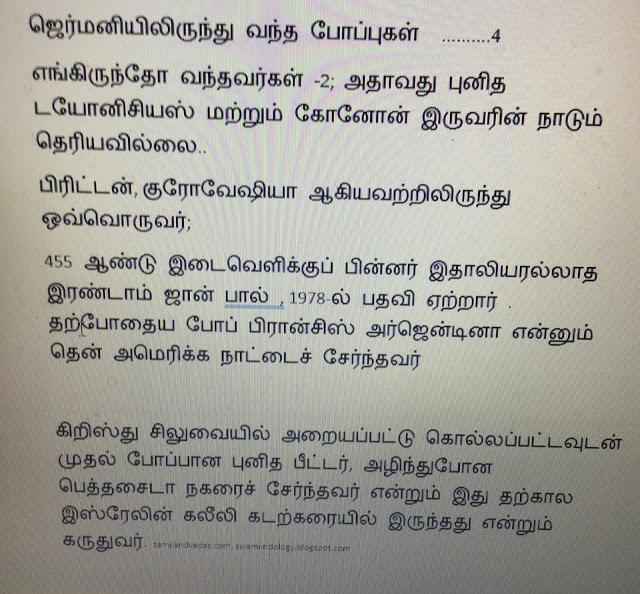
Another interesting thing about past popes is majority of them were from Italy.

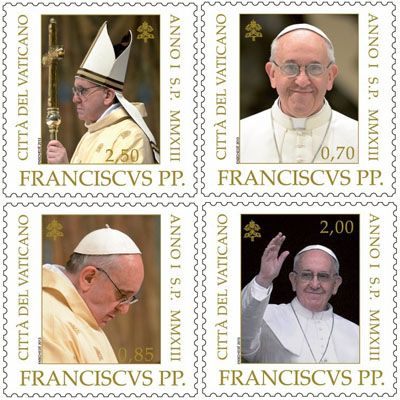
Current Pope Francis is the first person to come from the Americas. He is an Argentinian.

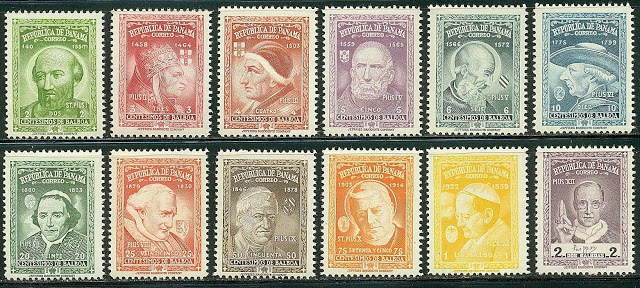
One more interesting thing about the Popes is the average length of their Popehood. Historians give 20 to 25 years per king. Hindu history shows that Gurus or religious teachers lead their group for more years. The average may be 30 to 50 years per Guru. But surprisingly we have 265 Popes for a period of 2000 years. That is an average of less than 8 years per Pope. This confirms the conspiracy theories, murders and violence surrounding Popes.

History of Bible is more interesting. In the beginning Popes ruled that no one should possess a Bible and they should handle it only inside the Churches. Later, Bibles were sold with Pope’s permission to selected people. Not everyone can hold it. Later, there was big opposition for PRINTING Bible when Gutenberg invented printing machine. All these began with King Constantine burning all Bibles except one version in the fourth century. The reason was various Bibles had various stories which were contradictory like Hindu Puranas. Despite this, there are contradictory versions in Dead Sea scrolls and the Greek Bible in the British Library. There is tremendous pressure from vested interests not to publish those contradictions. There are 2000 differences or mistakes in the current Bible compared to Greek Version. In the beginning Bible was in Greek and Hebrew languages only. Even the later English Bible is constantly updated or altered with new English words or sentences till this day.

Old Tamil Bible has more Sanskrit words than Tamil words, they say.

History of Christian denominations is more interesting and there are over 200 Christian sects. Some even oppose celebrating Christmas. Syrian Orthodox, Greek Russian and Protestant movements are well known. The schism started in 11th century.

One of the Popes was jailed in France for eight years. No one came for his support or help.

Inquisition killed thousands of people. Women who opposed Christianity were burnt alive as witches including the most famous Saint Joan of Arc. A lot of Gypsies of Indian origin were also killed in such bonfires. It became part of untold and unsung stories.

History shows that Spanish and Portuguese did more violence ‘in the name of Christ’ than any other Christian sect. They wiped out the ancient South and Central American civilisations. Though Europeans from other countries went to the Americas and Australia, Pacific Islands ,South Africa and India and massacred natives, aborigines and others, it was mainly for political reasons. They wanted to occupy those lands or plunder gold and diamond.

India became a world wonder in the eyes of Christians and Muslims. Wherever they went they changed the entire country or region to their side except India. It remains a predominantly Hindu land till this day.

I am attaching a paper cutting from Daily Mail dated 1-12-2001 and Wikipedia Popes list who died in violence.

xxxx

List of popes who died violently           

From Wikipedia, the free encyclopedia

Jump to navigationJump to search

A collection of popes who have had violent deaths through the centuries. The circumstances have ranged from martyrdom (Pope Stephen I)[1] to war (Lucius II),[2] to a beating by a jealous husband (Pope John XII). A number of other popes have died under circumstances that some believe to be murder, but for which definitive evidence has not been found.

Martyr popes[edit]

This list is incomplete; you can help by expanding it.

In tradition, the first pope, Saint Peter, was crucified upside-down.

Murdered popes[edit]

Dubious[edit]

XXX

POPES AND THEIR NATIONALITIES

—SUBHAM–

தேக்கடி ராஜா கதையும் டார்ட்போர்ட் டால்பின்களும் (Post No.7515)

tamilandvedas.com, swamiindology.blogspot.com

WRITTEN BY LONDON SWAMINATHAN

Post No.7515

Date uploaded in London – 30 January 2020

Contact – swami_48@yahoo.com

Pictures are taken from various sources for spreading knowledge; this is a non- commercial blog.

அன் பிற்கும் உண்டோ அடைக்கும் தாழ் (ப்பாள் ) ? என்றான் வள்ளுவப்  பெருந்தகை. இந்த அன்பு உயிரினங்கள் எல்லாவற்றுக்கும் உண்டு என்பதை பஞ்ச தந்திரக் கதைகளும். சங்க இலக்கியக் காட்சிகளும் காட்டுகின்றன.நேற்றைய பிரிட்டிஷ் பத்திரிகைகள் வெளியிட்ட ஒரு செய்தி மேலும் இரண்டு சமபவங்களை நினைவுபடுத்தின. 1. நான் பள்ளிப் பருவத்தில் 1960-களில் படித்த ‘தேக்கடி ராஜா’ கதை (இணைப்பைப் பாருங்கள்) மற்றொன்று உலகப் புகழ் பெற்ற ஜப்பானிய நாய். இப்போது டோக்கியோவில் சிலையால் புகழ் பெற்றுவரும் நாய். இது தவிர மாதாகோவிலுக்கு வந்த நாய், சங்கராசார்ய மடத்தில் இருந்த நாய், மஹாபாரதத்தில் பாண்டவர்களைத் தொடர்ந்து வந்த நாய், ரிக் வேதத்தில் உள்ள சரமா நாய், அதை கிரேக்கர்கள் ஹெர்மஸ் என்று காப்பியடித்த நாய் என்று ஏராளமான மிருகங்களின் கதைகளை இந்த ‘பிளாக்’கில் படிக்கலாம். இது தவிர சிவன் மூலம் முக்தி பெற்ற மிருகங்களின் கதைகளையும் கொடுத்தேன்.

புதுக் கதையை மட்டும் எழுதுகிறேன் …..

இங்கிலாந்தின் தென் மேற்கு மூலையில் உள்ளது டெவன் பிராந்தியம். அதில் உள்ள டார்ட்போர்ட் அருகில் கிங்ஸ்வேர் (Kingswear near Dartford in Devon, England) என்னும் இடத்தில் கடலில் 20 டால்பின்கள் (Dolphins) கரையை நோக்கி நீந்தி வந்தன.  அவை அங்கே சோகத்துடன் தத்தளித்துக் கொண்டு இருந்தன. ஒன்றிரண்டு டால்பின்களை அரிதே காணும் மக்களுக்கு இது வியப்பாக இருந்தது. பின்னர்தான் விஷயம் புரிந்தது. அதற்கு முதல் நாளன்று கடற்கரை தடுப்புச்சுவர் அருகில் ஒரு குட்டி டால்பின் இறந்து கிடந்தது.   தலையில் இரண்டு வெடிகுண்டுக்கு காயங்கள் இருந்தன.

செத்துப்போன தனது குழந்தையைத் தேடி அதன் தாயாரும் தகப்பனும் நண்பர்கள் உறவினர்கள் புடை சூழ அந்தக் கடற்கரைக்கு வந்ததாகப் பத்திரிகை செய்திகள் கூறுகின்றன.

டால்பின்களும் திமிங்கிலங்களளும் குட்டி போட்டு பால் கொடுக்கும் கடல் வாழ் பிராணிகள் (Mammals). மீன் போல தோன்றினாலும் மீன் வகையை சேர்ந்தவை அல்ல. டால்பின்களின் மூளை மிகப்பெரியவை. மனிதர்களை போல குடும்பத்துடனும் உறவினர்களுடனும் கூட்டாக வாழும் பிராணி வகை. உலகம் முழுதும் டால்பின்களை பற்றி நிறைய கதைகள் உண்டு. கிரேக்க நாட்டுச சிறுவனை டால்பின் ஏற்றி சென்று காப்பாற்றிய கதை முதல் இன்று வரை பல சம்பவங்கள்.

சுருக்கமாக

டோக்கியோ நாய் ஹசிகோ தனது இறந்து போன எஜமானரைக் காண ஒன்பது ஆண்டுகளுக்கு நாள் தோறும் , அவர் வந்து இறங்கும் ரயில் நிலையத்துக்கு வந்து சென்றது.

தேக்கடி ராஜா கதை இறந்து போன யானைத் தலைவனுக்கு நள்ளிரவில், நடுக் காட்டில், பௌர்ணமி இரவில் நூற்றுக்கணக்காண யானைகள அஞ்சலி  செய்த கதை.  இது நான் பள்ளிக்கூடத்தில் இருக்குபோது பத்திரிகையில் தொடராக வந்து எல்லோரையும் அசத்திய கதை- 50 ஆண்டுகளுக்குப் பின்னர் லண்டனில் பிரிட்டிஷ் லைப்ரரியில் மீண்டும் படித்தேன். டால்பின் செய்தி வந்தவுடன் அதுவும் நினைவுக்கு வந்தது.

OLD ARTICLES IN THE BLOG

tamilandvedas.com › 2013/01/19 › வேத-நா…

வேத நாயும் மாதா கோவில் …

  1.  

19 Jan 2013 – வேத நாயும் மாதா கோவில் நாயும் … பூர்வ ஜன்மத்தில் ஒரு மடத்தின்/ கல்வி நிறுவனத்தின் தலைவர் தாம் என்றும் அப்போது …

tamilandvedas.com › 2015/07/12 › செய்நன…

செய்நன்றி:- நன்றியுள்ள … – Tamil and Vedas

  1.  

12 Jul 2015 – செய்நன்றி:- நன்றியுள்ள யானையும்குடிகாரப் பாம்பும்! … நன்றியுள்ள பிராணிகள் பற்றி நிறையவே படித்து இருக்கிறோம்.

Gajendra Moksha in Africa !! | Tamil and Vedas

Gajendra Moksha in Africa !!

  1.  

2 Aug 2012 – Believe it or not it happened in Africa very recently. … The meaning of the word Gajendra Moksha is Gaja=elephant, Indra= the leader or the …

—SUBHAM