250 Manu Verses in Mahabharata- Dr S Radhakrishnan (Post No.5878)

Compiled by London swaminathan

swami_48@yahoo.com


Date: 3 JANUARY 2019
GMT Time uploaded in London 21-00
Post No. 5878
Pictures shown here are taken from various sources including google, Wikipedia, Facebook friends and newspapers. This is a non- commercial blog.


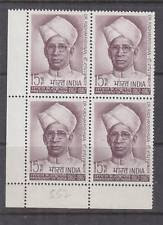
Dr S Radhakrishnan, famous philosopher and President of India has compared Manu with Kautilya. He compared Manu Smrti of Manu and Arthasastra of Kautilya in an article published in 1952. I have given below some interesting points,

Manu in the Mahabharata
 
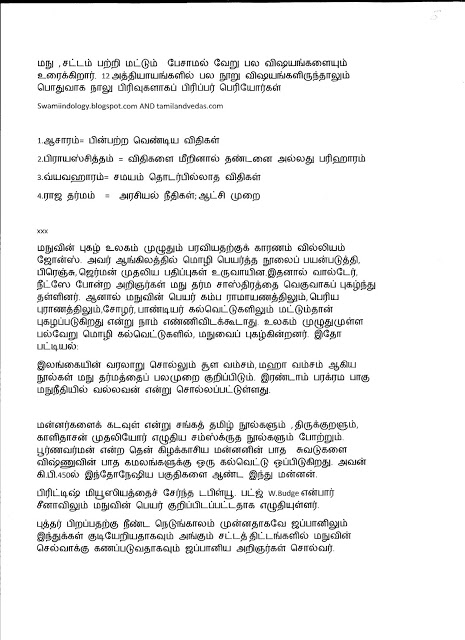
Over 250 Slokas from the Manu Smrti occur in various sections of the Mahabharata and many legends are common between the two works.

Size of the Two books

Manu Smrti has 2685 verses in 12 chapters. It is in poetic verses.
Kautilyas Arthasastra is a prose work in 15 books comprising 6000 Slokas of 32 syllables each in length.

Age of Two works
Manu Smrti in the present redaction belongs to Second century BCE. Kane argued that the epic borrowed the verses from the Smrti and it belongs to pre -epic period.

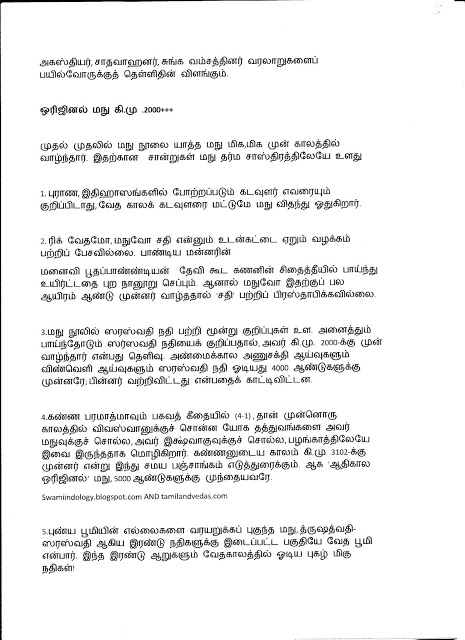
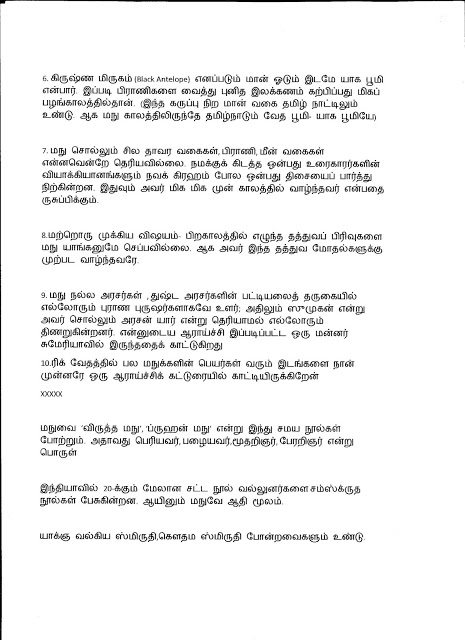
( yesterday I gave ten reasons to place the original Manu Smrti in the Vedic period. Viewed in that background , 250 plus Slokas in the epic is another proof to show that it was composed before 3100 BCE. But nobody disputes that Hindus updated the Smrti periodically. No one could say which one section or rule is older or newer. Definitely the anti Shudra verses were later interpolations. Because no such trend is seen in the epics or Vedas).

Authorship

Manu Smrti is attributed to Swayabhuva Manu and his disciple Bhrgu recited it to the sages. Kautilya says clearly that he took into account of all the literature on the subject. He refers to the views of over five authors and many unnamed authors.
Manu is a hoary name in Indian tradition. The Manu Smrti is the leading work on the sacred law of ancient India and Arthasastra of Kautilya takes the same rank among the manuals of polity.

Dharma sastra of Manu and Arthasastra of Kautilya alike study man in society.
Dharma sastras in general cover wider ground than Arthasastra and therefore command a wider appeal. For instance the cosmogony and eschatology of the opening and closing chapters of the Manu Smrti have no counterparts in Kautilya’s.

Geographical outlook

Manu divides north India into several graded regions like Aryavarta and Brahmavarta. Kautilya deals with the whole country from the Himalayas to the southern ocean.

( this is another proof to say that Manu must have lived long before Kautilya)

Unlike Kautilya, Manu gives extreme importance to Brahmins but at the same time insists good character and Vedic study for Brahmins.

Society

Both insist the grhastha srama— life of a House holder is greater than the other three stages. Hospitality is emphasised. Eight types of marriages is mentioned by both. Though the names of eight types are mentioned , all other known evidence shows that the normal form of marriage was a monogamous sacramental union between a youth and a maiden of the same Varna/caste .

Women in society

Manu gives a high place to women in social life and family.
Where women are honoured, there the gods are pleased; but where they are not honoured, no sacred rite yields rewards.

In that family where the husband is pleased with his wife and the wife with her husband, happiness will assuredly be lasting .

He is so keen on girls getting proper husbands that he goes so far as to say that when a suitable husband is not to be found, a girl may be kept in her father’s house as a spinster to the end of her life rather than be given over to a man destitute of good qualities. 

Slaves
The Greek writers are positive that slavery was unknown in India in the Mauryan epoch. But Greek type of slavery, ‘Chattel slavery’ was unknown in India. But Manu mentions different kinds of Dasas.

Homer and Good Kings

Manu says that when the world was without a king, it was much agitated with fear; and for its protection Lord Brahma created the king, to protect the good and destroy the wicked. Lord created his own son Danda. Danda is often translated as punishment. But it is more than that. It is the embodiment of law and order, the descendant of the Vedic rta.

Homer says
“When a blameless king fears gods and upholds right judgement then the dark earth yields wheat and barley and the trees are laden with fruits; the young of his flocks are strong, and the sea gives abundance of fish”.

This statement has many parallels in Hindu literature.

Tiruvalluvar in Tamil Veda, Tirukkural also says this.
Manu says, even an infant king must not be despised.

Dr Radha Krishnan,  in his lengthy article, compared administration, justice and ethics as well.

Source
History of Philosophy Eastern and Western, volume one,
Sarvepalli Radhakrishnans article, Manu and Kautilya 

—-Subham ——
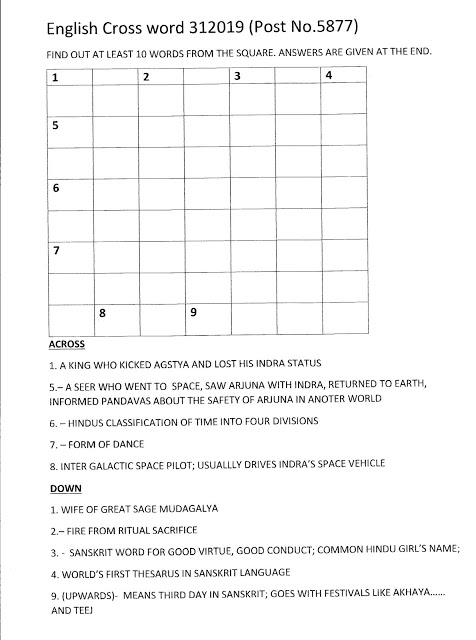
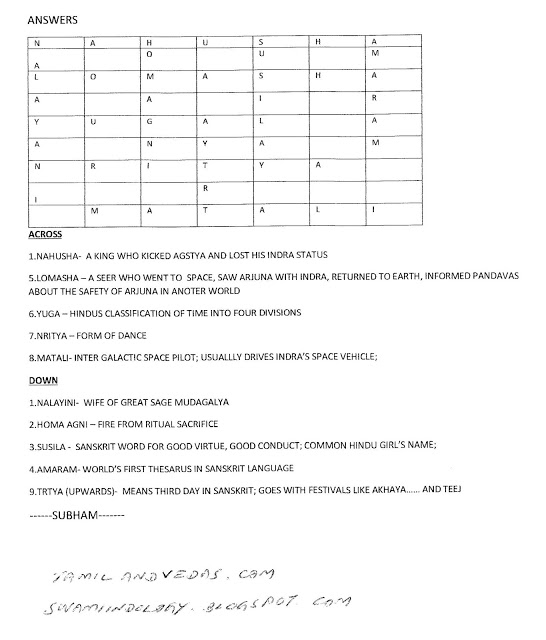
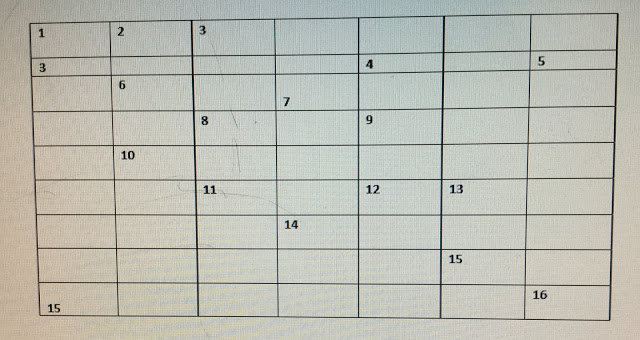
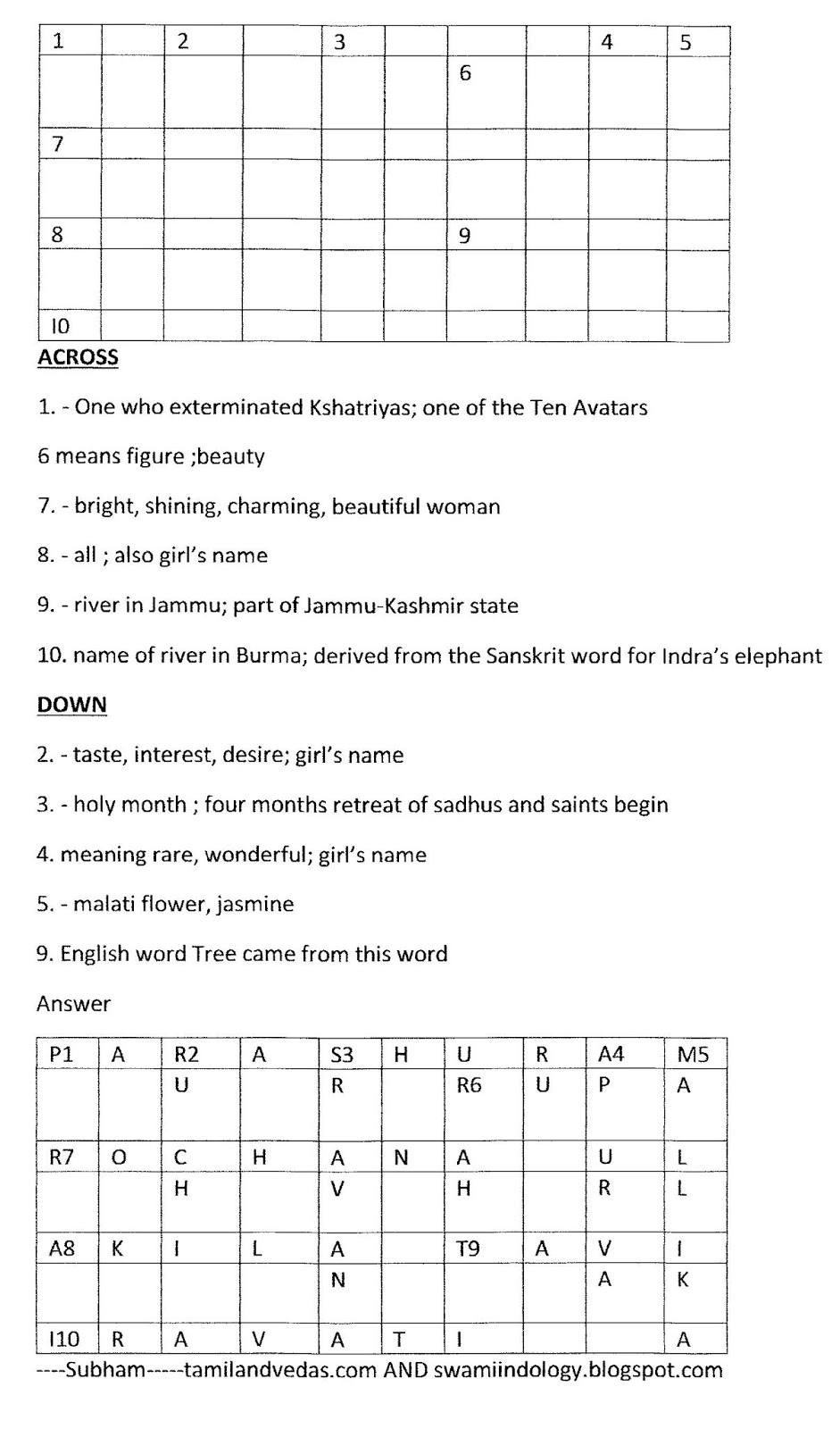
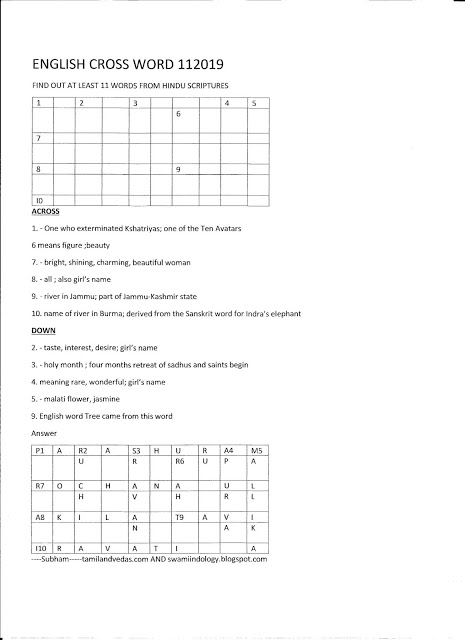
English Cross word 312019 (Post No.5877)

Written by London swaminathan

swami_48@yahoo.com


Date: 3 JANUARY 2019
GMT Time uploaded in London 8-23 am
Post No. 5877
Pictures shown here are taken from various sources including google, Wikipedia, Facebook friends and newspapers. This is a non- commercial blog.

பிலிப்பைன்ஸ் நாட்டில் மநுவின் சிலை (Post No.5876)

Written by London swaminathan

swami_48@yahoo.com
Date: 3 JANUARY 2019
GMT Time uploaded in London 7-02 am
Post No. 5876
Pictures shown here are taken from various sources including google, Wikipedia, Facebook friends and newspapers. This is a non- commercial blog.

TAGS- பிலிப்பைன்ஸ், மநு சிலை, தென் கிழக்கு ஆசியா,மநு செல்வாக்கு

மரணமடைந்த பின் மீண்டவர்கள்-2(Post No.5875)

Written by S Nagarajan


Date: 3 JANUARY 2019


GMT Time uploaded in London – 5-23 am


Post No. 5875

Pictures shown here are taken from various sources including google, Wikipedia, Facebook friends and newspapers. This is a non- commercial blog.

பாக்யா வார இதழில் வாரந்தோறும் இடம் பெறும் அறிவியல் துளிகள் தொடரில் அத்தியாயம் 407

(எட்டாம் ஆண்டு நாற்பத்தி மூன்றாம் கட்டுரை)

மரணமடைந்த பின் மீண்டவர்கள் பற்றிய அறிவியல் ஆய்வுகள்! – 2

ச.நாகராஜன்

மரணமடைந்த பின்னர் மீண்டும் உயிருடன் திரும்பியோர் பற்றிய ஆய்வில் ஒரு குறிப்பிடத் தகுந்த அம்சம் என்னவெனில், அவர்கள் தாம் வாழ்ந்த கலாசாரத்திற்குத் தக்கபடி தங்கள் அனுபவங்களைக் கூறுகின்றனர் என்பது தான் அது.

அமெரிக்காவில் இப்படிப்பட்ட அனுபவங்களை விவரிப்போர், “பிரக்ஞை இன்றி, நான் இறந்தவுடன்  ஒரு இடத்திற்குச் சென்றேன். அங்கு வெண்ணிற ஆடை அணிந்த குழந்தைகளும் பெரியவர்களும் இருந்தனர். அவர்கள் எந்த இனத்தவர் என்று என்னால் கூற முடியவில்லை. ஆனால் அவர்கள் மிக்க மகிழ்ச்சியுடன் காணப்பட்டனர். என்னைக் கண்டவுடன் அவர்கள் பாடியதை நிறுத்தி விட்டு, ‘உங்களை நாங்கள் இங்கே எதிர்பார்க்கவில்லையே’ என்றனர். உடனே நான் வேகமாகத் திரும்பி விட்டேன்.” இது மோர்ஸ் (Morse-1992) தனது ஆய்வில் தரும் தகவல்.

பஸ்ரிசா மற்றும் ஸ்டீவன்ஸன் (Pasricha and Stevenson – 1986) மரணத்திலிருந்து மீண்ட 16 இந்தியர்களைச் சந்தித்தனர். அவர்கள் கூறுவது பெரும்பாலும் ஒரே மாதிரியாக இருந்தது. “நான்கு கறுப்பு நிறத் தூதர்கள் என்னை வந்து பிடித்துக் கொண்டனர். என்னை எங்கே கொண்டு போகிறீர்கள் என்று கேட்டேன். அவர்கள் என்னை ஒரு தேவதையிடம் அழைத்துச் சென்றனர். எனது உடல் மிகவும் சுருங்கி இருந்தது.அந்த தேவதைக்கு முன்னர் பெரிய புத்தகங்கள் இருந்தன.அவர் கையில் ஒரு பேனா இருந்தது. அவர் அருகில் பல உதவியாளர்கள் இருந்தனர். அந்த தேவதை, ‘சாஜூ பனியா(வணிகர்) நமக்குத் தேவையில்லை. நாம் கேட்டது சாஜு கும்ஹாரைத் தான் (குயவர்). இவரை அனுப்பி விடுங்கள். அந்த இன்னொருவரைக் கொண்டு வாருங்கள்’ என்றது.


நான் பூமிக்குத் திரும்பி வர விரும்பவில்லை. அந்த உதவியாளர்களிடம் ஏதேனும் ஒரு வேலை தருமாறு வேண்டினேன்.என்னைத் திருப்பி அனுப்பி விடாதீர்கள் என்றேன். உயர்ந்த ஆசனத்தில் வெள்ளை தாடியுடன் மஞ்சள் உடையுடன் அங்கே அமர்ந்திருந்த யமராஜர், ‘உனக்கு என்ன வேண்டும்’ என்று என்னைக் கேட்டார். நான் அங்கேயே தங்க வேண்டும் என்றேன். அவர் என் கையை நீட்டச் சொன்னார். பிறகு என்ன நடந்தது என்று தெரியவில்லை. நான் இருந்த இடத்திற்கு வந்து உயிர் பிழைத்து விட்டேன்”

இந்தியர்களின் அனுபவம் அமெரிக்கர்களின் அனுபவத்தை ஒத்ததாக உள்ளது. அதில் மதம் அதிகப் பங்கு வகிக்கிறது.

16 பேர்களை ஆய்வு செய்ததில் 13 இந்தியர்கள் இதே அனுபவத்தைக் கூறினர்.

தாய்லாந்தைச் சேர்ந்த ஒருவர் பற்றிய ஆய்வை மர்பி (2001இல்) நடத்தினார். அதில் அவர் யமராஜனைப் பார்த்ததாகவும் ஒரு பெரிய ஹாலுக்குள் அவர் யமதூதர்களால் அழைத்துச் செல்லப்பட்டதாகவும் கூறினார். ‘யமராஜன் என்னைப் பார்த்து இவர் தவறாக இங்கு கொண்டு வரப்பட்டிருக்கிறார் என்று சொல்லி திருப்பி அனுப்பும் படி சொல்லவே நான் மீண்டு வந்தேன்’ என்றார் அவர்!

க்ரிசென் (Greyson -1983) தனது ஆய்வில் இப்படி சாவிலிருந்து மீண்டவர்களில் பலர் சைக்கிக் எனப்படும் அமானுஷ்ய சக்தியைப் பெறுகின்றனர் என்கிறார். ஆவிகளைக் காண்பது, மனிதர்களைச் சுற்றியுள்ள அவுரா (Aura) எனப்படும் ஒளிவட்டத்தைக் காண்பது, ஆவிகளுடன் பேசுவது உள்ளிட்டவை இதில் அடங்கும்.

மோர்ஸ் (1992) தனது ஆய்வில் இப்படிப்பட்டவர்கள் மீண்டும் உயிருடன் வந்தவுடன் இவர்களில் பலருக்கு மின்சாரம் மற்றும் காந்த சக்தி ஆகியவற்றில் பல பிரச்சினைகள் ஏற்படுவதாகக் கூறுகிறார். அவர்கள் கையில் கட்டியிருக்கும் கடிகாரங்கள் வேலை செய்வதில்லை. மின் பல்புகள் உள்ளிட்ட மின் சாதனங்கள் பல அவர்களுக்கு வேலை செய்வதில்லை!

இப்படிப்பட்ட அனுபவங்கள் ஏற்படுவதற்கு அறிவியல் ரீதியிலான காரணங்கள் உண்டா என்பதையும் விஞ்ஞானிகள் ஆய்வுக்குள் கொண்டு வந்தனர். போதை மருந்துகள், வலிப்பு,ஆக்ஸிஜன் பற்றாக்குறை, புலன் உணர்வு குறைதல், தோற்ற மயக்கம் (hallucination) ஆகிய இவற்றால் அப்படி ஒரு அனுபவத்தை அவர்கள் பெறுகிறார்களோ என்ற விவாதமும் நடைபெறுகிறது.

ரிங் (1980) தனது ஆய்வில், ‘இறந்தவுடன் இறந்தவரின் பிரக்ஞை அடுத்த ஒரு மேலான மட்டத்திற்குச் செல்கிறது. இதை நான் நான்காவது பரிமாணம் என்கிறேன். இறந்தவர் தனது இன்னொரு ‘உயரிய நபரைப்’ பார்க்கிறார். அந்த இன்னொருவர் தான் அவருக்கு ‘ஒளி உருவமாகத்’ தெரிகிறார்” என்கிறார்.

     குக் (1998) எனும் விஞ்ஞானி தனது ஆய்வில் மனம் பற்றியும் இதில் ஆராய வேண்டும் என்கிறார். ‘இறந்தவரின் மனம் மட்டும் இன்னும் கொஞ்ச நேரம் இயங்குகிறதோ, அதனால் தான் அவரால் இப்படி ஒரு அனுபவத்தைச் சொல்கிறாரோ எனப் பார்க்க வேண்டும்’ என்பது அவரது முடிவு.

விஞ்ஞானிகளில் ஒரு பிரிவினர் பல நாடுகளிலும் உள்ள பலரும் இப்படிச் சொல்வது அதிசய ஒற்றுமை அல்லவா, ஆகவே இதில் உண்மை இருக்கிறது என்கின்றனர்.

இன்னும் சிலரோ போதுமான சான்றுகள் பெரிய எண்ணிக்கையில் கிடைக்கவில்லை; என்றாலும் கூட இது ஆராயப்பட வெண்டிய மர்மமான ஒரு விஷயம் தான் என்கின்றனர்.

இது பற்றி சுமார் 450 பெரிய புத்தகங்களையும் ஆய்வறிக்கைகளையும் விஞ்ஞானிகள் வெளியிட்டுள்ளனர் என்பதிலிருந்தே இது எவ்வளவு முக்கியமான விஷயம் என்பதைப் புலப்படுத்துகிறது.

ஆயிரக்கணக்கான கேஸ்கள்! பொய் சொல்ல வேண்டும் என்ற அவசியமே இல்லாத பலரும் இதைச் சொல்கின்றனர்.

ஆகவே மரணத்திற்குப் பின் மறுவாழ்வு உண்டா?

மரணமடைந்து மீளாதவர்களும் சொல்ல முடியாது; உயிரோடிருப்பவர்களும் சொல்ல முடியாது. மரணமடைந்து மீண்டவர்கள் மட்டுமே இதைச் சொல்லமுடியும்.

நம்புவதும் நம்பாததும் அவரவர் இஷ்டம் என்பது தான் இன்றைய அறிவியல் நிலை!

அறிவியல் அறிஞர் வாழ்வில் .. ..

பிரபலமான இந்திய விஞ்ஞானிகளில் ஒருவரான சர் ஜகதீஷ் சந்திர போஸ் (பிறப்பு 30-11-1858 மறைவு 23-11-1937) பல அரிய கண்டுபிடிப்புகளைக் கண்டு பிடித்தவர். அவரது அபாரமான கண்டுபிடிப்புகள் லேசில் அங்கீகரிக்கப்படவில்லை. அவர் தனது ஆய்வுக் கட்டுரையை இங்கிலாந்தில் உள்ள ராயல் இன்ஸ்டிடியூட்டுக்கு அனுப்பிய போது அது நிராகரிக்கப்பட்டது.

பின்னால் அவர் இங்கிலாந்து சென்று தனக்கென ஒரு சிறிய லாபரட்டரியை அமைத்த போது ராயல் சொஸைடியின் உறுப்பினர் ஒருவர் அங்கு வந்து அதைப் பார்த்தார். போஸின் ஆராய்ச்சியைக் கண்டு வியந்து போன அவர் போஸிடம்,


“ உங்களது கட்டுரை ஒரு வோட்டால் நிராகரிக்கப்பட்டது. அந்த ஒரு வோட்டைப் போட்டவன் நான் தான்” என்று மிக வருத்தப்பட்டுக் கூறினார்.

தாவரத்திற்கும் வலி தெரியும் என்று போஸ் கூறியதில் பல விஞ்ஞானிகளுக்கு நம்பிக்கையே இல்லை. ஆகவே இதை சவாலாக எடுத்துக் கொண்டு 1901ஆம் ஆண்டு மே பத்தாம் தேதி ராயல் சொஸைடியின் பிரதான ஹாலில் தன் சோதனையை அவர் நிகழ்த்திக் காட்டினார். ஹால் முழுவதும் விஞ்ஞானிகளின் கூட்டம் நிரம்பி வழிந்தது.

போஸ் மிகுந்த கவனத்துடன் ஒரு செடியின் வேர் பாகத்தை அதன் தண்டுடன் சேர்த்து, தான் தயாரித்து வைத்திருந்த ப்ரோமைட் கரைசலில் அமிழ்த்தினார். உடன் என்ன நிகழ்கிறது என்பதைக் காட்டும் திரையில் அதன் அசைவுகளை அனைவரும் பார்க்க ஆரம்பித்தனர். கரைசலில் அமிழ்த்தப்பட்ட செடியின் பாகம் பெண்டுலம் போல அங்கும் இங்கும் அசைந்து ஆட ஆரம்பித்தது. சில நிமிடங்களிலேயே அது வேகமாகத் துடிக்க ஆரம்பித்தது. பின்னர் உயிர்த்துடிப்பு நின்றது போல நின்றது. விஷம் கொடுக்கப்பட்ட எலி எப்படித் துடிதுடித்துச் சாகுமோ அது போல அந்த நிகழ்வும் இருந்ததை அனைத்து விஞ்ஞானிகளும் பார்த்துப் பிரமித்தனர். அவர்களின் கரகோஷம் ஹாலையே பிளந்தது.

ப்ரோமைட் விஷத்தின் பாதிப்பால் செடி துடிதுடித்து இறந்ததை உலகம் அறிந்த போது தான் போஸின் அறிவியல் ஆய்வின் திறன் தெரிய வந்தது. 1917இல் அவருக்கு க்னைட் பட்டம் தரப்பட்டது. 1920இல் அவர் ராயல் சொஸைடியின் ஃபெலோ என்ற அந்தஸ்தைப் பெற்றார்.

***

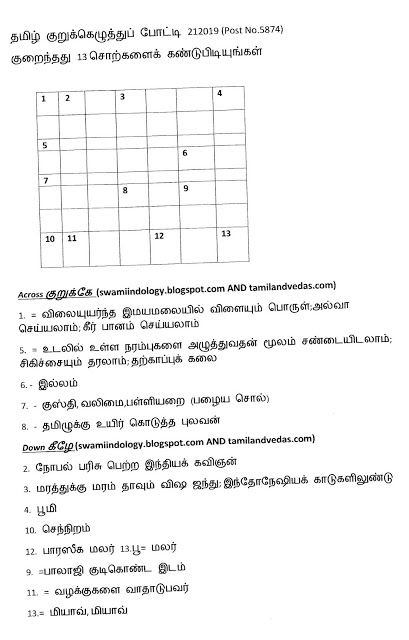
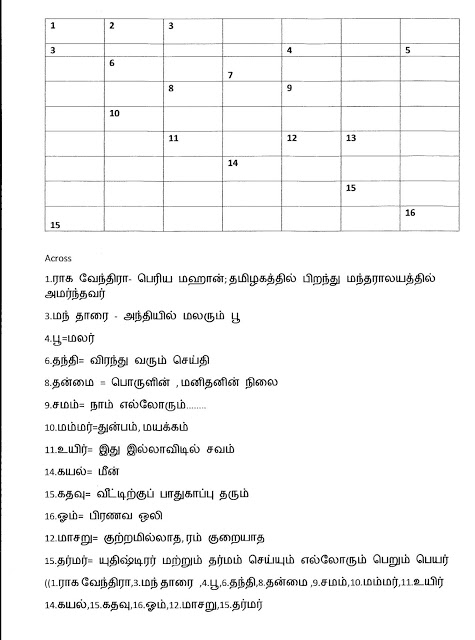
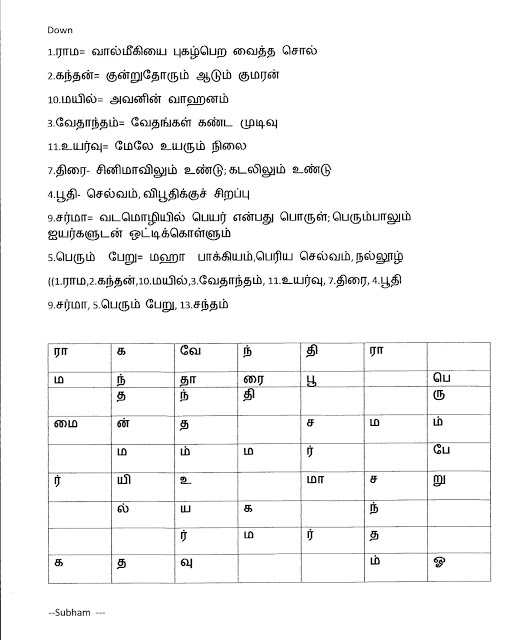
தமிழ் குறுக்கெழுத்துப் போட்டி 212019 (Post No.5874)

Written by London swaminathan

swami_48@yahoo.com
Date: 2 JANUARY 2019
GMT Time uploaded in London –21-30
Post No. 5874
Pictures shown here are taken from various sources including google, Wikipedia, Facebook friends and newspapers. This is a non- commercial blog.

Manu Smrti in South East Asia (Post No.5873)

swami_48@yahoo.com
Date: 2 JANUARY 2019
GMT Time uploaded in London –16-26
Post No. 5873
Pictures shown here are taken from various sources including google, Wikipedia, Facebook friends and newspapers. This is a non- commercial blog.


I have already given the influence of Manu Smrti in Cambodia. See my article posted yesterday. Now let us look at his impact in Thailand and Indonesia

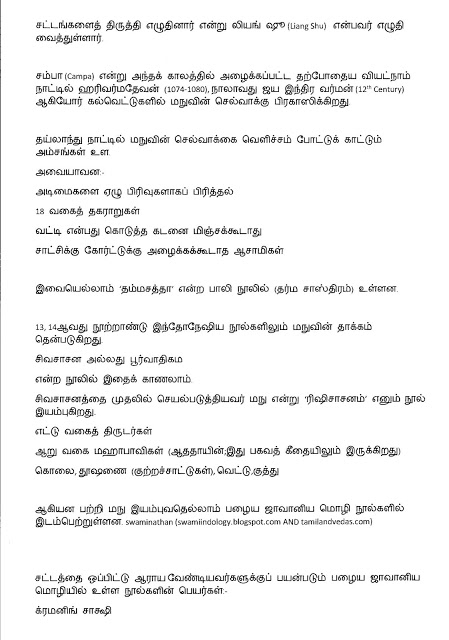
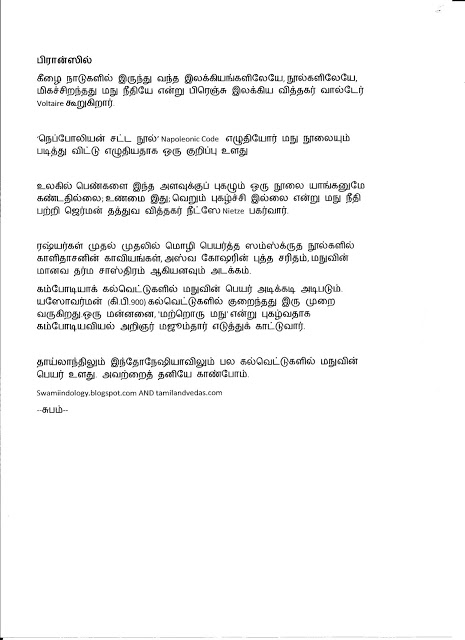
In ancient Indonesia 8th and 9th chapters of Manu Smrti are the main source of law books relating to civil and criminal law. Two law books called Devaagama and Svarajambu followed Manu. A Brahmin named Kaundinya II reformed the laws in the light of the Indian system according to Liang Shu.

Indian influence is seen in ViIetnam (Champa) as well. An inscription states that king Hari varma deva (1074-1080) was versed in four ,Upays and 18 titles or subjects of dispute . Jaya Indra varman IV of `12th century was conversant with all the Dharmasastras.

In Thailand also we see 18 titles of dispute, division of slaves into seven classes. Interest can’t exceed the principal and persons who can’t be witnesses  (in Thailand’ s Dhammasatha ( Dharma sastra))

In the legal treaties Sivasasana or Purvadigama , rules prescribed by Manu are used. It is stated in the Rsisasana that Manu was the first monarch who introduced the Sivasasana.

The Javanese treaties


Kutaramanava,
Svarajambu,
Adigama
are composed on the basis of Manu Smrti


Eight kind of thieves,six kind of great sinners (Atadayins) , homicide etc are discussed on the basis of Manu Smrti

There are other works in old Javanese which used Manu Smrti.


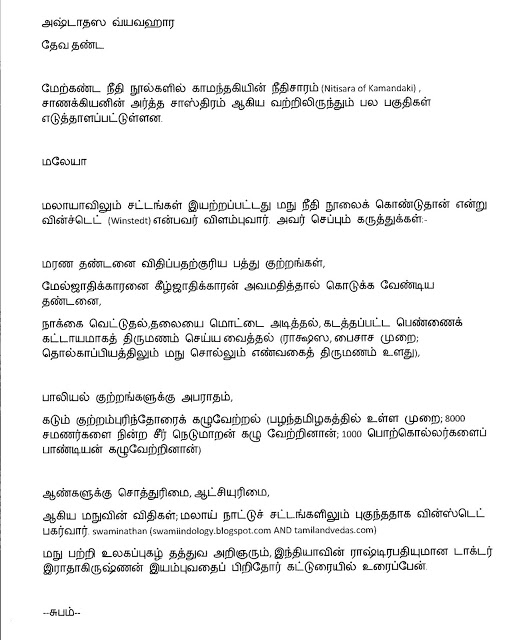
Malaya


Manu’s influence is quite considerable on the laws of Malay according to Winstedt; most of the patriarchal law of this country was of Indian inspiration

Most of the ten crimes for which death penalty are prescribed are like those in Hindu law. And heavier punishment for a person offending against a person of superior caste, modes of punishment like the cutting of the tongue, shaving the head etc, marrying a forcibly abducted girl, fine for sexual offences also reflects of Manu Smrti.

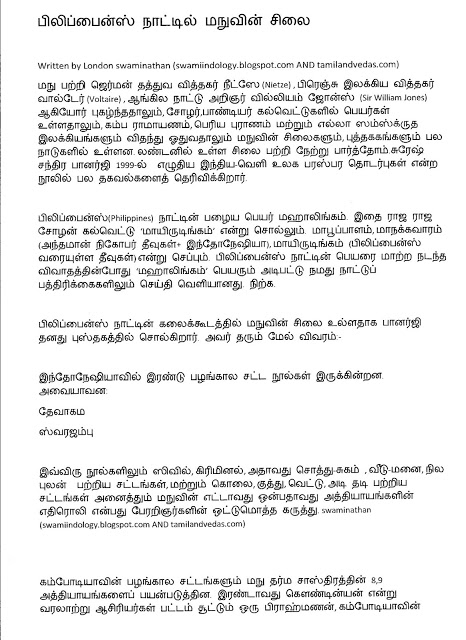
Manu Statue in Philippine

The installation of Manu’s Statue, in early times in the Philippines, is an index to the reverence to this great law giver. It is preserved in Art Gallery of the Senate Chamber of the Philippine republic

Burma


The Pali Dhammasaththa written by Dhammavilasa in 1174 has many of Manu’s rules


Next I will give Dr S Radhakrishnan’s (Philosopher  and President of India) views on Manu Smrti

Source book- Cultural Reciprocation between India and the World,  Sures Chandra Banerji, 1999, Delhi

–subham-


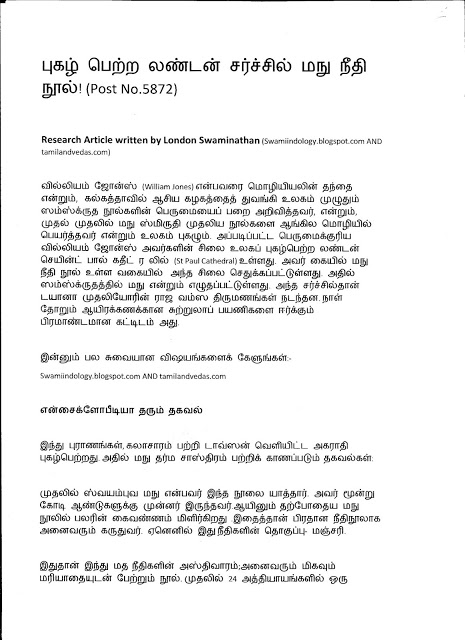
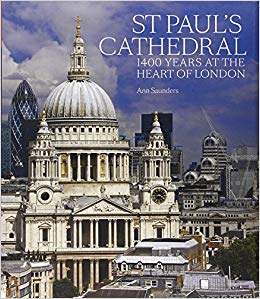
புகழ் பெற்ற லண்டன் சர்ச்சில் மநு நீதி நூல்! (Post No.5872)


Written by London Swaminathan

swami_48@yahoo.com
Date: 2 JANUARY 2019
GMT Time uploaded in London –8-31 AM
Post No. 5872
Pictures shown here are taken from various sources including google, Wikipedia, Facebook friends and newspapers. This is a non- commercial blog.


TAGS- லண்டன் சர்ச்,  மநு நீதி நூல்,வில்லியம் ஜோன்ஸ், செயின்ட் பால் கதீட்ரல் 

-SUBHAM-

தமிழ் குறுக்கெழுத்துப்போட்டி 1-1-2019(Post No.5870)

Written by London Swaminathan
swami_48@yahoo.com
Date: 1 JANUARY 2019
GMT Time uploaded in London –19-29
Post No. 5870
Pictures shown here are taken from various sources including google, Wikipedia, Facebook friends and newspapers. This is a non- commercial blog.

கட்டத்திலுள்ள 22 சொற்களைக் கண்டு மகிழுங்கள்

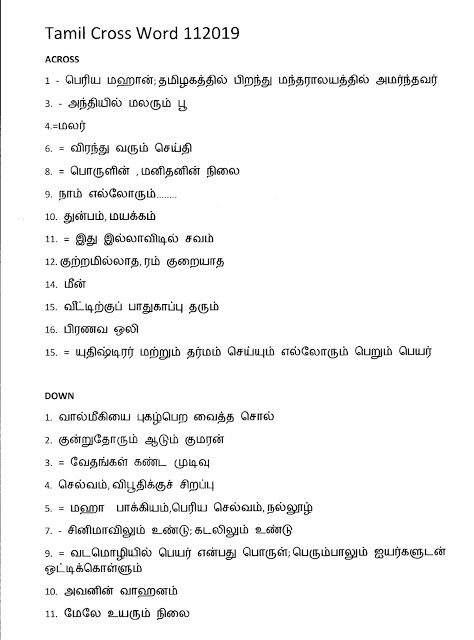
Tamil Cross Word 112019 (Post No.5870)


ENGLISH CROSS WORD 1-1-2019 (Post No.5869)

Written by London Swaminathan
swami_48@yahoo.com
Date: 1 JANUARY 2019
GMT Time uploaded in London –16-36
Post No. 5869
Pictures shown here are taken from various sources including google, Wikipedia, Facebook friends and newspapers. This is a non- commercial blog.


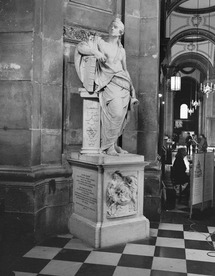
INDIAN WONDER- MANU SMRTI IN LONDON CATHEDRAL! (Post No.5868)


Written by London Swaminathan
swami_48@yahoo.com
Date: 1 JANUARY 2019
GMT Time uploaded in London –15-29
Post No. 5868
Pictures shown here are taken from various sources including google, Wikipedia, Facebook friends and newspapers. This is a non- commercial blog.


Tags- Statue of William Jones with Manu Smrti, St Paul’s Cathedral, Original Manu Smrti